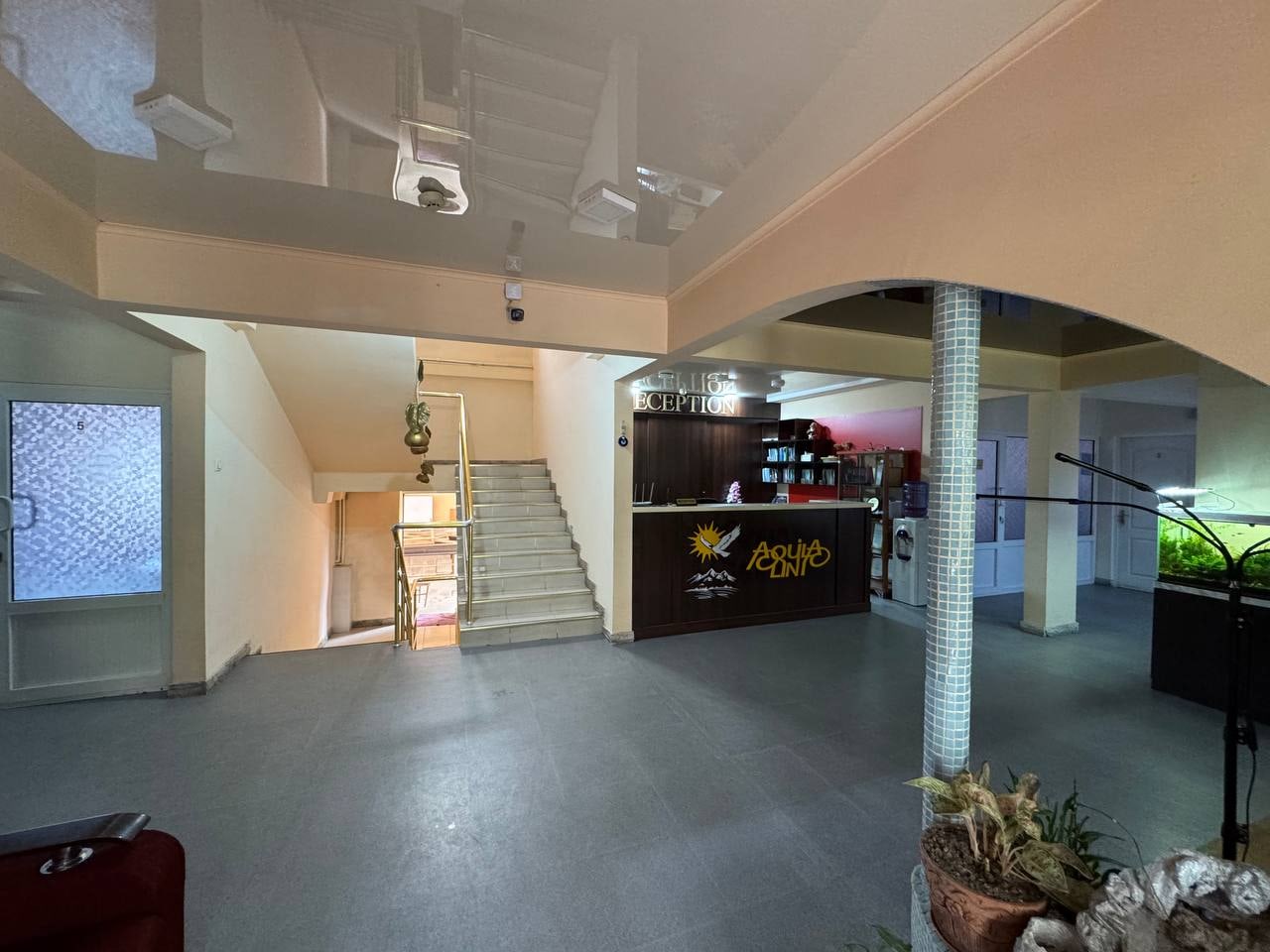
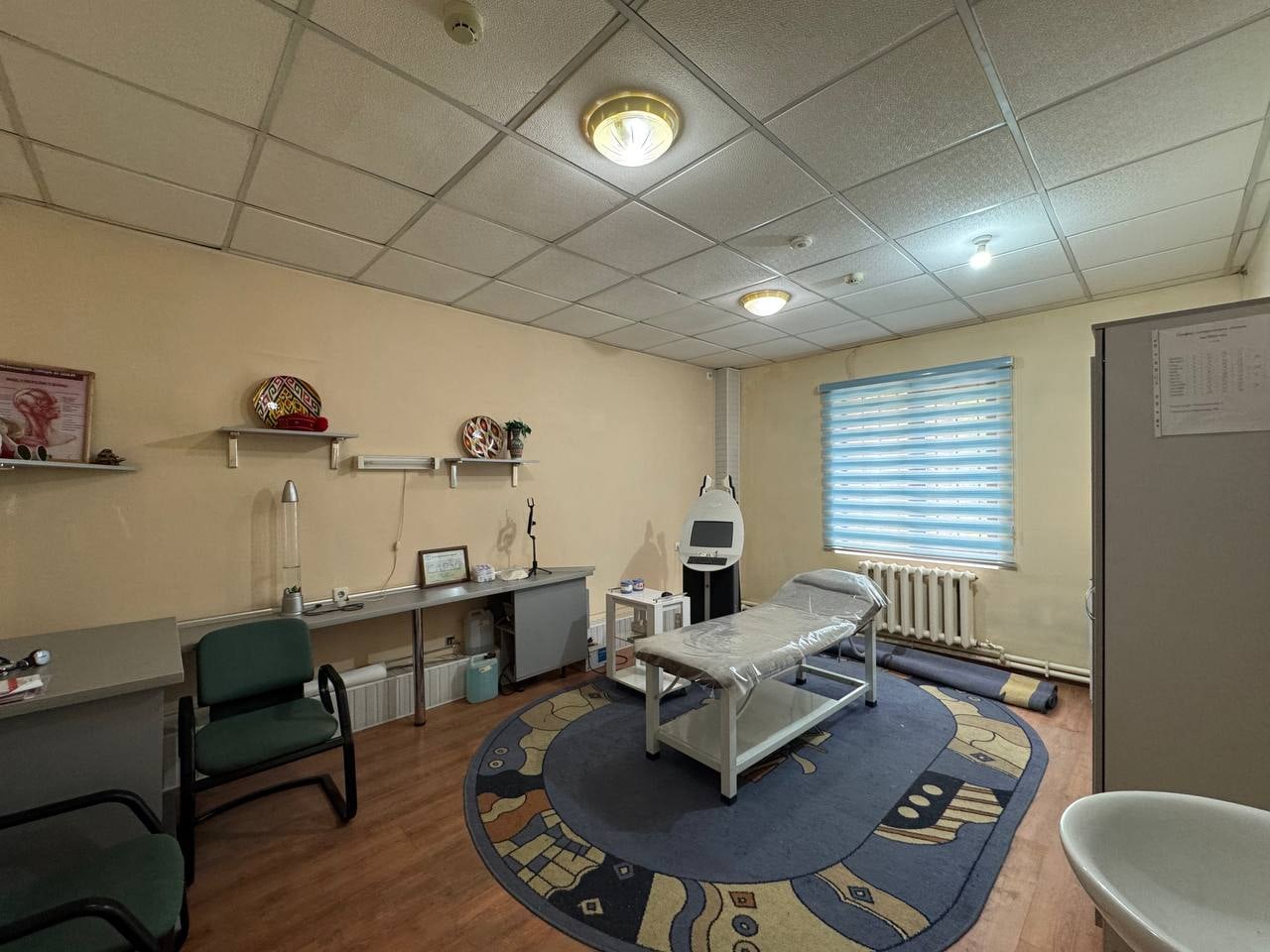
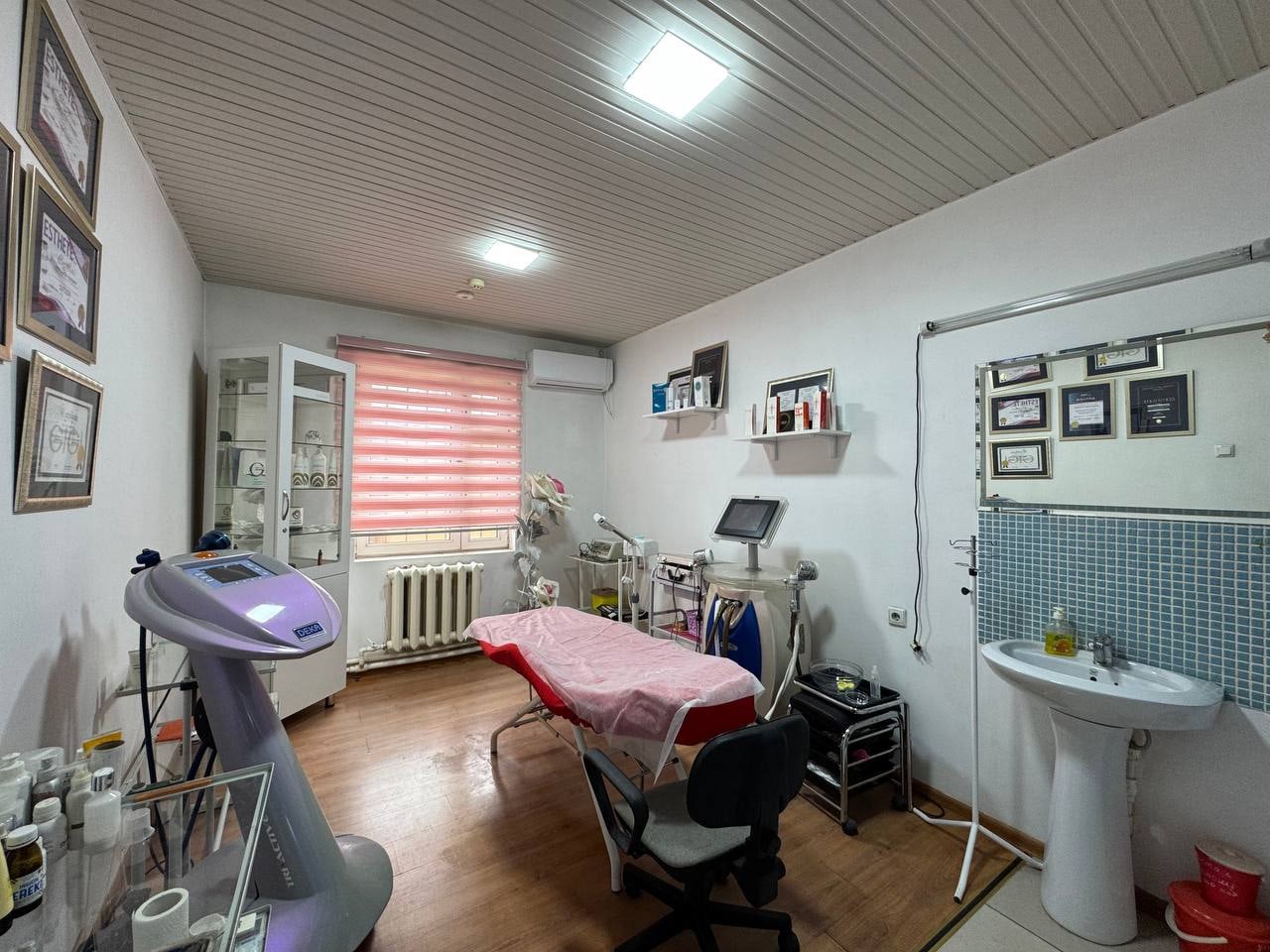
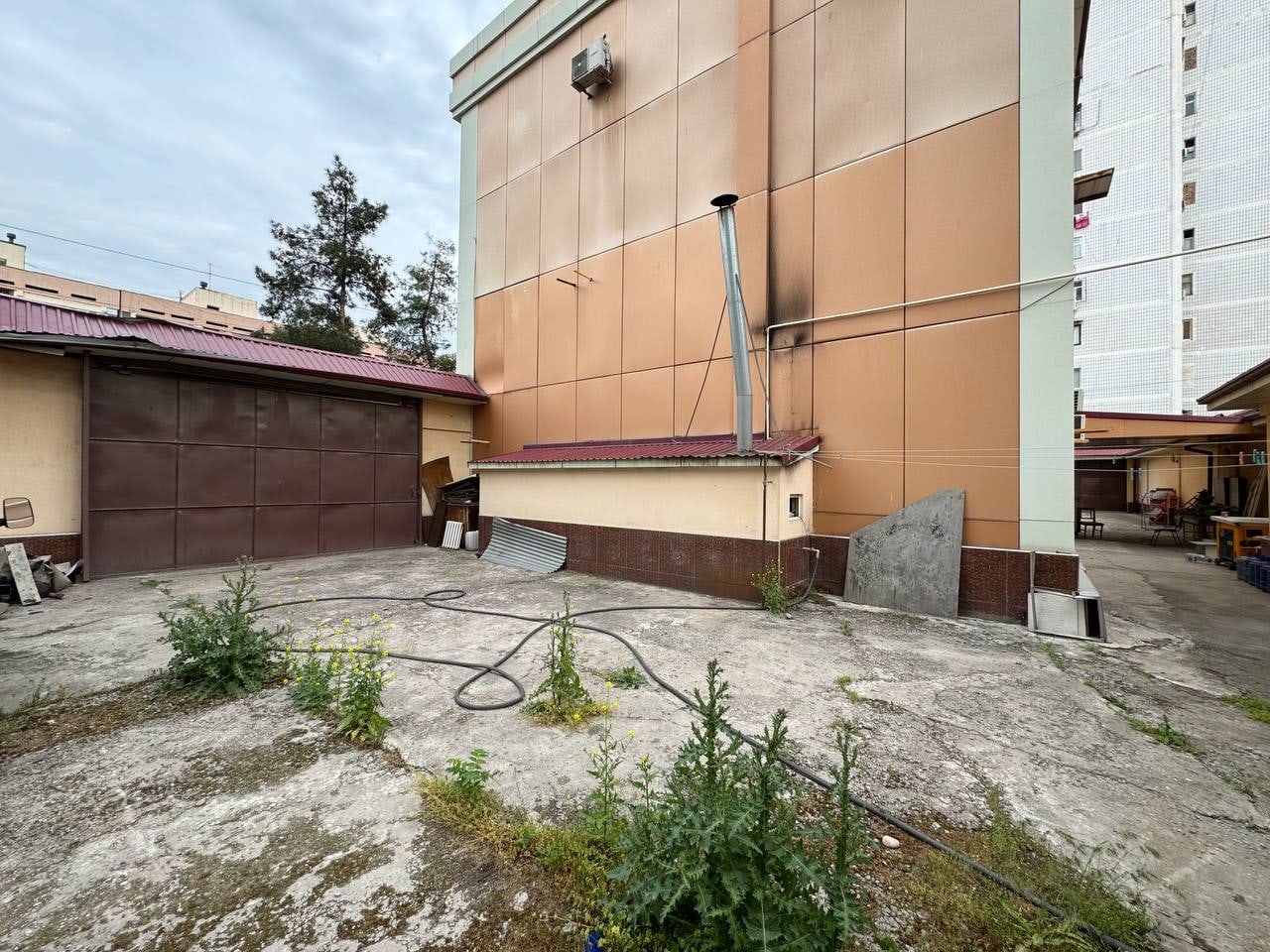
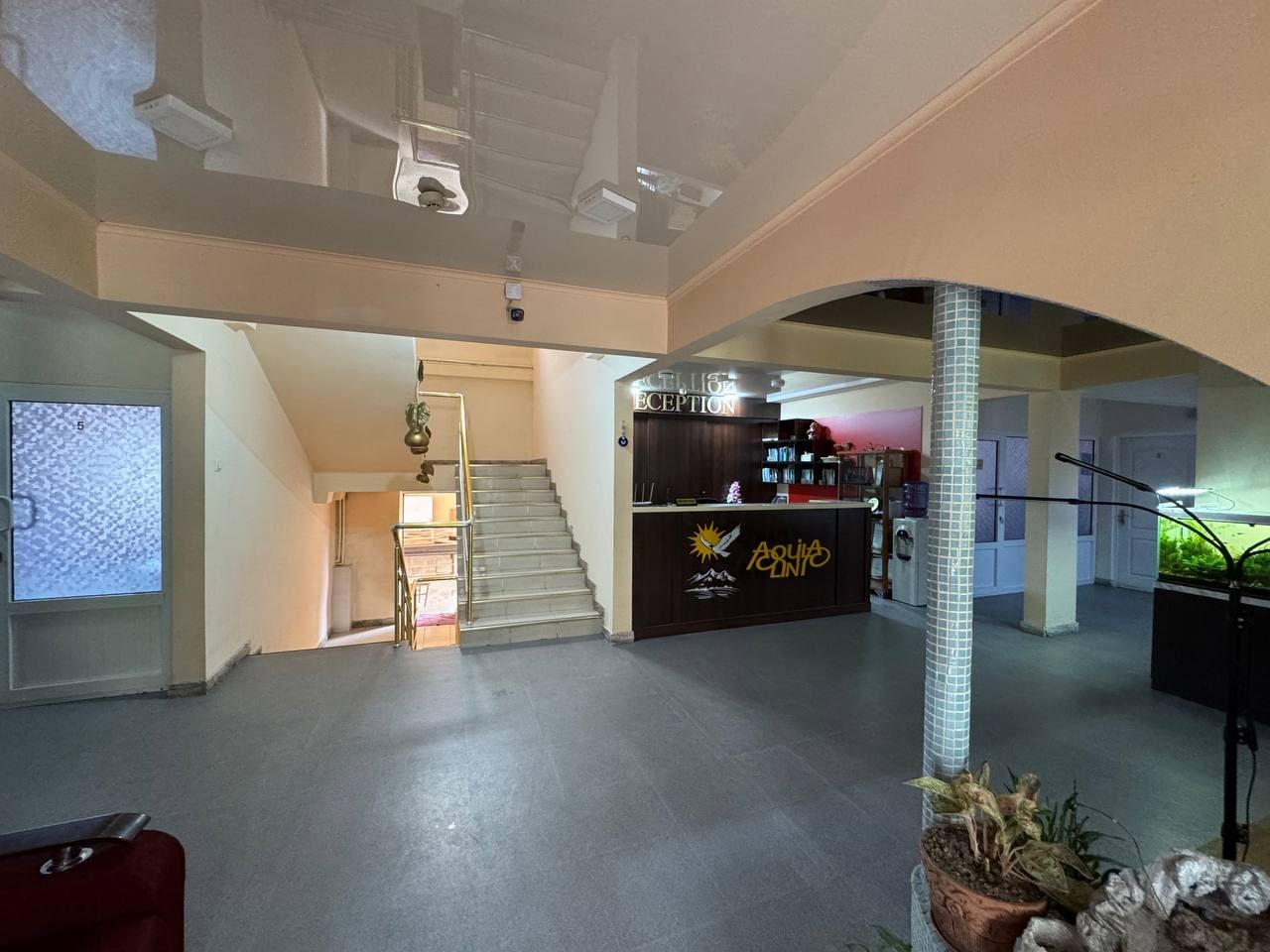
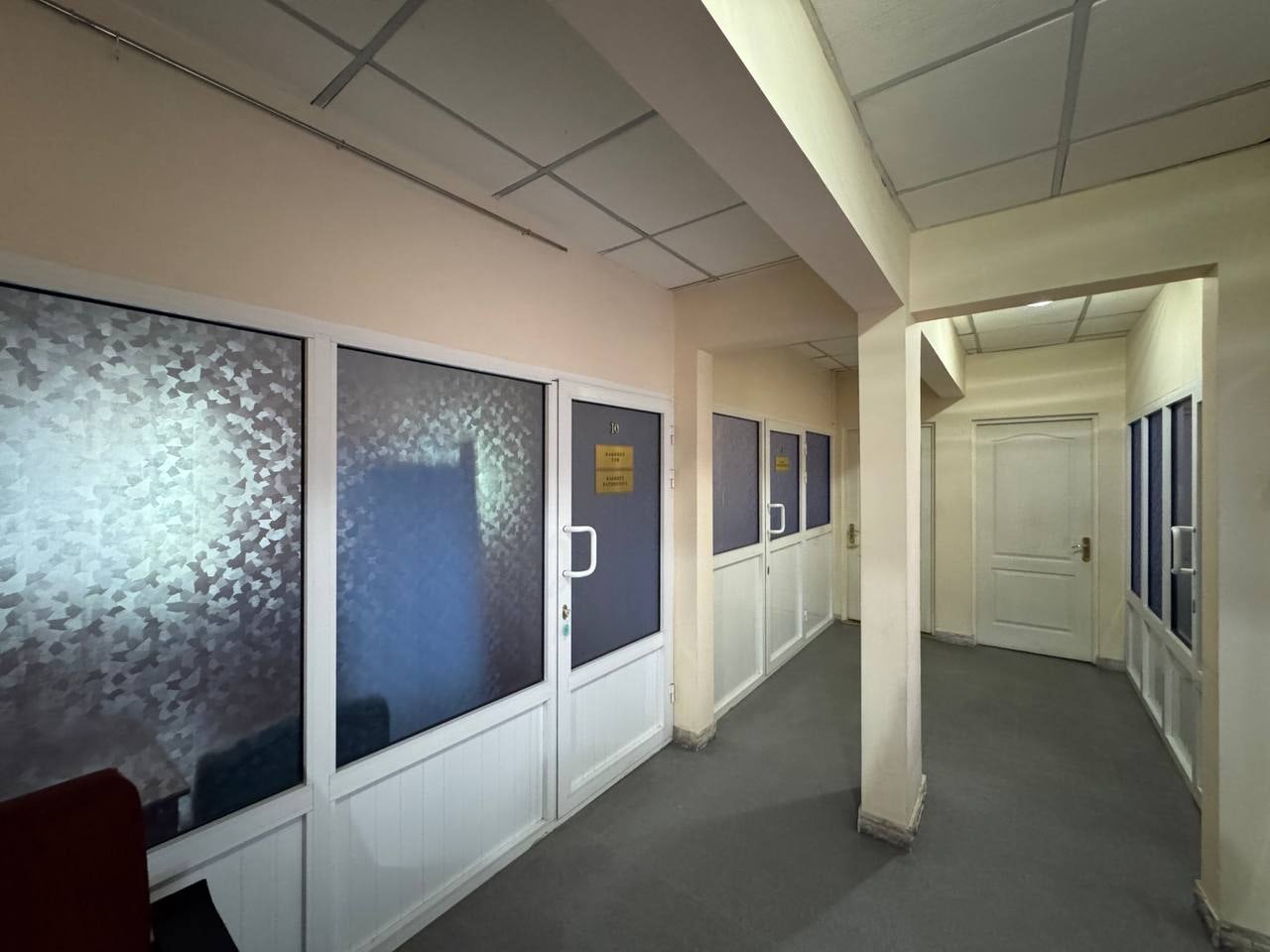
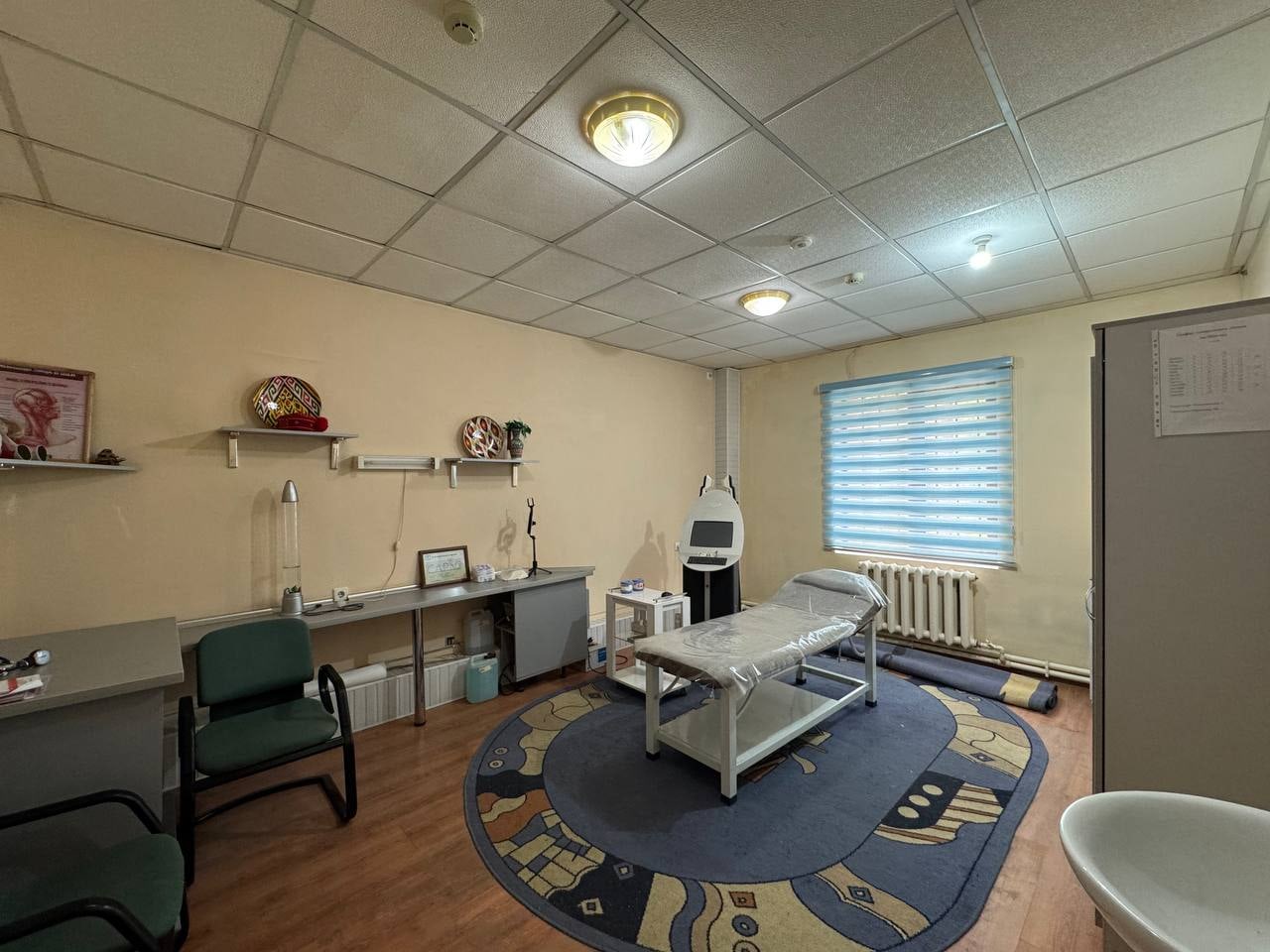
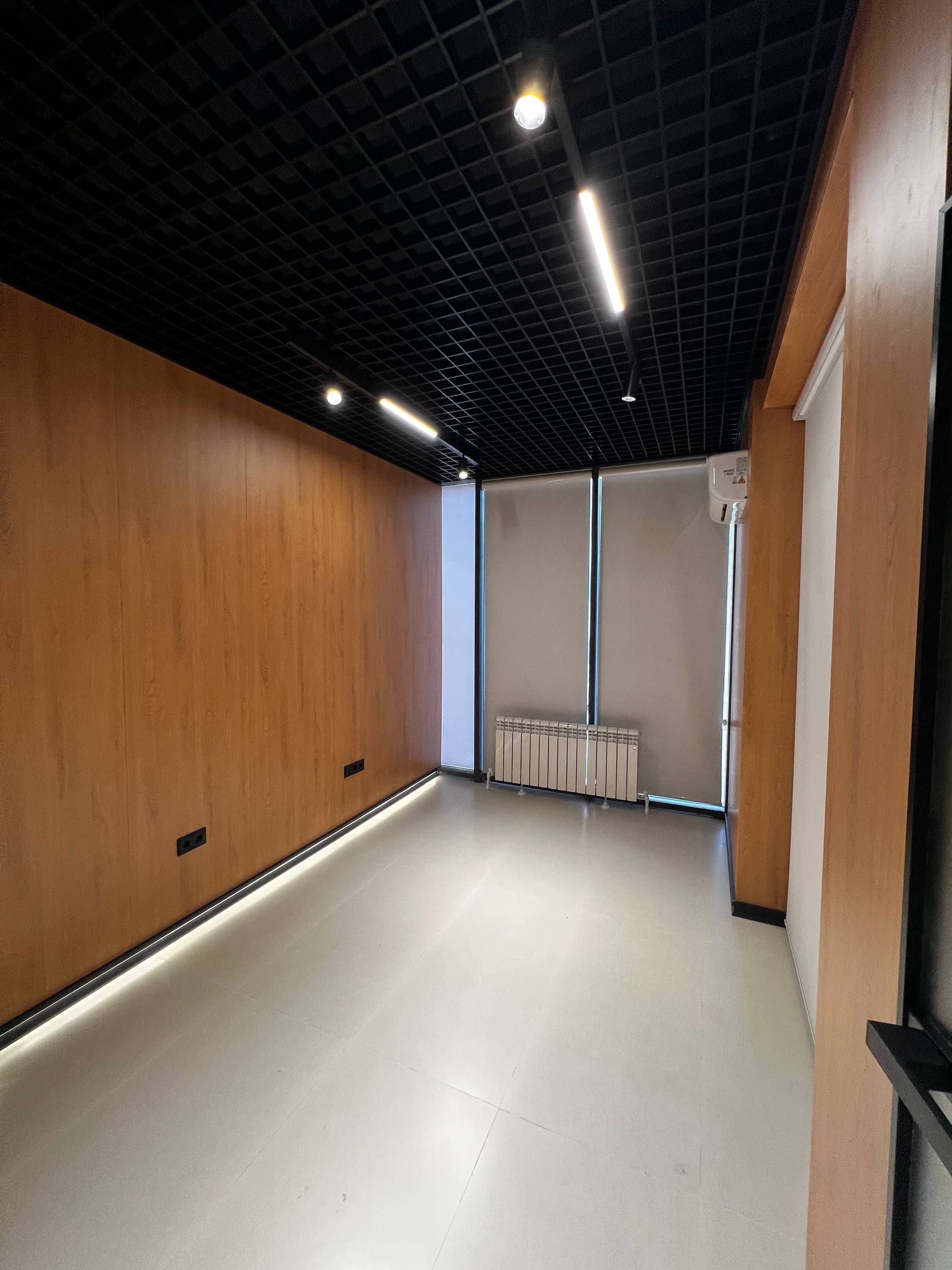
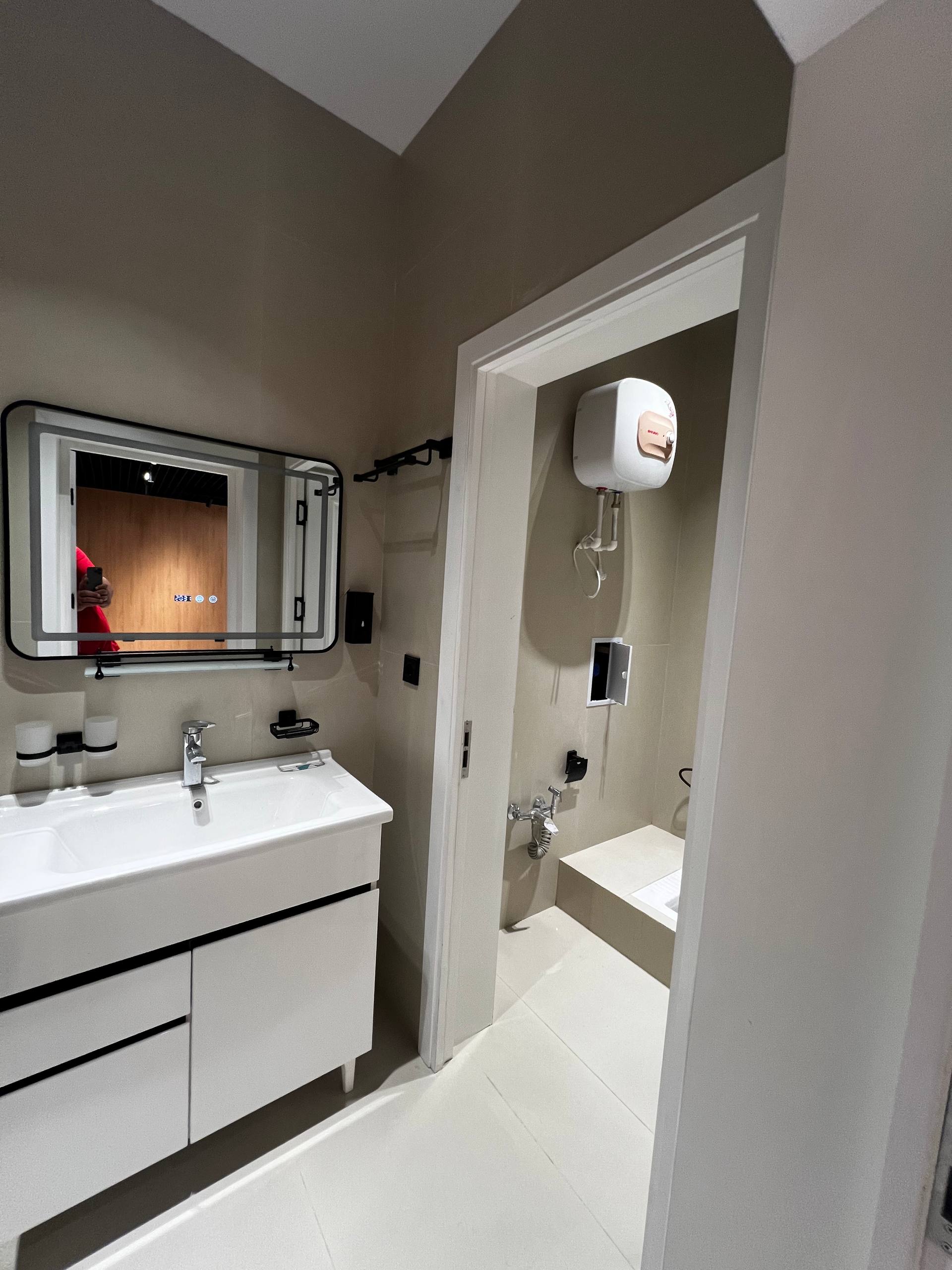
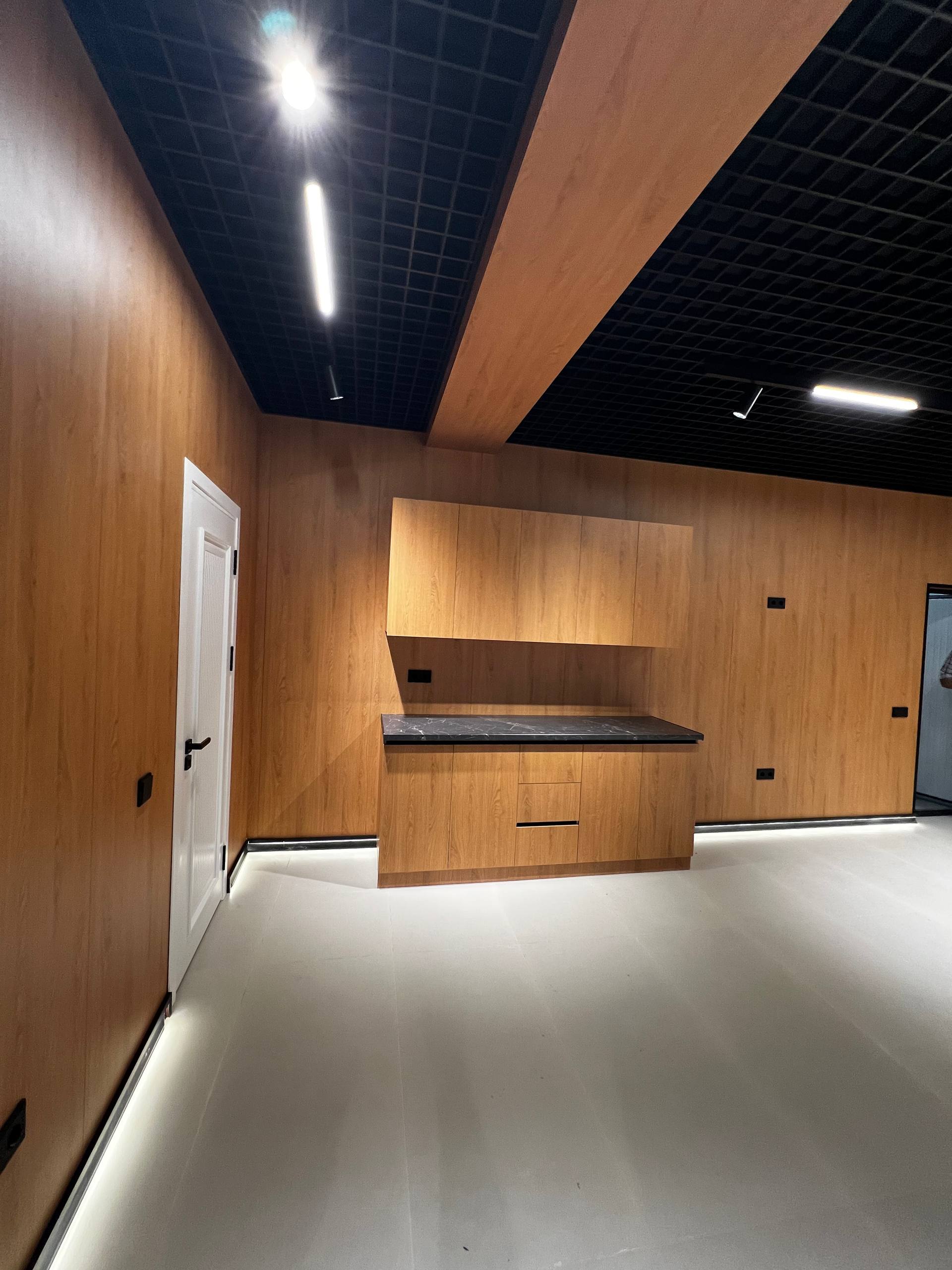
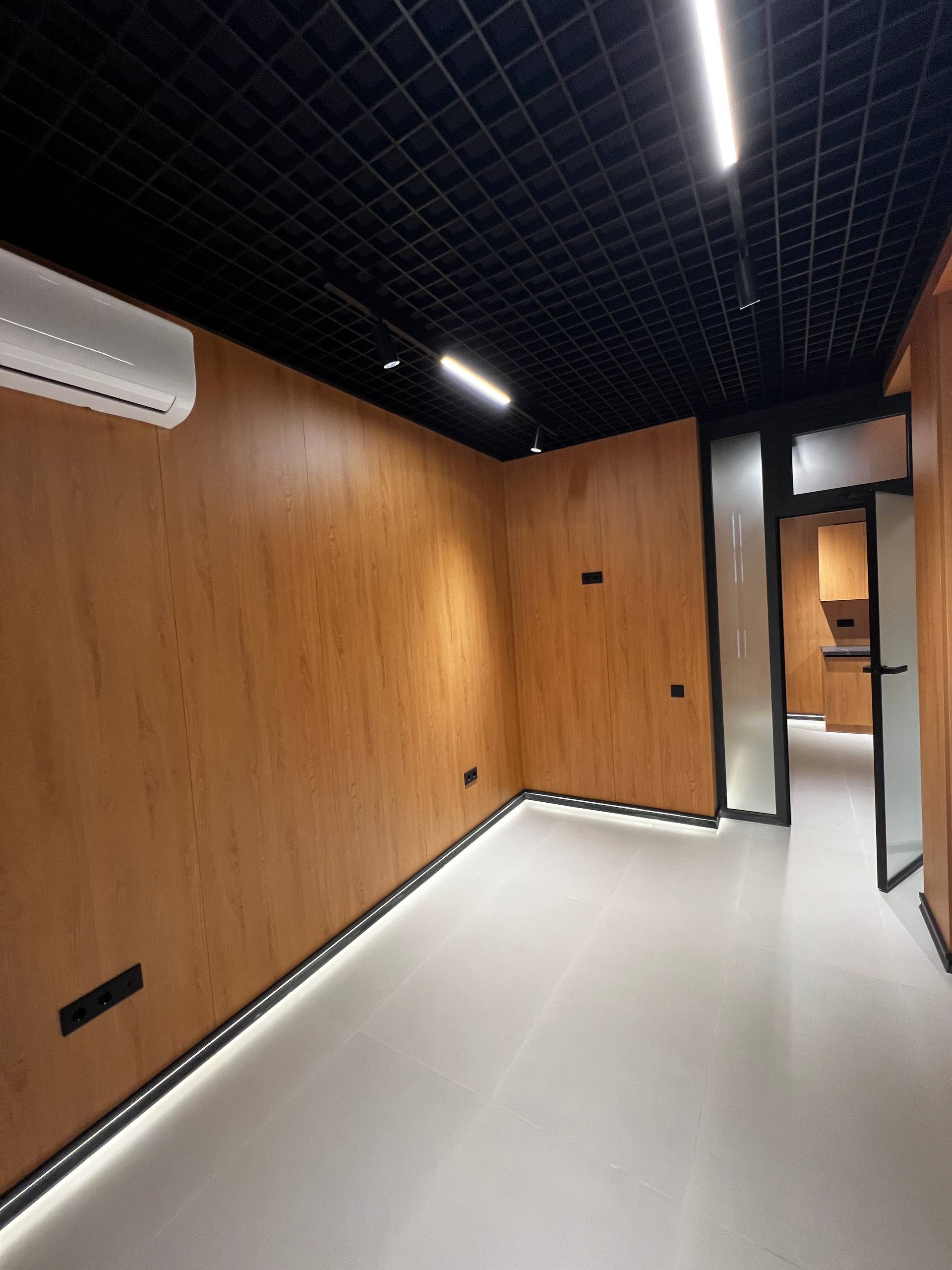
A recreation base may advertise 40 guest places, have a restaurant seating 70 and provide parking for only 15 cars. All three figures may be accurate, but none independently shows how many people the property can serve without disruption. A buyer or tenant needs to establish workable capacity for a defined operating mode—overnight stays, day visits, events or a combination—rather than rely on a headline maximum.
The error becomes particularly visible at out-of-town properties serving demand from Tashkent on weekends. Day visitors occupy no beds, yet they load the entrance, parking area, kitchen, toilets, water system and grounds at the same time. Adding cabins therefore does not necessarily increase revenue. The well, wastewater facility, access road or kitchen may remain the binding constraint.
The method below brings these limits into one model and shows which development scenario the property can genuinely support.
Why bed count is not the same as capacity
A recreation base has at least three different capacity measures:
- **accommodation capacity** — the number of guests who can stay in registered, operational rooms or cabins;
- **simultaneous site capacity** — overnight guests, day visitors, employees and contractors present at the same time;
- **commercial capacity** — the number of guests who can be served in the chosen format without queues, failures or degradation of the product.
Bed count answers only the first question. Site area does not provide a ready answer either. Two properties of the same size may differ in terrain, usable land, circulation, utility capacity and service mix.
There is also a legal boundary. Uzbekistan's Law On Tourism treats accommodation as a tourism service and makes accommodation facilities subject to mandatory certification, except for the limited exception expressly stated in the law. Certified services and accommodation facilities are covered by sector registers. The owner's stated bed count should therefore be checked against both the layout and the current certificate and registry information.
A separate number appears in the tourism-cluster rules. To obtain that particular status, a cluster must include an accommodation facility for at least 40 guests. This is a requirement for a special status, not a universal capacity rule for every recreation base.
Separate guests by operating scenario first
One total conceals conflicting flows. Build a separate profile for each mode of operation.
**Weekend overnight stays.** Count rooms, standard and extra beds, length of stay, check-in and check-out times, breakfasts, evening water consumption and the morning wastewater peak. Do not assume that every sold family cabin is fully occupied; record the actual number of guests.
**Day recreation.** Include entry tickets or pavilion bookings, pool and restaurant visitors, adults accompanying children and peak simultaneous attendance. A daily total is insufficient: 100 visitors spread across ten hours and 100 arriving at noon create very different loads.
**Corporate or family events.** The critical resources are the hall, kitchen, toilets, parking, a place for buses, separation of guest and service routes, permitted operating conditions and safe evacuation. Installation crews and service staff also count as people on the site.
**A mixed day.** This is the toughest test: overnight guests have not checked out, day visitors have arrived, the restaurant is preparing a banquet and a service vehicle is delivering supplies. For a property serving Tashkent's weekend market, this time-based view is more useful than a monthly average.
Test the journey from the districts where the target customers live or work, on Friday evening and Sunday, rather than from an arbitrary city-centre point on a quiet morning. Access options can first be compared on the property map, followed by a site visit to time and inspect the final road section.
Build a property constraints register
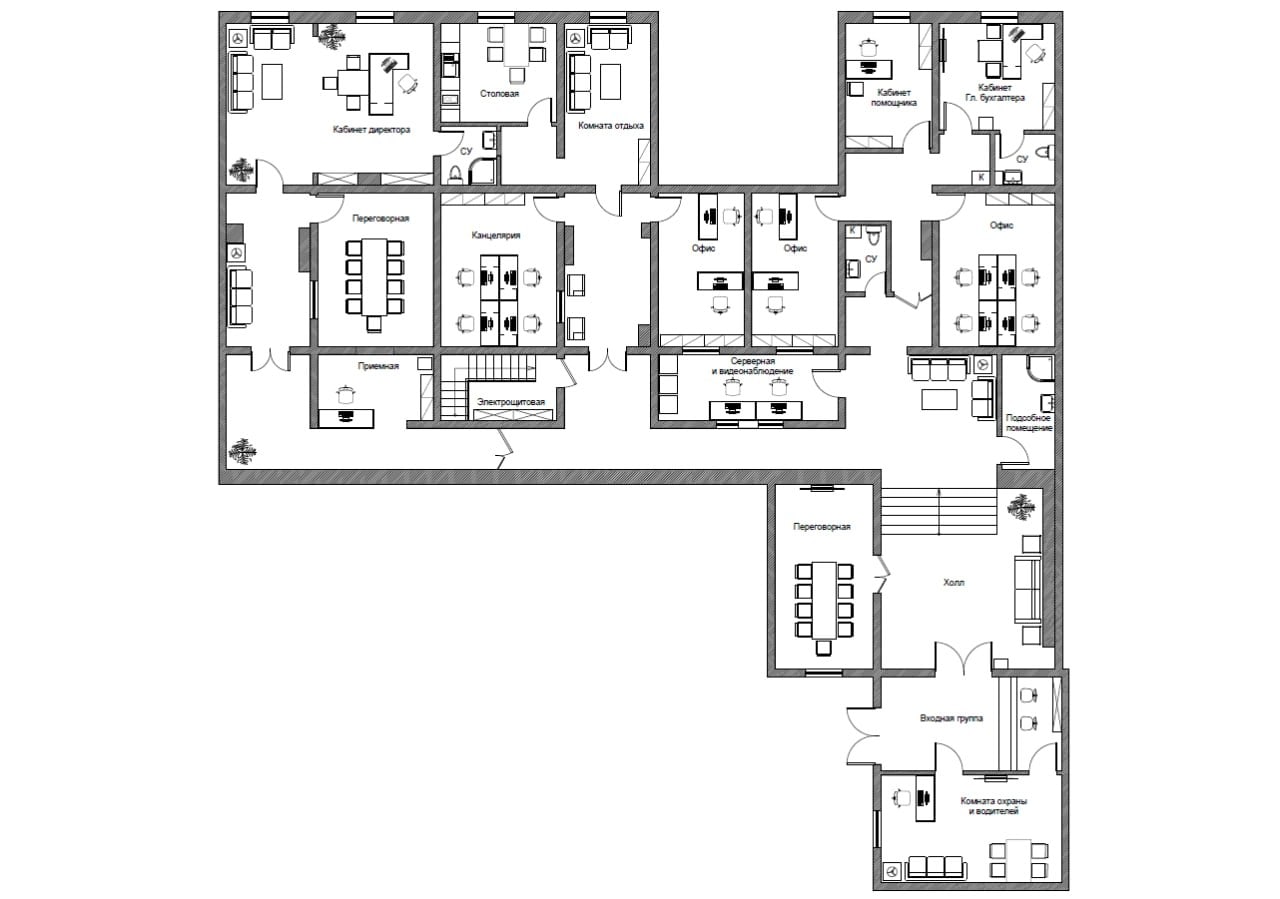
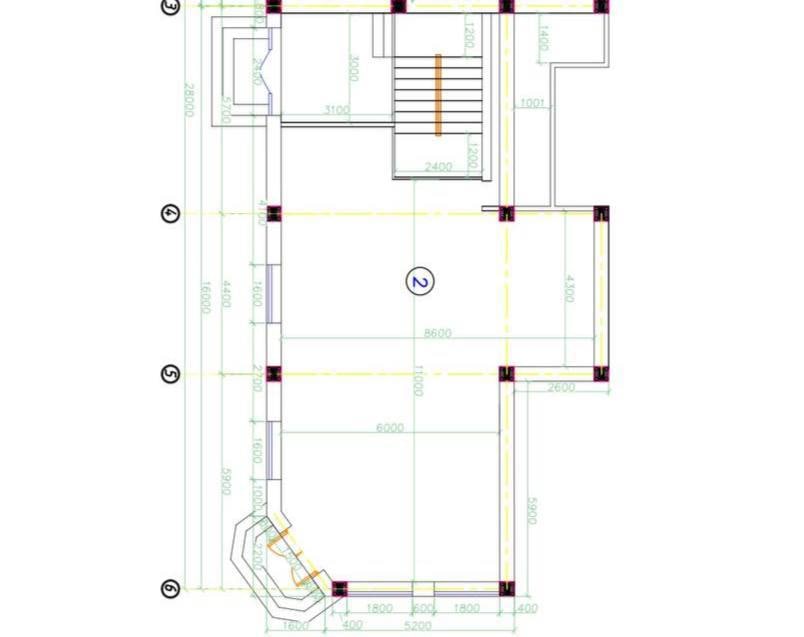
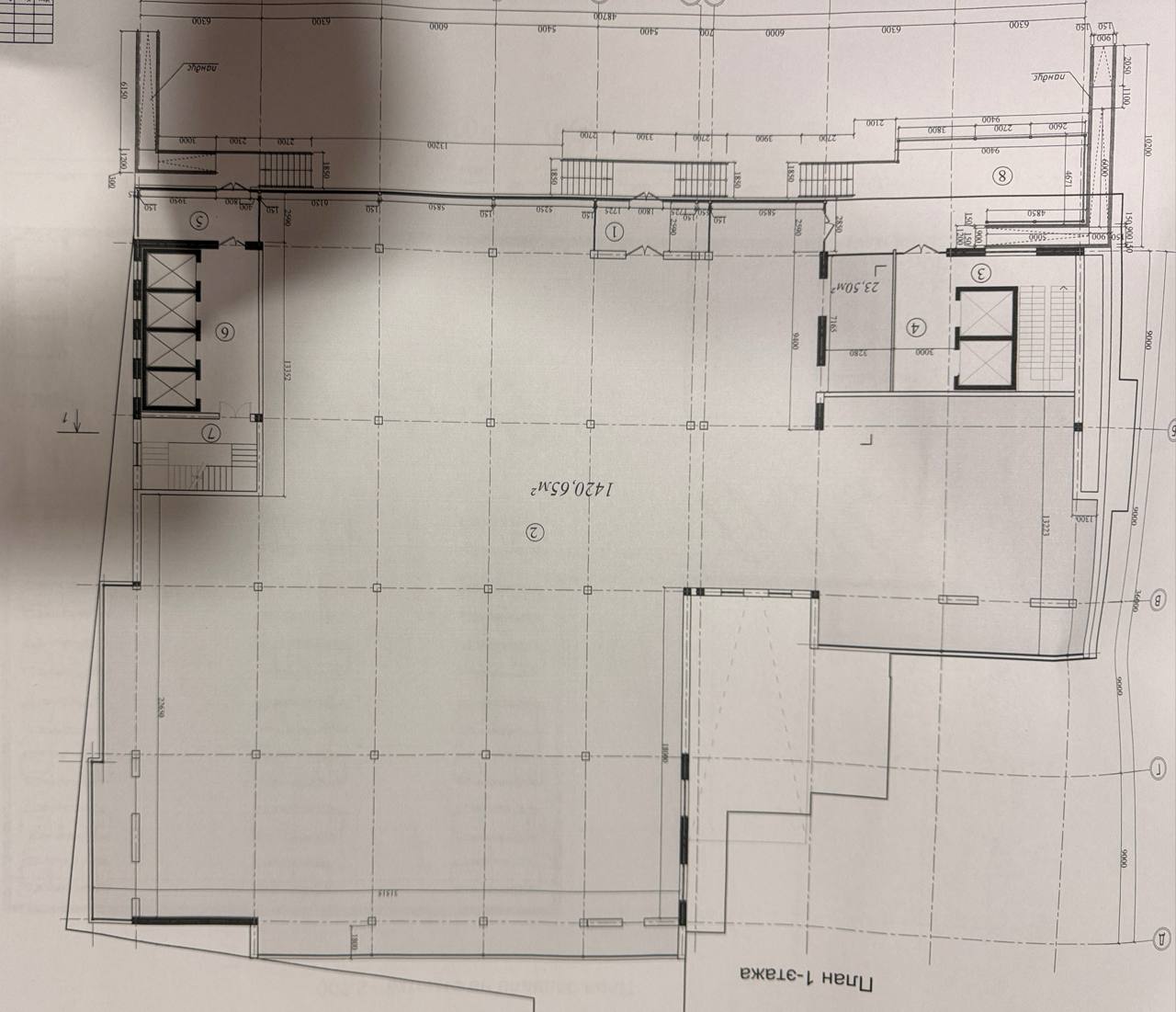
Request floor plans, room schedules, the cadastral passport and a recent extract, documents confirming land rights, the accommodation certificate, utility specifications and supply contracts. Uzbekistan's public-services portal provides a free service for checking the authenticity of a cadastral extract and passport. A seller's statement about area or building count is no substitute.
Create a table recording the evidence, current condition, unit of measurement and scenario-specific limit for every resource:
| Resource | What to measure | Supporting evidence | |---|---|---| | Accommodation | usable rooms, standard and extra beds | cadastral plans, room schedule, certificate, inspection | | Water and wastewater | documented capacity, storage, peak demand, disposal or treatment | specifications, contracts, design, operating logs | | Electricity | authorised and actual load, reserve, simultaneous kitchen and climate load | specifications, contract, single-line diagram, professional measurements | | Food service | seats and kitchen output during the peak hour | layout, equipment list, timed operating test | | Access | cars and buses at peak, turning and unloading | circulation plan and observation during the design peak | | Safety | permitted presence, exits and emergency access | design documents and conclusions from qualified specialists | | Staffing | people per shift and available staff accommodation | staffing schedules and actual rosters |
Do not convert engineering parameters into guest numbers yourself where design standards are required. Ask the relevant designer to identify the inputs, governing document and calculation. A statement that capacity is sufficient, without units, time period and peak load, has no value in an investment model.
How to calculate workable capacity
Convert every limit to the same unit first: the maximum number of guests that the resource can support in the same scenario and peak interval. Then apply the bottleneck rule:
**Workable scenario capacity = the lowest verified limit among accommodation, water and wastewater, electricity, food service, access, safety and staffing.**
Consider an illustrative example, not data from an actual property. A complex has 12 double rooms, giving accommodation capacity of 24. Following technical checks, the limits for the selected operating mode have been converted into comparable guest numbers: food service 32, water and wastewater 30, safety 40 and transport 26. Workable overnight capacity is 24 guests.
If the owner adds four double cabins, the bed count rises to 32, but the property can accept only 26 guests until the transport constraint changes. Water and wastewater, at 30, then become the next bottleneck. This sequence, rather than the desired bed count, determines the proper order of capital expenditure.
Repeat the calculation for day visits and events. Accommodation may not limit the day-use scenario, while toilets, the kitchen or parking move into first place. Do not simply add 24 overnight guests to 50 day visitors. Every shared resource must be recalculated for the simultaneous peak.
Test demand by day, not annual average
Technical scope to expand does not prove market demand. Obtain the most detailed available booking export by month and day, separating rooms, day visits, pavilions, restaurant trade and events. Reconcile it with cash-register records, payments and guest-registration logs. Calendar screenshots that omit cancellations, complimentary stays and actual guest counts distort performance.
For accommodation, calculate room-nights sold, guest-nights, average length of stay, cancellations and dates when particular categories were unavailable for sale. For day use, track guest-days, the hourly peak, spend per visitor and sensitivity to weather. For events, record enquiries, completed functions, average group size and reasons for declined business.
A lost-demand log is especially useful. Record not merely that the property was full, but what was unavailable: family cabins, parking or banquet dates—or whether the customer rejected the road. Expand the scarce product, not the one that is easiest to build.
When comparing a purchase or lease with alternatives in Tashkent's commercial property market, separate the value of the real estate from that of the future operation. A seller's forecast is not verified occupancy.
Compare four development scenarios
| Scenario | What changes | Main test before investment | |---|---|---| | Retain the overnight format | room refurbishment, rate management, direct sales | whether the existing inventory has unsold potential without new construction | | Hybrid with day visitors | pavilions, pool, food service, controlled access | whether grounds, toilets and utilities can support the combined peak | | Events and corporate groups | hall, kitchen, group transport, acoustics | whether events are compatible with overnight guests and operating constraints | | Expand accommodation | new cabins or a building | whether rights, planning feasibility, utilities and sustained shortage of rooms are verified |
Prepare a separate operating statement for each option. Derive revenue from the saleable units in that scenario, not total site area. Separate permanent and seasonal staffing, electricity, water, wastewater, housekeeping, laundry, food, road and grounds maintenance, sales commissions and equipment-replacement reserves.
Tie development to verifiable stage gates. The next stage should not begin merely after a good season. It should begin when records show repeated shortage of the required product on comparable dates, a technical survey confirms infrastructure reserve and the proposal passes preliminary legal and financial review. No universal occupancy percentage is needed; the trigger must cover the cost and risk of the particular project.
What to verify before investing in expansion
Before paying a deposit or ordering modular cabins, complete the following sequence:
- Compare the site boundaries and every permanent structure with the cadastral passport and extract. Validate the extract through the public-services portal and check registered prohibitions and encumbrances separately.
- Reconcile the actual room inventory with the accommodation certificate and sector register. Ask the Tourism Services Certification Centre whether the proposed change requires reassessment or amended documents.
- Obtain written calculations for water, wastewater, electricity, access and safety under every scenario. Do not include verbal assurances in permissible capacity.
- Show the concept to a qualified designer and the territorial construction authority. The public-services portal includes a service covering change of use, reconstruction and additional buildings, together with an architectural planning assignment, but applicability must be established for the specific project.
- Conduct a peak-period observation: count people and vehicles; measure queues, kitchen output times, storage-tank levels and the actual shift complement.
- Prepare conservative, operating and stress cases using the same cost structure. The decision should survive a weak season, not merely several full weekends.
Broader commercial-property due-diligence questions can also be checked against the journal's practical materials. The final analysis is not one attractive number but three documents: a constraints register, a calendar of evidenced demand and a phased investment plan. When they agree, expansion becomes a manageable project rather than a guess.
Sources and verification date