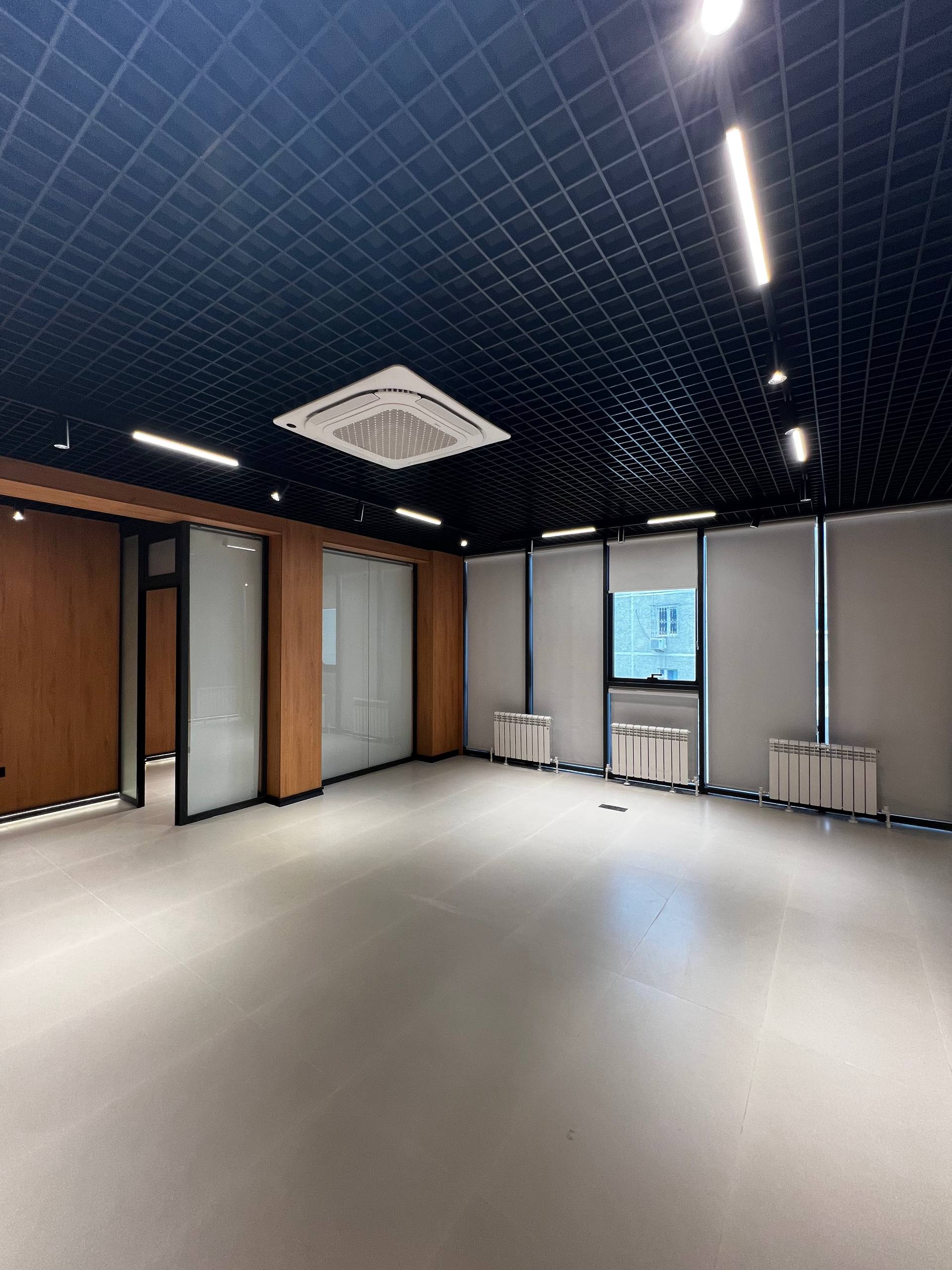
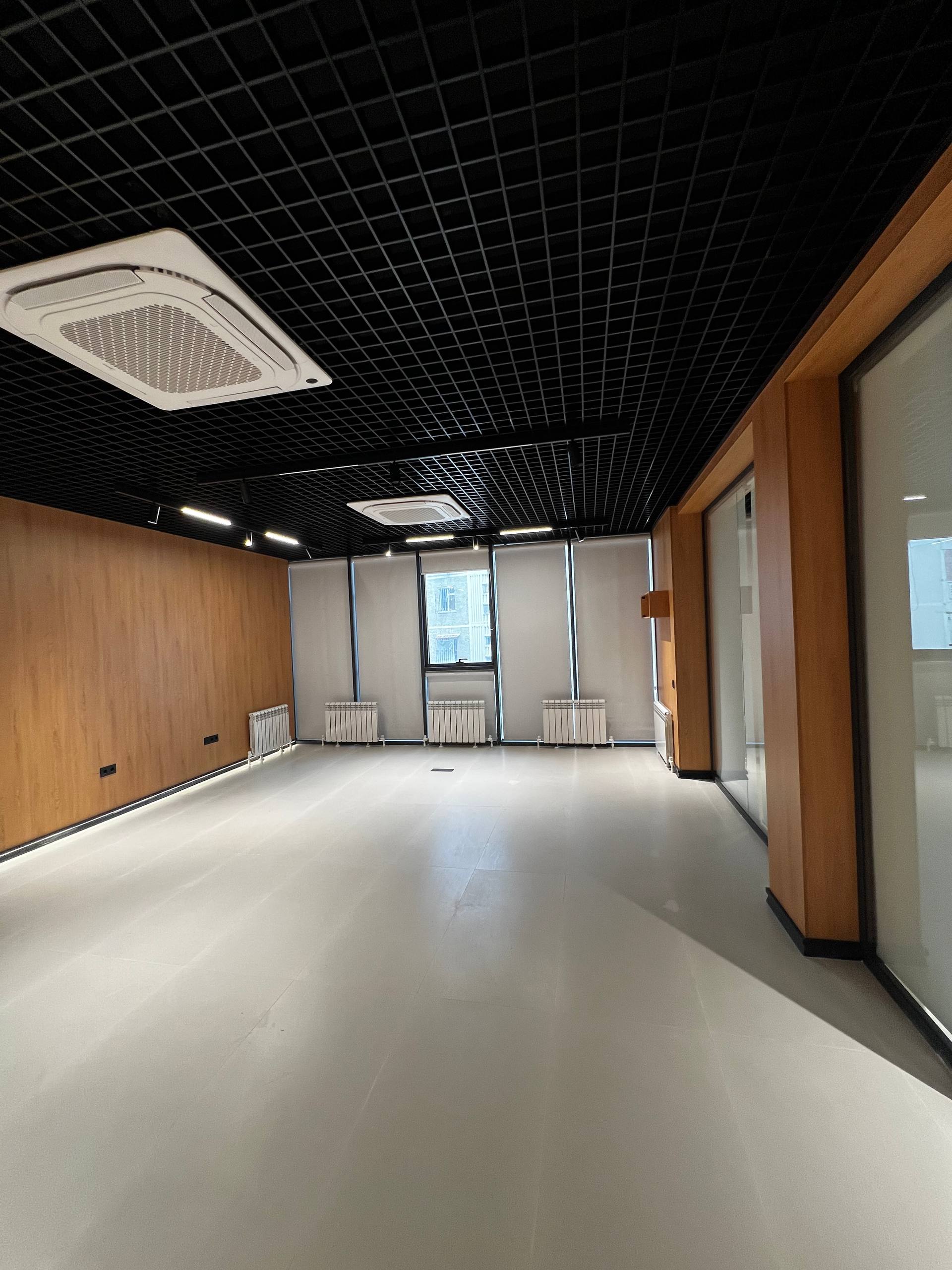
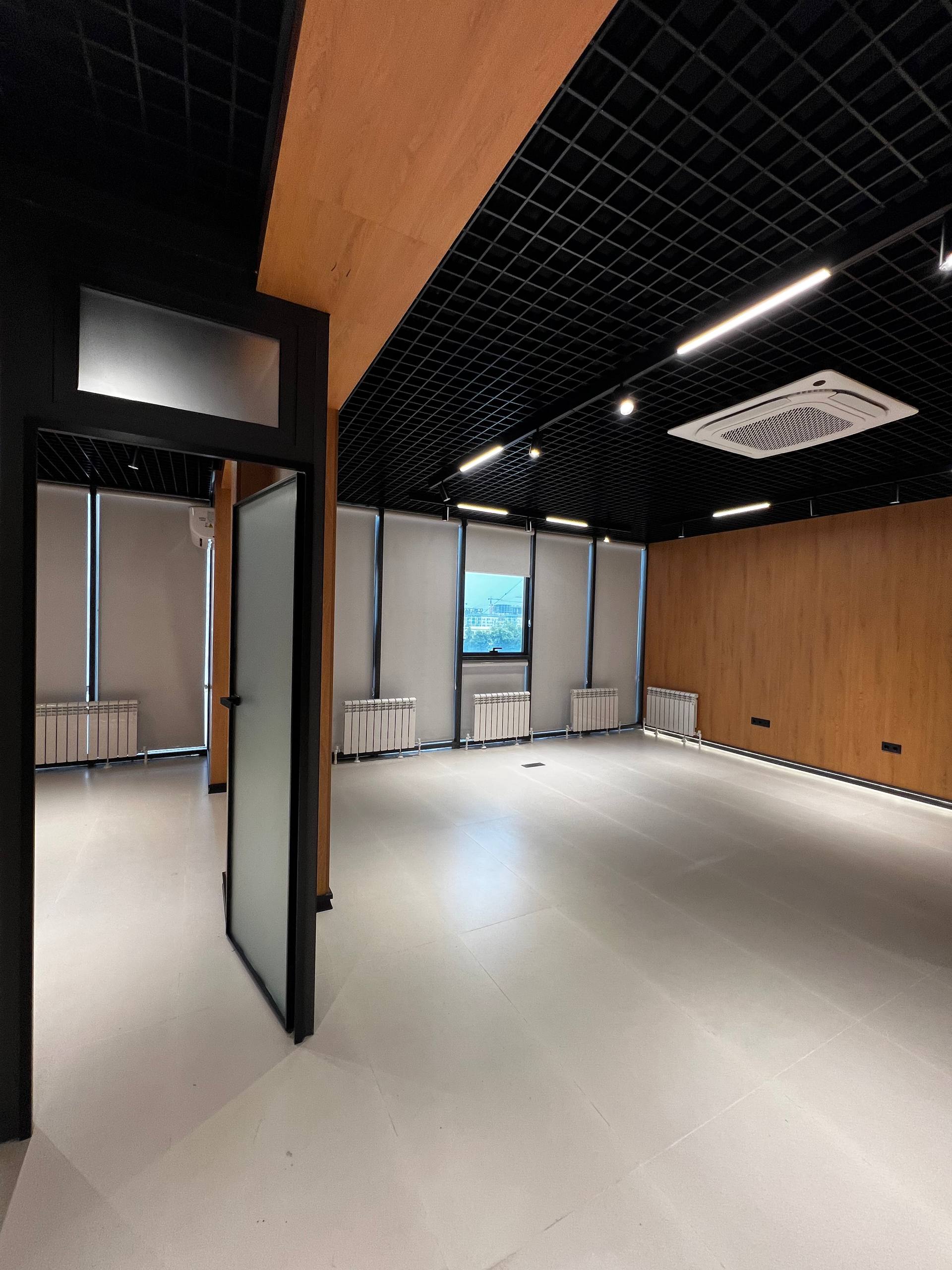
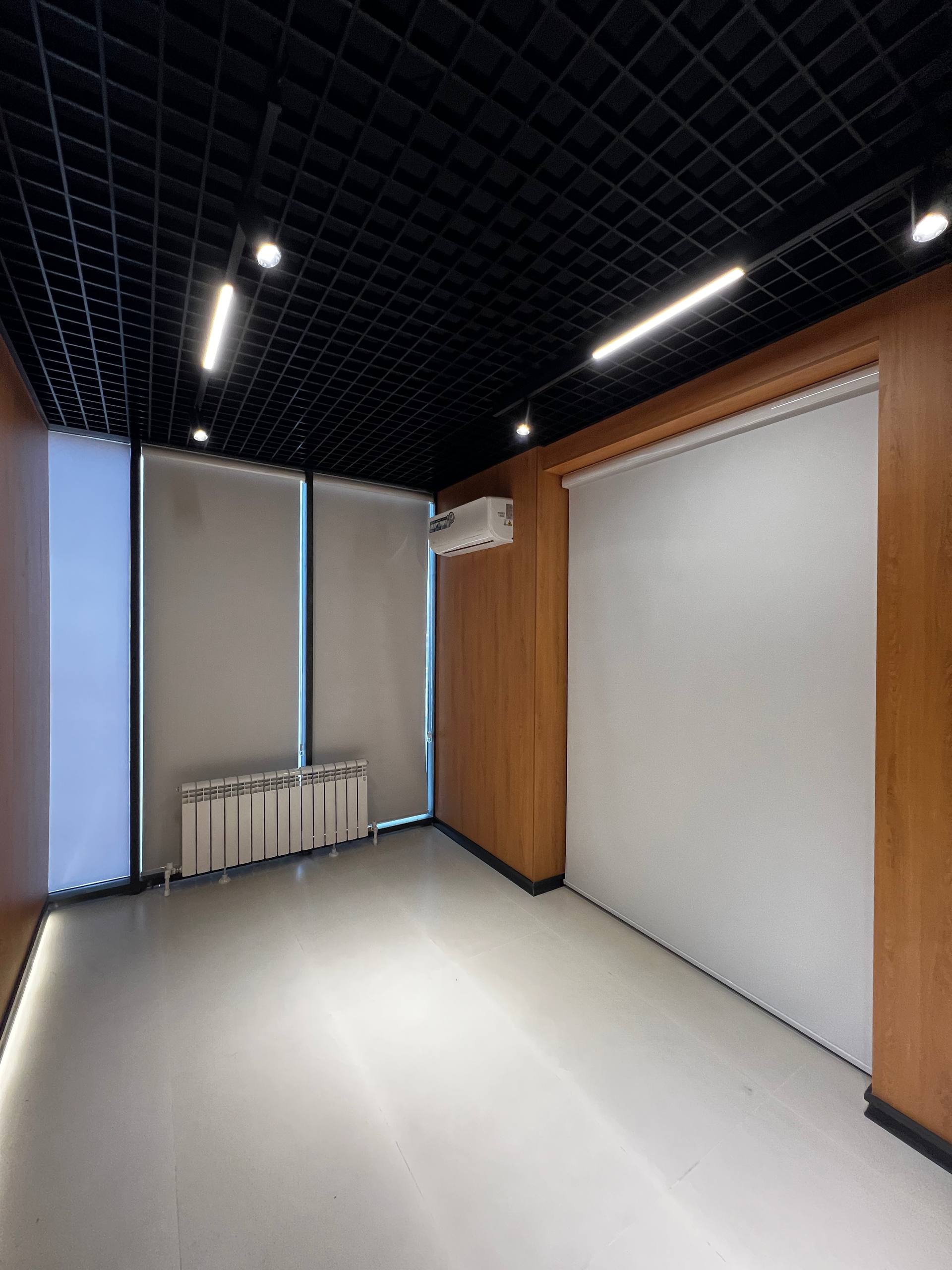
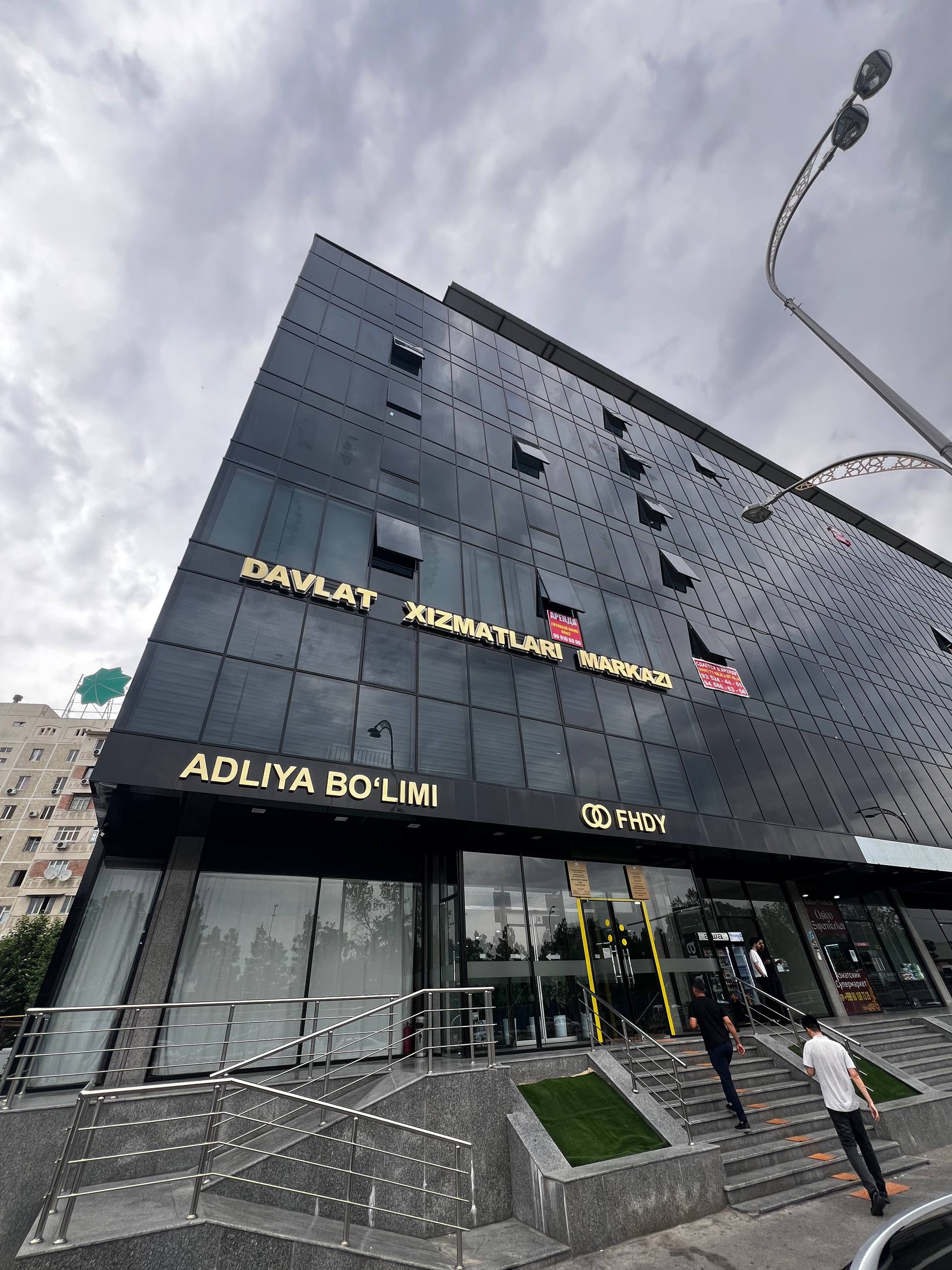
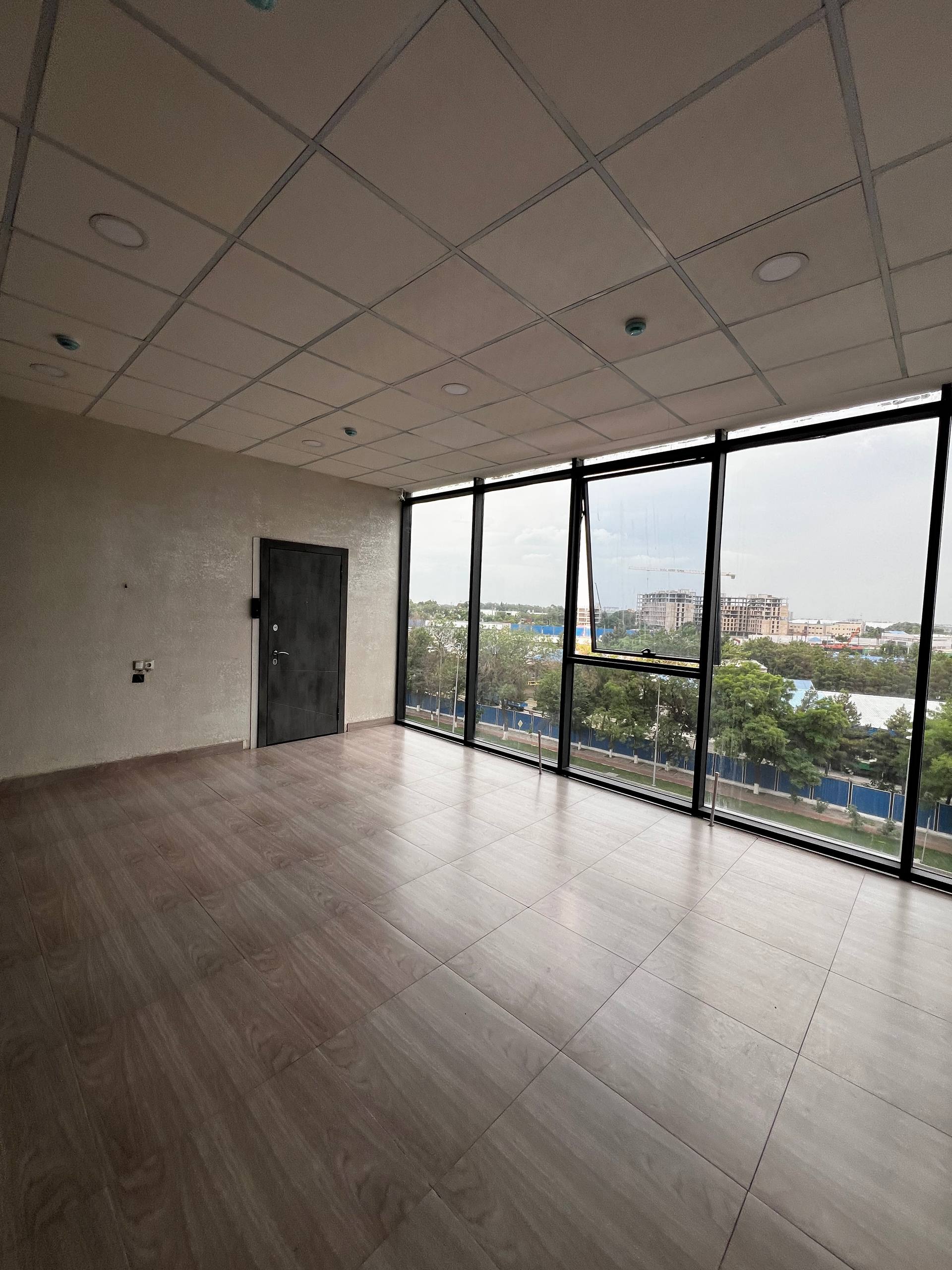
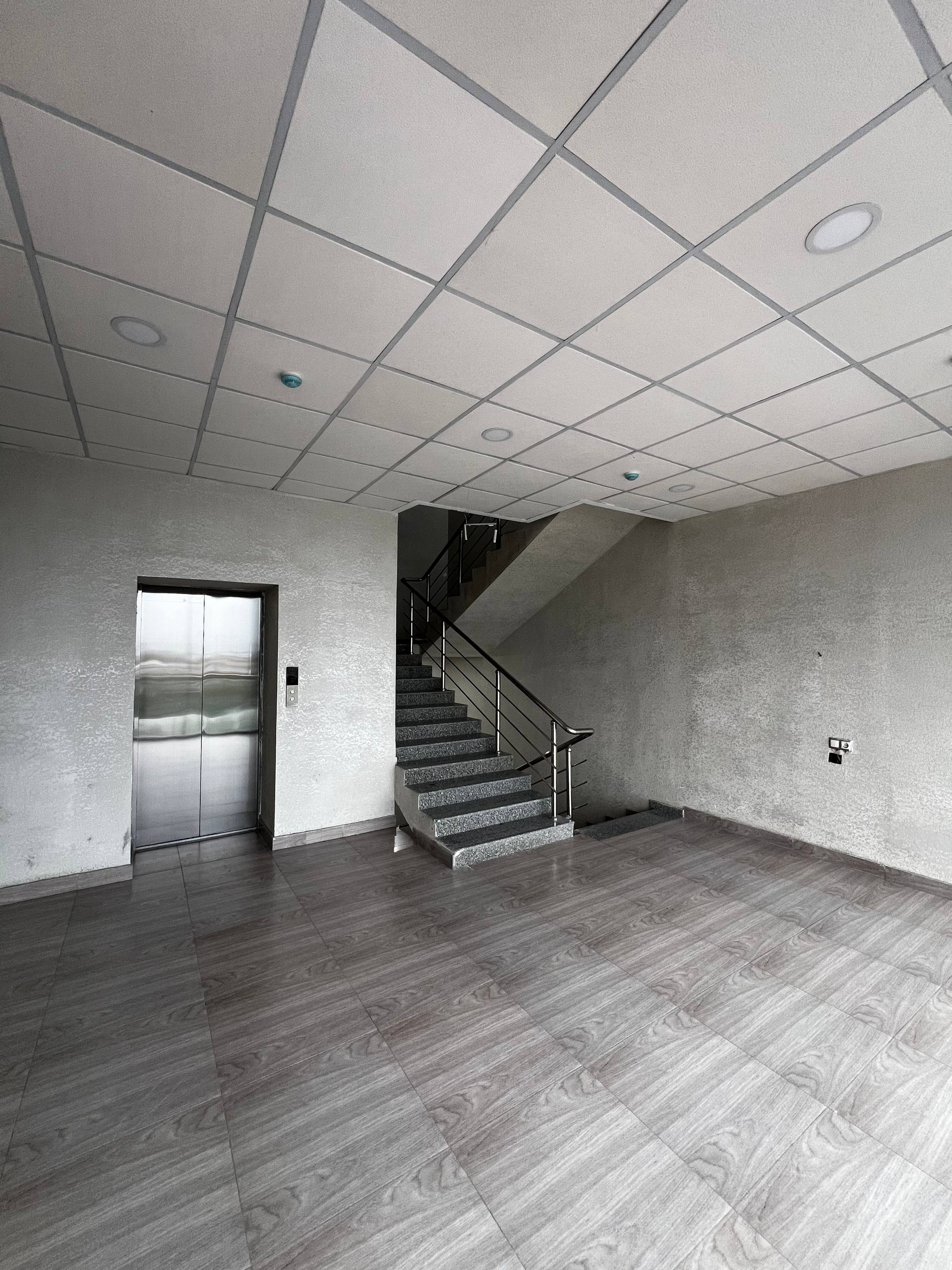
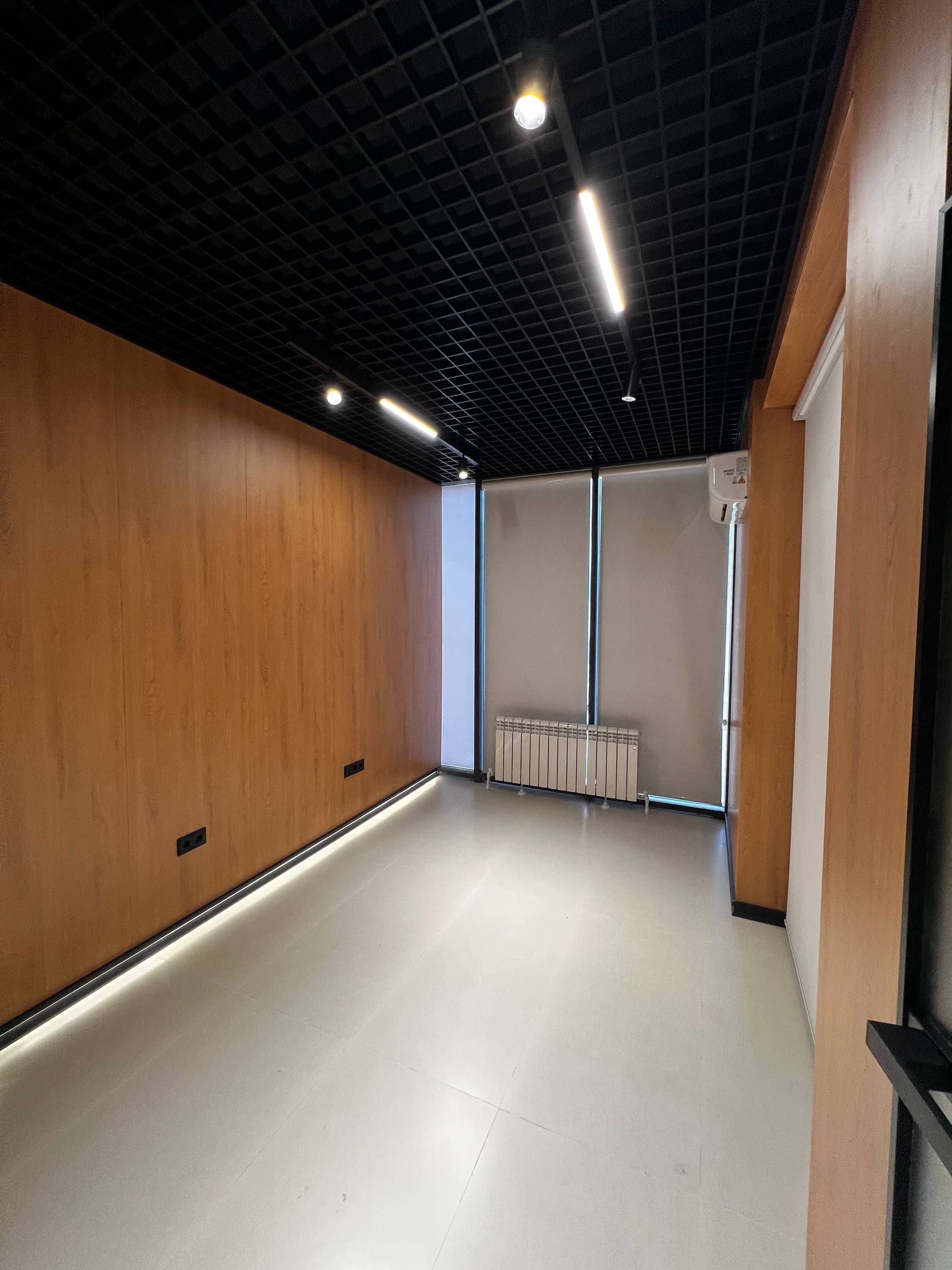
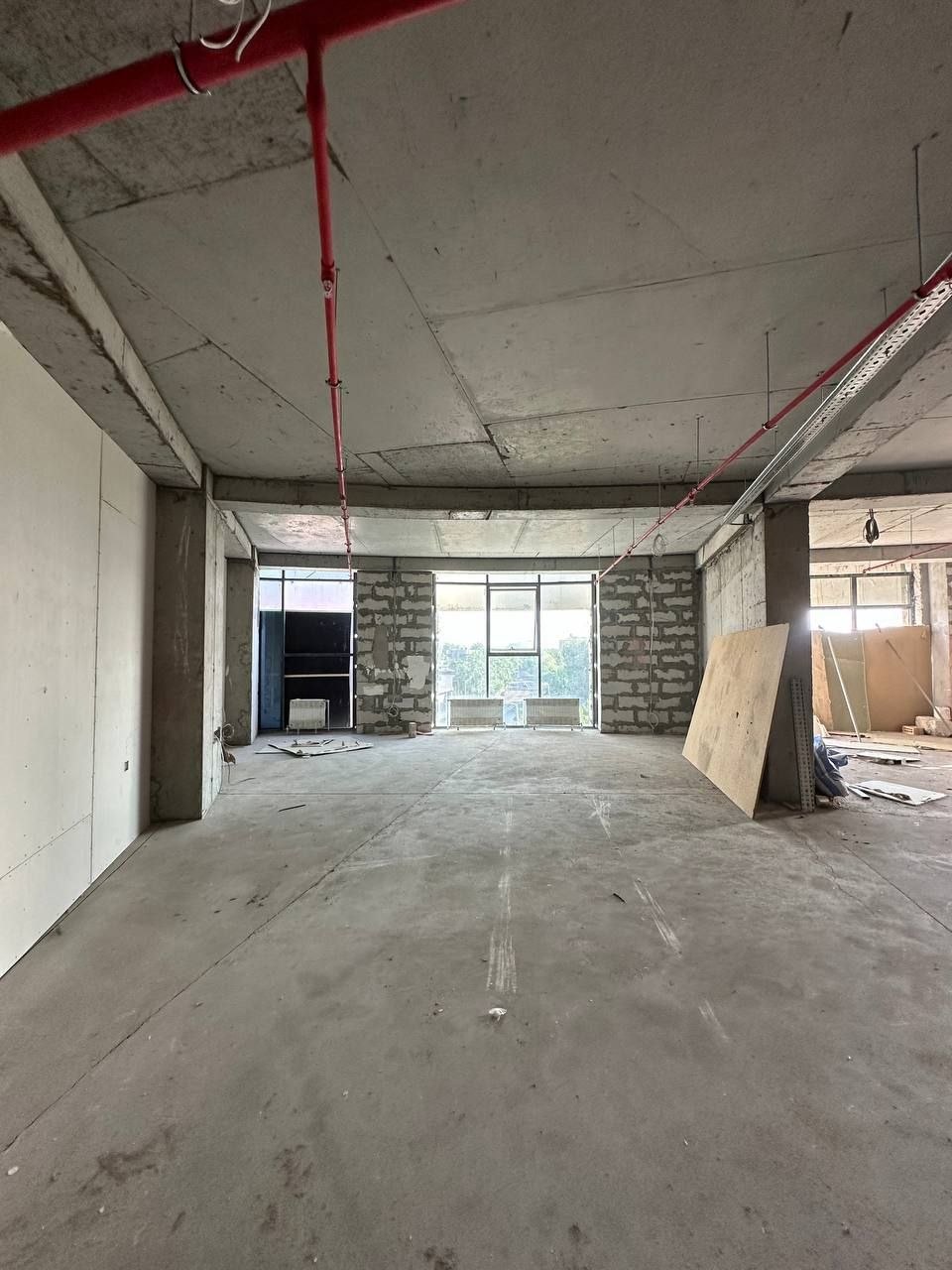
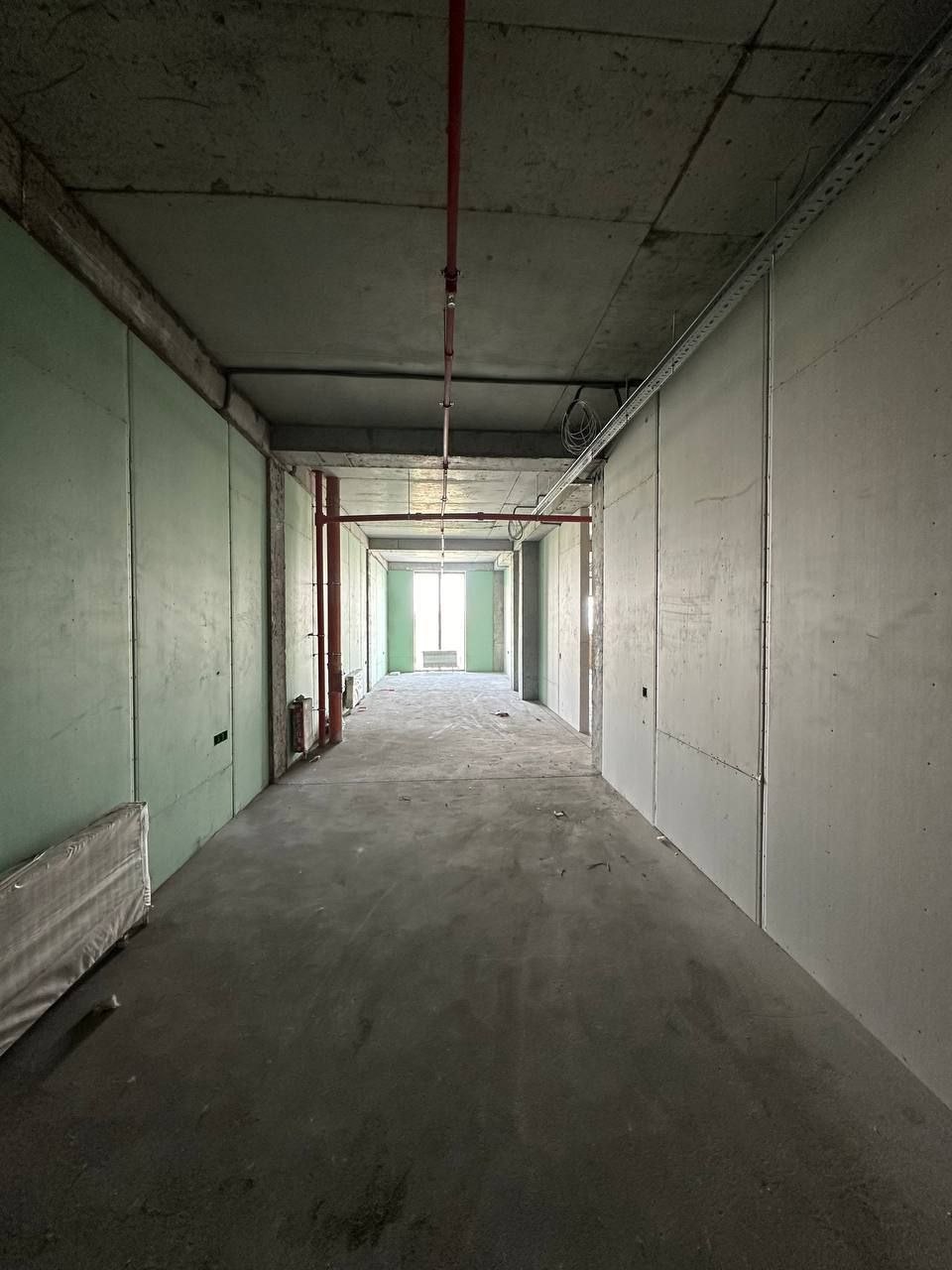
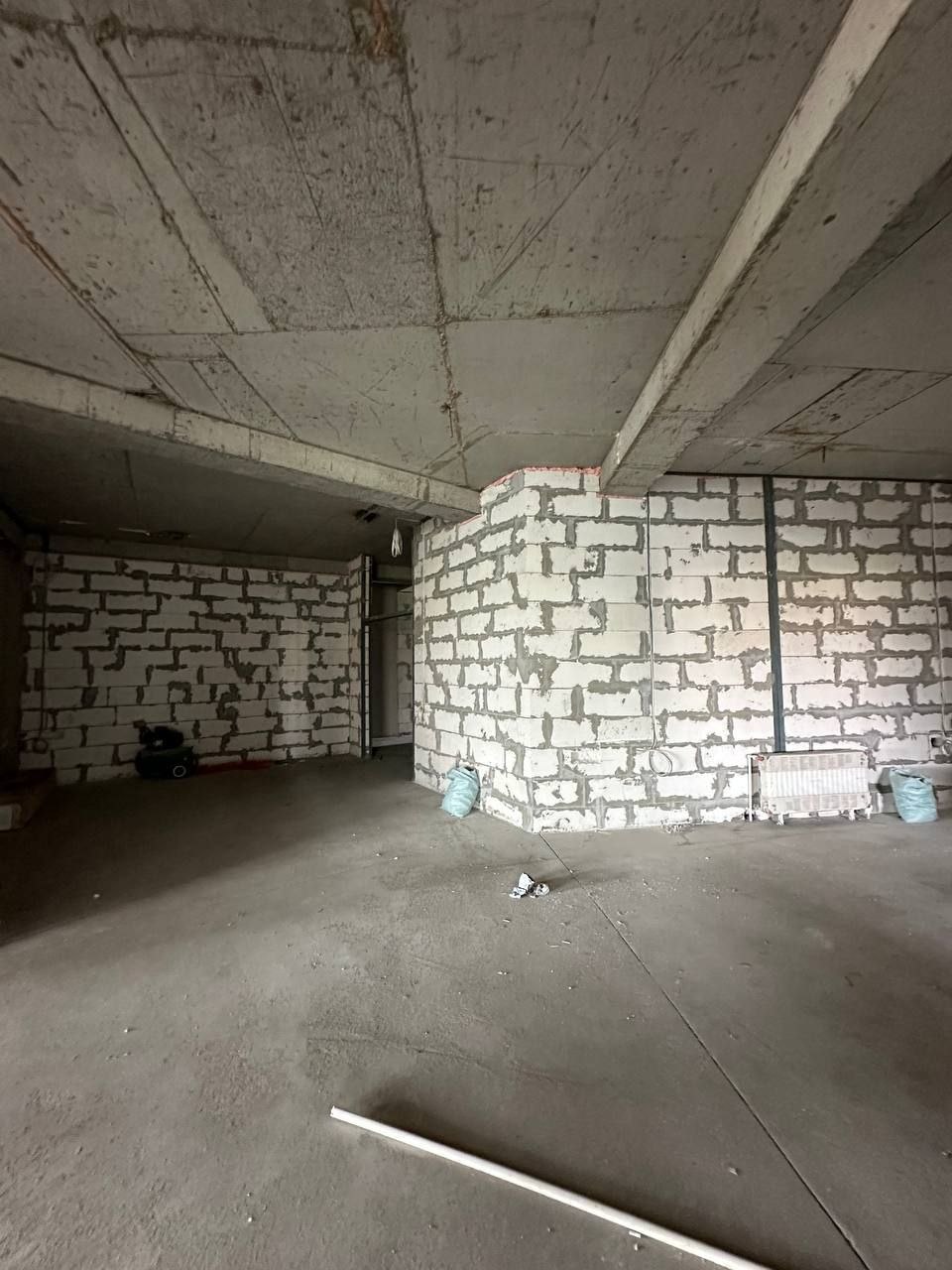
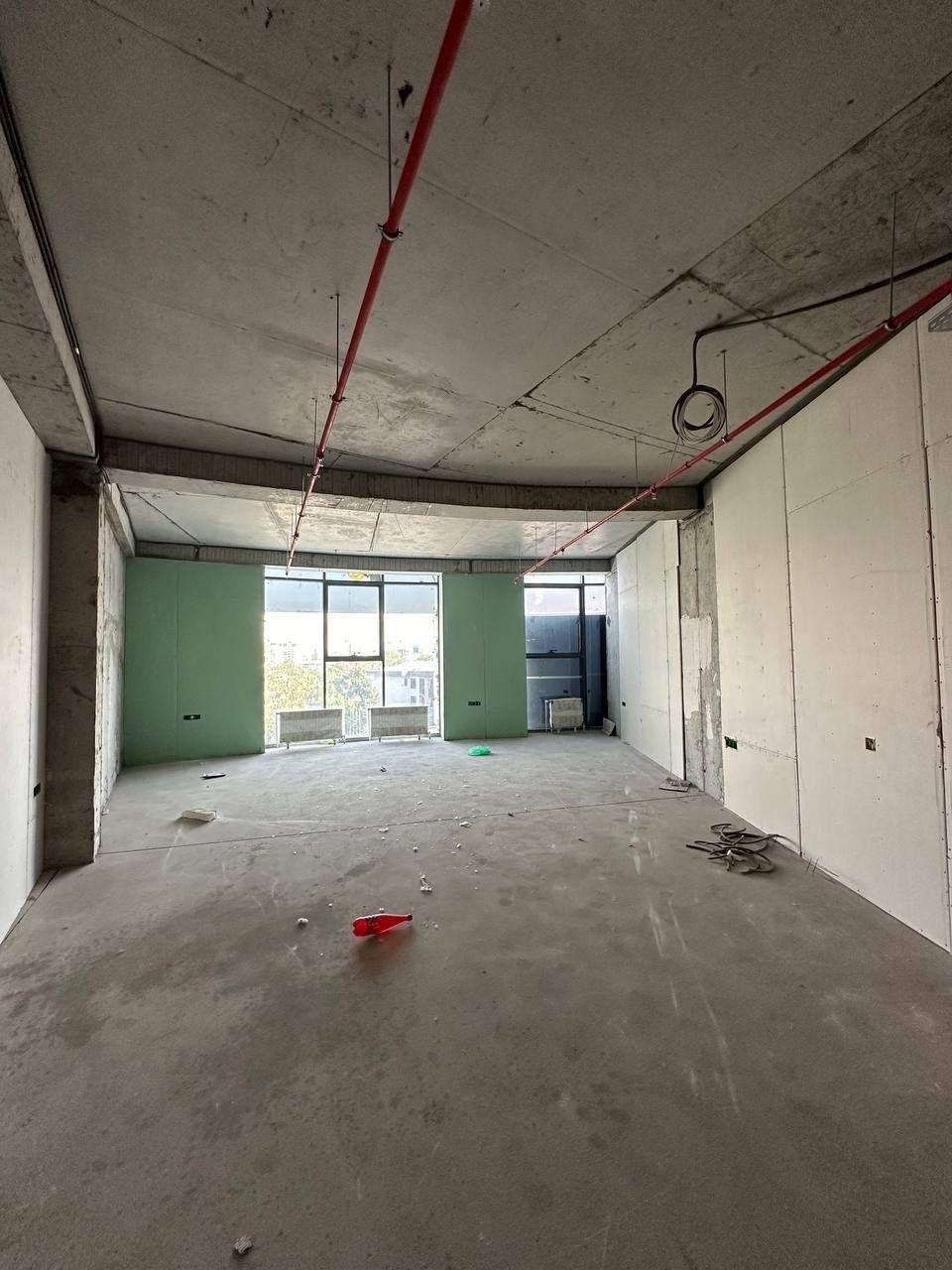
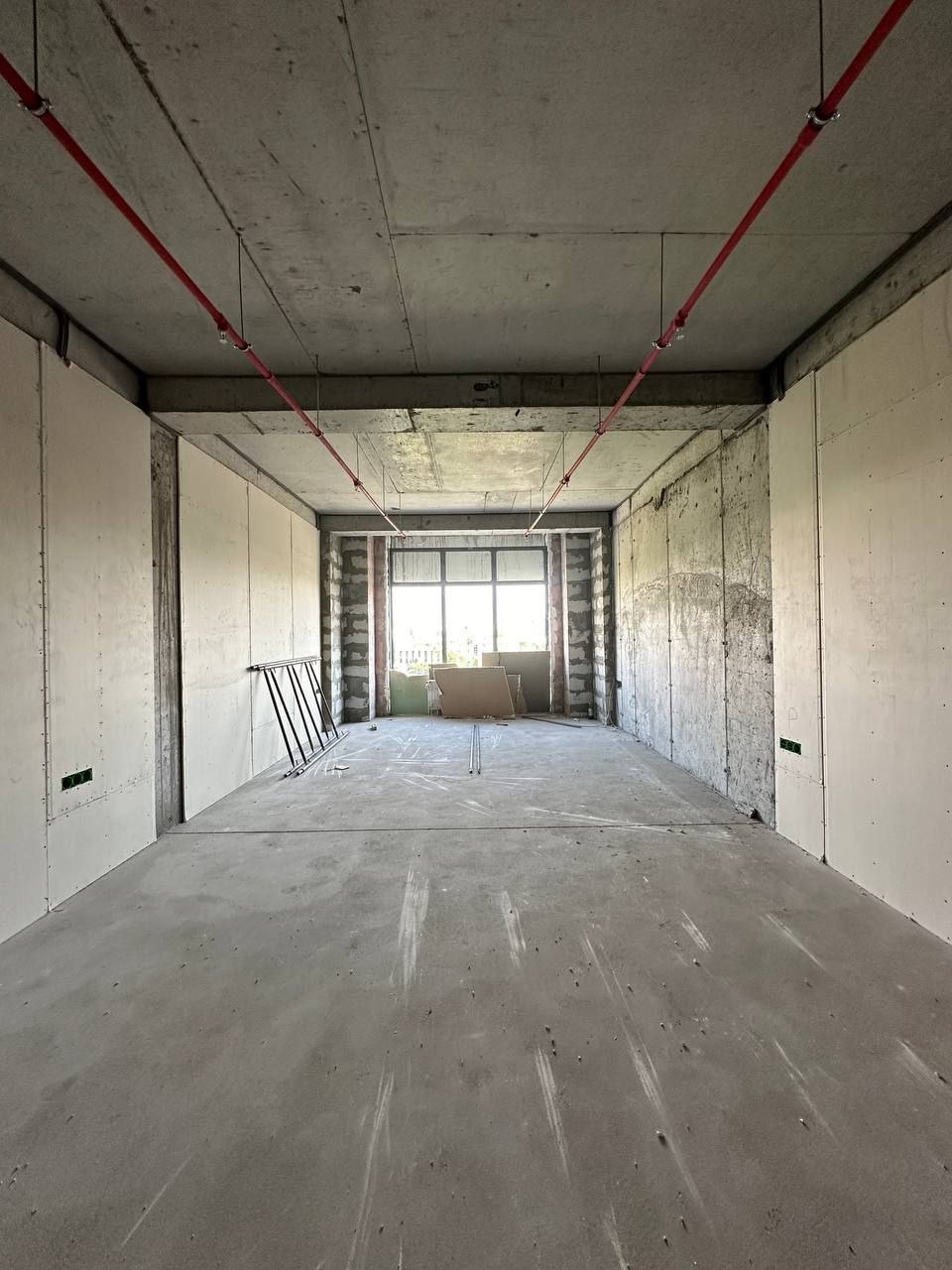
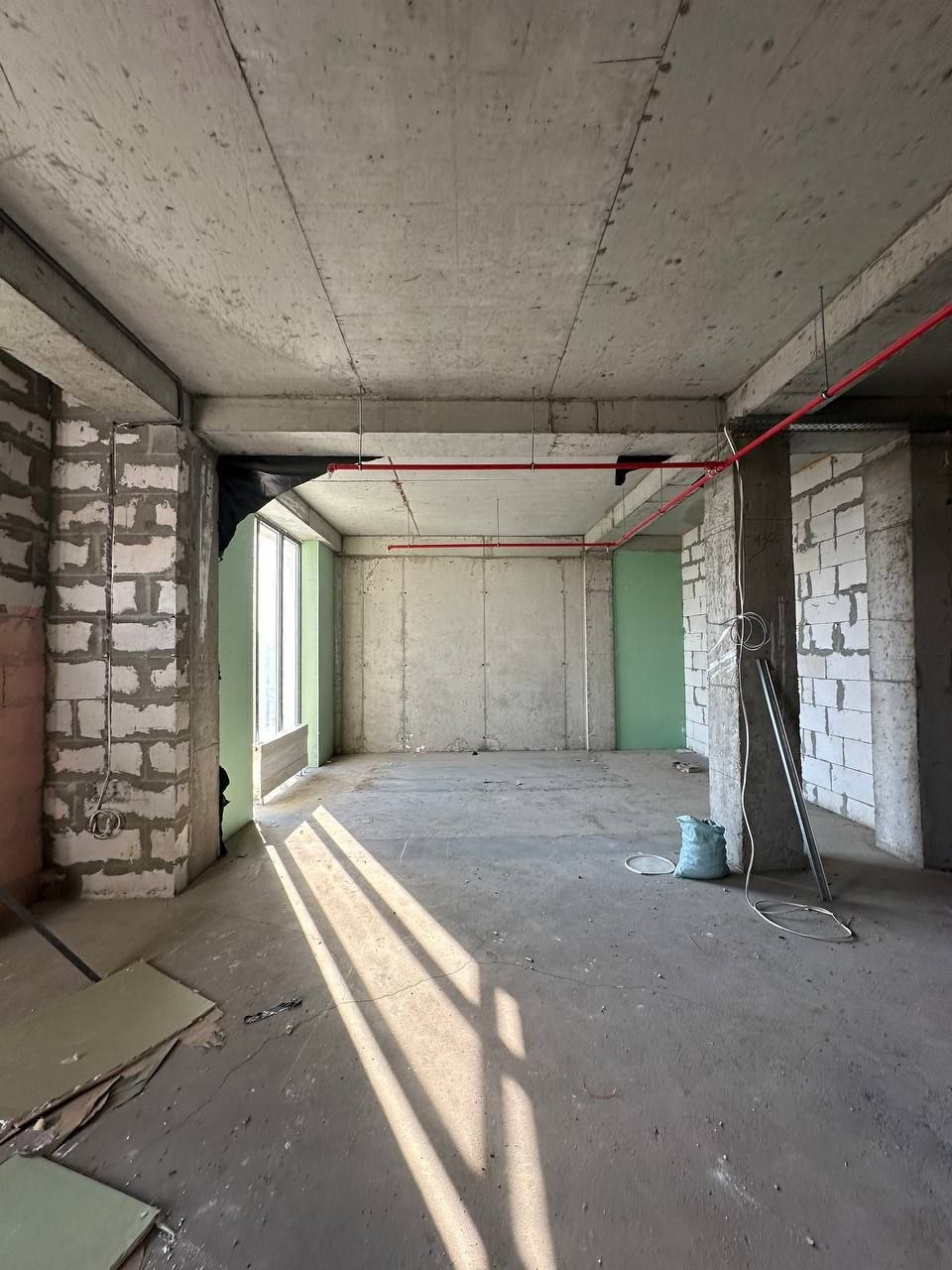
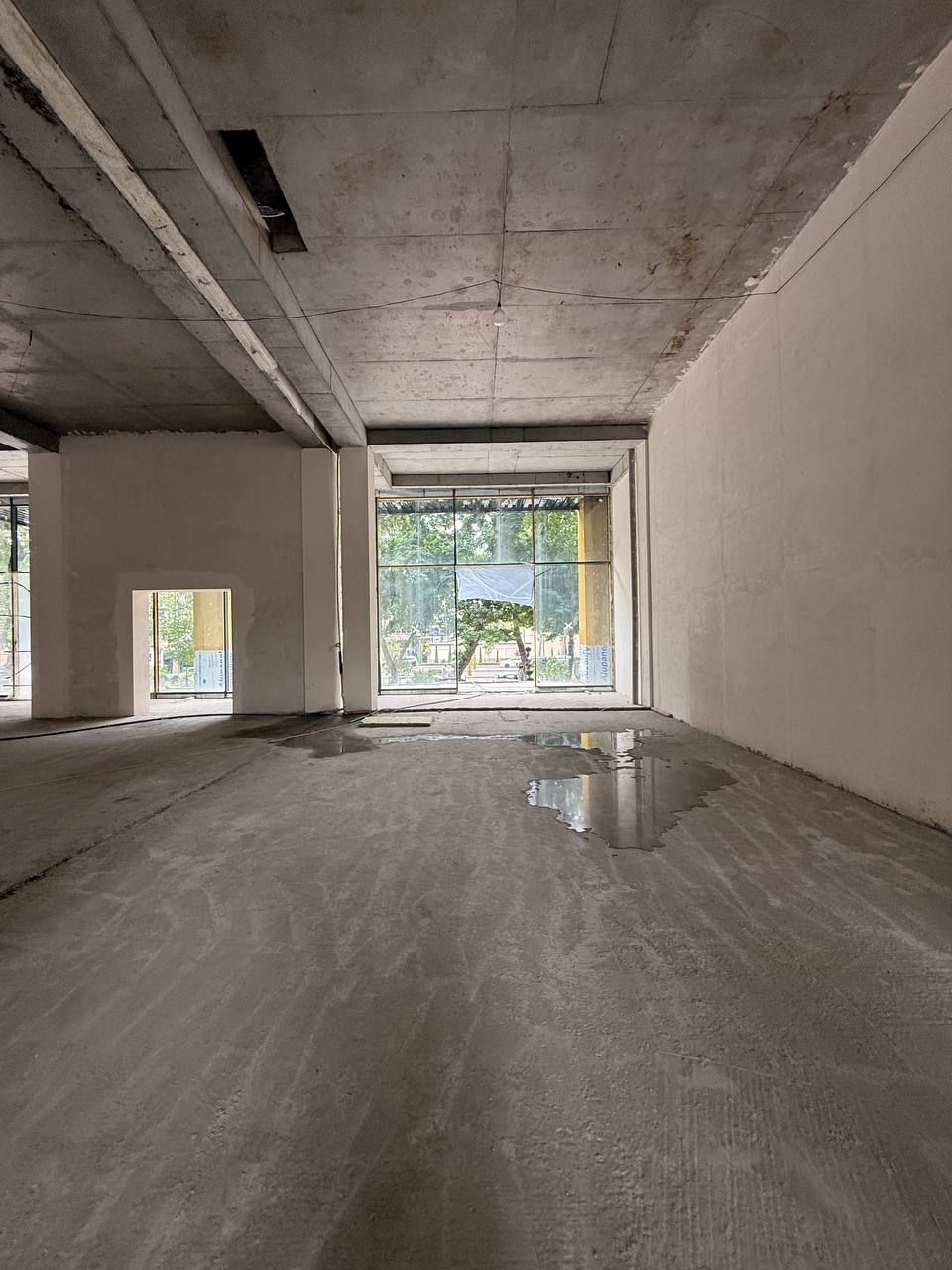
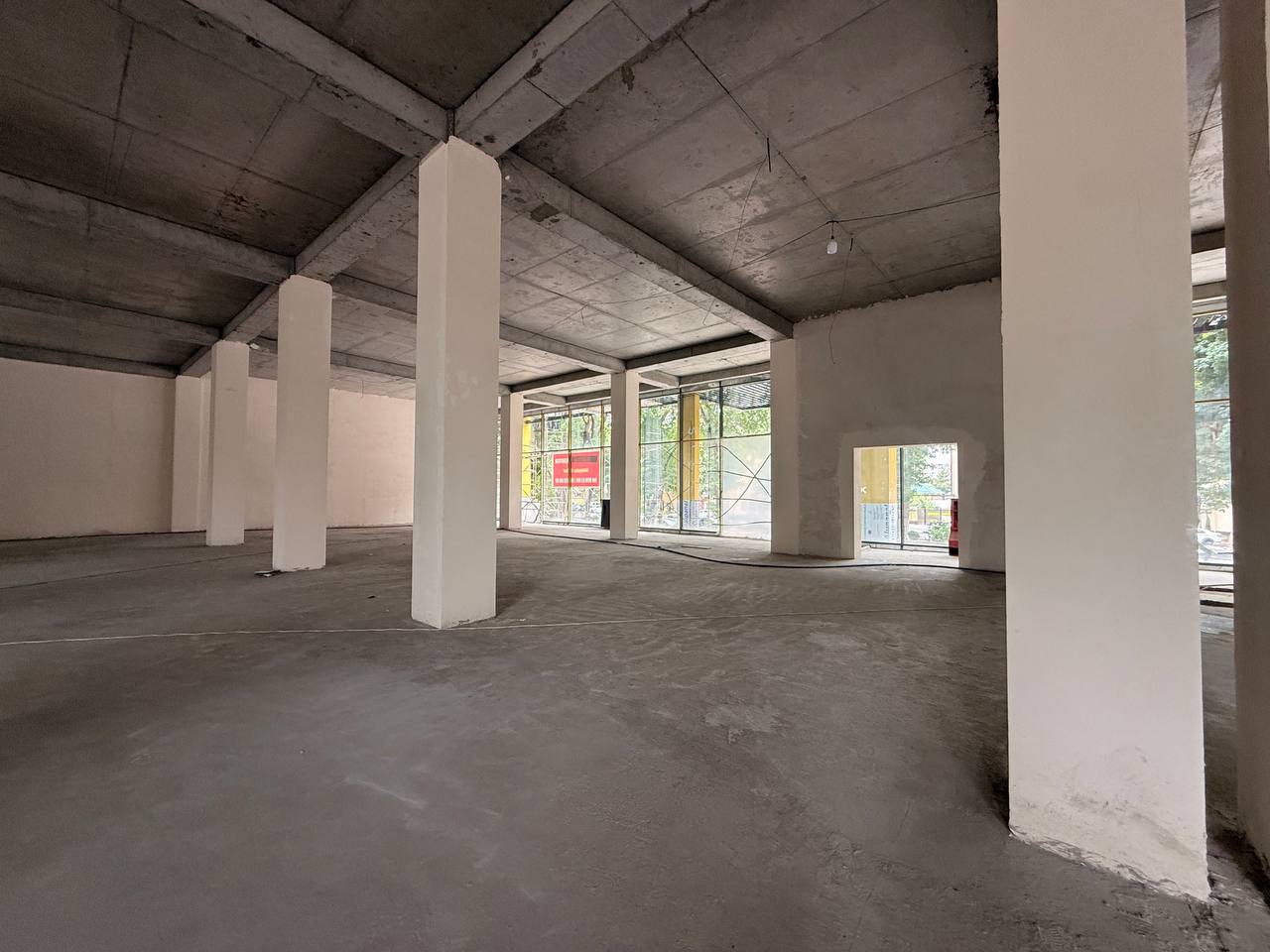
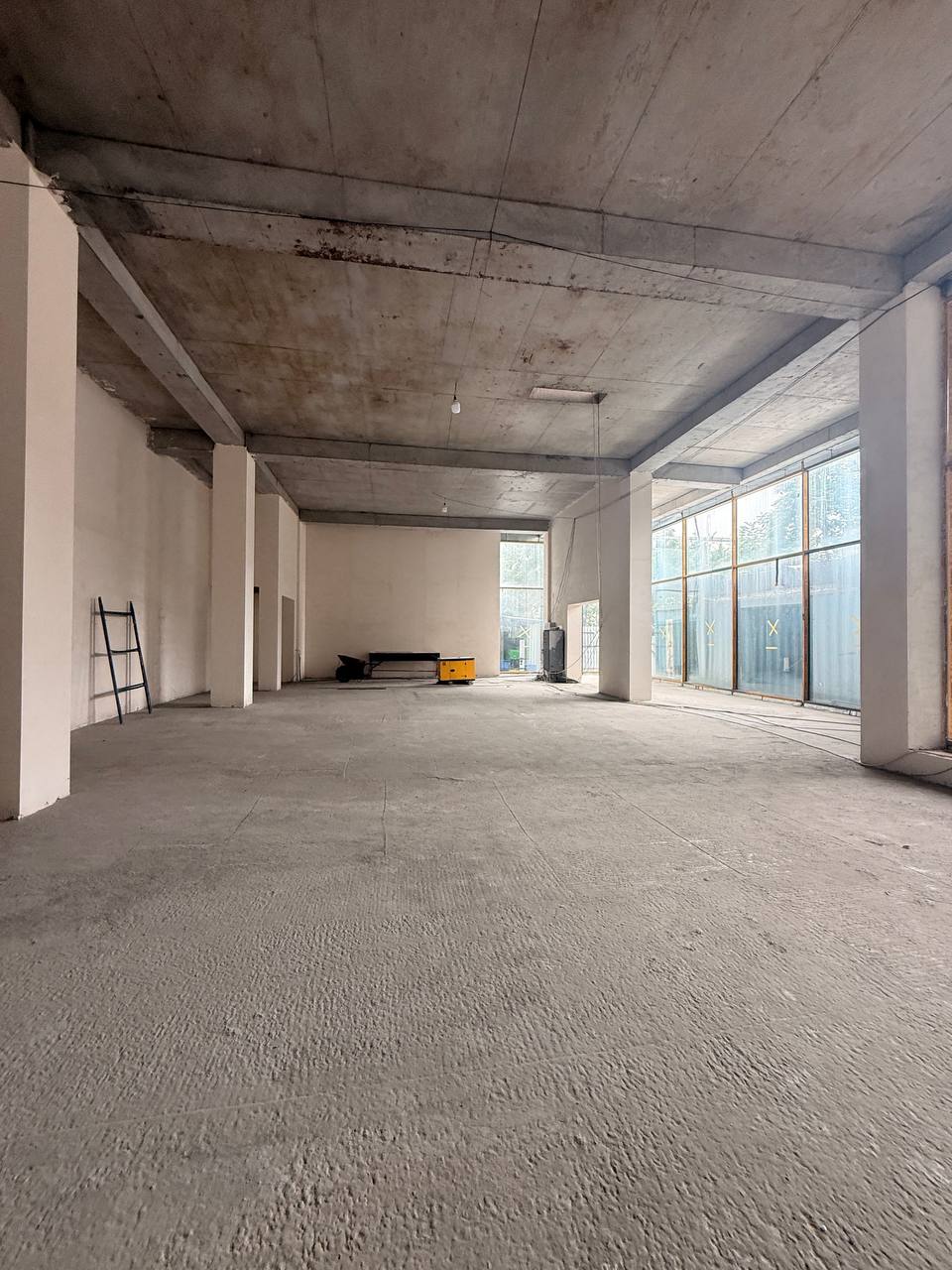
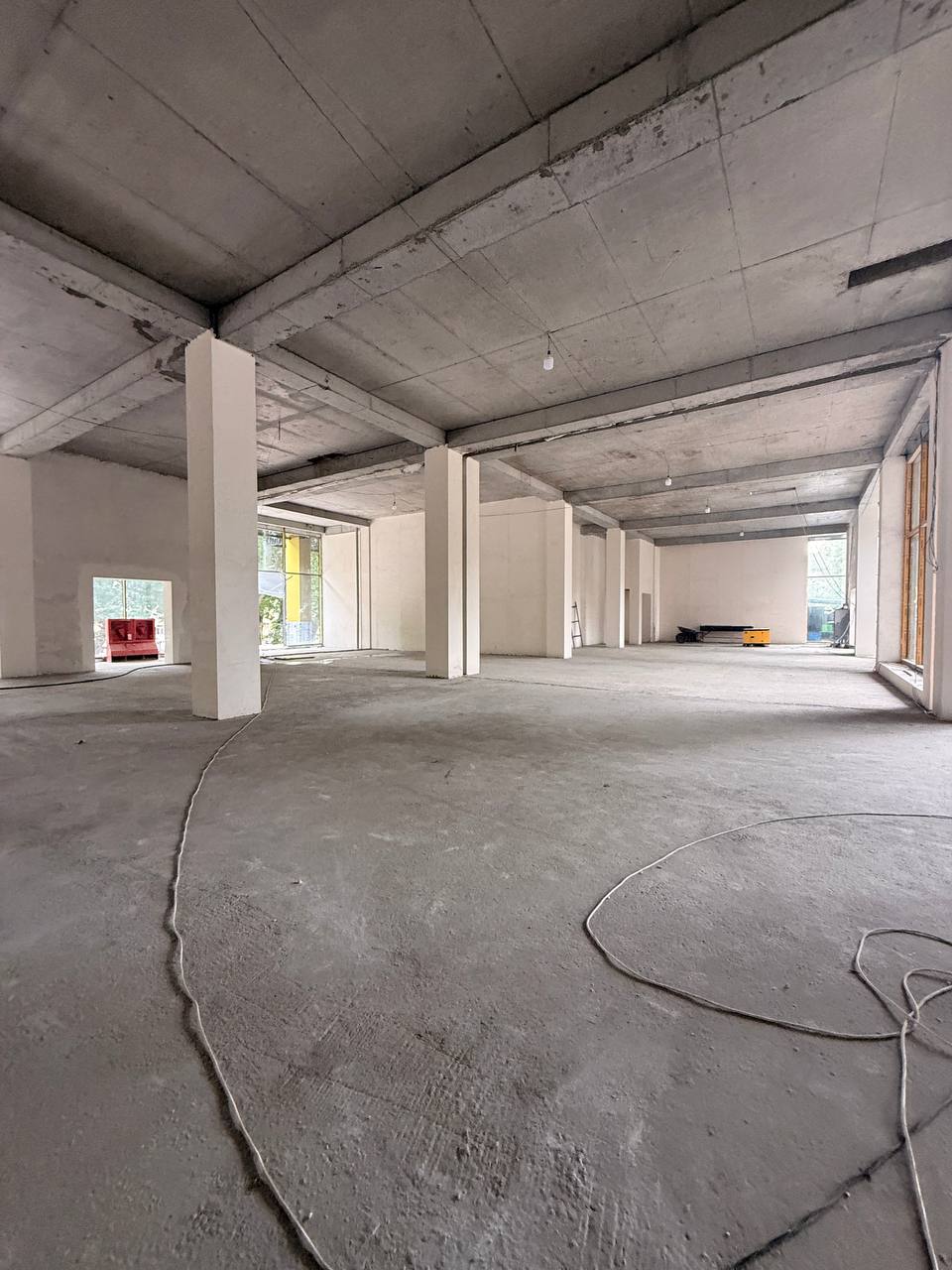
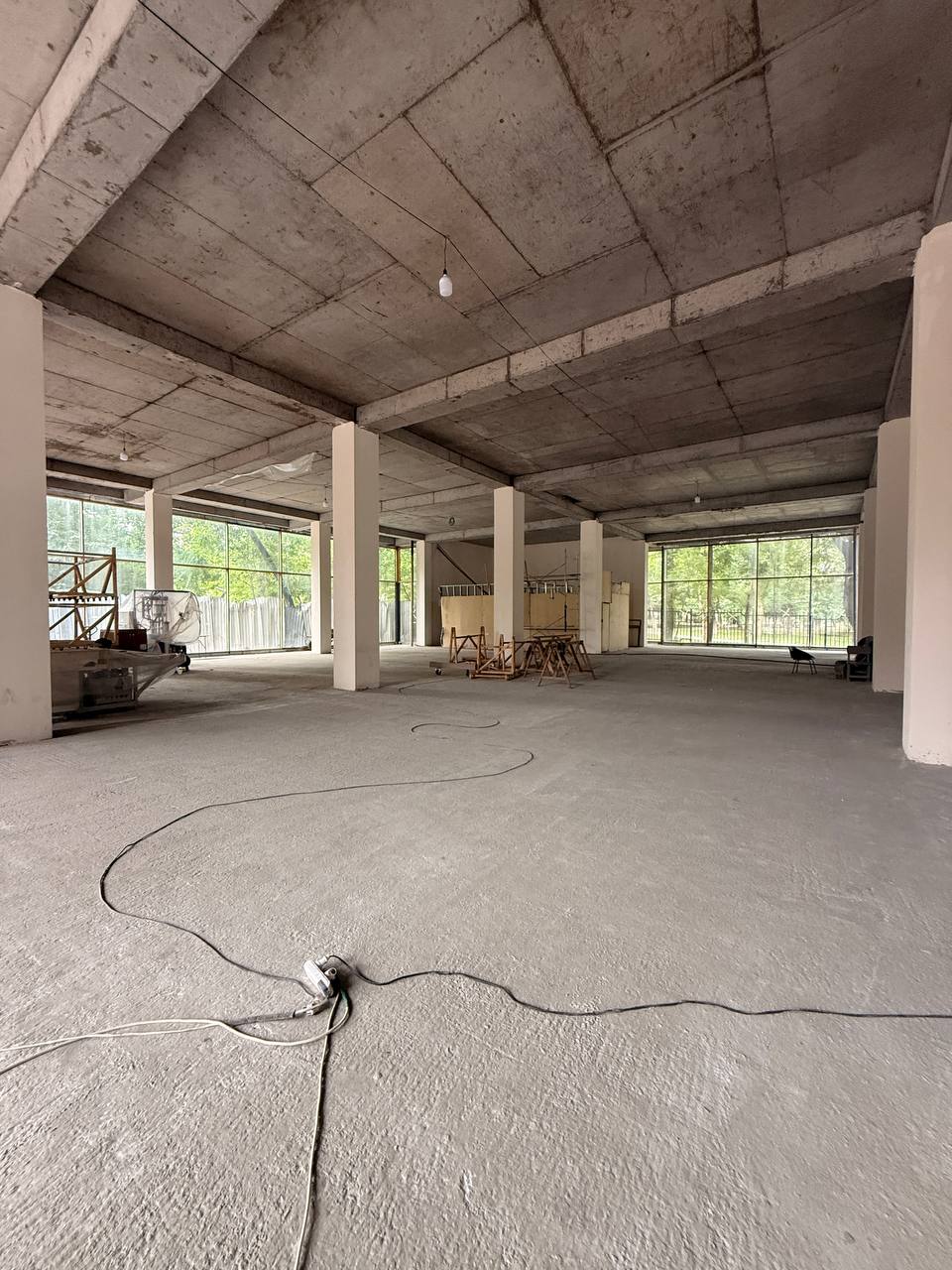
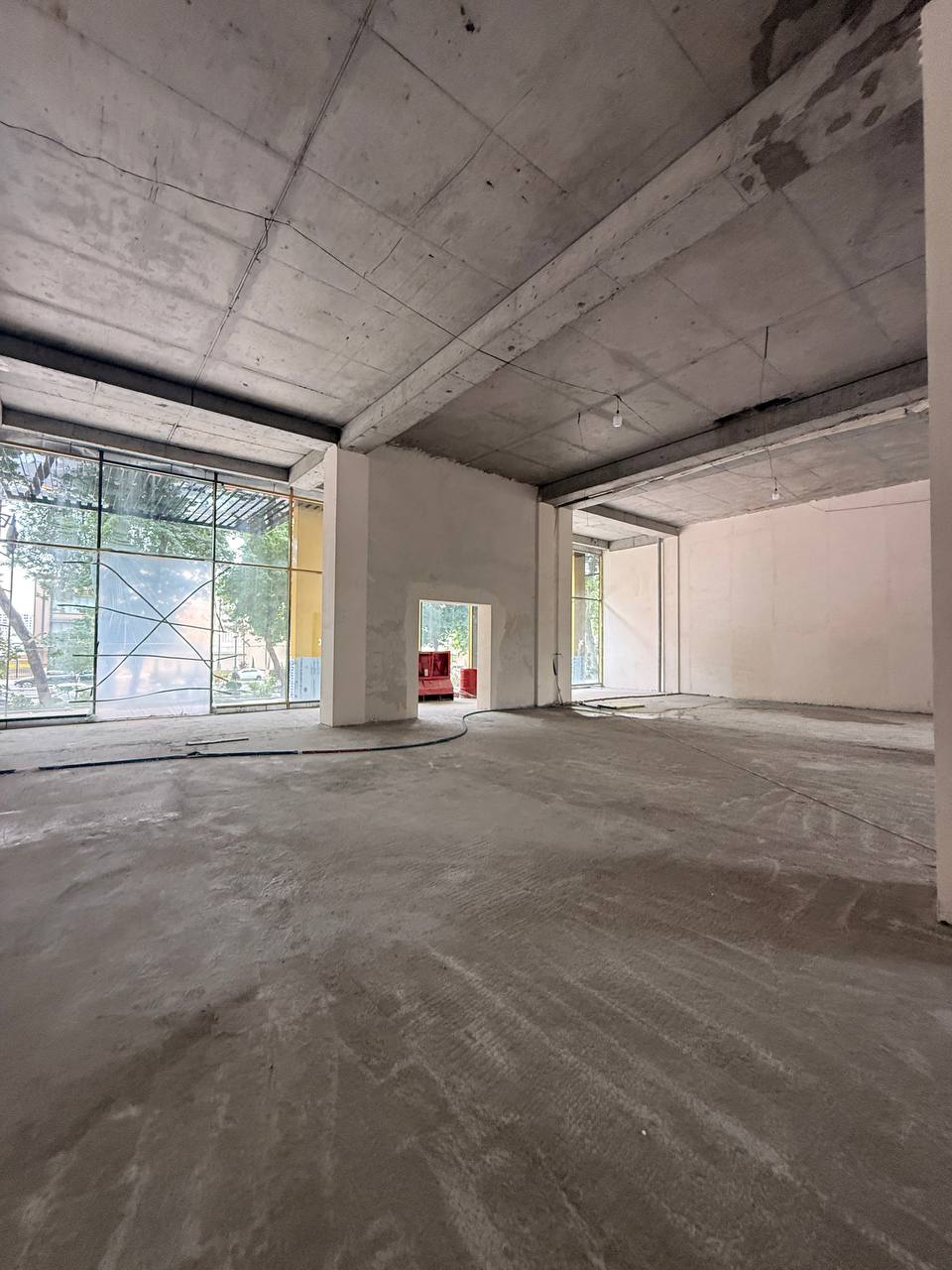
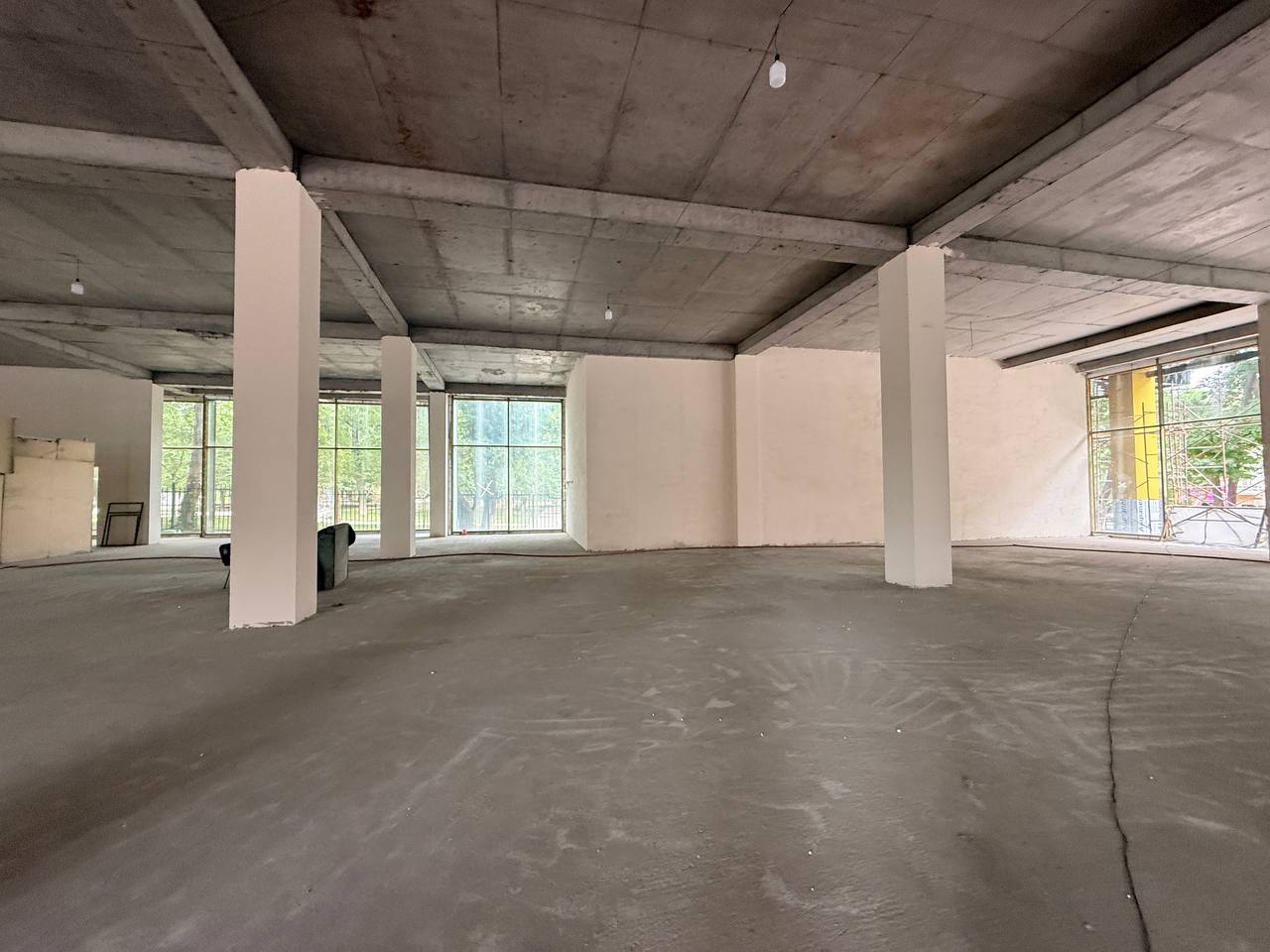
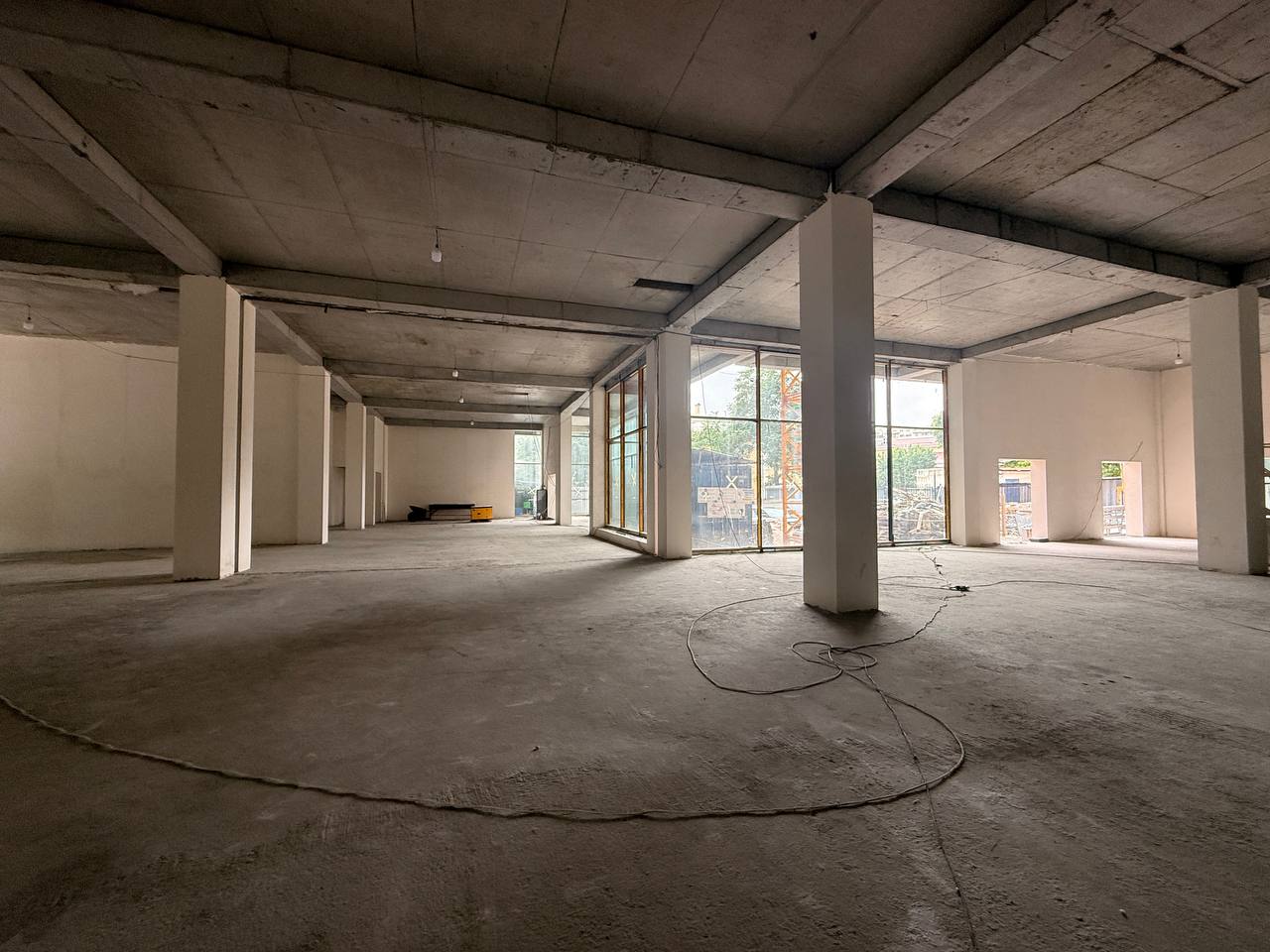
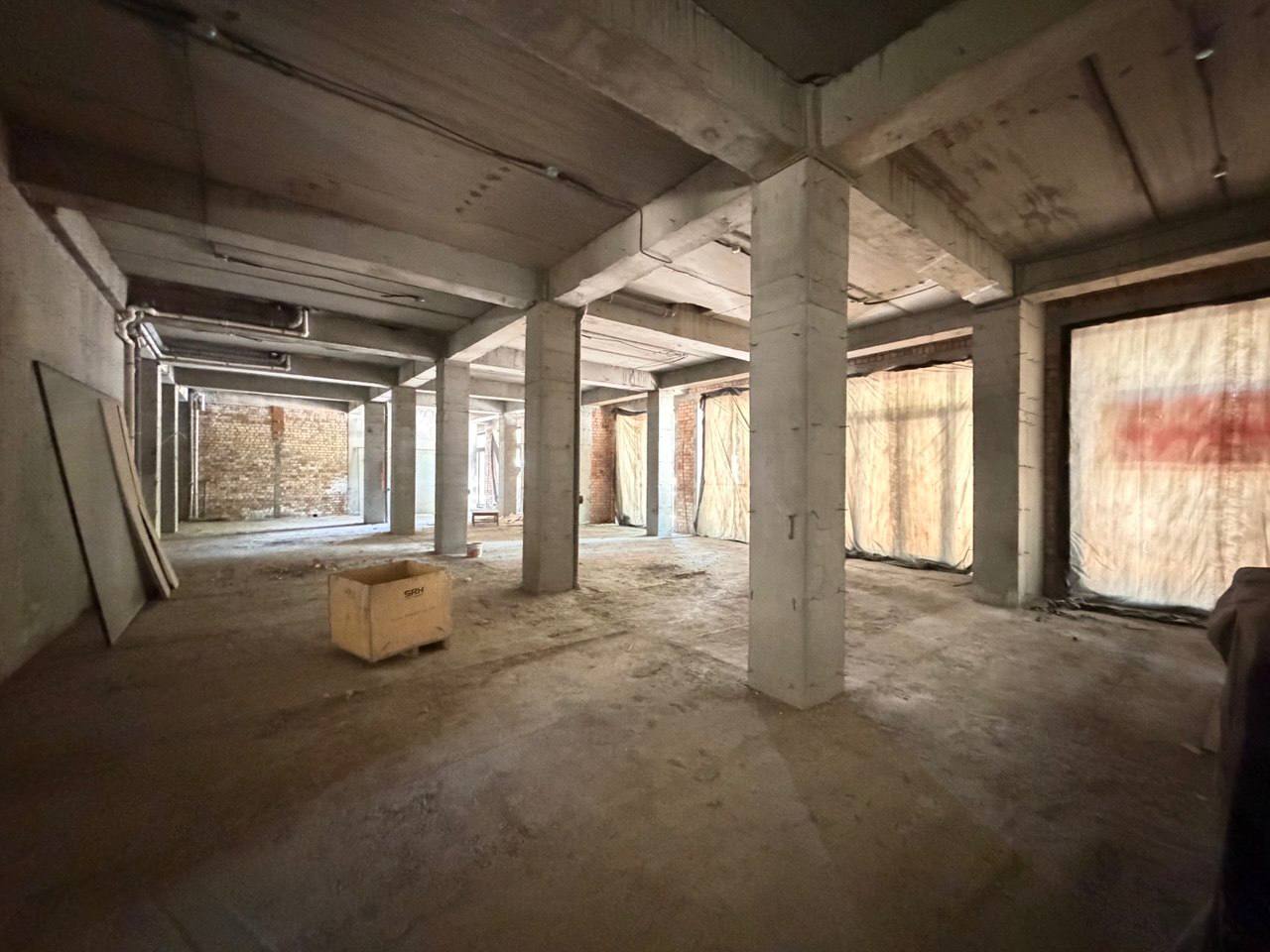
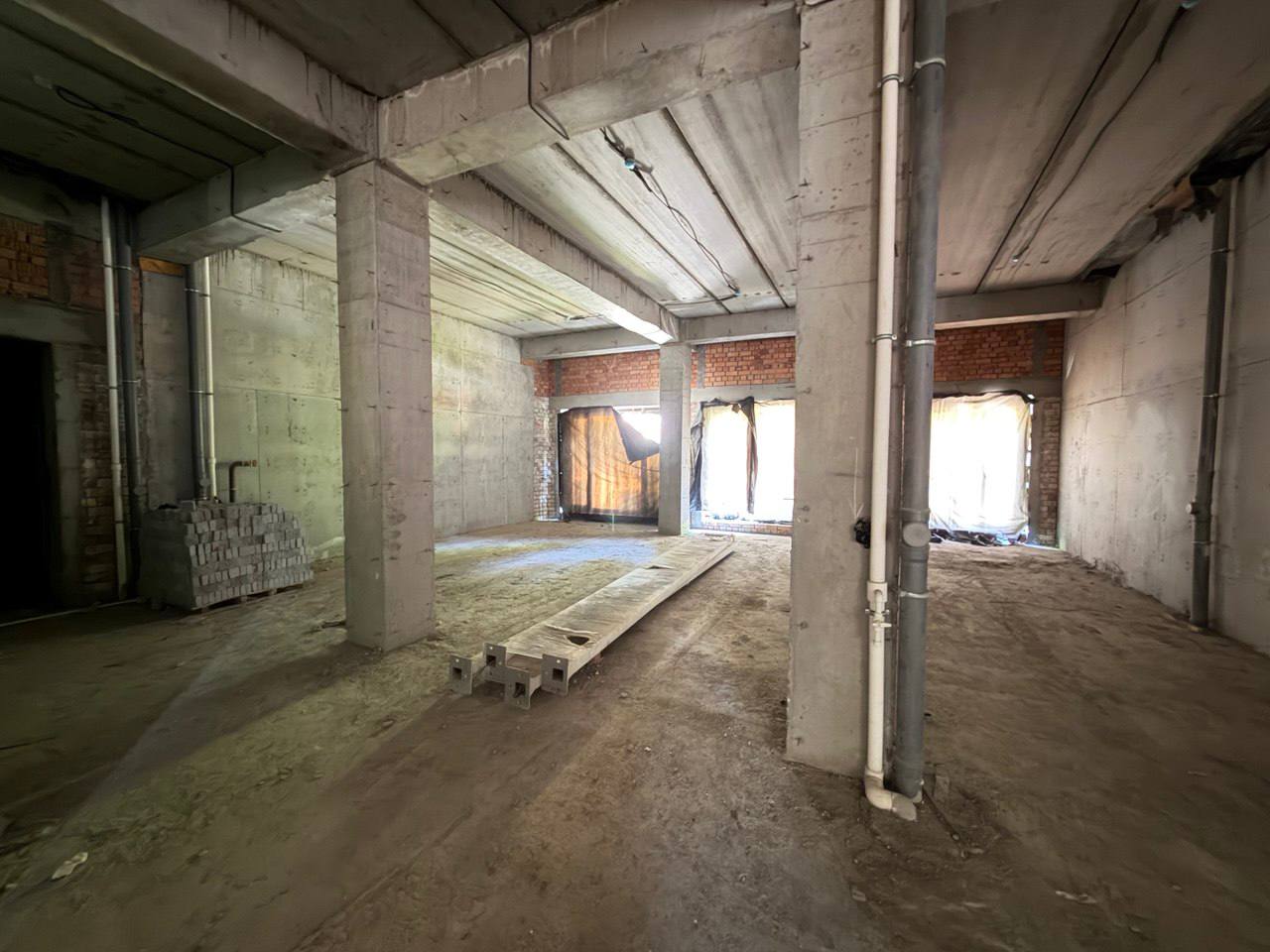
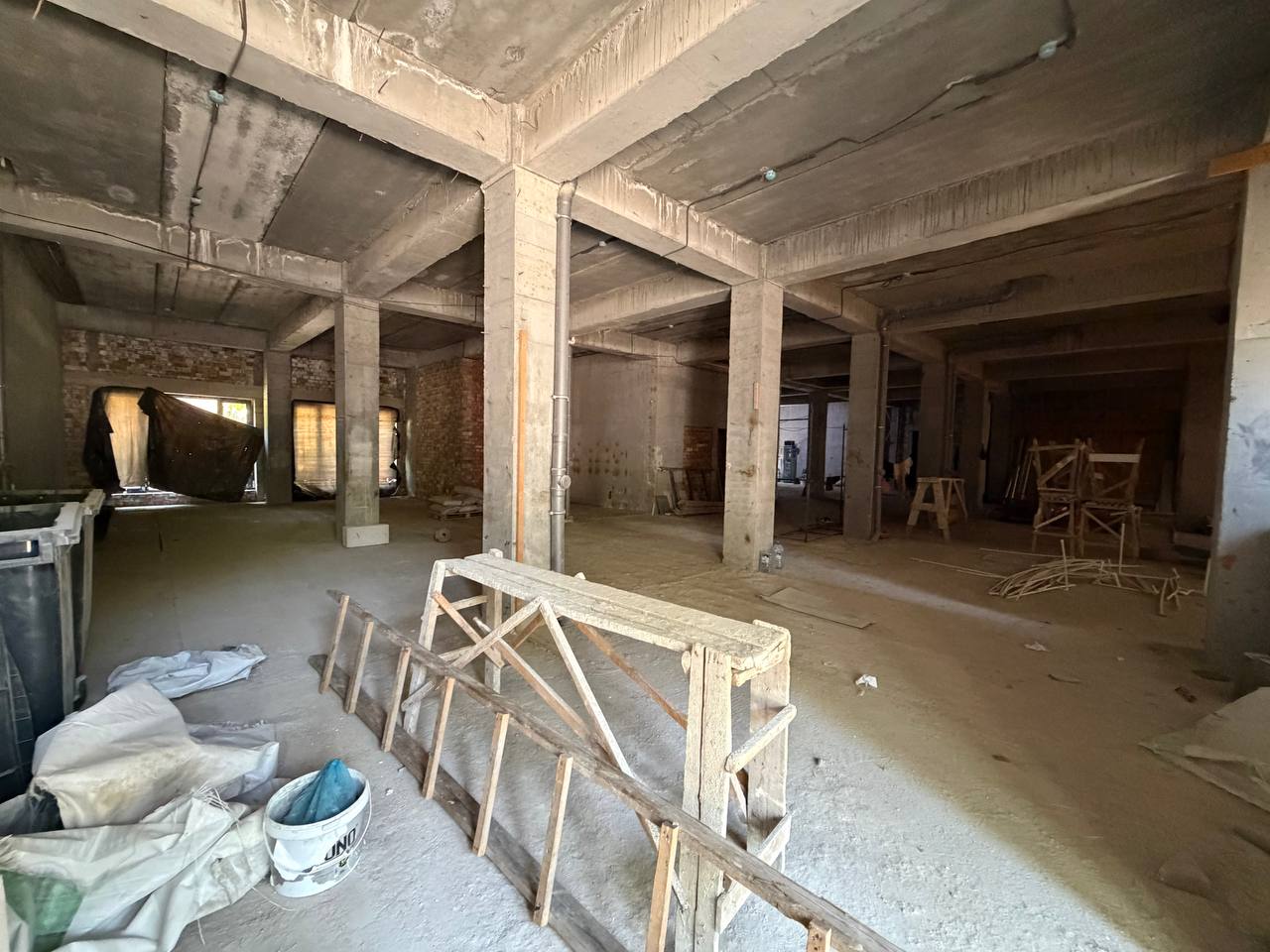
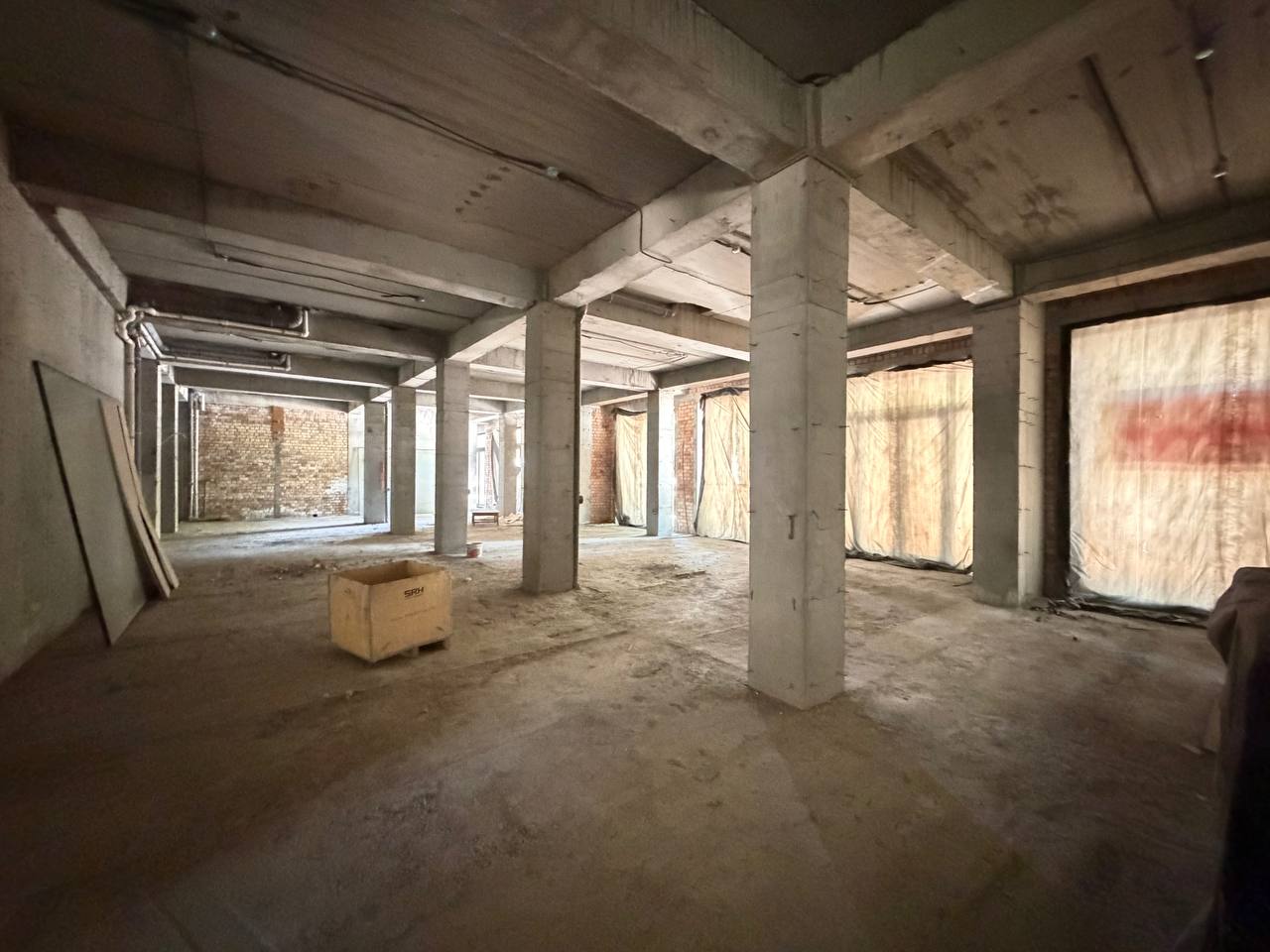
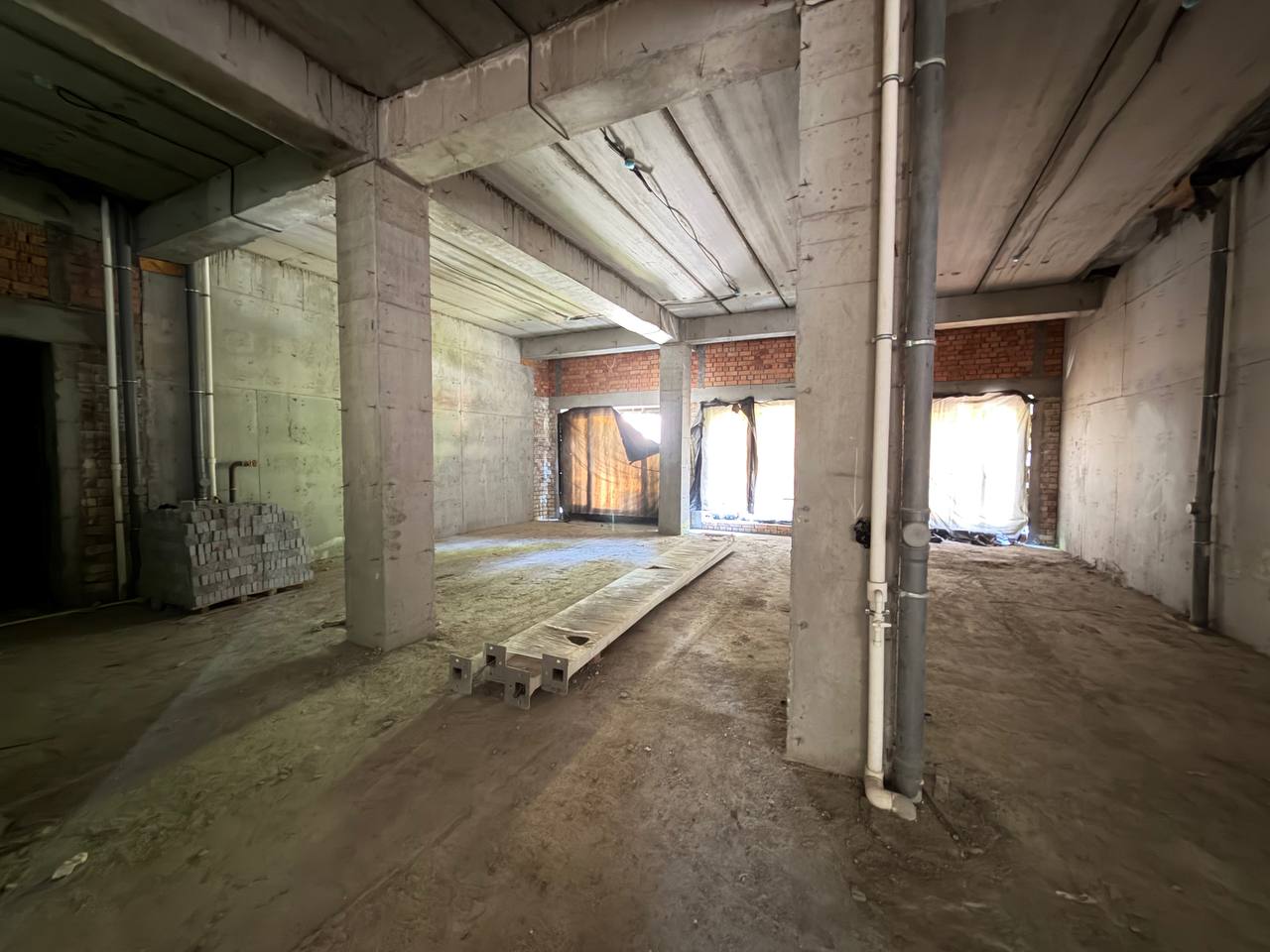
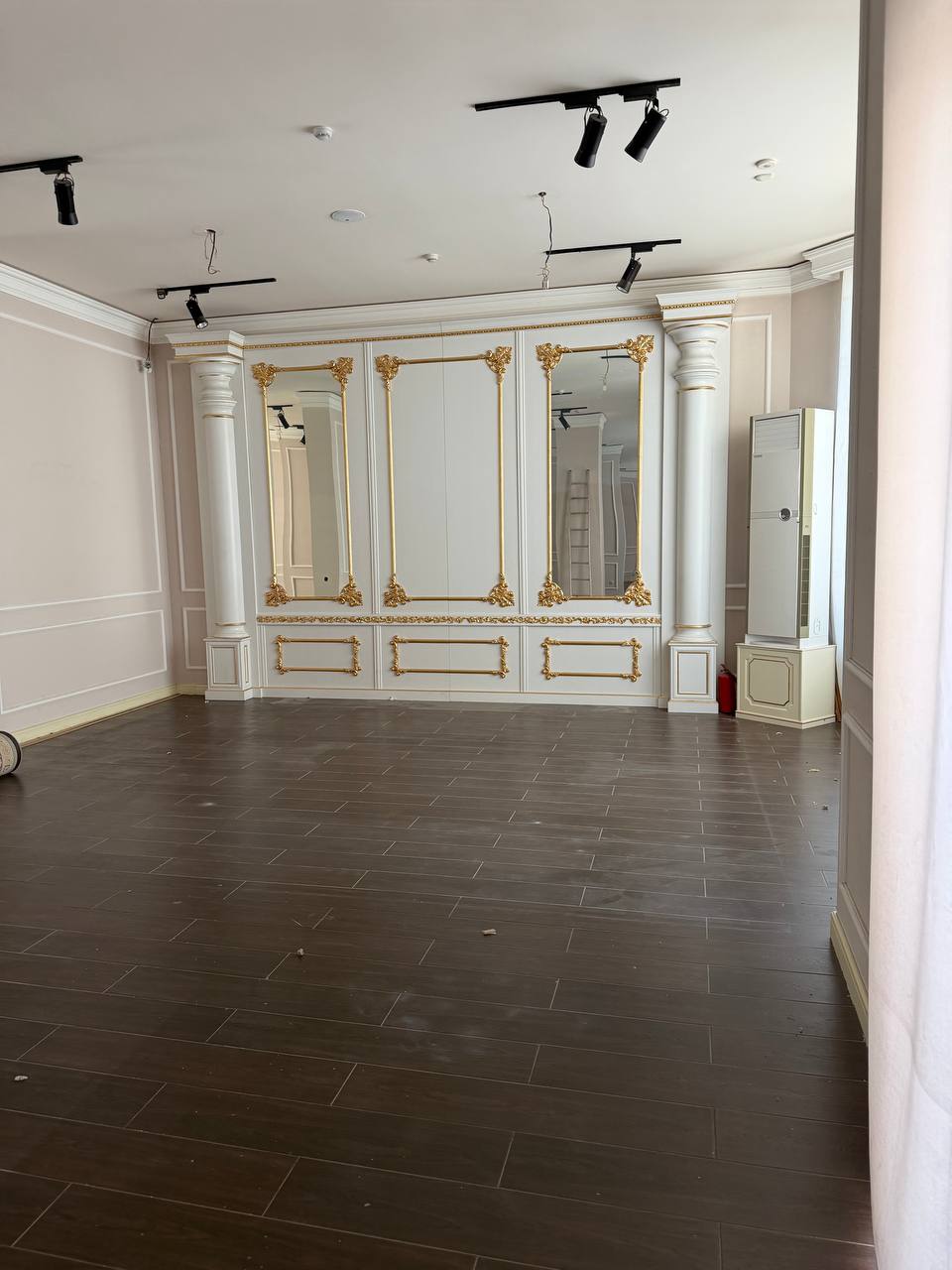
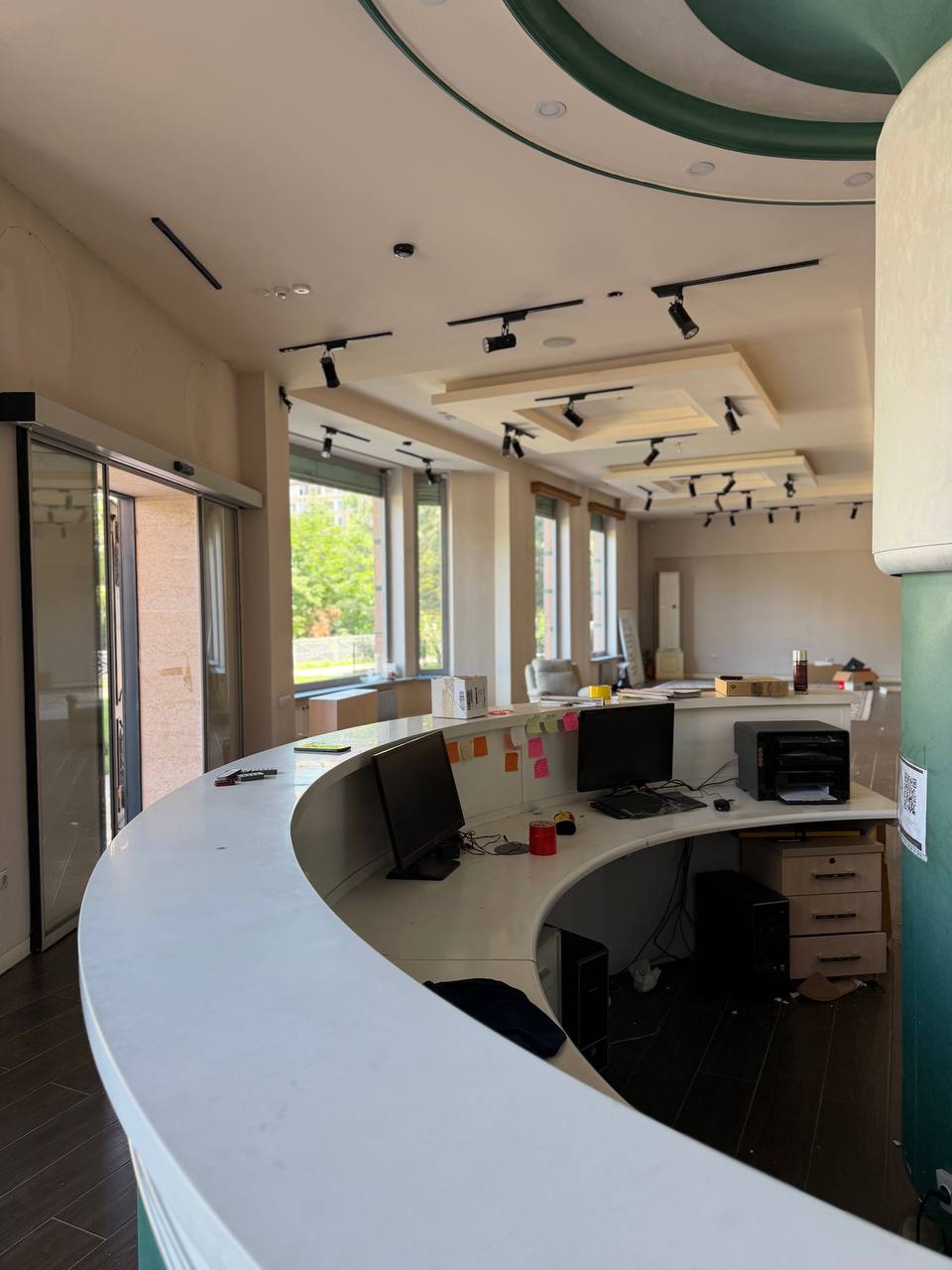
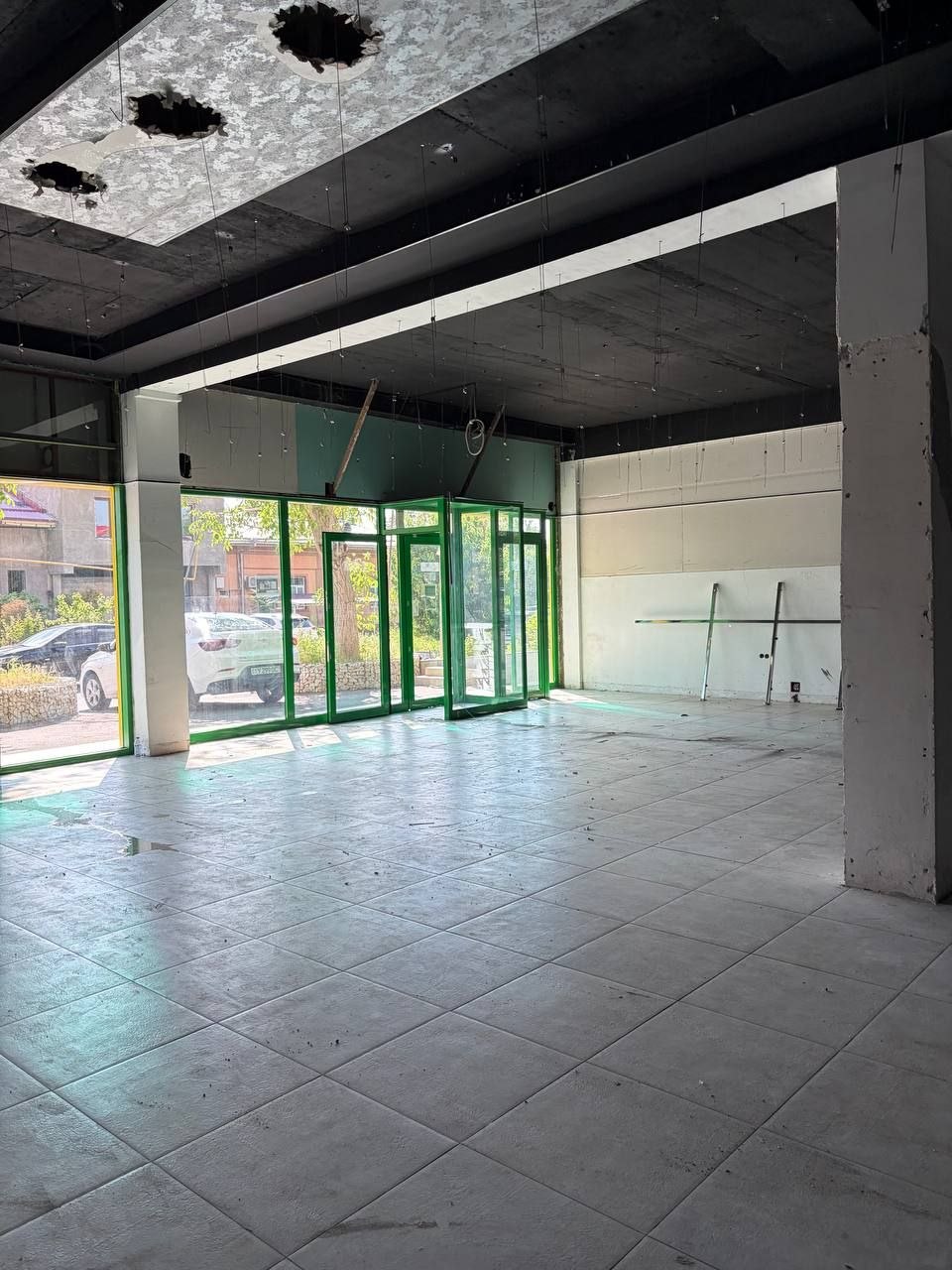
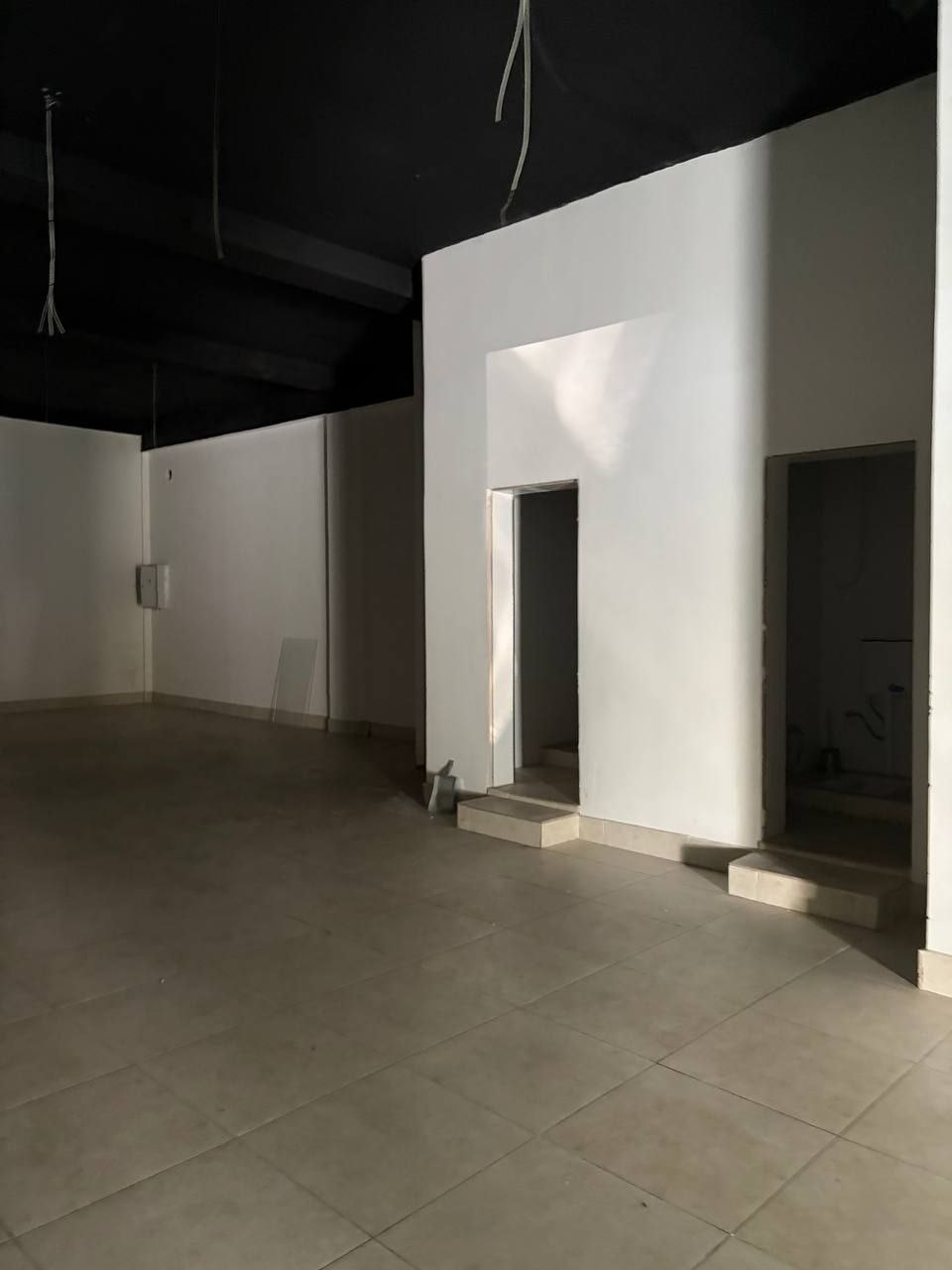
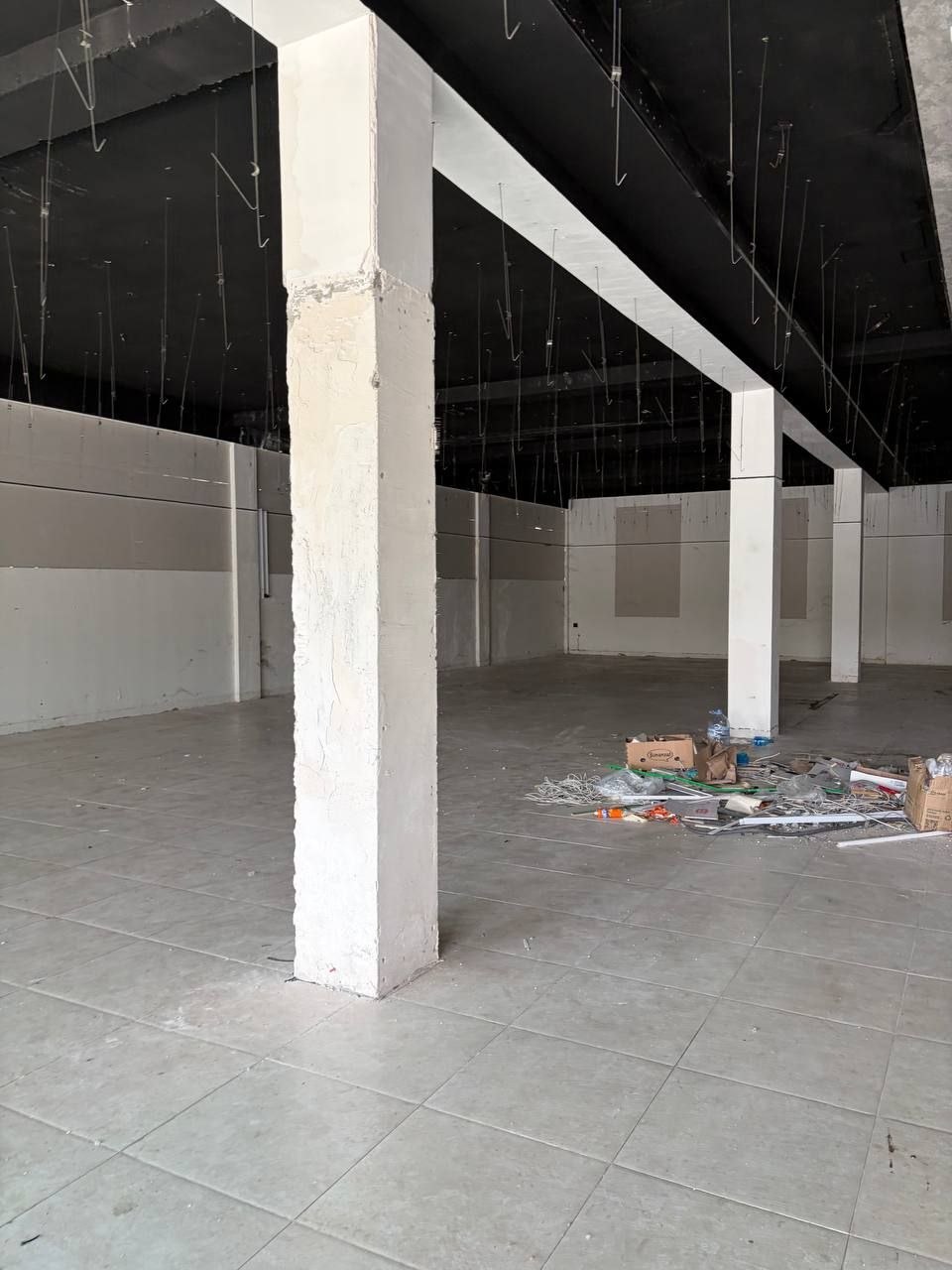
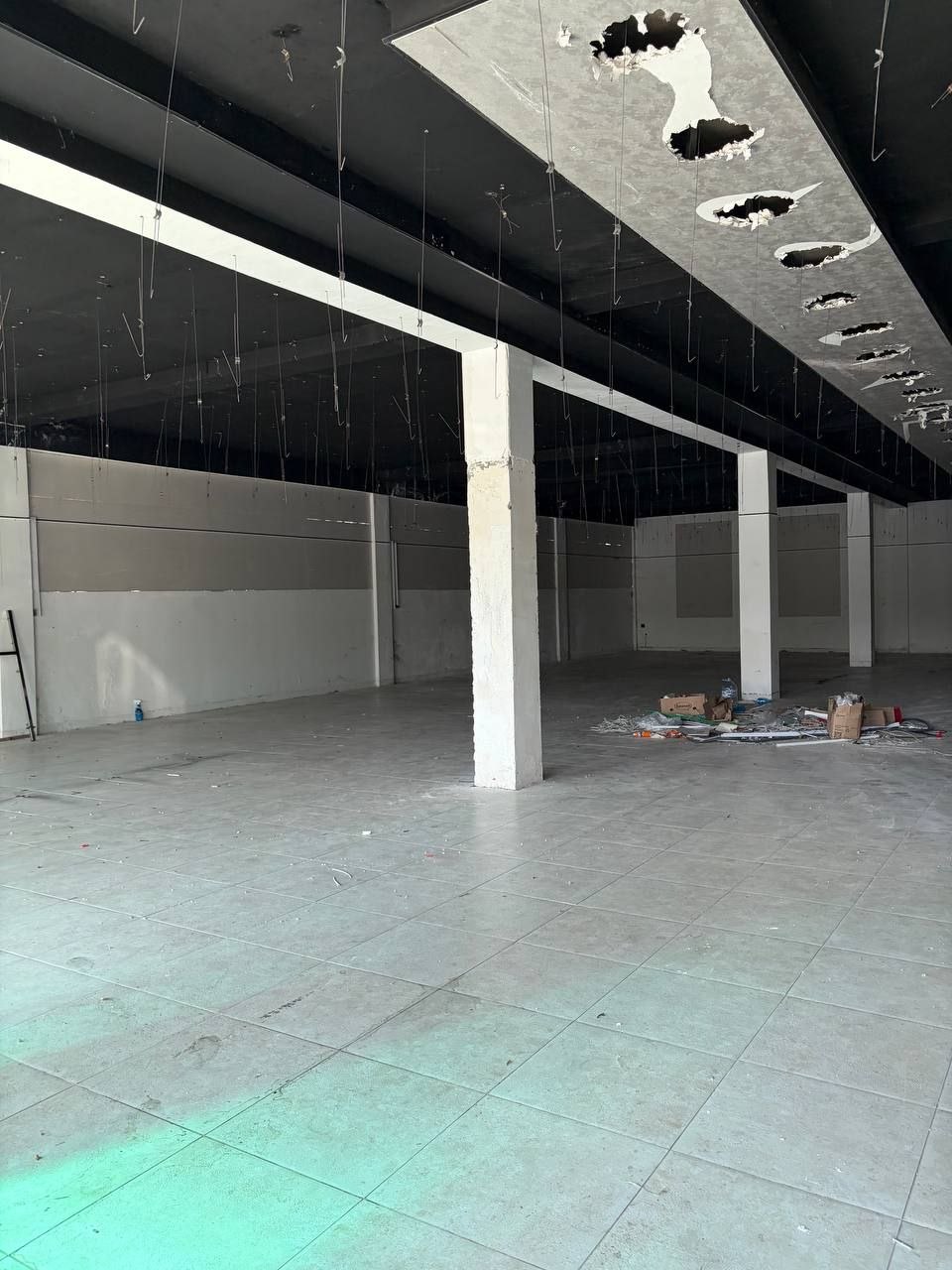
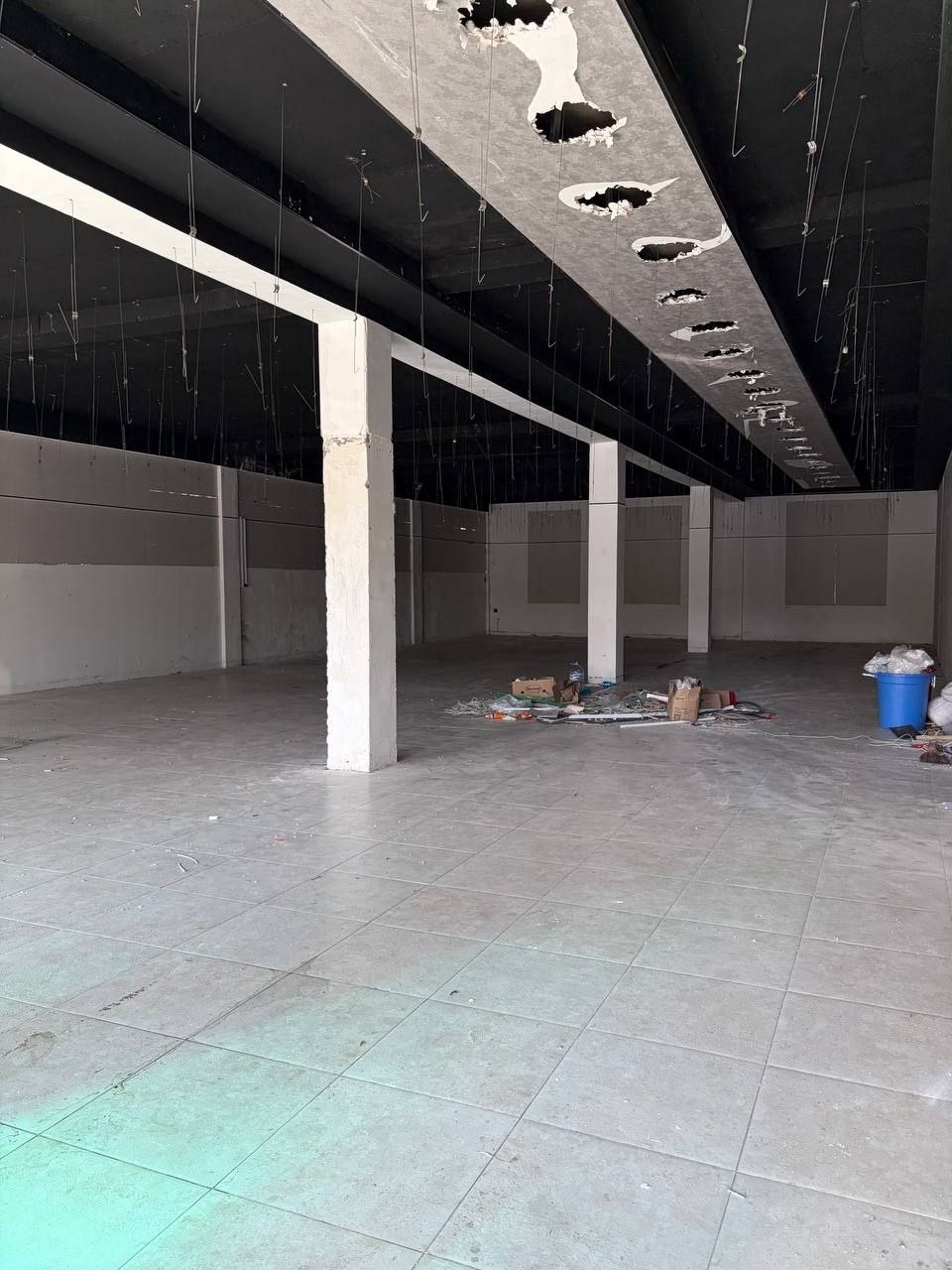
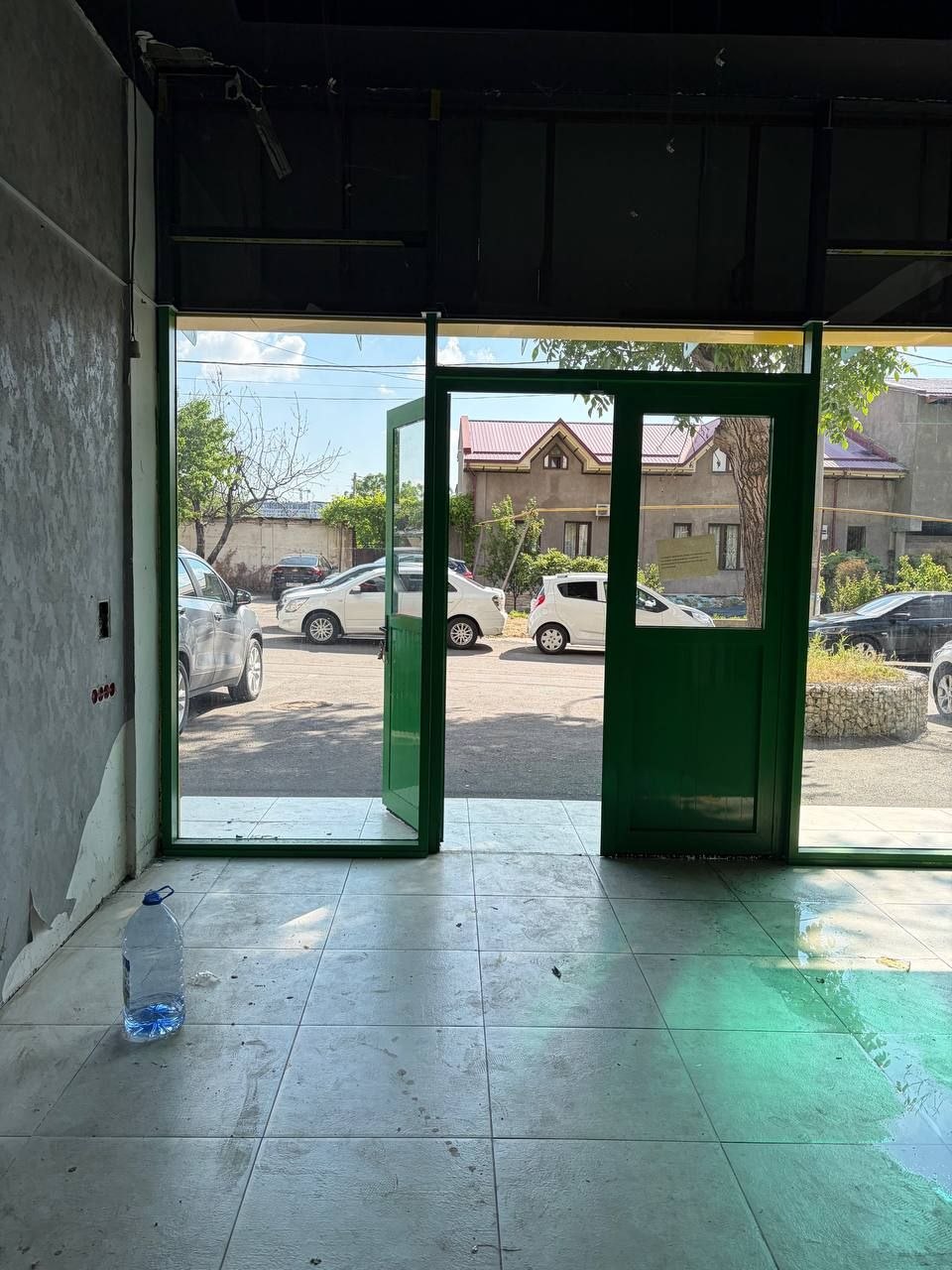
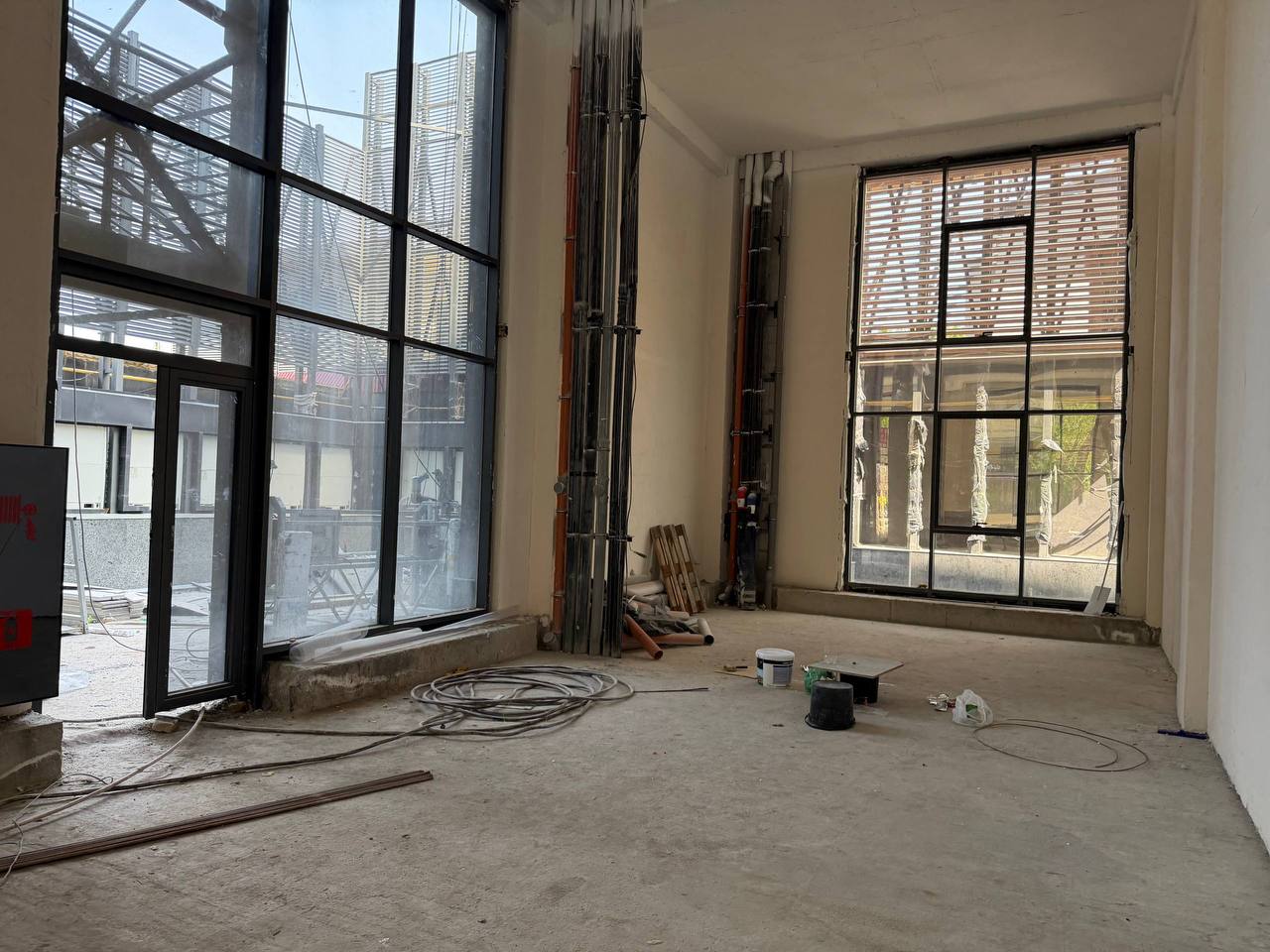
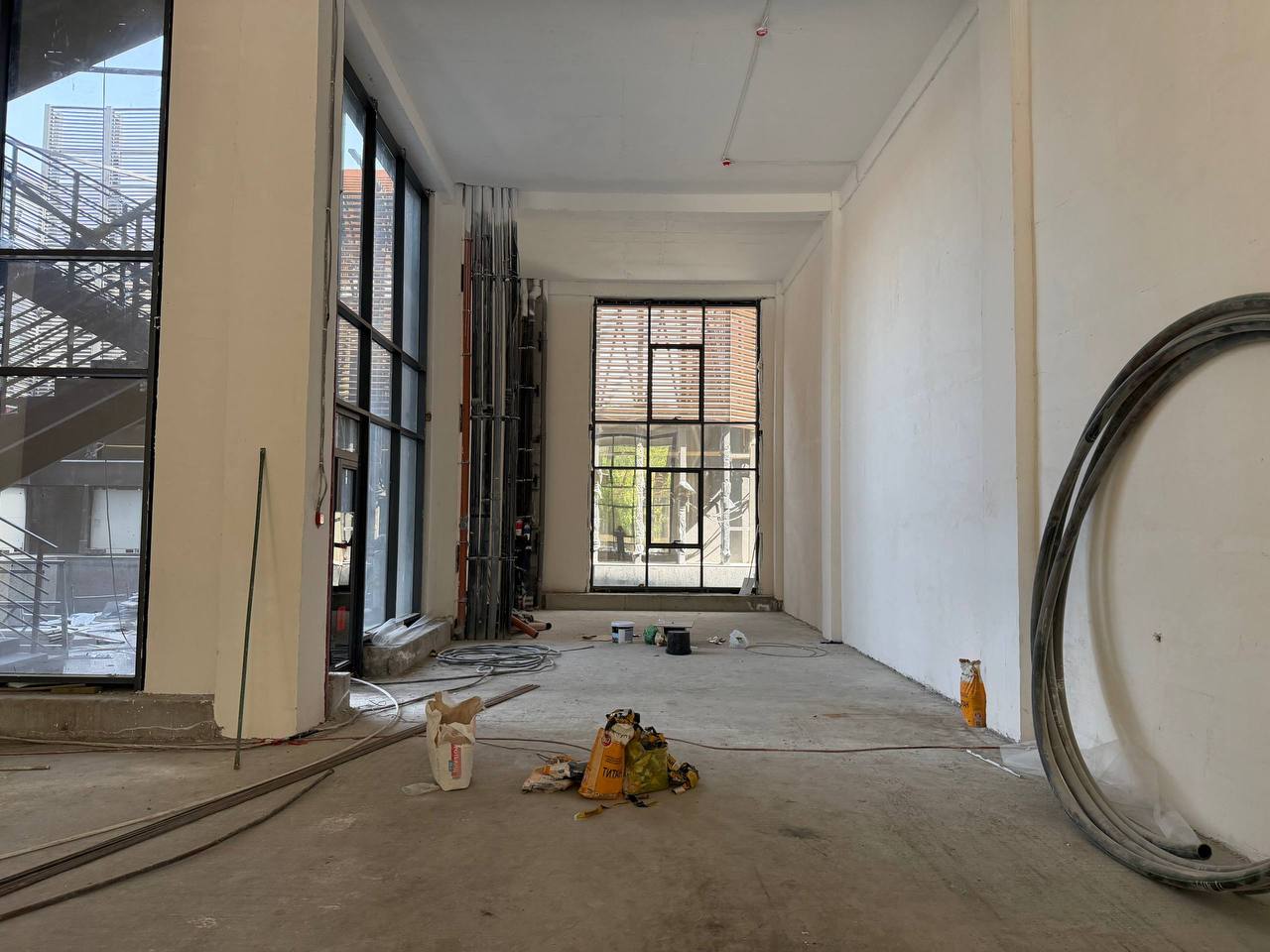
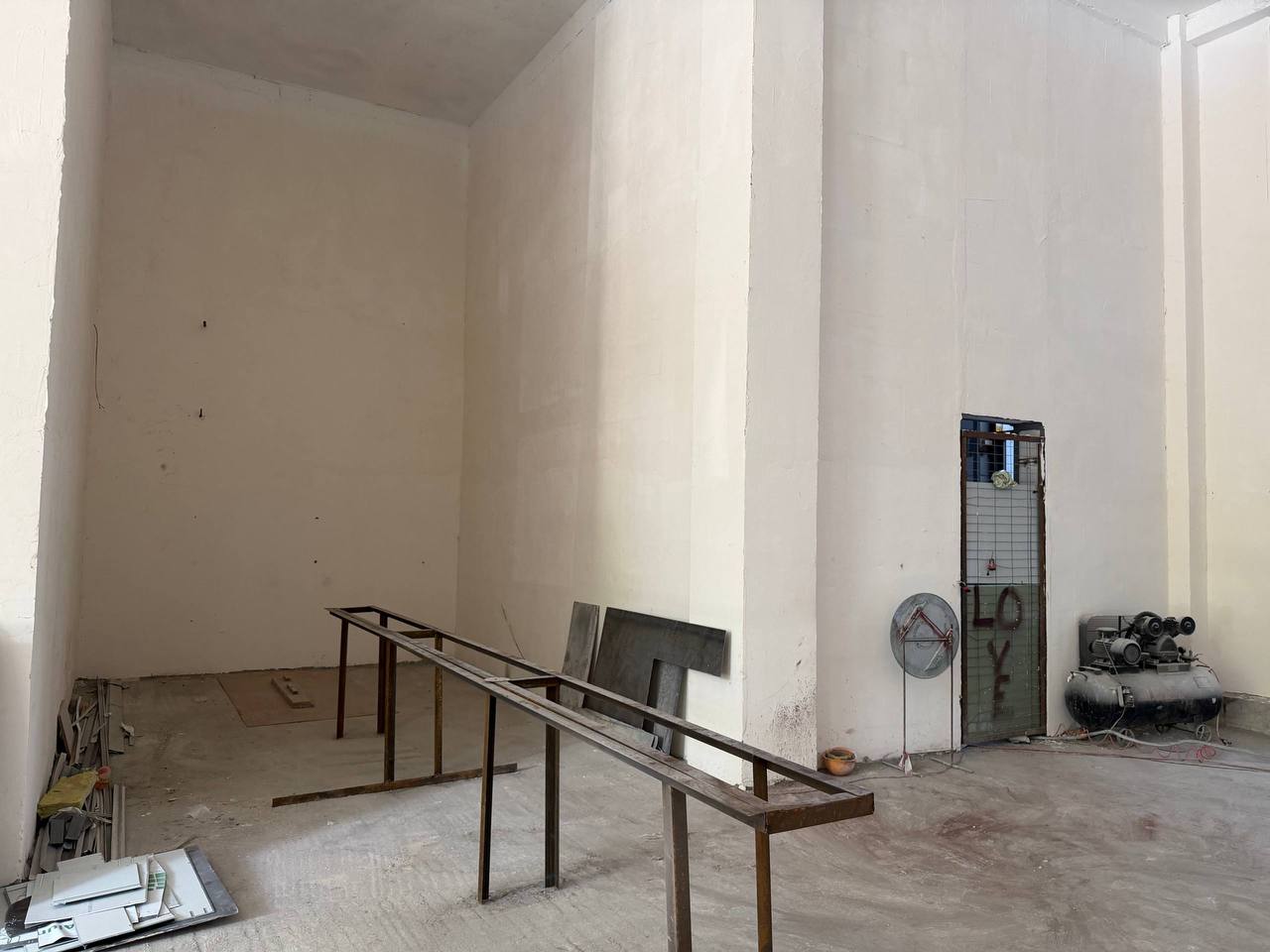
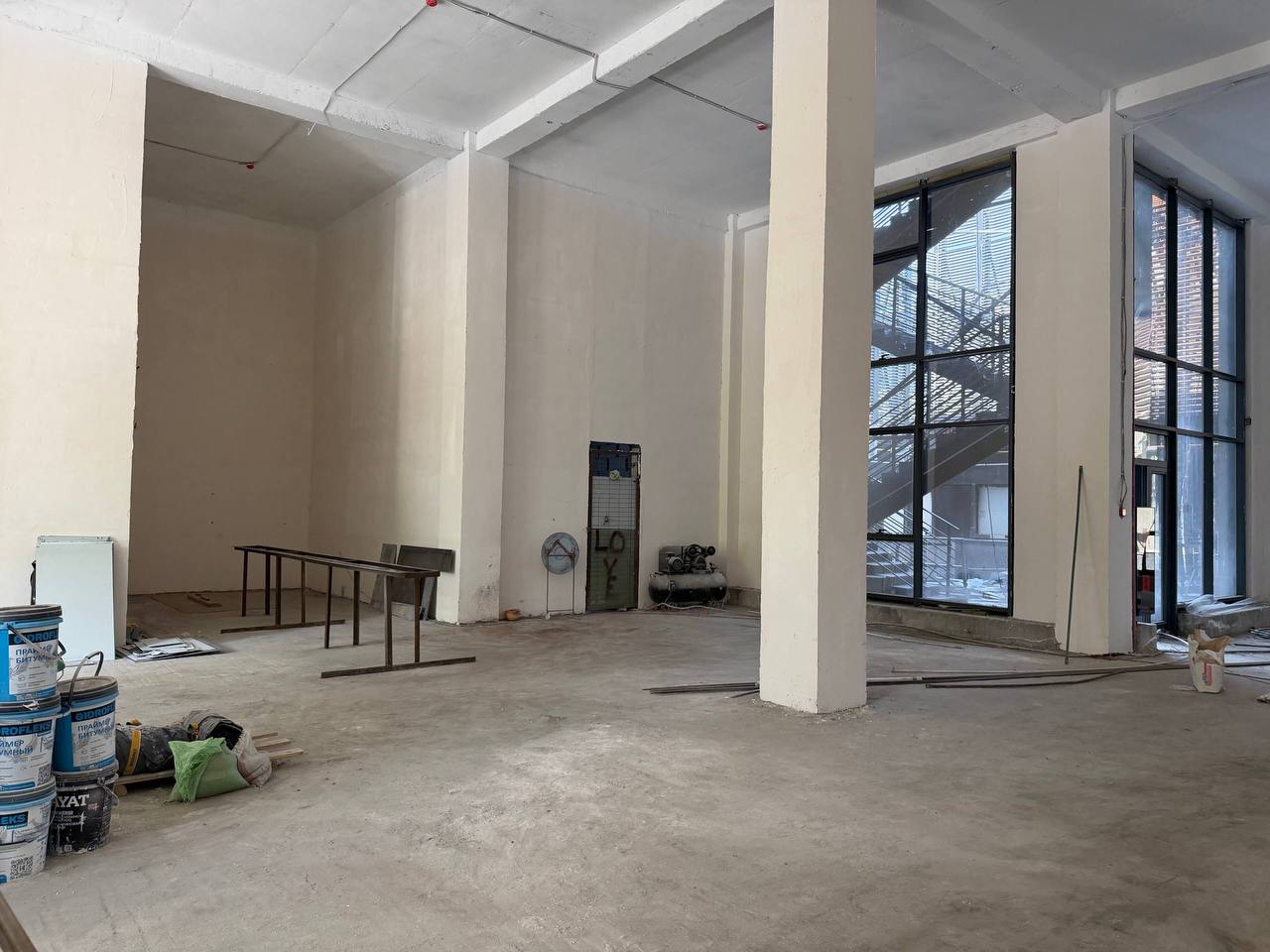
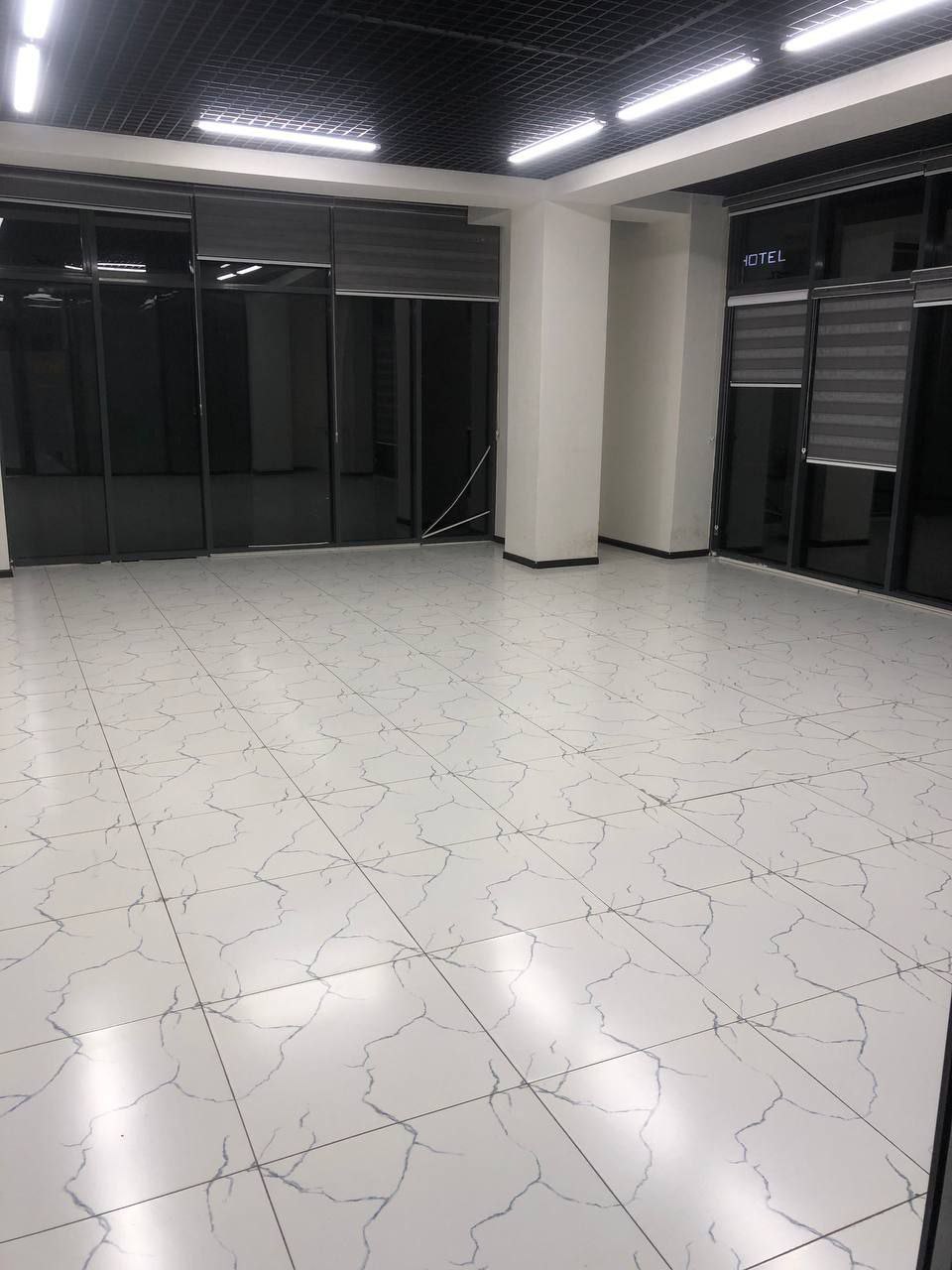
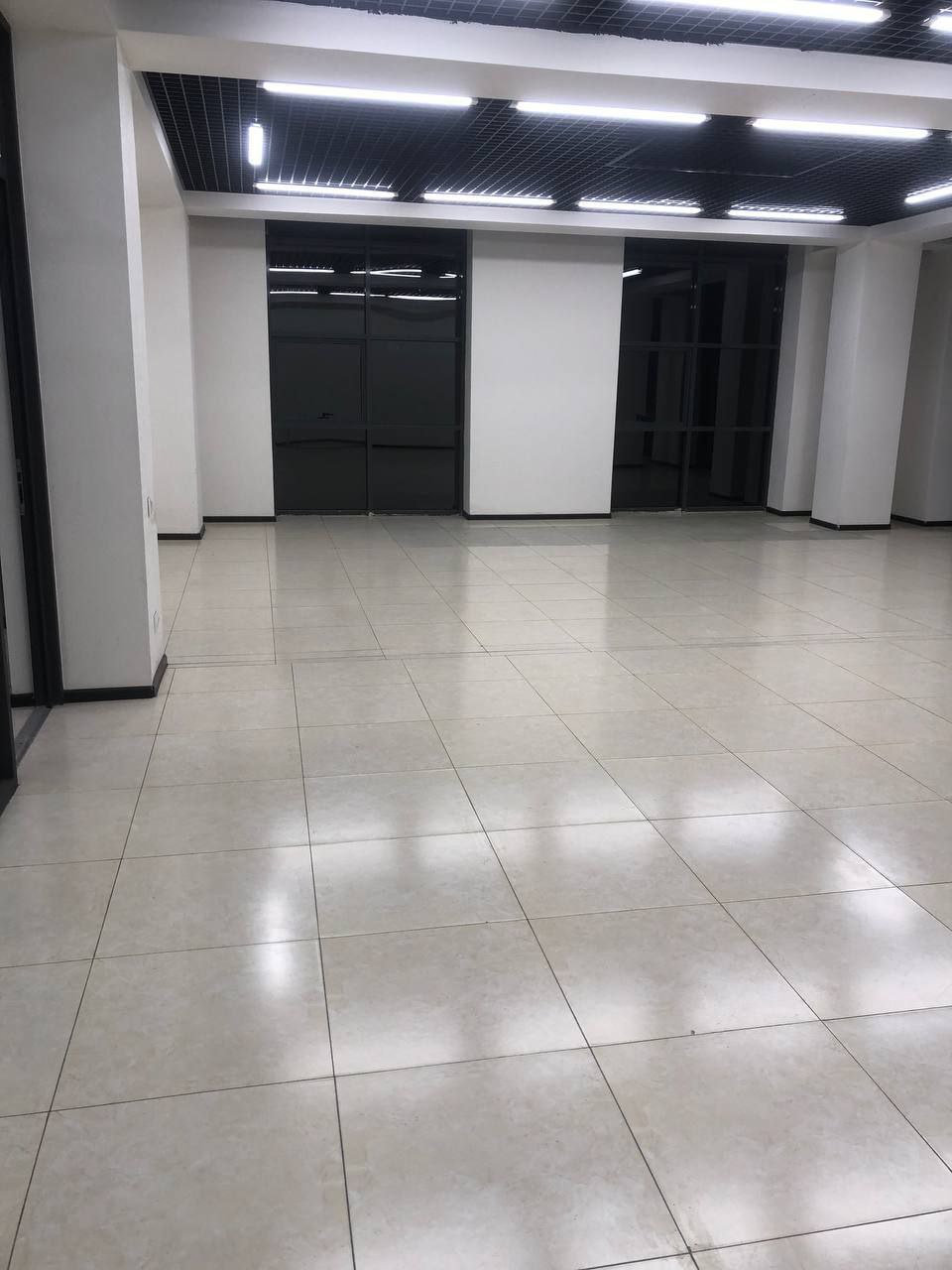
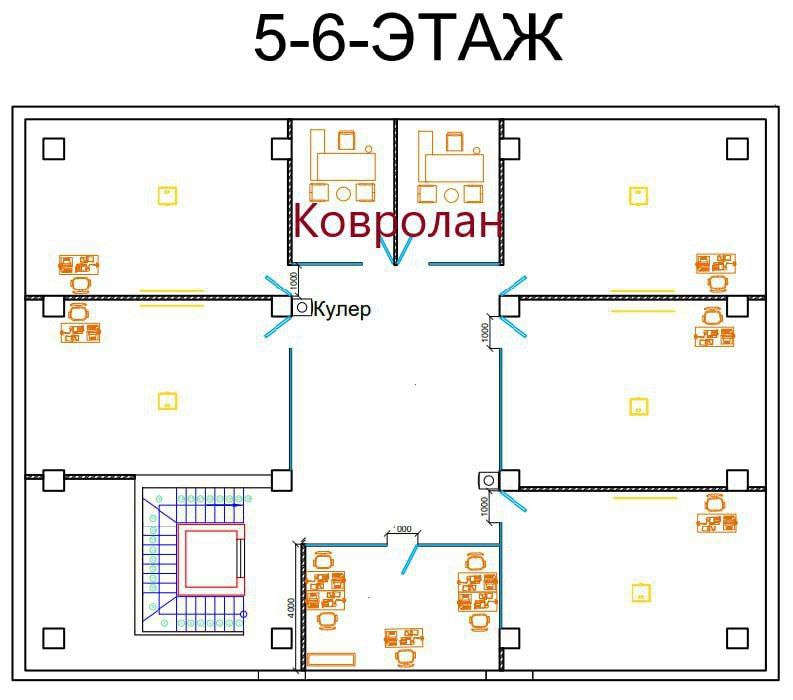
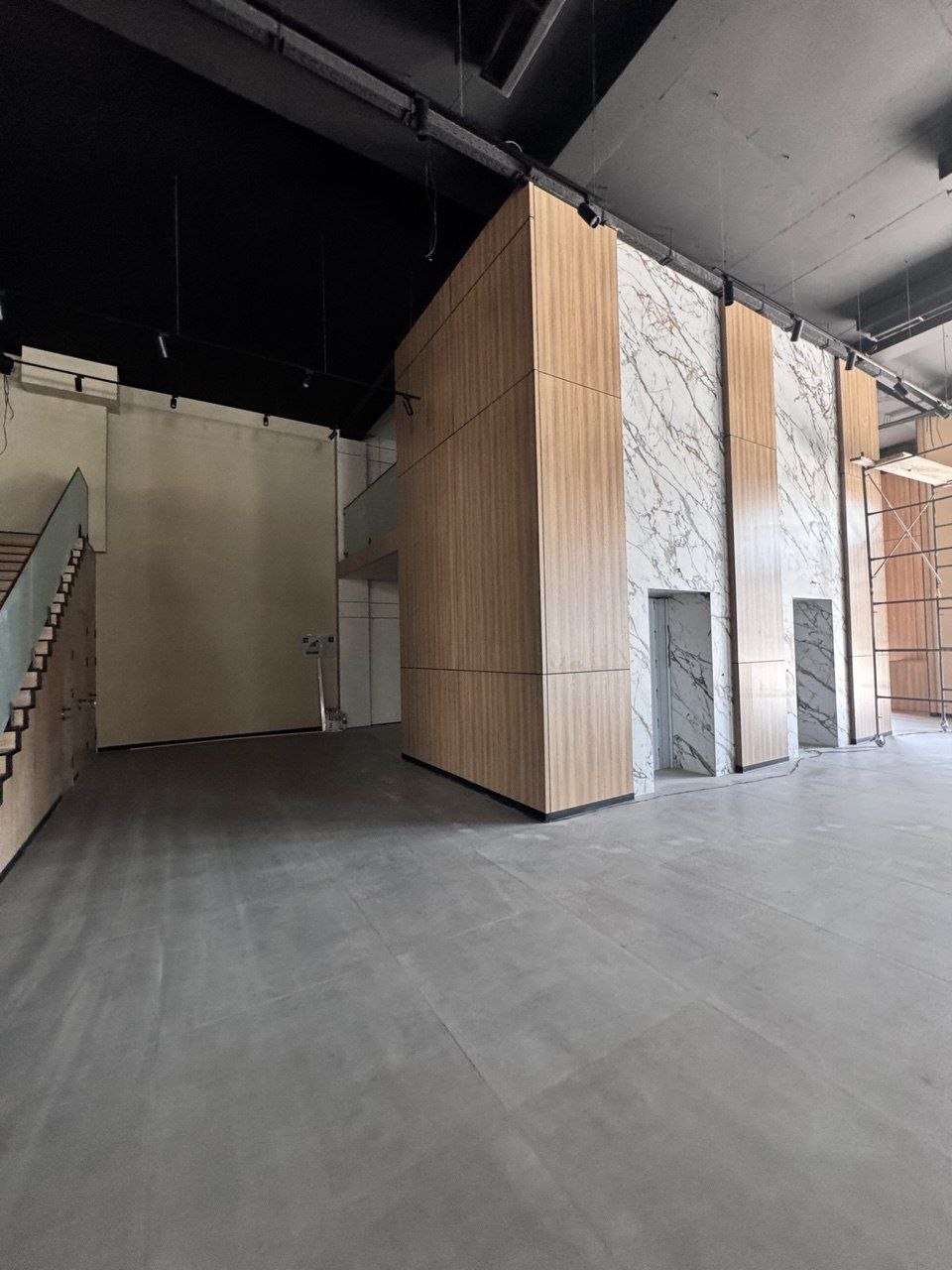
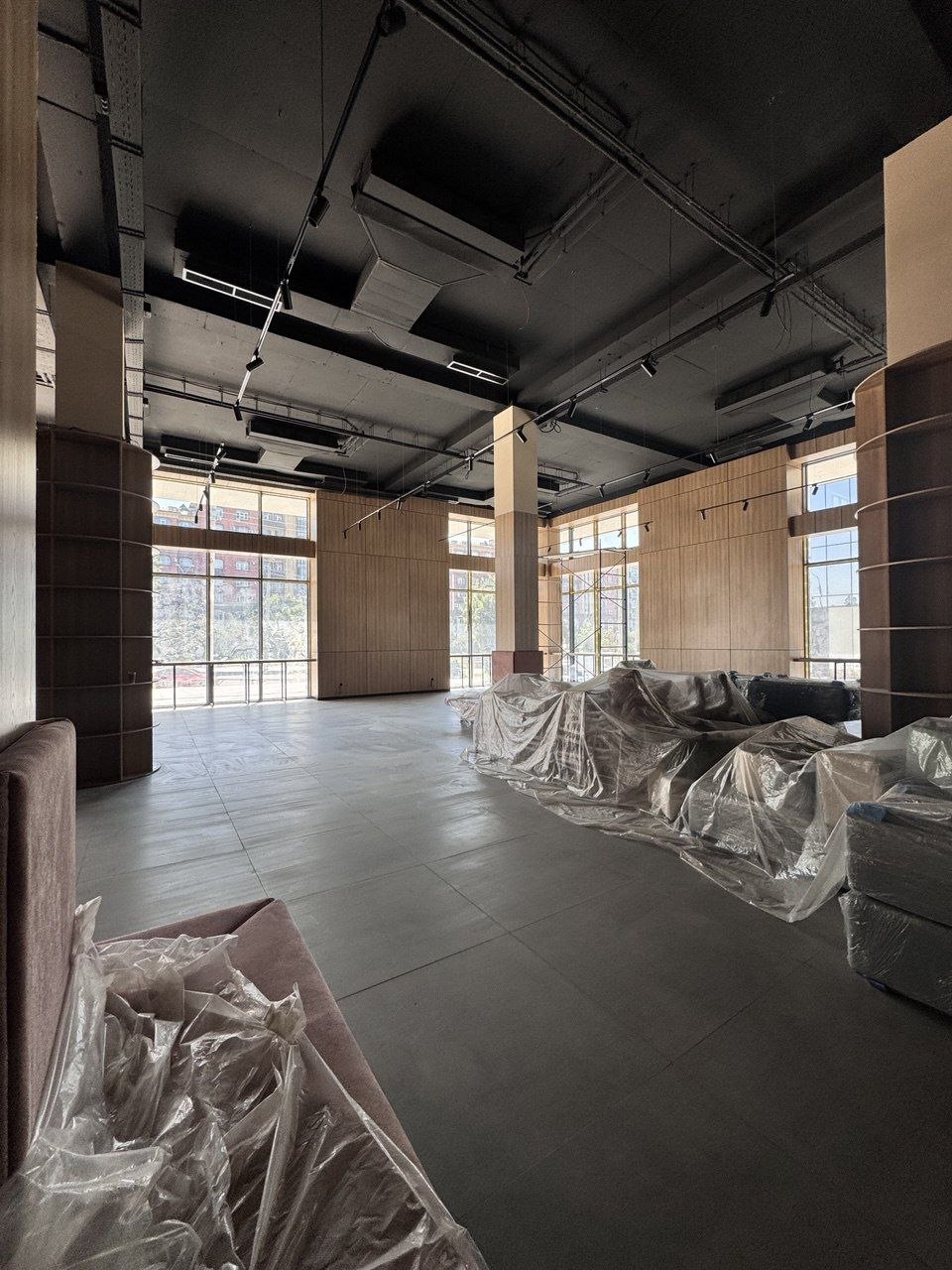
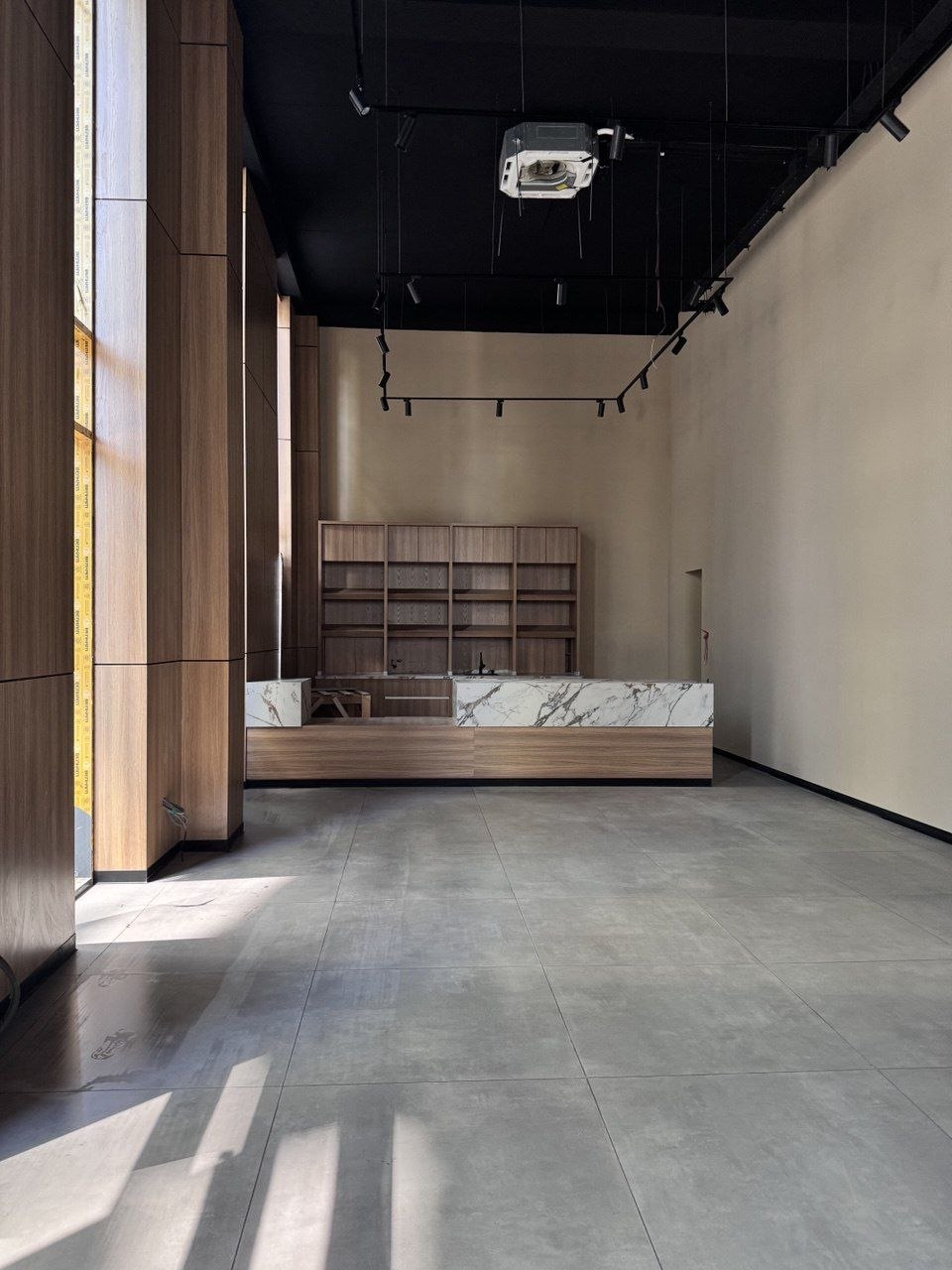
A signed lease, a set of keys and completed fit-out works can create a misleading impression of readiness. A store in a mall depends on more than its own equipment. Shared building systems must operate, contractors need access, the storefront must be approved, deliveries need a workable route, fire systems must be connected, and payment commencement dates must be clear.
The pre-opening review is therefore not another visual inspection. Its purpose is to prove that the unit can complete its first sale and operate for a full day without relying on verbal promises from the property manager.
Separate handover from readiness to trade
Start by placing four events on one timeline:
- contractor access for fit-out works;
- formal handover of the premises;
- readiness of the mall’s shared systems;
- the authorised customer opening date.
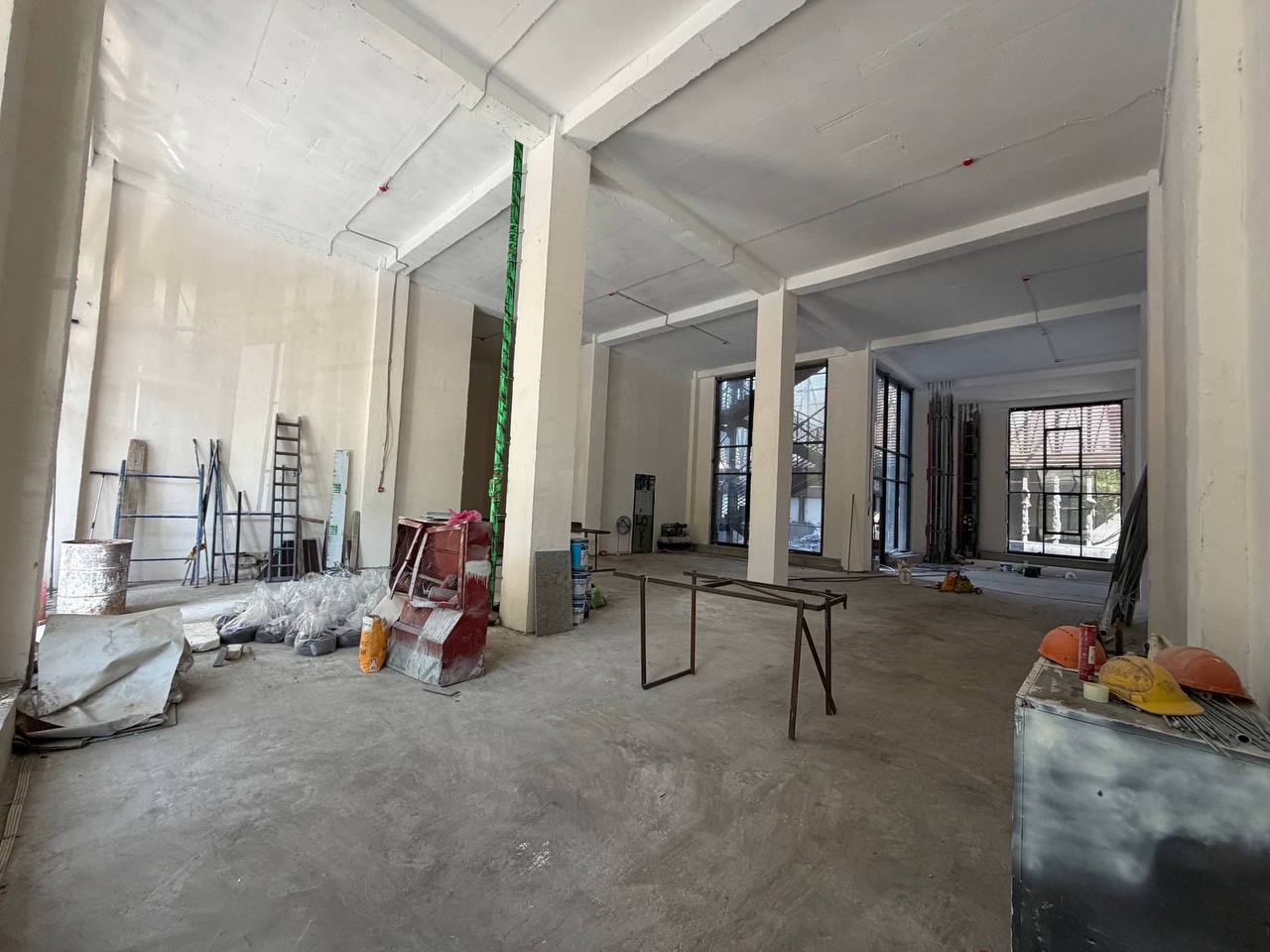
These are different dates. A handover record may be signed while floor ventilation remains inactive, the allocated electrical capacity has not been load-tested, or the service entrance is closed to deliveries. If rent and service charges begin at handover, the tenant starts spending before it can generate revenue.
The Supreme Court Plenum’s guidance on lease disputes states that property handover is documented through a transfer record and, as a general rule, payment for use becomes due after transfer. Any different commercial arrangement must therefore be written into the lease: payment commencement should be tied to a measurable event, not left in email discussions.
A useful delay calculation is:
**cost of the non-trading period = rent + service charges + payroll for the ready team + equipment hire + inventory financing cost for days without sales.**
Exclude expenses that would arise regardless of the launch date. The purpose is to isolate the cost of delay. For example, if the premises are handed over on 1 May, shared services become operational on 20 May, the tenant finishes on 25 May, and the mall admits customers only on 1 June, the lease should state clearly who pays during each interval.
Map every responsibility boundary
The main technical risk lies where tenant equipment meets building infrastructure. Ask for a schedule of connection points and responsible parties, not a marketing specification.
| System | Evidence required before installation | On-site test | Stop signal | |---|---|---|---| | Electrical supply | Diagram, allocated capacity, protection parameters and demarcation point | Measurements and a test under working load | Capacity exists only as a verbal assurance | | Ventilation and cooling | Operating hours, connection point and permitted design parameters | Temperature, airflow and noise during mall operating hours | The system is inactive or follows a temporary schedule | | Fire systems | Approved interface design for connecting local devices to the building system | Joint test with a recorded result | Detectors were isolated for fit-out with no reinstatement procedure | | Storefront and sign | Approved design covering dimensions, fixings and power | Installed work matches the approved design | Approval is promised only after installation | | Service logistics | Route, delivery hours and rules for the loading area and service lift | A trolley trial through doors, turns and level changes | Goods can enter only through customer circulation areas |
Add water, drainage, supplementary cooling or specialist storage as separate rows where relevant. Every row needs a deadline, an accountable party and documentary evidence of completion.
Verify the right to lease and all contract schedules
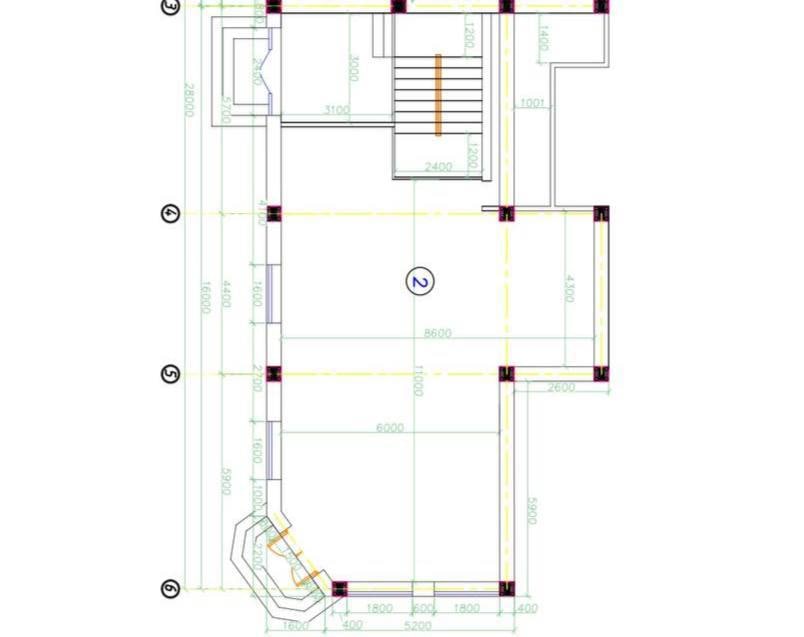
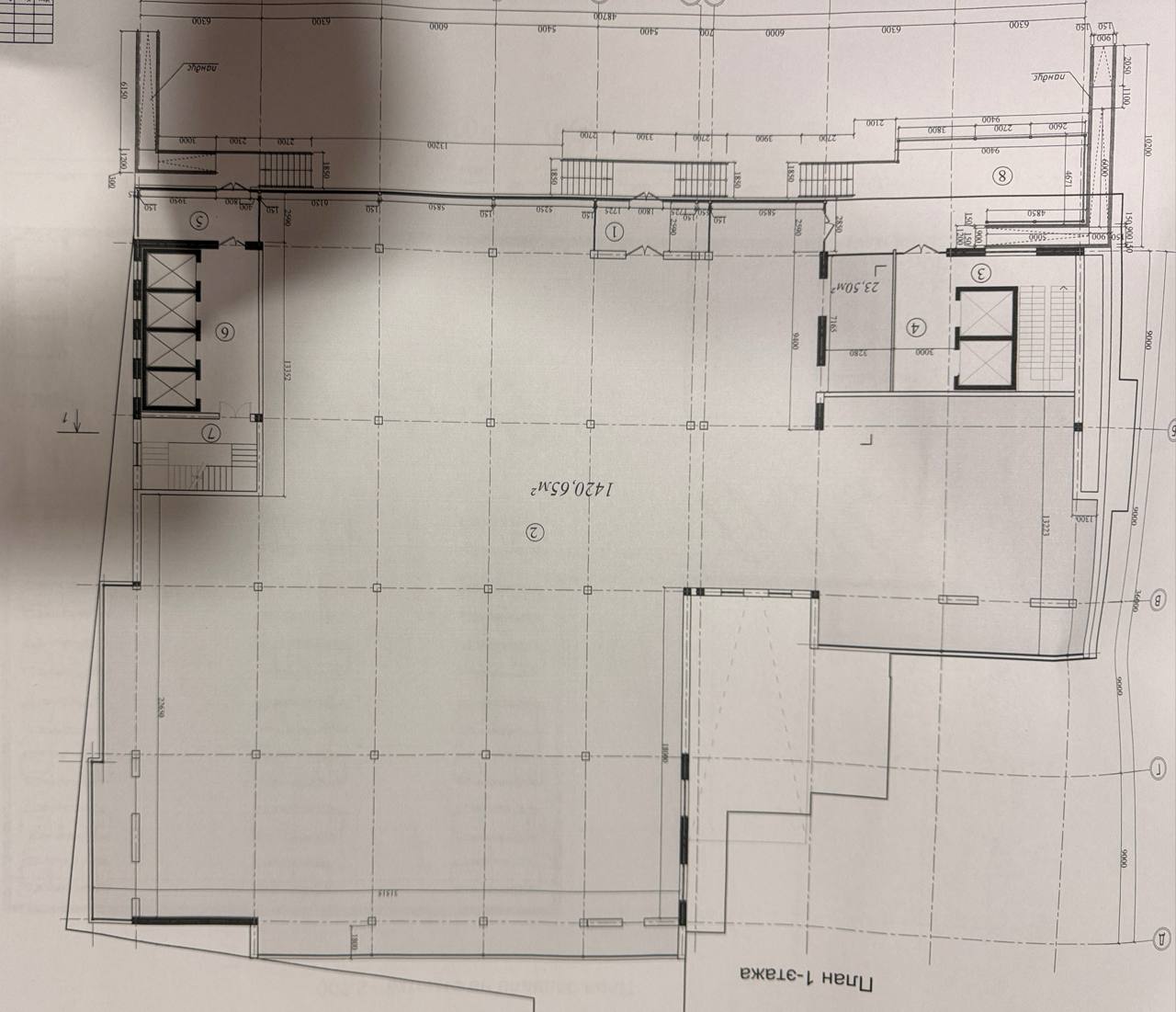
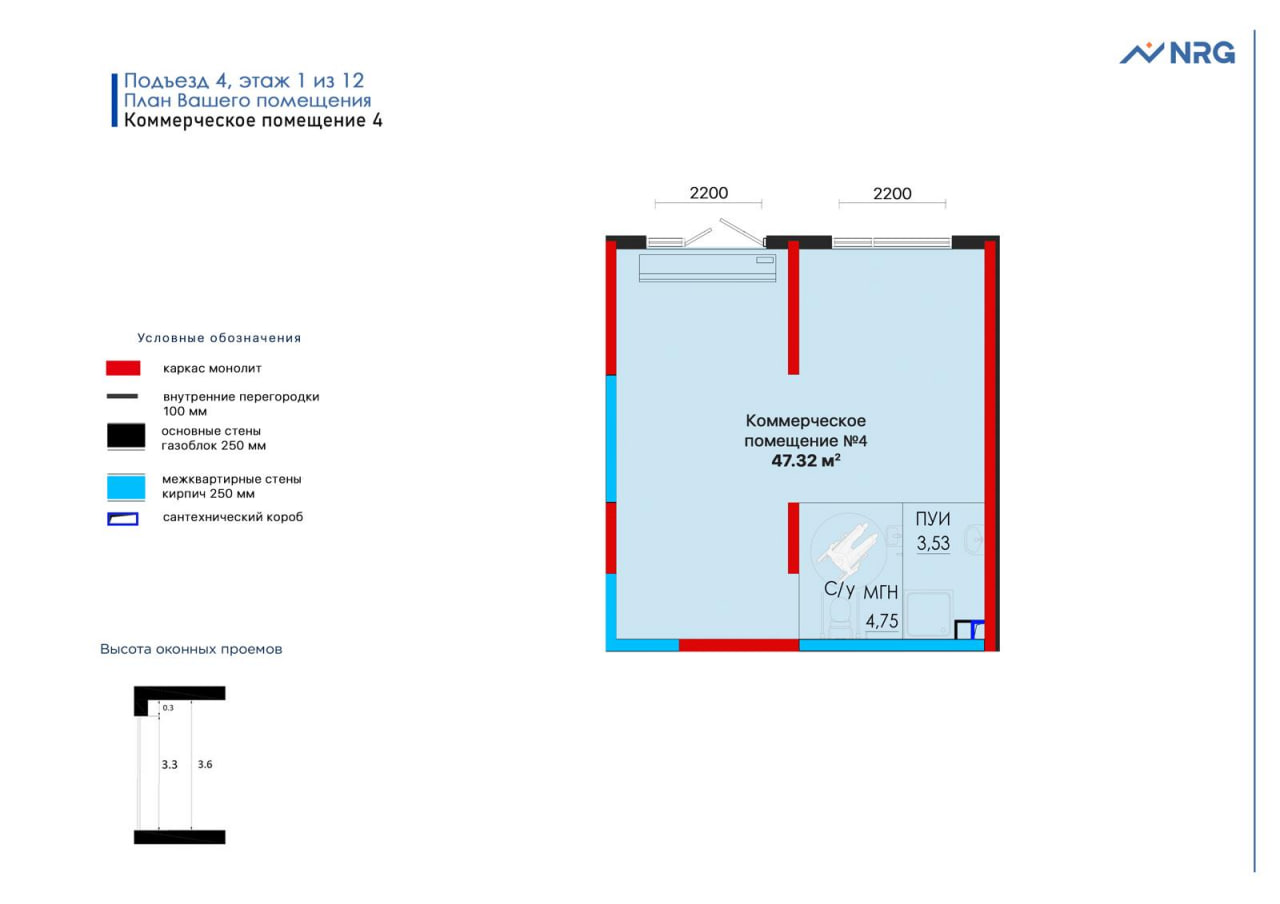
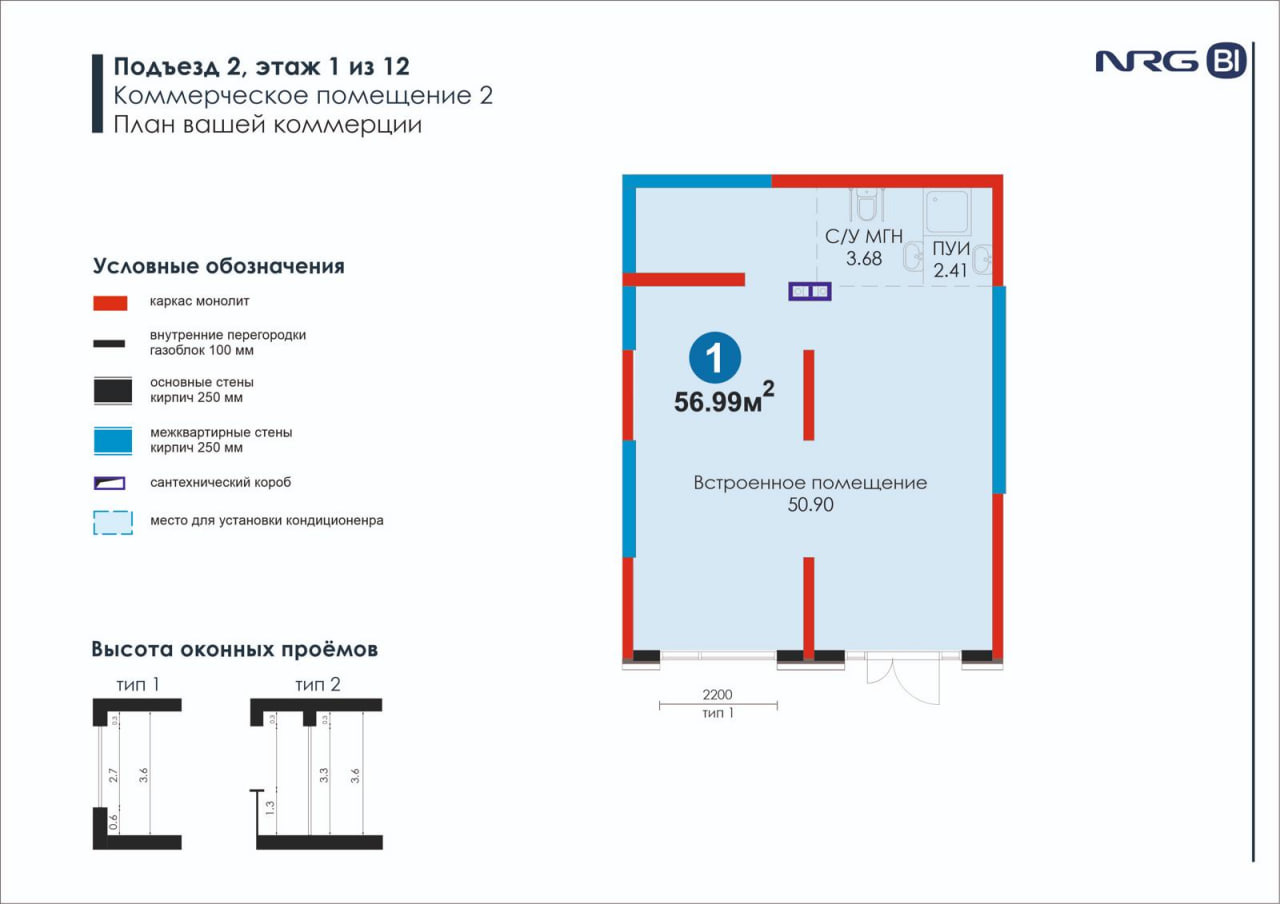
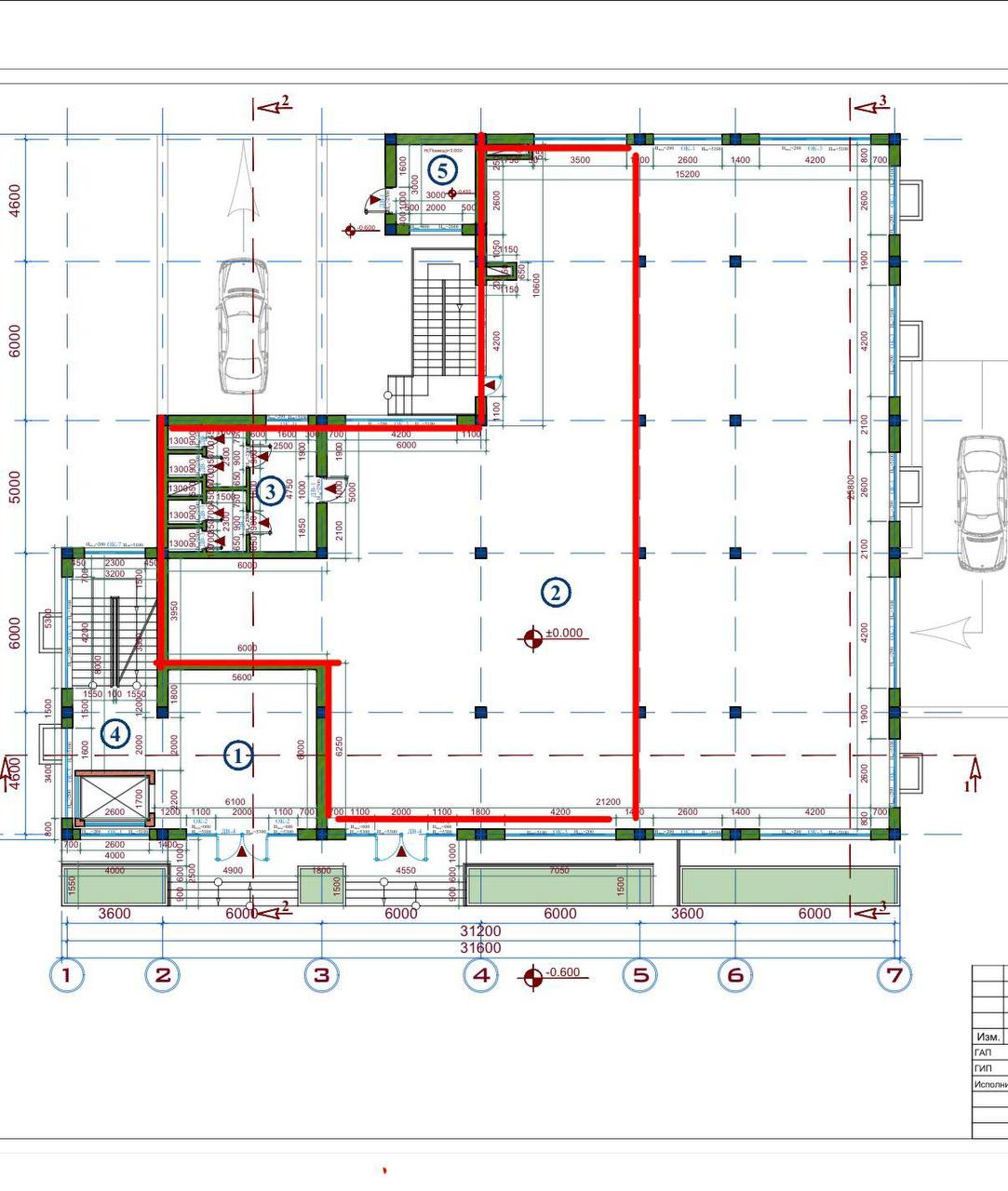
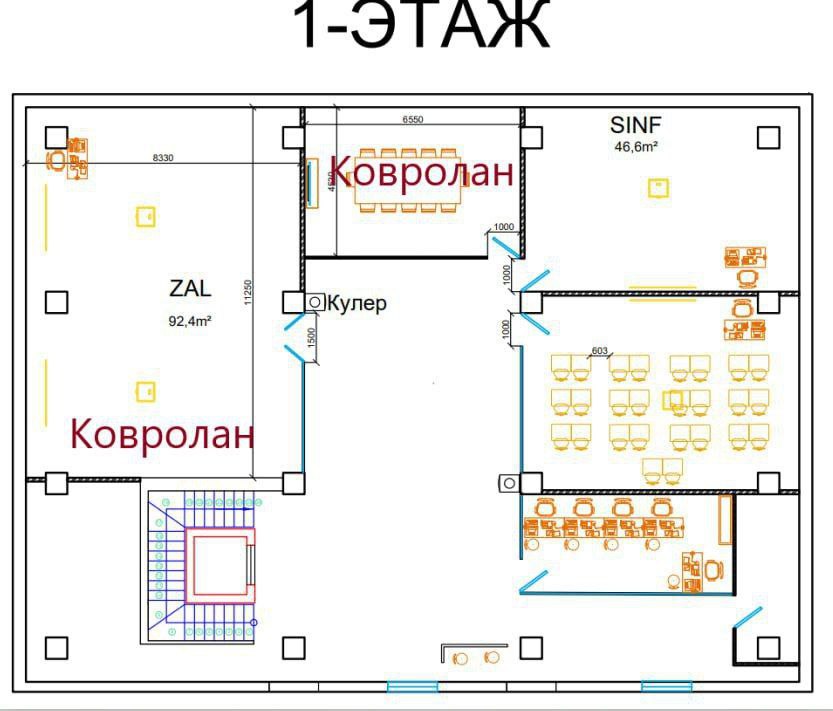
Before funding the fit-out, compare the unit number and boundaries across the lease, floor plan, cadastral materials and handover record. Columns, service voids, storefront frontage and back-of-house space should appear consistently. A boundary discrepancy can disrupt equipment layout or an escape route even when the total area remains unchanged.
The Supreme Court Plenum explains that property may be leased by its owner or by a party authorised by the owner or by law. Request evidence of title, the signatory’s authority and, for a sublease, the full chain of authority and all required consents.
Do not assume automatically that a retail unit lease is exempt from state registration. The Plenum guidance sets out rules and exceptions for leases of real estate, buildings and structures, while the Unified Public Services Portal provides a dedicated registration service. Before paying, have a qualified specialist confirm whether the procedure applies to the specific term and structure of the agreement.
Mall rules, fit-out manuals, tariffs, floor plans and technical conditions should be dated and numbered contract schedules. A reference to an online document that management can change unilaterally leaves the tenant’s obligations uncertain. This review complements broader due diligence on commercial property rental in Tashkent; it does not replace verification of the mall’s actual readiness.
Test building services under a realistic load
Asking how many kilowatts are available is not enough. Prepare an equipment schedule covering tills, lighting, screens, refrigeration, shutters, tenant air conditioners, water heaters, chargers and back-of-house equipment. Record the rated power, operating pattern and likelihood of simultaneous use for every item. A competent specialist should verify the resulting demand and protection design.
Run tests after the main works are complete but before access to cables, valves and joints is closed. Retain instrument readings, switchboard and breaker references, photographs of connection points and the names of all representatives present.
Test ventilation and cooling during ordinary mall operating hours, not only in an empty building in the morning. For a unit beside a glazed façade or below the roof, assess heat at both the storefront and tills. Test connectivity from inside the unit as well: mobile coverage, the wired service and a backup route for the till and payment terminal. A cable entering the premises is not proof of a working service.
Complete both approval tracks
A retail unit has an internal approval track governed by the landlord and property manager, and a public regulatory track determined by its activities and merchandise. Mall approval of a design does not replace a licence or mandatory notification. A government document does not mean that the owner has approved a sign, delivery schedule or intervention in shared building systems.
Track each approval by document, initiator, reviewer, deadline, result and link to evidence. The statuses submitted and discussed do not amount to approval.
Fire safety requires particular care. Uzbekistan’s current Fire Safety Rules contain a dedicated chapter for retail premises. Among other provisions, they prohibit hot works while customers are present in sales areas, prohibit loading or unloading on escape routes during operations, and require goods receipt and removal to avoid obstructing customer movement and exits.
Before stocking the unit, establish in writing:
- who reinstates and tests detectors isolated during fit-out;
- who is responsible for the local system’s interface with building automation;
- where escape routes run and which areas must remain free of equipment and packaging;
- who approves finishing materials, extinguishers, instructions and staff training;
- which document confirms completion of the review.
The exact solution depends on the unit’s use, design and merchandise. It should be determined by competent designers, the mall’s responsible personnel and, where necessary, authorised public bodies. An internal management sign-off should not be presented as a government permit.
Prepare permits, the till and store presentation
Define the complete merchandise range and any ancillary services instead of relying on the generic description store. Certain goods or services may require a licence, permit or notification. The law provides for open electronic registers, and the Licence system records issuance, suspension, termination and other status changes. Check the activity and the tenant’s specific legal entity rather than assuming that a similar neighbouring operator proves compliance.
The Unified Public Services Portal offers registration of online cash registers. Its service page states a processing period of one working day, but the process also includes visiting a technical service centre under the generated referral. Do not leave this until the evening before launch. Test a sale, a return, receipt printing and operation through the backup connection.
The Advertising Law classifies advertising inside premises as internal advertising and allows the owner of the location to determine its formats. Obtain written approval for the final storefront, illuminated box, screens and temporary materials. If a structure extends onto the façade or qualifies as external advertising, check the separate applicable procedure; internal mall consent does not replace it.
Before opening, also prepare seller information, prices, return procedures, merchandise records and evidence of conformity to the extent required for the particular range.
Rehearse a working day before customers arrive
Run a rehearsal without visitors. An employee should enter the building, access the unit, start the equipment, receive a simulated delivery, process a sale and return, remove packaging, close the shift and leave after the mall closes.
This reveals restrictions absent from drawings: only one management employee issues passes, the service lift is unavailable at the required time, cardboard cannot be held temporarily in the stockroom, security refuses contractor access after closing, or the payment terminal loses connectivity at the till.
Record mandatory trading hours, consequences of late opening, rules for overnight works, weekend access, responsibility for stock security and the procedure when shared systems fail. If locations are still being compared, inspect service access on the map and retain the original listings from the commercial property catalogue, because advertised specifications may change during negotiations.
The final output should be a readiness record with attachments, not a collection of messenger conversations. Split outstanding items into two categories:
- **opening blockers** — safety defects, unconfirmed capacity, an inoperative till, an incomplete mandatory approval, or the inability to deliver goods or admit staff;
- **post-opening corrections** — only defects that do not prevent lawful and safe operation and have an agreed rectification deadline.
The minimum pack before the first sale should include:
- a signed handover record showing exact unit boundaries and meter readings;
- the approved working design, storefront and sign;
- test records for power, climate systems and connectivity;
- evidence that fire systems have been reinstated and escape routes are clear;
- valid licences, permits or notifications where the merchandise requires them;
- a registered and tested till;
- approved routes for staff, deliveries, waste and emergency access;
- written confirmation of the commencement date for every payment.
This record is a management and contractual tool, not a universal permit from a public authority. Its value is that no critical dependency remains a verbal promise. Opening is sensible when every blocking row has verified completion and the lease already allocates the consequences of delay.
Sources and verification date