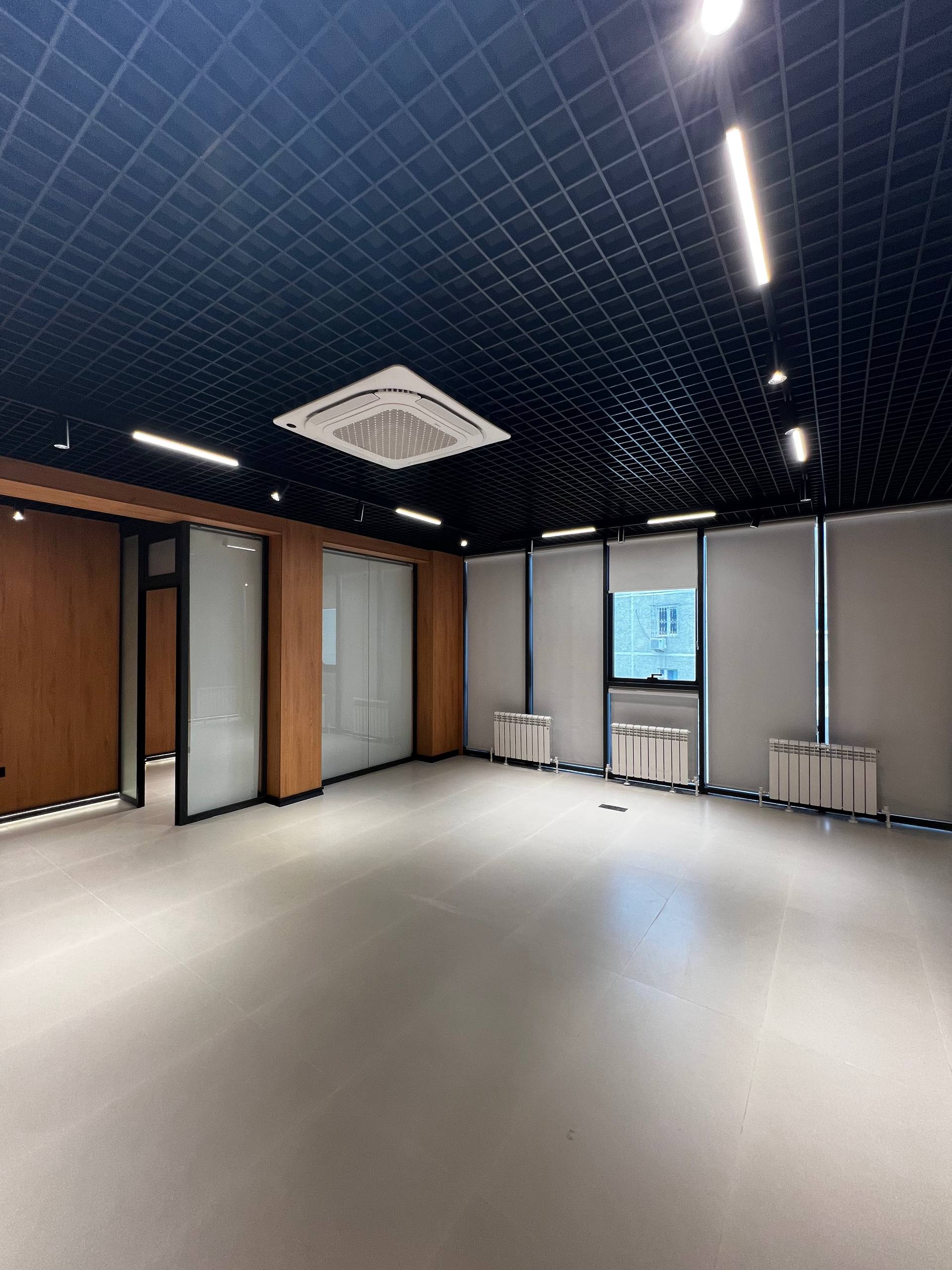
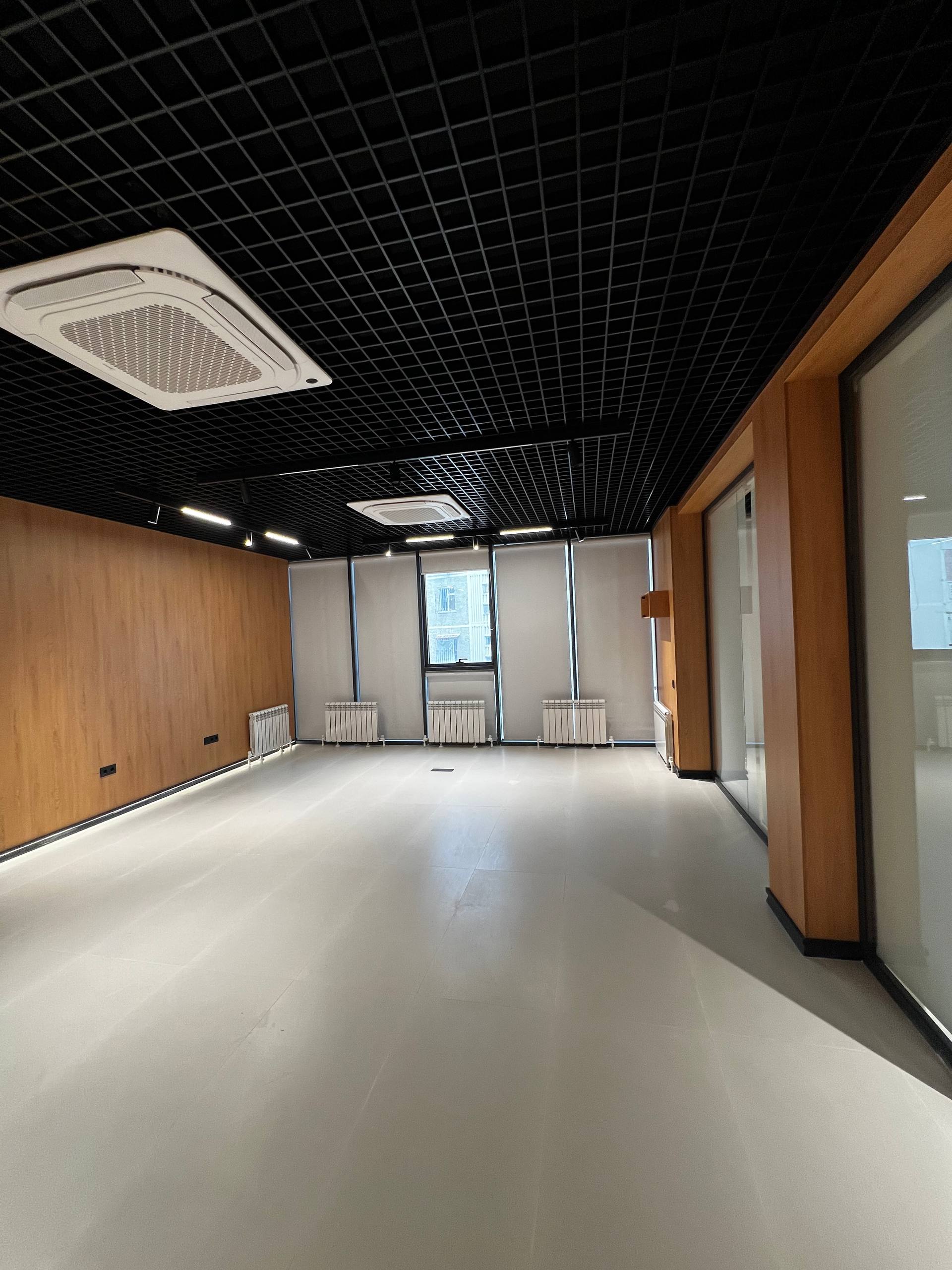
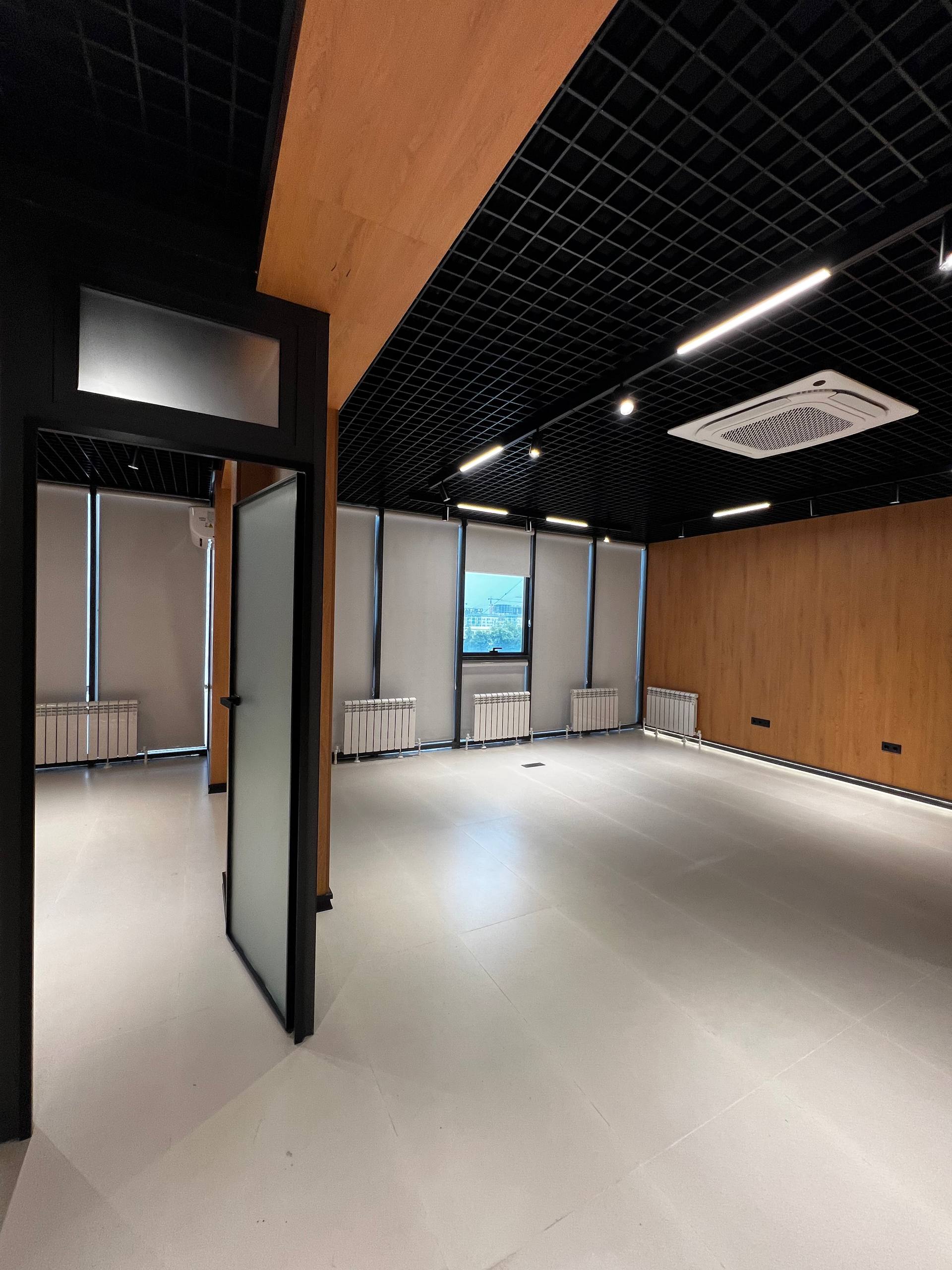
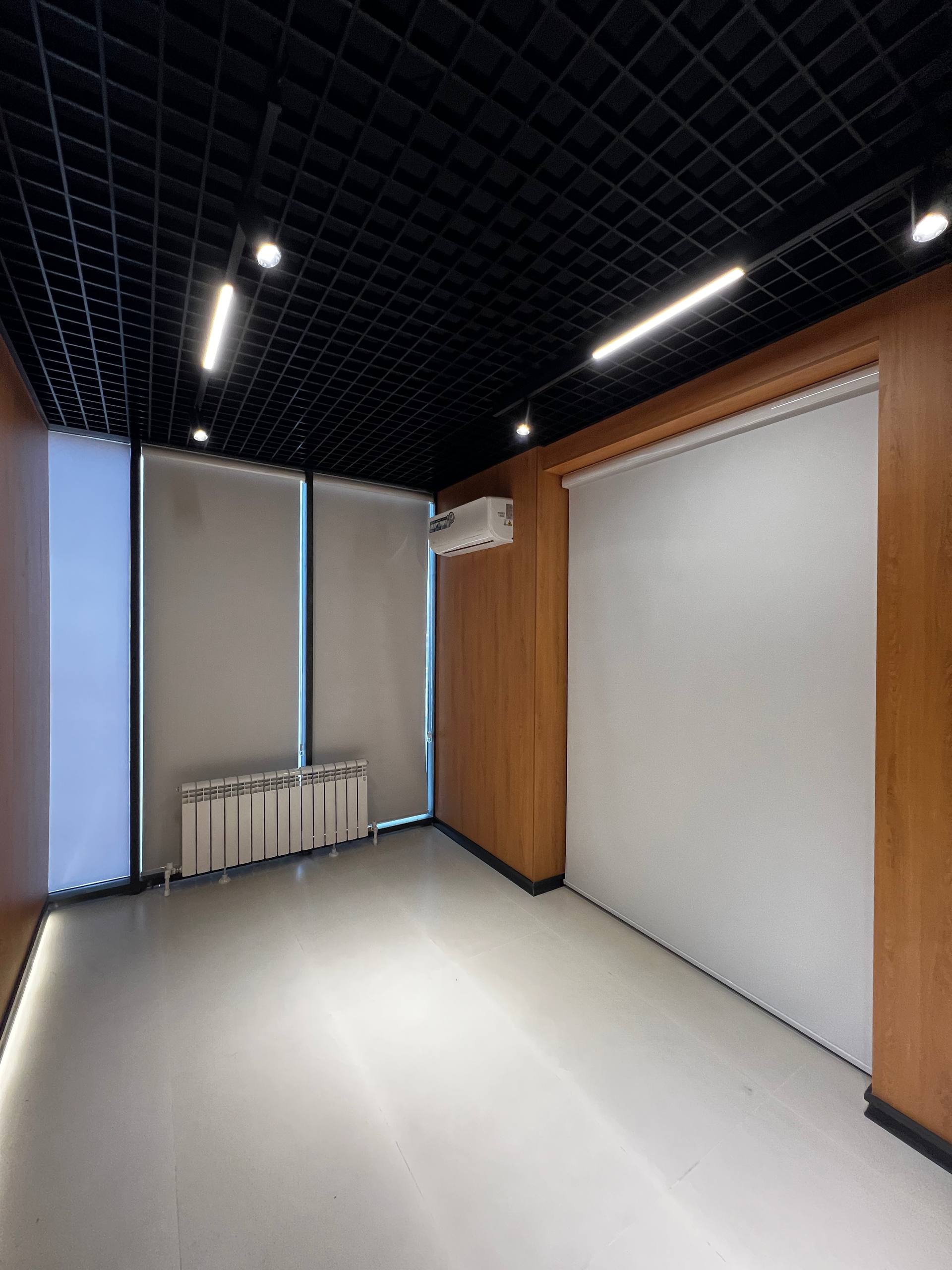
Three rent-free months may look like a generous concession and still fail to cover the approval and construction period. That risk is particularly acute when rent starts on key handover, engineering information arrives later, and the tenant must restore the premises at exit. For that reason, an **office fit-out in leased premises** should be negotiated before the lease is signed and treated as part of the transaction: the base condition, budget, programme, approval rules and the fate of every improvement all need to be defined.
The method below compares a fitted office with shell space without pretending that one benchmark fits every property. It explains what to document, how to translate a rent-free period into money, and where a tenant needs professional rather than self-service verification.
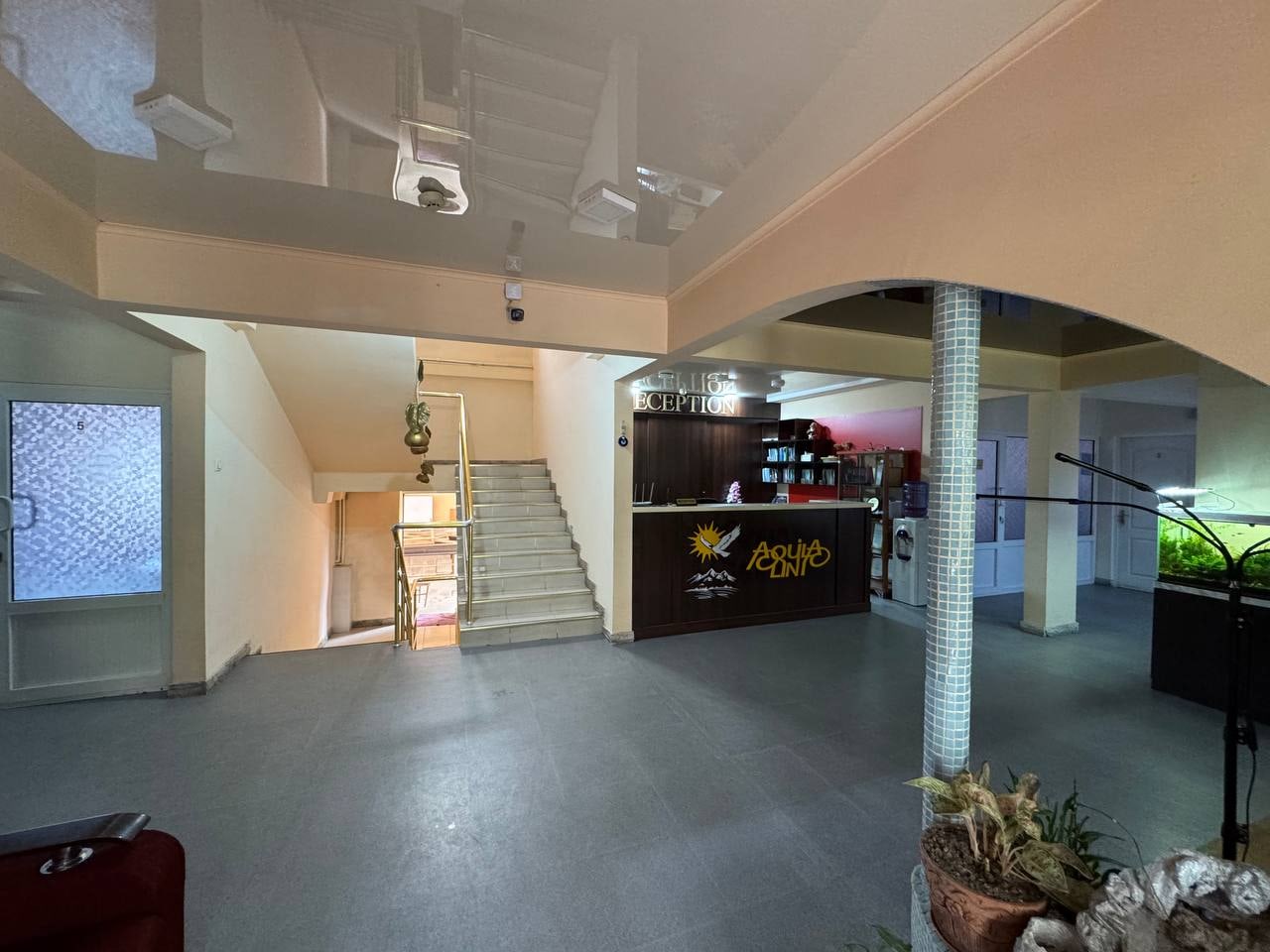
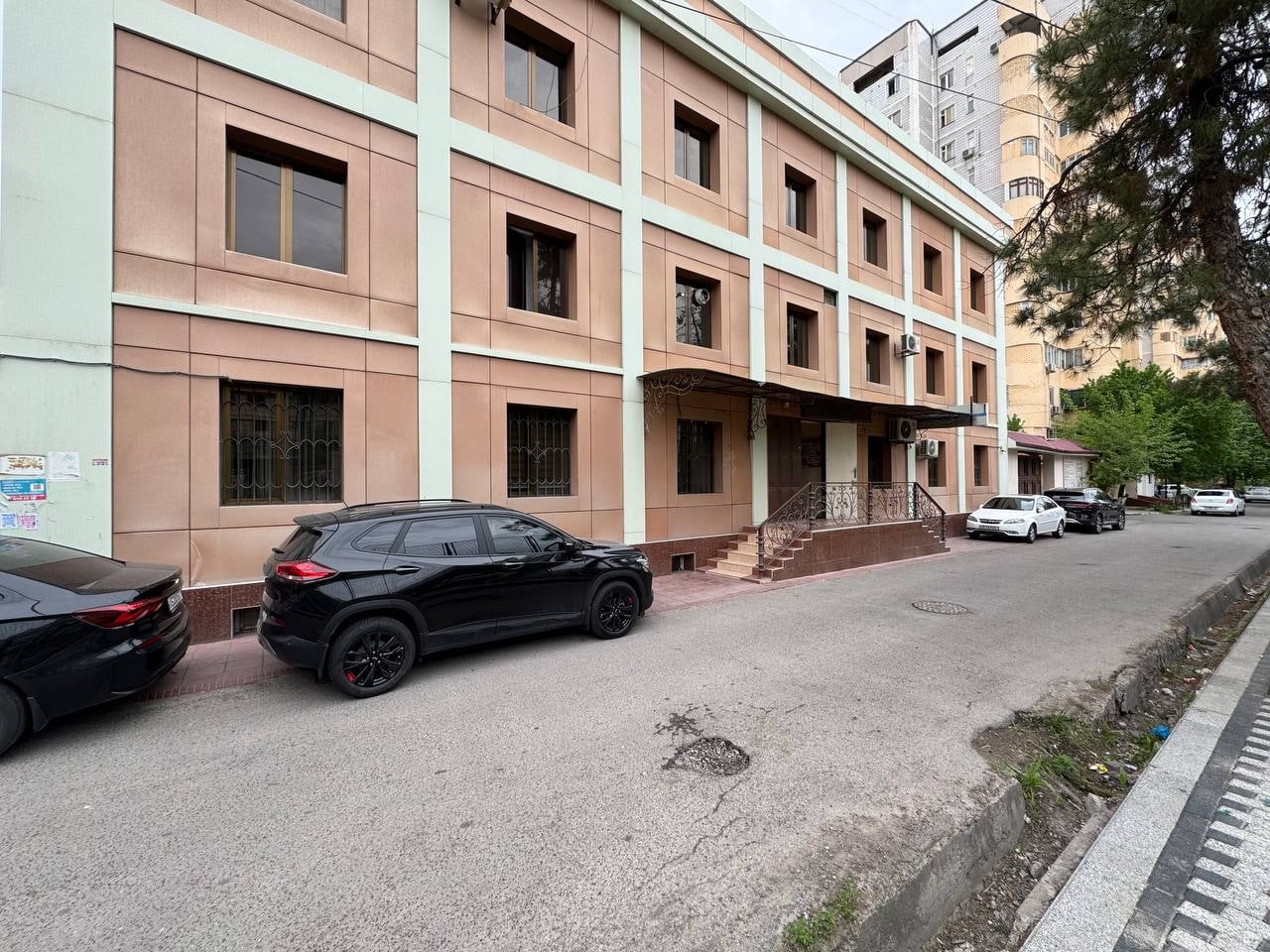
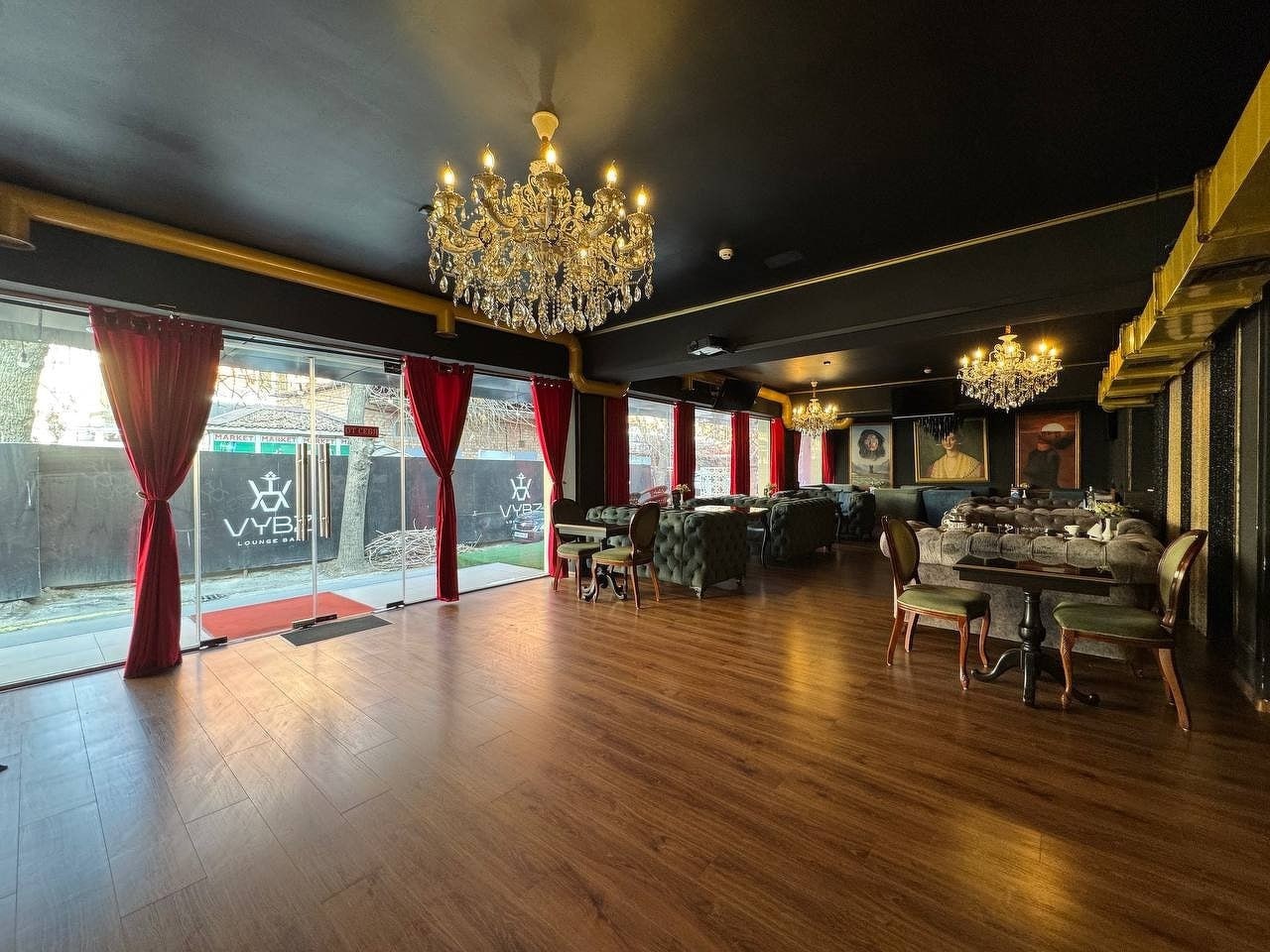
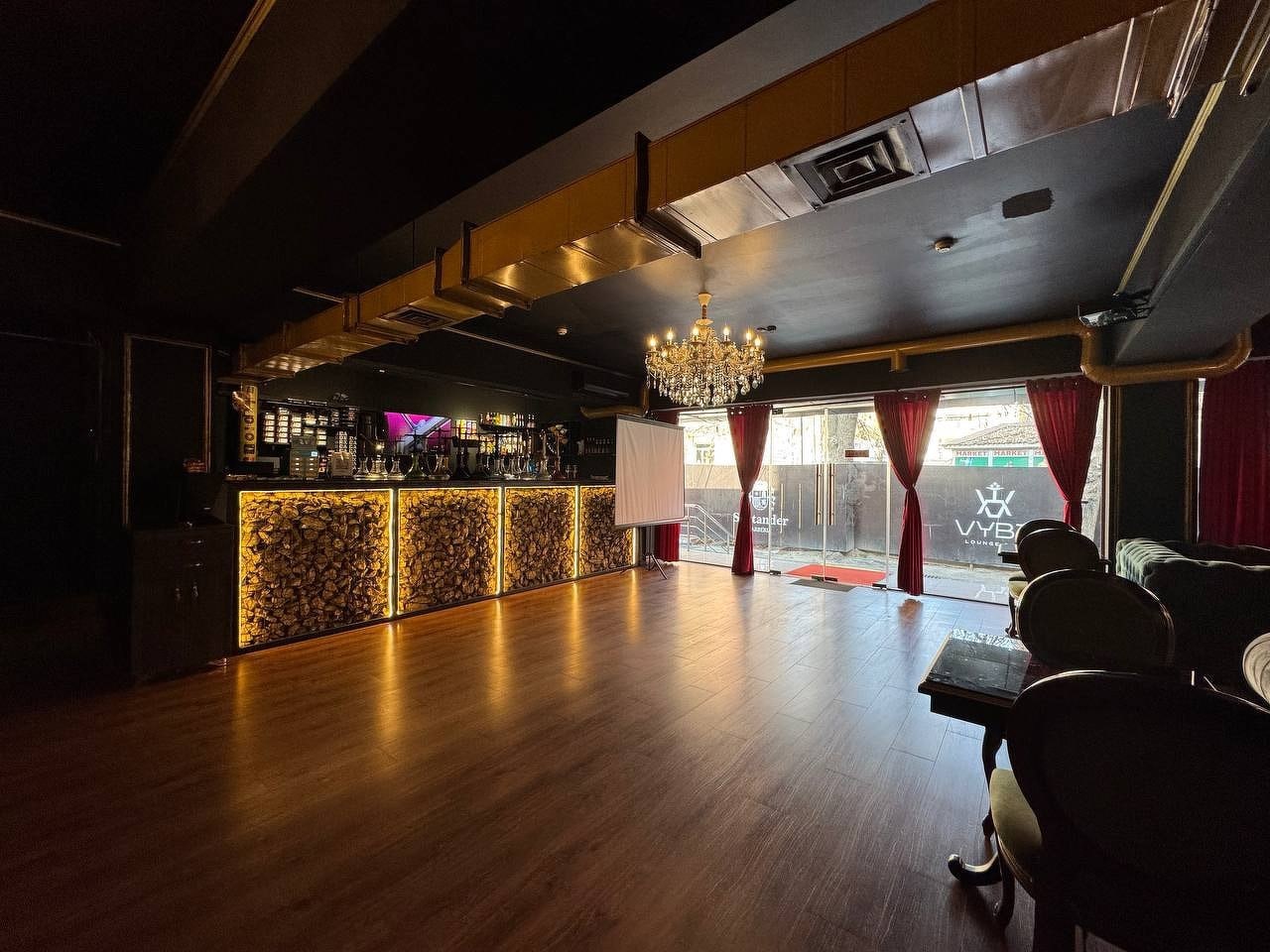
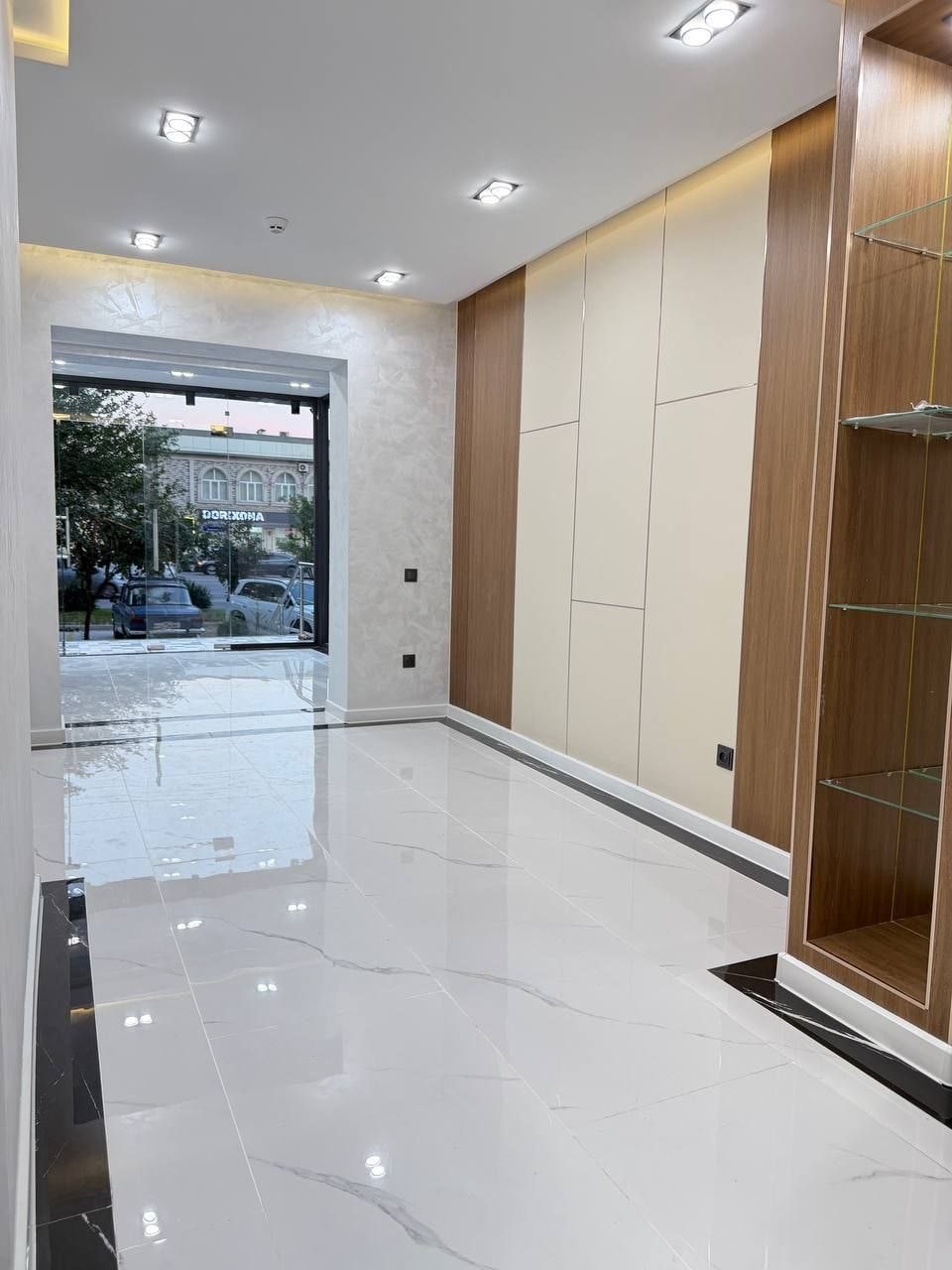
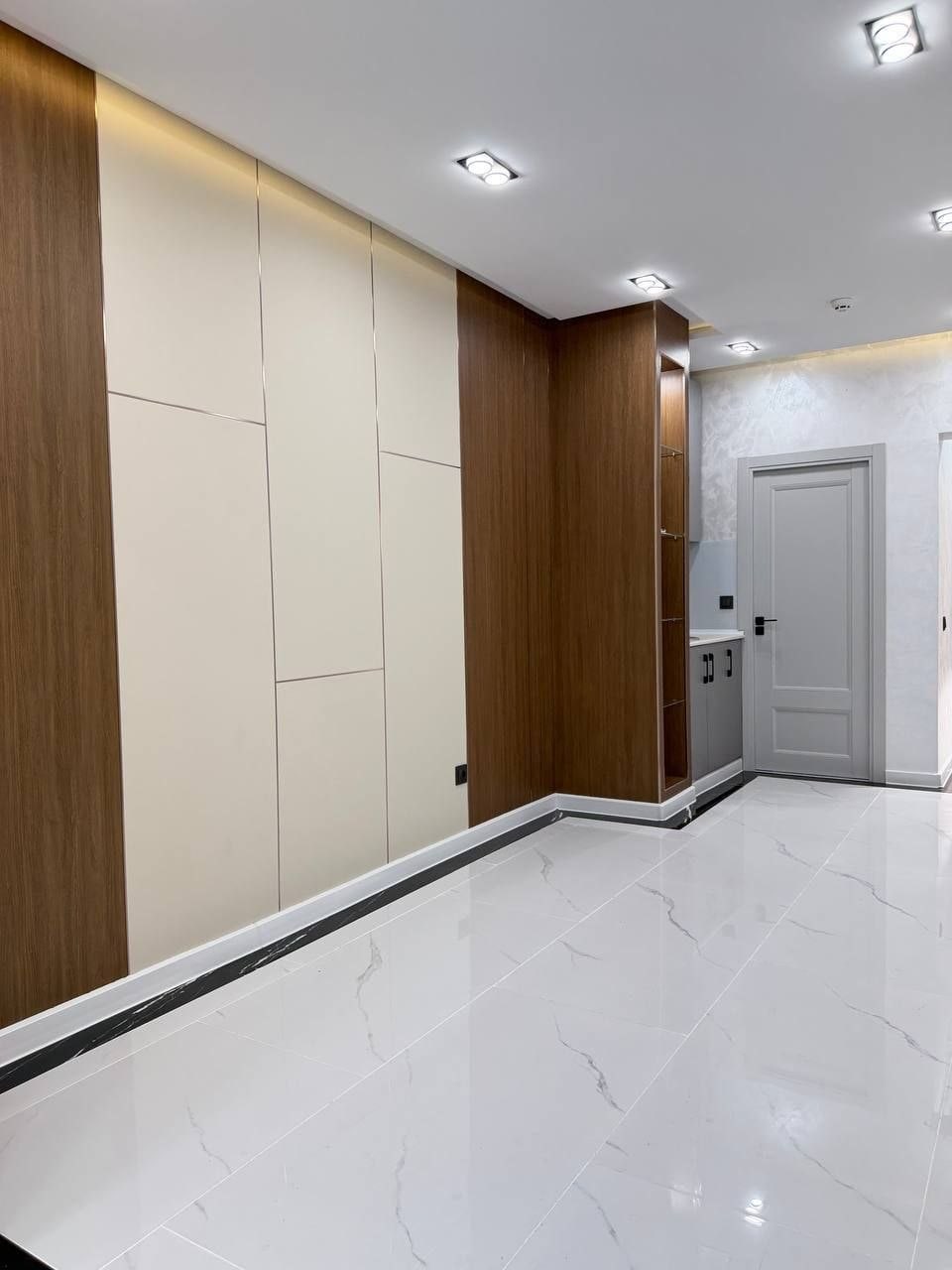
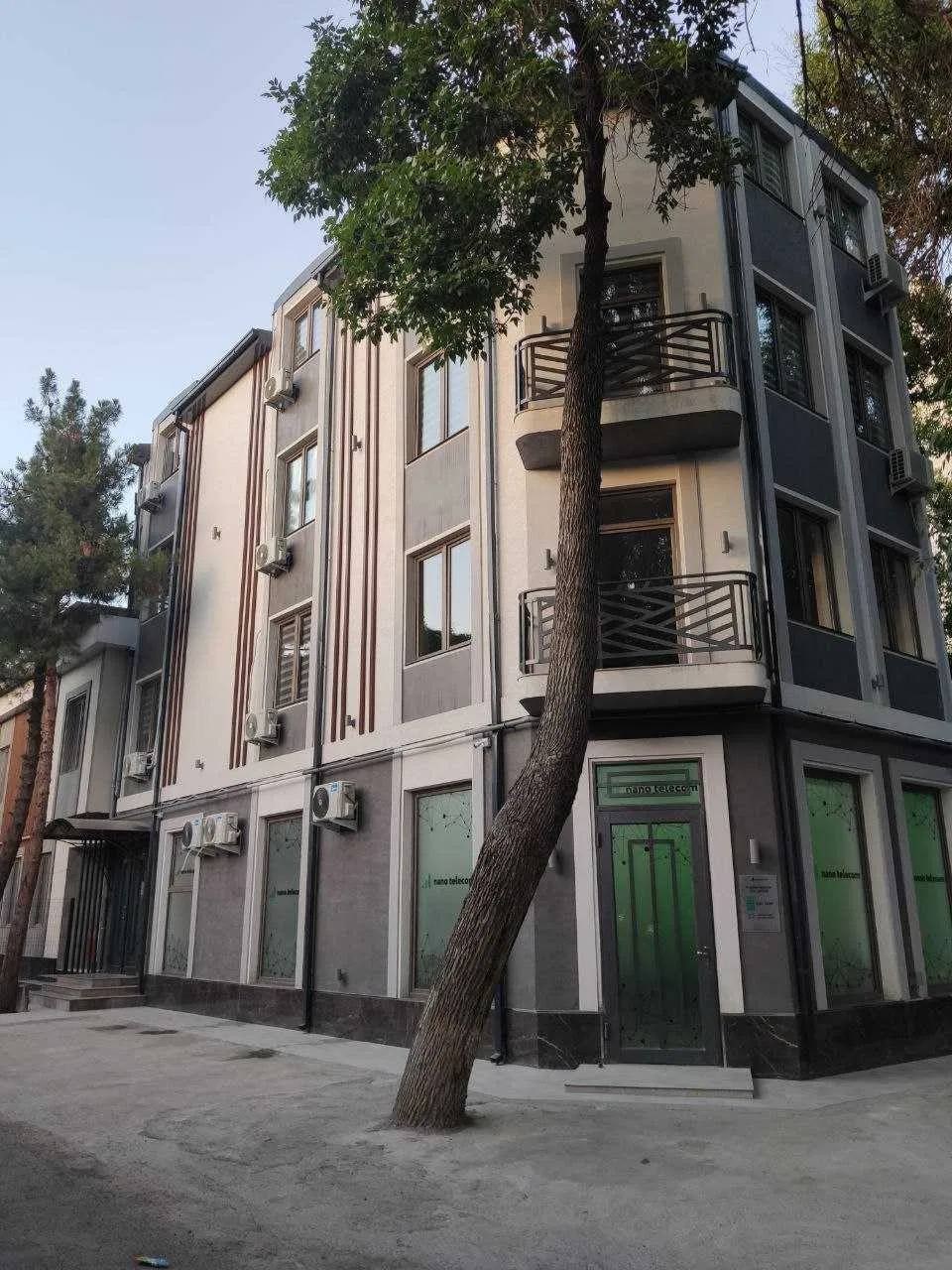
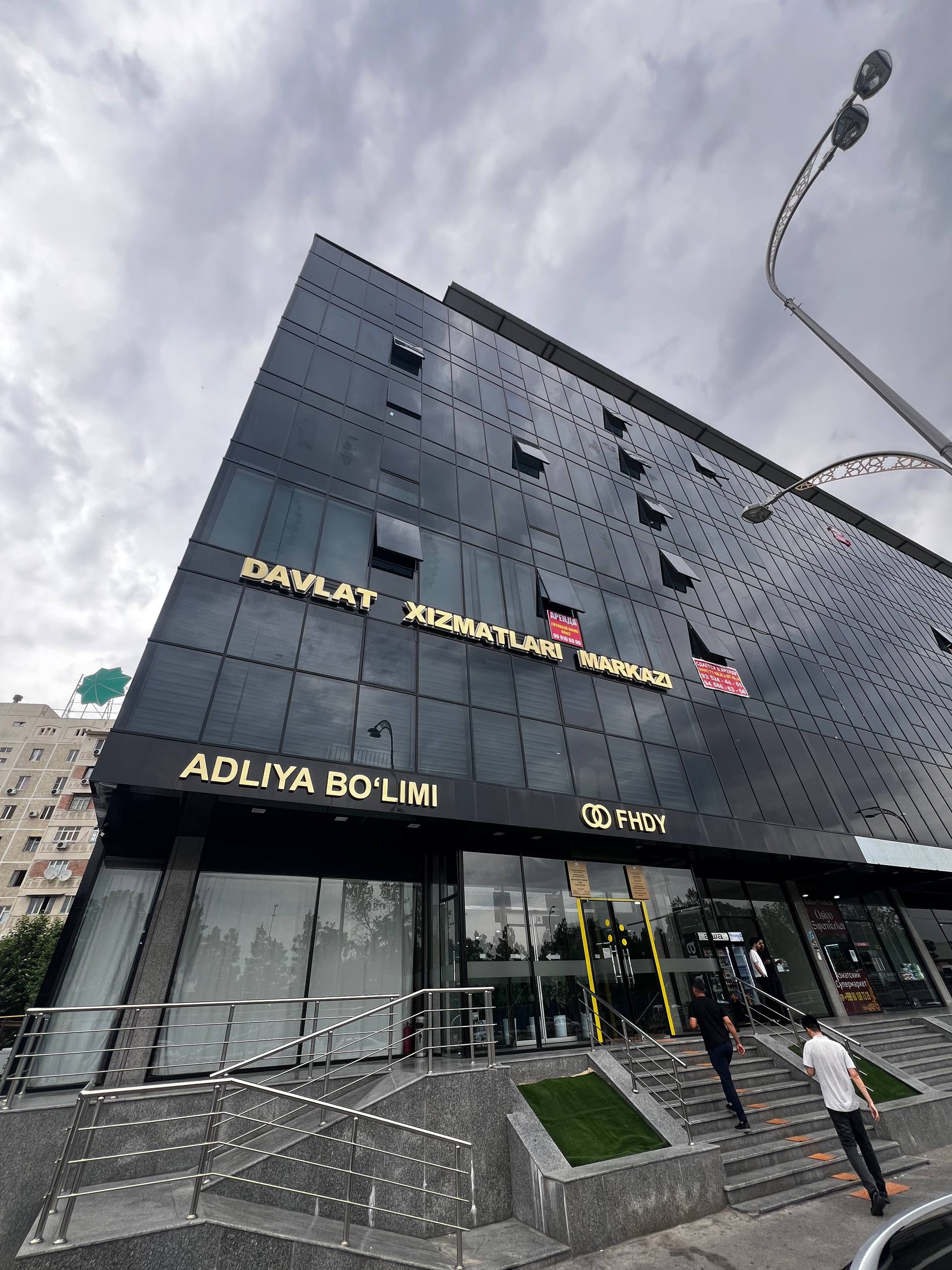
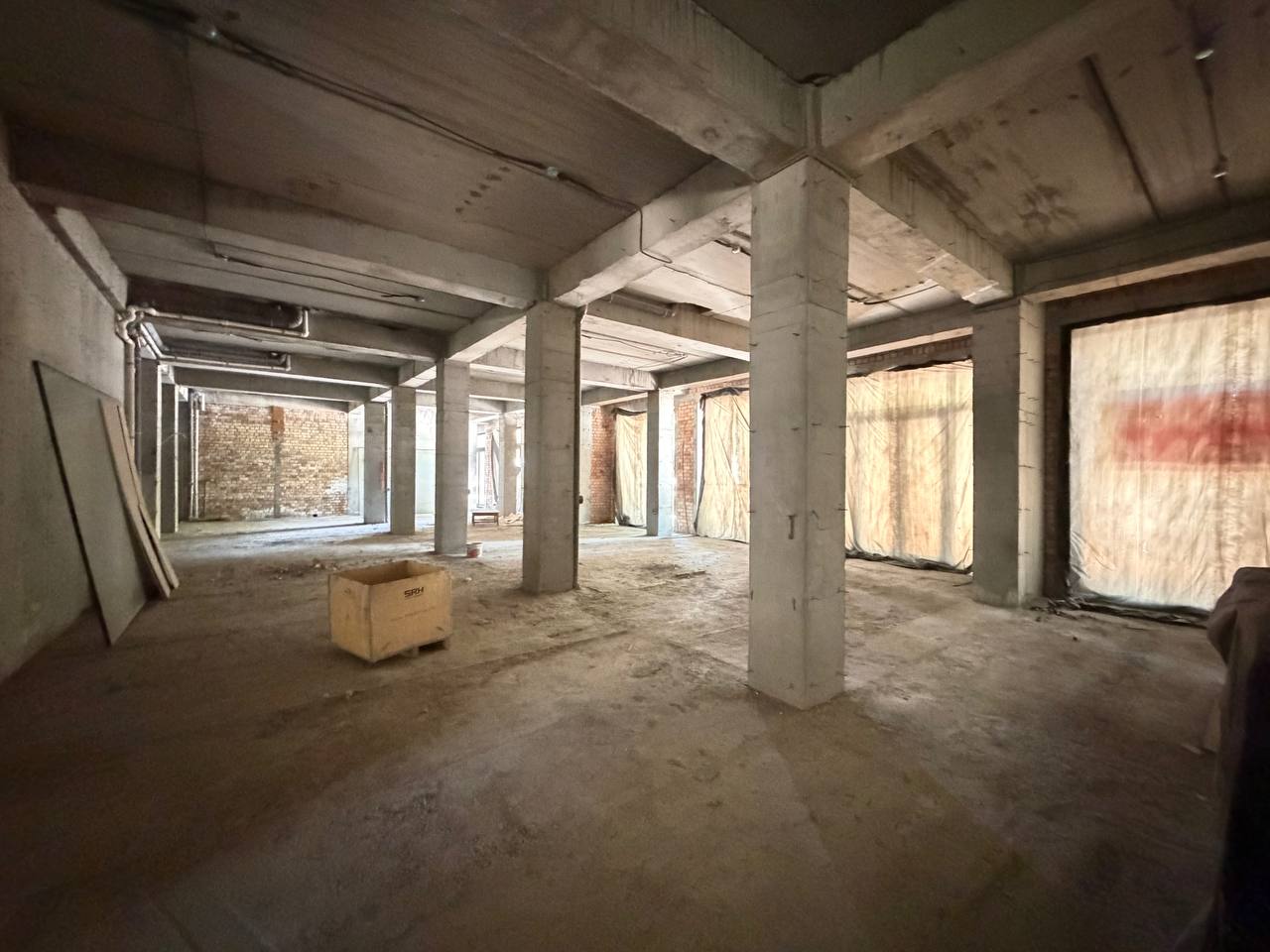
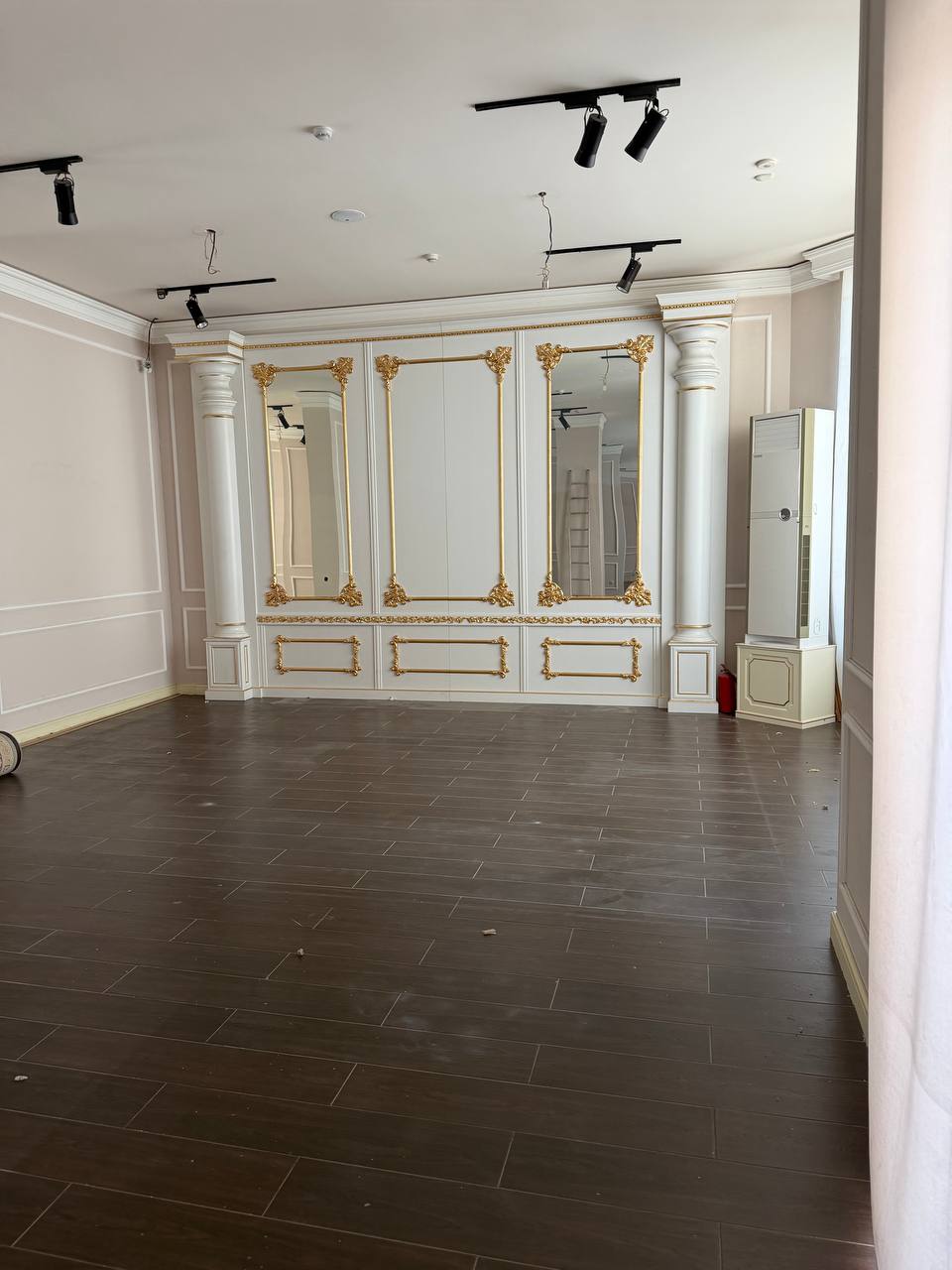
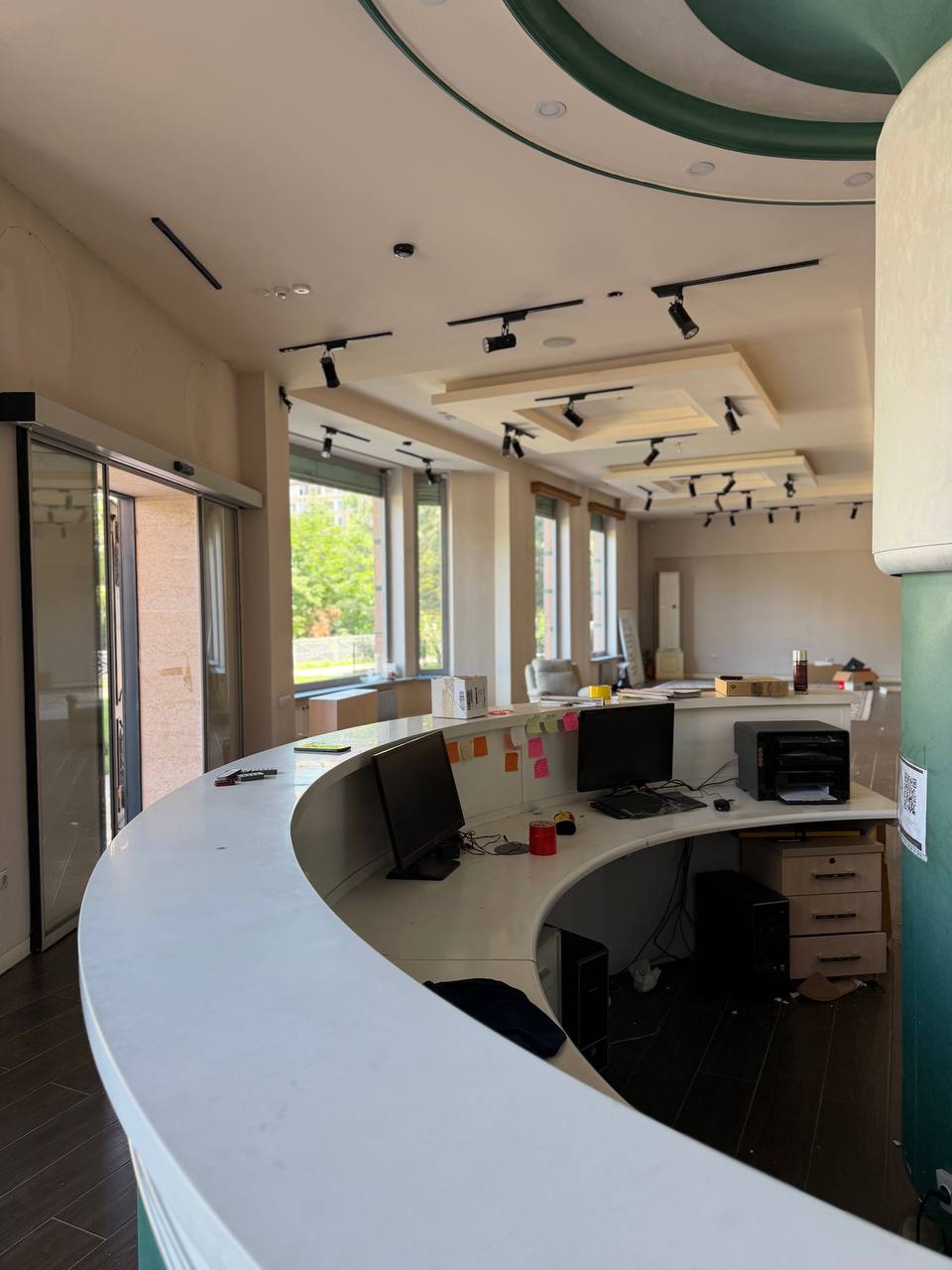
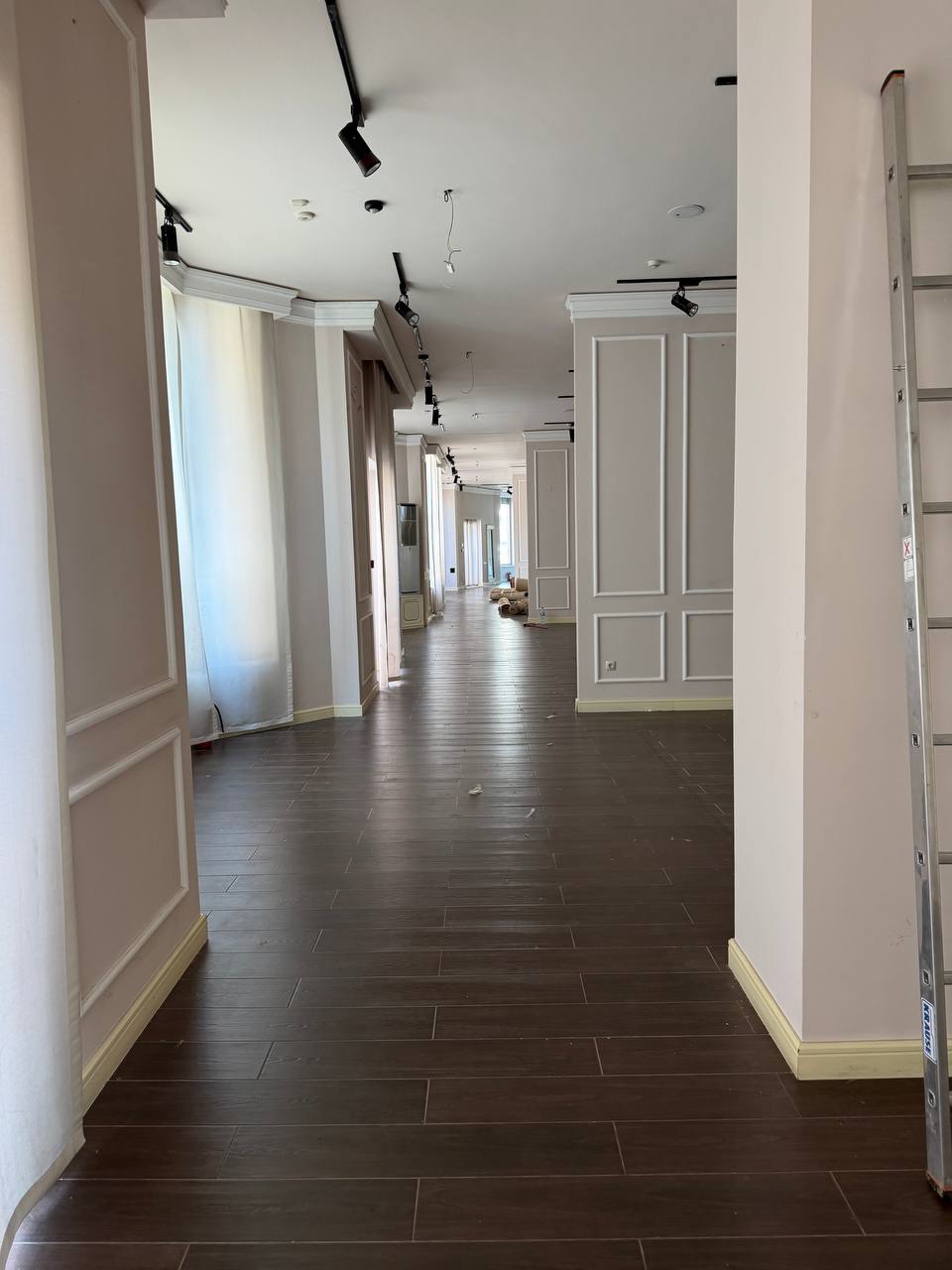
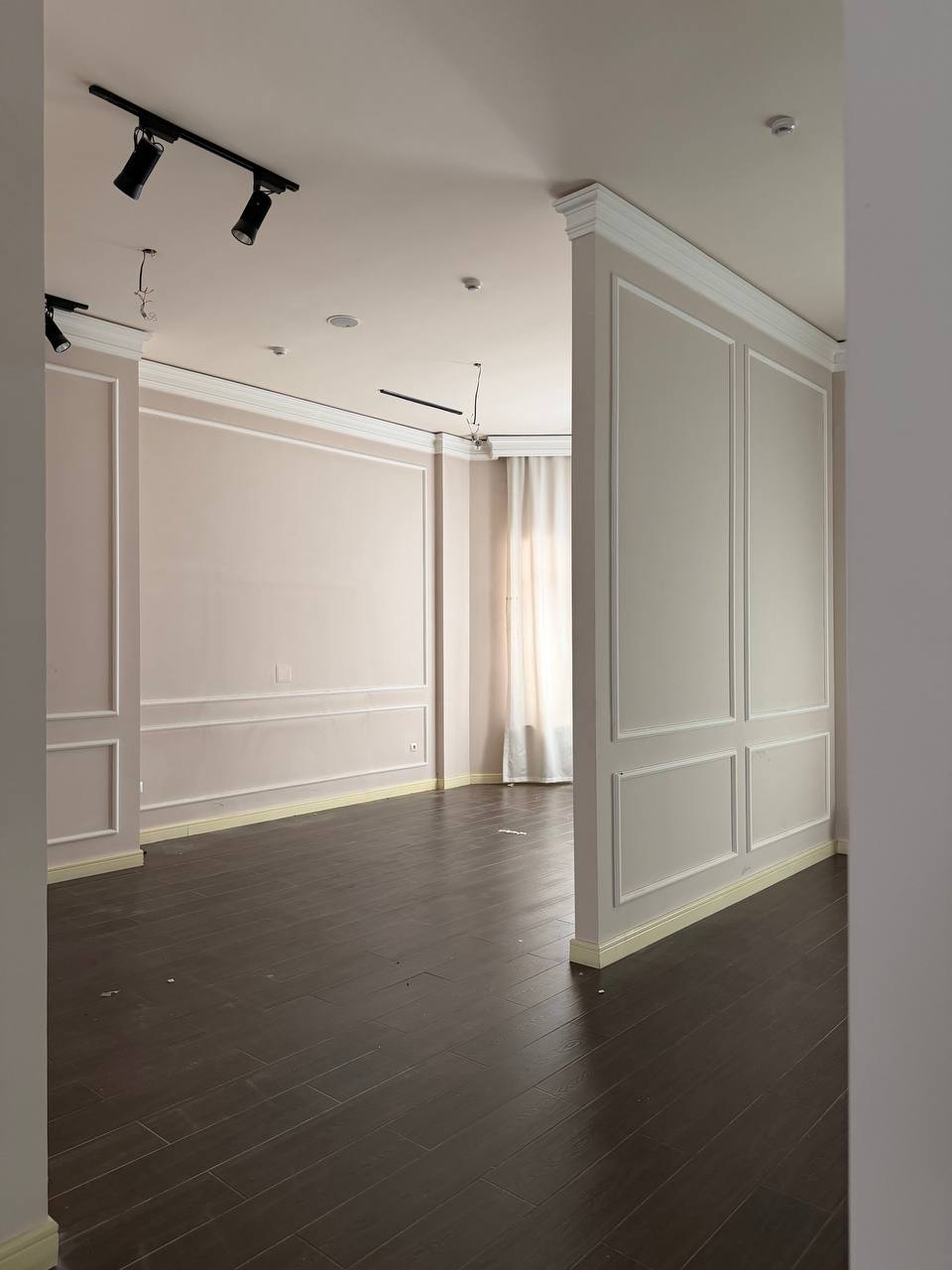
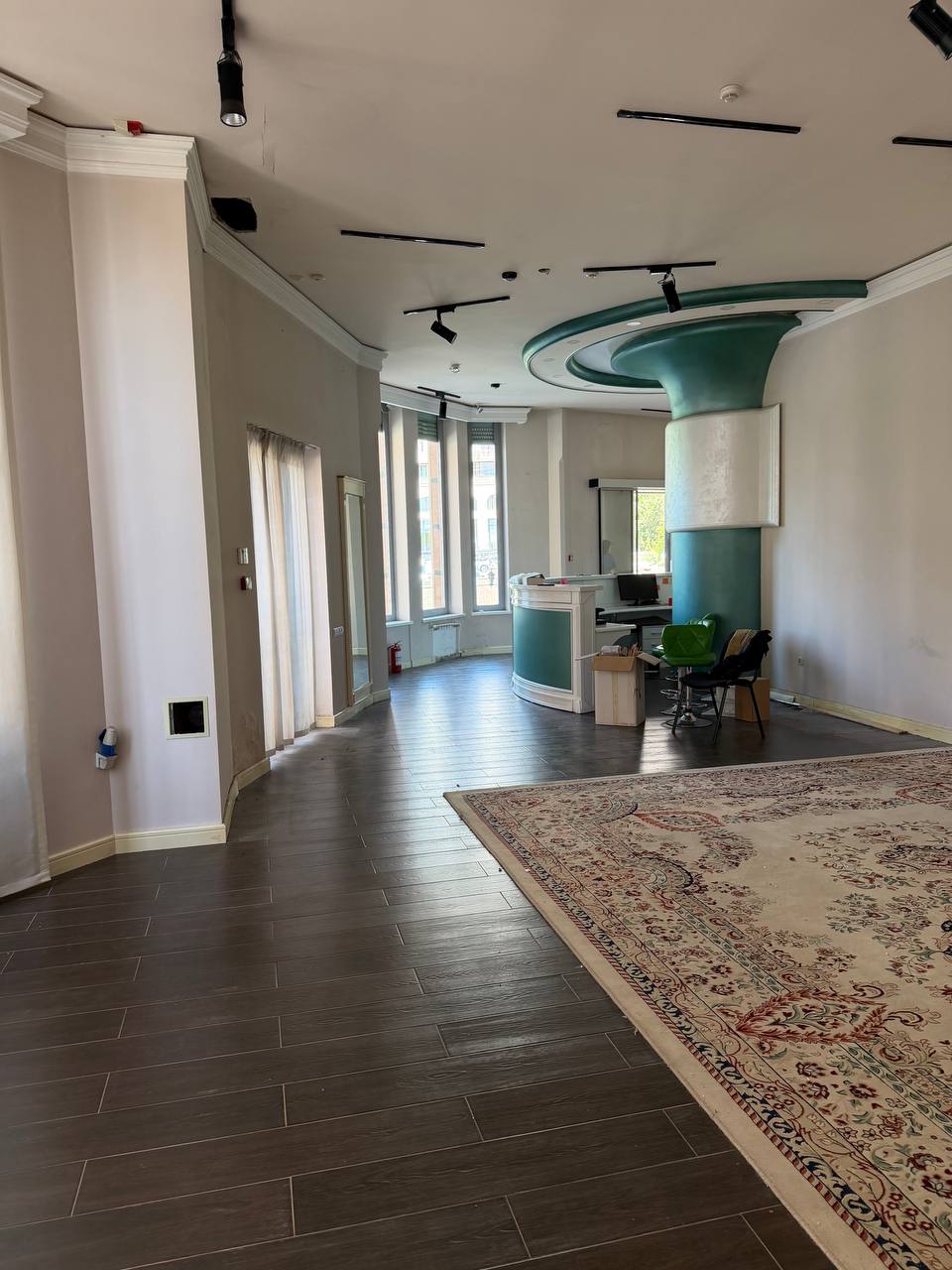
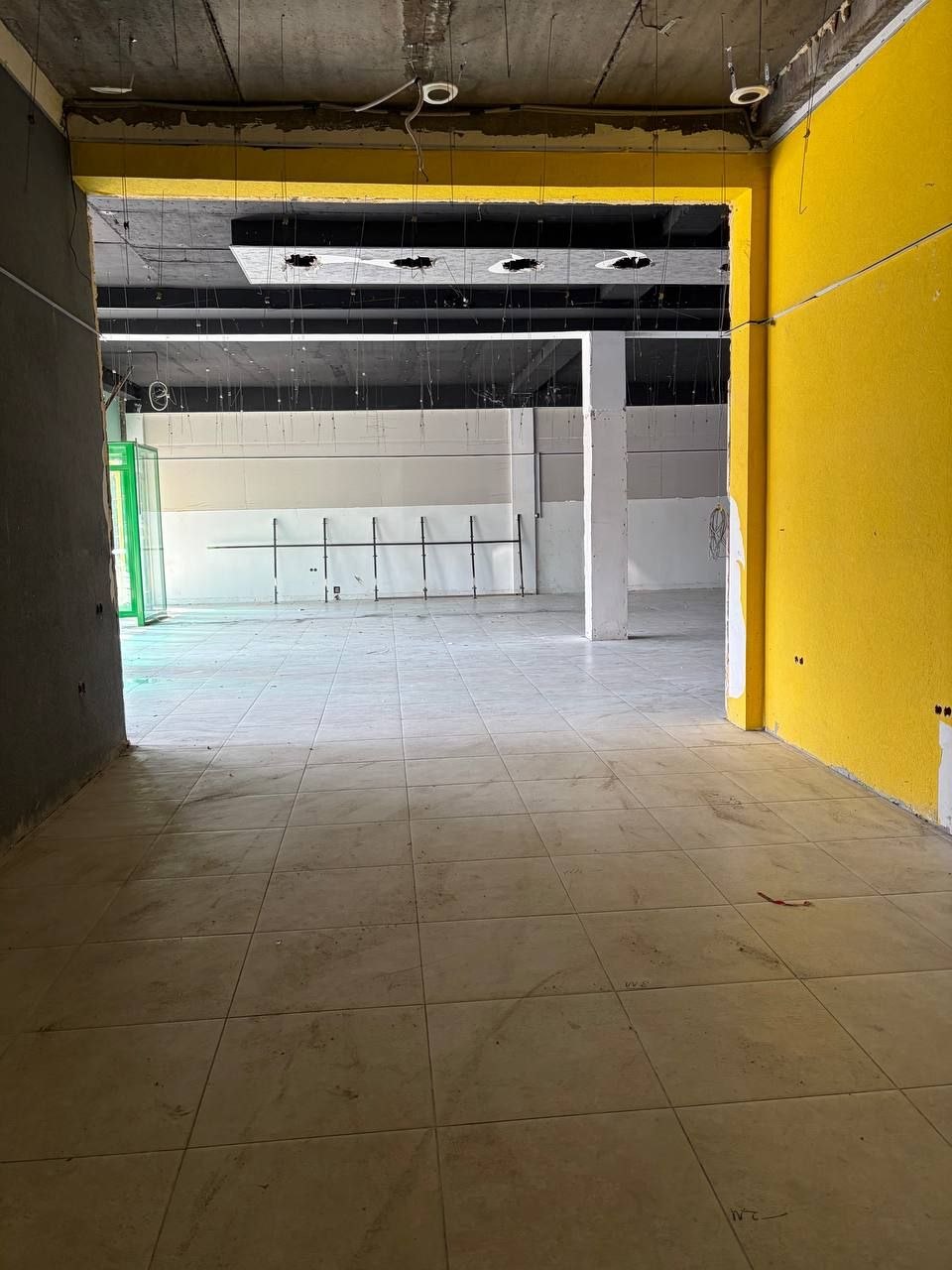
On 22 August 2026, the public MERCATOR.UZ commercial property catalogue contained nine offices for rent across five districts of Tashkent. Four were described as having European-style renovation, two as being in average condition, one as shell condition, while two did not state a condition. This is a live inventory snapshot, not a representative market survey. It cannot support claims about average fit-out costs or the proportion of Tashkent offices in each condition.
Research published by CMWP in January 2024 described unfinished office delivery as common and noted a shortage of fit-out specialists in Tashkent. That is useful historical context, not a basis for carrying its prices or percentages into a 2026 transaction. A current estimate should be built from the actual design and bill of quantities.
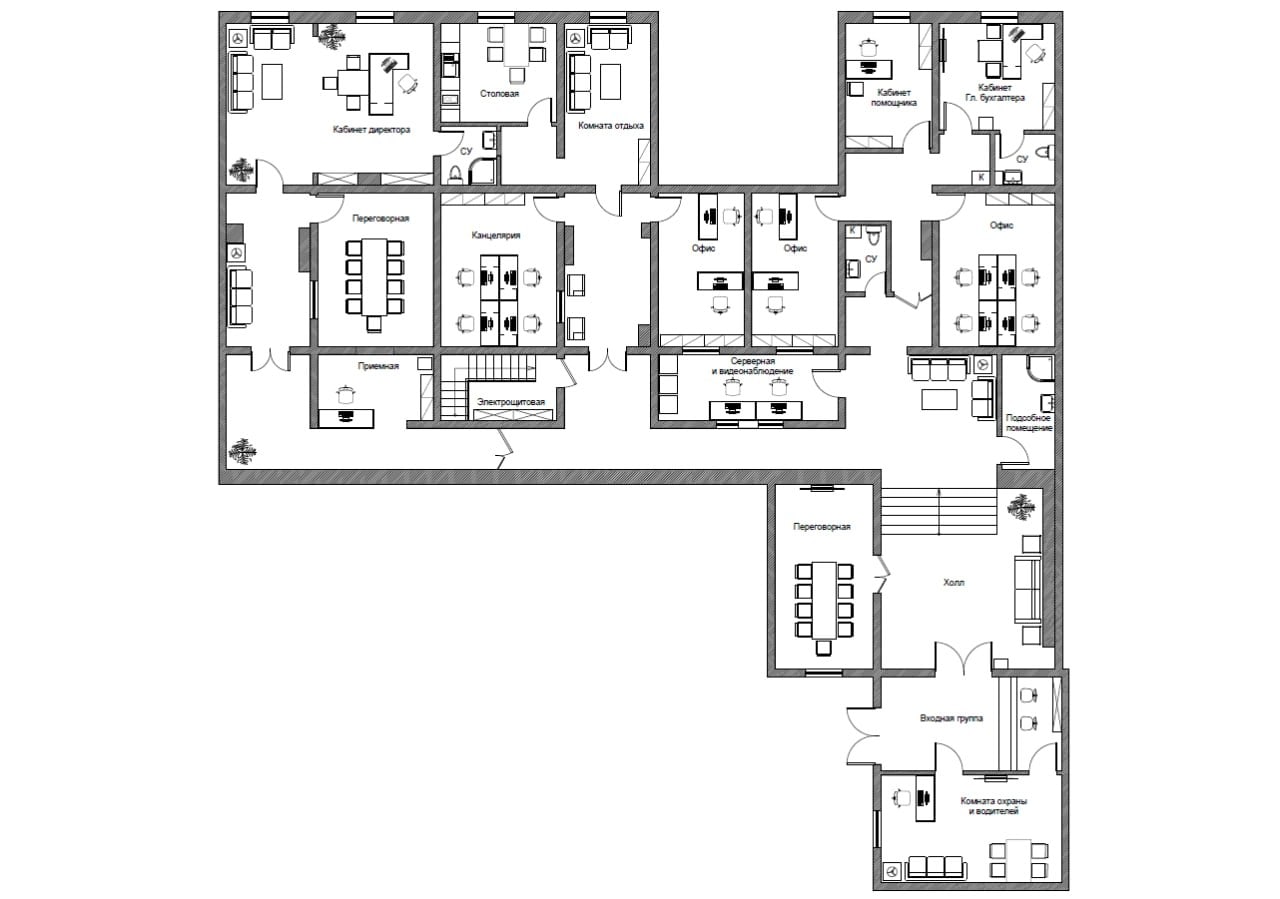
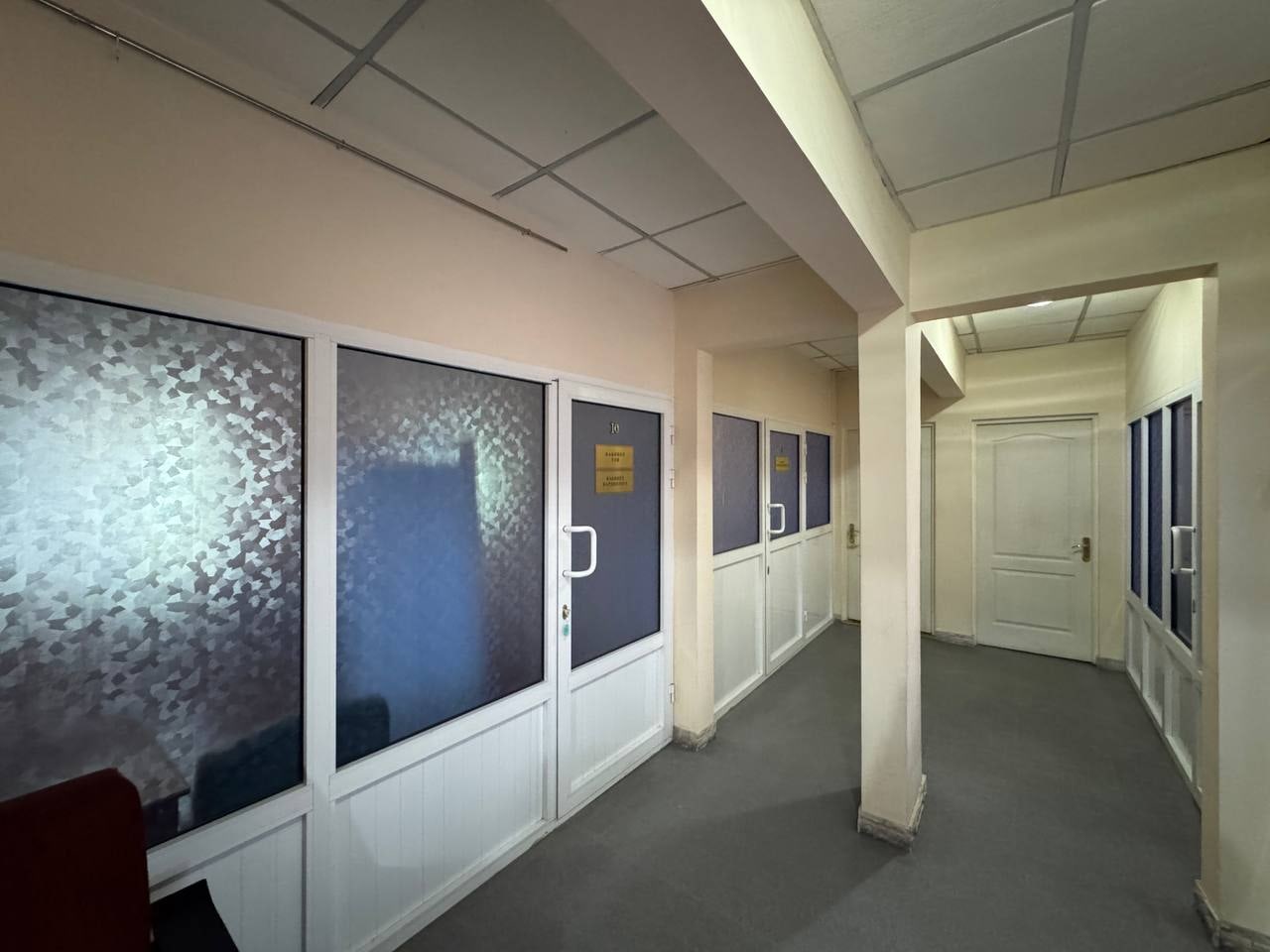
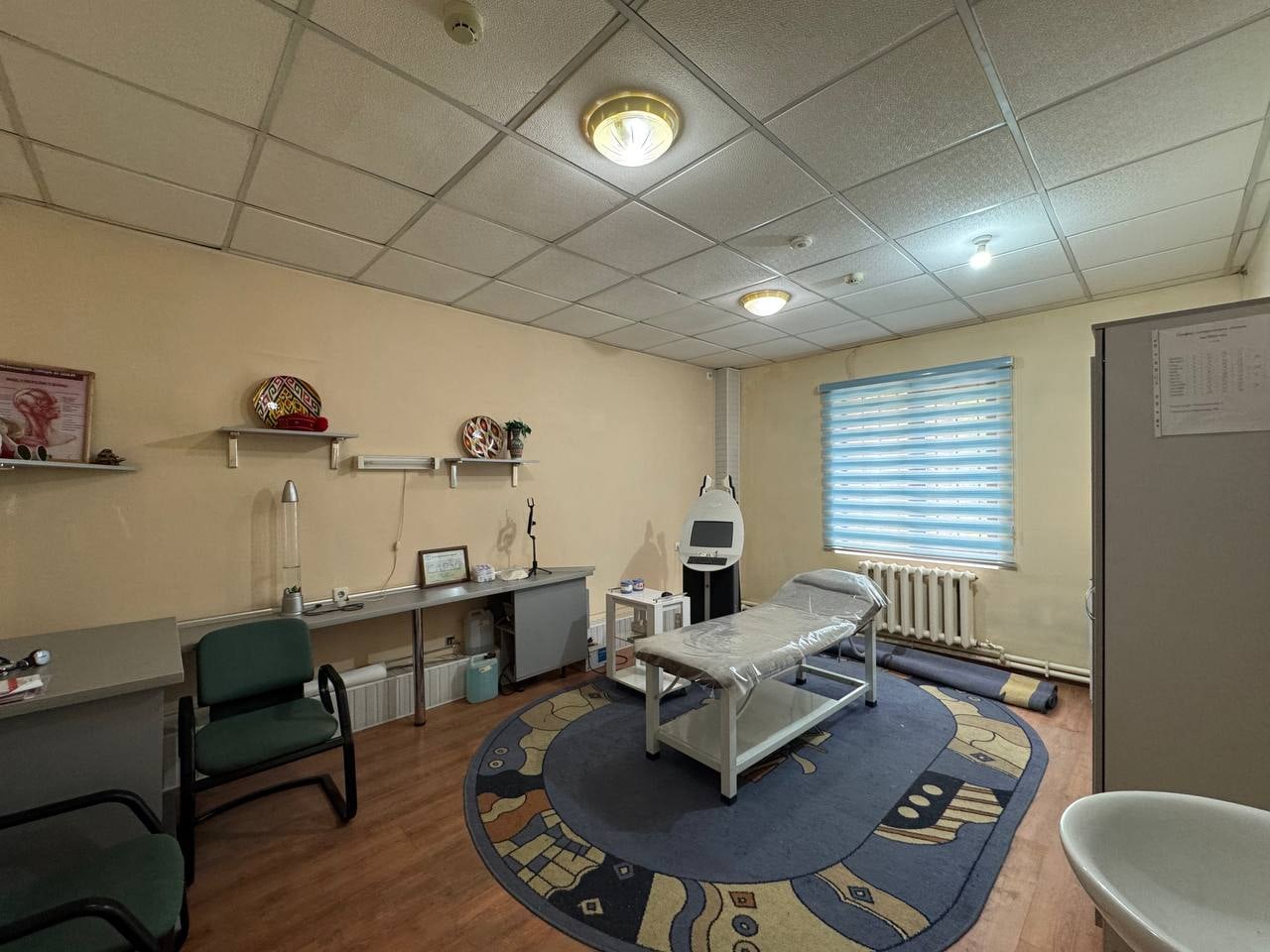
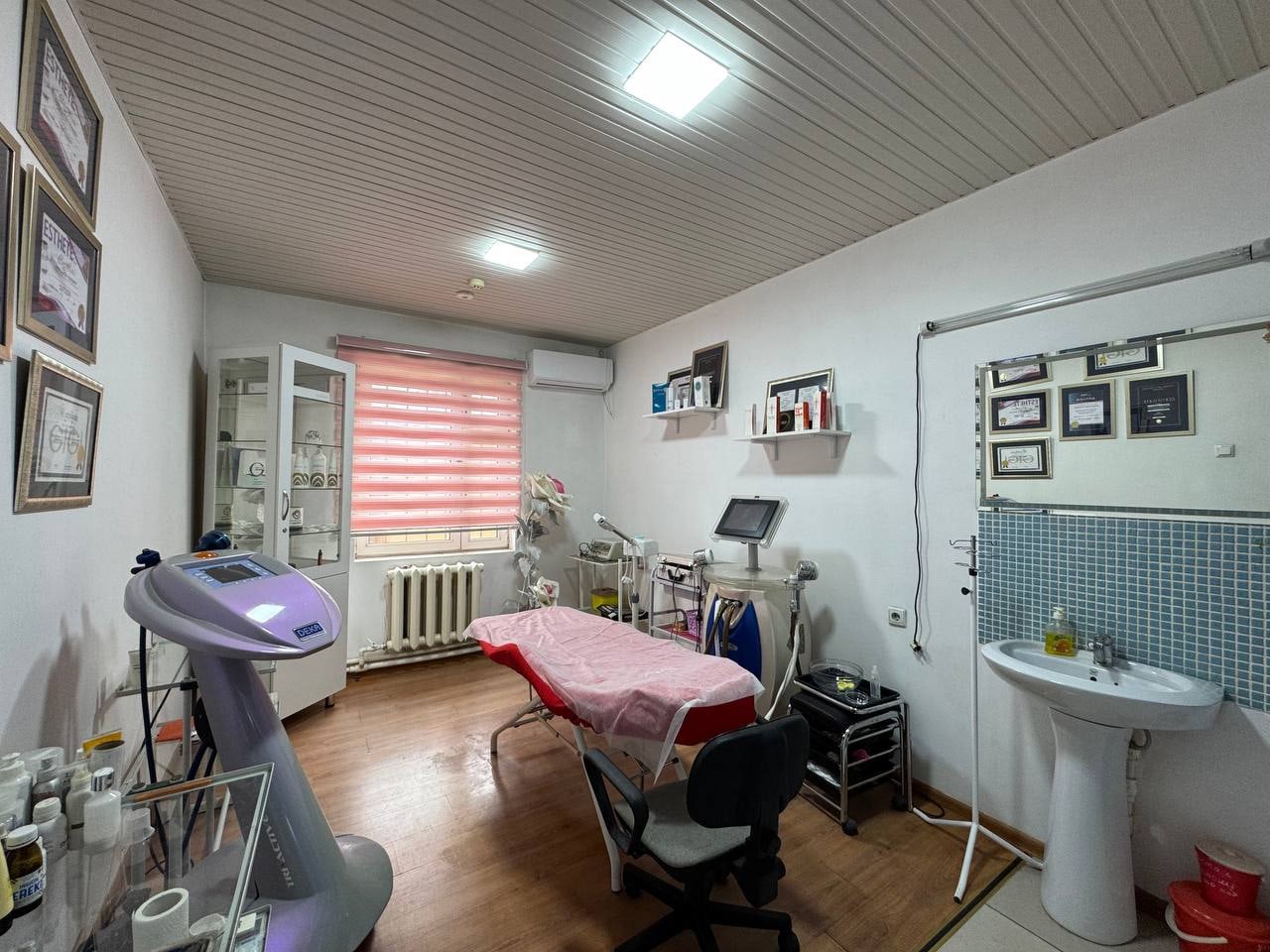
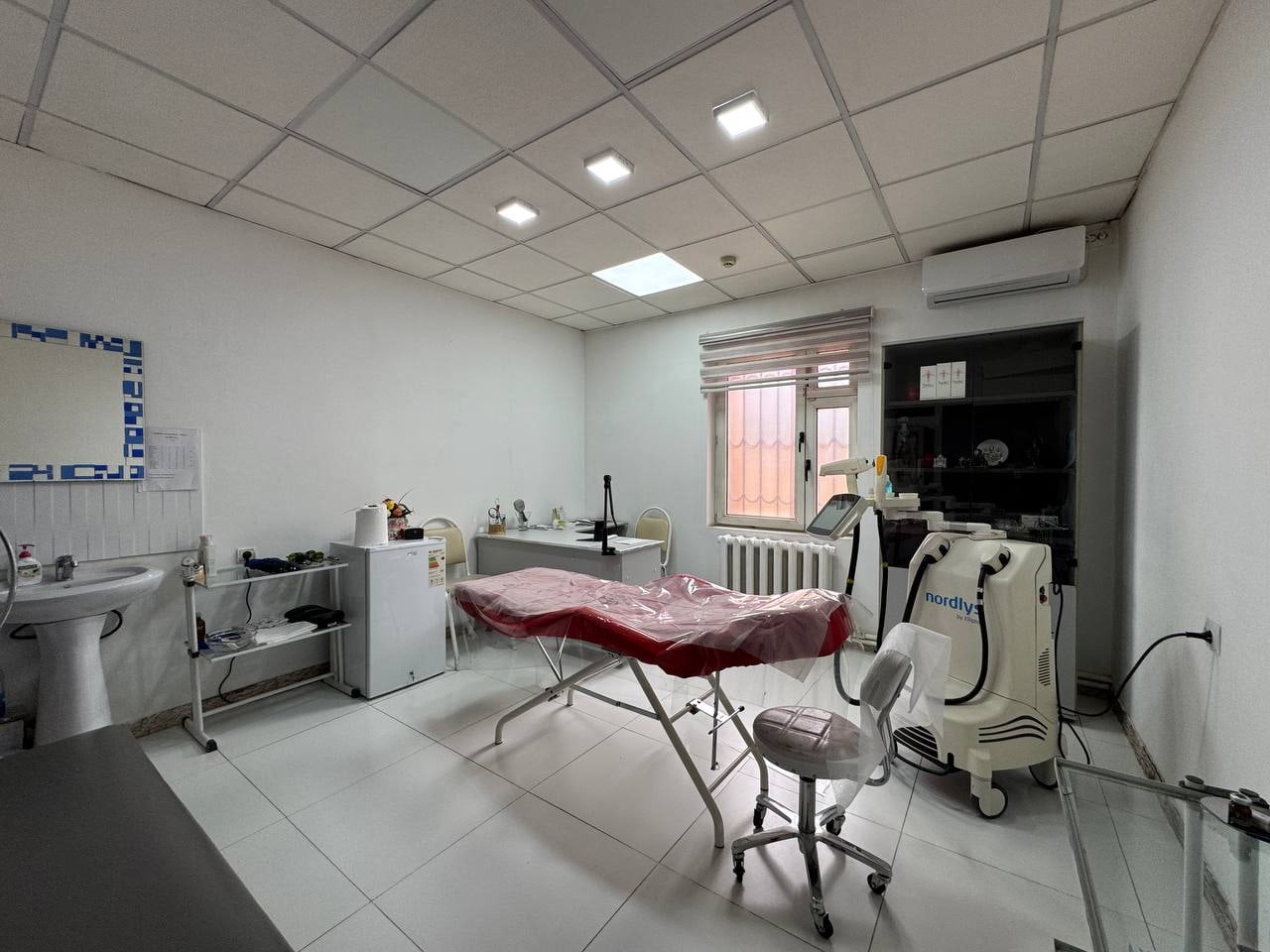
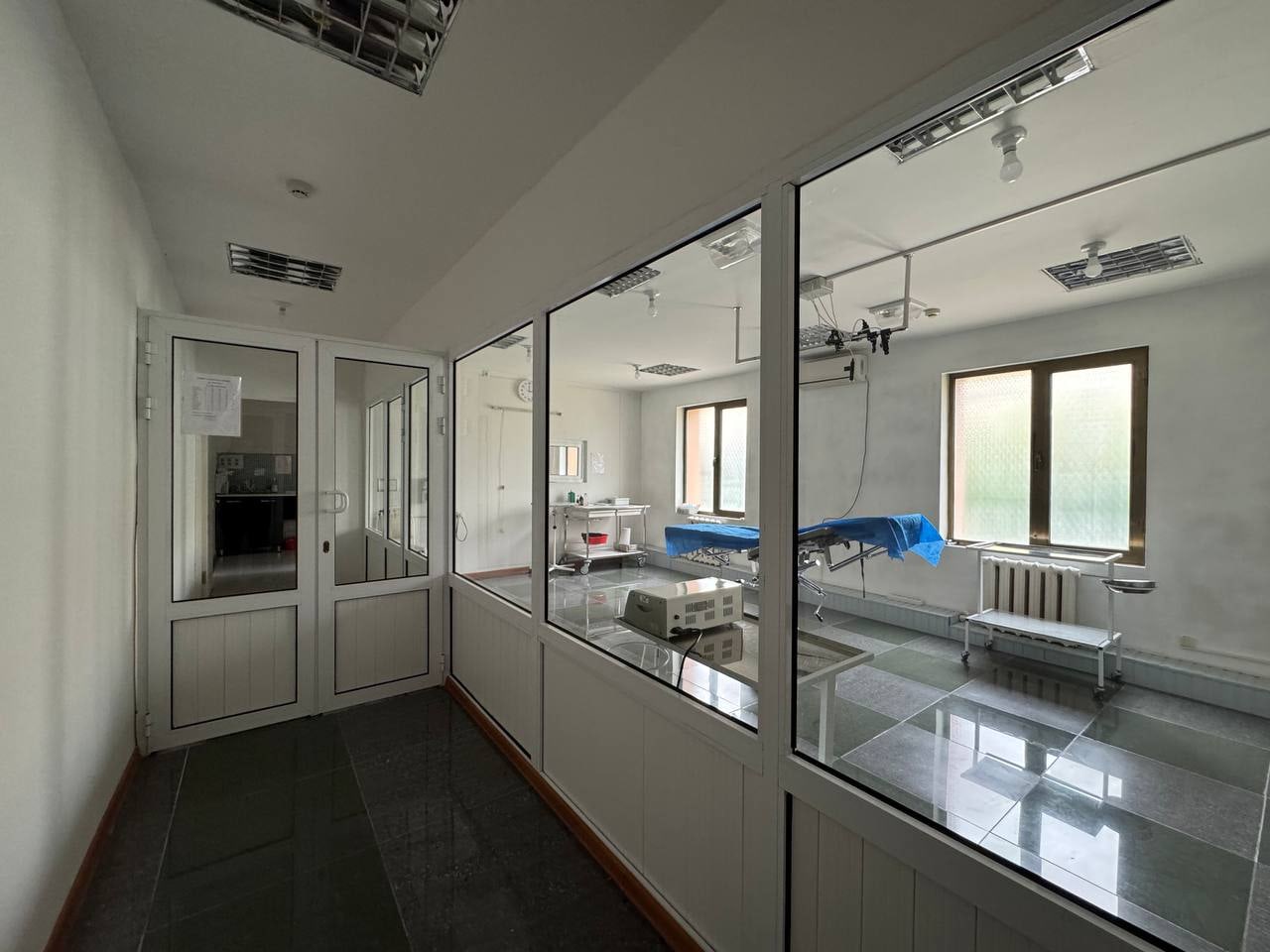
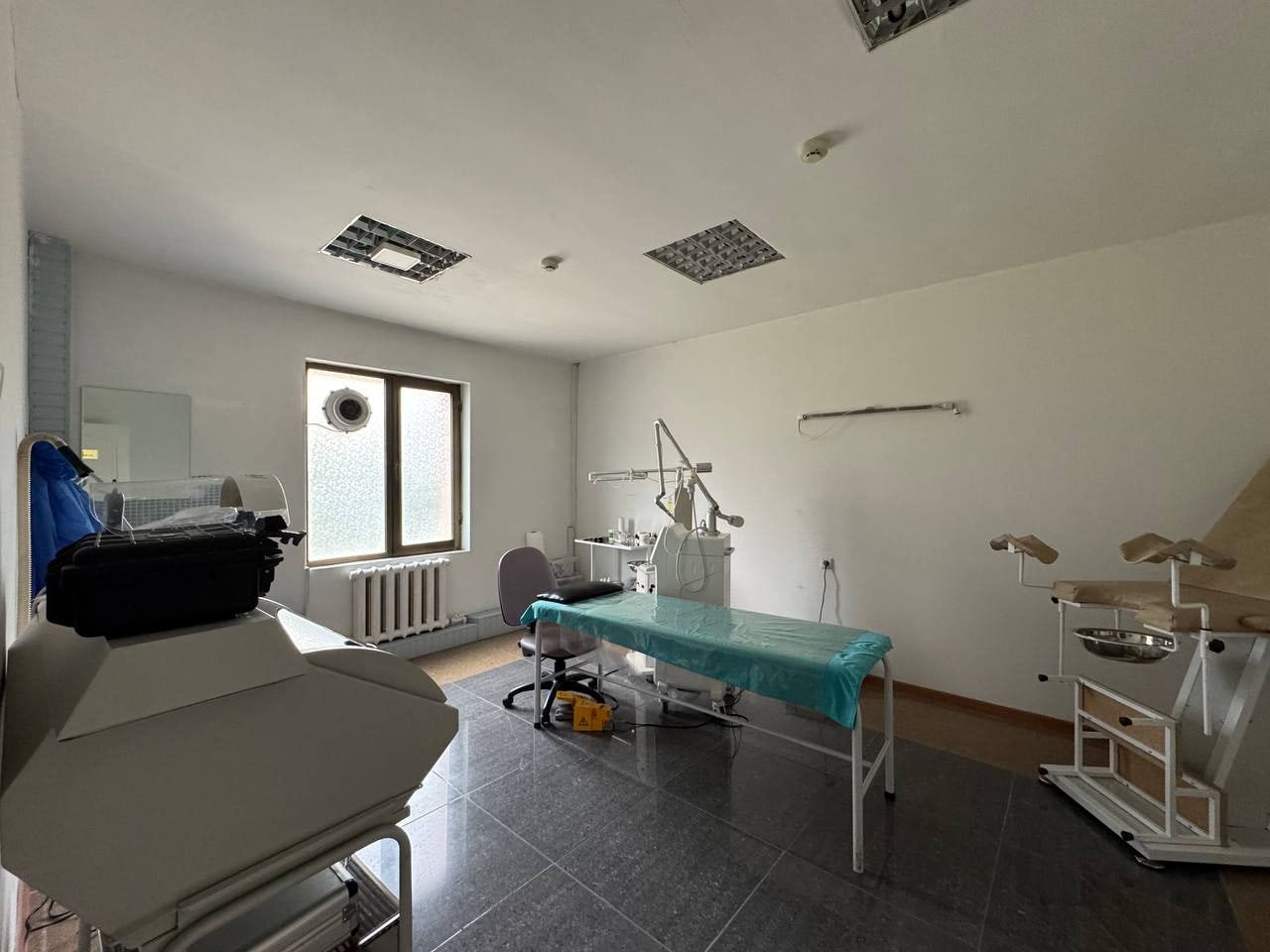
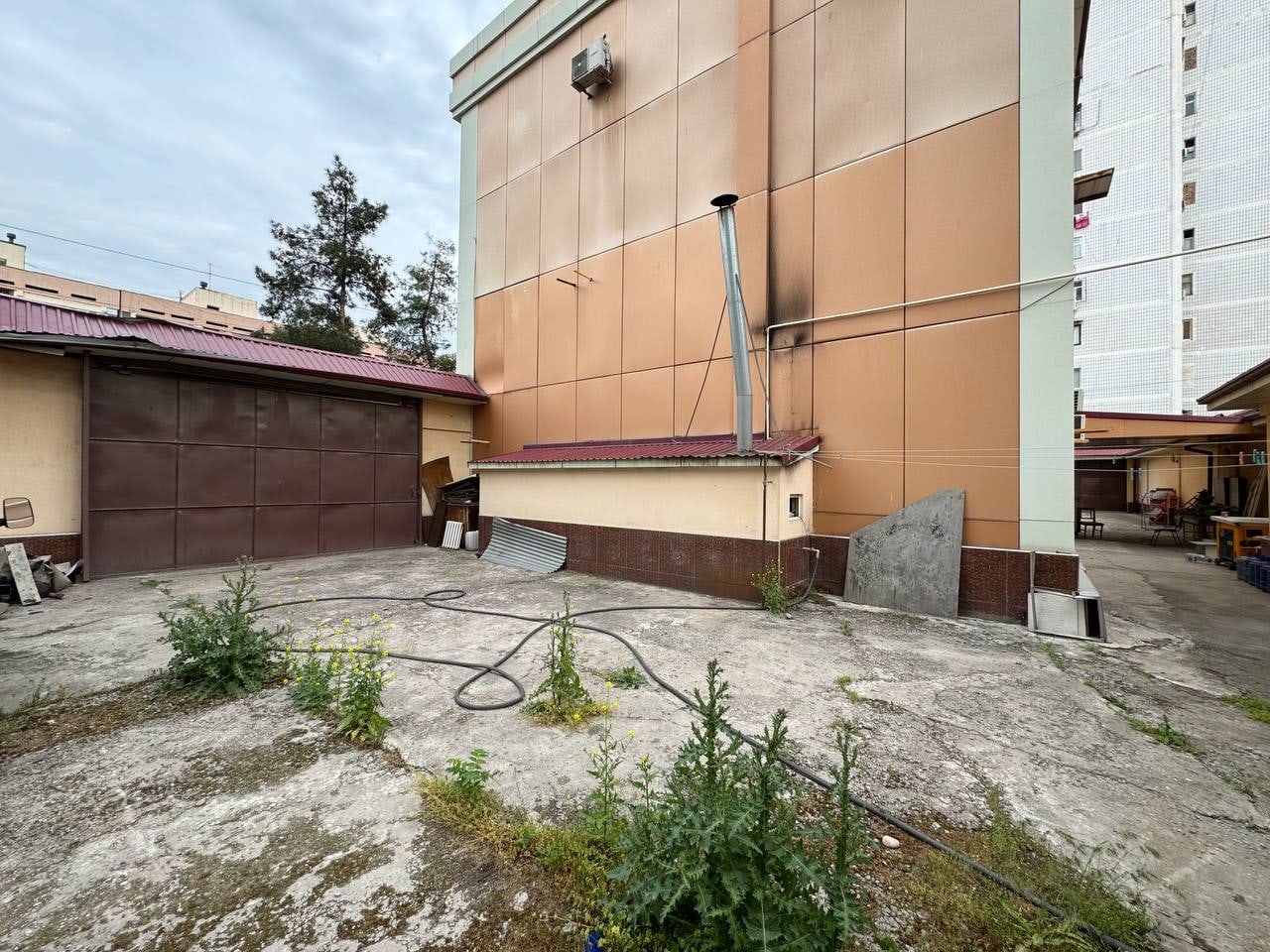
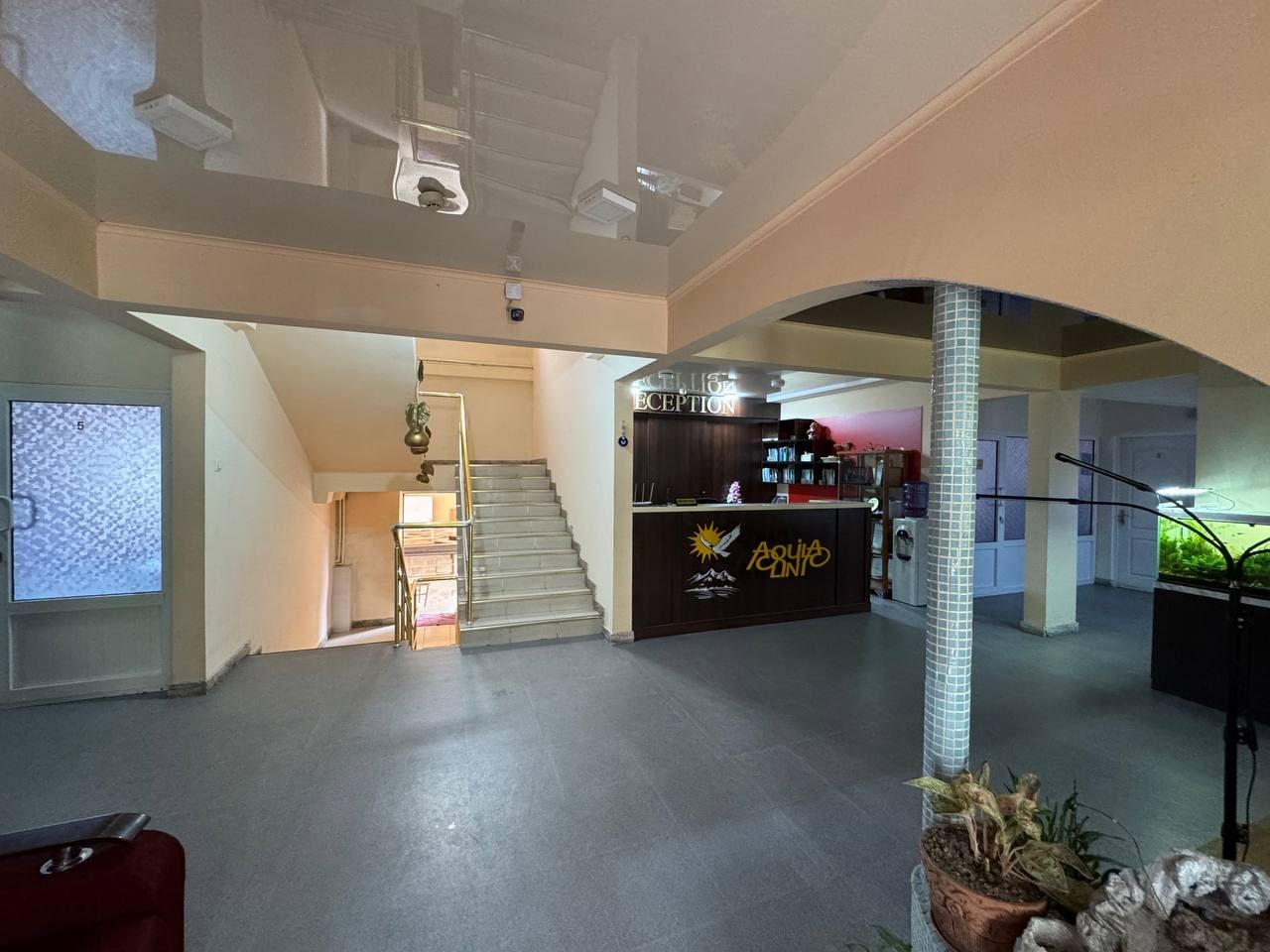
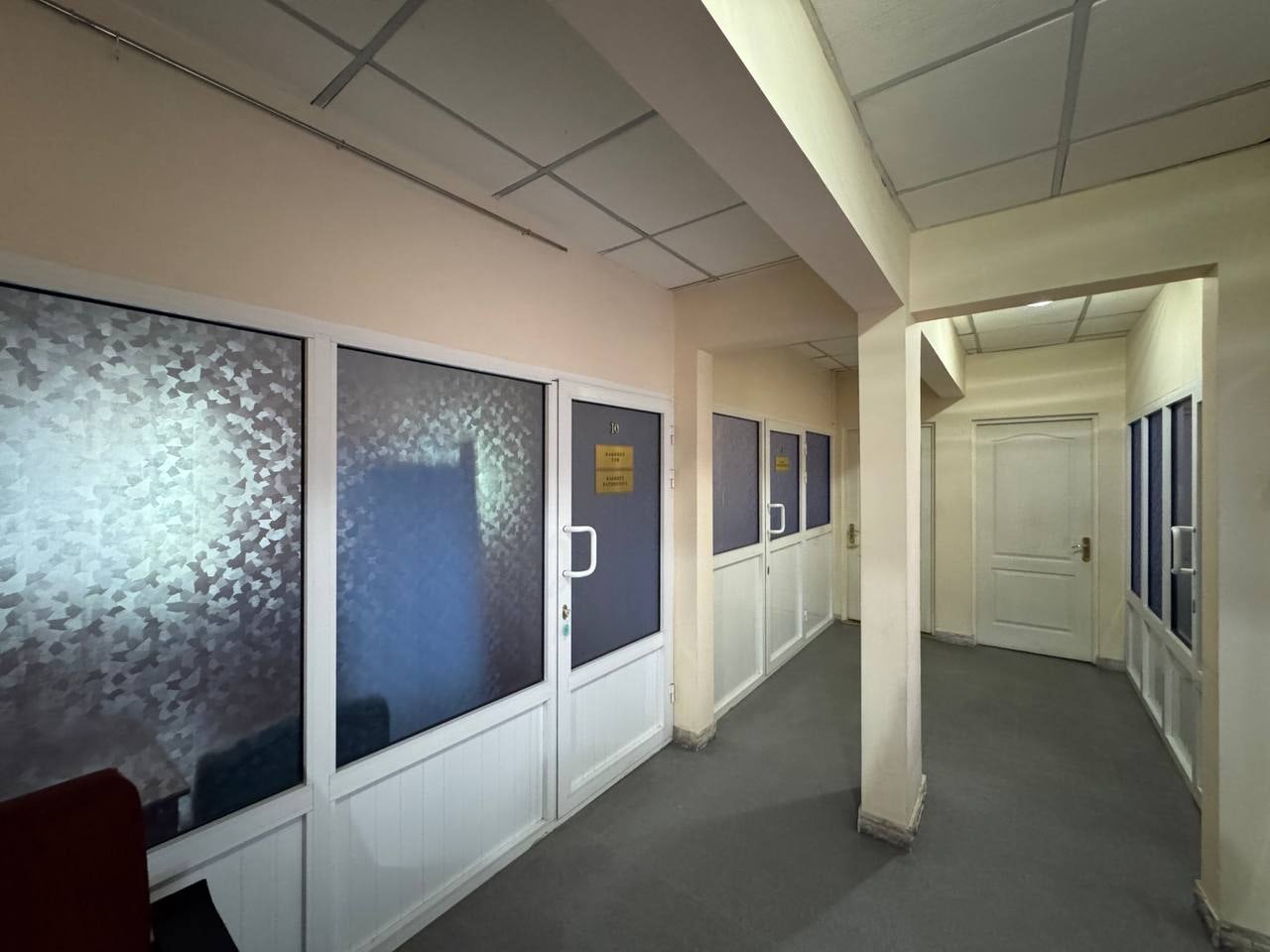
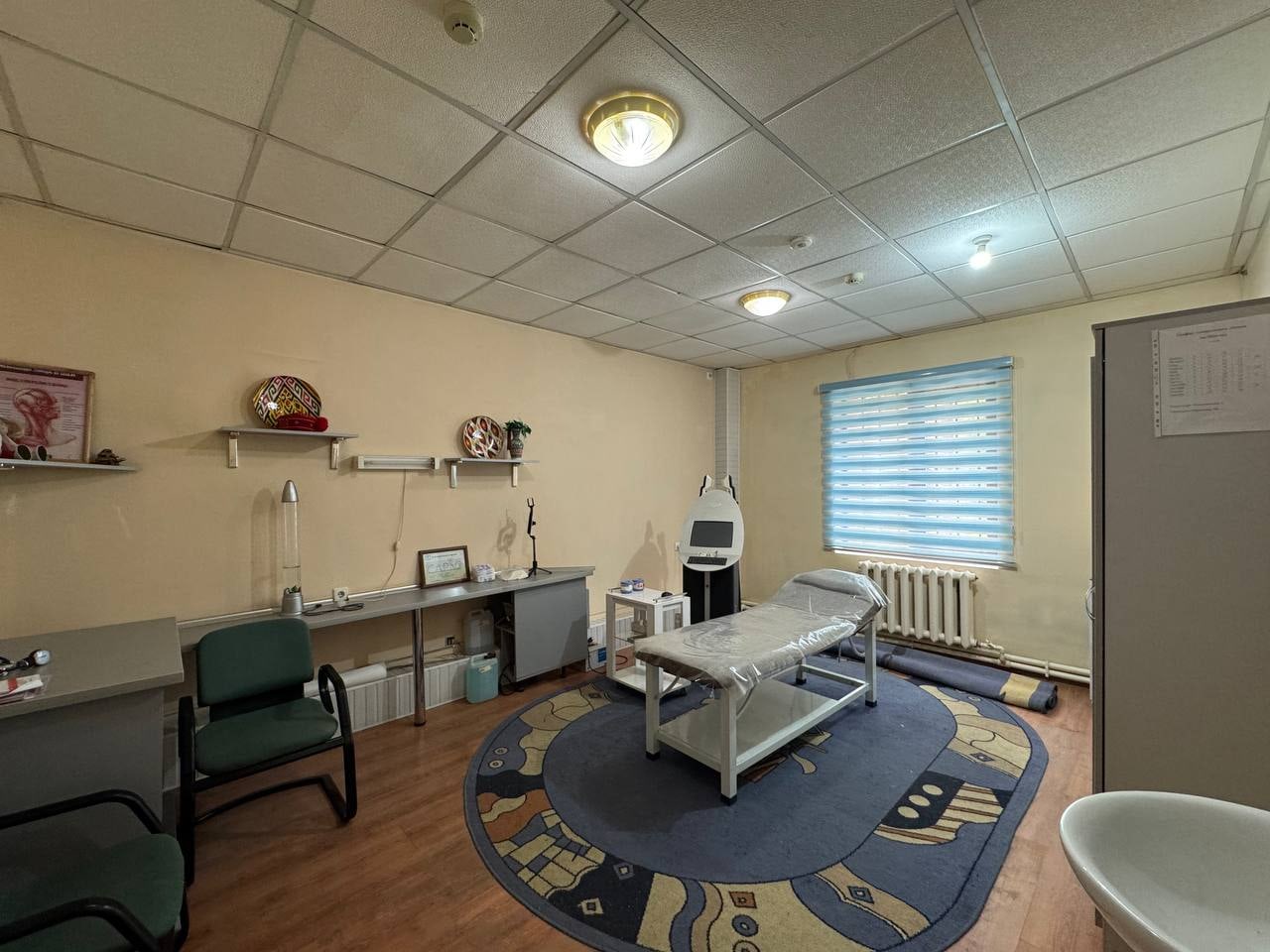
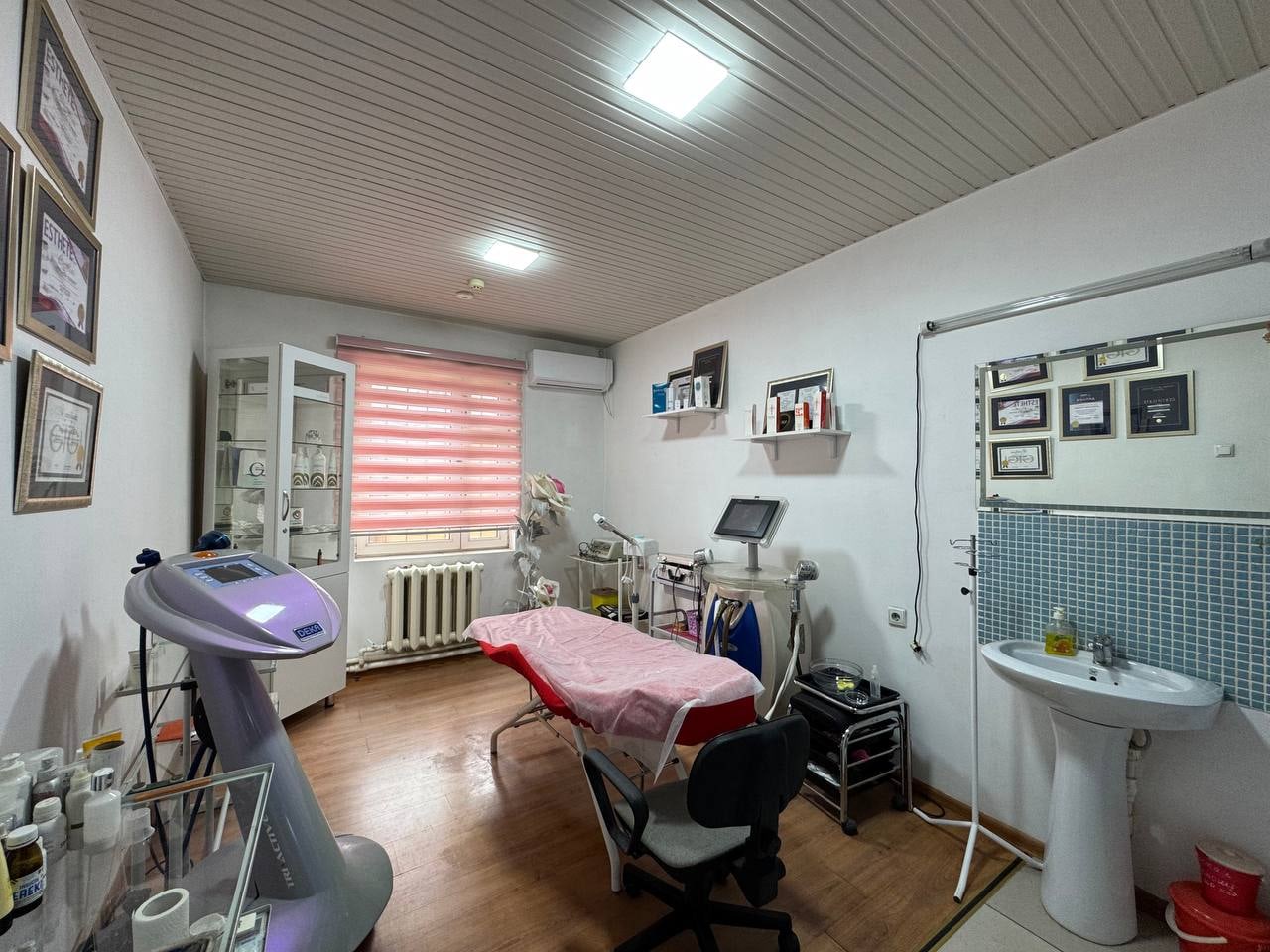
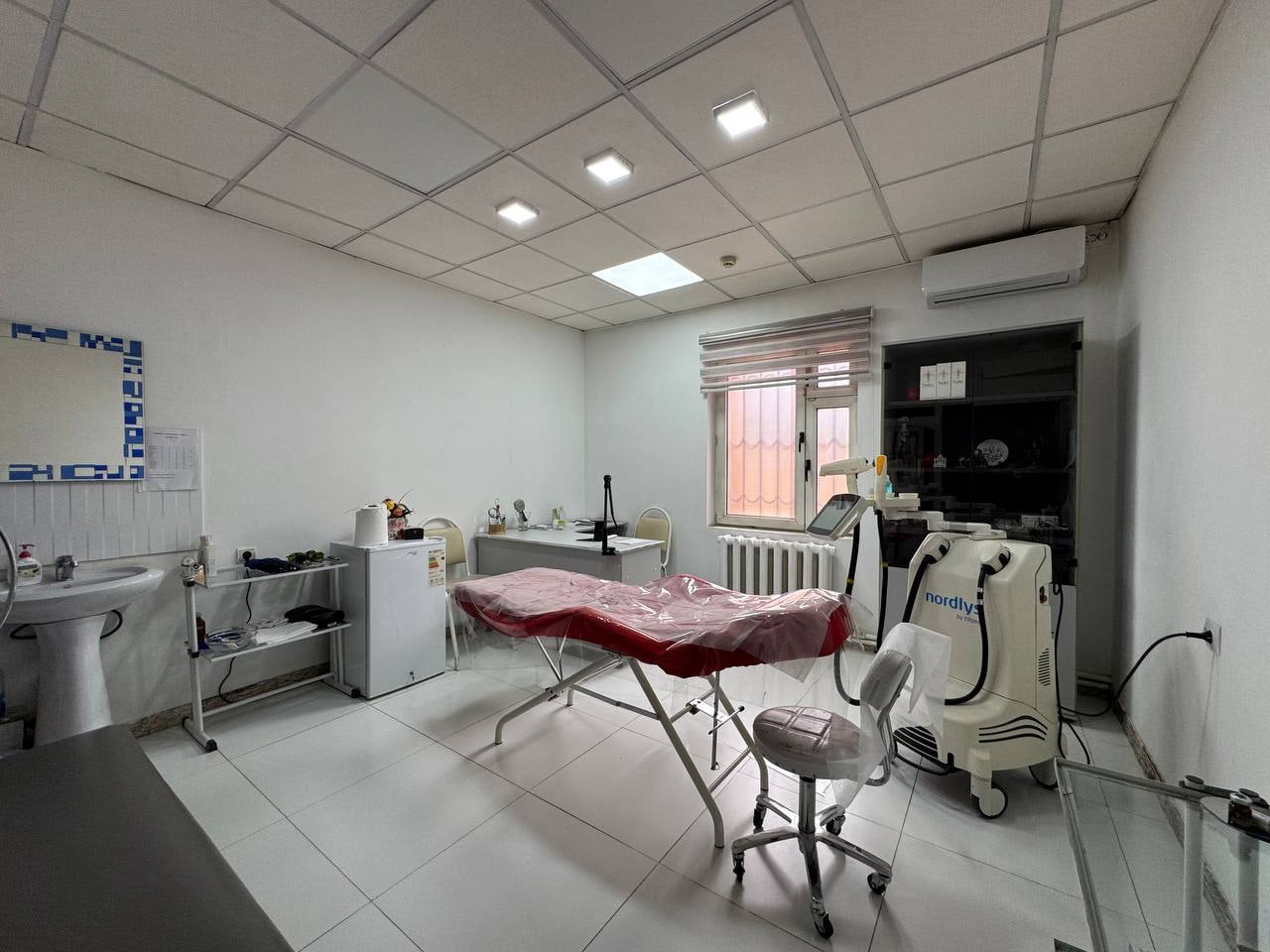
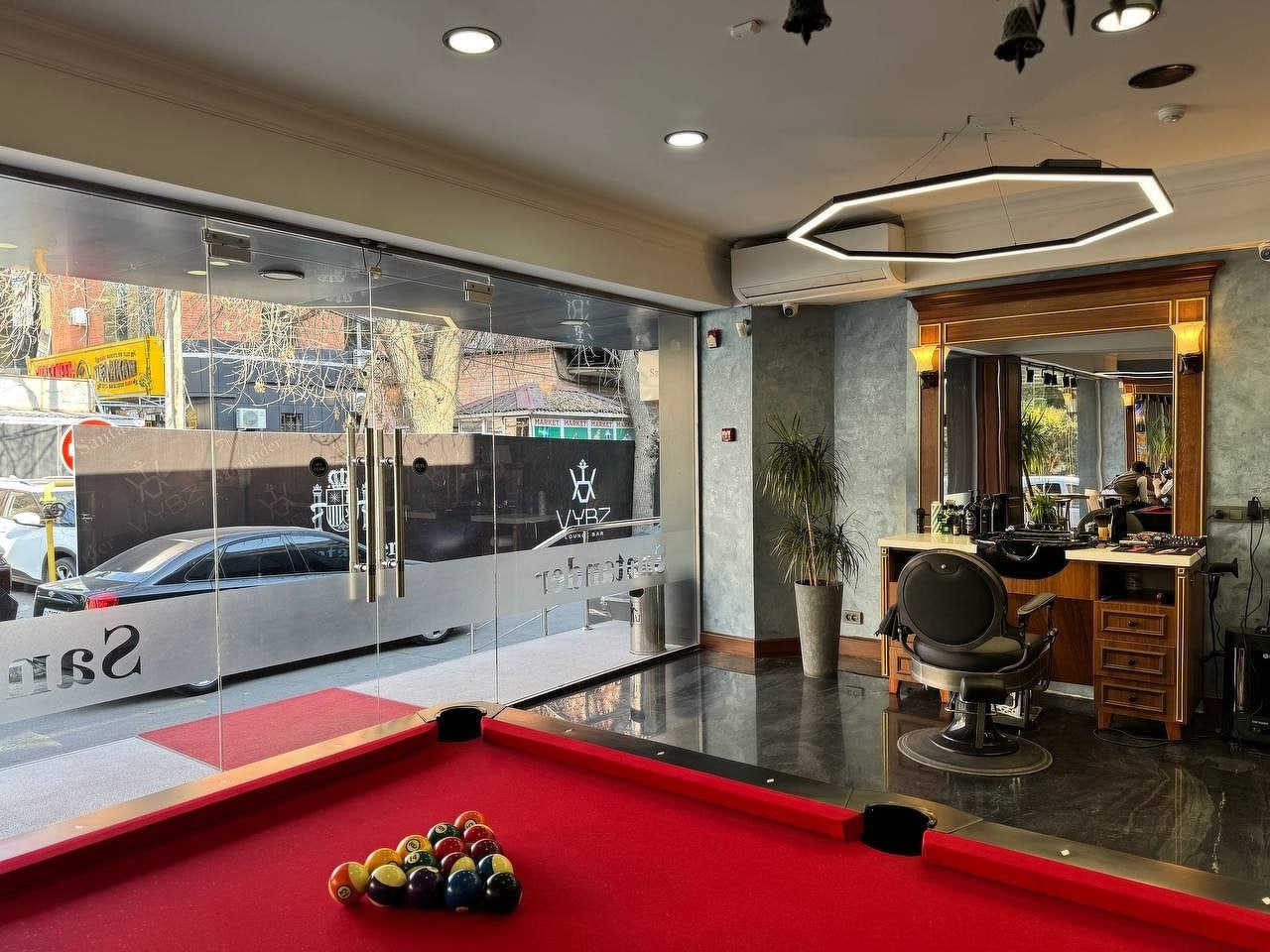
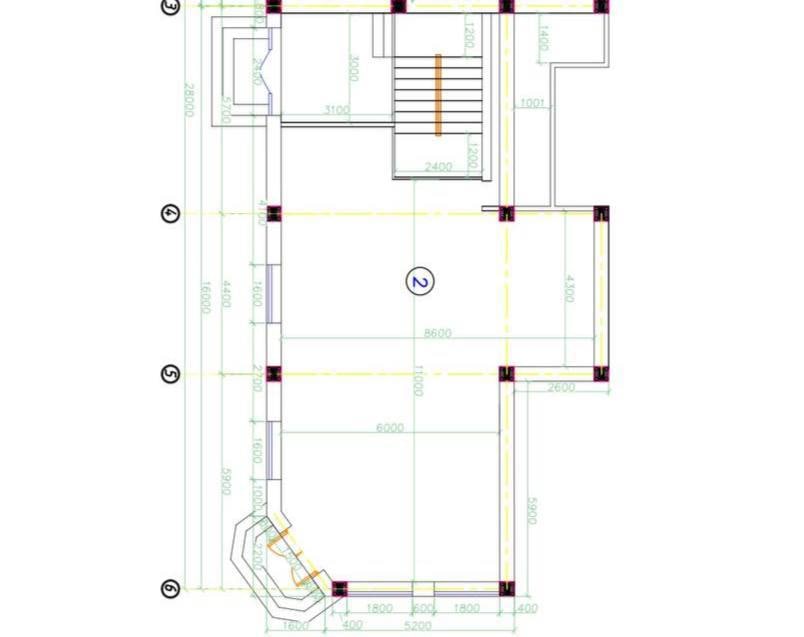
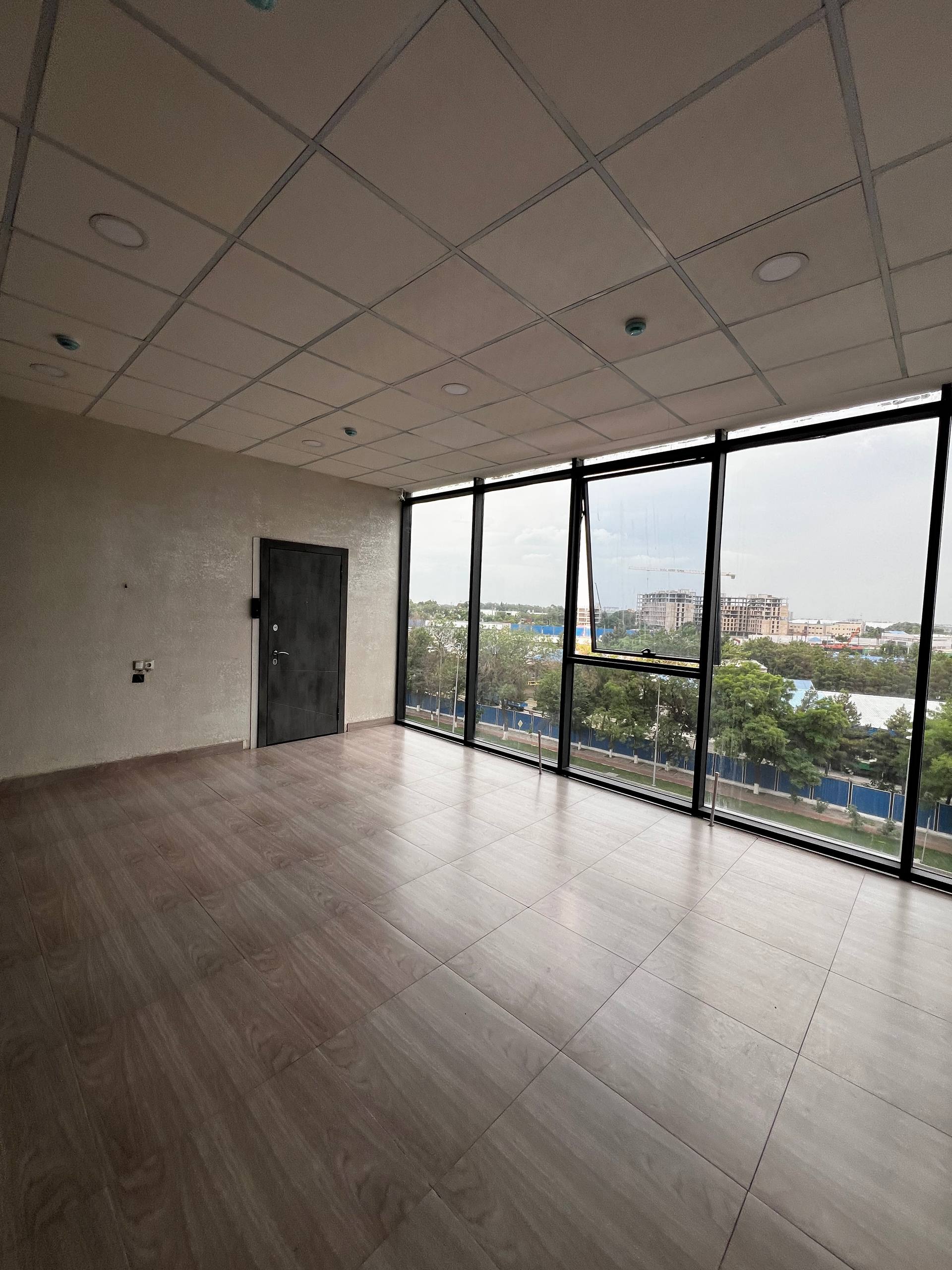
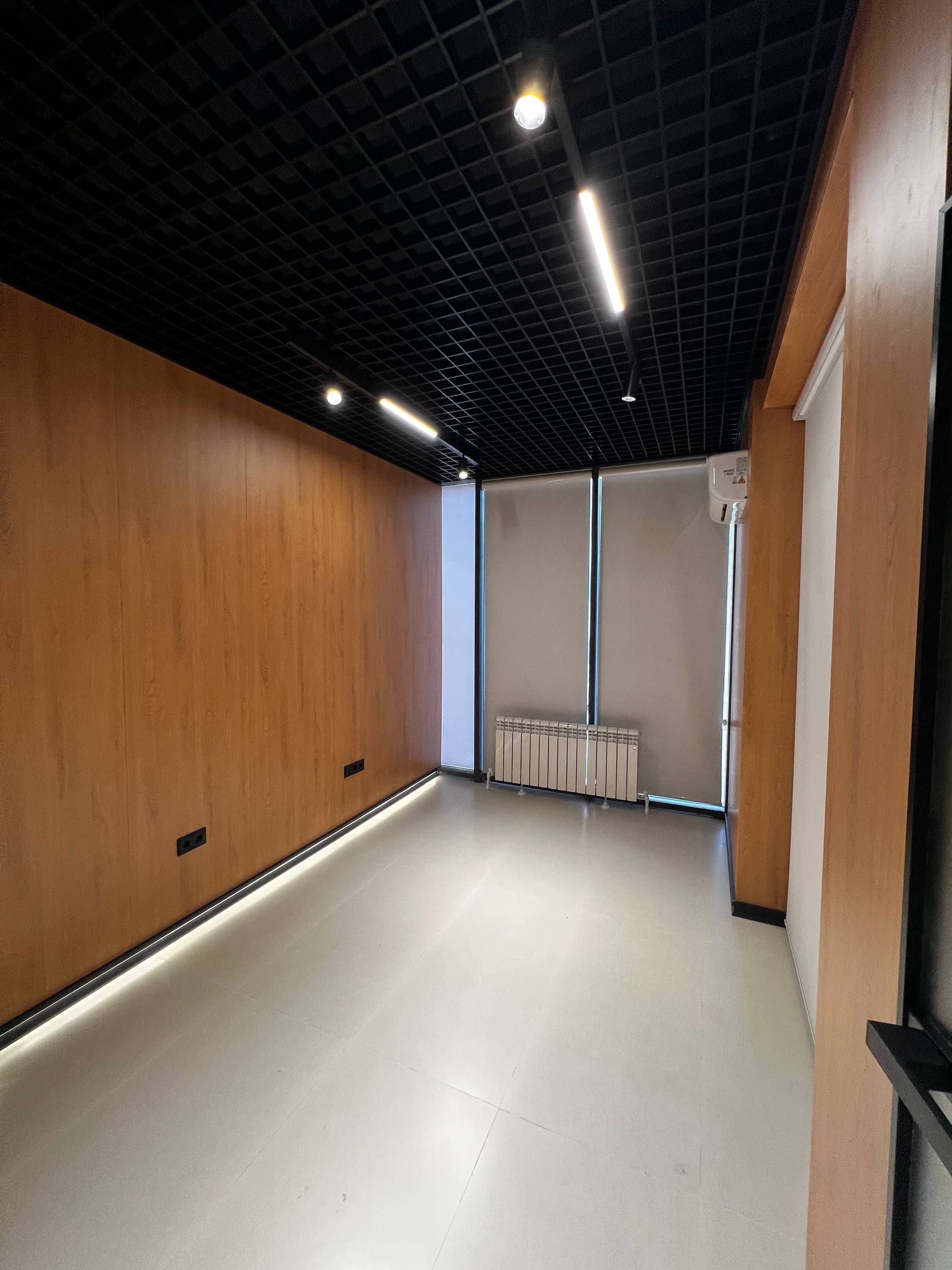
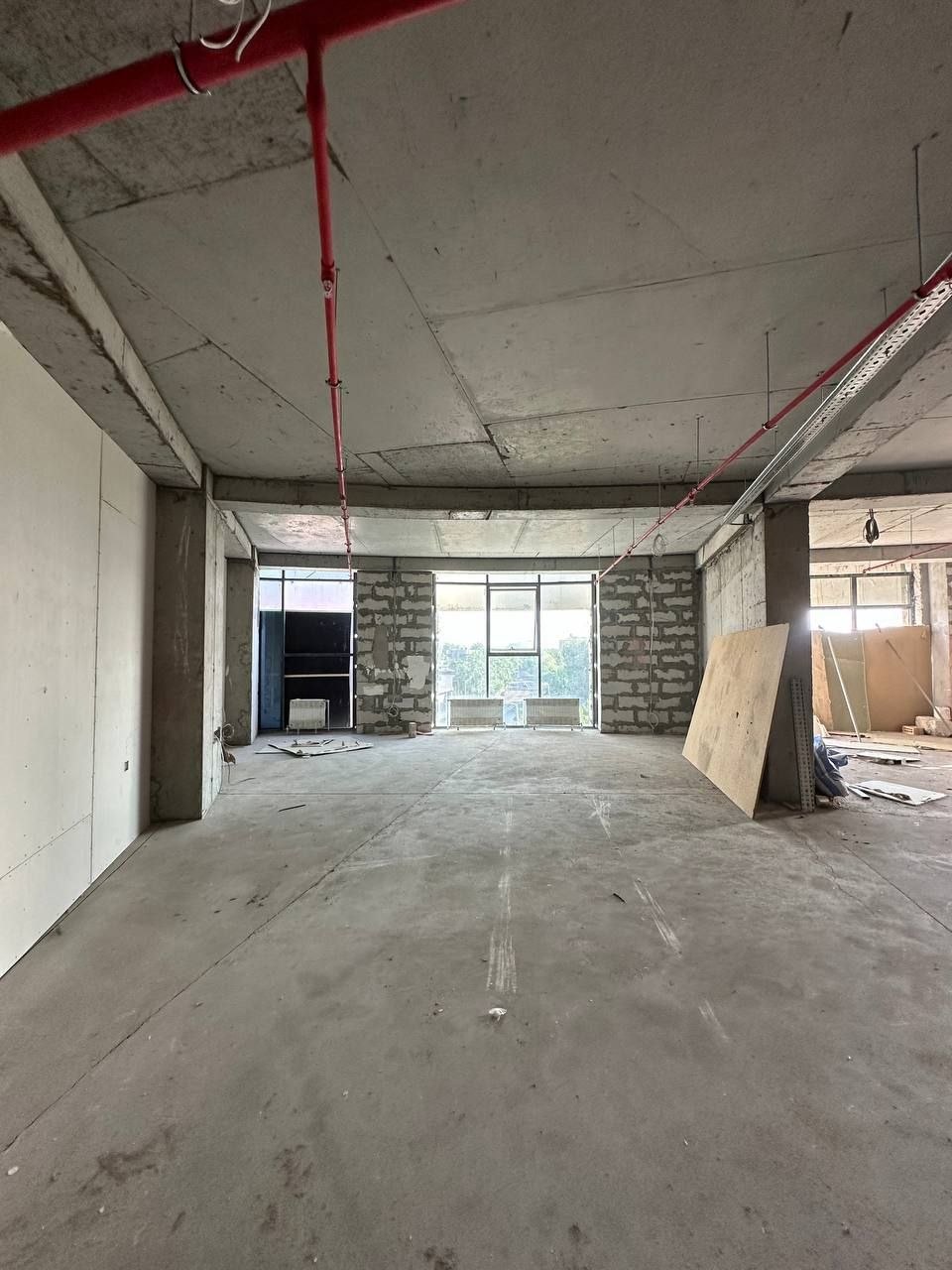
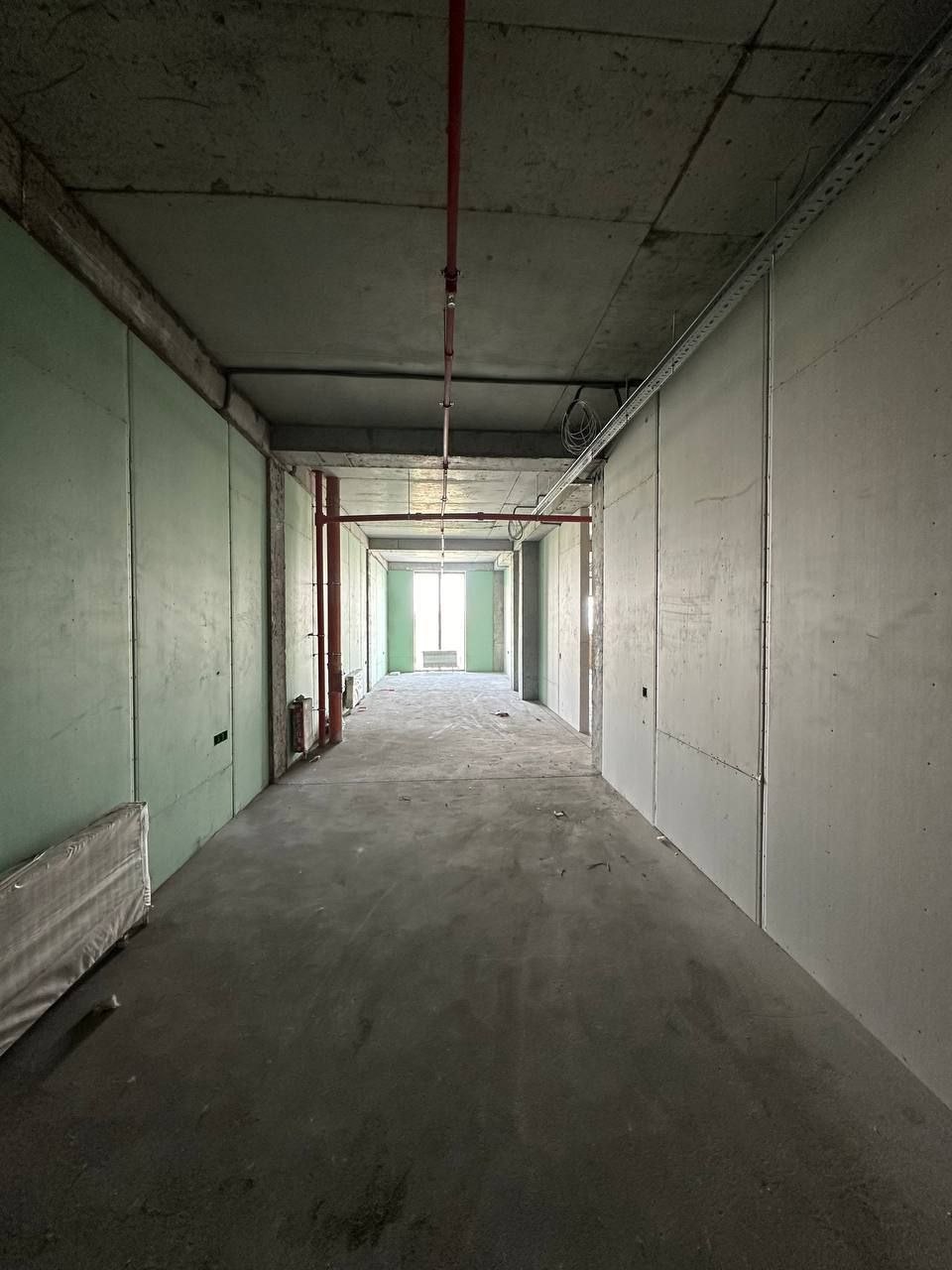
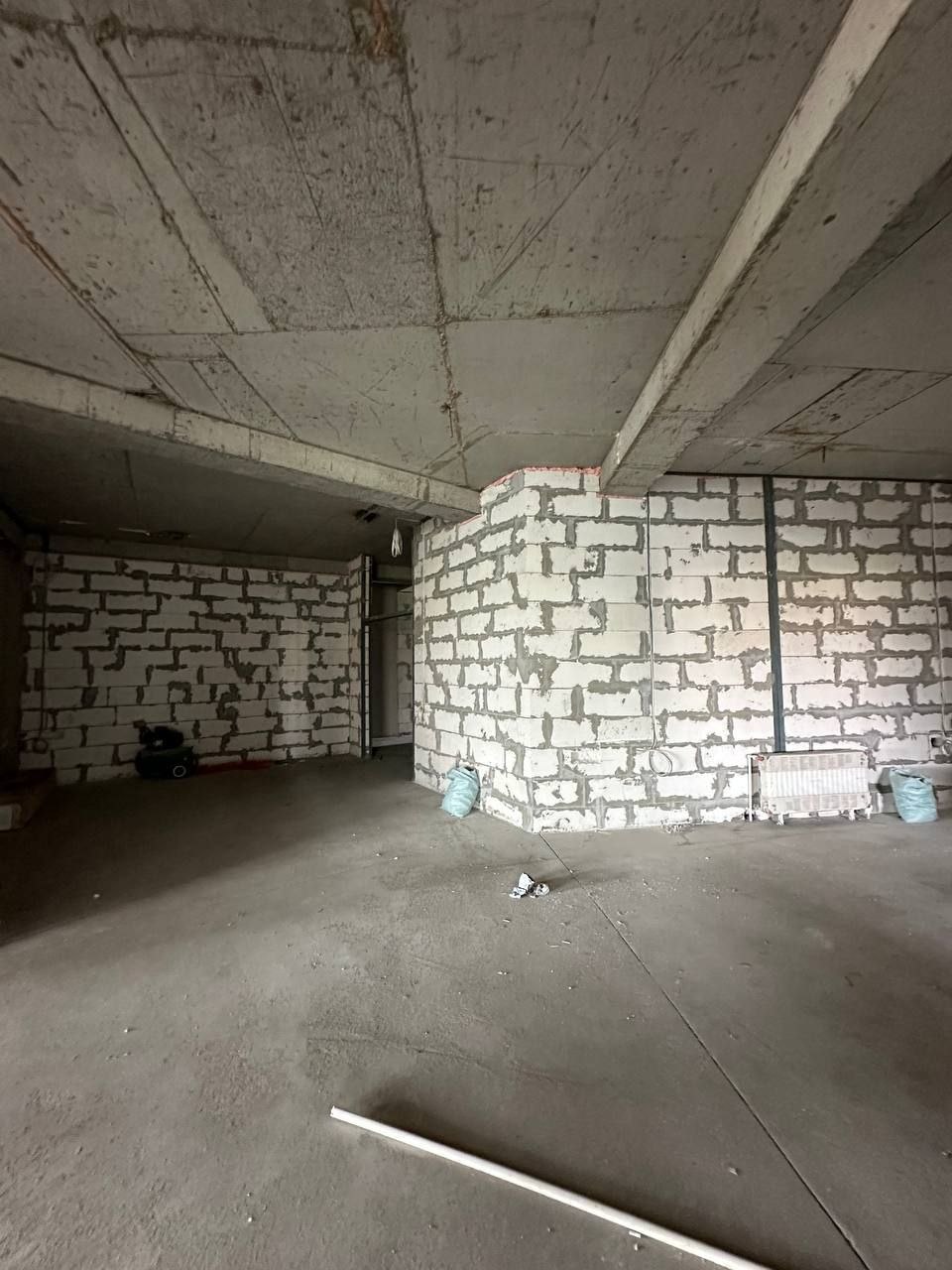
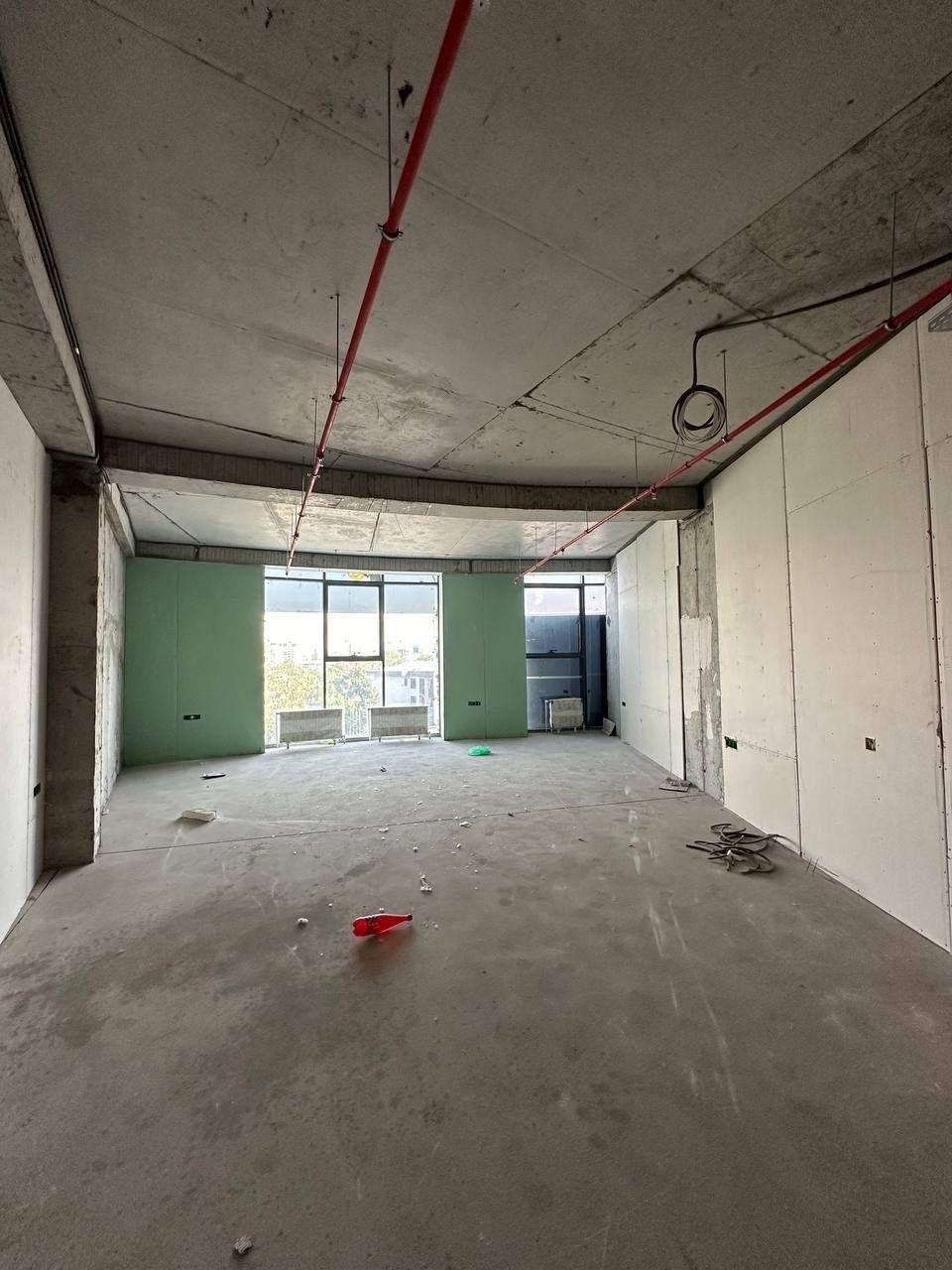
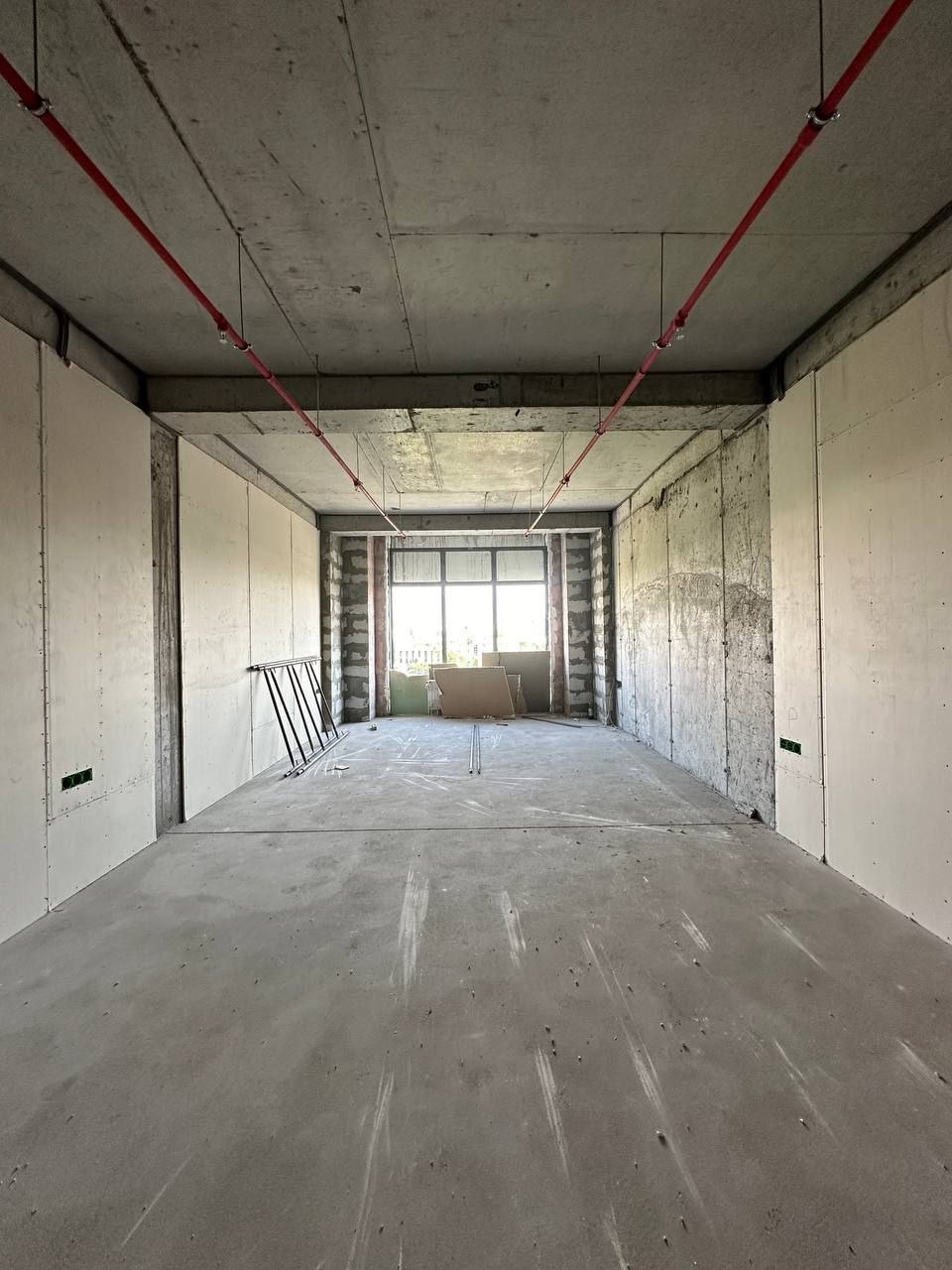
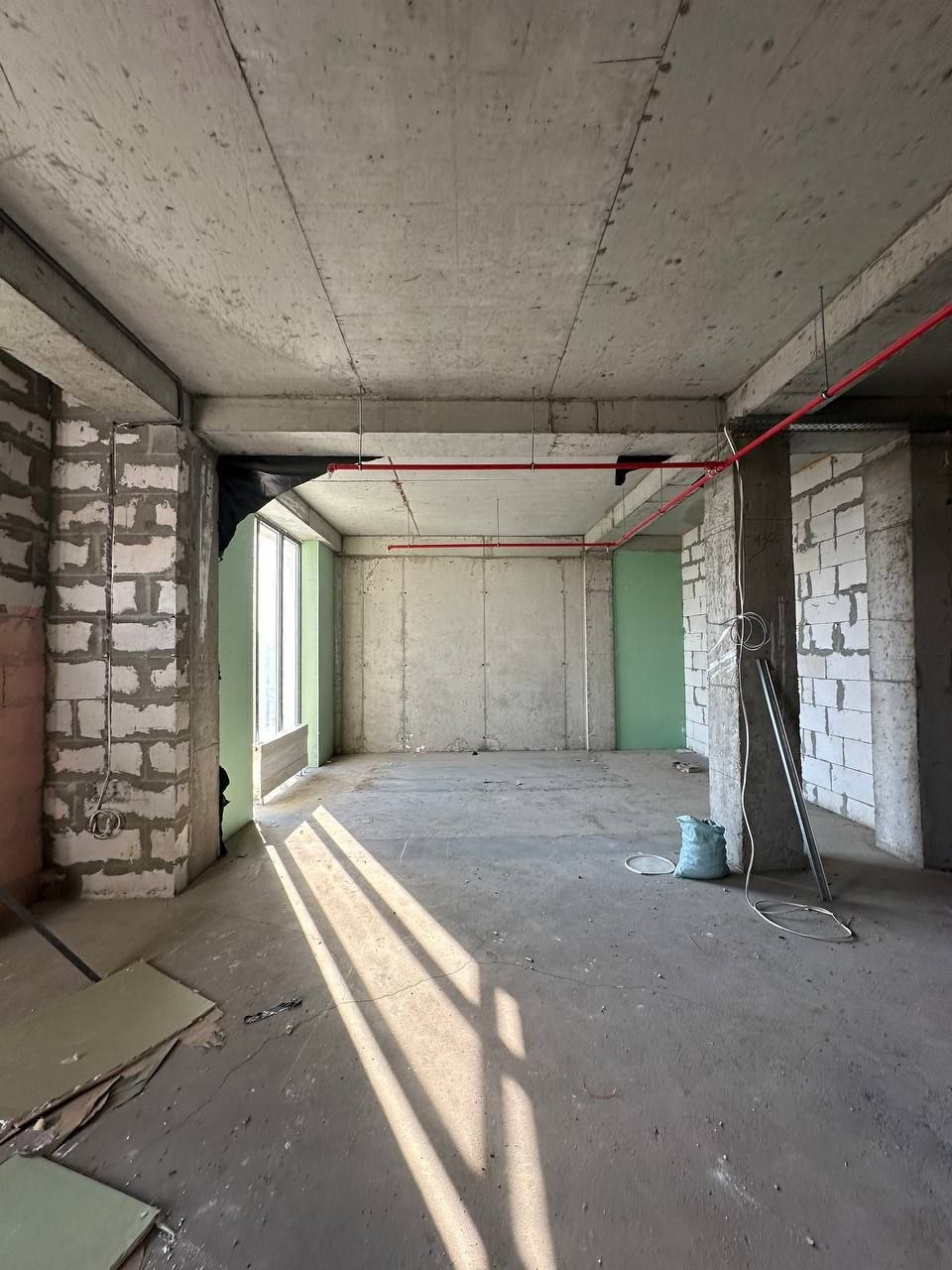
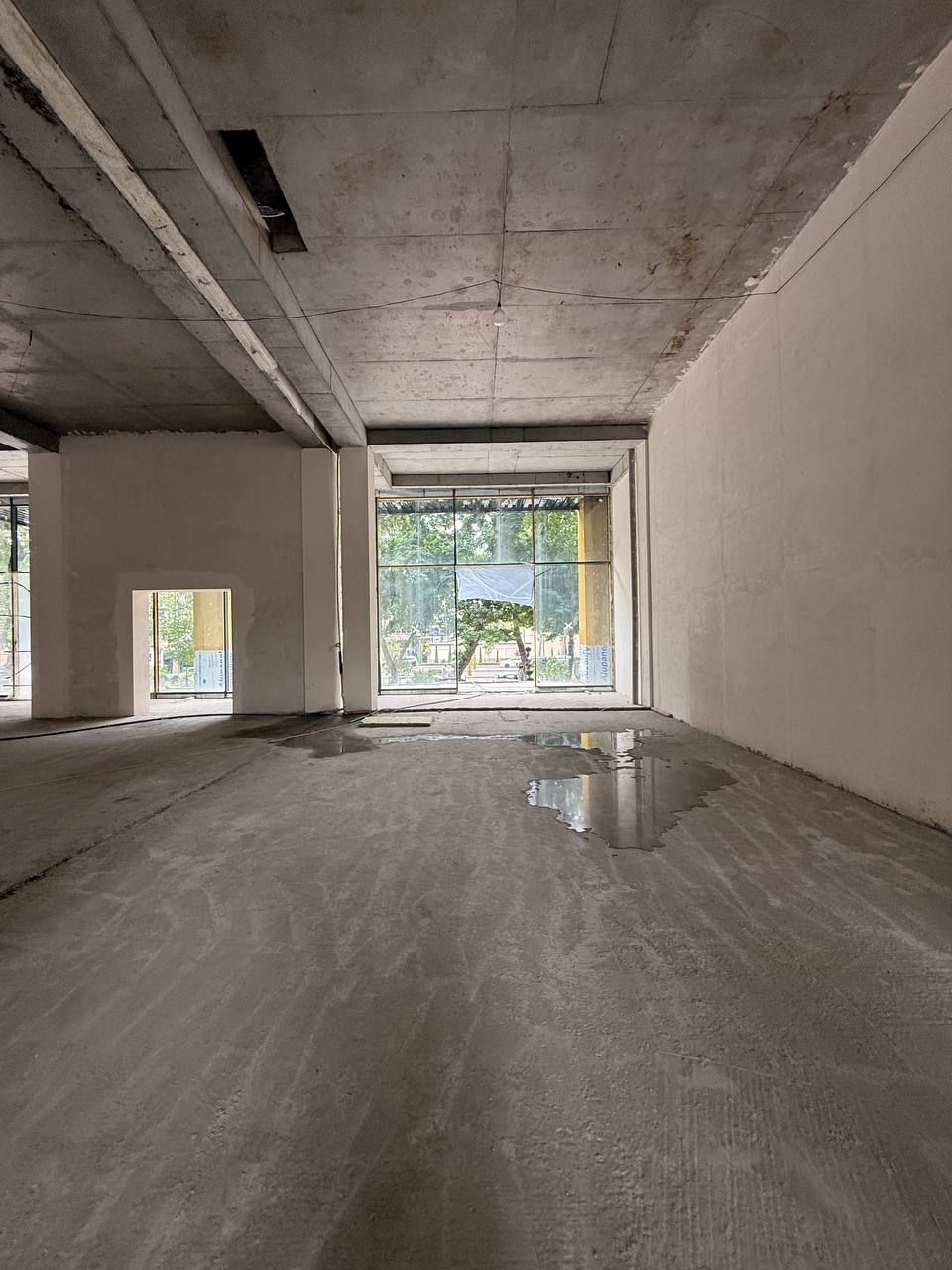
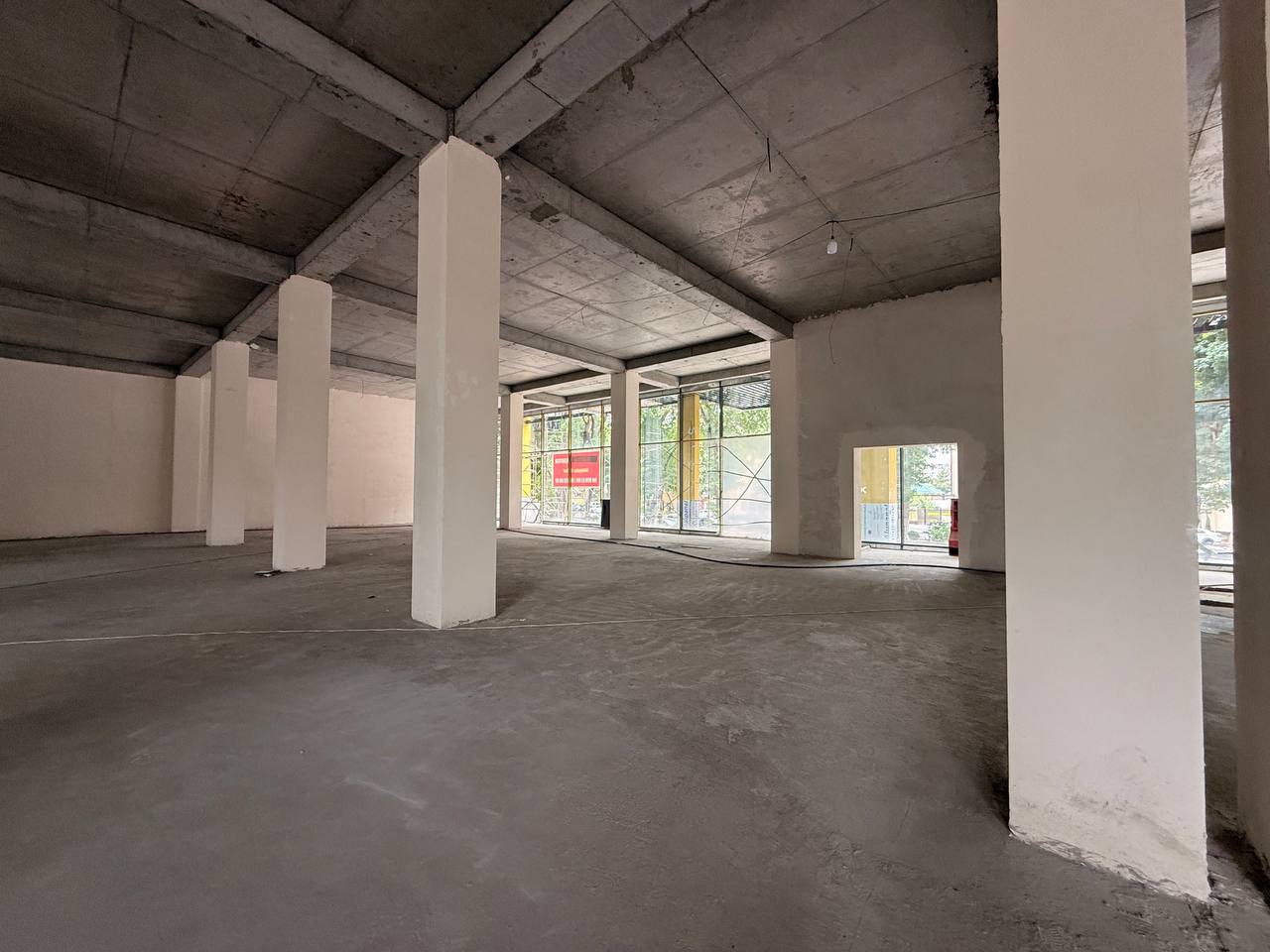
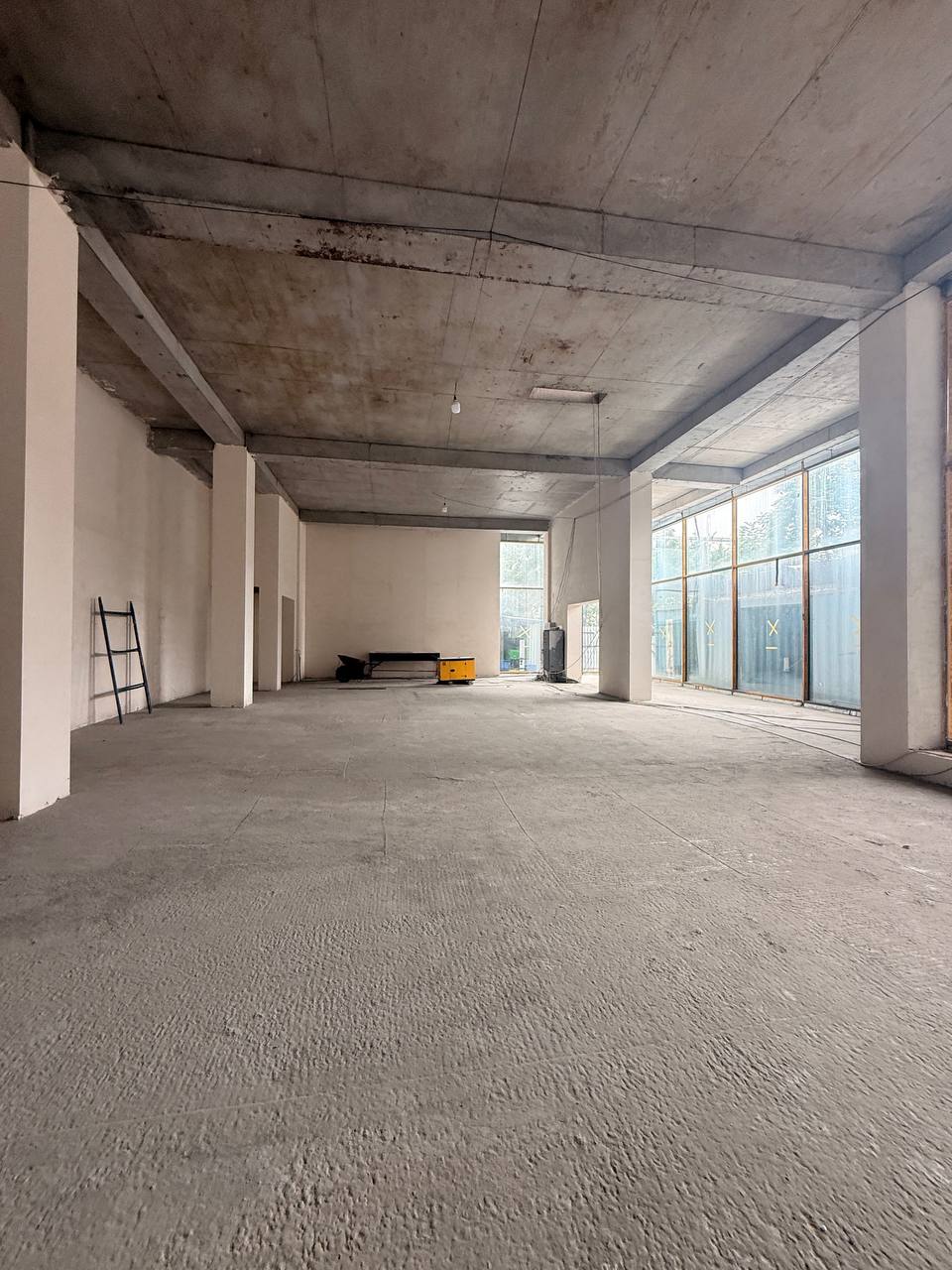
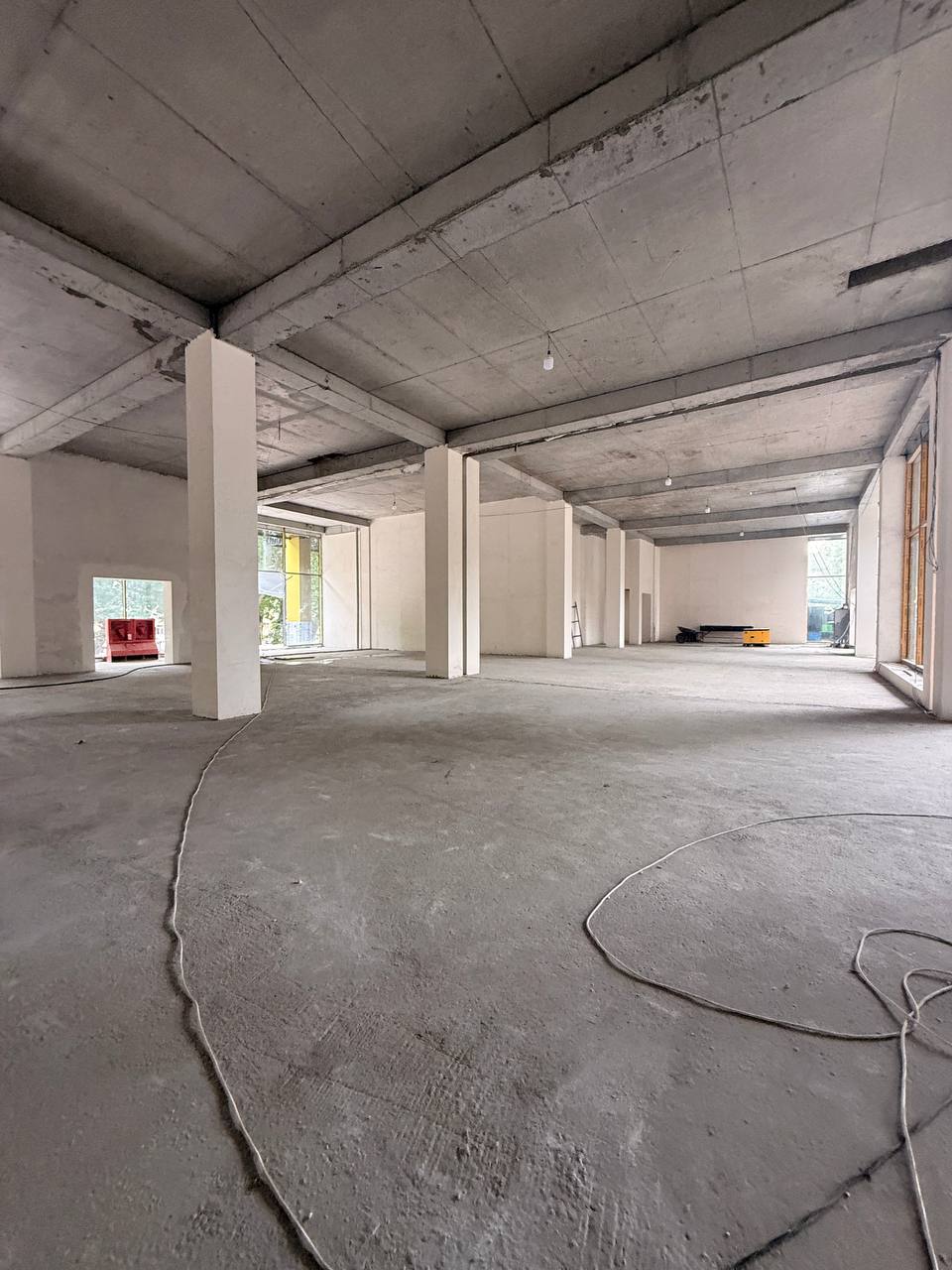
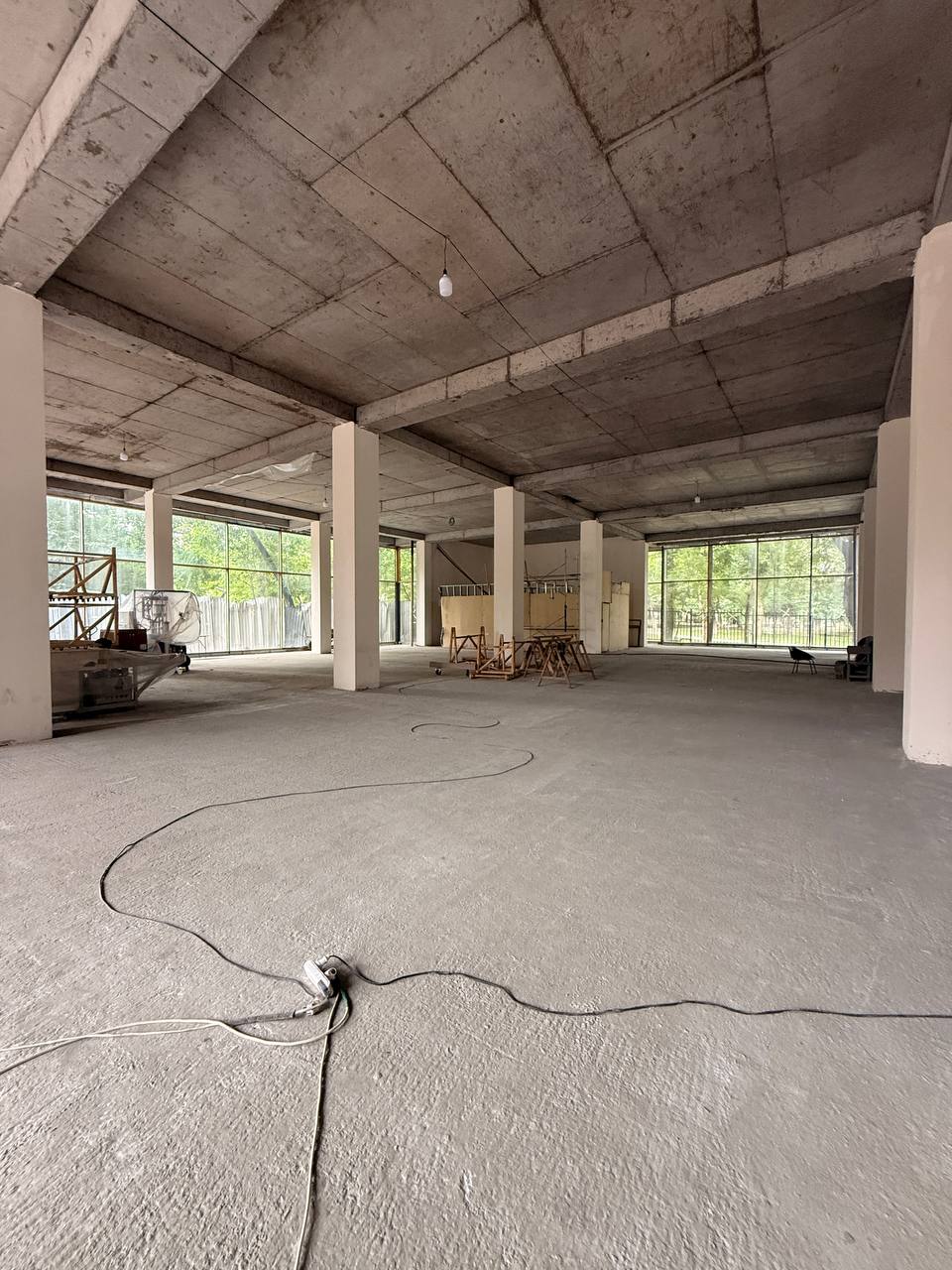
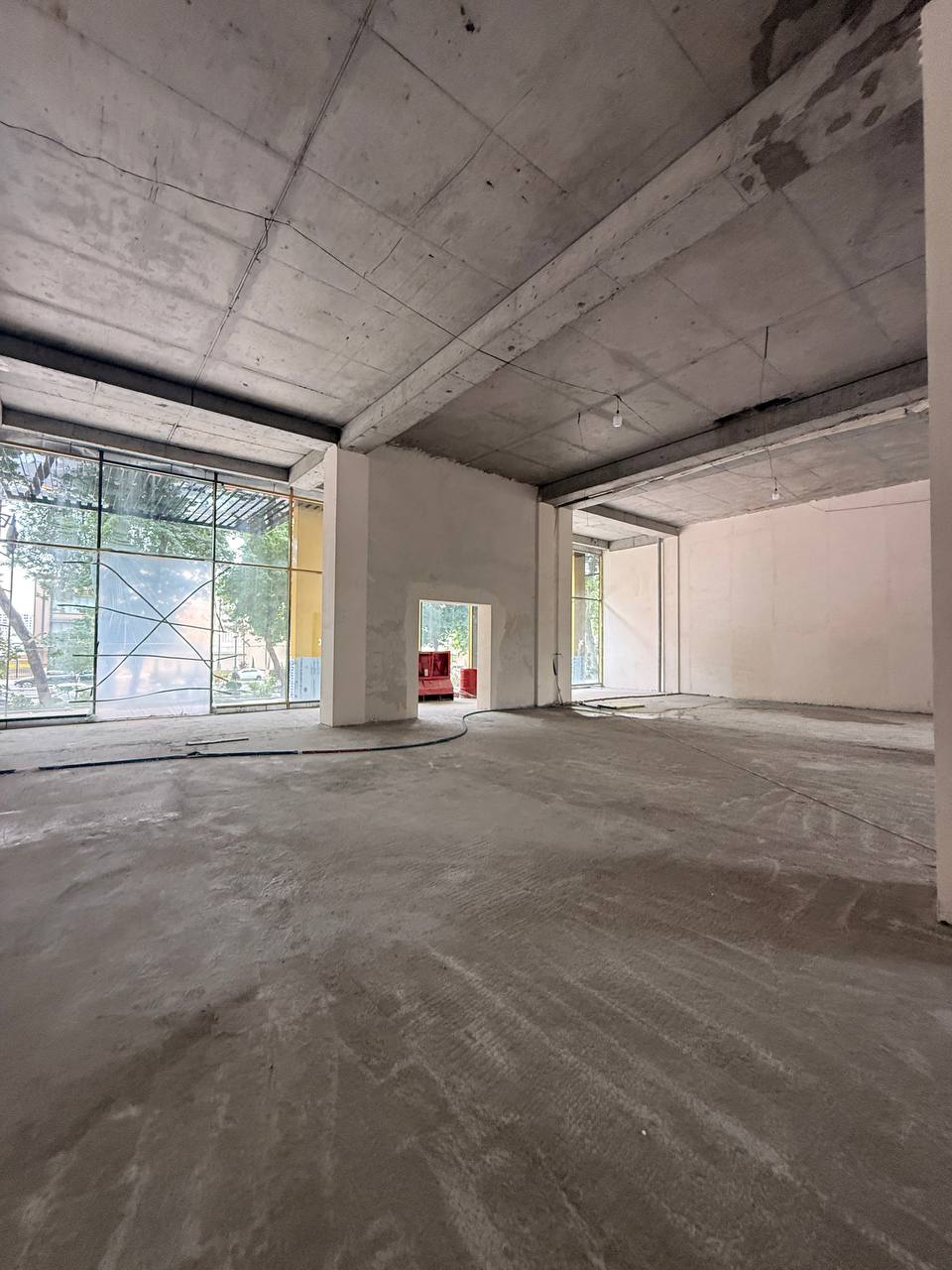
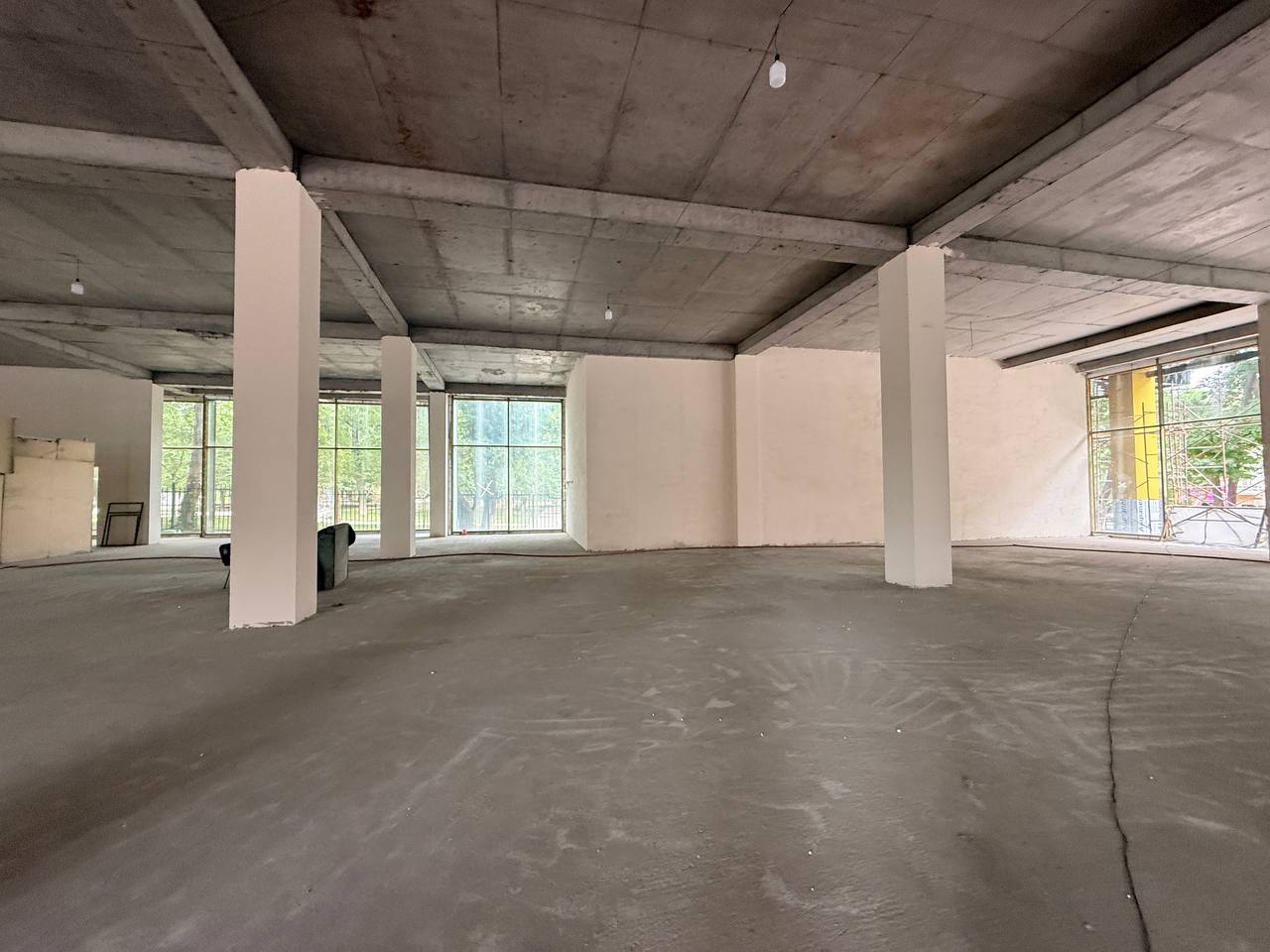
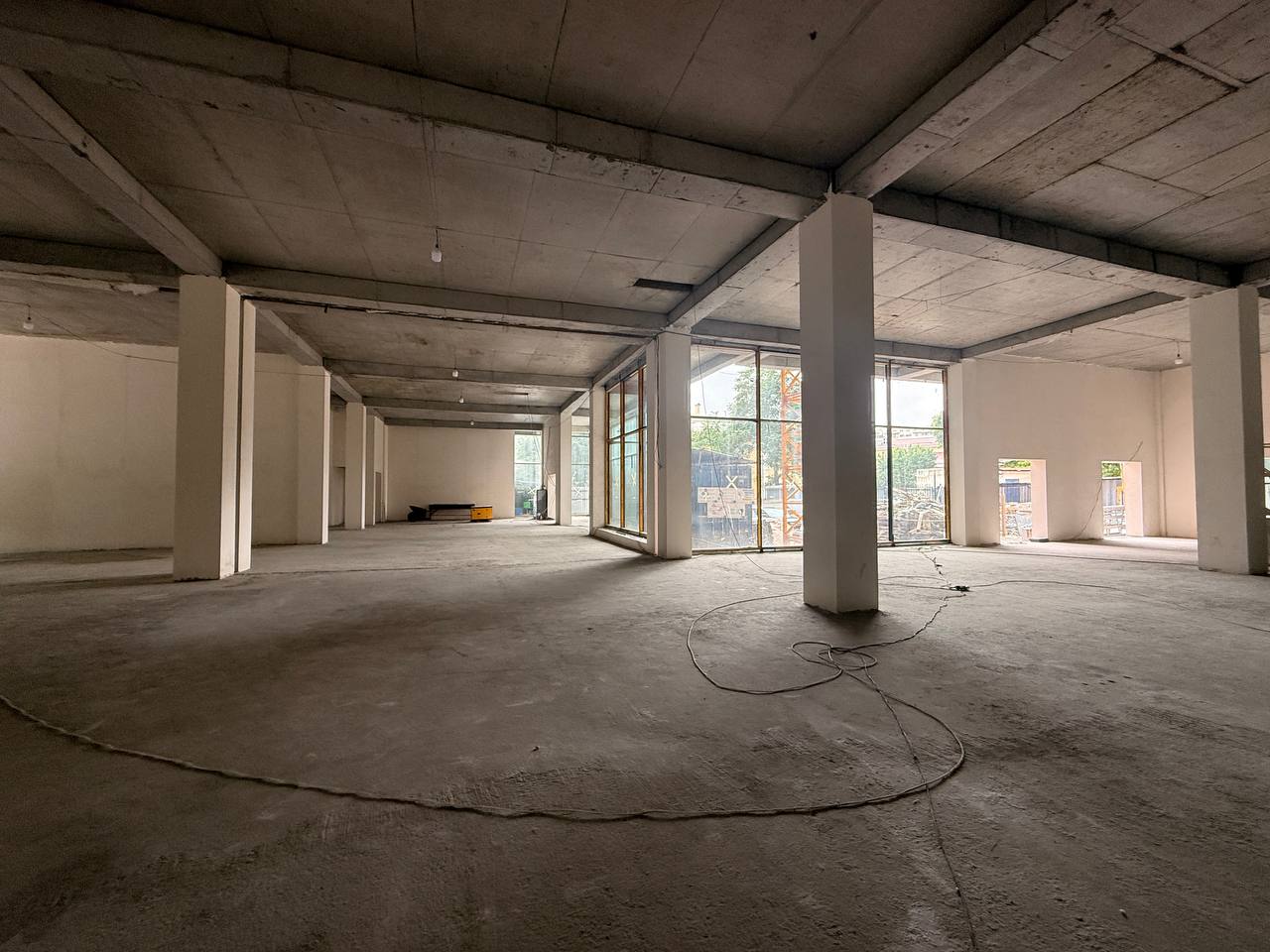
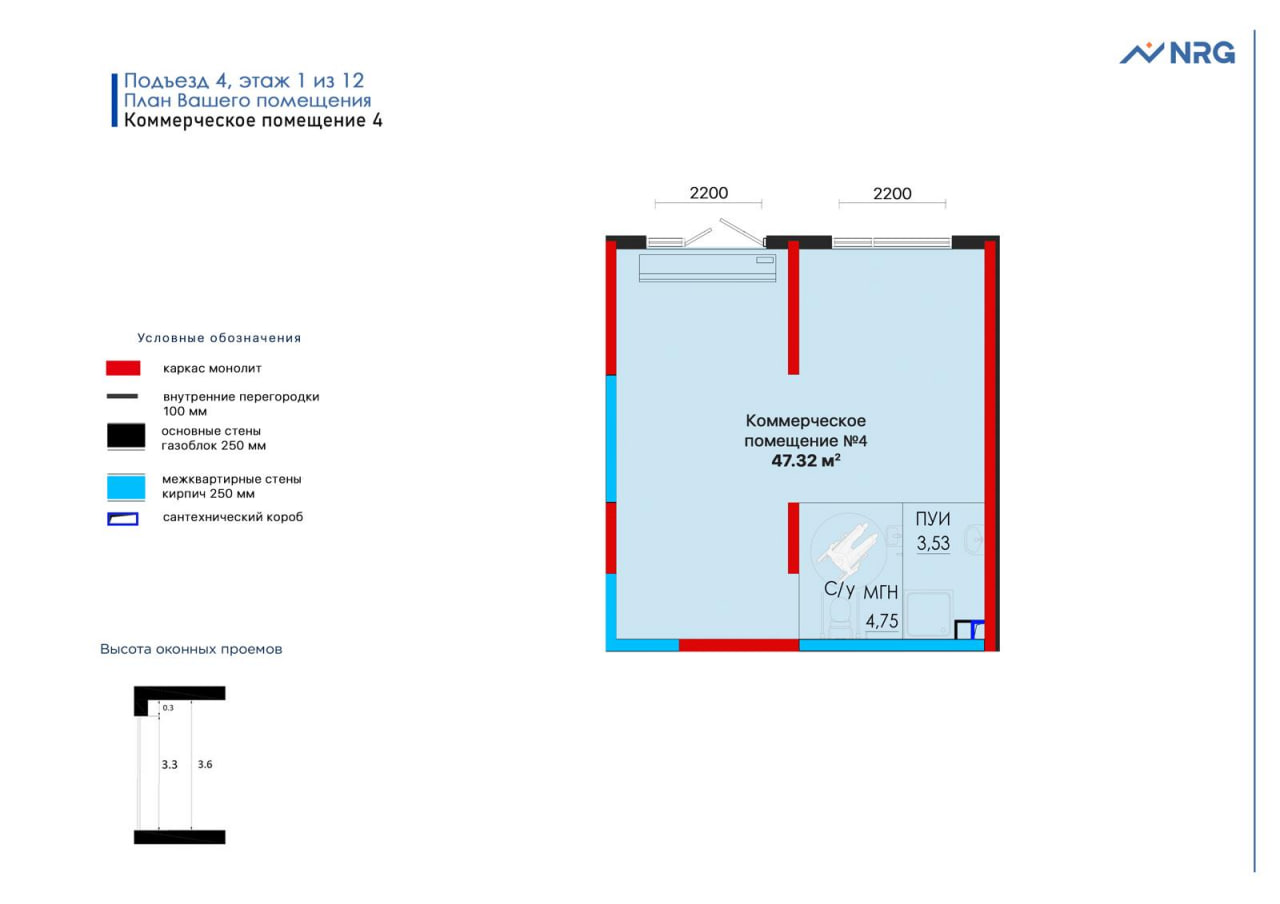
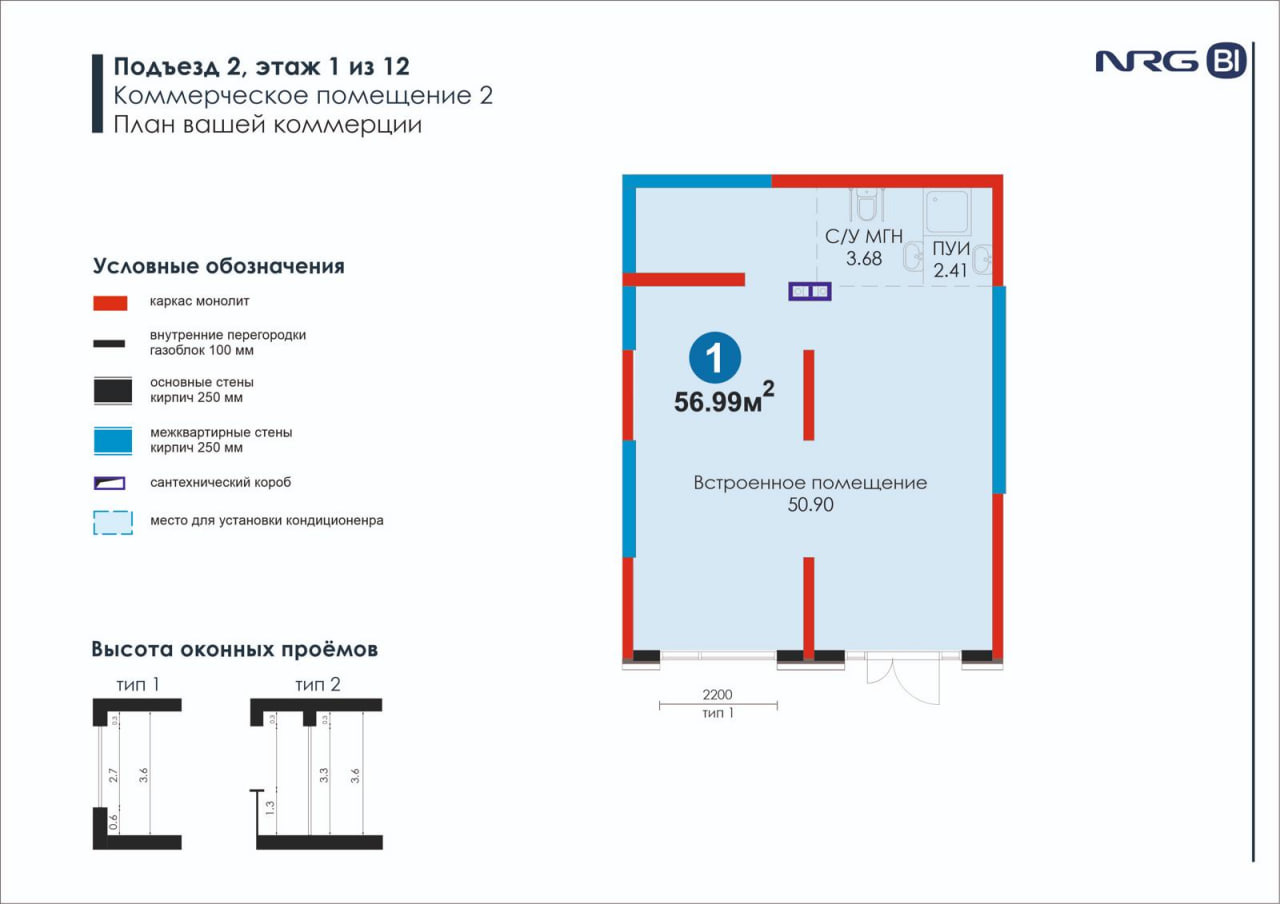
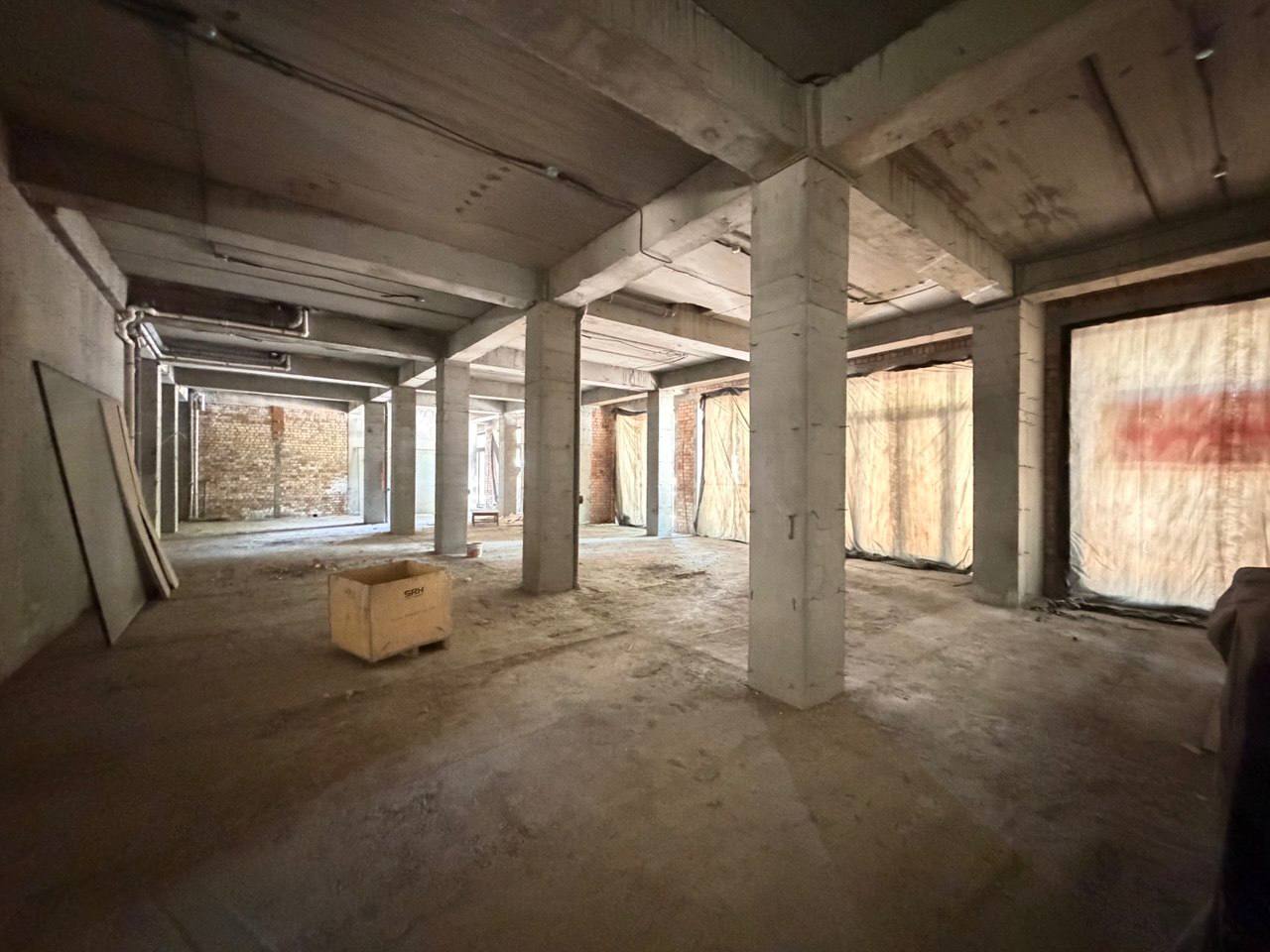
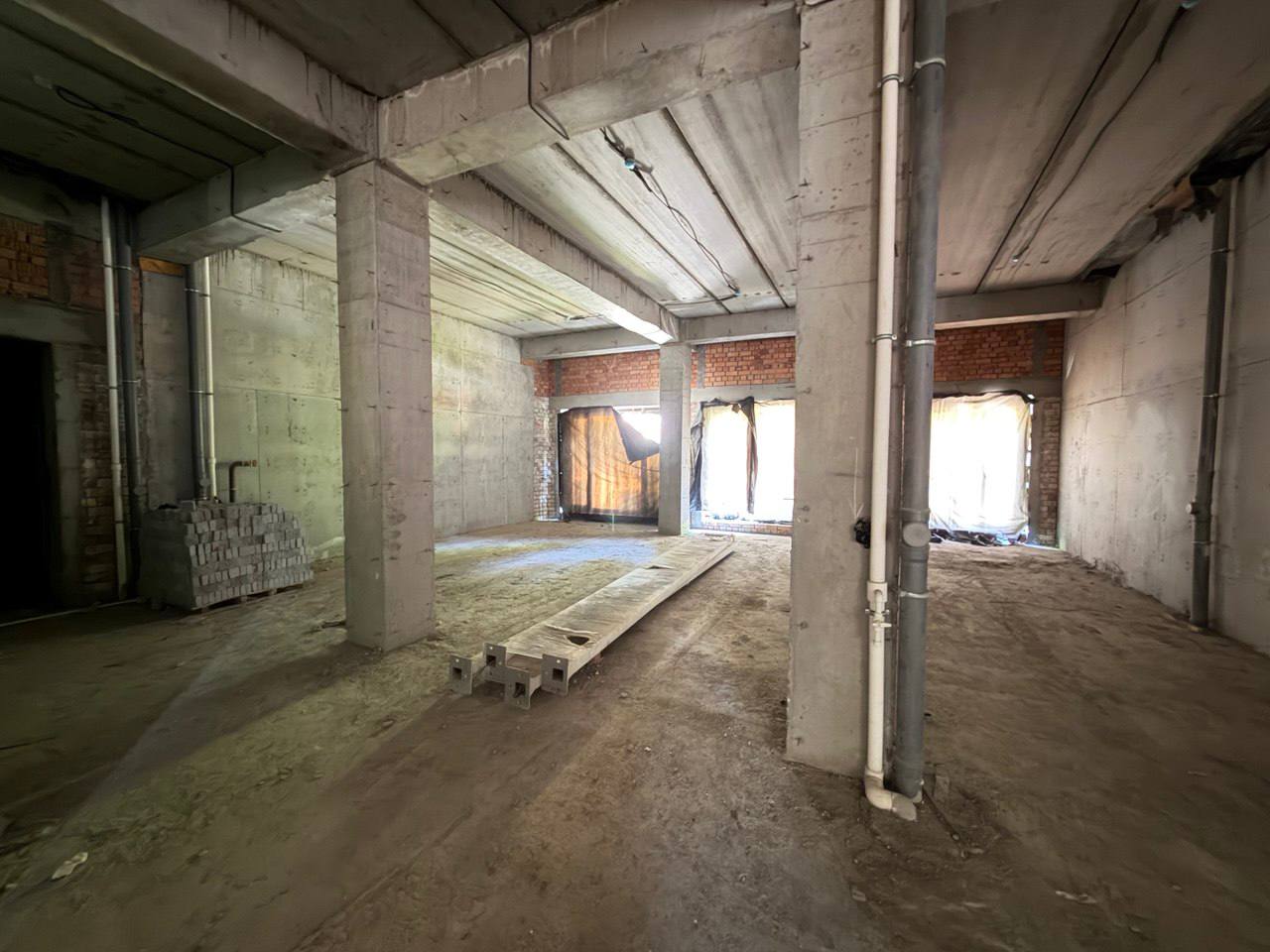
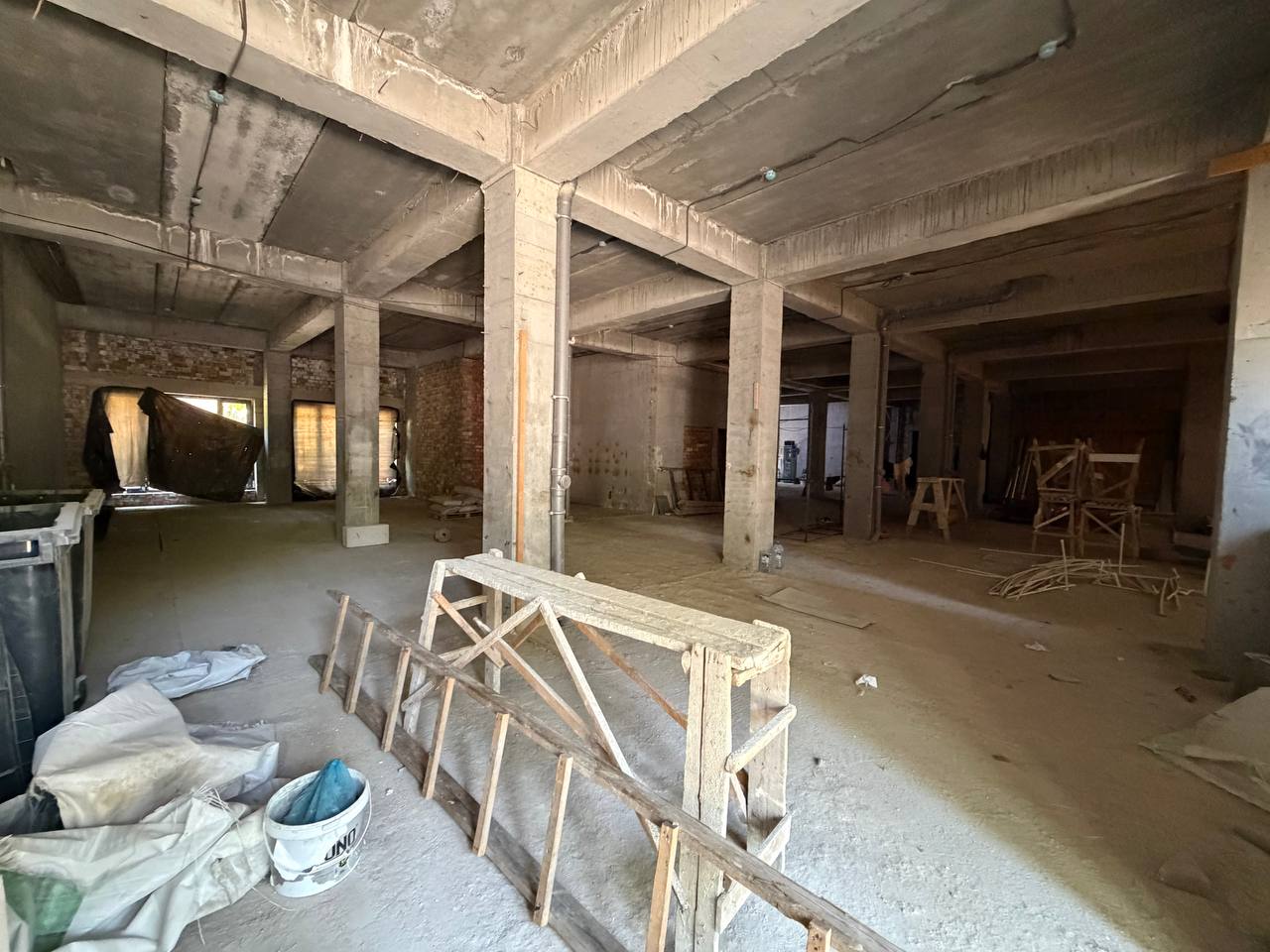
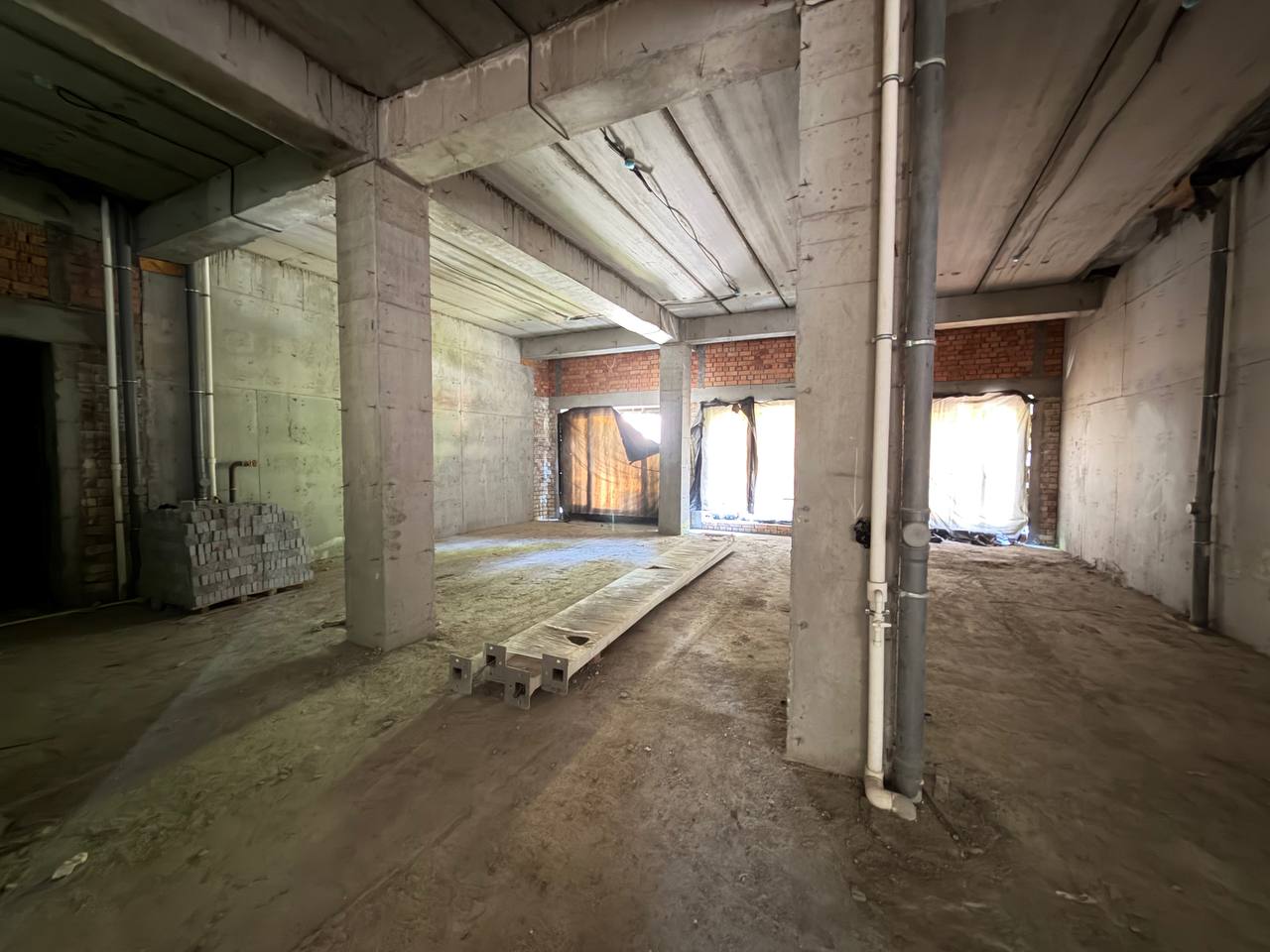
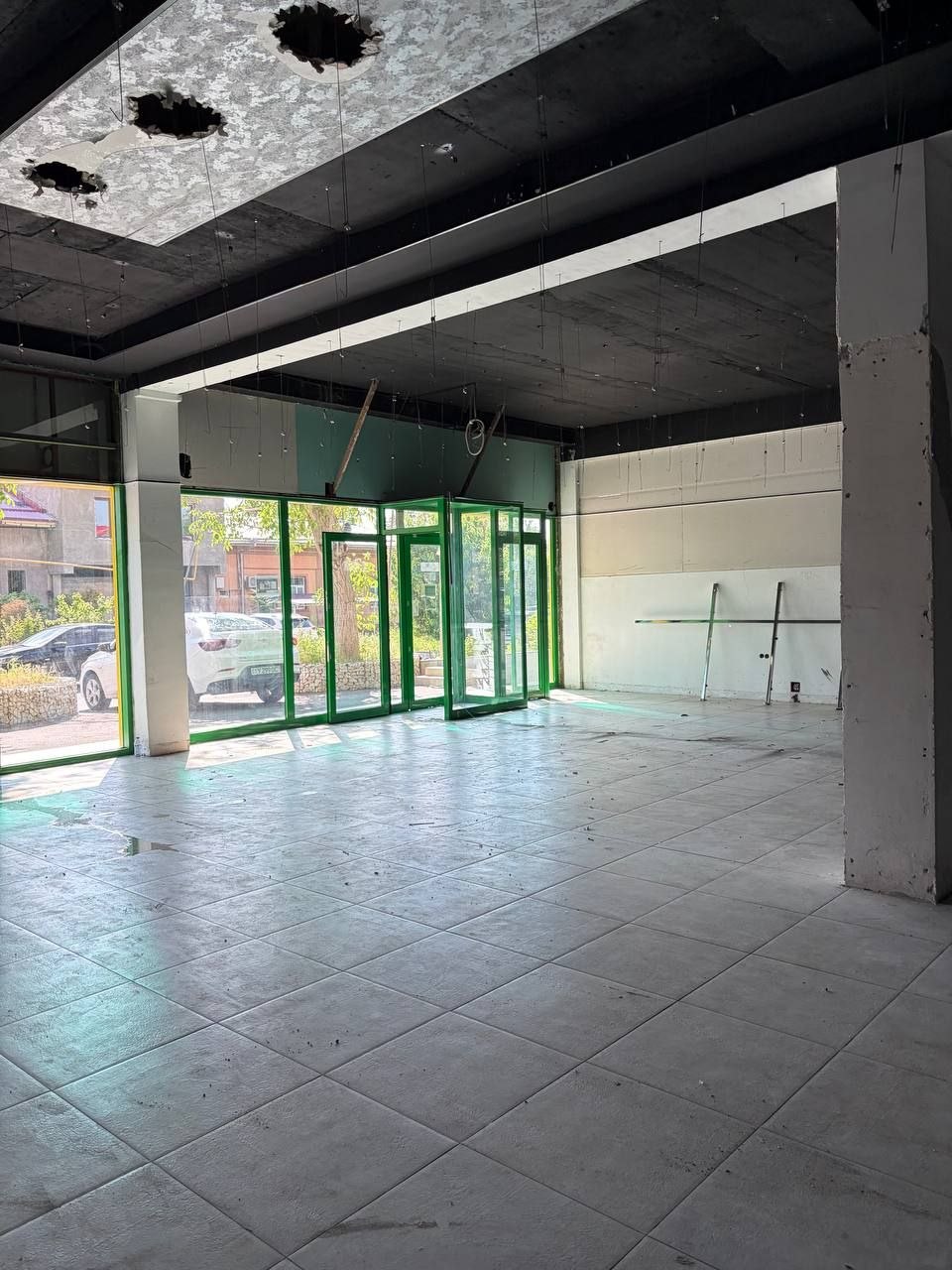
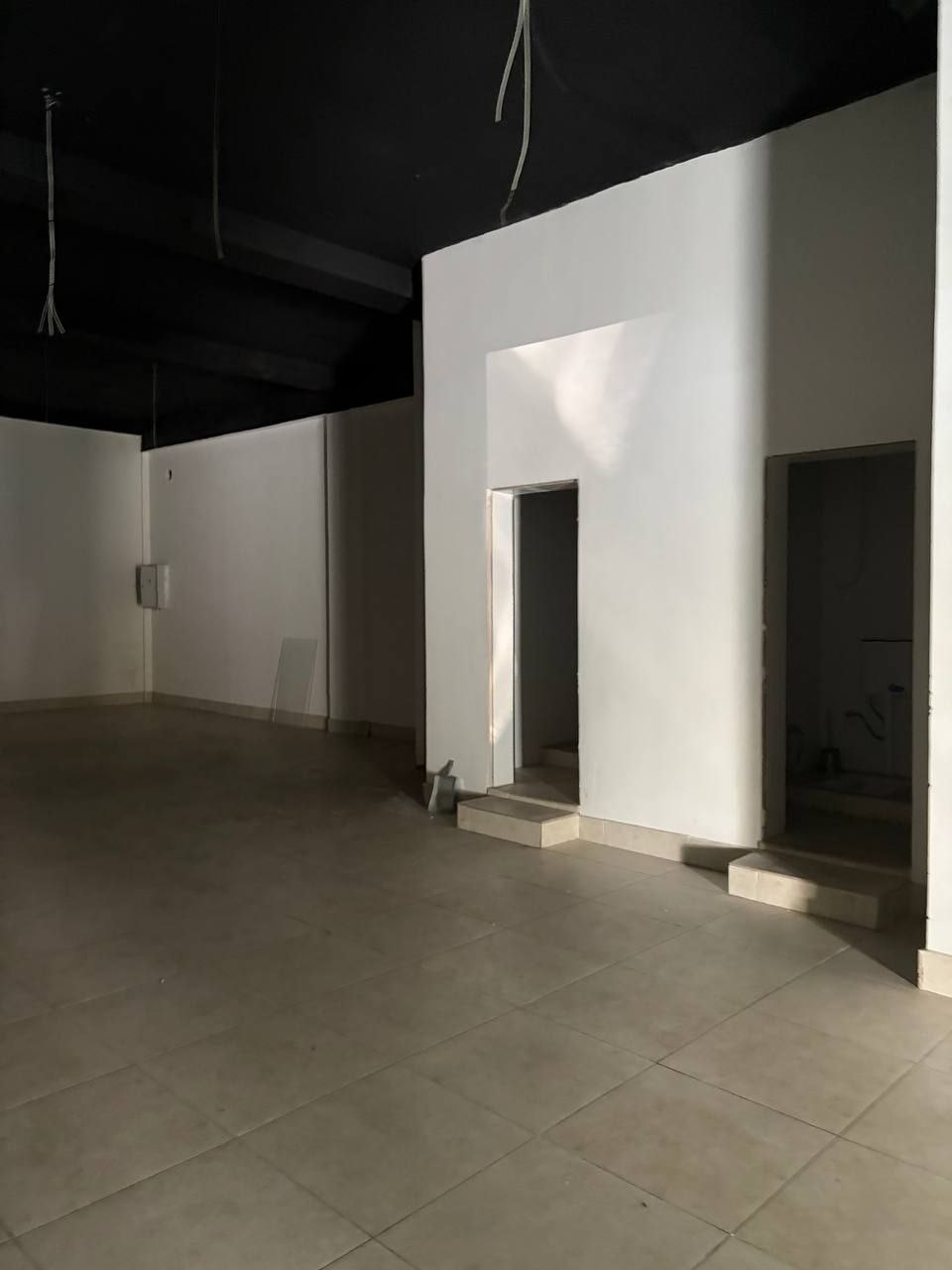
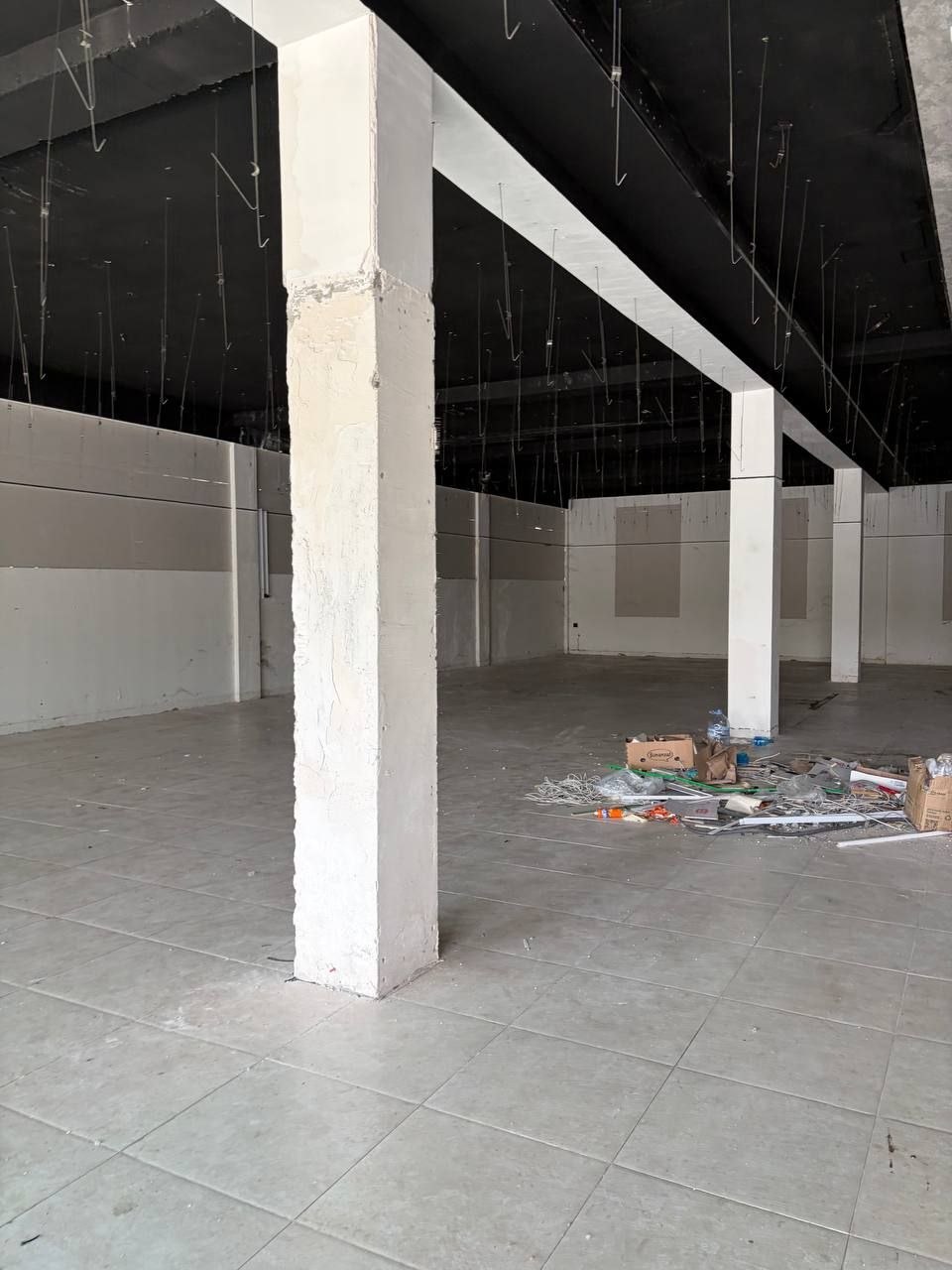
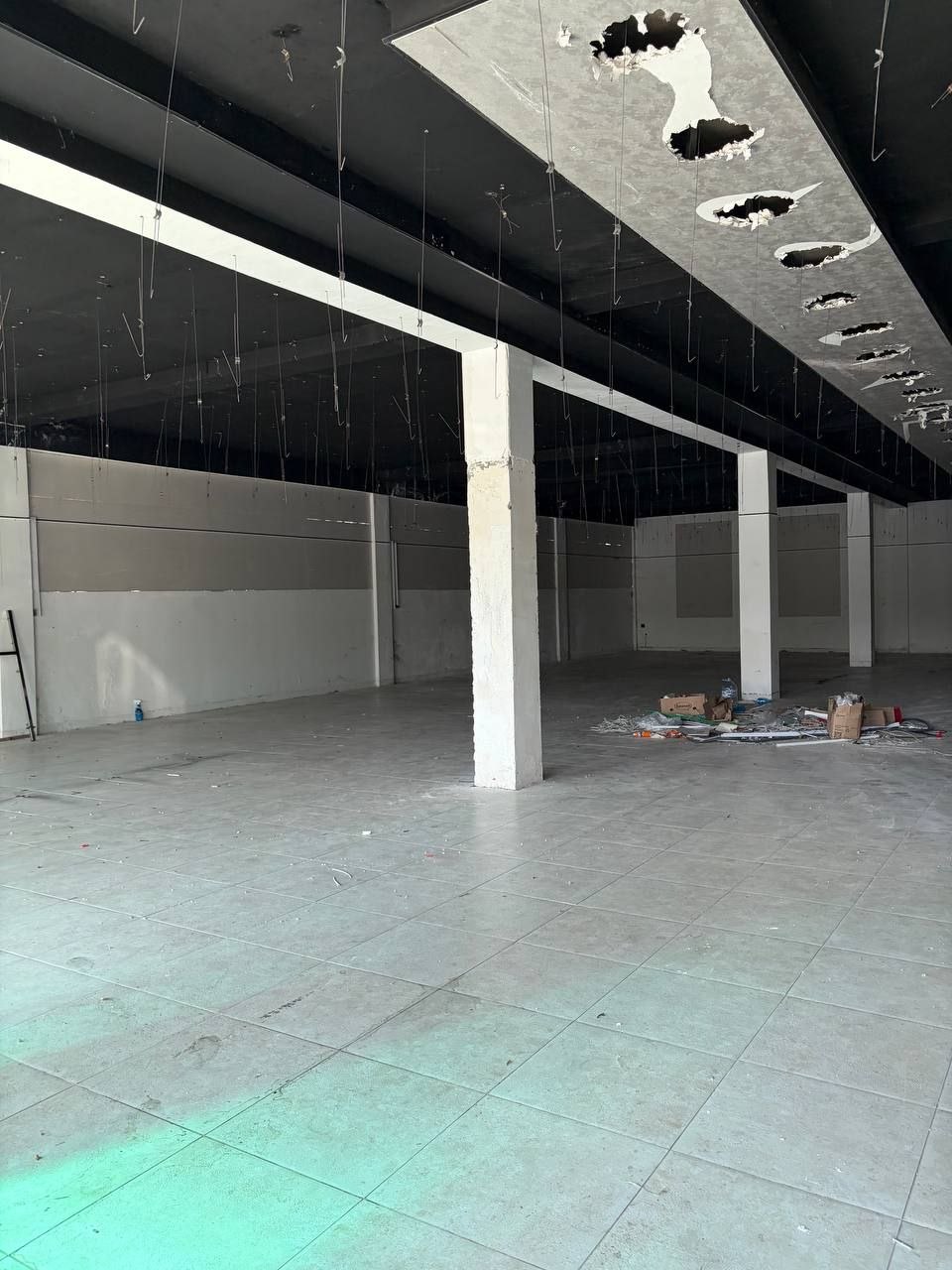
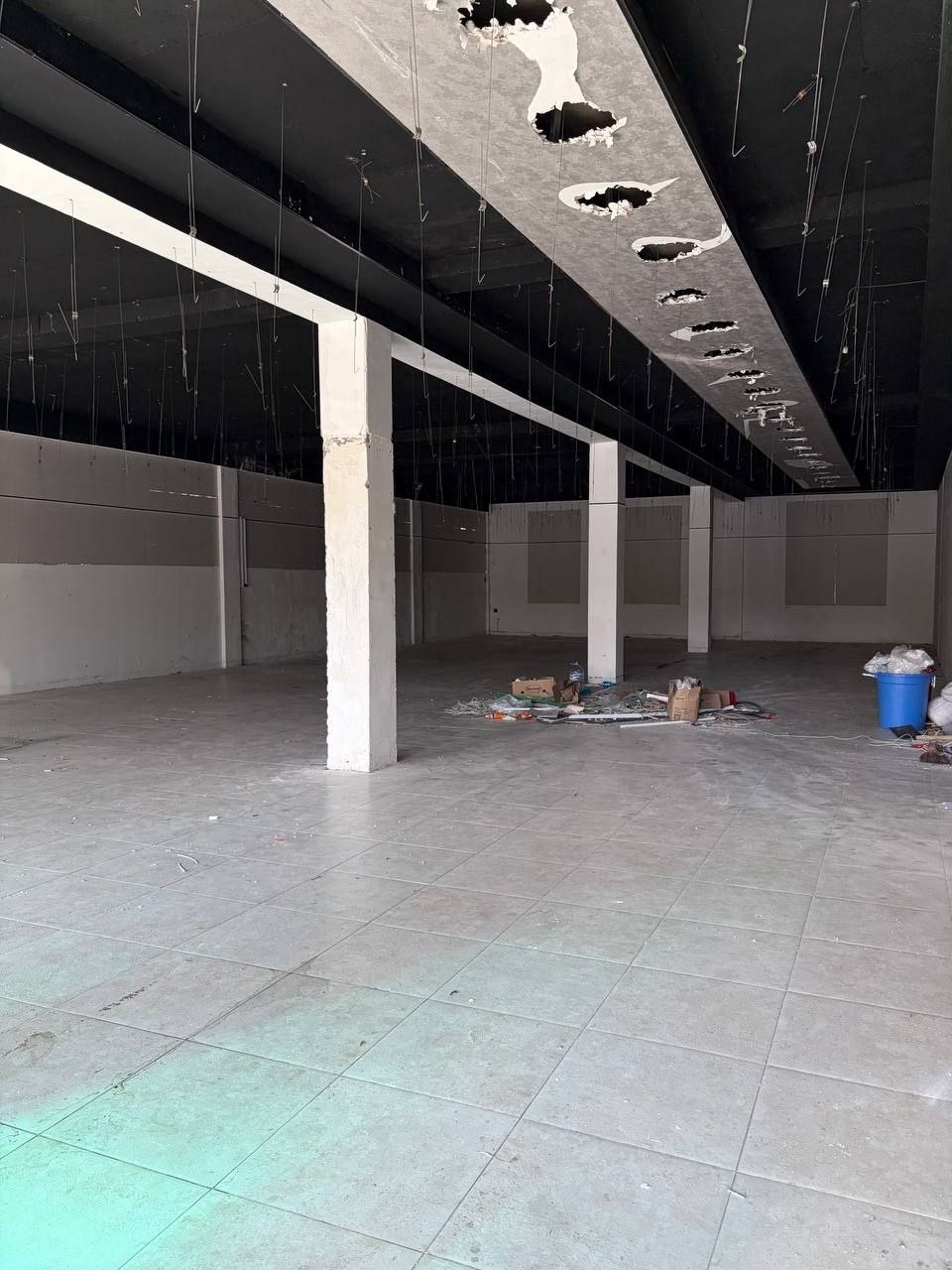
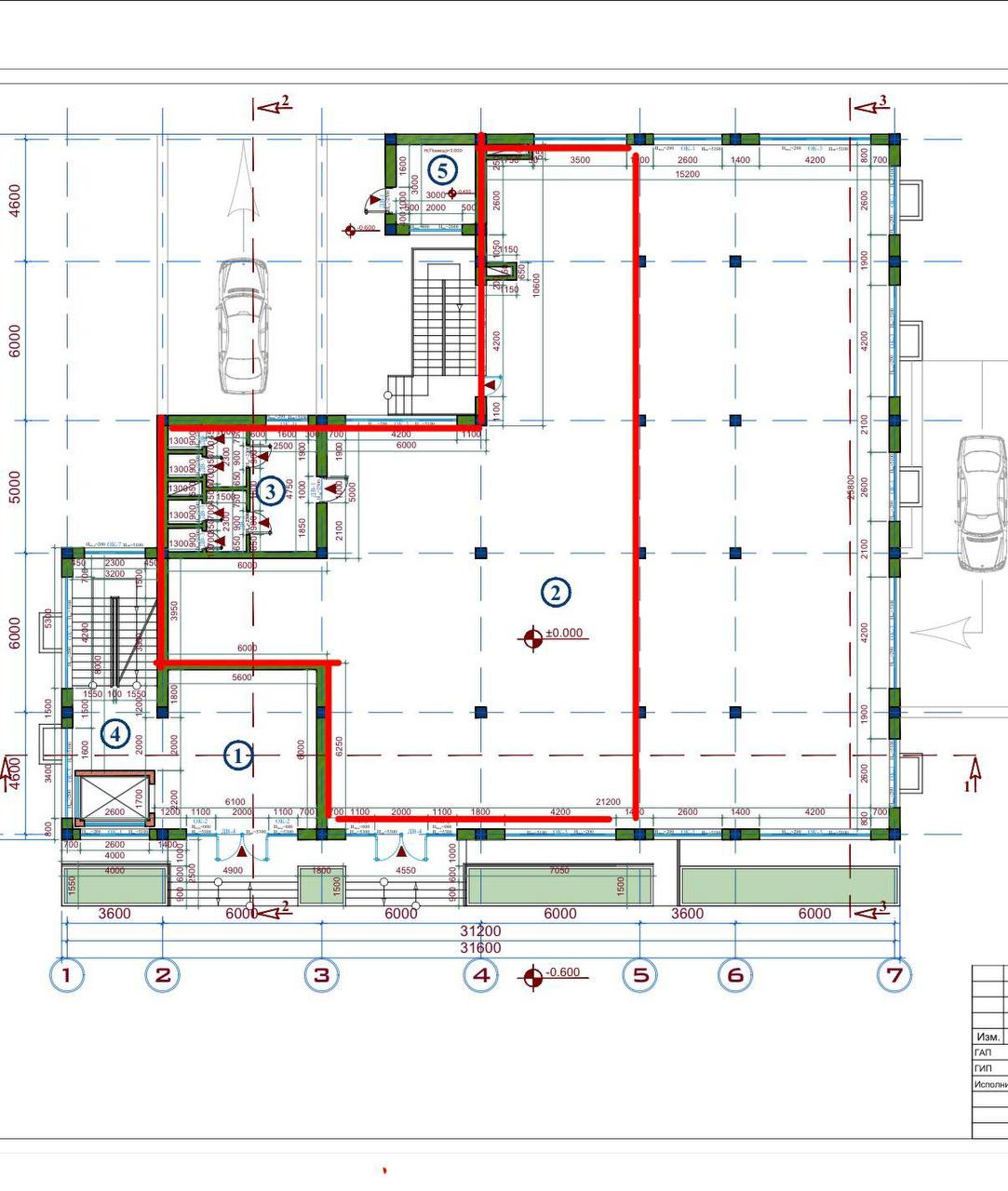
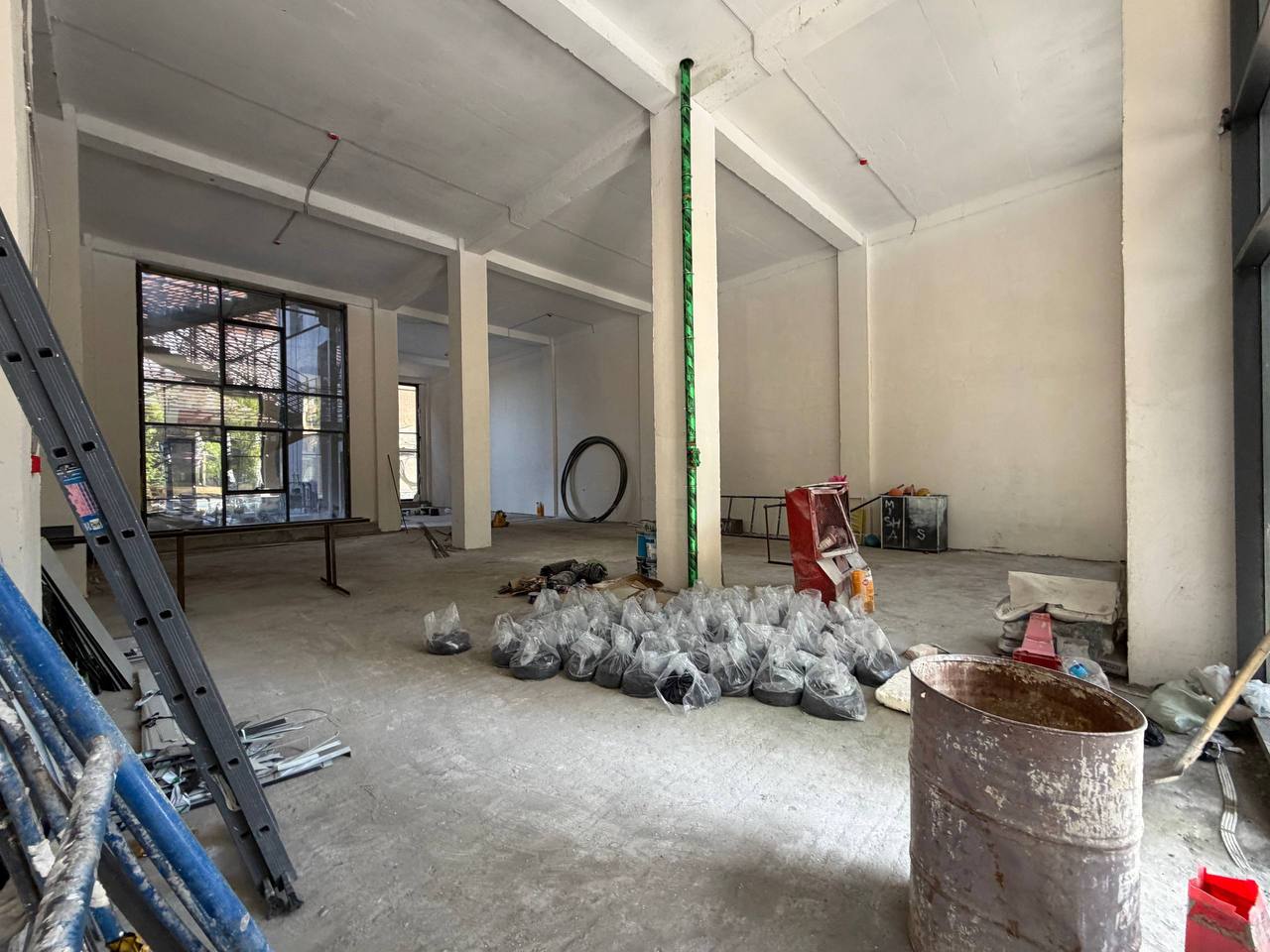
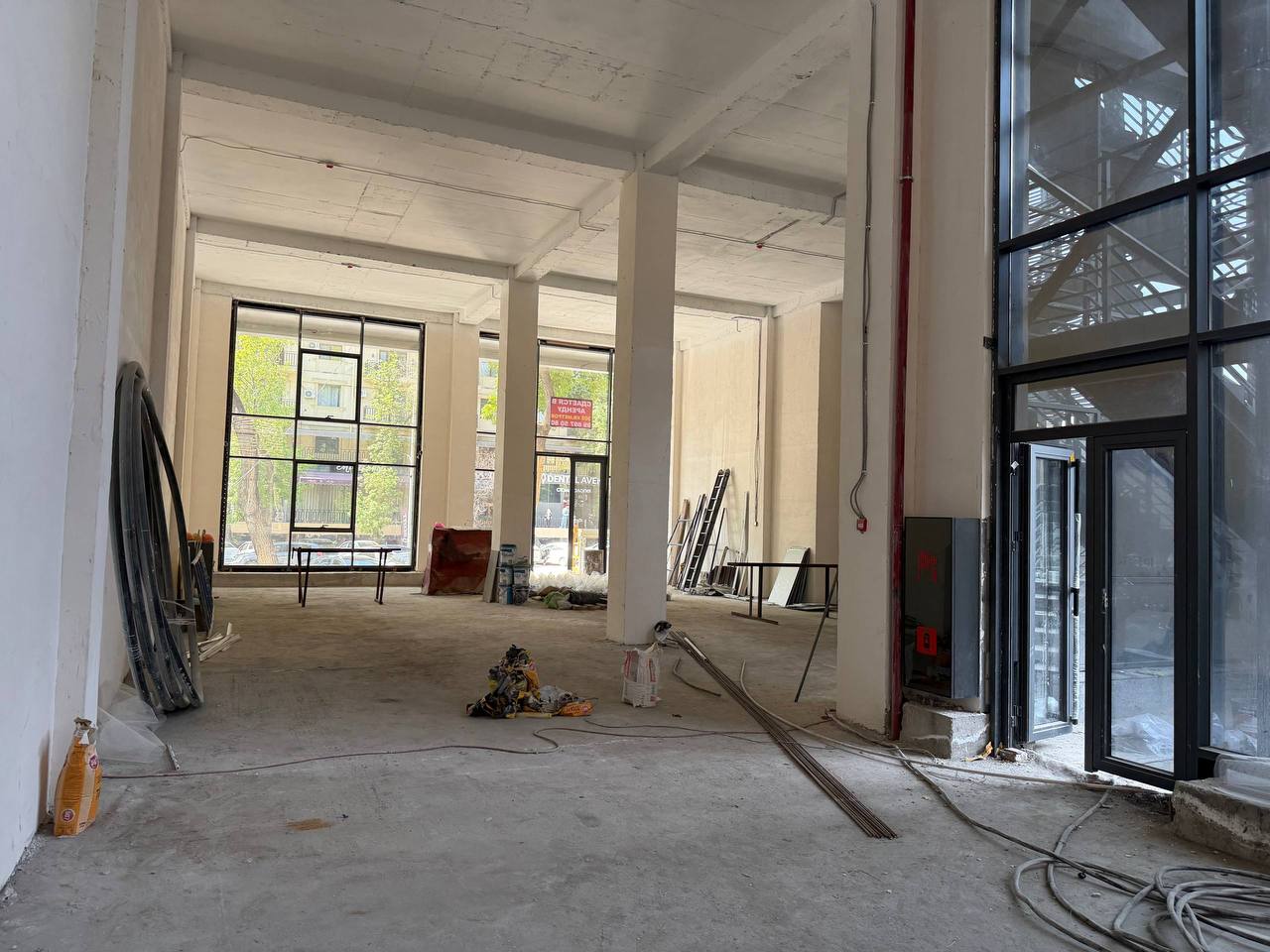
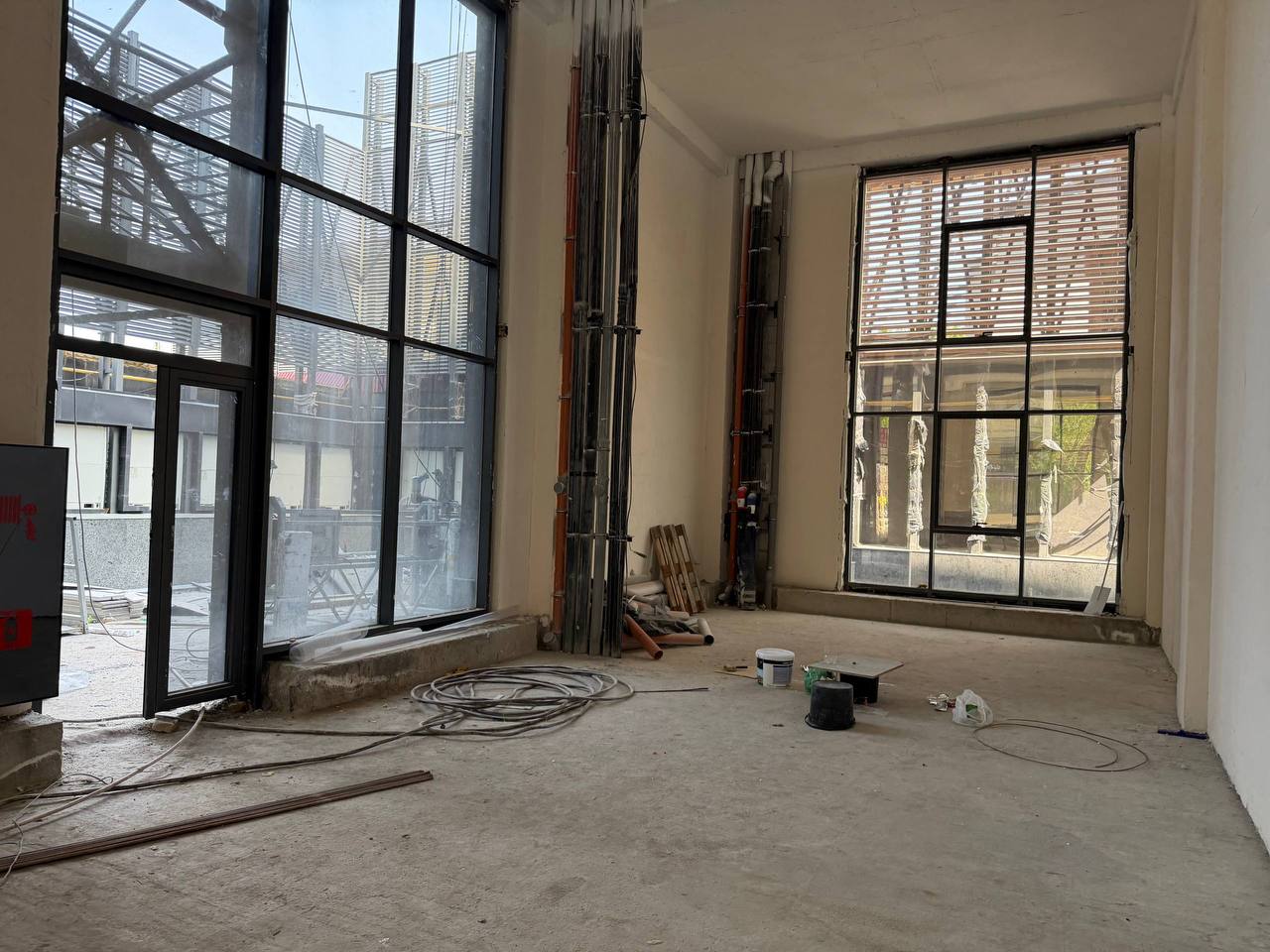
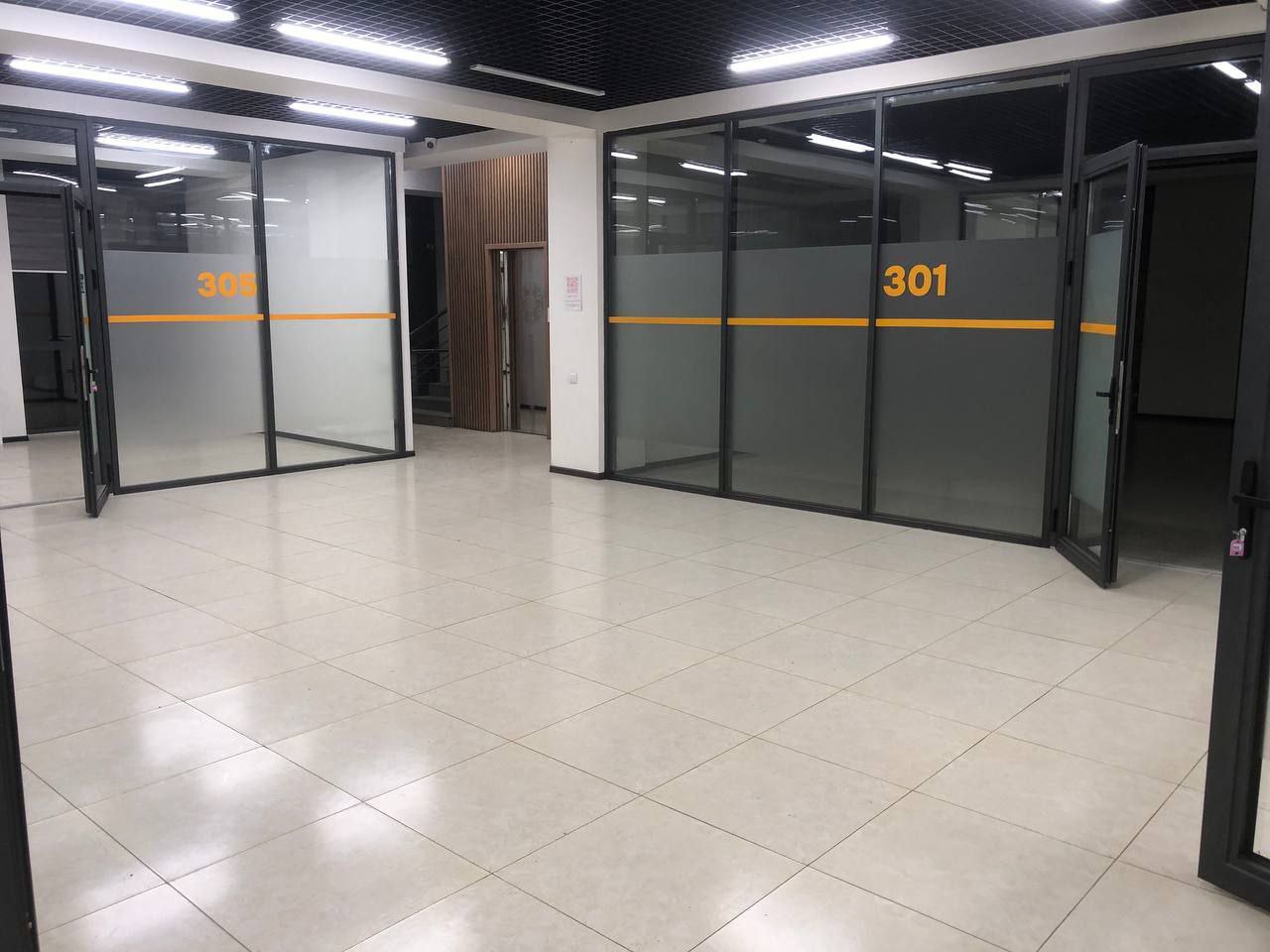
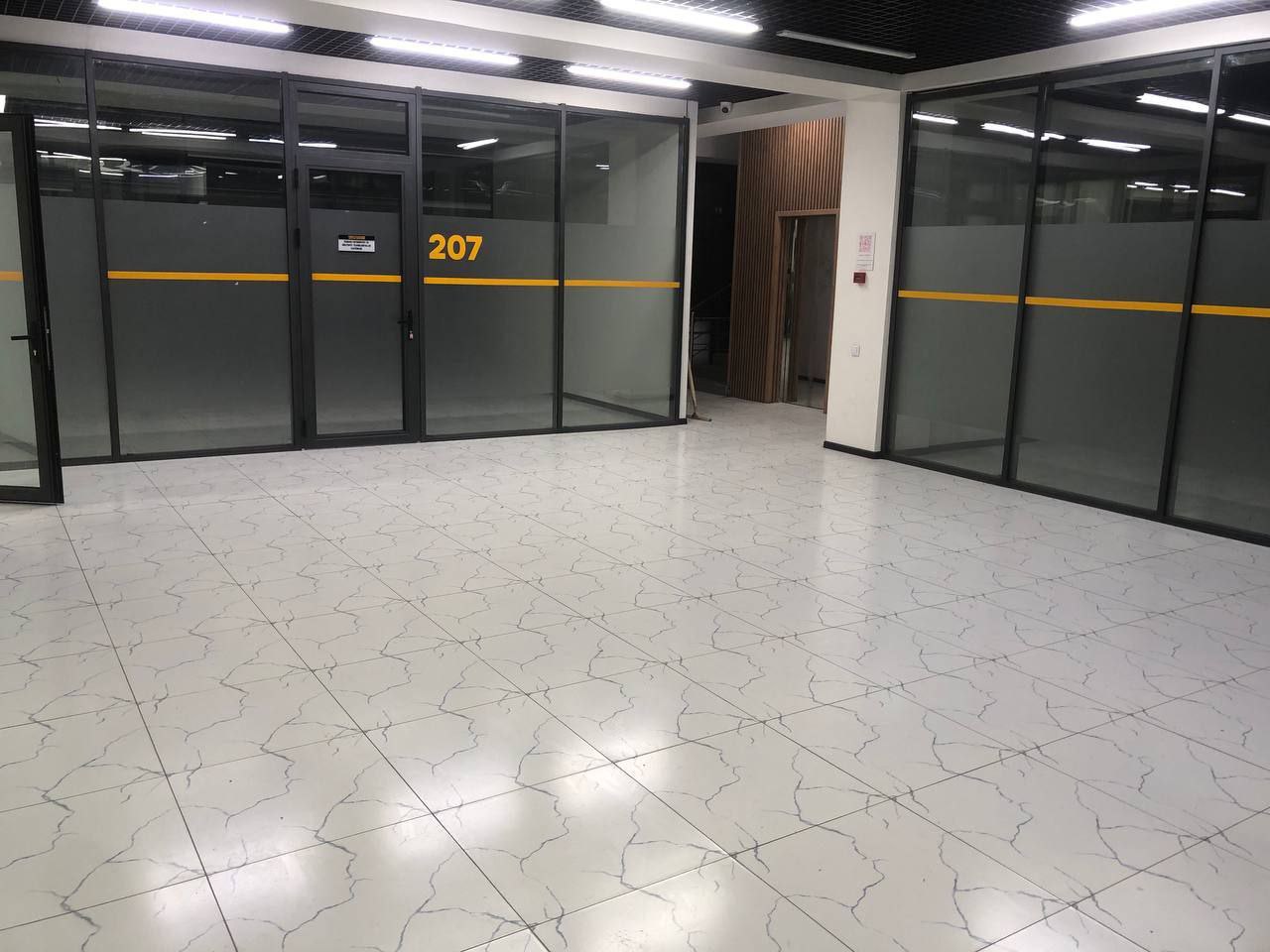
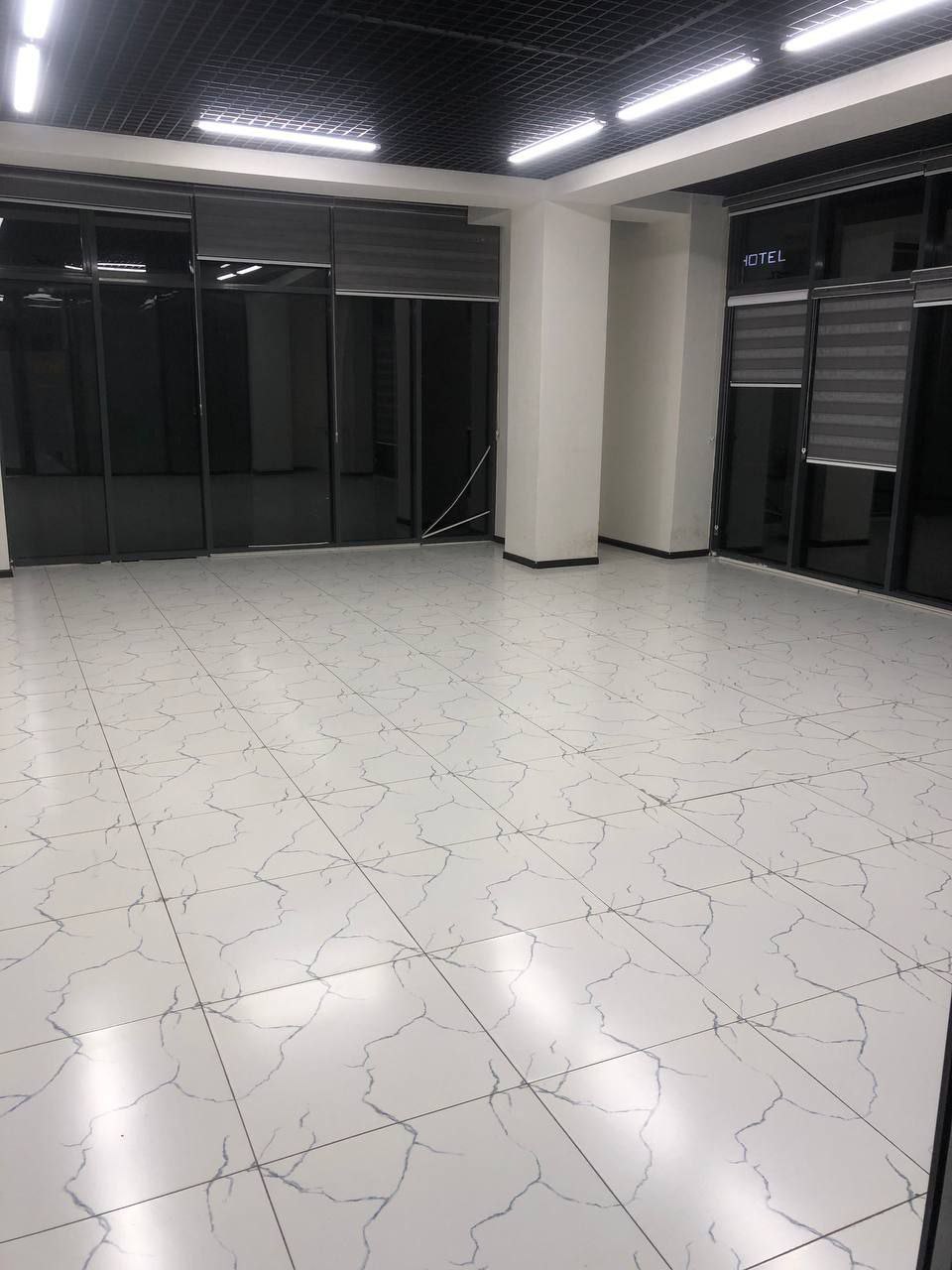
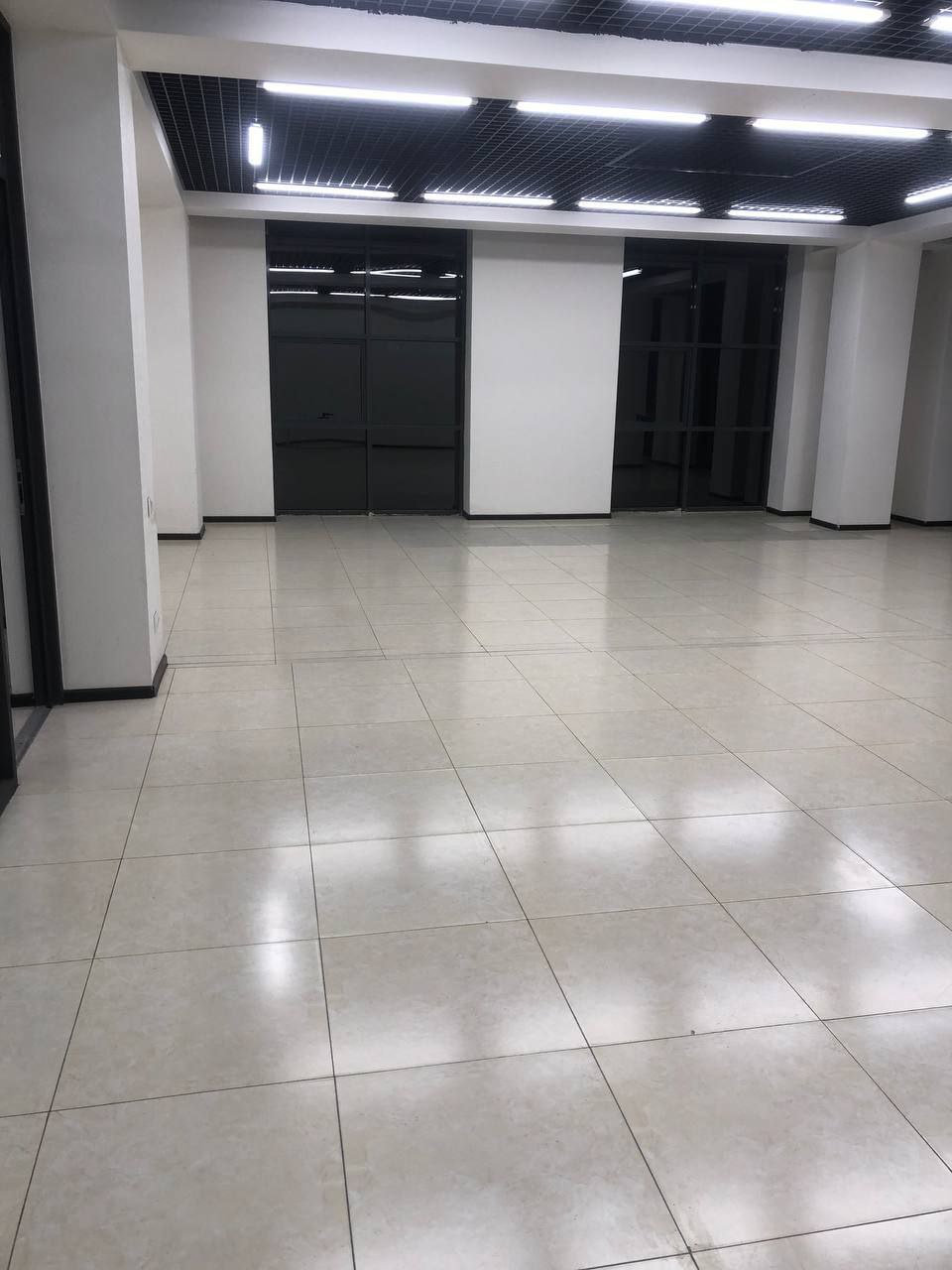
The practical signal is the range of starting points. A 221 m² shell office, a 138.7 m² office in average condition, and a fitted 100 m² office require different questions before their asking rents can be compared. The cards do not include a measured survey, building-services design, defect schedule or a specification of what the landlord will leave in place. A tenant should request those items and verify them at the property.
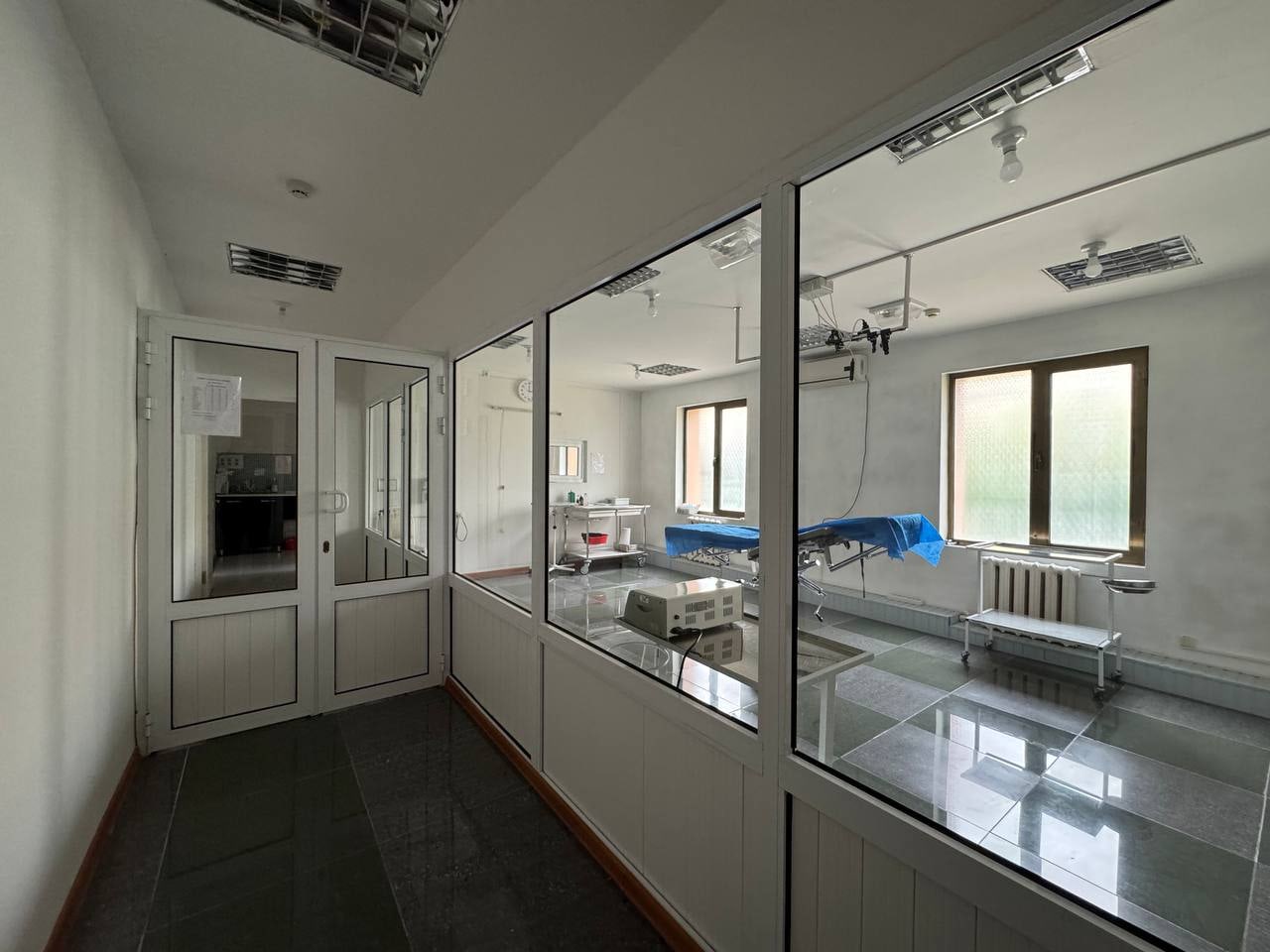
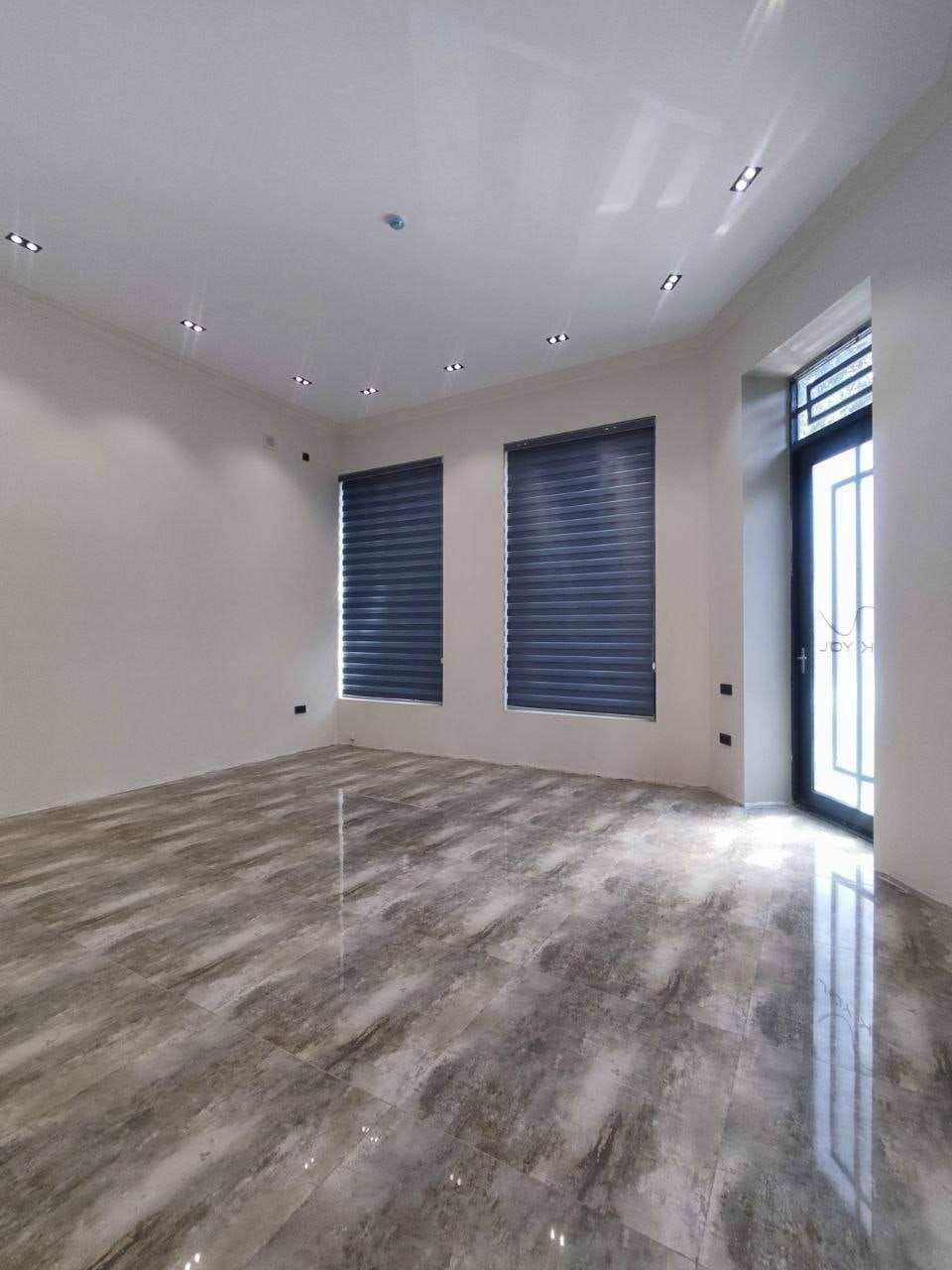
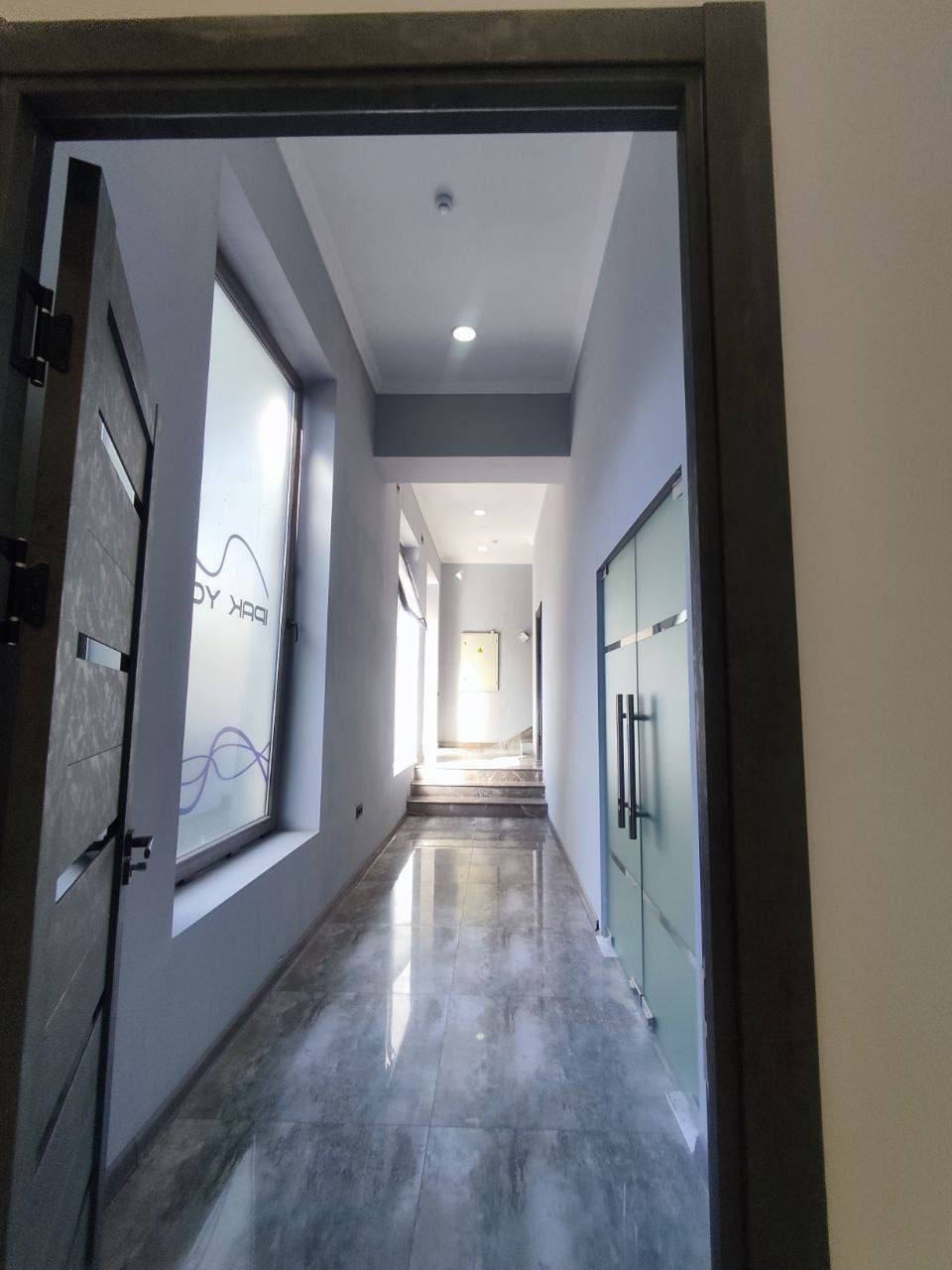
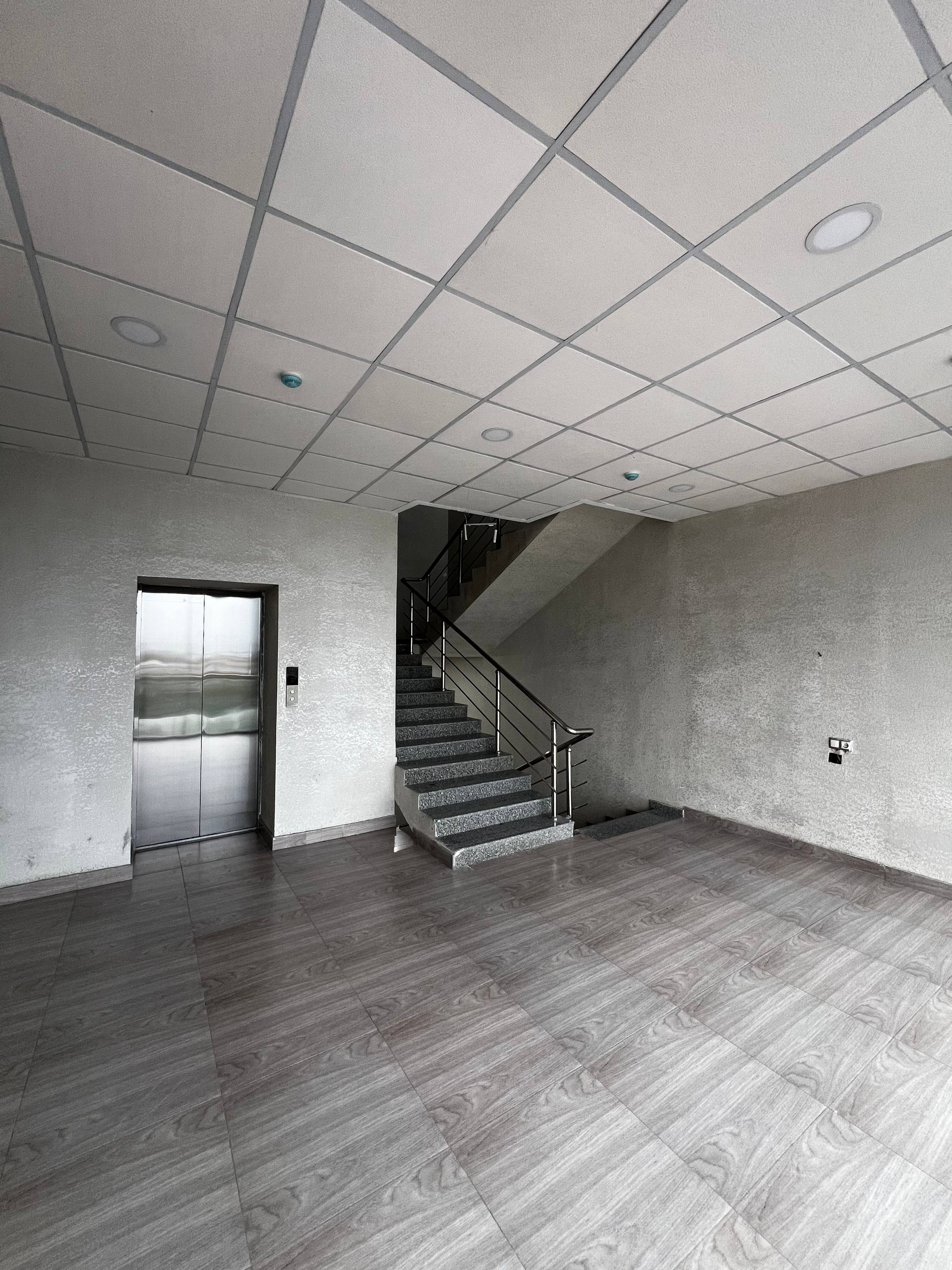
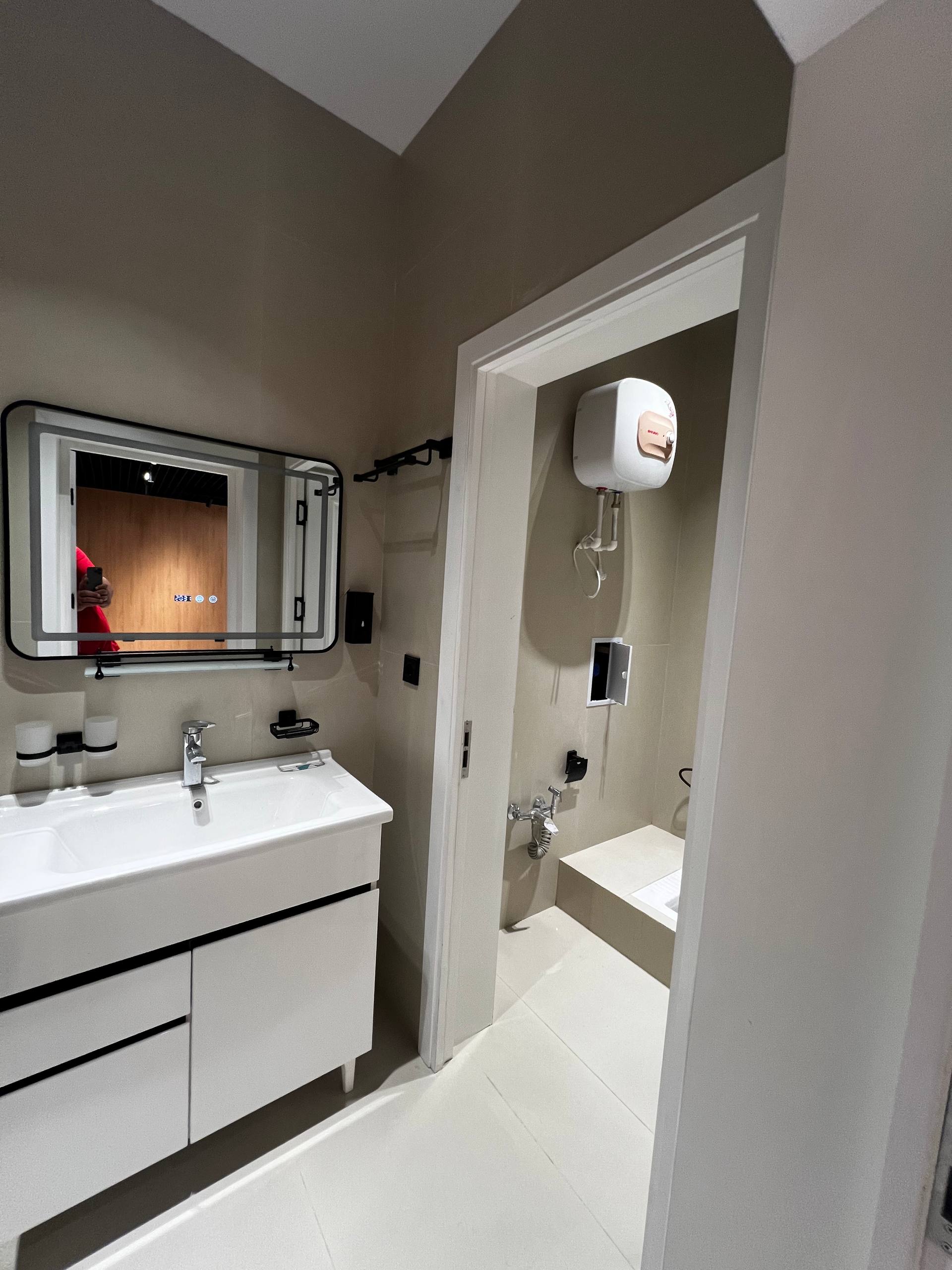
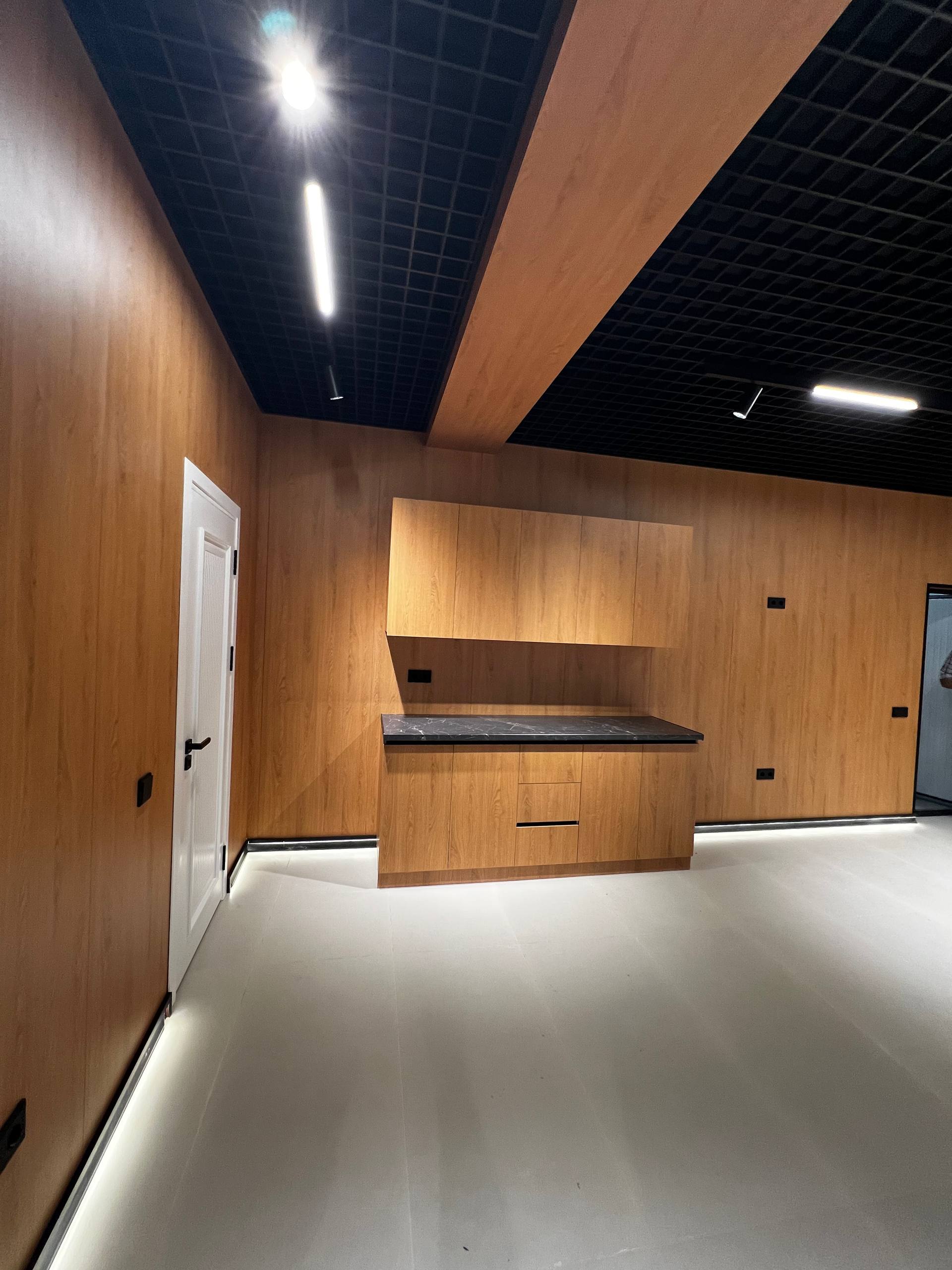
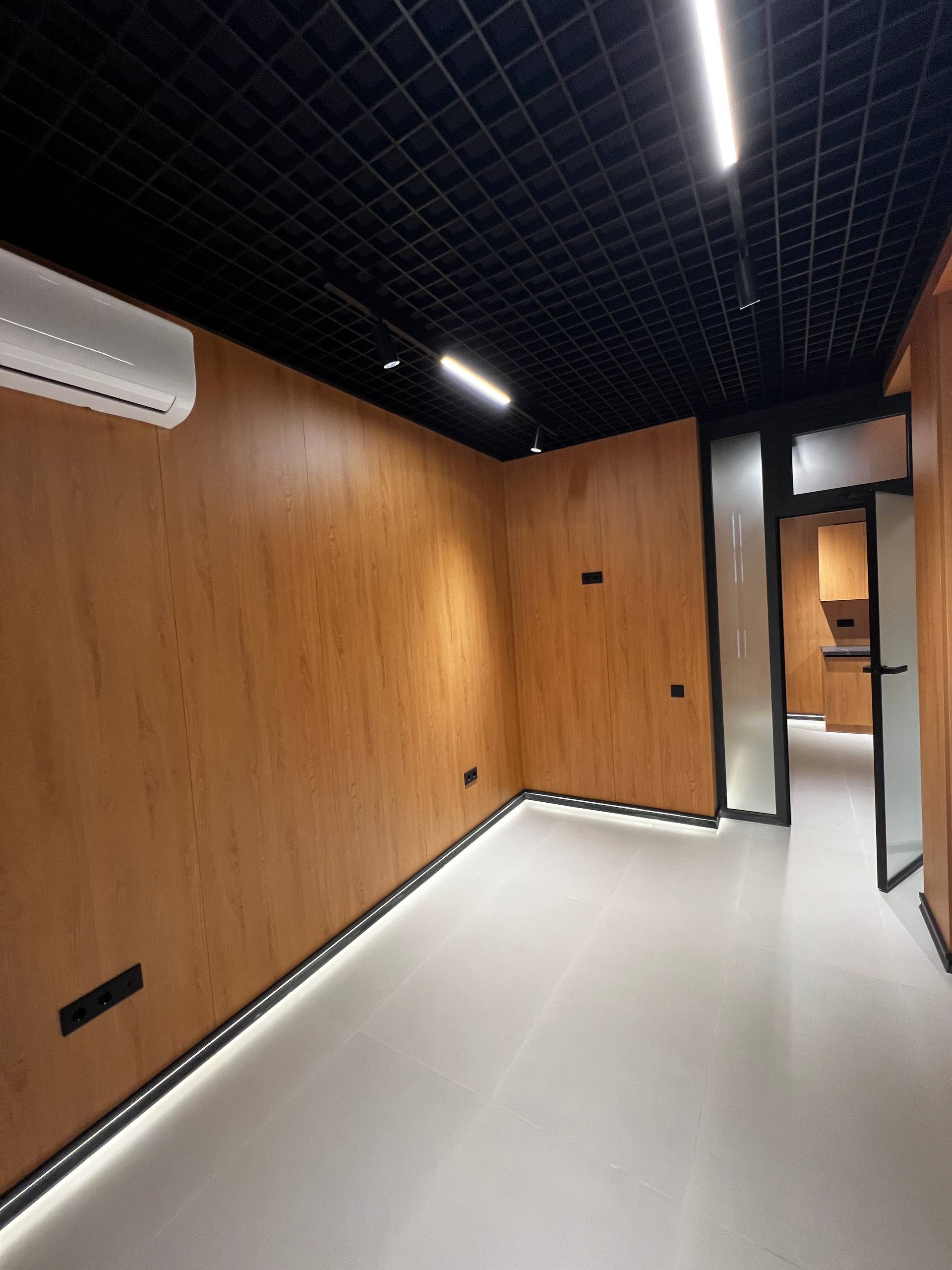
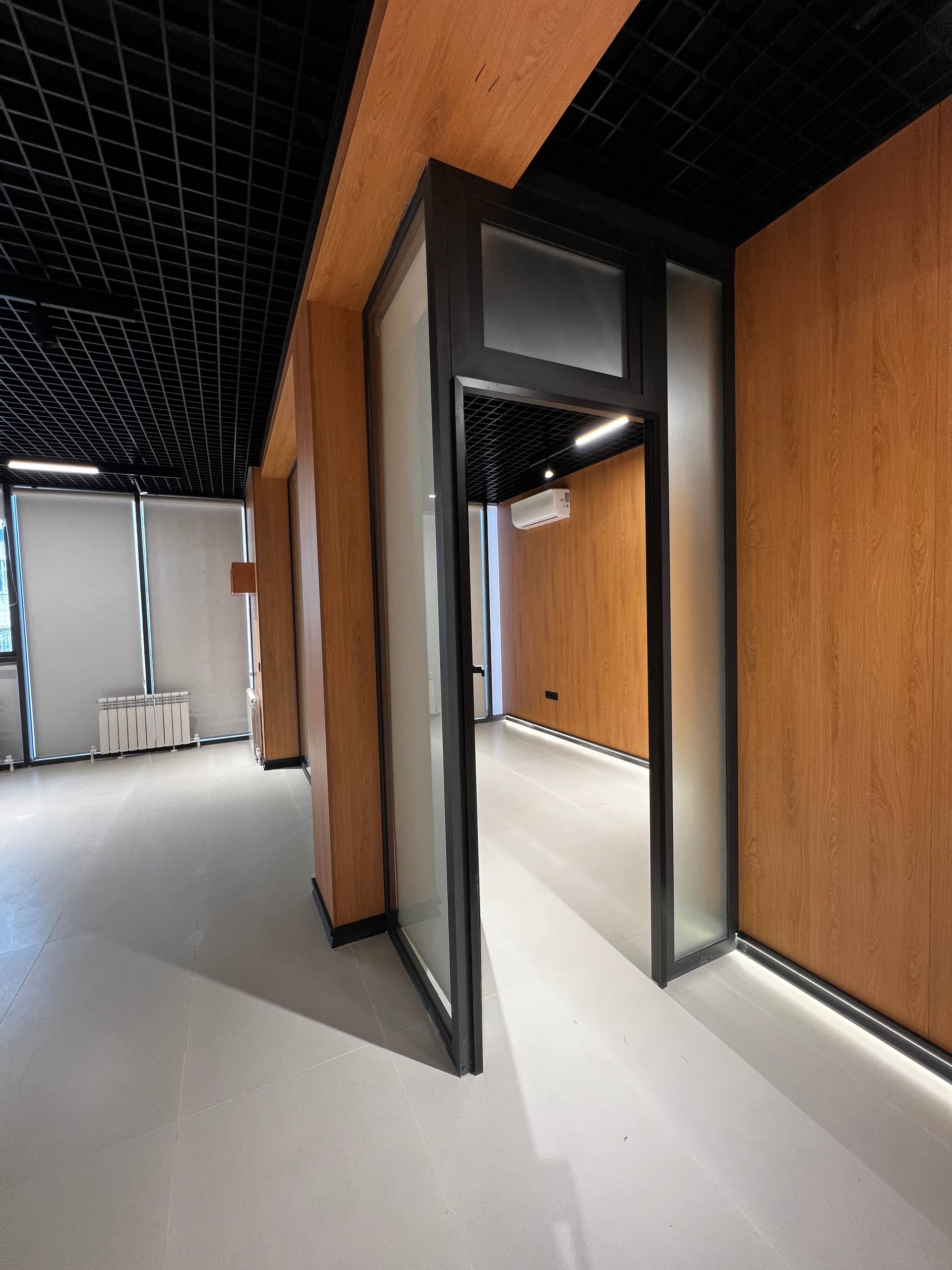
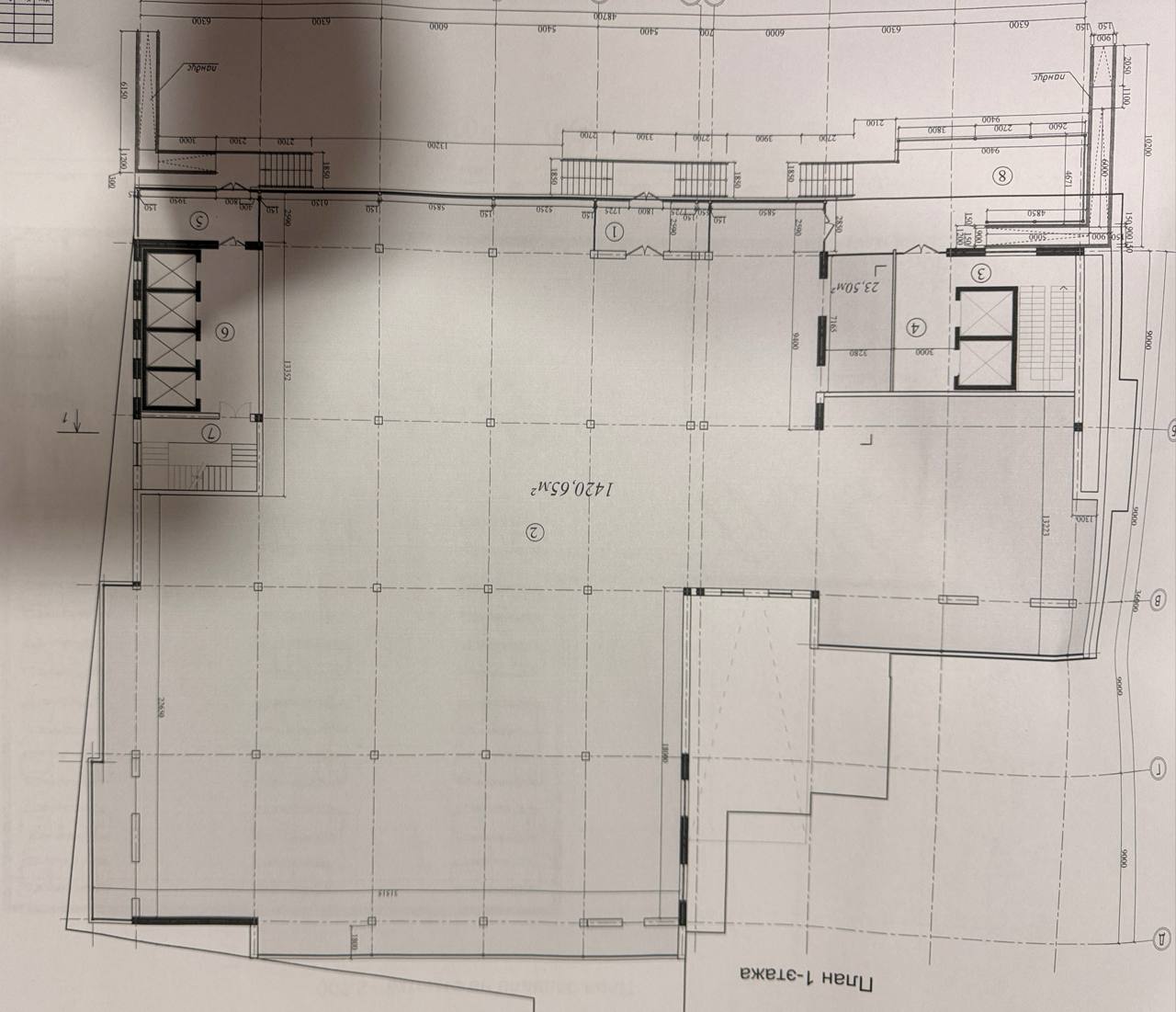
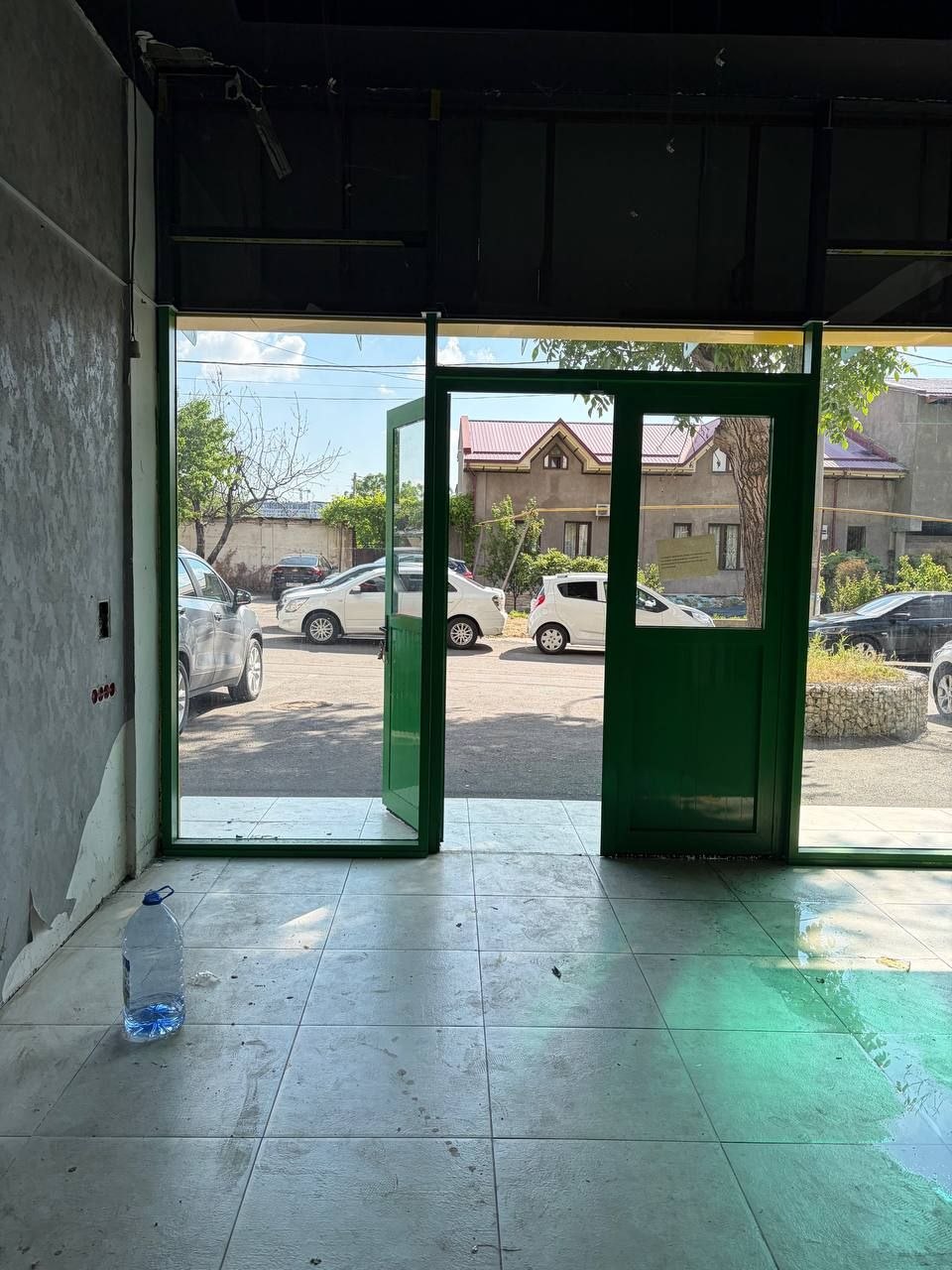
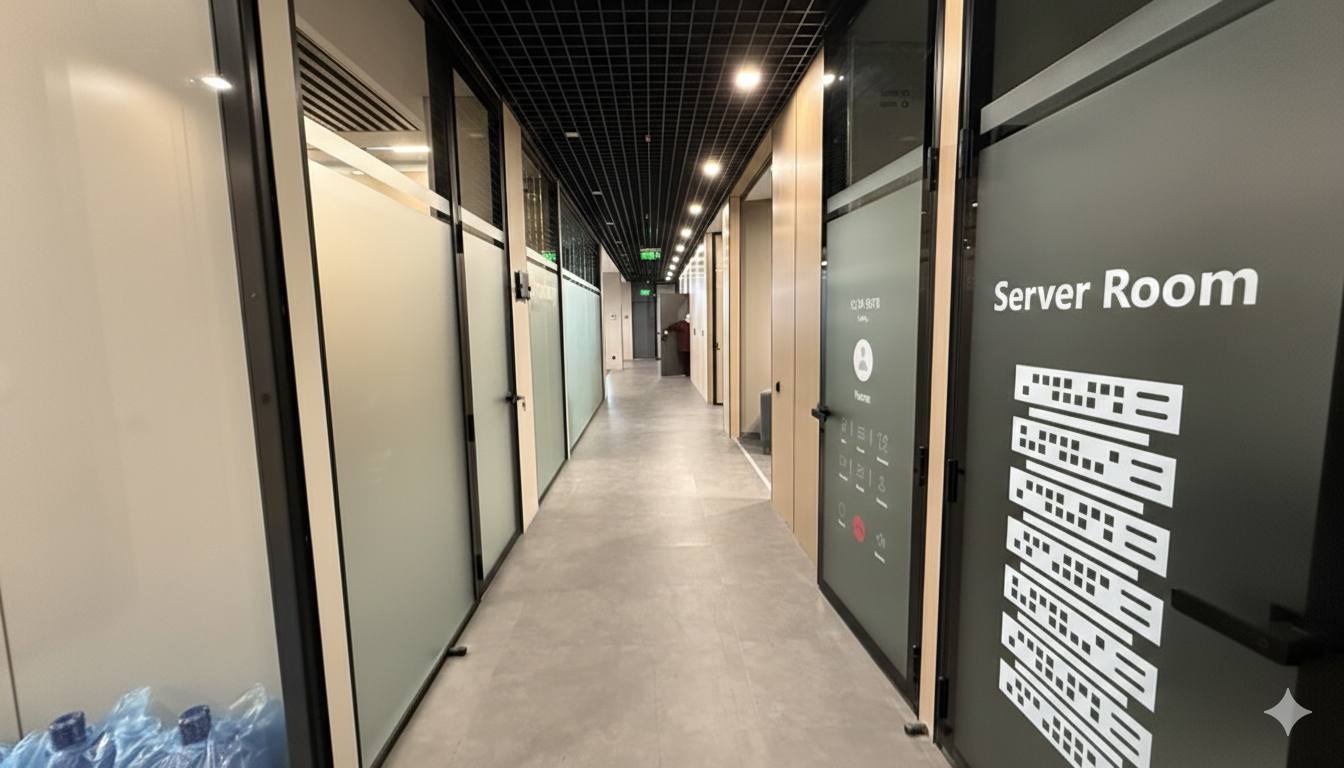
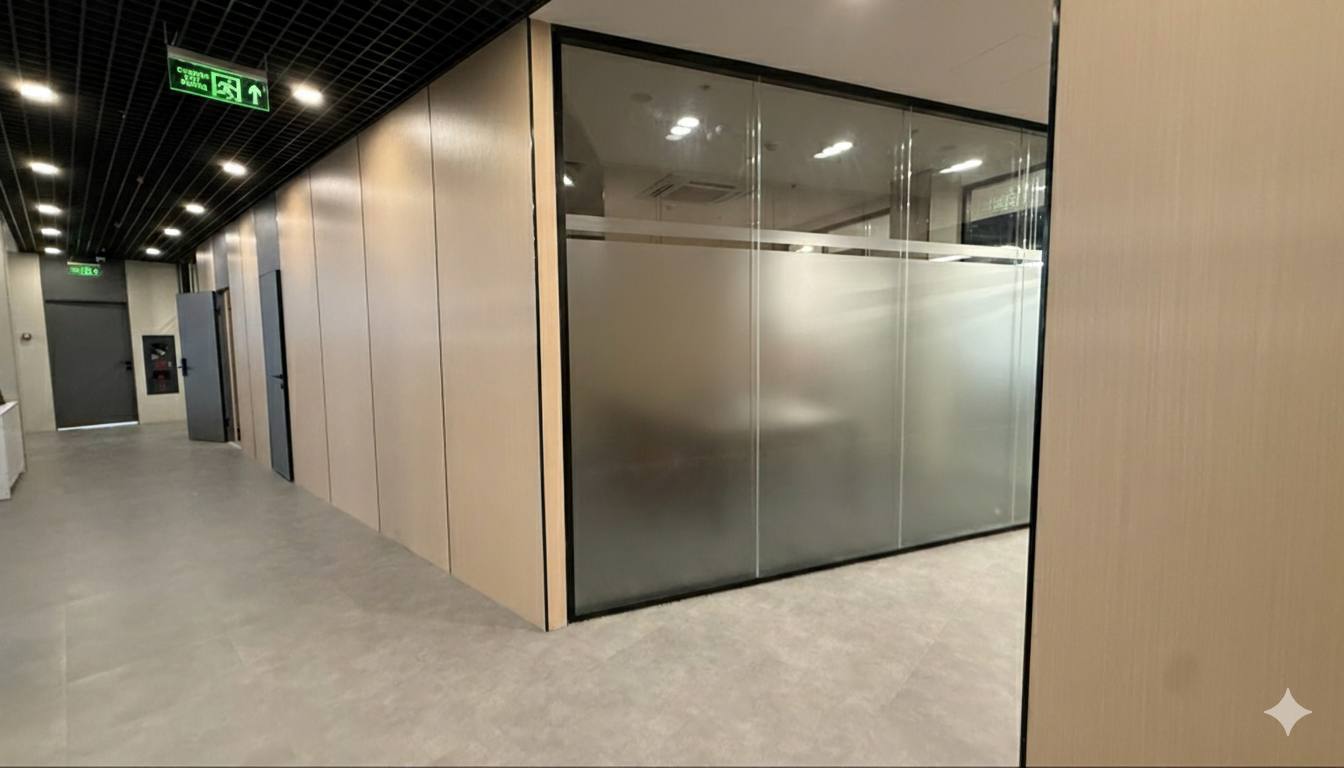
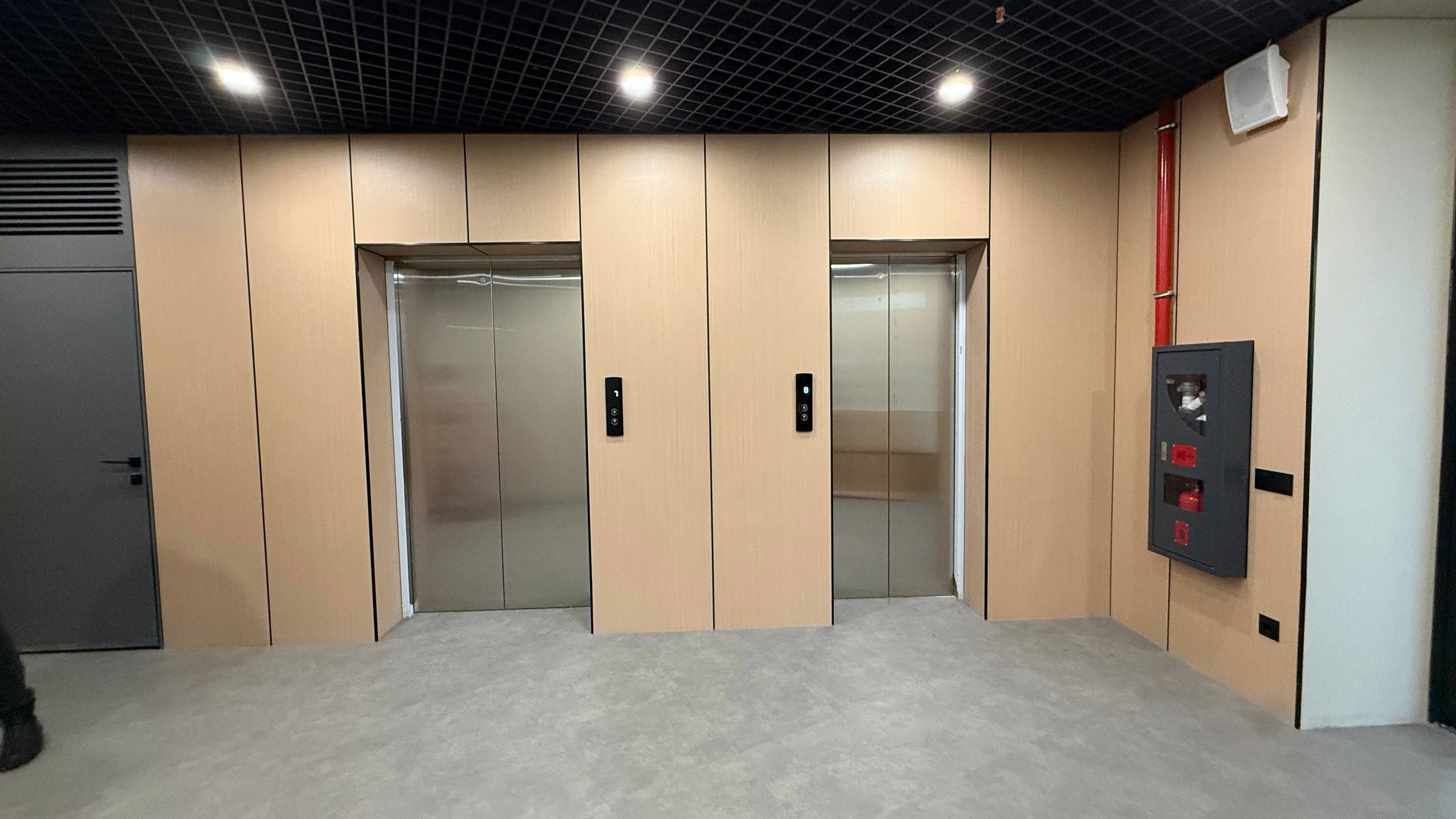
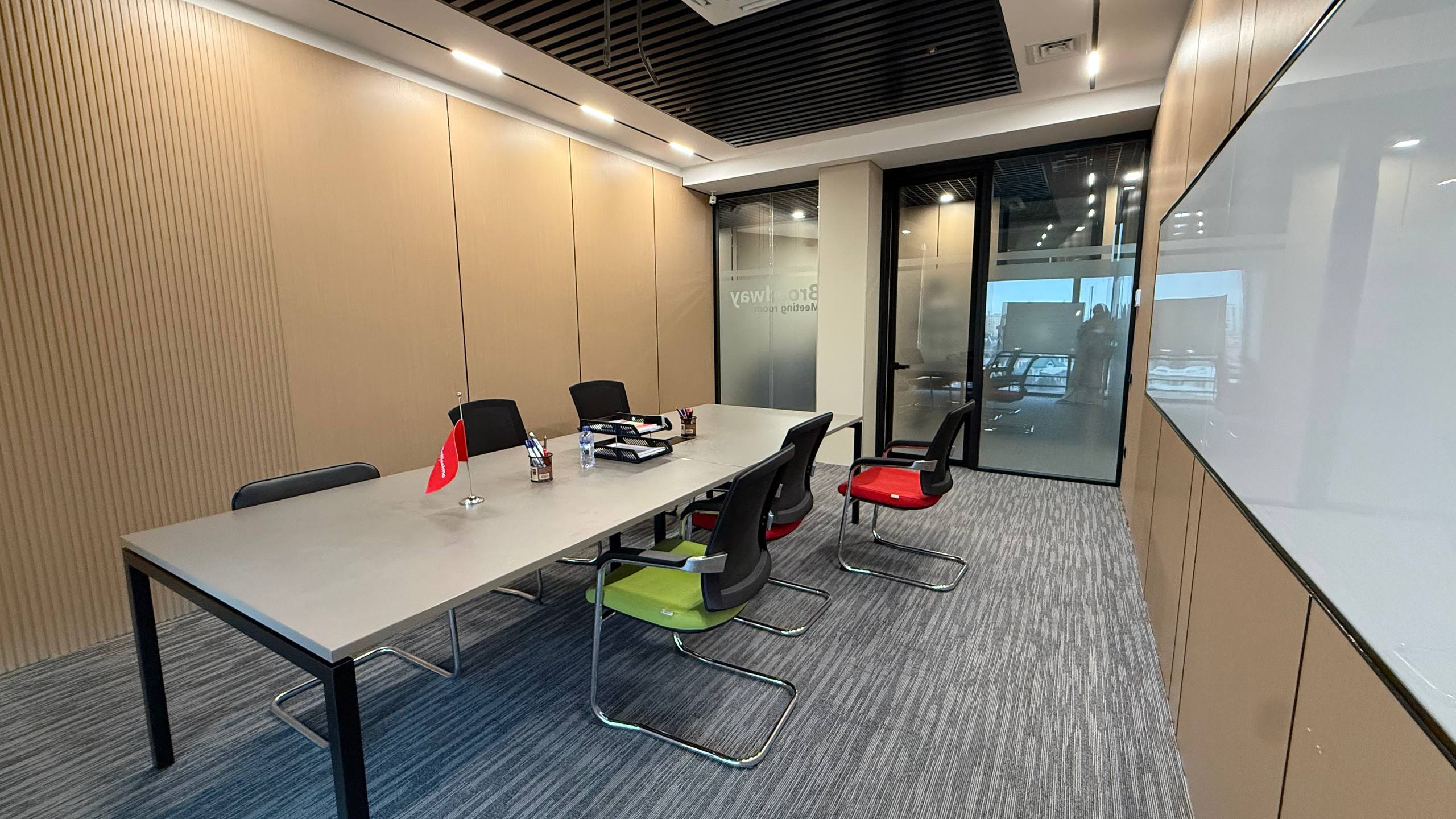
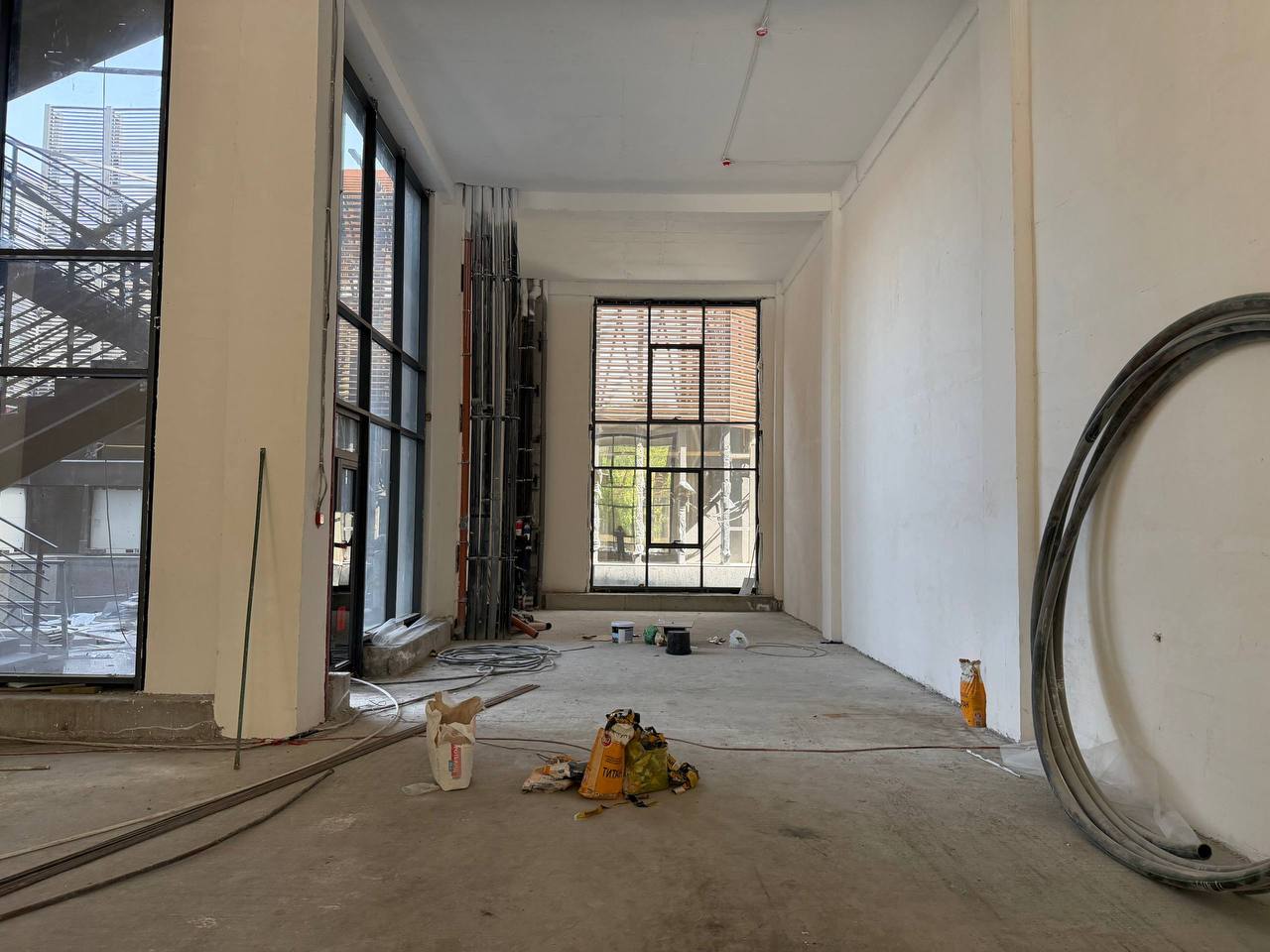
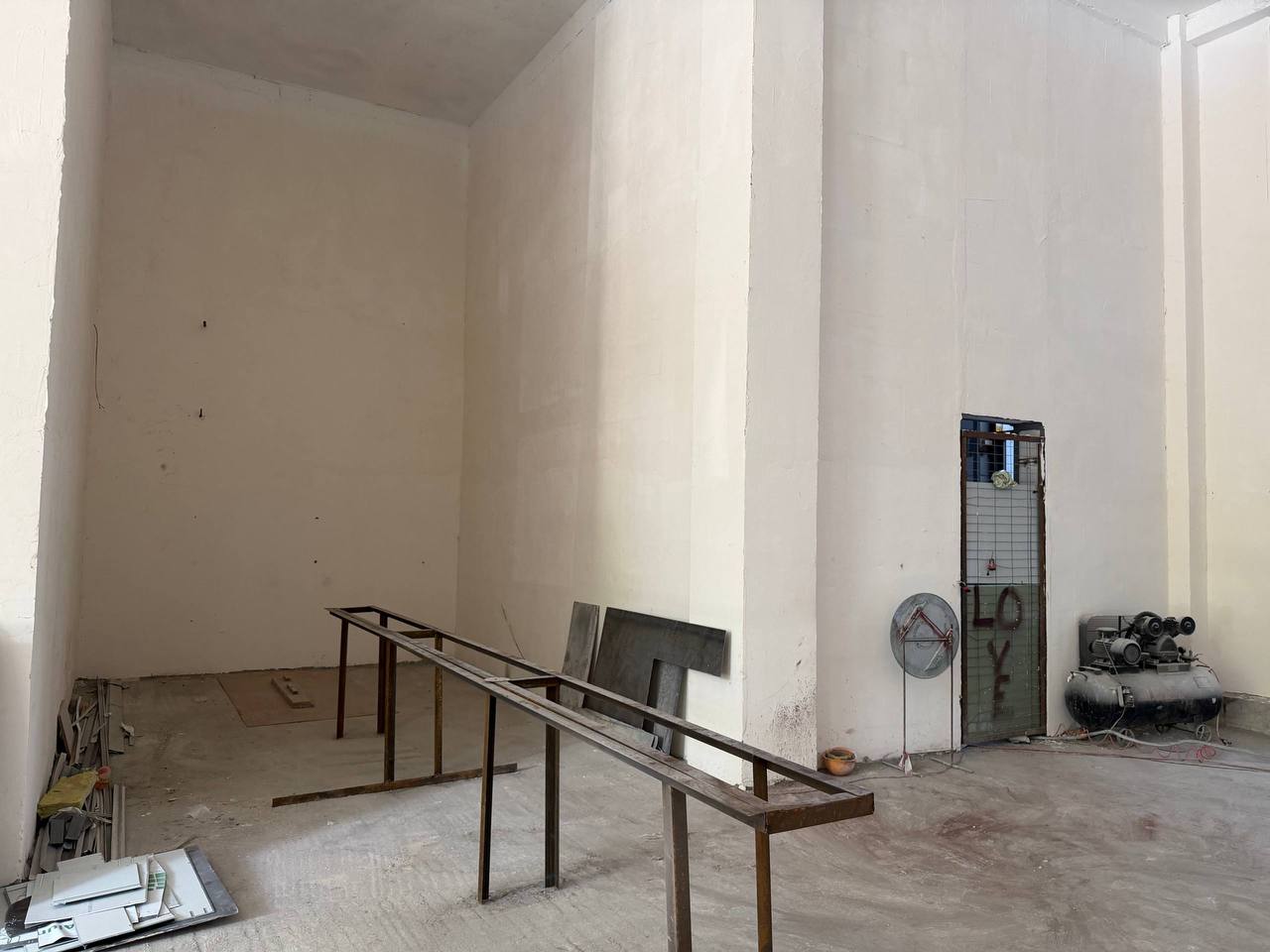
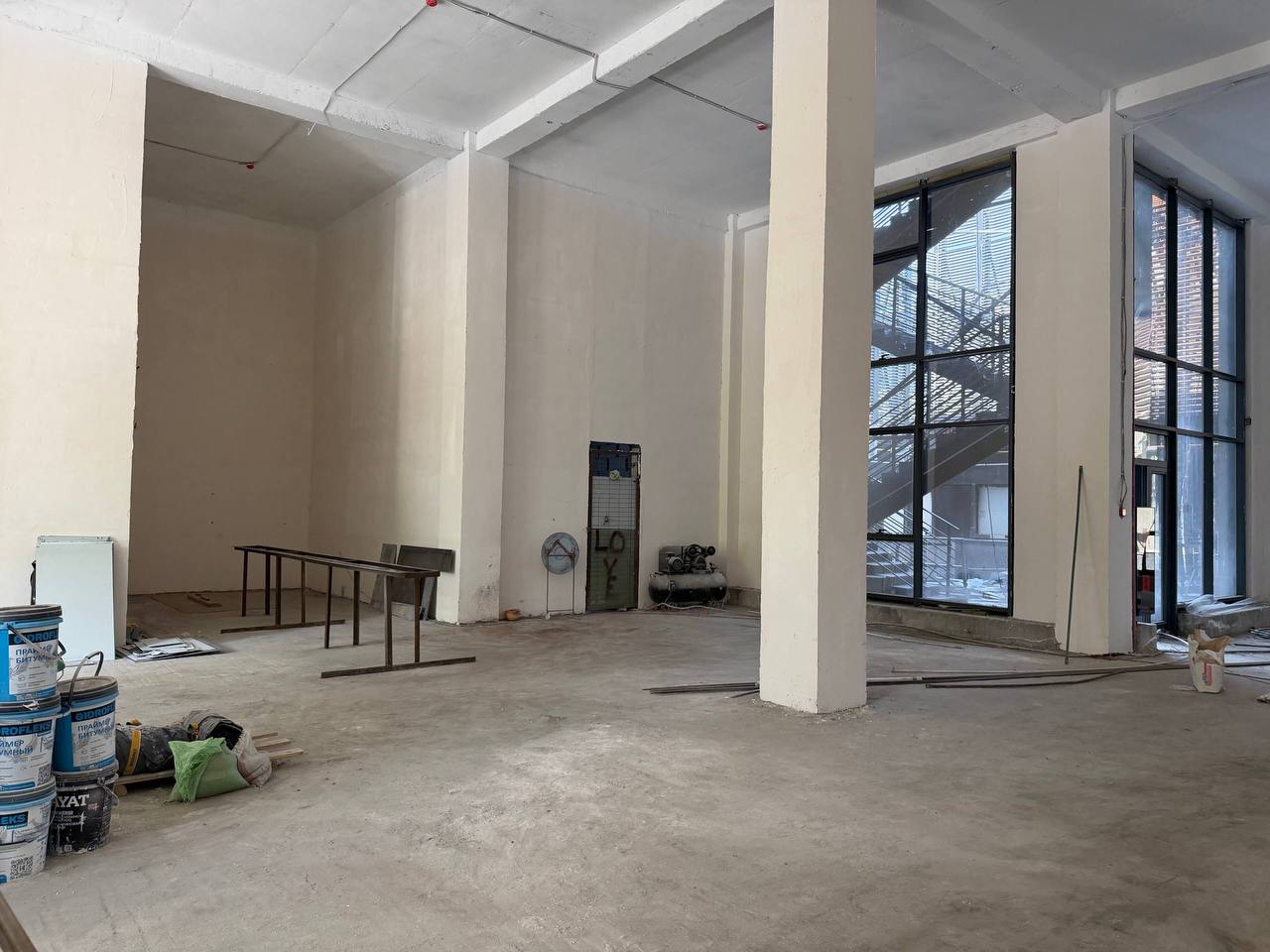
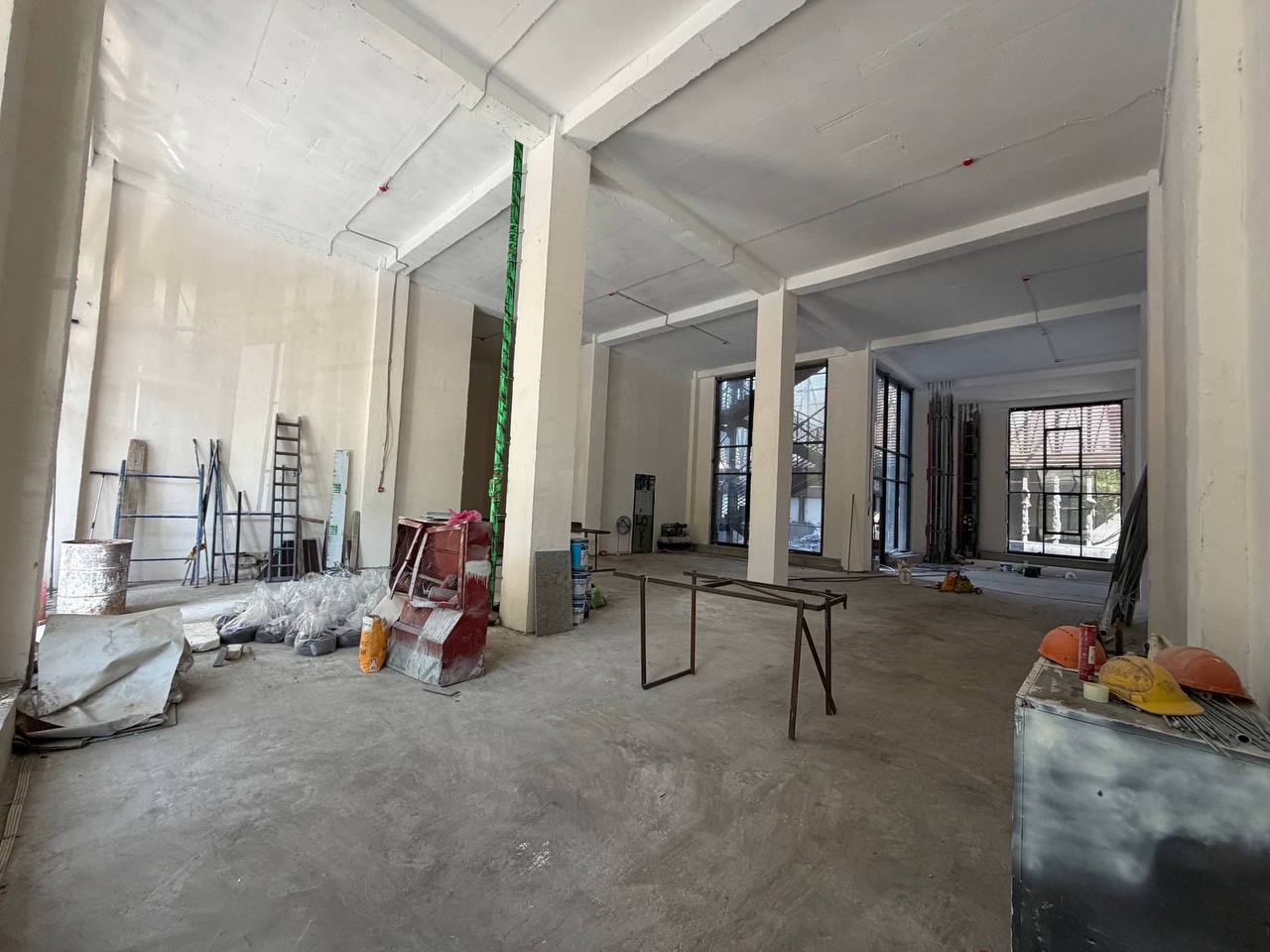
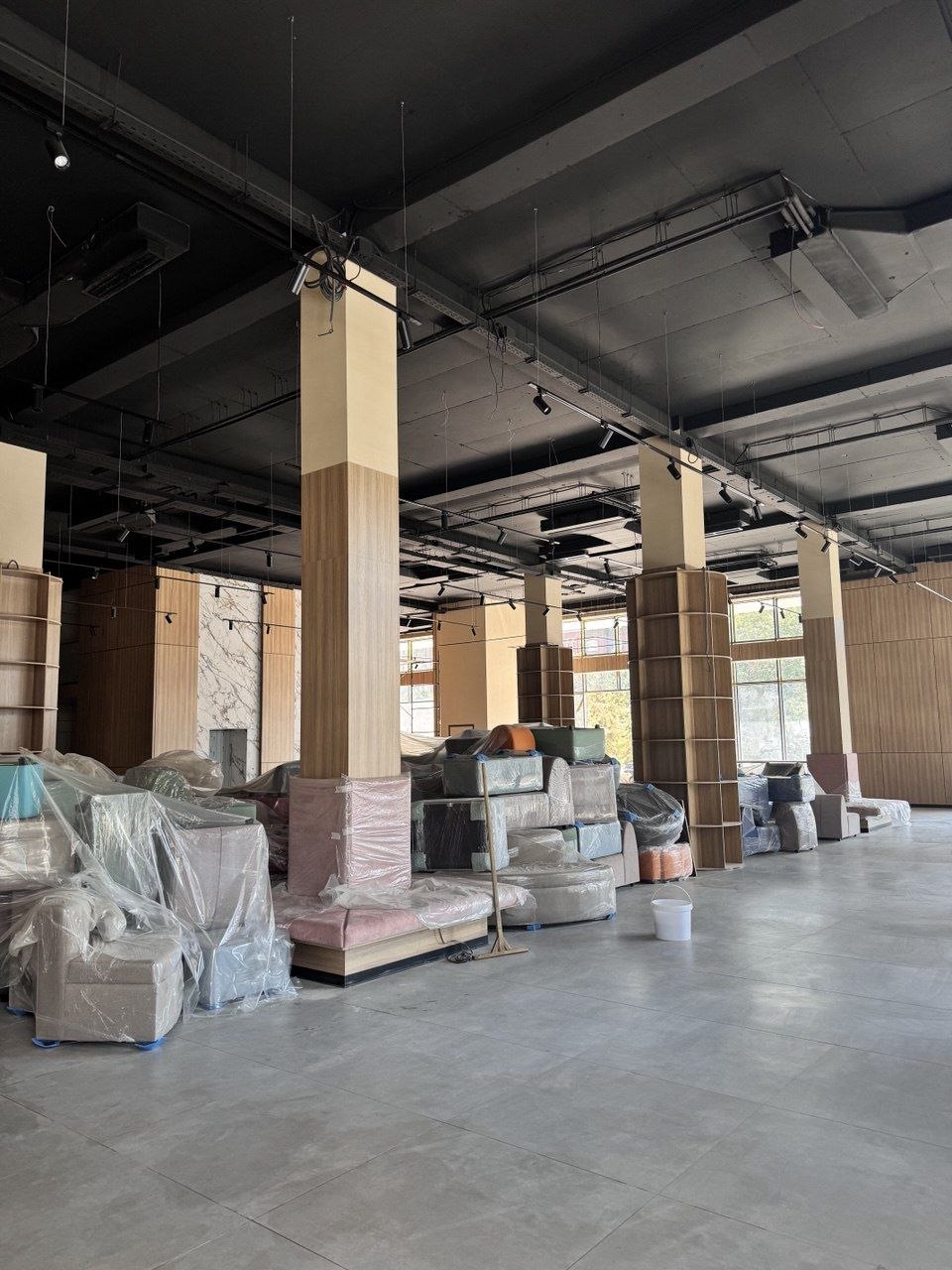
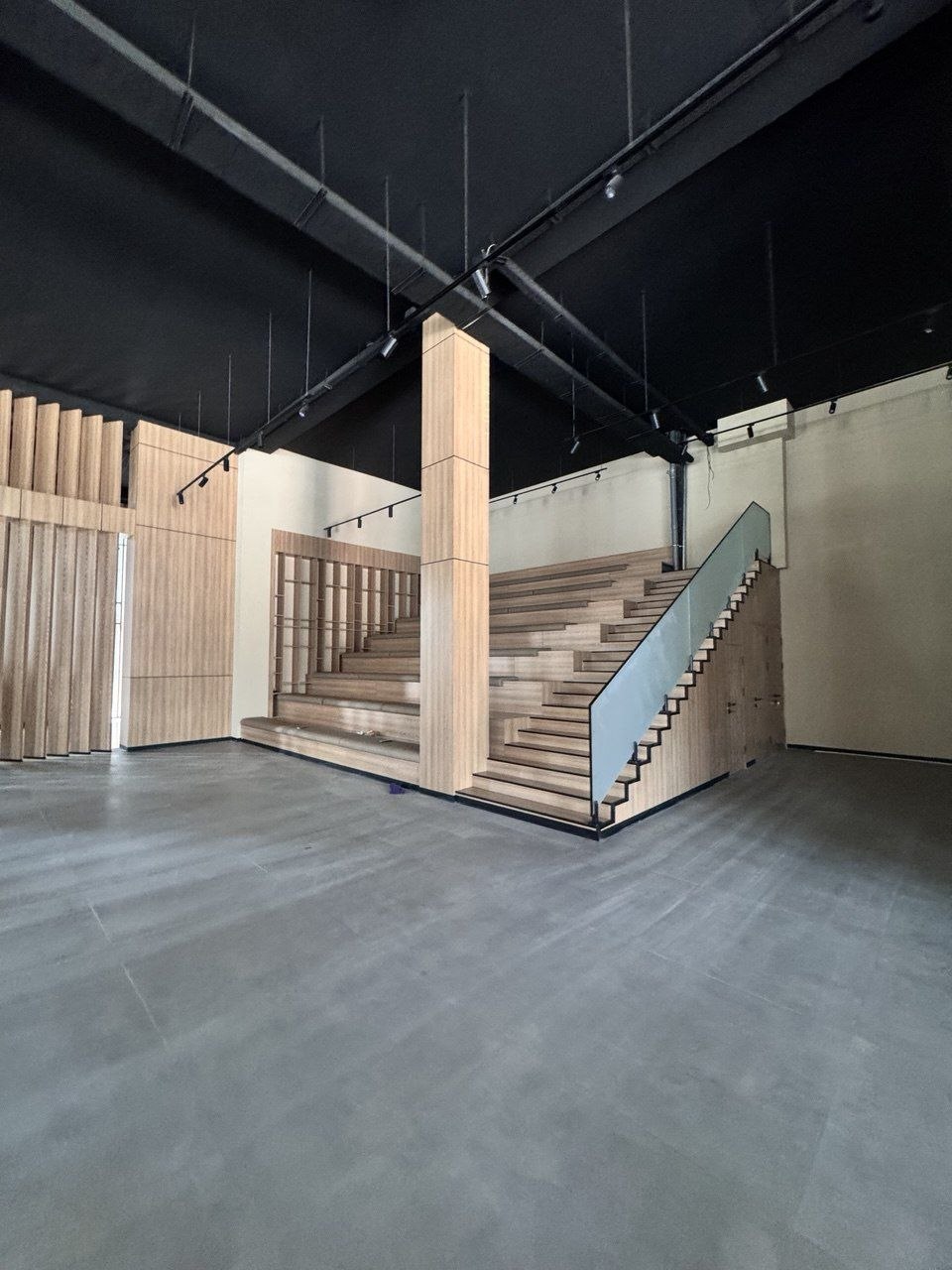
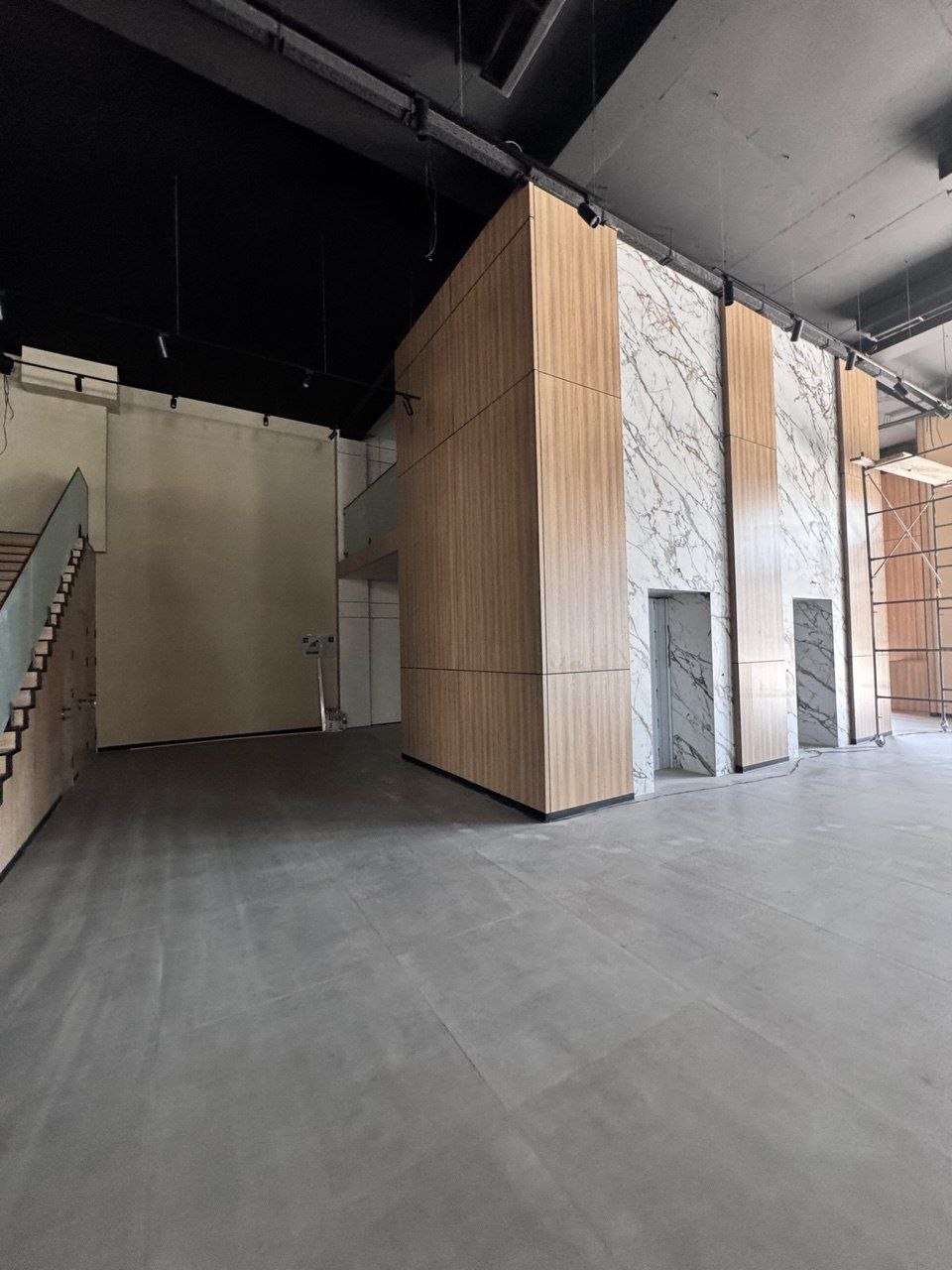
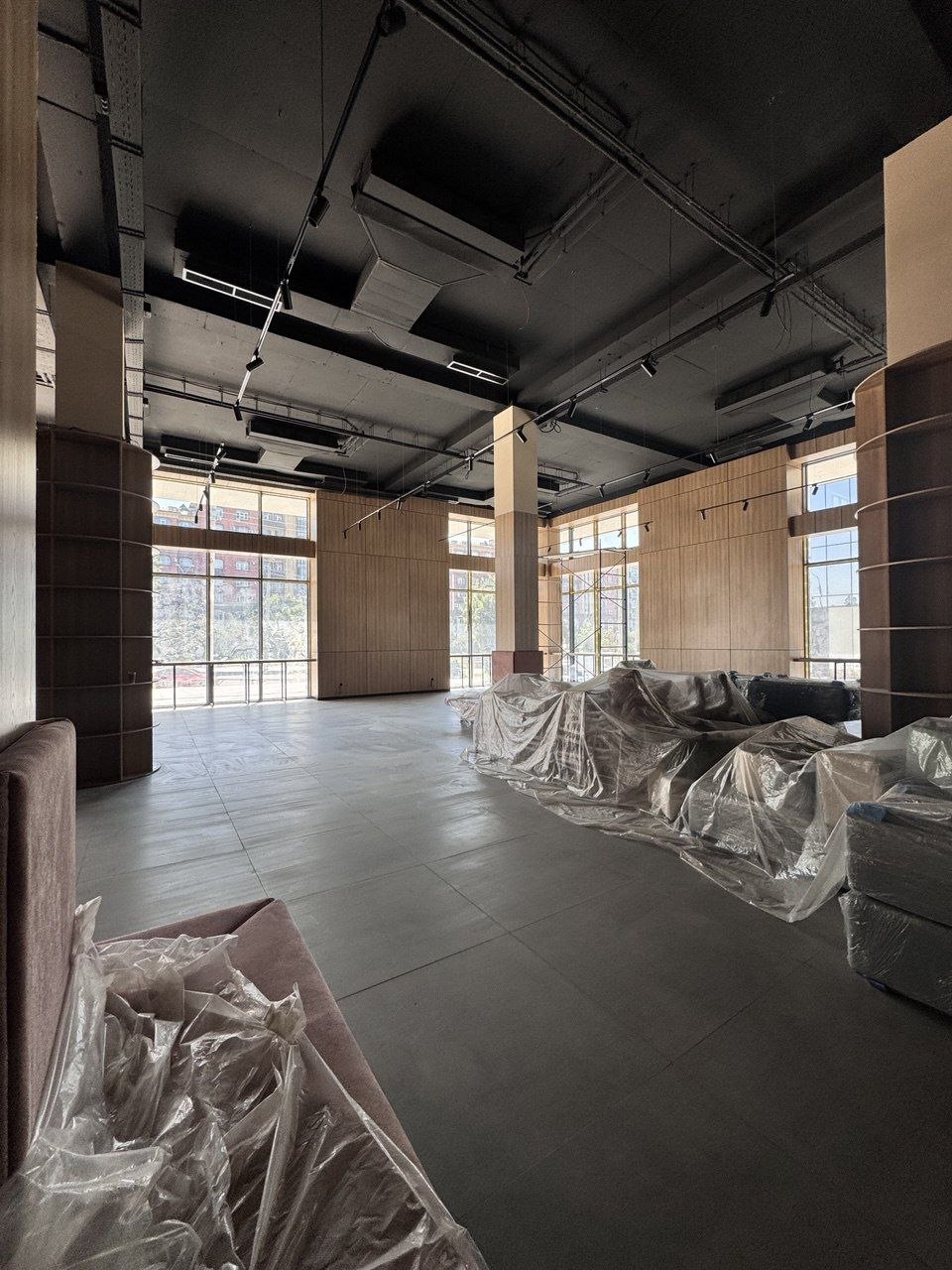
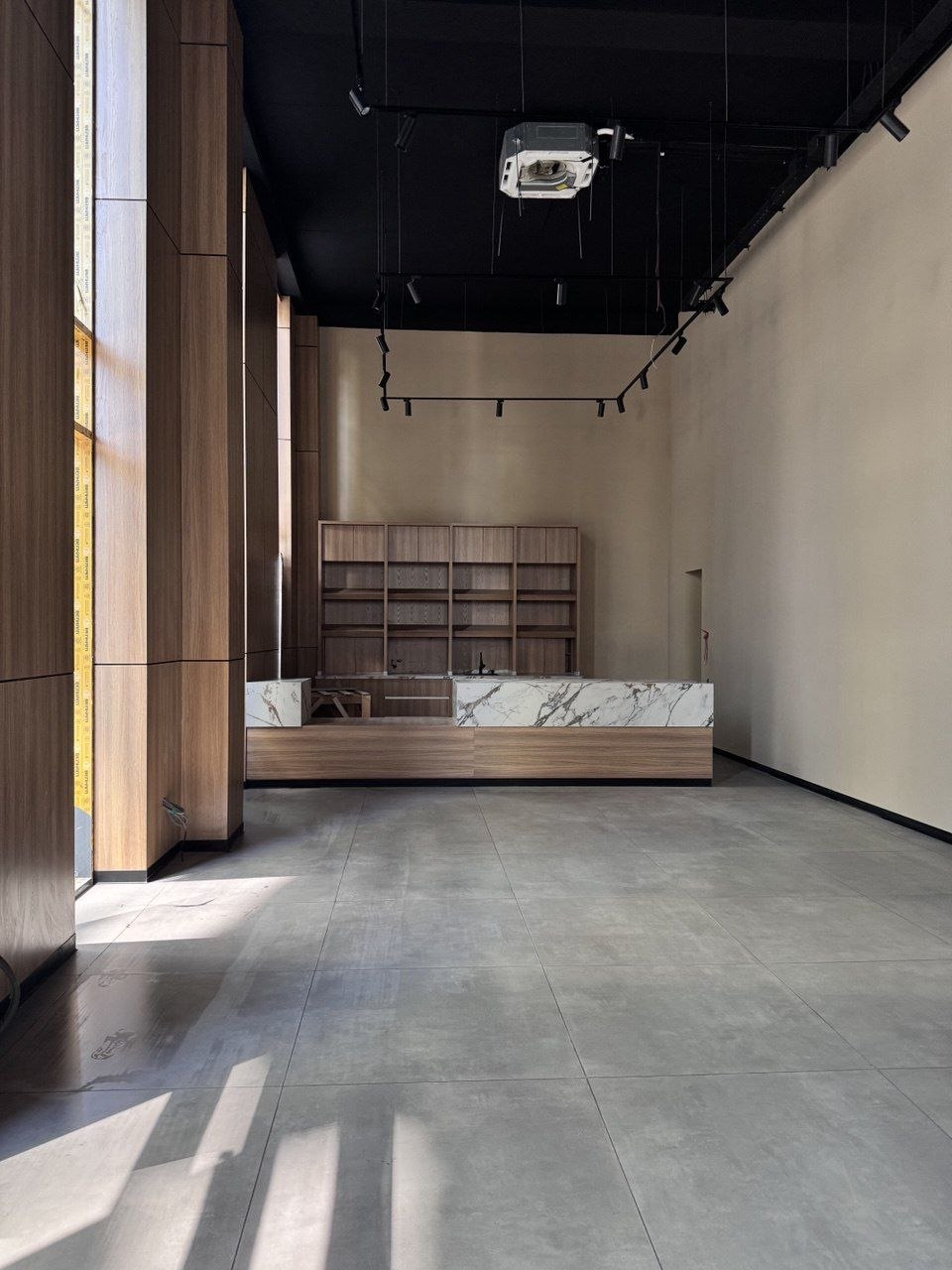
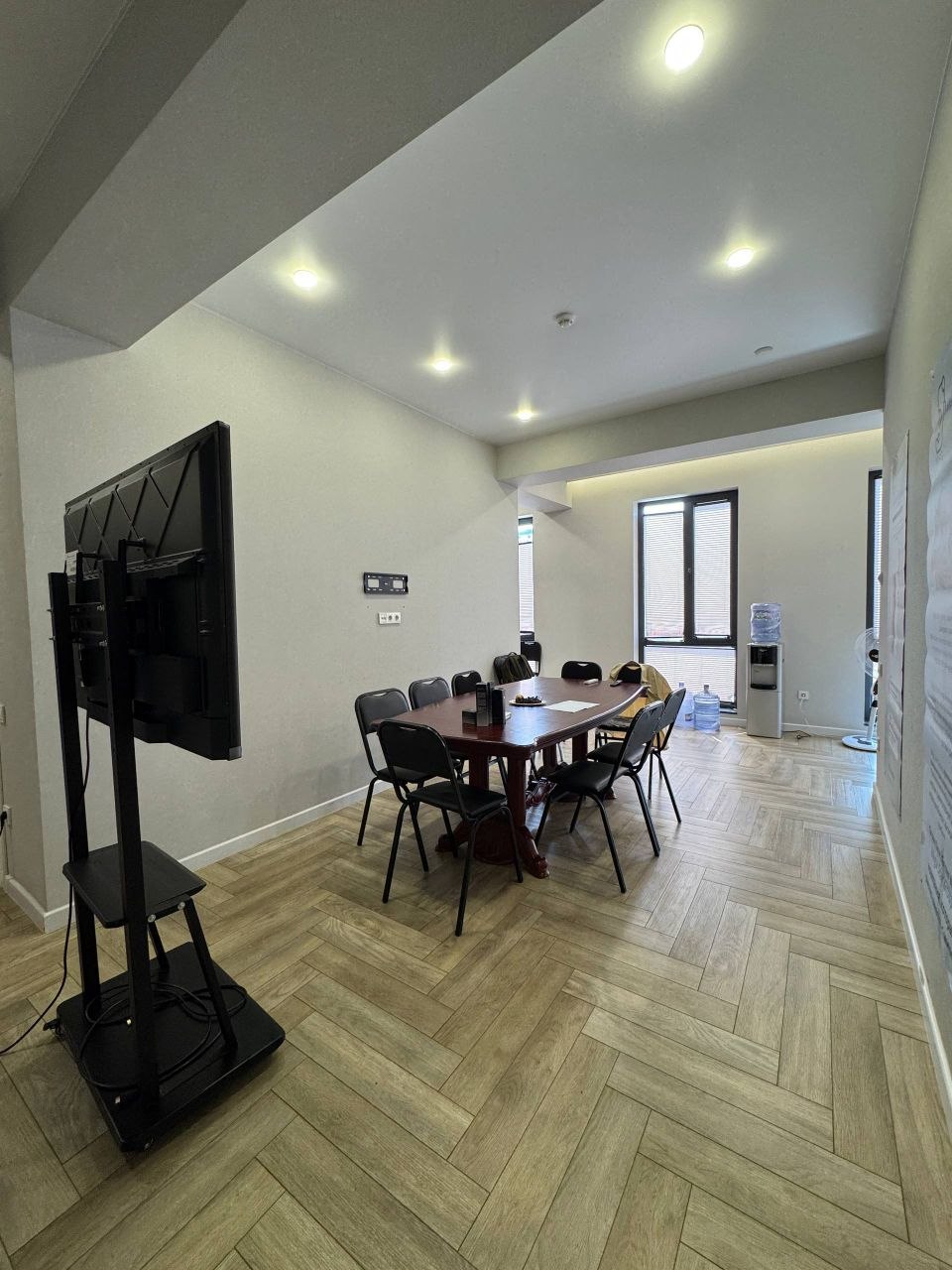
“Shell condition” does not say whether cables reach the demised premises, sufficient power is available, ventilation operates, washrooms are ready, or the landlord will restore base-building systems. “Fitted” does not necessarily mean operational: the layout may not suit the team, and cooling may not support the actual load. A measured plan, dated photographs, a defect schedule, confirmed electrical capacity and a written handover condition provide a reliable baseline.
Where landlord repair ends and tenant improvement begins
Uzbekistan’s Civil Code allocates repair duties but allows the parties to vary them by contract. Under Article 547, the landlord generally performs capital repairs at its own cost unless legislation or the lease provides otherwise. Article 548 generally makes the tenant responsible for keeping the property in good condition, current repairs and other maintenance costs. A budget line called “office renovation” is therefore not enough. Each item should be classified as correction of a base-building defect, current maintenance, or adaptation for the tenant’s particular business.
For example, fixing a leak in the common roof and restoring a failed power intake should not automatically be bundled with tenant meeting rooms, branded finishes or extra sockets. If the lease transfers capital-repair obligations to the tenant, the economics of the quoted rent change. A lawyer and an engineer should assess that clause together; a broker or contractor alone cannot determine its full effect.
Article 555 adds the ownership question. Separable improvements funded by the tenant generally remain the tenant’s property unless the lease says otherwise. Where the tenant makes non-separable improvements with the landlord’s consent, the tenant may claim their cost after the lease ends, unless the contract establishes a different outcome. Non-separable improvements made without consent are generally not reimbursed.
The editorial conclusion is that a letter saying “renovation approved” is too vague. The parties need approved drawings, a specification, a priced scope, a budget cap and an express reimbursement or non-reimbursement clause. The law supplies a framework, but the lease can alter the financial result.
What a rent-free period actually provides
A rent-free period is a contractual waiver of all or part of base rent for a stated time. It is not the same as the landlord paying for the works, and it does not answer five questions by itself:
- are service charges, utilities and applicable VAT still payable during the works;
- does the clock start on signing, possession, design approval or contractor access;
- is the period extended if the landlord delays information or approval;
- does the concession continue if the office opens in phases;
- must the tenant repay the concession after early termination.
Article 544 of the Civil Code permits different forms of rent, including placing agreed improvement expenditure on the tenant, and allows forms to be combined. The commercial structure can therefore be documented as a fixed rent-free period, reimbursement against accepted completion records, landlord works to an agreed specification, or a credit of verified fit-out expenditure against rent. The clause should state the legal basis, evidence and cap for the credit, not merely advertise a discount.
The most hazardous wording is “90 days from signing” when possession or design information will be delivered later. The concession is expiring while work cannot start. A more testable structure starts the period on handover in the agreed base condition and separately allocates the consequences of delay caused by either party.
Calculating the concession: a 221 m² example
The figures below are illustrative. They are not a valuation of a catalogue property and not a Tashkent market quotation. Assume a company considers 221 m² of shell space for a 36-month term.
| Item | Example assumption | |---|---:| | Base rent | 20 units/m² per month | | Monthly rent | 4,420 units | | Fit-out programme | 4 months | | Rent-free period | 3 months from handover | | Total works and equipment budget | 72,000 units | | Removable furniture and equipment | 18,000 units | | Landlord reimbursement against records | 8,000 units |
The tenant’s non-recoverable investment in the premises is 46,000 units: removable assets and the confirmed landlord reimbursement have been deducted from the project budget. Over 36 months, the tenant pays 33 months of base rent, or 145,860 units. If operations start only in month five, the 32 operational months must absorb 191,860 units of paid rent and non-recoverable fit-out.
**191,860 ÷ 32 = 5,996 units per operational month**, or approximately **27.13 units/m²**. Service charges, utilities, financing, relocation, insurance and taxes are still excluded. The concession saved 13,260 units, but it did not make the fit-out free.
This calculation changes the negotiation. The tenant may seek a fourth rent-free month, a larger landlord contribution, a longer guaranteed term or a completed base specification. The relevant comparison is not the headline concession but the fixed cost per month in which the office can actually operate. Alternatives can be plotted on the property map, while commute and client-access scenarios should be assessed separately from fit-out economics.
Linking the works programme to rent commencement
A credible programme works backwards from the business launch date. Before signing, the tenant needs at least a test-fit and technical survey. Design, landlord approval, applicable public procedures, procurement, construction, commissioning and handover follow. JLL’s fit-out handover guidance emphasises current drawings, approvals, operating manuals, warranties and a tracked defects list.
The lease should contain four dates: access for surveys, possession for works, completion of the landlord’s works, and commencement of full rent. The last date should not depend on an undefined concept such as “tenant readiness.” A measurable trigger might be a signed access certificate, delivered power capacity, approved design, or a practical-completion record against an agreed specification.
Delay also needs attribution. A tenant design change is a tenant risk. If the landlord supplies building-services drawings late, denies agreed access or fails to complete the base works, the rent-free clock should move. If a permit is delayed without fault by either party, the lease needs a separate path: extension, postponed rent commencement, or a right to withdraw before irreversible expenditure.
Which changes need separate consent or a public procedure
Written landlord consent protects the tenant’s budget even where a public permit is not required. Uzbekistan’s government portal states that a reconstruction permit may not be required for a replan that does not alter load-bearing elements affecting structural strength and seismic resistance; relevant design documentation may still need the prescribed coordination. Reconstruction or a change of use has a separate government service.
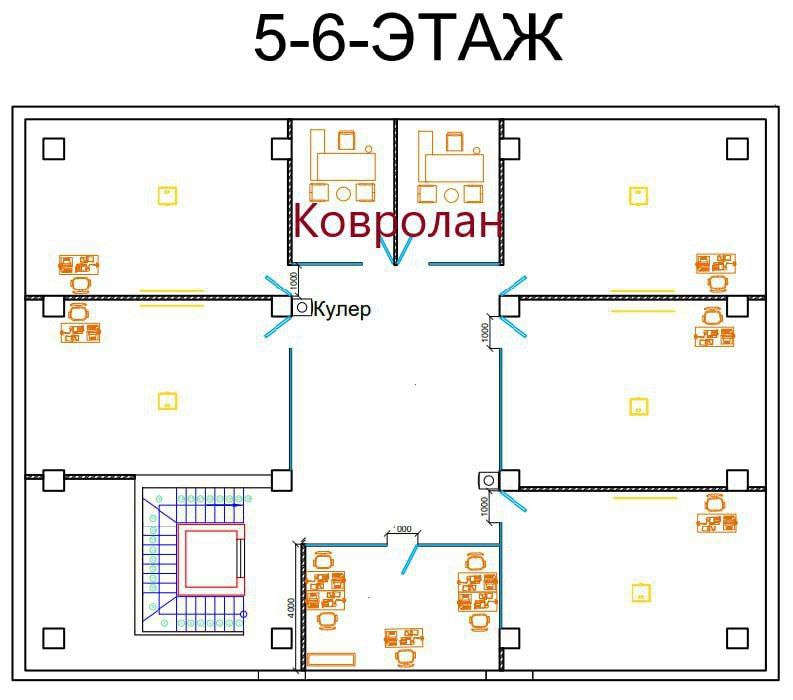
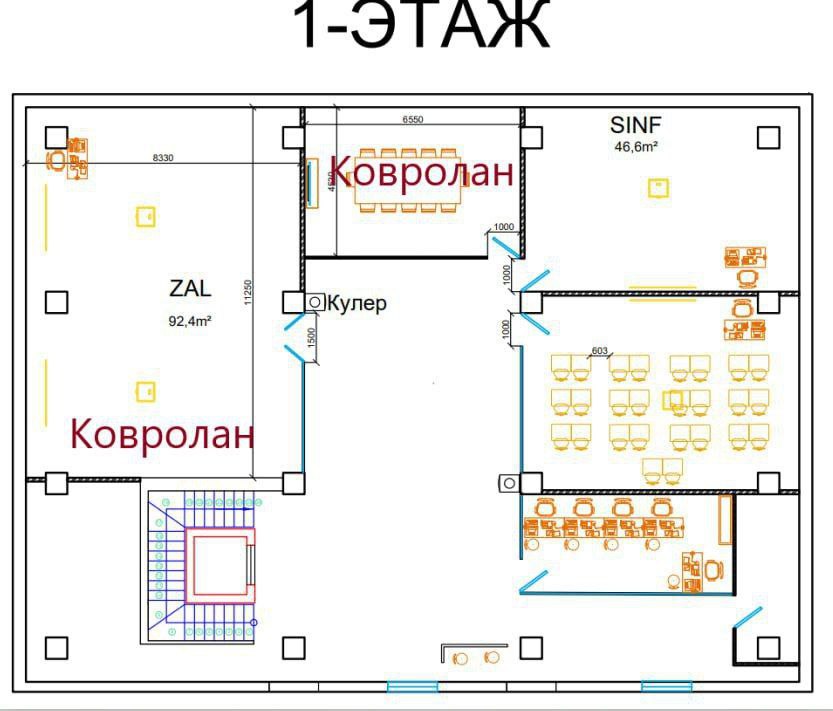
A tenant should not classify wall removal, a new opening, façade work, an additional entrance, relocation of wet areas, or material changes to ventilation as “decoration” without professional input. A suitably qualified designer or engineer should determine which systems and structures are affected. The permit question should be put directly to the district construction authority or a cadastral specialist, and the landlord should participate as the rights holder and provide property records.
The practical boundary is straightforward. Painting and replacement of removable elements can sit in a simplified specification. Work that affects structure, escape routes, permitted use, common systems or registered property characteristics should not begin on the strength of a messaging-app conversation.
What belongs in the fit-out schedule
Technical sheets need not overwhelm the main lease. A linked “Fit-out Conditions” schedule can contain the detail and correspond to the handover record. It should align the following items:
- measured plan, baseline condition and photographs;
- landlord base works, completion dates and acceptance criteria;
- approved tenant works, drawings, materials and building restrictions;
- change-control process and the landlord’s response time;
- budget, contractor payment responsibility, evidence of cost and credit timing;
- start of the concession, charges during works and extension rules;
- ownership of separable and non-separable improvements;
- exit condition, removal and reinstatement obligations;
- early termination consequences, including any unpaid reimbursement balance.
The budget needs contingency, but the percentage should not come from a universal template; it depends on the quality of the survey and design. Cushman & Wakefield’s 2026 global fit-out guide treats an “all-in” budget as more than construction, covering professional fees, furniture, mechanical and electrical systems, technology and reinstatement. Its overseas benchmarks are not Tashkent prices. The useful lesson is the cost structure, not the rate.
Accepting the works without creating a second exit bill
Handover is more than one signature for the contractor. The file should include current drawings, records for concealed work where applicable, commissioning and test results for building systems, equipment data and warranties, plus a defect list with correction dates. JLL also recommends retaining operating instructions and training records for responsible staff.
The landlord should sign acceptance of the improvements it agreed to fund or retain. This closes the gap between permission to perform work and acceptance of its result. Reimbursement or rent credit should be tied to named documents and a deadline, not to the indefinite phrase “after renovation is complete.”
Article 554 of the Civil Code requires property to be returned in the condition in which it was delivered, allowing for normal wear, or in the condition agreed in the lease. The RICS code for leasing business premises is not Uzbek law, but it illustrates a useful drafting practice: address possible reinstatement when alterations are approved. For a Tashkent transaction, local law and the signed lease remain decisive. Entry photographs and a condition schedule turn a subjective argument about deterioration into a comparison that can be checked.
When to involve a lawyer, engineer and accountant
The tenant can define its business scenario, check that the schedule is complete, recalculate the concession and request evidence. An engineer is needed to confirm base-system condition, available loads, the work scope and measurable readiness criteria. The designer should receive a precise question: which proposals affect structure, escape, common services or trigger an approval procedure?
A lawyer should check whether the lease transfers capital repair to the tenant, whether consent for non-separable improvements is sufficiently specific, how the credit operates, and what happens to an unreimbursed balance after early termination. An accountant determines the treatment of removable assets and improvements, expense documentation, taxes and any currency mechanism. This is not administrative polish. The same payment can affect cash flow, tax records and the cost of leaving the office in different ways.
The decision becomes manageable when every amount has a legal basis, every date has a measurable trigger, and every improvement has an owner and an agreed outcome at exit.
Sources and verification date