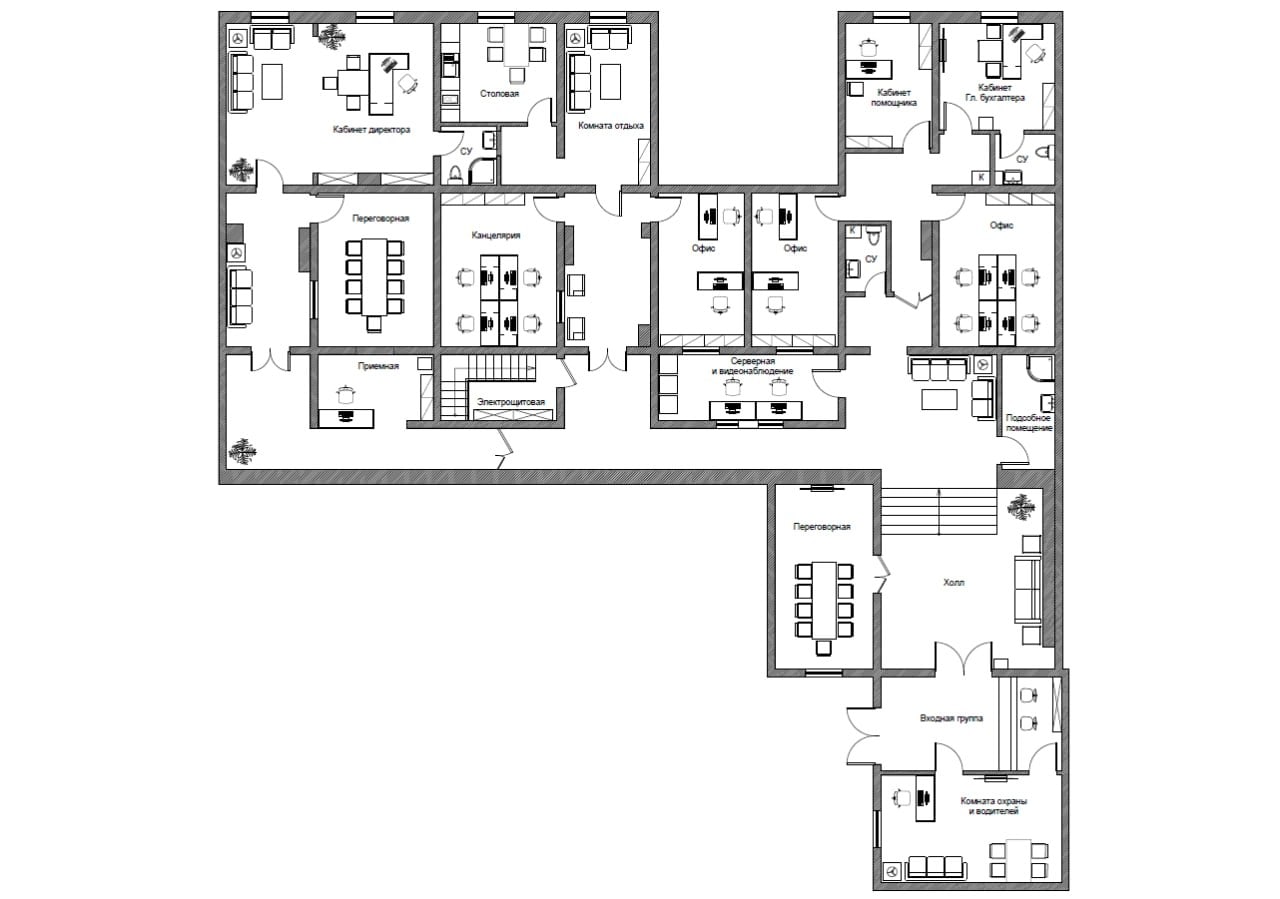
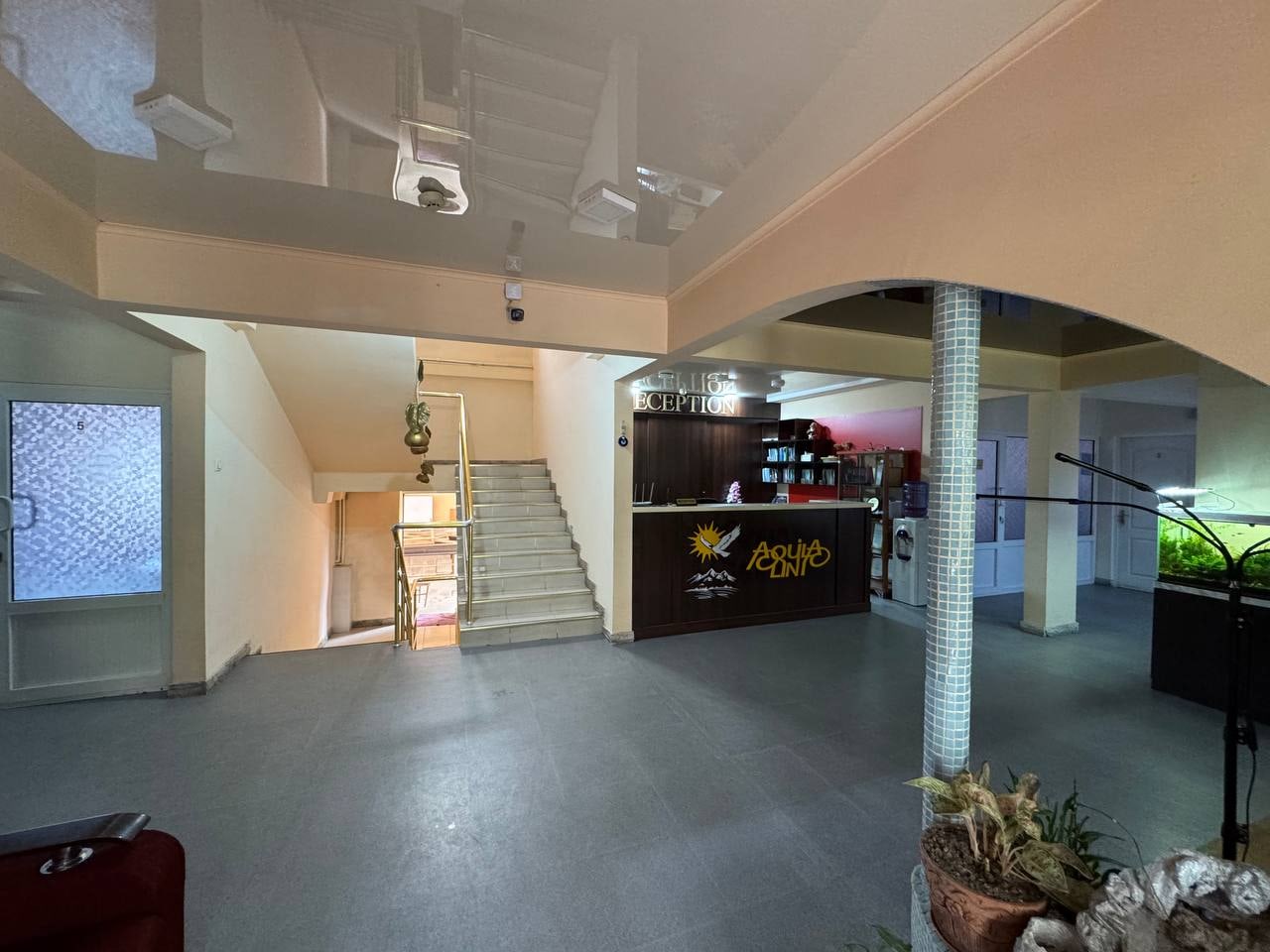
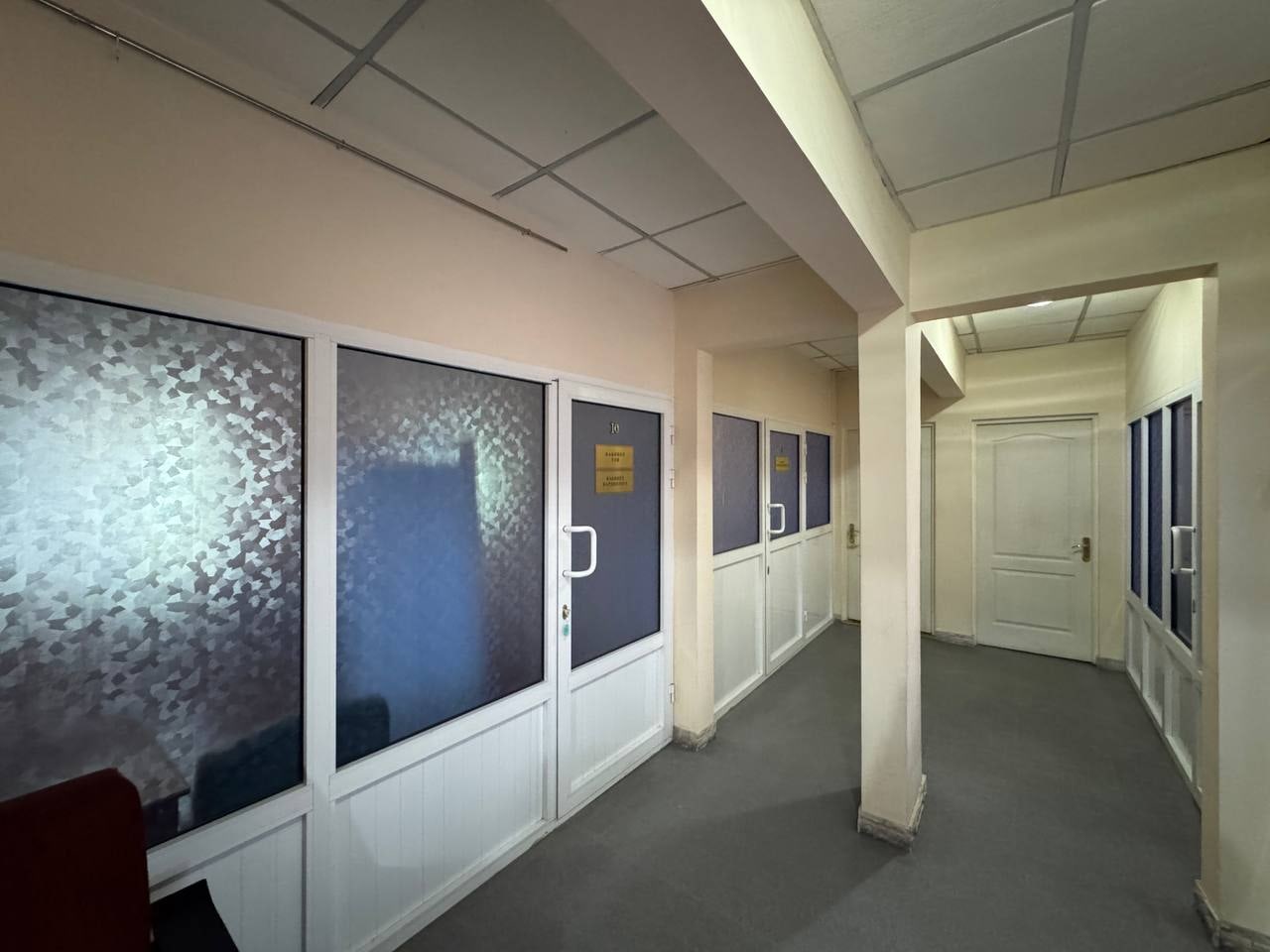
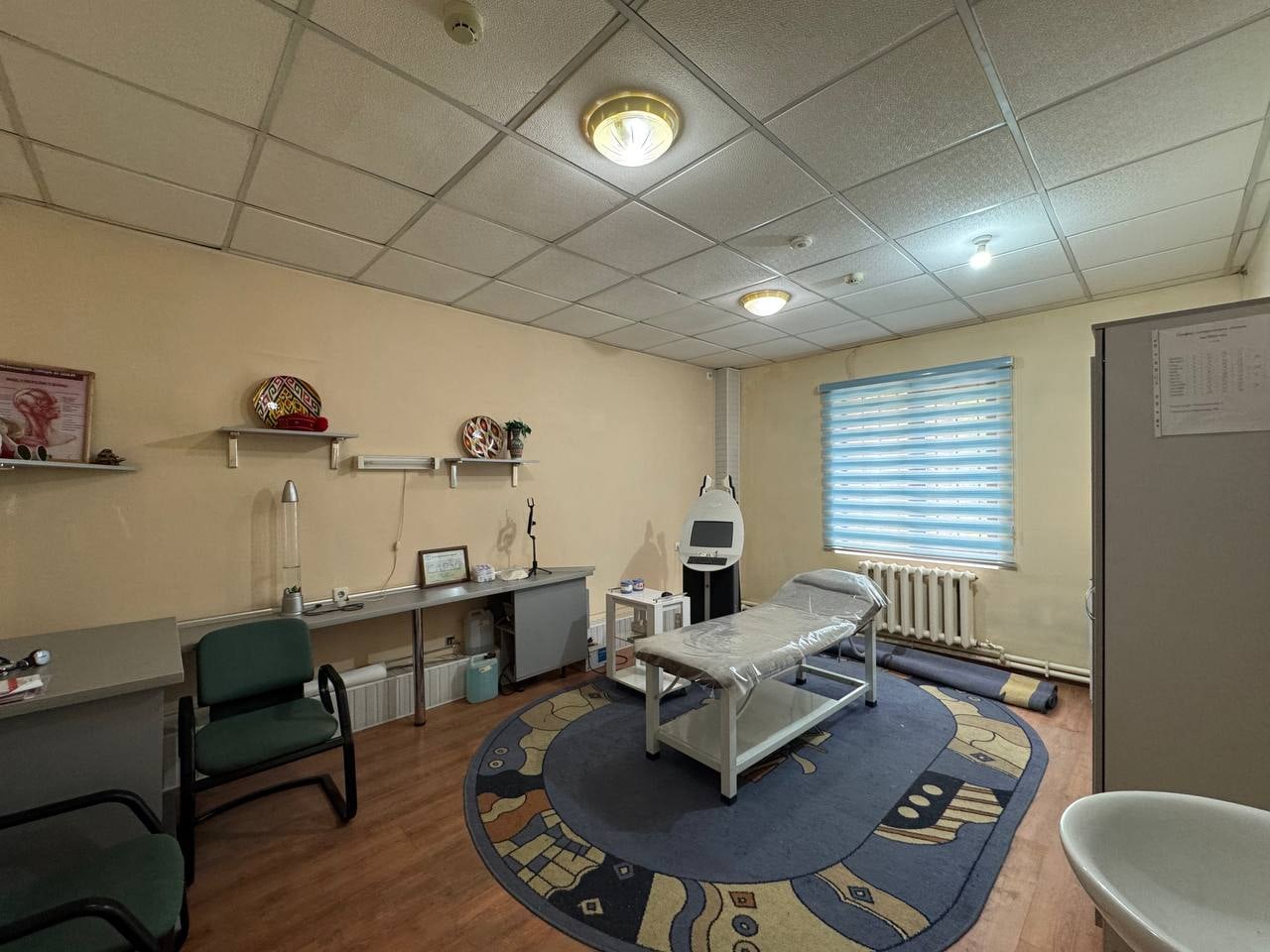
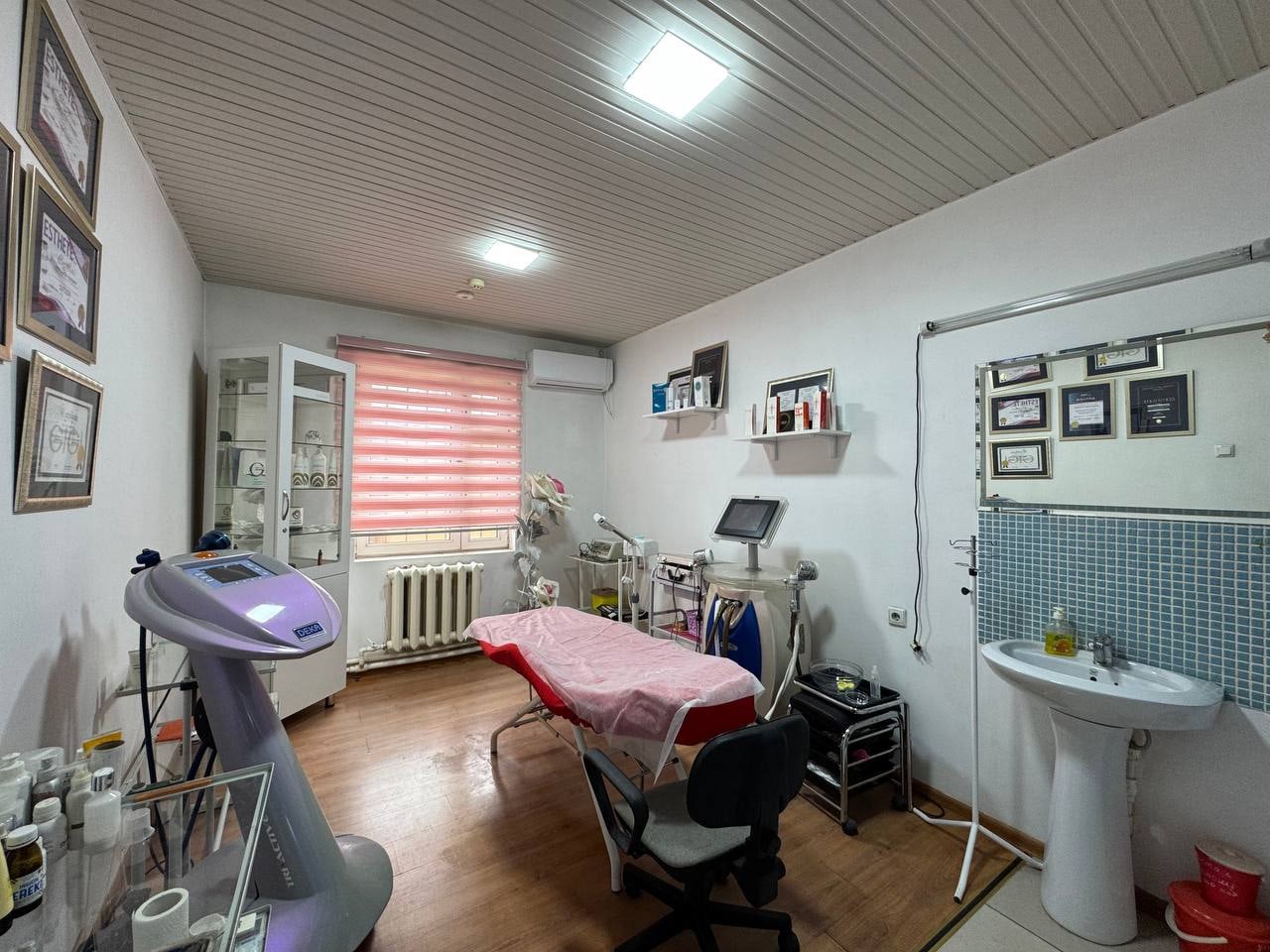
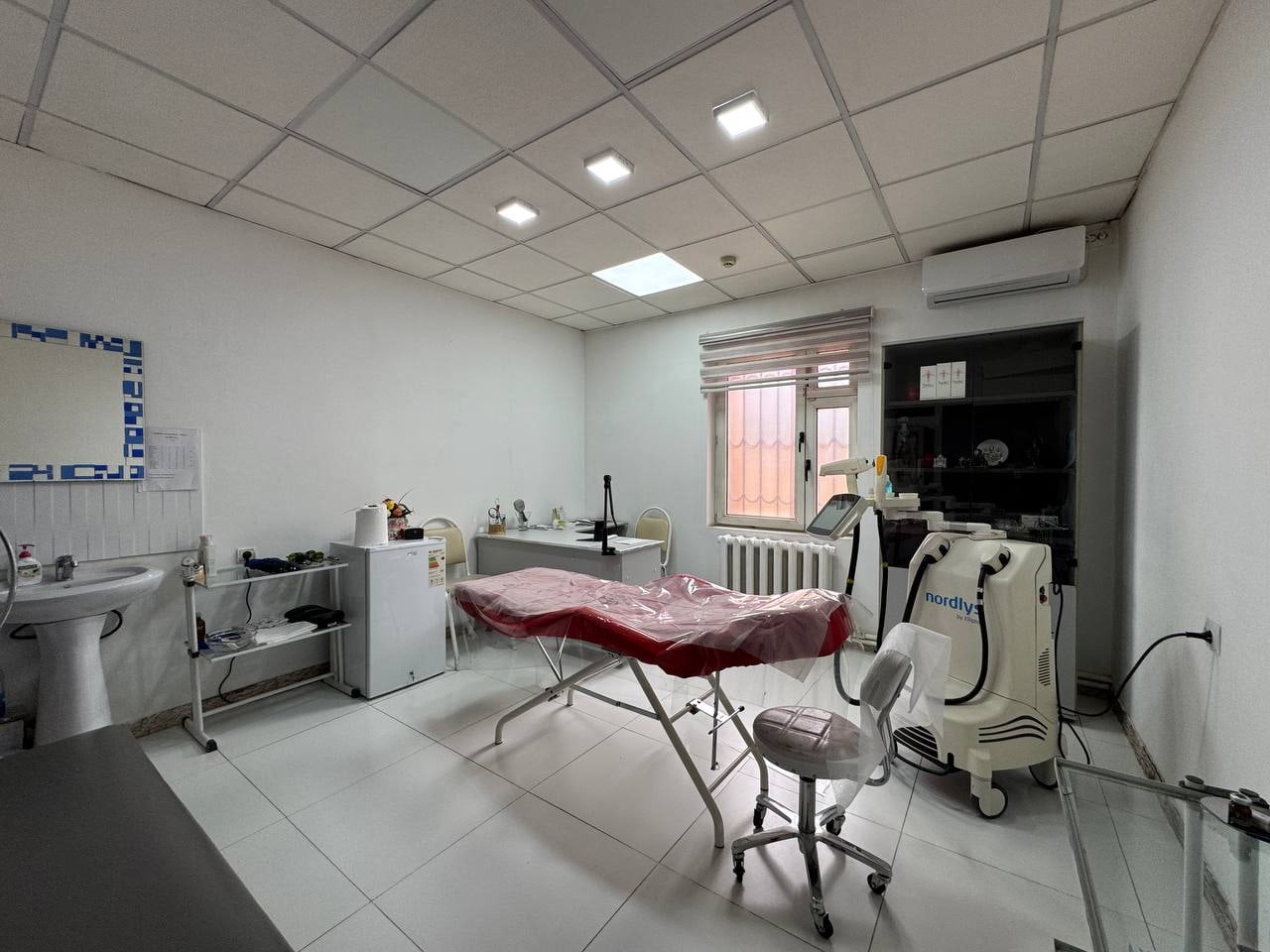
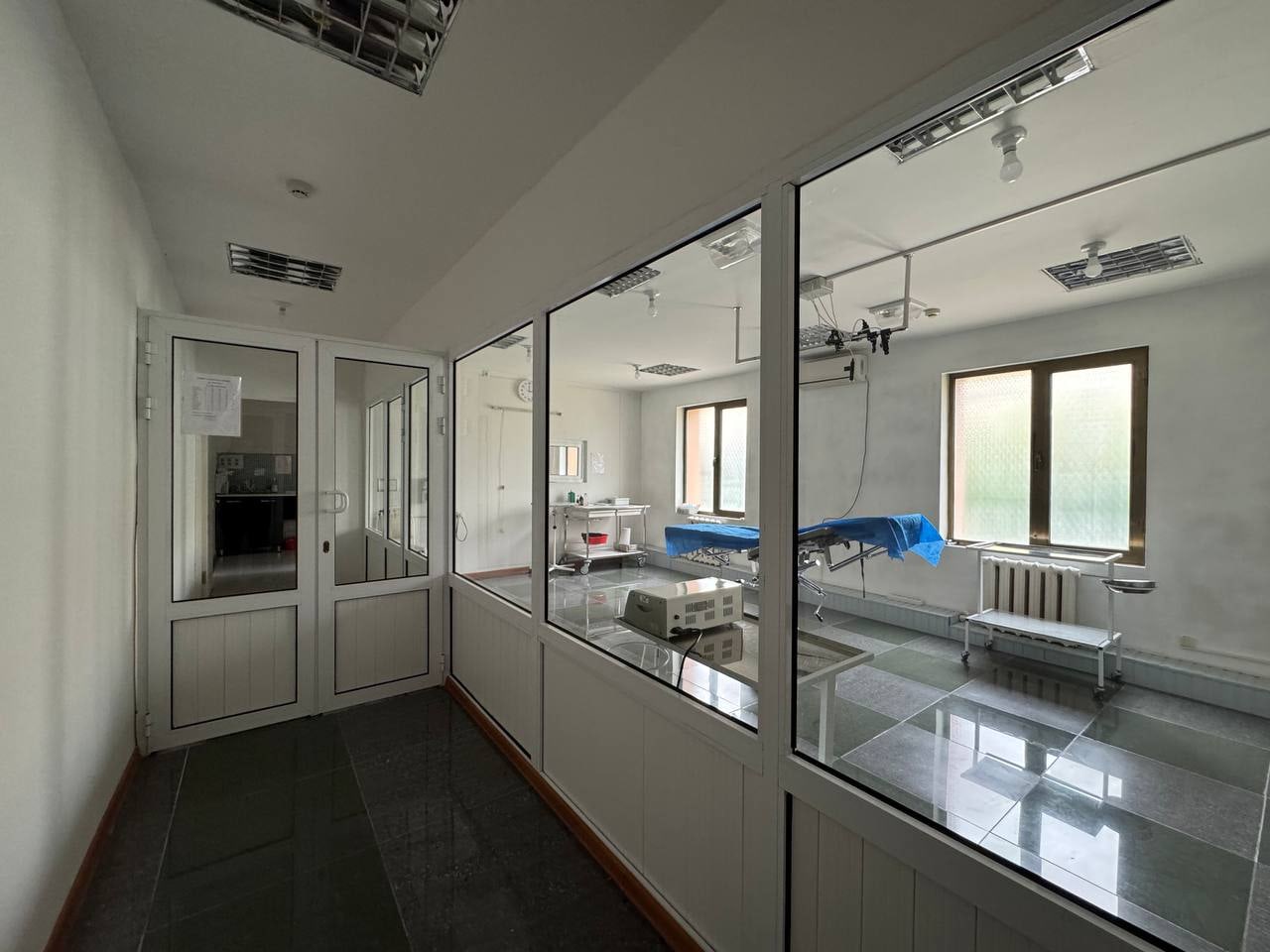
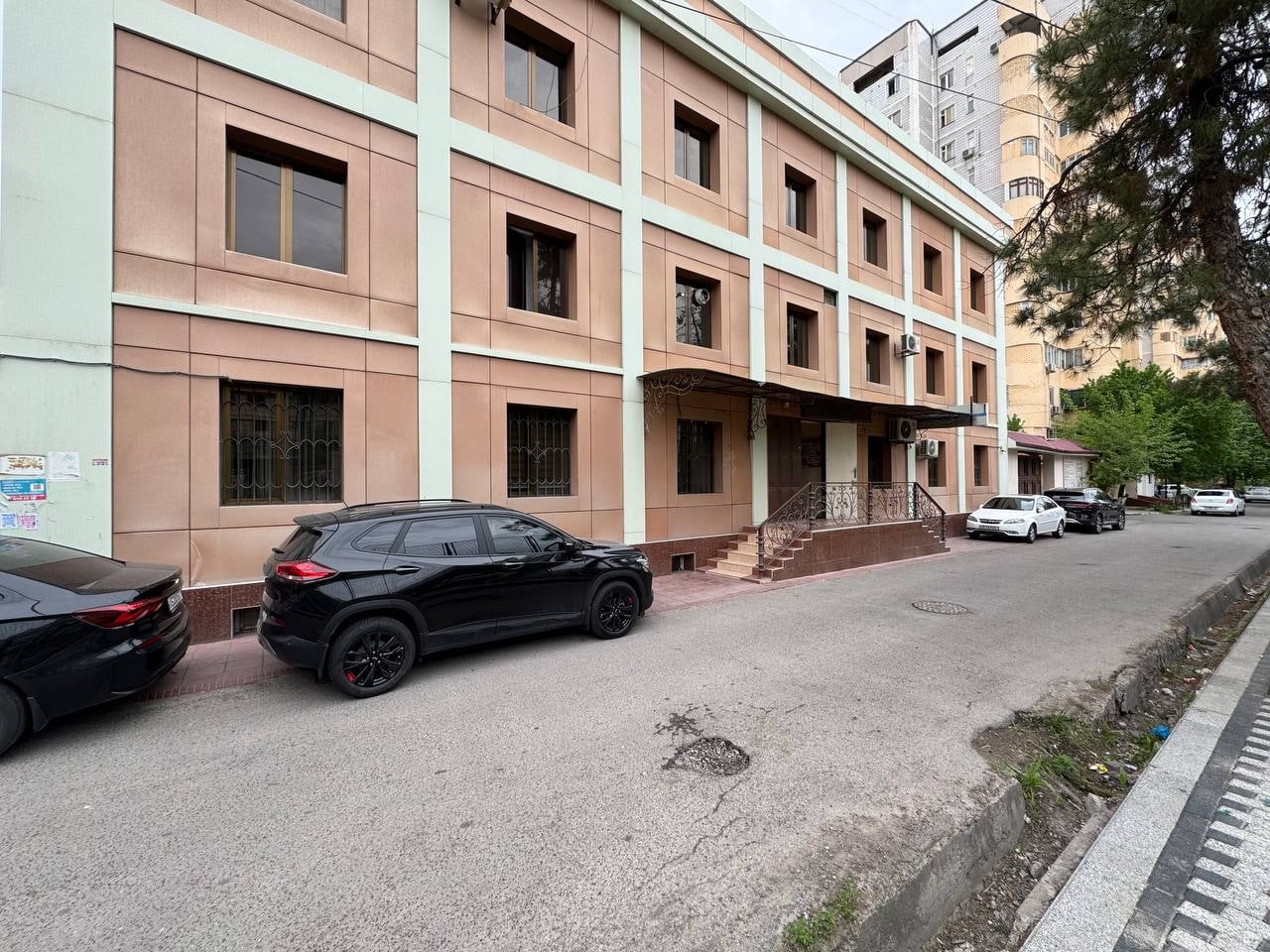
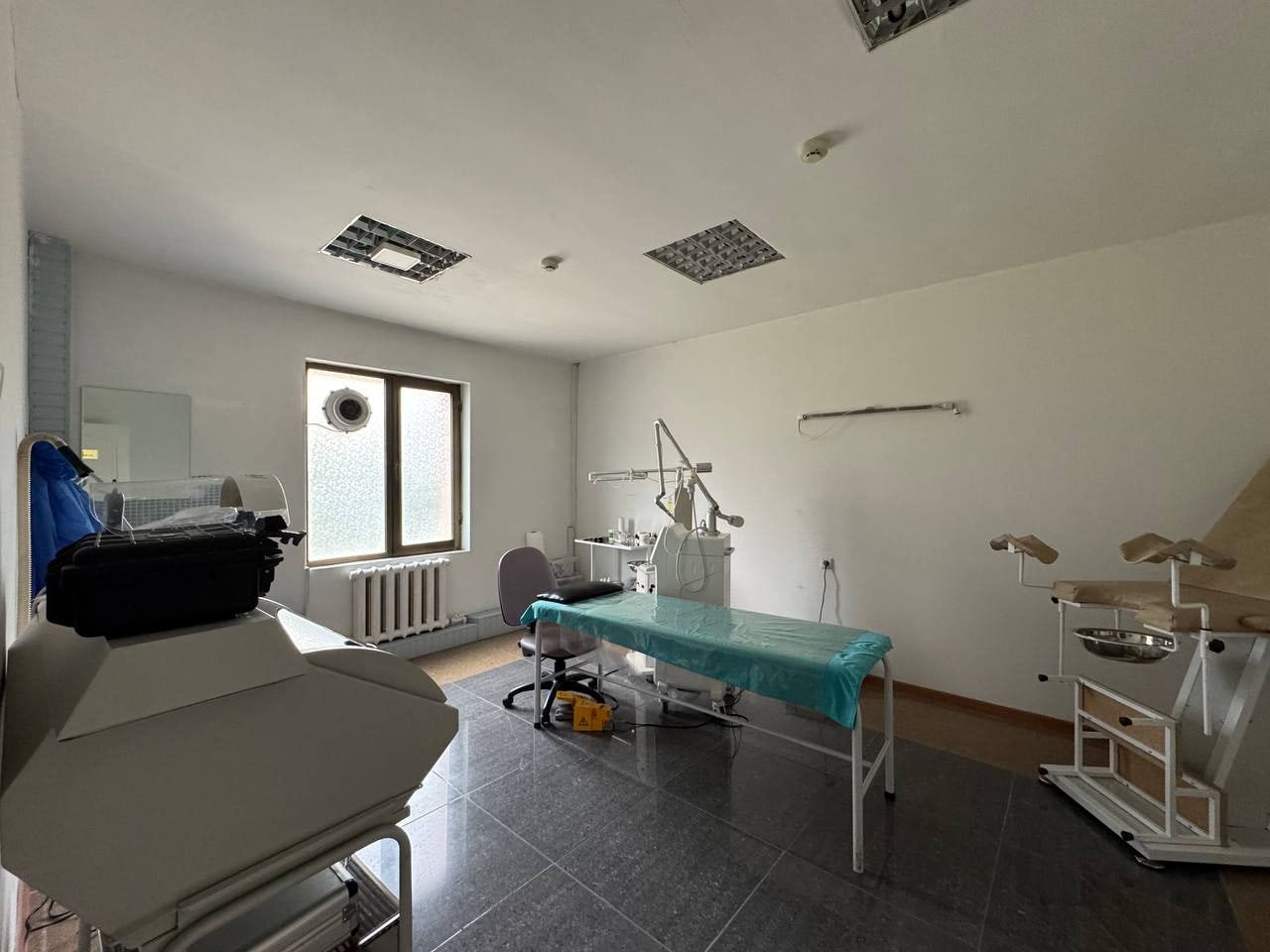
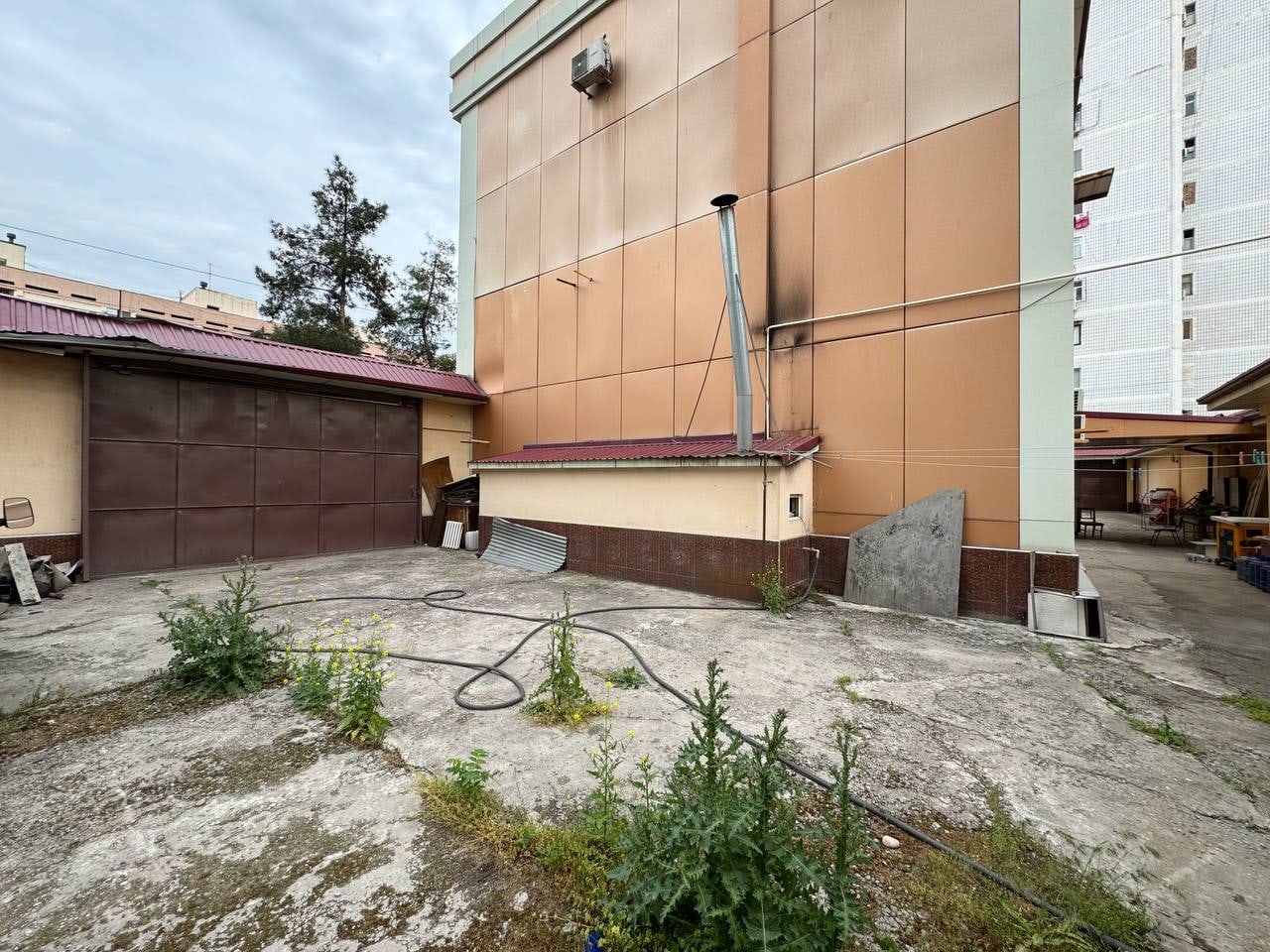
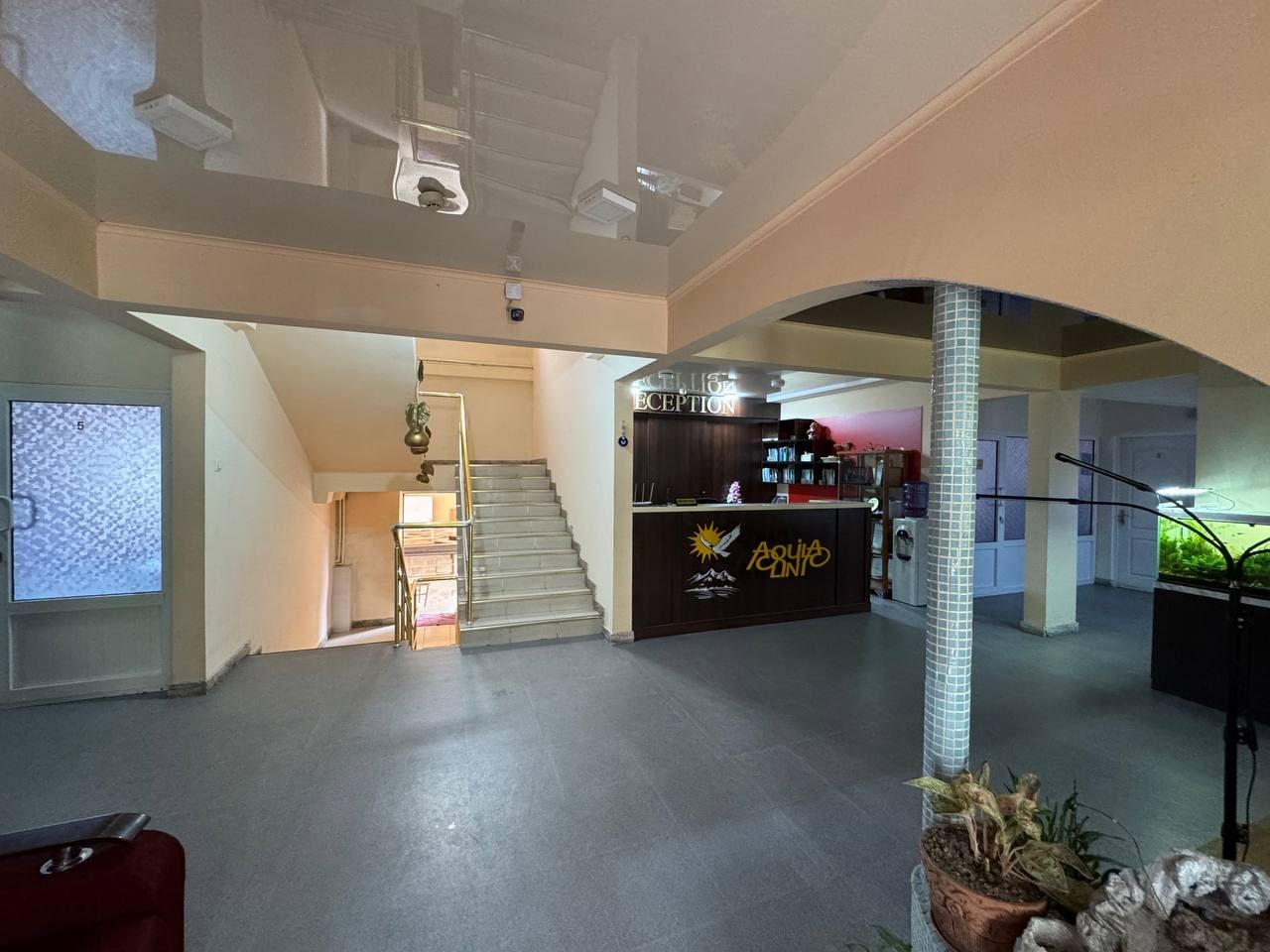
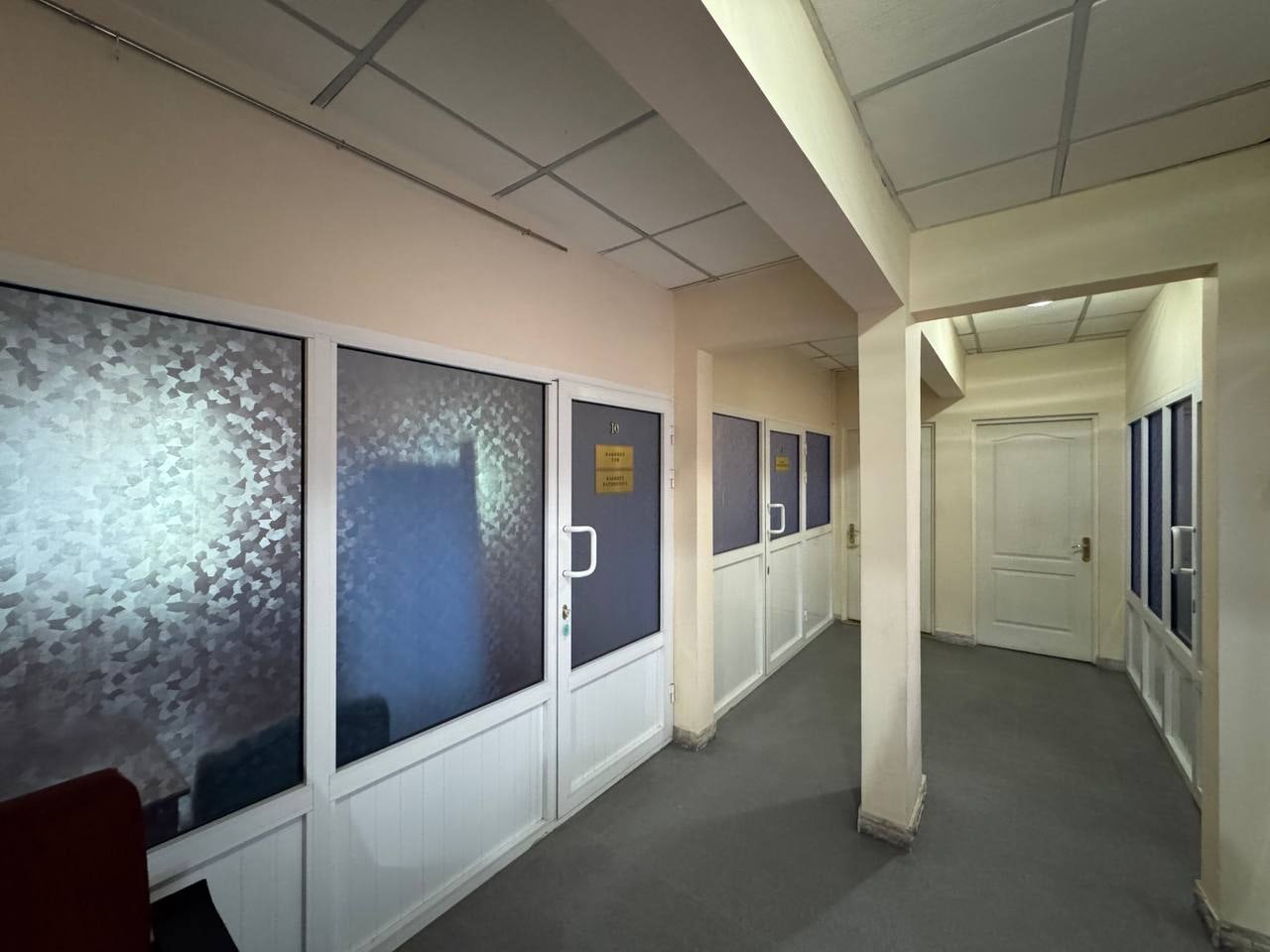
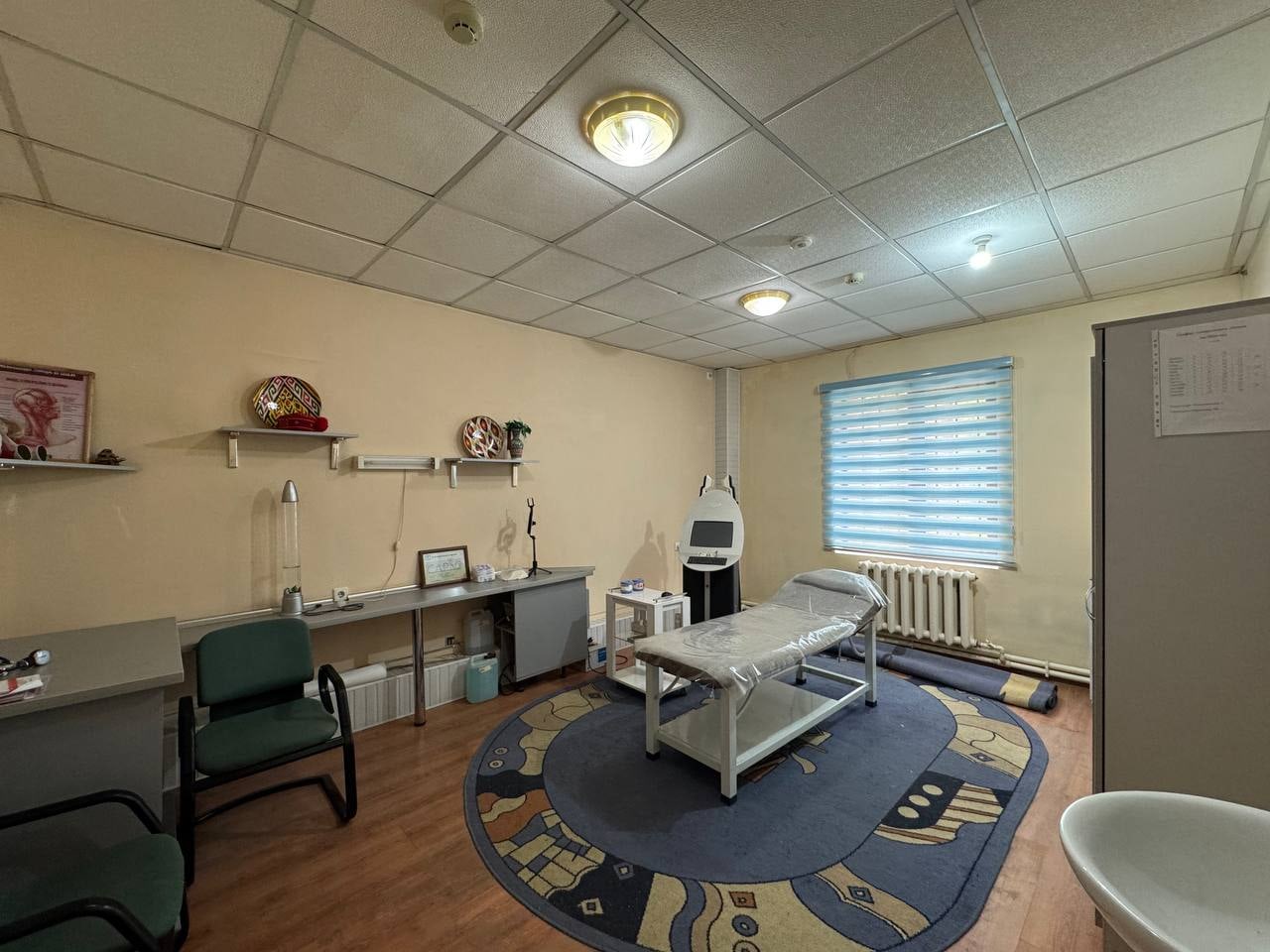
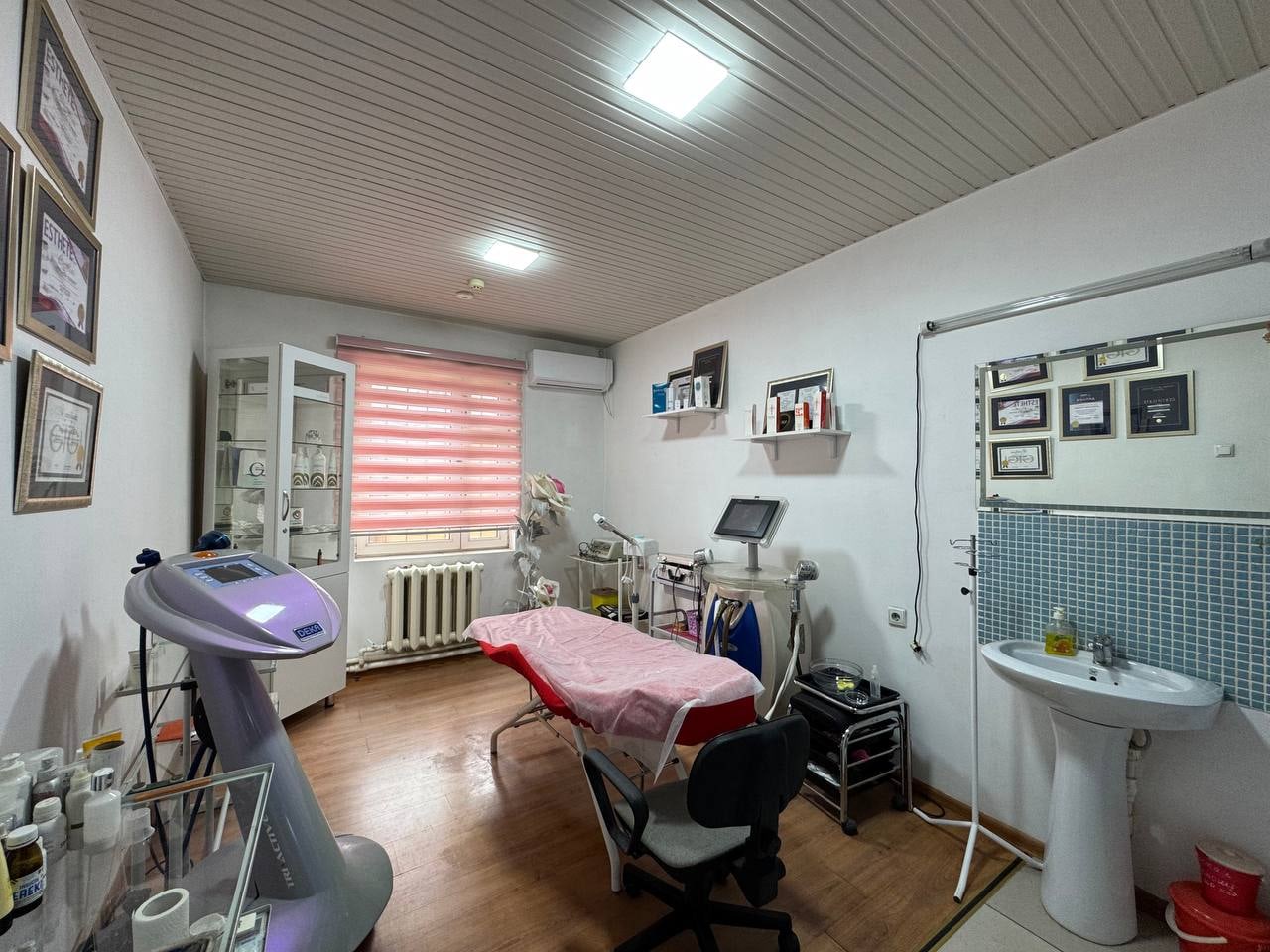
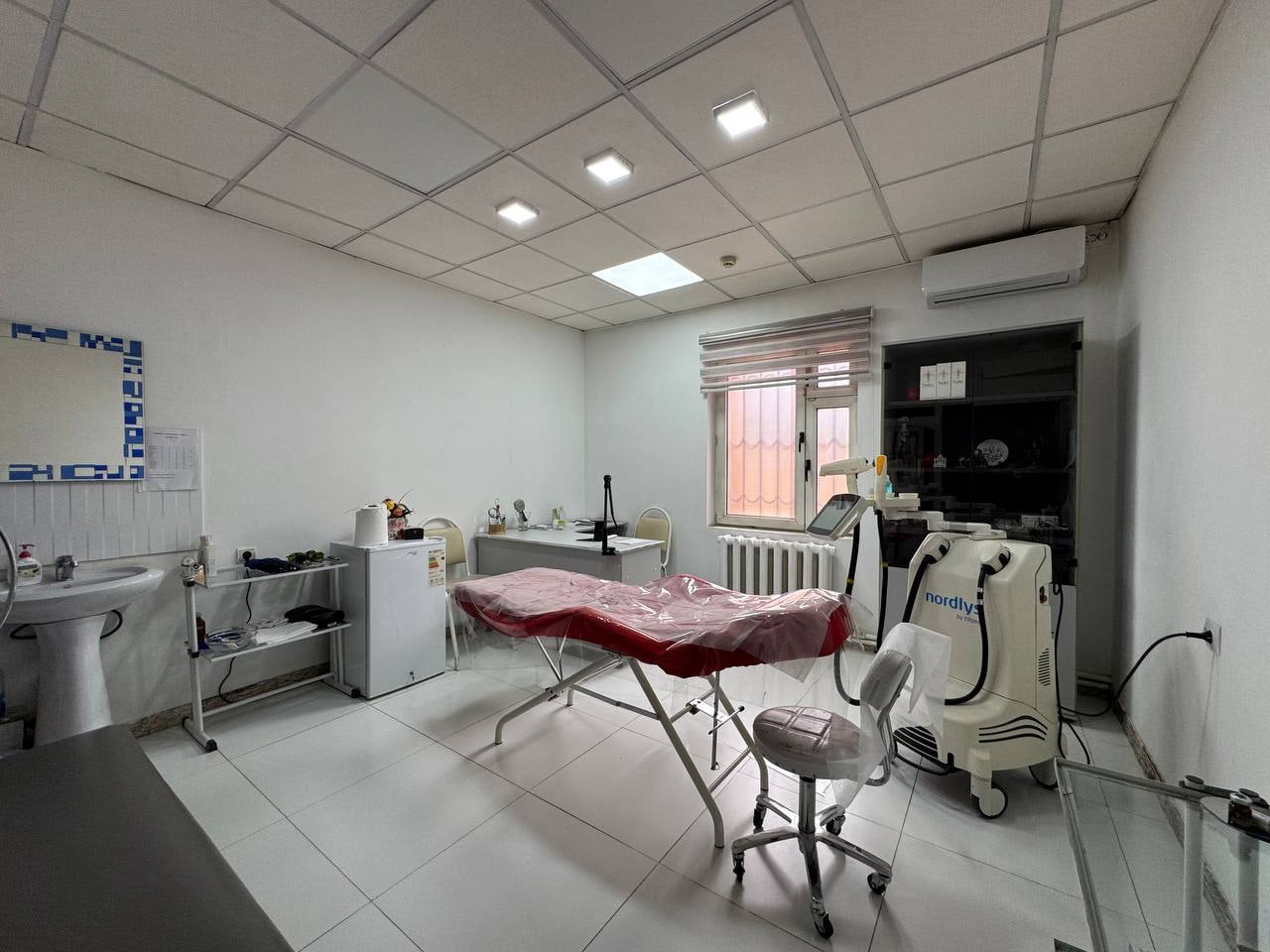
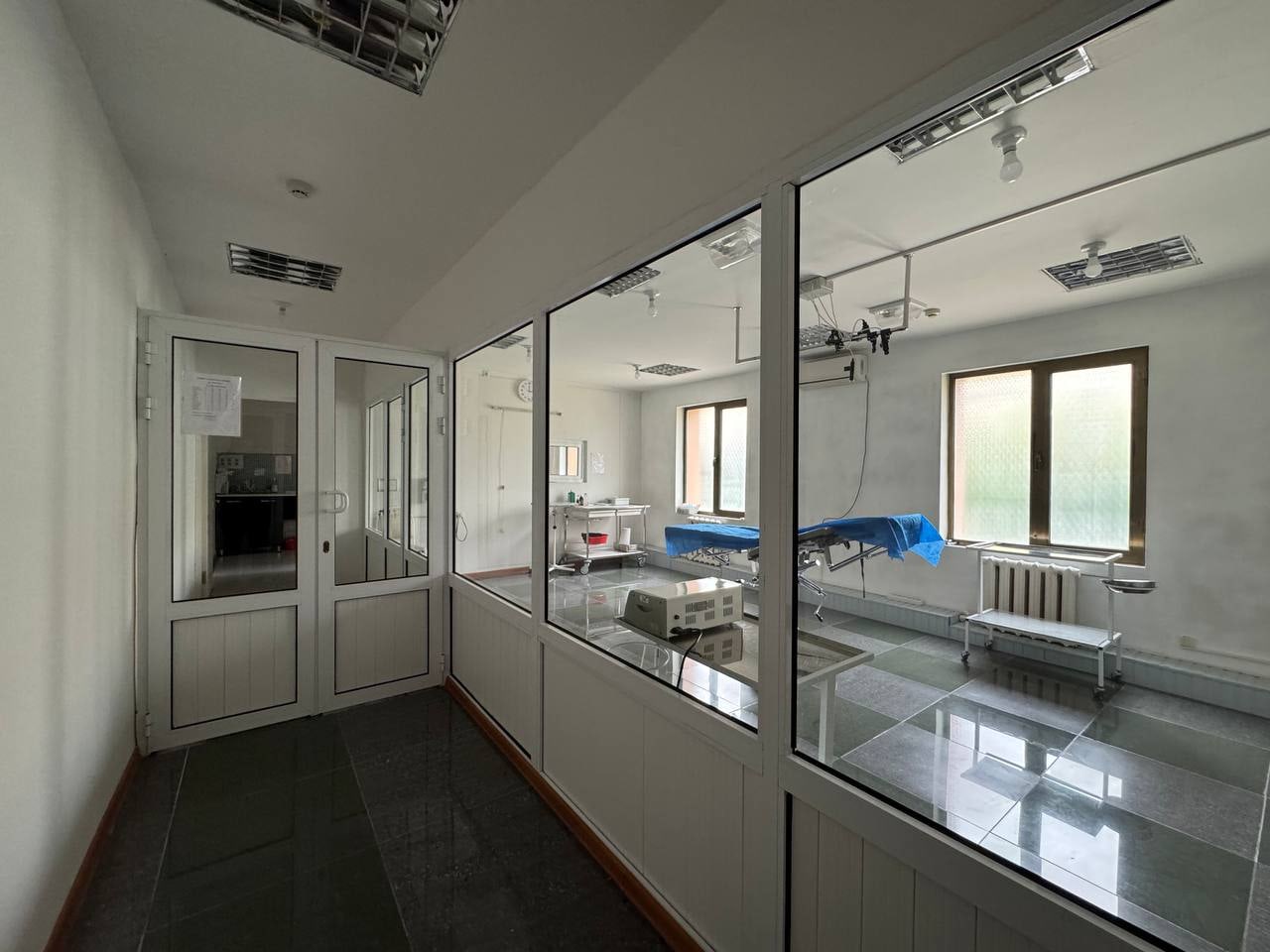
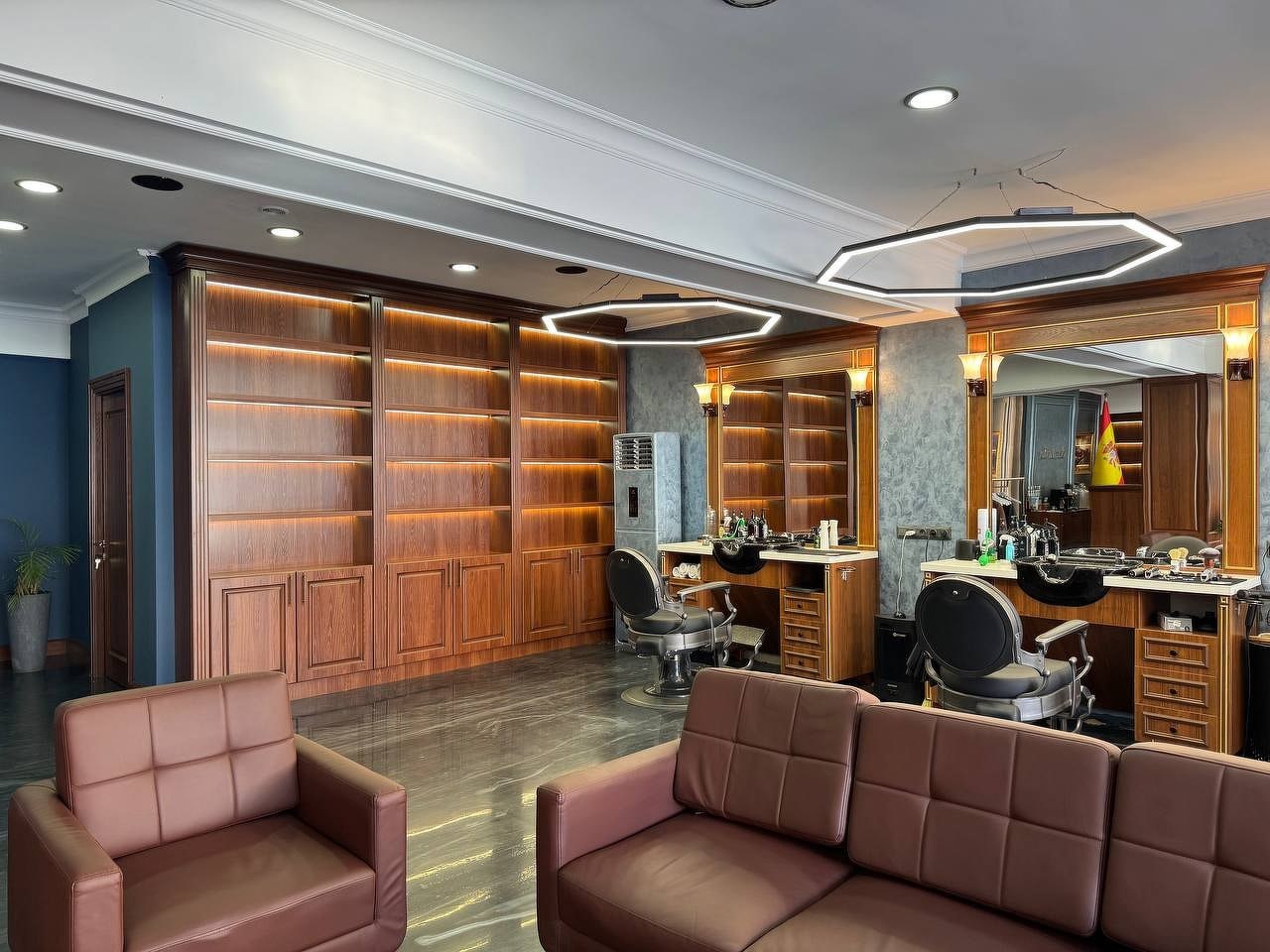
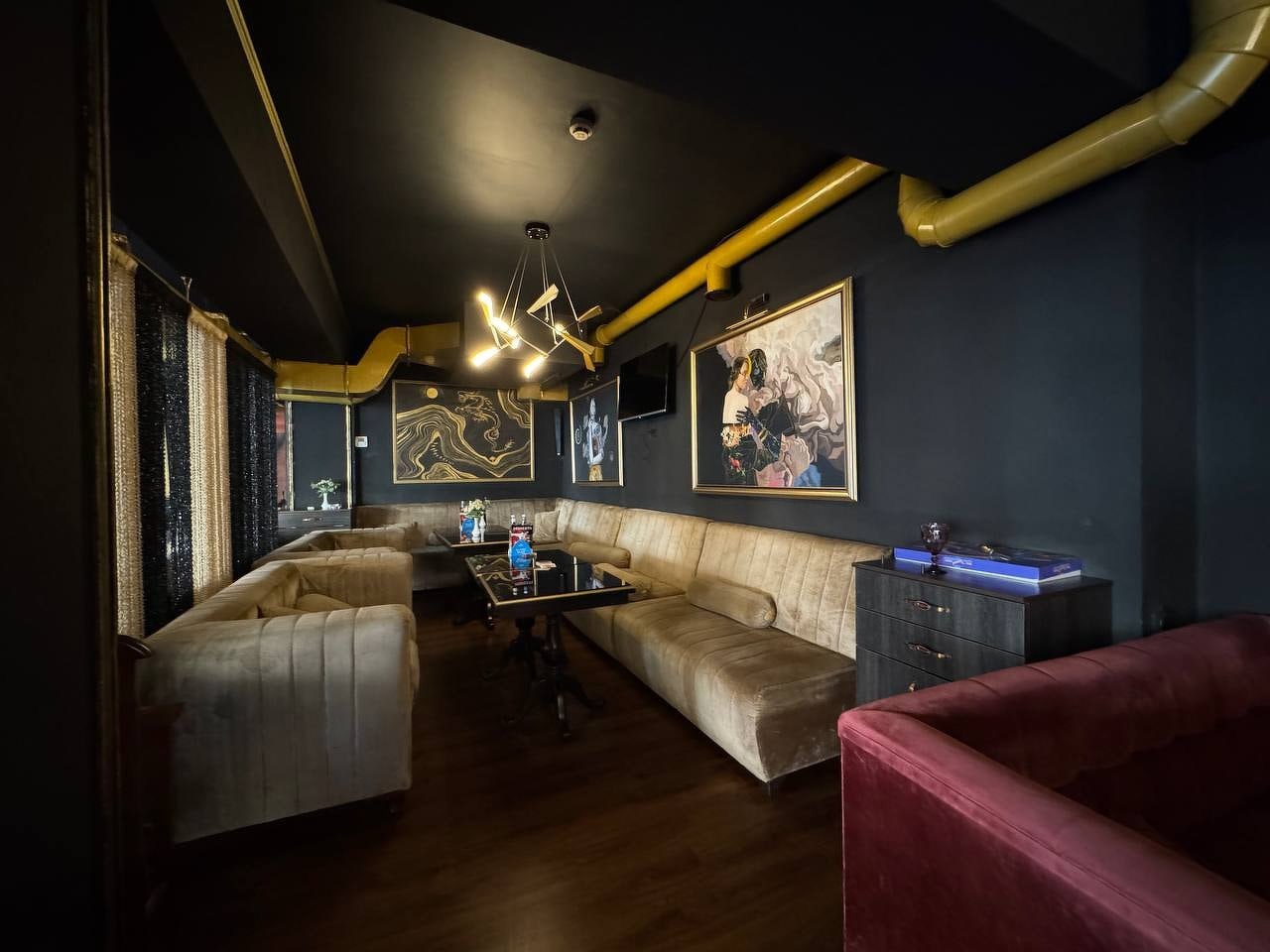
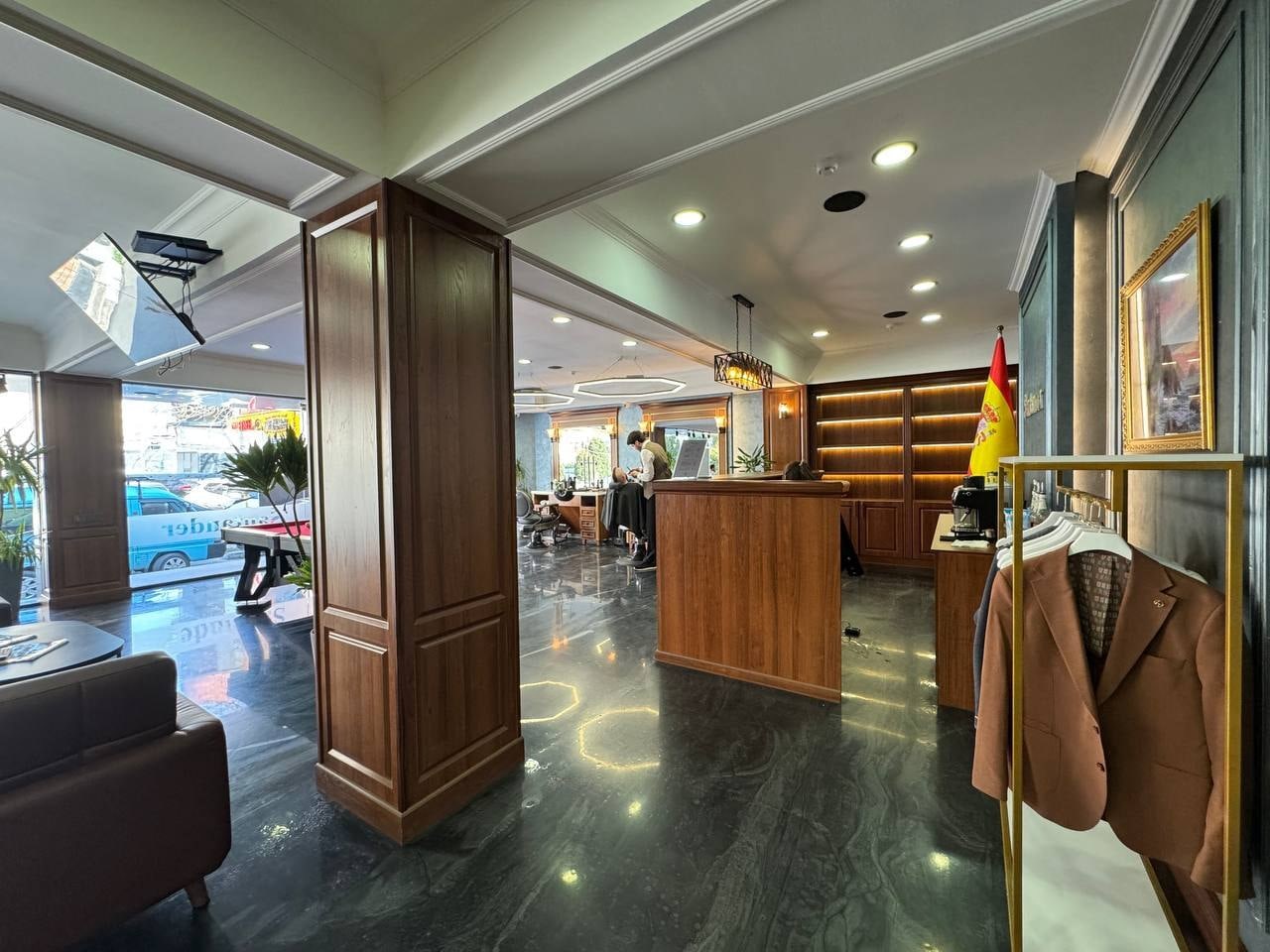
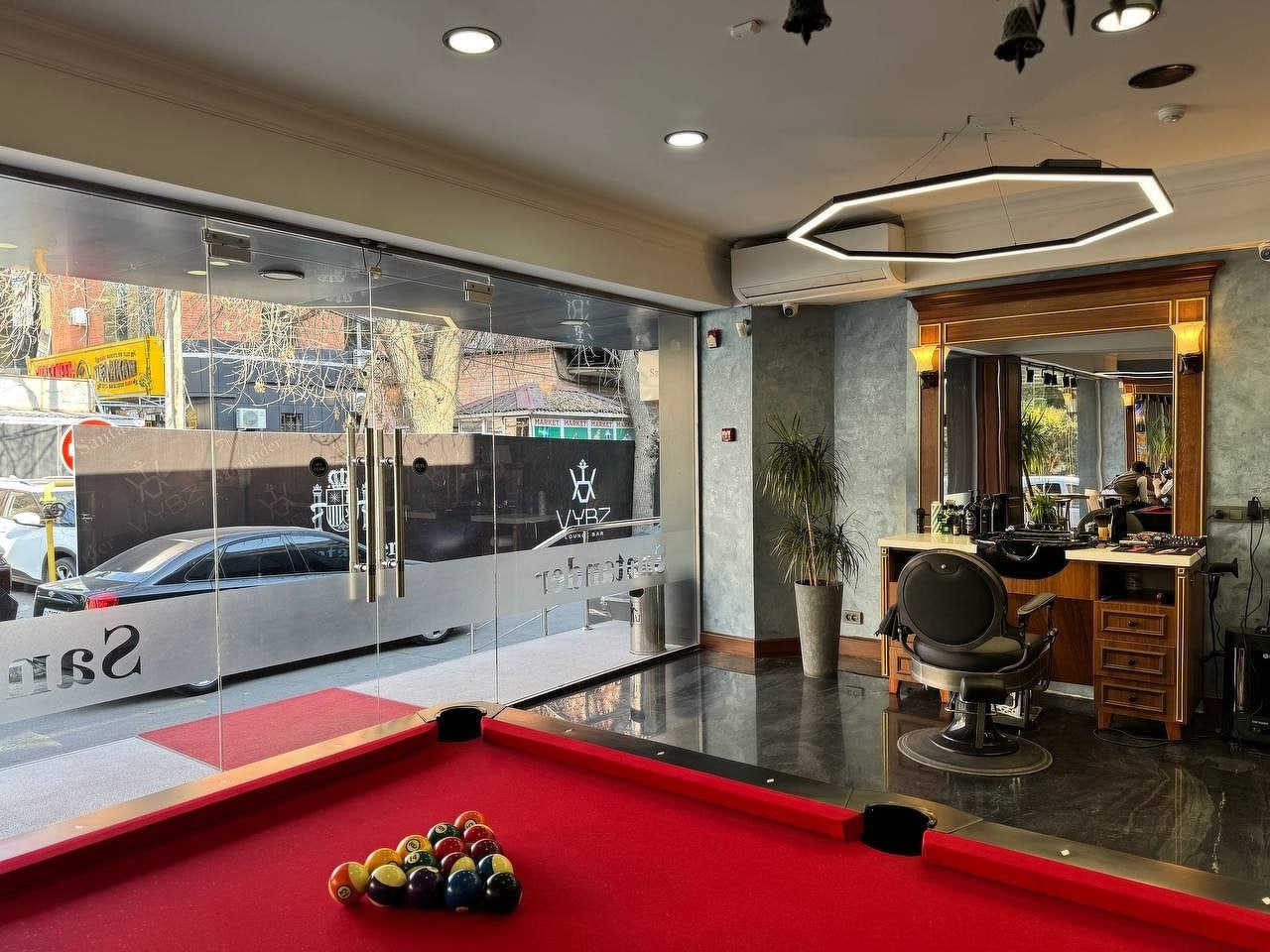
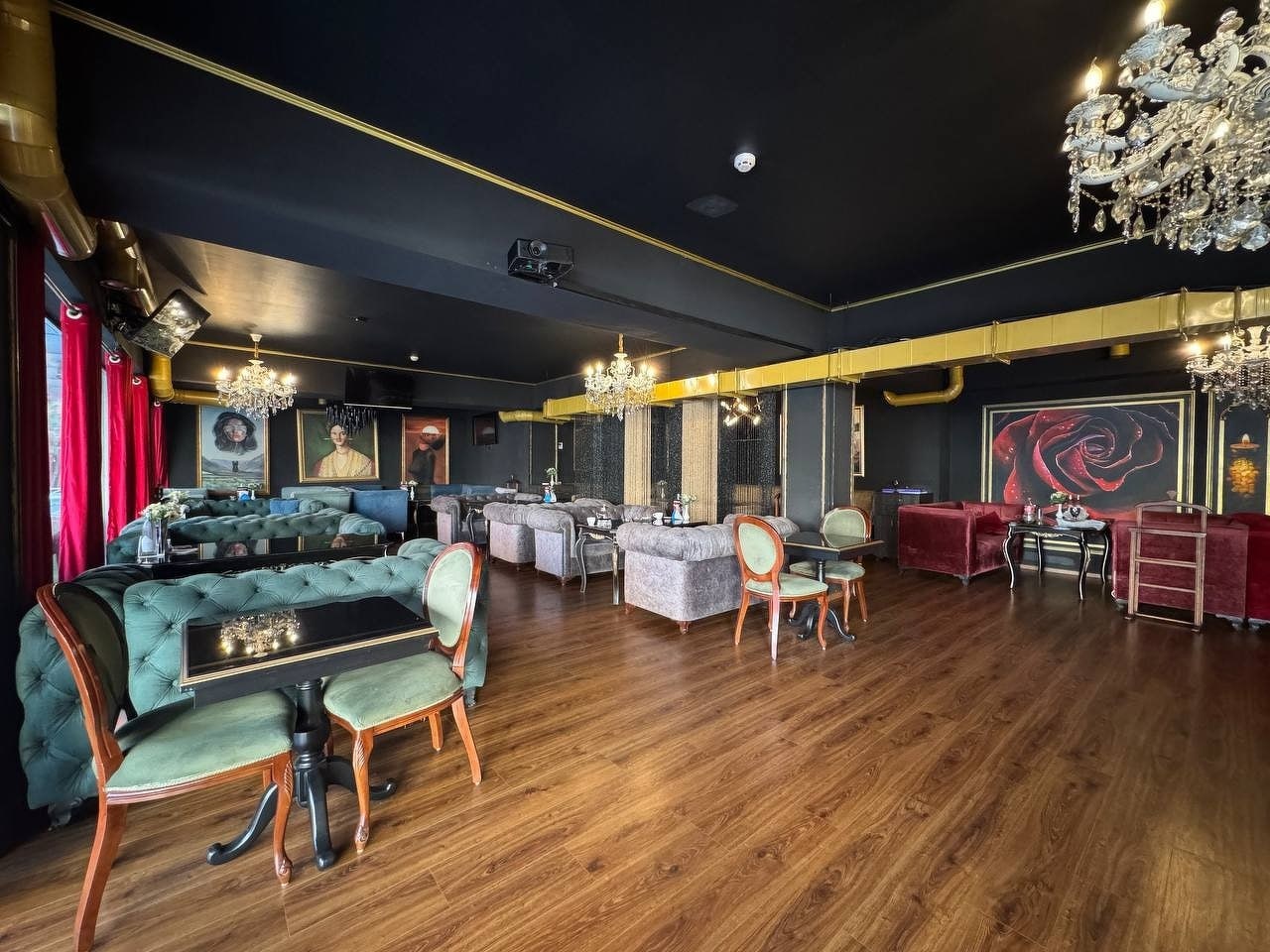
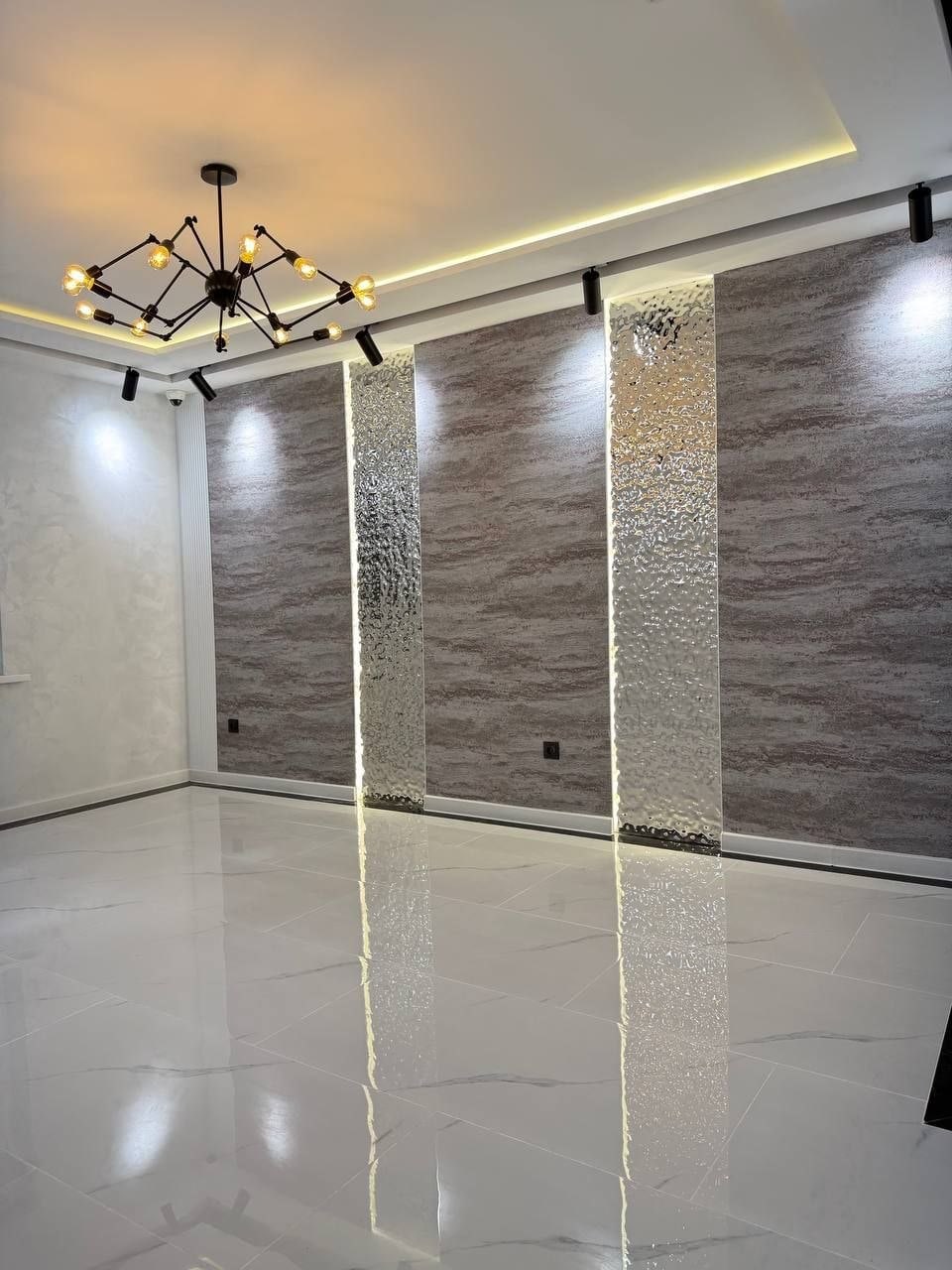
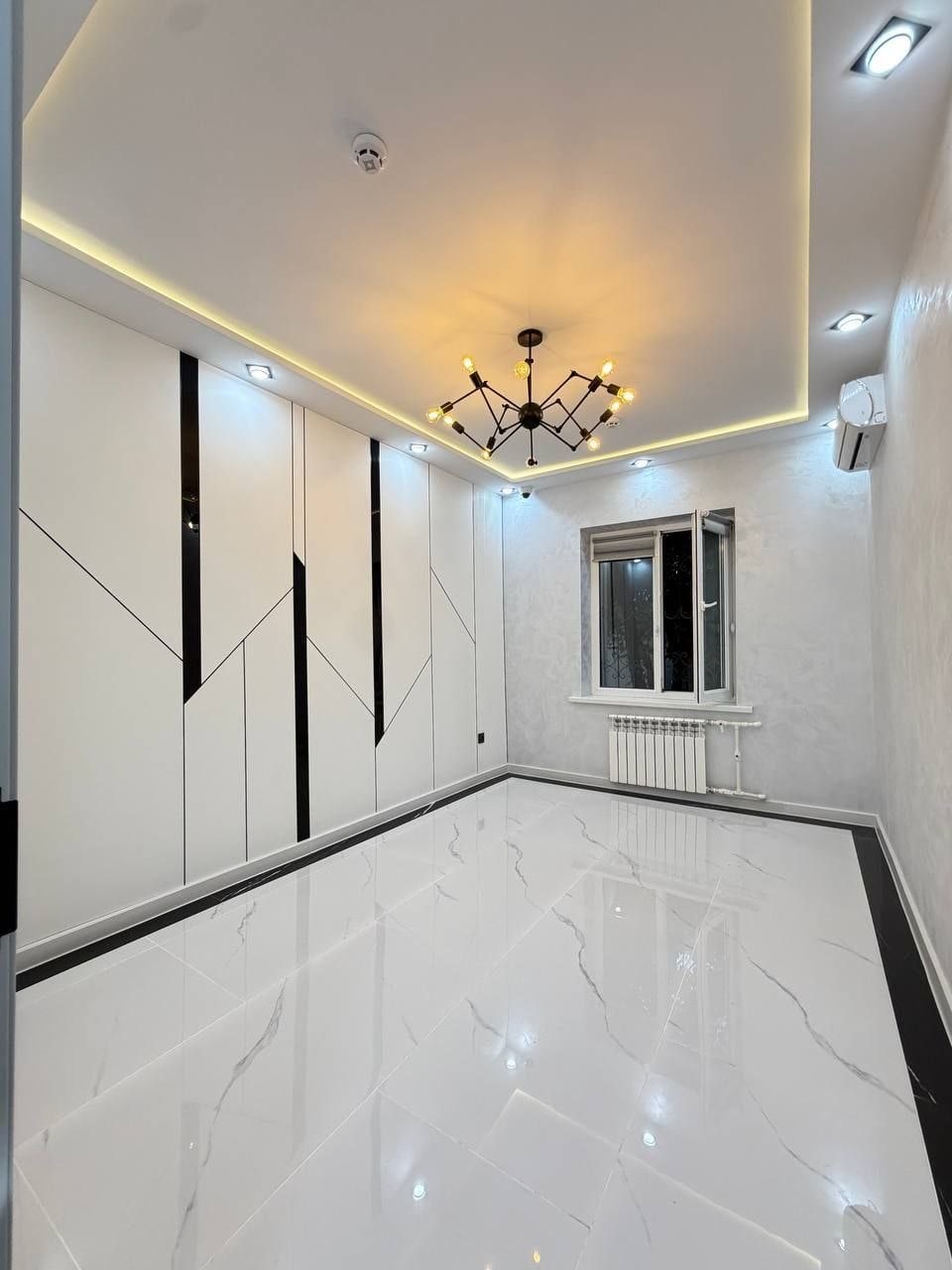
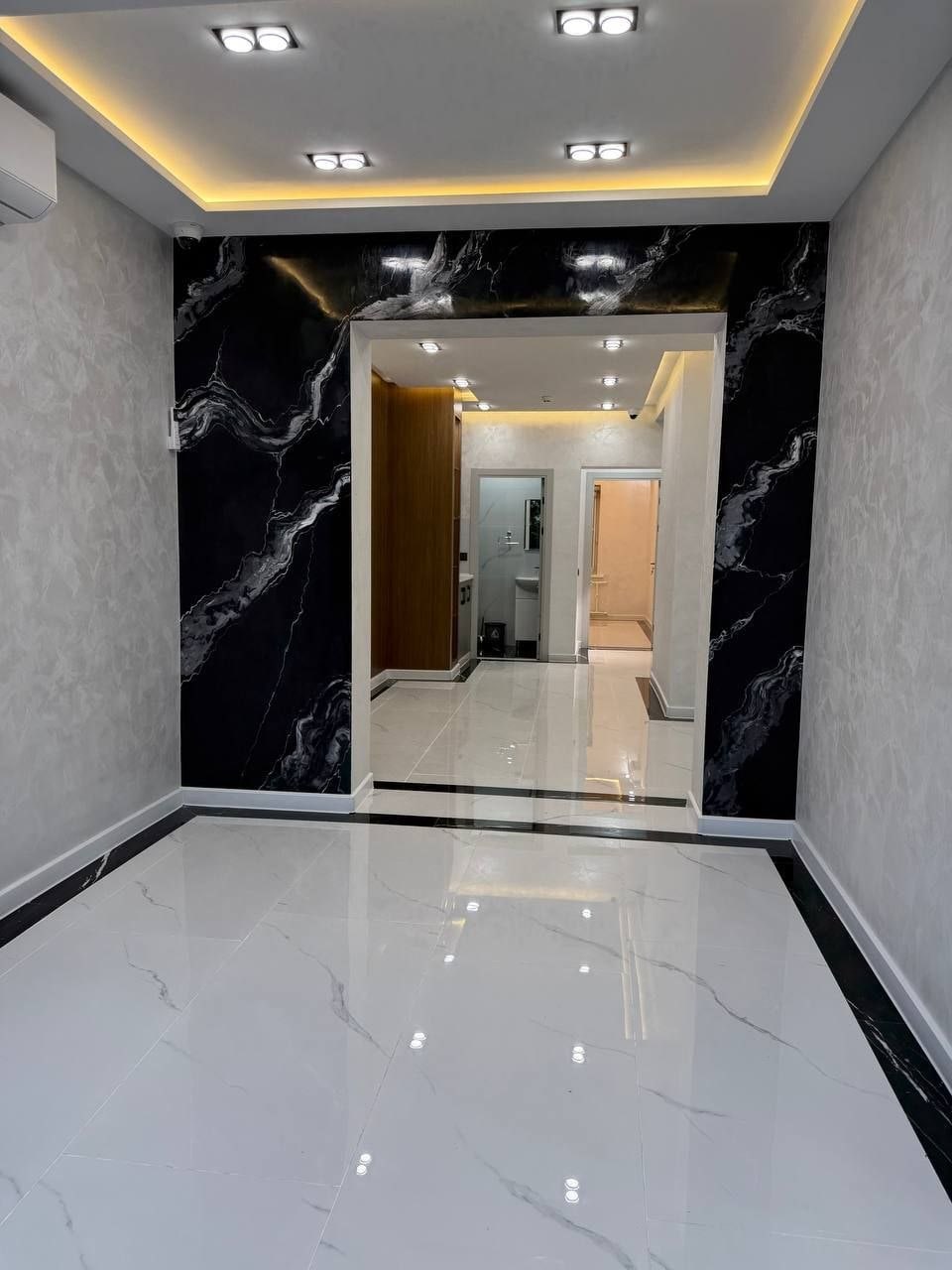
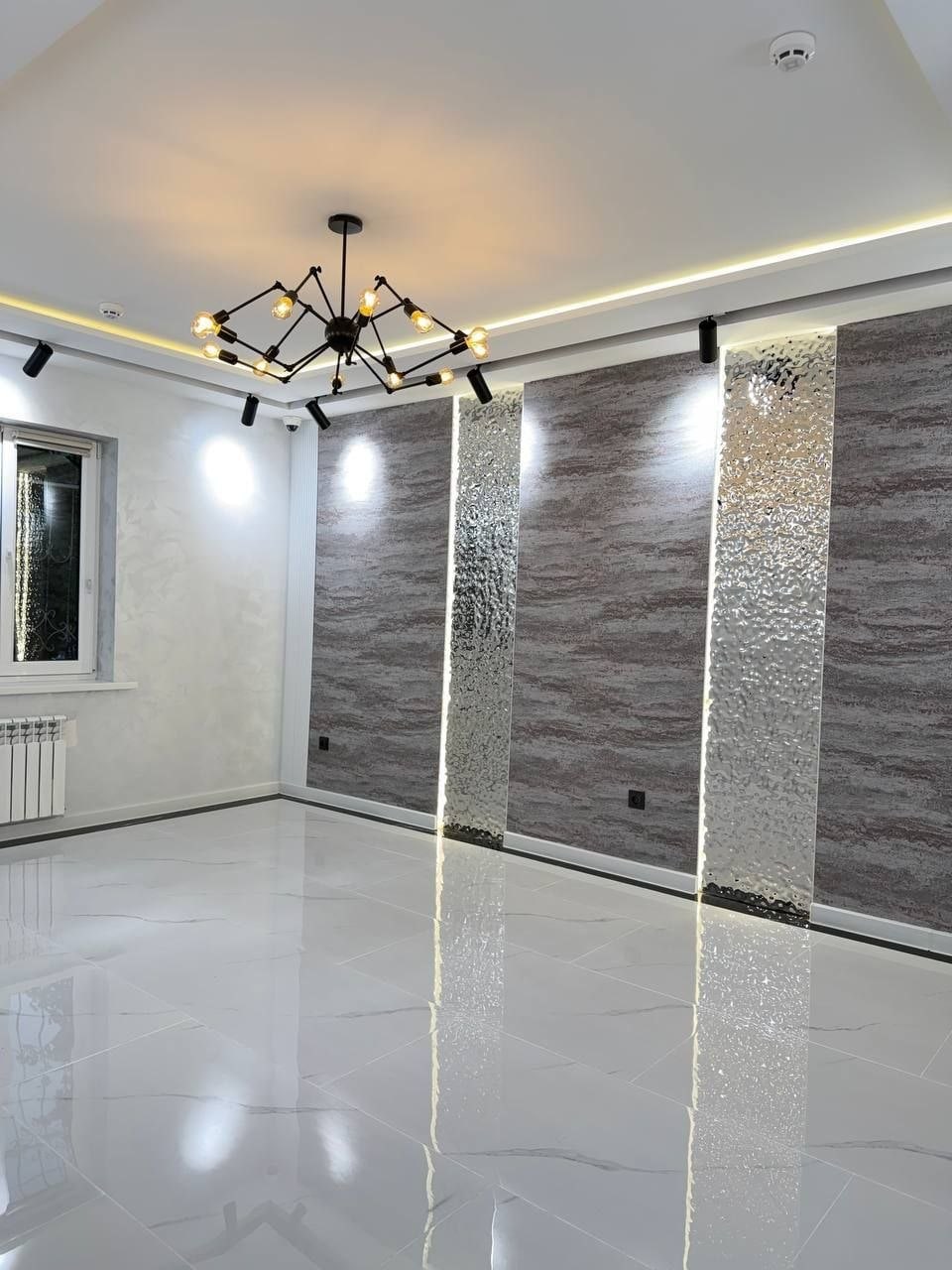
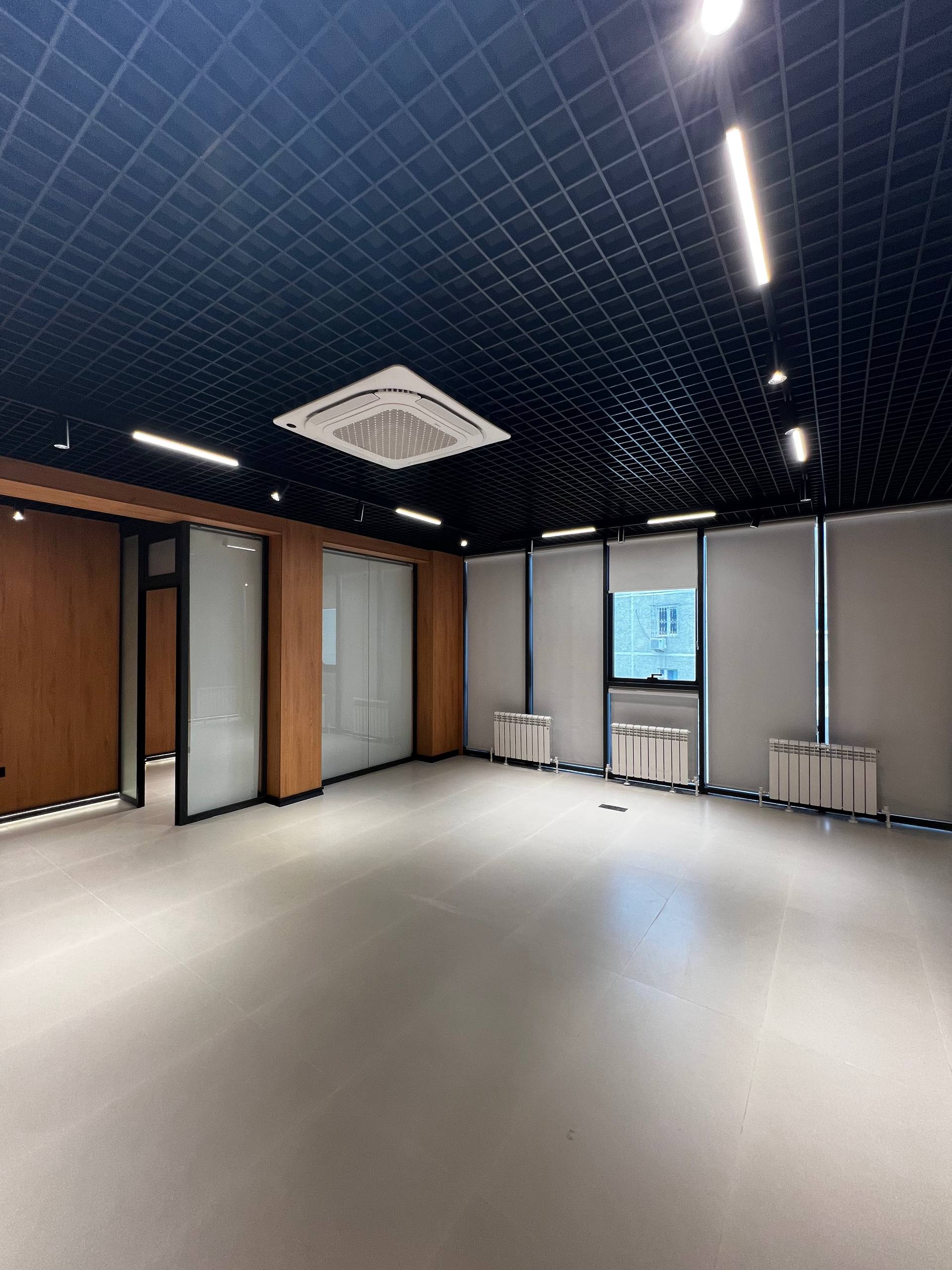
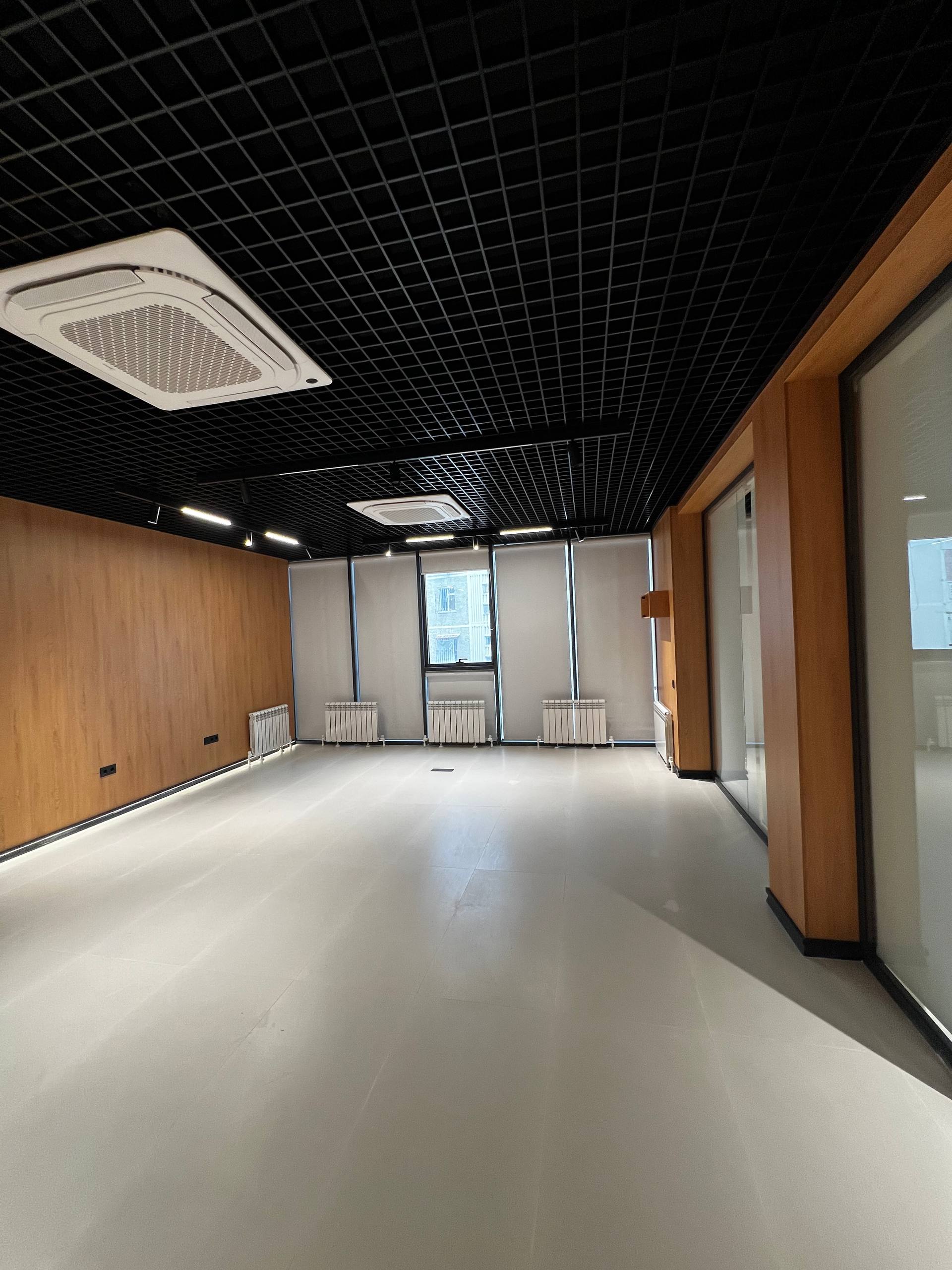
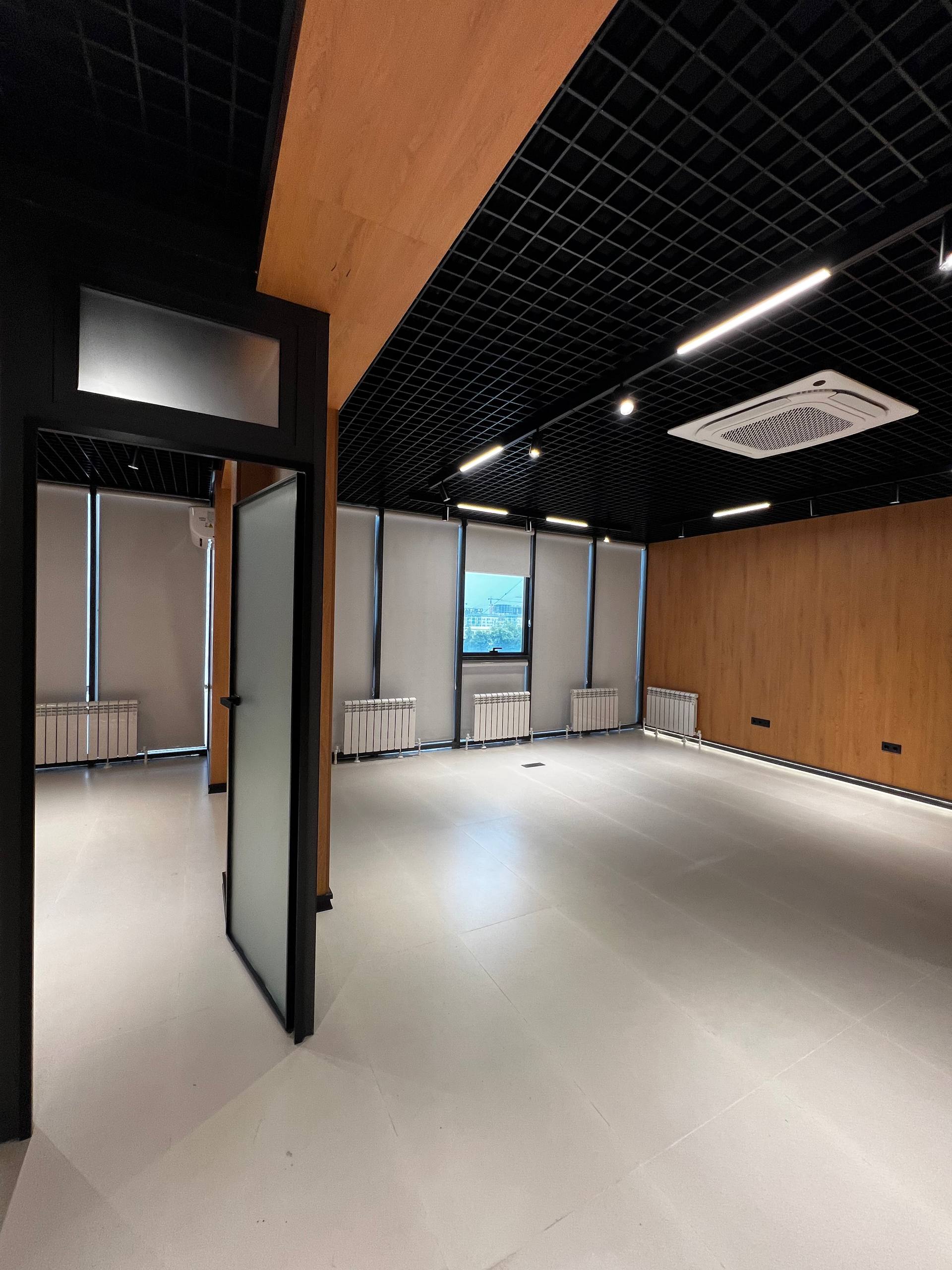
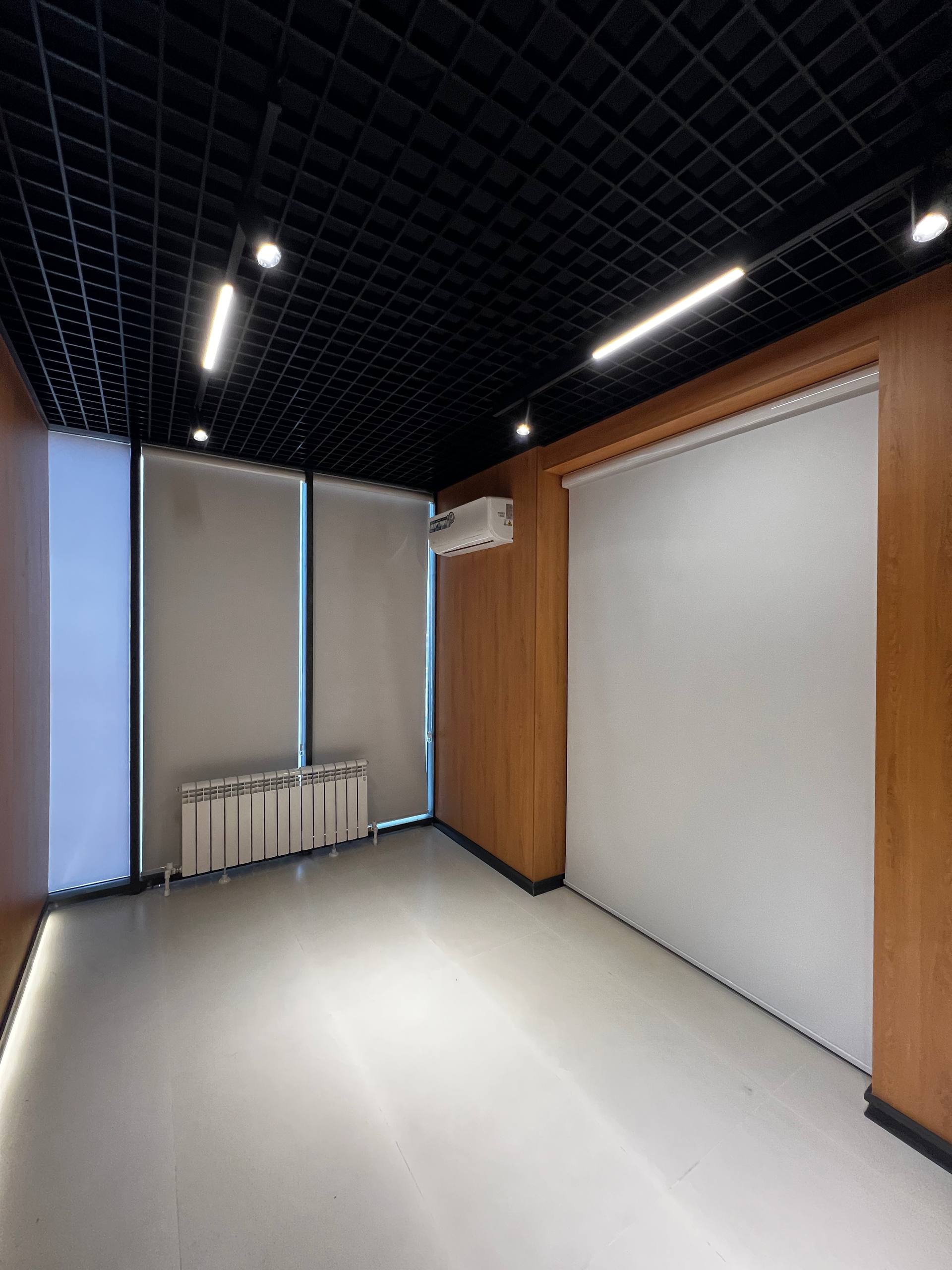
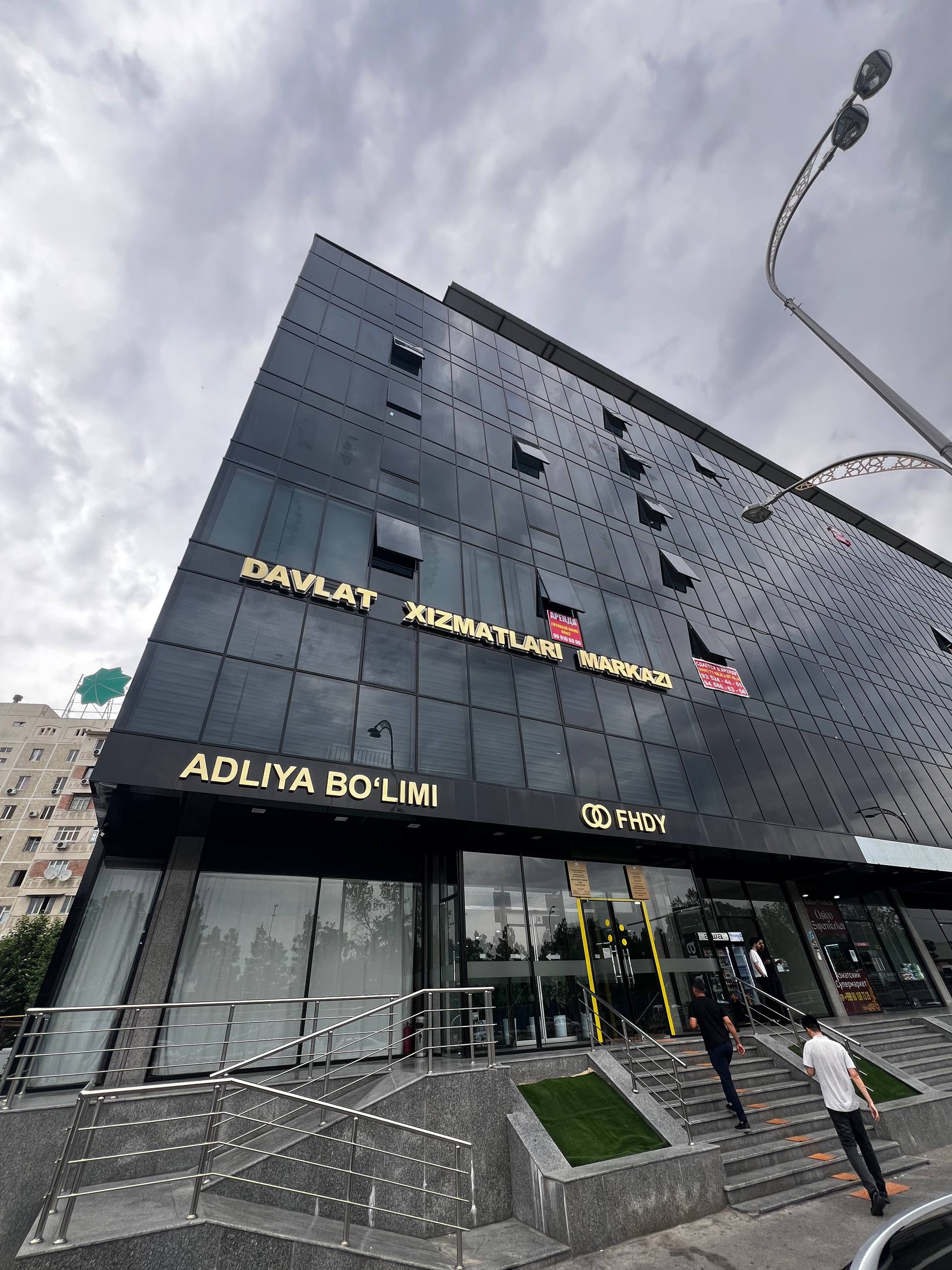
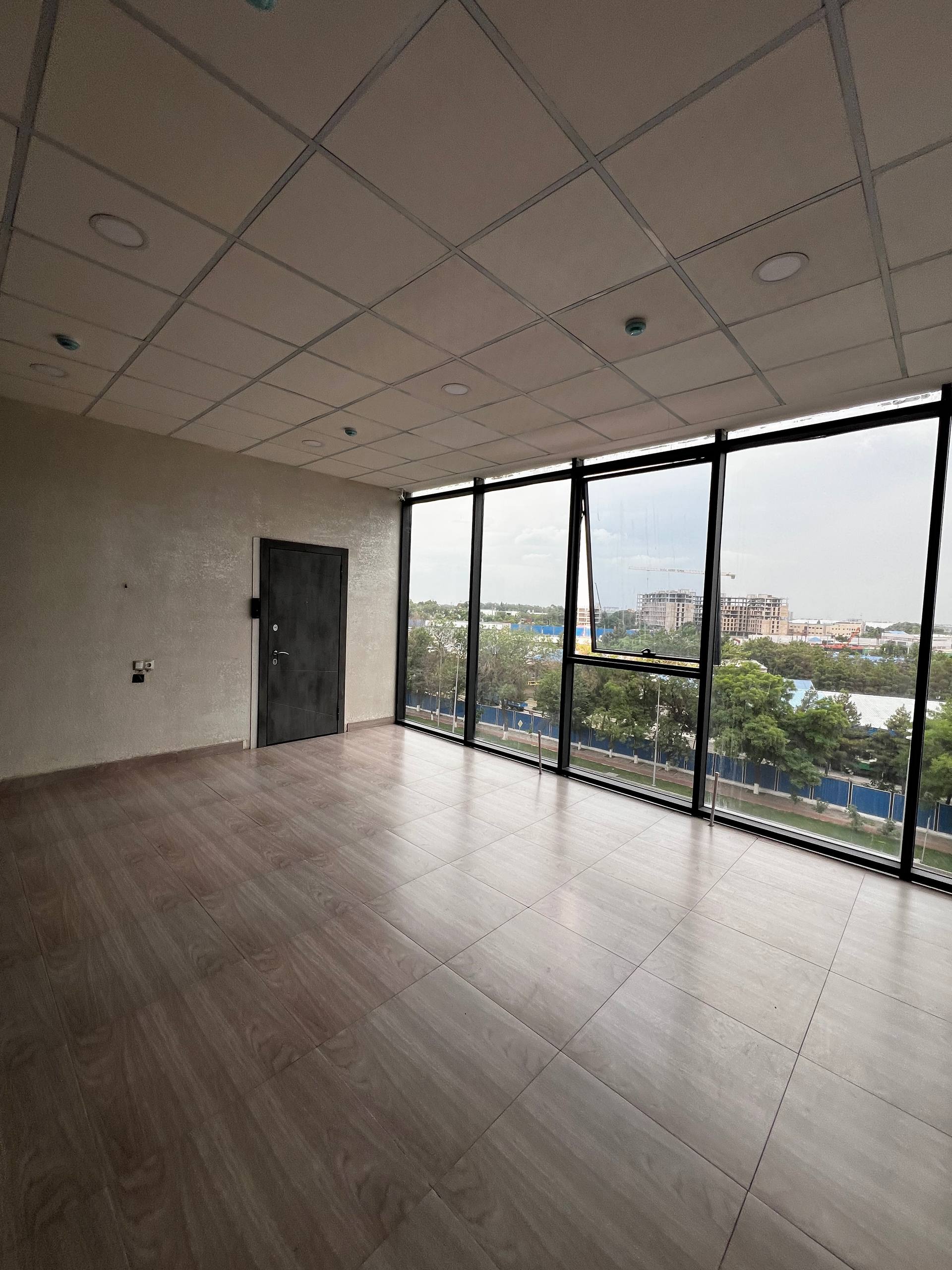
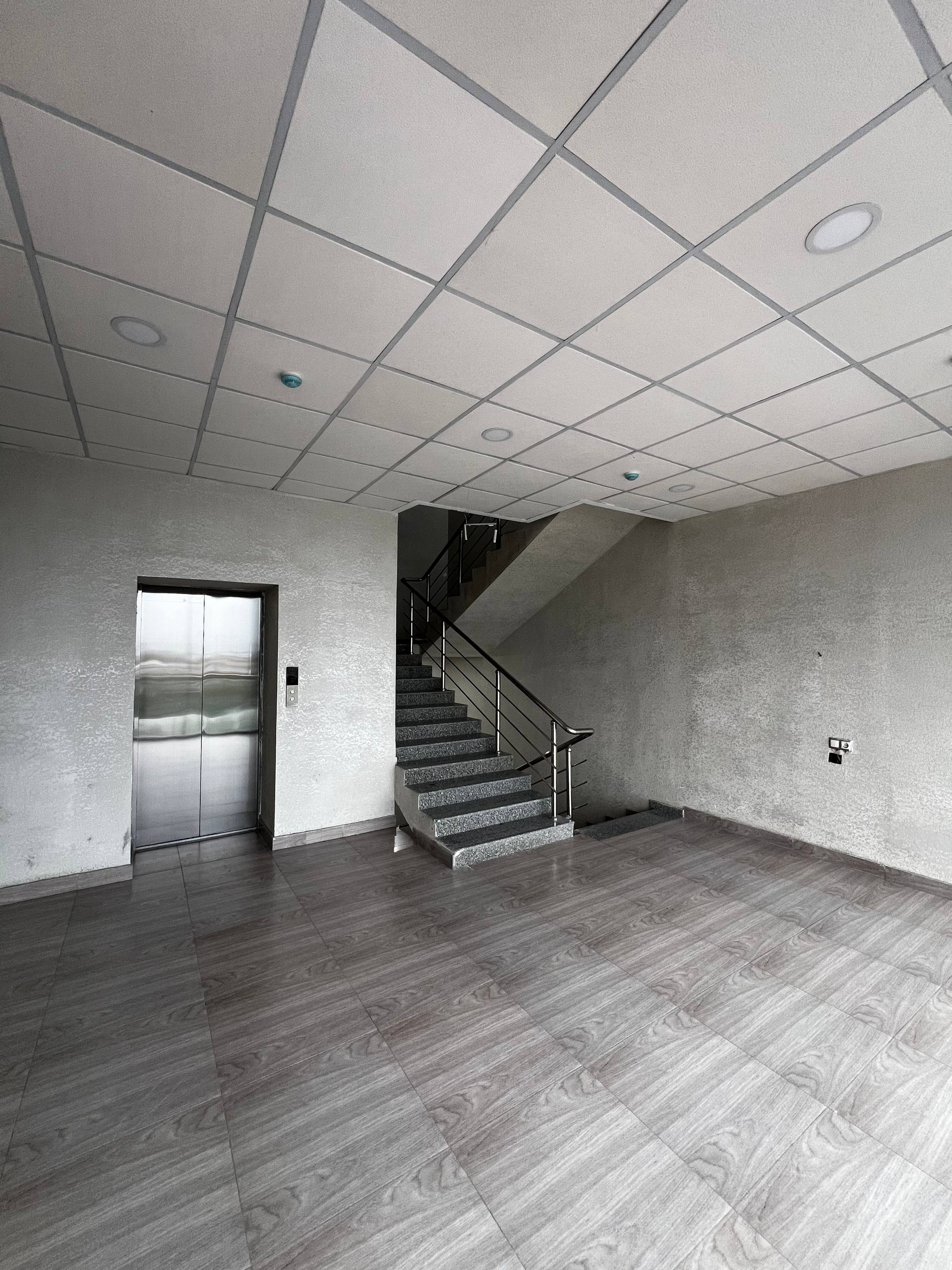
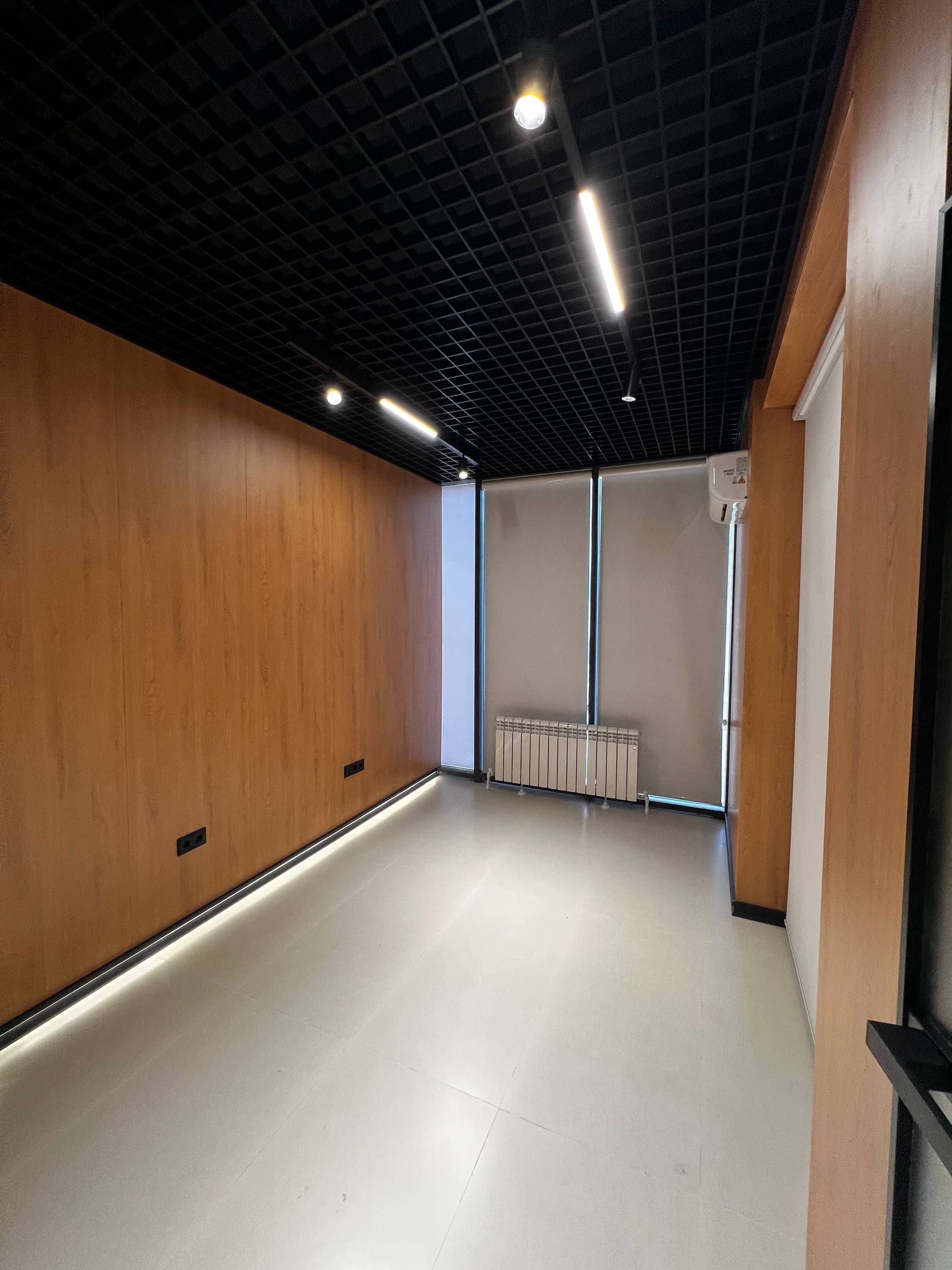
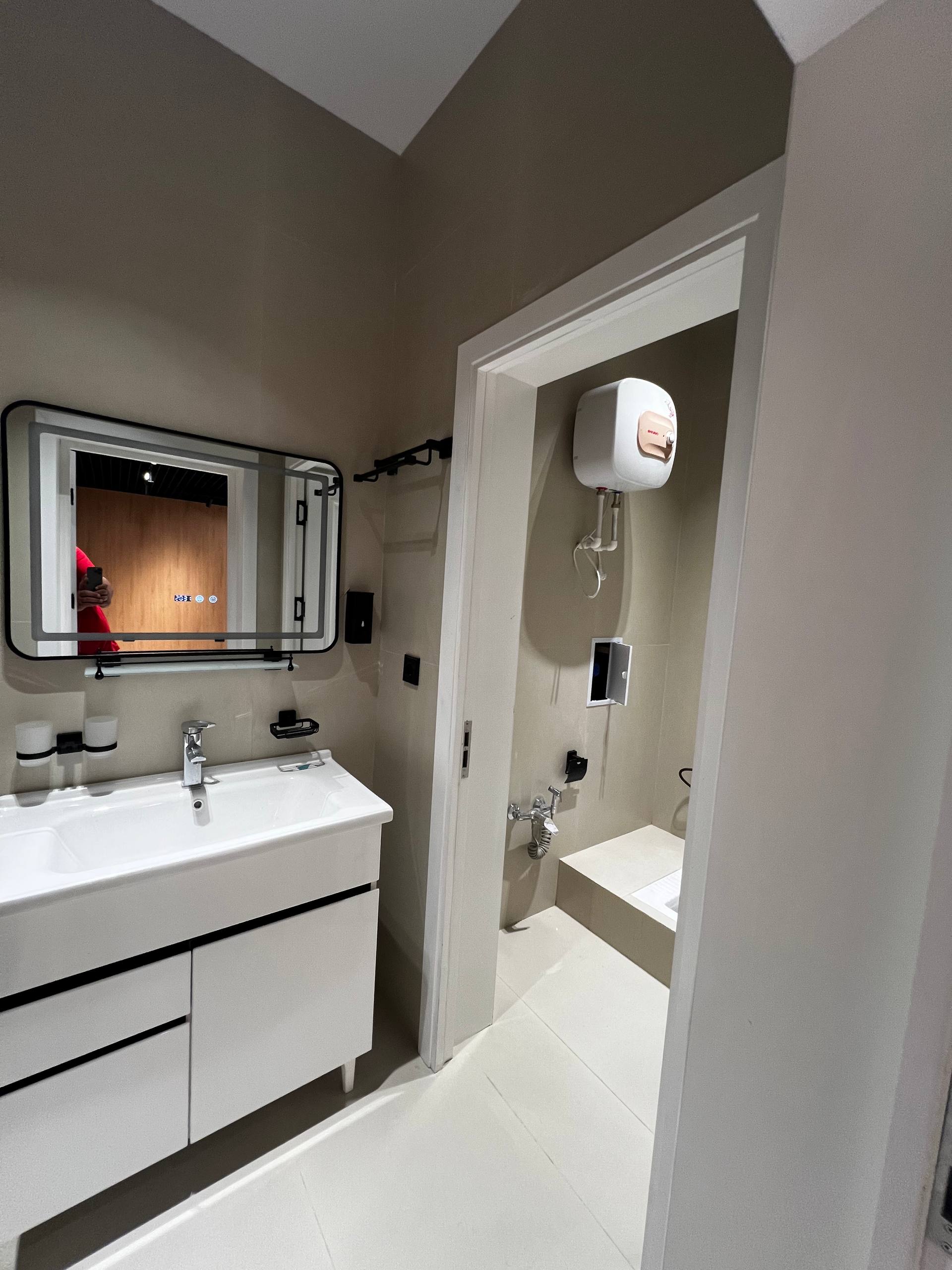
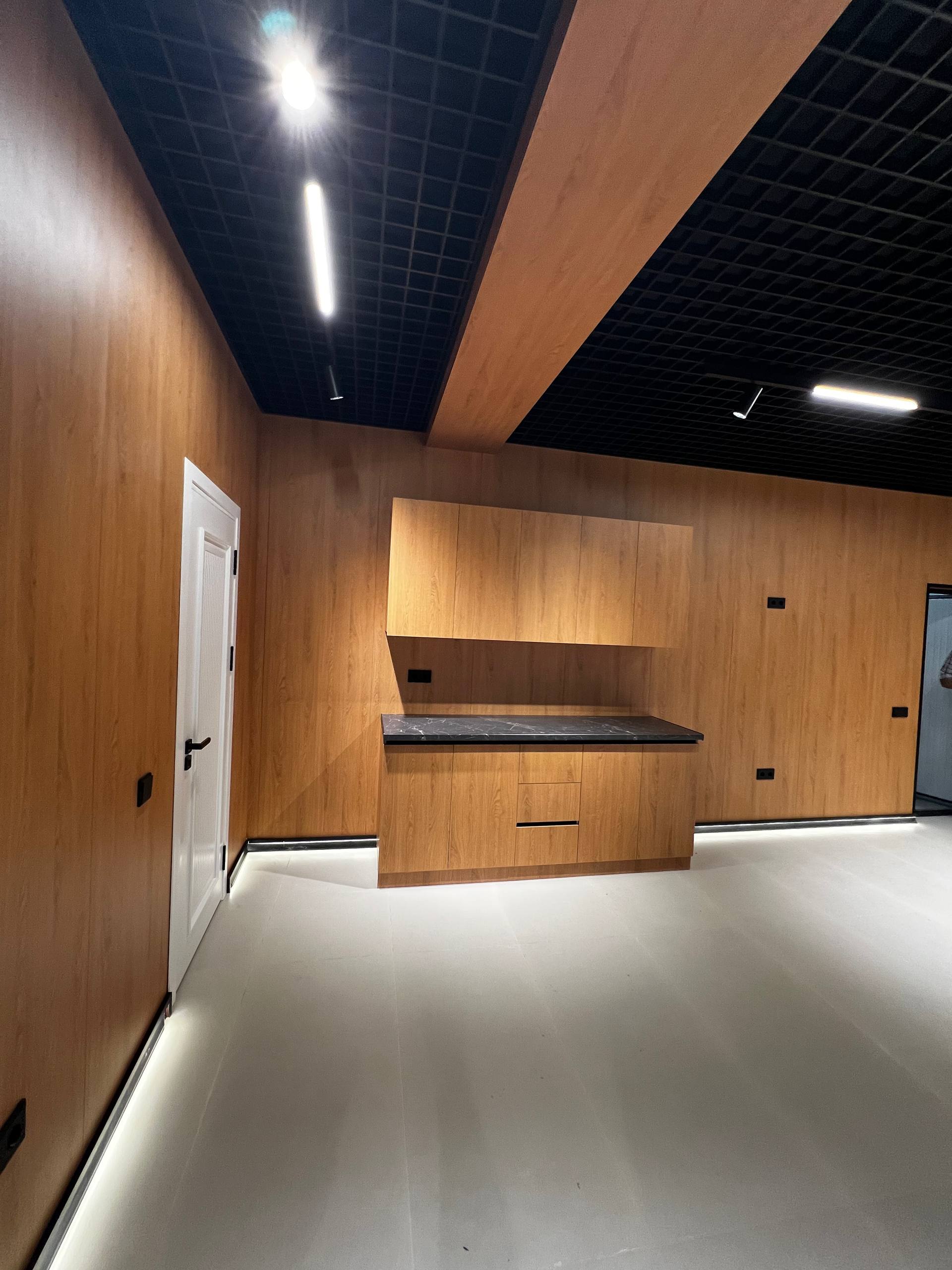
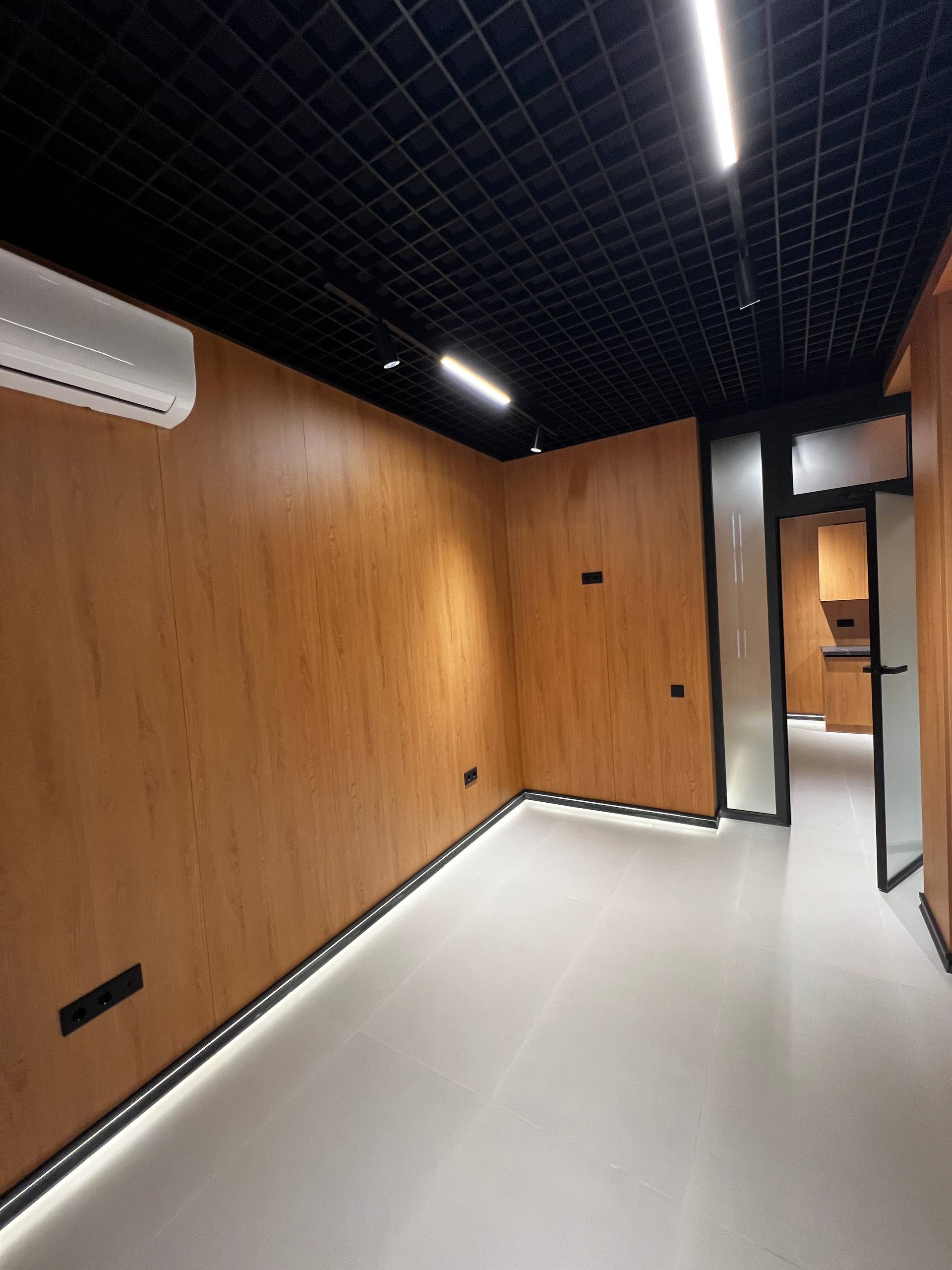
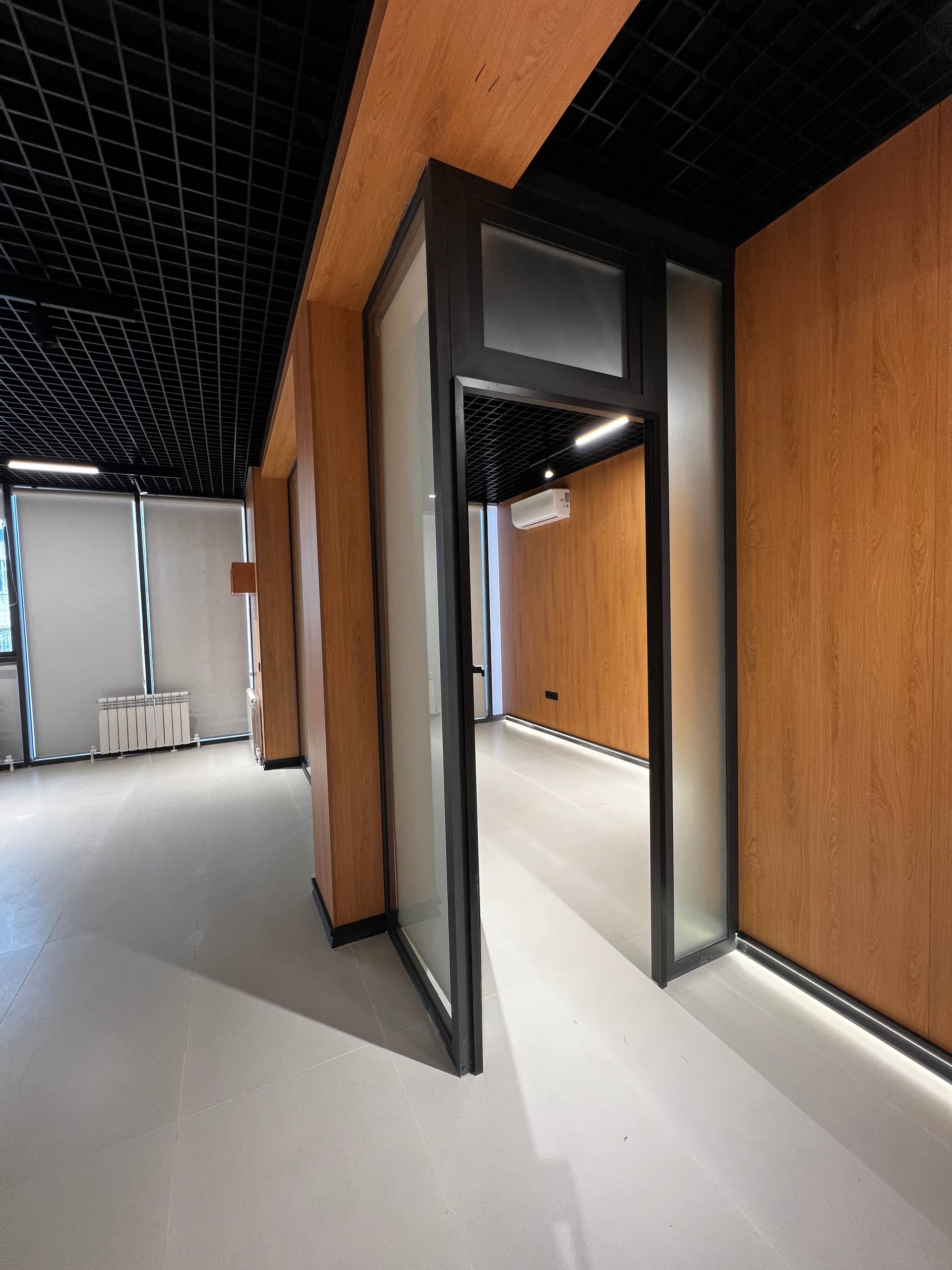
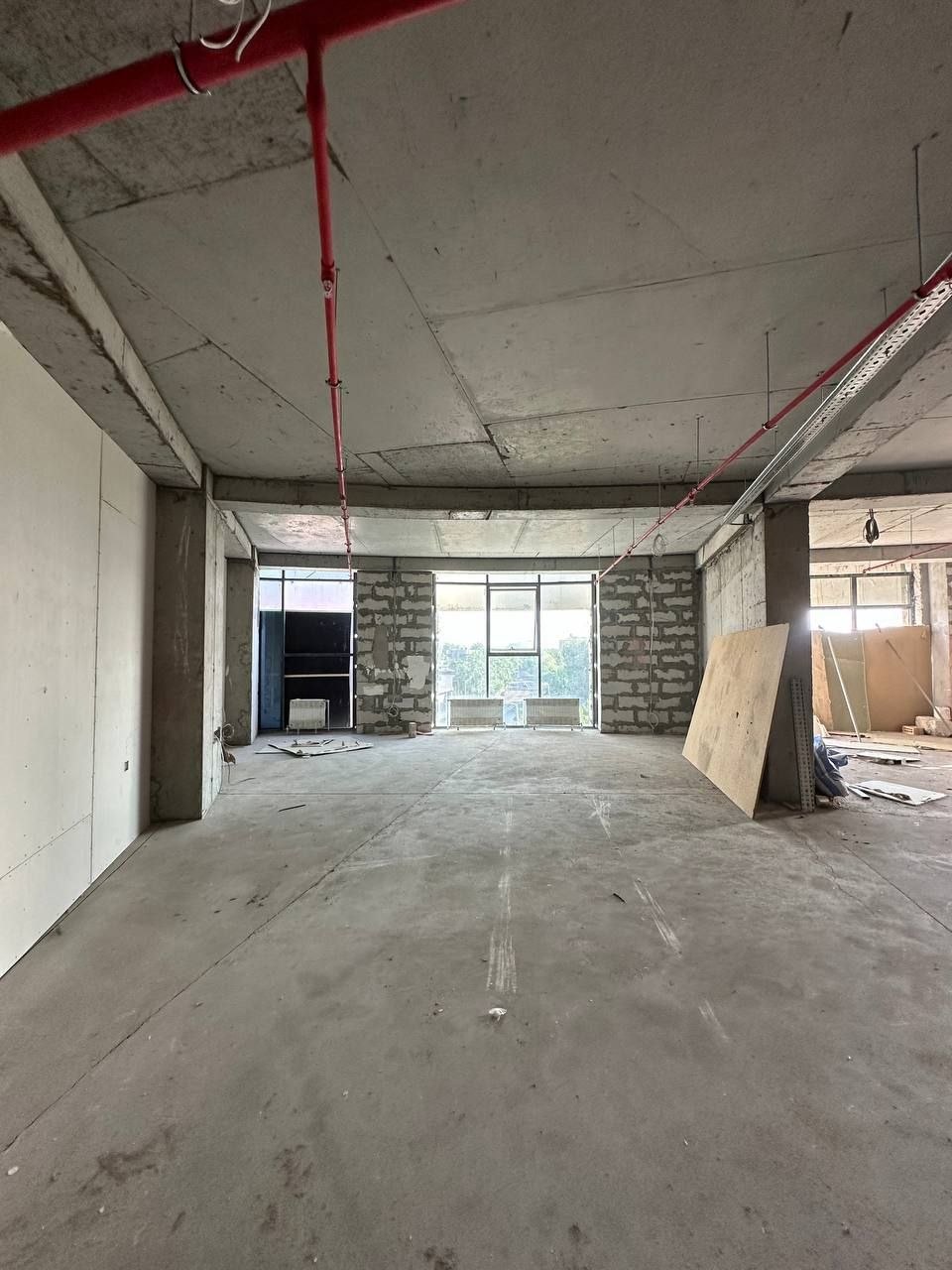
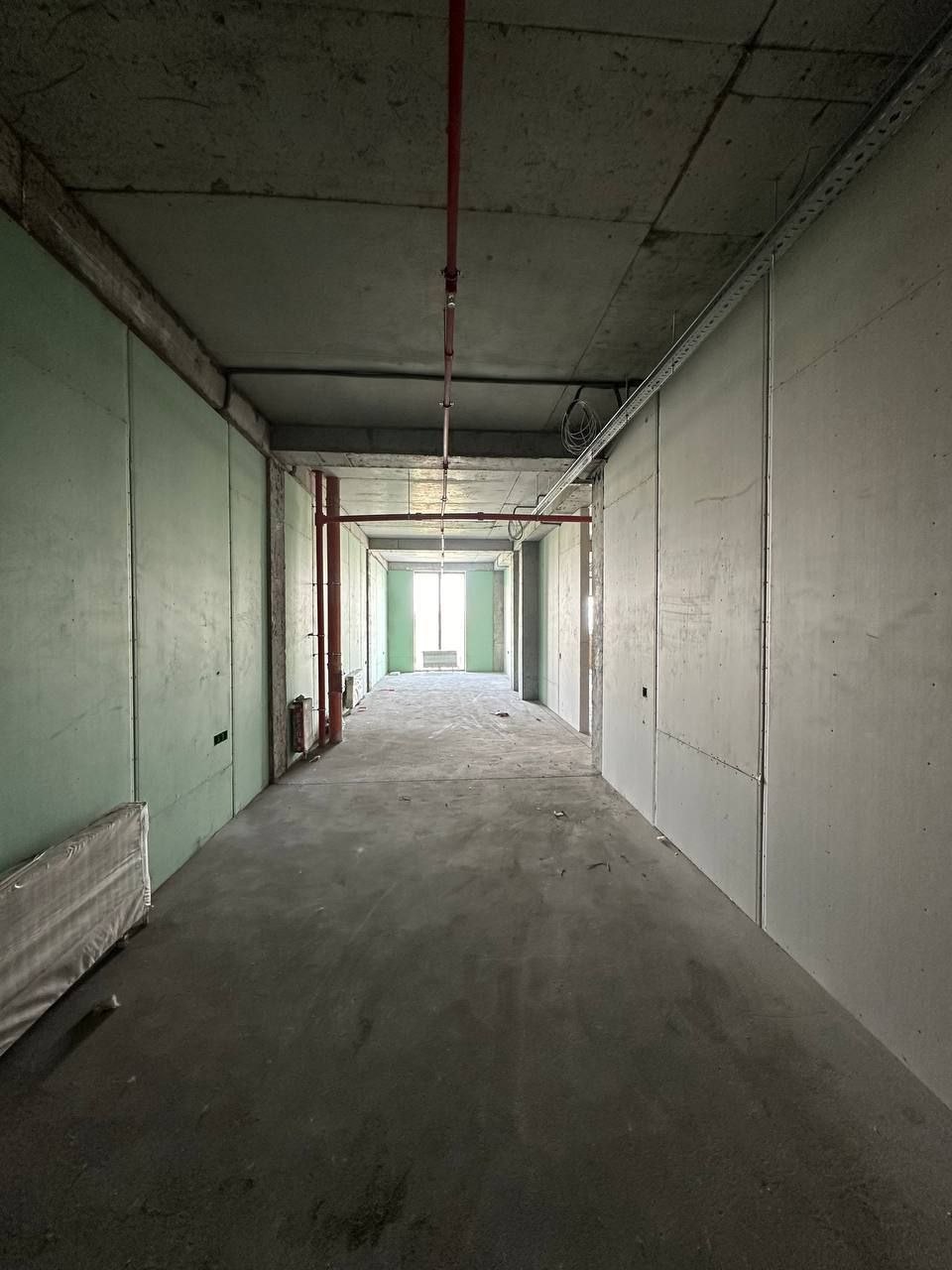
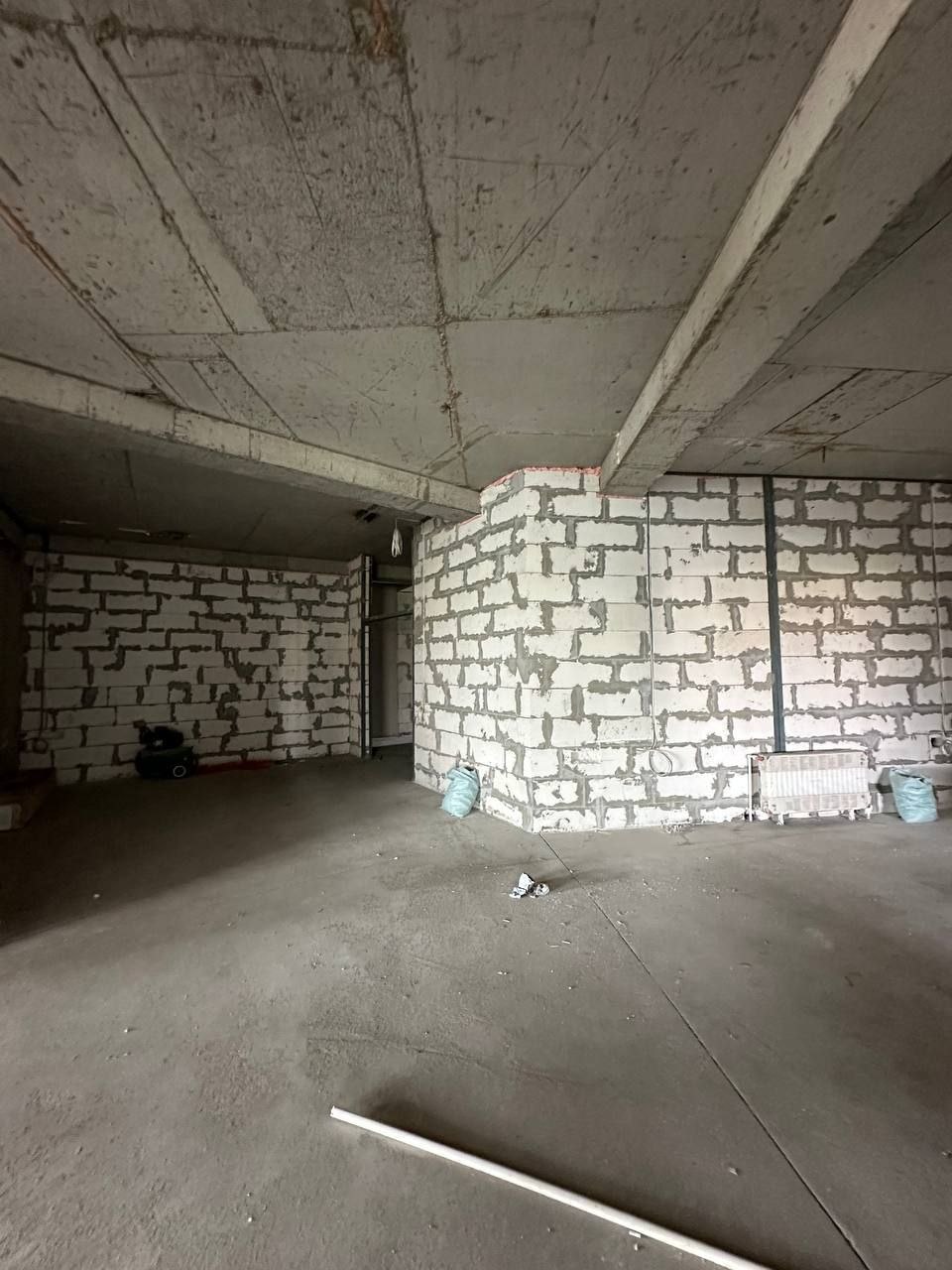
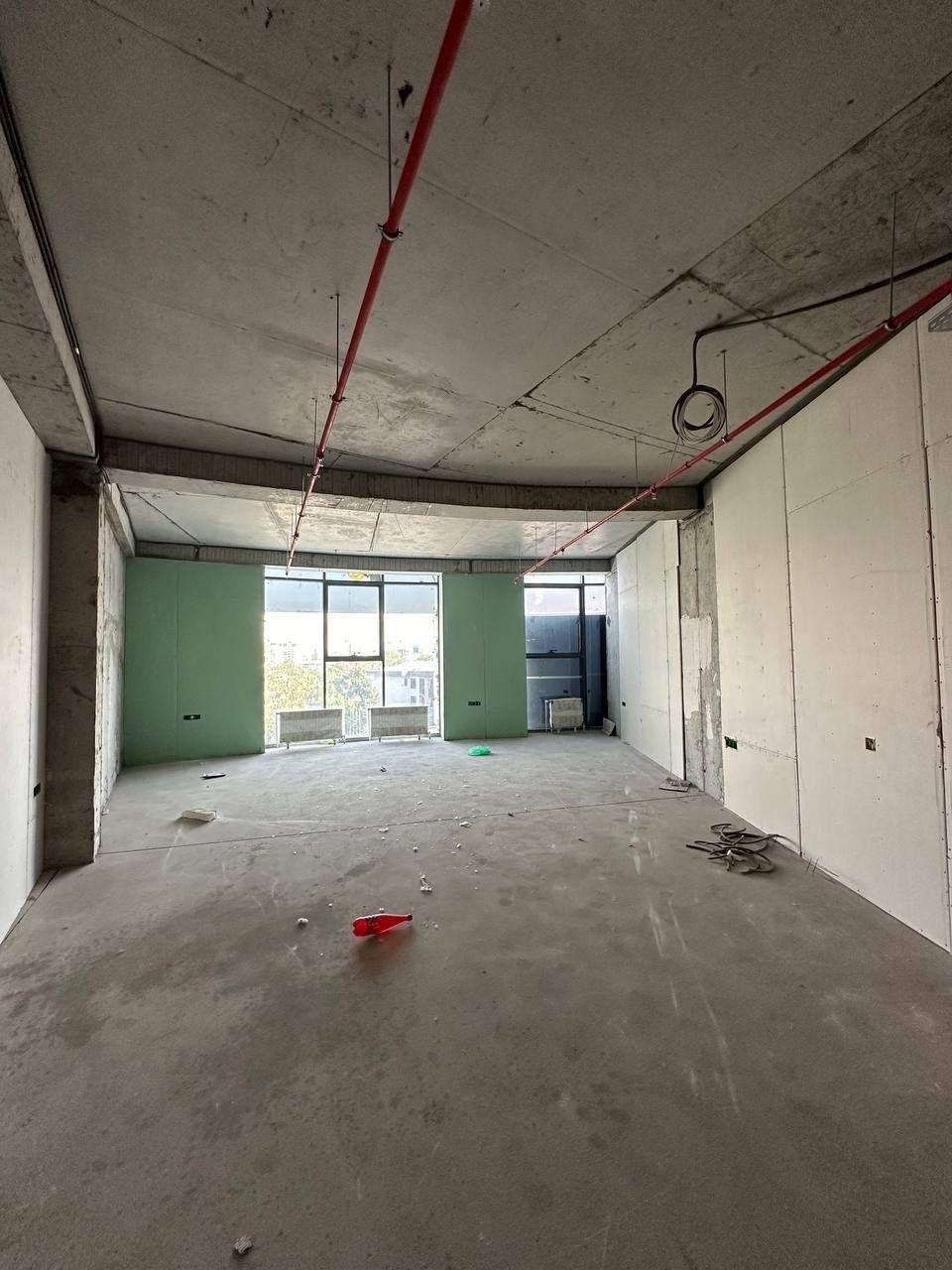
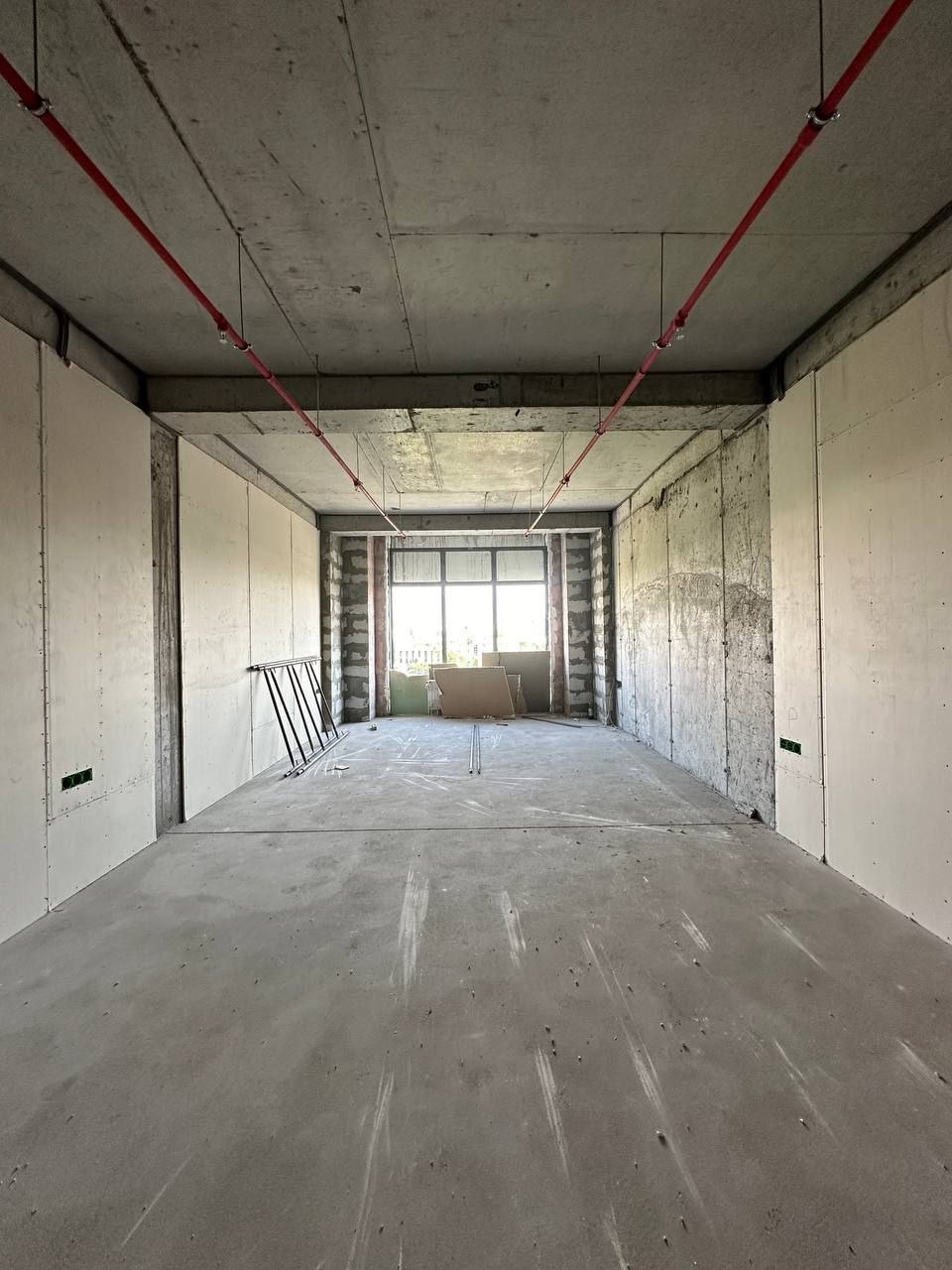
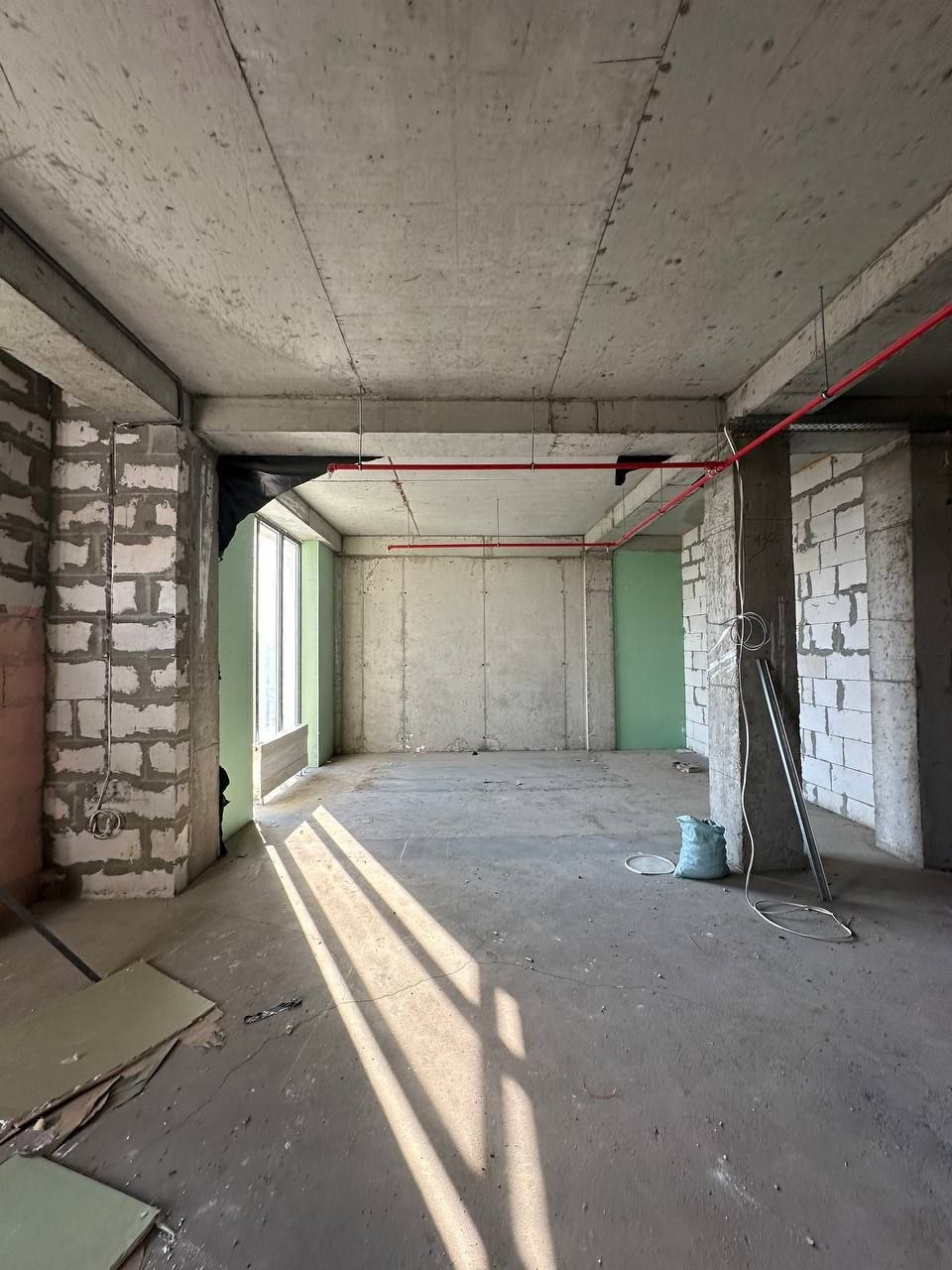
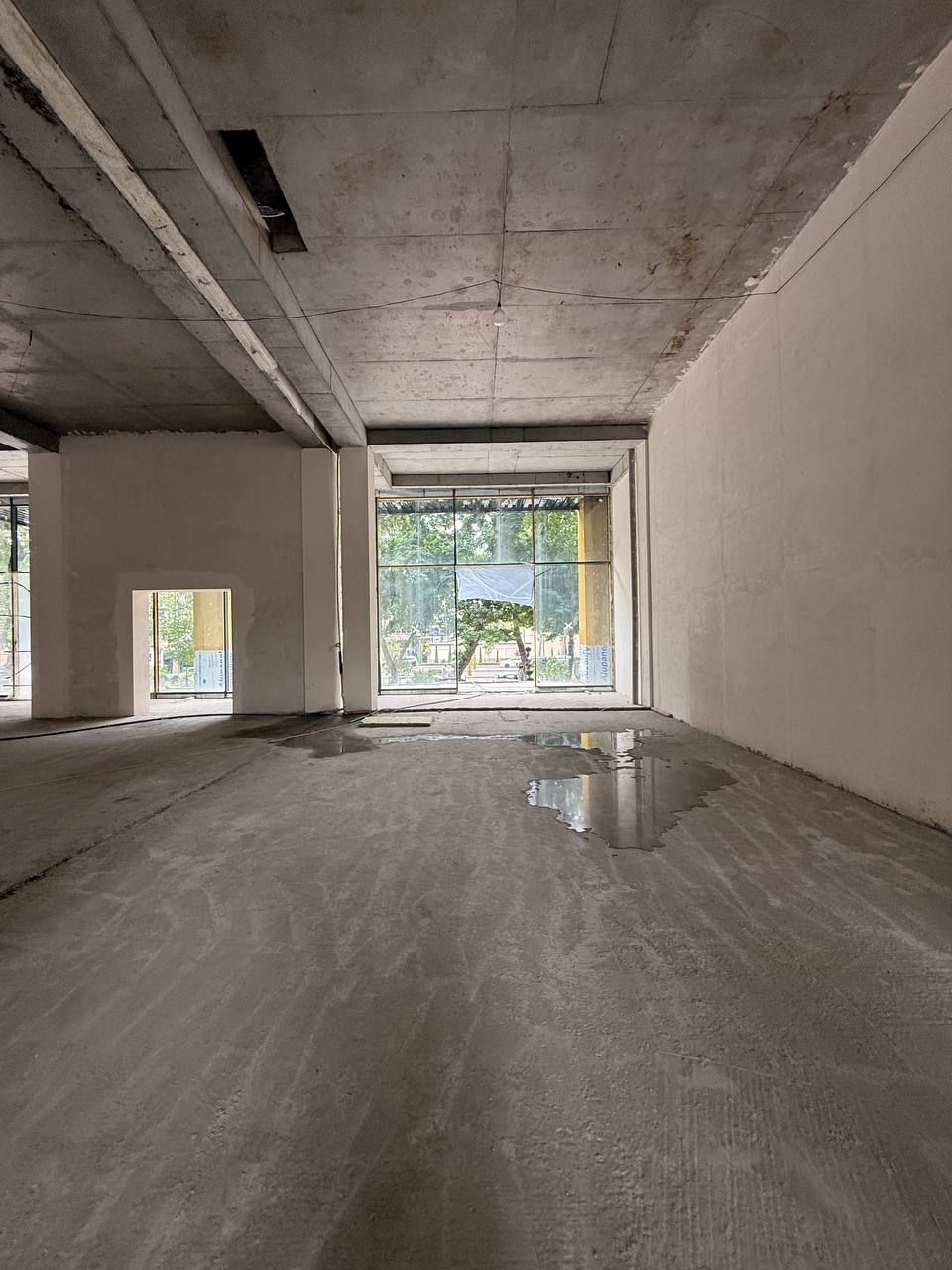
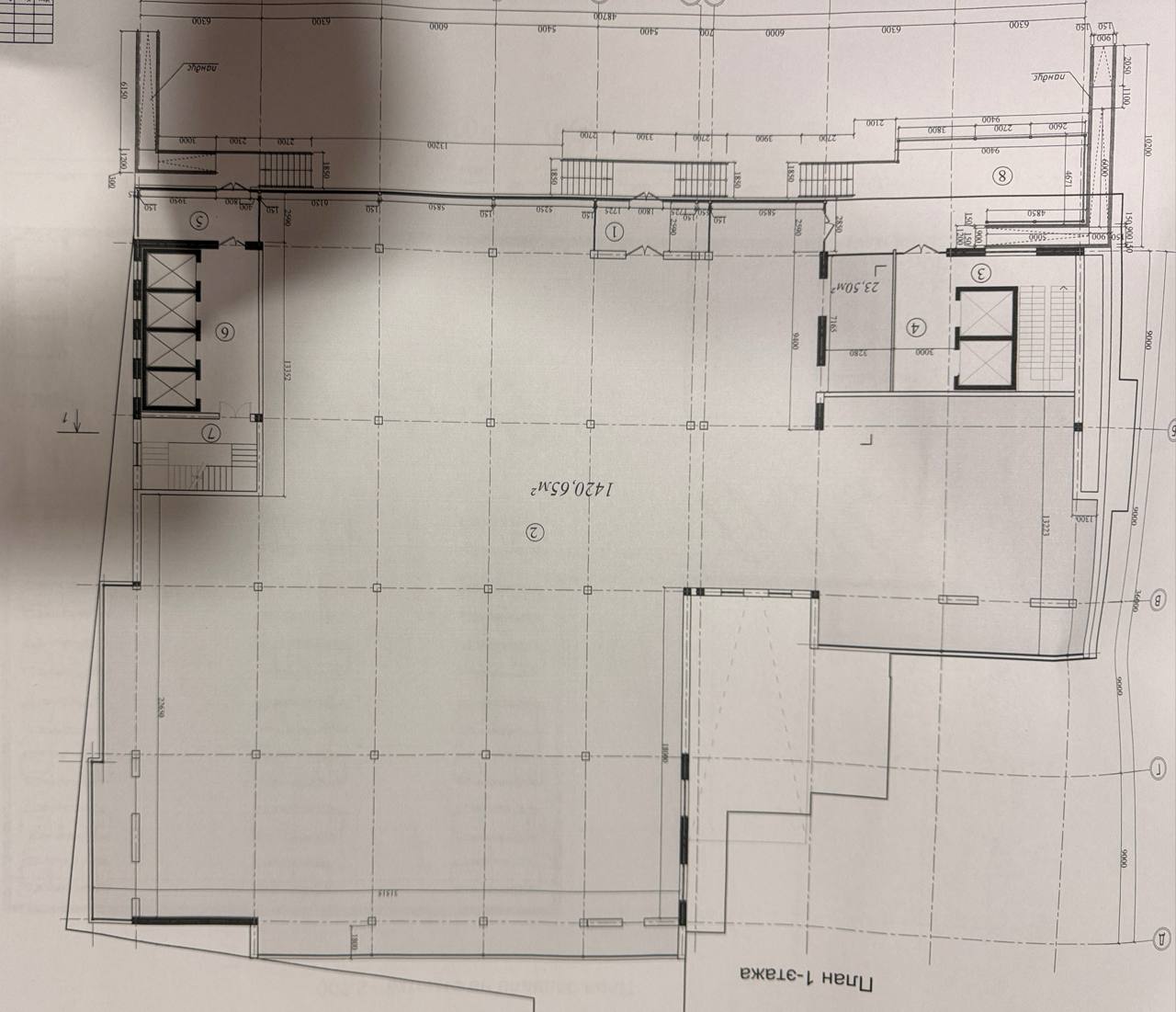
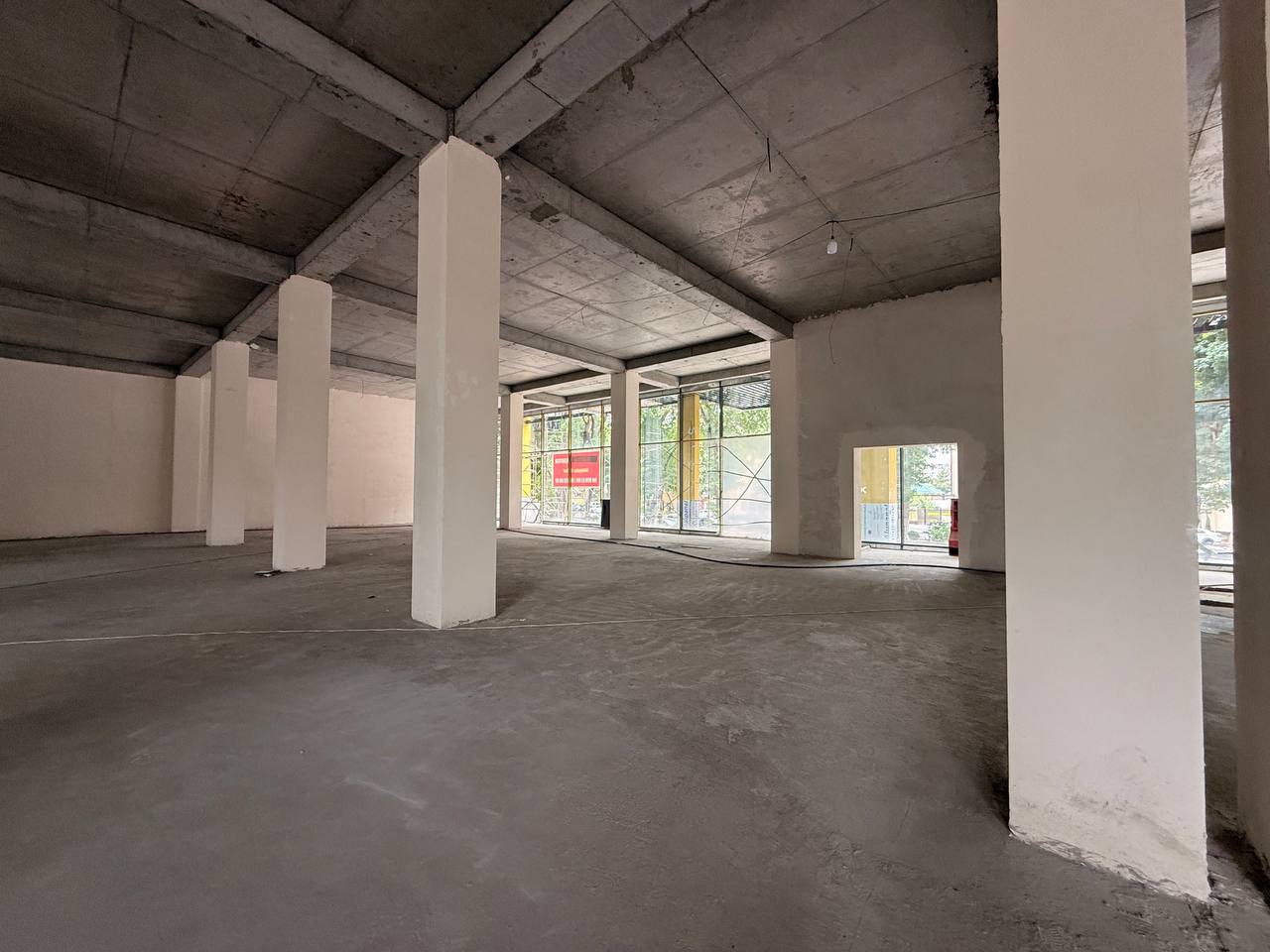
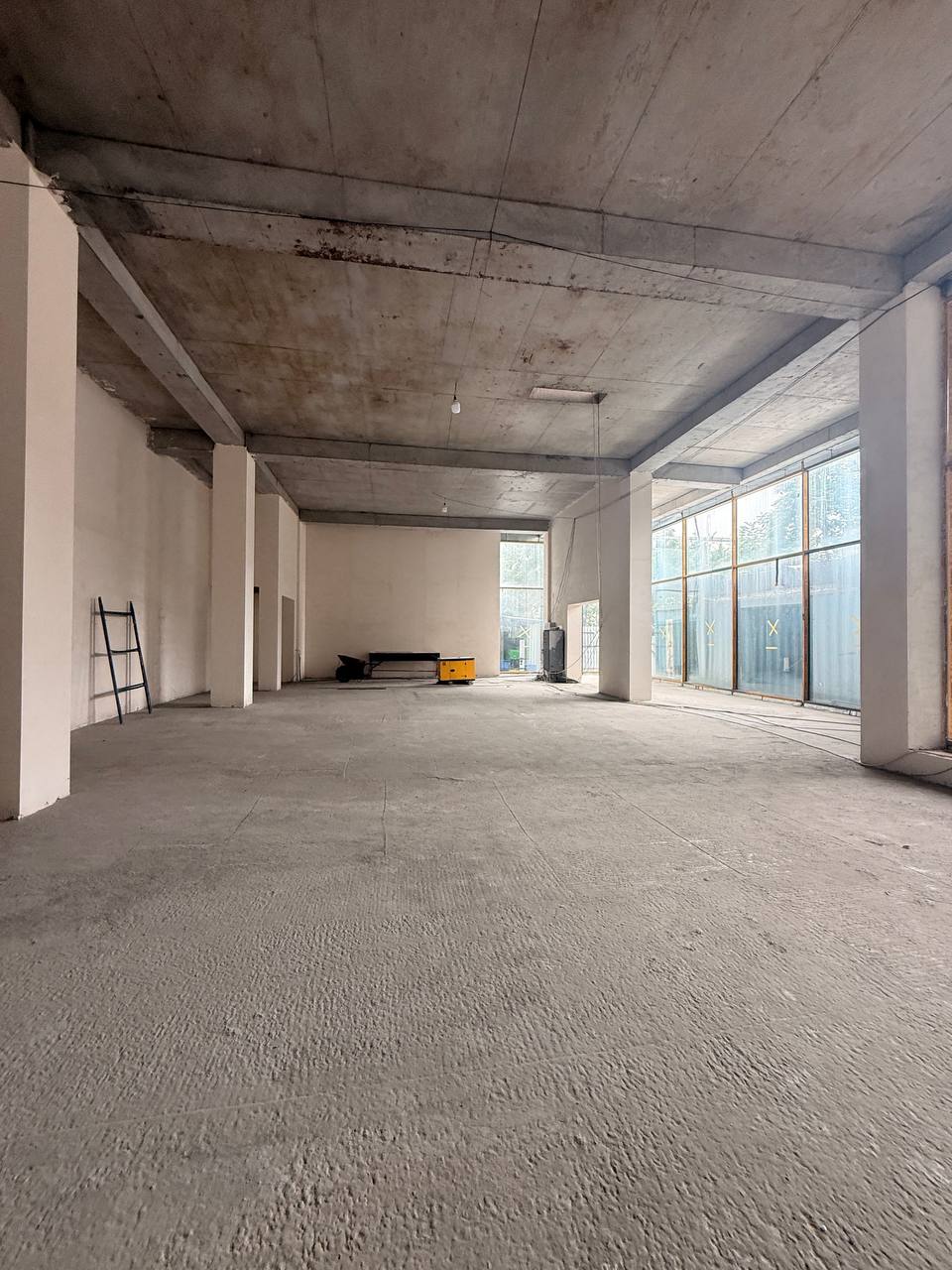
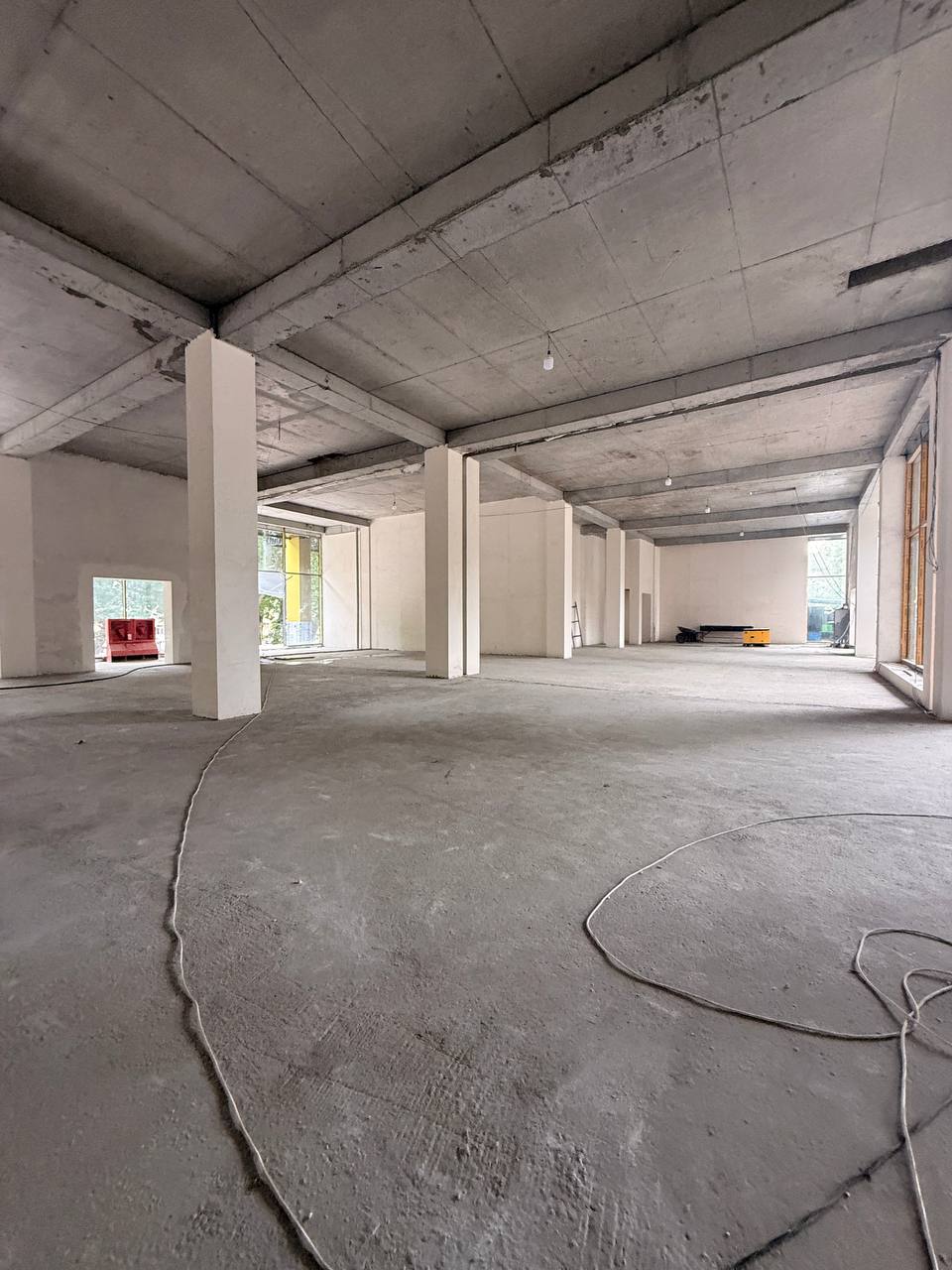
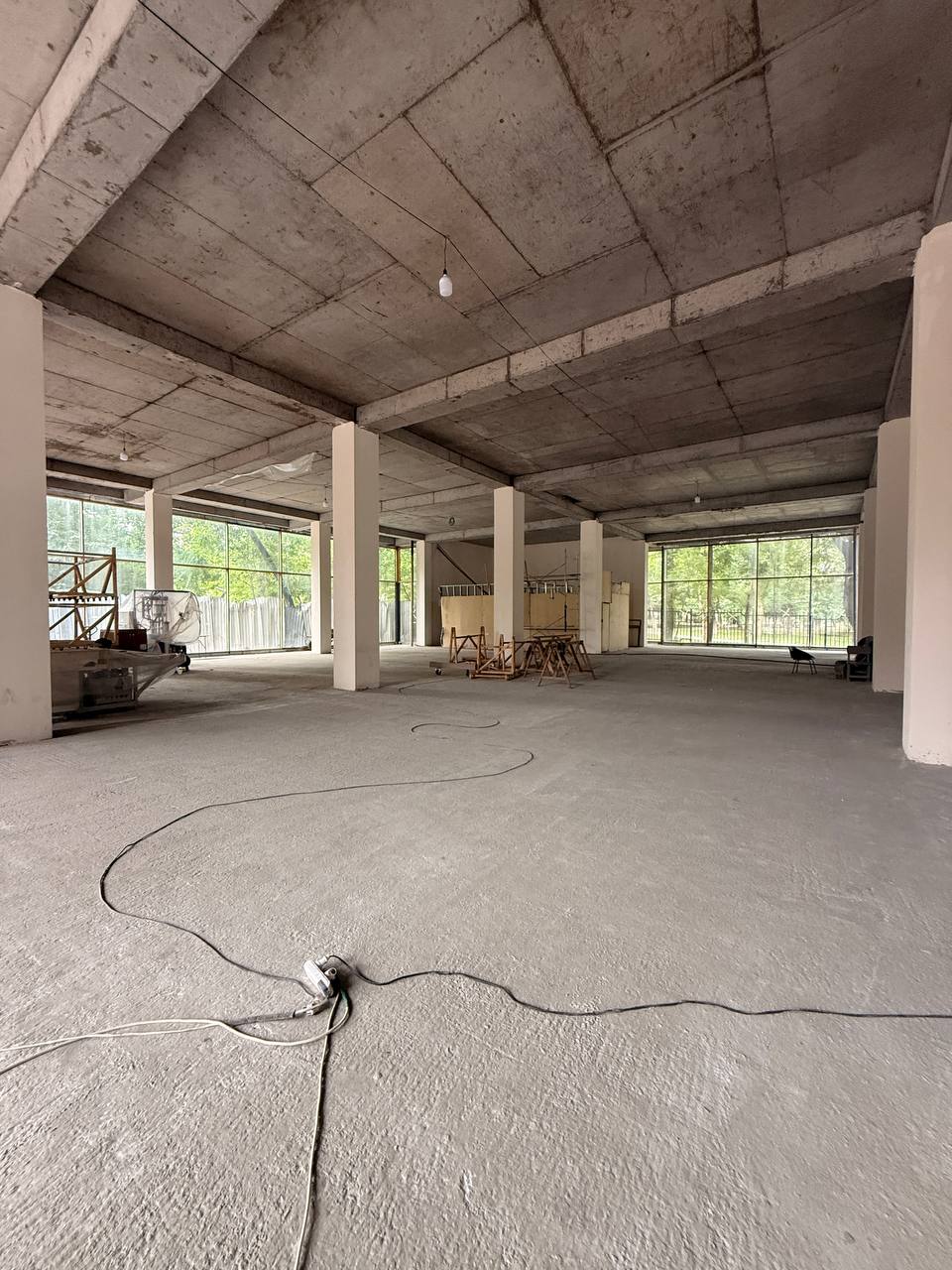
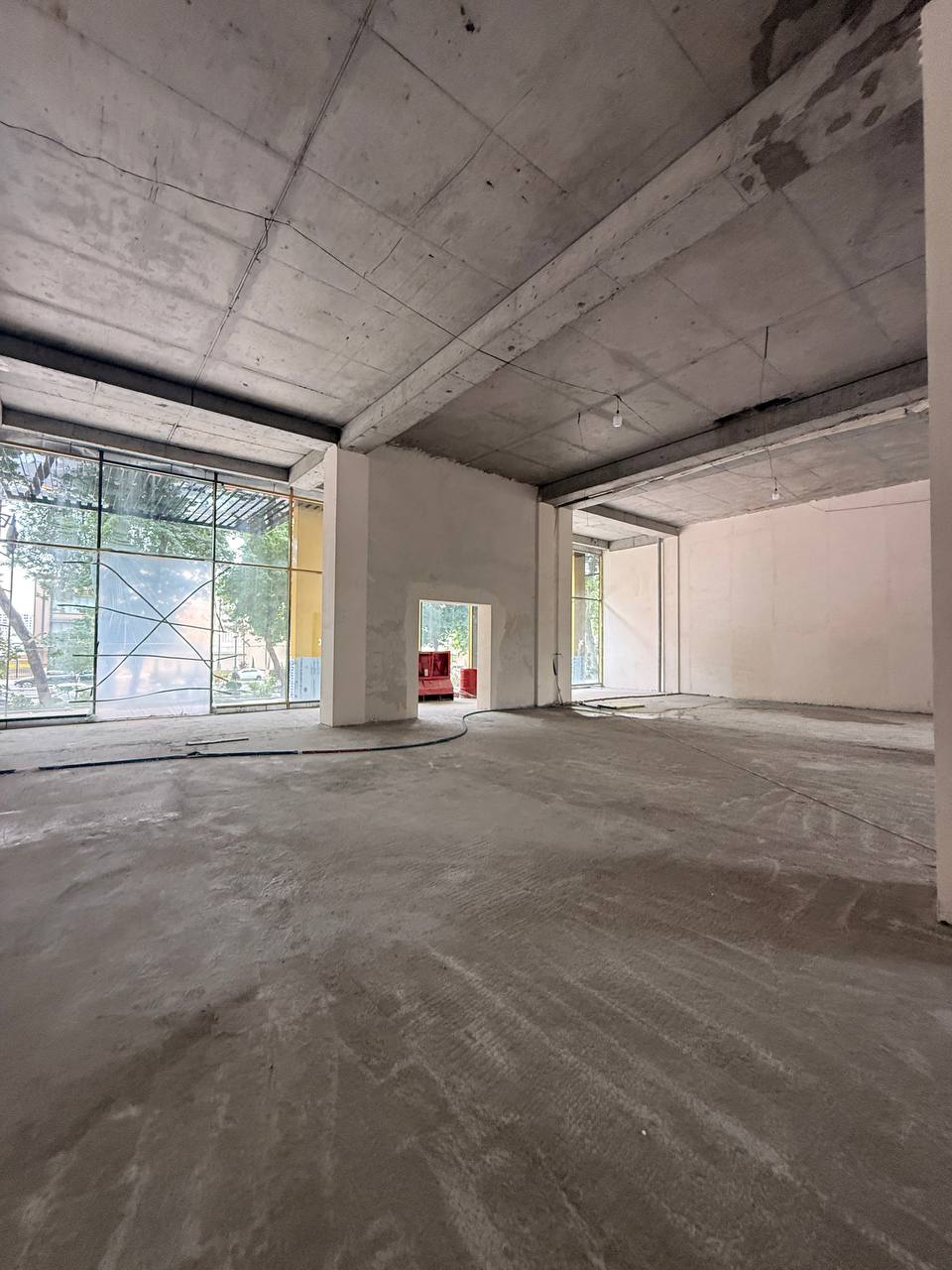
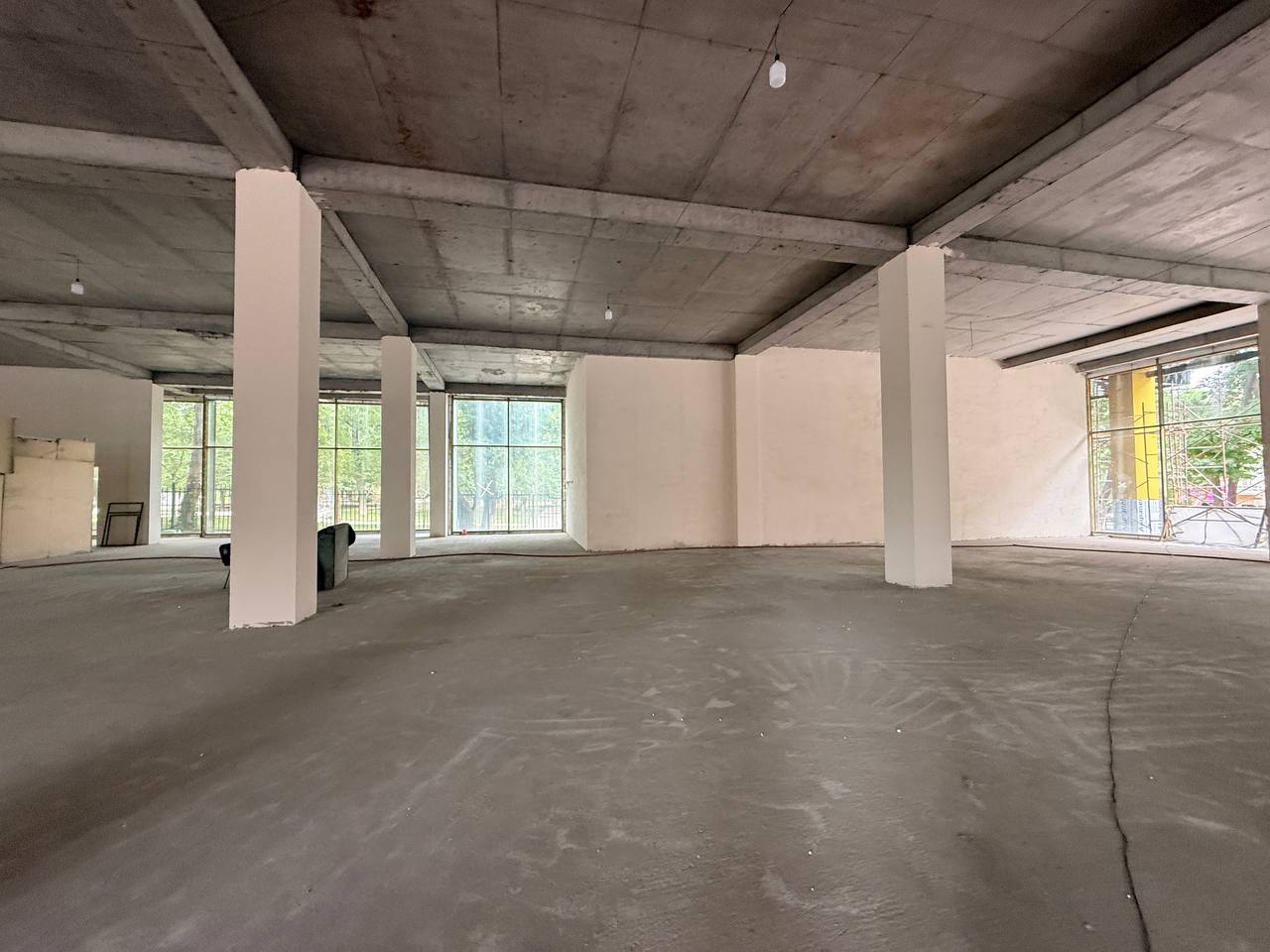
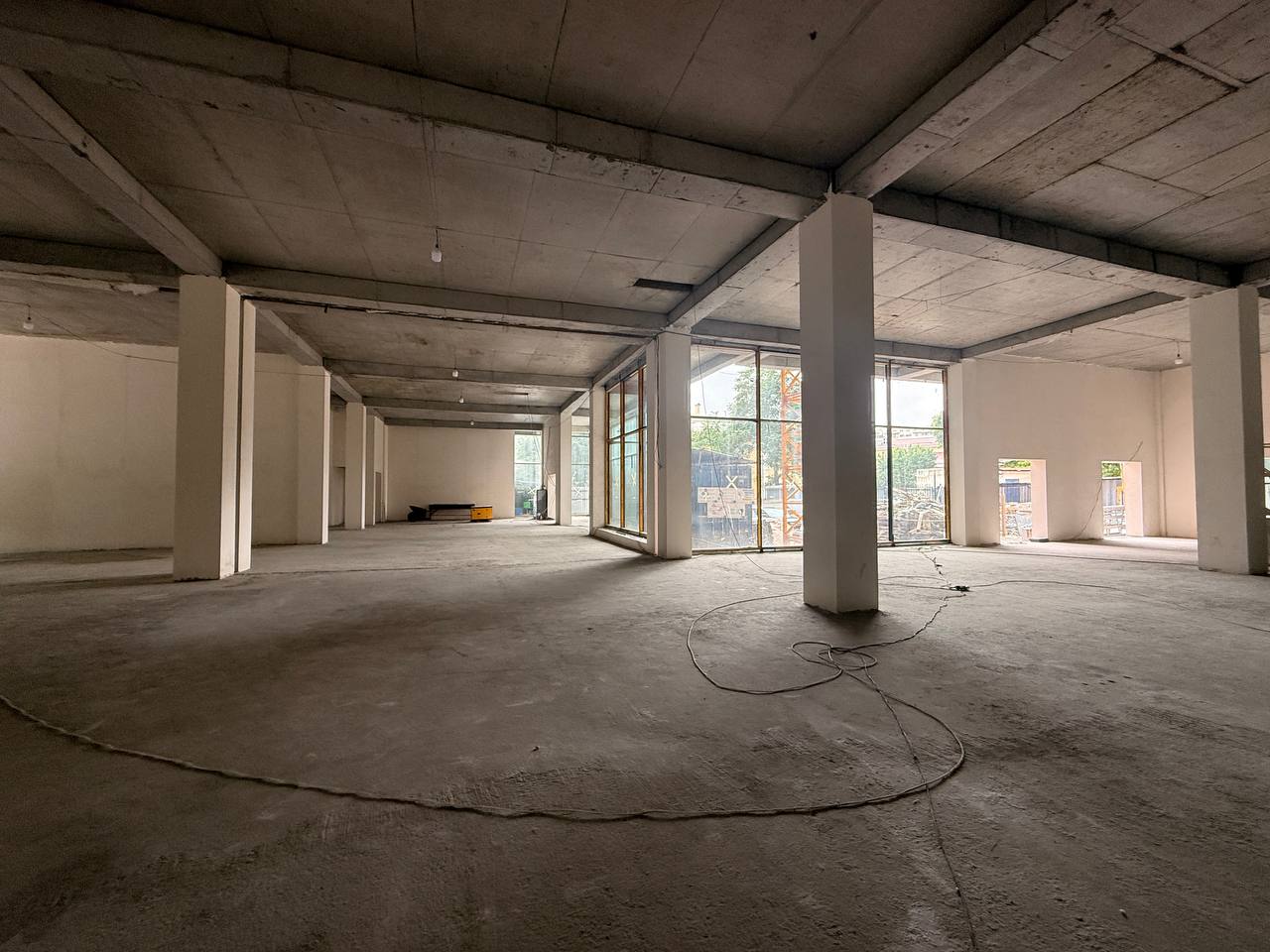
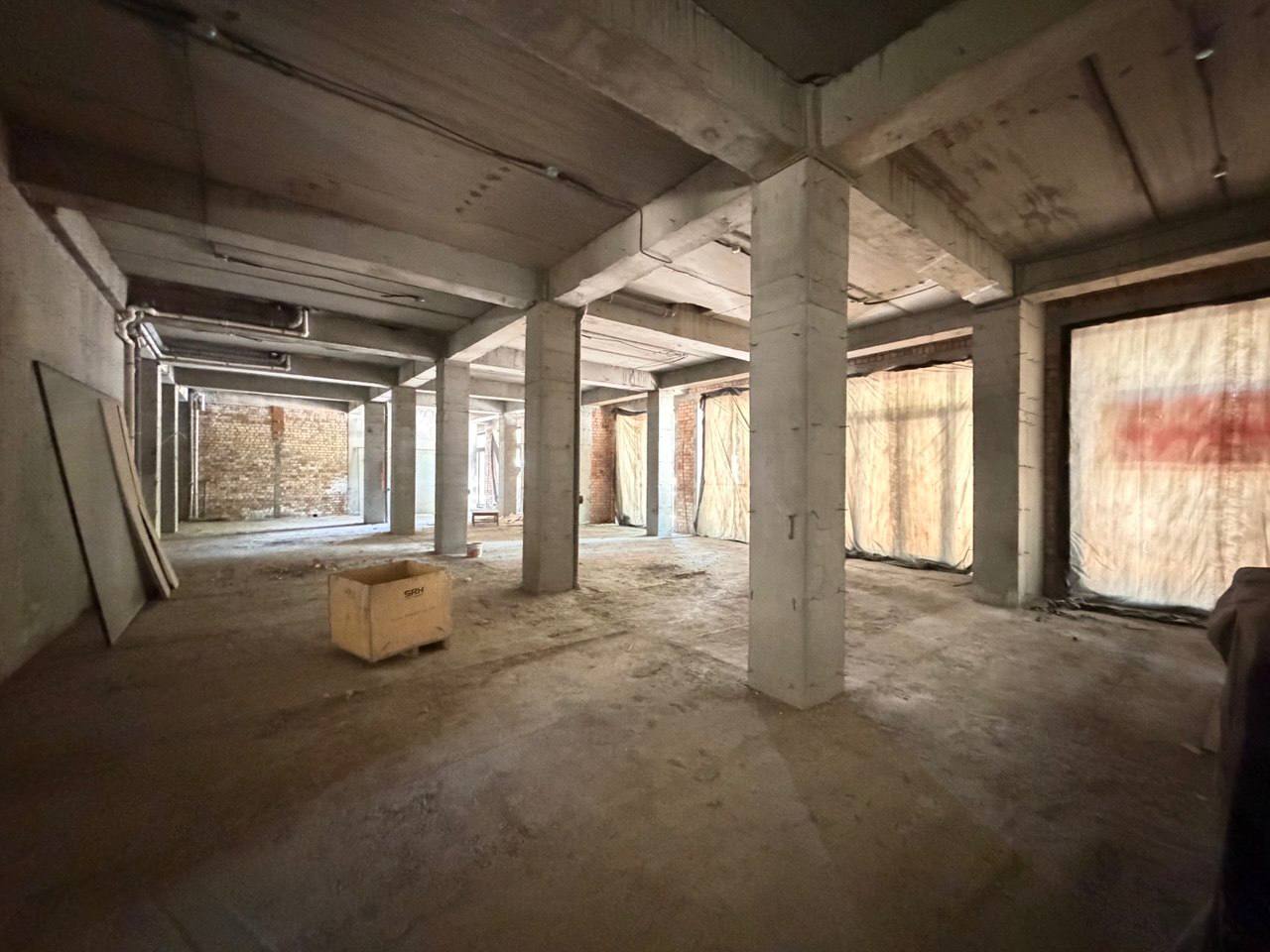
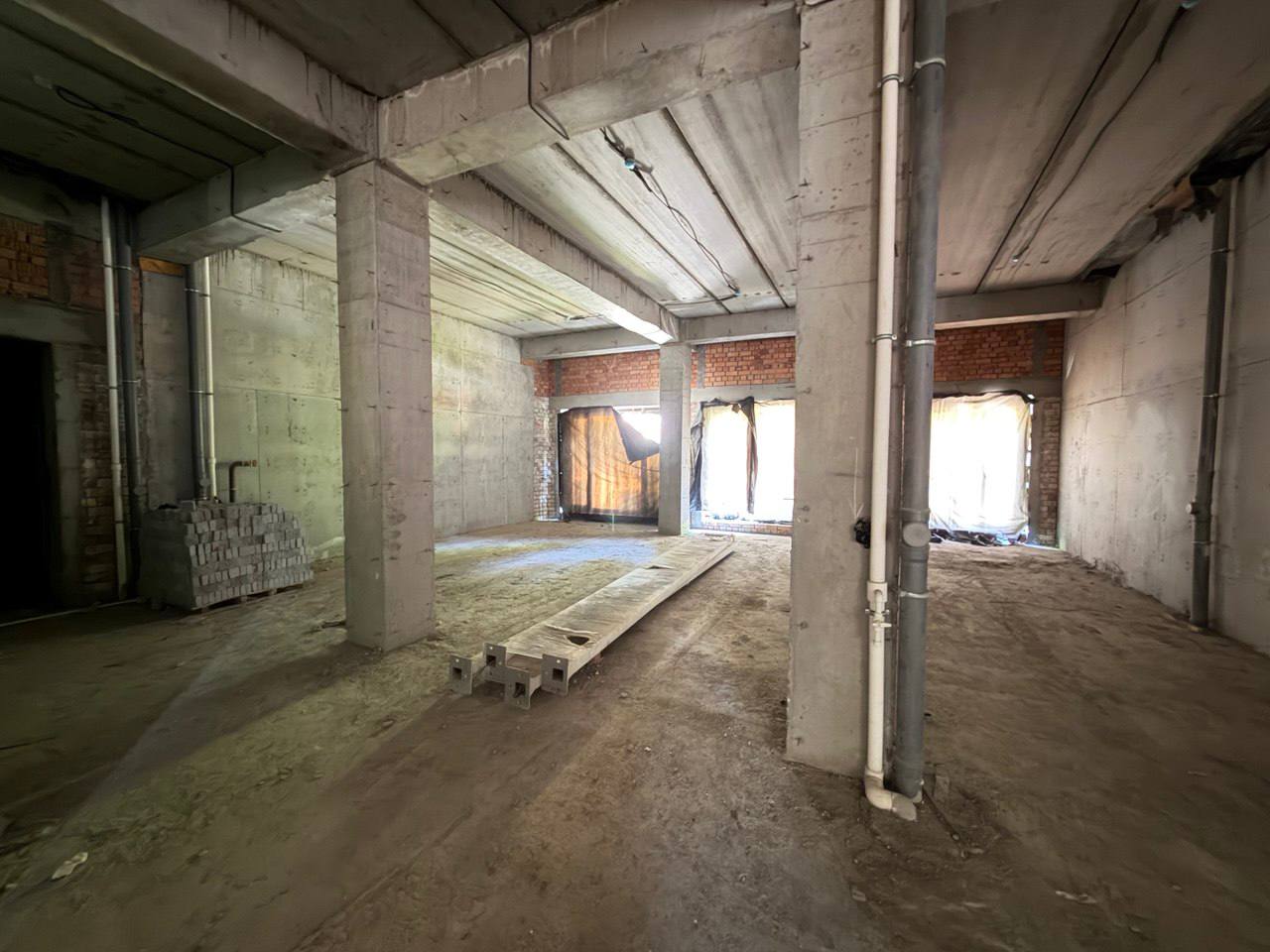
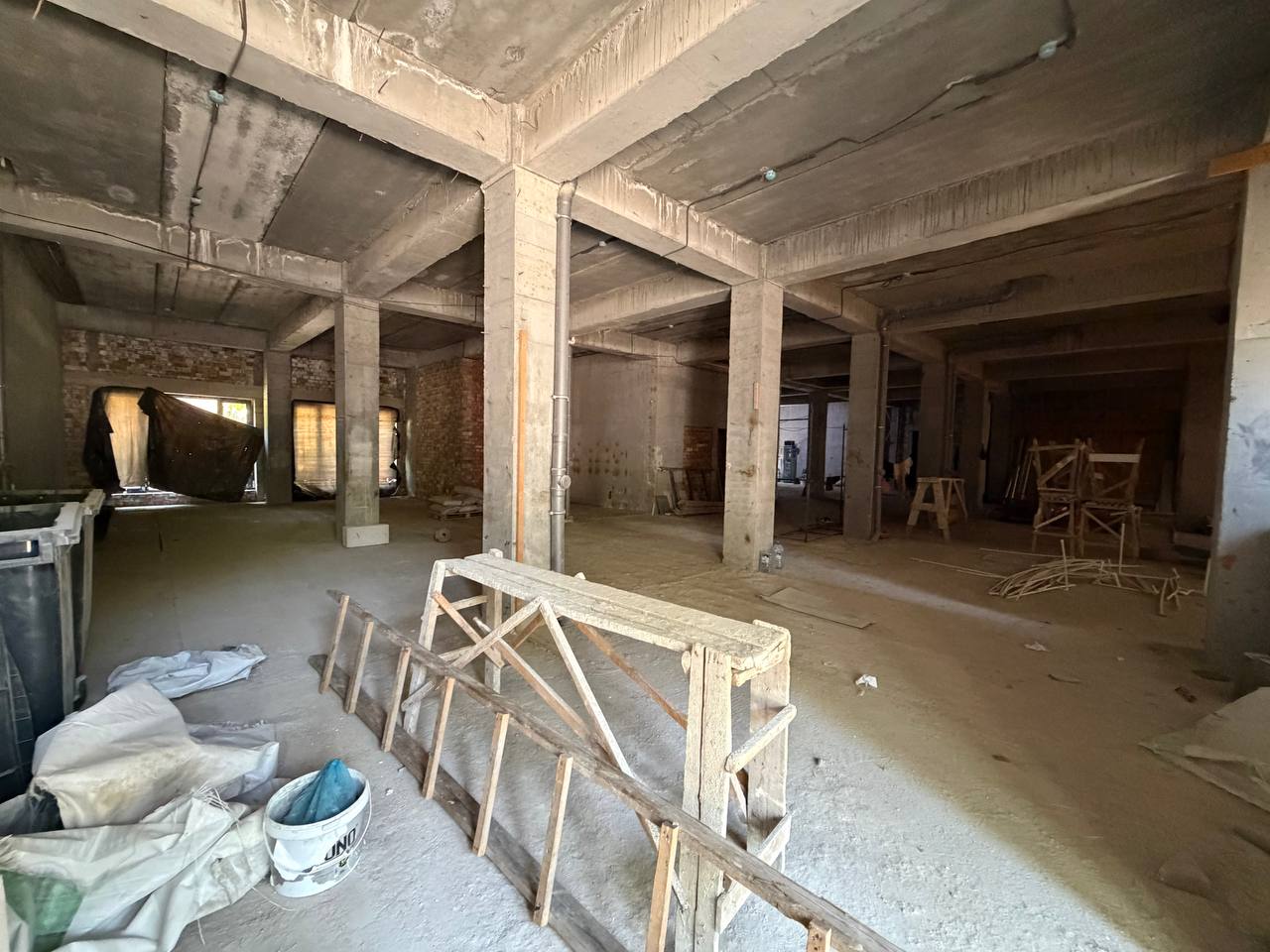
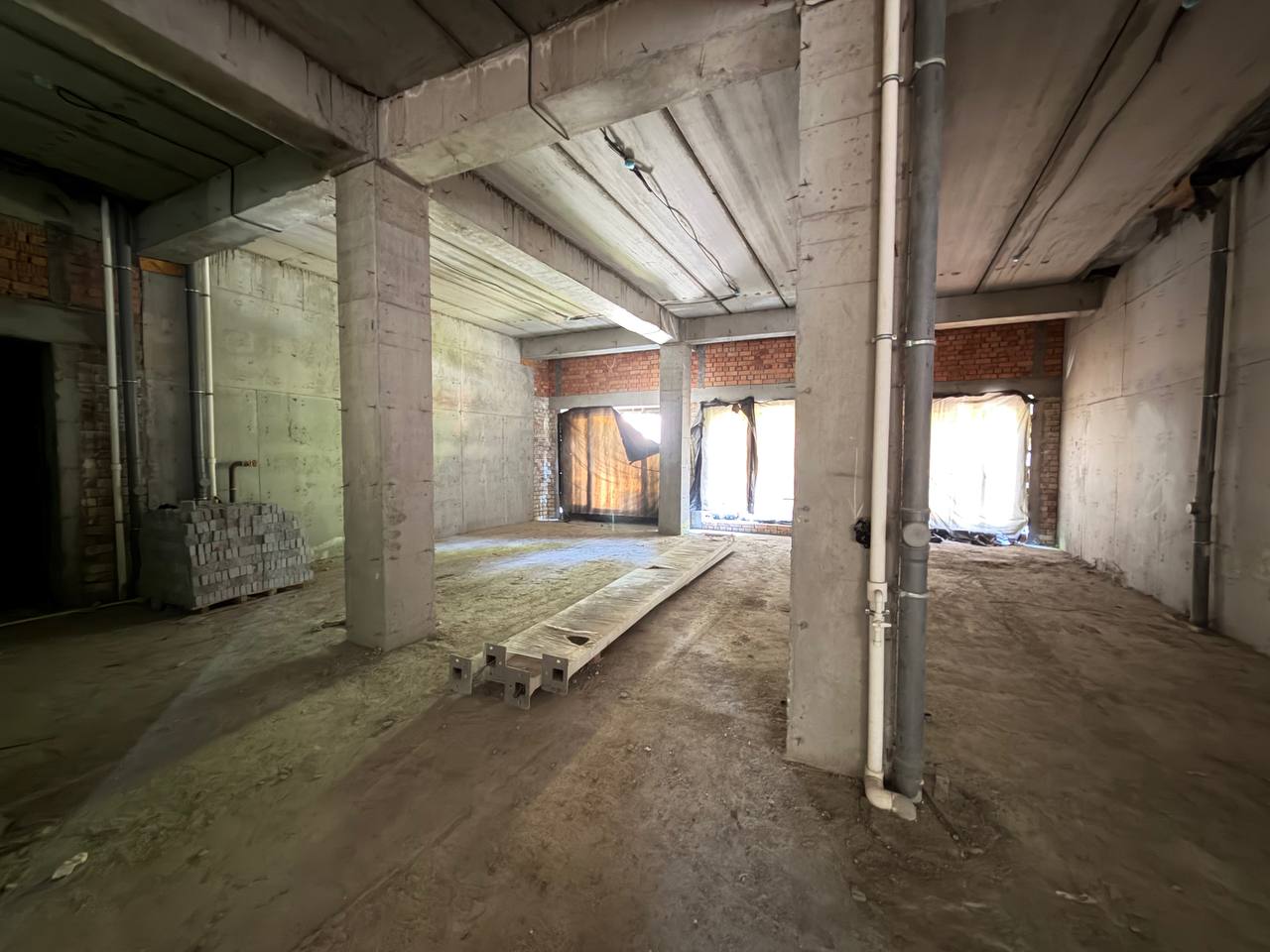
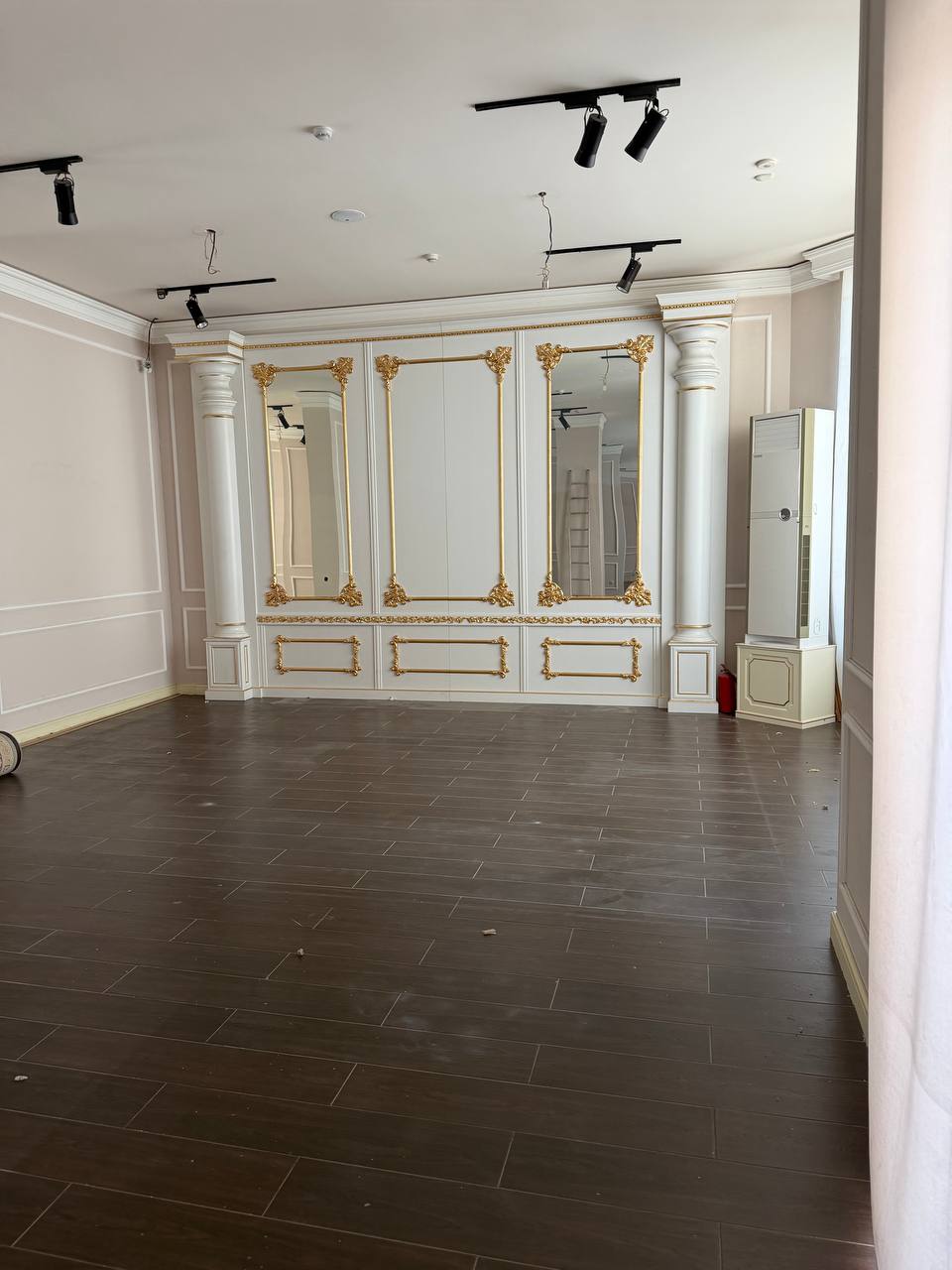
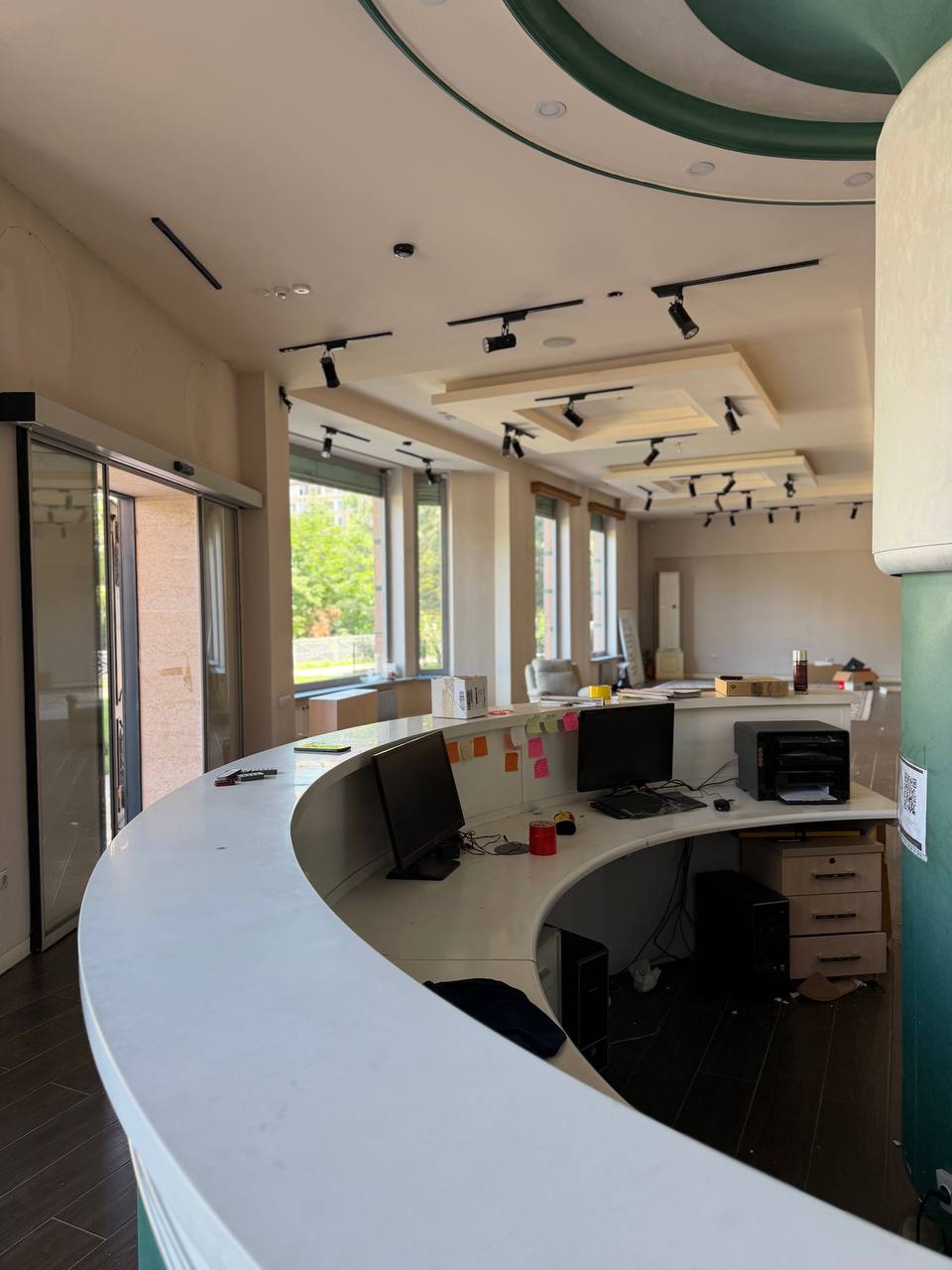
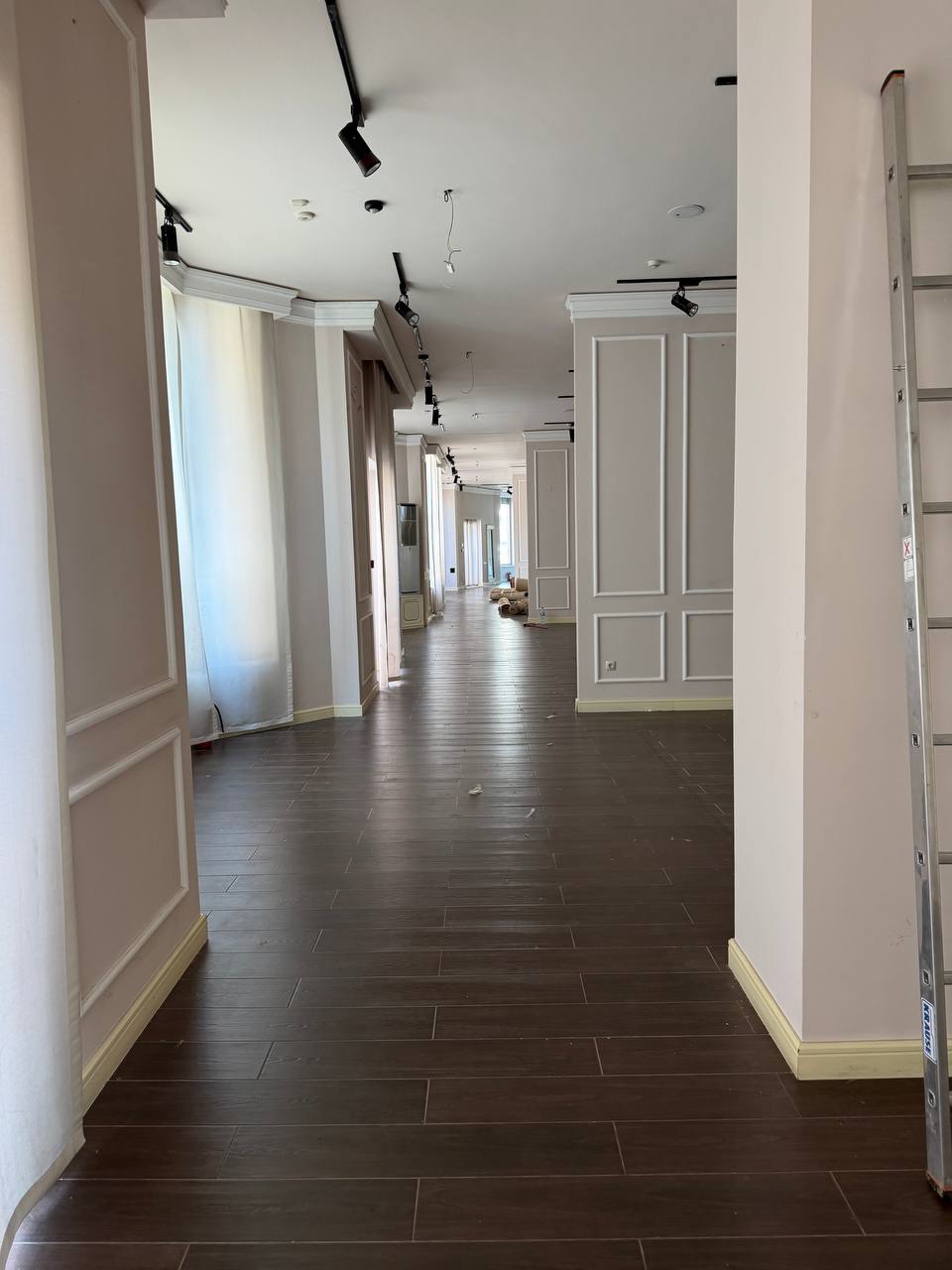
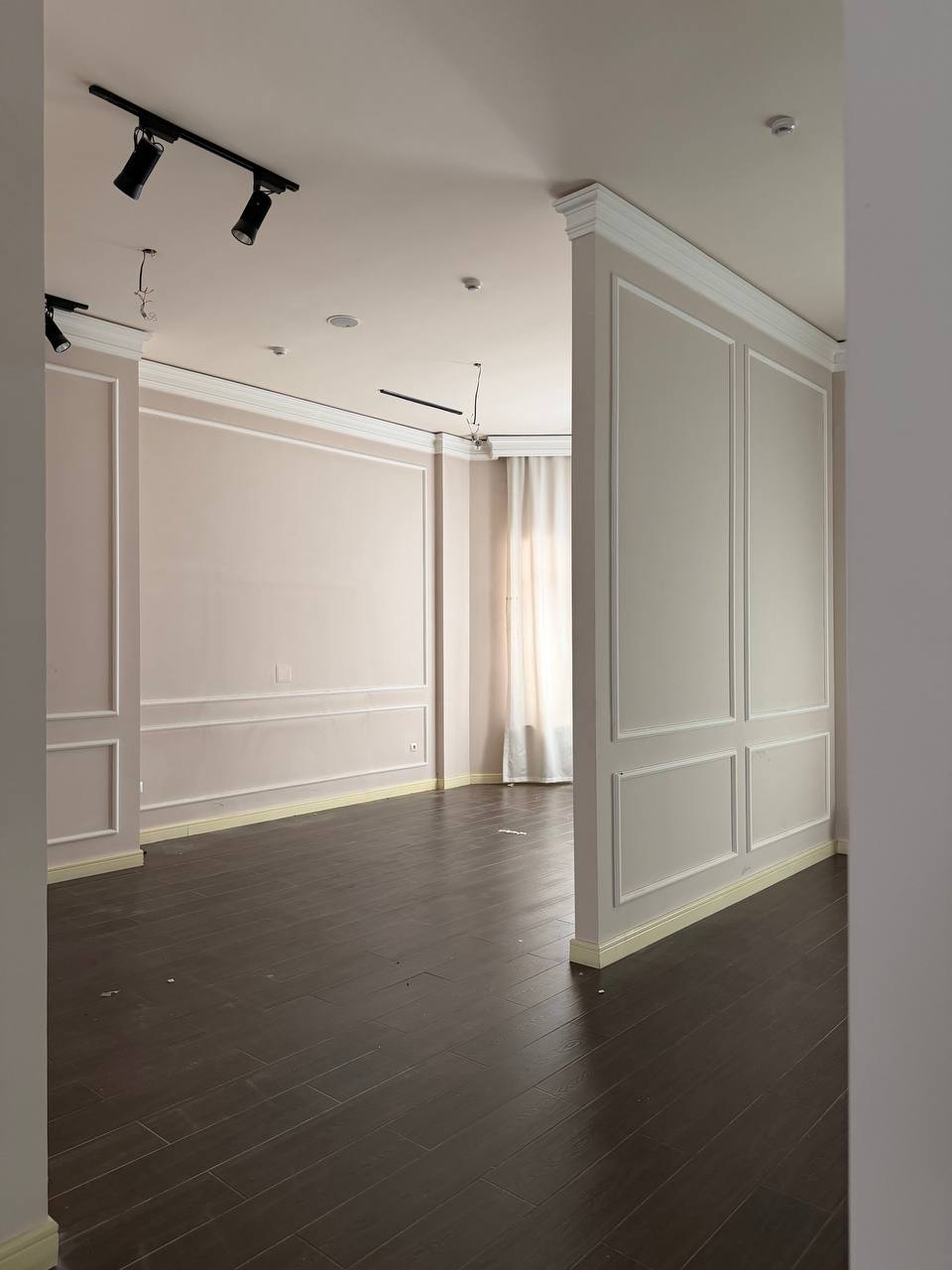
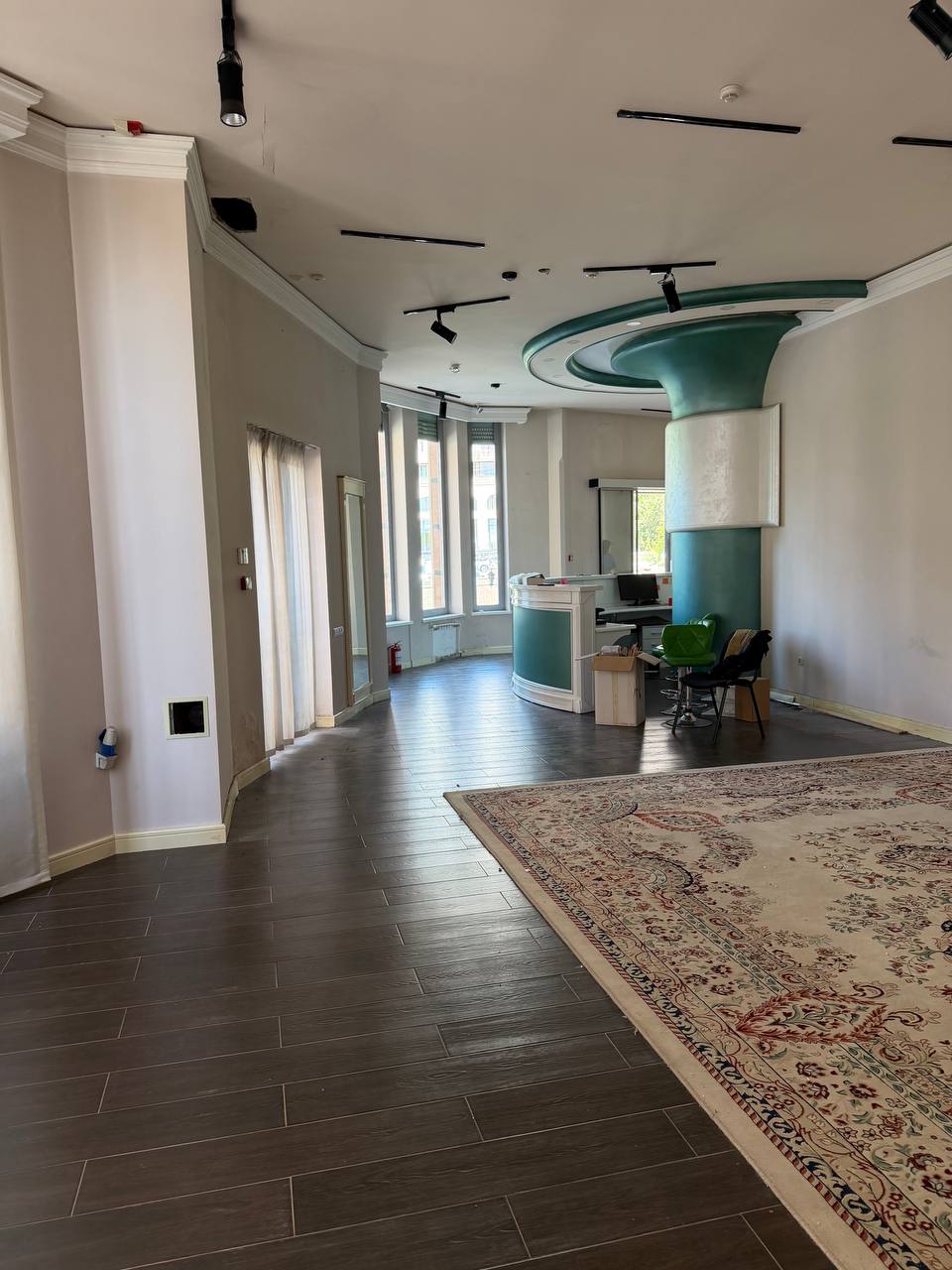
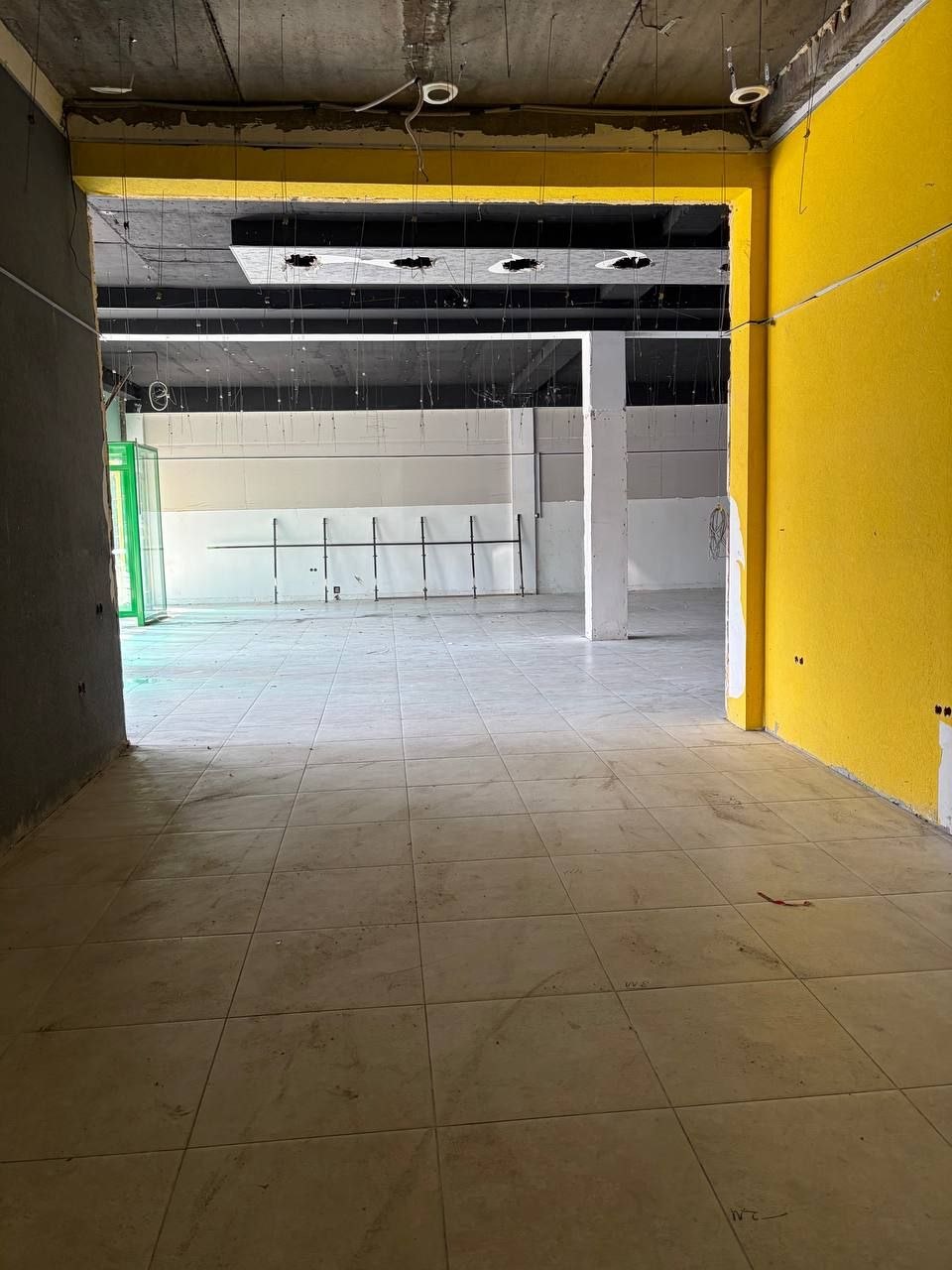
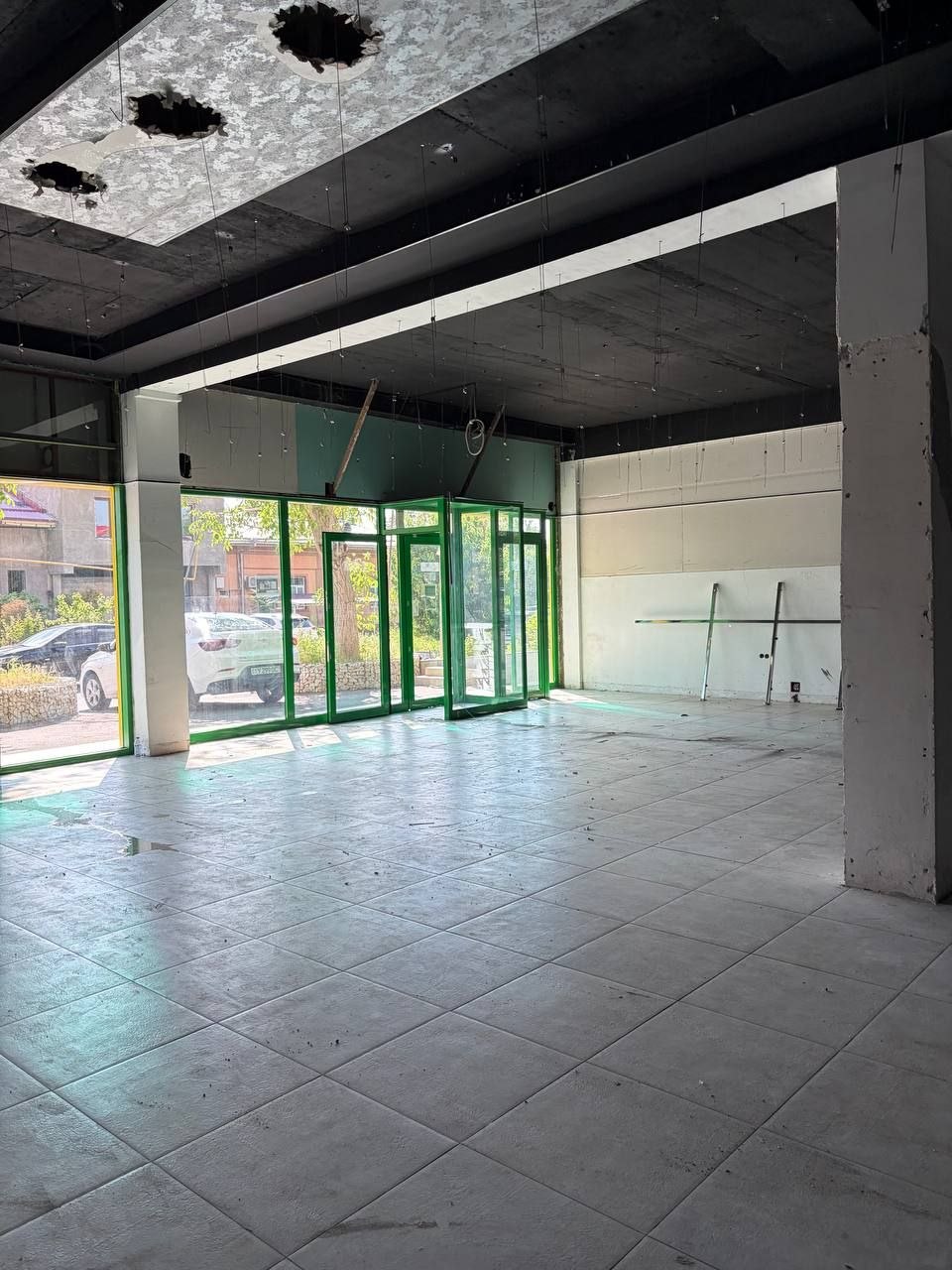
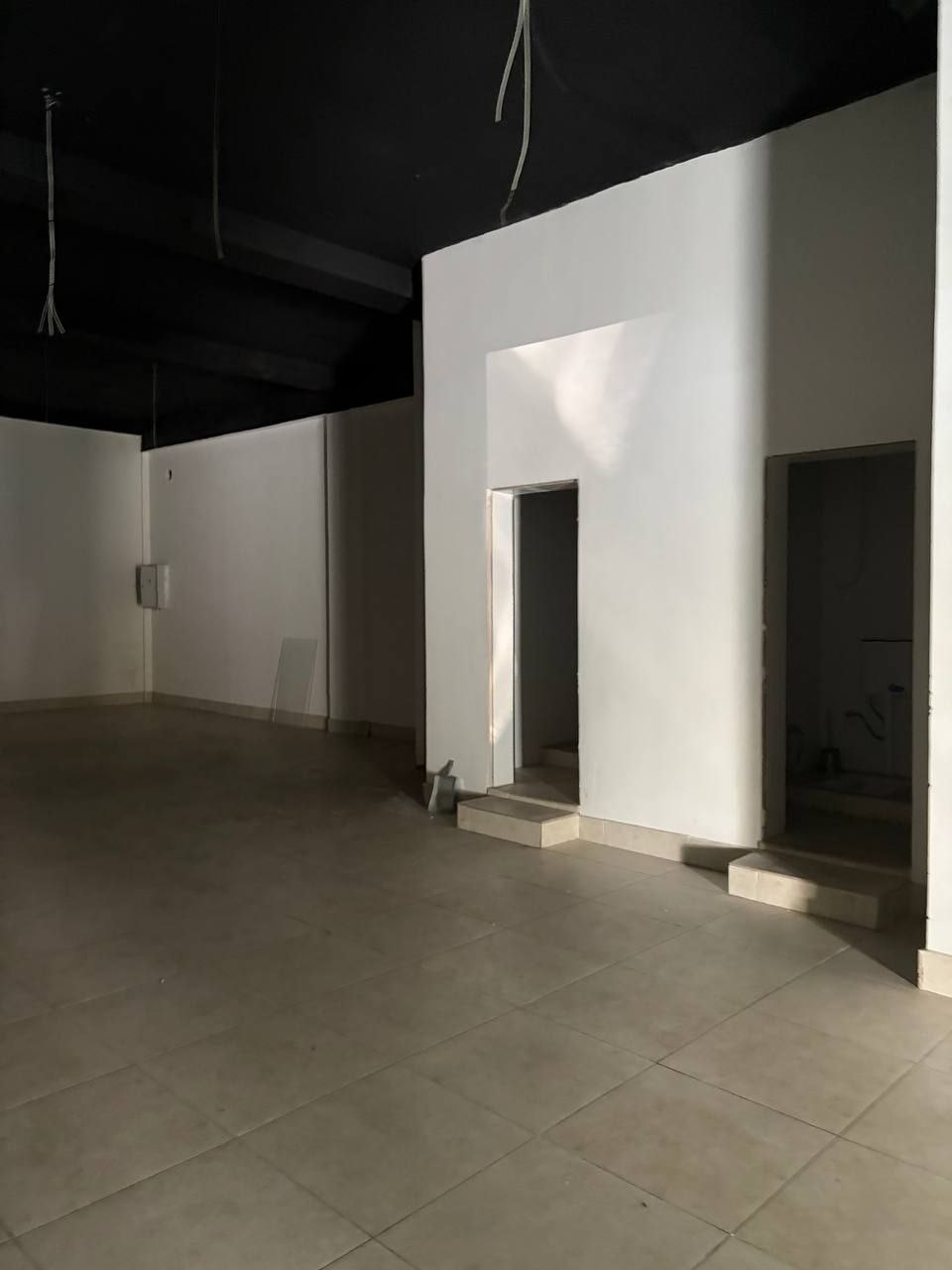
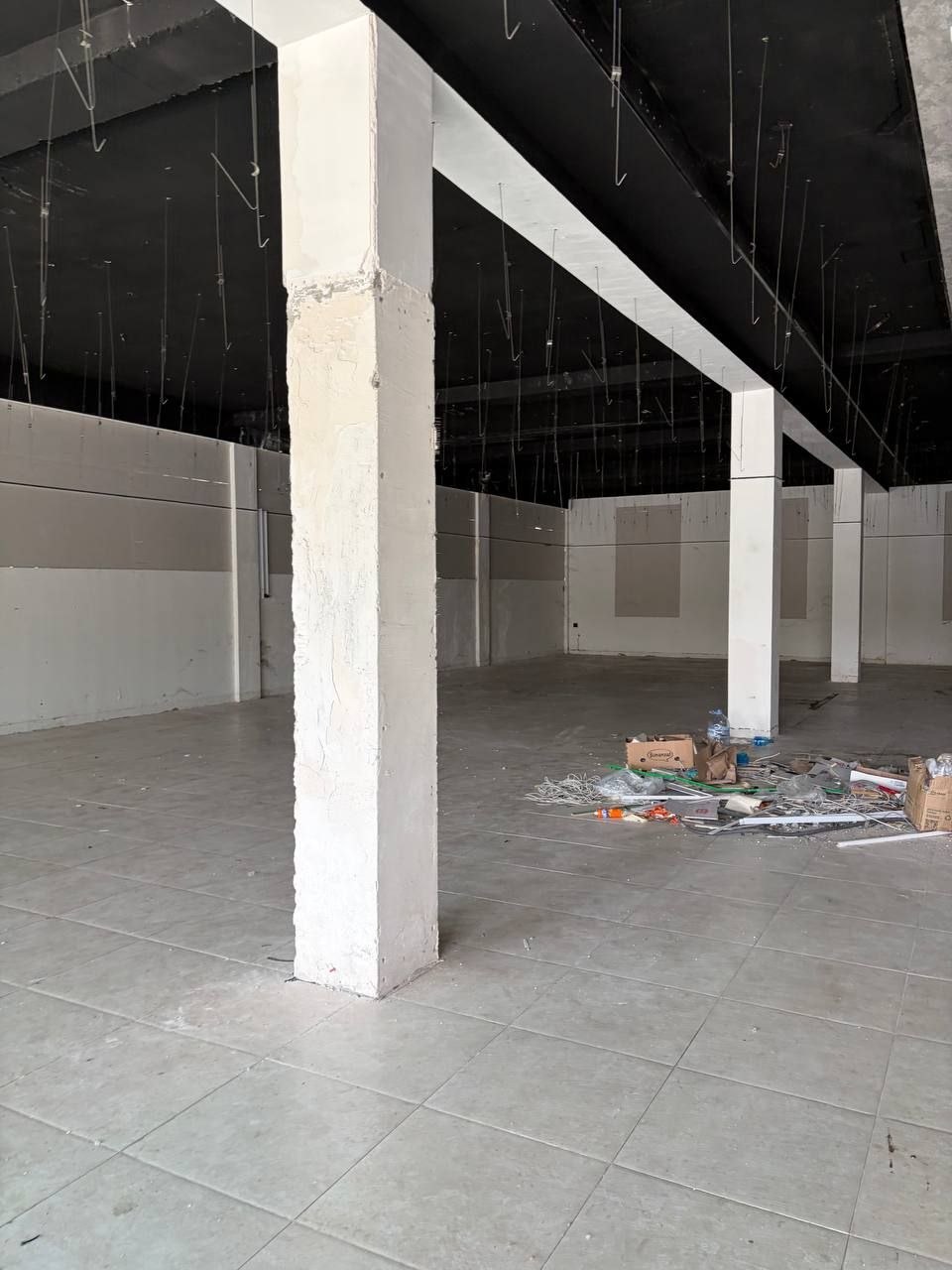
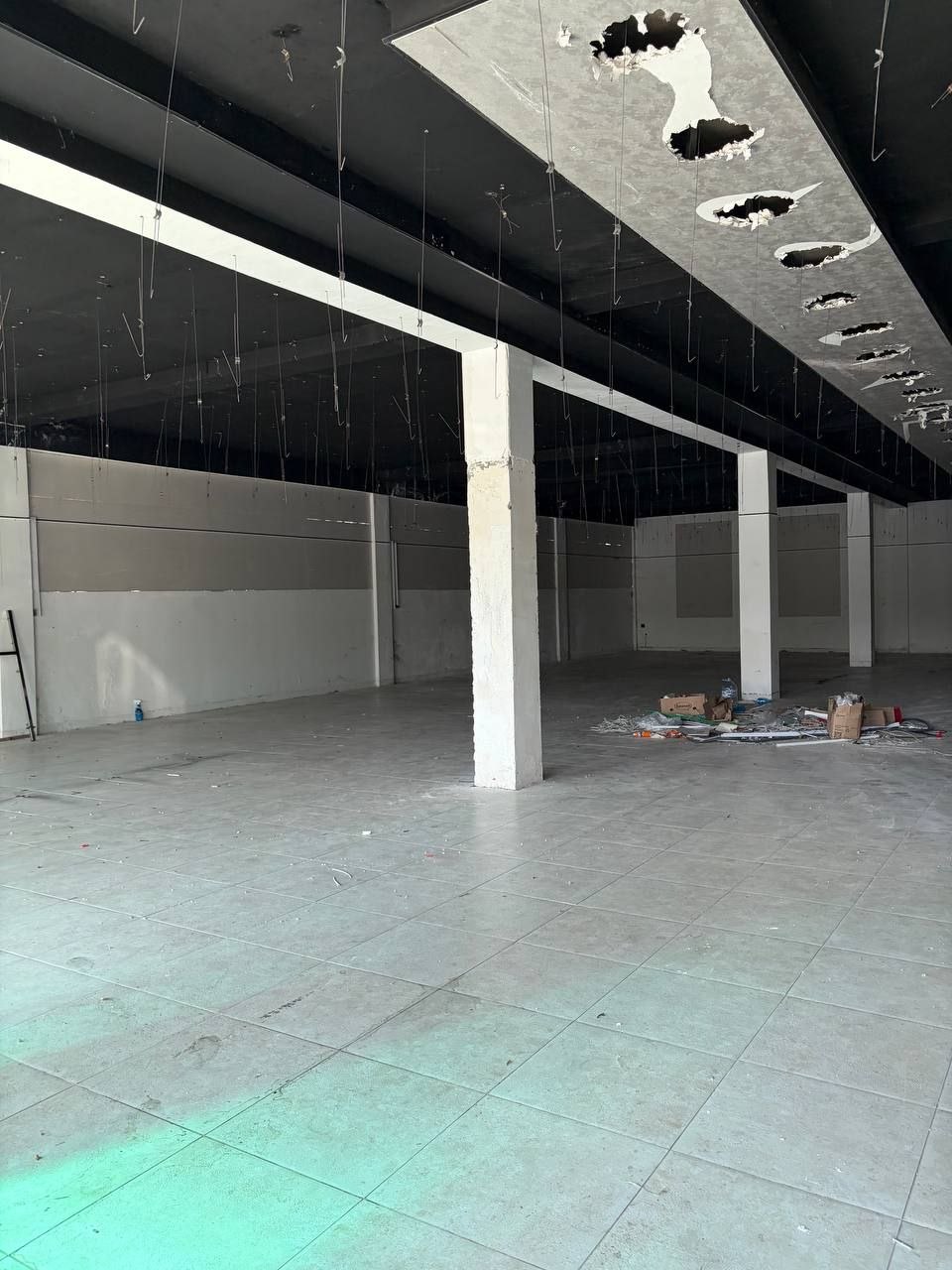
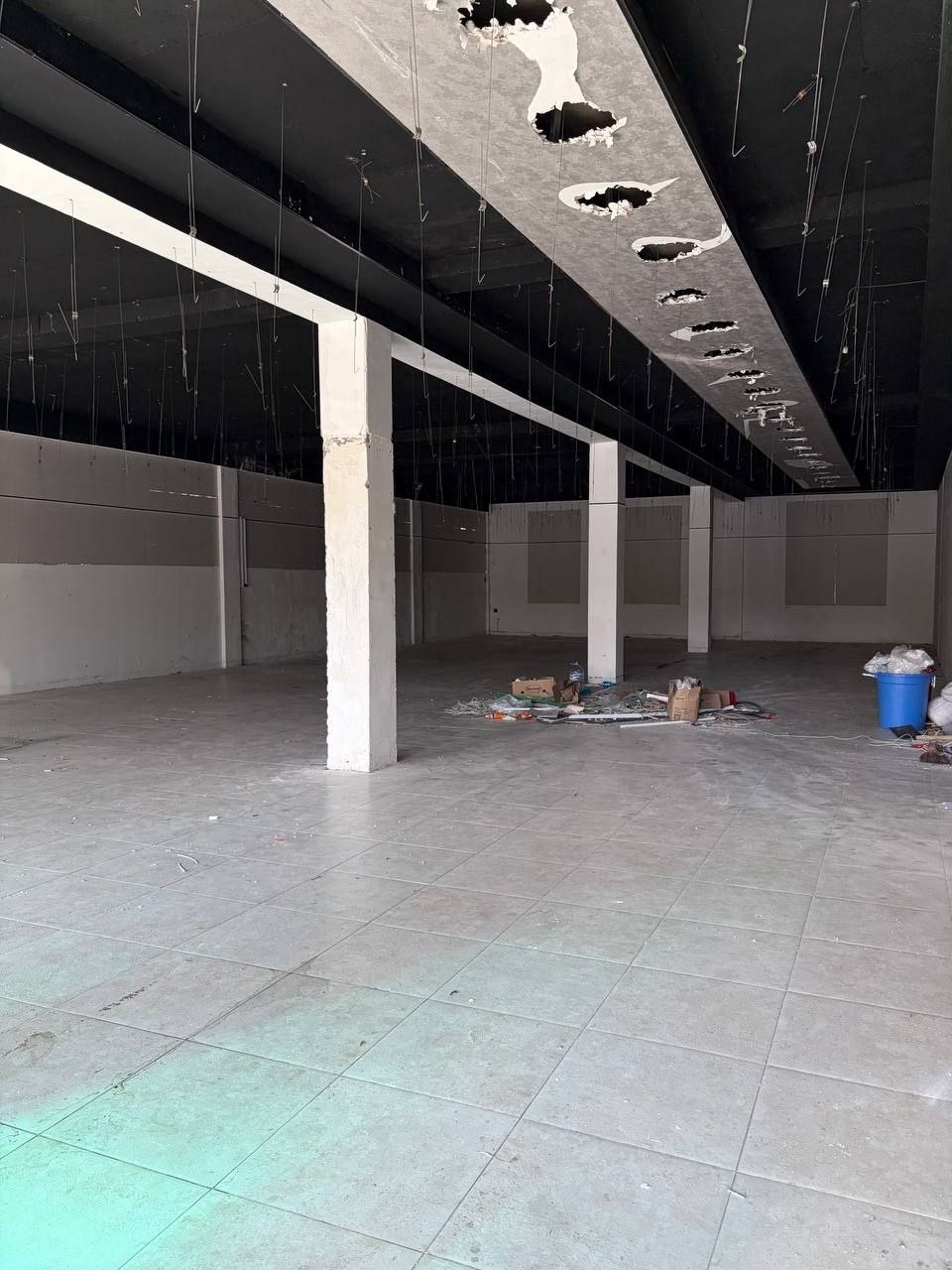
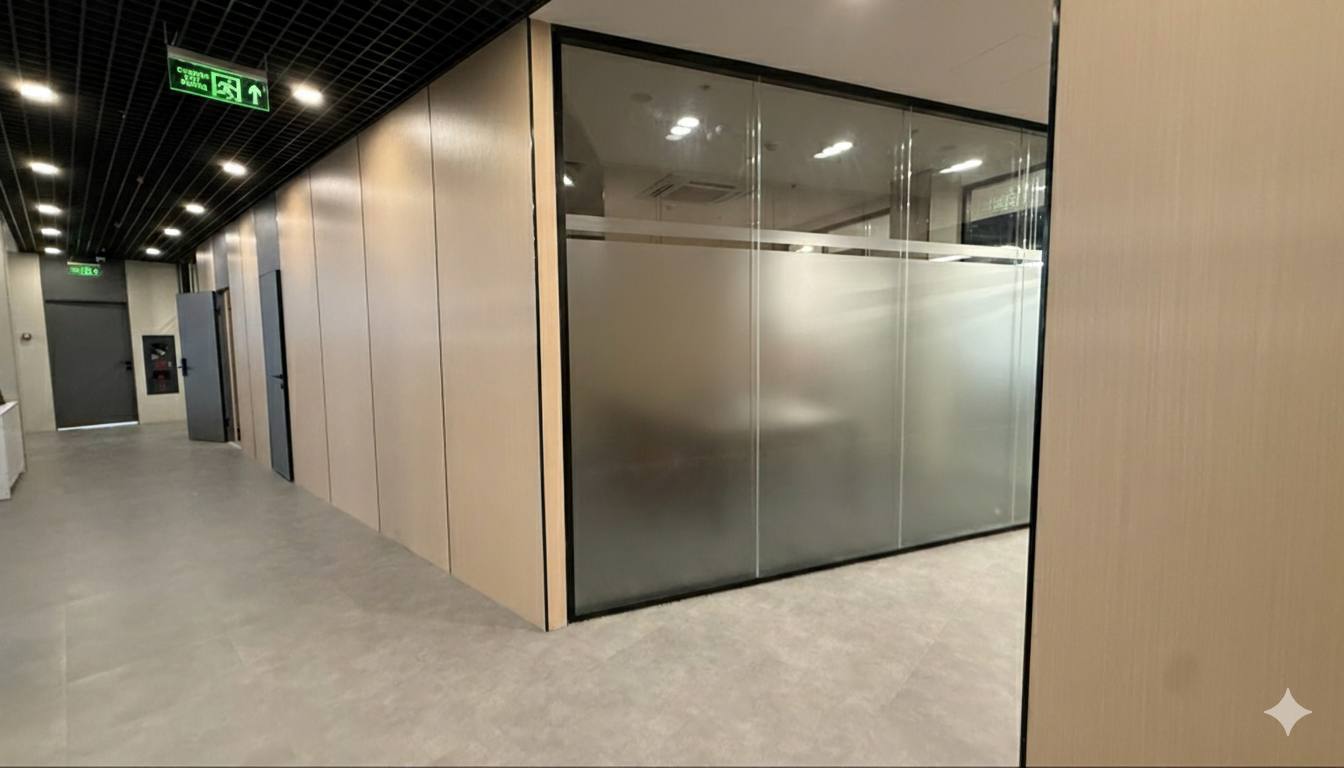
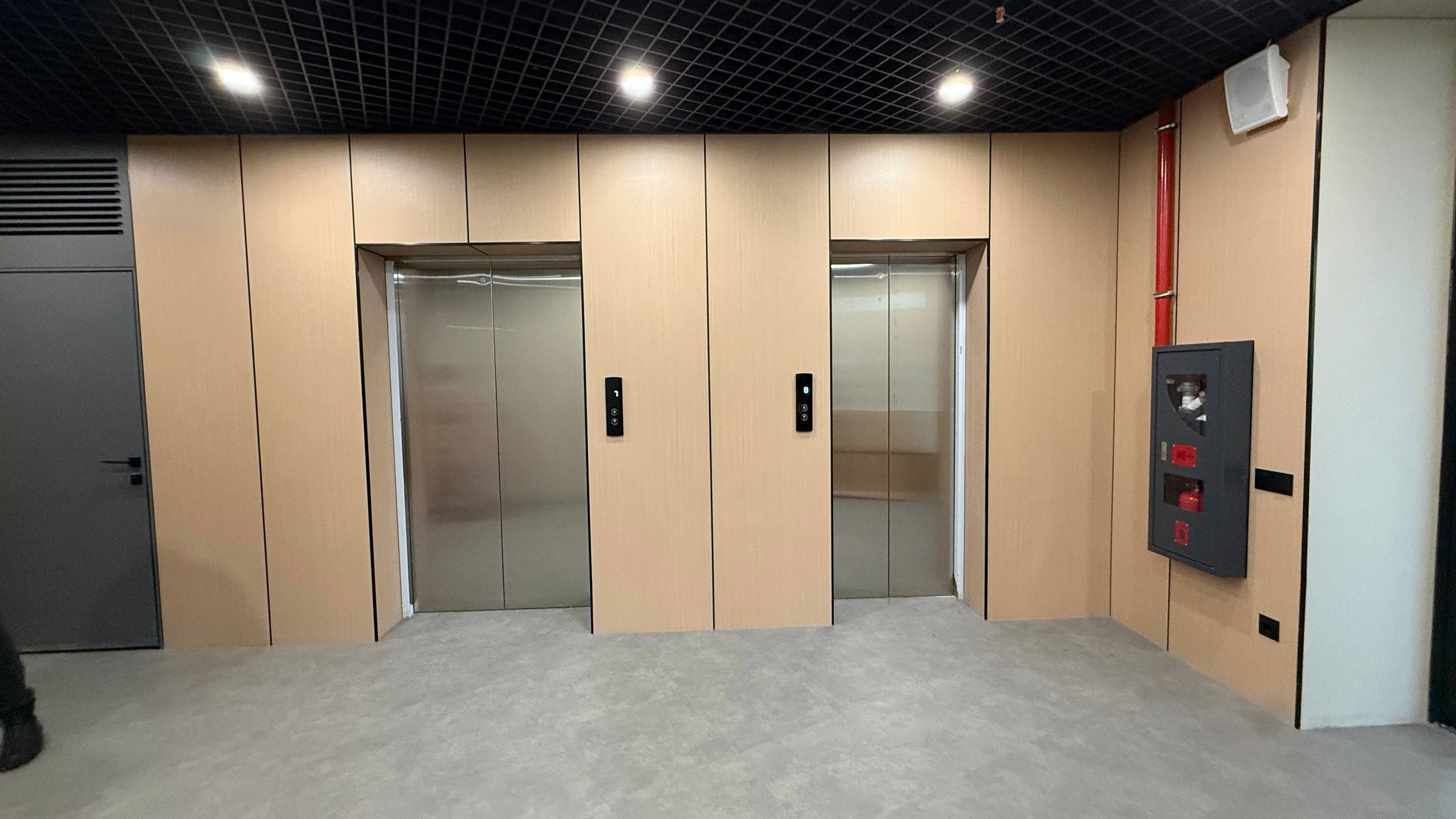
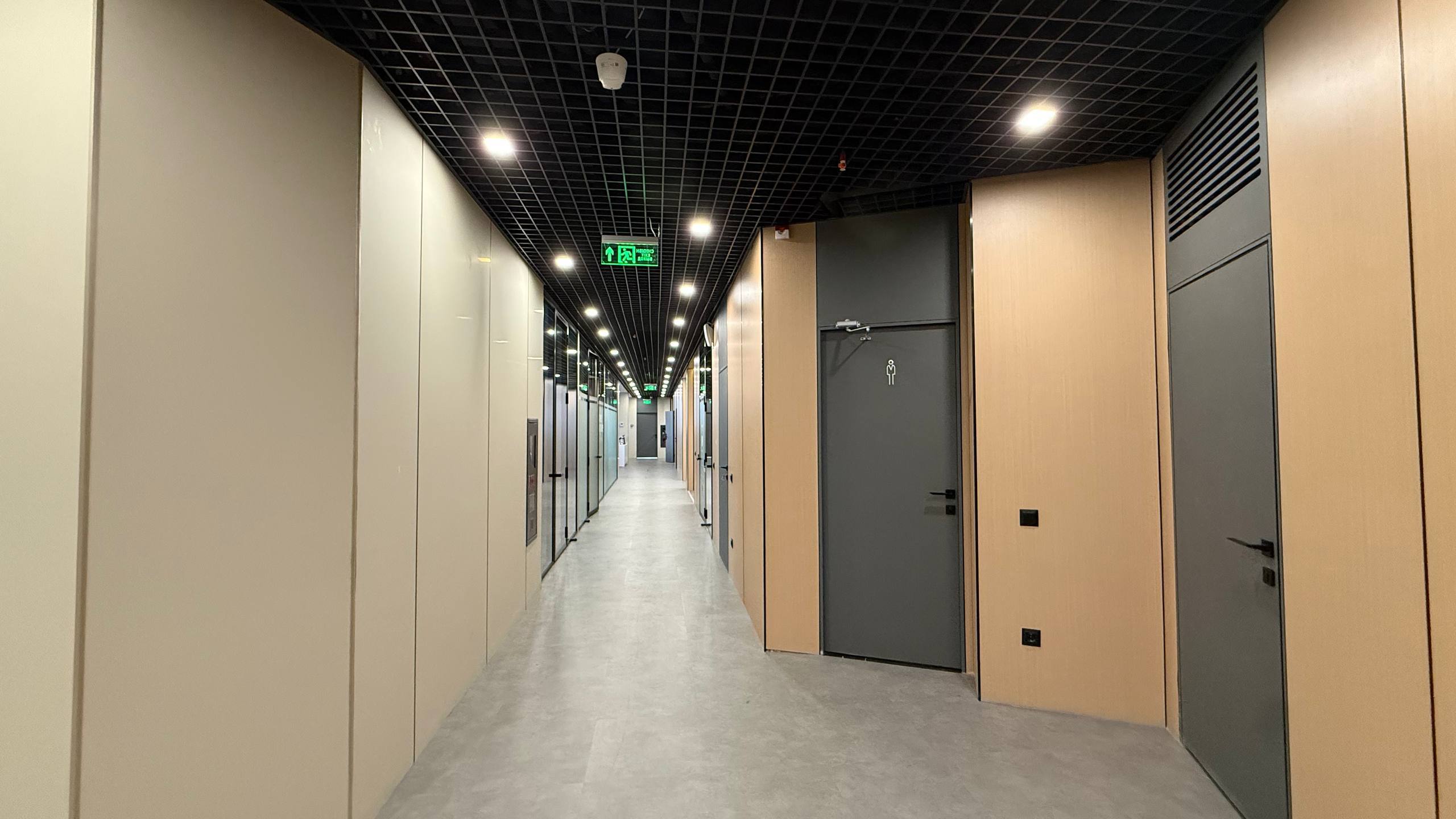
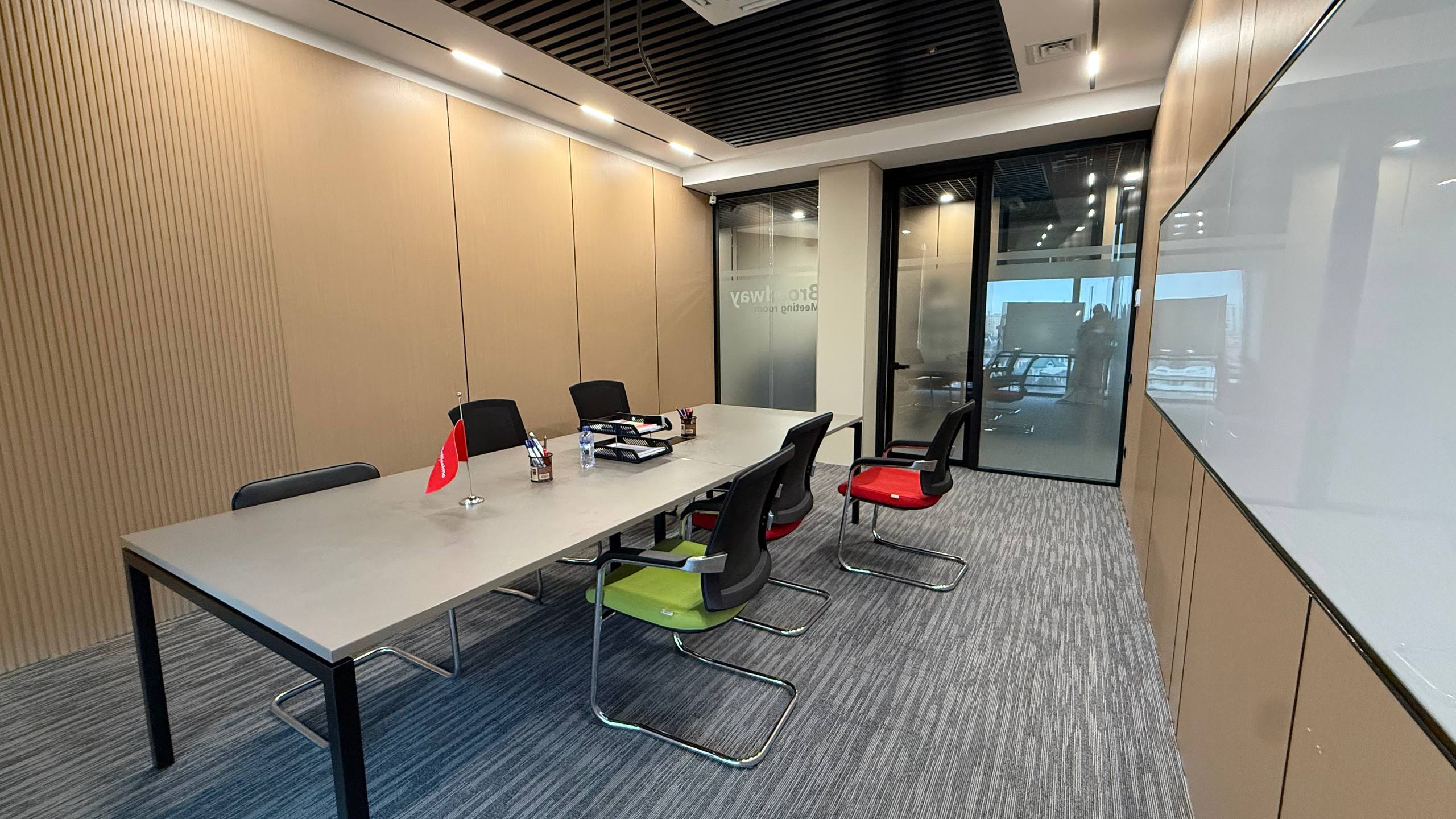
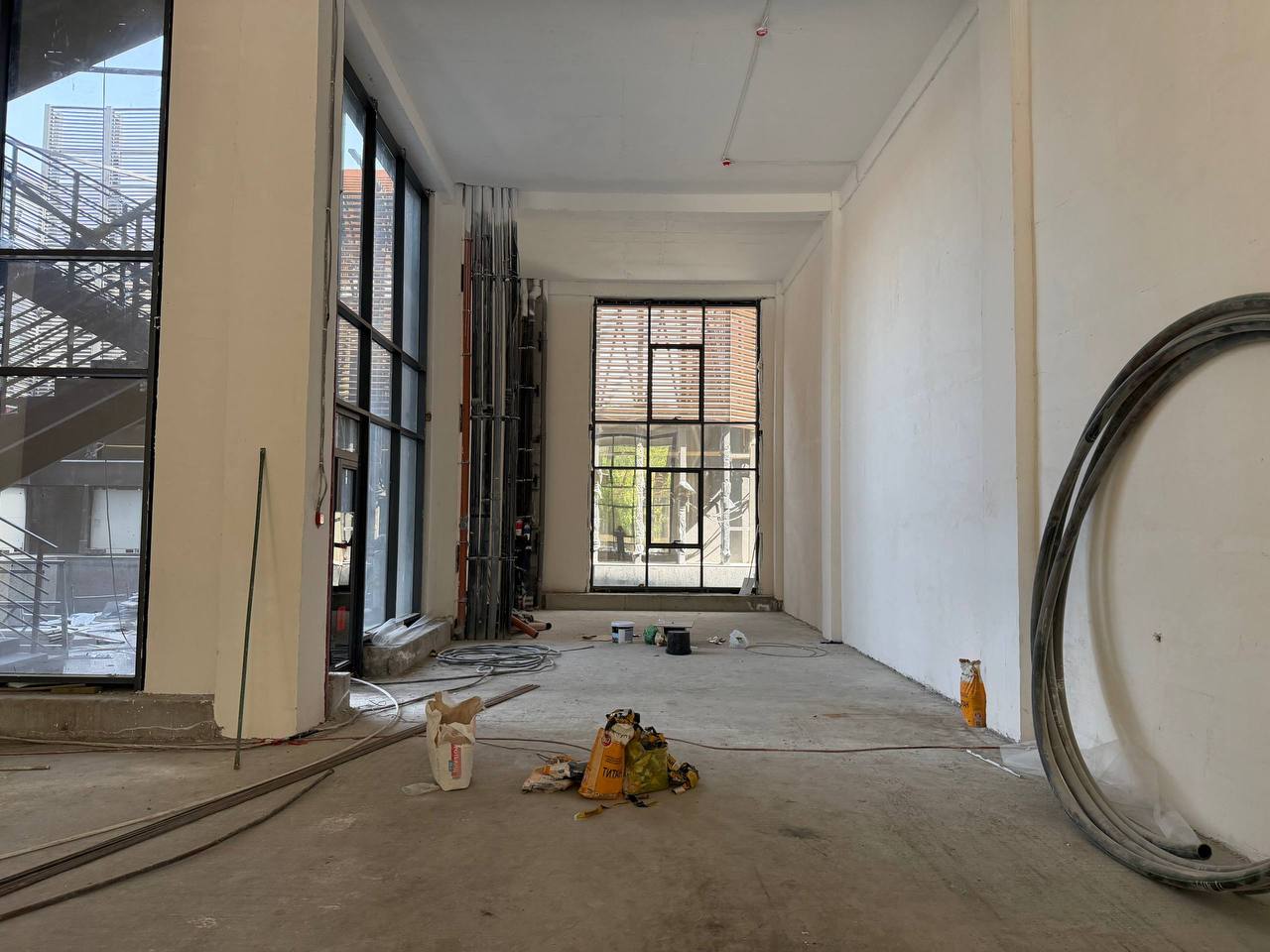
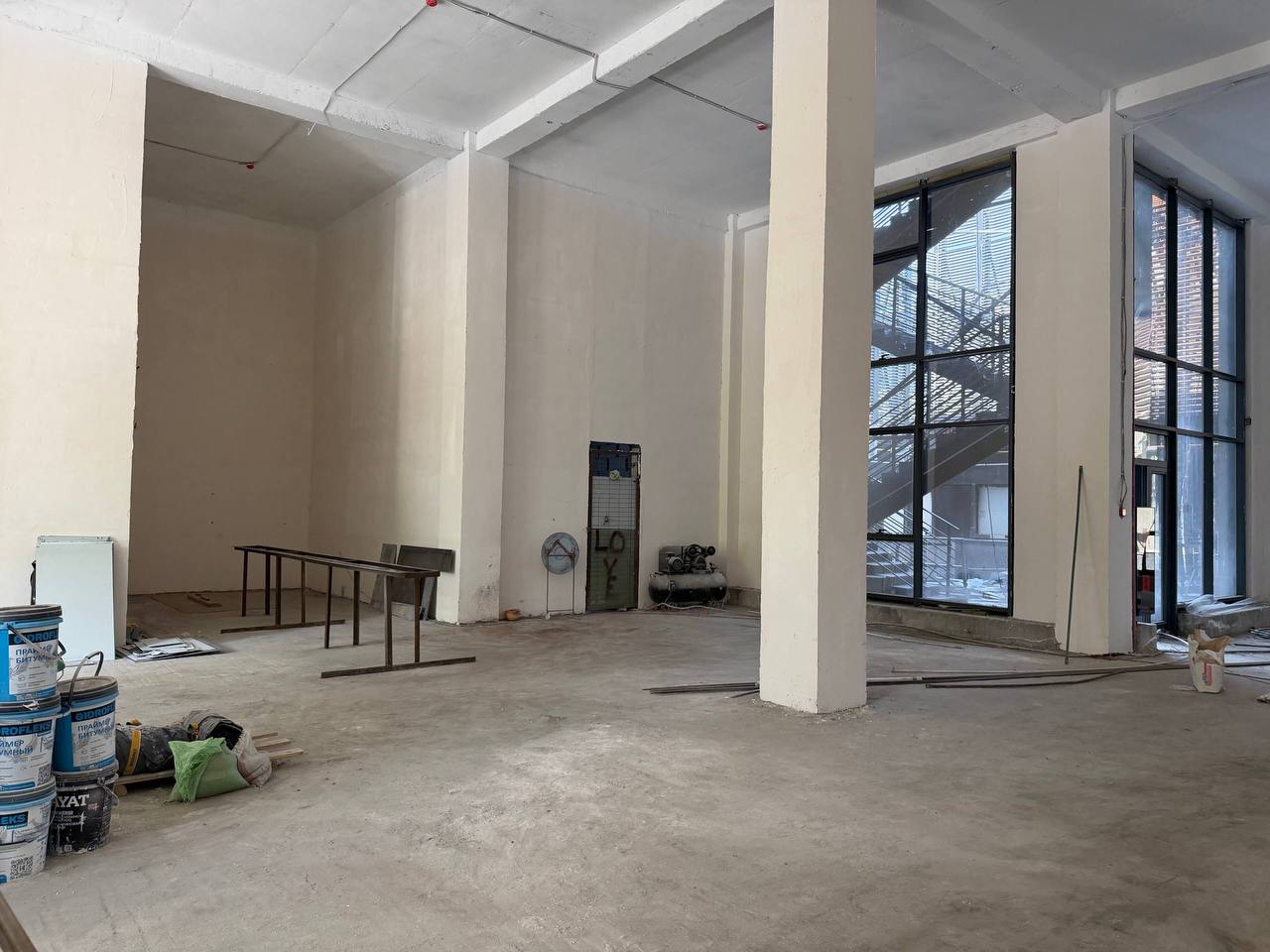
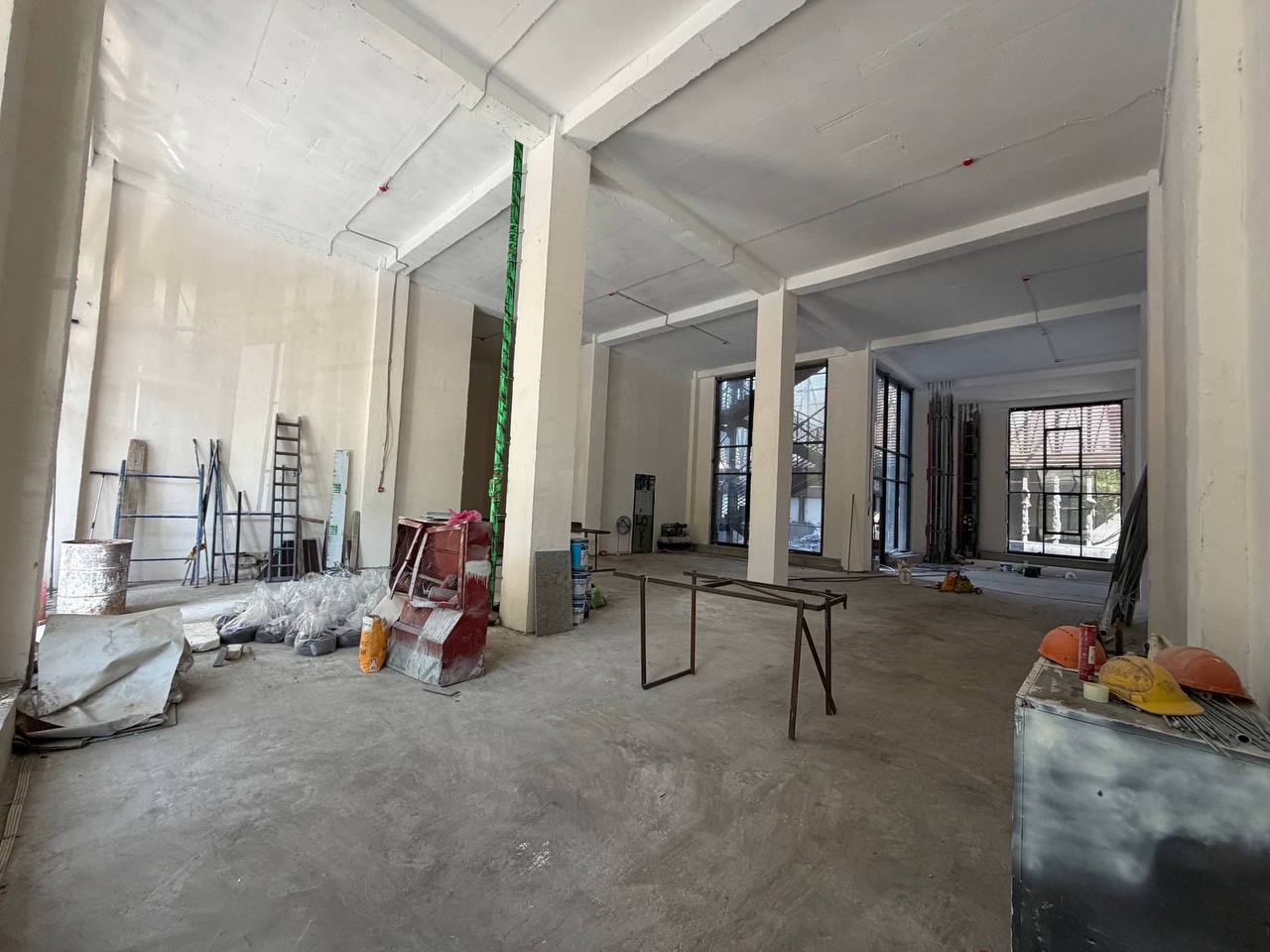
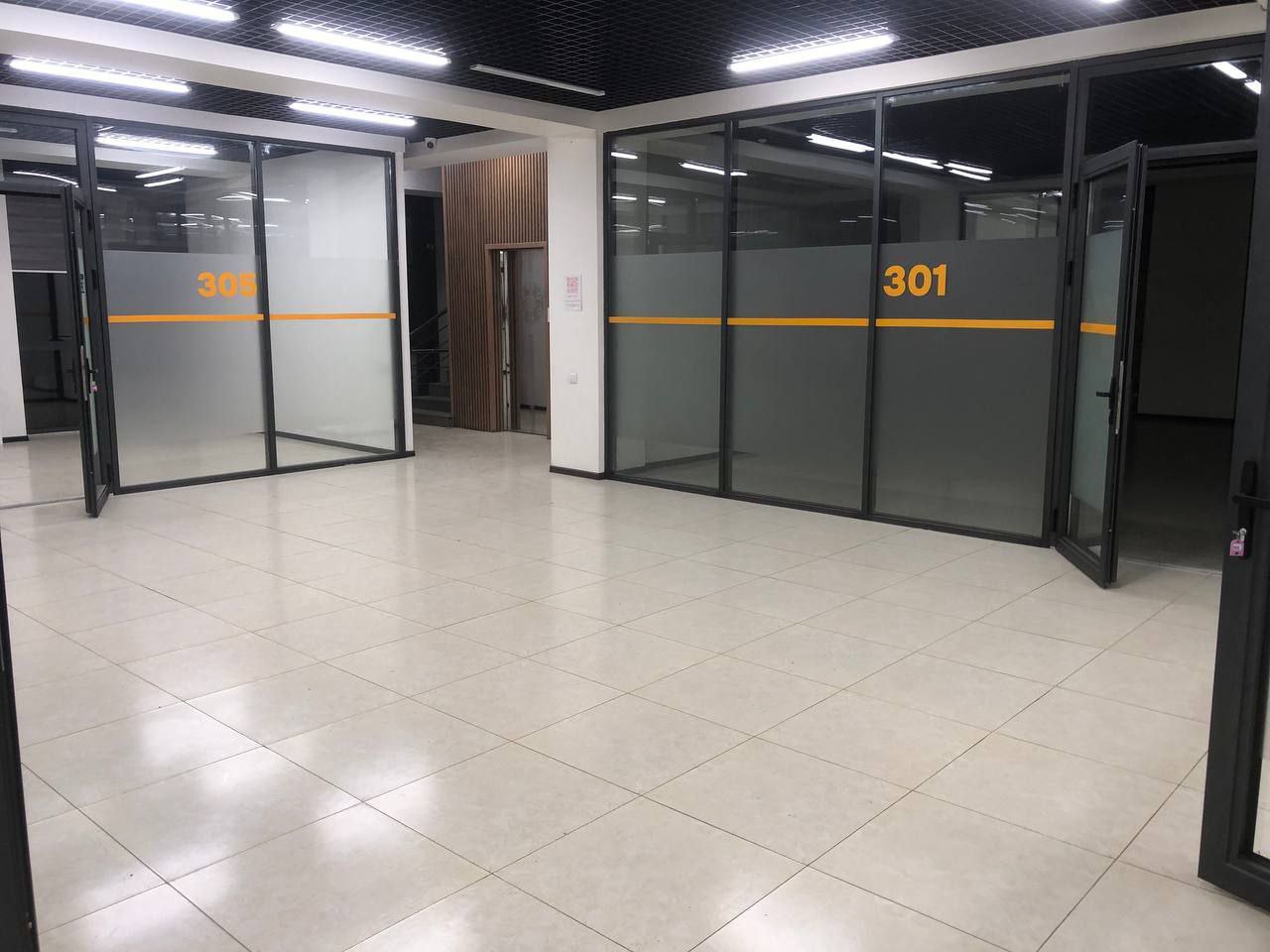
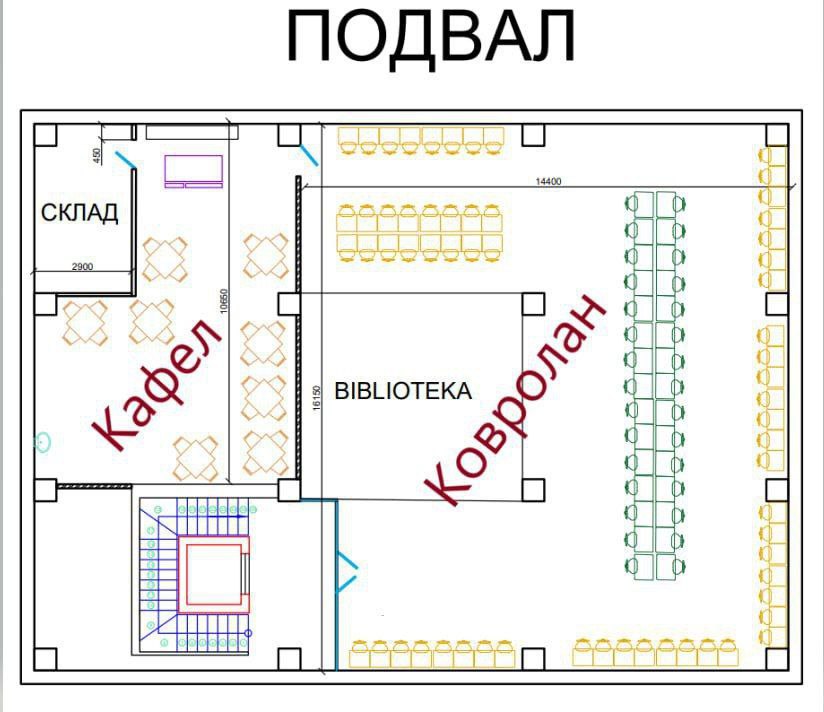
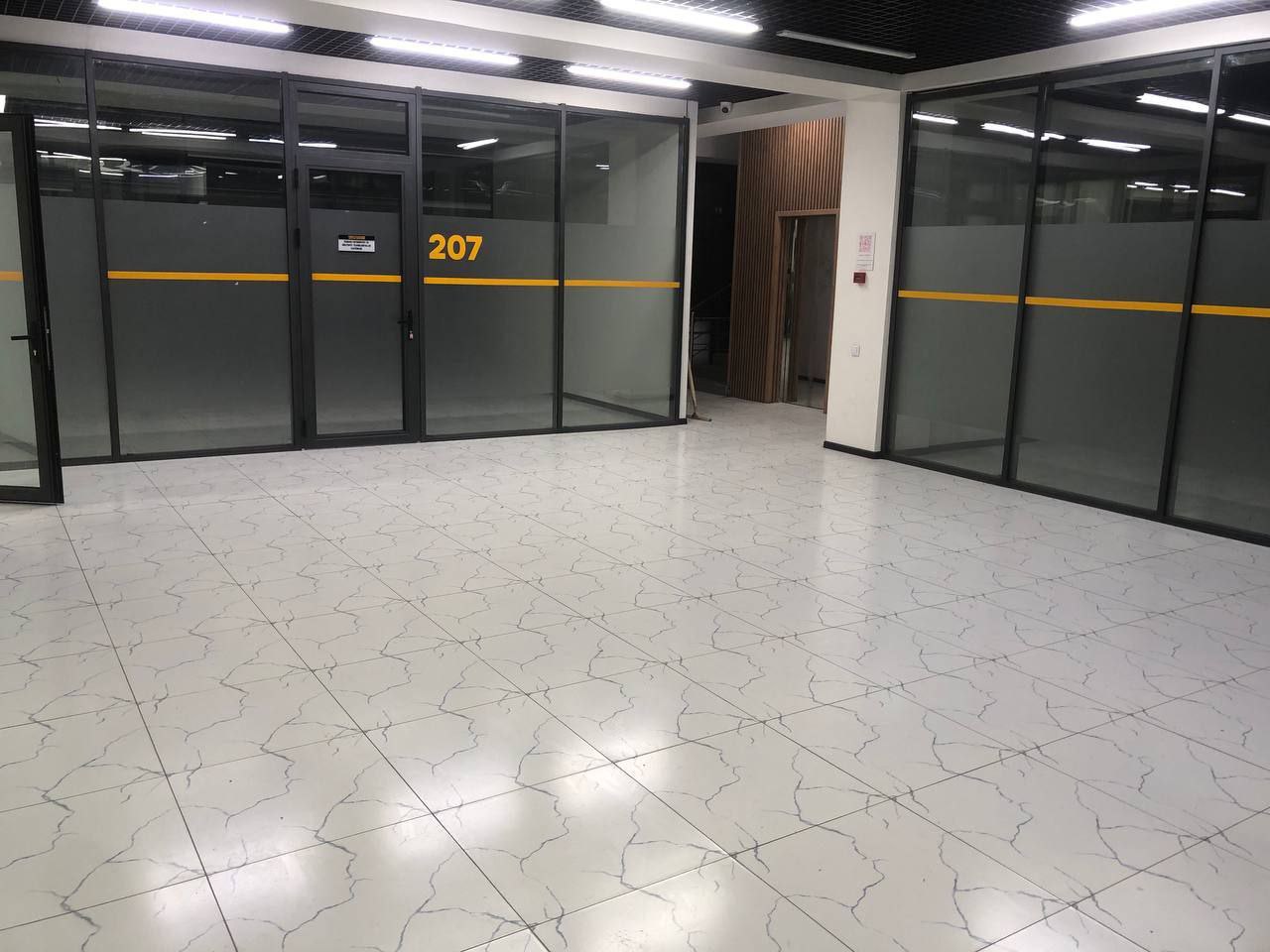
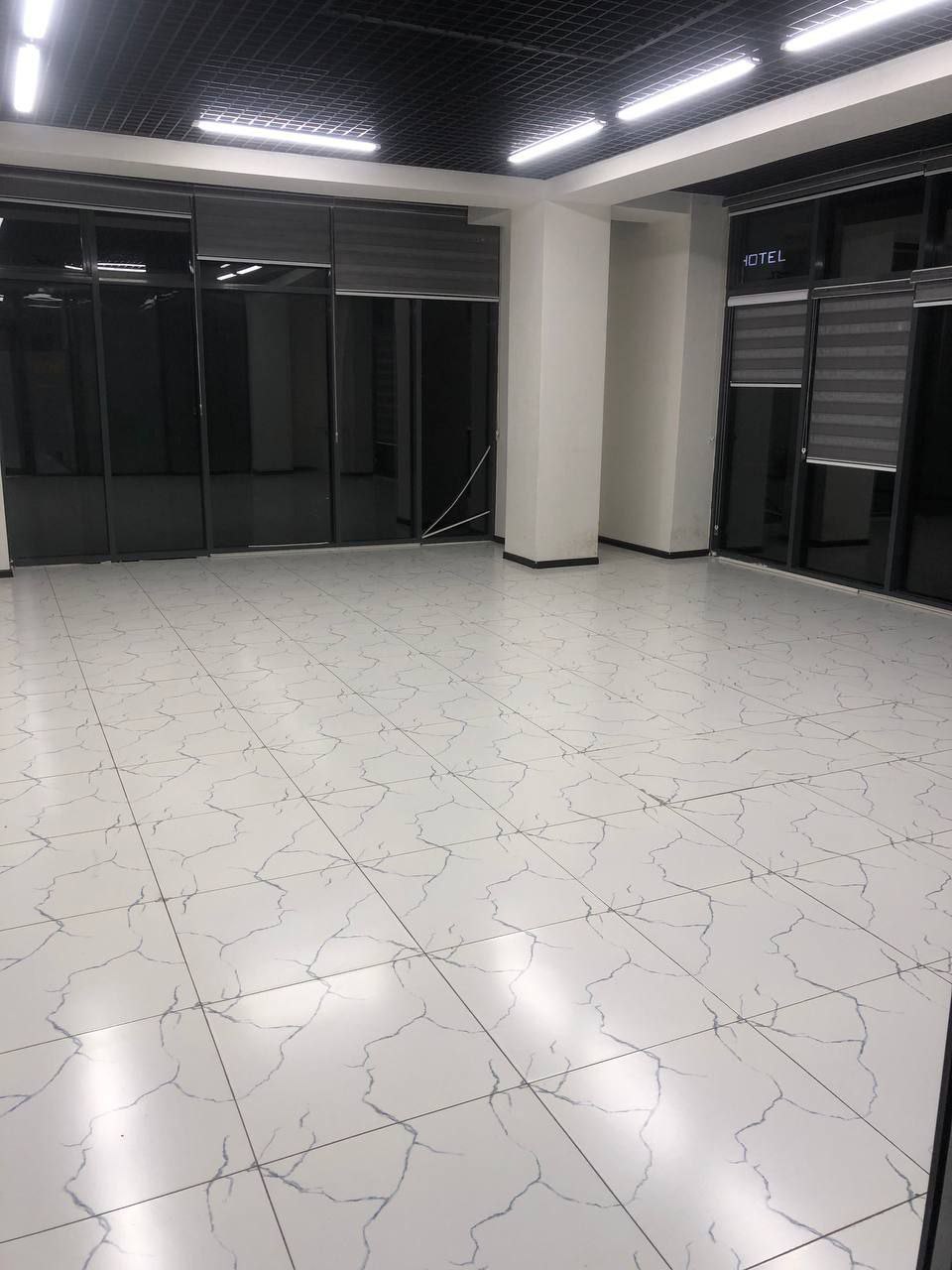
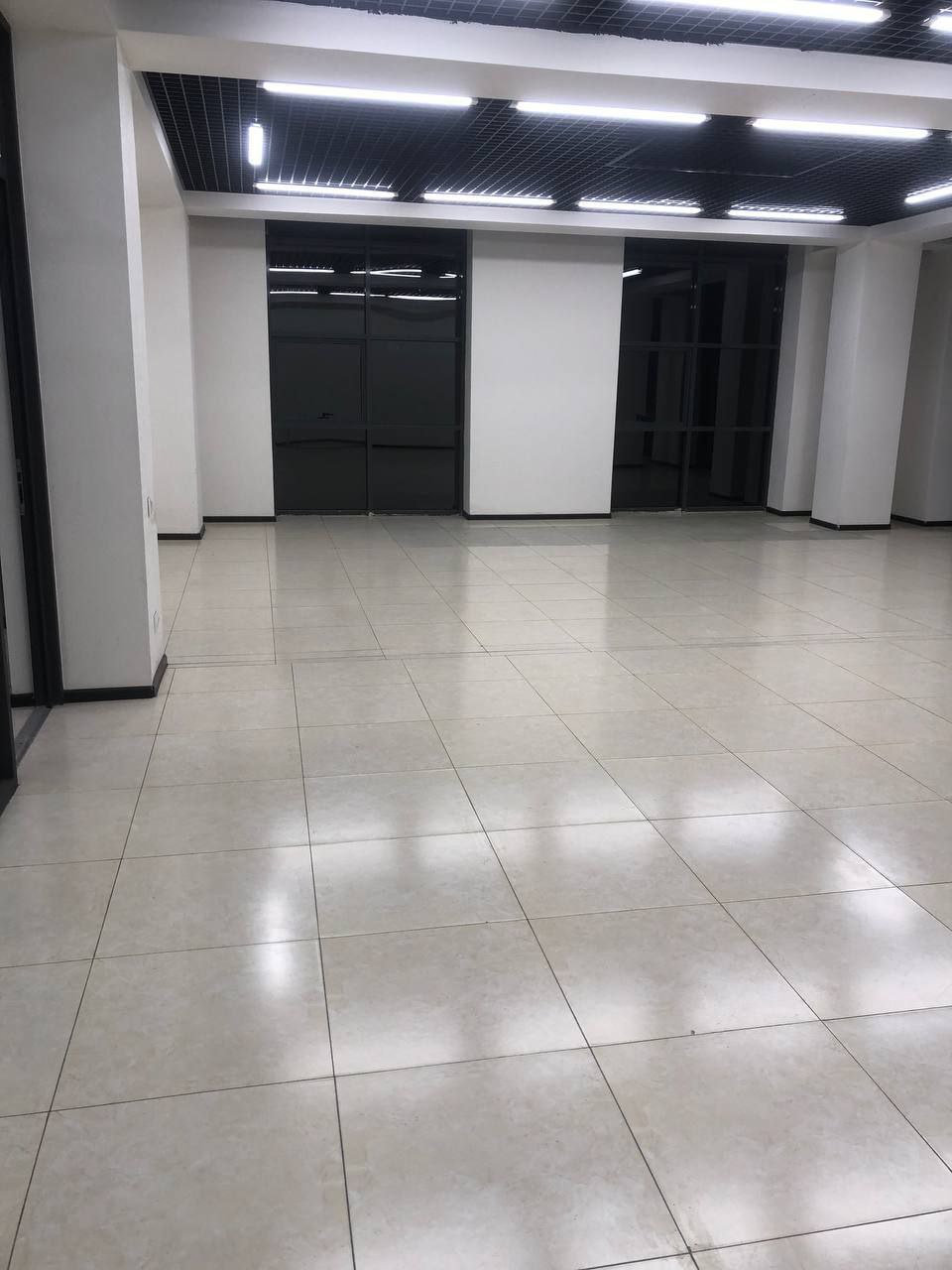
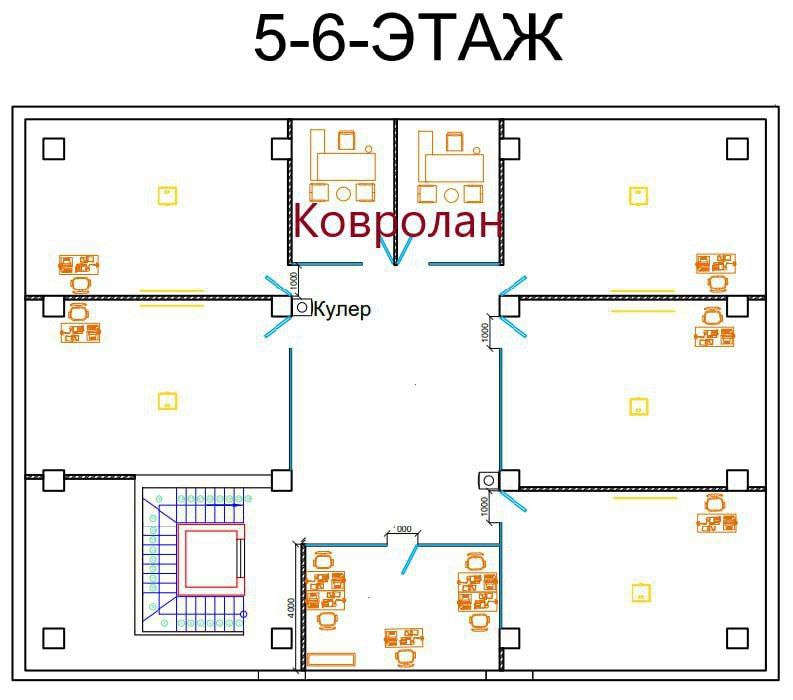
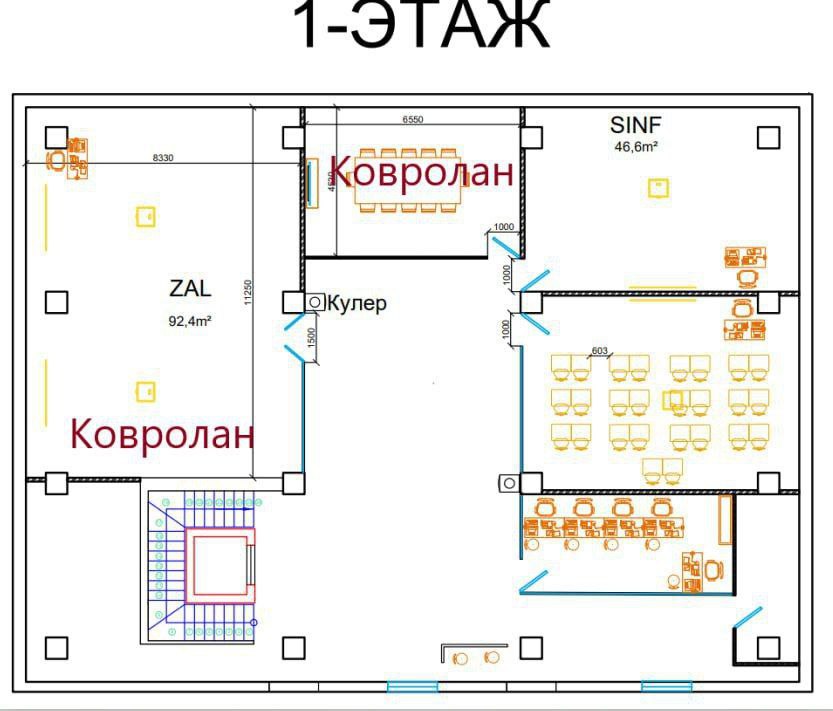
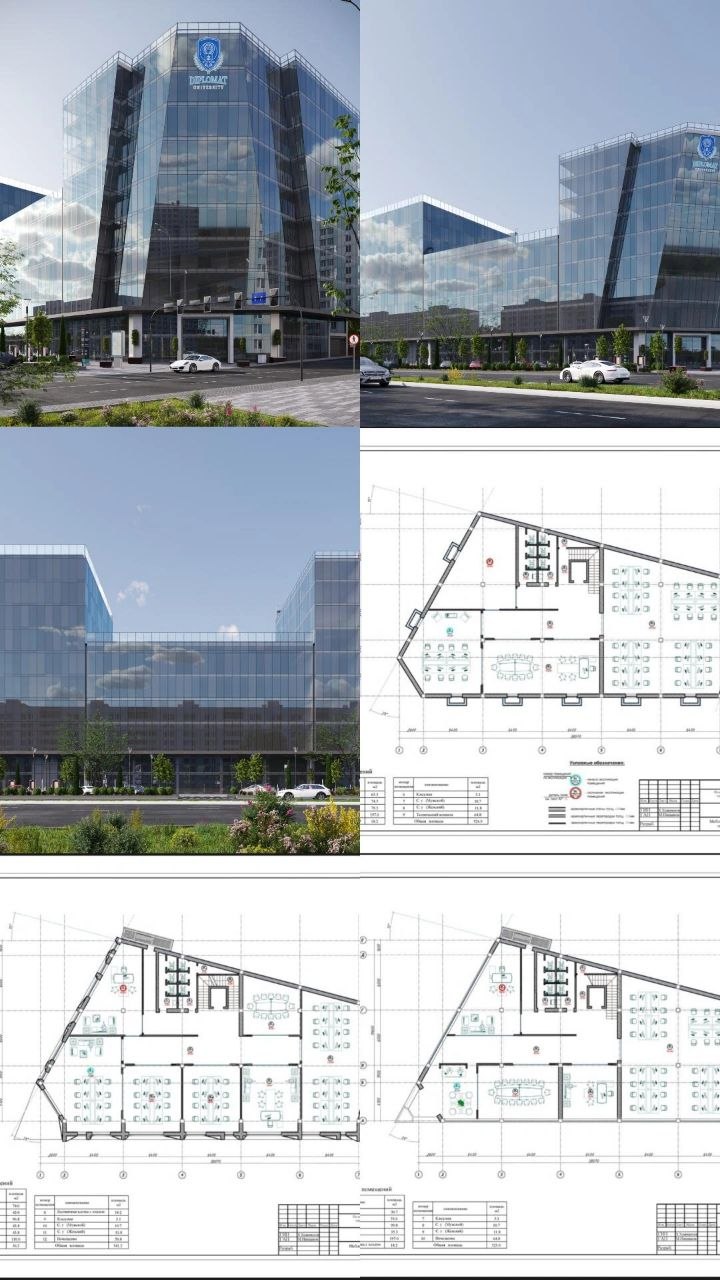
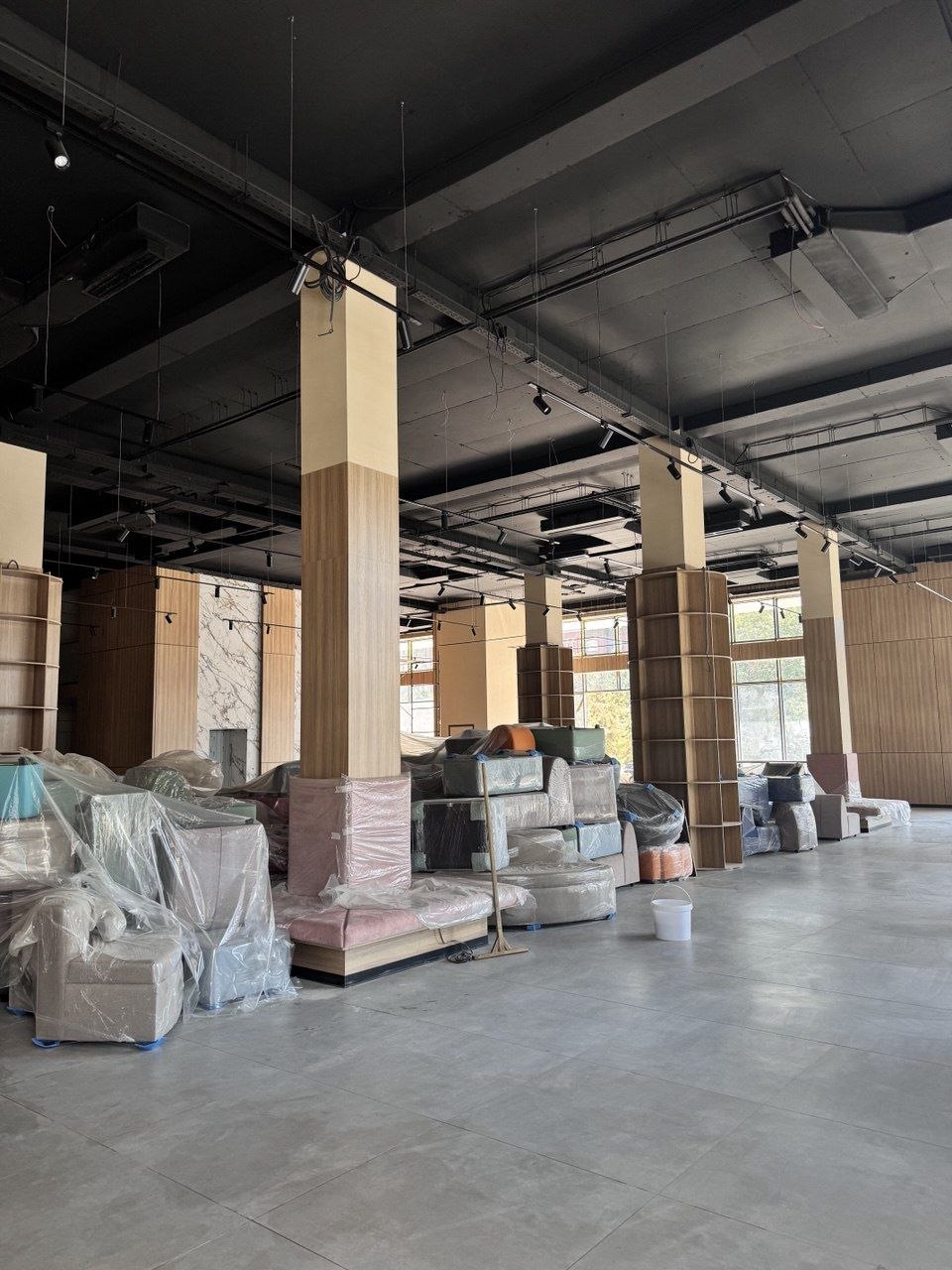
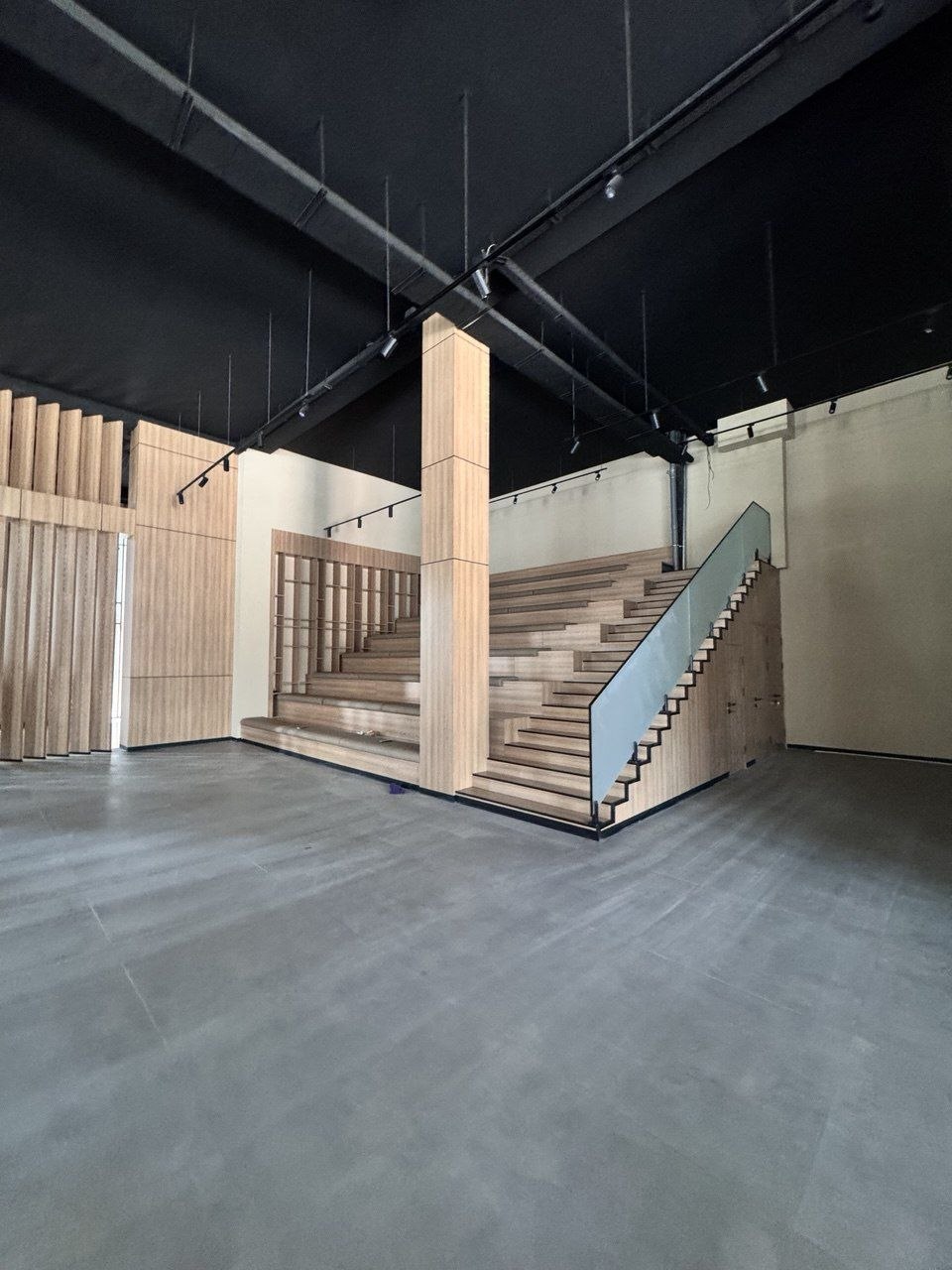
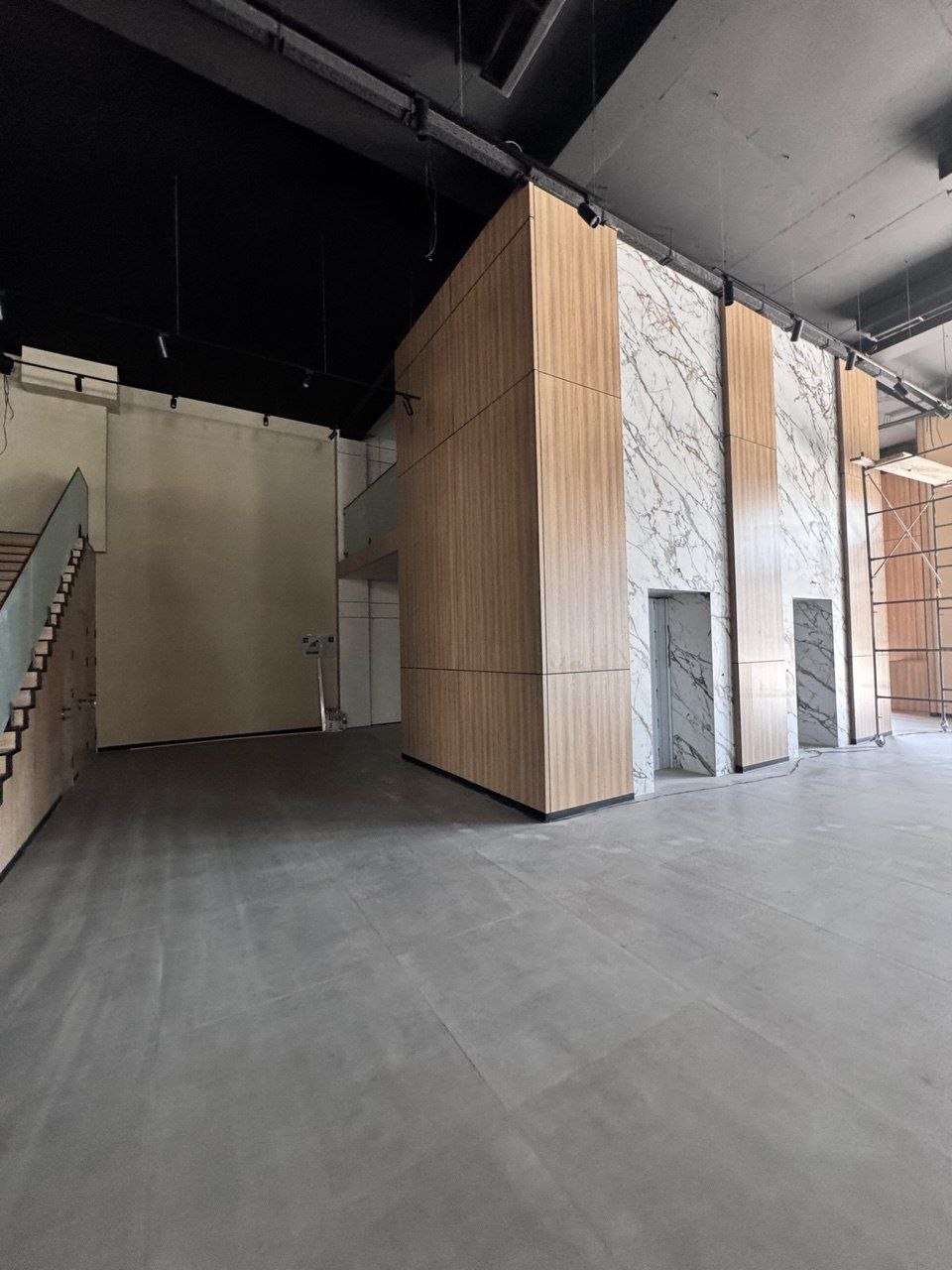
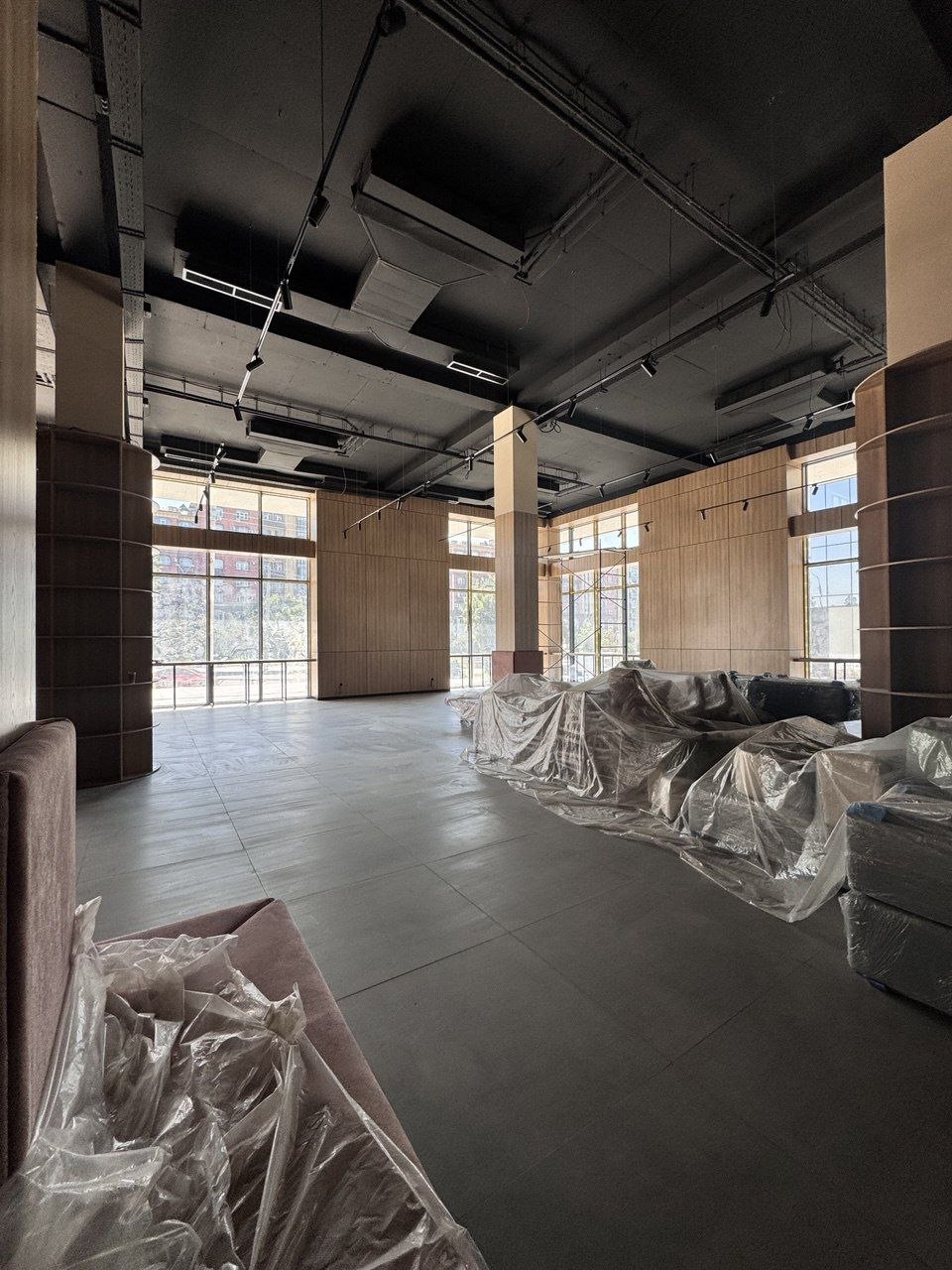
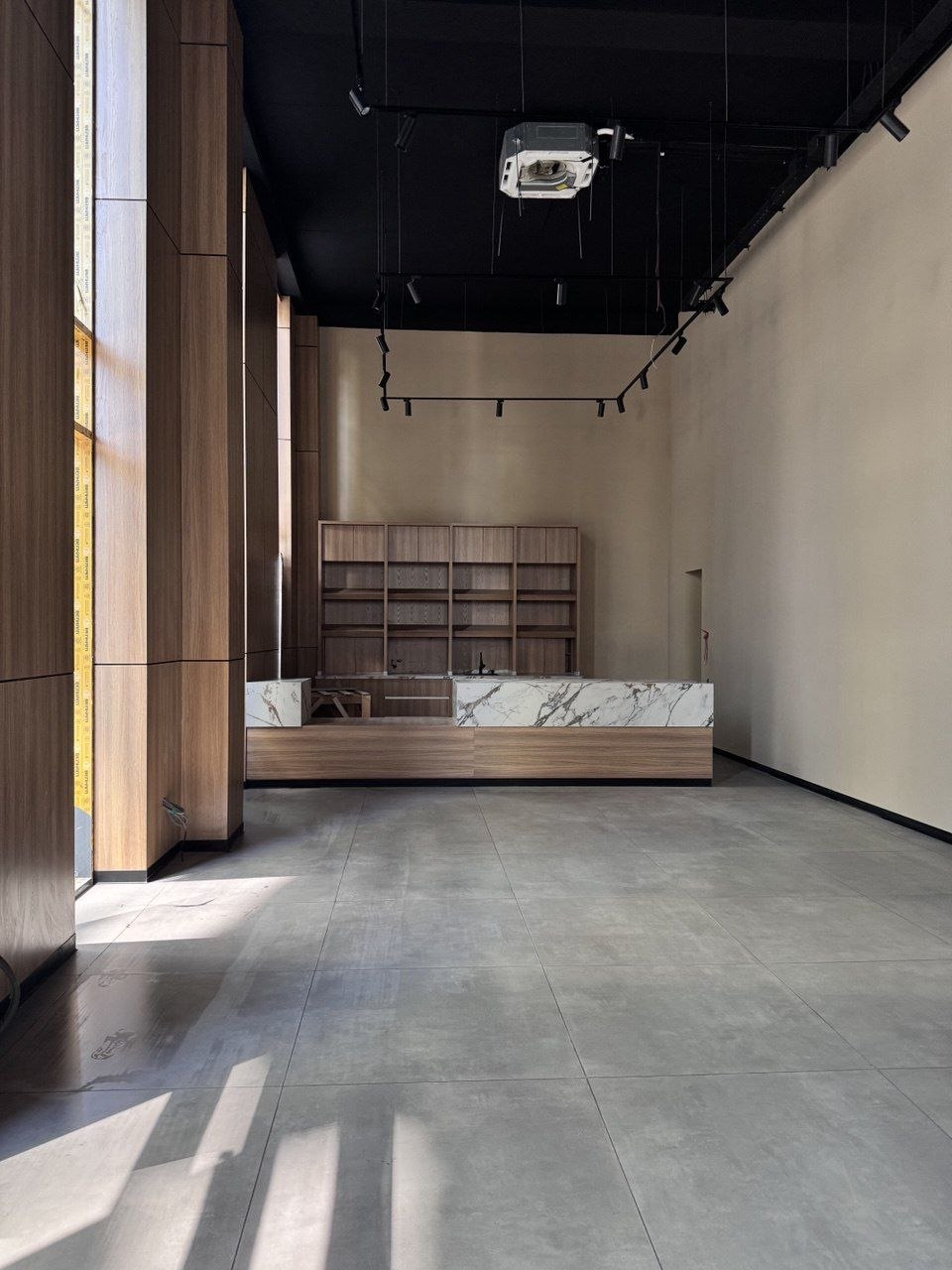
A business owner sees two properties in Tashkent: the first has a lower price per square metre, while the second is more expensive. The choice appears obvious. Yet the cheaper property may make the business pay for long corridors, awkward columns, an unusable basement or space that cannot accommodate the required number of desks, racks or customer seats.
The price per square metre of commercial property answers only one question: how much the seller or landlord is asking for the chosen unit of area. It says nothing about the work that area can perform, the amount required before opening or the restrictions that may emerge after the transaction.
The practical question is therefore different: which property can support the required business scenario at the lowest total cost and an acceptable level of risk?
Price per metre starts with the right denominator
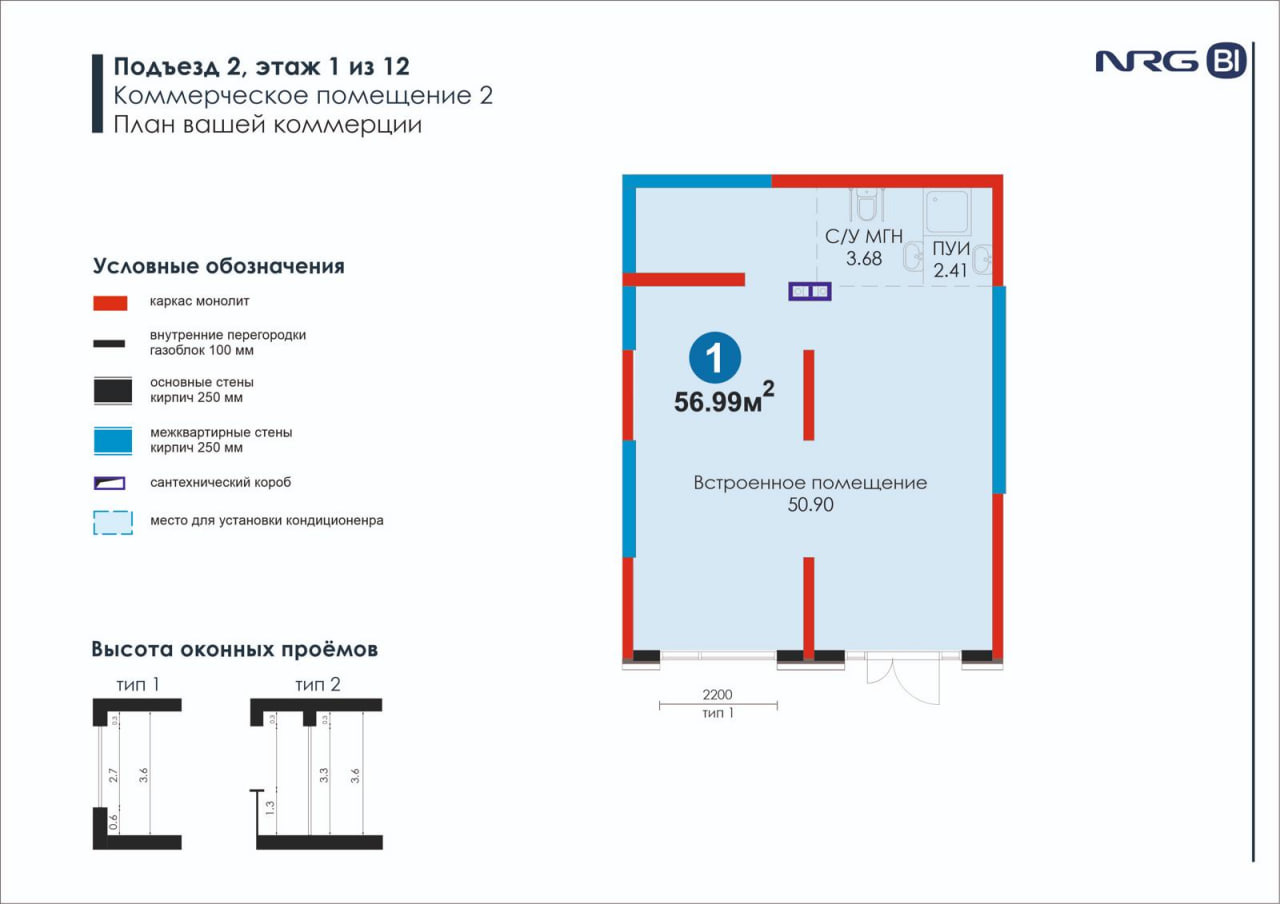
Rates cannot be compared until the parties establish exactly which area is used as the denominator. The listing, contract, cadastral records and physical layout may contain different figures. This does not necessarily indicate an error, but every discrepancy requires an explanation.
For a lease, the initial calculation is straightforward:
`Base payment = contractual area × rate`
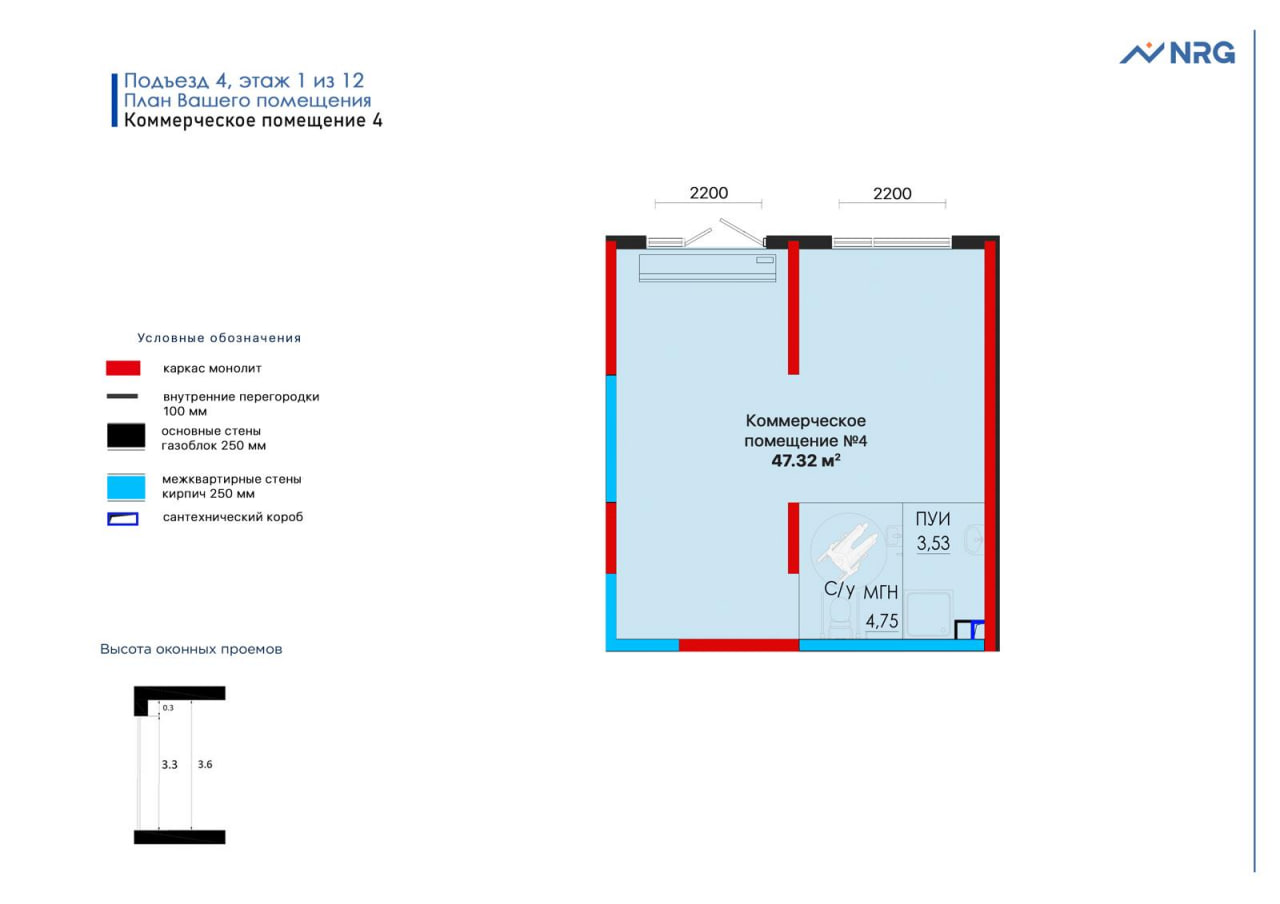
A quoted purchase price per unit of area follows the same logic. Before using it, request the plan and a written breakdown. Does the chargeable area include a share of common areas, technical rooms, stairs, service shafts, a terrace or a separate store? The documents should also state what happens to the payment if a control measurement produces a different figure.
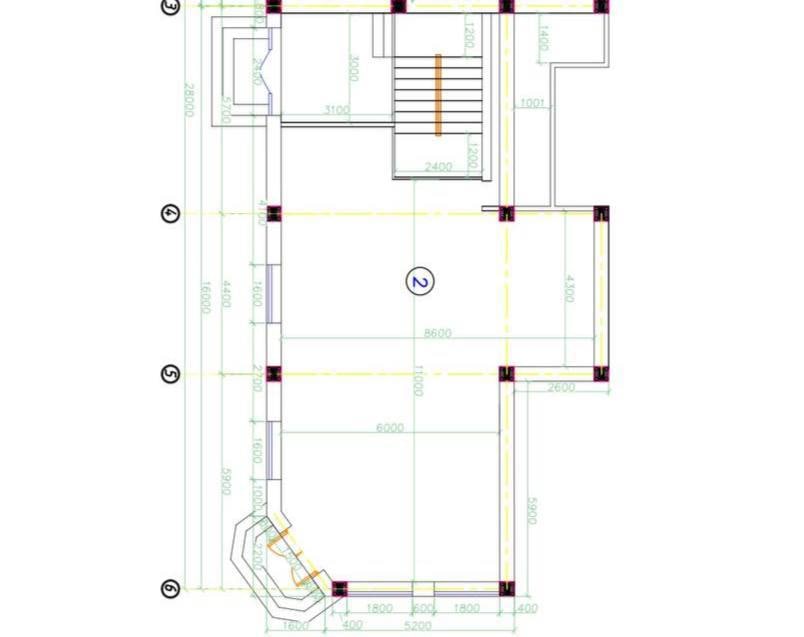
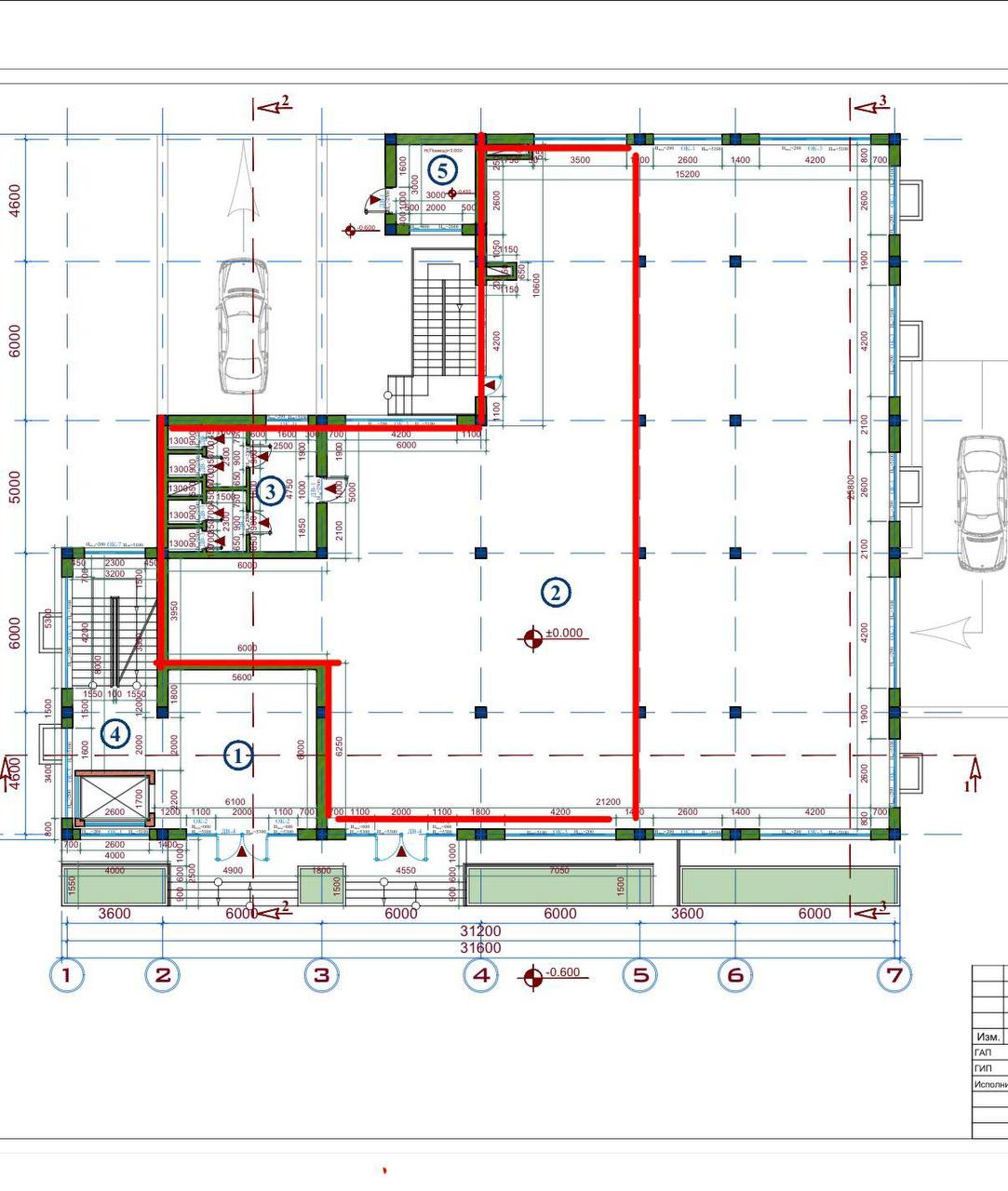
Cadastral area matters for identifying the property and checking its records, but it does not by itself measure commercial productivity. Physically existing space is not automatically useful space: some is needed for circulation, sanitary zones and engineering equipment, while another part may be unsuitable for the particular business.
Convert the area into a business scenario
Divide the property into four layers:
- **Chargeable area** — the figure used to calculate rent or the seller’s price per square metre.
- **Documented area** — the measurements in the cadastral passport, plan and current registry extract.
- **Functional area** — space the business will actually be able to use after adaptation.
- **Productive area** — the part that directly creates capacity or revenue, such as work zones, sales floor, storage positions, production space or hotel rooms.
The space-efficiency ratio is:
`Productive area ÷ chargeable area × 100%`
Assume Property A has 500 m² of chargeable space, of which 350 m² is productive, and a rate index of 100 notional units. Property B charges for 420 m², provides 340 productive m² and has a higher rate of 112 units. These are illustrative figures, not Tashkent market prices.
| Metric | Property A | Property B | |---|---:|---:| | Chargeable area | 500 m² | 420 m² | | Productive area | 350 m² | 340 m² | | Rate index per chargeable m² | 100 | 112 | | Base payment | 50,000 | 47,040 | | Payment per productive m² | 142.9 | 138.4 | | Space efficiency | 70% | about 81% |
Property B is 12% more expensive according to the advertised rate, but cheaper by both total base payment and productive square metre. The conclusion may change if B has higher operating charges or requires a more expensive fit-out, so the analysis is not yet complete.
For an office, it is useful to calculate the cost per equipped workstation. A warehouse can be compared by cost per pallet position or unit of handled cargo. For retail, consider the cost of customer-facing productive space together with observed traffic. Equal areas can have very different economic capacities.
Compare the total cost of use
After normalising the area, place every payment on the same time horizon. A practical formula for a tenant is:
`Monthly scenario cost = recurring payments + one-off costs ÷ months of secured use`
Recurring payments may include base rent, service charges, utilities, security, mandatory access or parking fees, planned maintenance and other expenses allocated to the tenant by the contract. Include only items that the tenant will actually bear.
One-off costs include design, repairs, engineering adaptation, relocation, equipment installation, commissions and the period during which the property is already being paid for but the business is not yet operating. A refundable deposit should not automatically be treated as an expense: it is temporarily tied-up liquidity. Where relevant, record the financing cost of that liquidity and the contractual risk of the deposit being withheld separately.
For a buyer, the acquisition price is likewise not the cost of use. The model needs separate lines for transaction completion, financing, taxes and mandatory payments, operations, insurance, security, repairs and future capital works where applicable to the property. A possible resale should be tested as a separate scenario rather than using assumed price growth to disguise current economics.
Convert every offer to the same currency, payment frequency and tax treatment. If the rate is linked to a foreign currency, record the exchange-rate source, conversion date and contractual mechanism for adjusting payments.
Separate costly defects from acceptable compromises
Not every weakness can be offset by a discount. Before assigning financial scores, define the non-negotiable conditions. Reject the property or refer it for further investigation if the following cannot be confirmed:
- the owner’s or representative’s authority to deal with the property;
- lawful ability to use the premises for the planned scenario;
- sufficient electrical capacity, water, ventilation and other critical systems;
- required access hours, vehicle approach, loading arrangements and routes for customers or staff;
- physical ability to place equipment and meet mandatory safety requirements;
- a realistic budget and timetable for opening.
In Tashkent, location cannot be reduced to the name of a district. Premises that appear similar on a map may differ in access from a divided road, turning possibilities, entrance visibility, evening congestion and walking distance from parking. Test the route on working days and weekends, in the morning, afternoon and evening. A preliminary shortlist can be built in the commercial property catalogue, while the surroundings and alternative routes can be compared on the map.
A discount becomes meaningful only after the cost of correcting a defect has been assessed. If correction is impossible, depends on third parties or threatens the opening date, a low rate does not make the property suitable.
Check the documents before building the financial model
Area and cost calculations must relate to a property whose rights can be confirmed. Uzbekistan’s Law No. ZRU-803 includes ownership, lease, sublease and restrictions on rights among matters subject to state registration. Registration is confirmed by an extract from the State Register. The official Ministry of Justice page describes that register as the source of information on registered rights.
Before paying a deposit or any non-refundable amount, request:
- a current State Register extract and cadastral number;
- the cadastral passport and a plan showing the areas;
- the document establishing the authority of the owner or representative;
- the draft contract with every appendix covering area, payments and transferred property;
- documents for approved alterations if the physical premises differ from the plan;
- evidence supporting the engineering specifications used in the opening model.
The my.gov.uz portal provides a service for preparing a cadastral passport and registering rights to non-residential properties. A separate free service can be used to check whether a cadastral property is subject to a prohibition. A copy supplied by the counterparty is only a starting document: compare the cadastral number, right holder, area and restrictions with current official information.
The Single Portal also provides a state-registration service for leases of buildings and structures, with a registry extract as the result. Do not apply a service description mechanically to every transaction. Confirm whether registration applies, which documents are required and what current conditions govern the specific term and structure of the proposed agreement before signing it. The search for options can begin in the commercial property for rent in Tashkent section, but a listing cannot replace documentary verification.
Build a property comparison card
A single line showing price per square metre should become a concise decision card.
| Section | What to measure | Supporting evidence | |---|---|---| | Legal eligibility | whether the transaction can be completed and performed | registry extract, cadastral records, authority of the party, draft contract | | Space efficiency | productive m² relative to chargeable m² | plan, control measurement, test layout | | Cost of use | total per month and over the selected period | contract, tariffs, bills and contractor quotations | | Opening | budget and readiness date | defect schedule, design, estimates and supplier timelines | | Capacity | desks, pallets, seats or production output | test layout and technical specifications | | Location | journey time, access and observed traffic | on-site checks on different days and at different hours | | Risk scenario | extra cost and delay | sensitivity analysis and contractual terms |
There is no need to assign arbitrary weights to every item. Apply the qualifying conditions first, compare the economics of properties that pass, and then examine the resilience of the result.
Before making the final decision, answer seven questions:
- Is chargeable area defined consistently across all offers?
- How many square metres actually create the required capacity?
- What is the cost per workstation, pallet position or other business unit?
- Which recurring payments are excluded from the quoted rate?
- How much money and time will be required before opening?
- Which rights, restrictions and discrepancies appear in current documents?
- Will the apparent advantage survive a delayed opening or an increase in evidenced costs?
Make the decision by scenario, not by rate
Prepare a base, downside and limit scenario for every finalist. Do not invent percentage increases in costs. Use ranges supported by bills, the technical inspection, contractual provisions and contractor quotations. The downside scenario tests a delayed opening, reduced capacity or a higher evidenced expense. The limit scenario shows the change at which the property ceases to be acceptable.
If a more expensive option reduces recurring costs, calculate the payback period for the difference as follows:
`Additional investment ÷ monthly saving`
If the advantage is expected to come from sales, calculate the required additional contribution margin rather than revenue. The difference in monthly scenario cost must be covered after variable expenses. Inputs should come from the economics of the business itself, not promises made in a property advertisement.
Price per square metre remains a useful filter for the initial sorting of genuinely comparable offers. The final choice, however, should be the property that passes the rights and restrictions check, accommodates the required scenario and delivers an acceptable total cost over a realistic period. A cheap square metre that performs no useful work is not a saving.
Sources and verification date