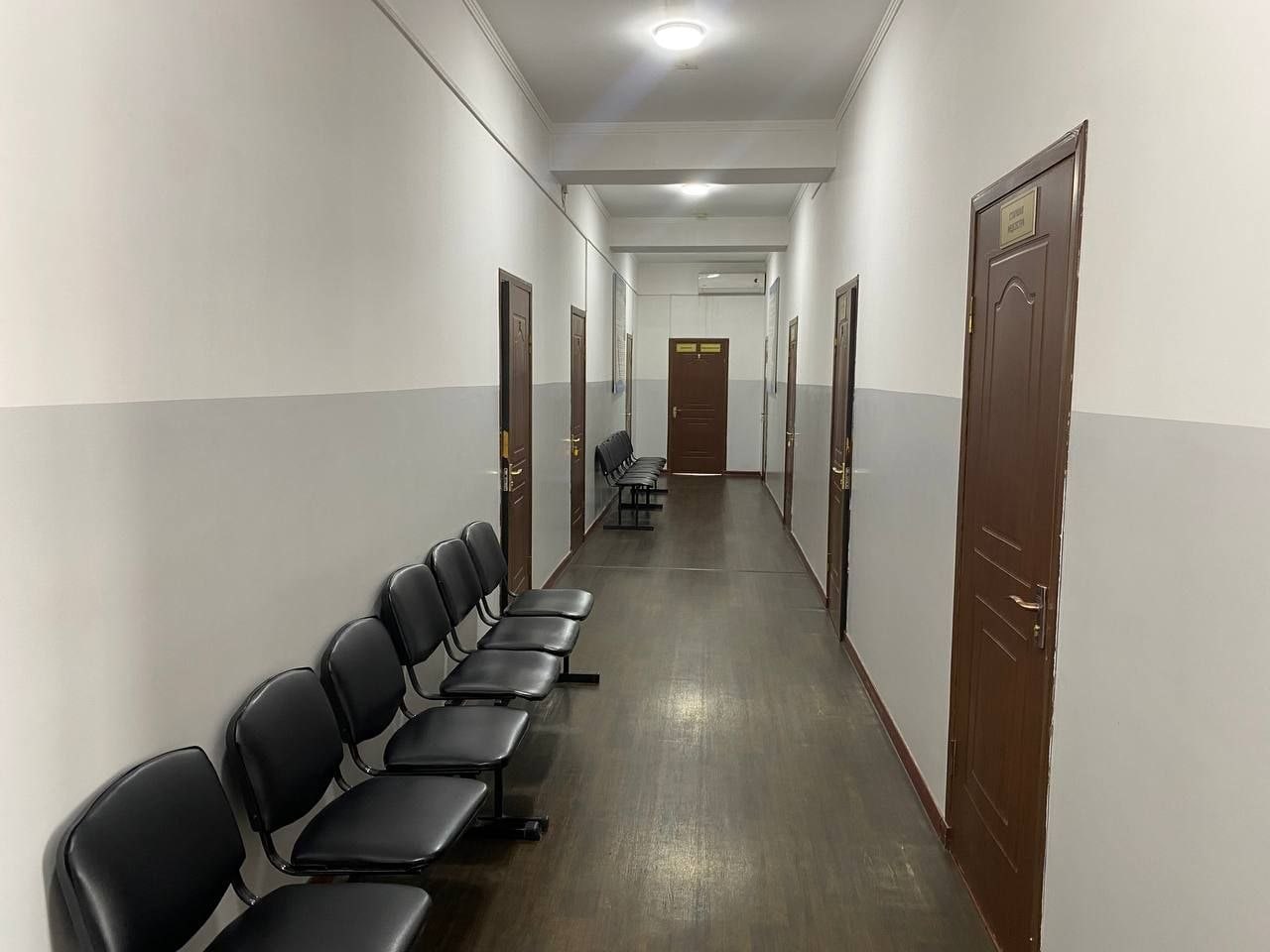
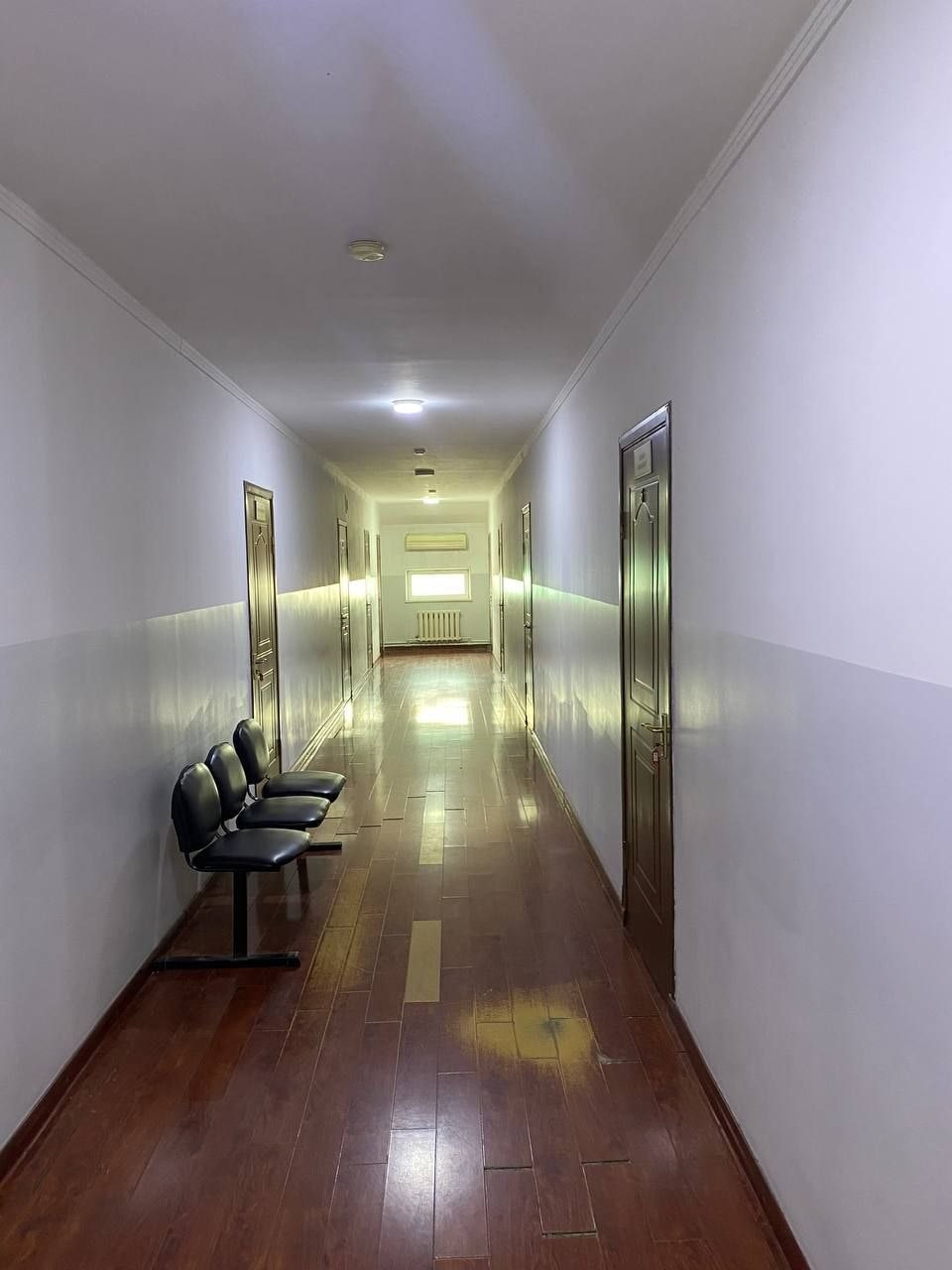
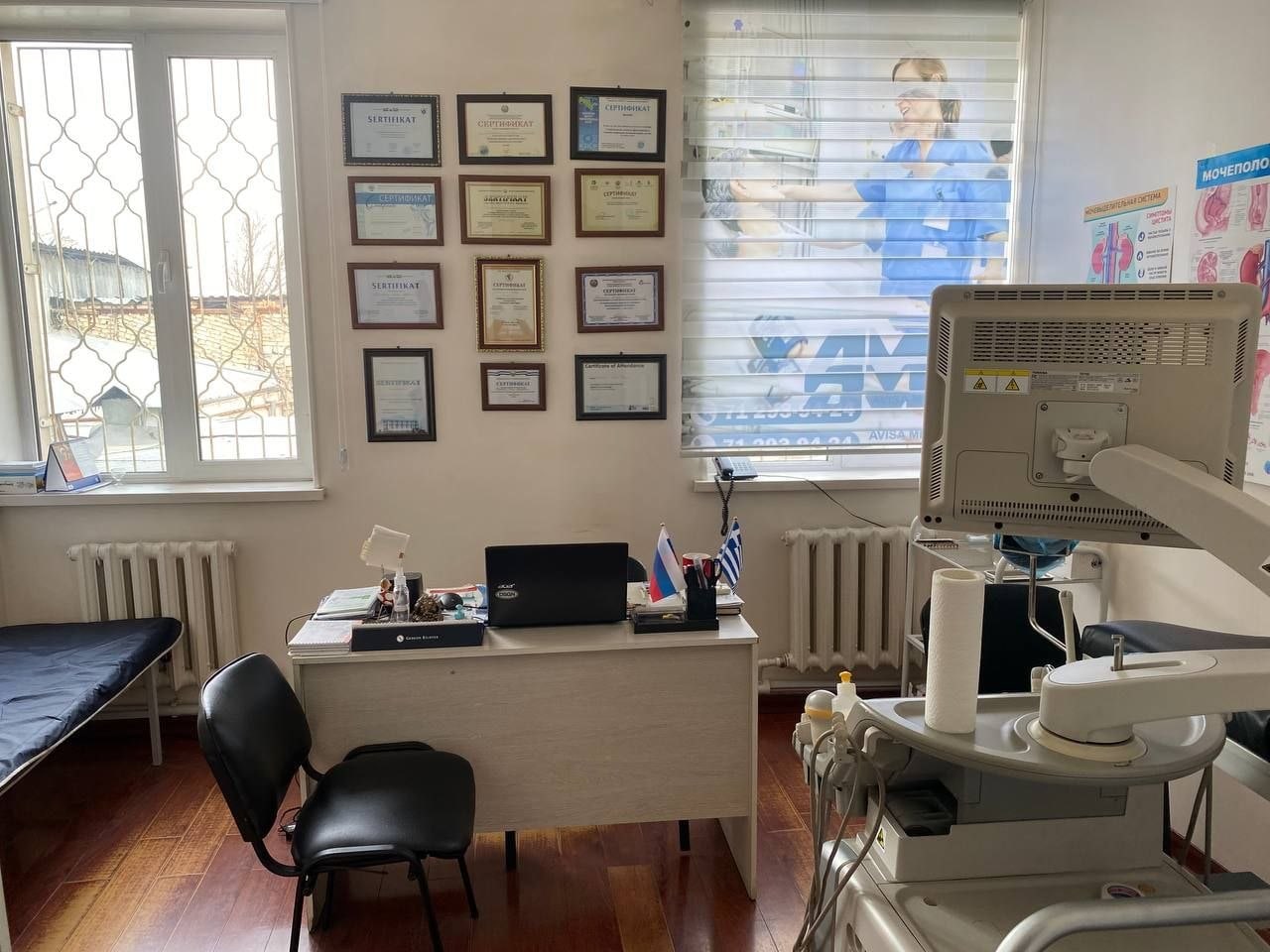
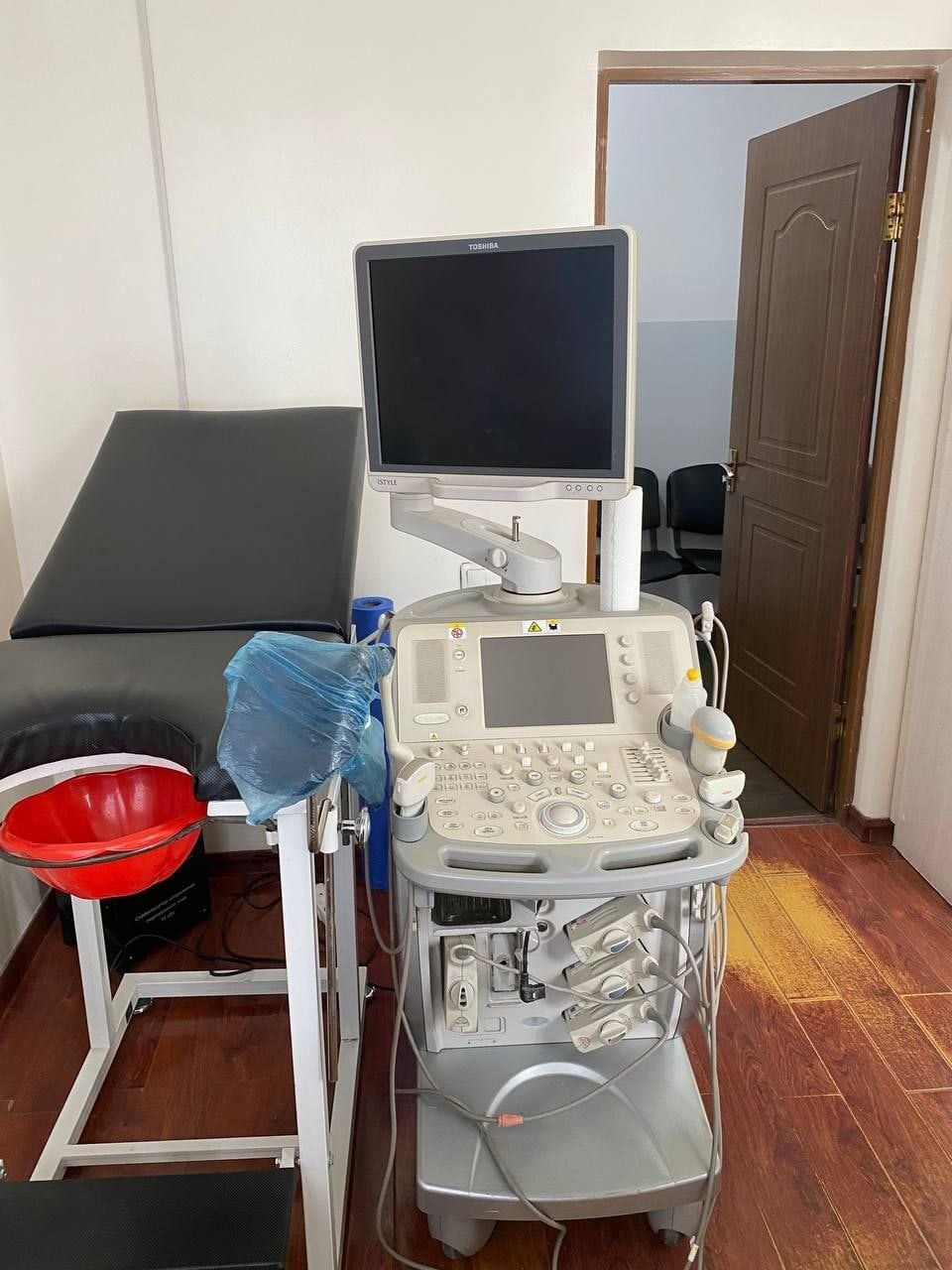
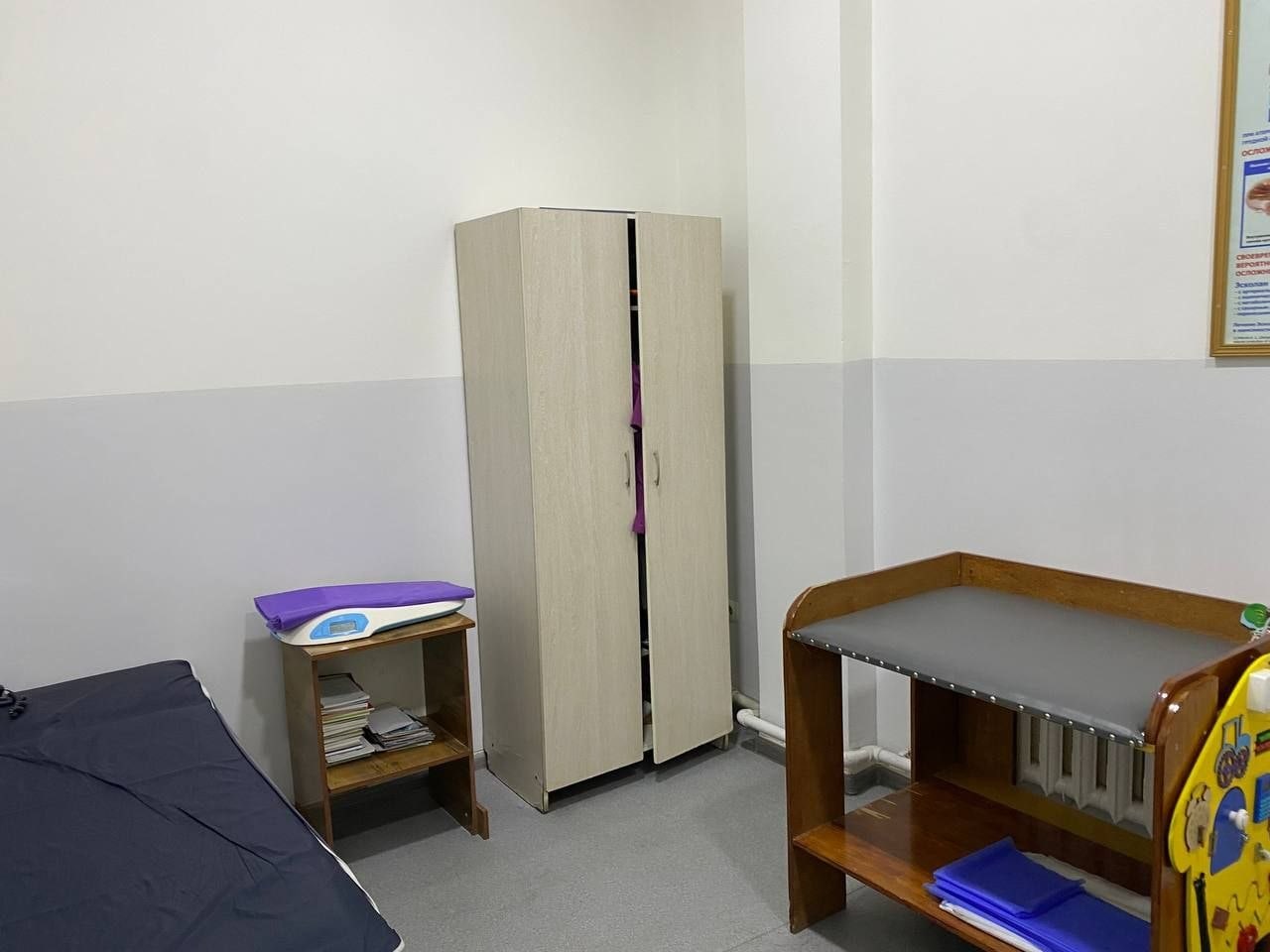
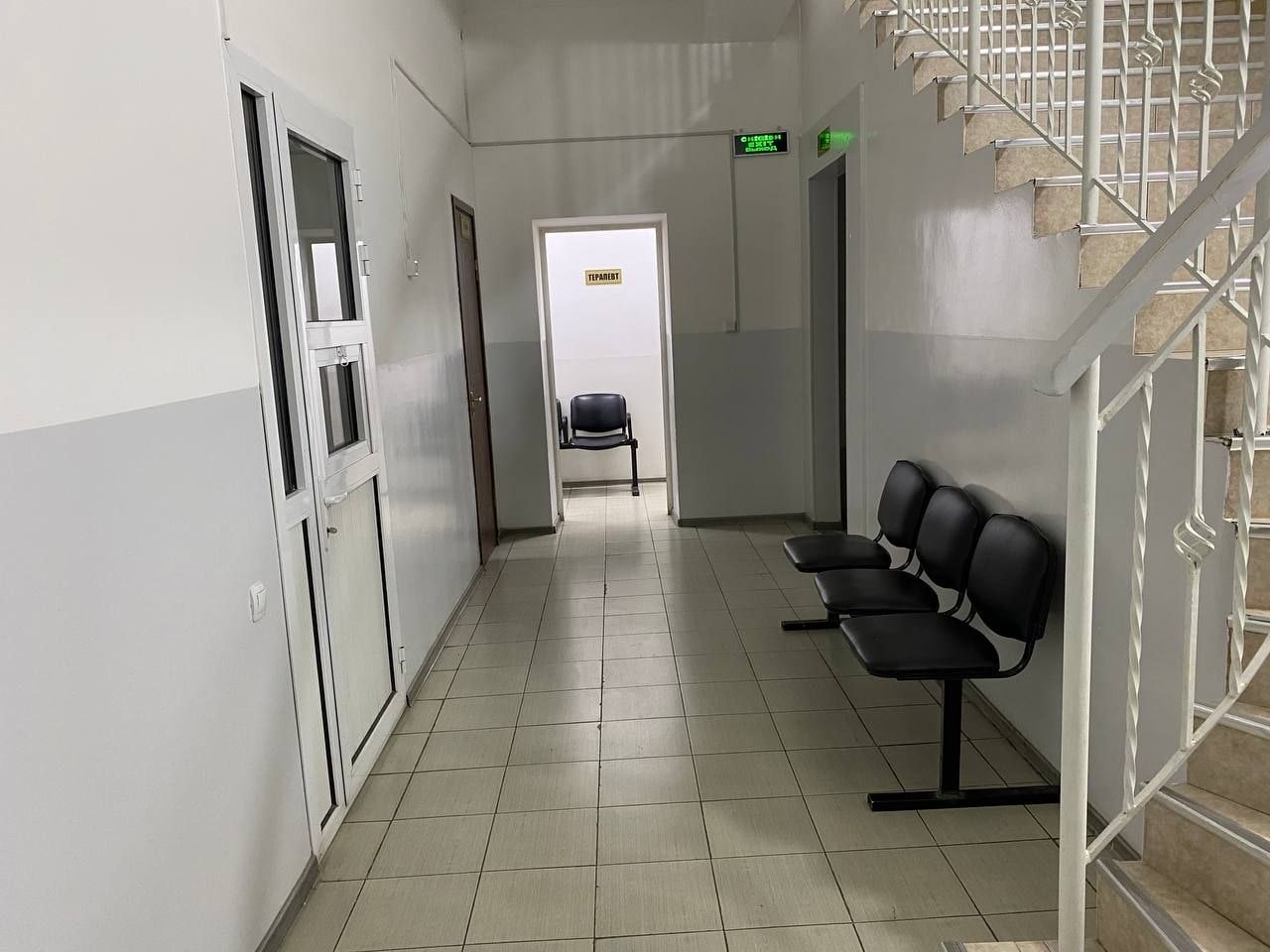
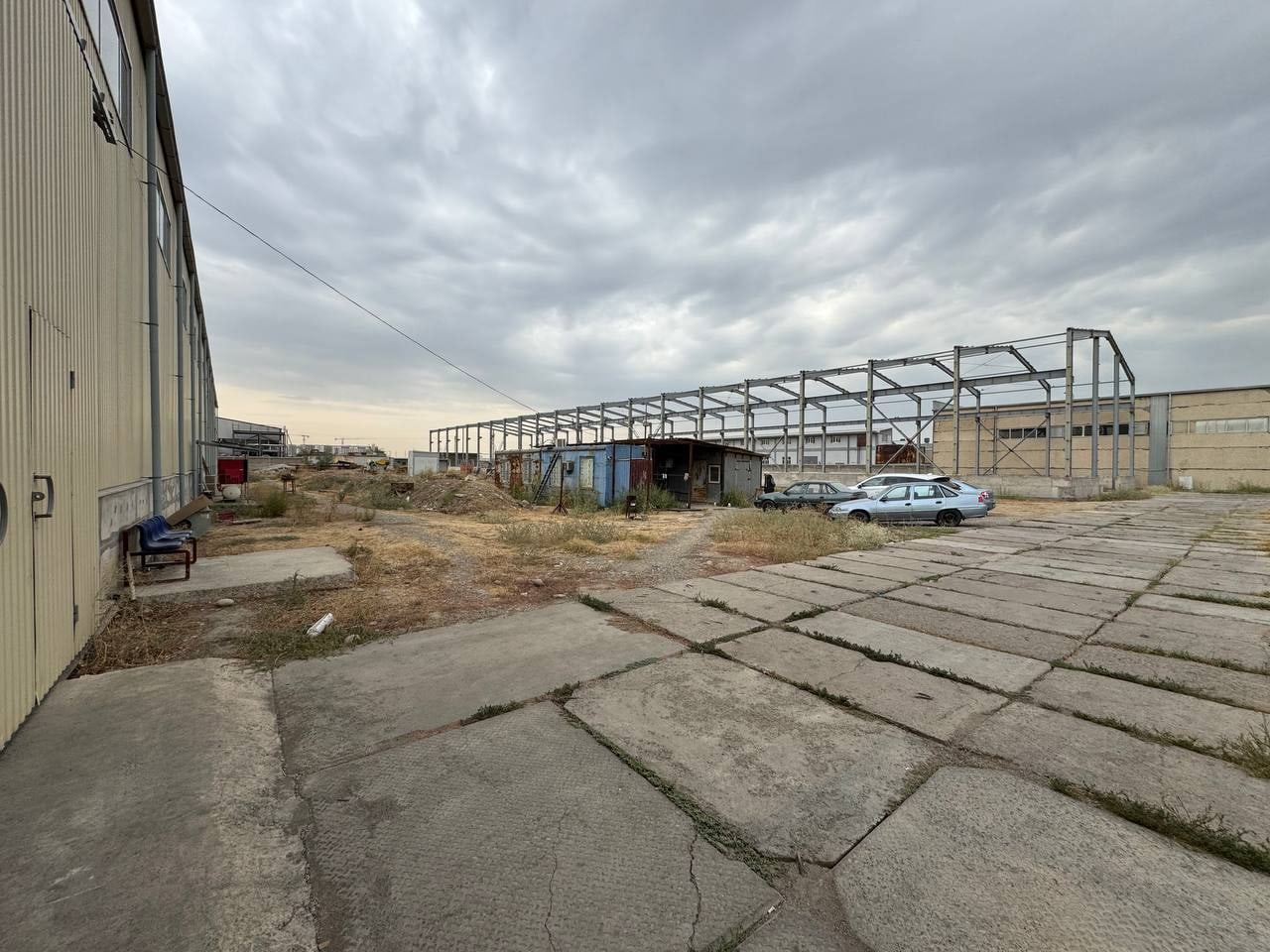
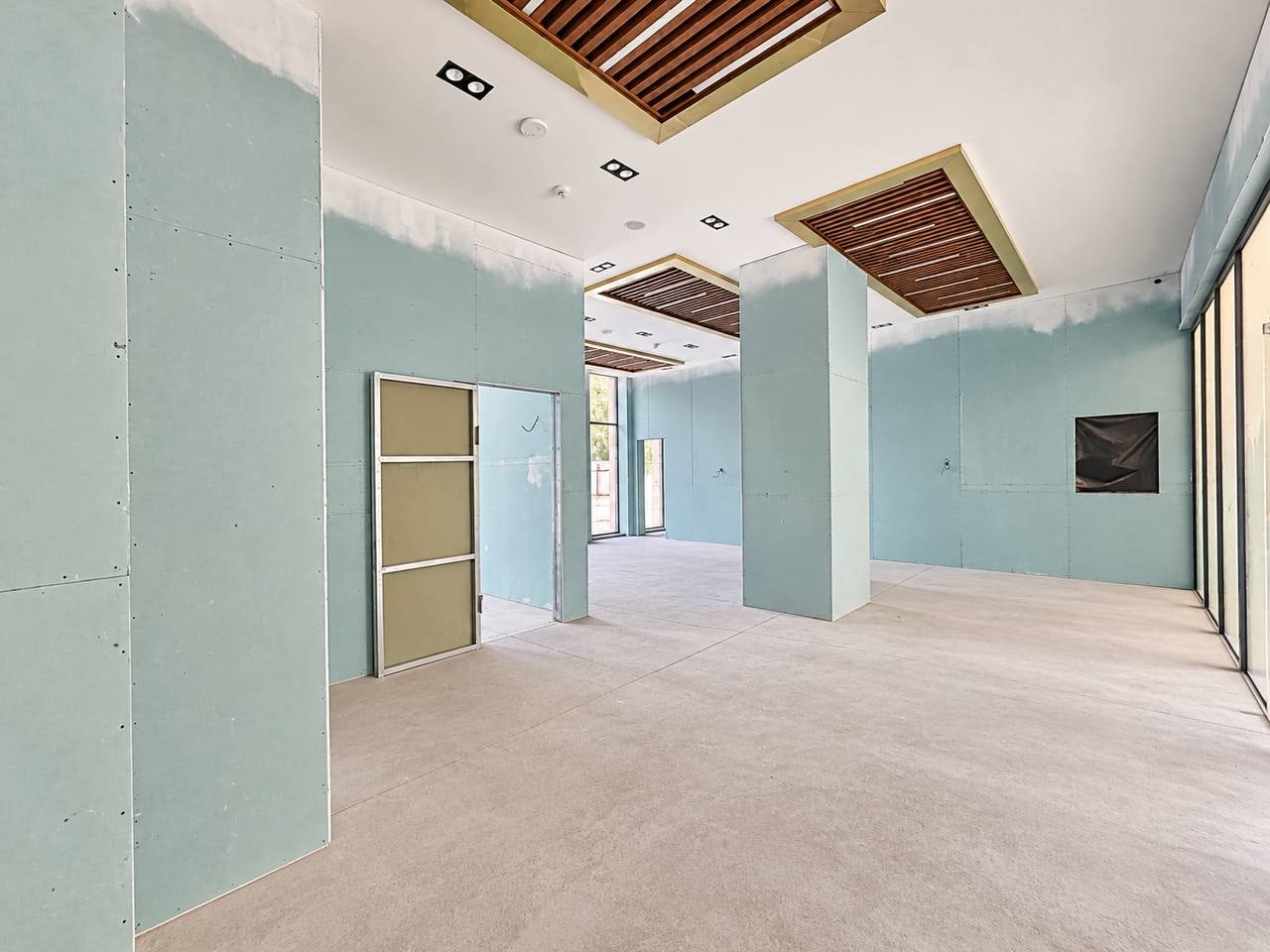
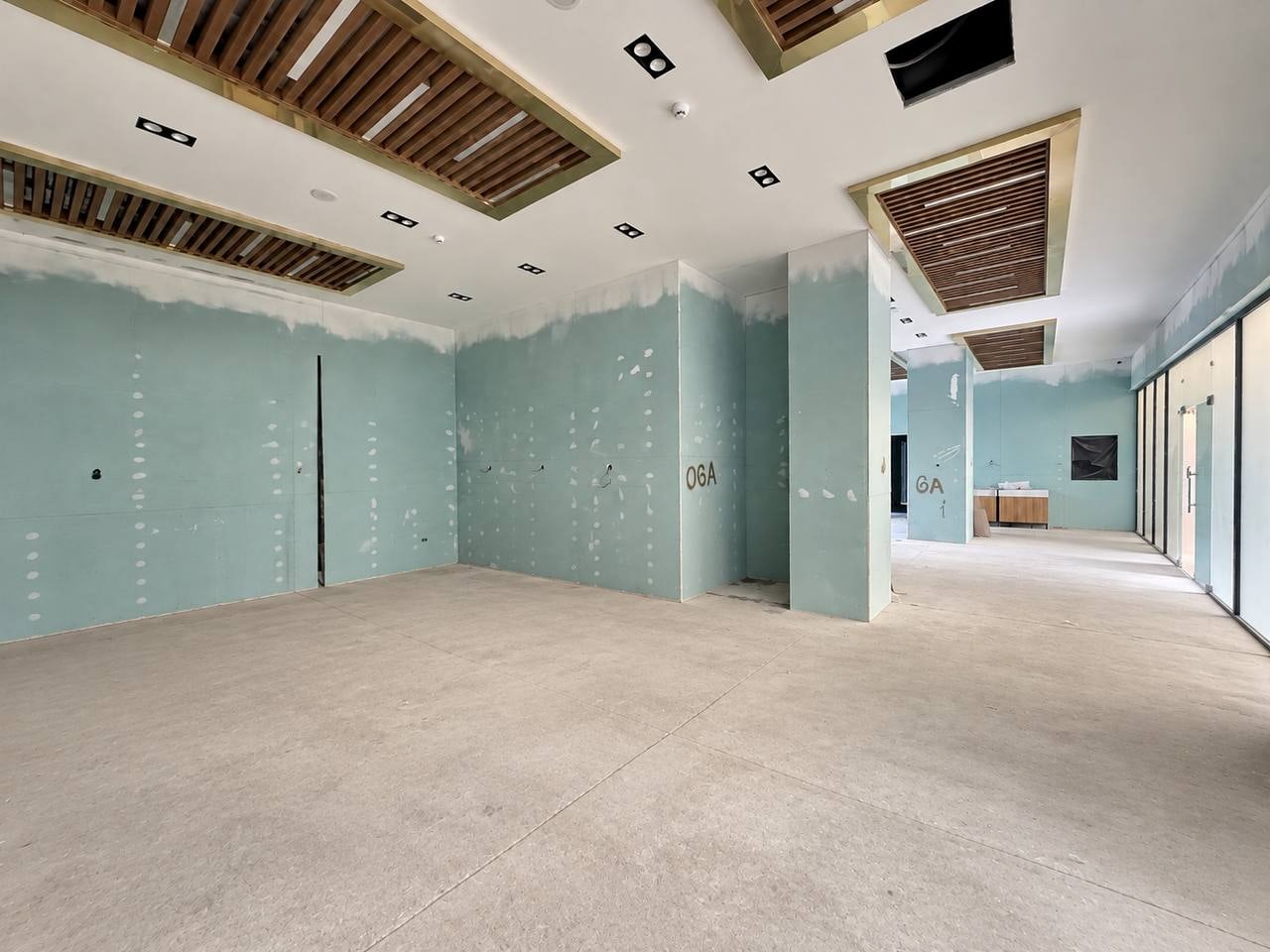
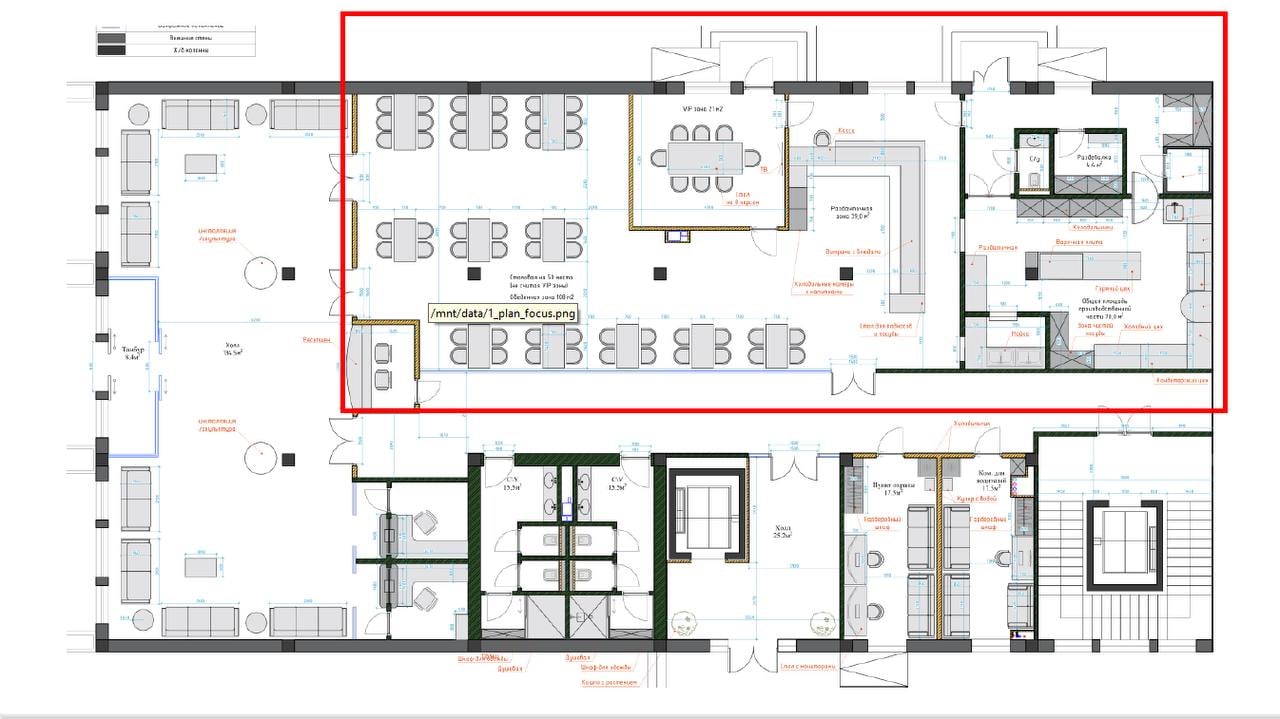
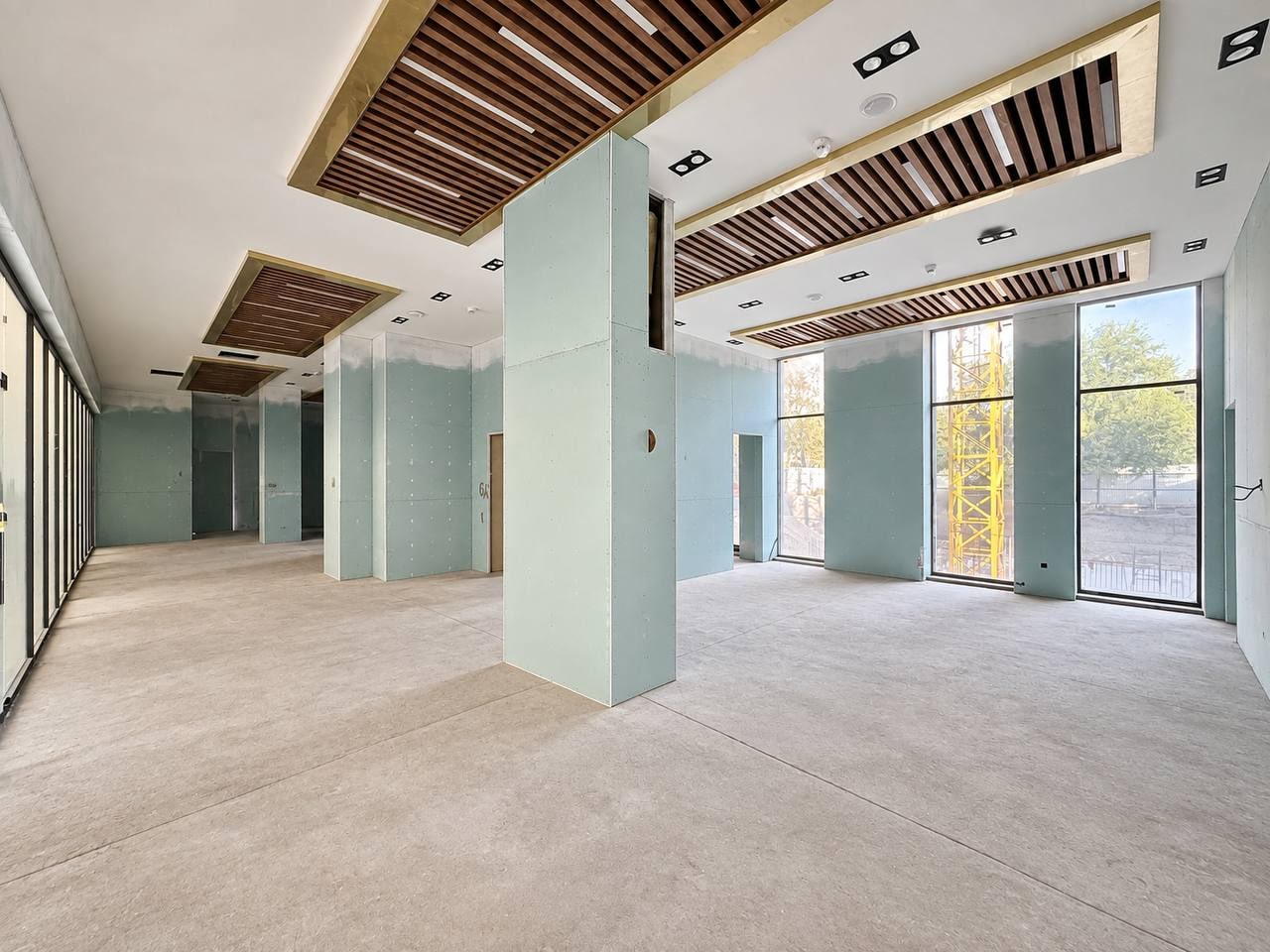
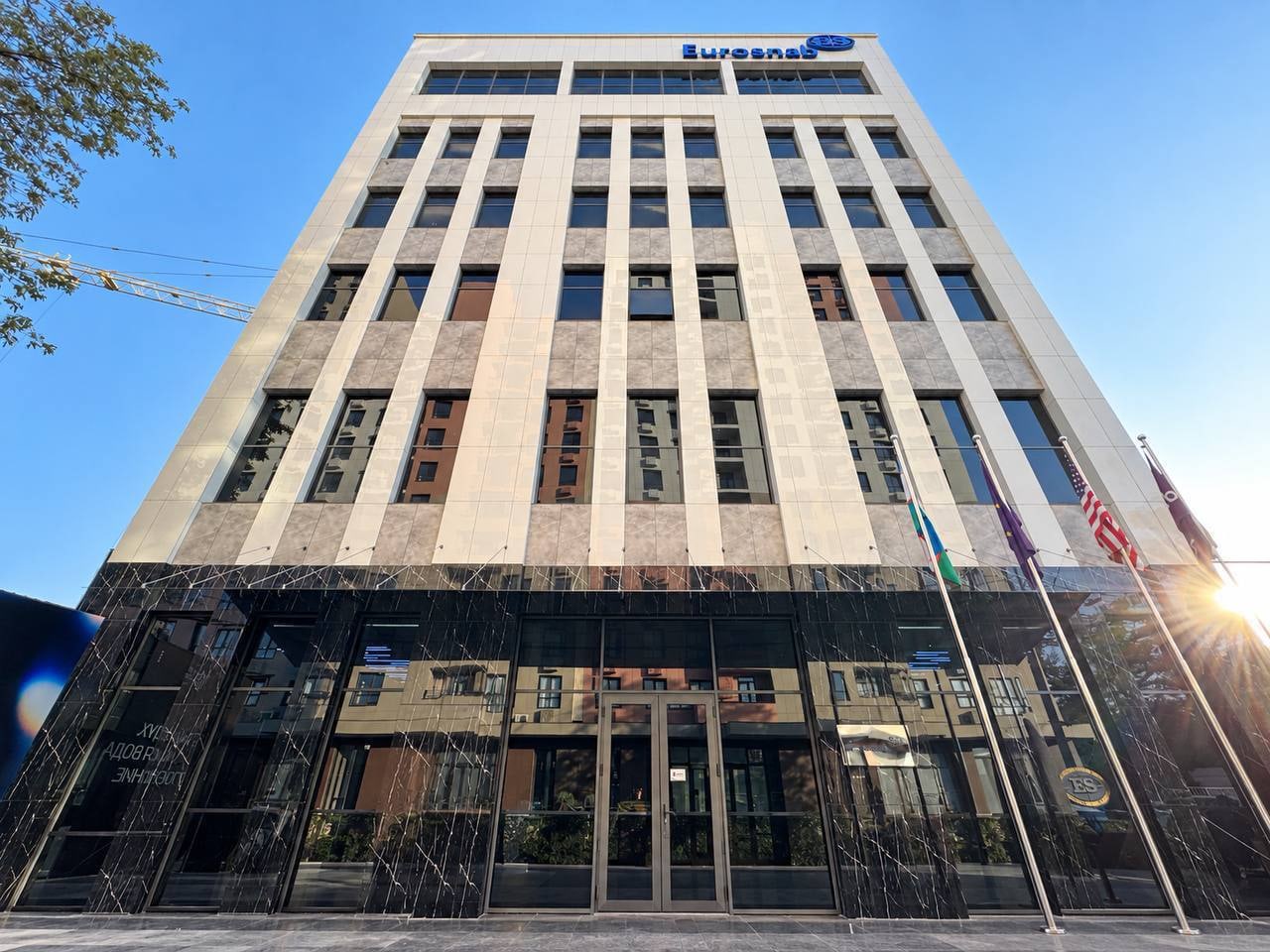
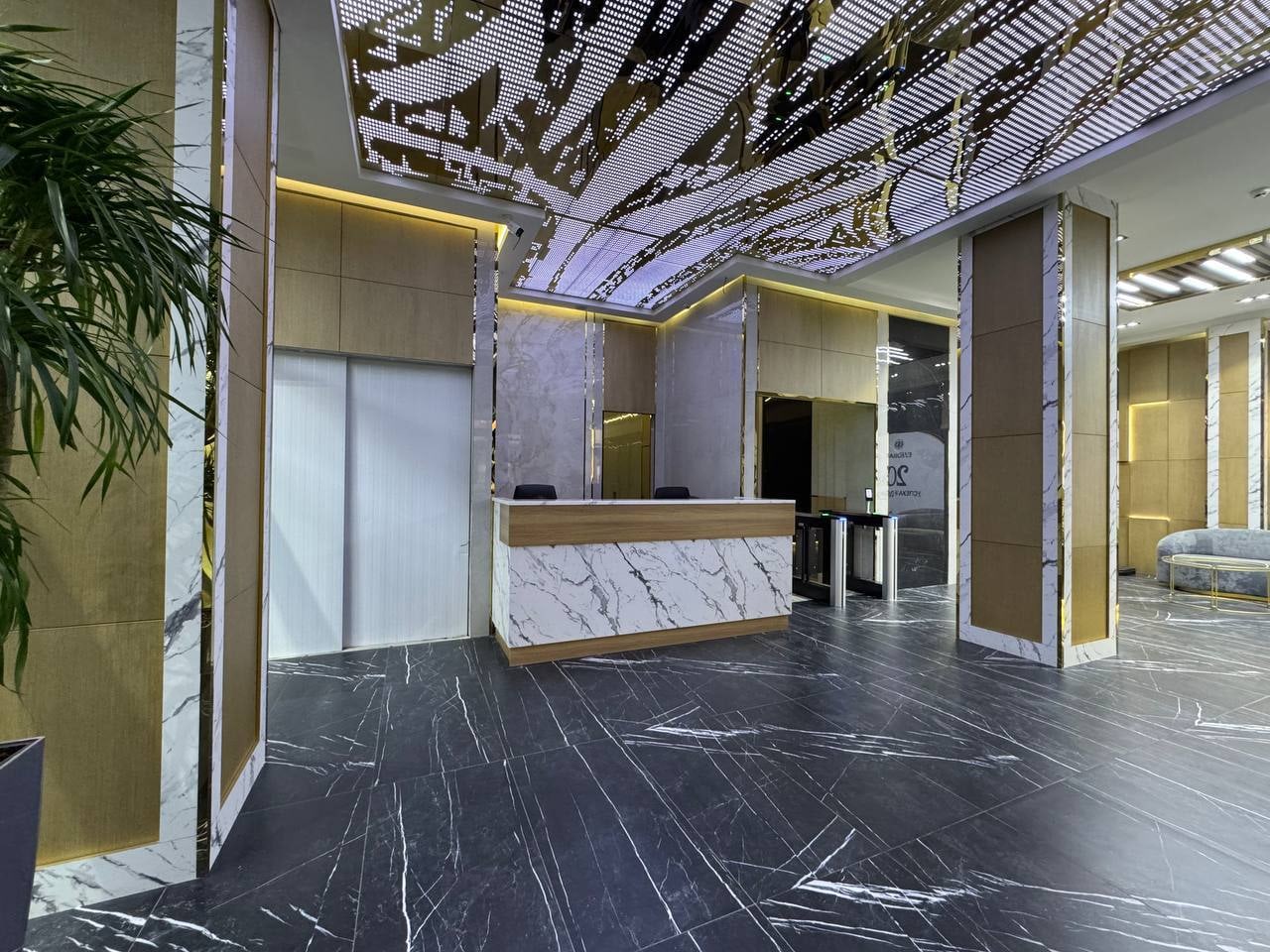
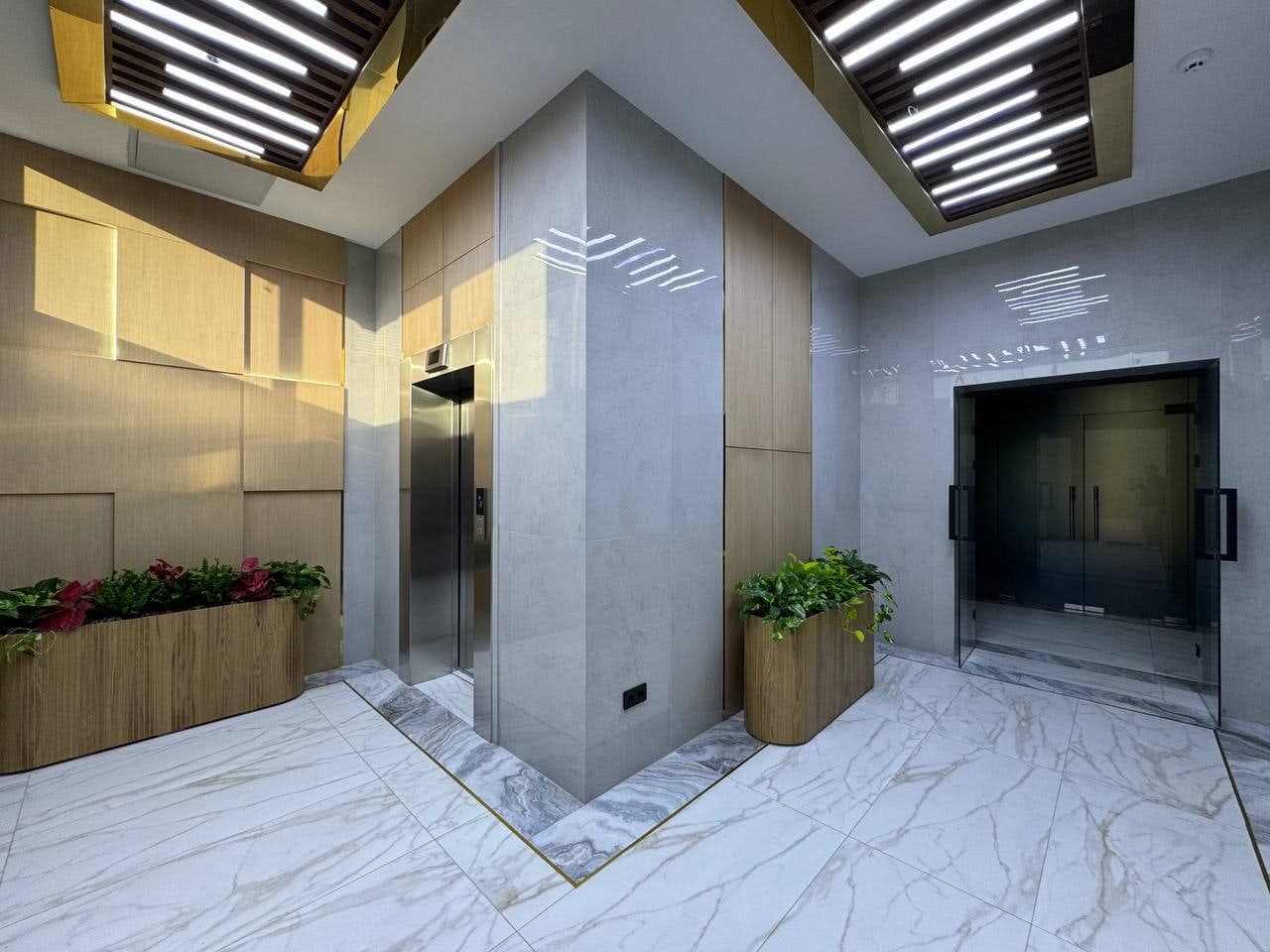
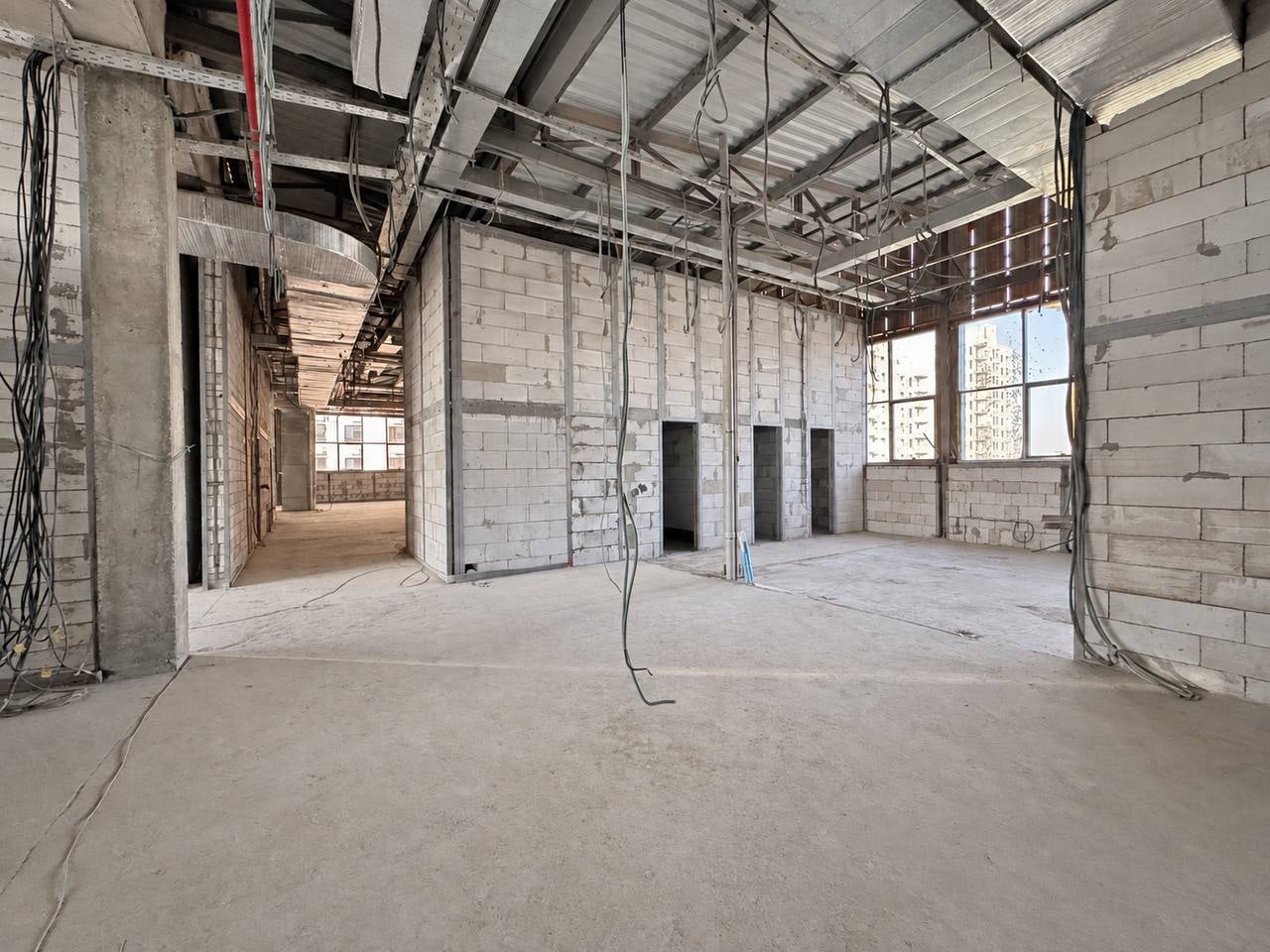
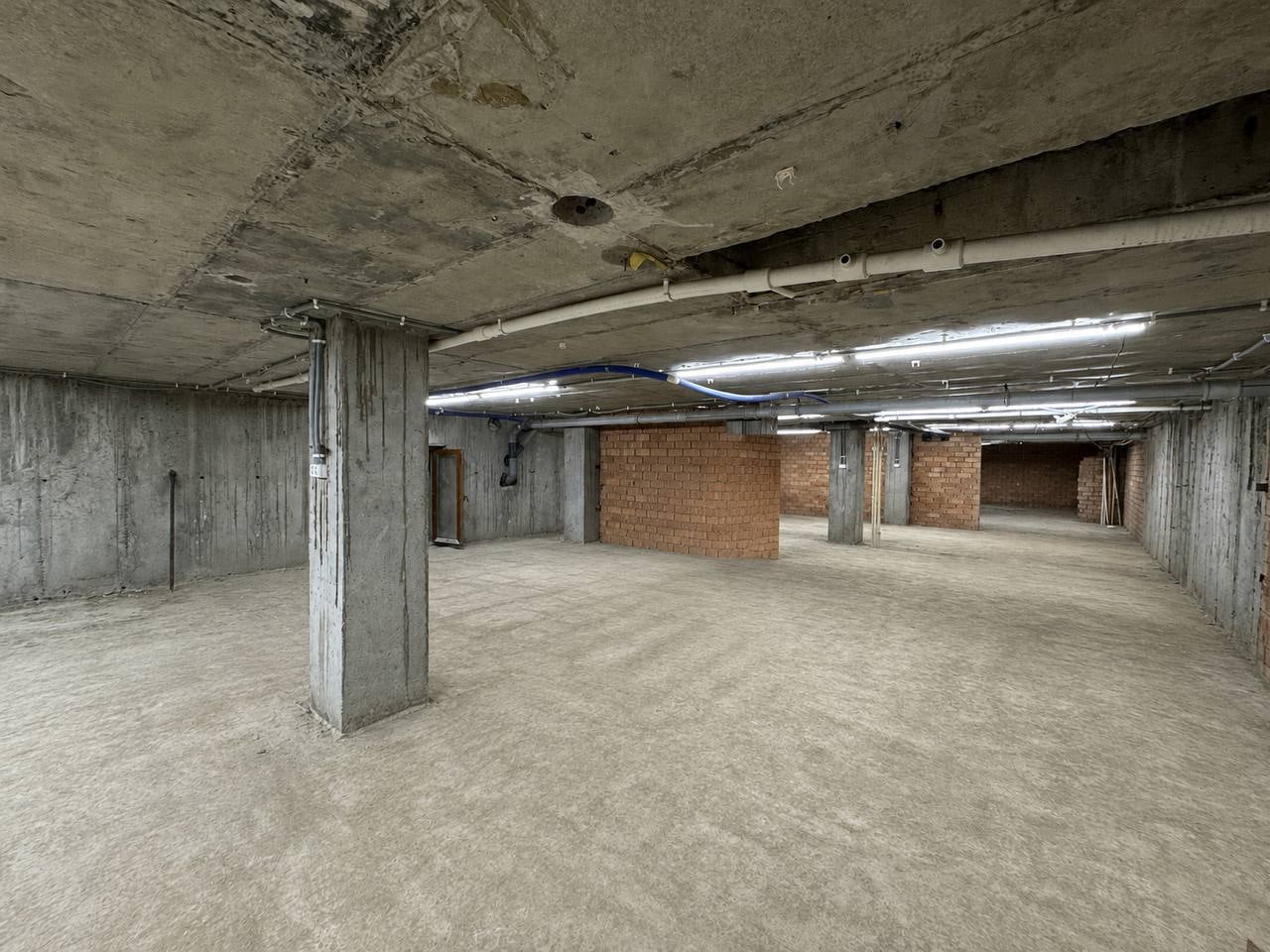
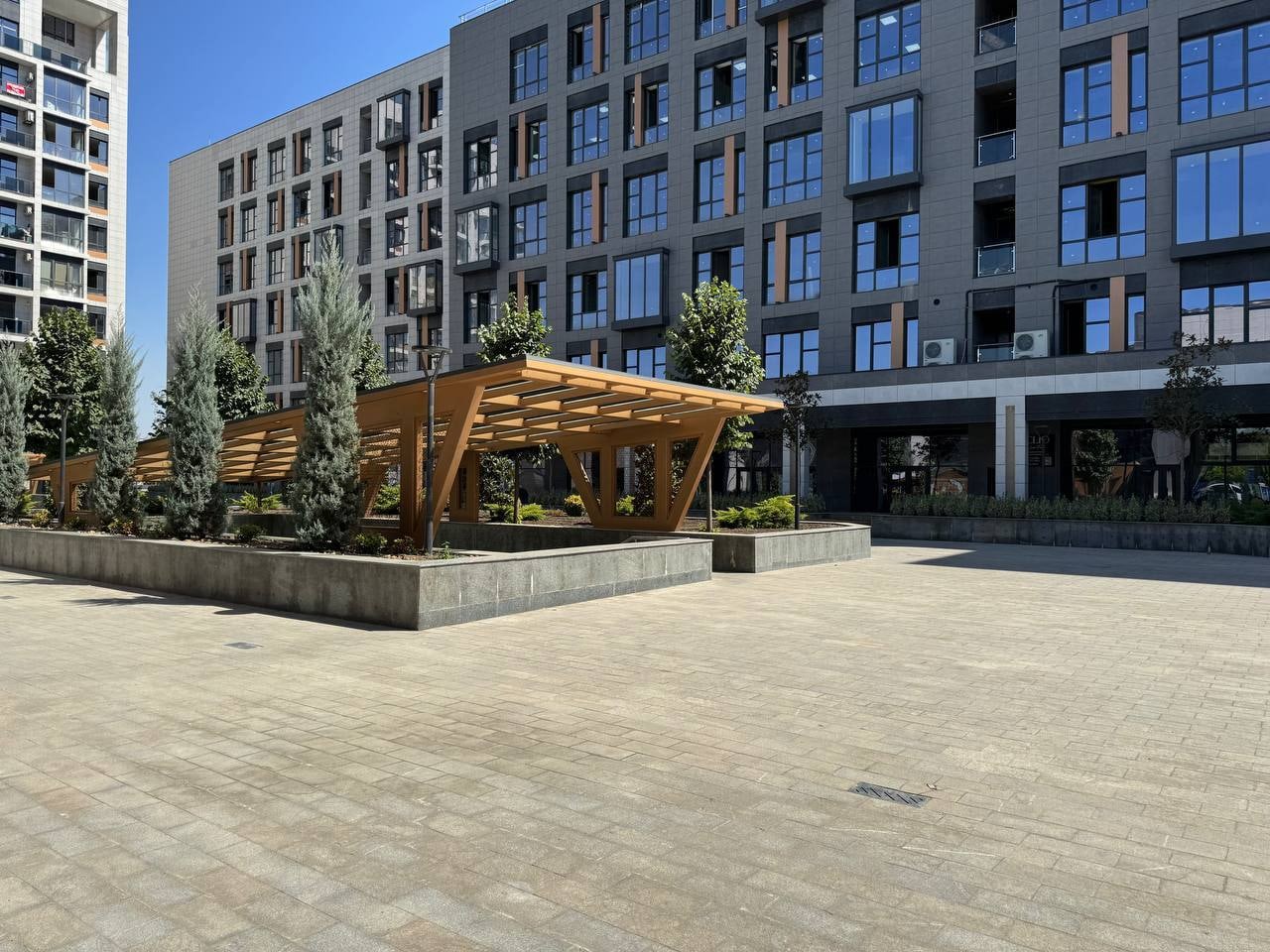
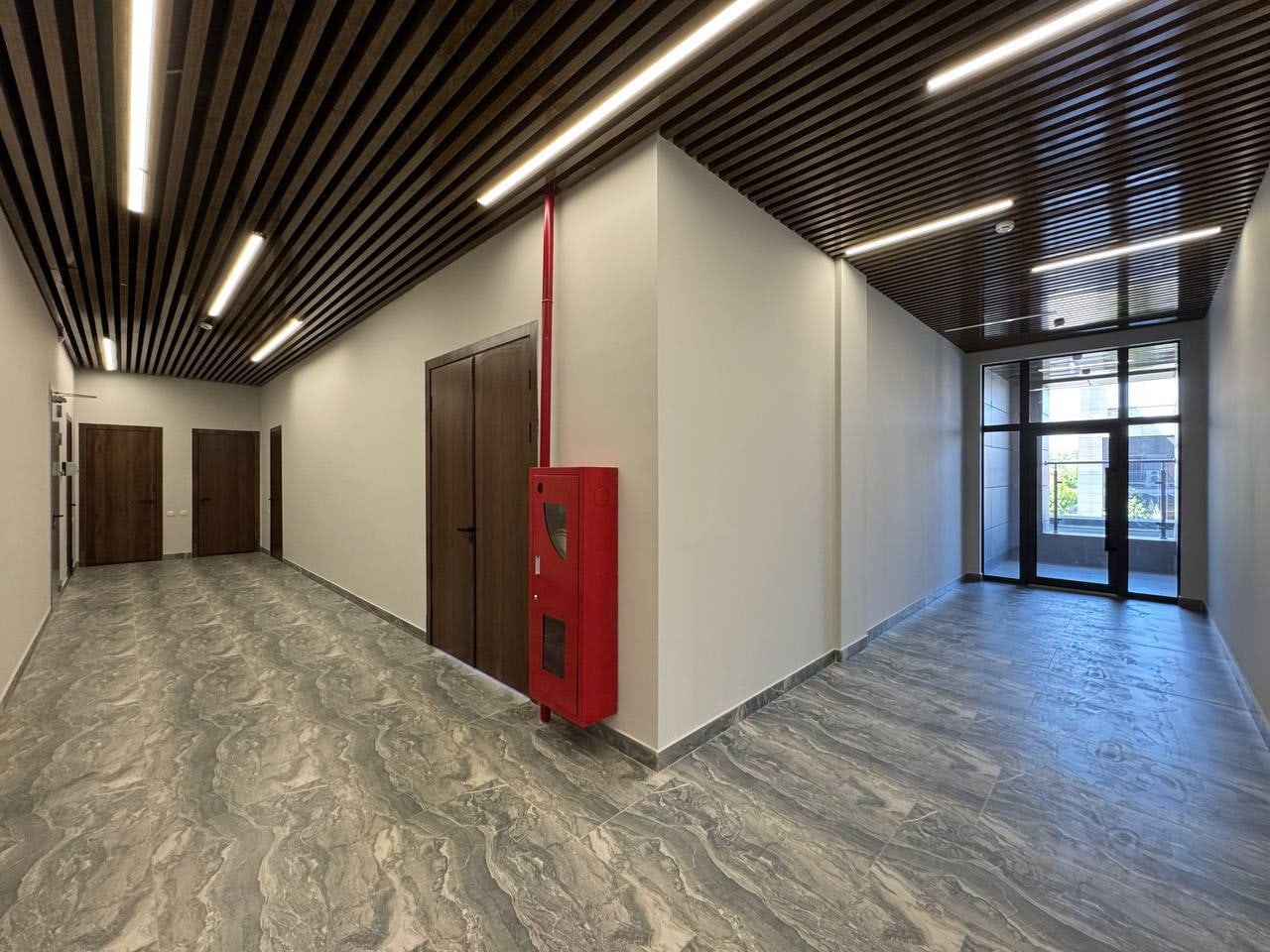
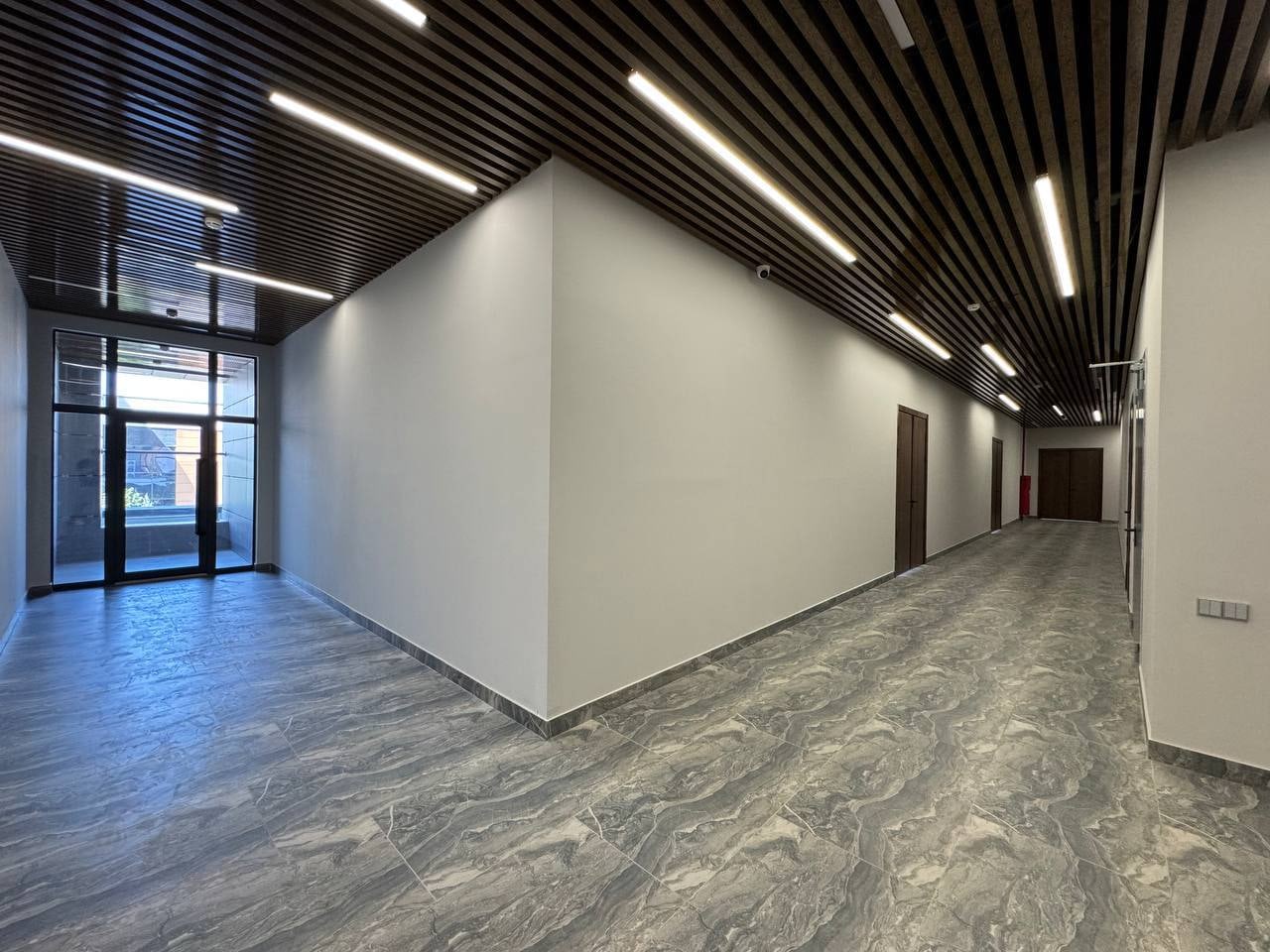
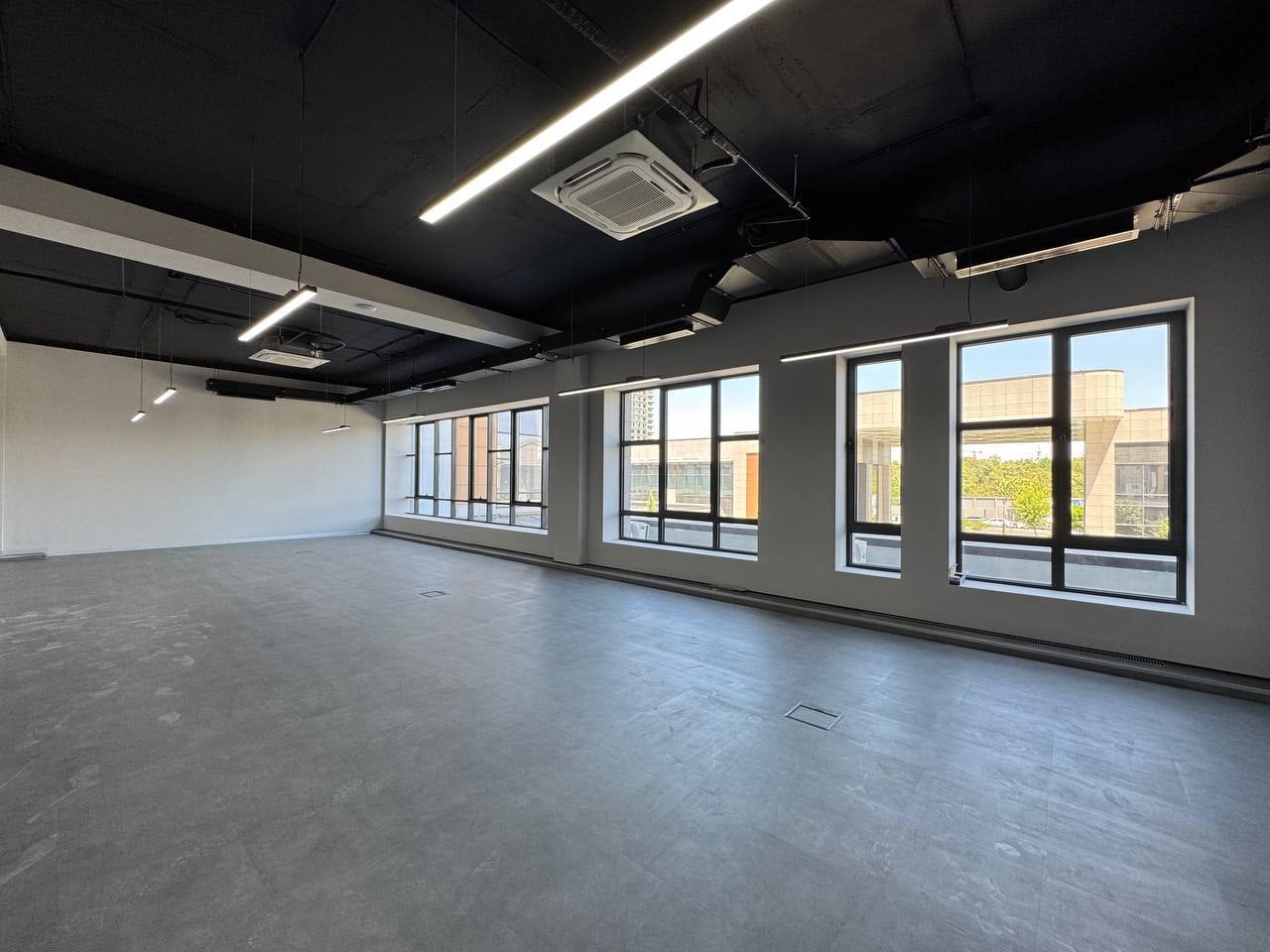
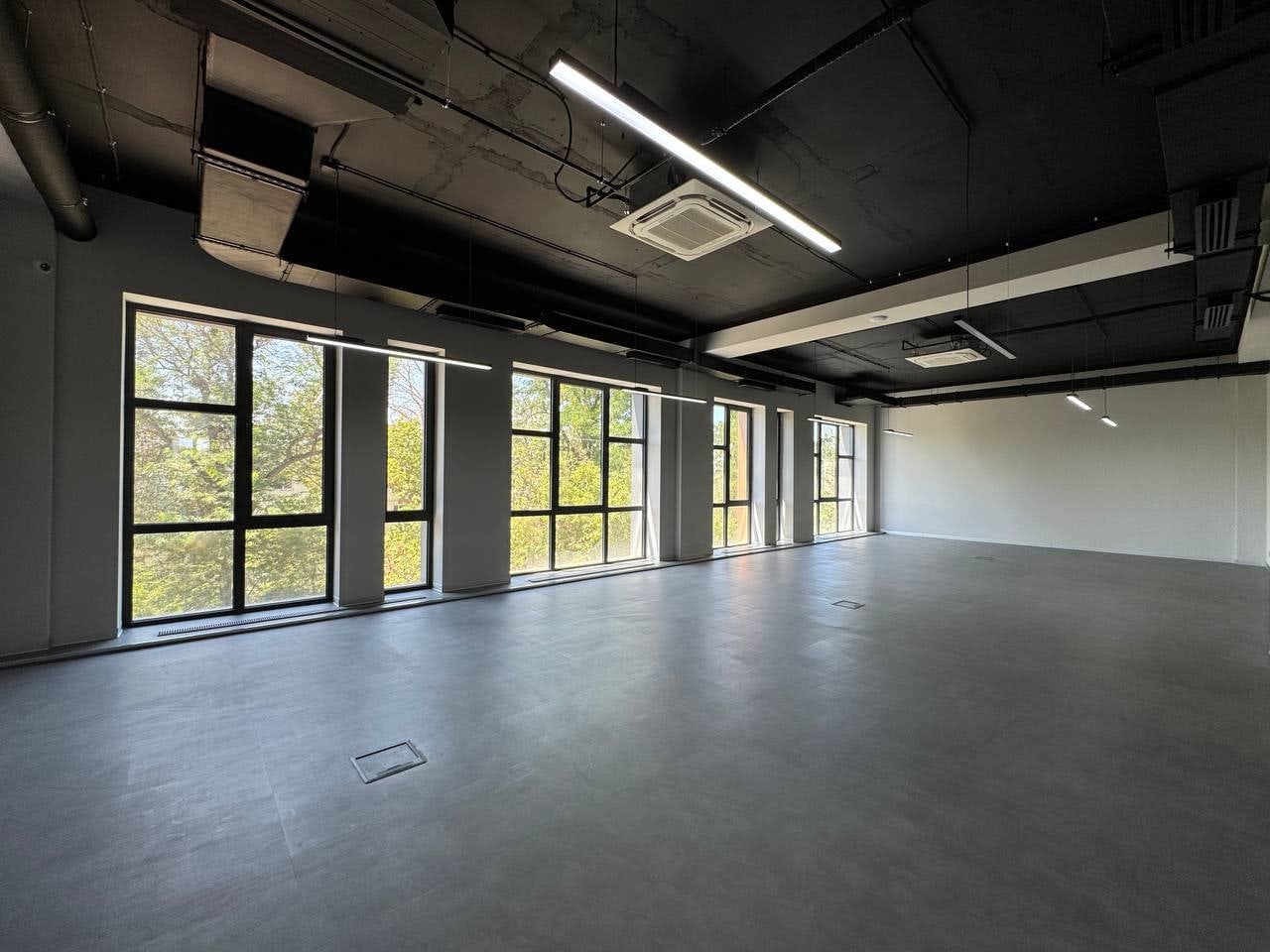
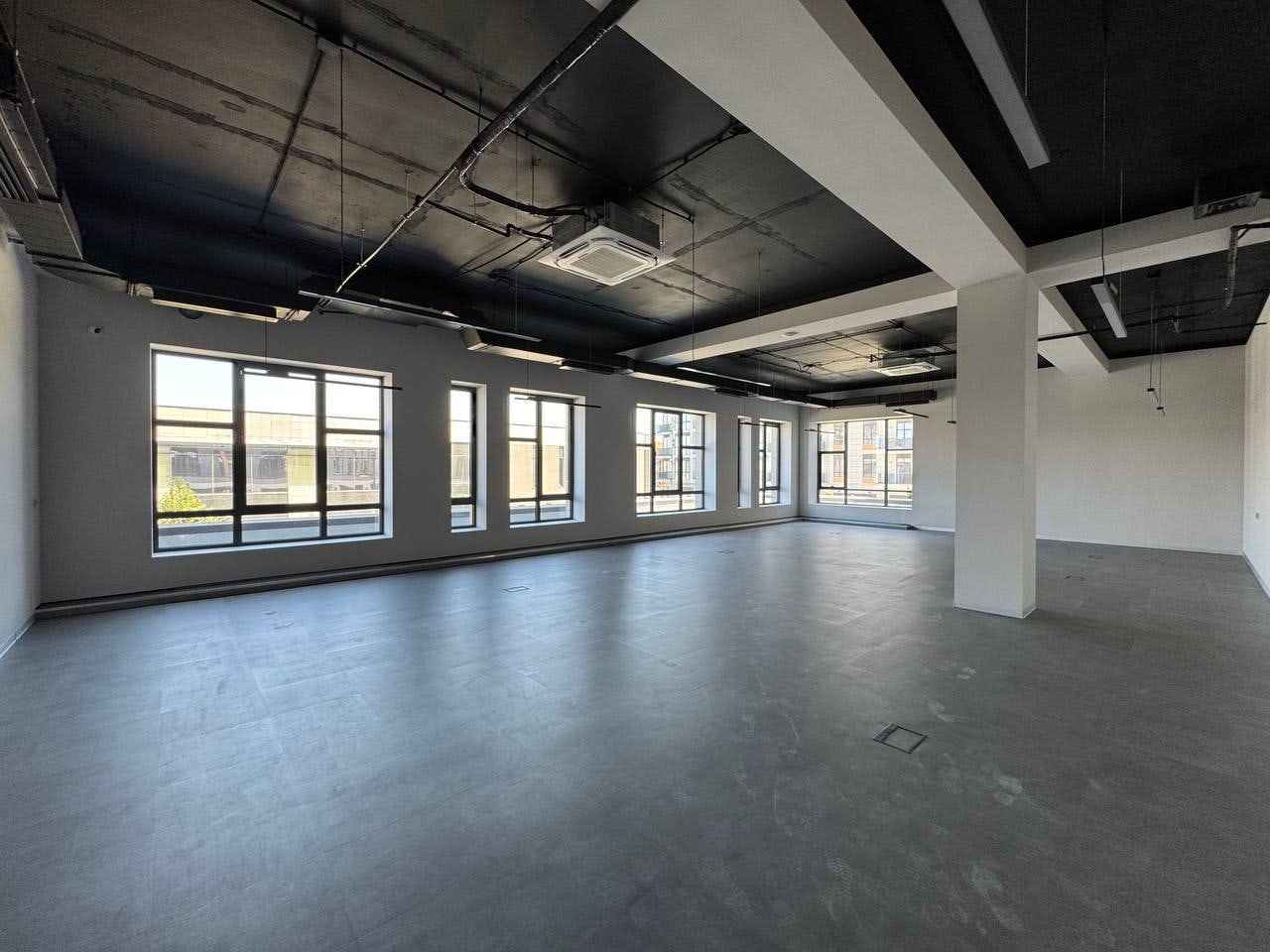
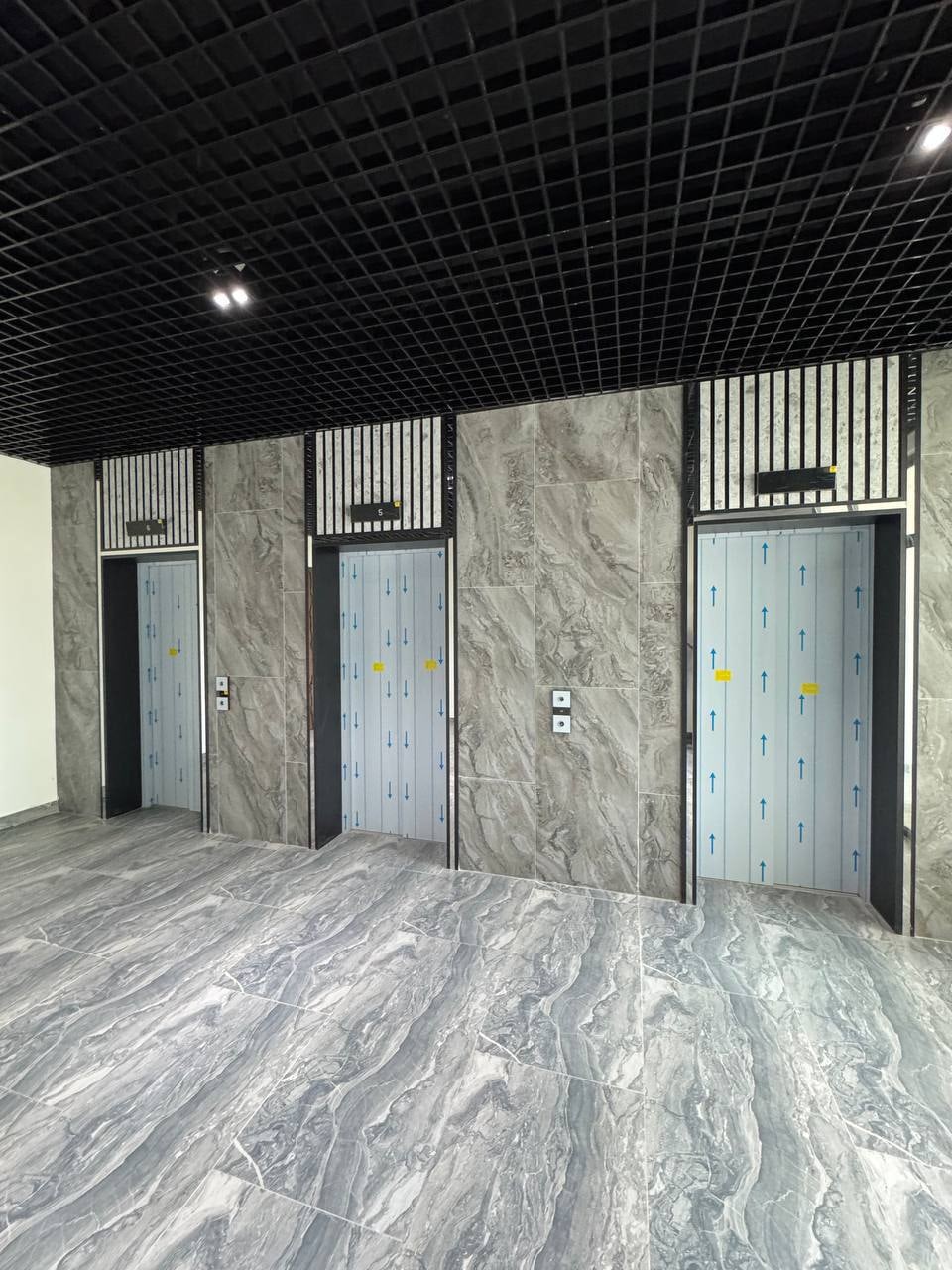
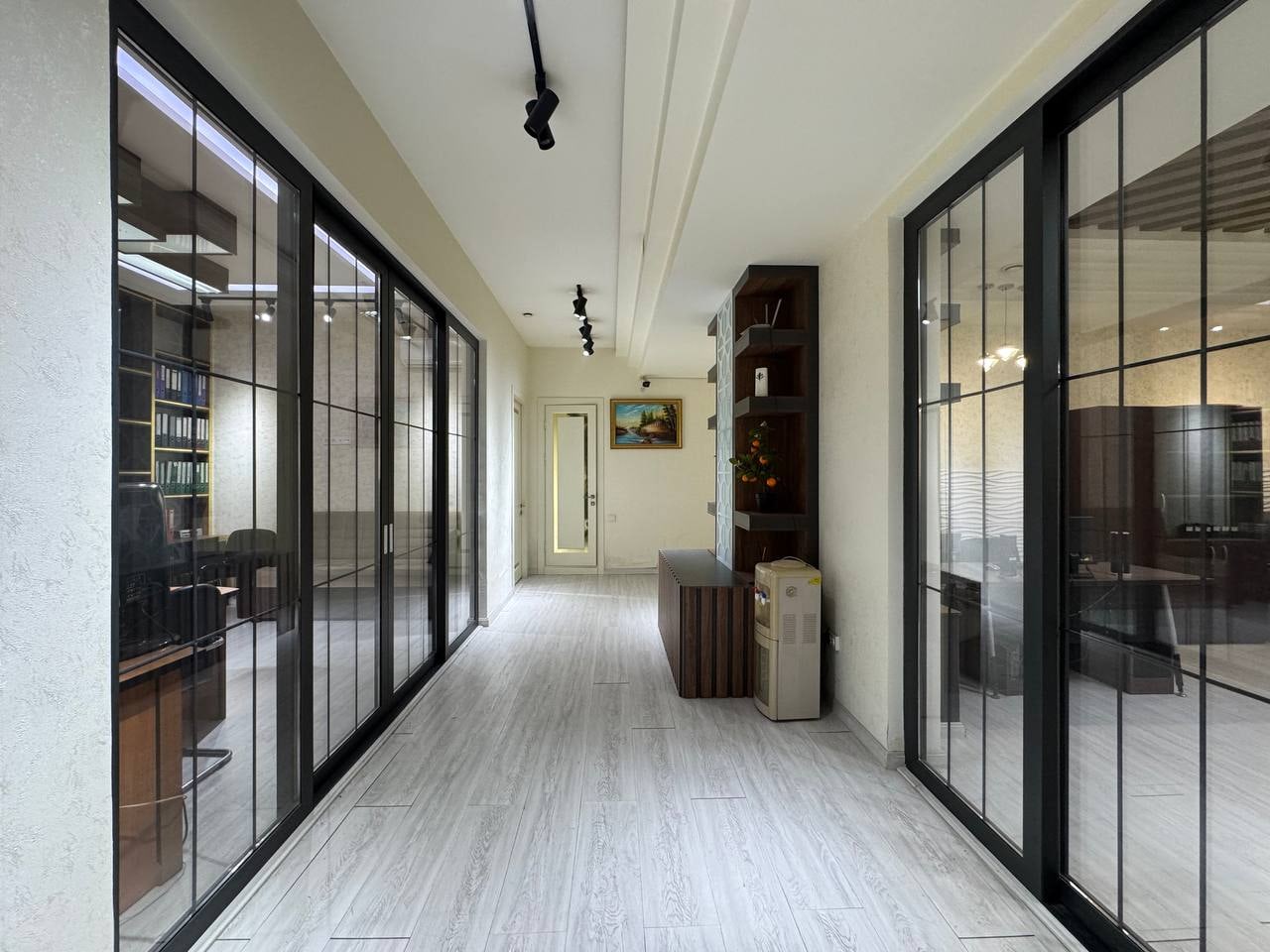
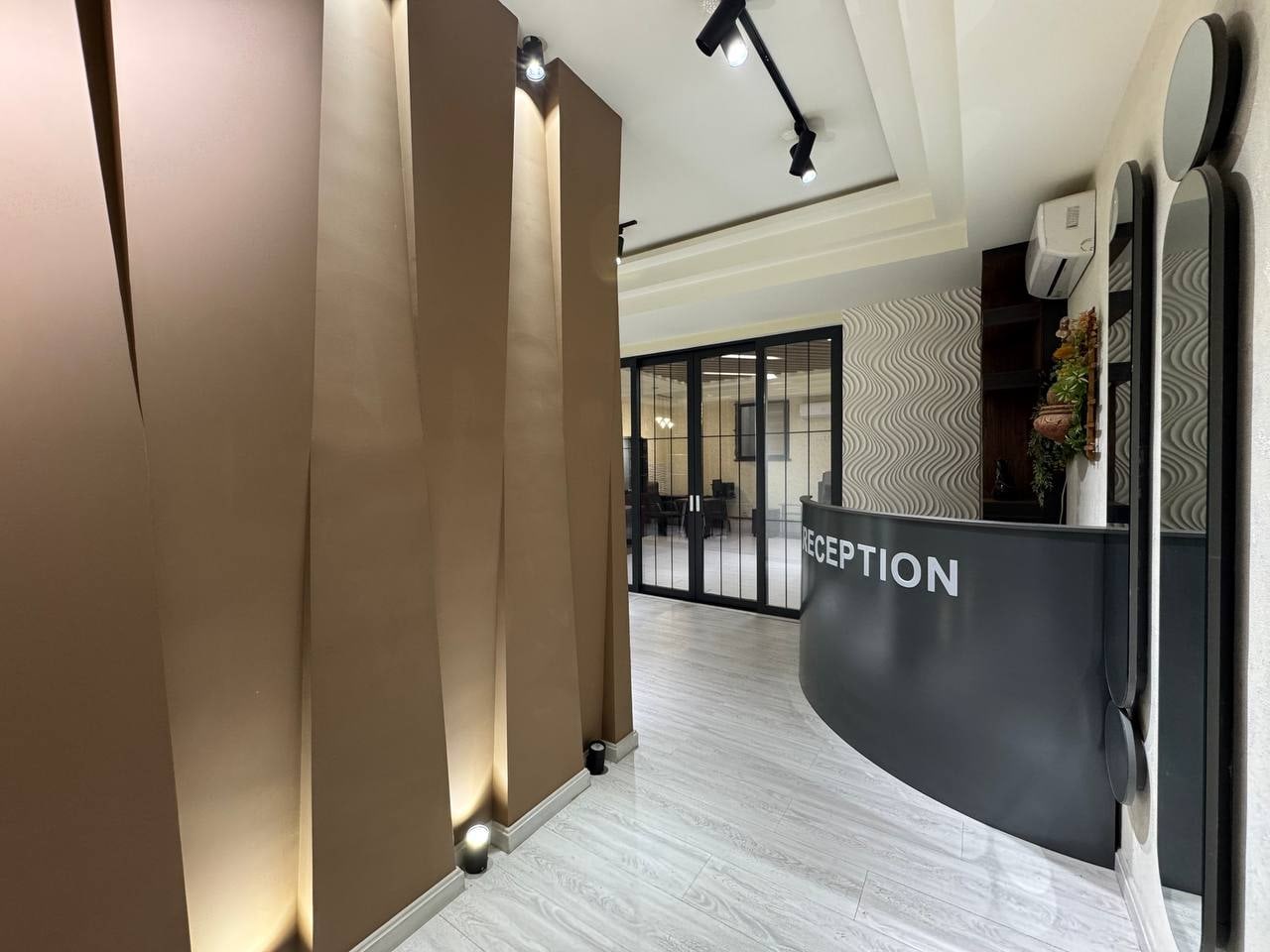
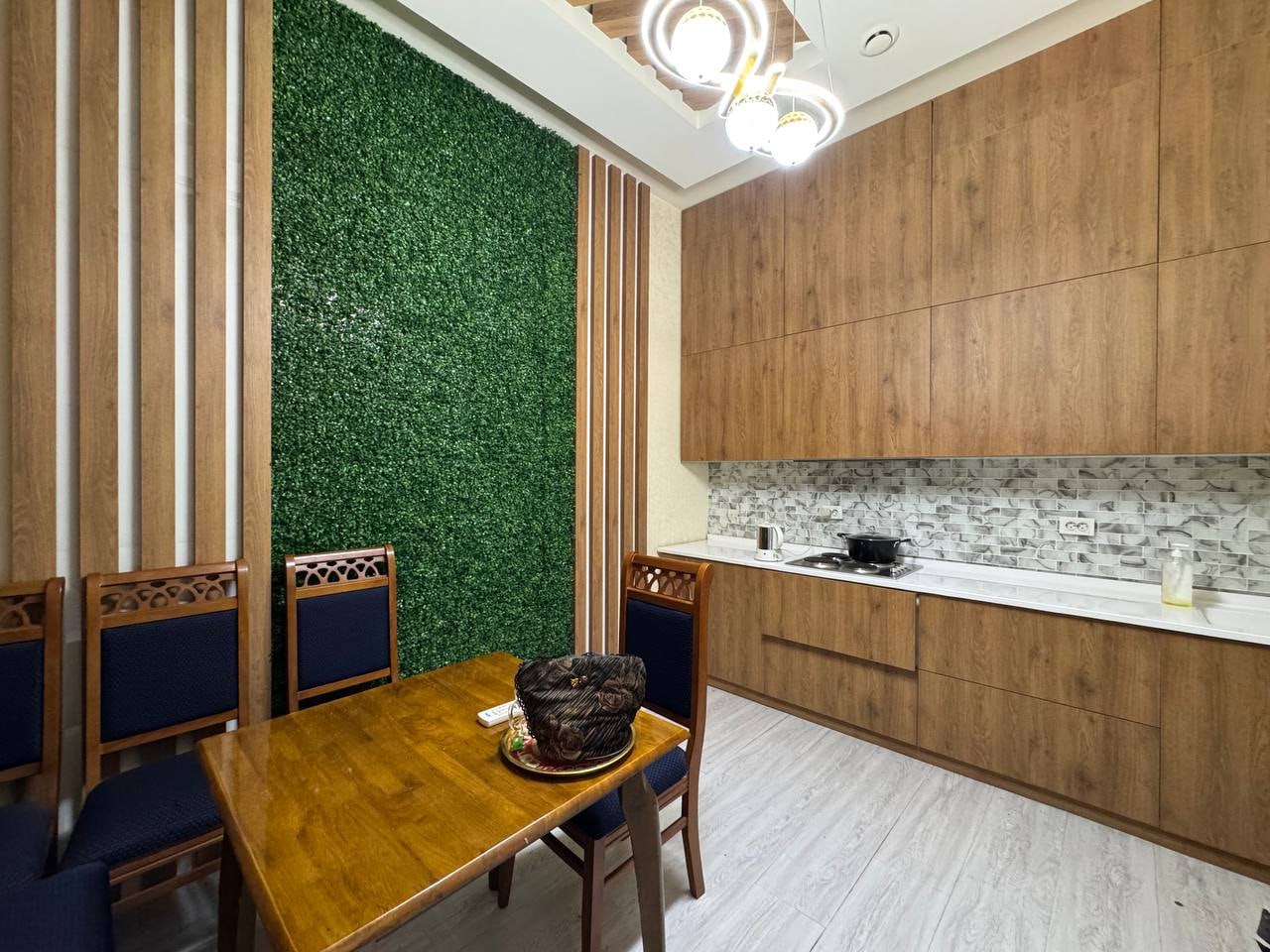
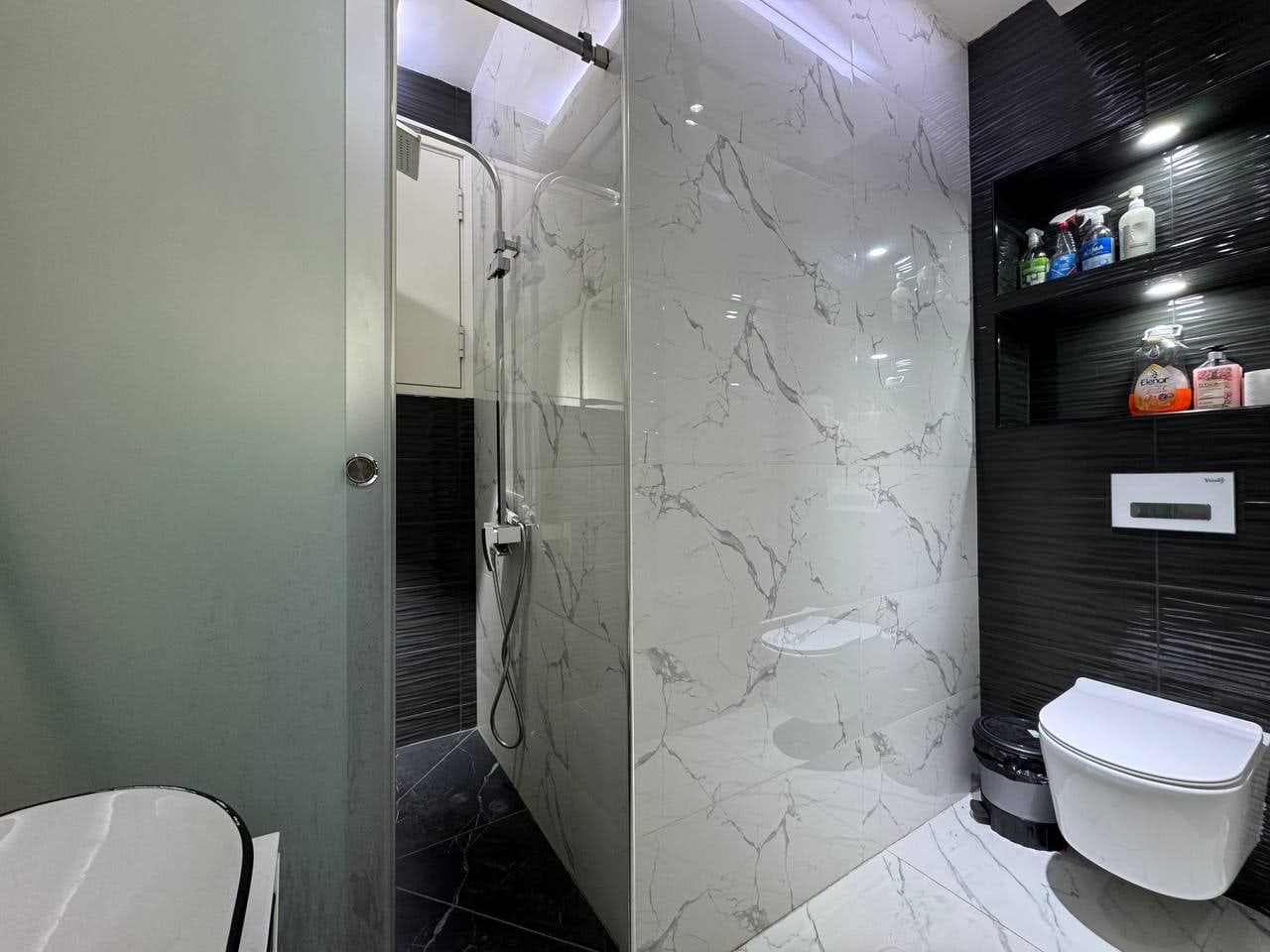
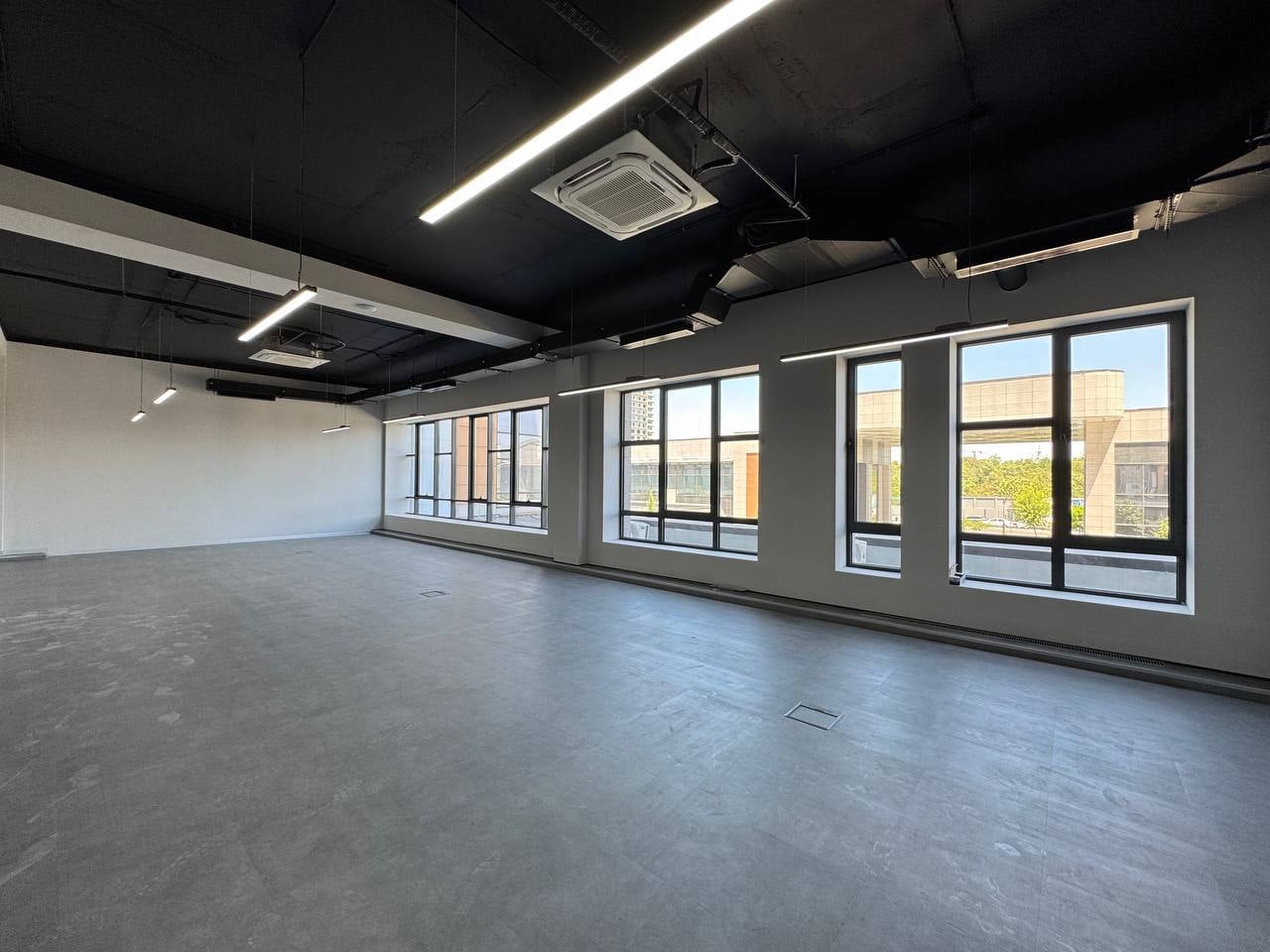
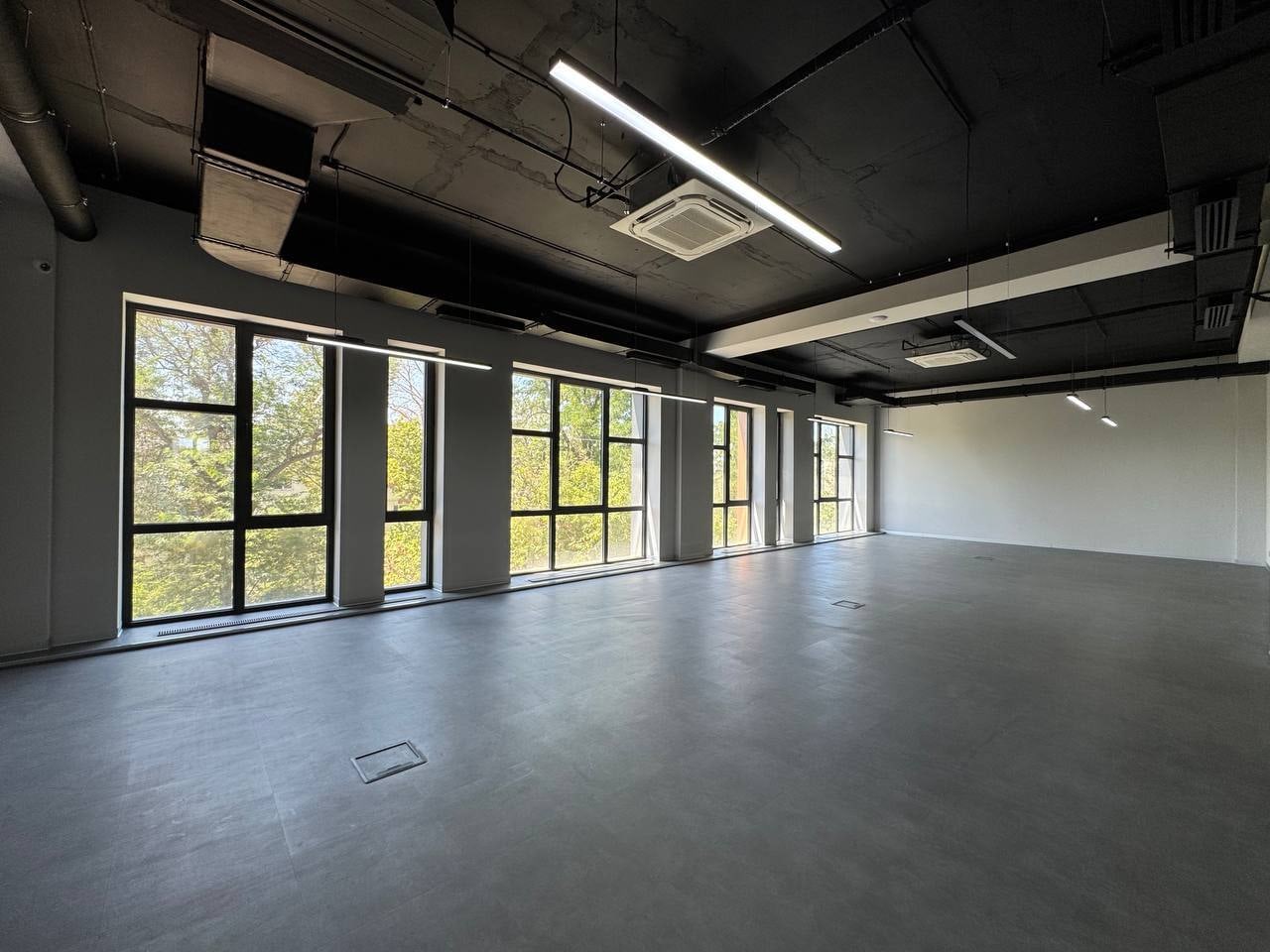
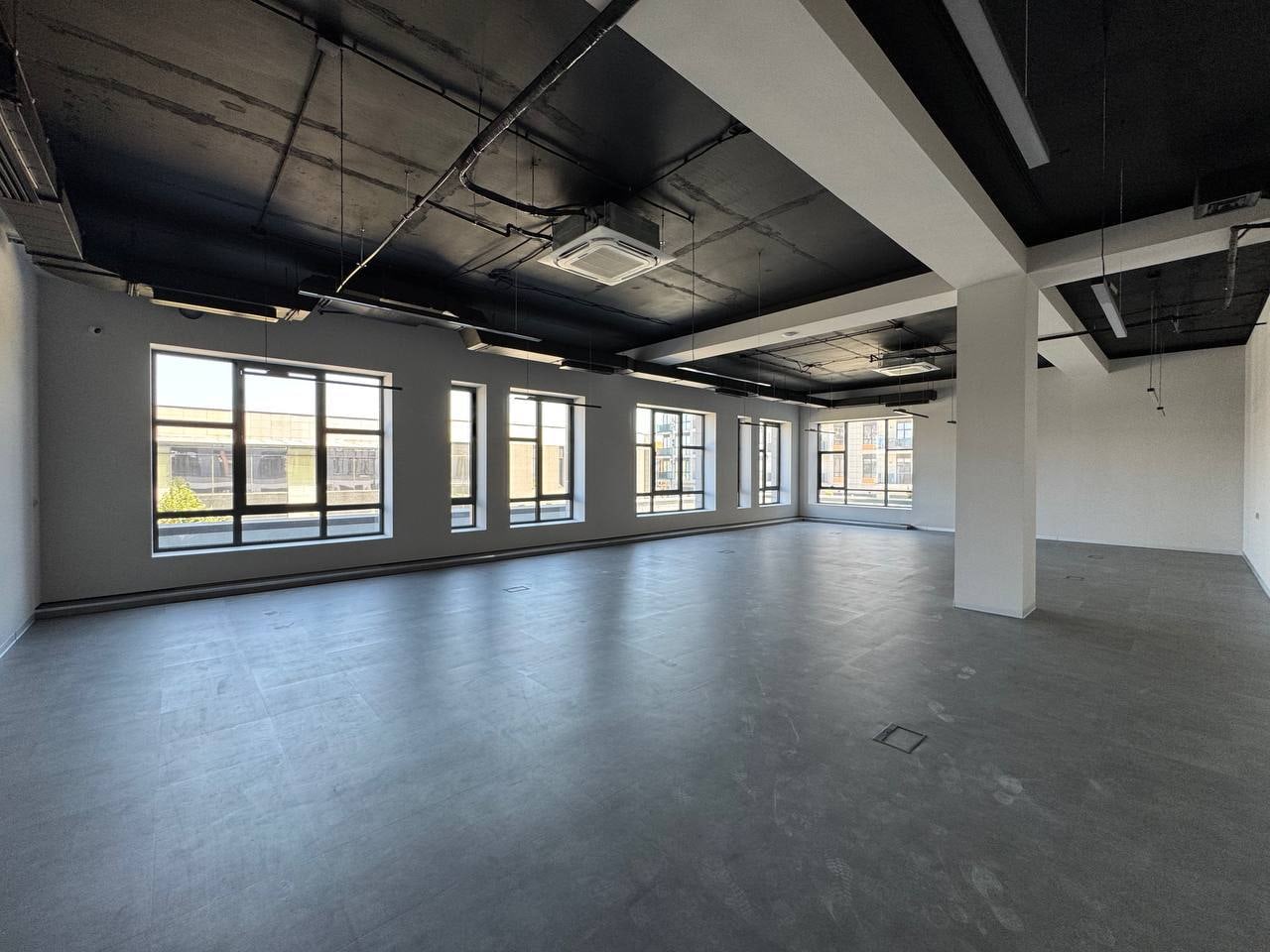
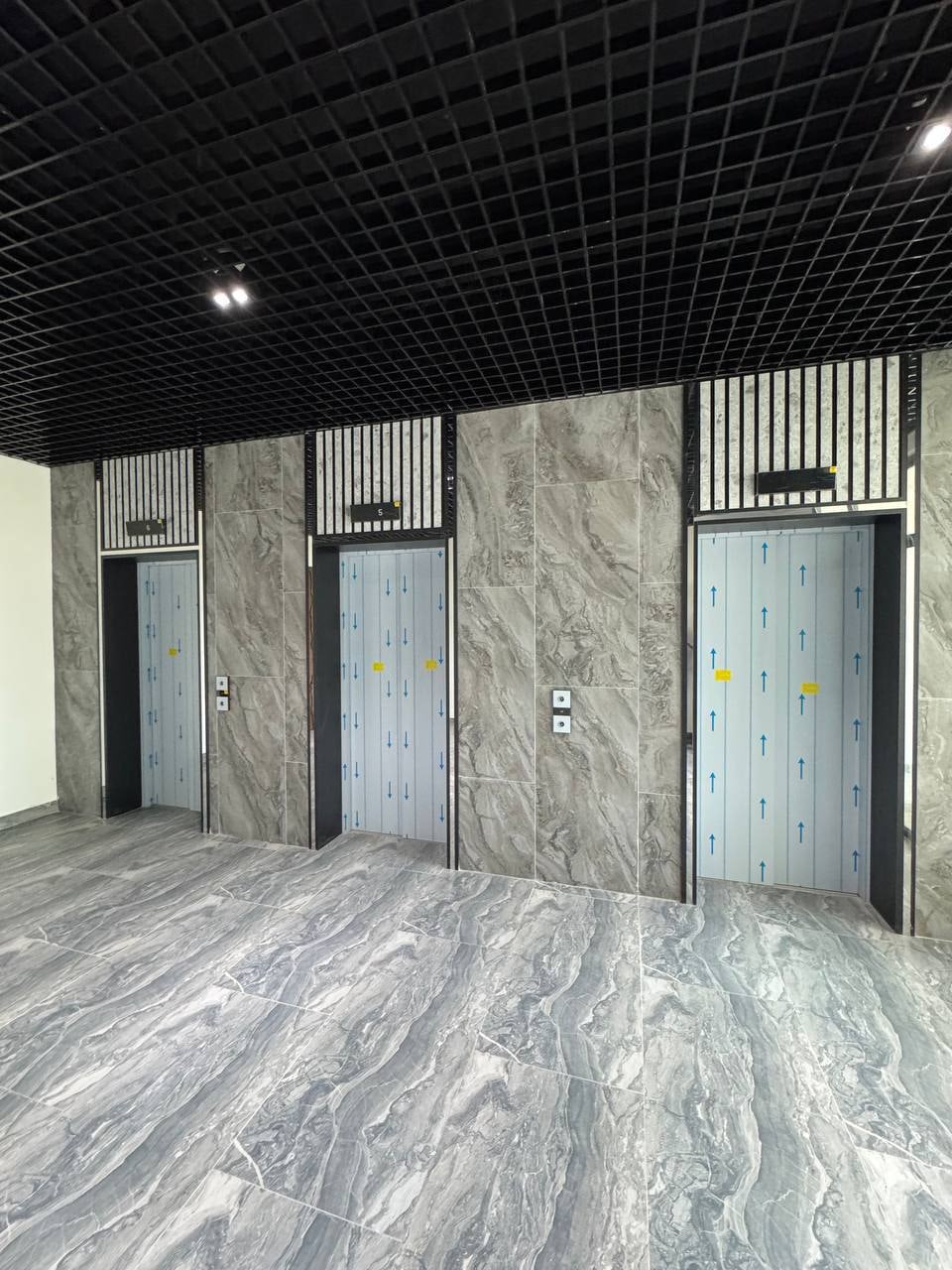
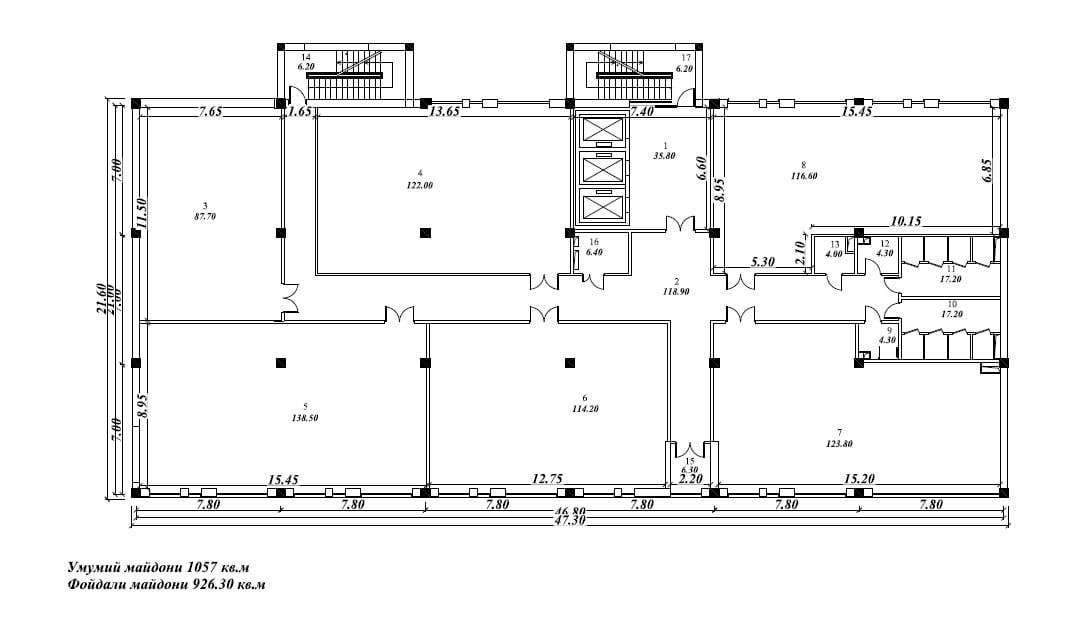
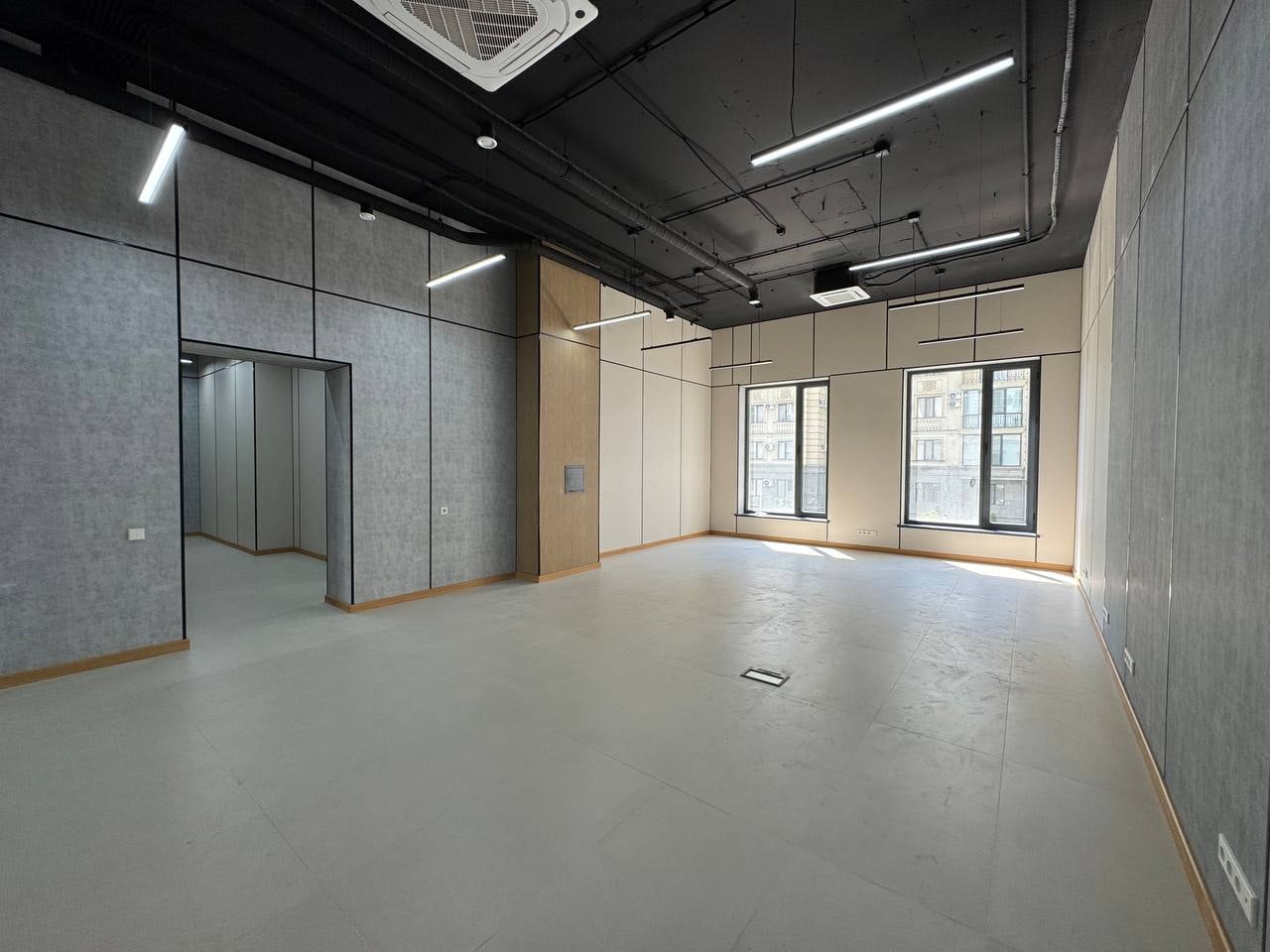
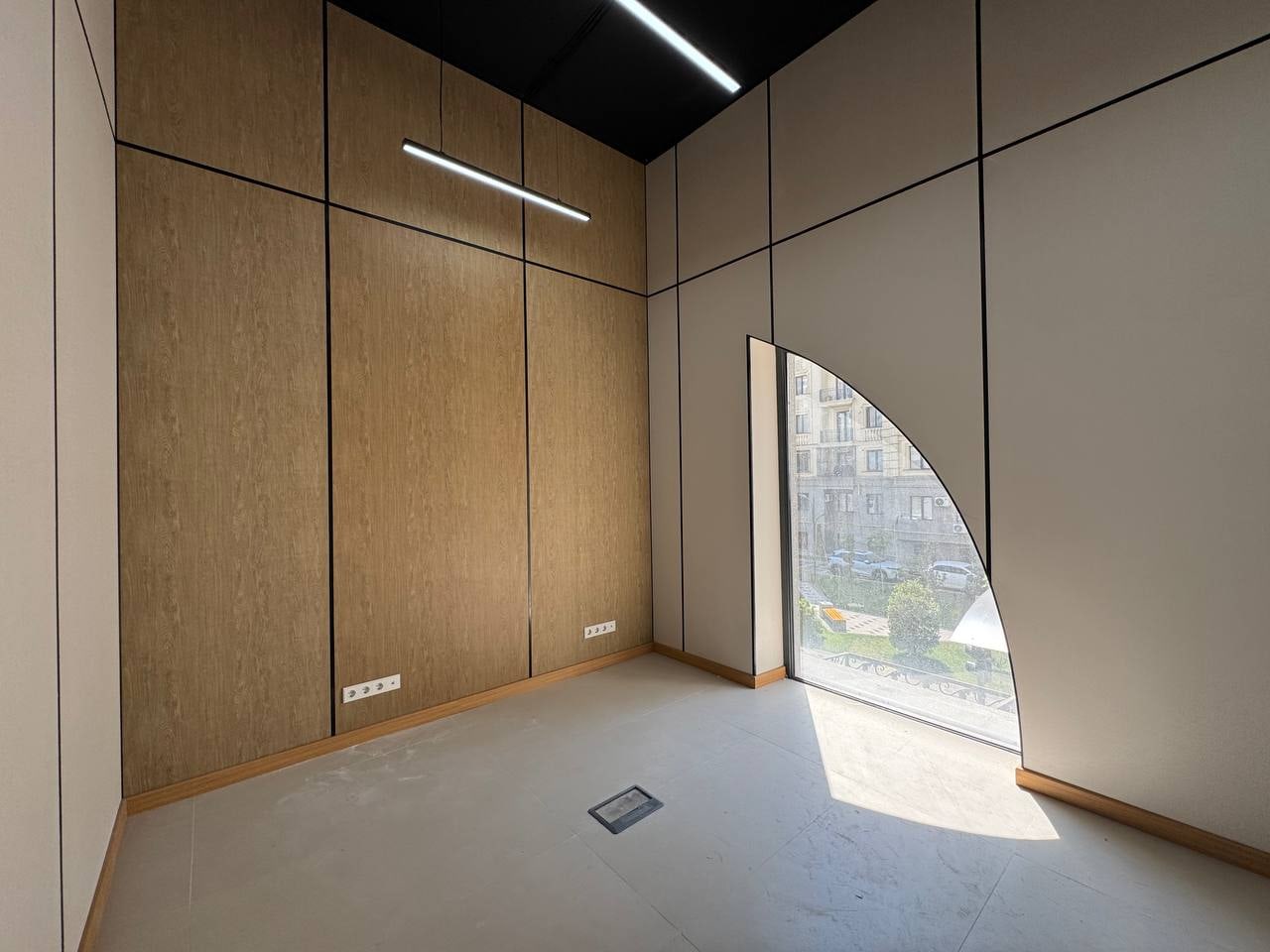
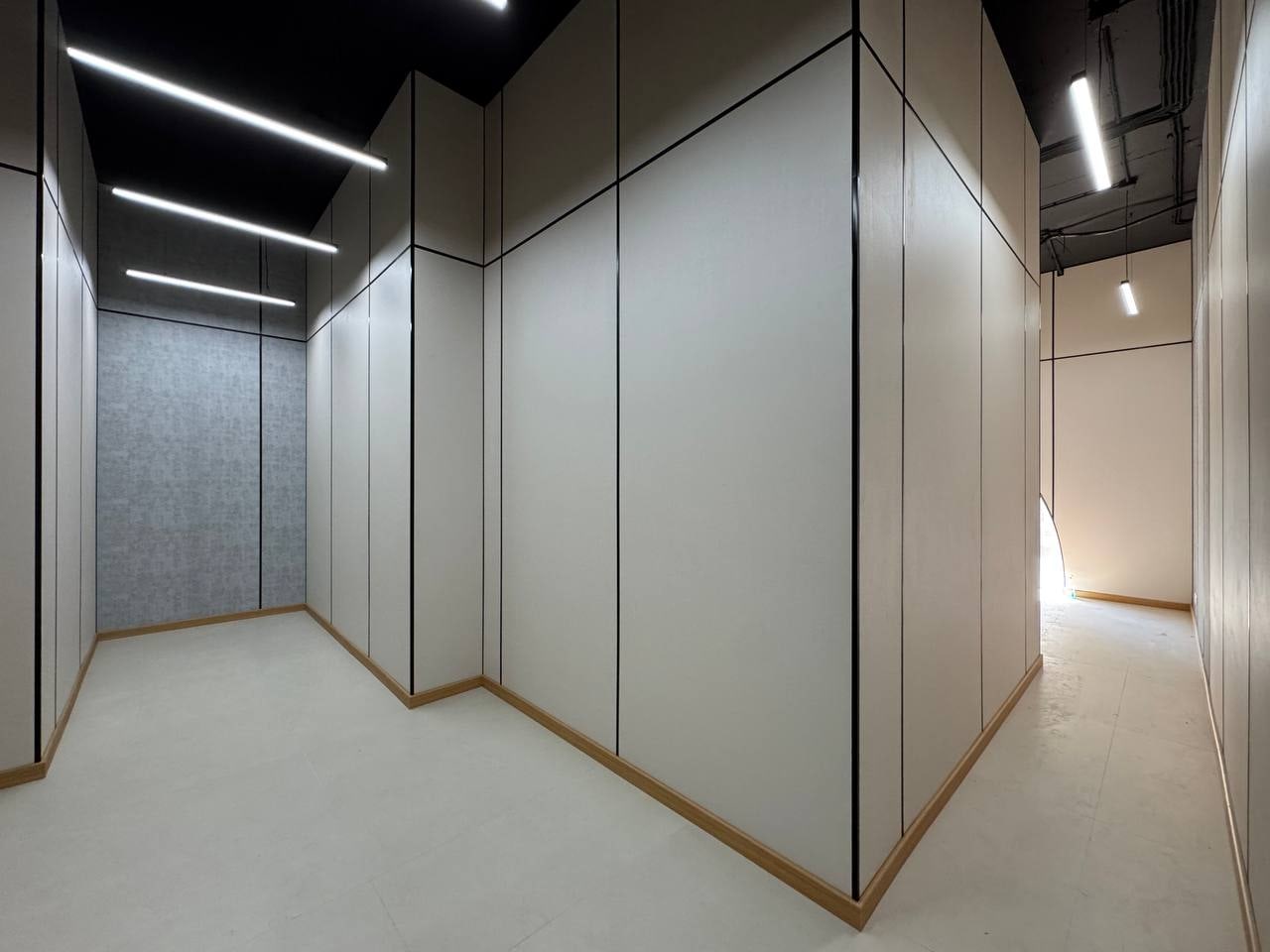
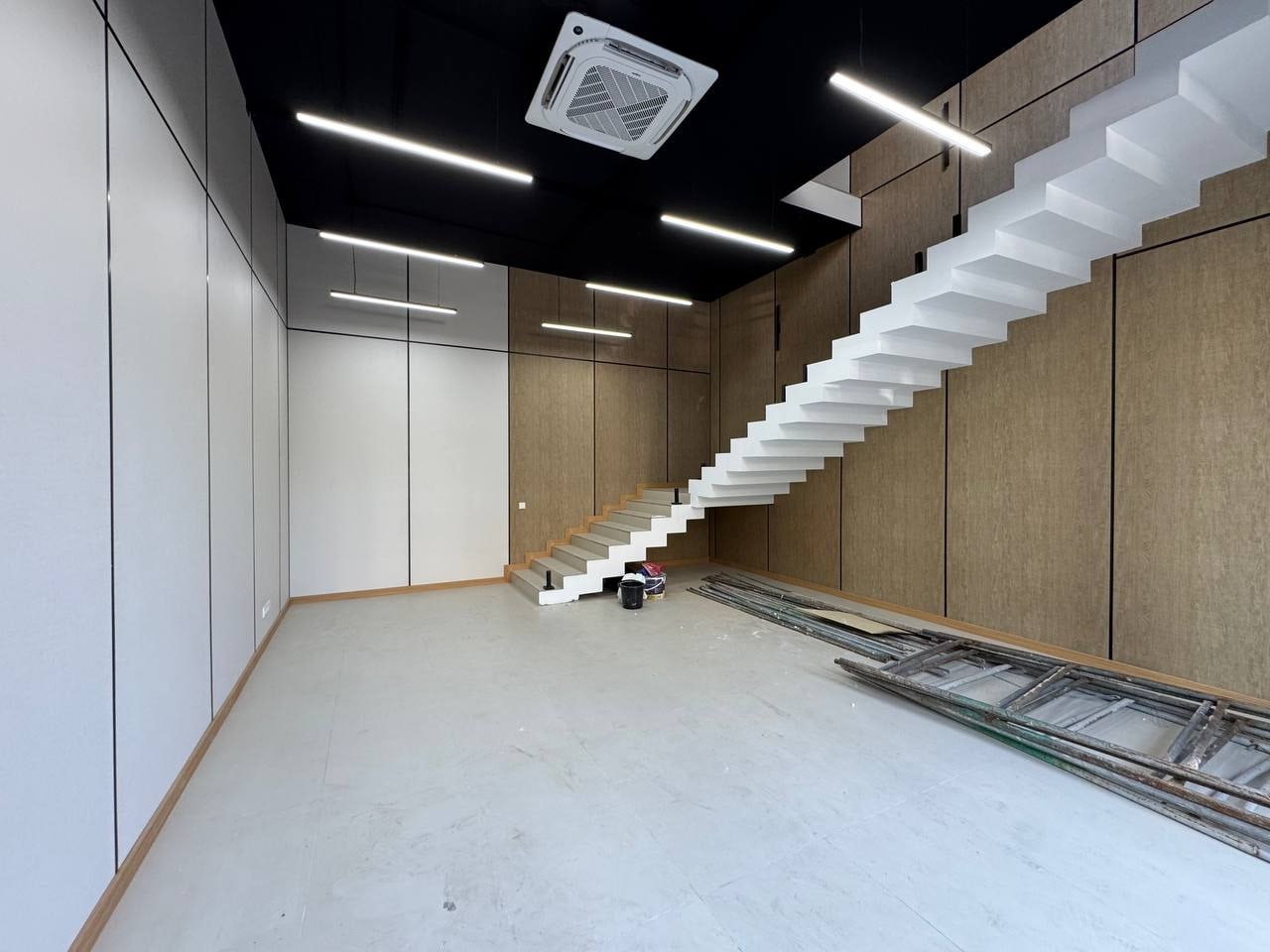
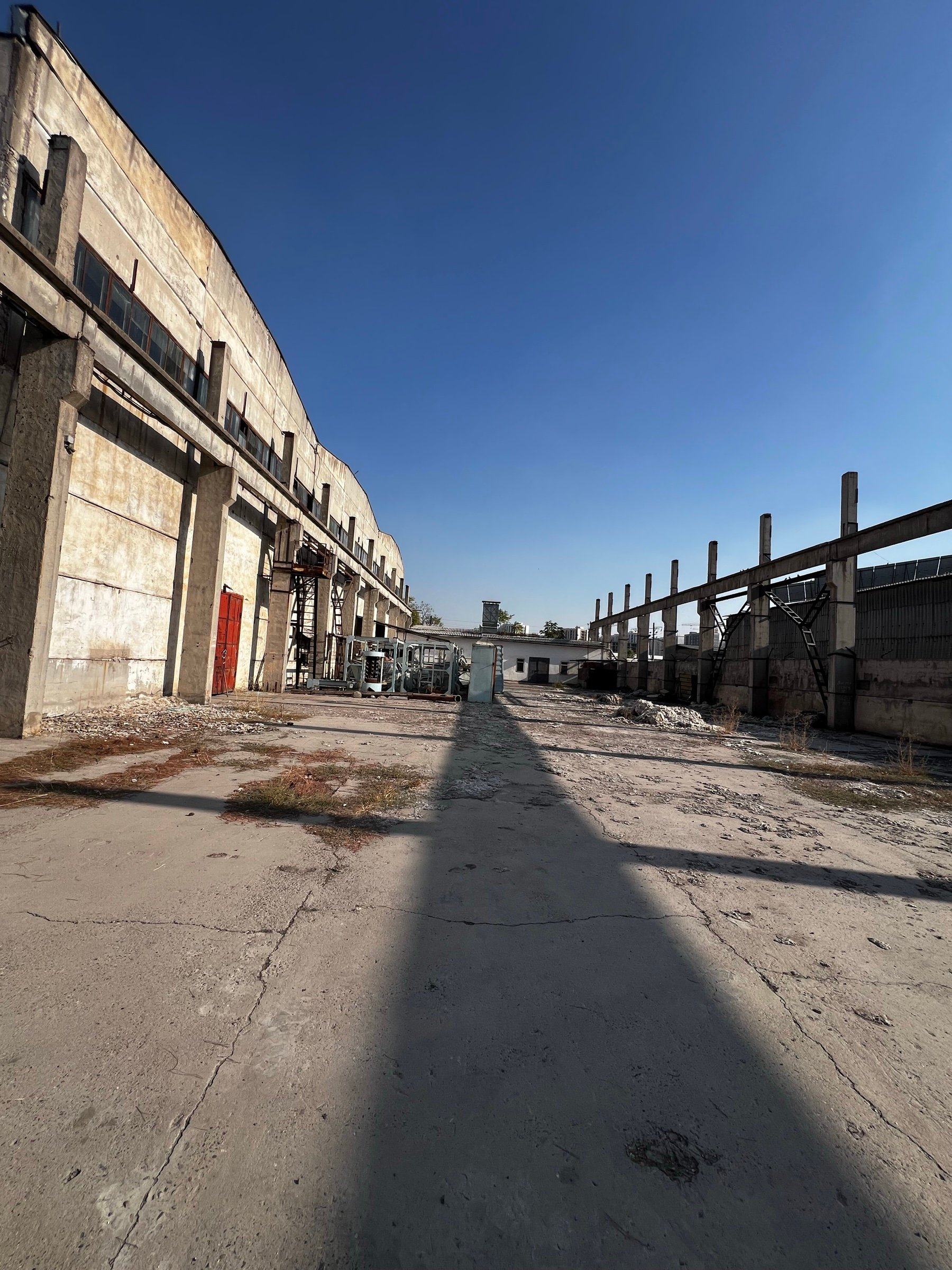
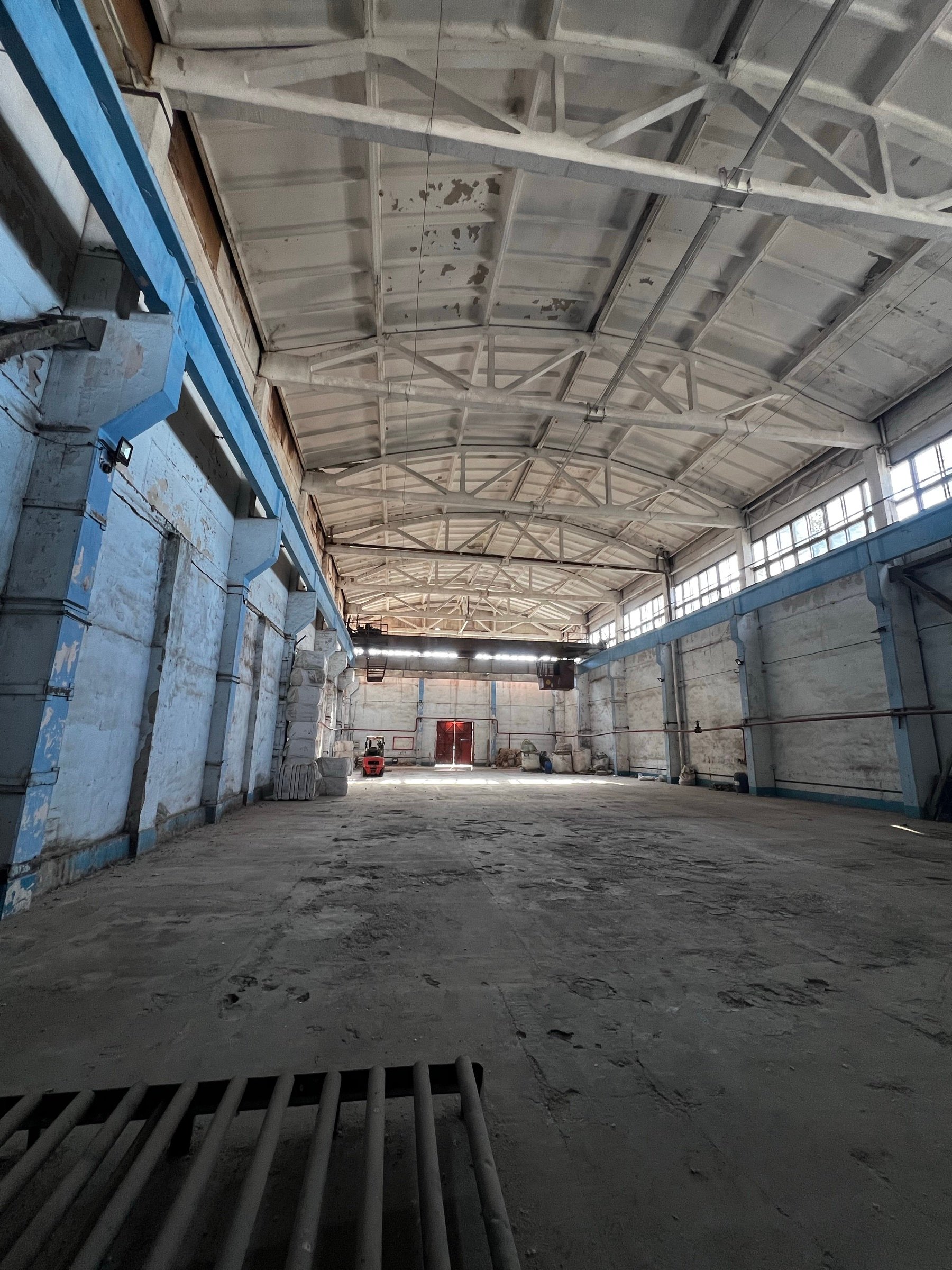
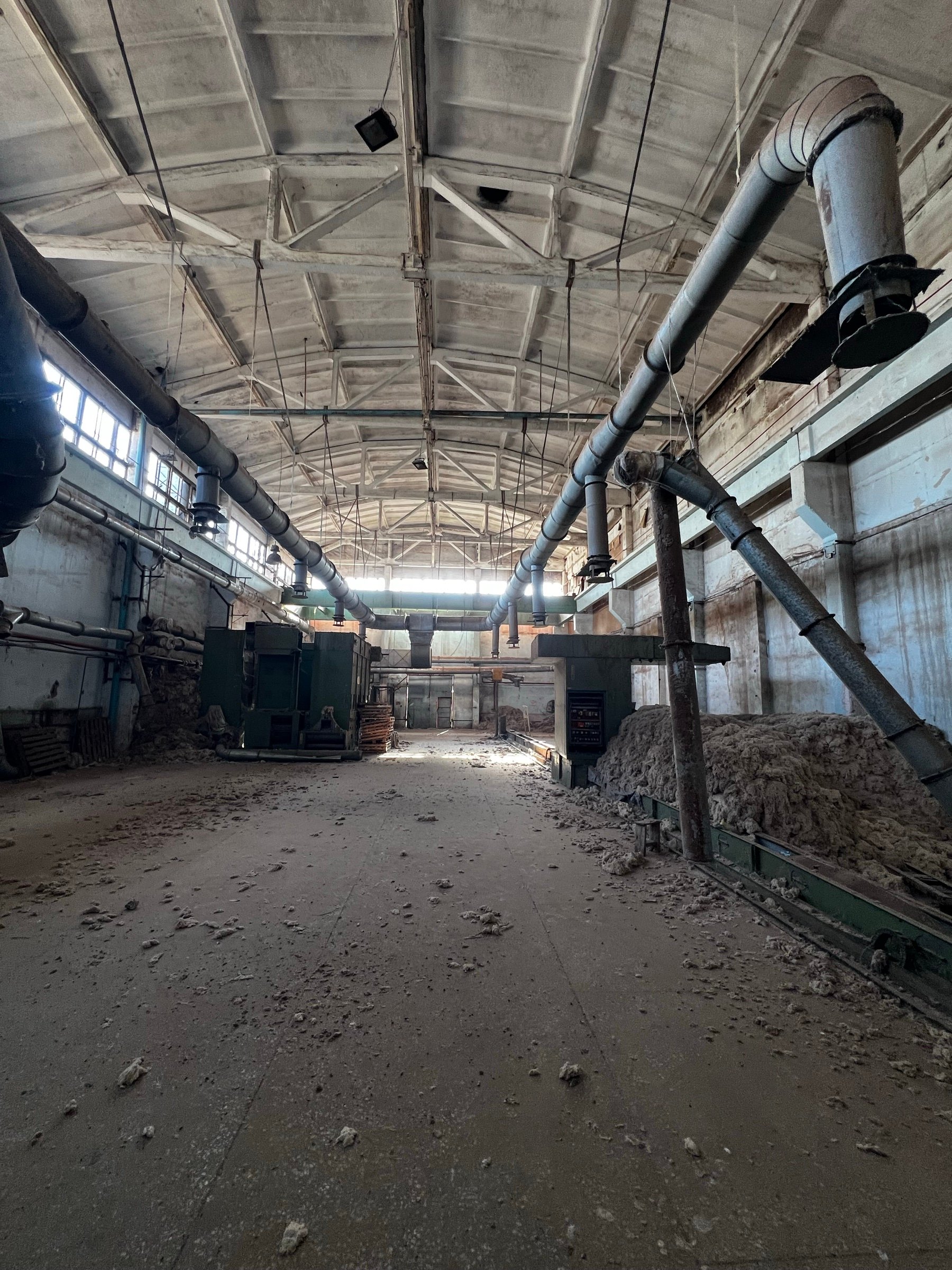
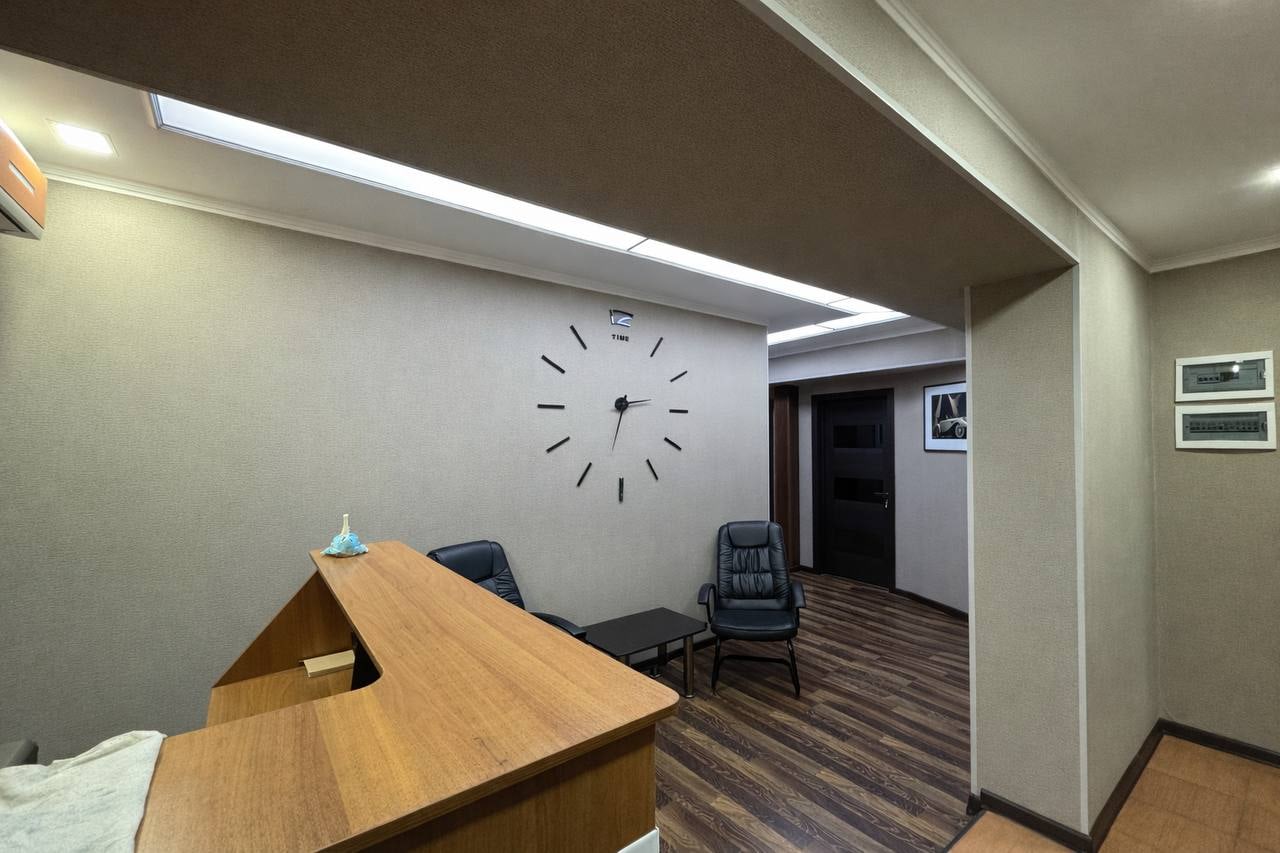
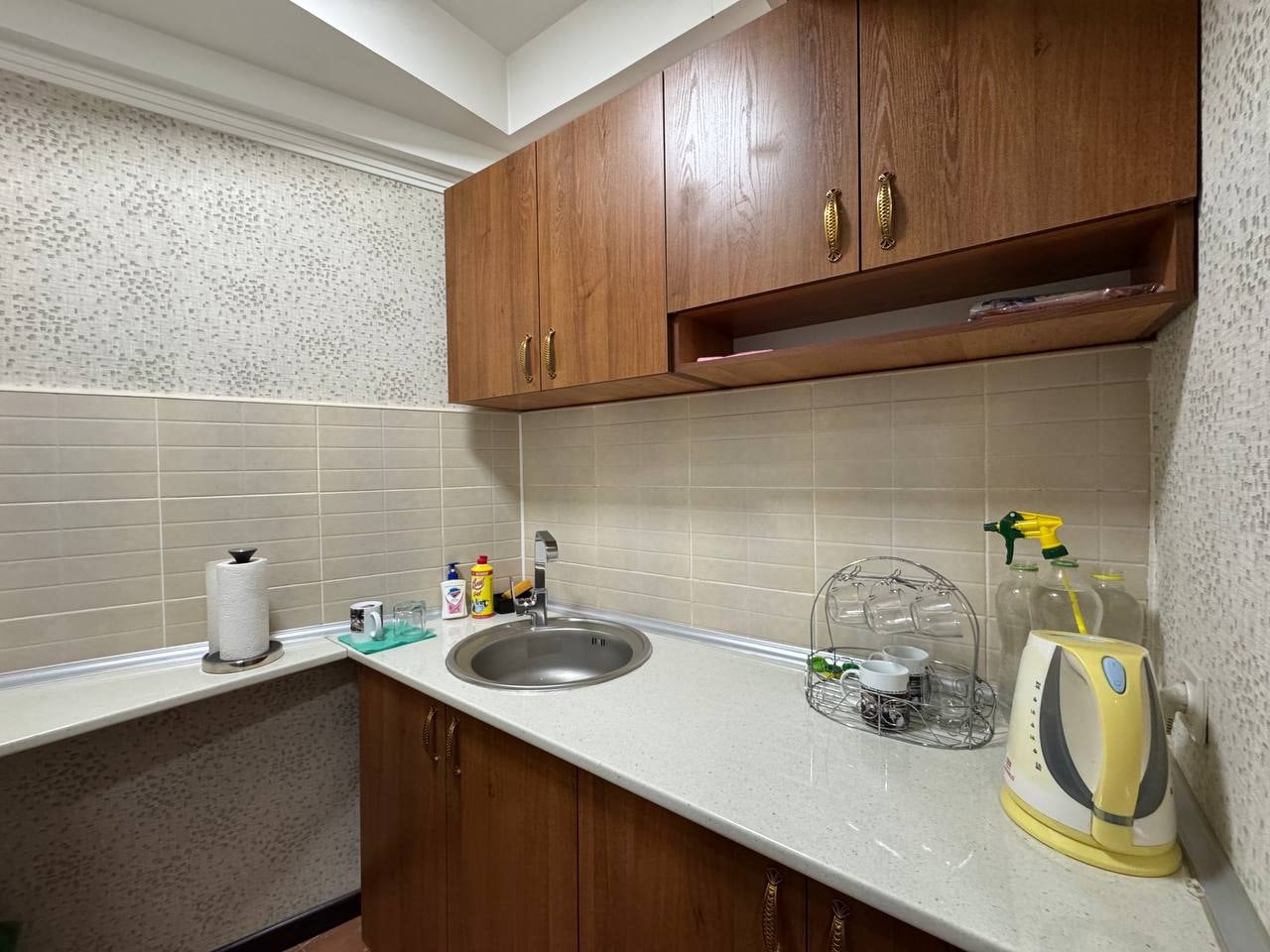
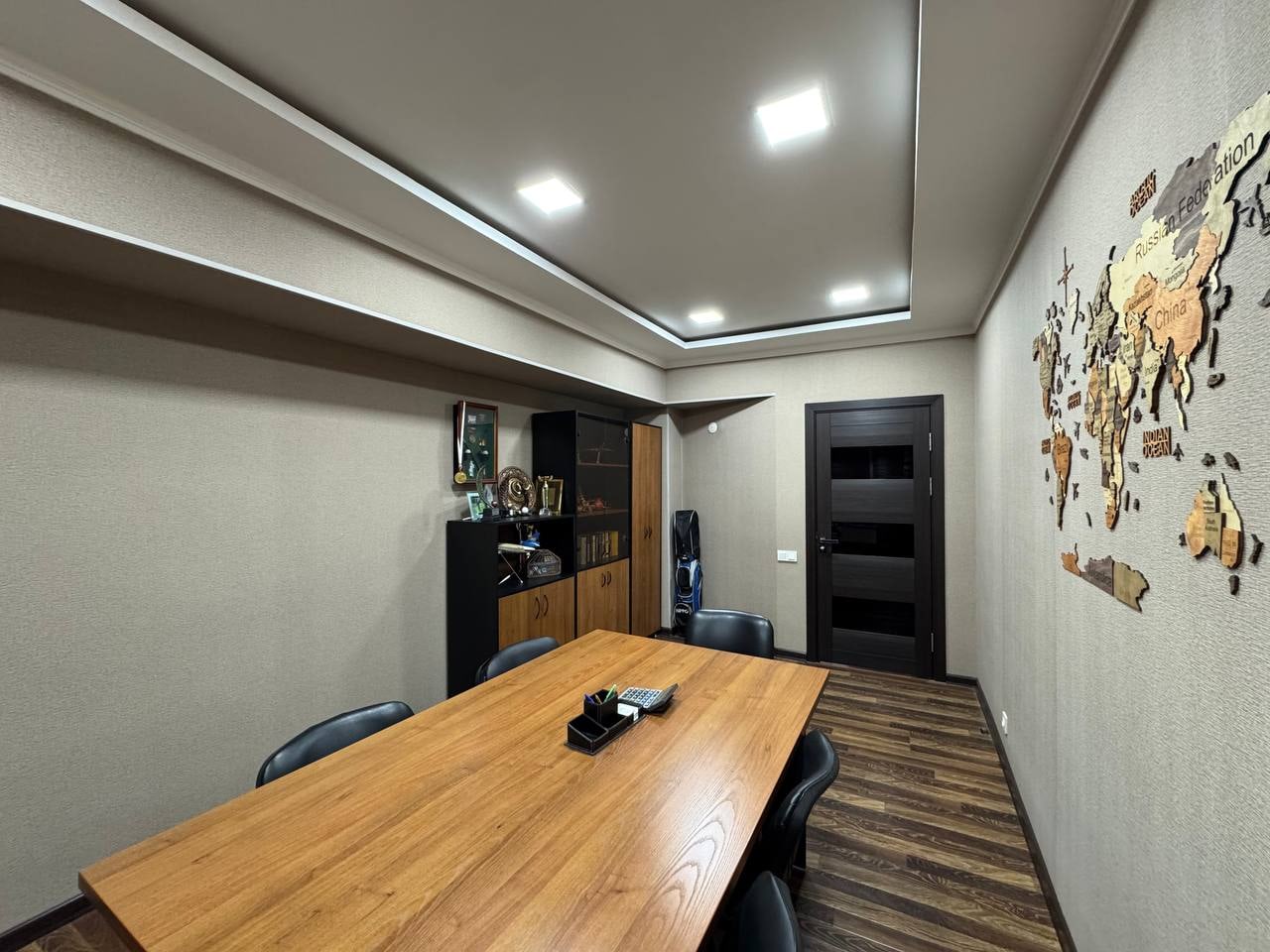
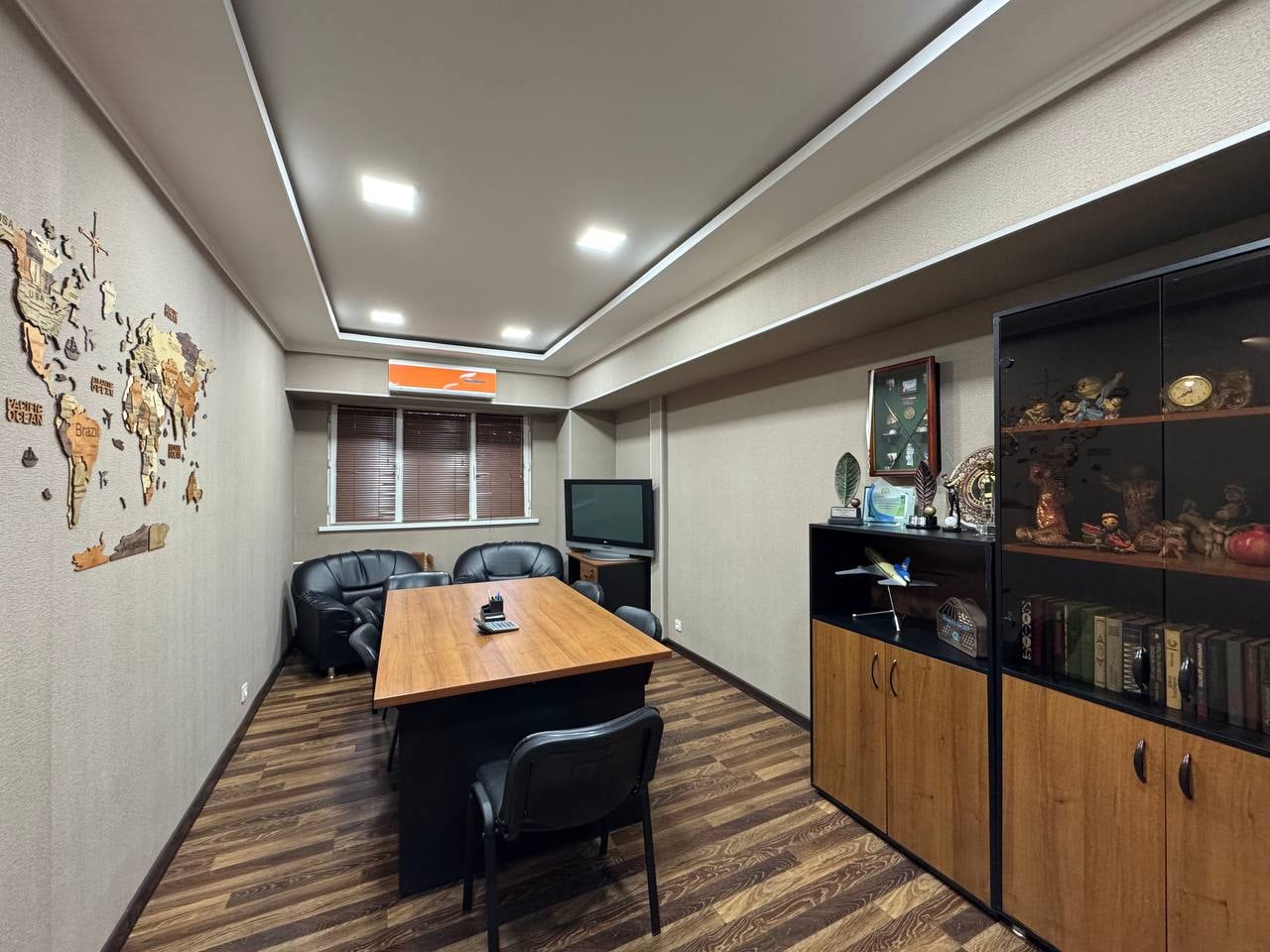
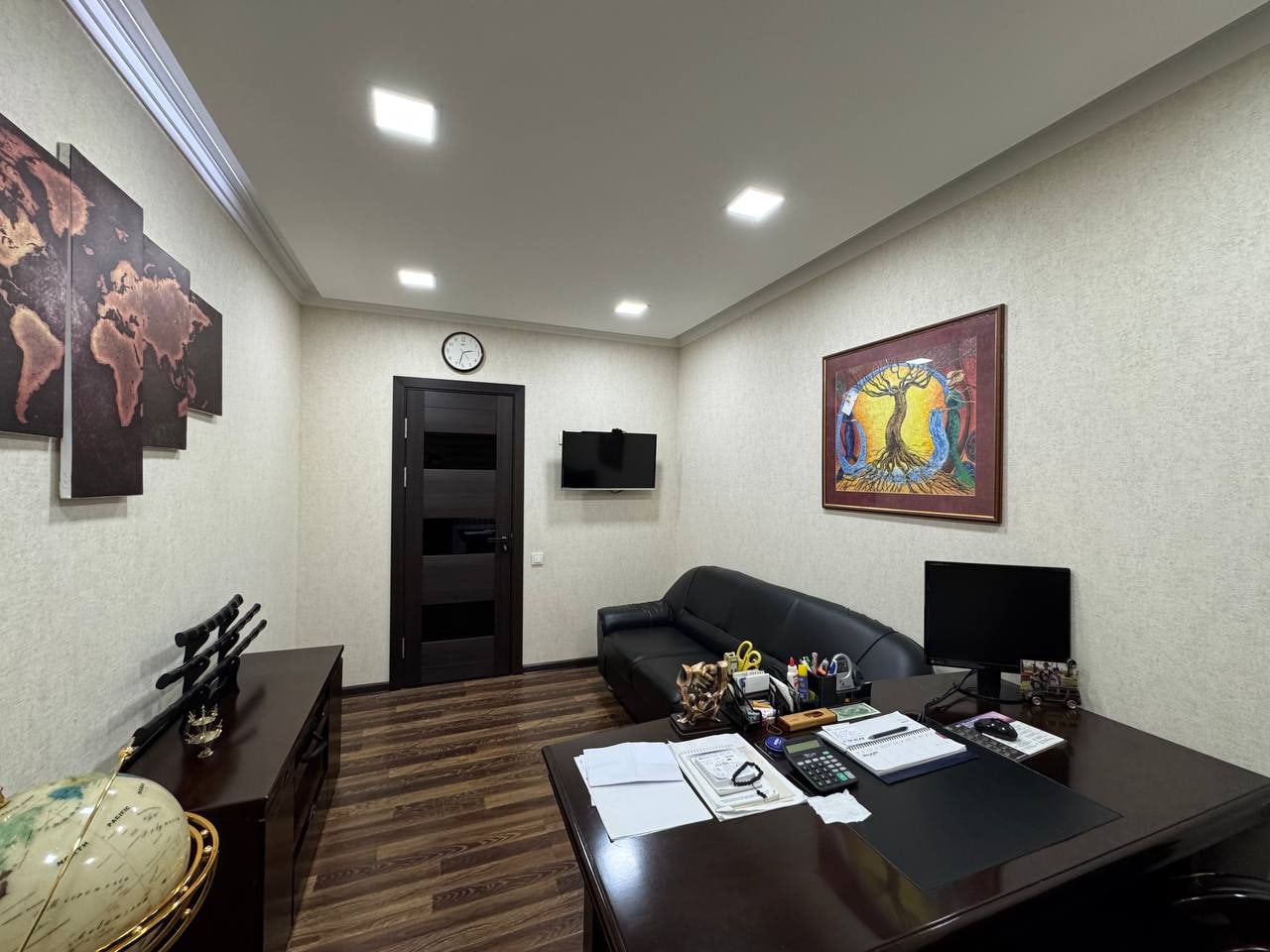
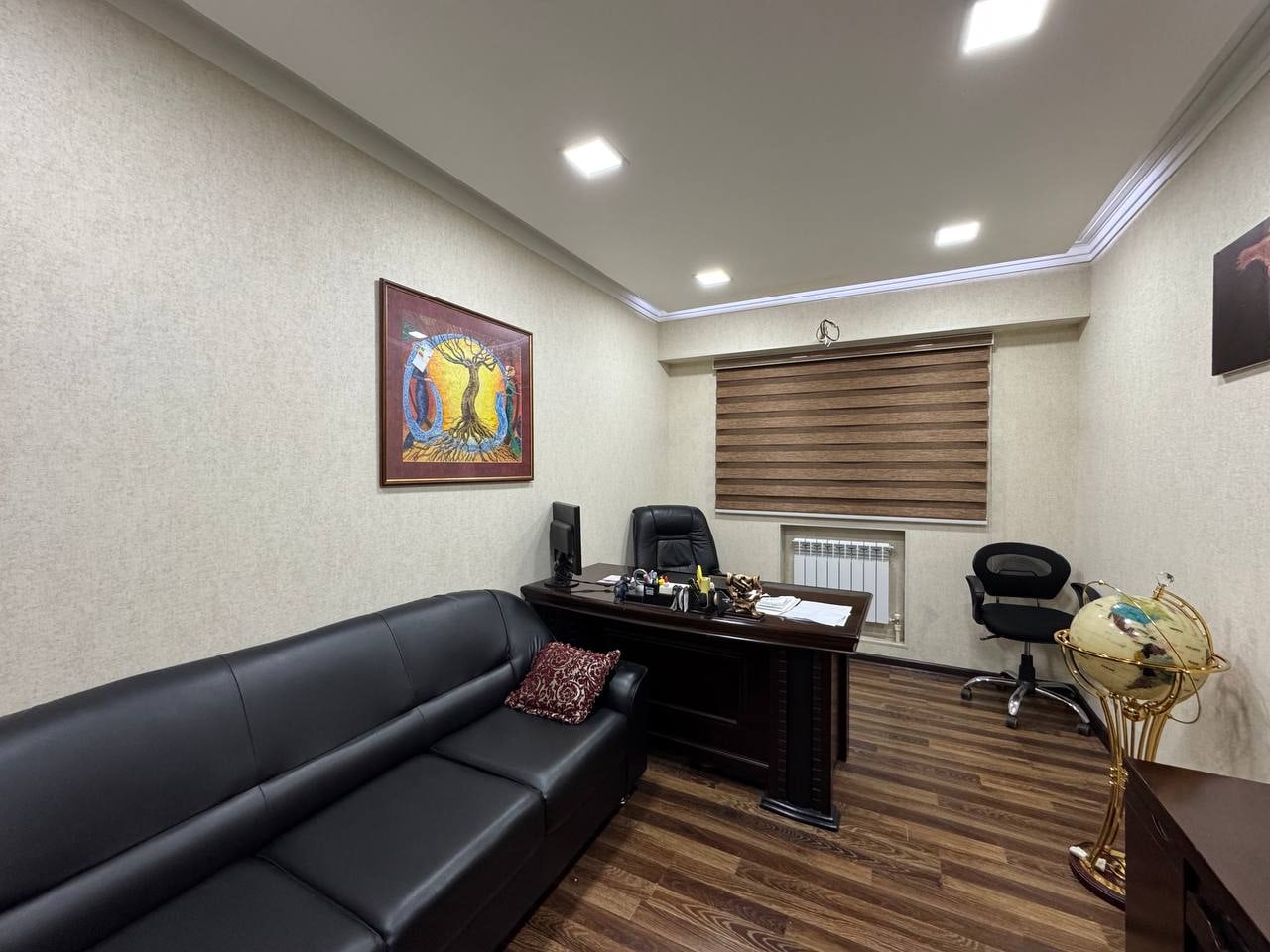
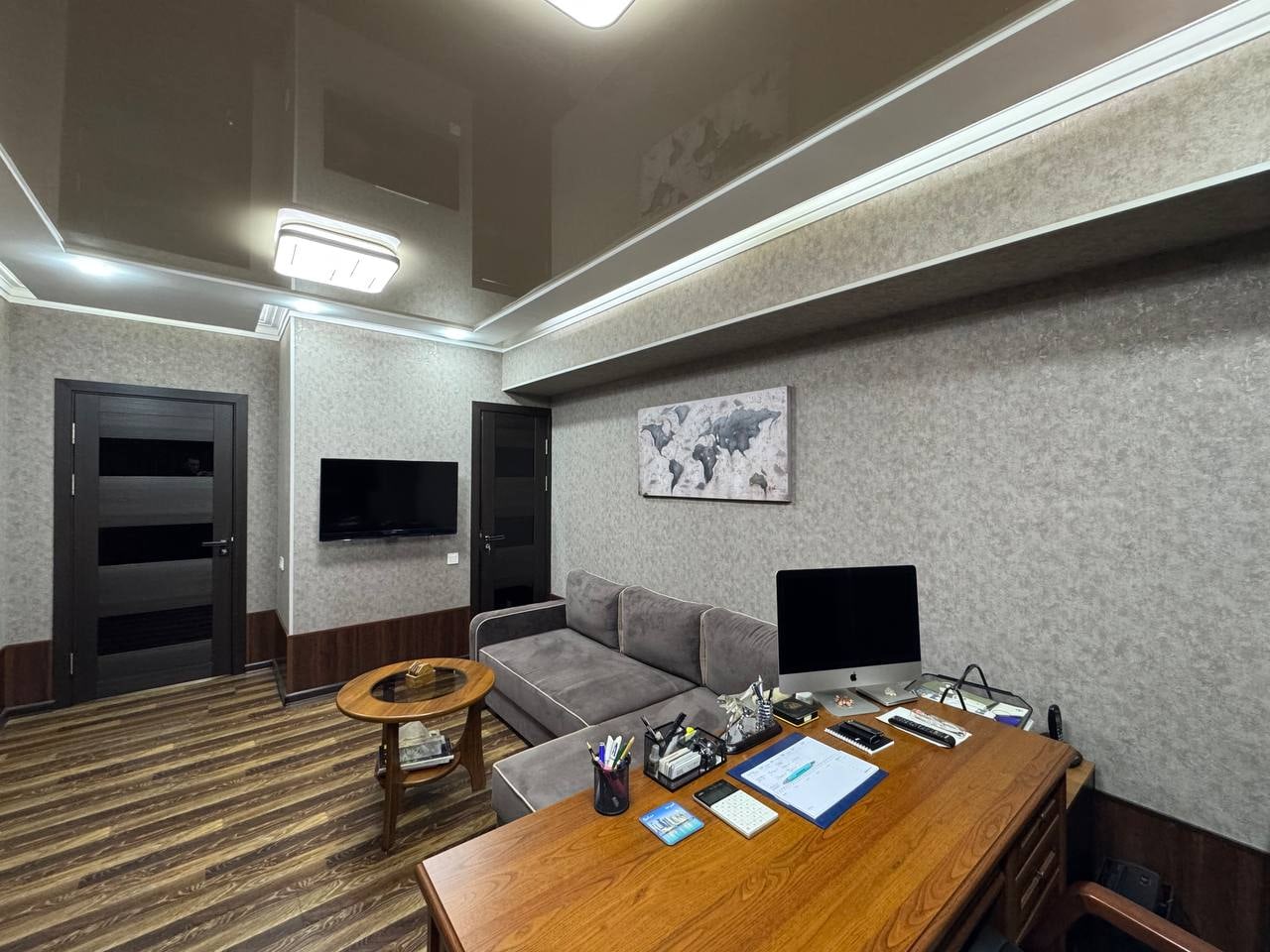
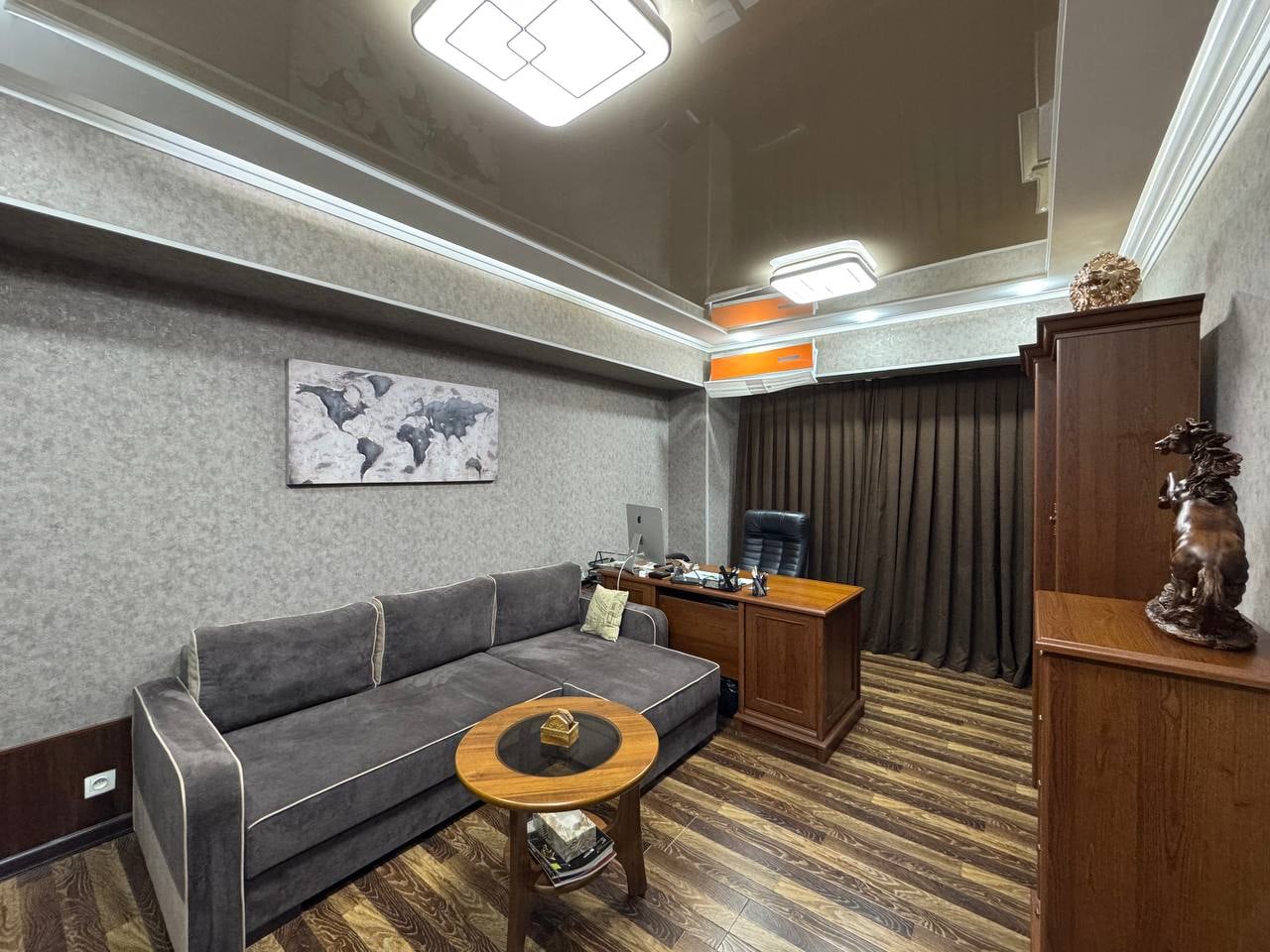
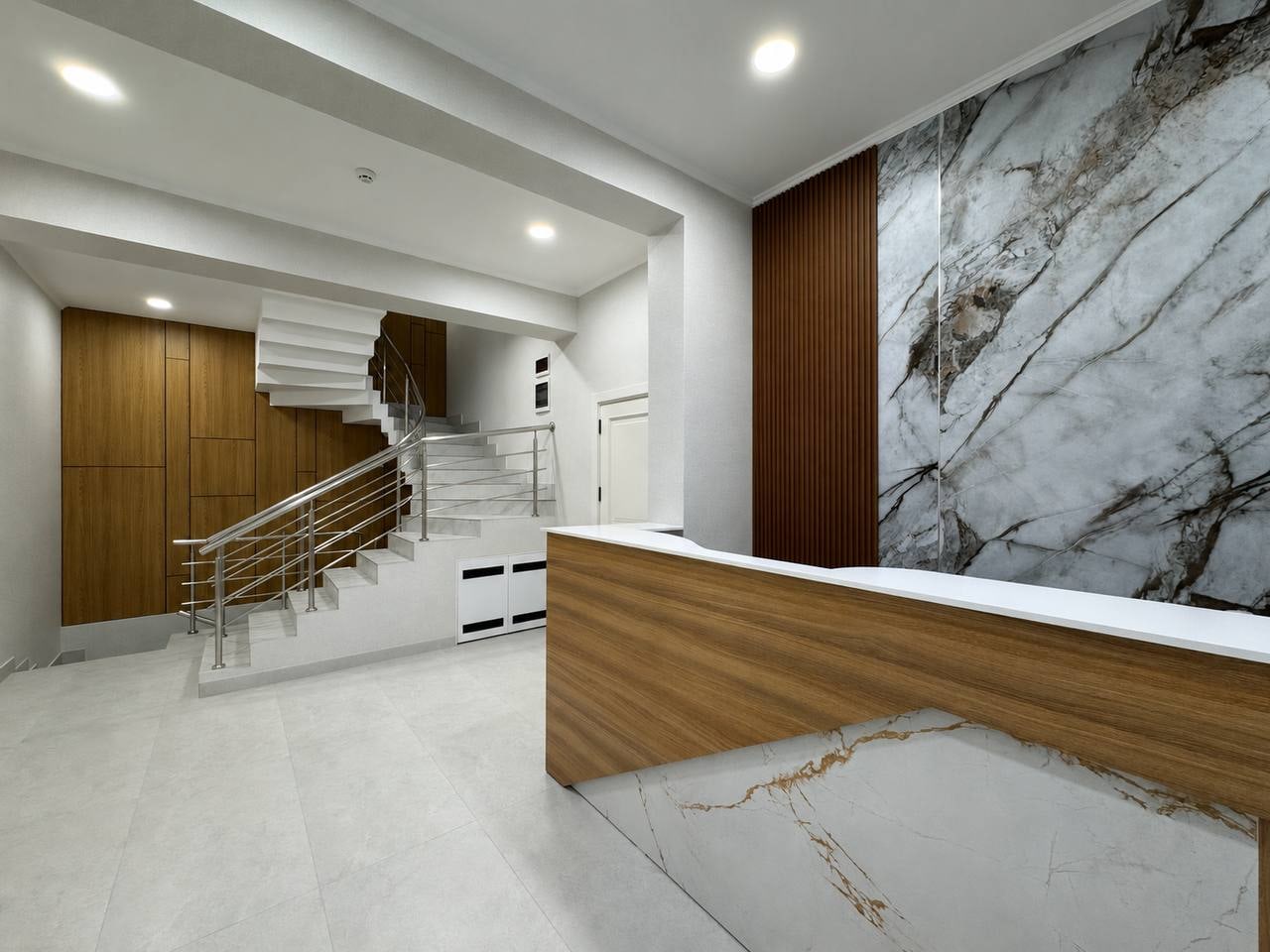
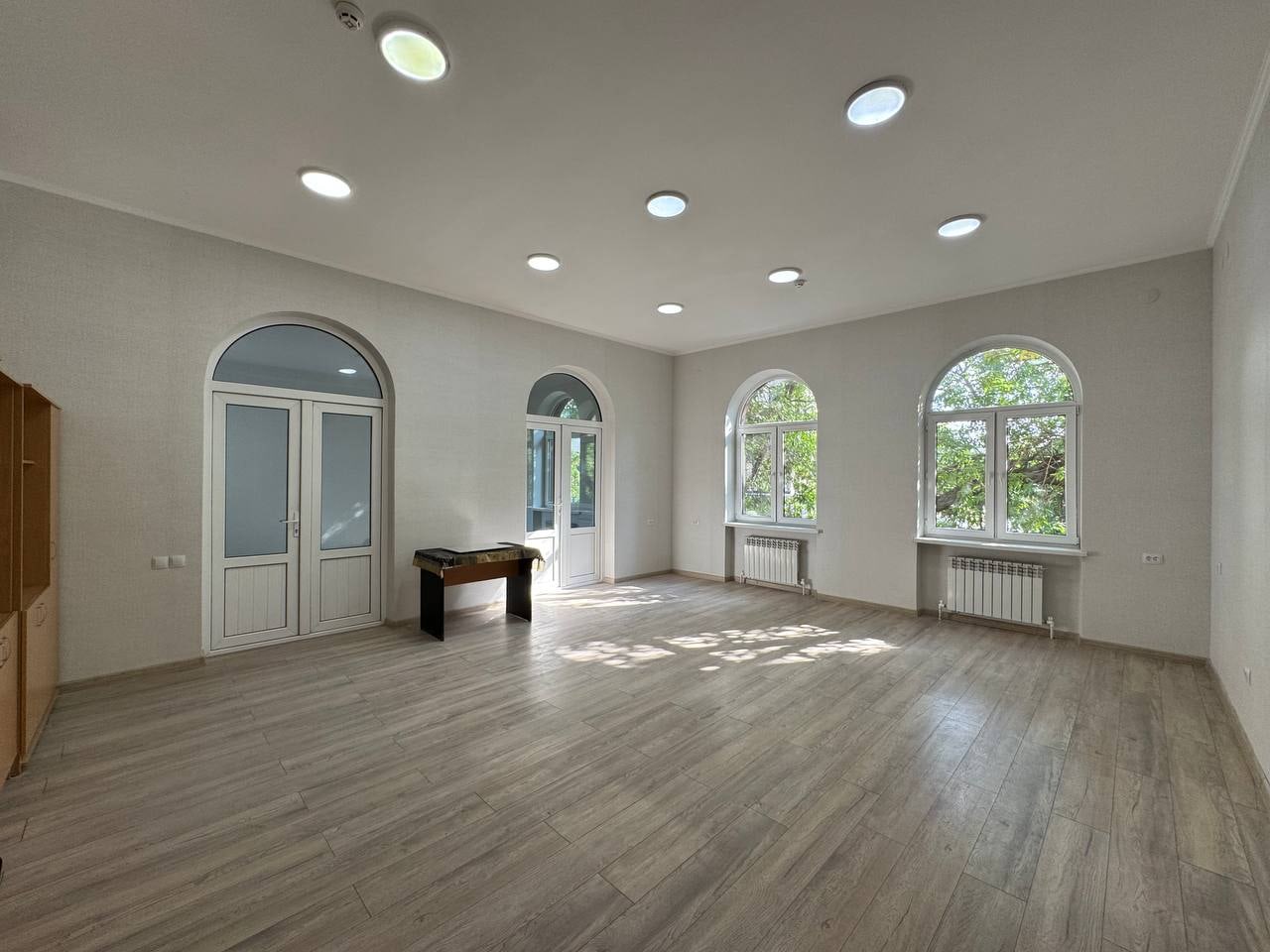
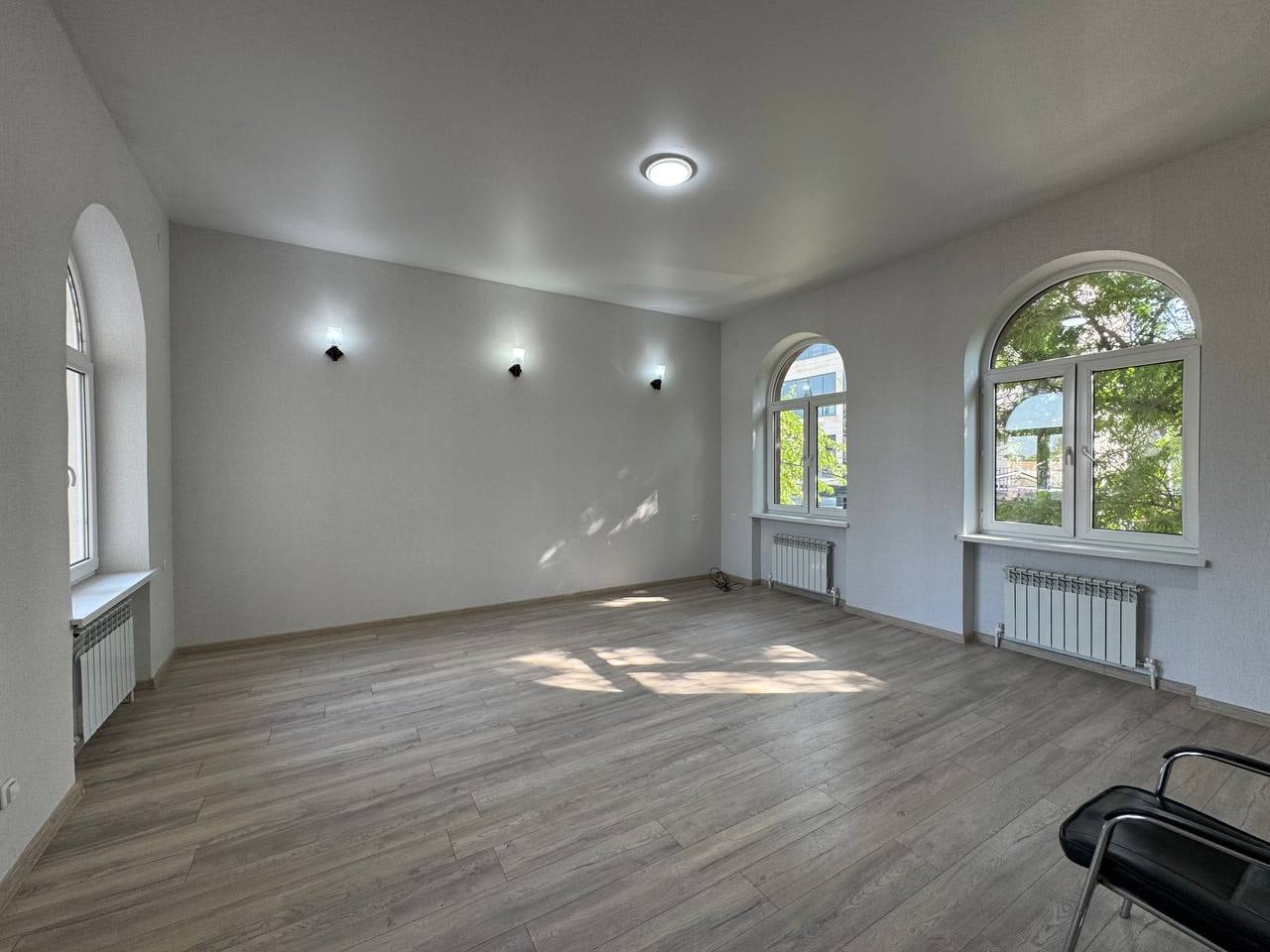
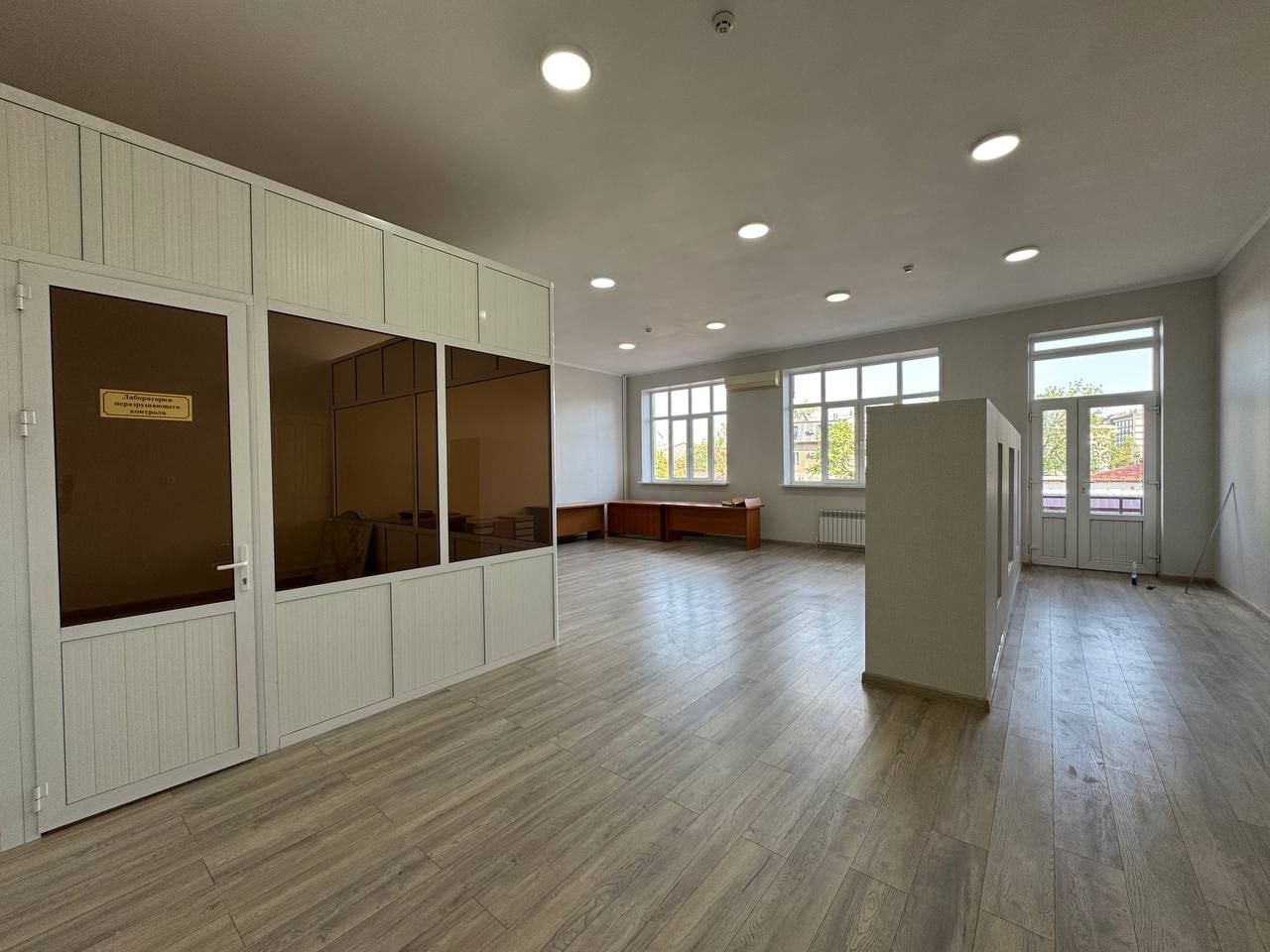
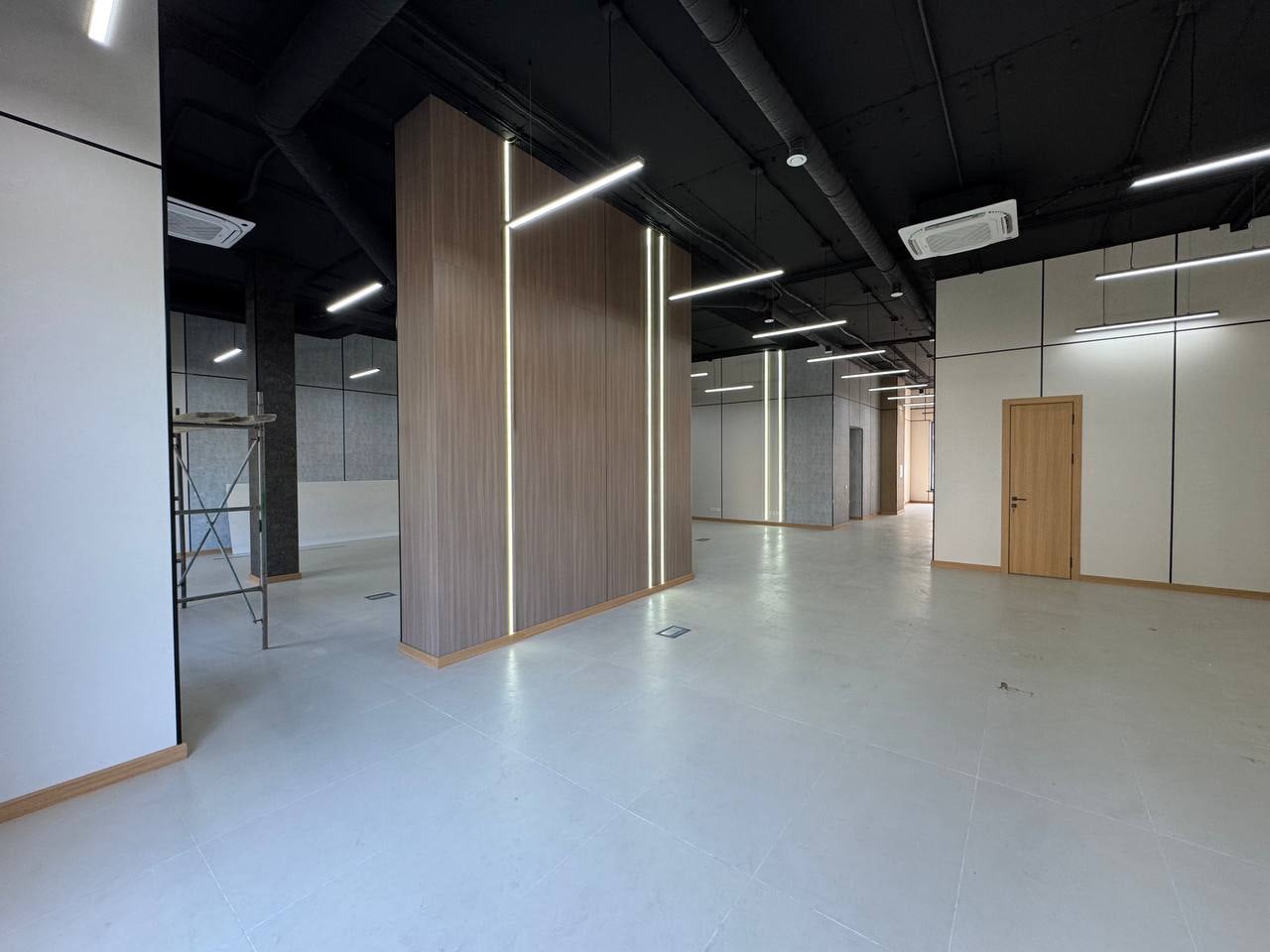
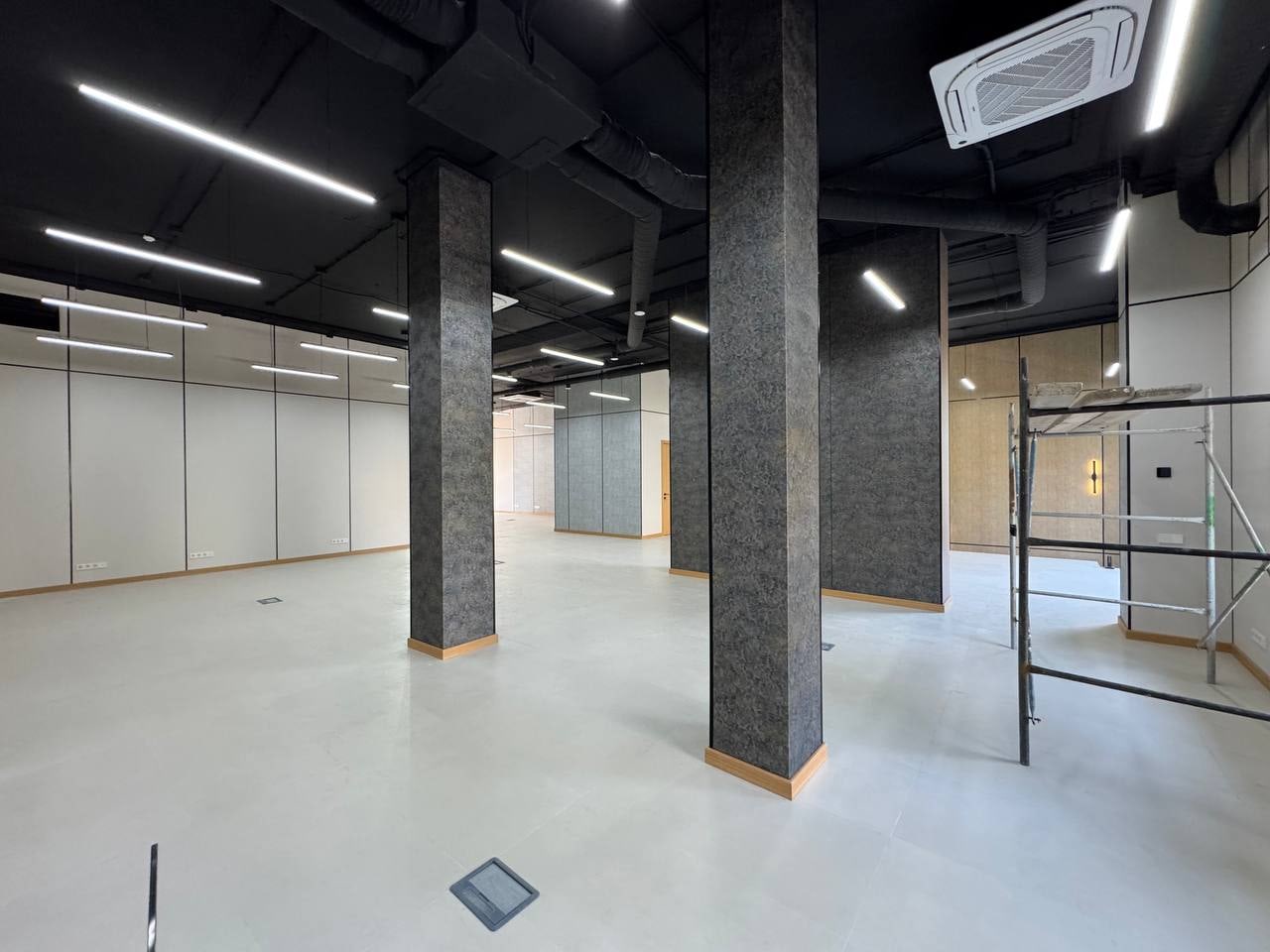
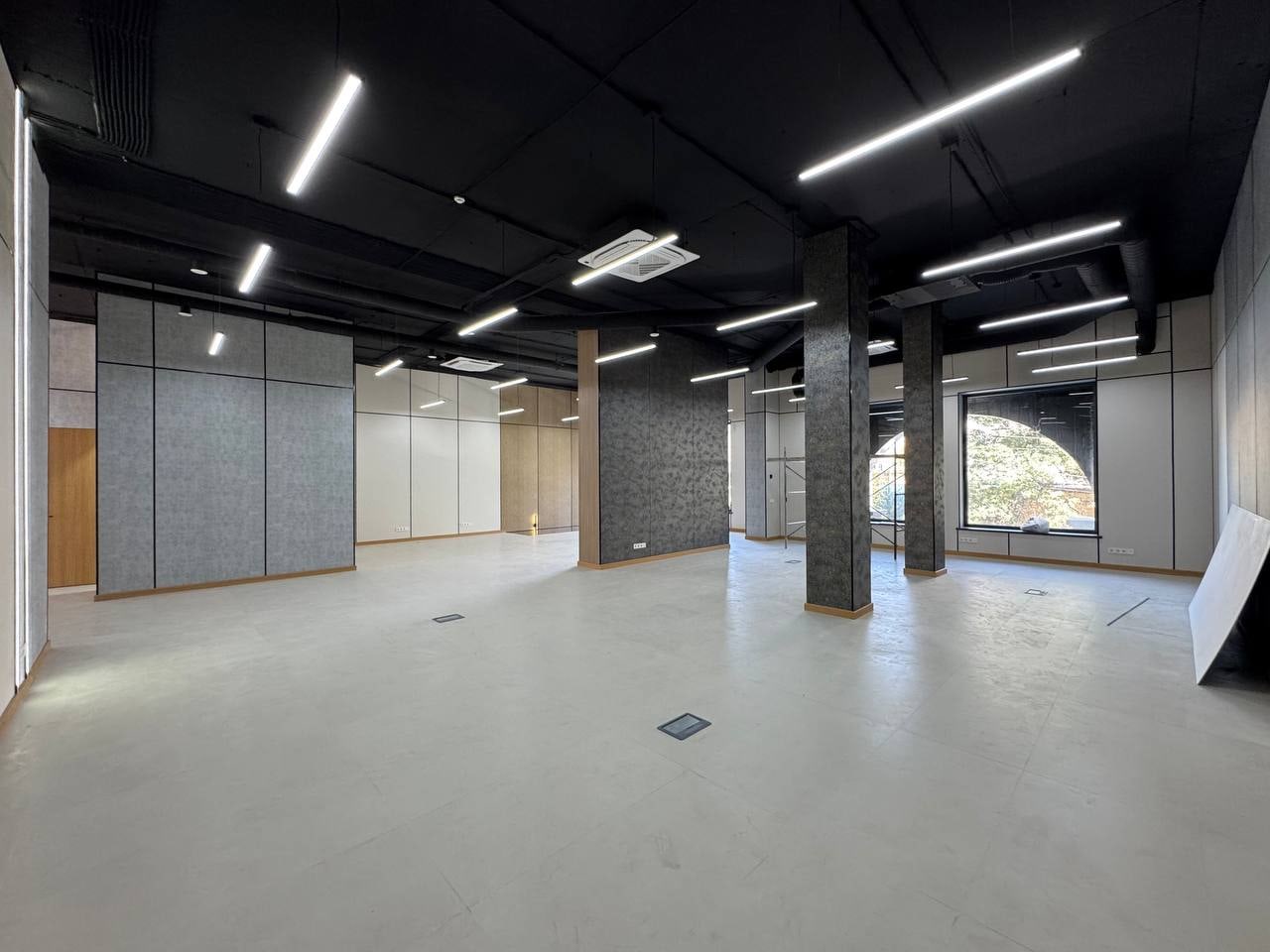
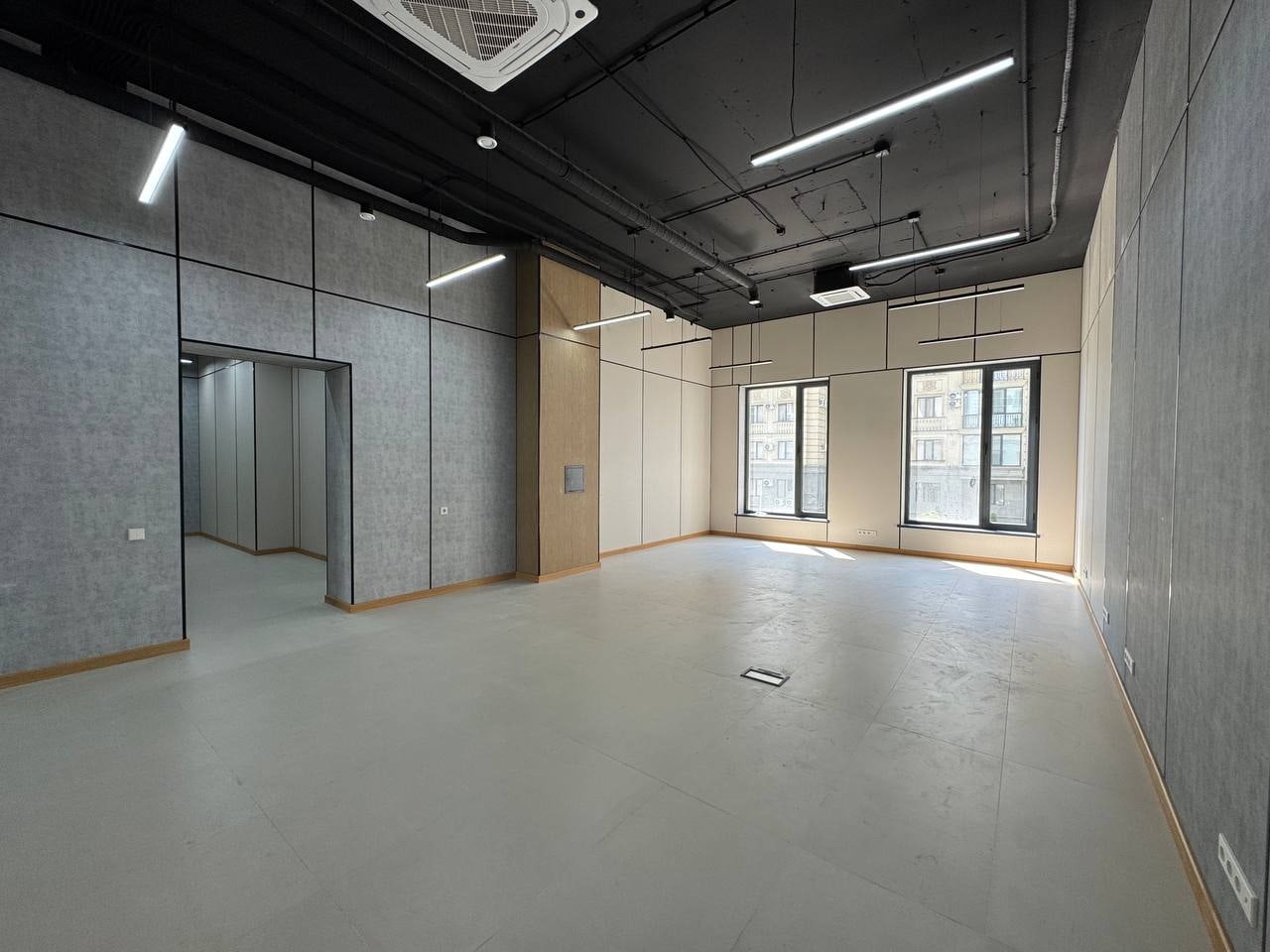
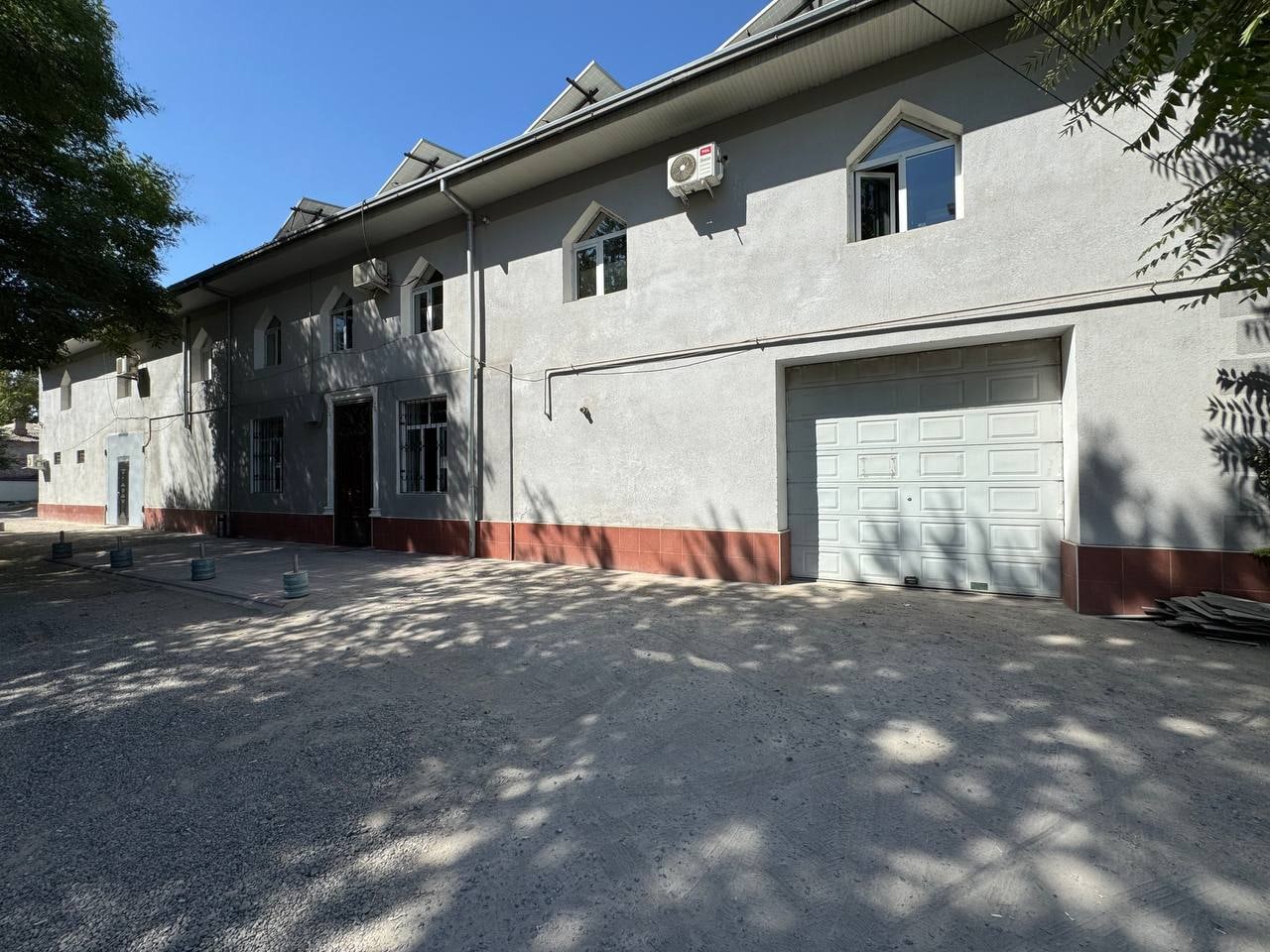
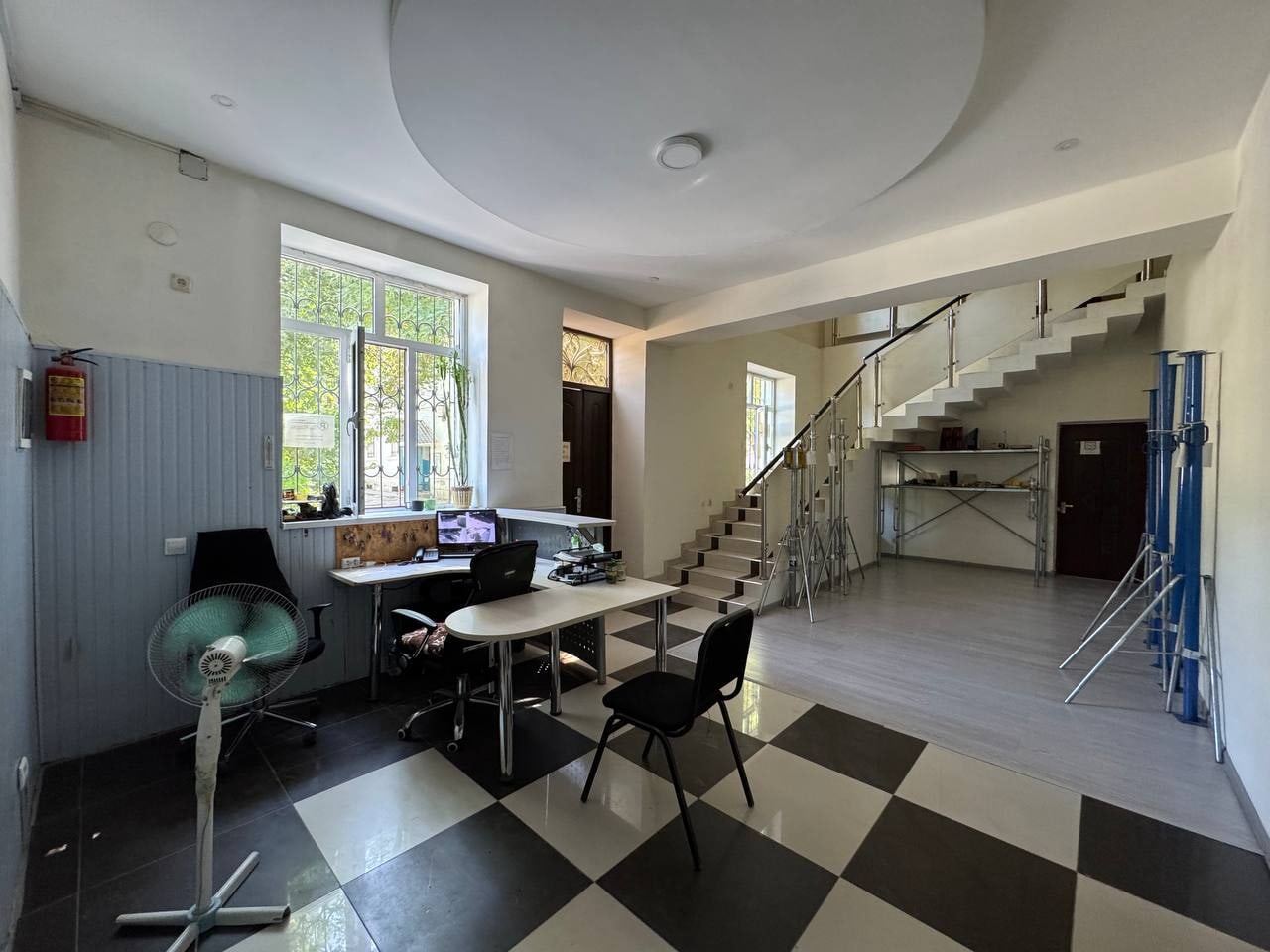
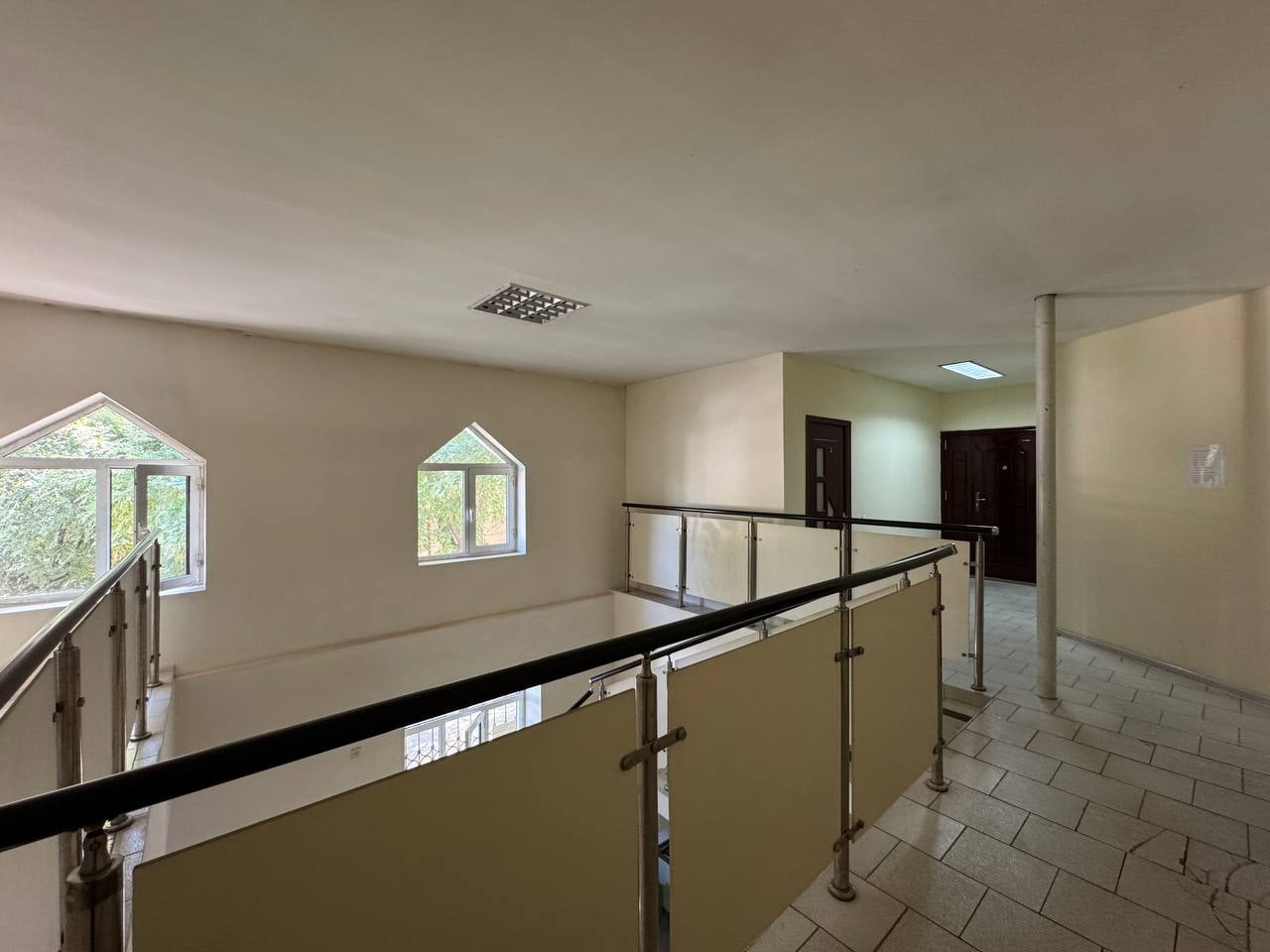
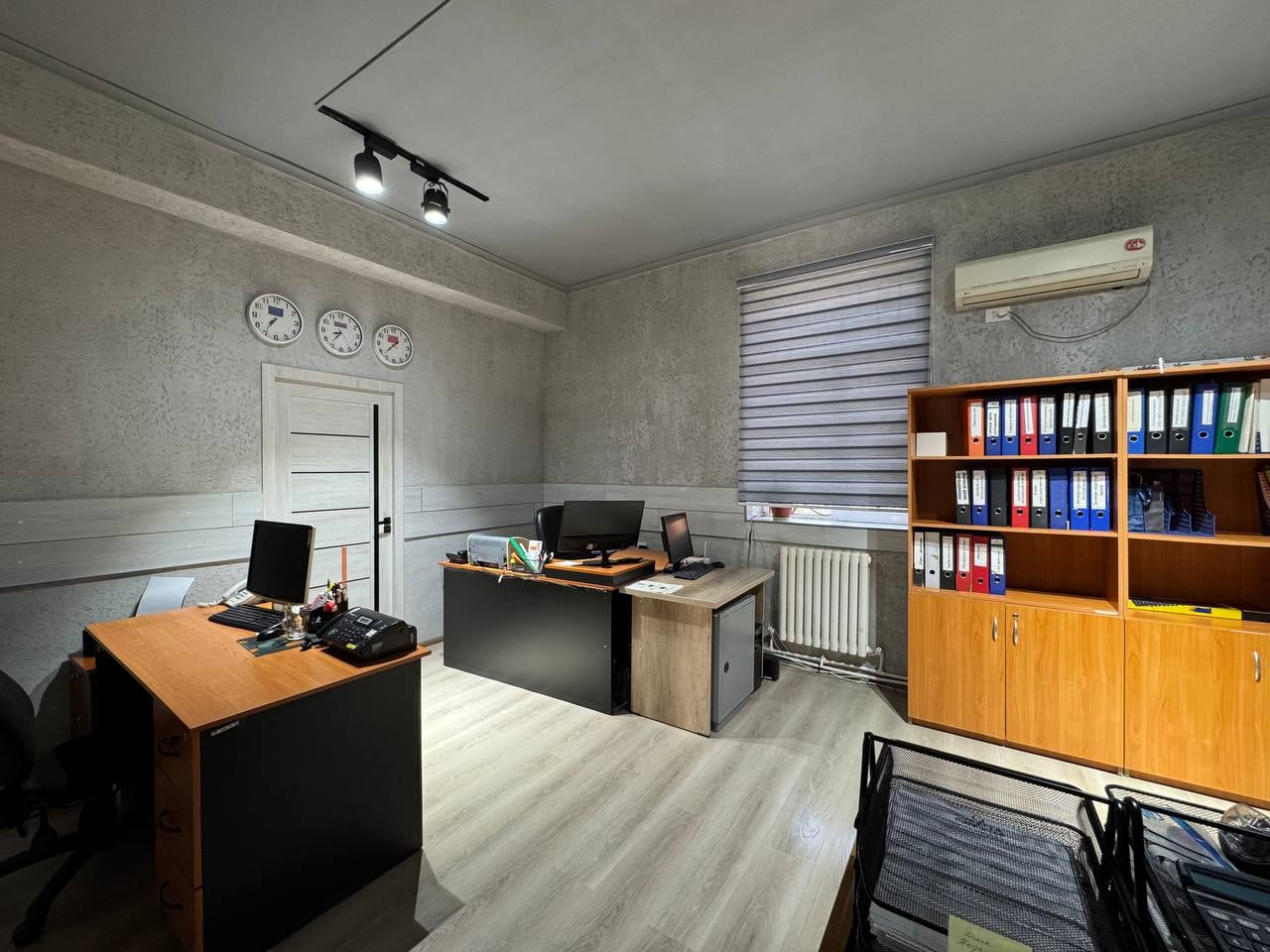
Продажа коммерческого помещения в Мирабадском районе, 1 742 м² — Фаргона йули
2 200 000 у.е.продажа0 просмотров
Ташкент, Мирабадский район, Фаргона йули
1742 м²0 просмотров
ОтветственныйЛика
ОтветственныйЛика
Коммерческая недвижимость ТашкентаCommercial property in Tashkent
Объекты по теме материала: проверенные предложения для аренды с прямой связью с ответственным специалистом.
Полный коммерческий фильтр расположен слева от списка объектов.
Загружаем актуальные объекты…
Ташкент, Мирабадский район, Фаргона йули
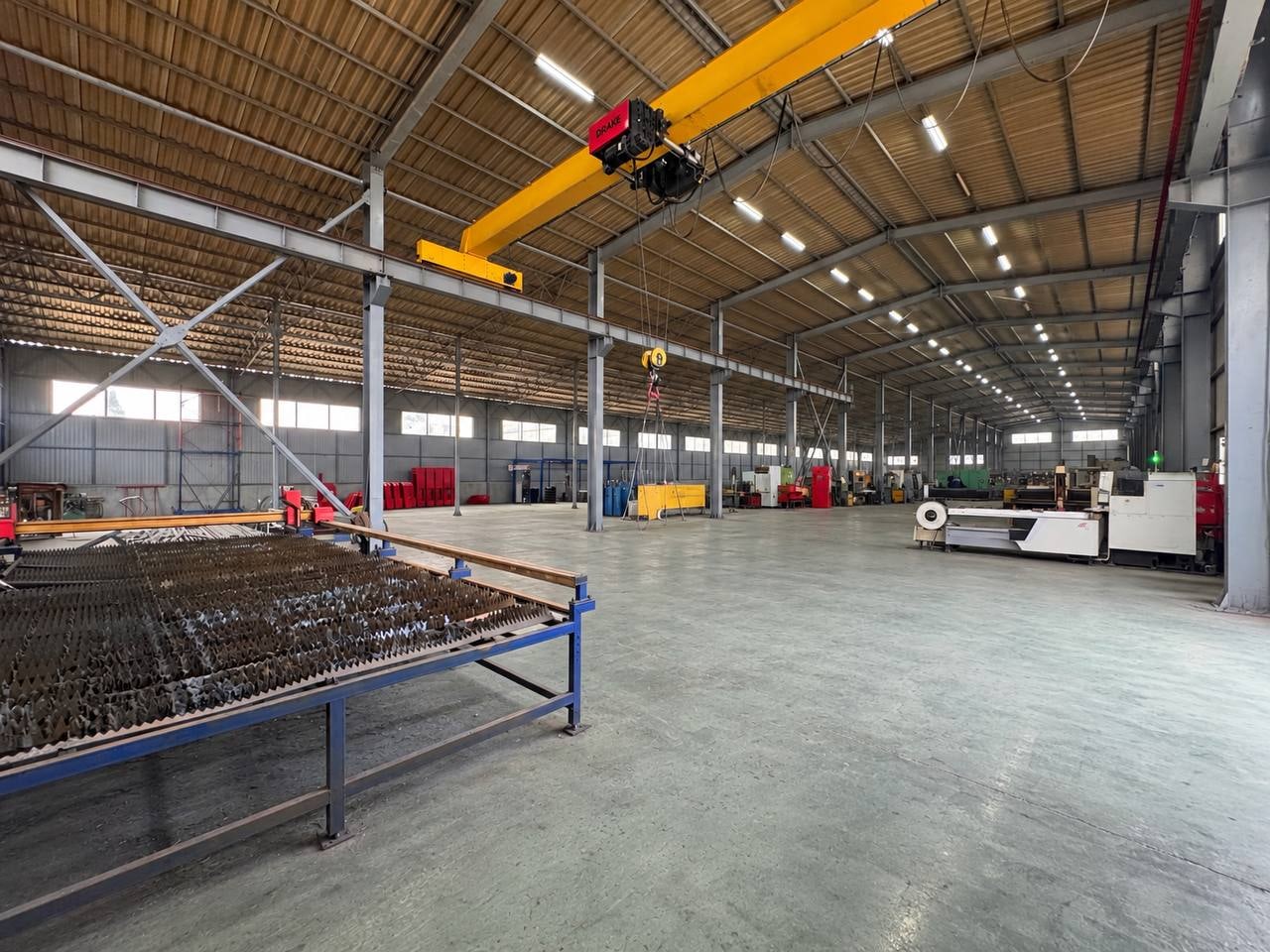
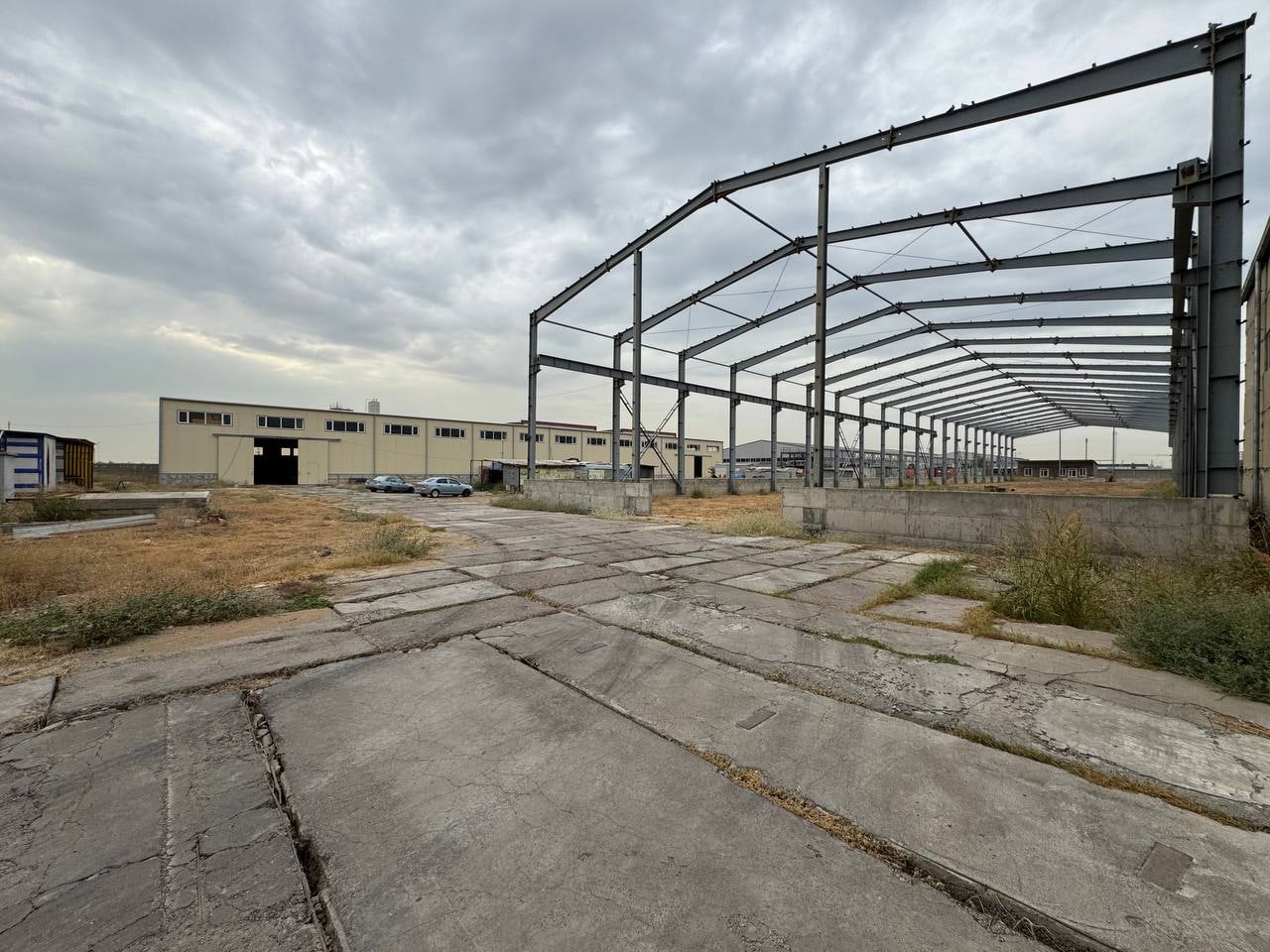
Ташкент, Бектемирский район, Йик Ота
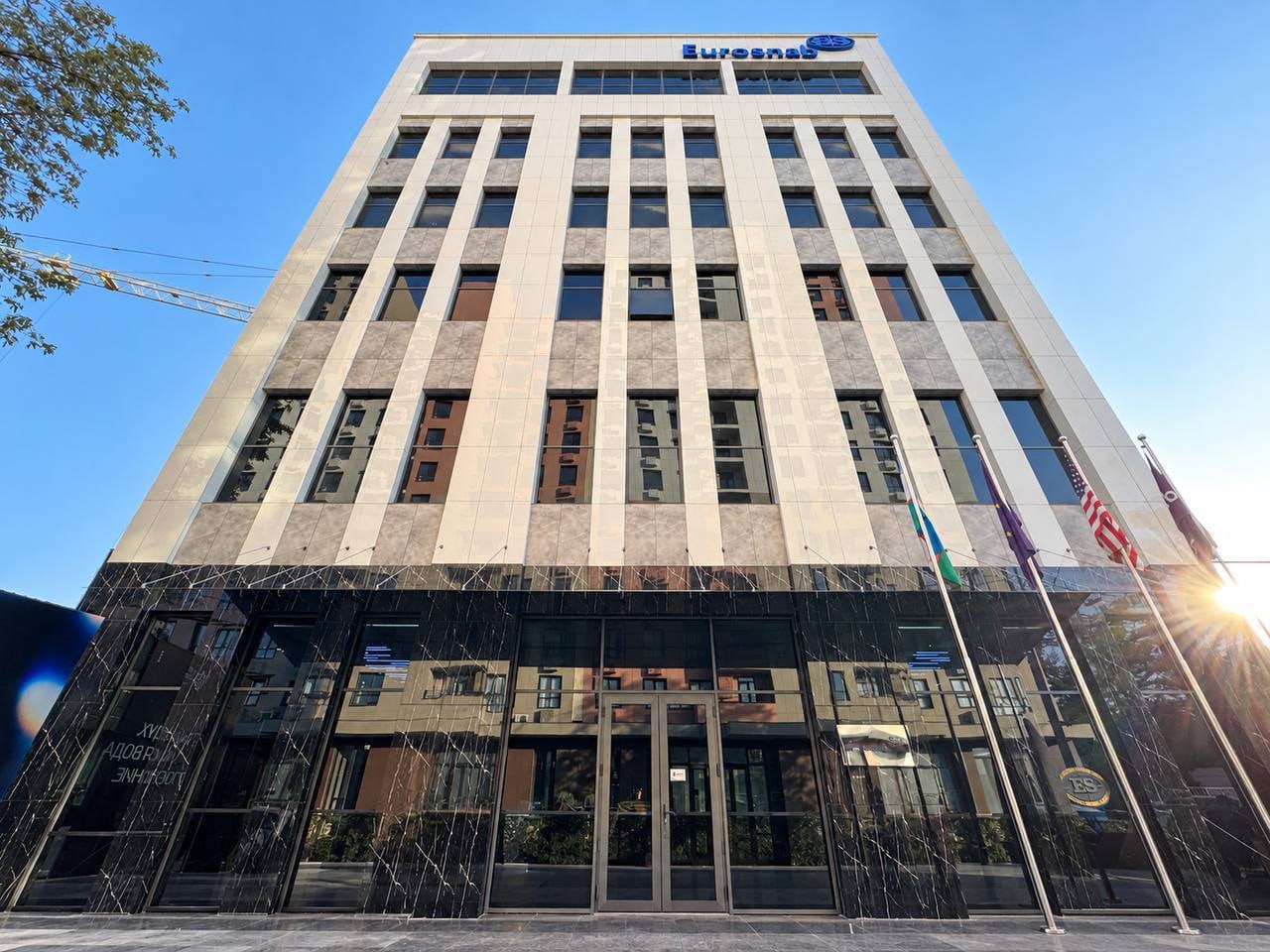
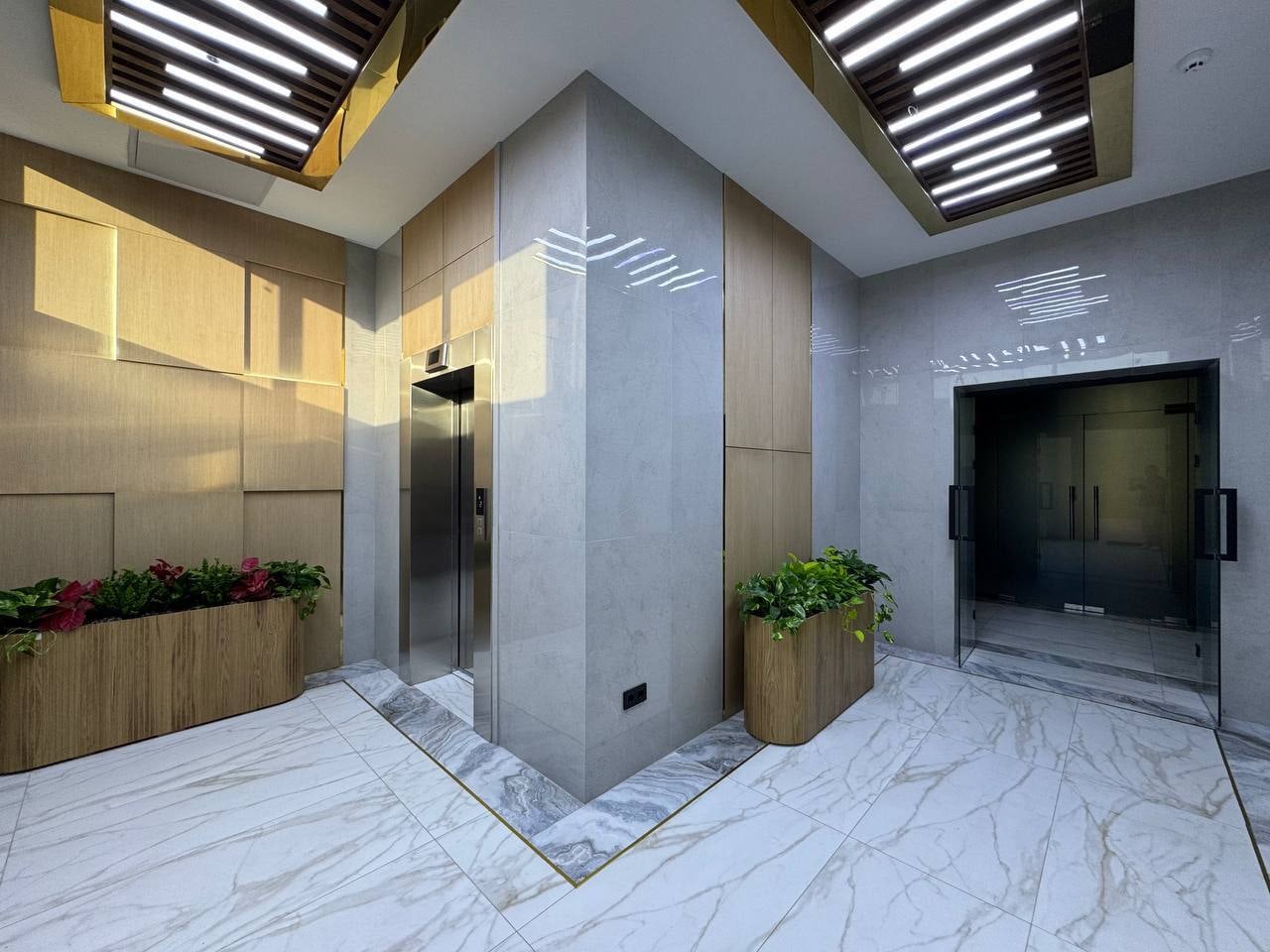
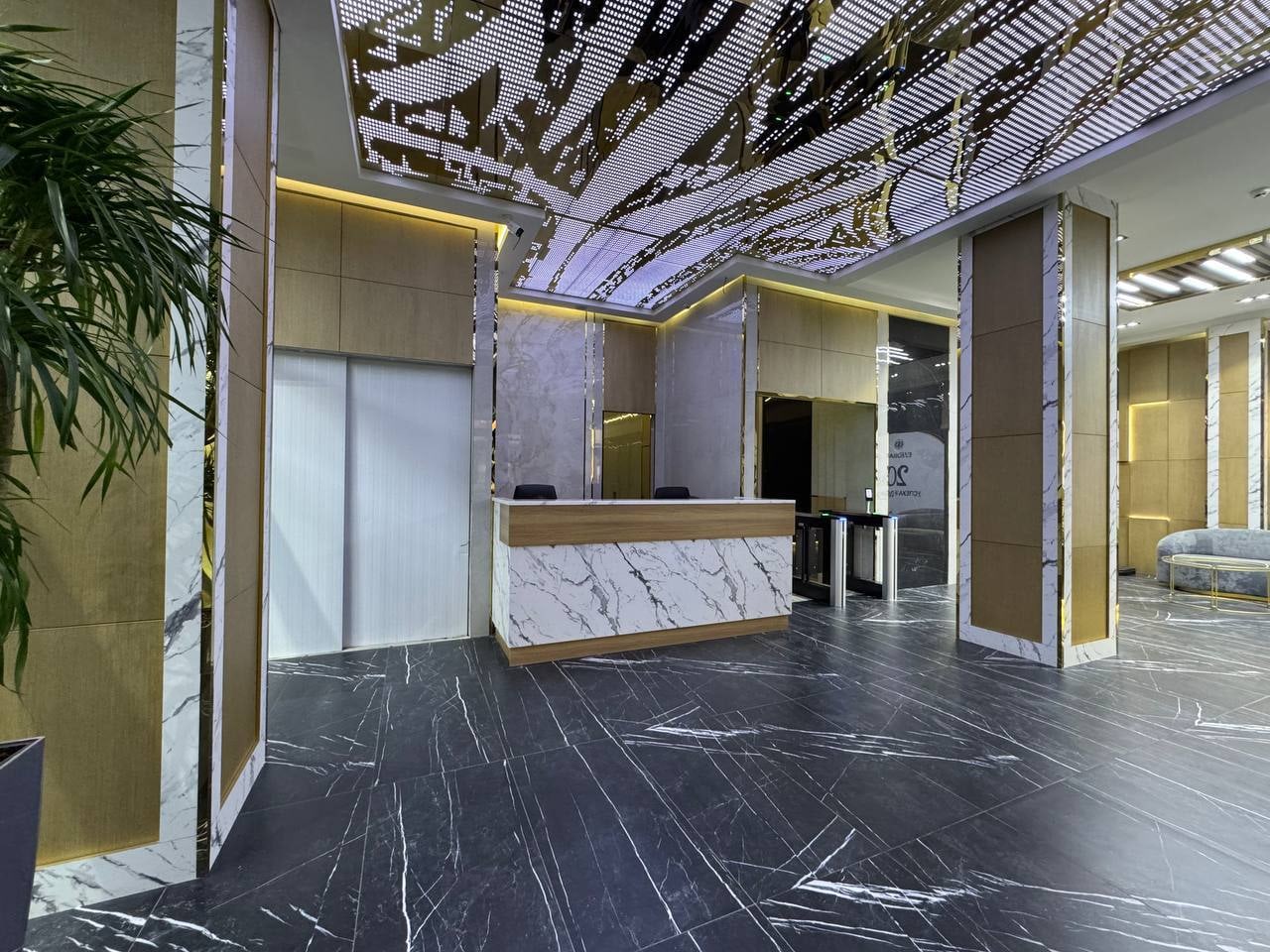
Ташкент, Яшнабадский район, Узбум, ул. Фергана Йули
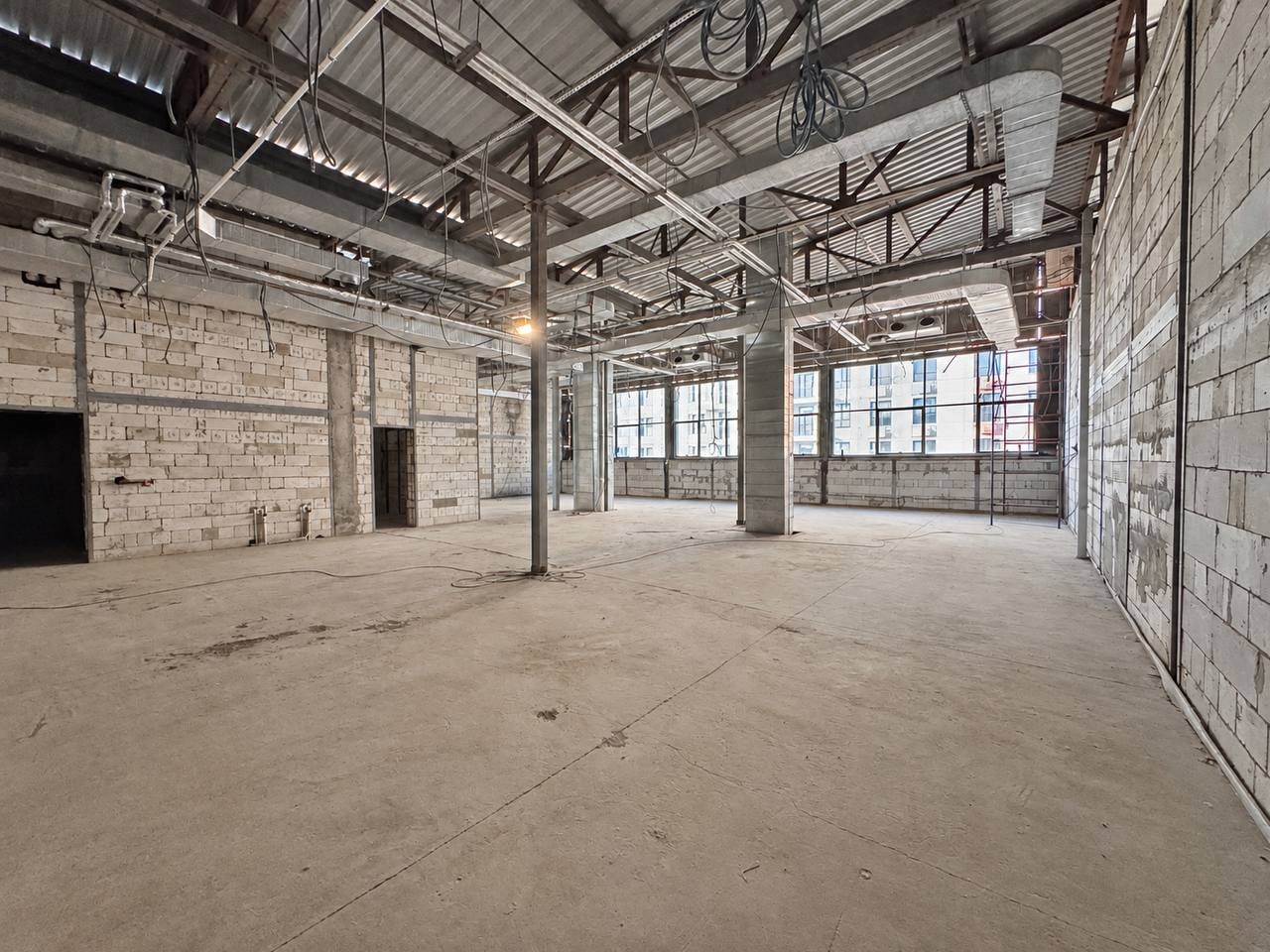
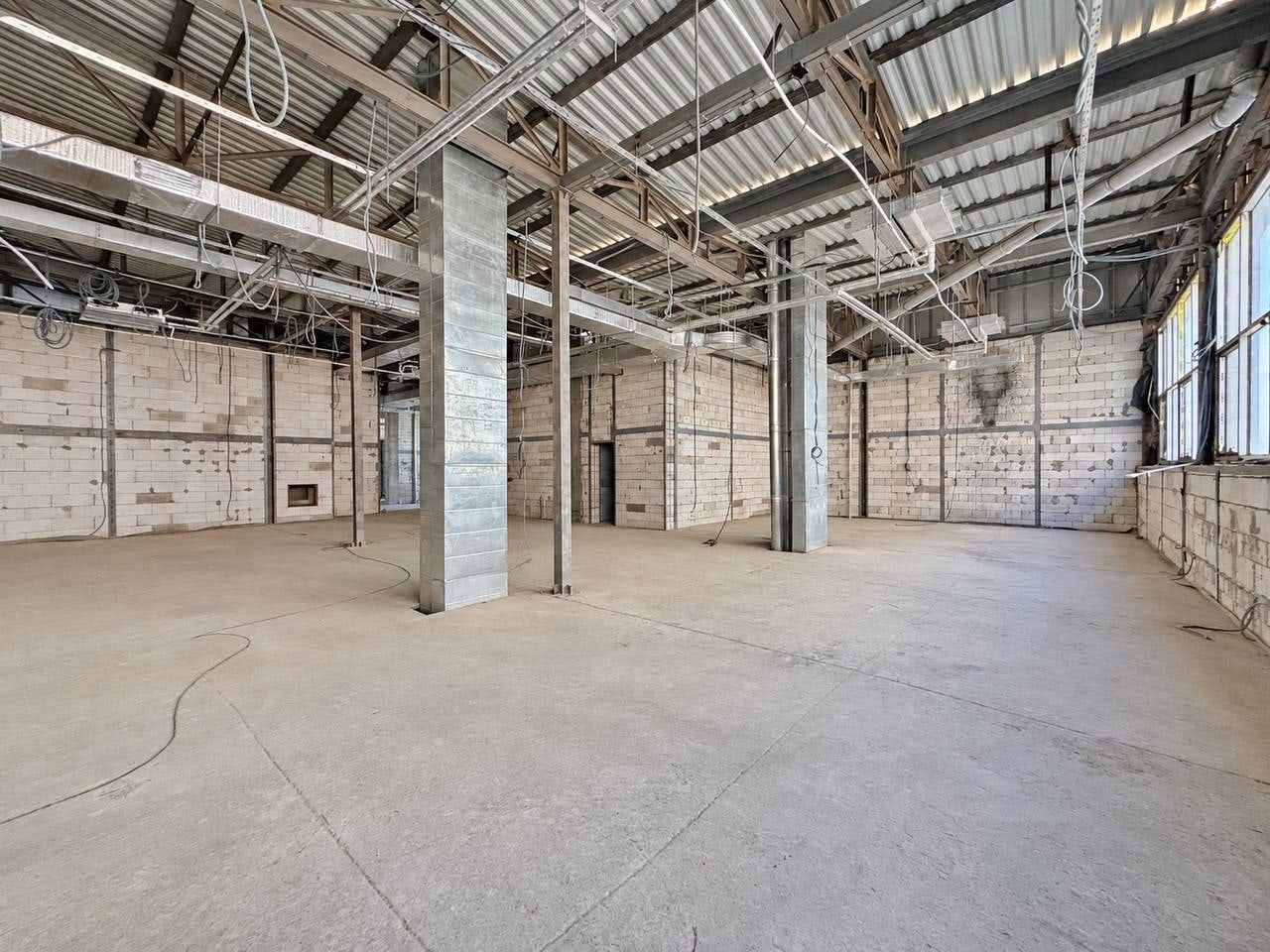
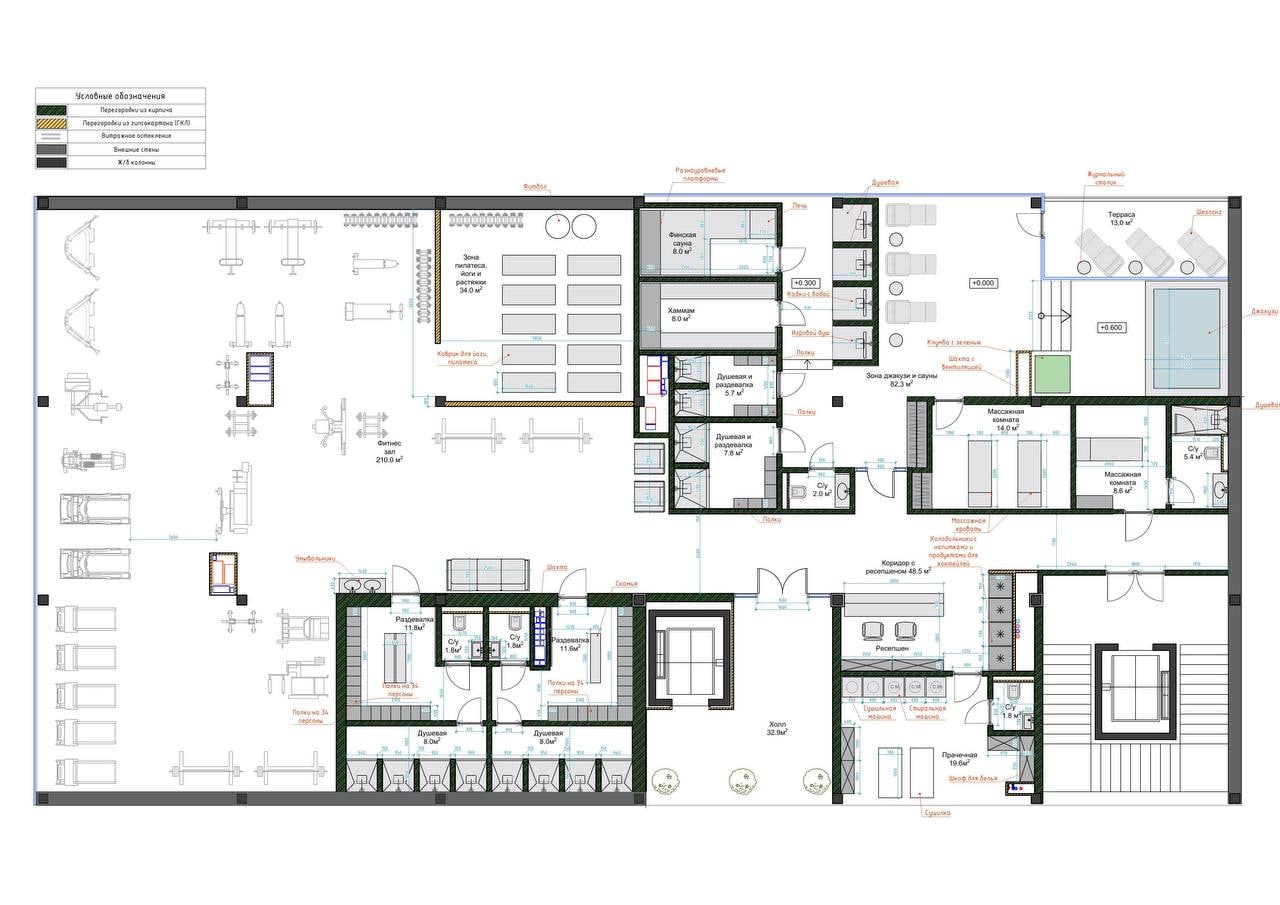
Ташкент, Яшнабадский район, Узбум, ул. Фергана Йули
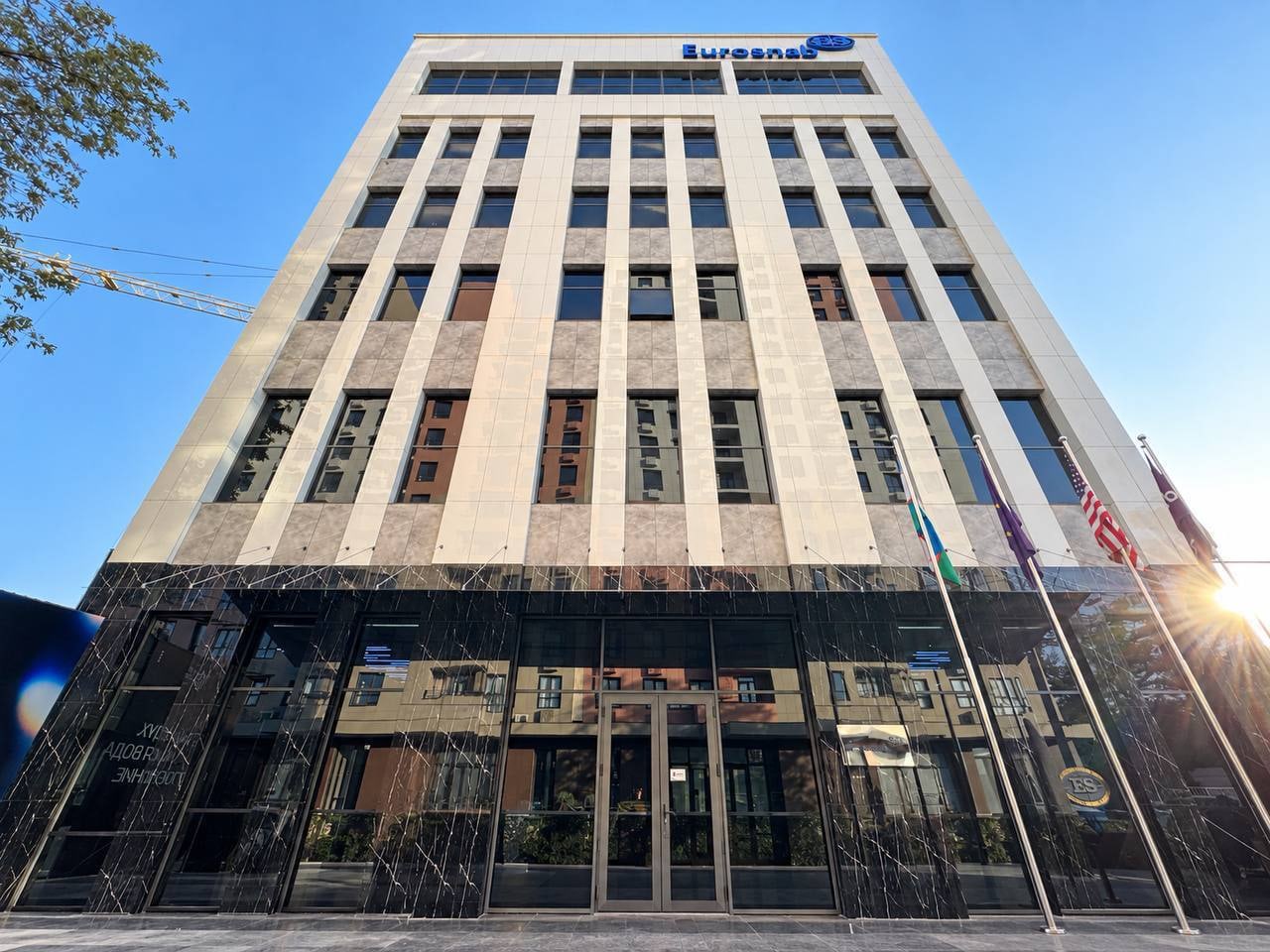
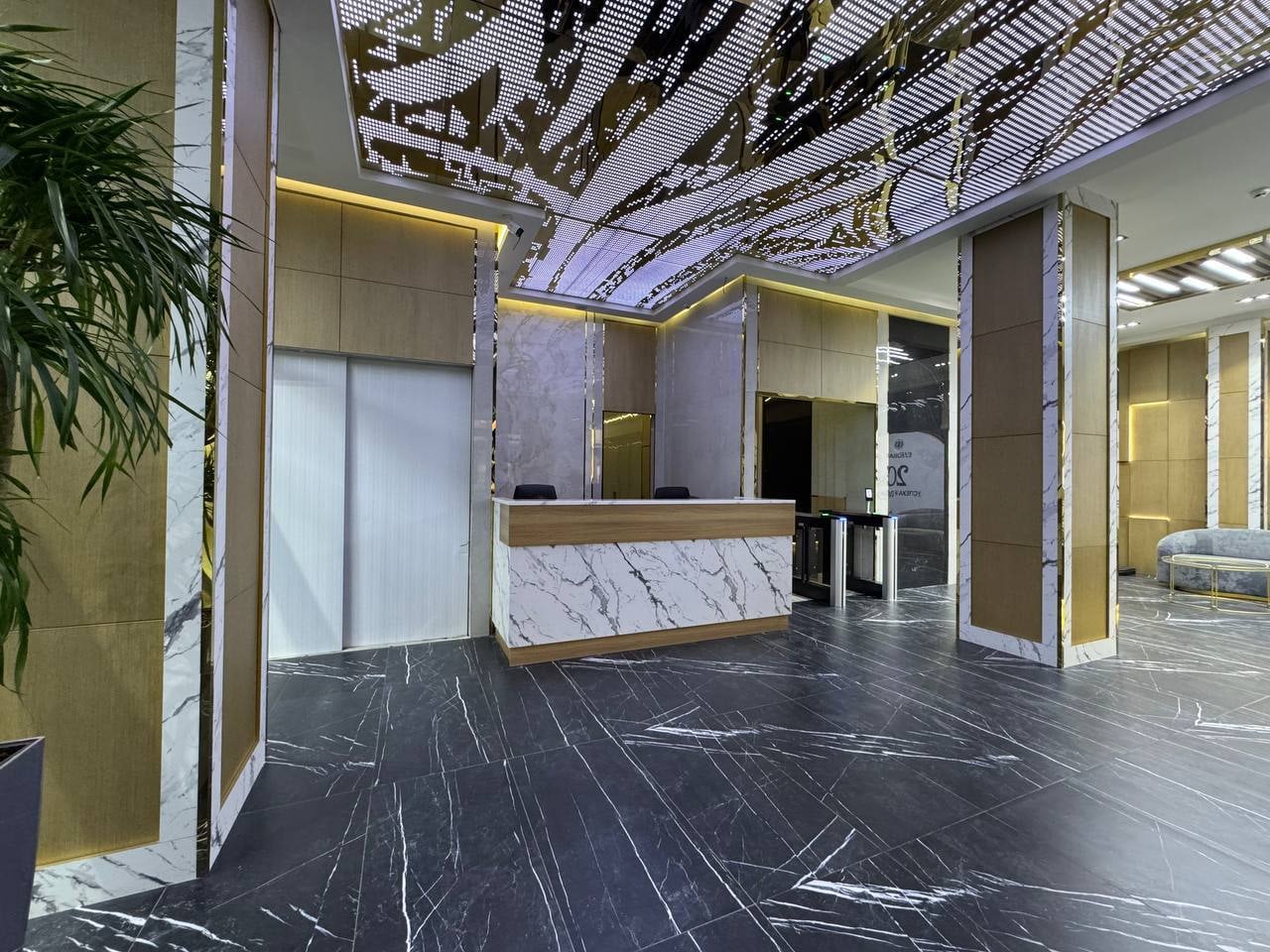
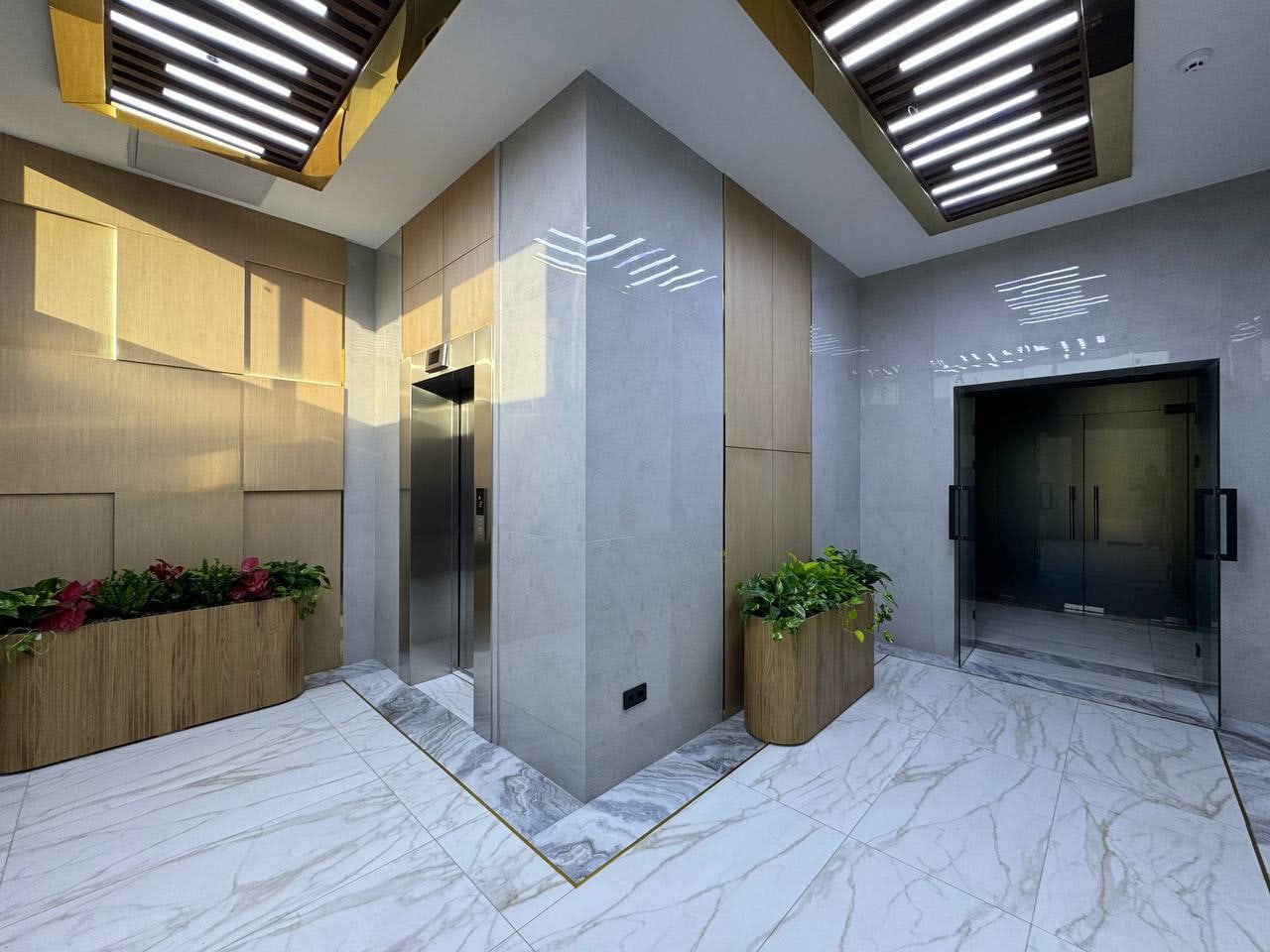
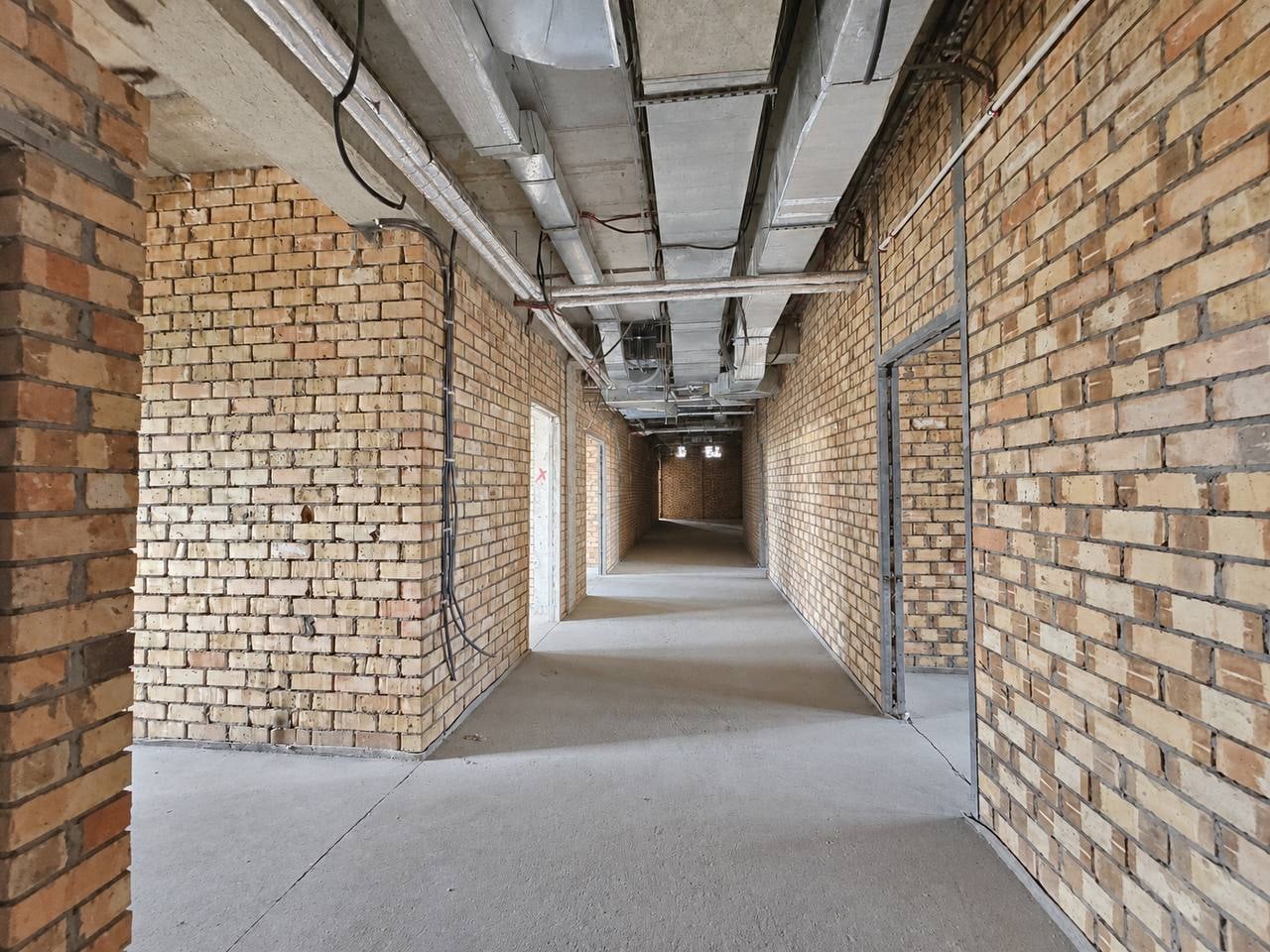
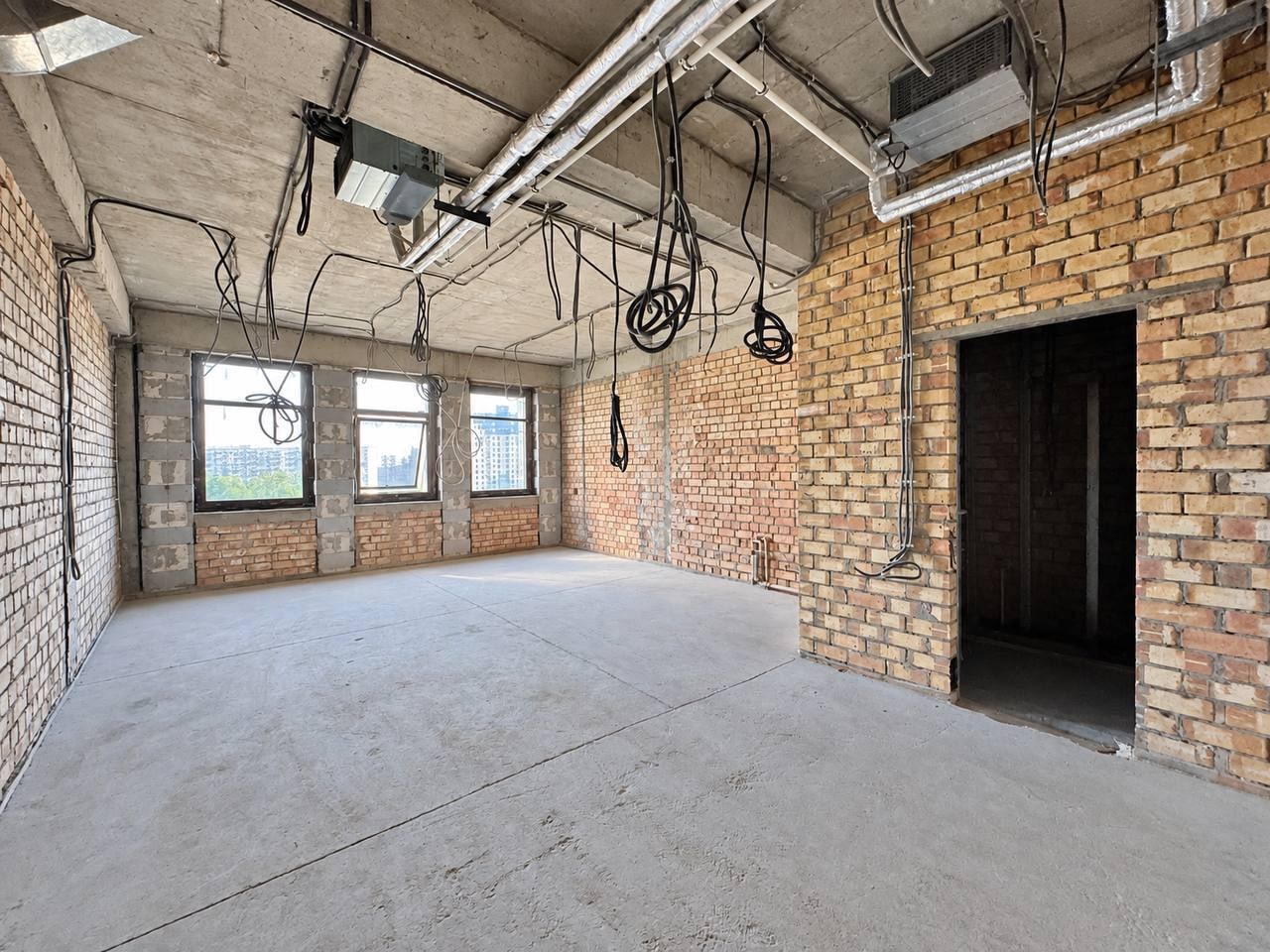
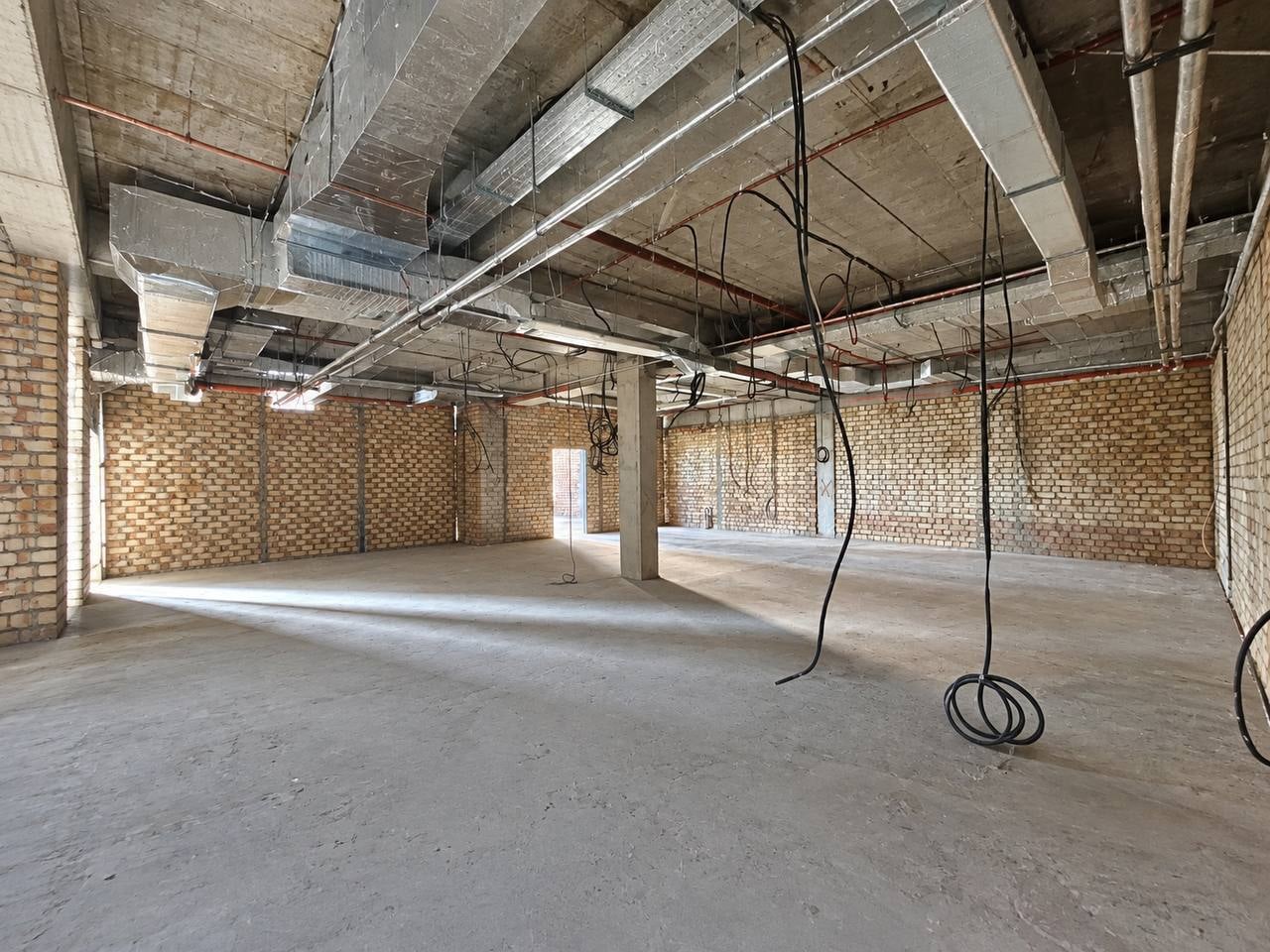
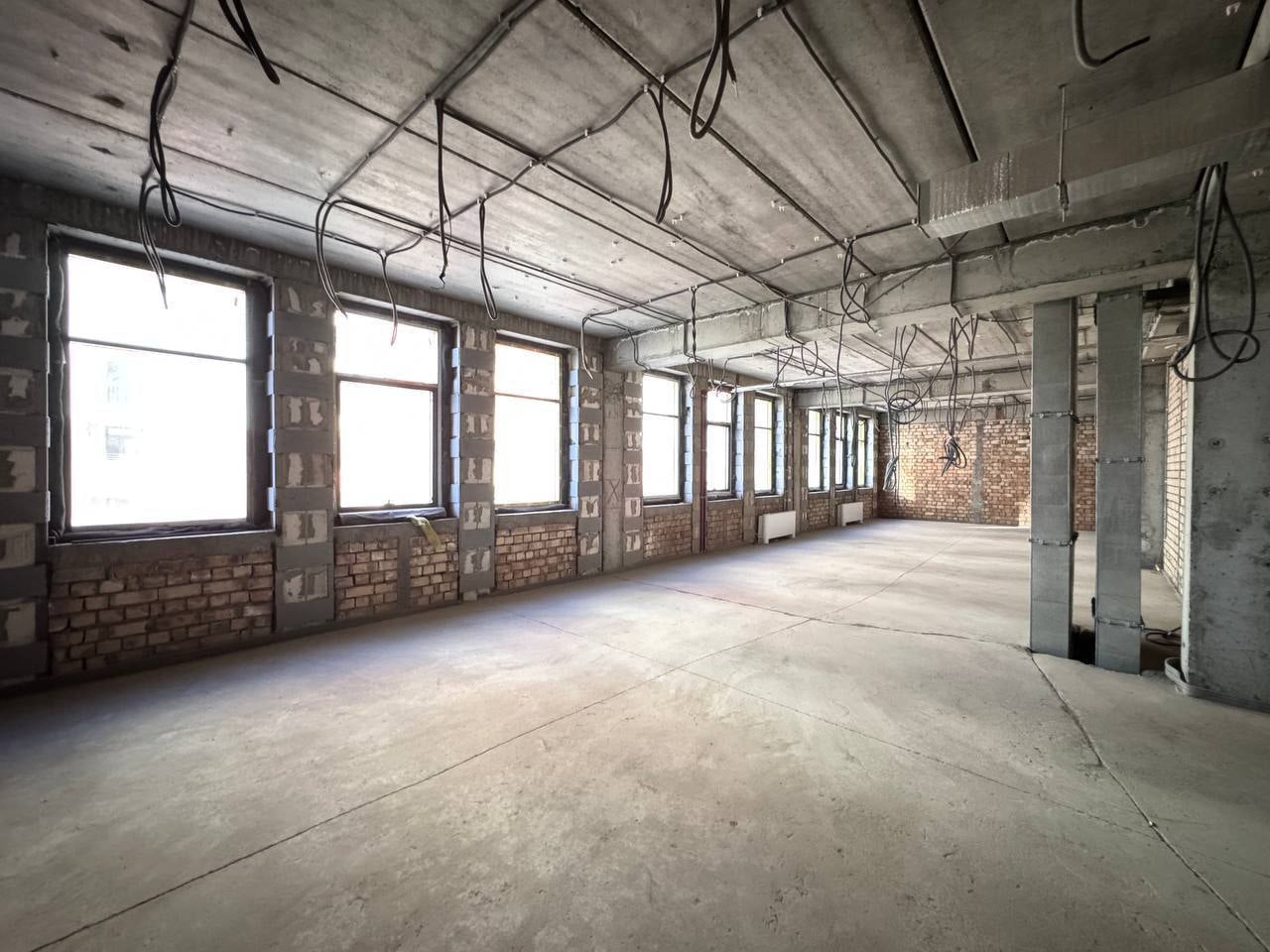
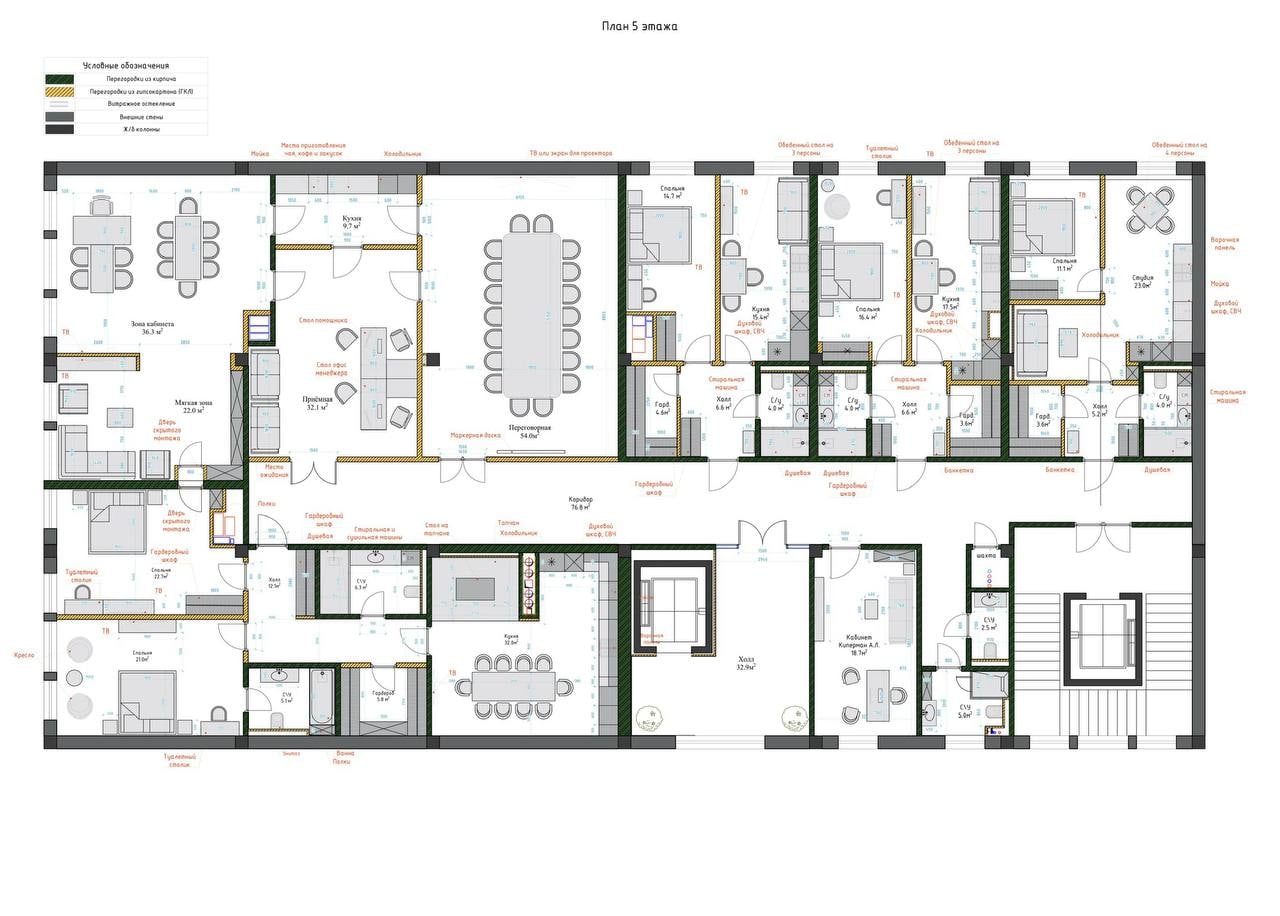
Ташкент, Яшнабадский район, Узбум, ул. Фергана Йули
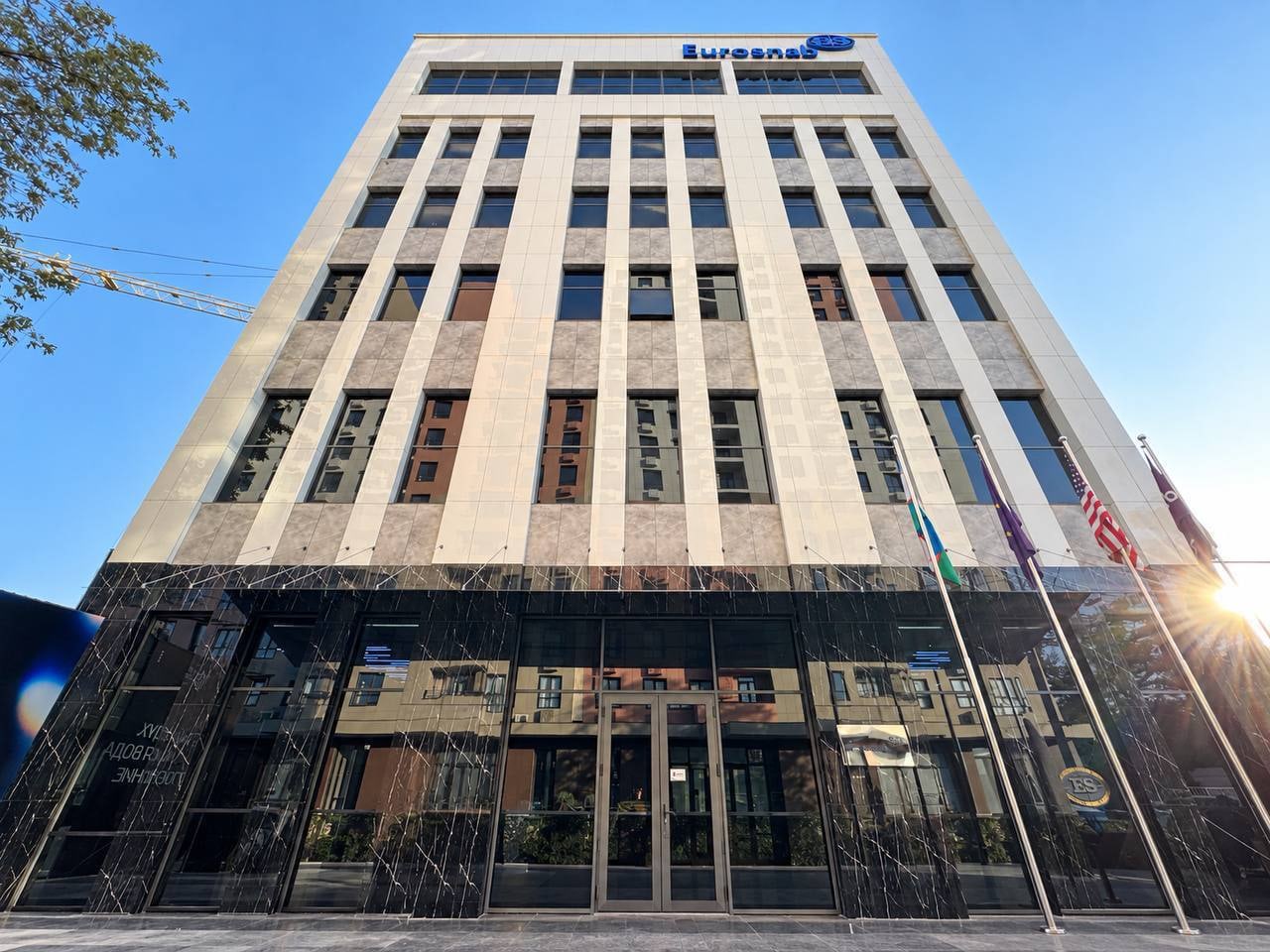
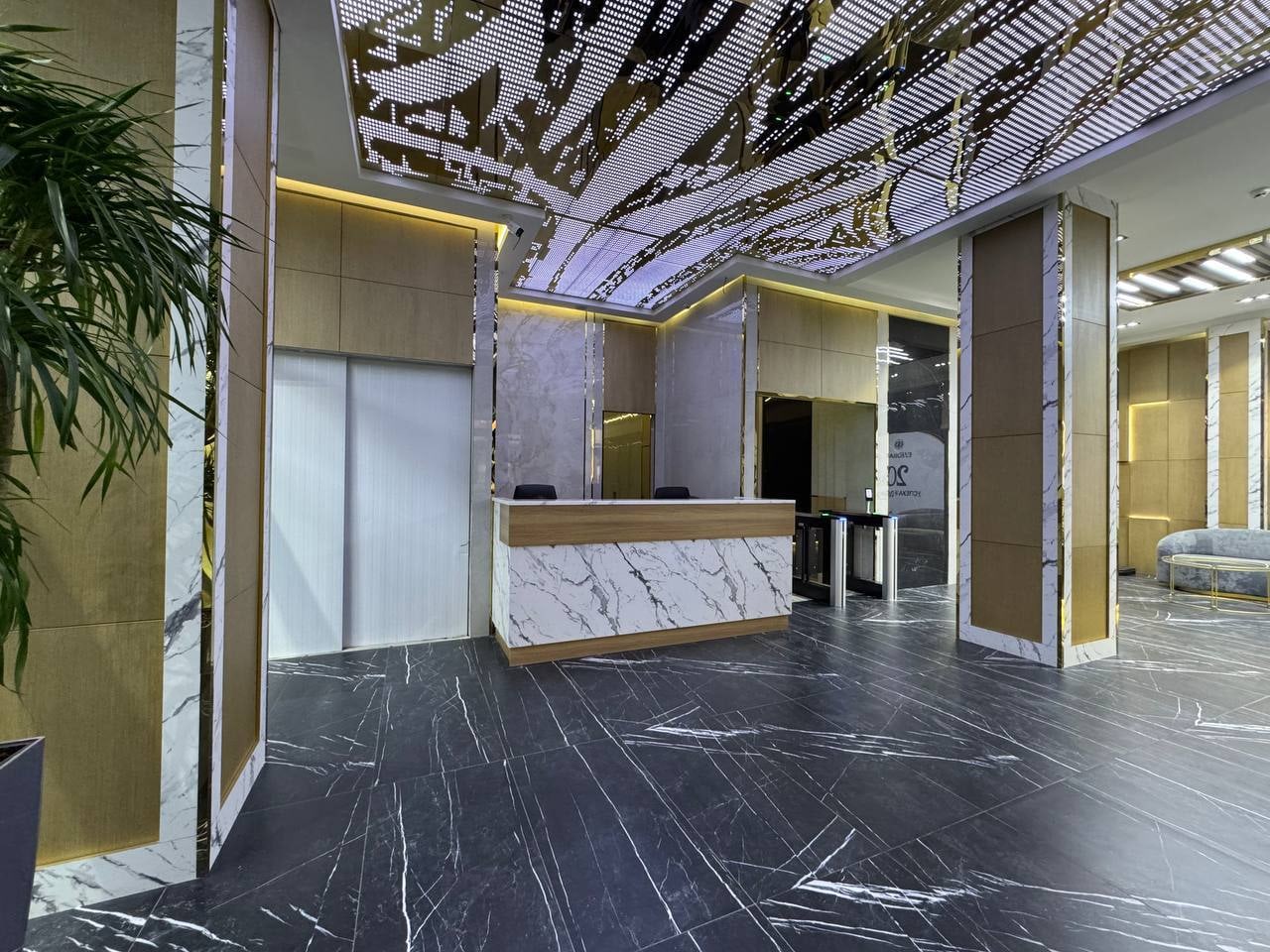
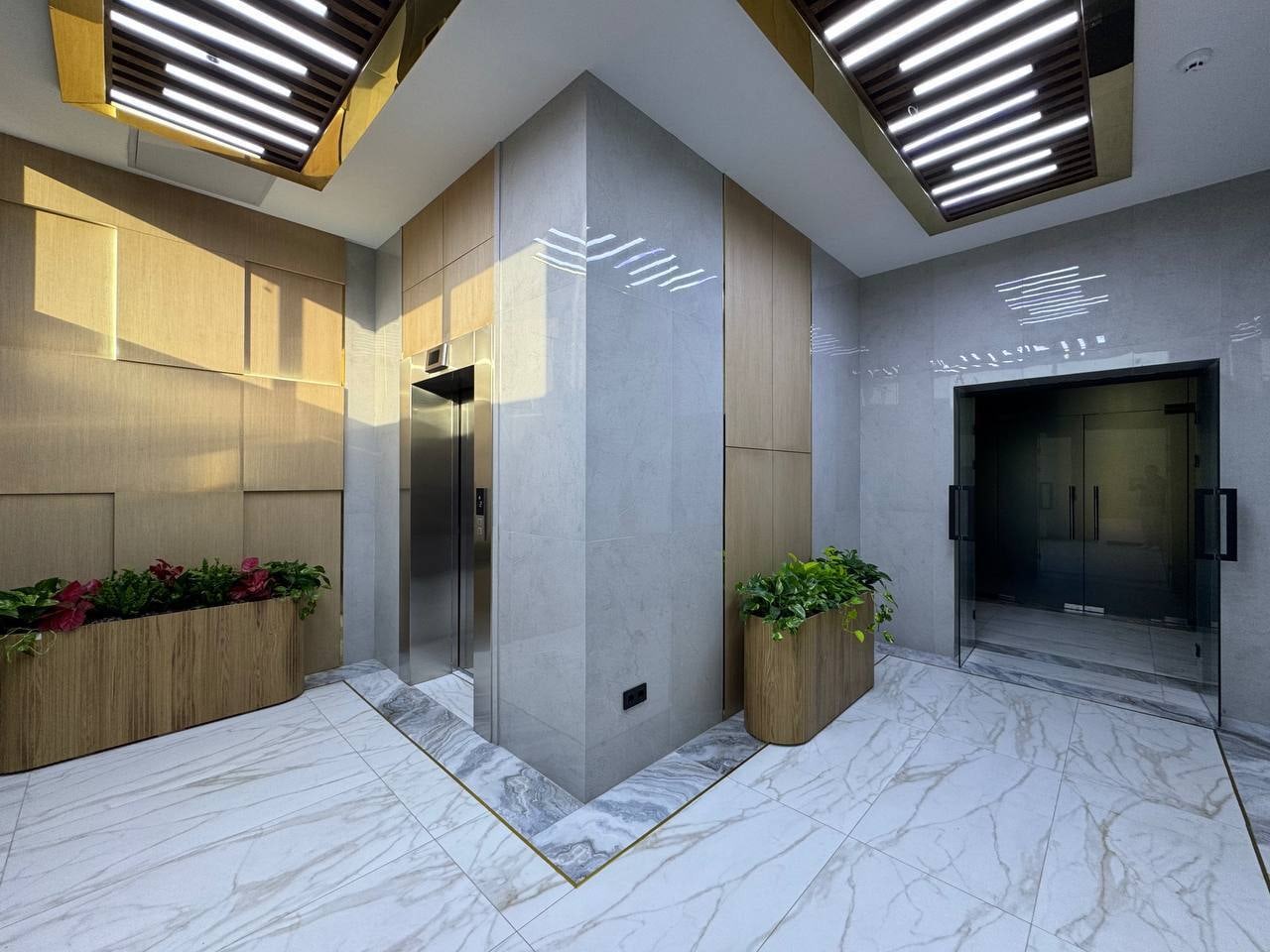
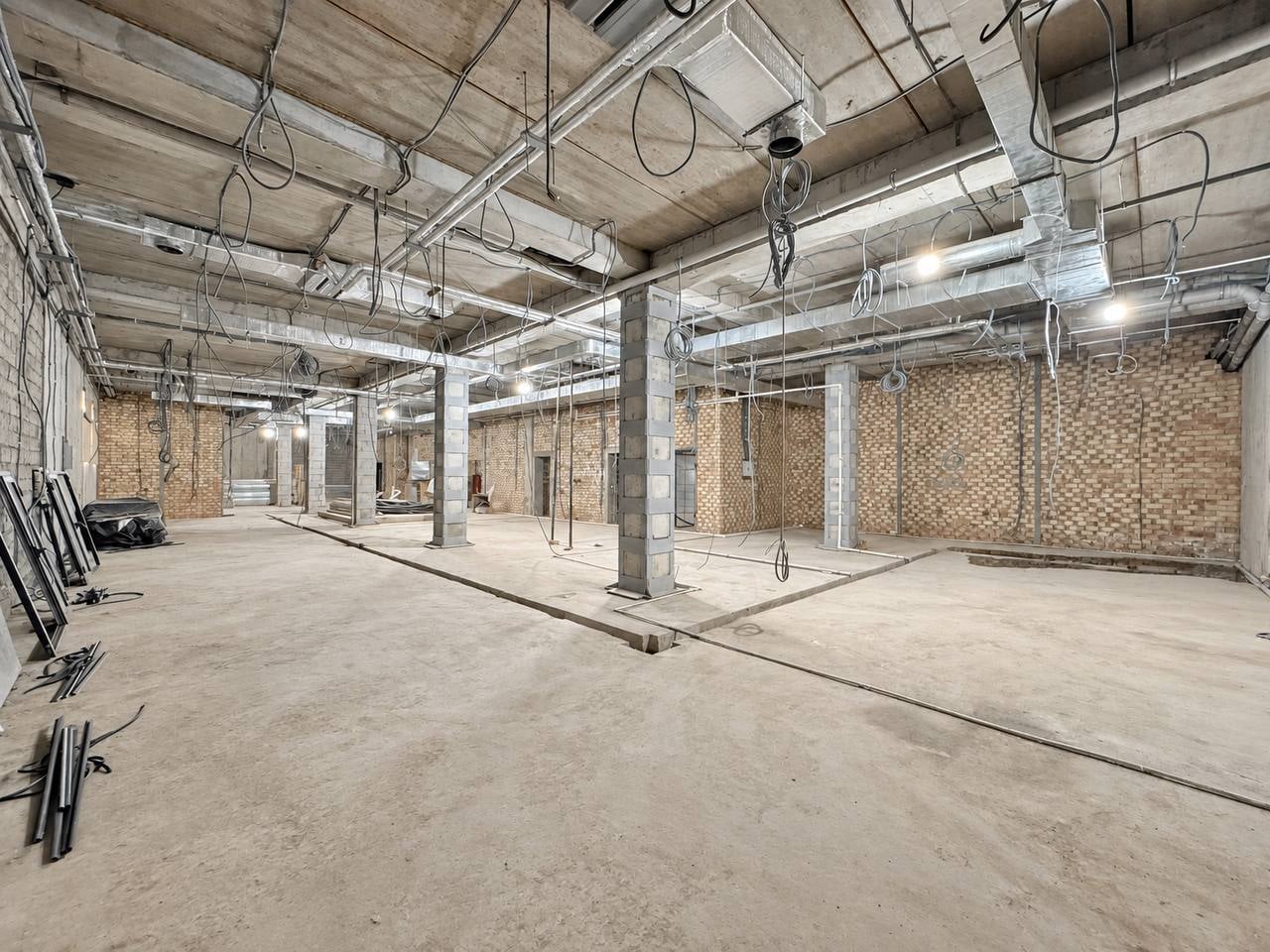
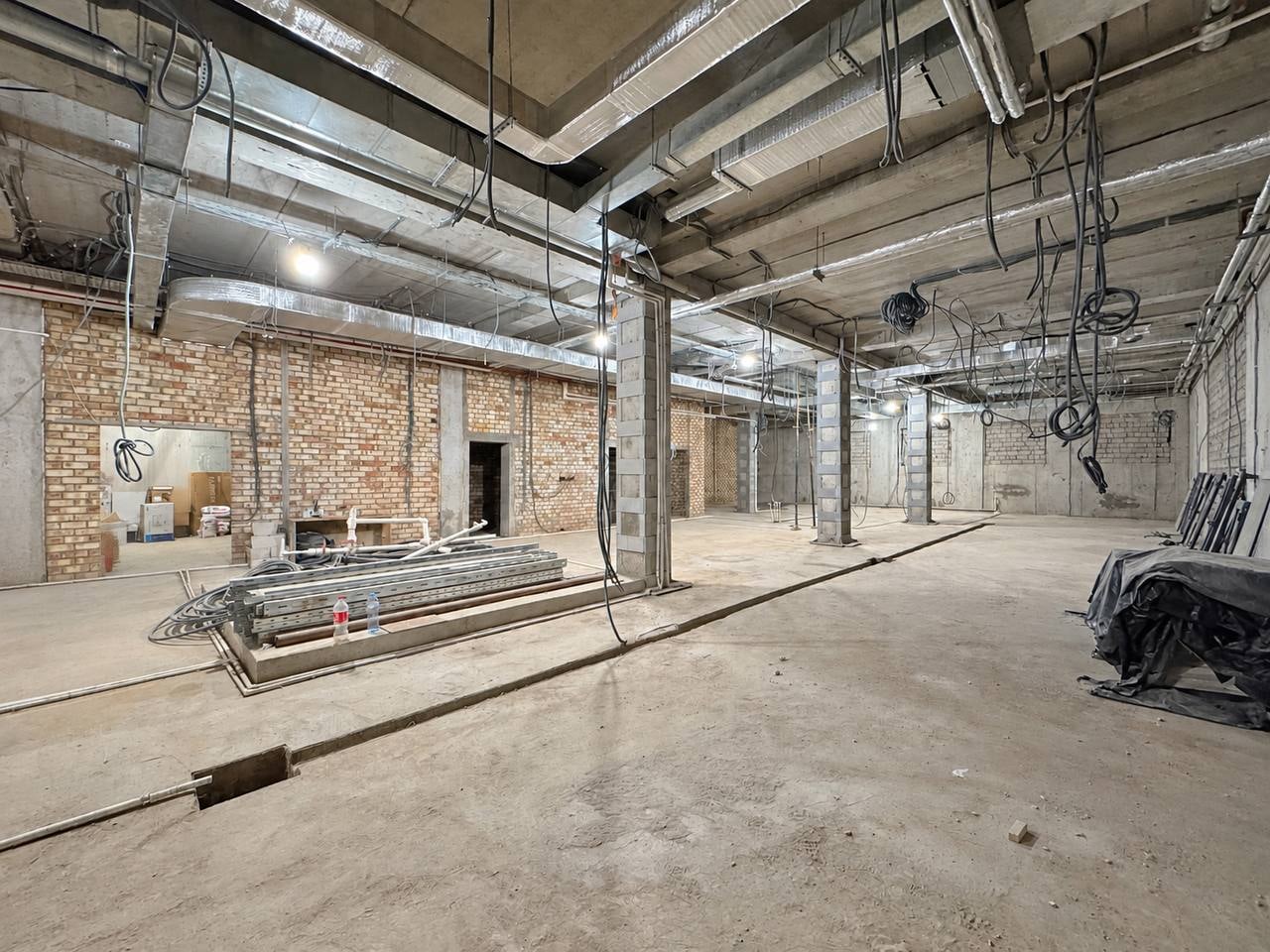
Ташкент, Яшнабадский район, Узбум, ул. Фергана Йули
Ташкент, Яккасарайский район, 8-роддом, ЖК Dream House
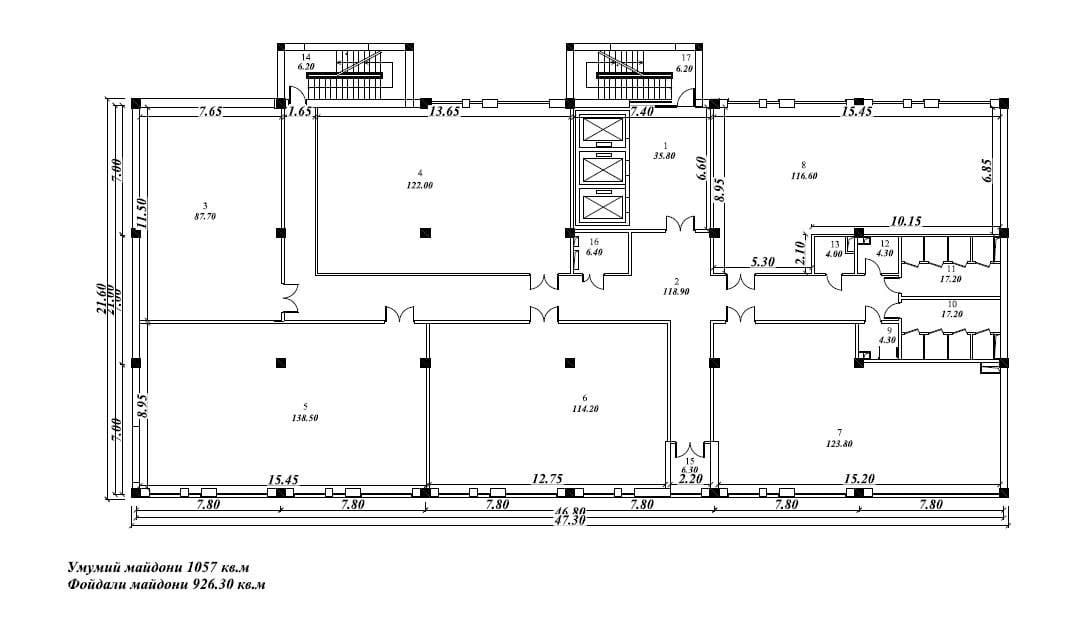
Ташкент, Яшнабадский район, IT Park Tashkent
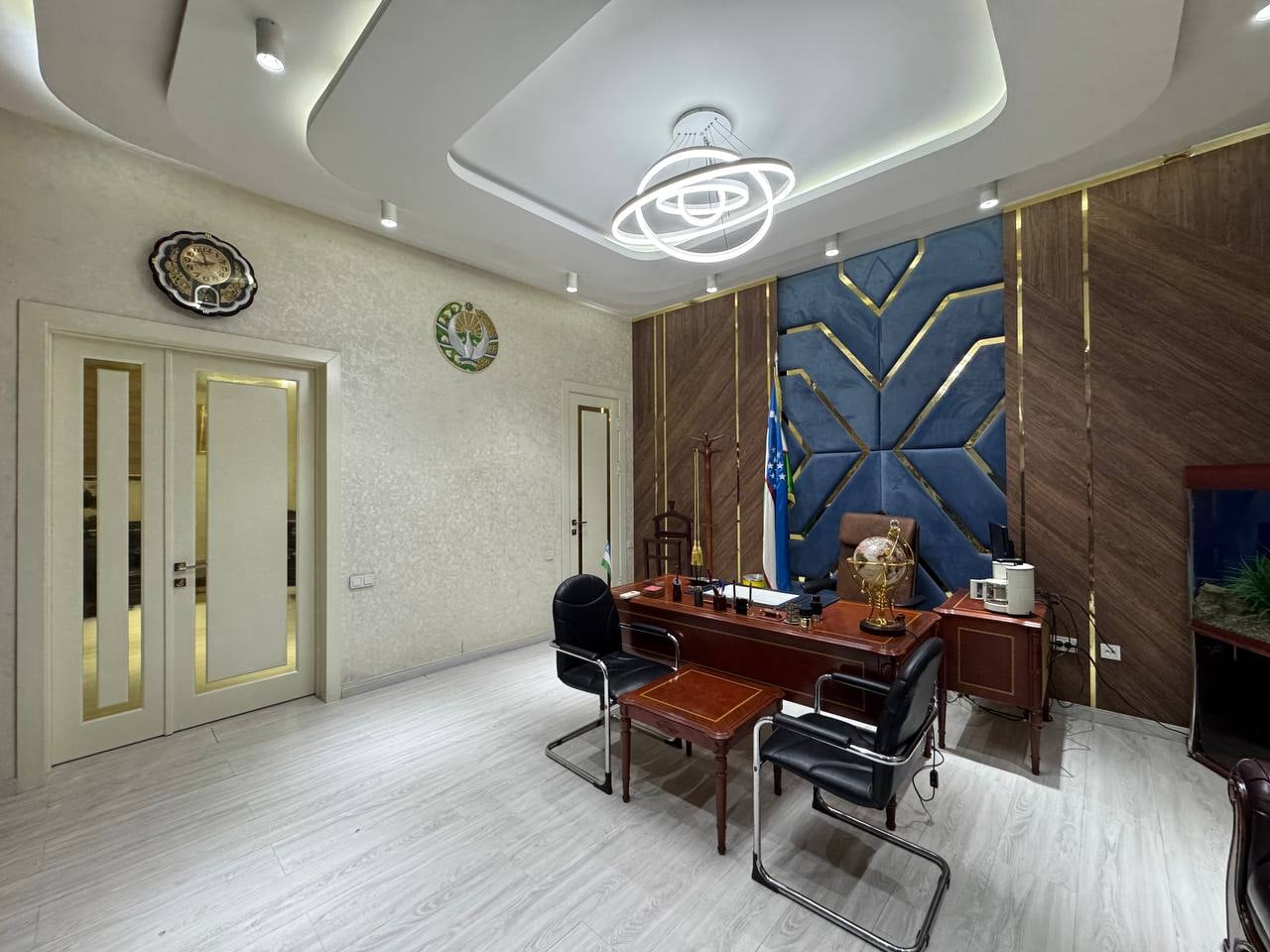
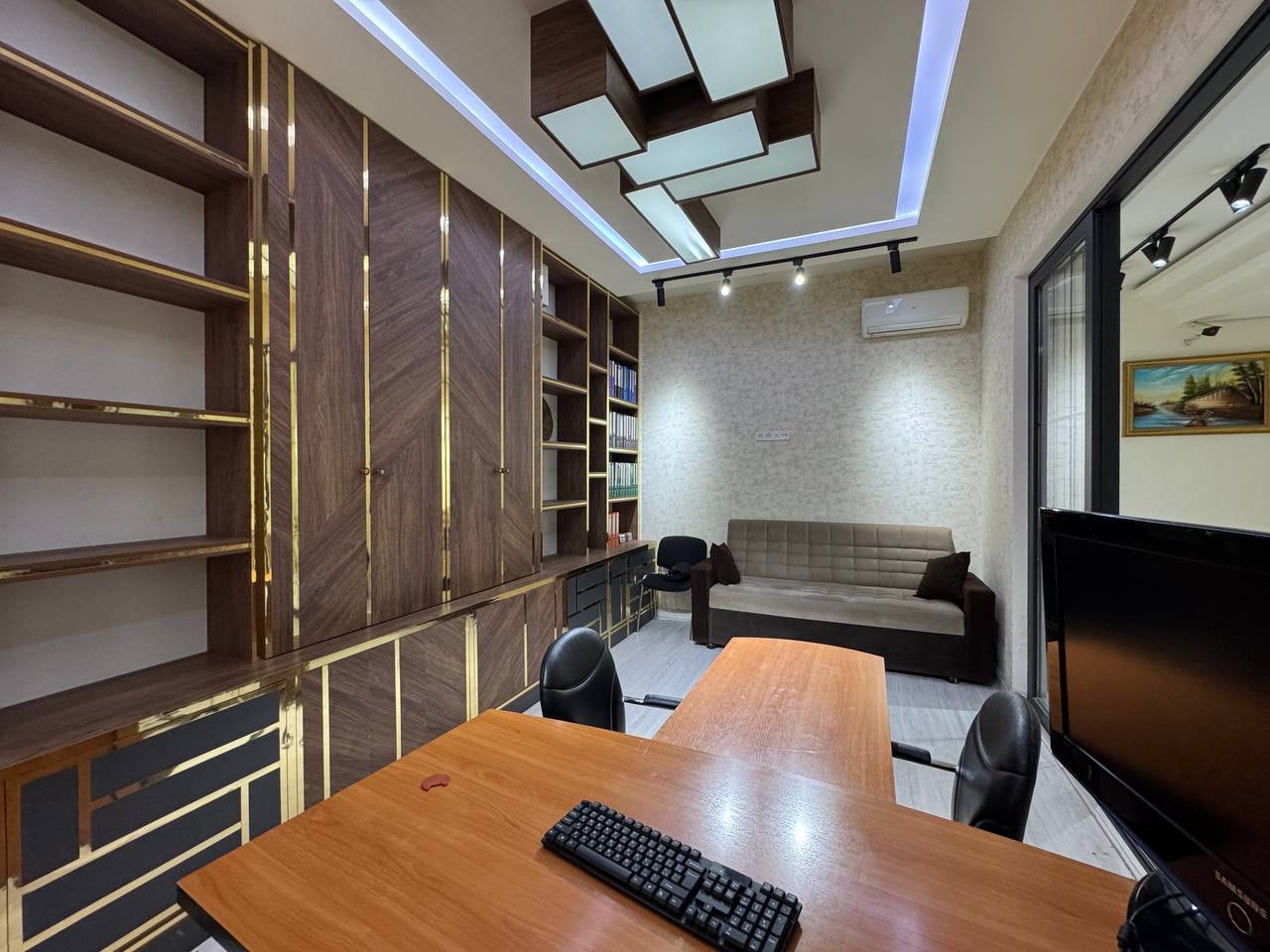
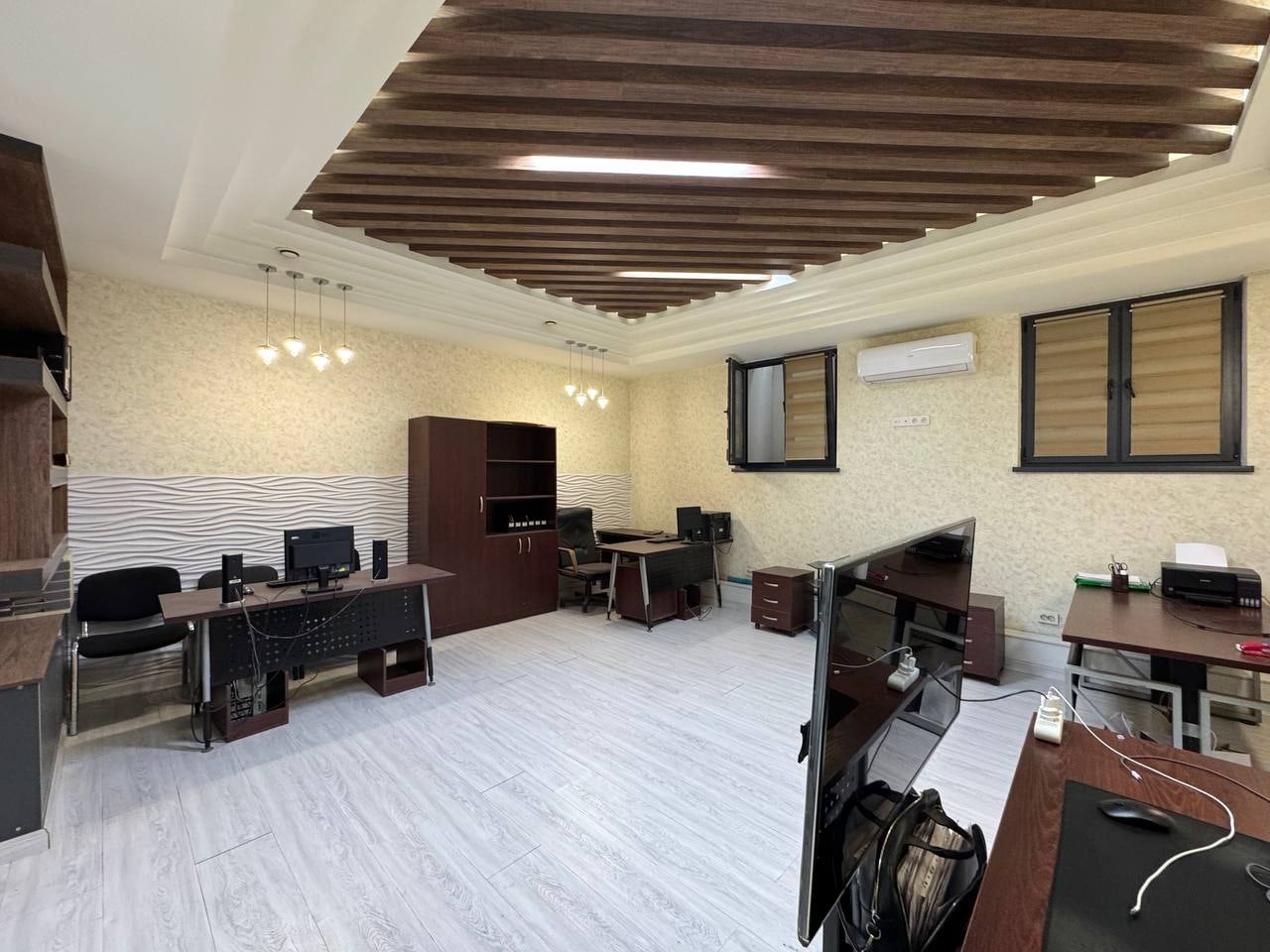
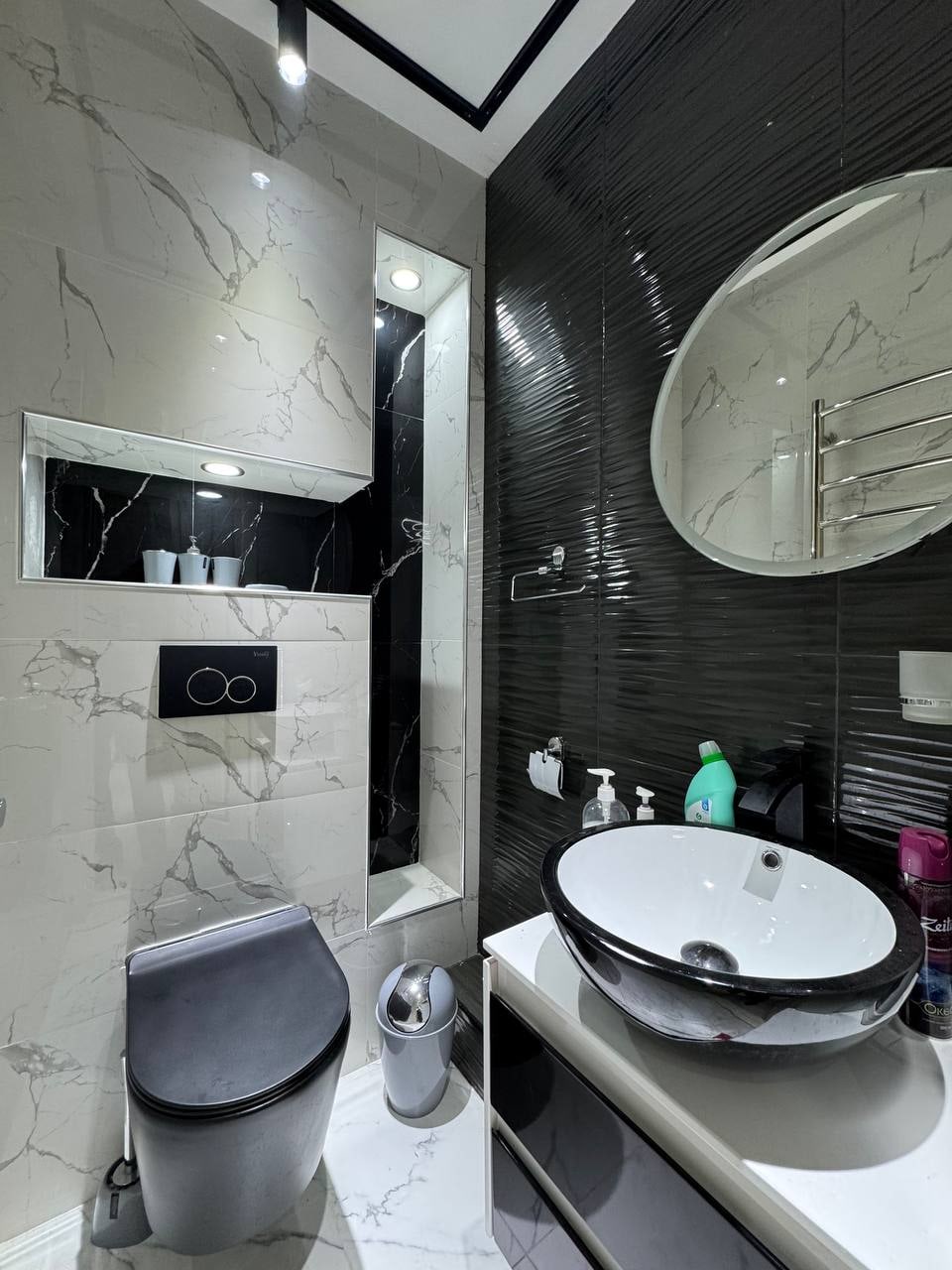
Ташкент, Яккасарайский район, ул. Нукус, кондитерская Safia
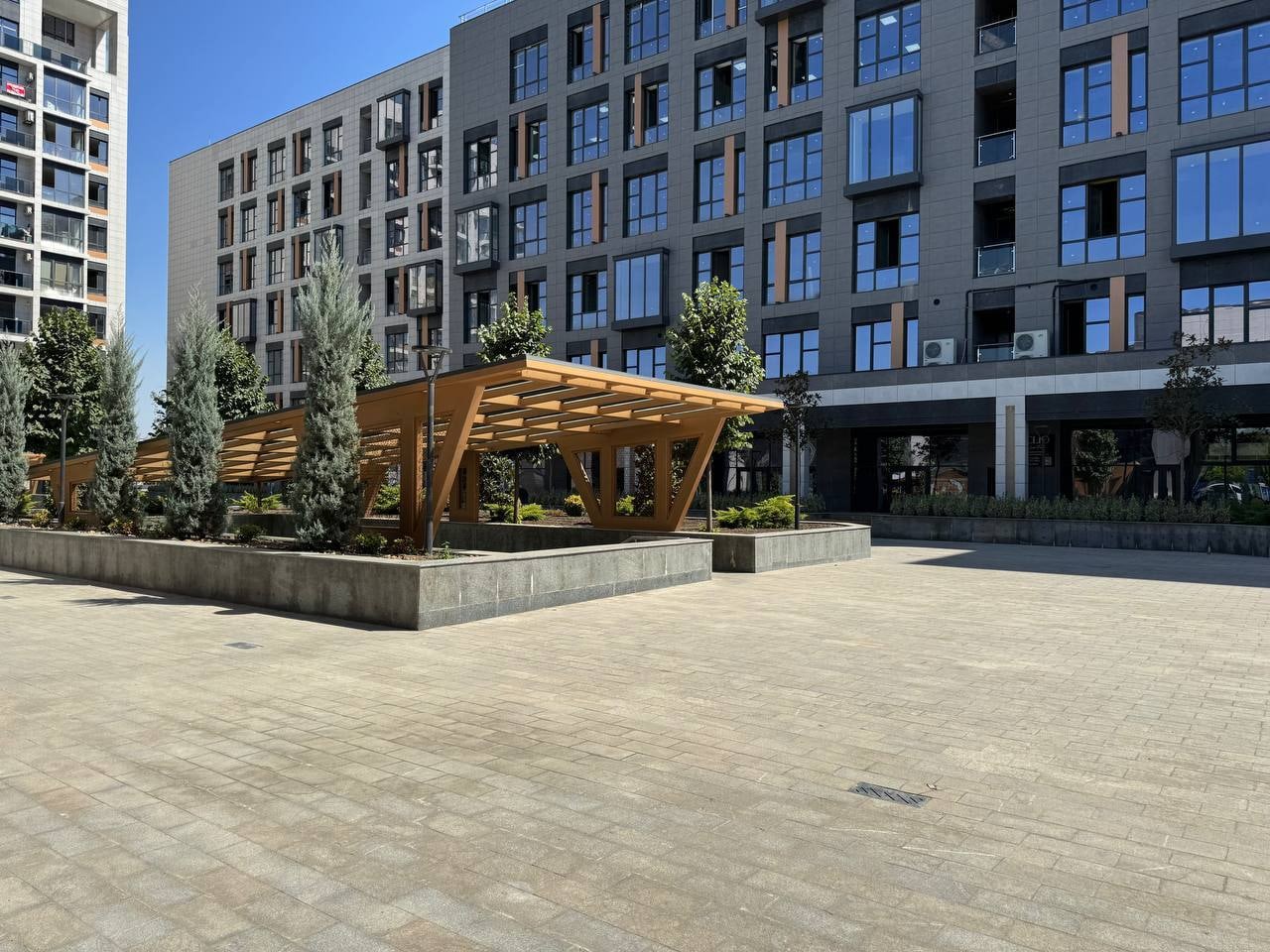
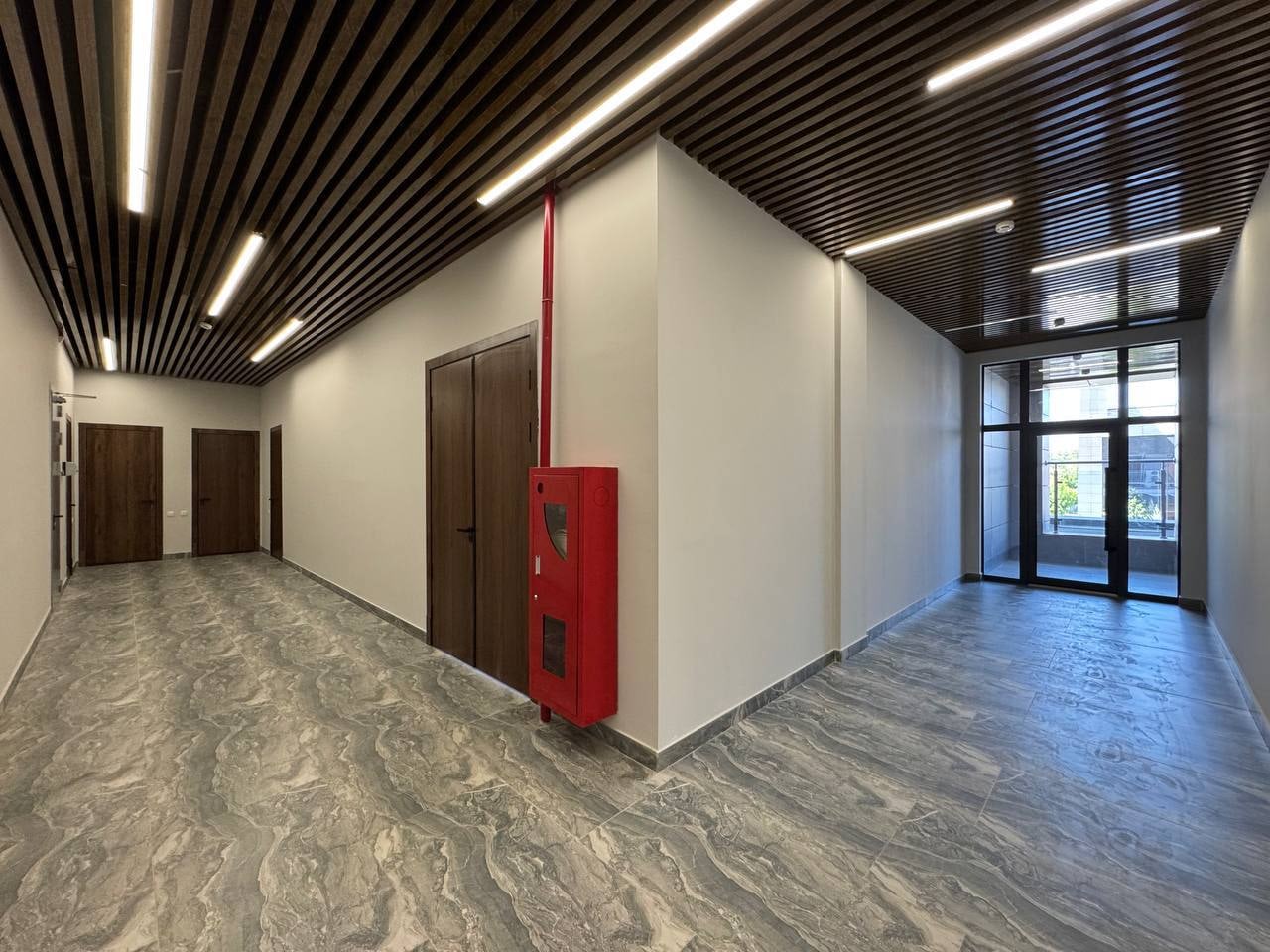
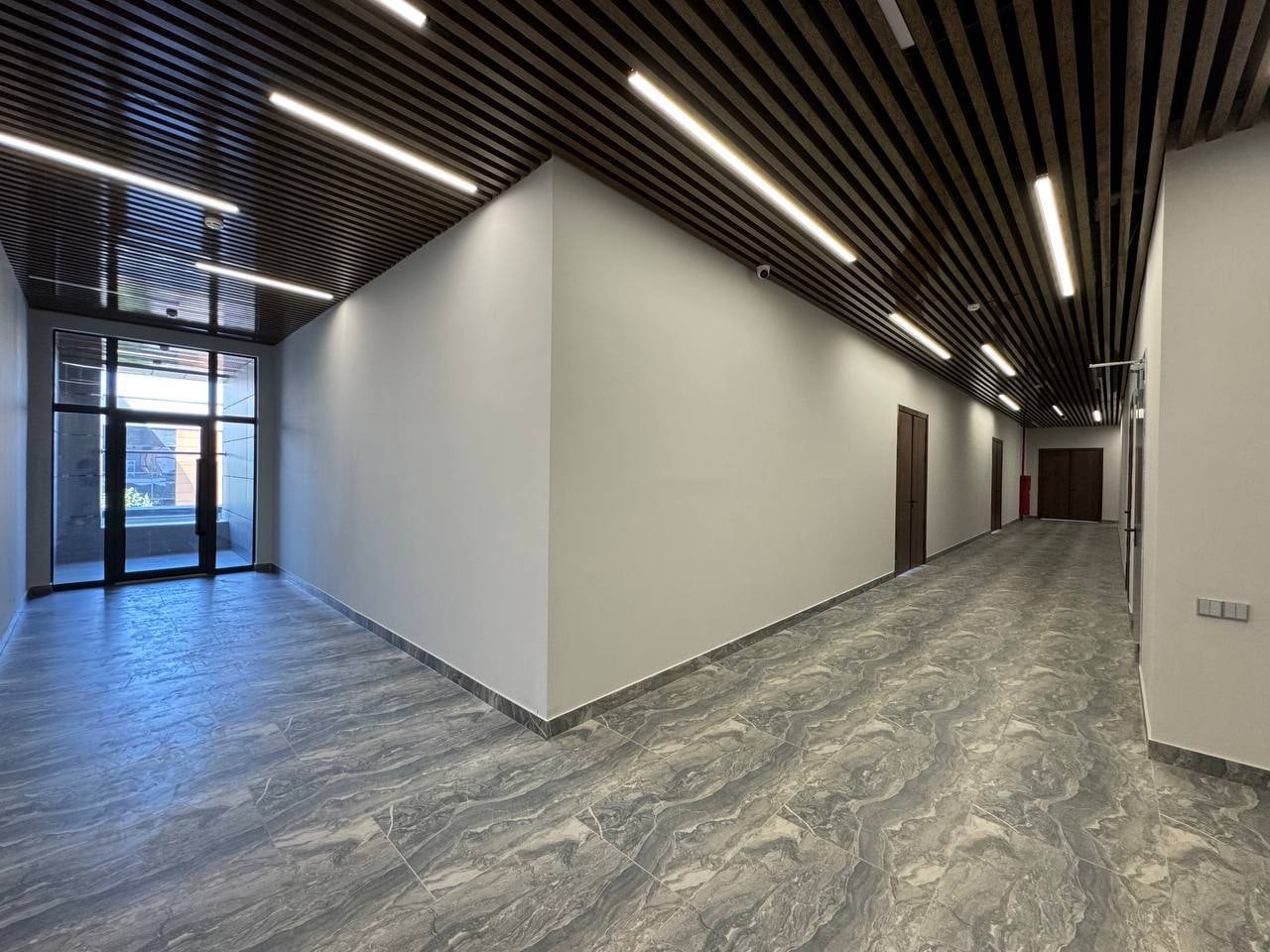
Ташкент, Яшнабадский район, IT Park Tashkent, БЦ Business Park
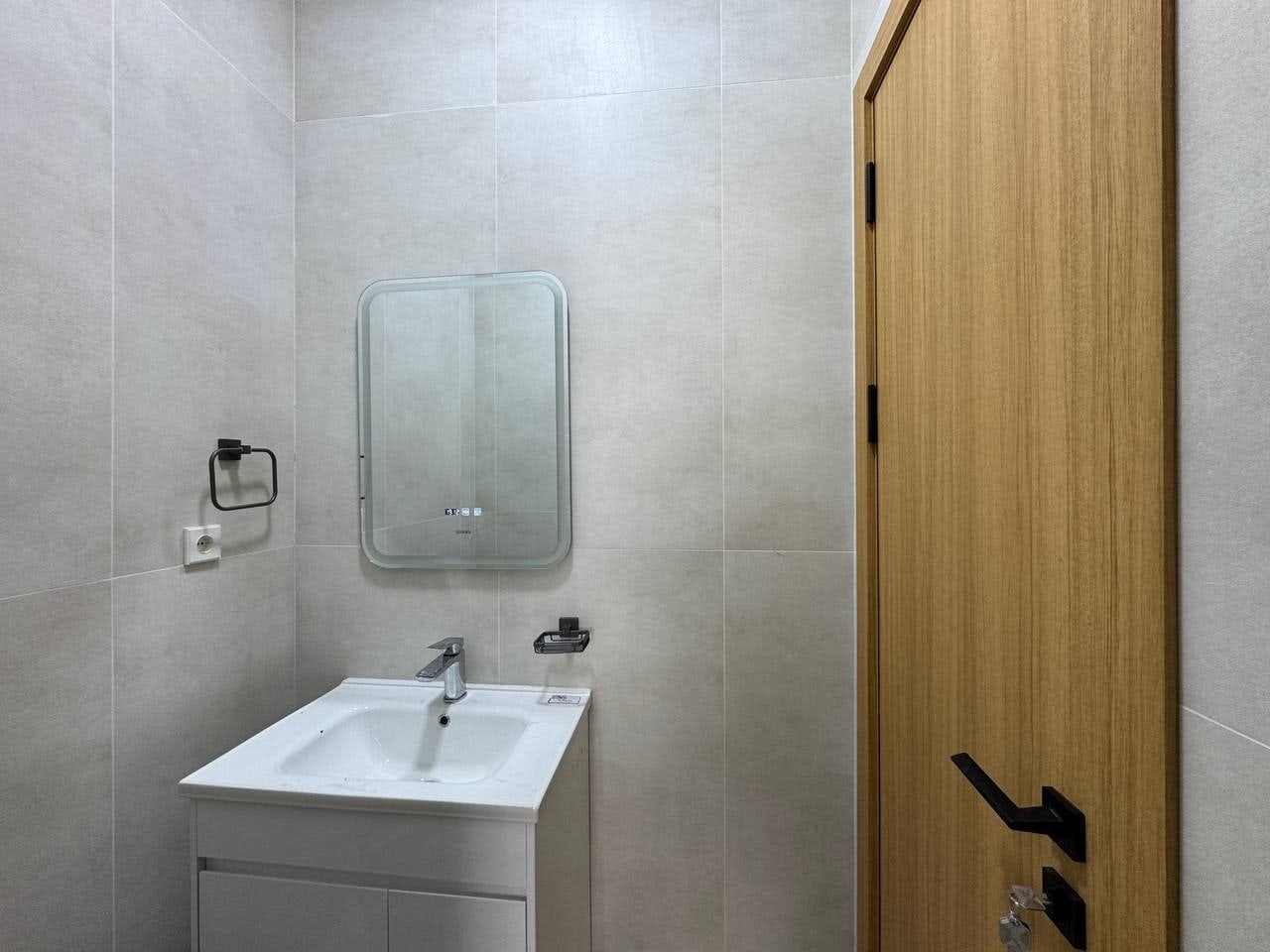
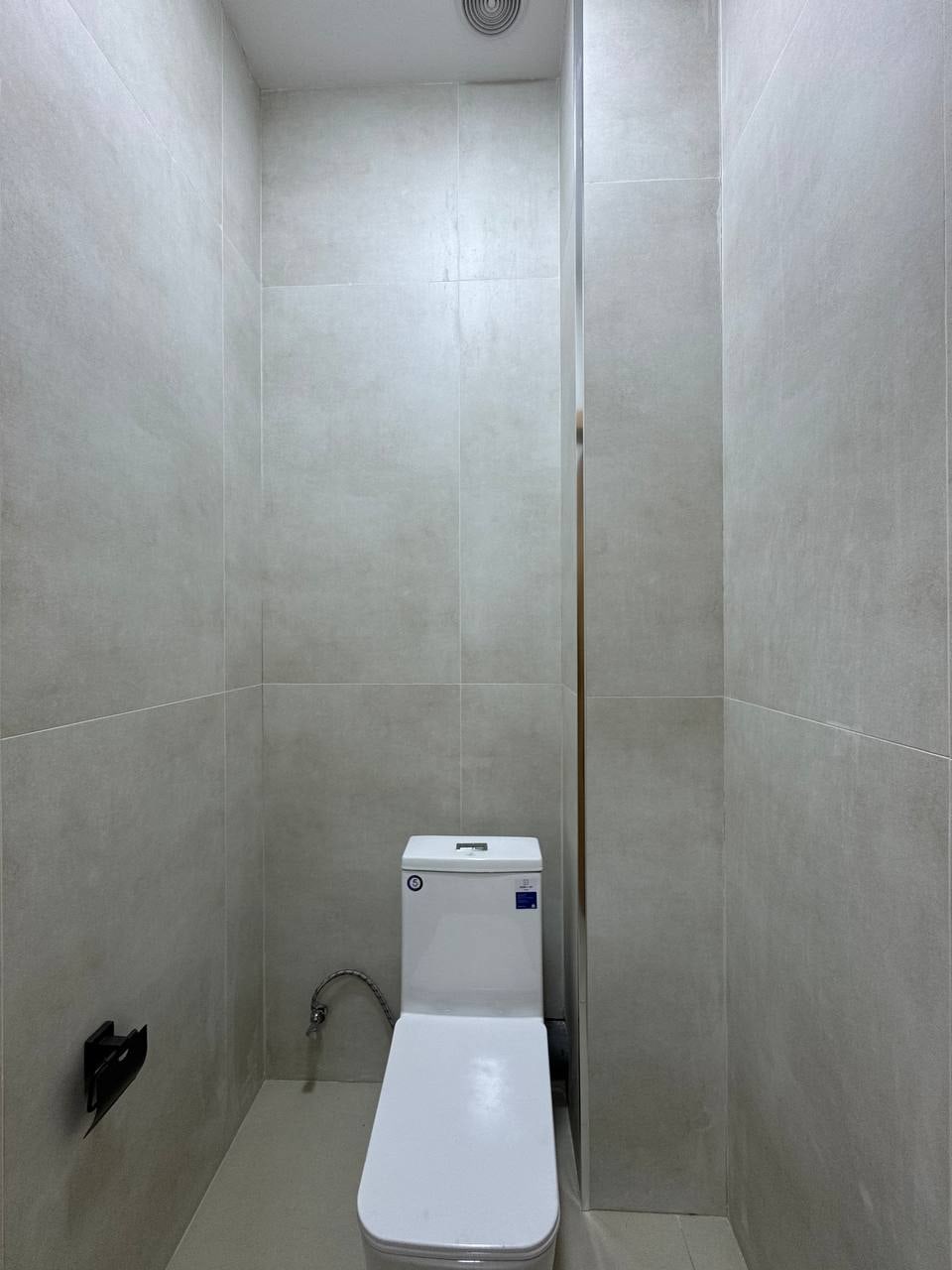
Ташкент, Юнусабадский район, метро «Минор», Финансовый институт, Алайский базар, ЖК «Muhtasham»
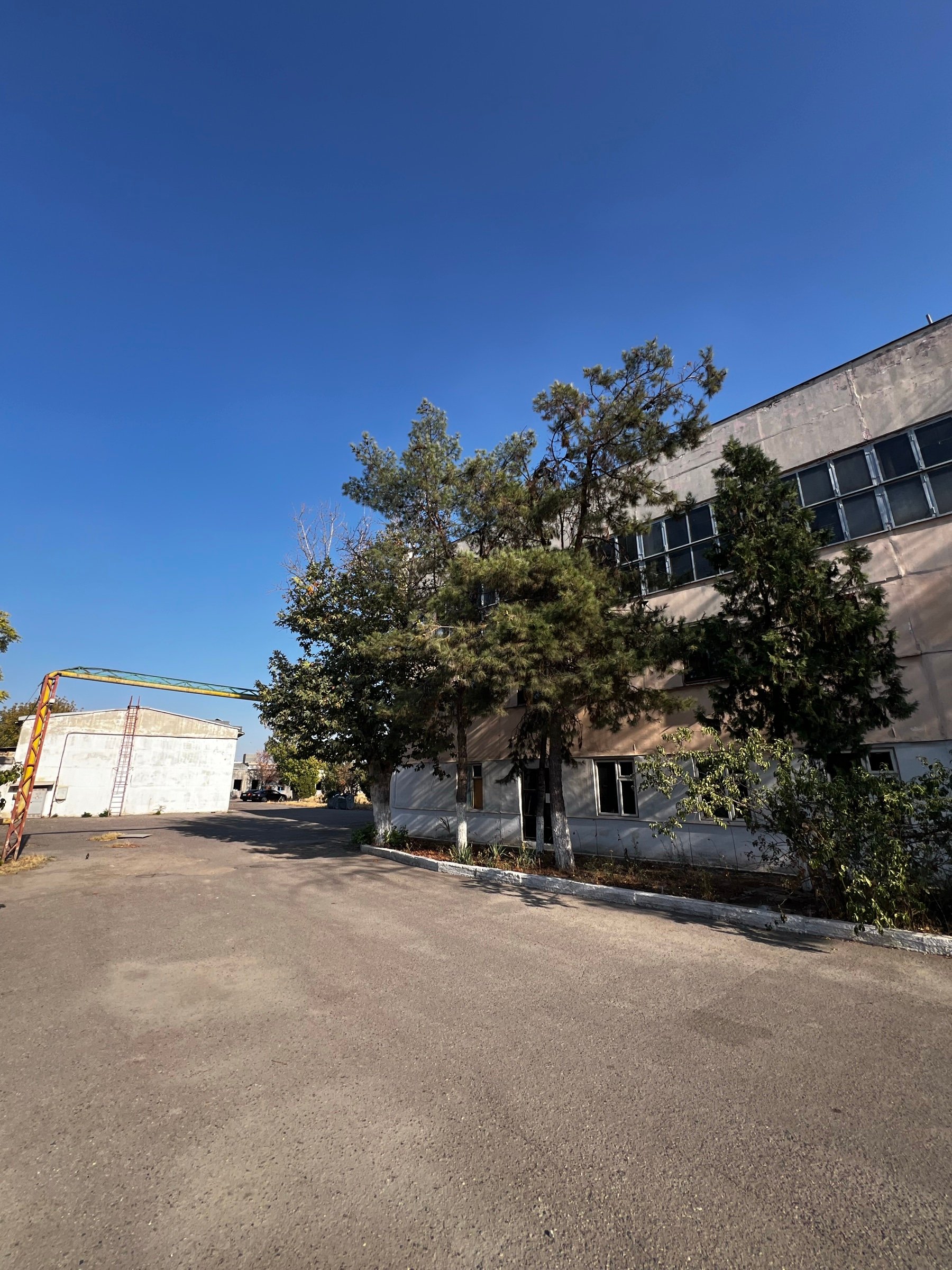
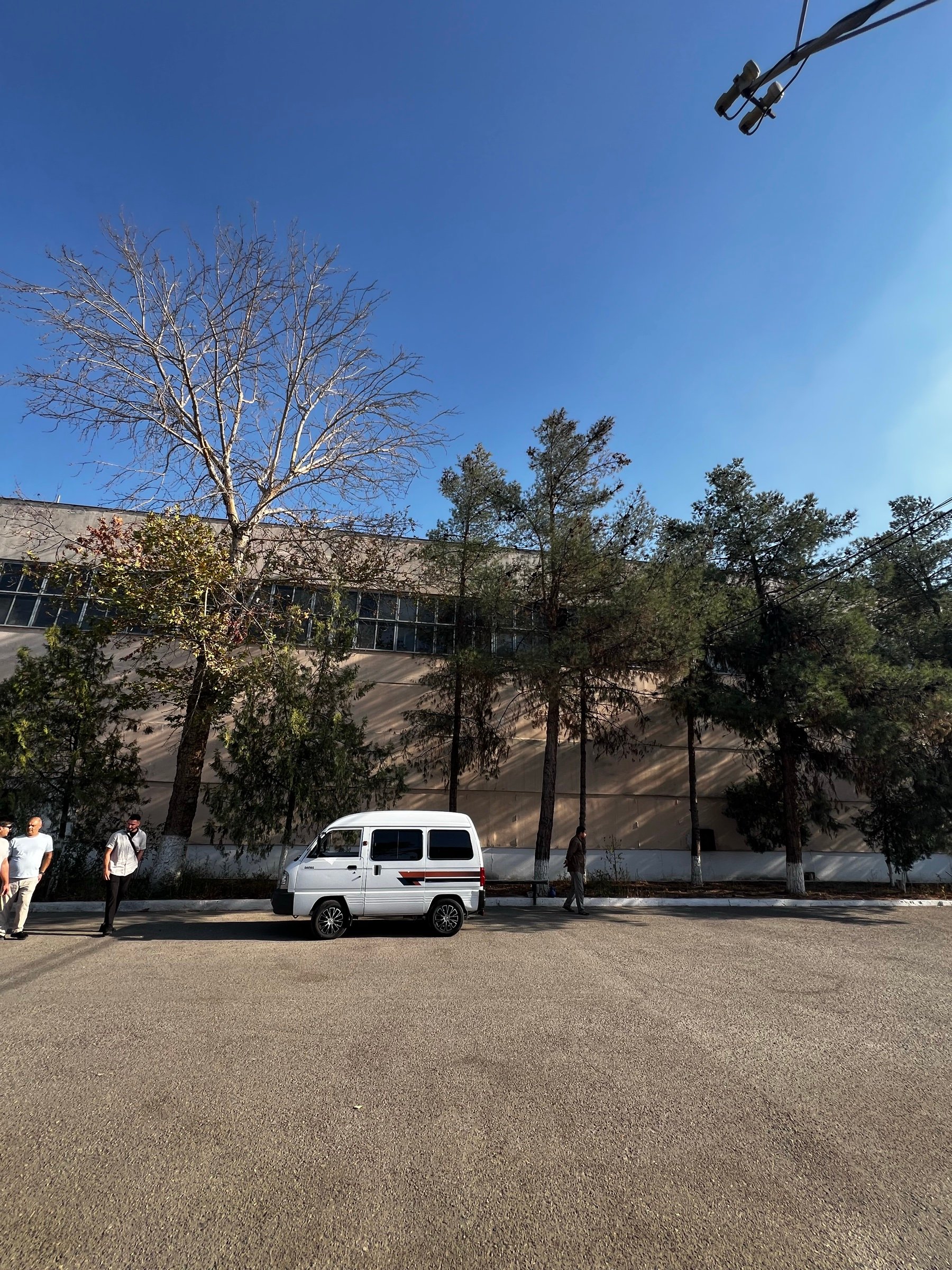
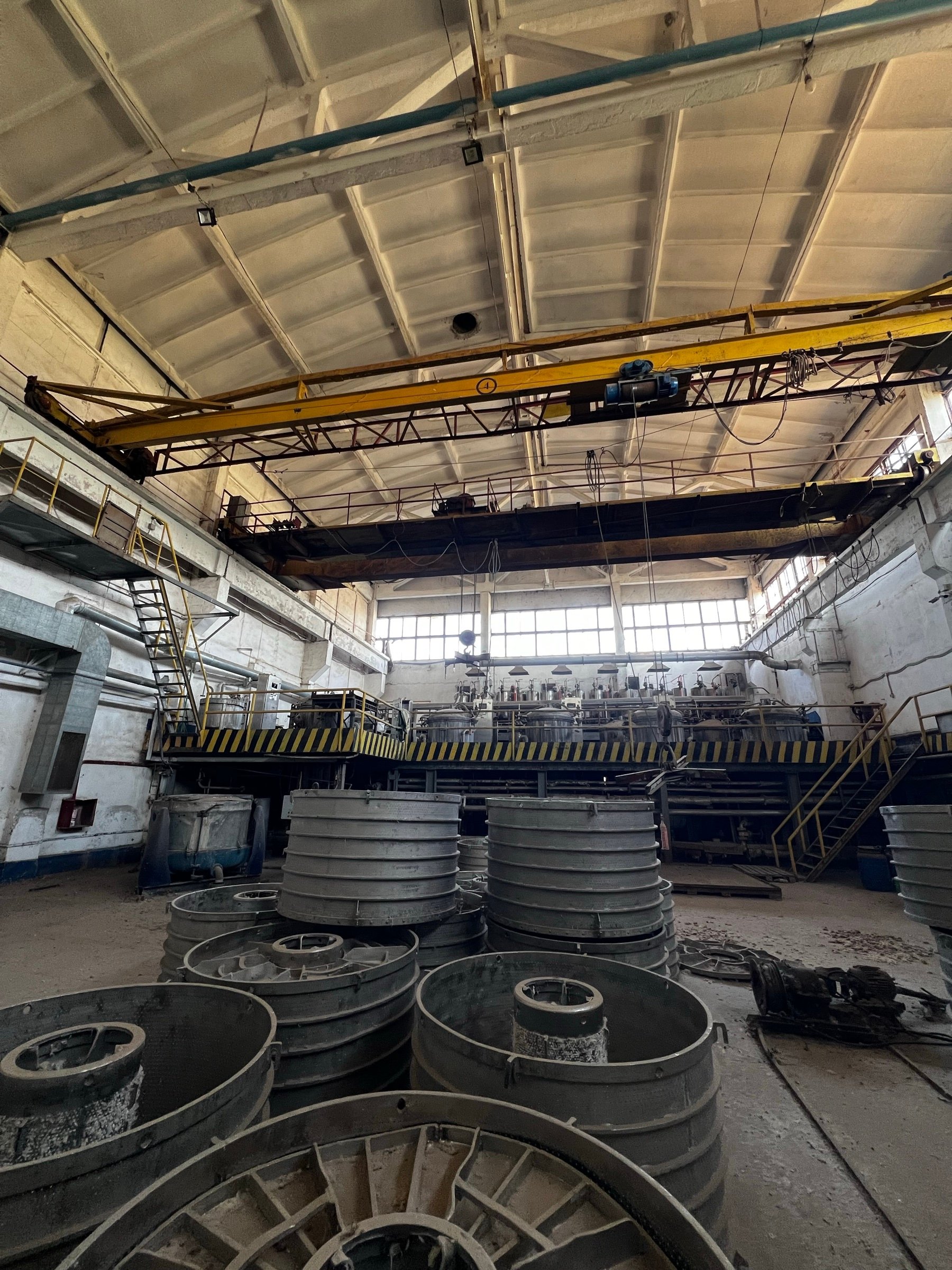
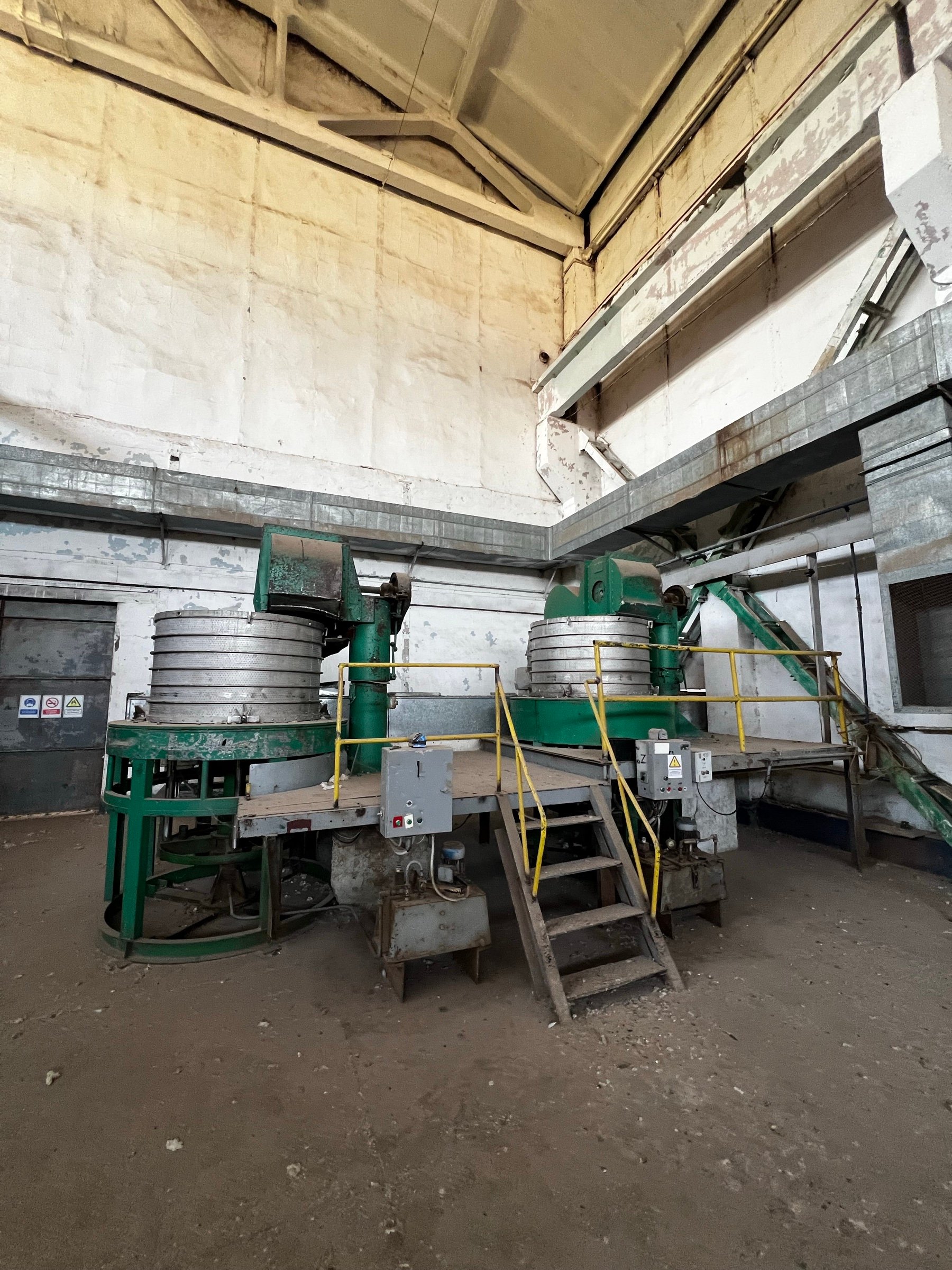
Ташкент, Яшнабадский район, Мухтара Ашрафи

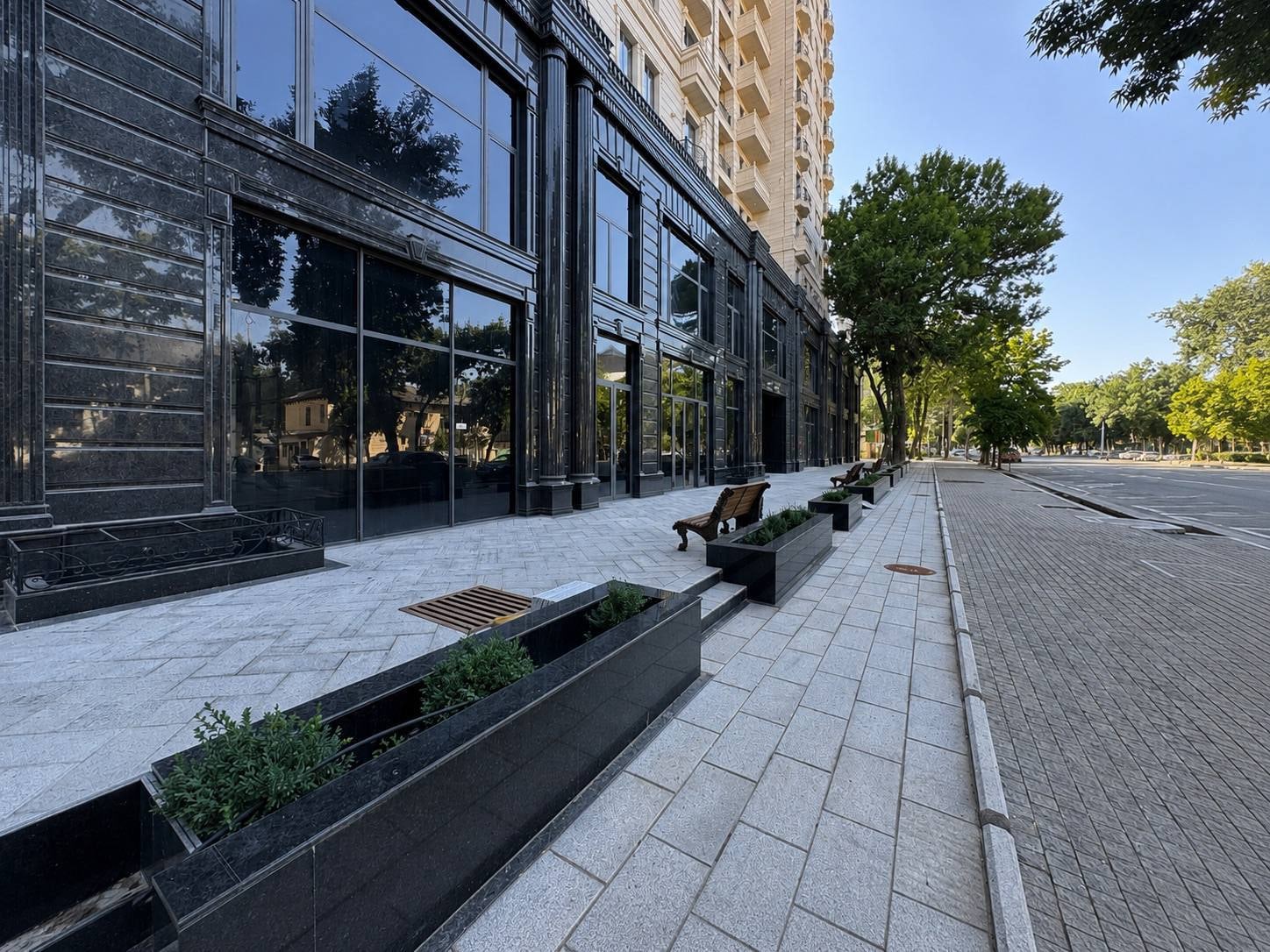
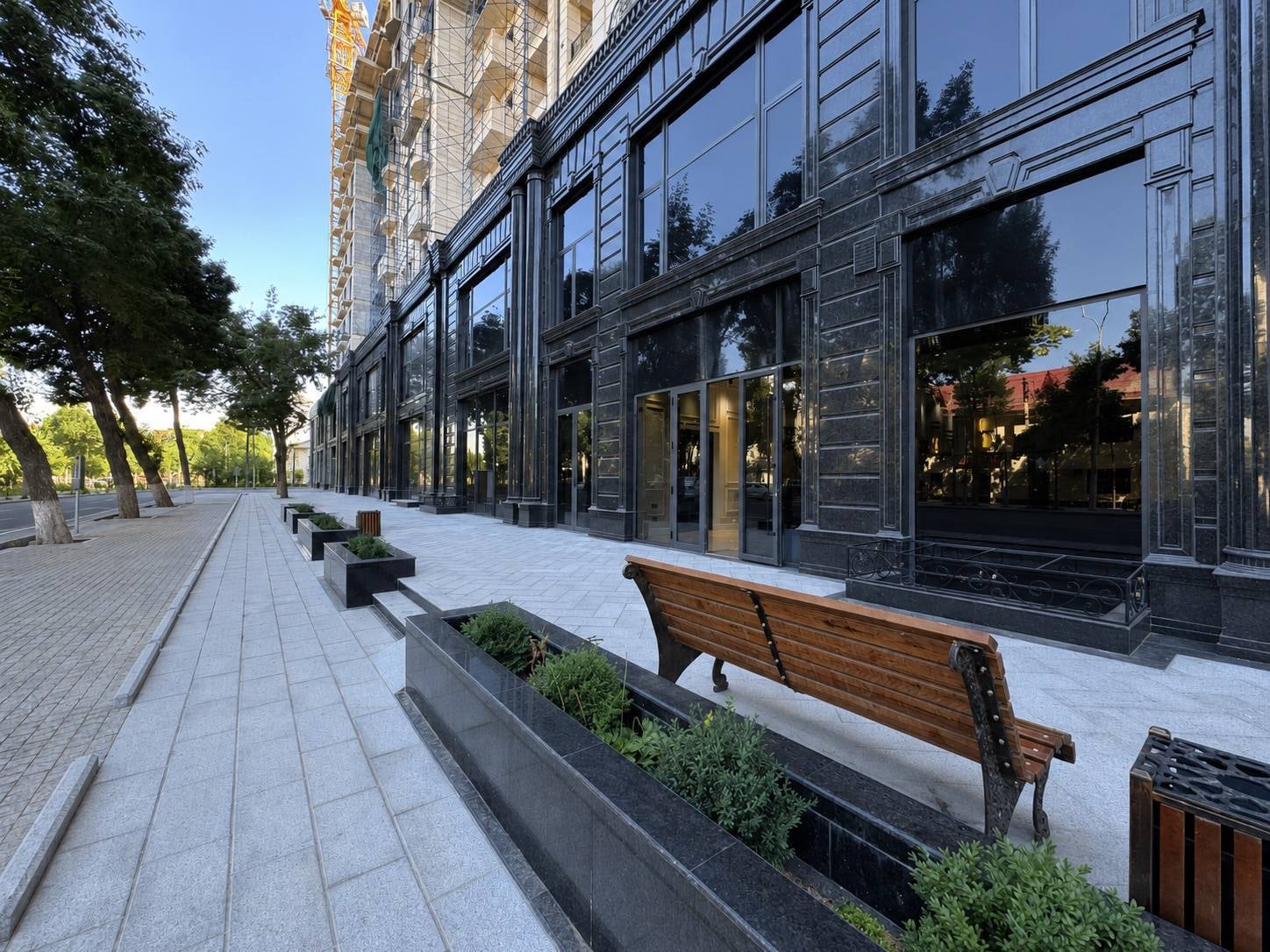
Ташкент, Яккасарайский район, Глинка
Ташкент, Юнусабадский район, Алайский рынок Ц-4
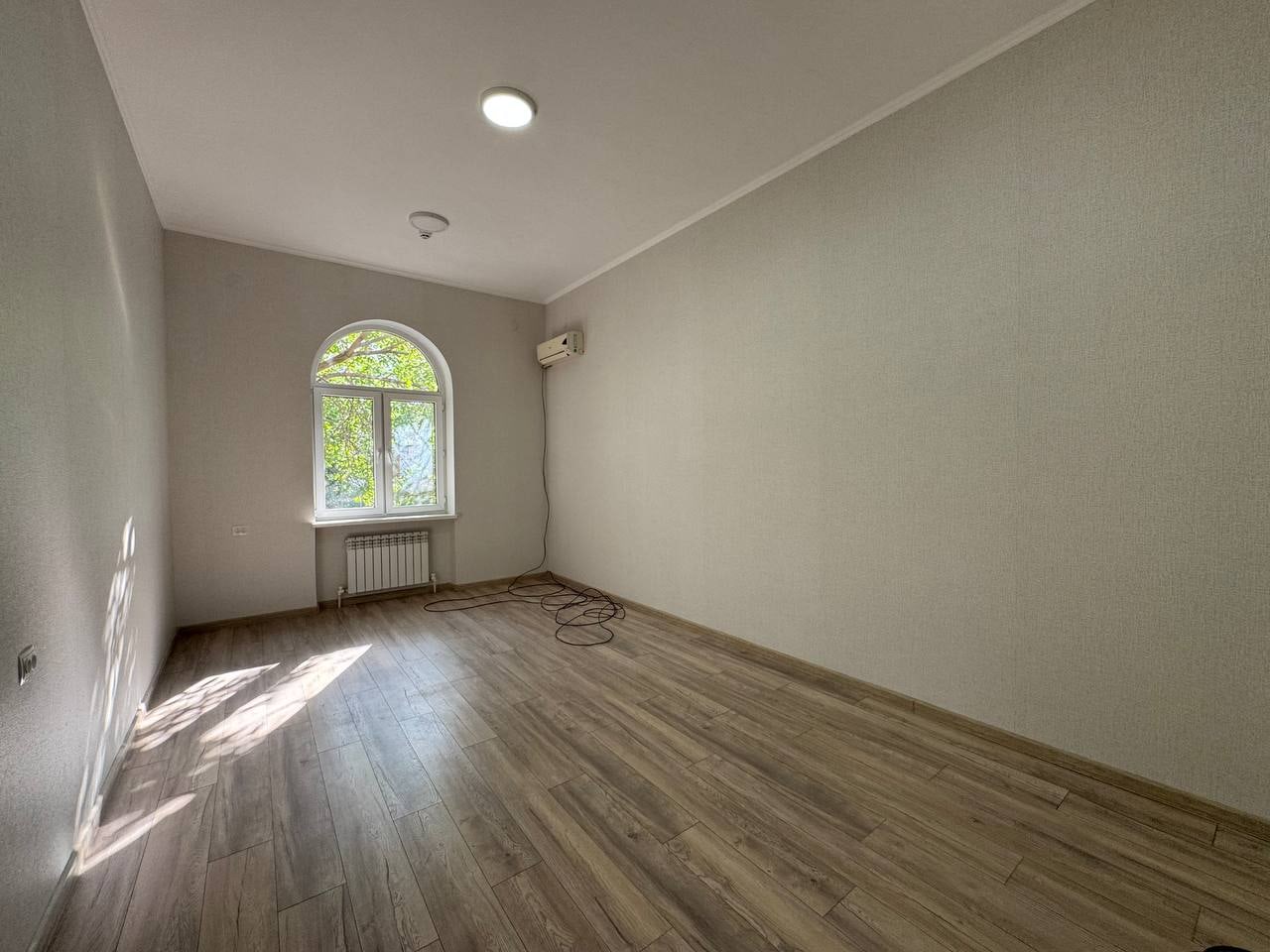
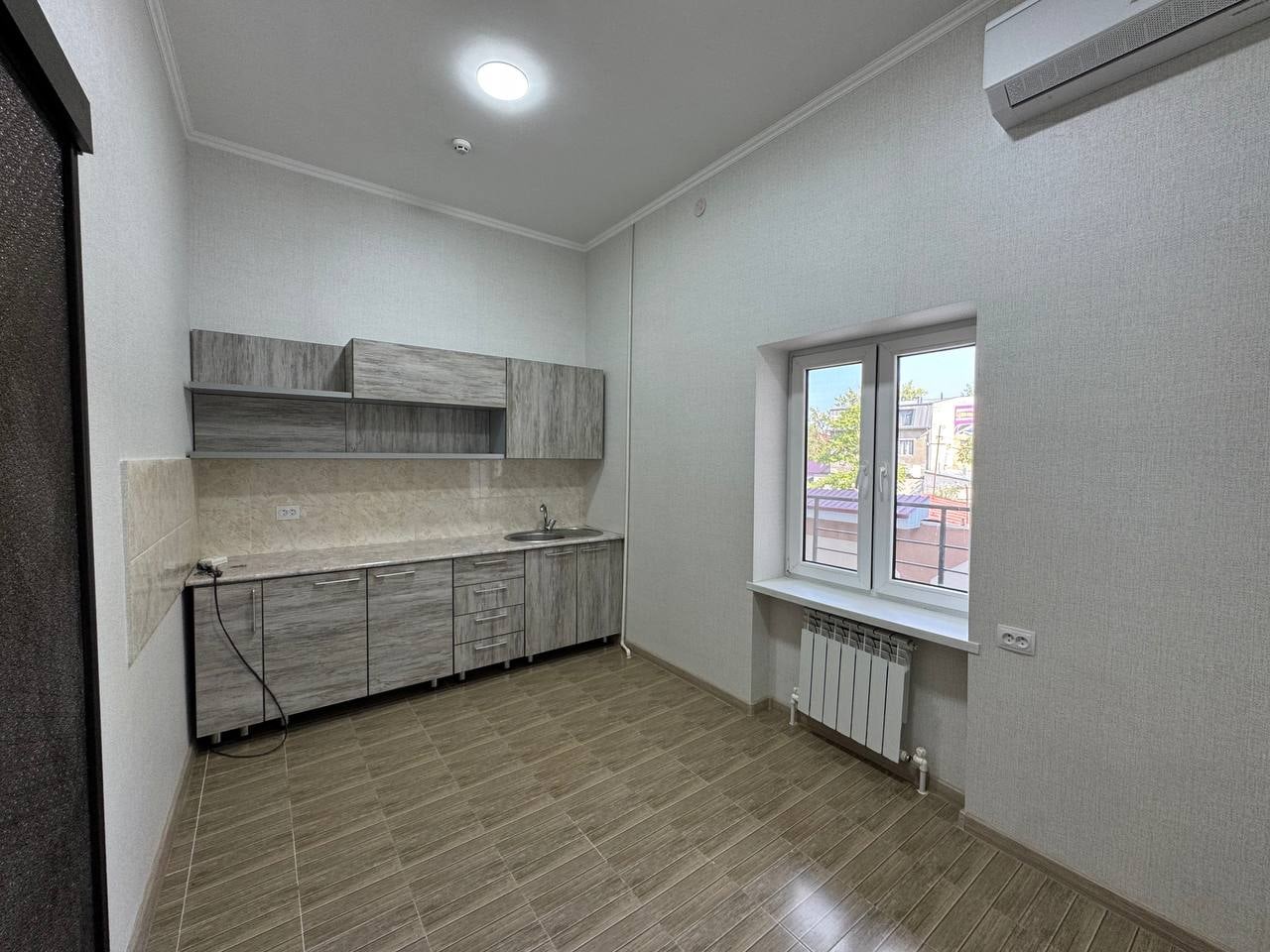
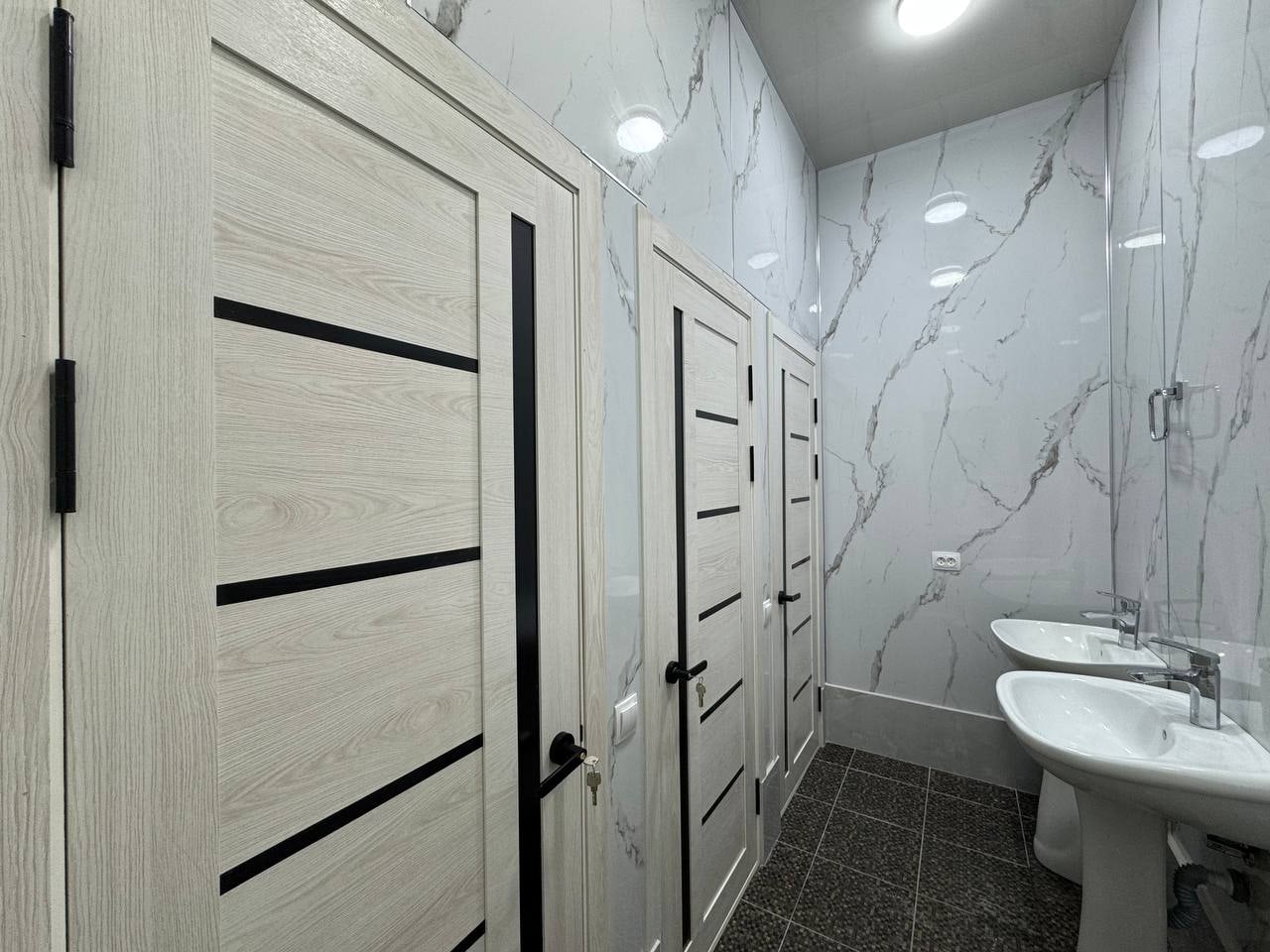
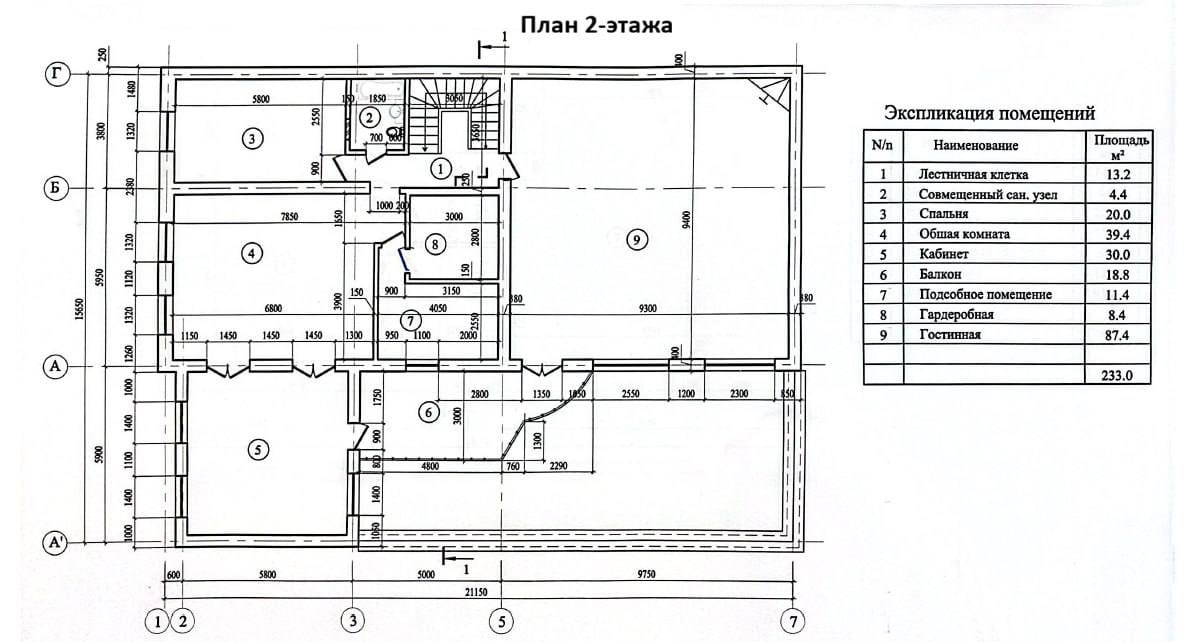
Ташкент, Мирабадский район, Глинка, 8 роддом
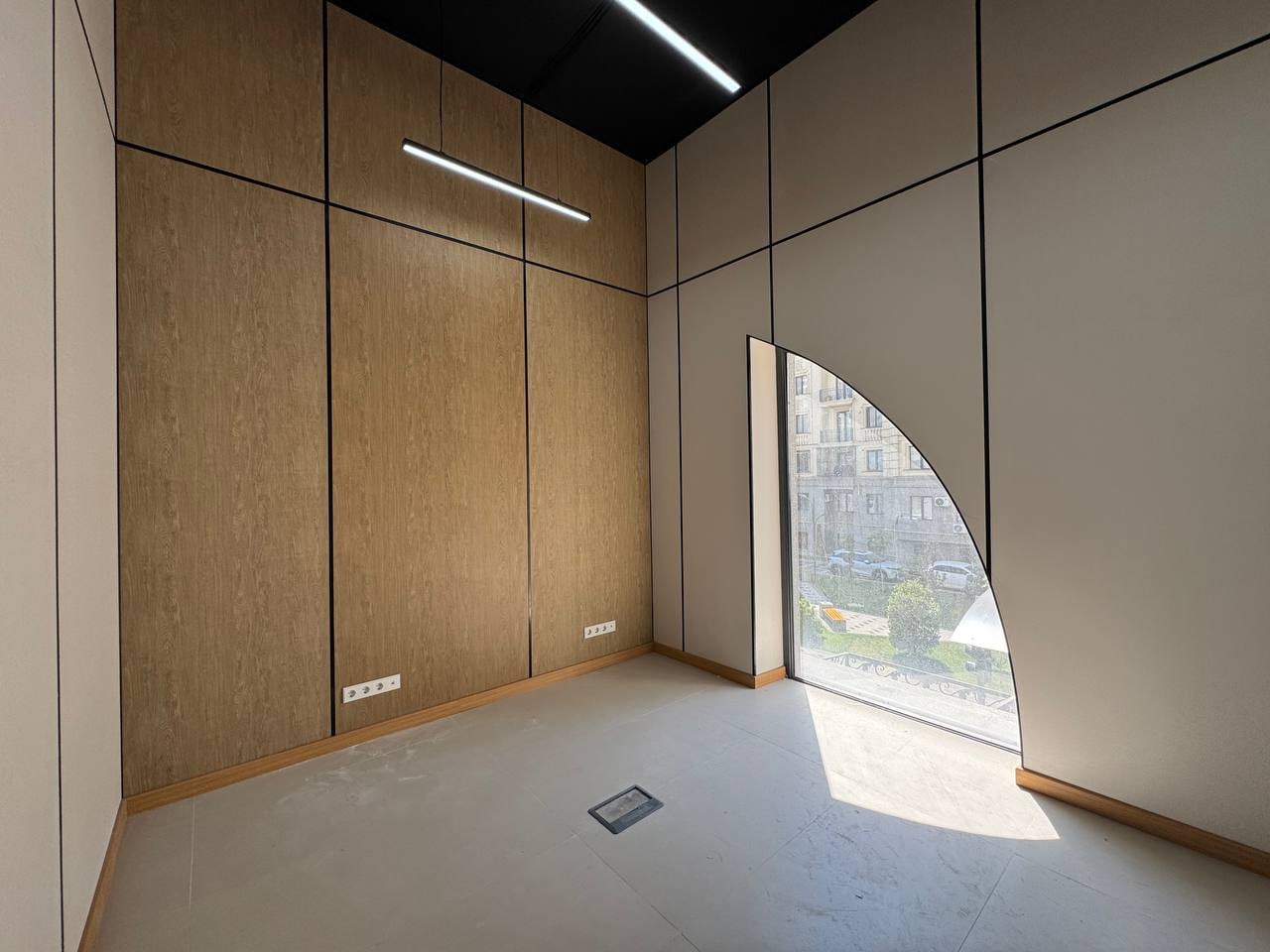
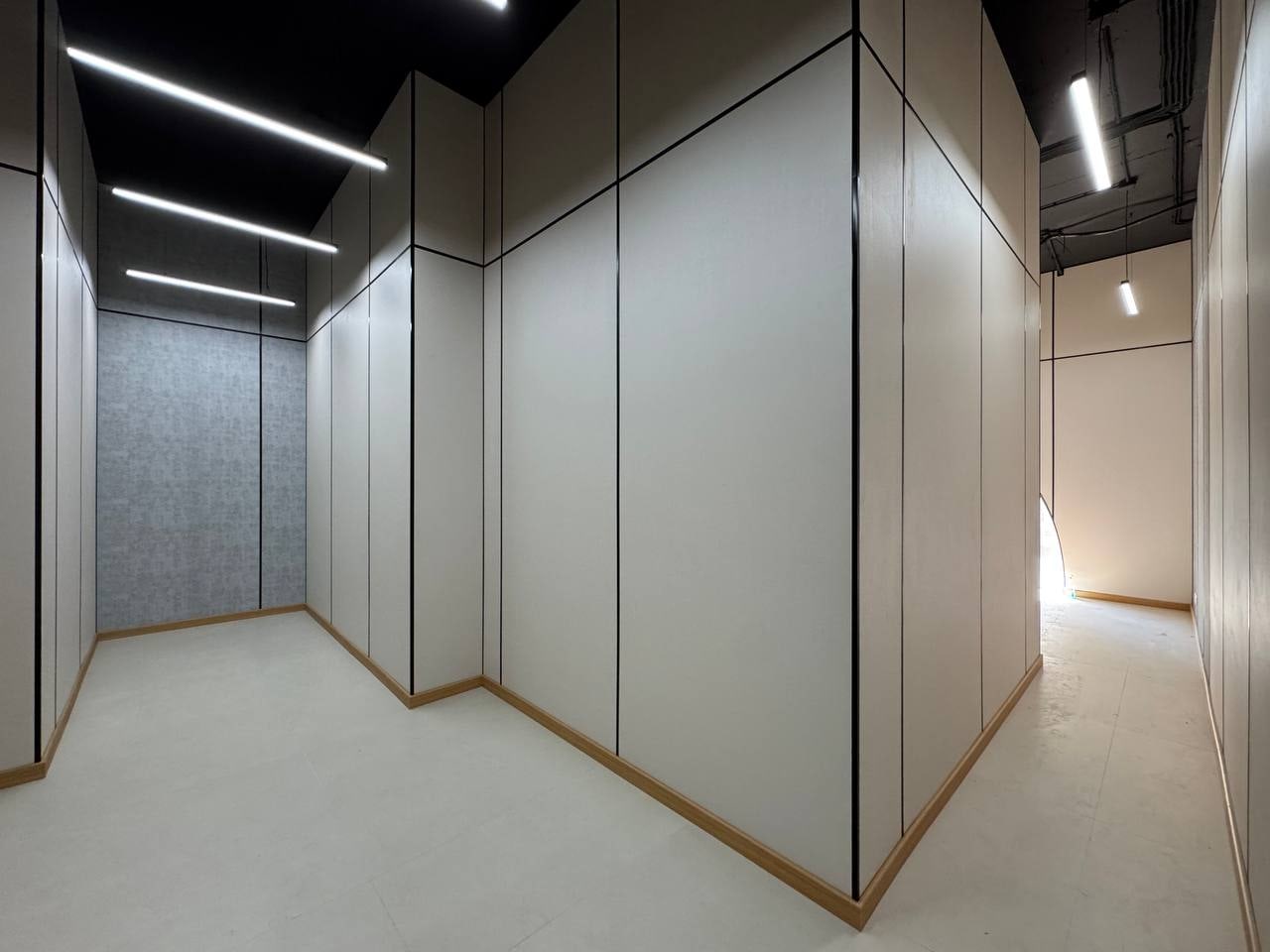
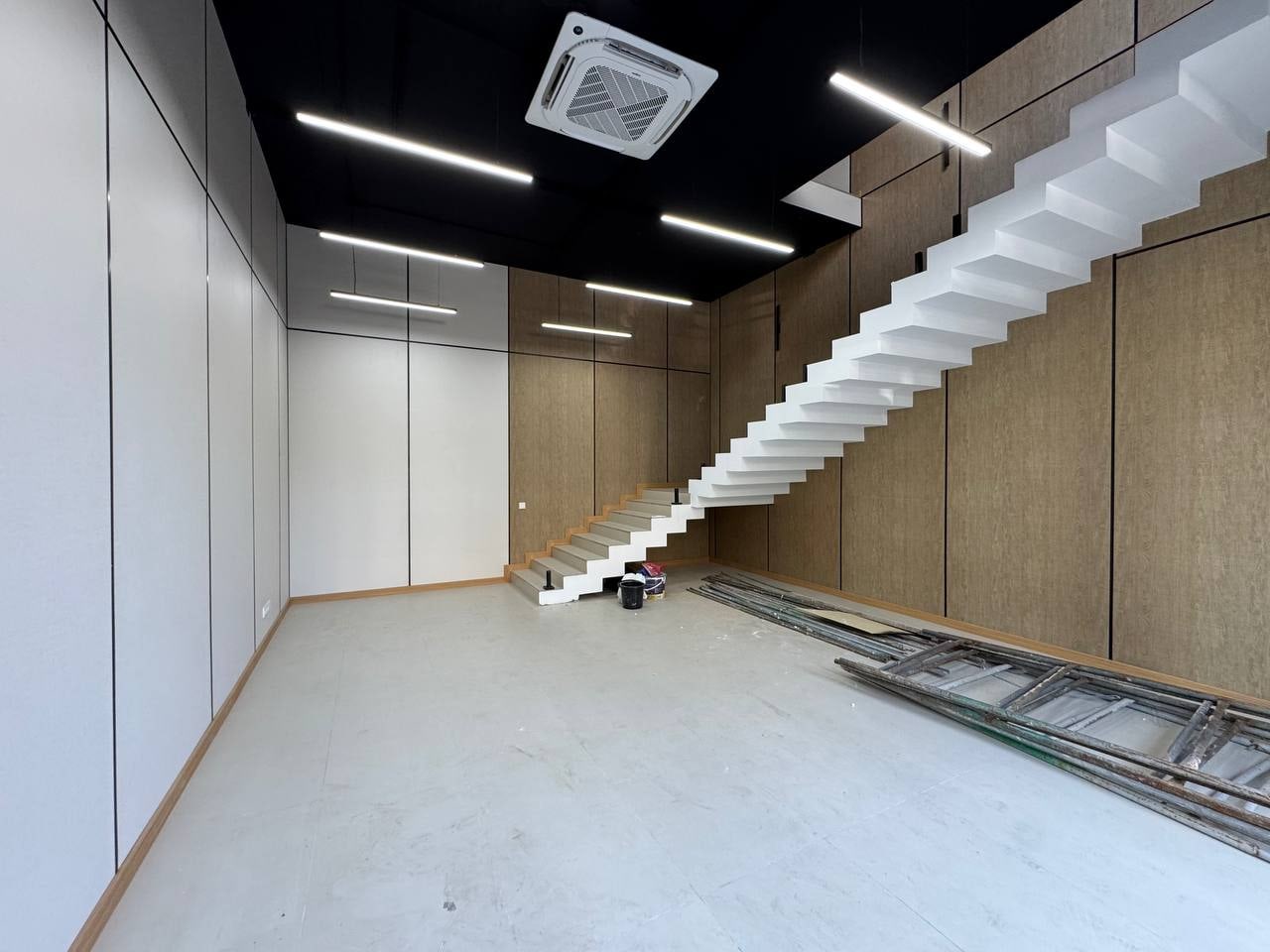
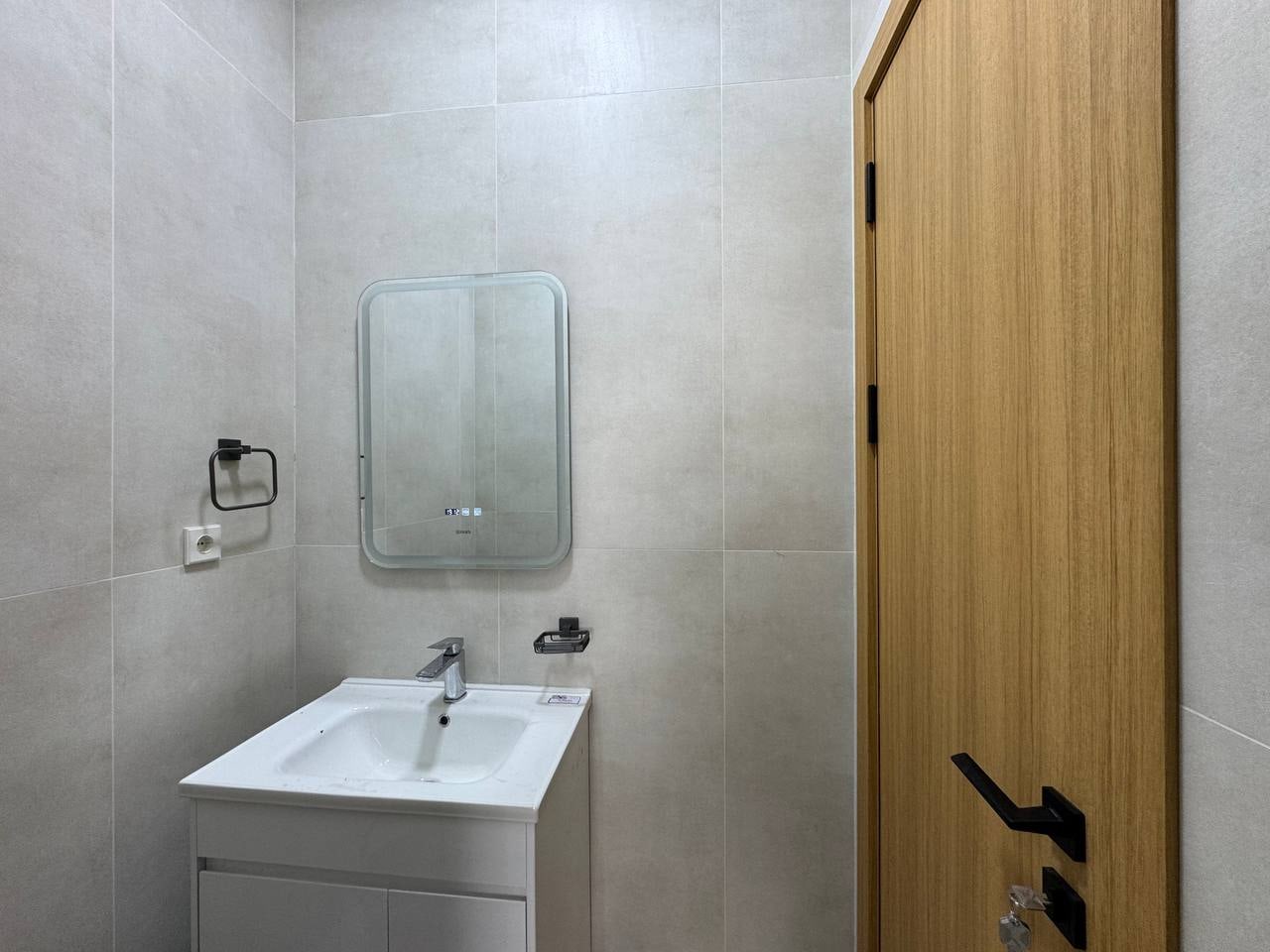
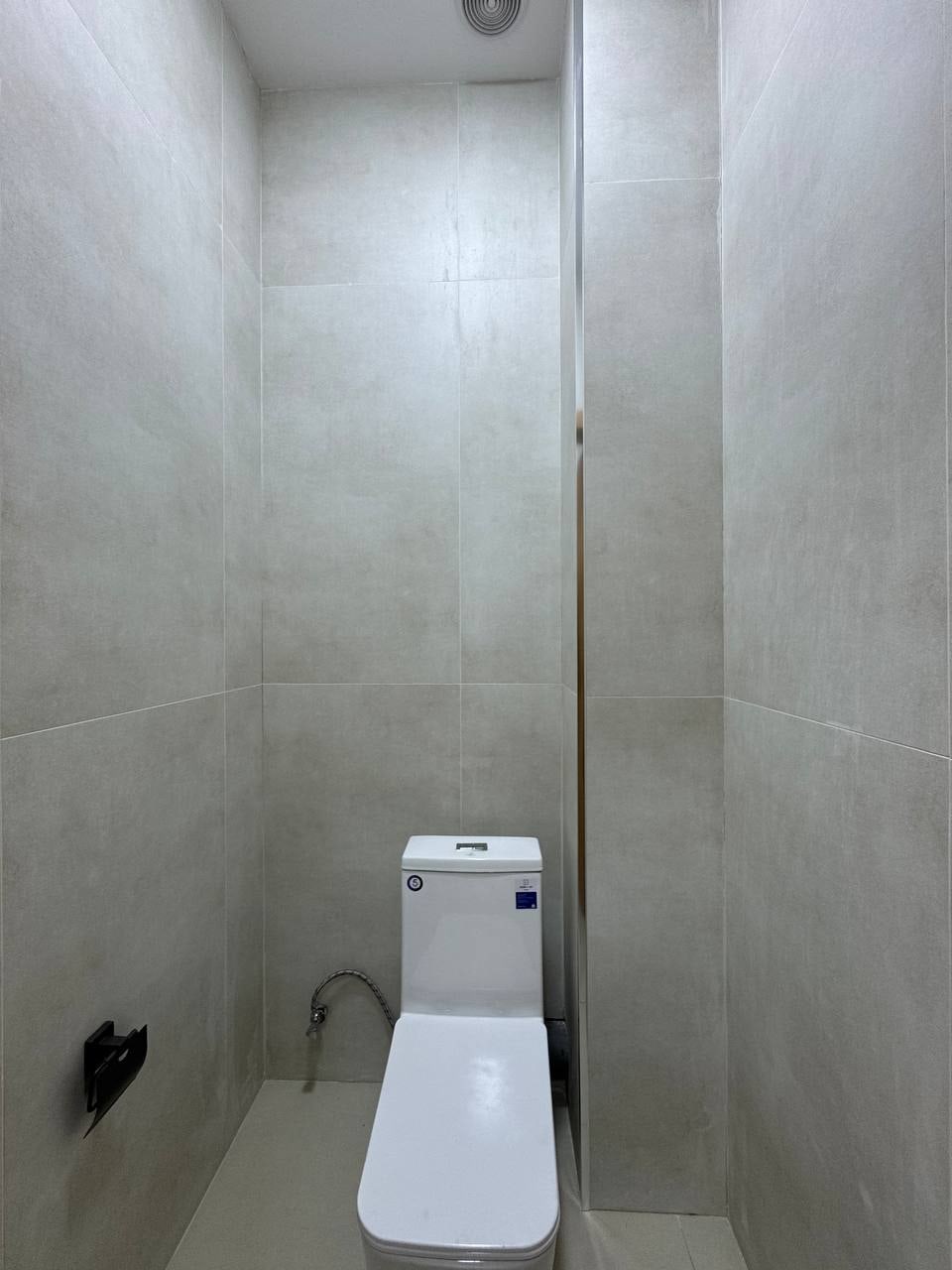
Ташкент, Юнусабадский район, метро «Минор», Финансовый институт, Алайский базар, ЖК «Muhtasham»
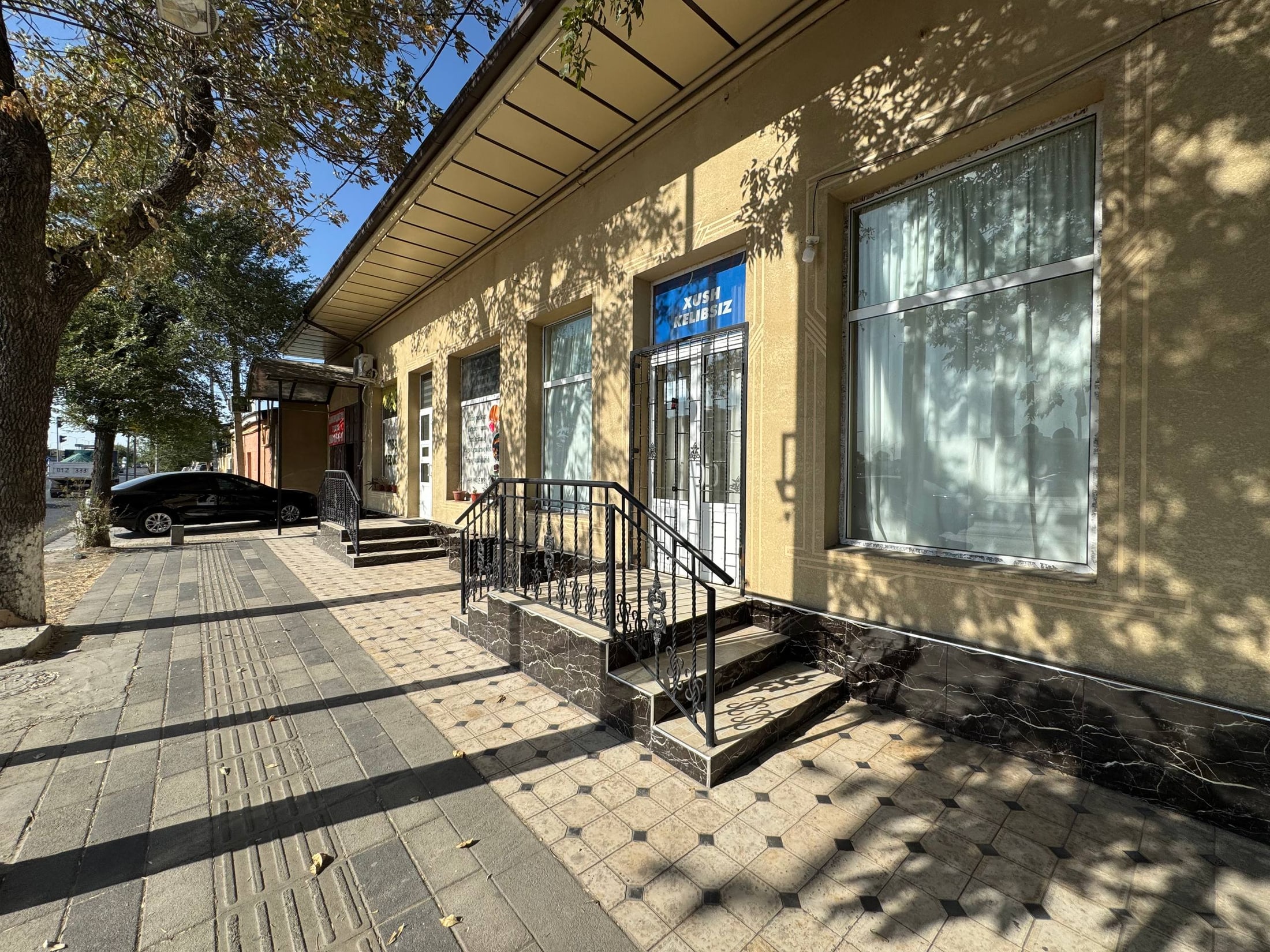
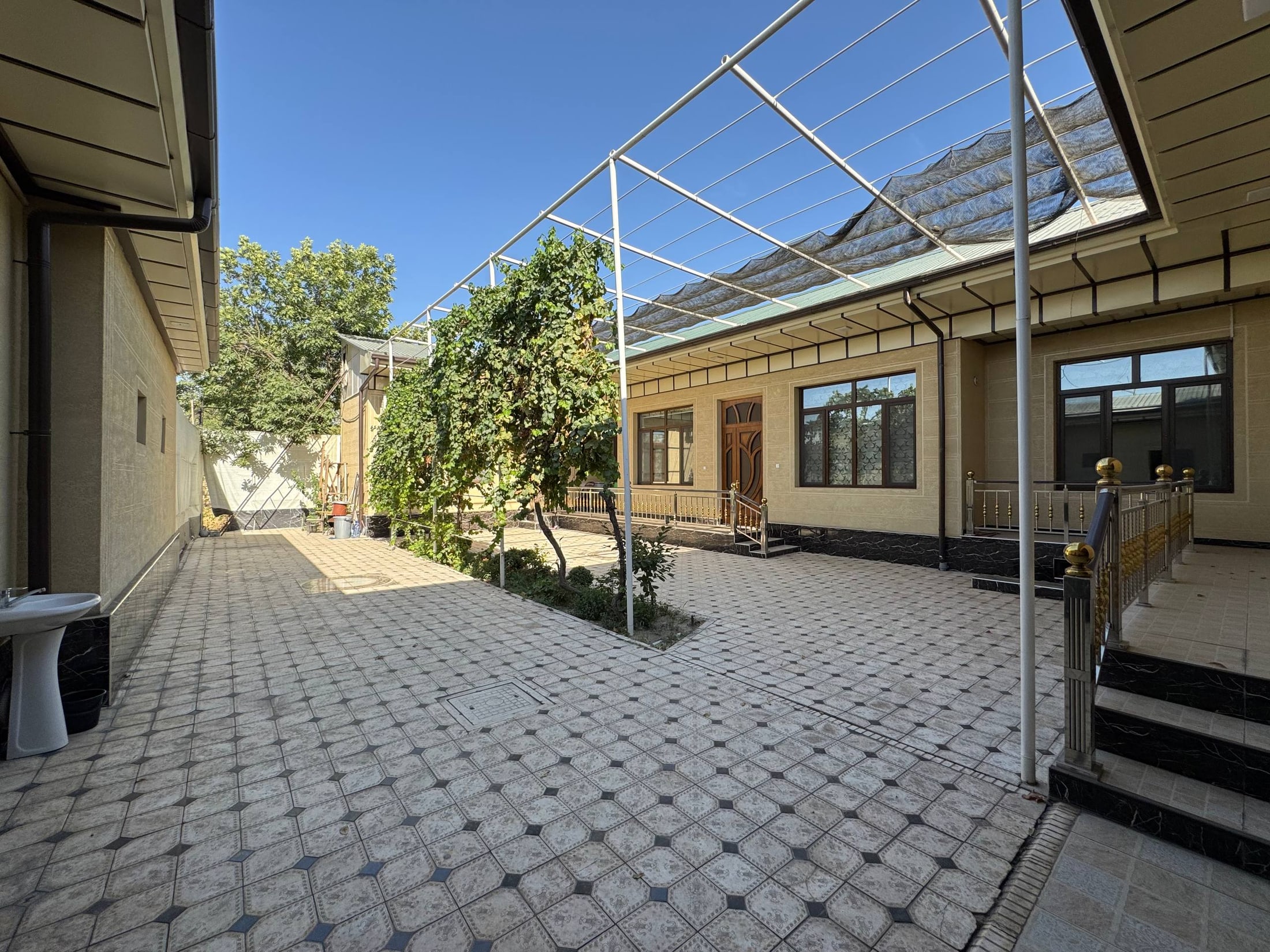
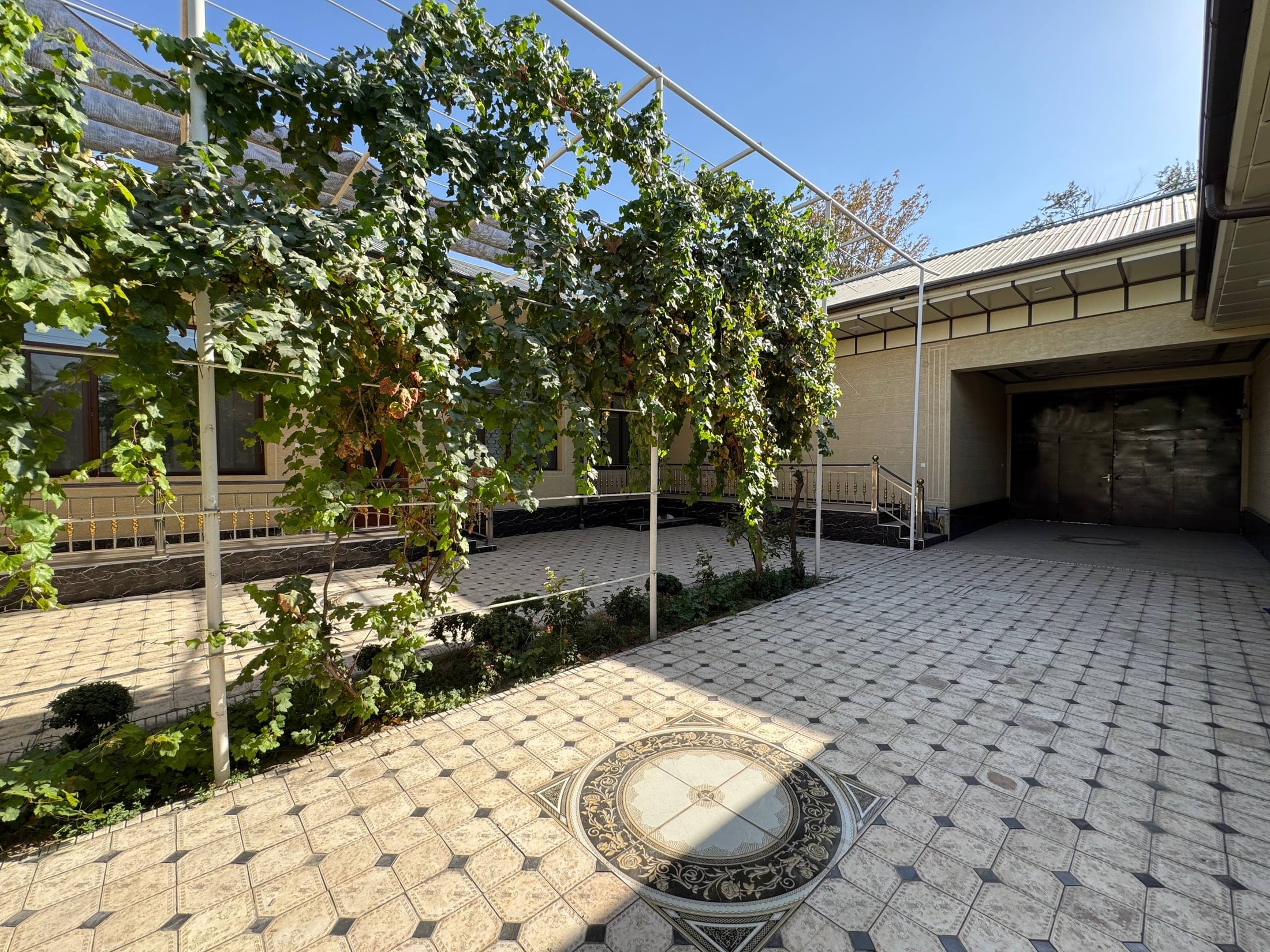
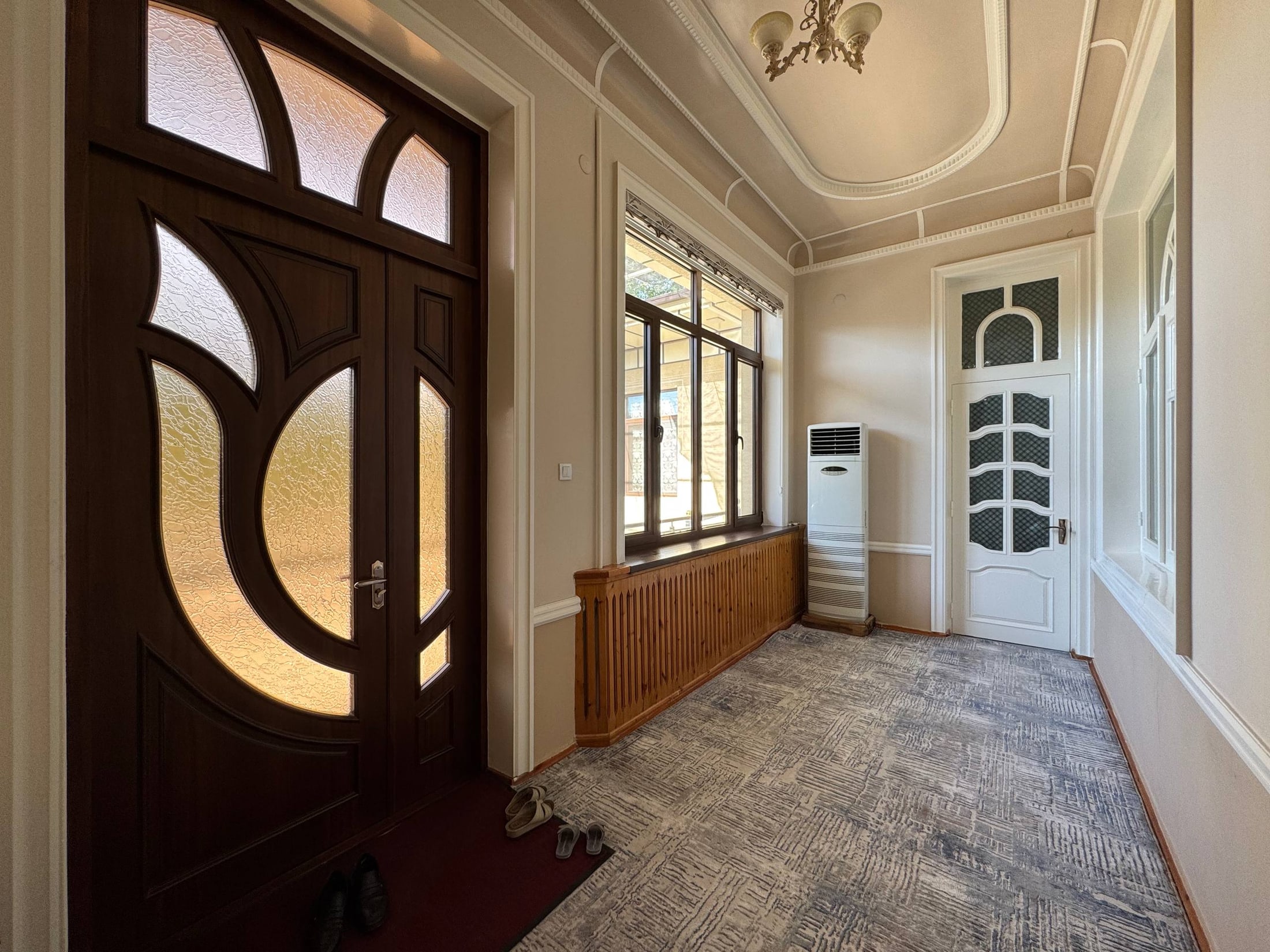
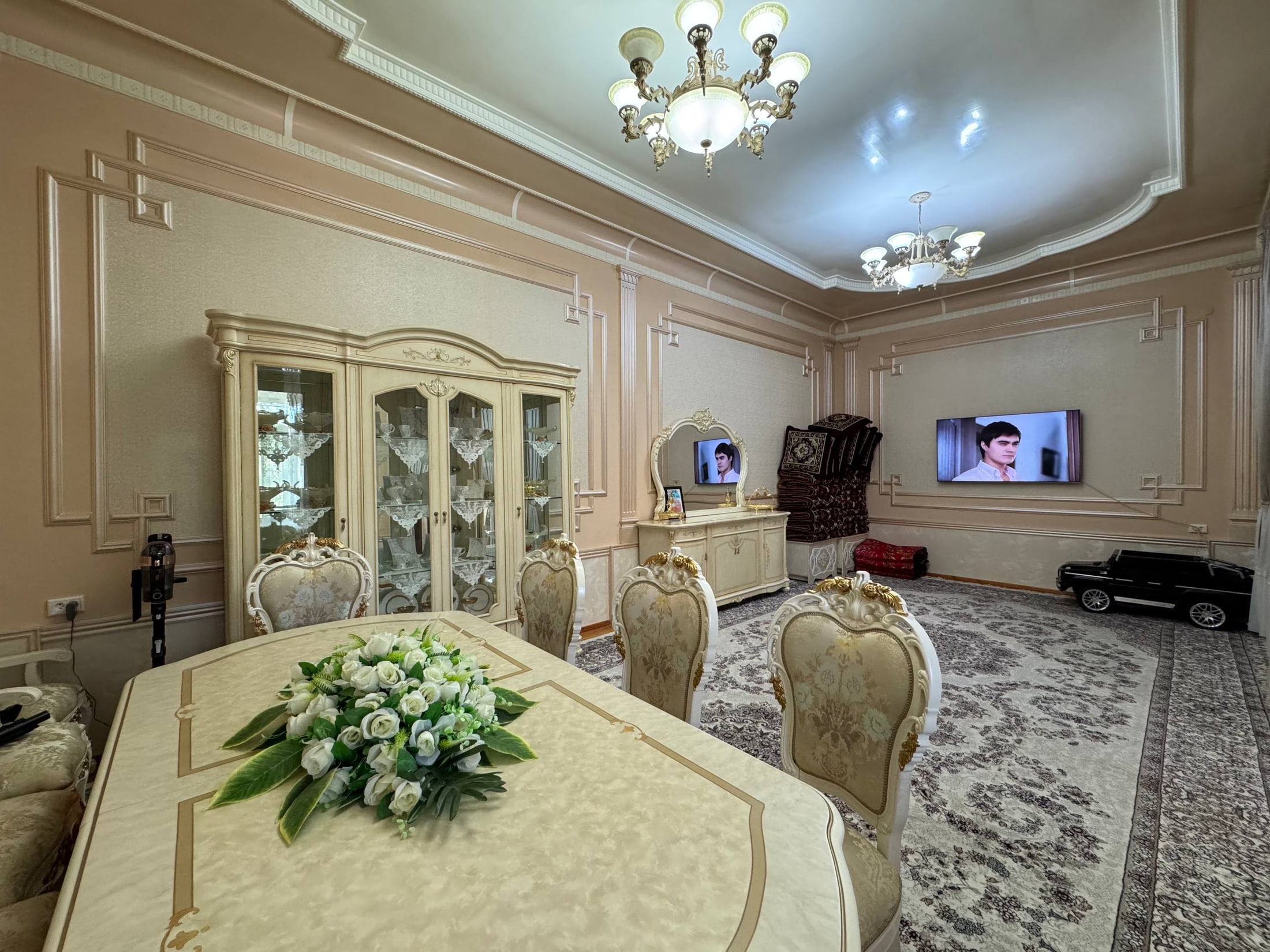
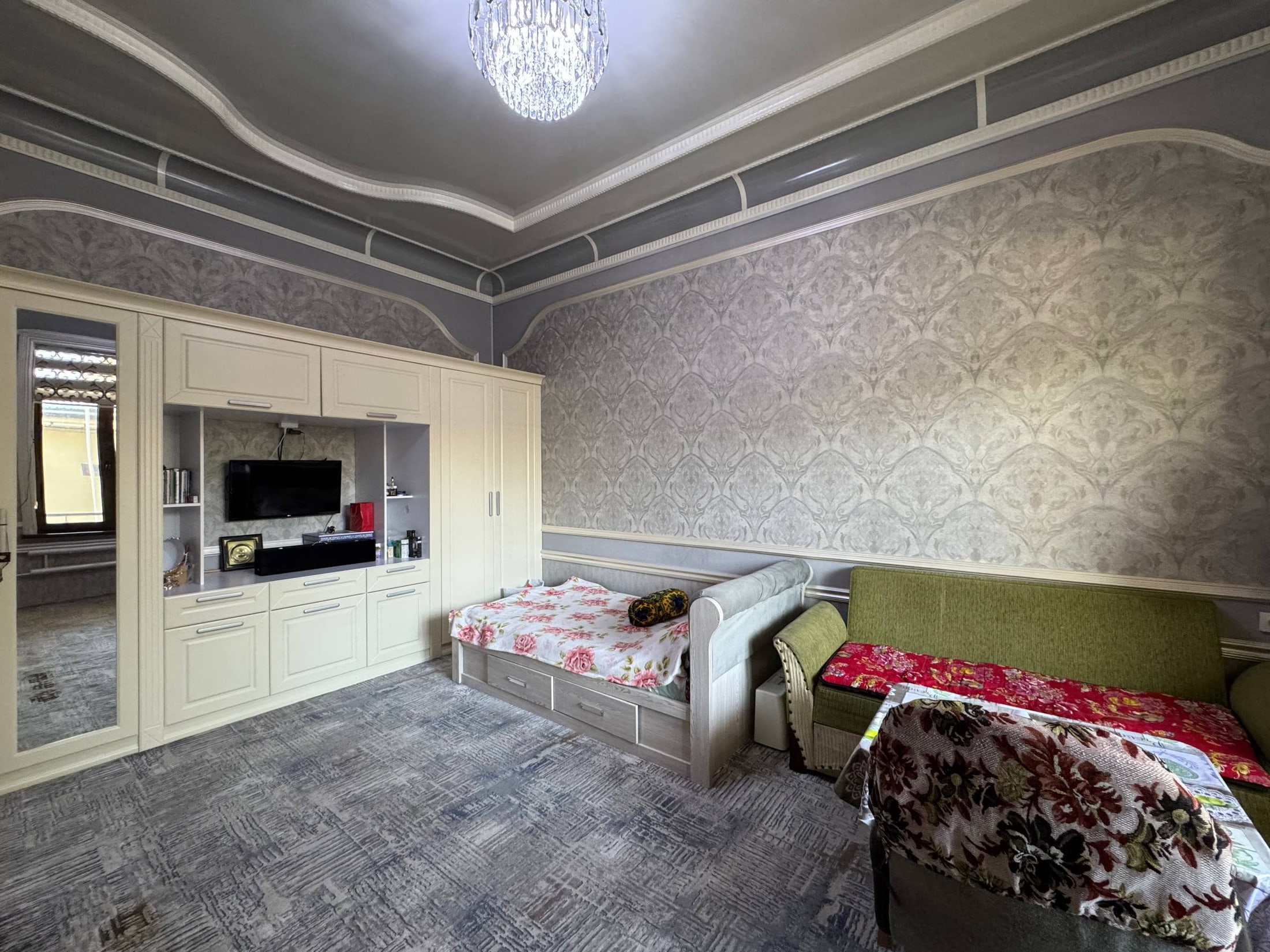
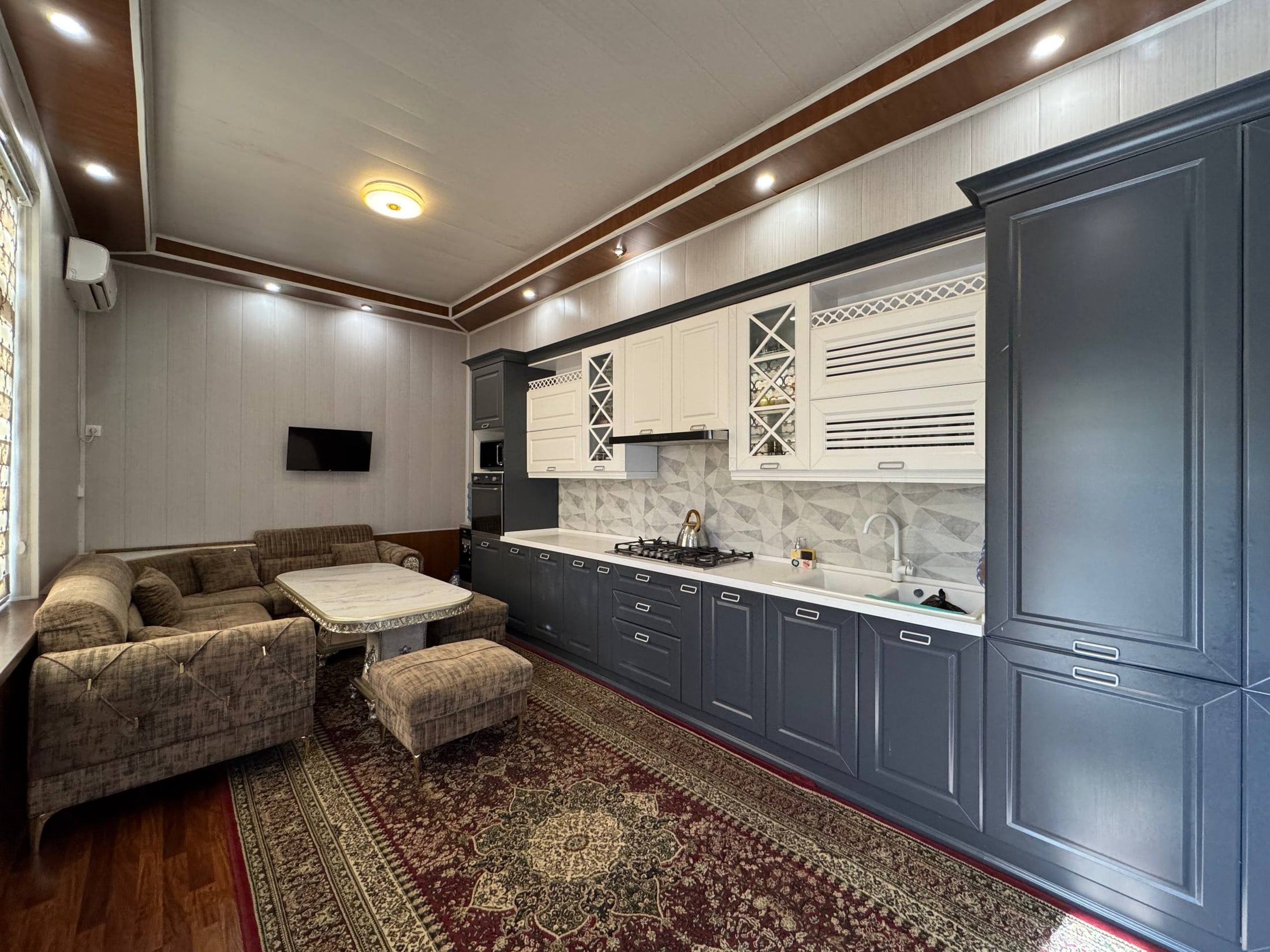
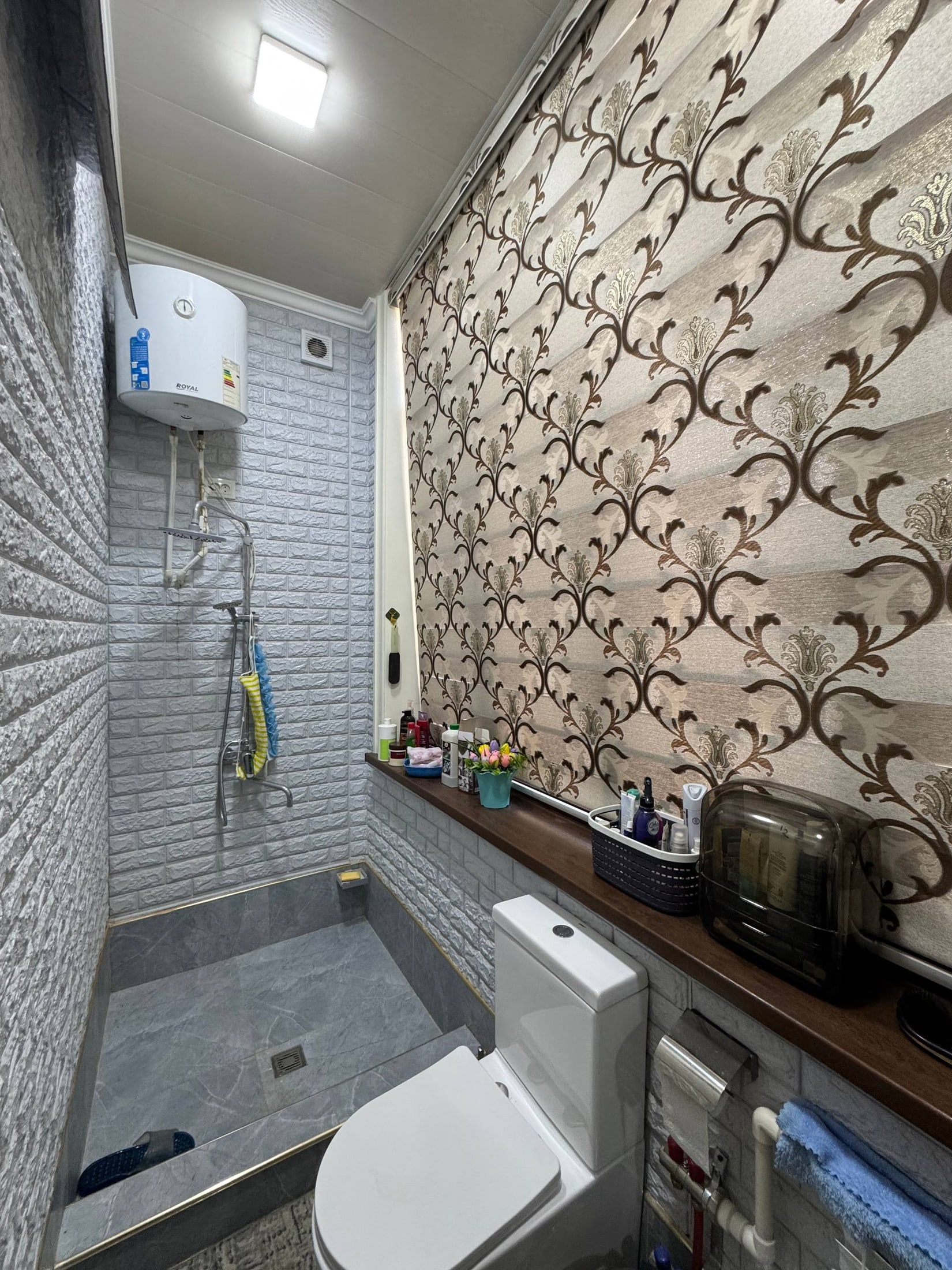
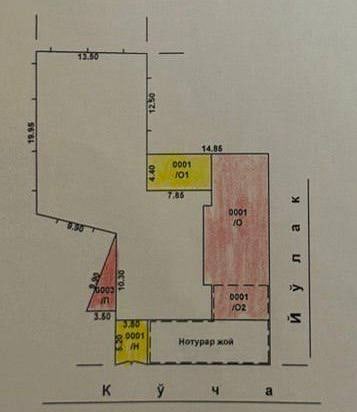
Ташкент, Яшнабадский район, ул. Фергана йули, корзинка Файзабад
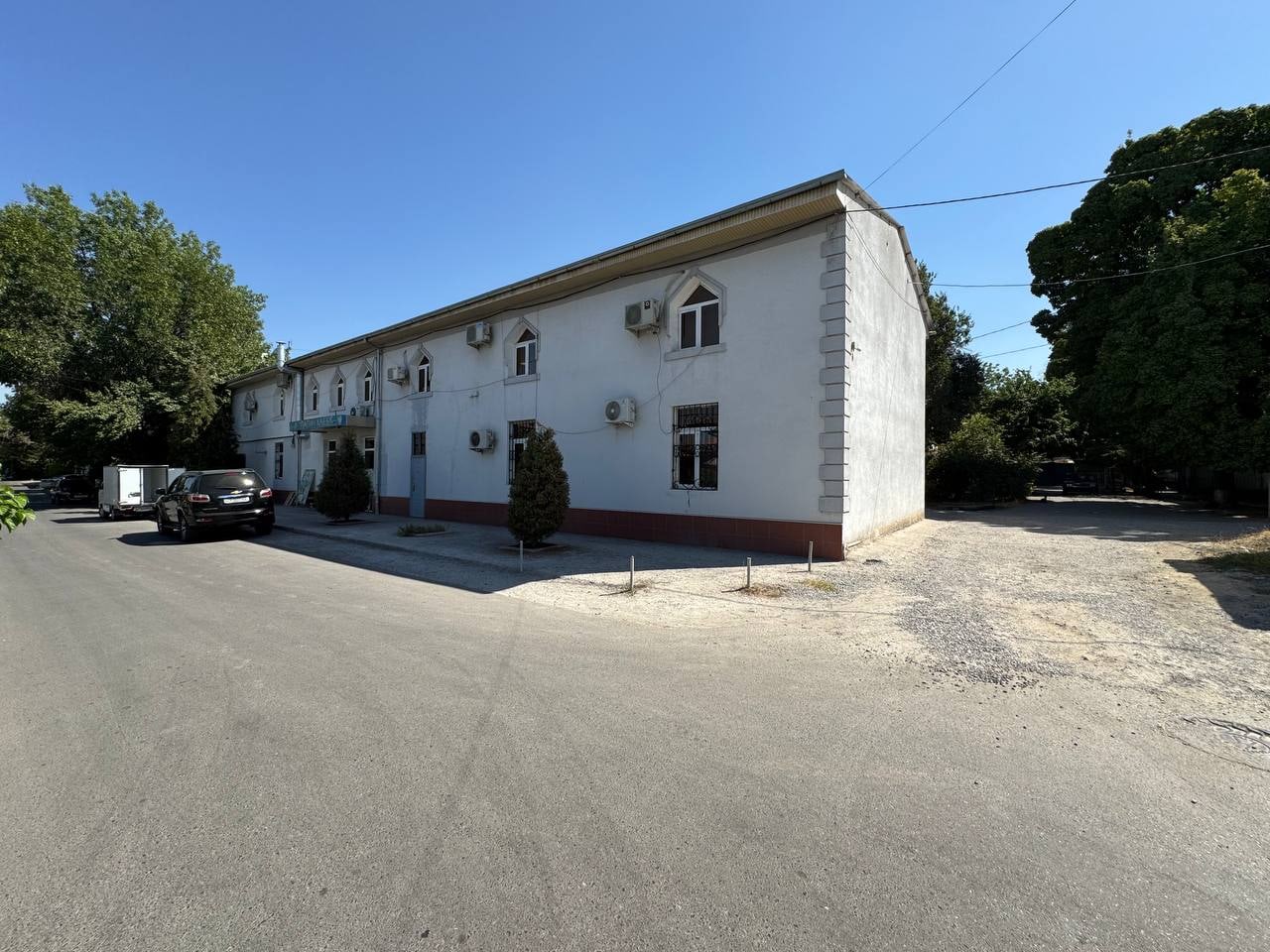
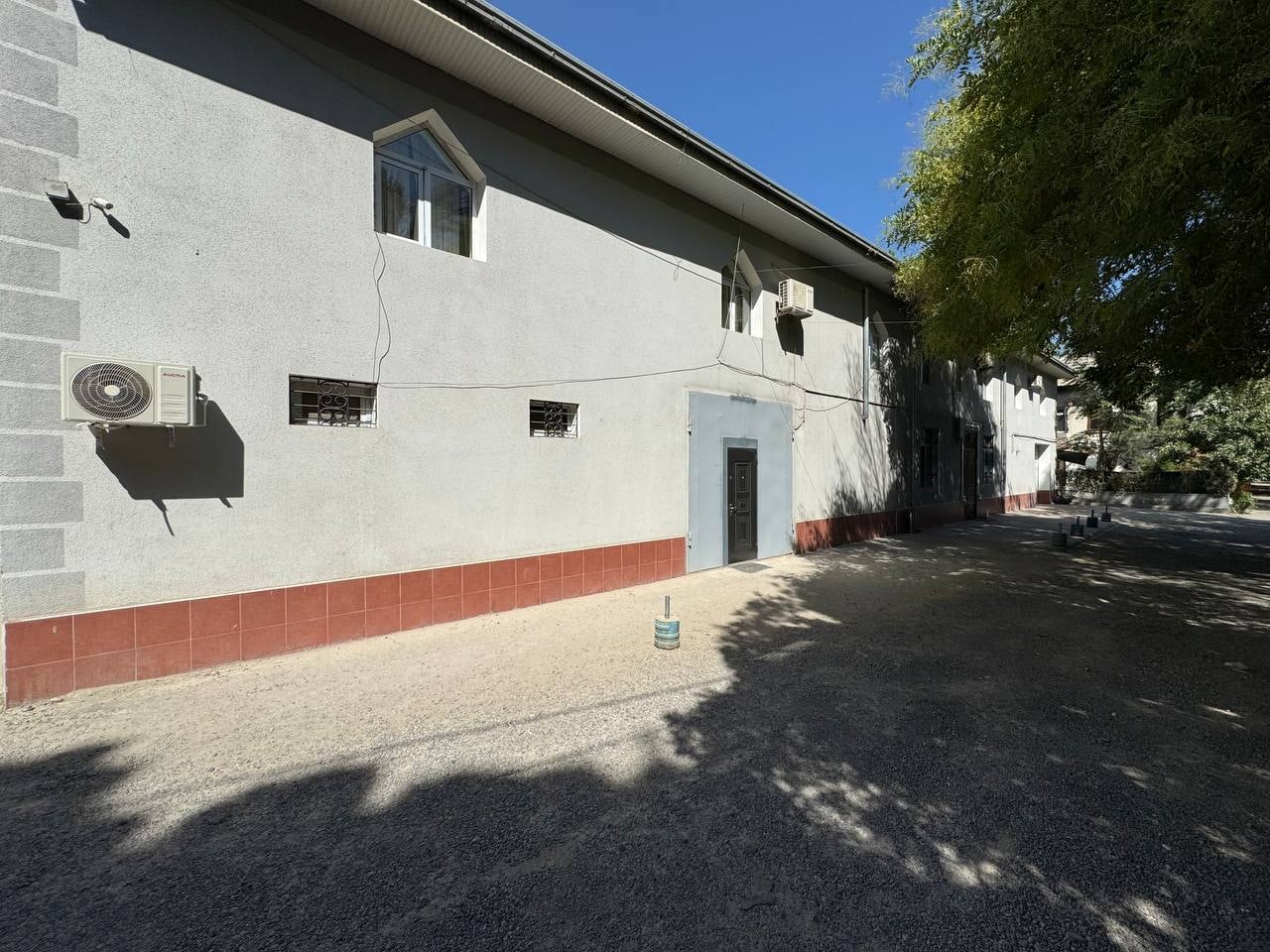
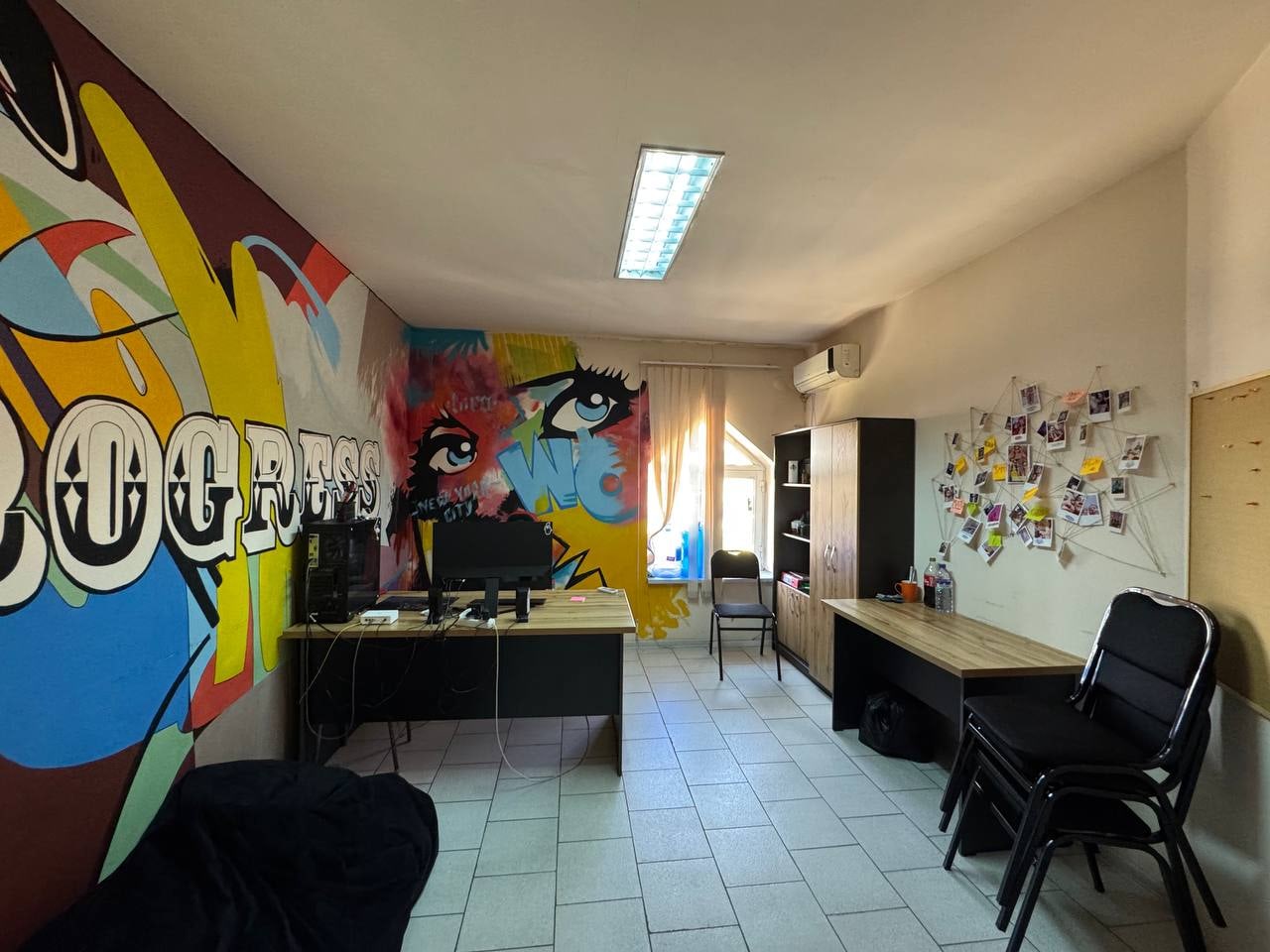
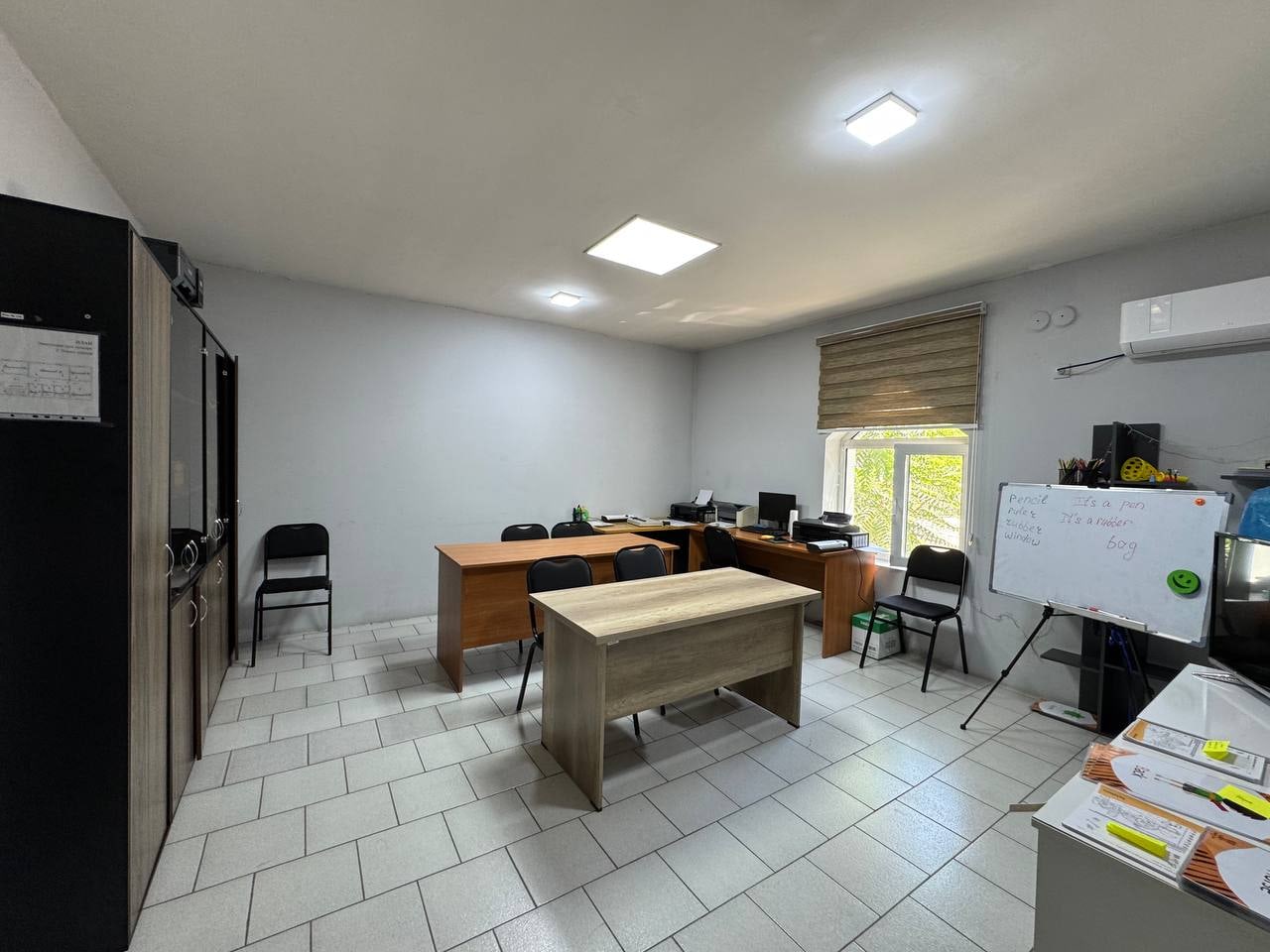
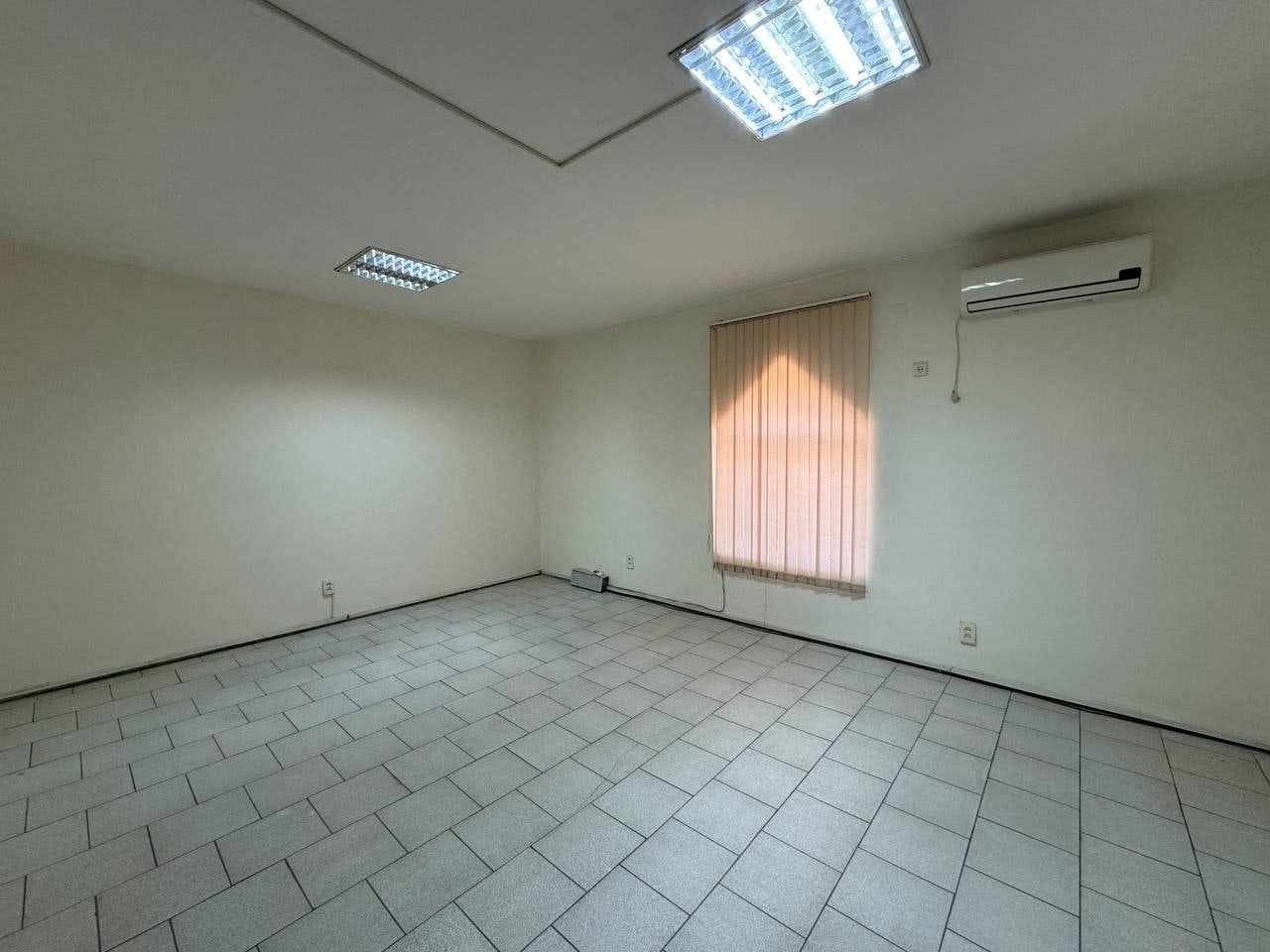
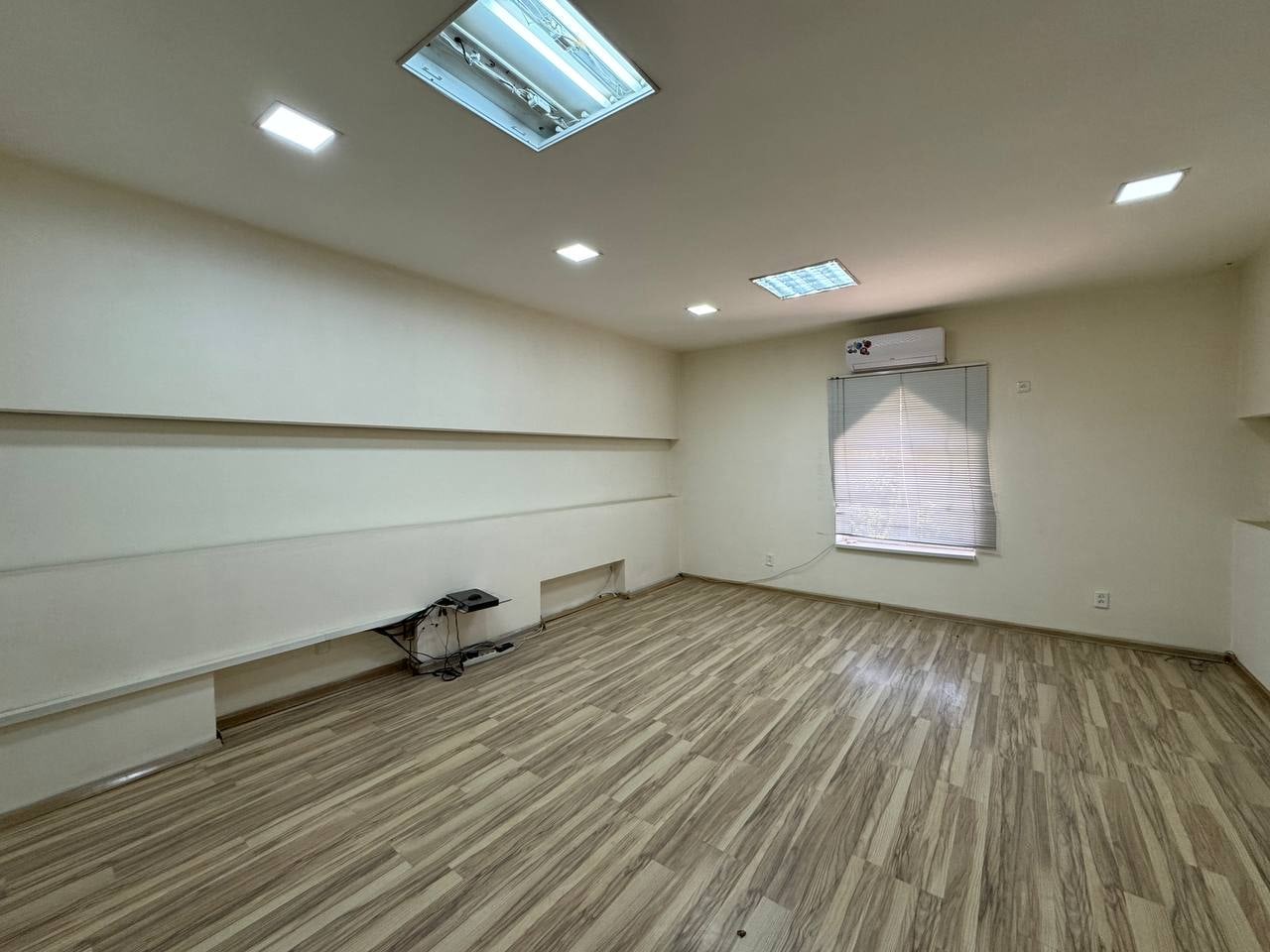
Ташкент, Мирзо-Улугбекский район, ул. Дагестанская
MERCATOR.UZ expert guide
A private door does not make an office self-contained. Before signing, check employee and visitor access, power, HVAC, internet, water and the building manager’s operating procedures. The door opens directly onto the street, employees can bypass the shared reception desk, and the façade offers space for clear wayfinding. During a viewing, such an office can appear independent. The reality may emerge after move-in: the main circuit breaker is in a locked building-services room, cooling follows the business centre’s general timetable, couriers cannot enter the yard in the evening, and the only route to an emergency exit crosses an access-controlled area. An office with a private entrance in Tashkent should therefore be assessed as a complete operating chain, not as a door. The inspection needs to answer one question: can the company use the premises on its own schedule when the shared part of the business centre is closed or operating with restrictions? A private entrance does not mean an independent office Current results for offices for rent in Tashkent repeatedly place terms such as “private entrance,” “24/7 access,” “parking,” “security” and “air conditioning” next to floor area and fit-out. These are useful filters, but they describe individual features rather than a complete operating arrangement. Establish the boundary of responsibility first. Which assets form part of the
The door opens directly onto the street, employees can bypass the shared reception desk, and the façade offers space for clear wayfinding. During a viewing, such an office can appear independent. The reality may emerge after move-in: the main circuit breaker is in a locked building-services room, cooling follows the business centre’s general timetable, couriers cannot enter the yard in the evening, and the only route to an emergency exit crosses an access-controlled area.
An office with a private entrance in Tashkent should therefore be assessed as a complete operating chain, not as a door. The inspection needs to answer one question: can the company use the premises on its own schedule when the shared part of the business centre is closed or operating with restrictions?
Current results for offices for rent in Tashkent repeatedly place terms such as “private entrance,” “24/7 access,” “parking,” “security” and “air conditioning” next to floor area and fit-out. These are useful filters, but they describe individual features rather than a complete operating arrangement.
Establish the boundary of responsibility first. Which assets form part of the leased premises, and which remain shared building systems? The door and meter may be dedicated, while the electrical intake, heating, ventilation, water pumps, fire alarm, cable routes and parking access remain common. A failure outside the office can still stop work inside it.
Ask the landlord’s or management company’s representative to walk the route with you and show the connection points. A verbal assurance that everything is independent is not enough. Prepare a simple record covering the system, source, responsibility boundary, operating hours and emergency contact.
Each route begins at the street or car park and ends at an actual workstation. Use four scenarios during the inspection.
Official workplace guidance says emergency routes and exits must be marked, kept clear and lead outside or to a safe area. Do not confirm safety from a photograph of a floor plan: walk the route. If the decision requires a specialist assessment, do not declare compliance with construction rules yourself; request the relevant documents and a qualified opinion.
For a client-facing office, separately inspect steps, slopes, doors, thresholds and the route to an accessible toilet. Do not rely on the word “ramp” in a listing. Whether the route works for employees and visitors has to be established on site.
Trace each service from the external source to its point of use inside the office.
| System | What to inspect | What to record | |---|---|---| | Electricity | Location of the intake and office panel, agreed load and sockets connected to backup power | Available capacity, maintenance boundary and list of backed-up circuits | | Heating and cooling | Who controls the settings, whether the system runs outside normal hours and whether zones are adjustable | Operating hours, control range and procedure for extended operation | | Ventilation | Whether mechanical supply and extract exist and whether they stop with the central system | Areas served, timetable, responsible party and equipment access | | Internet | Providers already in the building, entry point and permission for a second independent connection | Available operators, route to the office and conditions for installing backup service | | Water and drainage | Location of isolation valves, responsibility for leaks and dependence of pumps on shared power | Isolation point, emergency contact and repair boundary | | Fire systems | Whether the office is connected to the common system, who receives alarms and who maintains the equipment | Equipment serving the office, maintenance provider and testing procedure |
Do not operate or disconnect technical equipment yourself. Tests should be arranged by the landlord and technical team. The prospective tenant observes, records the outcome and compares it with the company’s operating scenario.
To set priorities, calculate the cost of one critical hour: employment cost for staff unable to work, plus the lost margin from cancelled appointments, plus recovery costs. Use your company’s inputs, not unsupported market averages. If an internet outage stops the whole team, a backup connection matters more than decorative finishes. If clients attend scheduled meetings, dependable visitor access and stable indoor conditions may be more critical.
The phrase “24/7 access” must be broken down into actions. Security may operate around the clock while visitor registration does not. Employees may enter with cards, while a contractor carrying equipment needs a request submitted during business hours. The office door may open at any time even though the parking gate or lift switches to a night mode.
Ask the management company specific questions:
“Subject to approval” does not describe a service. Identify the approver, communication channel, operating hours and response time. Put the answers into one comparison sheet for every shortlisted property.
Schedule the first viewing during a normal busy period. Assess queues at the entrance, reception and lift operation, ventilation, mobile coverage and internet connectivity. Listen for noise from equipment and neighbouring units. Run the taps, check the lighting, and ask to see the electrical panel, telecom points and fire-safety devices.
The second visit should take place at the time most critical to the business: early morning, evening or a weekend. Follow the same route without special exceptions made for the viewing. Security should process entry exactly as it would after the lease begins. Test the visitor call, gates, external lighting, lift, indoor temperature and contact with the duty controller.
Record results as “requirement — test — fact — evidence.” For example: “employee entry on Sunday without advance notice — card opened the external door and turnstile — tested at the recorded time — operating arrangement to be included in the lease schedule.” This log separates an observation from a promise.
It is not enough for a lease to list electricity, internet and access. State the required operating outcome for every material condition:
Article 578 of Uzbekistan’s Civil Code links the handover of a building or structure to a transfer act or another handover document signed by both parties. The condition of entrances, keys and cards, meter readings, equipment operation and identified defects should therefore appear in the handover record rather than remain in messages.
Before signing, compare the address, area and stated use of the premises with cadastral information. Uzbekistan’s public services portal provides an official service for checking the registry extract and cadastral passport. This does not replace verification of the landlord’s authority or review of the transaction documents, but it helps confirm the property being offered.
Before paying an advance or signing the lease, confirm that:
A private entrance is valuable only when the complete operating chain behind it works. When comparing commercial property for rent in Tashkent, use the entrance as an initial filter and make the final decision only after checking systems, routes and written terms.