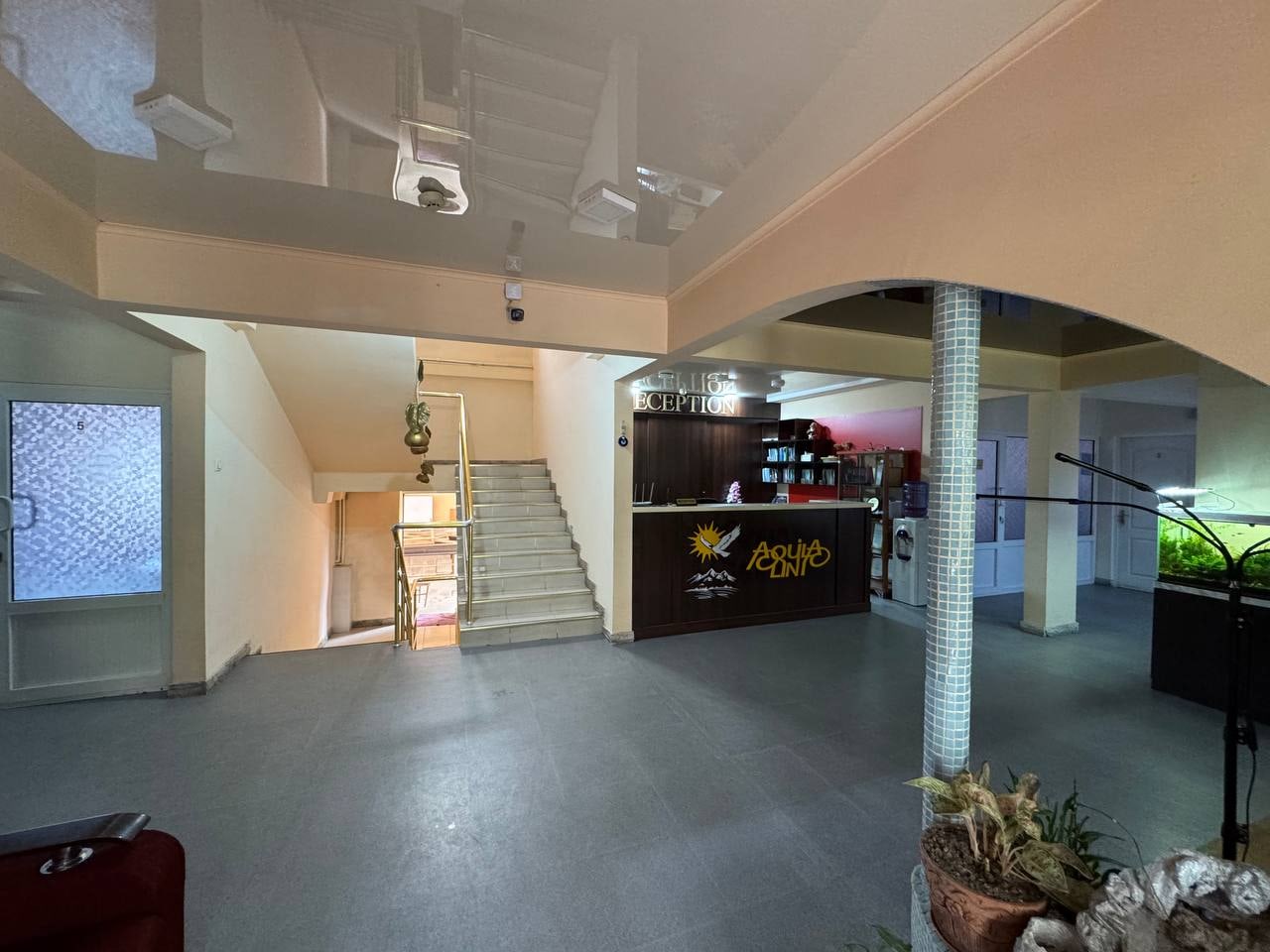
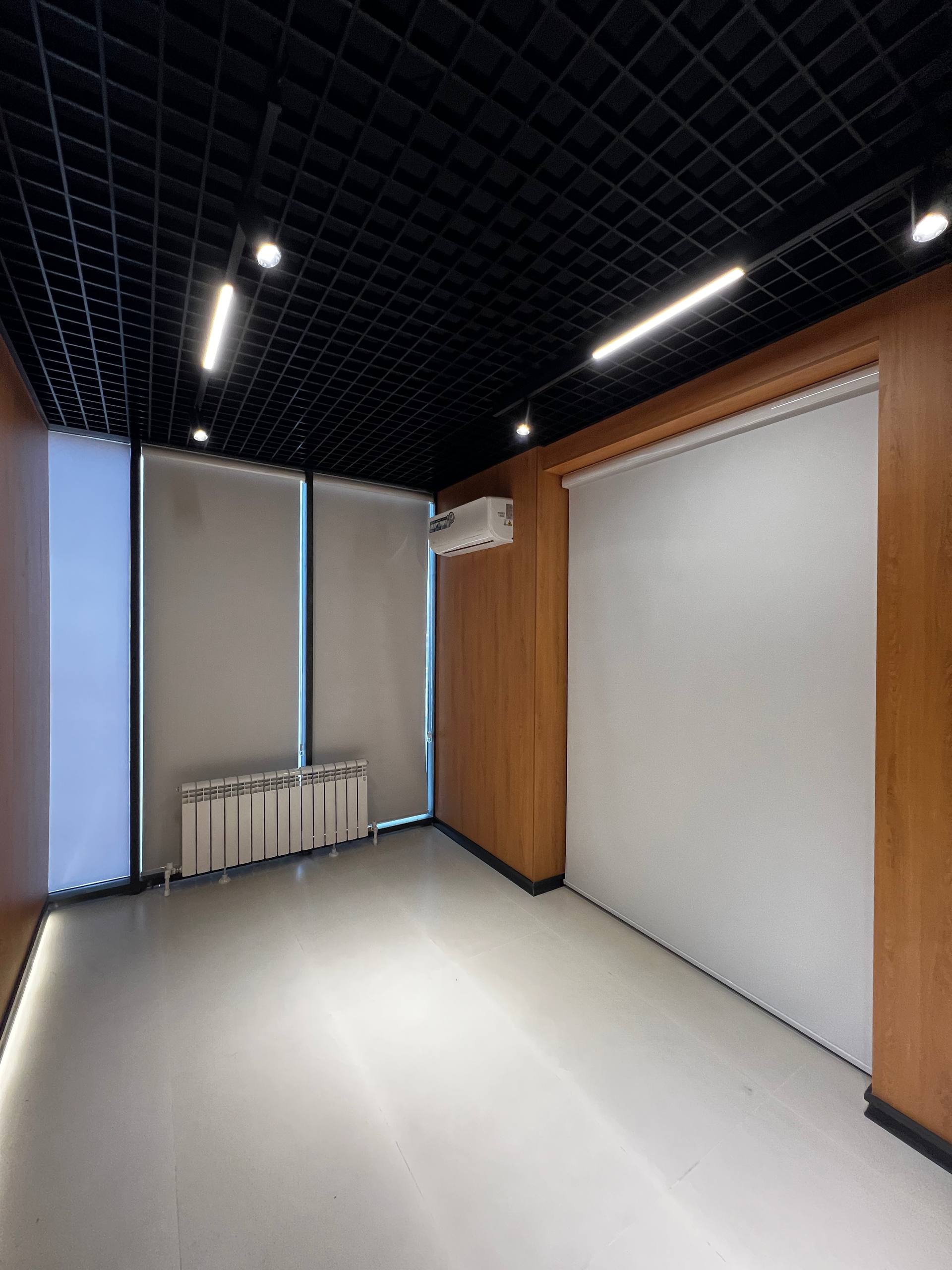
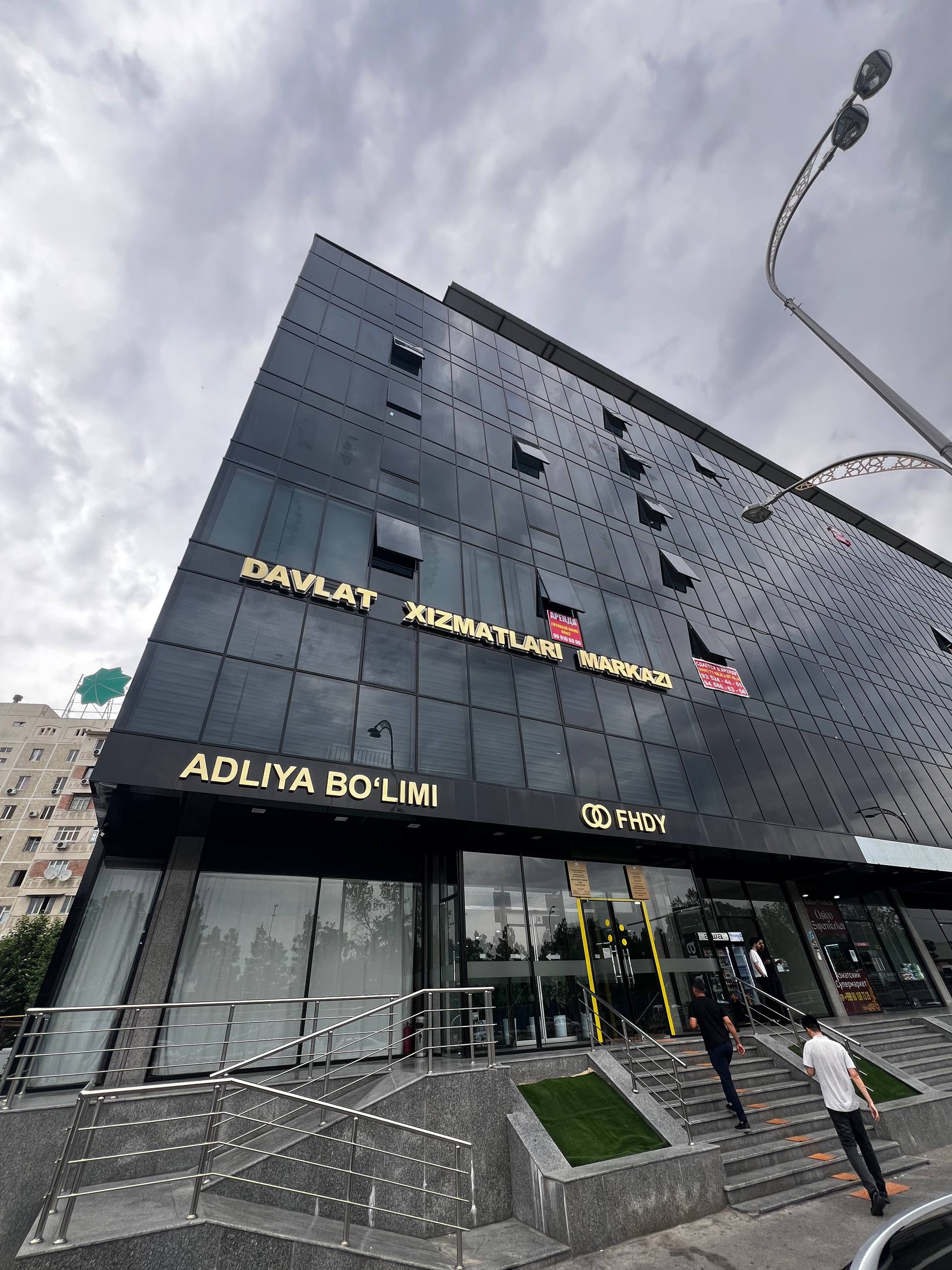
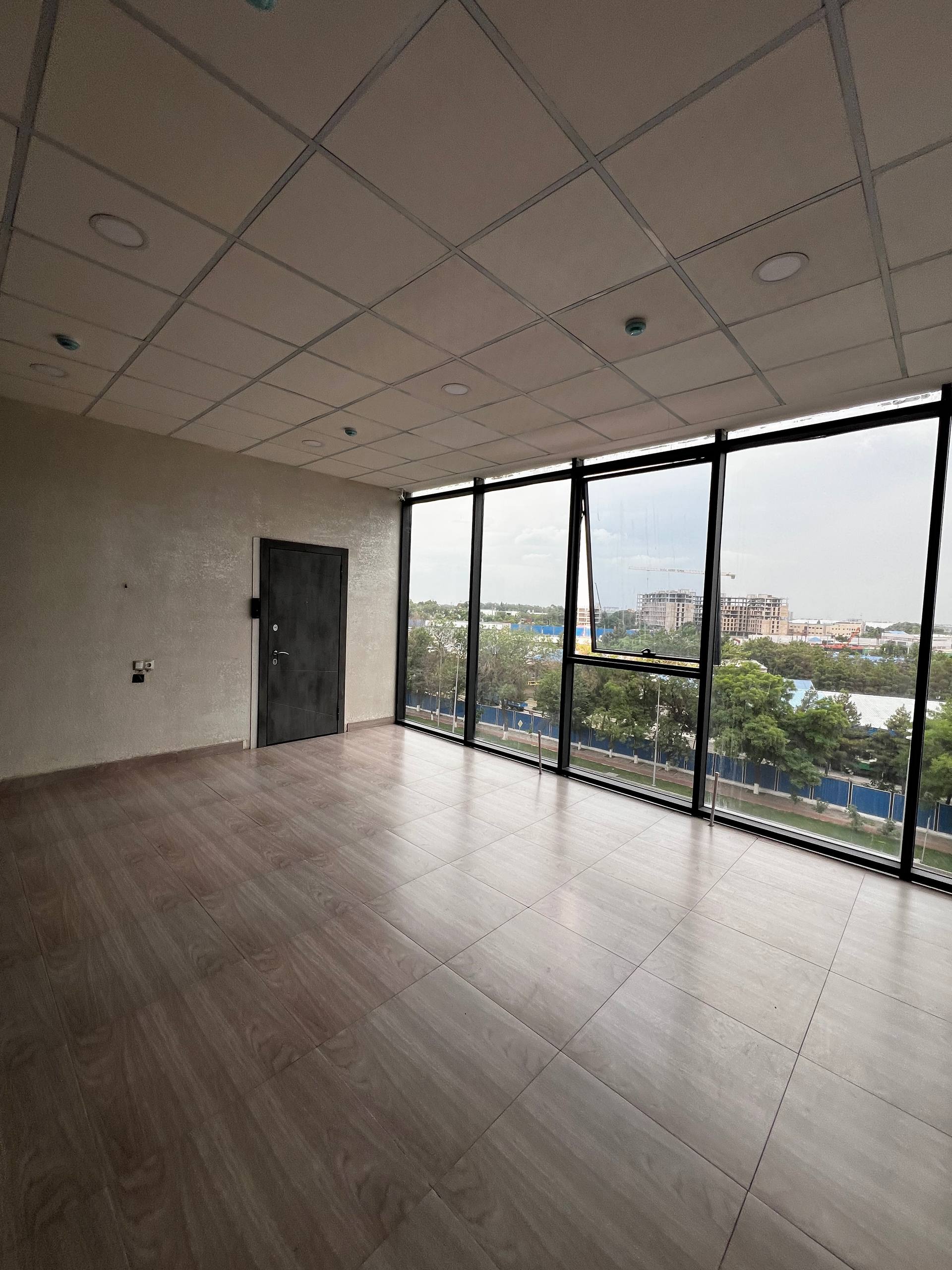
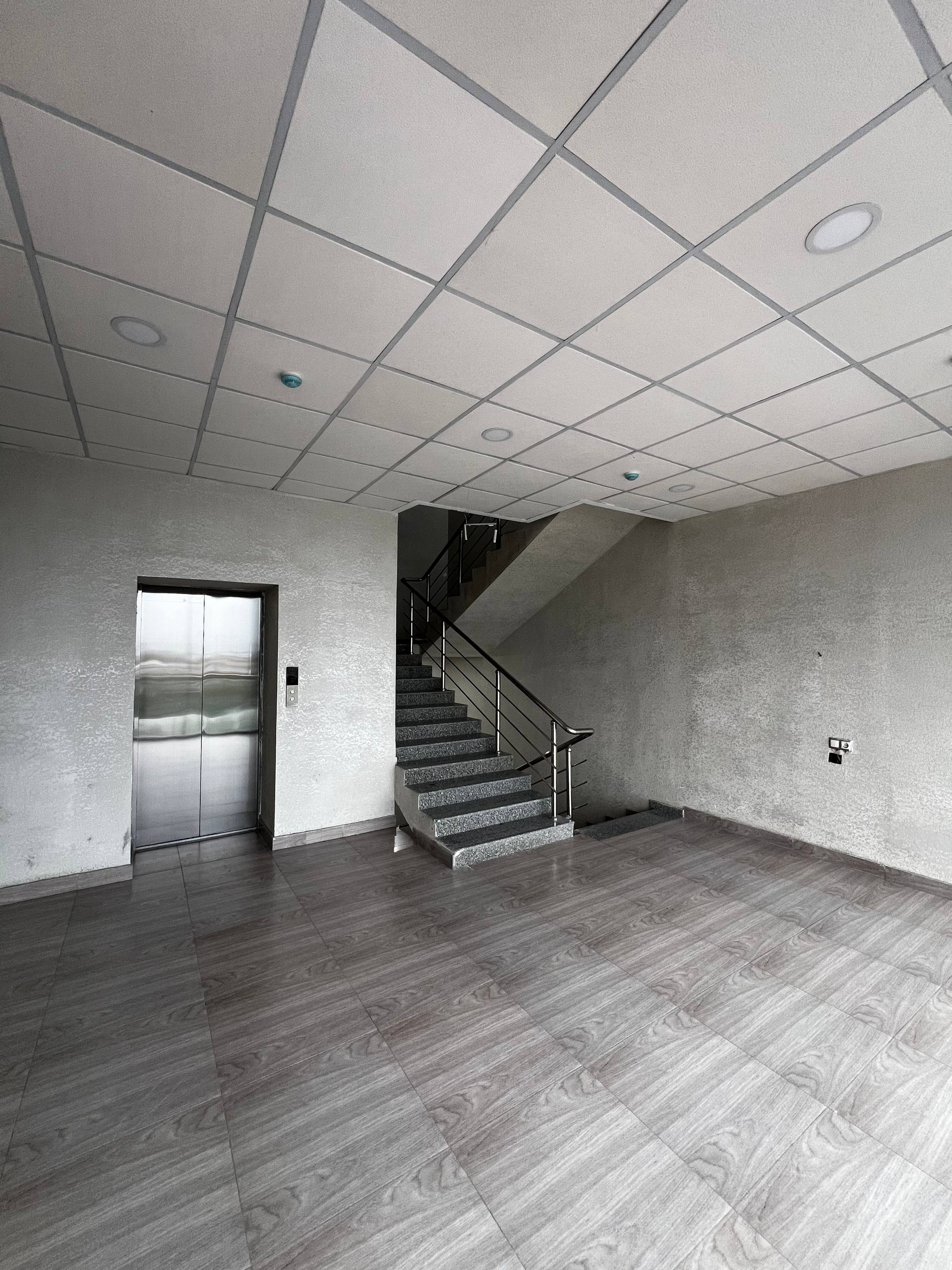
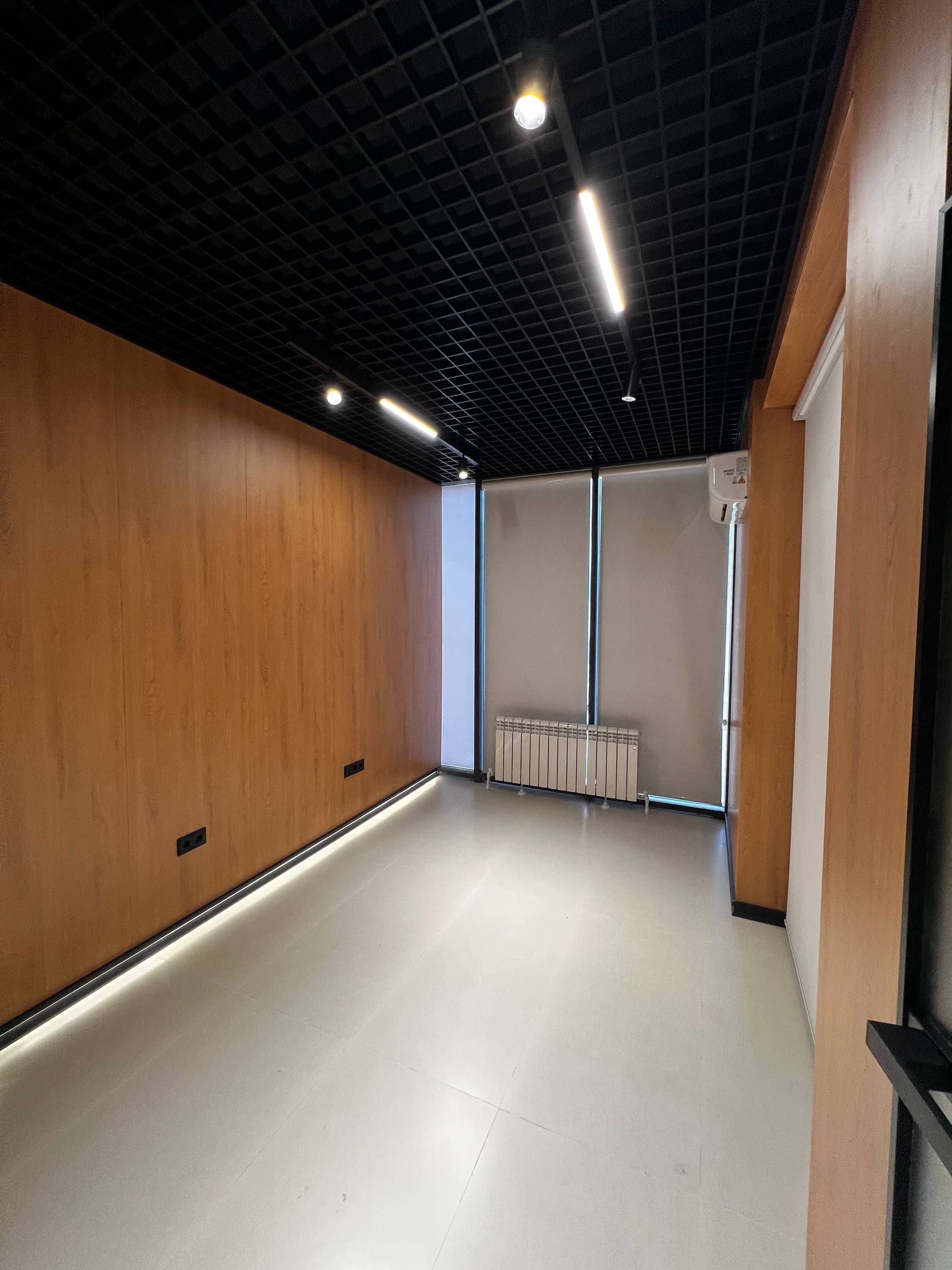
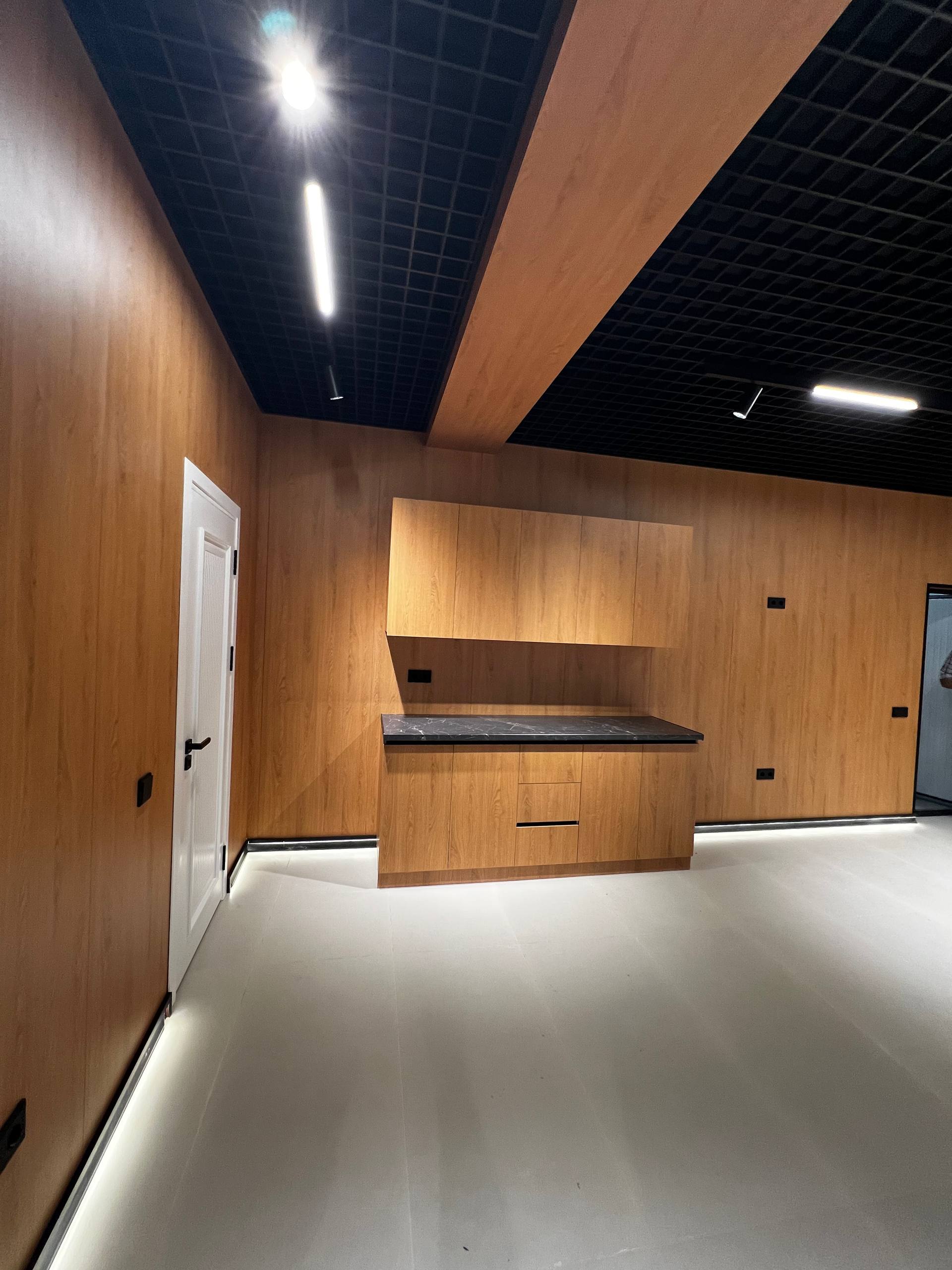
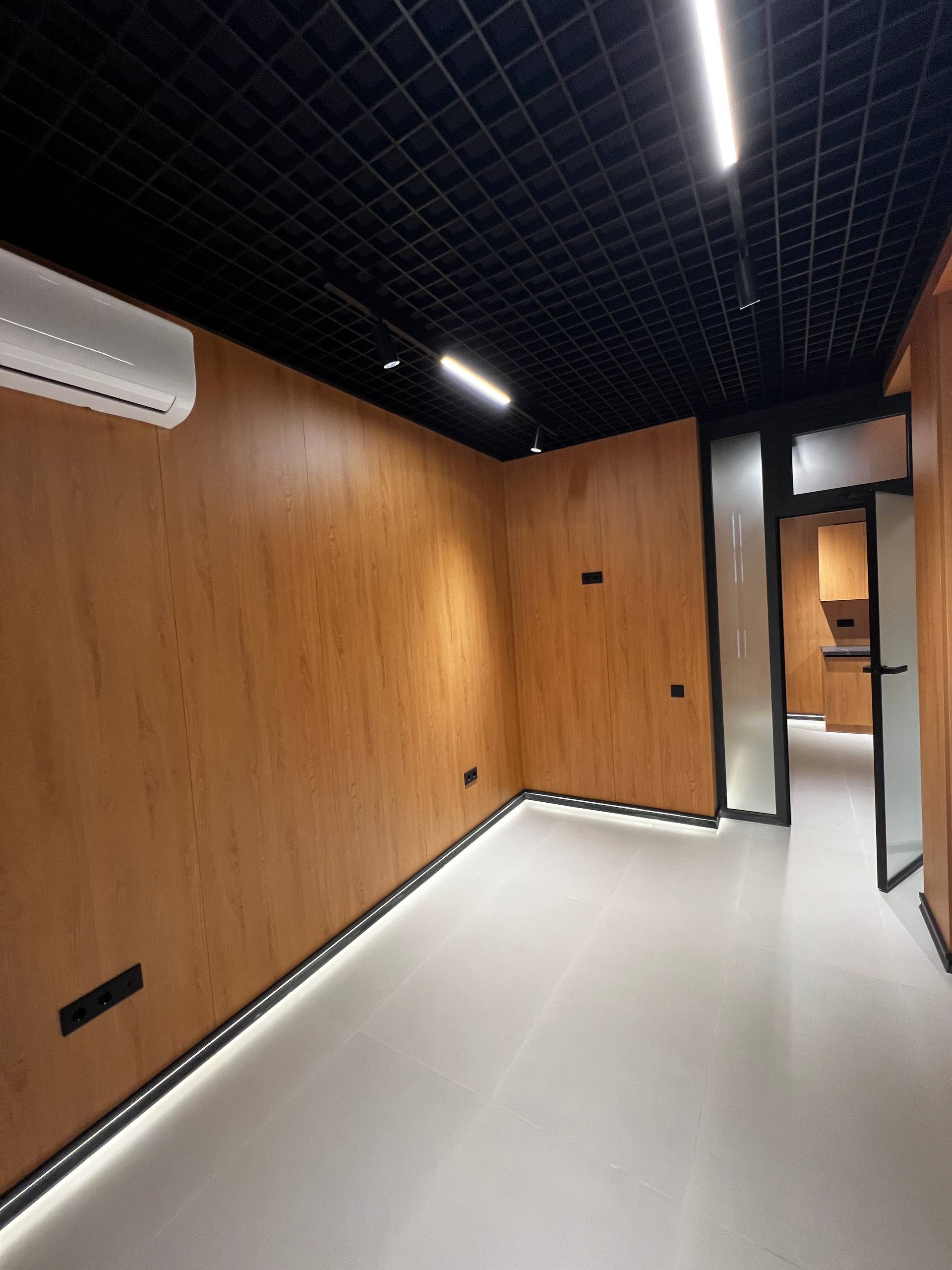
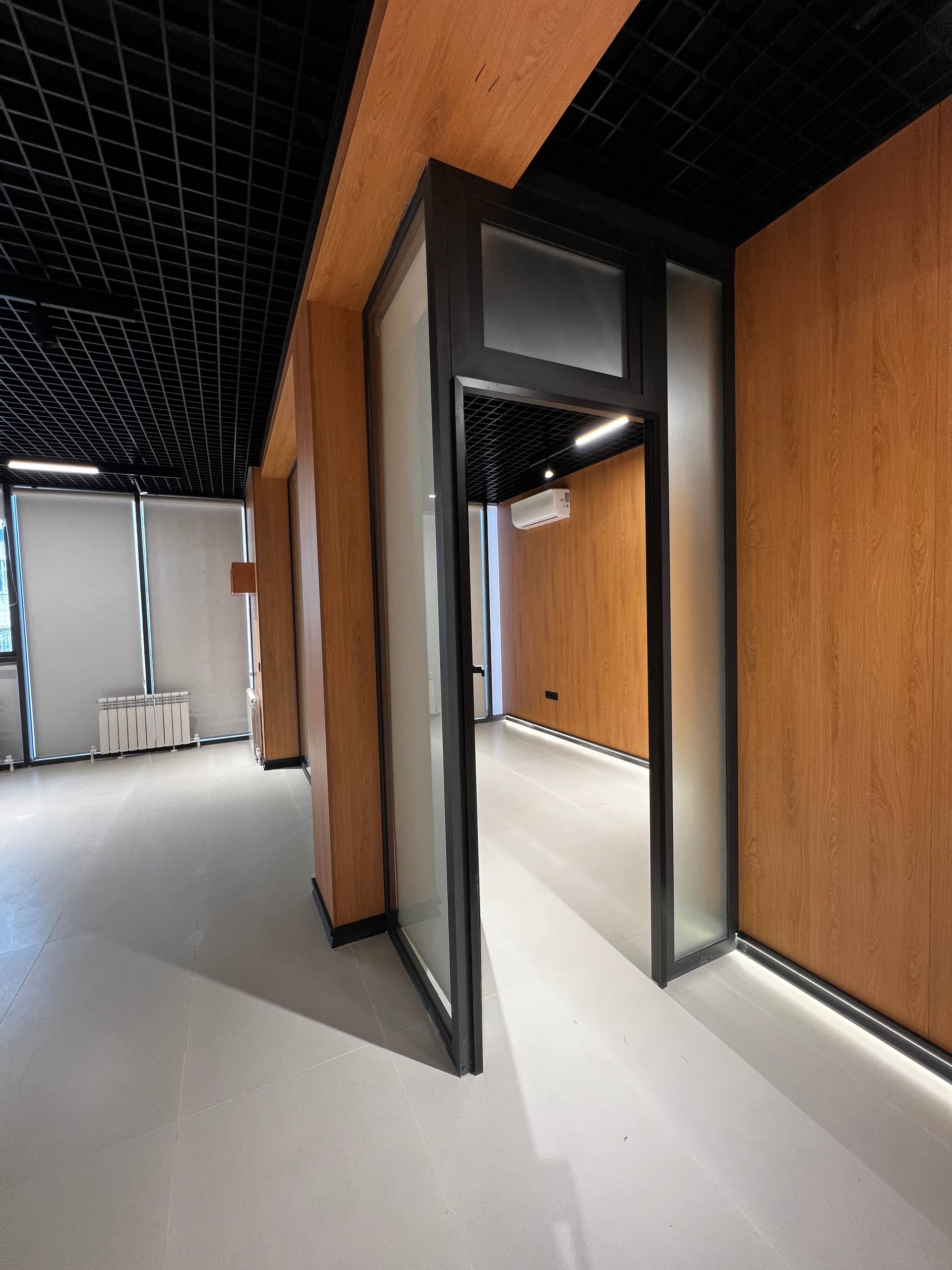
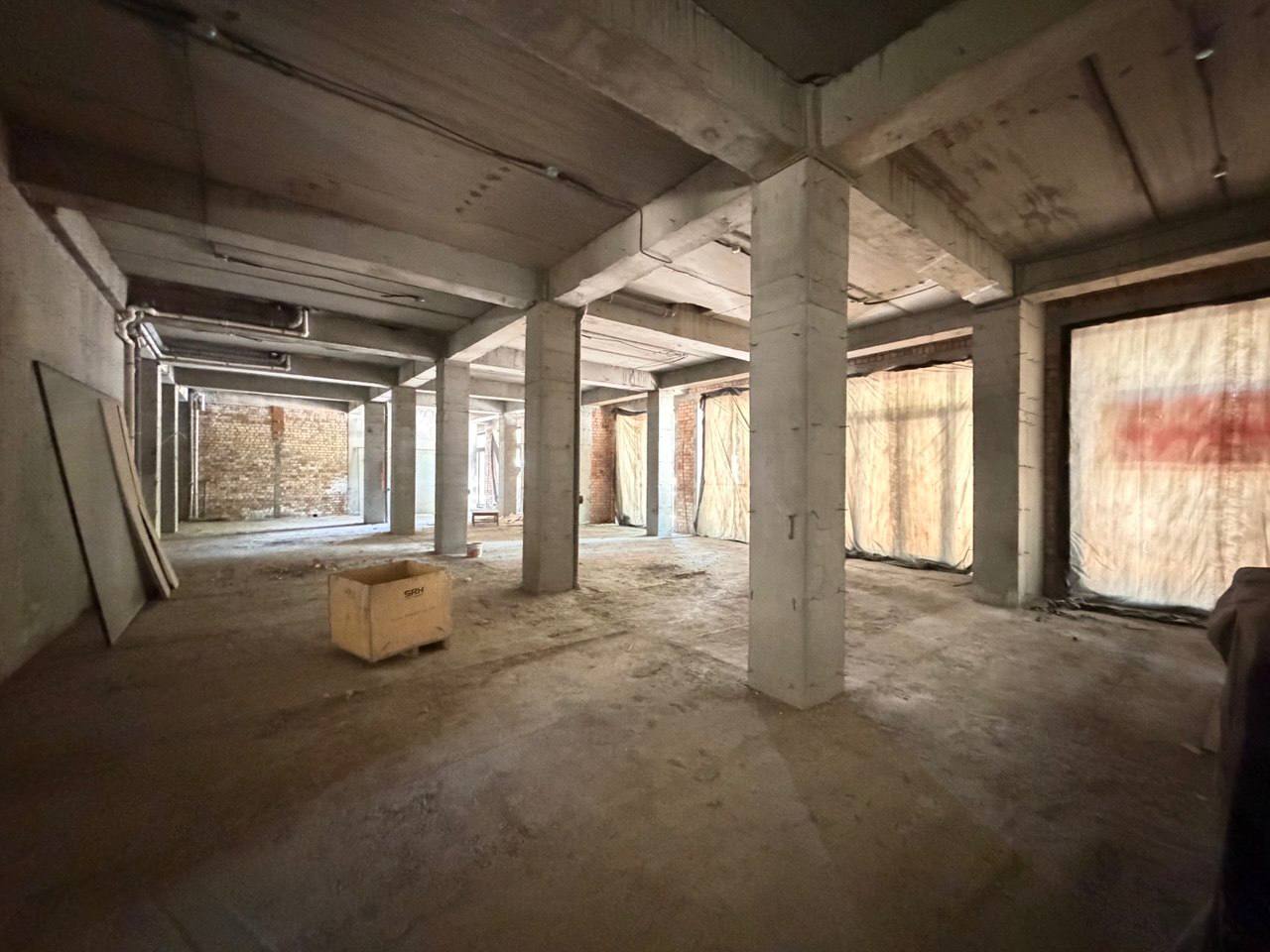
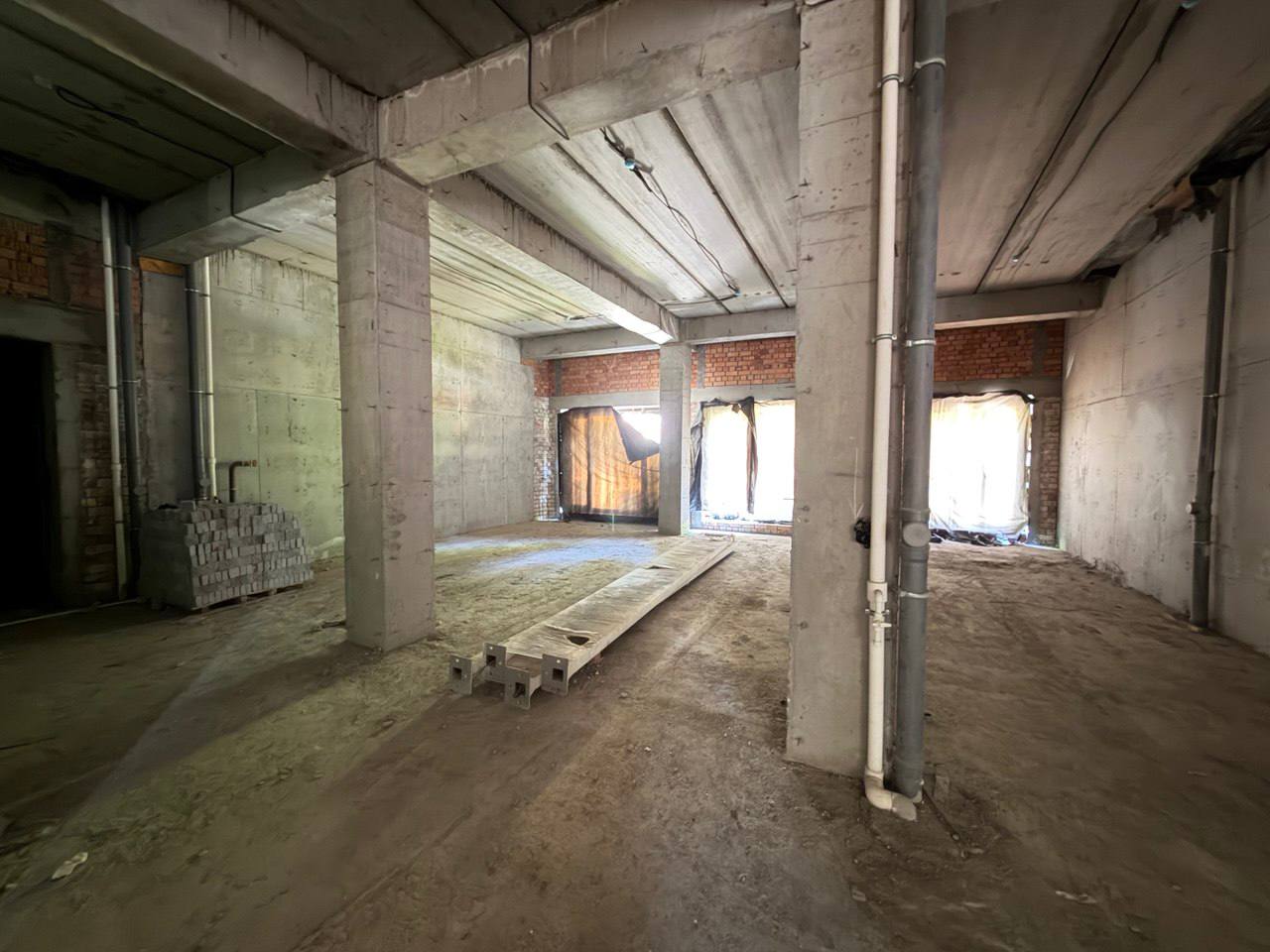
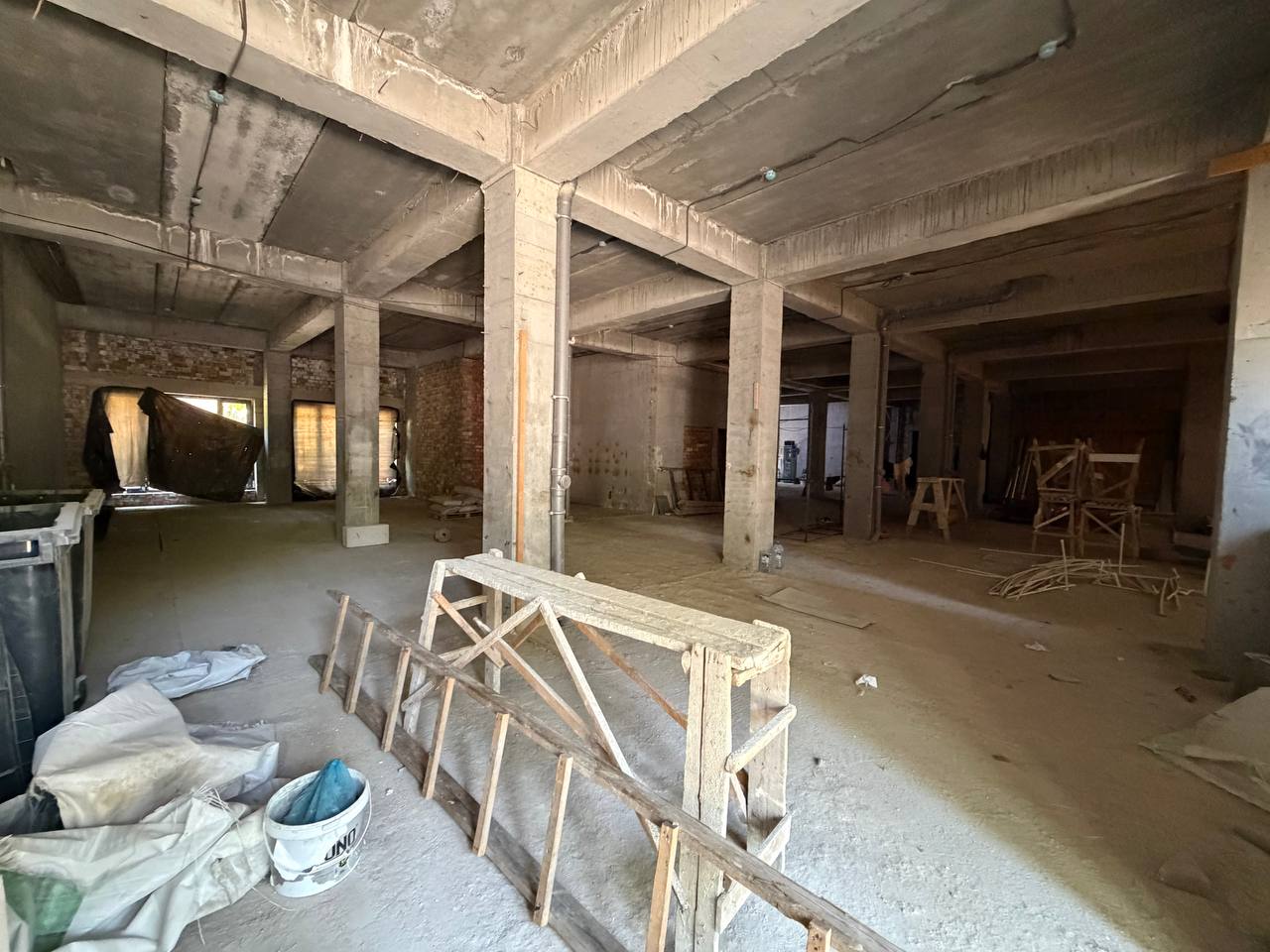
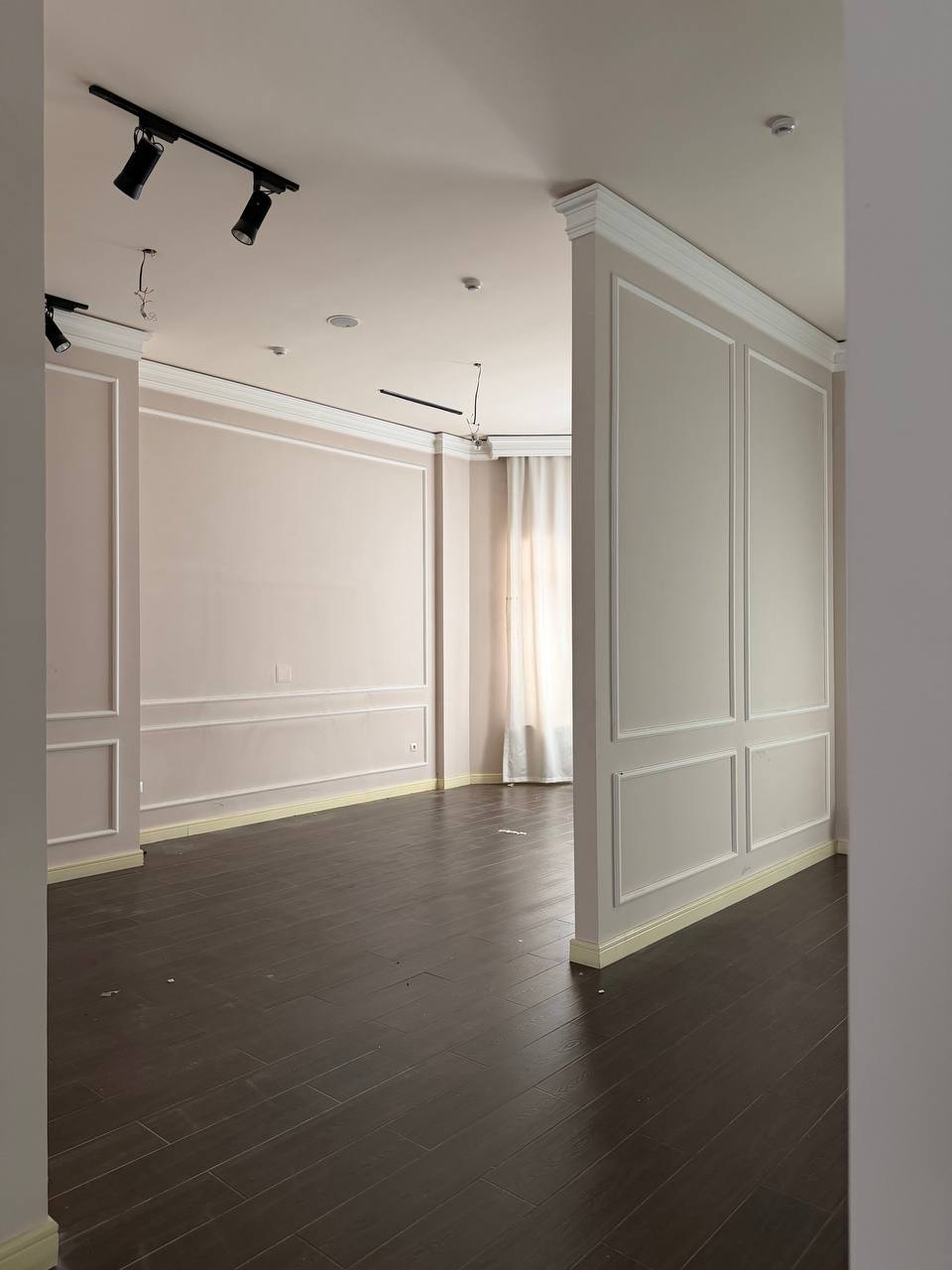
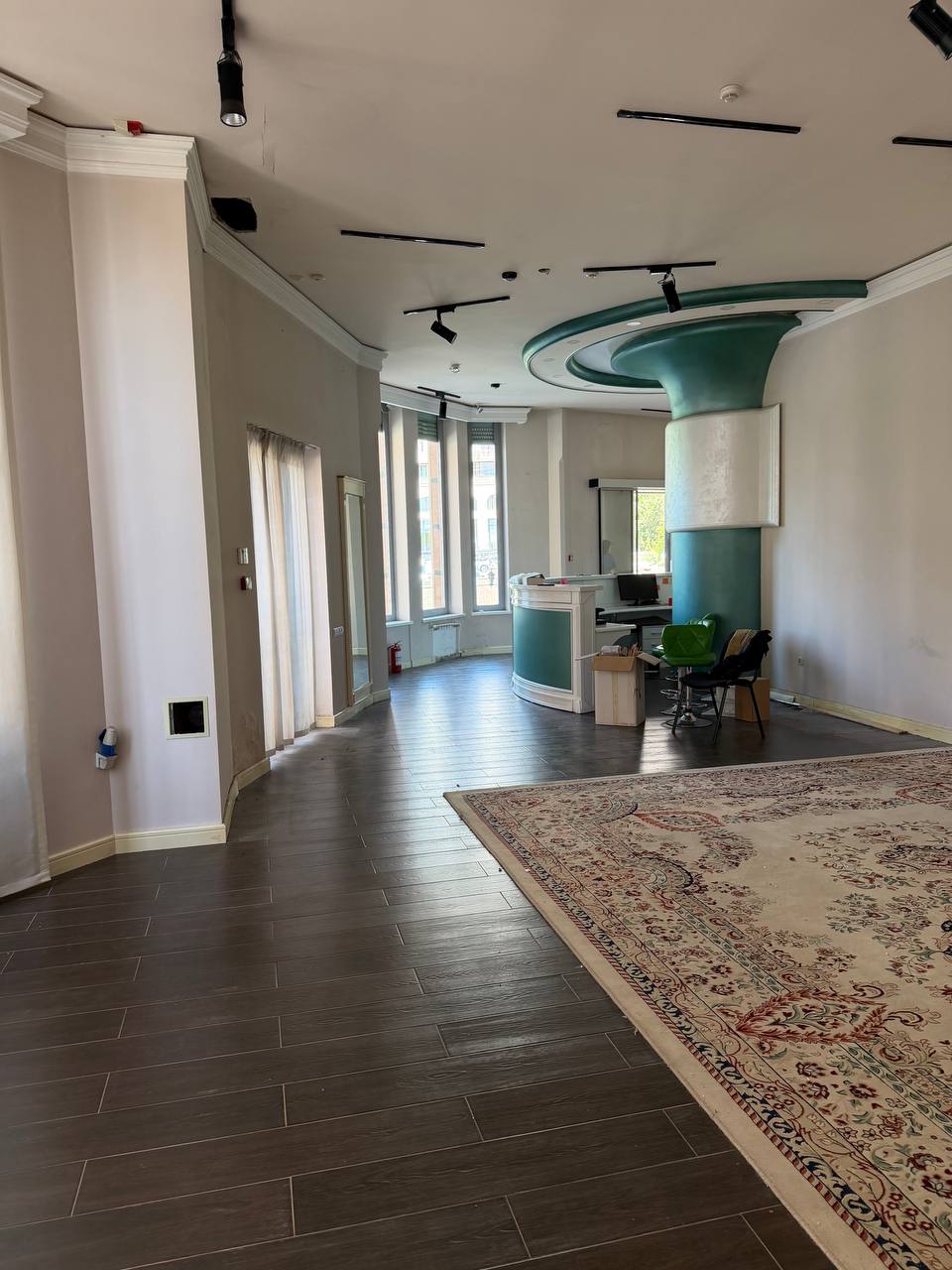
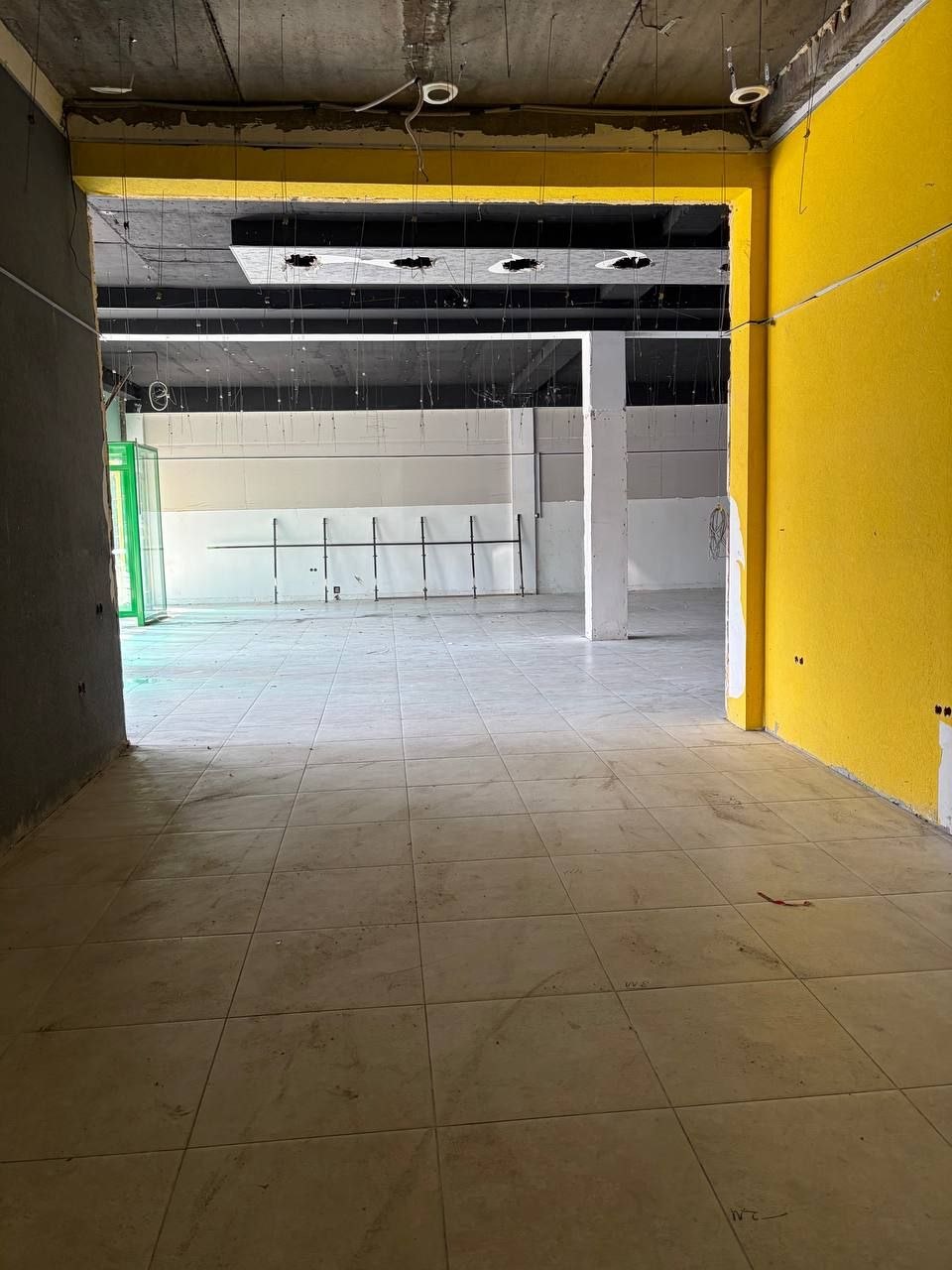
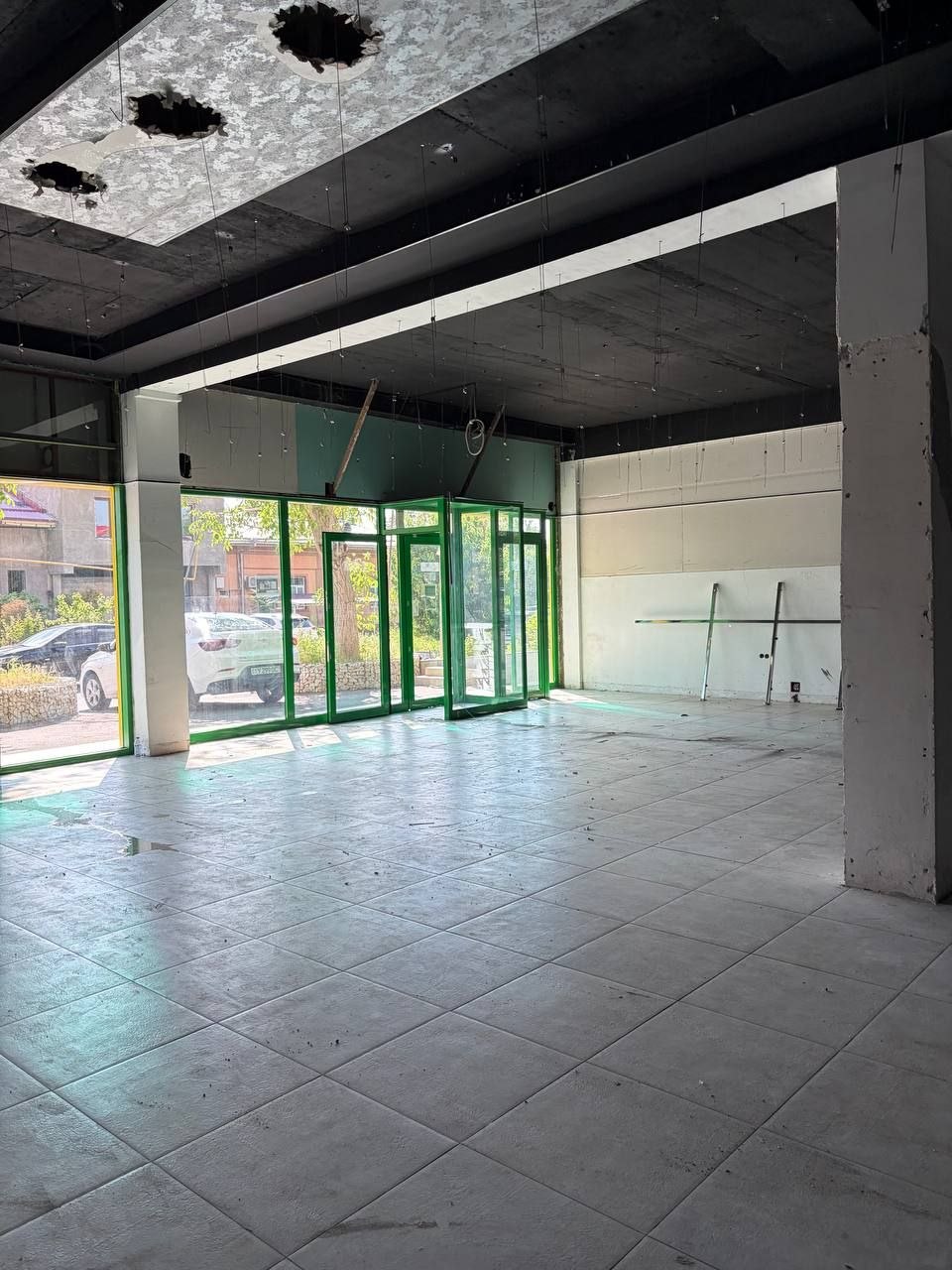
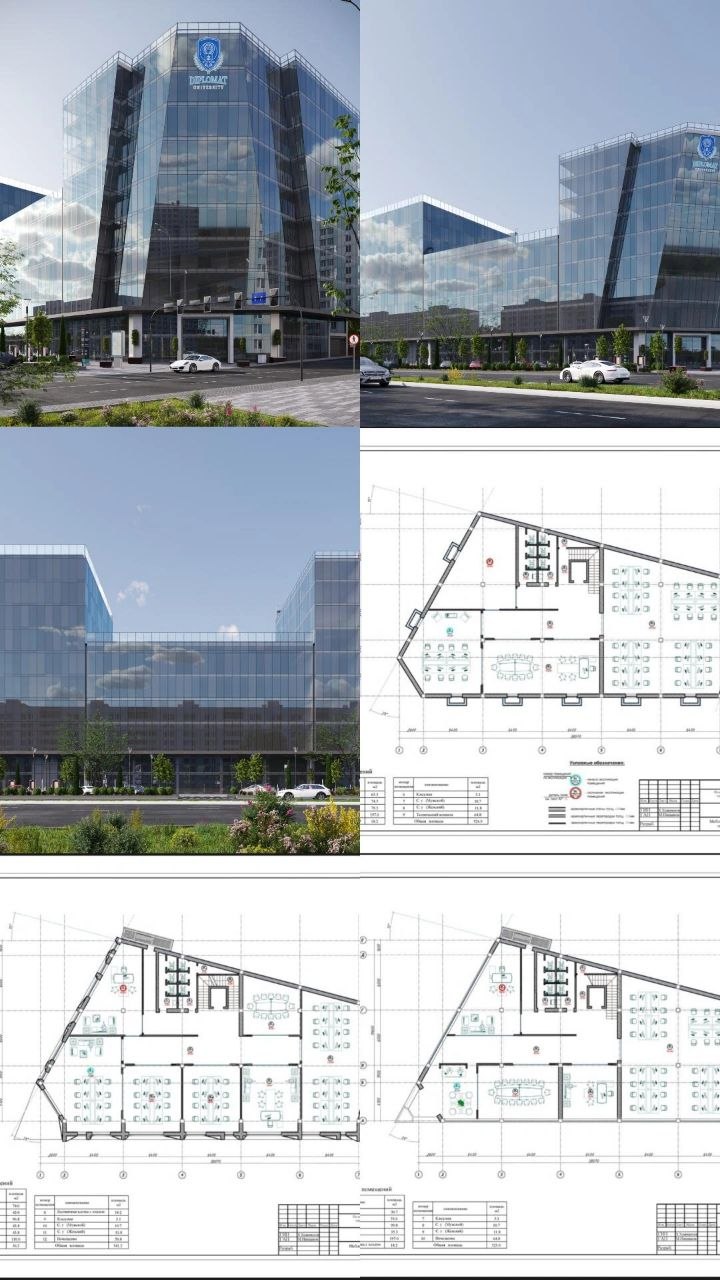
A company leases an office for a team working across international time zones. The listing promises 24/7 access, yet the central ventilation stops after 8 p.m., the visitor lift switches to a restricted mode, and no guest can be admitted without the daytime receptionist. The door is technically open around the clock. The office itself is usable only on a conventional schedule.
Current search results for office rentals in Tashkent repeatedly place round-the-clock access alongside security, parking, internet and climate control. These features are useful search filters, but they do not explain how the systems operate. Before selecting a property through the office rental listings in Tashkent, turn every promise into a testable scenario.
Why a 24/7 promise must be broken into operations
For a tenant, a round-the-clock office is not a single service. An employee must be able to enter the site, pass the turnstile, call a lift, reach the floor and work with suitable temperature and lighting. Visitors, couriers and technicians need their own routes. If something fails, an after-hours support service must respond.
Begin with an evidence table:
| Promise | What to test on site | What to obtain in writing | |---|---|---| | 24/7 access | An employee entering and leaving late in the evening | Access hours, pass rules and exceptions | | Uninterrupted power | What happens when the main supply fails | Lines connected to a UPS or generator | | Climate control | Operation outside ordinary business hours | Schedule, temperature regime and after-hours activation procedure | | High-speed internet | A wired connection inside the selected suite | Available providers, responsibility boundary and fault-response terms | | Parking | Gate operation and allocated spaces | Number of spaces, visitor rules and separate charges |
The quality of evidence increases through four stages: marketing statement, live demonstration, technical document and lease schedule. A manager’s oral assurance may be a useful lead, but it is not a lease condition.
Test the entire after-hours route, not only the front door
Arrange a second viewing at the time the team will actually use the office: in the evening, early in the morning or at the weekend. Ask in advance that no special demonstration mode be enabled. Follow the route of an ordinary employee.
Check whether the vehicle gate opens, whether the system accepts a temporary or permanent pass, and whether the turnstiles and required lift operate. Then leave the building in the same way. Electronic access control must not trap a person inside because a card malfunctions. Ask how a new employee is enrolled, how a former employee’s access is revoked and who can restore access at night.
The phrase “24/7 security” may mean only that a guard is present. It does not define visitor admission, reception hours or the guard’s authority. A client-facing company needs a pre-registration process and a workable route for an unexpected visitor. An IT team needs a procedure for admitting an emergency technician carrying equipment.
Power supply: establish what the backup actually supports
Start with the tenant’s load, not the generator. List computers, servers, network equipment, lighting, kitchen appliances and local air conditioners. For each item, record rated power, quantity and the likelihood of simultaneous use. The combined simultaneous load—not floor area—indicates the power the office requires.
Ask the management company for:
- the capacity allocated specifically to the proposed suite;
- the distribution-board diagram and meter location;
- a list of circuits covered by backup power;
- the generator start sequence and transfer time;
- evidence of the latest load test;
- the responsibility boundary between tenant and building.
A generator may serve only fire systems, emergency lighting and one lift. A UPS may keep a server room running for several minutes without supporting air conditioning. “Is there a generator?” is therefore almost meaningless unless followed by “Which loads does it support, and for how long?”
Official guidance on electricity connections identifies the connection point and reliability category as parameters considered when the supply arrangement changes. A prospective tenant does not need to apply for a new connection during every viewing, but should compare the suite’s claimed capacity with the building’s technical records. If the business load exceeds the allocation, treat a promise to increase capacity as a separate project with a deadline, accountable party and budget.
Climate and ventilation outside normal working hours
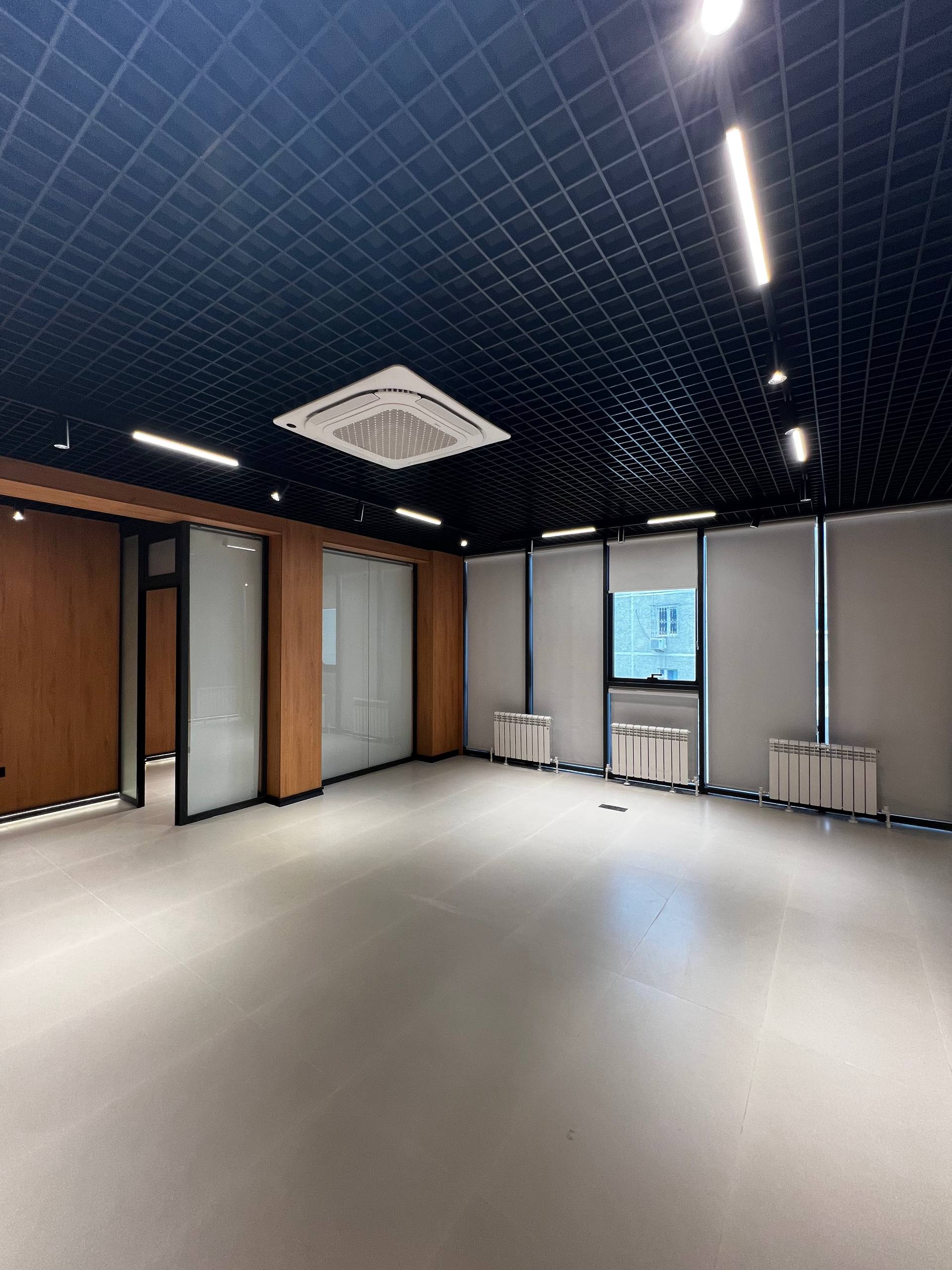
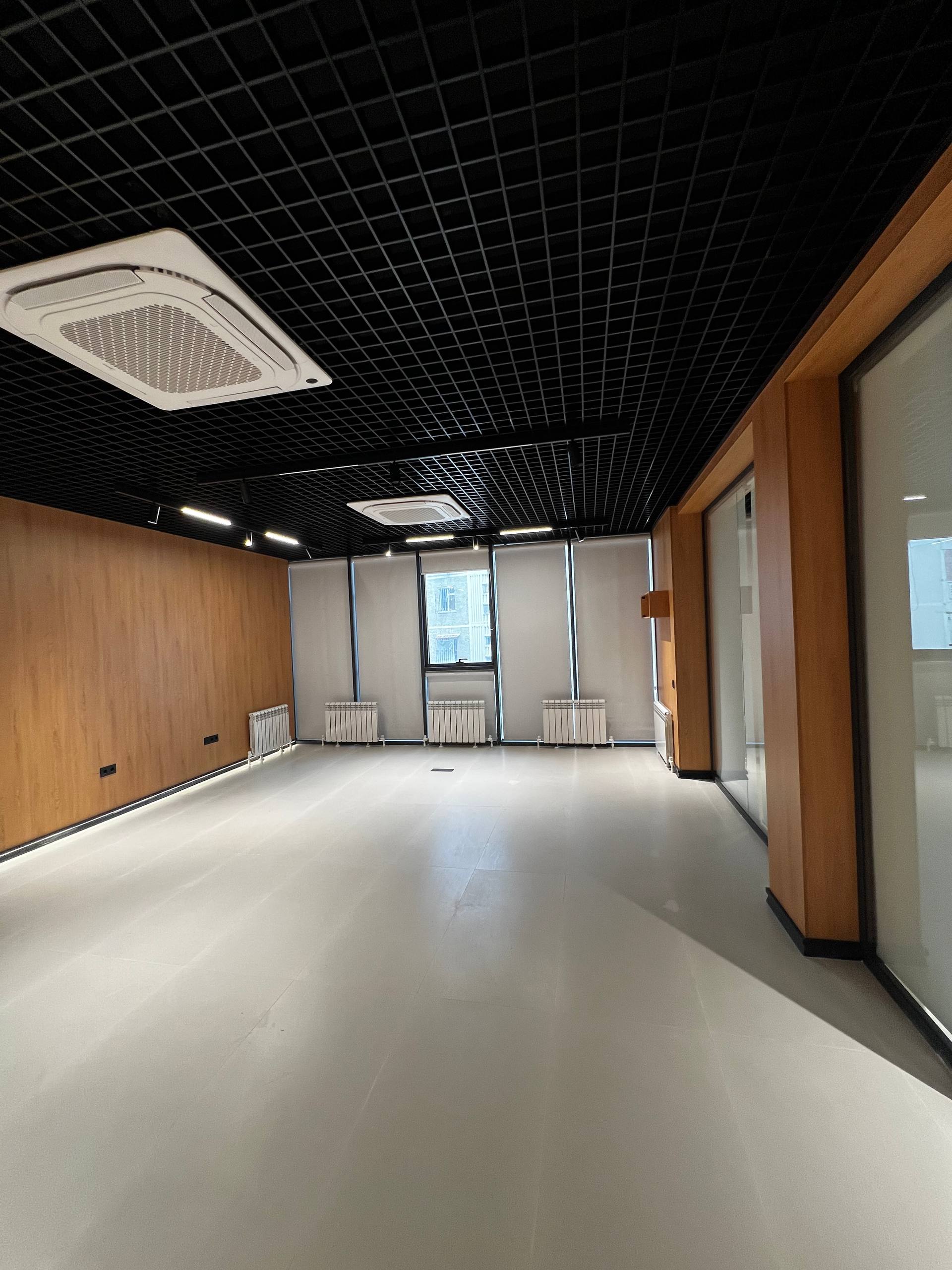
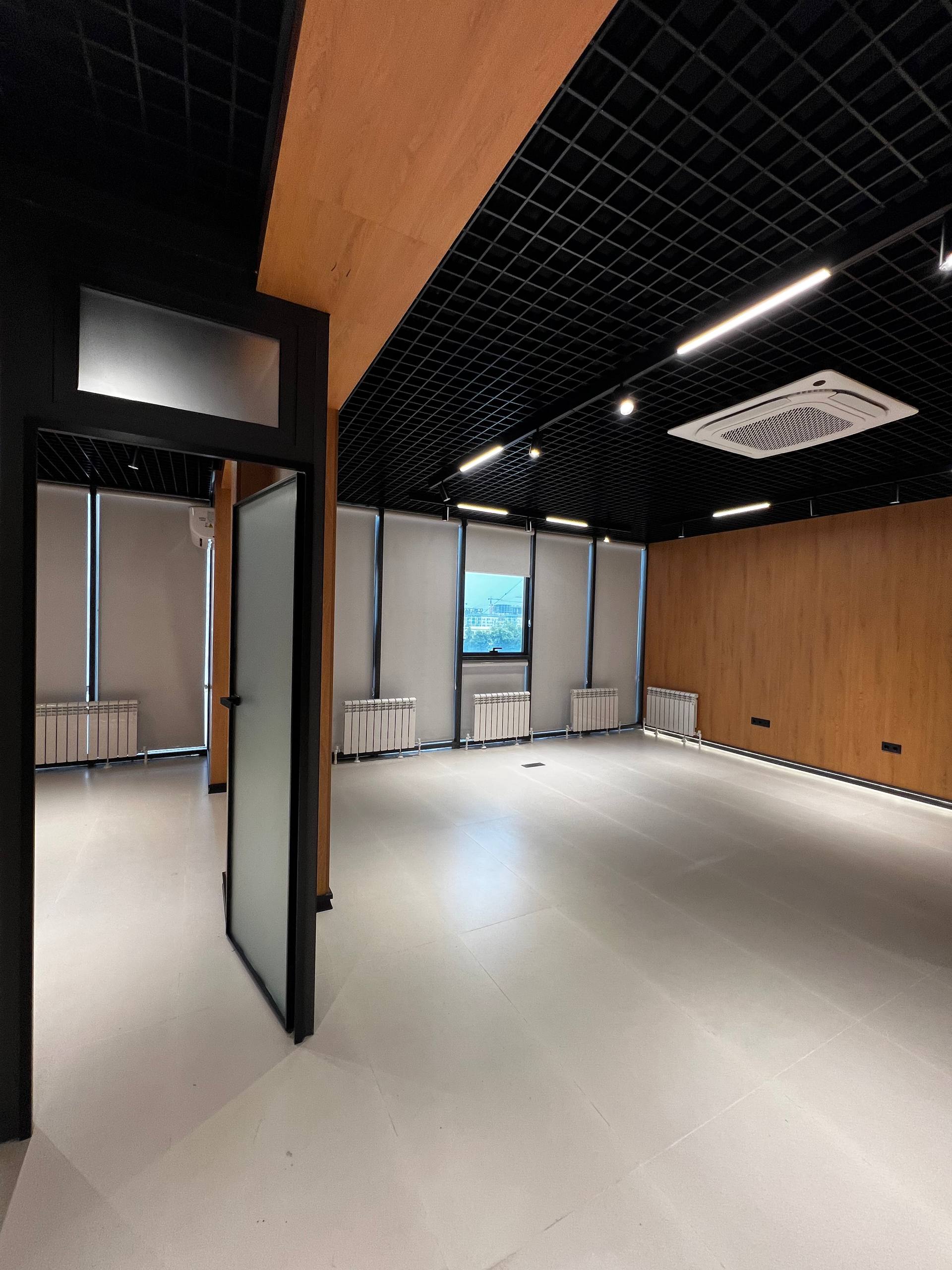
A wall-mounted air conditioner cools the room but does not prove that fresh air is being supplied. The difference becomes apparent in a densely occupied room much faster than during a short daytime tour. Establish whether ventilation is centralised, what schedule it follows and whether the tenant can control individual zones.
During the test visit, keep the team or a permitted test load in the space for a realistic working interval. Record temperatures in several zones, stuffiness, noise and odours. If a carbon-dioxide monitor is used, examine the trend with closed windows and the system operating instead of relying on a single reading. A qualified specialist should confirm the applicable sanitary limits for the actual use and workplace arrangement.
Uzbekistan’s government portal states that workplace temperature, lighting and ventilation must comply with sanitary rules, while the building must suit its function and occupational-safety requirements. These are employer concerns, so the management company’s reference to “modern equipment” is not enough.
Check seasonal restrictions as well: when heating or cooling is activated, who pays for operation beyond the standard schedule, whether an additional unit may be installed and who maintains equipment inside the suite.
Internet: fibre in the building does not guarantee resilience
“Fibre in the building” does not tell the tenant whether a cable reaches the selected suite, whether another operator can be engaged or where the provider’s responsibility ends. The distinctions are critical for businesses that rely on cloud applications, telephony or remote support.
Ask to see the telecommunications entry point, floor distribution node and route to the office. Test through a wired connection rather than shared Wi-Fi. Record latency, packet loss and stability over a realistic working interval; a single speed reading does not reproduce a video conference or VPN session.
A backup connection must differ by more than the operator’s name. Determine whether the primary and secondary cables follow separate physical routes and whether the building’s network equipment has backup power. Two contracts provide little protection if both fibres enter through the same vulnerable node.
When screening commercial property rentals in Tashkent remotely, send these questions before arranging a tour: available operators, installation cost, connection lead time, round-the-clock fault reporting and the procedure for admitting a technician.
Fire safety and emergency access
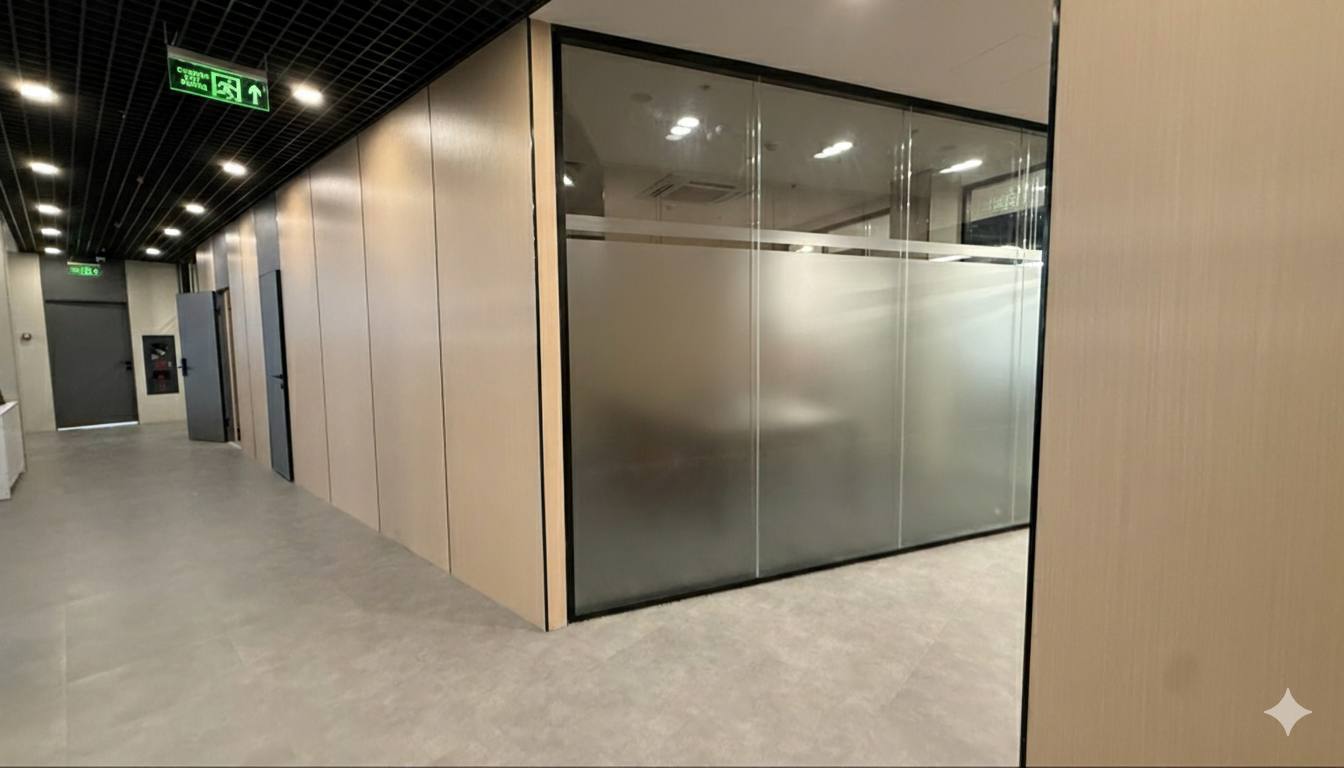
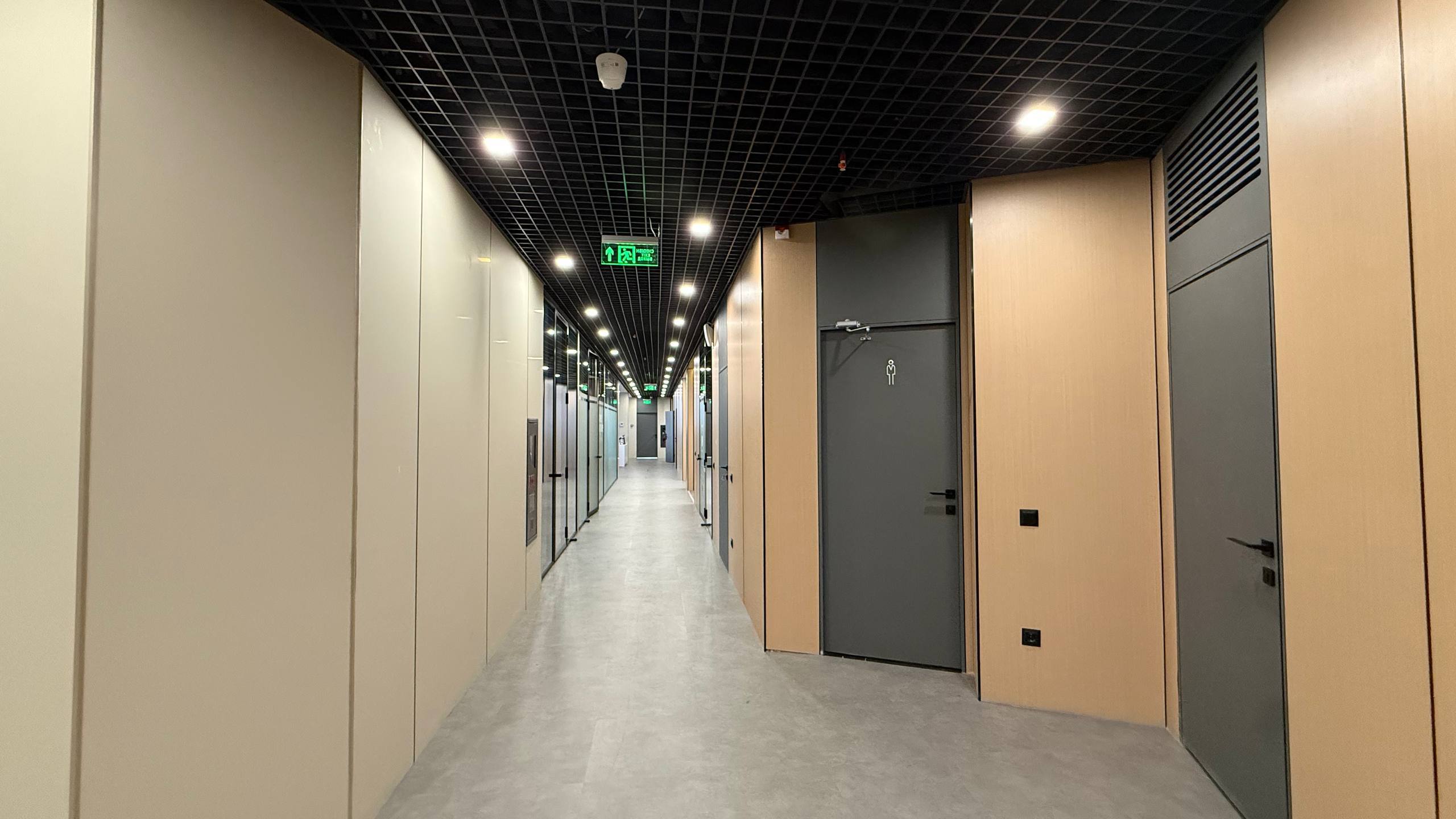
An attractive evacuation diagram cannot compensate for an obstructed route. Walk from the office to a safe exit. The door must be accessible, the corridor free from furniture and boxes, and the route understandable without a manager’s guidance. Uzbekistan’s official workplace guidance states that emergency routes and exits must be marked, kept clear and lead outside or to a safe area.
Request records for the fire-protection systems and information about their latest maintenance. Establish where detectors are located, how an alarm is transmitted, who directs an evacuation and whether access-controlled doors release during an alarm. Do not activate an alarm point yourself; the responsible service should organise any demonstration.
The my.gov.uz portal provides a service for obtaining a conclusion on whether a building or premises complies with fire-safety requirements. The existence of the service does not mean that one conclusion is automatically mandatory or sufficient for every office. If the owner presents one, match its cadastral number, address, premises and current validity to the proposed suite, and discuss its scope with a competent specialist.
Uzbekistan’s Fire Safety Law assigns organisational duties to company managers and allows certain responsibilities to be allocated by contract. The lease should therefore distinguish responsibility for common systems, equipment inside the suite, employee instruction and correction of defects. Outsourcing some work to the management company does not turn the employer’s safety responsibilities into somebody else’s problem.
Lifts, parking, visitors and deliveries
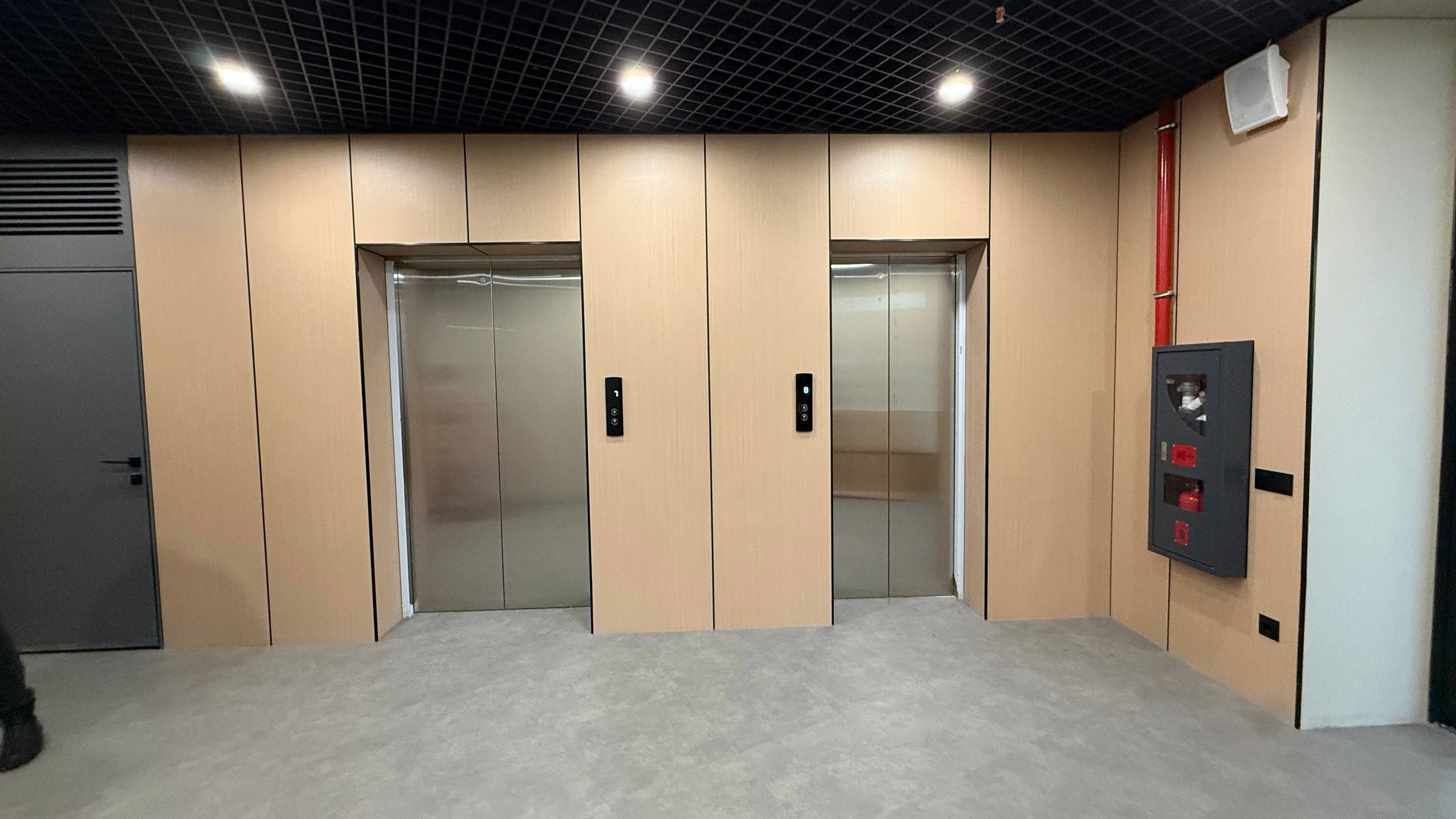
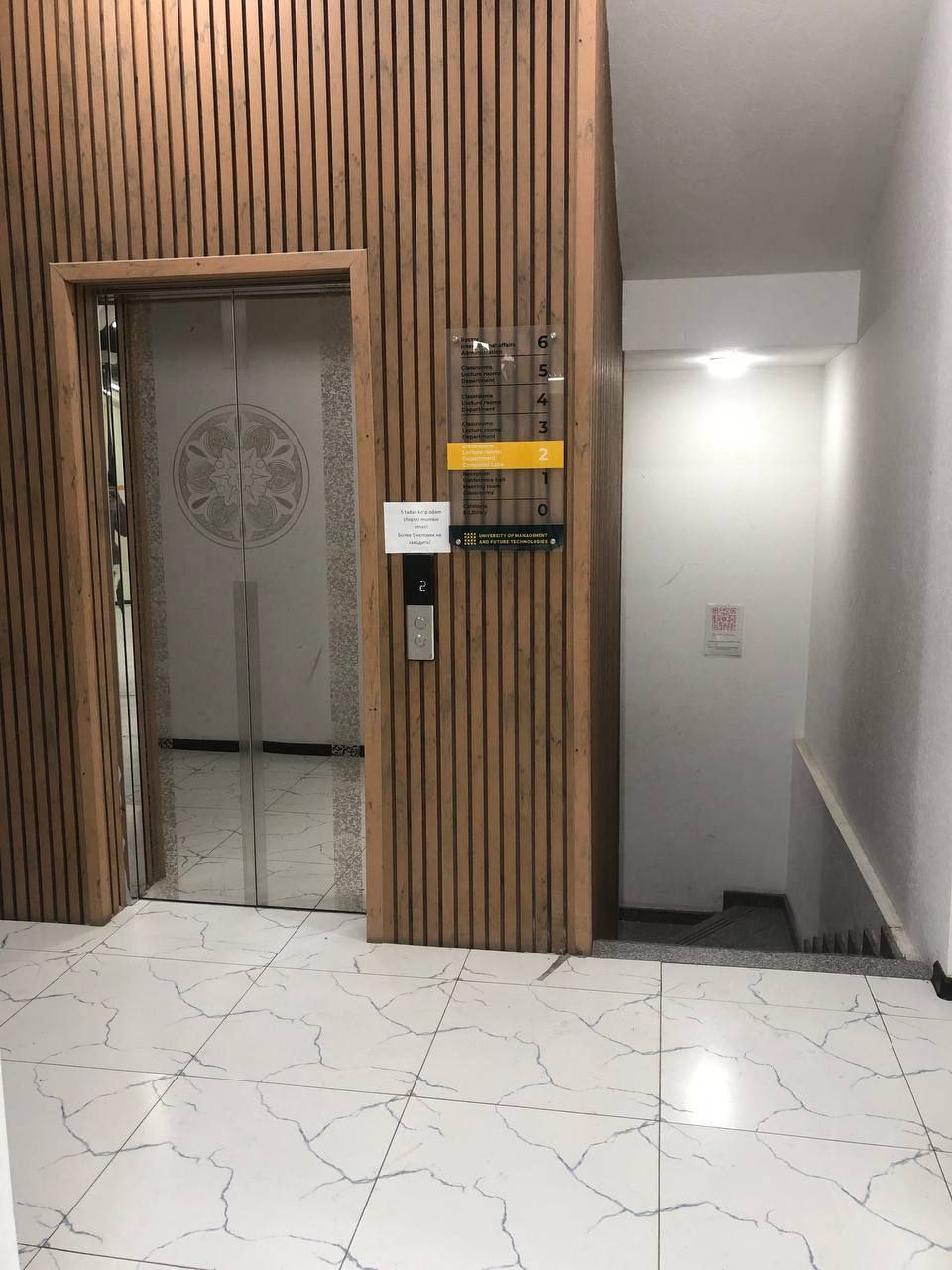
Four lifts appear advantageous during a daytime viewing. At night, only one may operate, while the service lift may require advance booking. Ask for a demonstration of the actual regime during the hours you need and the response procedure for a fault. For a high-floor office, establish how employees leave when lifts are unavailable; a lift is not a substitute for a verified evacuation route.
Assess parking by spaces, not adjectives. Separate allocated bays, shared parking and visitor spaces. Test the gate in the evening, vehicle-recognition method, one-time entry procedure and fallback when the system fails. “Parking available” does not guarantee a space for every employee or disclose an additional charge.
Apply the same method to deliveries. Where does a courier stop? Can equipment be brought upstairs? Is advance notice required? Who receives a parcel after reception closes? Testing these operations during one control visit is easier than discovering the restrictions after moving in.
How to incorporate test results into the lease
A technical inspection creates value only when its outcome becomes an obligation. Add employee and visitor access hours, lift and parking regimes, climate-system schedules, available electrical capacity, backed-up circuits, internet entry points and emergency contacts to a lease schedule.
For each critical condition, specify:
- who supplies the service;
- what counts as availability;
- which planned outages are permitted and how notice is given;
- where a fault is reported;
- how quickly the responsible party must respond;
- what follows if the service remains unavailable for an extended period.
Do not assume absolute continuity: no engineering system eliminates failure. The lease should establish a clear response and recovery process. Record the condition at handover with photographs, meter readings, a list of access cards and keys, and all identified defects in the acceptance report.
When comparing full occupancy costs after the engineering review, add parking, after-hours climate operation, additional power, a second internet circuit and the tenant’s own UPS to the headline rent.
Final inspection: a short protocol
Conduct the final test after the main terms have been agreed but before making a non-refundable payment:
- enter and leave with an ordinary pass at the required time;
- admit a visitor through the agreed procedure;
- call the passenger lift and, if required, the service lift;
- test climate conditions in an occupied room;
- connect to wired internet and run a real work scenario;
- compare distribution-board capacity with the equipment list;
- obtain a backup-power demonstration from the responsible service;
- walk the full evacuation route;
- test after-hours vehicle entry, parking and a delivery;
- send a discrepancy report to the management company.
The outcome is not a verdict that a business centre is “good” or “bad”. It answers a more useful question: can this particular team work here on its own schedule without hidden dependence on daytime staff and unverified engineering promises?
Sources and verification date