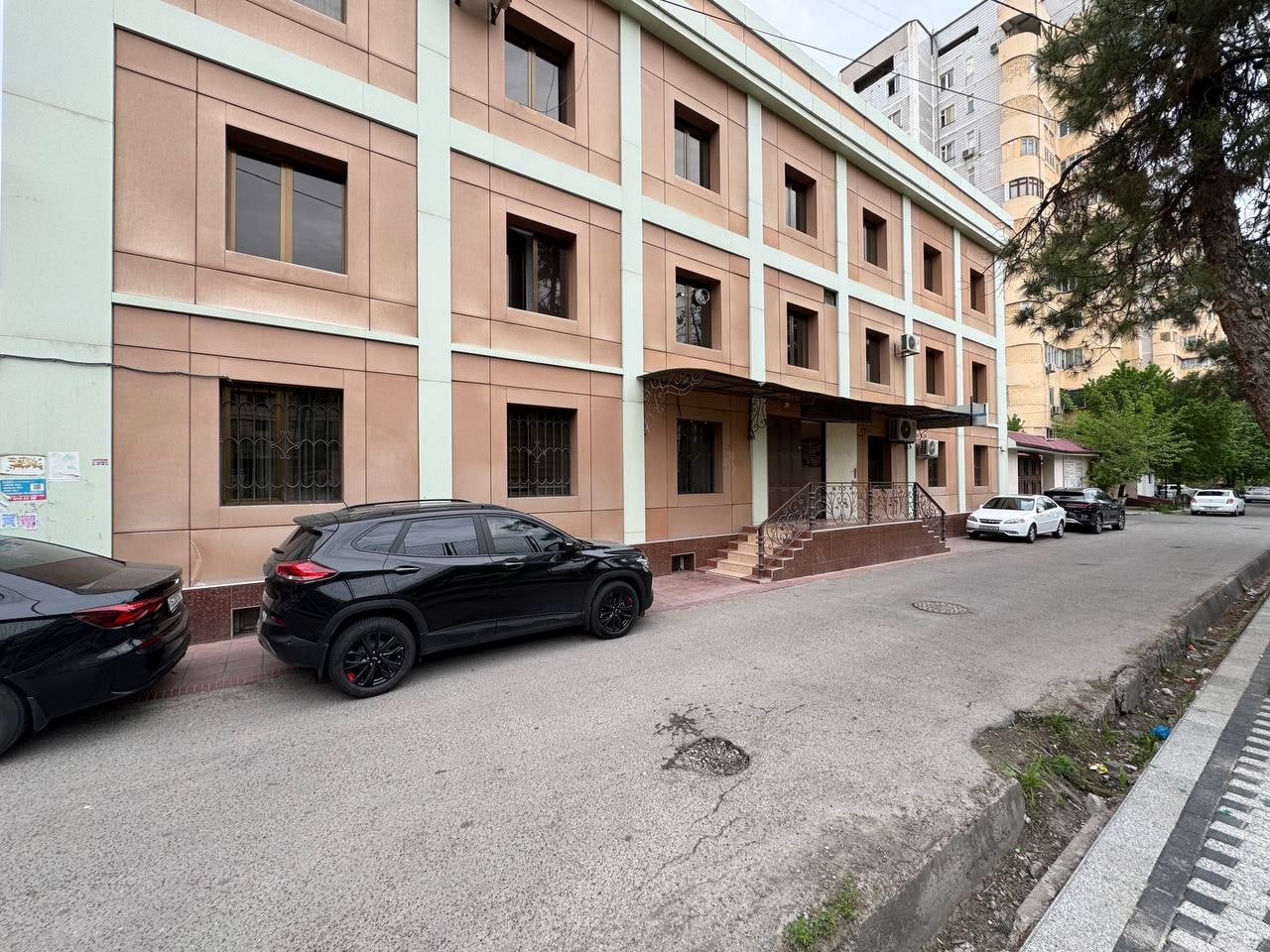
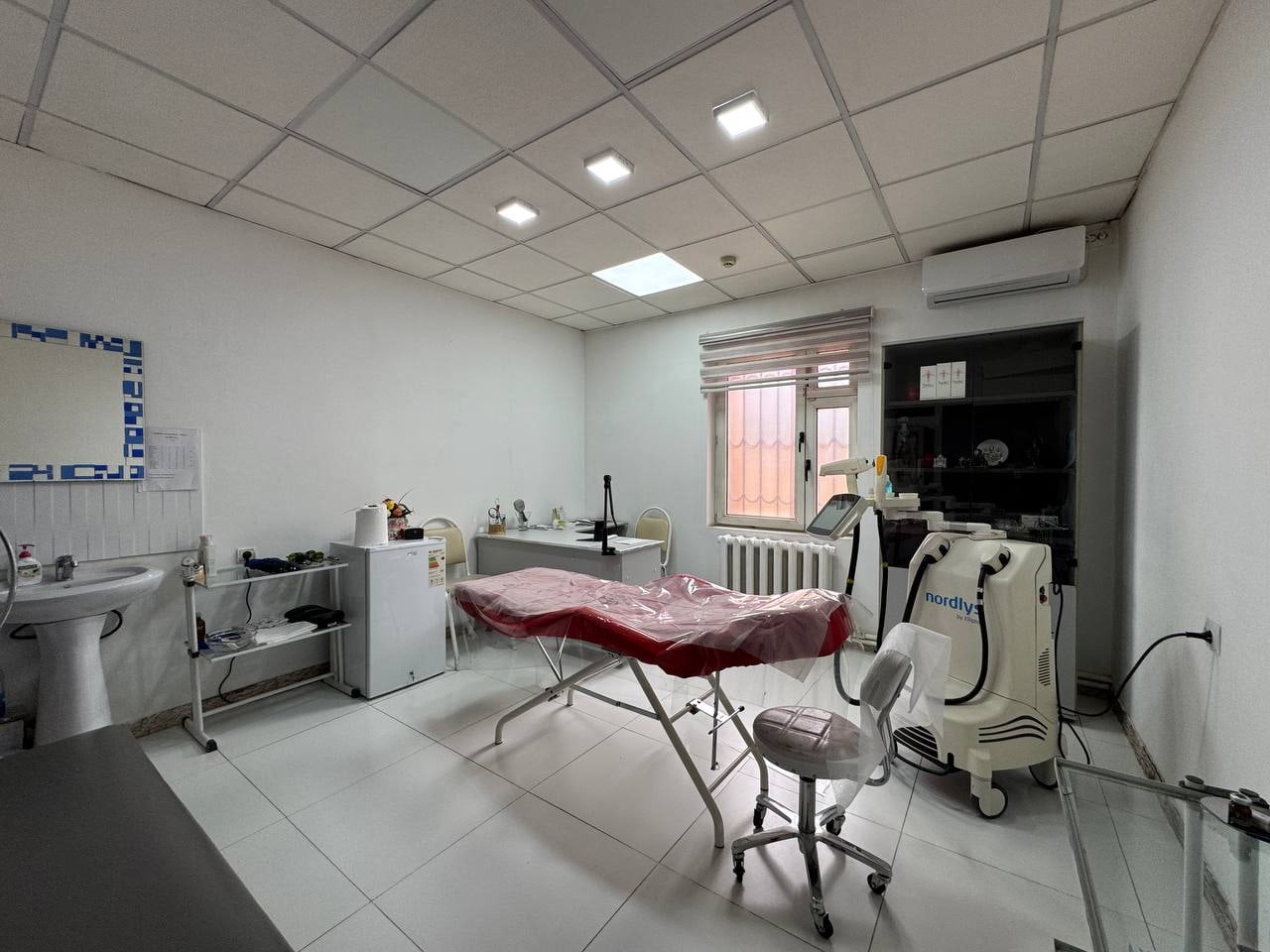
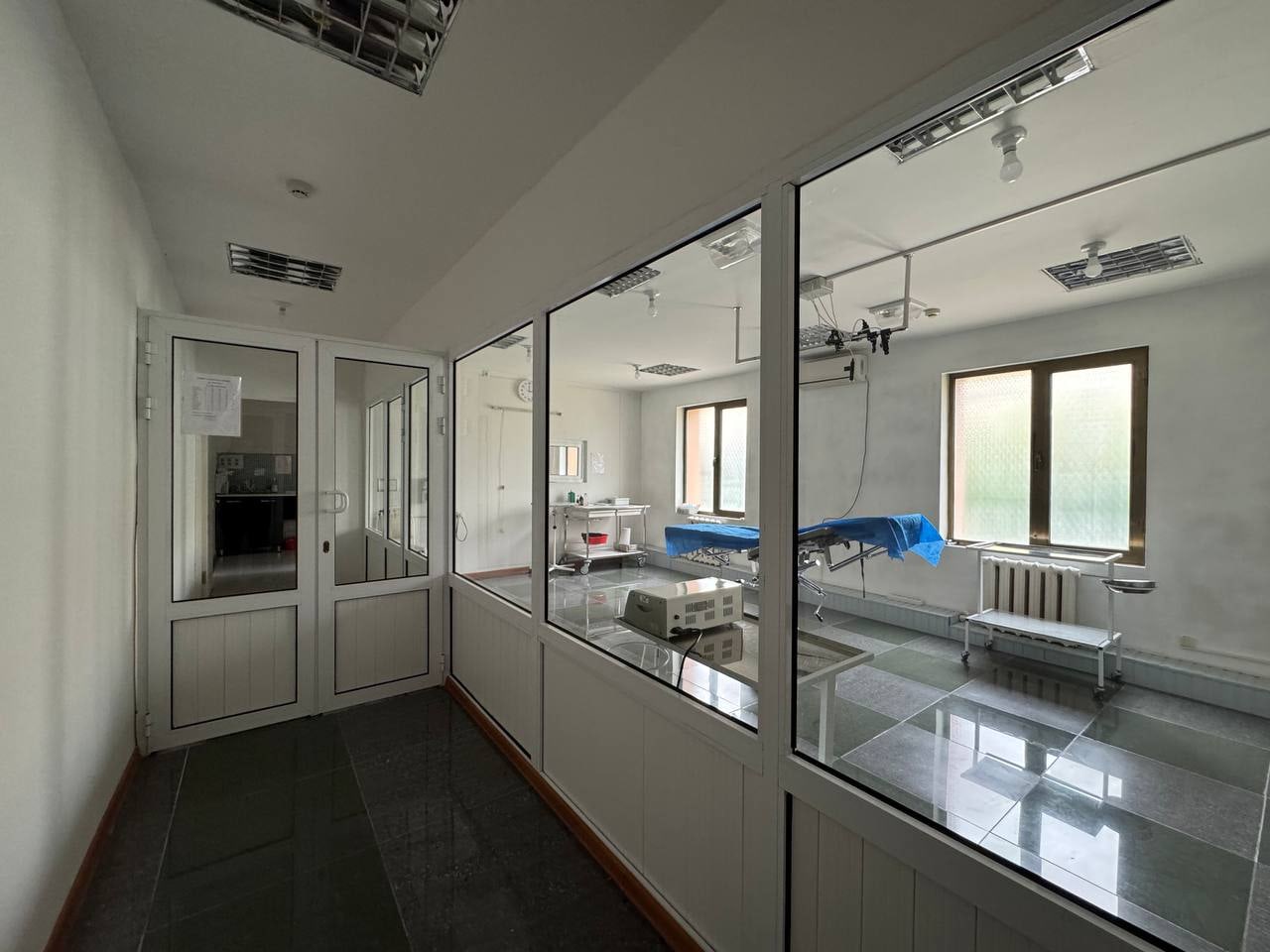
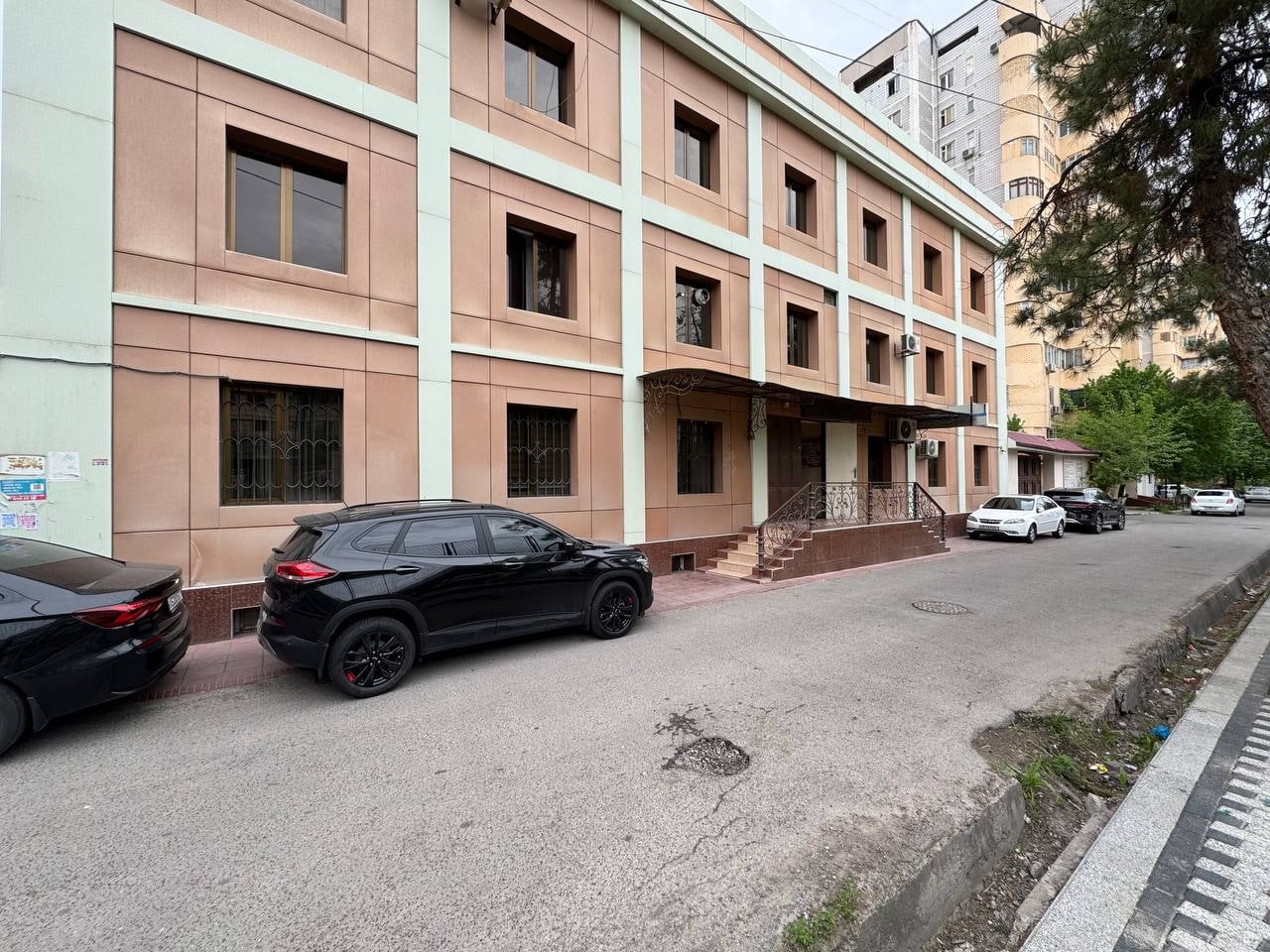
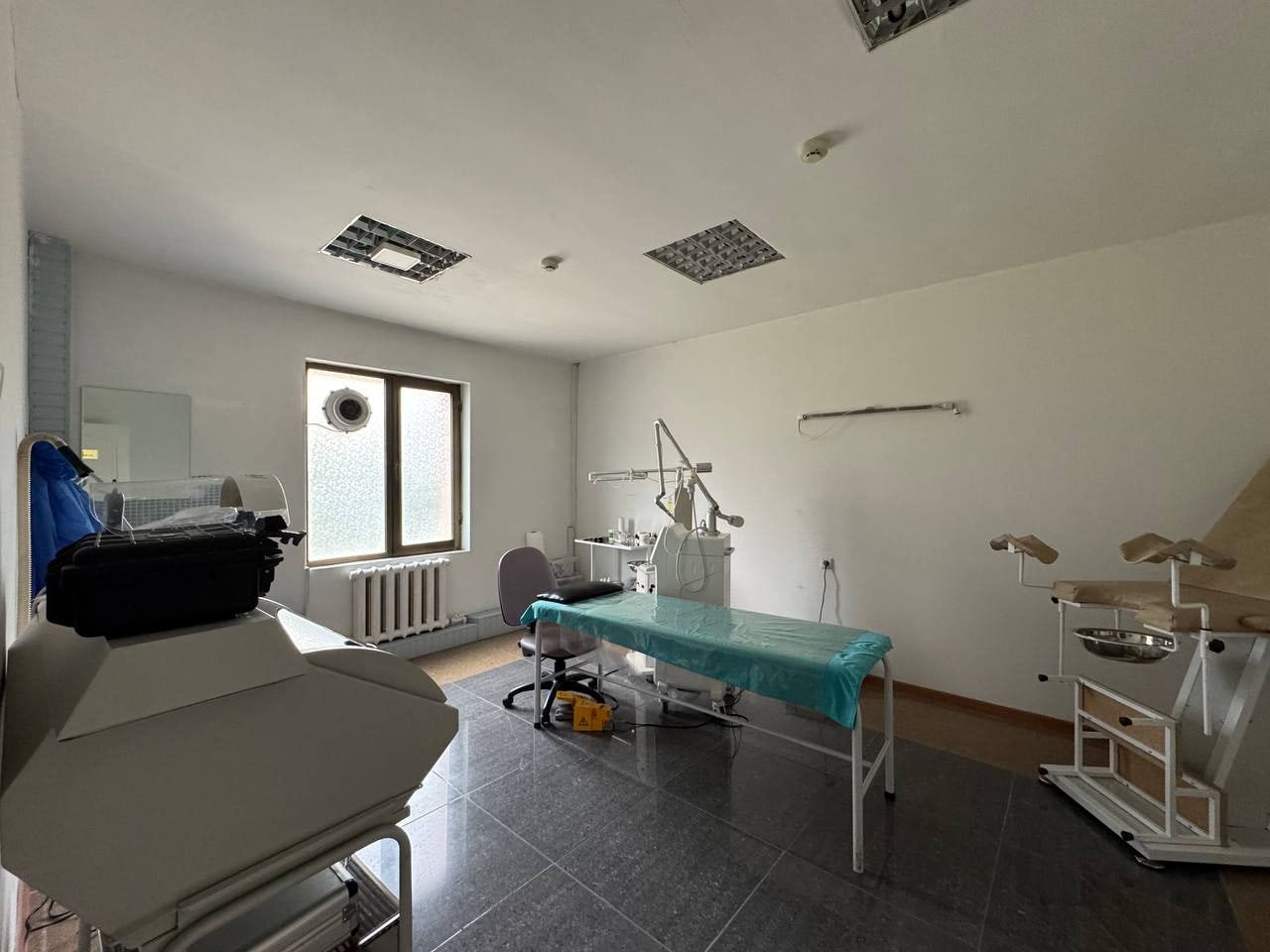
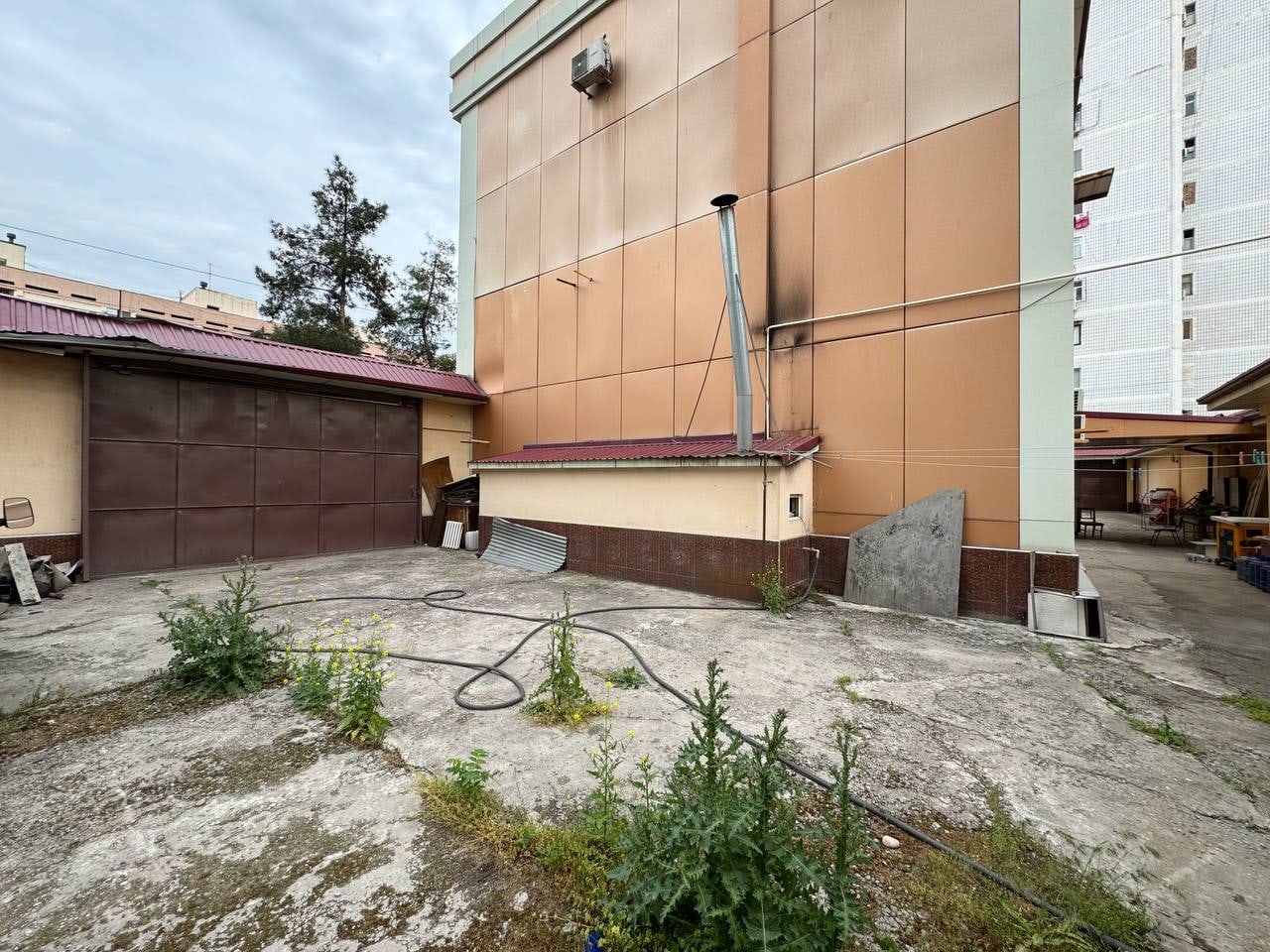
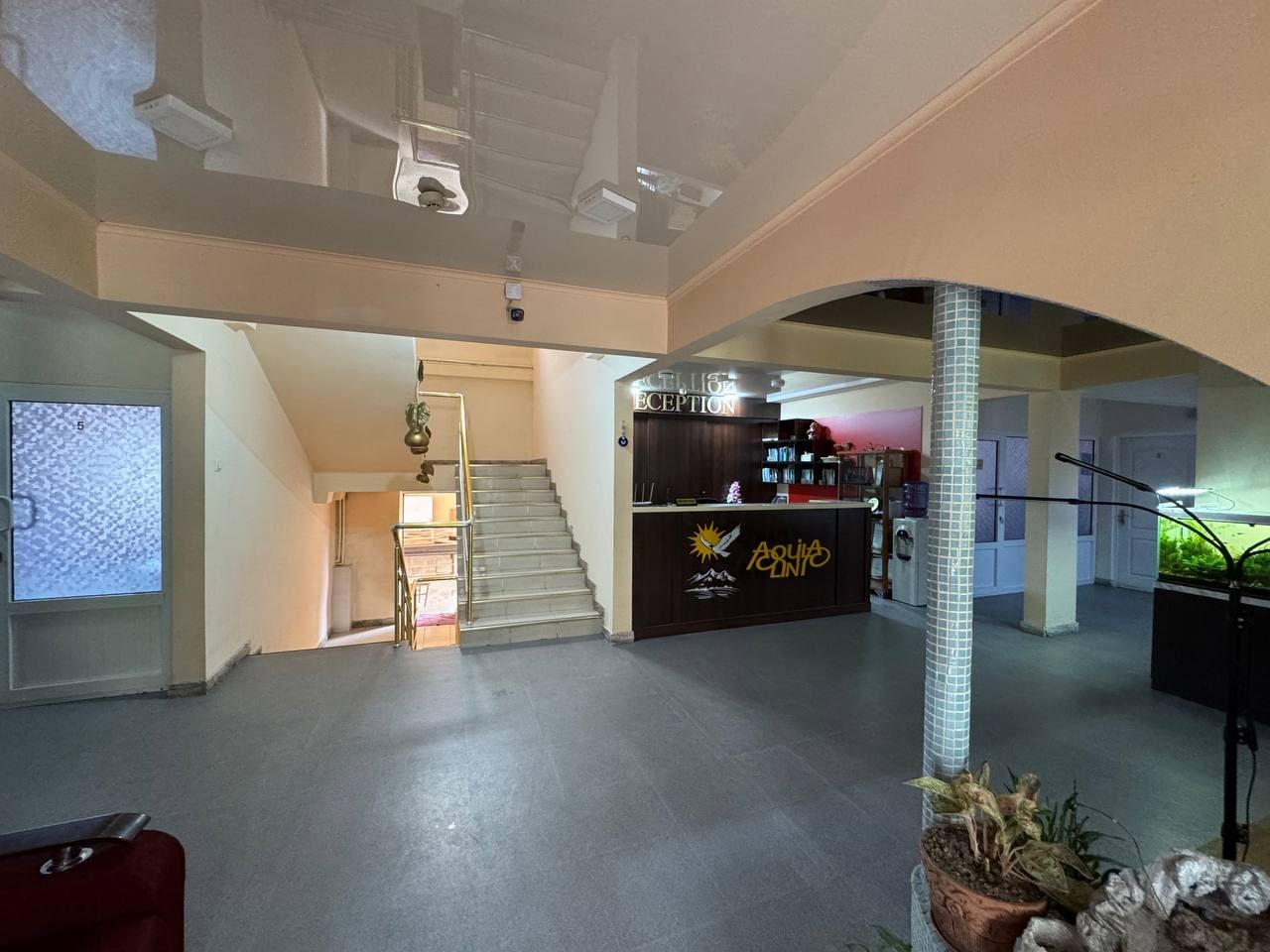
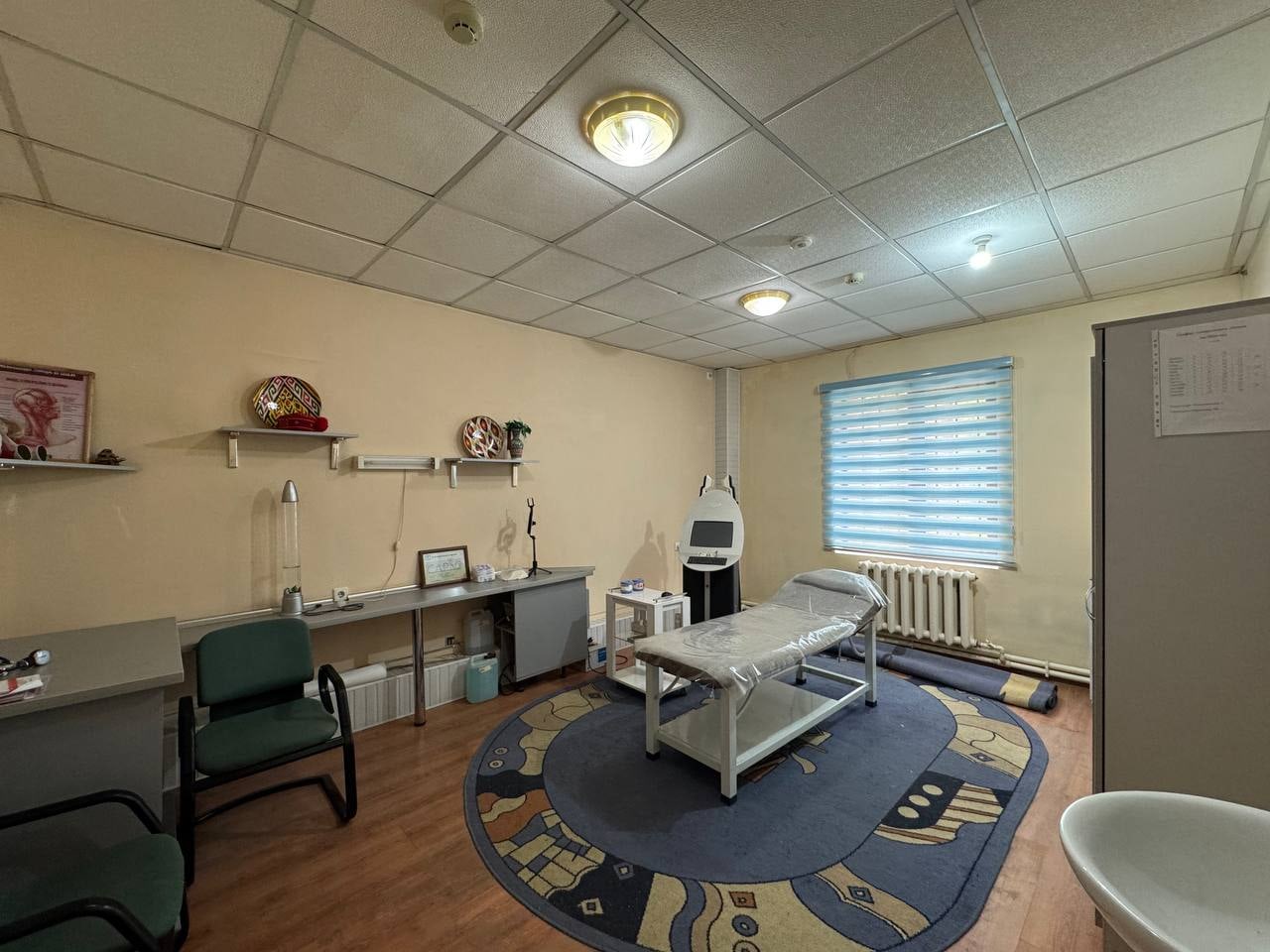
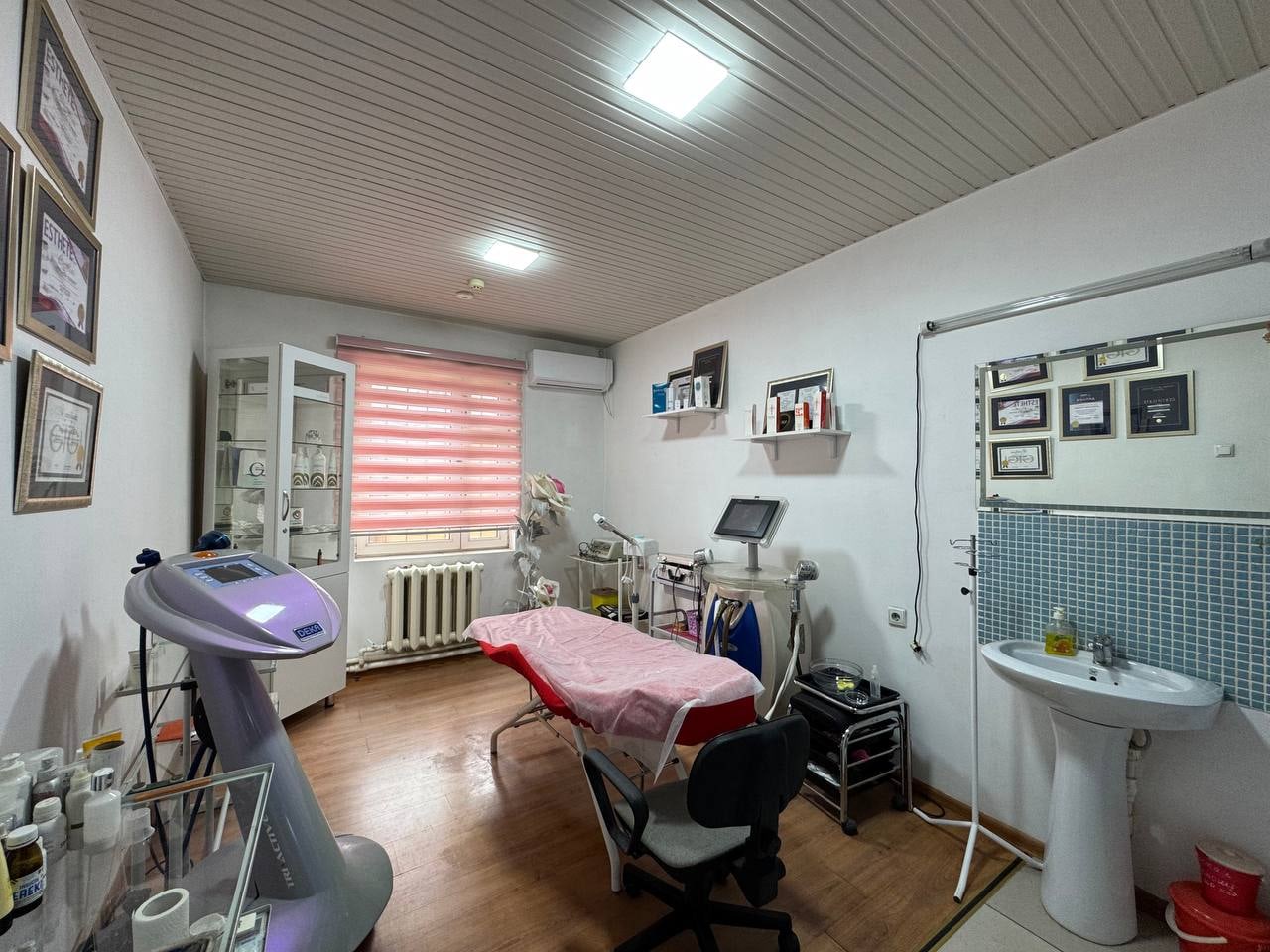
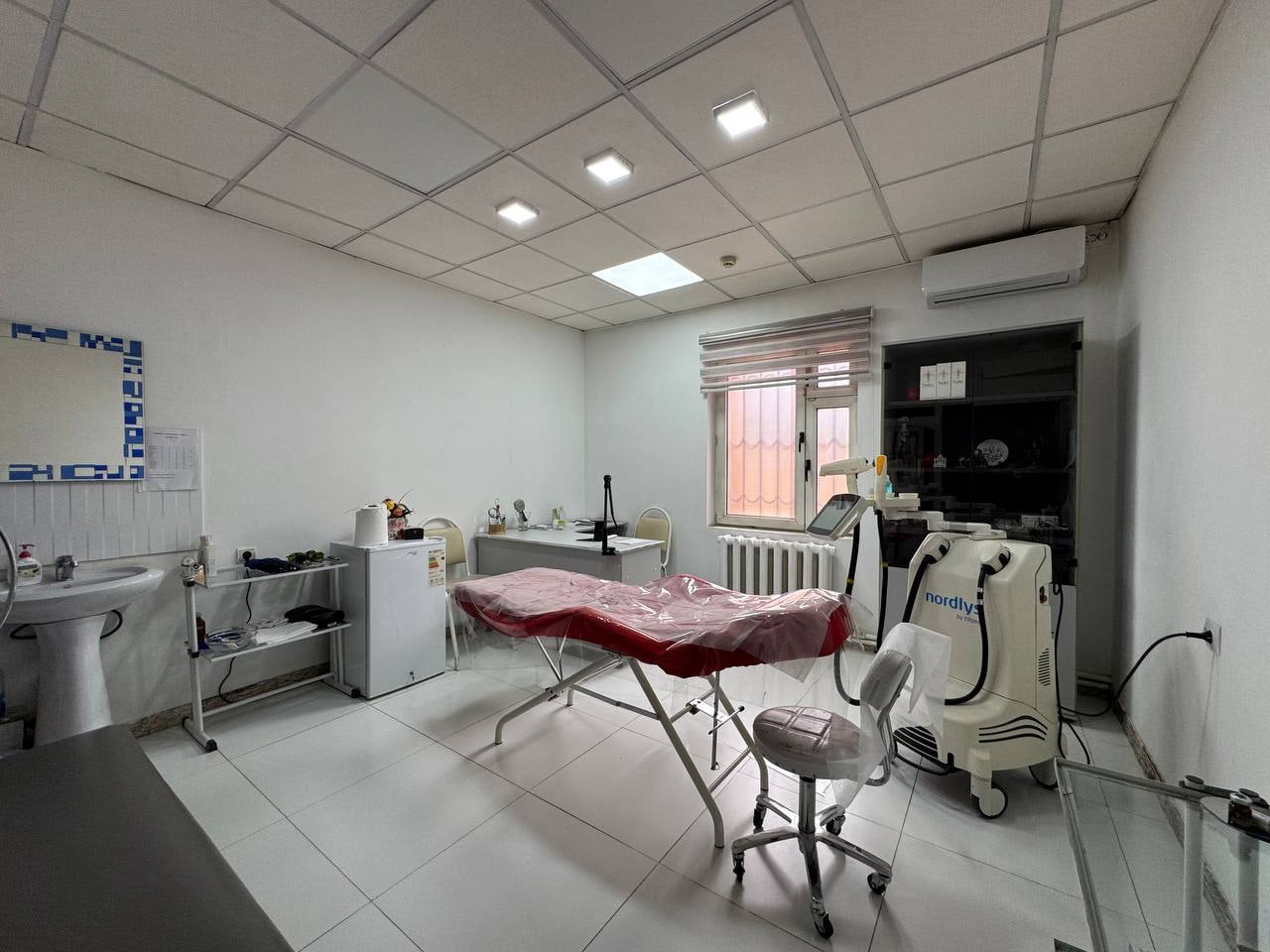
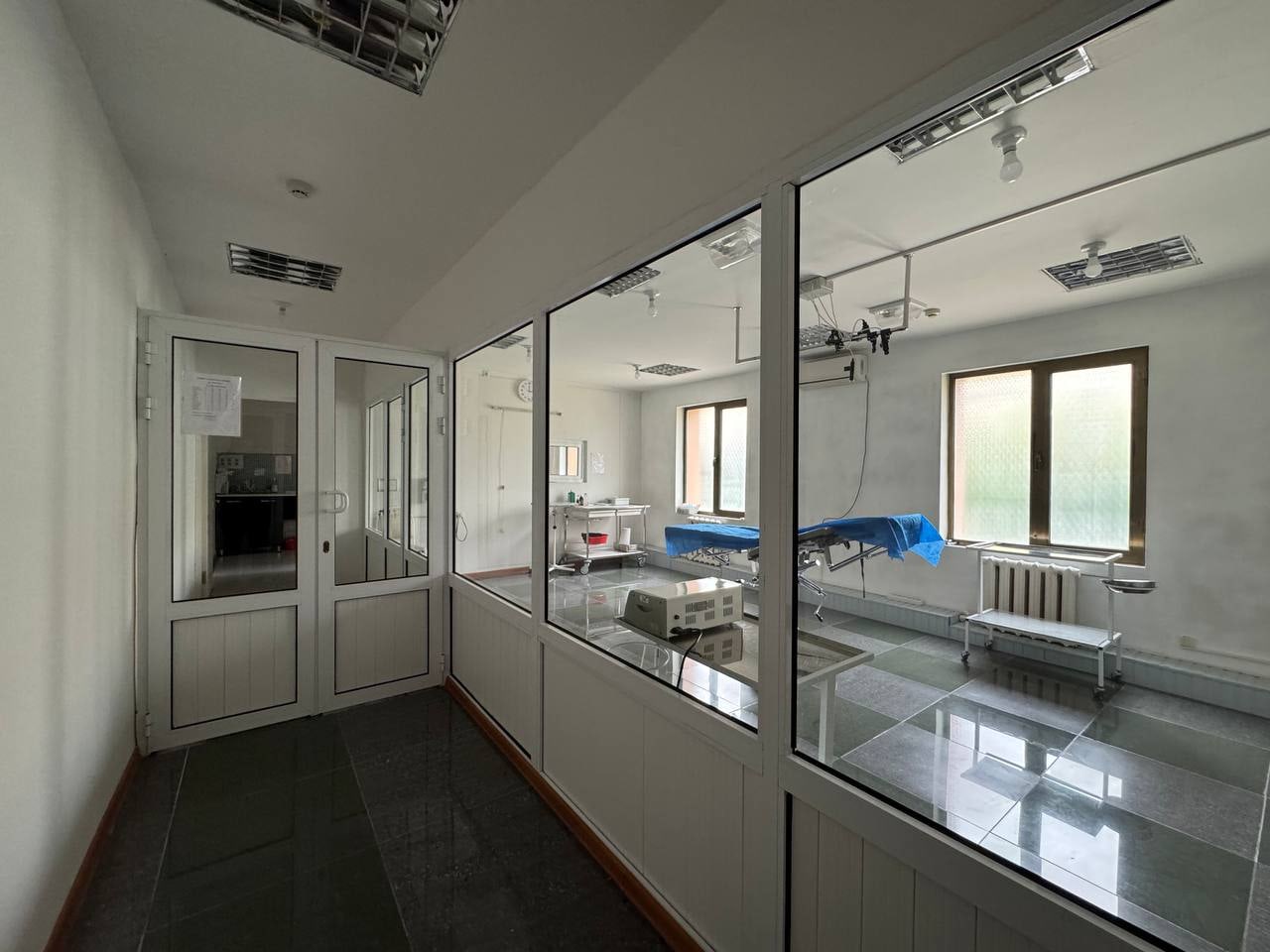
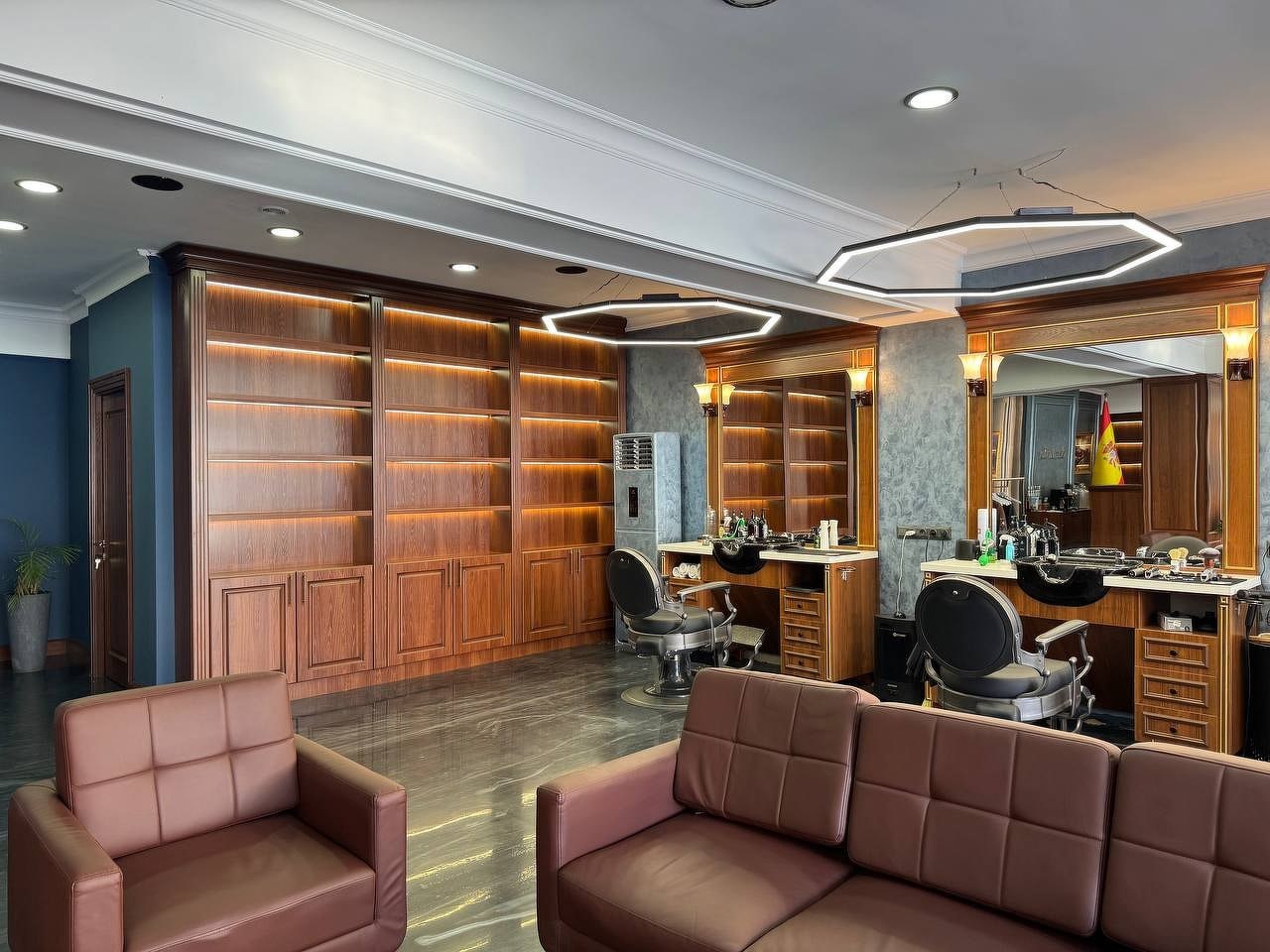
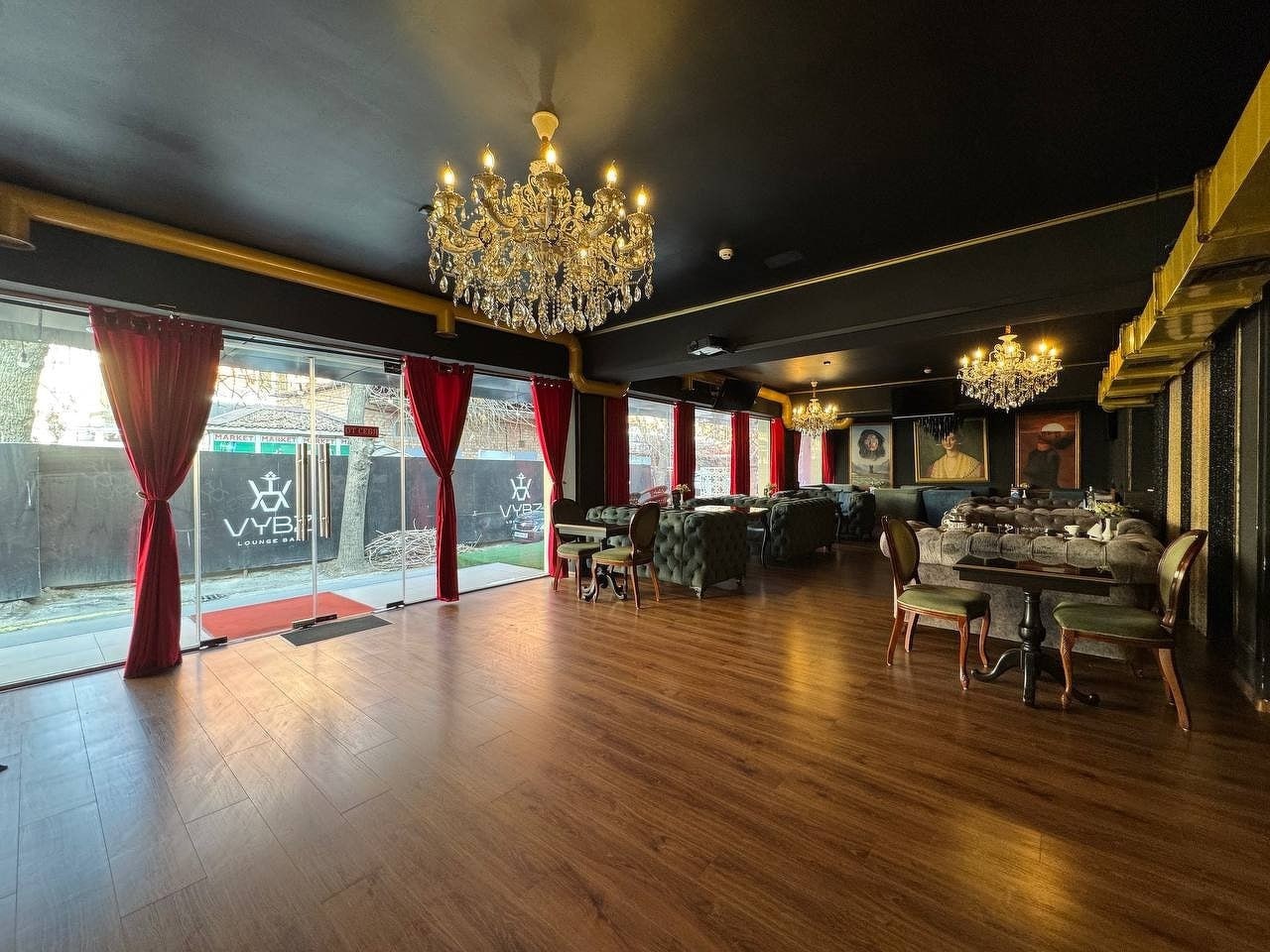
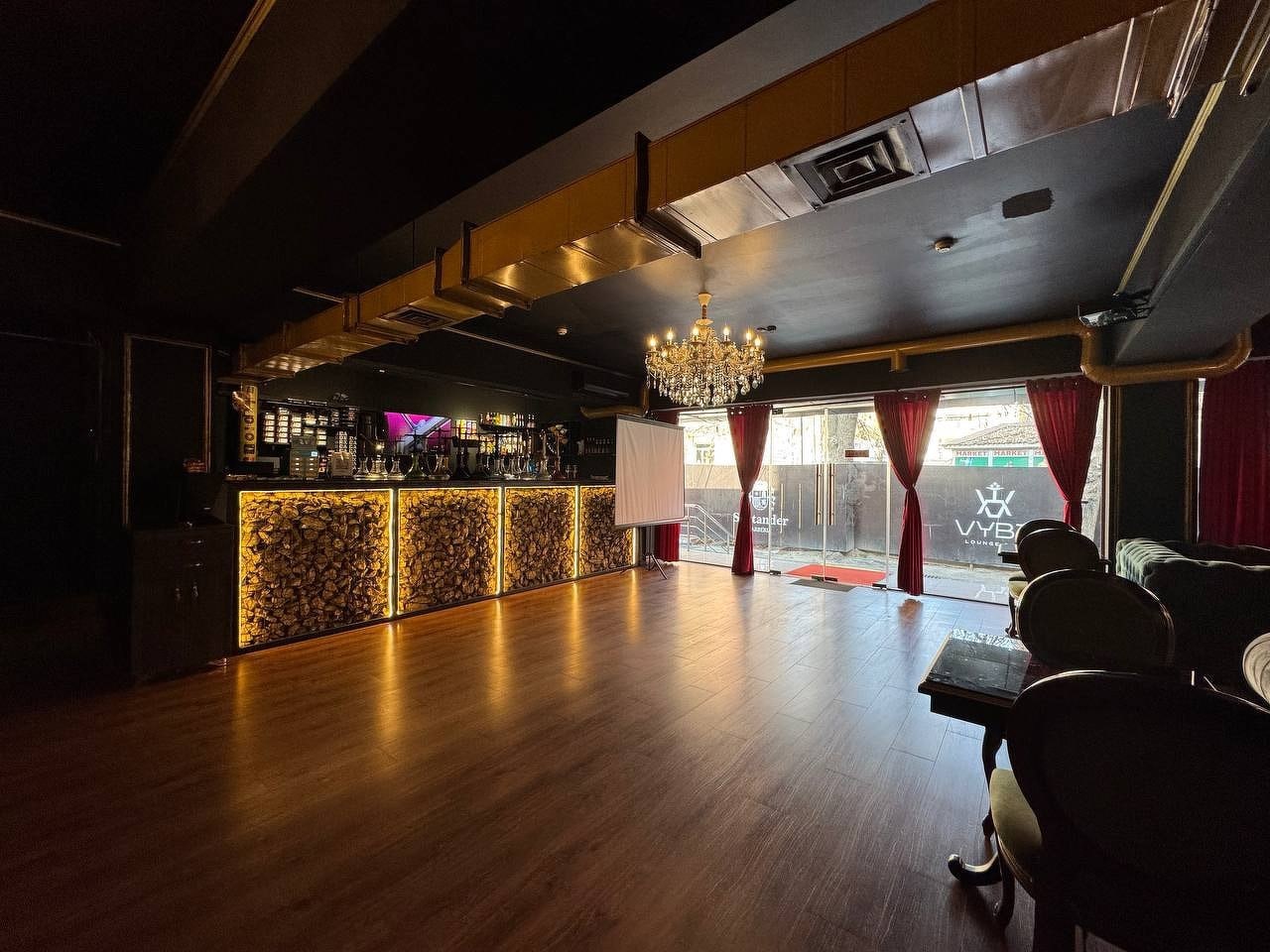
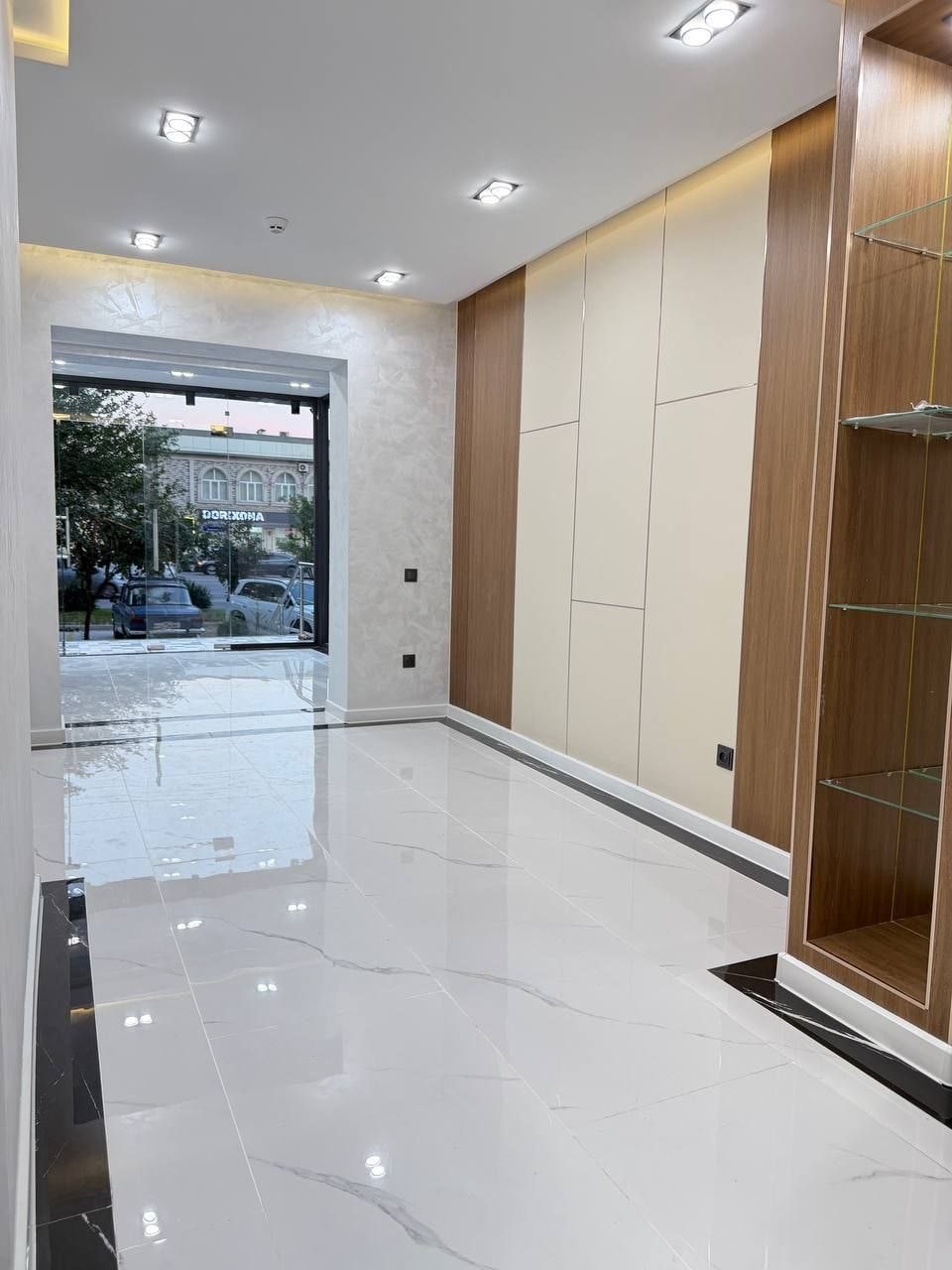
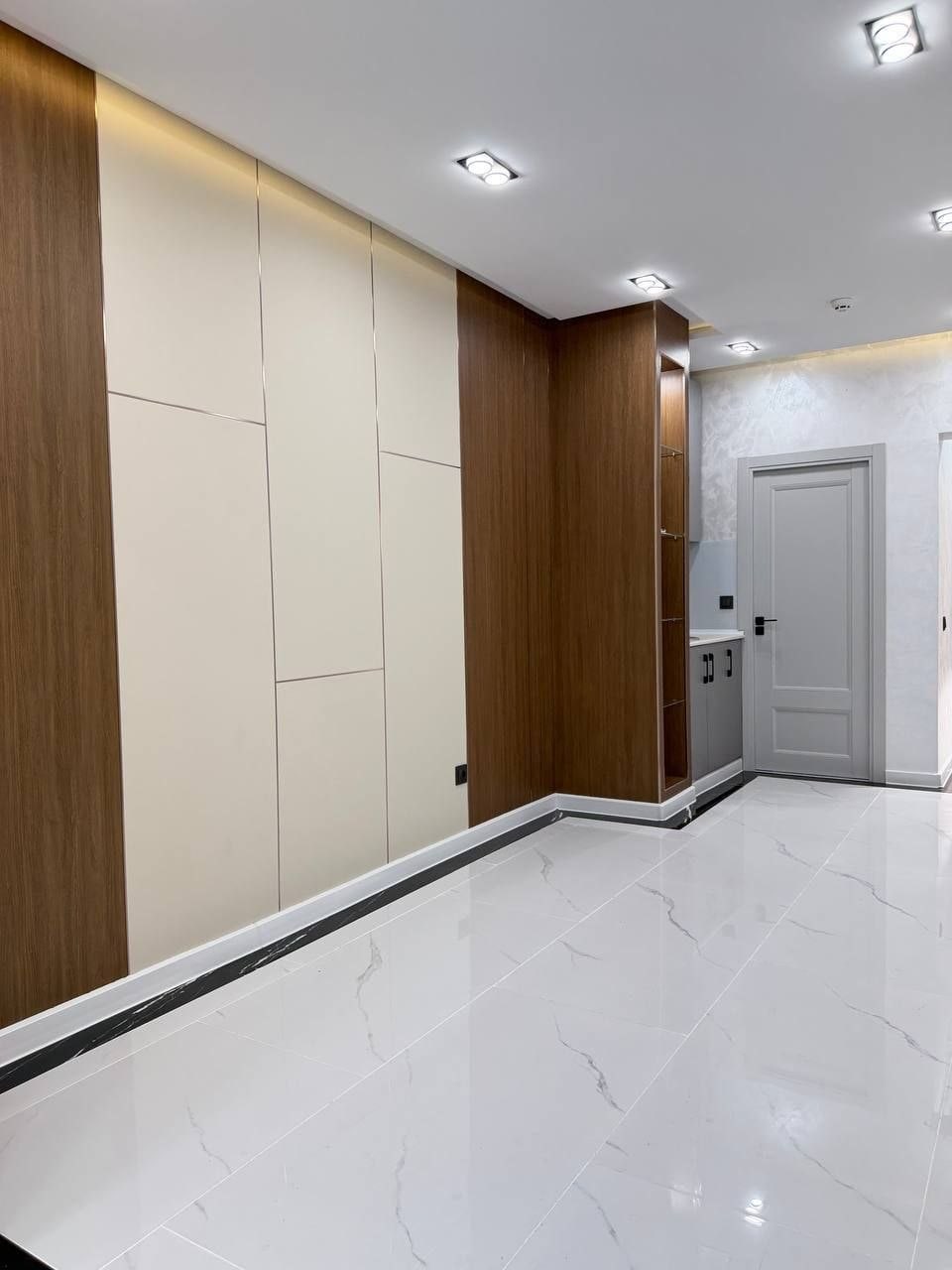
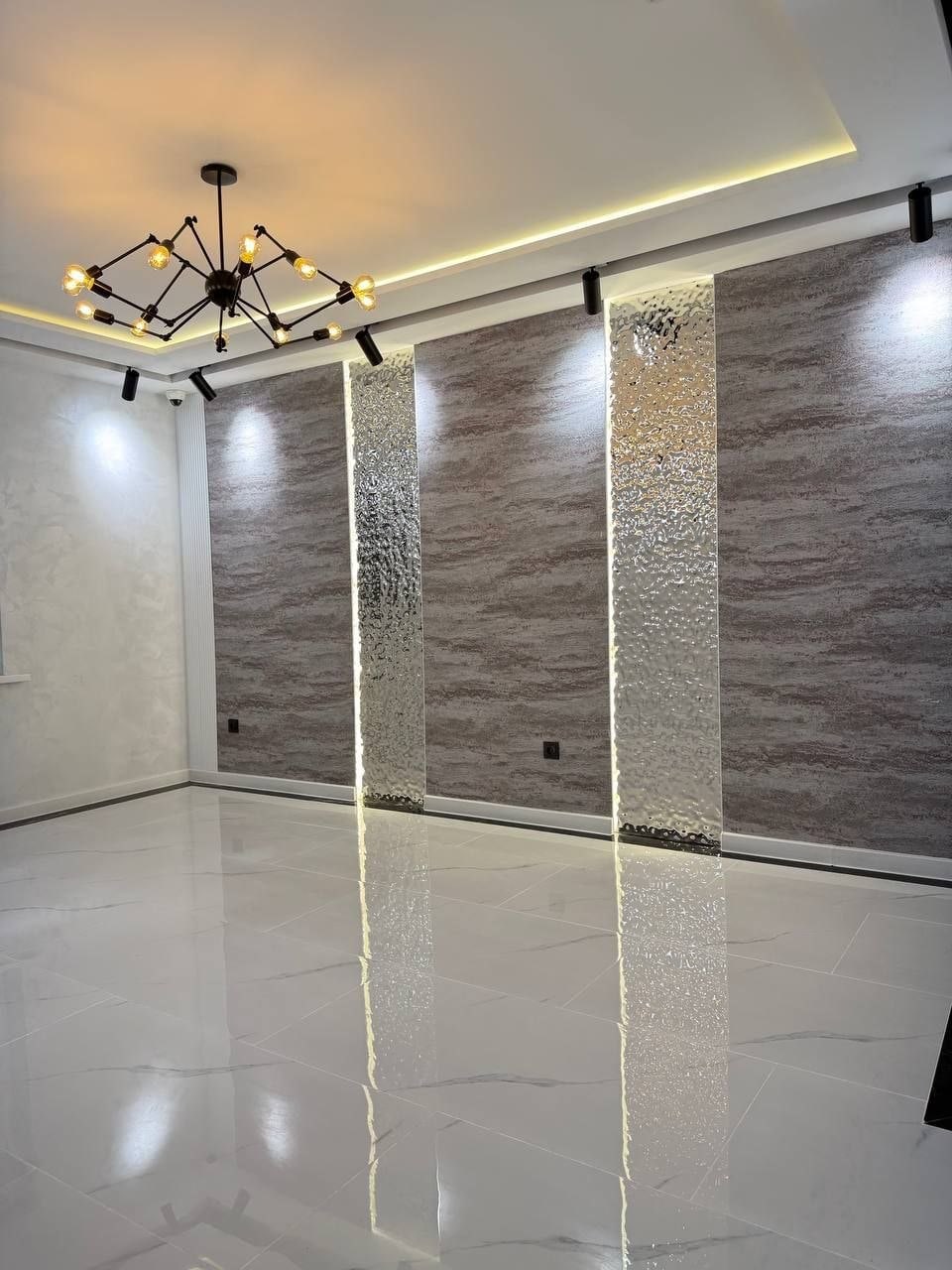
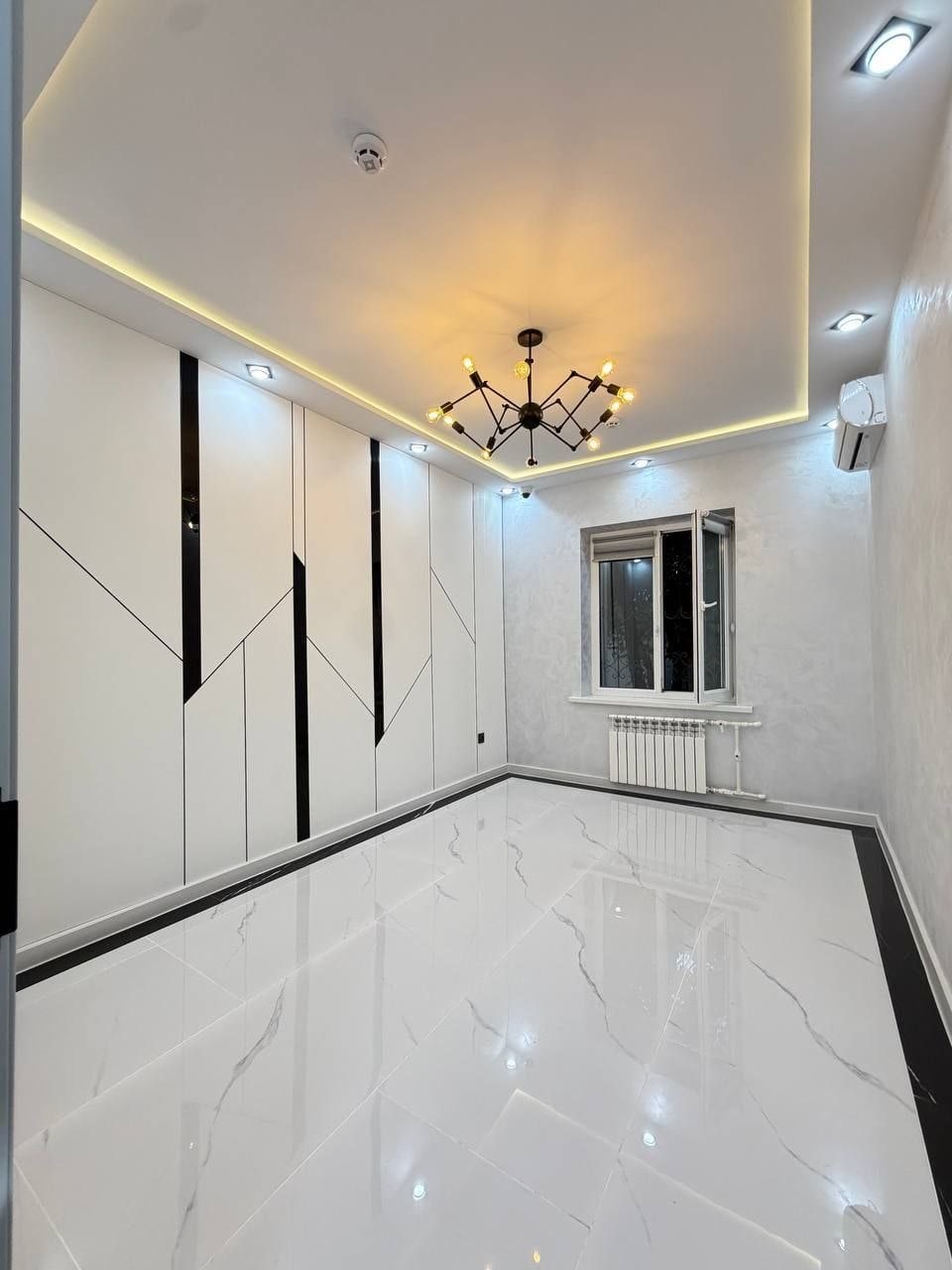
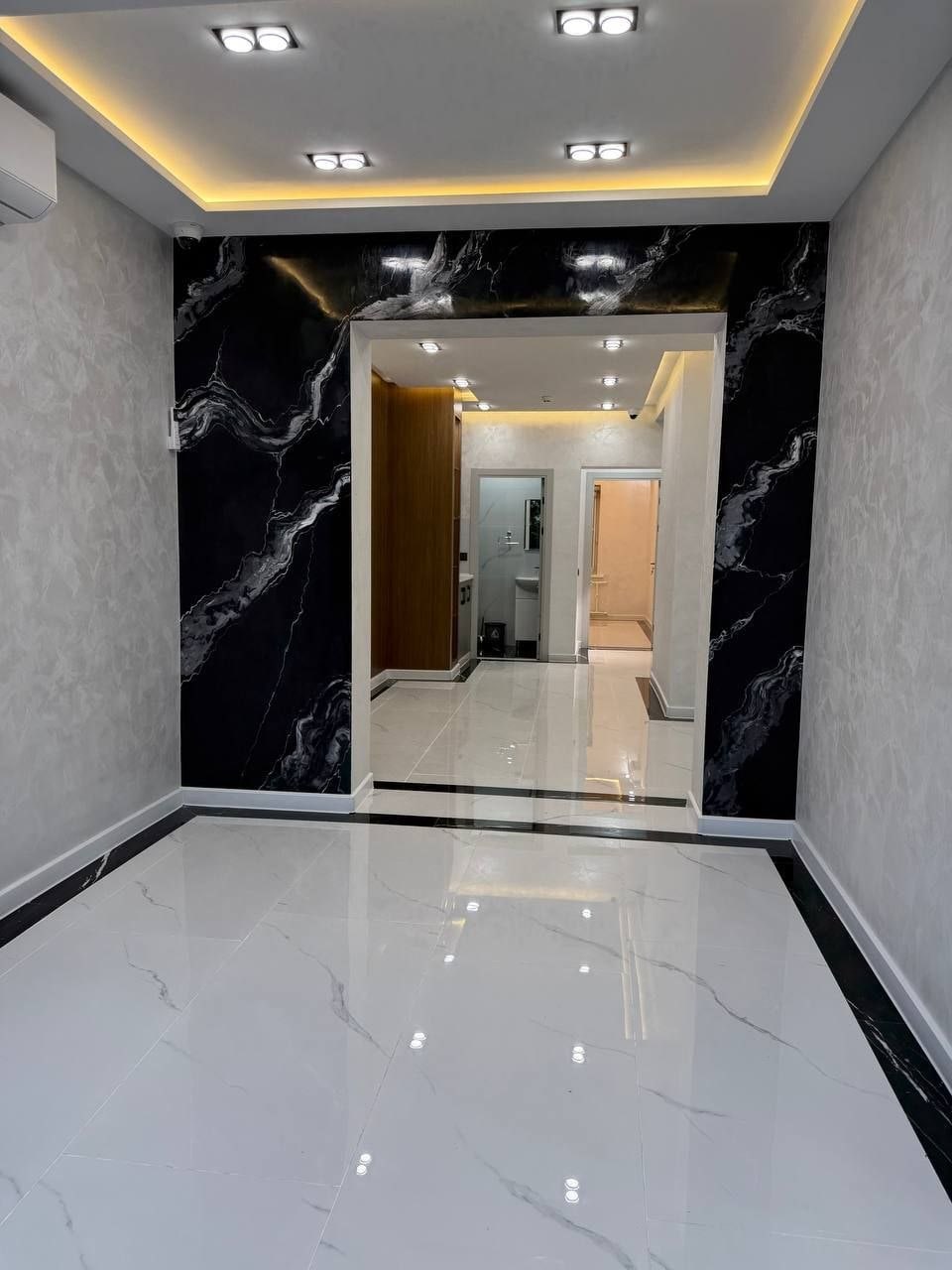
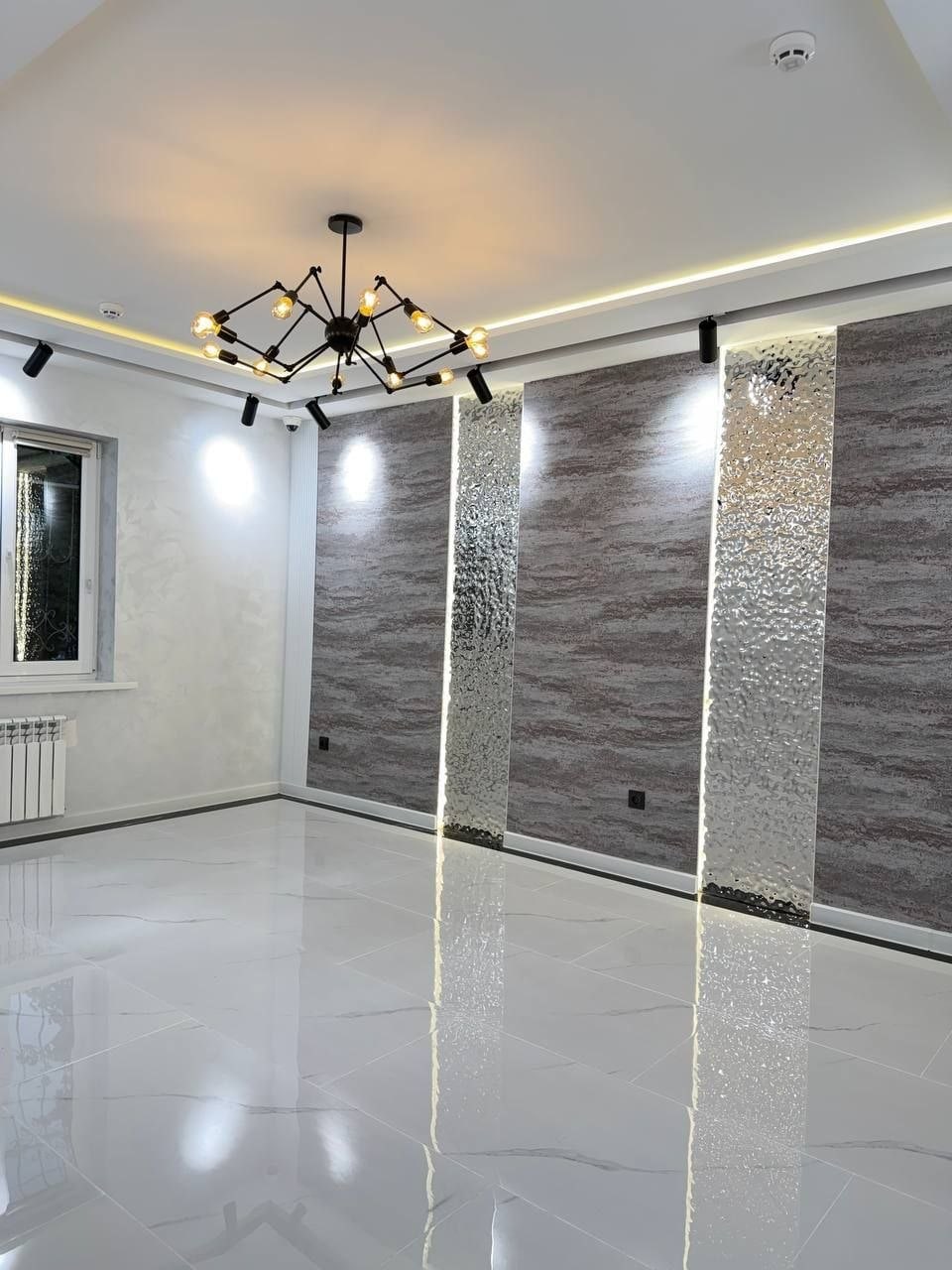
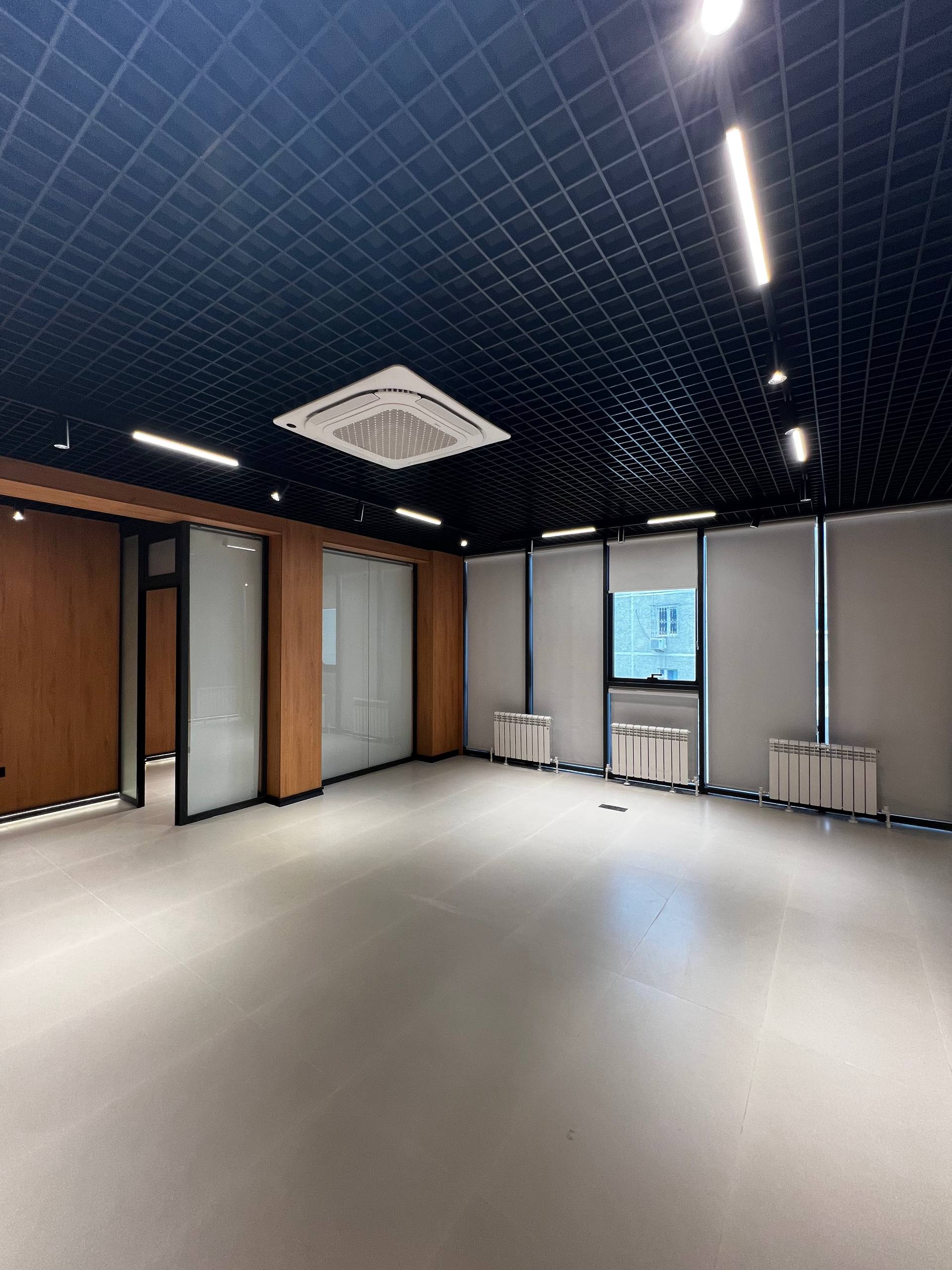
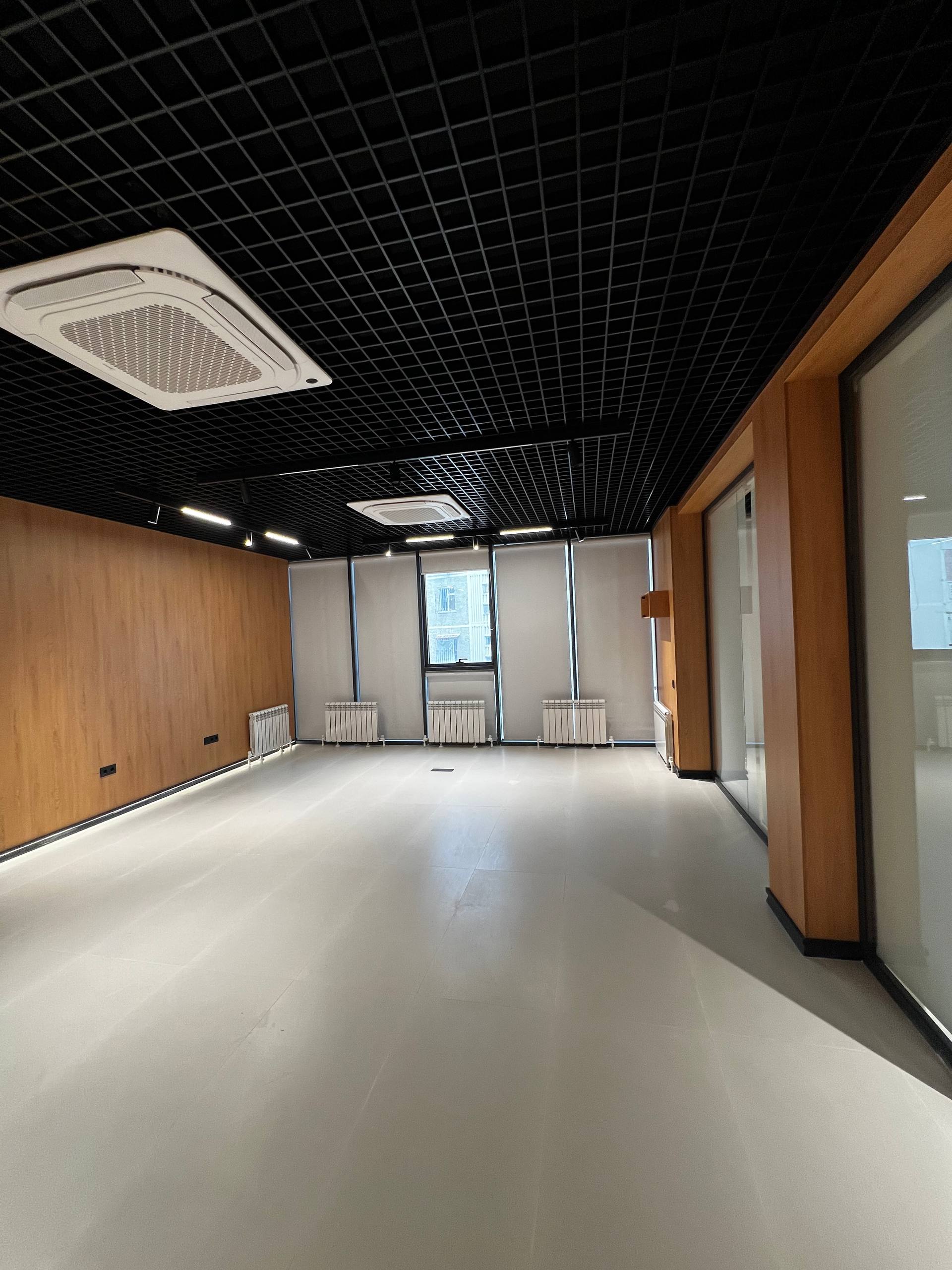
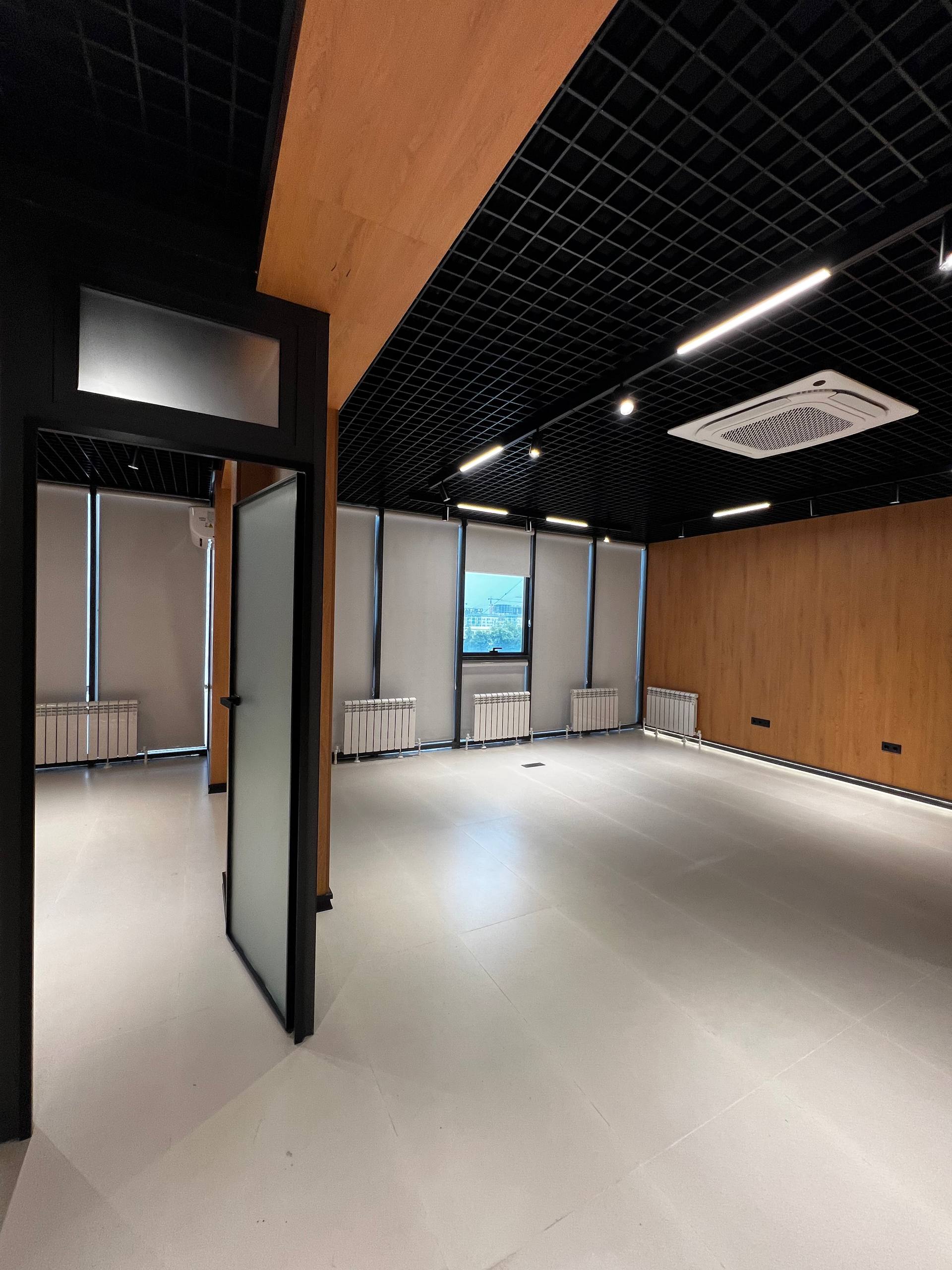
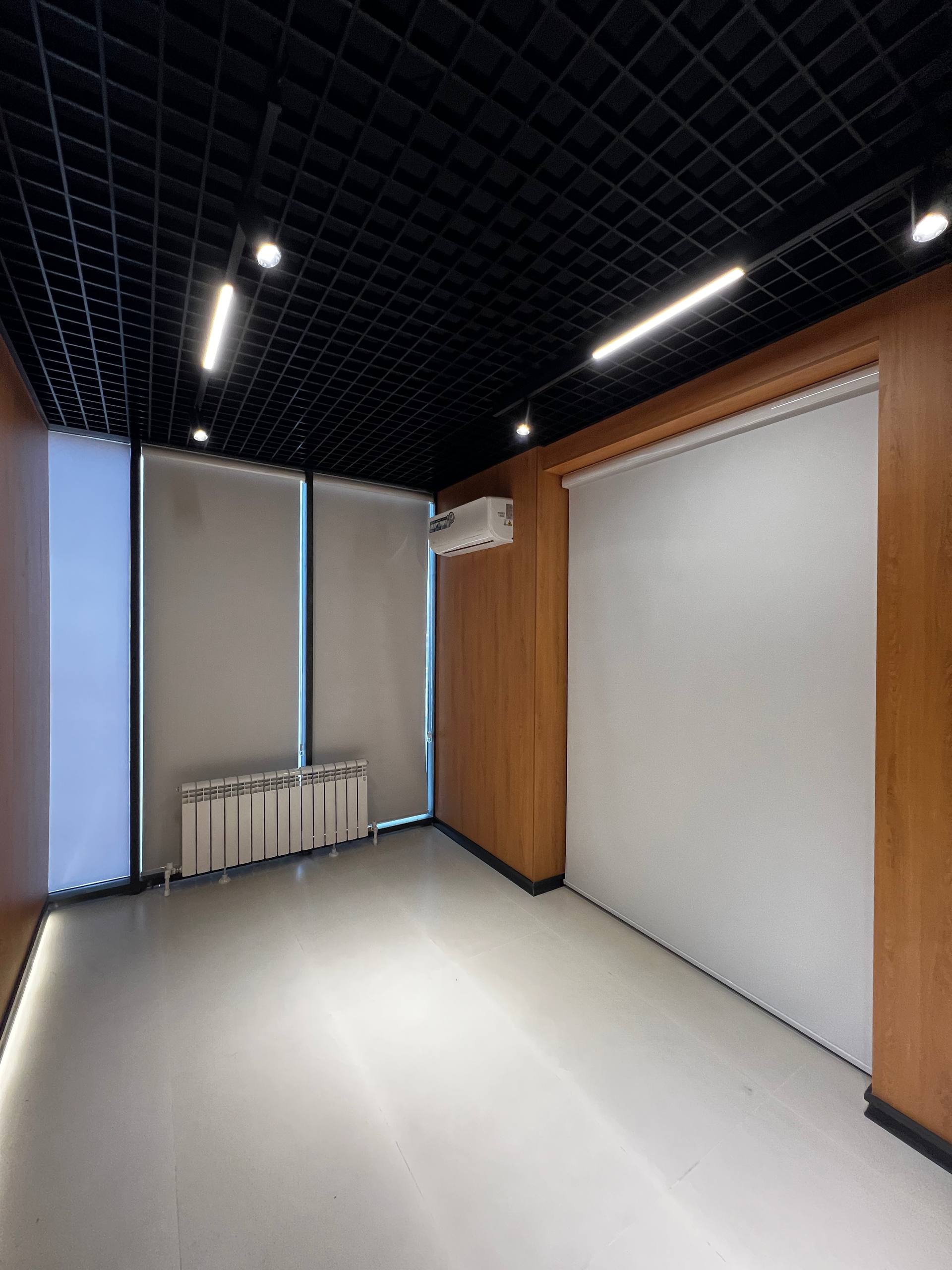
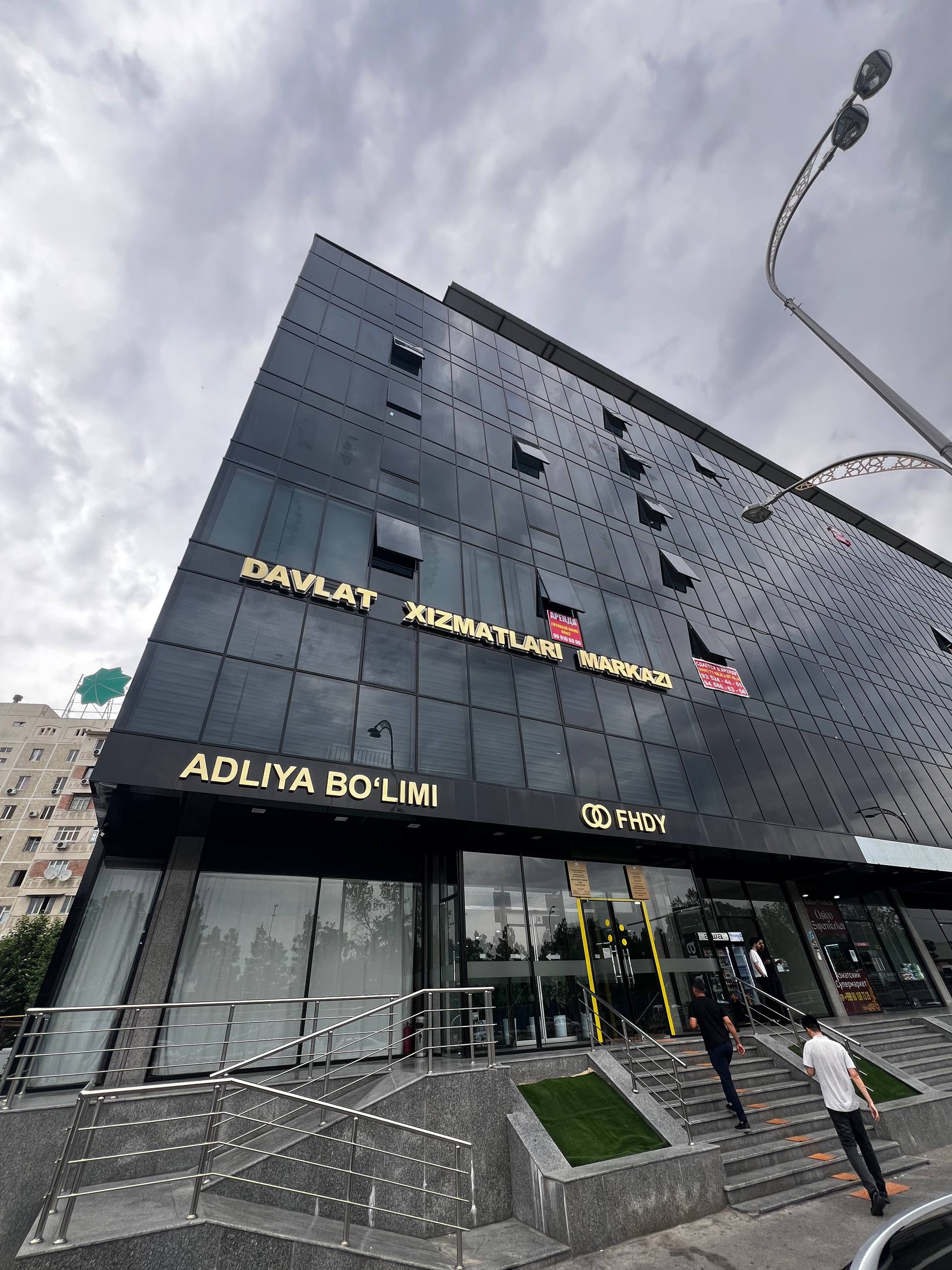
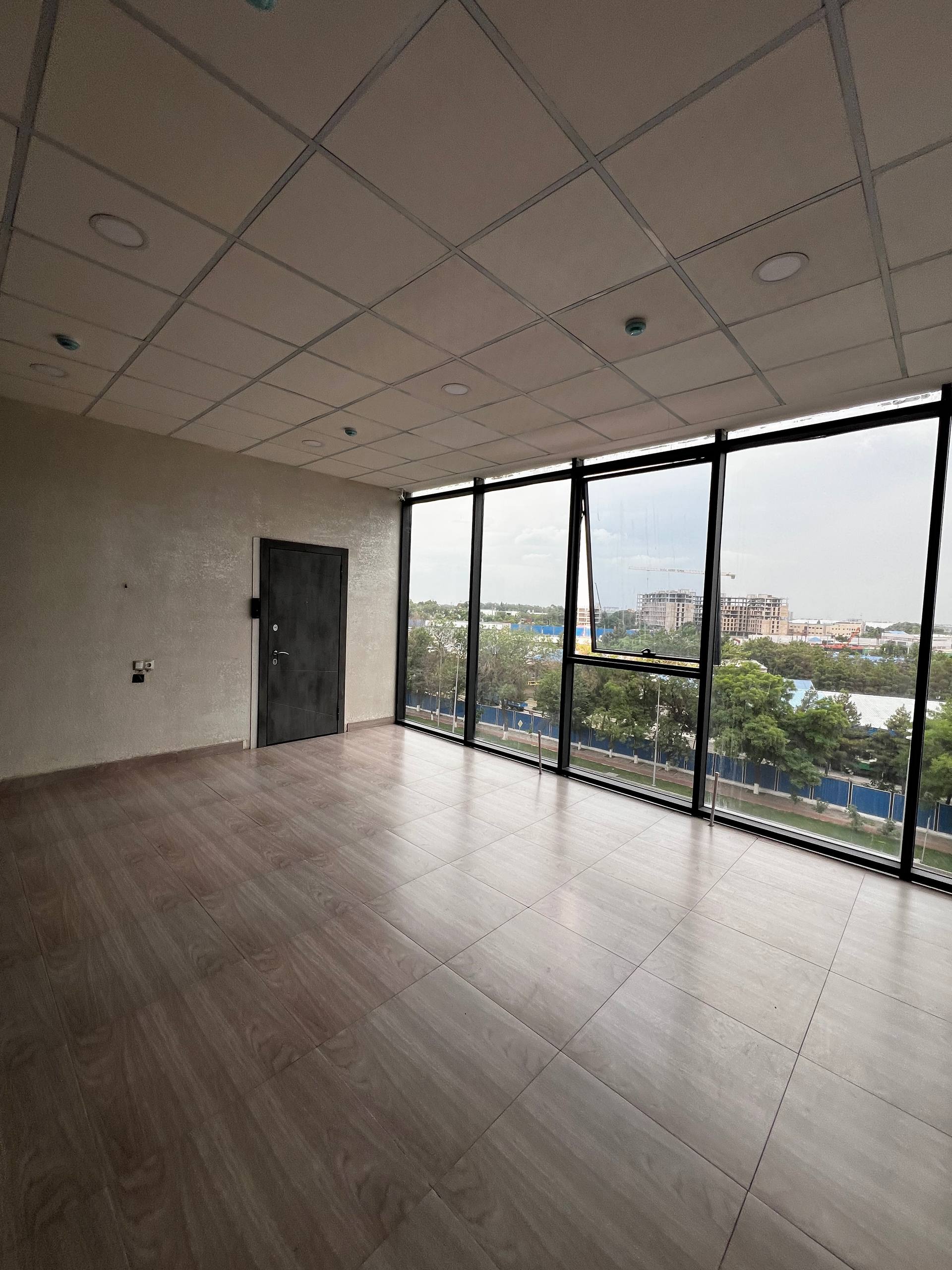
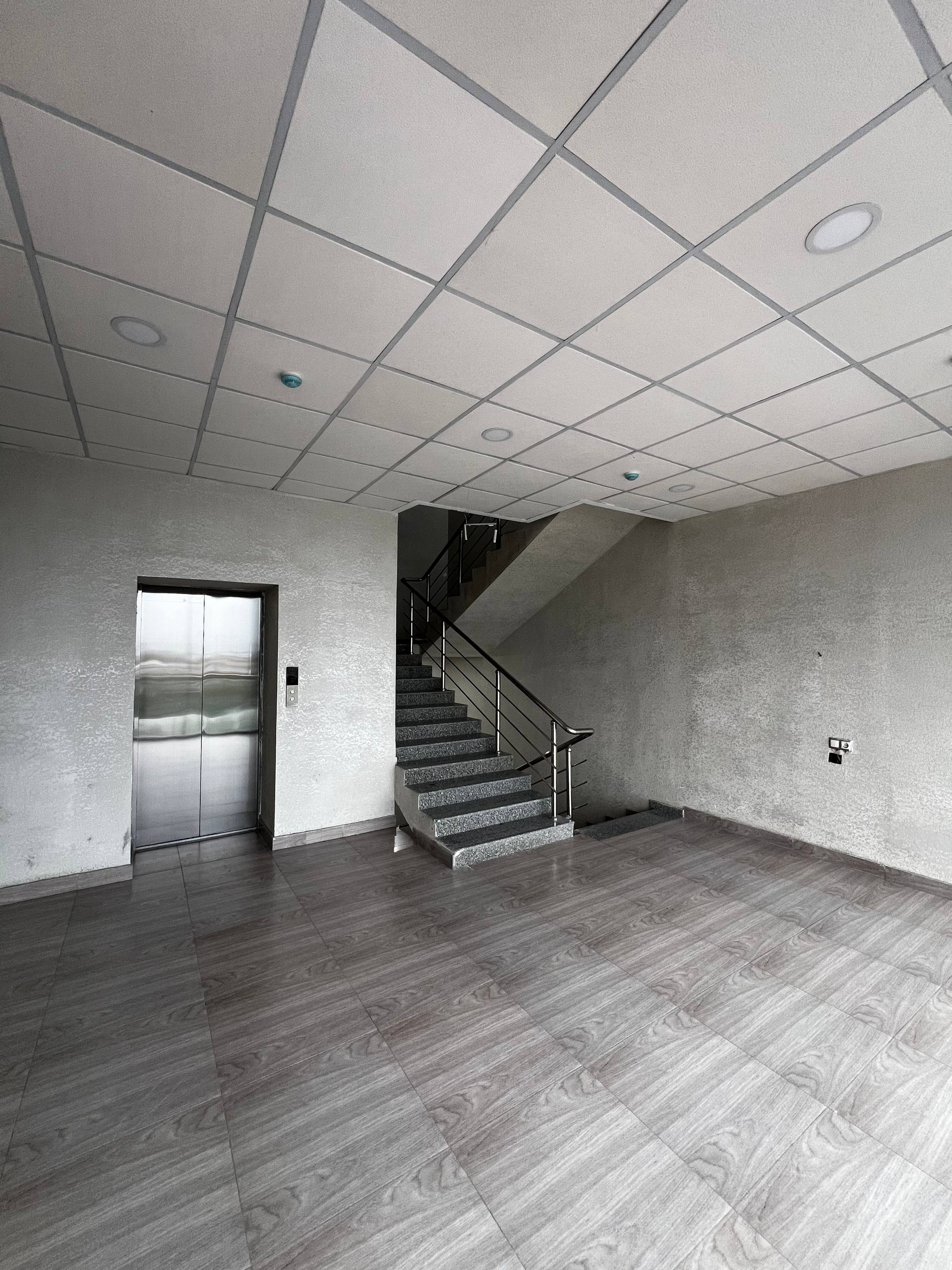
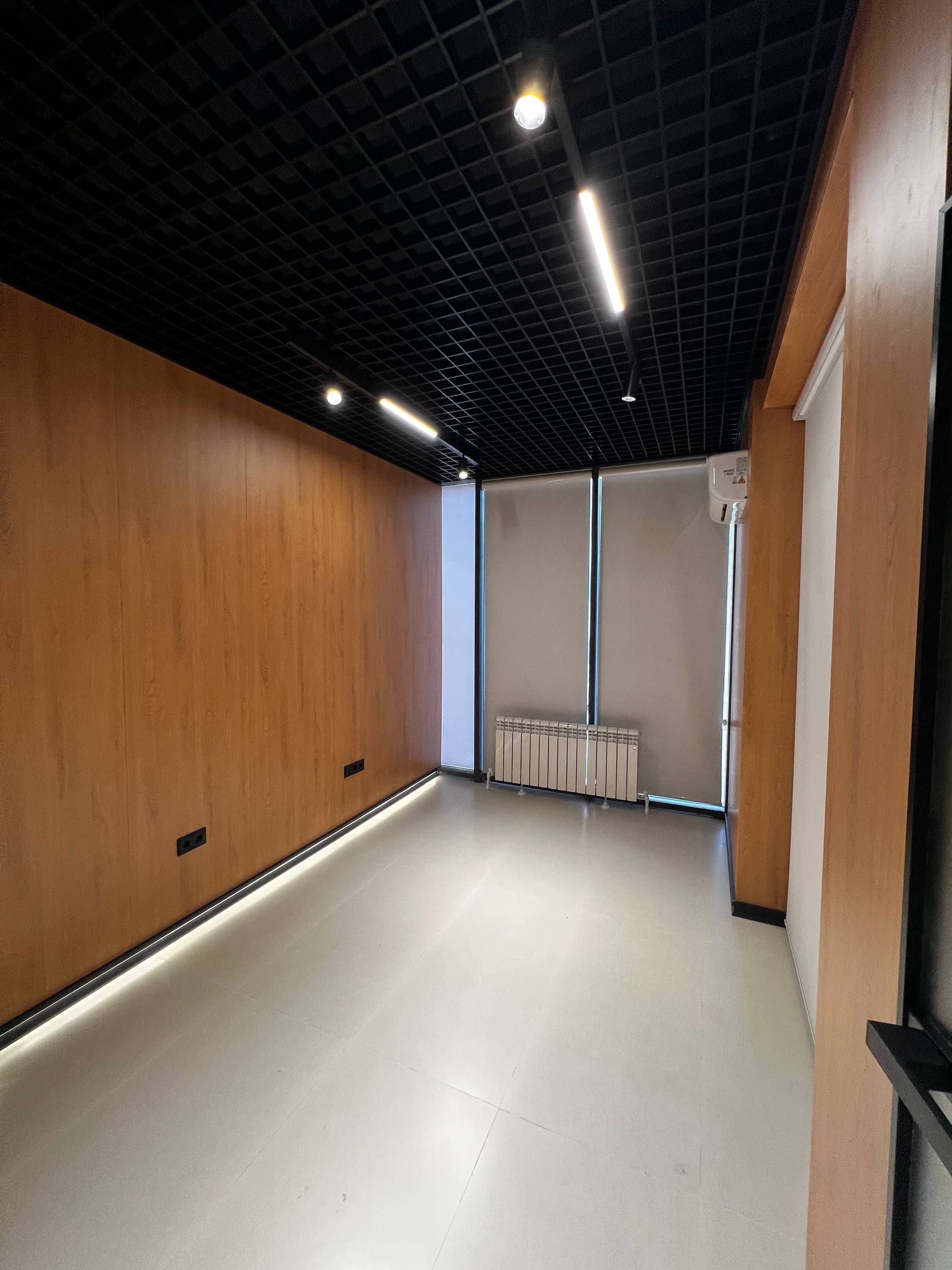
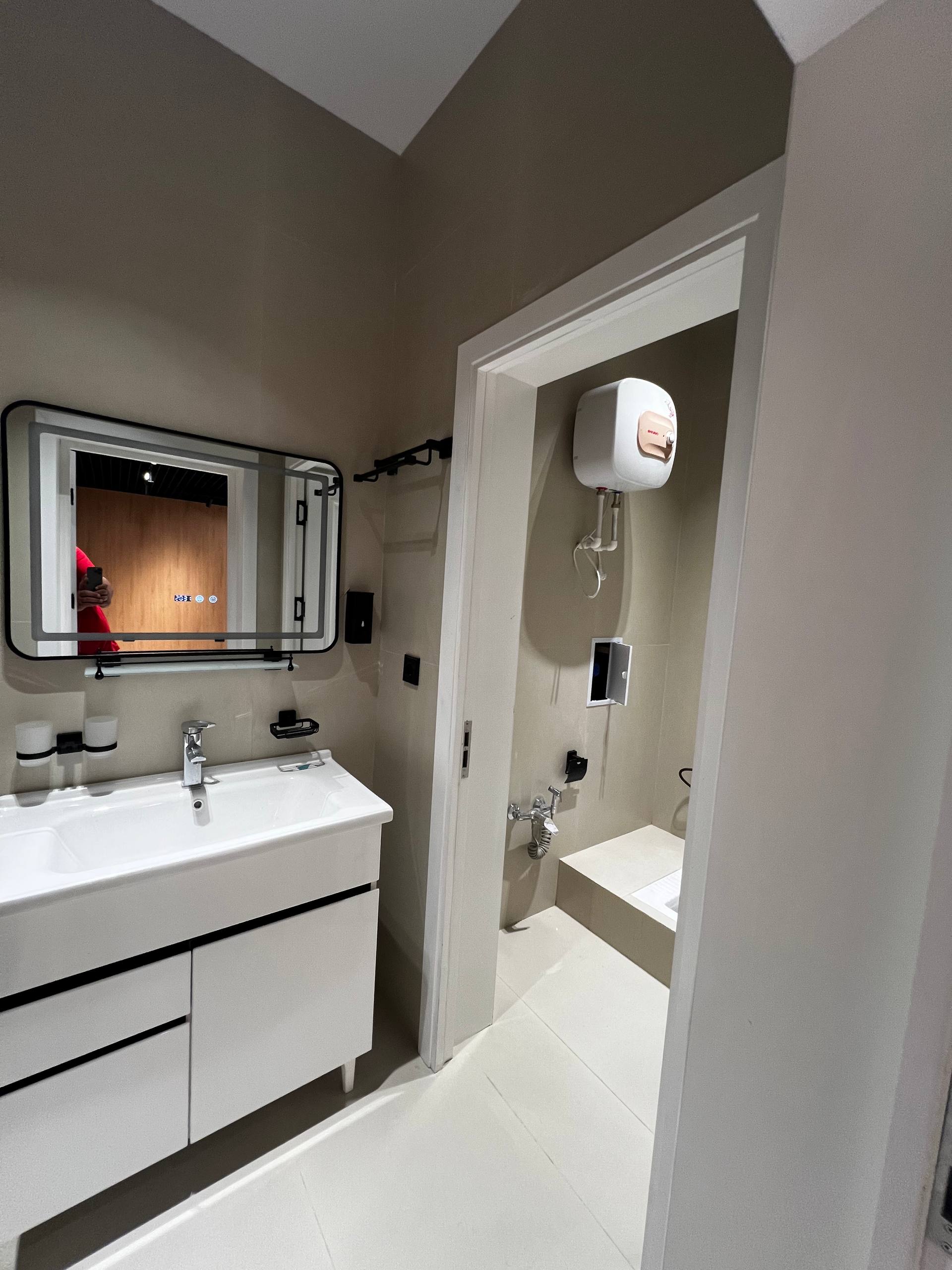
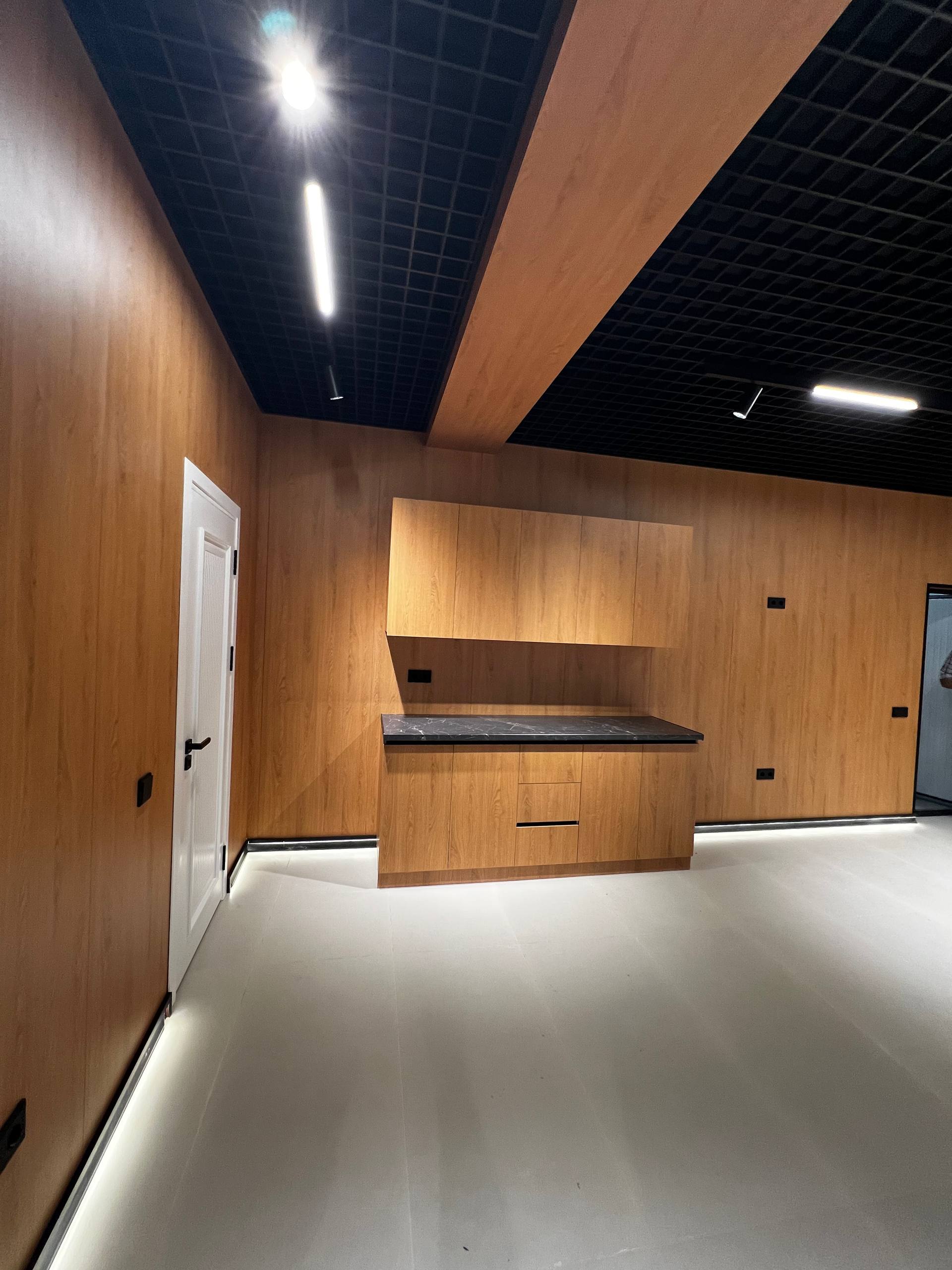
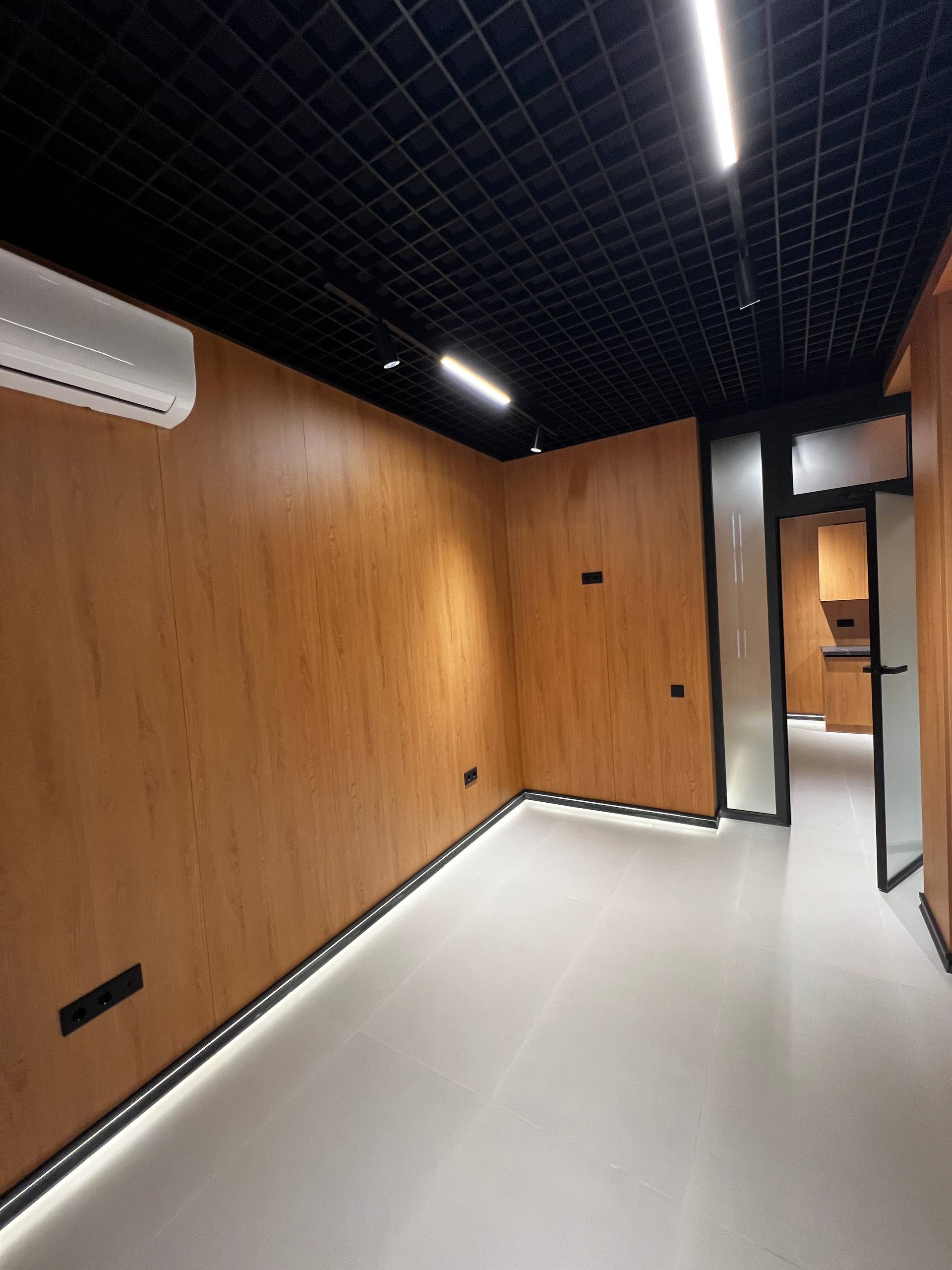
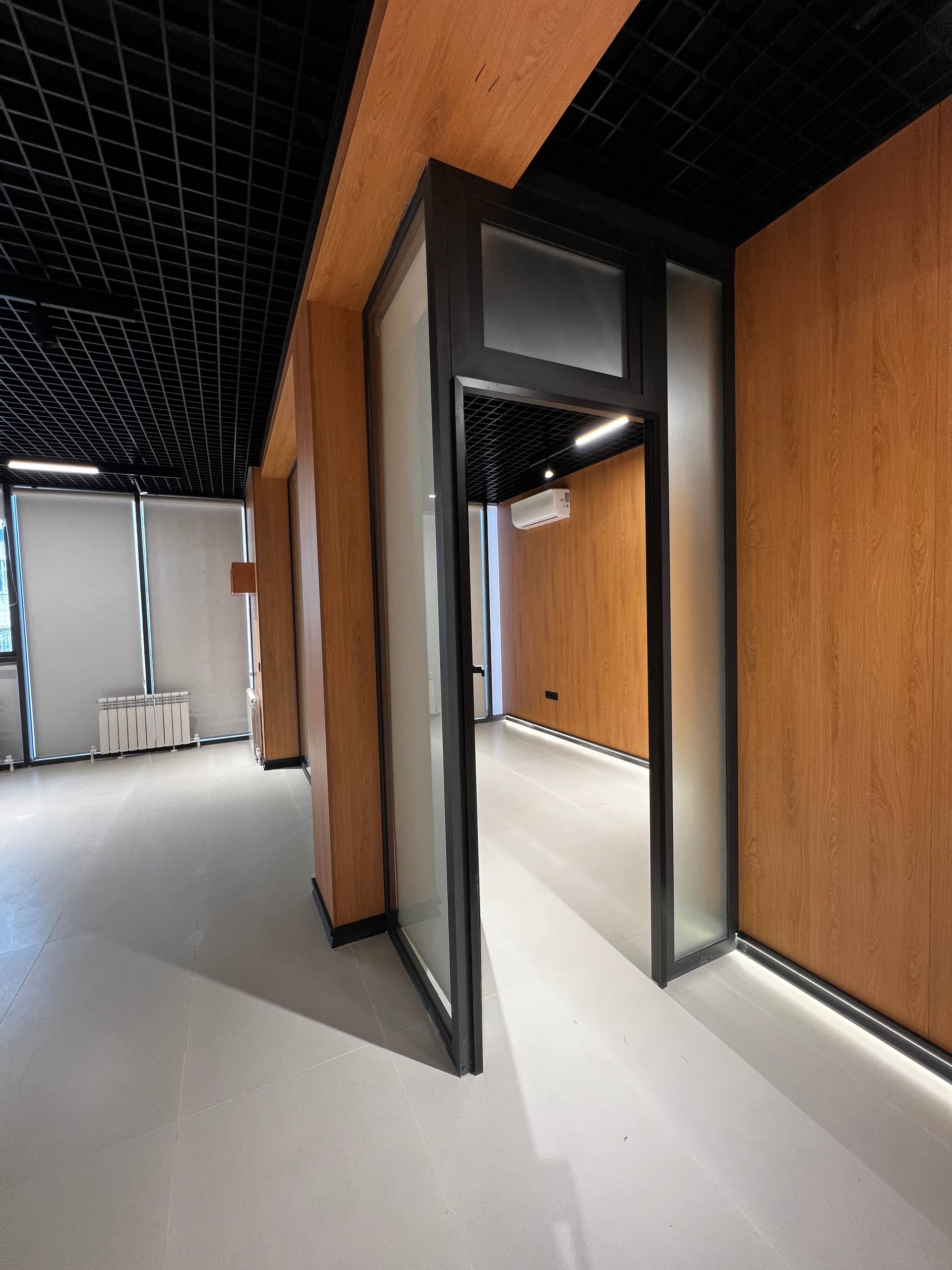
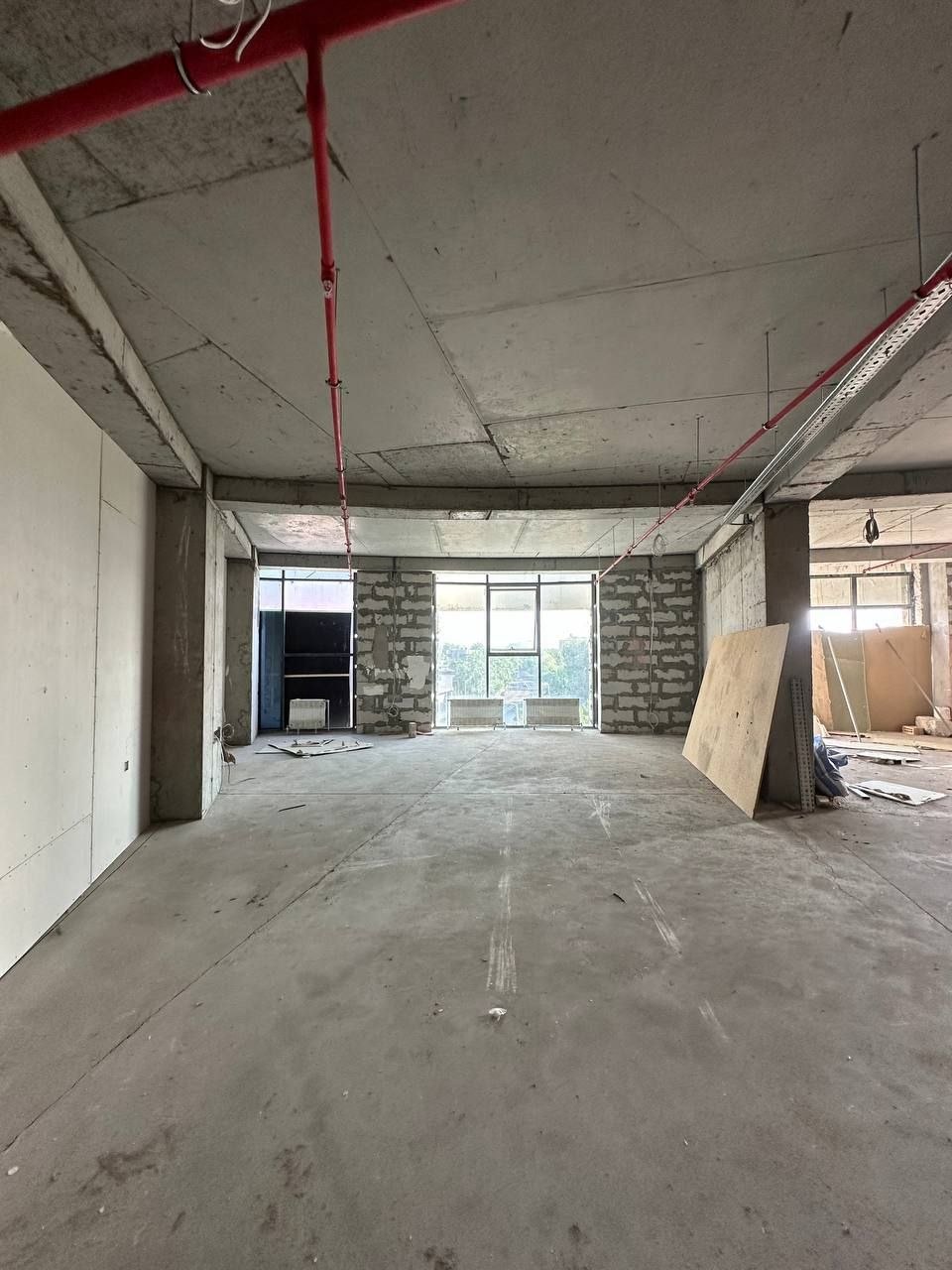
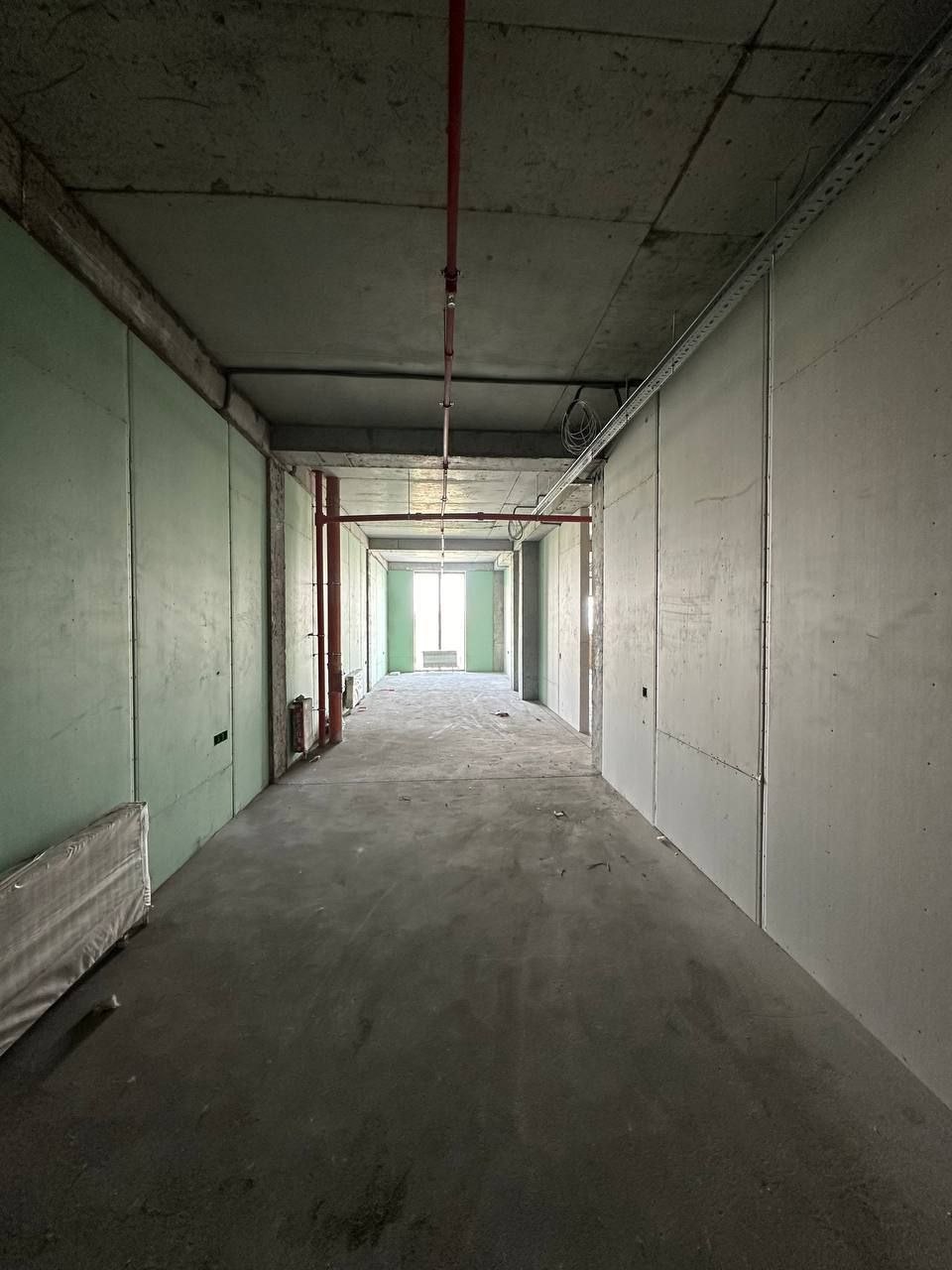
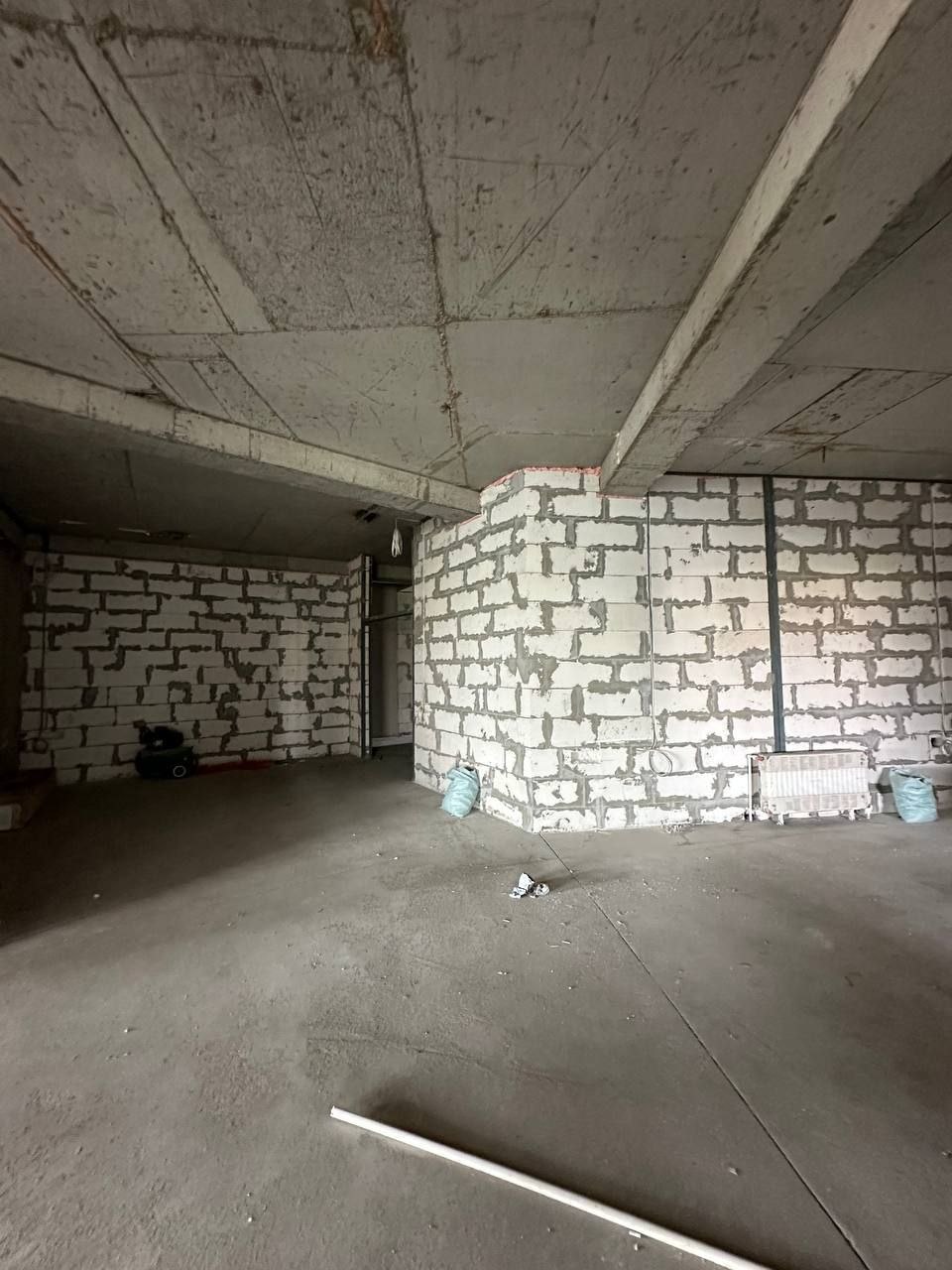
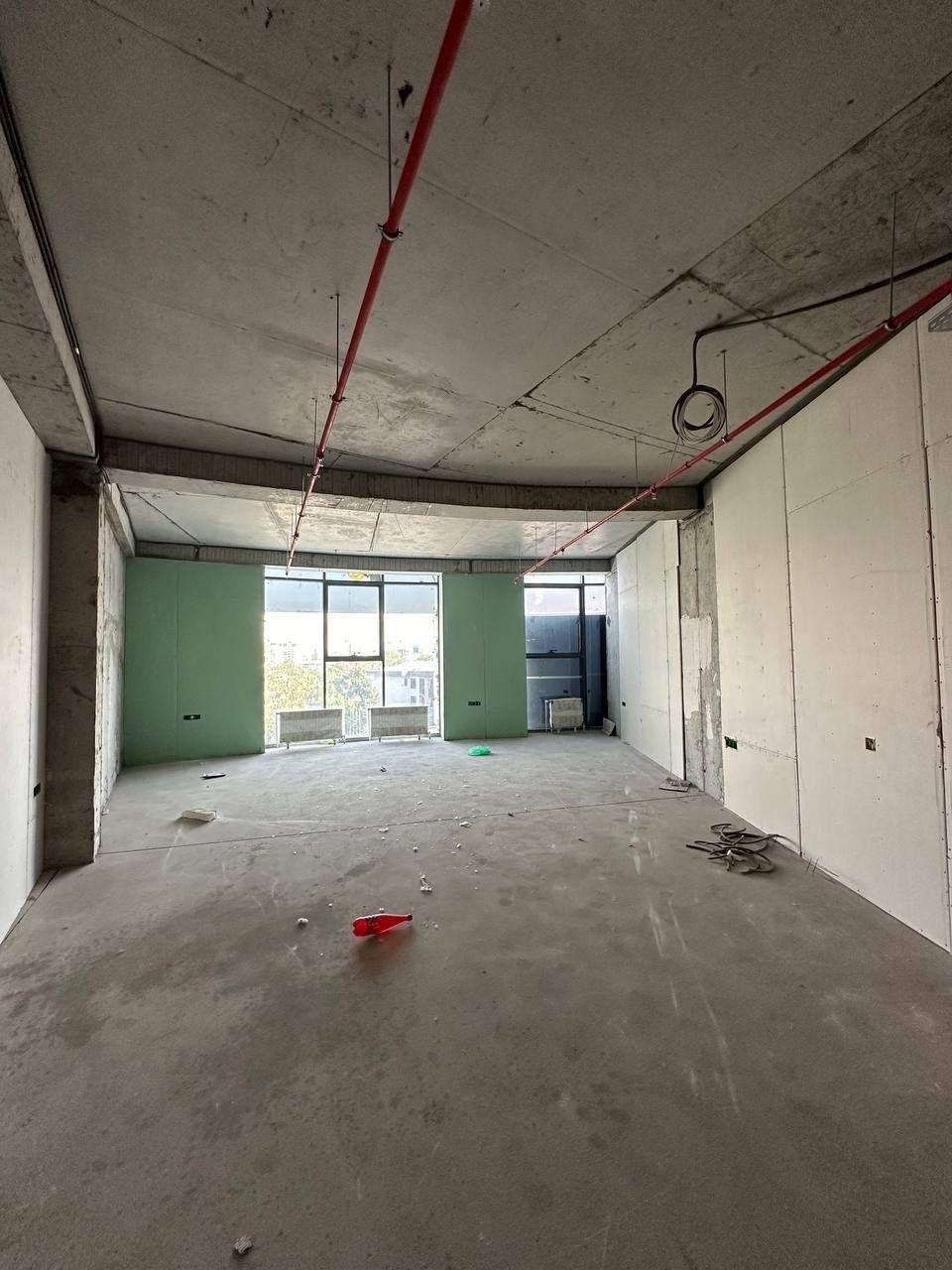
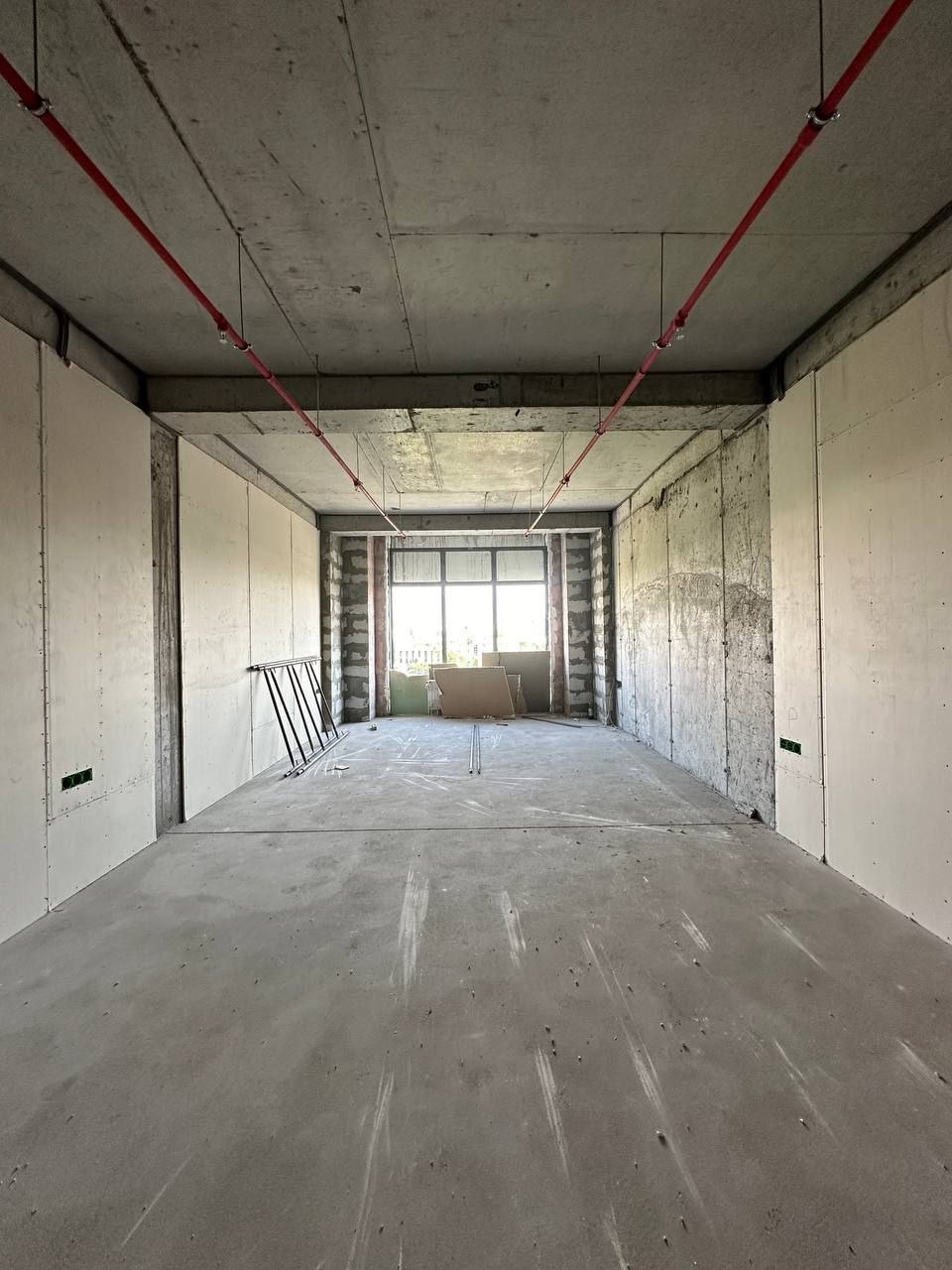
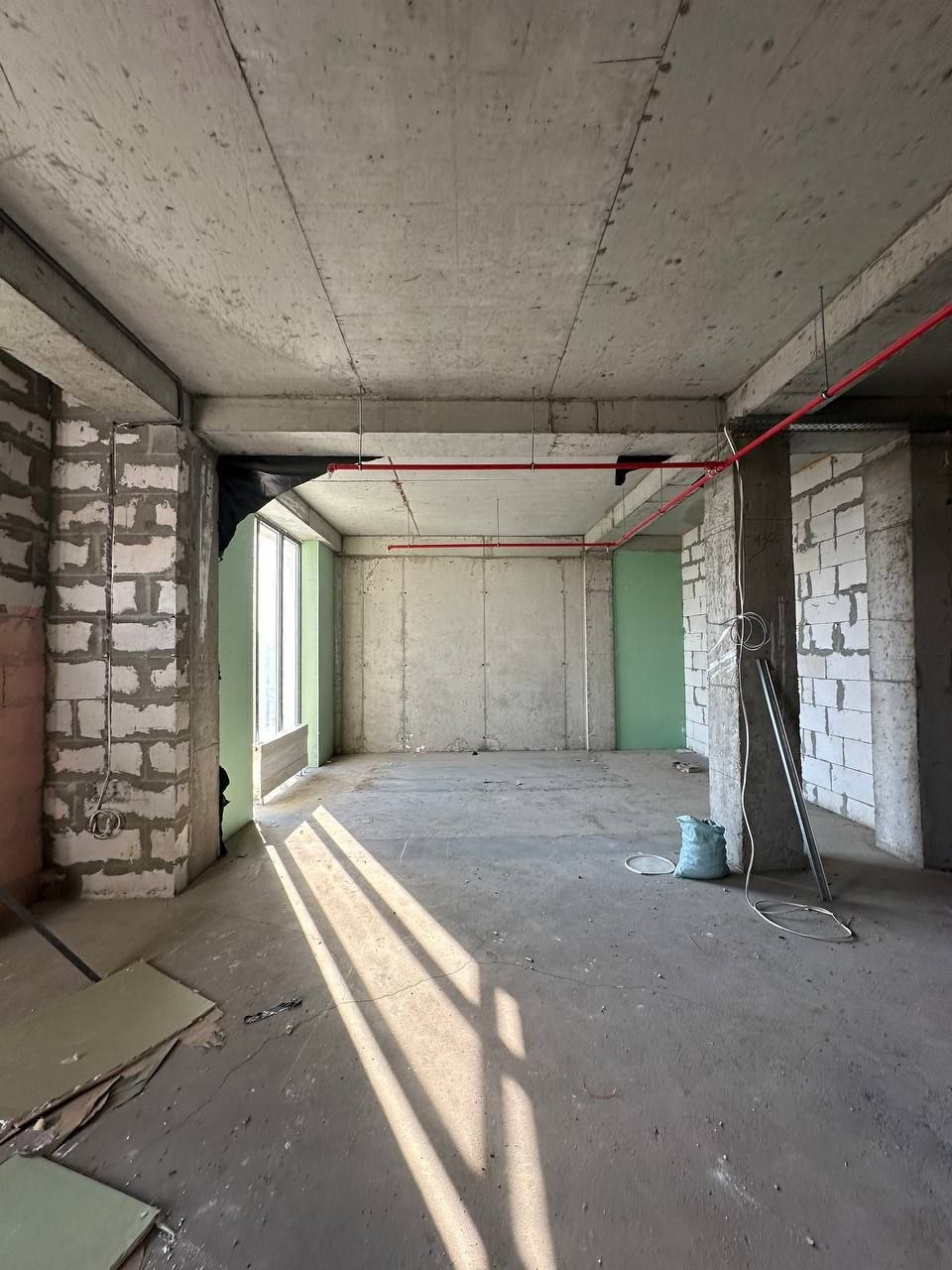
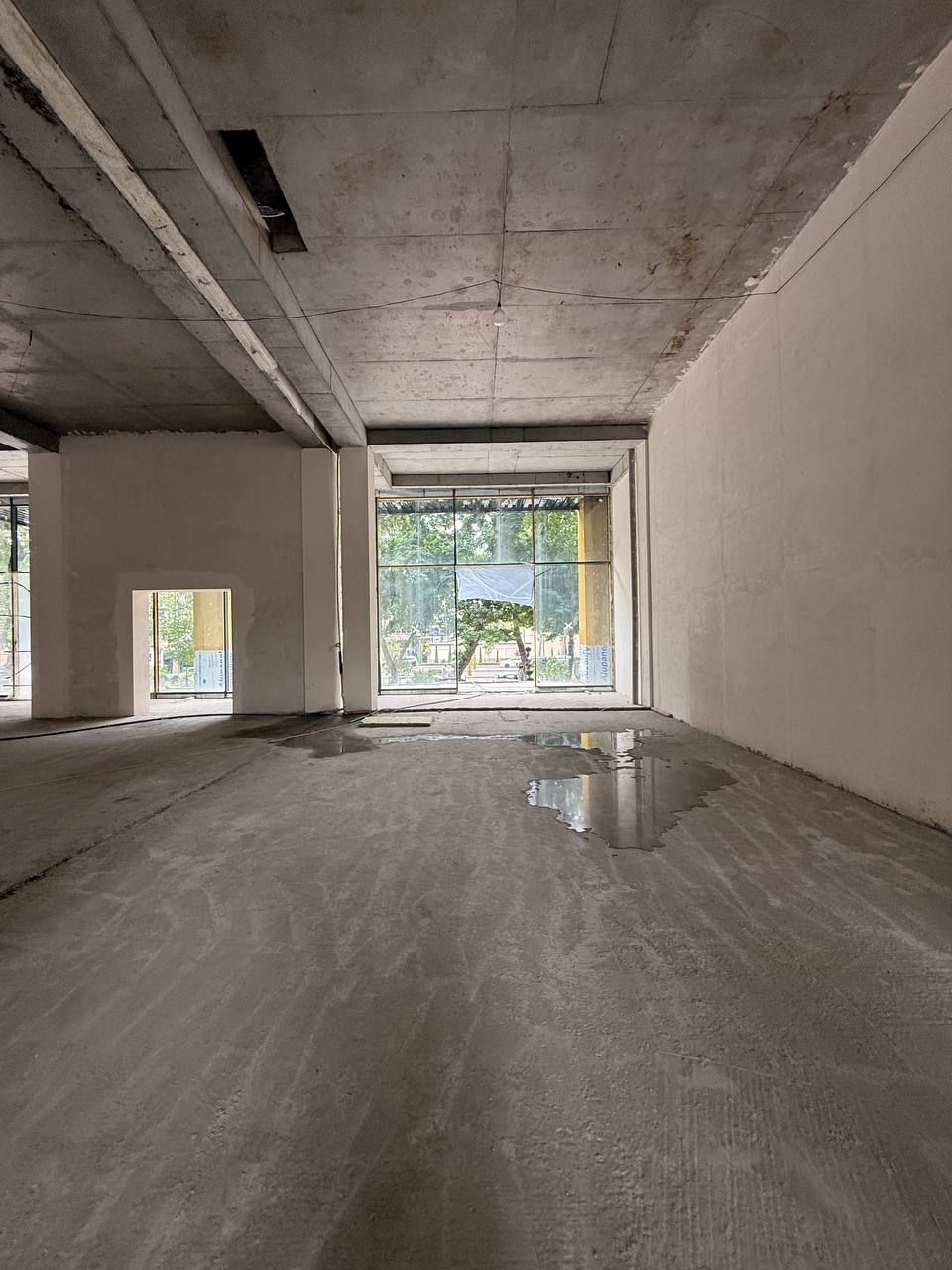
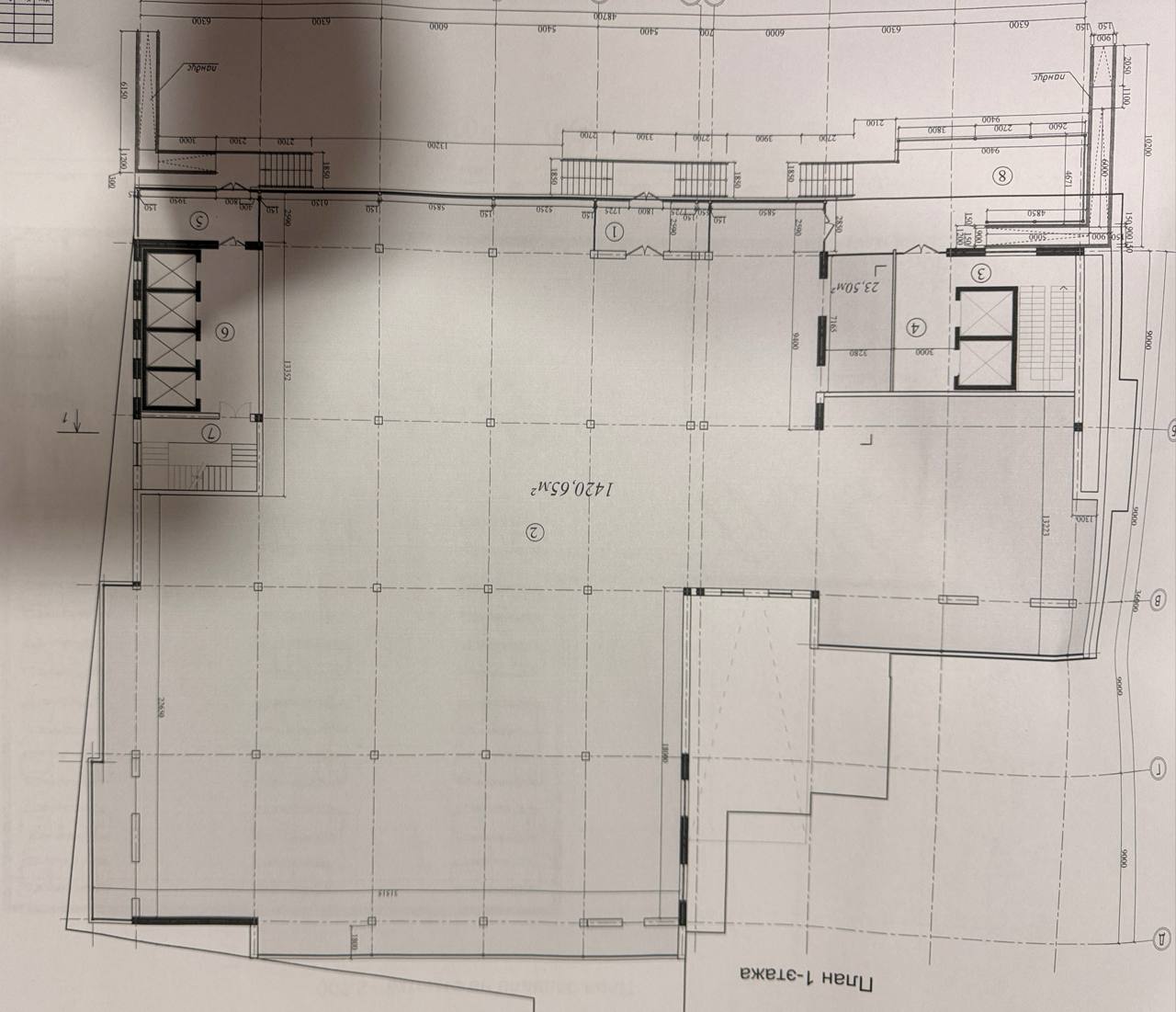
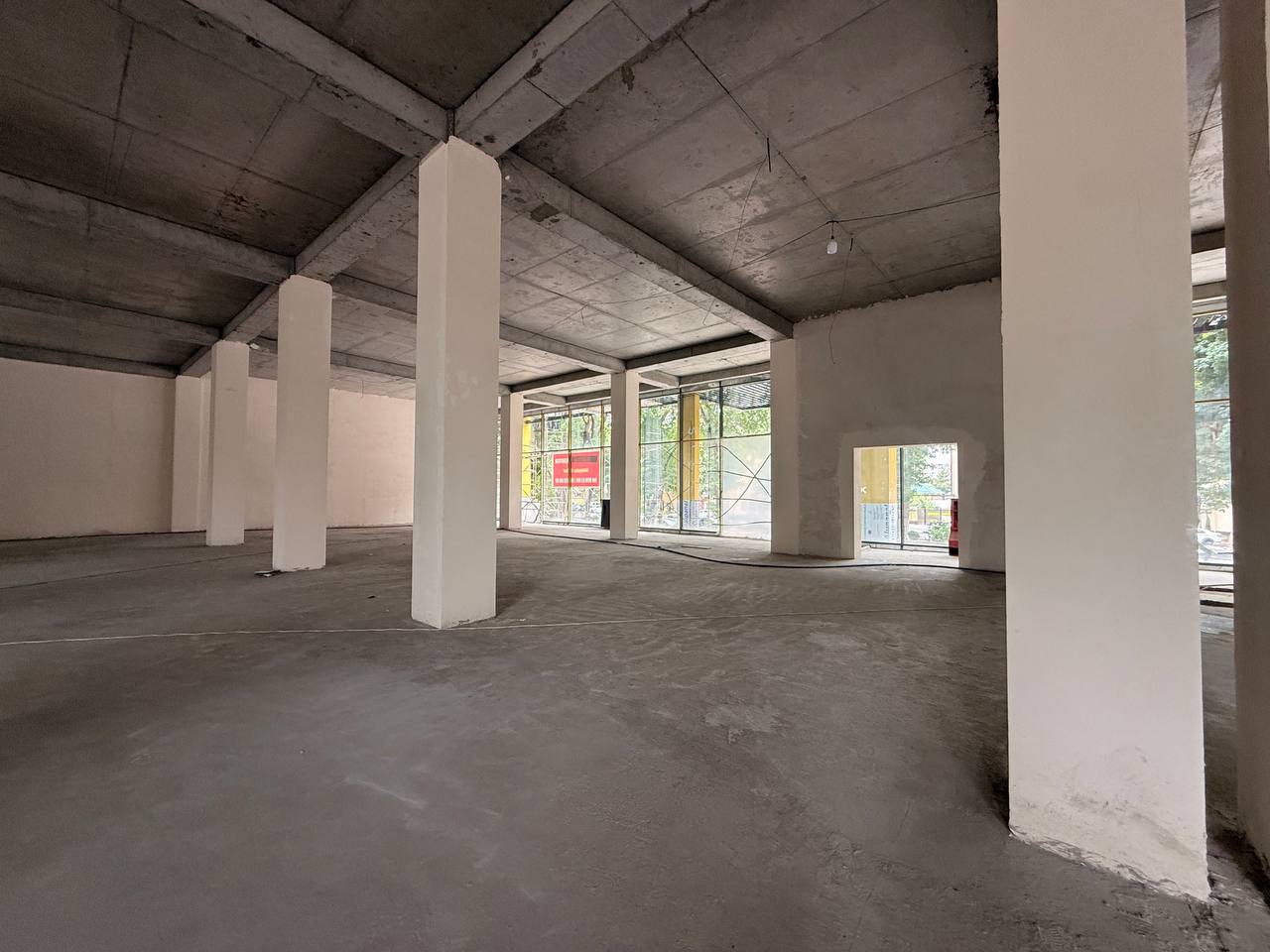
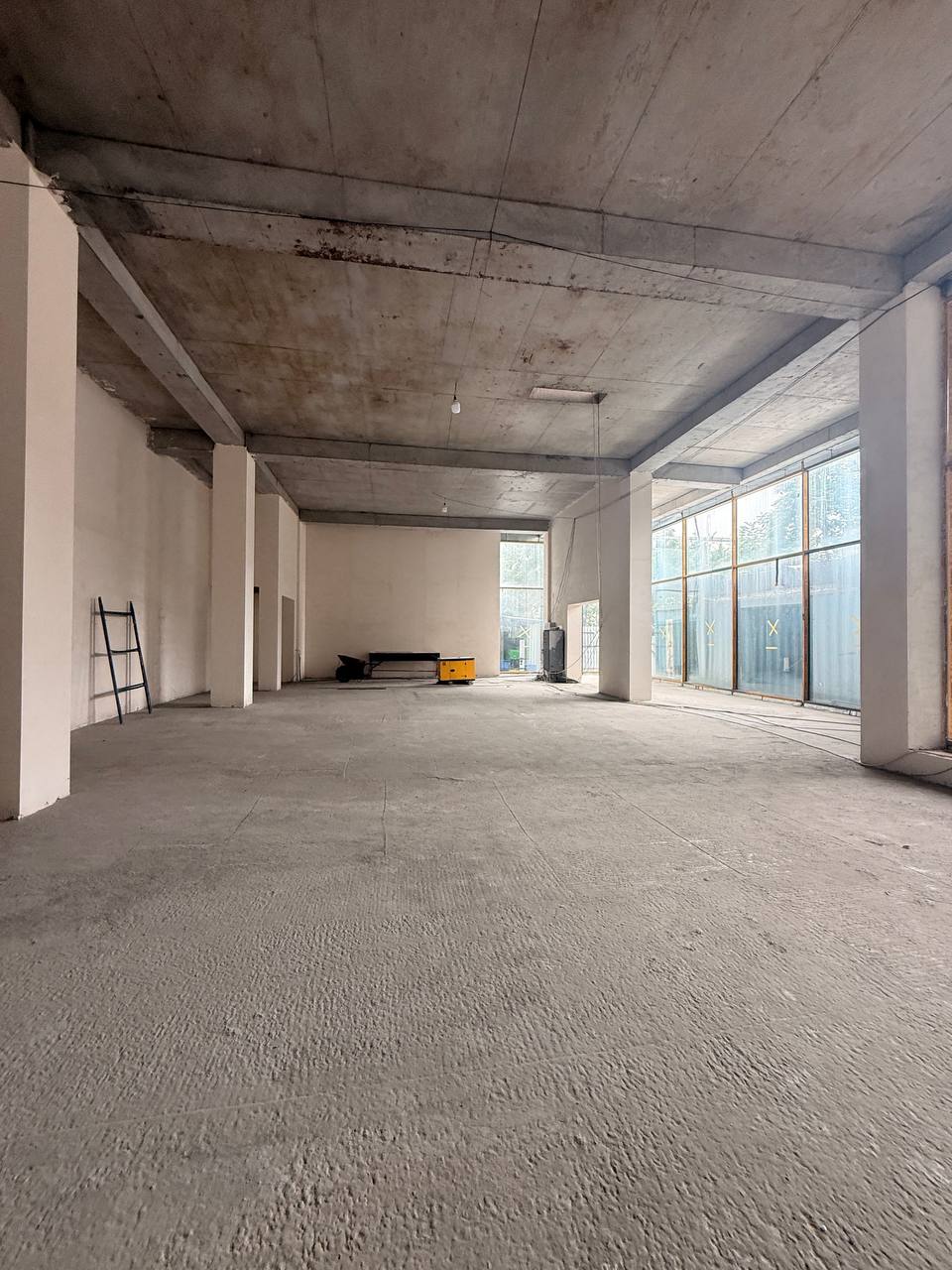
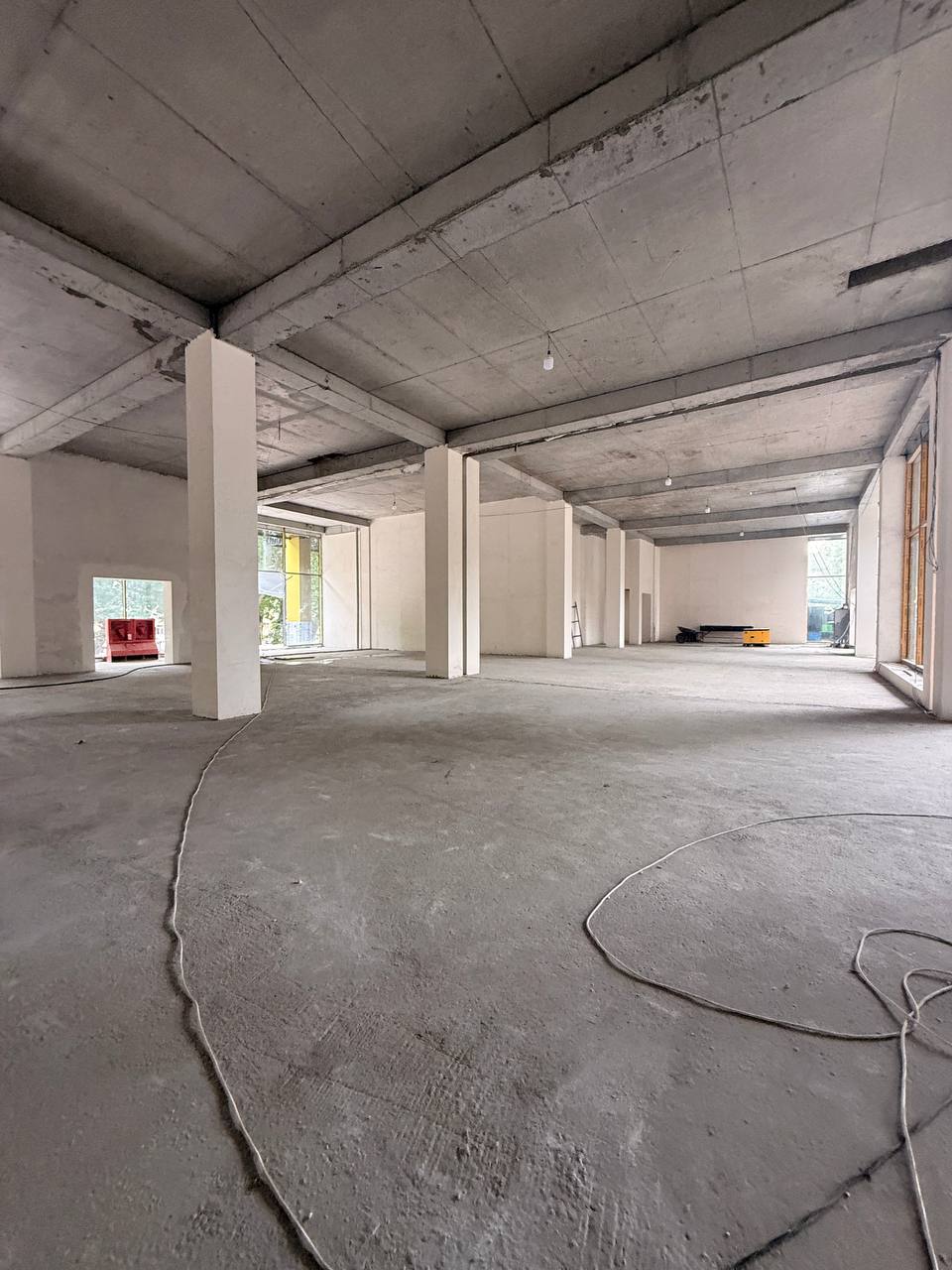
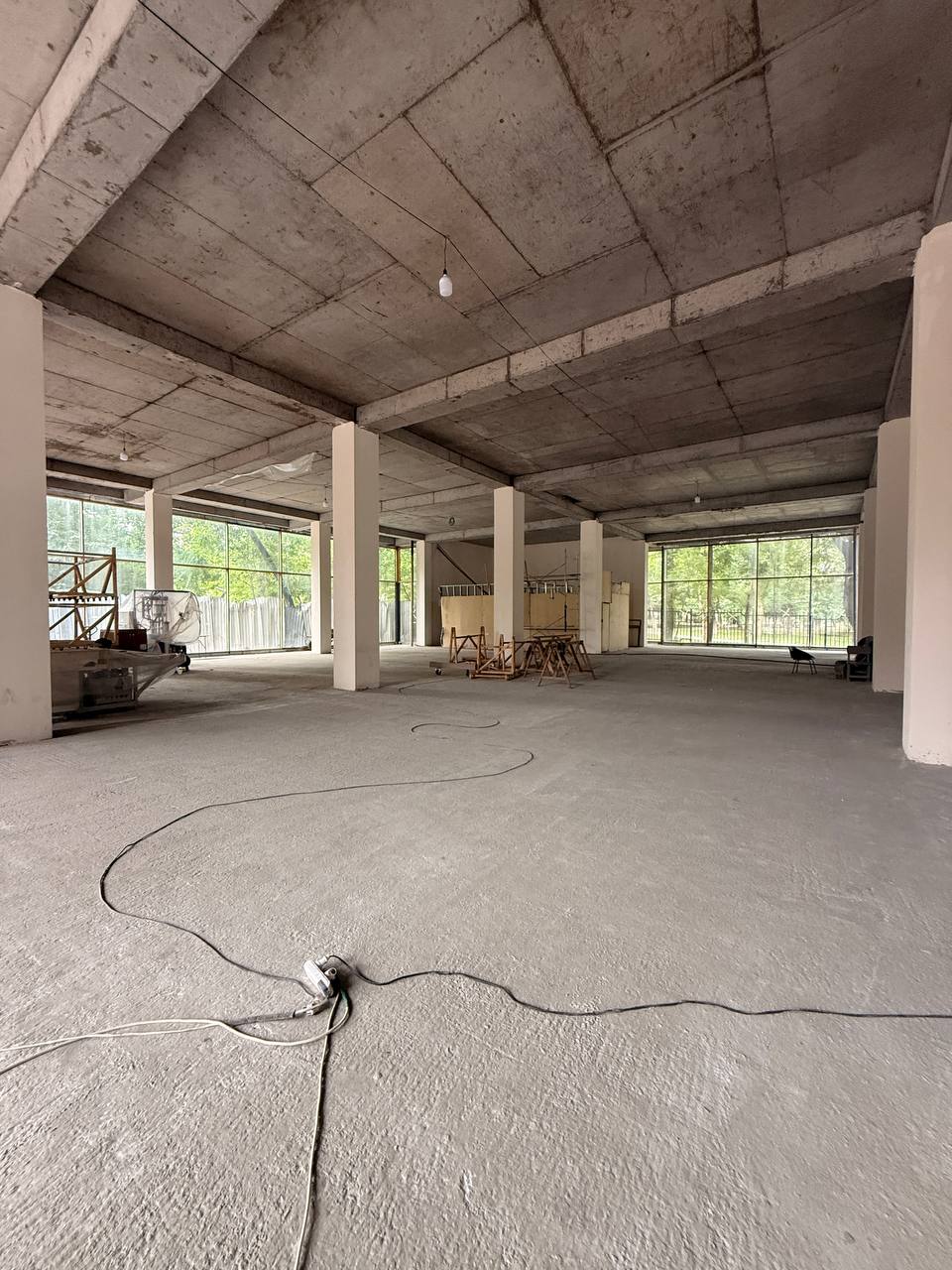
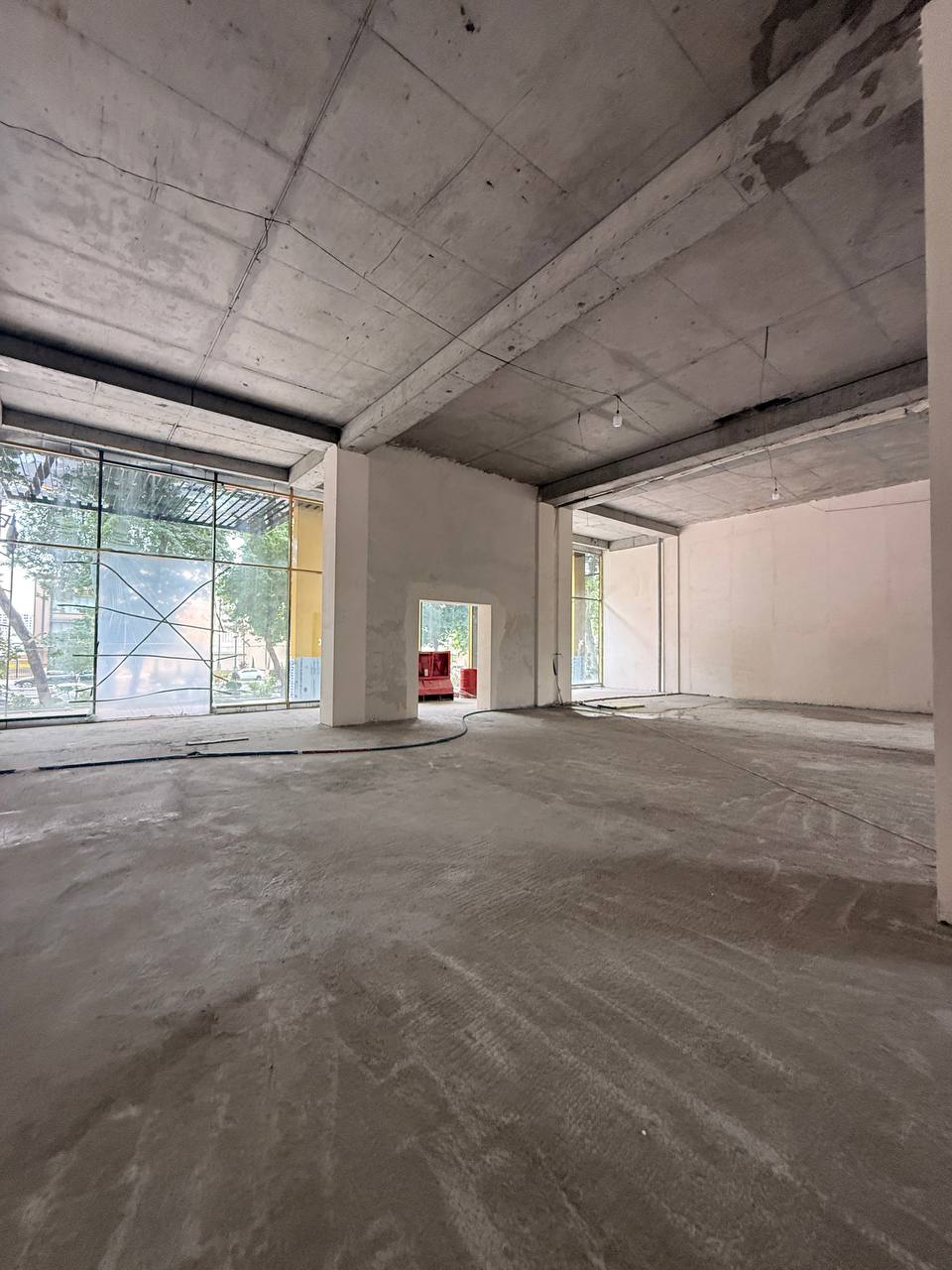
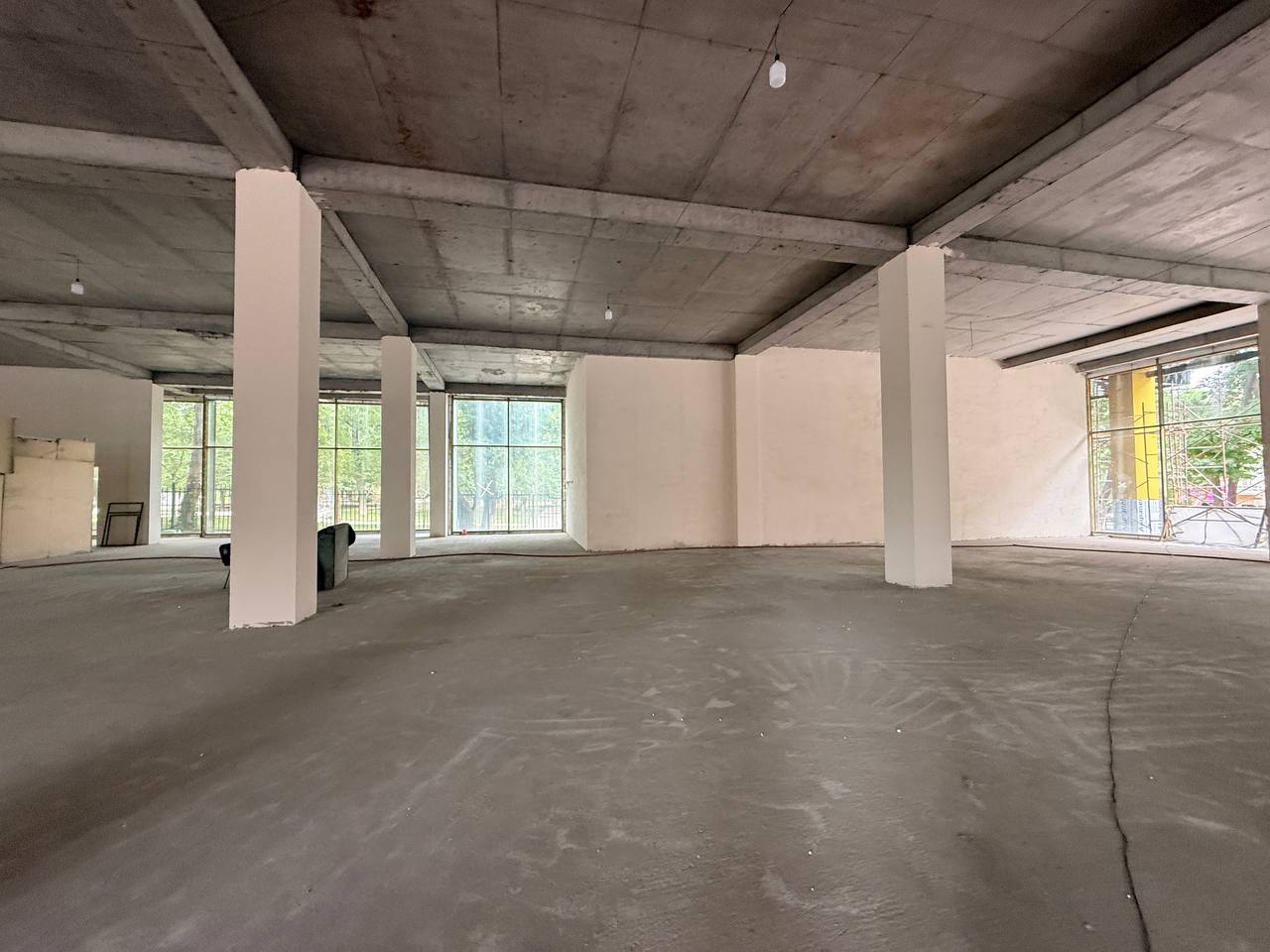
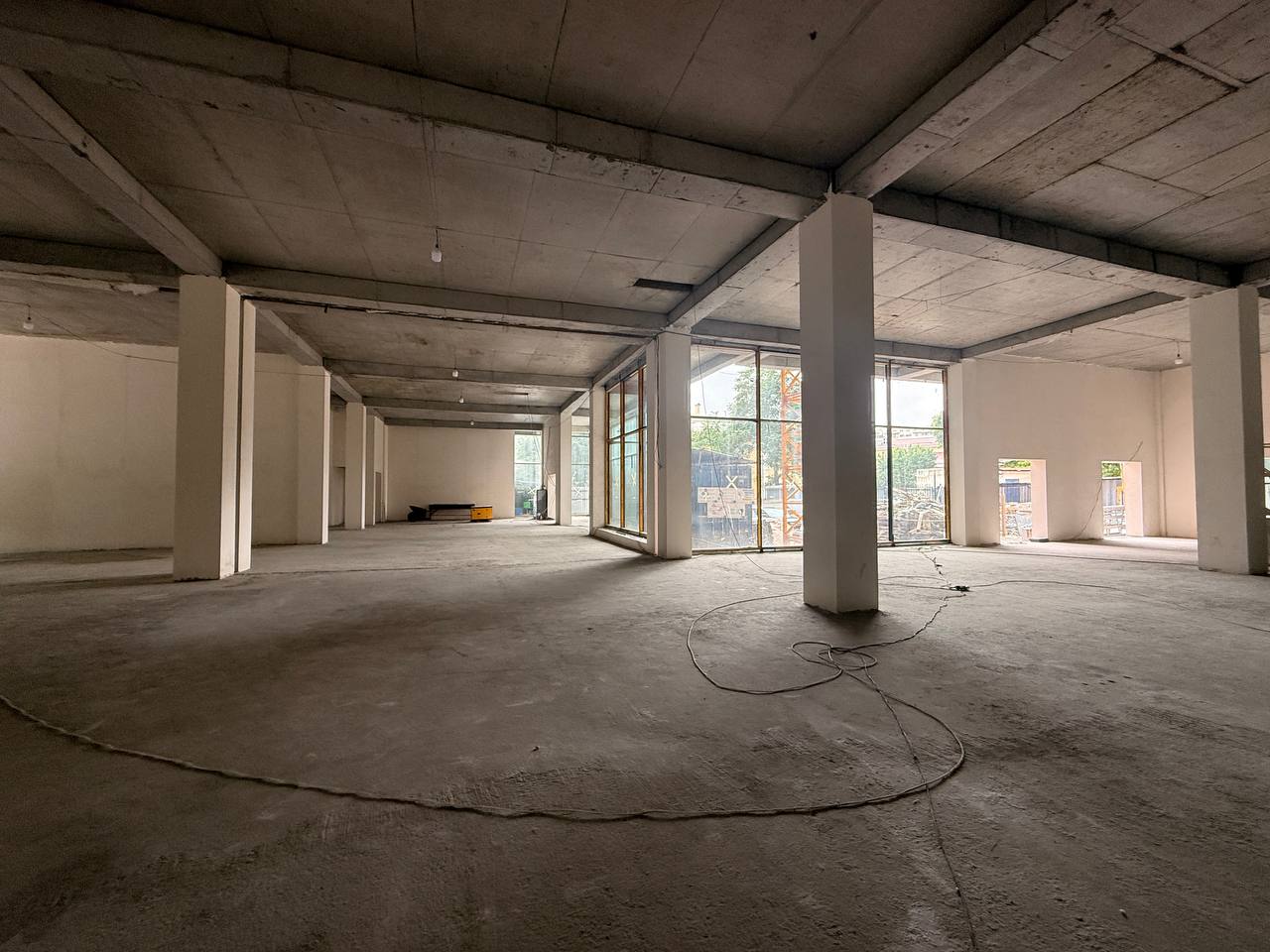
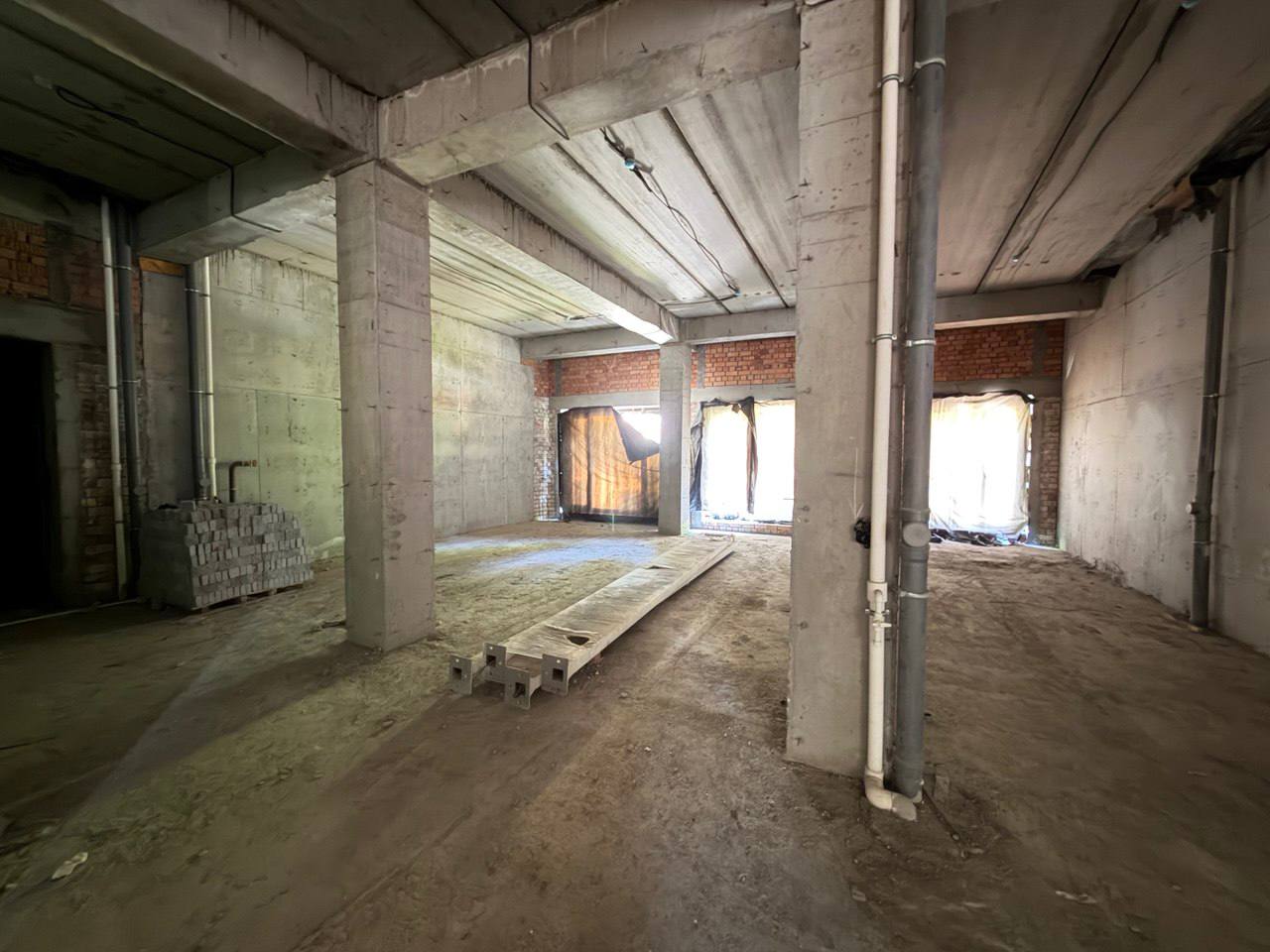
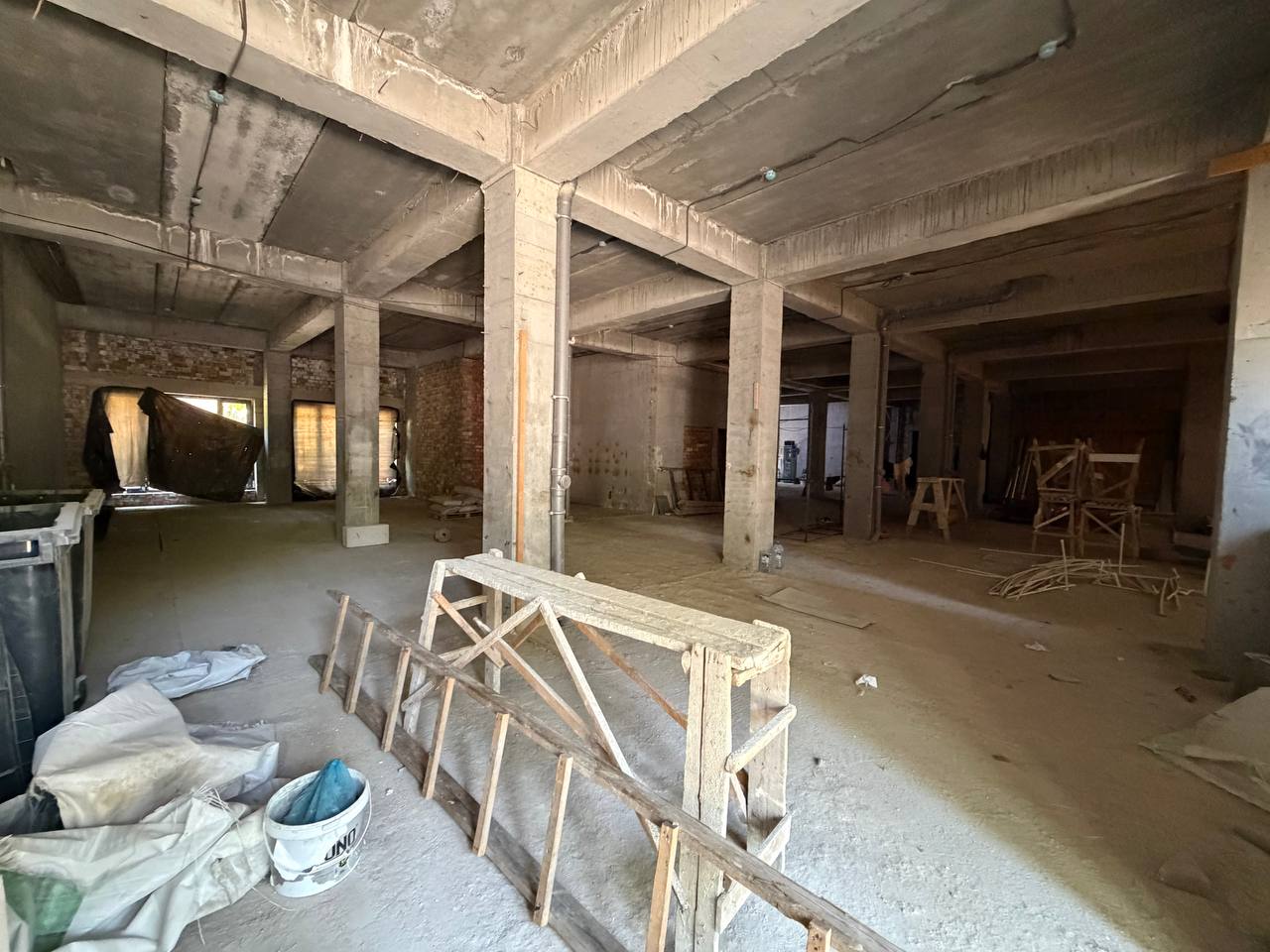
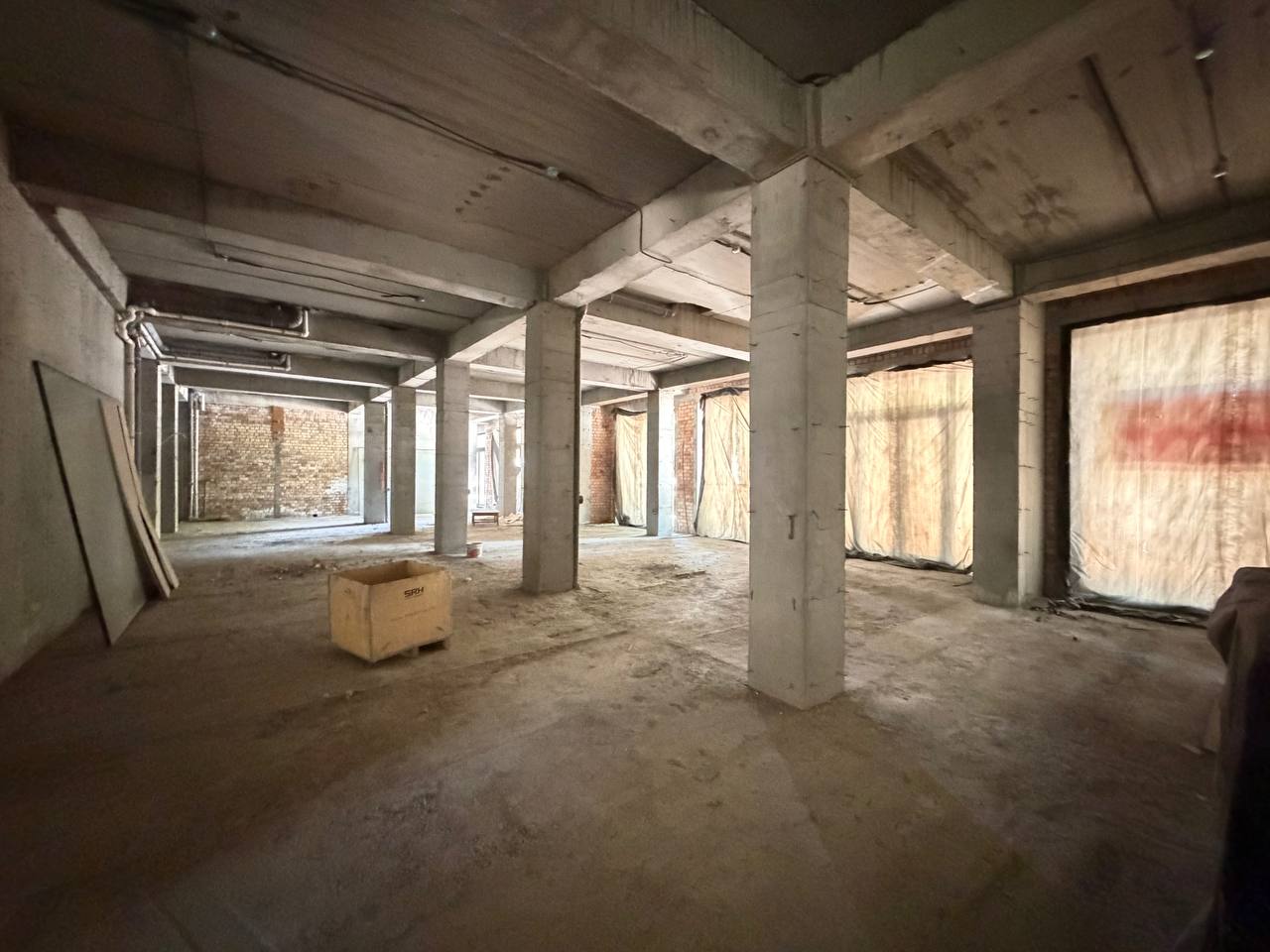
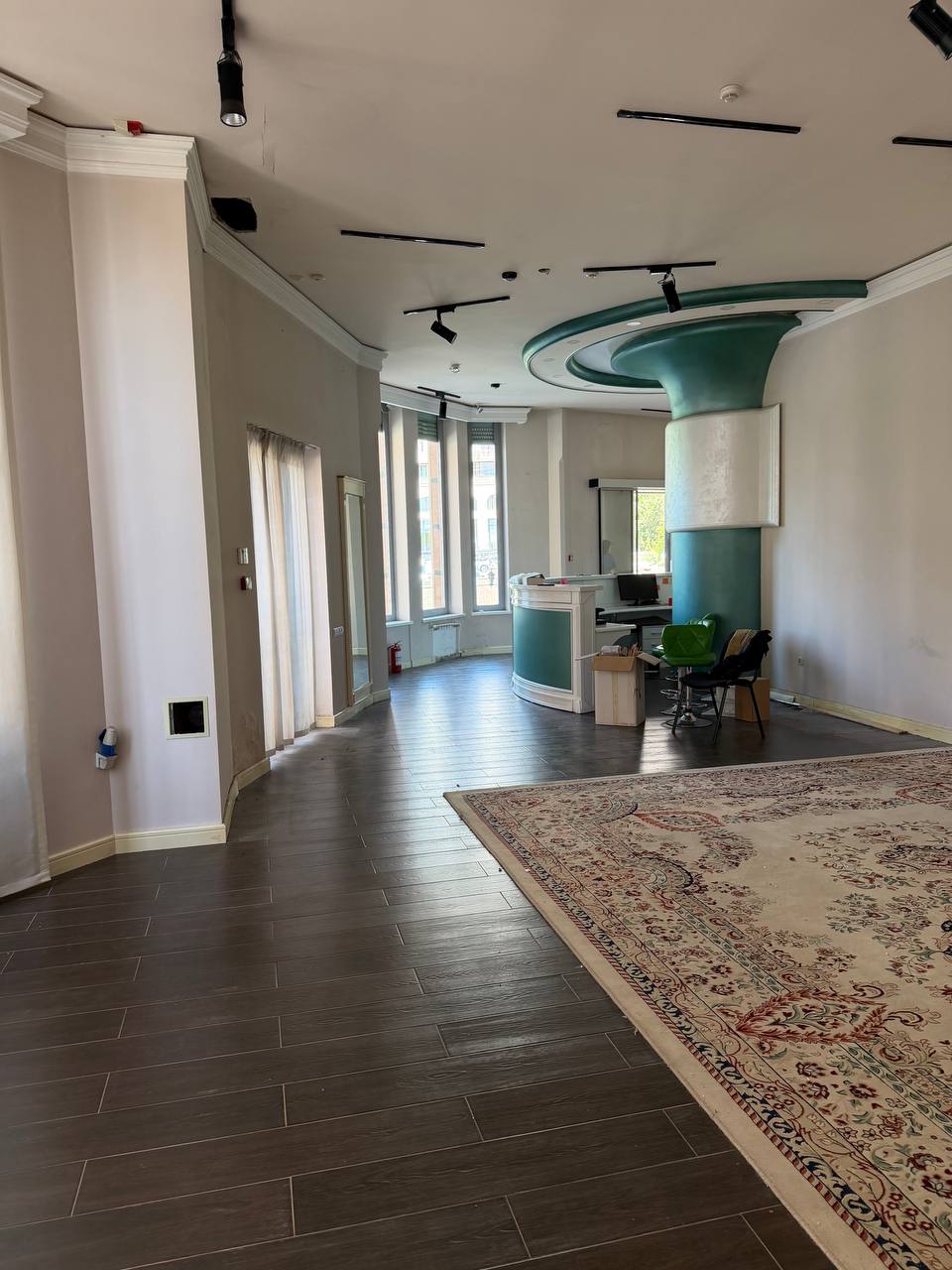
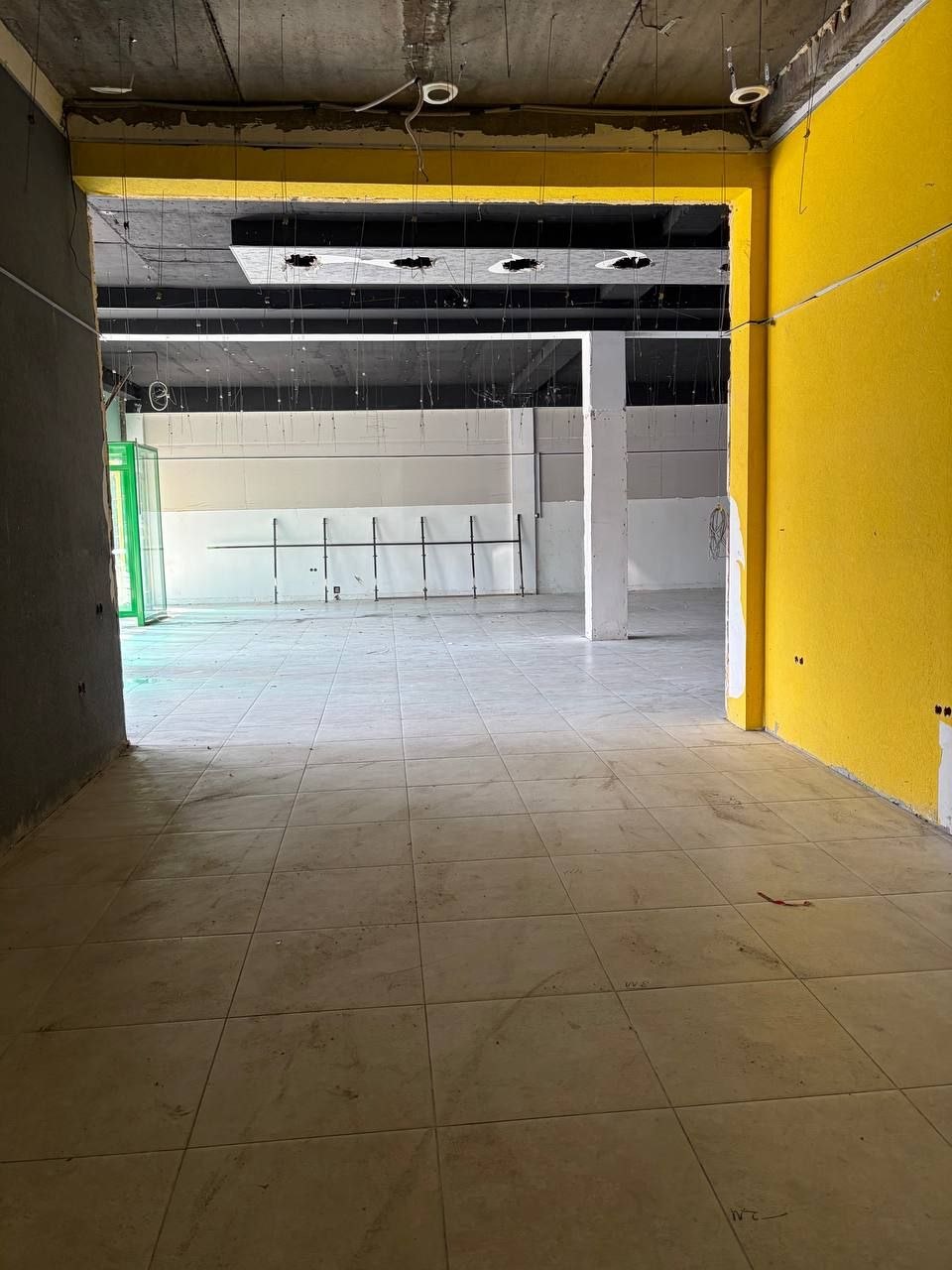
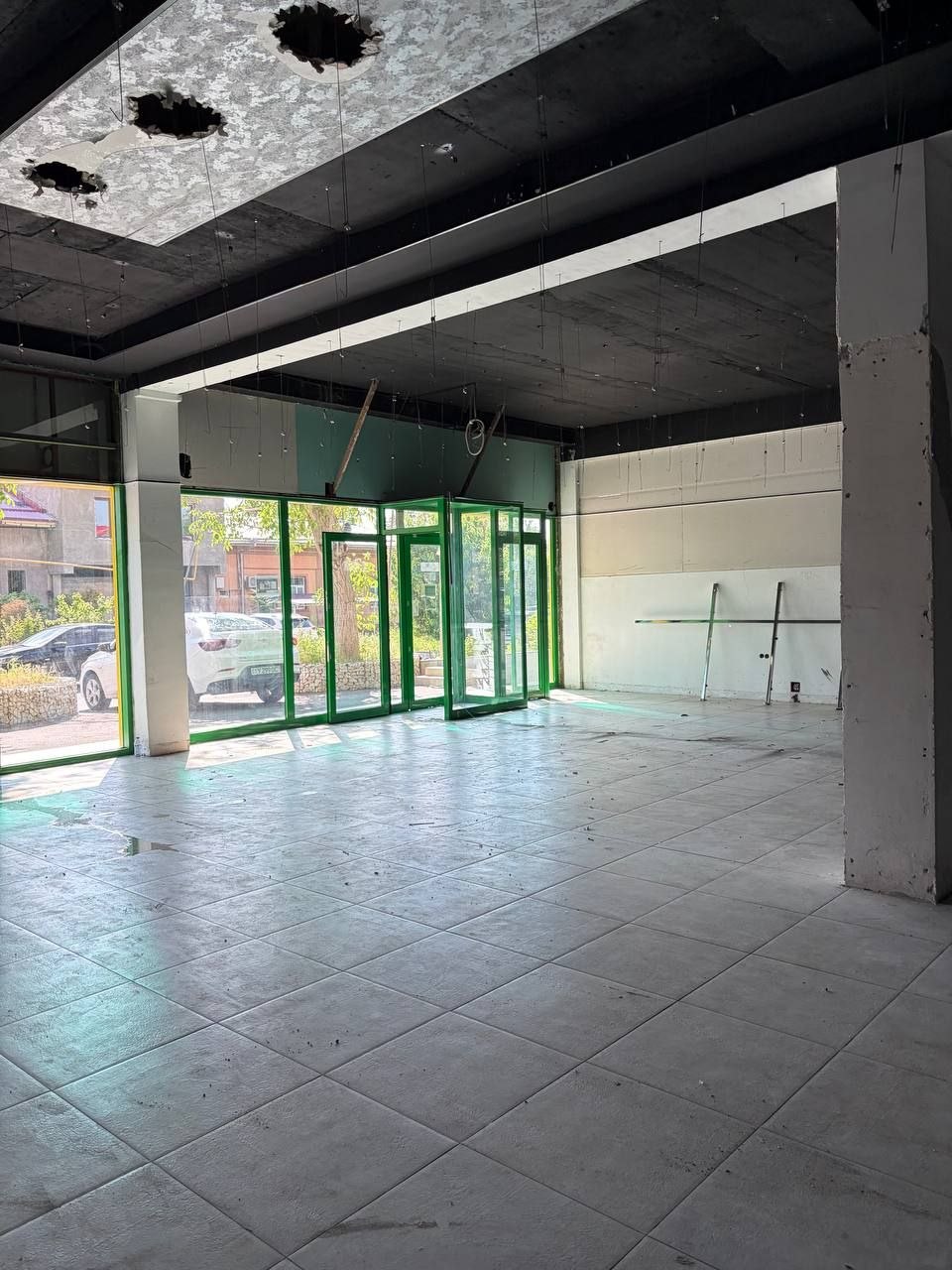
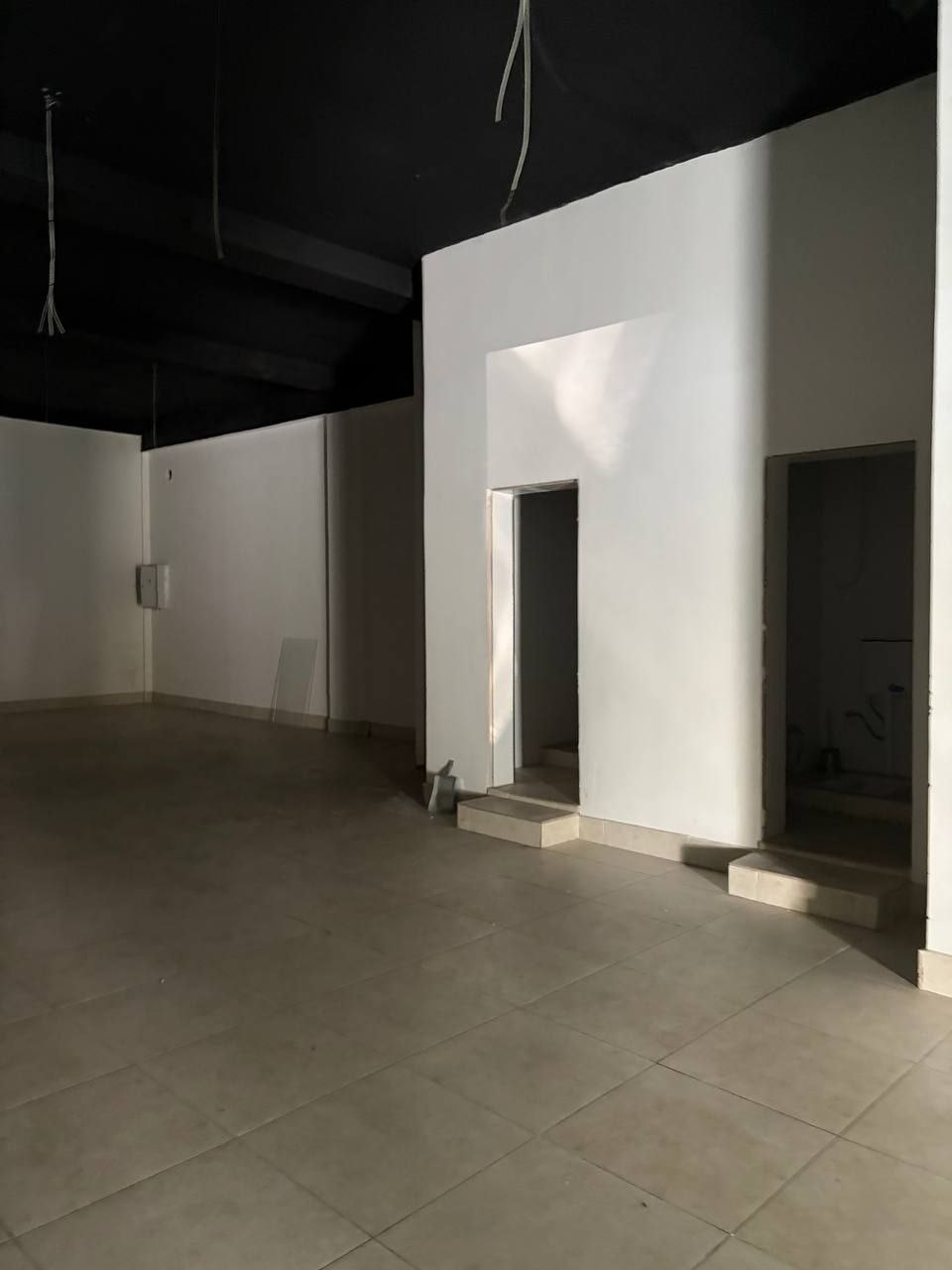
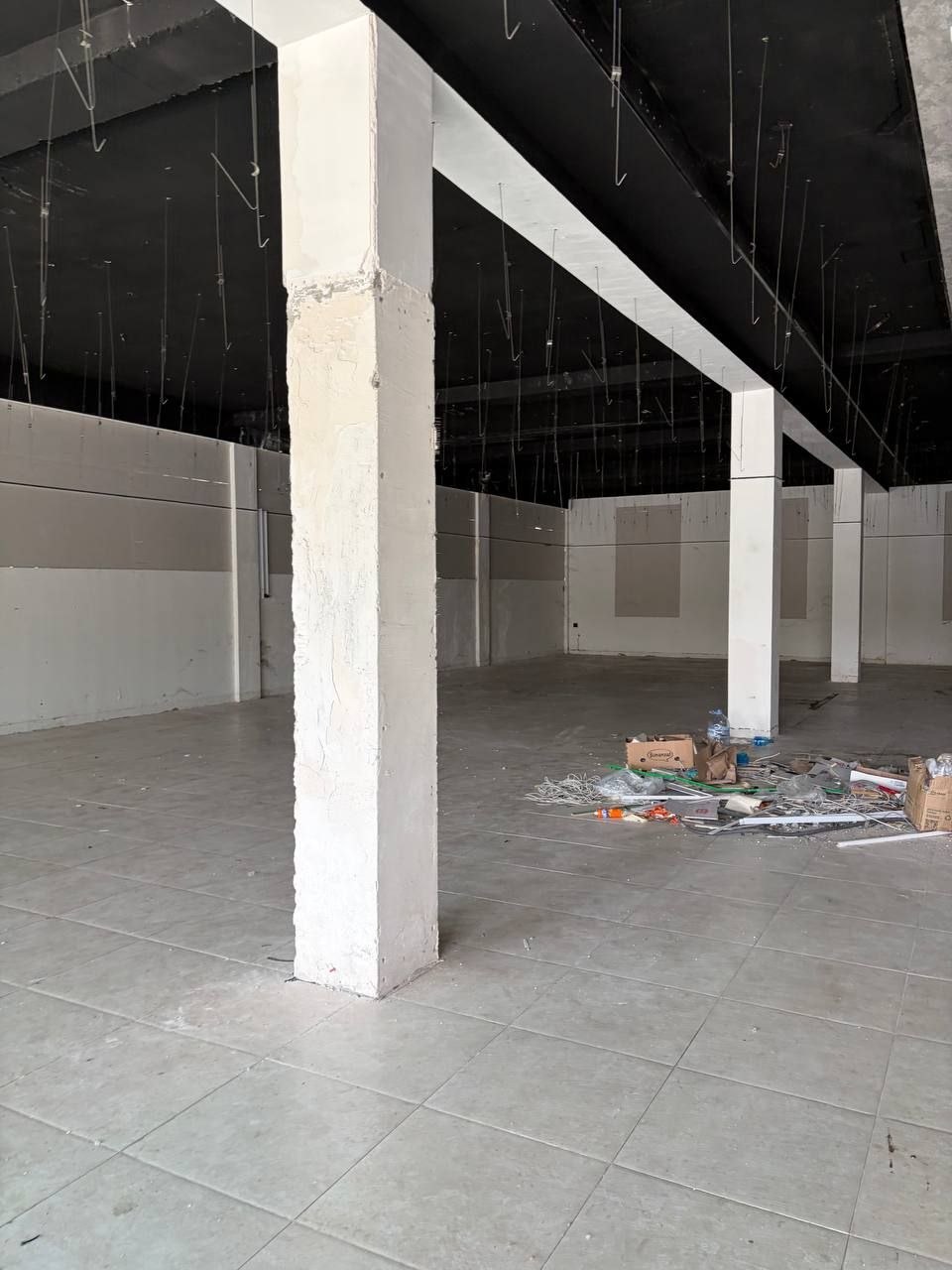
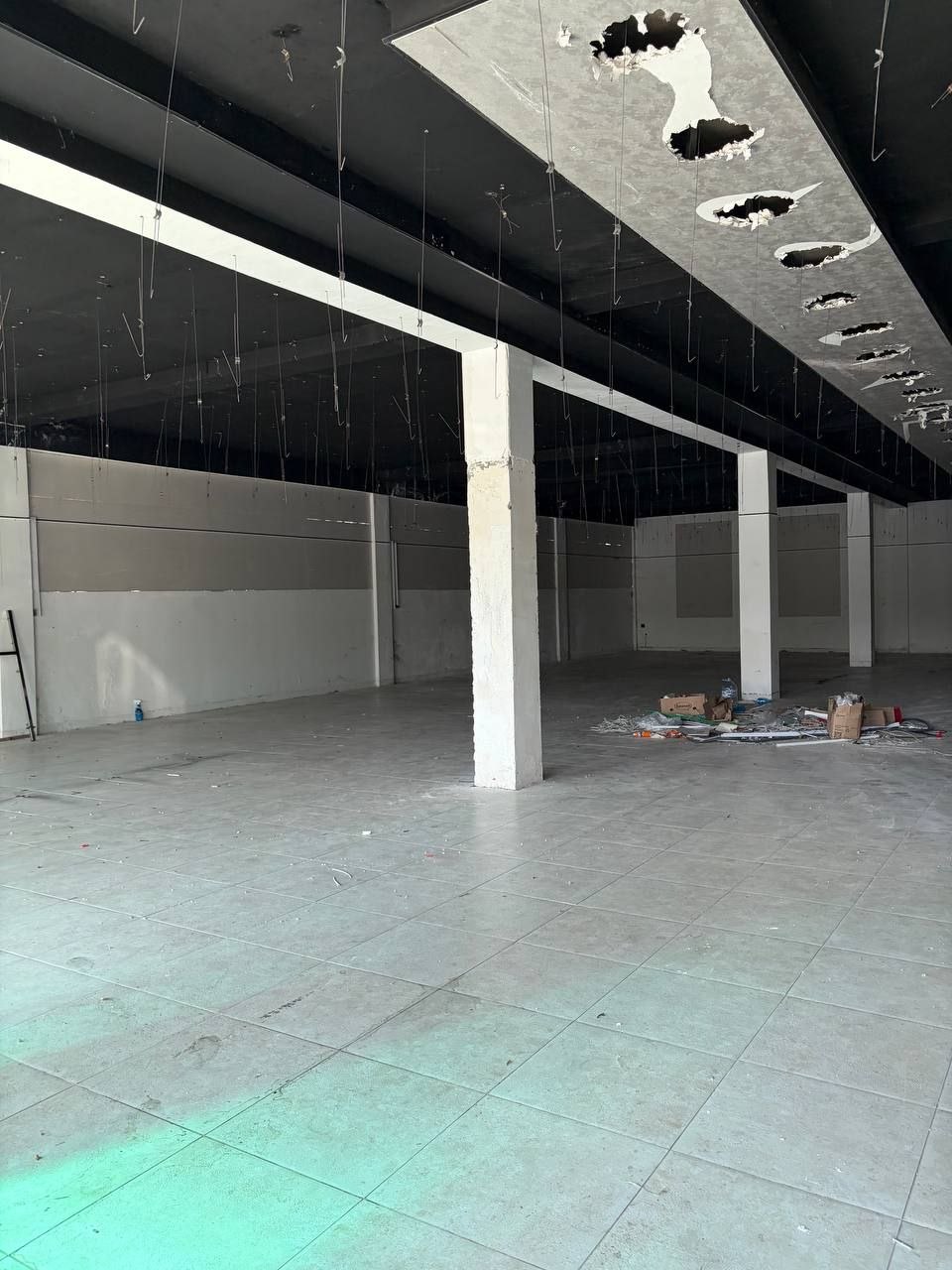
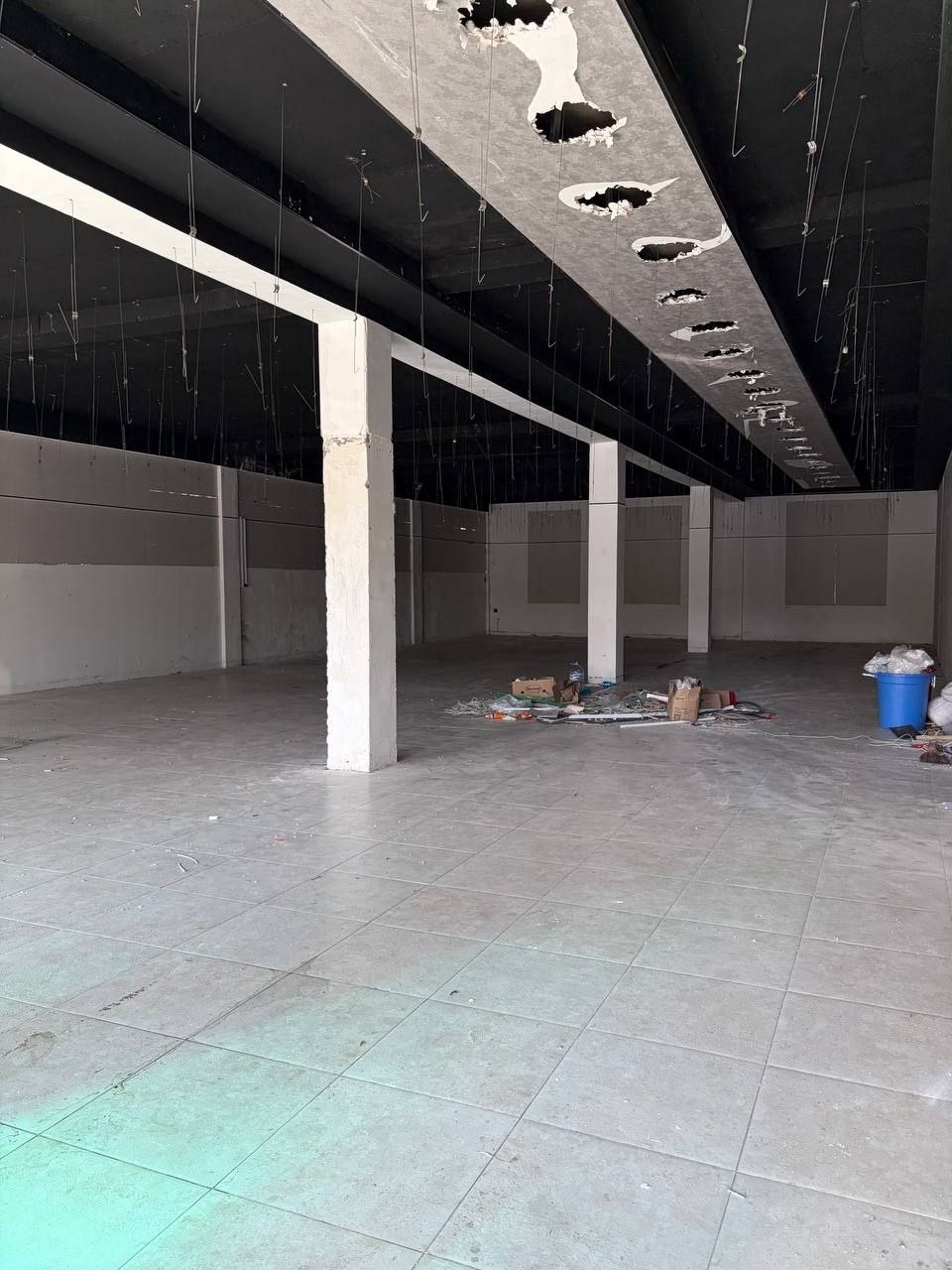
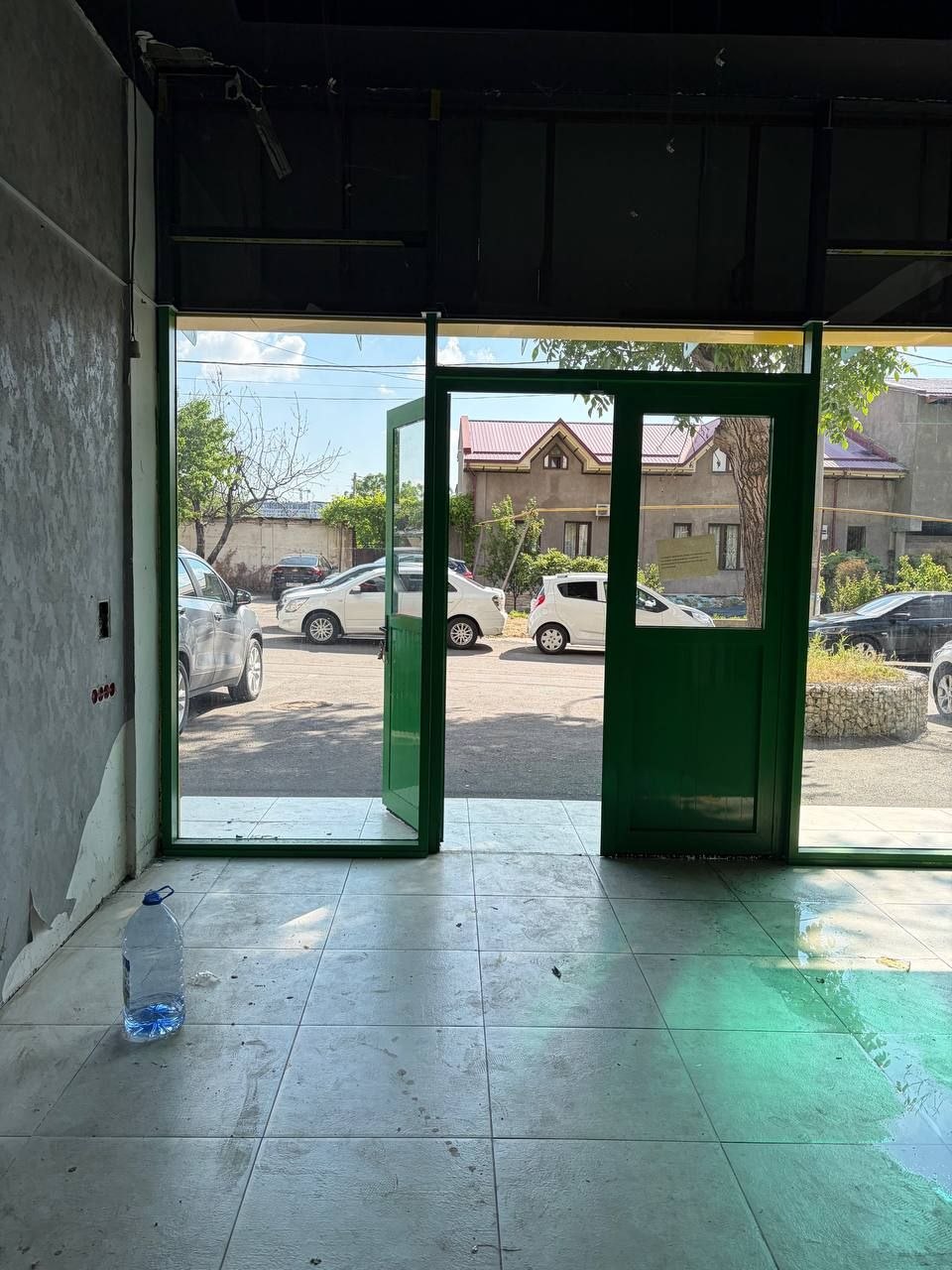
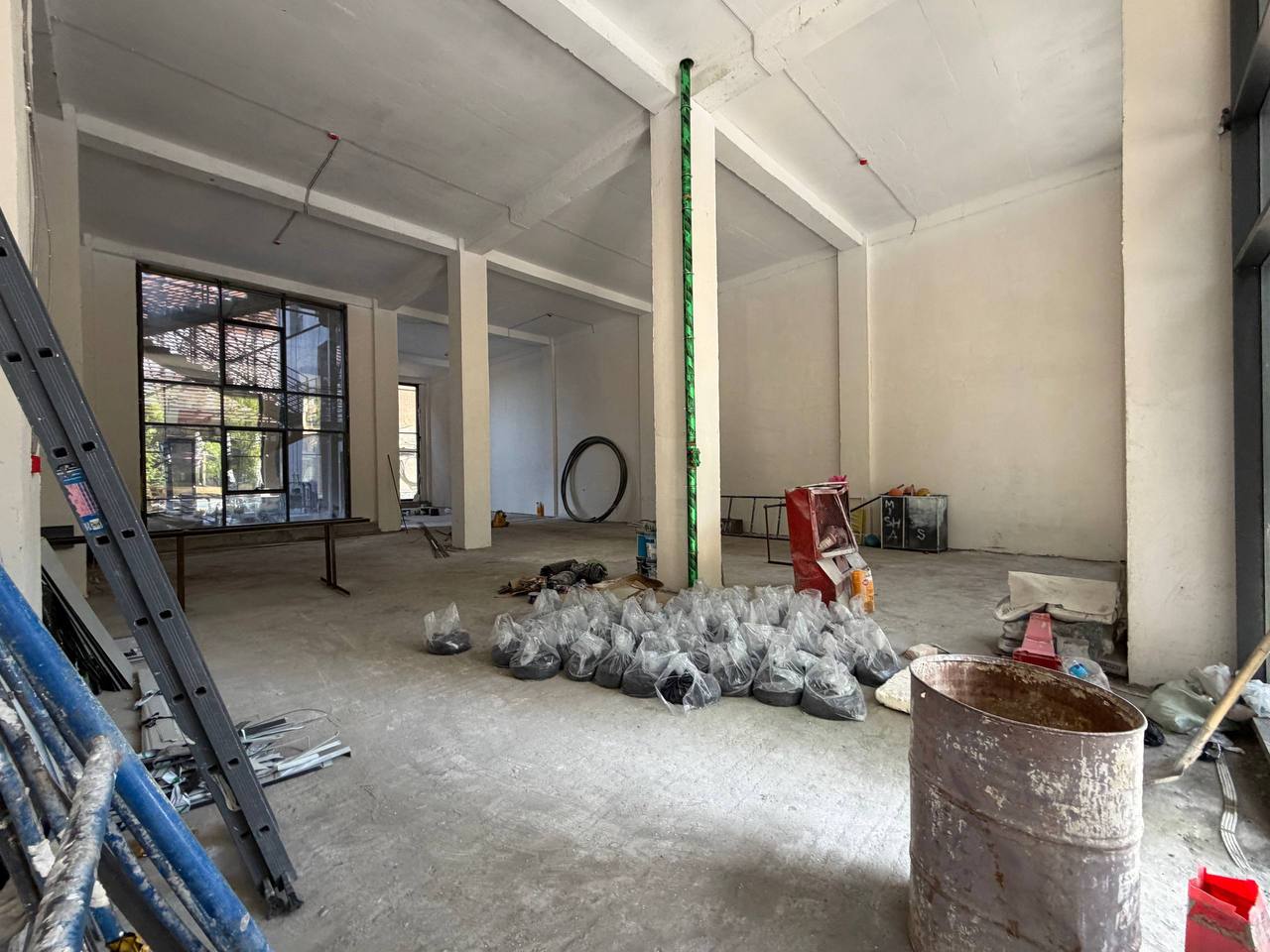
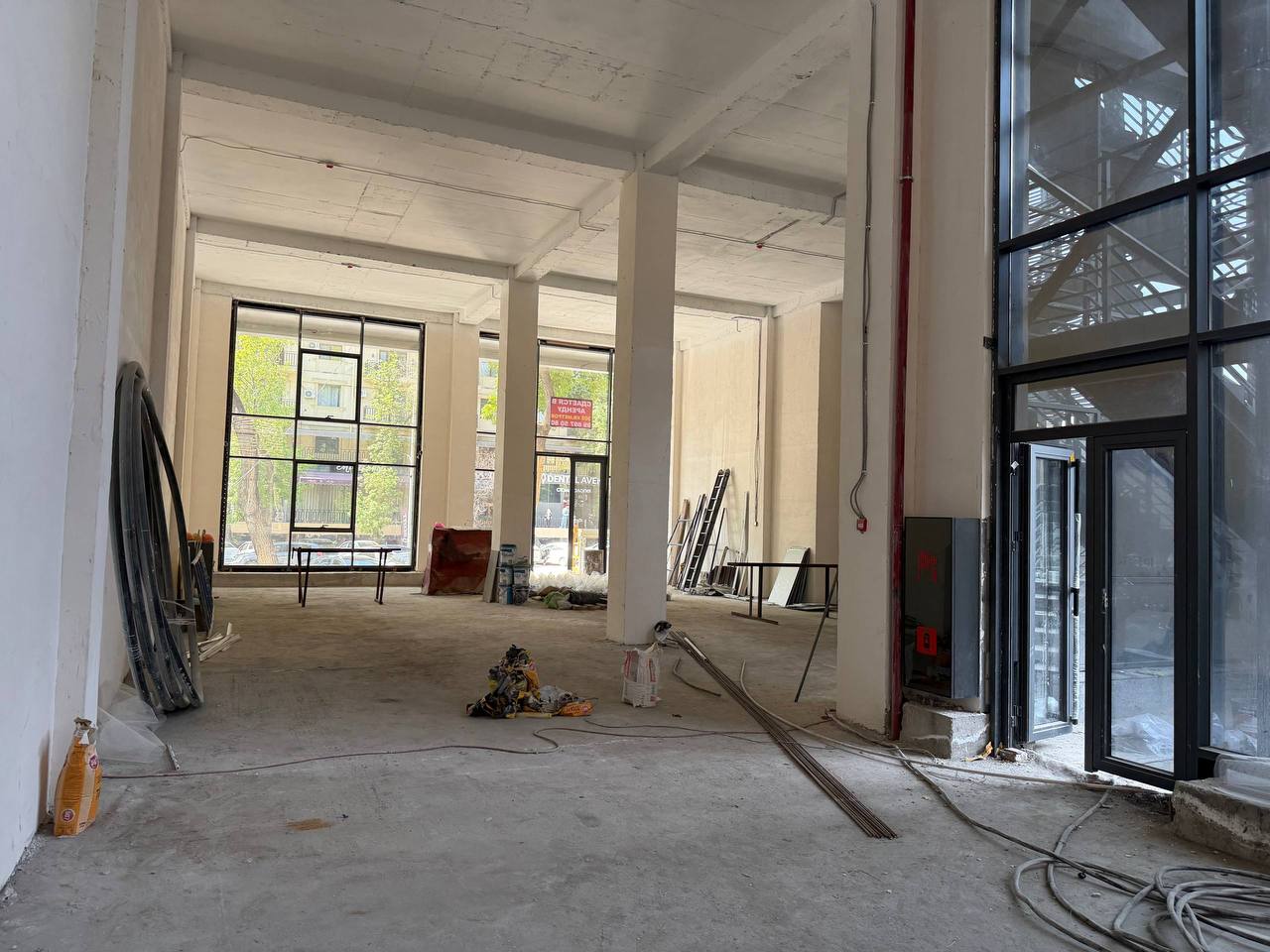
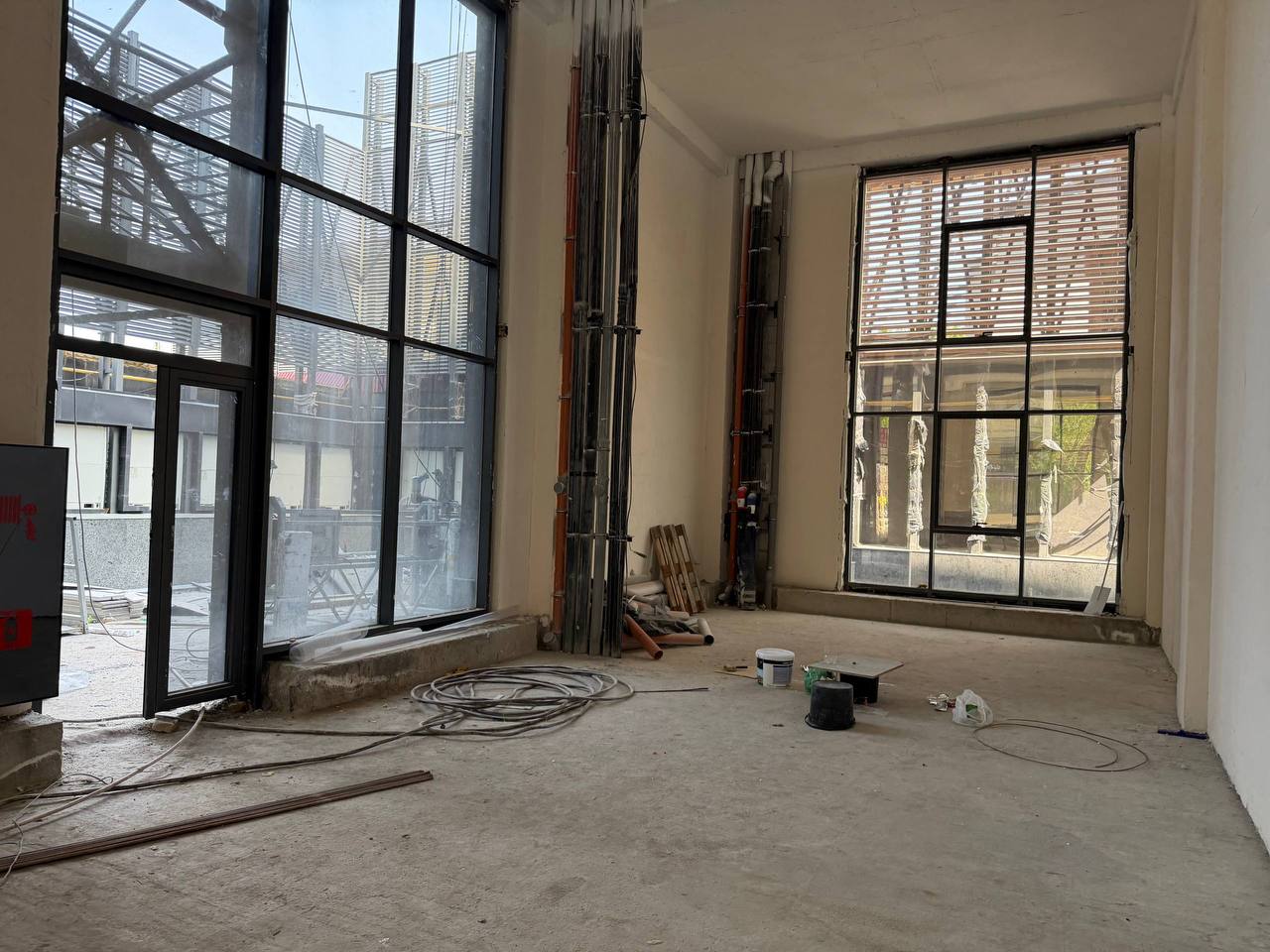
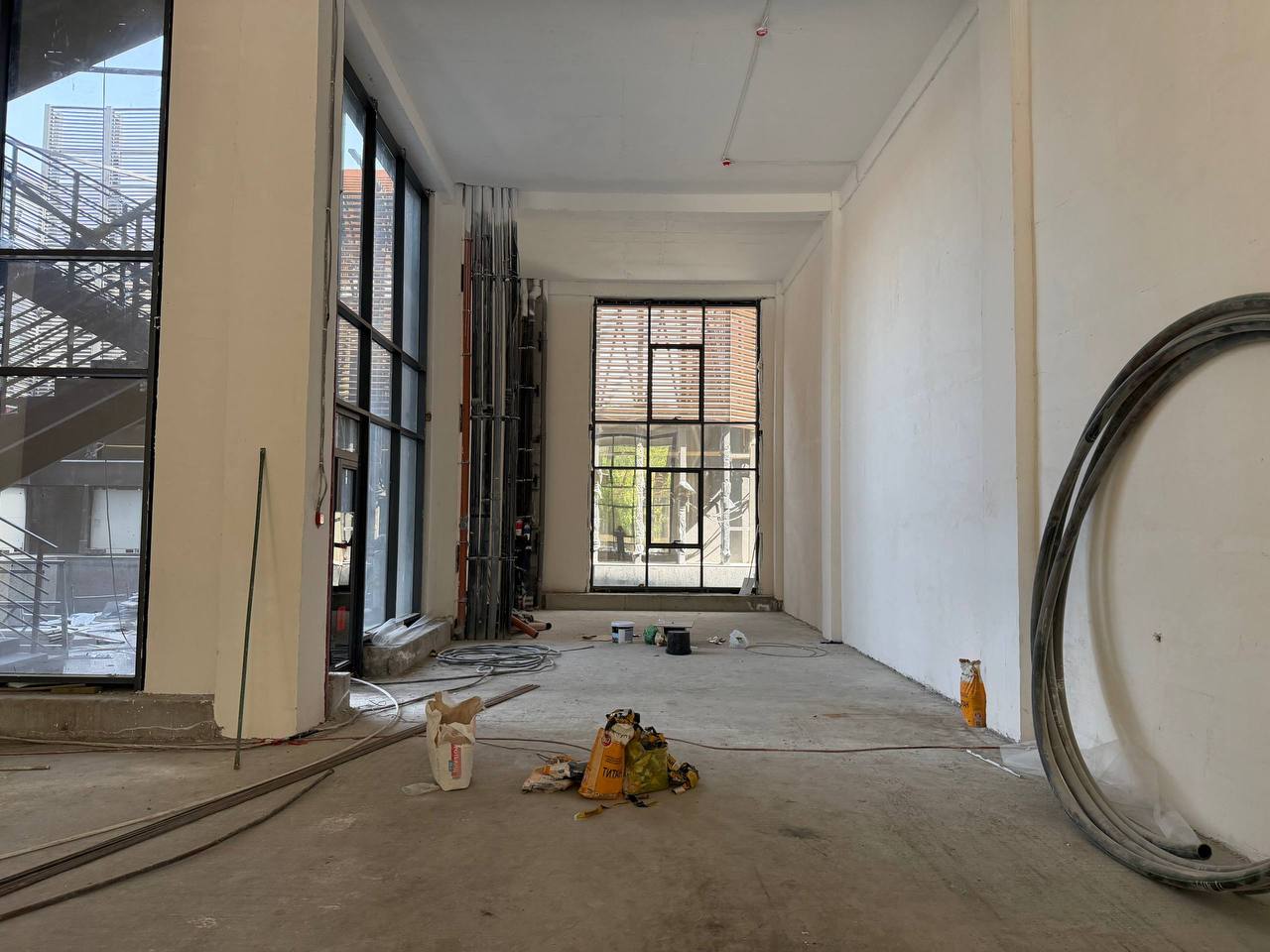
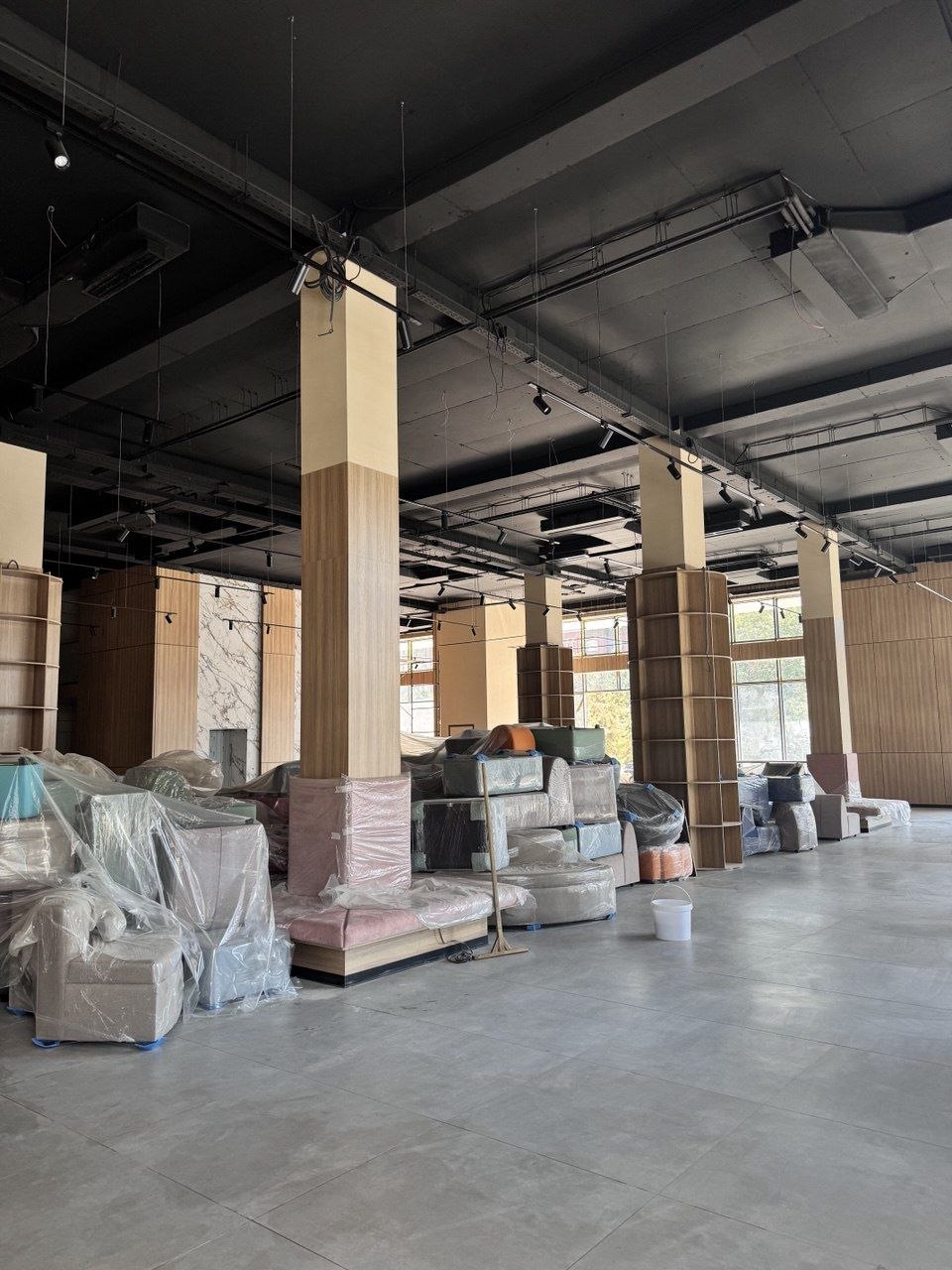
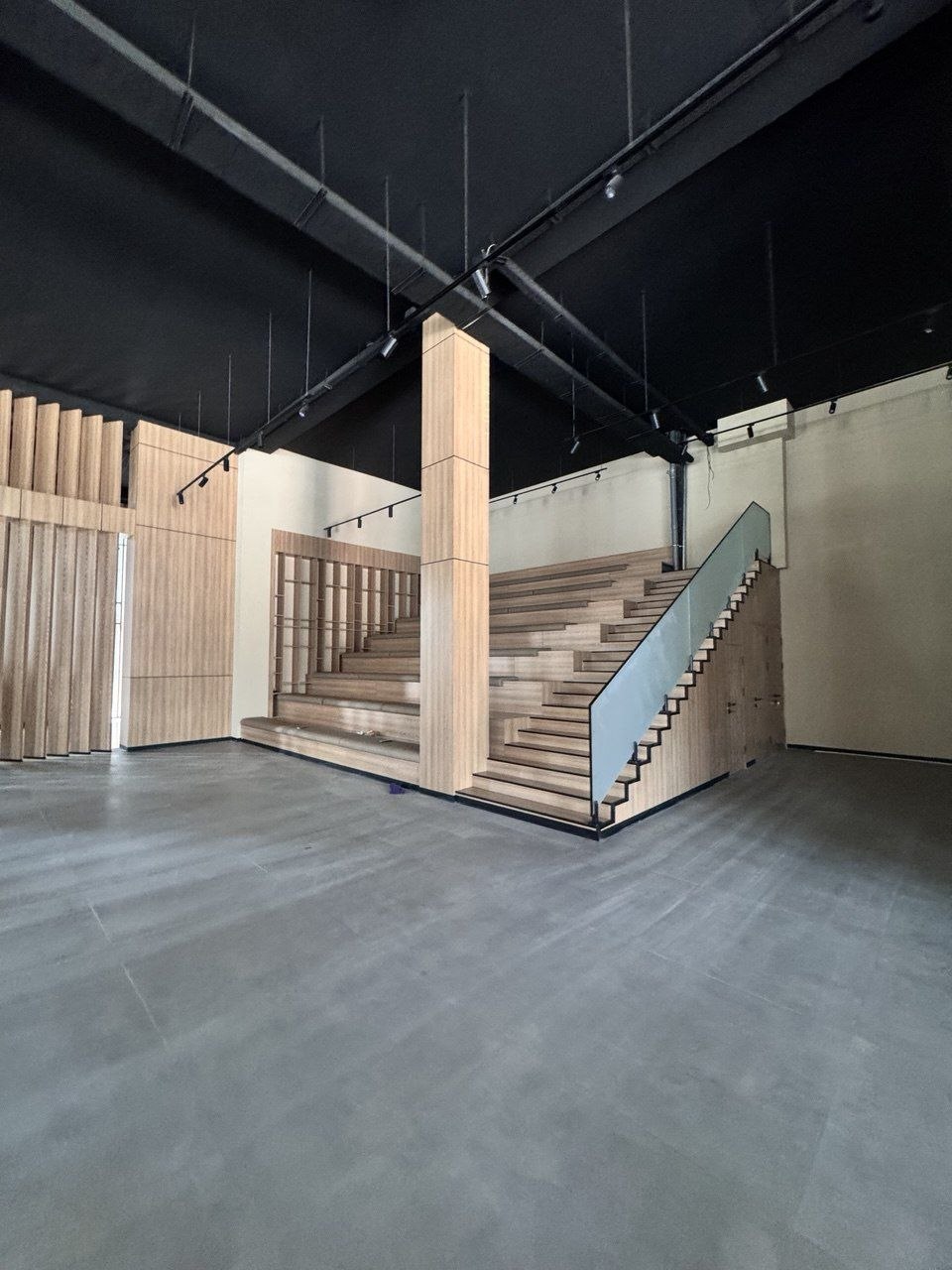
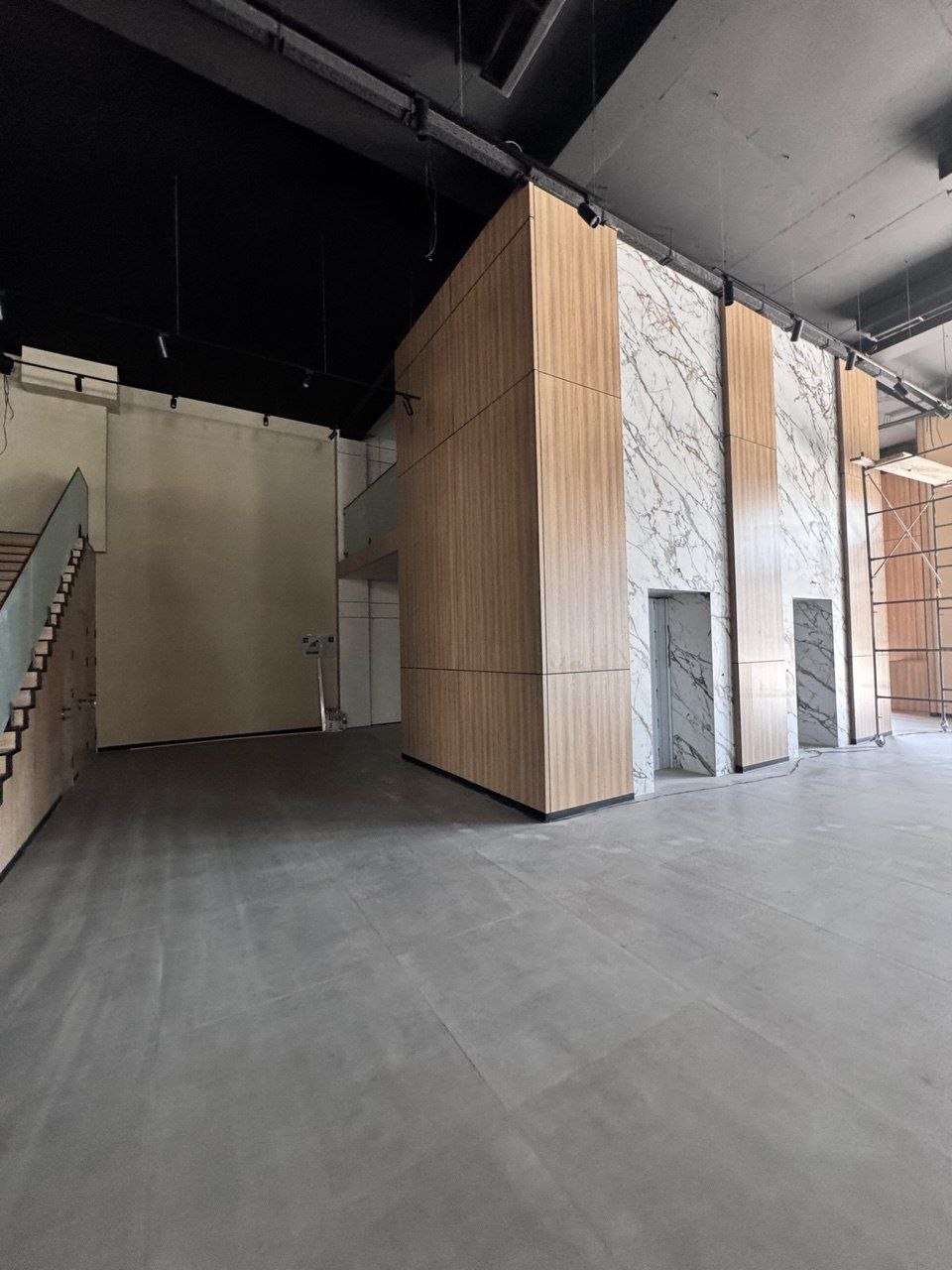
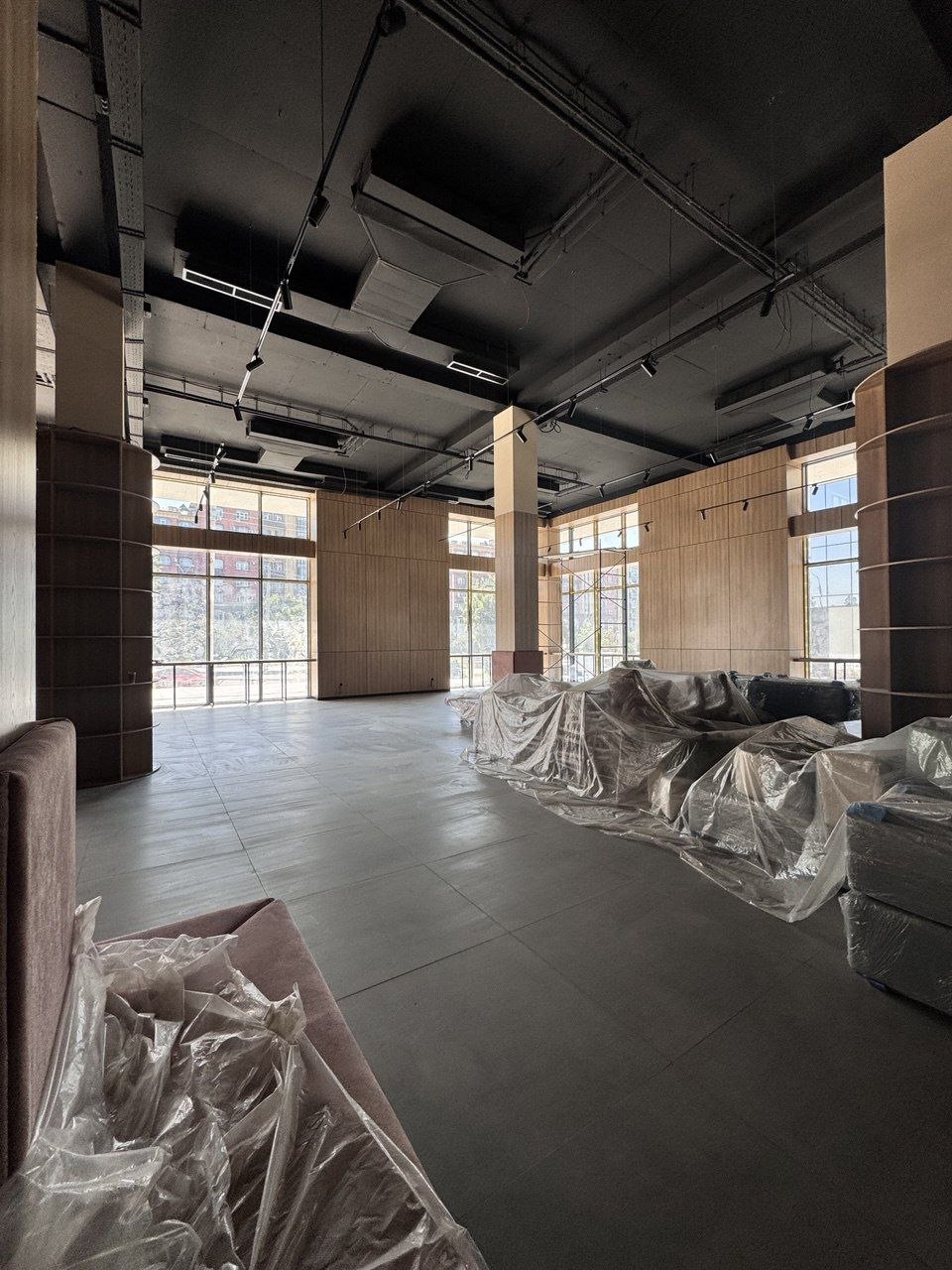
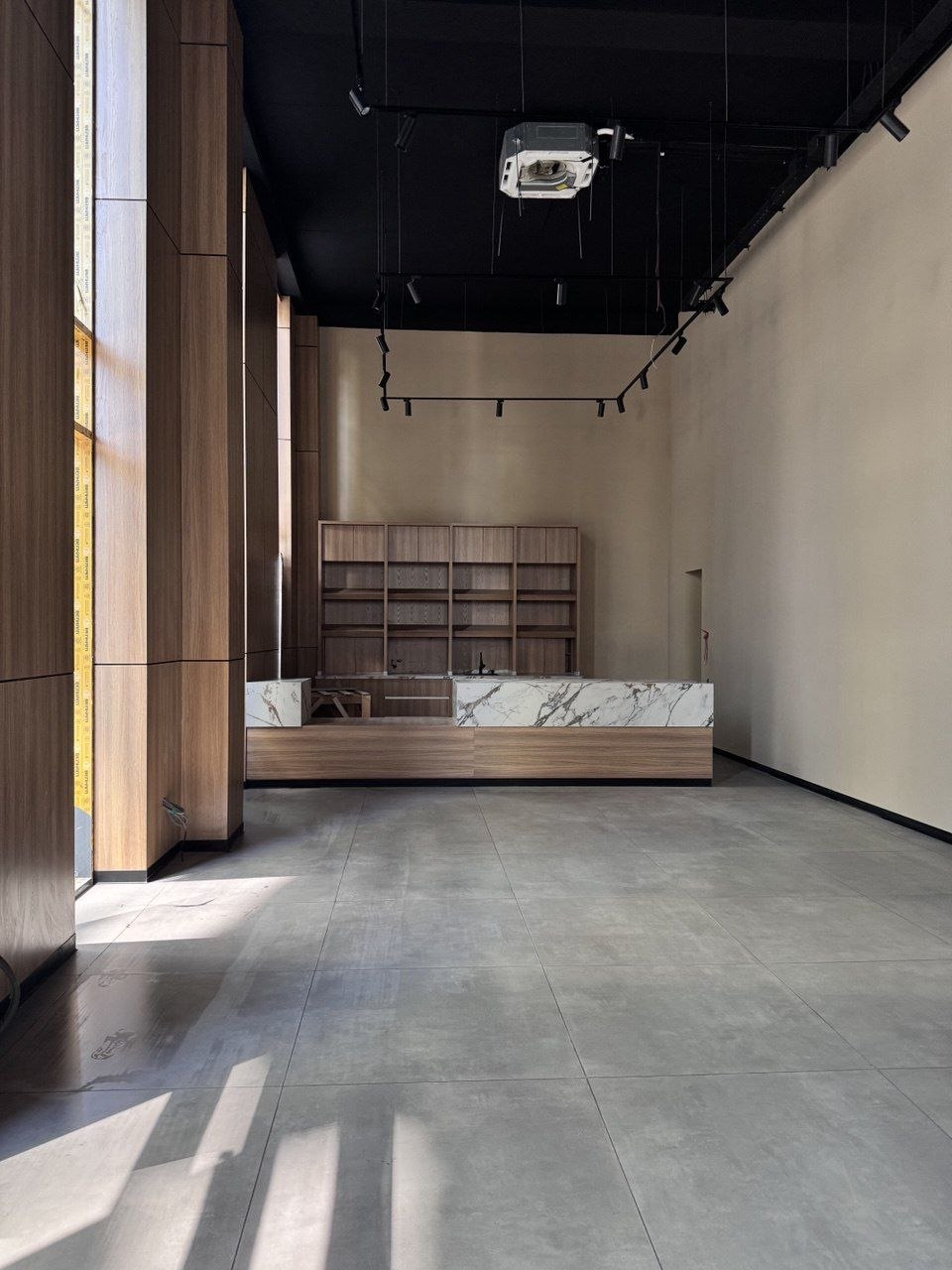
A tenant may see clean premises, a functioning air conditioner and a recent cadastral passport. After signing, however, the tenant may discover that the electricity supply is inadequate, an extension is missing from the records, or the person granting the lease lacked the required authority. A buyer faces greater exposure: structural defects, title restrictions and the consequences of earlier alterations come with the building.
A routine viewing answers whether the space appears suitable for the business today. Independent commercial property due diligence addresses a different question: can the company lawfully and safely use the property for the intended period, what investment will be required, and what could prevent the opening?
Not every property needs a full investigation
For a small, ready-to-use office taken on a short lease without alterations or expensive fit-out, a basic legal review, an inspection of the building services and a detailed handover record will usually be proportionate. An extensive instrumental investigation of the structure may add little value in that situation.
The required depth increases with four factors:
- the period for which the business will be tied to the property;
- the purchase price, refurbishment budget and non-recoverable fit-out;
- the complexity of the intended operation;
- the difficulty of terminating the deal or relocating.
Their combined effect matters more than floor area alone. A small unit intended for a commercial kitchen with heavy equipment, extraction and high energy consumption may require more work than a large office containing ordinary desks.
A business can create an initial shortlist through the commercial property catalogue. Photographs and a landlord’s description, however, cannot replace an investigation of the selected premises.
Seven indicators of elevated risk
An independent technical and legal review is warranted when at least one material indicator is present. If several overlap, the investigation should take place before a deposit or any irreversible expenditure.
- **A building purchase or a long lease involving substantial adaptation.** A mistake becomes a capital loss, not a brief inconvenience.
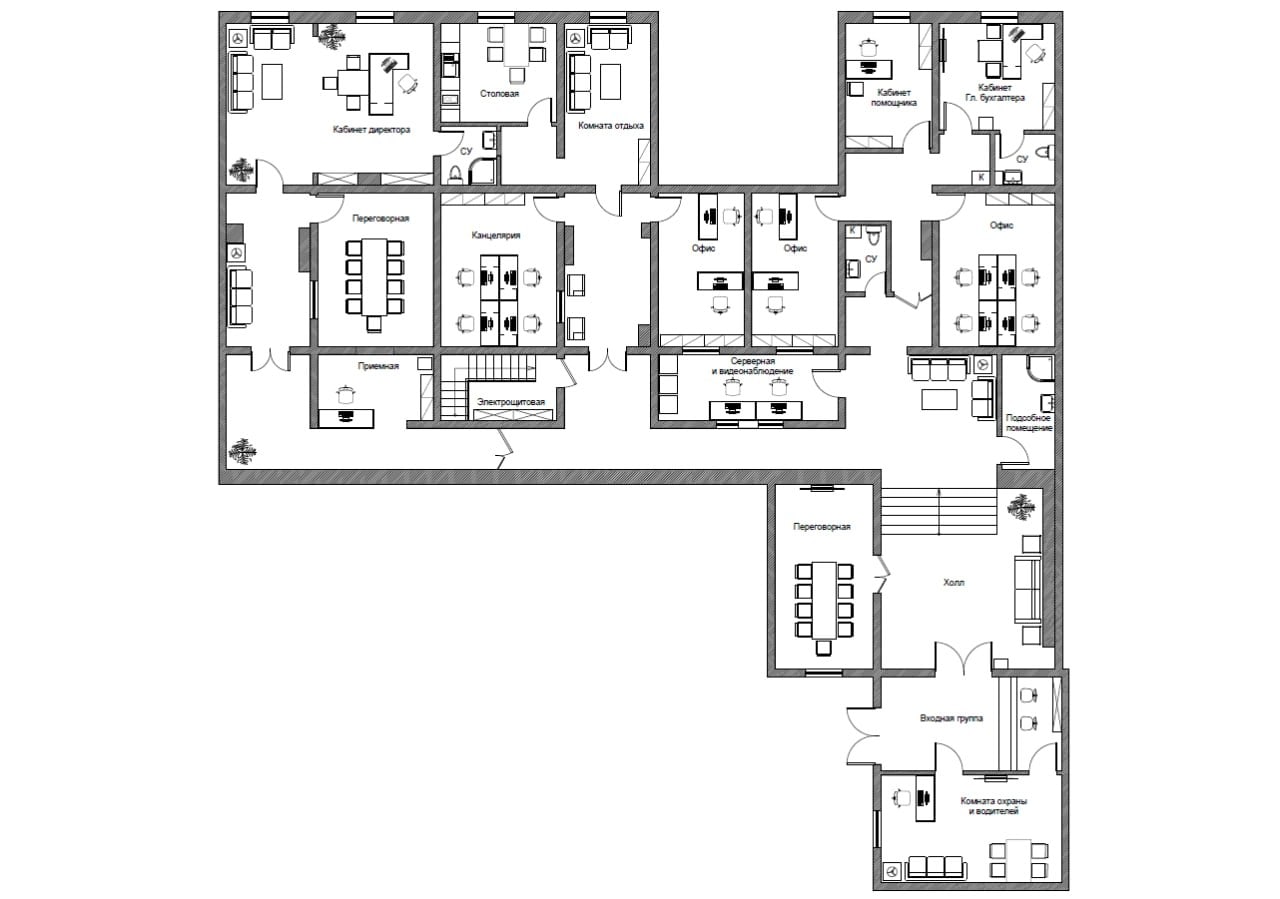
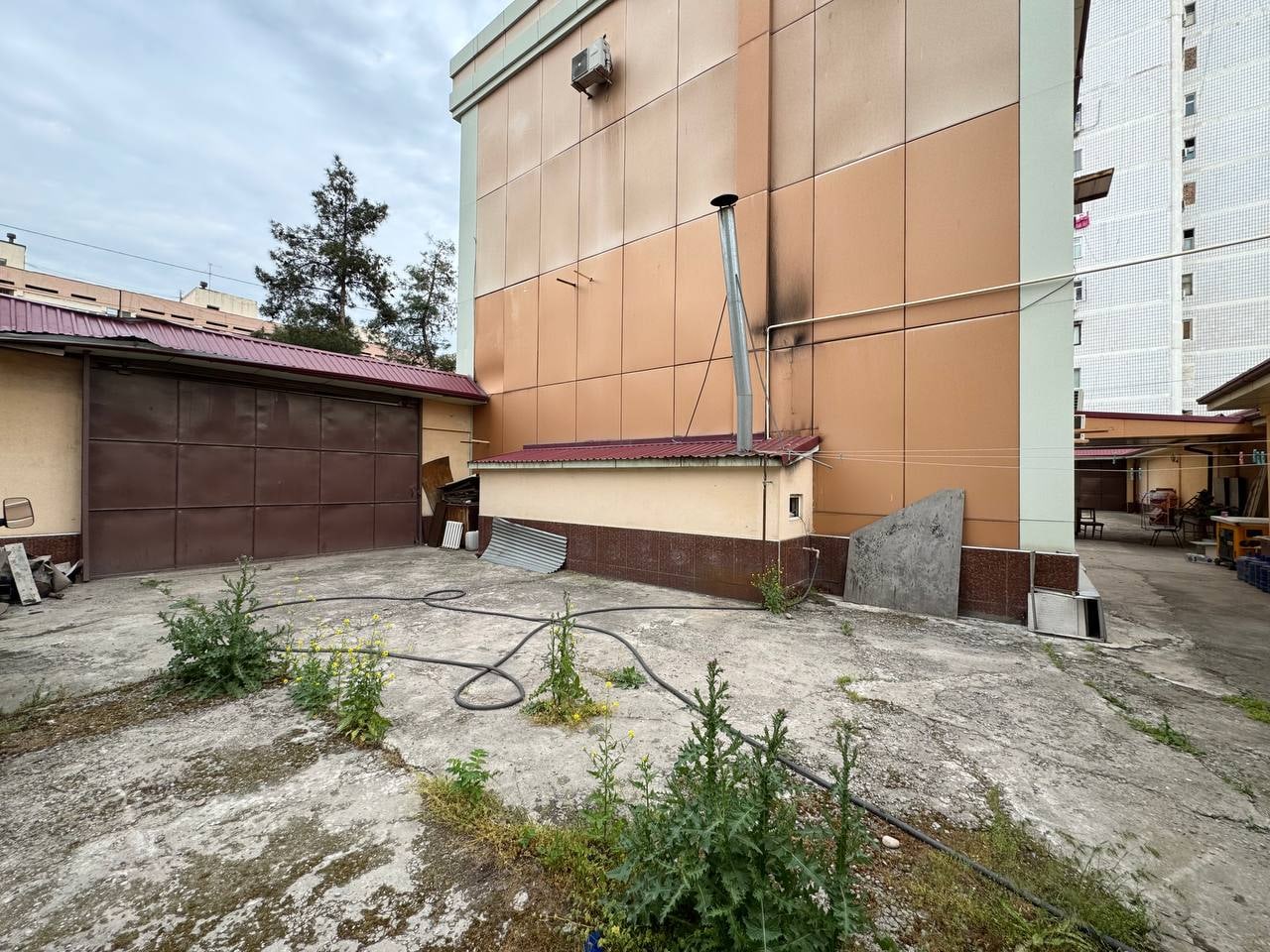
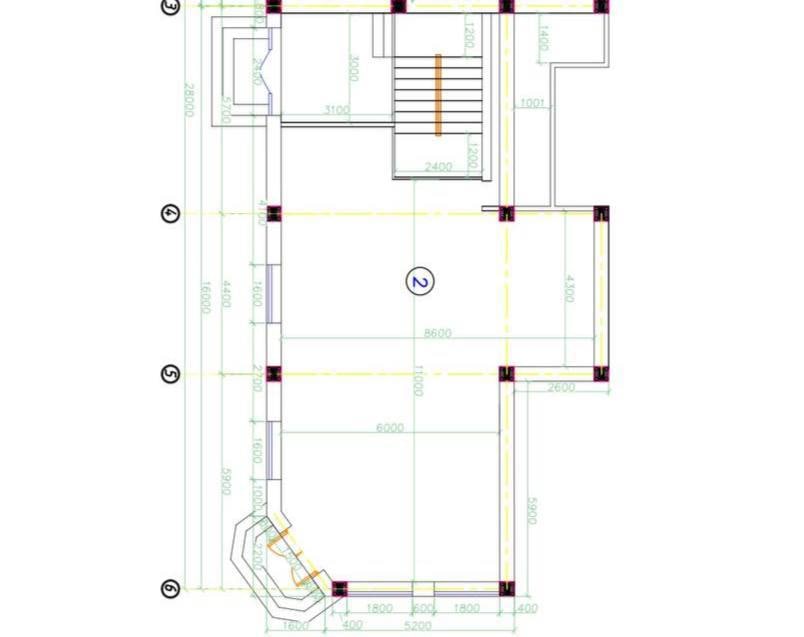
- **The physical layout differs from the cadastral material.** New openings, a mezzanine, an extension, combined units or an altered façade raise both structural and documentary questions.
- **There are cracks, deflection, leaks, corrosion or evidence of repeated repairs.** New finishes do not explain the underlying cause.
- **The business will change the load or use.** Racking, production machinery, a kitchen, archive, server room, generator or rooftop plant may impose requirements absent from the original design.
- **The property has been reconstructed, repurposed or commissioned in stages.** The design, approvals, commissioning material and cadastral records must be reconciled with the building on site.
- **The rights structure is complex.** Multiple owners, a mortgage, easement, sublease, seller’s representative, corporate ownership or third-party occupiers increase legal exposure.
- **The other party restricts access to spaces or documents.** A refusal to show the roof, electrical room, technical floors, title document or current extract is an independent reason to pause.
This does not mean that every older building is unsuitable. Age is a reason to establish the repair history and structural condition, not a diagnosis in itself.
Why technical and legal reviews must work together
The most serious risks sit between the disciplines. An engineer may find an opening cut into a load-bearing wall, but only comparison with the design, approvals and cadastral records will establish the documentary status of the alteration. A lawyer may see an extension on a plan but cannot determine without inspection whether the plan matches reality or whether the connection to the main building is sound.
Uzbekistan’s law on state registration lists ownership, leases, subleases, mortgages and easements among registrable rights and restrictions. It also establishes the registration sequence for land and the buildings on it and states that an extract from the state register confirms registration. The extract is therefore a starting point, not an opinion on the building’s physical condition (Law No. ZRU-803).
The opposite mistake is to treat a cadastral passport as proof that every visible structure is lawful. The passport identifies recorded property characteristics. Structural capacity, available utility headroom and suitability for a particular load require separate work.
What the technical specialist should examine
The scope should be written around the future operation. A request simply to inspect the building is too vague. An office depends on electricity, ventilation, cooling, access and resilient communications; a warehouse on floors, spans, roof, gates and vehicle circulation; a restaurant on extraction, water, drainage, electricity and space for plant.
A proportionate investigation moves from general evidence to specific tests:
- reconcile the physical configuration with the cadastral plan and supplied design documents;
- inspect accessible foundations, load-bearing walls, columns, floor structures, roof, façade and movement joints;
- record cracks, dampness, corrosion, deflection and evidence of structural intervention;
- examine the electrical room, stated and available capacity, ventilation, cooling, water, drainage and backup systems;
- review access, evacuation routes, loading areas and shared spaces within the agreed scope;
- use targeted measurements and instrumental testing where the visual inspection identifies a risk or the future load requires calculation.
The Ministry of Construction’s official resources include separate guidance on structural investigation and forecasting the condition of existing buildings. The existence of a dedicated methodology illustrates the difference between a walk-through and an investigation with a defined scope, recorded defects and reasoned conclusions (methodological resources).
The report must do more than list defects. For every material finding it should give the likely cause, any additional investigation required, operating restriction, remedy and inputs needed for a cost estimate. If a concealed structure cannot be assessed, that is recorded as a limitation rather than replaced by an assumption.
What the legal review should cover
Legal work begins with exact identification: address, cadastral number, area, composition of the premises, rights to the land and the person recorded as rights holder. The electronic extract and cadastral passport can be authenticated using a dedicated automated service on Uzbekistan’s public services portal. The portal states that the service is free and requires no documents (extract verification). A separate automated service checks whether a prohibition is recorded against a cadastral property (prohibition check).
Authenticating a QR code confirms the document, not the entire transaction. The independent reviewer should examine:
- the basis on which the right arose and the continuity of documents relevant to the proposed deal;
- registered restrictions, mortgages, easements, leases, subleases and occupiers’ rights;
- the land right and its correspondence with the building;
- the signatory’s authority, constitutional restrictions and required corporate approvals;
- consent from co-owners, a mortgagee or a superior landlord where the particular transaction requires it;
- construction, reconstruction, change-of-use and commissioning documents;
- correspondence between the physical property and cadastral description;
- existing tenant, operator and critical utility contracts where they transfer or affect use;
- disputes, enforcement restrictions and other matters that can be checked through official systems and supplied records.
The public services portal provides a separate process for preparing the cadastral passport and registering rights to non-residential properties, including on-site measurement (non-residential property service). If the measured area differs from the passport, the tenant or buyer should not decide unaided that the discrepancy is immaterial. Its origin and a lawful route to correction must be established first.
The due diligence sequence before payment
The process can be organised around five decision gates.
**1. Assemble the data room first.** Request the extract, cadastral passport, title documents, land information, evidence of authority, design and commissioning material, utility plans and history of material works. Give the same package to the lawyer and technical specialist.
**2. Produce a joint discrepancy list.** Before the visit, mark extensions, questionable boundaries, new openings, major equipment and missing records. This makes the site work more focused.
**3. Inspect before paying a deposit.** If negotiations require an advance payment, the refund and termination conditions must be stated unambiguously after professional review of the wording. An informal promise to return the money is not a contractual mechanism.
**4. Commission instrumental work in response to evidence.** Not every property requires opening-up works or laboratory testing. A crack in a load-bearing element, undocumented reinforcement, a heavy future load or missing calculations are valid reasons to expand the investigation.
**5. Convert risks into transaction terms.** Correcting cadastral records, obtaining a missing document, confirming electrical capacity or completing repairs should become a pre-payment condition, a party’s obligation or a basis for changing the price and timetable. An incurable restriction should lead to rejection.
When searching through the commercial property rental section for Tashkent, apply this process to the shortlist rather than commissioning full reviews for every listing.
How to compare the review cost with the exposure
There is no universal fee. Cost depends on floor area, the document set, the number of structures, required measurements and urgency. Compare proposals against the same written scope rather than comparing only their final prices.
A useful exposure model is:
**Transaction exposure = remediation cost + lost contribution during downtime + property payments before opening + relocation or exit cost + non-recoverable investment.**
For each scenario, assess both the consequence and likelihood. Where a reliable probability is unavailable, use low, working and severe scenarios and record the assumptions. The resulting loss range can then be compared with the cost and time of the investigation.
Downtime should be measured using the contribution the business will not earn during the delay, rather than automatically treating all revenue as a loss. Repair quotations should follow the technical conclusion: a price obtained before the defect’s scope is known creates false precision.
What the final conclusion should contain
The tenant or buyer needs one decision register, not a folder of disconnected PDF files. For every risk, it should state the fact, source, business effect, party responsible for resolution, deadline and required transaction term.
A useful final classification is:
- **proceed** — no material conflict was identified within the completed scope;
- **proceed subject to conditions** — documents, works and confirmations required before payment or handover are specified;
- **extend the investigation** — the evidence is insufficient and the exact measurements or documents needed are listed;
- **reject** — an incurable or disproportionate risk exists, or the other party will not provide access and evidence.
Independence means that the specialist has no financial interest in the deal closing, reports directly to the client and discloses potential conflicts in writing. One adviser may coordinate the process, but the technical and legal opinions should be signed by professionals in the relevant disciplines.
The deciding test is simple. Independent due diligence is required not because a property is expensive or old by itself, but because an error could tie the business to an asset that cannot lawfully be used, is physically unsafe or will cost materially more than expected.
Sources and verification date