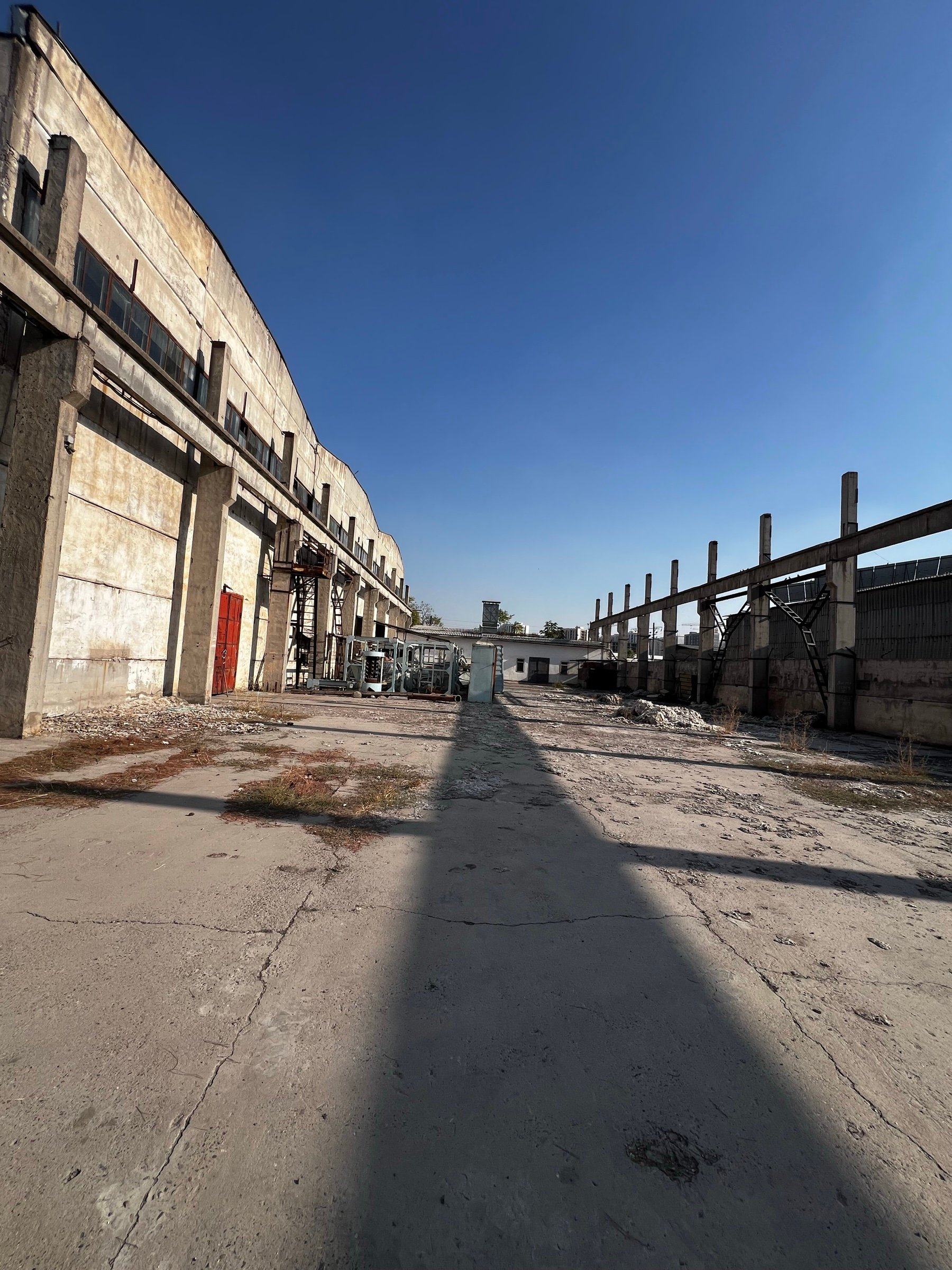
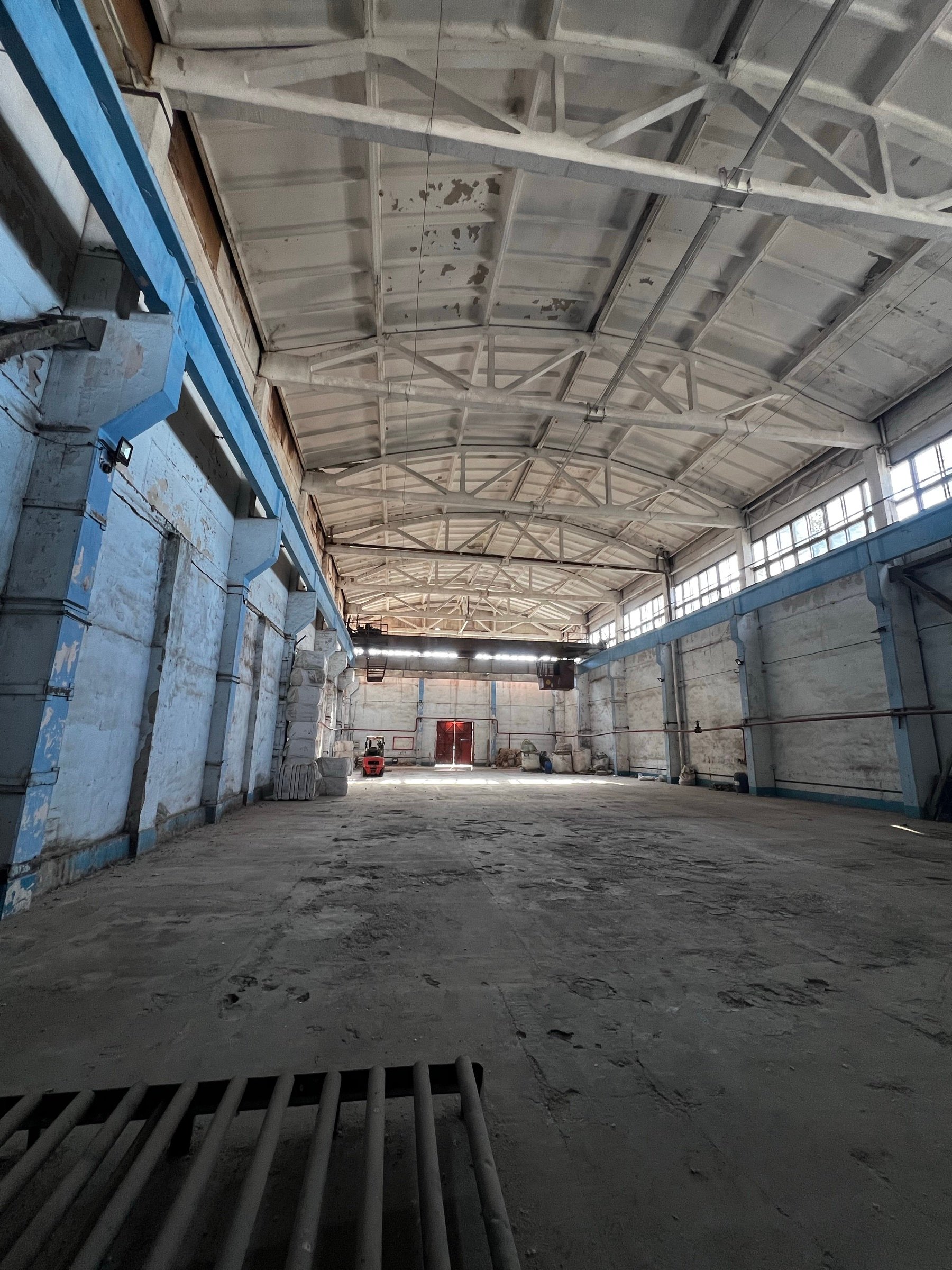
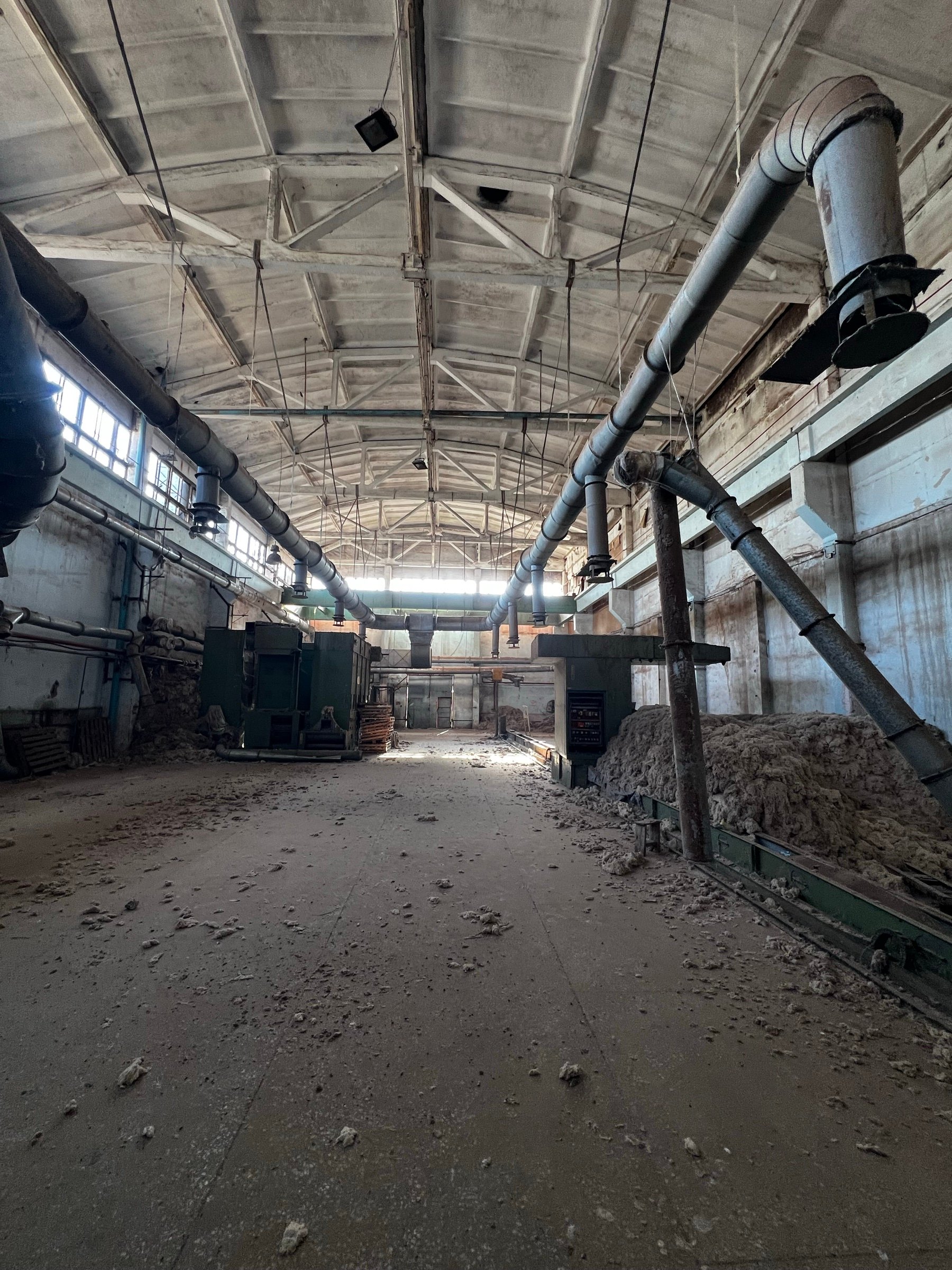
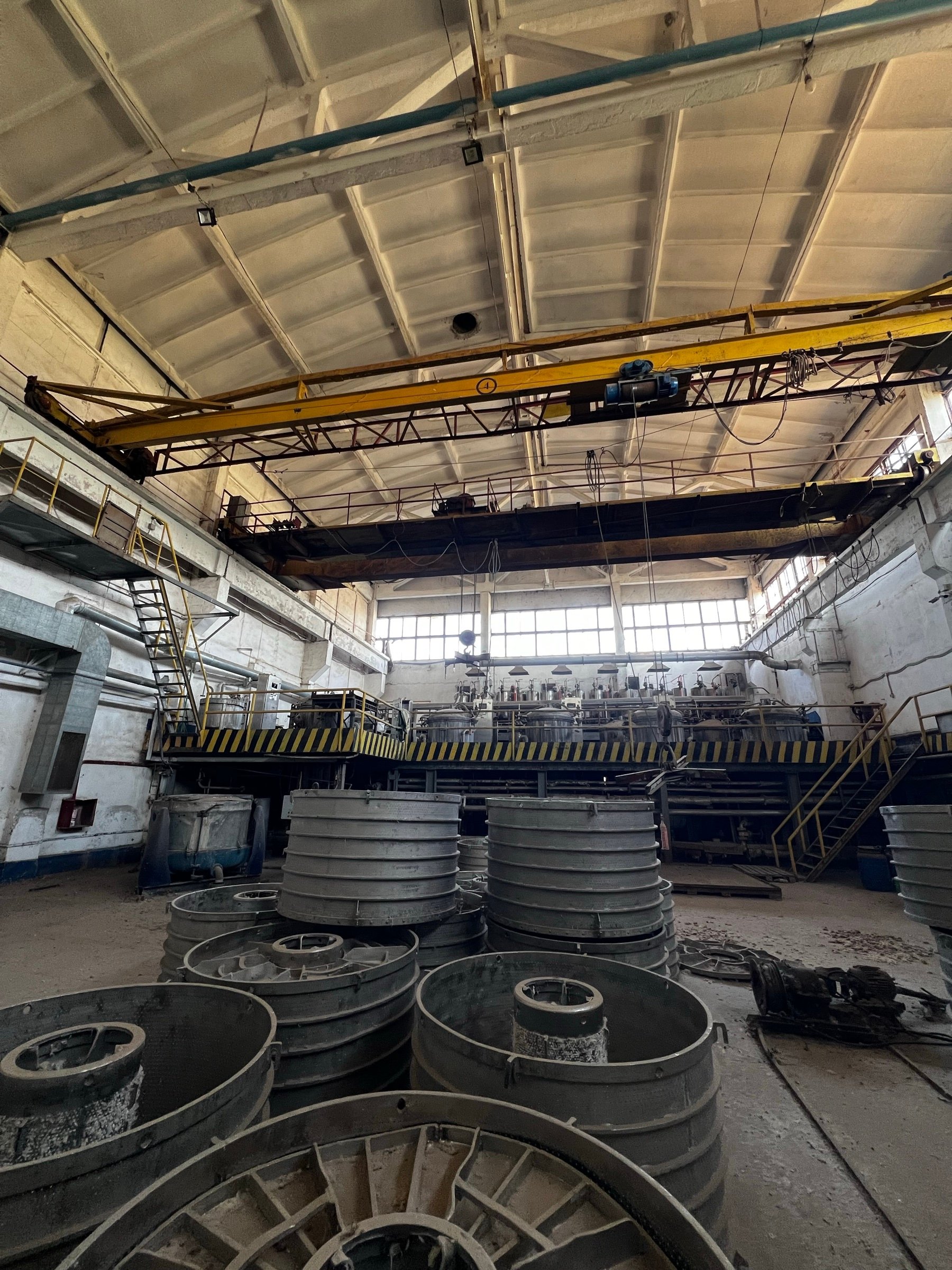
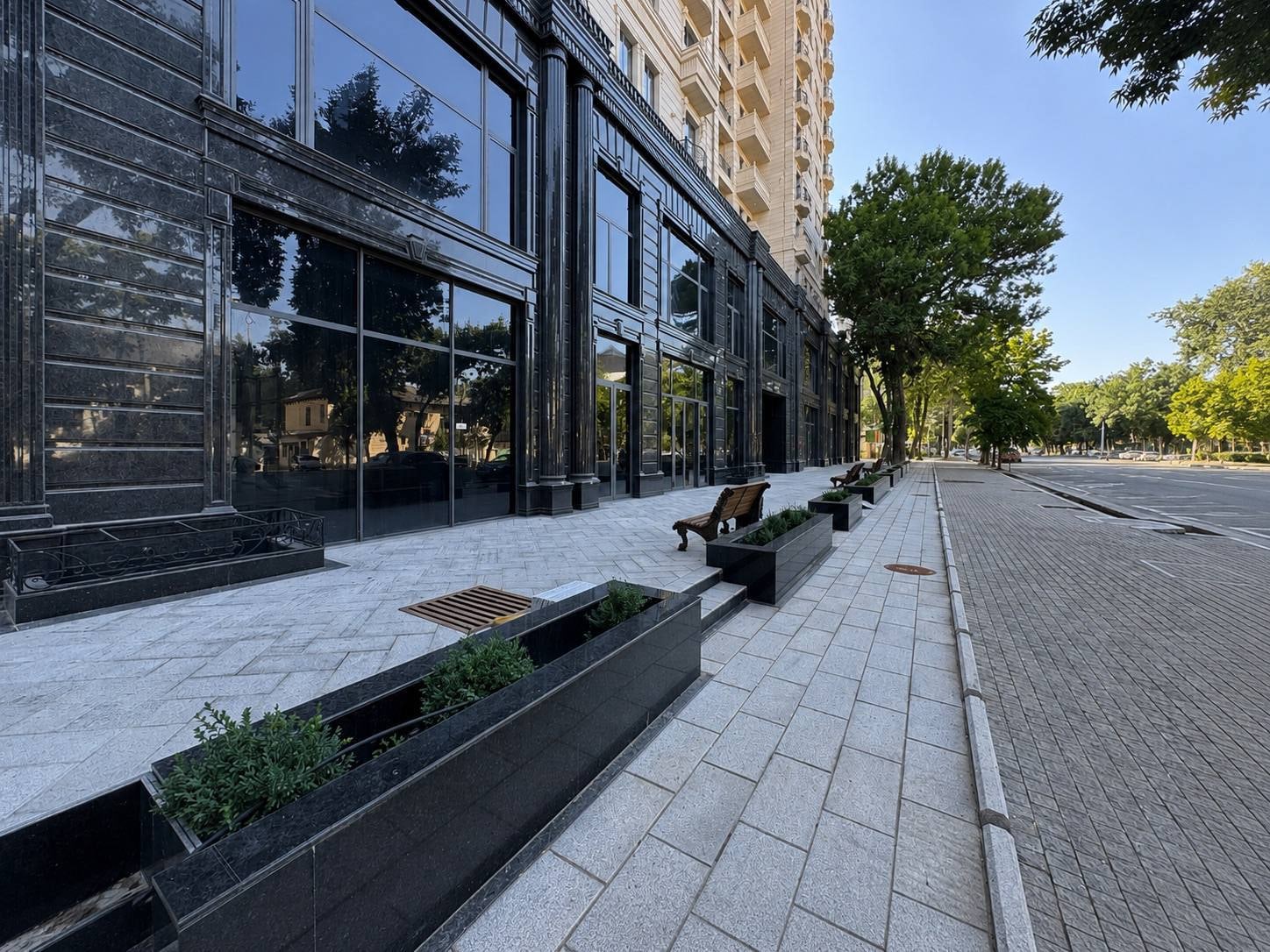
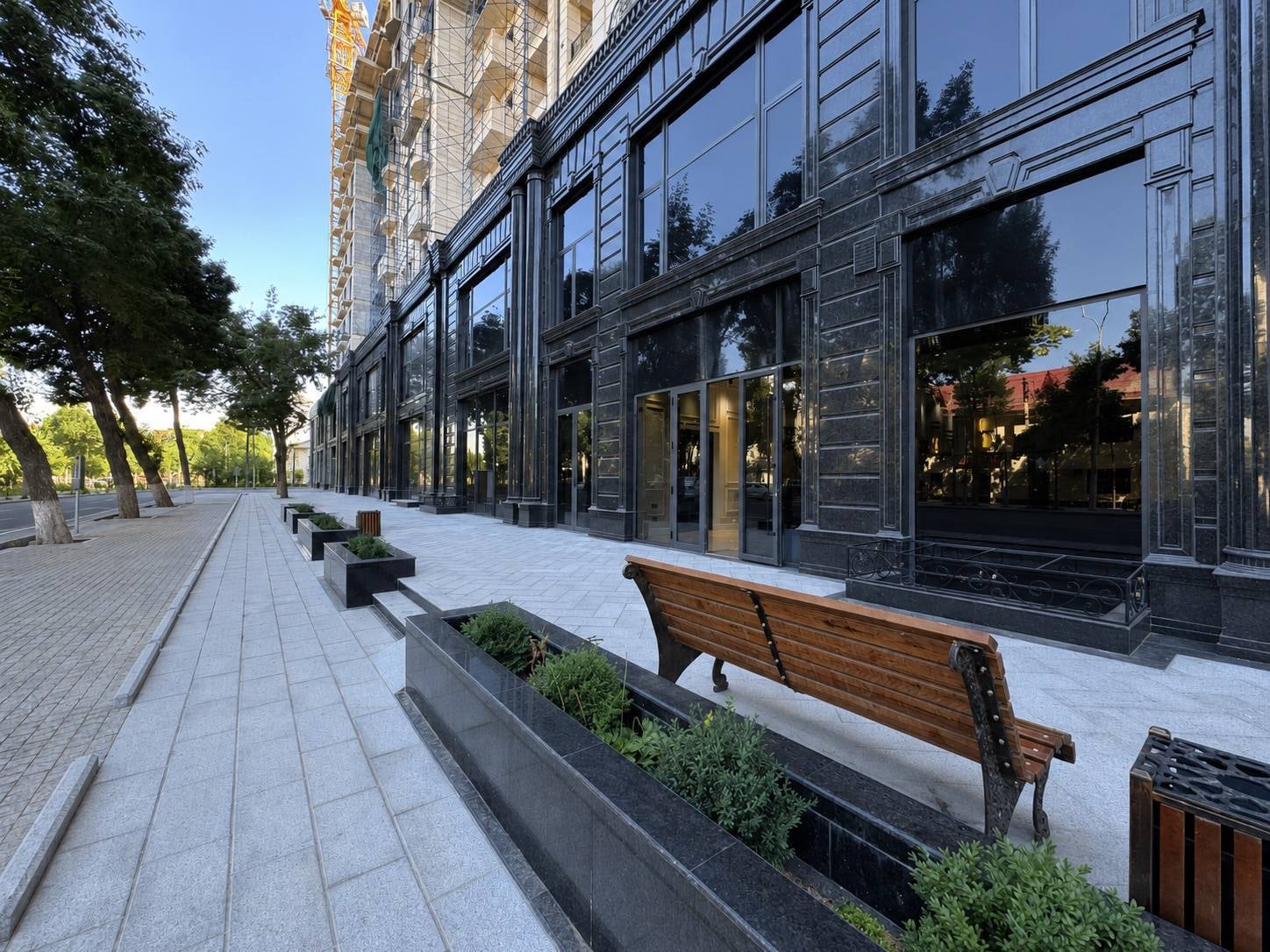
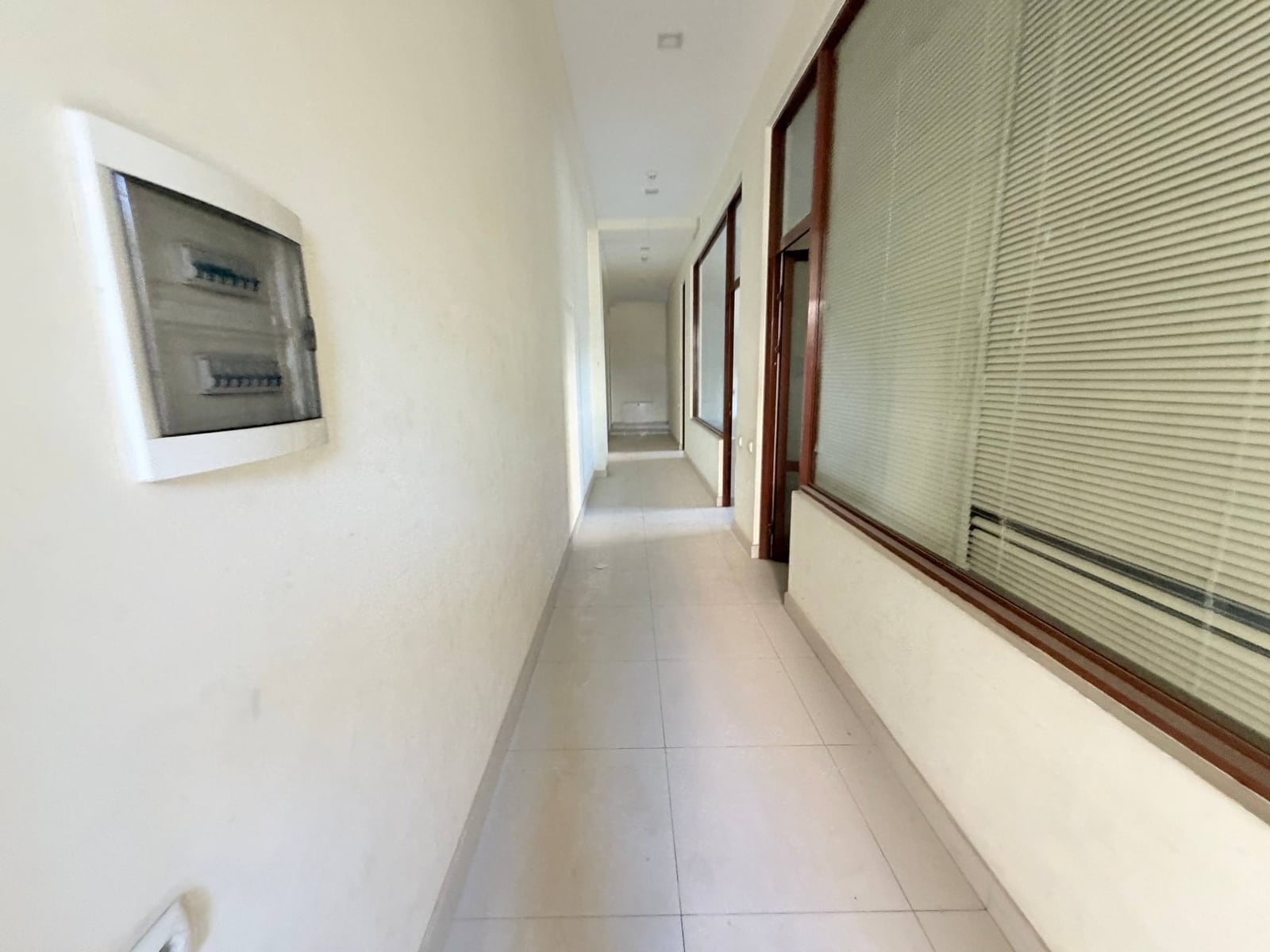
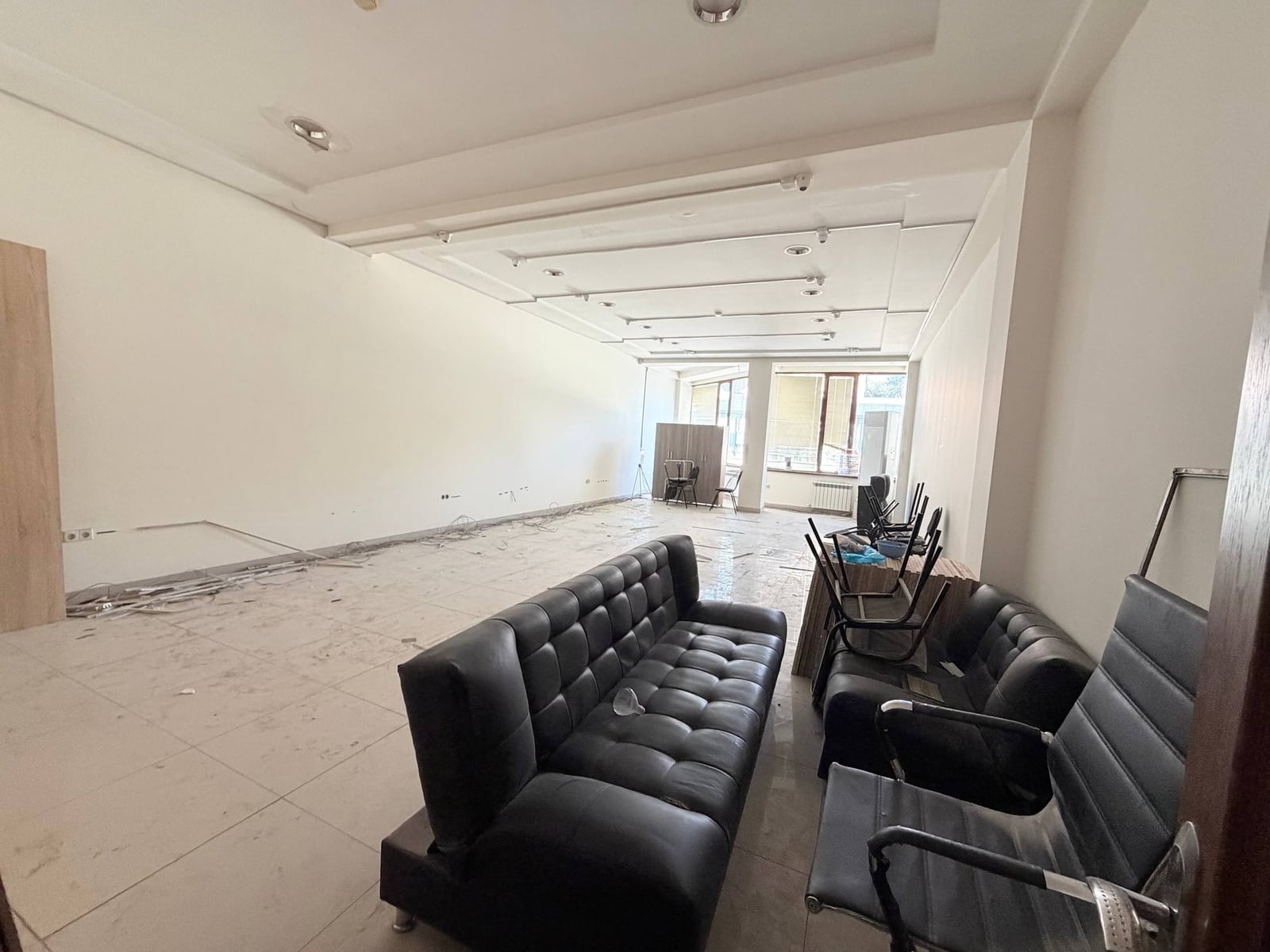
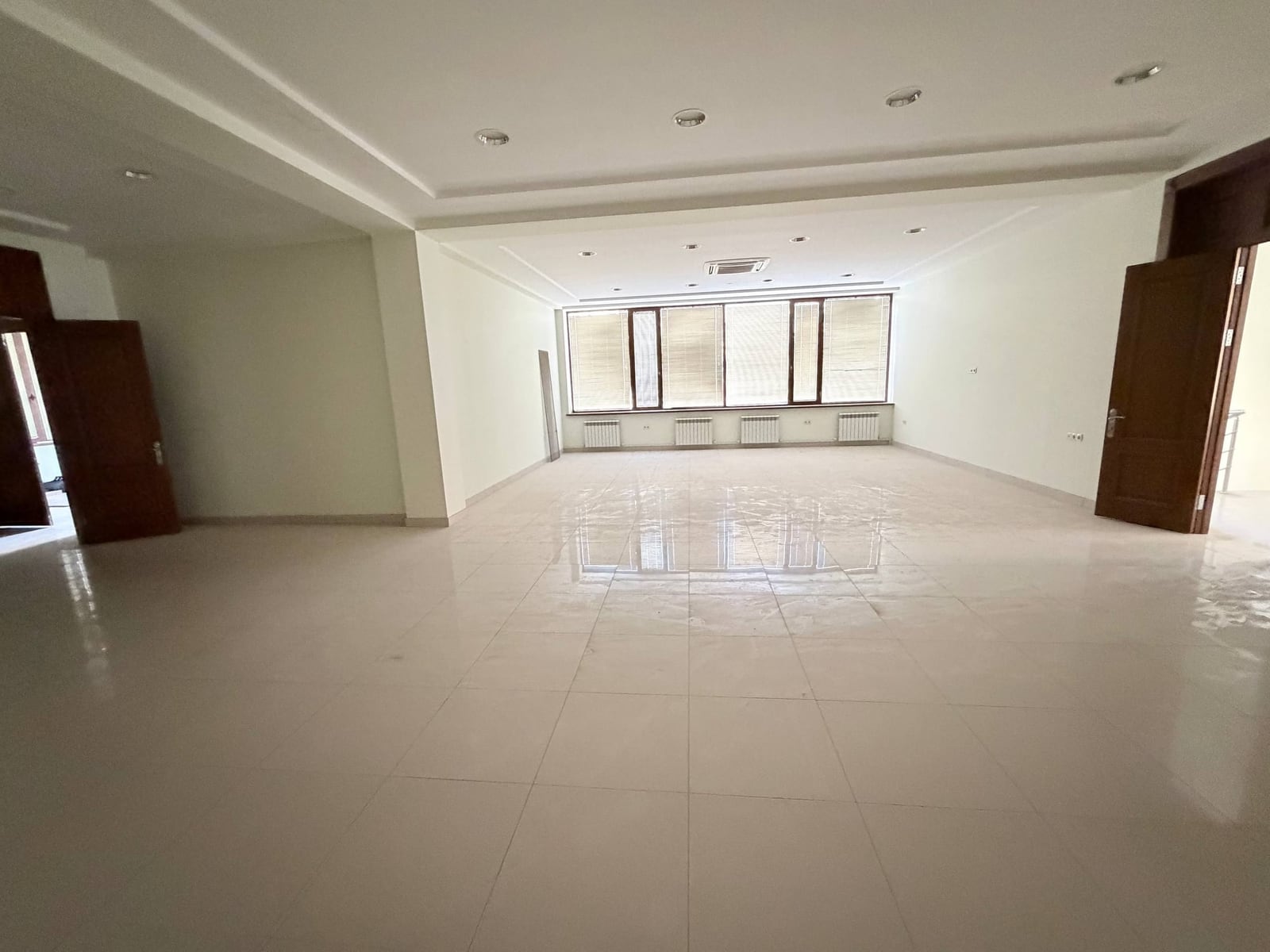
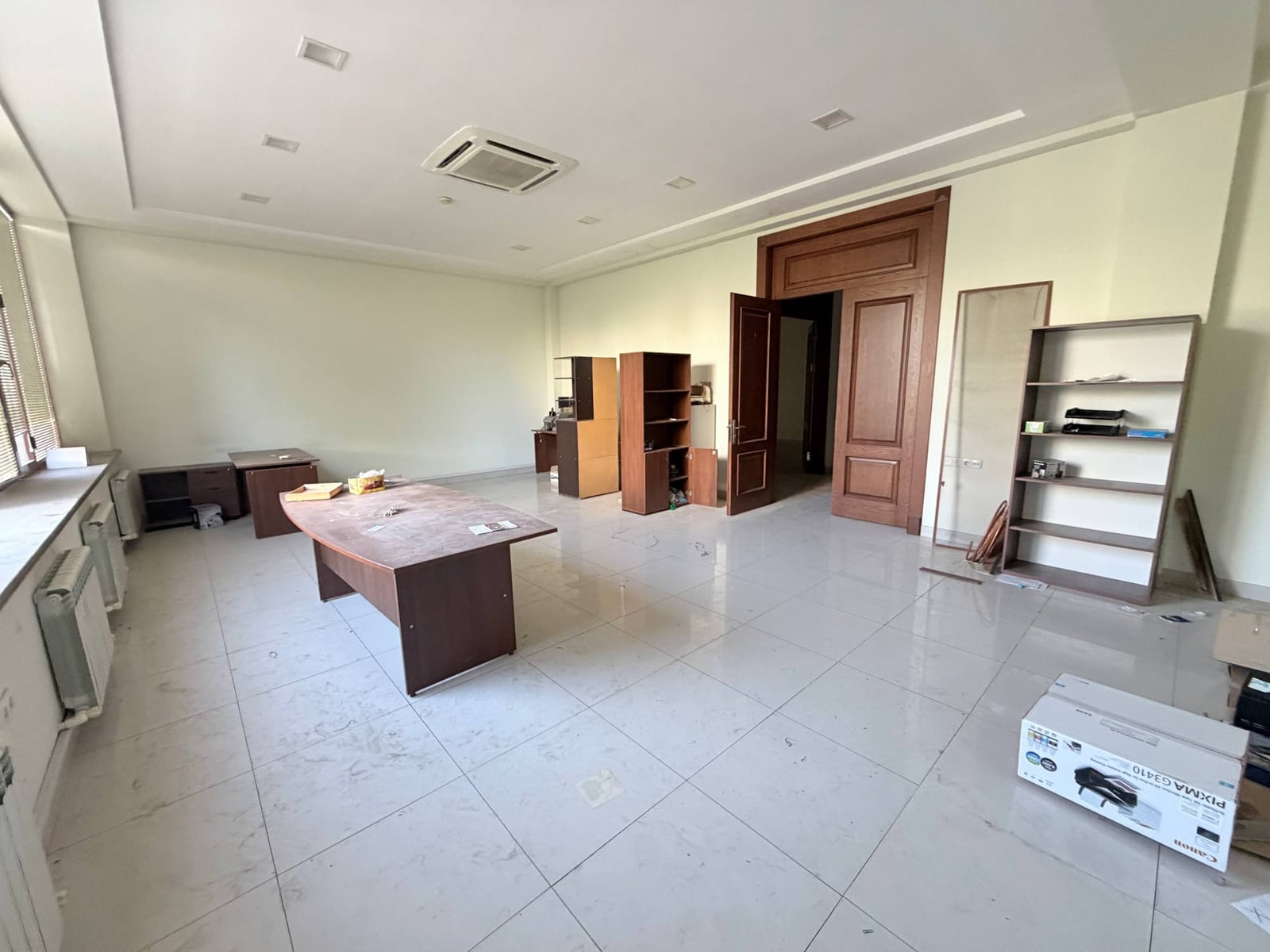
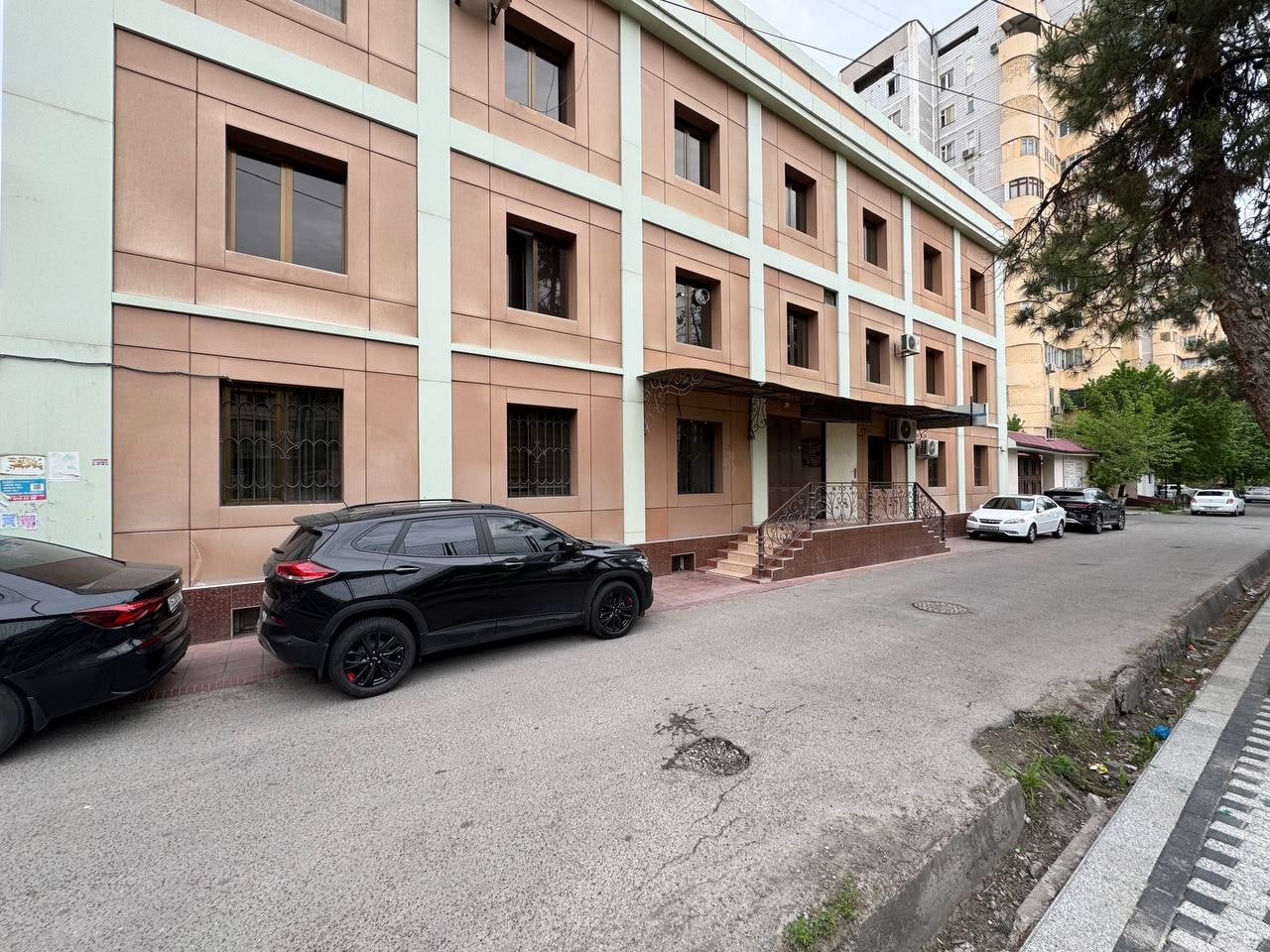
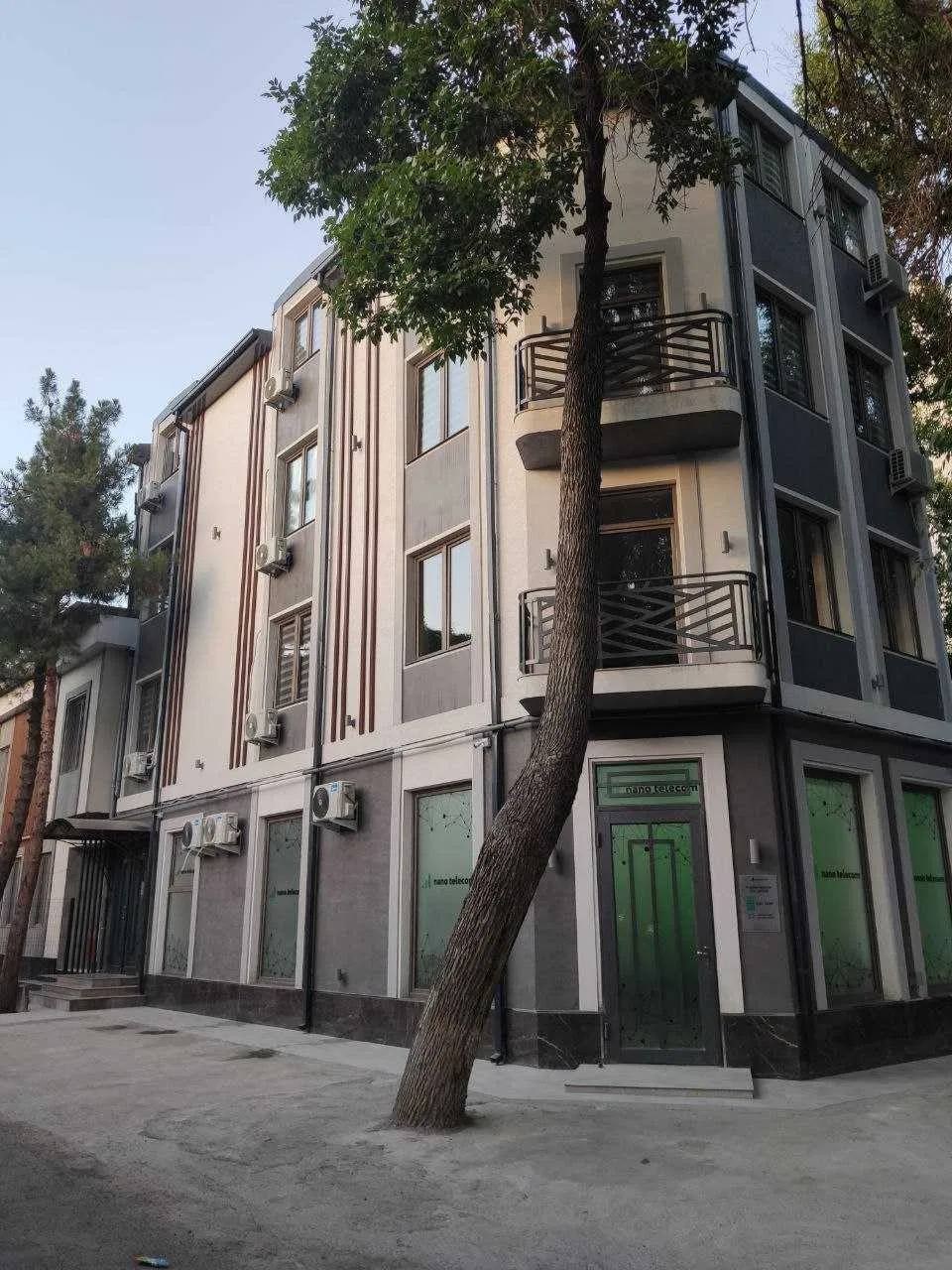
A first-line unit can face a dense stream of people all day and still attract almost no customers. Pedestrians may walk to the metro on the opposite side of the road, drivers may be unable to turn into the parking area, and the sign may become visible only after the relevant exit. A claim of high traffic is therefore not an established feature of the property. It is a hypothesis for the tenant to test.
When searching for commercial property for rent in Tashkent, start with a customer-journey model rather than a ranking of districts. The district is useful for narrowing the search. The final choice depends on the particular side of the street, the entrance, the timing of the flow and the share of people who may actually need the product or service.
A district is a filter, not proof of demand
An administrative district is too large a unit for assessing a storefront. Two premises in the same district can occupy different micro-markets: one may sit on the route from a bus stop to residential blocks, while the other is beyond a junction, barrier or parking bay that pedestrians do not enter.
Start with the business format. A convenience store benefits from repeat residential traffic. A salon or clinic depends more on an easy approach, a clear address and access for scheduled visits. A showroom can operate as a destination, but visitors then need parking, recognisable landmarks and a simple entrance. A coffee shop does not merely need a large crowd: it needs a suitable flow at coffee-buying times and the ability for customers to stop without making an awkward road crossing.
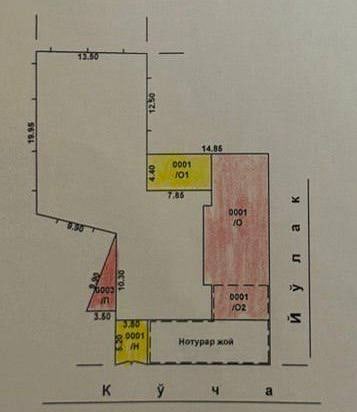
For the initial shortlist, mark on the property map the areas from which customers can realistically reach the unit, not just district boundaries. Compare the actual route, including crossings, U-turns, fences and usable entrances, rather than straight-line distance.
Describe the customer and journey first
Before arranging viewings, prepare a one-page location profile. It should answer four questions:
- who makes the purchase decision and where that person comes from;
- whether the visit is planned or spontaneous;
- whether the customer arrives on foot, by public transport or by car;
- when demand occurs by hour and day.
Then draw the chain: source of traffic → route → decision point → entrance. Sources may include housing, offices, a market, educational institutions, bus stops, the metro or neighbouring businesses. Proximity to a generator does not mean its audience passes the door. Walk the entire route yourself.
Assess neighbours against the same business scenario. A grocery store may create repeat movement, while a restricted administrative building may provide little accessible demand. A competitor can take demand away or help form a cluster that shoppers already seek out. Observation supplies the answer: where people go, where they slow down and whether they enter businesses in your product and price segment.
Test accessibility on the map and on site
Start by checking the address in mapping services and public transport on the official Tashkent bus routes page. A map is useful for forming a hypothesis, but it does not replace an inspection because routes, stops and traffic arrangements can change.
Approach the premises in four ways: from the nearest public transport stop, from the main residential or business catchment, from the parking area and from the direction of the principal vehicle flow. Record:
- which side of the street carries the relevant audience;
- whether there is a safe, lawful crossing;
- whether the window, entrance and proposed sign are visible before the turn;
- whether drivers can approach from both directions and where they can turn around;
- whether neighbouring occupiers continuously fill the parking spaces;
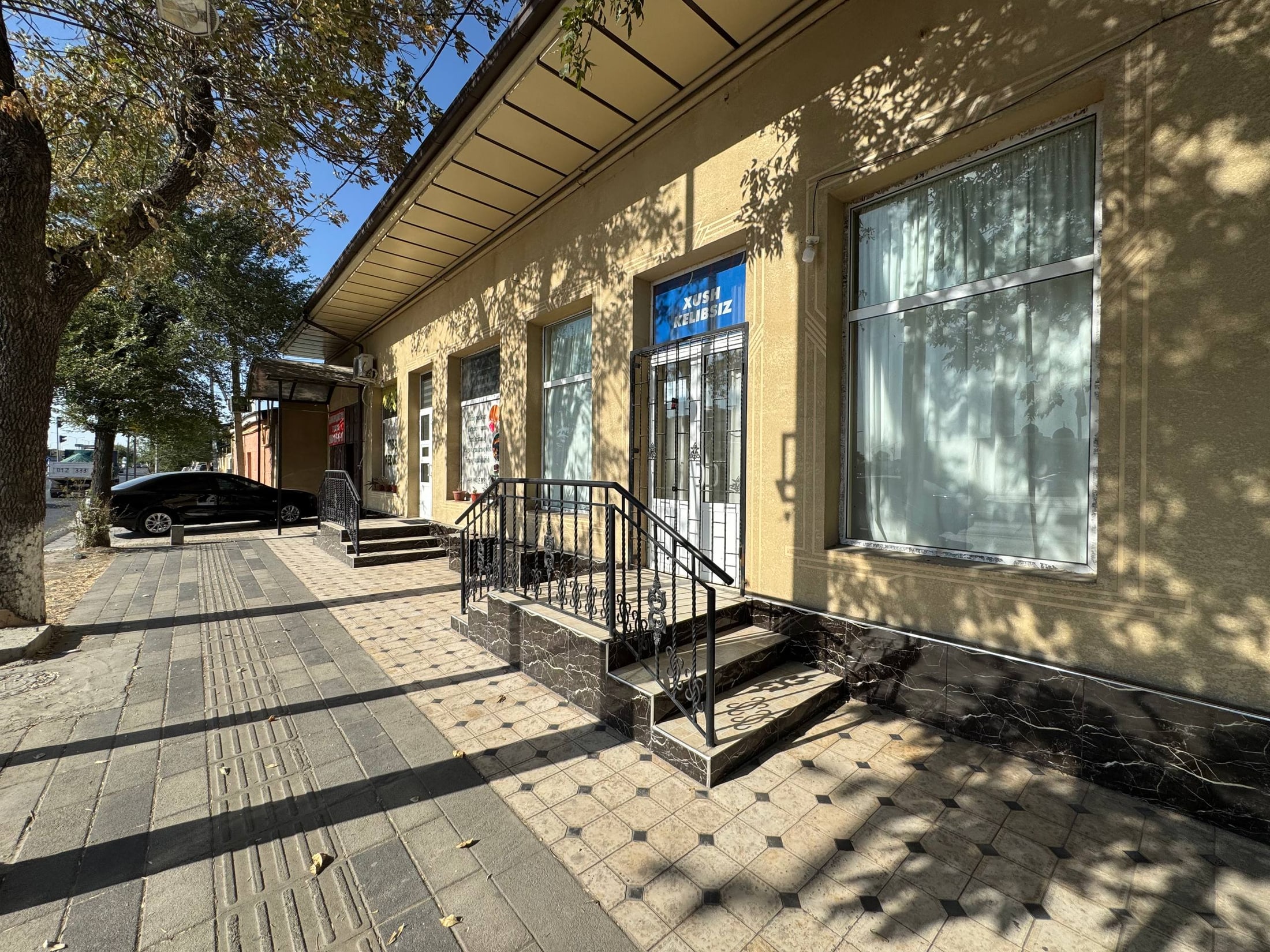
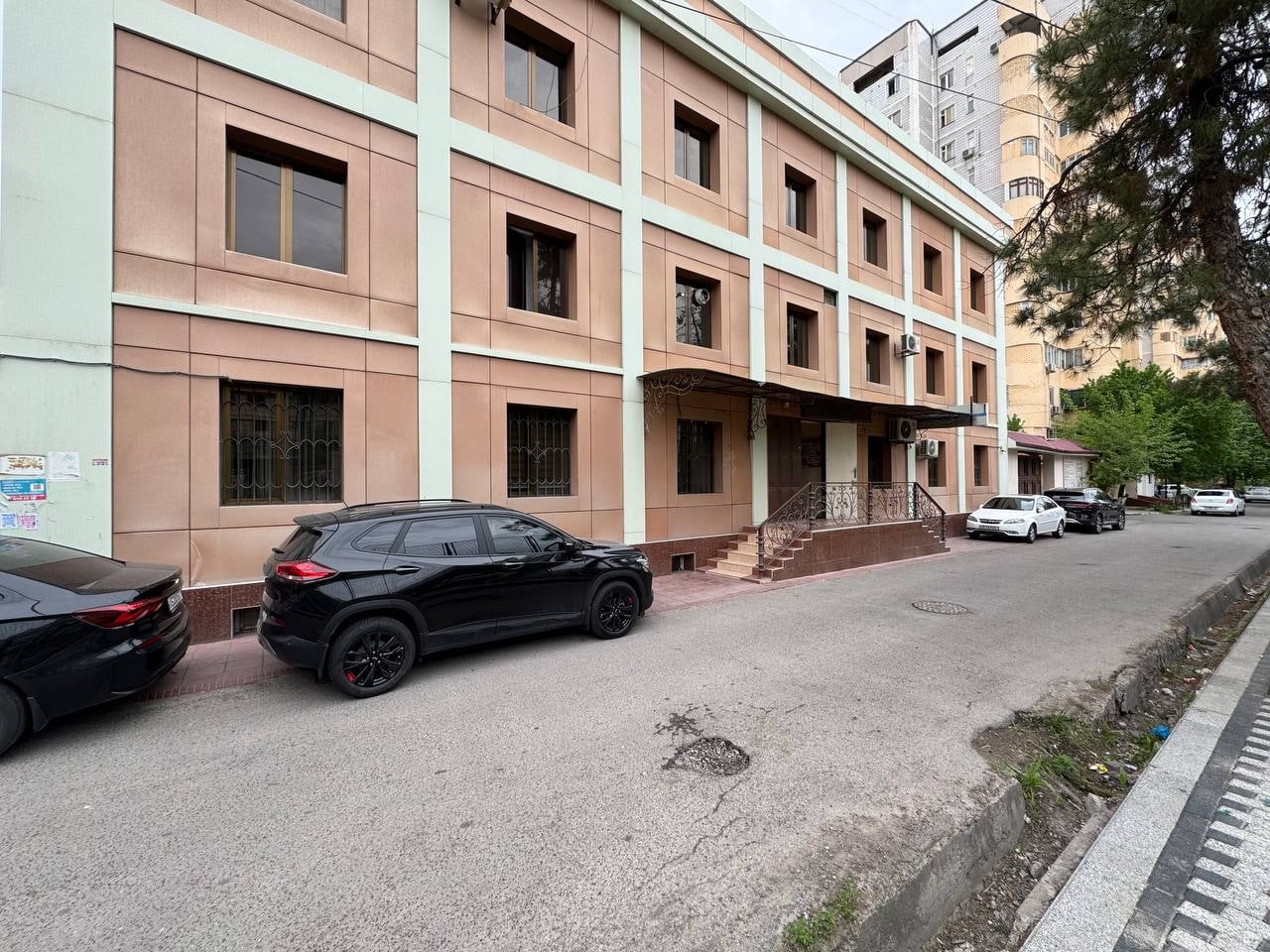
- whether steps, a high kerb, a gate or security control create a barrier;
- how deliveries work and whether unloading blocks the entrance.
Repeat the journey during the hours when demand is expected. An empty car park in the morning says nothing about the evening, and easy access on Sunday does not describe a working day.
What to count at the entrance
Total flow is only the first row in the survey. Divide observations into at least four measures:
| Measure | What to record | Purpose | |---|---|---| | Flow past the frontage | People by side and direction | Establishes the visible volume | | Relevant share | Observable signs of a suitable customer scenario, without personal data | Separates potential customers from through traffic | | Accessible flow | People able to reach the entrance without a barrier or long detour | Removes misleading traffic on the other side of the road | | Reactions and entries | Slowing down, looking at the window, entering the unit or comparable neighbours | Measures behaviour, not just volume |
For vehicles, count passing cars separately from cars that can legally stop or enter. Heavy road traffic without a turn, parking or early sign visibility can produce fewer customers than a quieter street with convenient access.
Do not record faces or vehicle registration numbers unless there is a genuine need. An anonymised tally of direction, flow category, stops and entries is sufficient for a rental decision.
Field survey: three days in 15-minute intervals
Use the same observation points and intervals for comparable results. Transport for London guidance recommends recording pedestrian movements in 15-minute increments, coordinating them with vehicle counts and averaging observations across at least three days. This is not a requirement of Uzbek law; it is a useful methodological standard for structuring the survey.
A practical protocol is:
- Choose two ordinary weekdays and one additional day relevant to the business. If most sales occur at weekends, include a weekend day rather than an arbitrary weekday.
- Count during likely sales periods, such as before work, lunchtime and the evening. Do not automatically apply another business’s peak hours to yours.
- In every 15-minute interval, record total, relevant and accessible flow, entries and the ability of cars to stop.
- Note weather, road closures, events, roadworks, school holidays and other exceptional conditions.
- Survey at least one alternative property using the same method.
If the three days differ sharply, an average is not enough. Identify the reason and add another observation day. One strong evening before a holiday cannot be treated as a forecast for a normal week.
Connect traffic to the rental economics
Traffic becomes useful only when compared with the number of purchases the business needs. First calculate the transaction requirement:
`Required monthly purchases = (rent + fixed site costs + required operating result) / gross profit per purchase`
Then estimate the necessary conversion:
`Required conversion = required purchases / accessible relevant flow during opening hours`
The following hypothetical example demonstrates the calculation, not a market benchmark. If the business model requires 600 purchases per month, the site trades for 30 days and measured accessible relevant flow is 200 people per day, the business needs 20 daily purchases. Required conversion is 10%. The useful question is now whether performance at the company’s existing outlets supports that assumption. Without first-party data, a temporary test, survey or short pilot is safer than filling the gap with somebody else’s conversion figure.
Compare base, weak and strong traffic scenarios. Include seasonality, closed days and the period needed to establish the location. A higher rent may be justified by verified, suitable demand. Cheap rent will not rescue a site that cannot mathematically supply enough customers.
A comparison card for candidate premises
Put every catalogue option into the same format. This prevents an attractive frontage or fashionable district name from displacing measurable conditions.
| Criterion | Property A | Property B | Property C | |---|---:|---:|---:| | Accessible relevant flow in selected periods | | | | | Variation between survey days | | | | | Entries into comparable neighbouring businesses | | | | | Entrance visibility before the turn | | | | | Approach, U-turn and lawful stopping | | | | | Route from the bus stop or metro | | | | | Competitors and demand generators | | | | | Total monthly occupancy cost | | | | | Required conversion | | | | | Principal location risk | | | |
Do not combine criteria into a vague score unless you assign business-specific weights. Weak spontaneous footfall may be acceptable for an appointment-based business, while a difficult vehicle approach can be fatal. An impulse retailer will have different priorities.
Checks and lease terms to settle before paying a deposit
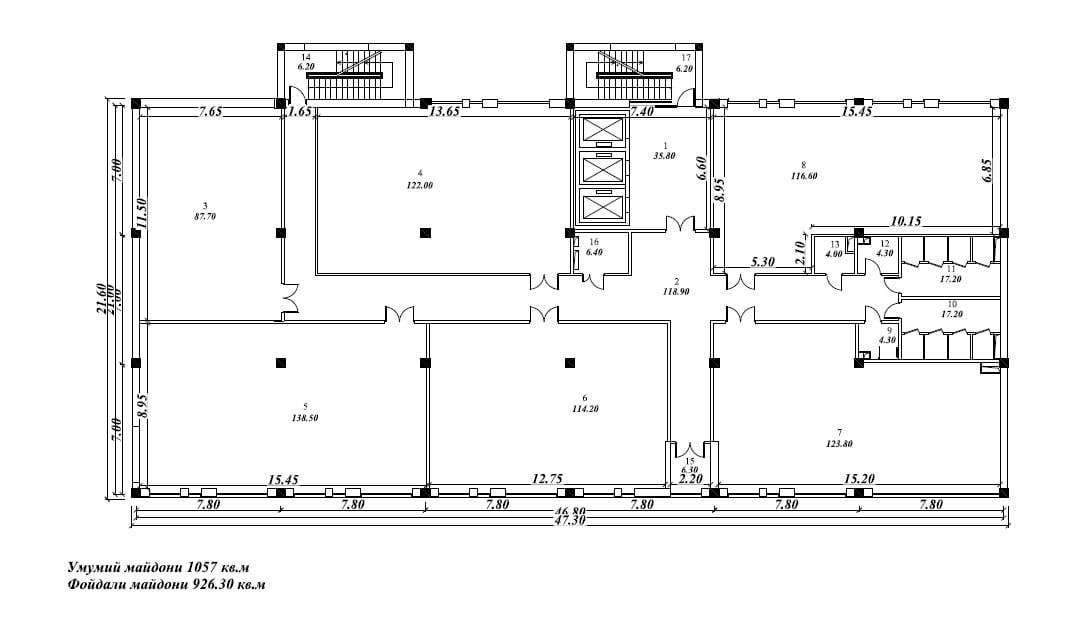
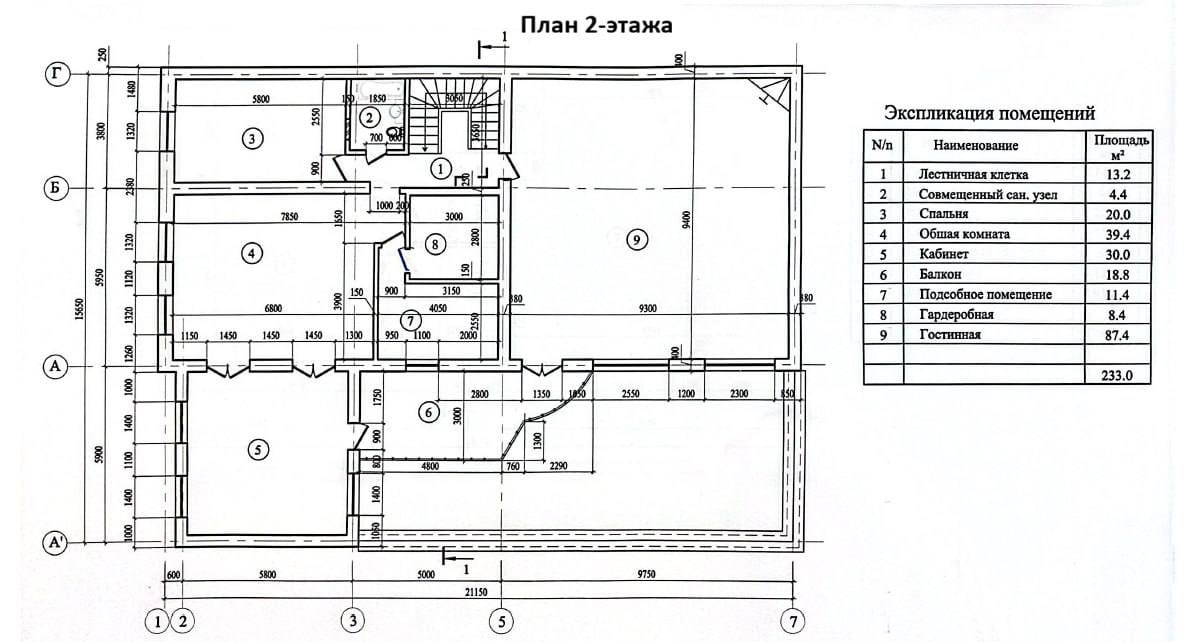
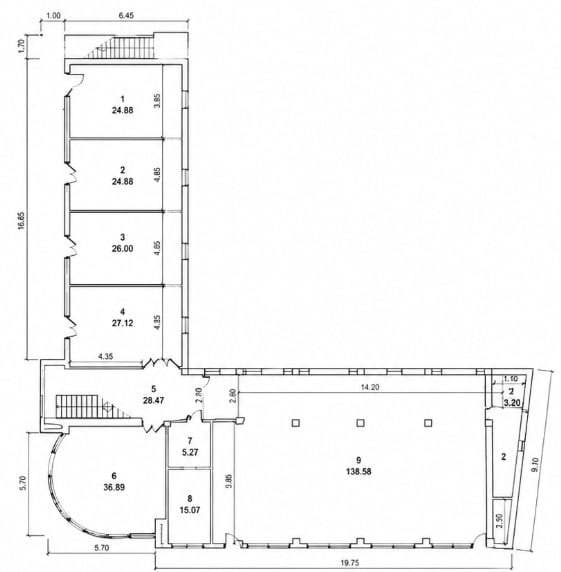
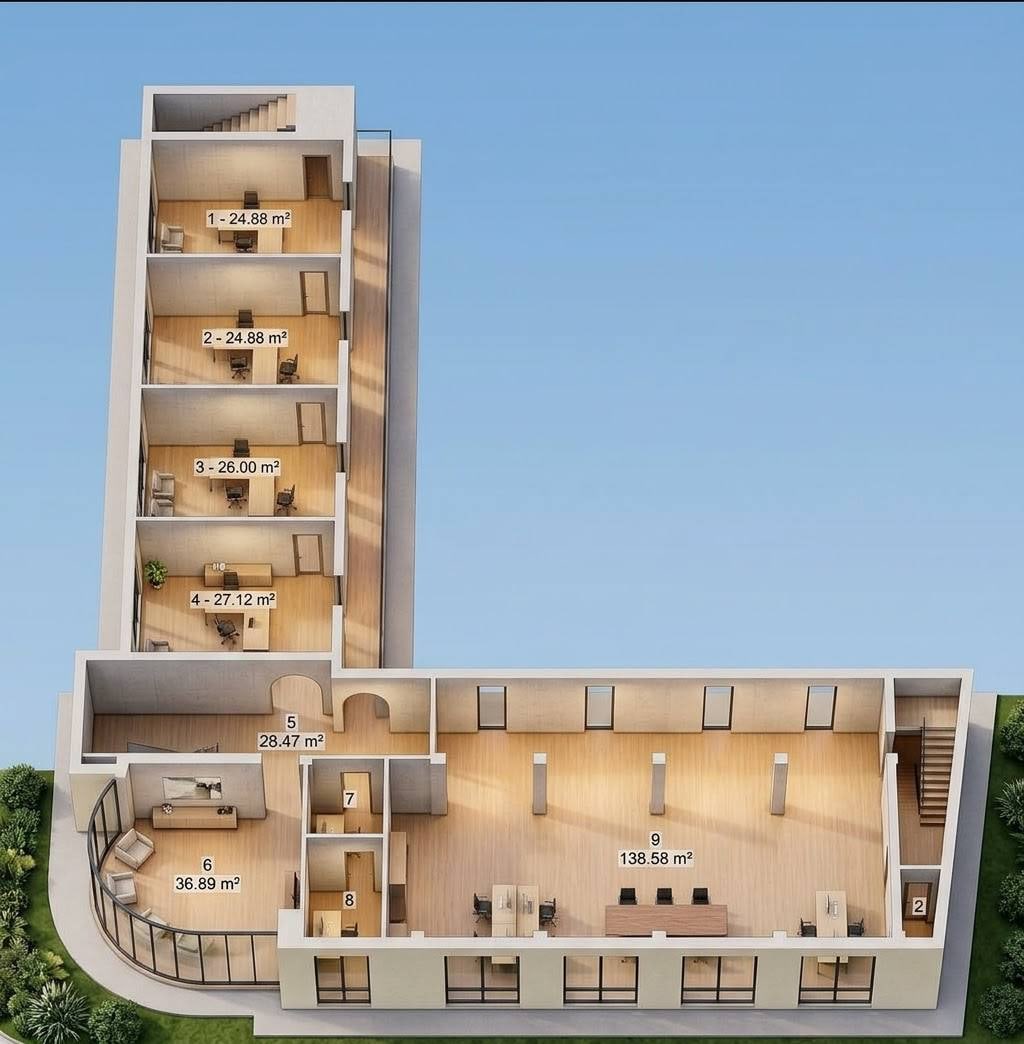
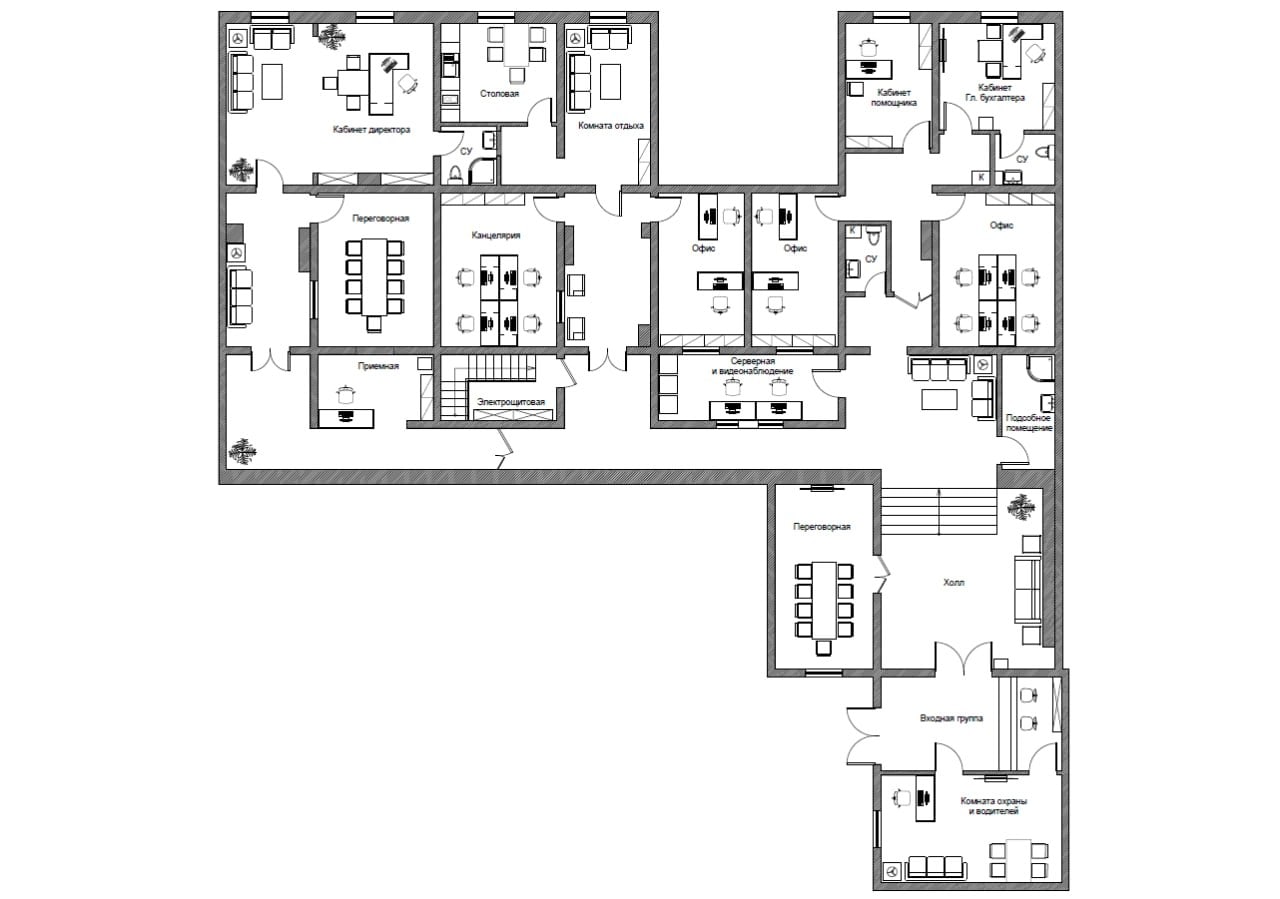
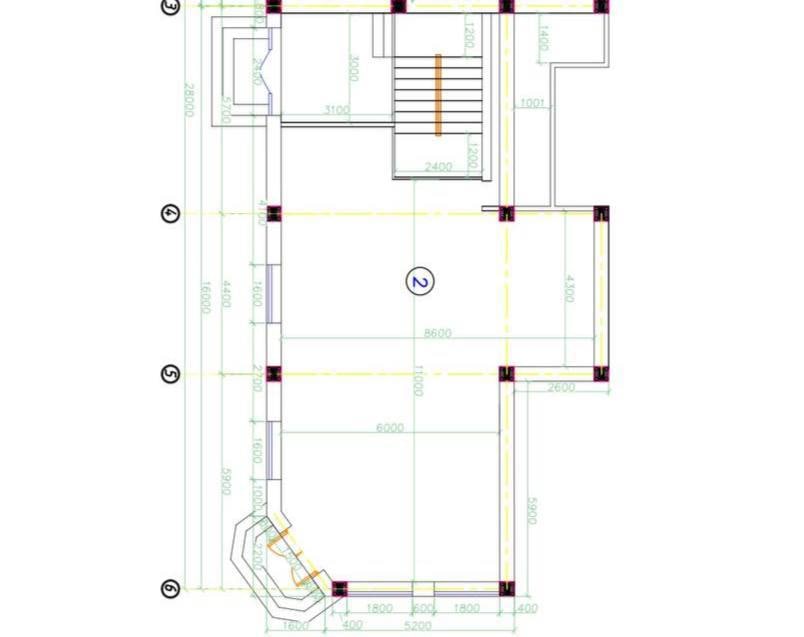
Traffic has little value if the tenant cannot use the entrance, frontage or parking in the way assumed by the model. Before paying, request the property documents and verify the state-register extract and cadastral passport through the my.gov.uz service. Compare the registered use, unit boundaries and entrances with the actual layout.
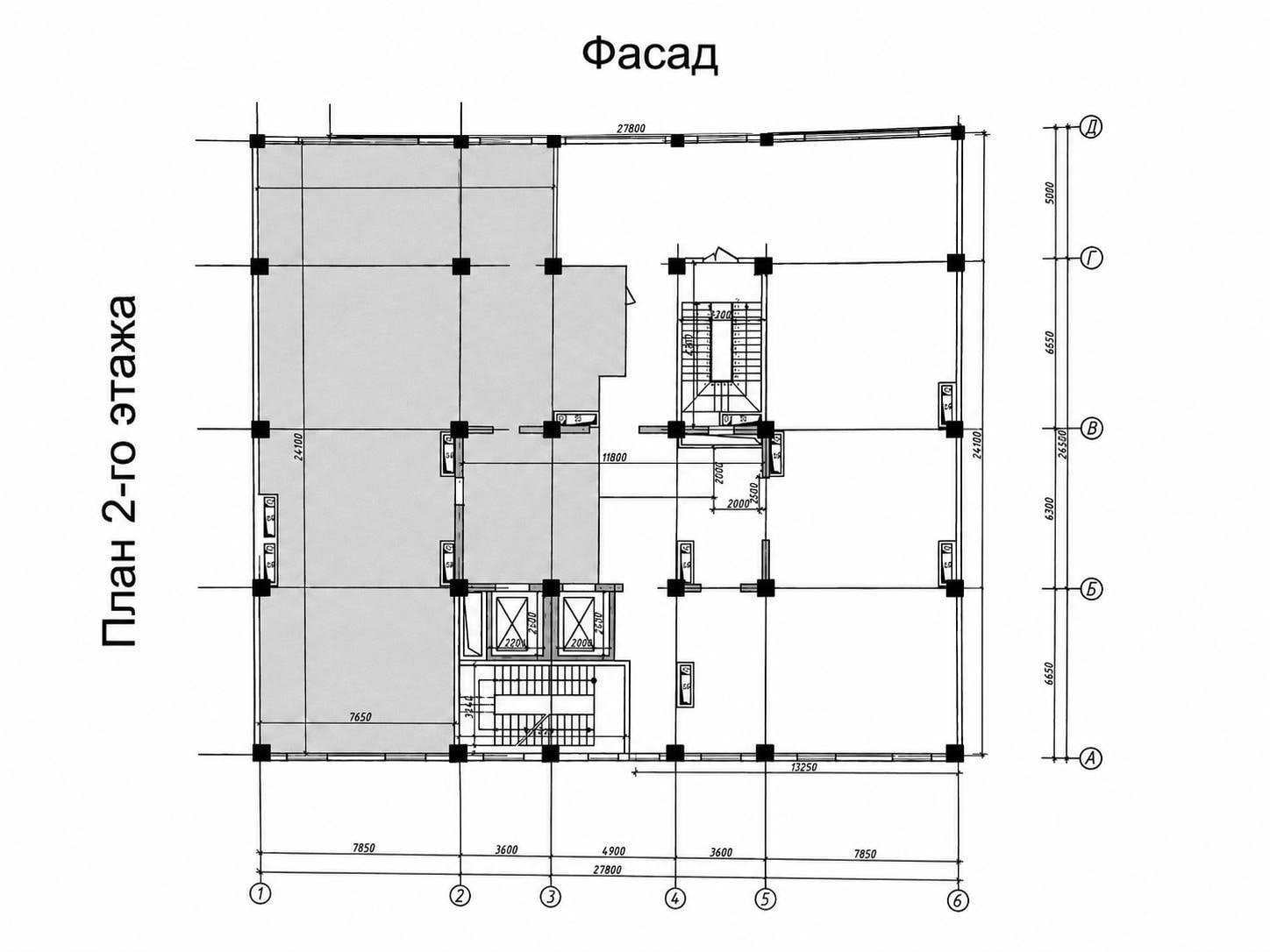
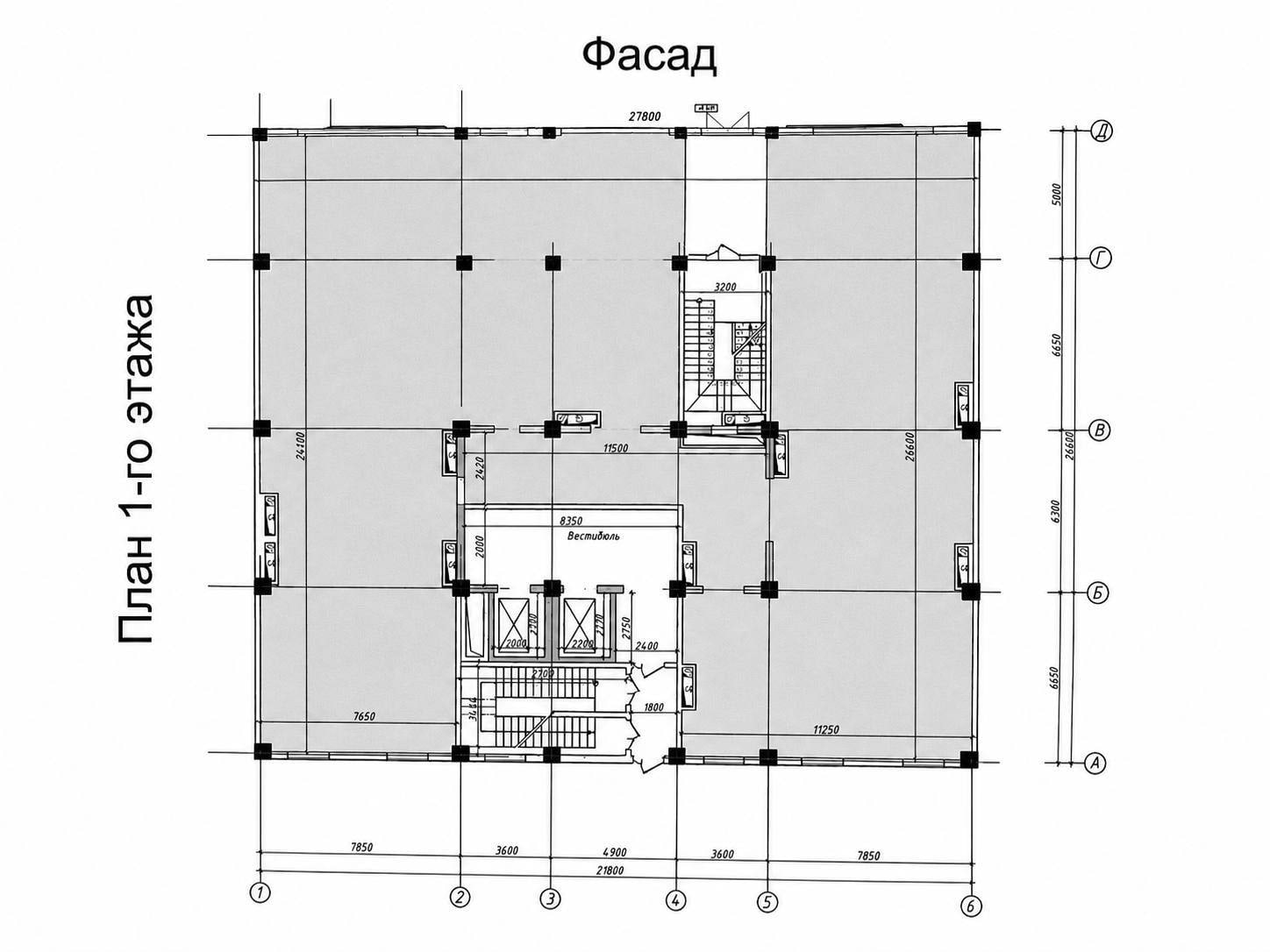
Agree in writing on the position and size of signage, access hours, parking use, delivery windows, the right to operate at the required times and responsibility if the entrance is obstructed. If customer flow depends on a passage through a complex, the lease should describe that passage rather than merely the unit’s door. The current administrative regulation identifies a real-estate lease with a term of at least one year as a basis for state registration. Check the procedure and its application to the particular transaction against the current LexUZ text before signing.
The final control question is simple: can the evidence explain where the required purchases will come from? If the answer rests only on the district name, a first-line label or the landlord’s assurance, the location has not yet been tested.
Sources and verification date