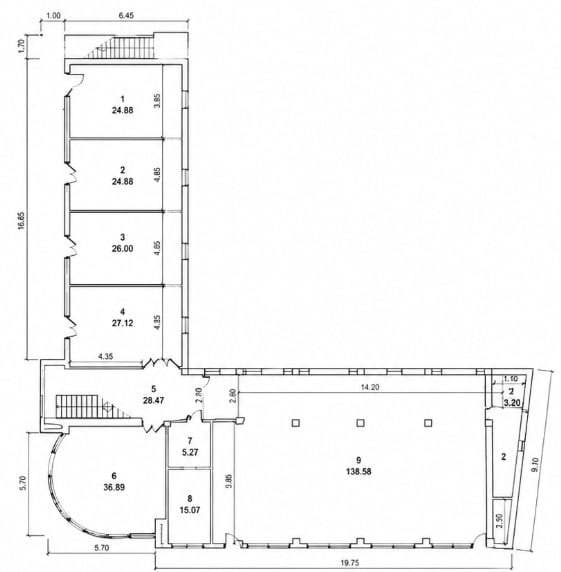
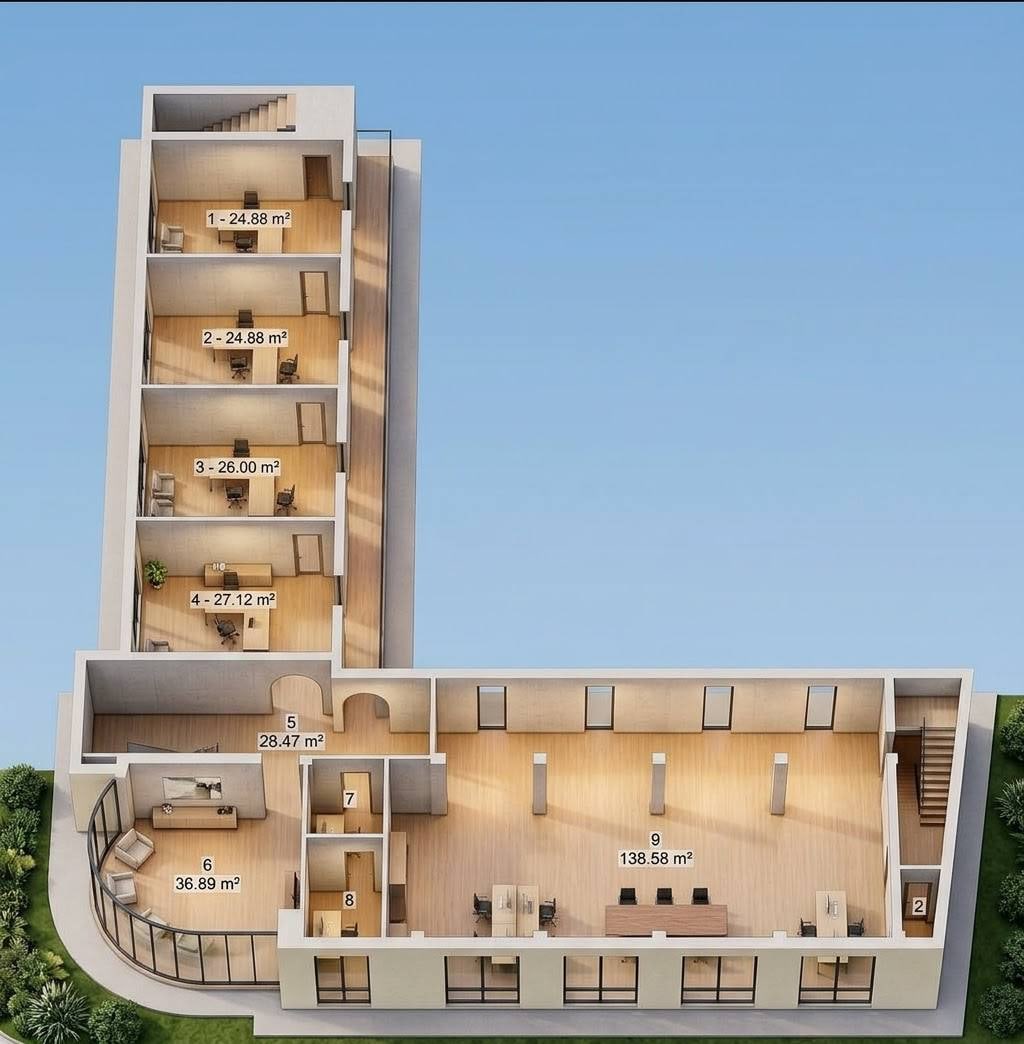
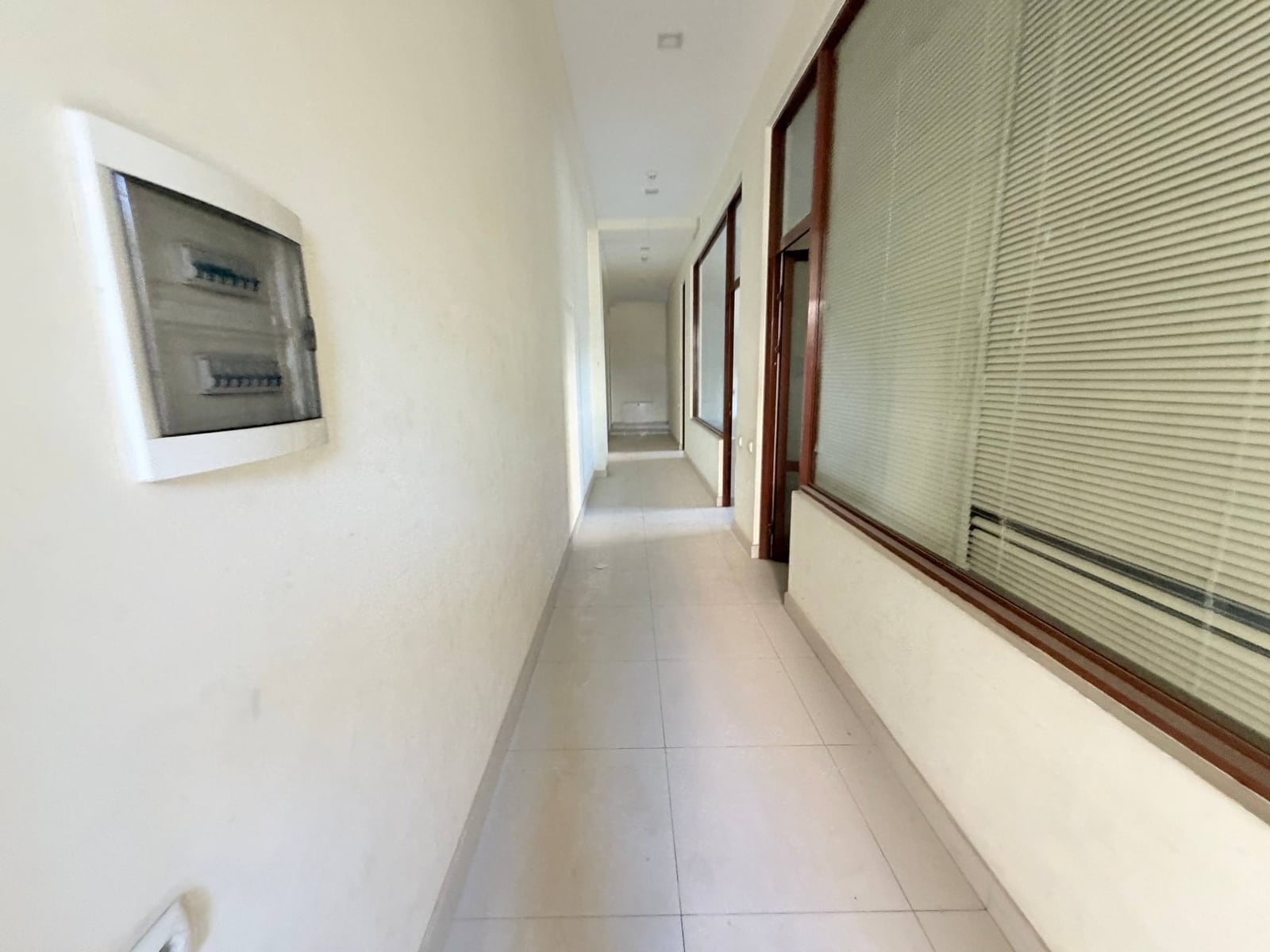
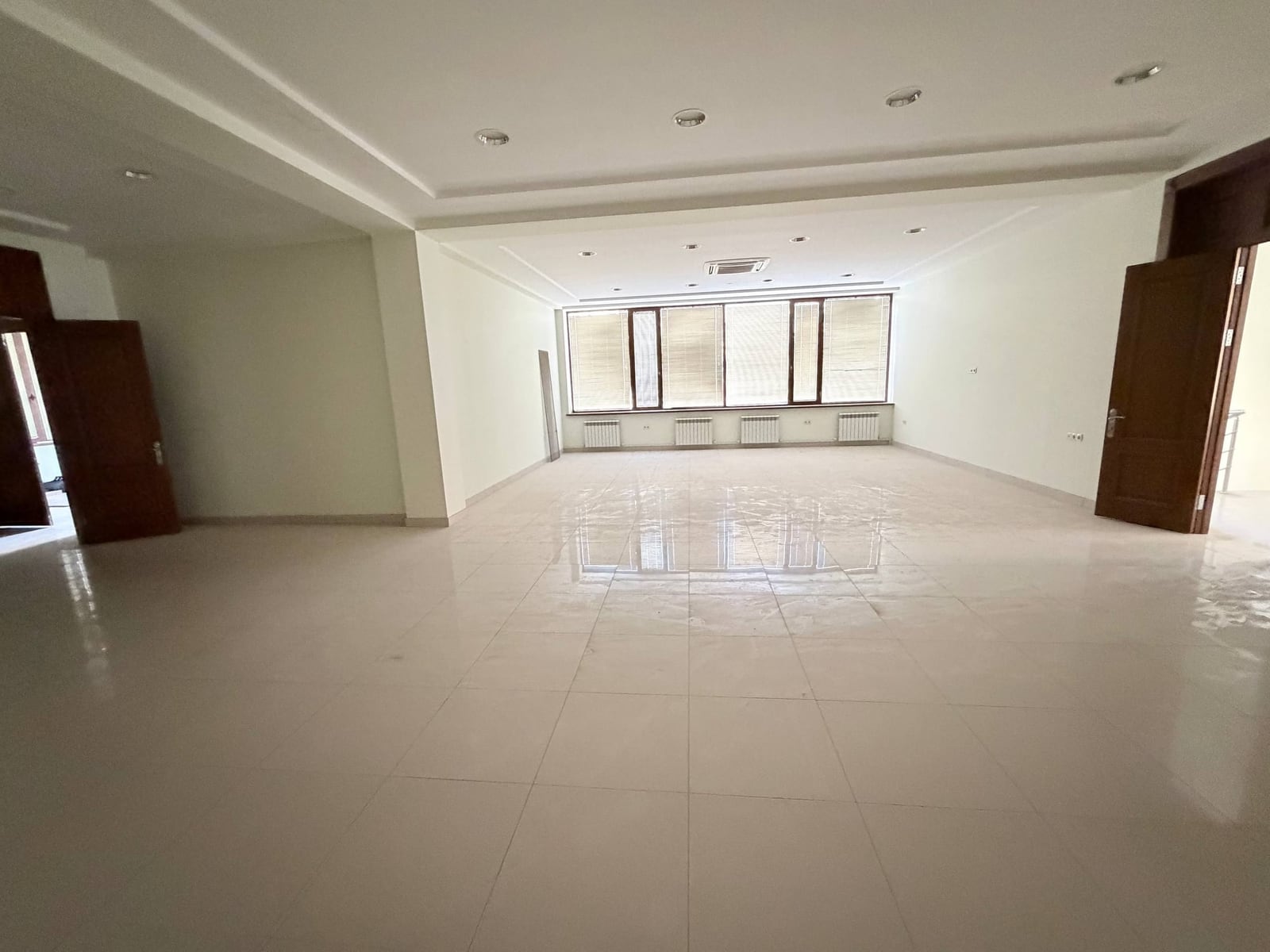
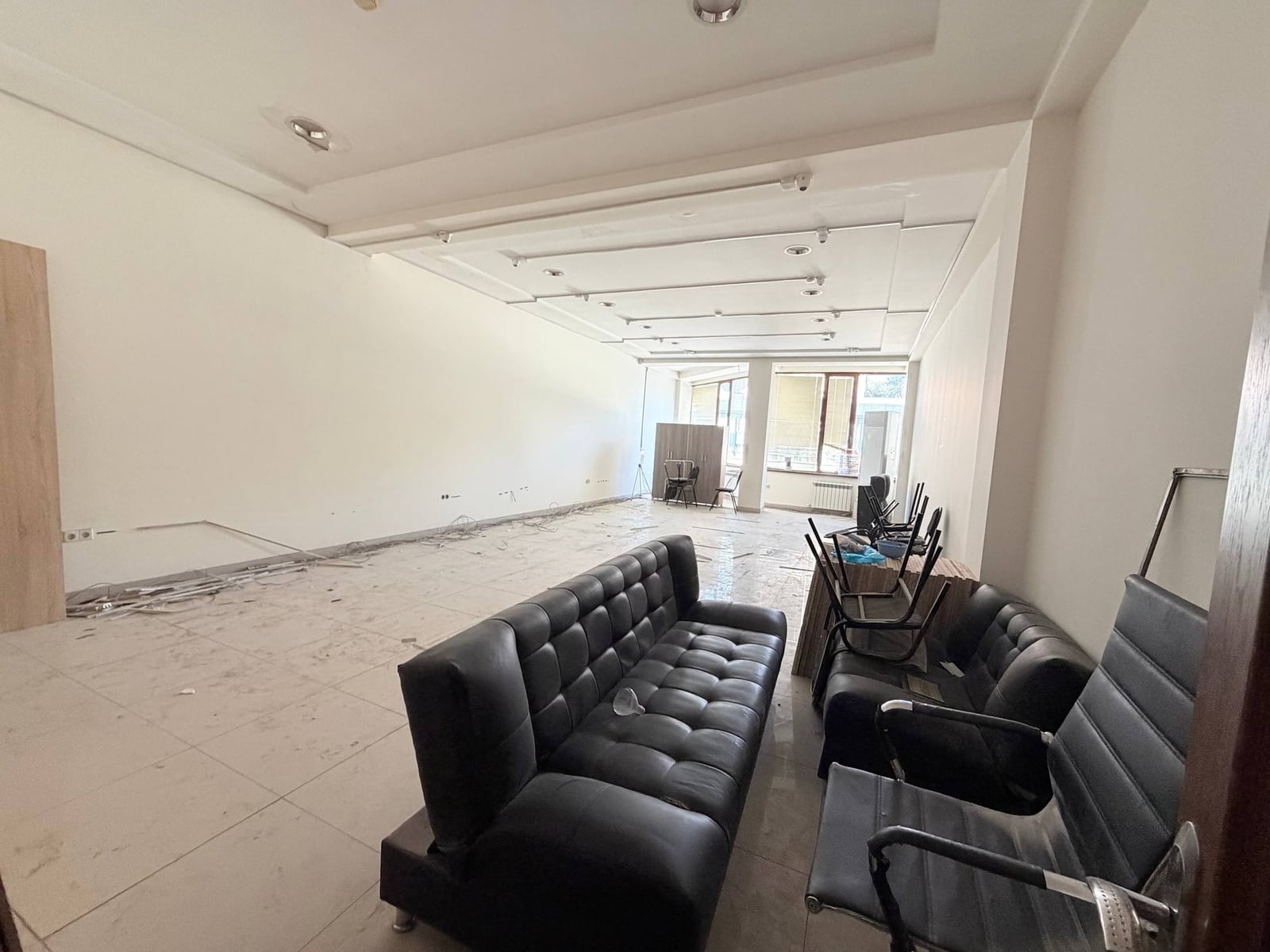
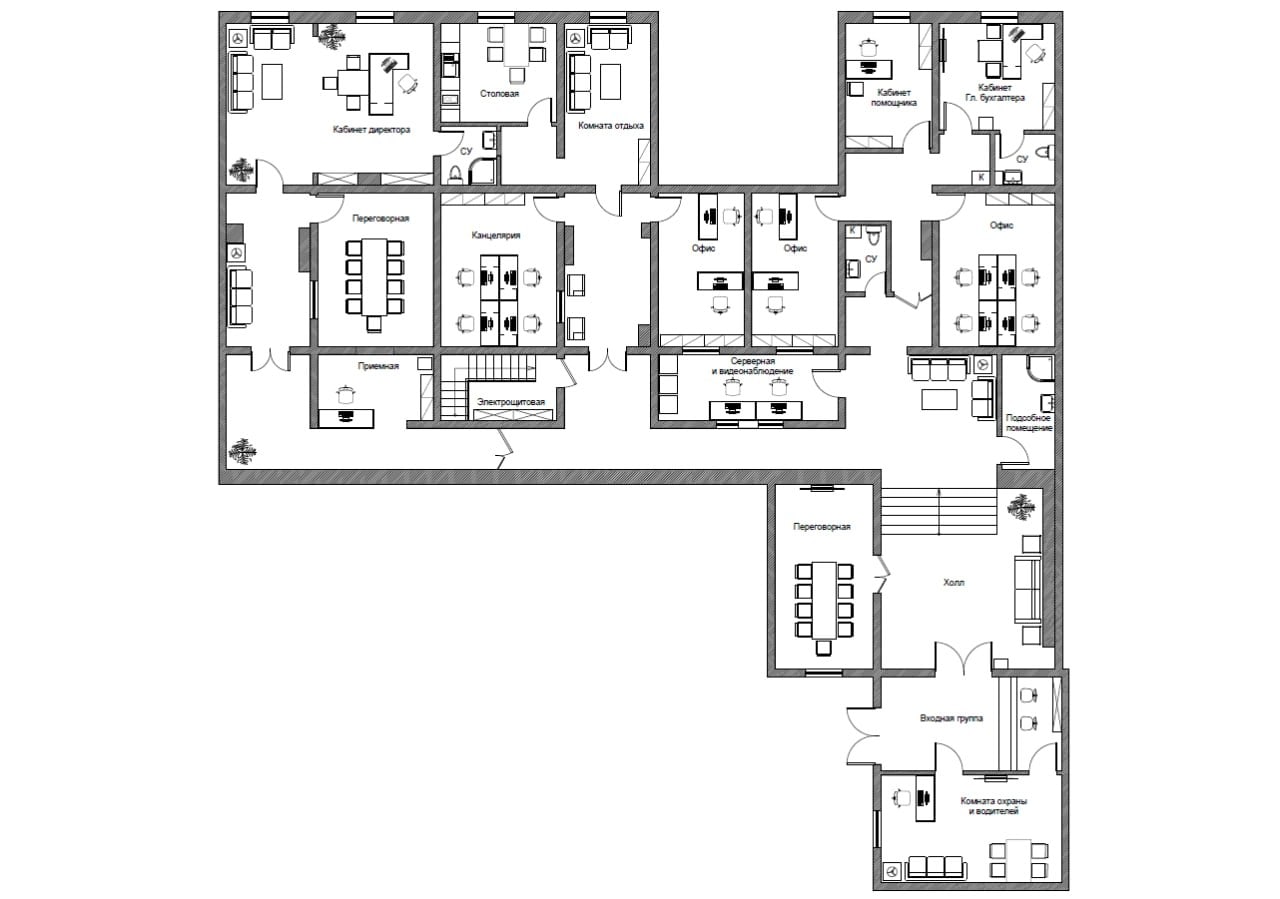
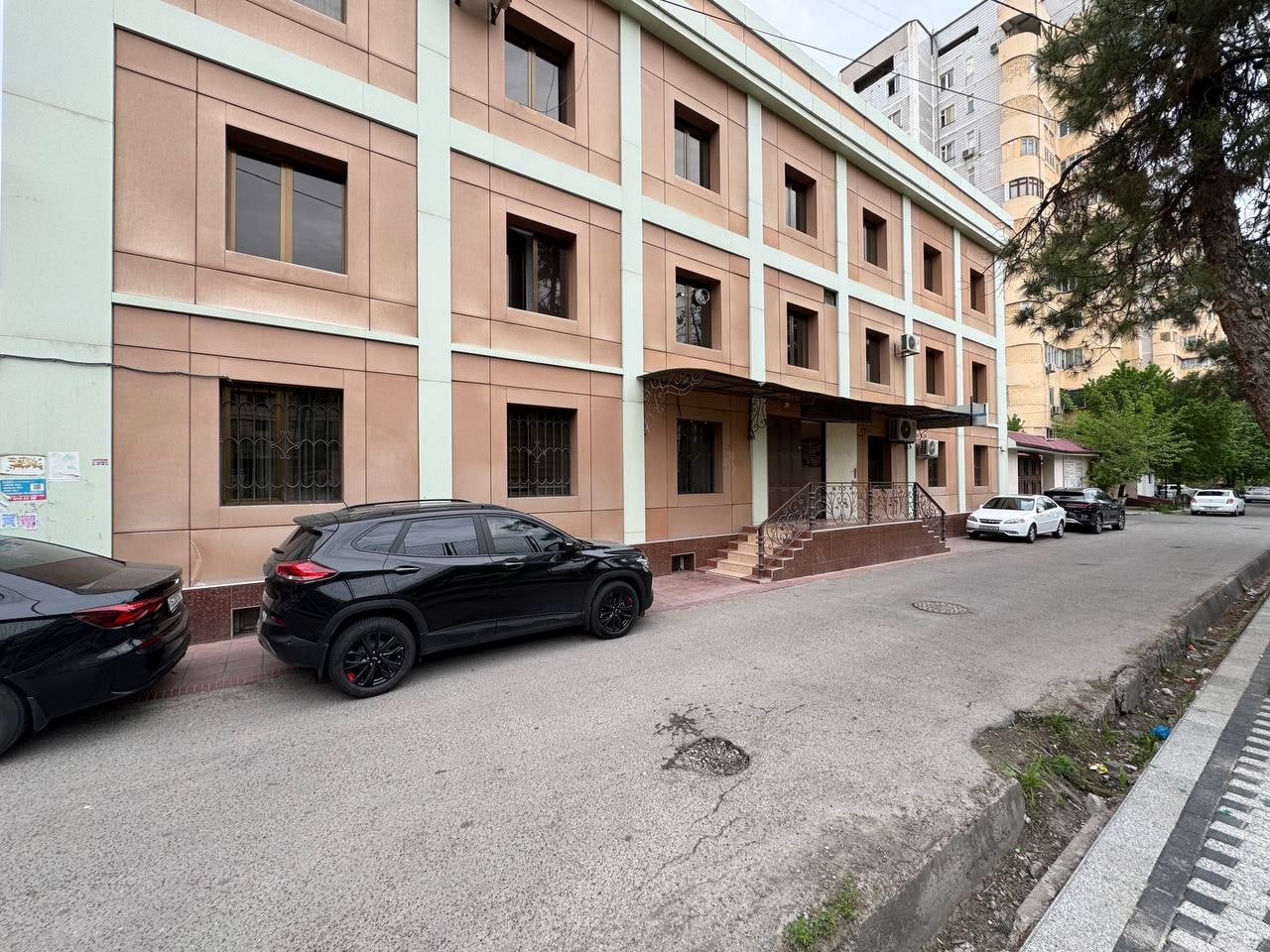
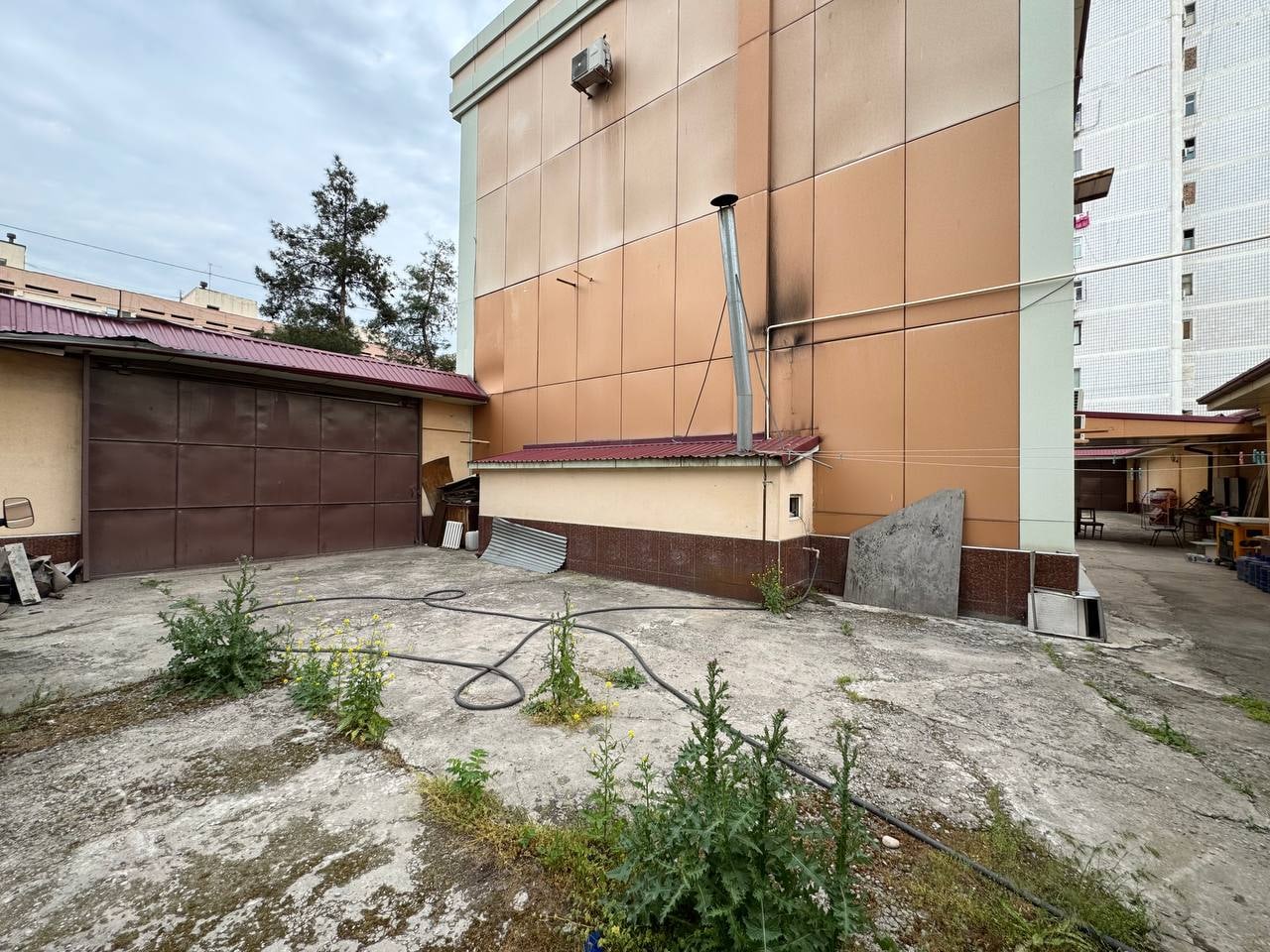
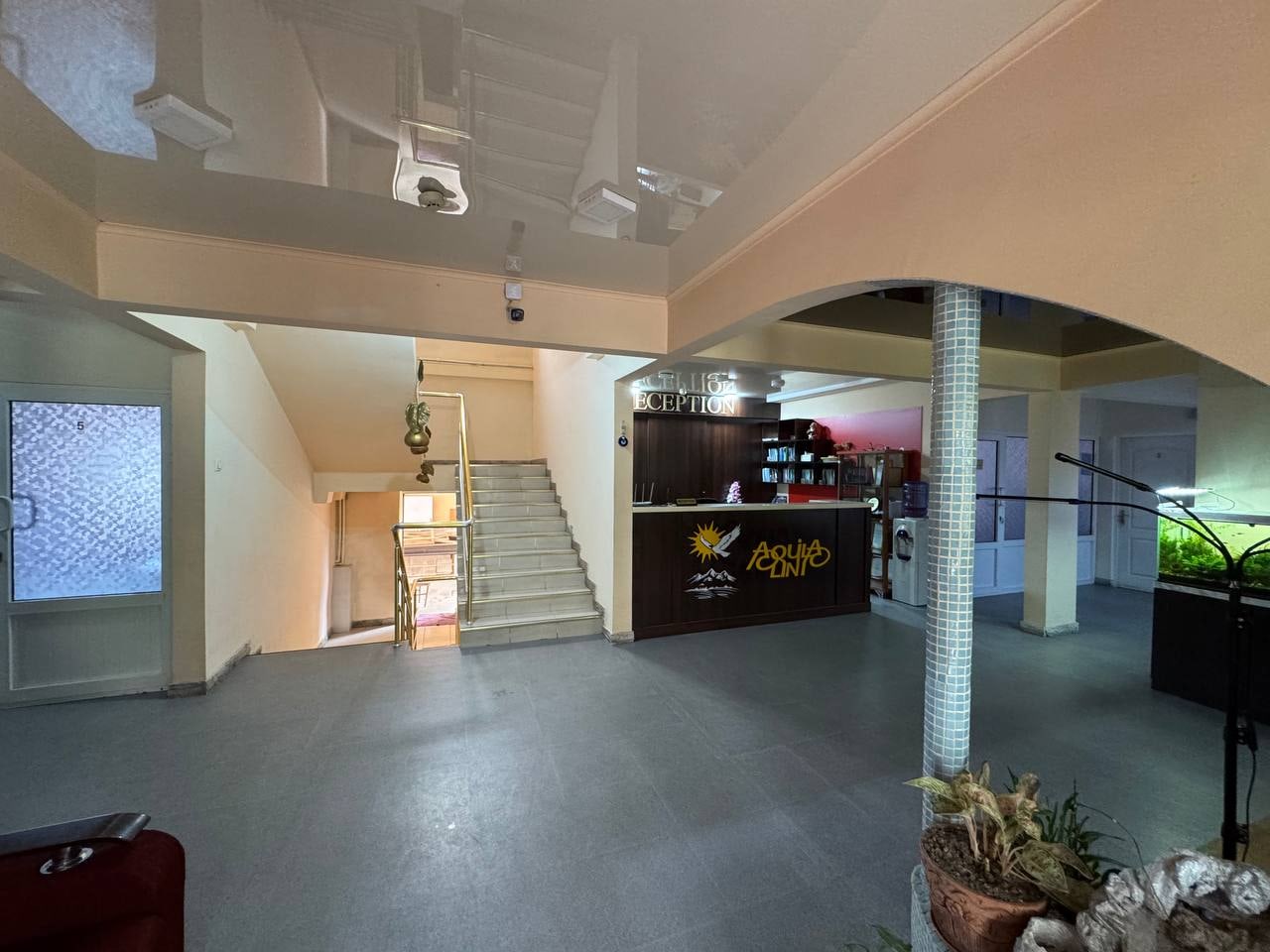
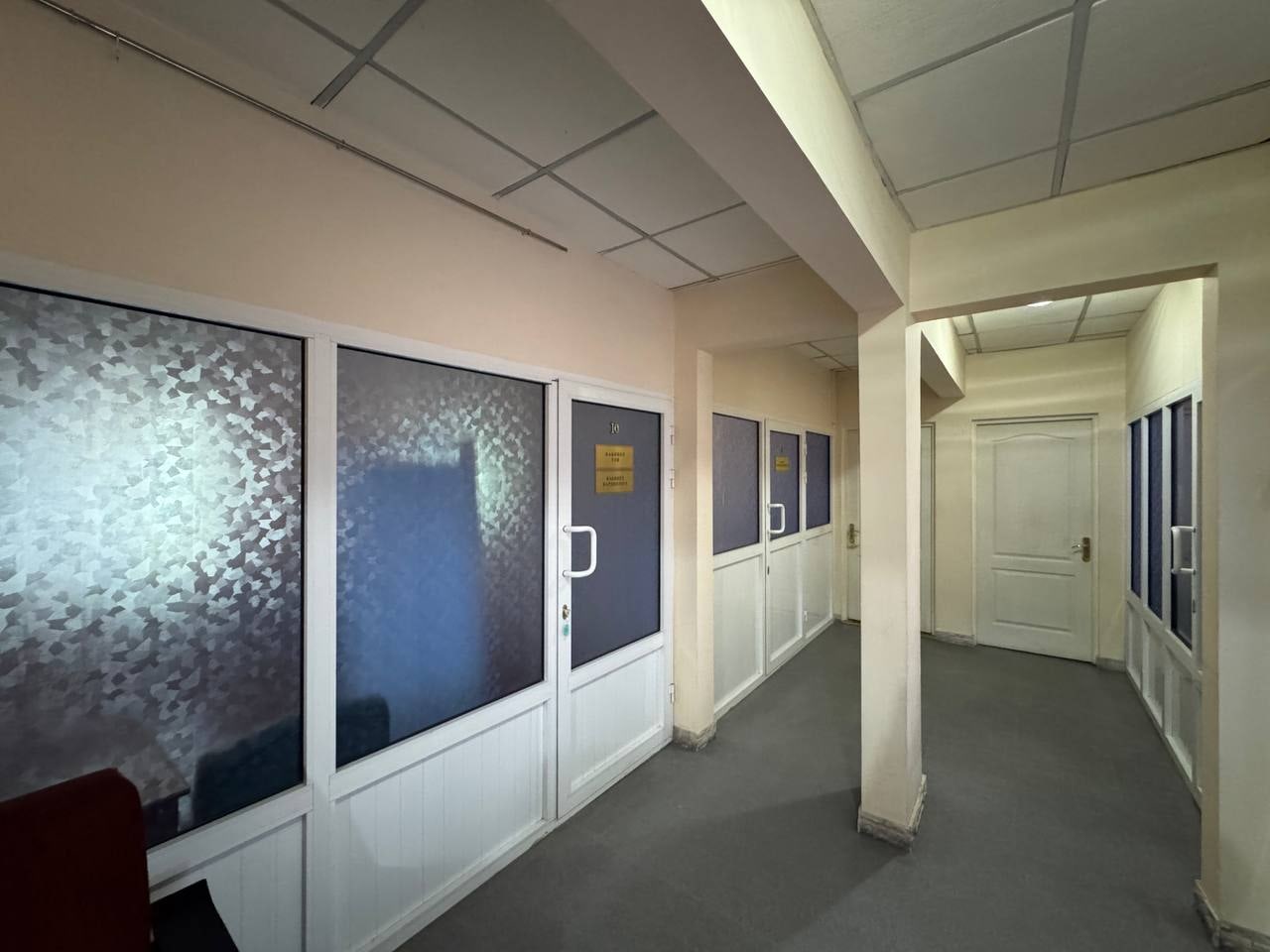
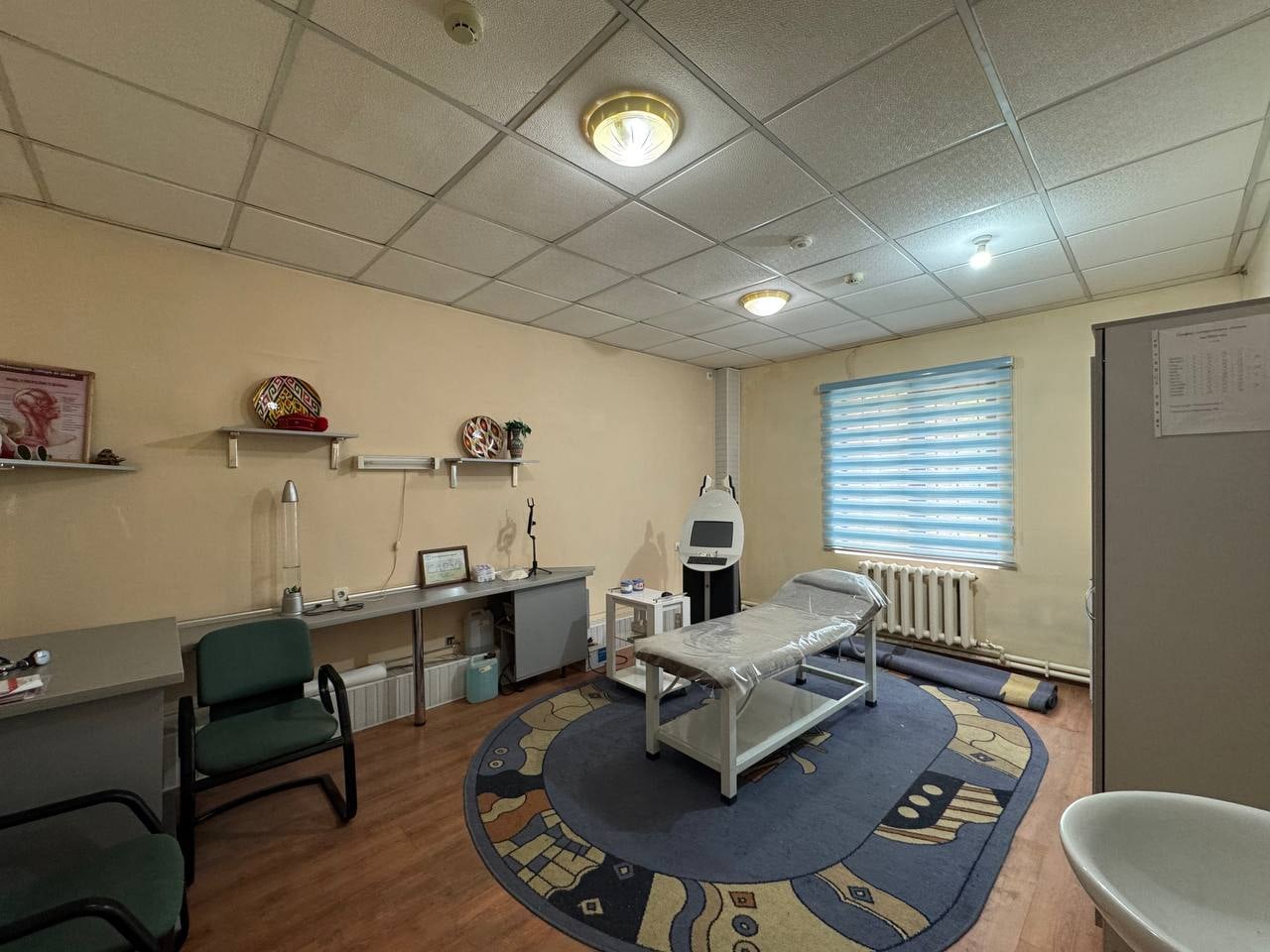
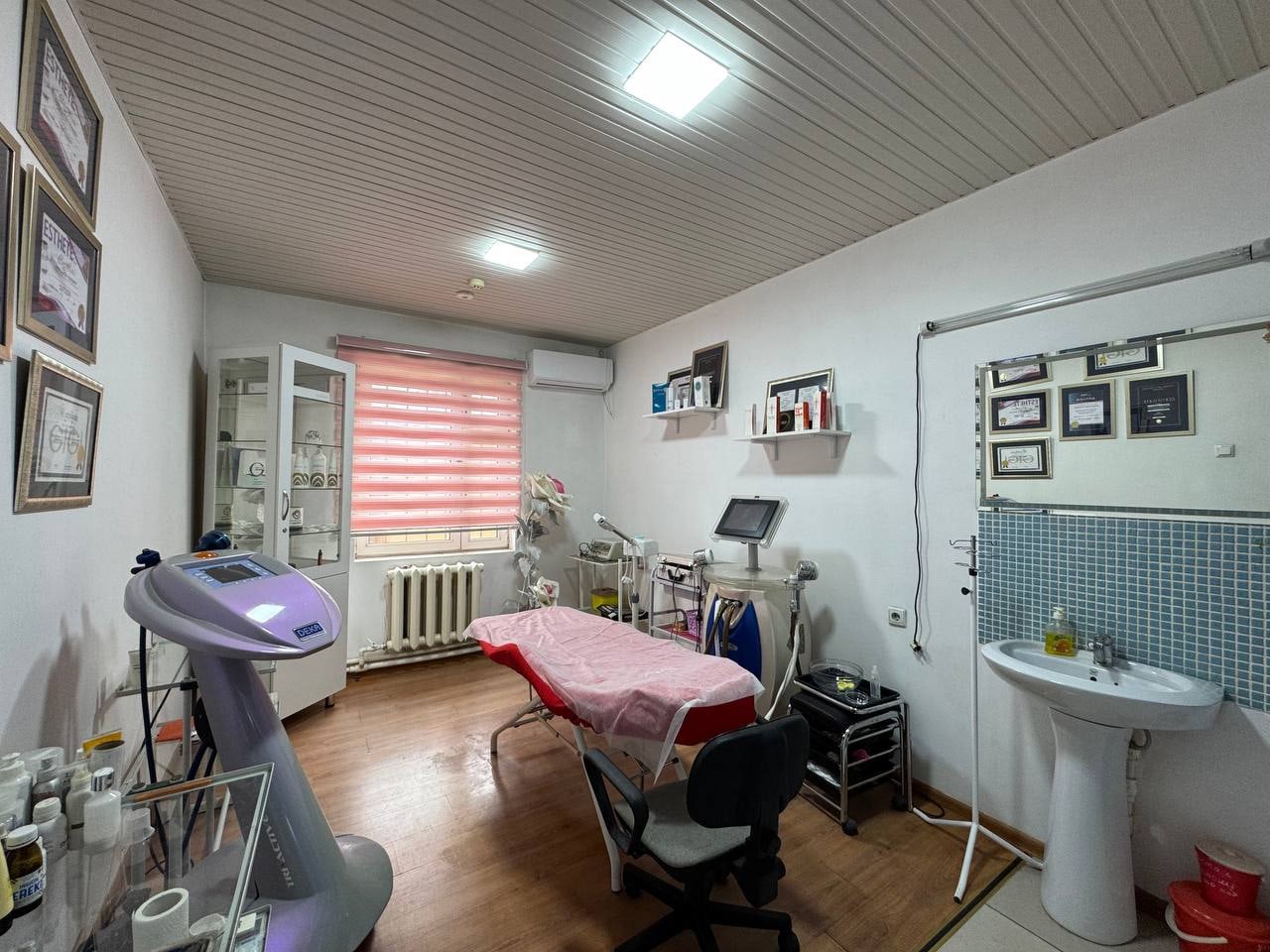
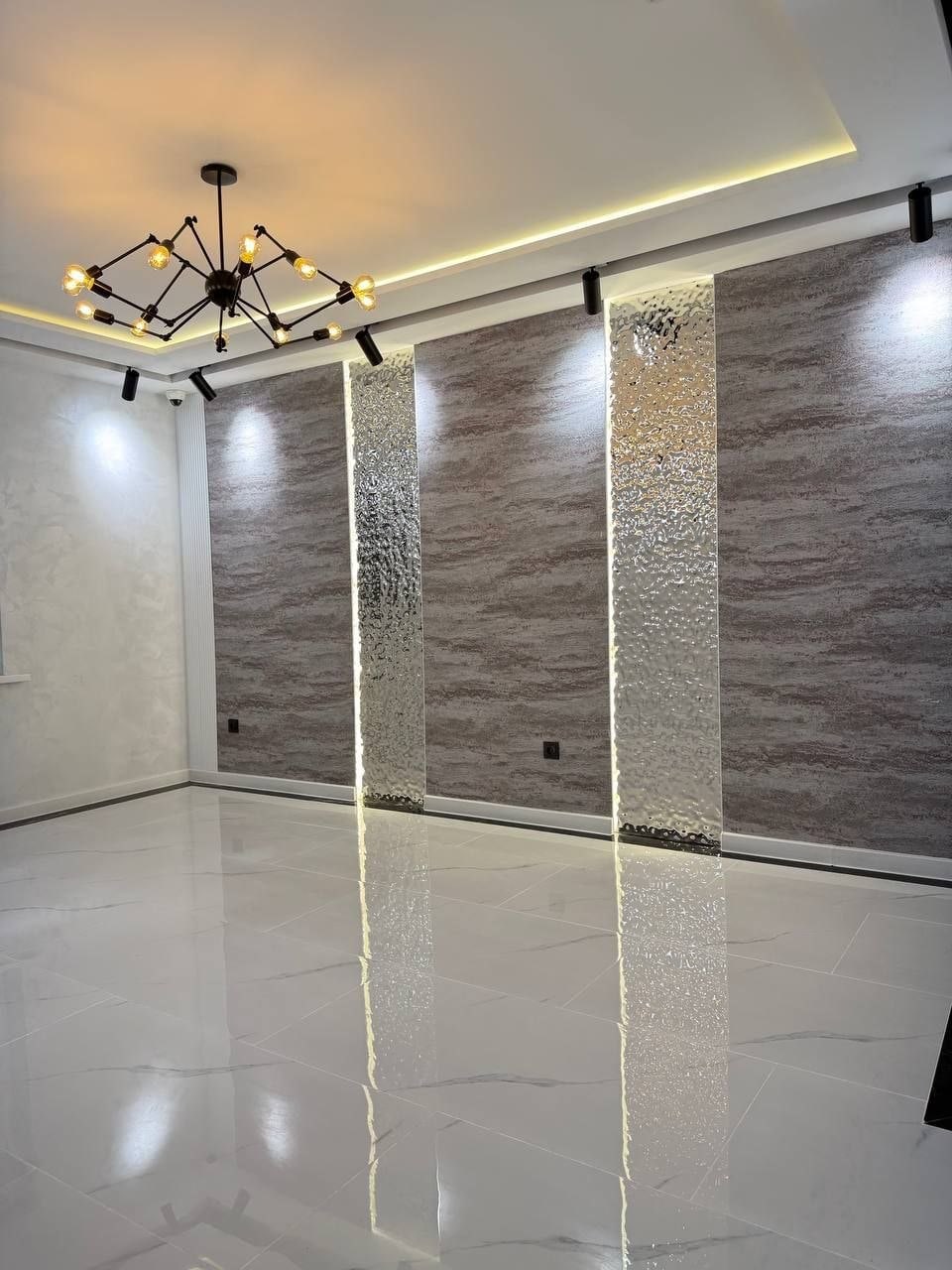
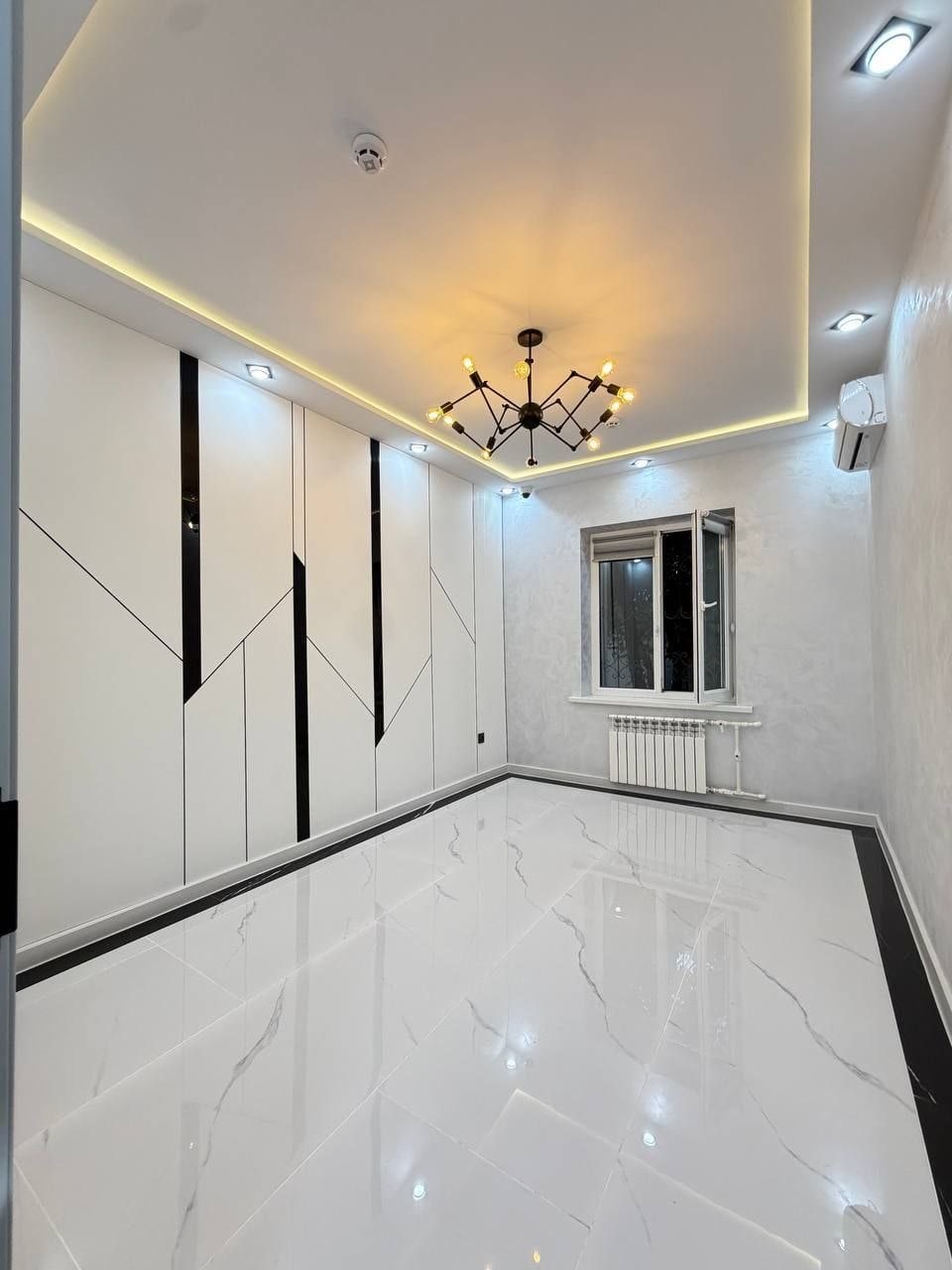
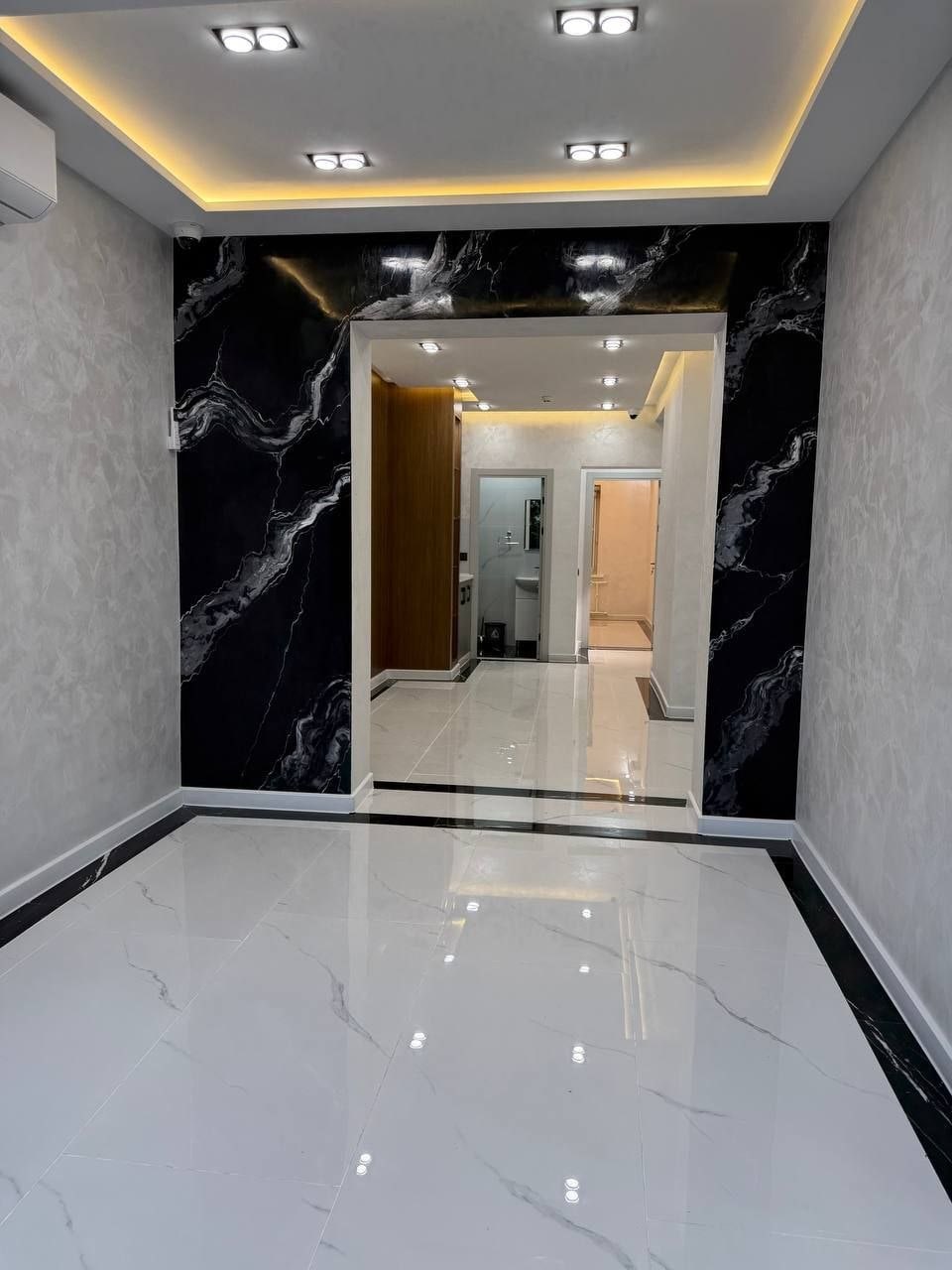
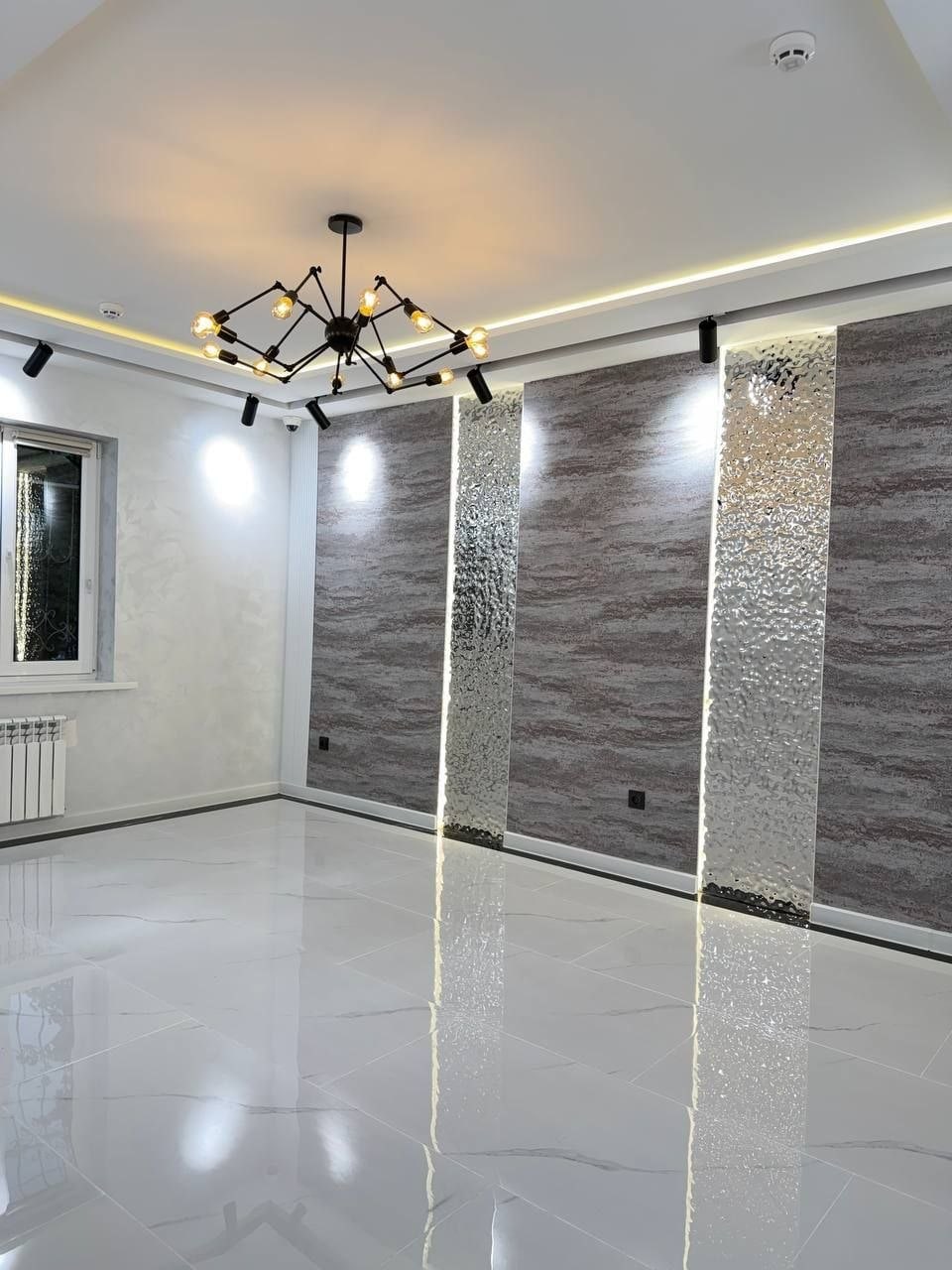
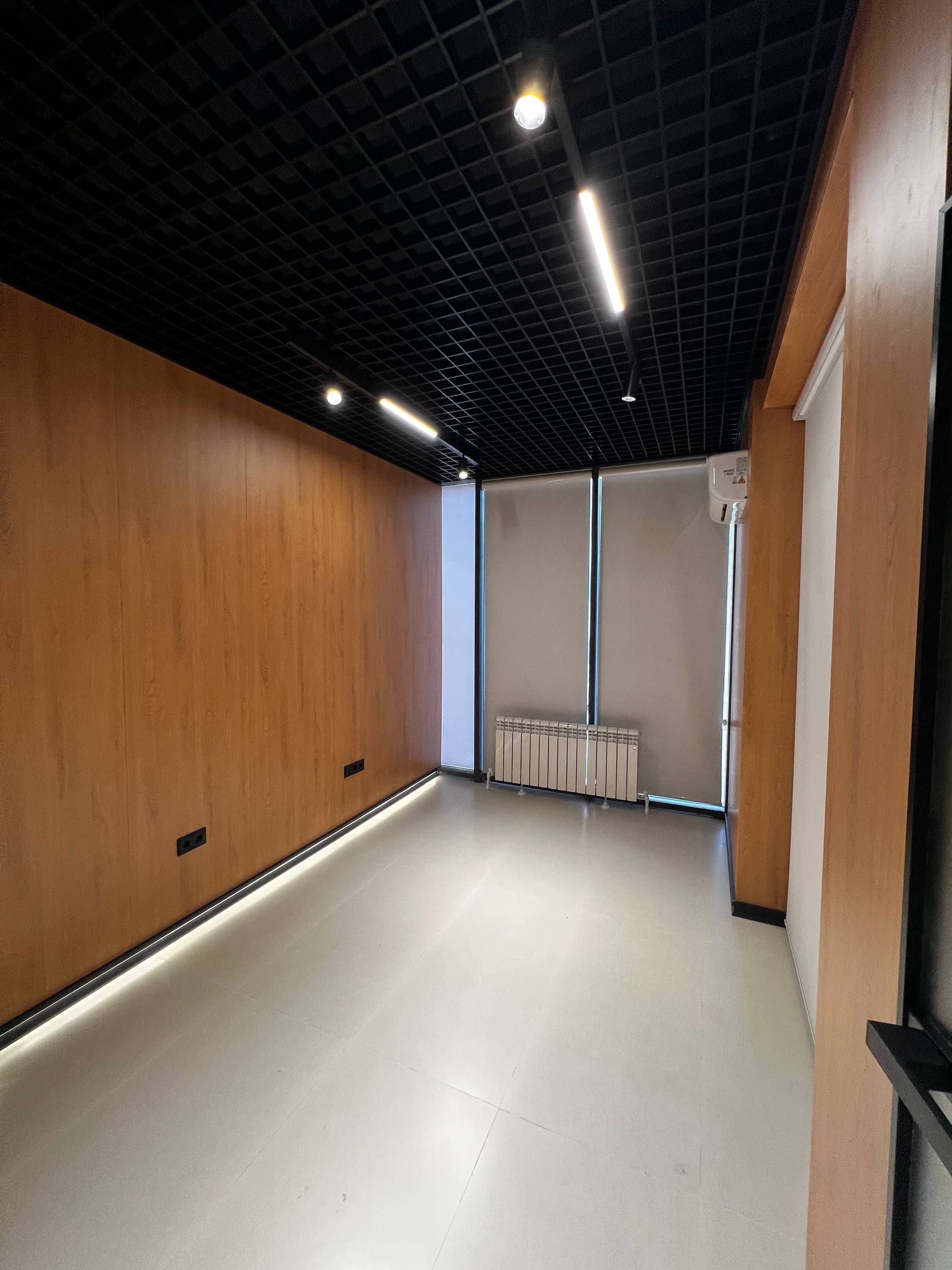
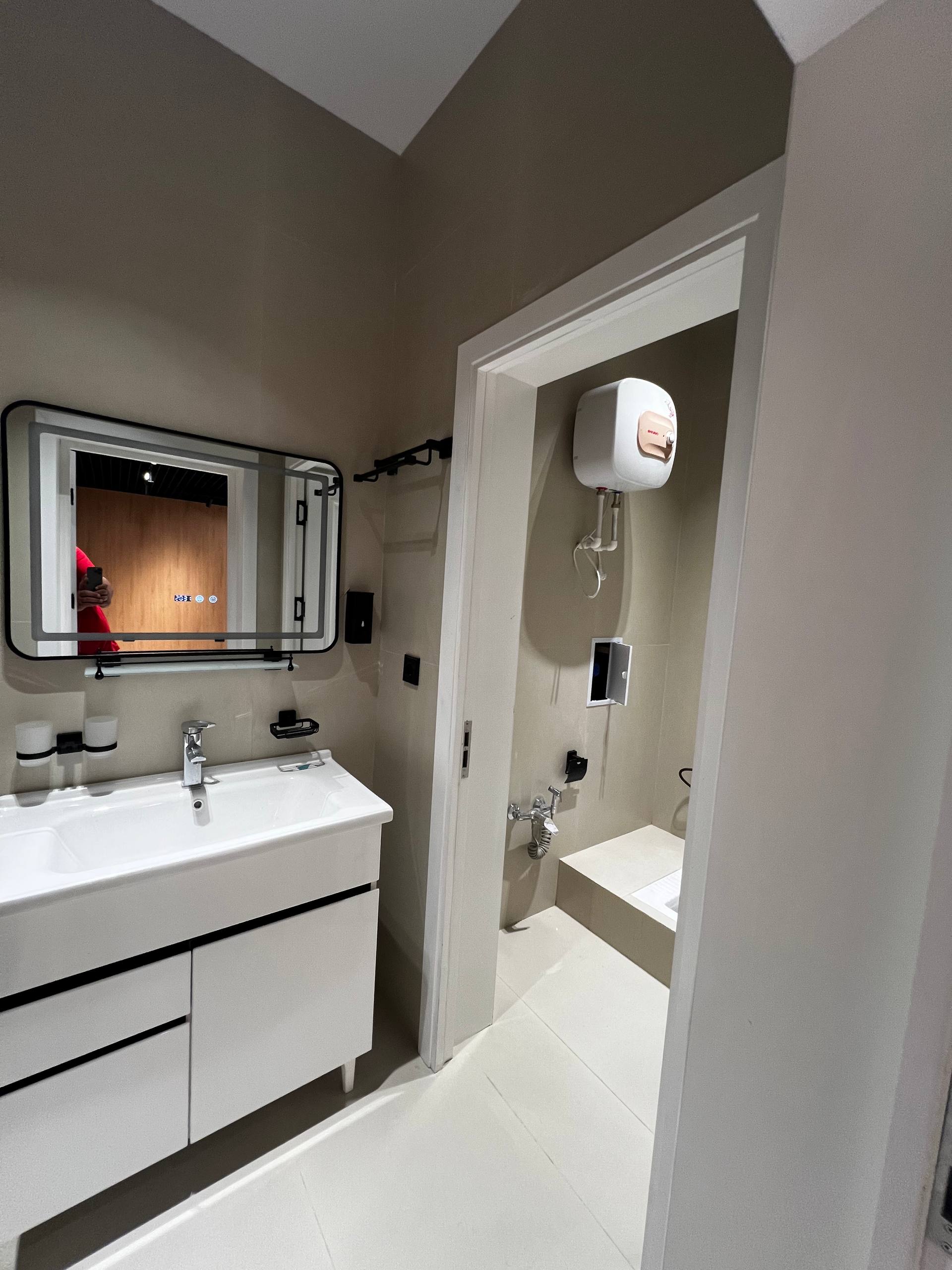
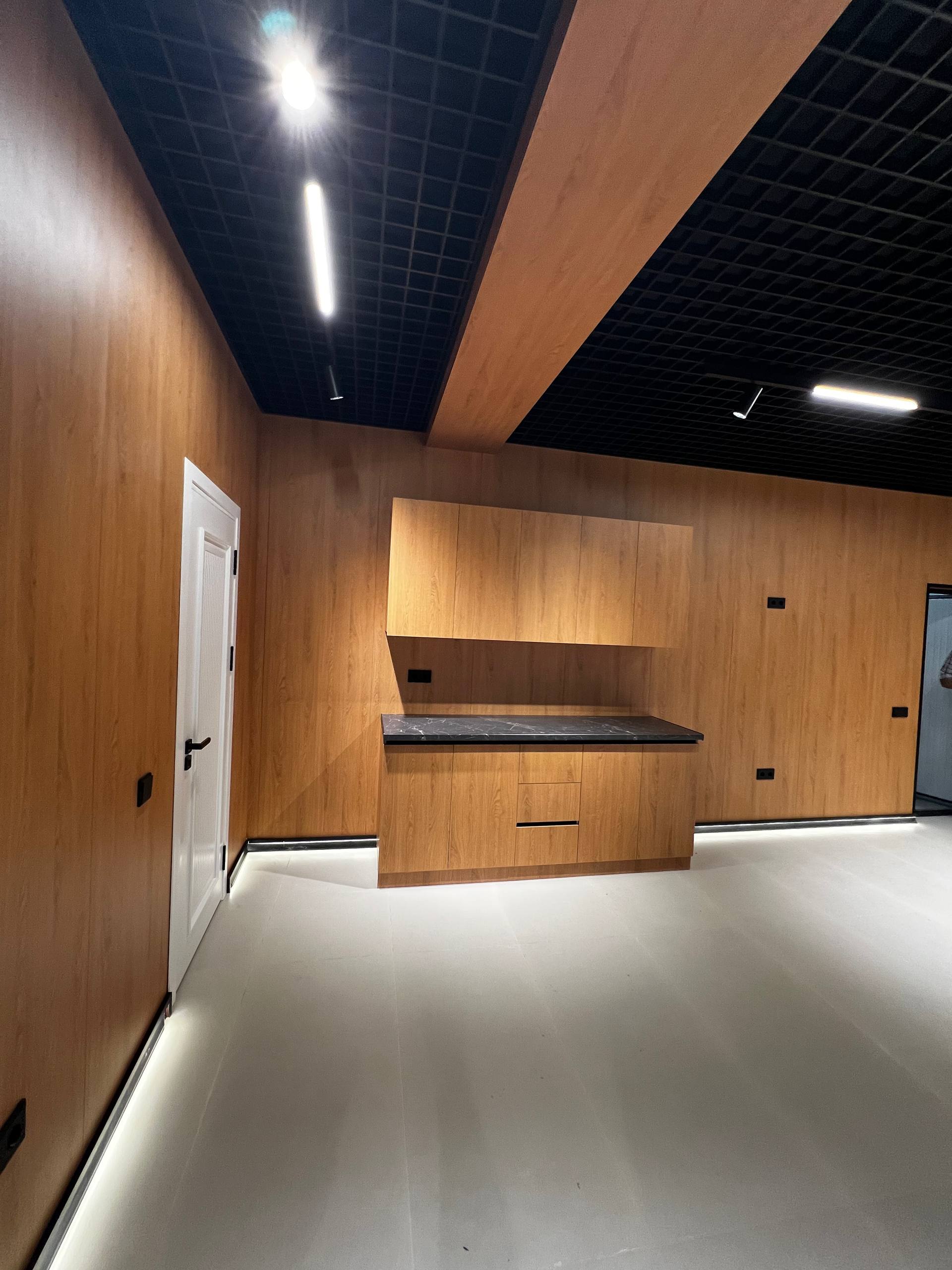
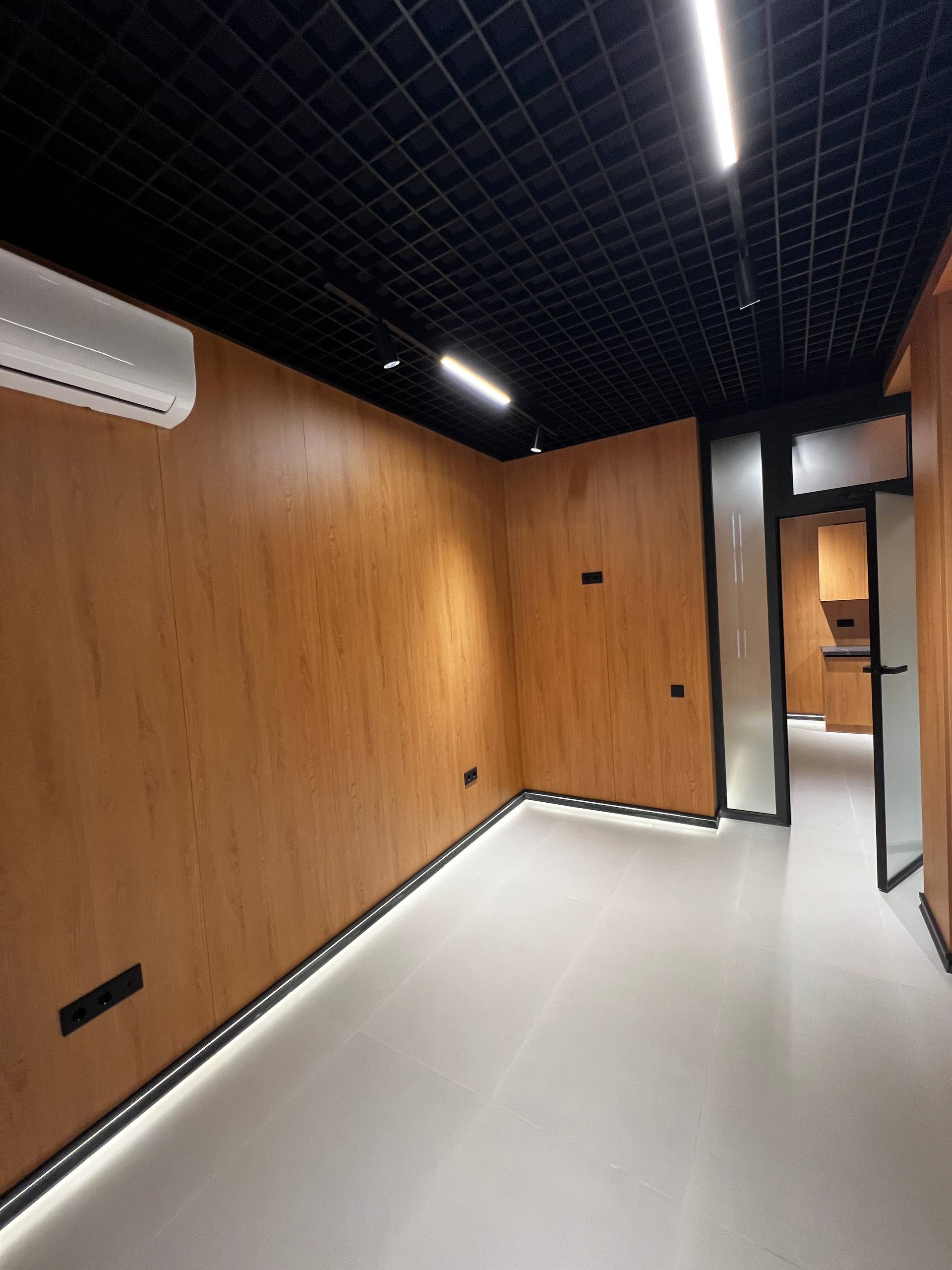
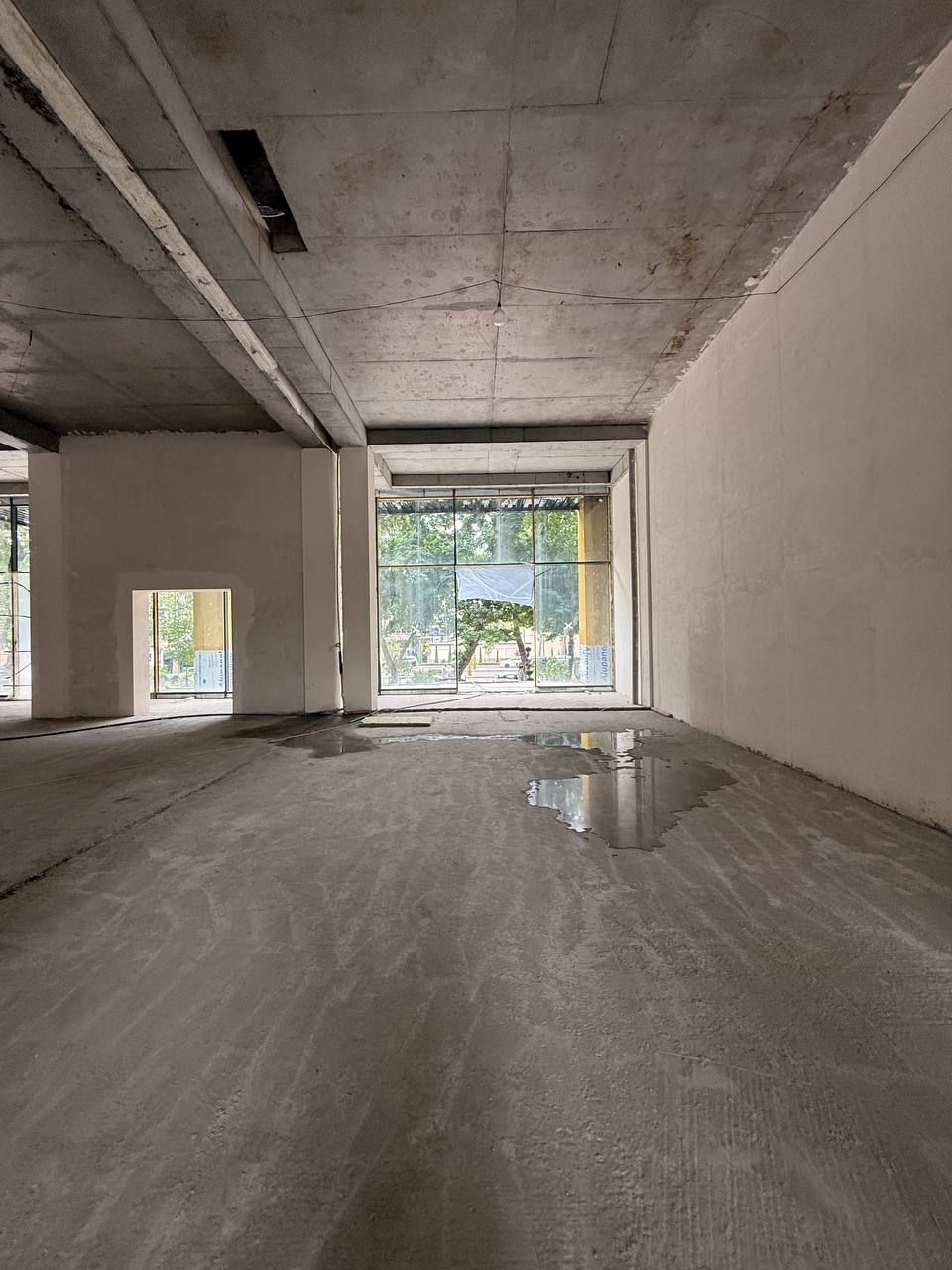
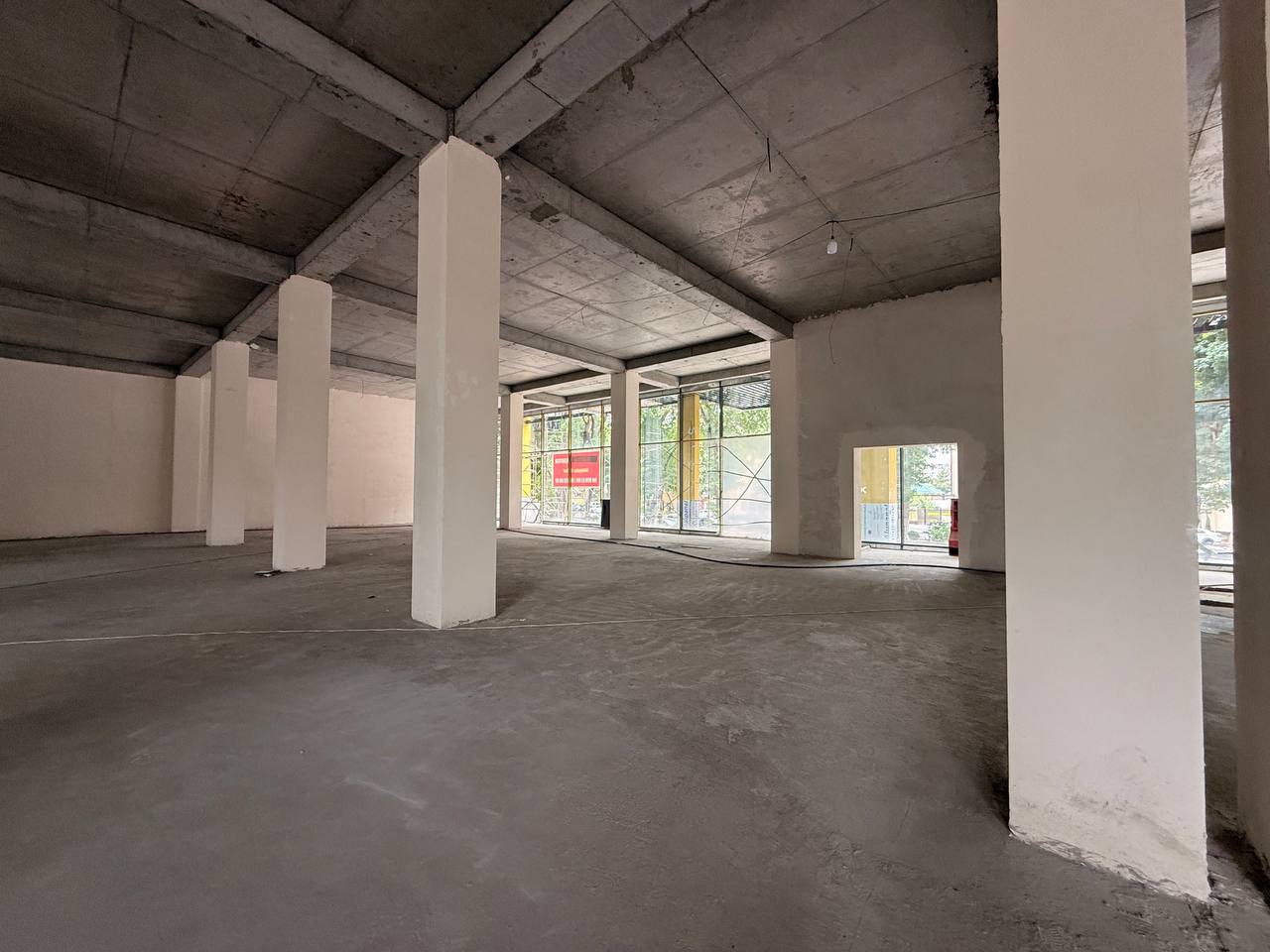
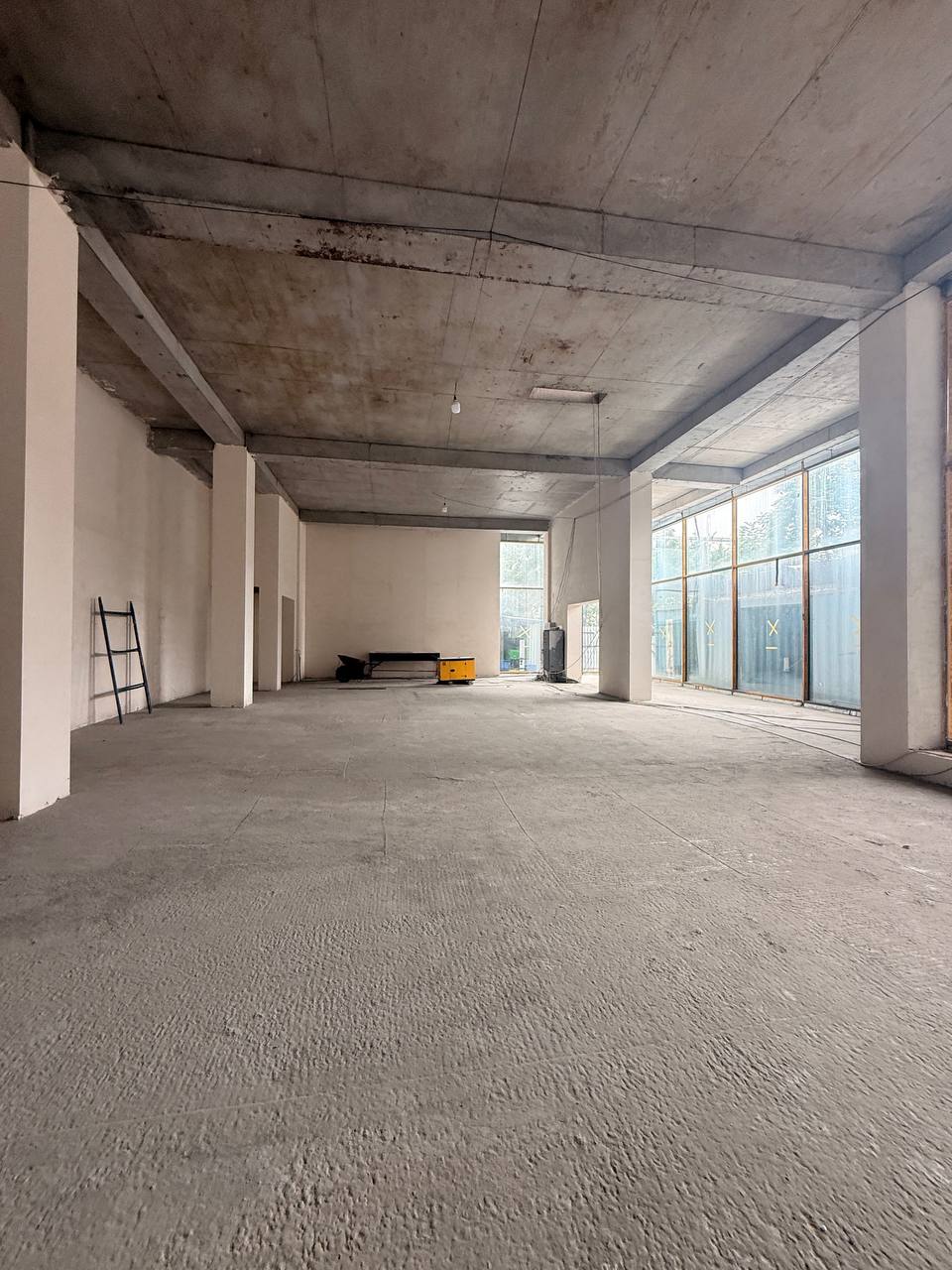
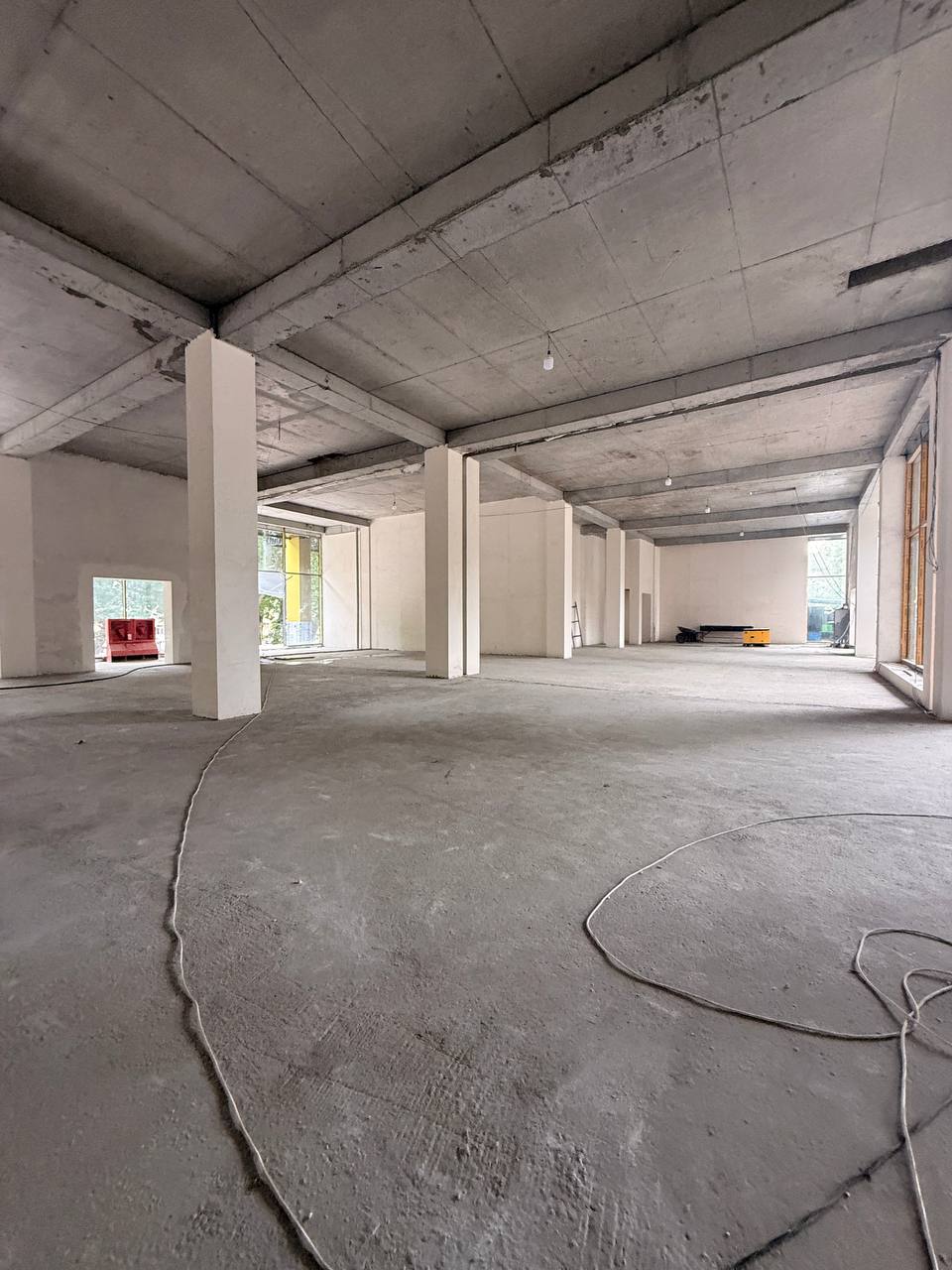
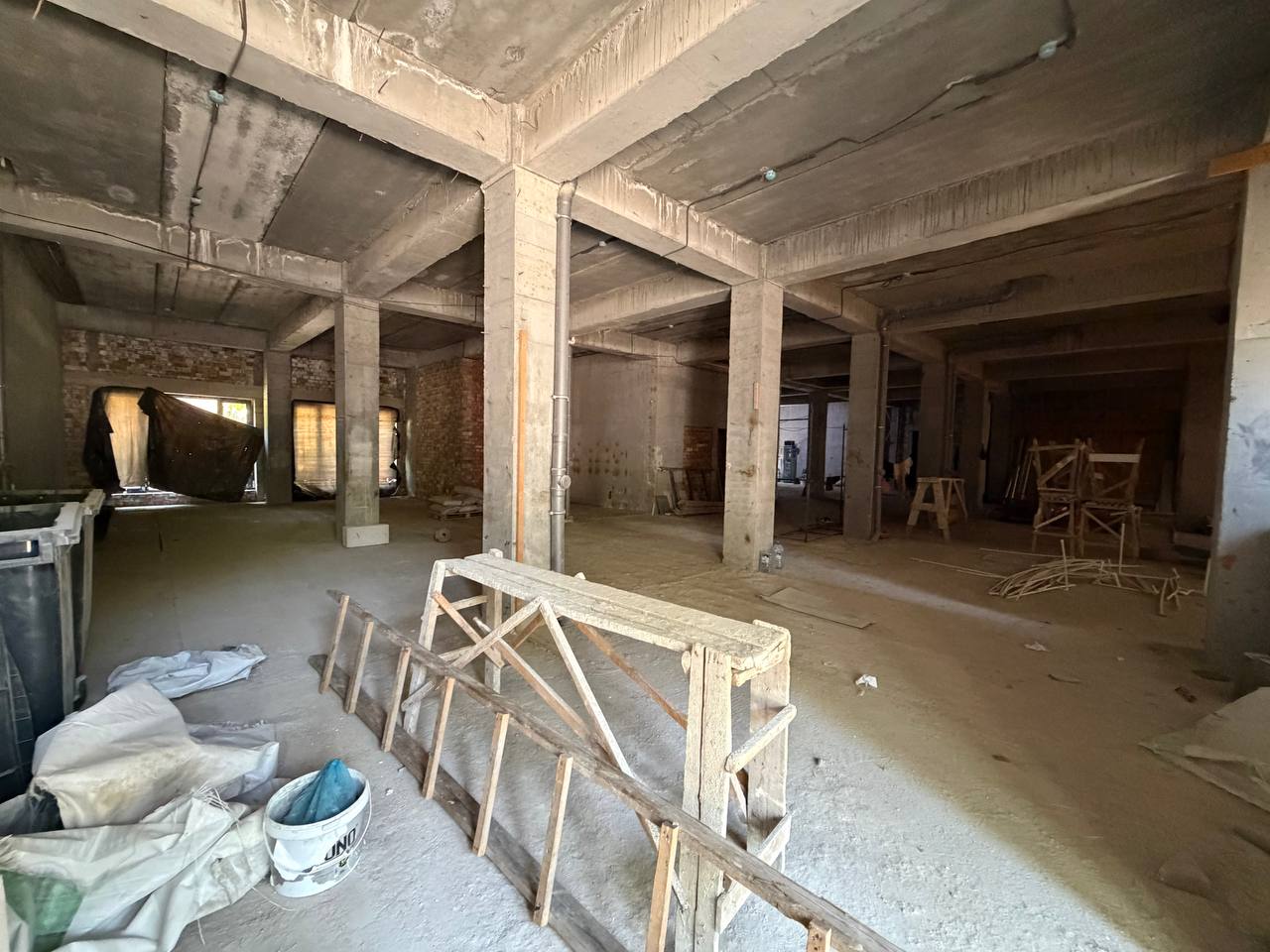
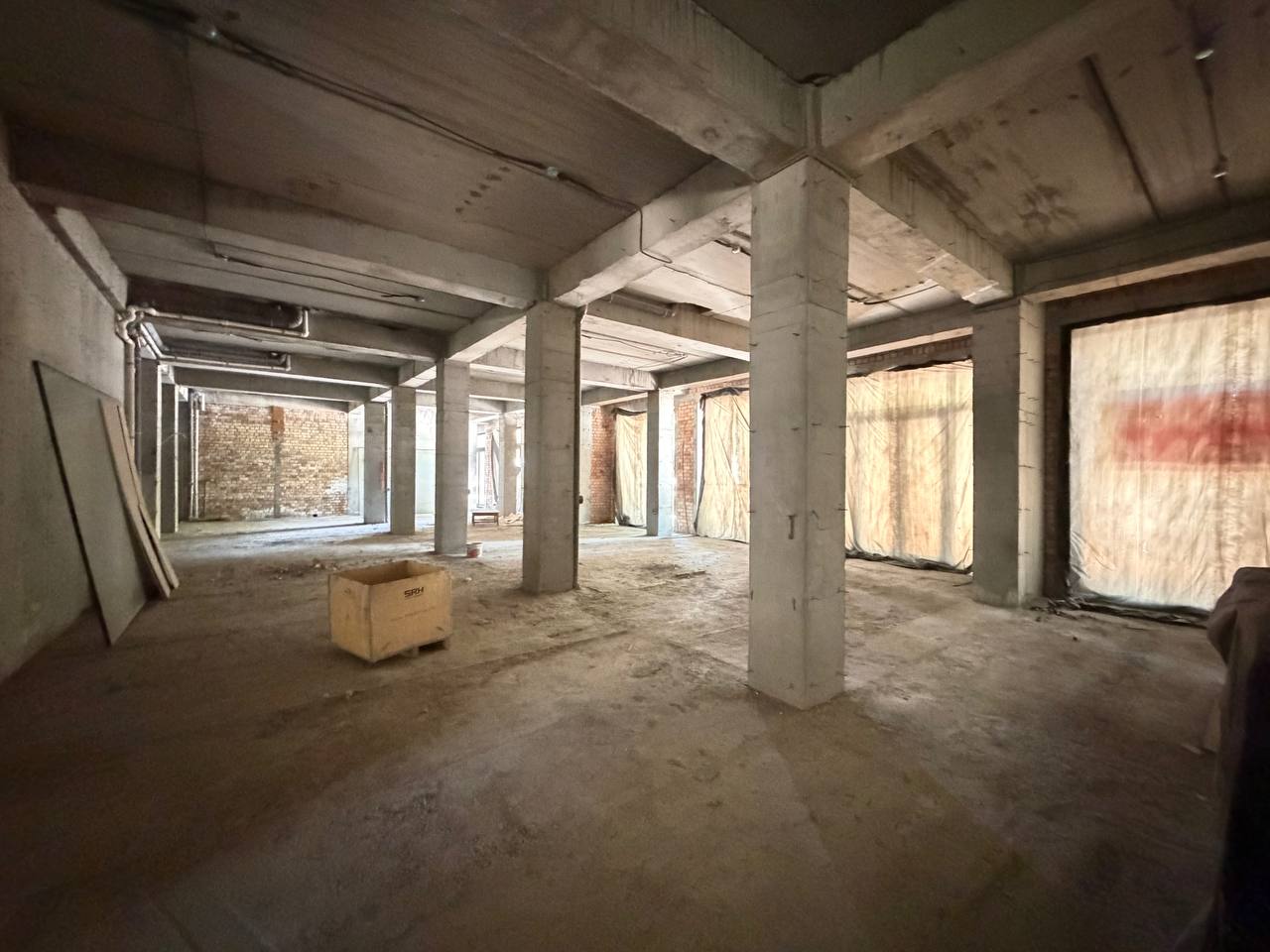
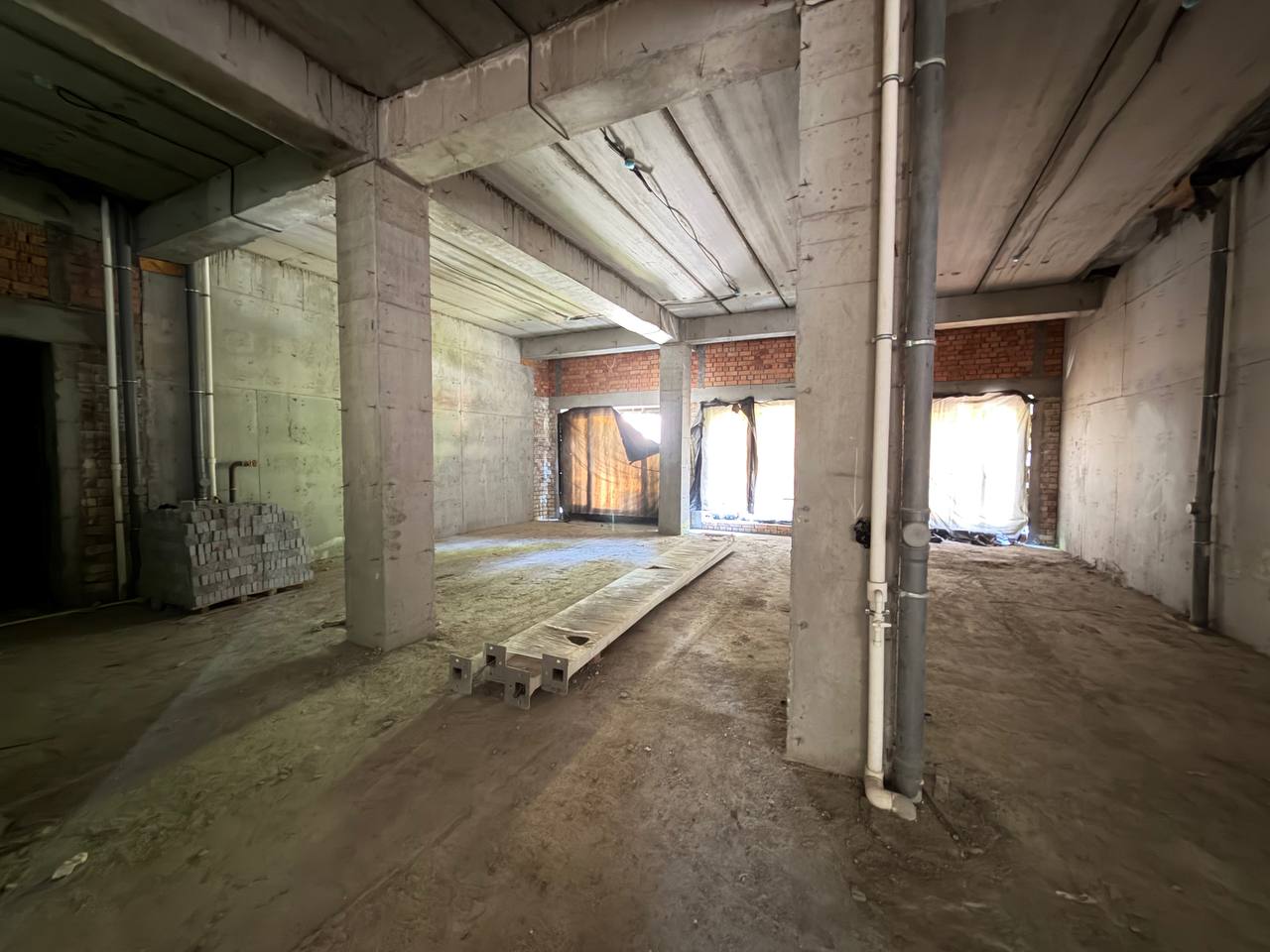
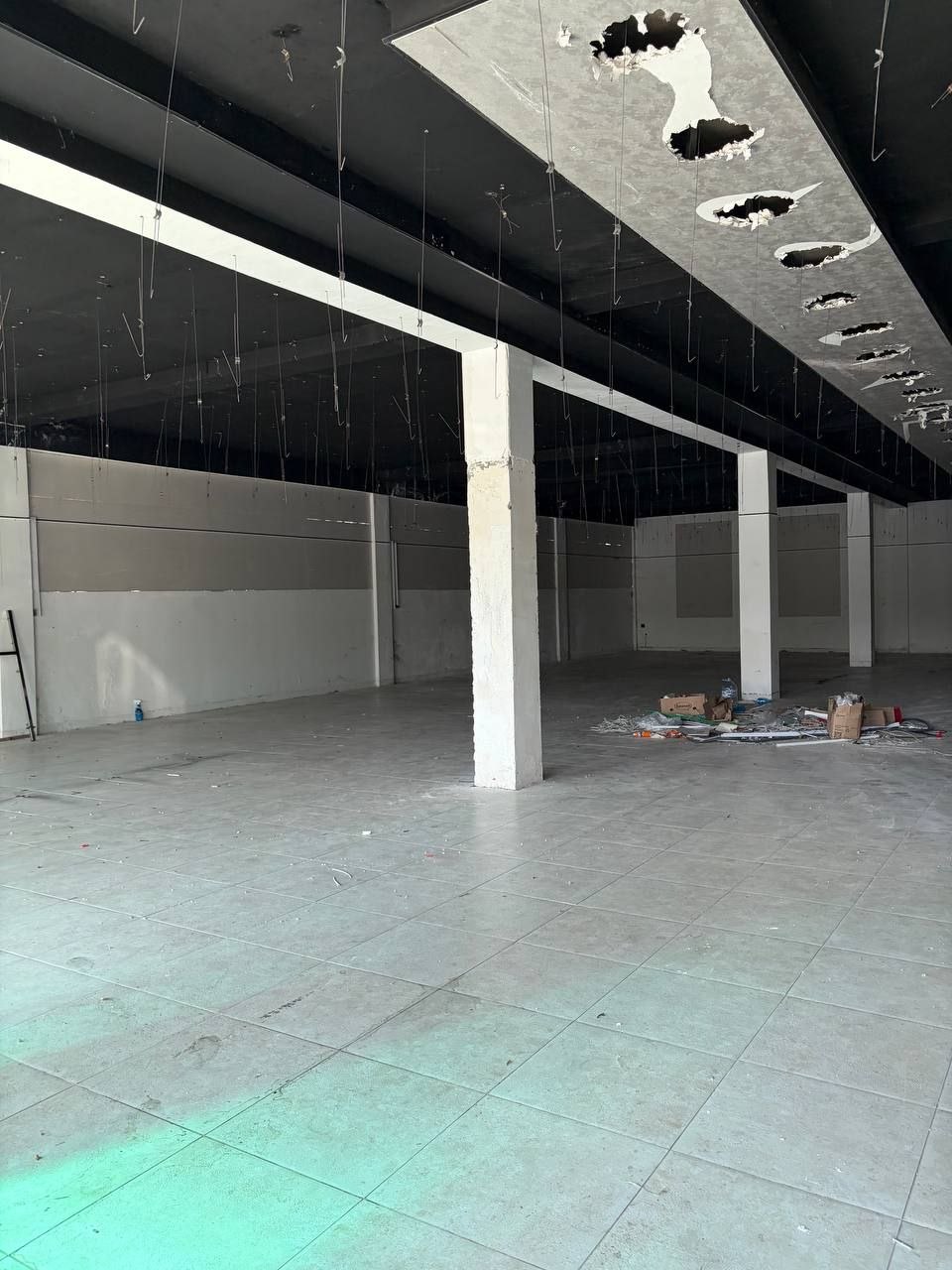
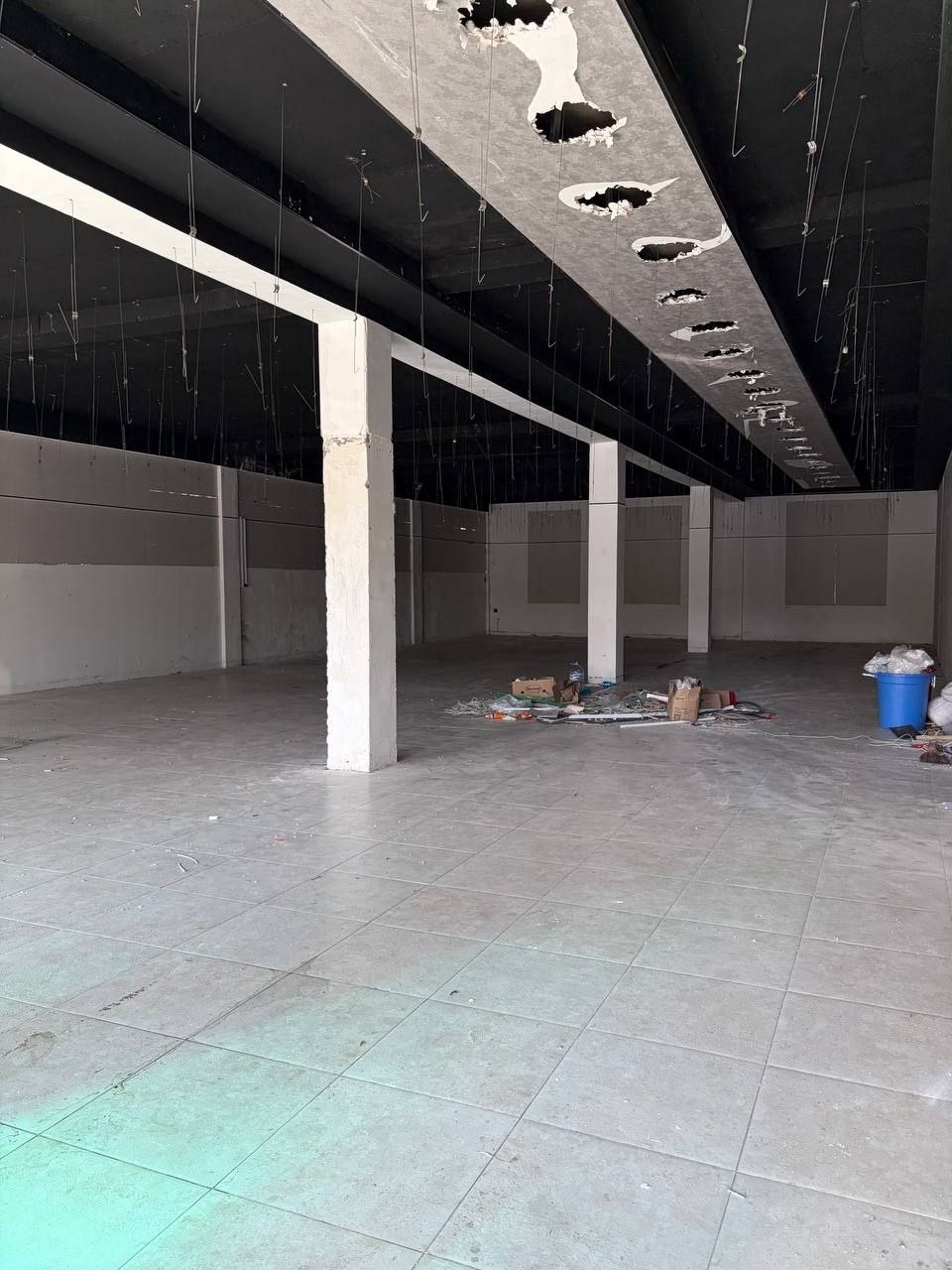
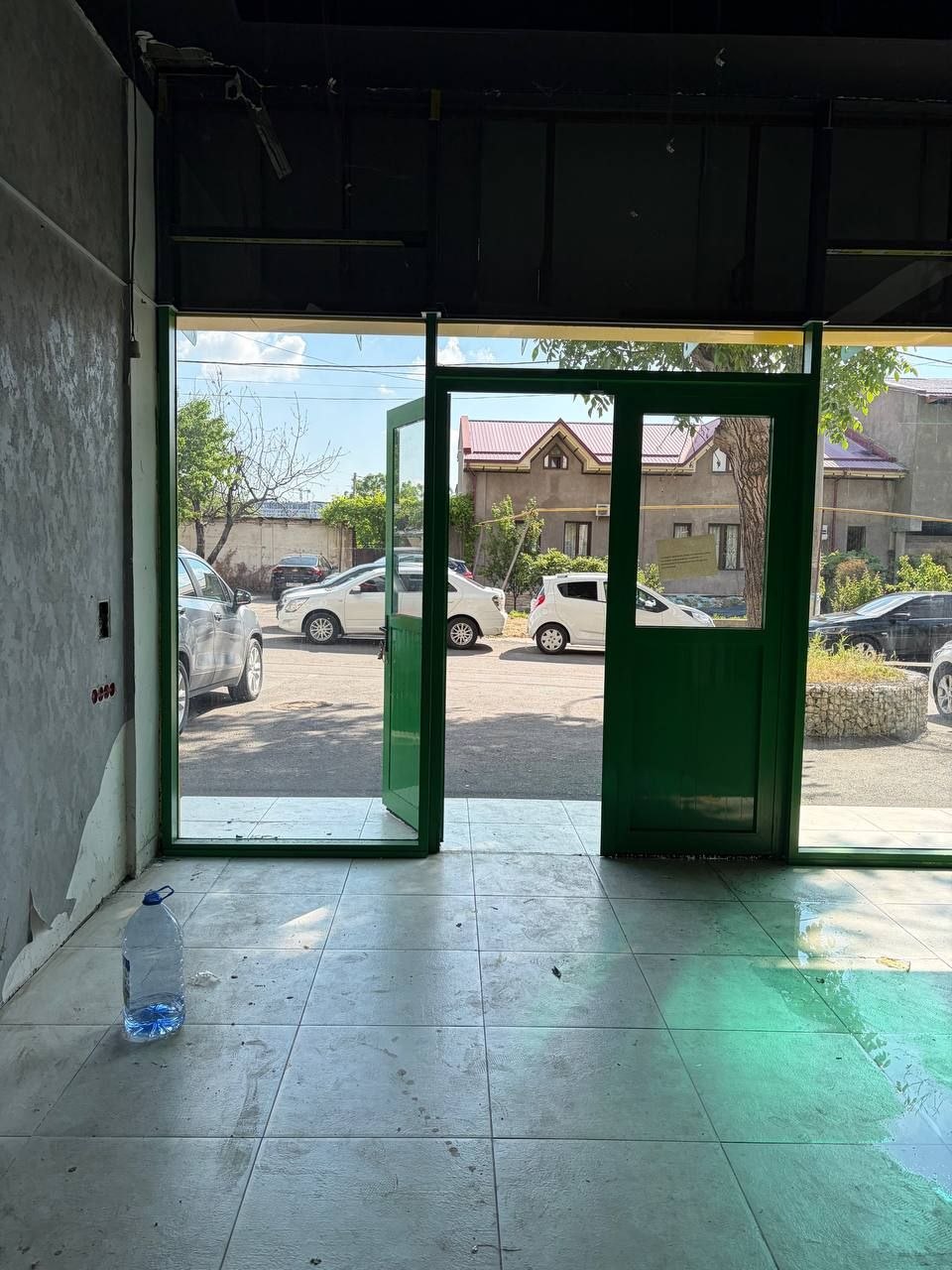
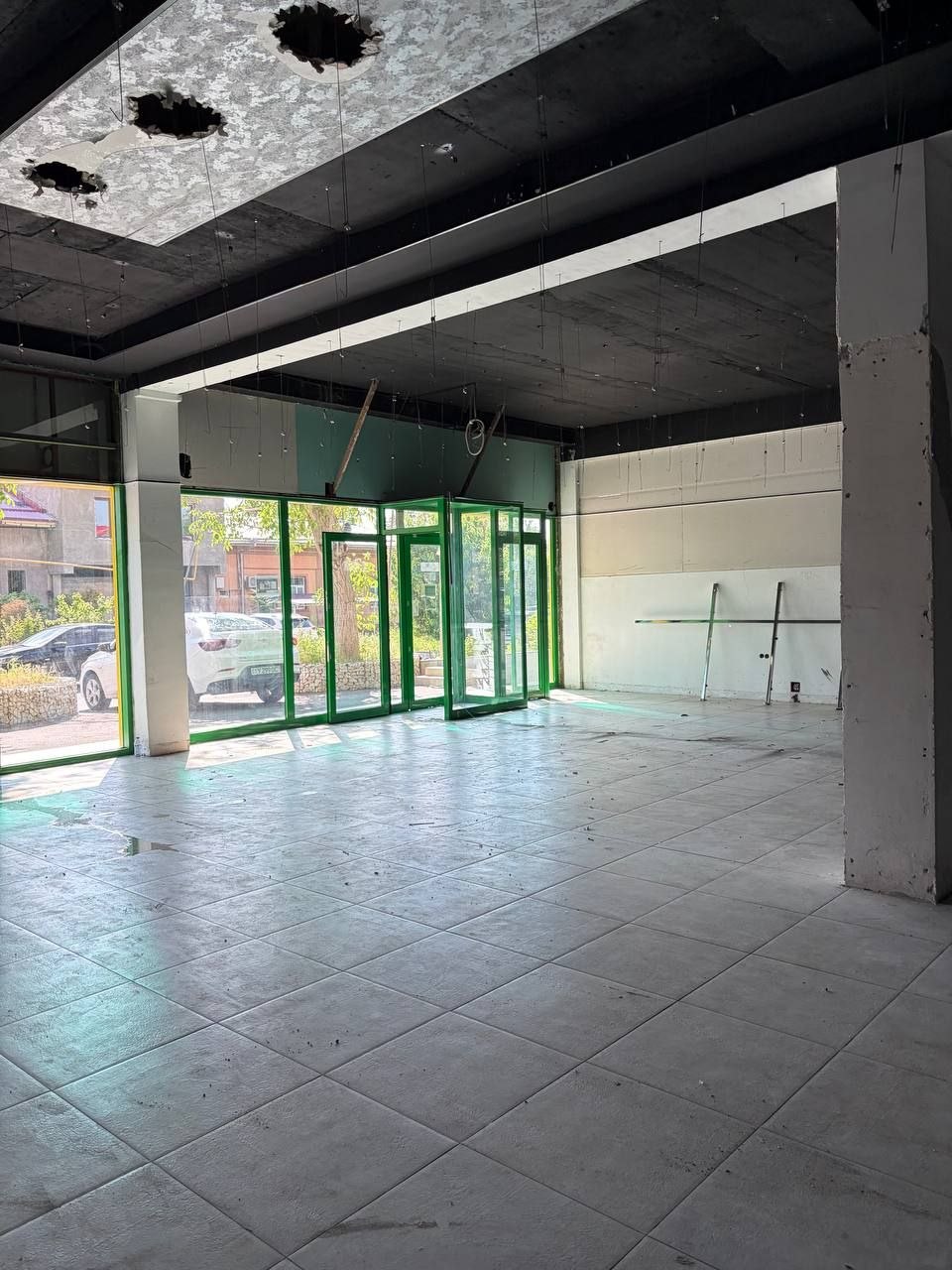
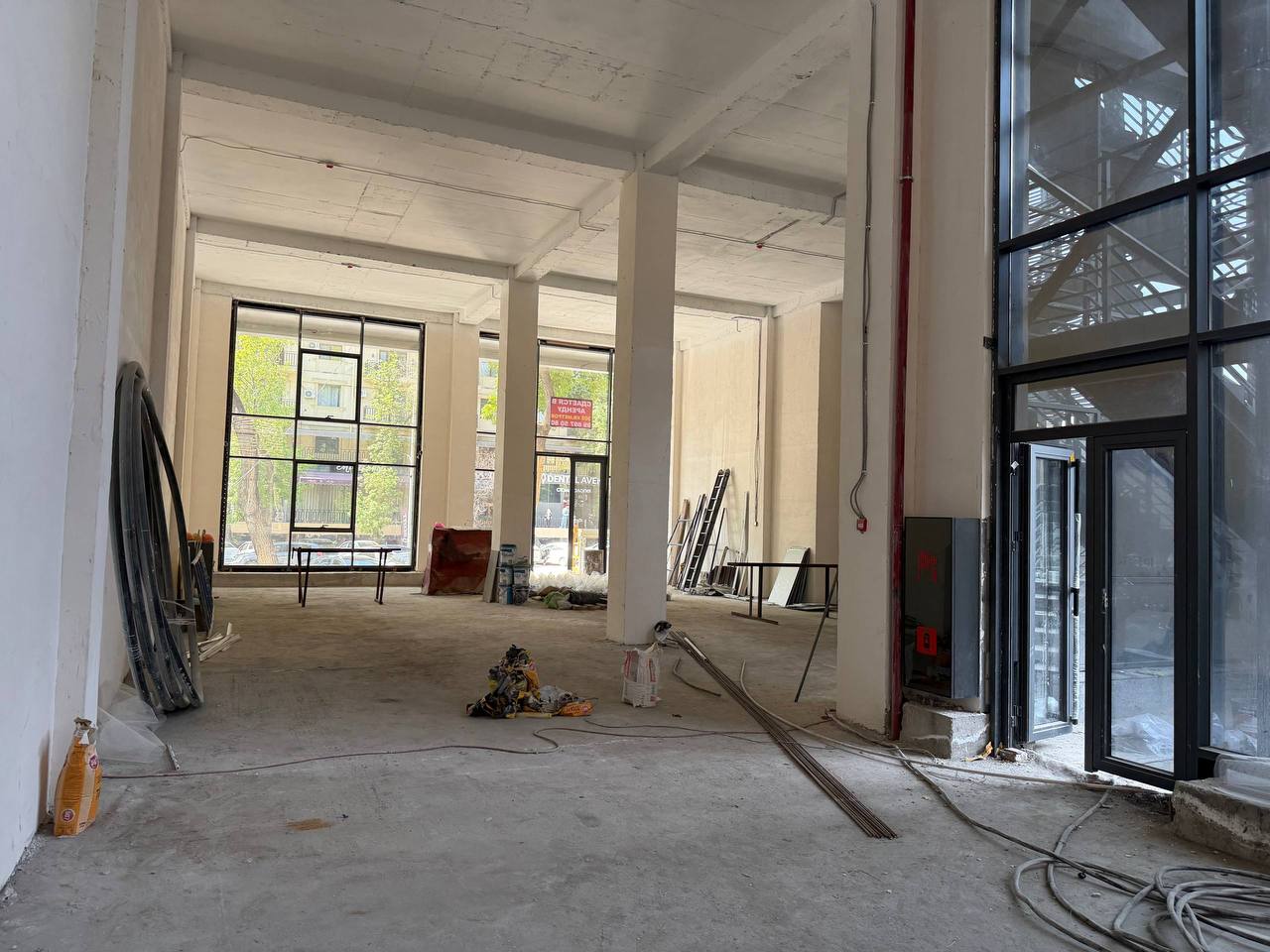
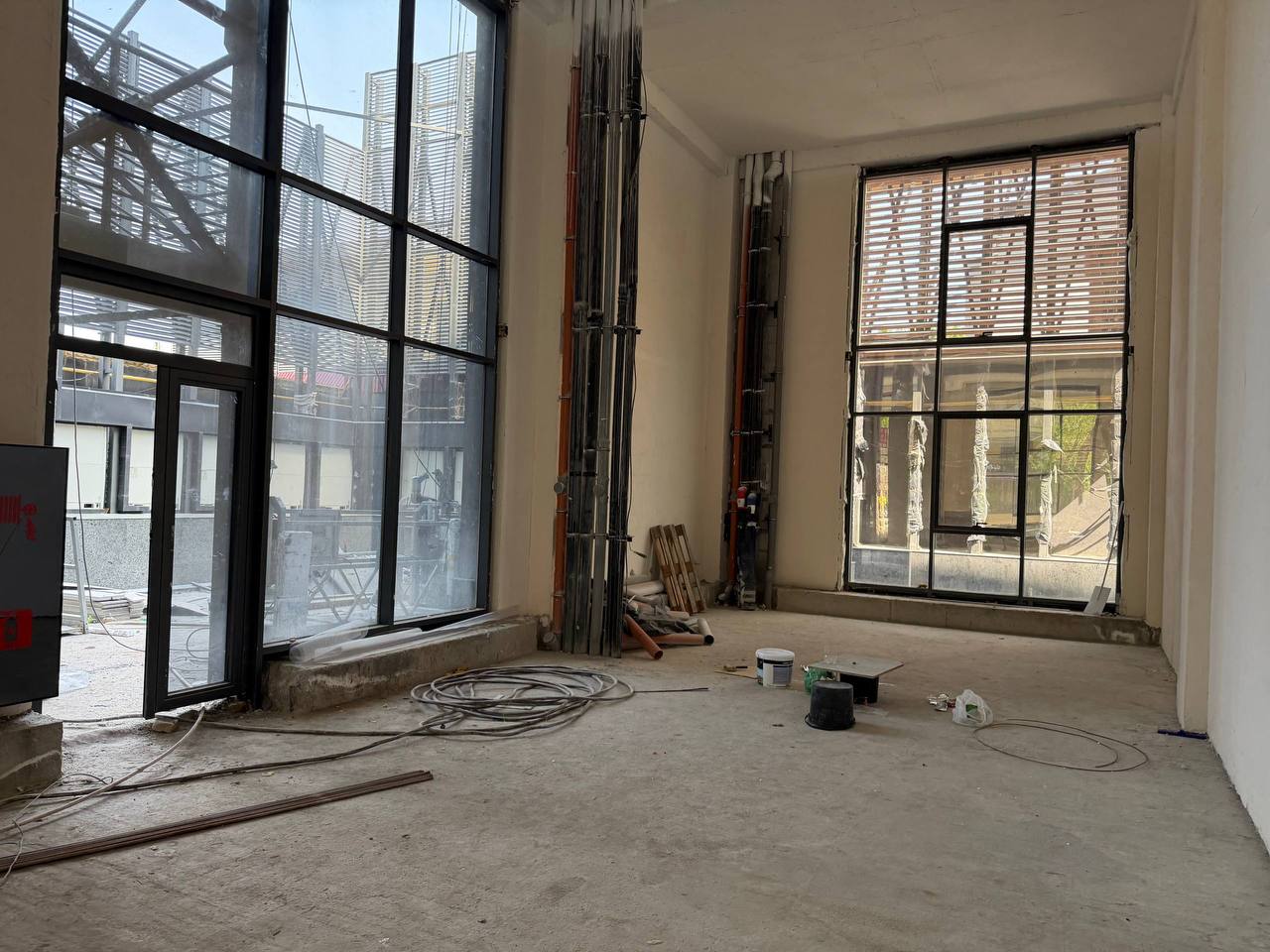
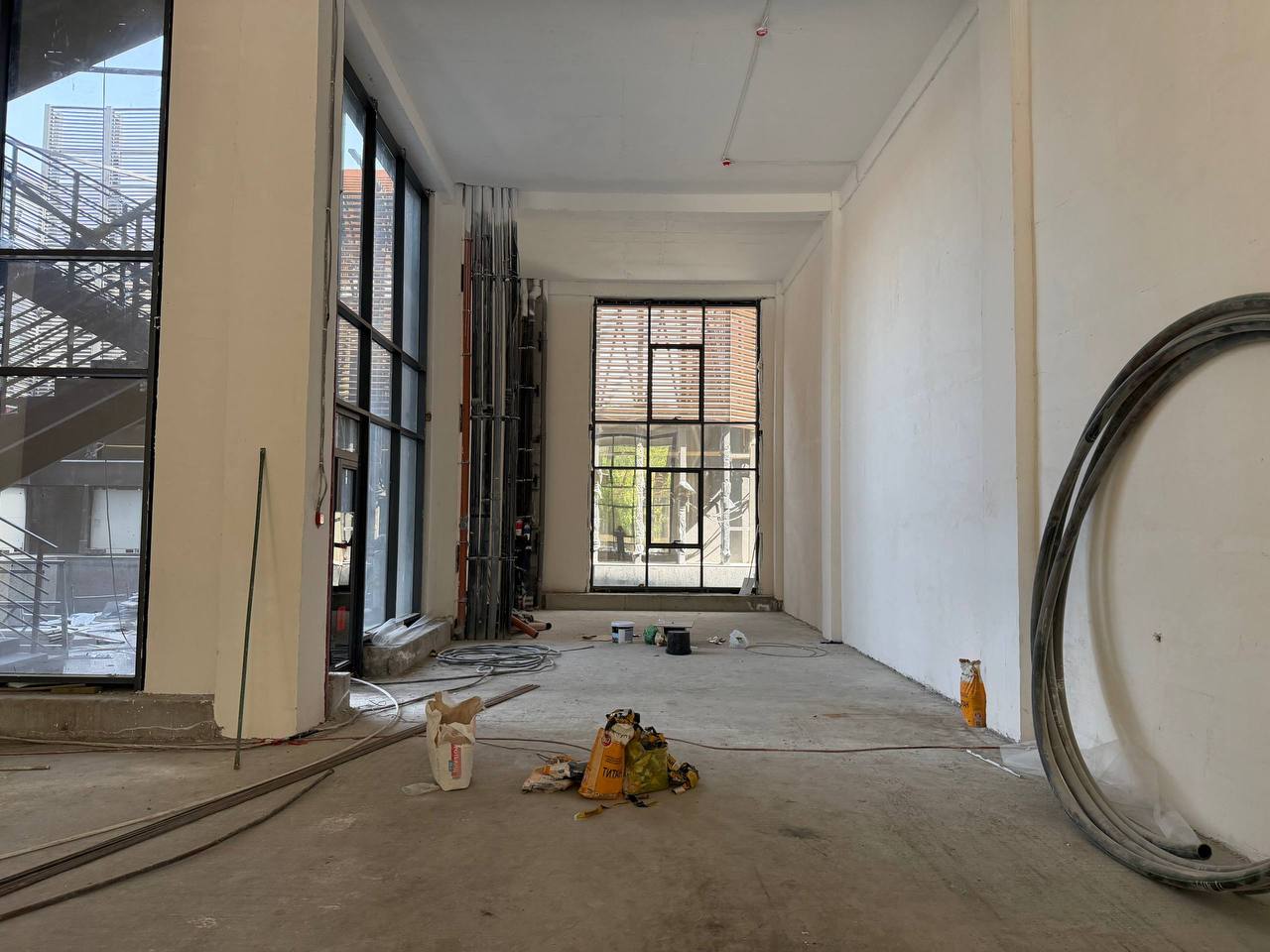
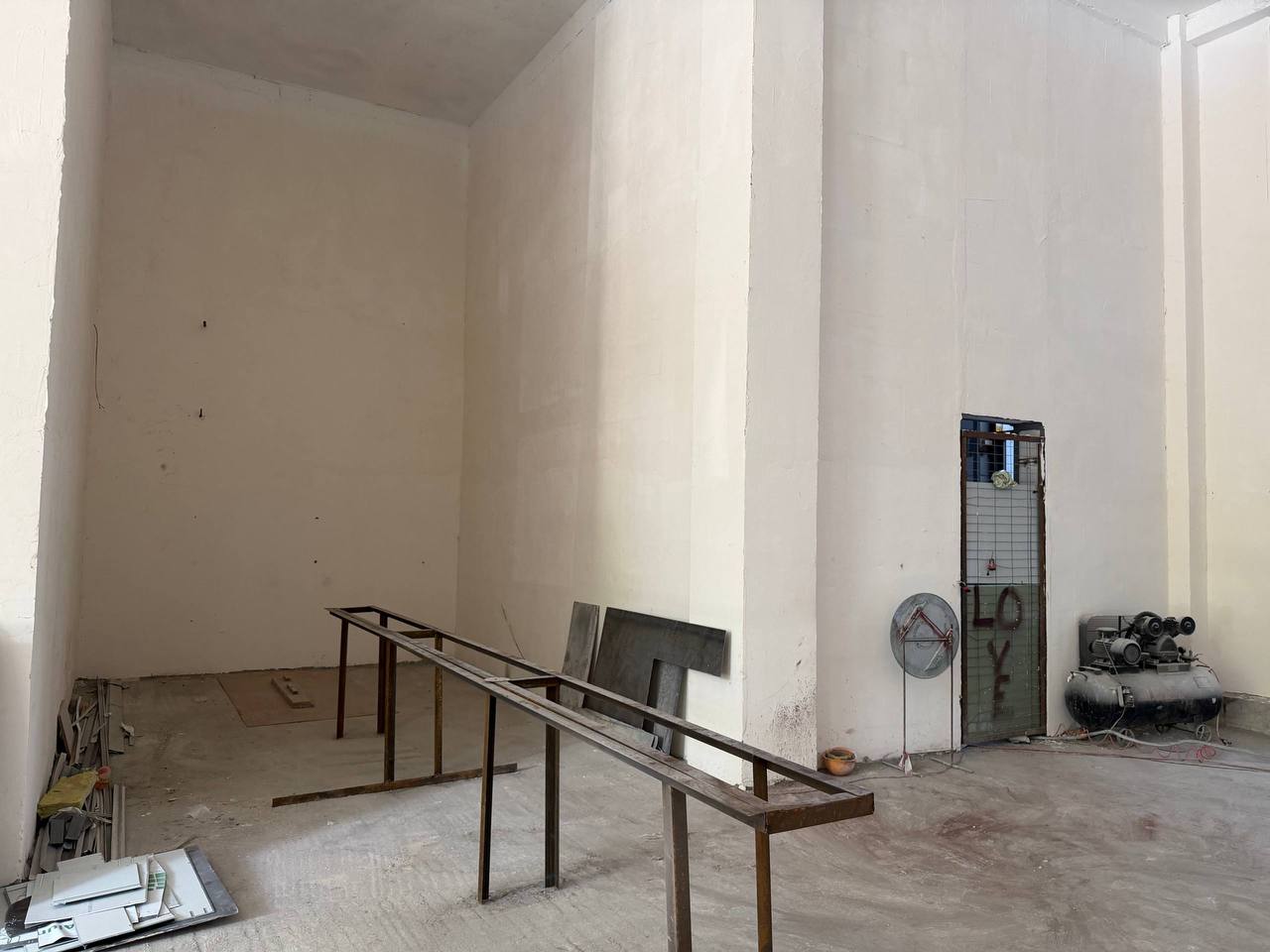
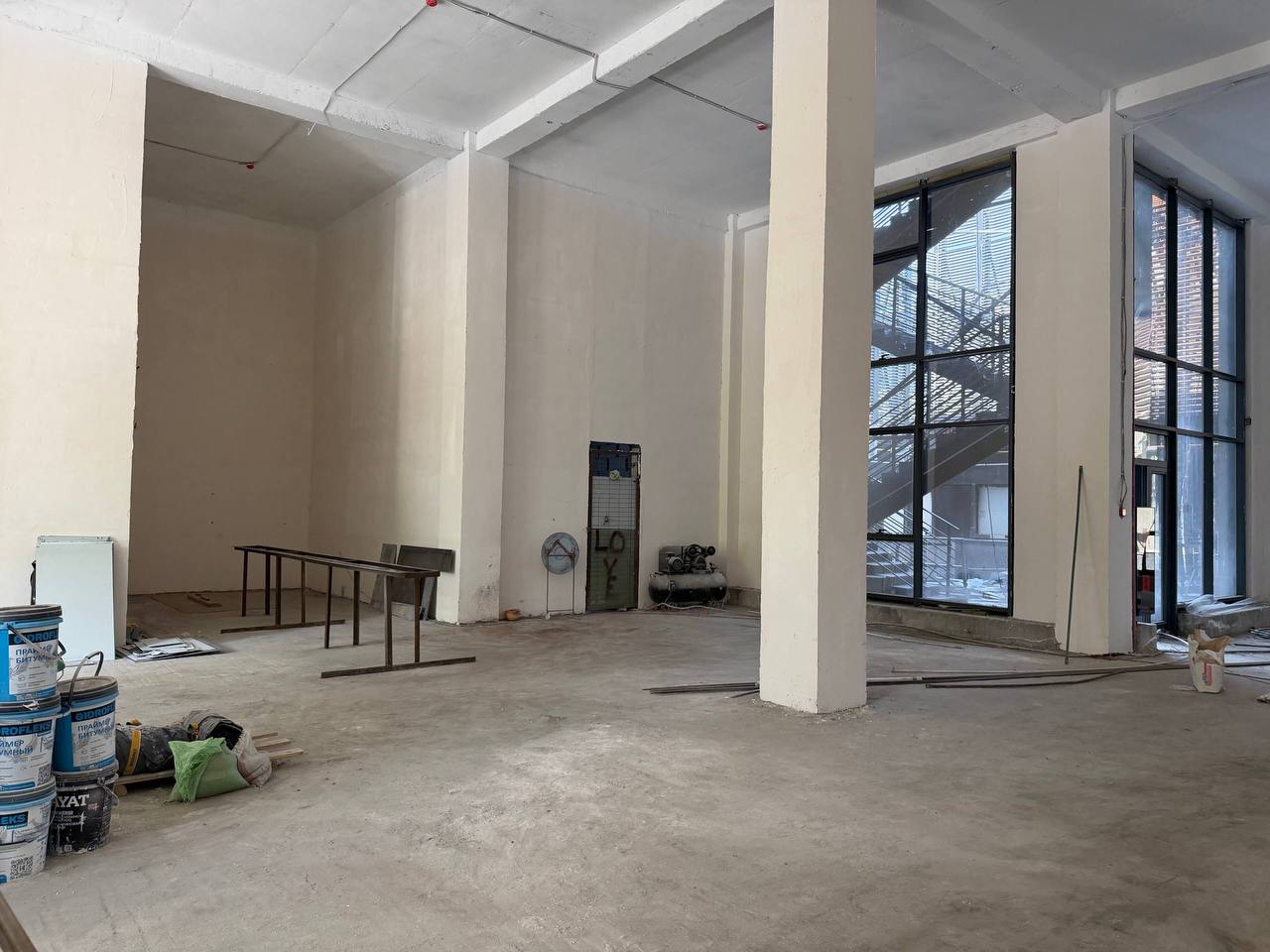
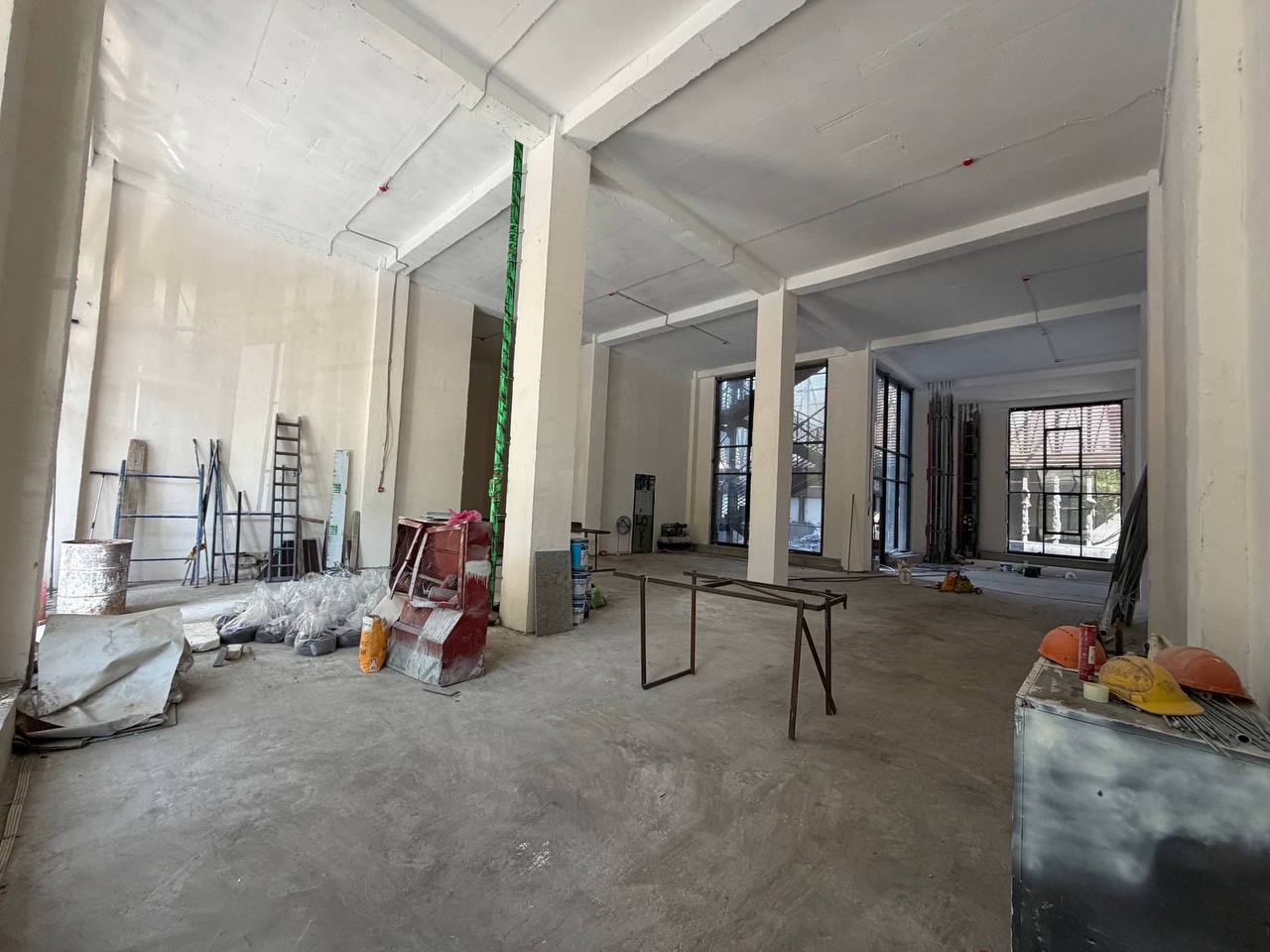
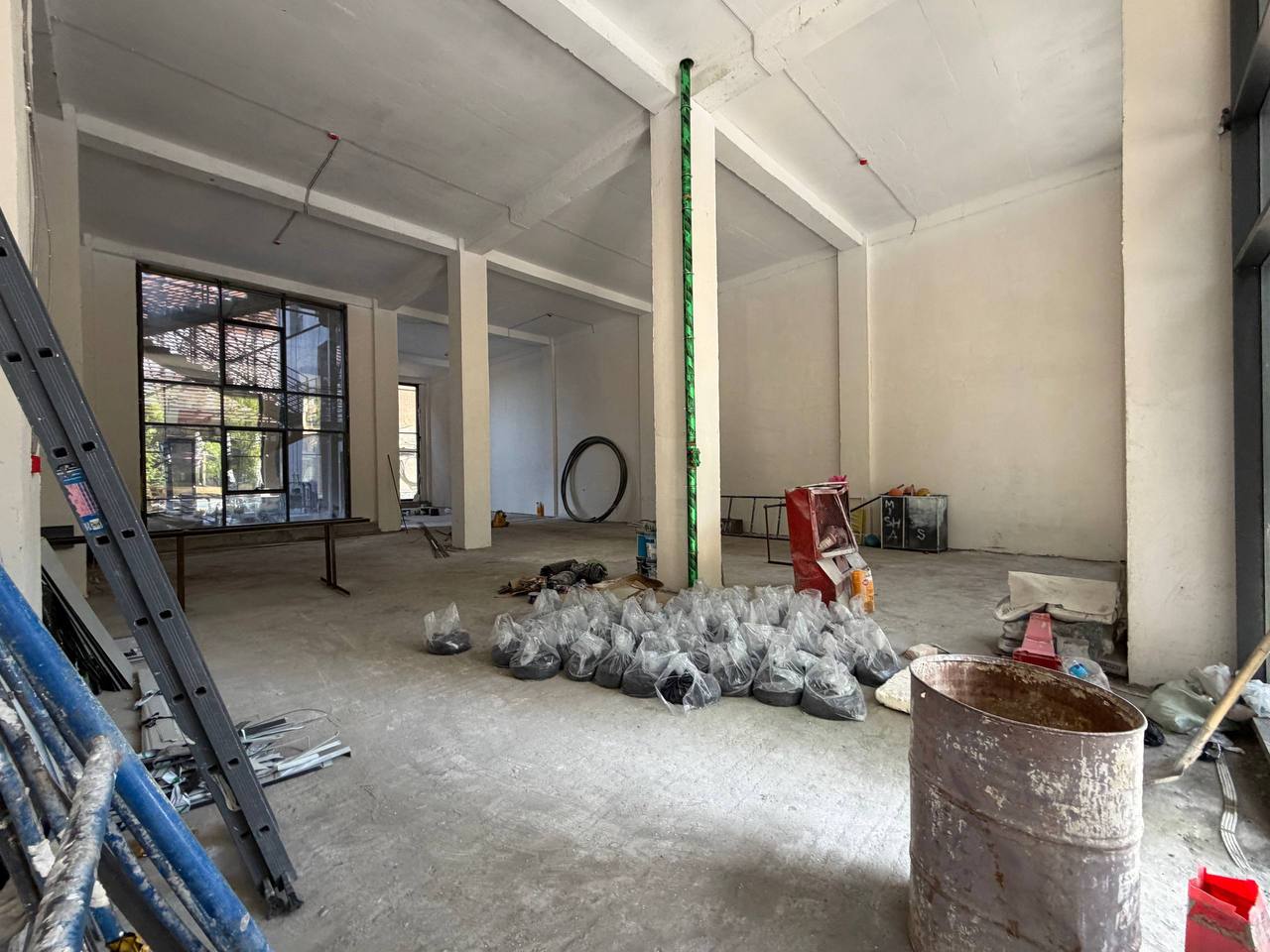
Продажа коммерческого помещения в Юнусабадском районе, 330 м² — Зенит
12 у.е.продажа0 просмотров
Ташкент, Юнусабадский район, Зенит
330 м²0 просмотров
ОтветственныйЛика
ОтветственныйЛика
Коммерческая недвижимость ТашкентаCommercial property in Tashkent
Объекты по теме материала: проверенные предложения для аренды и покупки с прямой связью с ответственным специалистом.
Полный коммерческий фильтр расположен слева от списка объектов.
Загружаем актуальные объекты…
Ташкент, Юнусабадский район, Зенит
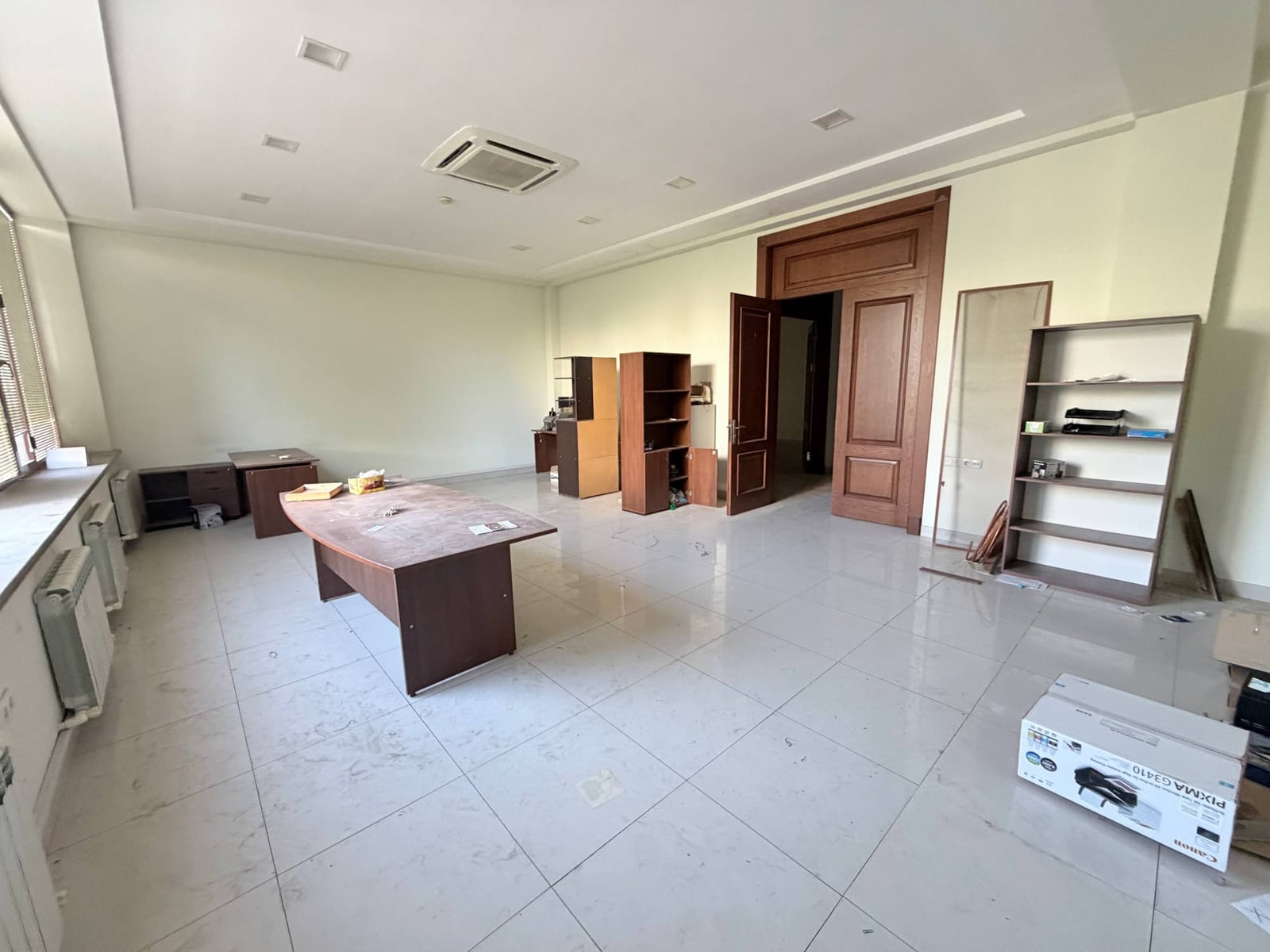
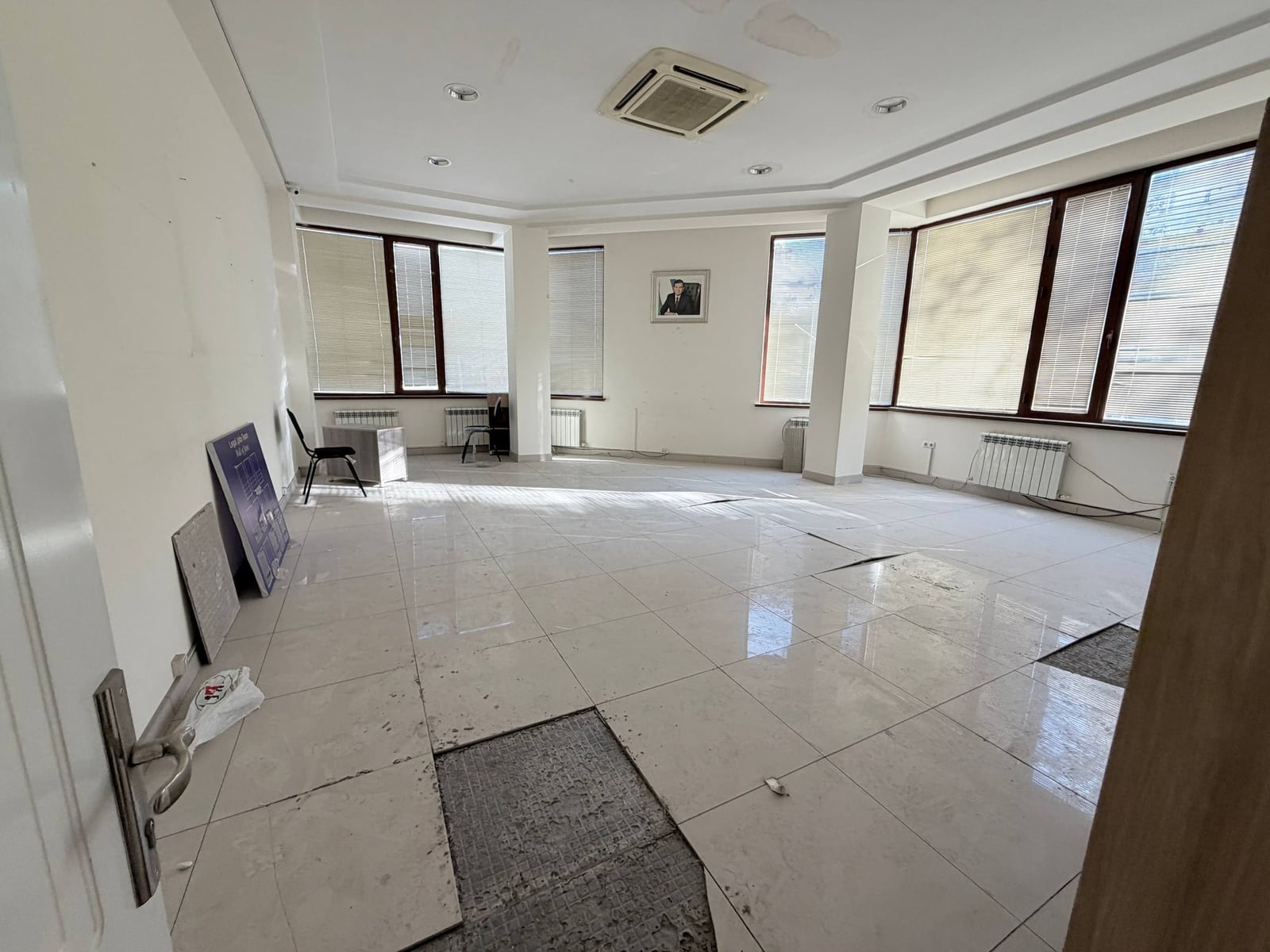
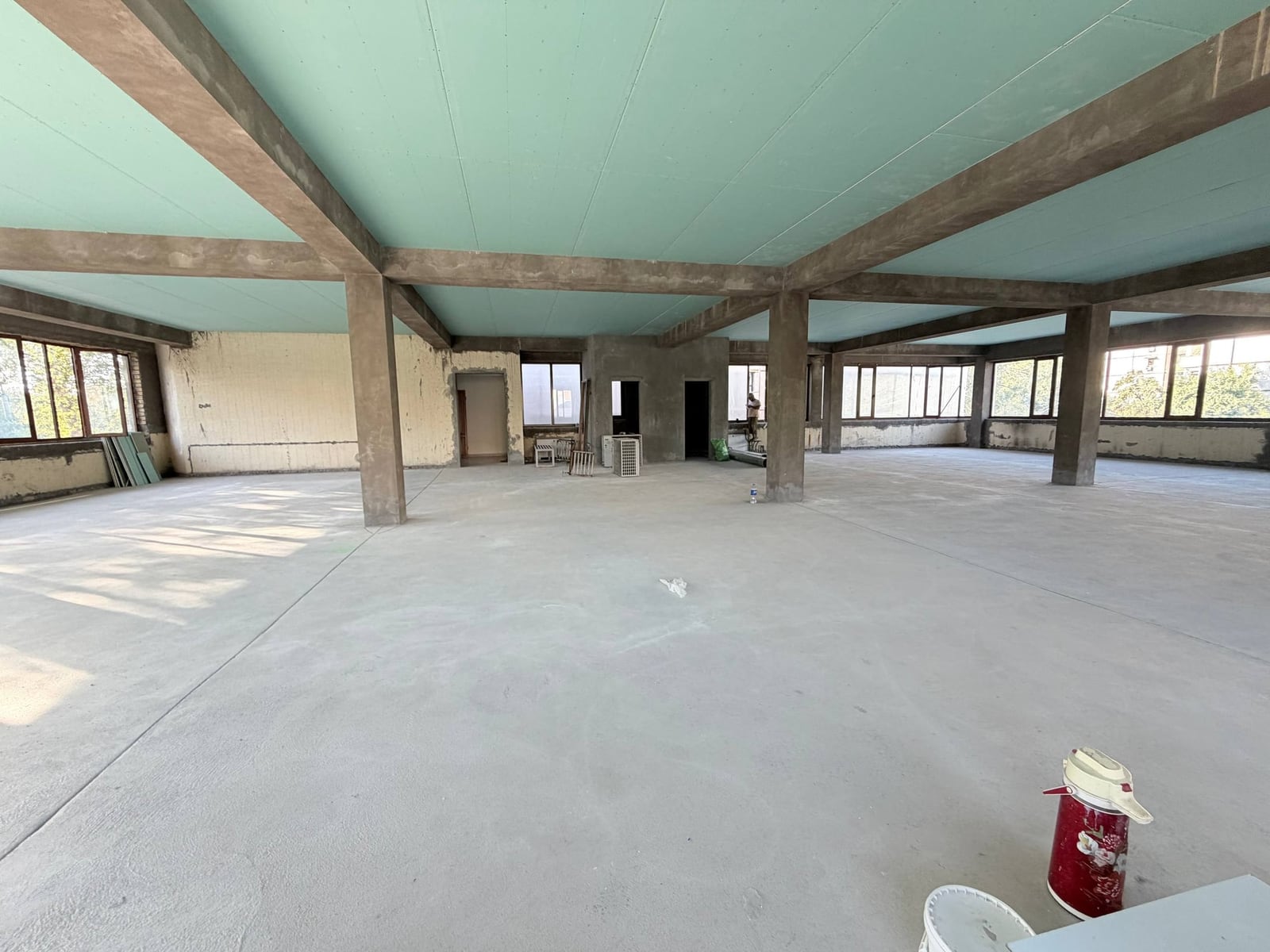
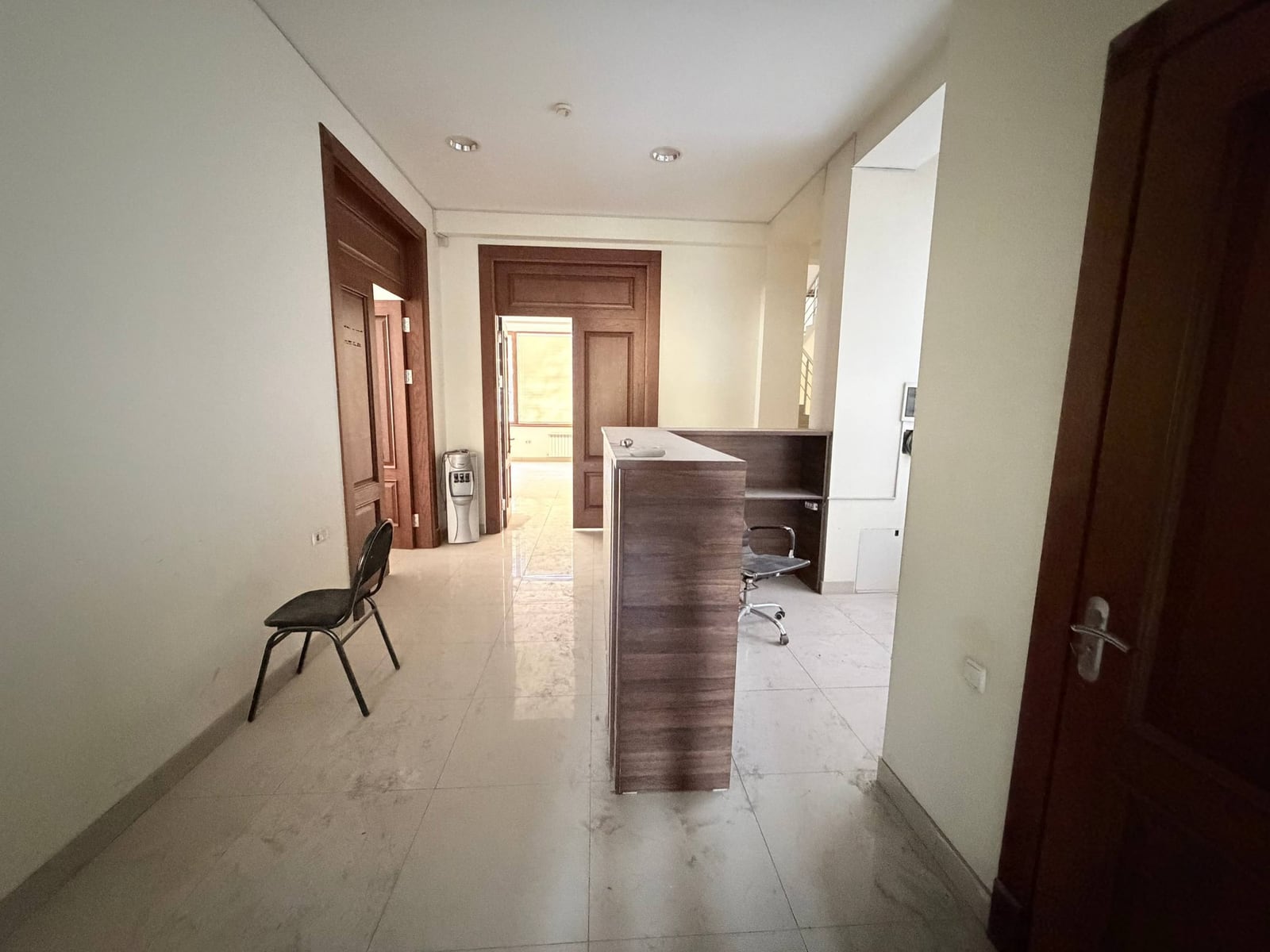
Ташкент, Чиланзарский район, Ширин
Ташкент, Мирабадский район, Госпитальный рынок, Халк банк
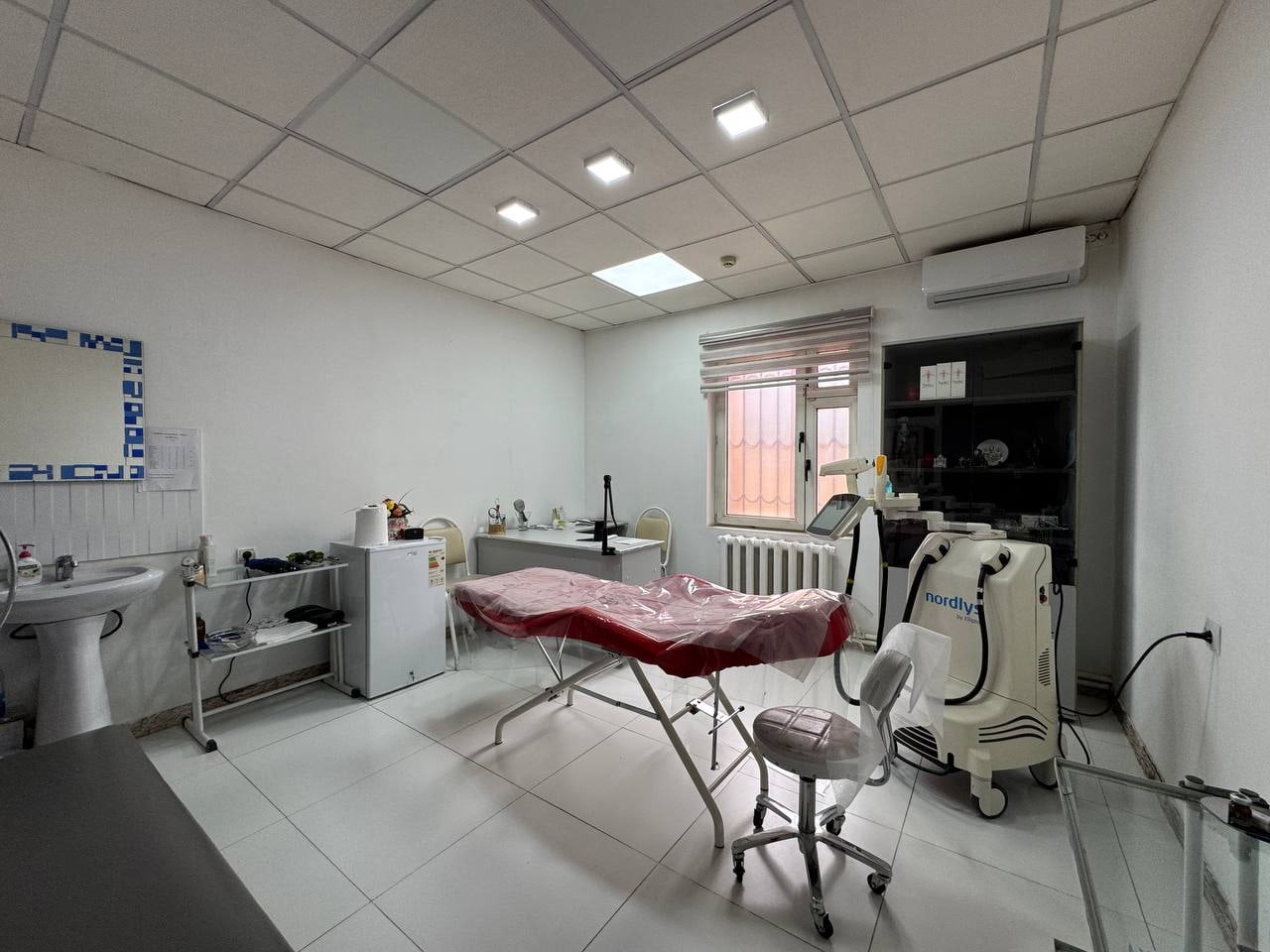
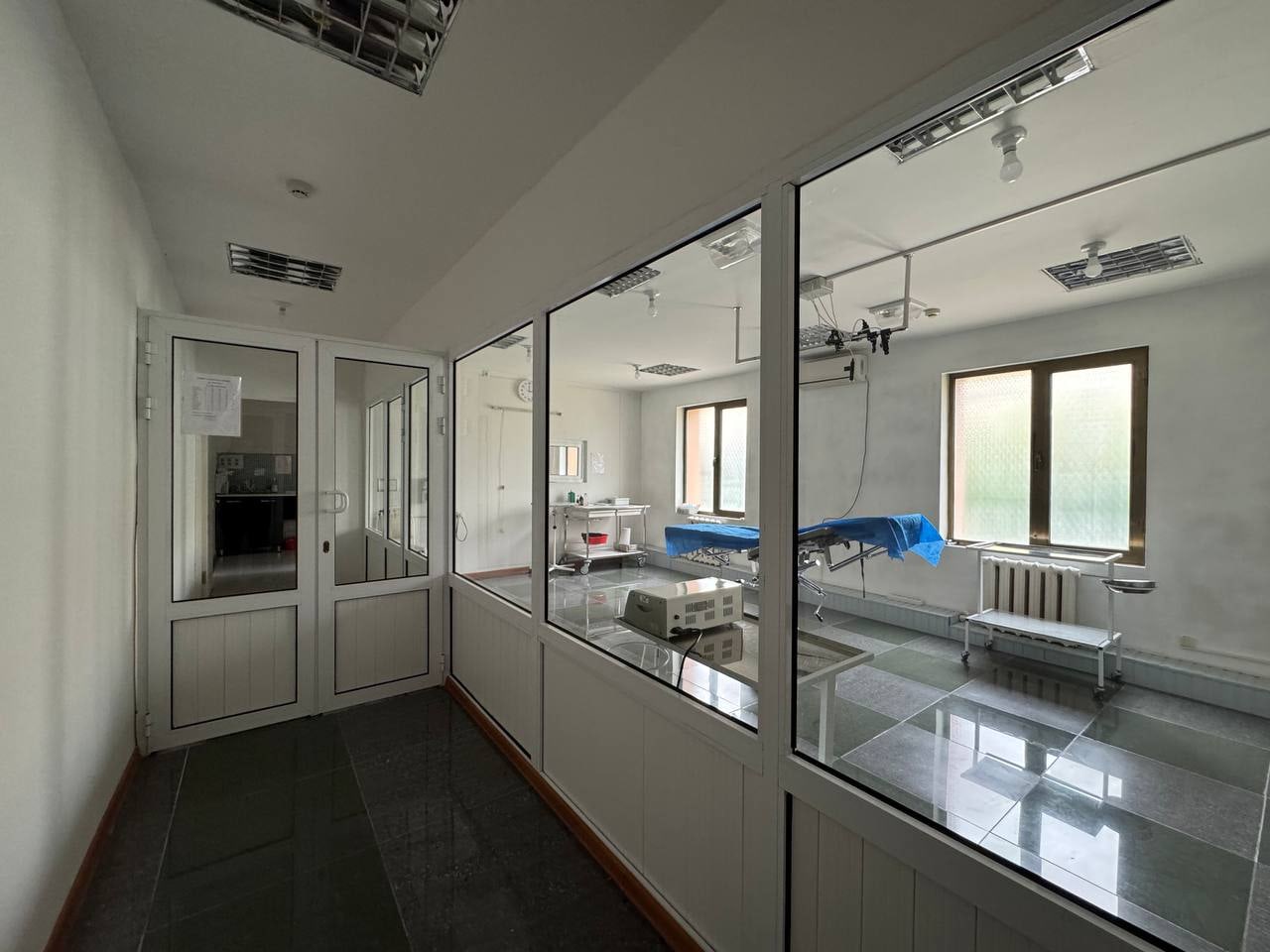
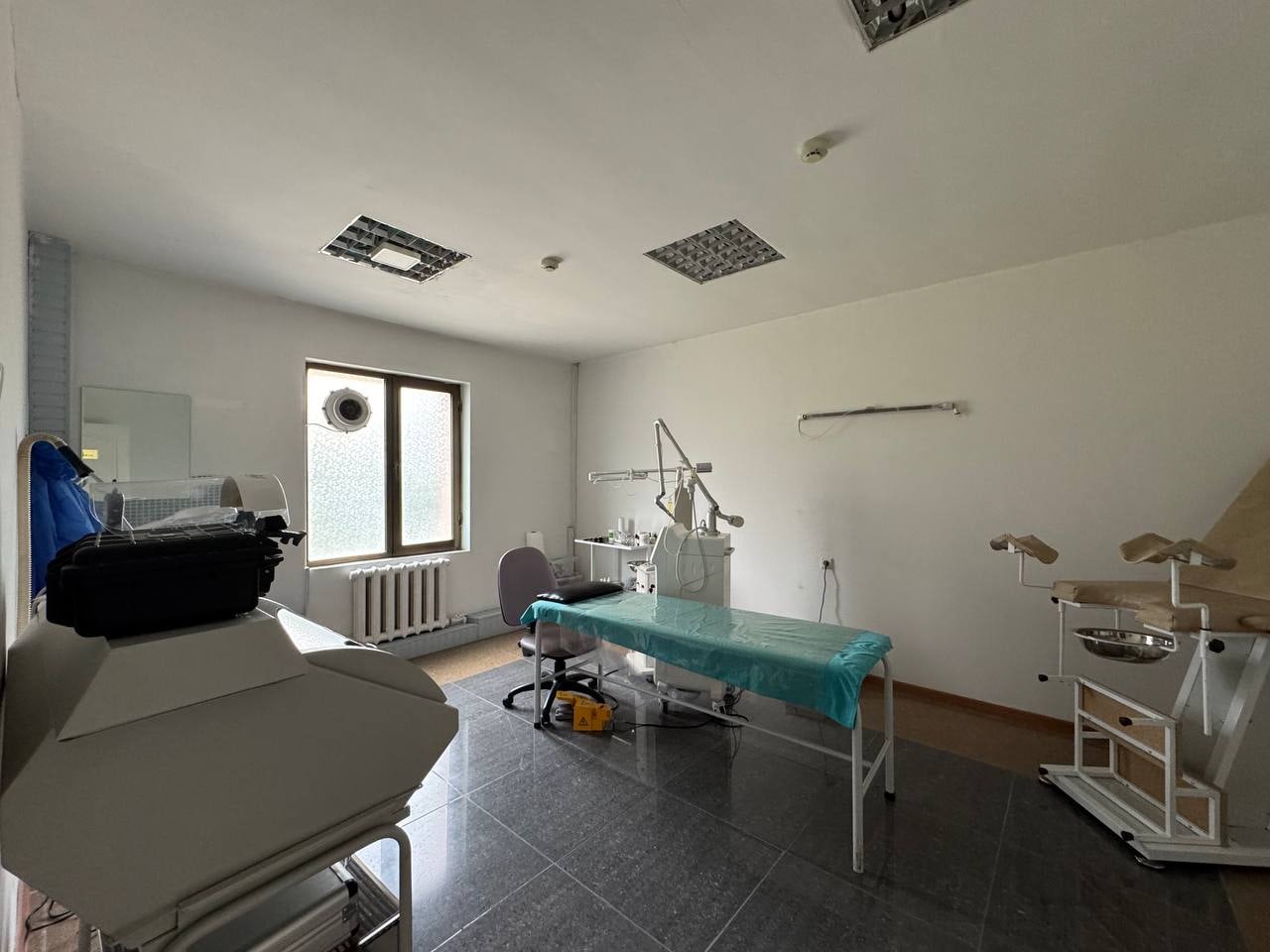
Ташкент, Шайхантахурский район, Караташ
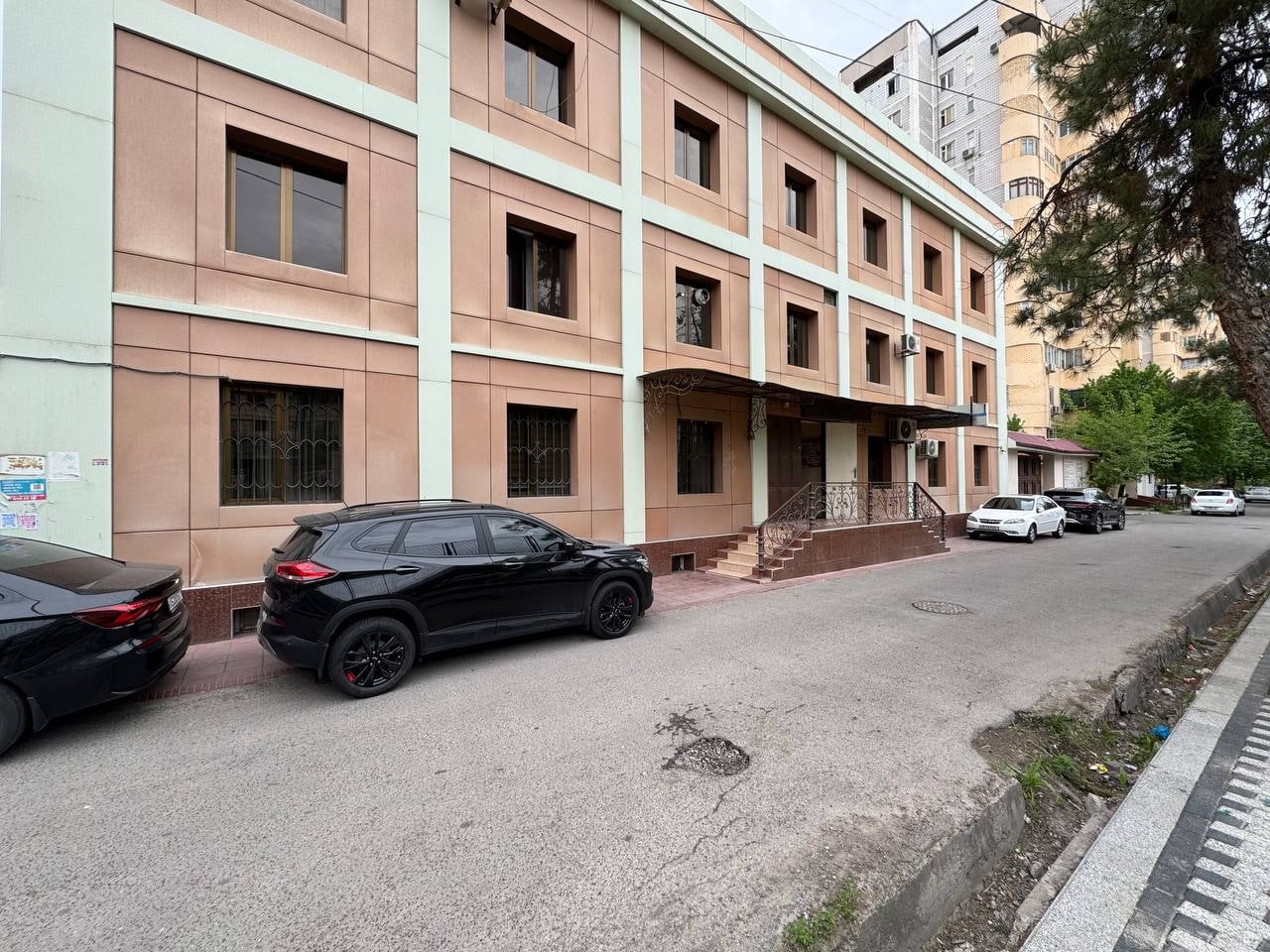
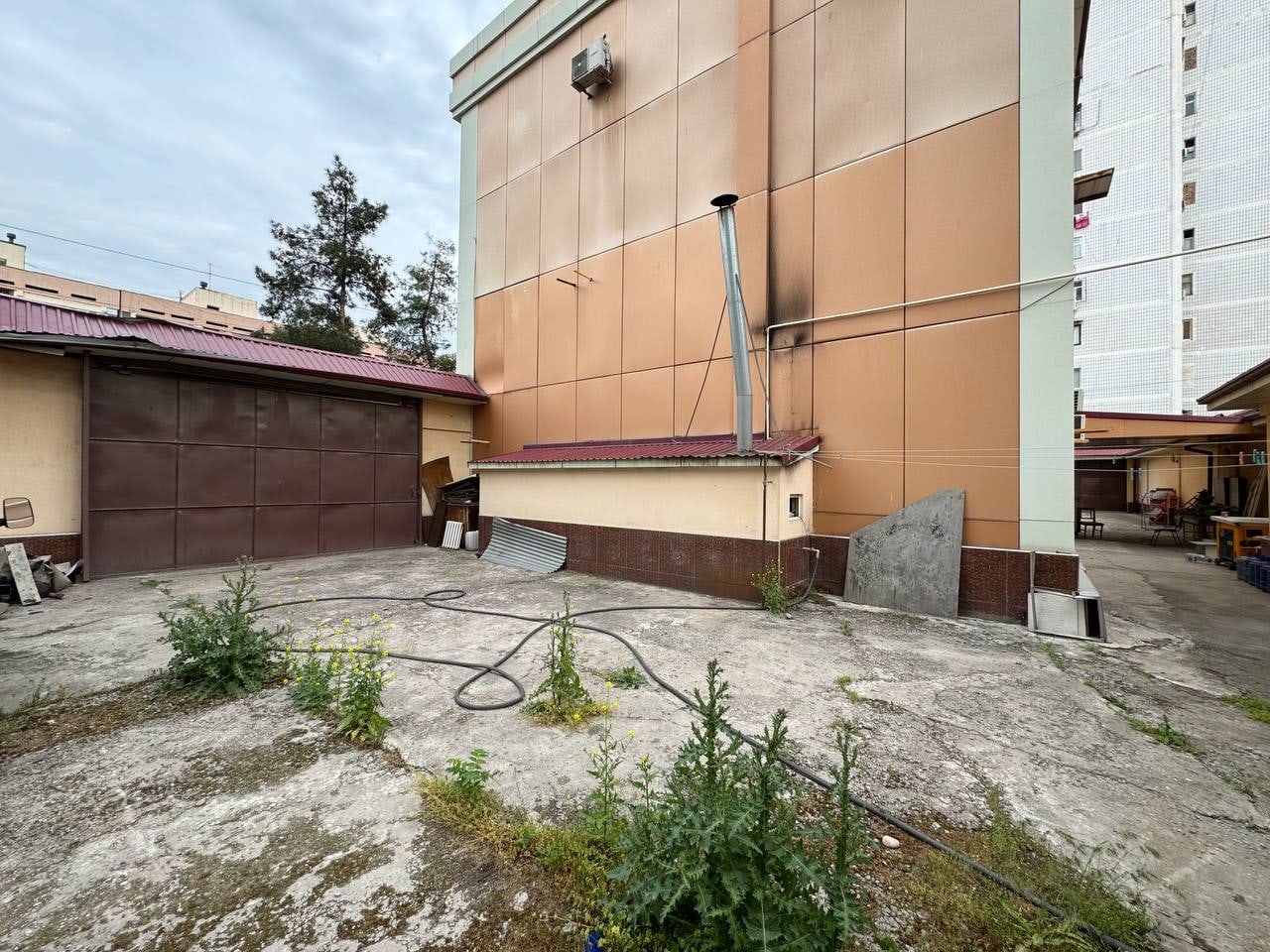
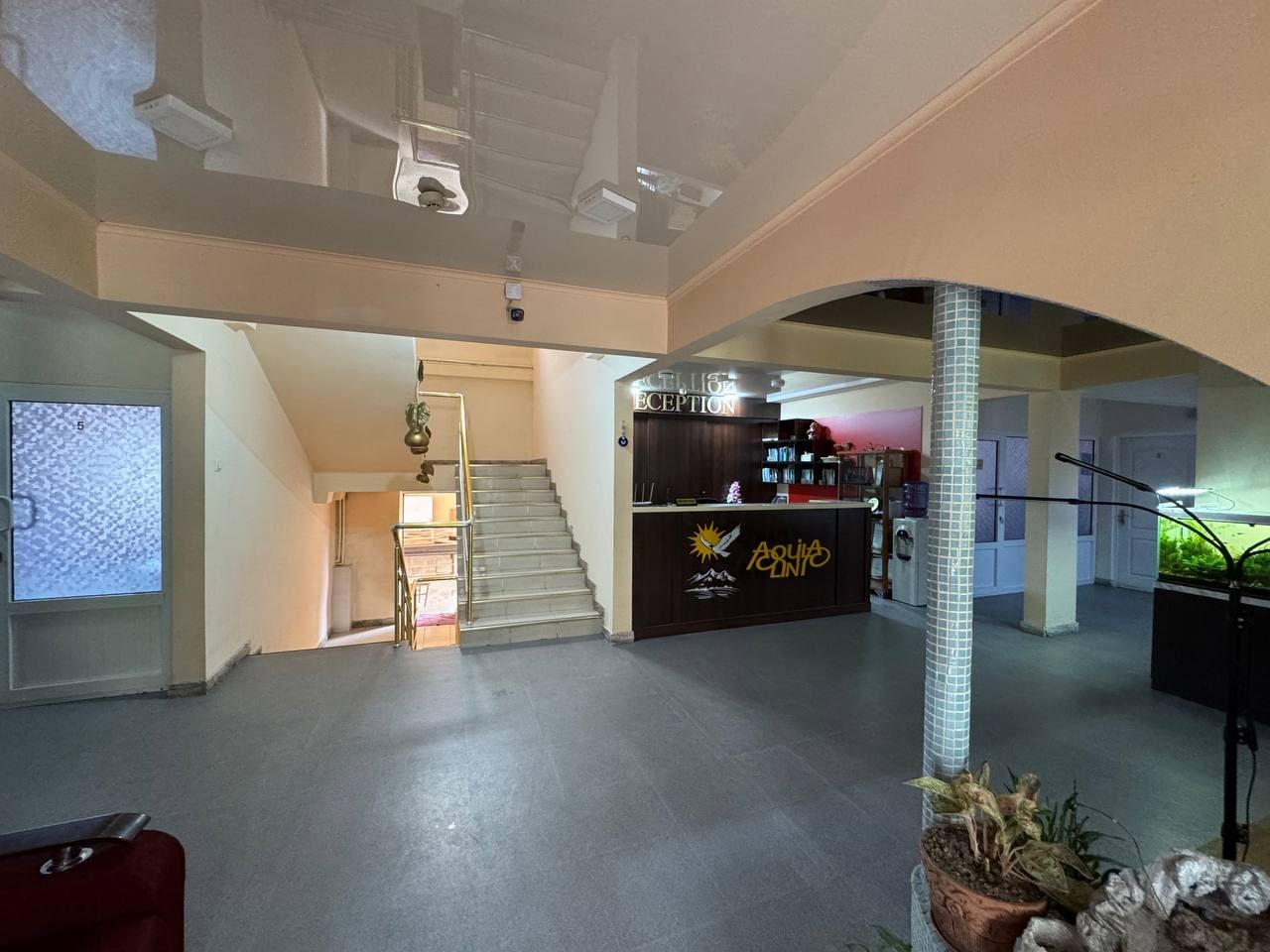
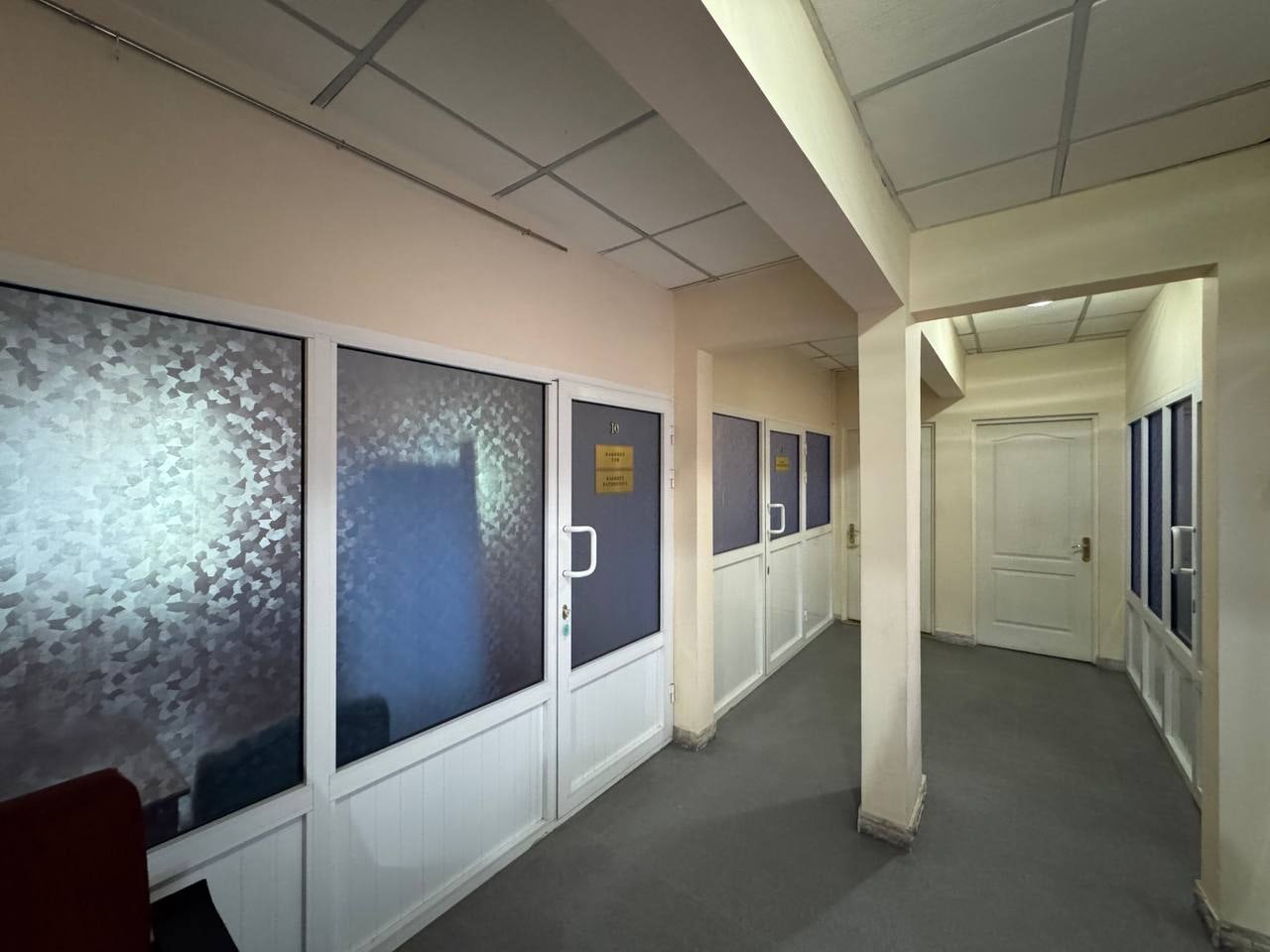
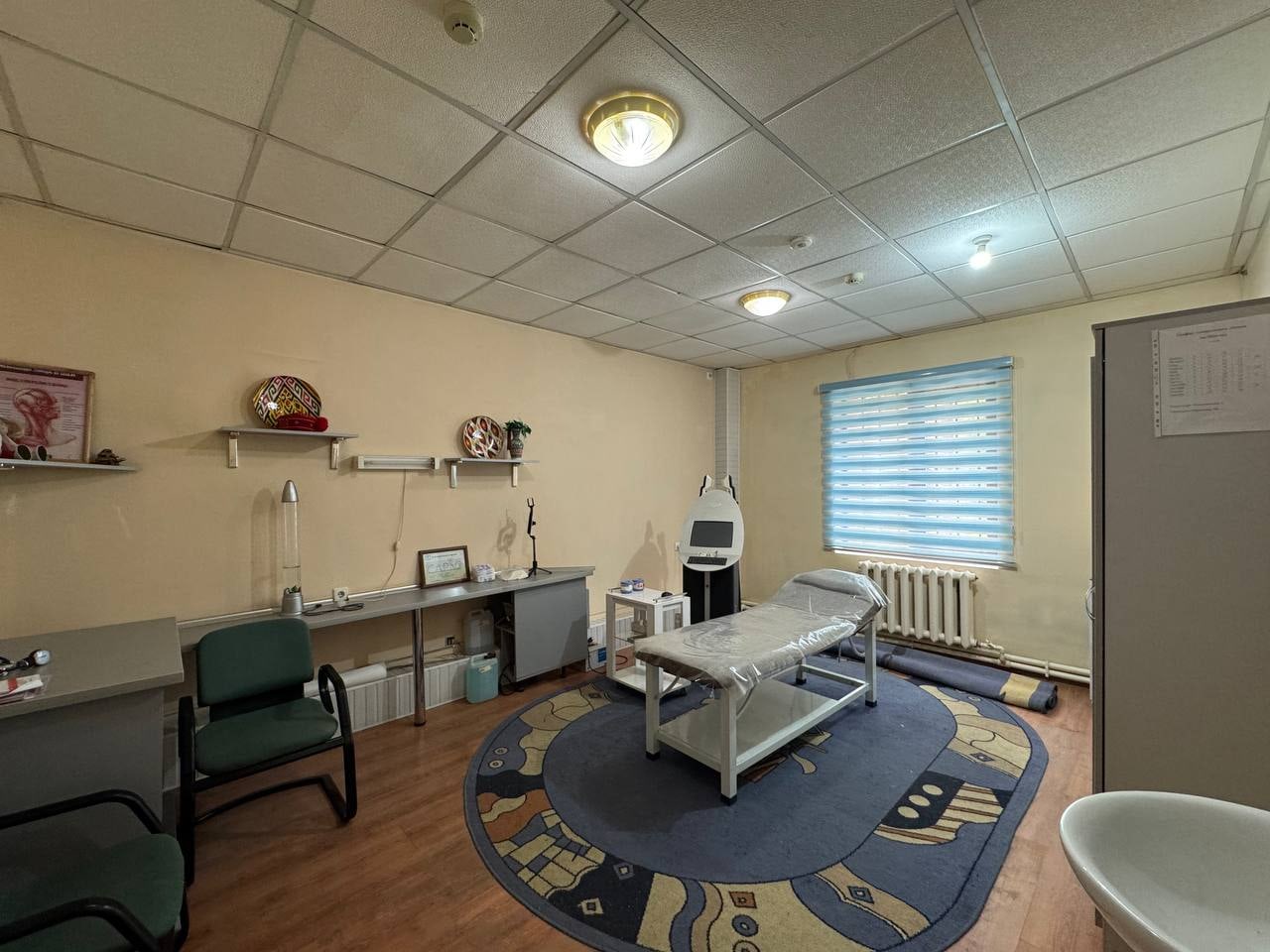
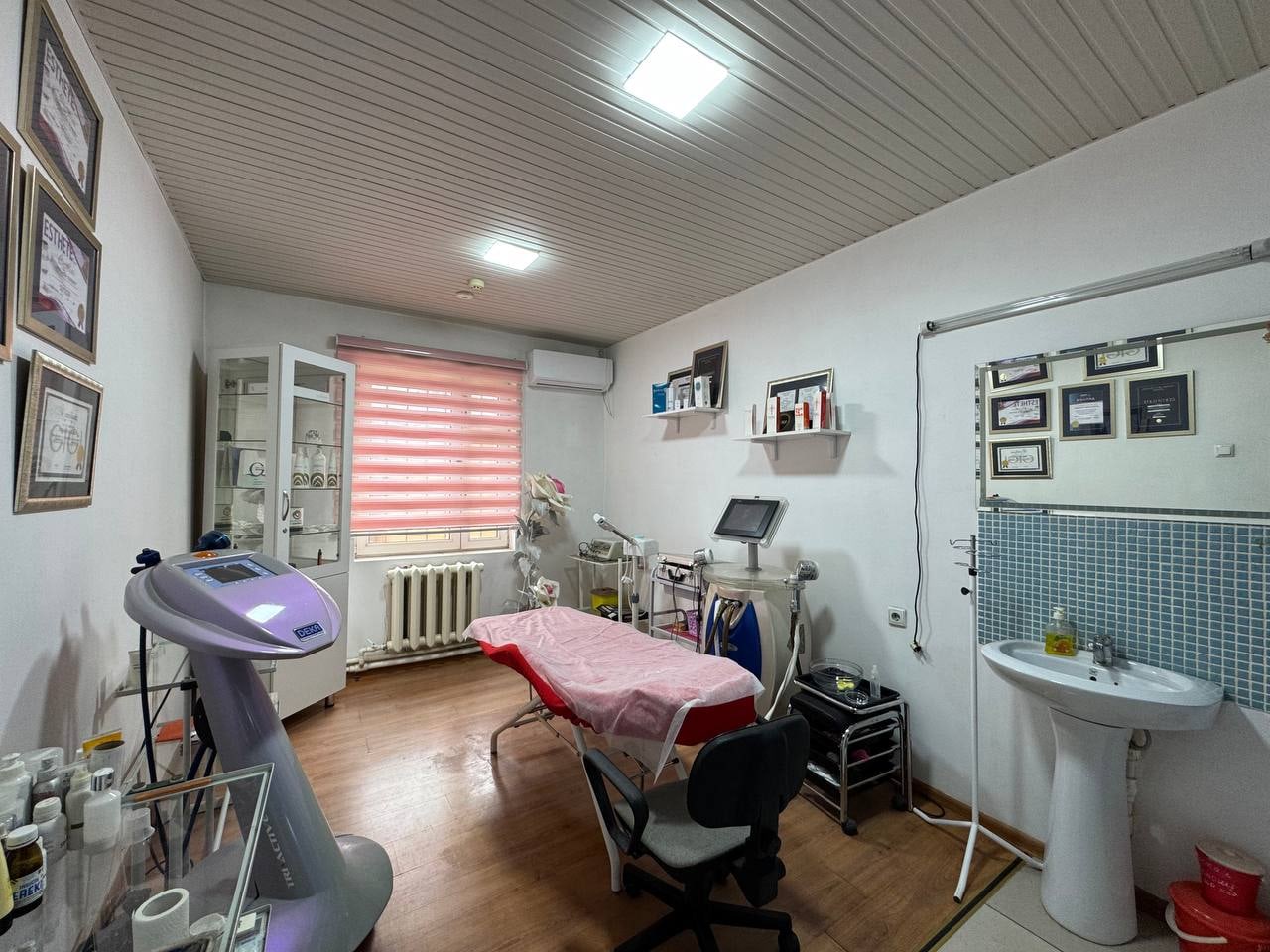
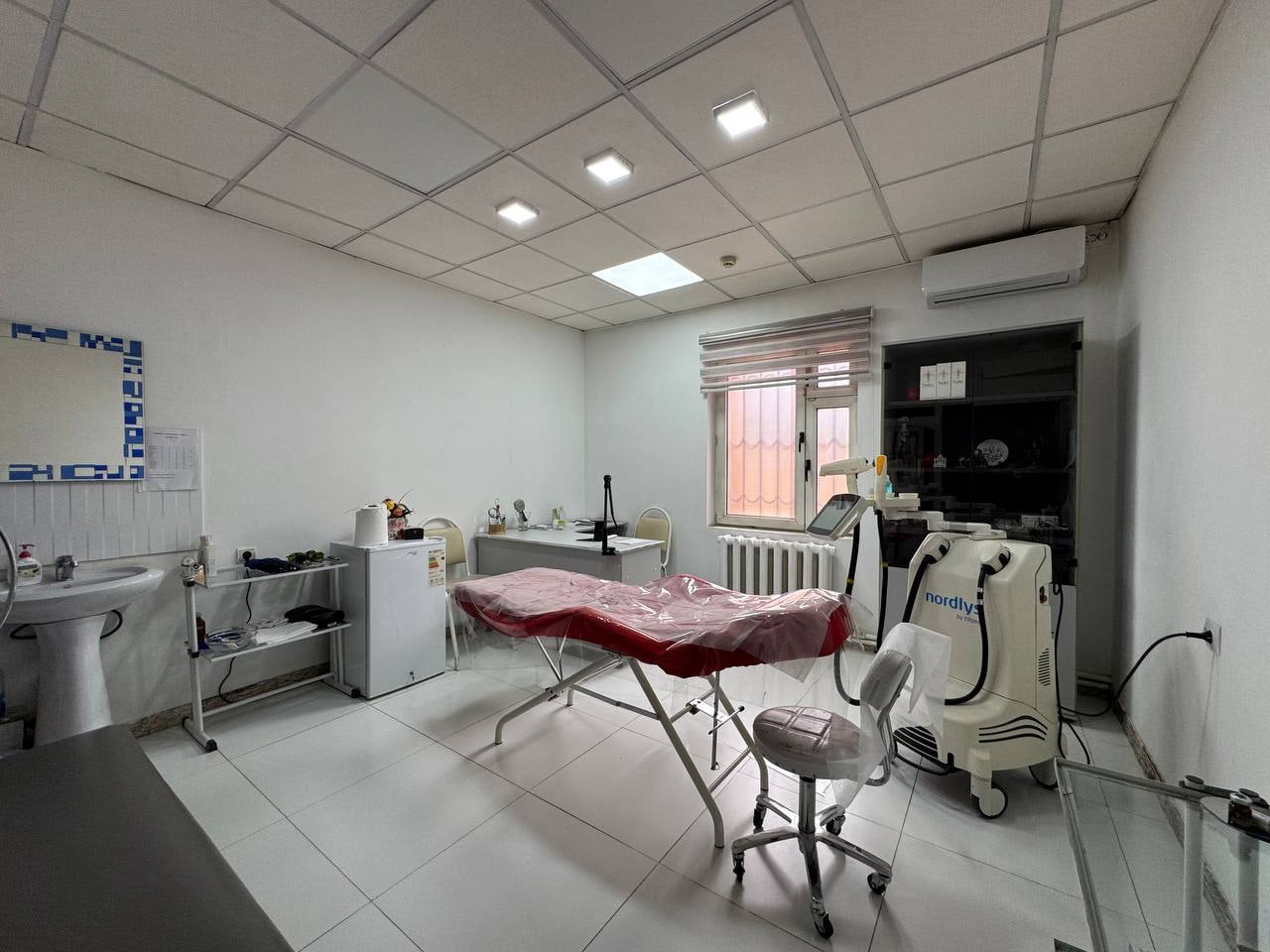
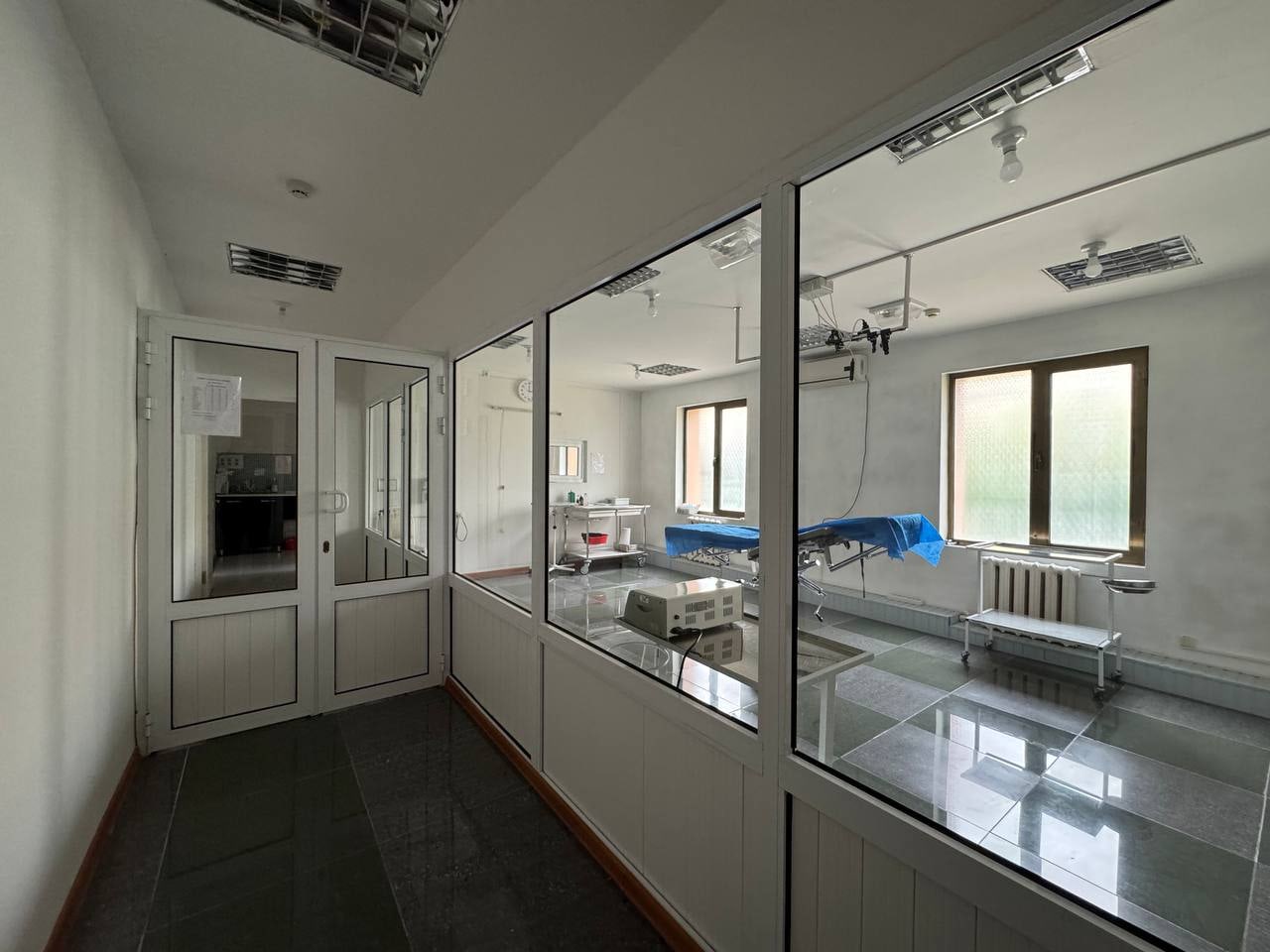
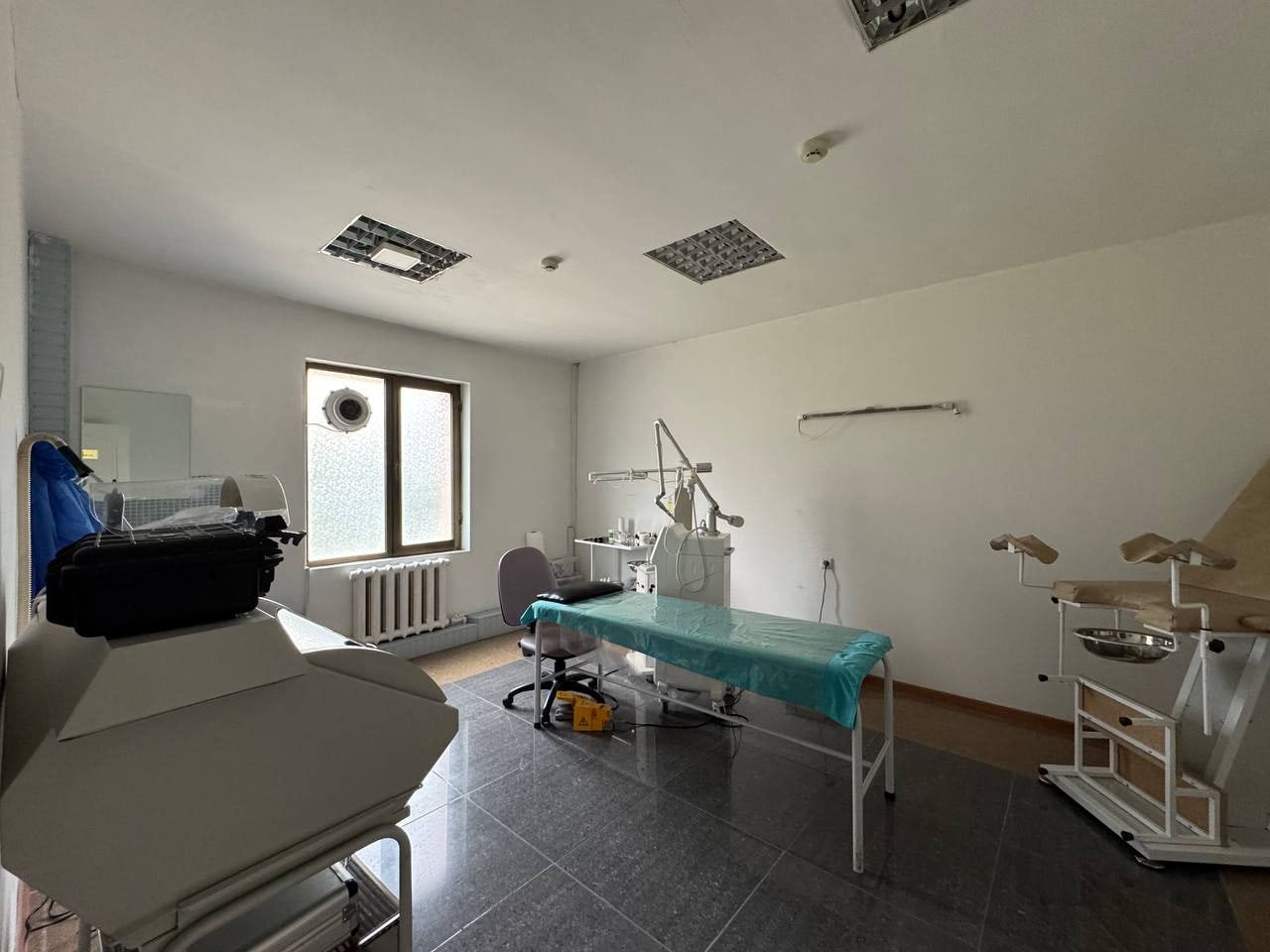
Ташкент, Шайхантахурский район, Караташ
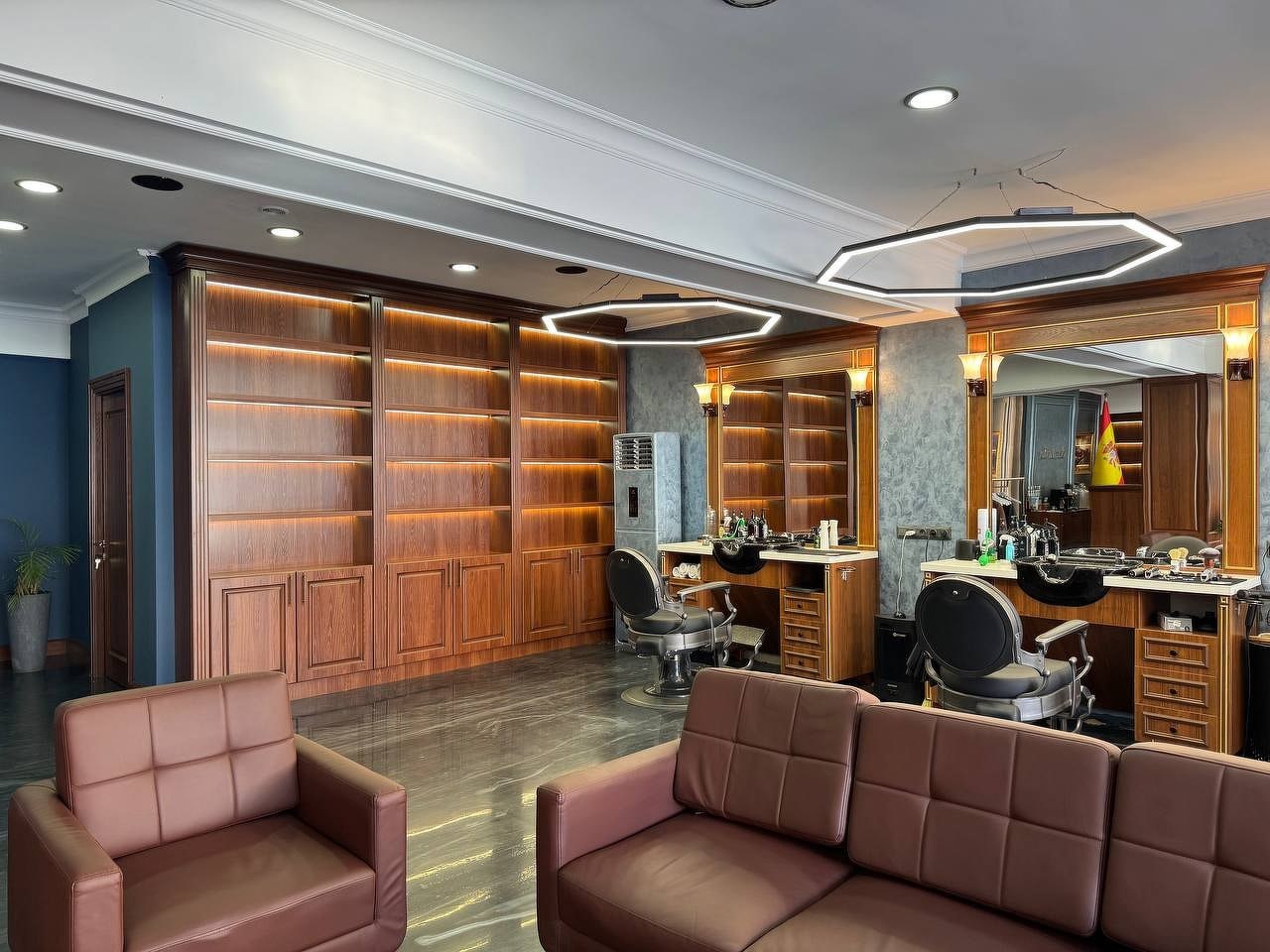
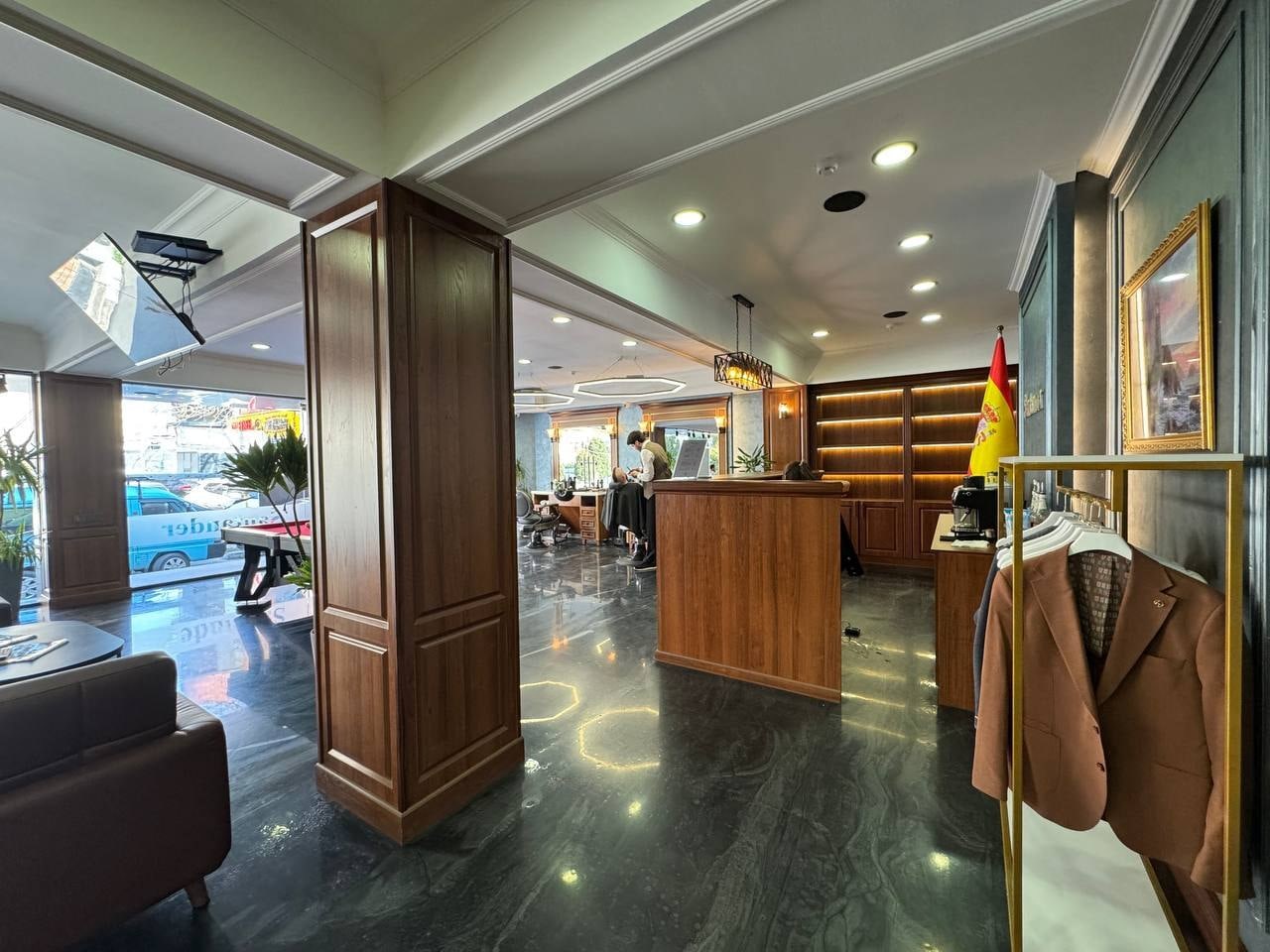
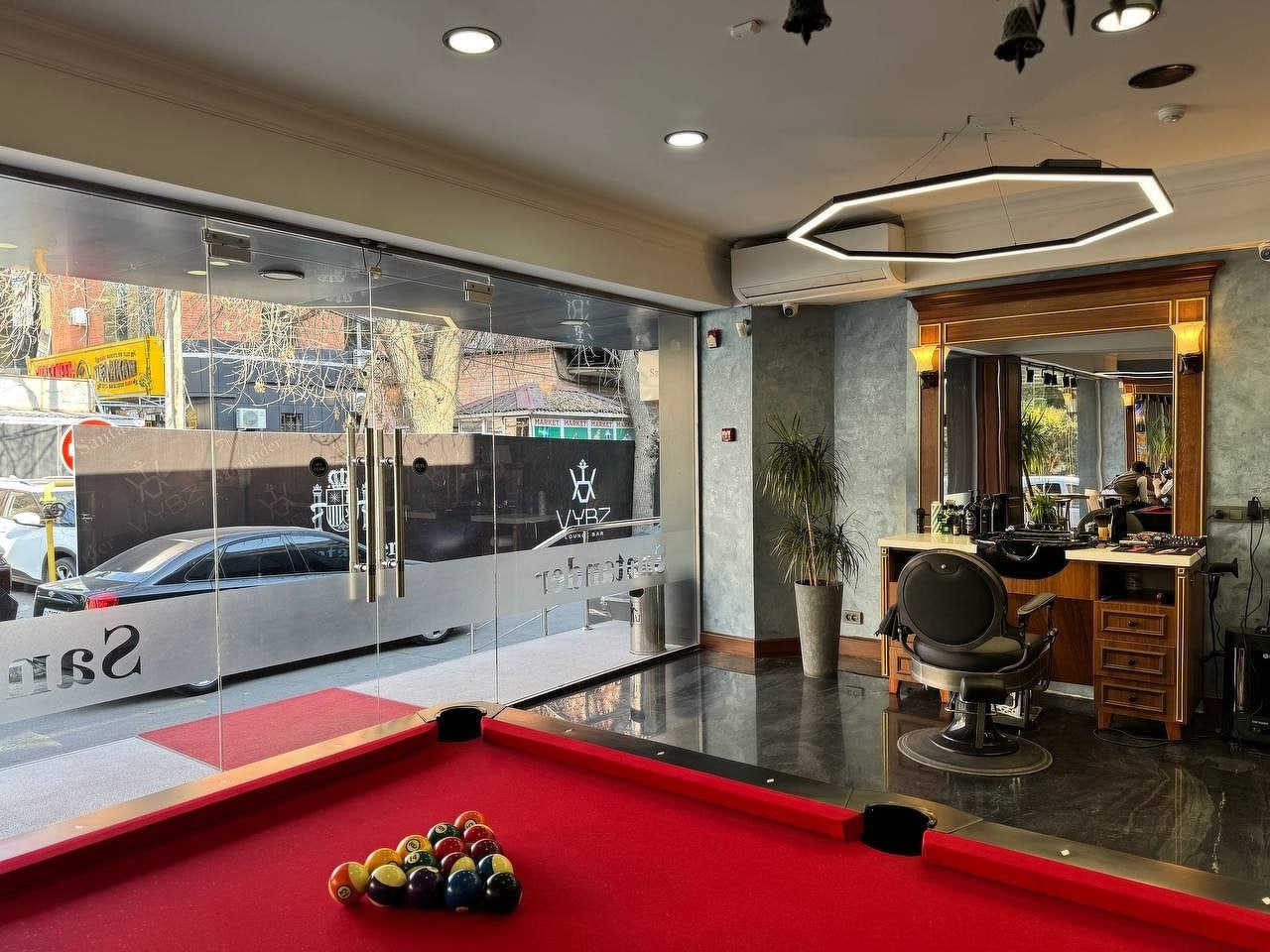
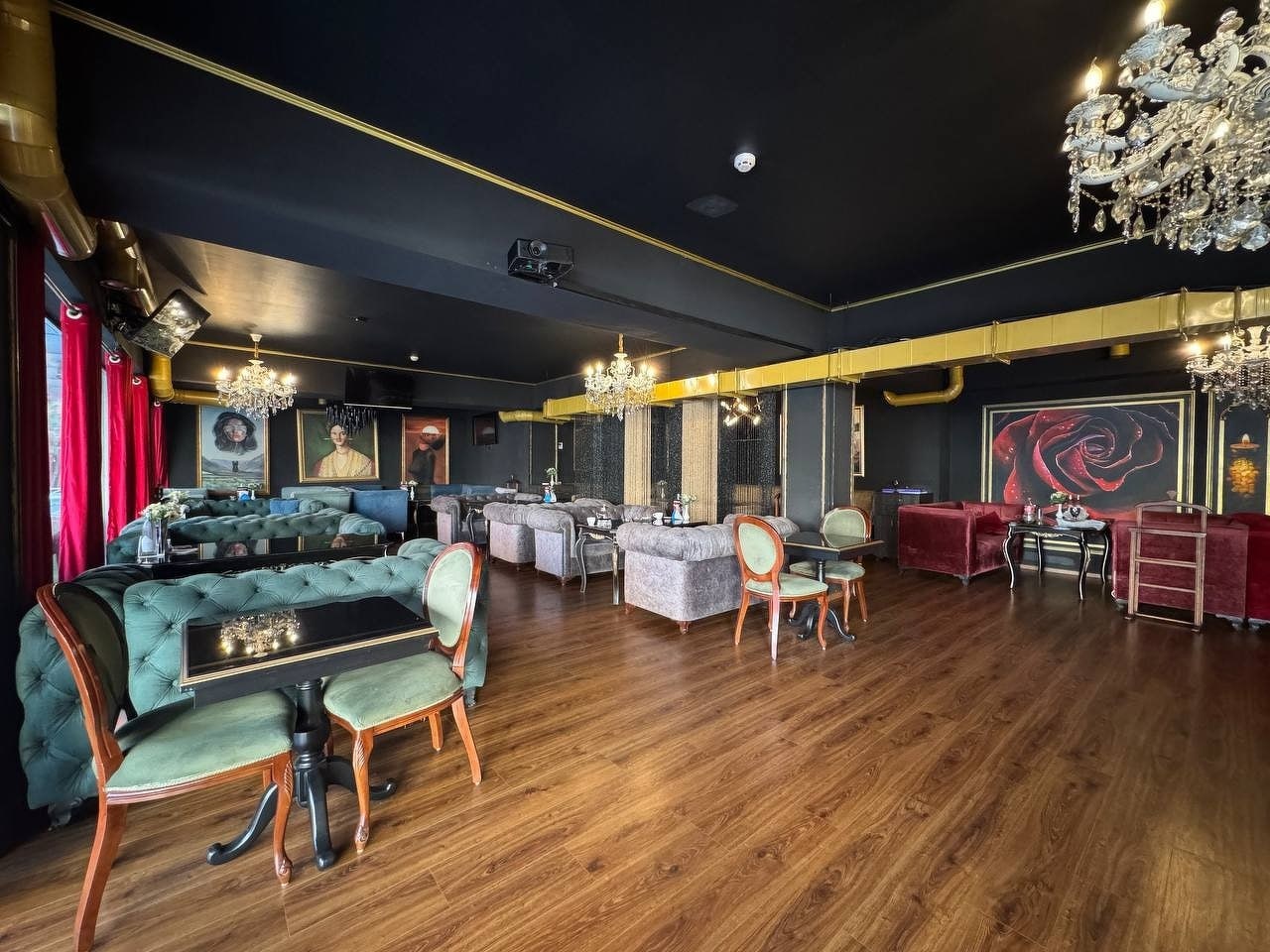
Ташкент, Мирабадский район, ул. Тараса Шевченко
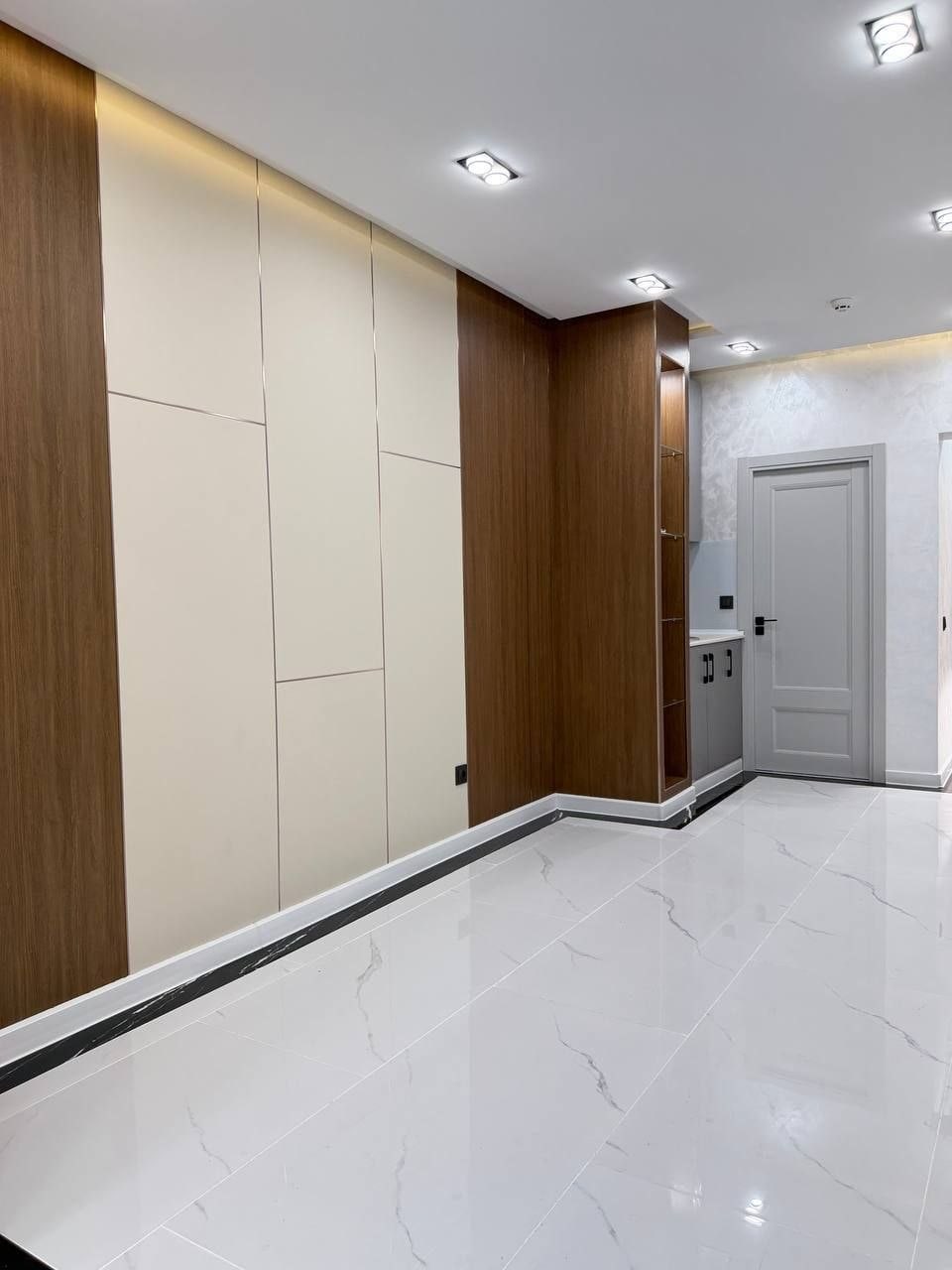
Ташкент, Яккасарайский район, Кушбеги

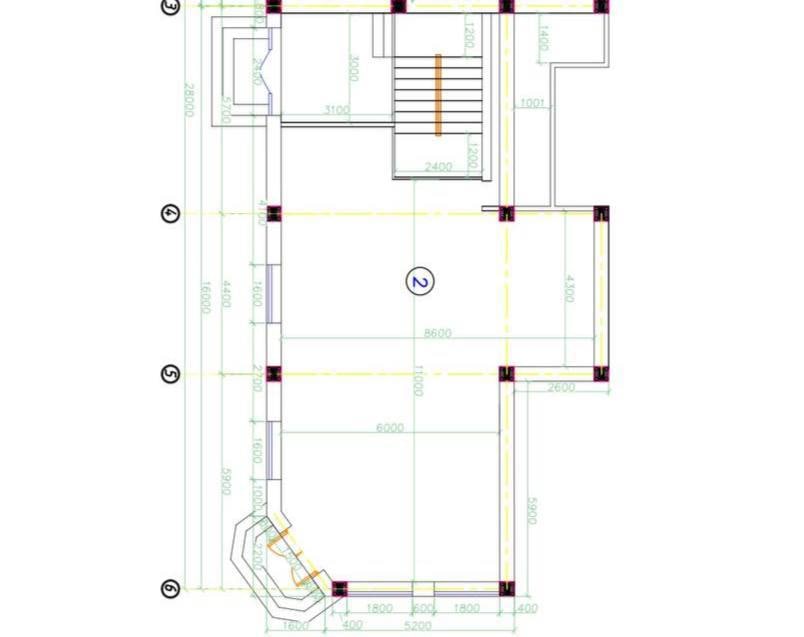
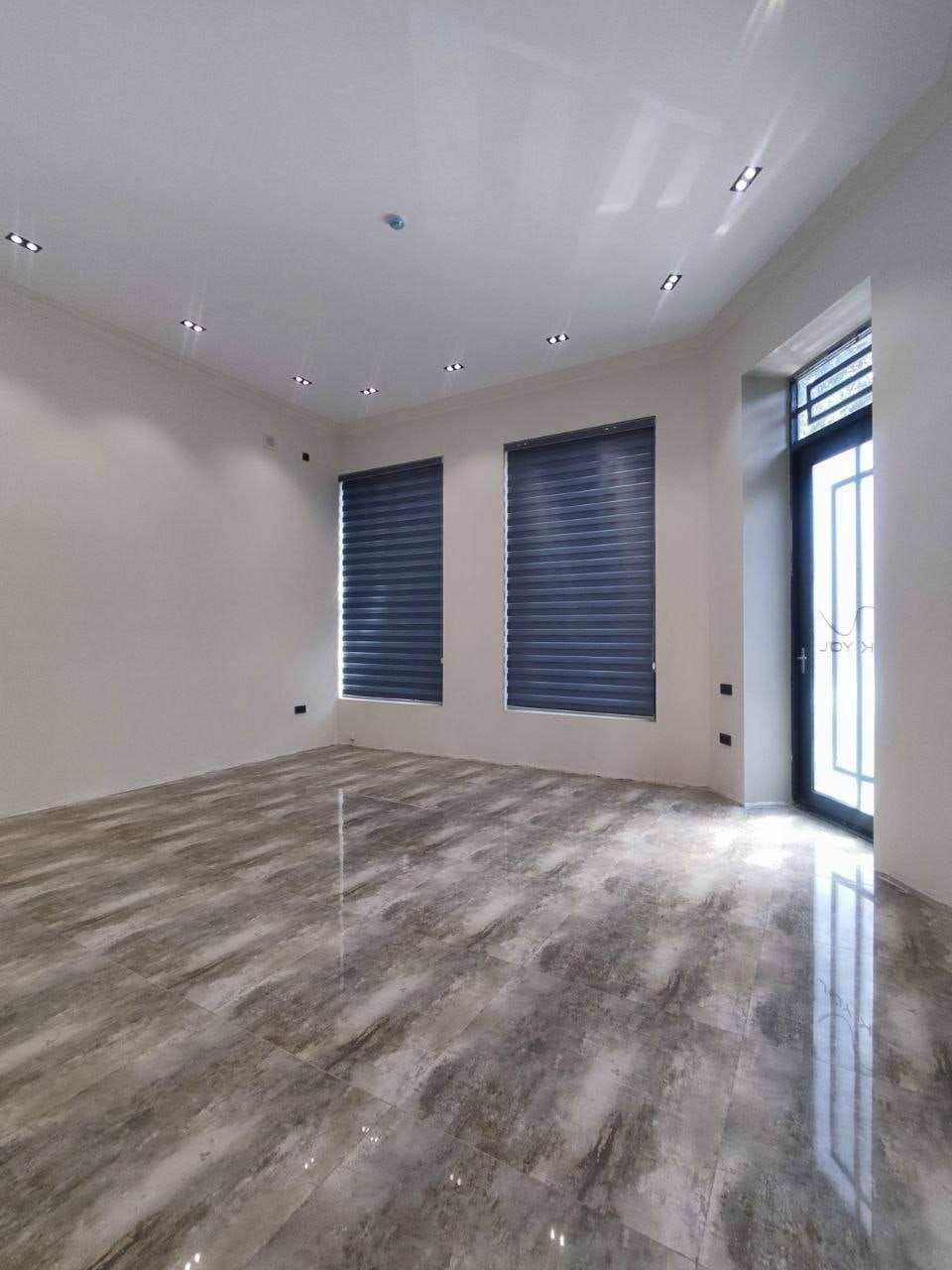
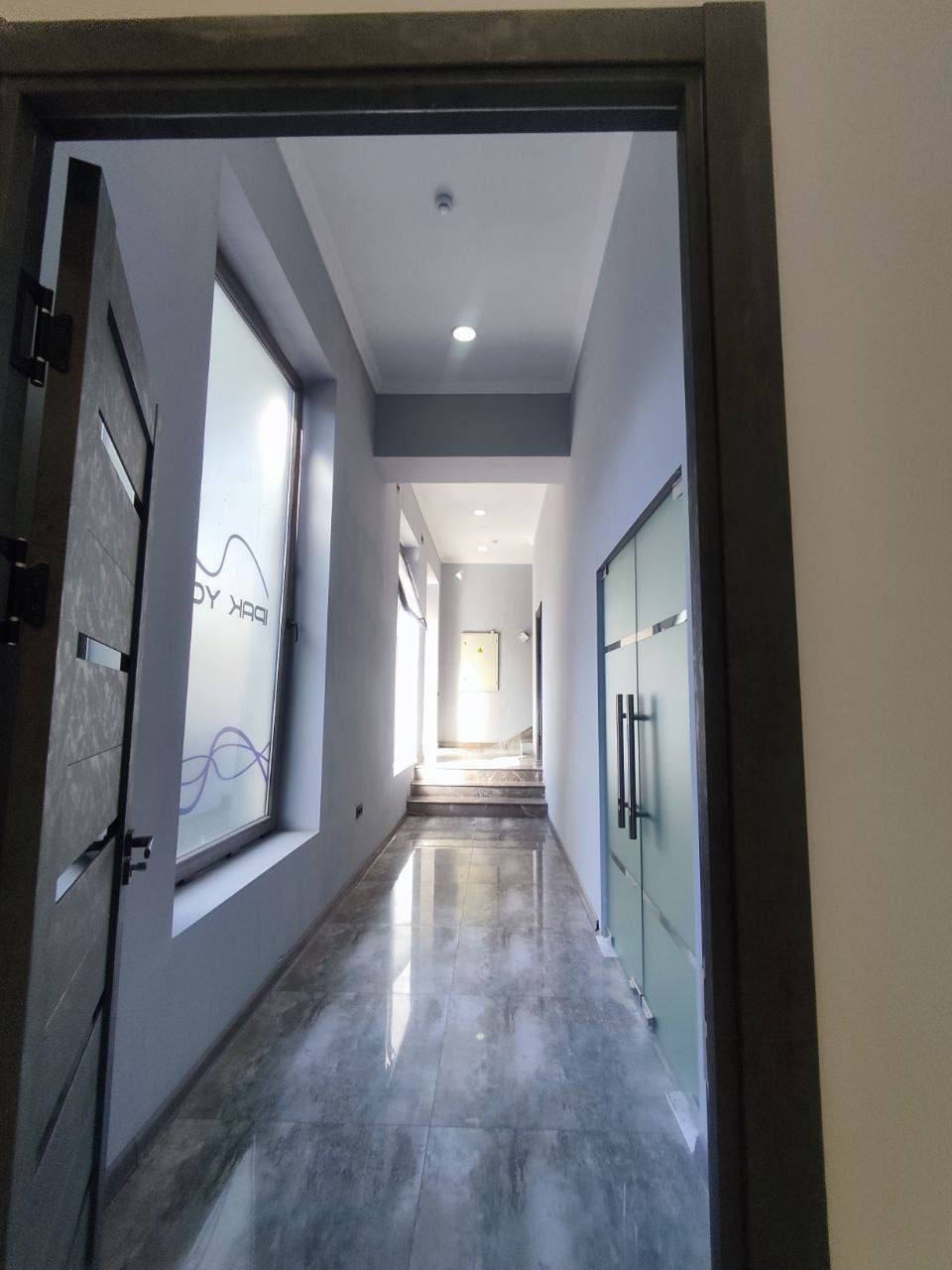
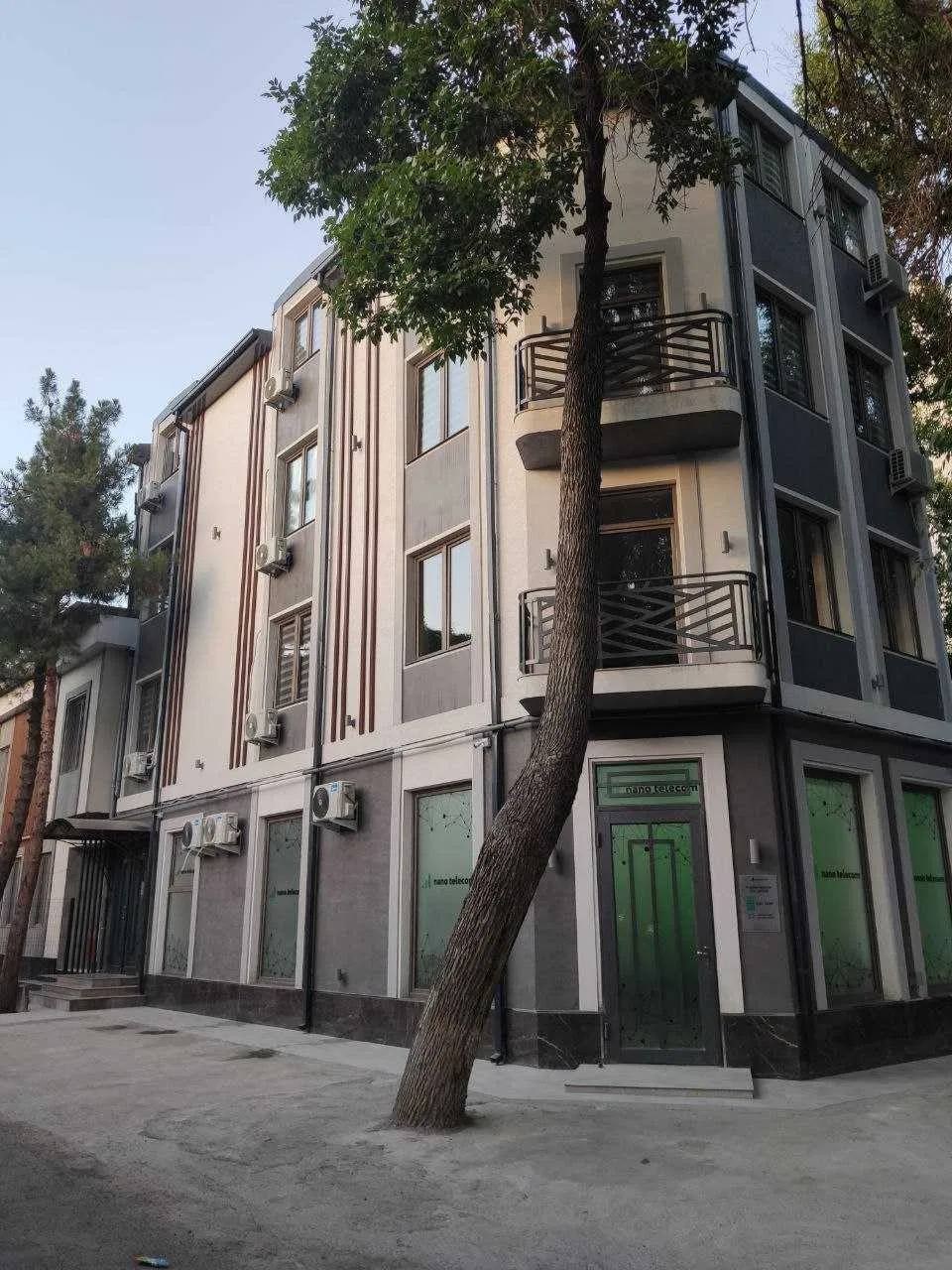
Ташкент, Мирзо-Улугбекский район, Дархан
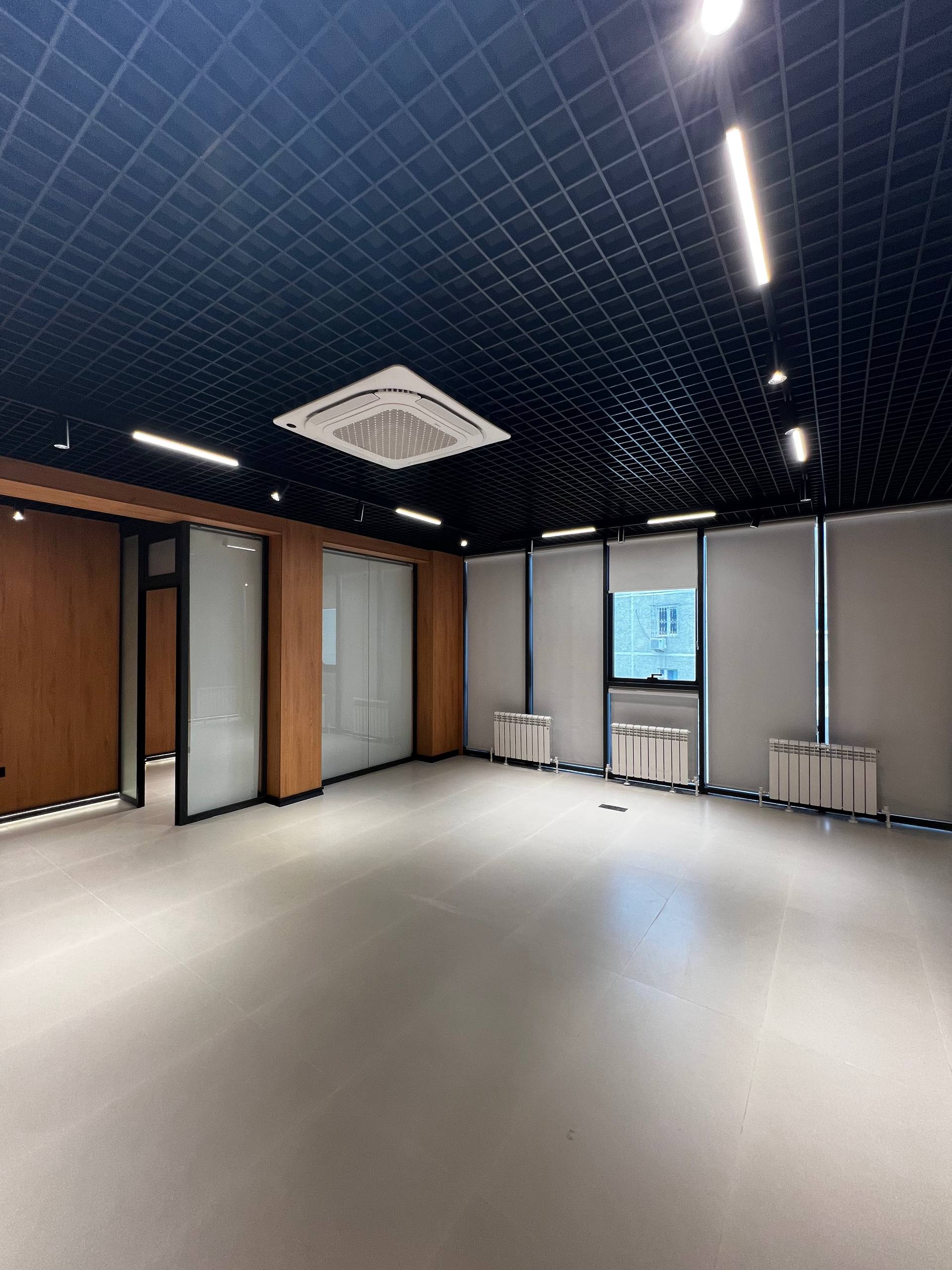
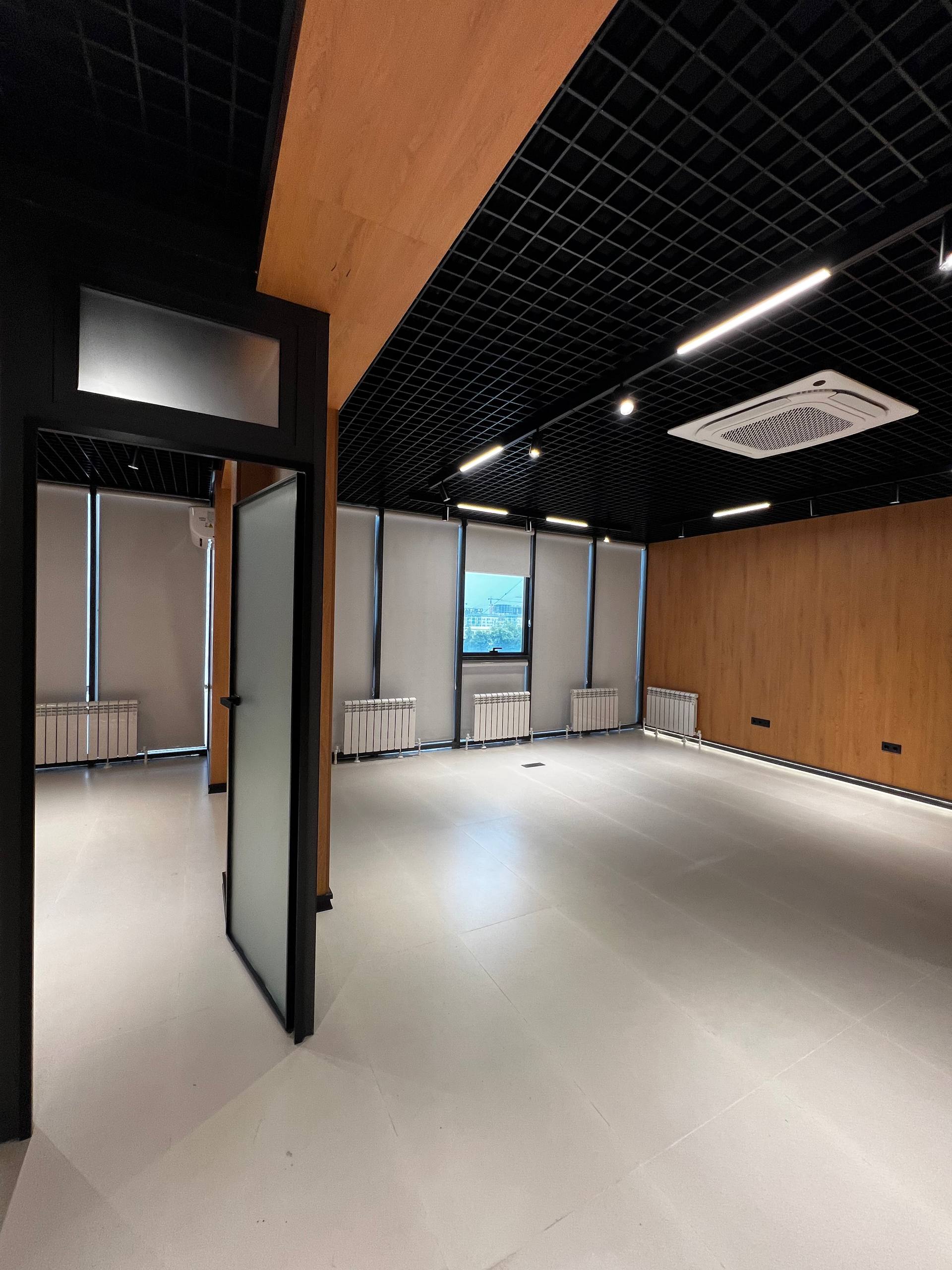
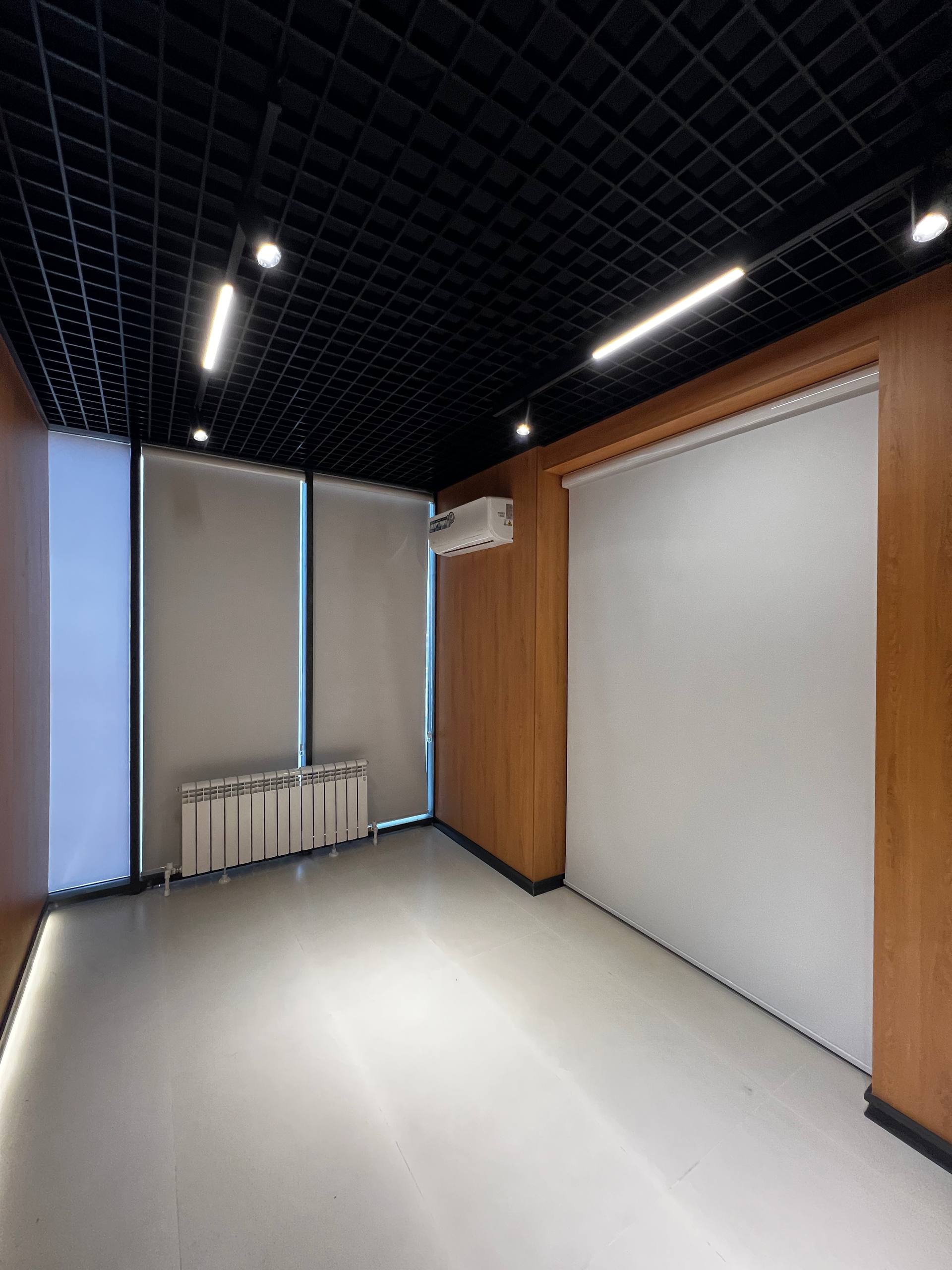
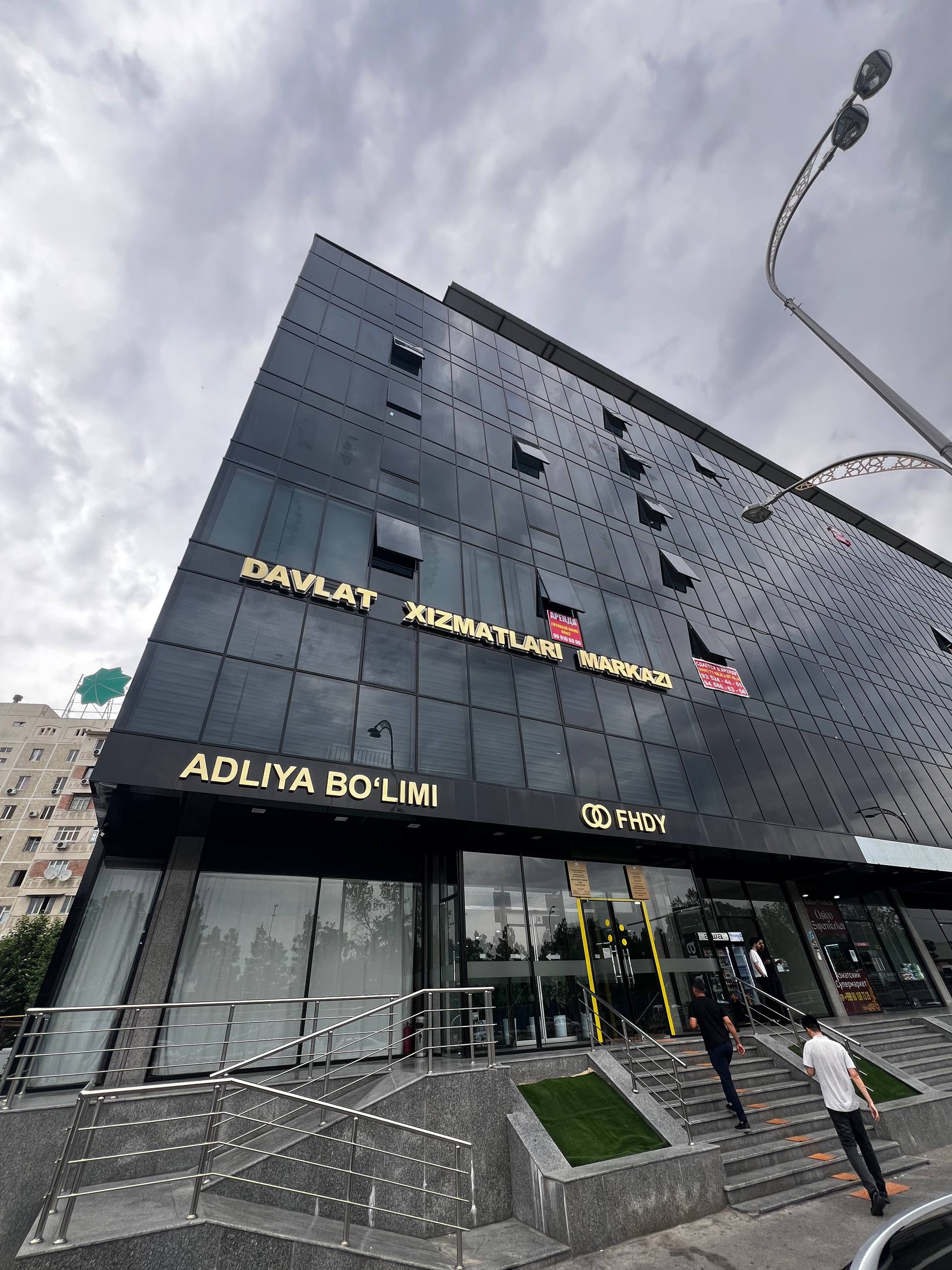
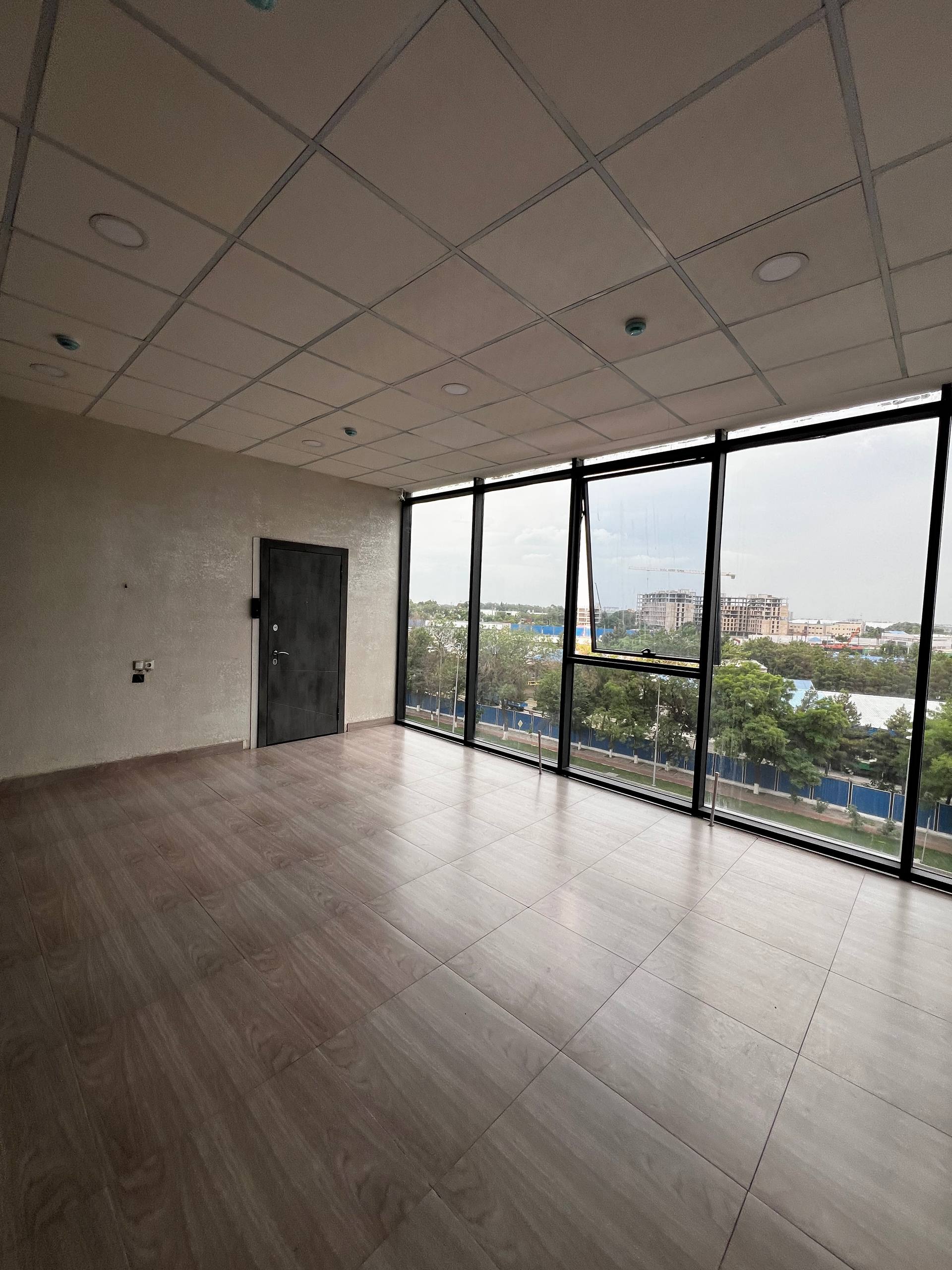
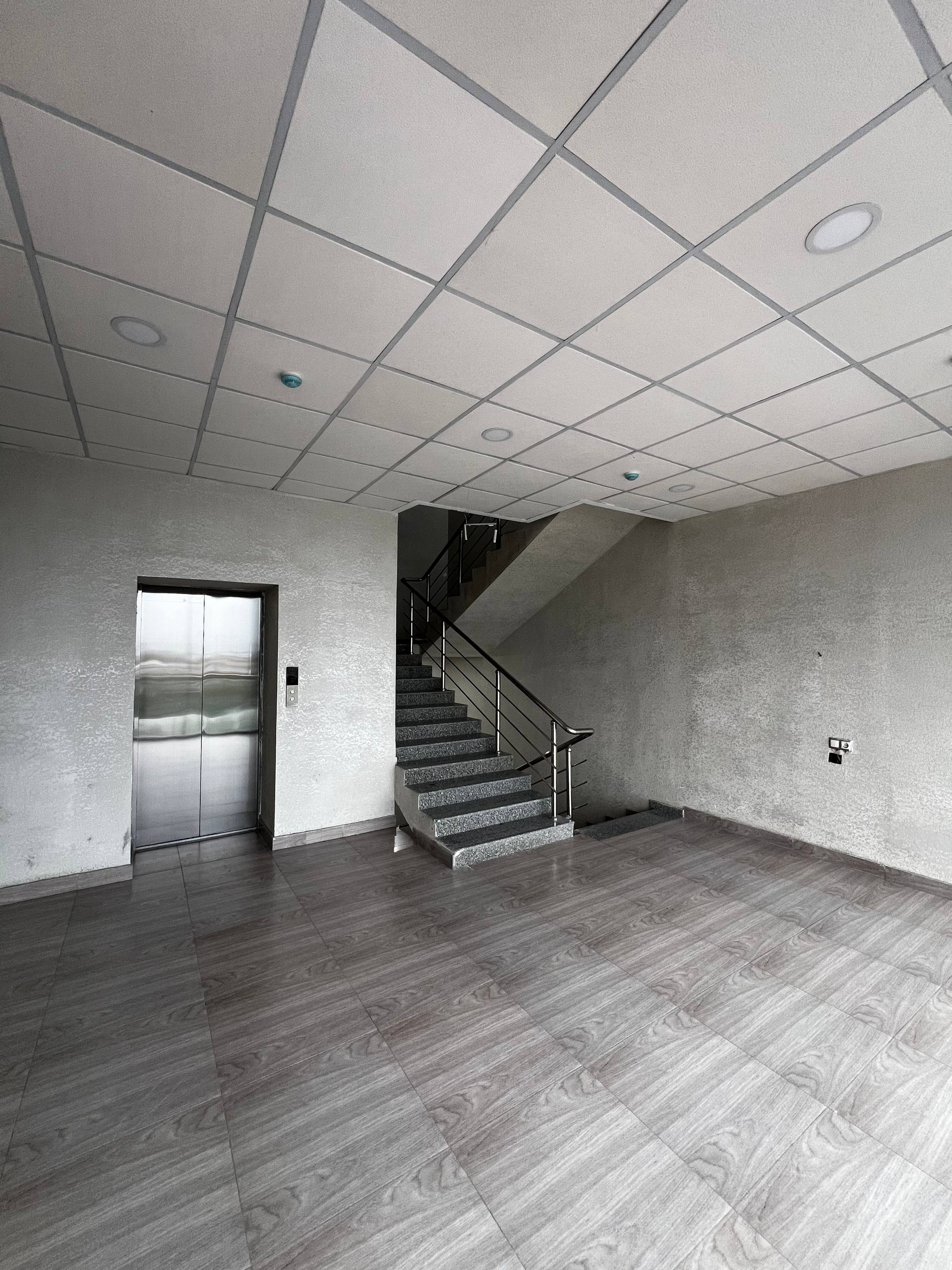
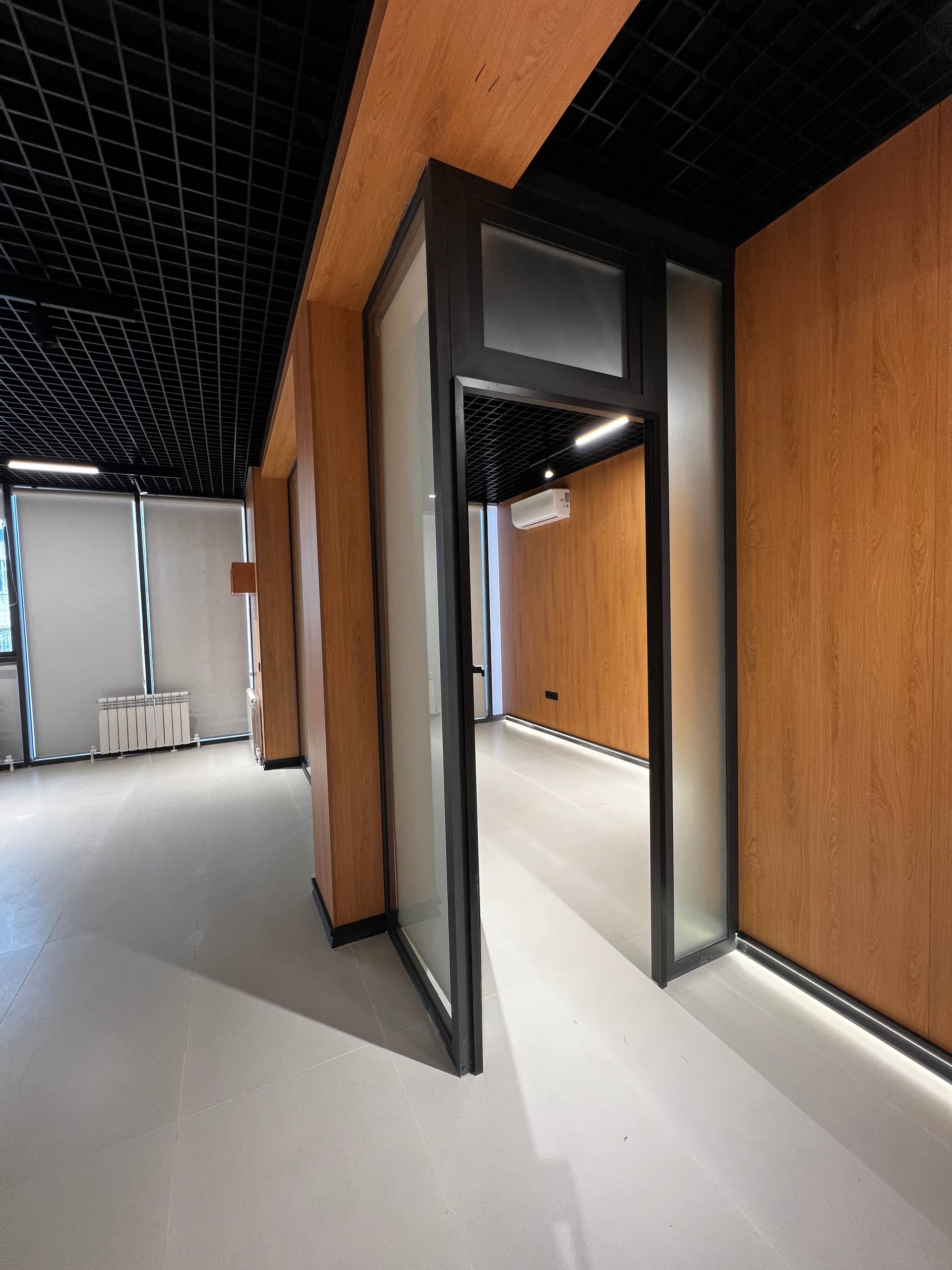
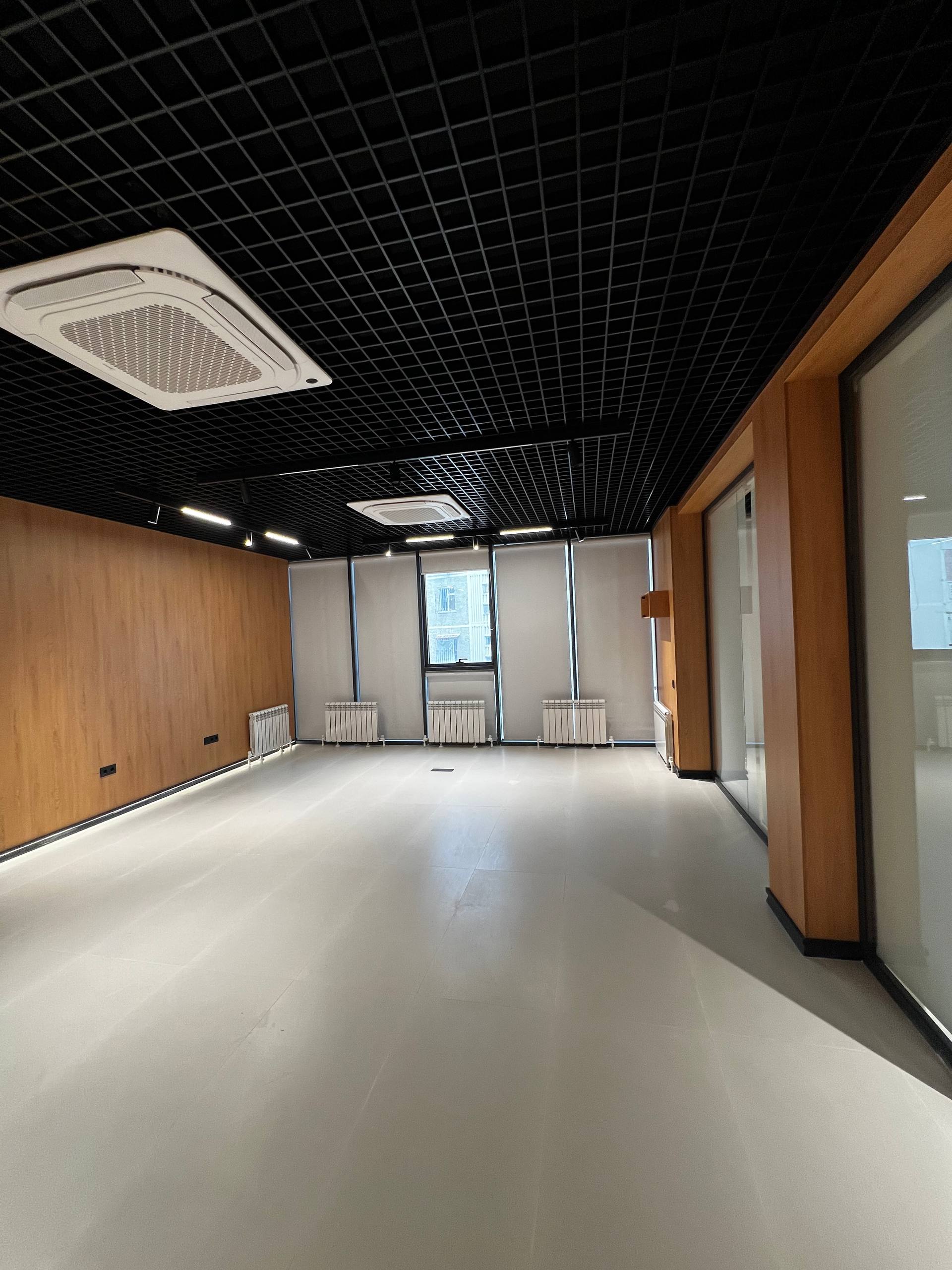
Ташкент, Яккасарайский район, Малая Кольцевая
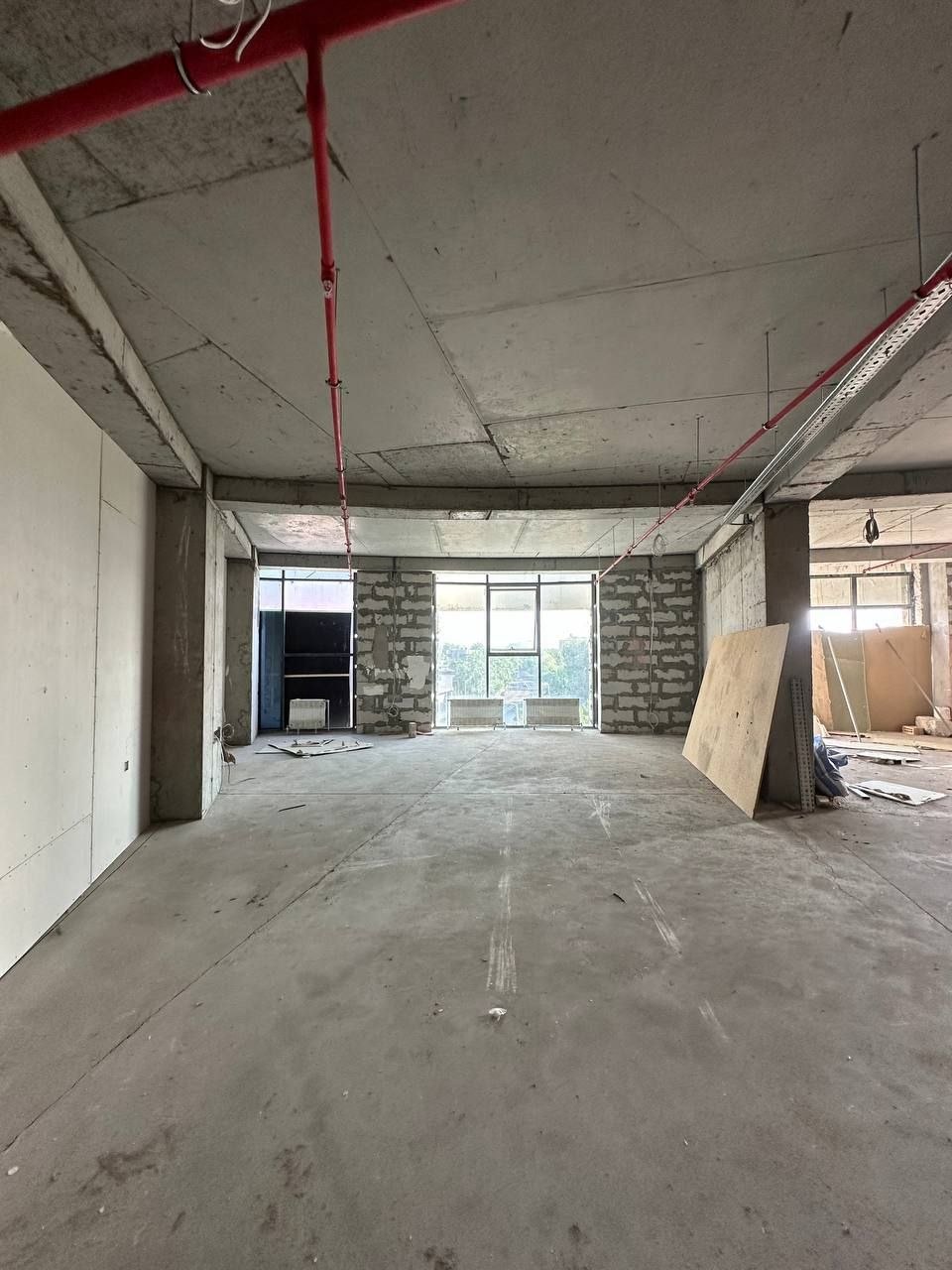
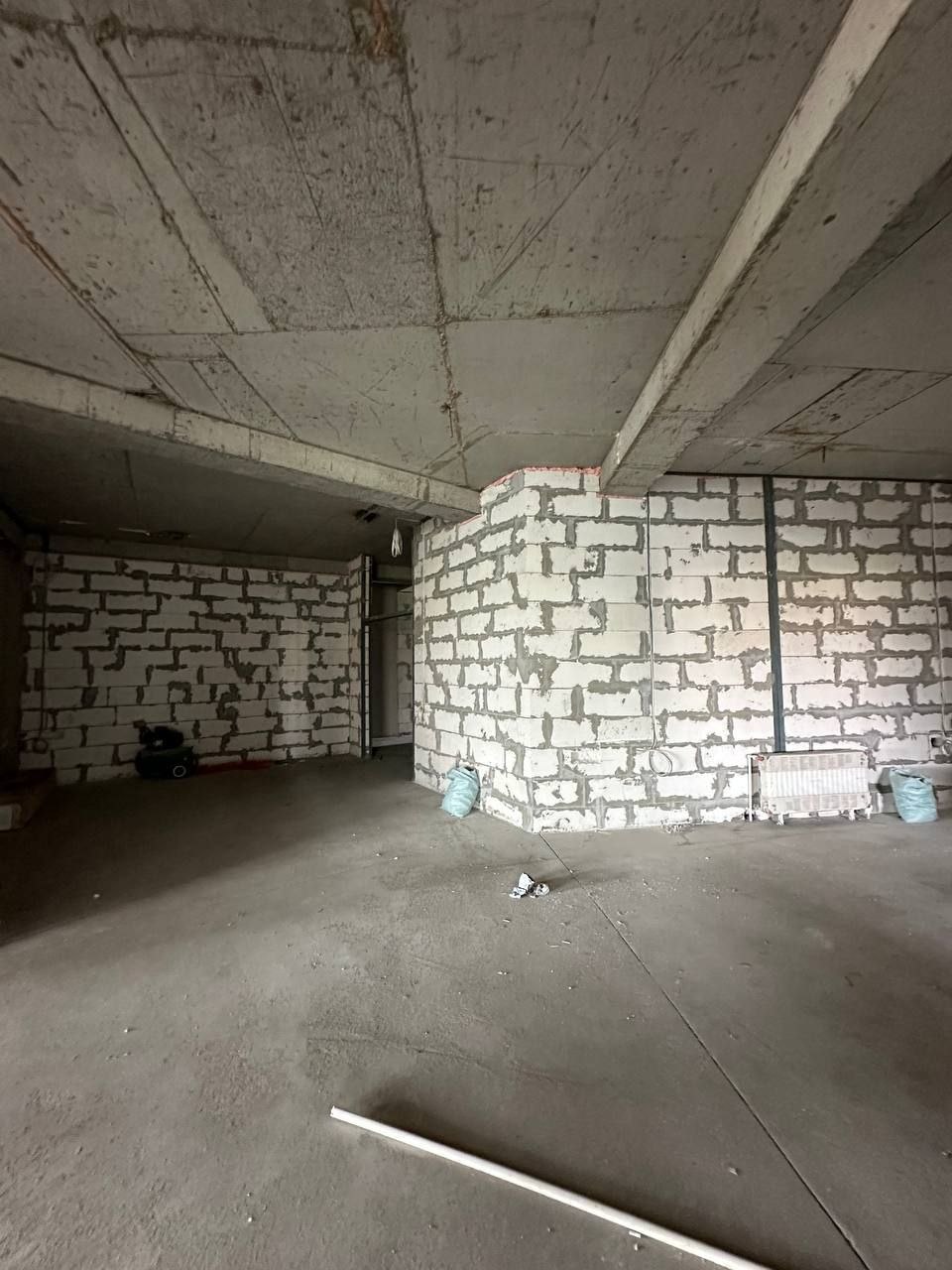
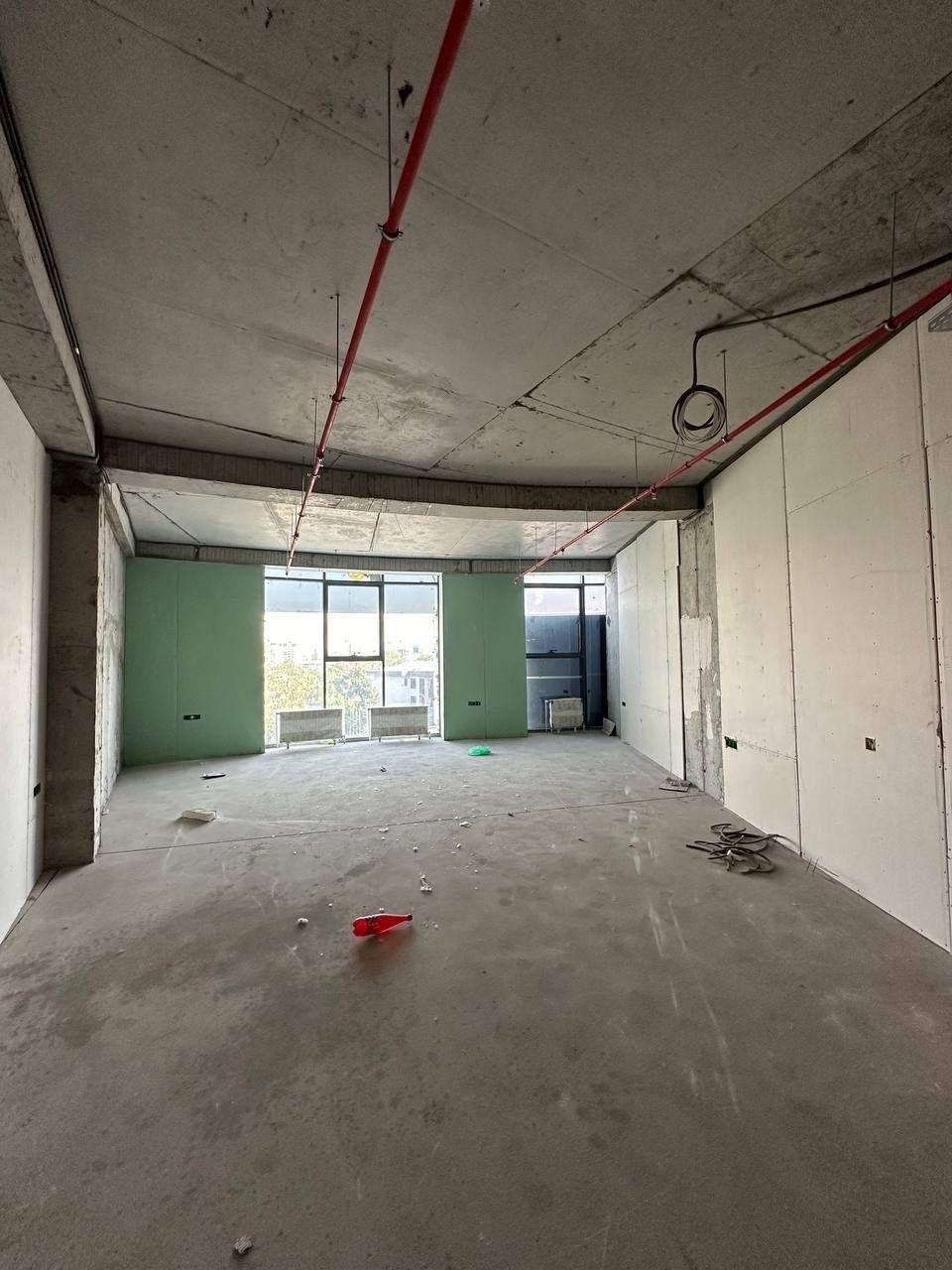
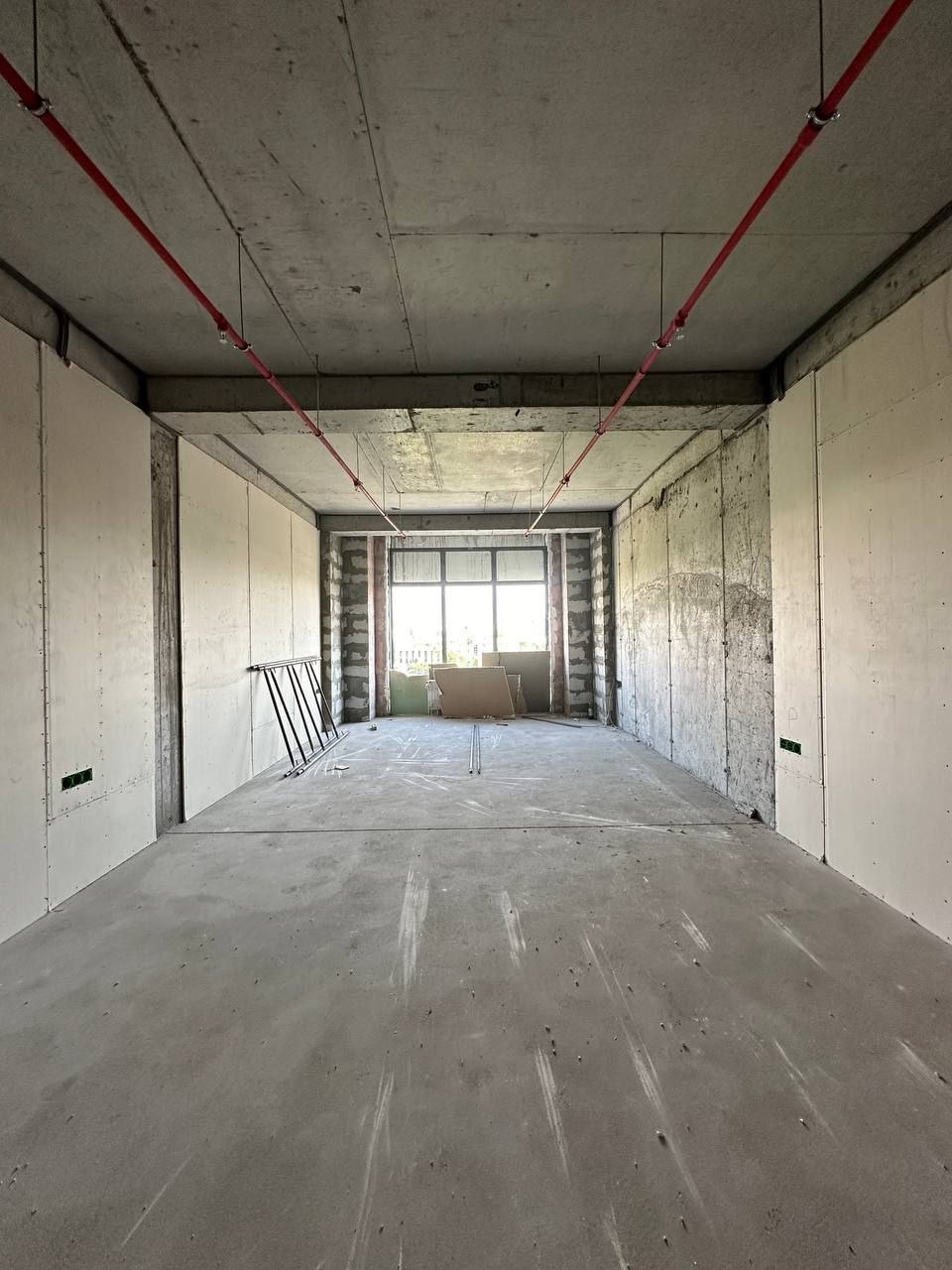
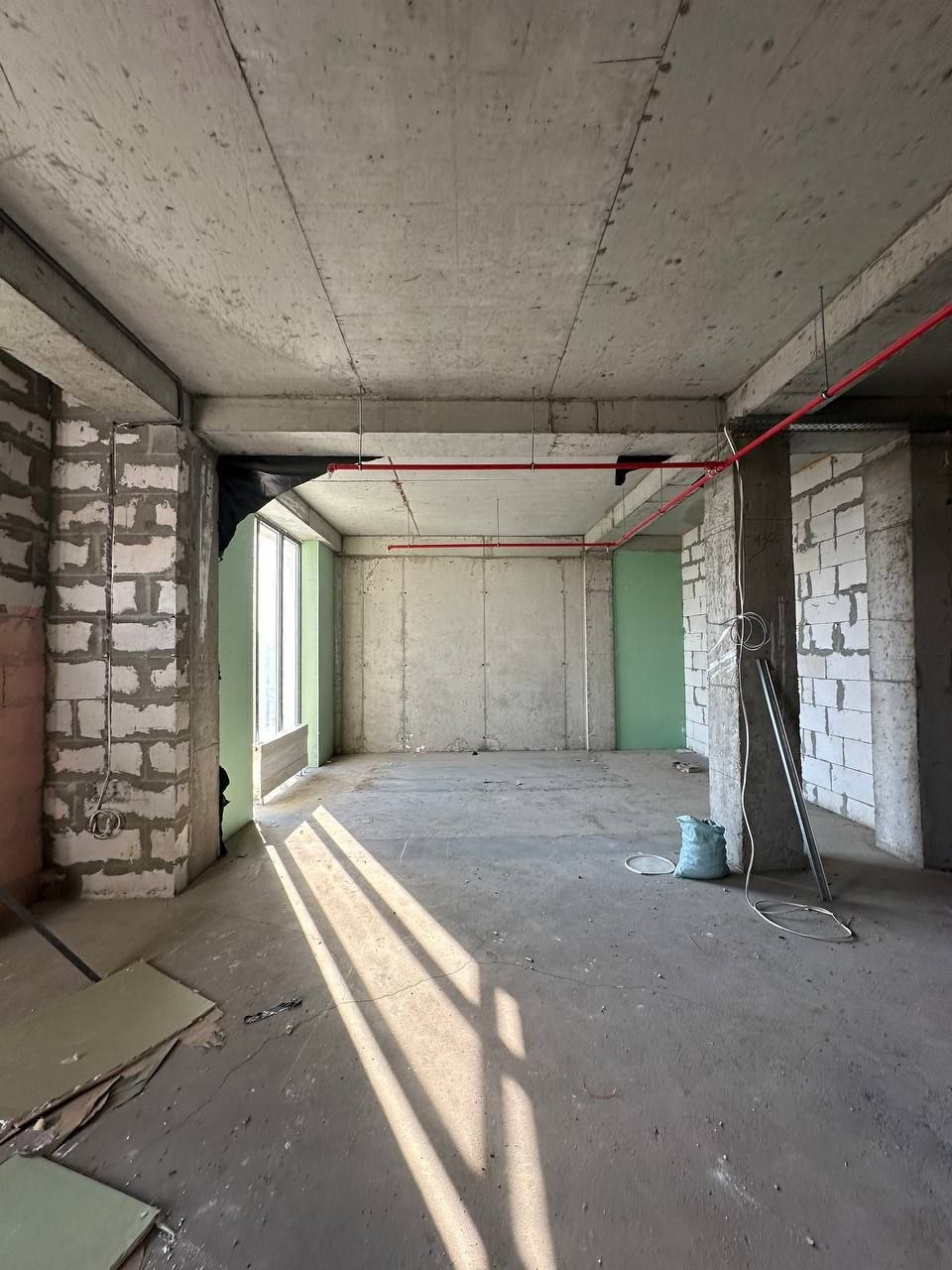
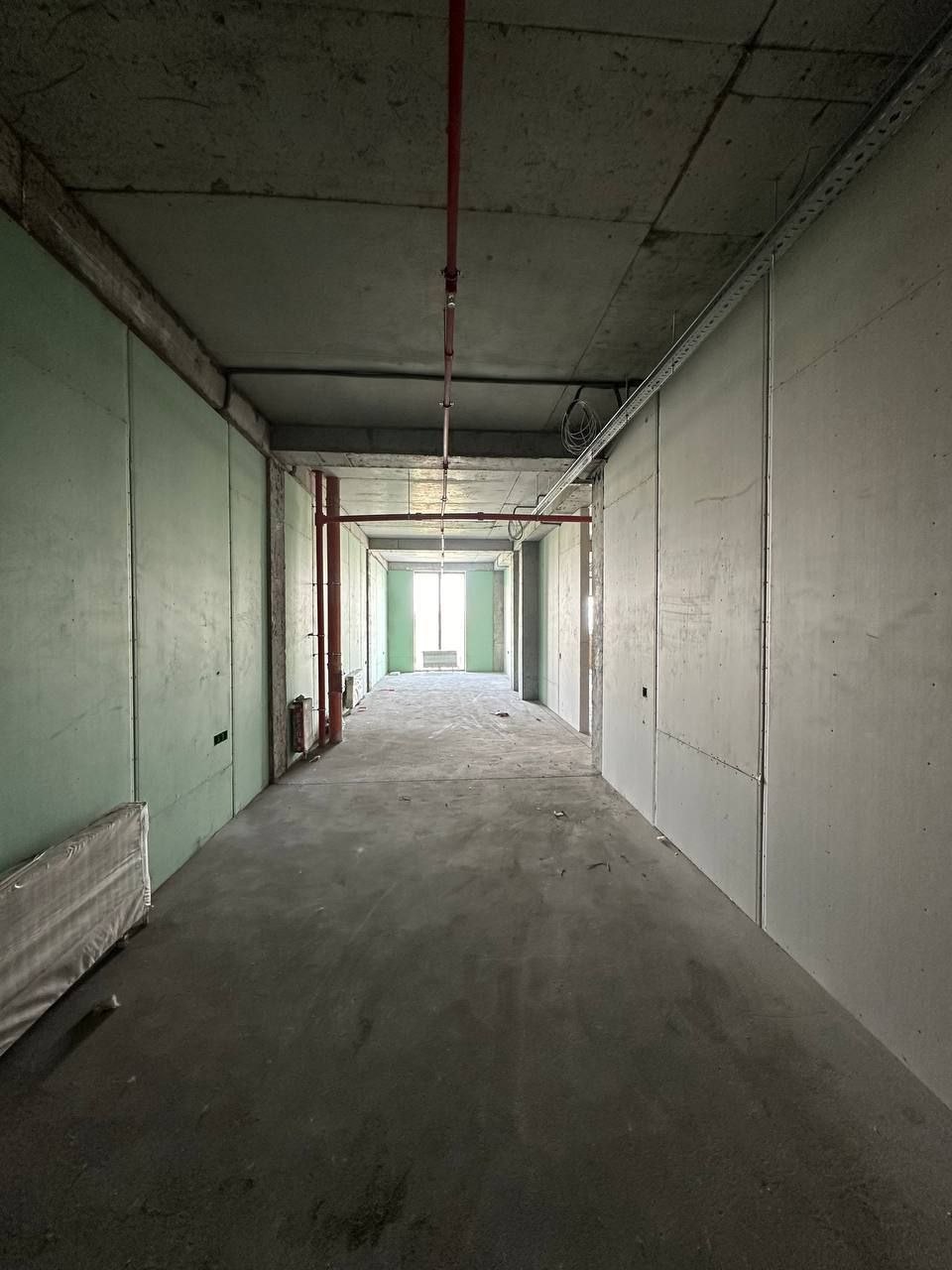
Ташкент, Юнусабадский район, Минор
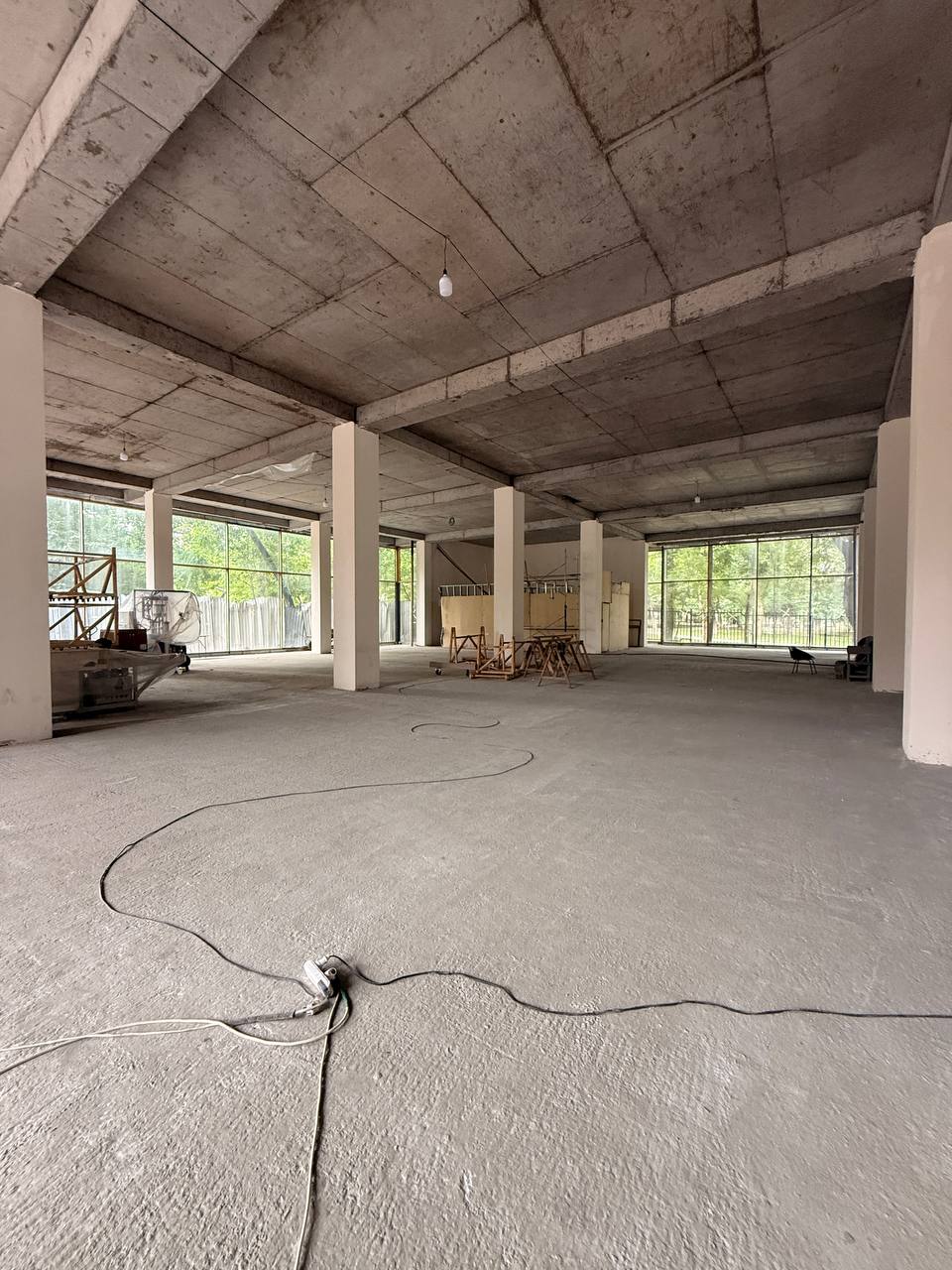
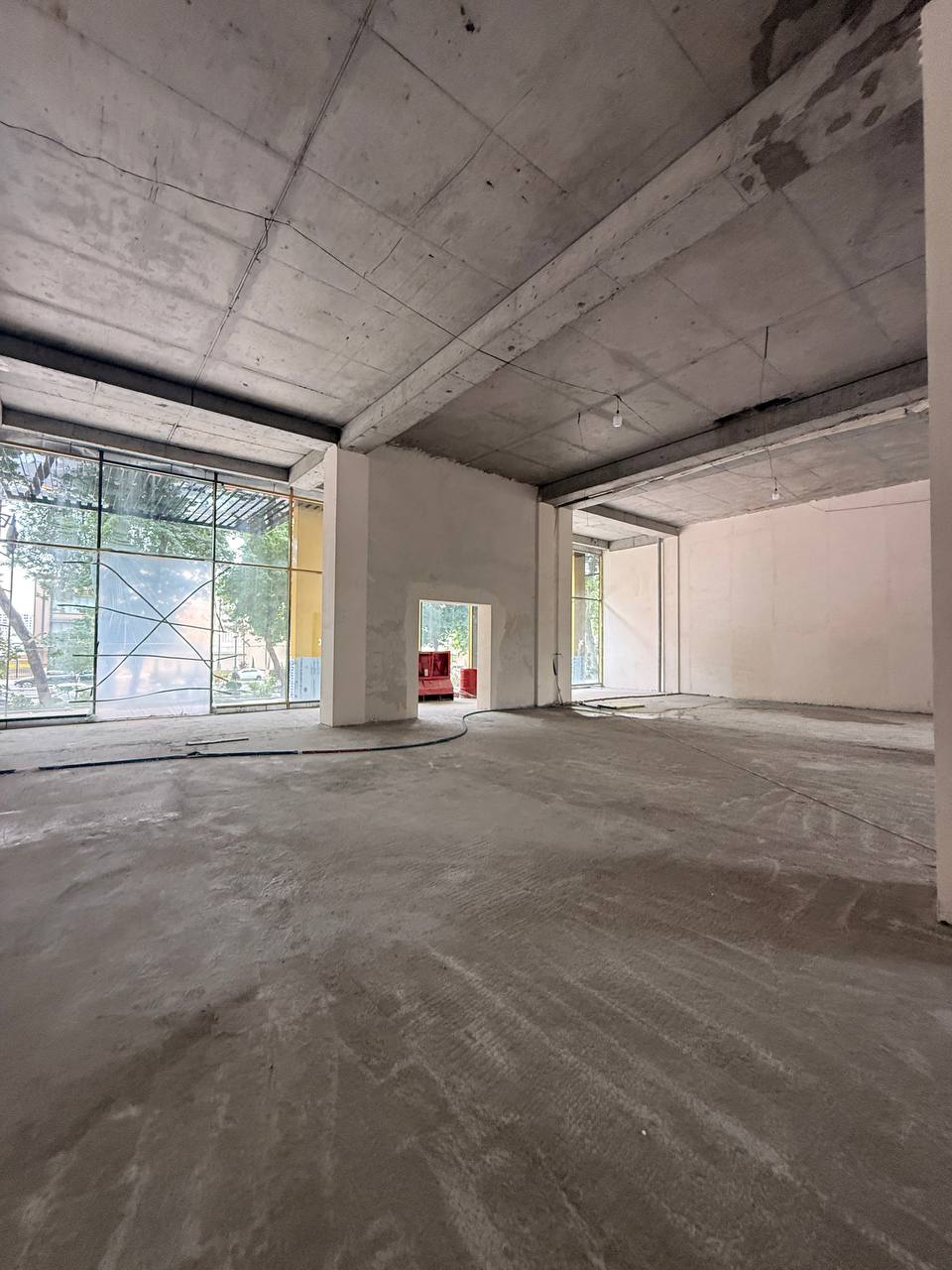
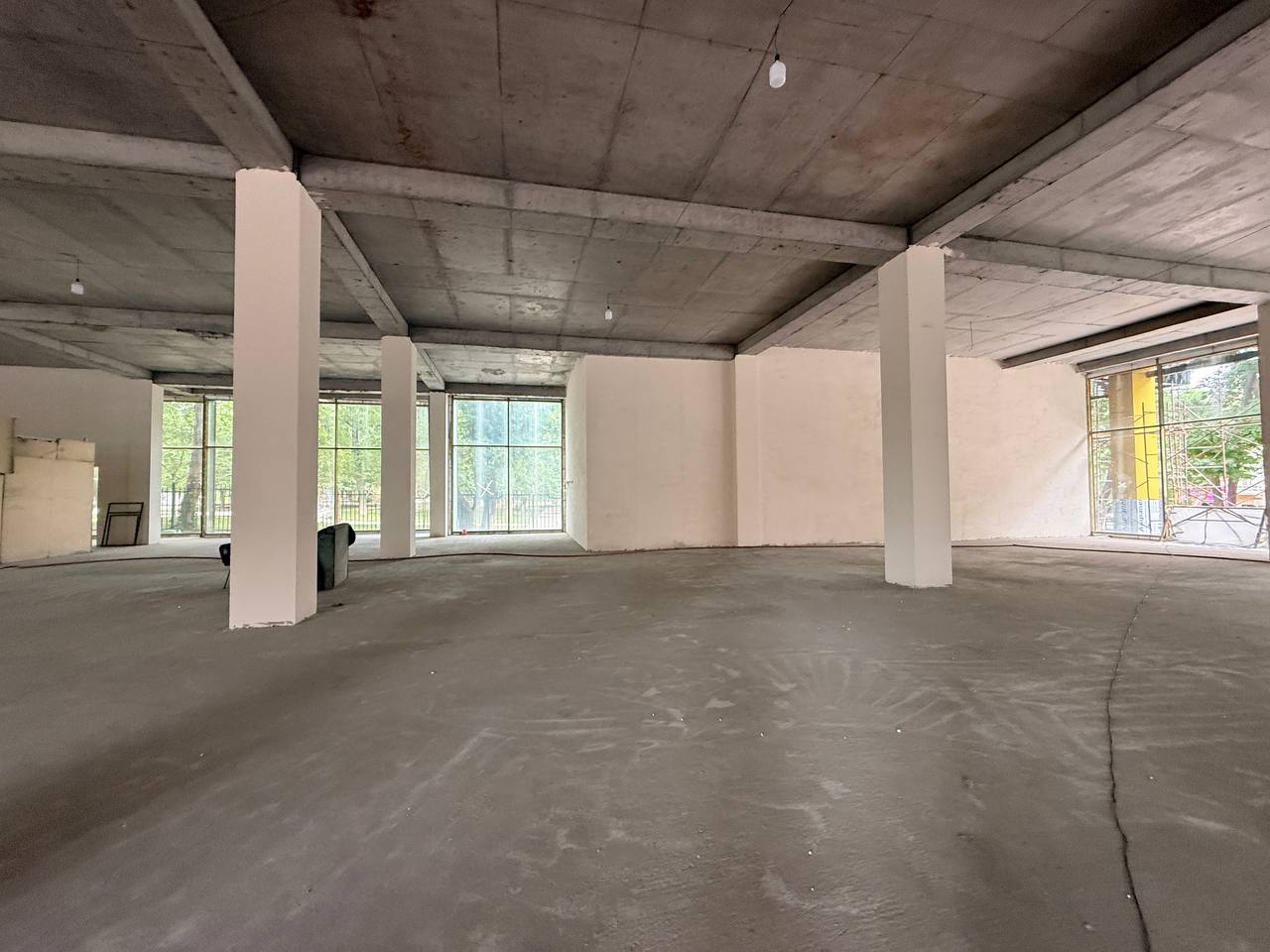
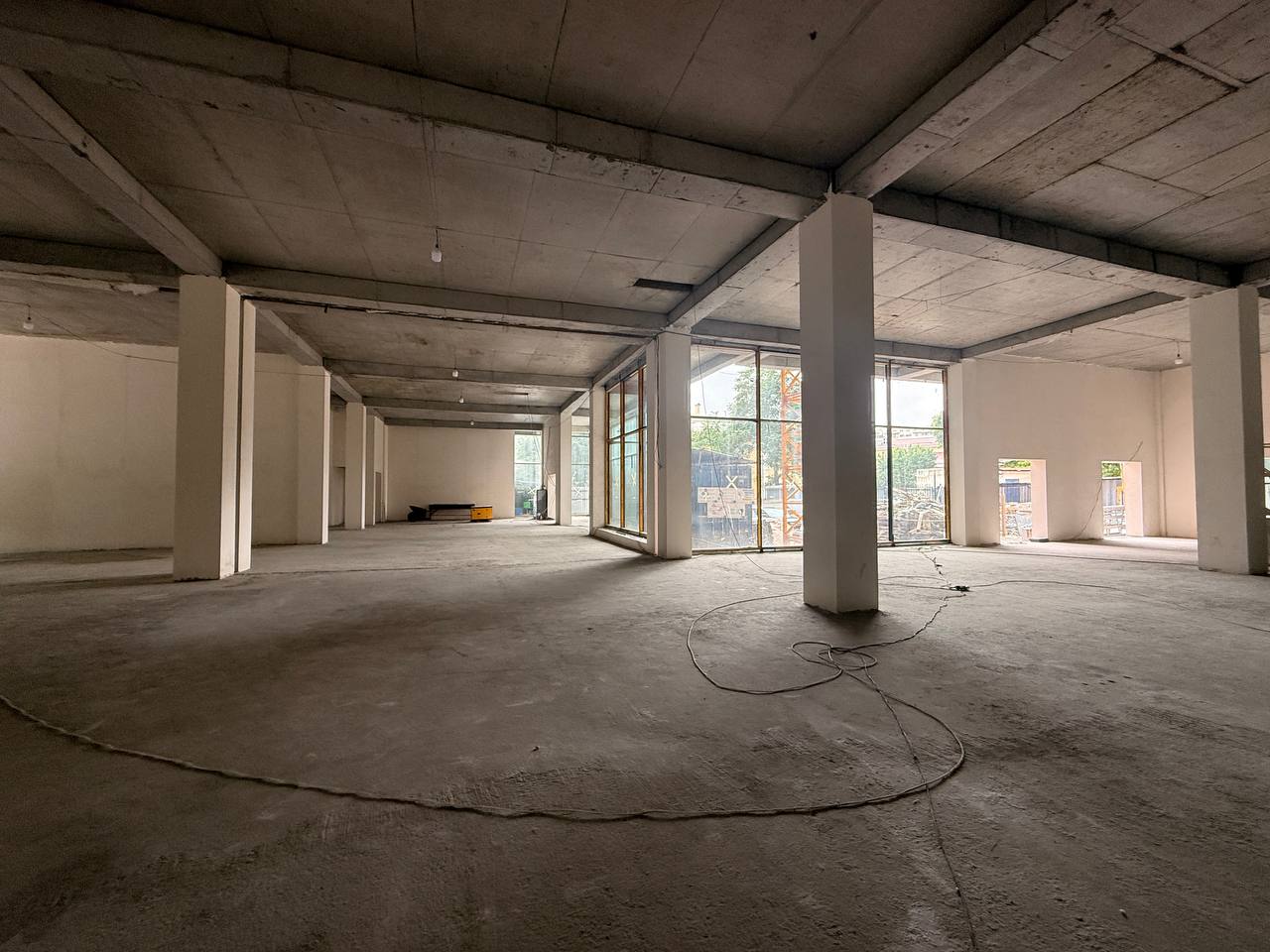
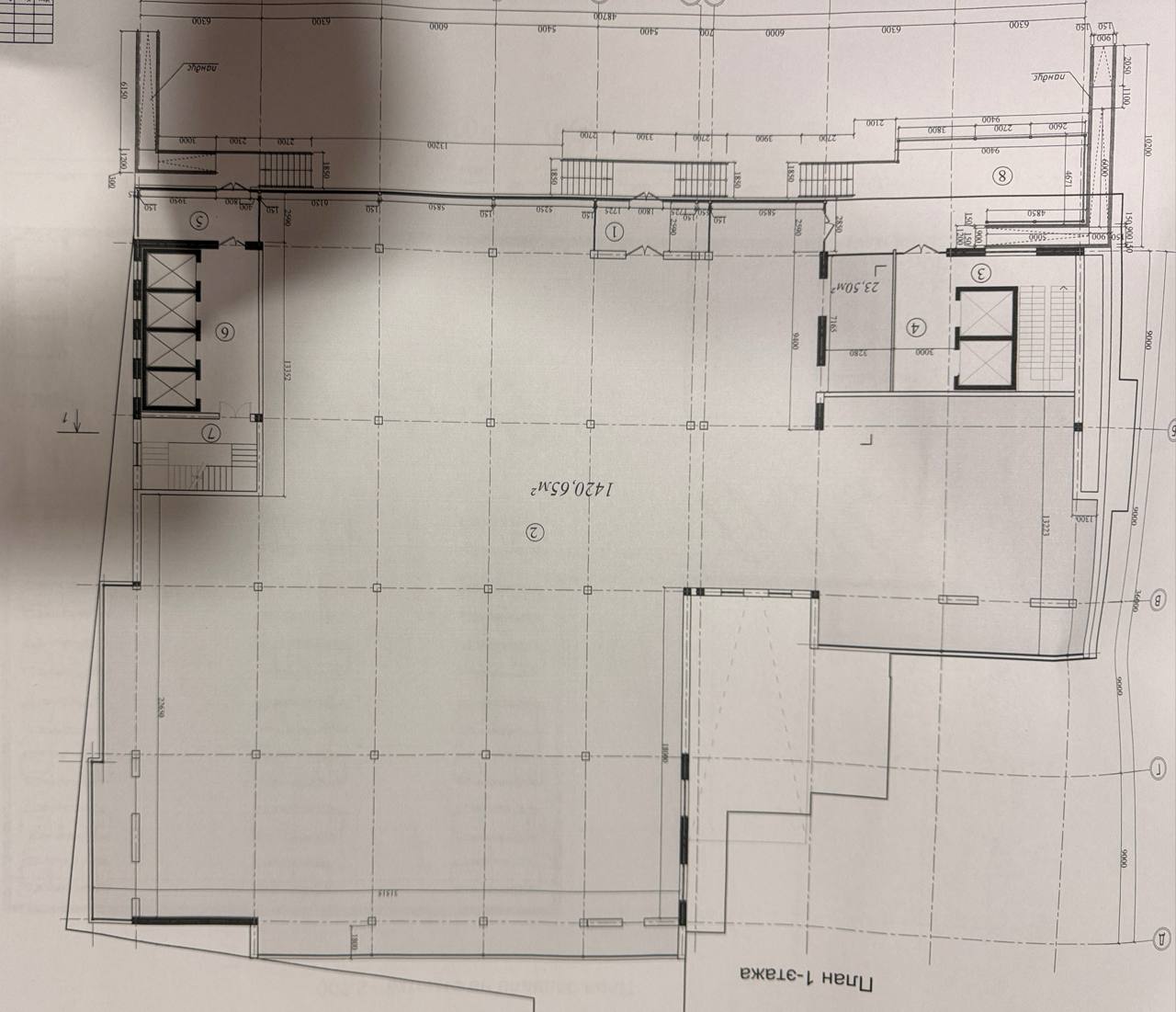
Ташкент, Яккасарайский район, Шота Руставли
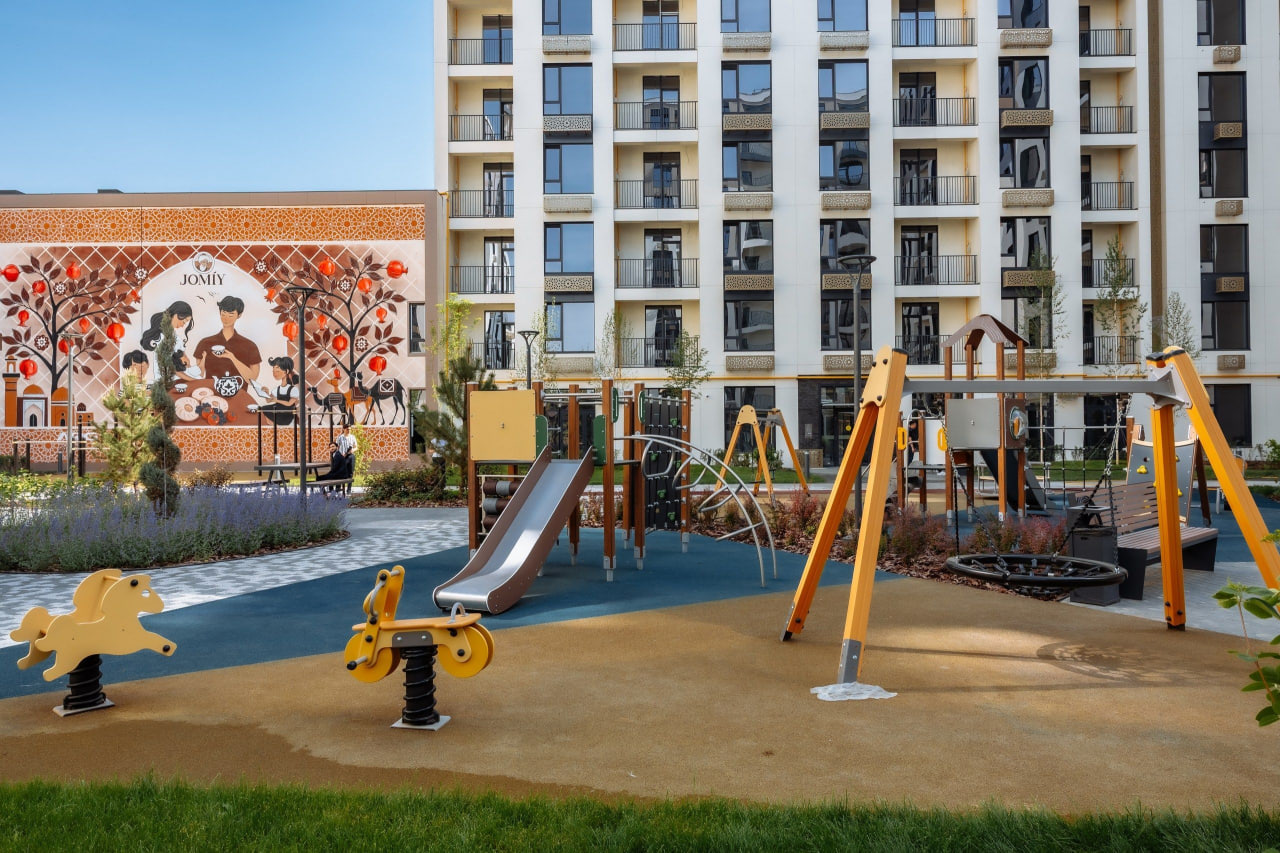
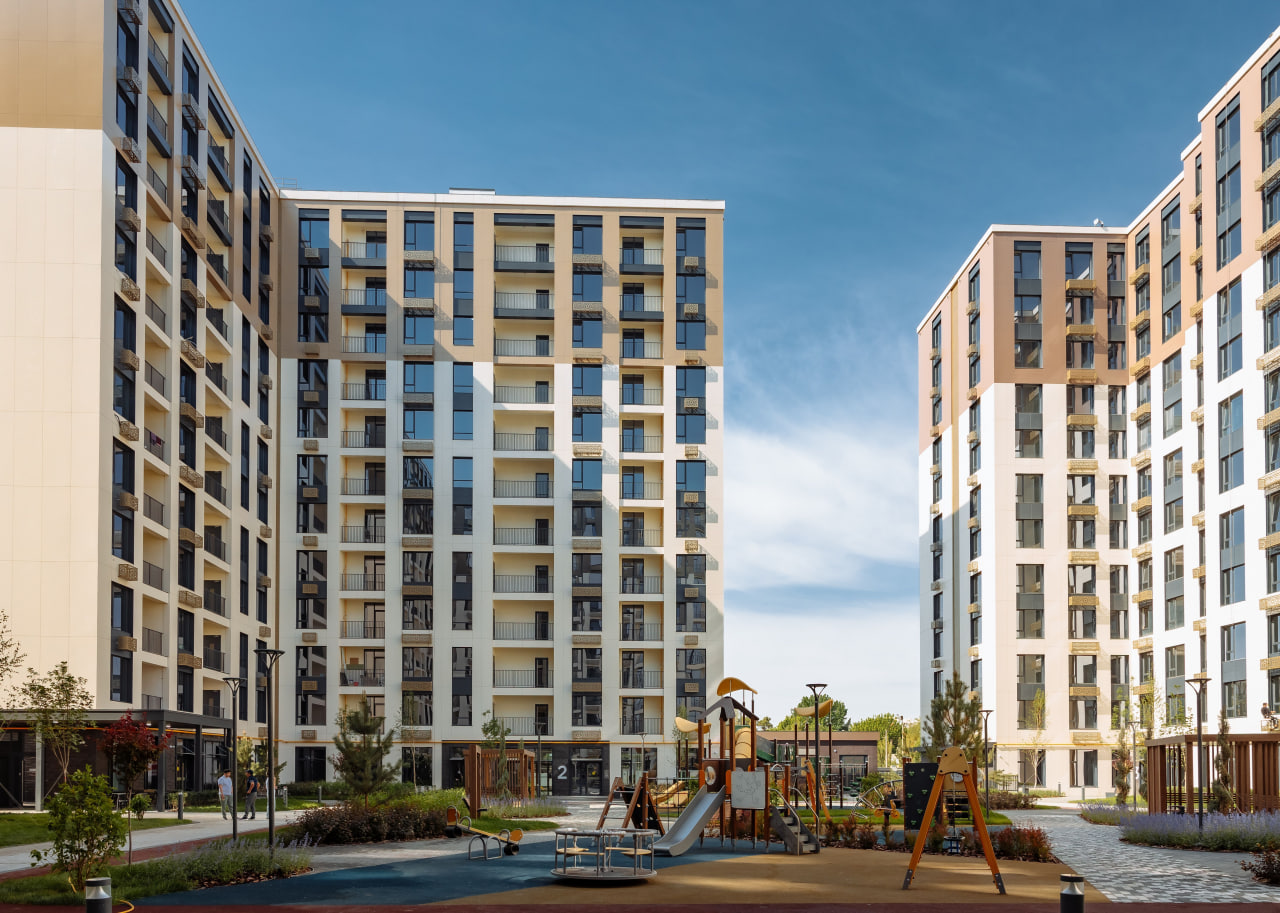

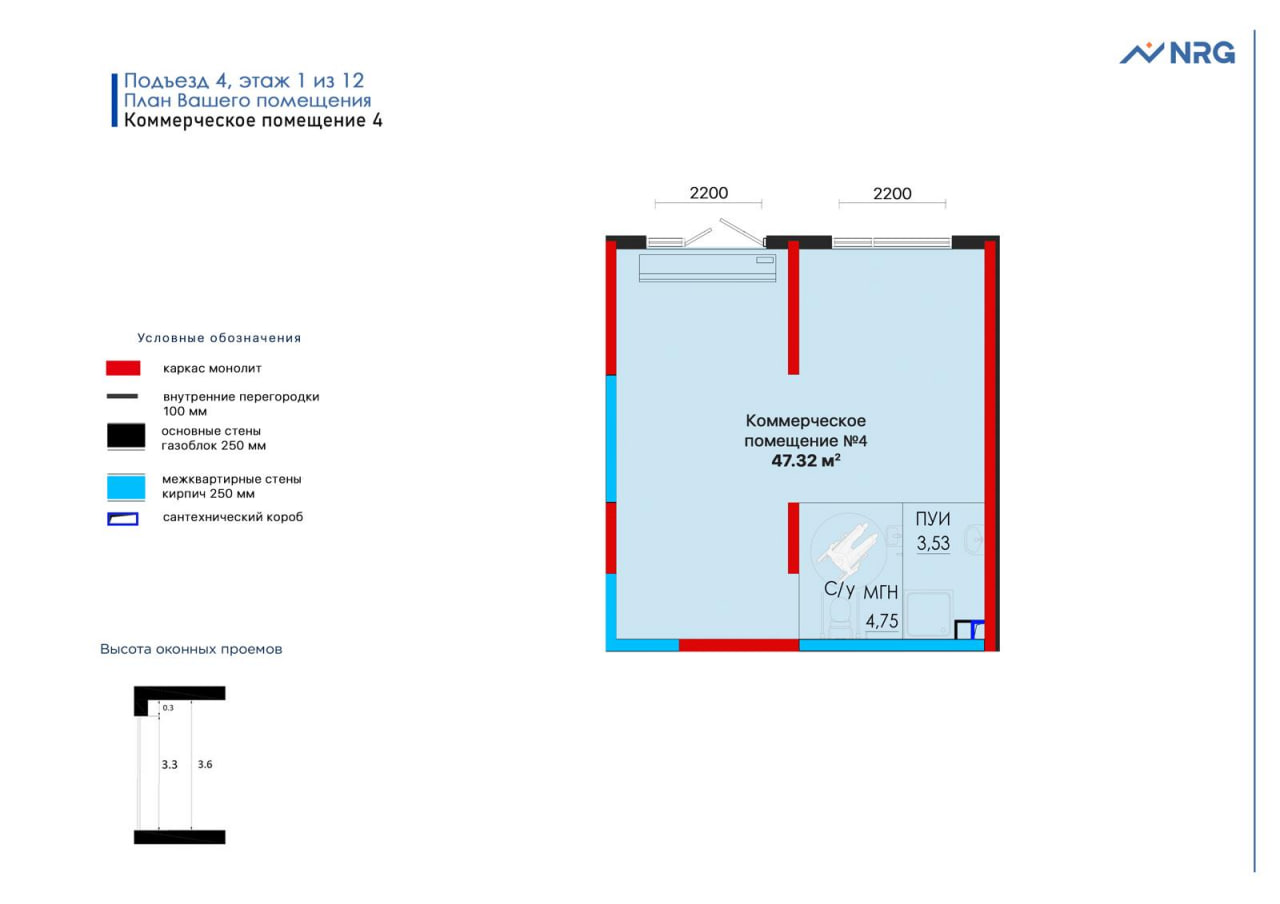
Ташкент, Олмазорский район, Уста Ширин
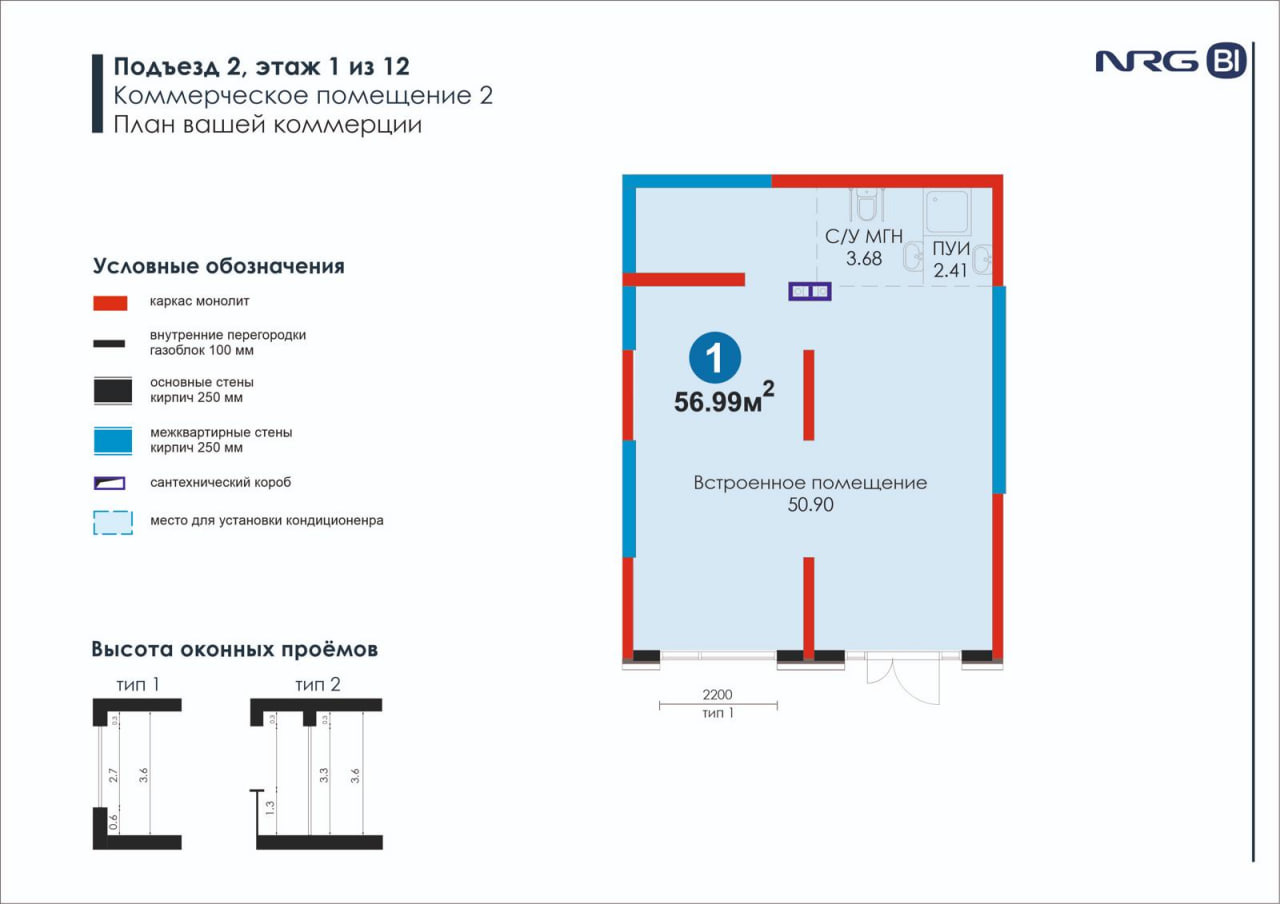
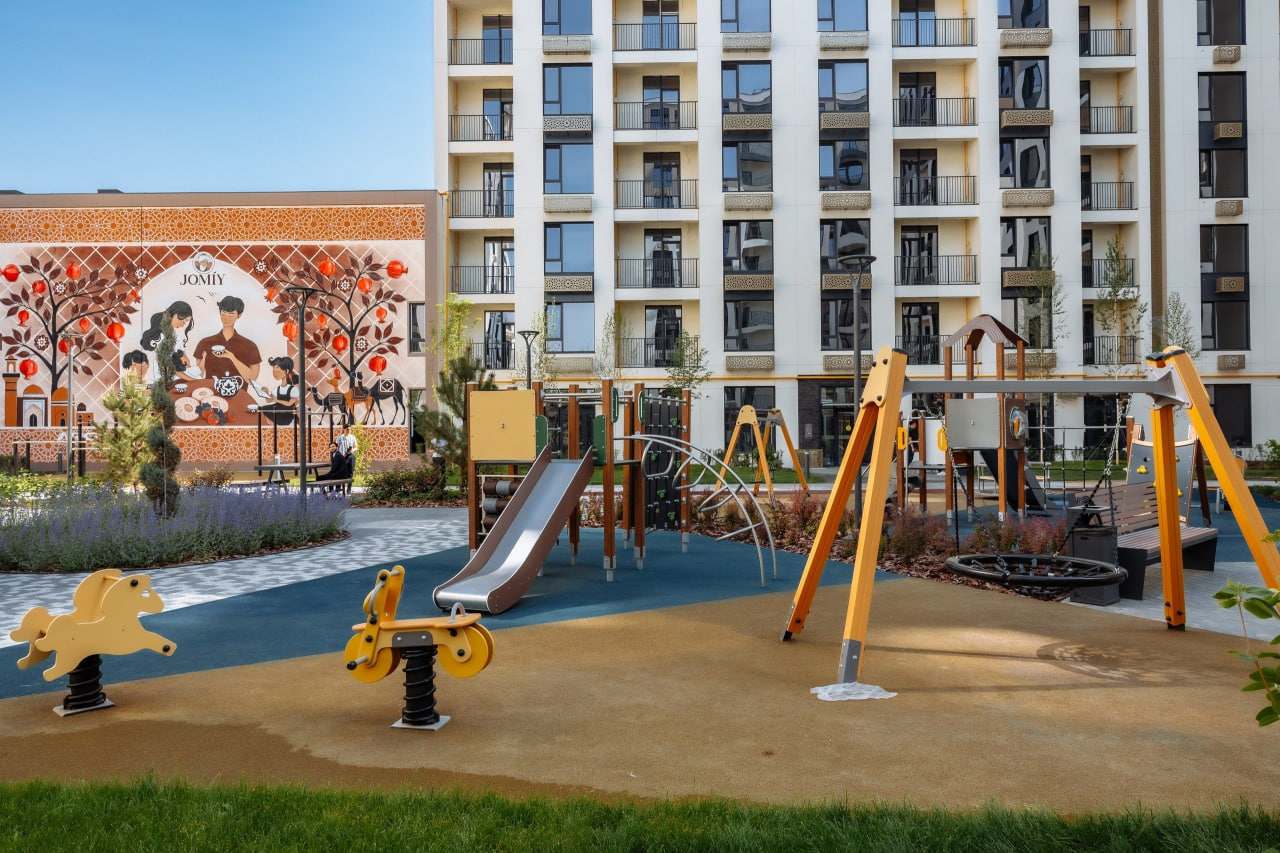
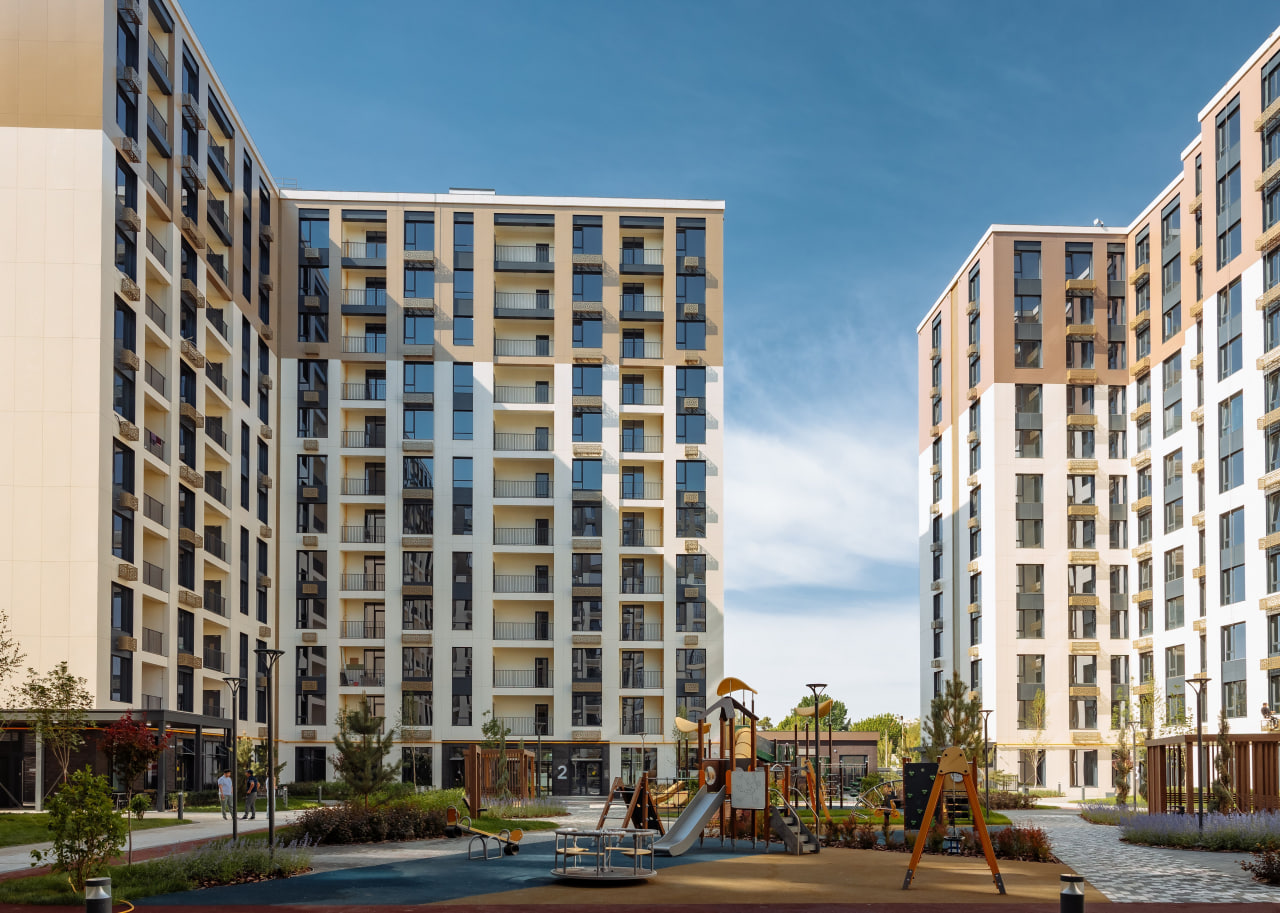

Ташкент, Олмазорский район, Уста Ширин
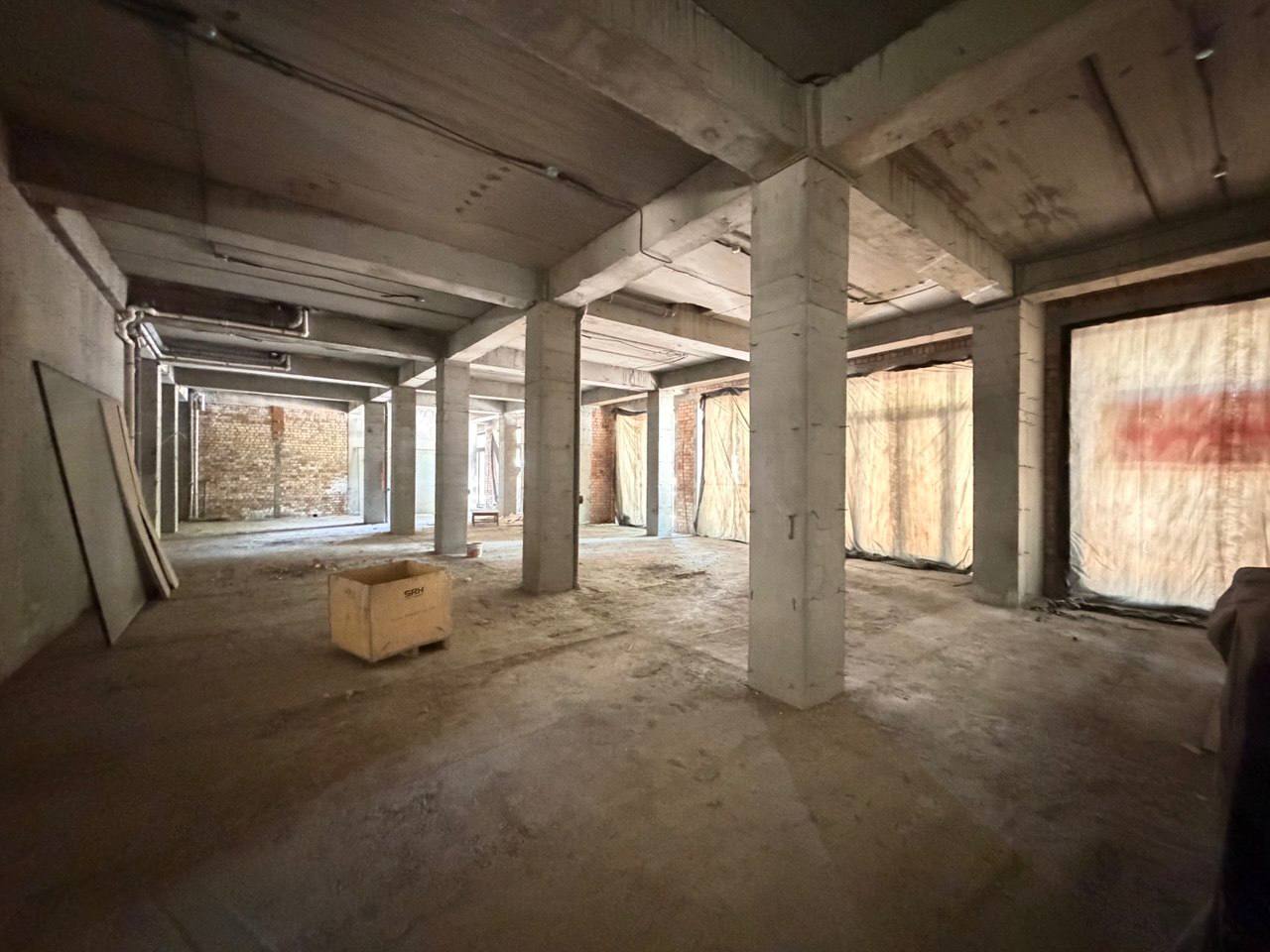
Ташкент, Чиланзарский район, Чапан-ата
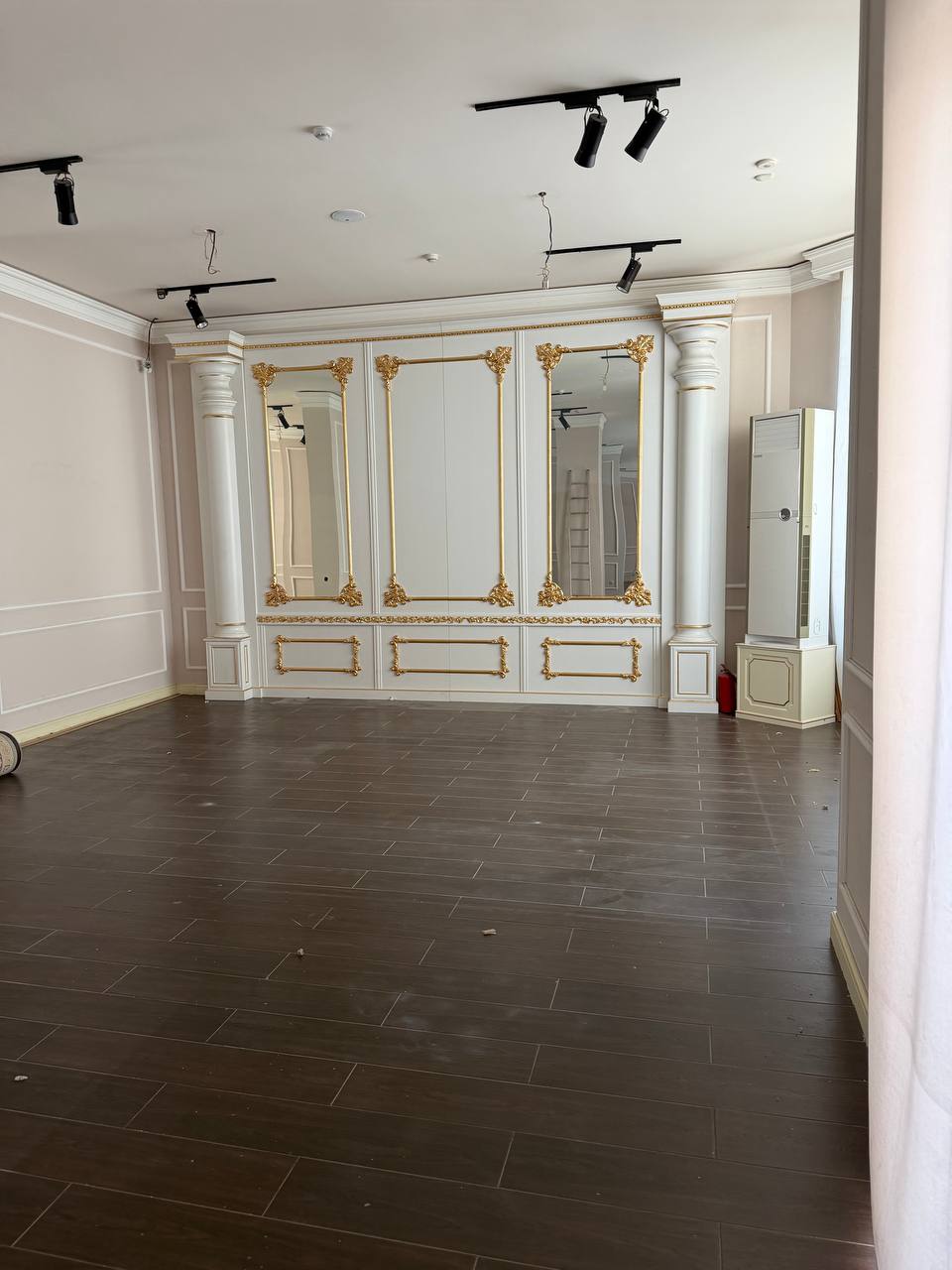
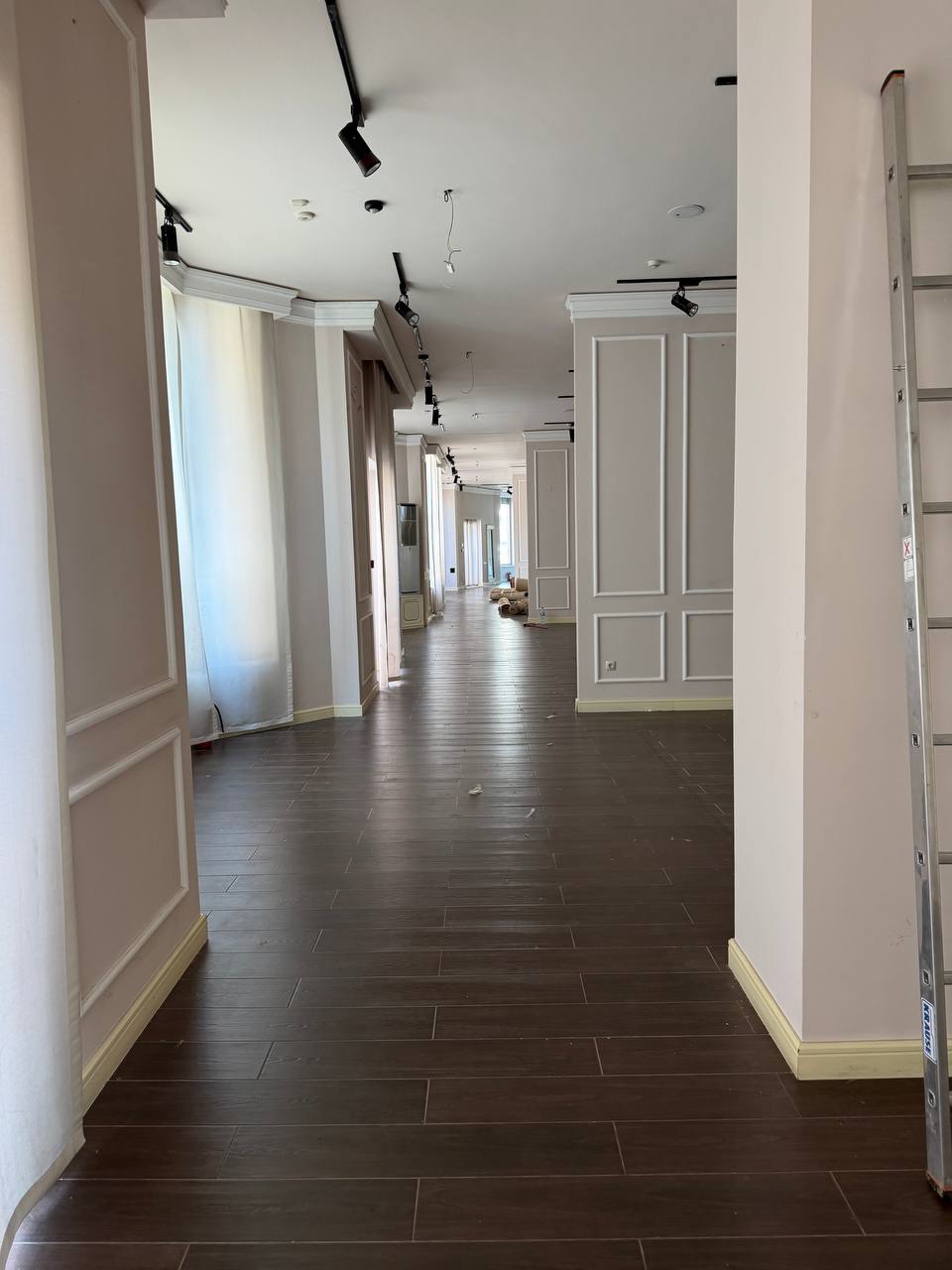
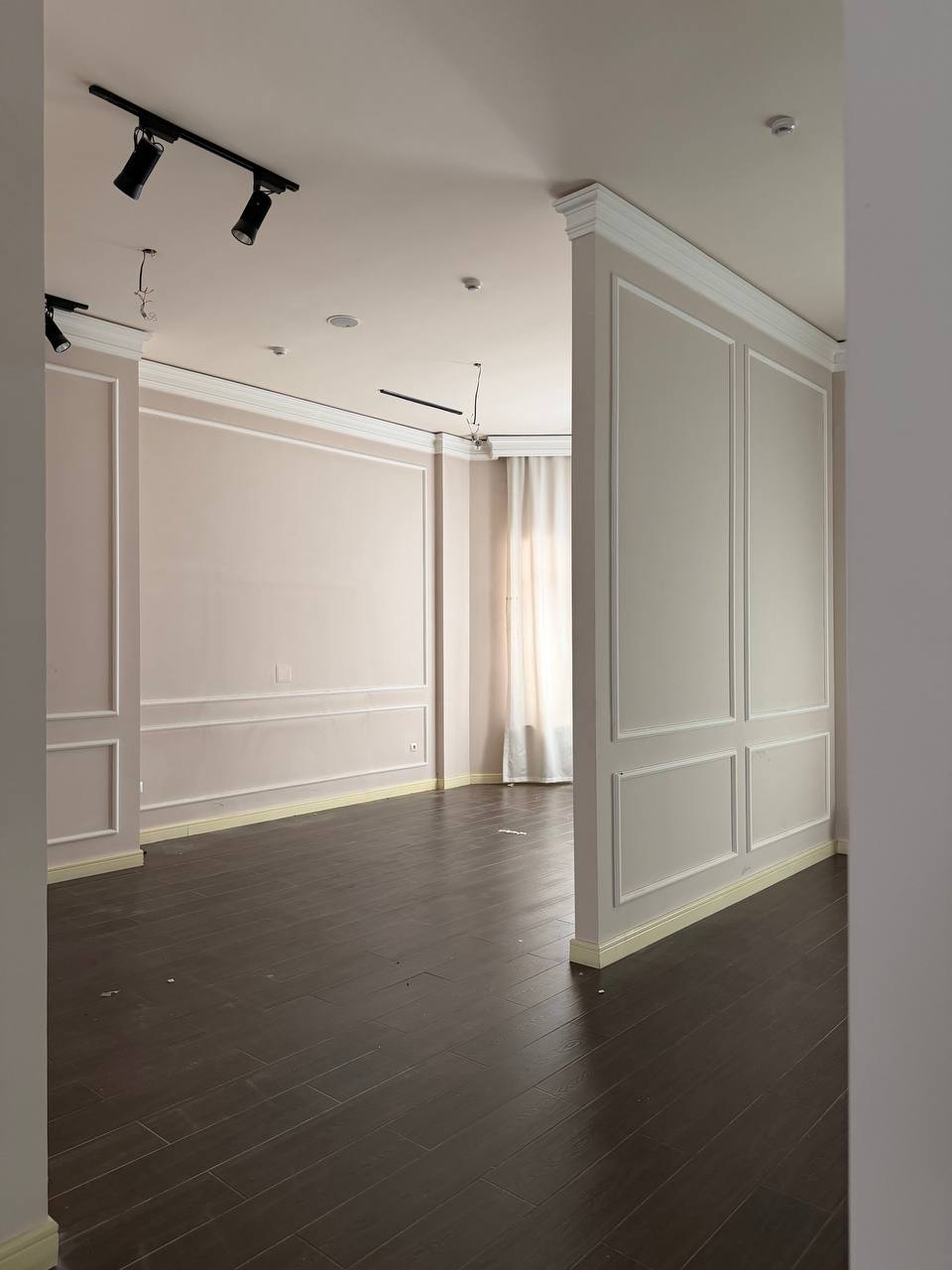
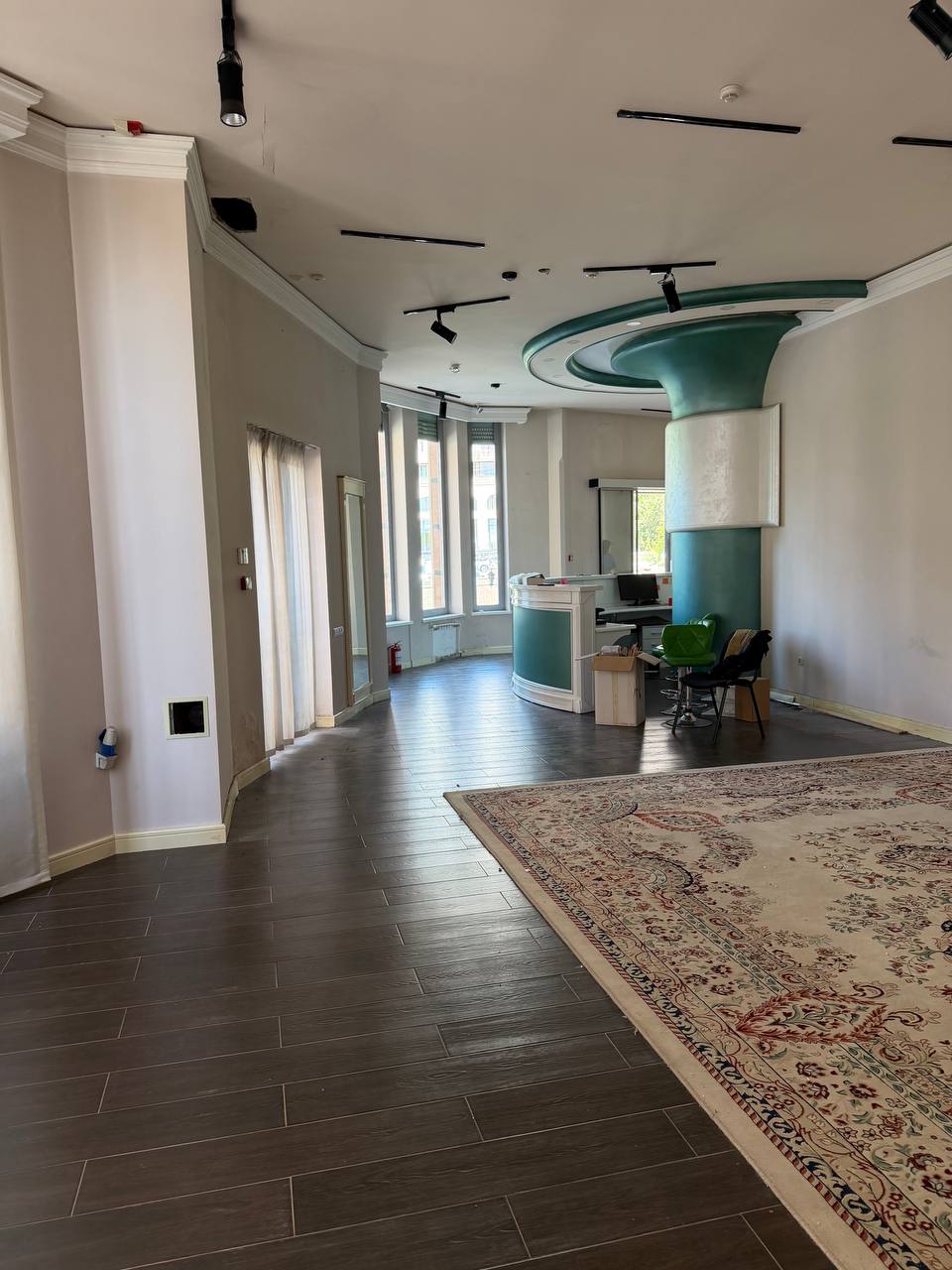
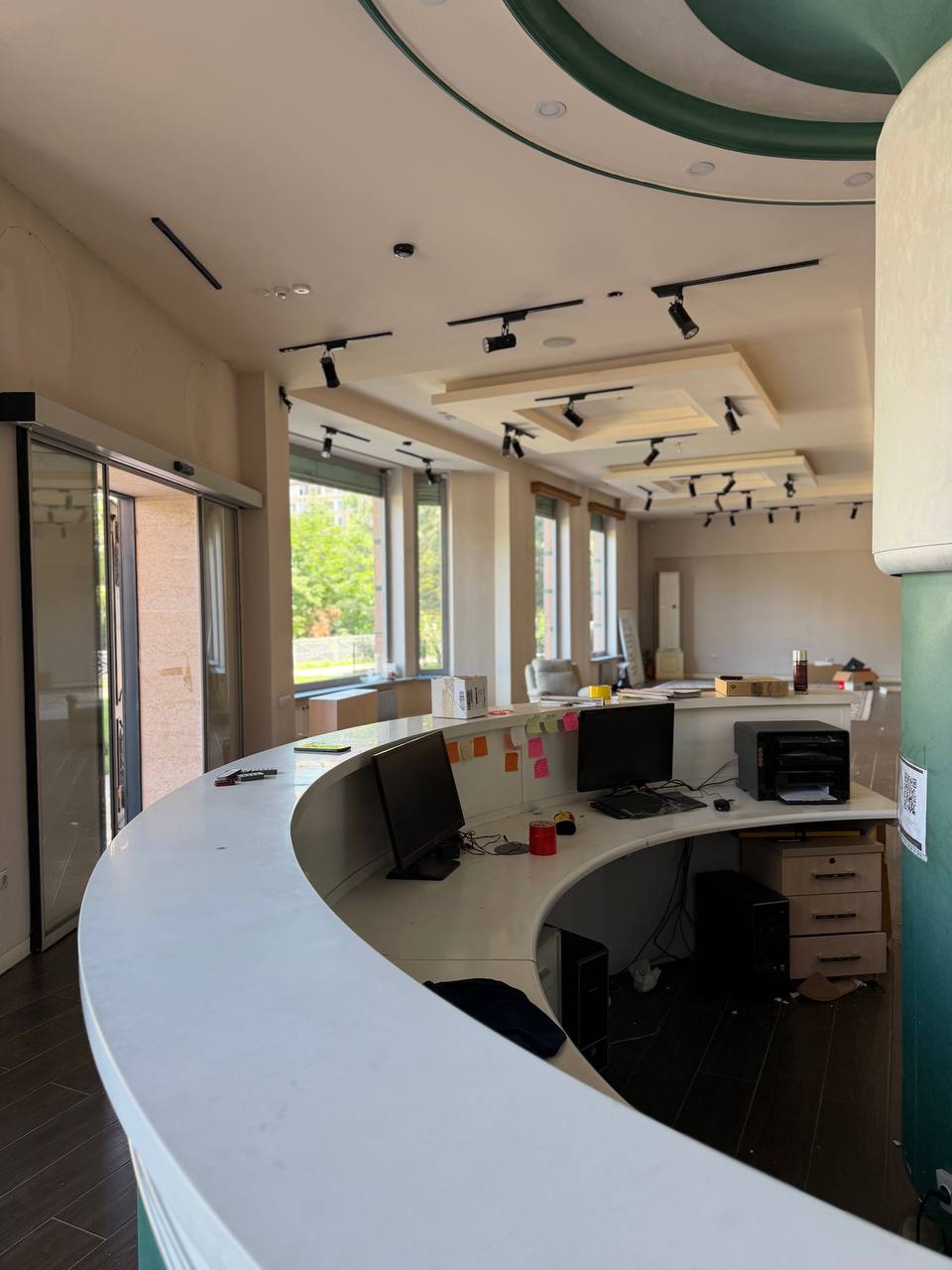
Ташкент, Юнусабадский район, Алайский
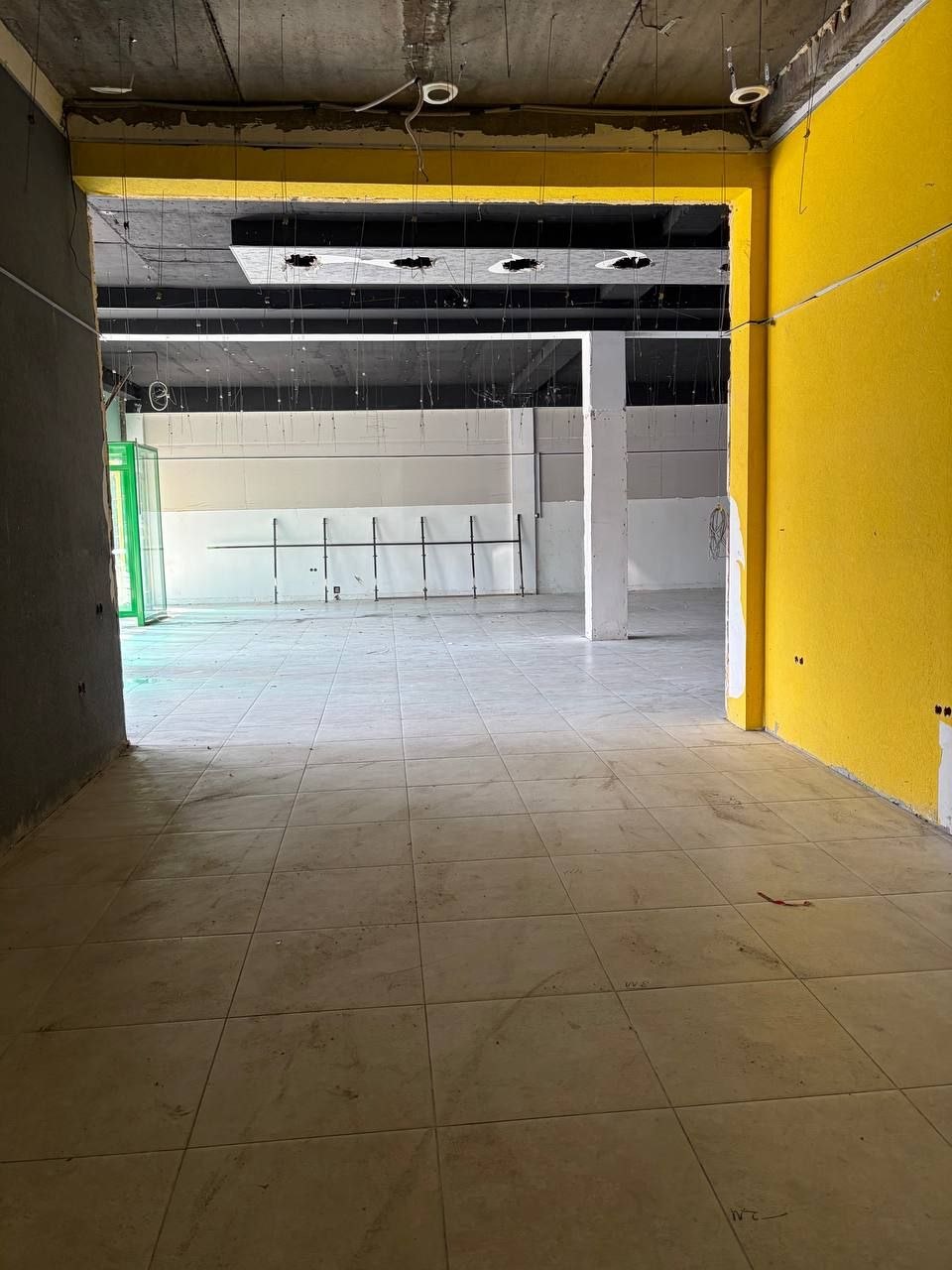
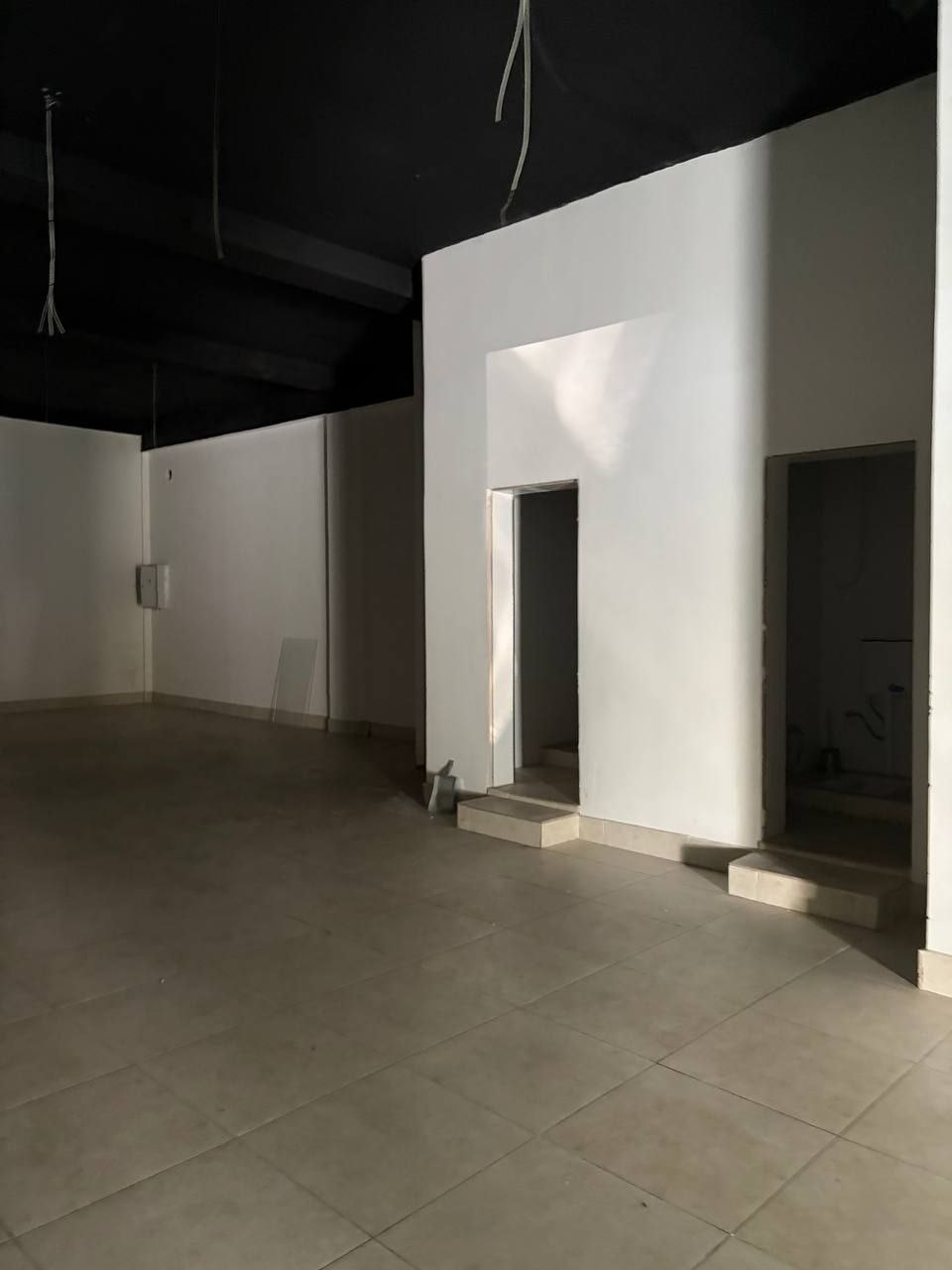
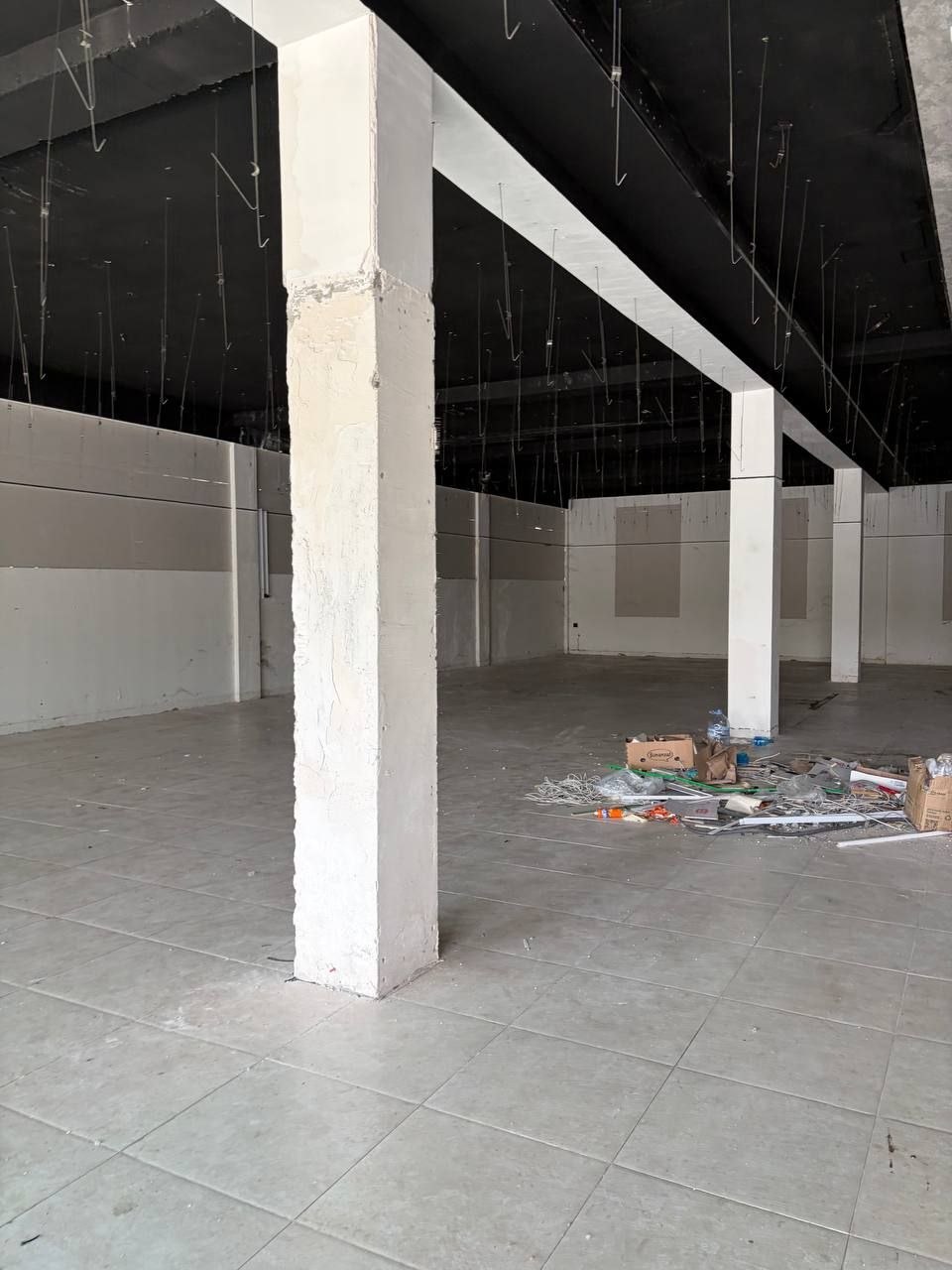
Ташкент, Юнусабадский район, Ахмад Дониш
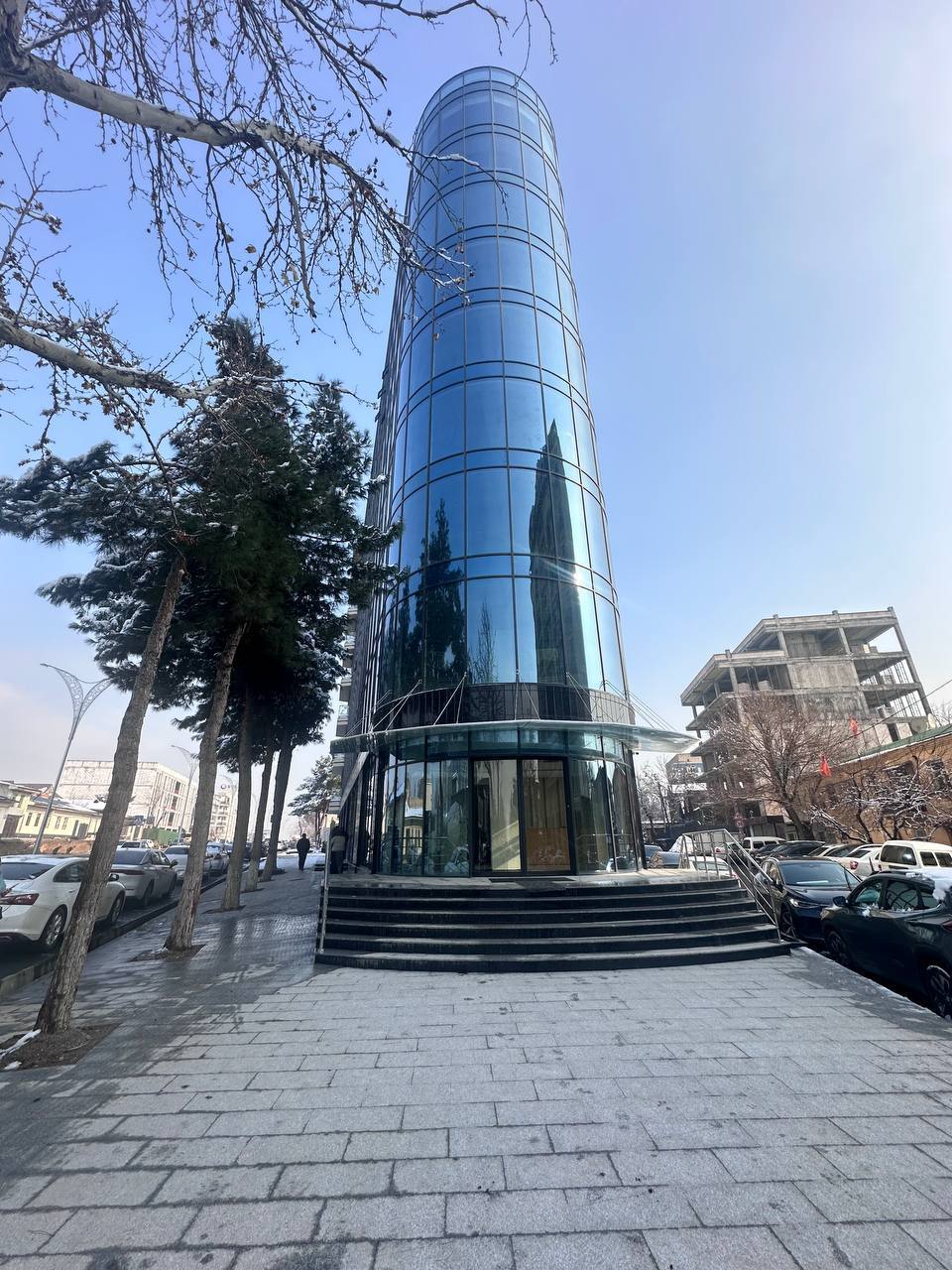
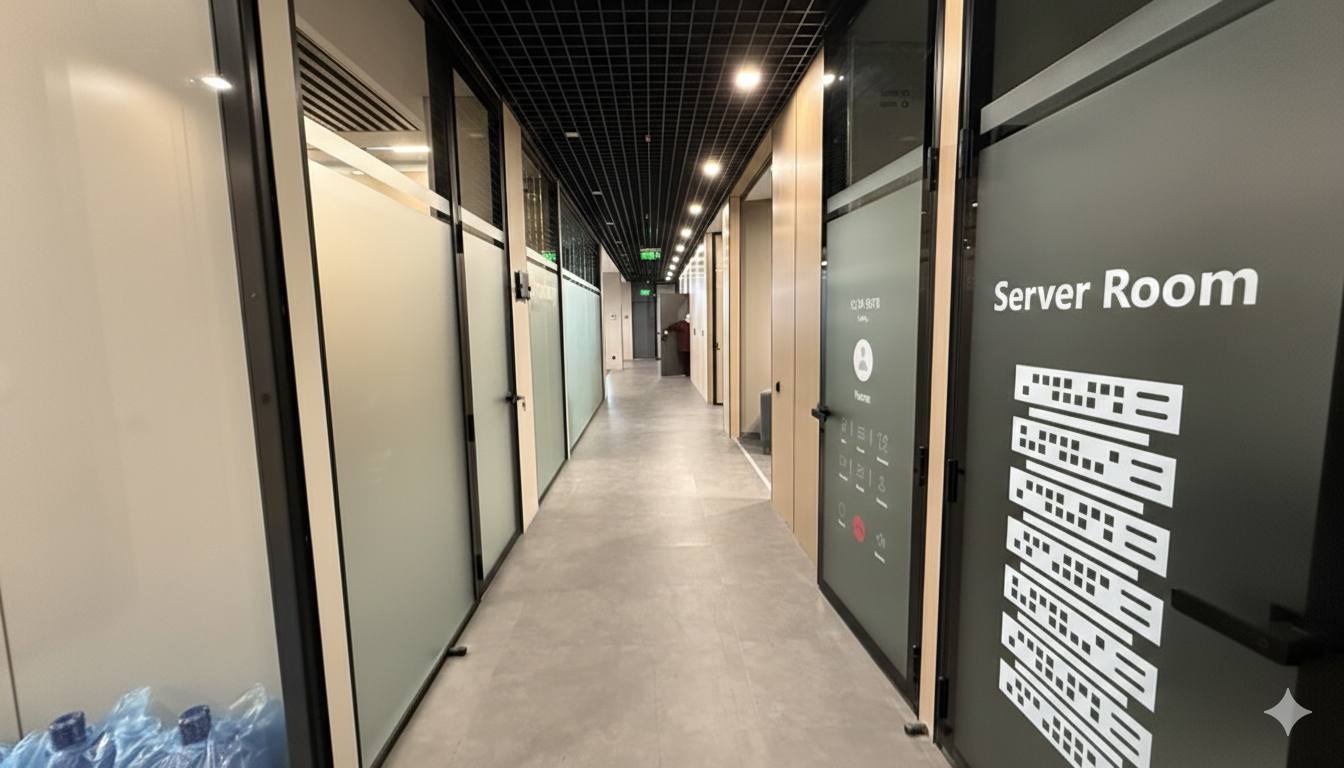
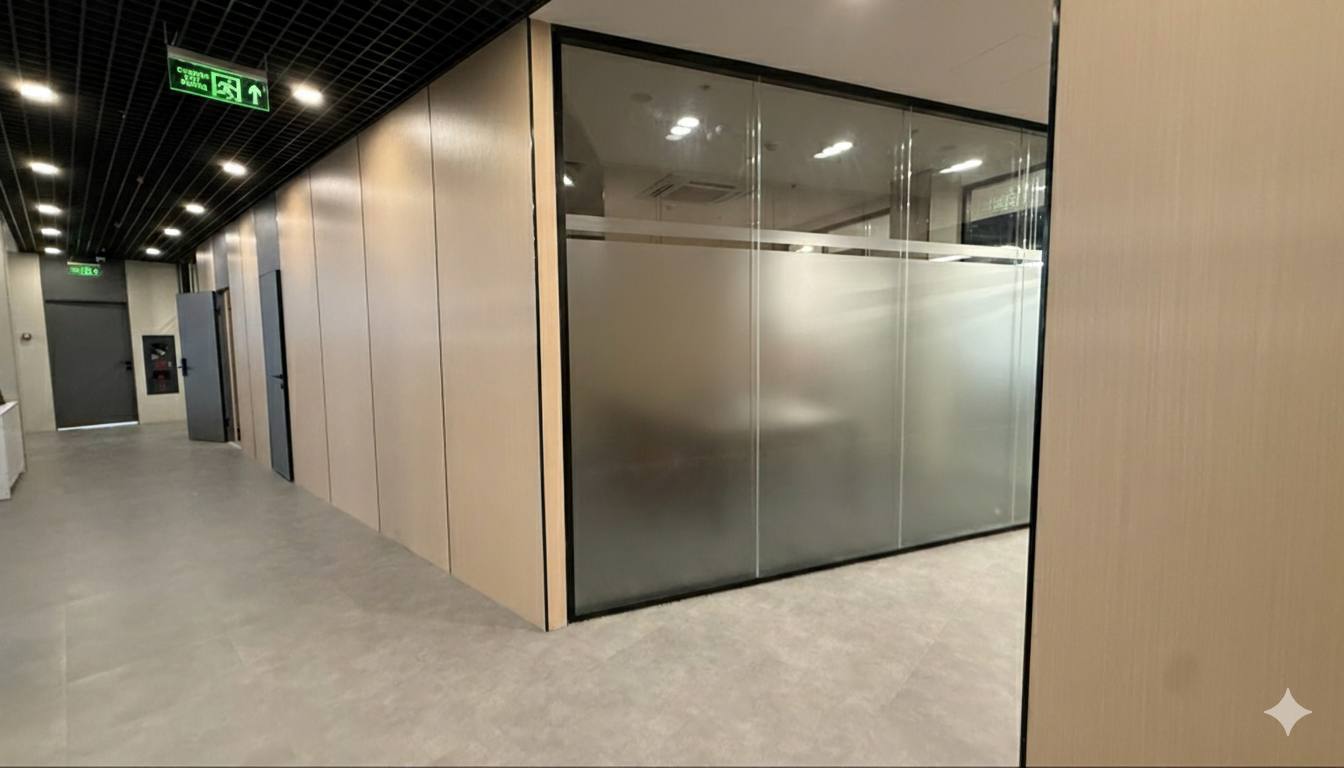
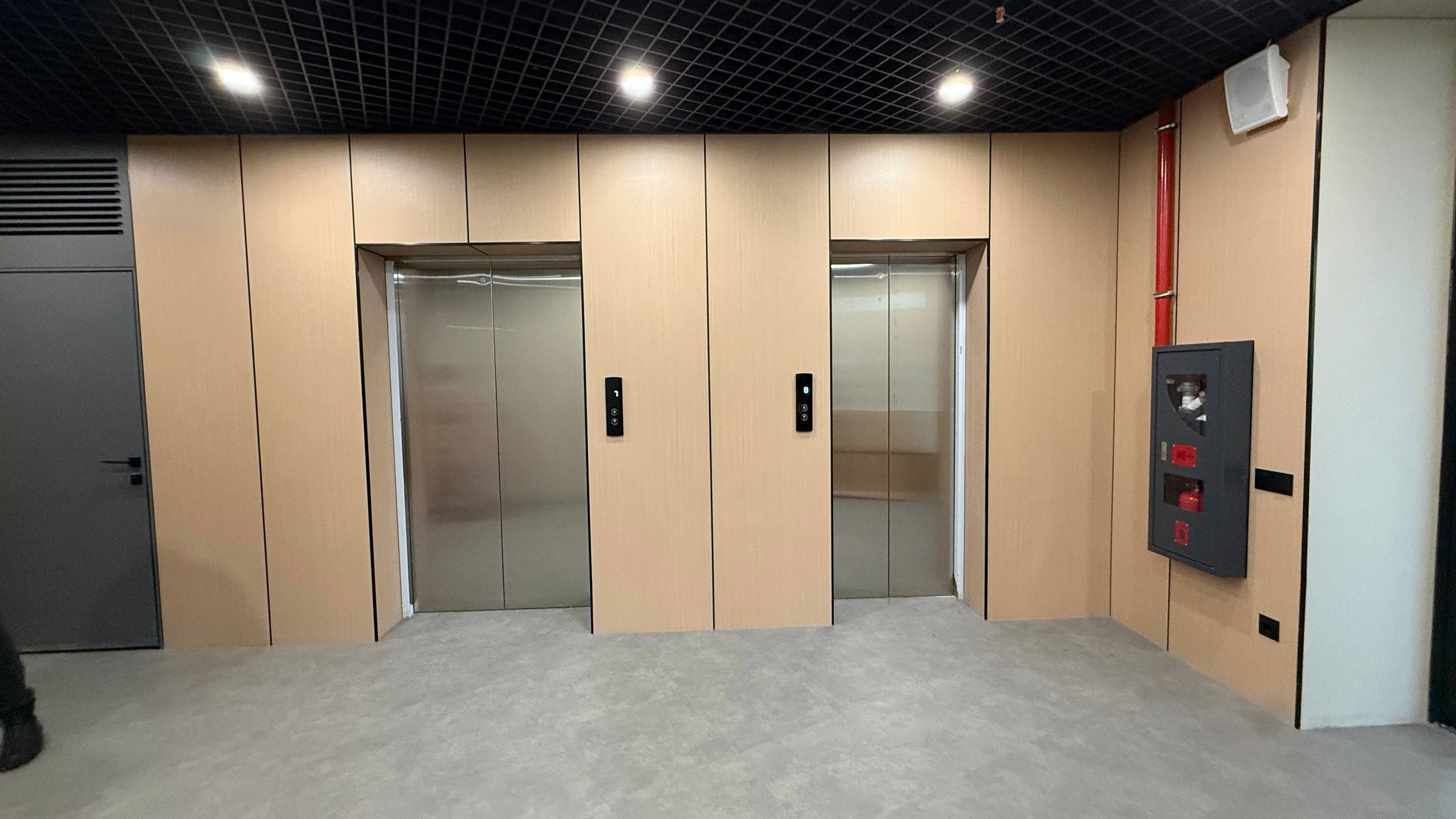
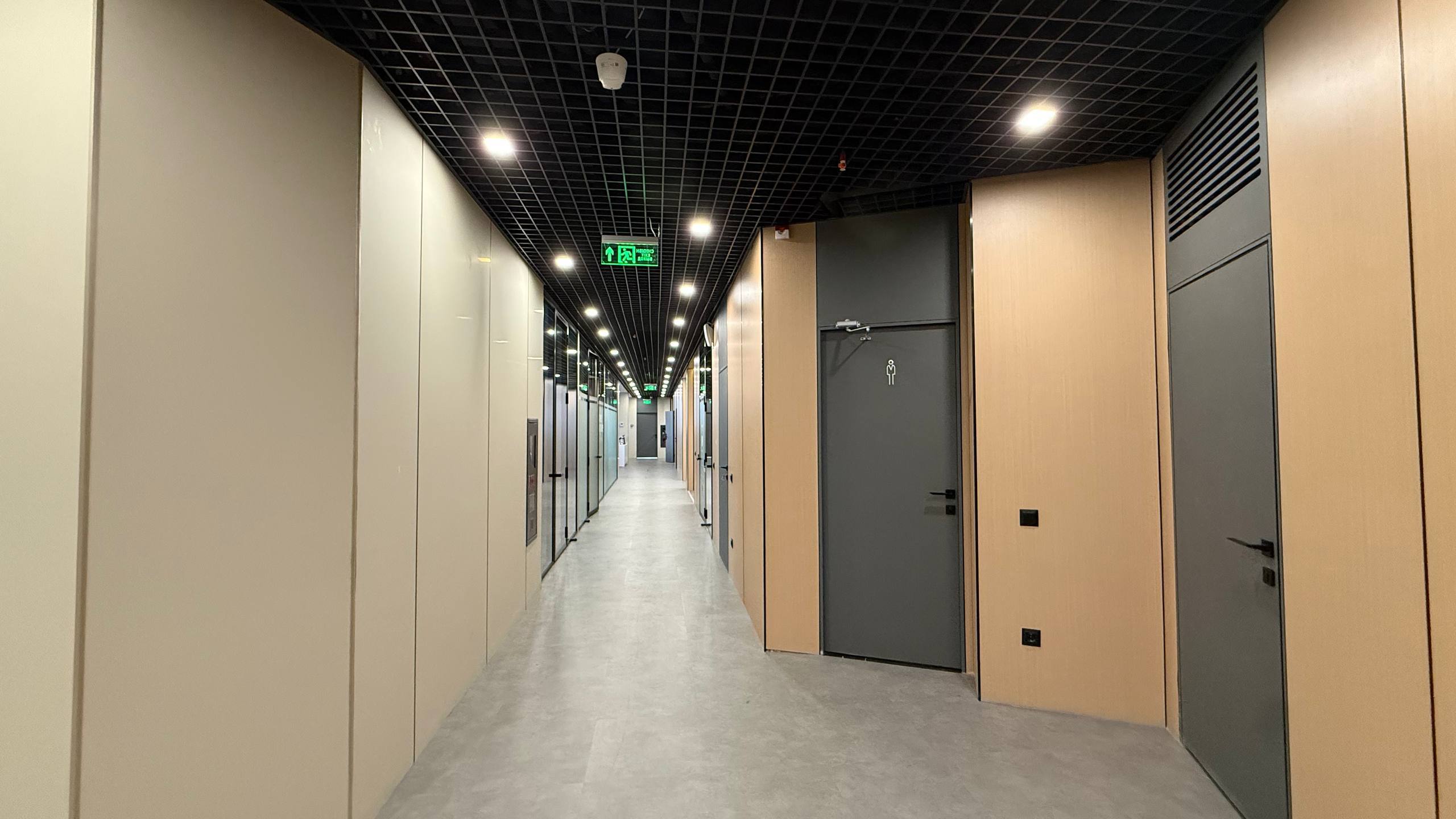
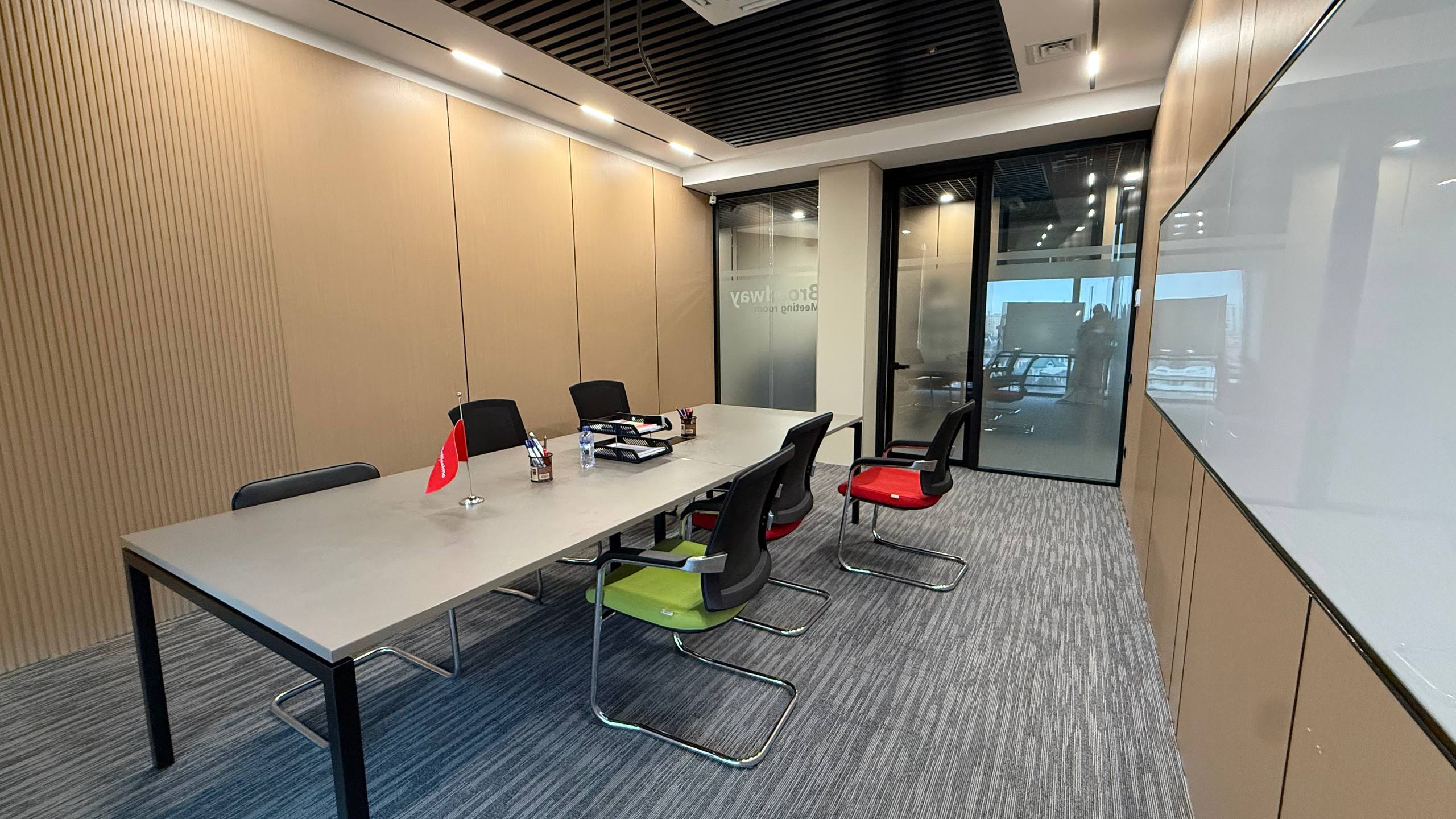
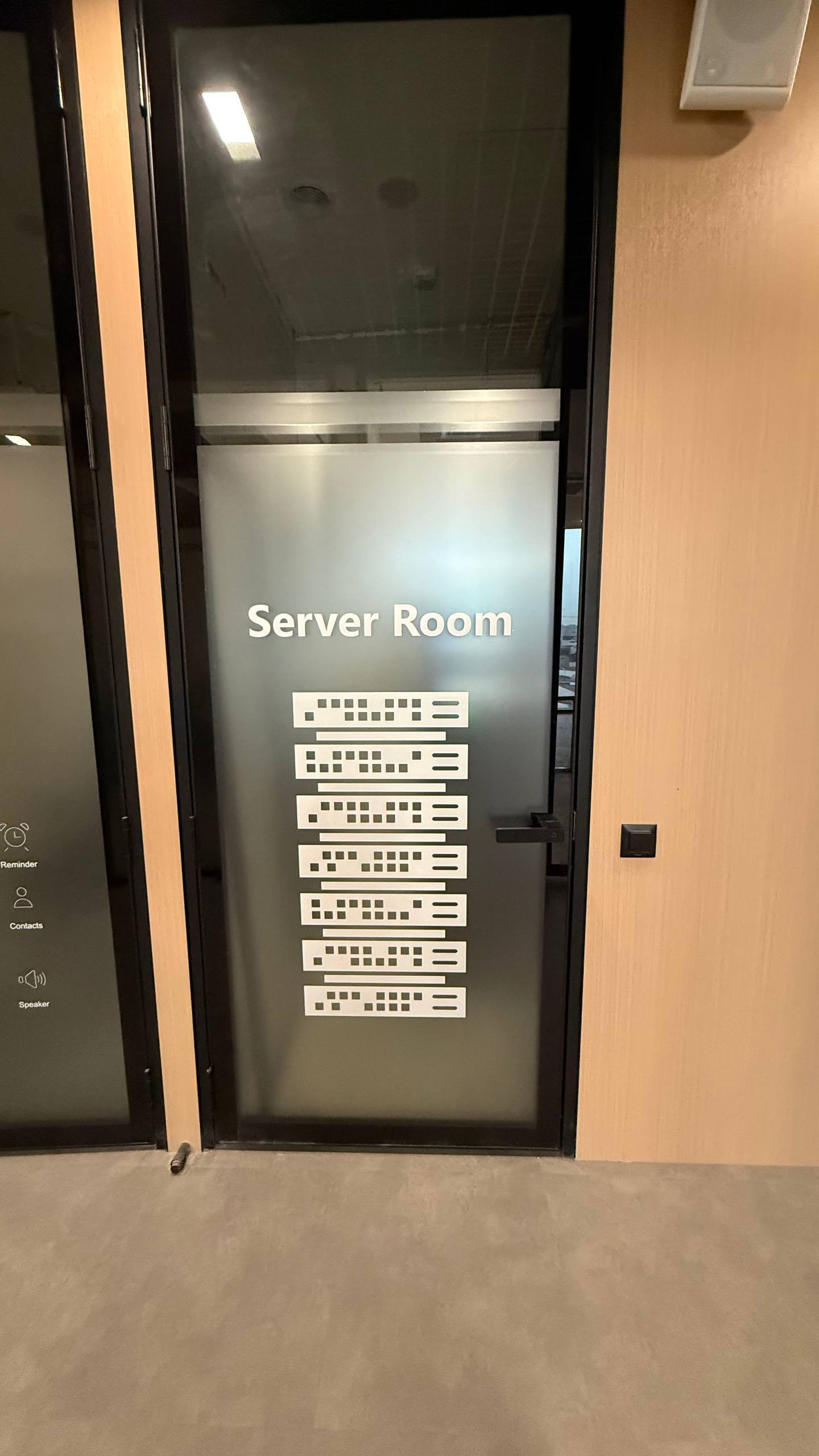
Ташкент, Юнусабадский район, Бадамзар
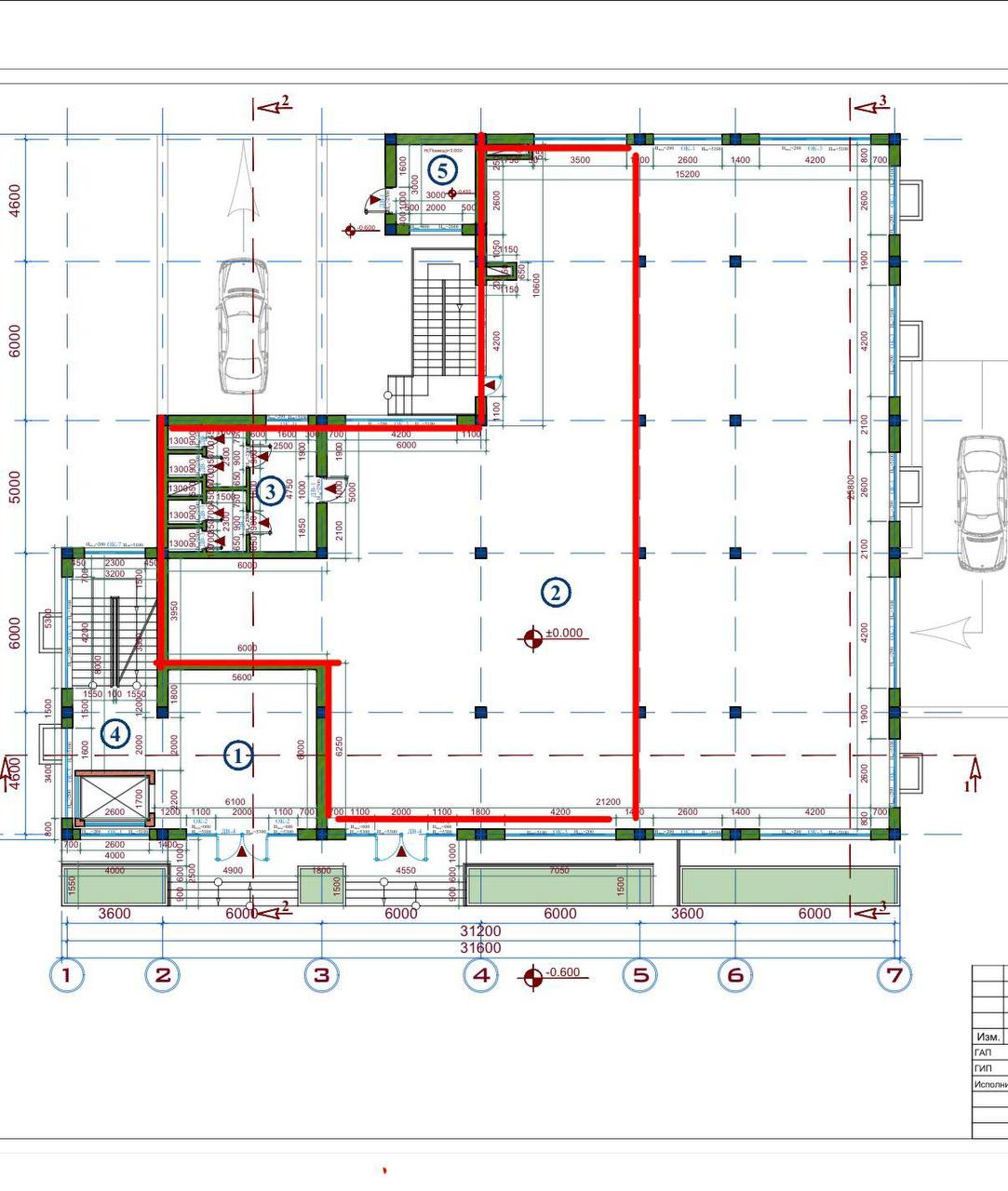
Ташкент, Мирзо-Улугбекский район, ул. Сайрам
MERCATOR.UZ expert guide
Buying a property with a tenant is not buying guaranteed income. A practical method for checking leases, cadastral records, vacancy and costs before acquiring commercial property in Tashkent. Buy the asset, then prove the income A listing for commercial space with a tenant commonly highlights one number: monthly rent. That is useful marketing, but it is not proof of investment income. A purchaser in Tashkent acquires a real-property interest and, only where documents support it, a contractual cash flow. The tenant may leave, ask for a concession, or require works soon after completion. The decision therefore has three separate layers: the registered property right, the contractual obligations, and the cash remaining after downtime and owner costs. The public MERCATOR.UZ catalogue currently shows 107 commercial properties, including 70 rentals and 37 sale listings. Listings provide useful starting facts such as area, district and price. They do not replace a lease, a registry extract or a record of receipts. This guide does not derive a Tashkent market average from that small catalogue; it sets out a purchaser’s verification method. Gross rent is not operating income Gross rent is the amount tenants are scheduled to pay. Net operating income is what remains after concessions, collection loss, vacancy and property-level costs borne by the owner. Loan interest and a buyer’s person
A listing for commercial space with a tenant commonly highlights one number: monthly rent. That is useful marketing, but it is not proof of investment income. A purchaser in Tashkent acquires a real-property interest and, only where documents support it, a contractual cash flow. The tenant may leave, ask for a concession, or require works soon after completion. The decision therefore has three separate layers: the registered property right, the contractual obligations, and the cash remaining after downtime and owner costs.
The public MERCATOR.UZ catalogue currently shows 107 commercial properties, including 70 rentals and 37 sale listings. Listings provide useful starting facts such as area, district and price. They do not replace a lease, a registry extract or a record of receipts. This guide does not derive a Tashkent market average from that small catalogue; it sets out a purchaser’s verification method.
Gross rent is the amount tenants are scheduled to pay. Net operating income is what remains after concessions, collection loss, vacancy and property-level costs borne by the owner. Loan interest and a buyer’s personal tax position should be modelled separately: they depend on the buyer, not on the property’s operating performance.
A working formula is: **net operating income = gross rent − vacancy and collection loss − owner costs**. A first-year yield is net operating income divided by the all-in acquisition cost. All-in cost includes more than the price in the sale agreement: it also includes completion costs, urgent works and agreed expenditure required to make the space usable.
Ask for twelve months of actual receipts, invoices and payment evidence. A quoted rate per square metre cannot compare two properties where utilities, common-area charges or repairs are contractually recovered from tenants in one case and retained by the owner in another.
Assume contractual rent of 20,000 units per month, or 240,000 per year. One month vacant removes 20,000. If evidenced annual owner costs for management, common areas, unrecovered utilities, minor repairs and insurance are 32,000, net operating income is 188,000. At an all-in cost of 2,350,000, the check yield is 188,000 / 2,350,000 = 8%. This is an arithmetic example, not a forecast or a Tashkent market benchmark.
If the space sits vacant for three months and needs 40,000 of adaptation for a replacement tenant, first-year cash flow becomes 108,000. Build three columns: confirmed current year, cautious next year, and loss of the largest tenant. Put lease expiry, indexation, deposit, rent-free time, broker cost and repairs in separate rows. When one tenant supplies more than half of receipts, its departure is concentration risk rather than routine vacancy.
Start with parties, premises and money, not just the lease term. Request the main lease, every schedule and amendment, handover act, payment schedule, receipt evidence, concession correspondence and deposit records. Match the premises description, area and boundaries to cadastral documents. If the tenant occupies only part of the asset, that part must be clearly identified in an attachment; otherwise the income cannot be confidently attached to the property being bought.
The Uzbek Civil Code addresses continuation of a lease when parties change, but that does not remove the need to read the particular contract. Early termination, renewal, indexation, rent-free periods, operating costs, improvements and reinstatement are decisive. Ask a real-estate lawyer for a written answer on obligations that transfer to the buyer and any consent or dispute risk.
The state registry is an official source for registered real-property rights, and its electronic and paper extracts have equal legal force. Public services also provide a cadastral-object prohibition check. Compare the extract, cadastral passport, seller’s title document and draft sale agreement: number, address, area, use, share and encumbrances. Where a legal entity sells, verify the signatory’s authority and any required corporate approvals.
This does not prove that the building’s physical condition supports the income. Roof failure, cooling, electrical capacity or common systems can interrupt cash flow before a lease issue does. Request maintenance logs, repair acts, utility bills, management contracts and a list of owner obligations. RICS advises that technical due diligence be undertaken by a competent professional and tailored to the asset and jurisdiction. Ask the engineer a concrete question: what works are likely within two years, what will they cost, and who pays under the existing contracts?
Use one evidence table. The first column records the seller’s statement: rent, term, expense, no restriction. The second records proof: lease, bank receipt, invoice, extract or professional report. The third records the missing evidence and its effect on price or deposit conditions. Missing data does not automatically end a transaction, but it should change the price or the contract protections. A lawyer should draft the sale and deposit terms; an accountant should test tax and accounting for the buyer’s actual structure.
A defendable decision is not based on “what yield is promised?” It asks: what cash flow is documented, what risk remains, and how much am I paying to accept it?