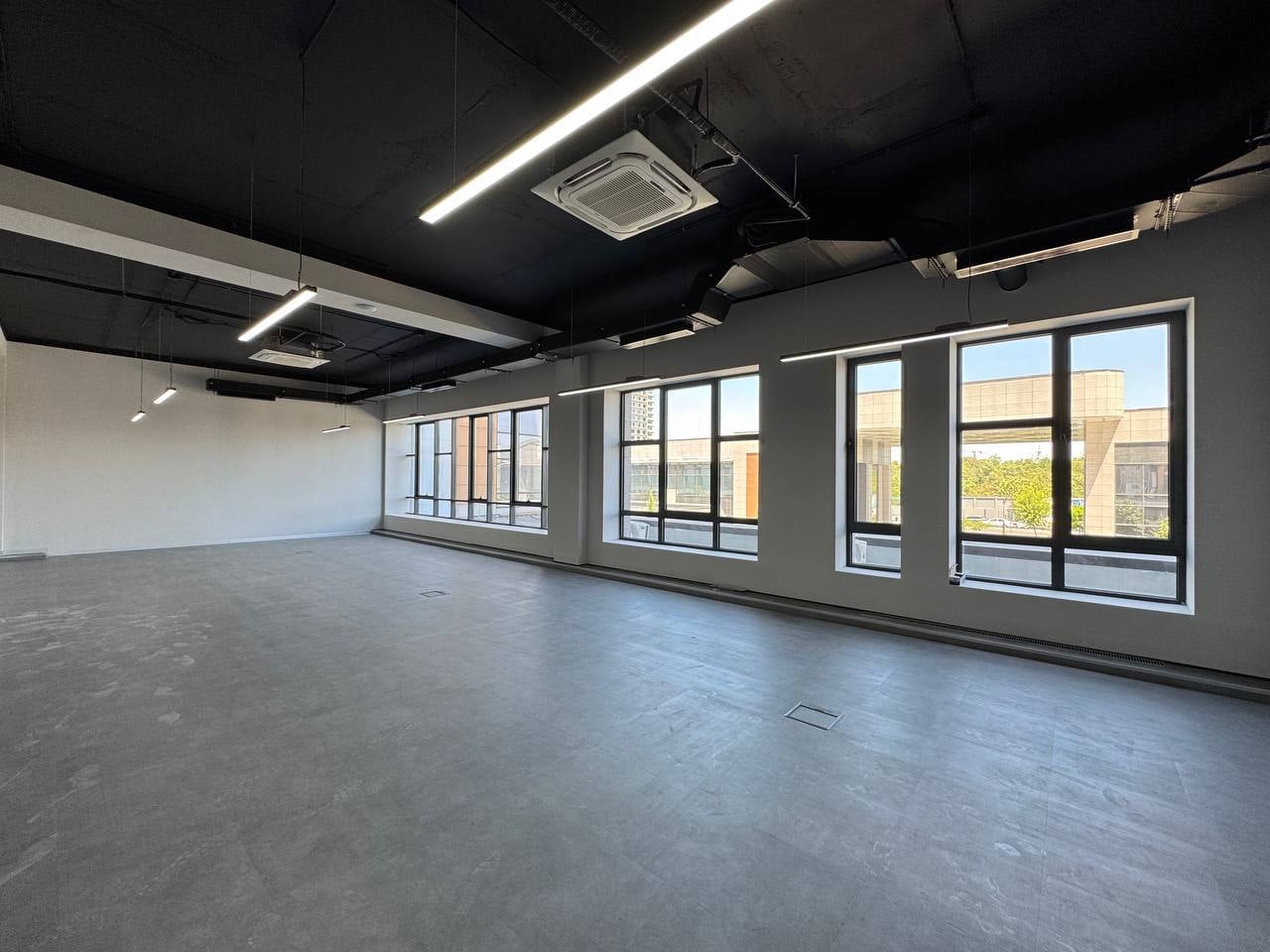
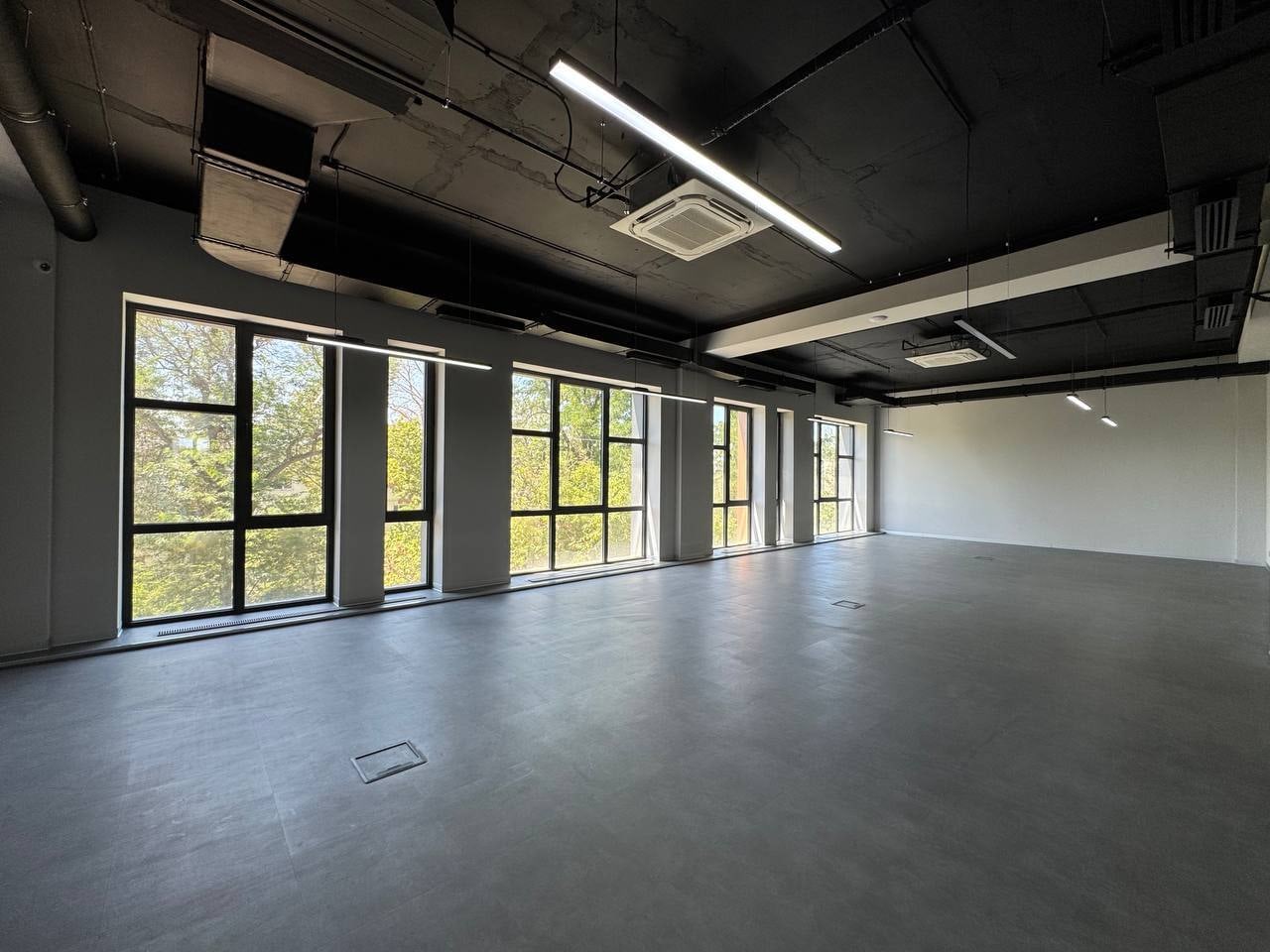
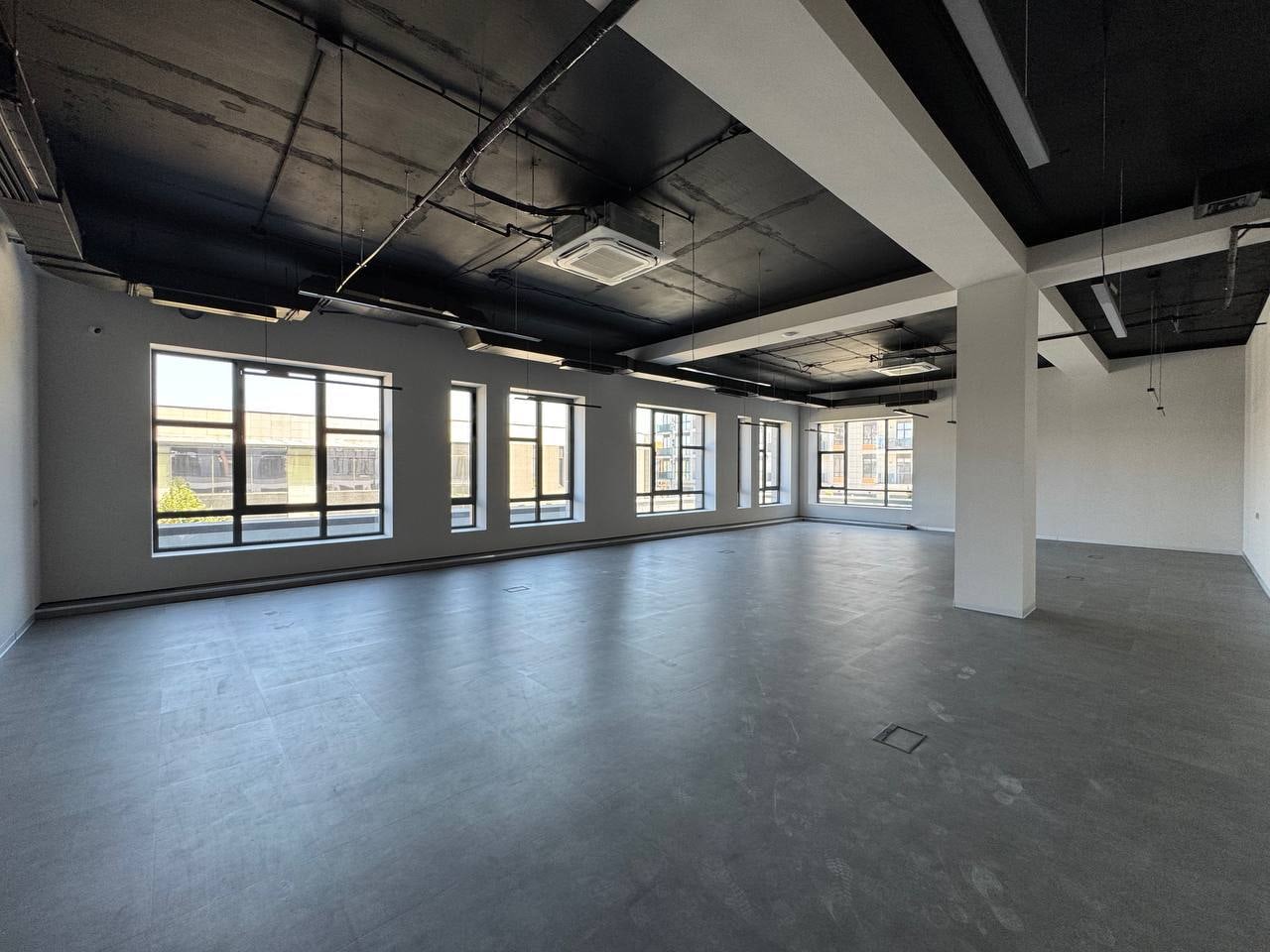
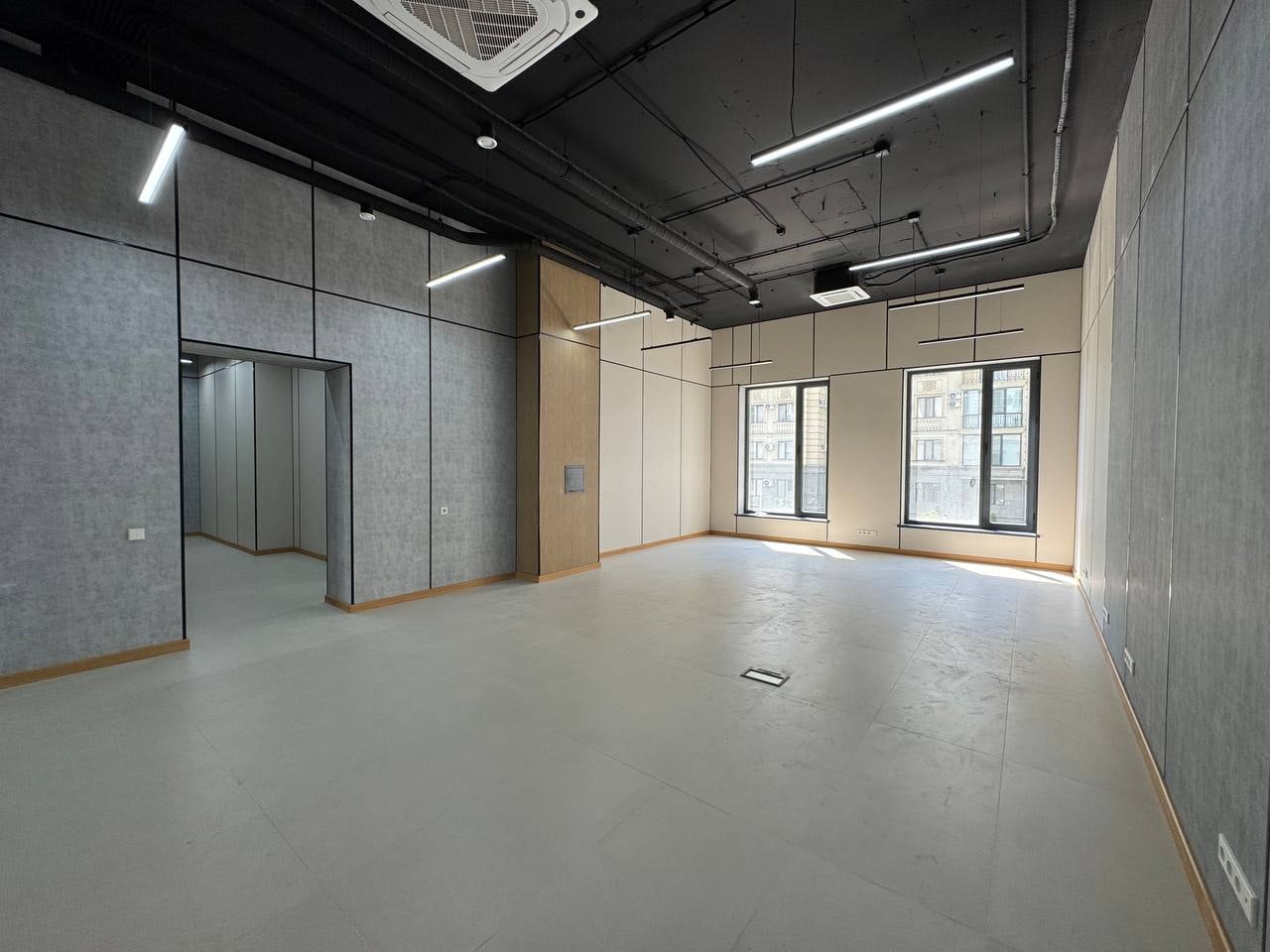
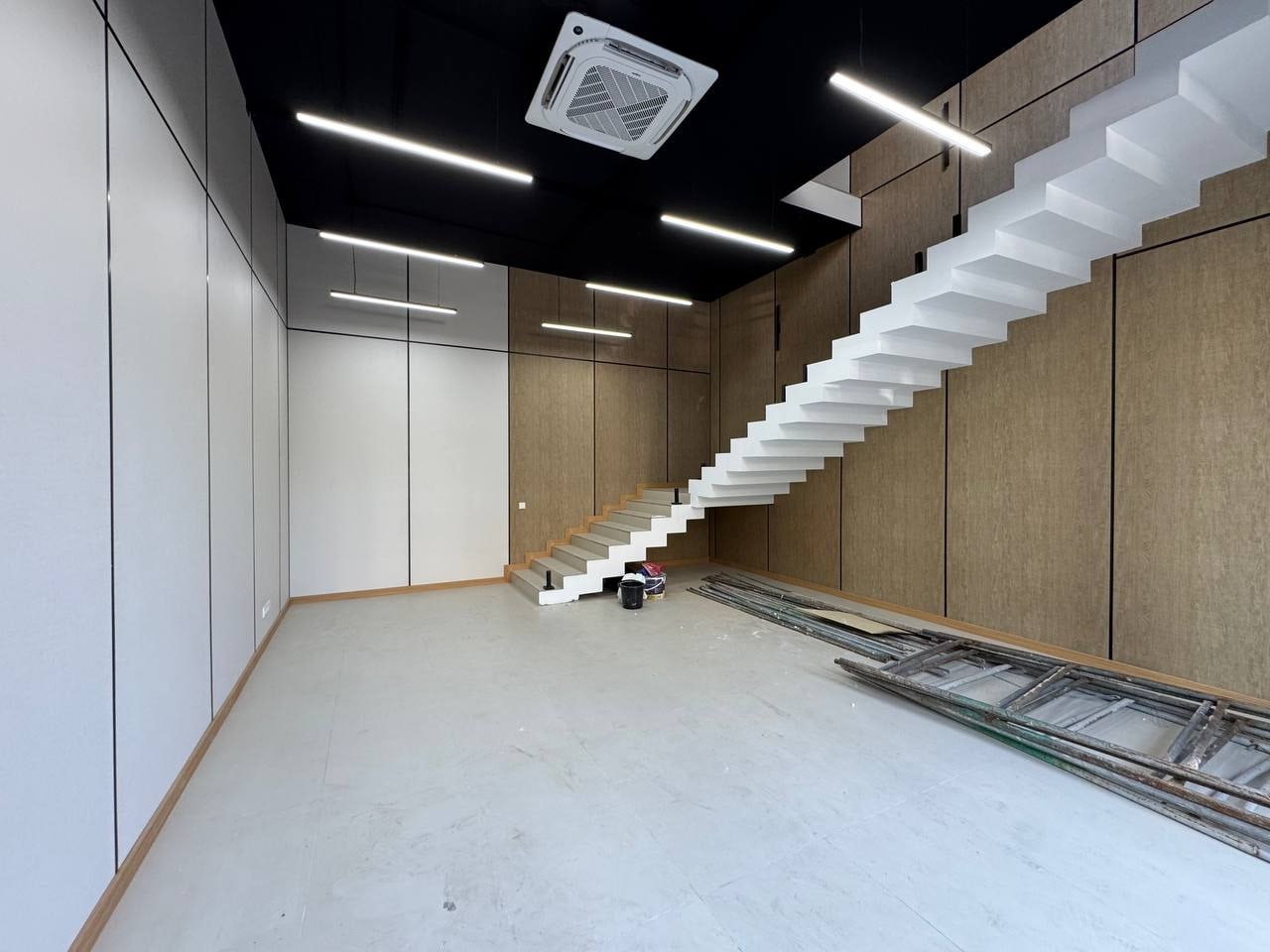
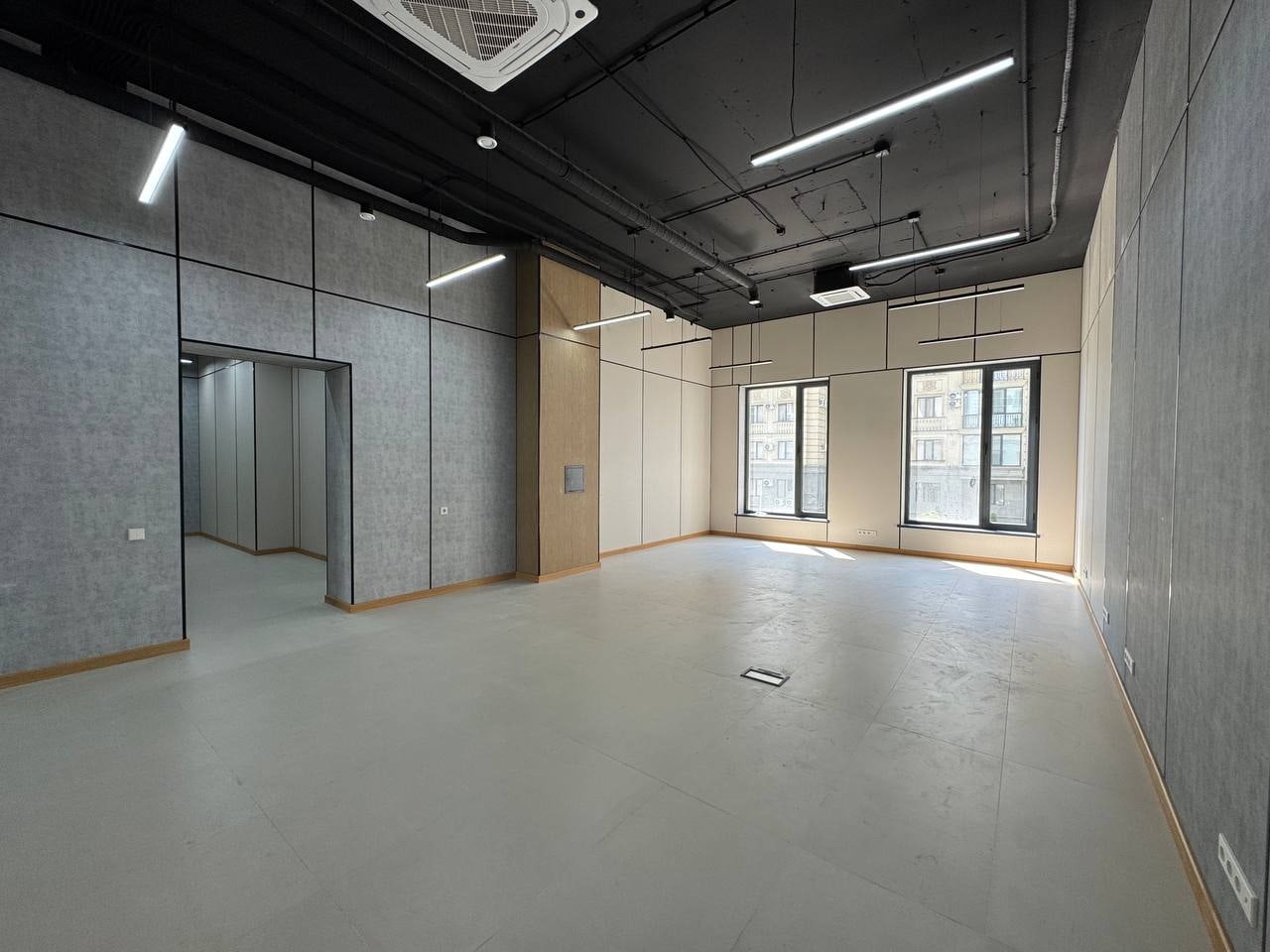
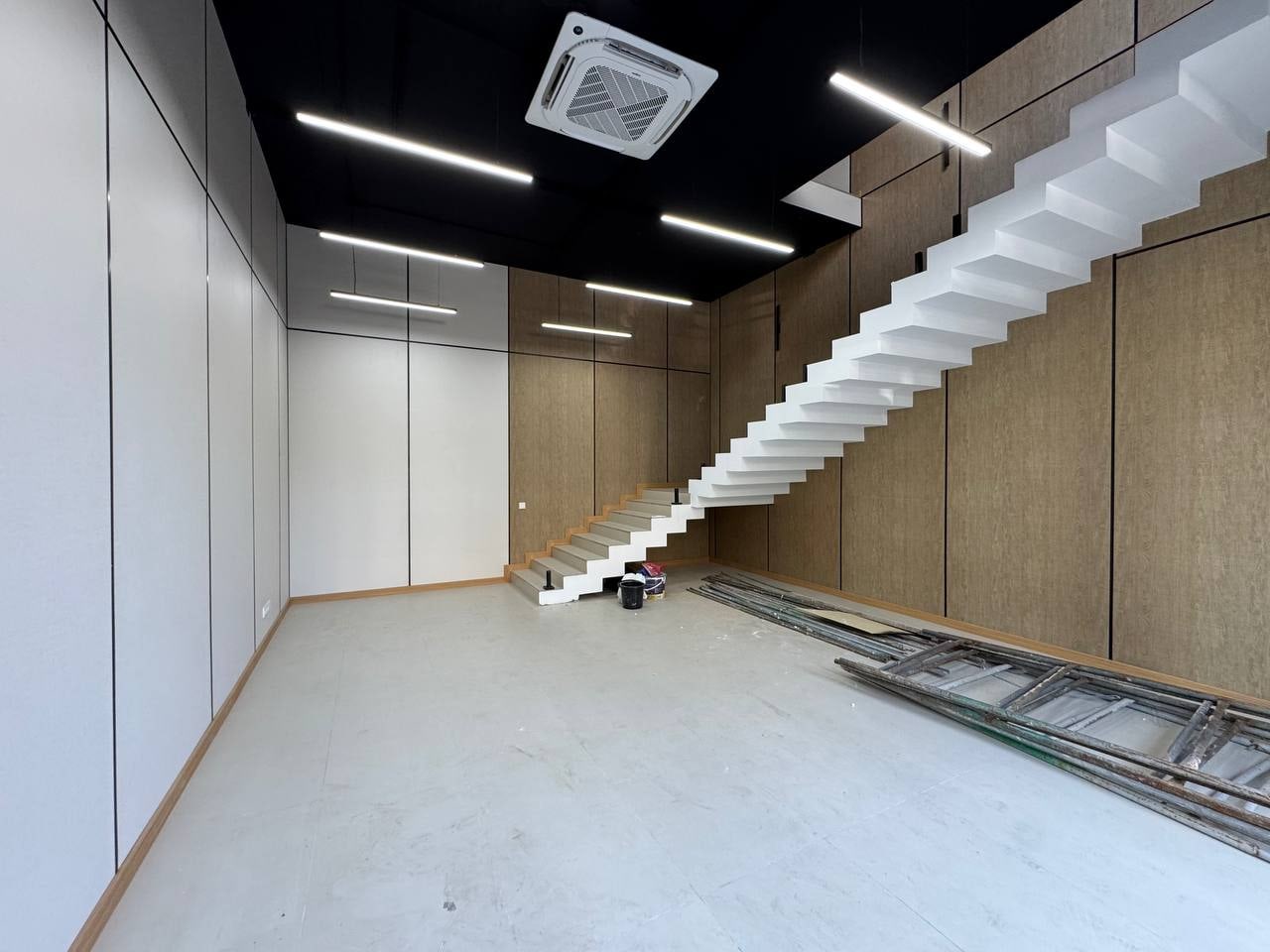
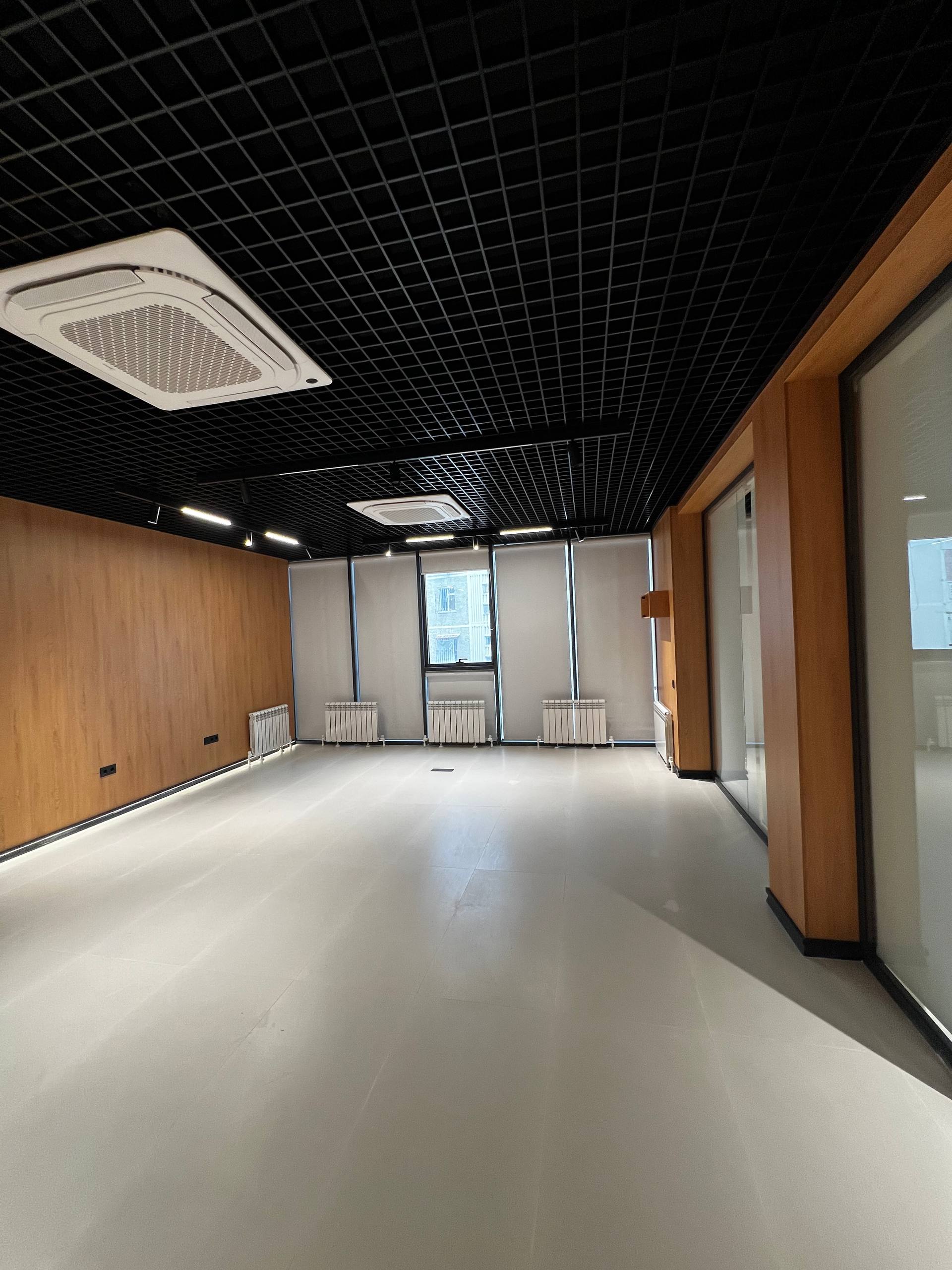
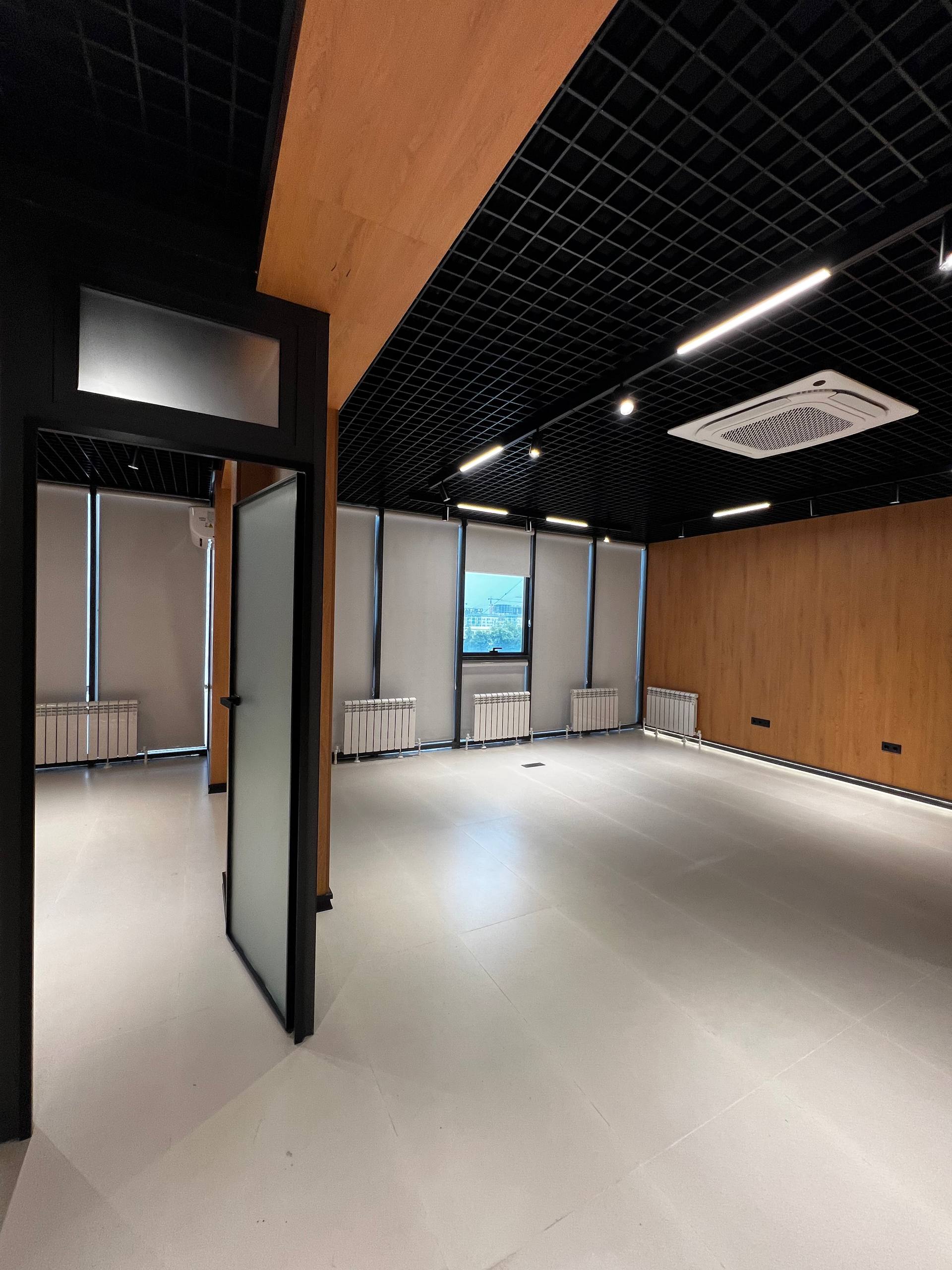
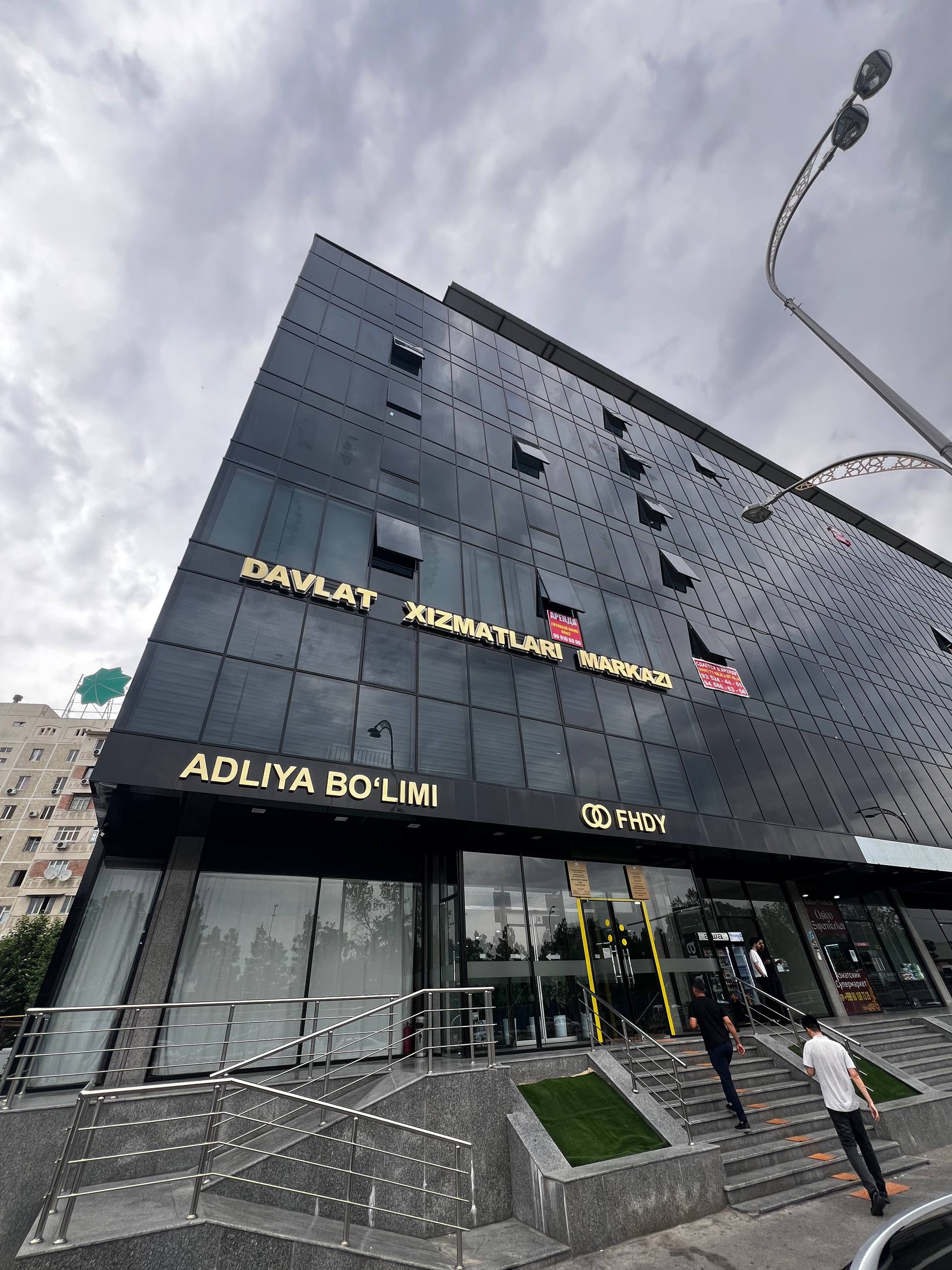
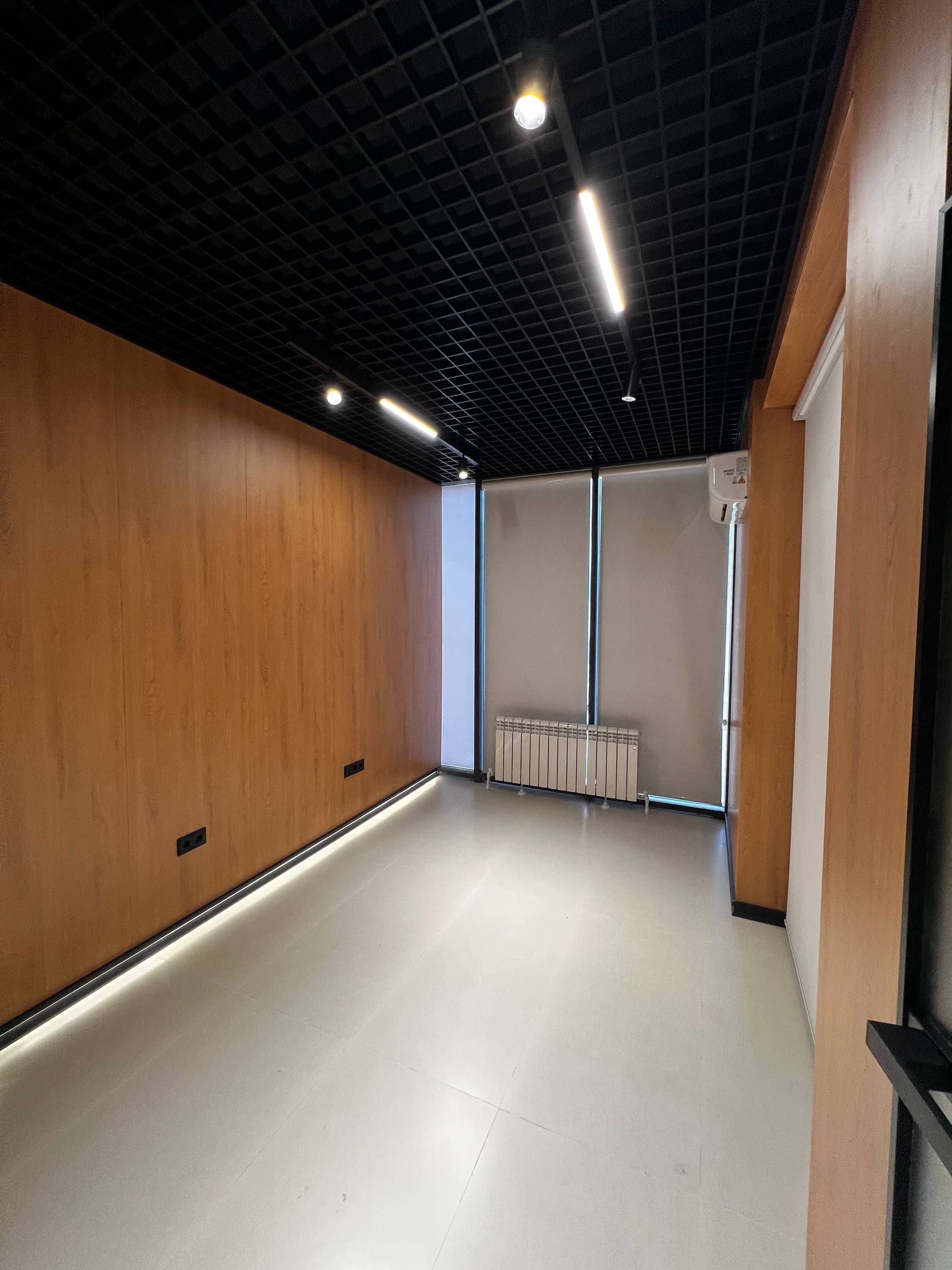
A listing may contain a single line—“deposit required”—yet tell the tenant almost nothing. It does not say whether the payment is advance rent, earnest money or separate security; whether it covers only overdue rent or also service charges, repairs and penalties; when it will be returned; or whether it may replace the final month’s rent.
At the time of this editorial check, the MERCATOR.UZ commercial property catalogue contained 73 rental listings. Only three descriptions disclosed a payment condition: a deposit, prepayment for the first and final month, or bank transfer. This is not a representative market statistic. It is evidence of an information gap: the listing helps identify premises, while the payment mechanism must be built into the lease before money moves.
Why the word deposit does not protect the money
Uzbekistan’s Civil Code lists several ways to secure an obligation: a penalty, pledge, retention of the debtor’s property, surety, guarantee, earnest money, and other methods created by law or contract. The everyday word “deposit” does not identify which mechanism the parties have selected.
Editorial conclusion: the amount needs operating instructions, not merely a label. The lease should state its purpose, due date, secured obligations, rules for use and replenishment, and return process. Remove the word “deposit” from the clause and read what remains. If the text no longer explains where the money goes and when it comes back, the clause is not ready to sign.
Advance rent, earnest money and security are different
Advance payment for the first or final month is future rent. It should be credited to a defined period. If “final month” is not defined, the parties may later disagree whether it means the last calendar month of the term, the notice period after early termination, or any month selected by the tenant.
Earnest money has a specific legal meaning. Articles 311–312 of the Civil Code require a written agreement. If it is unclear whether a payment is earnest money, it is treated as an advance unless proved otherwise. The consequences of non-performance depend on which party is responsible. “Earnest money” should therefore not be used as a decorative synonym for a reservation fee or refundable security.
Lease security is normally intended to remain available for a future debt or damage and to be returned if there is no valid deduction. The contract, however, creates the actual mechanism. A local lawyer should verify that the chosen structure complies with current Uzbek law; a messenger exchange is not a substitute.
What the amount actually secures
The phrase “all tenant obligations” is convenient for the landlord but too broad for business control. Break it into measurable categories:
- base rent and a defined period of arrears;
- service and utility charges supported by invoices and meter readings;
- a contractual penalty with a stated formula;
- damage beyond the agreed standard of fair wear;
- reinstatement of unauthorised alterations;
- loss of equipment, keys or passes listed in the handover record.
State what the security does not cover as well: planned works to common areas, improvements chosen for the next tenant, or defects already recorded at handover. Each deduction should require a contractual basis, evidence and a calculation—not only the landlord’s estimate.
The RICS Code for Leasing Business Premises recommends defining the amount, holding period, obligations secured and conditions for return. It is not Uzbek law, but it is a useful negotiation framework. The local document must still be reviewed under Uzbekistan’s law.
Calculation: cash required before move-in
Consider an illustrative property with monthly base rent of UZS 120 million and service charges of UZS 18 million. The landlord requests the first month, advance payment for the final month, and security equal to two months of base rent.
| Component | Calculation | Amount | |---|---:|---:| | First month | 120 million | UZS 120 million | | Final month in advance | 120 million | UZS 120 million | | Security | 120 million × 2 | UZS 240 million | | First month’s service charge | 18 million | UZS 18 million | | **Cash before move-in** | 120 + 120 + 240 + 18 | **UZS 498 million** |
Only part of UZS 498 million pays for the first month of operation. The rest is frozen liquidity or advance rent, which affects the launch budget as directly as fit-out and relocation.
Now test the replenishment clause. If base rent rises by an agreed 10% in year two, two current months equal UZS 264 million. A clause requiring security to remain equal to two current months creates a UZS 24 million top-up. A fixed security amount of UZS 240 million creates no top-up. If security also covers service charges, the initial amount becomes UZS 276 million and the future top-up base is wider. Compare offers by total opening cash, not just “months of deposit.” For wider occupancy-cost analysis, see the Tashkent commercial property section, but obtain the actual payment rule from the draft lease.
Currency and indexation risk
Commercial listings may display dollars or conventional units as a comparison reference. That notation should not be copied into a lease without legal review.
There is a material tension between provisions. Article 245 of the Civil Code discusses an obligation payable in soums in an amount equivalent to foreign currency where law or agreement does not provide otherwise. The current Article 9 of the Law on Currency Regulation requires prices for goods, work and services in Uzbekistan to be stated in soums and prohibits foreign-currency indexing, apart from narrow exceptions for specified projects. Domestic settlements are also made in the national currency.
The practical editorial conclusion is that a dollar figure in a listing is not a ready contract formula. Ask a lawyer to review the parties’ and project’s status and draft a compliant payment clause. A reference to the Central Bank rate does not by itself make foreign-currency indexing lawful. The Central Bank archive can verify an official rate on a date; it cannot cure an invalid pricing mechanism.
A more auditable negotiating approach for an ordinary lease is a fixed sum in soums for a defined period, followed by a pre-agreed review on a named date, using a defined indicator and a cap. Article 544 of the Civil Code says the lease sets the order, terms and timing of rent; changes by agreement are generally made no more than once a year unless legislation provides otherwise. A lawyer should confirm that the exact review formula and notice process comply with the current rules.
When the landlord may deduct
A deduction should be triggered by a verifiable event, not “the landlord’s discretion.” A workable sequence is: identify a breach, notify the tenant in writing, allow time to cure or object, then issue a calculation with supporting records.
Damage requires a bridge between the beginning and end of the lease. Article 578 of the Civil Code links the transfer of a building or structure to a document signed by both parties. The handover record should cover finishes, equipment, existing defects, photographs, meter readings and keys. Without a starting condition, it is difficult to separate new damage from an old defect or agreed wear.
Agree that the undisputed balance is returned promptly. If the landlord claims UZS 20 million from security of UZS 240 million, a dispute over one item should not automatically freeze the other UZS 220 million. This is a contractual protection, not a promise of the outcome of any dispute.
A return process that limits disputes
Return planning starts before the final day. Arrange a preliminary inspection several weeks before departure and identify reinstatement work. The final clause should connect the refund deadline to defined events rather than the open-ended phrase “after full settlement.”
A practical protocol includes:
- a joint inspection and bilateral return record;
- meter readings and lists of equipment, keys and passes;
- final utility and service-charge invoices;
- a deadline for the landlord’s written claims and evidence;
- a date for return of the undisputed balance;
- the bank account for repayment;
- a process for the disputed portion.
“Within X business days” also needs a starting point: the return record, the final invoice, or lease expiry. Select one event or add a long-stop date so a delayed utility statement cannot postpone the refund indefinitely.
A safer payment sequence
Before payment, compare the owner and property with the cadastral extract and passport through MyGov, check restrictions, and verify the signer’s authority. Then agree one written lease, the handover record, and the registration or filing route applicable to the transaction. MyGov provides a service for registration of building and structure leases; a lawyer should confirm how it applies to the parties and premises in question.
Pay after signature to the account of the party identified in the lease. The payment description should name the lease, premises and function of the amount. The Civil Code allows the payer to request proof that payment was received and states its basis. A transfer to an agent, employee or relative of the owner should proceed only with verified written authority and appropriate accounting documents.
Before releasing funds, answer five questions: Is the amount stated in soums? Is its function unambiguous? Are deductions limited to a defined list? Does the refund deadline run from a defined event? Do the recipient and payment description match the lease? A pause after any “no” is cheaper than a later recovery dispute.
Where self-checking must stop
A tenant can calculate opening cash, compare drafts, check a public cadastral extract and require handover records. Specialist review is still warranted where the cost of error exceeds the cost of verification.
Give the lawyer specific questions: What is the payment under the drafted words? Is the review formula lawful? What happens to security if ownership changes or the lease ends early? Does the signer have adequate authority? Is registration required? Ask the accountant about primary documents, tax treatment and the accounting consequences of a refund, offset or deduction. Bring in an engineer or quantity surveyor when security is intended to cover costly finishes or building systems; the starting condition and valuation method must first be documented.
A good security clause does not guarantee that conflict will disappear. It turns a disagreement about labels into a check of documents, dates and calculations—and allows the business to see in advance how much liquidity will be blocked and how it should return.
Sources and verification date