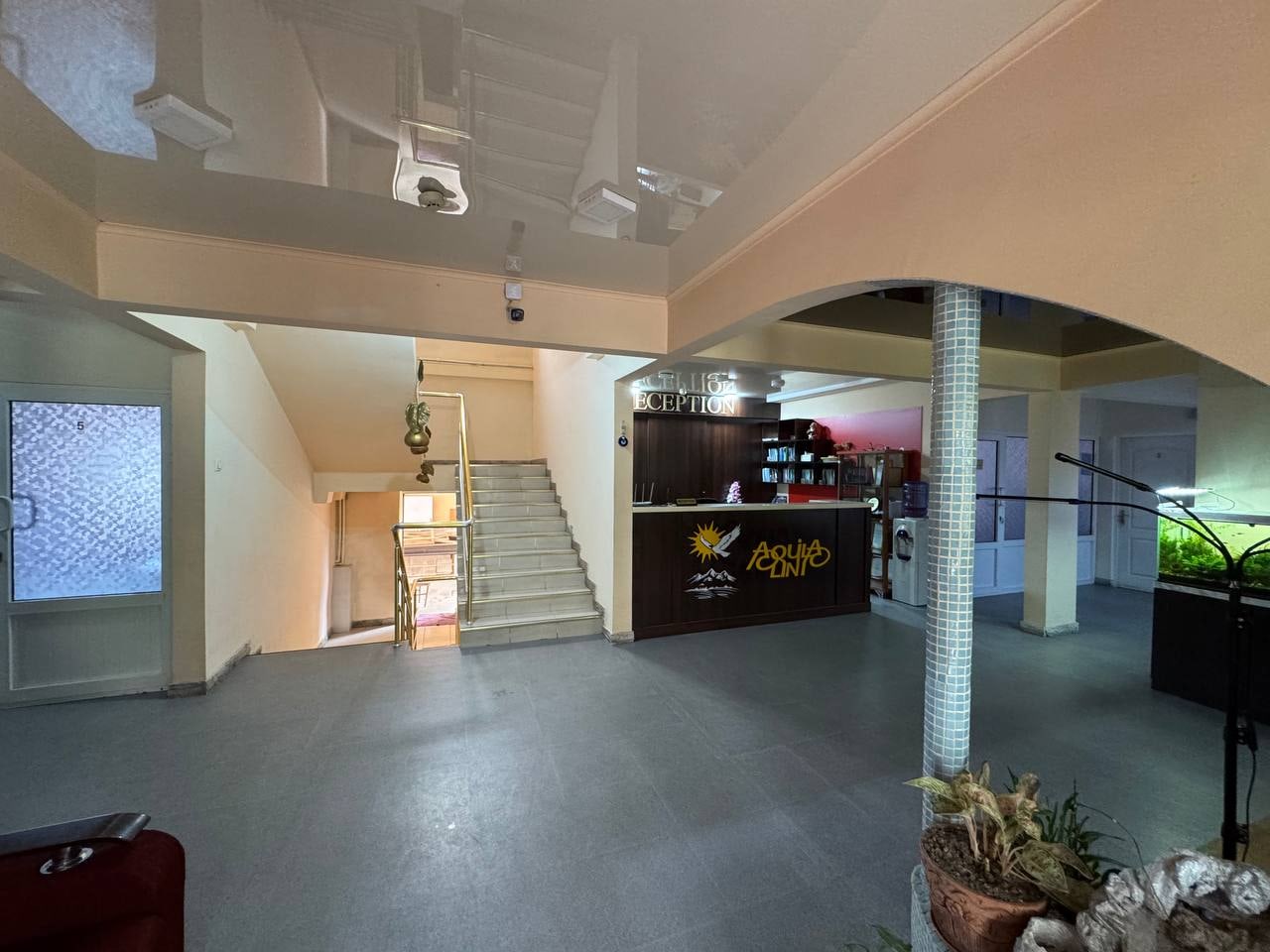
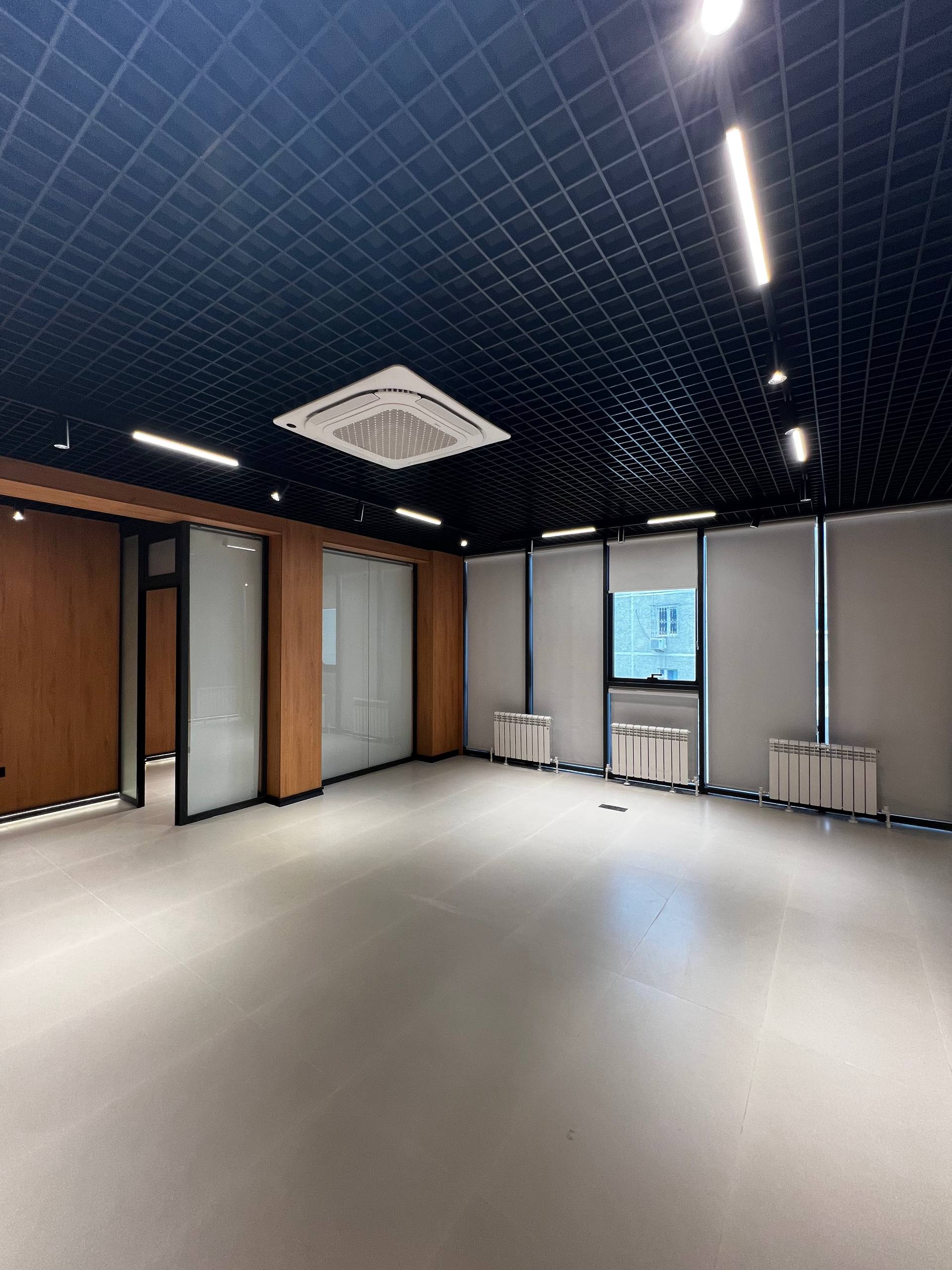
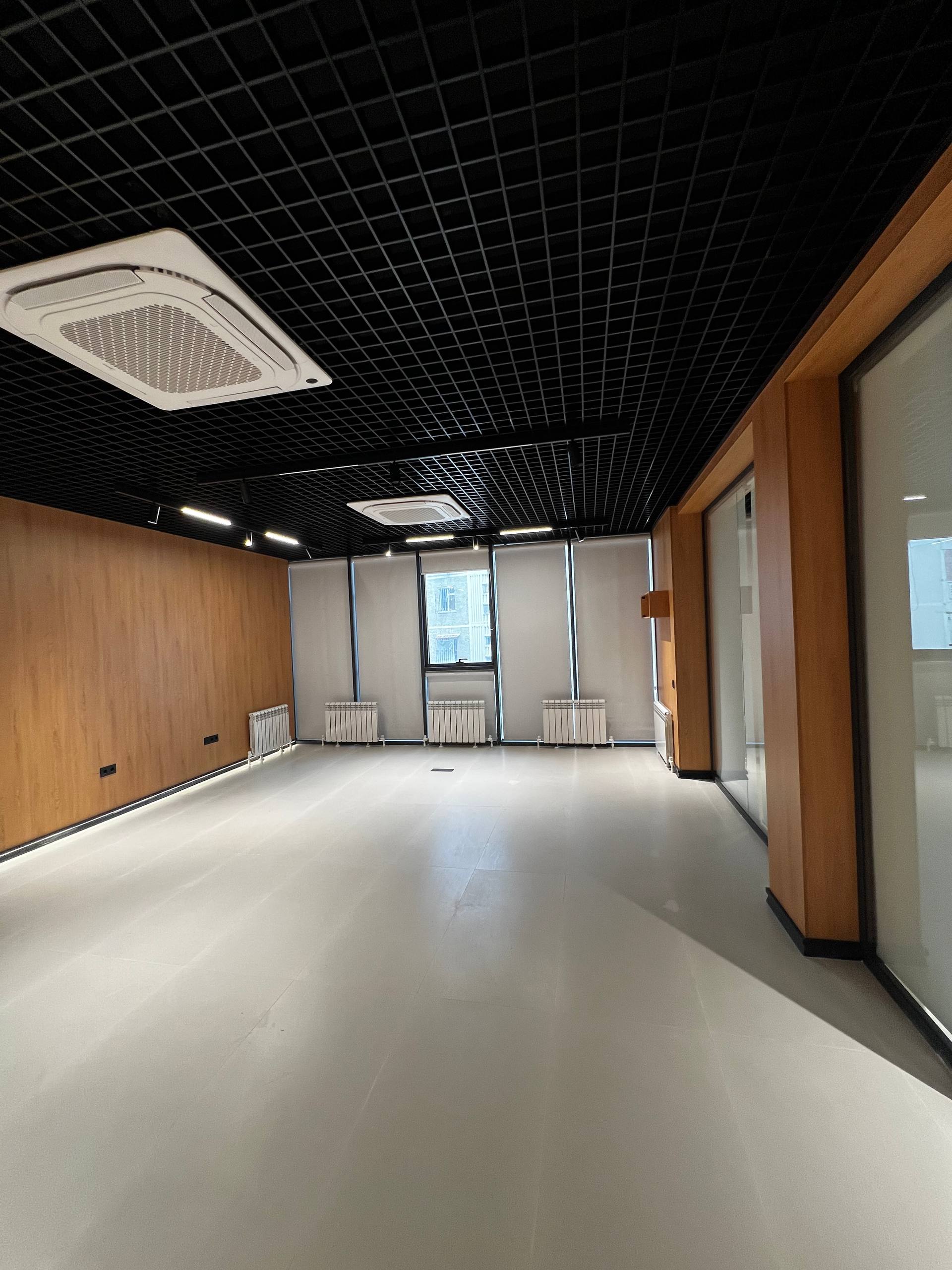
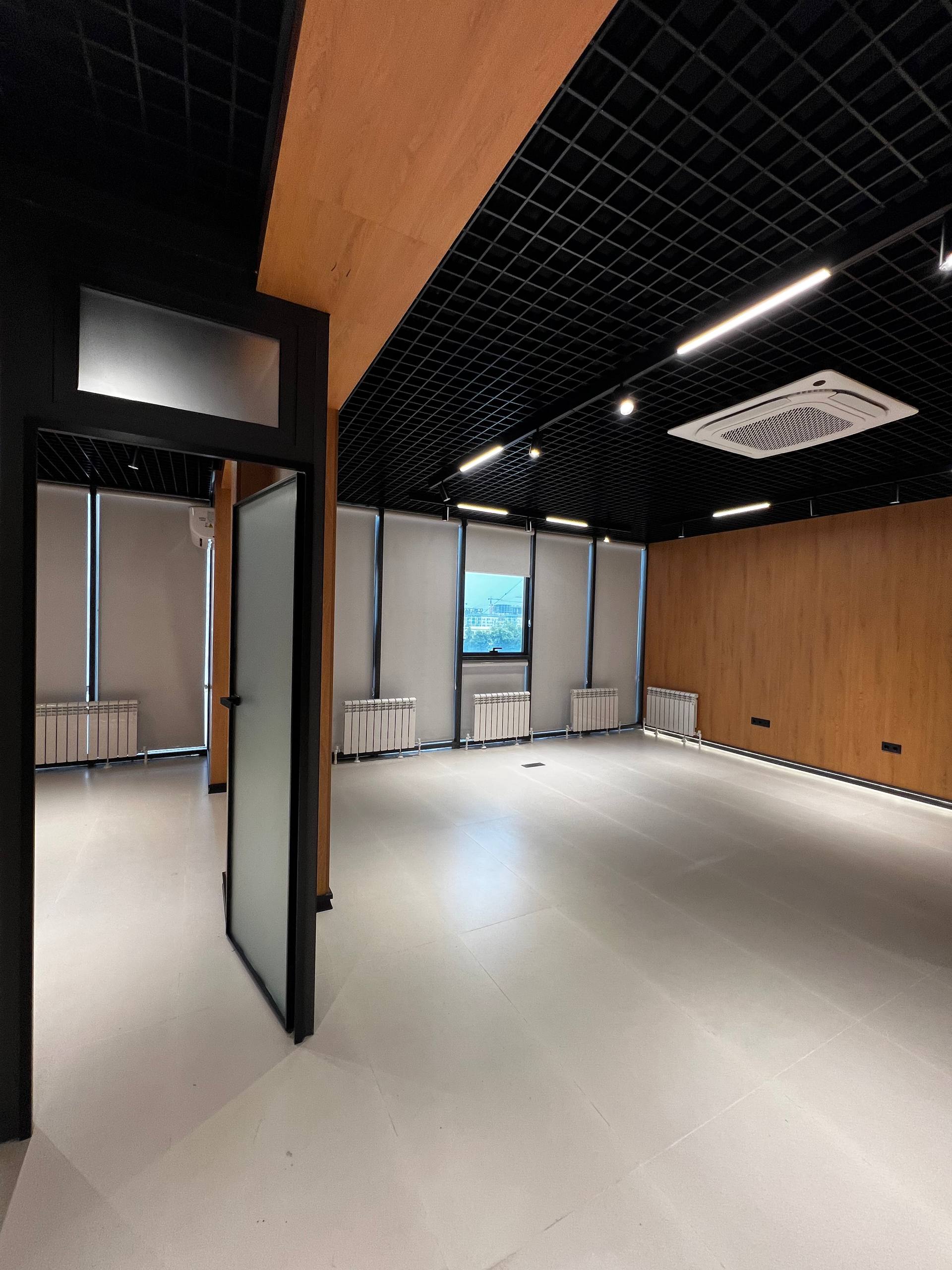
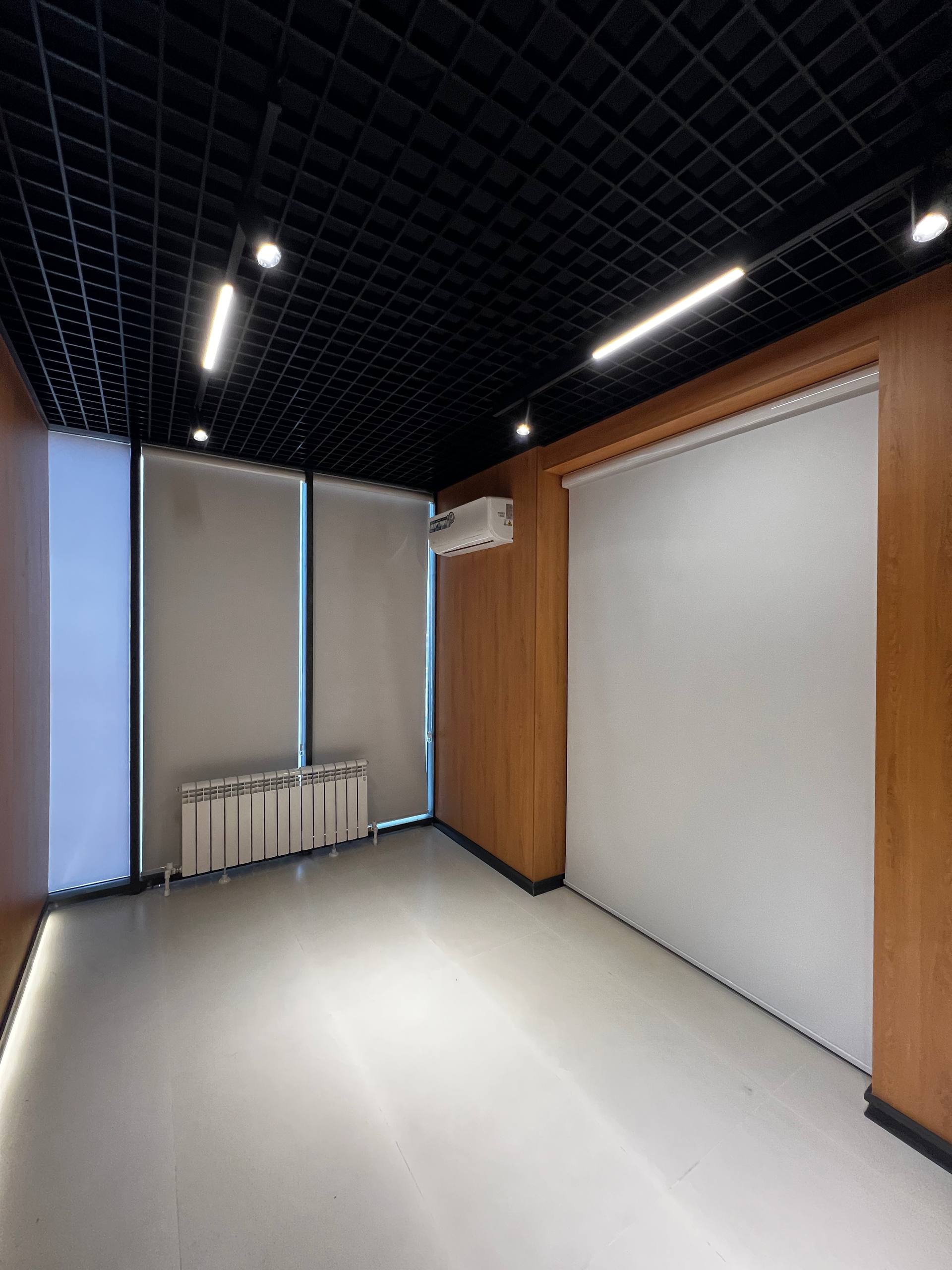
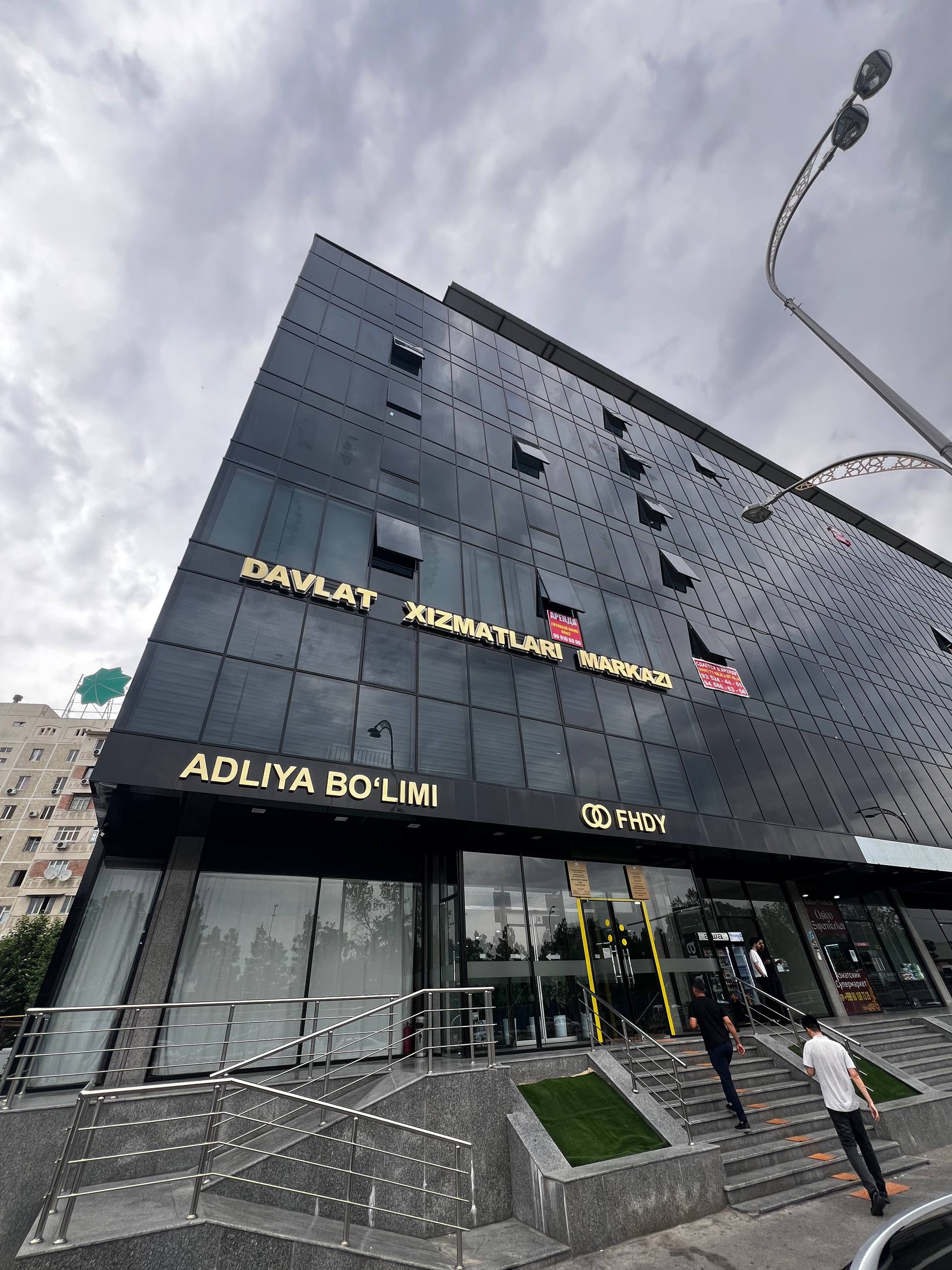
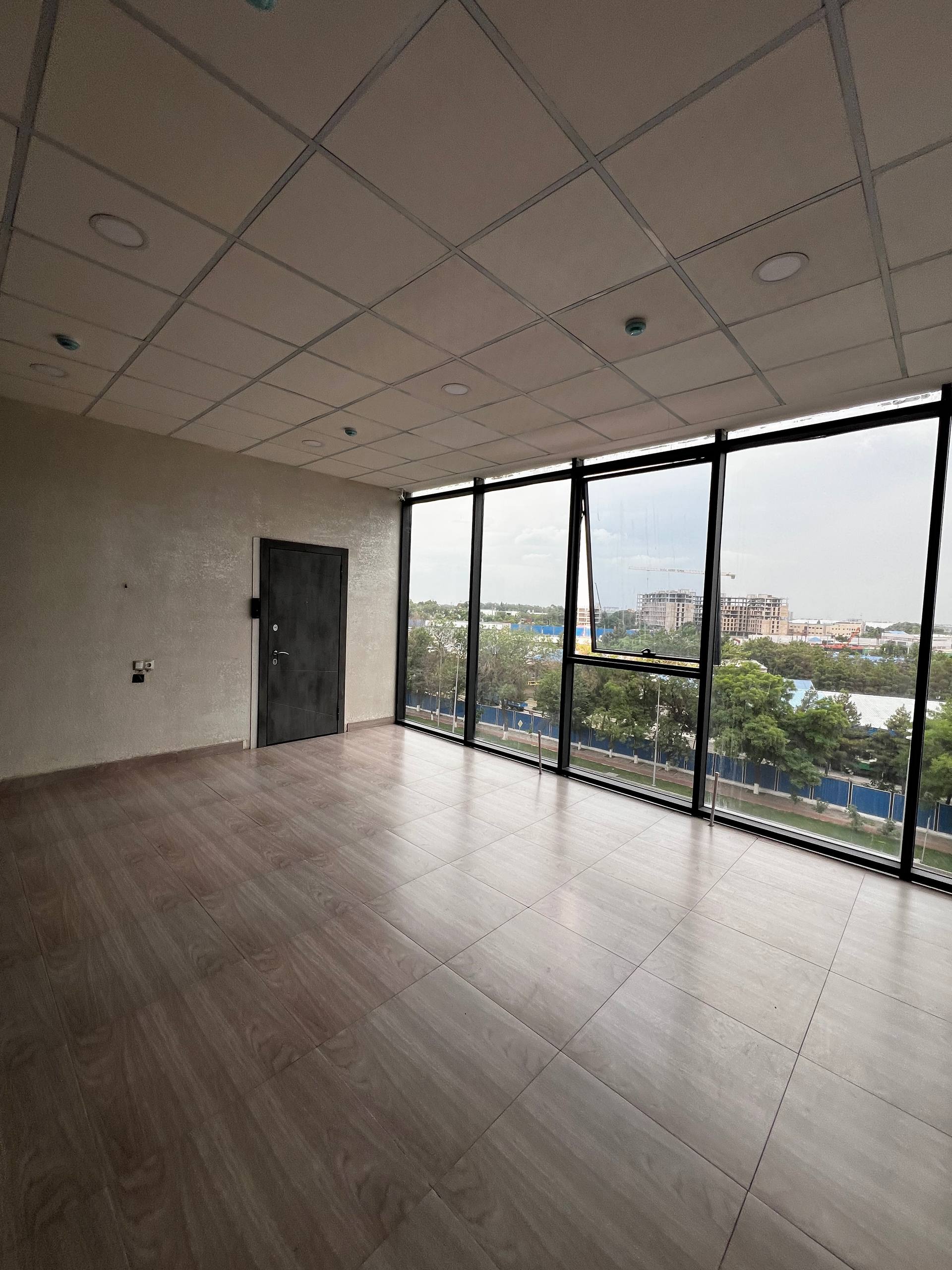
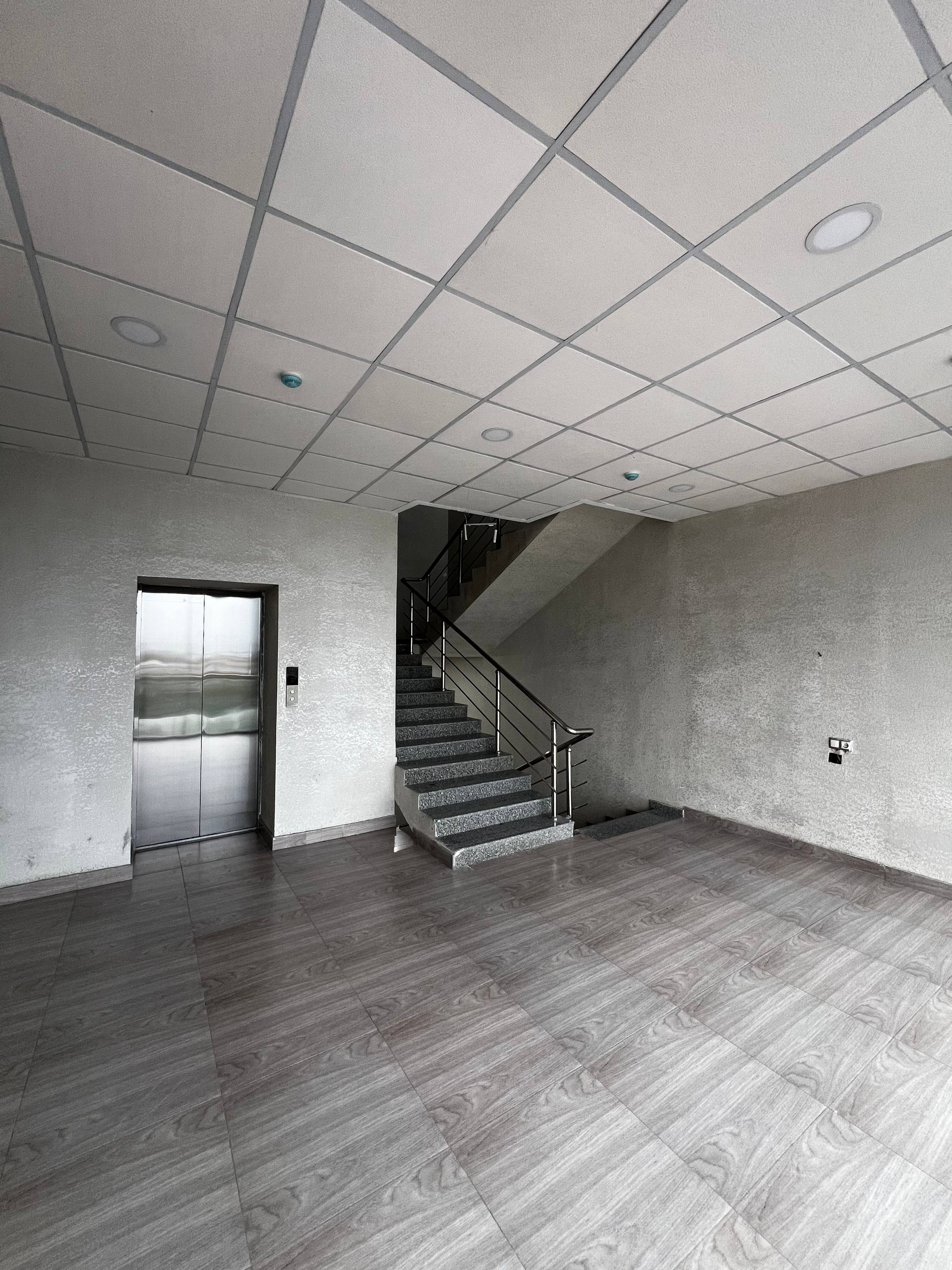
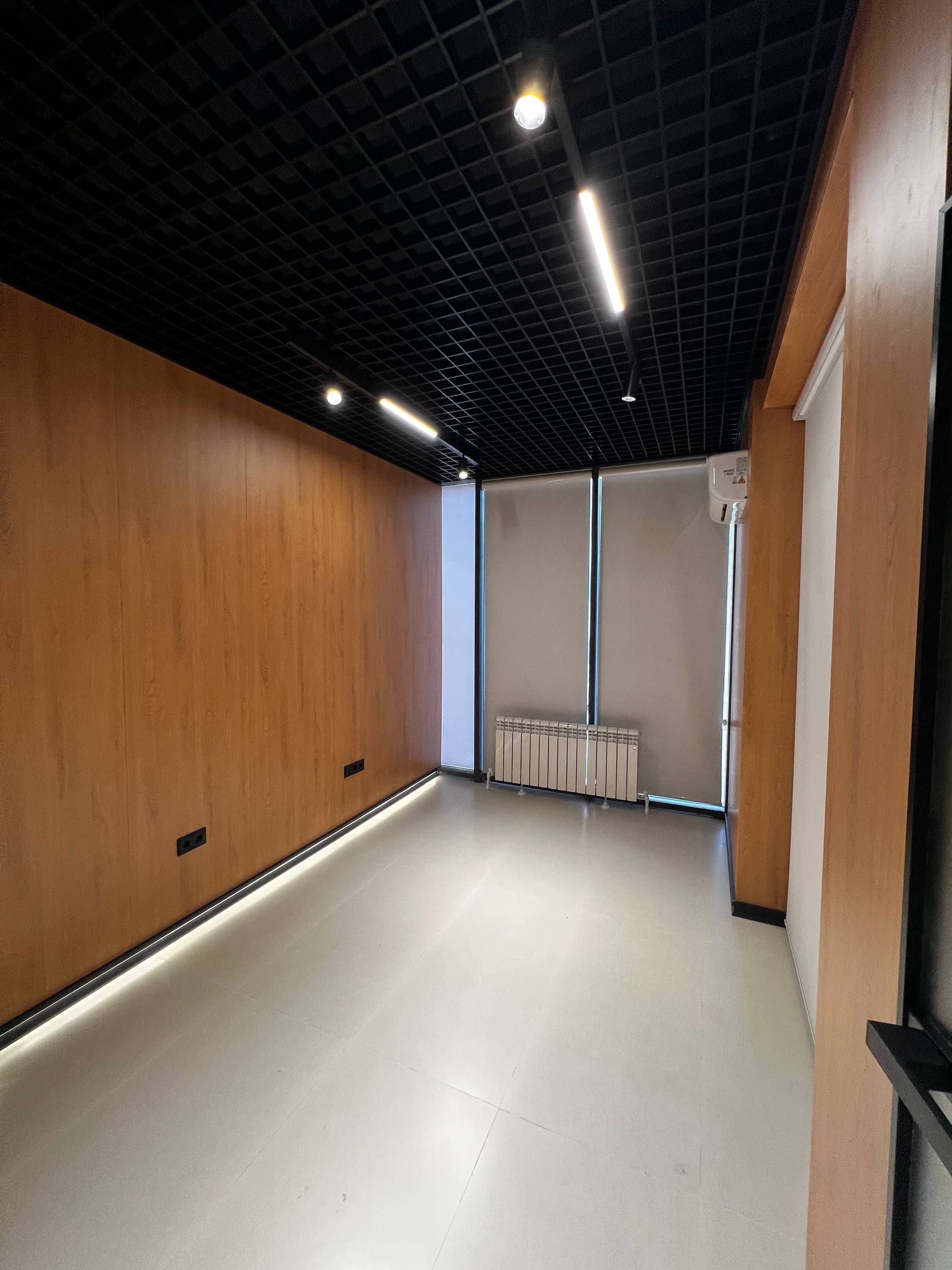
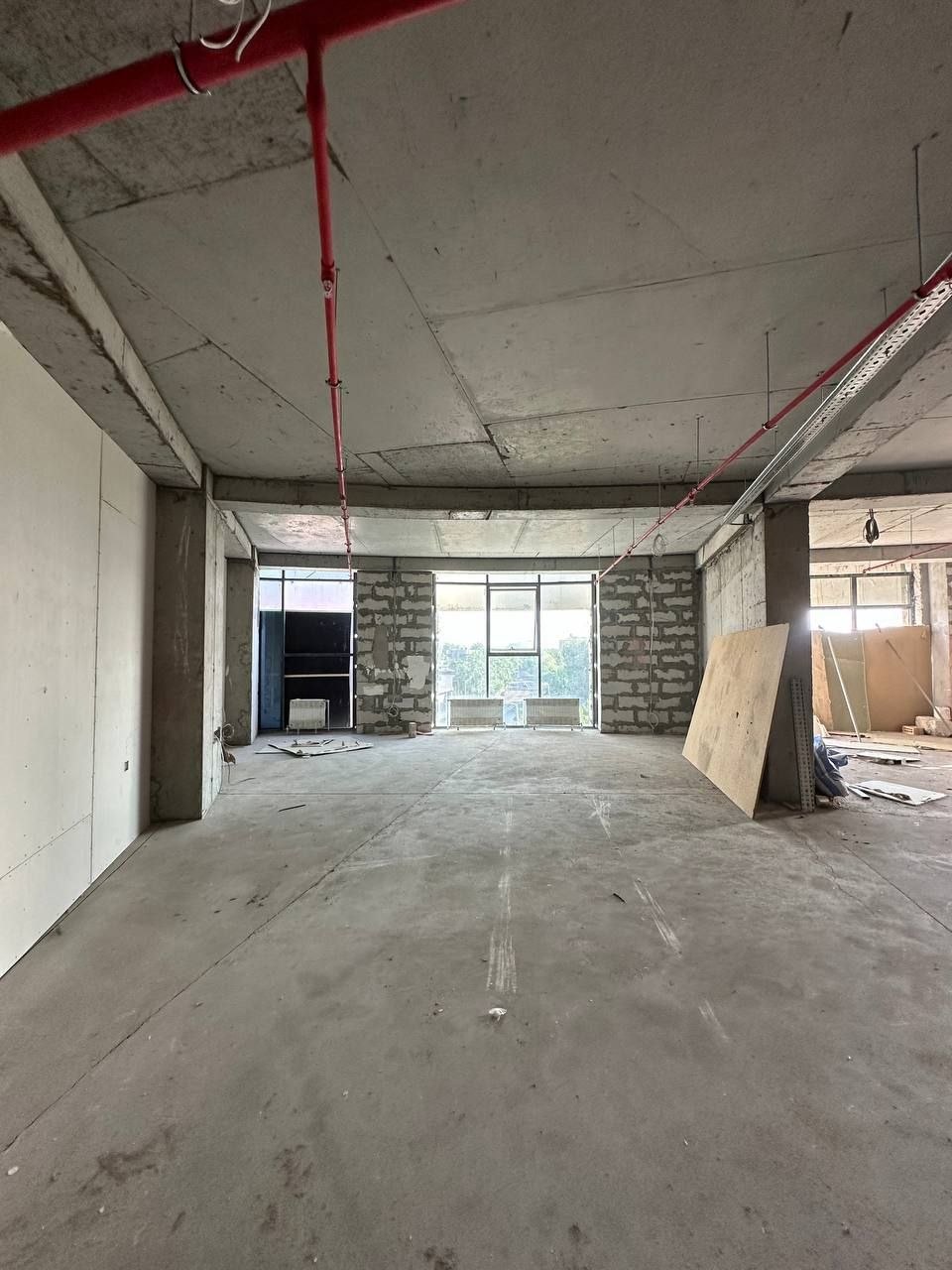
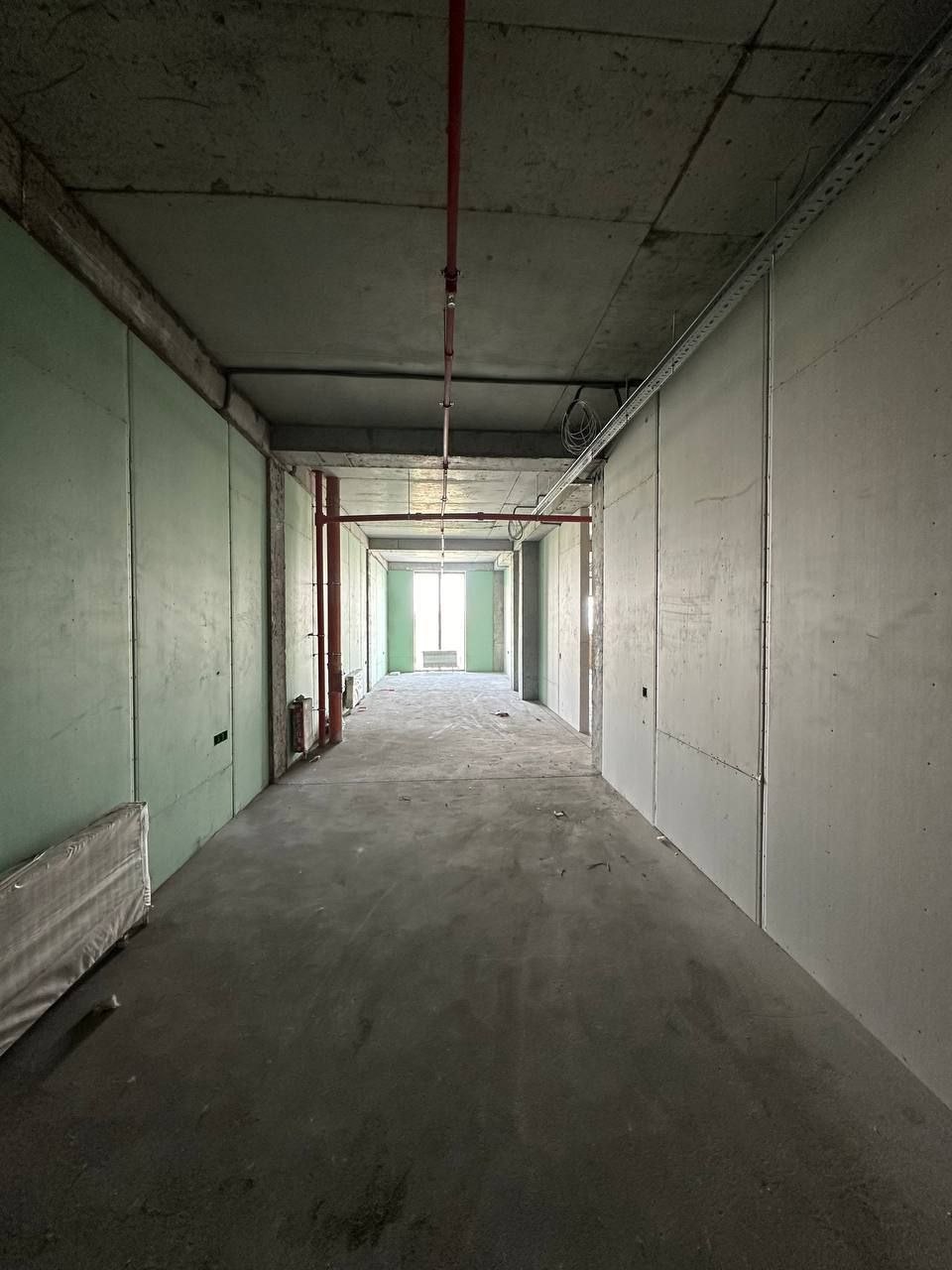
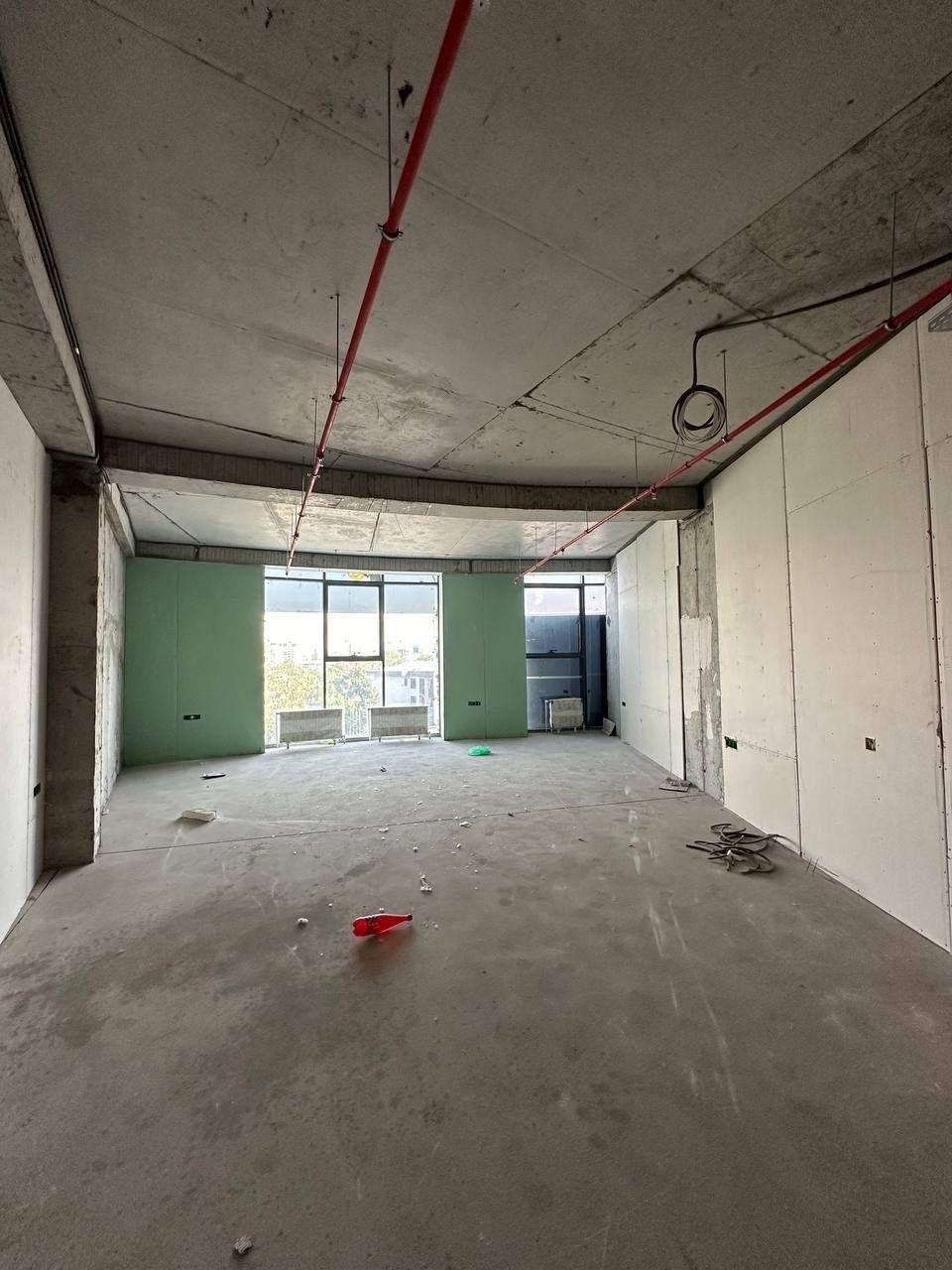
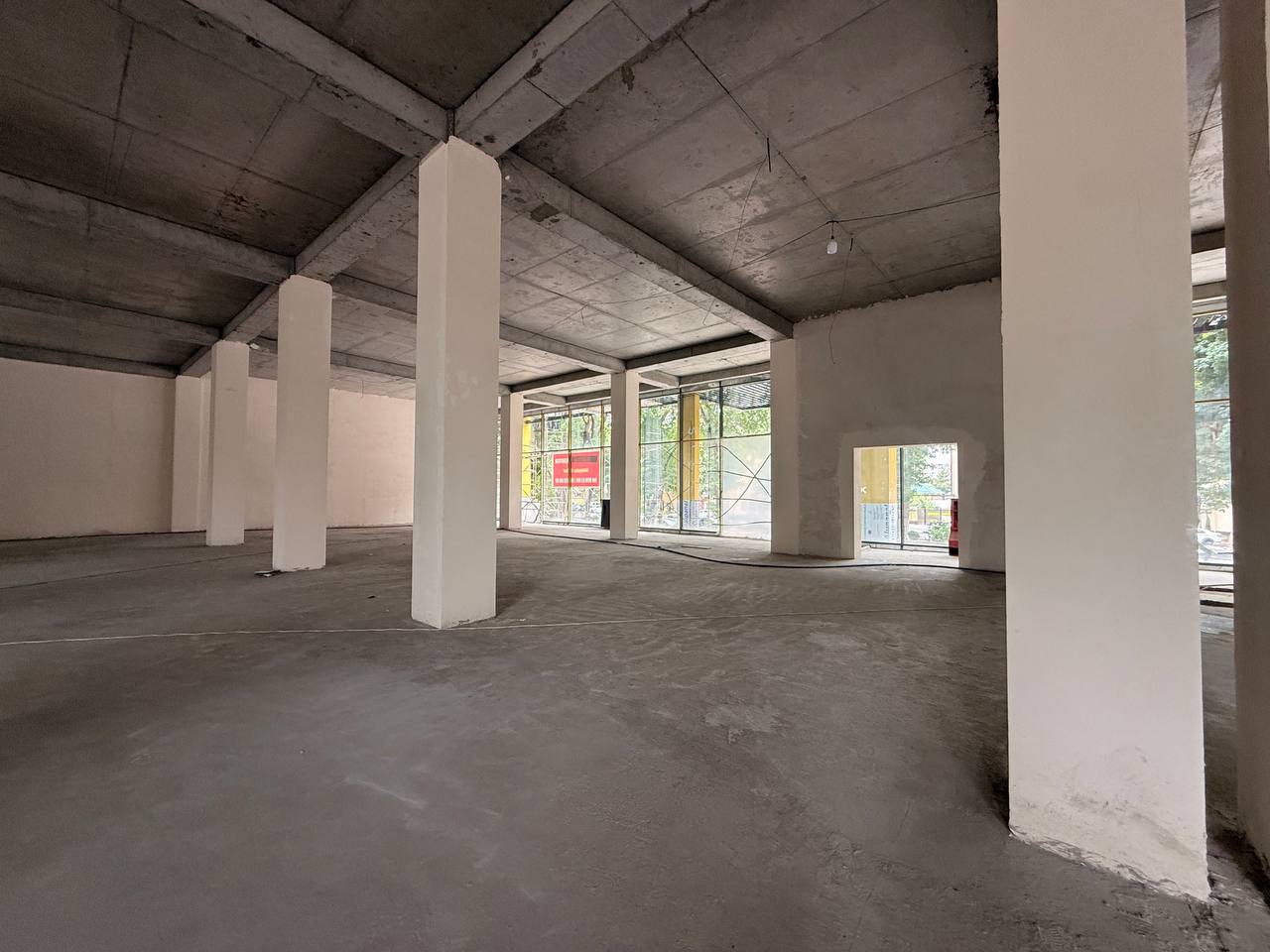
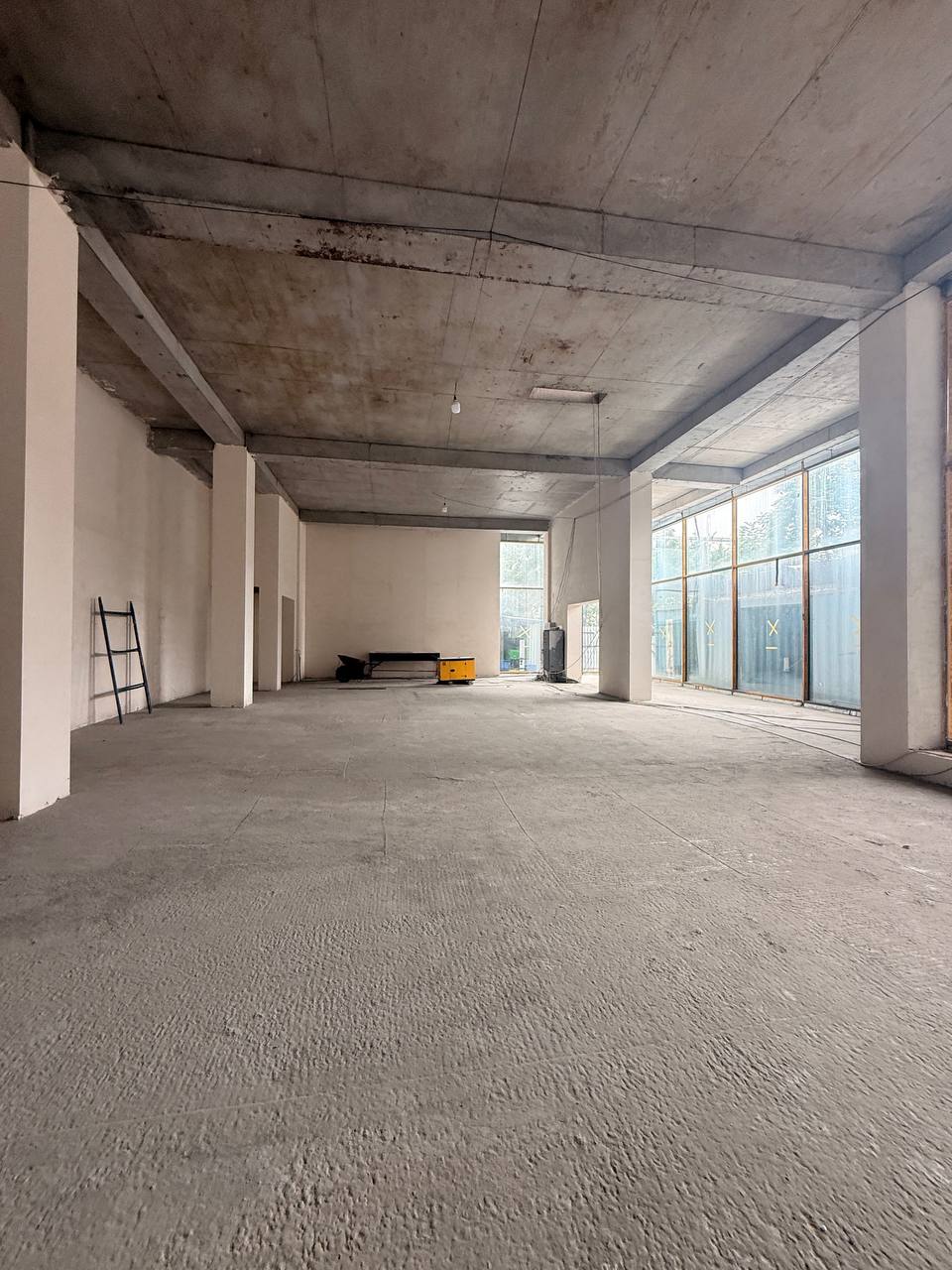
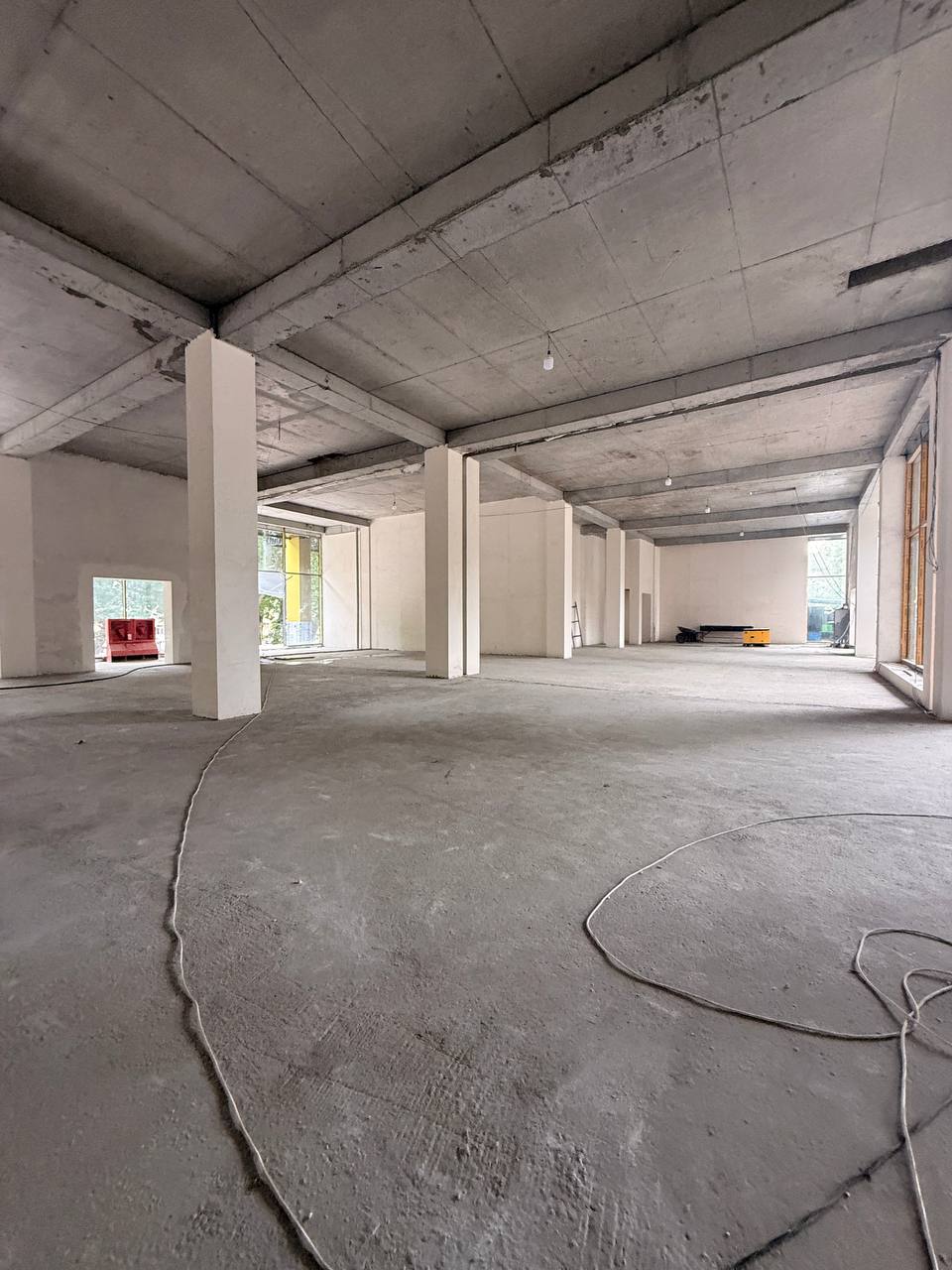
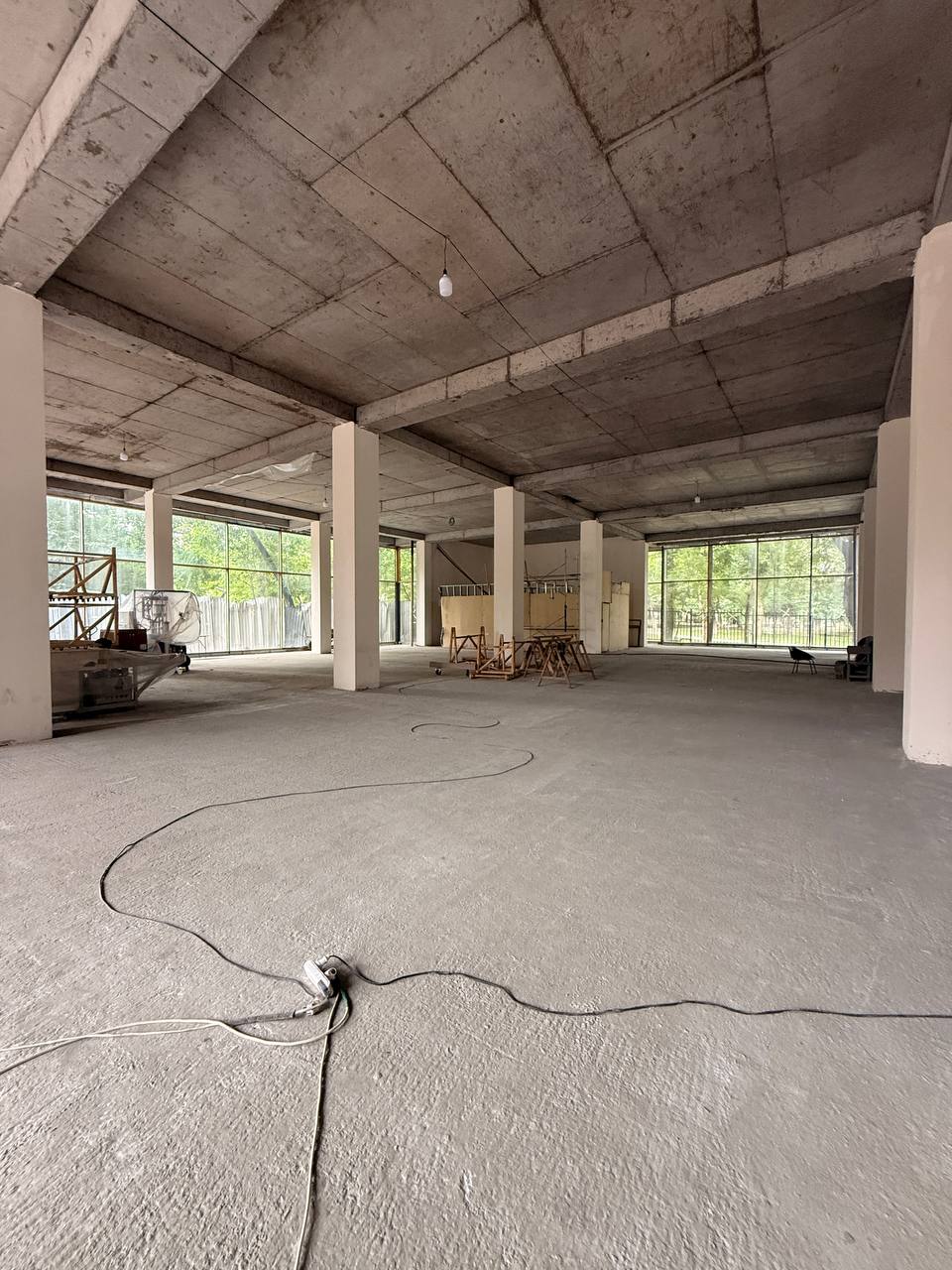
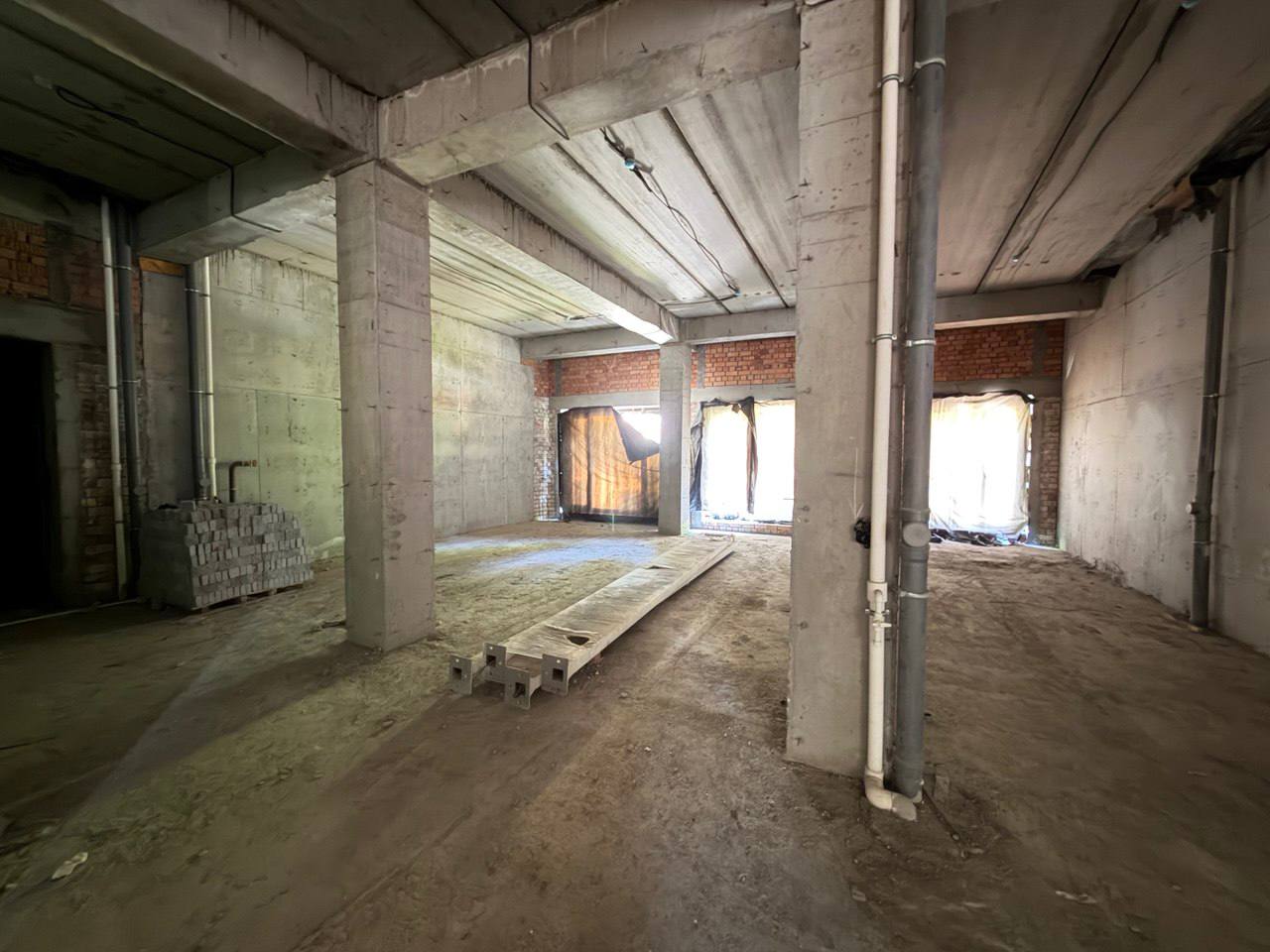
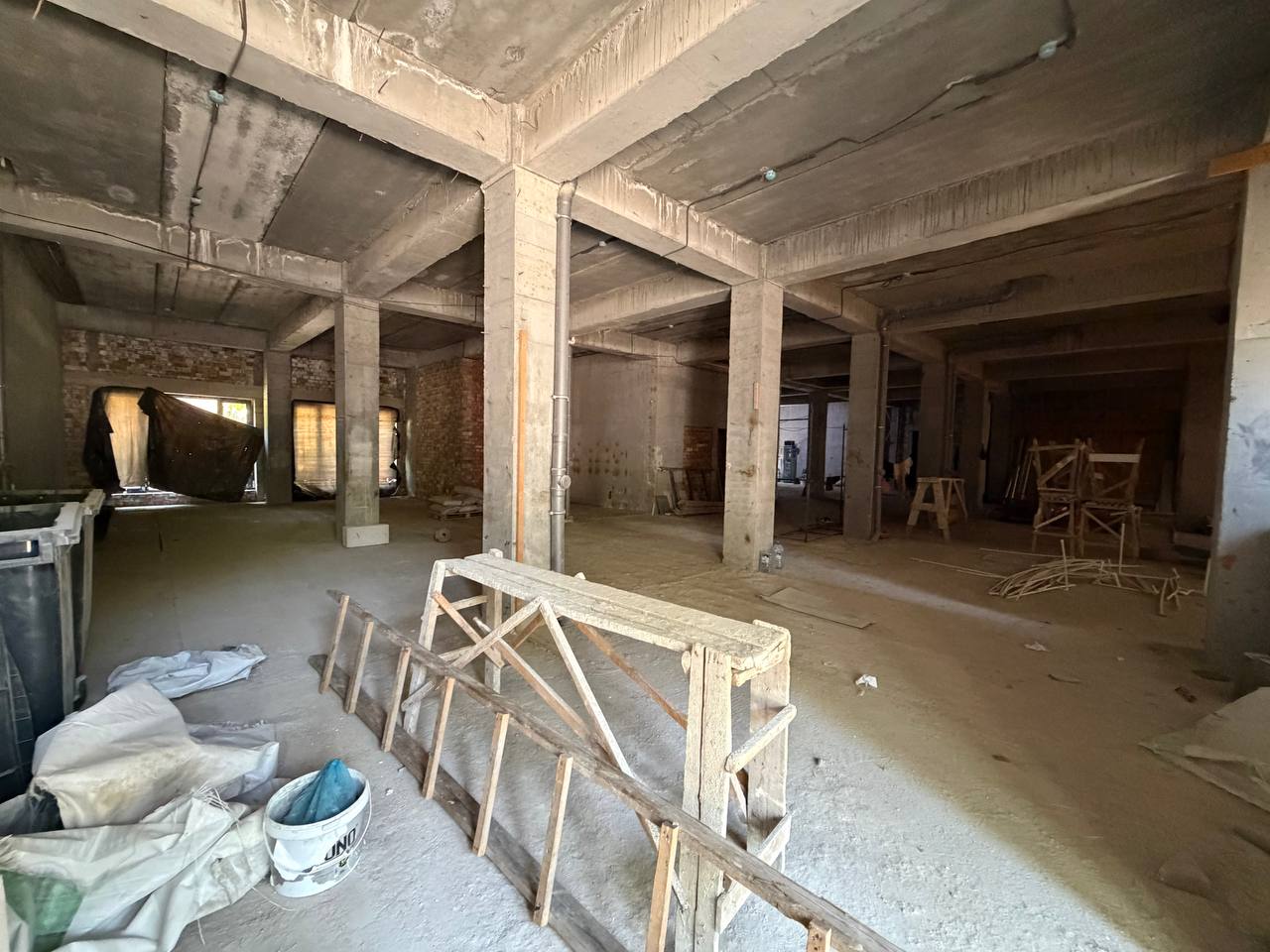
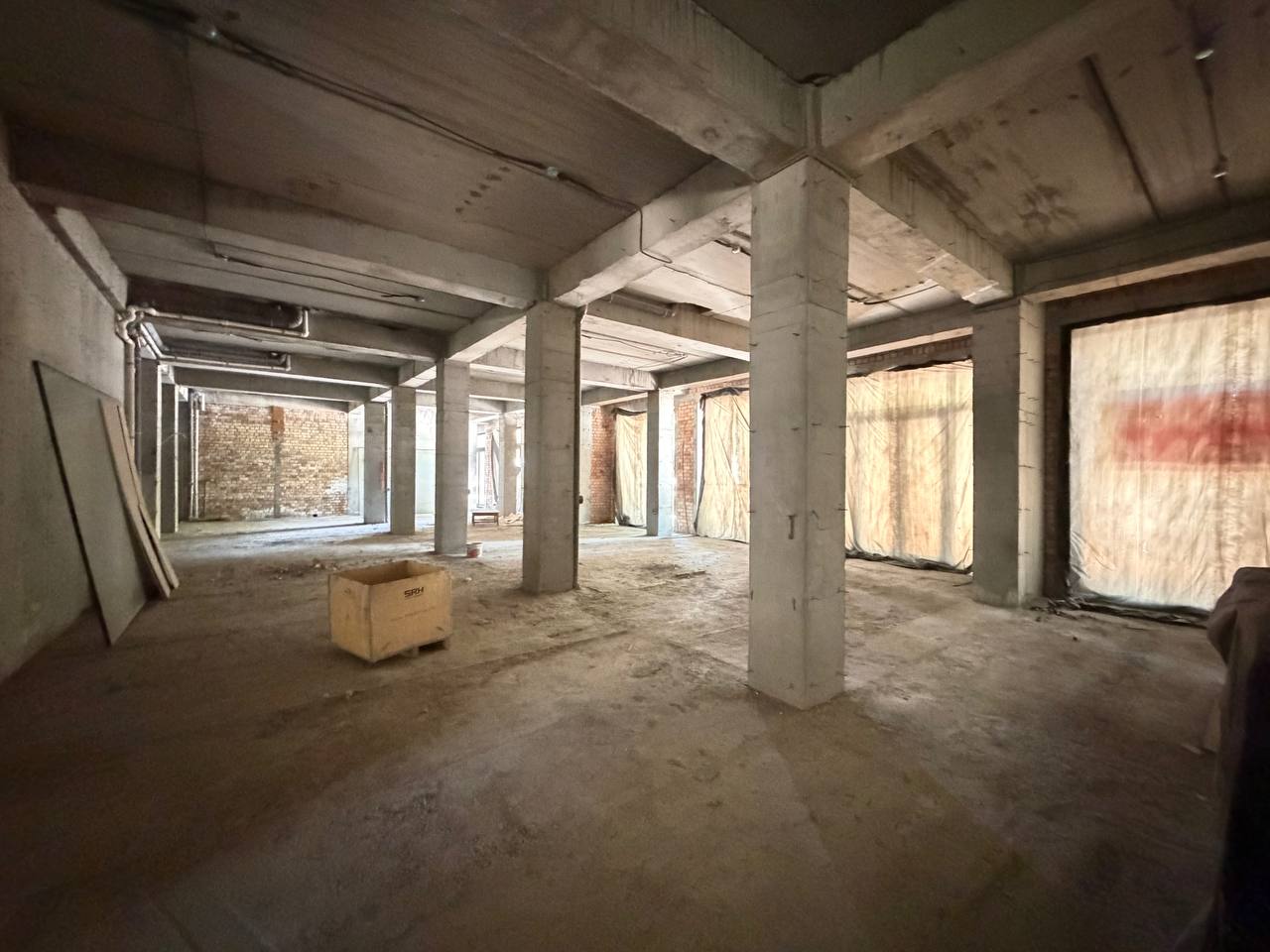
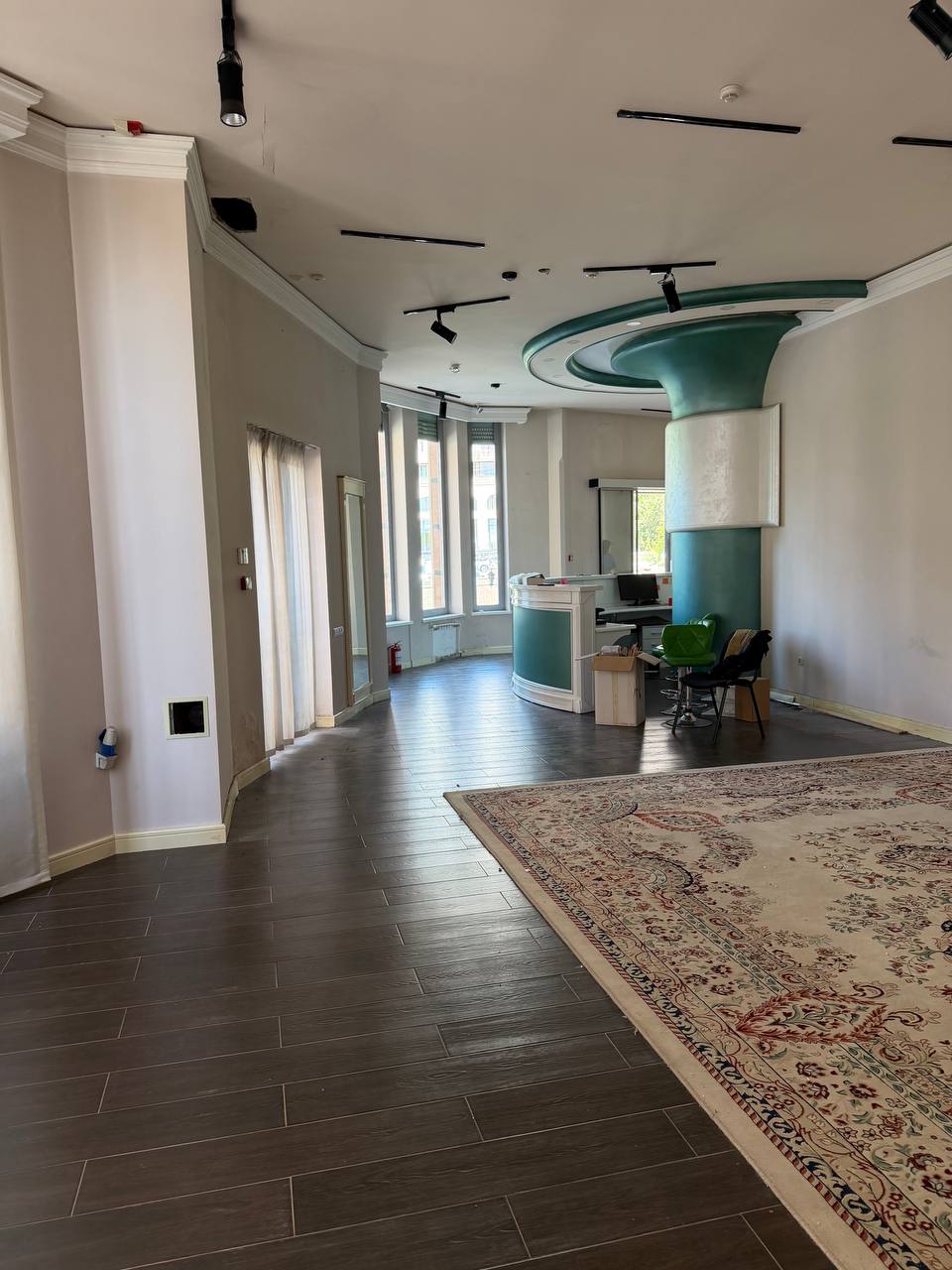
An office may be advertised as accessible around the clock, connected to high-speed internet and protected by backup power. None of those labels answers the operational questions: does the backup supply reach the leased suite, is the server room cooled after hours, how does an unregistered visitor enter, and can staff reach the floor once guest lifts are taken out of service?
These features—24/7 access, connectivity, climate control, parking, lifts and uninterrupted power—appear repeatedly in current Tashkent business-centre offers. They are useful filters when reviewing offices for rent in Tashkent, but they do not prove that a building can support a particular company’s operating model.
Why an equipment list is not enough
The statement ‘there is a generator’ confirms the presence of a machine, not the scope of its backup supply. It may serve only emergency lighting and common systems, or it may also feed sockets inside the leased suite. ‘Two internet providers’ does not establish that the cables follow independent physical routes. ‘24/7 access’ may cover employees with permanent passes while excluding visitors, couriers, contractors, parking, lifts or HVAC.
A useful pre-lease review therefore has four levels of evidence:
- What the listing and commercial offer promise.
- What a diagram, equipment record, building rule or service contract confirms.
- What can be observed or tested safely at the property.
- What the landlord will include in the lease and handover record.
A verbal answer is inadequate when a feature is critical to the business. This does not authorise a prospective tenant to open electrical cabinets, start a generator or trigger a fire alarm. Only the building’s responsible technicians should perform those operations, with a qualified technical adviser involved where necessary.
Map the business load before the viewing
Start with the tenant’s processes, not the building’s equipment. For every process, state the required resource, operating period and unacceptable failure. There is no universal threshold: a contact centre, a representative office and a team running local servers need different levels of resilience.
| Business process | Supporting resource | Evidence required | |---|---|---| | Workstations and video calls | Power, cooling and internet | Simultaneous operation during peak occupancy | | Server or network cabinet | Continuous power, dedicated cooling and connectivity | Which circuits are backed up and who responds to failure | | Client meetings | Entrance, reception, visitor pass and lift | The visitor’s complete route during required hours | | Evening or weekend shift | Pass, lighting, lift, HVAC and washrooms | Which services remain available outside core hours | | Couriers and contractors | Temporary access, delivery area and service lift | Notice procedure, time restrictions and responsible contact |
Add the tenant’s failure limit beside every item. Express it as downtime, the number of affected employees or an inability to receive visitors. The viewing then becomes a test against stated requirements rather than a building tour.
Addresses can be shortlisted through the office-rental catalogue before live testing is reserved for the two or three buildings that already suit employee and client journeys.
Test power and HVAC in operating conditions
Available electrical capacity is only the starting point. Request a single-line diagram or a clear written description showing the responsibility boundary, the distribution board serving the suite, metering arrangements, systems connected to backup power and the approval process for added load. A generator specification does not prove that the required socket circuits receive backup power.
The building’s technical team should arrange any safe demonstration. The tenant can observe the transfer or review the latest test log, recording what happens to workplace sockets, network equipment, lighting, lifts and cooling. If a demonstration is unavailable, record the feature as declared but untested. It remains a separate risk, not a verified benefit.
HVAC should be checked by zone rather than judged from the entrance. Establish:
- the operating hours for ventilation, heating and cooling;
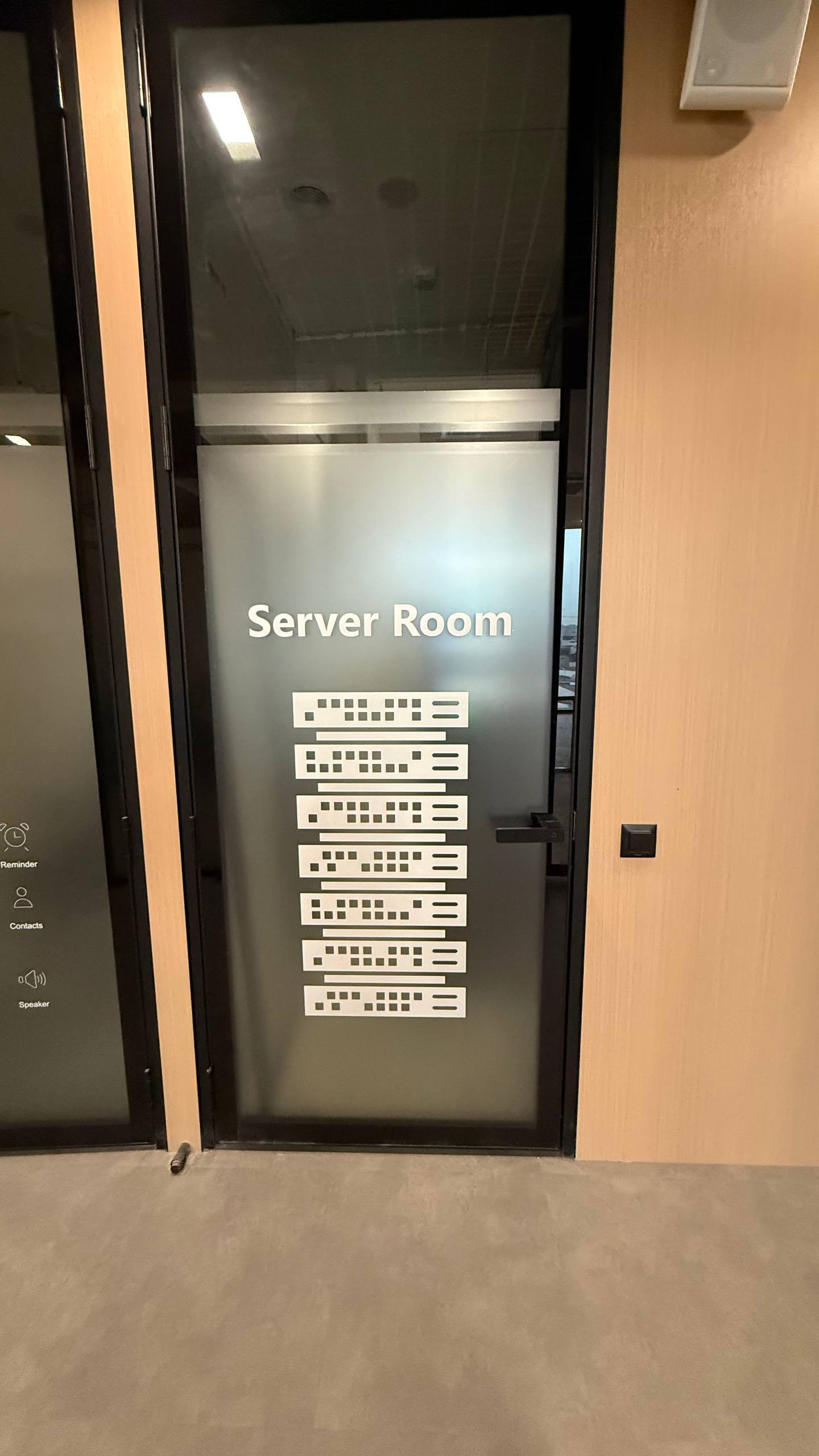
- whether meeting rooms and the server room can be controlled separately;
- the source of fresh air and the positions of supply and return grilles;
- the evening, weekend and emergency operating modes;
- who changes filters, repairs leaks and receives tenant service requests.
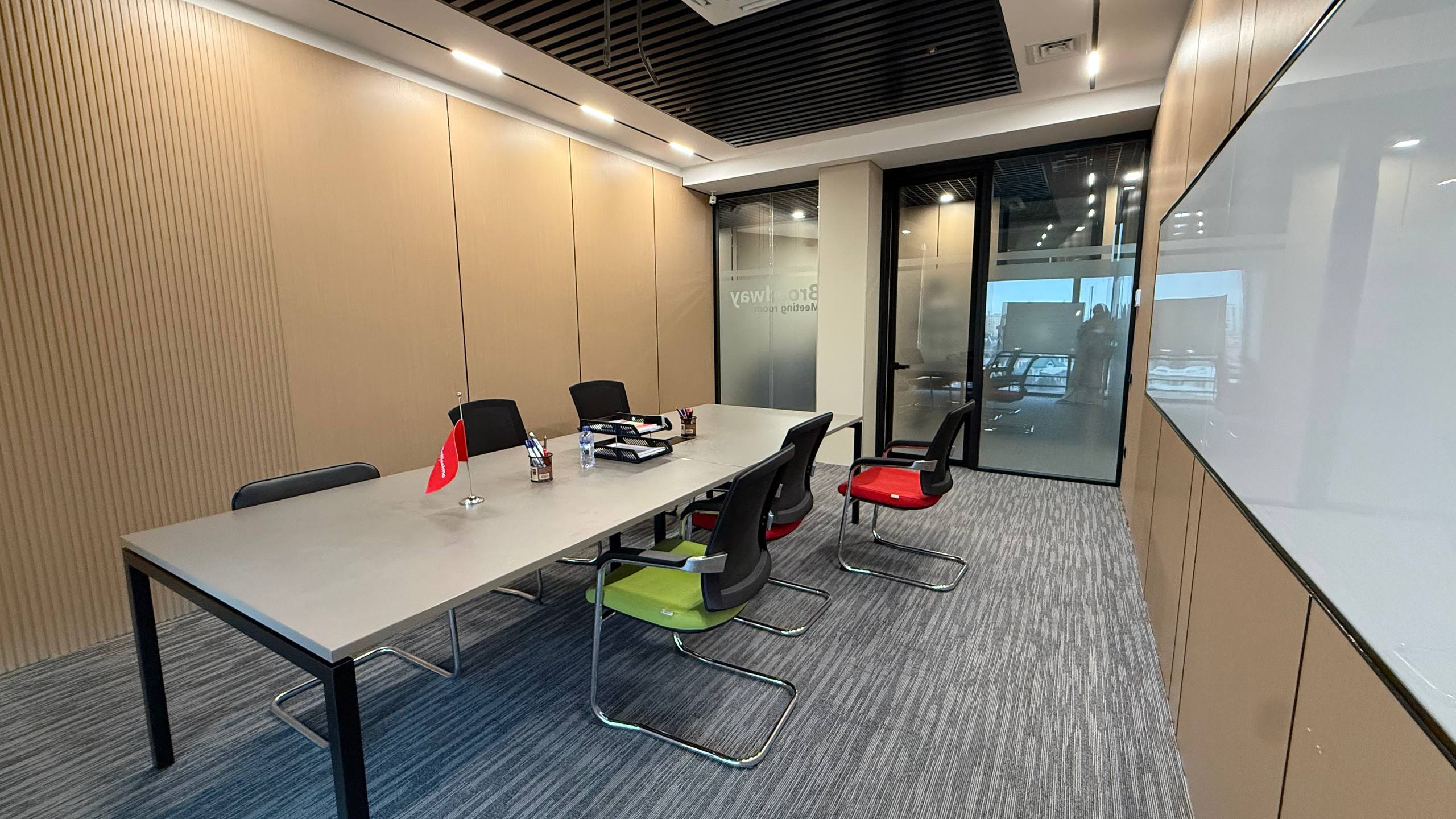
Arrange a second viewing at a time close to the building’s normal occupancy. Inspect several points in the suite, the sun-facing side, meeting rooms with closed doors and the proposed server area. A cool, empty office in the morning does not show how the system will cope with people, computers and daytime solar gain.
Test connectivity and physical access
A carrier name and a speed test on a phone provide little assurance. Ask to see the cable entry point, telecommunications room, available internal route and rules for admitting installers. For a backup connection, obtain confirmation that it follows a separate physical route. Two contracts using the same building entry can retain a common point of failure.
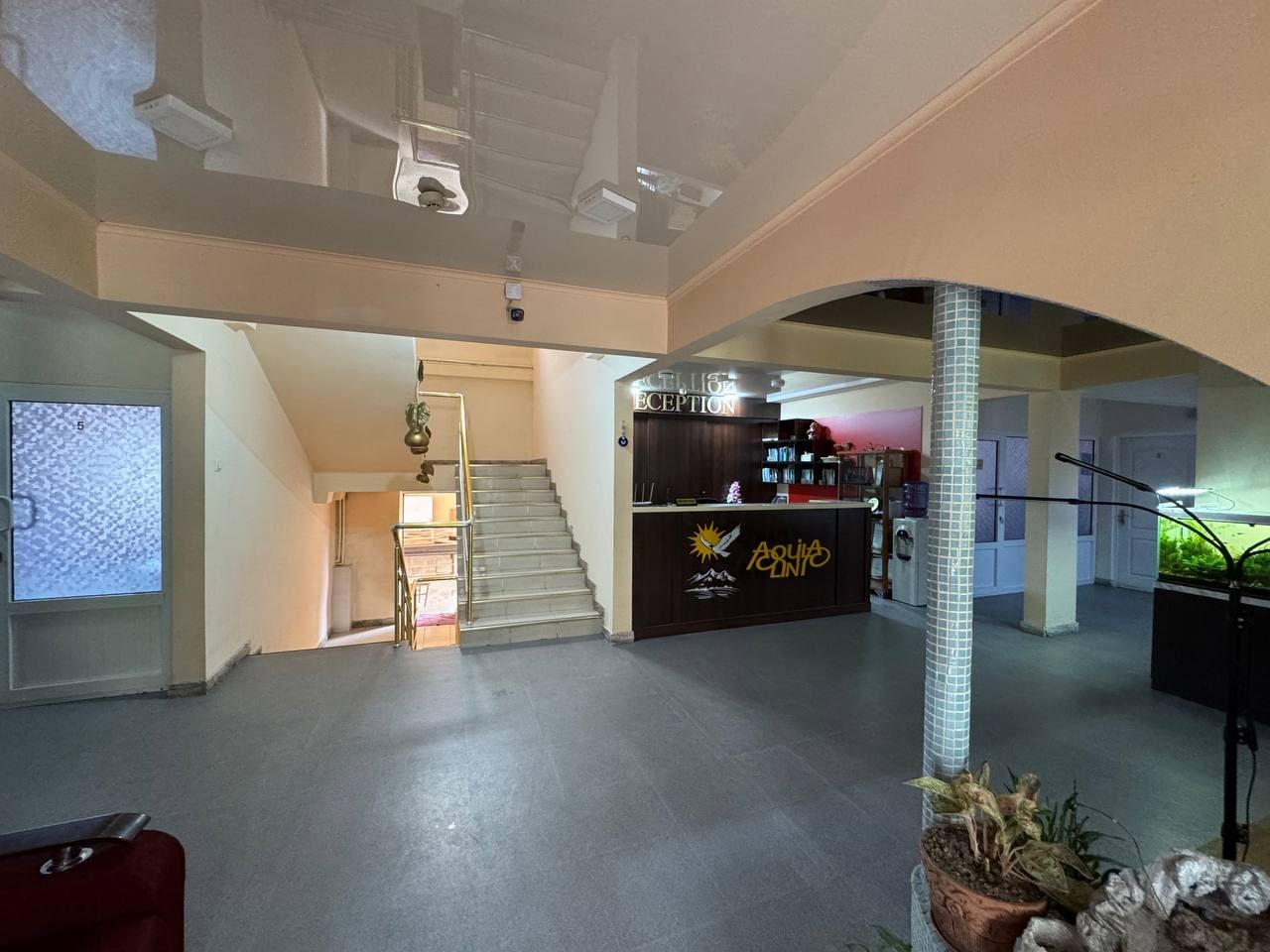
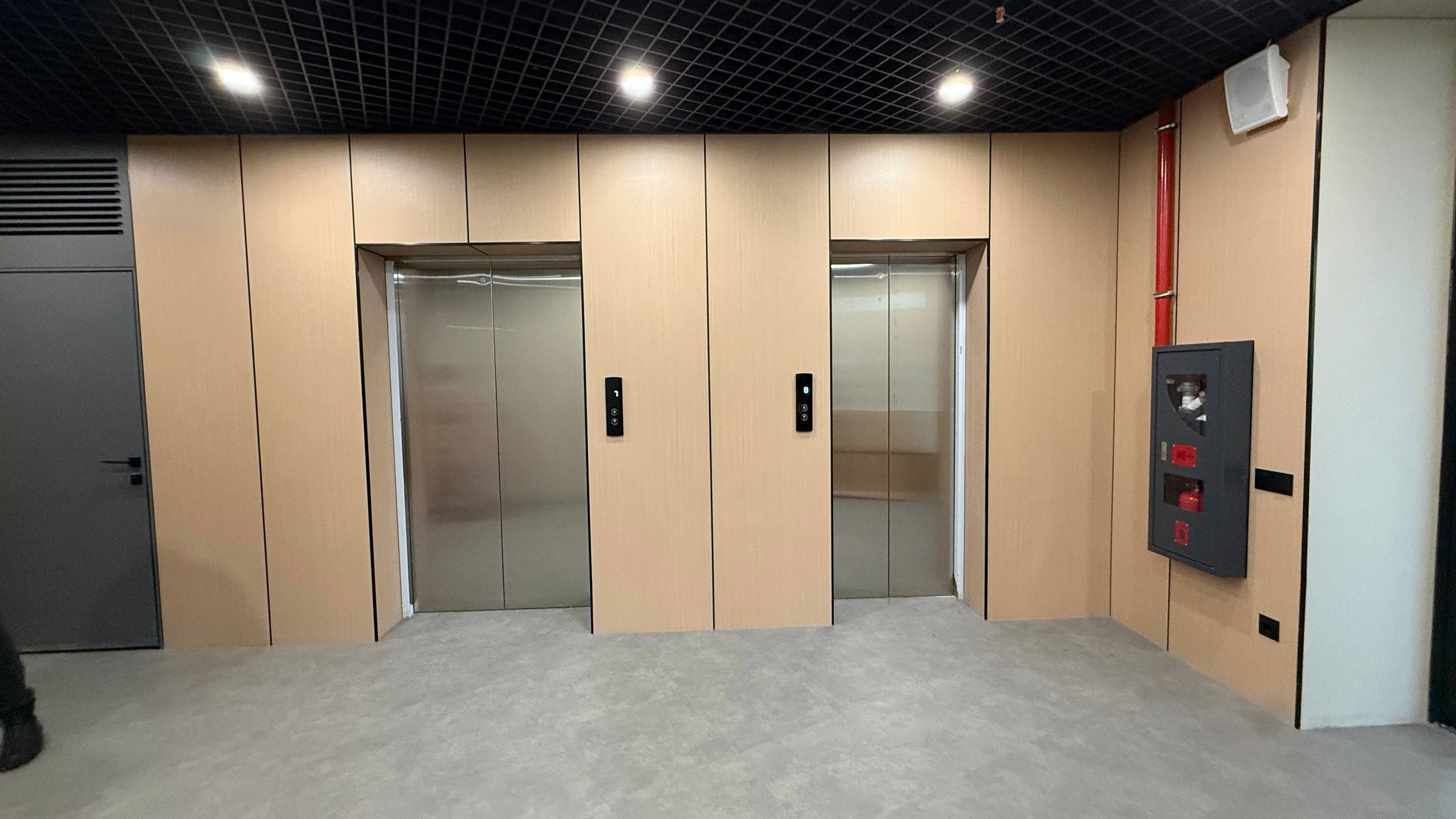
Next, walk the complete user journey. One company representative enters as an employee and another as a pre-registered visitor. Cover the gate or street entrance, reception, pass issue, turnstile, lift and office door. Test the approved process for a courier and a contractor separately. Do not attempt to bypass security; the purpose is to verify the official process and its approval time.
For a 24/7 operation, prepare an access matrix:
| User | Building entrance | Lift and floor | Parking | Approving party | |---|---|---|---|---| | Permanent employee | Main or night entrance | Permanent pass | Allocated or shared space | Tenant or building management | | Visitor | Through reception | Escorted or visitor pass | Guest procedure | Authorised employee | | Courier | Designated handover area | Usually no office access | Short stop under building rules | Reception or security | | Contractor | Advance request | Service route | By prior agreement | Technical team |
The entries above are not assumed terms. Replace them with the selected building’s actual rules. Confirm that common-area lighting, washrooms, the required lift and a route to the duty technician remain available at night.
Walk the evacuation route without simulating an alarm
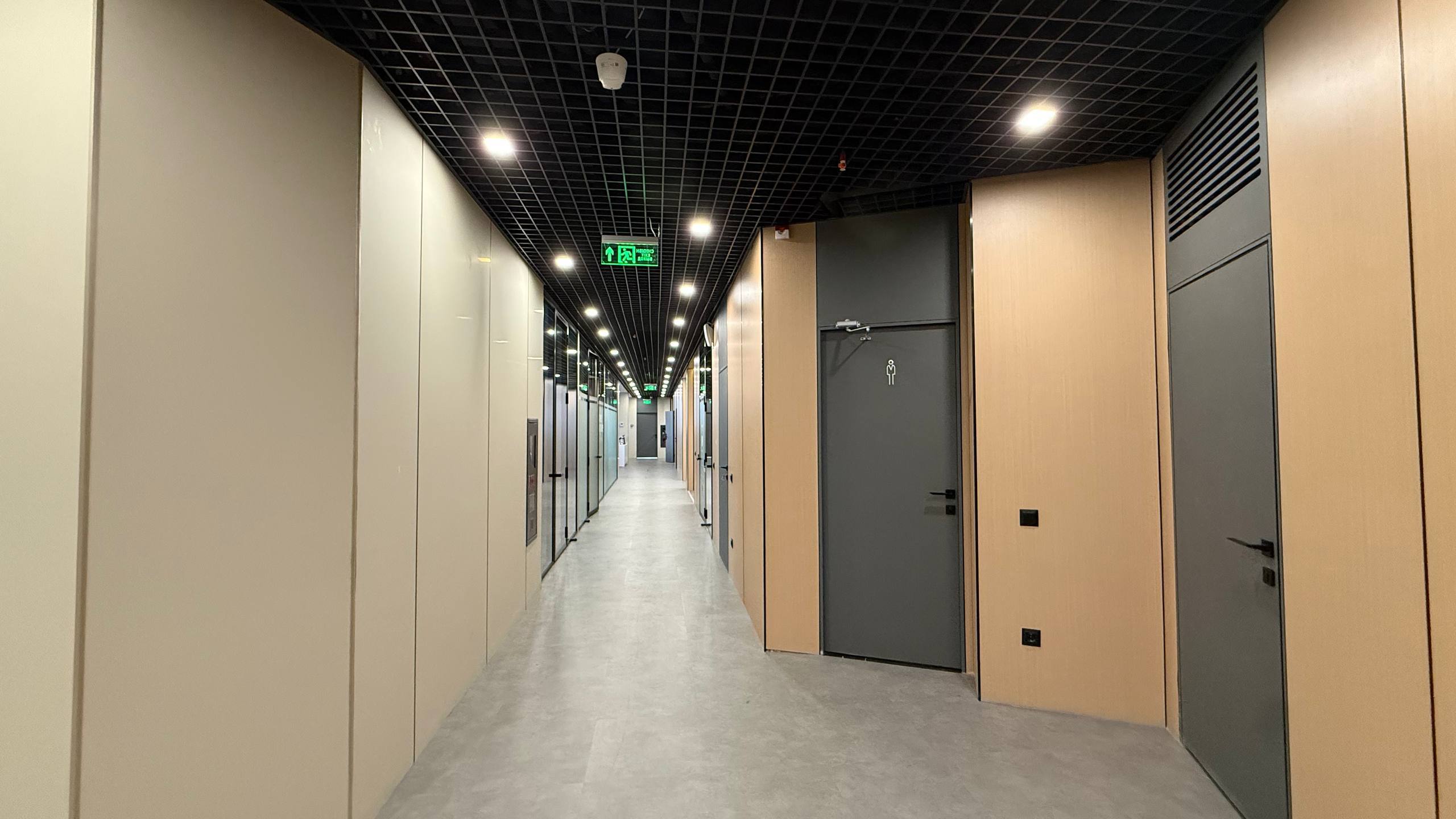
Fire safety cannot be reduced to detectors on the ceiling. Walk the marked route from the proposed workplace to a safe exit. Doors and corridors should not have become storage areas, and the access-control system should not create an unexplained obstacle. Identify the assembly point, the arrangements for people with limited mobility and the person responsible for staff instruction.
Do not press alarm points or operate emergency devices without authorisation. Instead, ask building management for the latest maintenance date for the alarm, warning and suppression systems, the inspection record and the procedure for contacting the responsible person.
Uzbekistan’s Law on Fire Safety provides for safety requirements to be reflected in instructions and, where necessary, contracts. The practical implication is that a lease should distinguish the landlord’s maintenance of common building systems from the tenant’s duties inside the suite. A broad statement that the tenant is responsible for fire safety does not identify who services the alarm, monitors common escape routes or repairs a shared-system fault.
A building’s permit for use is not a substitute for a current inspection. The official description of the commissioning procedure for completed non-residential buildings shows that completed construction is assessed against several requirements, including fire requirements. Equipment condition, later alterations and actual operating arrangements still need to be reviewed at the lease date.
Turn promises into a lease schedule
After the test, create an operating-conditions schedule. For every critical function, state:
- the served area and operating hours;
- the verified normal and backup modes;
- who receives a fault report and through which channel;
- the agreed response period or escalation process;
- the service cost and circumstances triggering an extra charge;
- the document or test demonstrating readiness at handover.
The schedule should also cover pass rules, access cards and keys, parking arrangements, entry for carriers and contractors, permitted works and duty-service contacts. If a defect must be corrected before occupation, identify the responsible party, deadline and consequence of delay.
The Supreme Court Plenum resolution on lease rules explains that property transfer is documented by a handover act and that the payment obligation is linked to actual transfer. It also notes that actual acceptance can be established by other evidence. A tenant should therefore avoid moving furniture in or working for ‘a few days’ before the agreed handover. Record test results, unverified functions, defects, available meter readings and all access devices in the act. The current official lease guidance should be reviewed with legal counsel when preparing the contract.
Final inspection record
Before deciding on any office, the file should answer seven questions:
- Does the available capacity match the tenant’s equipment schedule?
- Which loads are actually supported by backup power?
- Do ventilation and cooling operate during the tenant’s required hours?
- Are primary and backup connections usable without an unverified common failure point?
- Have an employee, visitor, courier and contractor completed their official routes?
- Is the evacuation route clear, and is responsibility for fire systems allocated?
- Are verified operating modes, charges and outstanding defects recorded in the lease and handover act?
‘The equipment exists’ is not the same as ‘our operating model is supported’. A suitable office is one where critical conditions are backed by documentation, an observable test and a contractual obligation. Treat remaining promises as unverified risks when comparing commercial properties for rent in Tashkent.
Sources and verification date