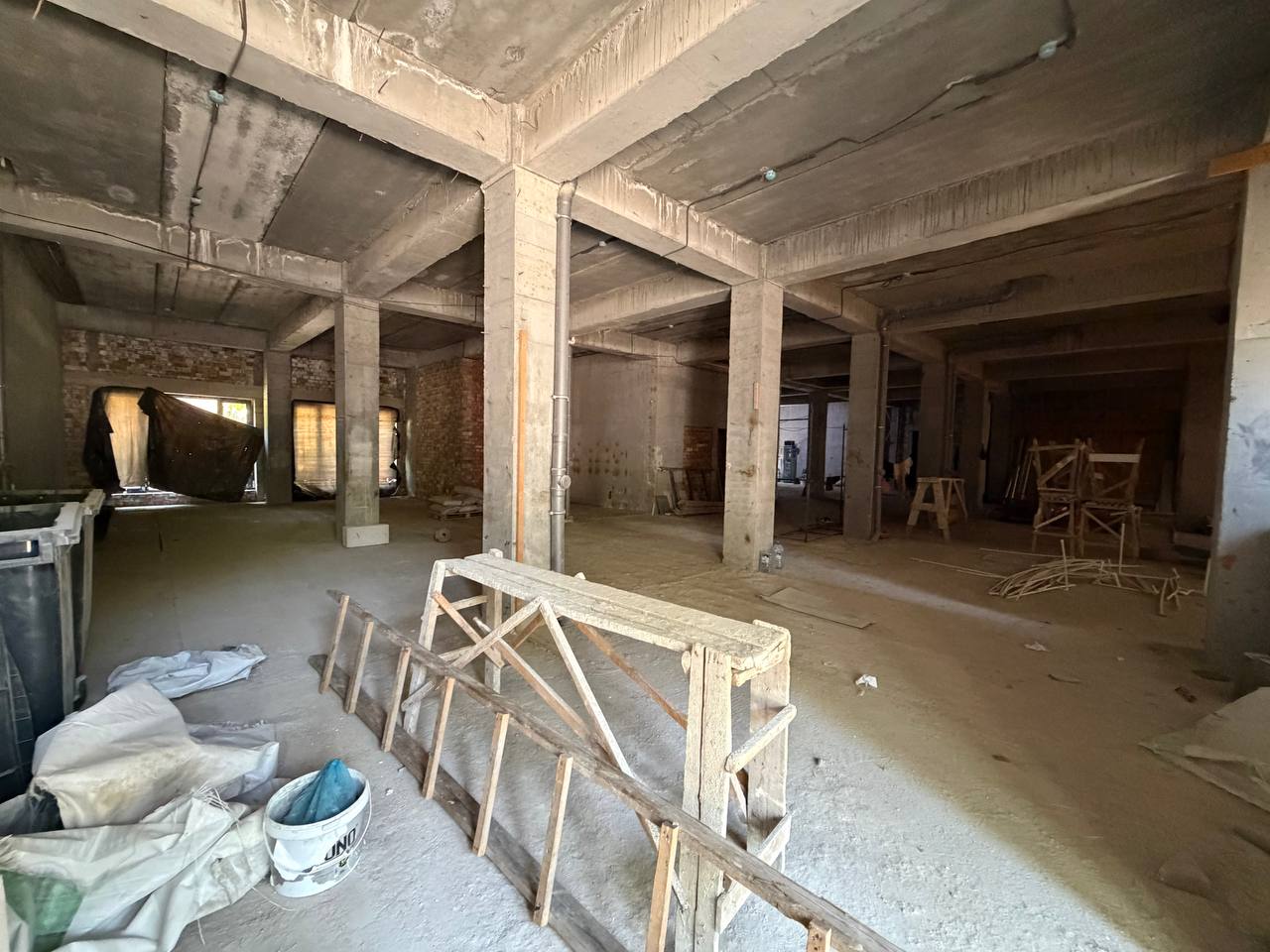
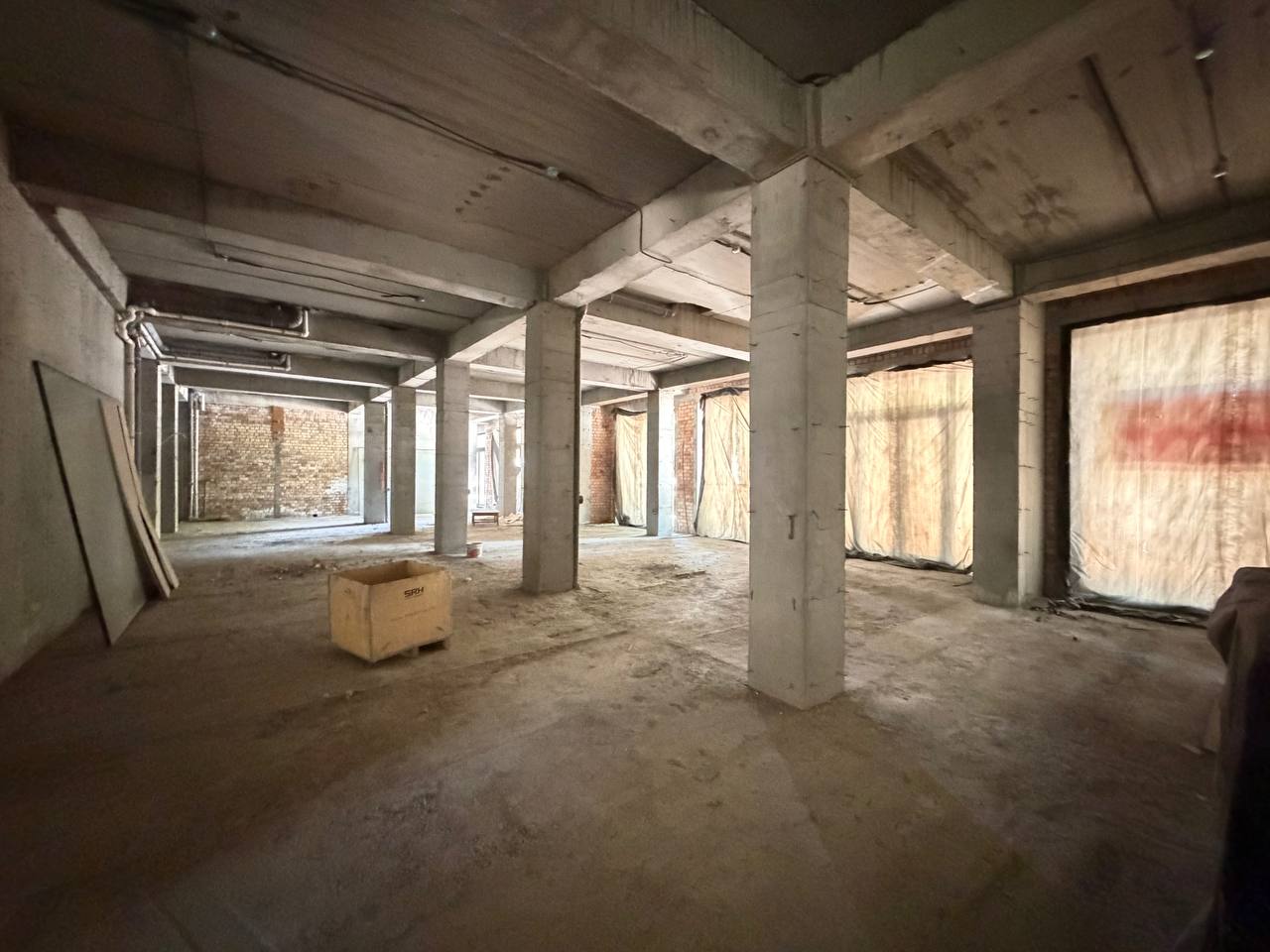
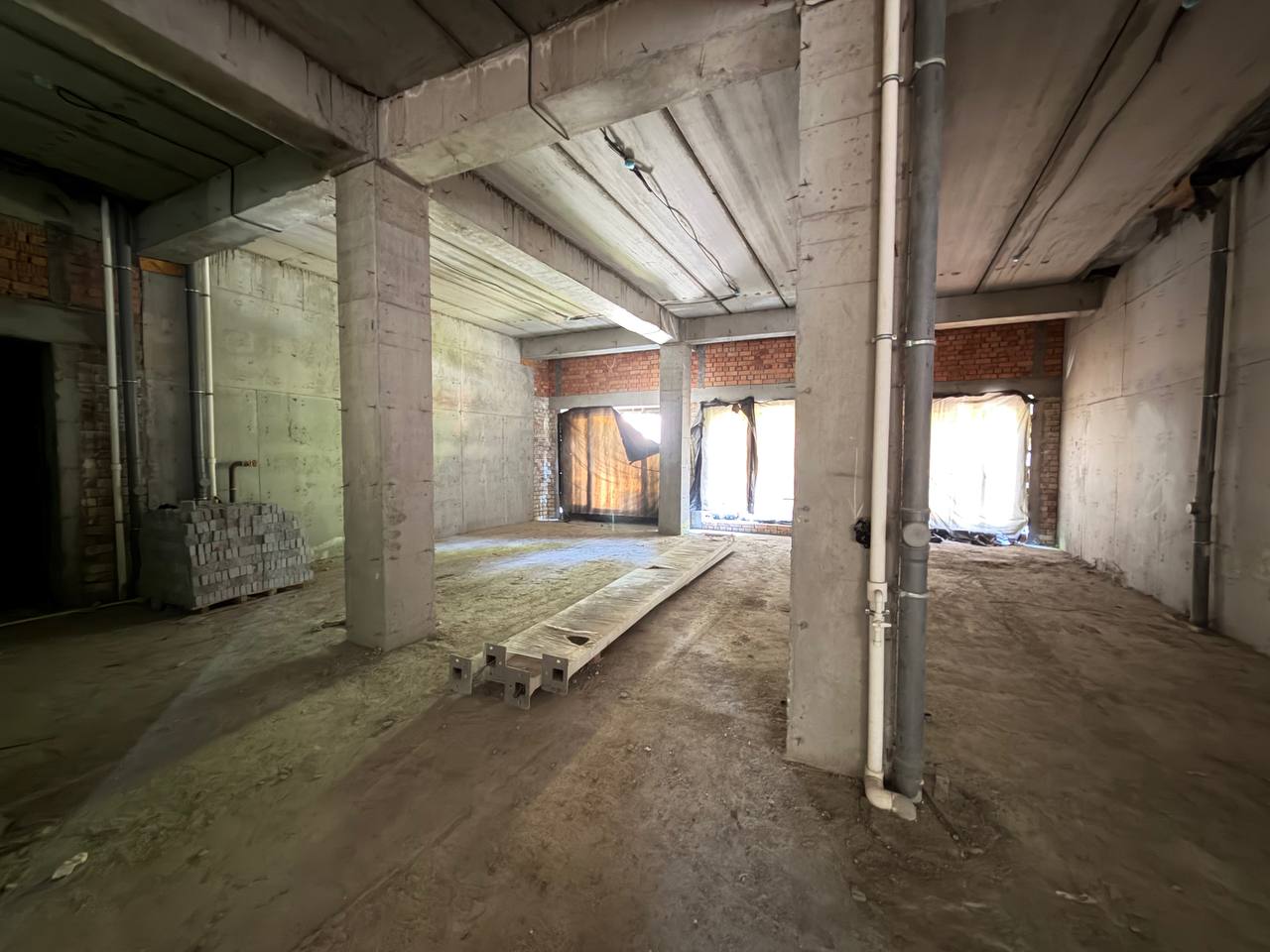
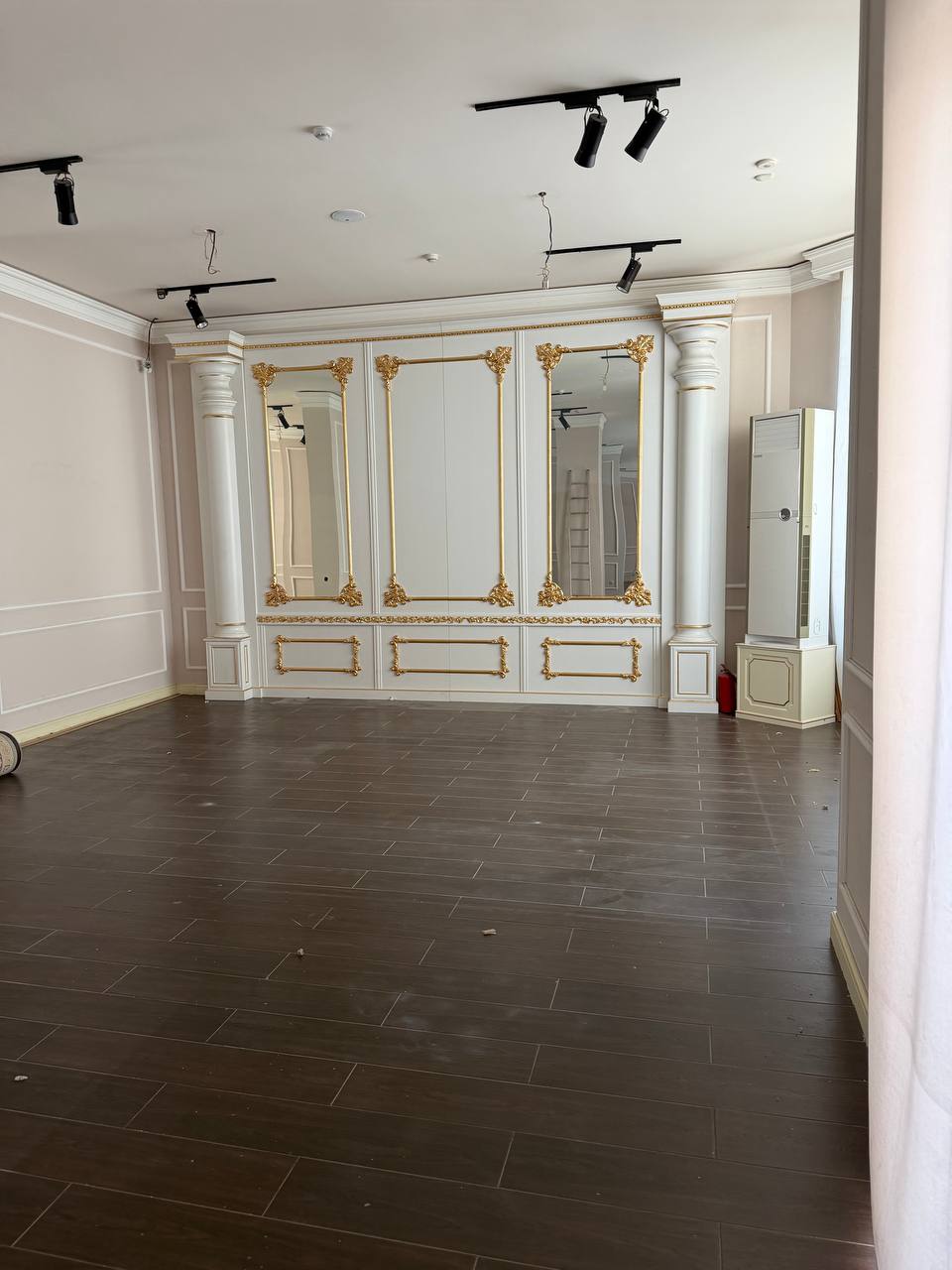
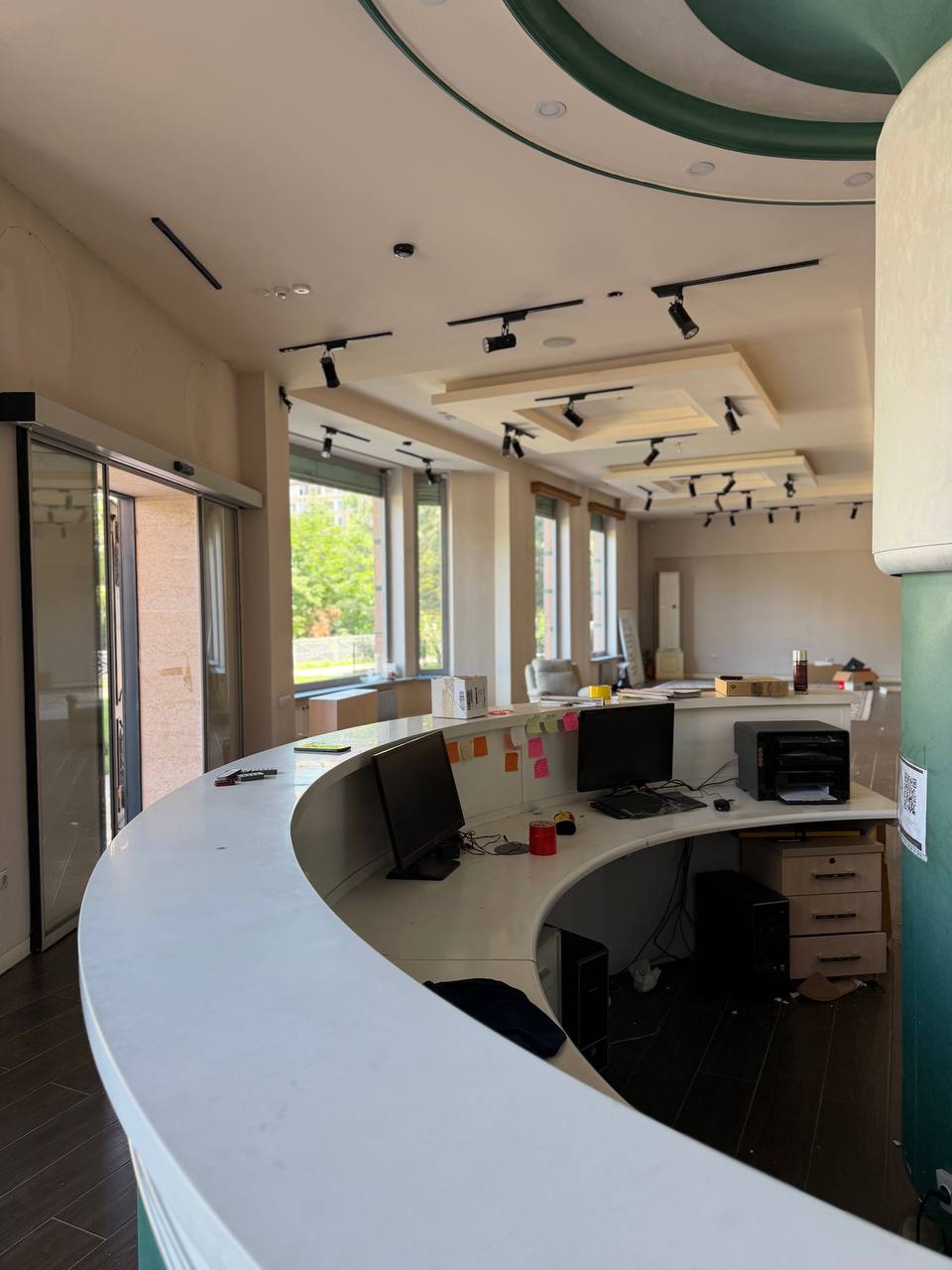
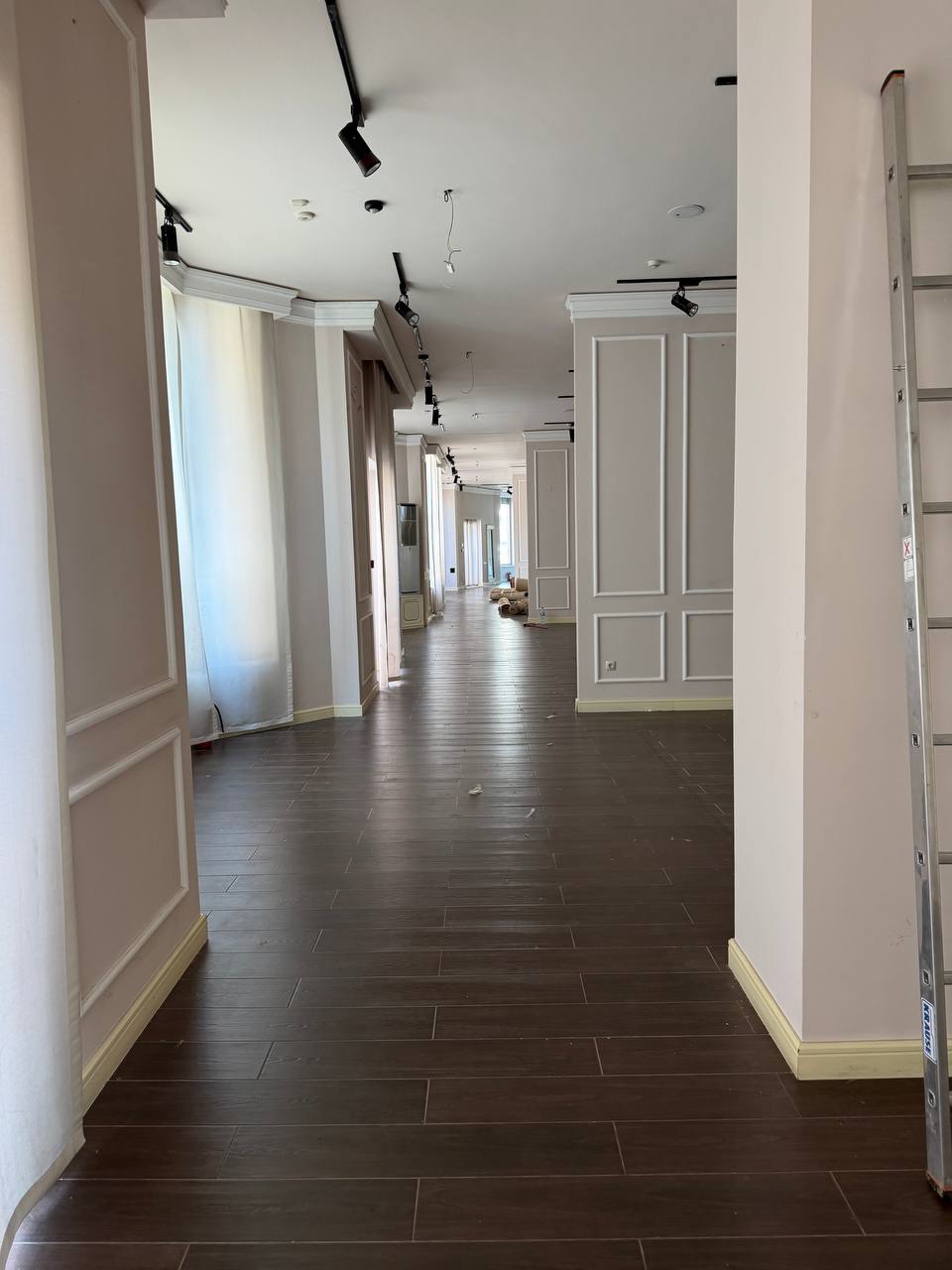
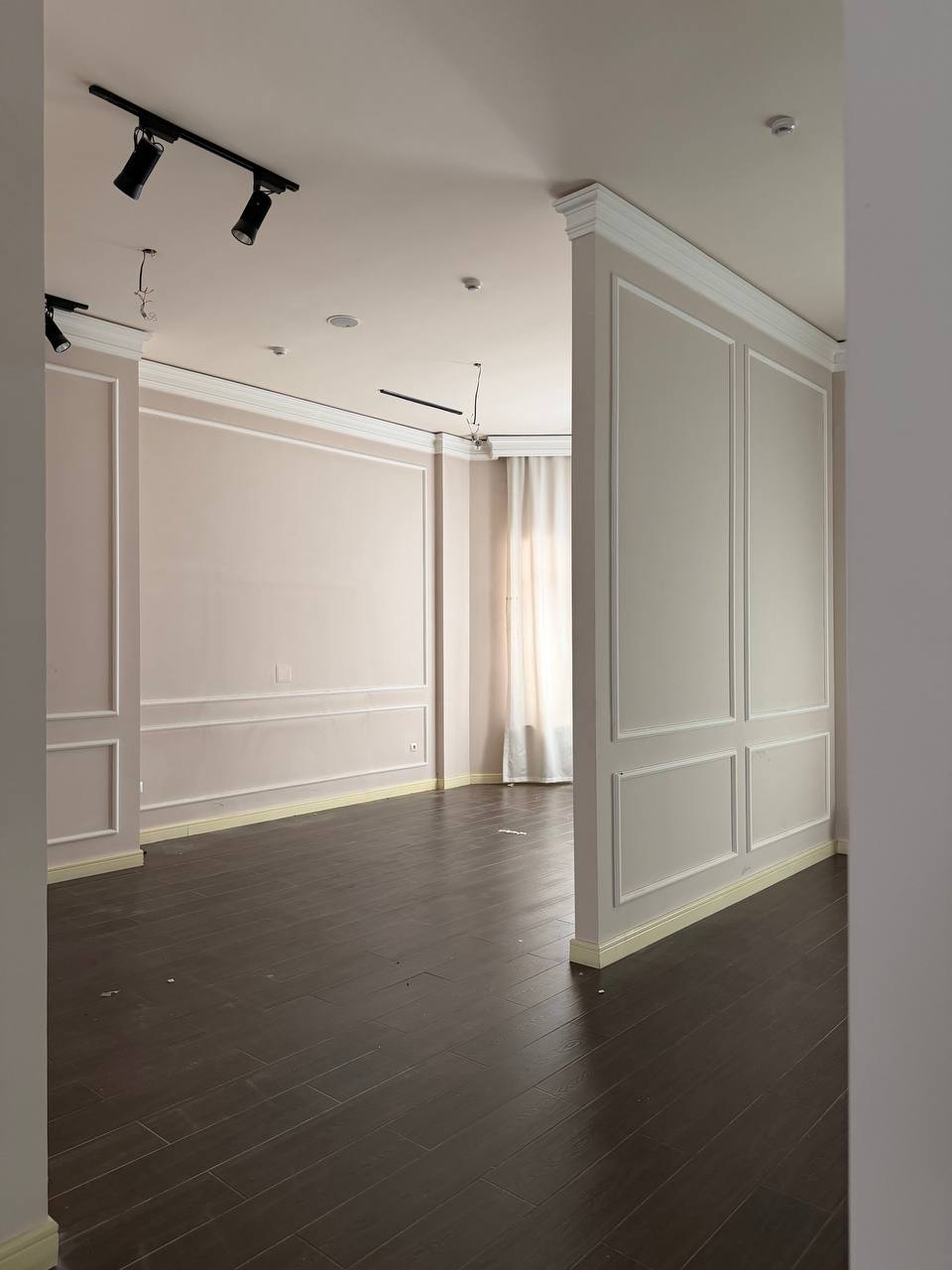
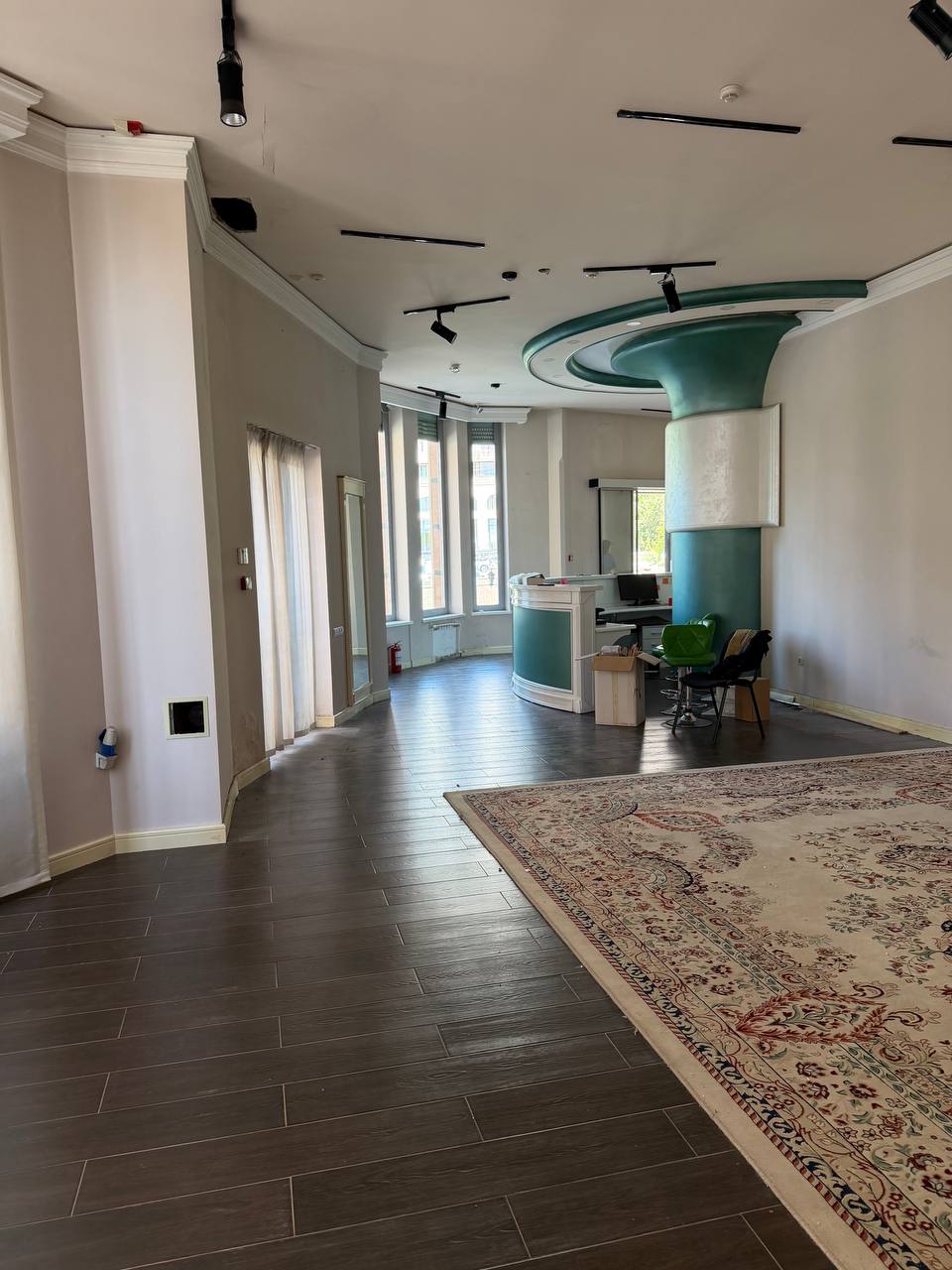
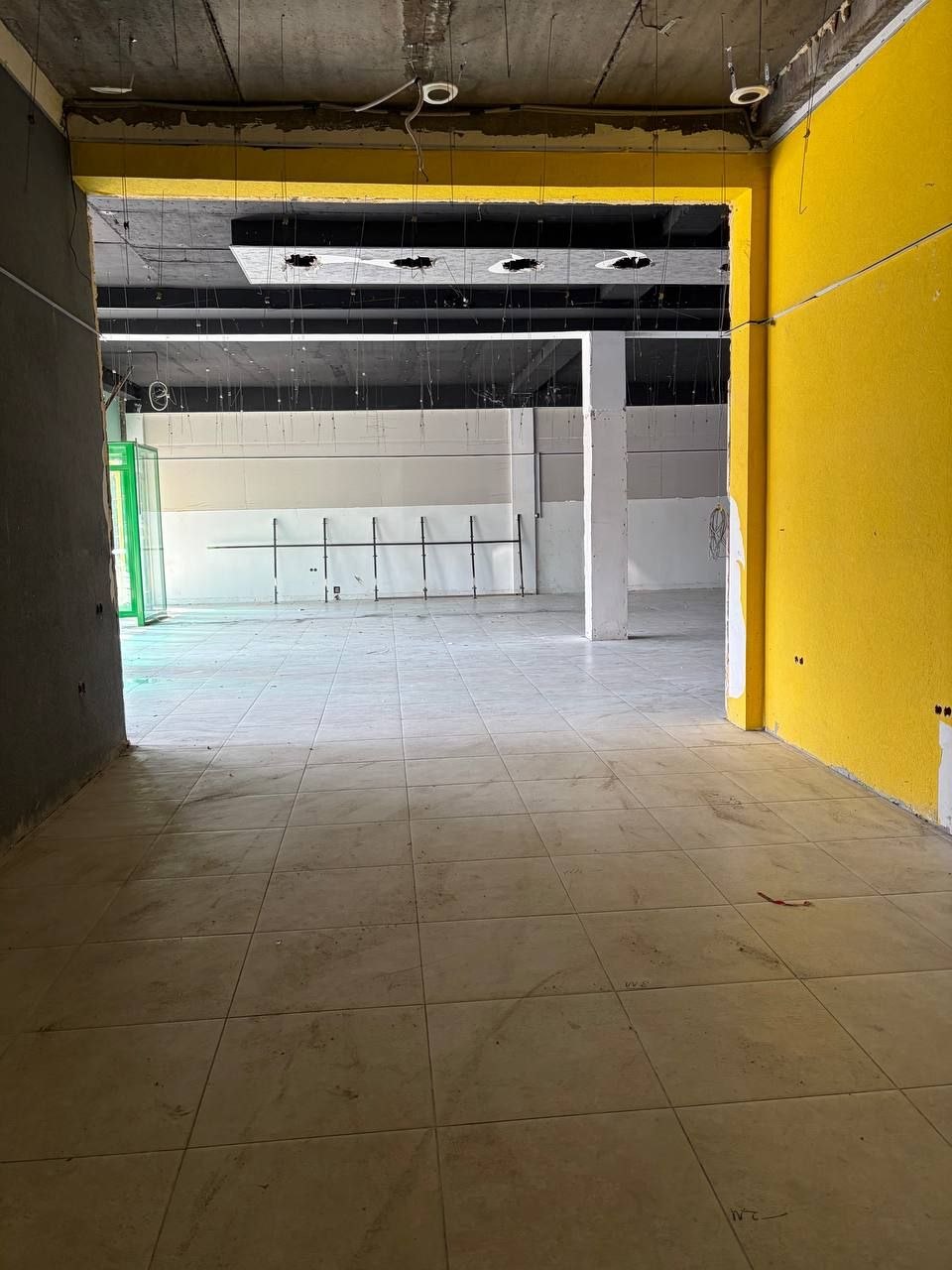
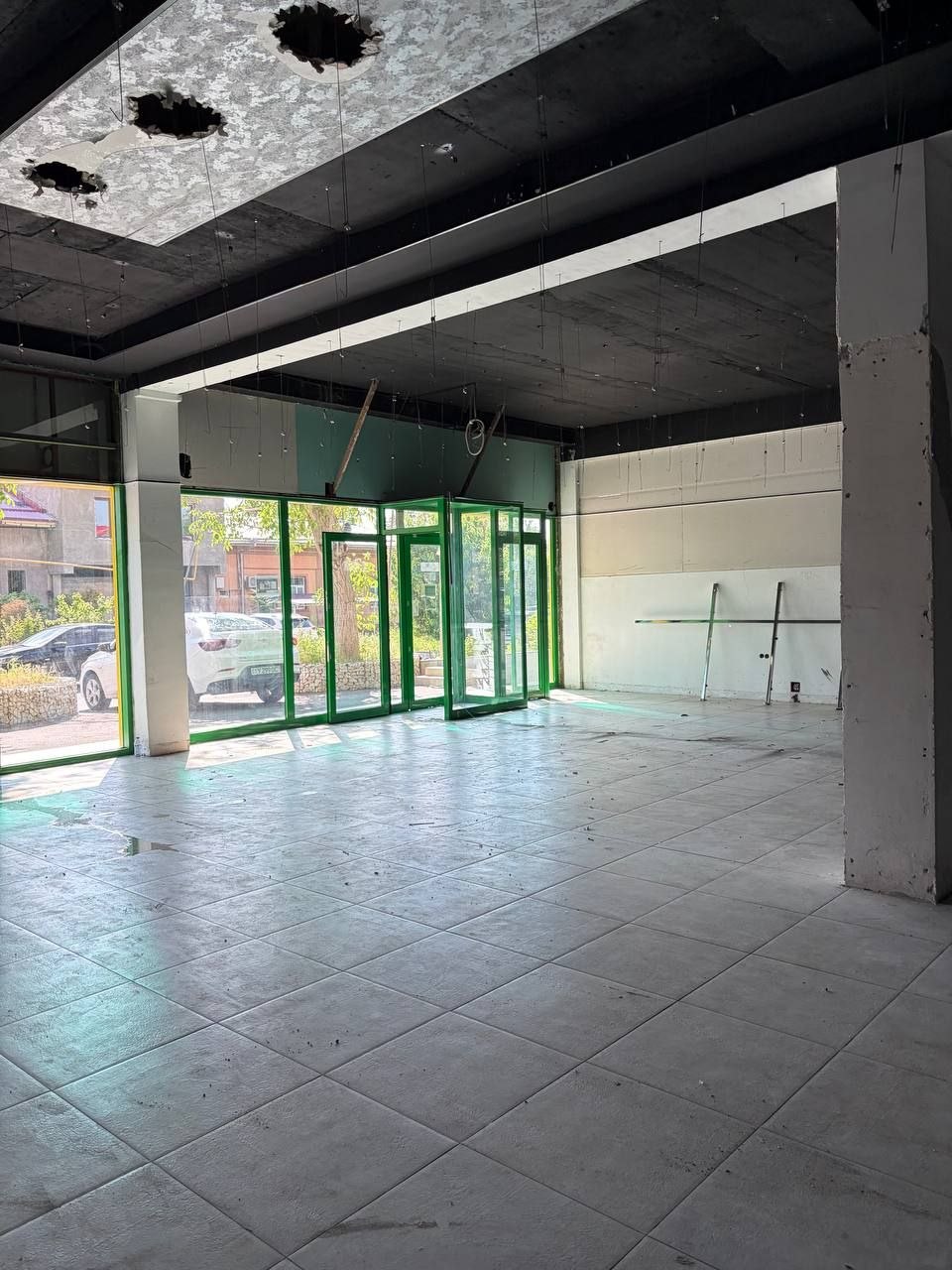
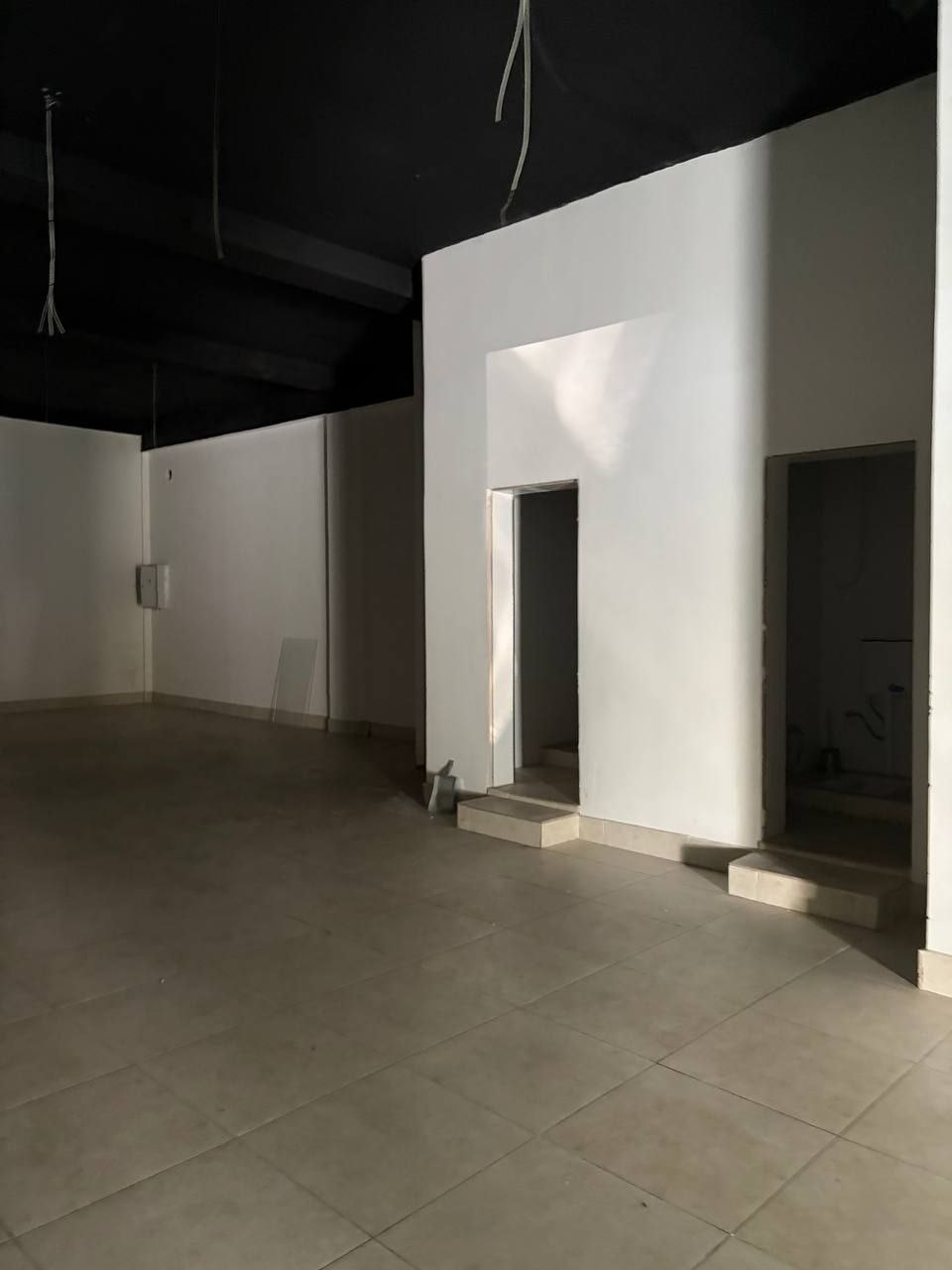
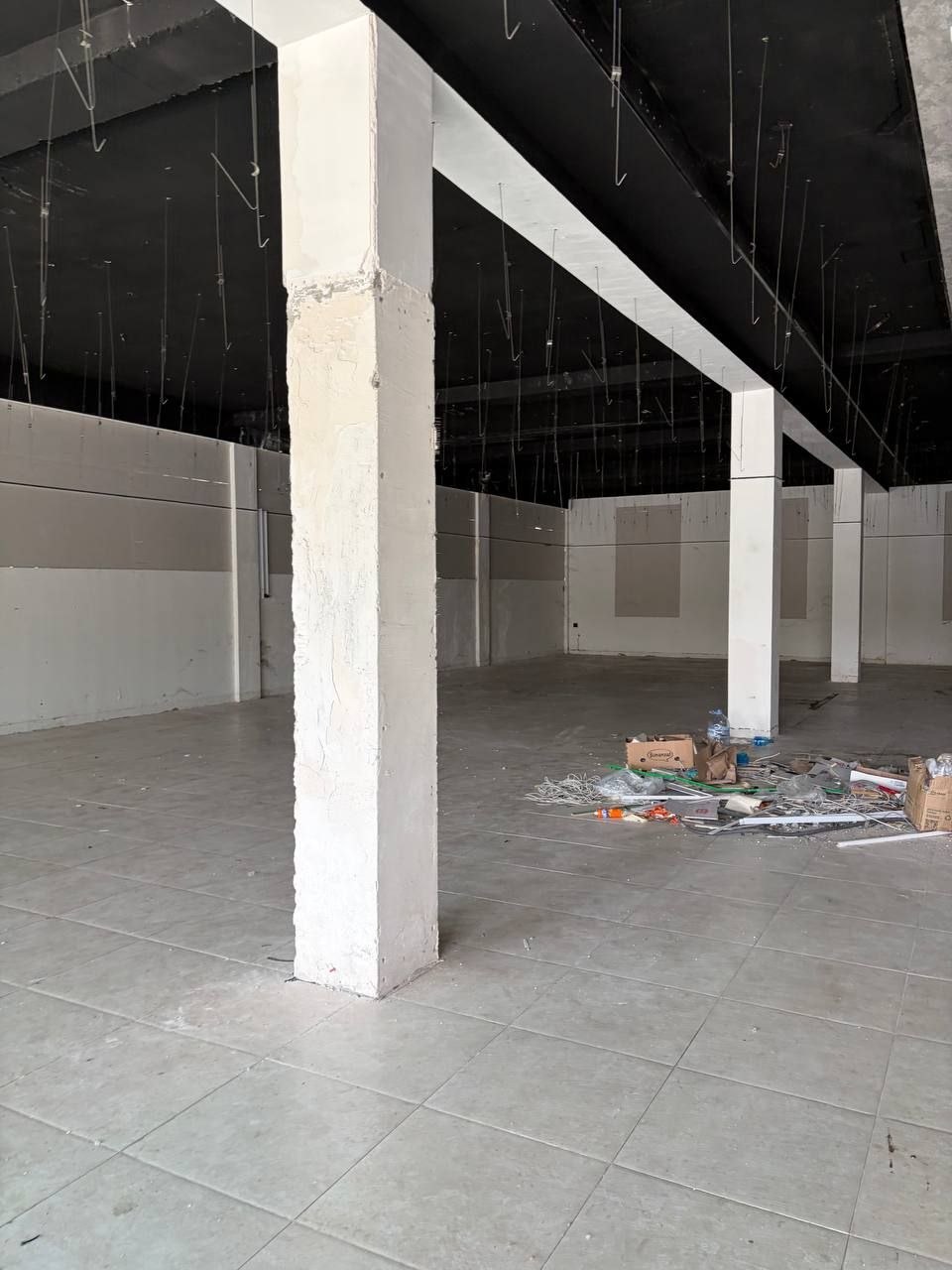
Speaking directly to an owner may eliminate a commission, but it does not eliminate legal uncertainty. An “owner” label in a listing proves neither title to the office nor authority to sign a lease or receive a deposit. Renting without an intermediary is safer only when the document chain has no gaps: the specific premises match the register, the landlord is entitled to dispose of them, the signatory acts within their authority, every payment is tied to the contract, and the condition of the office is fixed in a handover record. The route below can be completed before payment and shows where a lawyer or another specialist should take over.
“No intermediary” describes the contact channel, not the quality of the transaction. An owner may negotiate personally, through an employee, through an attorney-in-fact, or through an existing tenant offering part of a larger office as a sublease. In the last three situations, direct access to a person does not necessarily mean a direct contract with the registered right holder.
The Civil Code of Uzbekistan sets the basic rule: property may be leased by its owner or by a person authorised by law or by the owner. The practical consequence is that a tenant should verify the basis of authority, not the speaker’s job title or the absence of a commission.
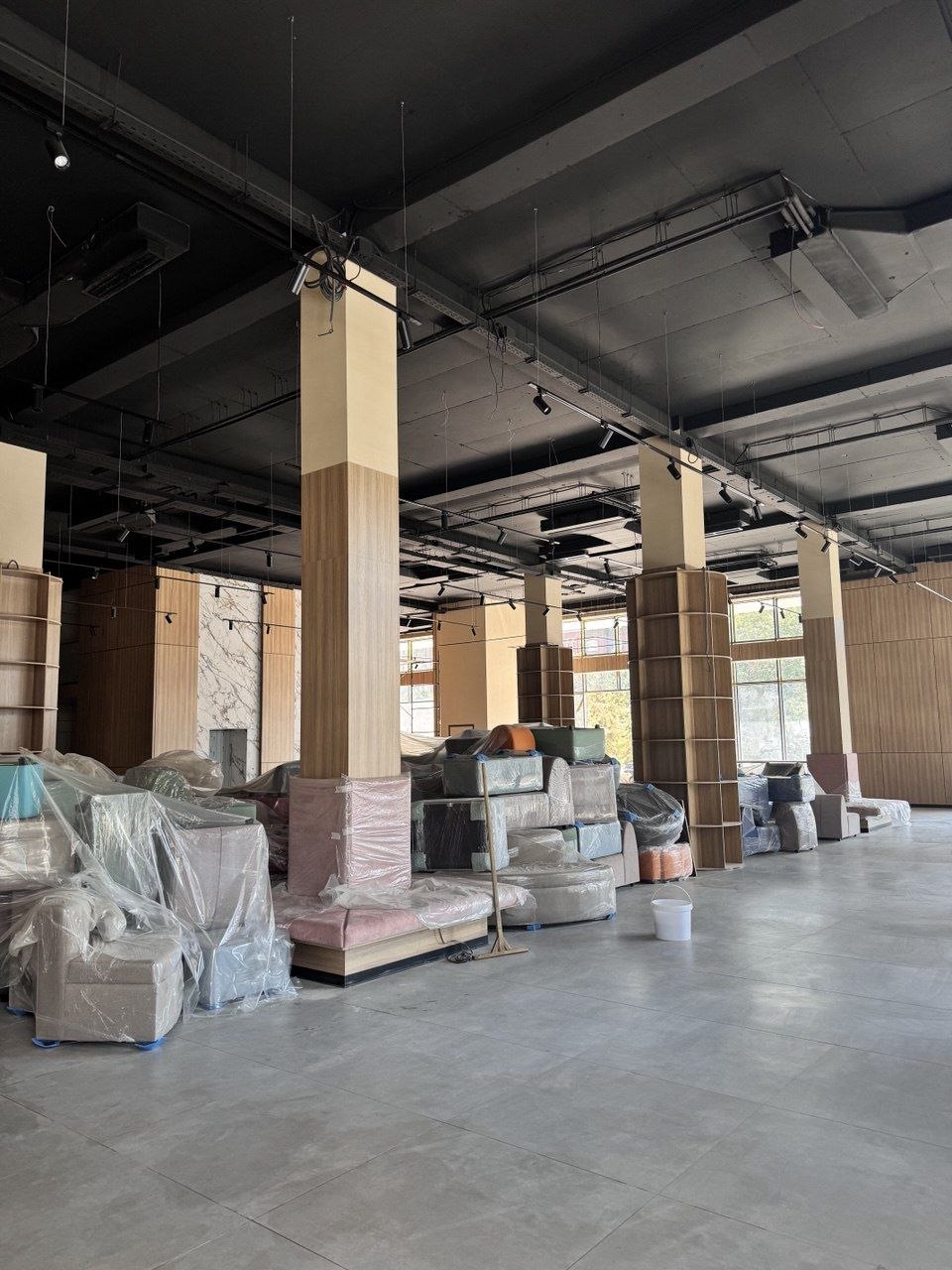
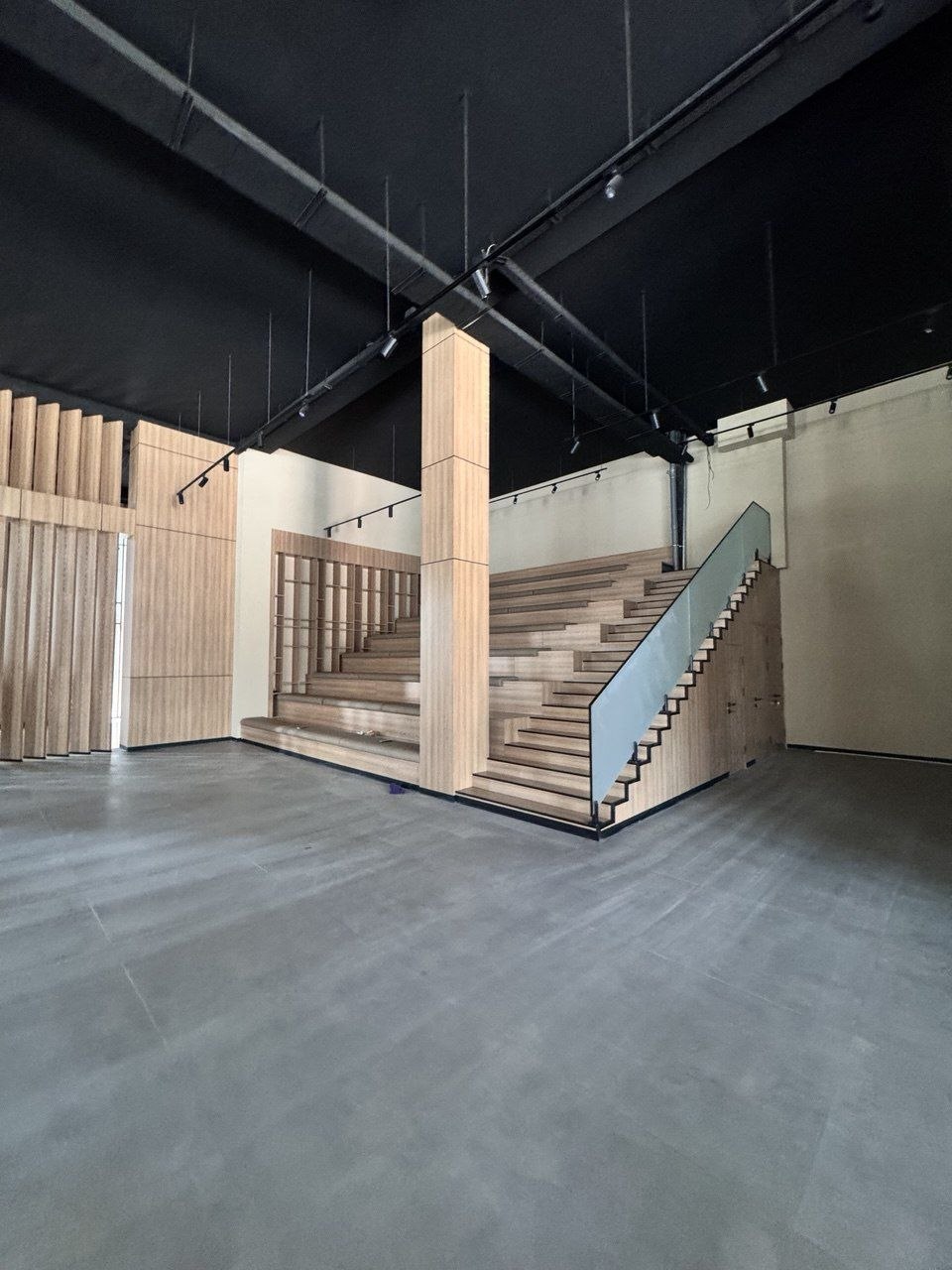
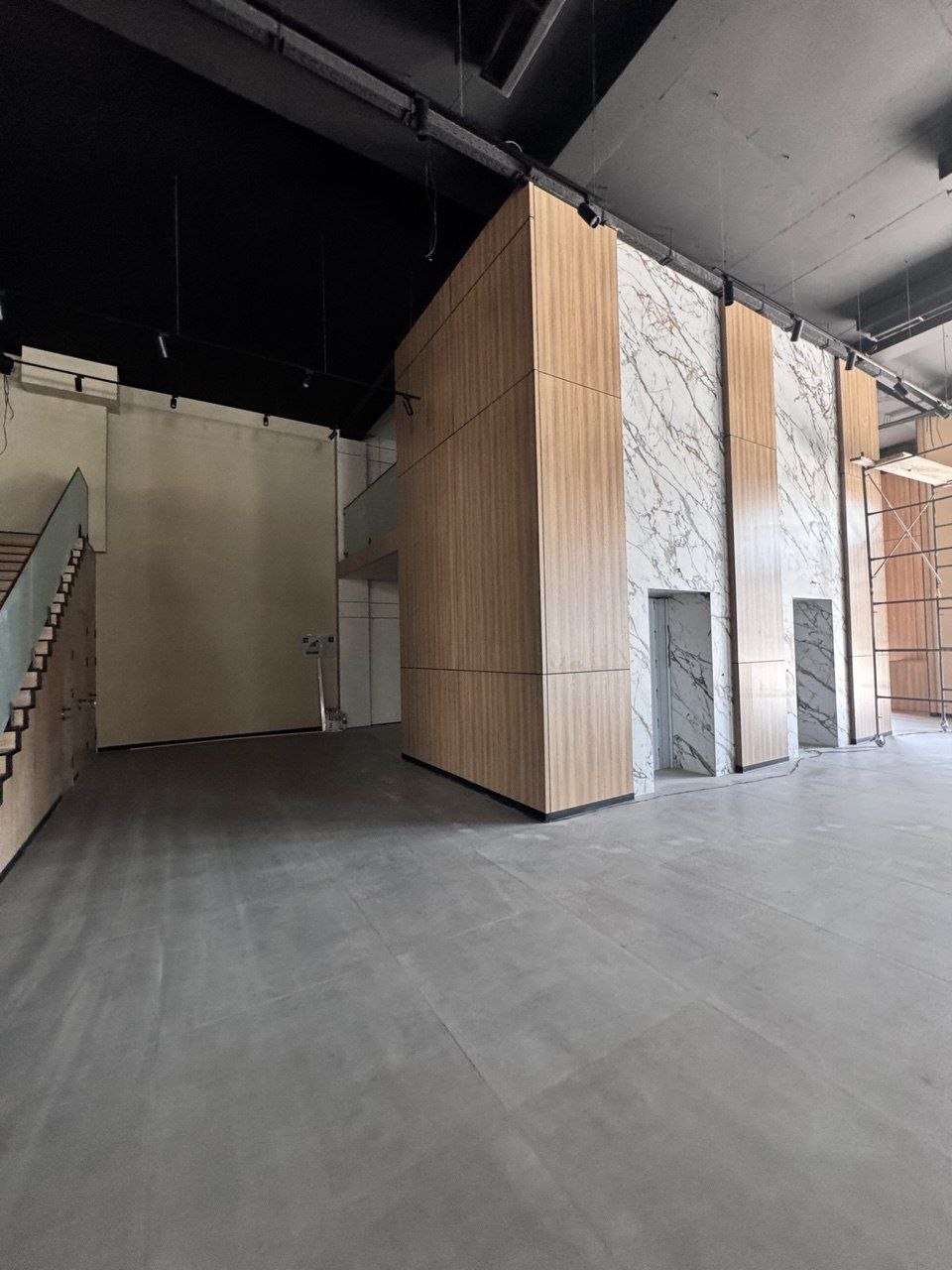
The live commercial property catalogue illustrates why a label is not enough. At the time of checking, a 100 m² office in Mirabad and a 99 m² office in Yunusabad use the “owner” contact mode, while a 221 m² office in Yashnabad uses a business contact. These are examples of different contact routes, not proof of legal status and not a market sample. Documents must be checked in either case.
How to match the office to the state register
Start with the asset, not with the identity document of the person across the table. Request a current extract from the state register of rights and the cadastral passport. The Unified Portal offers a free automated check of the extract and cadastral passport, as well as a separate check for a prohibition affecting a cadastral object. The law on state registration covers not only ownership and leases but also mortgages, easements and other restrictions.
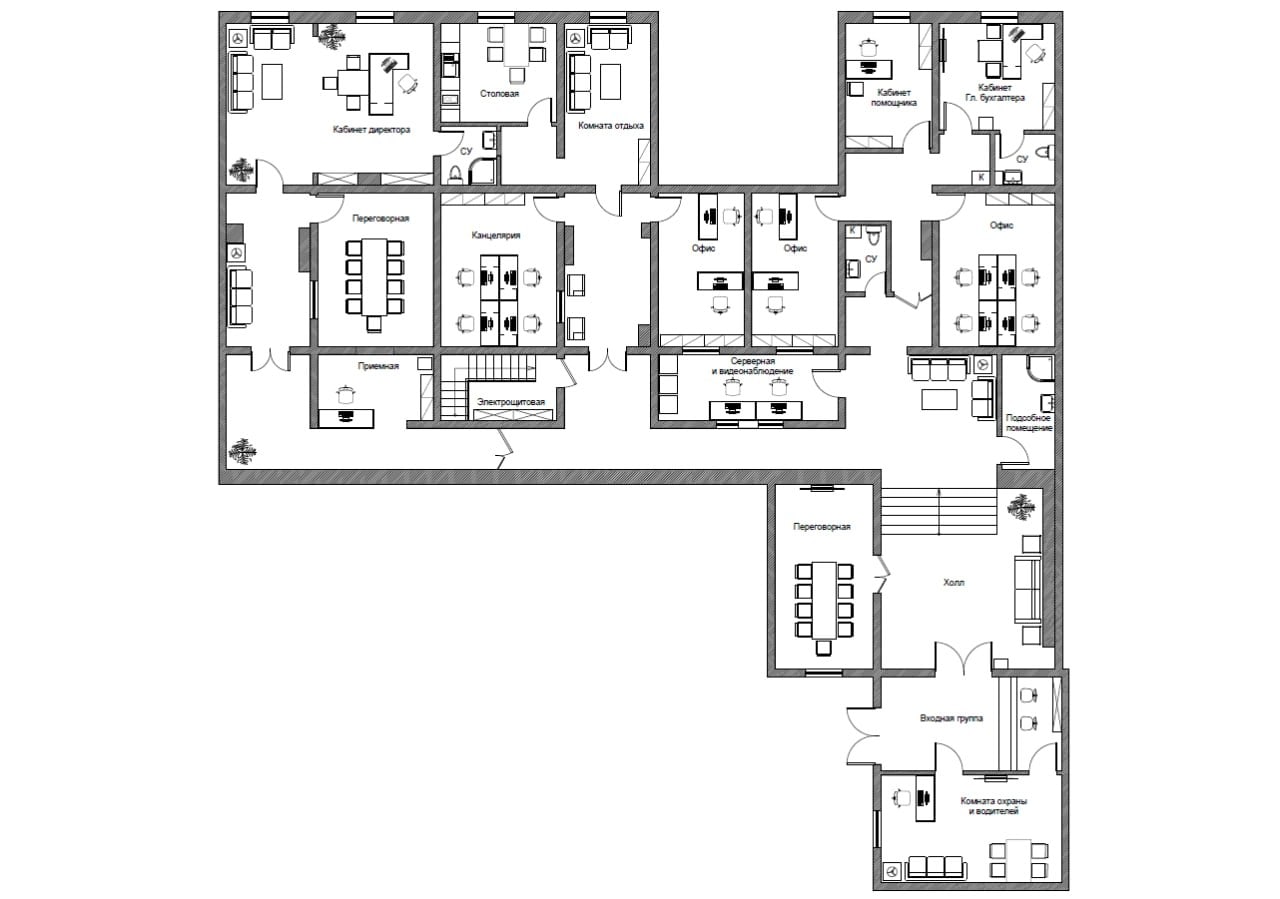
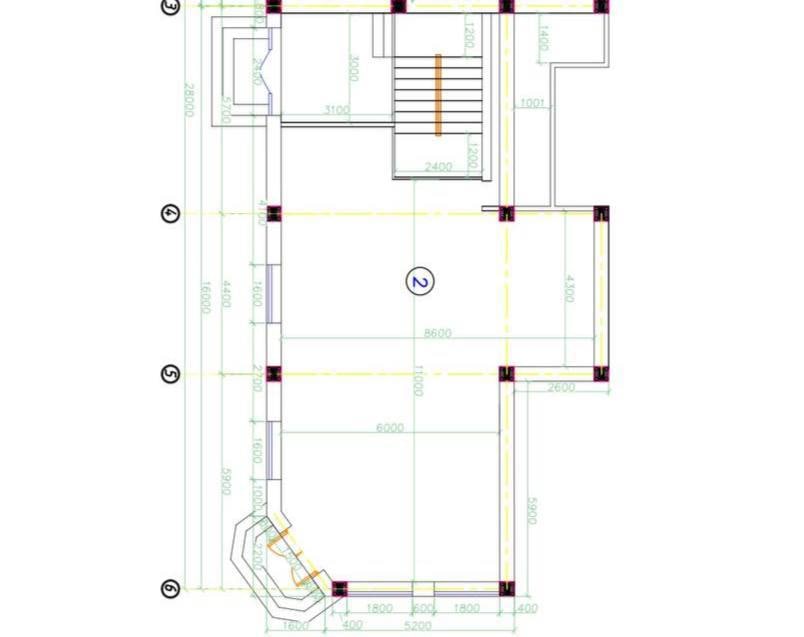
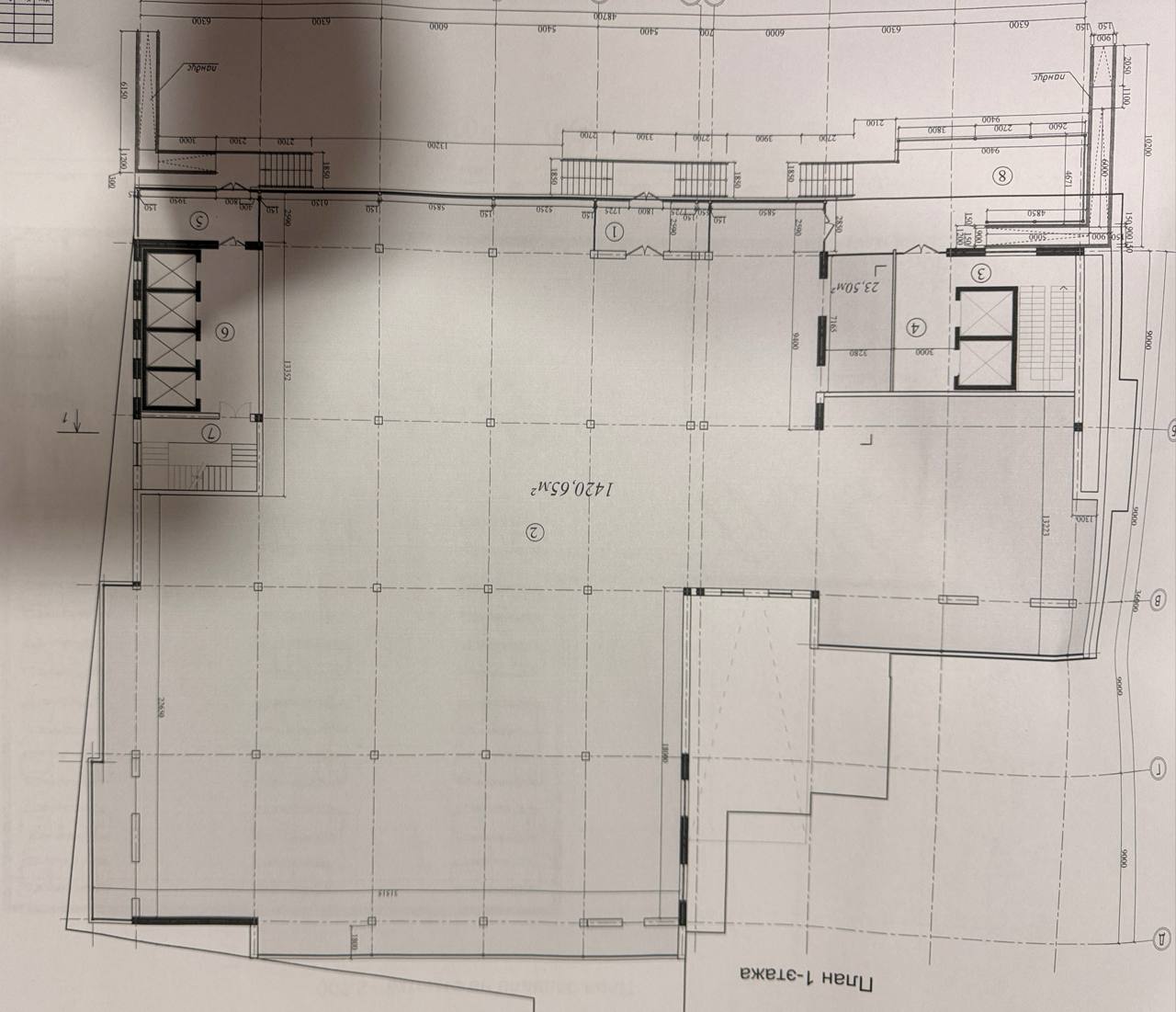
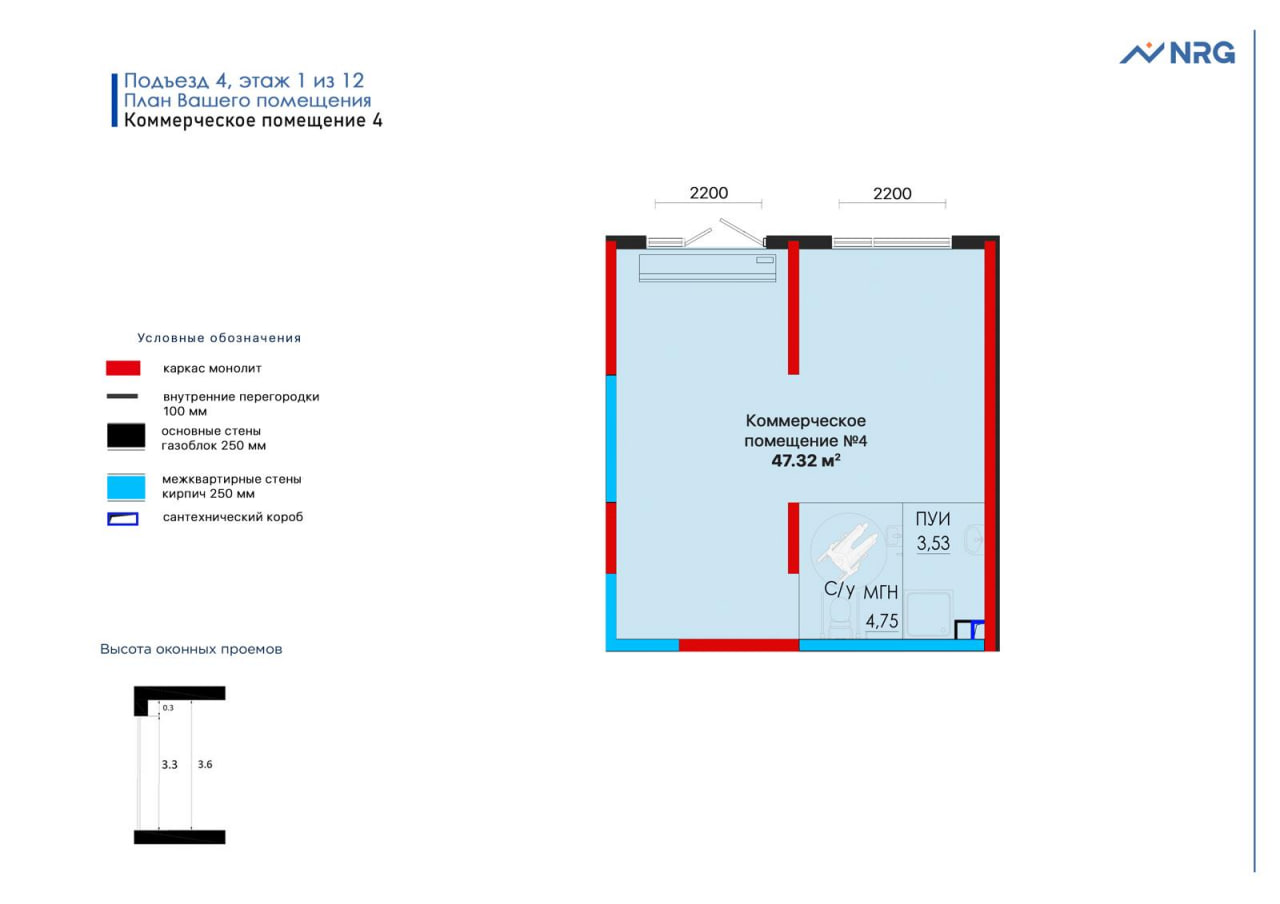
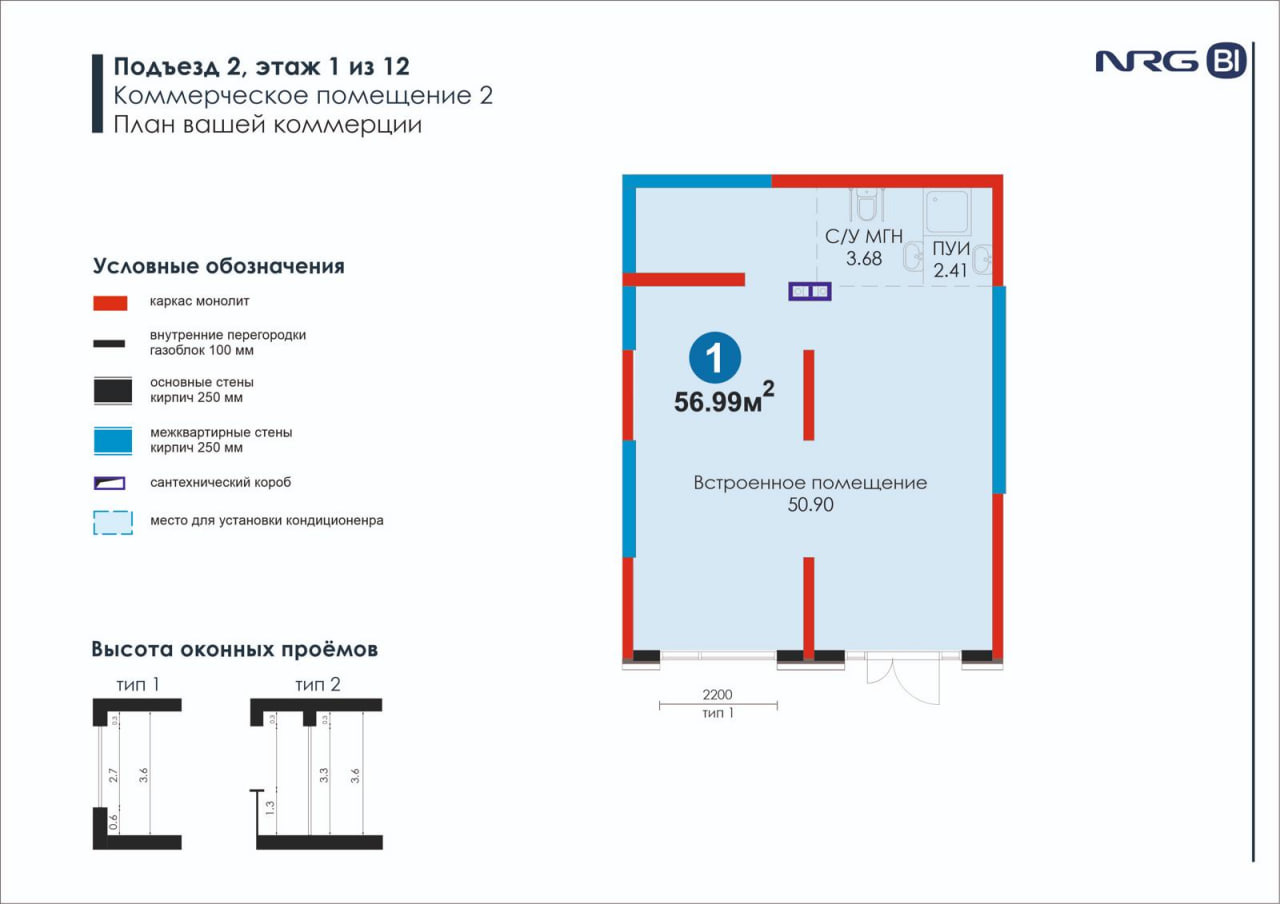
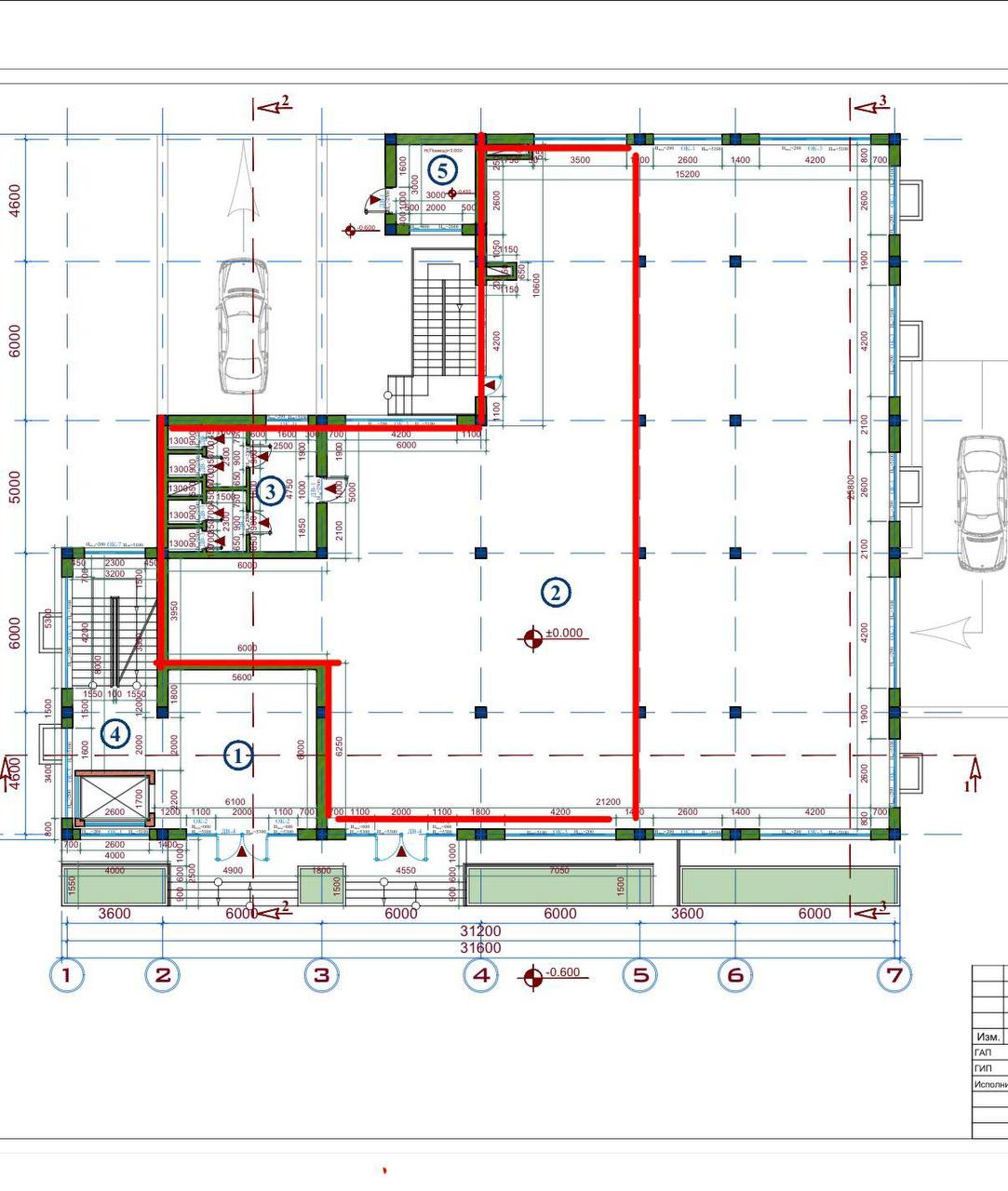
Match five items: cadastral number, address, right holder, area and the description of the portion being leased. If the transaction concerns only part of a building, attach a plan with clear boundaries: floor, room numbers, area, common zones and entrance. “Office on the fifth floor” leaves the subject of the transaction uncertain when the floor contains several premises.
Check the date of the documents as well. A copy from an old message describes a past position; it does not show whether a prohibition or a registered third-party right appeared later. Our editorial recommendation is to repeat the available checks immediately before signing and keep the result in the transaction file.
If the physical area, designated use or layout differs from the cadastral documents, self-checking should stop there. Give a cadastral specialist a focused question: do the actual boundaries of the leased portion match the registered property, and can that portion be identified unambiguously in the lease?
Who may sign the lease and receive money
When the right holder is an individual, compare the name in the extract with an identity document. Do not collect unnecessary personal data: the tenant needs to identify the contracting party and complete the lease correctly, not create an unprotected archive of copies.
If a company owns the office, use its taxpayer number to check its registered information through the Unified Portal. Ask for the document establishing the signatory’s authority, and match the full legal name with both the lease and the payment details. A company director and a representative acting under a power of attorney rely on different legal bases. For the latter, the actual wording matters more than a heading such as “general power of attorney.”
The authority should cover what the person will really do: lease this particular asset, agree the term and rent, sign appendices and the handover document, and receive funds if payments are going to that person. The Civil Code defines a power of attorney as written authority. A transaction made without authority creates rights and obligations for the represented party only if that party subsequently approves it. Hoping for approval after sending a deposit is exposure, not a control.
Use one practical question: “Which document authorises each action by this signatory?” If the answer changes between the lease, the handover document and the recipient of the funds, the chain is broken.
What changes in a sublease
Sometimes the contact is openly not the owner. They rent a large office and offer a portion to another business. This is a sublease even if the listing uses a softer description.
Article 546 of the Civil Code allows a tenant to sublease with the landlord’s consent, and the sublease term cannot exceed the main lease term. Early termination of the main lease will normally end the sublease as well. A subtenant therefore needs more than the contract for its own room.
Request the main lease, the owner’s written consent, the remaining term and a precise description of the area permitted for subletting. Check for limits on use, access hours, signage, alterations and the number of users. Sensitive commercial figures in the main lease may be redacted, but the subject, term, parties, authority to sublease and signatures must remain verifiable.
The document–action–money matrix
The central risk in a direct deal is not the conversation; it is money moving before evidence. Divide the process into control gates.
| Stage | Required evidence | Permitted action | Do not pay yet | |---|---|---|---| | Asset check | Current extract, cadastral passport, matching address and area | View the office and request the draft lease | Deposit, fit-out advance or several months upfront | | Party check | Identity of the right holder or registered company data; basis of the signatory’s authority | Negotiate terms and appendices | A person or company not named in the lease | | Contract | One signed document defining the premises, rent, term and refund rules | A payment expressly required by the lease to the stated account | An undefined “reservation” payment without refund terms | | Registration and handover | Mandatory registration for the chosen term; signed handover record; keys and access delivered | Begin agreed work and operations | Irreversible fit-out spending before access and condition are recorded |
No invented market price is needed to understand the exposure: **cash at risk = deposit + prepayment + non-refundable fit-out spending + the cost of a delayed launch**. The earlier the business pays and begins work, the larger that amount becomes. The matrix reduces it through a sequence of evidence, not through assurances.
If the owner asks for a reservation payment before releasing documents, put the purpose, amount, deadline, recipient and refund conditions into a signed agreement. Refusal to state the legal basis of the payment is enough reason to stop.
Which lease terms to check before payment
For a building or structure, the Civil Code requires a single written document signed by both parties. It must define the premises and the amount of rent. Where rent is expressed per square metre, the final payment is tied to the area actually delivered. Area verification is therefore a financial control, not a technical formality.
Before payment, the lease should answer at least these questions:
- Which precise part of the property is delivered, and which common areas are included?
- When does rent start: on signature, registration, handover, or actual access?
- What is included in the headline rent and what is charged separately?
- How may the price and any foreign-currency equivalent change?
- Who returns the deposit, by what date, and which deductions are permitted?
- Who is responsible for capital and routine repairs, approval of improvements and reinstatement?
- May the tenant use the office for the intended operation, enter at the required hours, install signage and receive visitors?
- What happens if access is blocked, the lease ends early, the property is sold, or registration cannot be completed?
Third-party rights do not disappear when premises are leased. The Code requires the landlord to disclose them. Ask for more than a general assurance that the office is “unencumbered”: the contract should identify disclosed restrictions and state what happens if the information proves incomplete.
Registration, tax record and handover are separate events
Signing a document does not always complete the legal structure. A lease of a building or structure for at least one year must be registered with the state and is treated as concluded from the moment of registration. The Unified Portal provides a dedicated service; its output is a register extract with a QR code.
Do not merge state registration of the right, tax recording of the contract and physical handover of the office. They are separate steps supported by different evidence. Whether tax recording applies depends on the parties’ status and the current procedure; give an accountant the task of confirming it before the first payment, not after an enquiry from the tax authority.
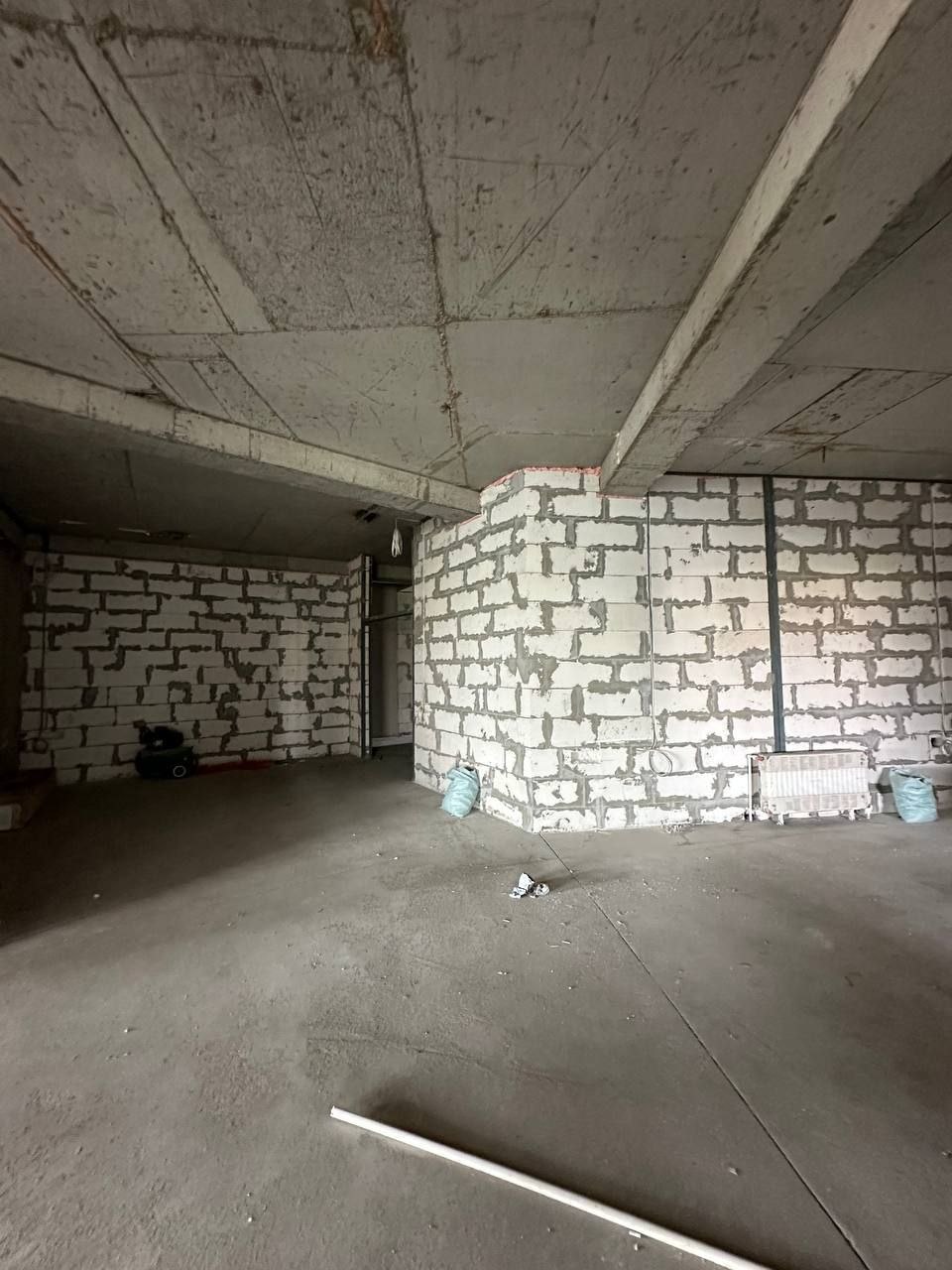
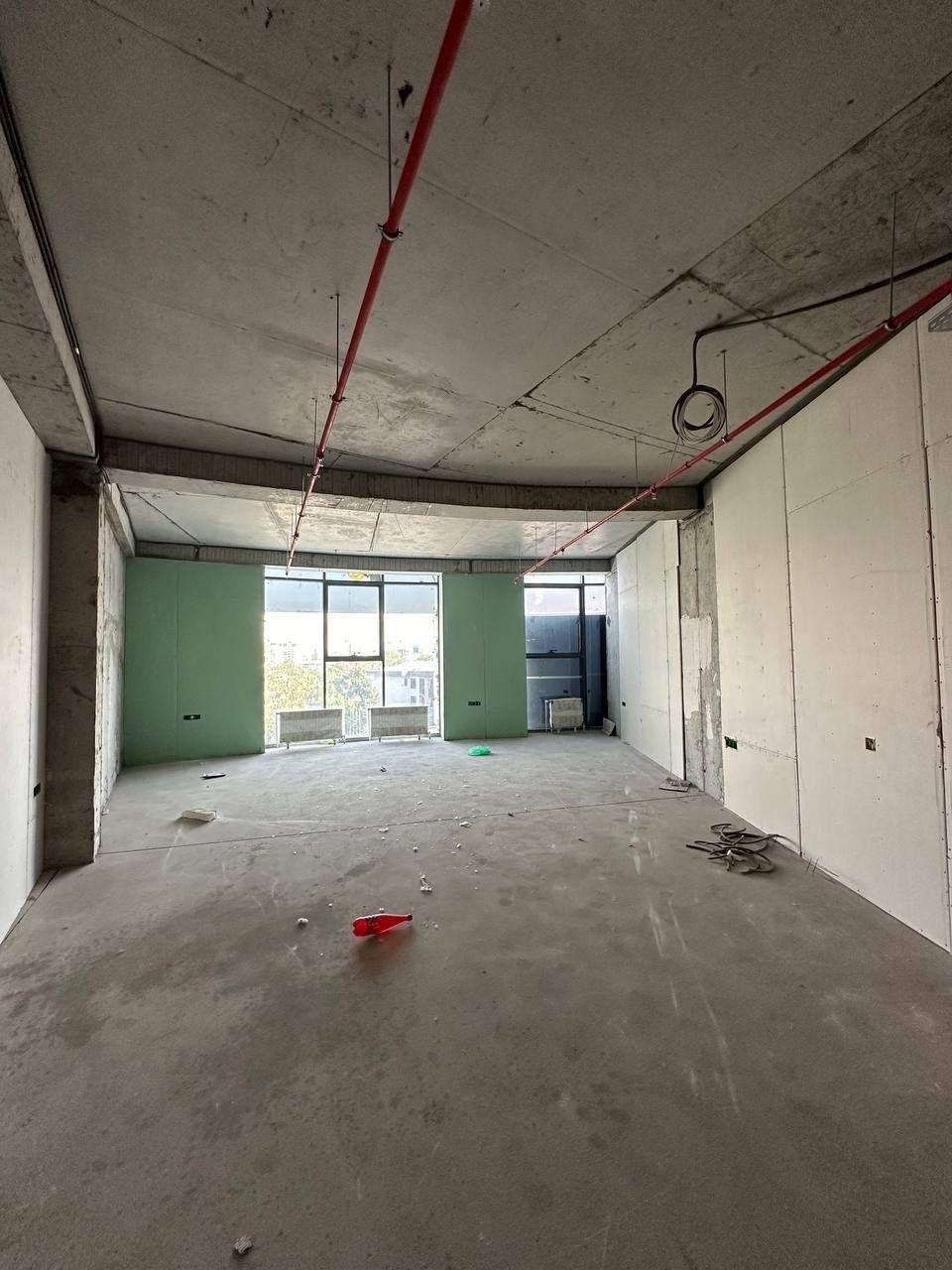
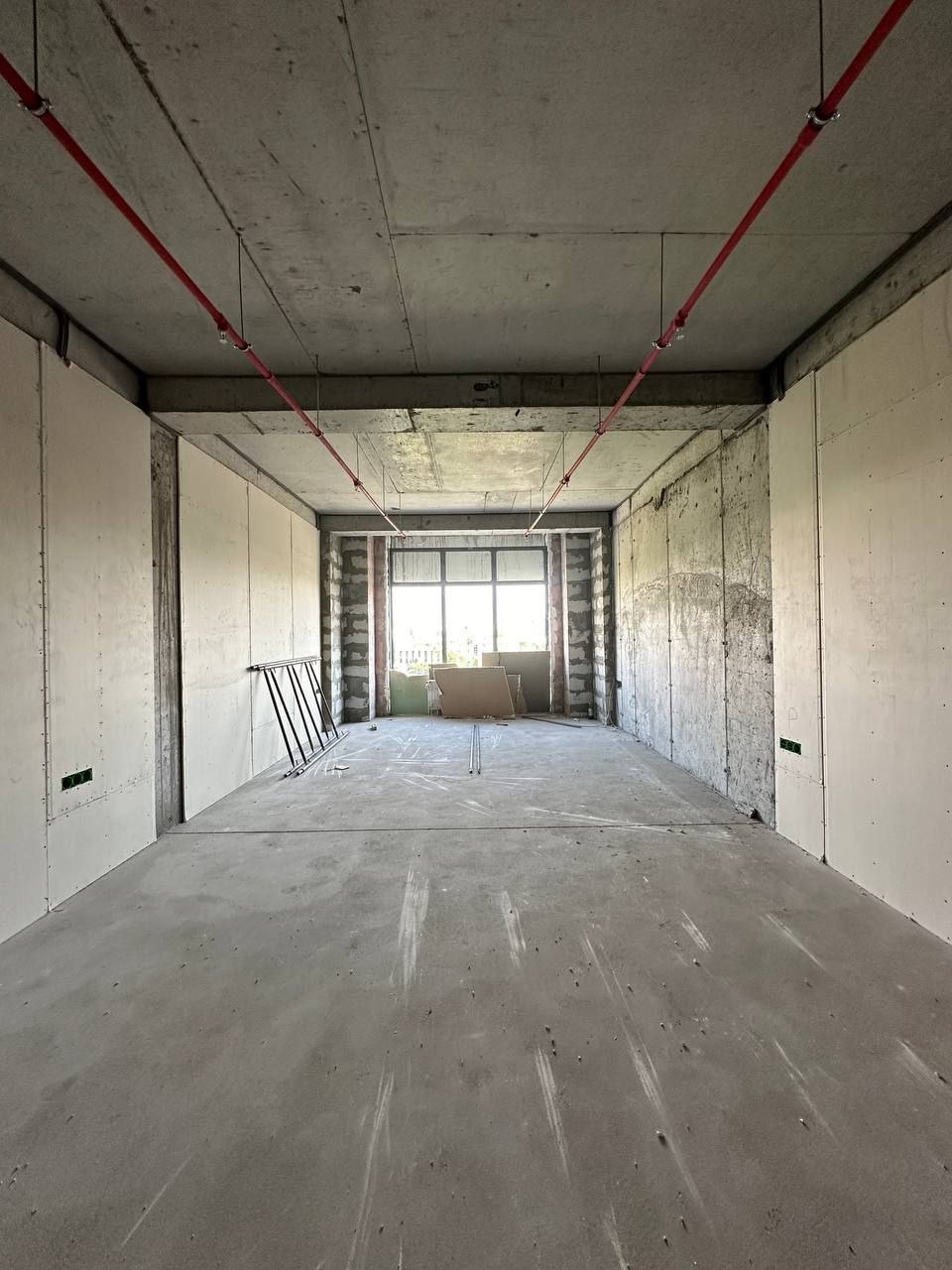
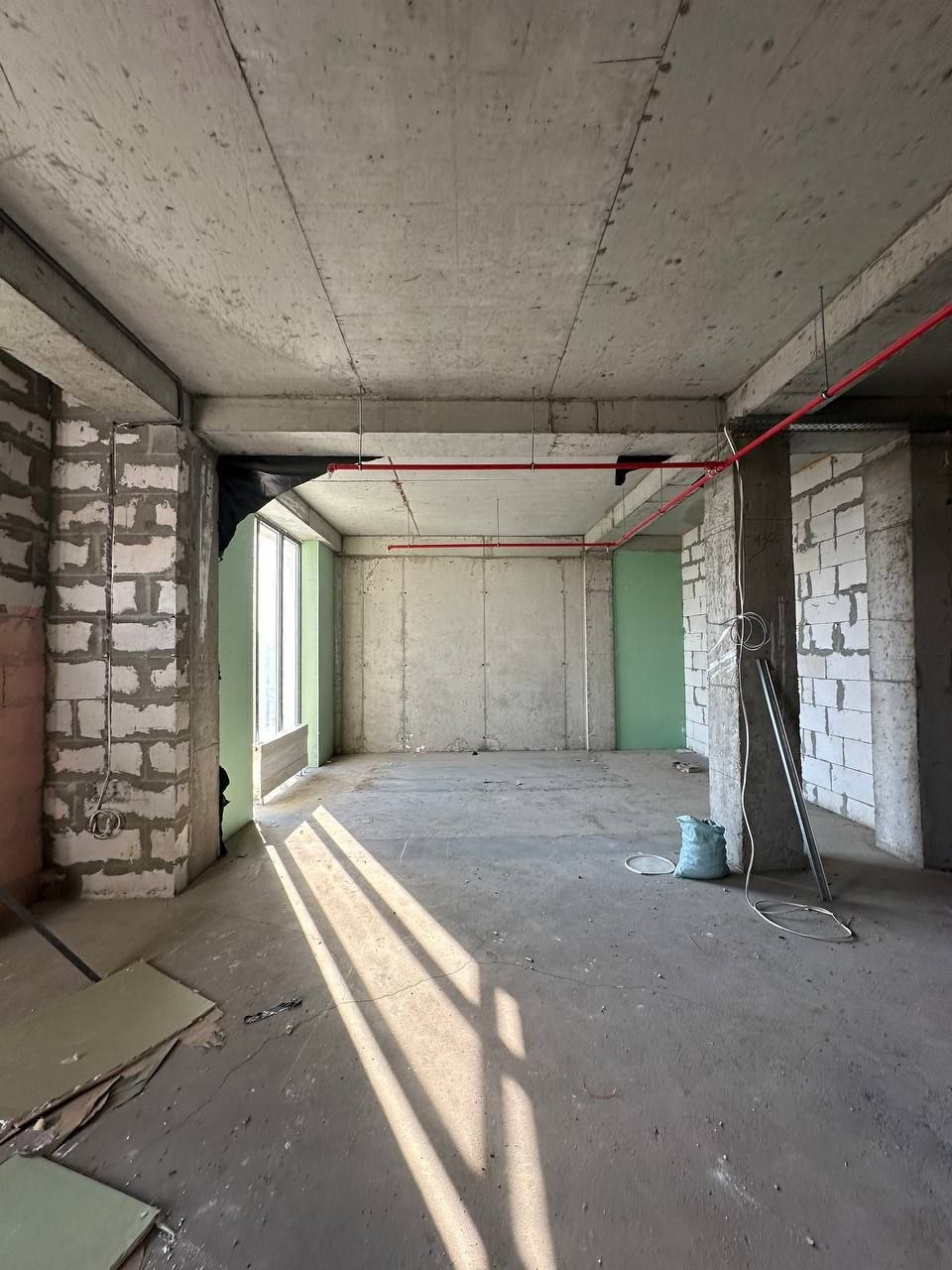
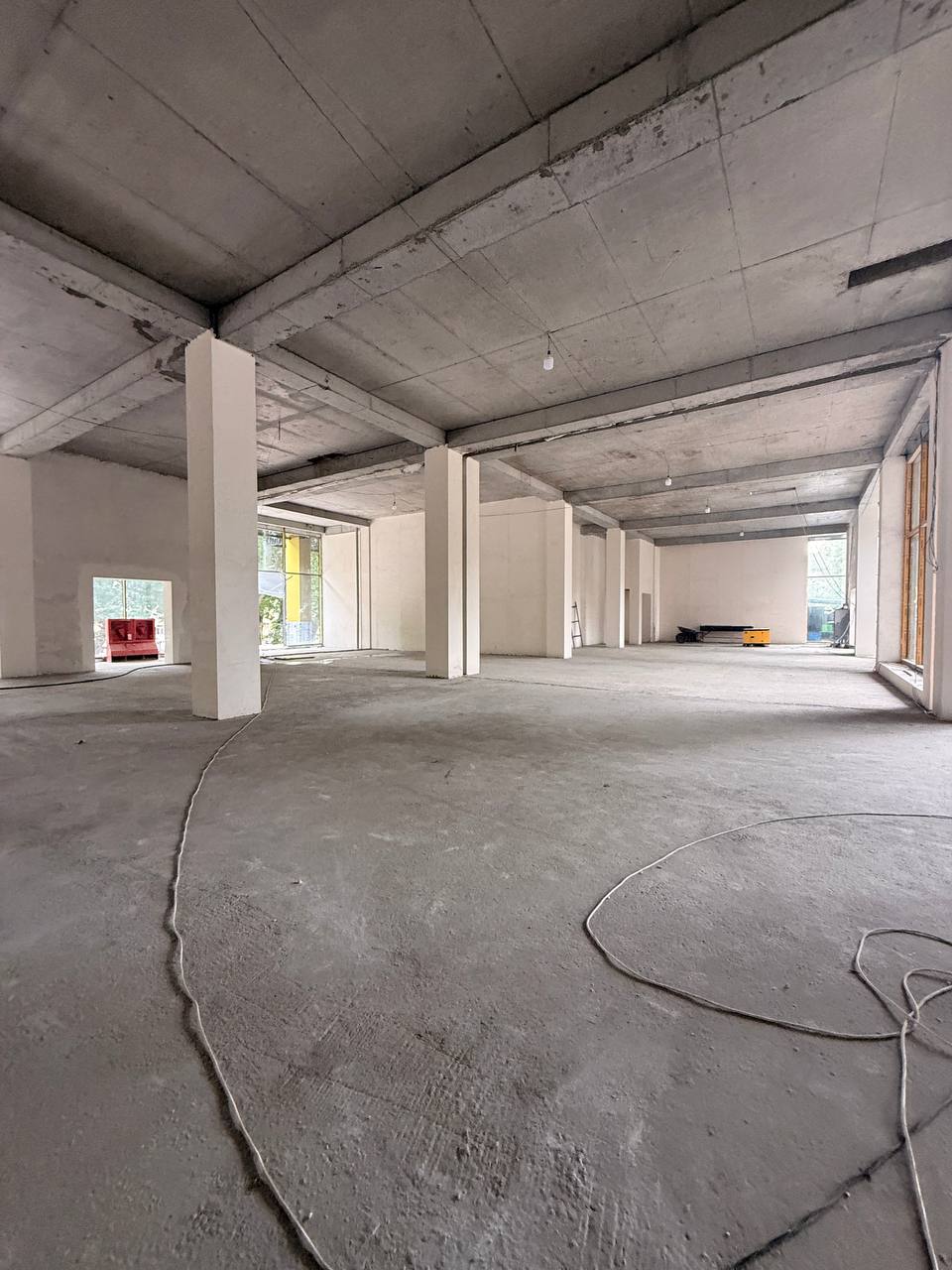
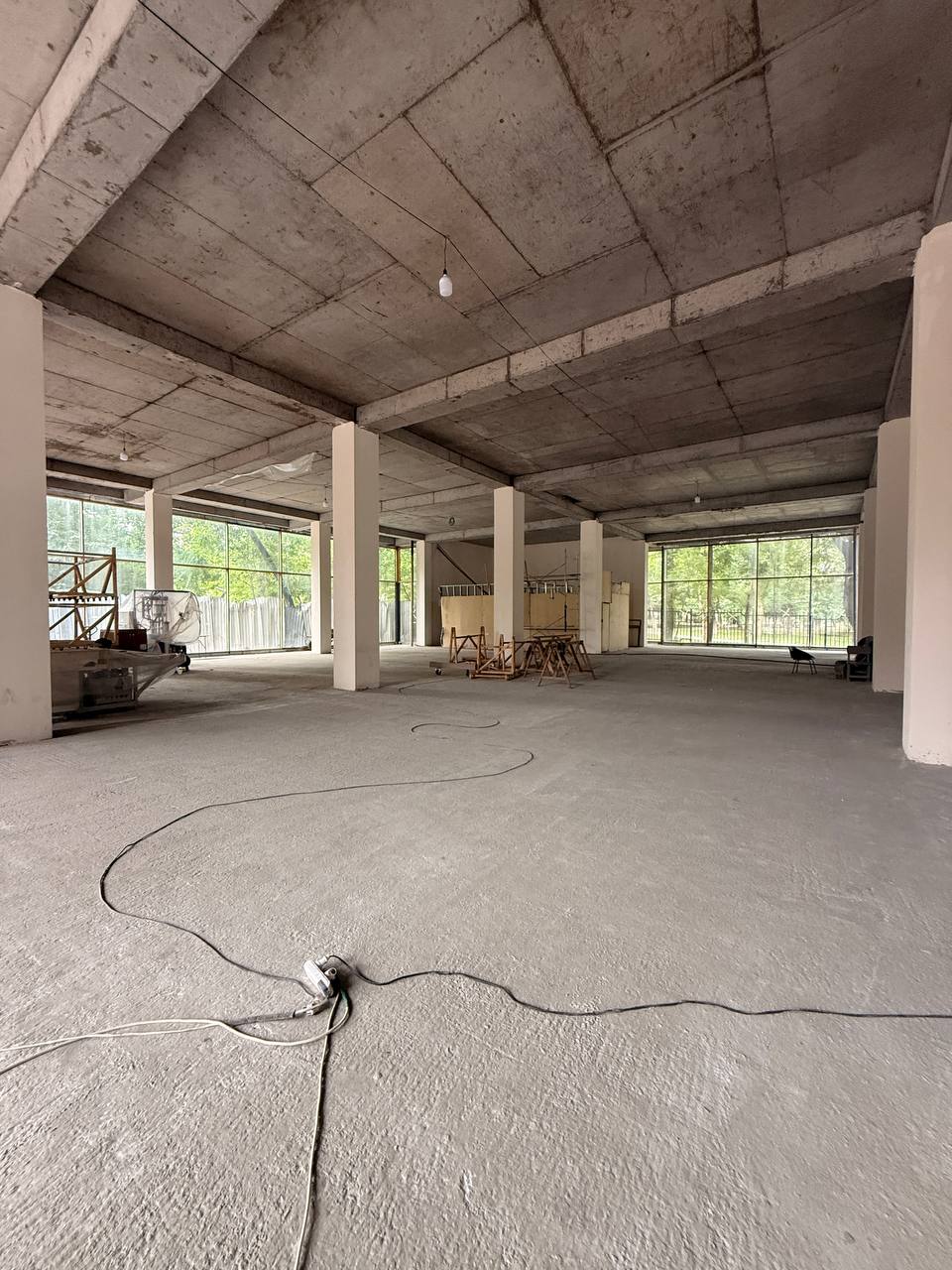
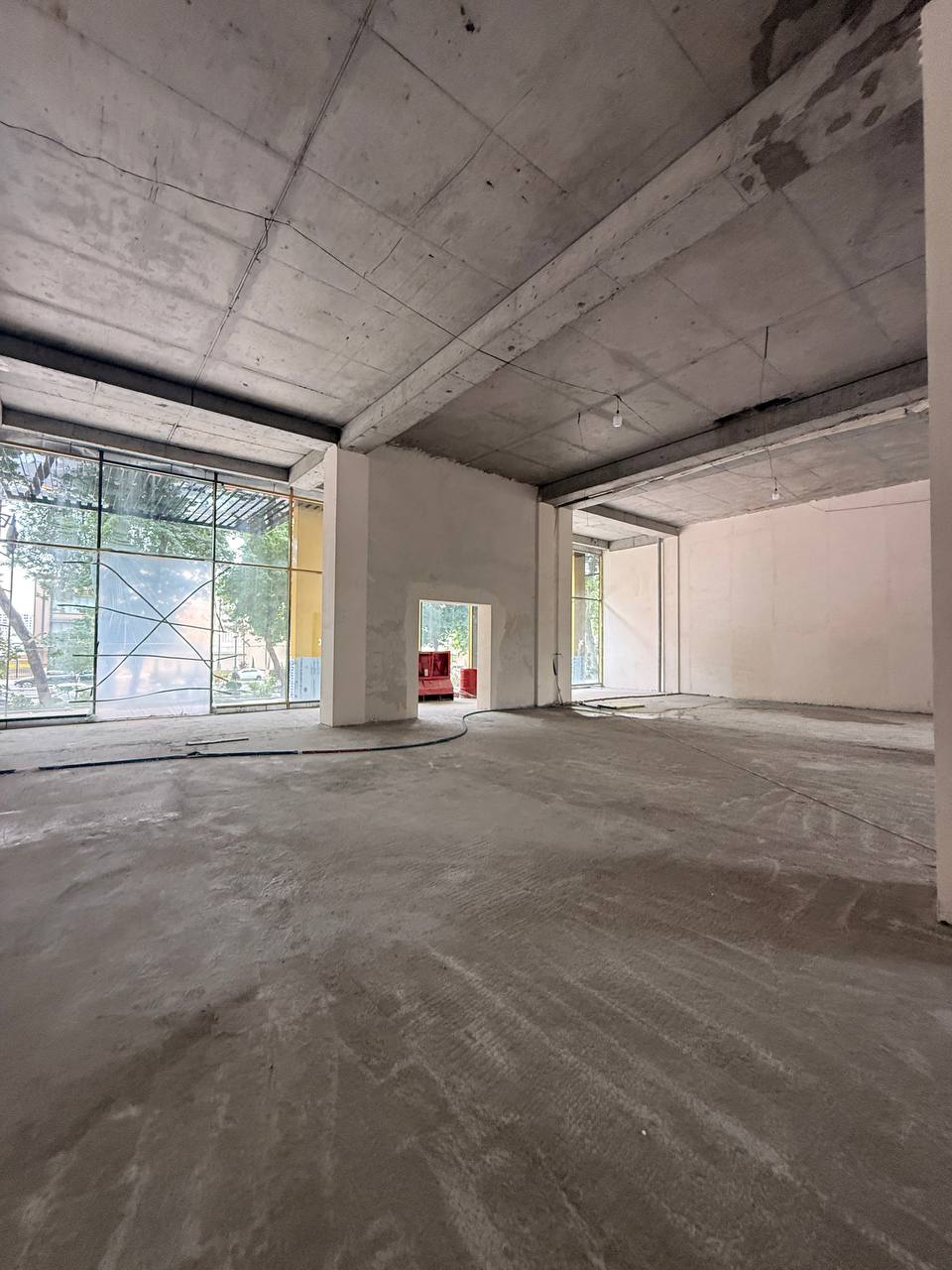
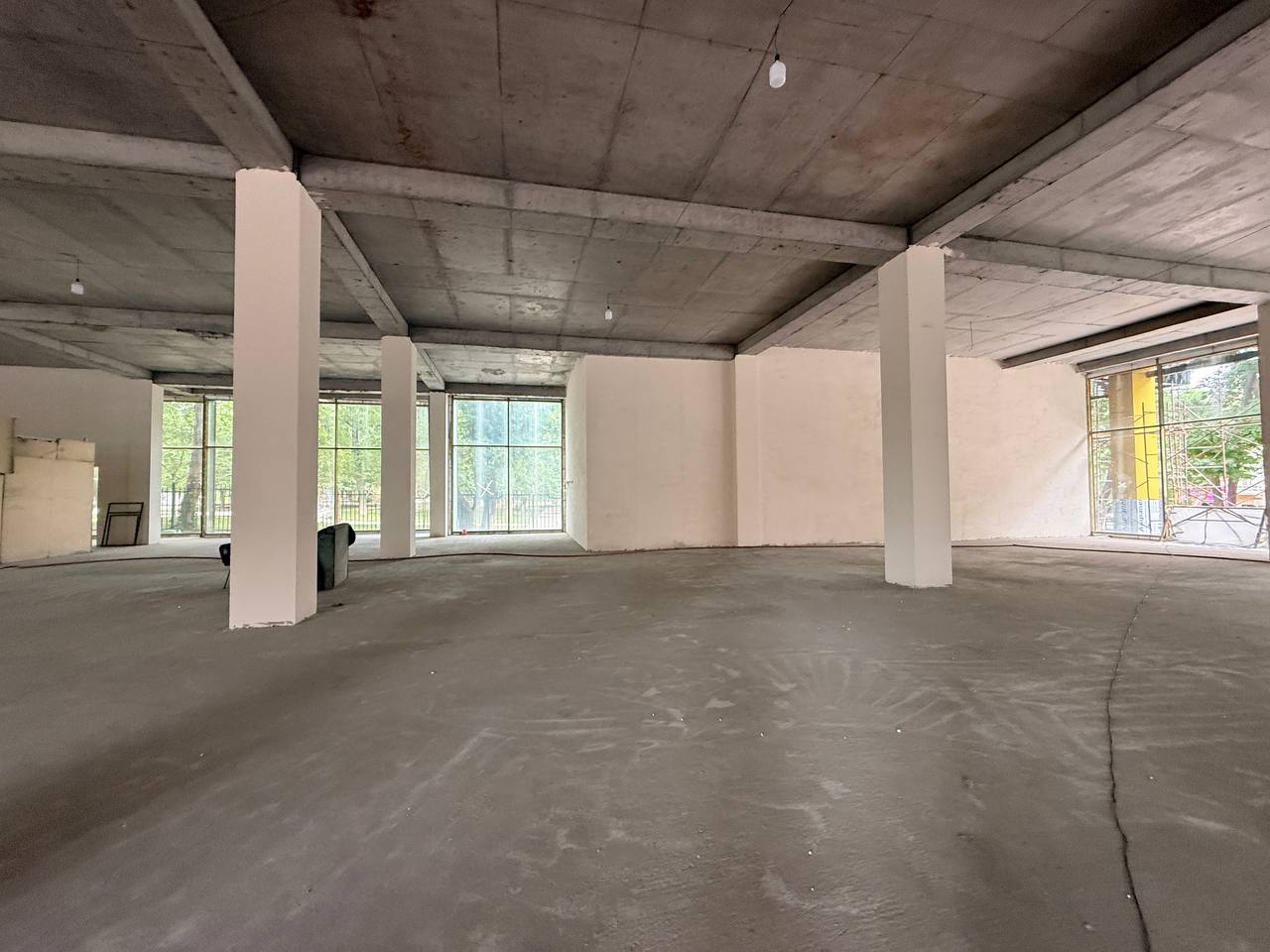
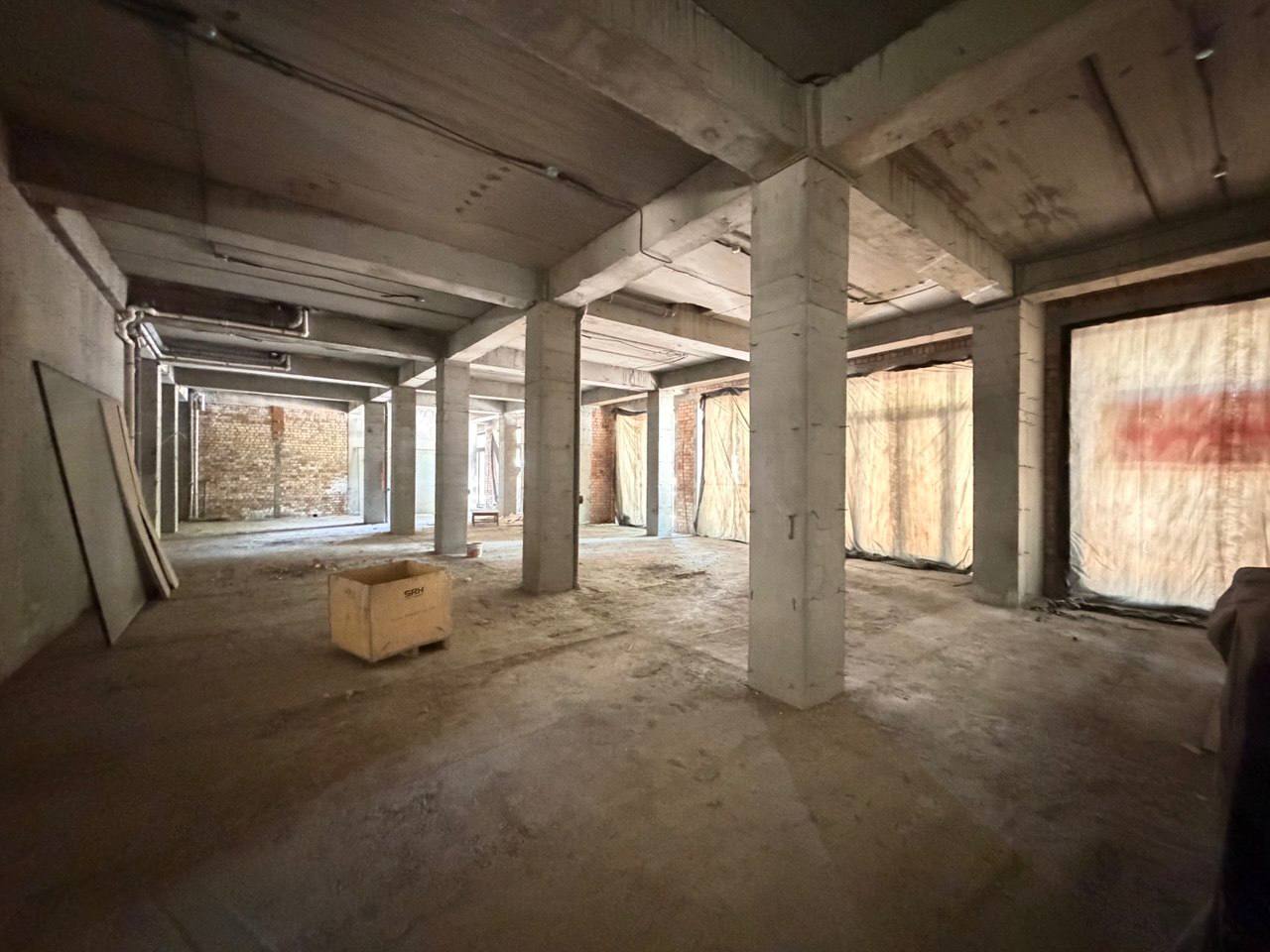
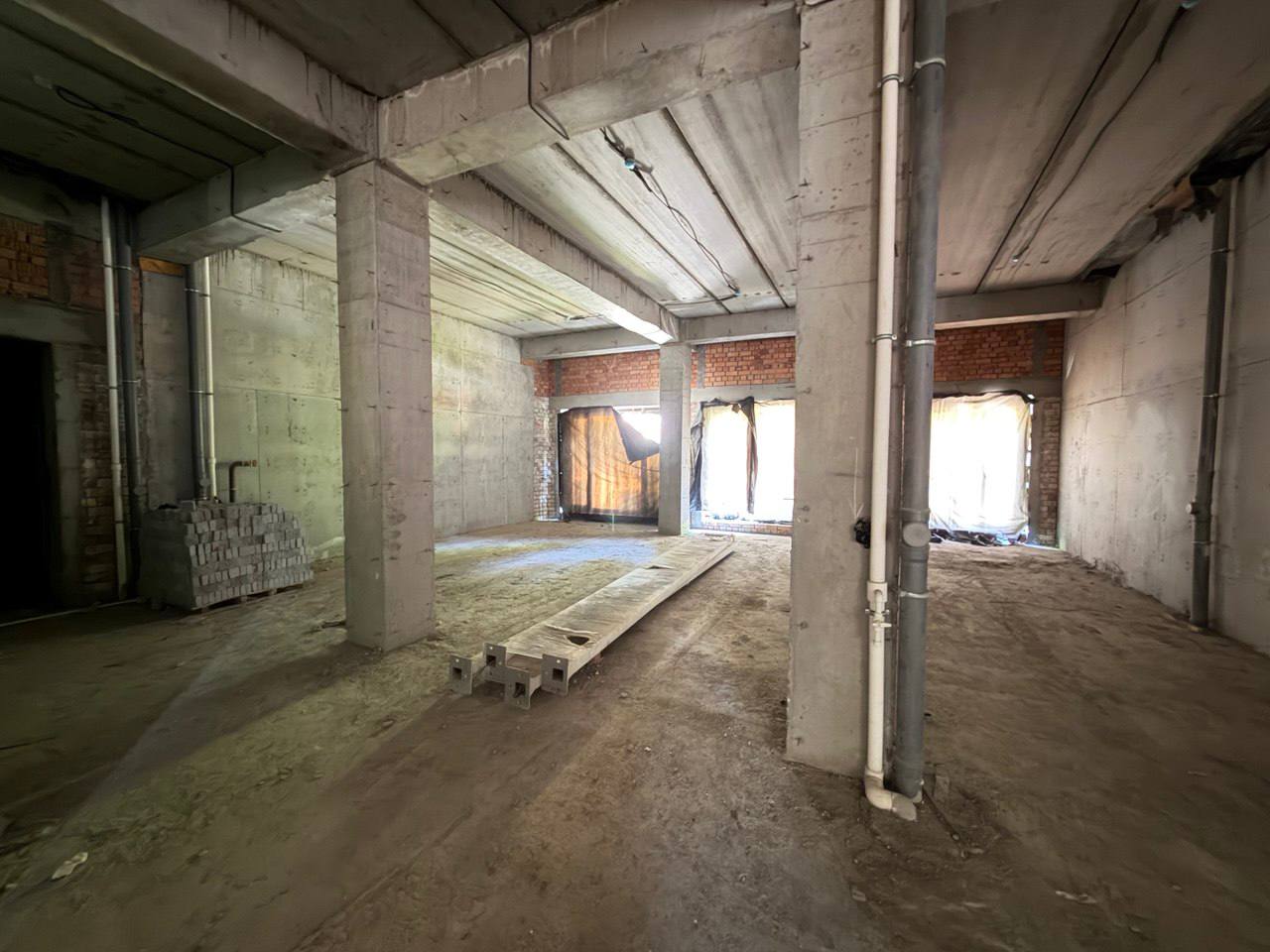
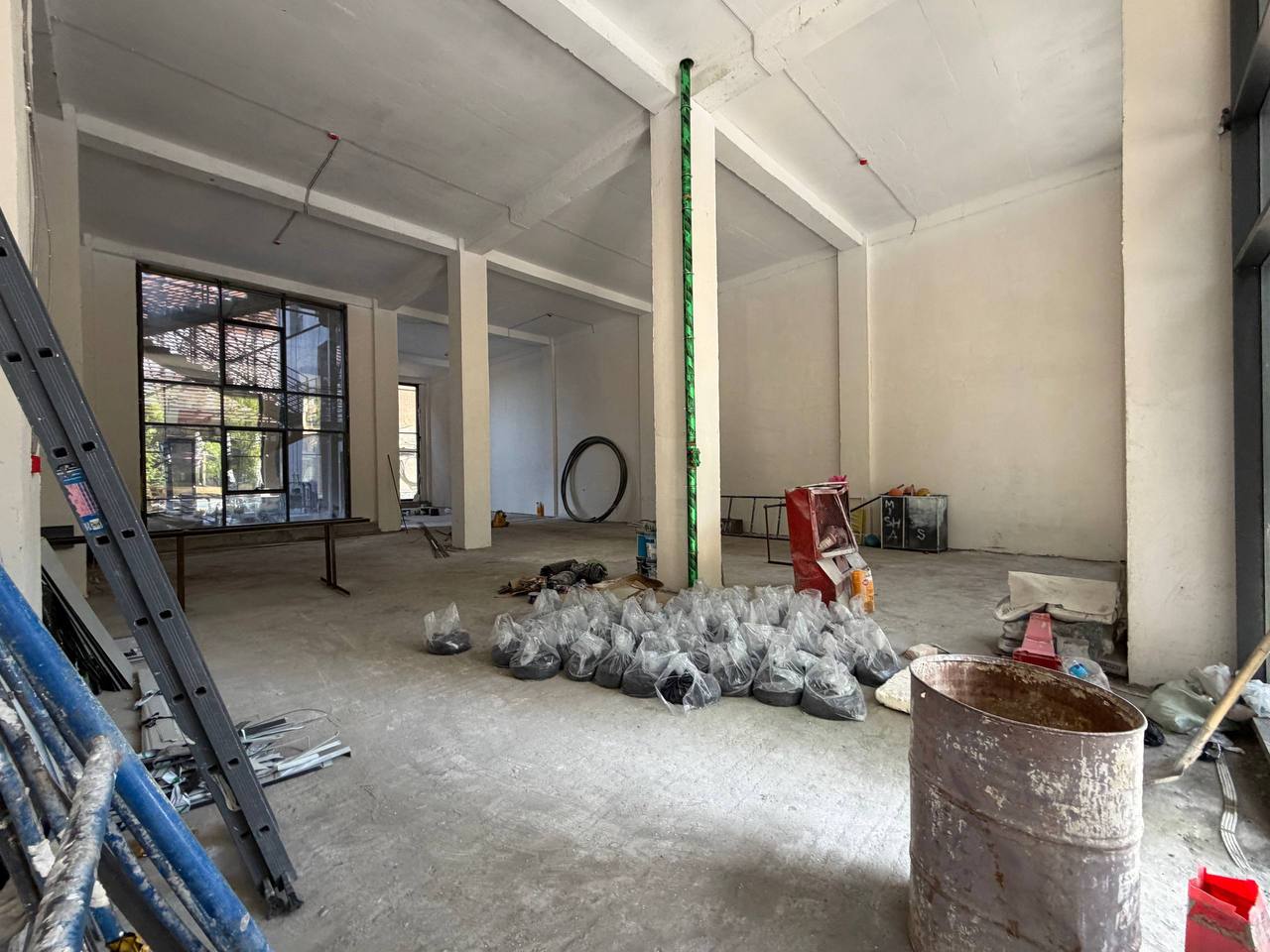
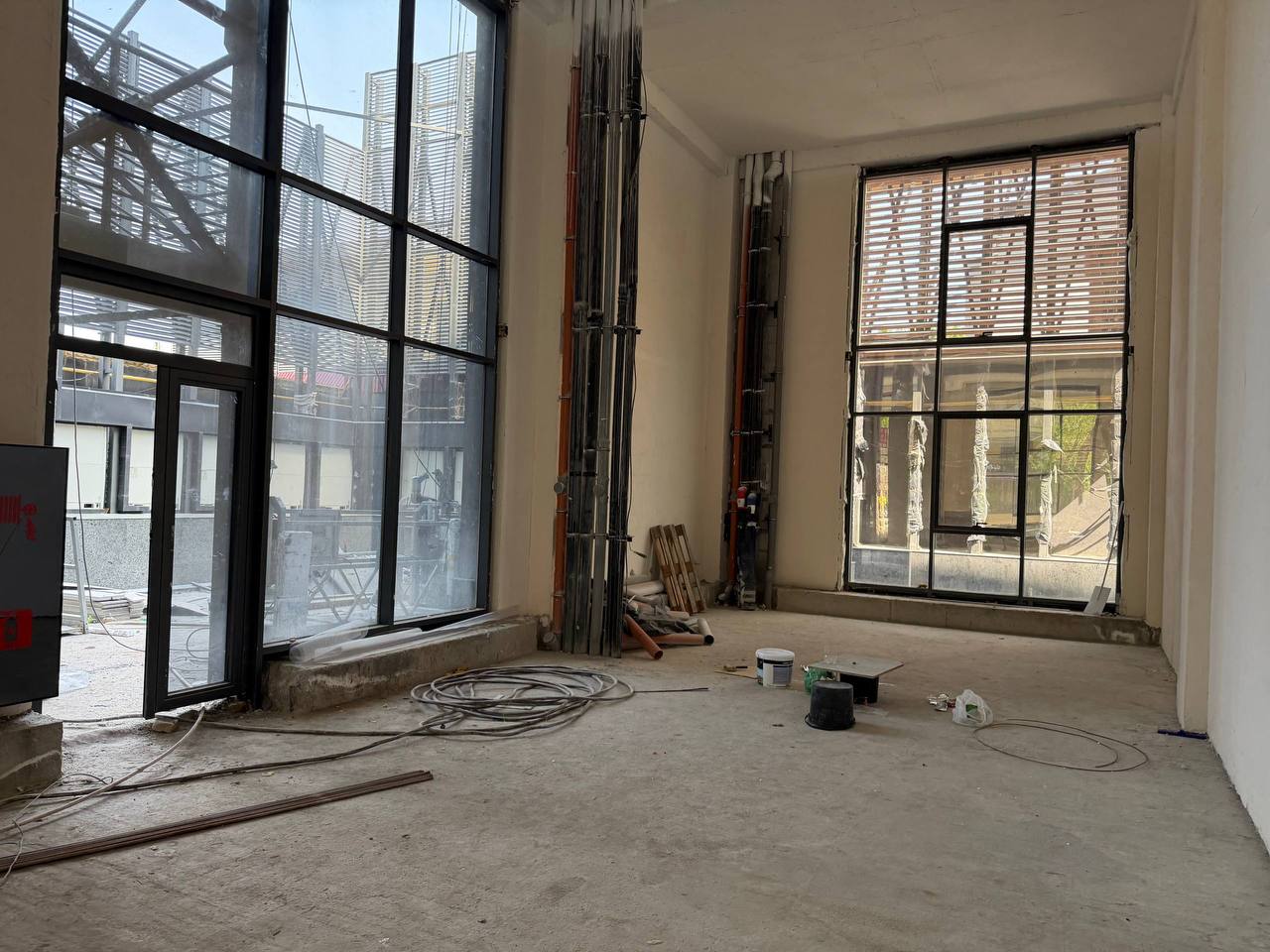
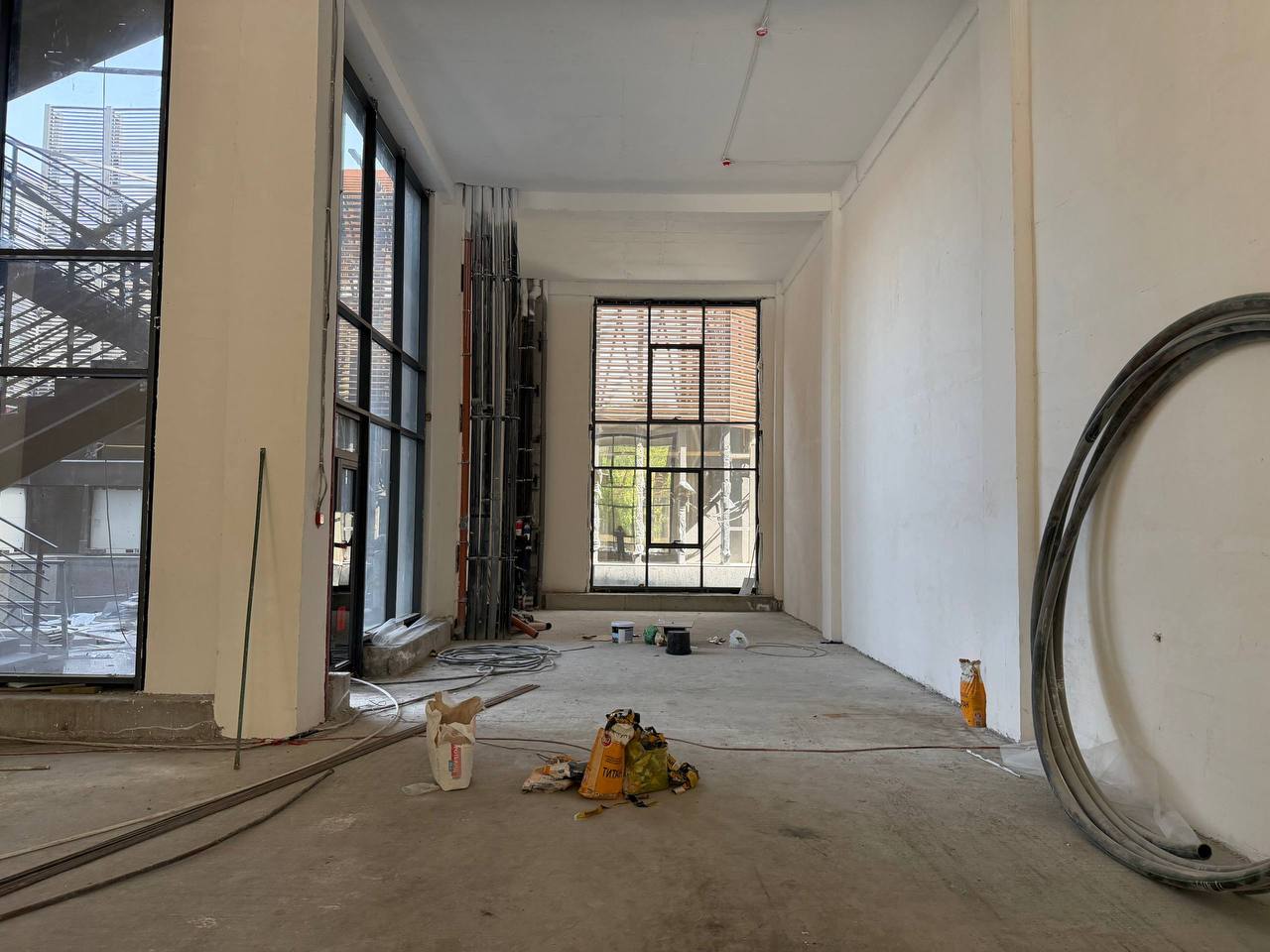
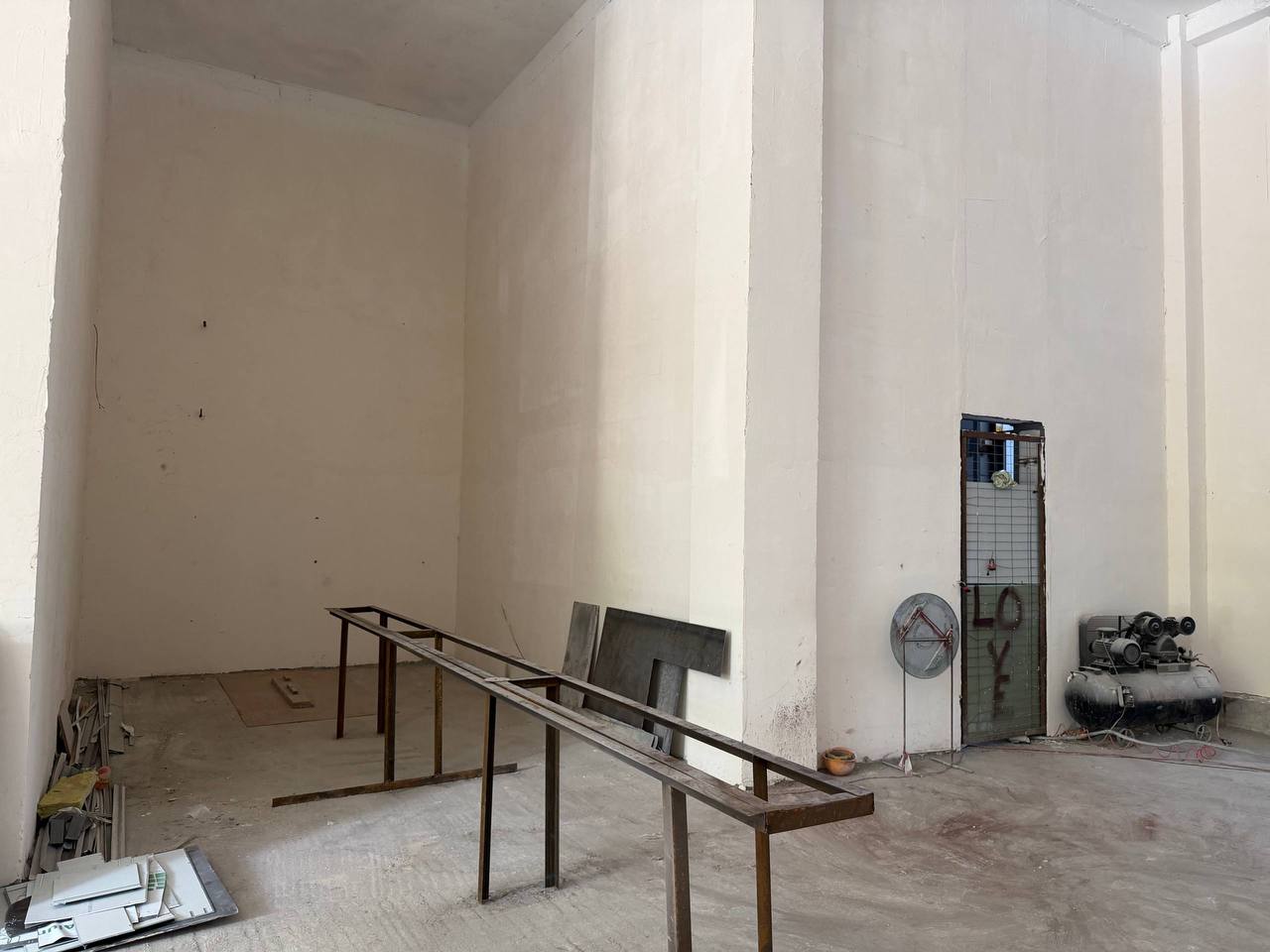
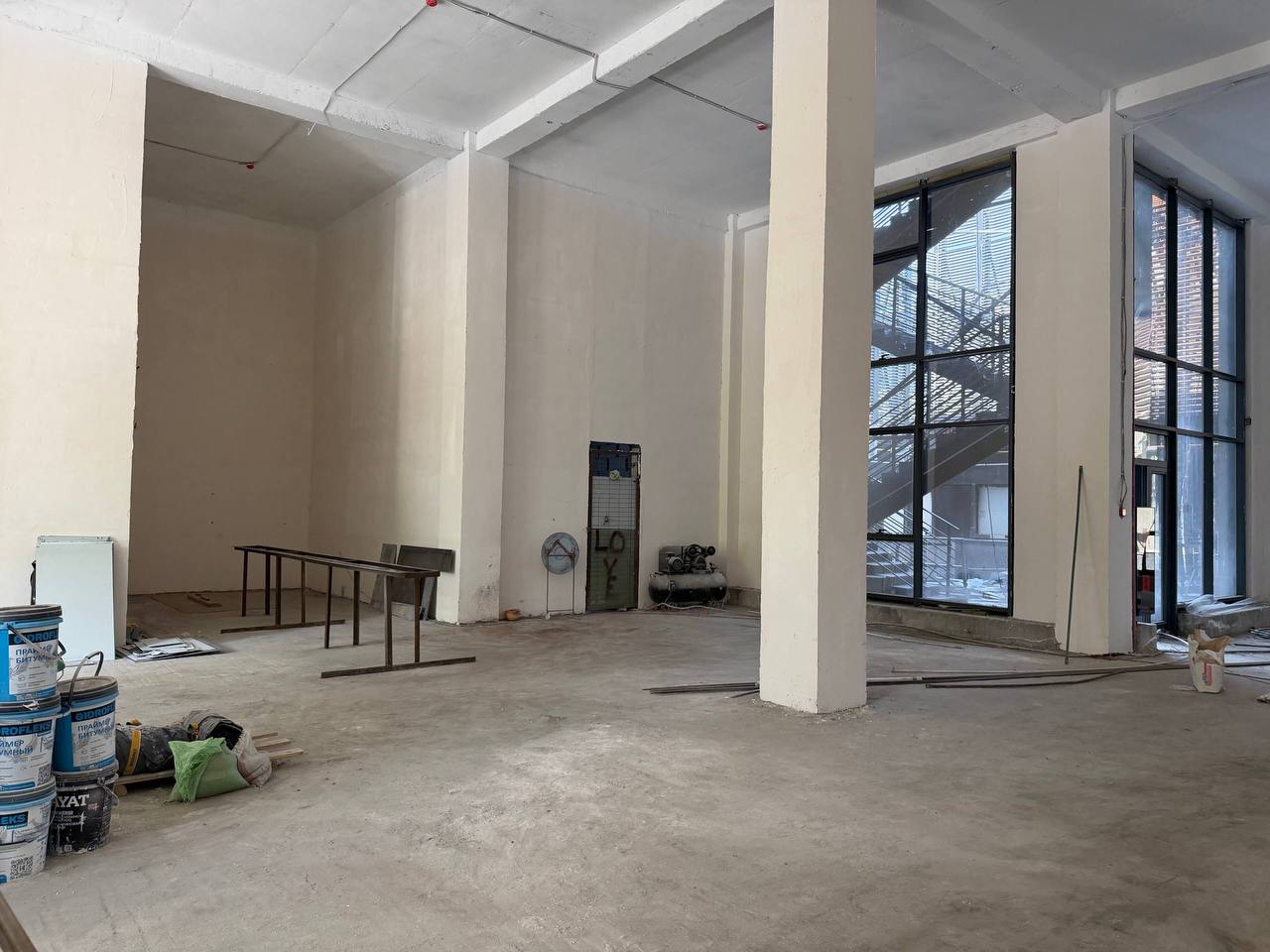
Handover is documented by a signed act or another transfer document. Record the access date, keys and passes, meter readings, equipment, visible defects, photographs and the technical documents delivered. The start of rent and responsibility for the premises should be aligned with that date.
What to record at the viewing and when to bring in a specialist
At the viewing, ask questions whose answers can later enter the documents: What is the cadastral number? Who is the right holder? Who will sign the lease and handover record? Is there a mortgage, prohibition, existing lease or sublease? What exact area is delivered? When does access begin? Who approves alterations? Which account receives the payments?
The self-check route may be sufficient where the property and party match unambiguously, authority is transparent, no restriction appears and the lease is clear. Bring in a real-estate lawyer where there are several right holders, a mortgage or prohibition, an unclear power of attorney, a sublease, a foreign party, a large prepayment or substantial fit-out work. Do not ask for a generic review. Ask the lawyer to confirm four points: the right to lease, the signatory’s authority, the registration requirement and process, and the consequences of termination and deposit repayment.
A cadastral specialist resolves discrepancies in area and boundaries; an accountant checks tax recording and payment documents; an engineer confirms that the office can be used safely for the intended operation. Once a specific inconsistency appears, neither an article, a property card nor a remote document check replaces that professional conclusion.
The final test is simple: direct contact creates value when it shortens negotiations, not when it shortens due diligence. After the documents are aligned, the decision becomes verifiable: the tenant knows who is leasing the office, what is being delivered, when payment becomes due and on what basis money can be recovered.
Sources and verification date