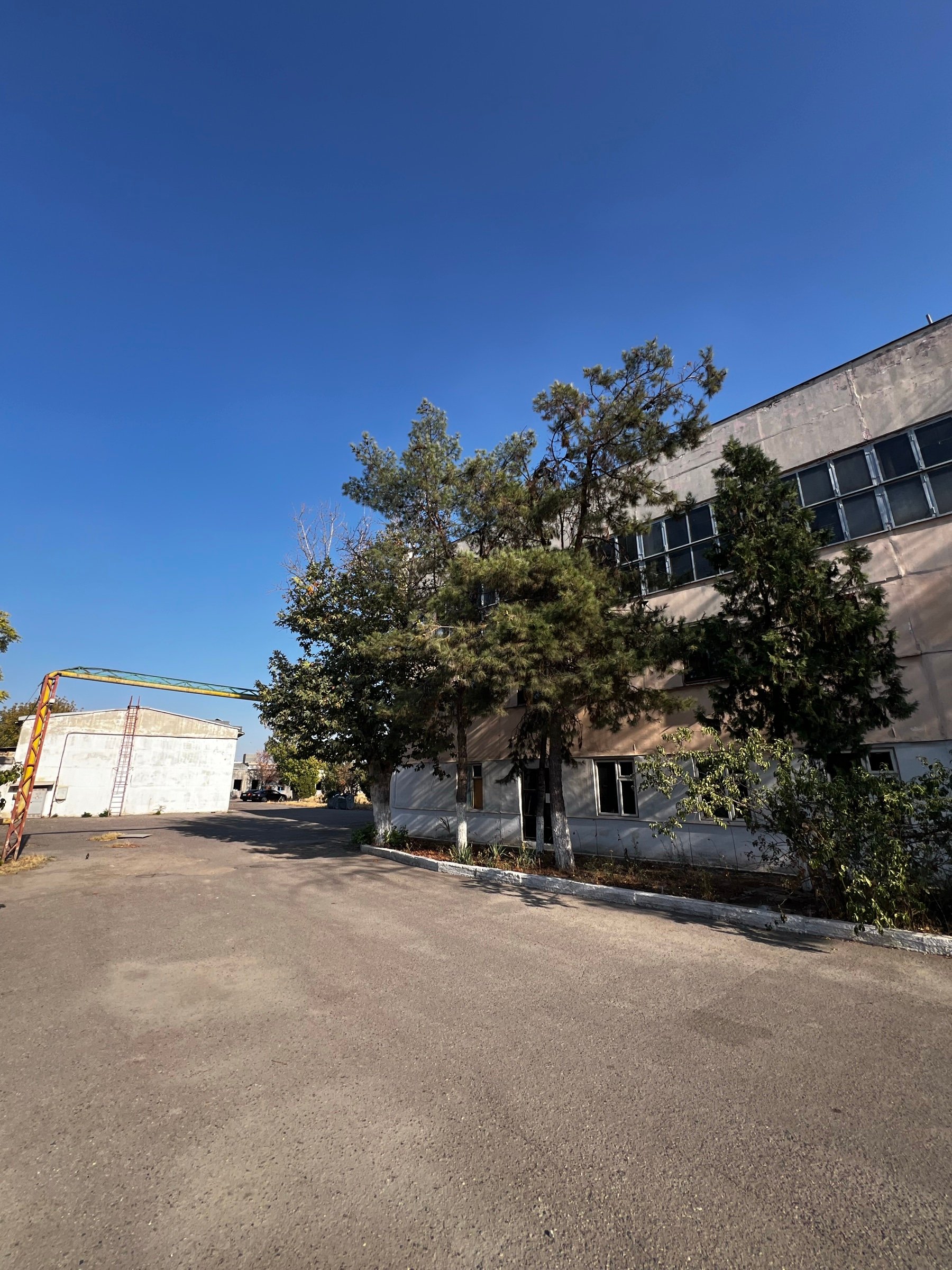
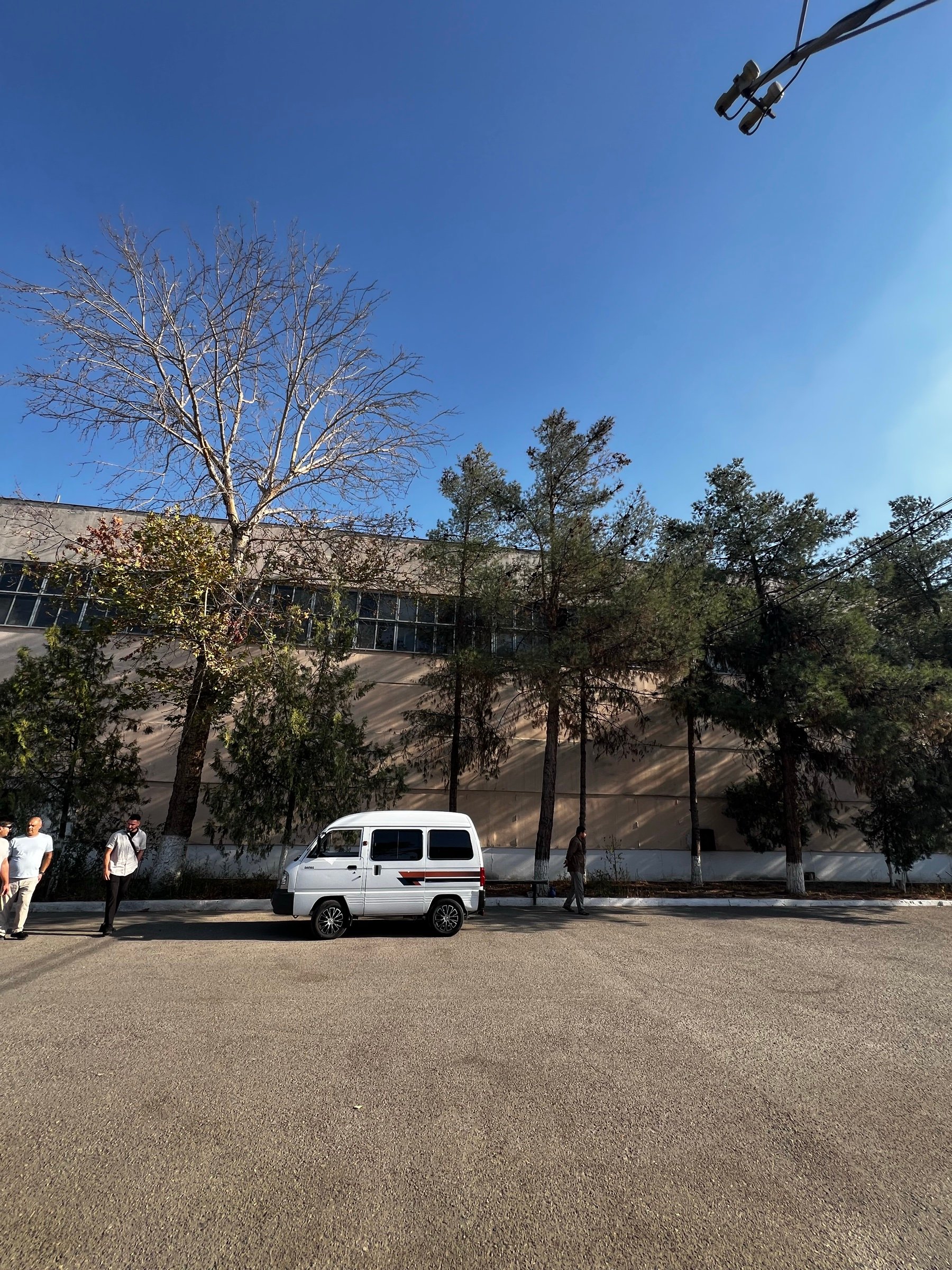
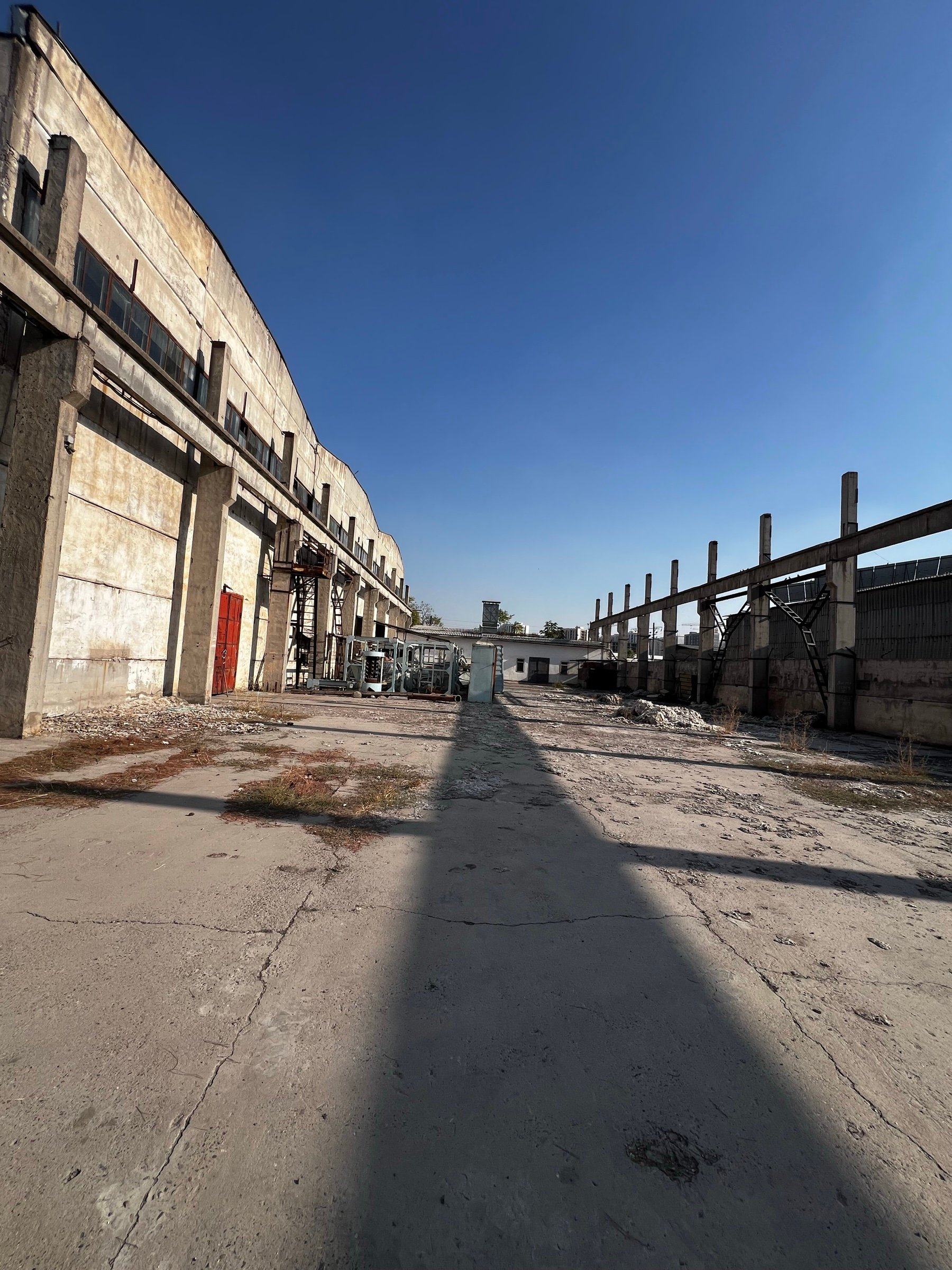
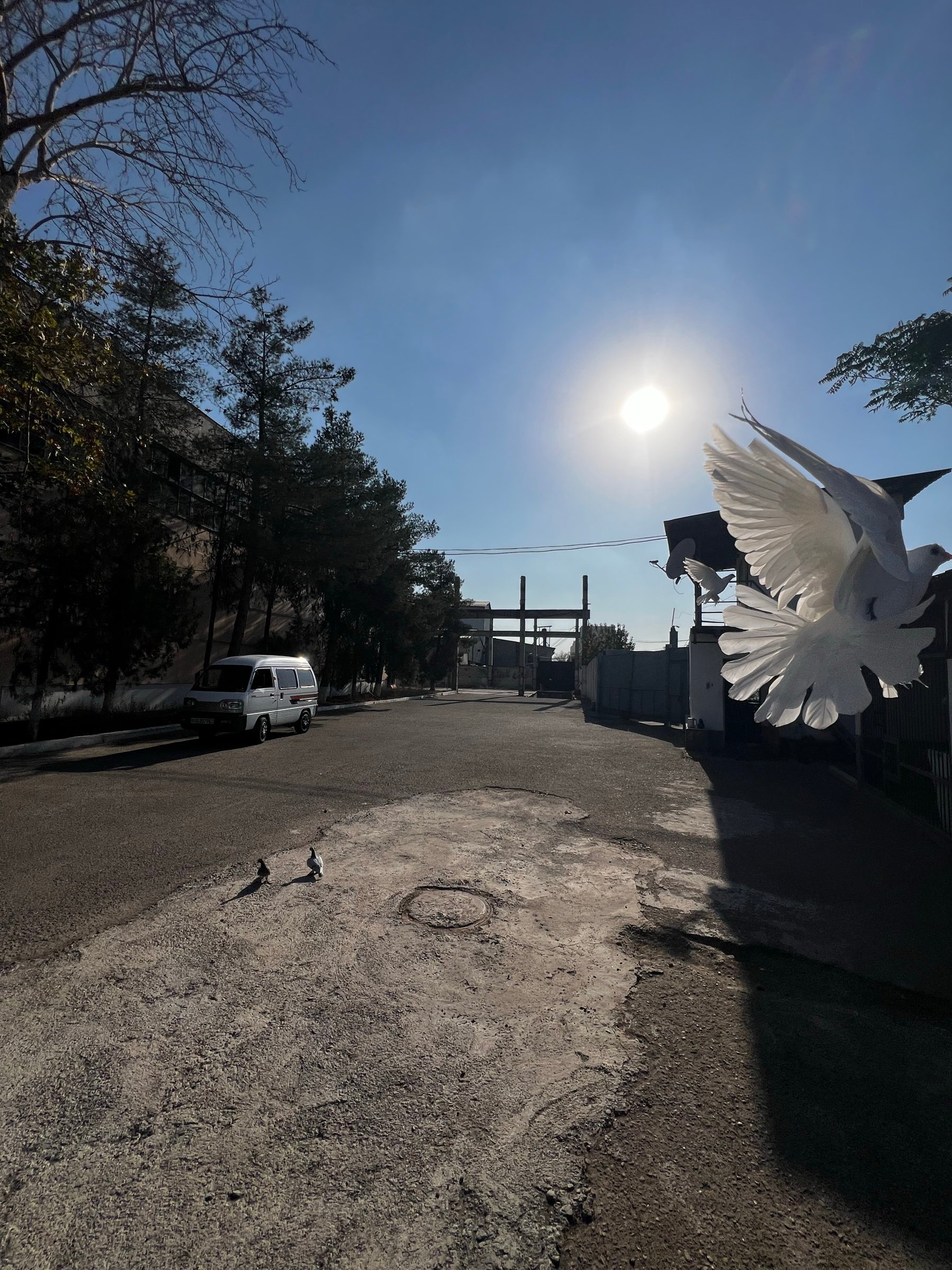
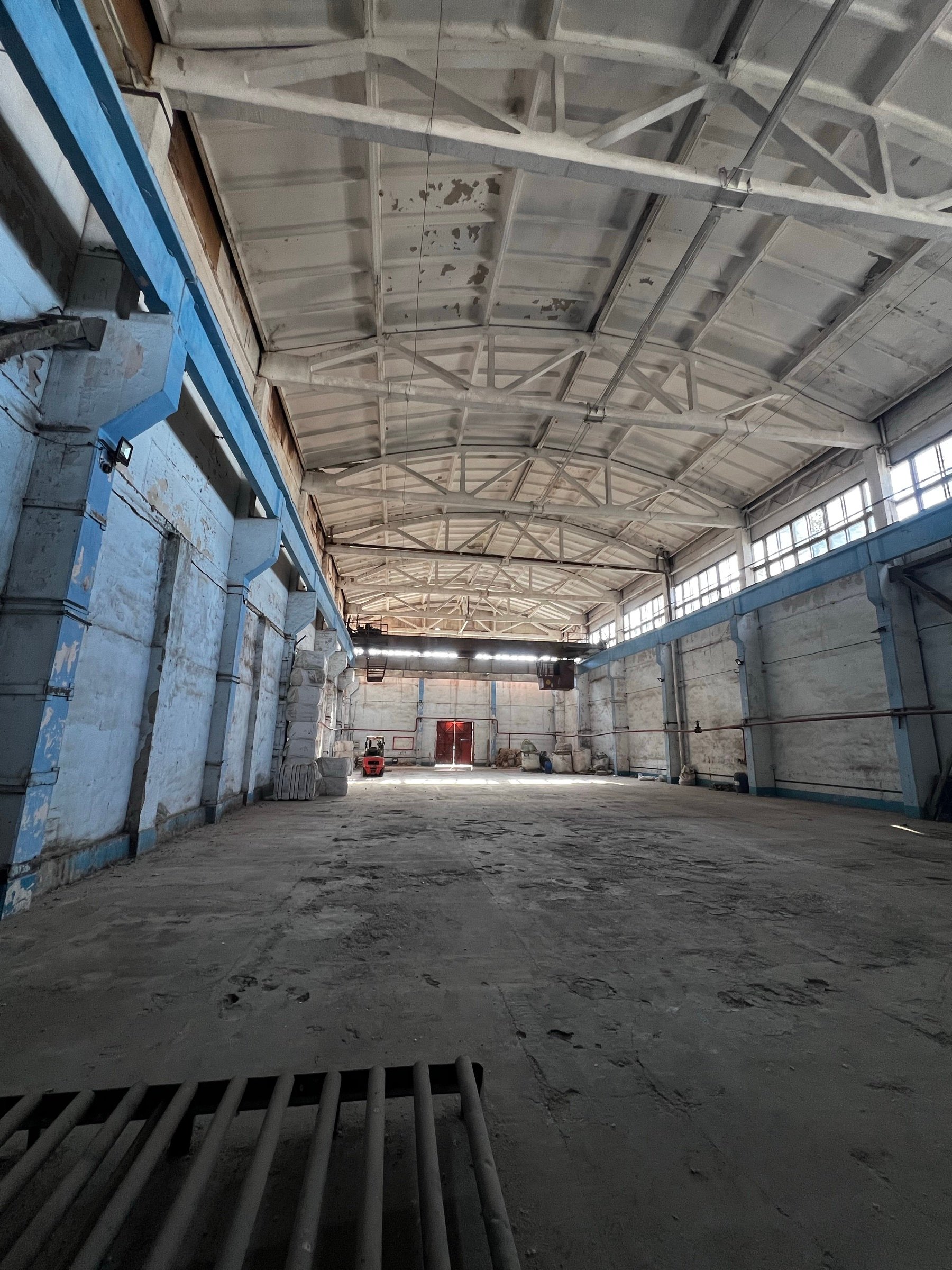
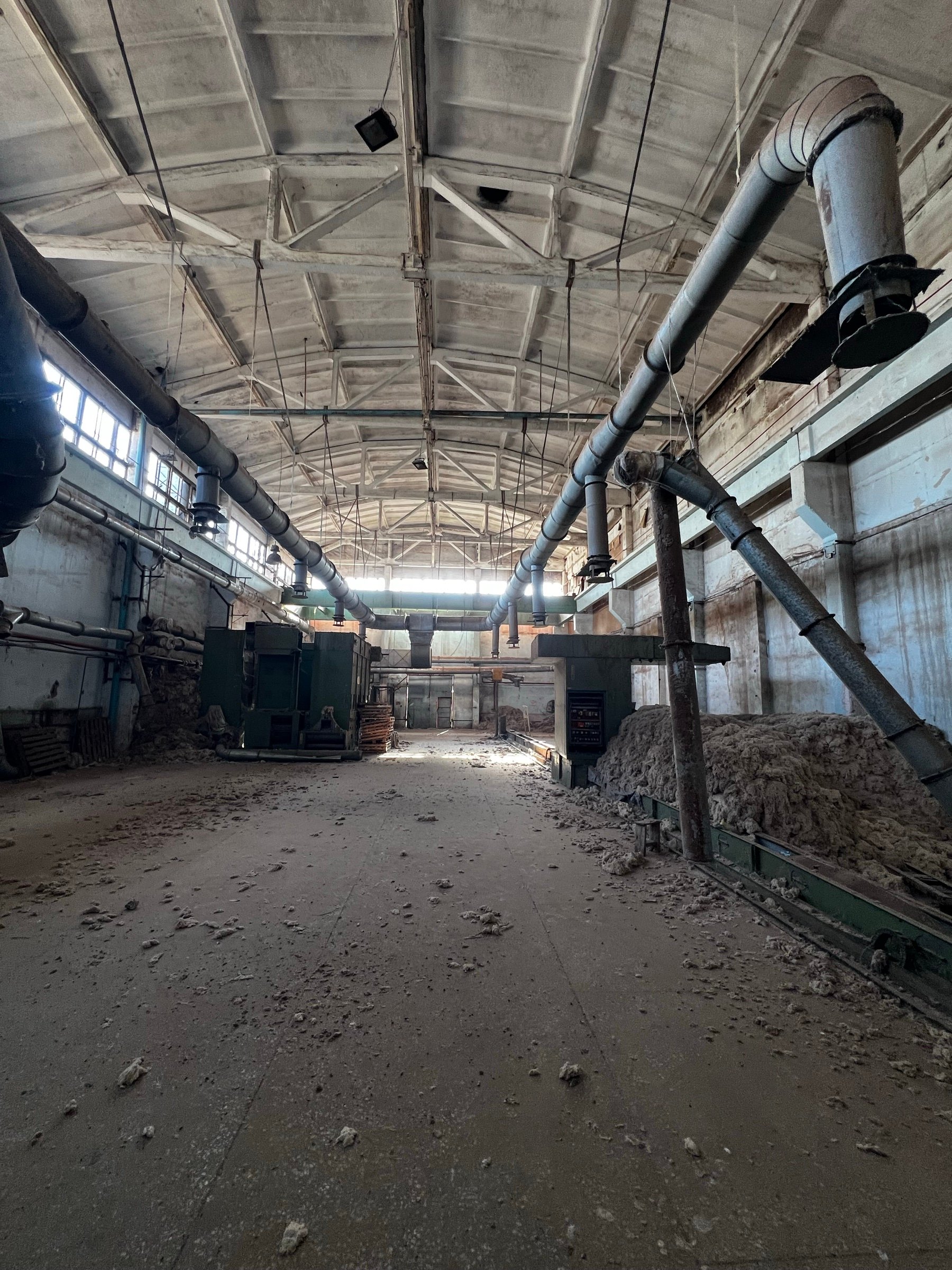
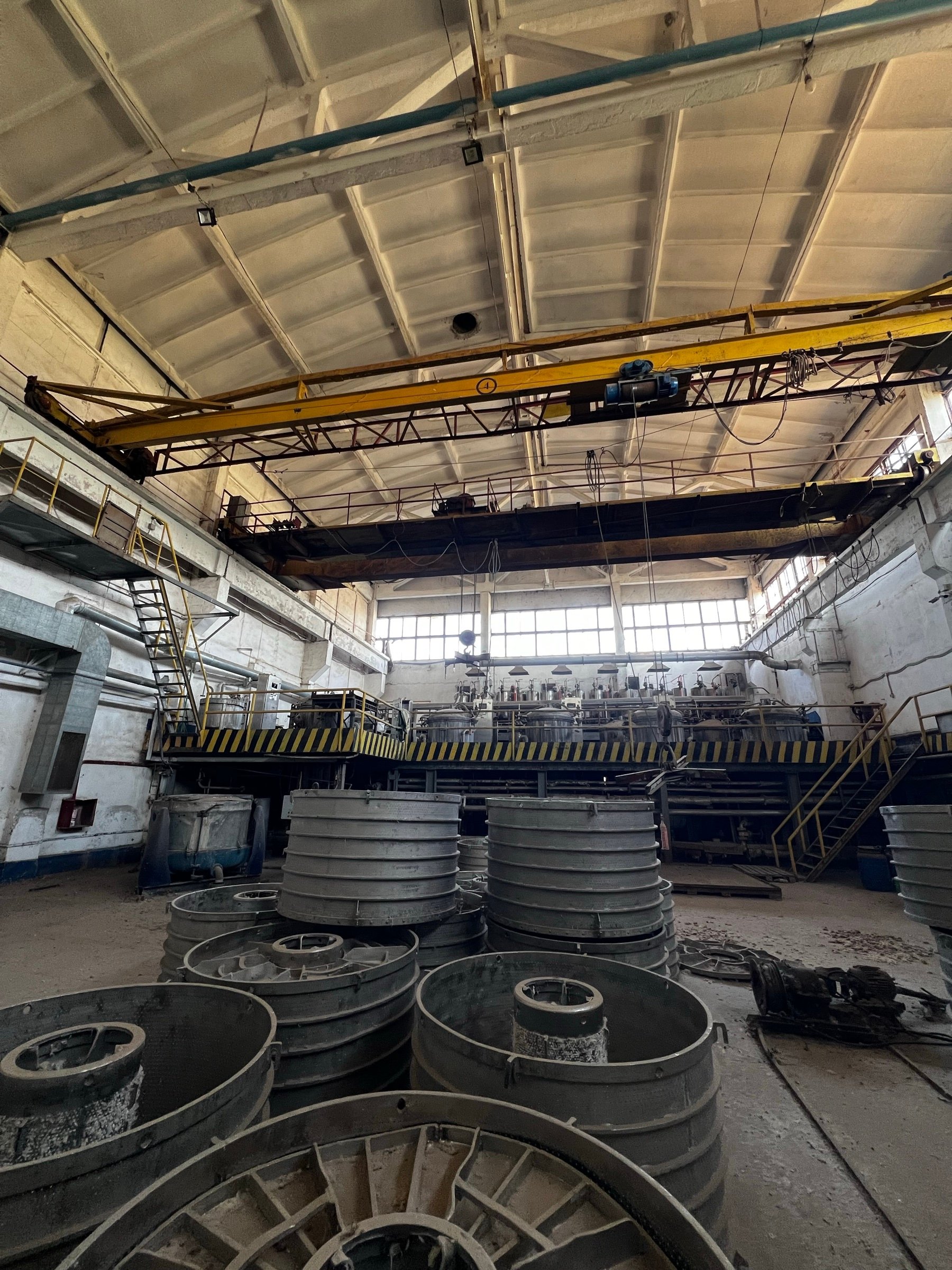
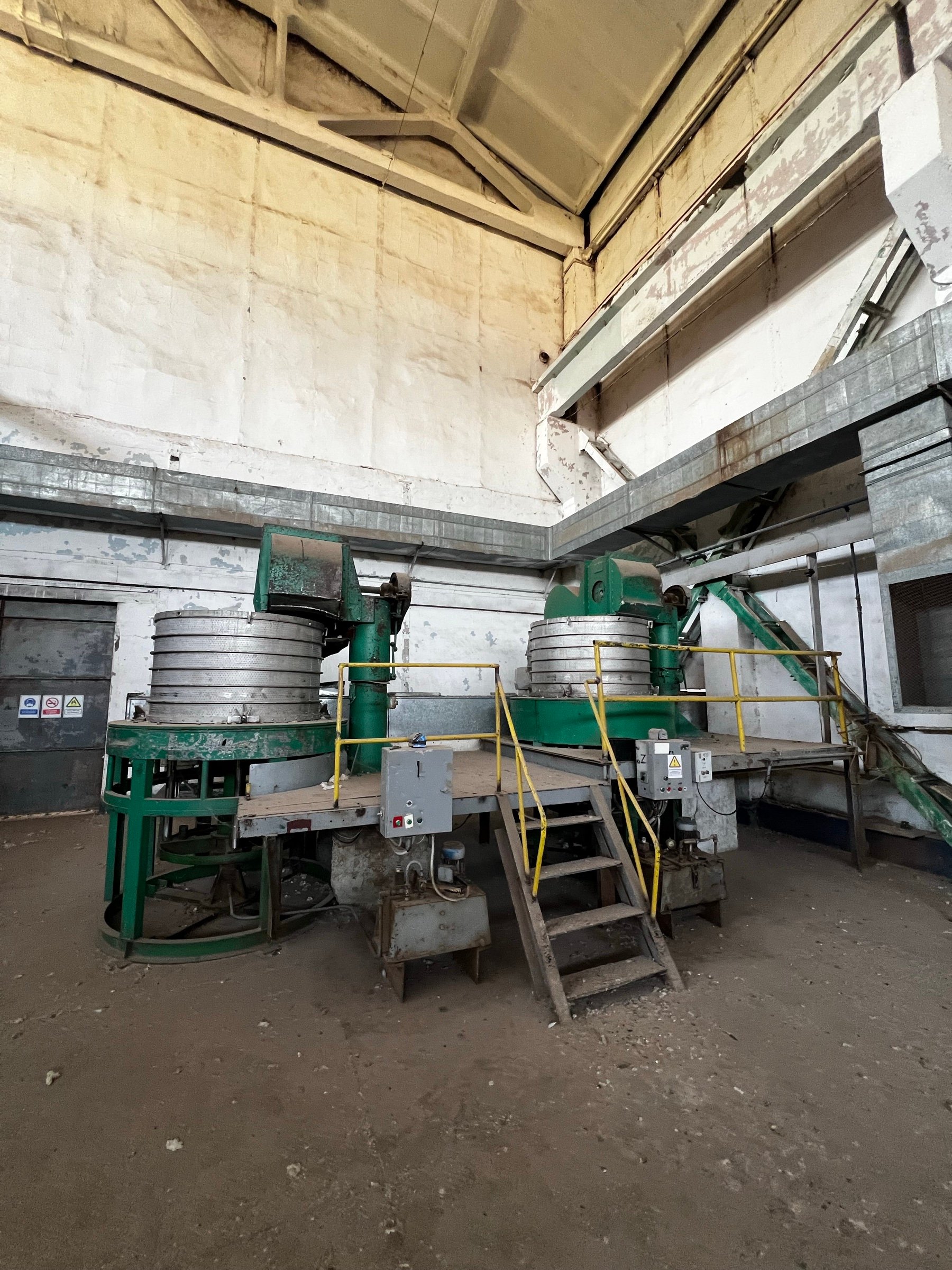
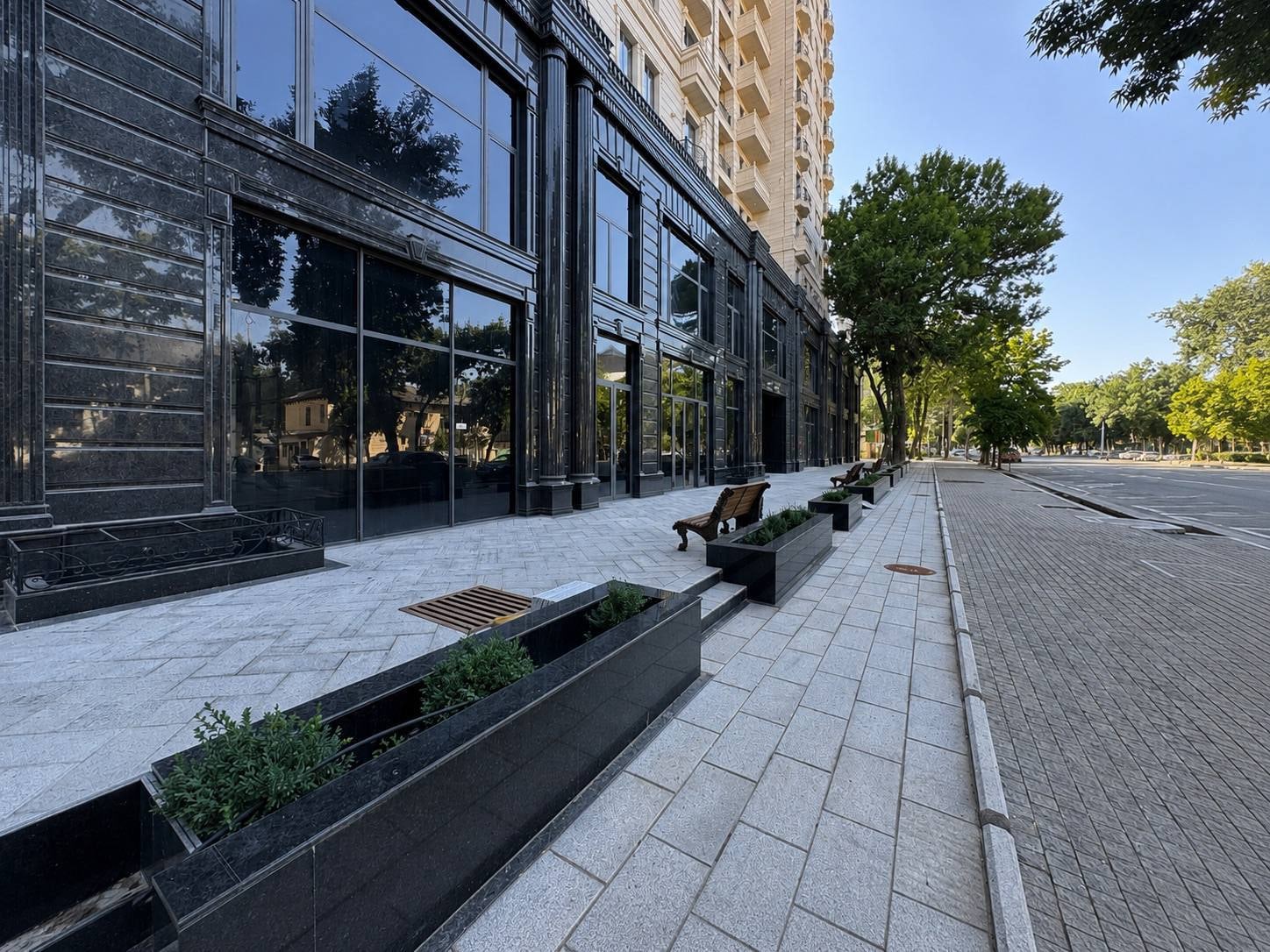
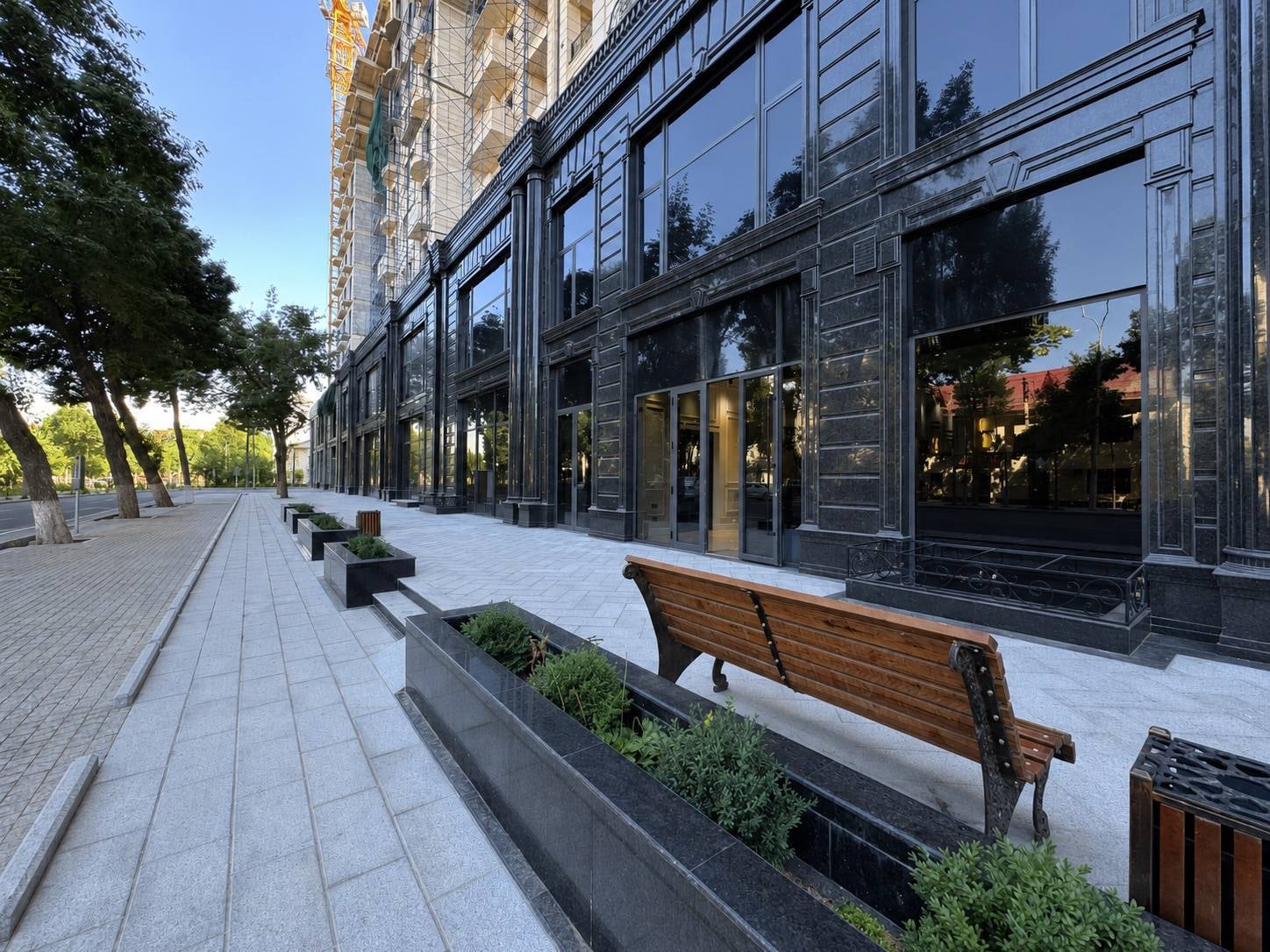
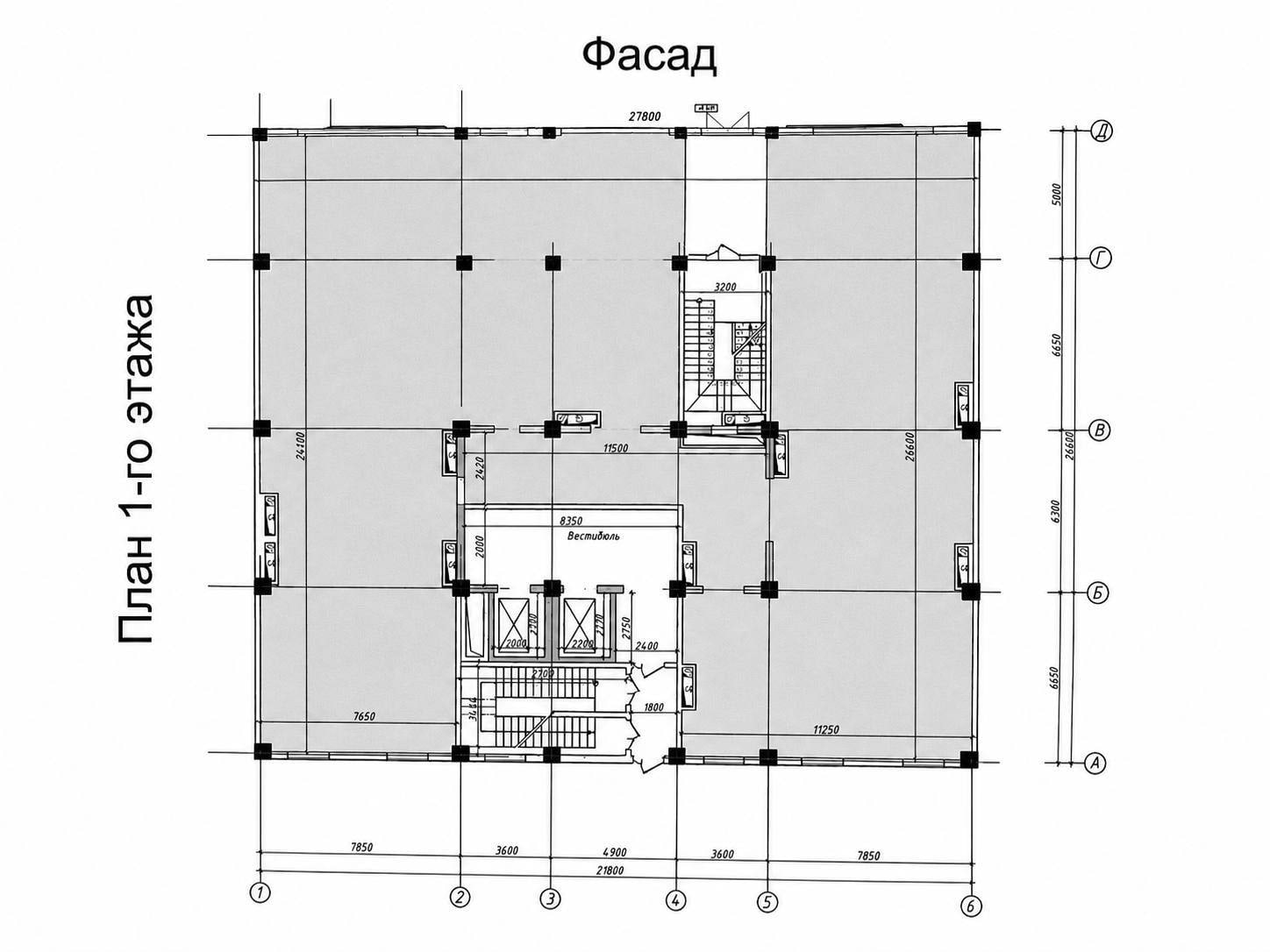
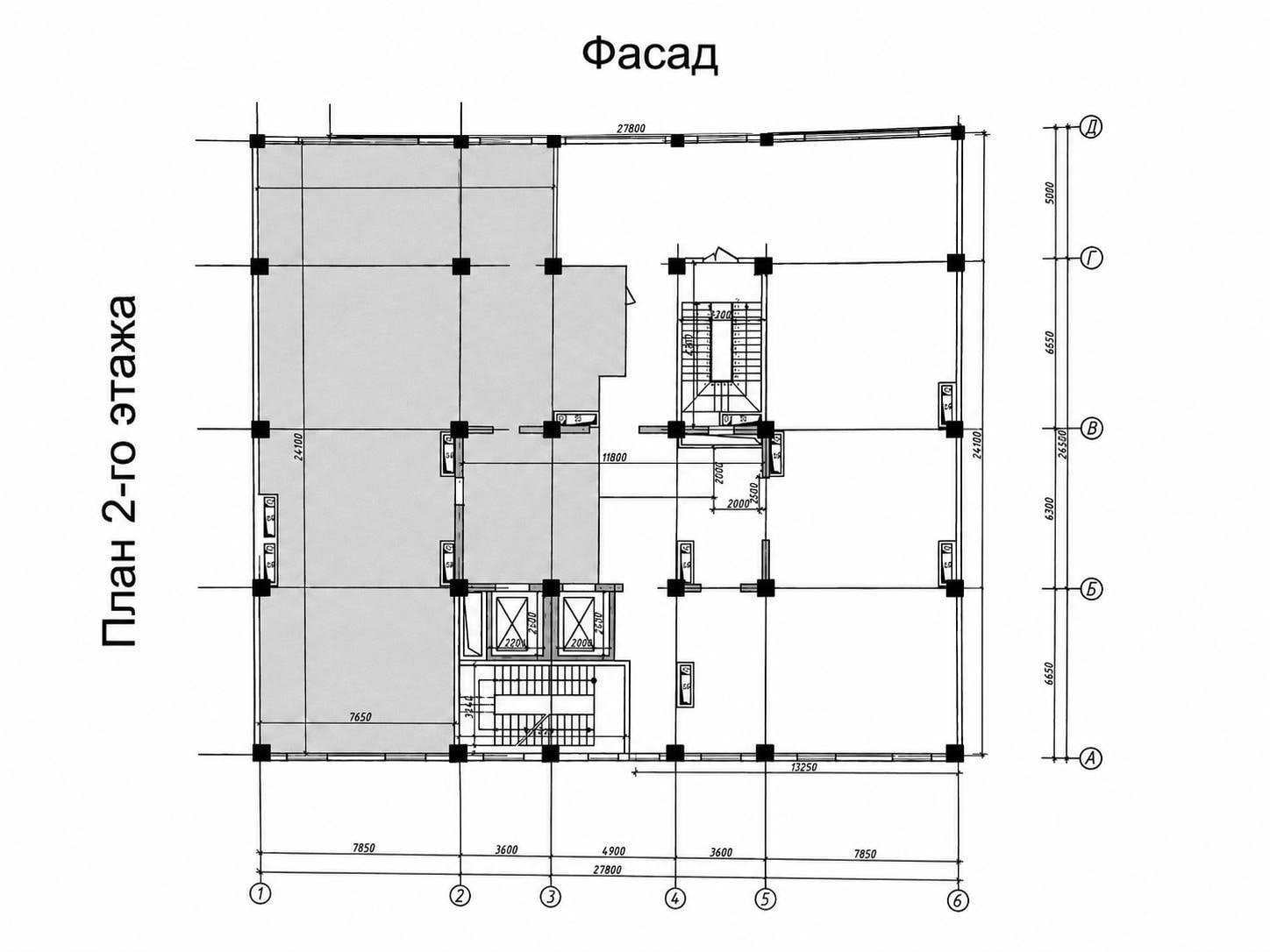
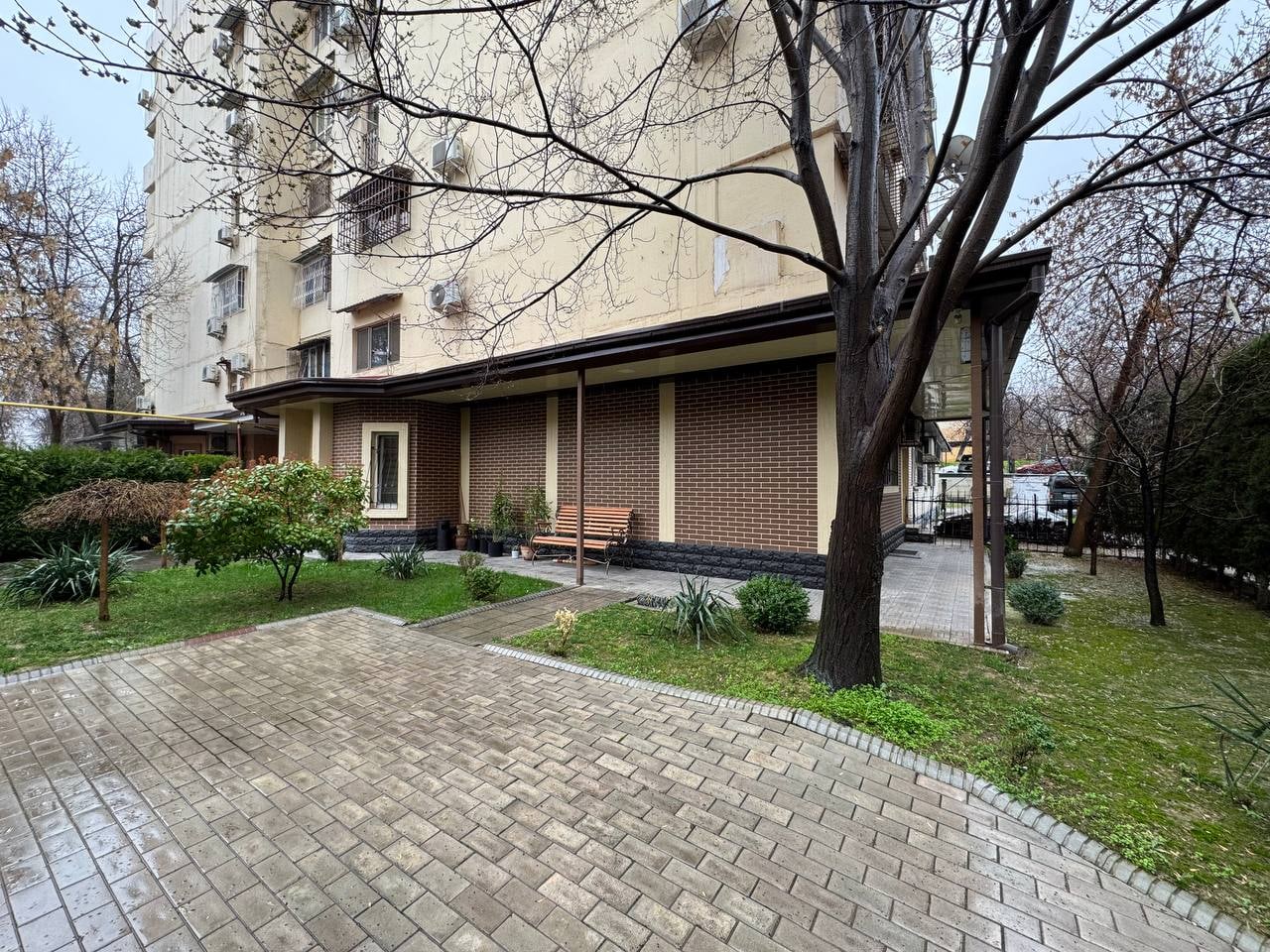
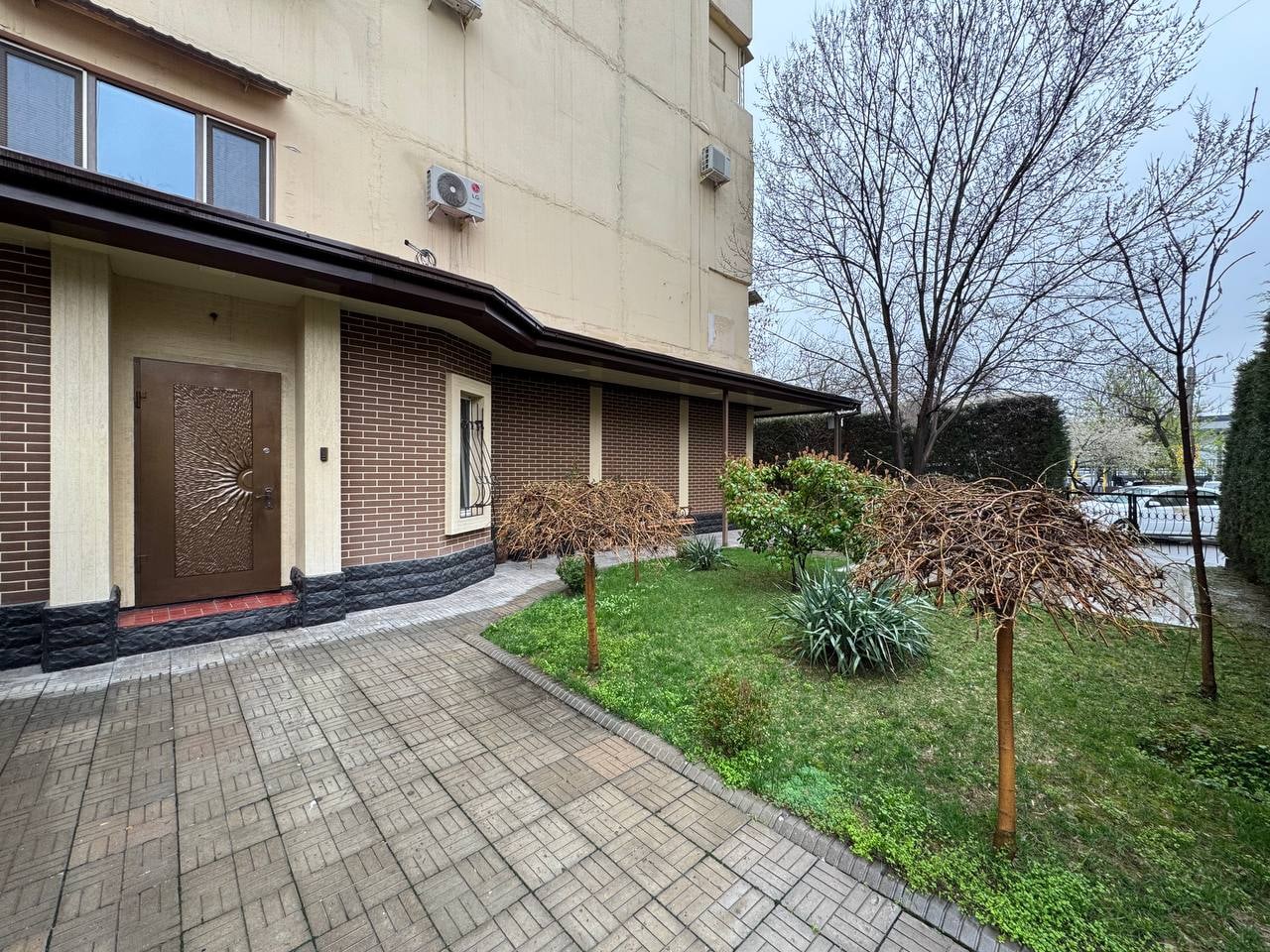
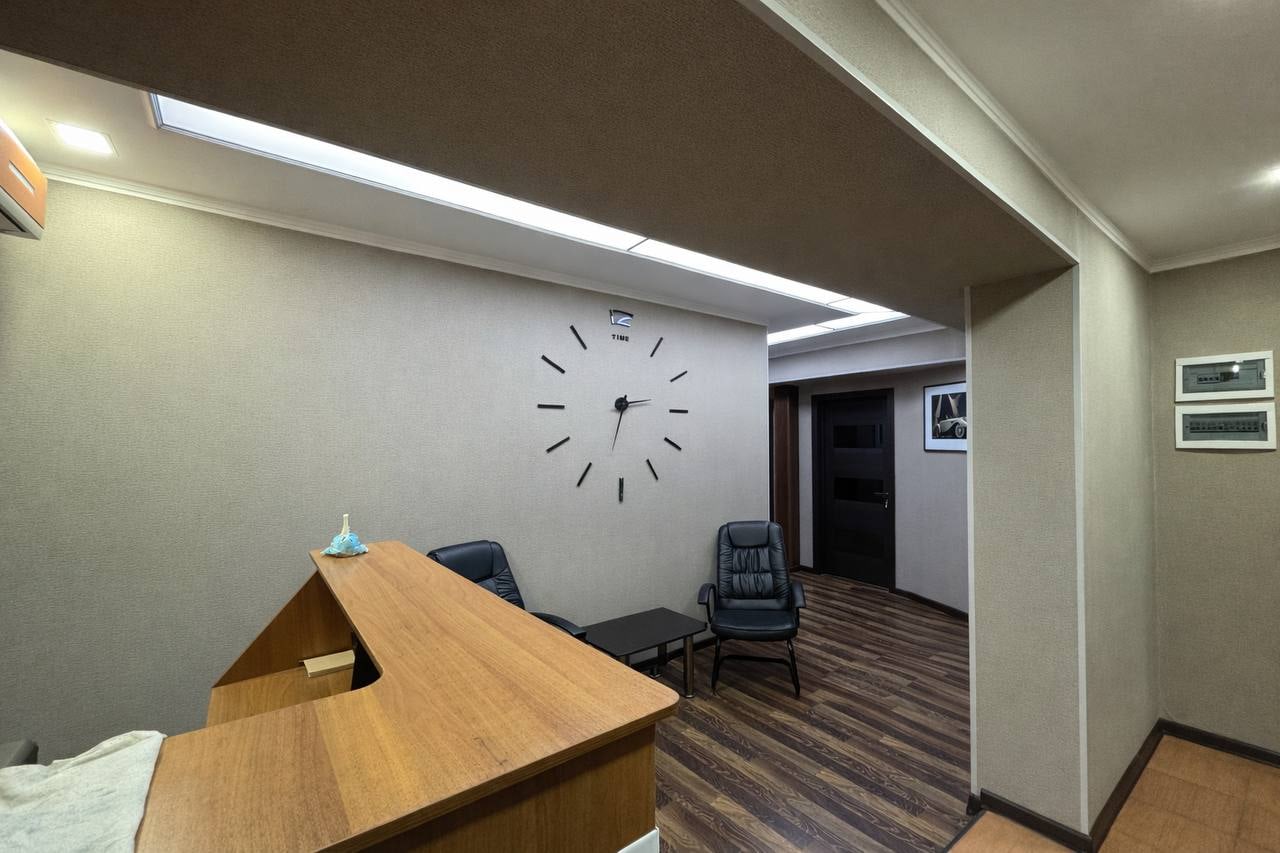
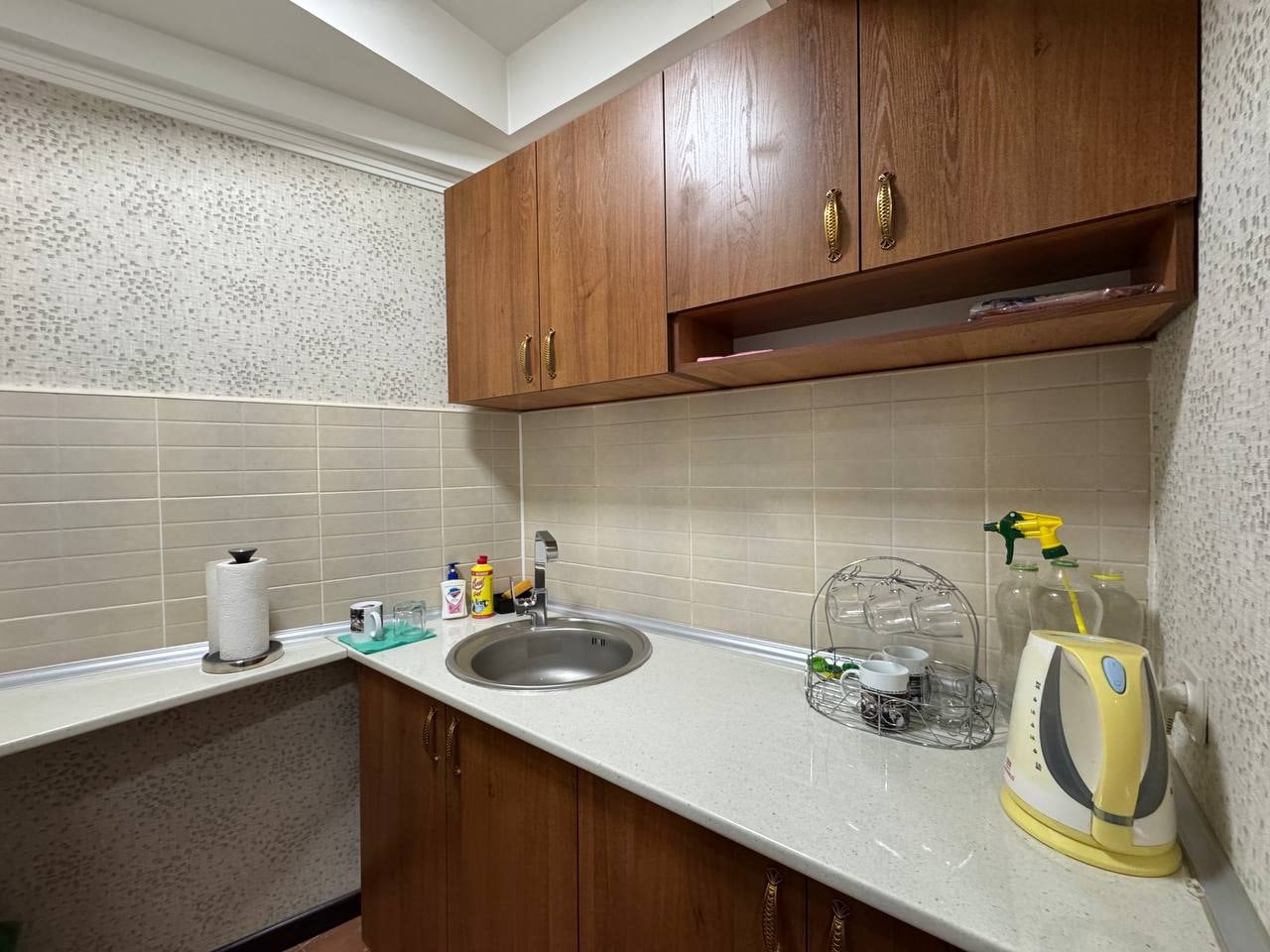
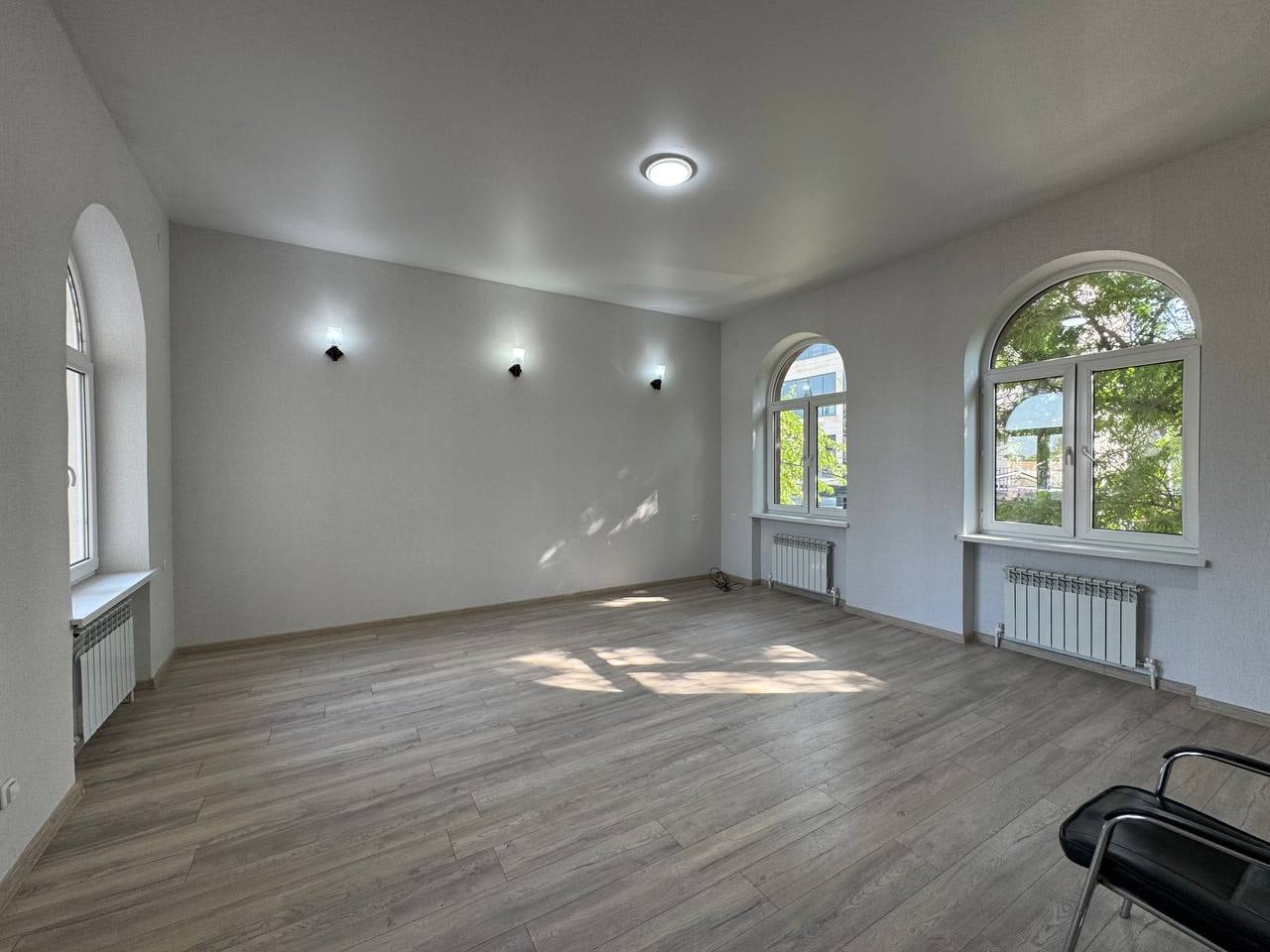
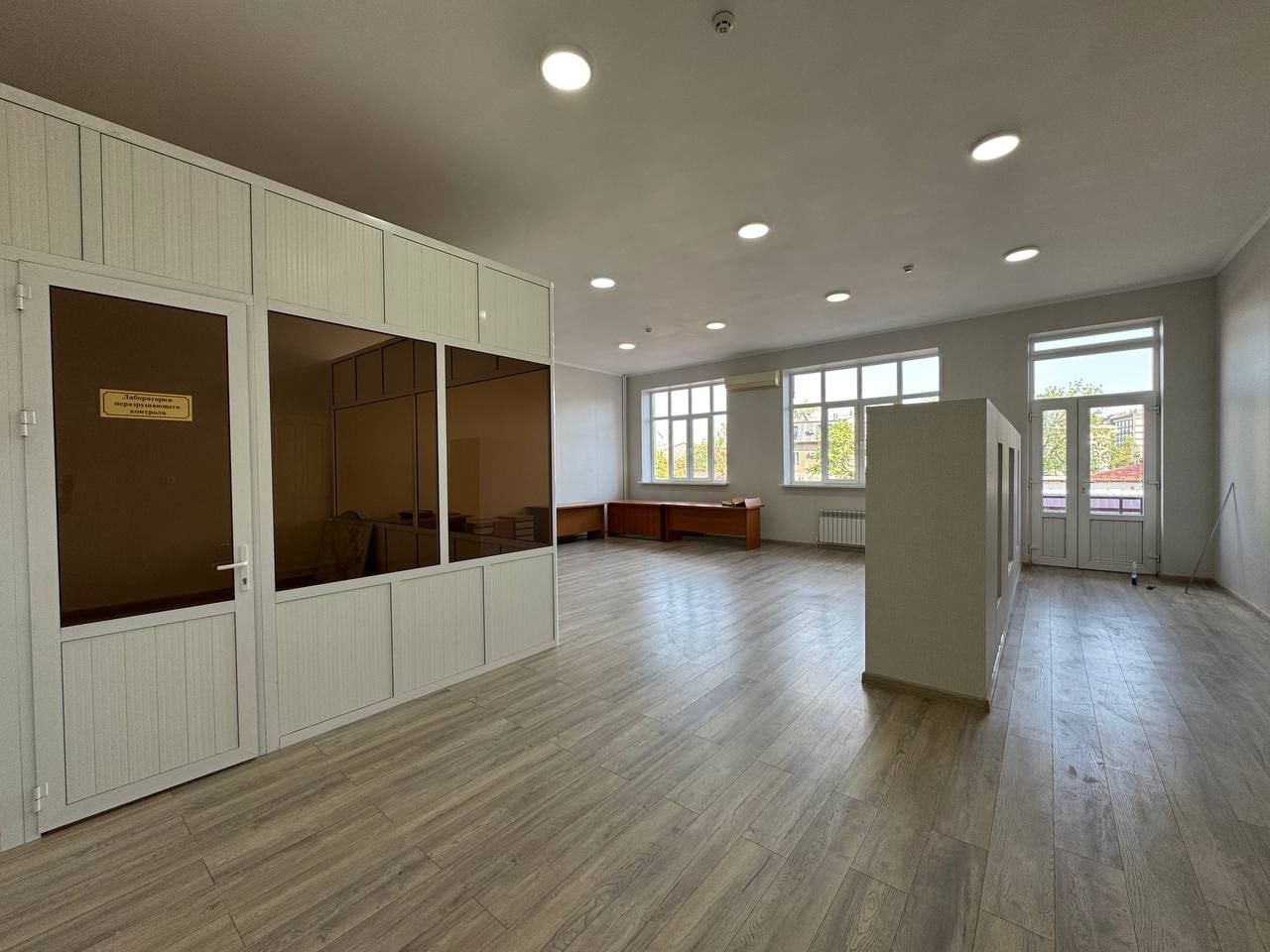
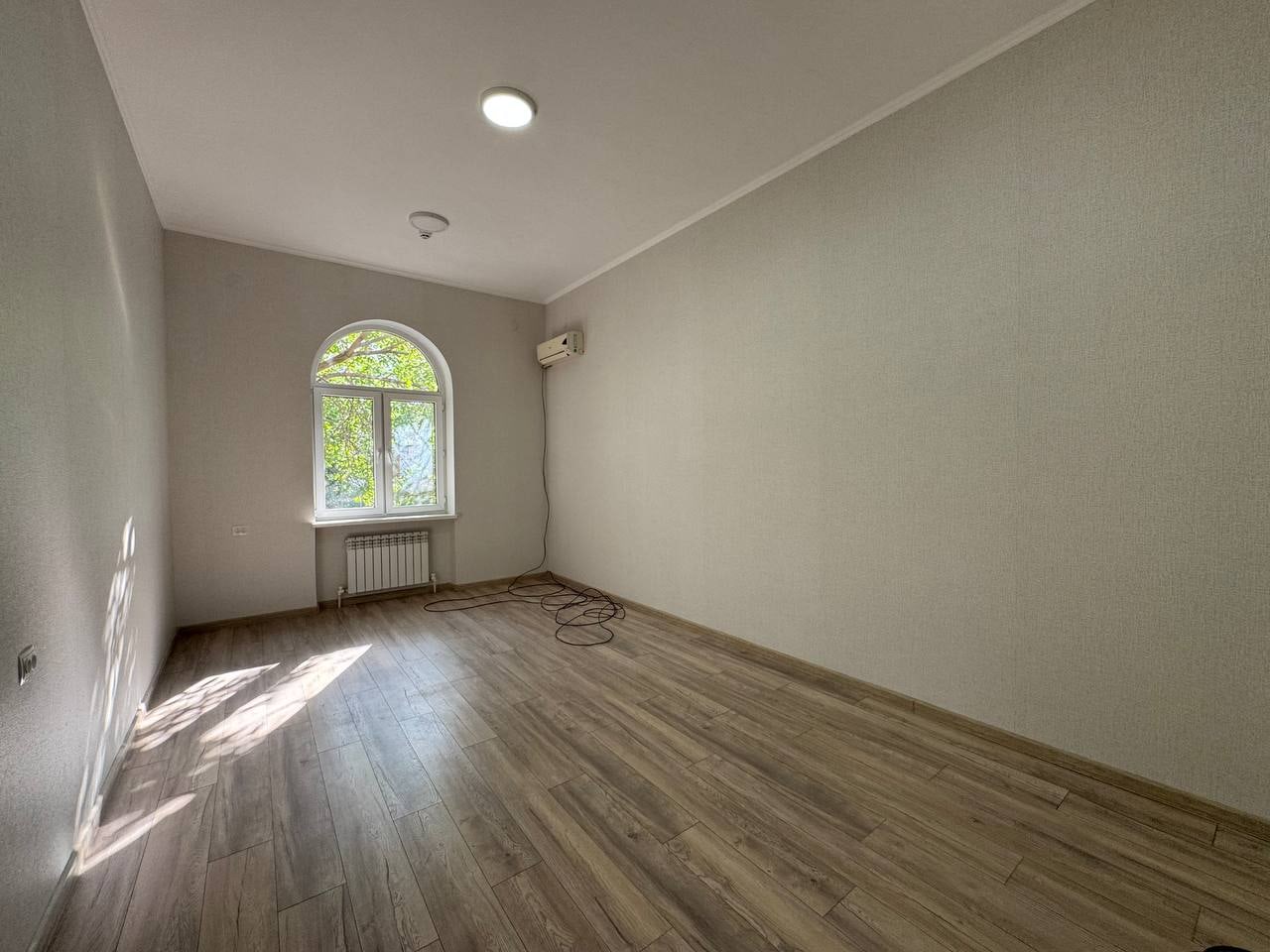
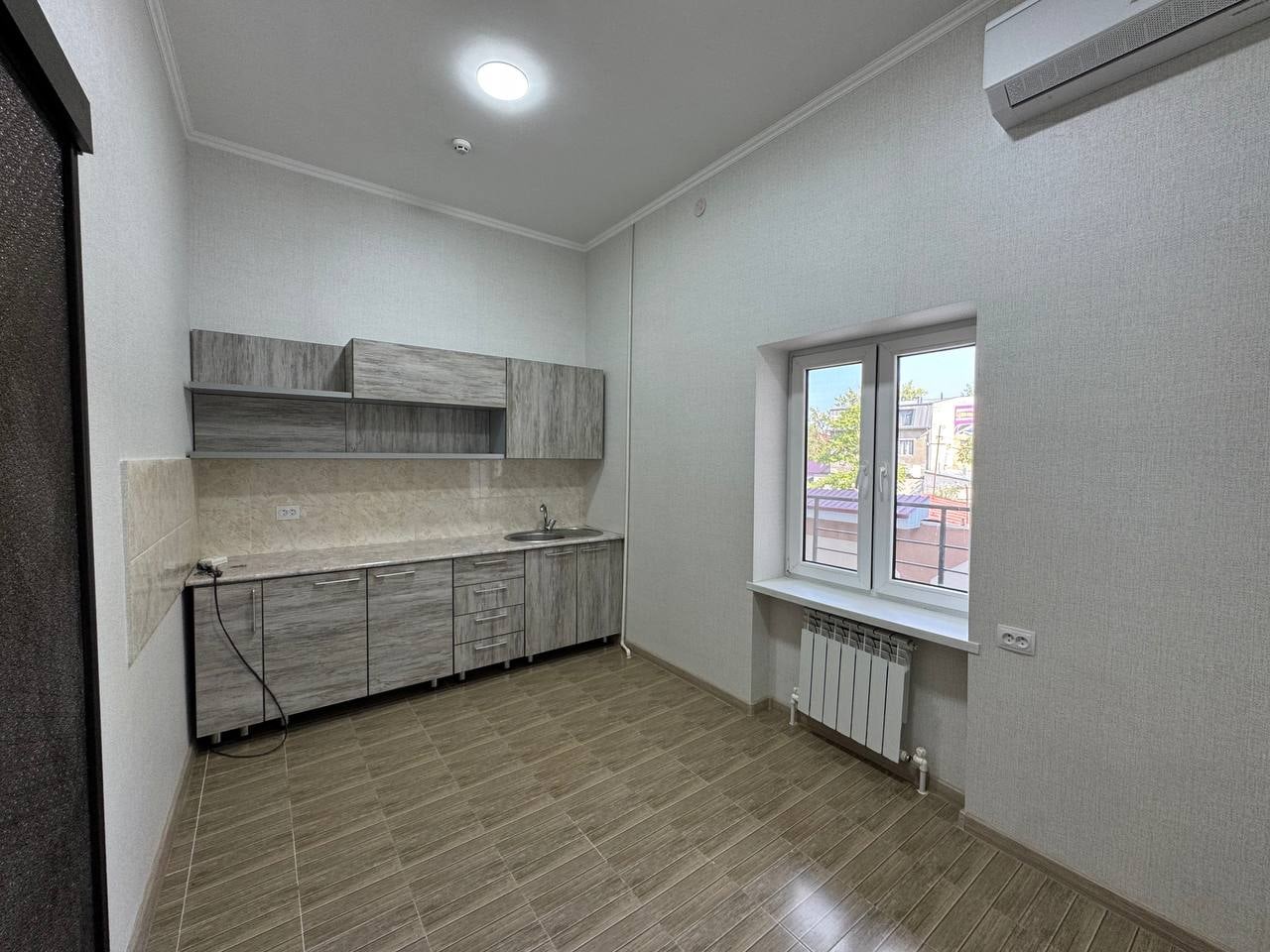
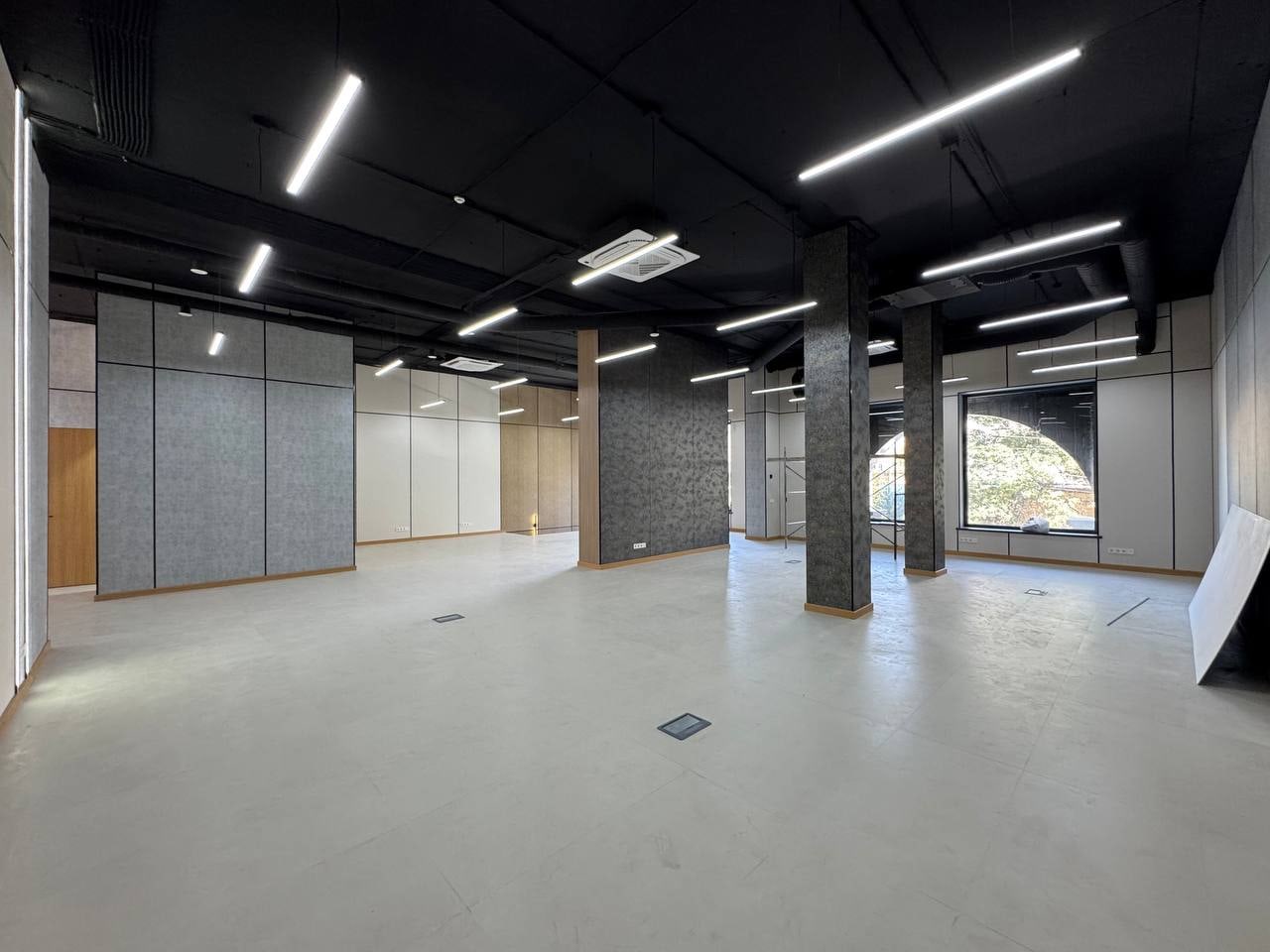
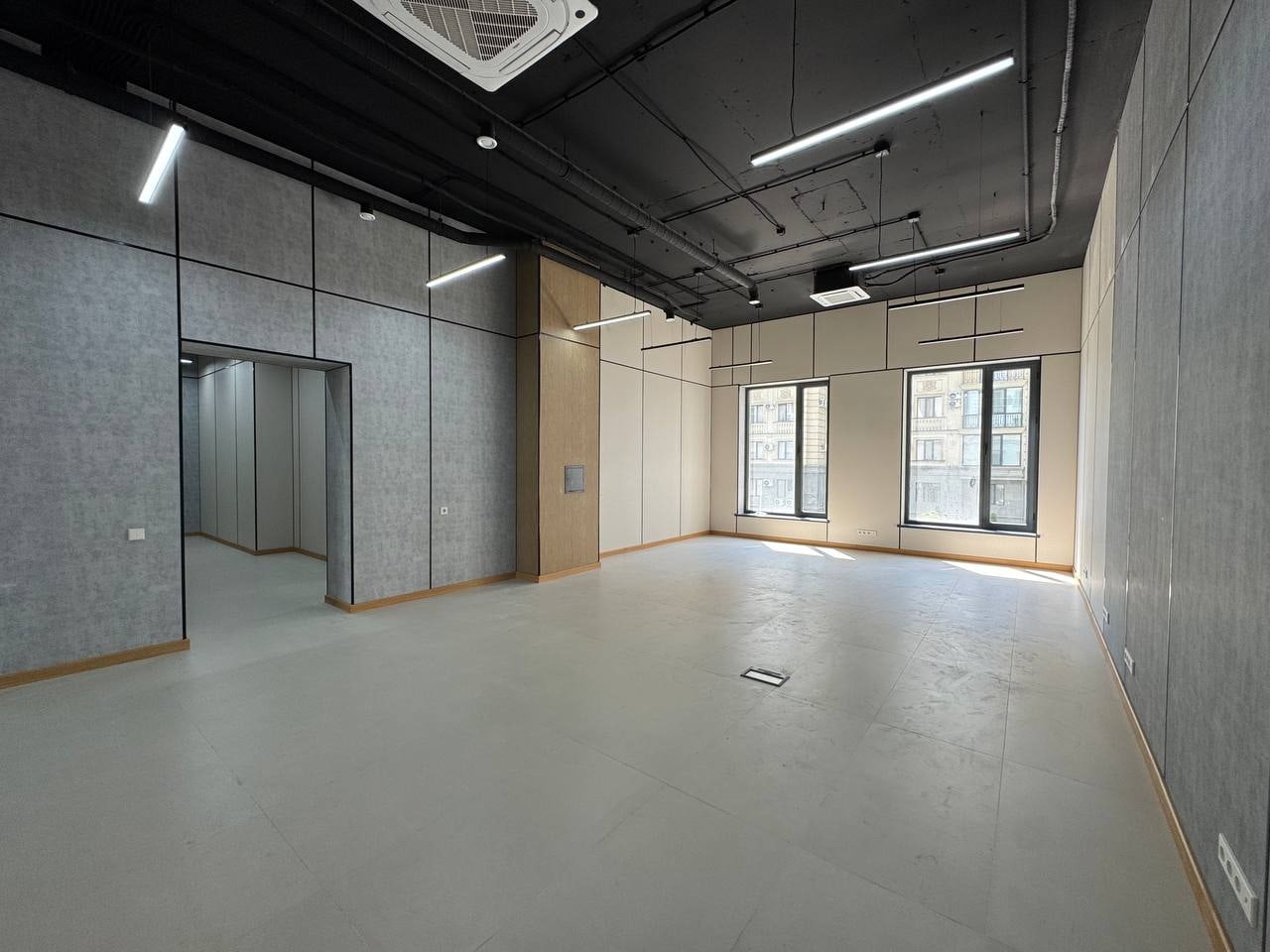
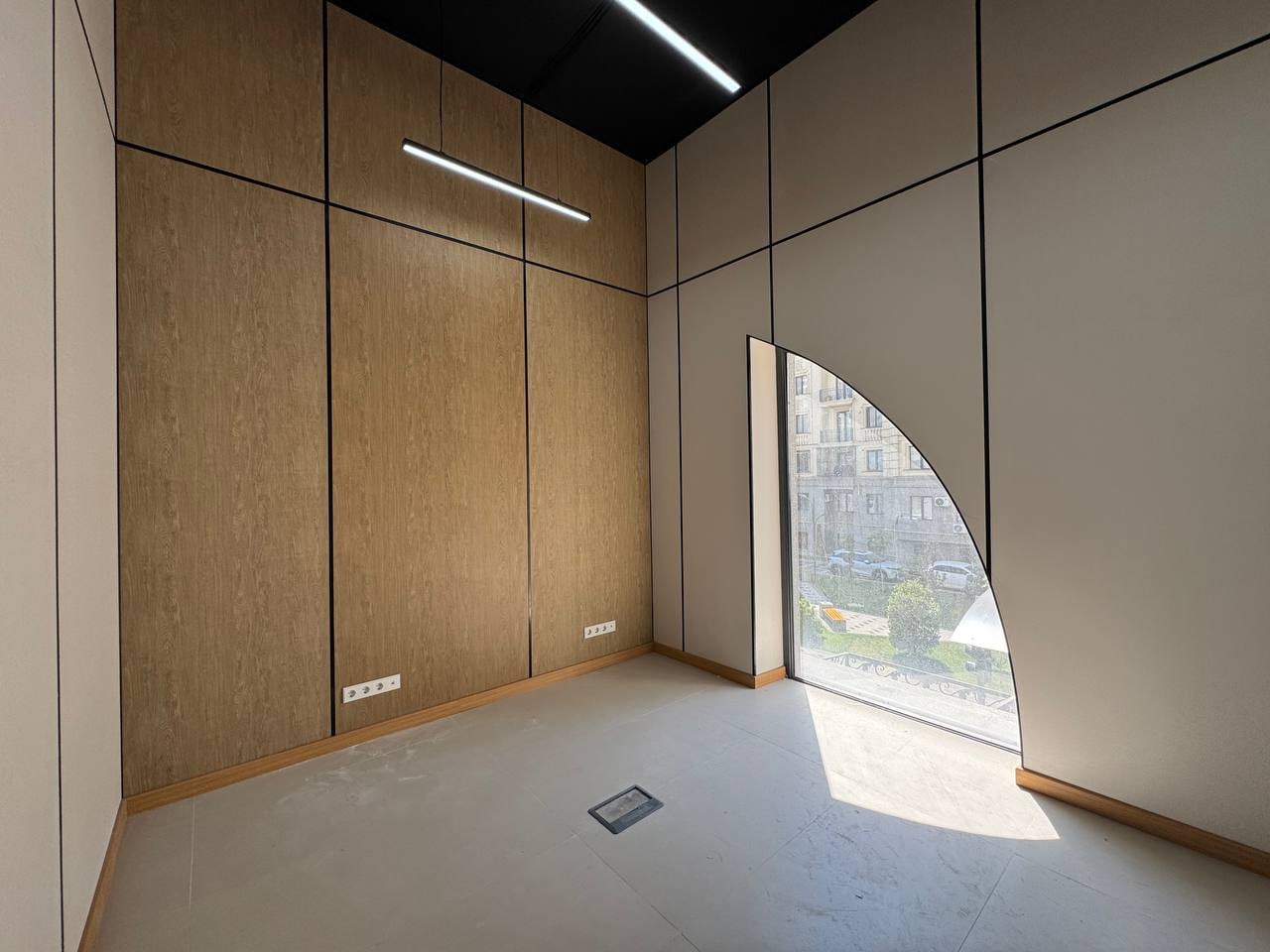
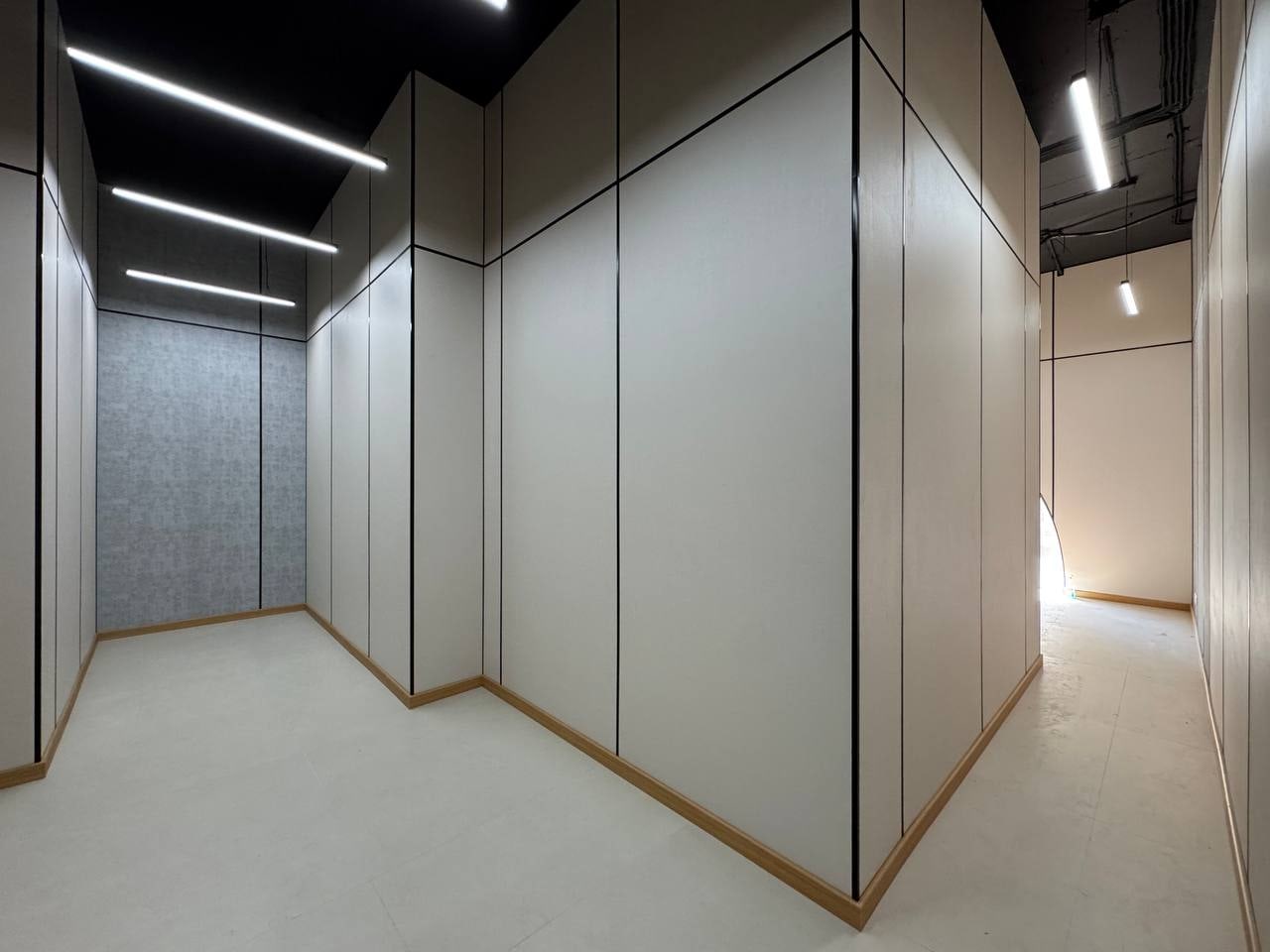
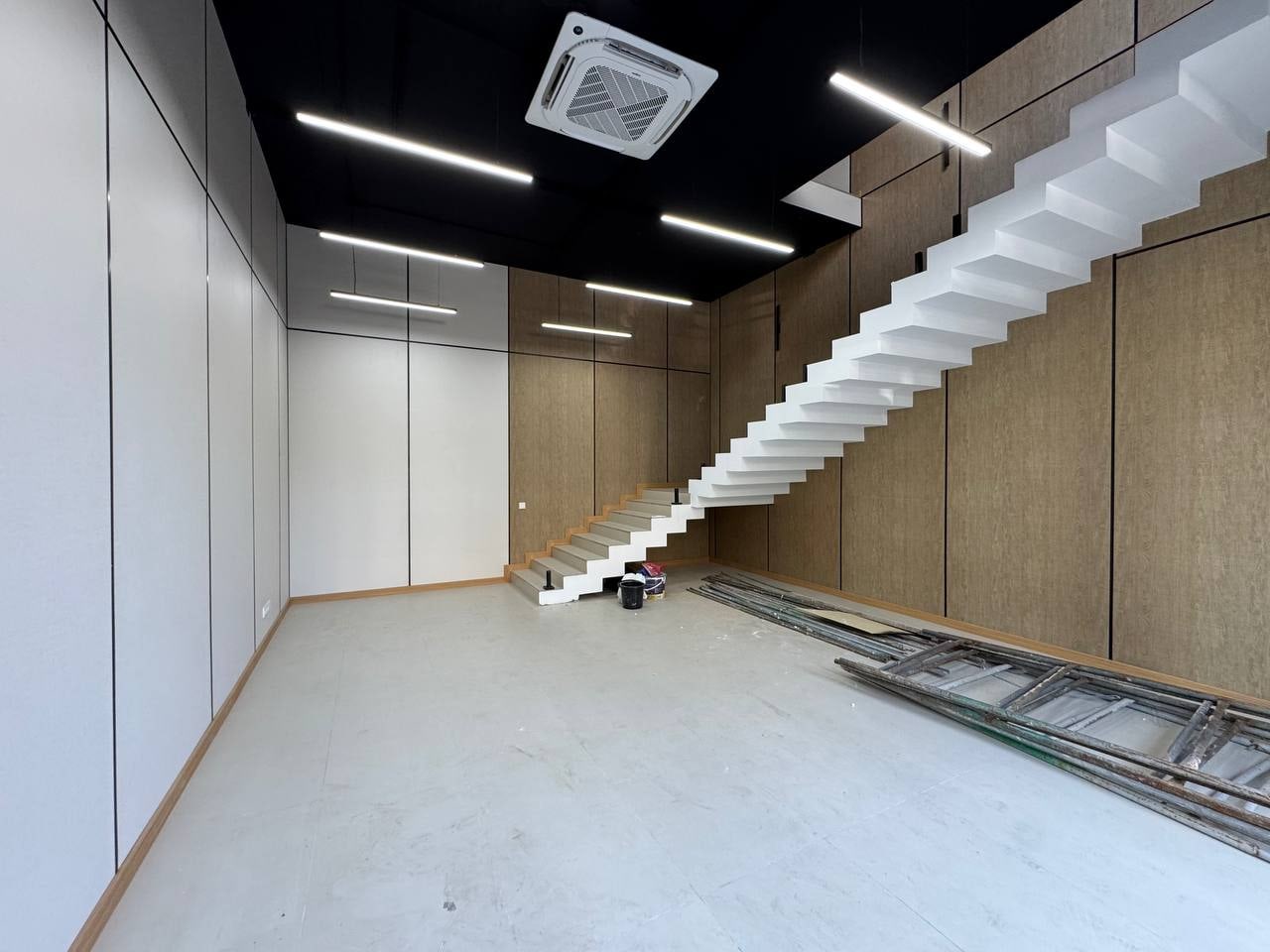
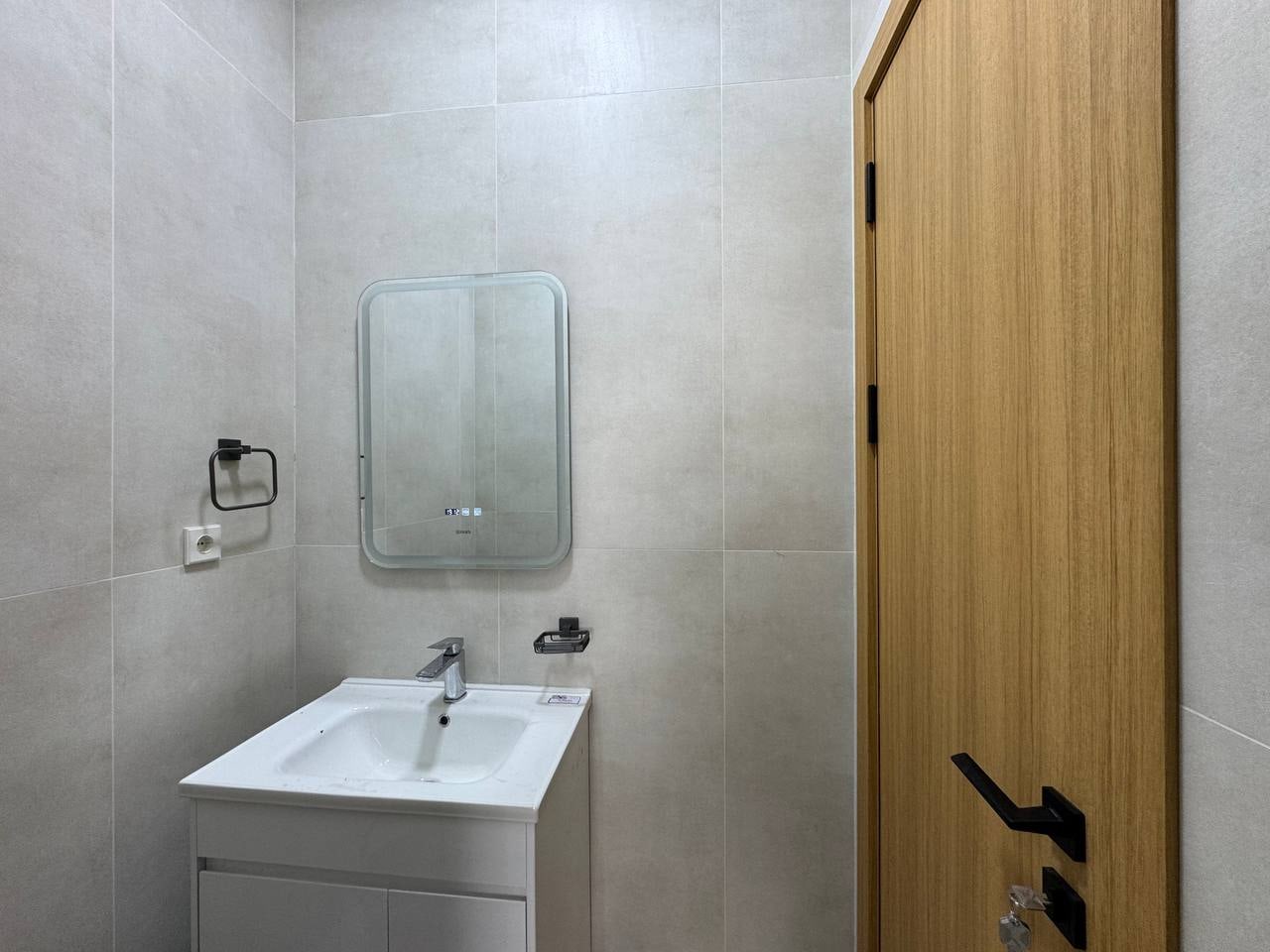
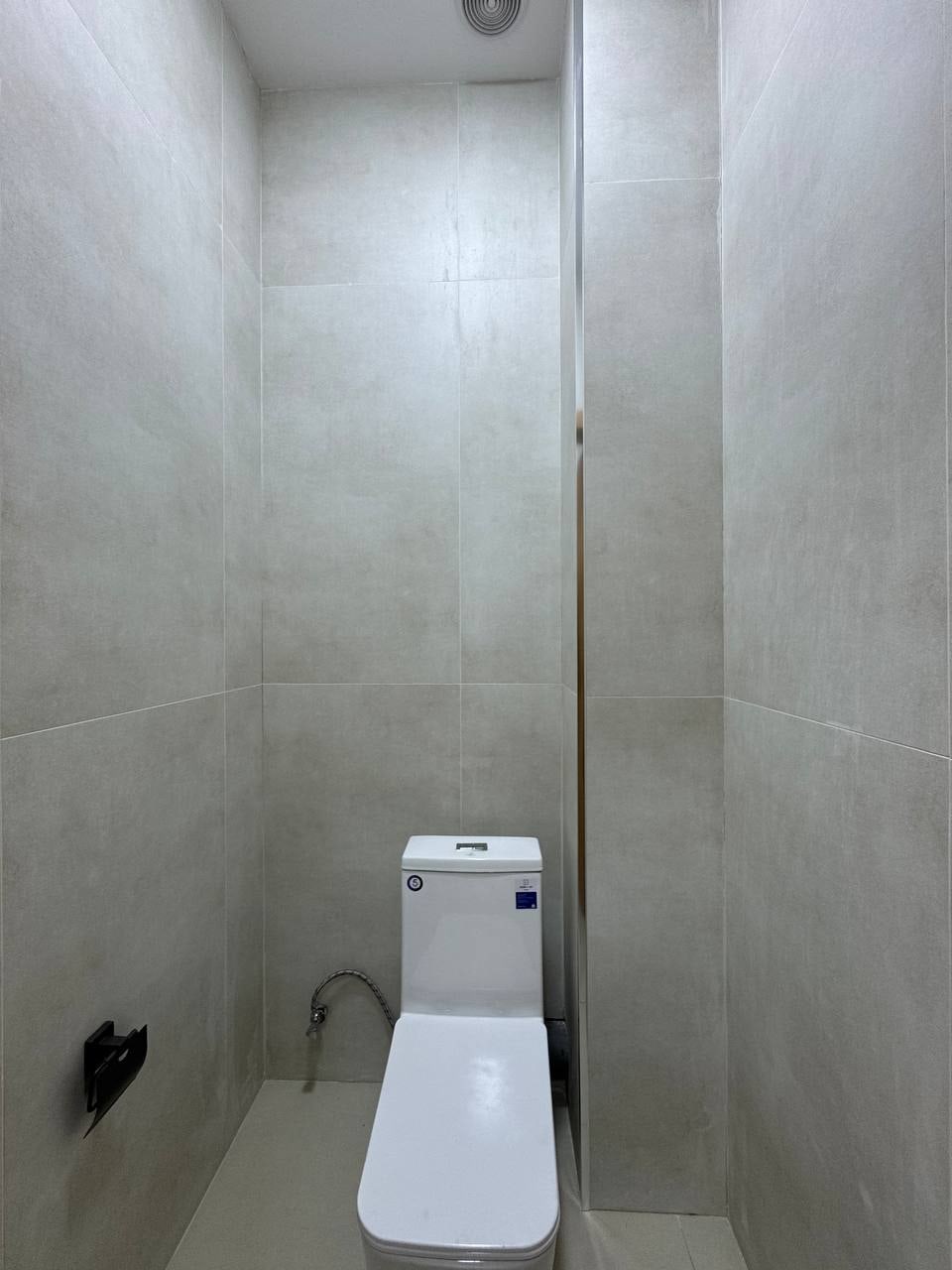
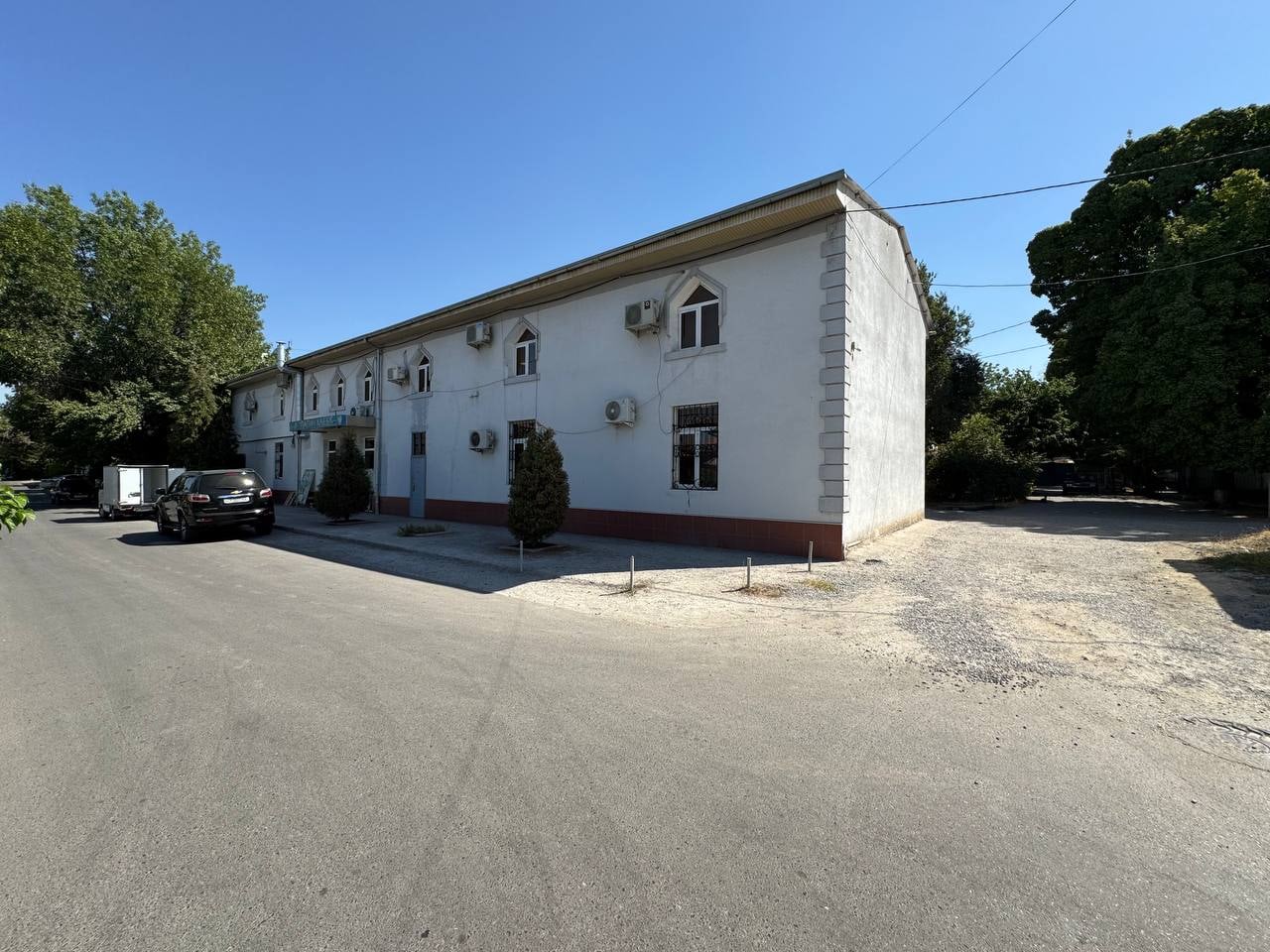
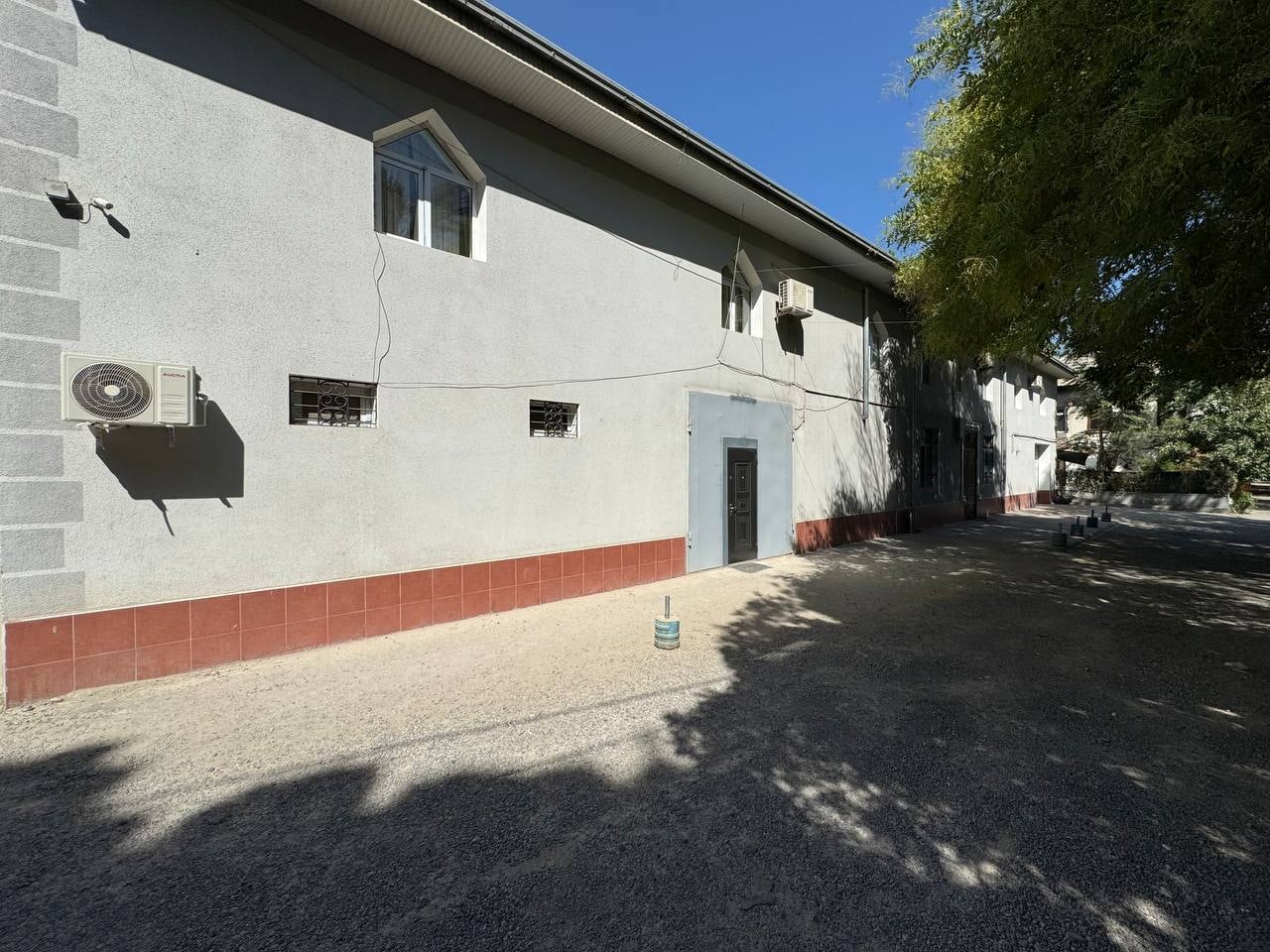
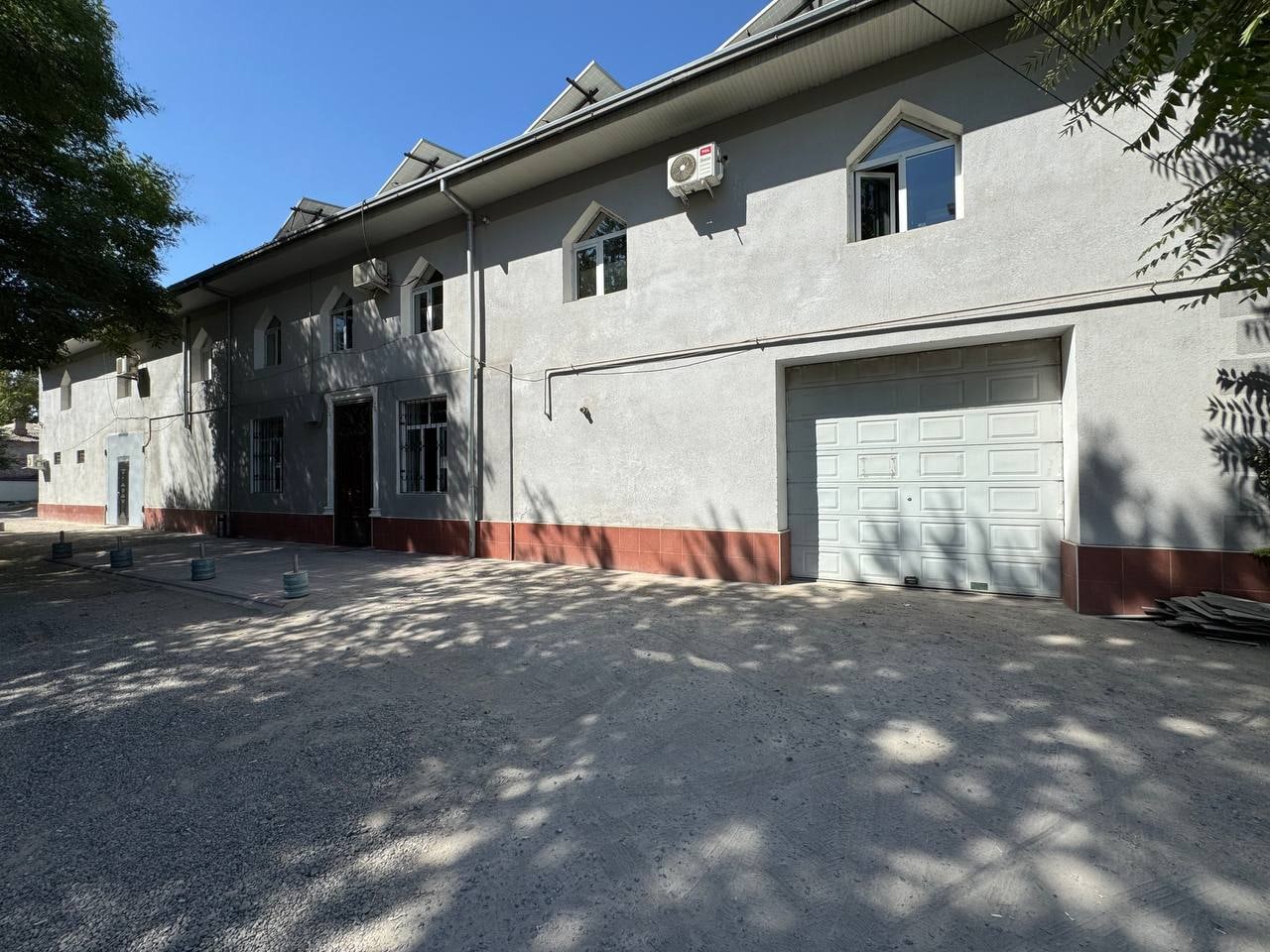
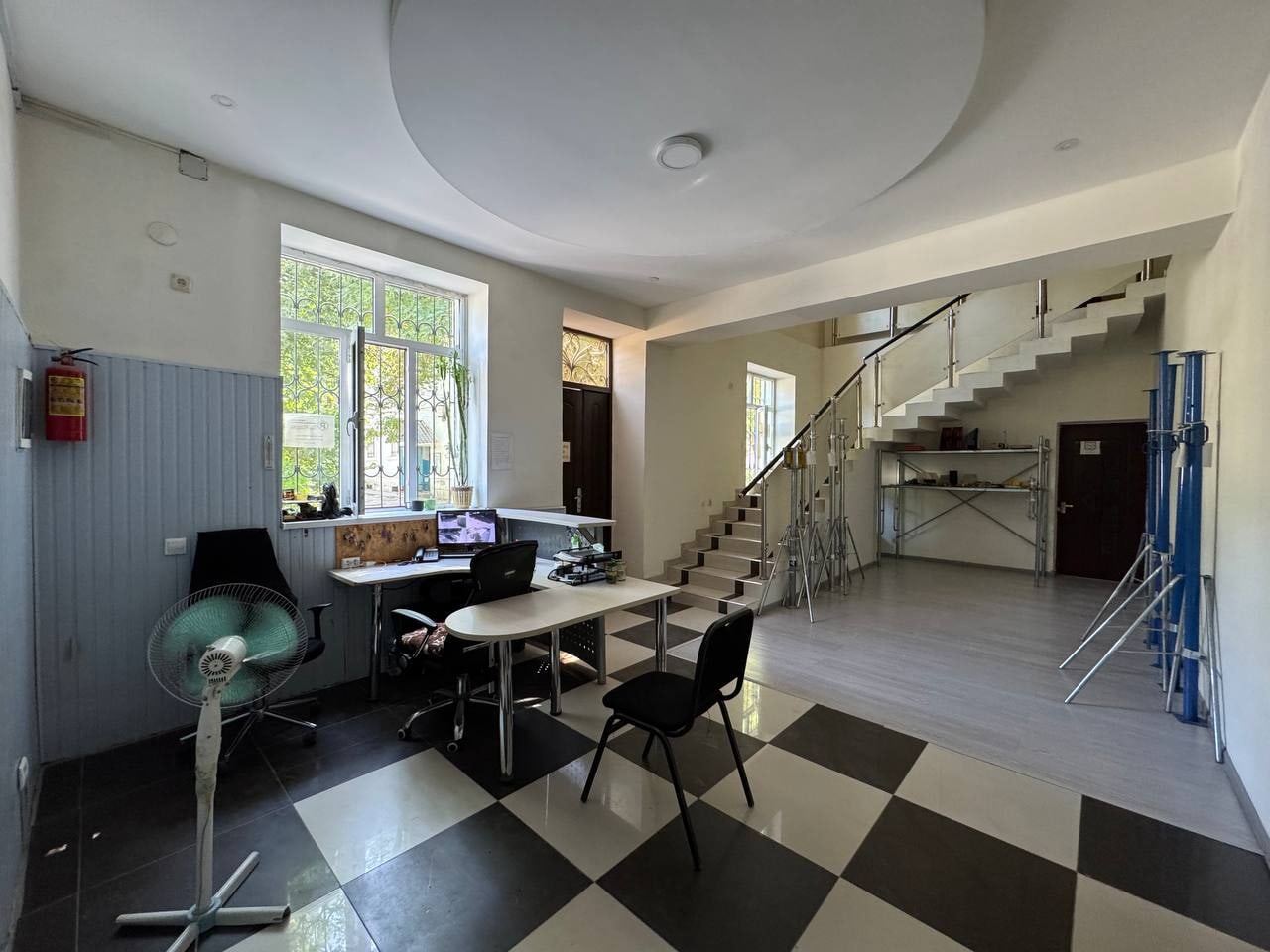
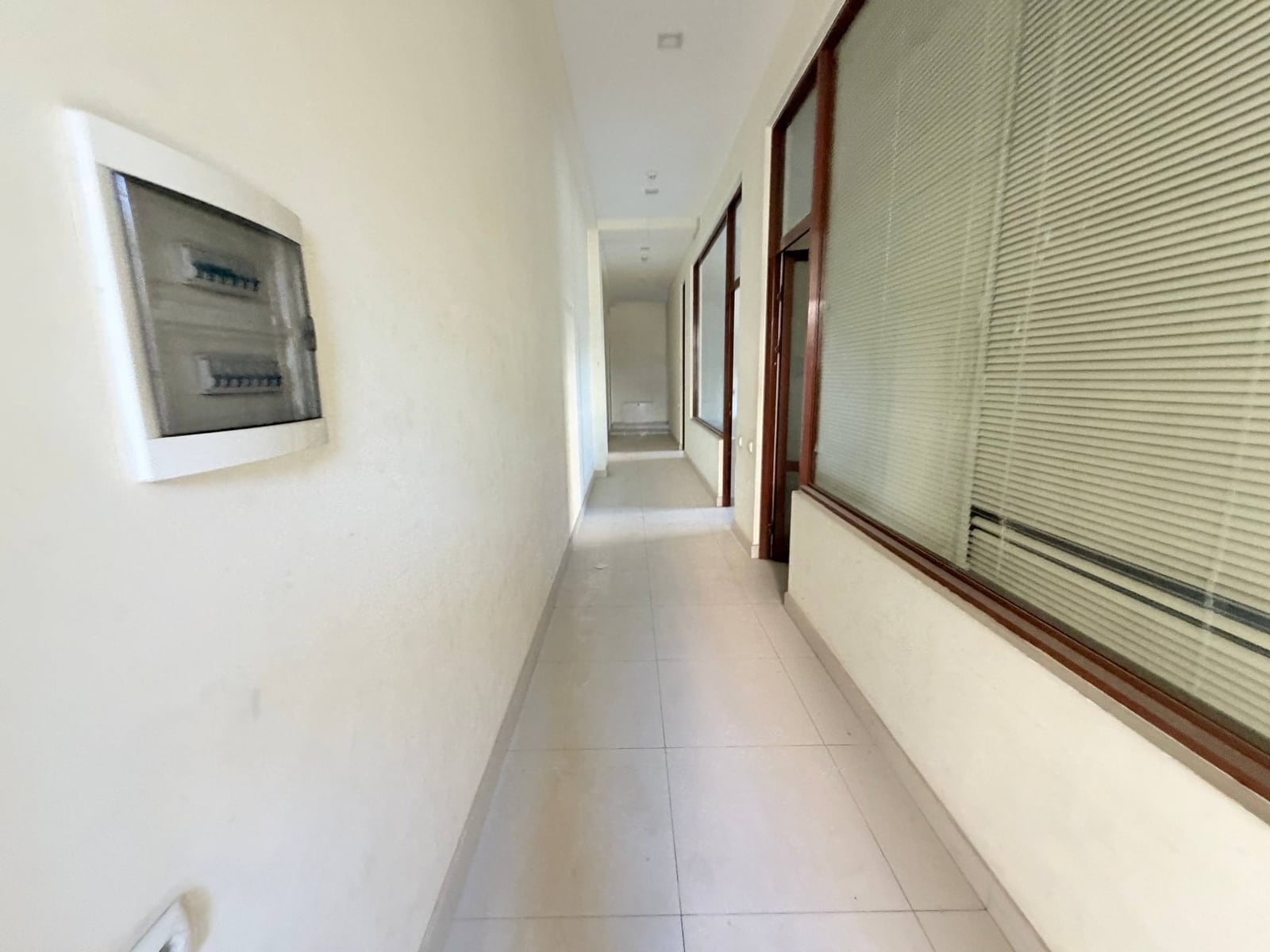
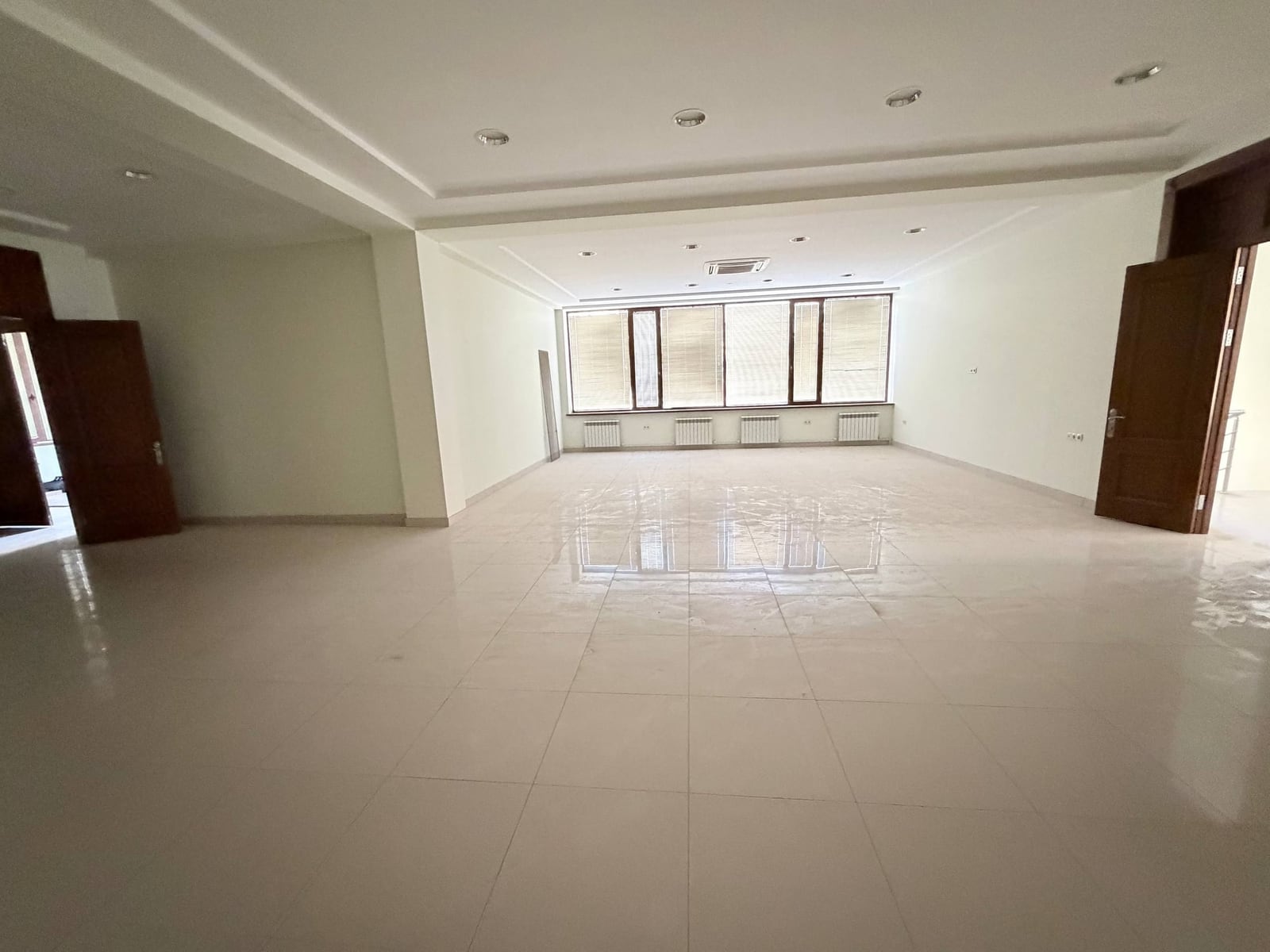
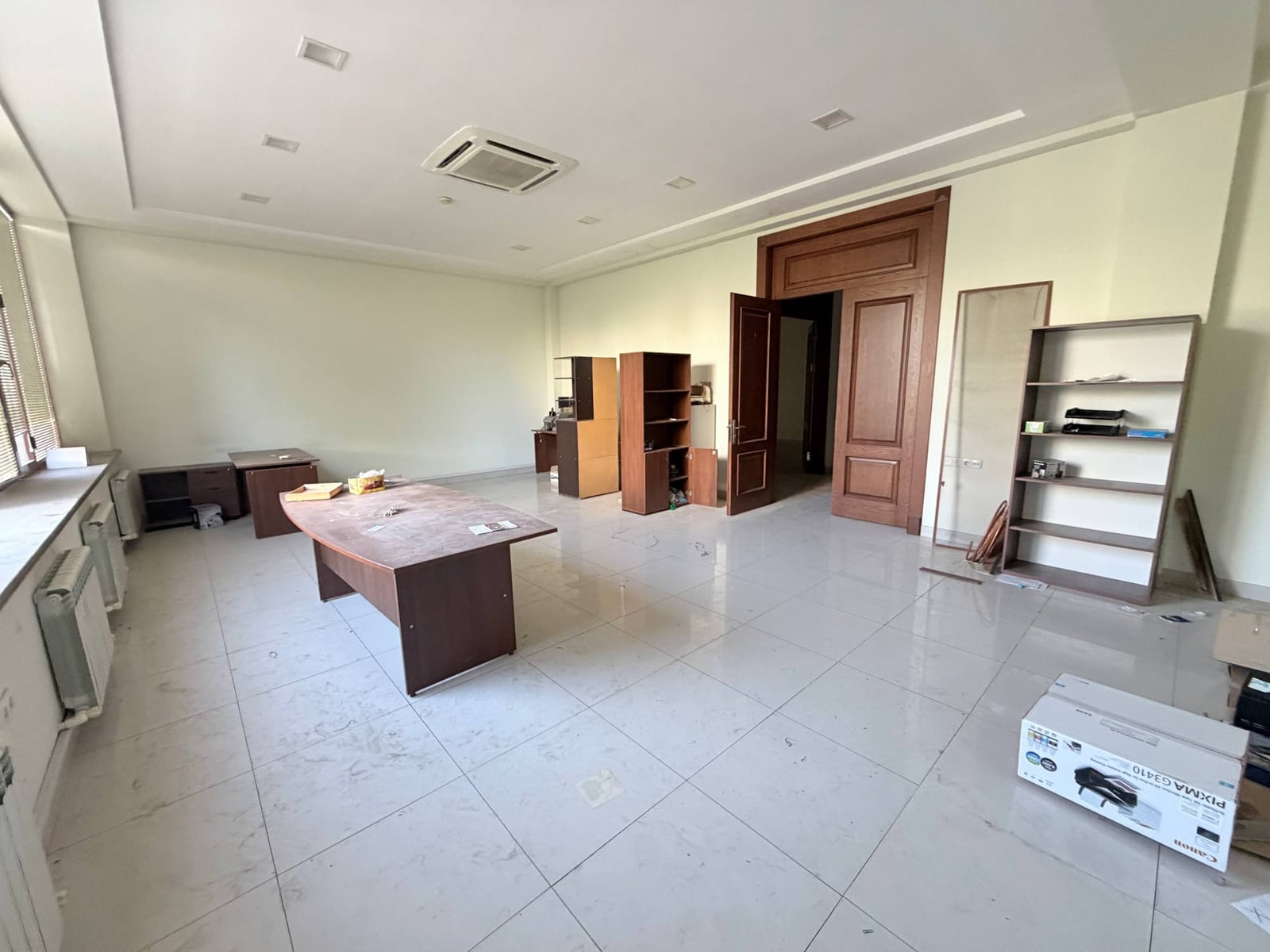
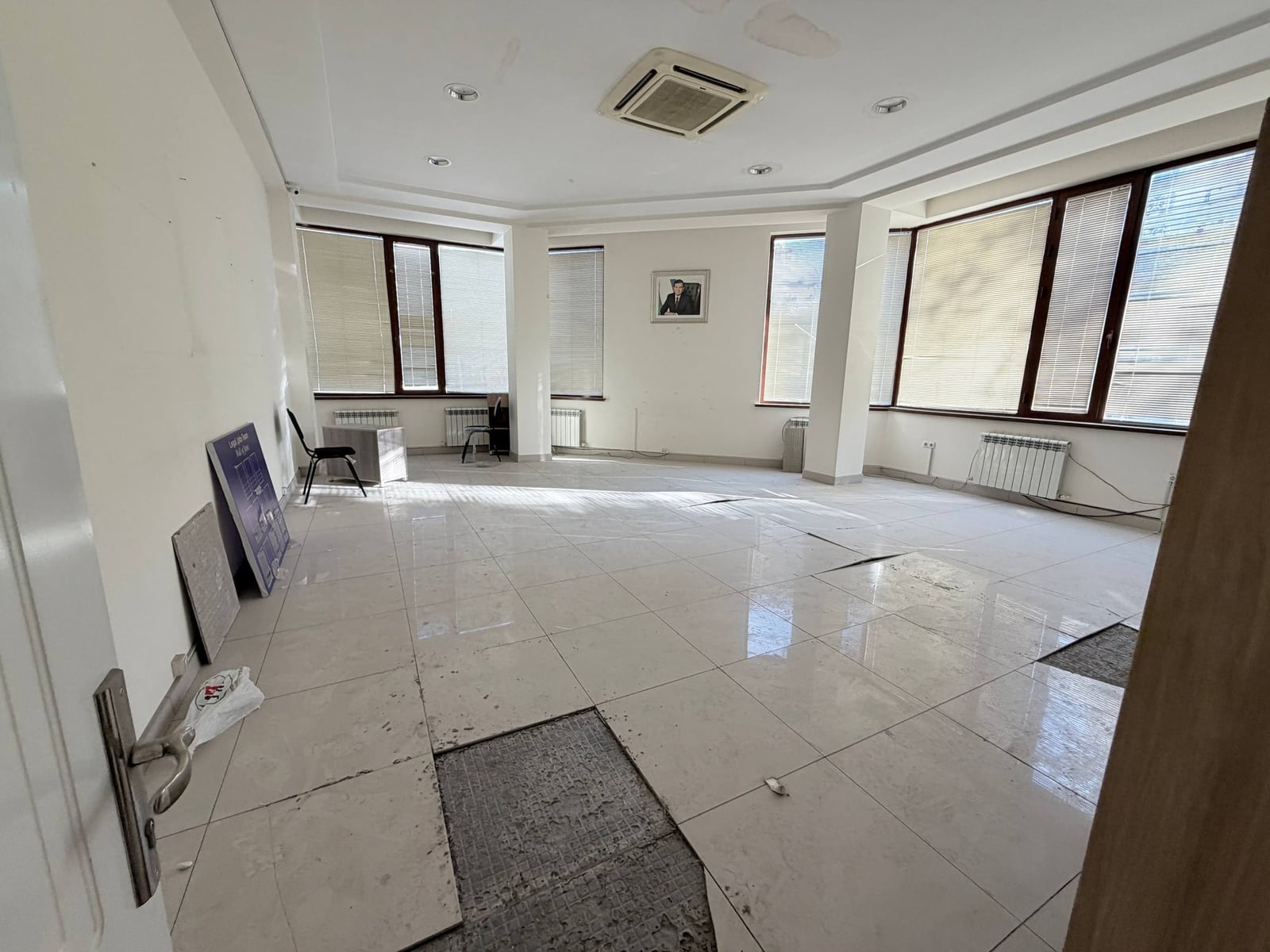
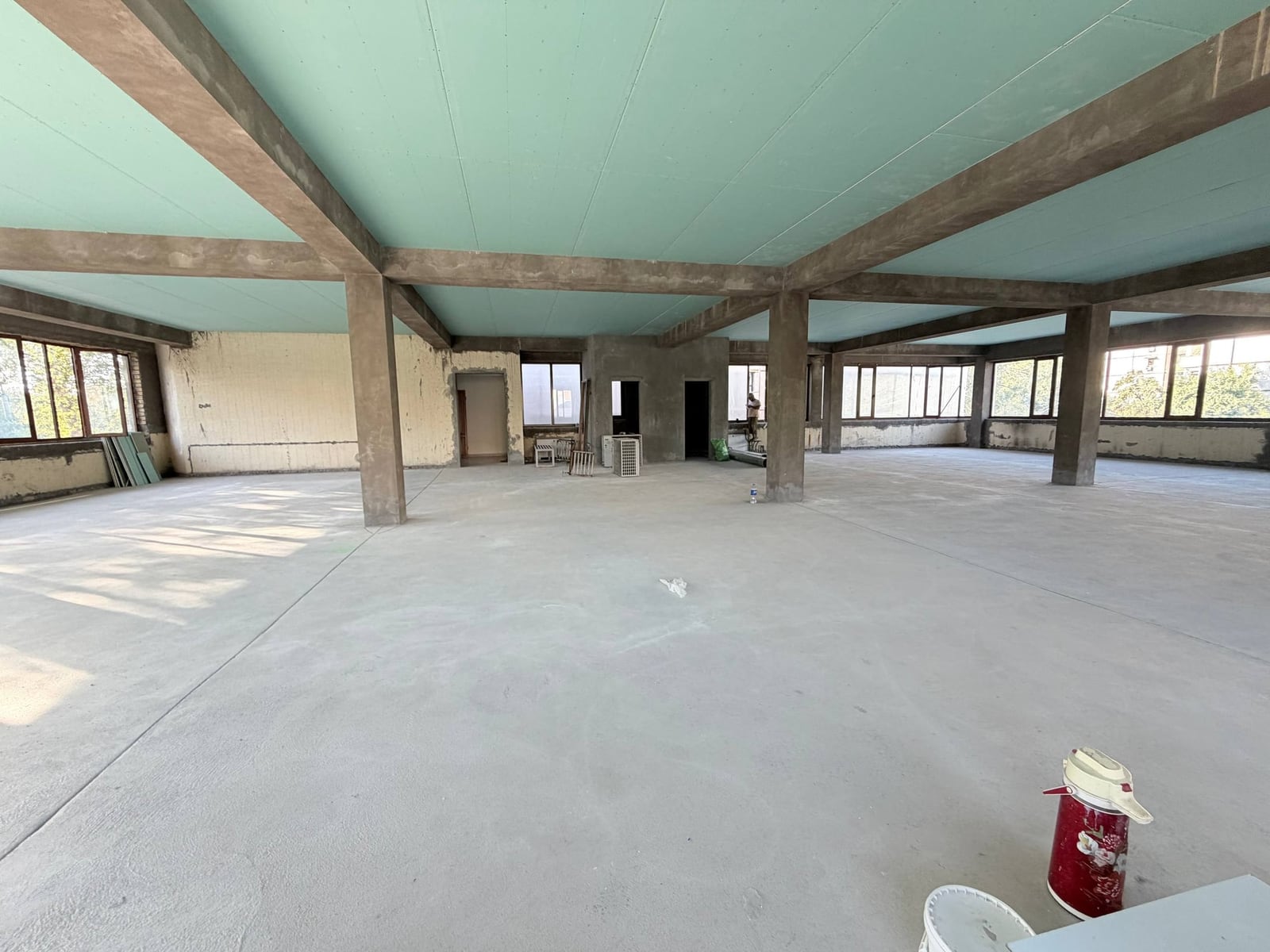
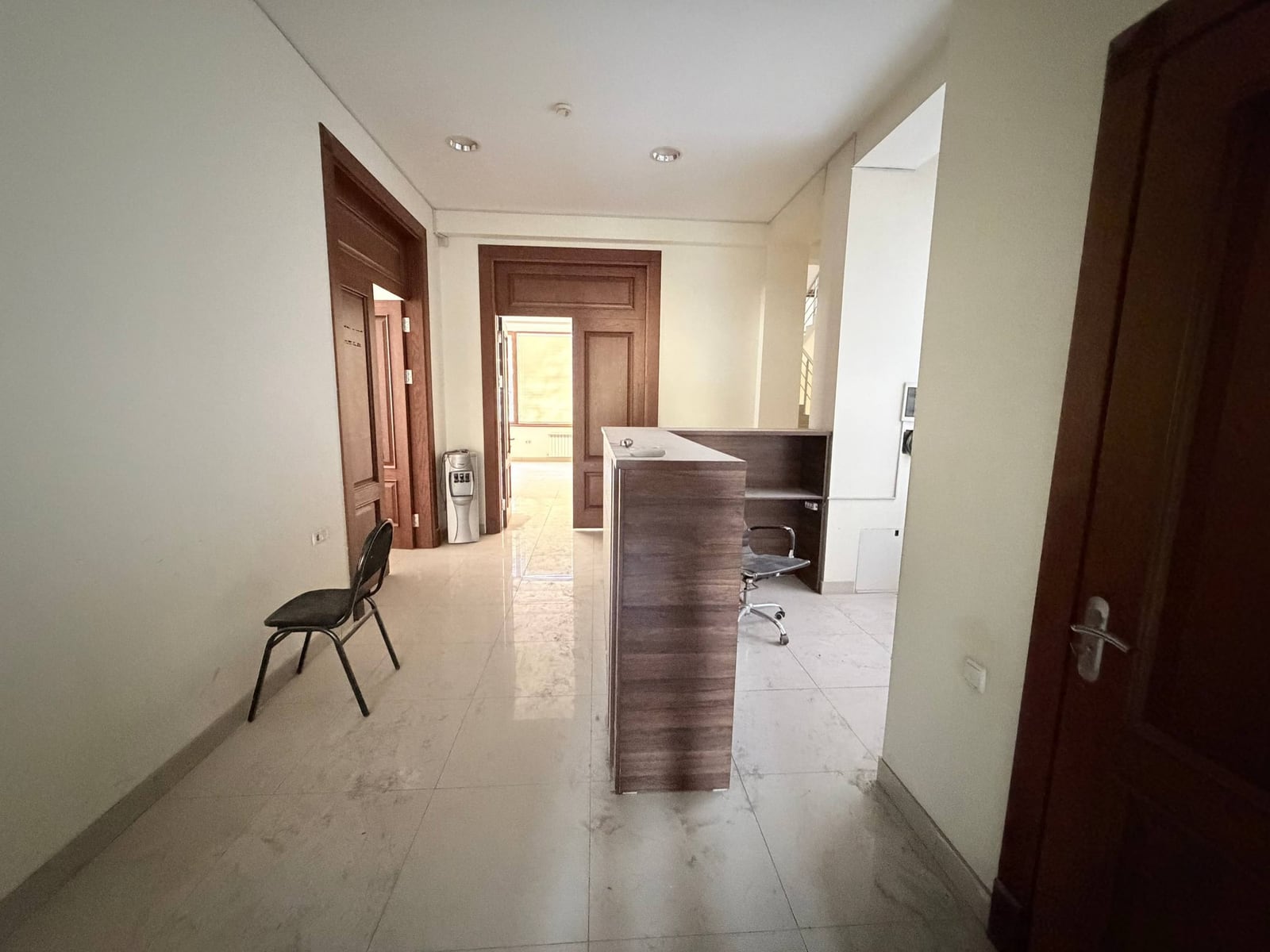
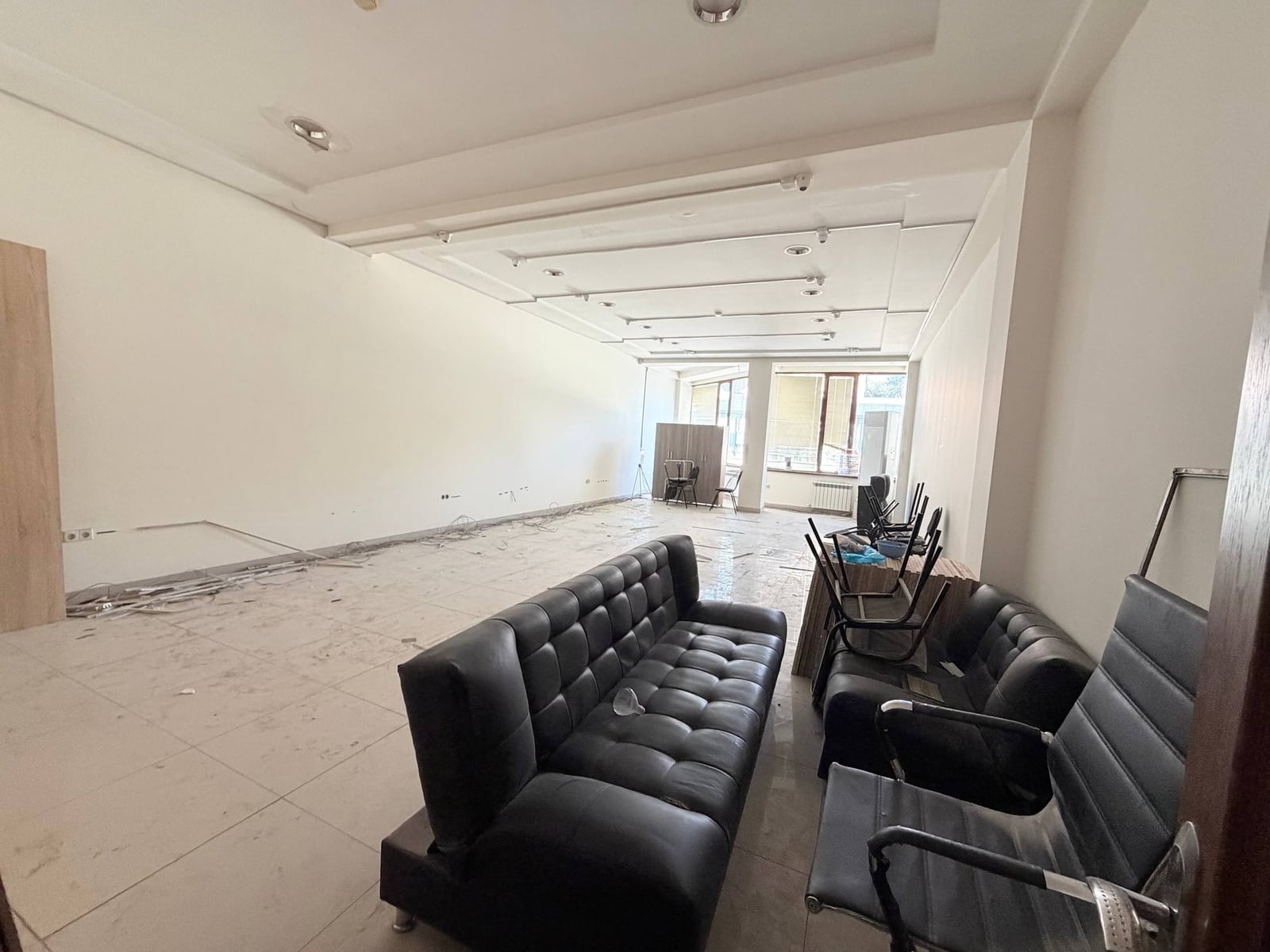
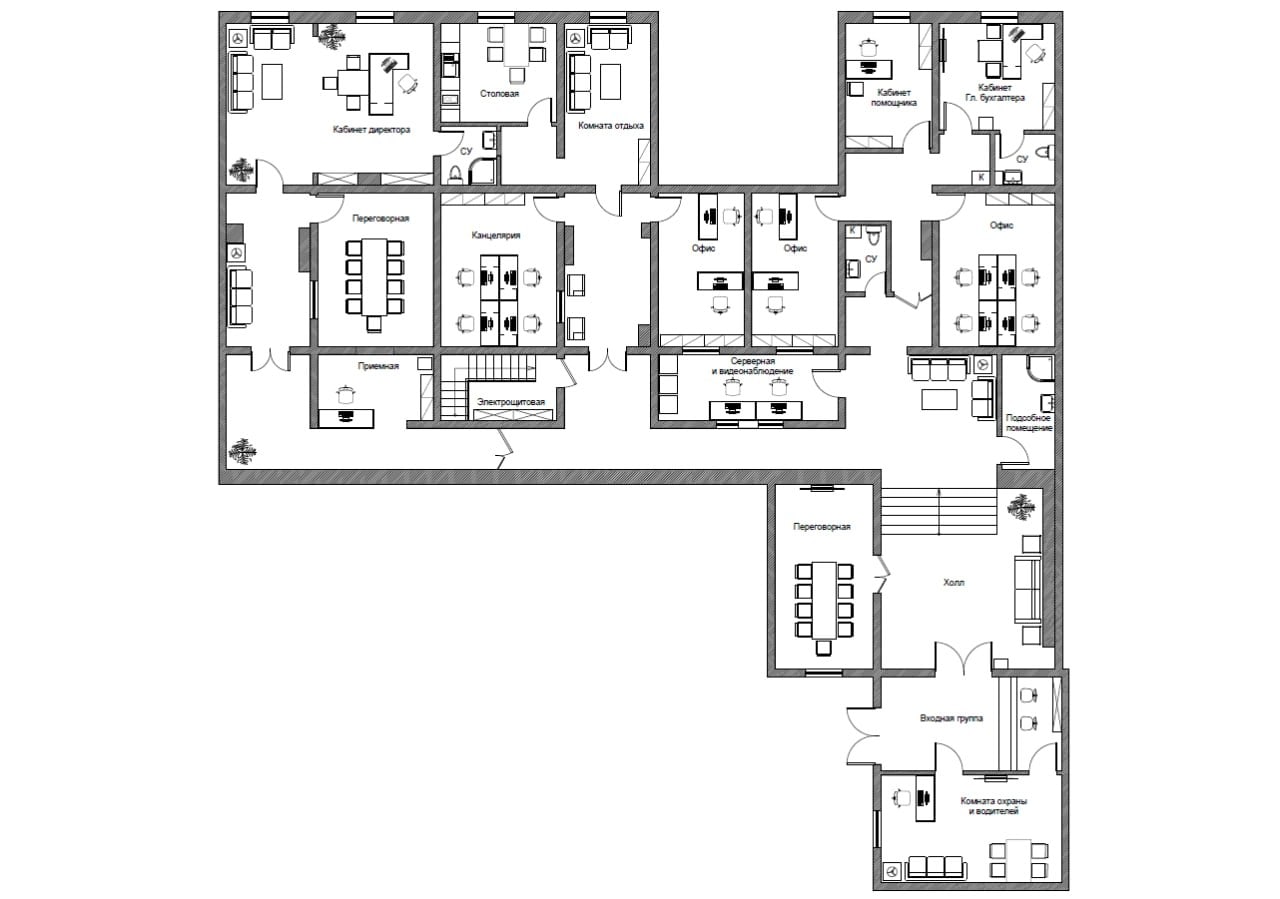
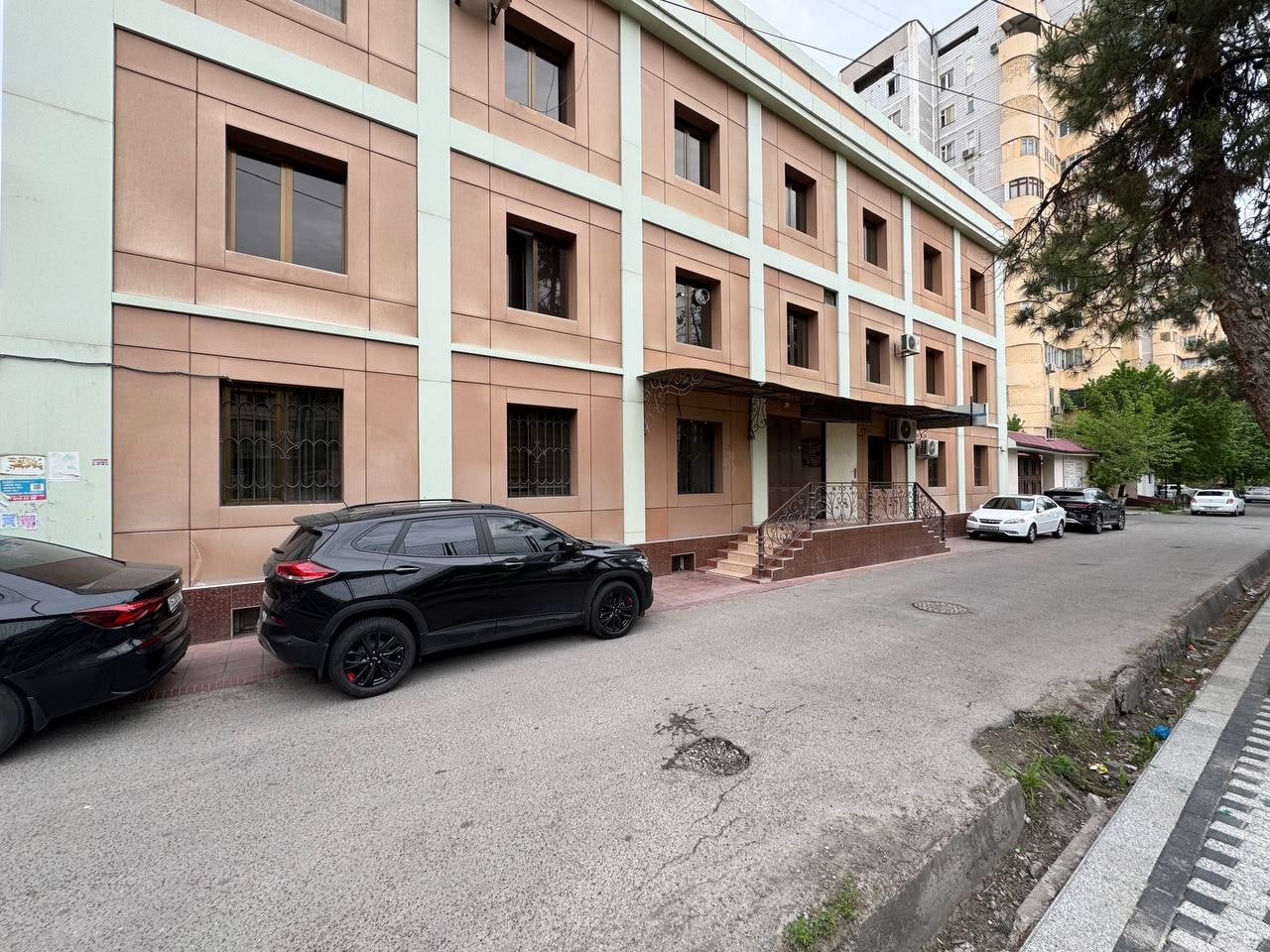
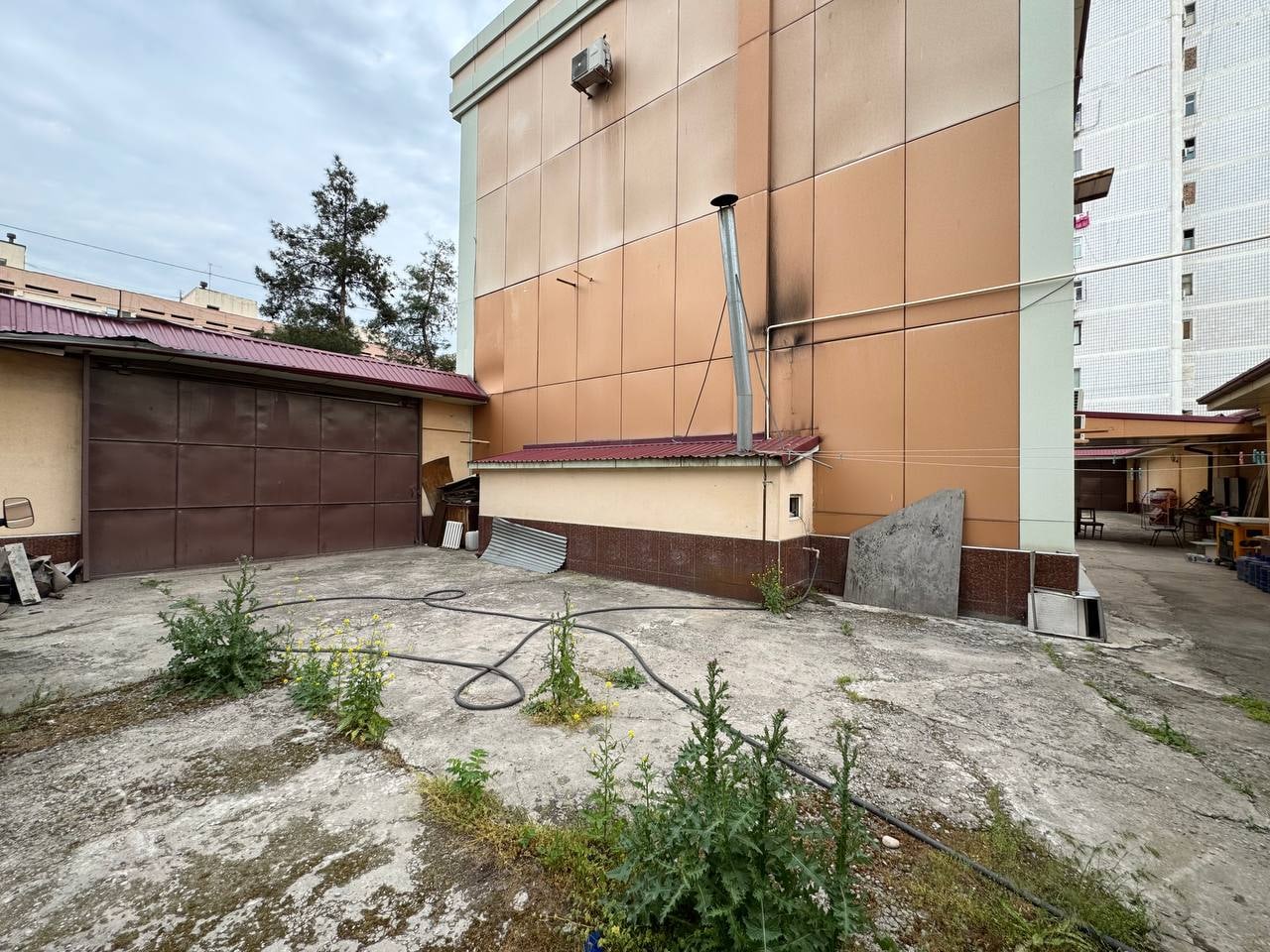
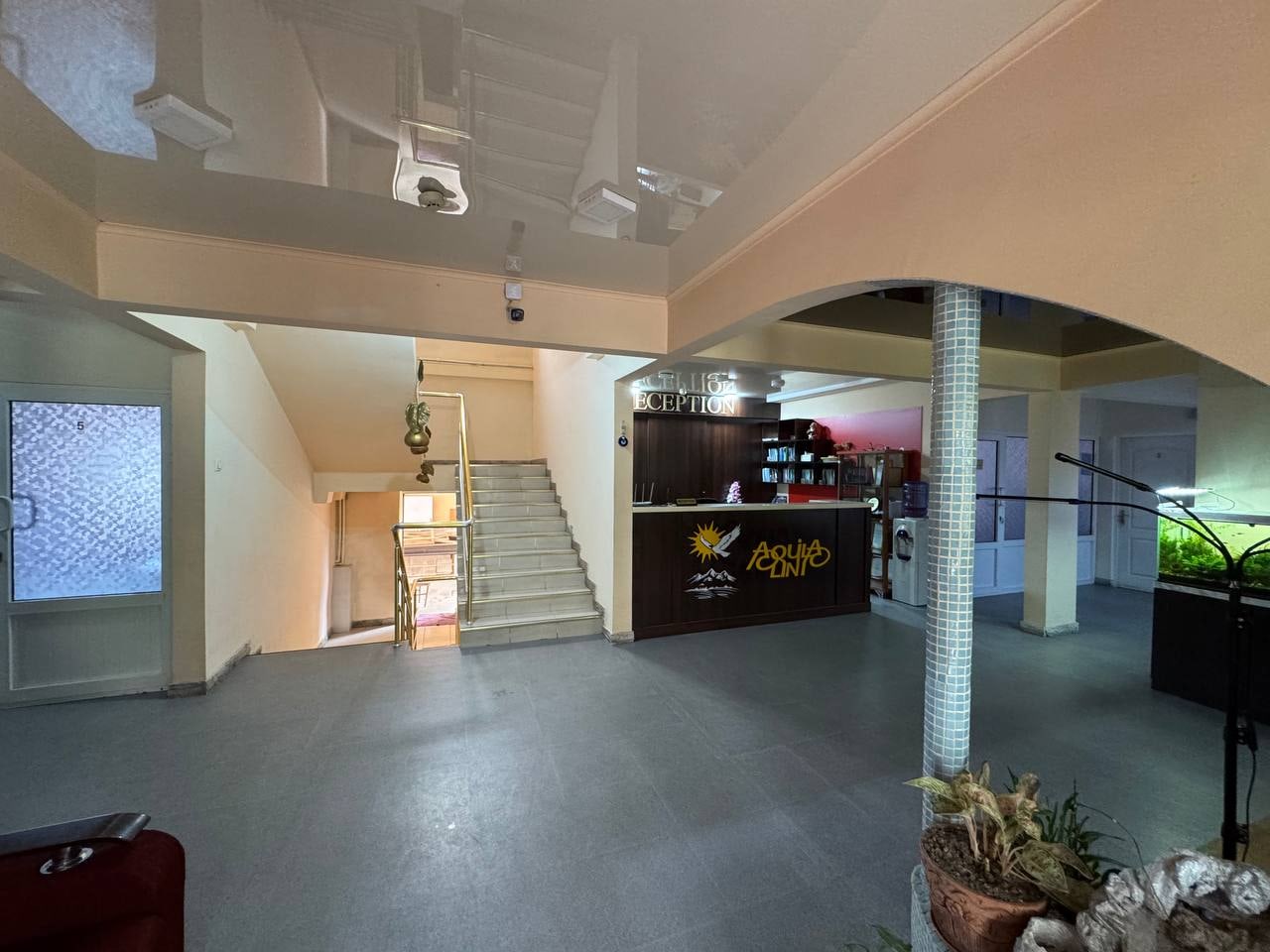
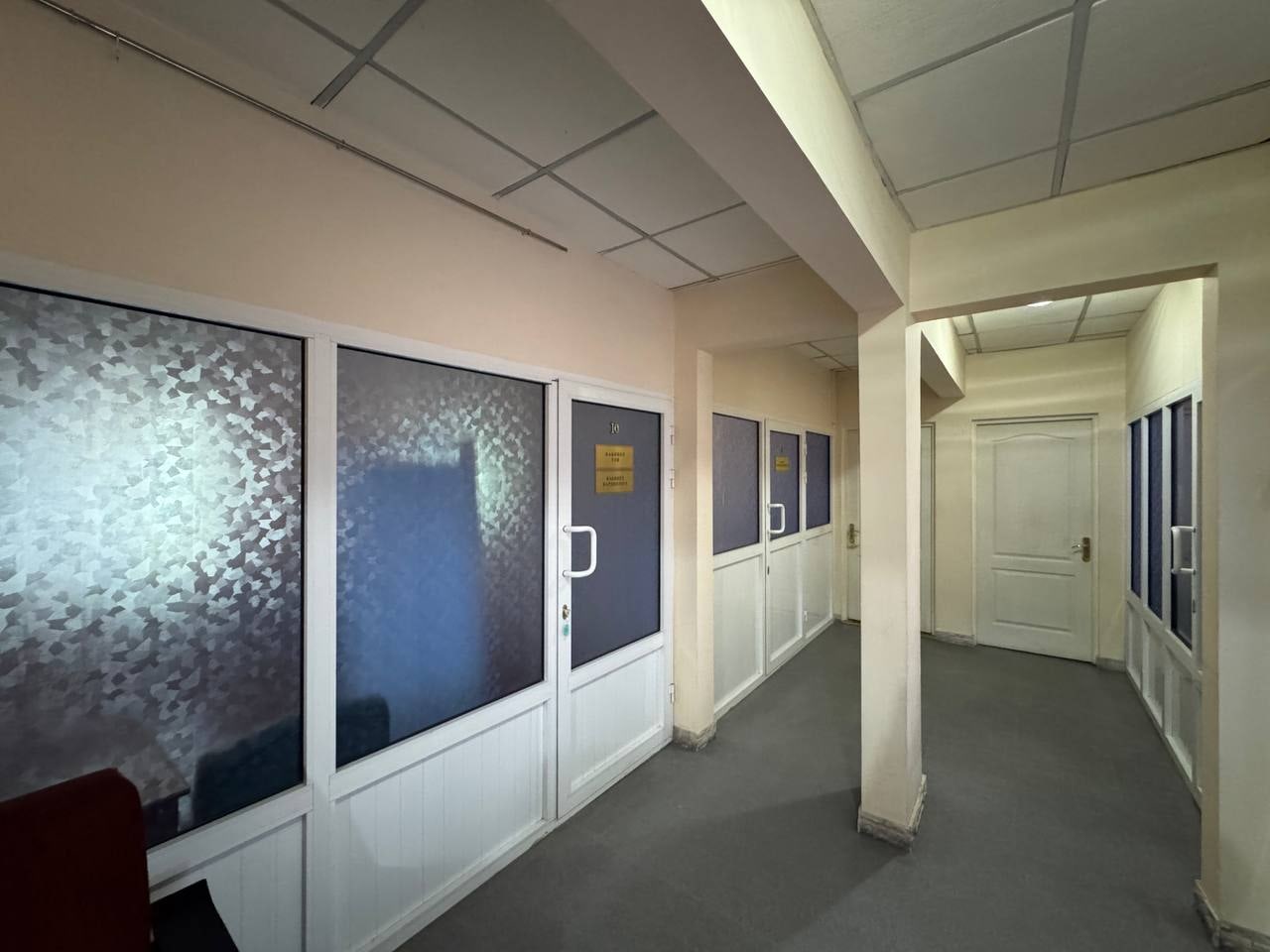
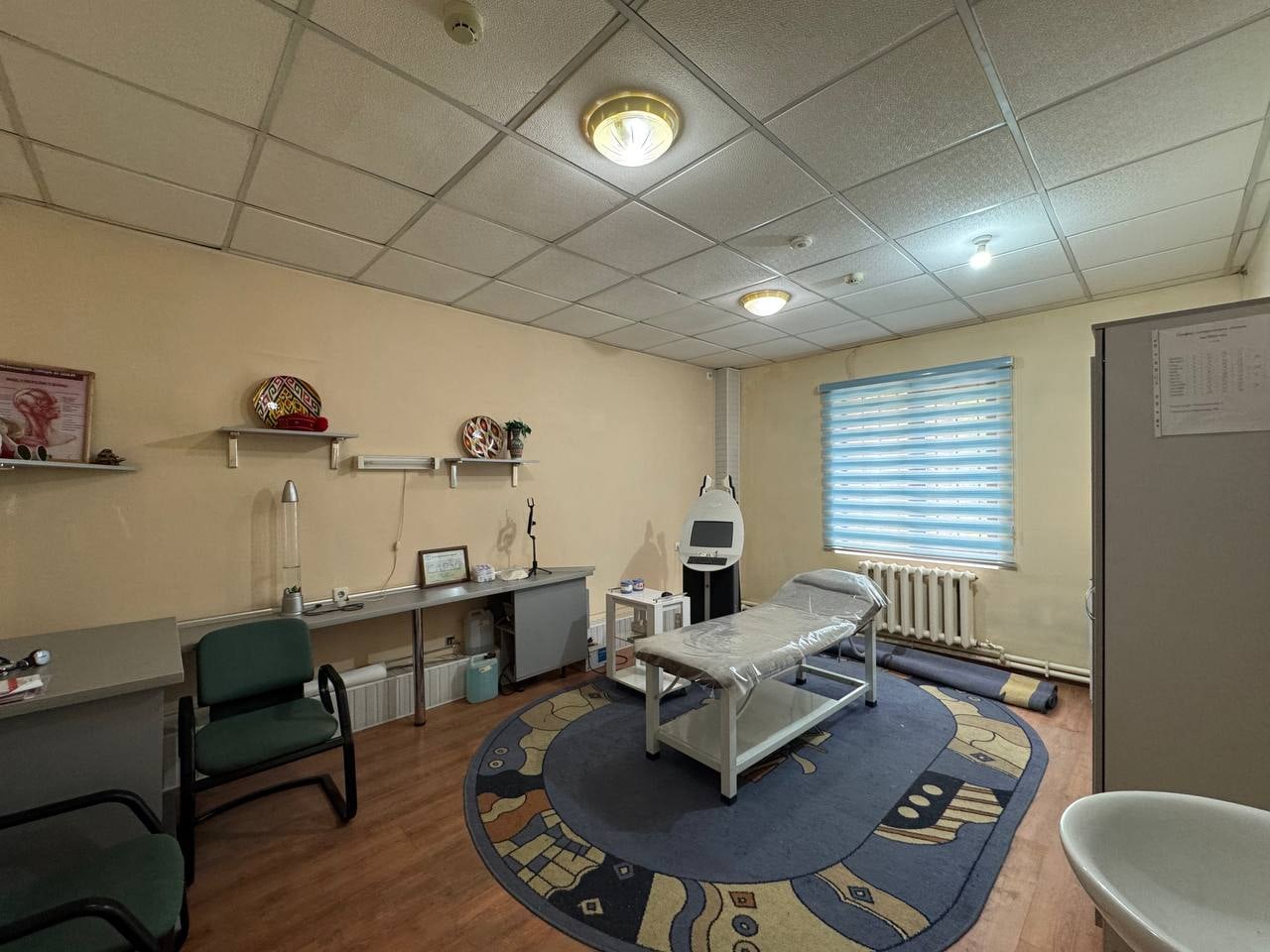
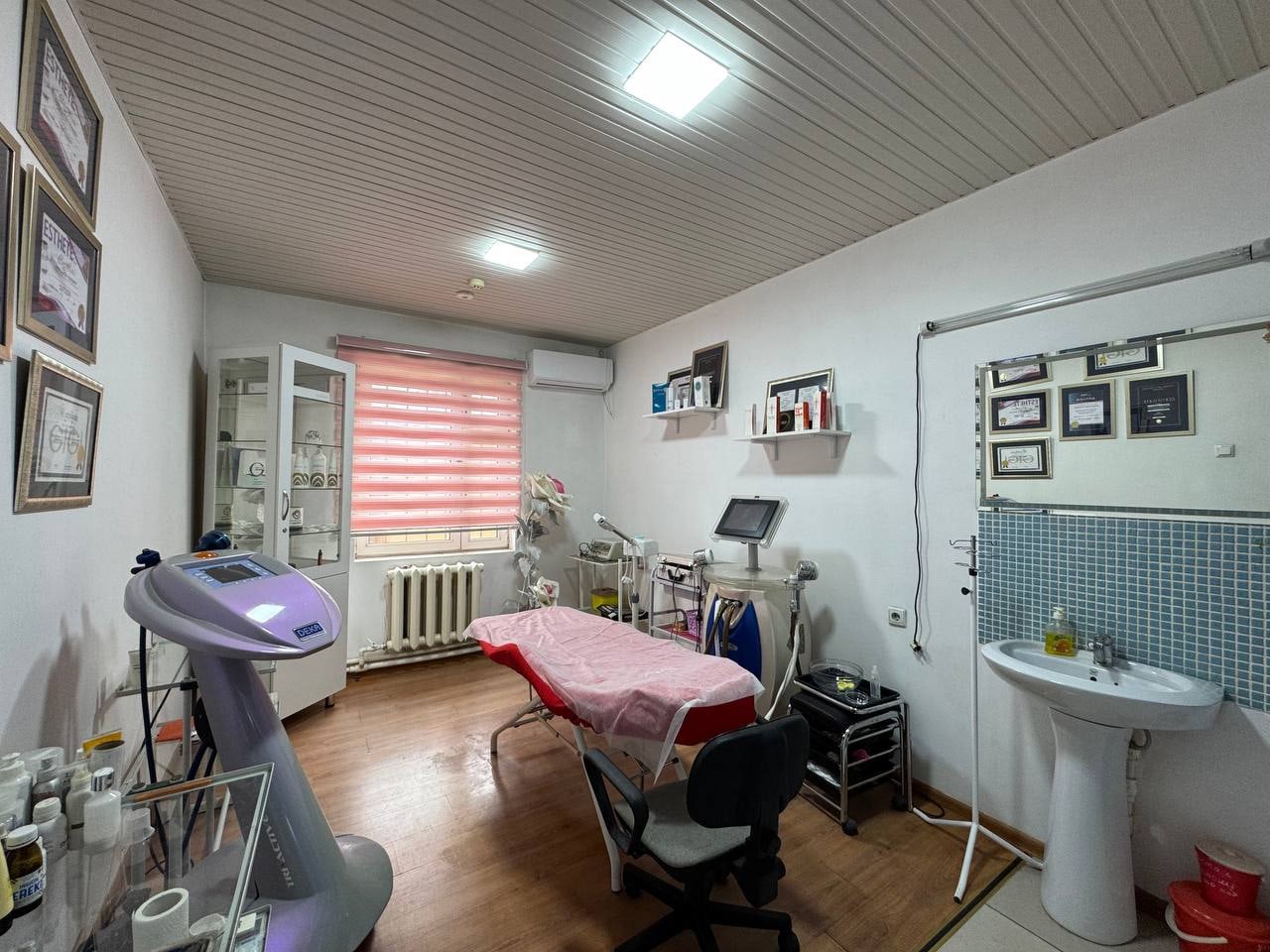
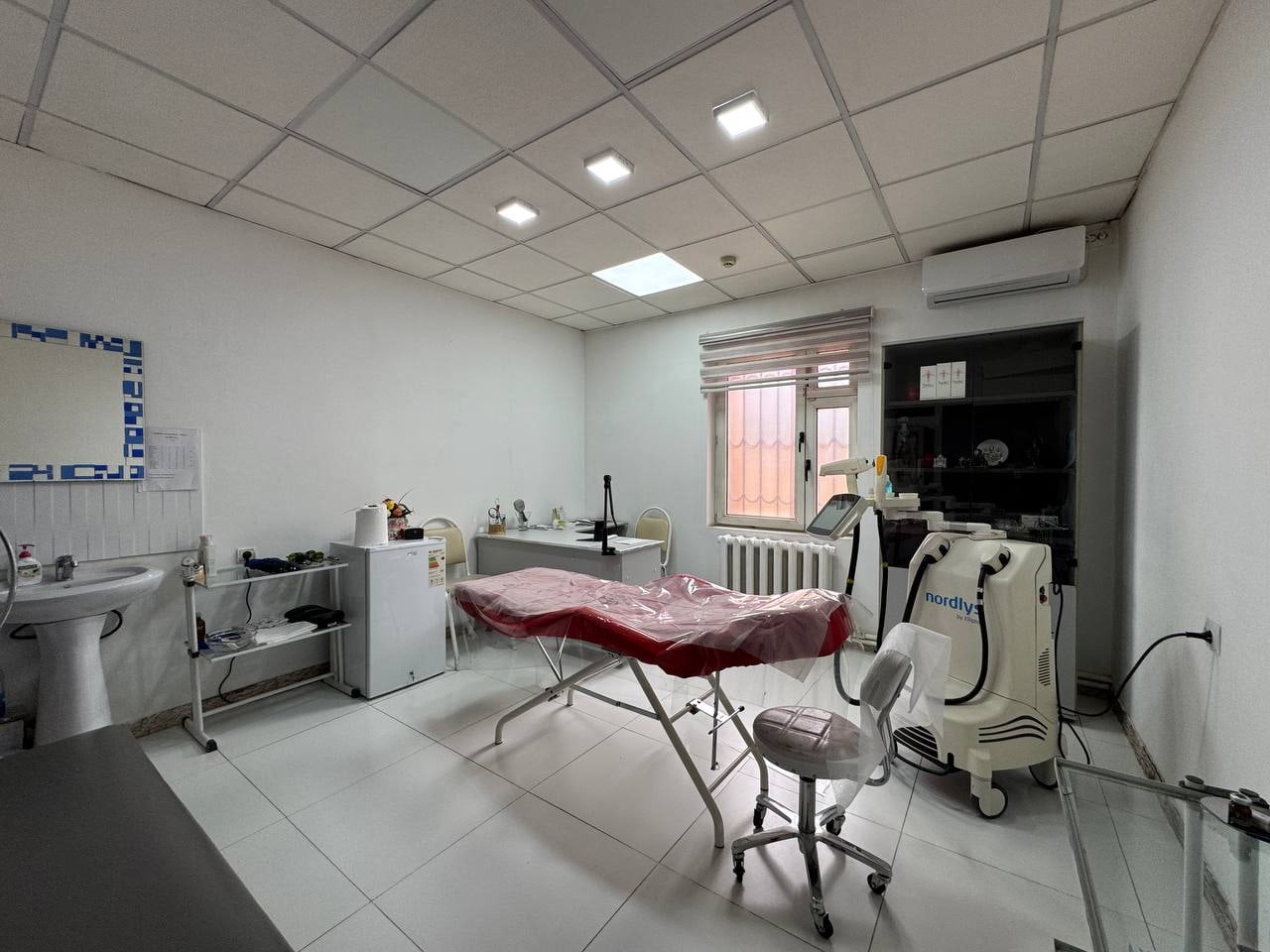
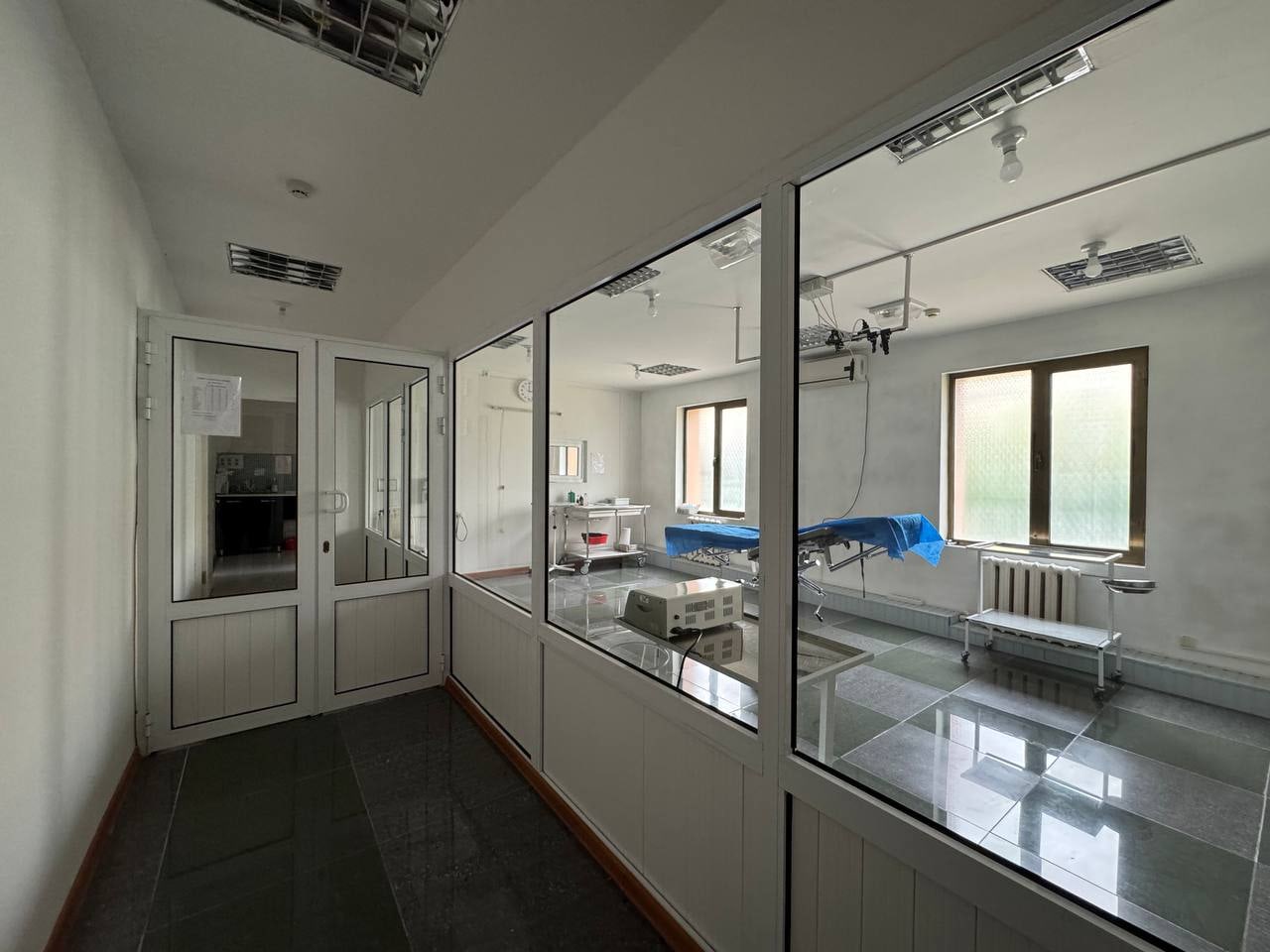
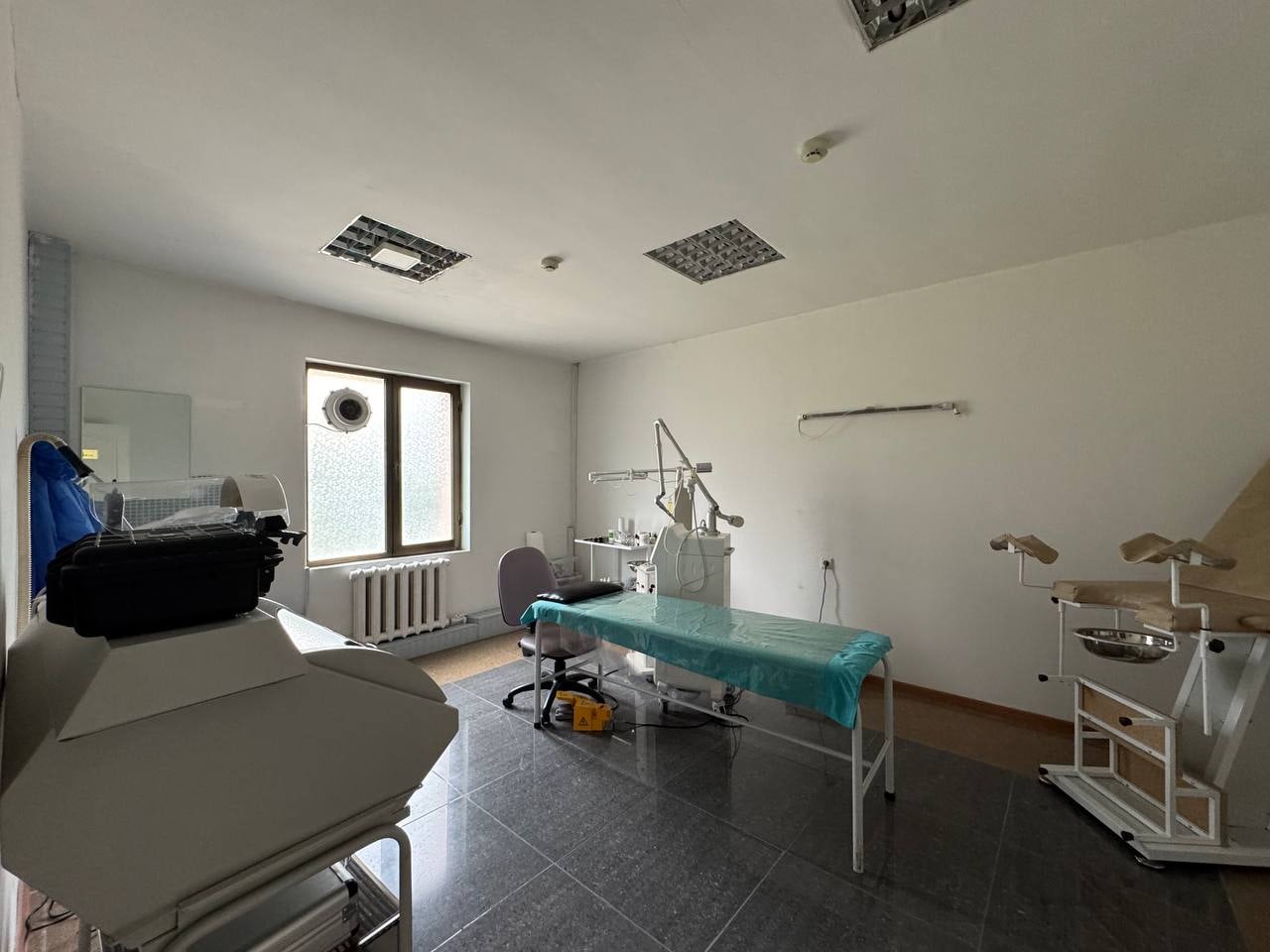
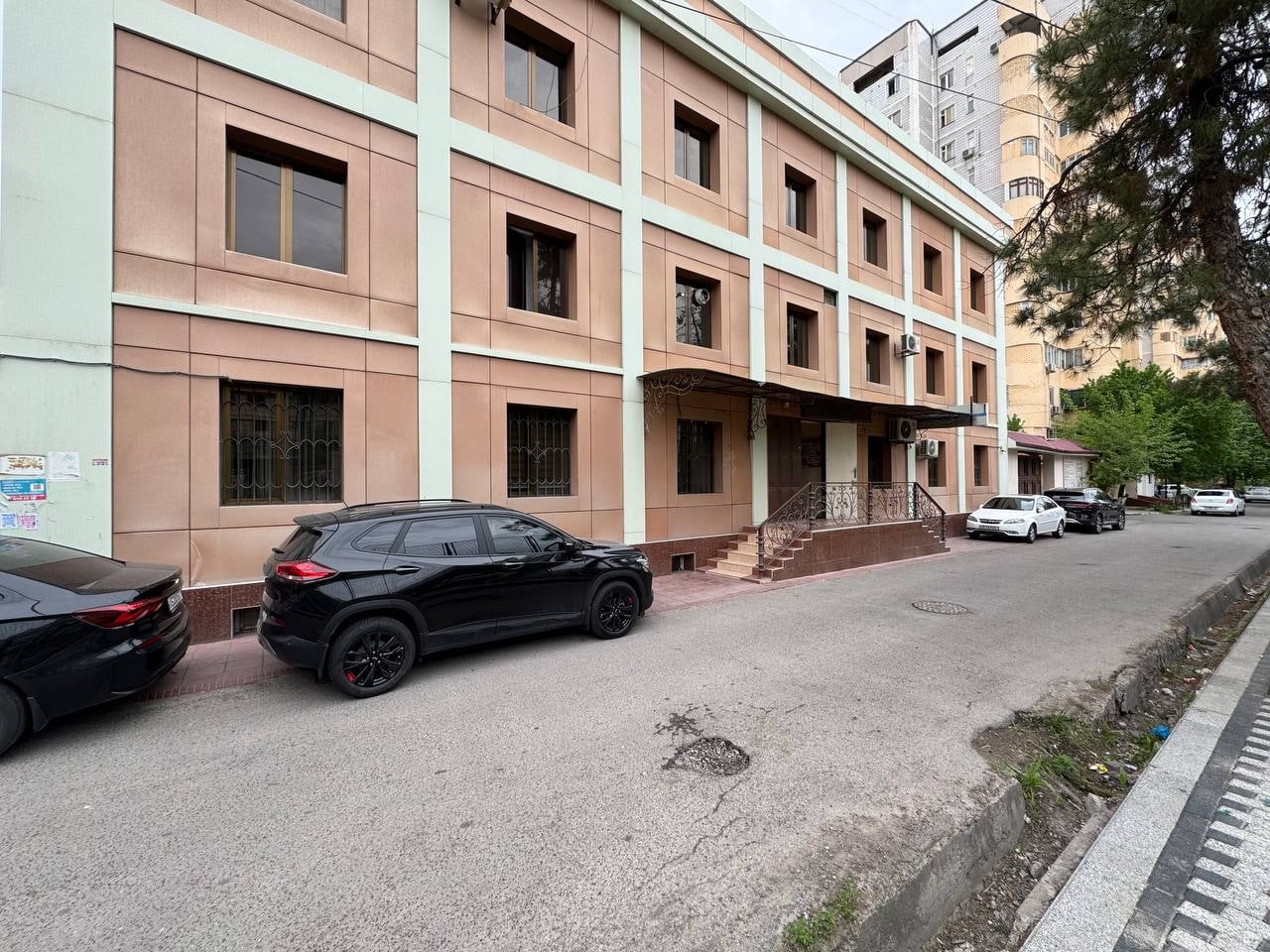
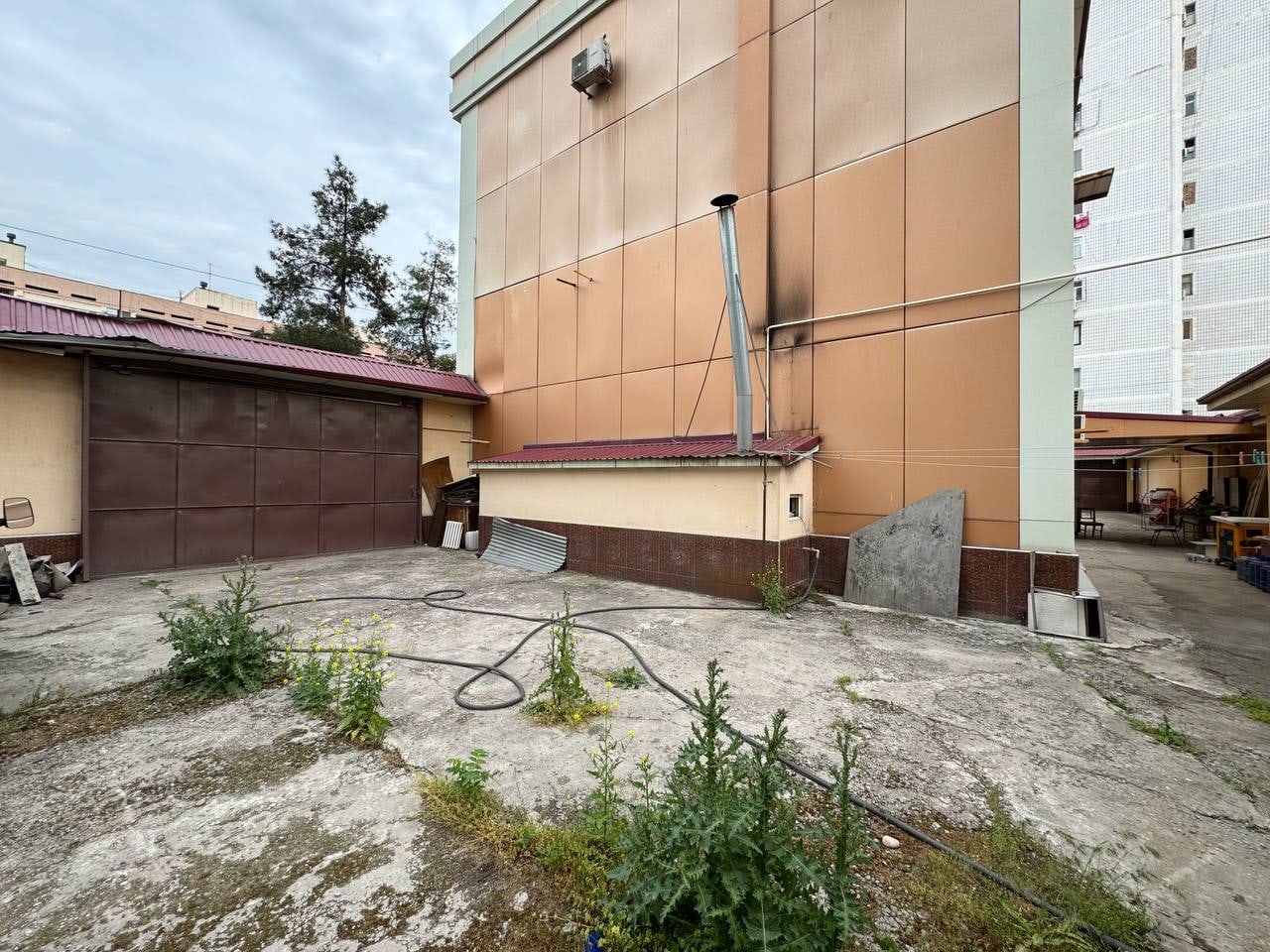
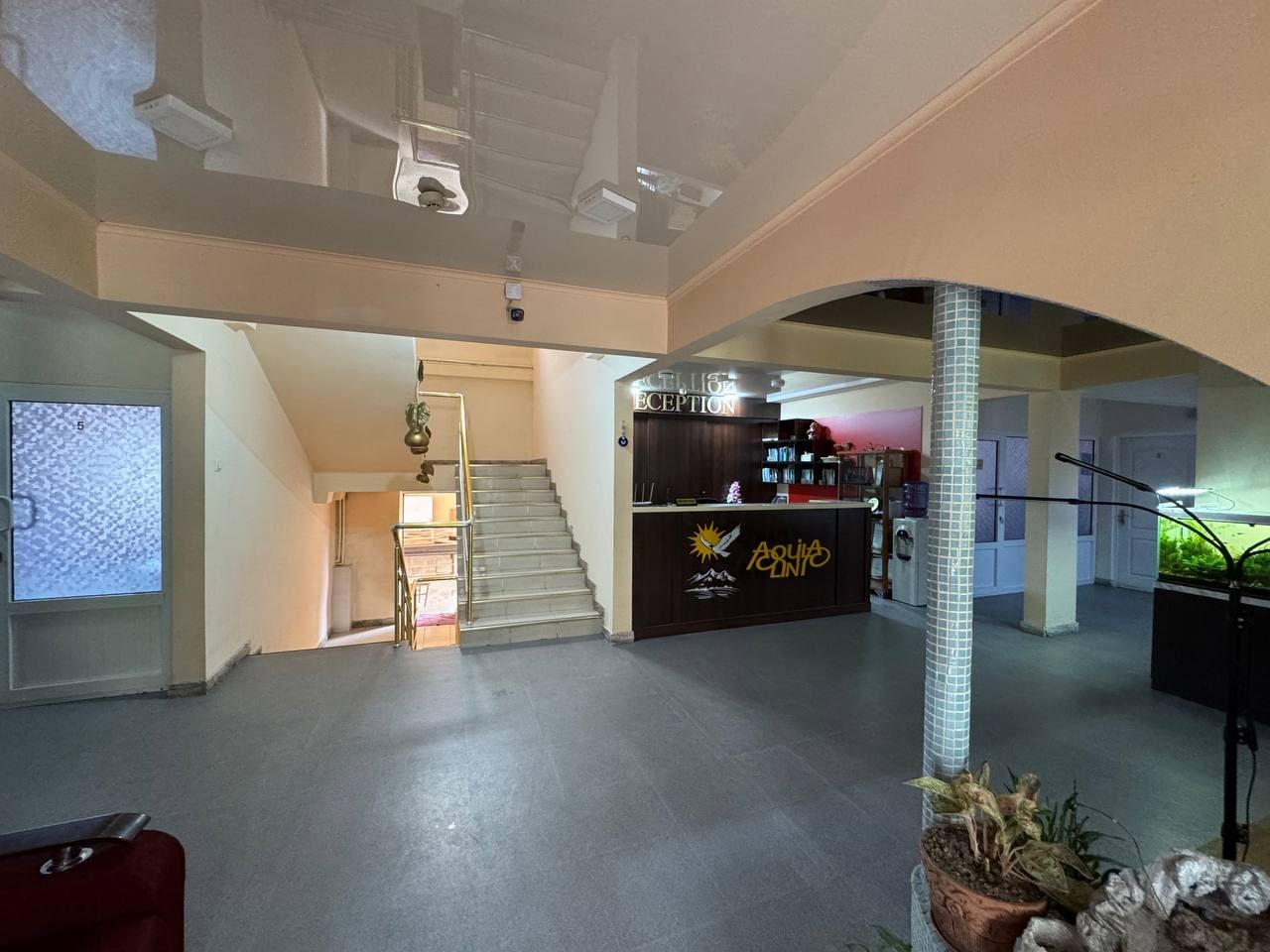
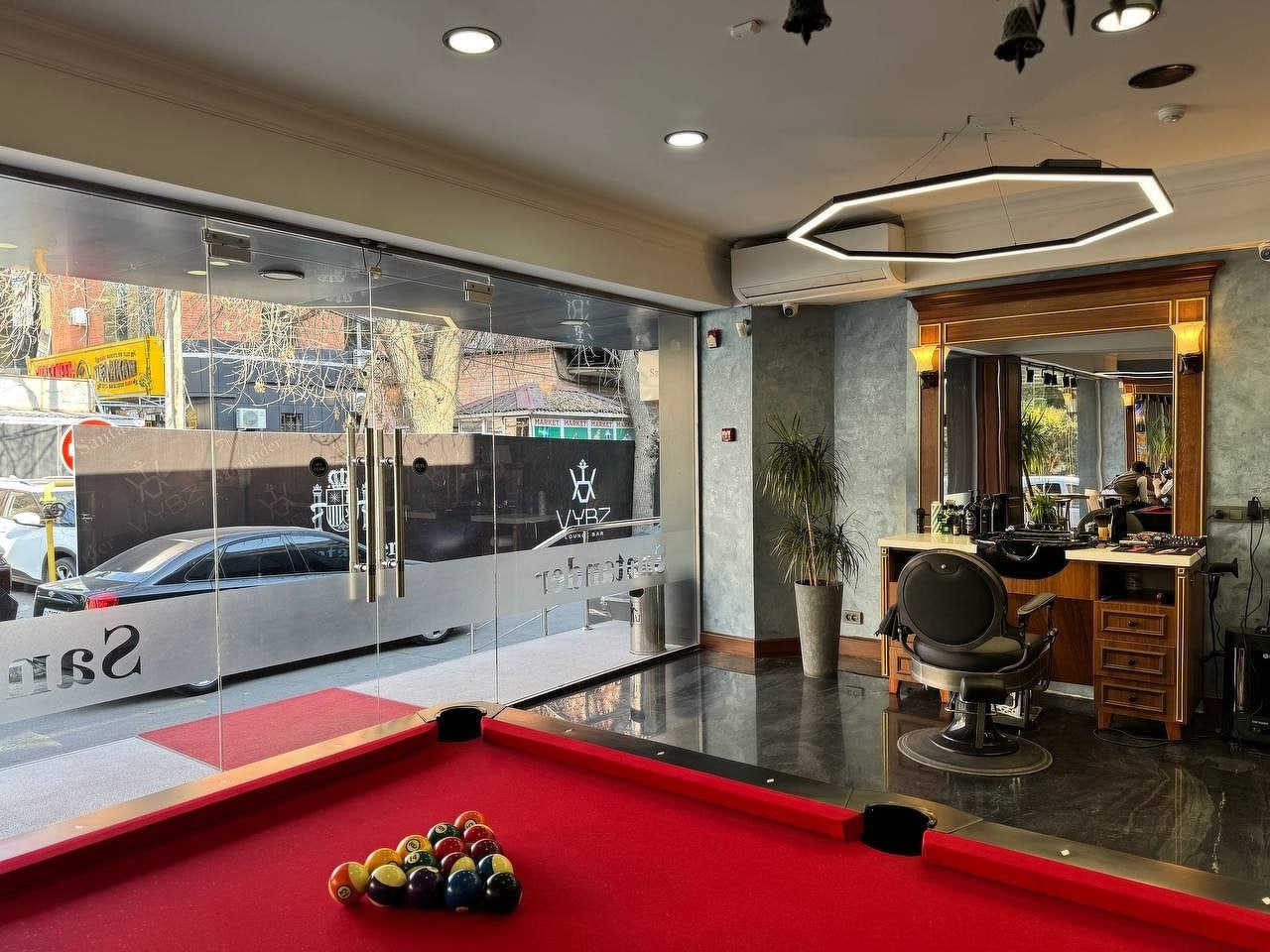
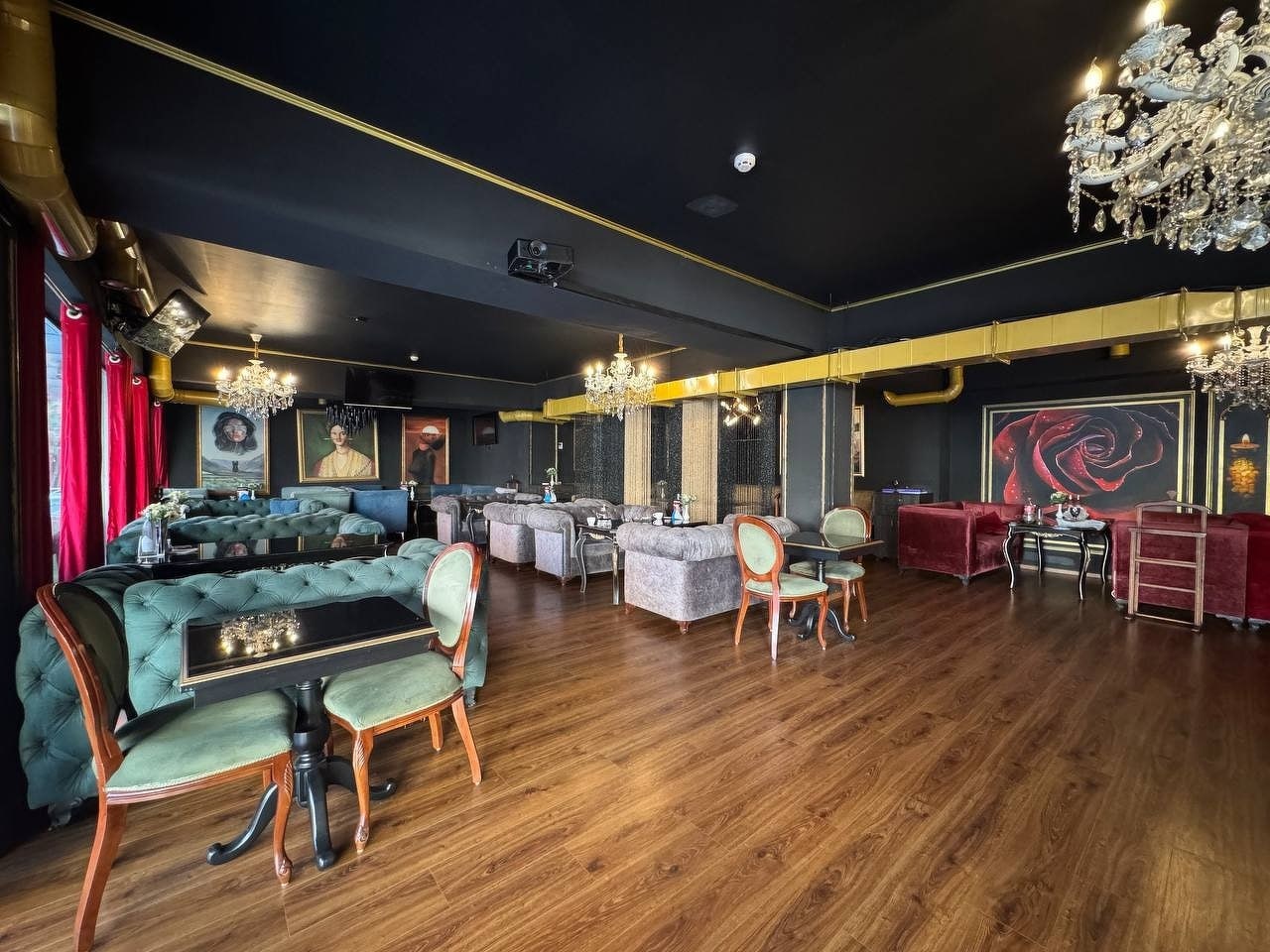
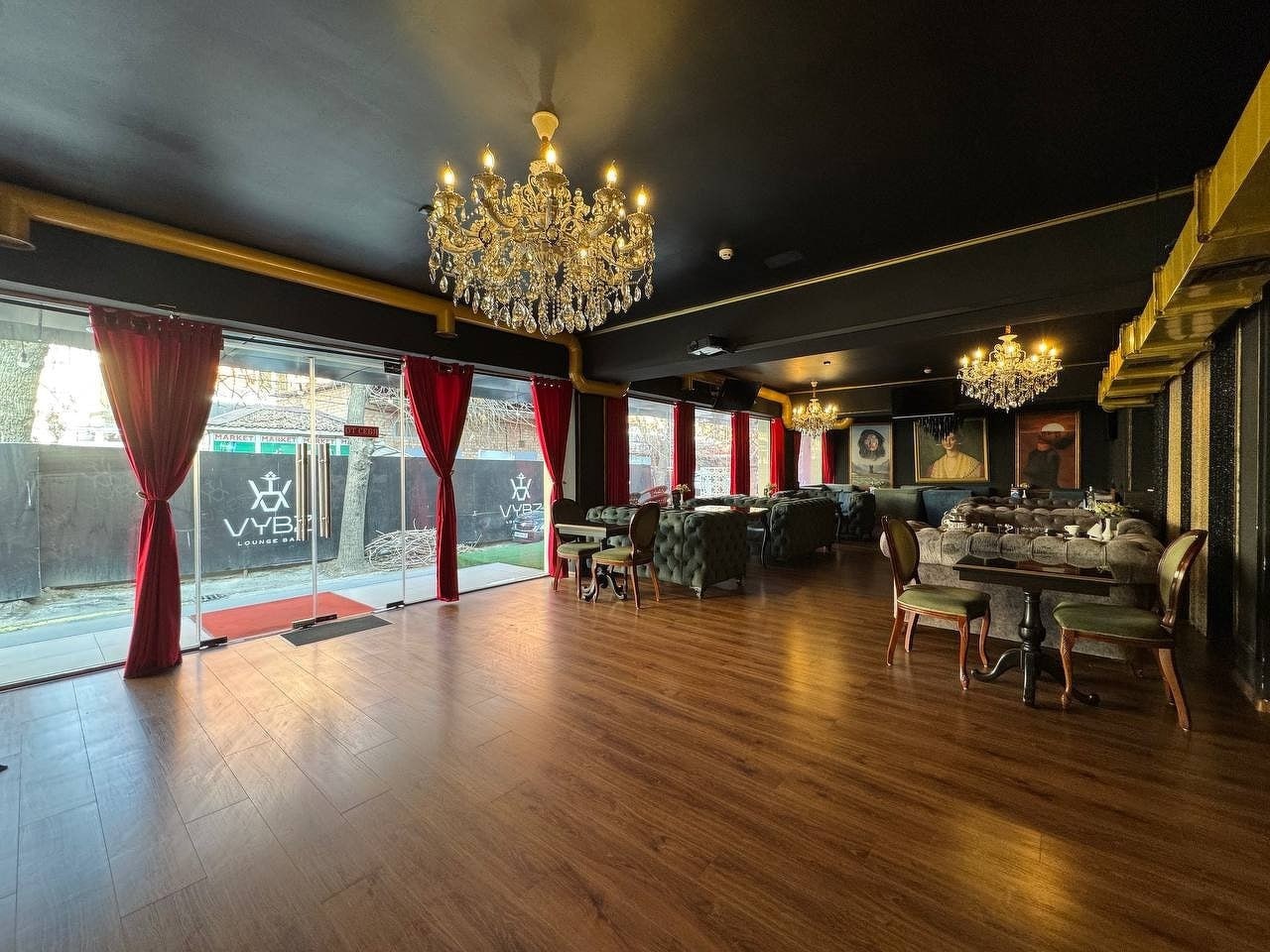
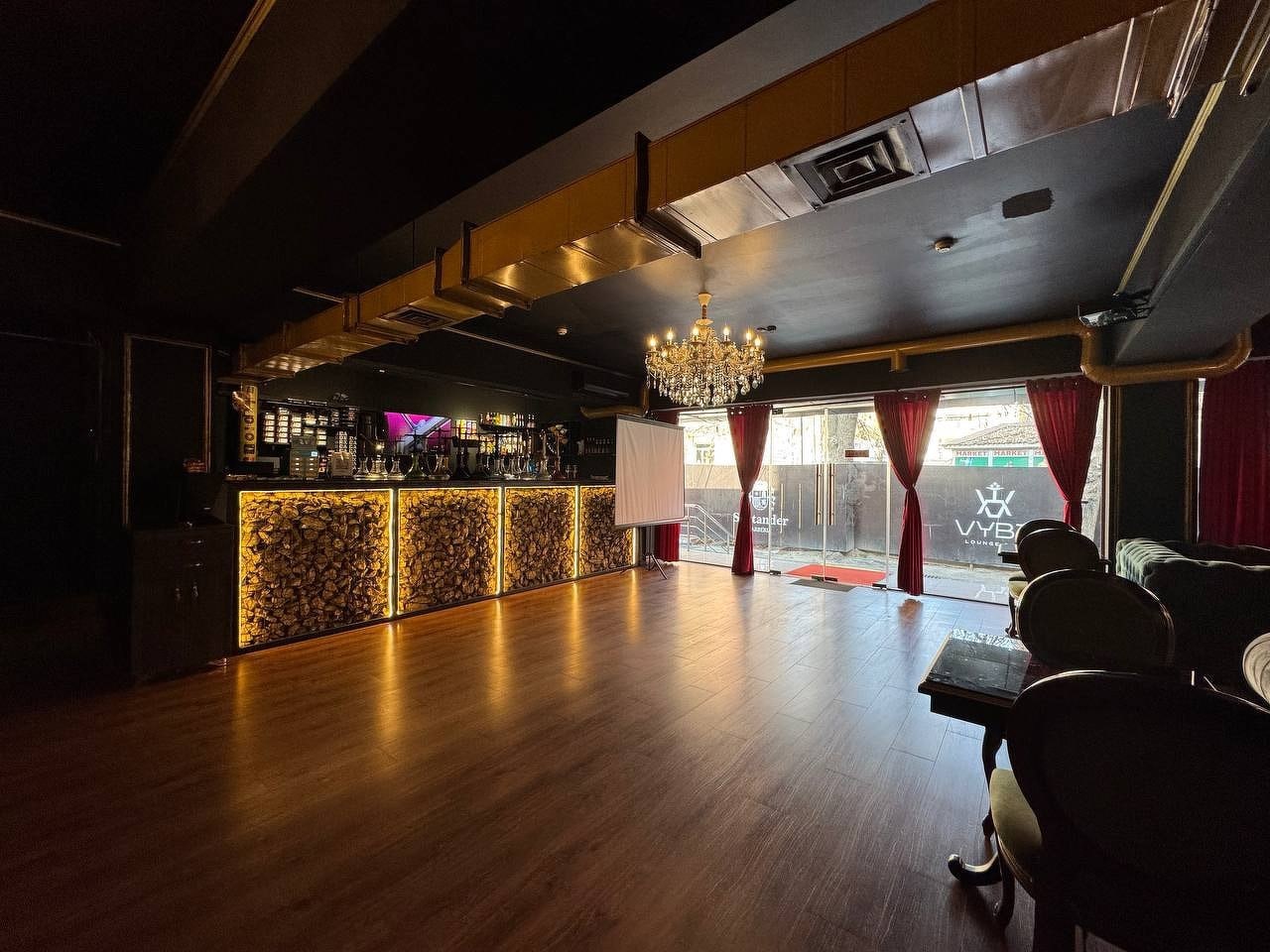
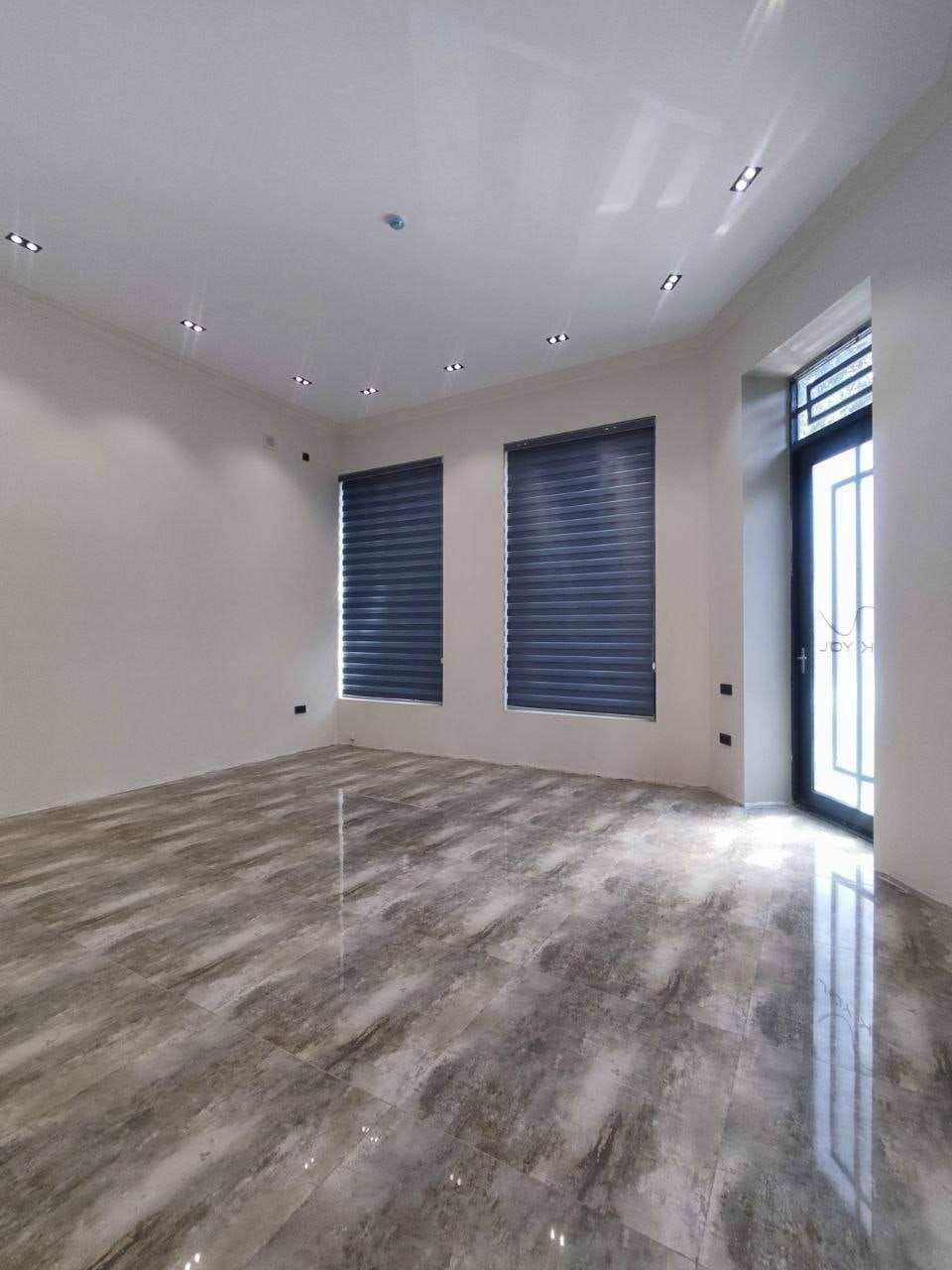
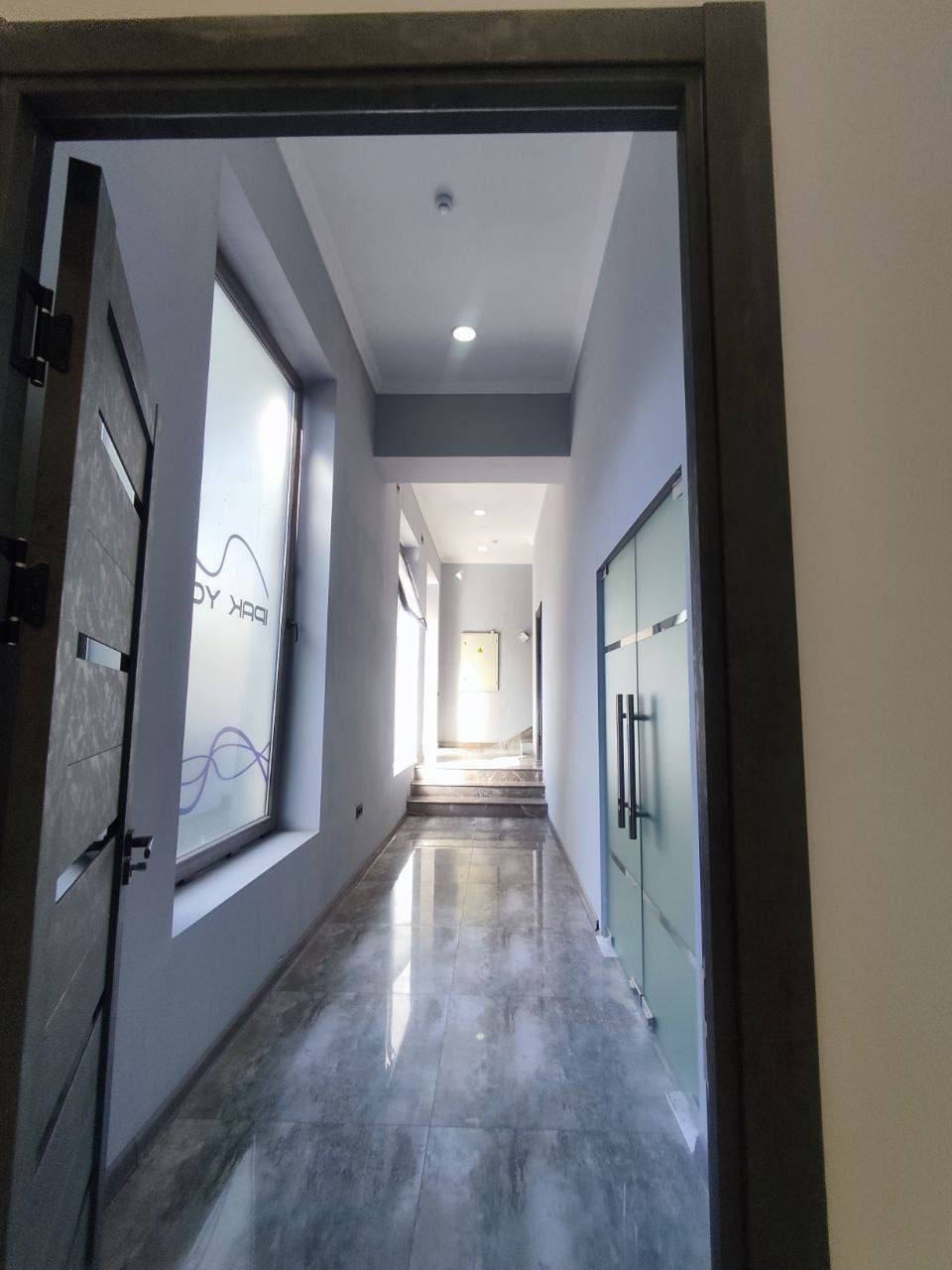
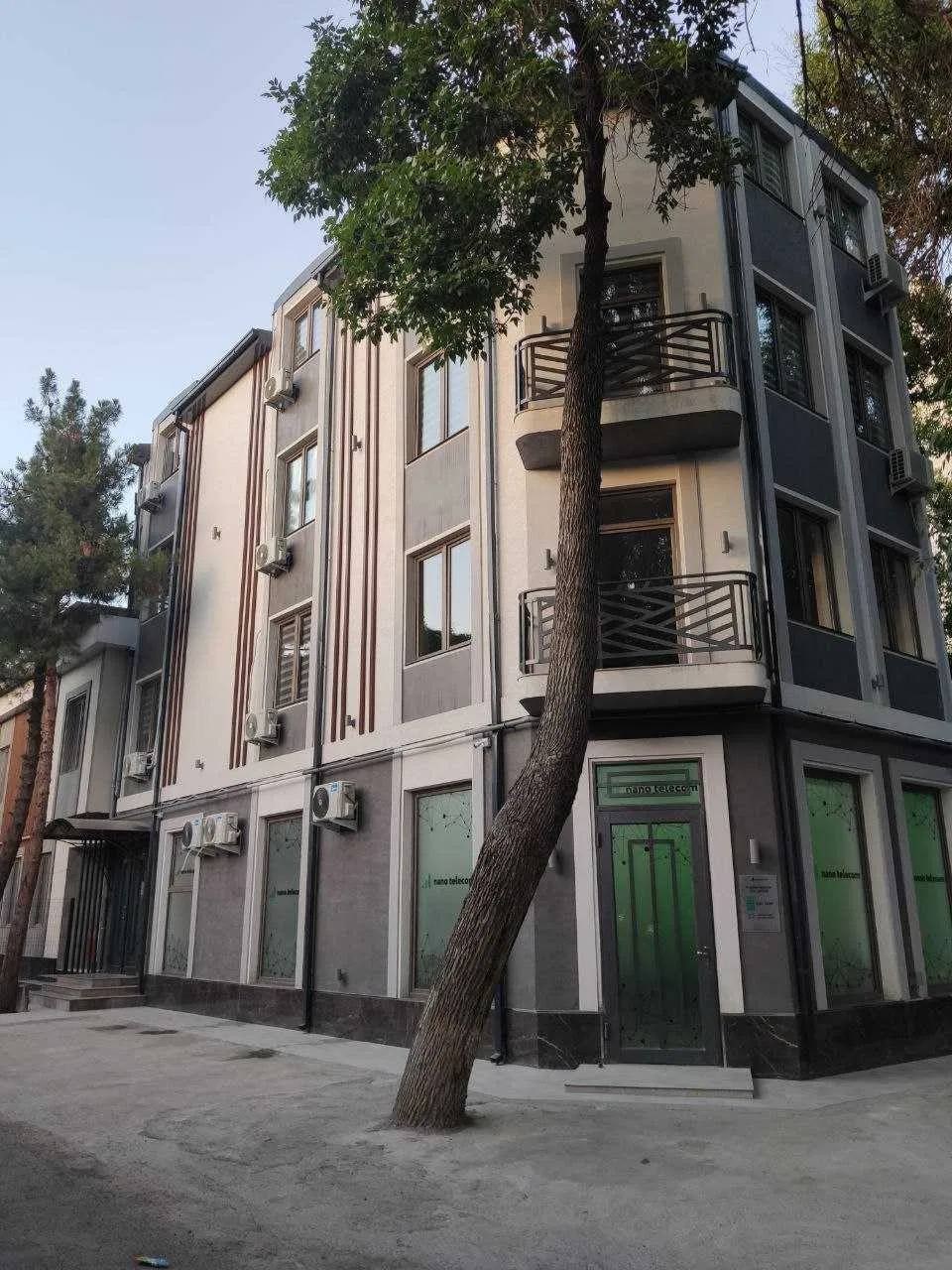
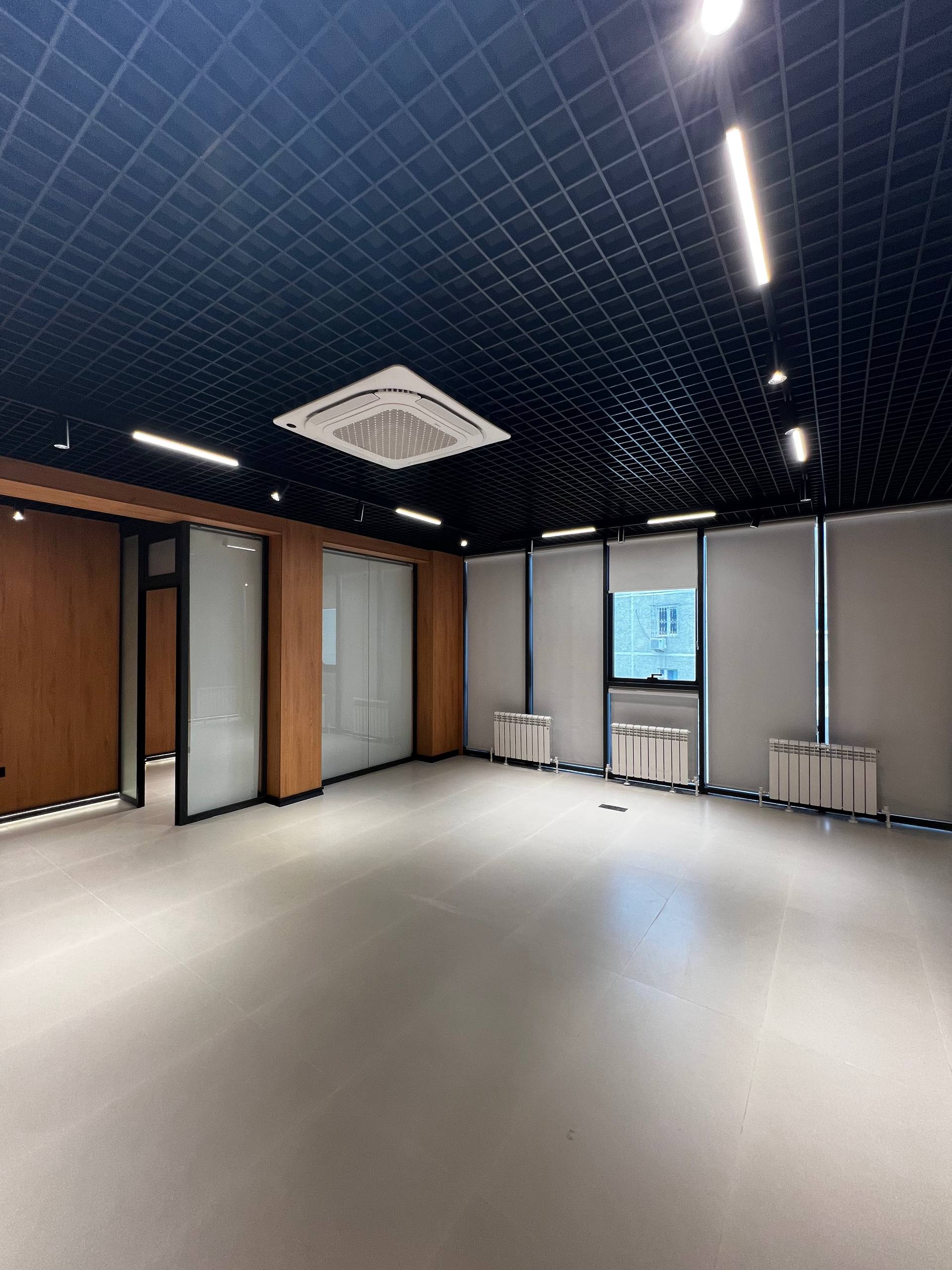
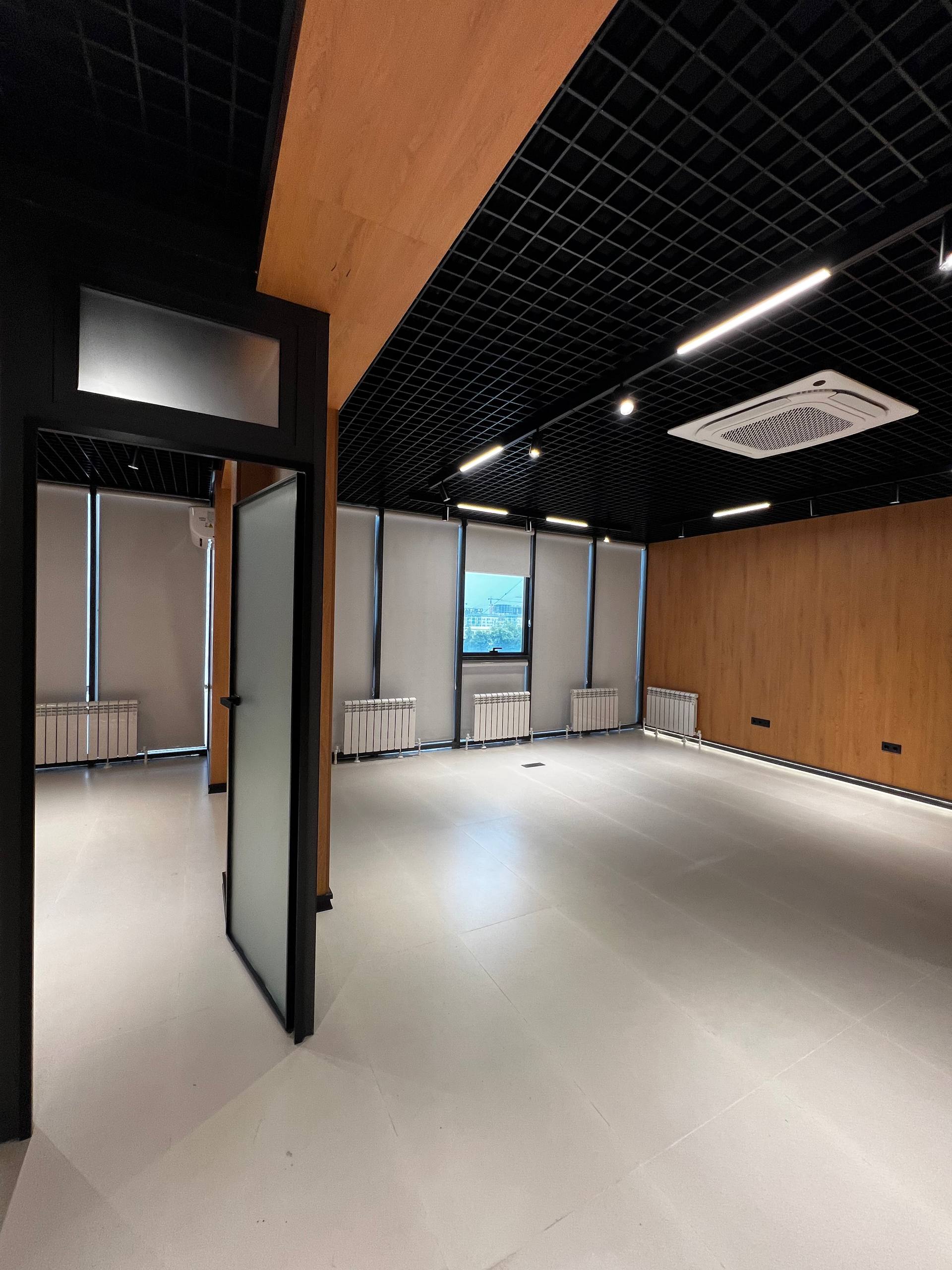
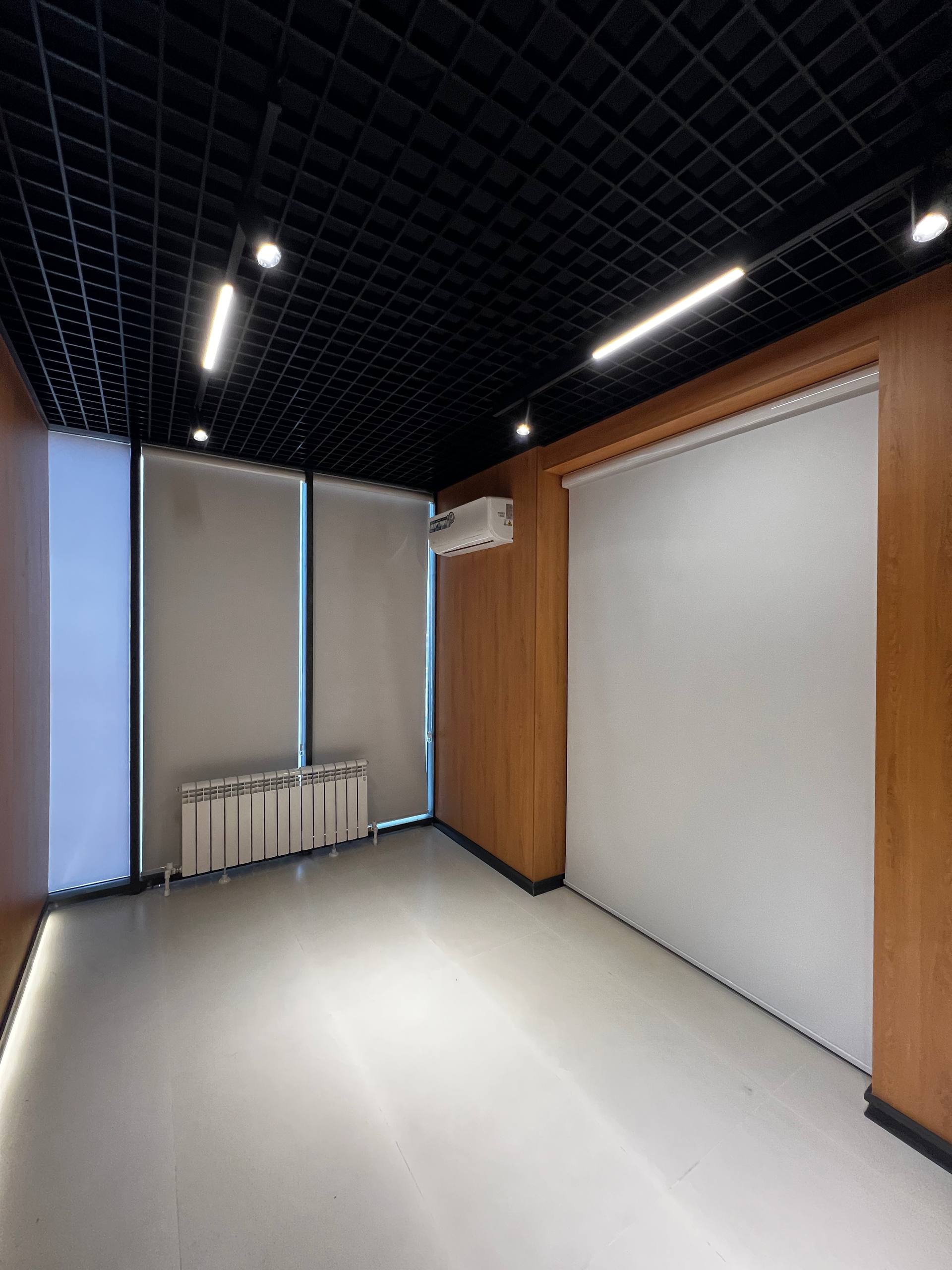
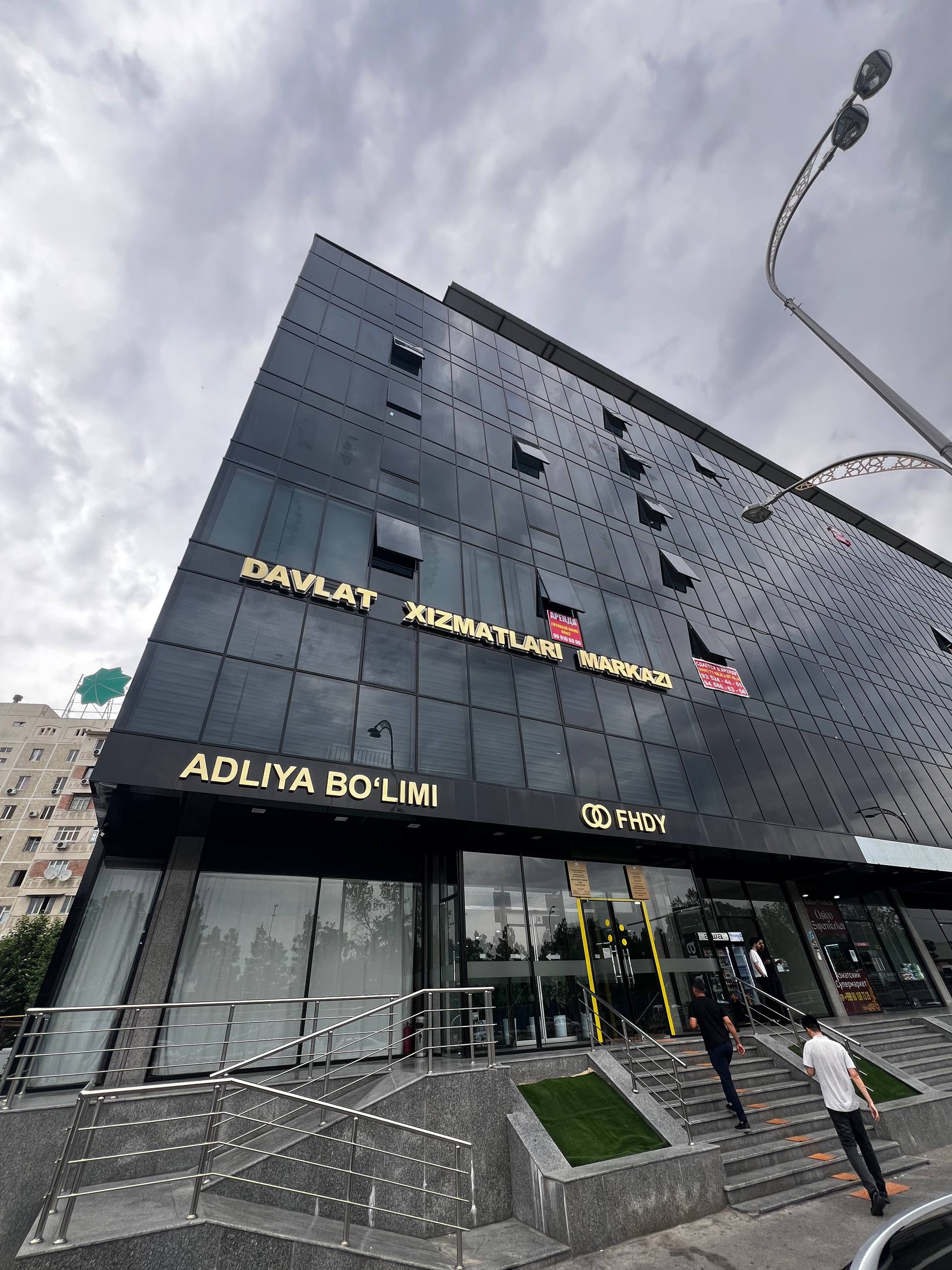
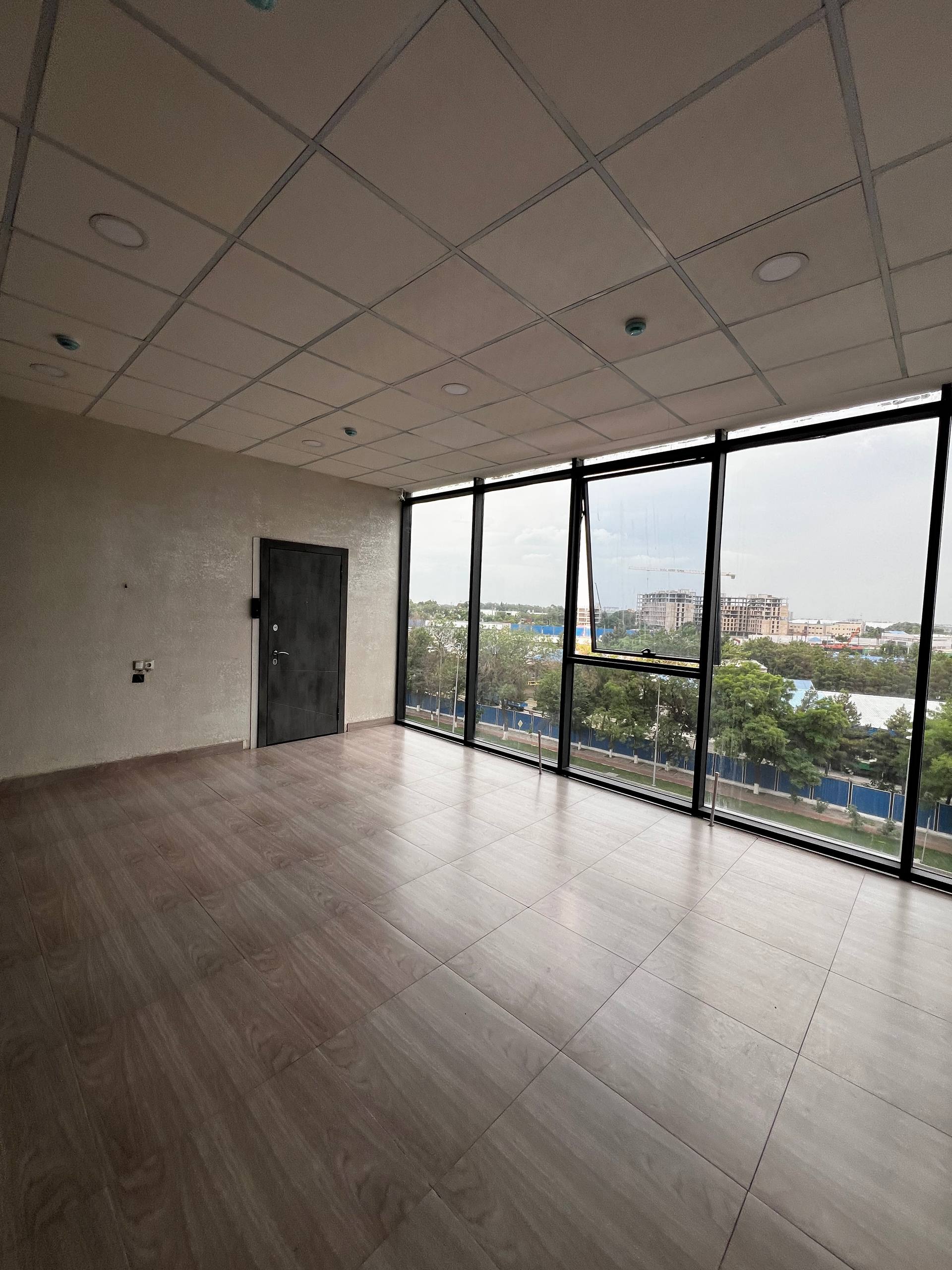
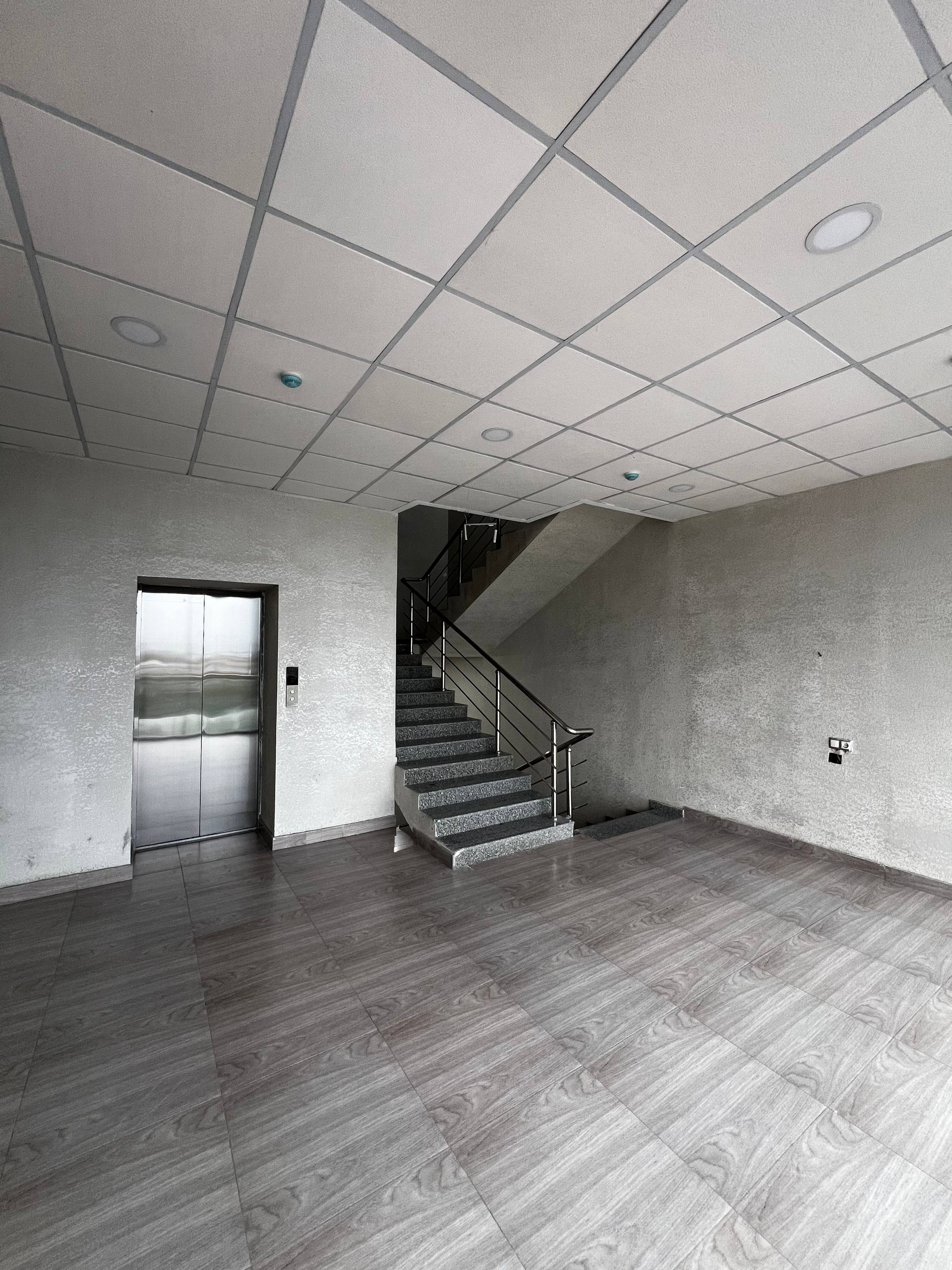
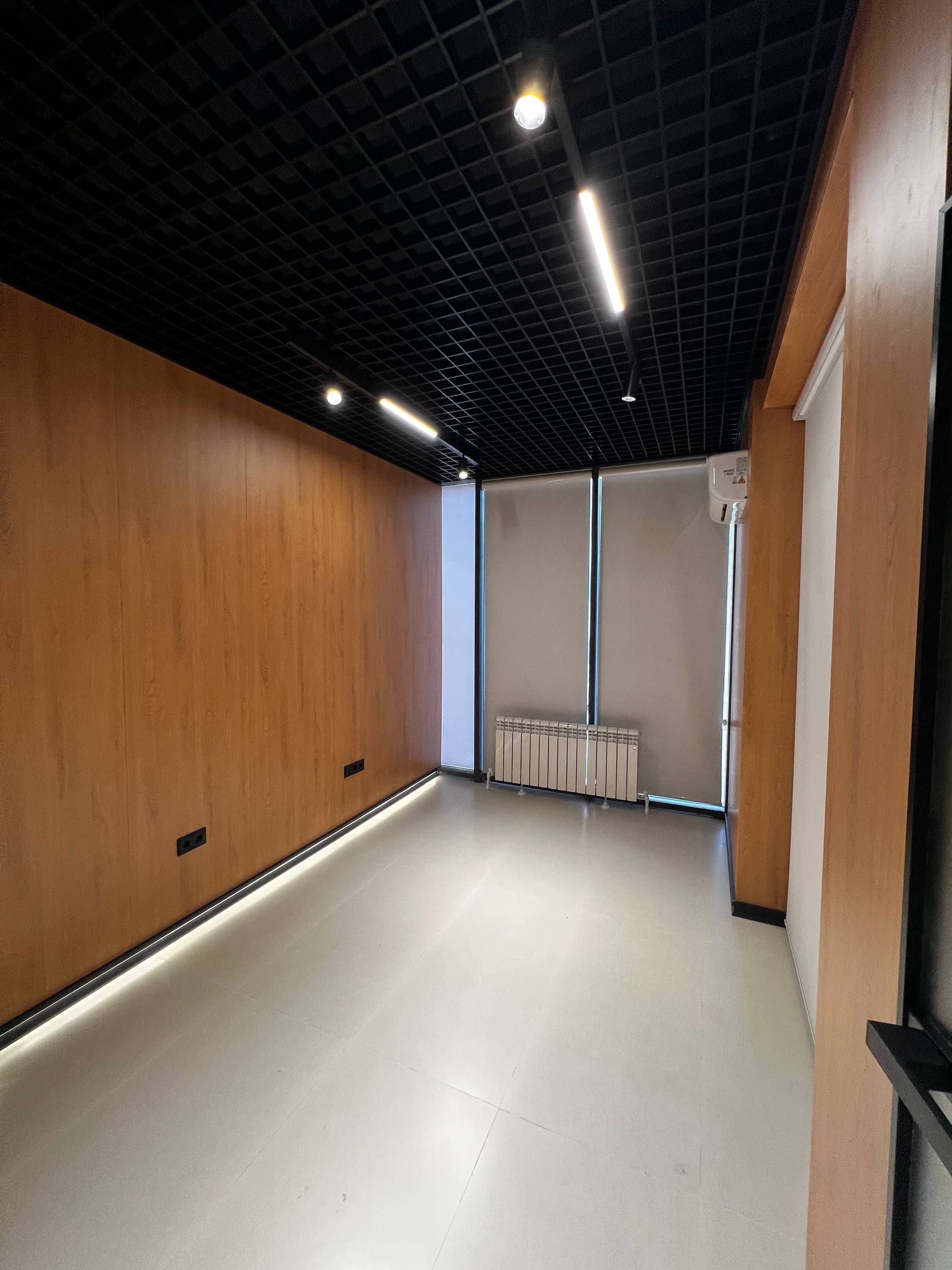
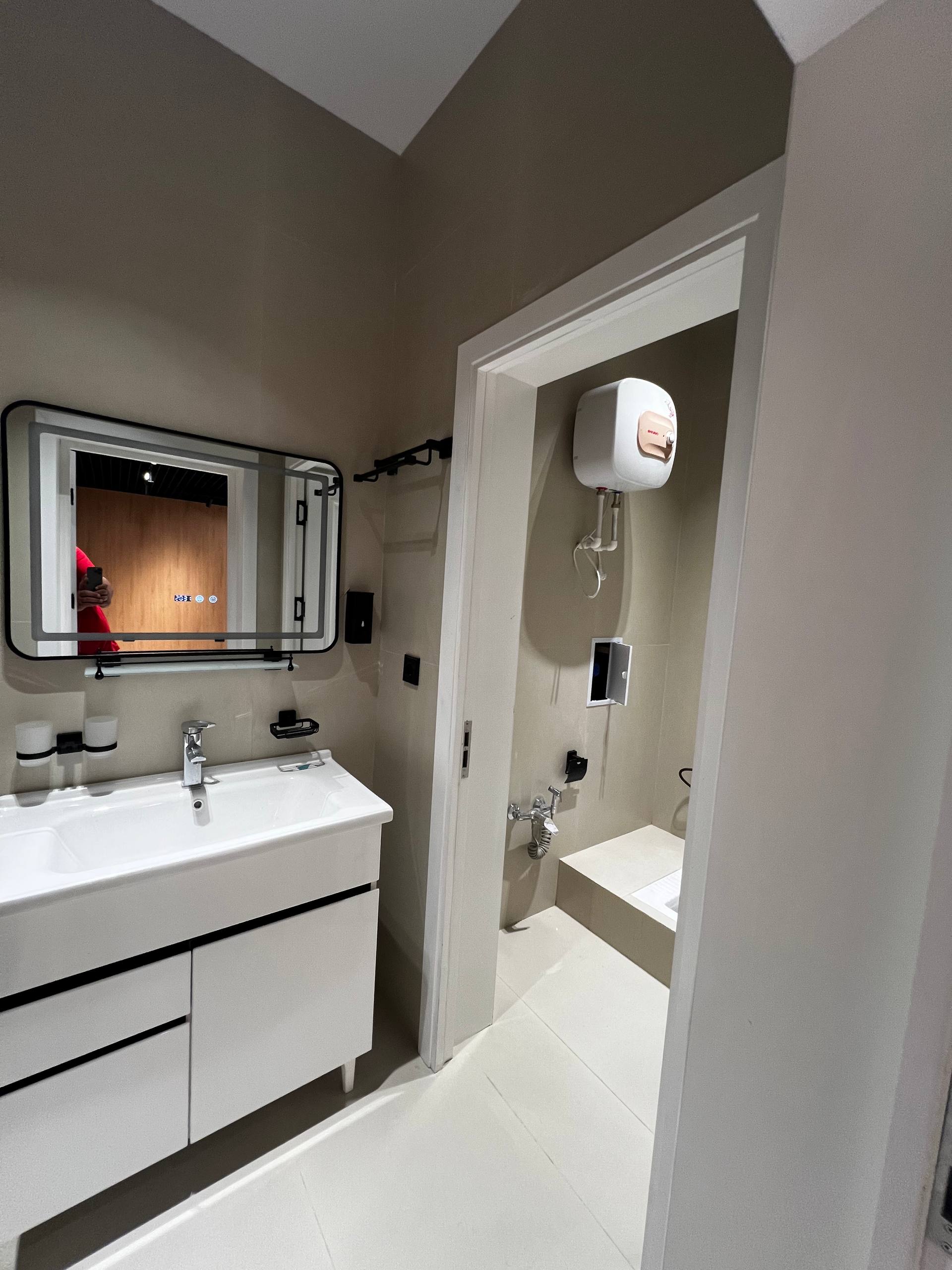
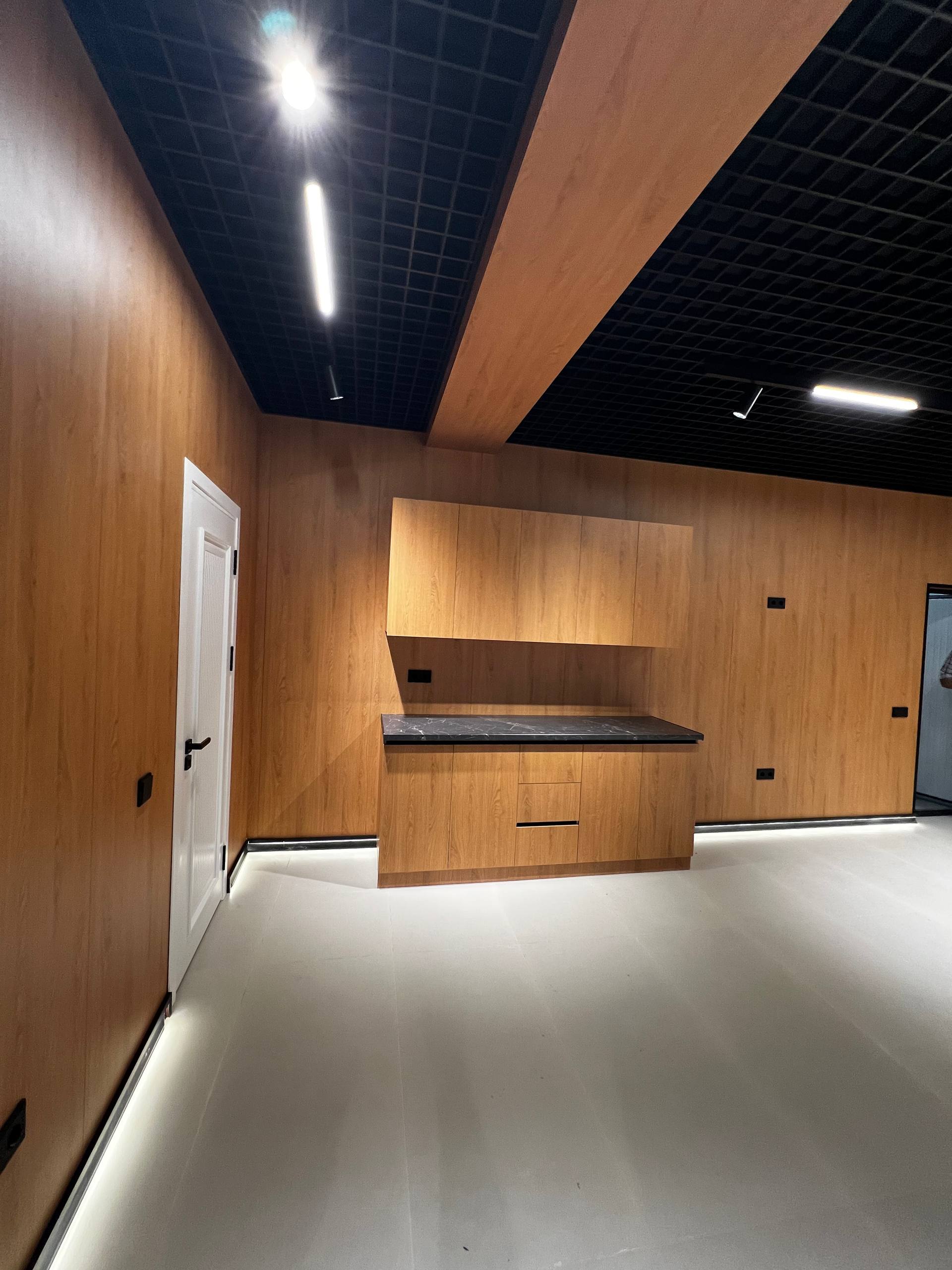
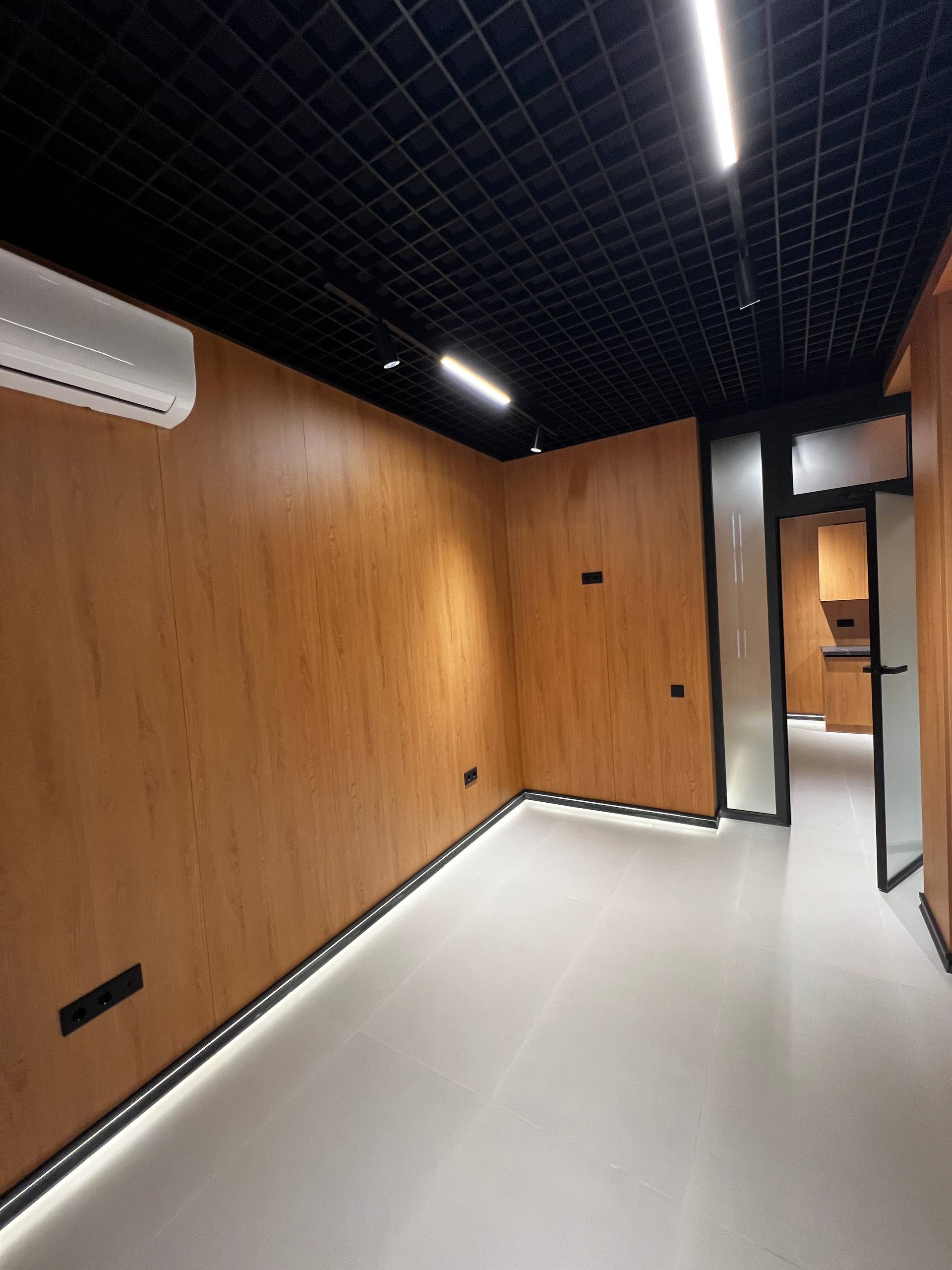
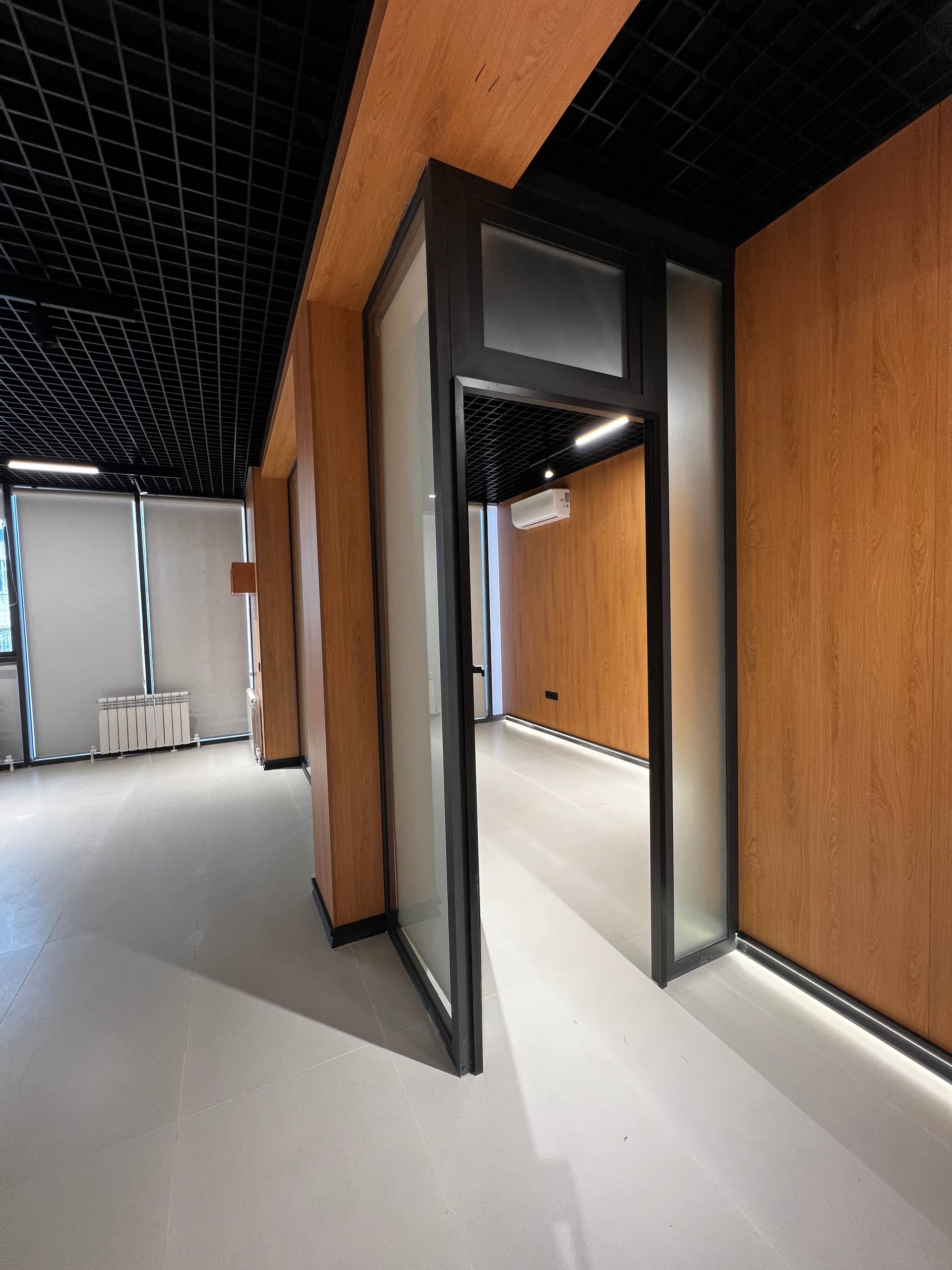
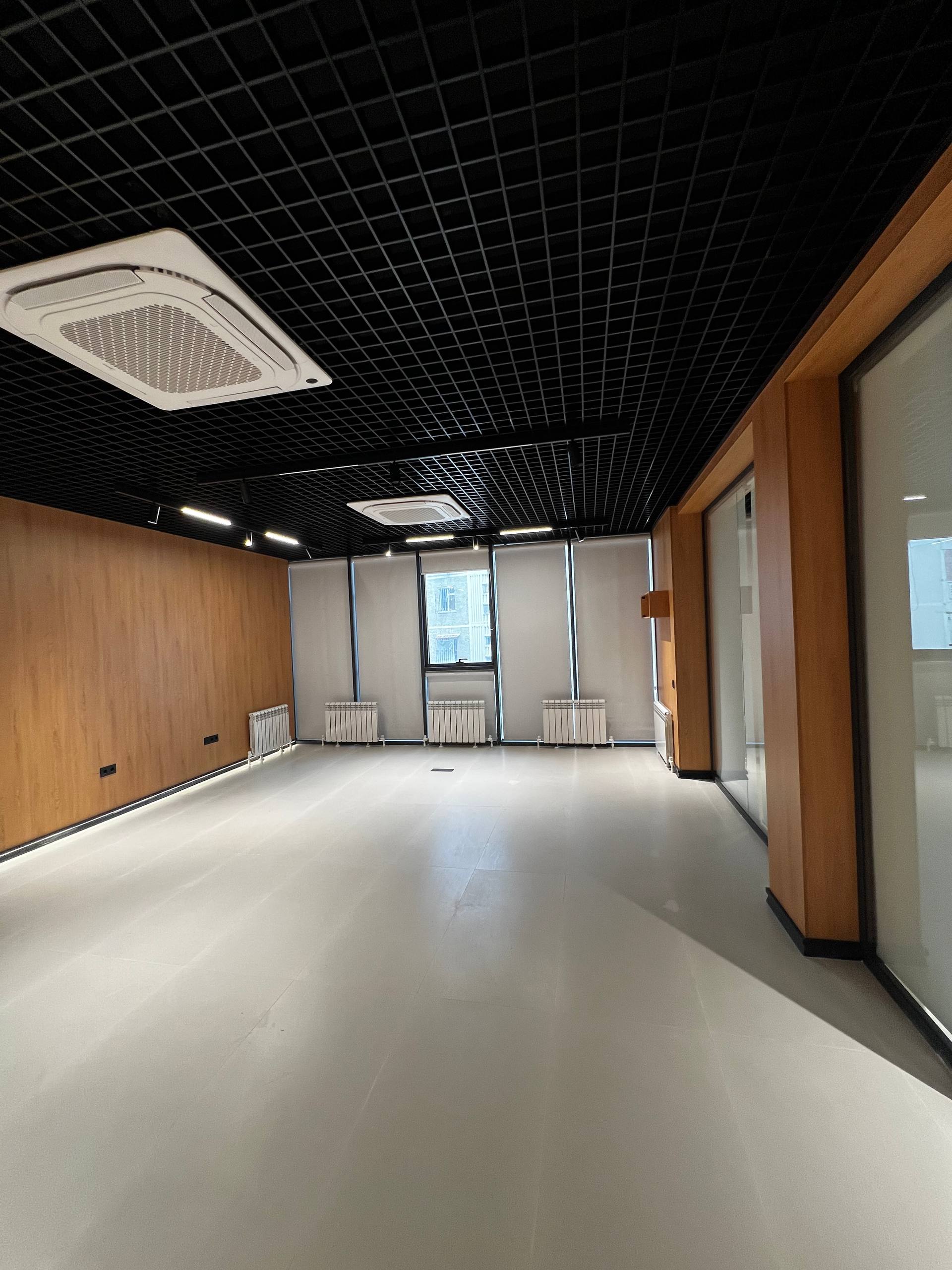
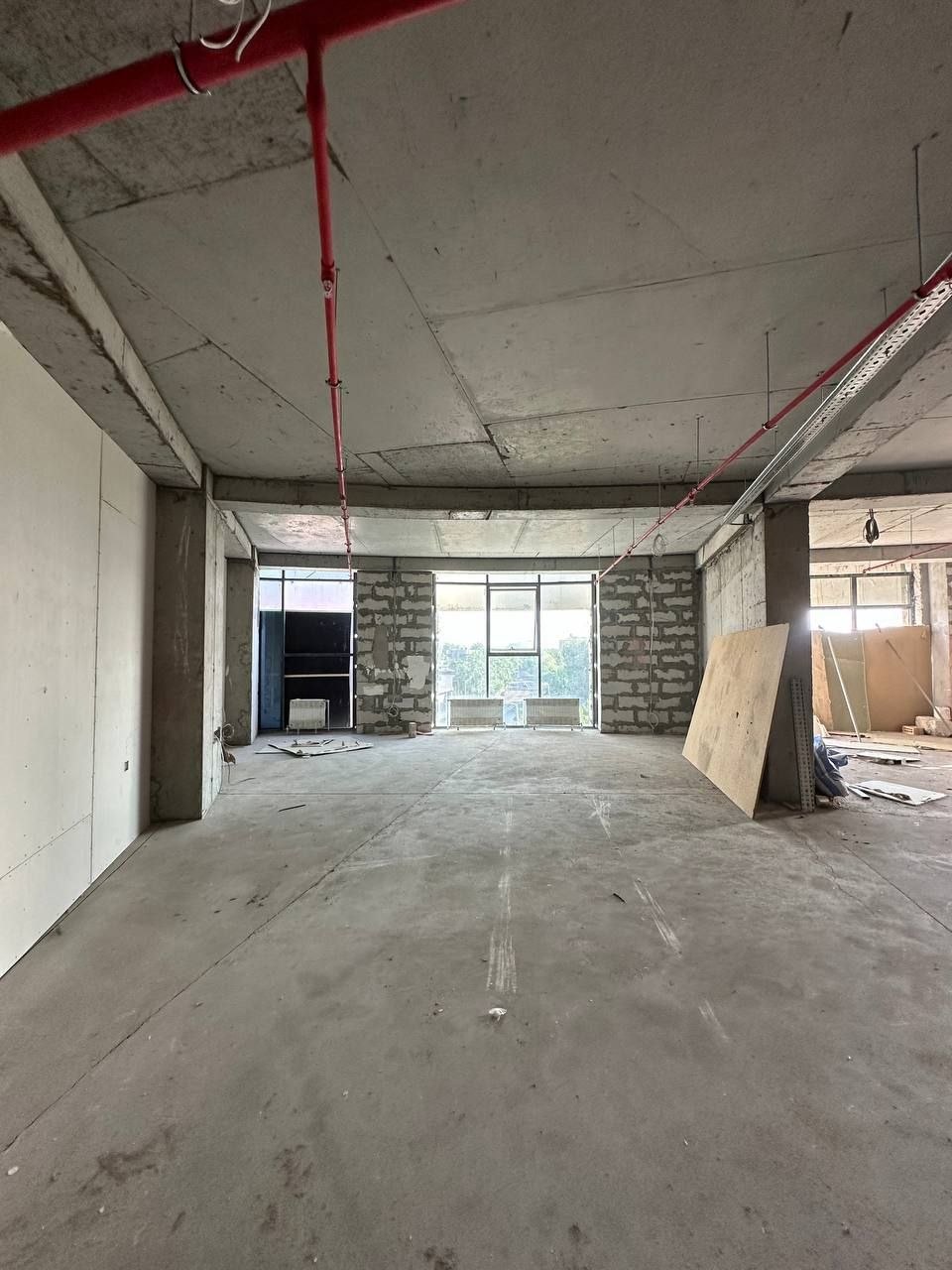
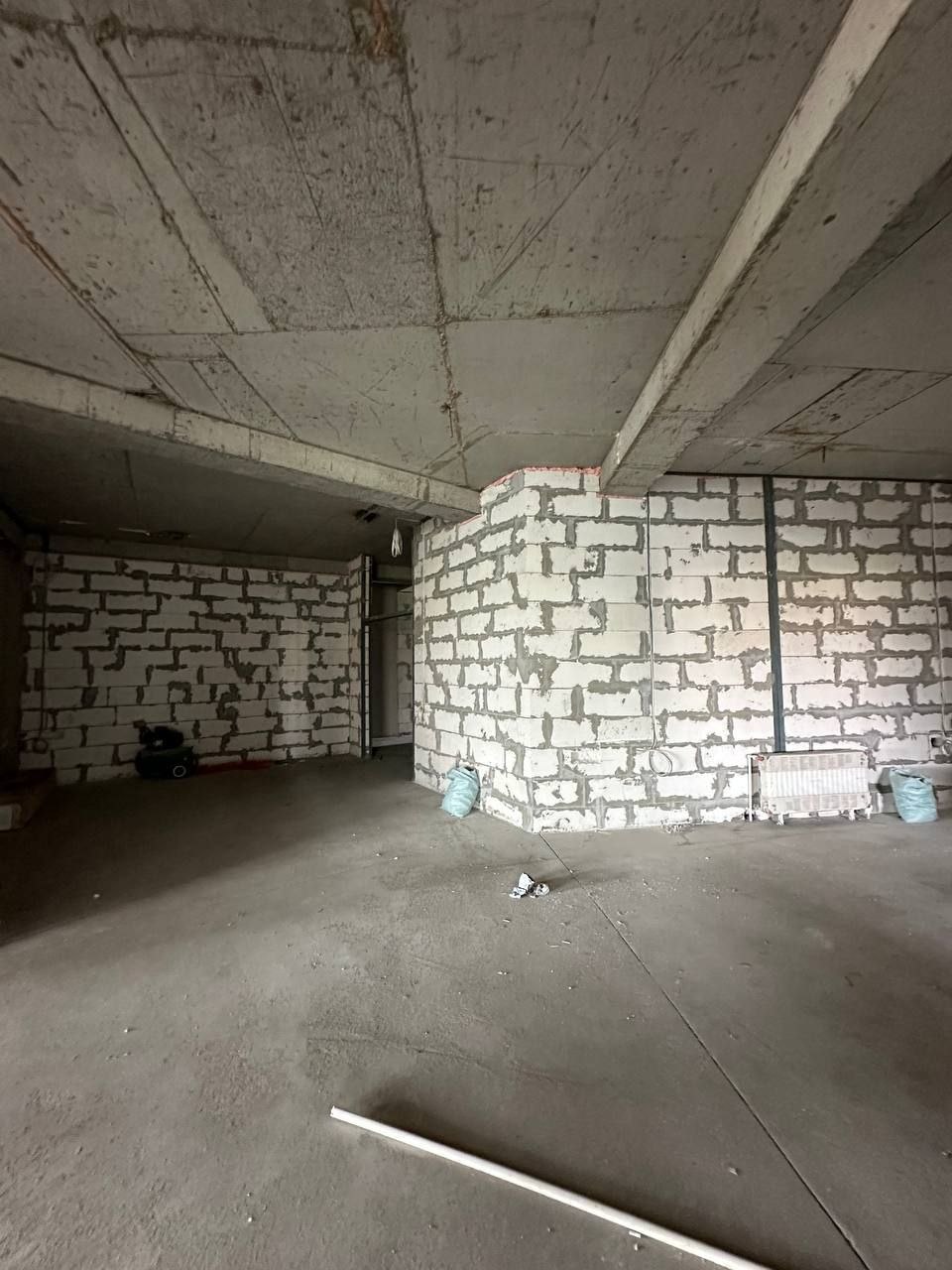
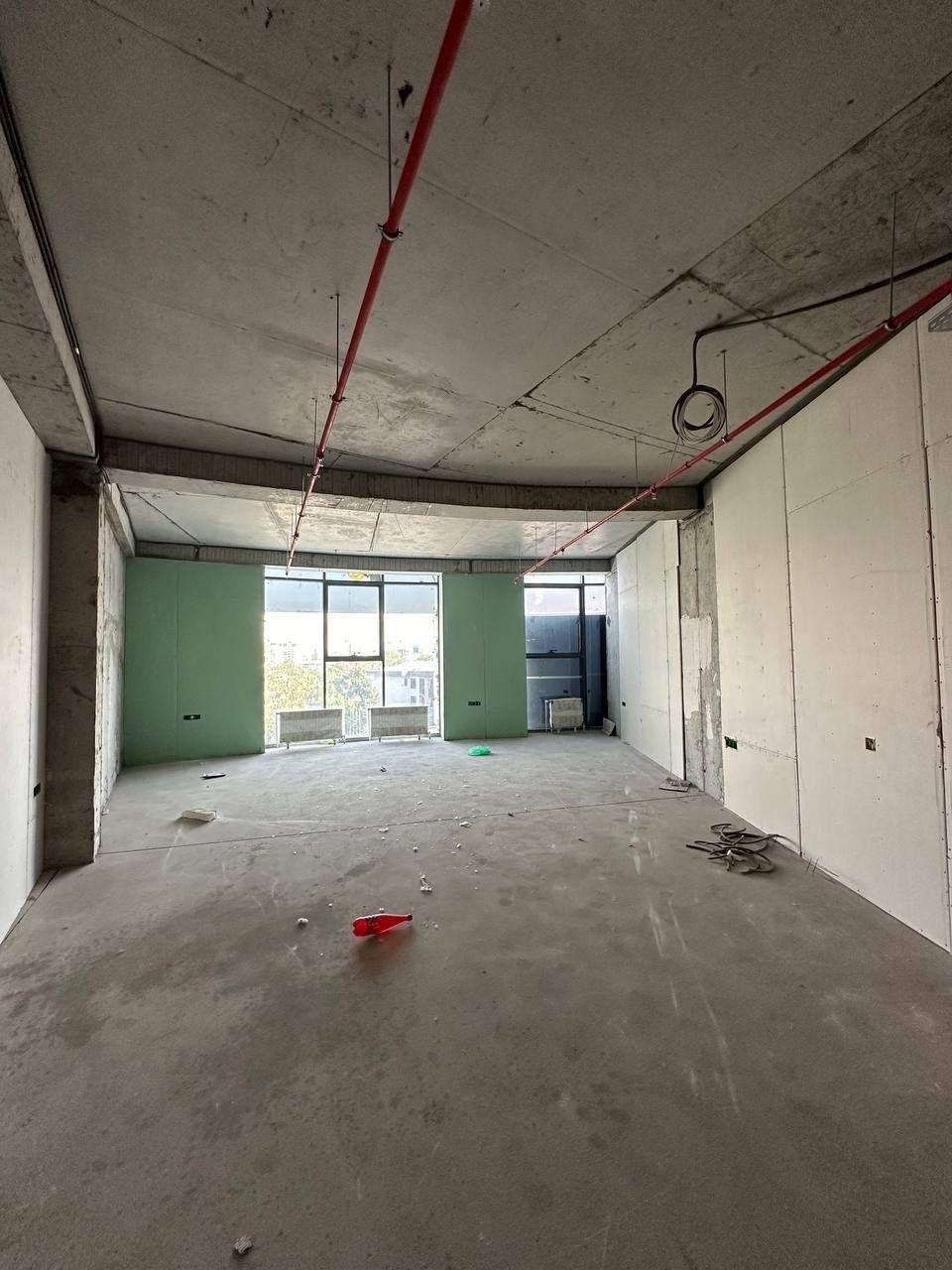
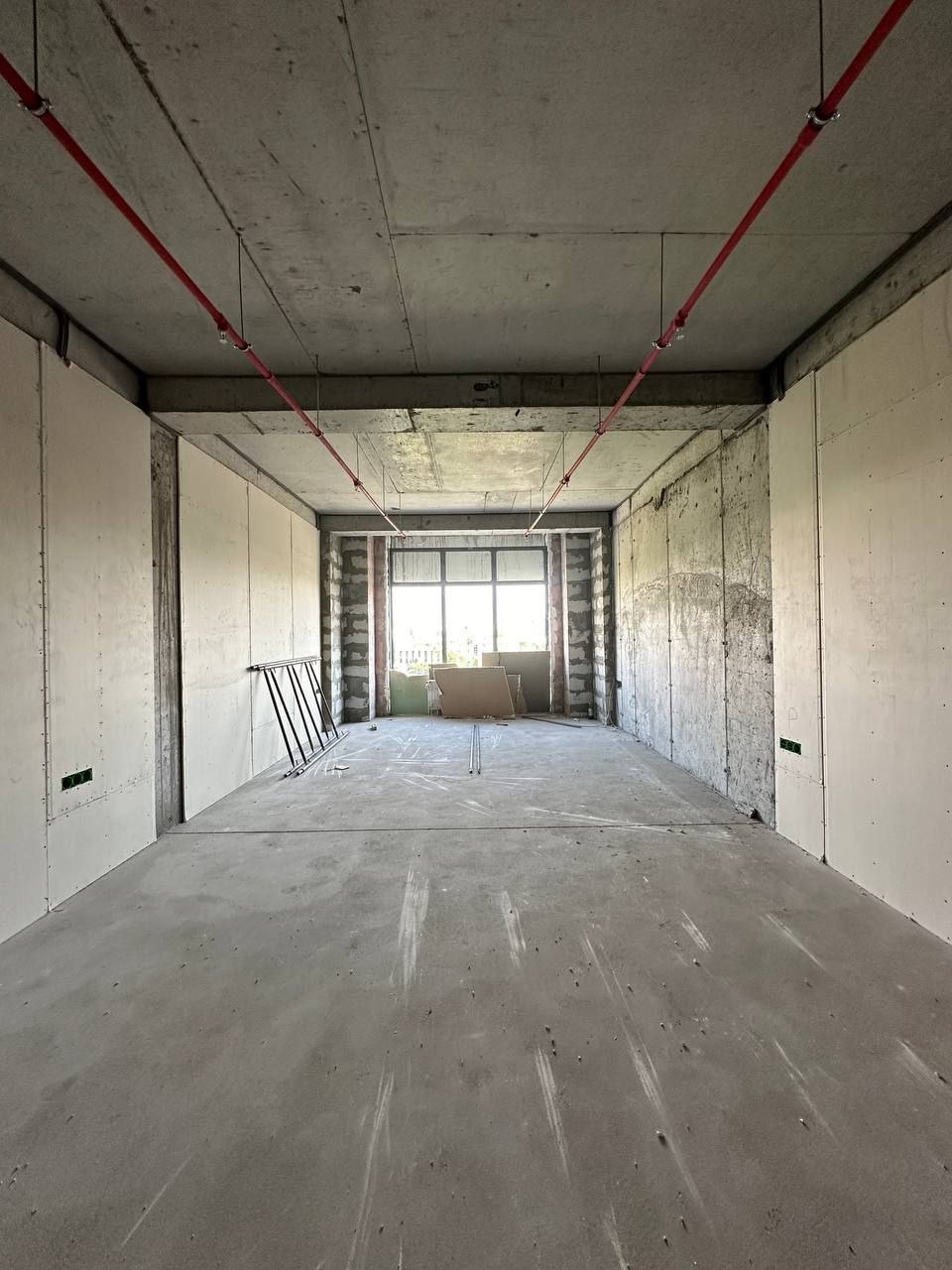
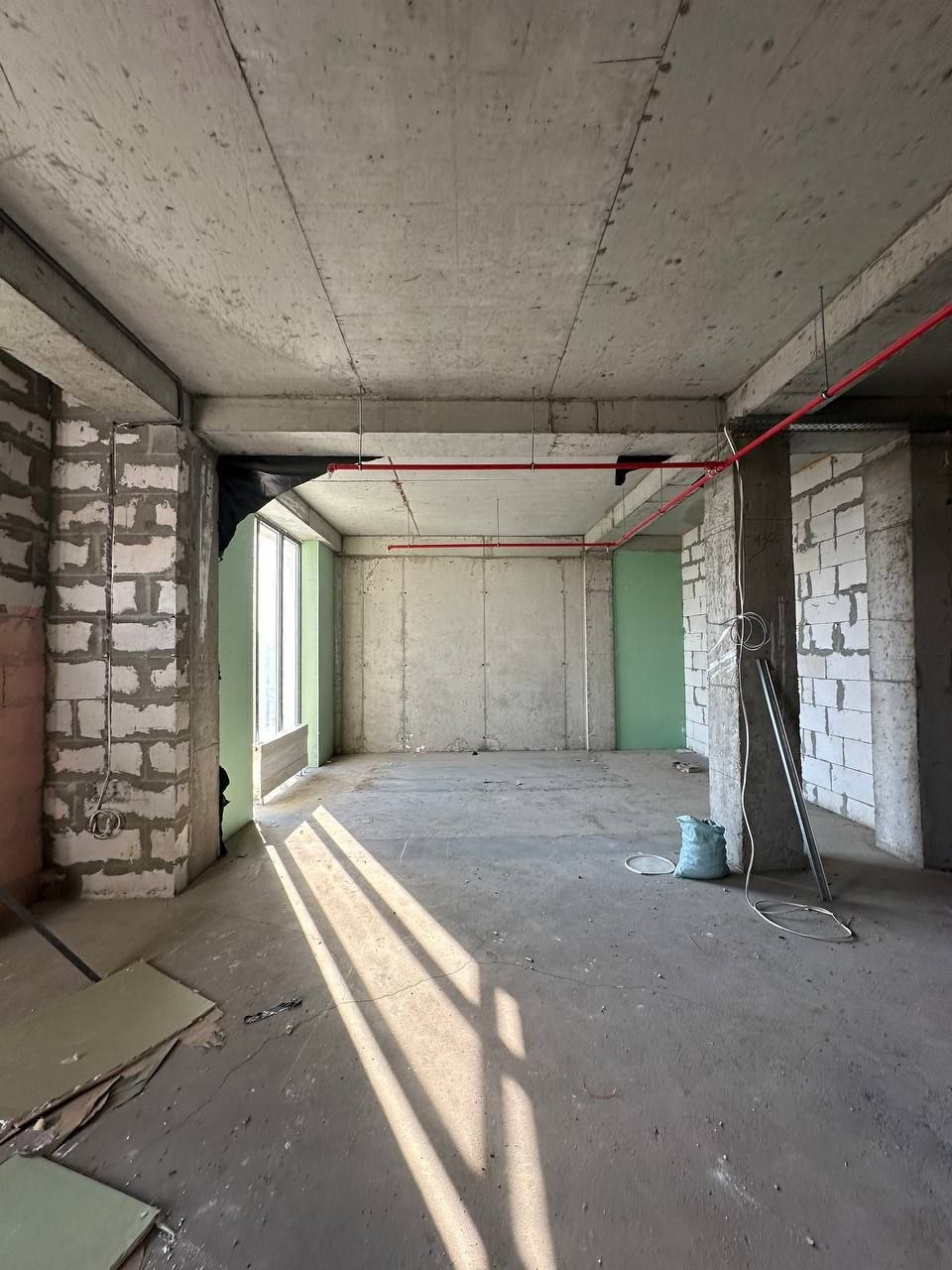
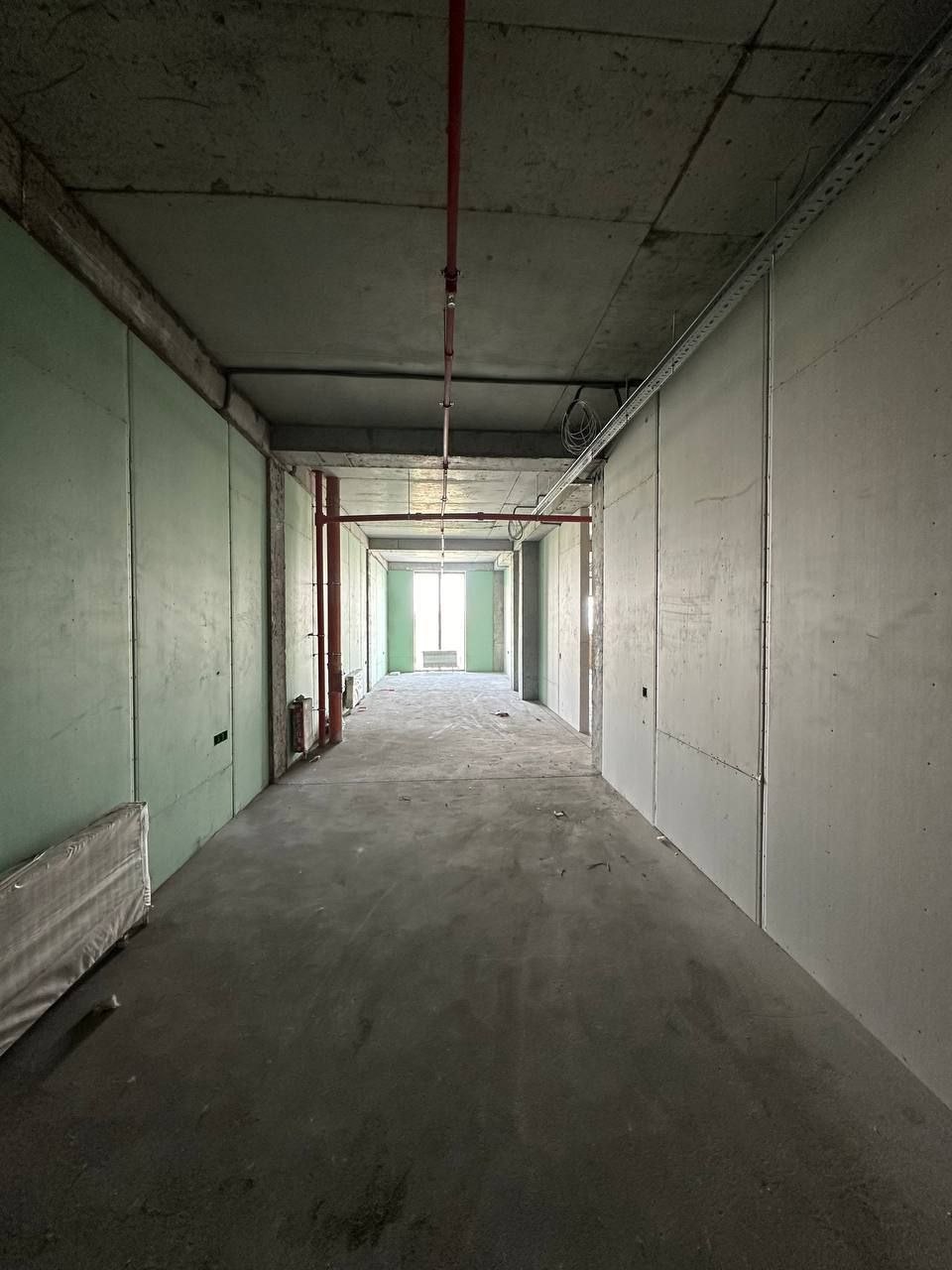
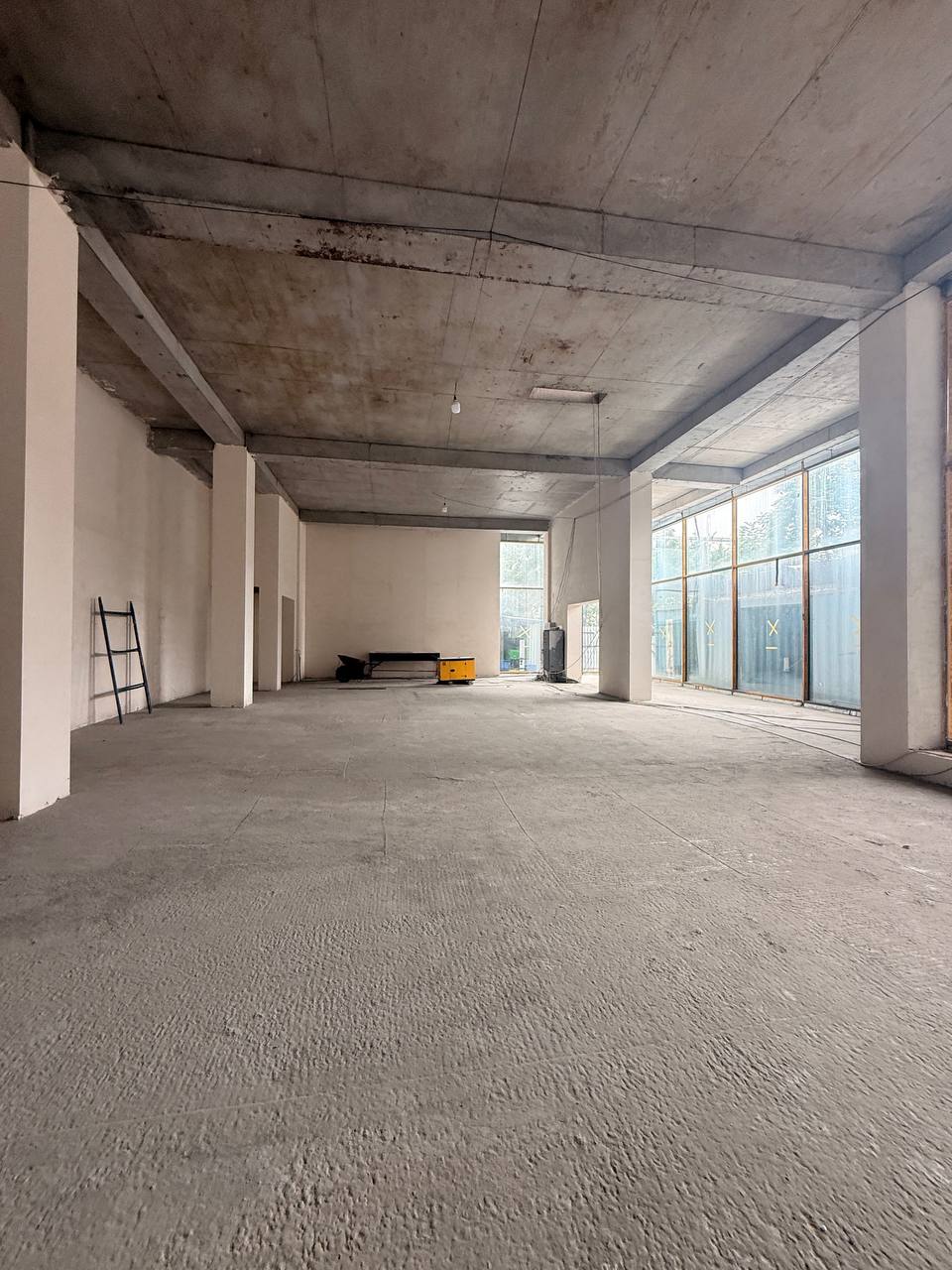
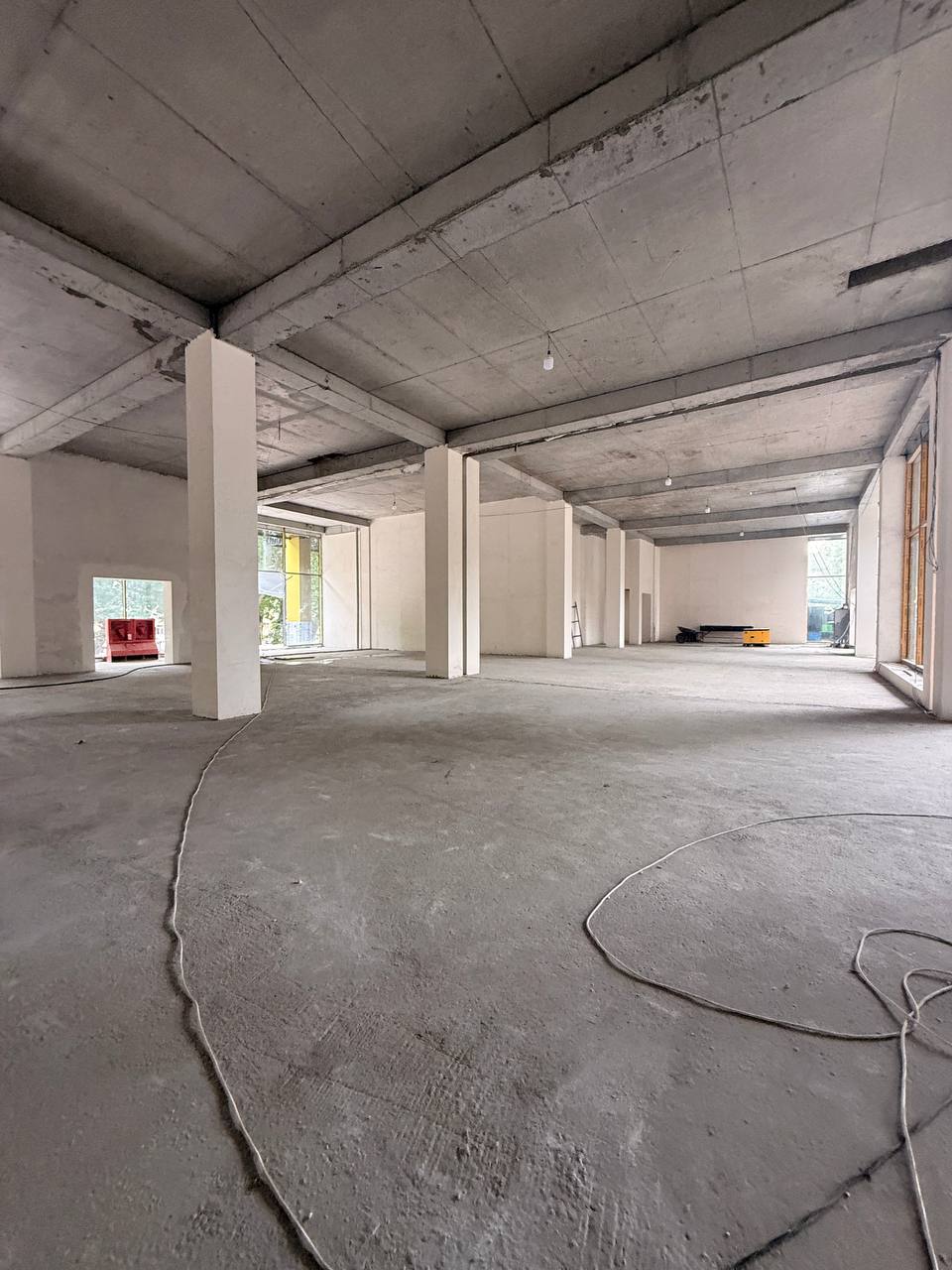
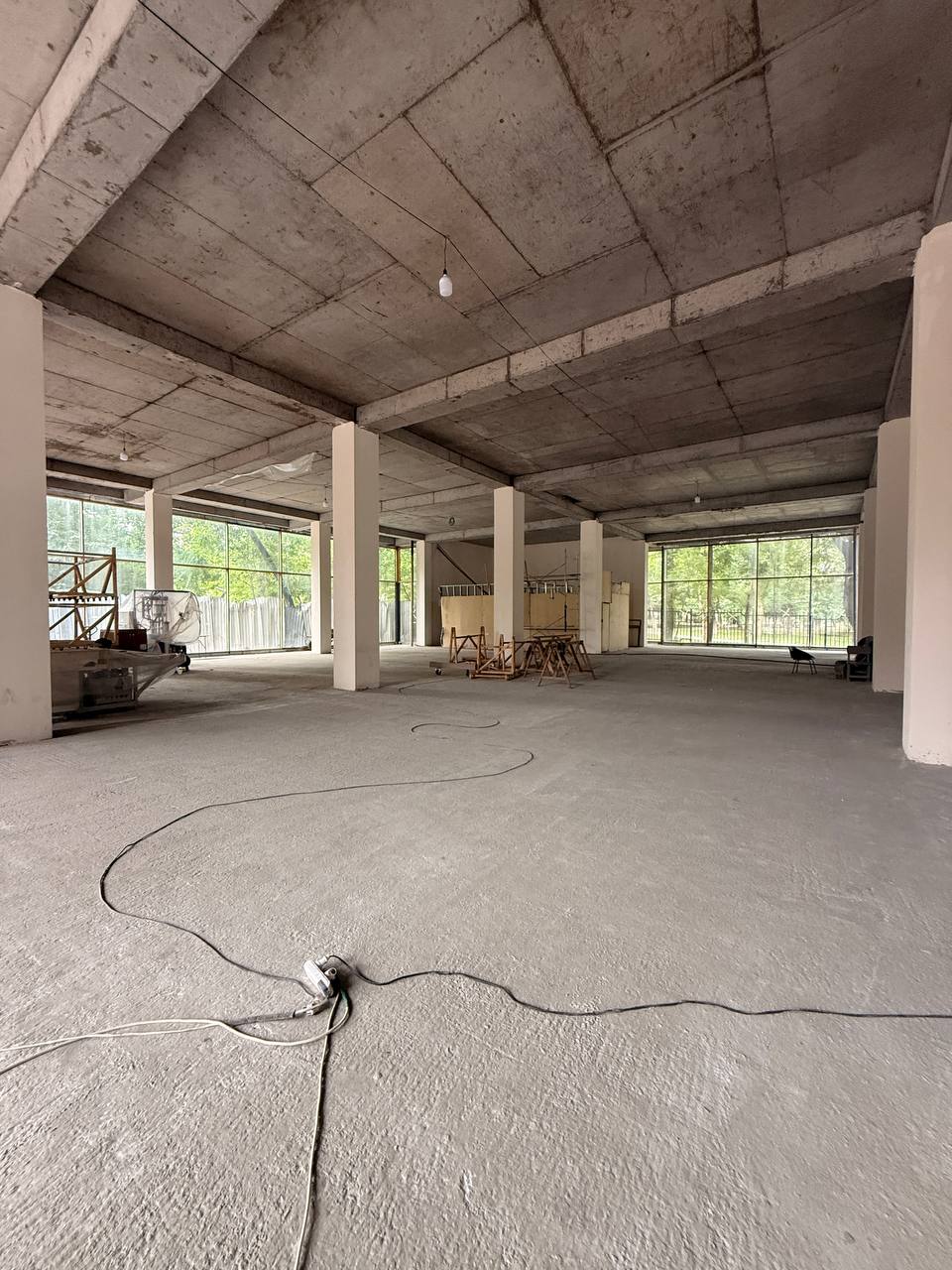
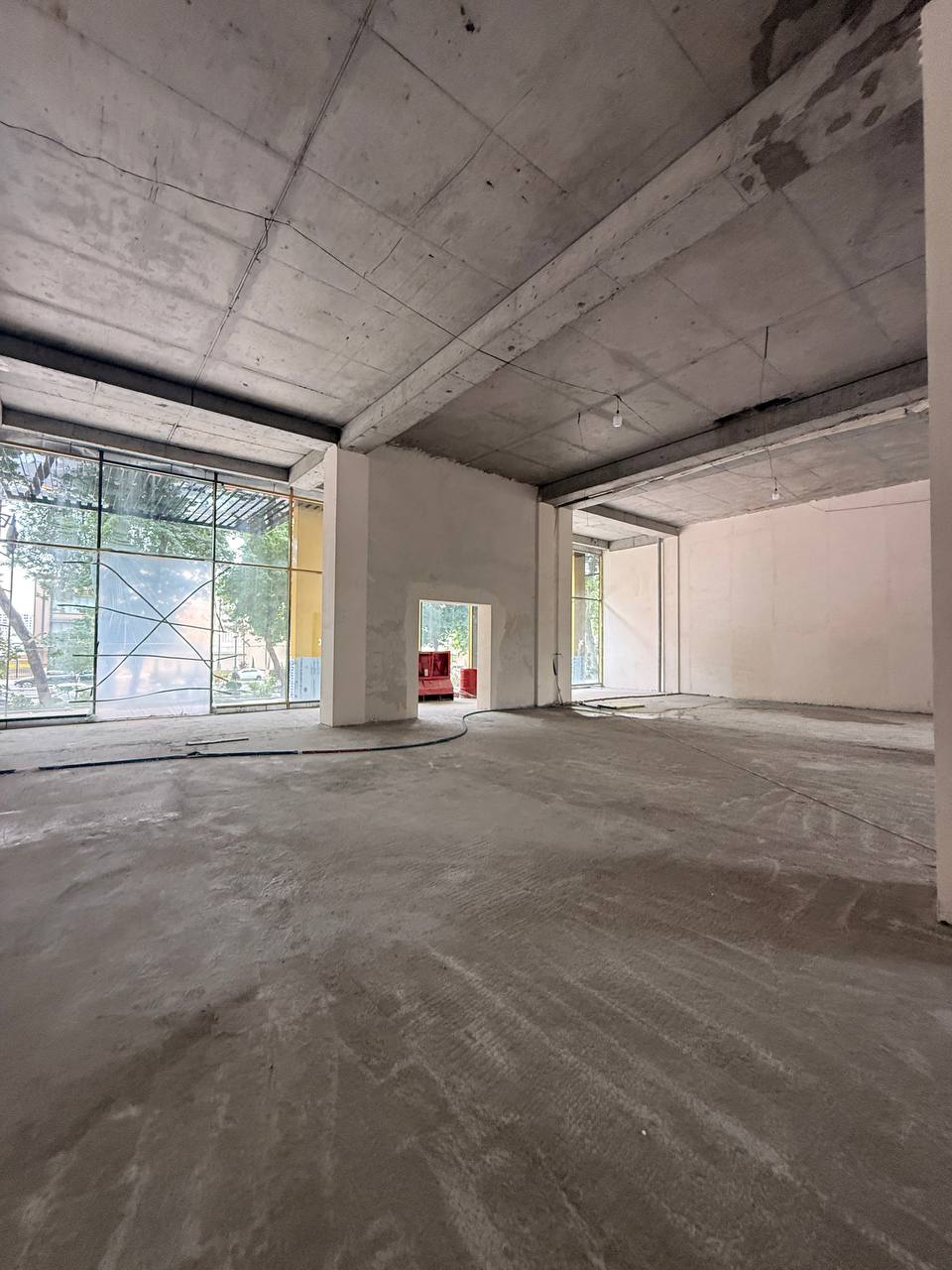
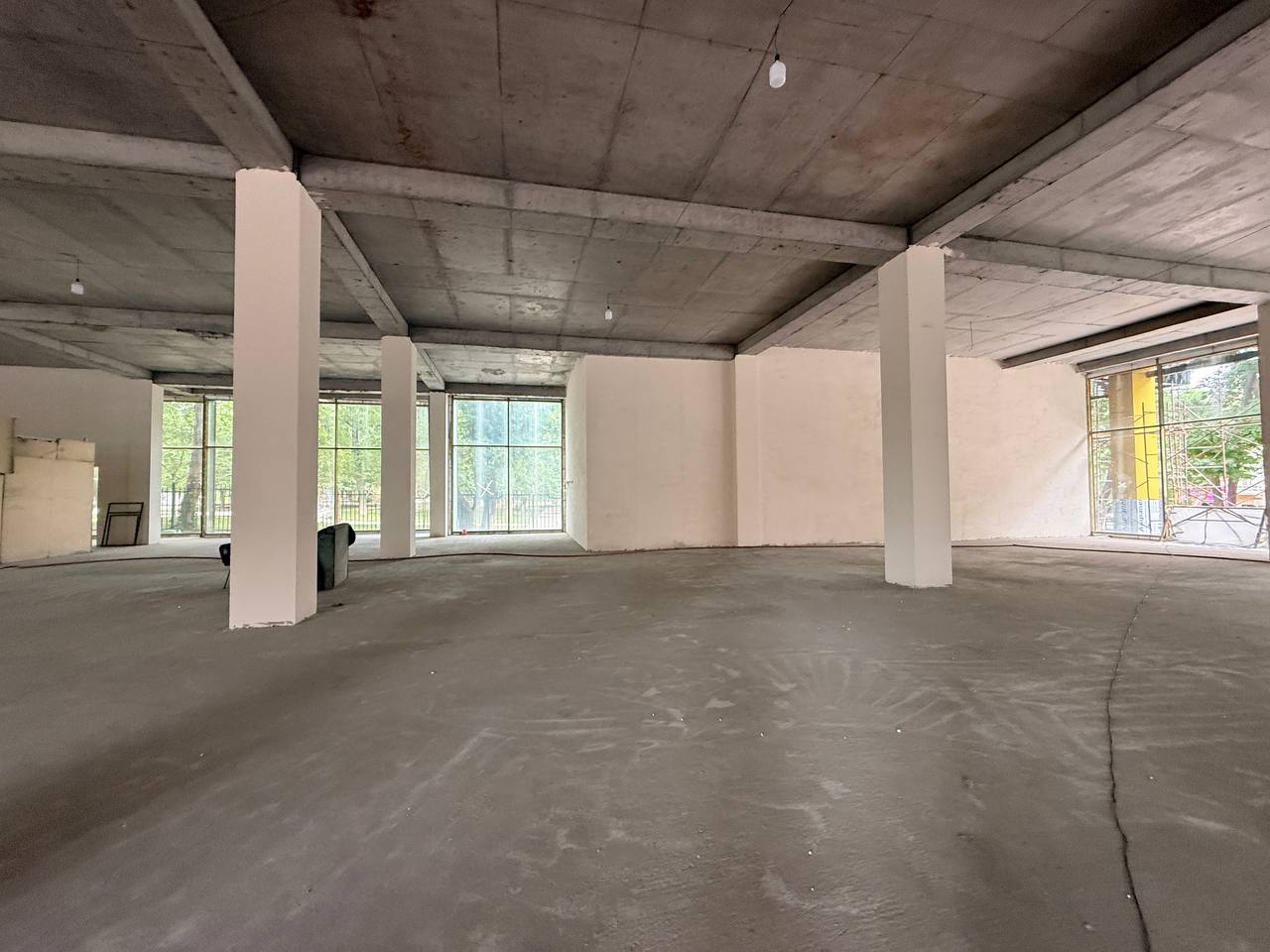
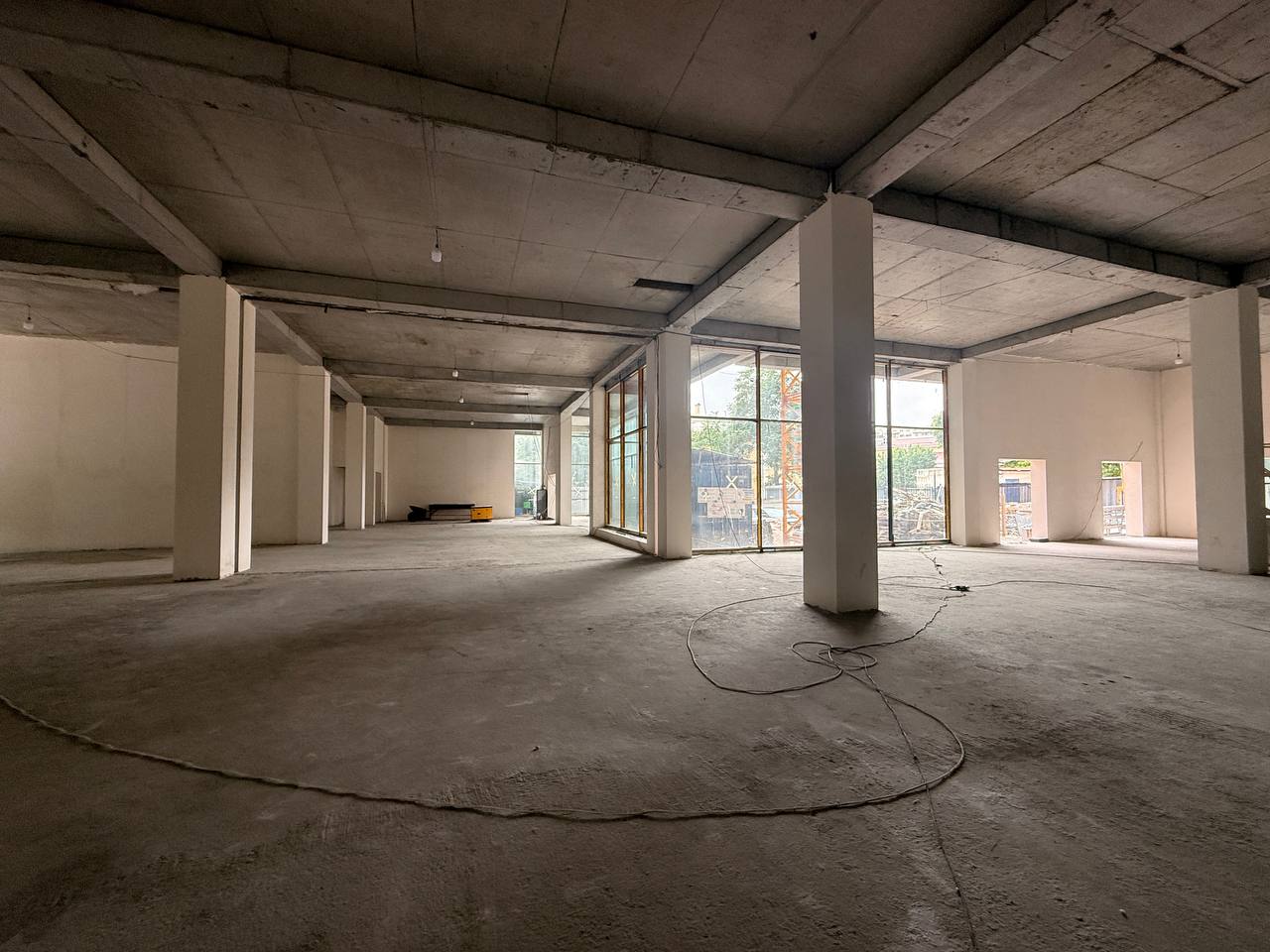
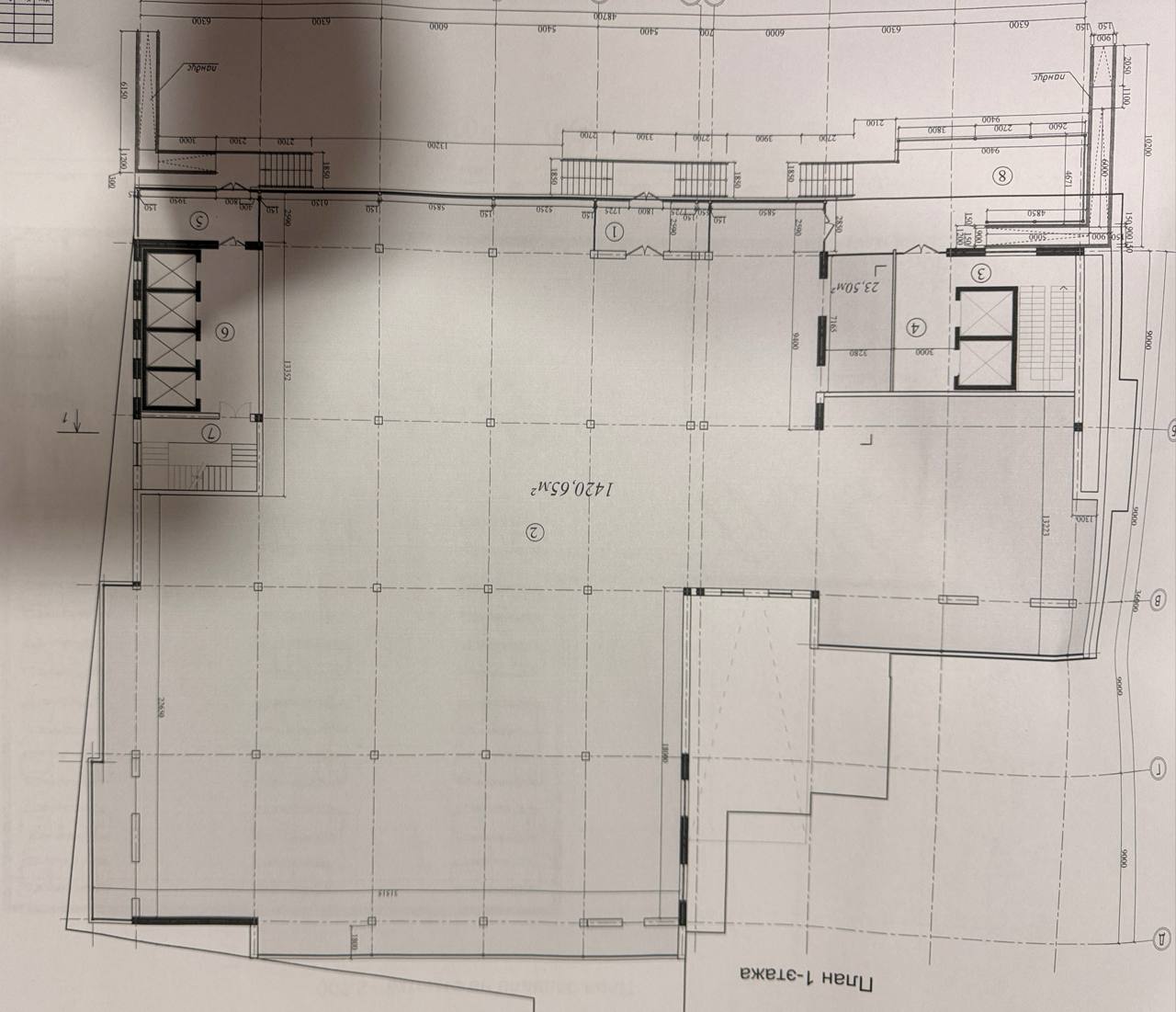
Продажа коммерческого помещения в Яшнабадском районе, 5 400 м² — Мухтара Ашрафи
4 290 000 у.е.продажа0 просмотров
Ташкент, Яшнабадский район, Мухтара Ашрафи
7 комн.5400 м²0 просмотров

ОтветственныйМихаил
ОтветственныйМихаил
Коммерческая недвижимость ТашкентаCommercial property in Tashkent
Объекты по теме материала: проверенные предложения для аренды с прямой связью с ответственным специалистом.
Полный коммерческий фильтр расположен слева от списка объектов.
Загружаем актуальные объекты…
Ташкент, Яшнабадский район, Мухтара Ашрафи
Ташкент, Яккасарайский район, Глинка
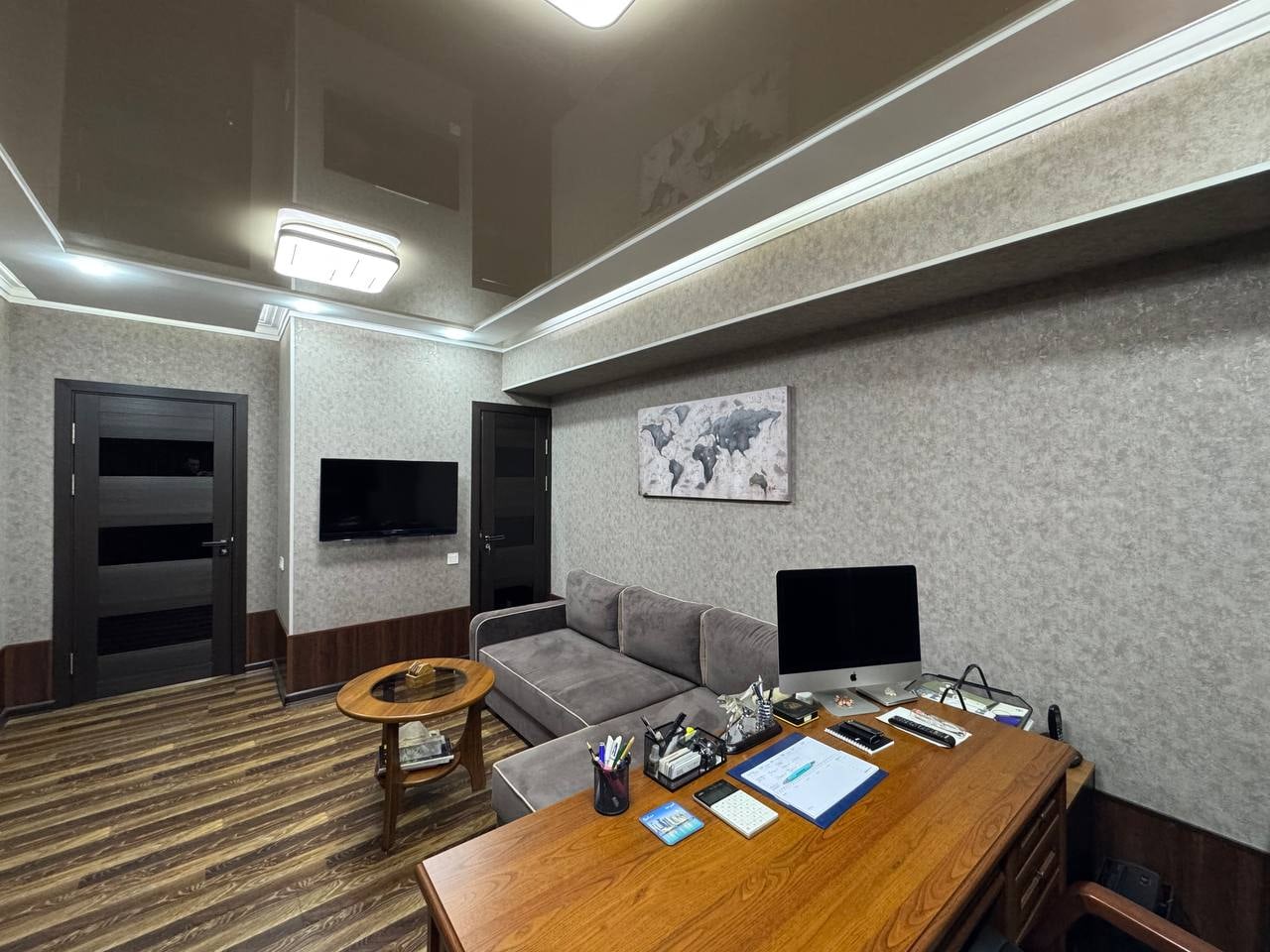
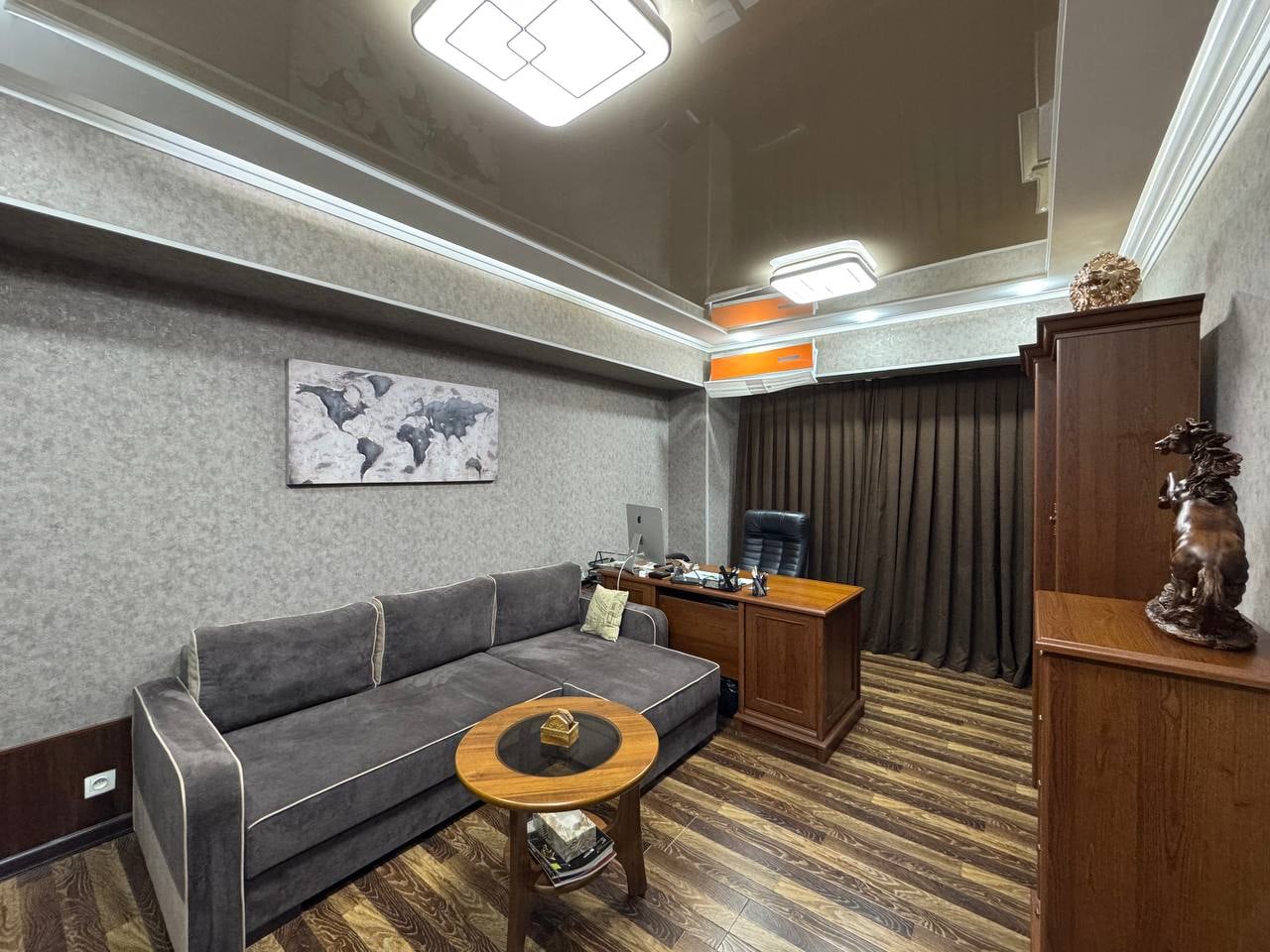
Ташкент, Юнусабадский район, Алайский рынок Ц-4
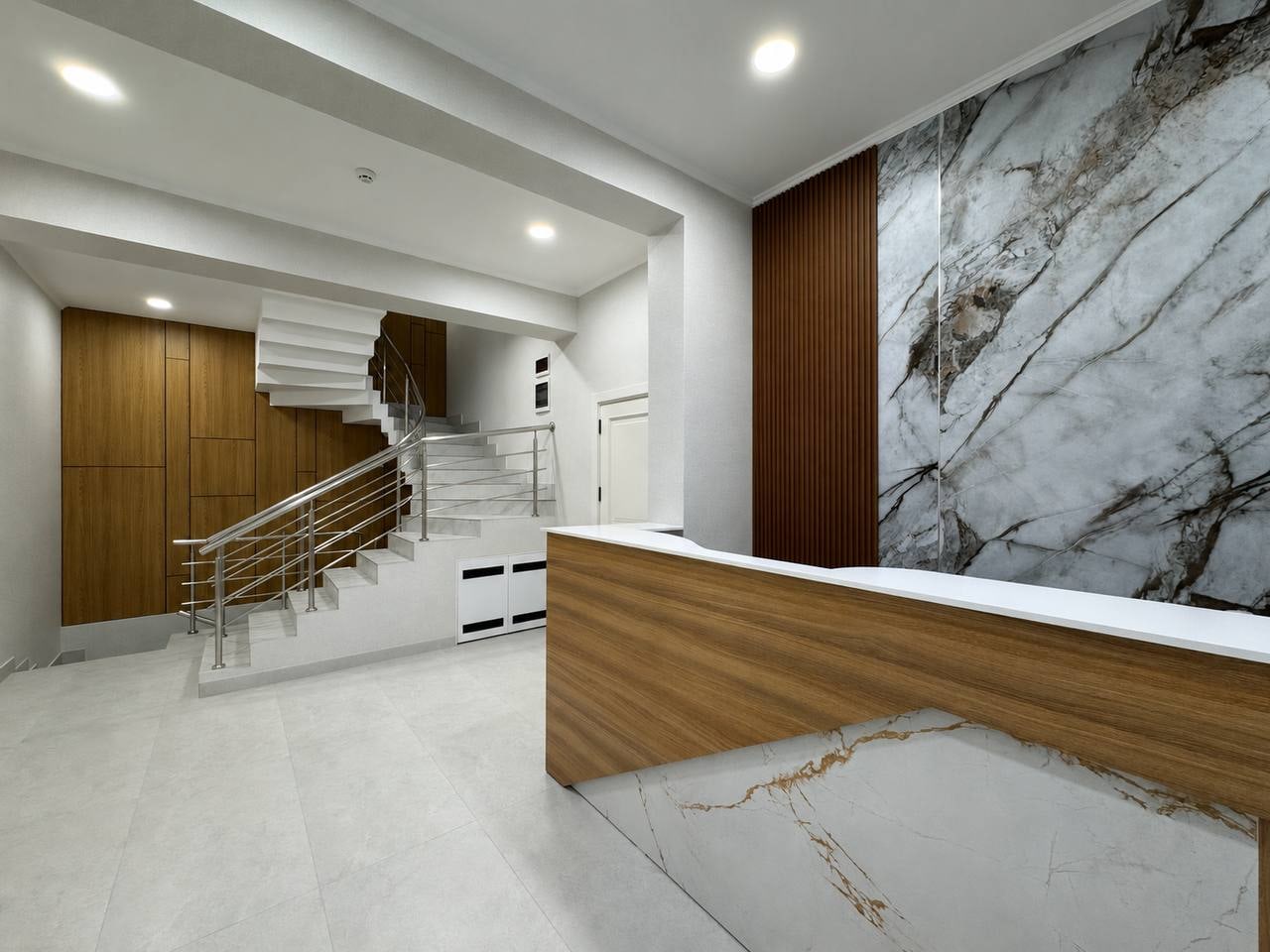
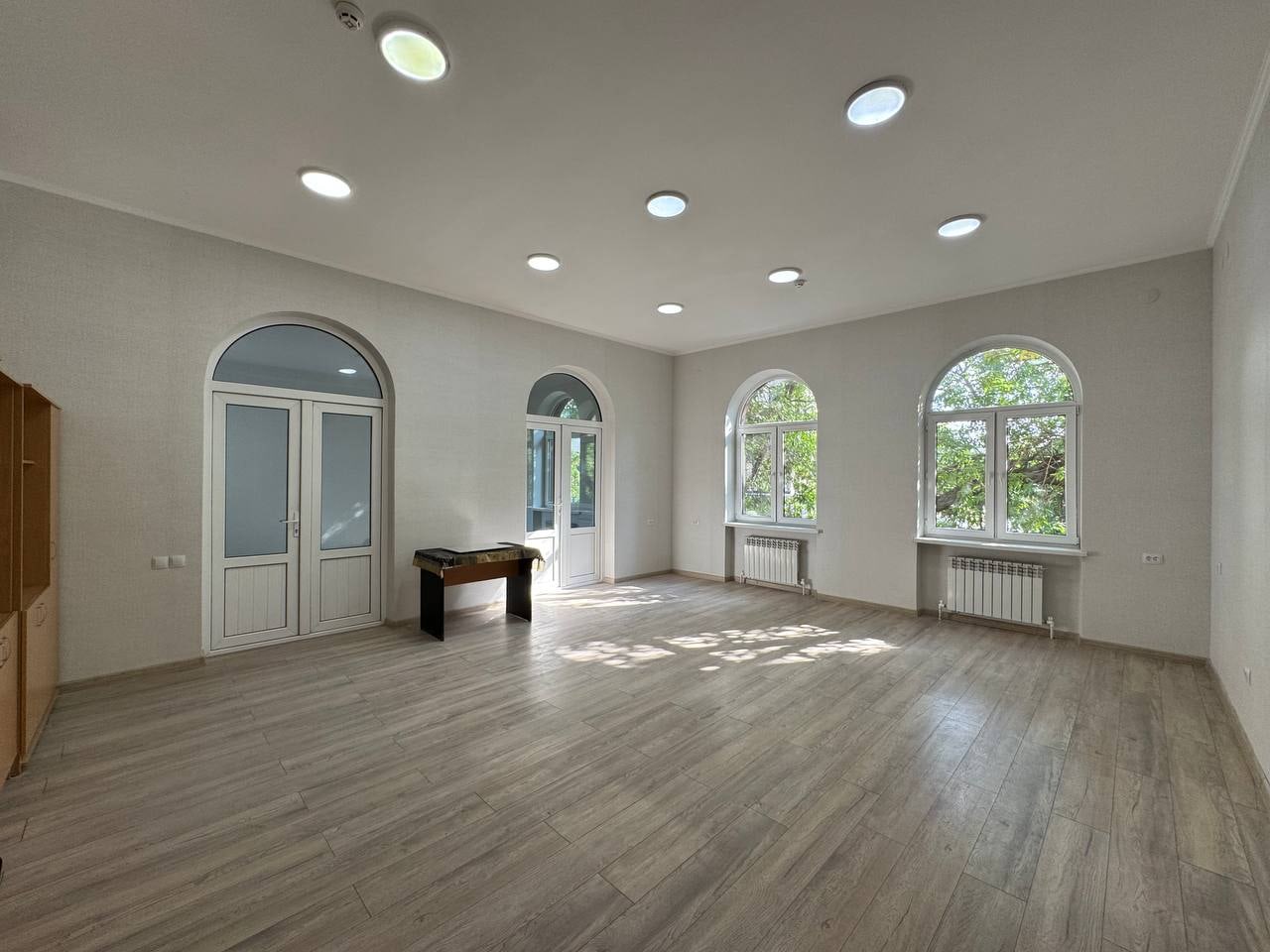
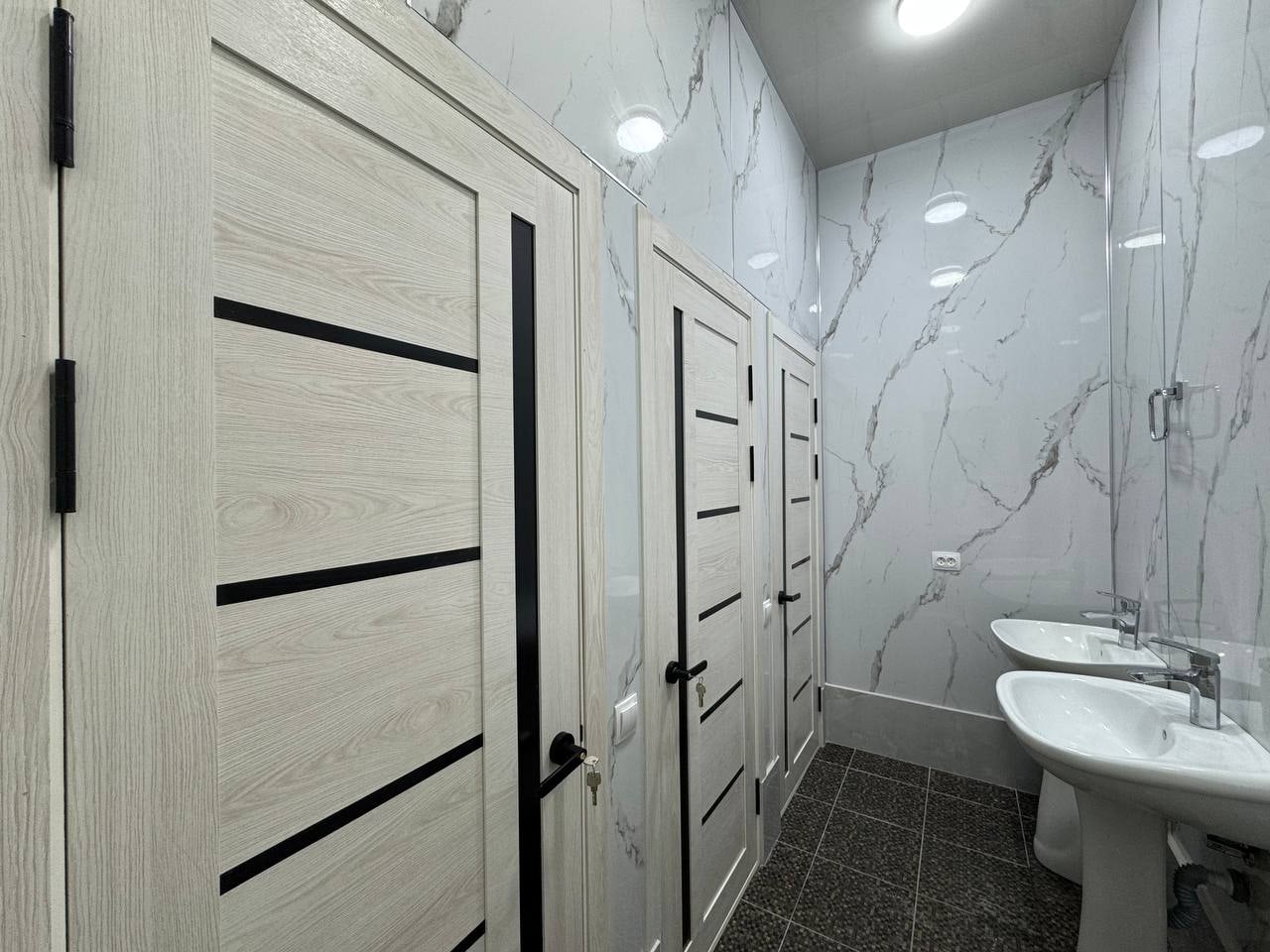
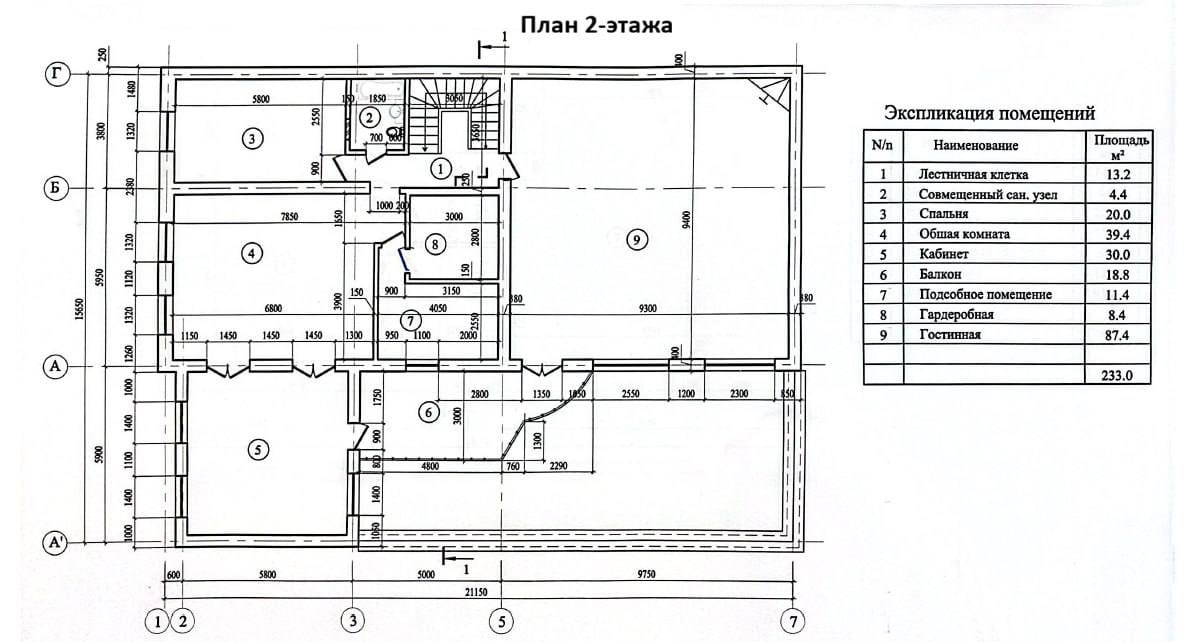
Ташкент, Мирабадский район, Глинка, 8 роддом
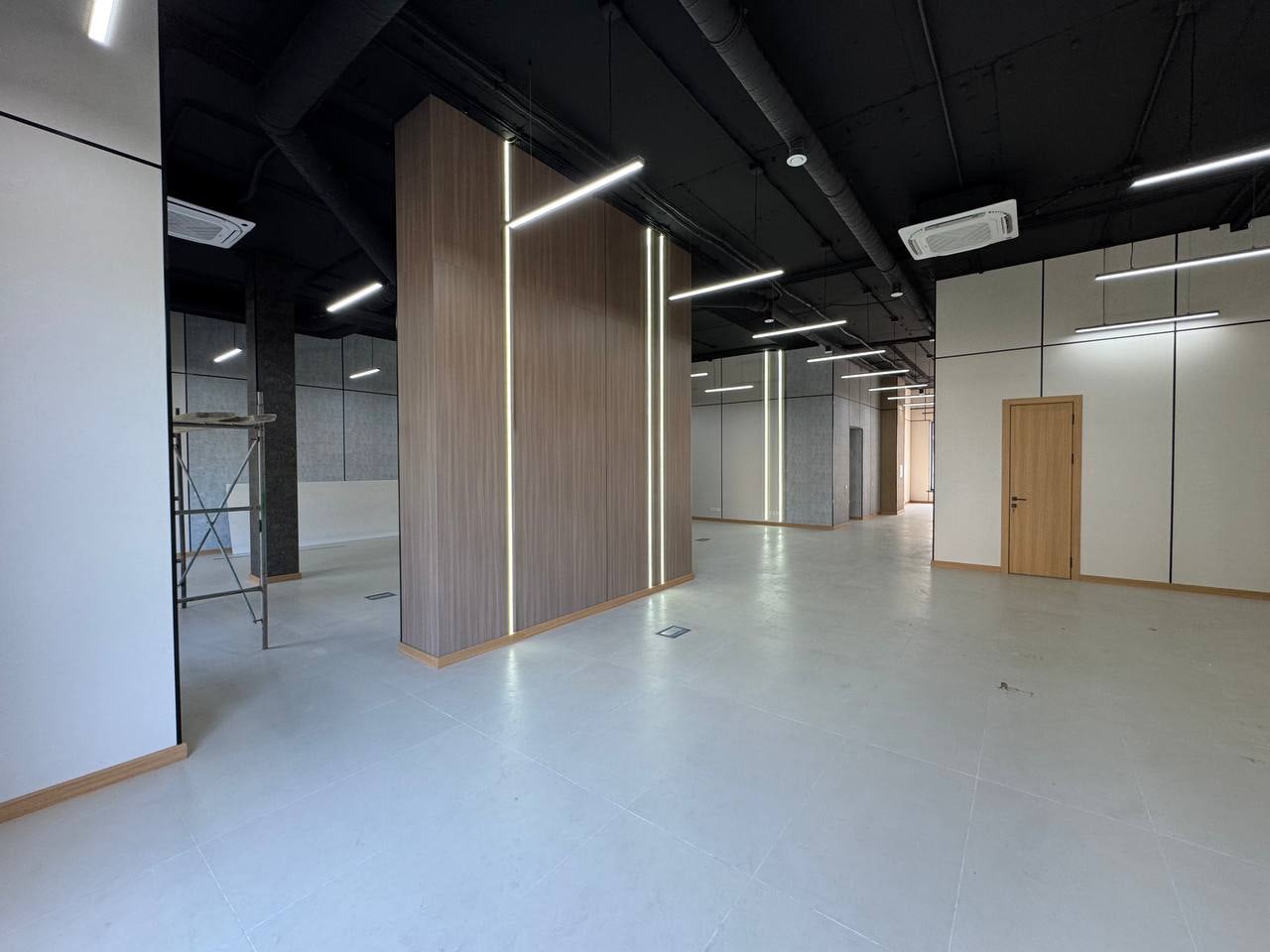
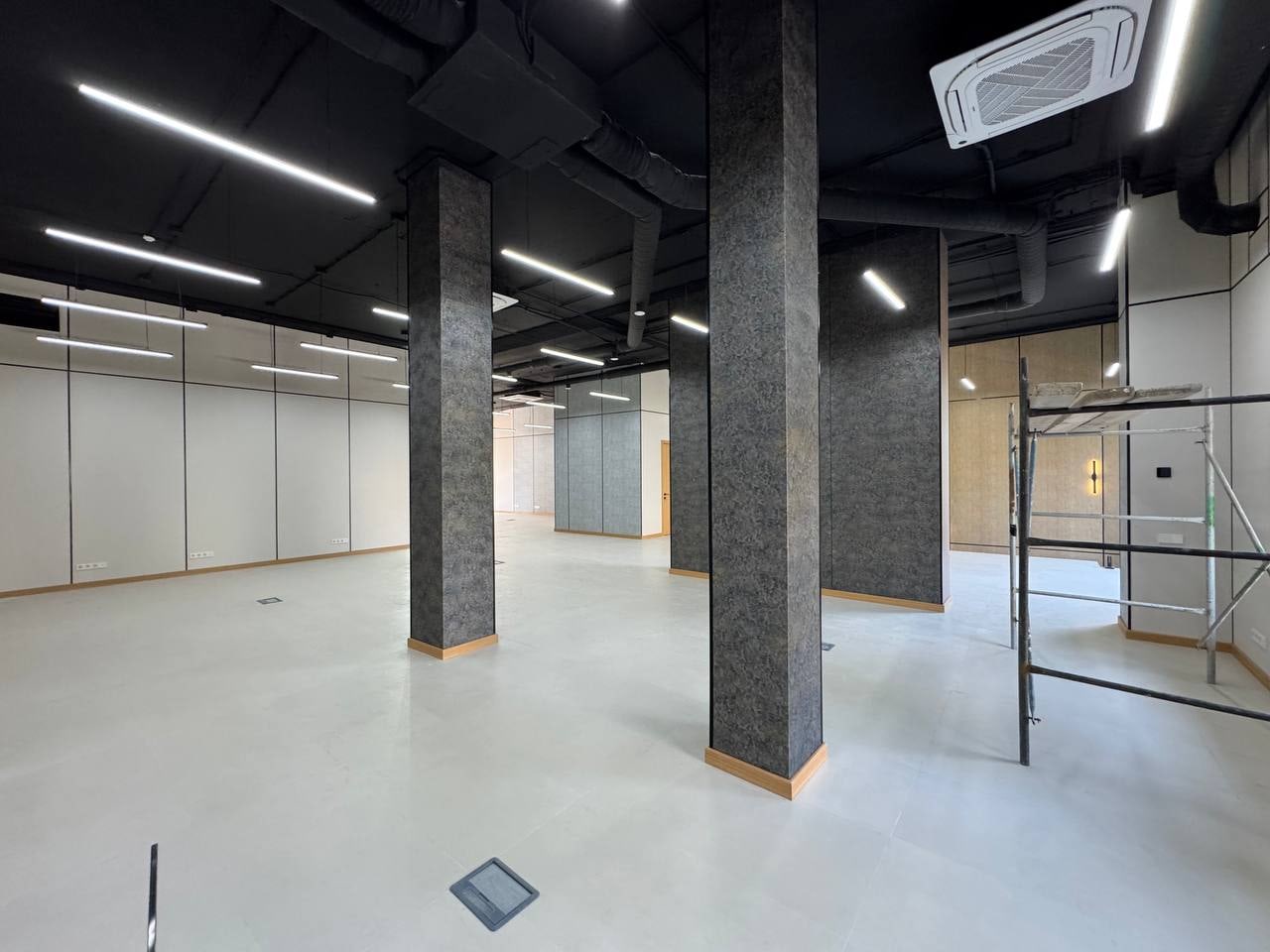
Ташкент, Юнусабадский район, метро «Минор», Финансовый институт, Алайский базар, ЖК «Muhtasham»
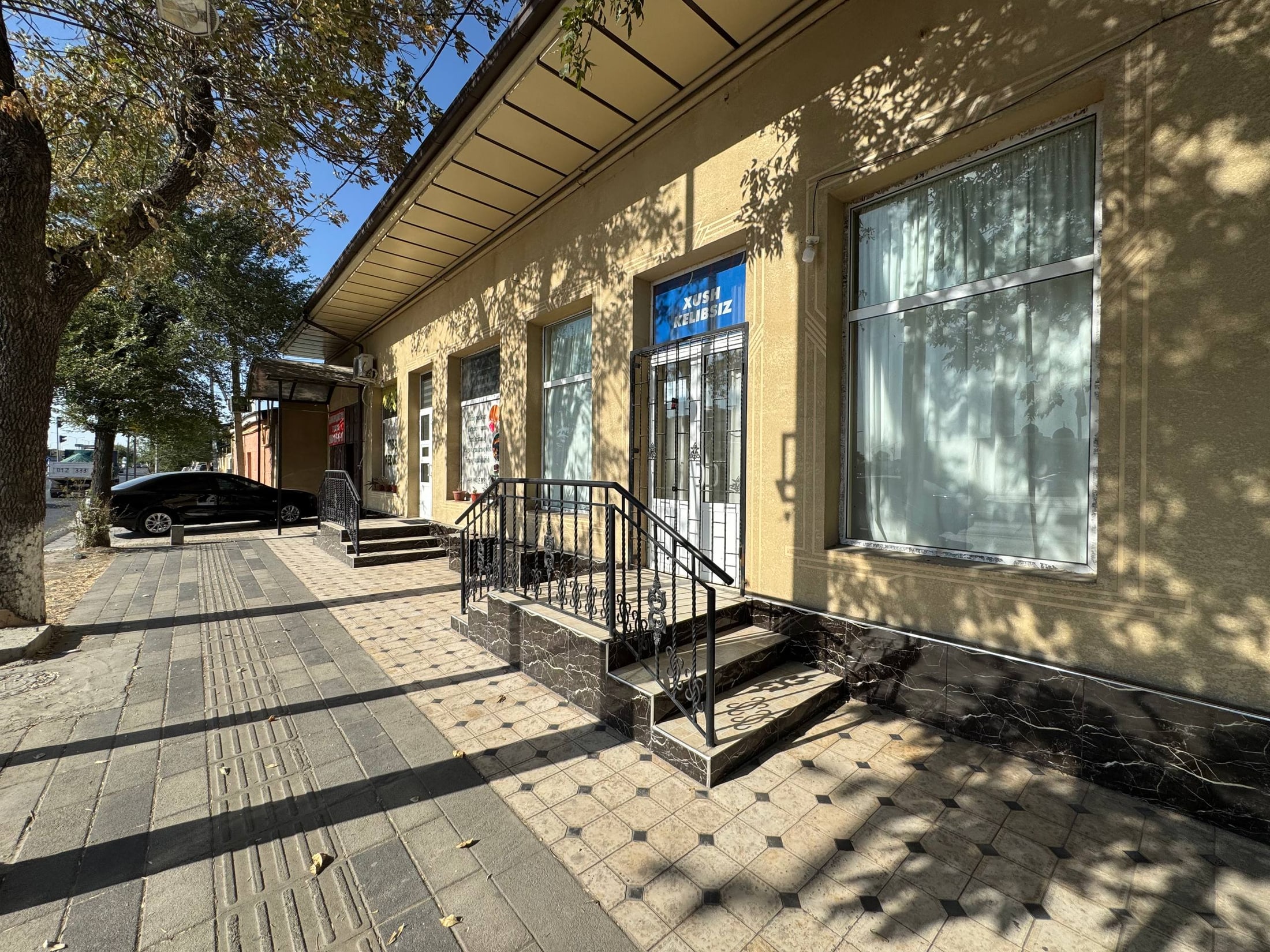
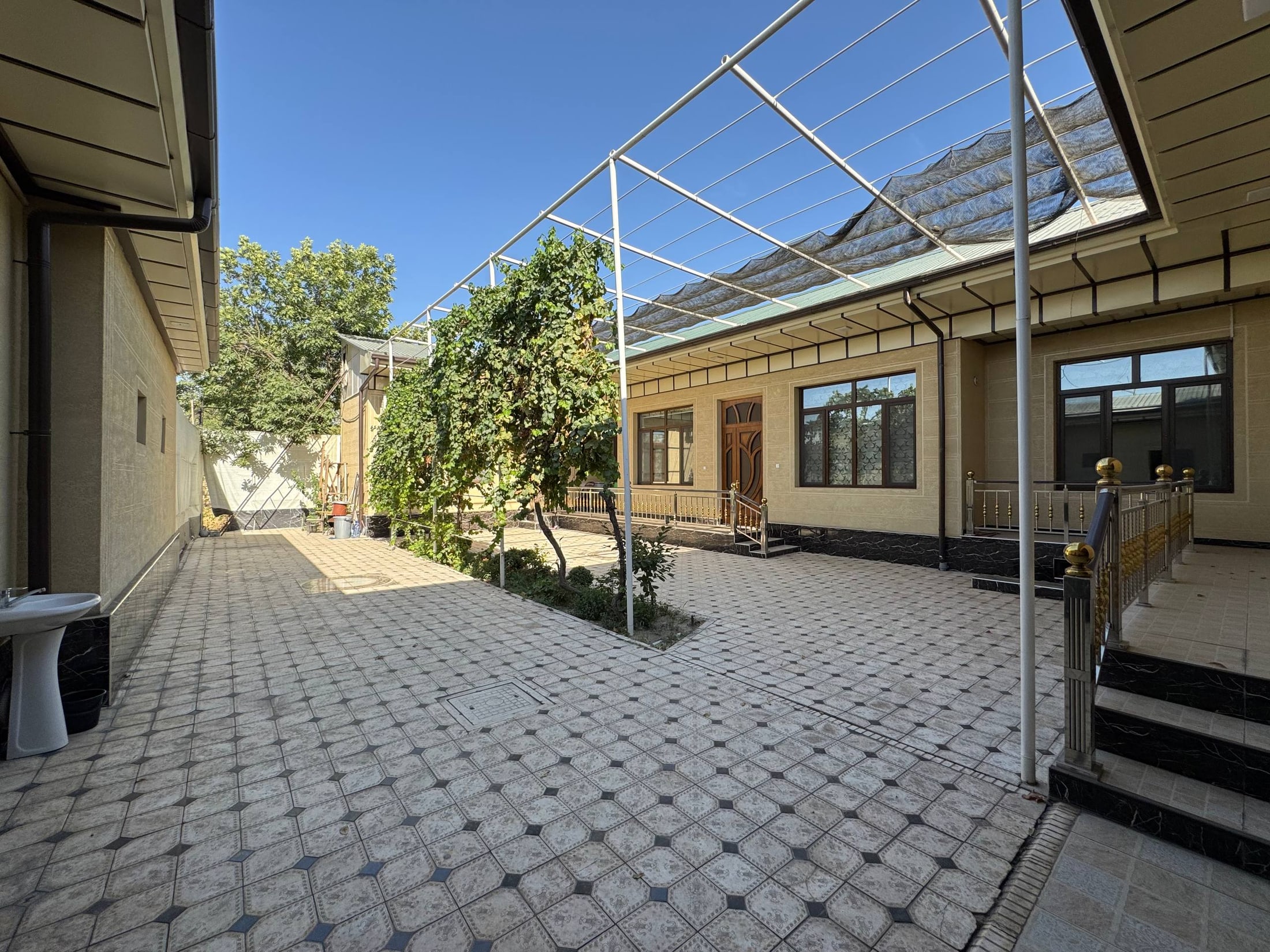
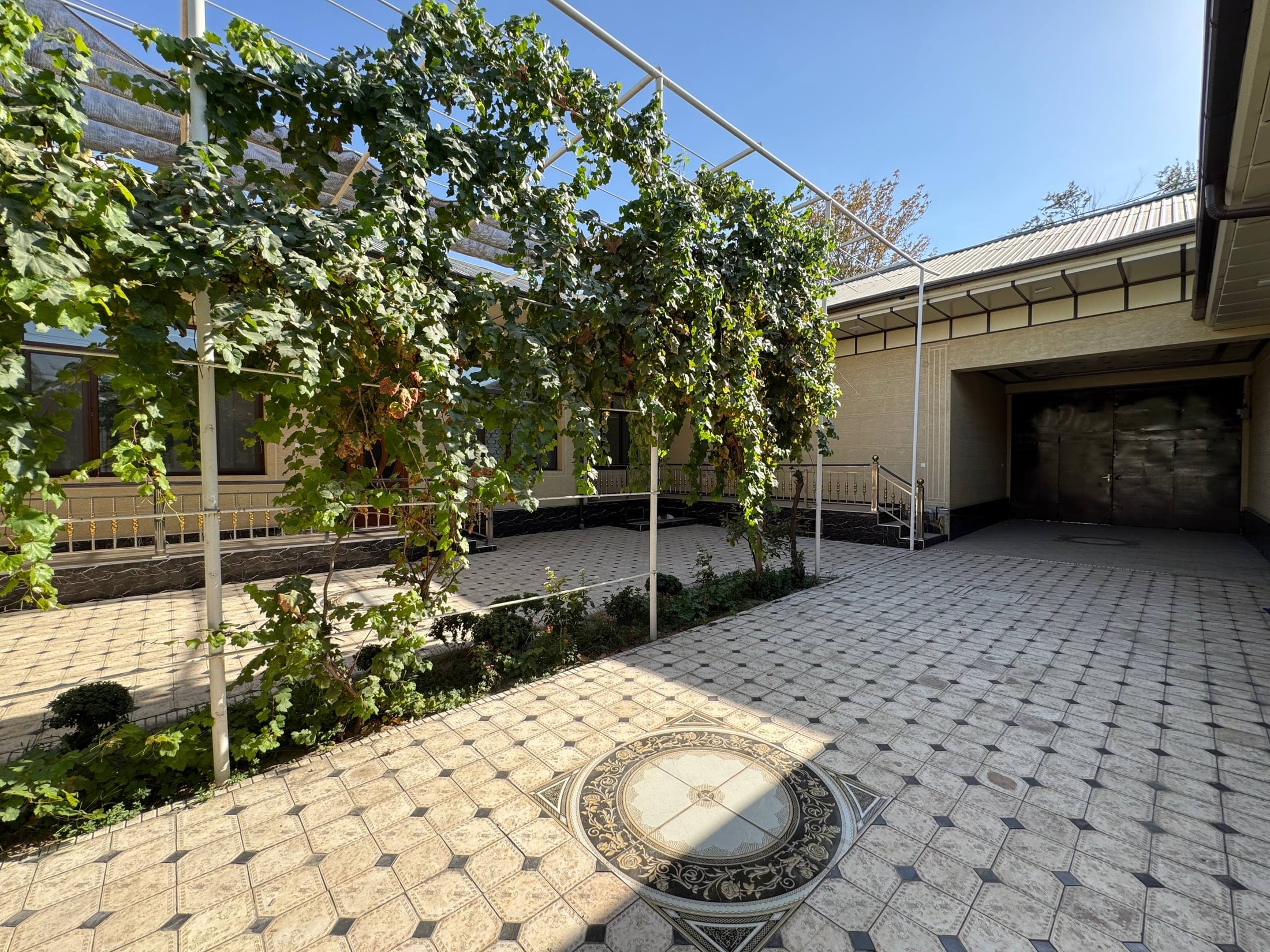
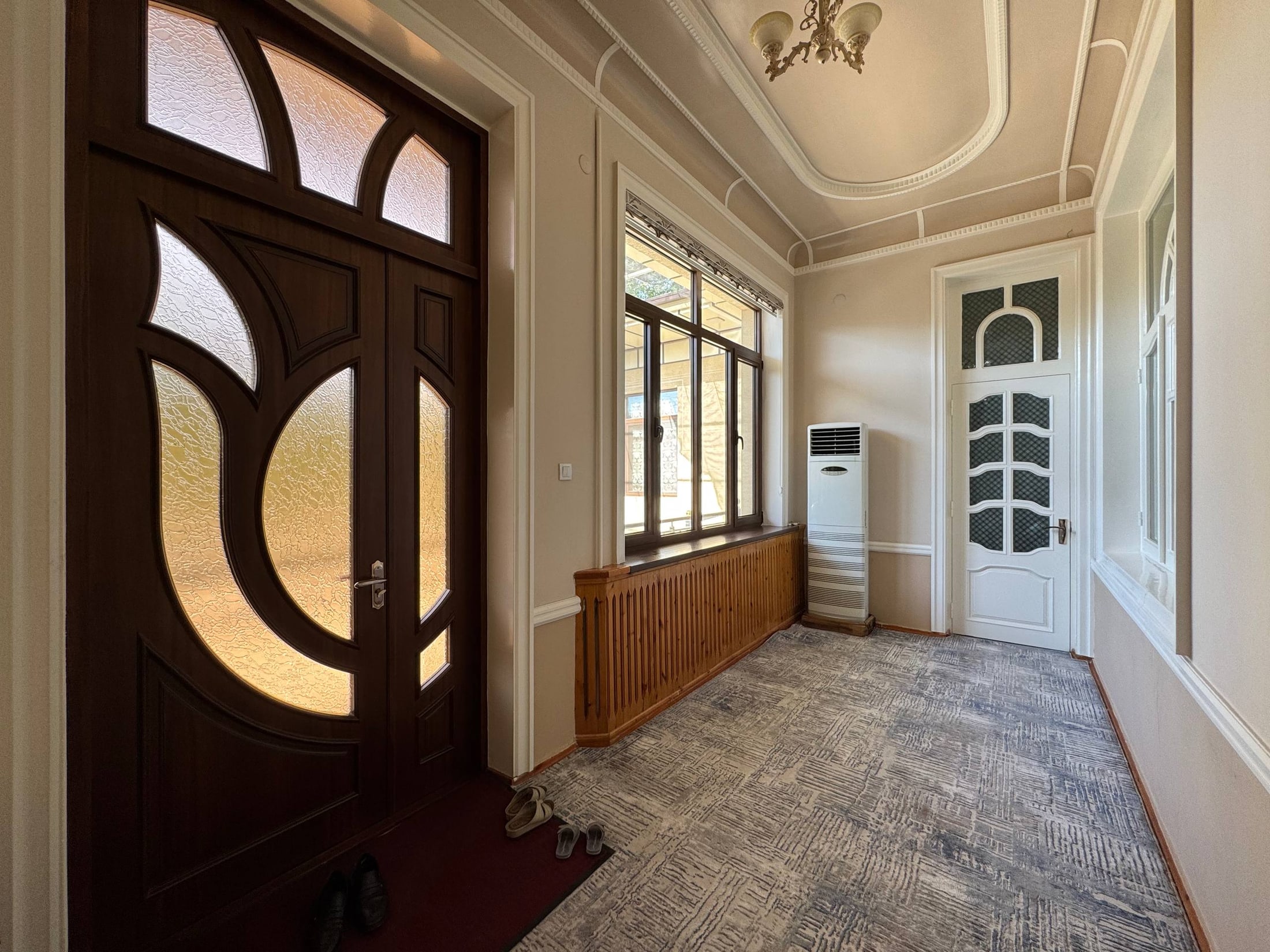
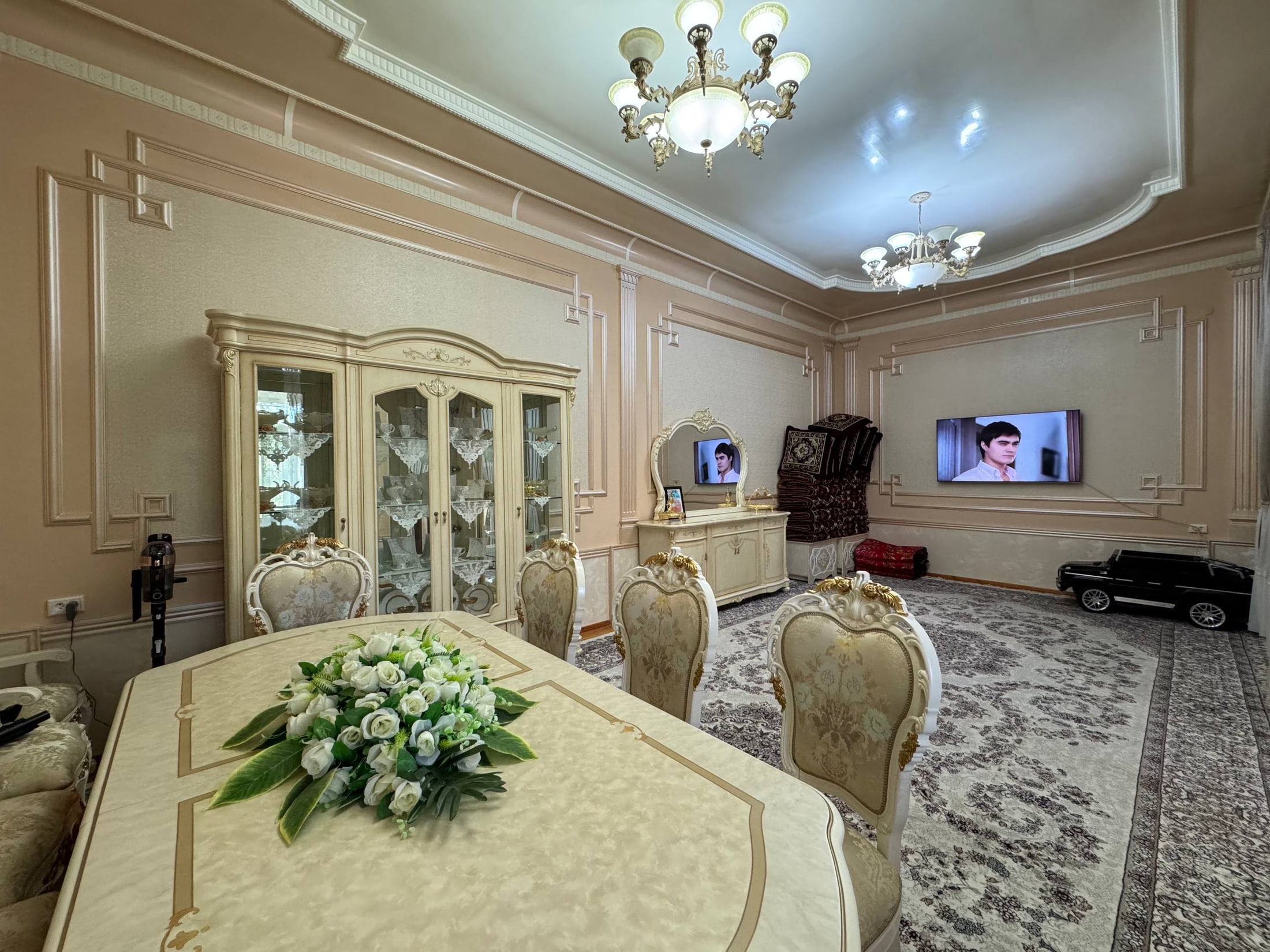
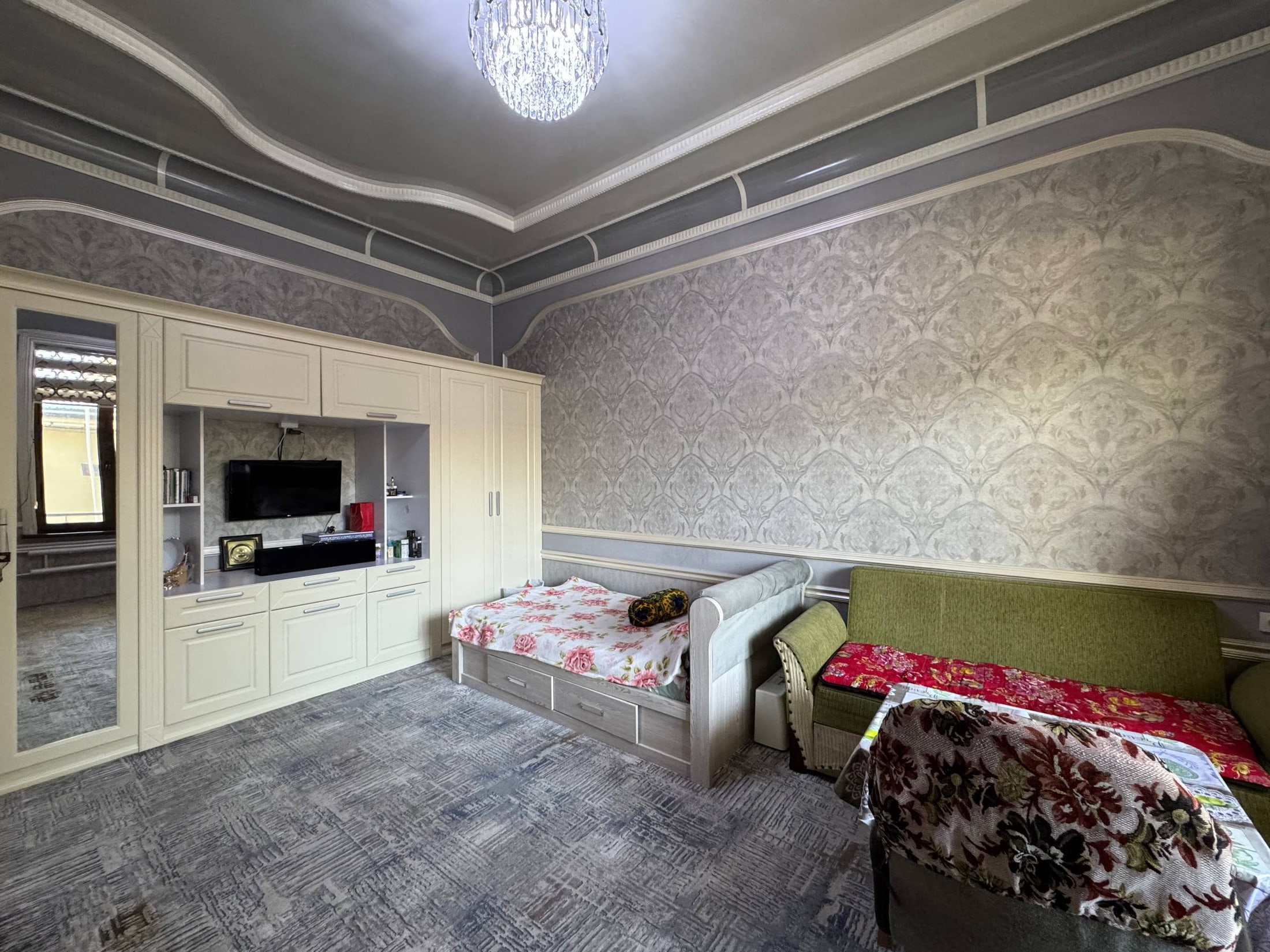
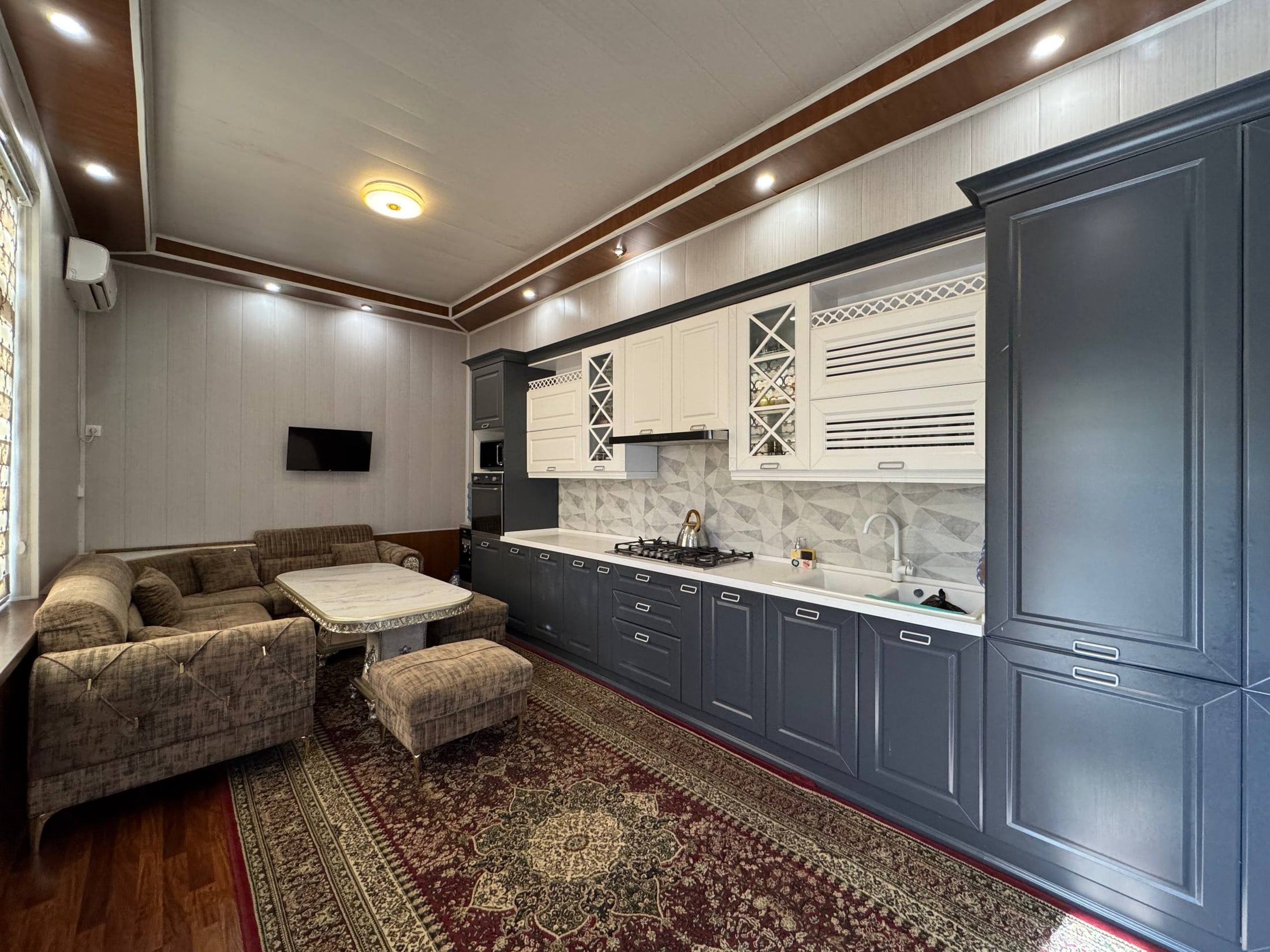
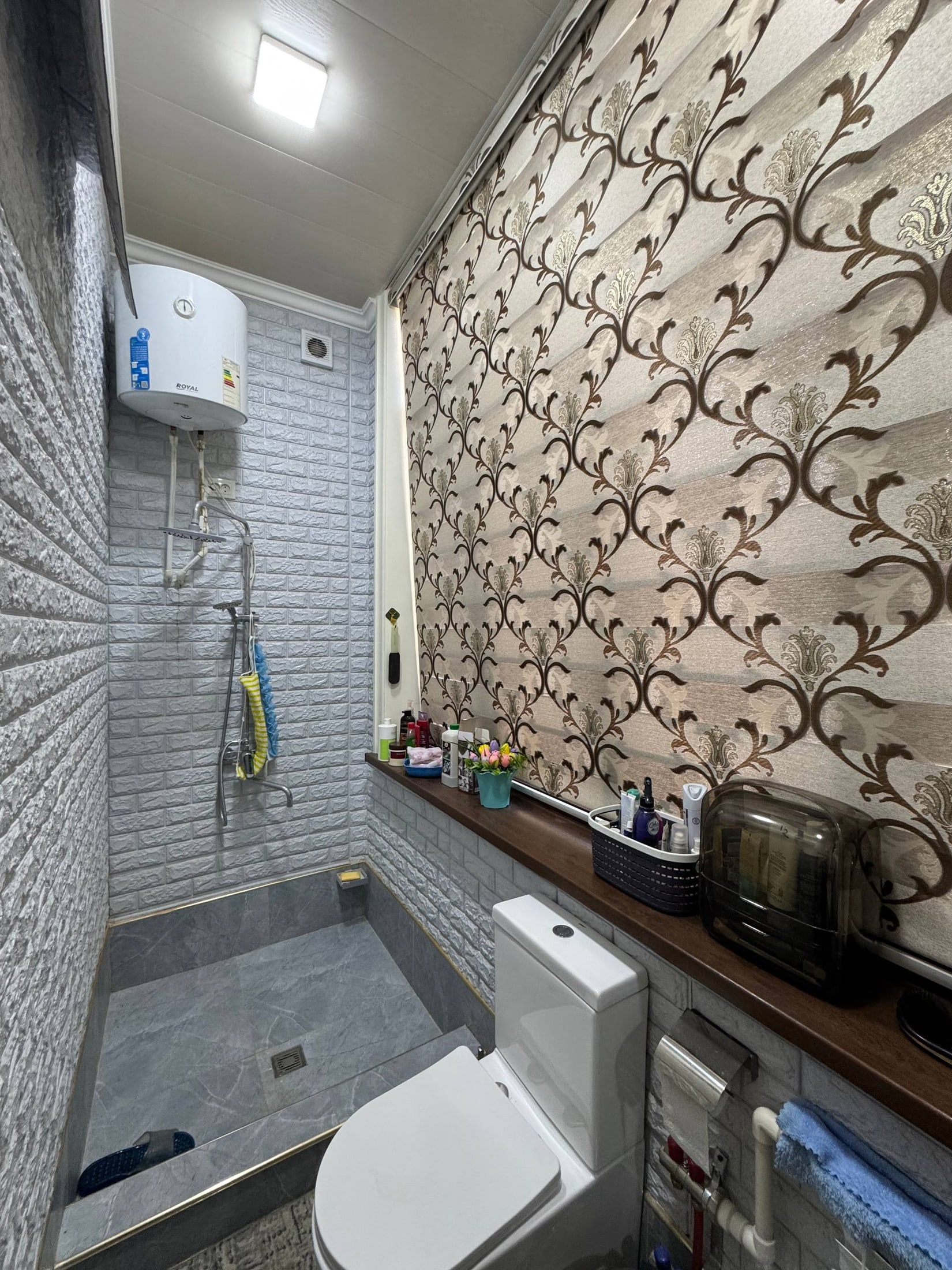
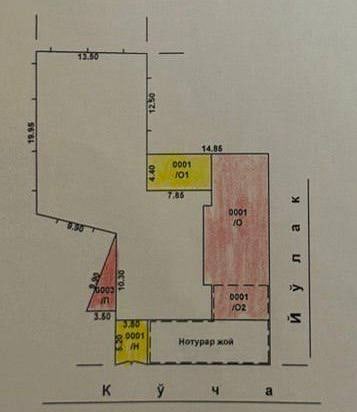
Ташкент, Яшнабадский район, ул. Фергана йули, корзинка Файзабад
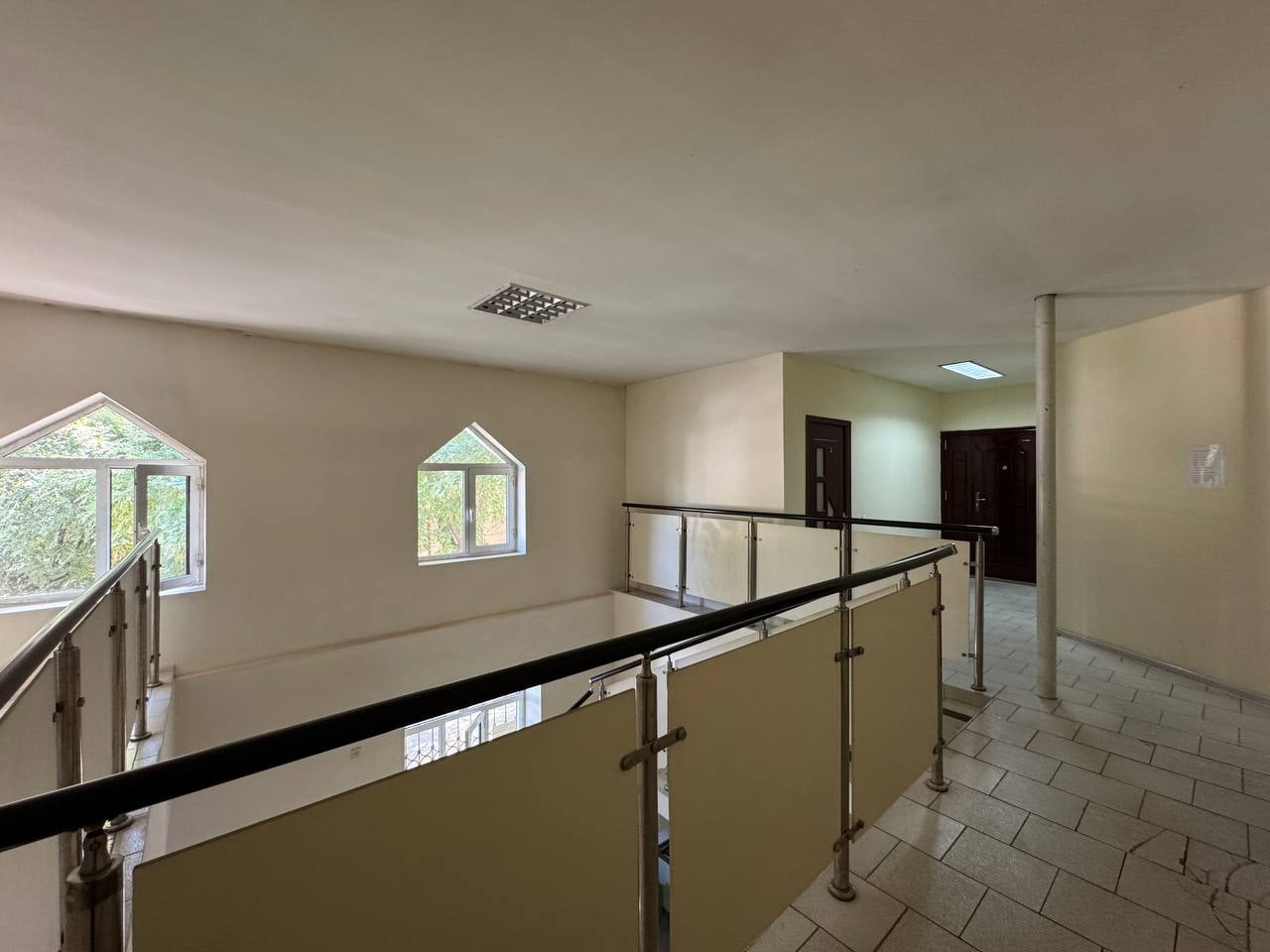
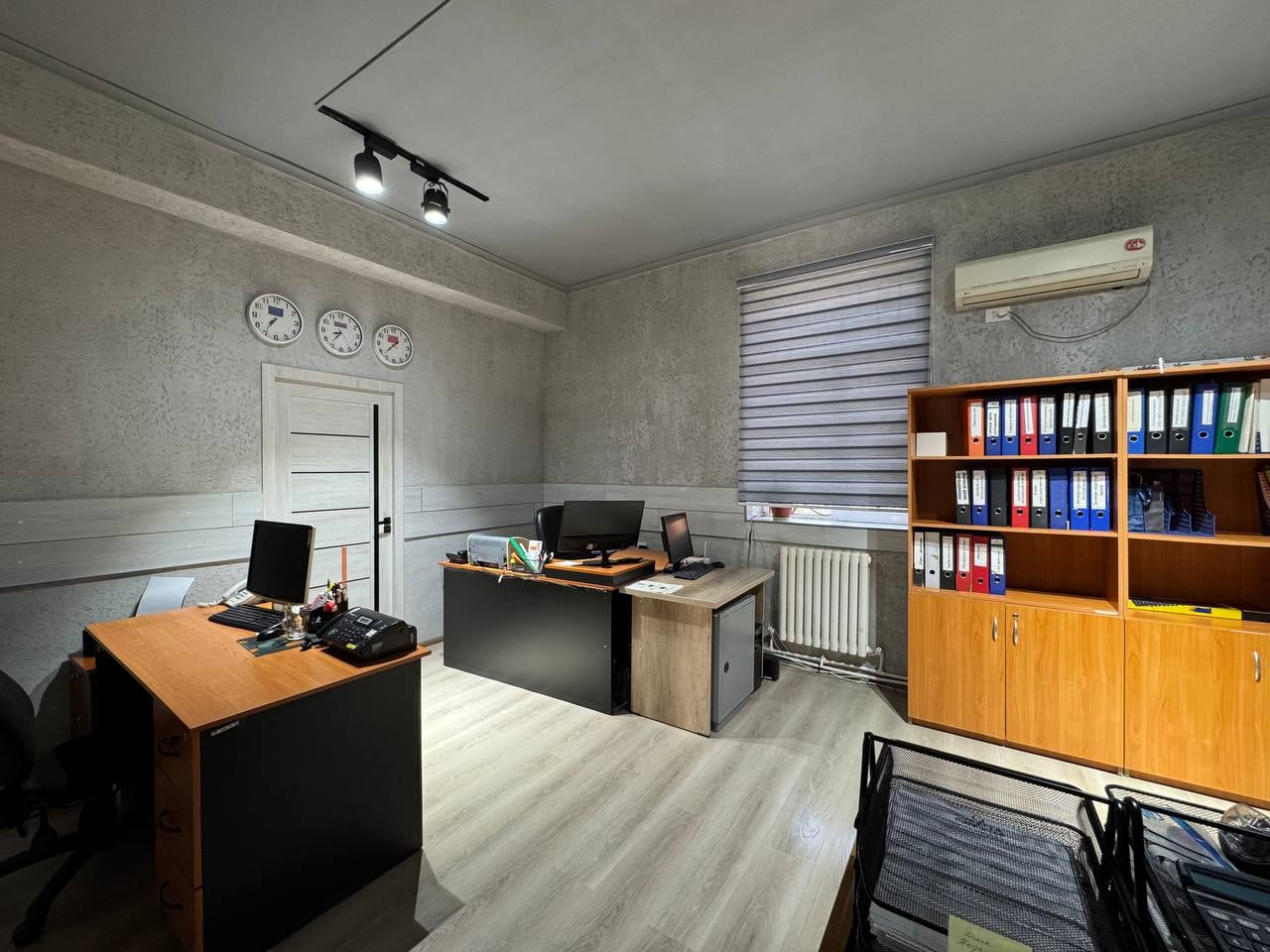
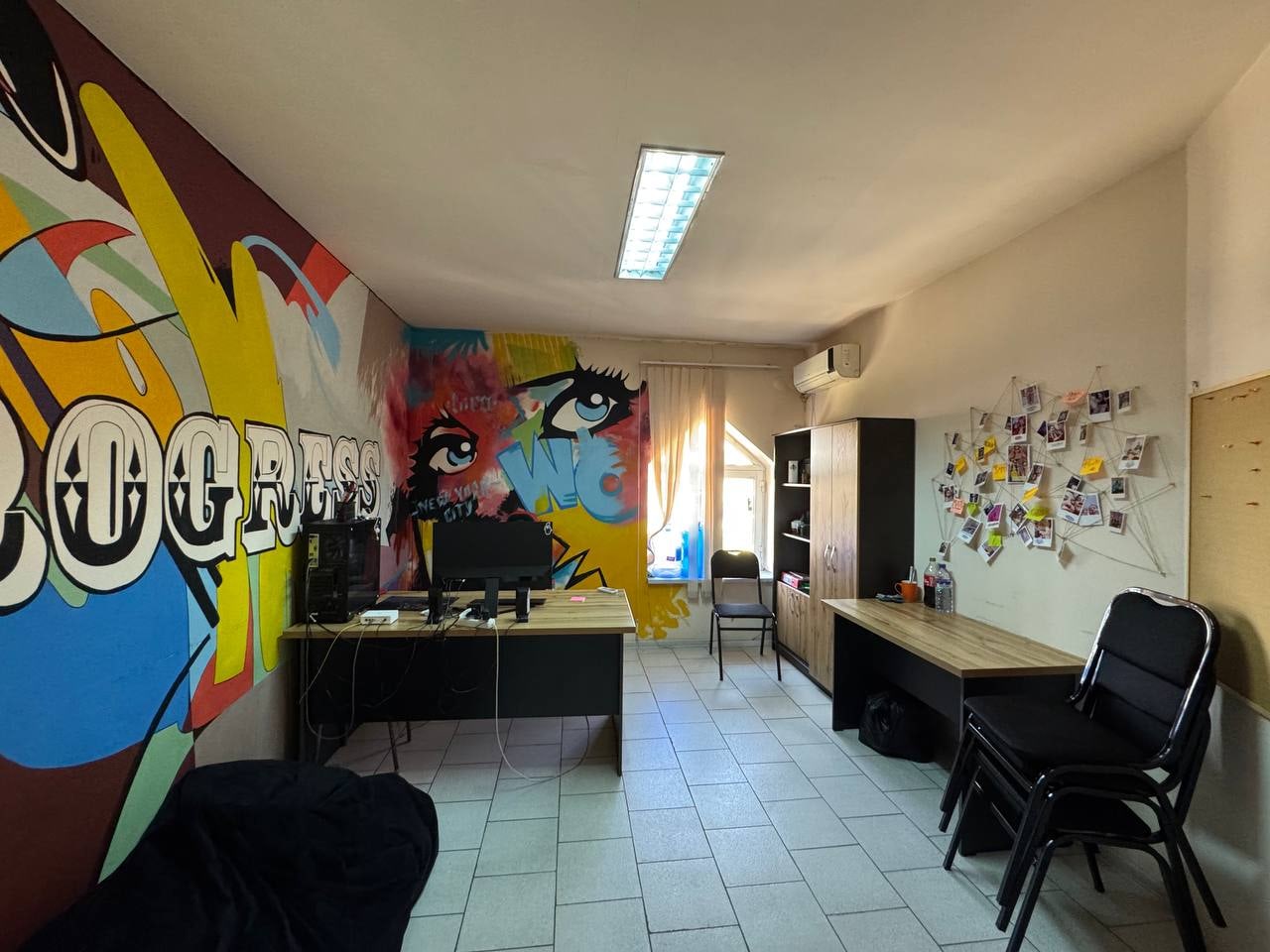
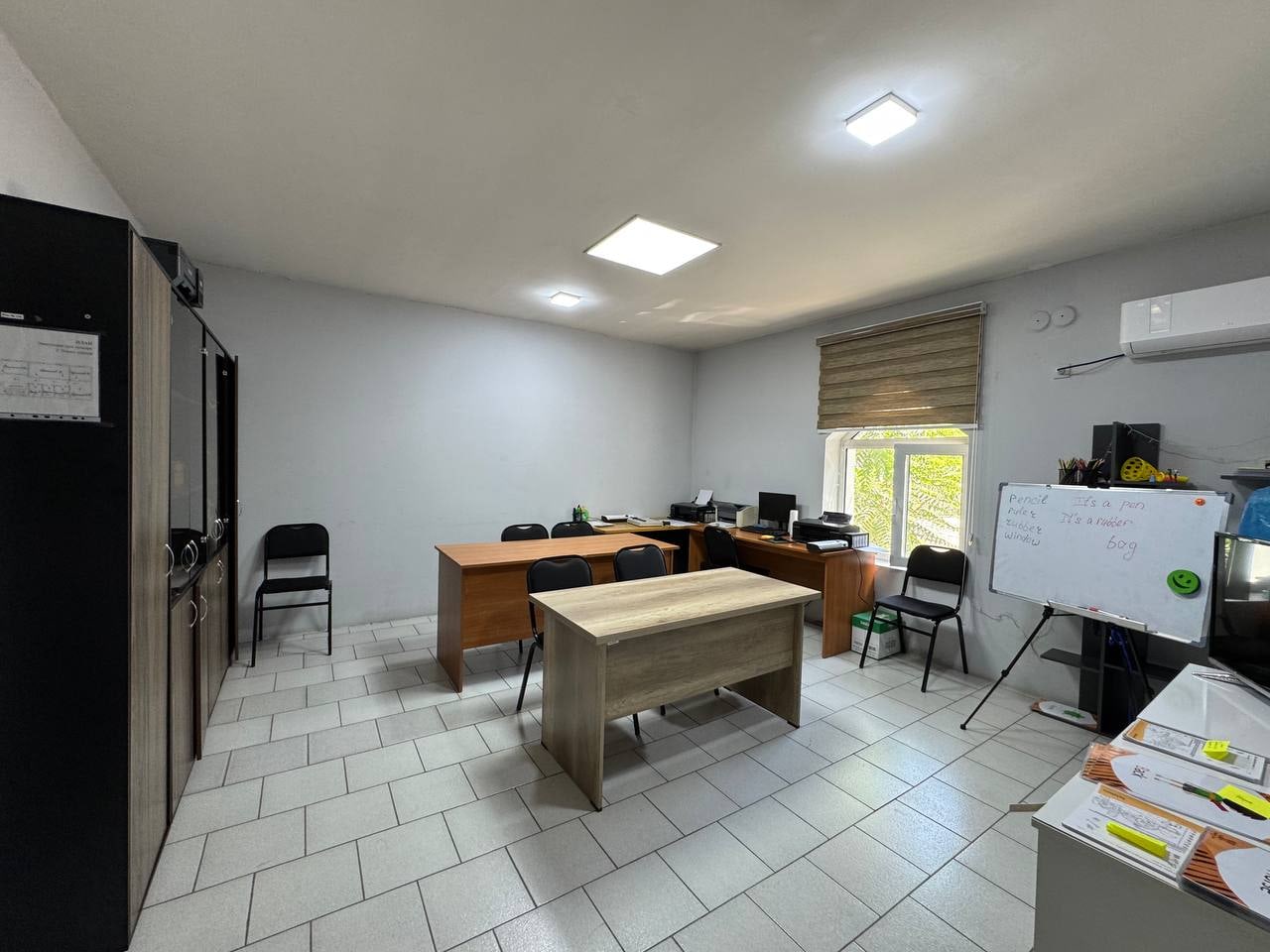
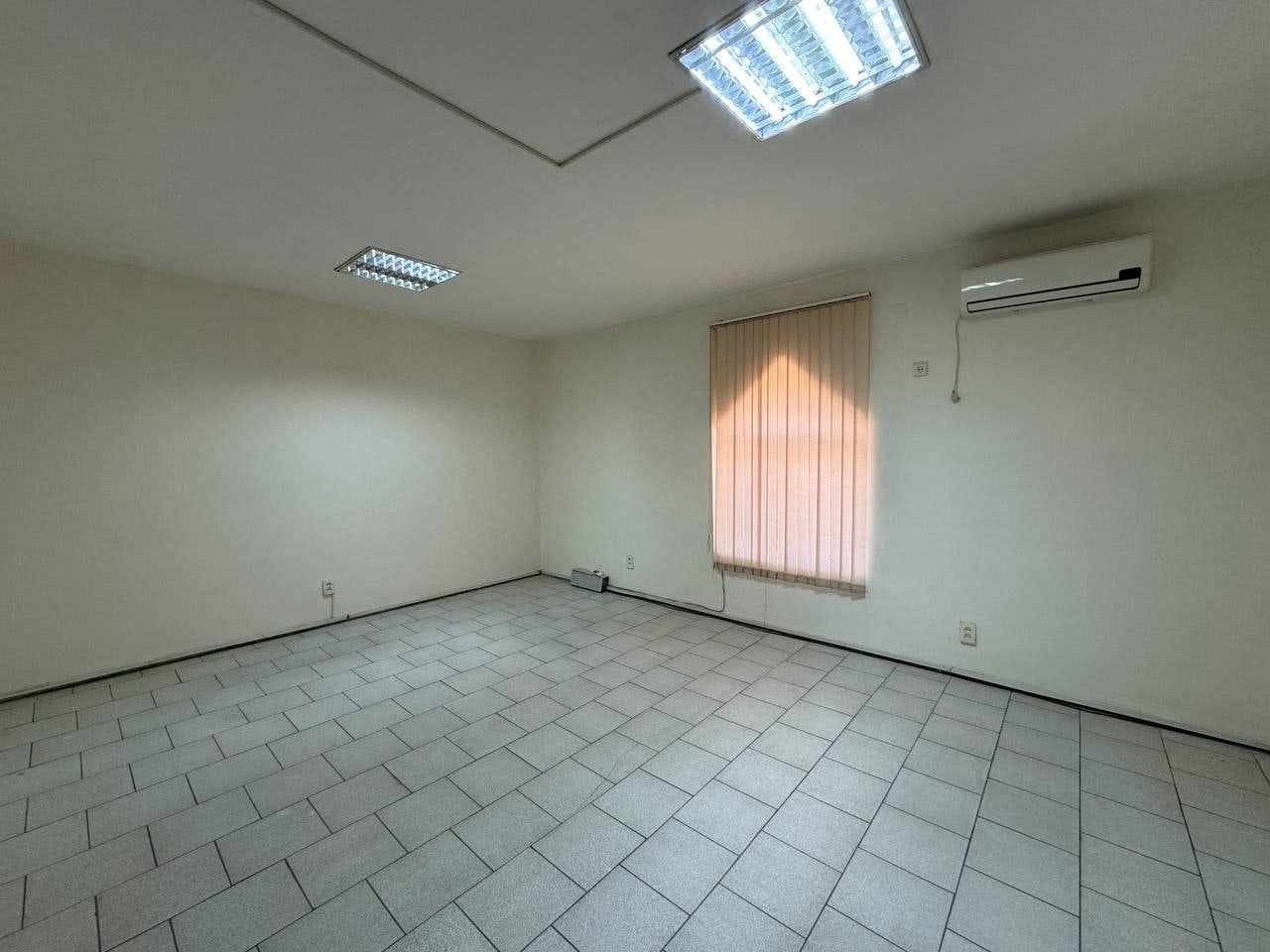
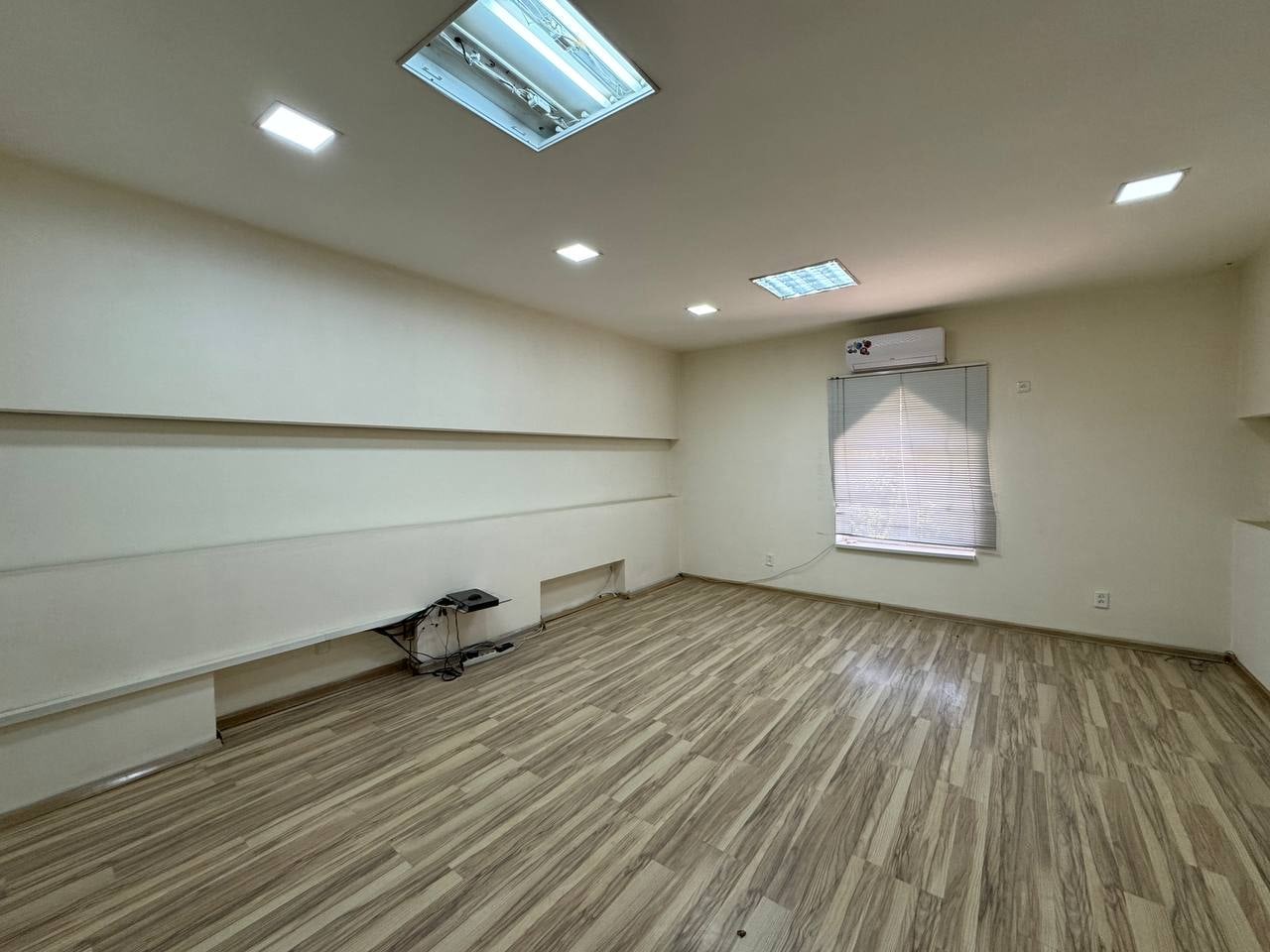
Ташкент, Мирзо-Улугбекский район, ул. Дагестанская
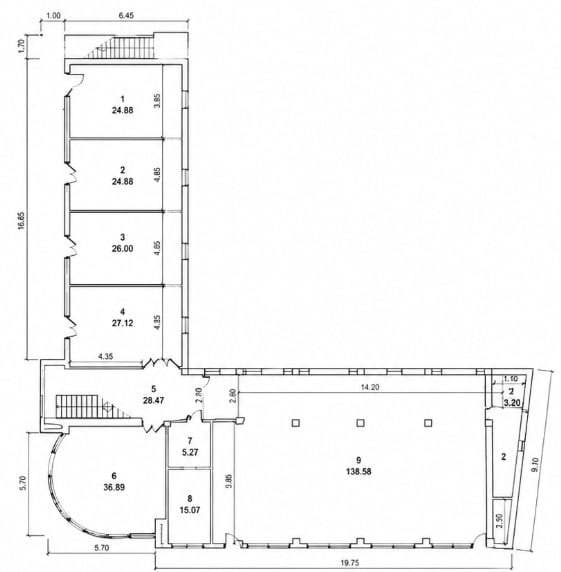
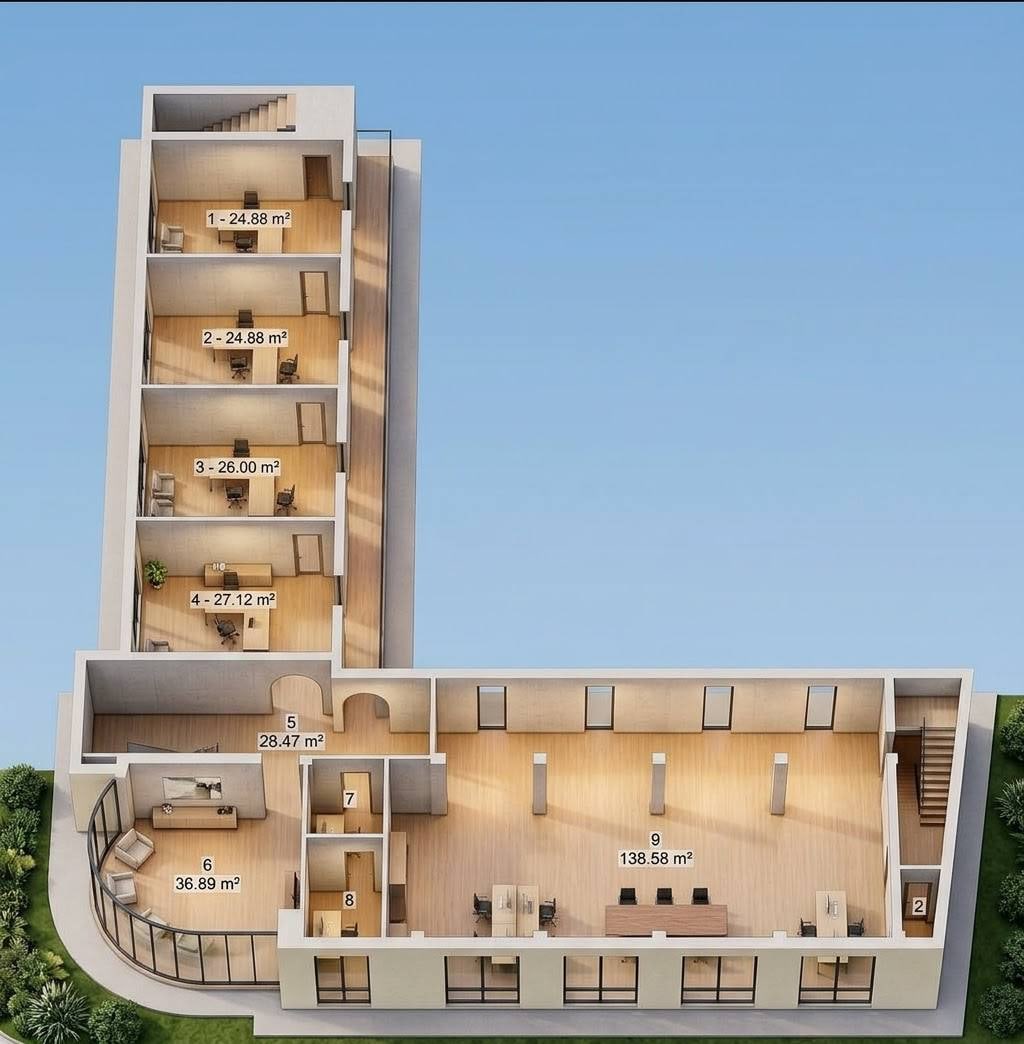
Ташкент, Юнусабадский район, Зенит
Ташкент, Чиланзарский район, Ширин
Ташкент, Мирабадский район, Госпитальный рынок, Халк банк
Ташкент, Шайхантахурский район, Караташ
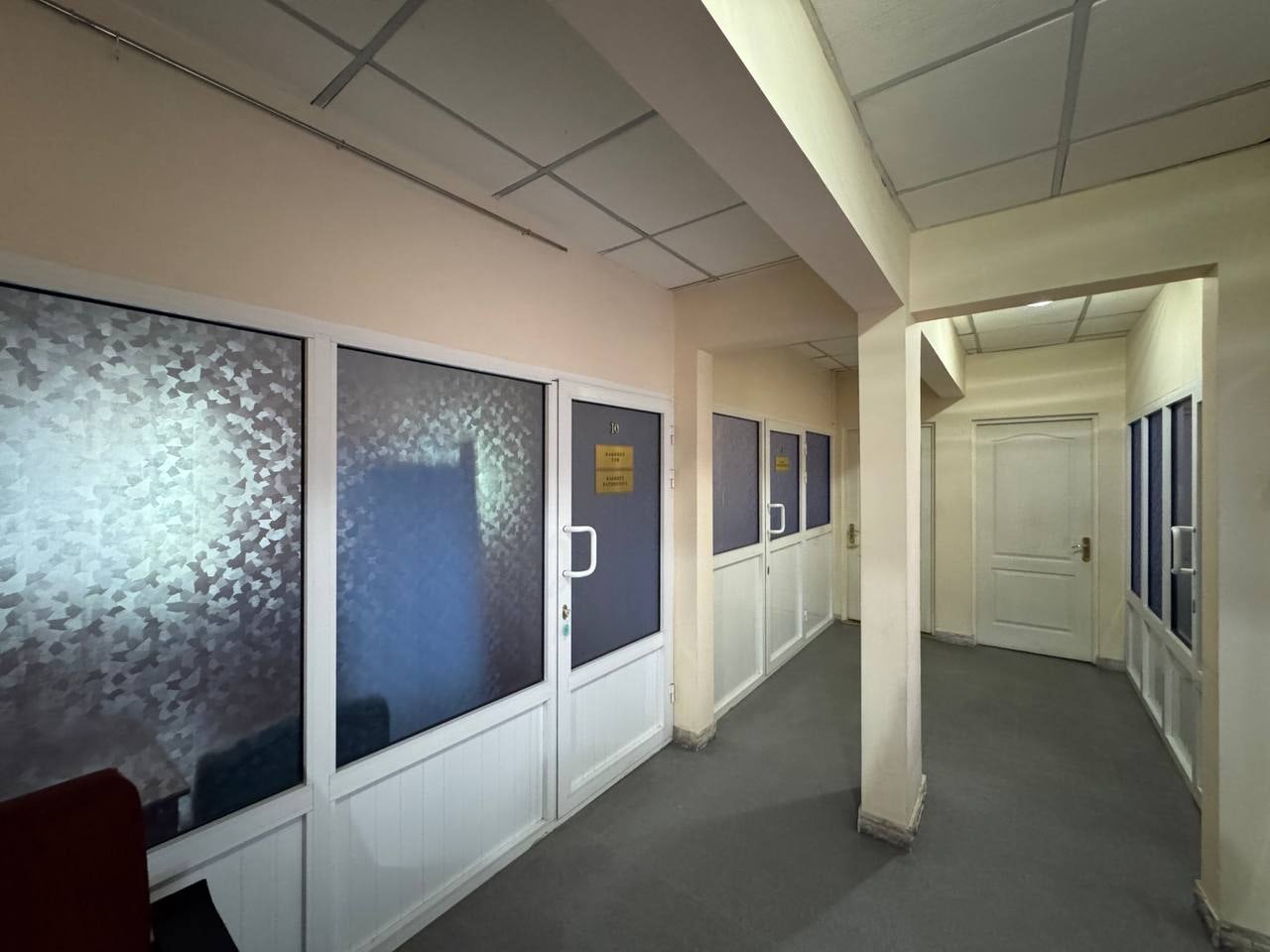
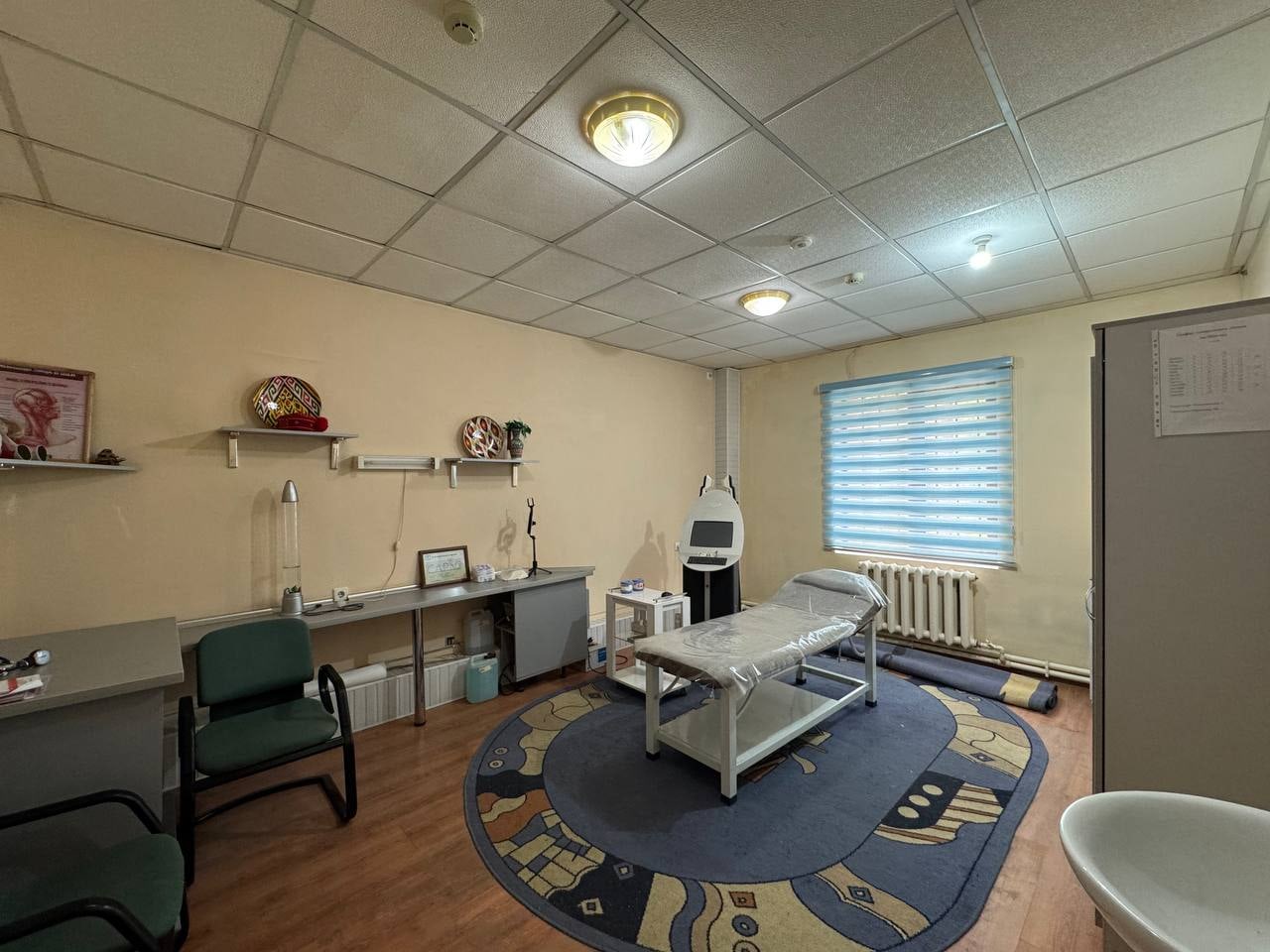
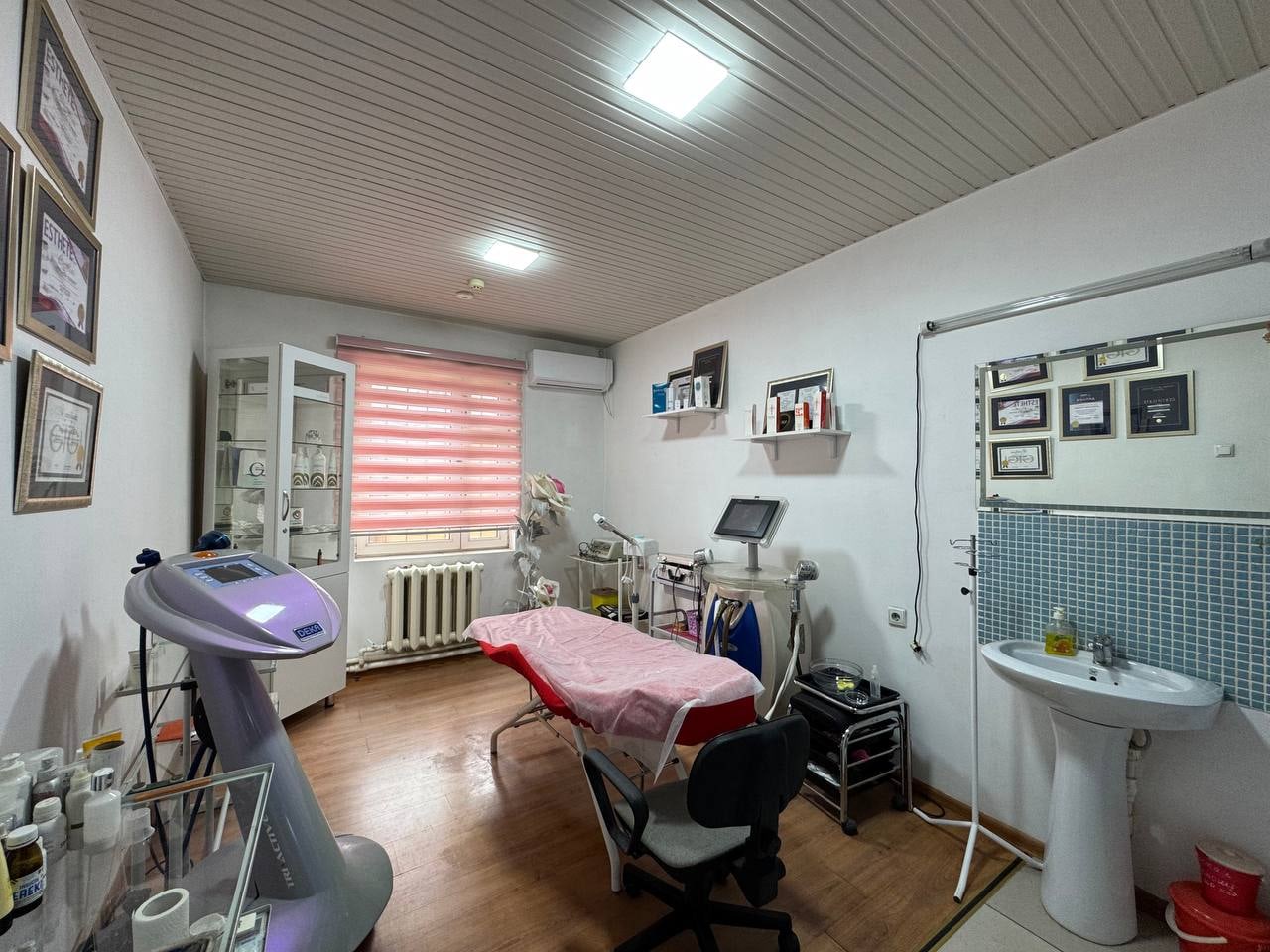
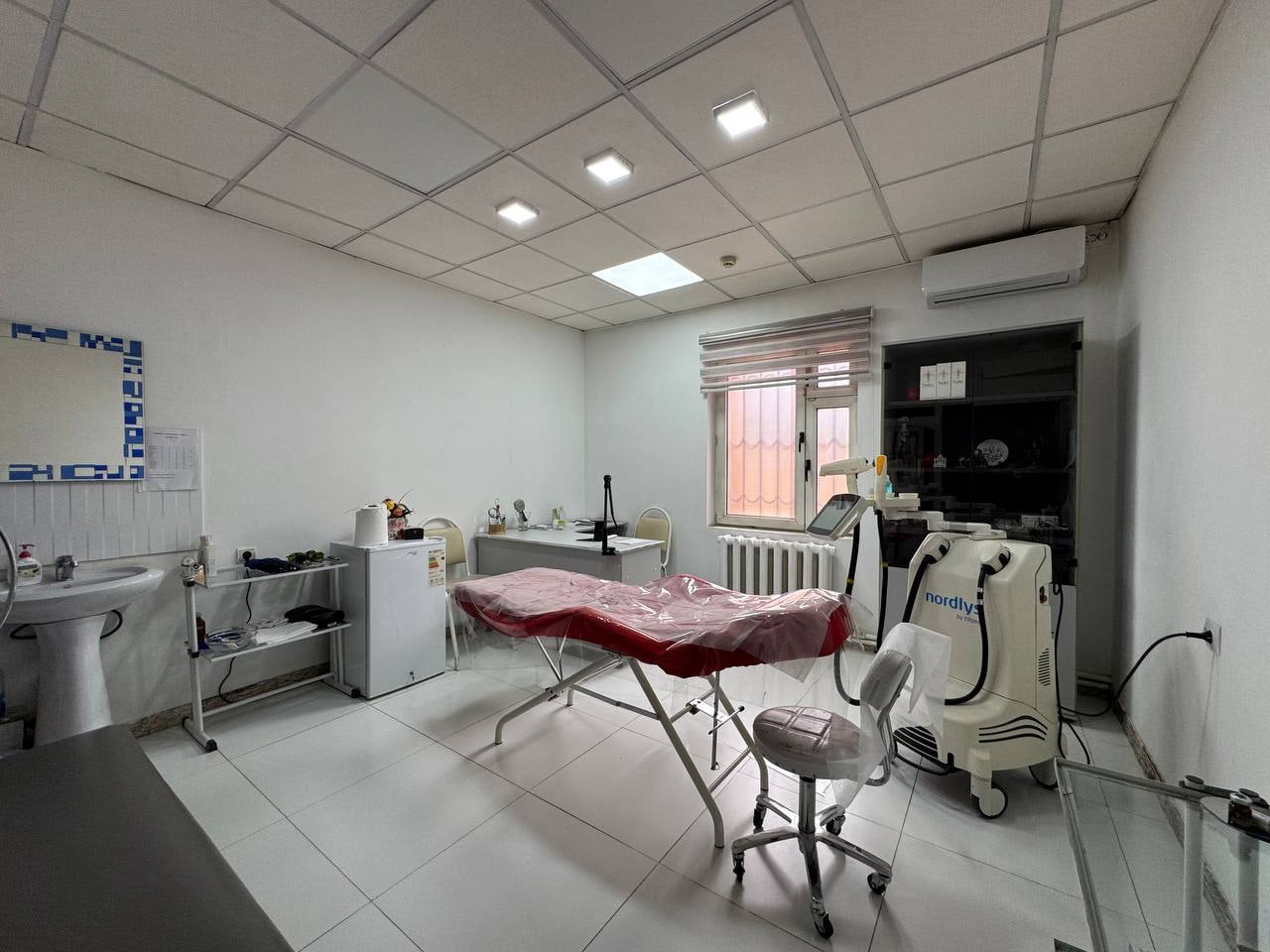
Ташкент, Шайхантахурский район, Караташ
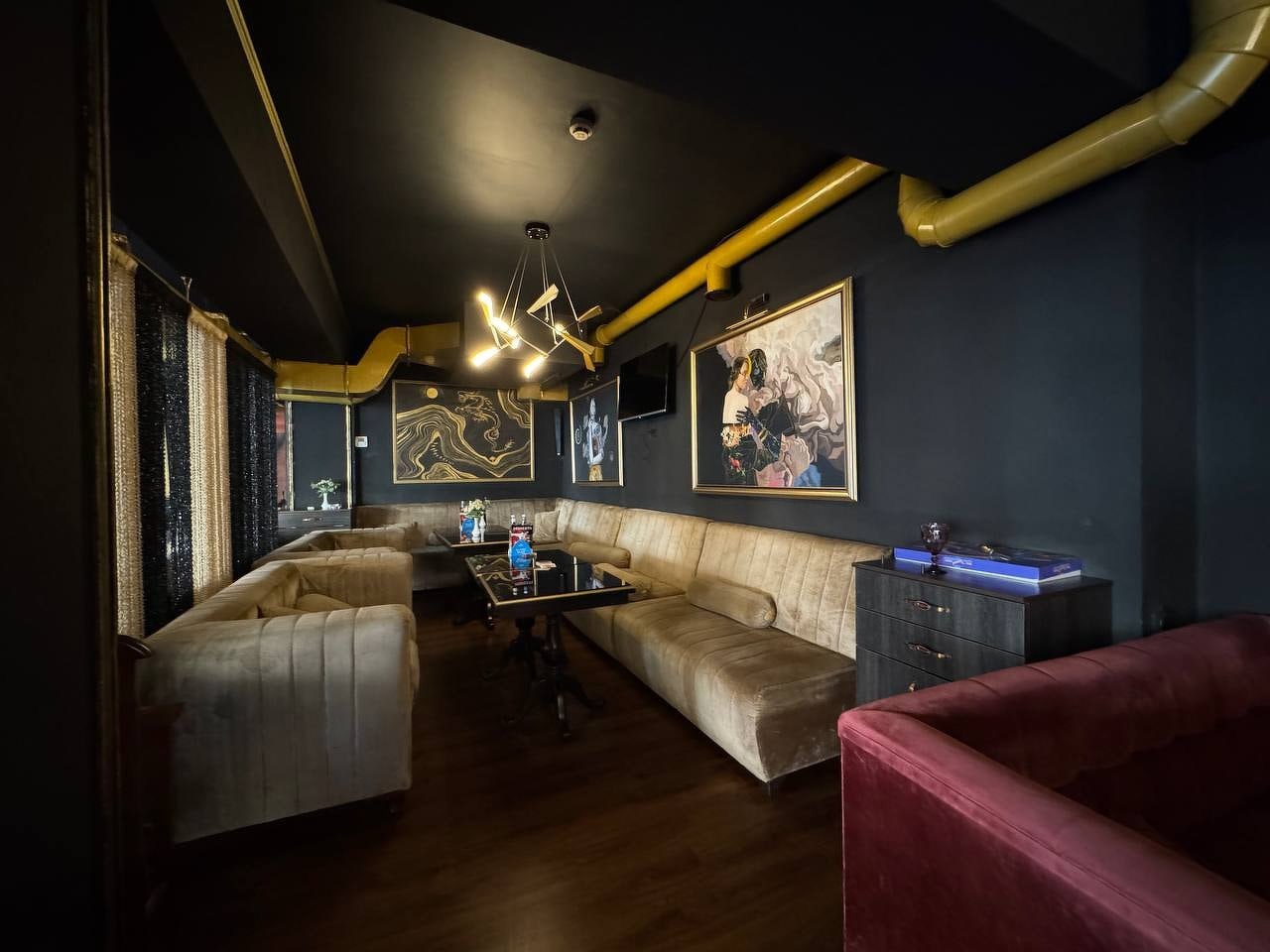
Ташкент, Мирабадский район, ул. Тараса Шевченко
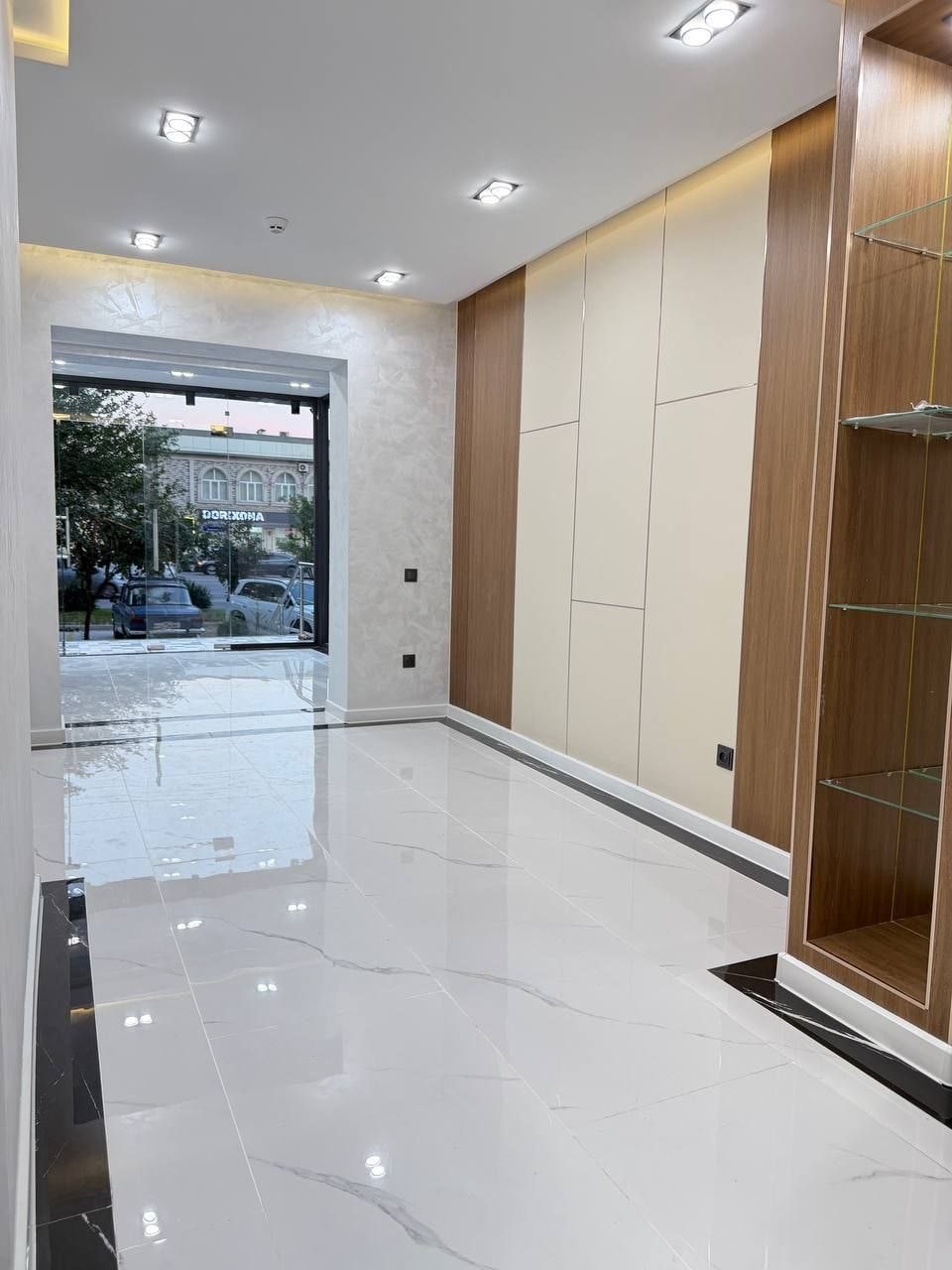
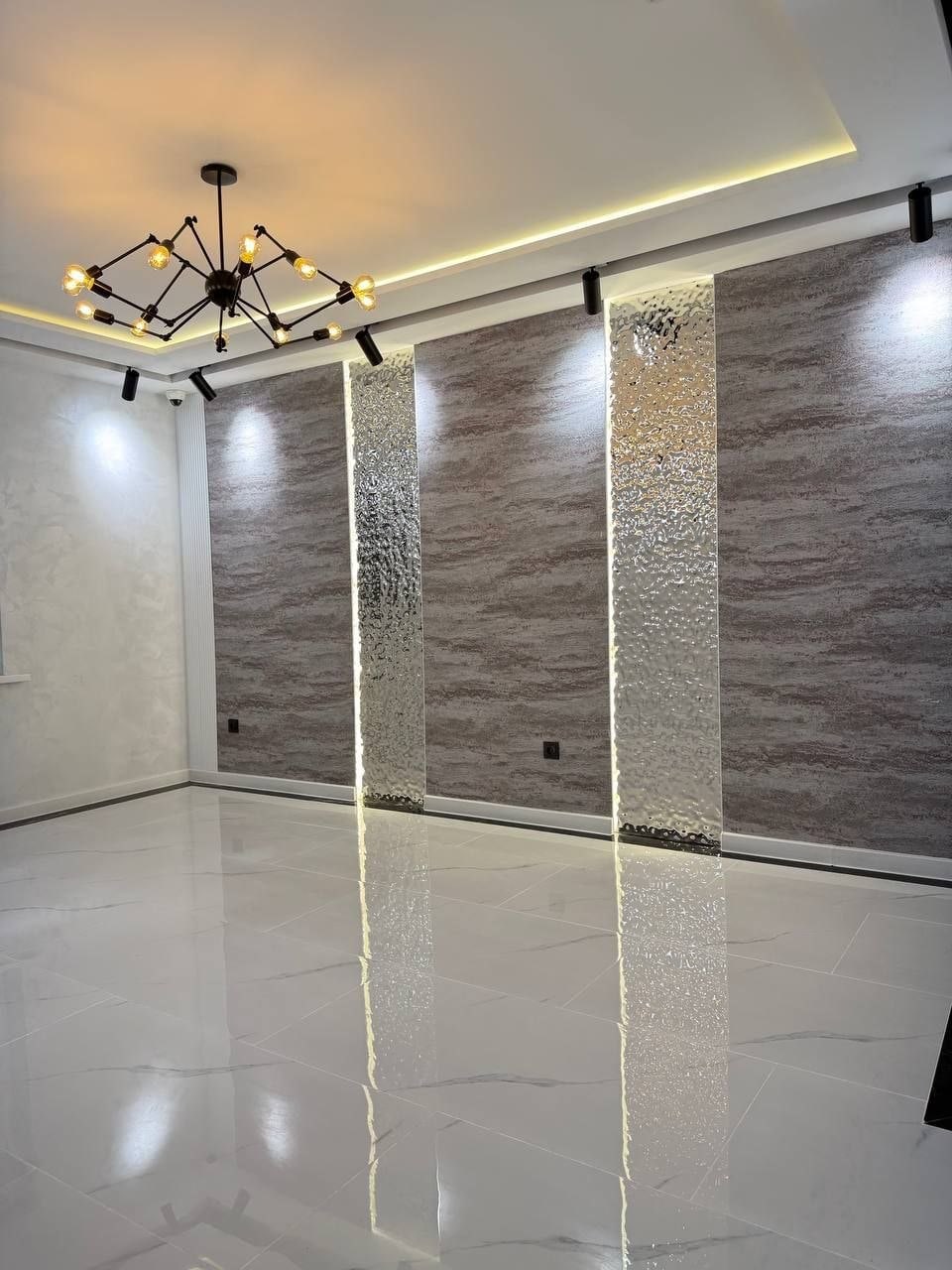
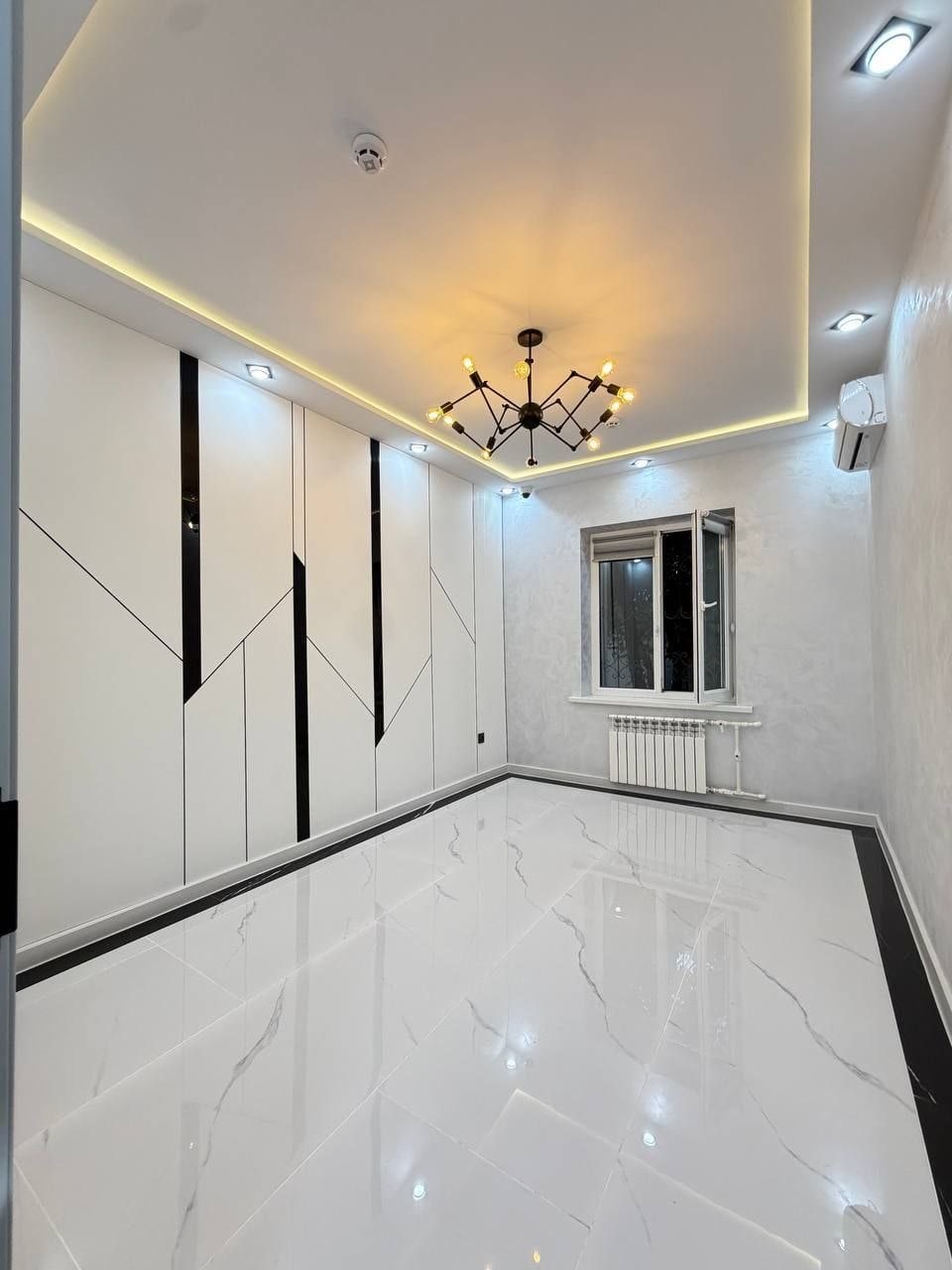
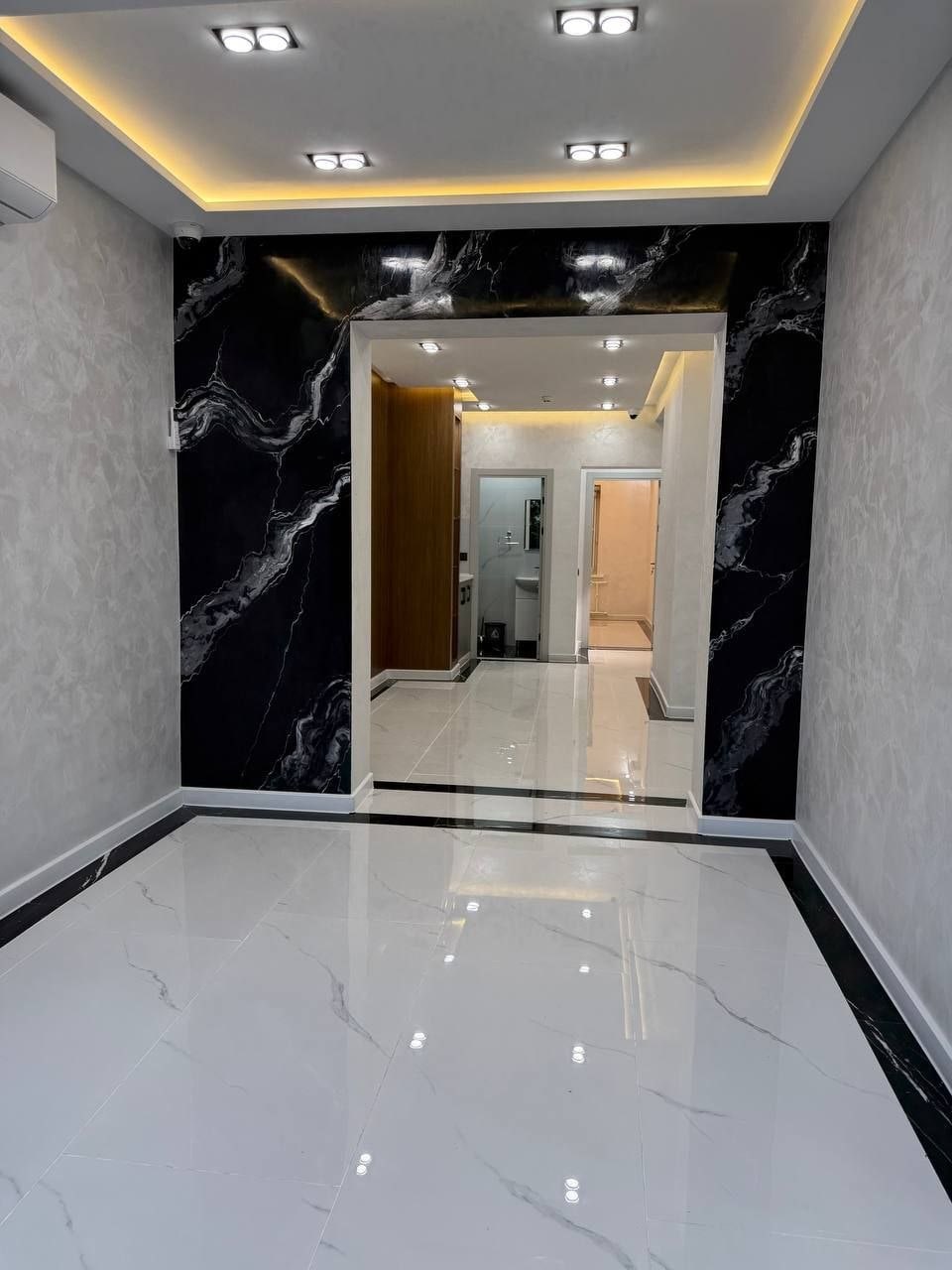
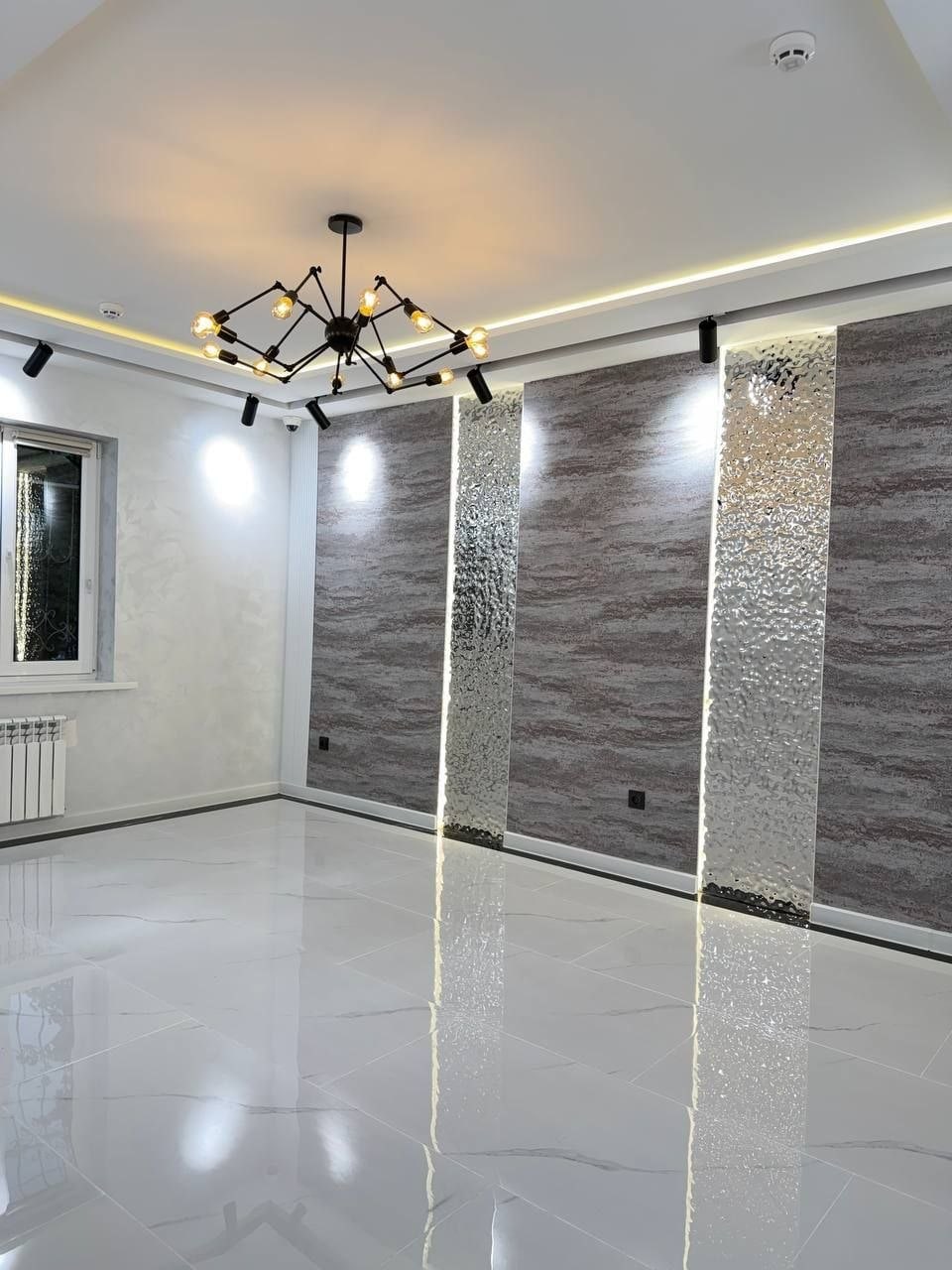
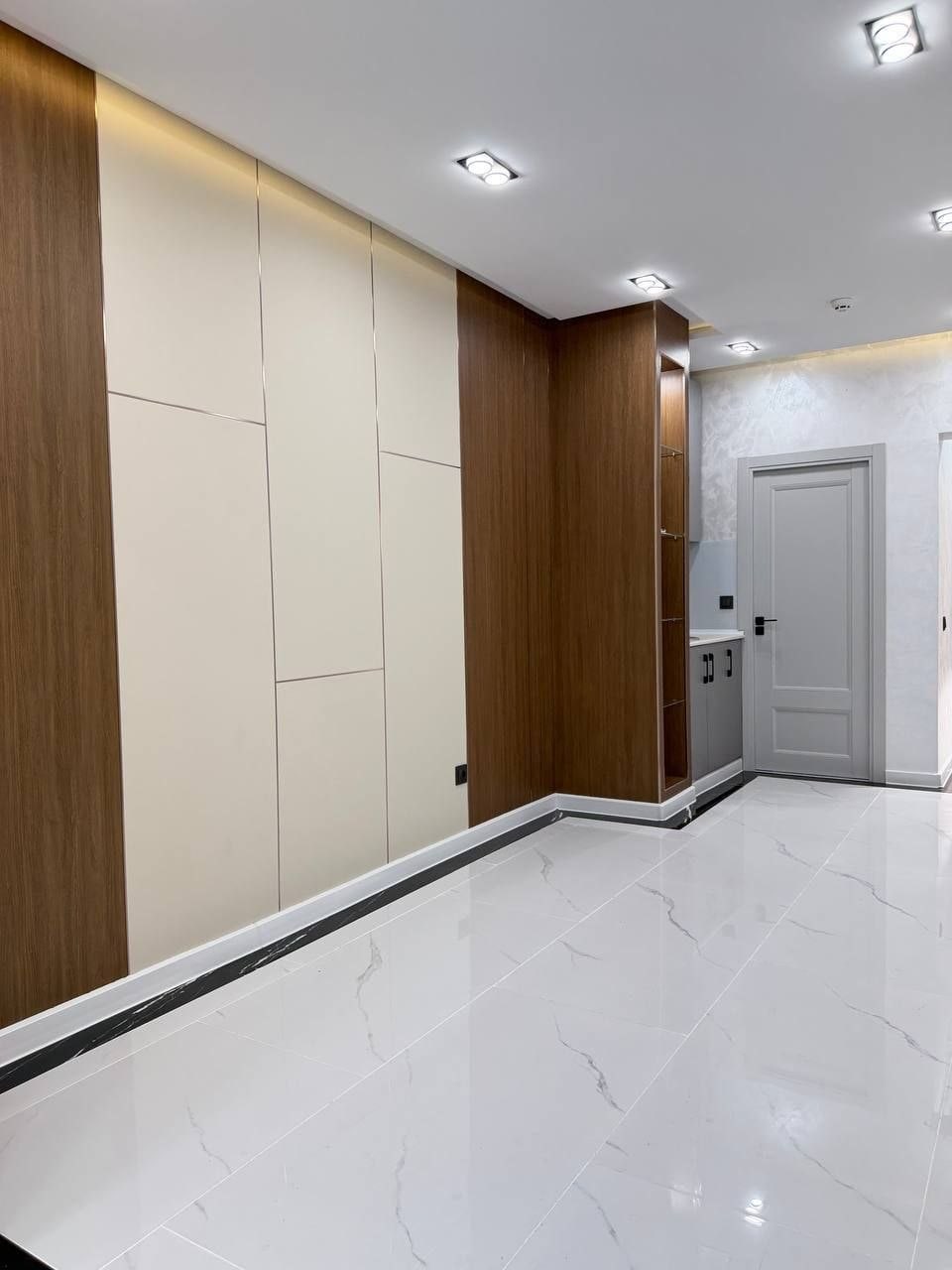
Ташкент, Яккасарайский район, Кушбеги
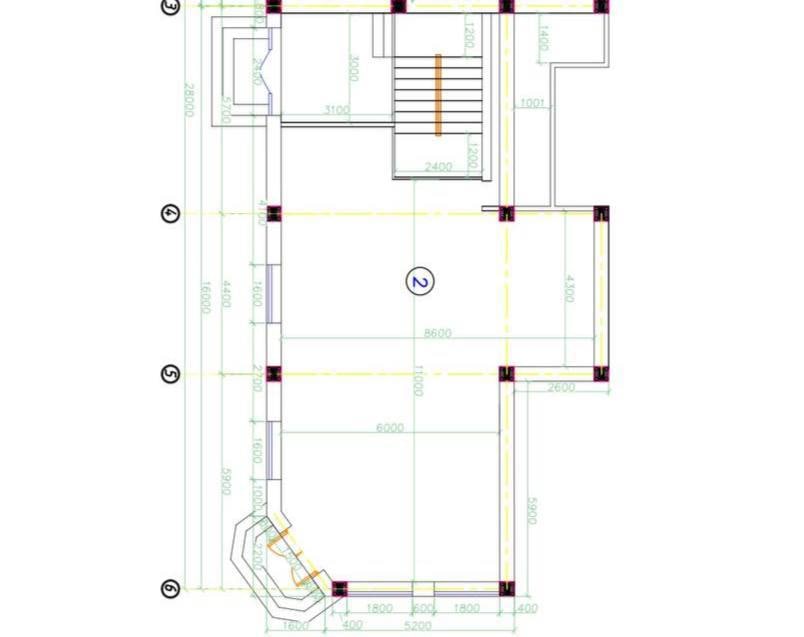
Ташкент, Мирзо-Улугбекский район, Дархан
Ташкент, Яккасарайский район, Малая Кольцевая
Ташкент, Юнусабадский район, Минор
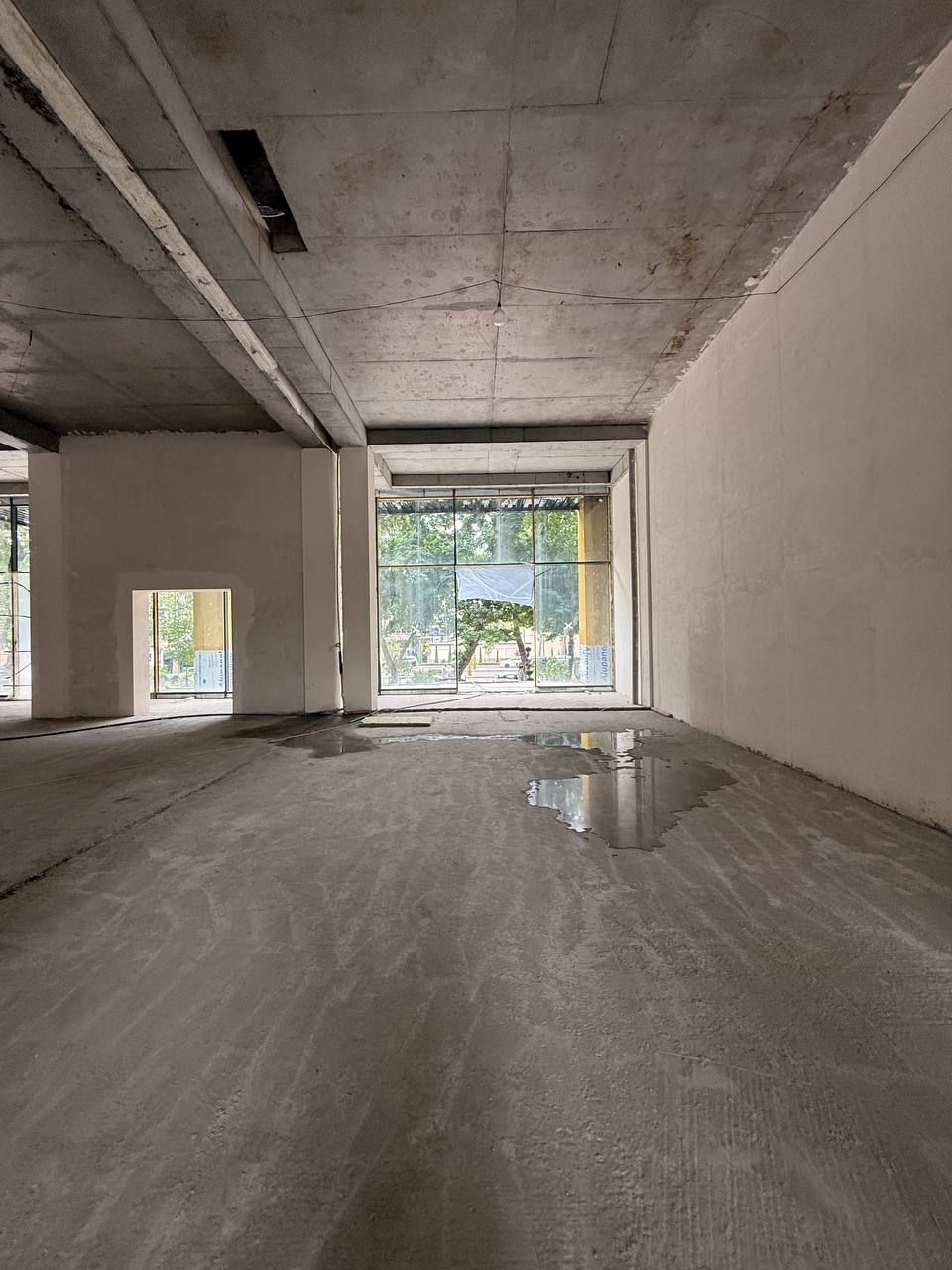
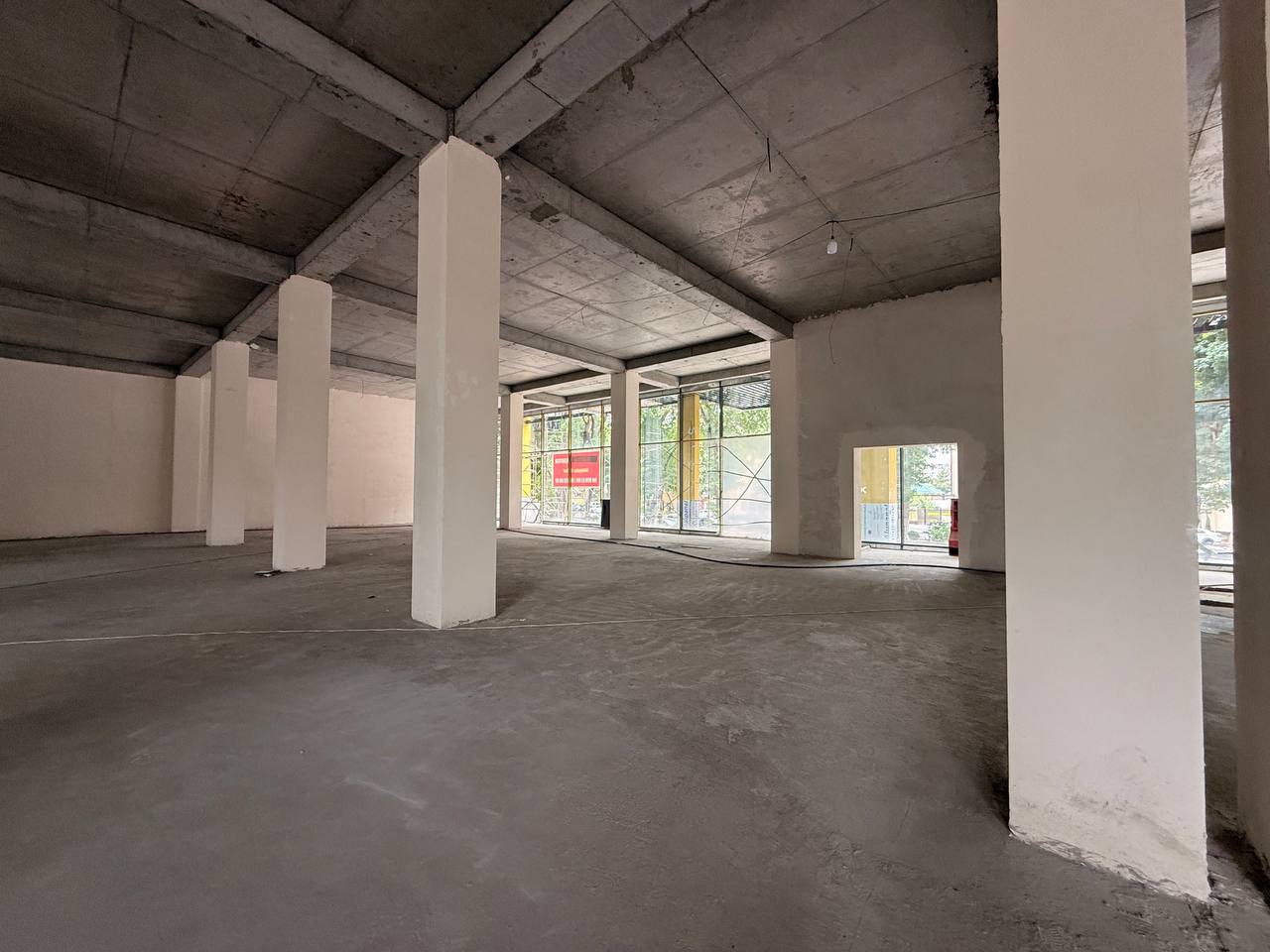
Ташкент, Яккасарайский район, Шота Руставли
MERCATOR.UZ expert guide
Office reliability depends on agreed operating conditions, not an equipment list. This guide explains how to test building services and access and record the results in the lease. The office is ready, the rent has been agreed, and the presentation lists a generator, ventilation and 24/7 access. Yet the lease may say no more than that the premises will be handed over. If cooling stops at night, backup power does not reach the sockets or security refuses entry to a contractor, that marketing list will not establish who must restore the service or by when. The practical answer is to check the operating conditions serving the particular office suite, rather than the mere existence of equipment. The findings can become a technical schedule to the lease, setting out responsibility boundaries, operating hours, acceptance criteria and the fault-reporting procedure. Why an equipment list is not enough Current search results for offices in Tashkent repeatedly promote 24/7 access, parking, security, ventilation and air conditioning. Those labels help with initial screening but do not define a service. “Generator” does not identify the circuits it supplies. Two internet providers do not necessarily have physically separate routes. Round-the-clock access may apply to the front door but not to the lifts, HVAC or visitor passes. After shortlisting properties in the Tashkent office rental sect
The office is ready, the rent has been agreed, and the presentation lists a generator, ventilation and 24/7 access. Yet the lease may say no more than that the premises will be handed over. If cooling stops at night, backup power does not reach the sockets or security refuses entry to a contractor, that marketing list will not establish who must restore the service or by when.
The practical answer is to check the operating conditions serving the particular office suite, rather than the mere existence of equipment. The findings can become a technical schedule to the lease, setting out responsibility boundaries, operating hours, acceptance criteria and the fault-reporting procedure.
Current search results for offices in Tashkent repeatedly promote 24/7 access, parking, security, ventilation and air conditioning. Those labels help with initial screening but do not define a service. “Generator” does not identify the circuits it supplies. Two internet providers do not necessarily have physically separate routes. Round-the-clock access may apply to the front door but not to the lifts, HVAC or visitor passes.
After shortlisting properties in the Tashkent office rental section, ask the building representative for four forms of evidence:
Documents do not replace a test, and a demonstration does not replace a contract. A sound review connects the two.
Technical requirements follow the company’s working pattern. A daytime accounting office and a support team working shifts cannot be assessed with an identical checklist.
Before viewing a property, record:
Plot employee and client routes on the property map, then send the scenario to building management. “Everything is provided” is not an acceptance criterion. The answers must relate to the selected floor, office and operating period.
The cost of downtime can establish priorities without relying on invented market benchmarks:
**downtime cost = affected employees × full hourly cost × interruption duration + direct business losses.**
If one hour without communications costs more than a secondary connection, network resilience becomes a transaction requirement rather than an IT preference.
Begin with the allocated capacity and the responsibility boundary. Obtain written confirmation of the load available to the suite, the location of its metering and who may access the electrical panel. Compare this with the tenant’s equipment schedule and a realistic simultaneous load from workstations, servers, air conditioners and kitchen equipment.
Backup power requires narrower questions. Which panels and circuits are connected? Is the source started automatically? Will the lifts, turnstiles, escape-route lighting, communications and office sockets remain live? Establish the arrangements for fuel replenishment, servicing and fault notification as well.
The tenant must not operate breakers or start the generator. The building’s technical team should organise any demonstration. The prospective tenant observes the agreed test and records its time and outcome. If a live test is not authorised, request the most recent documented run and note the limitation in the inspection record.
The lease schedule should describe an outcome, such as the agreed circuits to be supplied and the party responsible for notifying the tenant when backup is unavailable. The word “generator” alone is too imprecise.
Fresh-air supply and cooling are separate functions. A wall-mounted air conditioner may change room temperature without providing organised outside air. During the inspection, ask to see the equipment serving the suite and have the supply and extract paths explained. Observe operation at a time resembling the expected occupancy, not only in an empty office early in the morning.
Clarify:
Do not insert a universal temperature or repair period without technical assessment and agreement. Record a range or operating condition that the parties can actually deliver, together with the measurement method and response to a deviation.
First obtain confirmation from the preferred telecom operator that the particular suite can be connected. Two operator names displayed in the lobby do not prove resilience: their cables may enter through the same route or depend on one shared node. Ask where the entry point is, whether a separate line is possible, who admits installers to risers and what approvals are required.
Then walk every user journey: street or car park — barrier — entrance — reception — turnstile — lift — floor — office. Test the arrangements for employees, visitors, couriers and contractors separately. For each group, record identification, advance-registration requirements, access hours and the contact authorised to resolve an exception.
If the company needs night working, arrange a separate evening test. Confirm that the pass, lift, lighting and car-park exit all work. Ask how occupants leave the building if the power or access-control system fails. A 24/7 label becomes useful only after this operating detail has been established.
Uzbekistan’s Law on Fire Safety treats fire safety as part of an organisation’s activities and provides for the relevant requirements to appear in instructions and, where necessary, contracts. The practical lesson for a tenant is that the split of duties between building management and the company inside the suite should not remain an oral understanding.
Ask an authorised representative to show the evacuation route, the location of alarm facilities and the incident-reporting procedure. Request records confirming relevant system inspections for the building and premises. Do not activate the fire alarm, suppression equipment or smoke-control system yourself. If the proposed use, fit-out or company activity calls for professional assessment, engage a qualified specialist.
For lifts, establish operating hours, pass-control rules, the response to a stoppage and whether stairs remain accessible after reception closes. The number of lift cars does not reveal how many will serve the required floor during evening hours or maintenance.
Consolidate the findings in a table tied to the plan of the particular suite and common areas. The cadastral passport and state-register extract can be checked through the official my.gov.uz service, helping the tenant match the documented property with the premises covered by the schedule.
| Subject | Landlord’s evidence | Acceptance criterion | Point to document | |---|---|---|---| | Power | available load, metering point, backed-up circuits | agreed equipment operates without overload | responsibility boundary, notice and fault response | | HVAC | zones, schedule, responsible team | systems operate at required times under agreed controls | maintenance, after-hours operation and charges | | Internet | entry point, operators, installation route | operator confirms the suite can be connected | contractor access and cabling rules | | Access | employee, visitor and contractor matrix | full route tested at the required time | hours, registration, blocking and pass replacement | | Safety and lifts | procedures, contacts and test evidence | routes and response procedures demonstrated | allocation of duties and notification channel |
The schedule should carry a version number, date, premises plan and both parties’ signatures. A separate inspection record should identify each defect, the responsible party and the correction deadline. If a critical system was not tested, record “not demonstrated”, not “available”.
Before signing, compare several options from the commercial property rental section against the same matrix. One building may present a longer equipment list; another may offer better evidence of operating conditions and clearer responsibility. For a tenant, the latter is usually a more accurate description of operational risk.