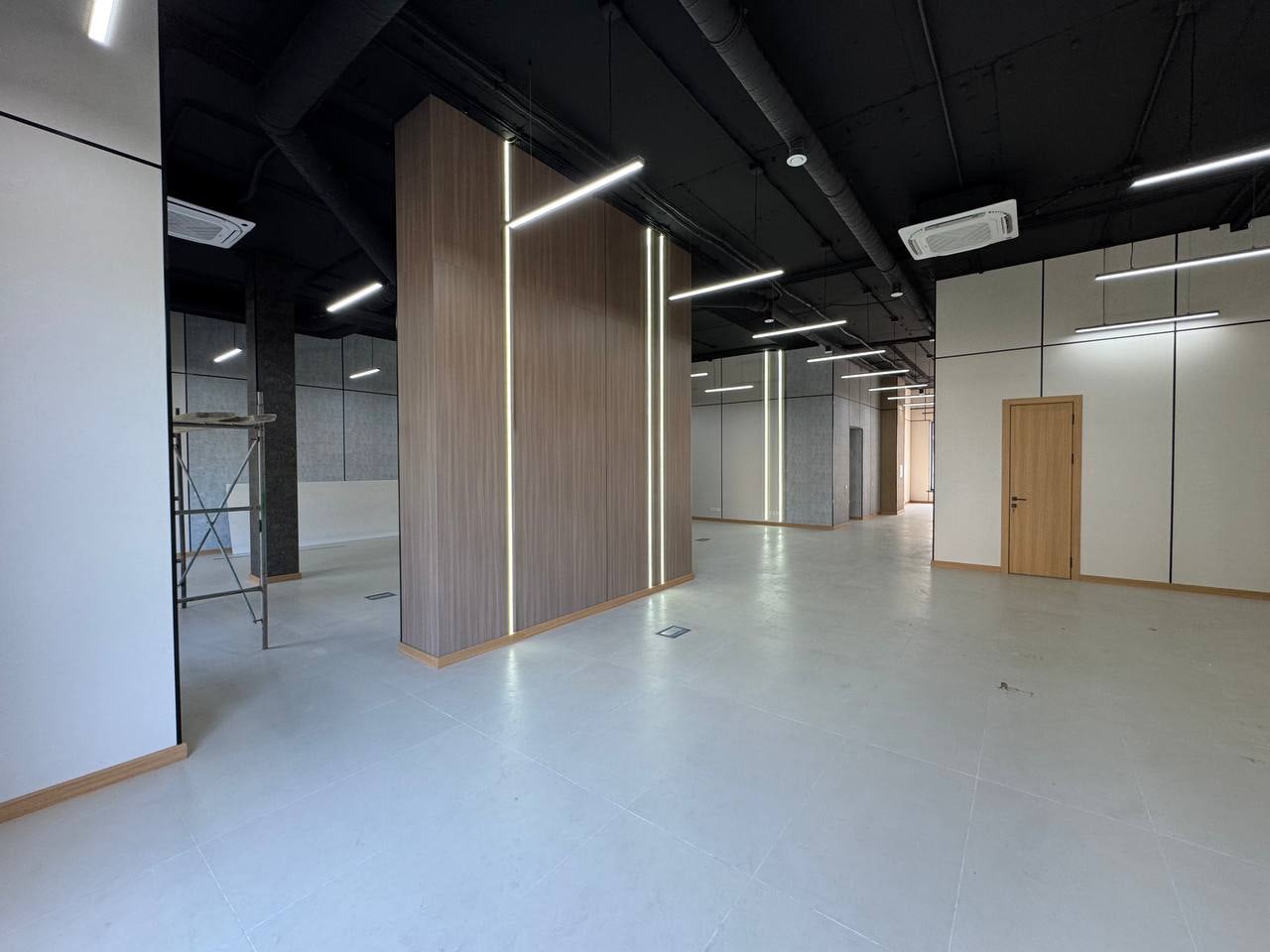
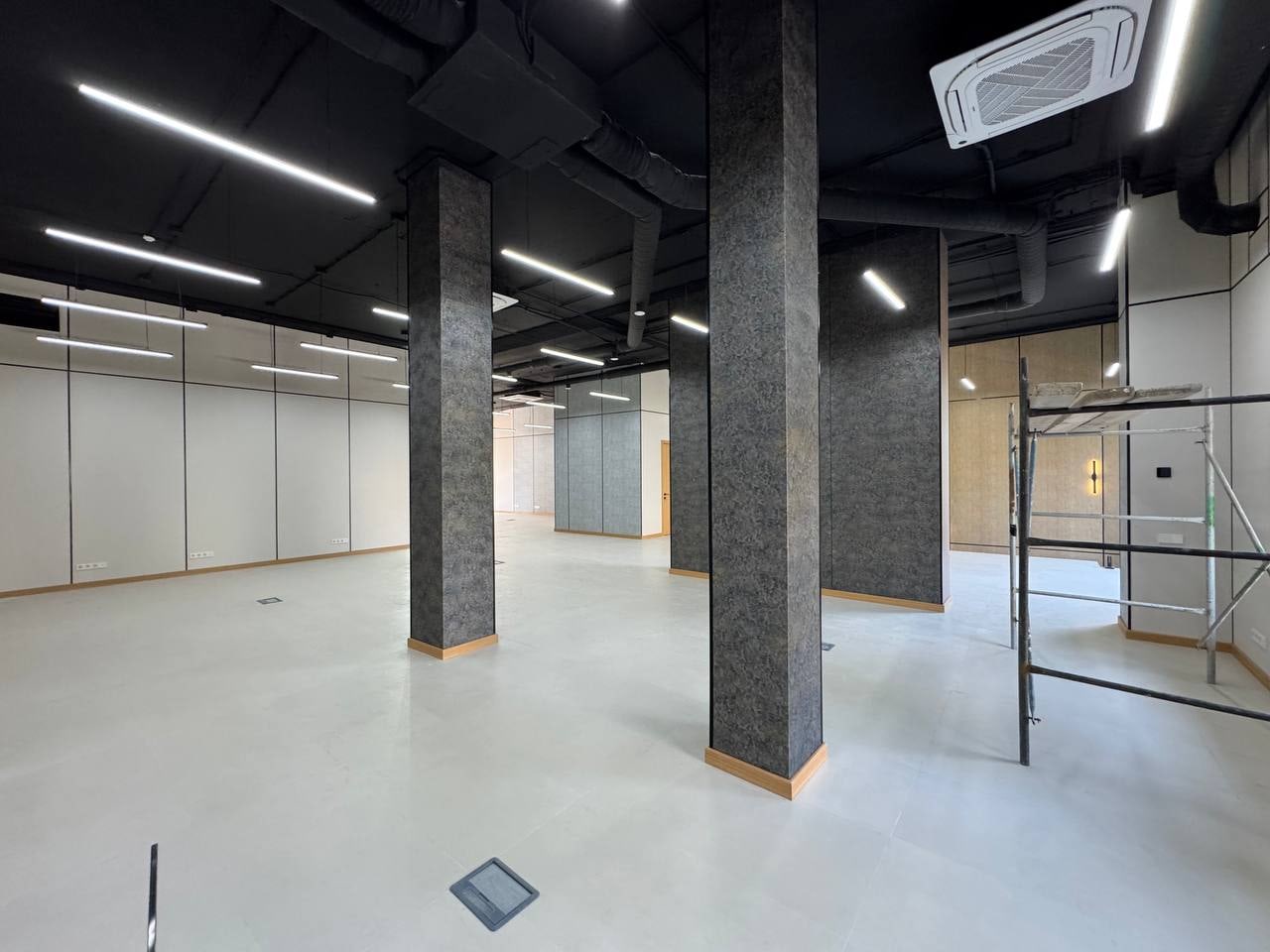
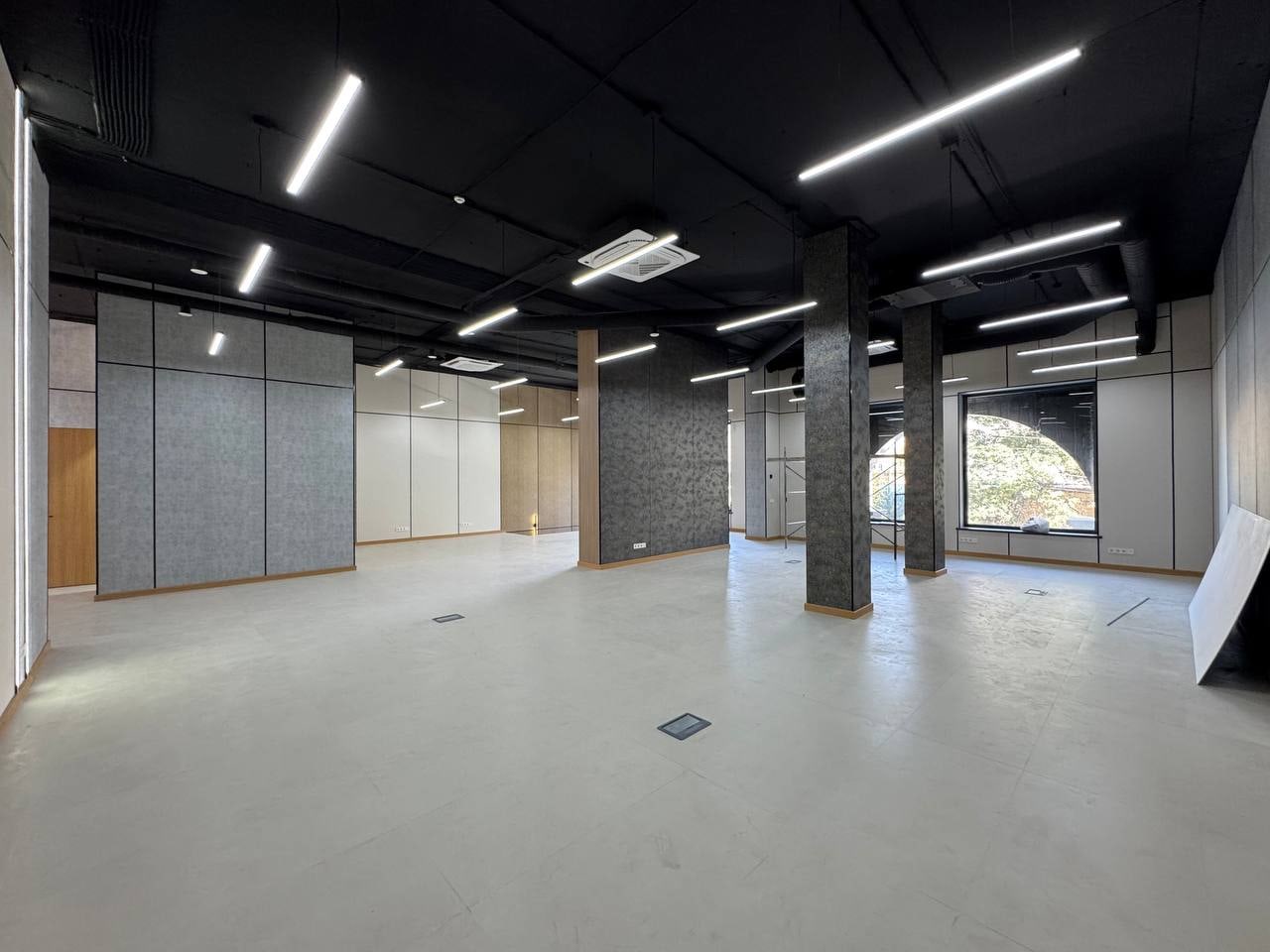
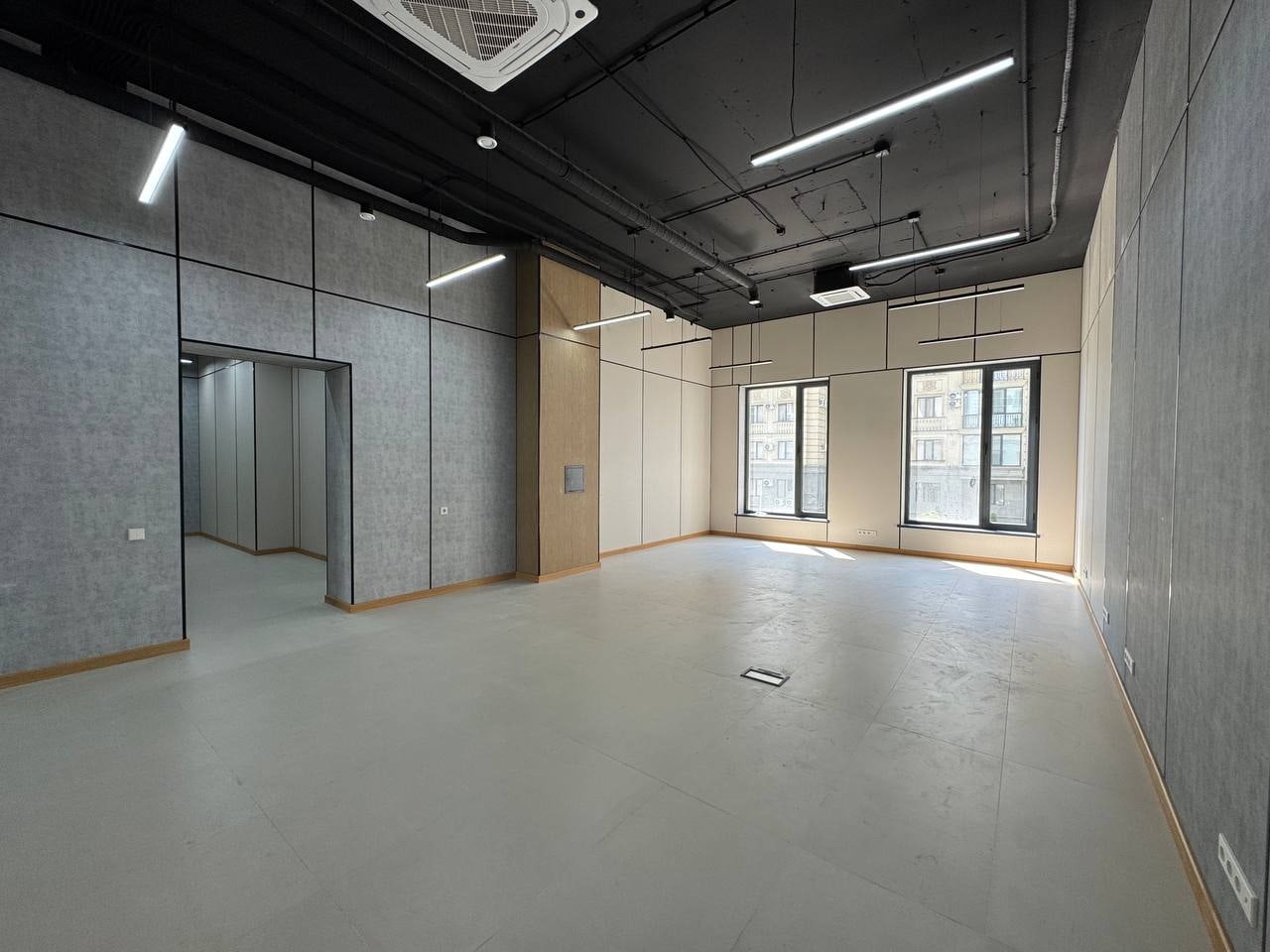
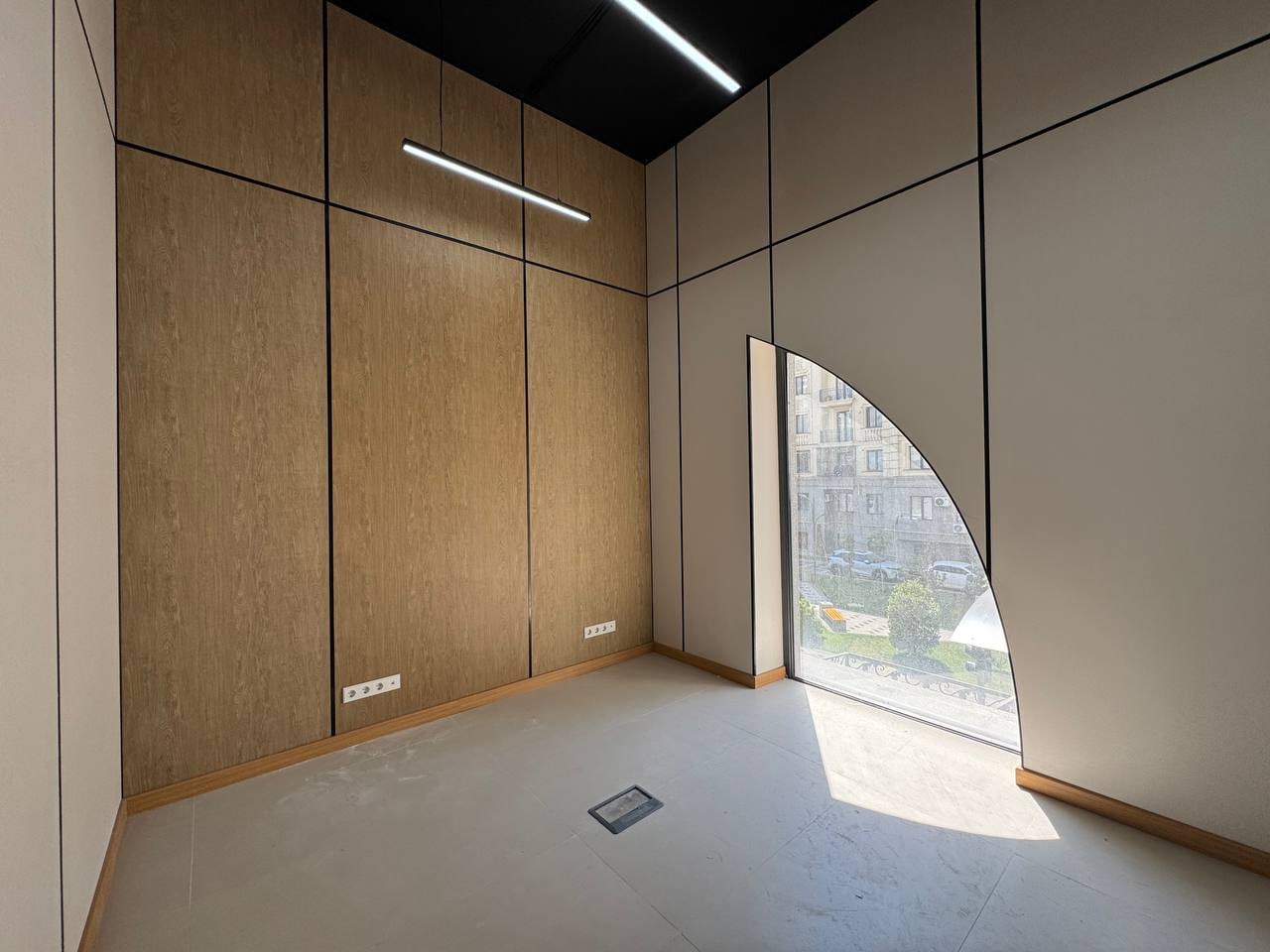
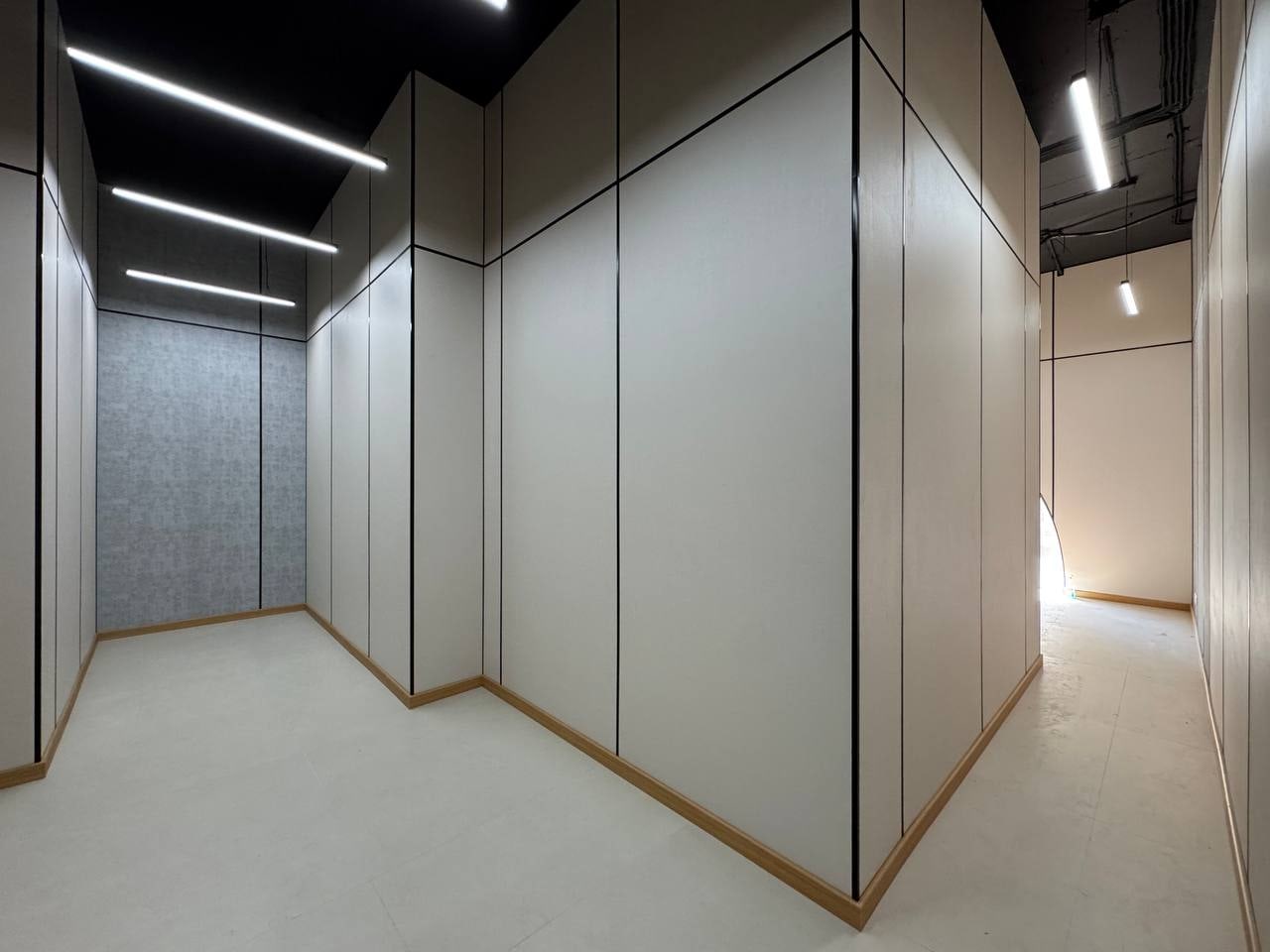
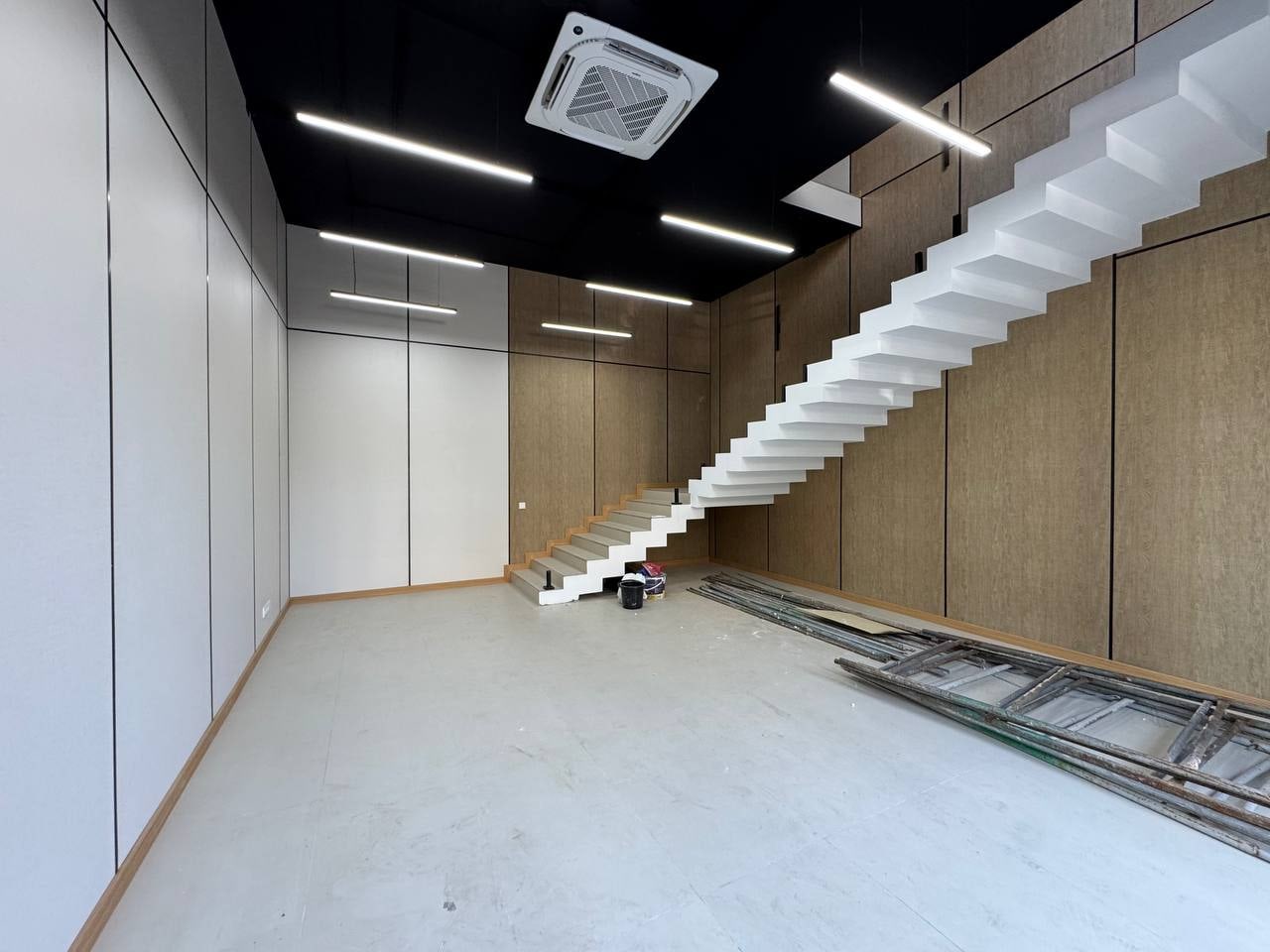
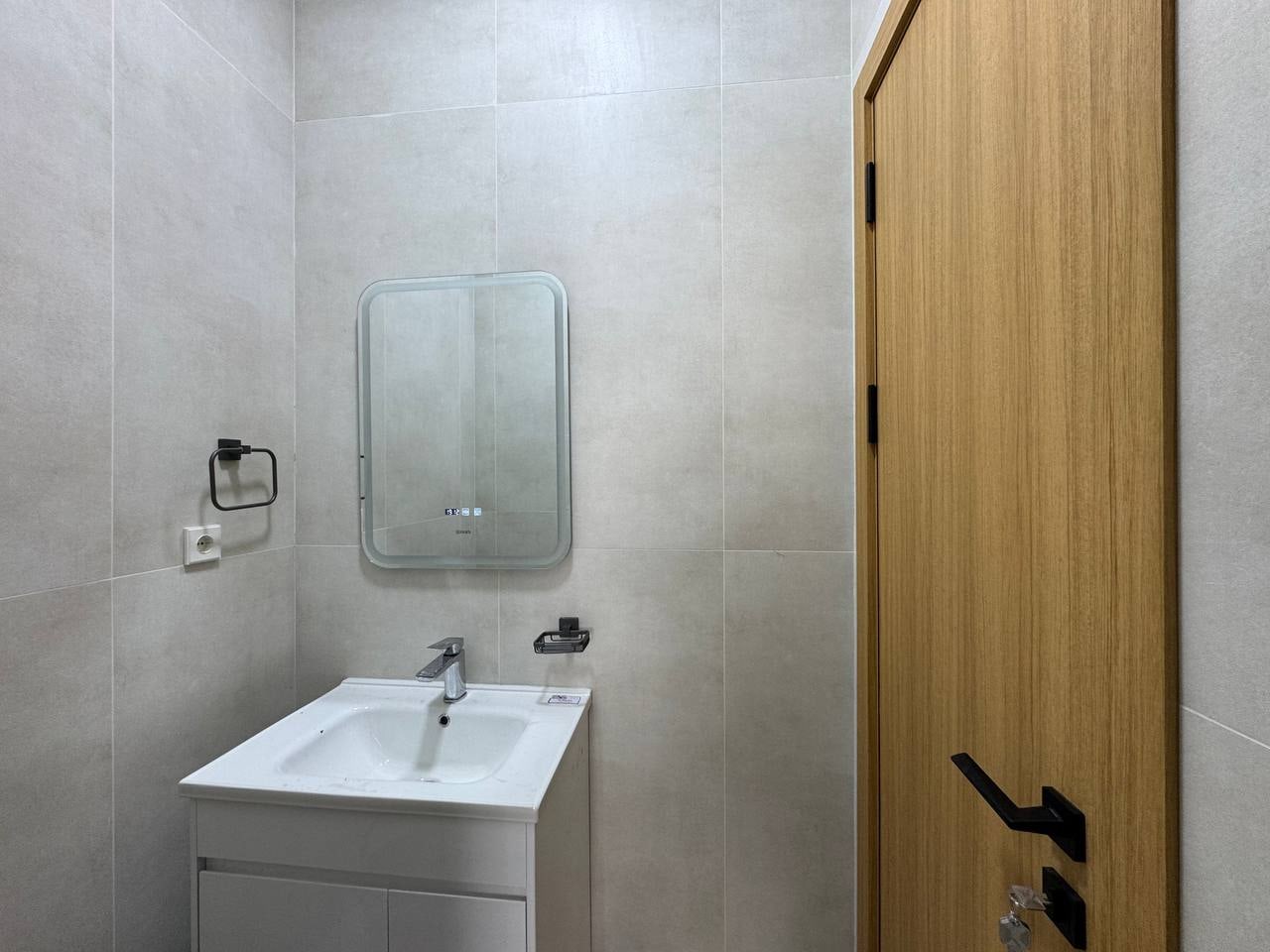
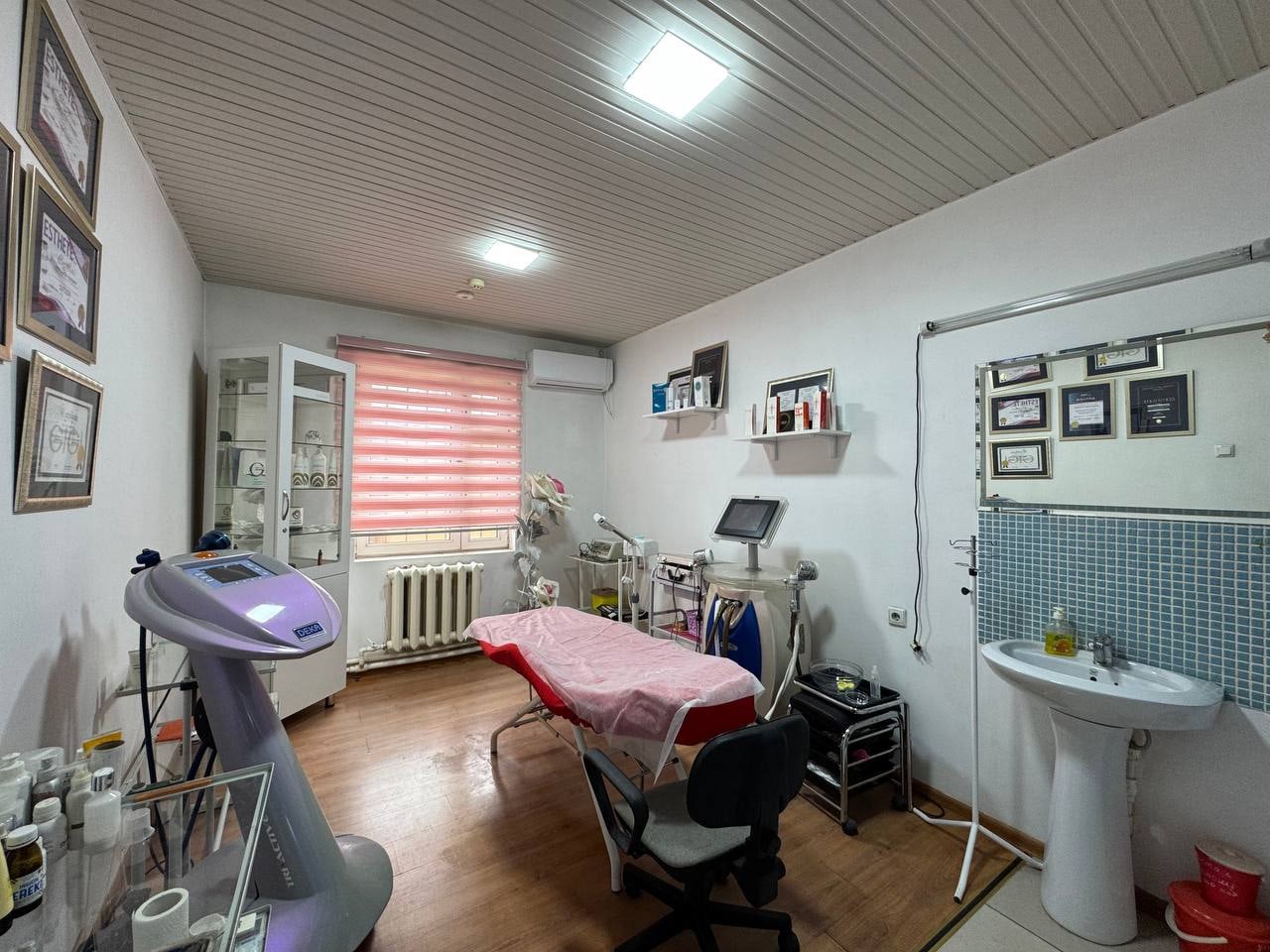
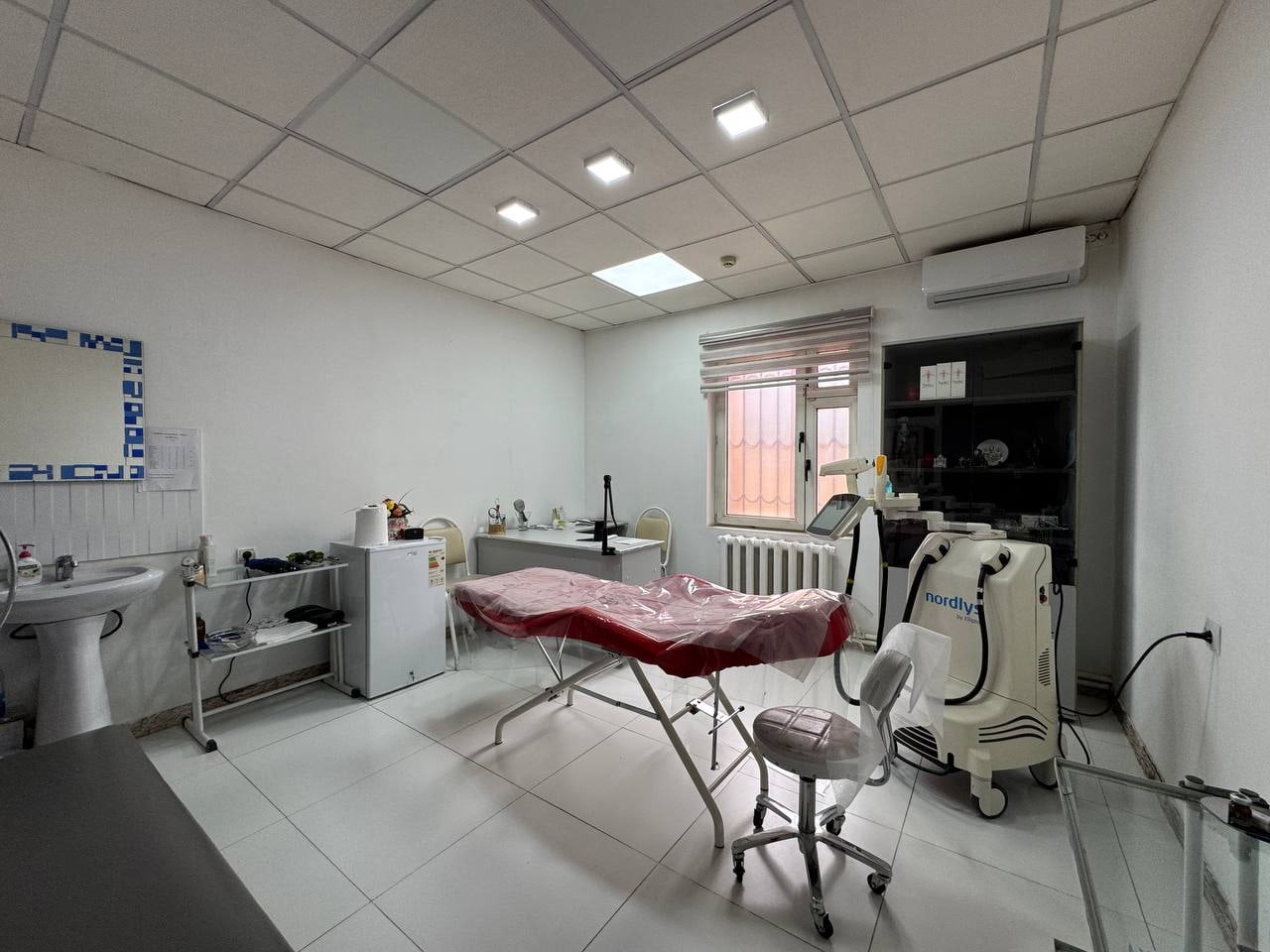
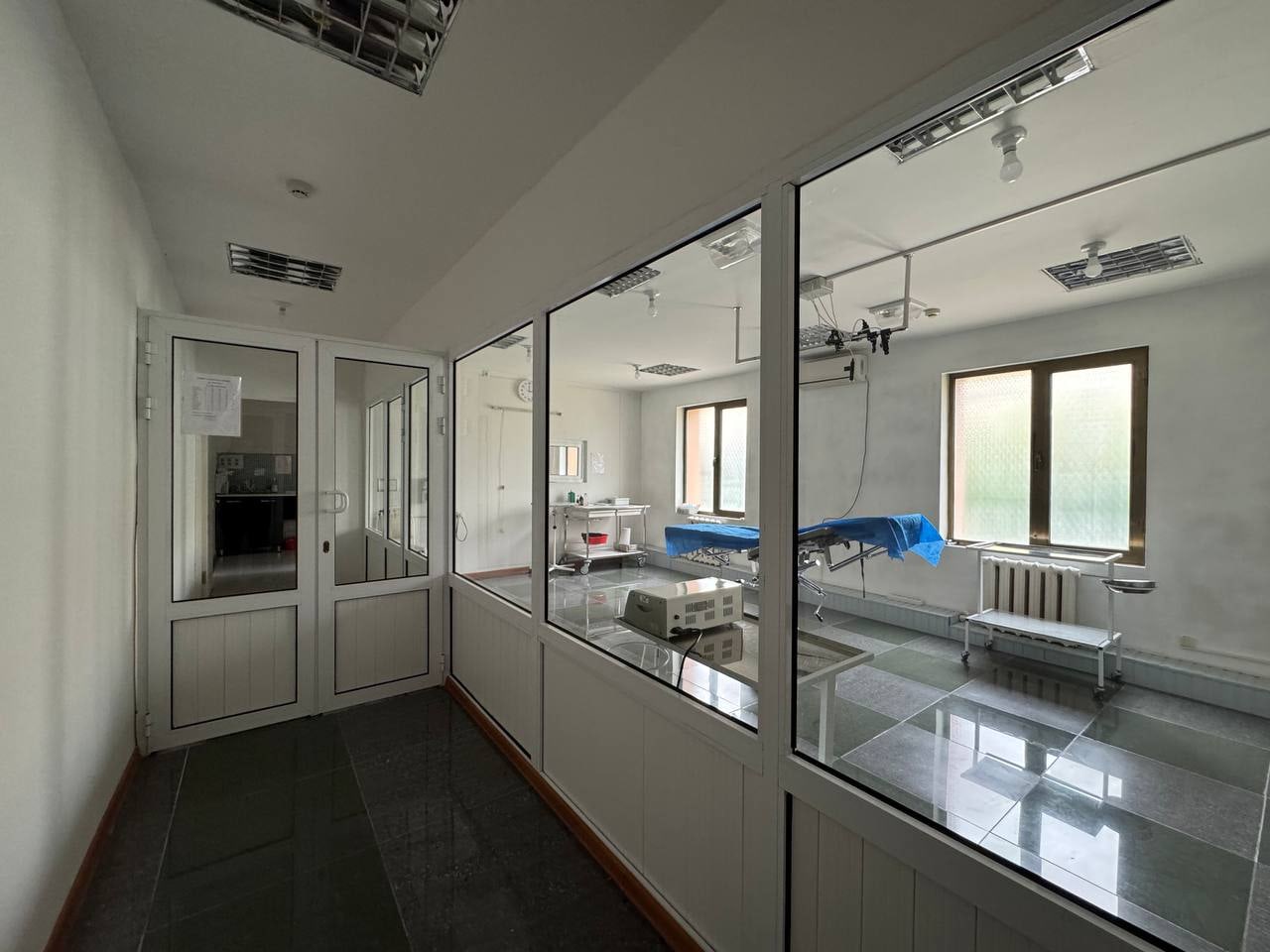
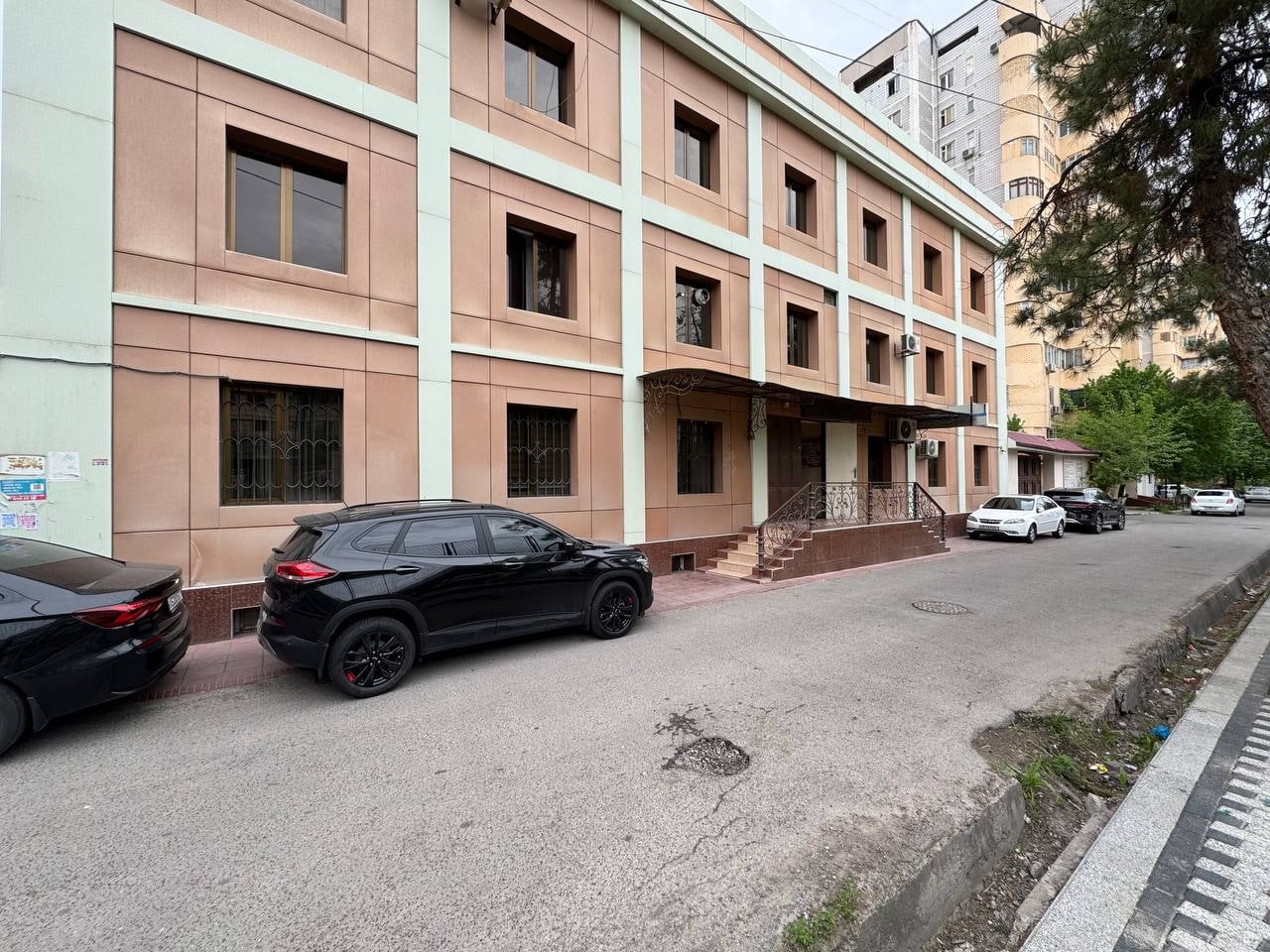
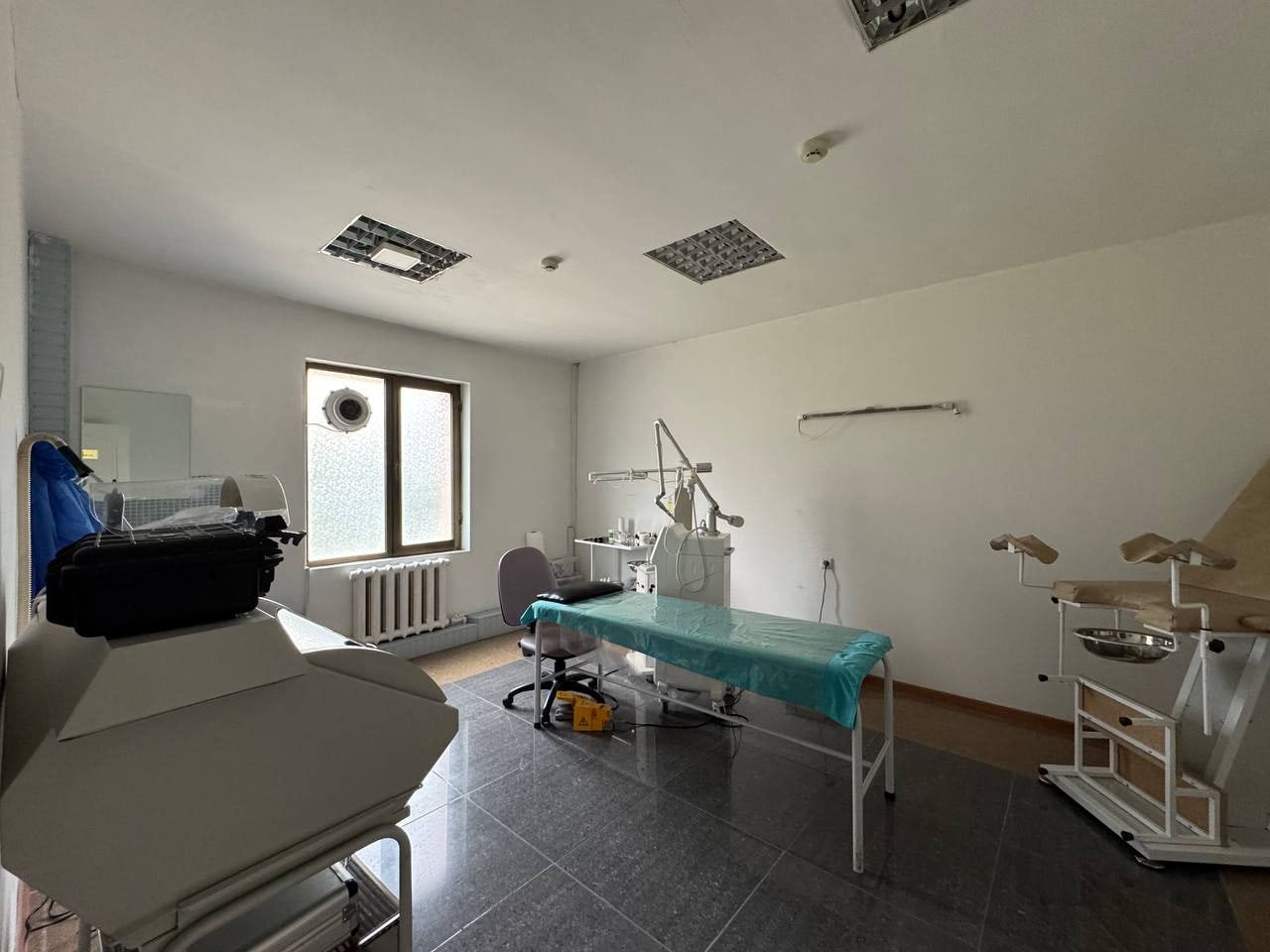
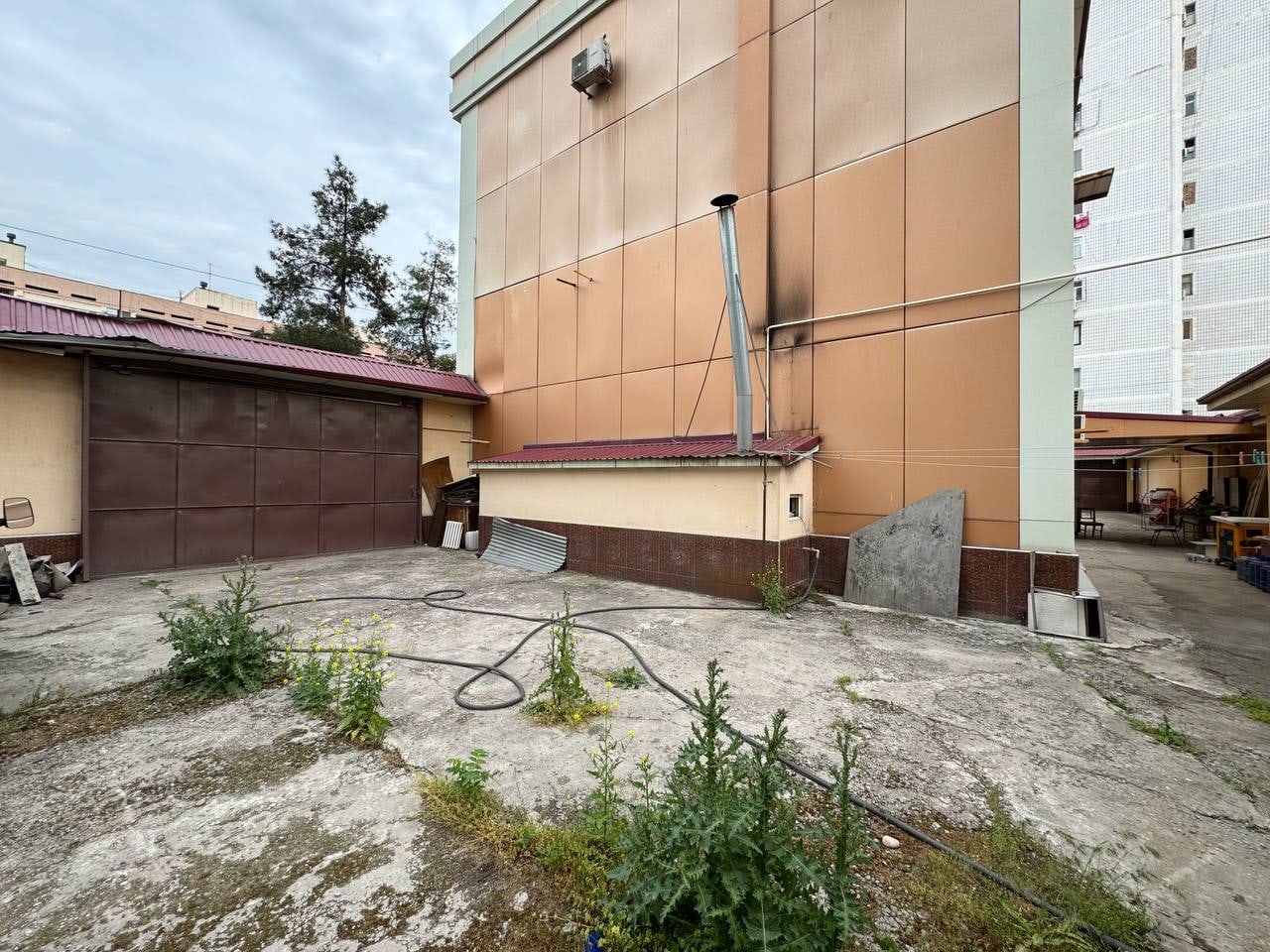
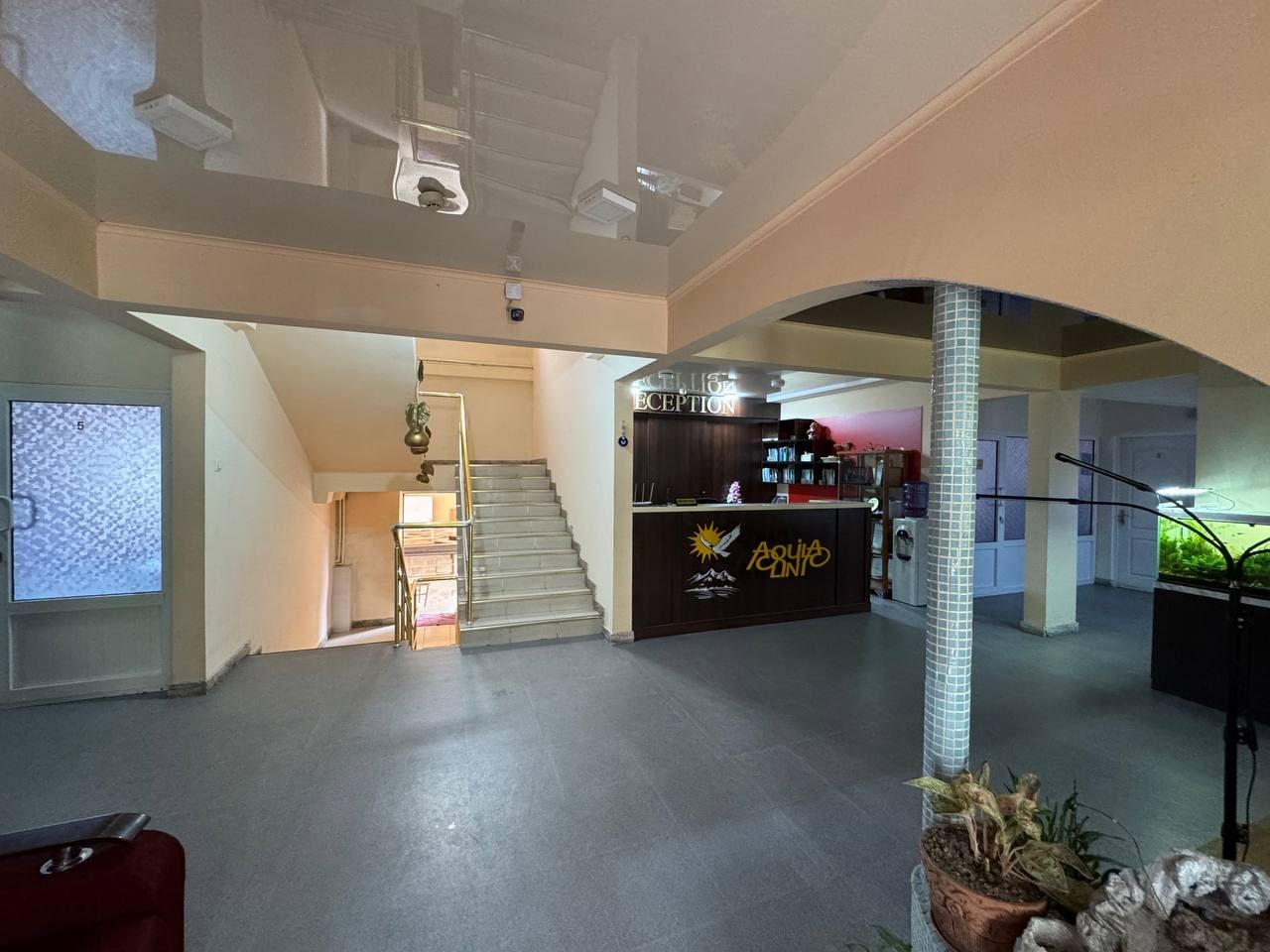
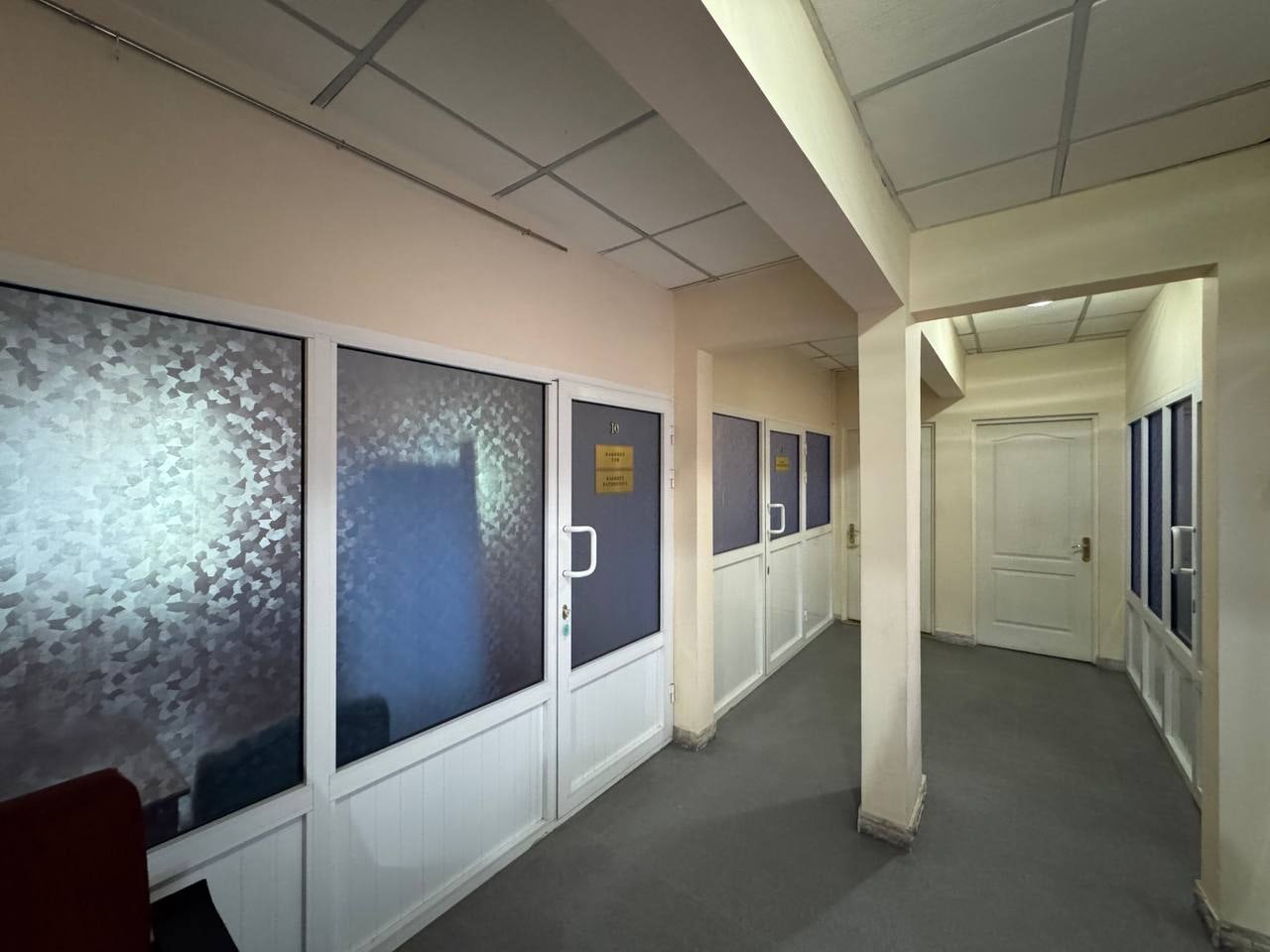
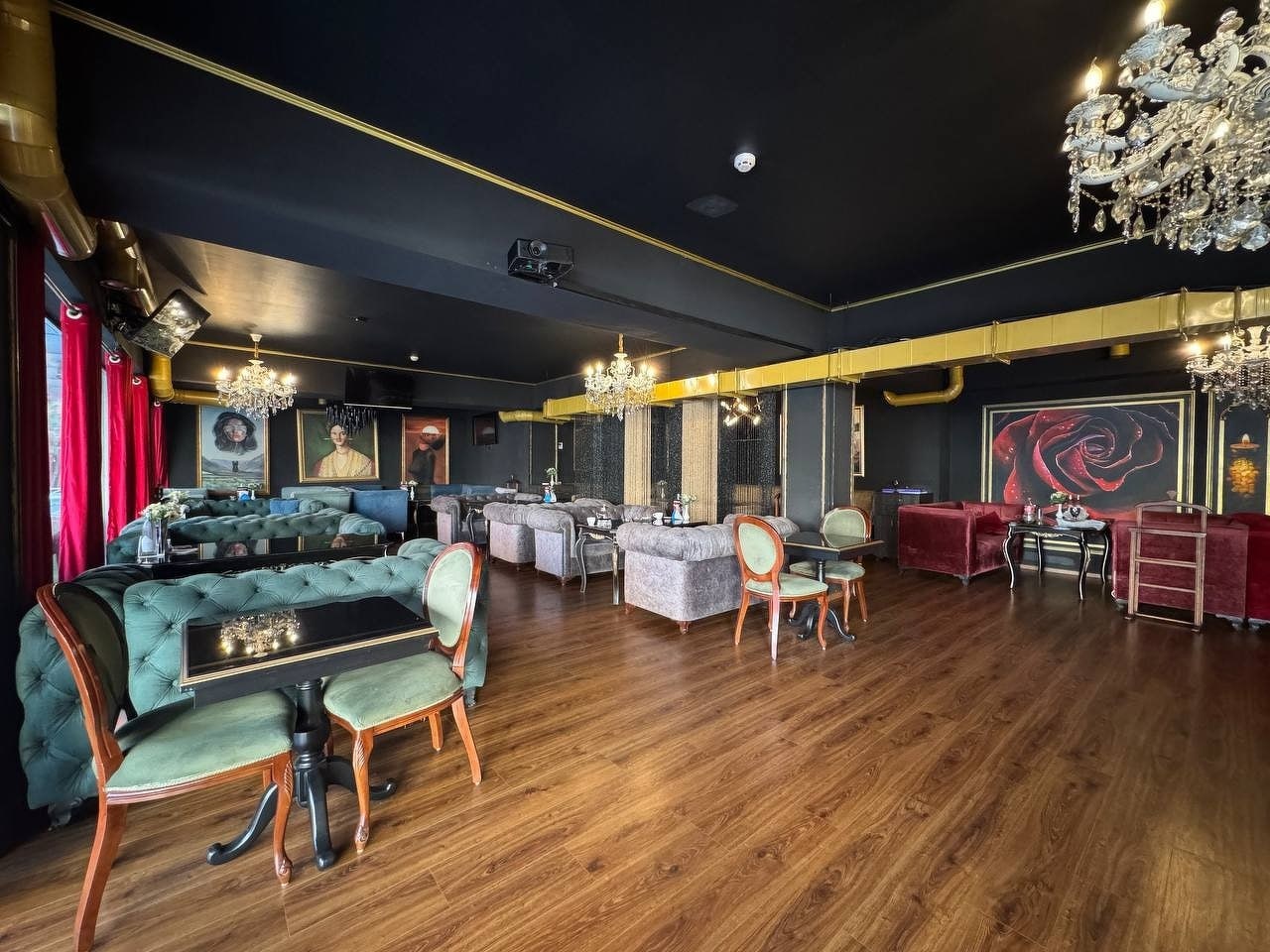
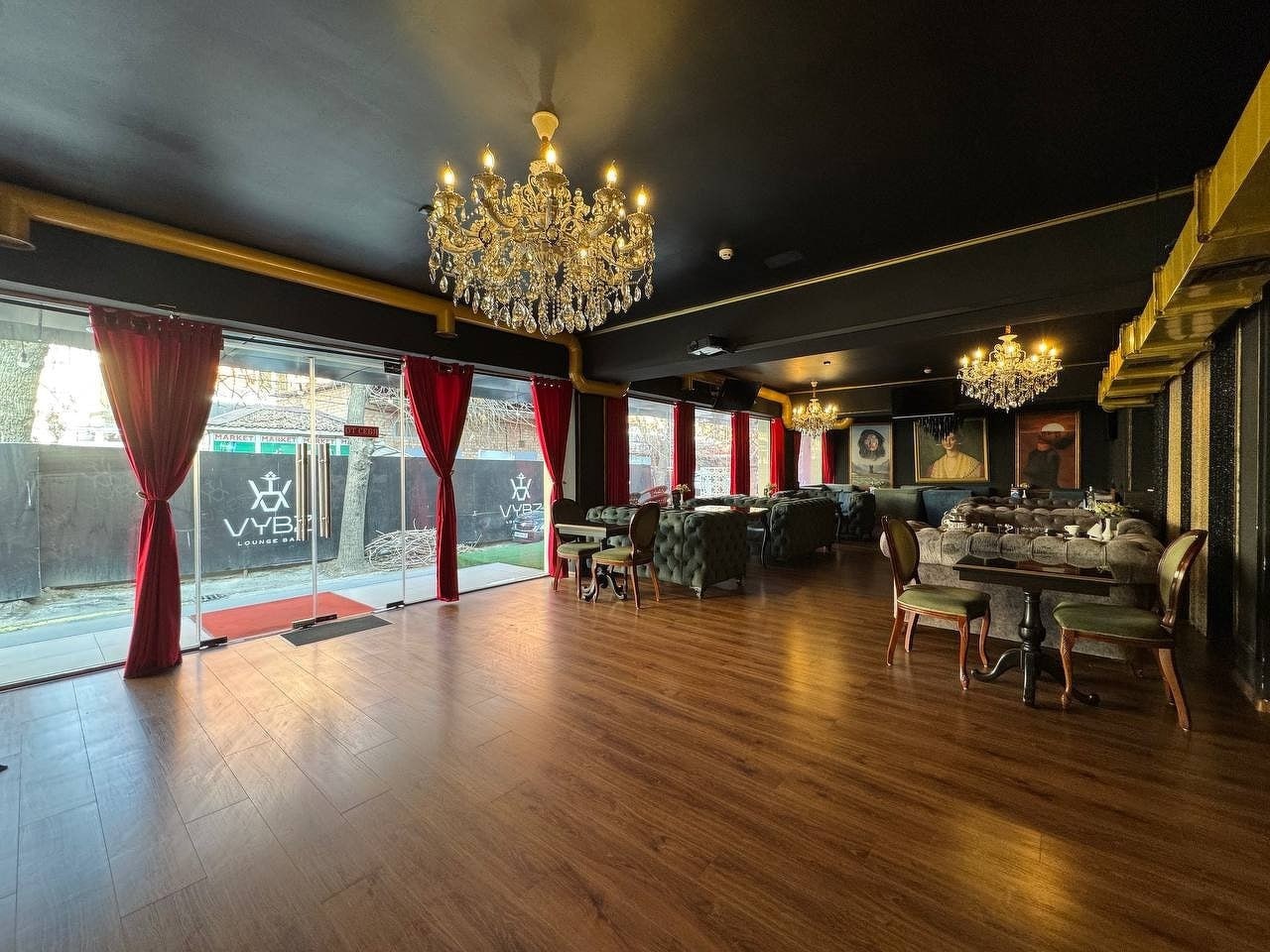
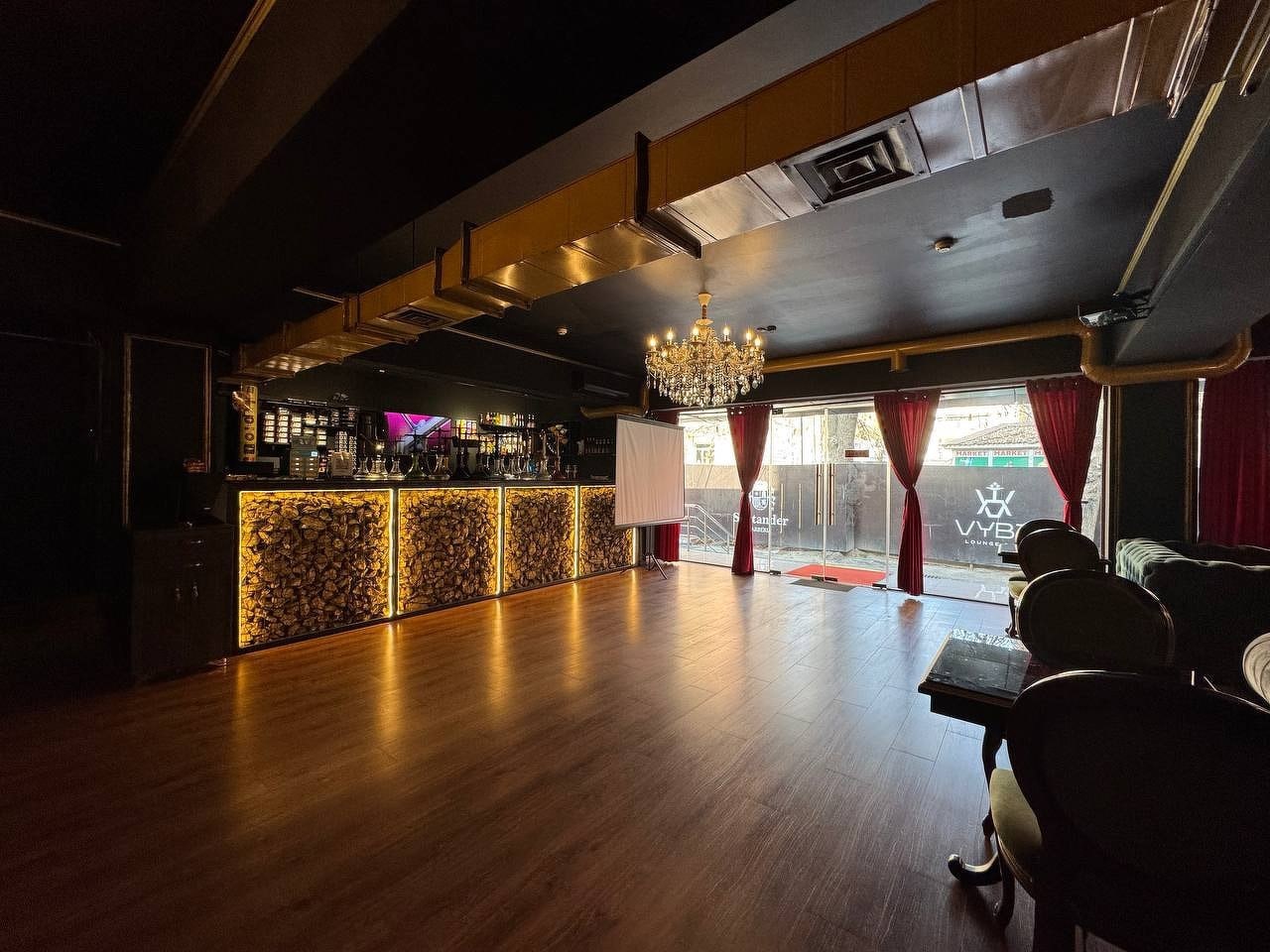
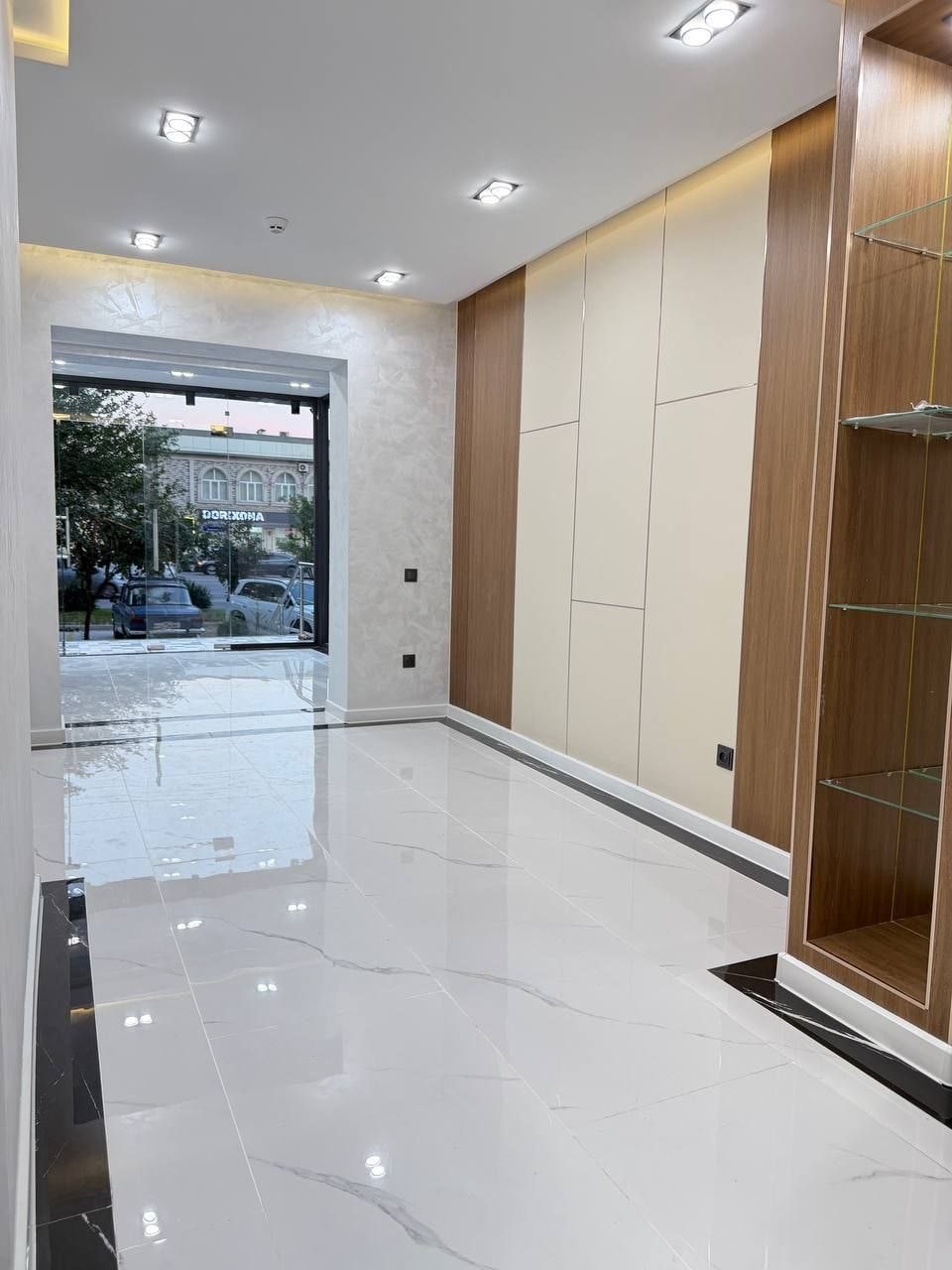
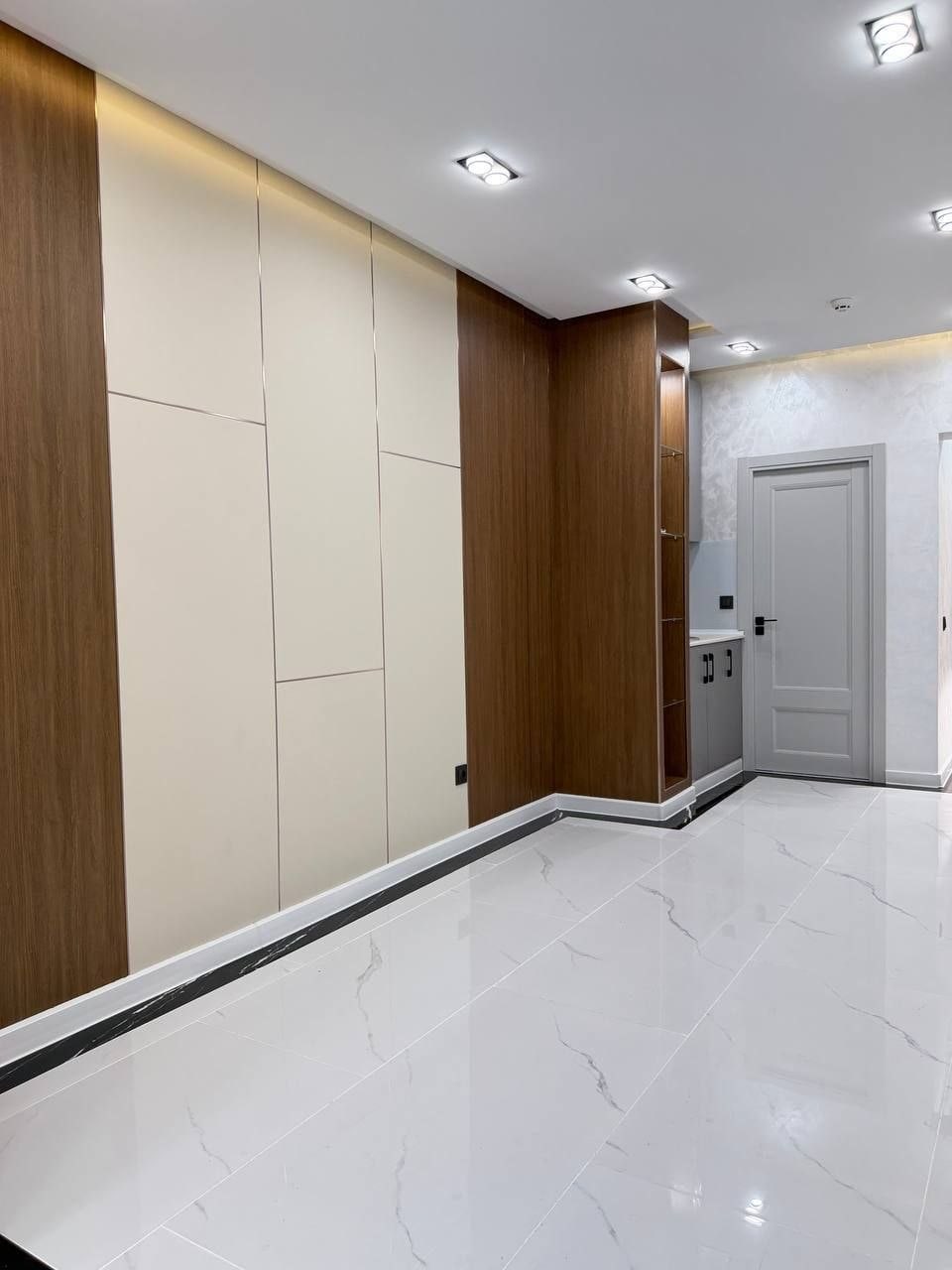
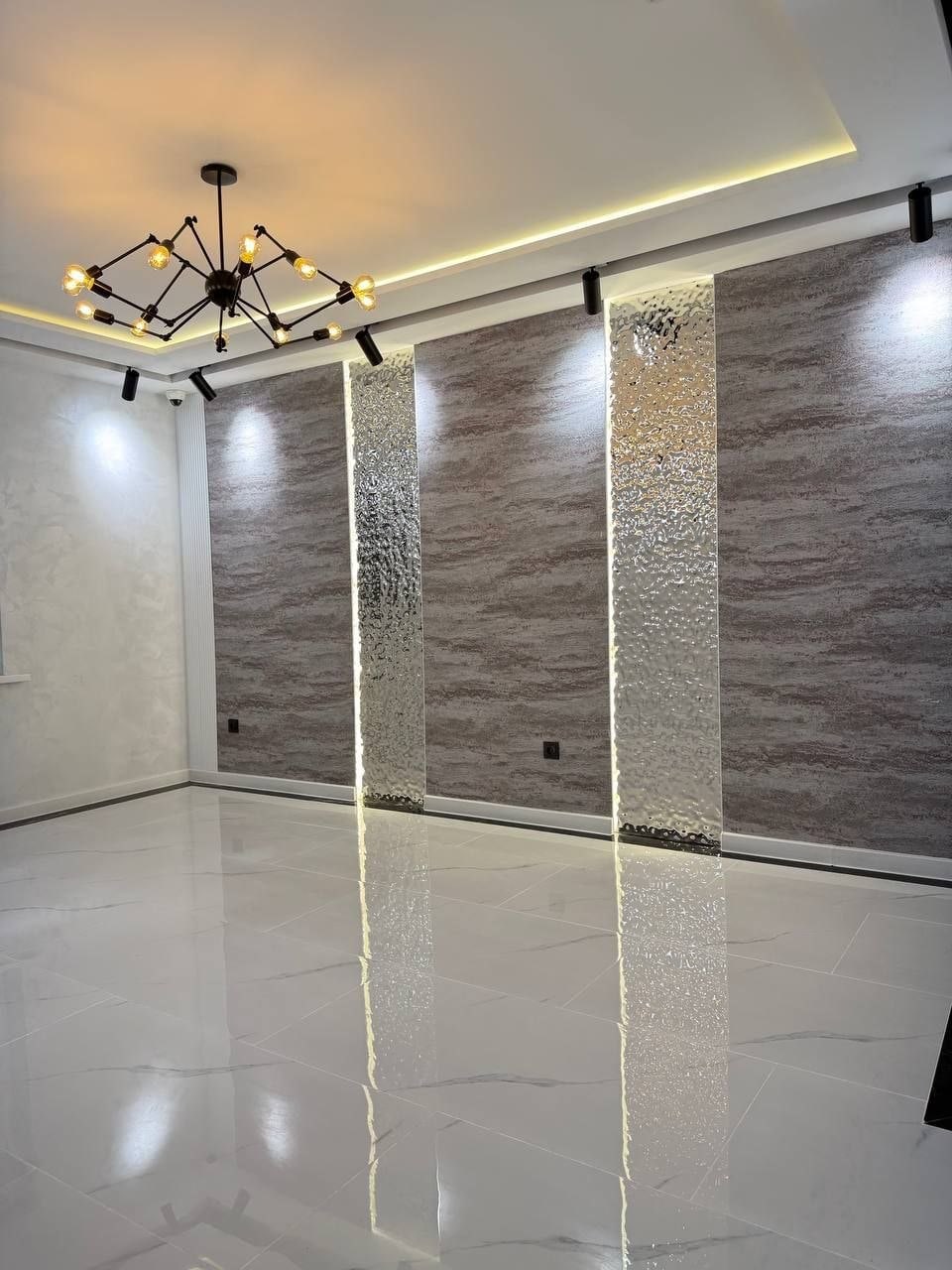
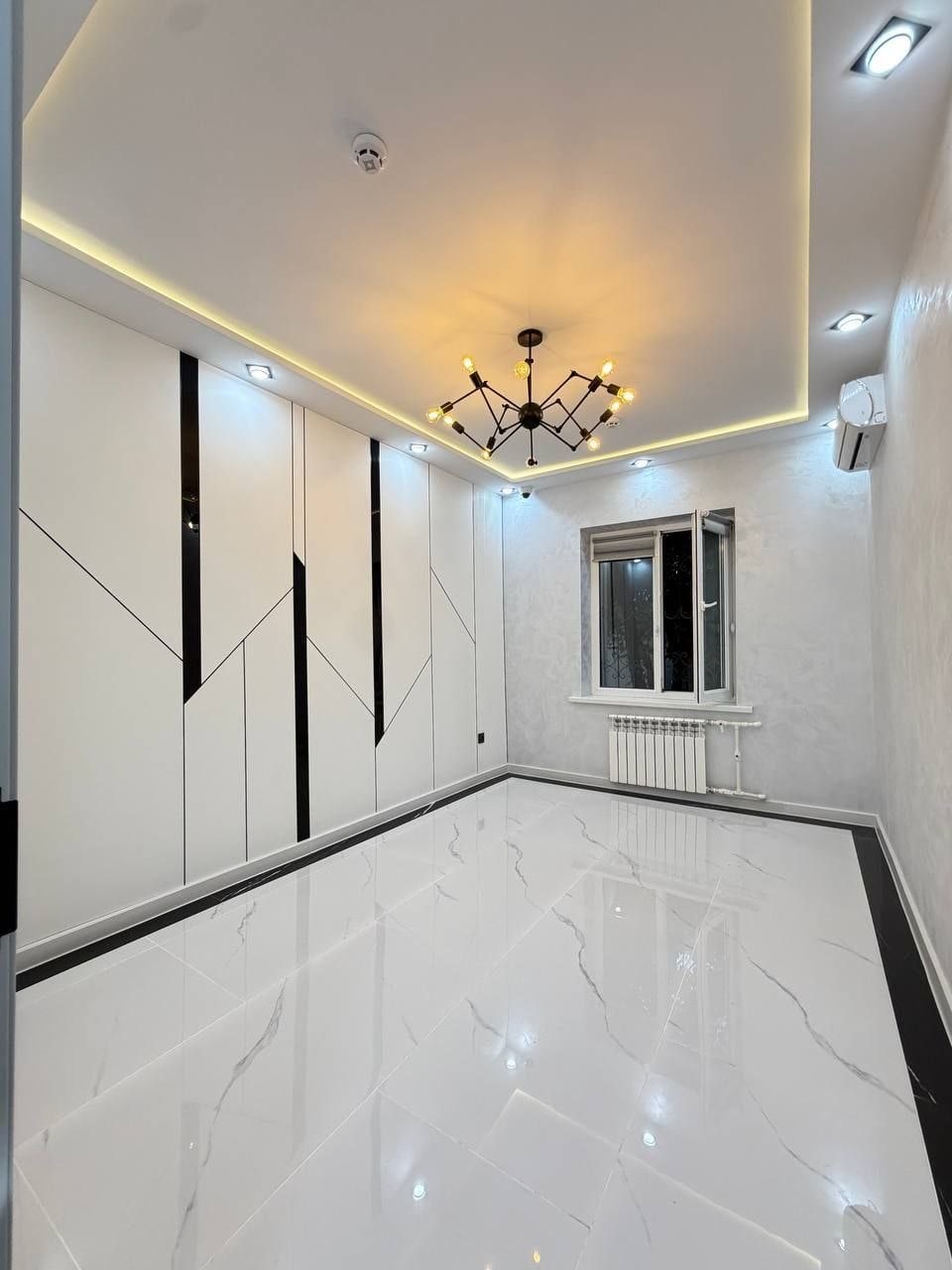
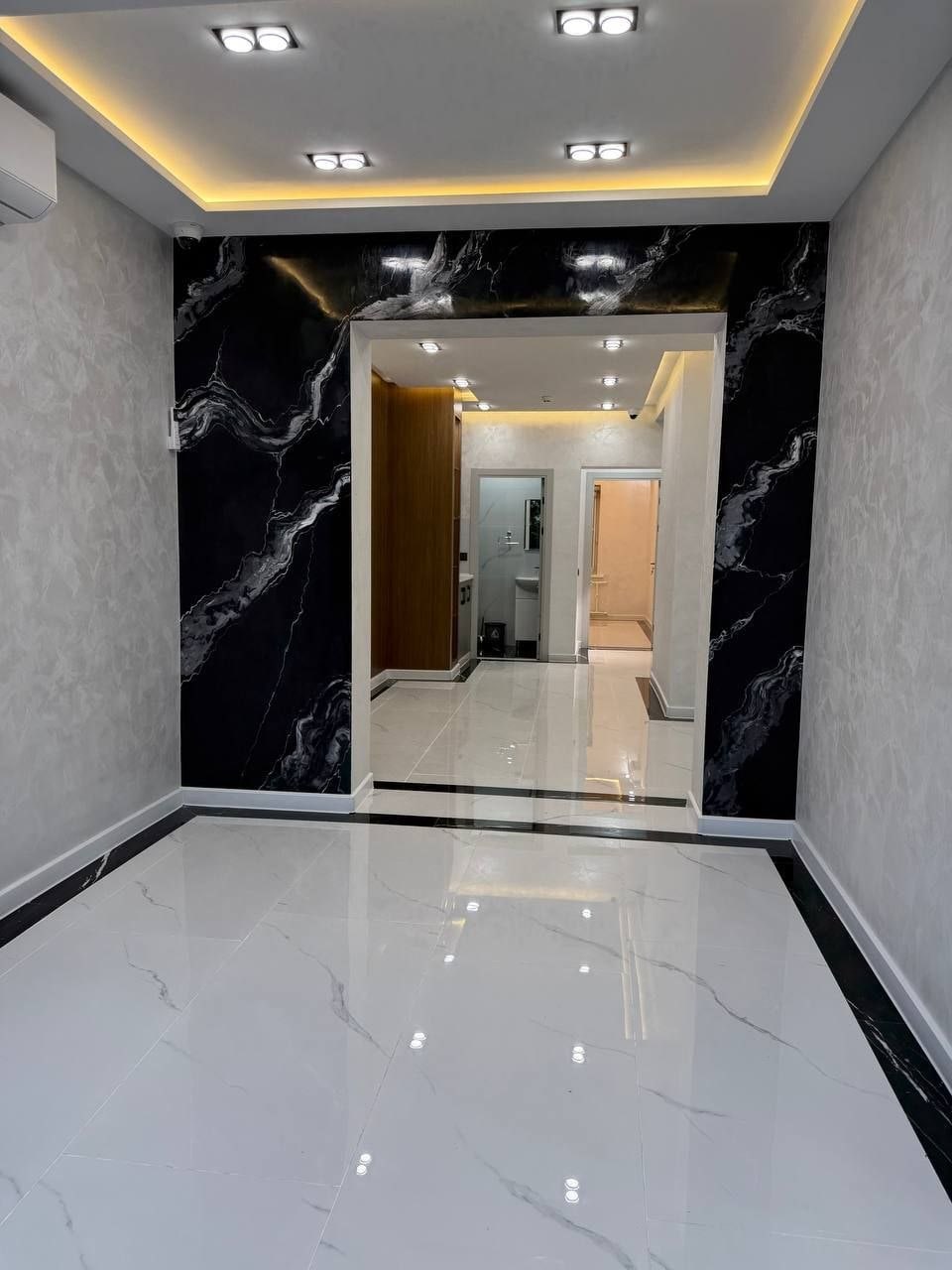
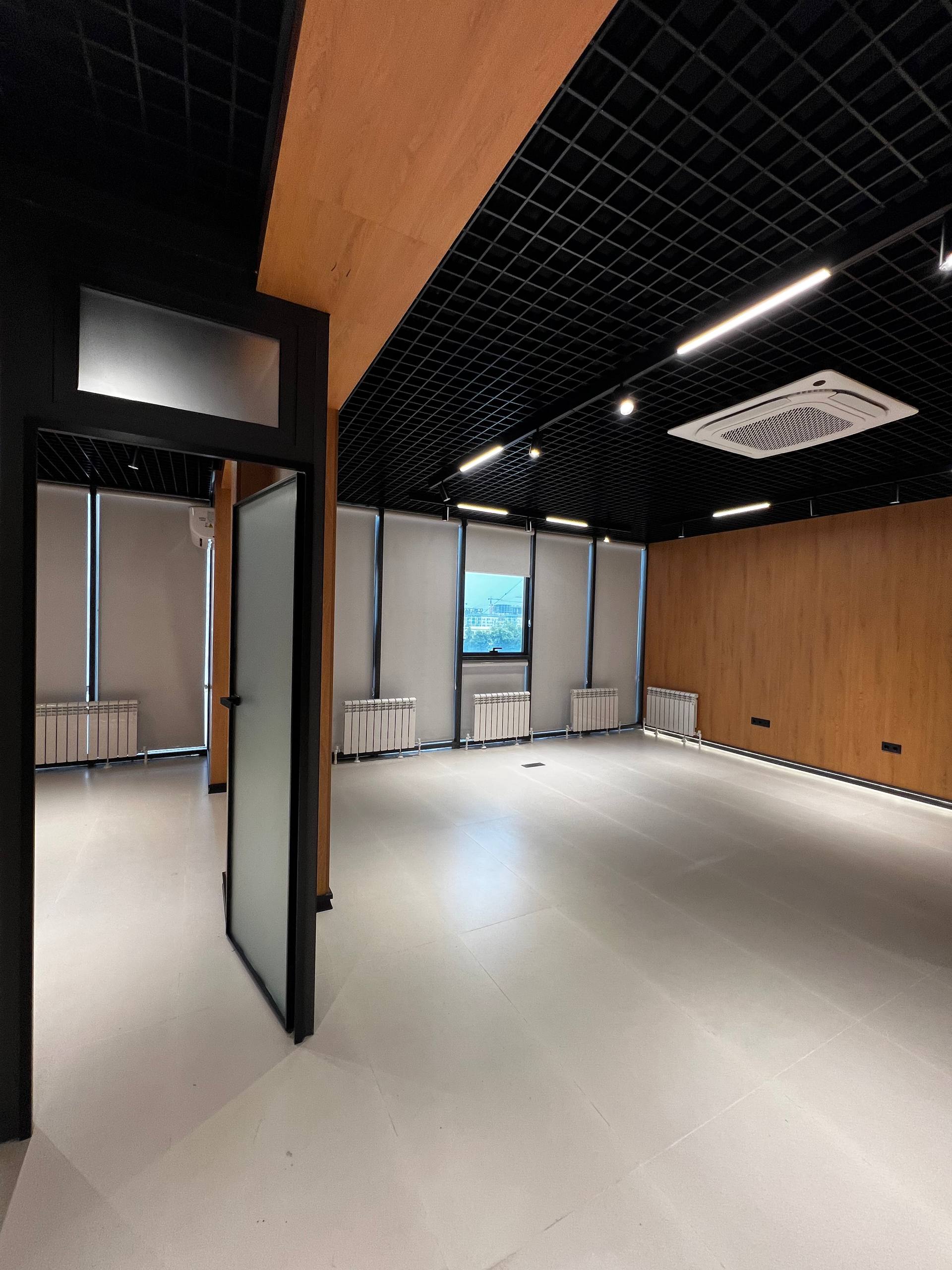
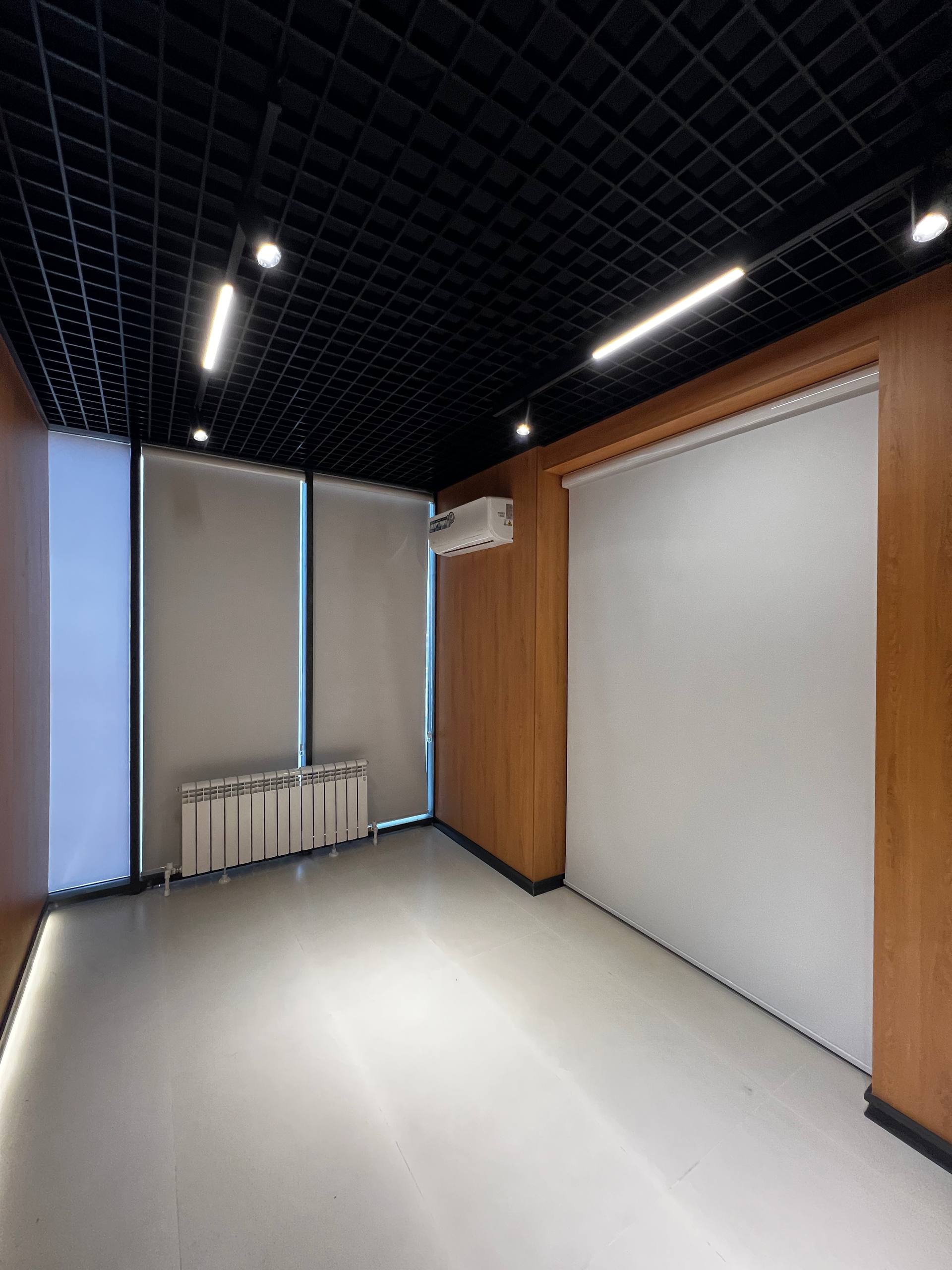
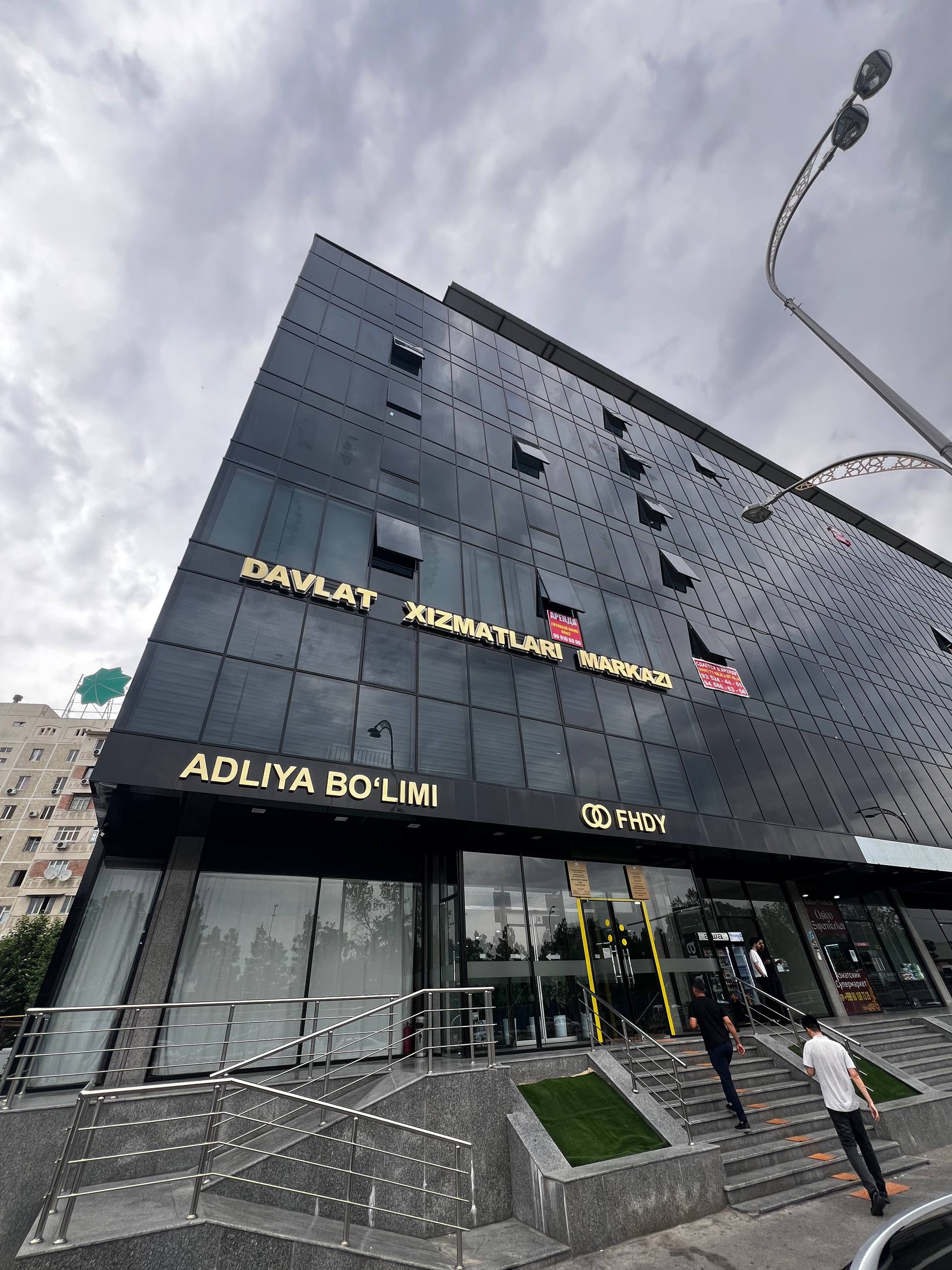
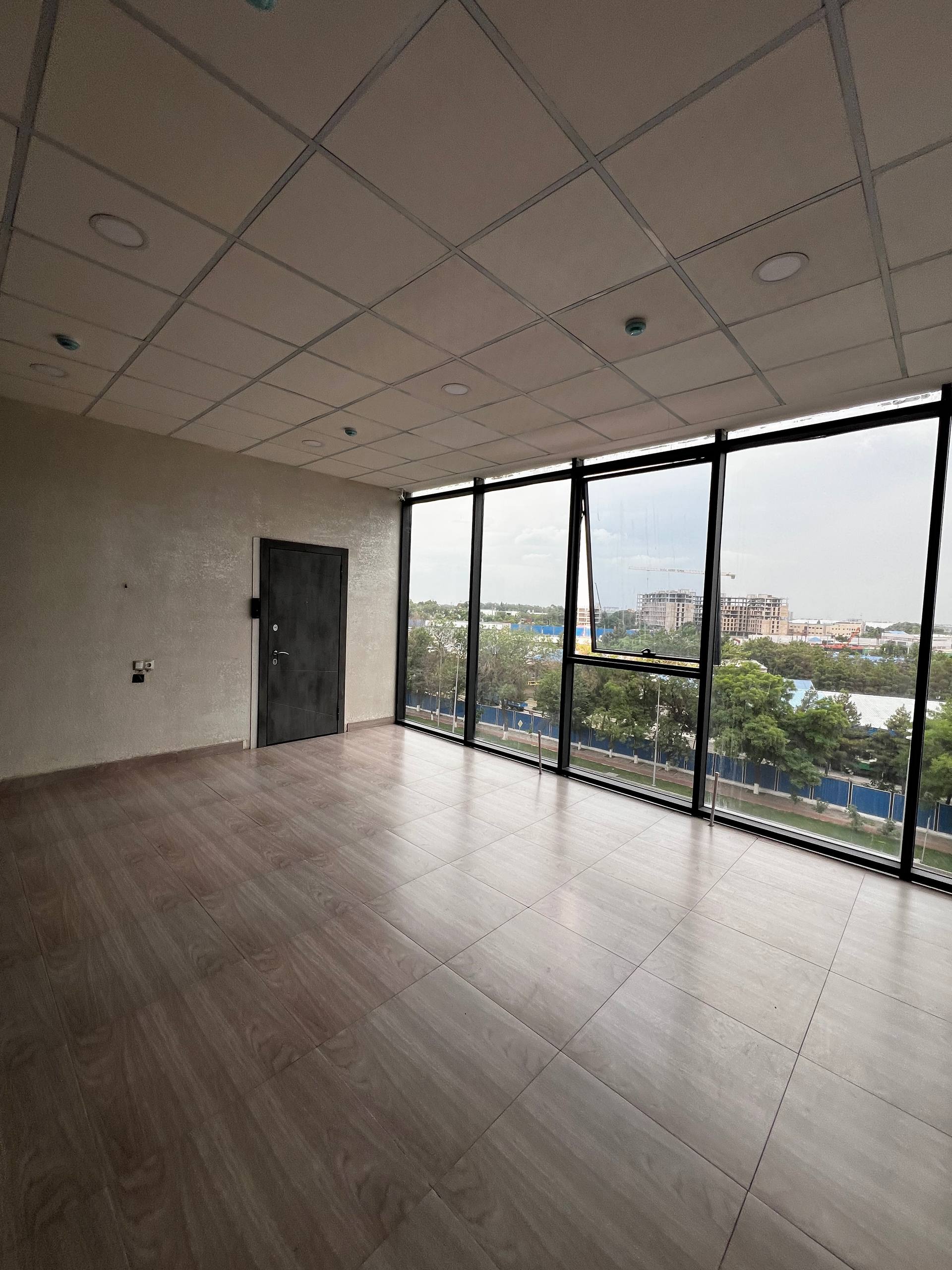
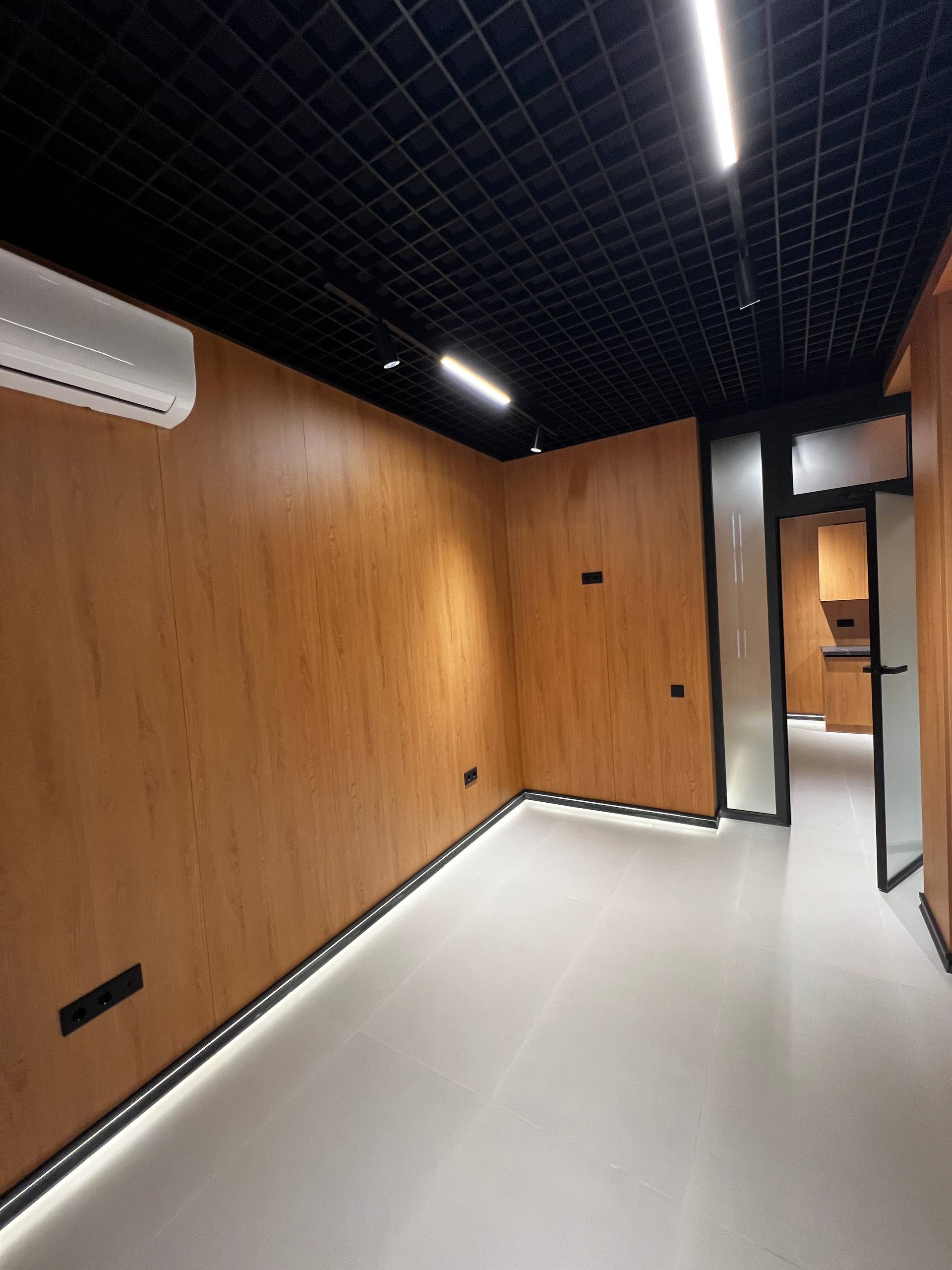
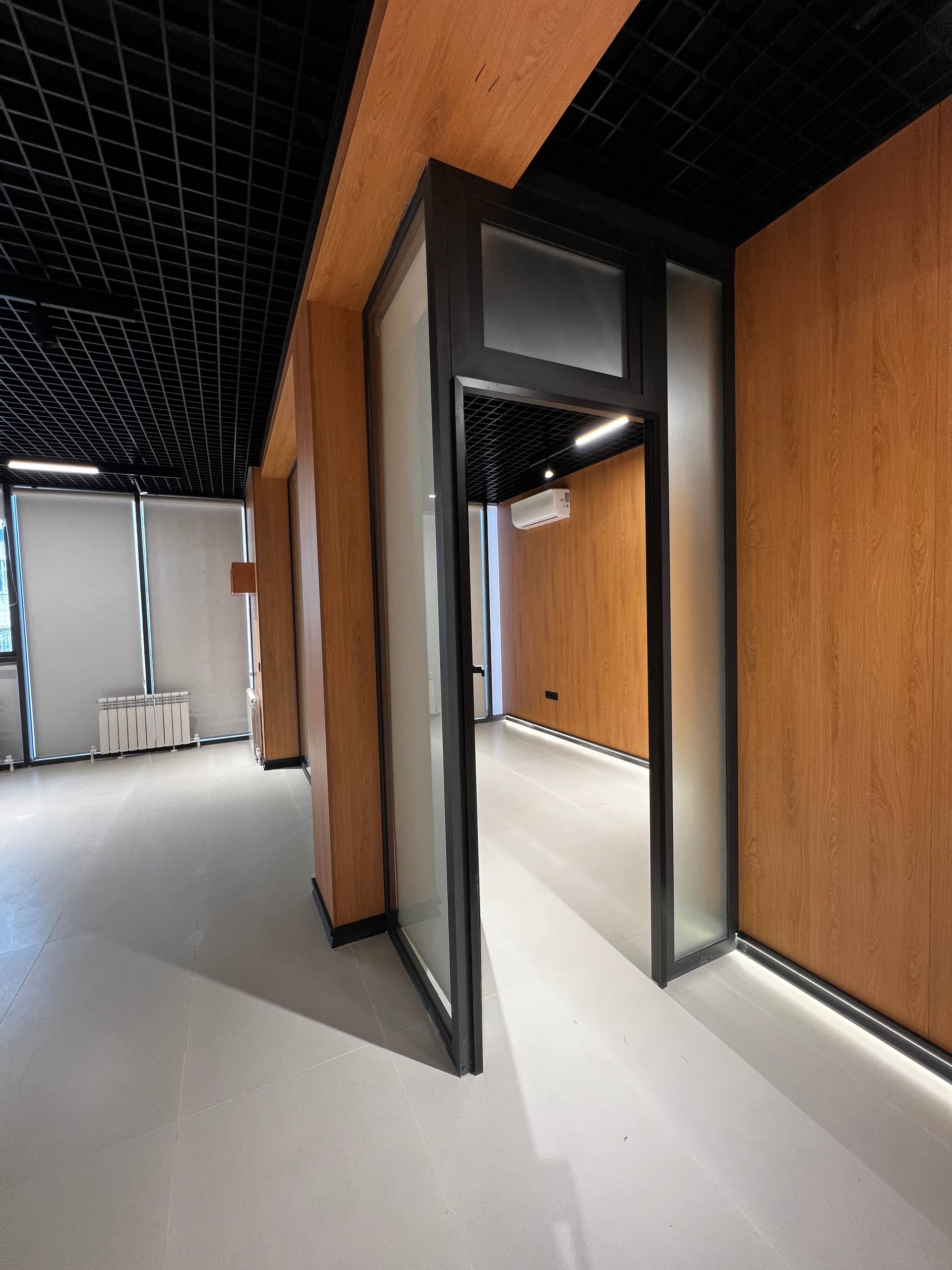
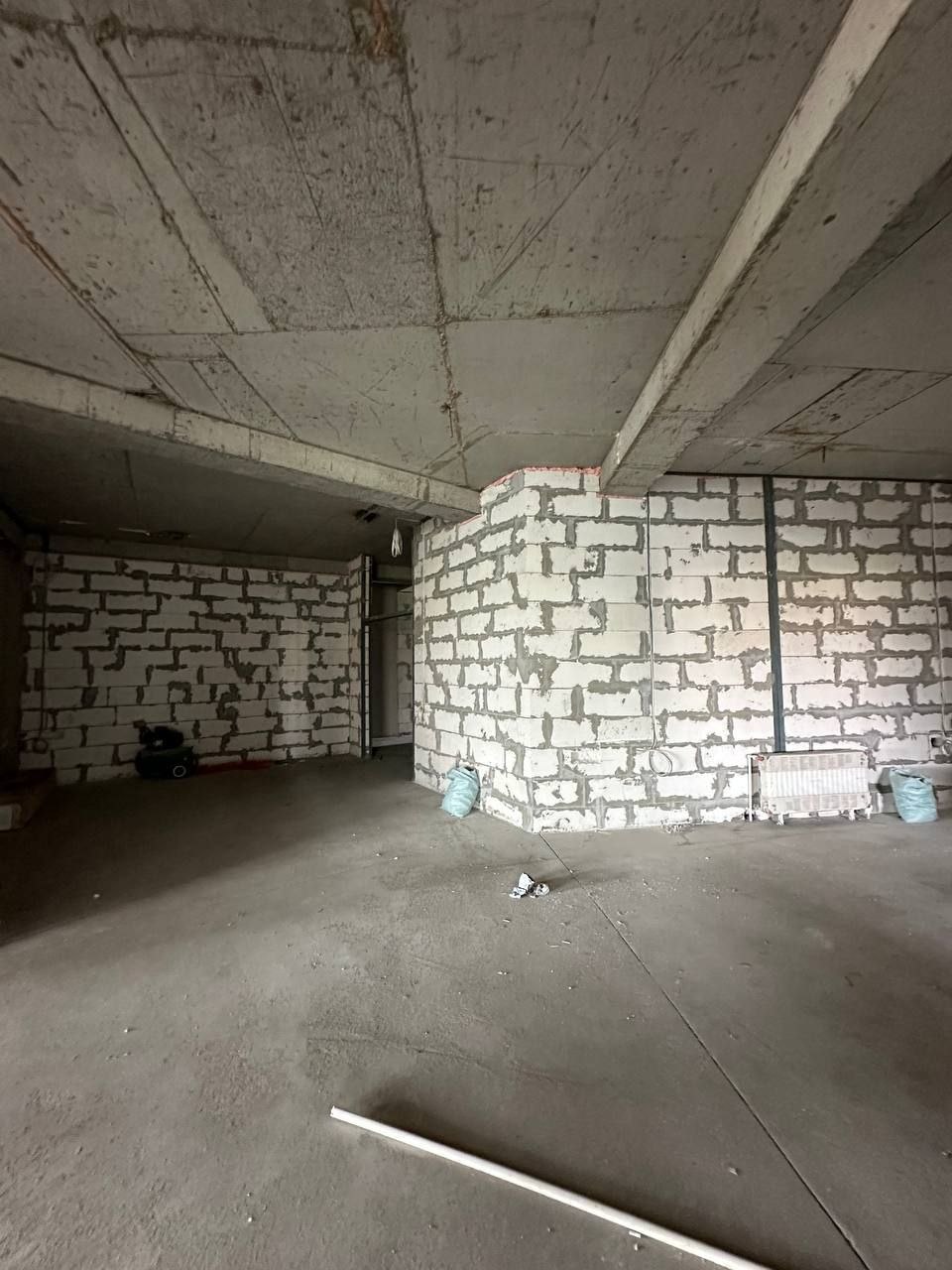
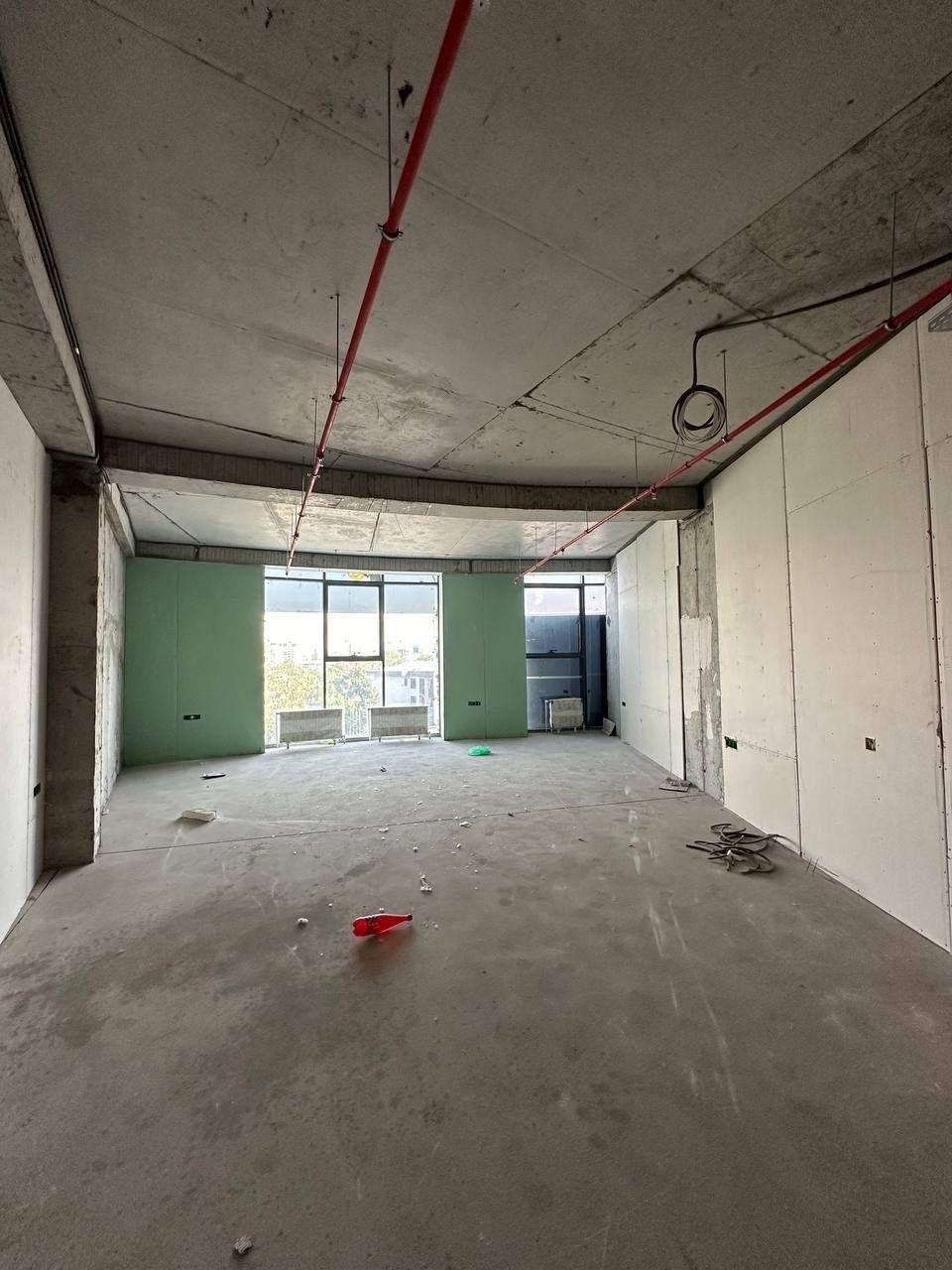
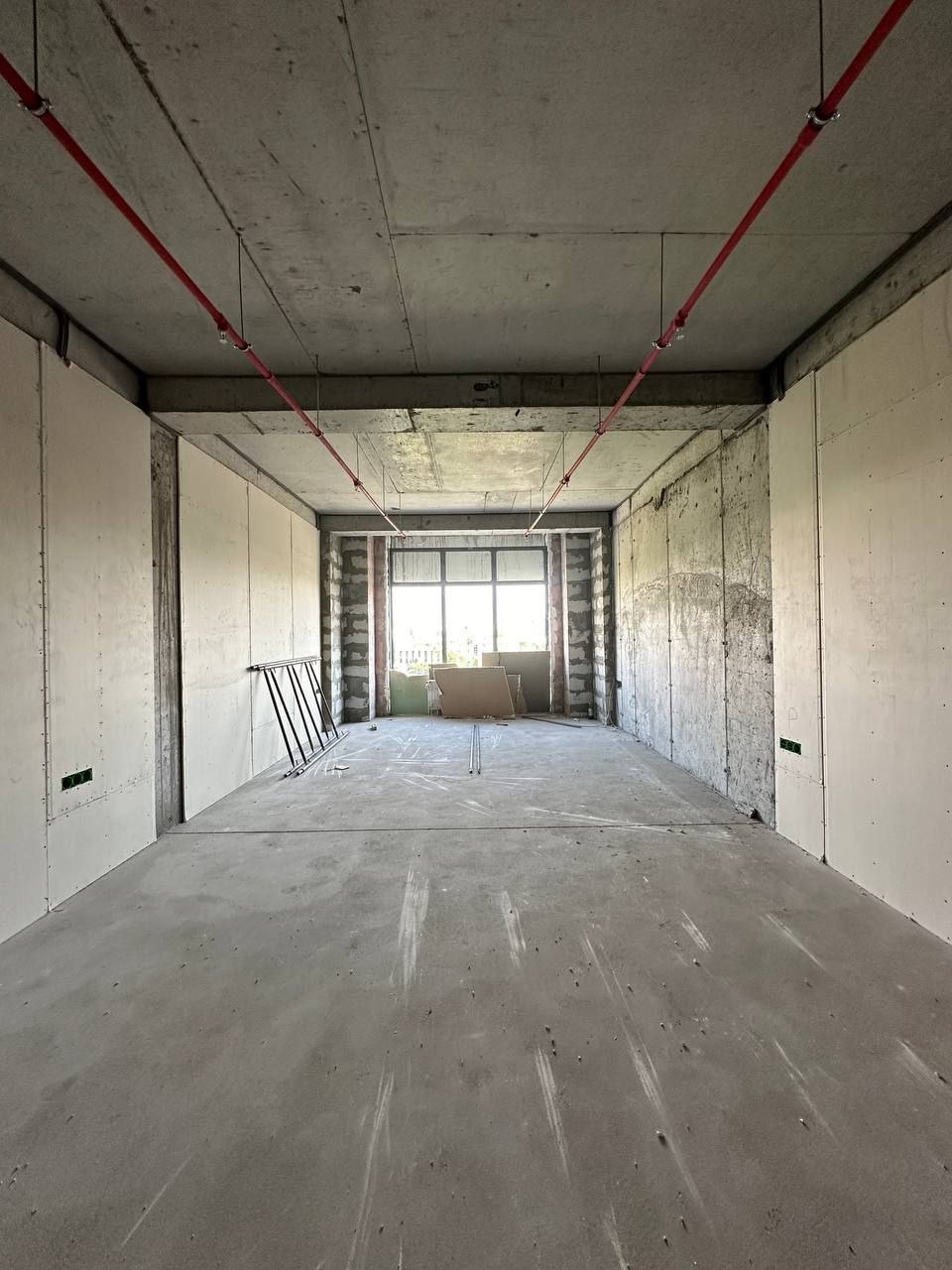
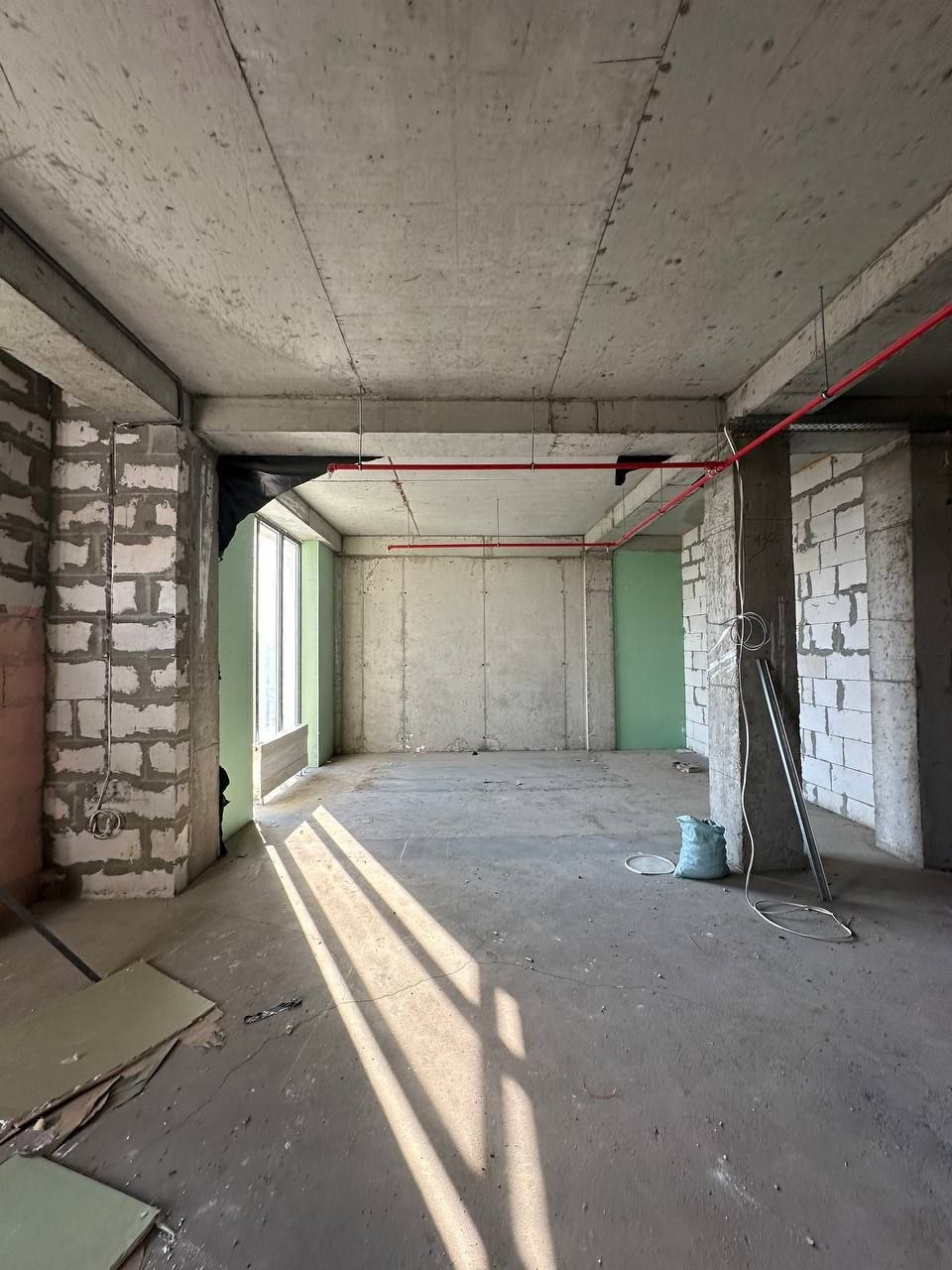
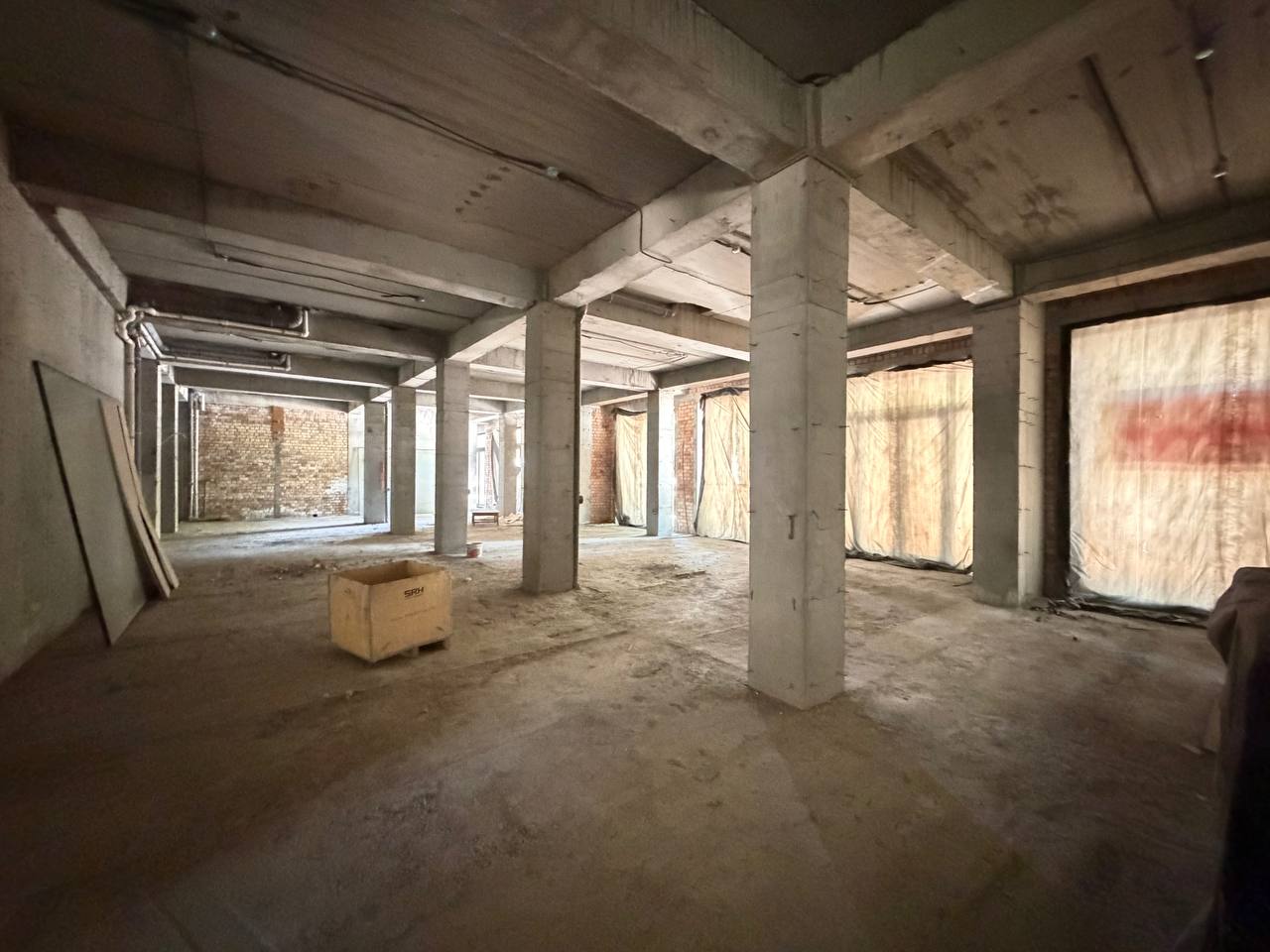
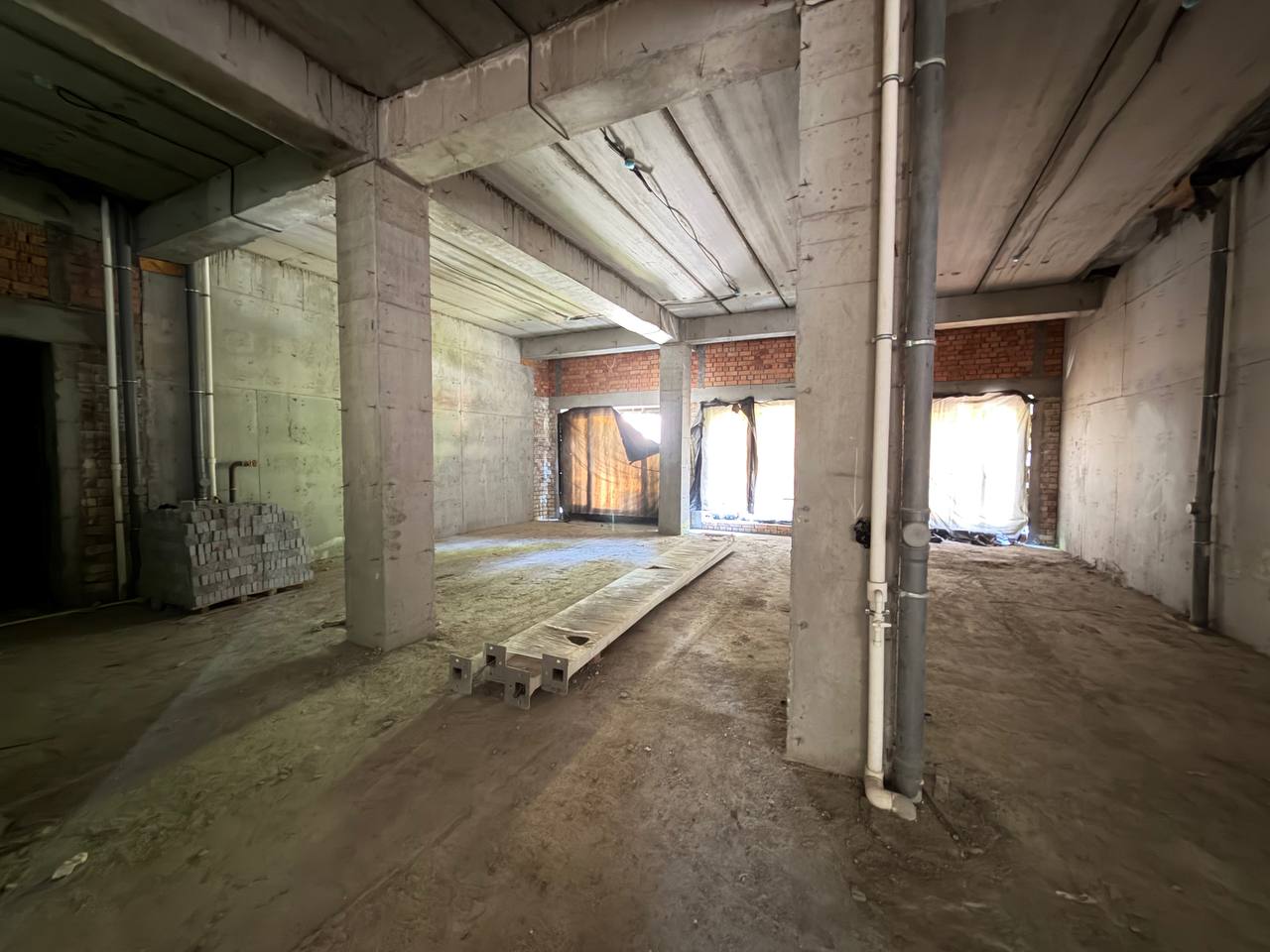
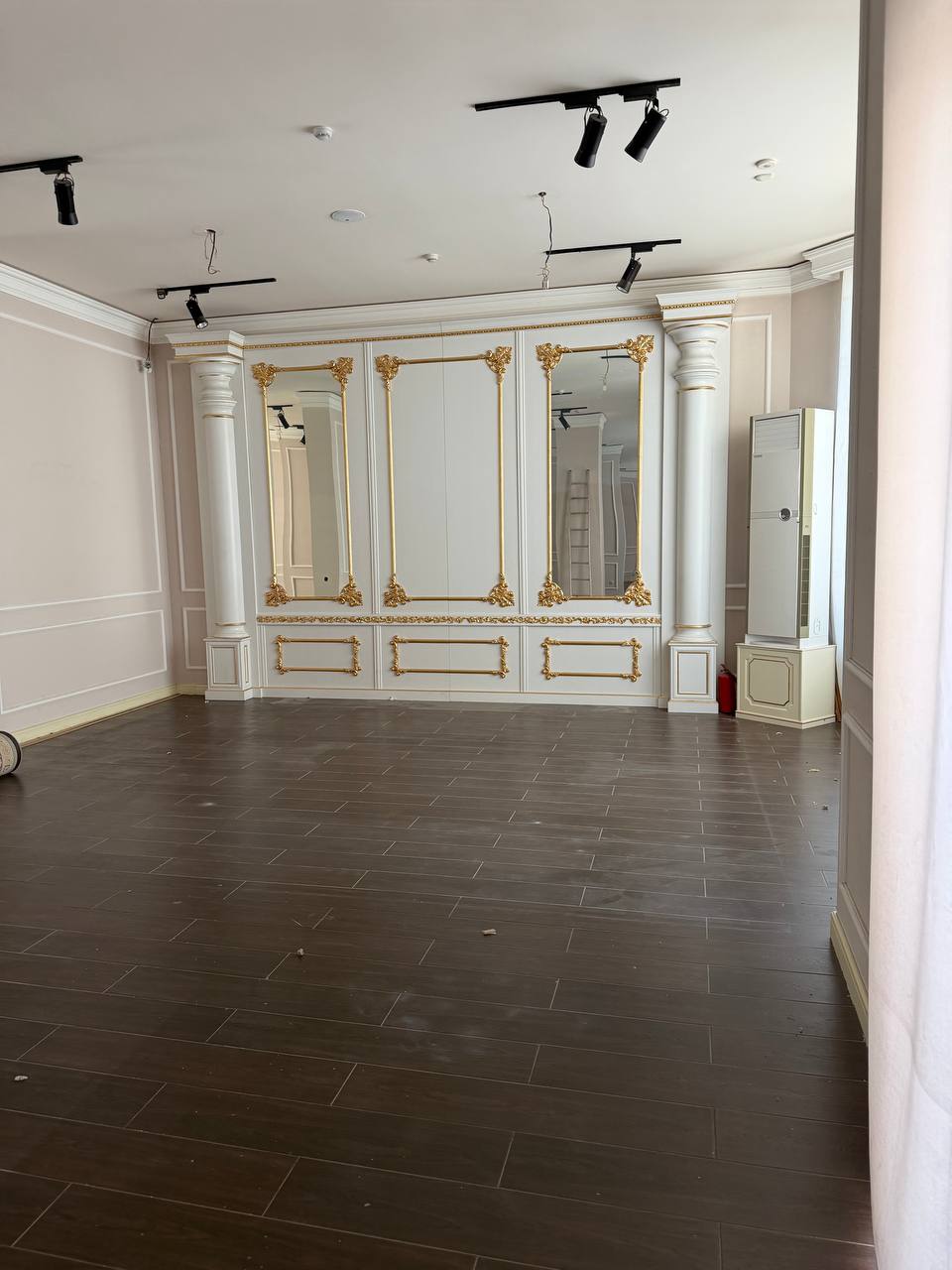
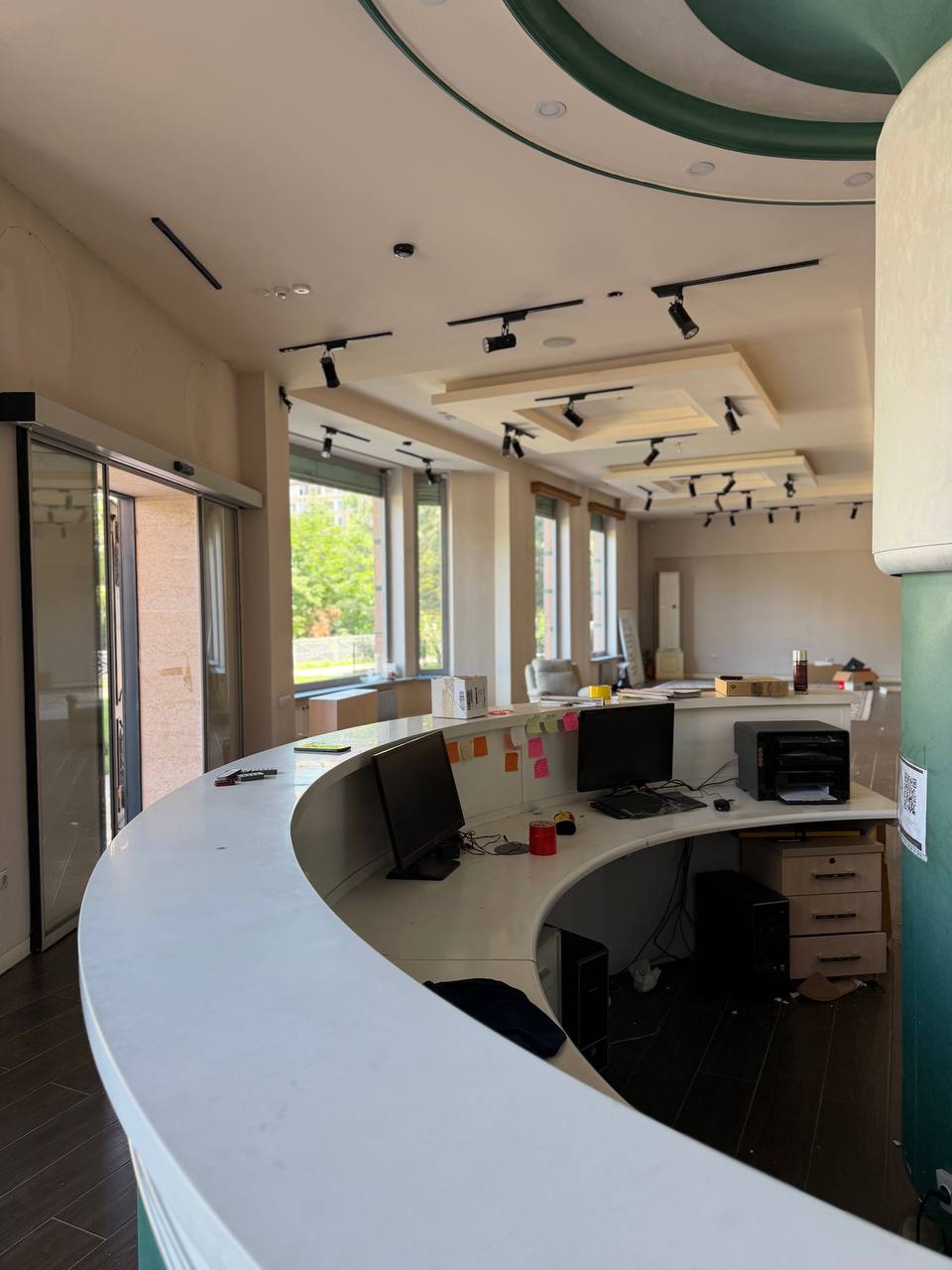
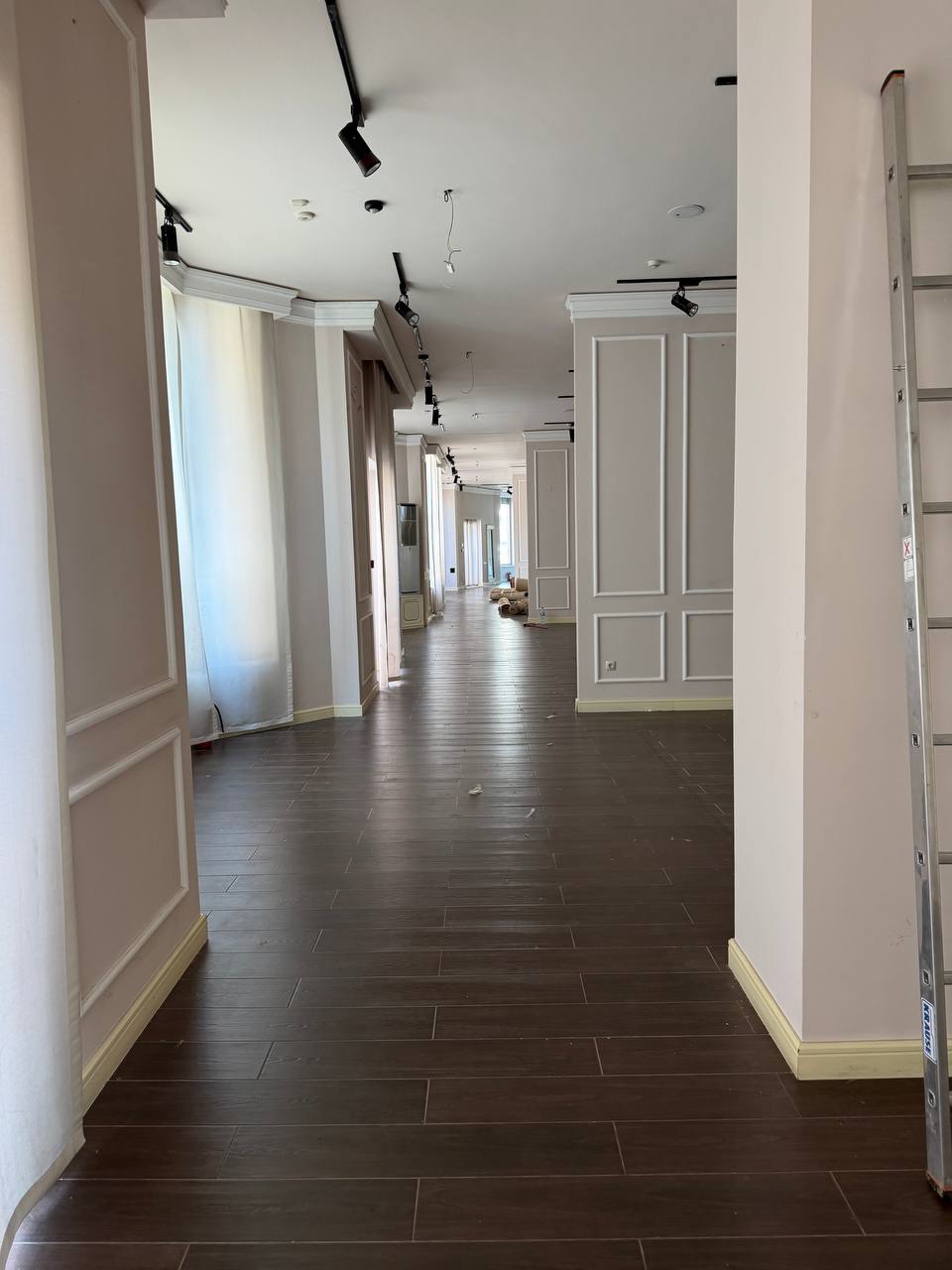
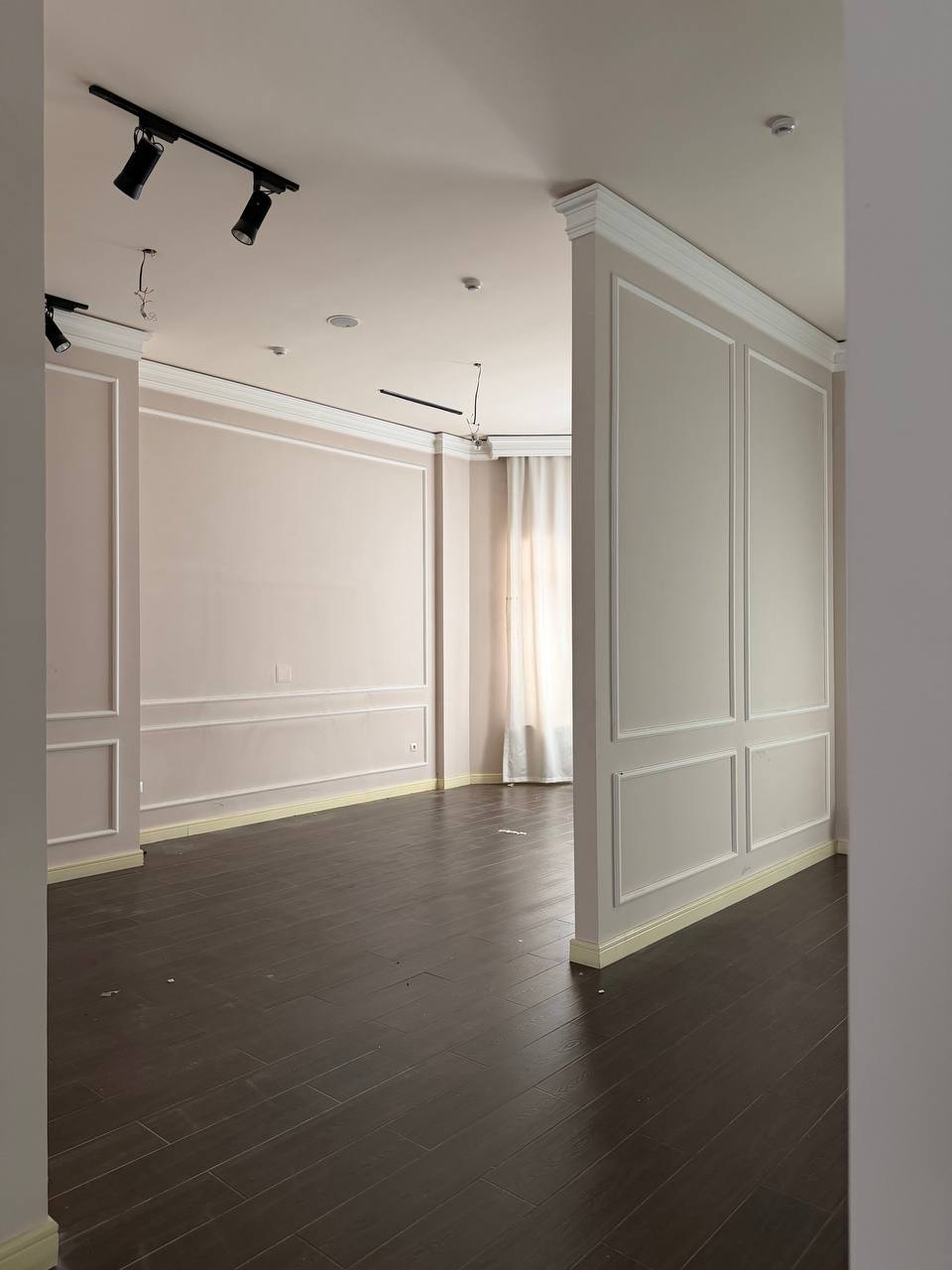
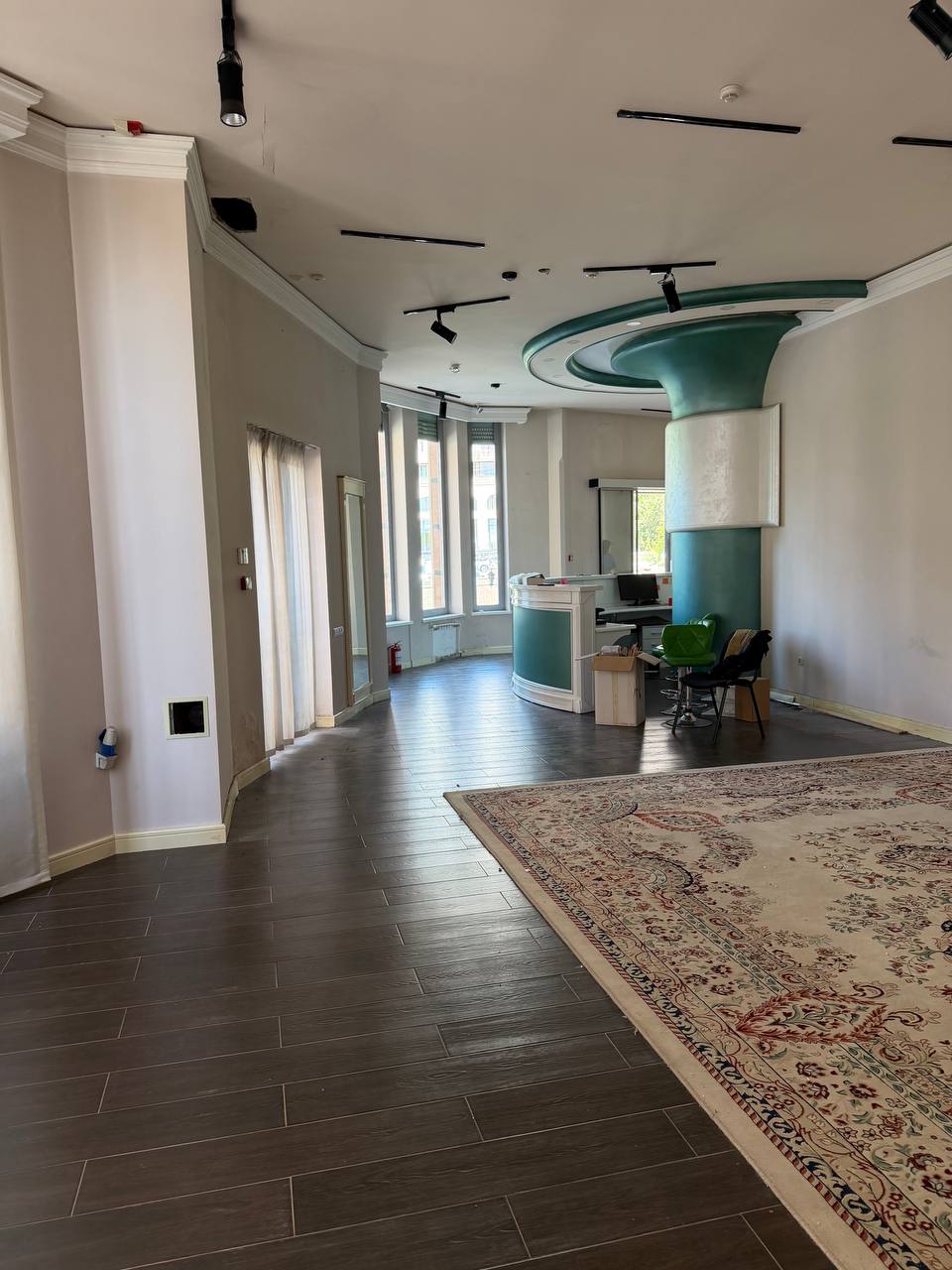
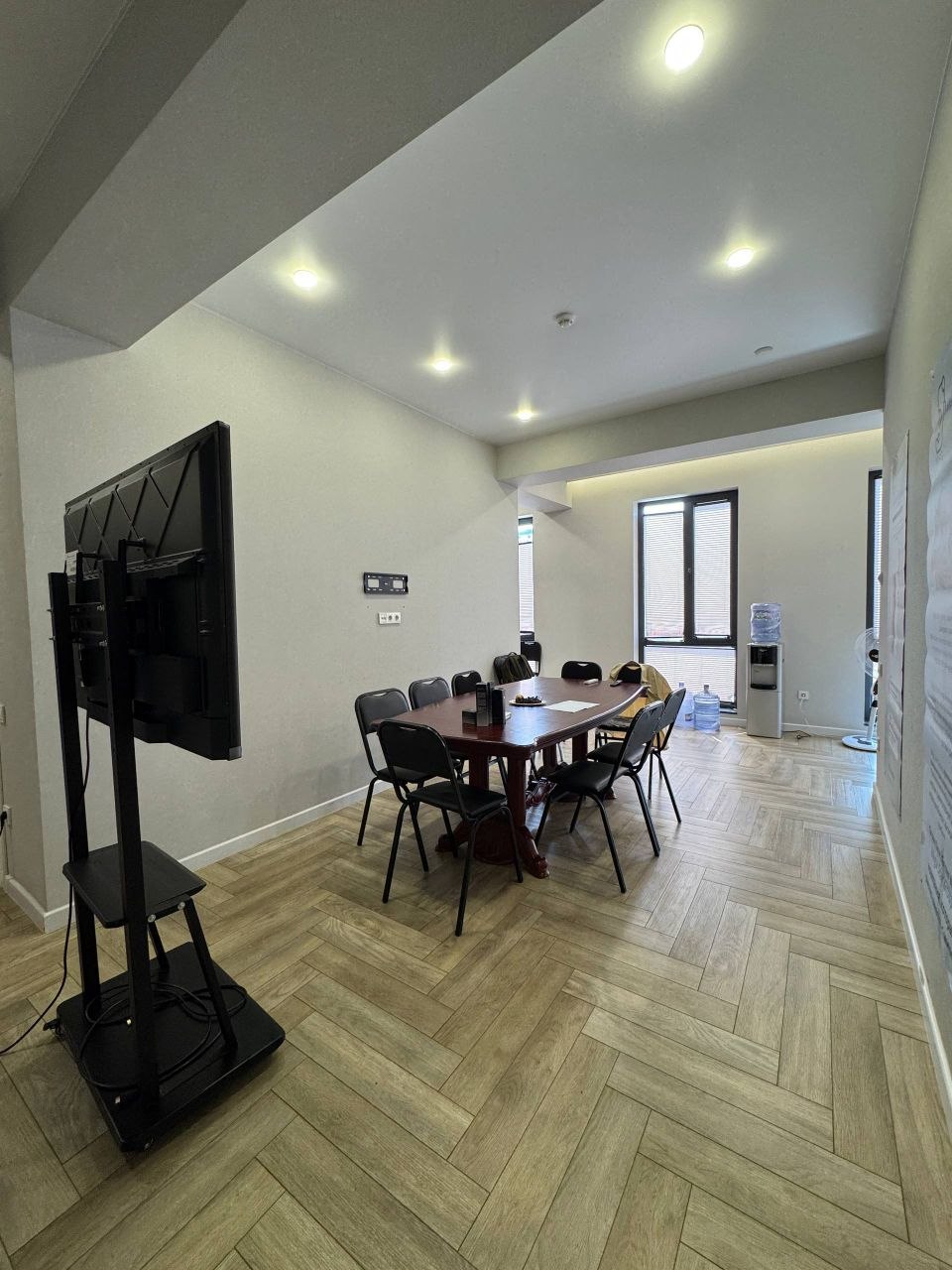
A business-centre presentation may list a generator, central ventilation and 24/7 access on the same page. After moving in, the tenant may discover that backup power does not reach its sockets, cooling stops in the evening and only the daytime administrator can approve a contractor’s entry. The equipment exists, but its operating regime does not match the company’s working pattern.
When leasing an office in a Tashkent business centre, it is therefore necessary to examine both the systems and the rules governing their use. The outcome should be a short operating matrix: what serves the selected office, when it operates, who receives fault reports, which services cost extra and what happens when something fails.
Start with the operating schedule, not the equipment list
Before the viewing, describe how the company actually works. Record normal hours, evening and weekend shifts, the maximum number of employees and visitors, equipment requiring continuous power, constant cooling needs for a server room, mail deliveries and the arrival procedure for technical contractors.
The same building may suit a daytime accounting practice but fail a support team working overnight. “Round-the-clock access” answers only whether someone may enter. It says nothing about lifts, ventilation, parking, visitor passes or an on-duty engineer.
Convert each business scenario into a dependency:
| Tenant scenario | What must operate | What to clarify in advance | |---|---|---| | Evening shift | entrance, lift, lighting, HVAC, washrooms | system schedules and after-hours charges | | Server room or network cabinet | primary and backup power, cooling, connectivity | which circuits are backed up and who may access the equipment | | Client visits | visitor entrance, turnstile, lift, wayfinding | who issues passes and what happens without an administrator | | Urgent repair | contractor access, technical areas, duty engineer | reporting channel, tool clearance and response procedure |
This exercise can eliminate unsuitable properties during the first search in the Tashkent office rental section.
Request an operating matrix before the viewing
Send the managing party one table instead of scattered questions in a messenger. For power, HVAC, internet, lifts, water, fire protection and access control, request the same information:
- coverage: the entire building, one floor or the particular office unit;
- standard operating hours and the procedure for extending them;
- the responsible organisation and a 24-hour channel for emergency reports;
- notice arrangements for planned shutdowns;
- costs excluded from rent or the service charge;
- the document or inspection that supports the answer.
Do not ask a manager to promise abstract “uninterrupted operation”. It is more useful to know how a fault is logged, who authorises an engineer’s visit and when the tenant receives a restoration update. The parties must negotiate specific timings in the lease; there is no single universal response period for every office system.
If an answer exists only in correspondence with a broker, ask the owner or property manager to confirm it. A broker can relay information but does not normally control the switch room, ventilation plant or pass system.
Check the service boundaries for power, HVAC and connectivity
For electricity, the central question is not the rating displayed on the generator but the boundary of backup coverage. Ask the responsible engineer to identify on a diagram which circuits reach the proposed unit: emergency lighting, lifts, ventilation, workstation sockets and the server room. Clarify the transfer procedure and load restrictions. A prospective tenant must not disconnect the incoming supply or start the generator. It can attend an agreed test or request a current maintenance record.
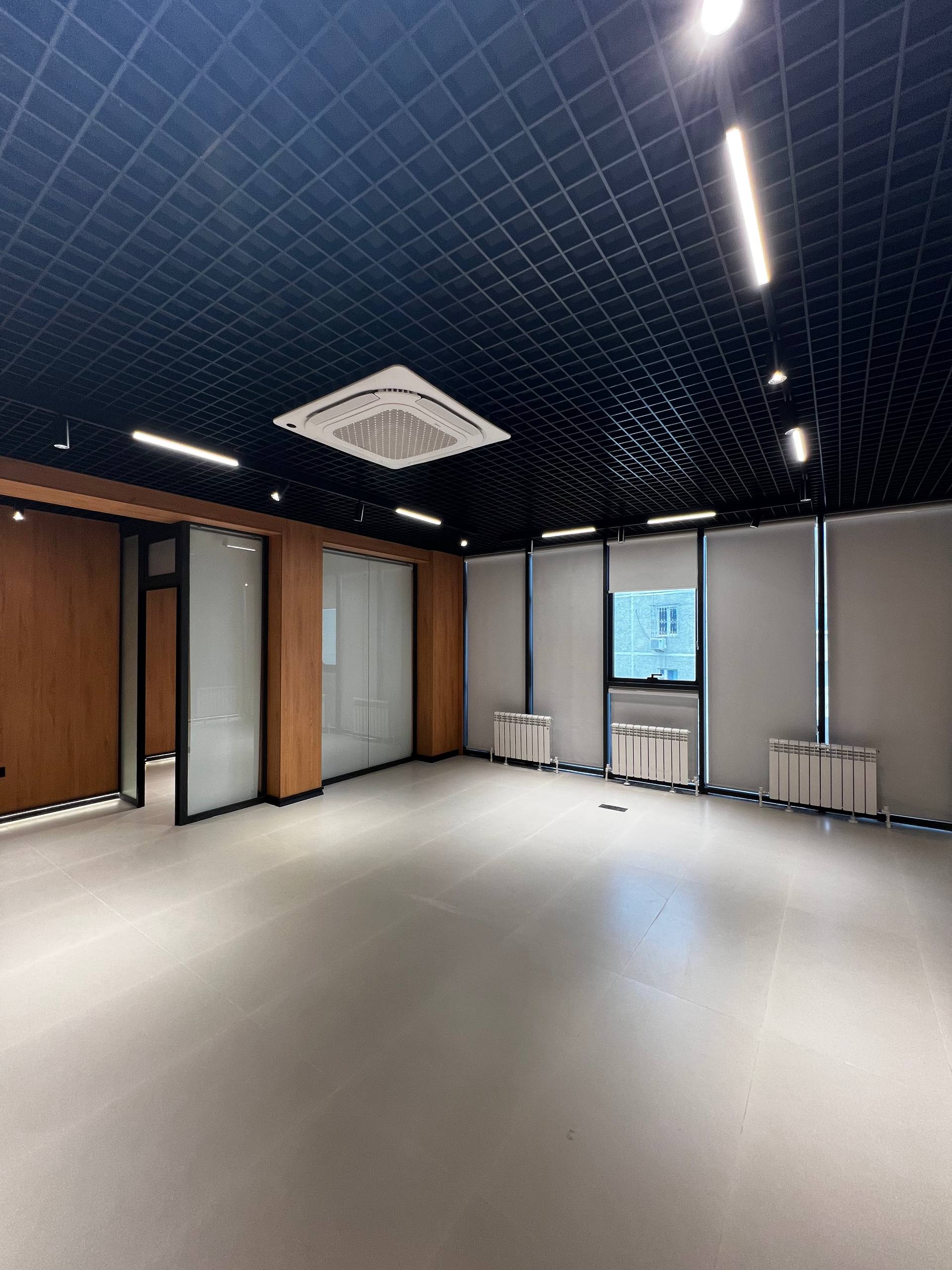
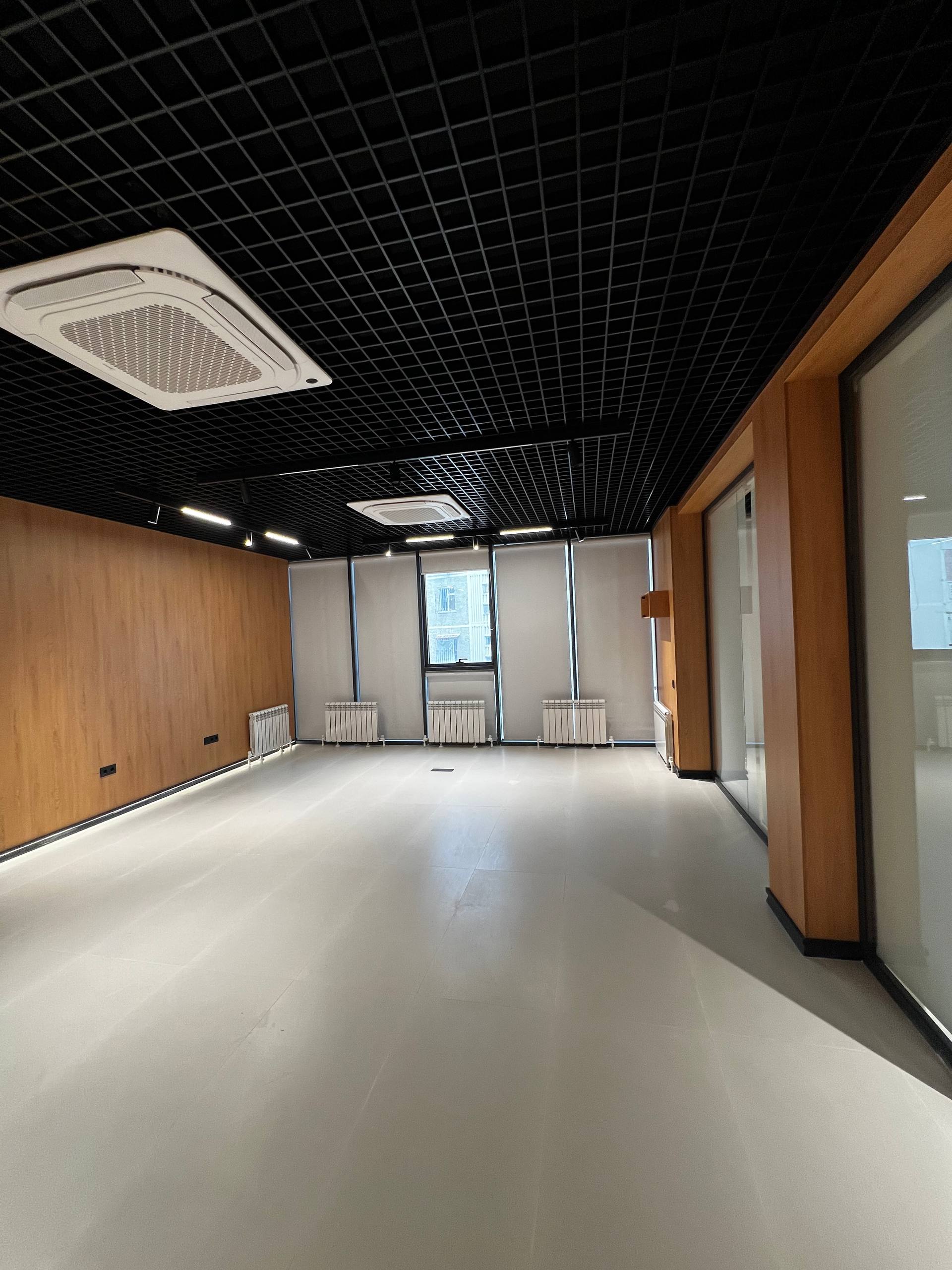
Treat fresh-air supply, heating and cooling as three separate functions. They may use different equipment and schedules. During the viewing, establish which HVAC zone serves the unit, whether the tenant can adjust conditions, whether the system runs after normal hours and who maintains any internal air conditioners. A cool, empty office in the morning does not demonstrate performance with a full team, so assess conditions at a comparable working time.
Test internet availability from the office, not by checking lobby Wi-Fi. Identify available carriers, the entry point into the leased unit, the cable route, the procedure for admitting installers and whether an independent backup link is possible. Confirm speed and stability through a test of the relevant connection or written technical conditions from a provider. A carrier logo at reception is not evidence that the unit can be connected.
Also inspect signs of leaks, water points, isolation valves inside the unit and the emergency shut-off procedure. The key issue is not whether the tenant can enter a common plant area, but whether it can quickly reach someone authorised to isolate the supply.
Separate access, maintenance and evacuation
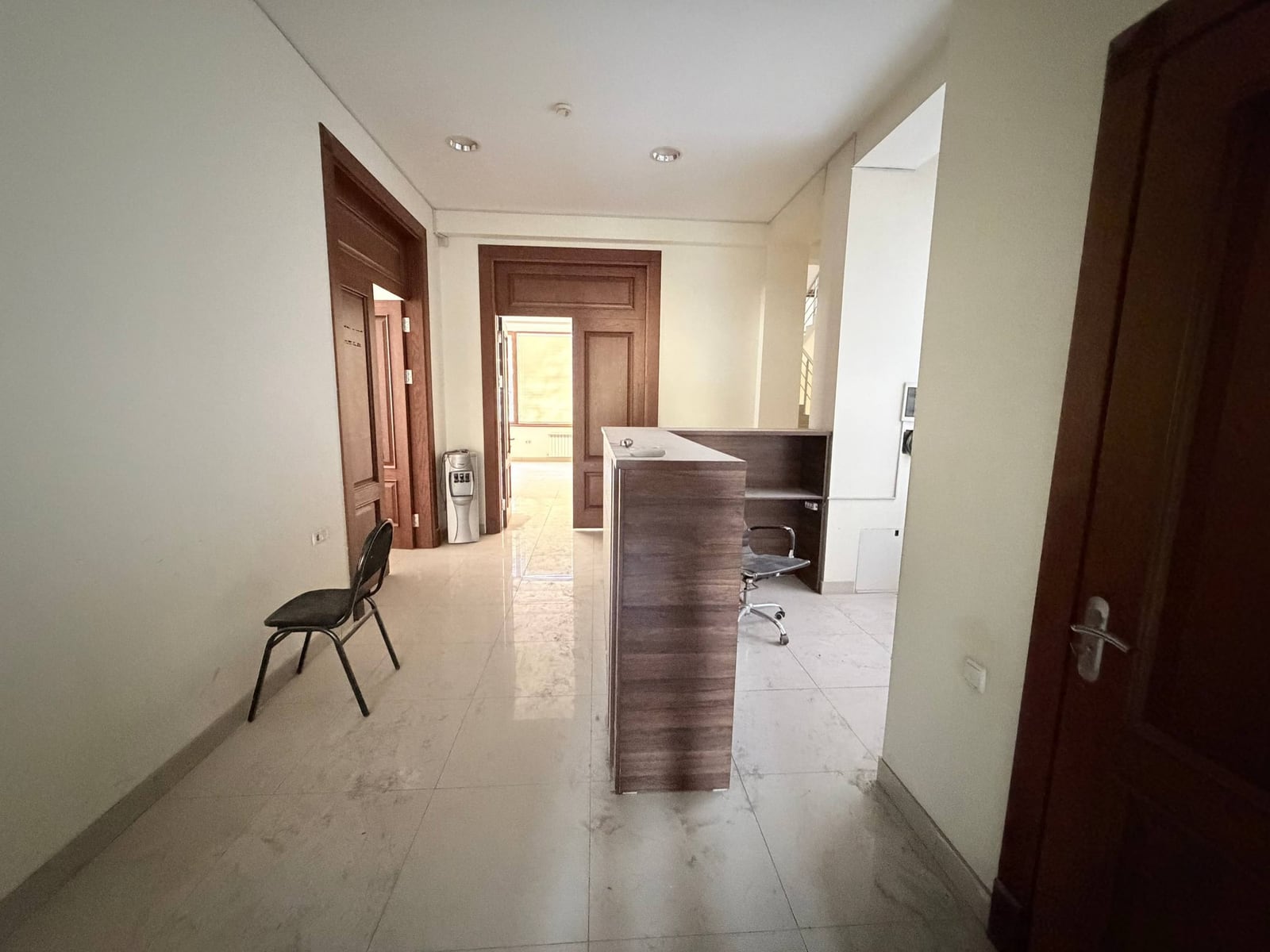
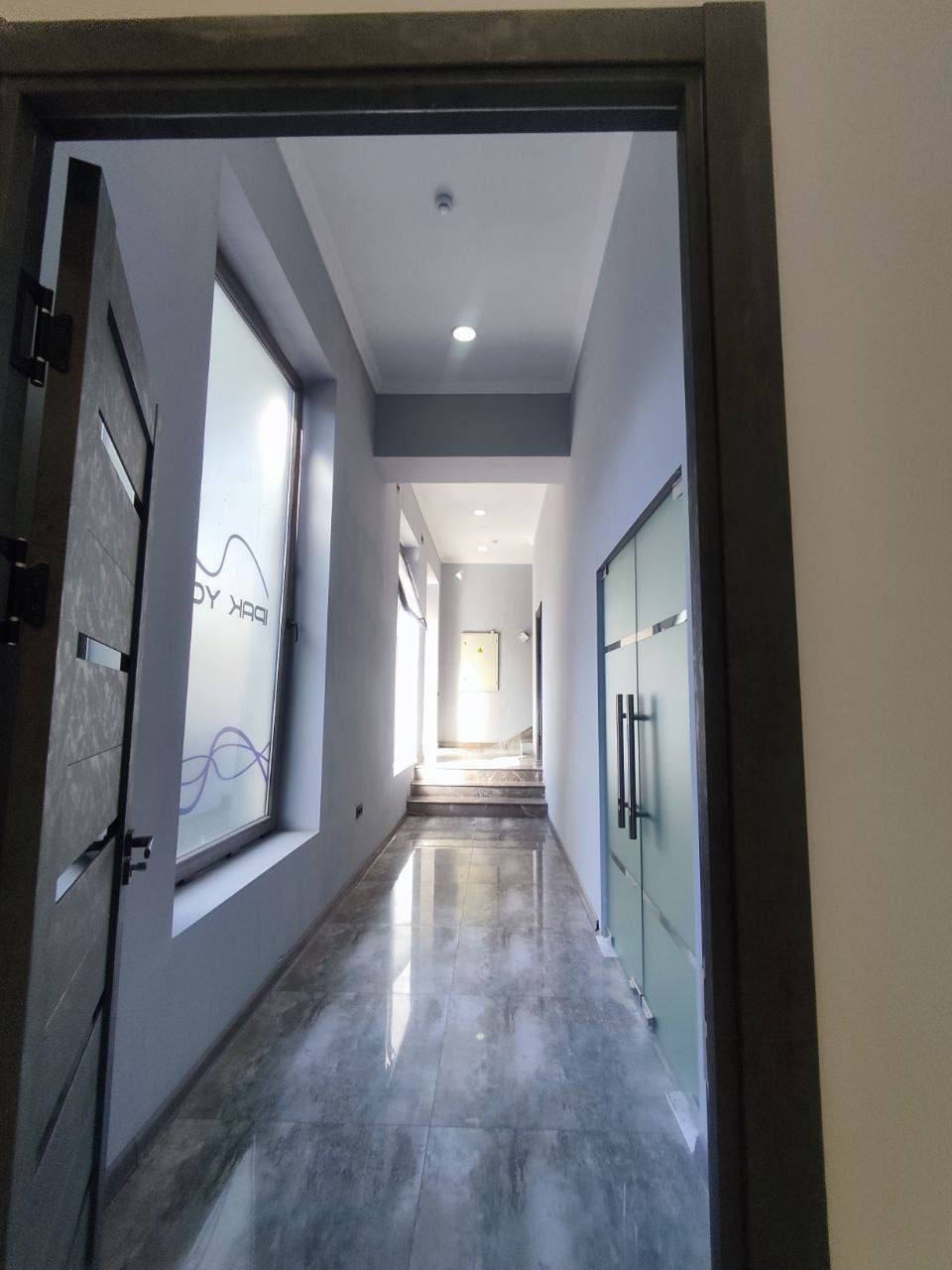
Test access for at least four roles: permanent employee, visitor, courier and technical contractor. Follow each route from the street or car park to the office door. Record the hours of every entrance, card-issue and cancellation rules, visitor registration, equipment deliveries and weekend access.
Do not confuse administrative access with fire safety. A turnstile may control normal entry, while evacuation must be assessed against the design and applicable rules. Uzbekistan’s SHNK 2.01.02-04 treats protection along evacuation routes as a combination of spatial, structural, engineering and organisational measures. During a viewing, a tenant can walk the marked route, check that directions are clear, confirm that designated doors open freely and look for stored items obstructing passages. It should not stage an alarm or activate fire systems independently.
Uzbekistan’s Law on Fire Safety provides for safety requirements to be reflected in instructions and, where necessary, contracts. It also assigns responsibilities to organisations’ managers and authorised persons. A tenant consequently needs more than a statement that fire detection exists. The operating arrangement should distinguish what the business centre maintains, what the company controls inside its office, who reports a defect and who organises corrective work.
Inspect safely without staging failures
Speak to the engineer or facilities representative first, inspect the unit next and then compare the observations with the documents. A safe sequence is:
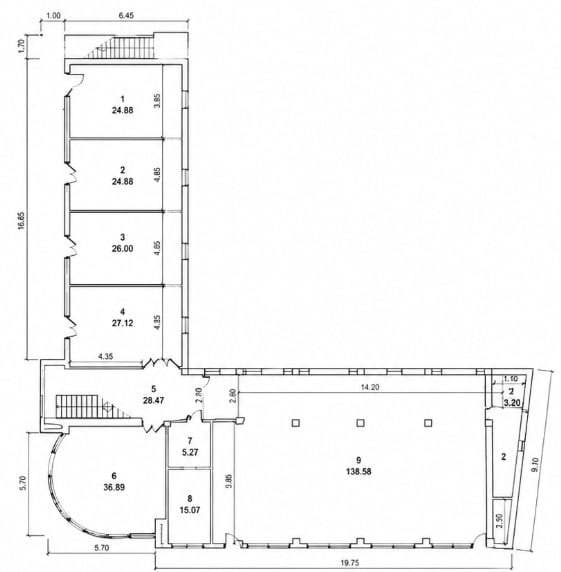
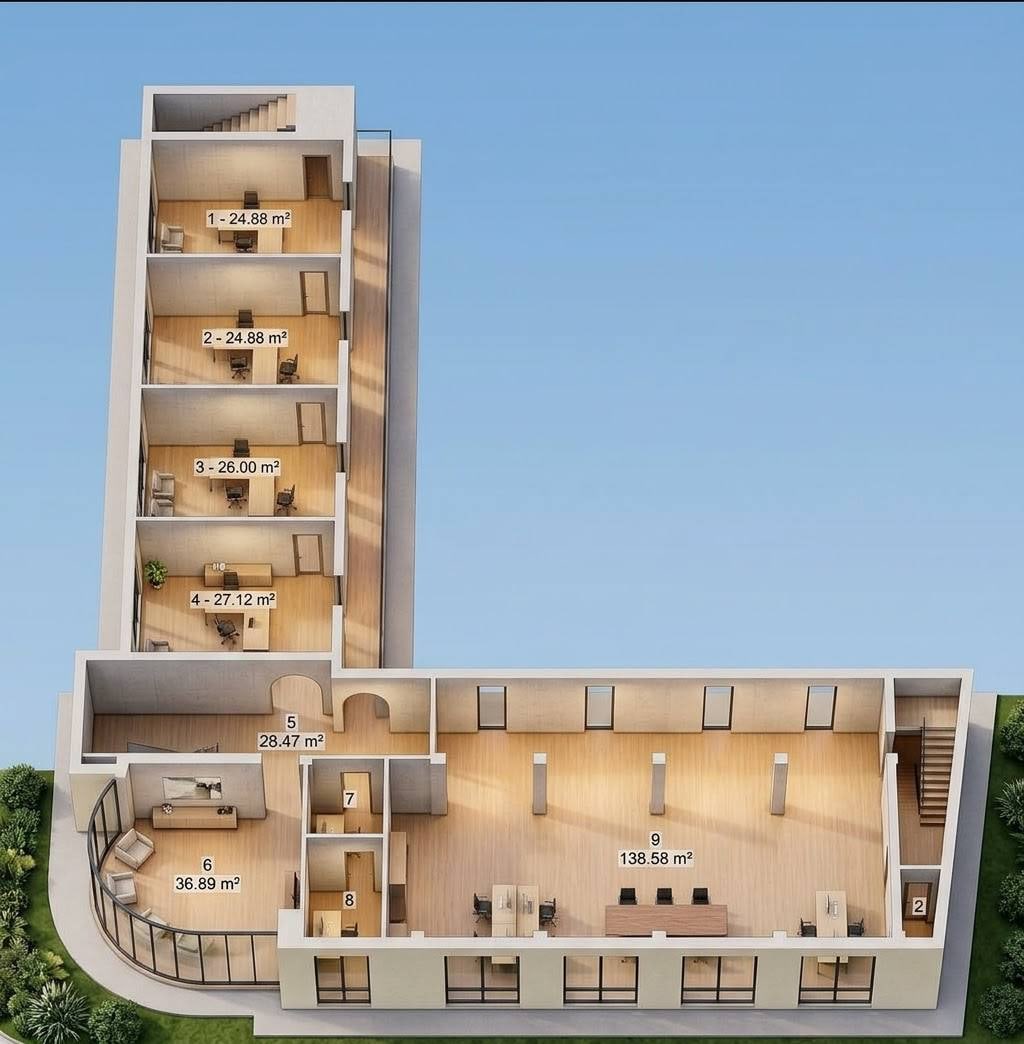
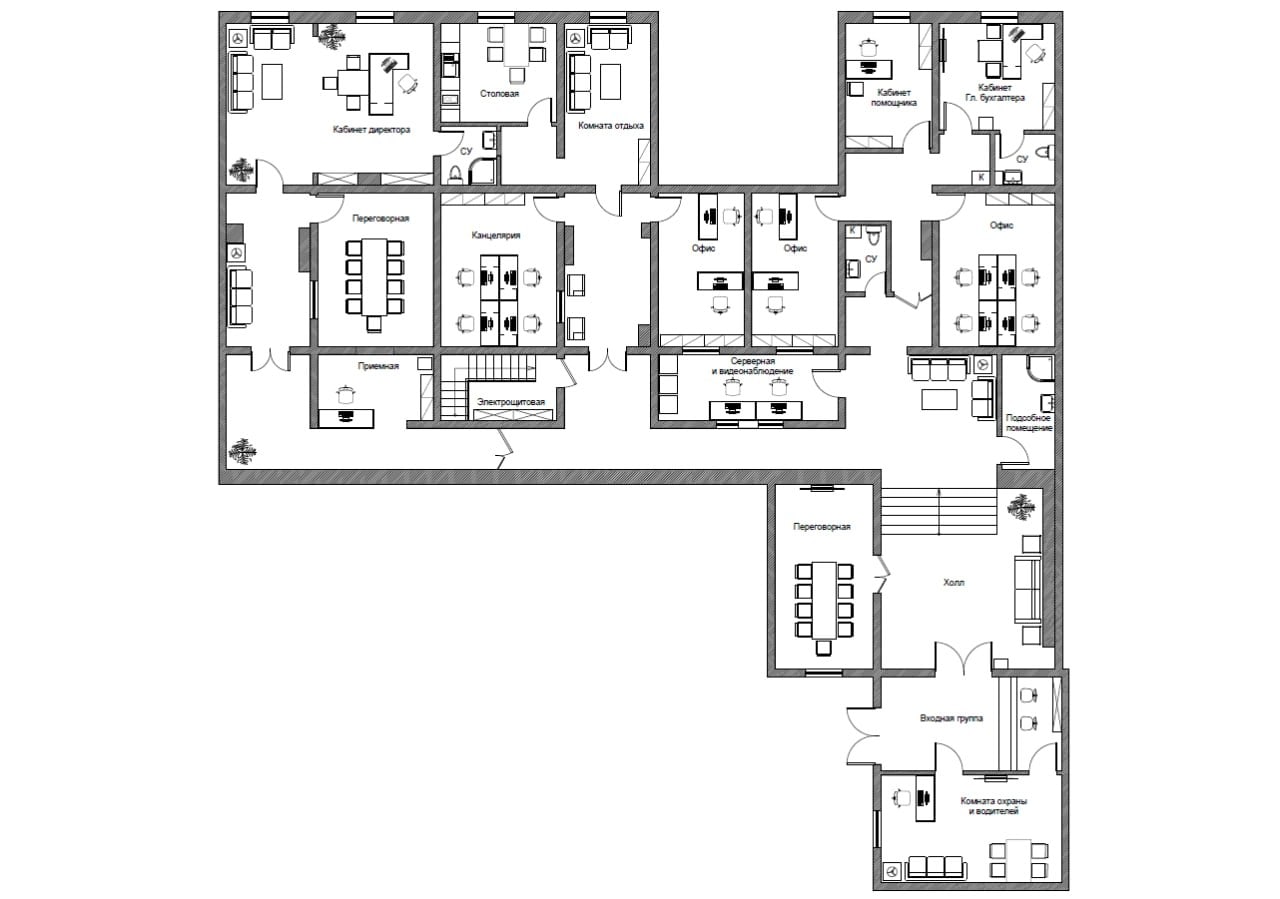
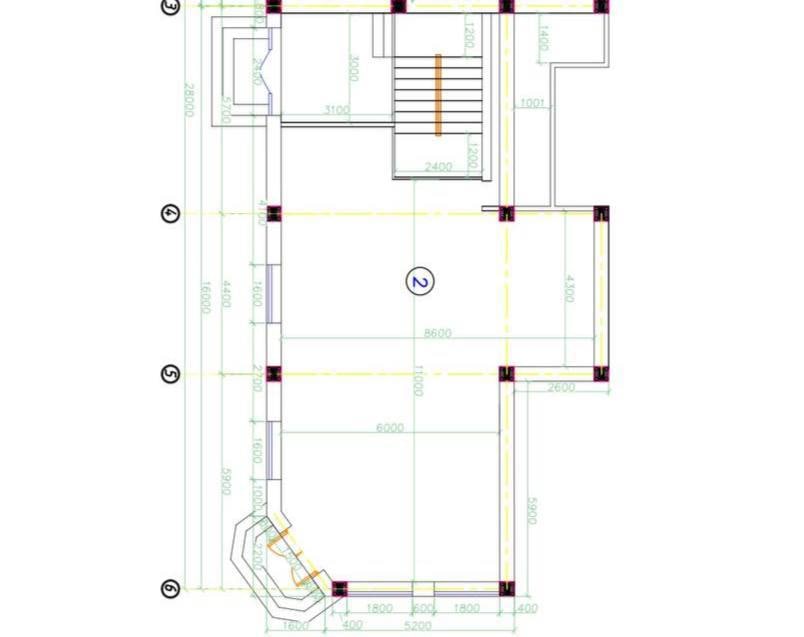
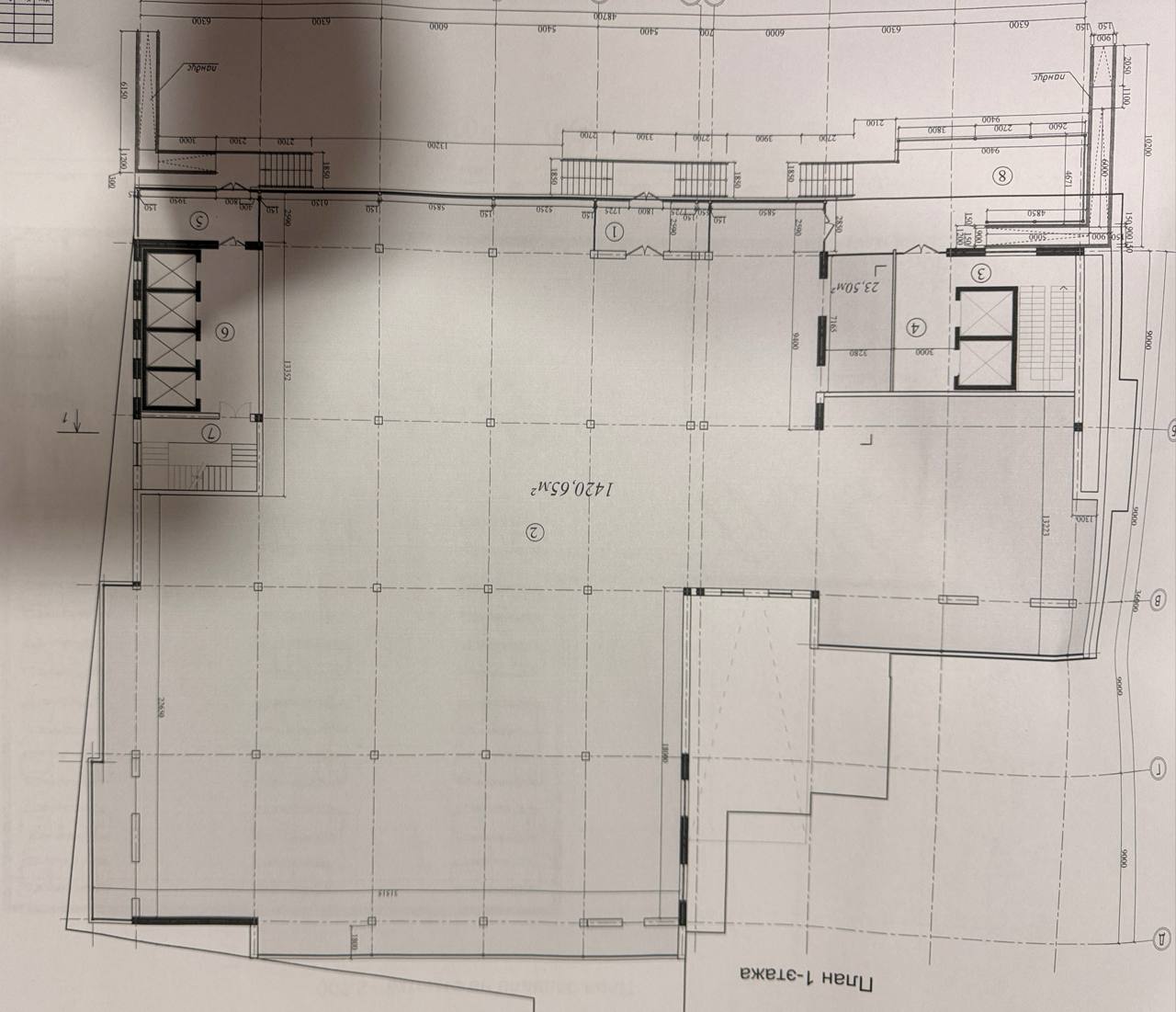
- Mark the unit boundary, electrical panel, telecommunications entry, HVAC zones, main entrances and evacuation route on the plan.
- Use permitted methods to check the normal operation of sockets, lighting, HVAC equipment and connectivity.
- Walk the employee and visitor routes. If after-hours operation is essential, arrange a separate visit at the relevant time.
- Ask for a demonstration of the normal reporting channel: telephone, application, email or a log at the security desk.
- For the generator, fire automation and other common building equipment, rely on records or attendance at a scheduled test. Do not interfere with system controls.
- Record discrepancies and identify who must close them and by what date.
A photograph proves only that equipment is present. A functional test shows its condition at a particular moment. A lease schedule establishes which condition must continue after occupation. A business-critical system calls for all three levels of evidence.
Compare offices using verified conditions
Do not average engineering features into one score: a working generator does not compensate for the absence of authorised night access. Give every mandatory scenario one of three statuses:
- **confirmed** — checked and capable of being documented;
- **conditional** — available only after approval, payment or additional works;
- **unconfirmed** — supported only by a verbal statement or not serving the selected unit.
If a mandatory scenario is unconfirmed, the office fails the filter regardless of its finishes. Properties that pass can then be compared in the Tashkent commercial property rental section and by location on the map.
Calculate the full recurring occupancy cost as:
**rent + service charge + utilities + regular after-hours system operation + access and parking fees + maintenance of tenant equipment.**
The Plenum resolution on applying lease legislation explains that utilities are payable in addition to rent unless the agreement provides otherwise. List the composition of every charge and the method for changing it rather than relying on the single term “operations”.
The lease or a schedule should identify the selected unit, operating hours for every critical system, boundaries of responsibility, reporting channel, agreed response and restoration periods, planned-maintenance notices, after-hours tariffs and the consequences of repeated failures. These are negotiated commitments, not automatic statutory service levels.
A technical schedule does not replace due diligence on the property. The leased premises must be individually identifiable, while the registered rights can be compared with the extract and cadastral passport through the official my.gov.uz service.
The tenant’s final checklist
Before signing, obtain clear answers to the following questions:
- Which circuits in the selected unit receive backup power?
- When do fresh-air supply, heating and cooling operate?
- Which providers can connect this particular unit?
- Who receives an emergency report at night or on a weekend?
- How do employees, visitors, couriers and contractors enter?
- Are lifts, parking and common areas available when required?
- Who maintains the building’s fire protection and the equipment inside the office?
- Which services are charged separately?
- What evidence supports every critical condition?
- Have the agreed parameters been included in the lease and handover record?
A strong business centre is distinguished not by the number of claims in its presentation but by predictable operating rules. The generator or turnstile alone does not create value for a tenant. Value comes from a complete chain: the system serves the office, a responsible person can be reached, the report is logged and the agreed service can be proved.
Sources and verification date