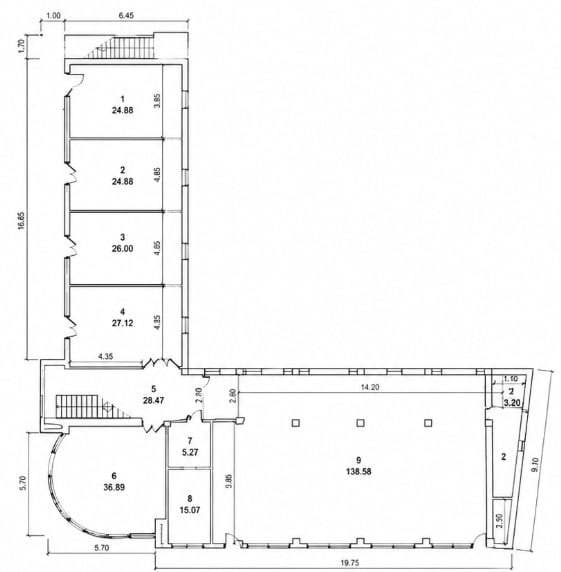
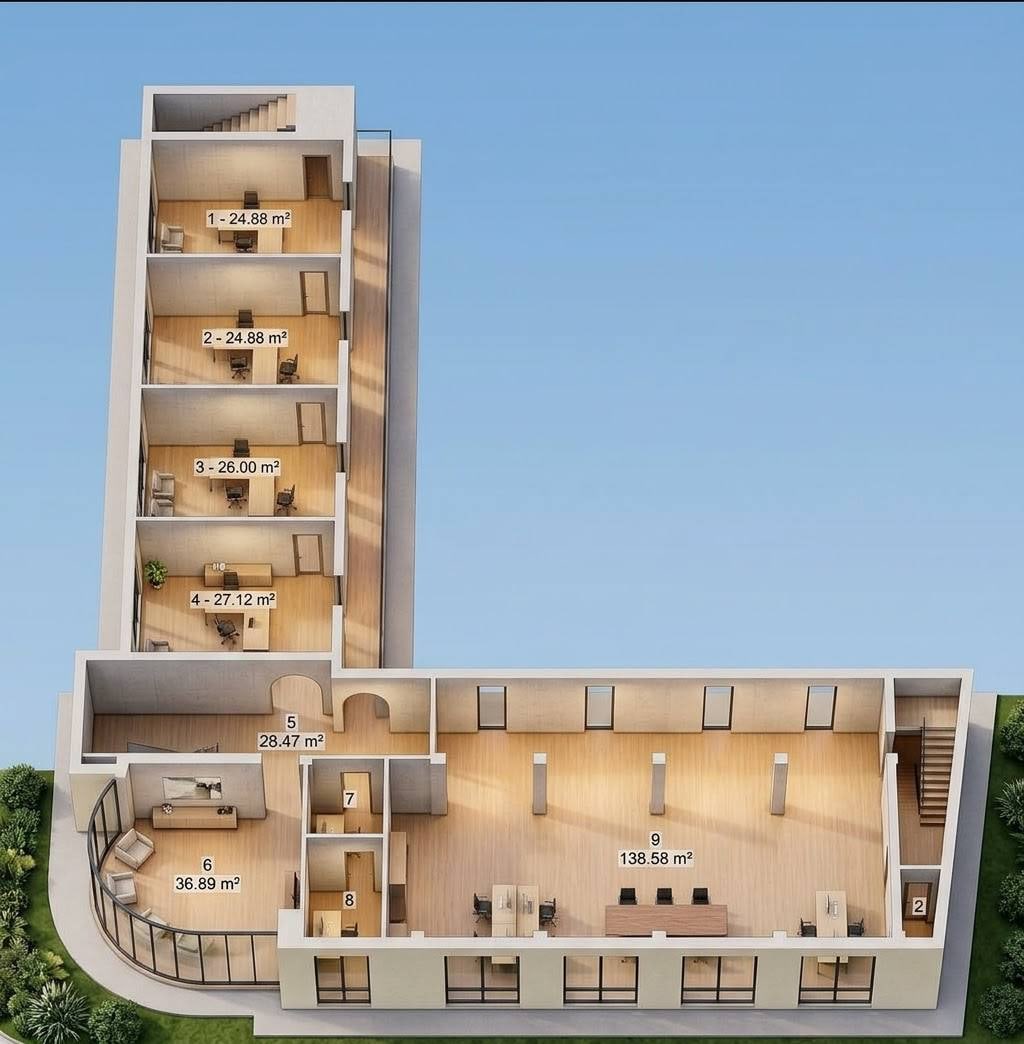
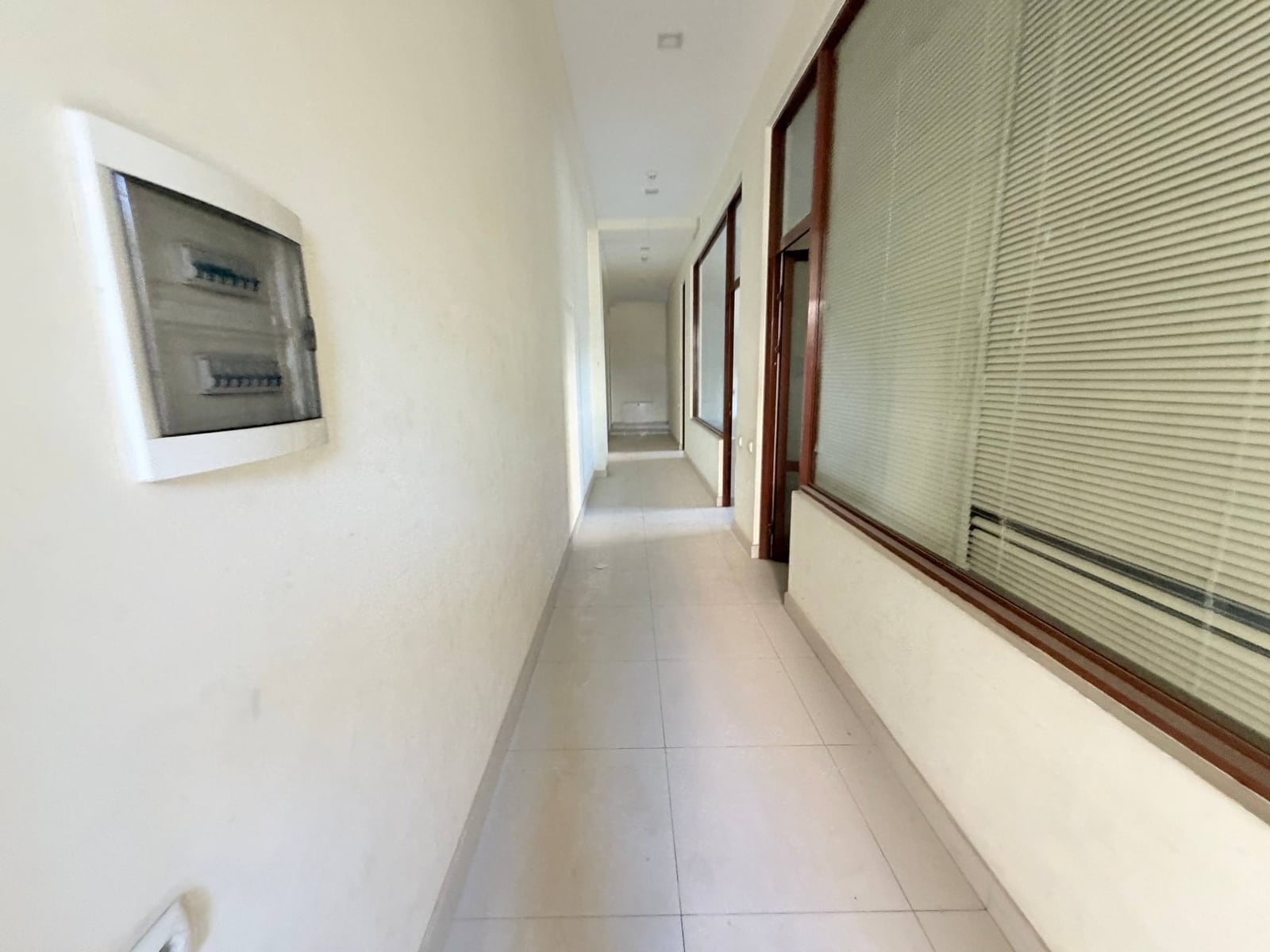
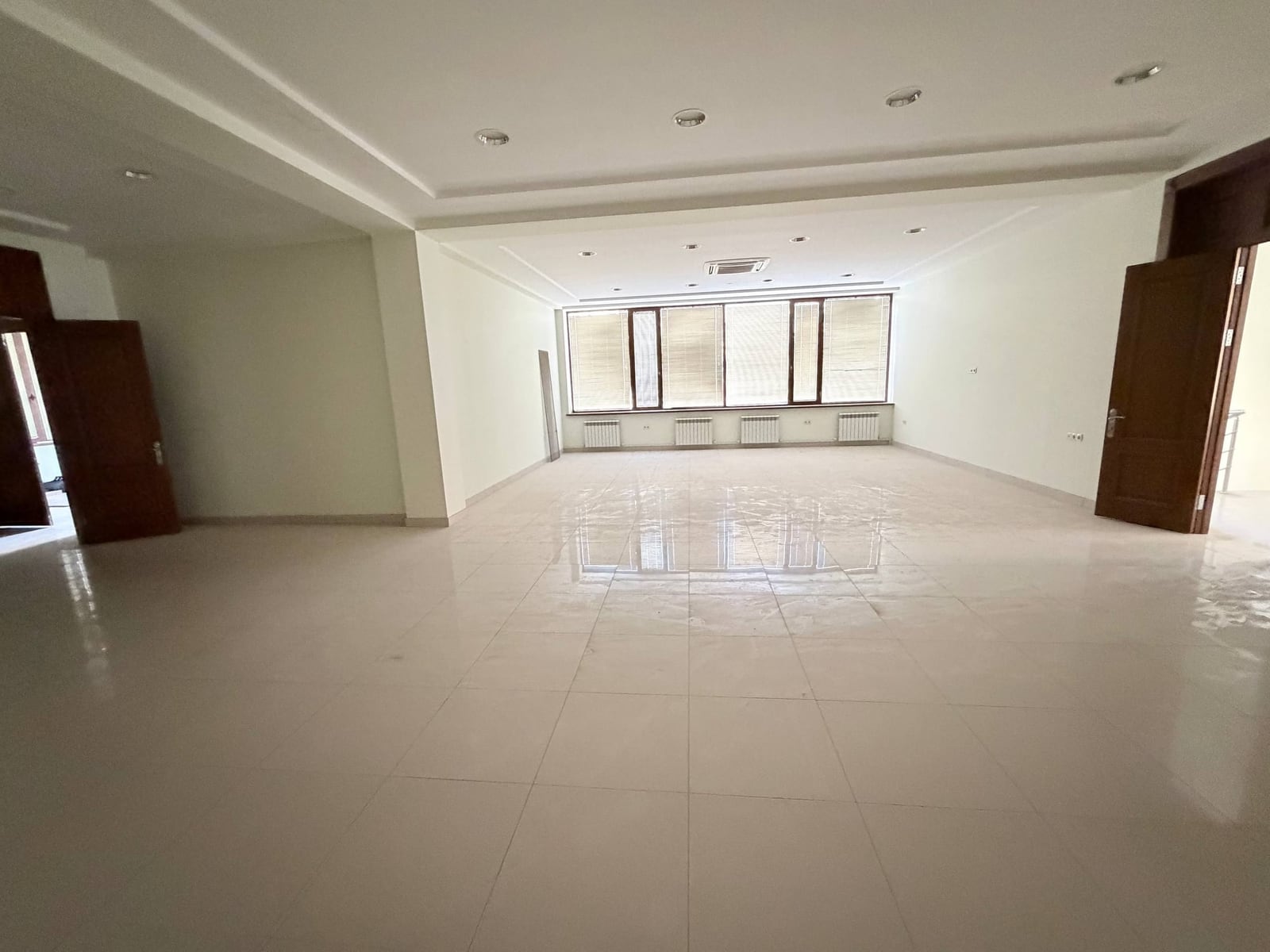
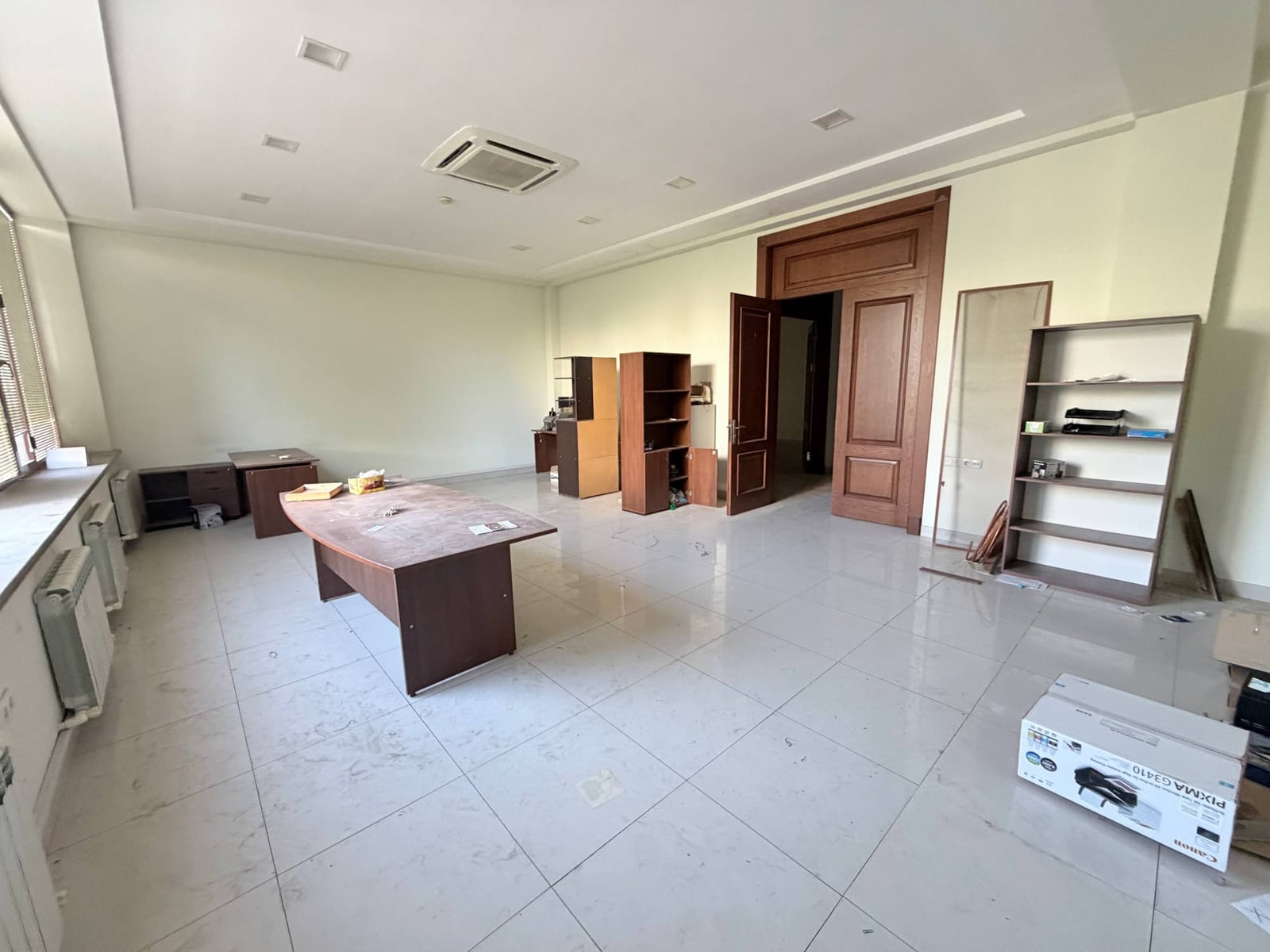
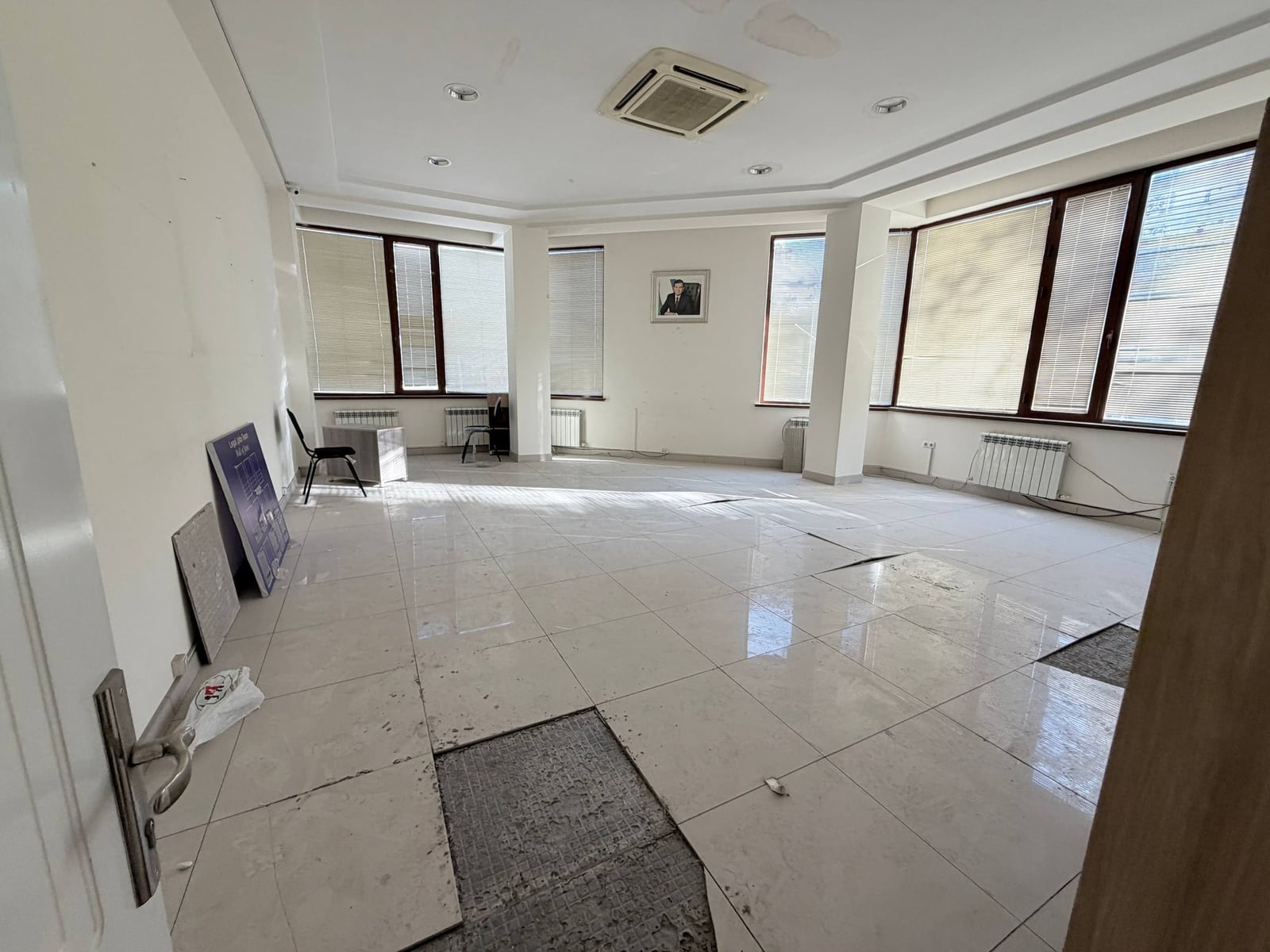
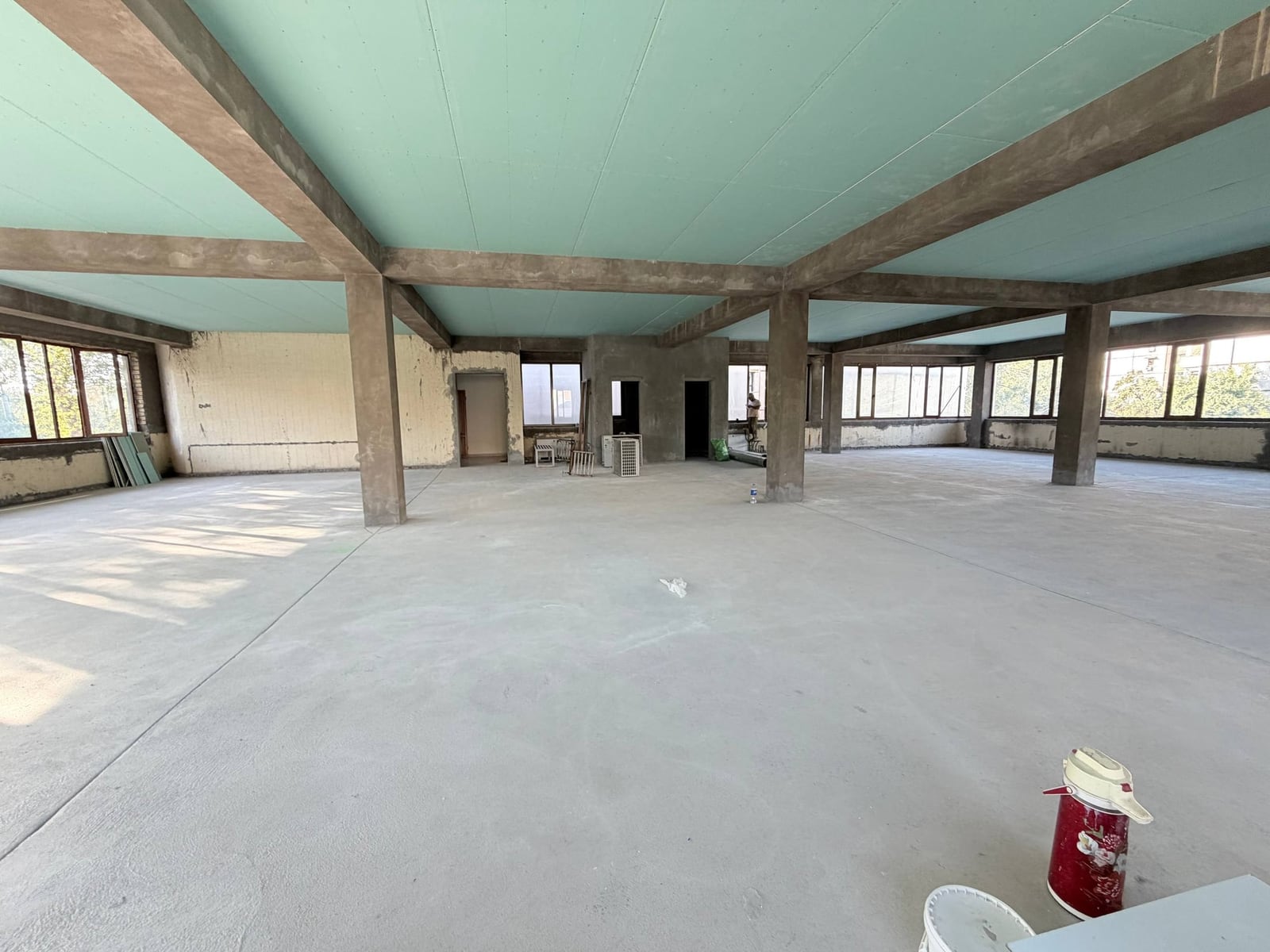
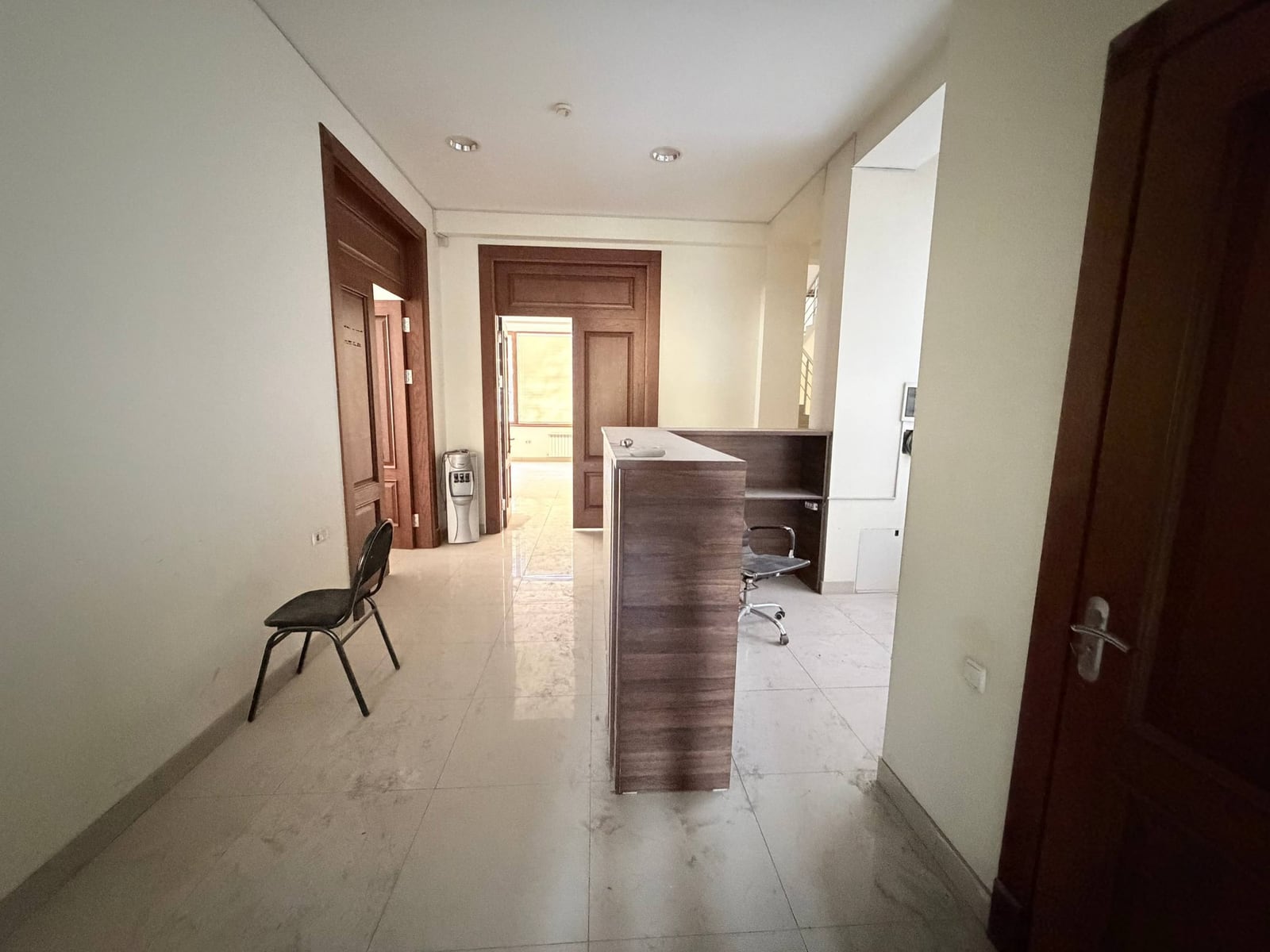
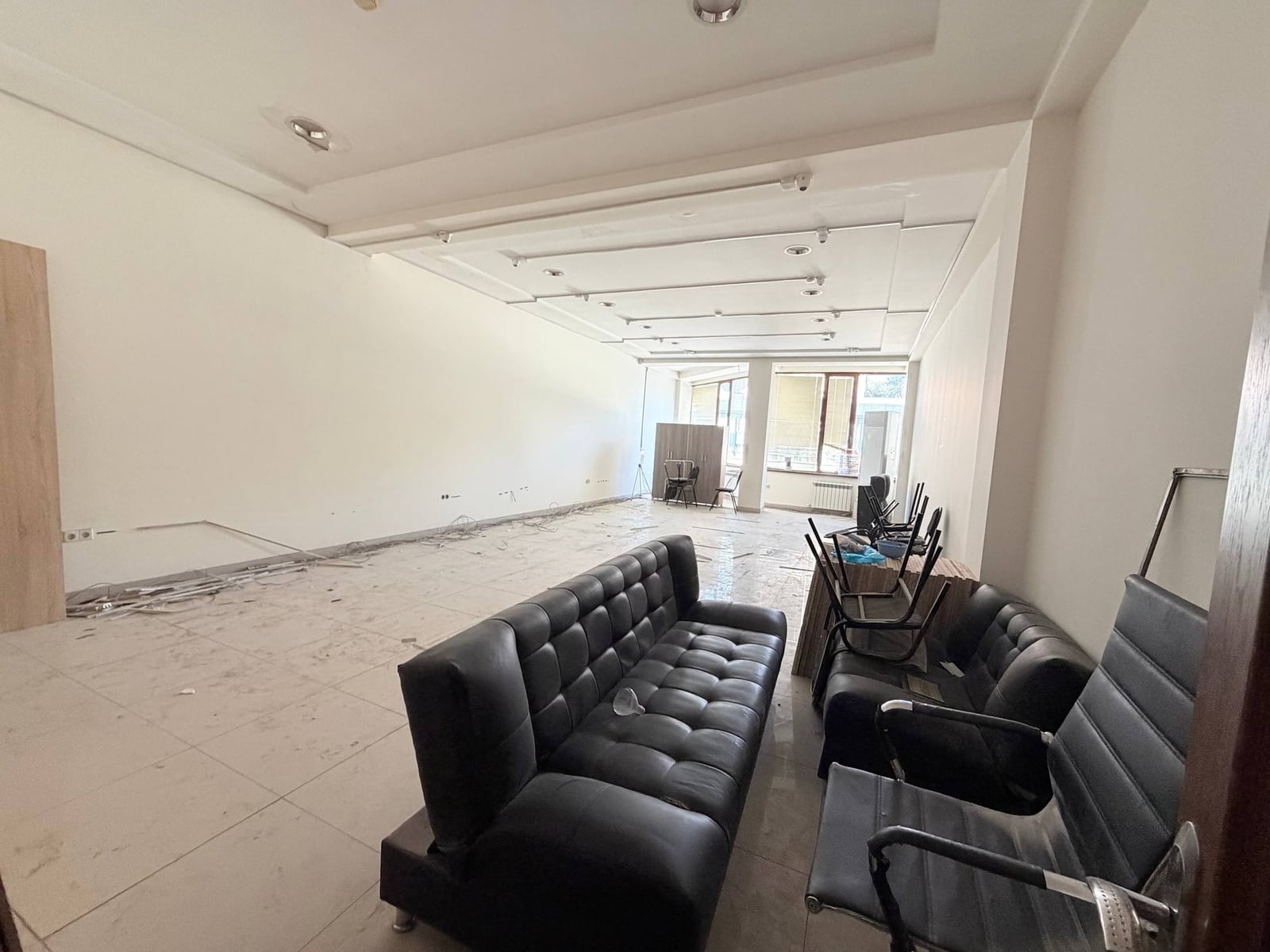
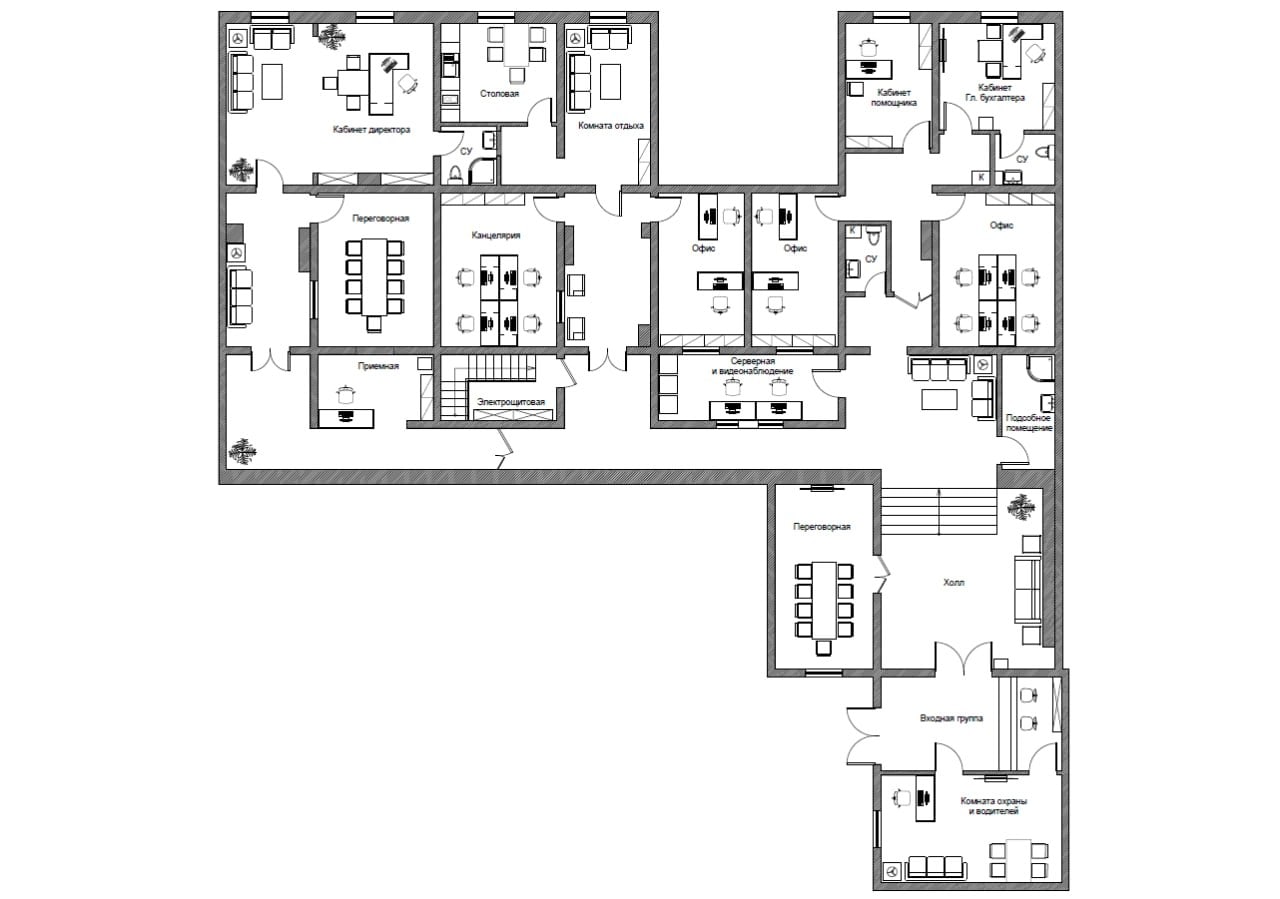
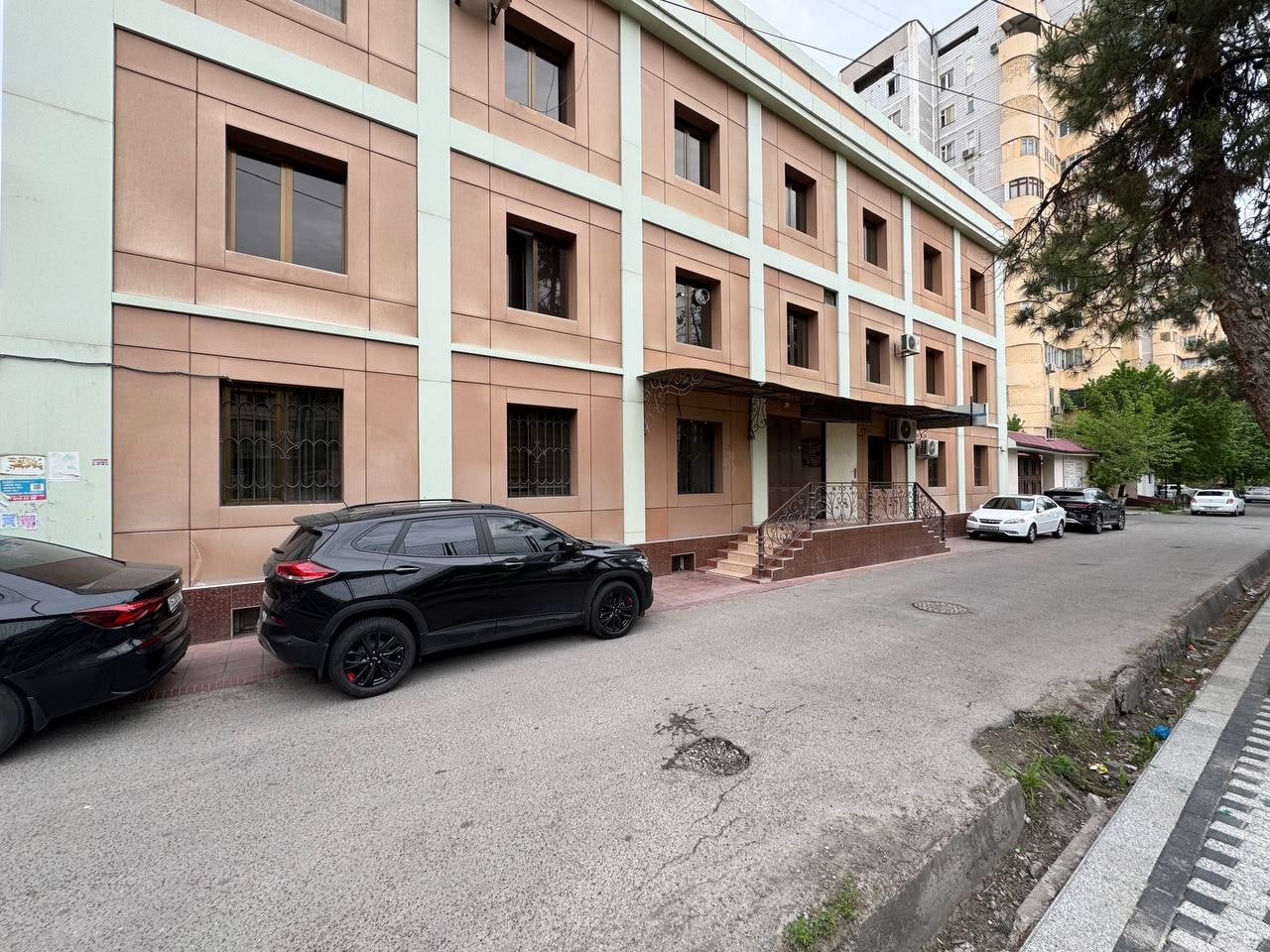
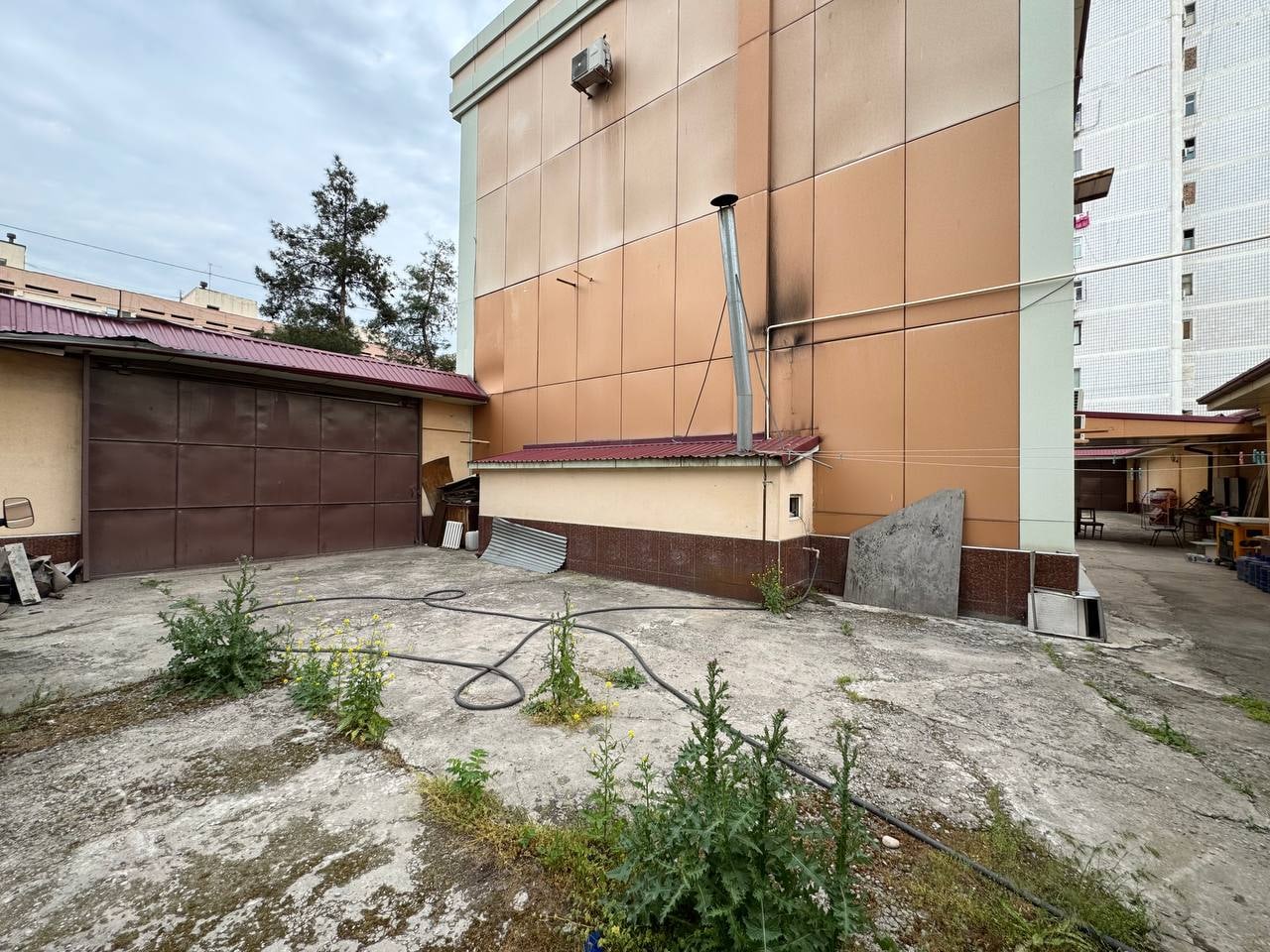
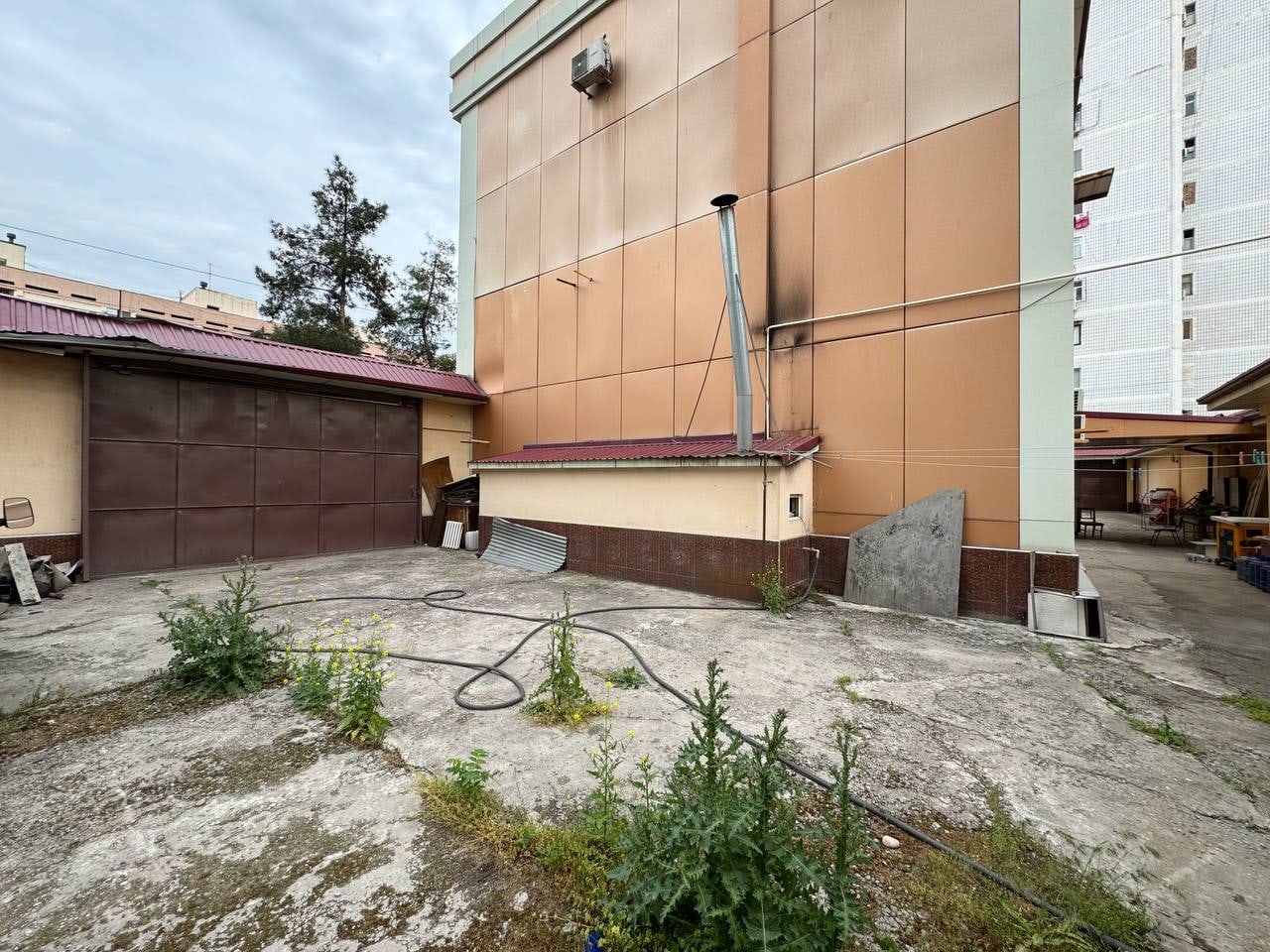
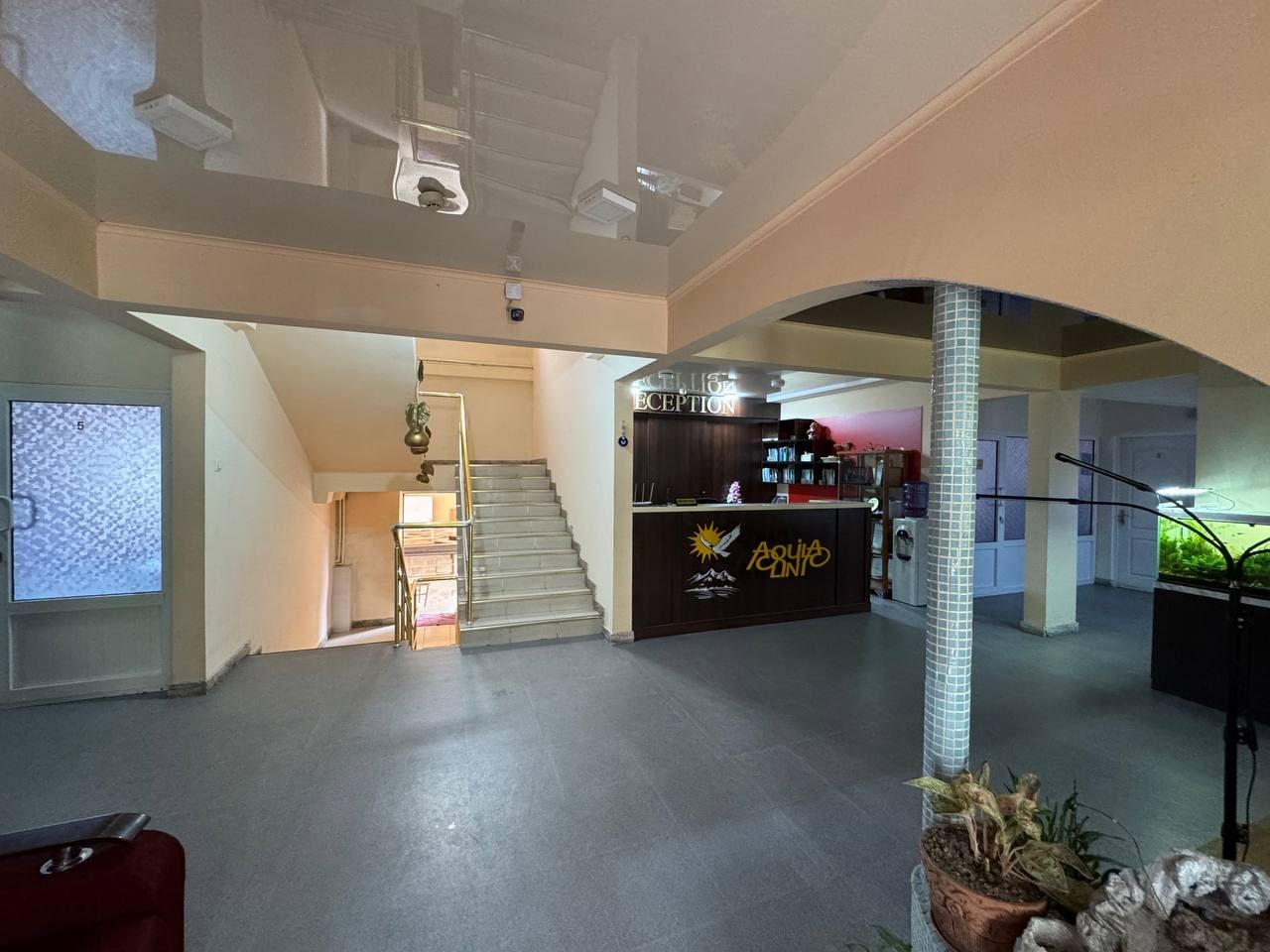
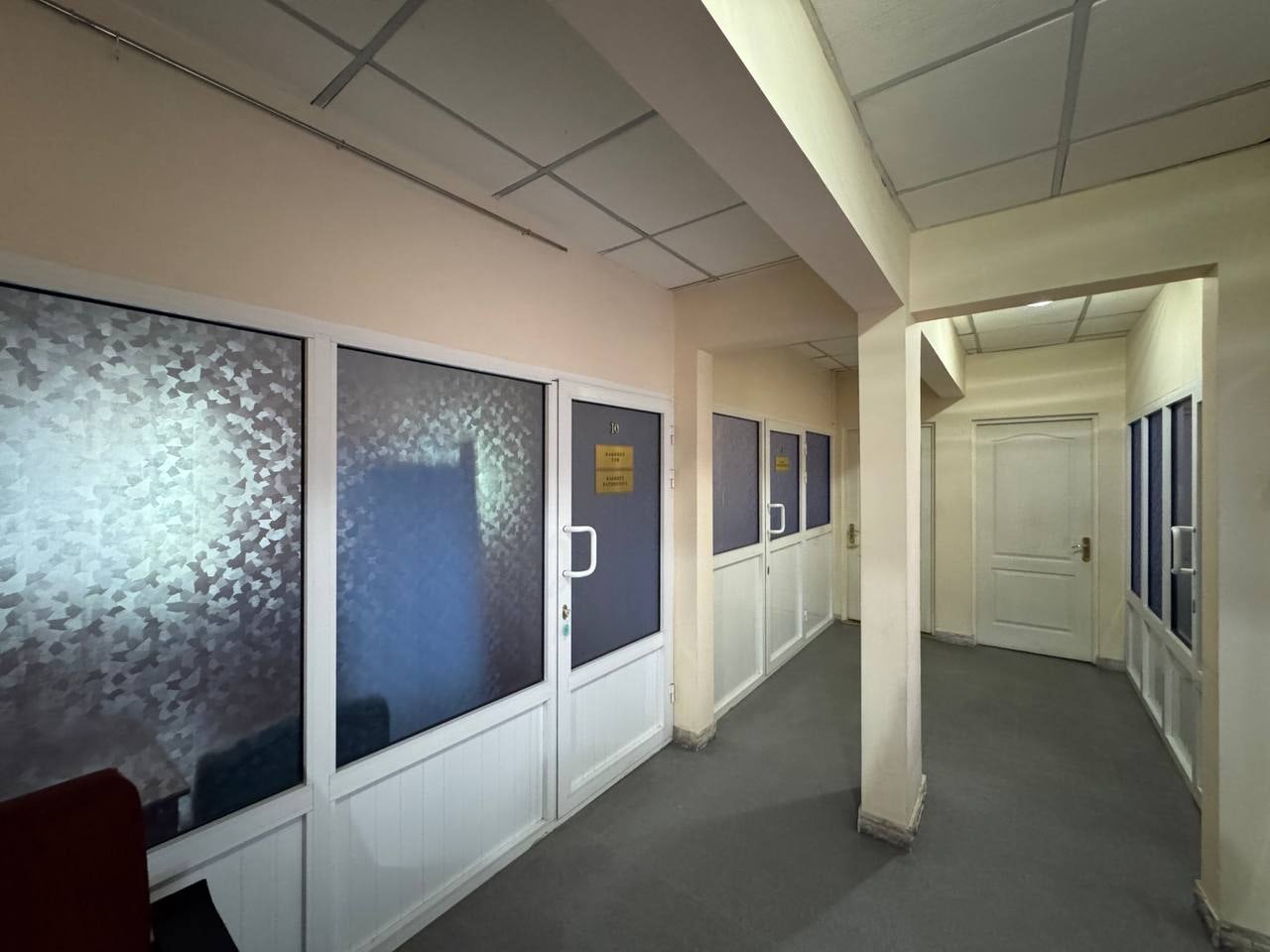
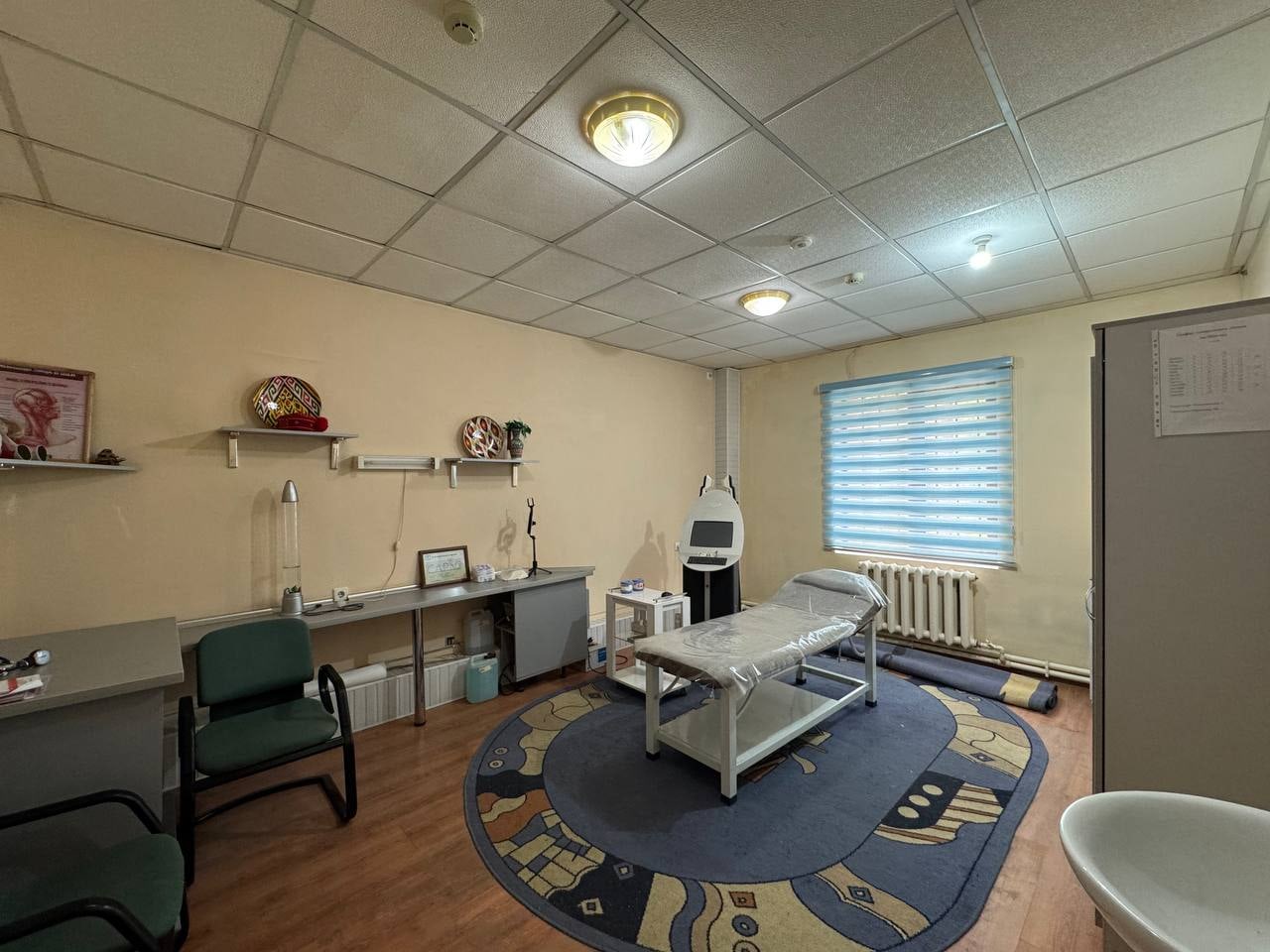
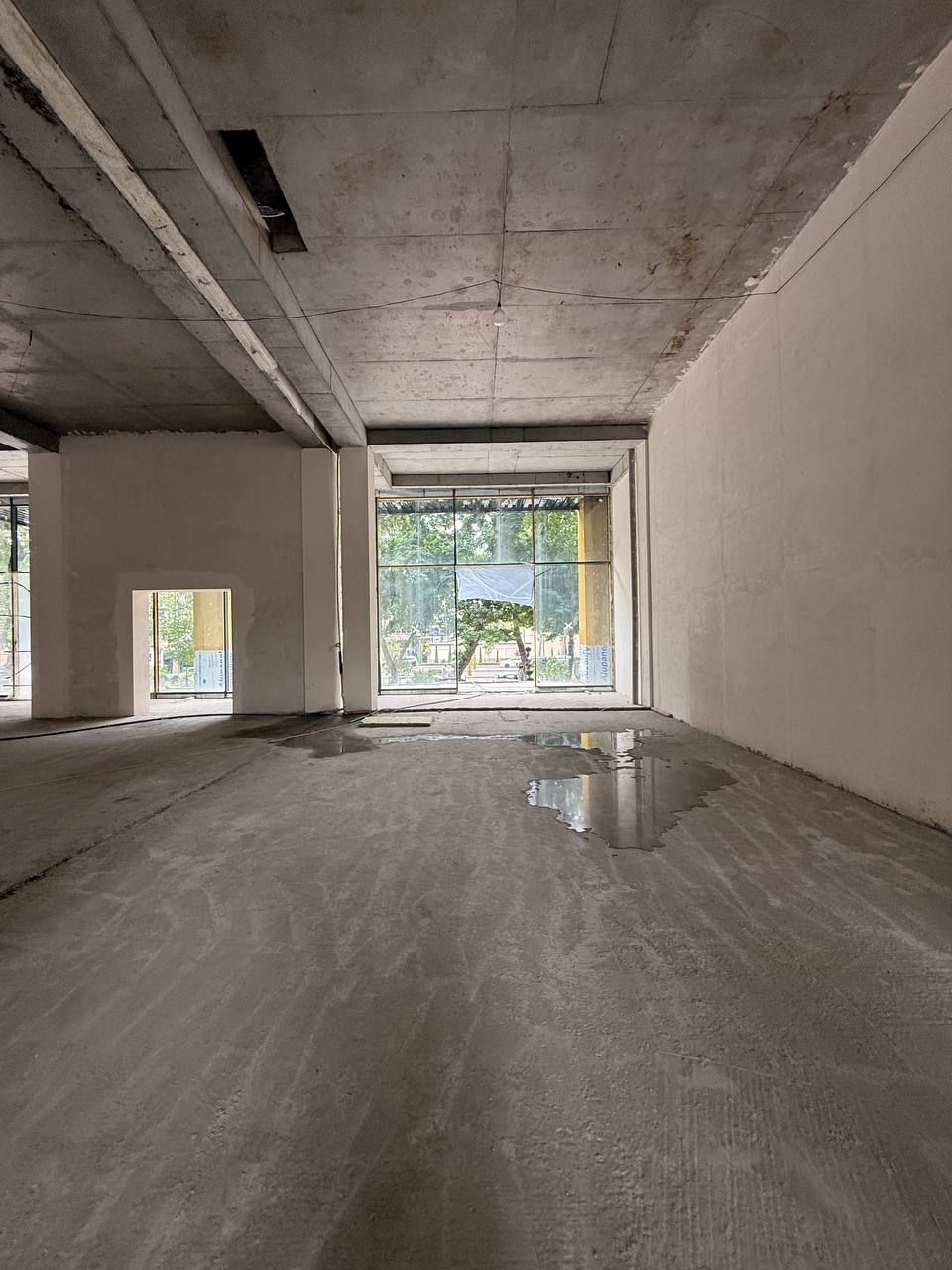
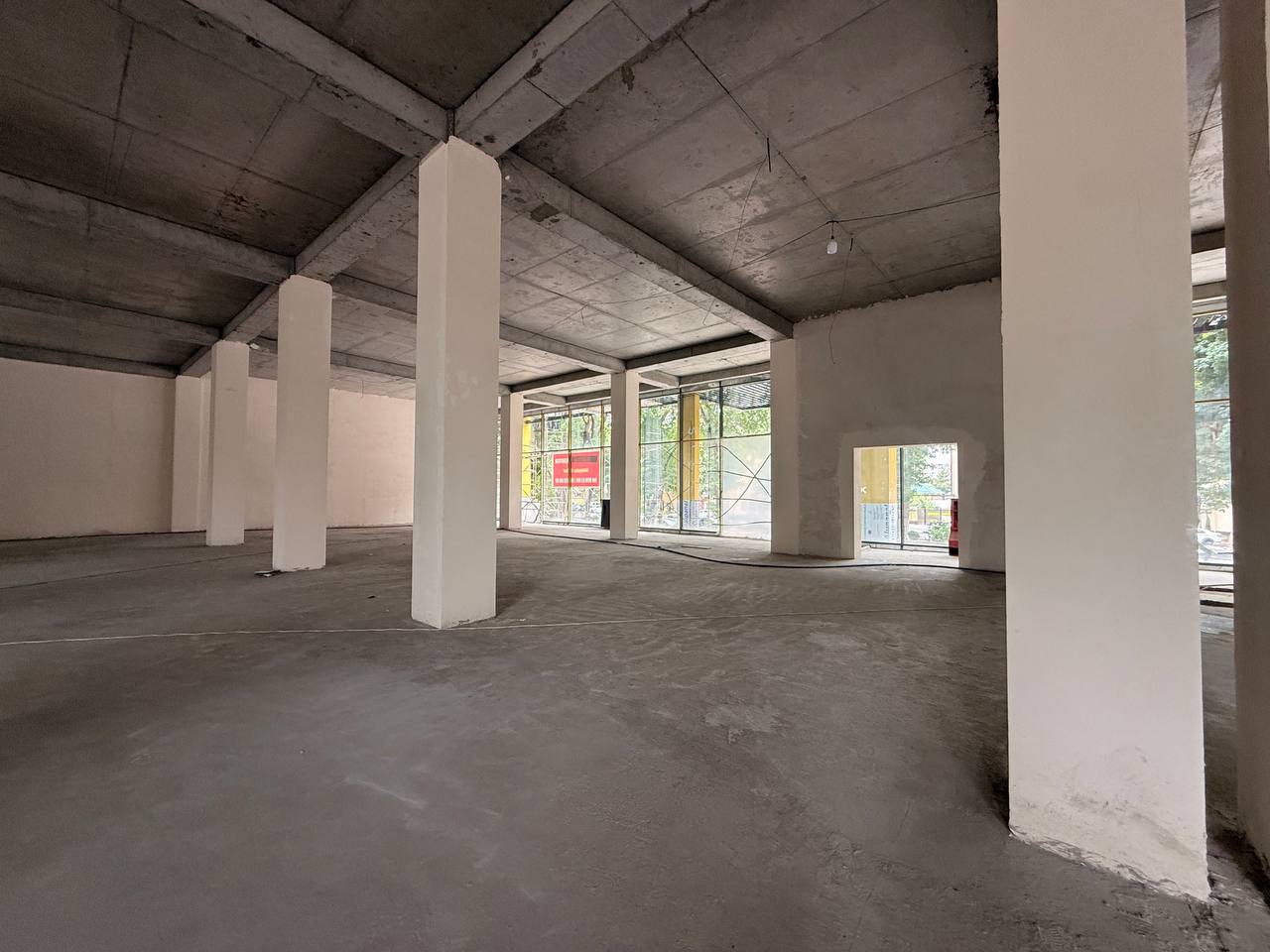
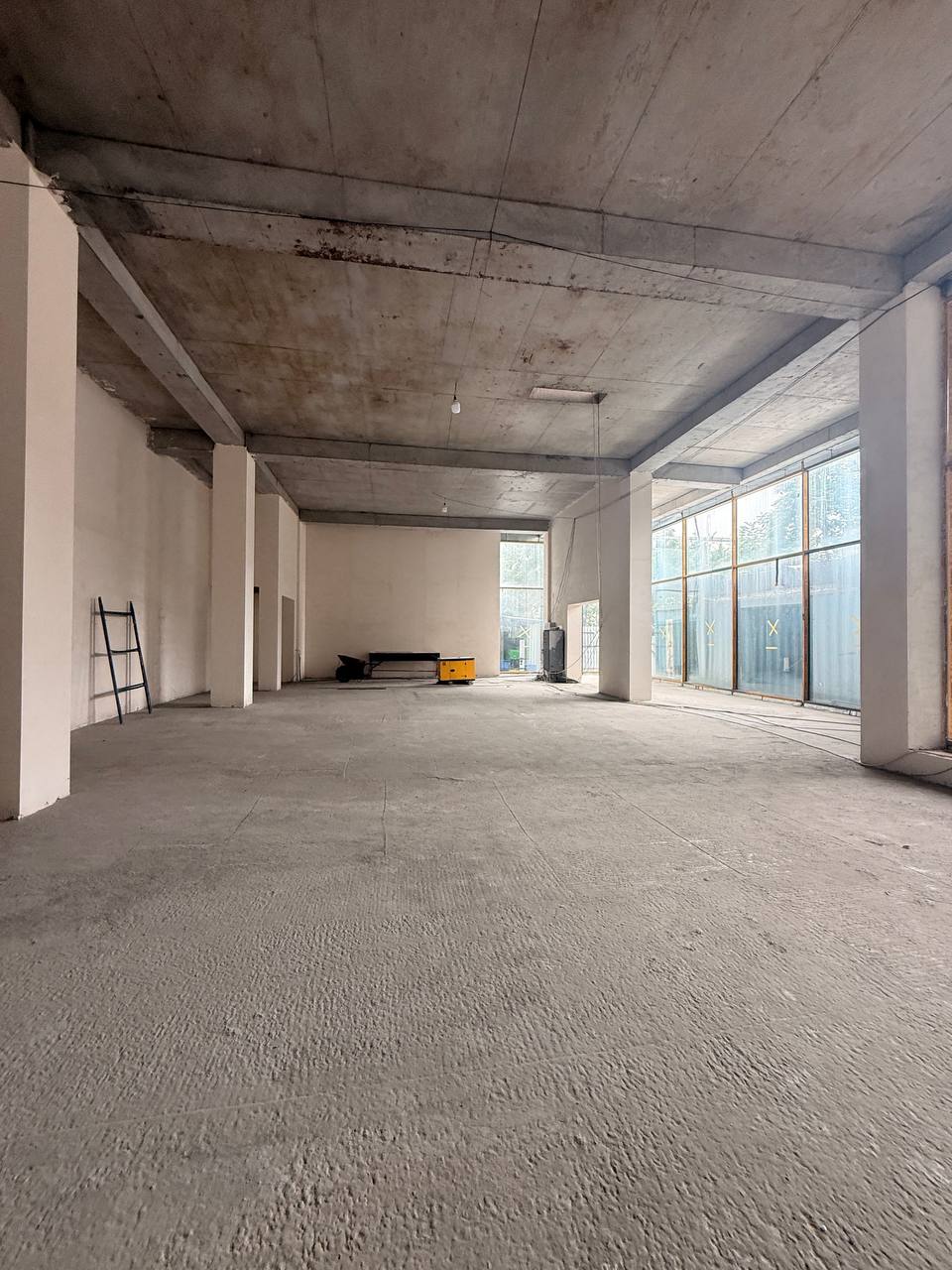
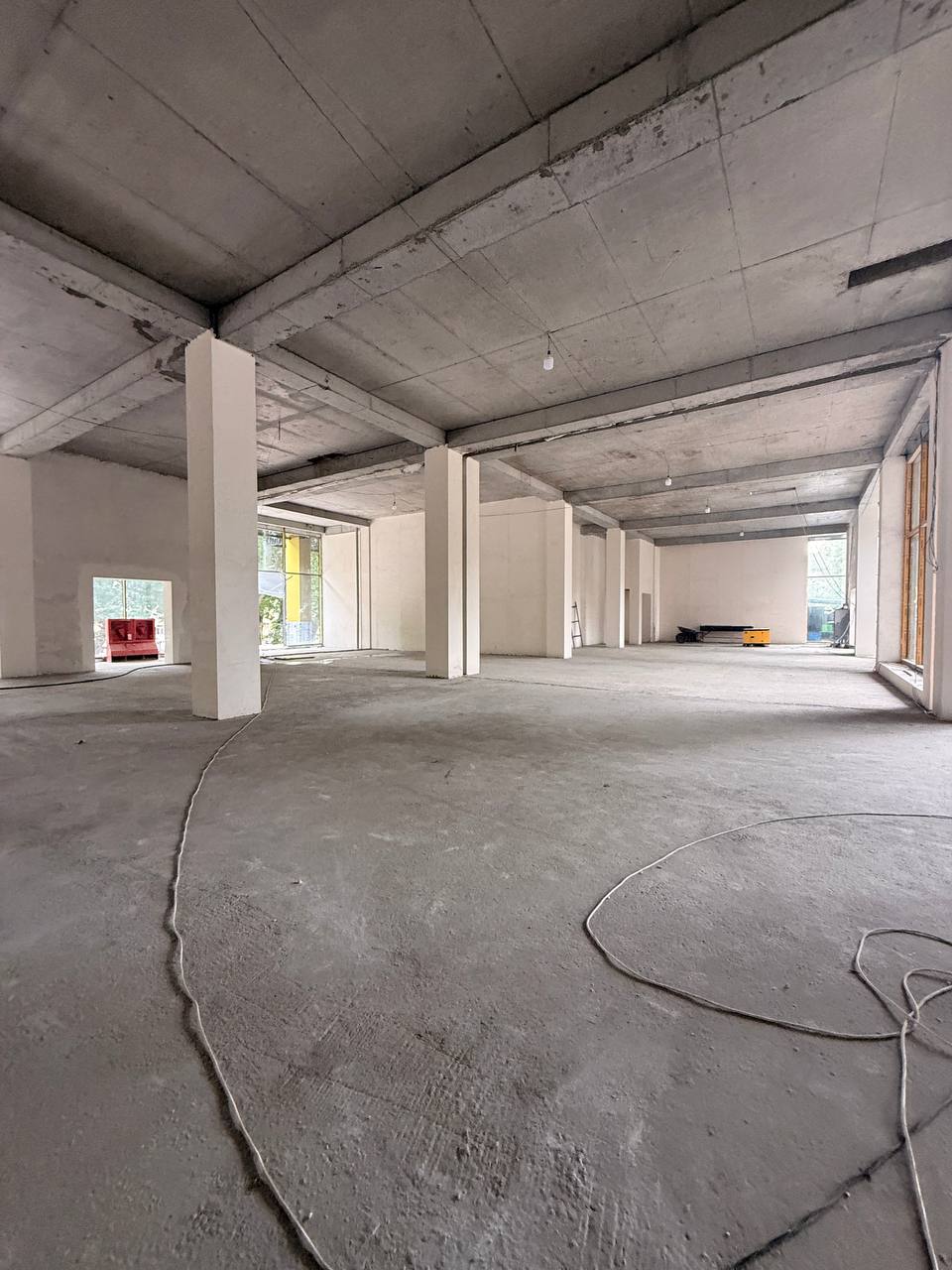
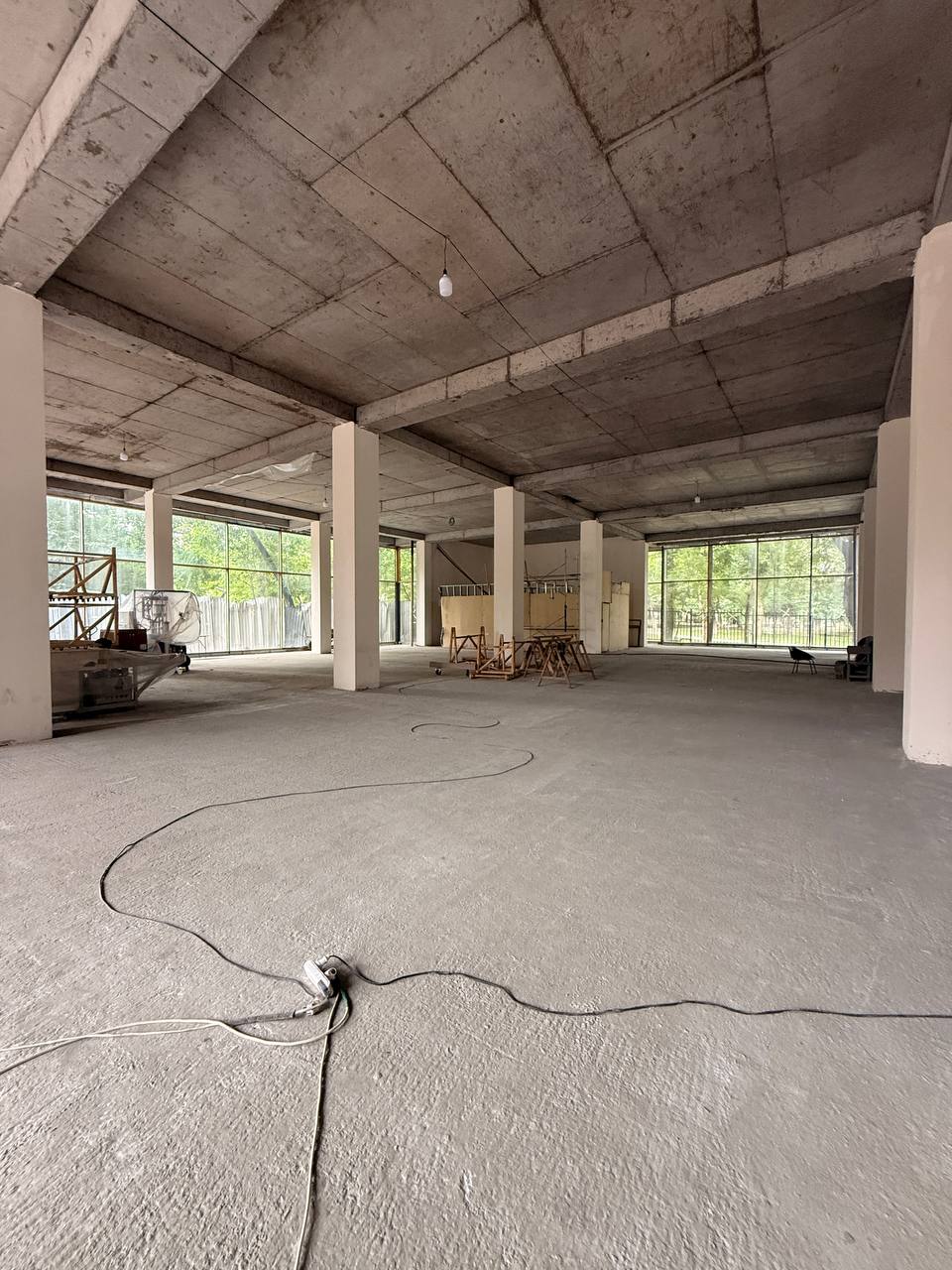
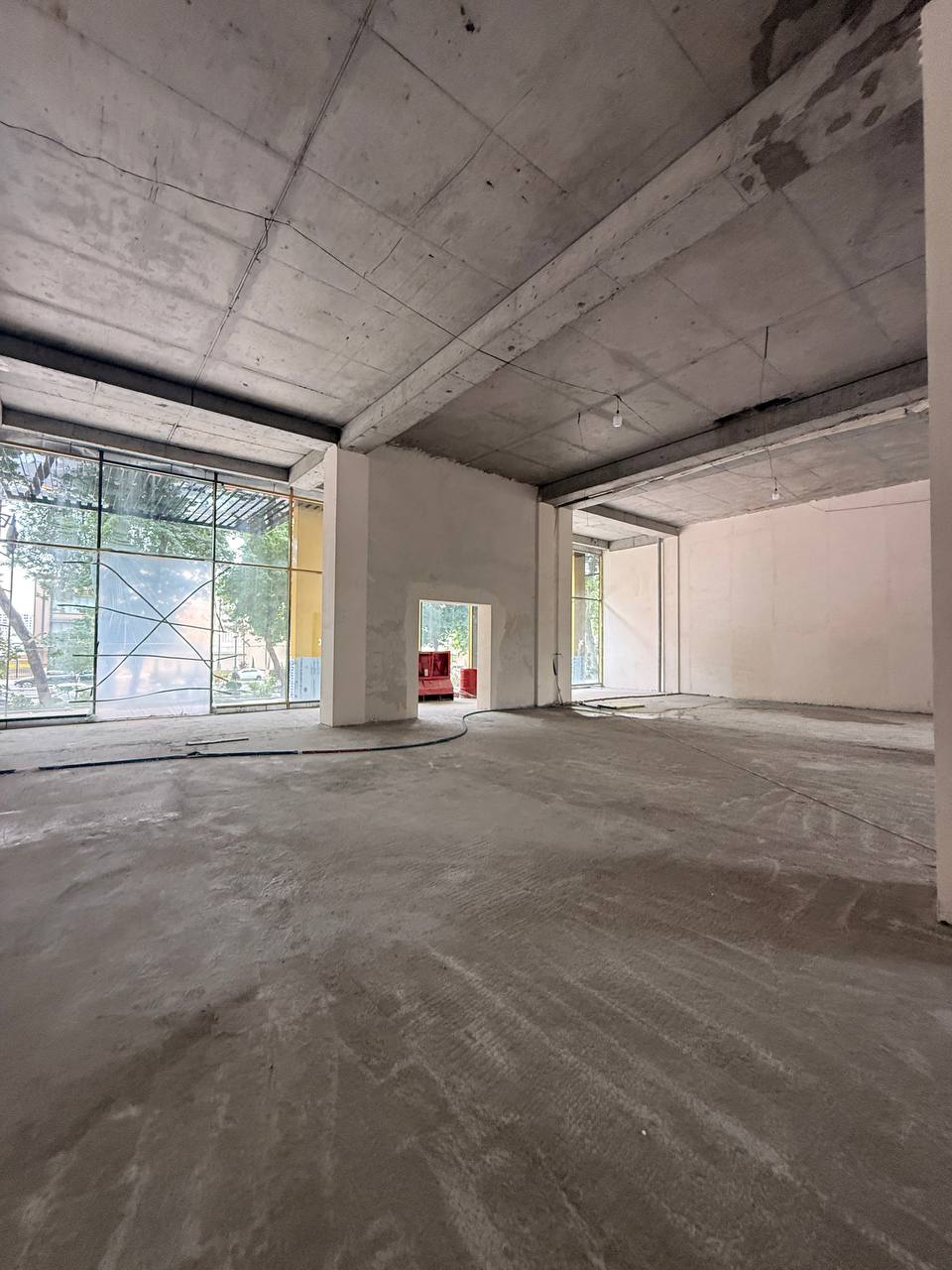
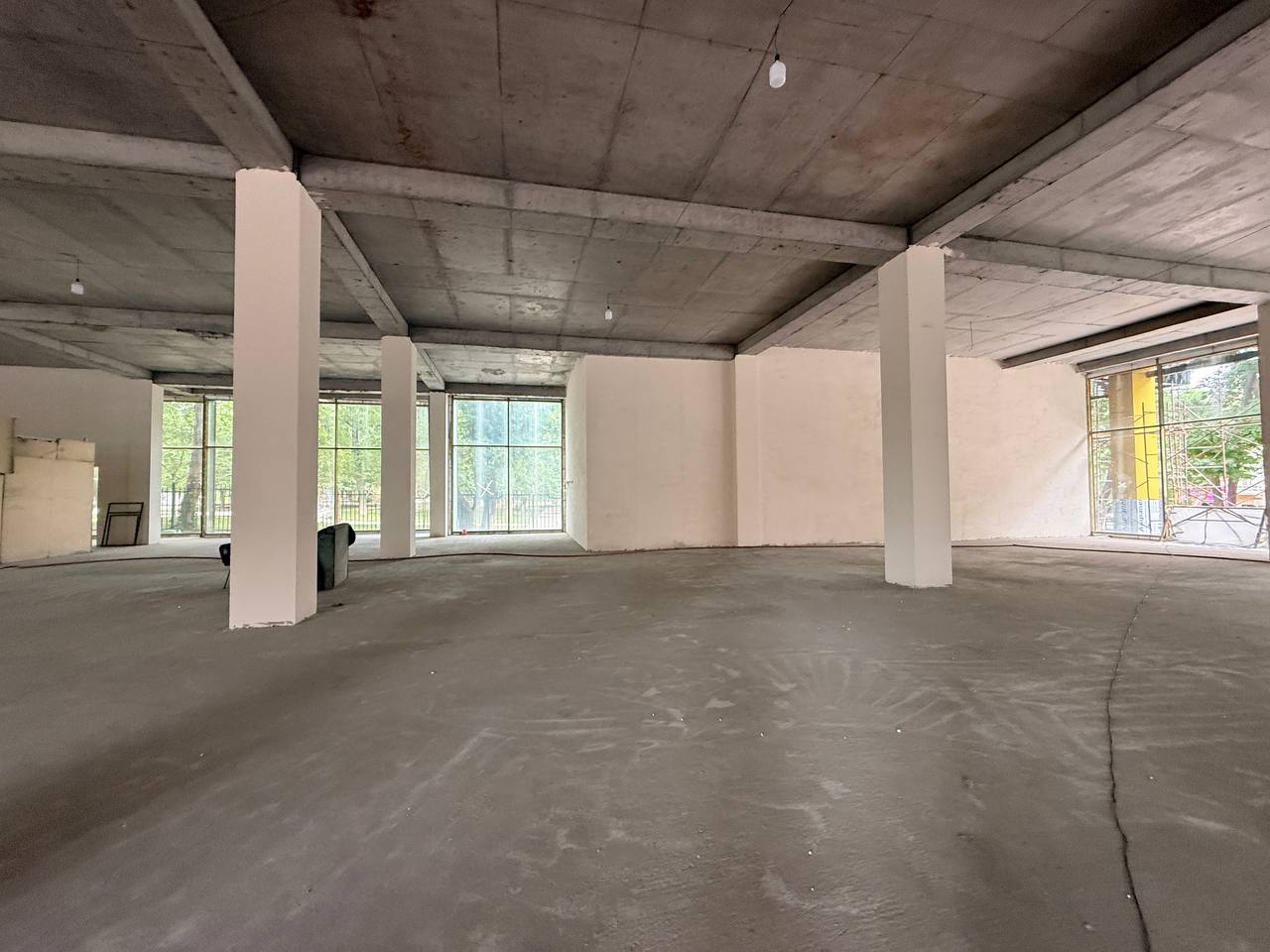
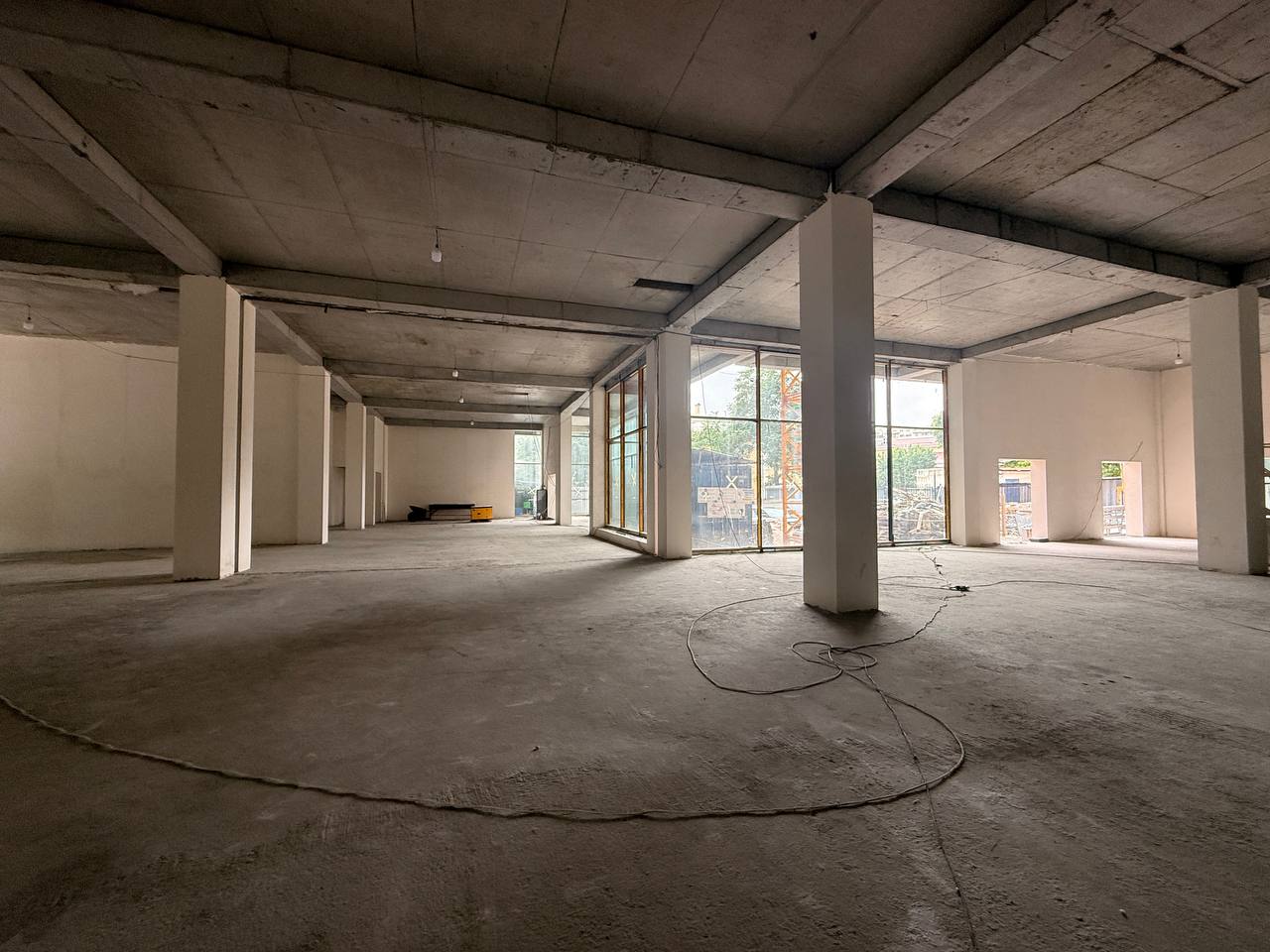
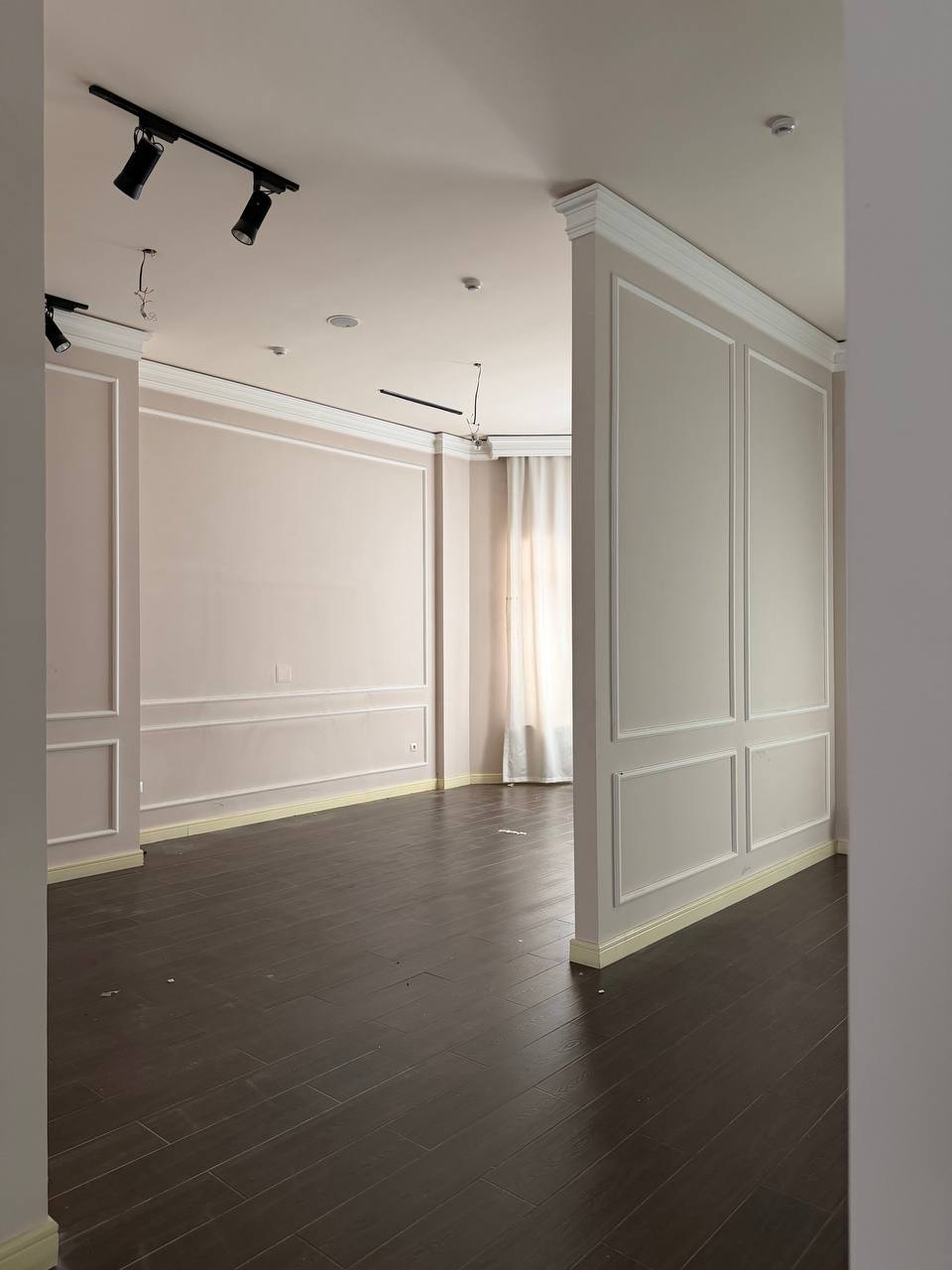
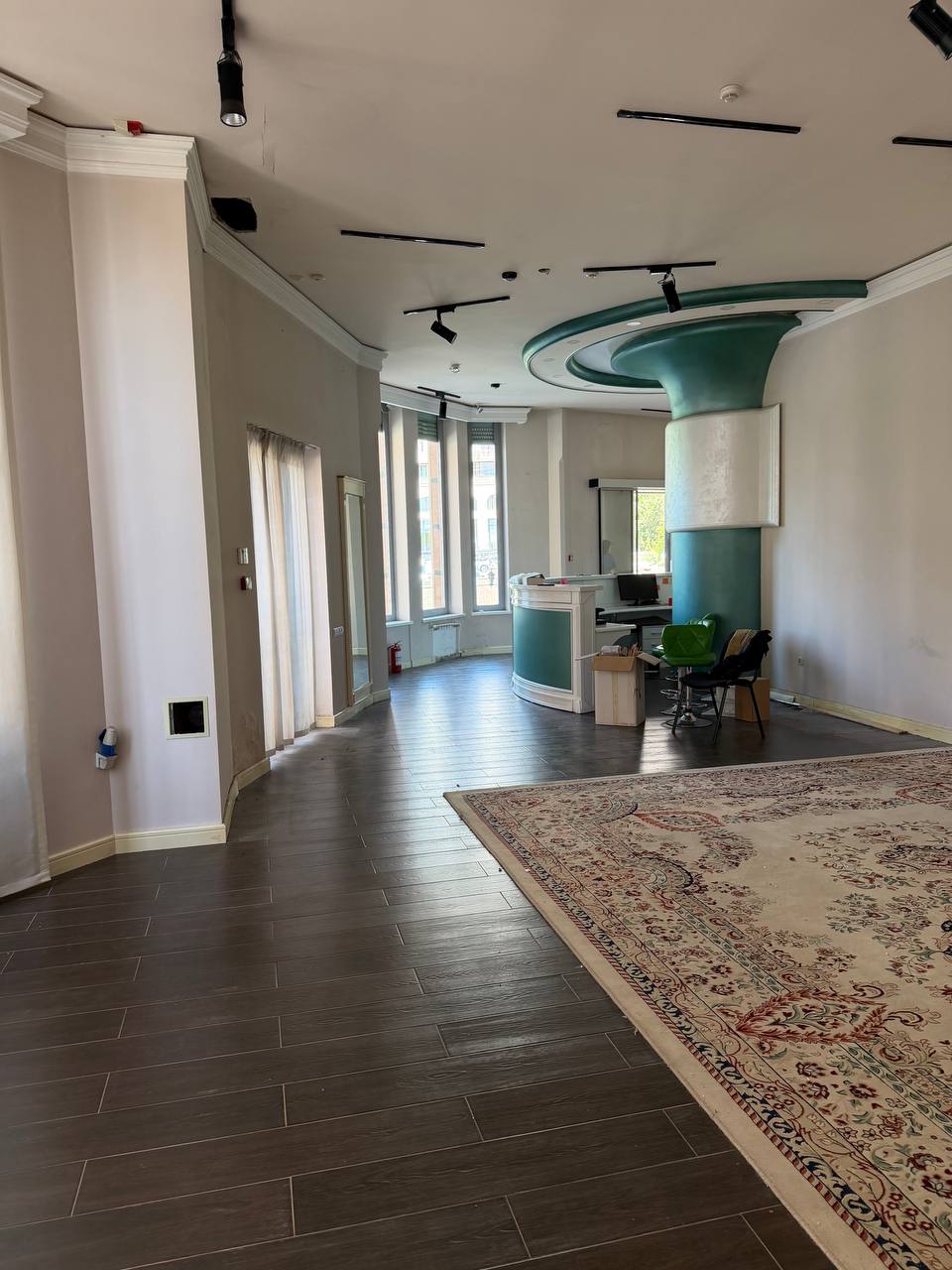
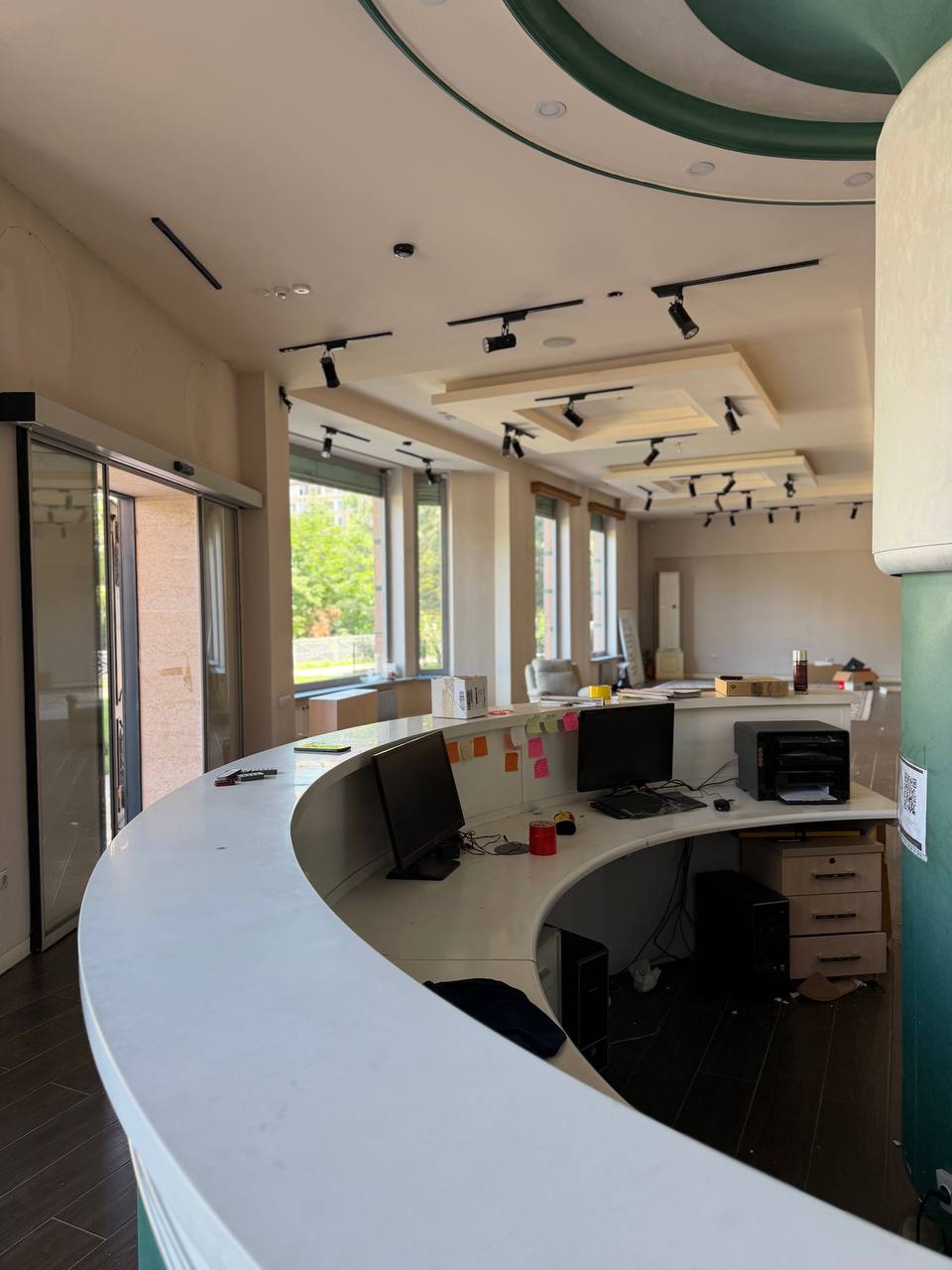
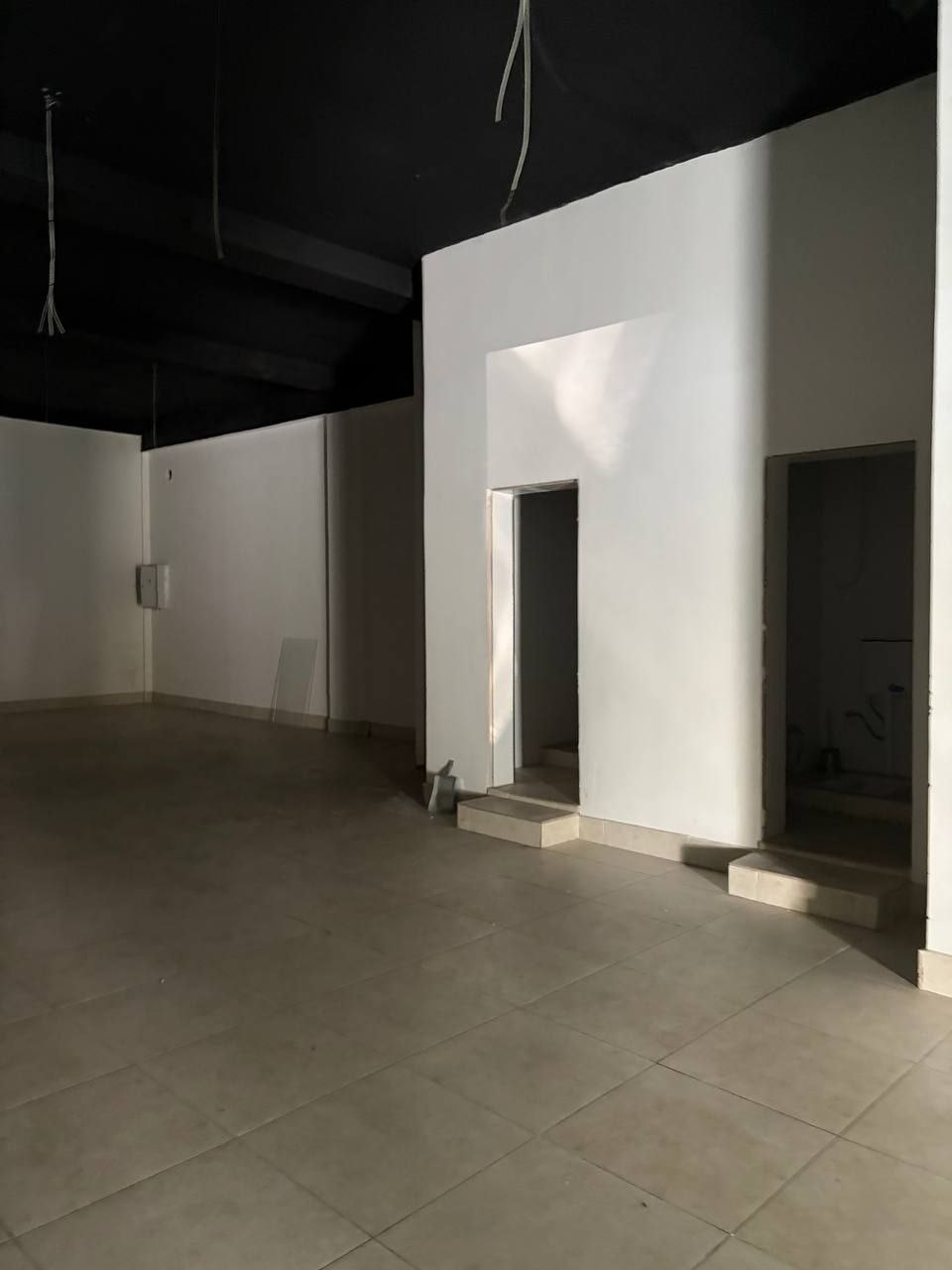
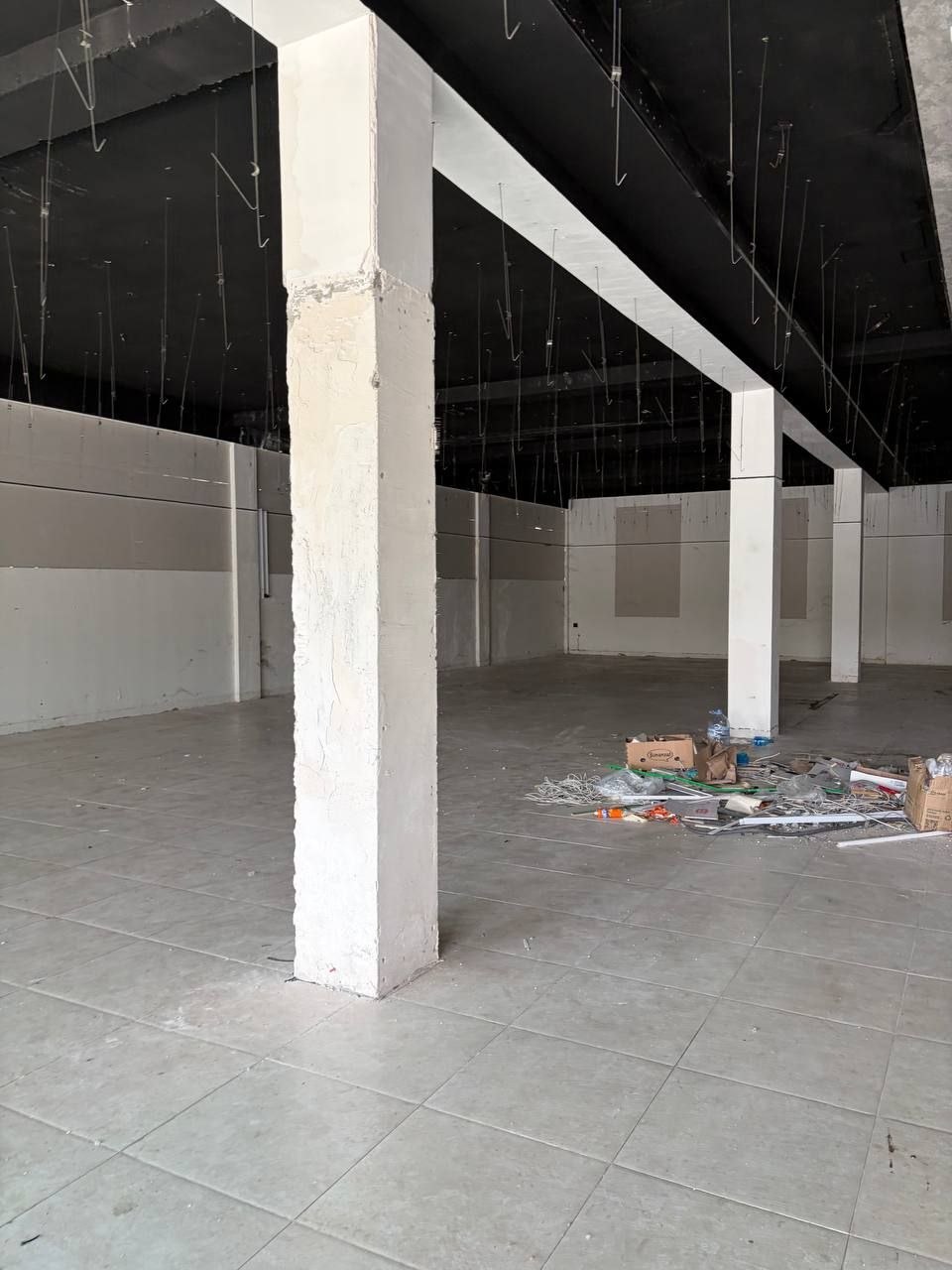
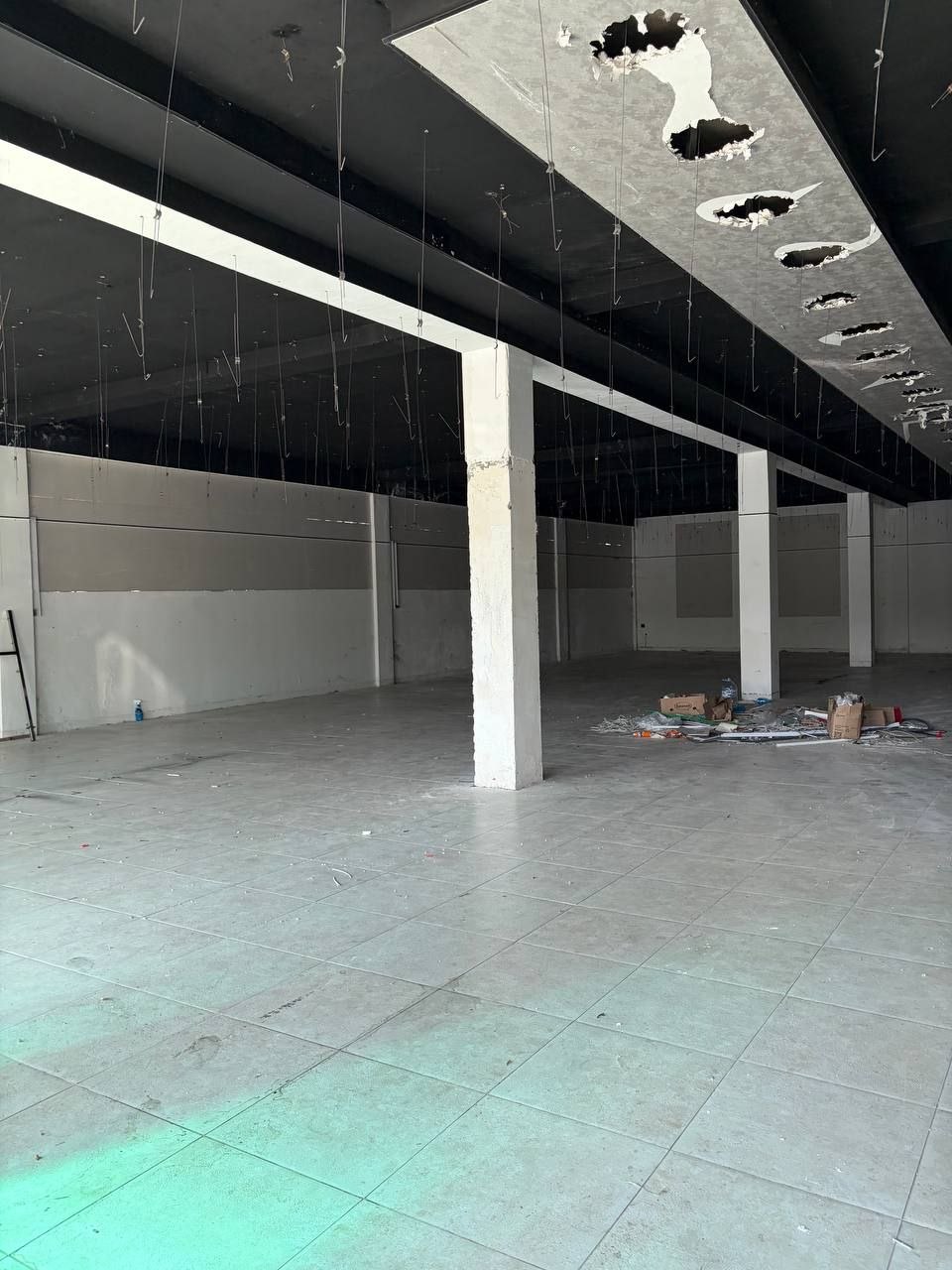
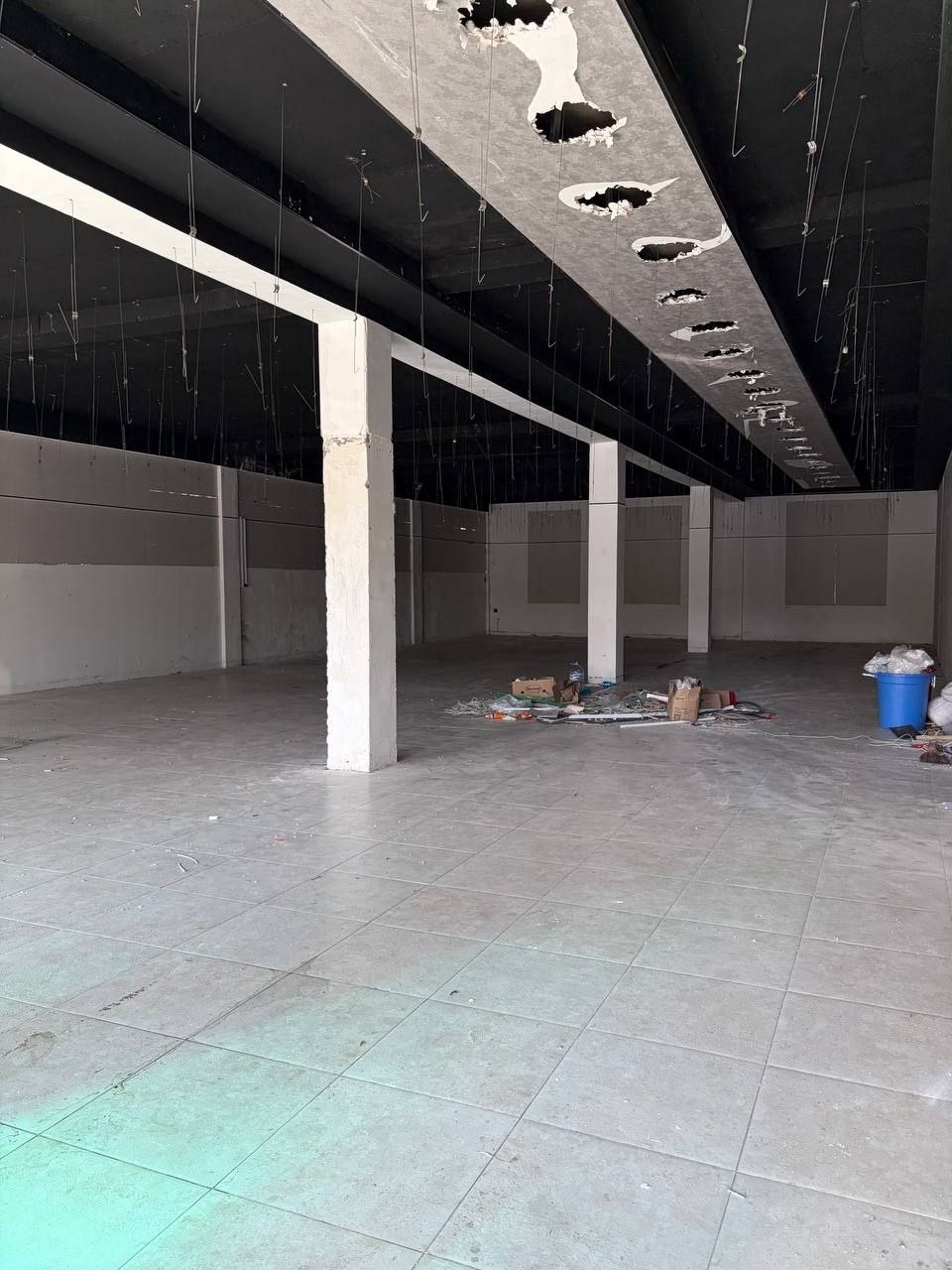
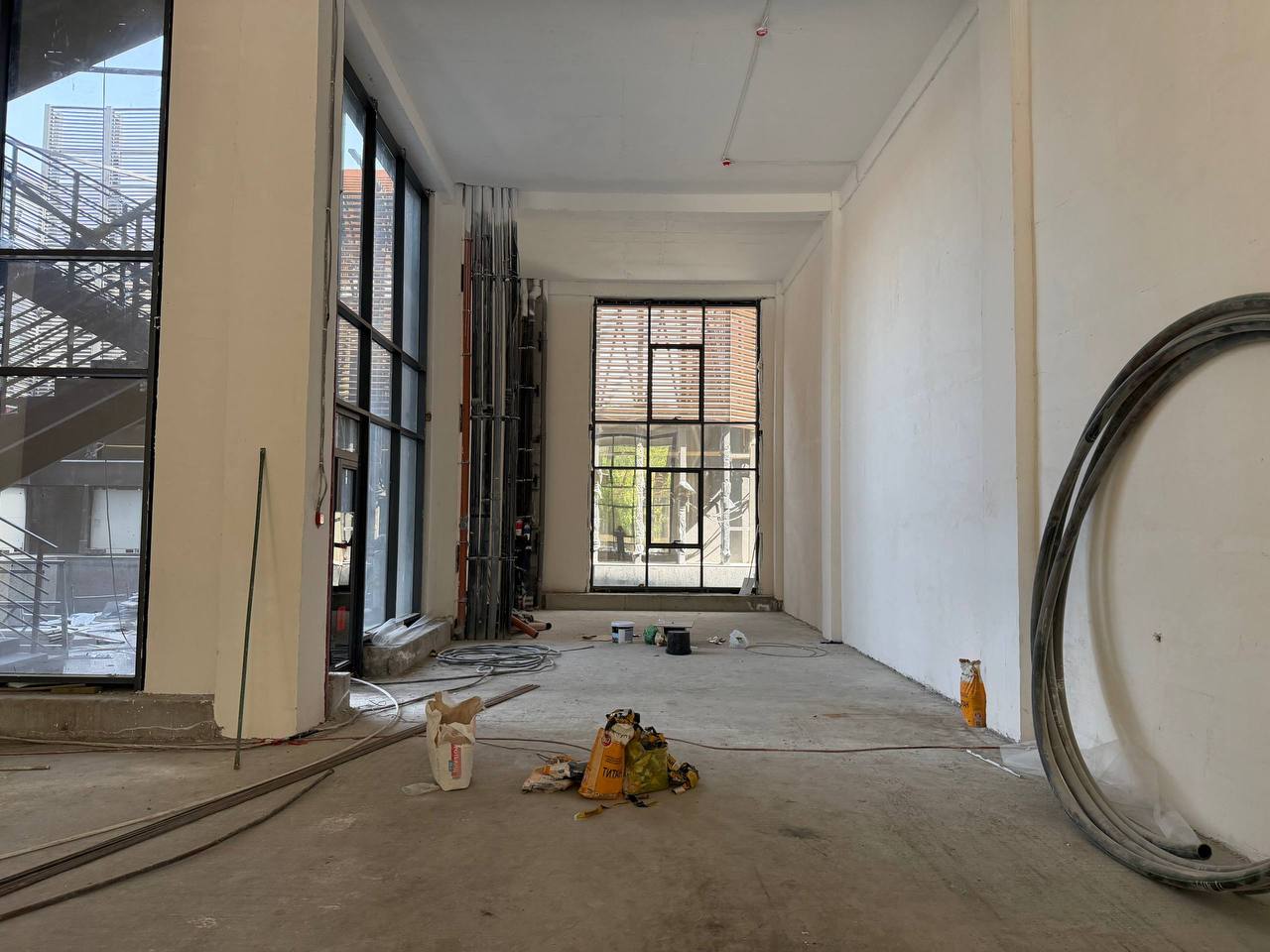
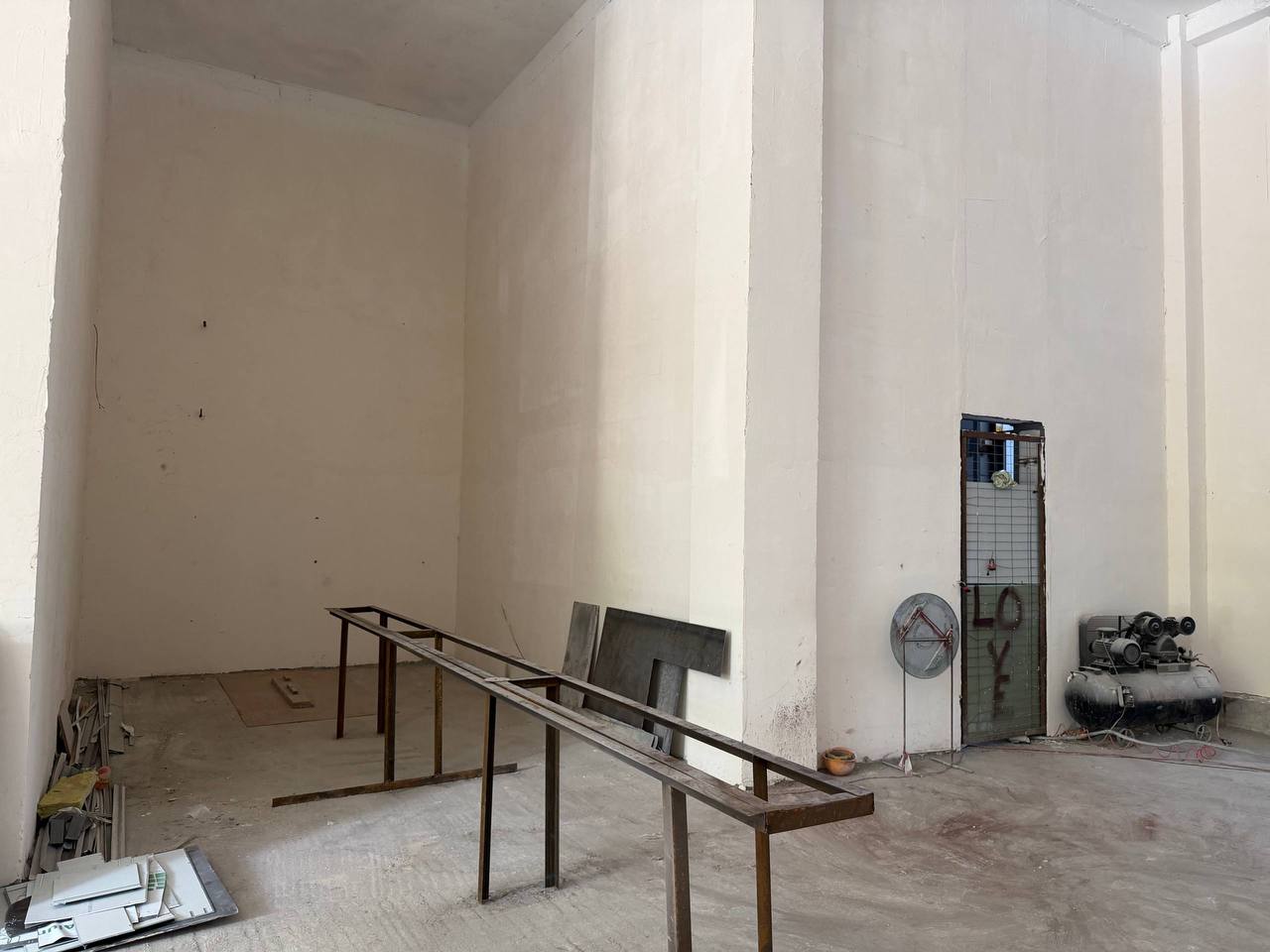
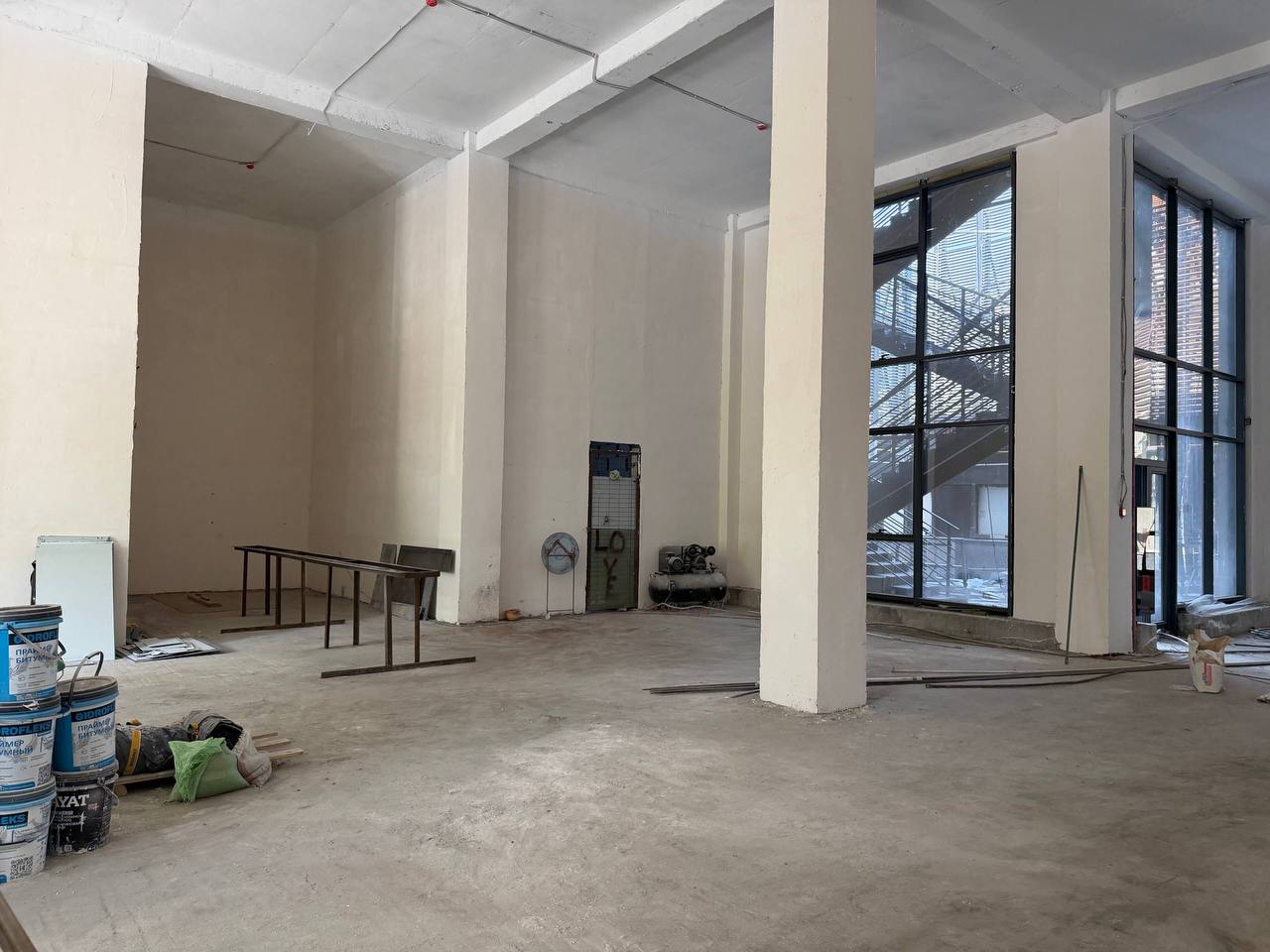
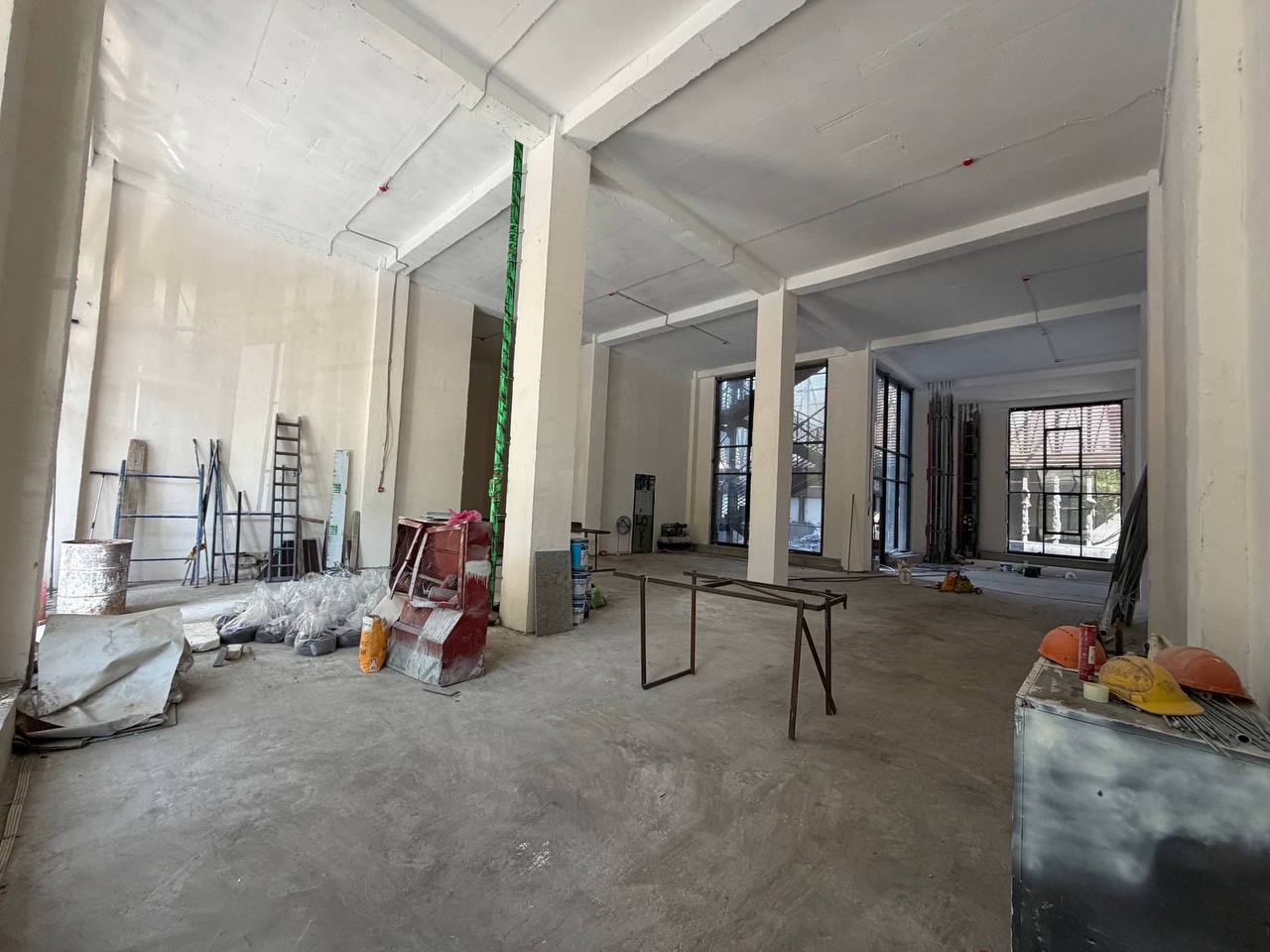
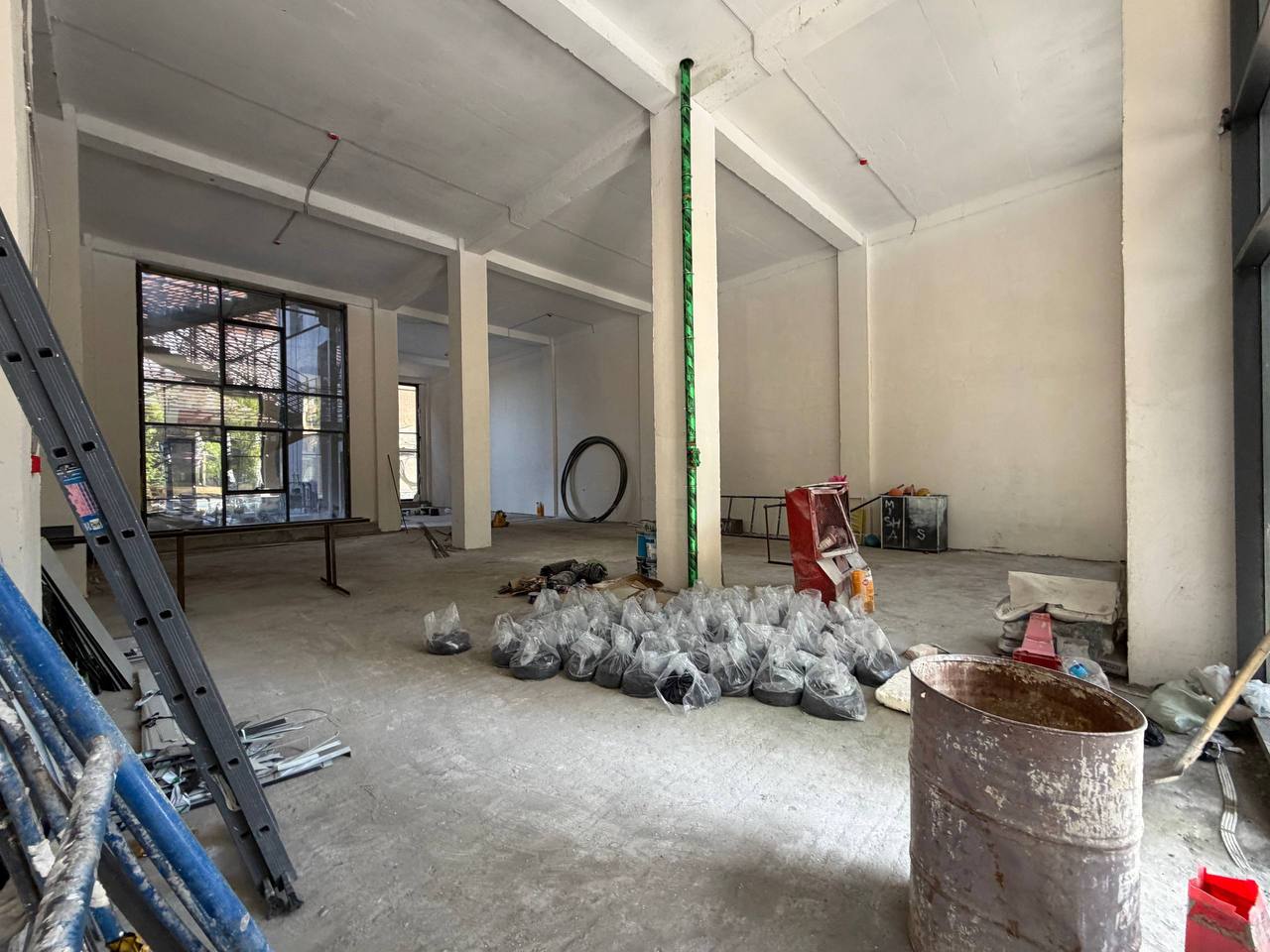
Продажа коммерческого помещения в Юнусабадском районе, 330 м² — Зенит
12 у.е.продажа0 просмотров
Ташкент, Юнусабадский район, Зенит
330 м²0 просмотров
ОтветственныйЛика
ОтветственныйЛика
Коммерческая недвижимость ТашкентаCommercial property in Tashkent
Объекты по теме материала: проверенные предложения для аренды с прямой связью с ответственным специалистом.
Полный коммерческий фильтр расположен слева от списка объектов.
Загружаем актуальные объекты…
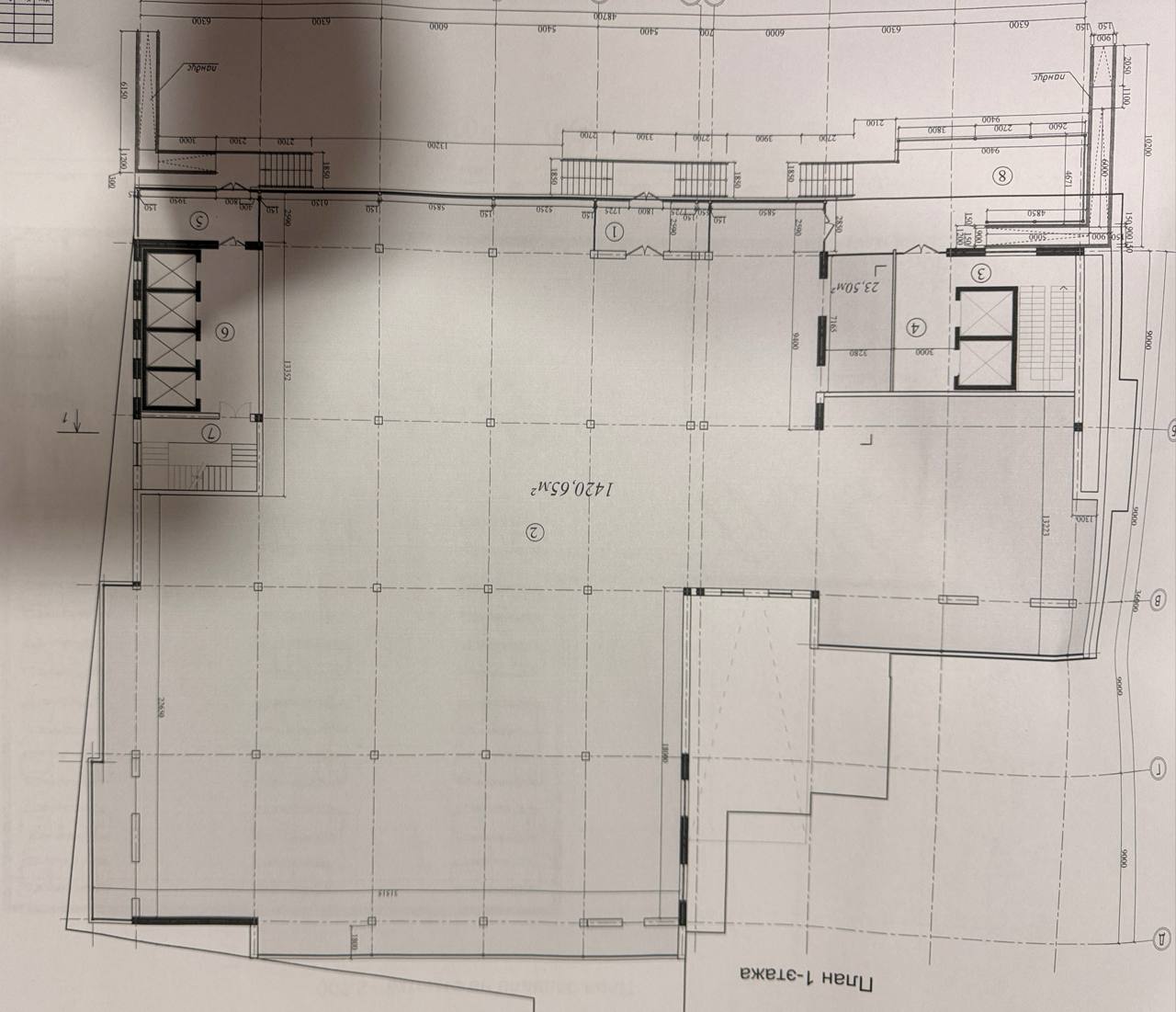
Ташкент, Юнусабадский район, Зенит
Ташкент, Чиланзарский район, Ширин
Ташкент, Мирабадский район, Госпитальный рынок, Халк банк
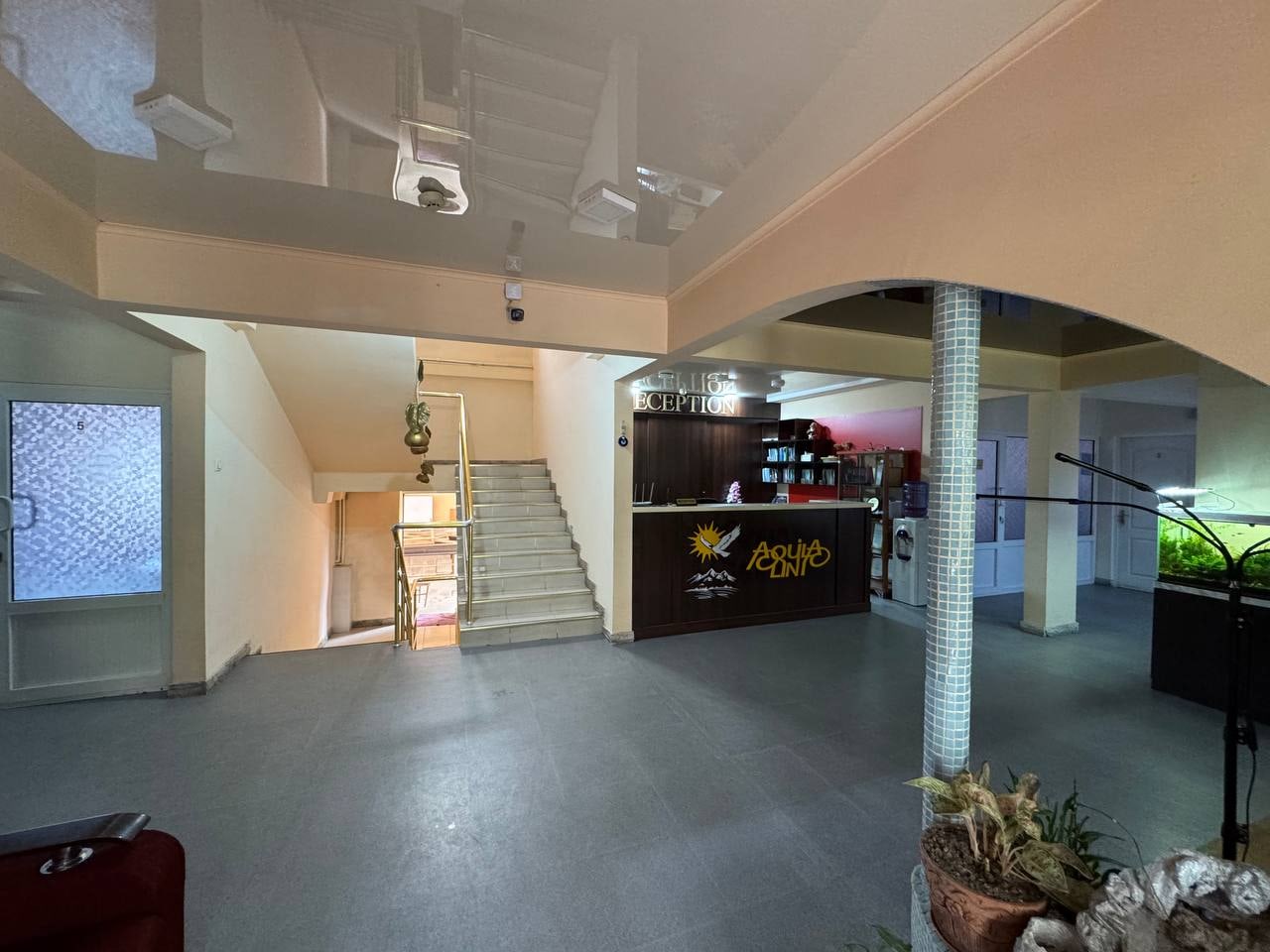
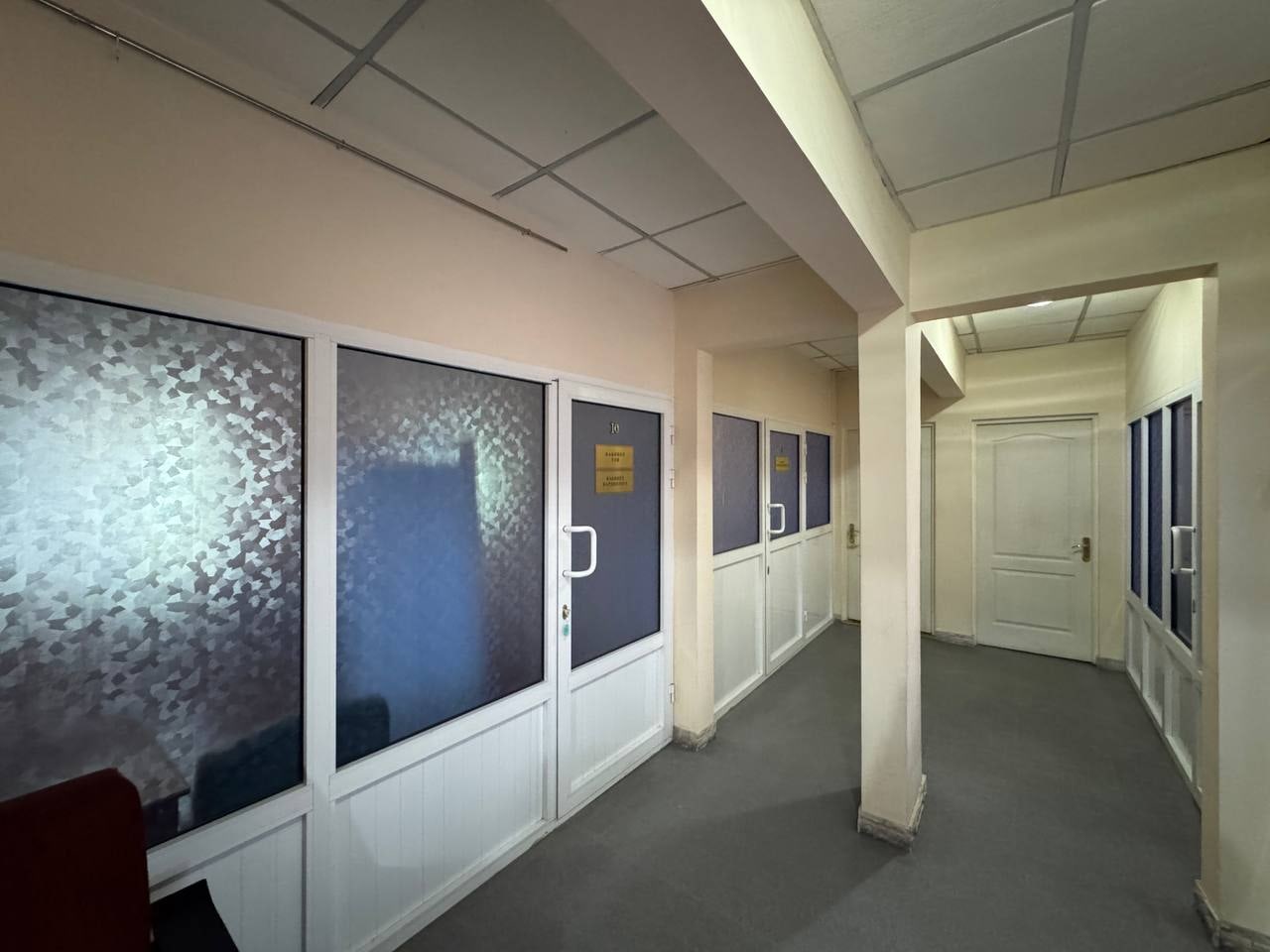
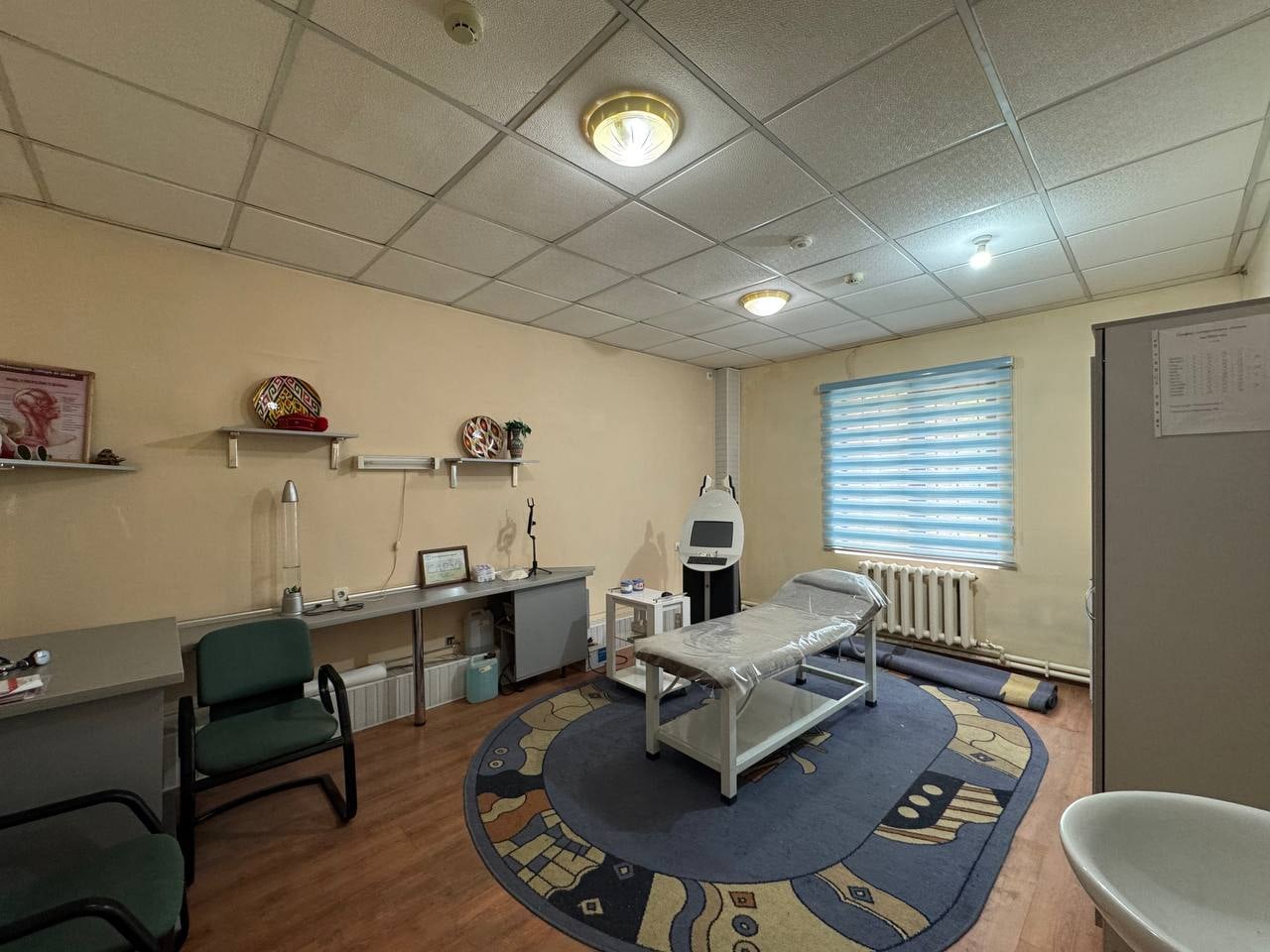
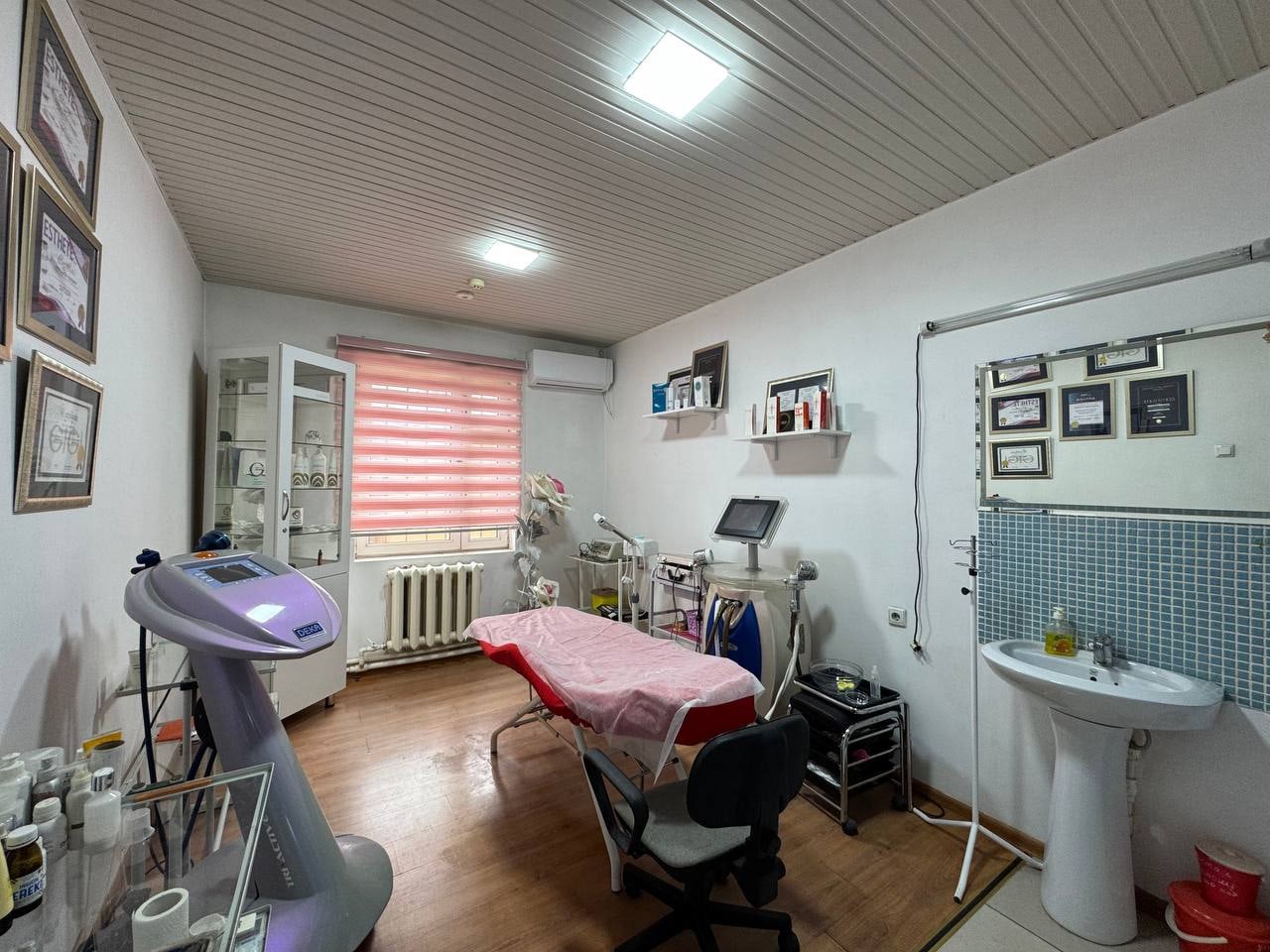
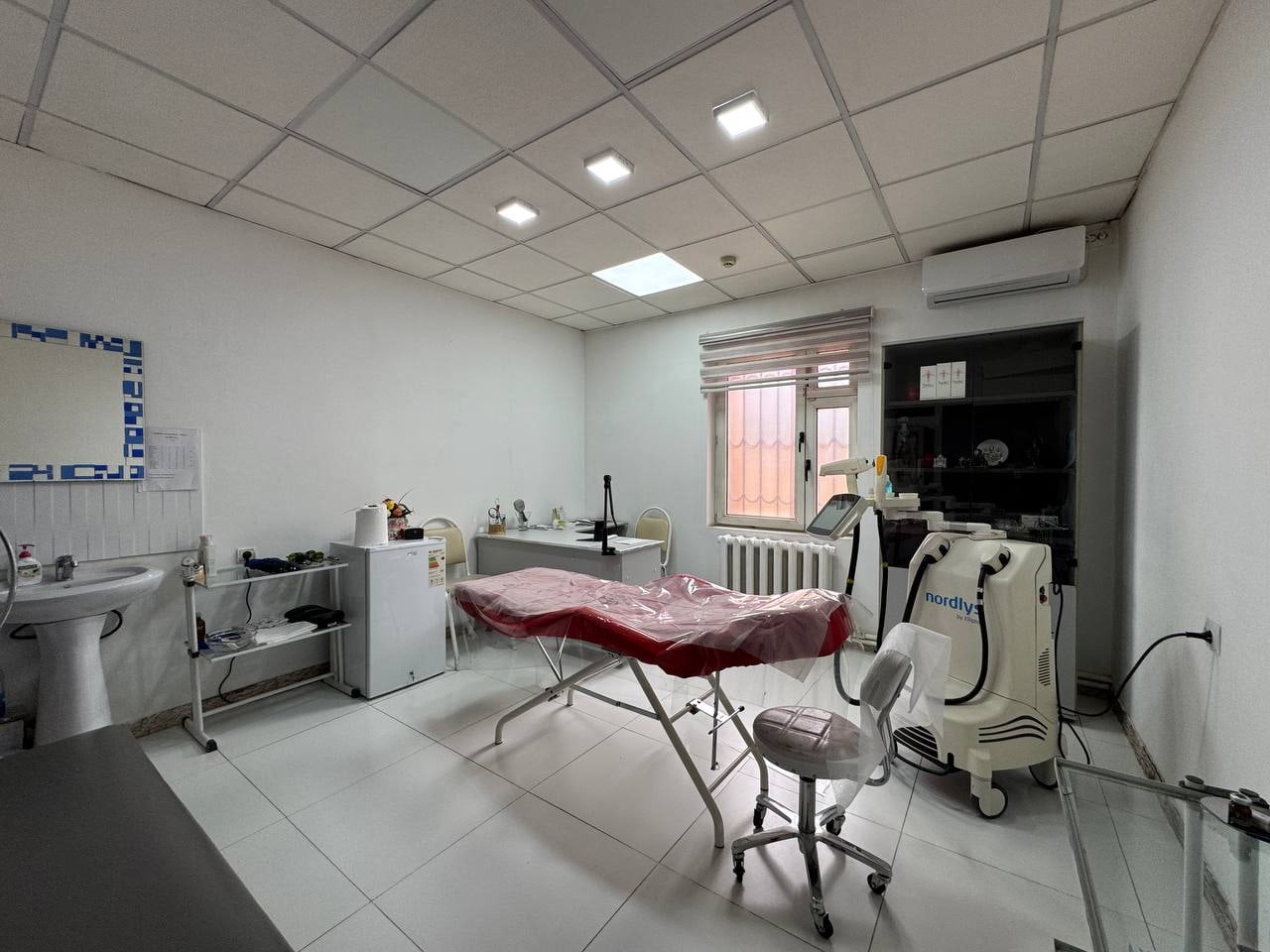
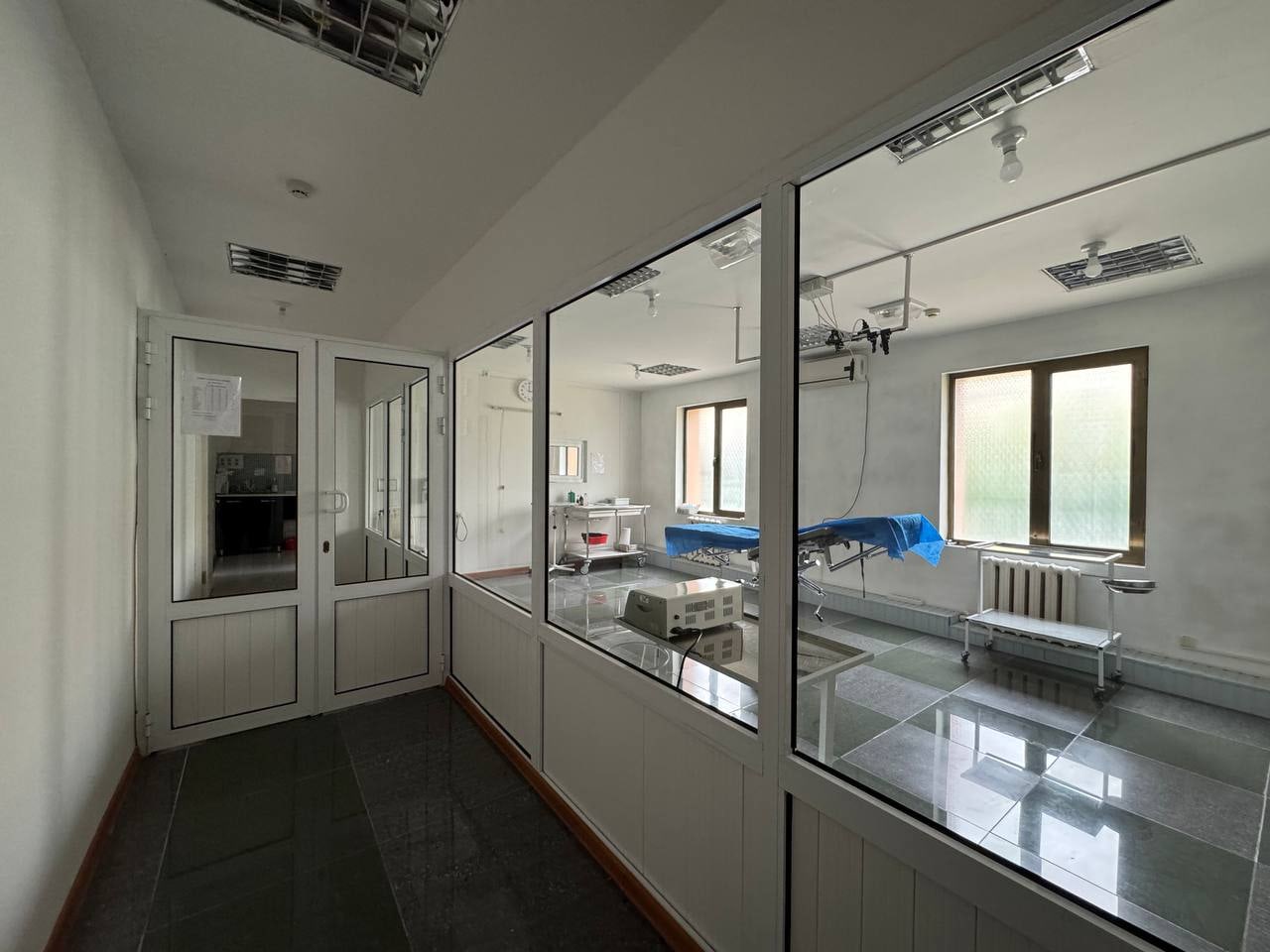
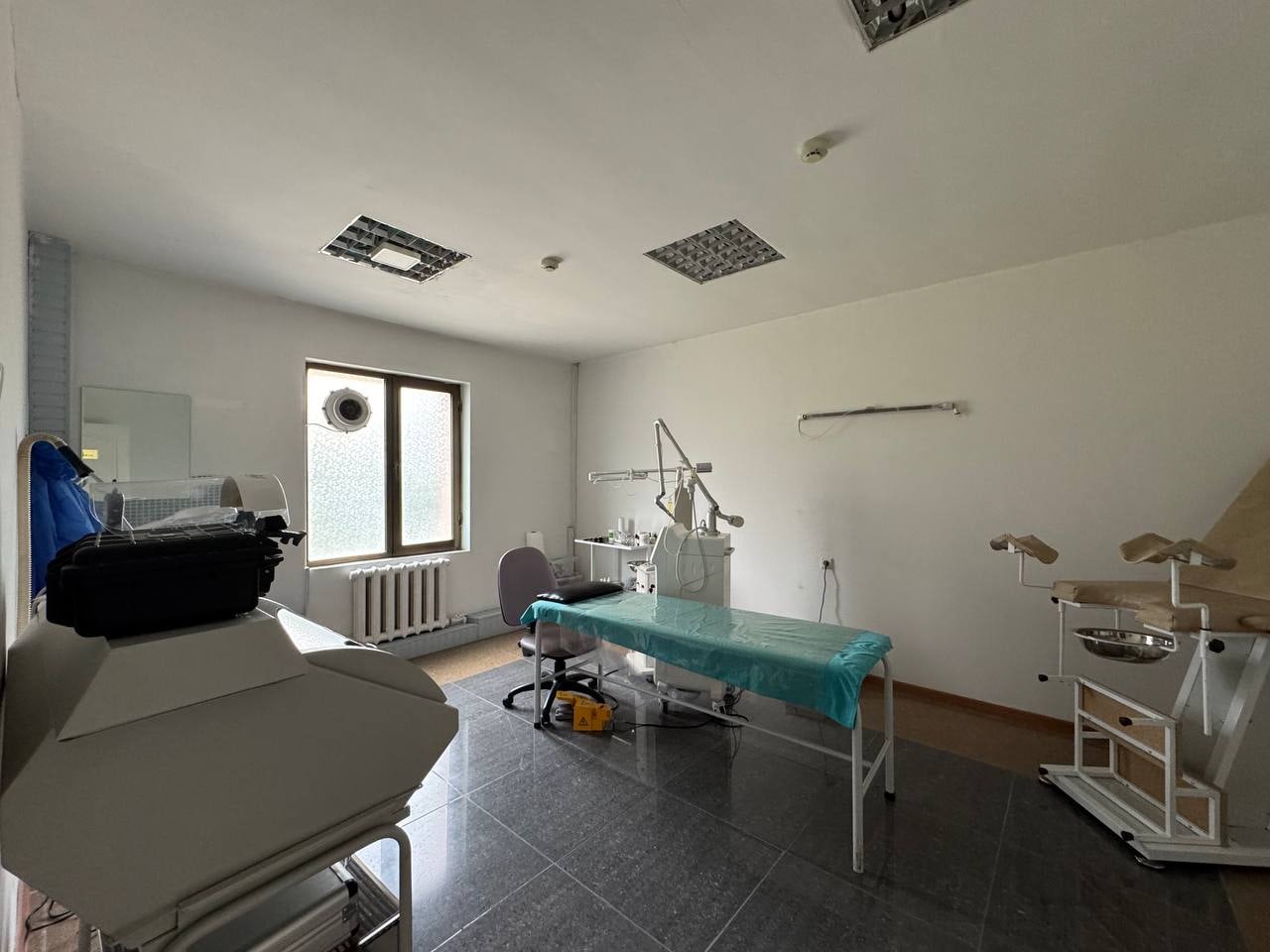
Ташкент, Шайхантахурский район, Караташ
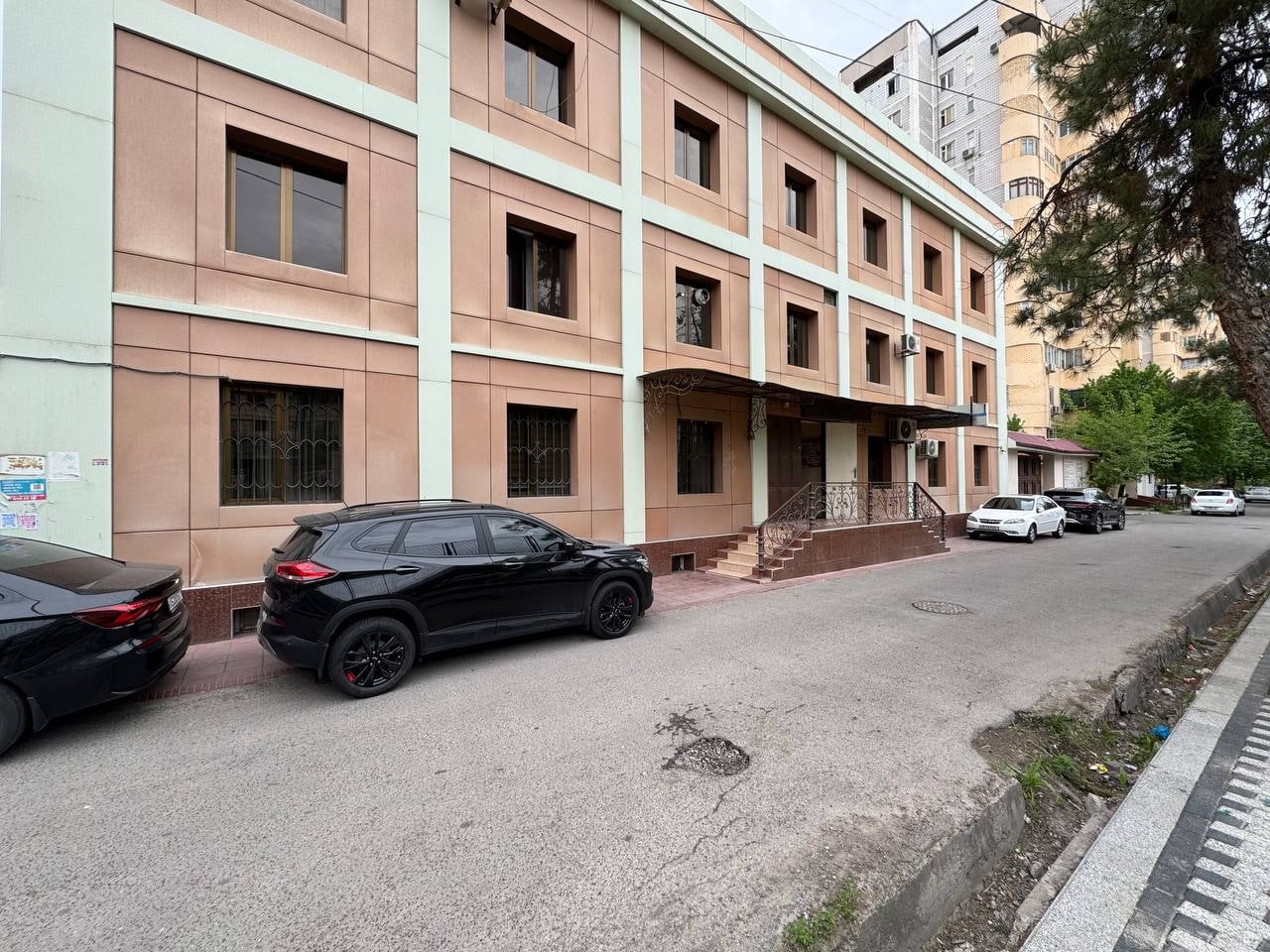
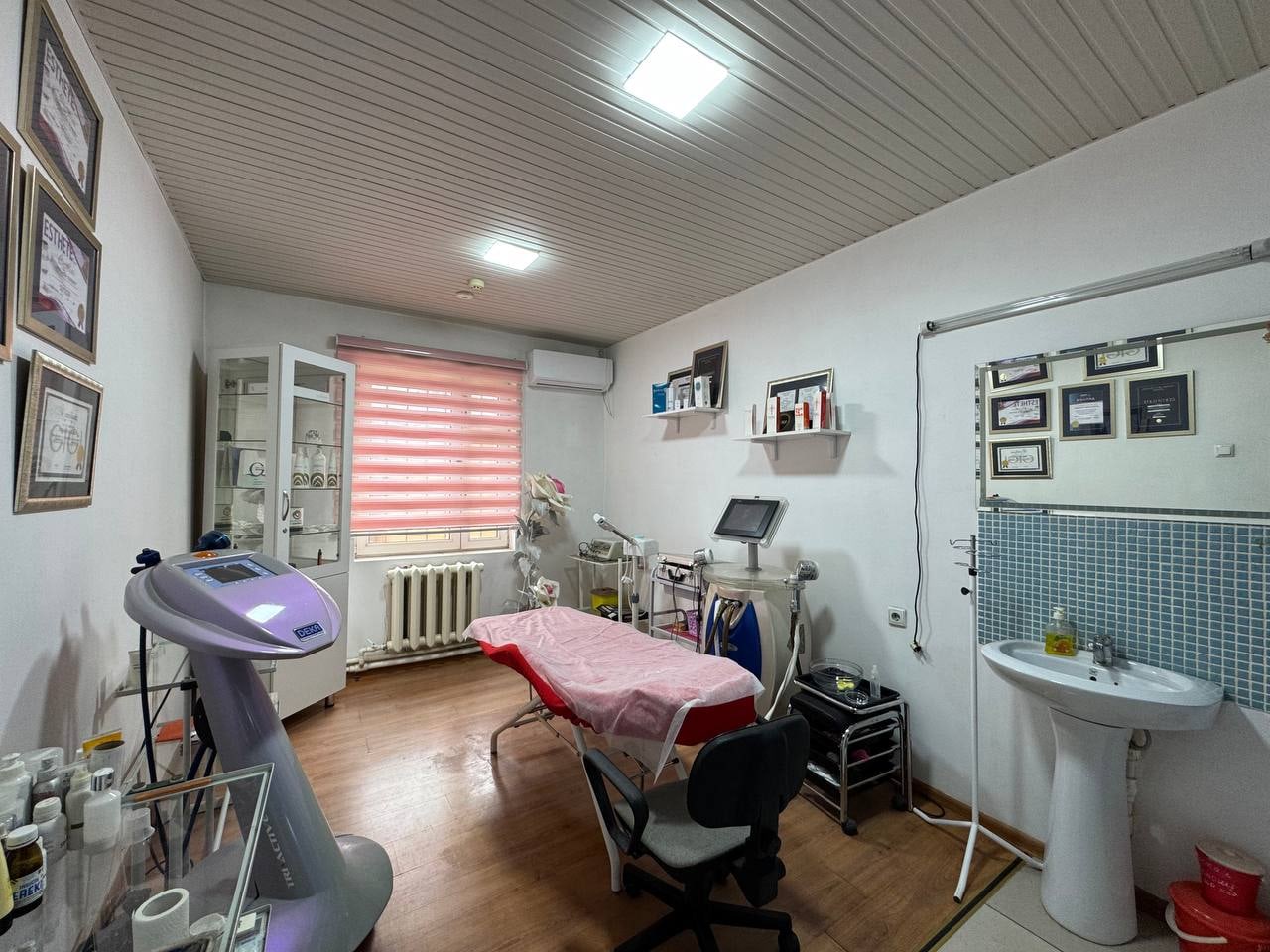
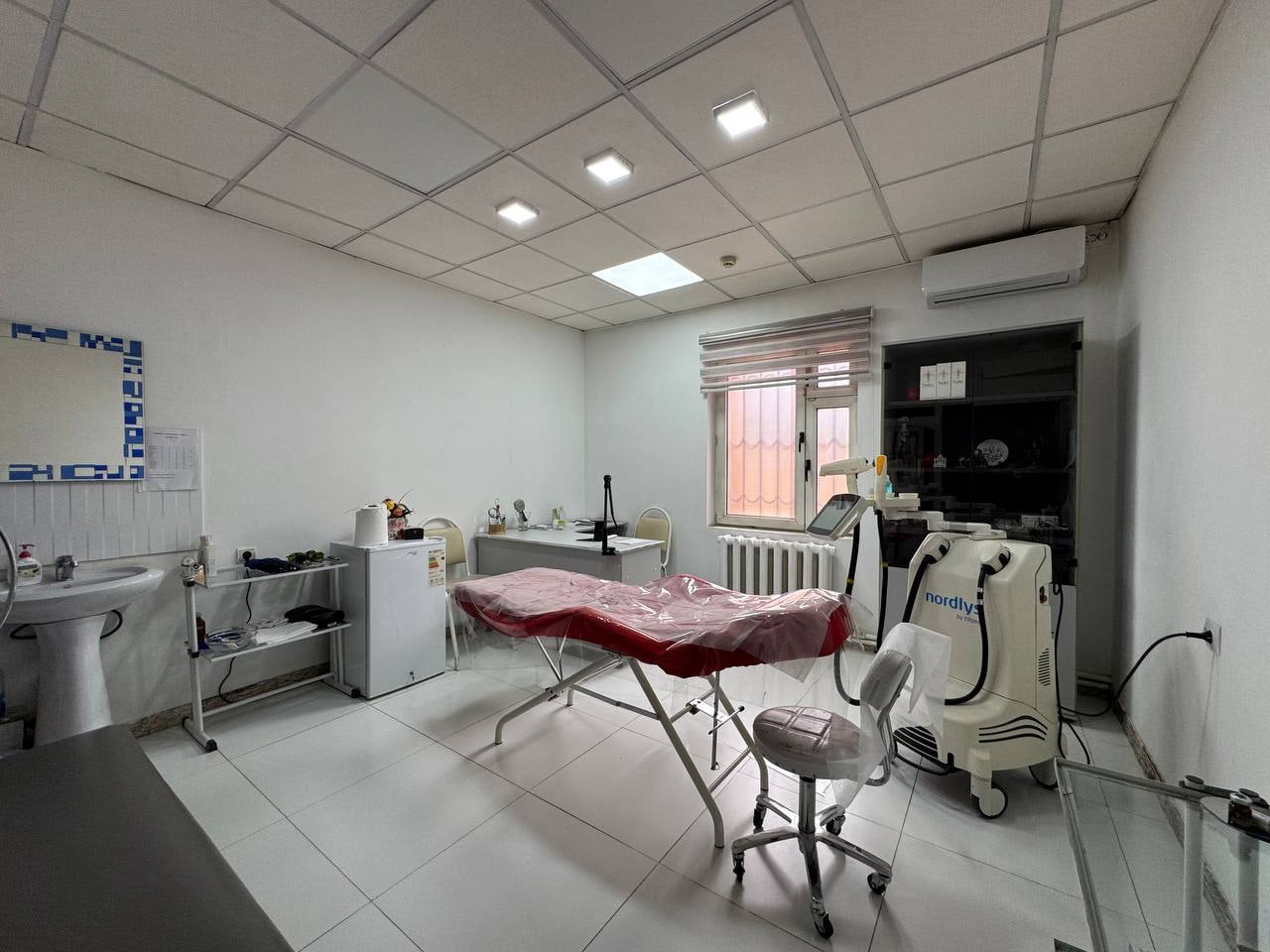
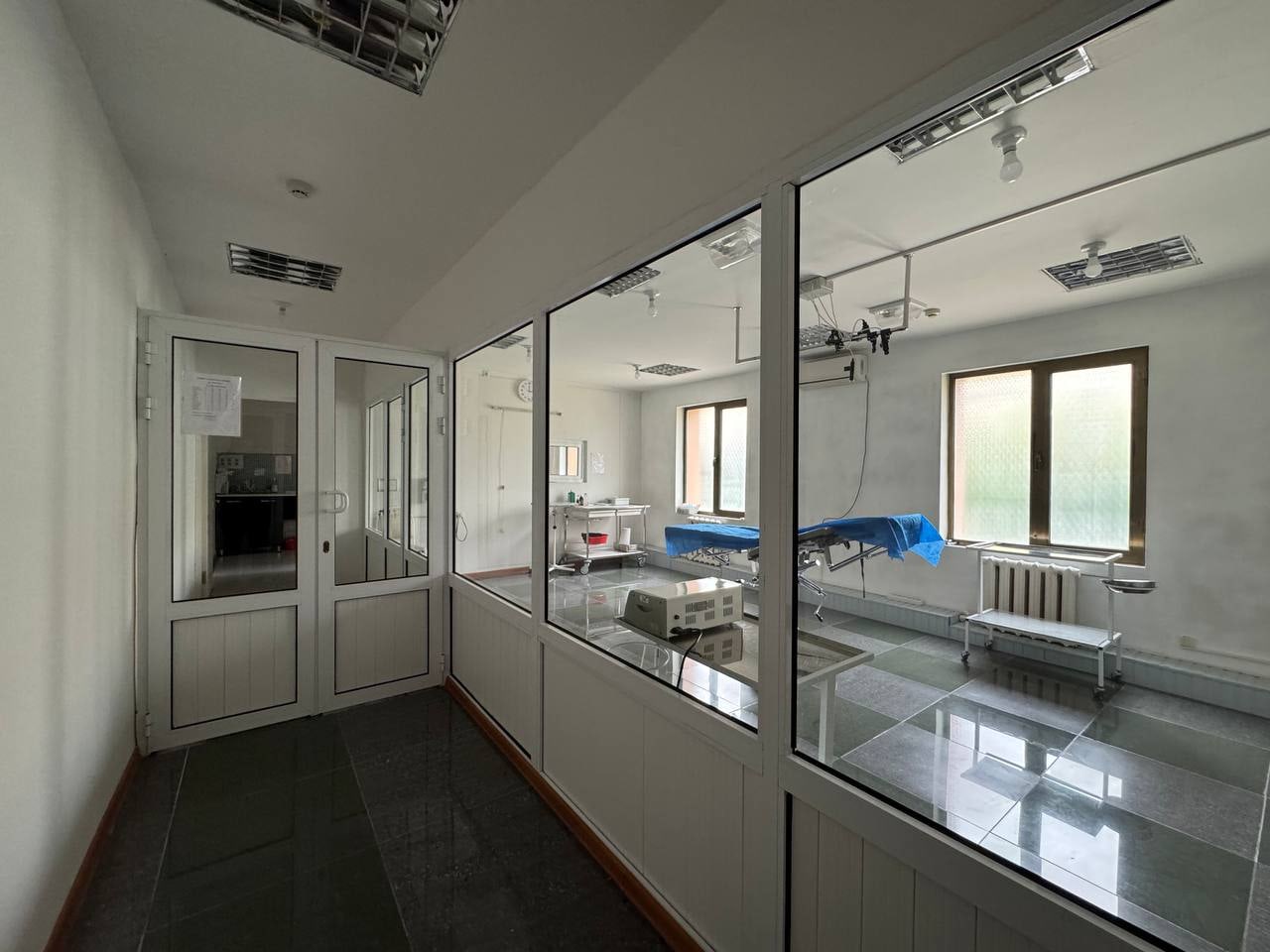
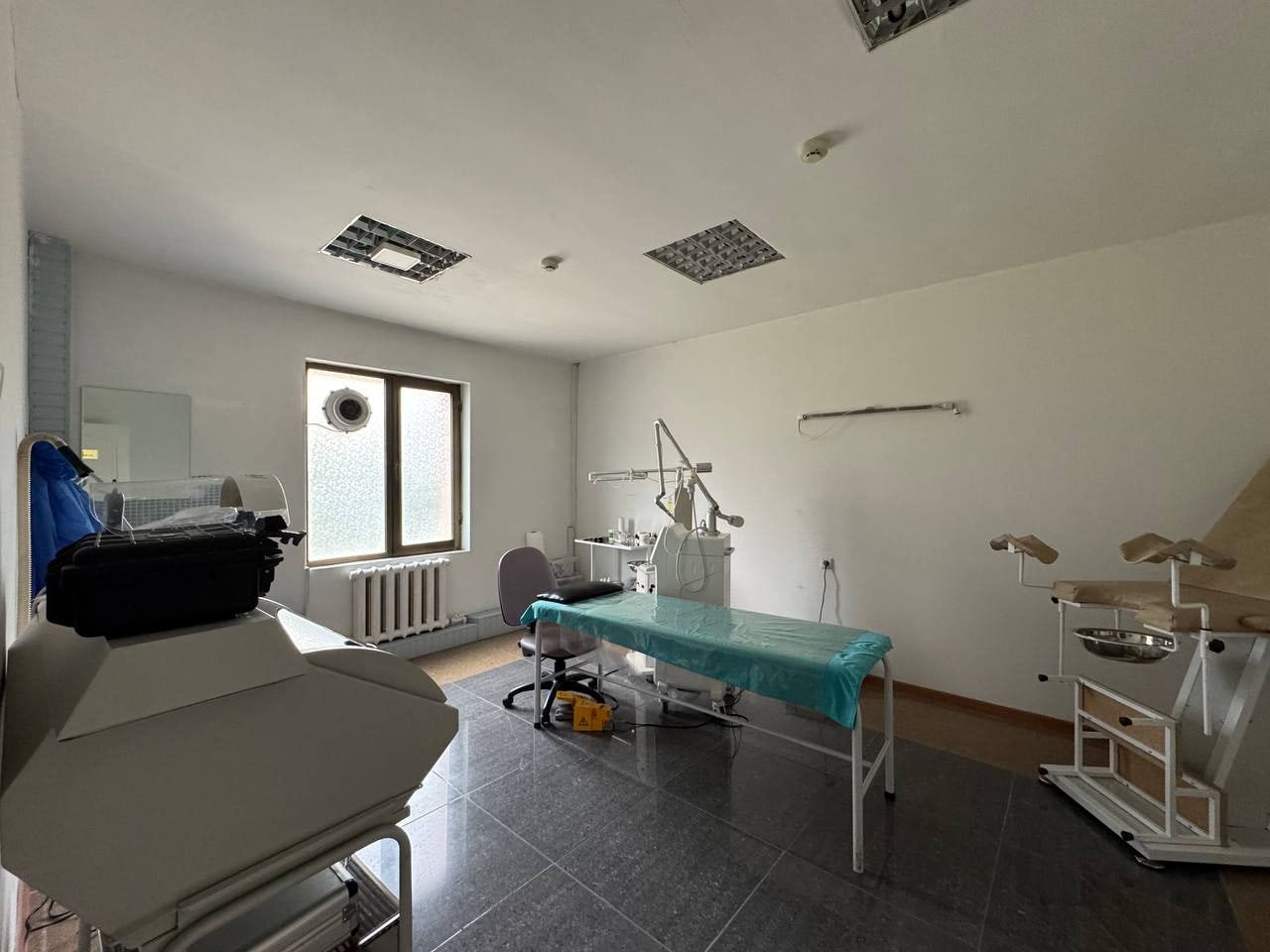
Ташкент, Шайхантахурский район, Караташ
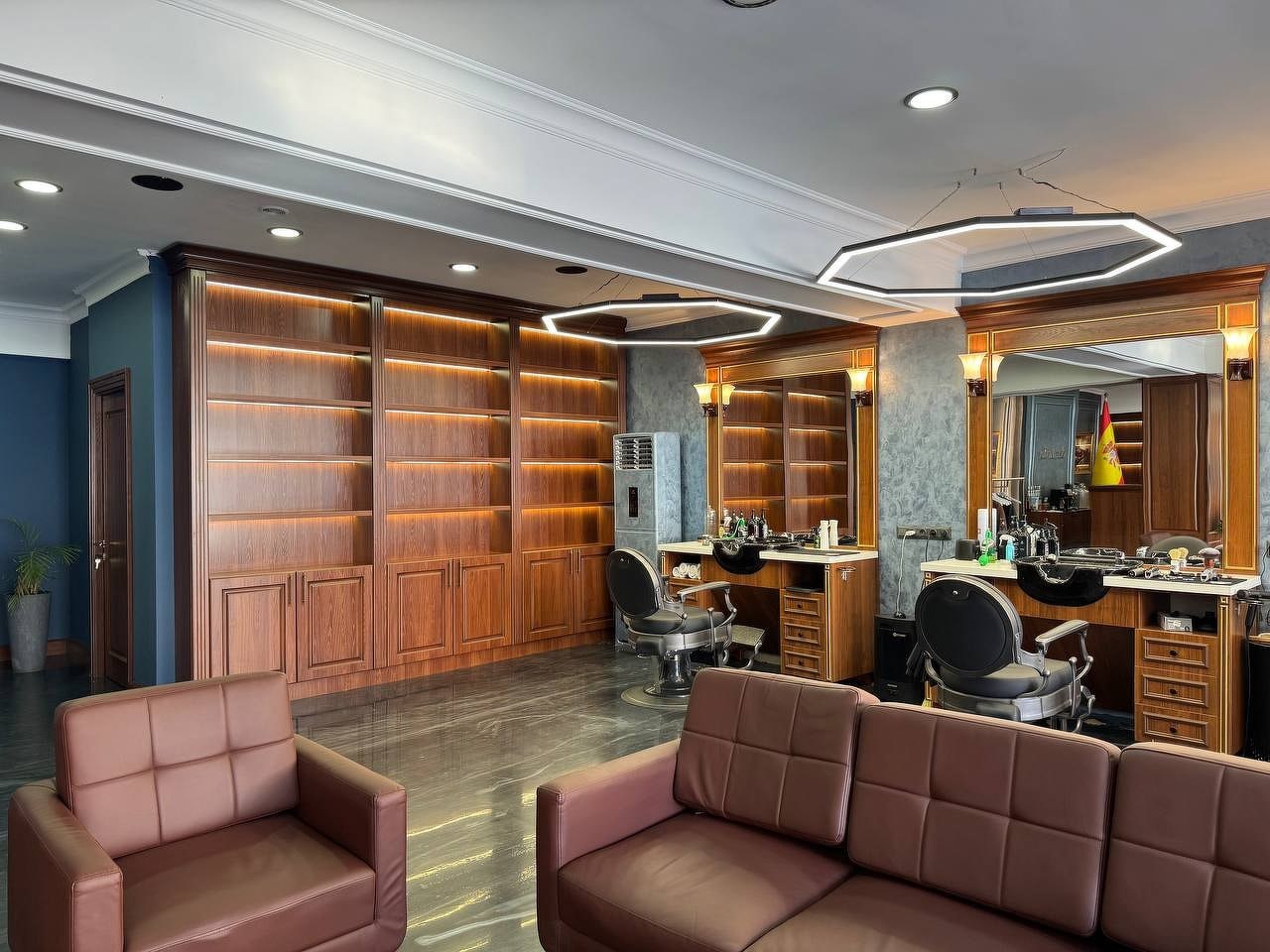
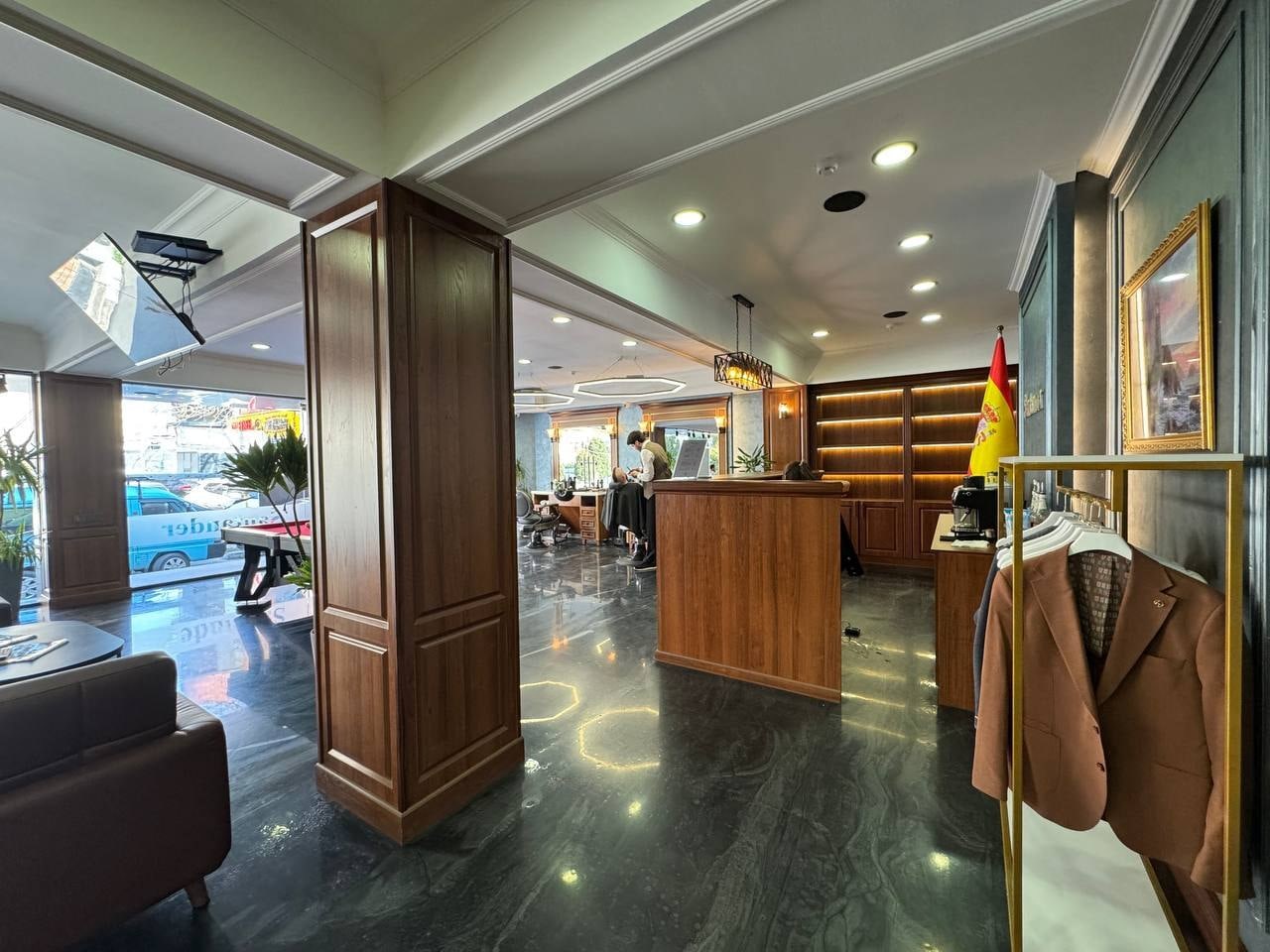
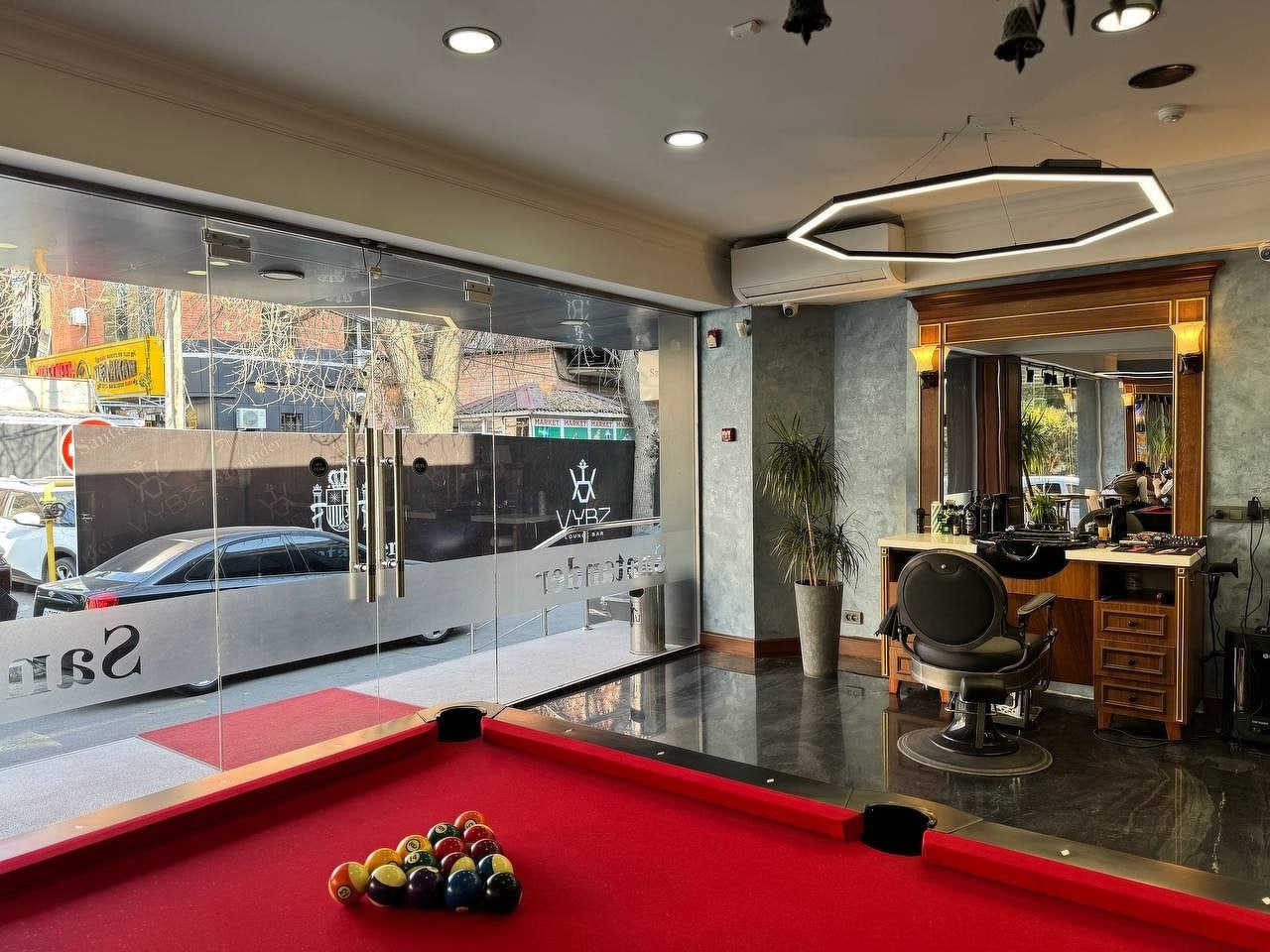
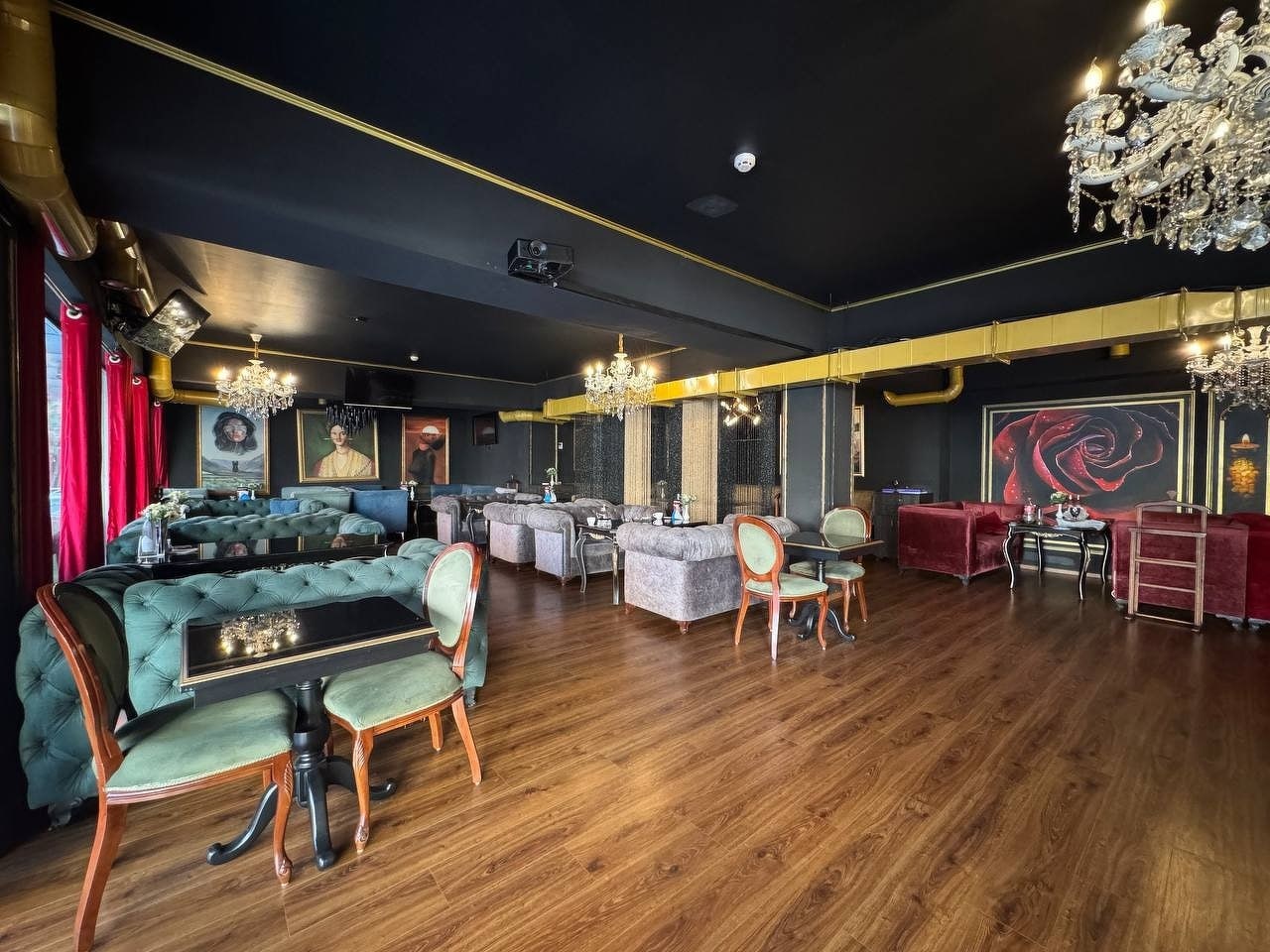
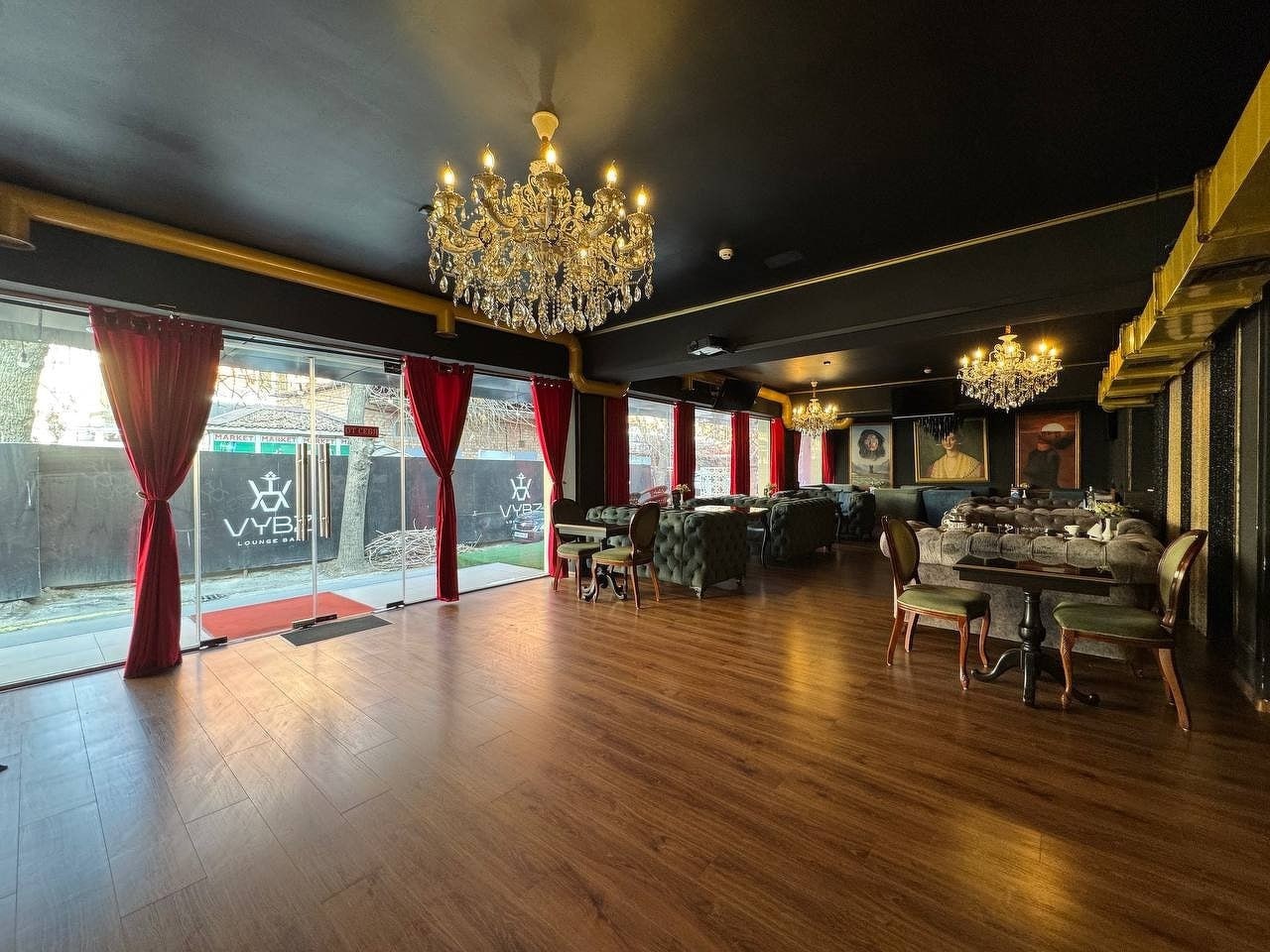
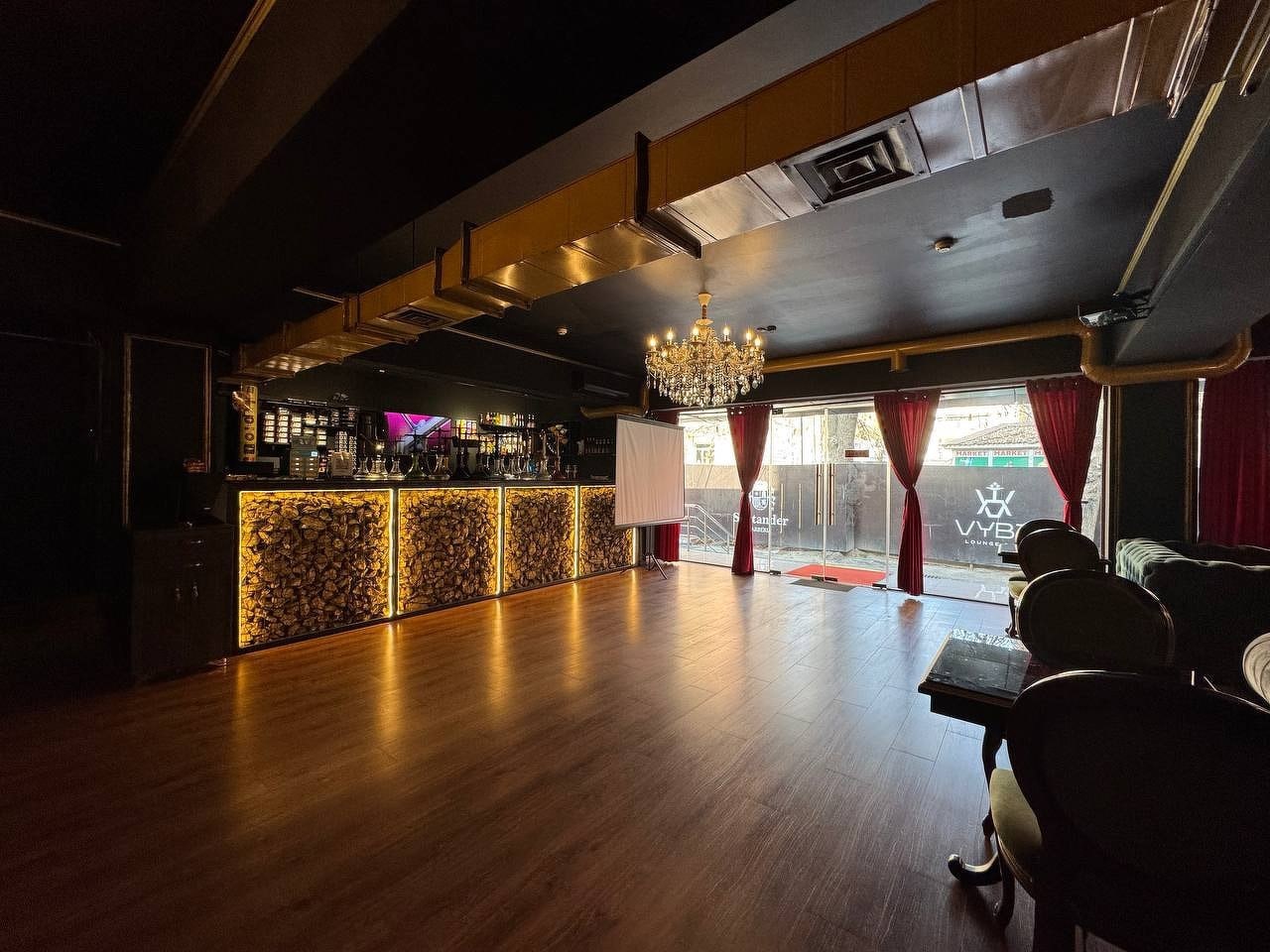
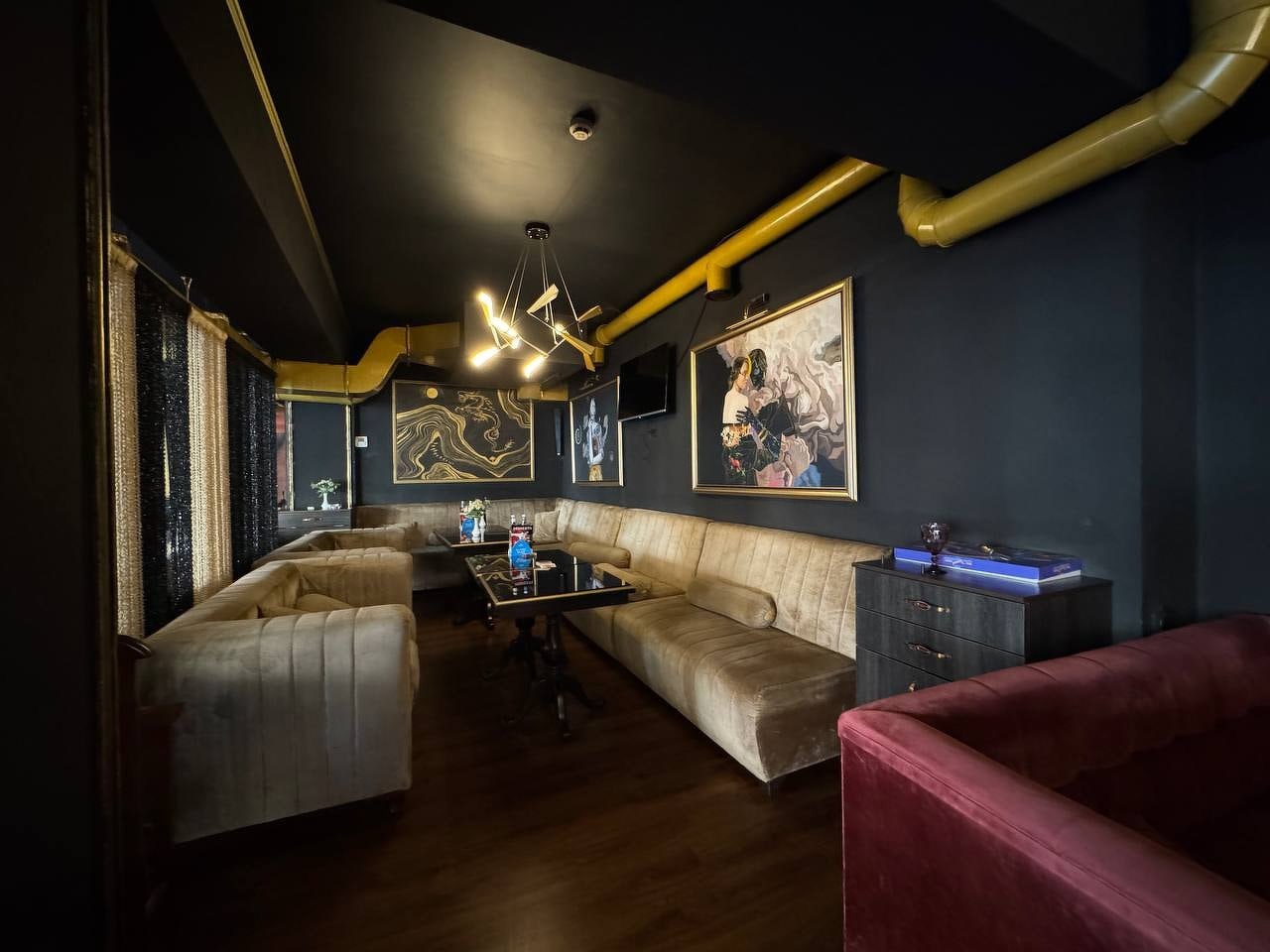
Ташкент, Мирабадский район, ул. Тараса Шевченко
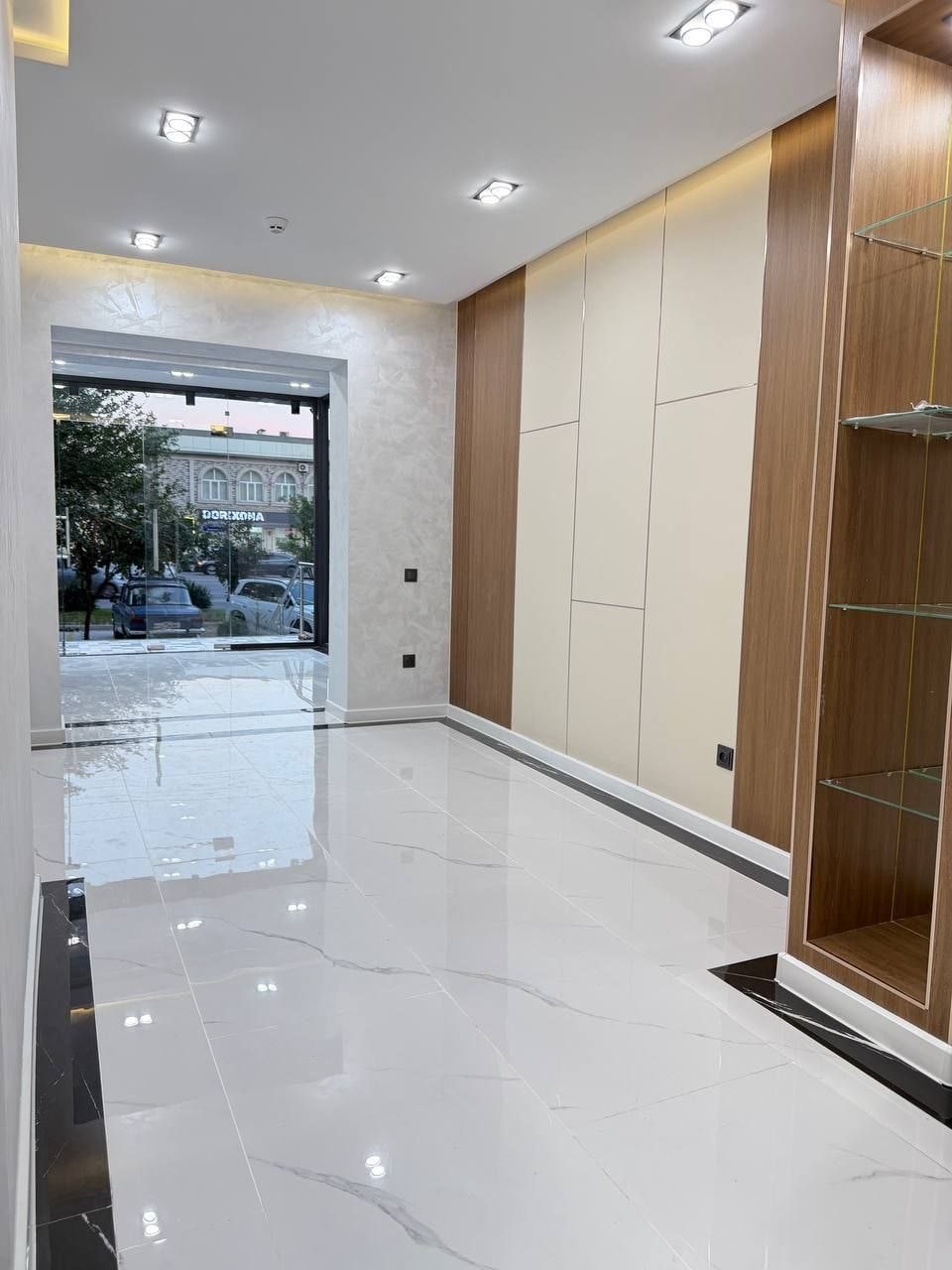
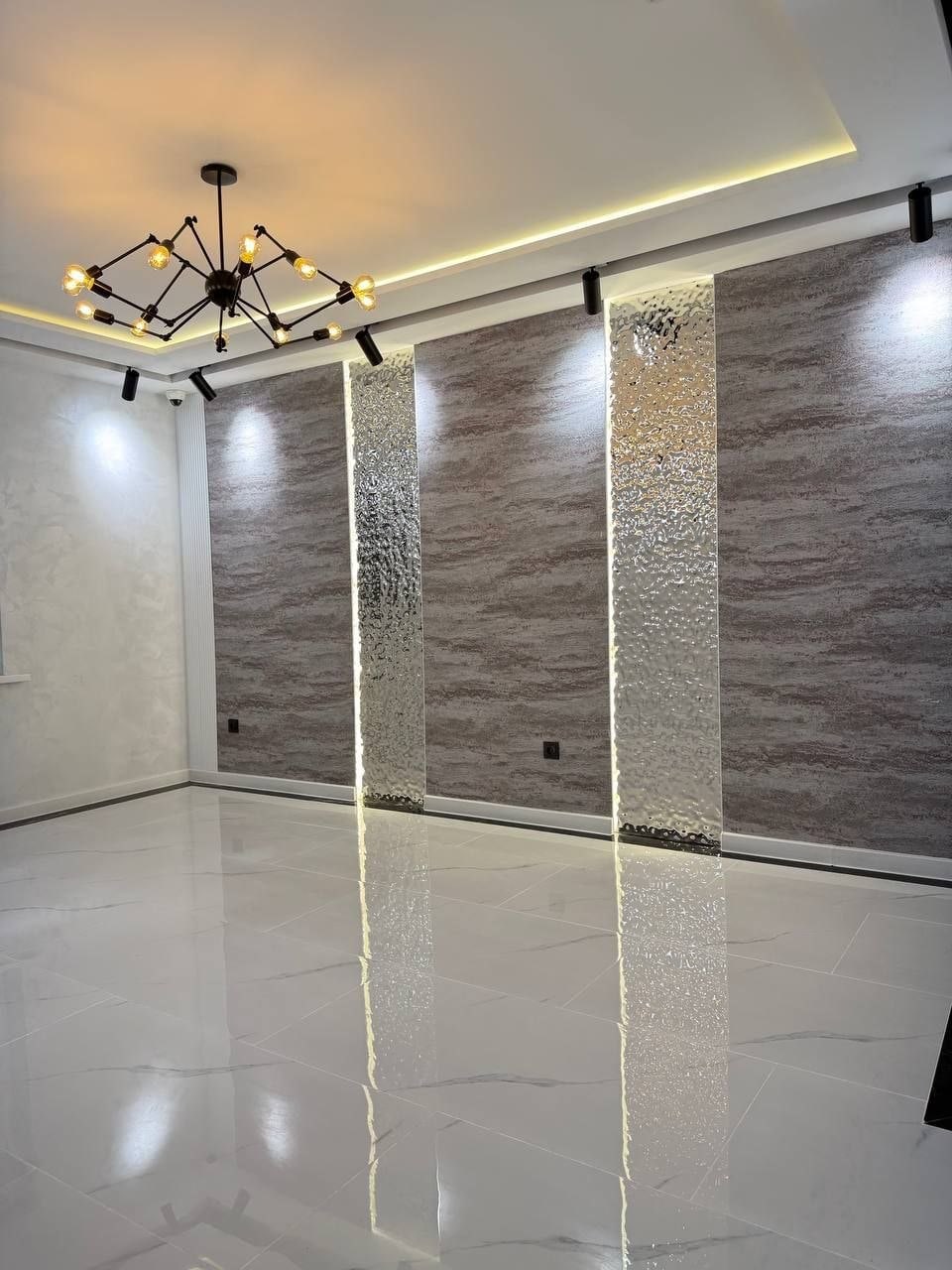
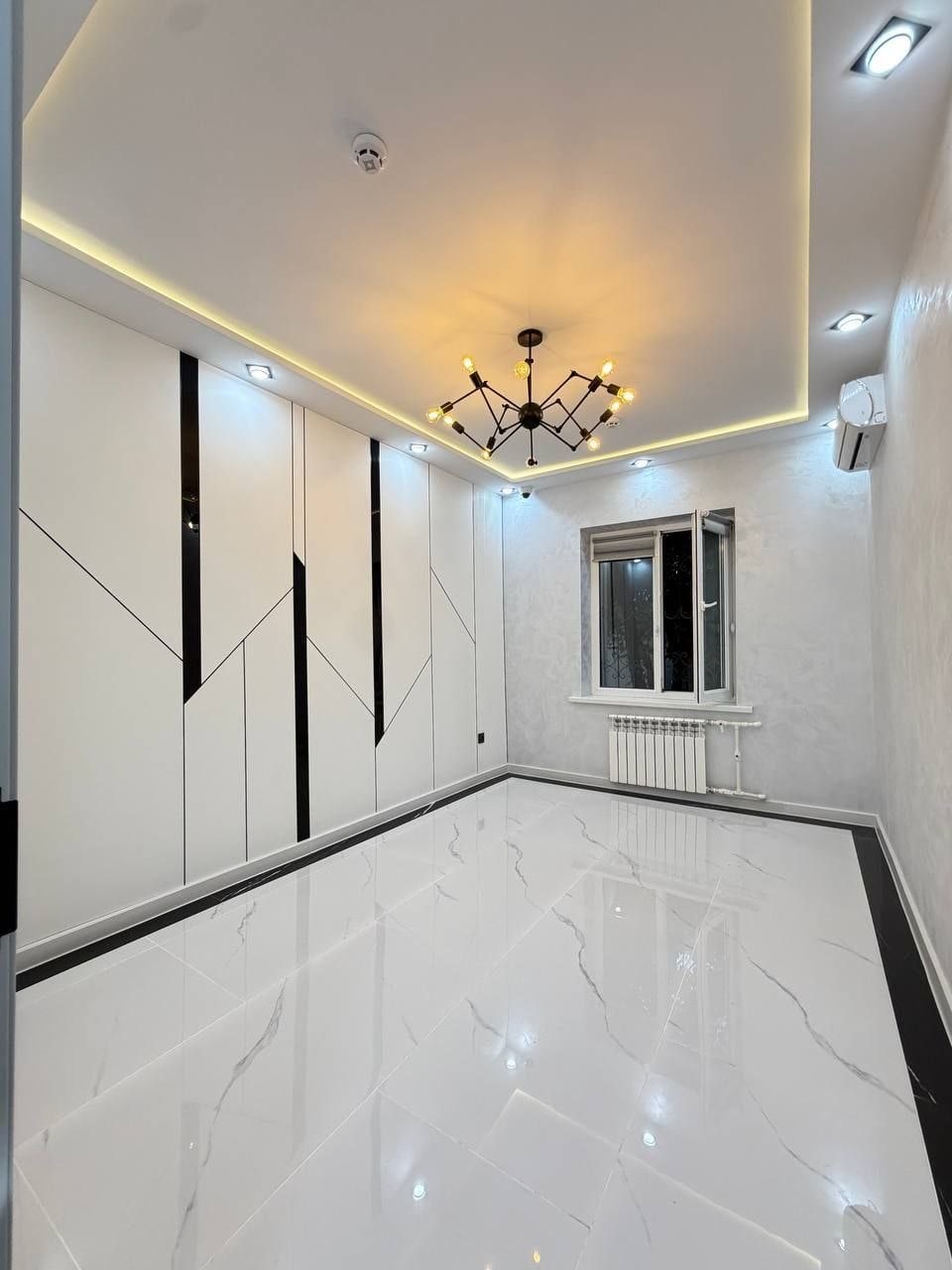
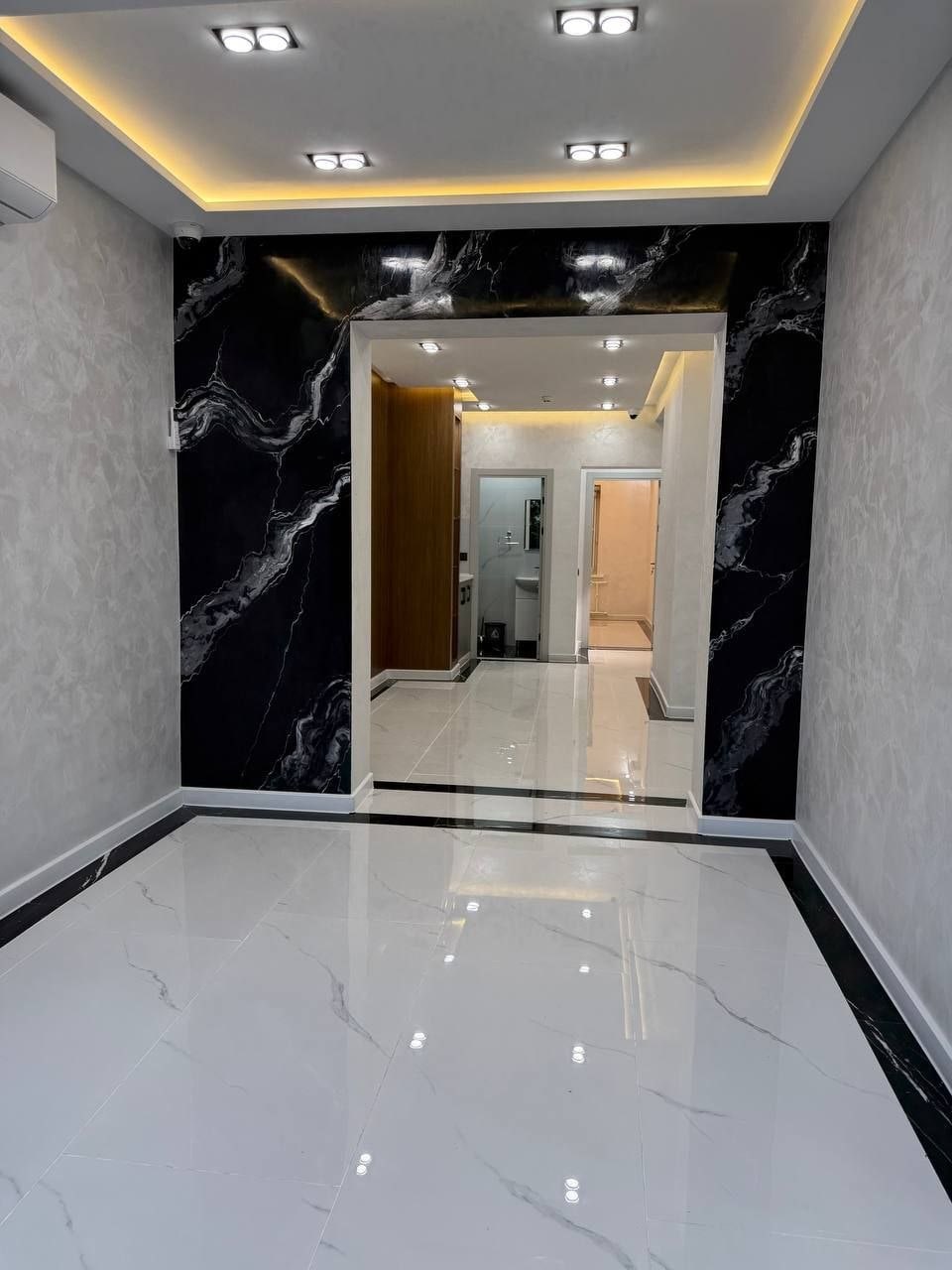
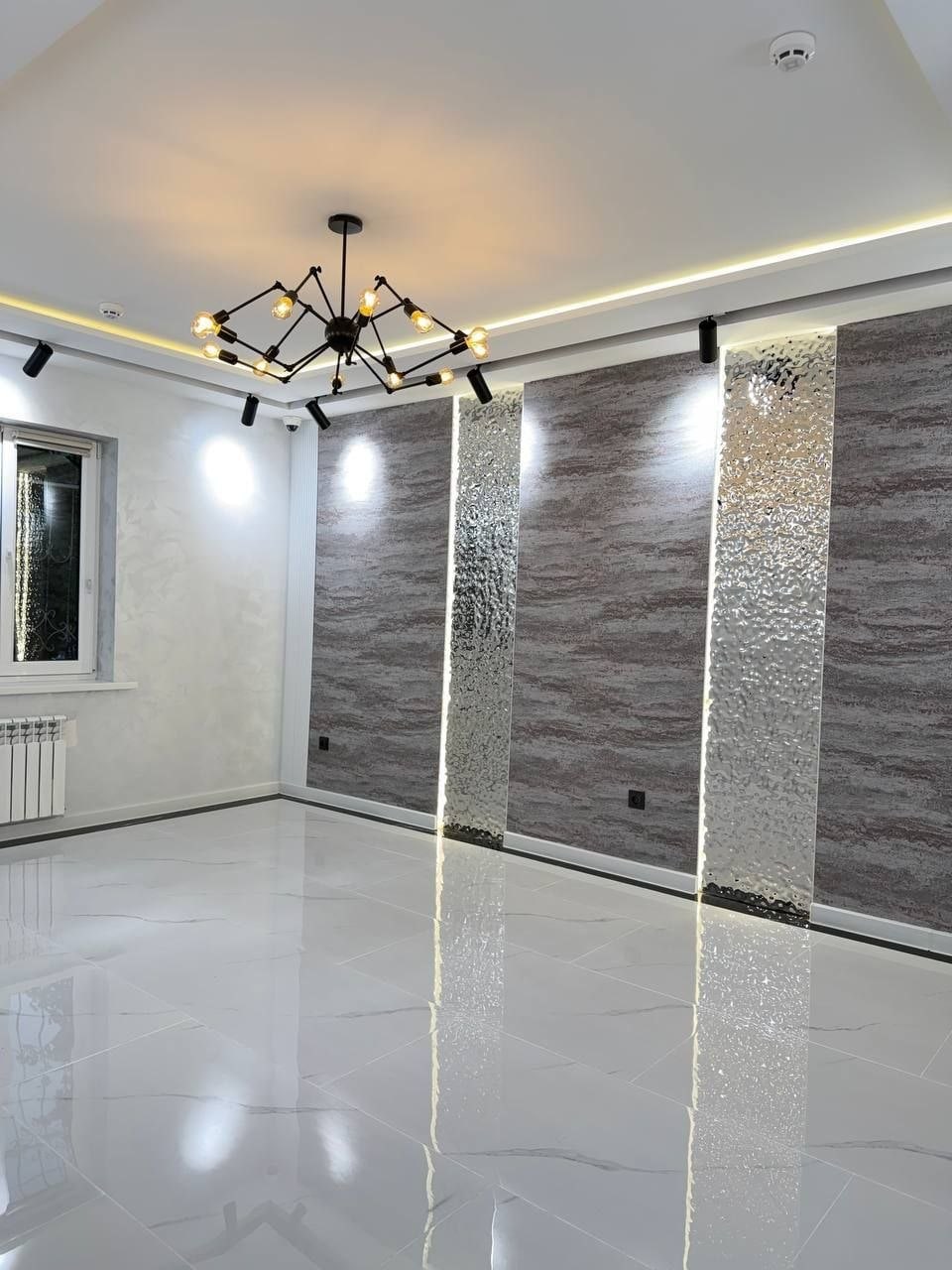
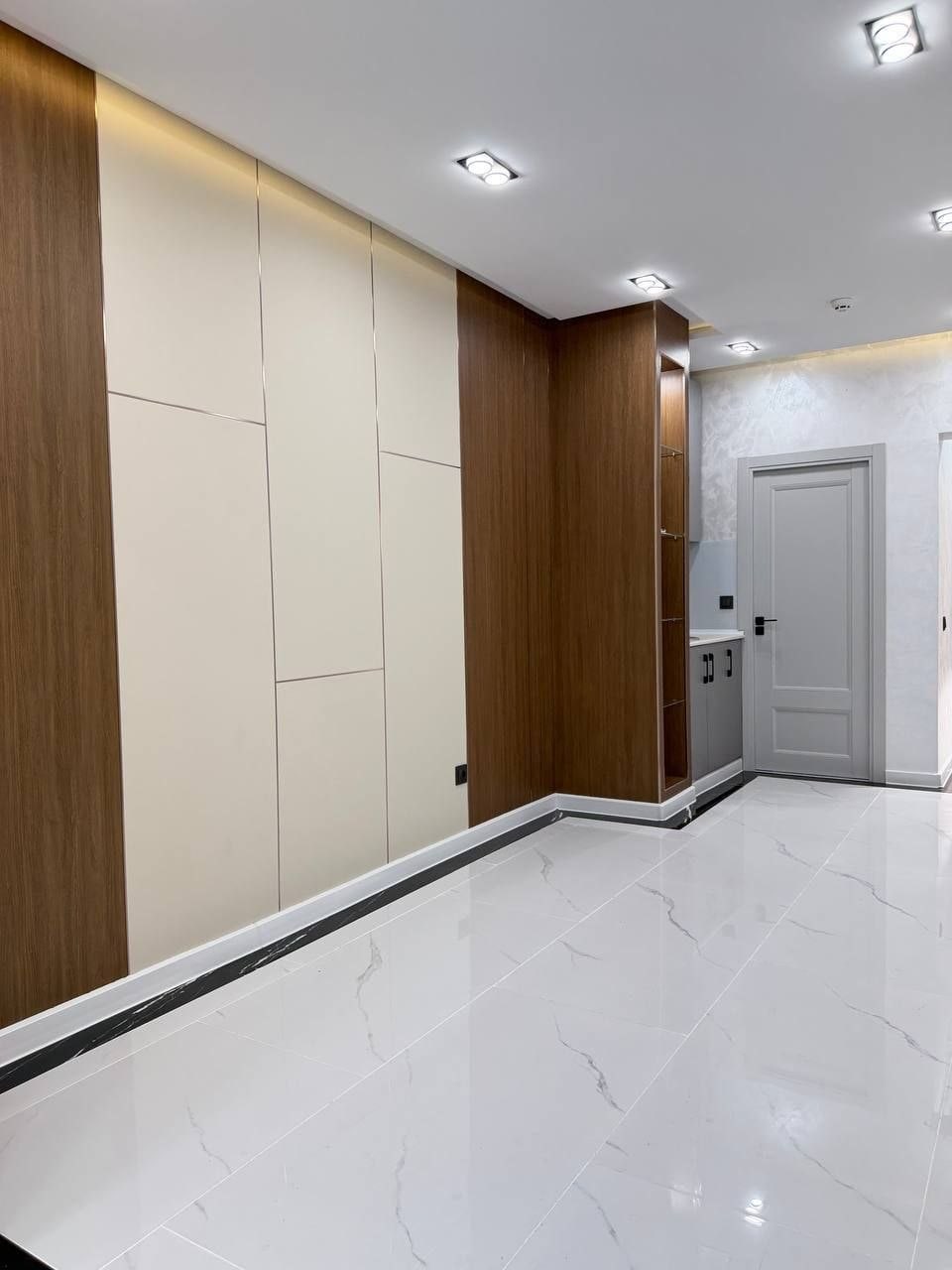
Ташкент, Яккасарайский район, Кушбеги

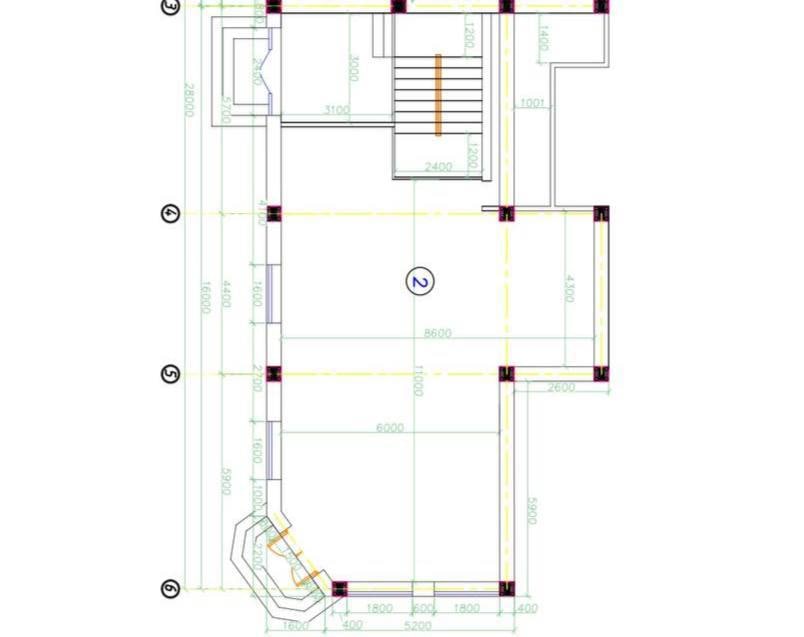
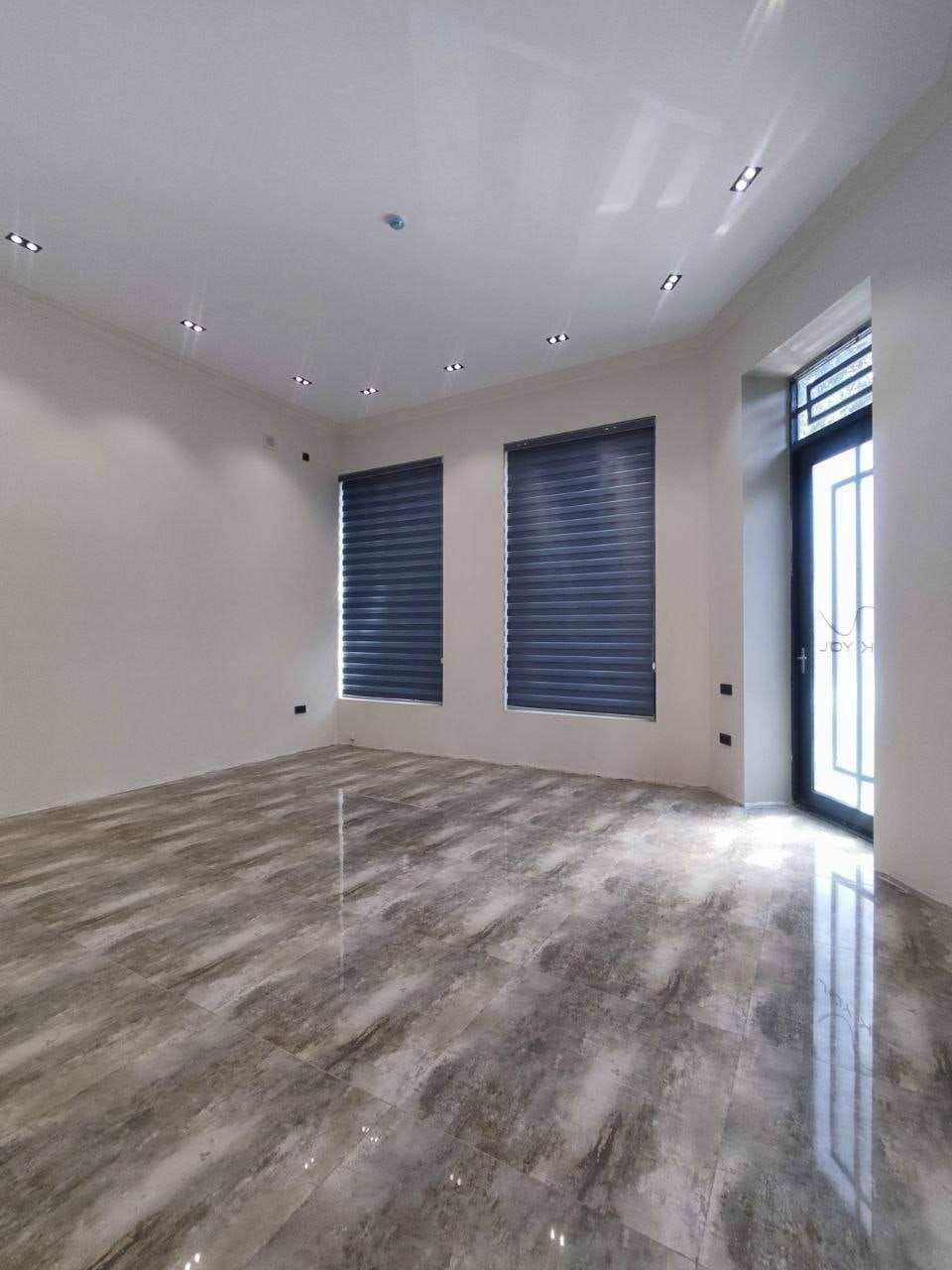
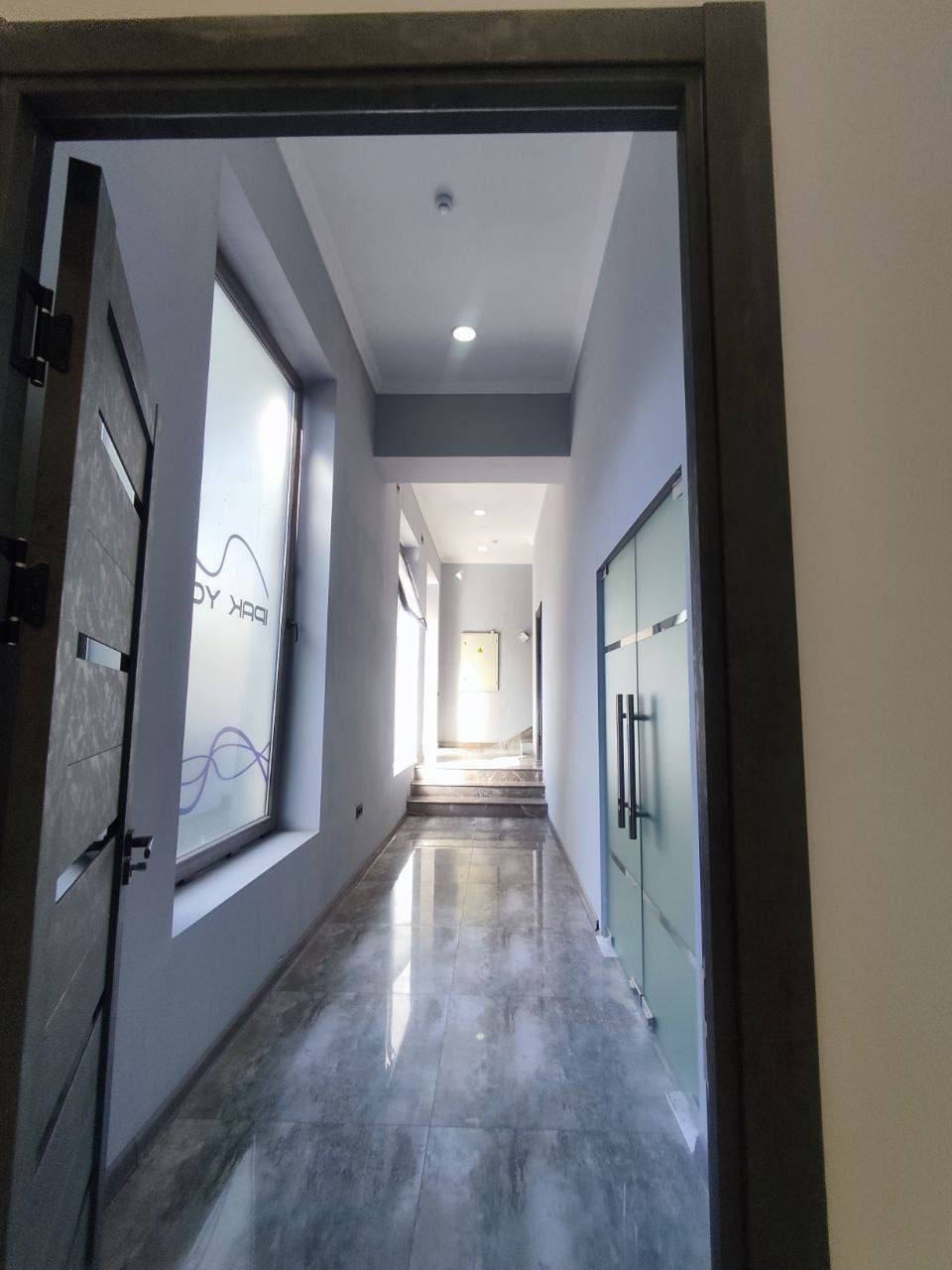
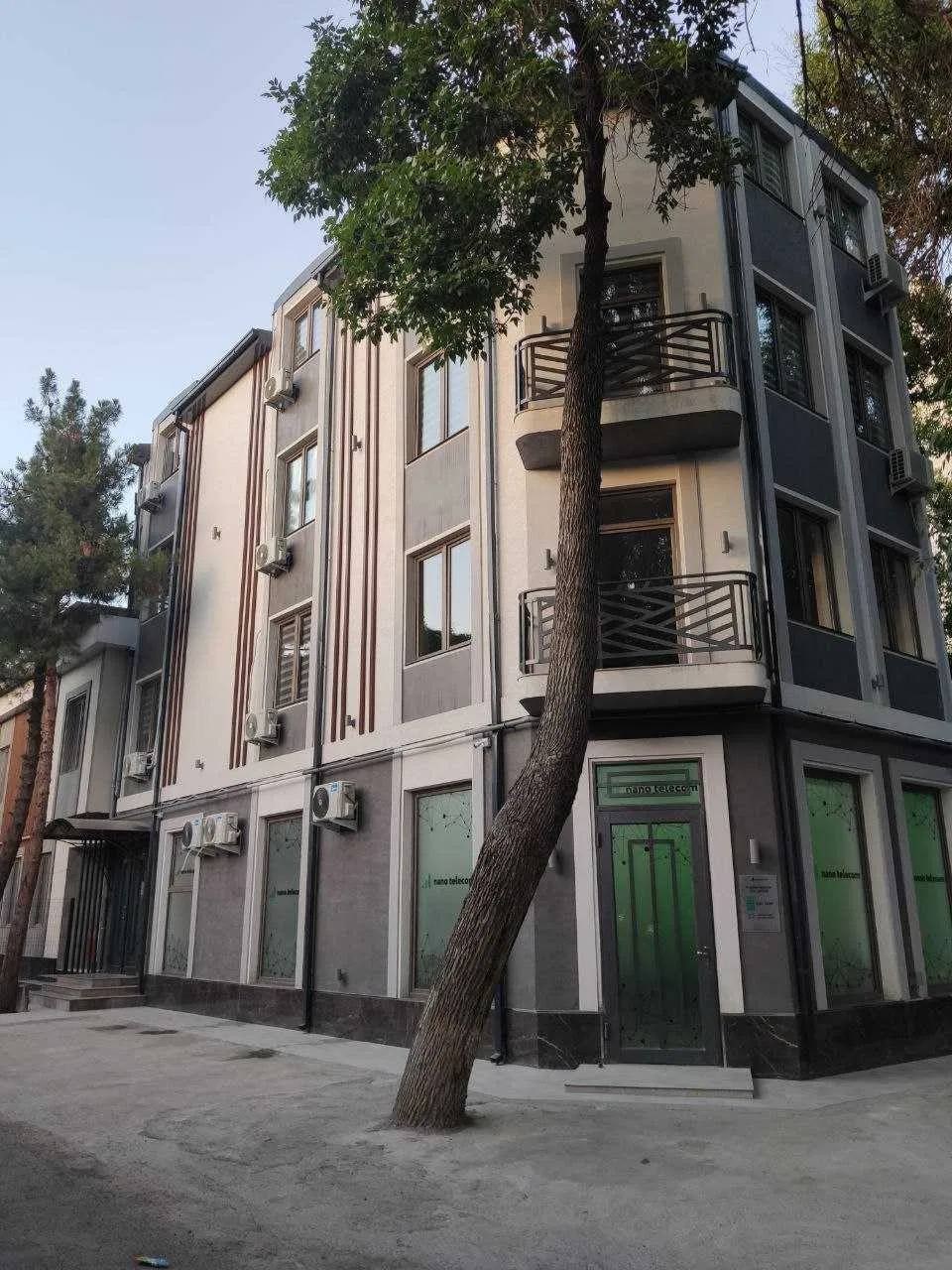
Ташкент, Мирзо-Улугбекский район, Дархан
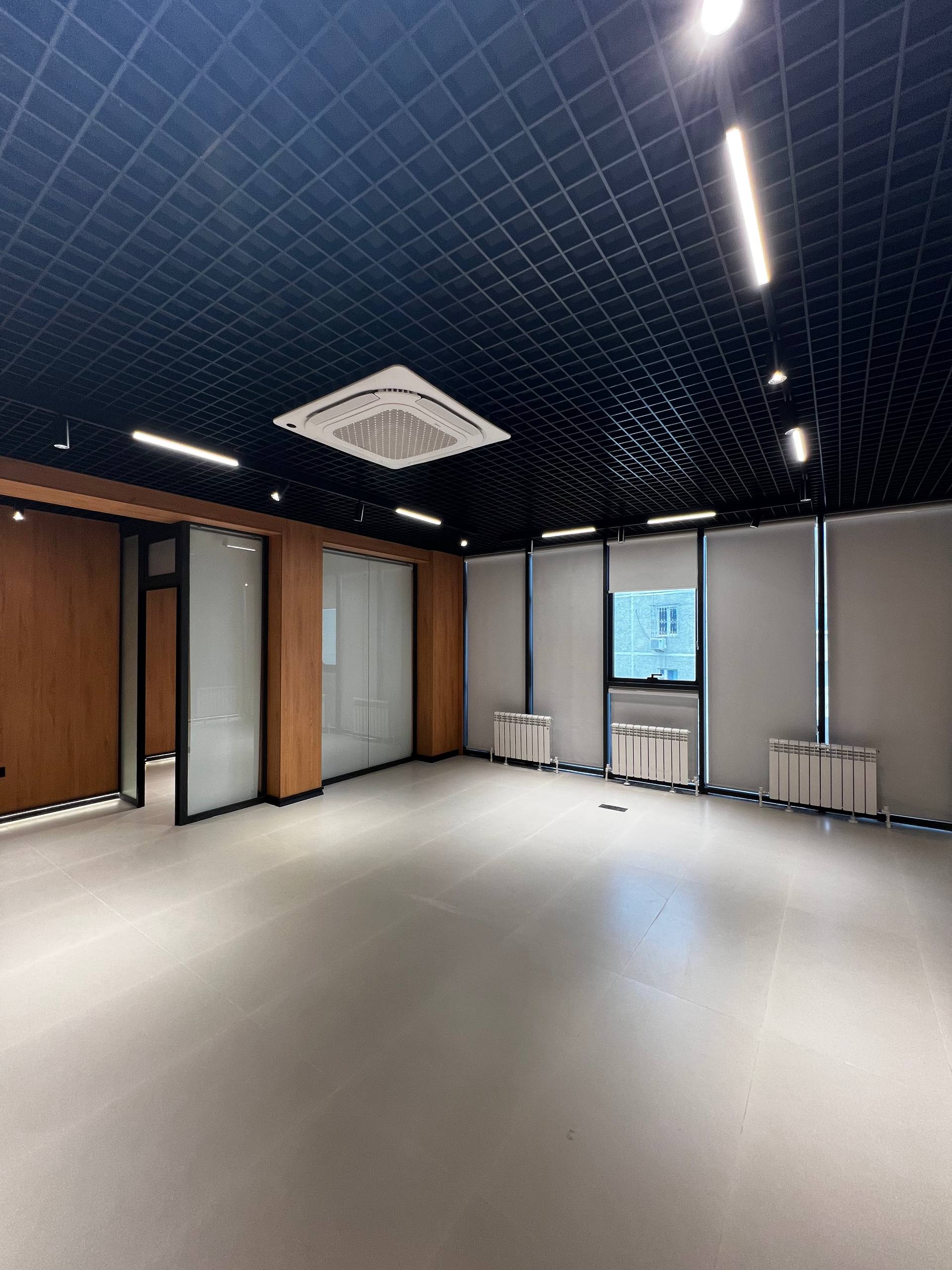
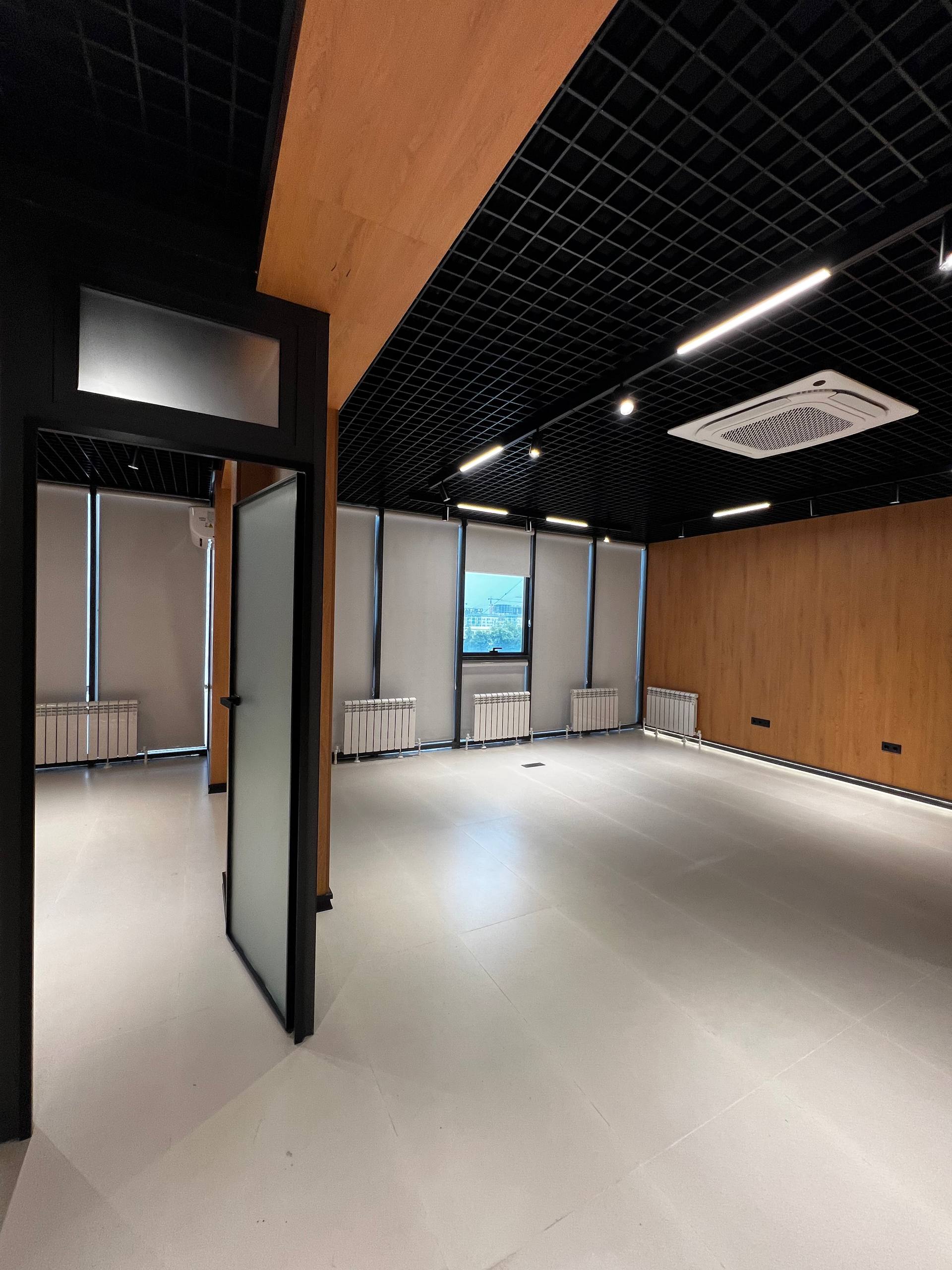
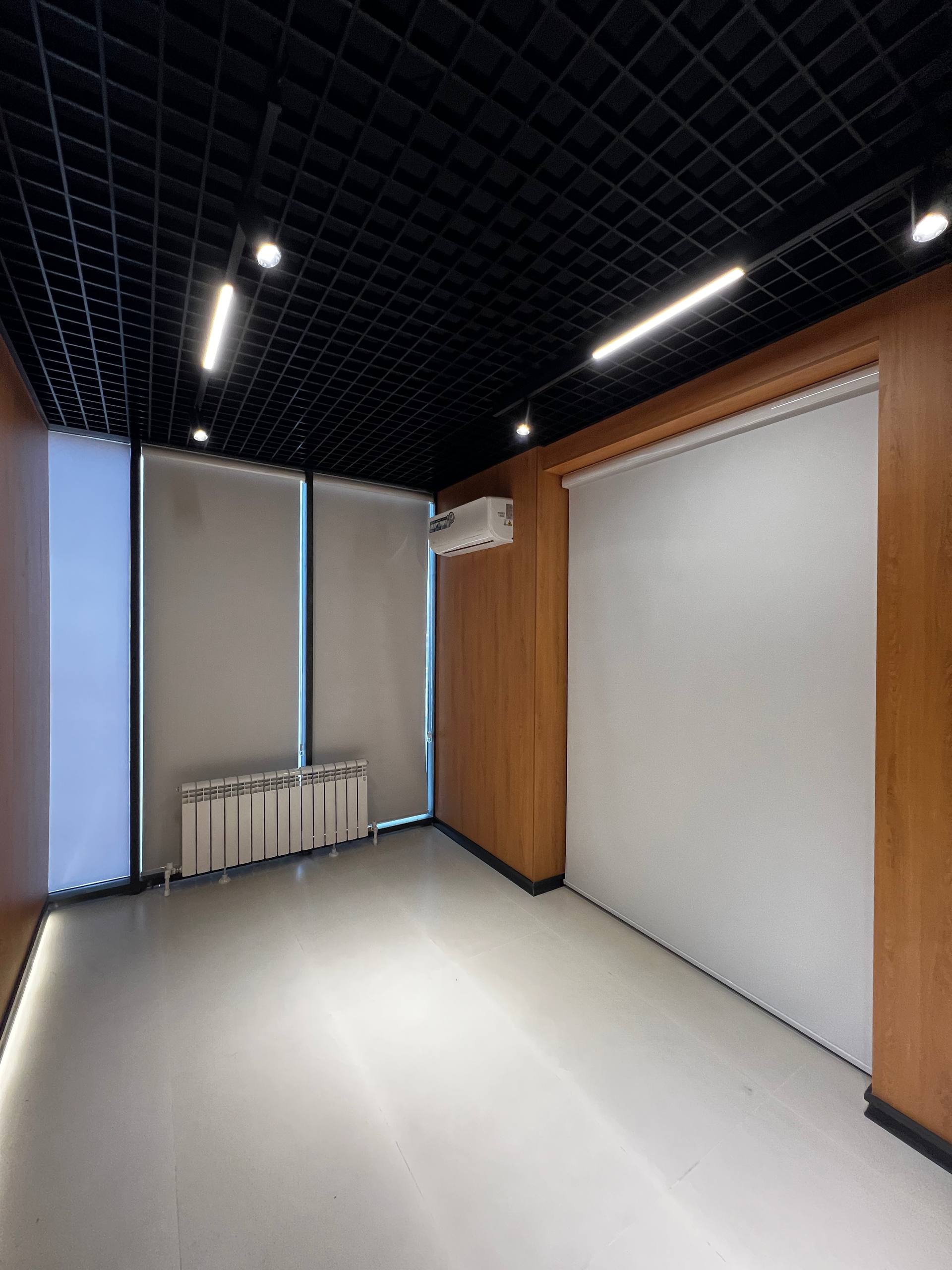
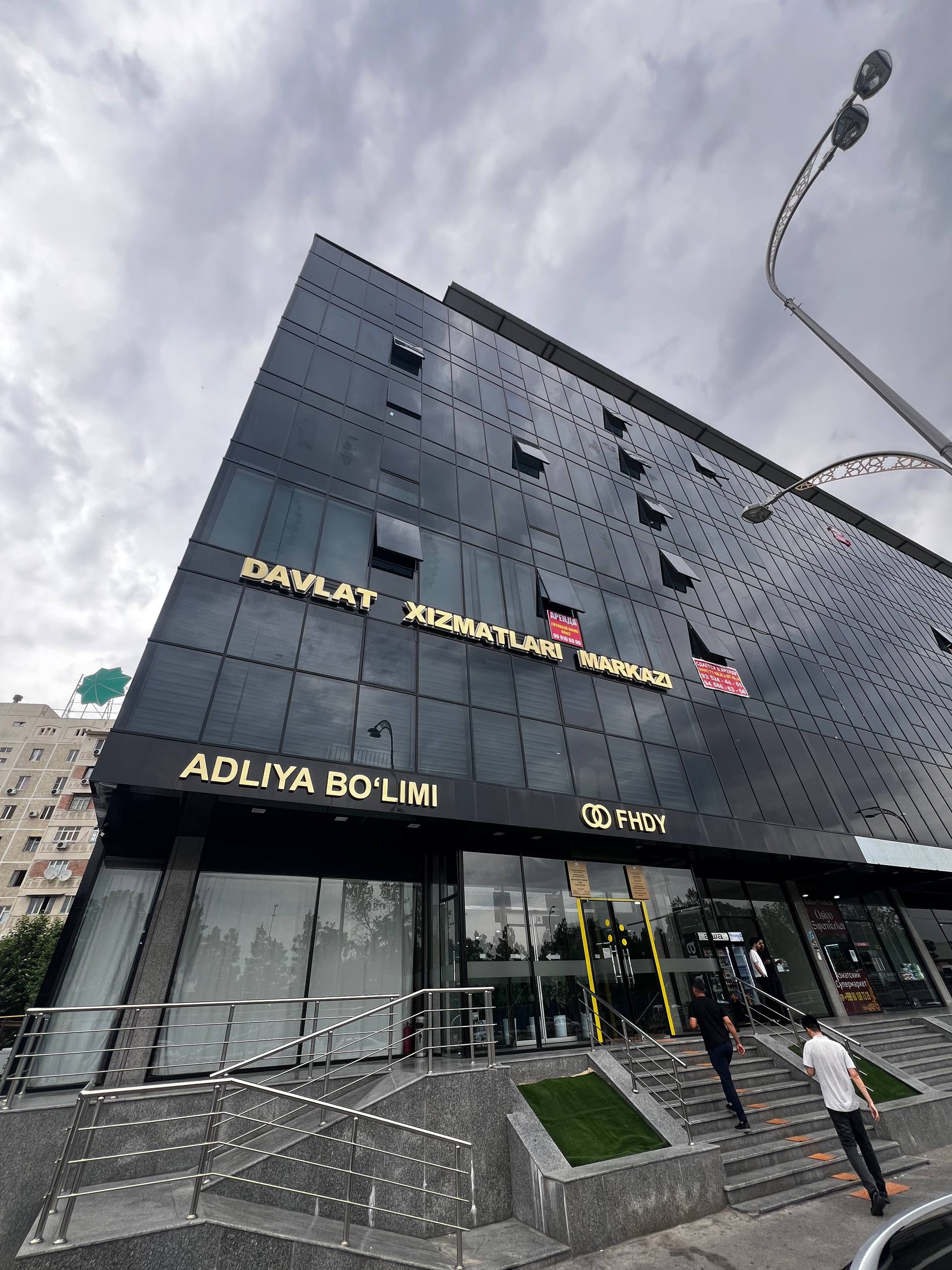
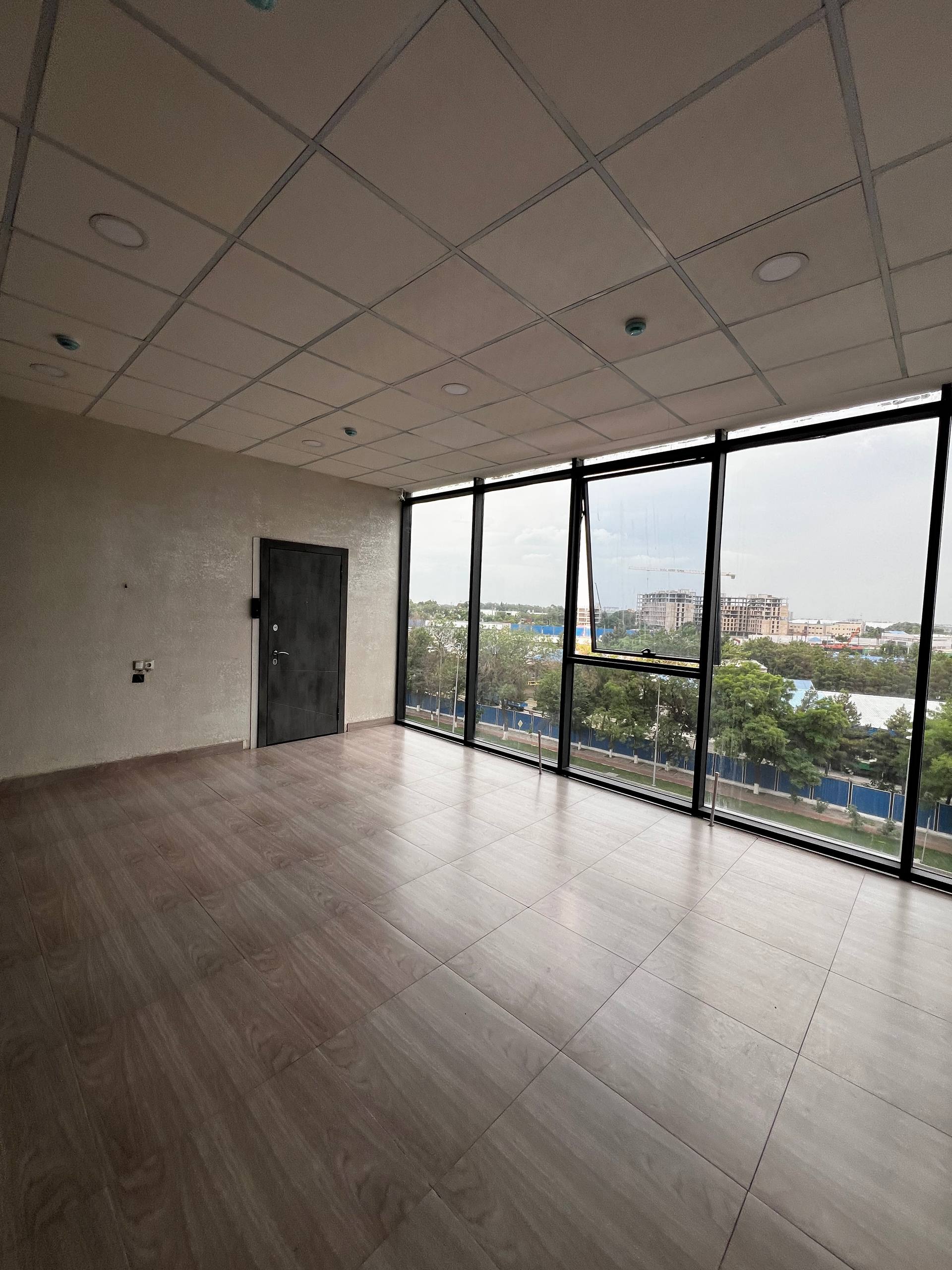
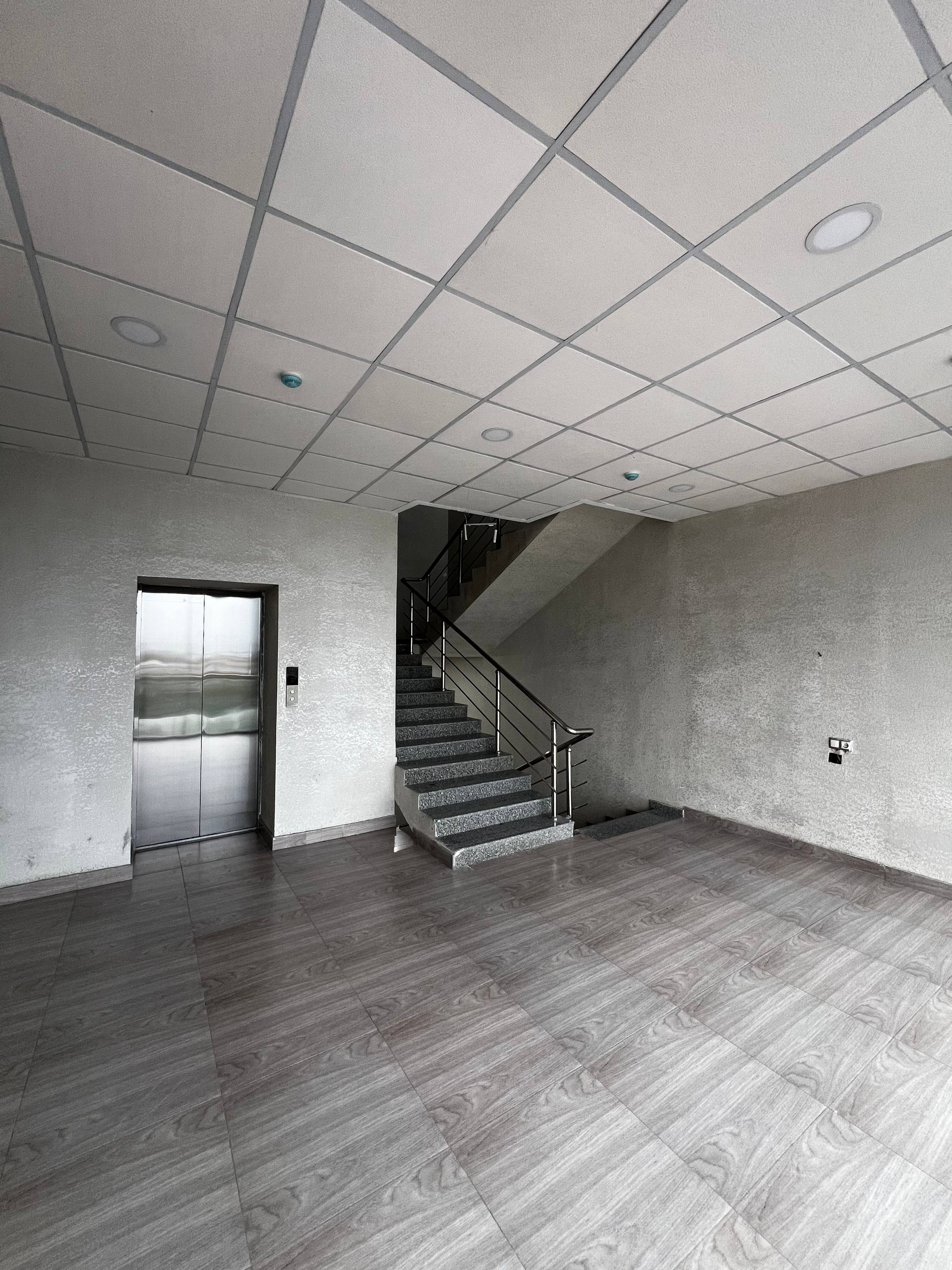
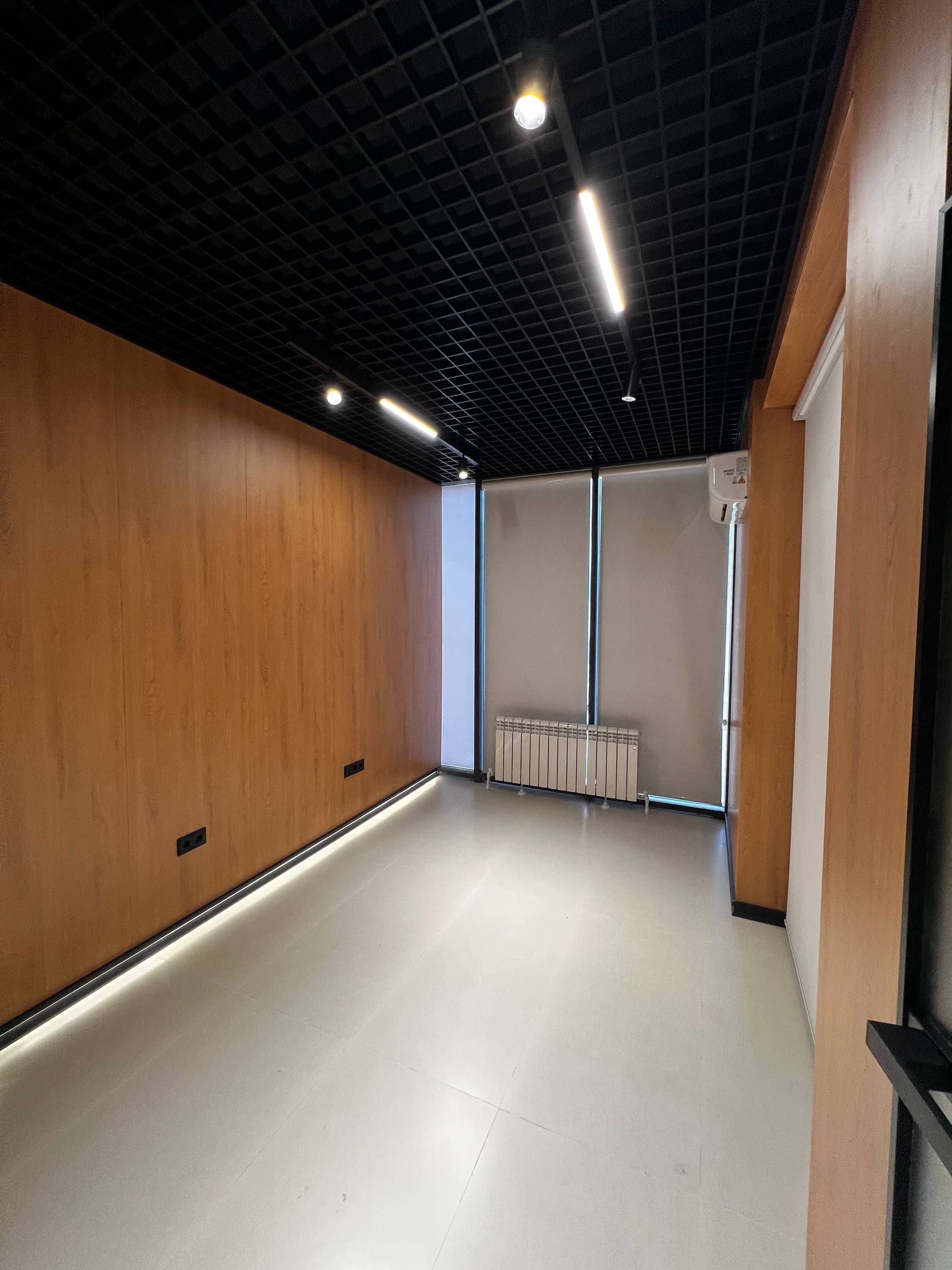
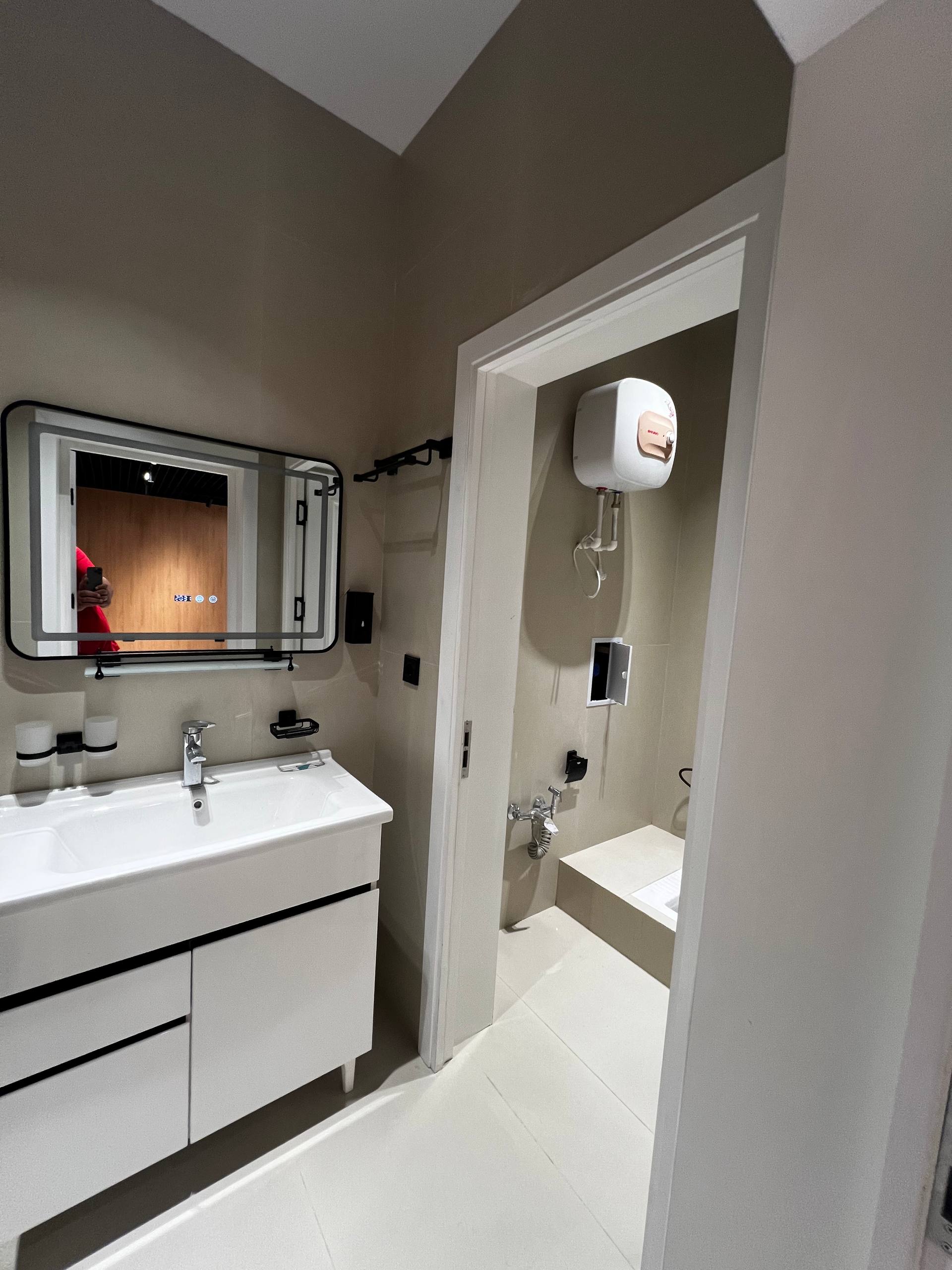
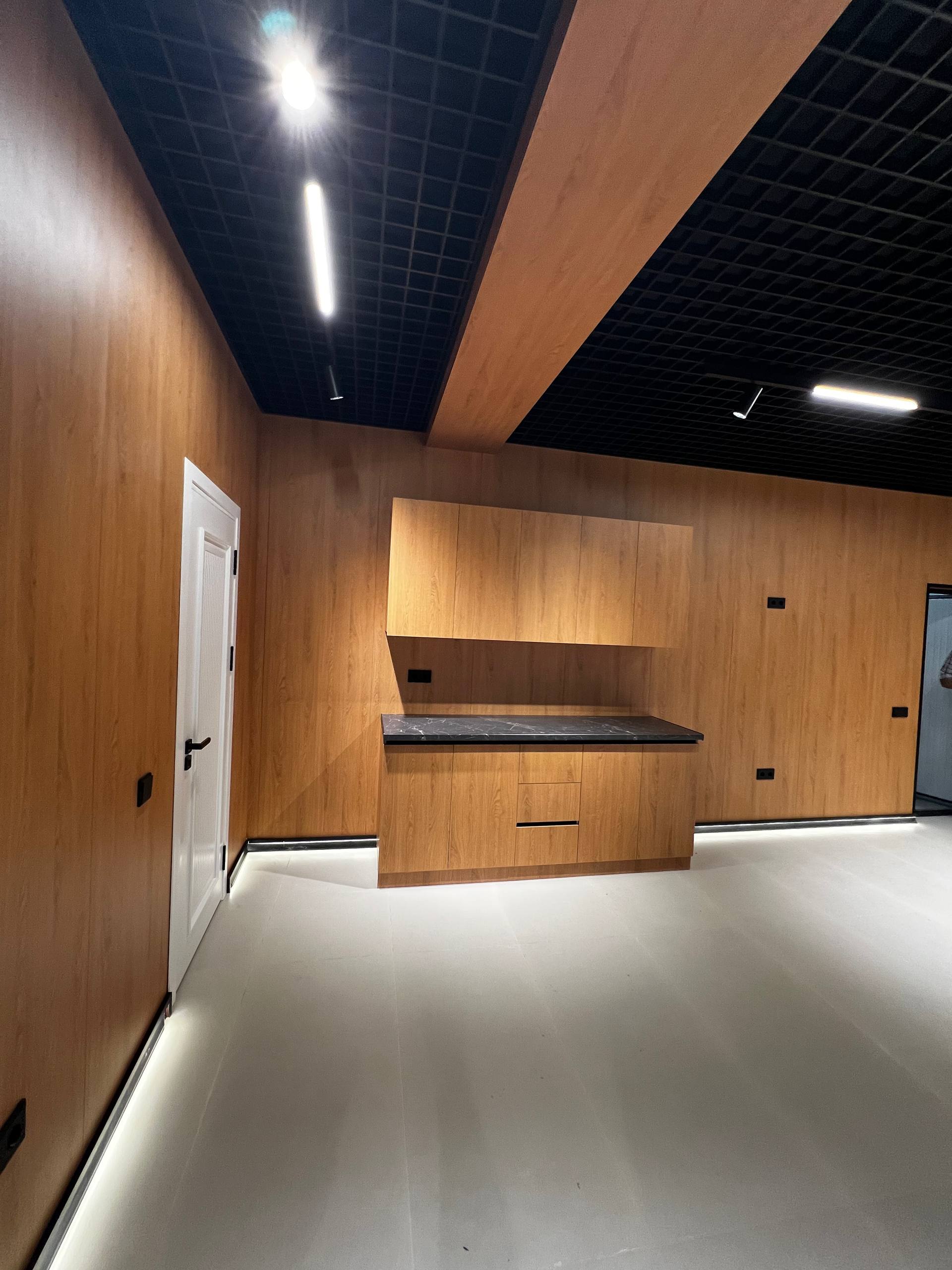
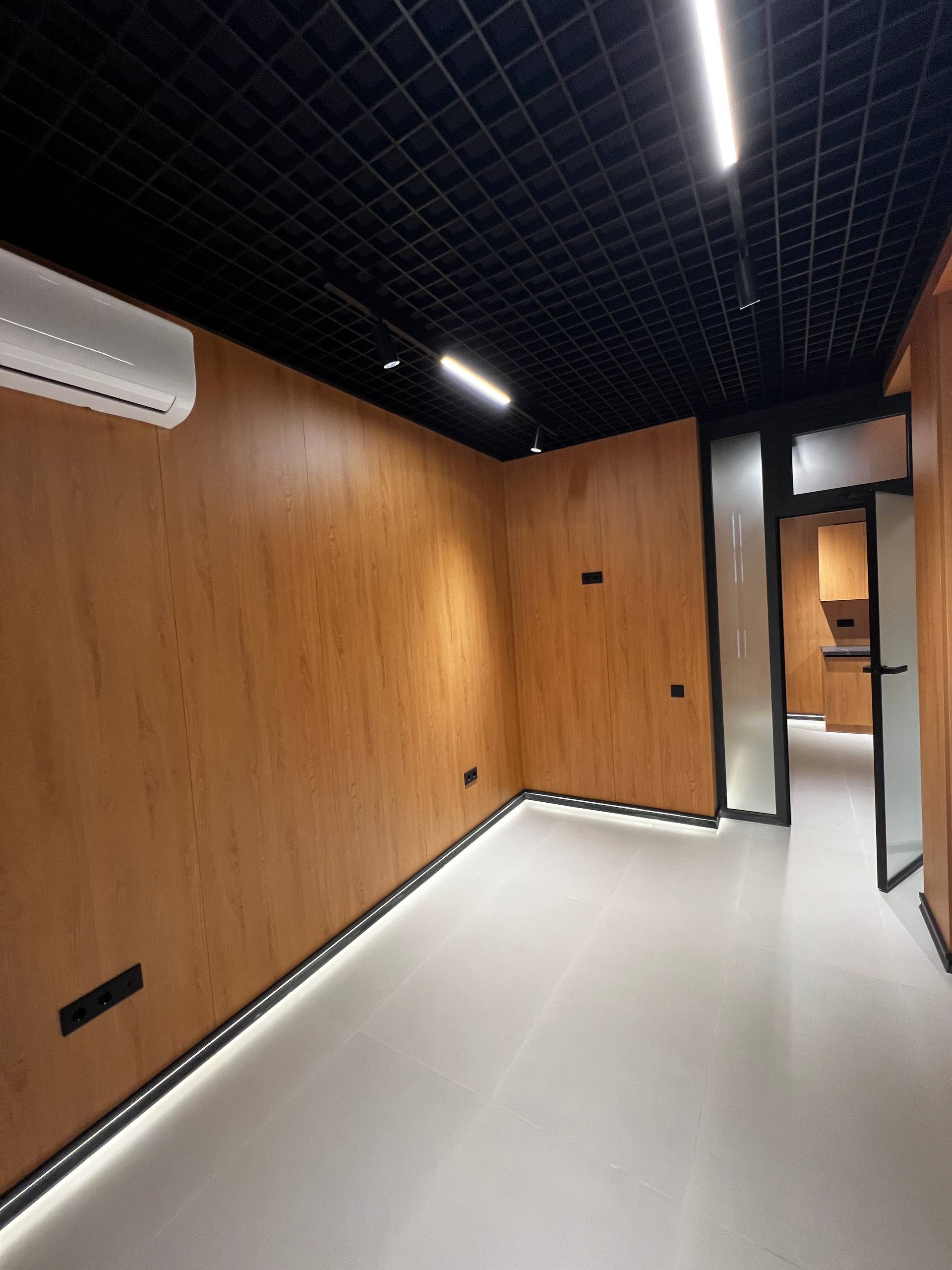
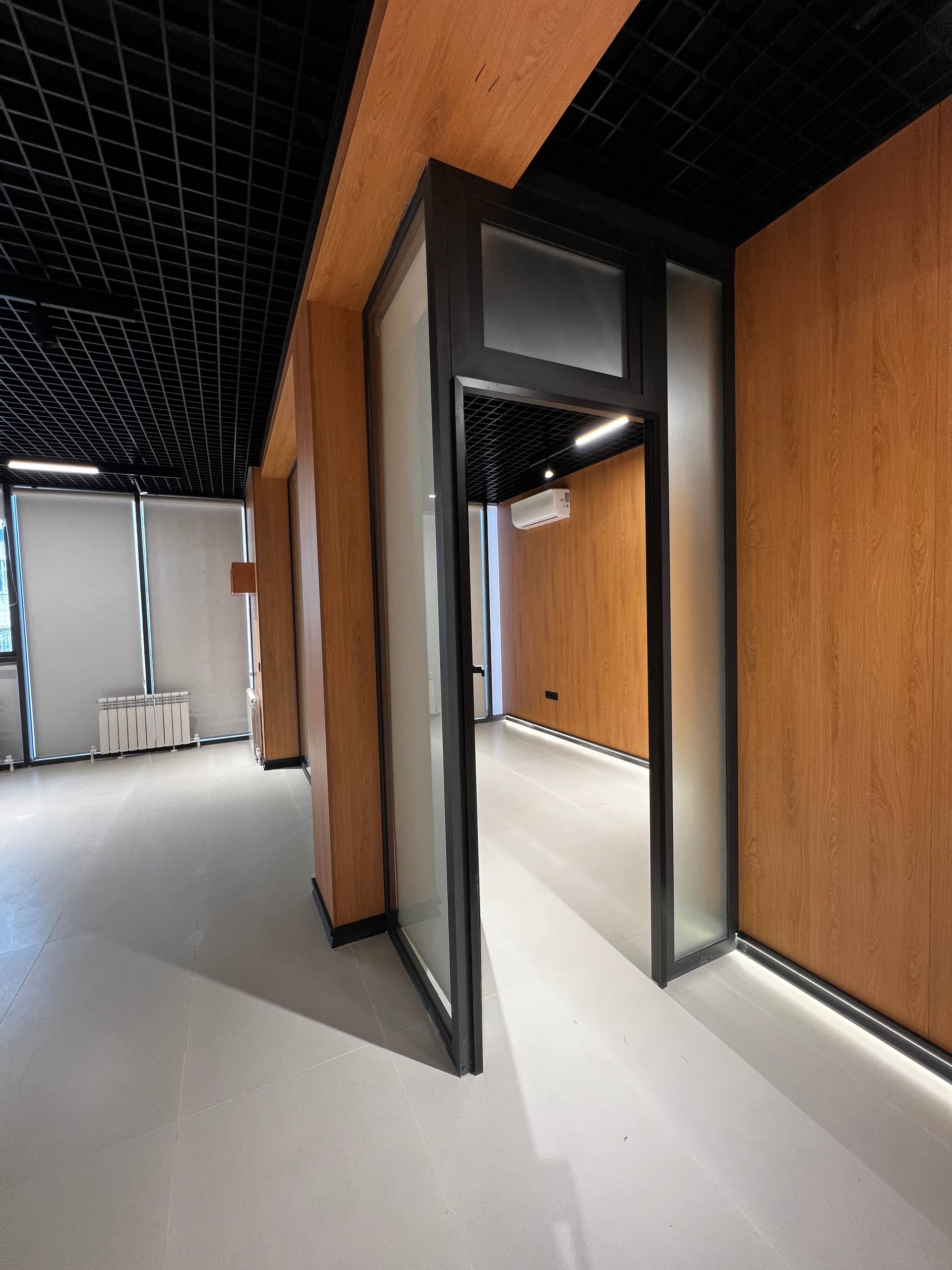
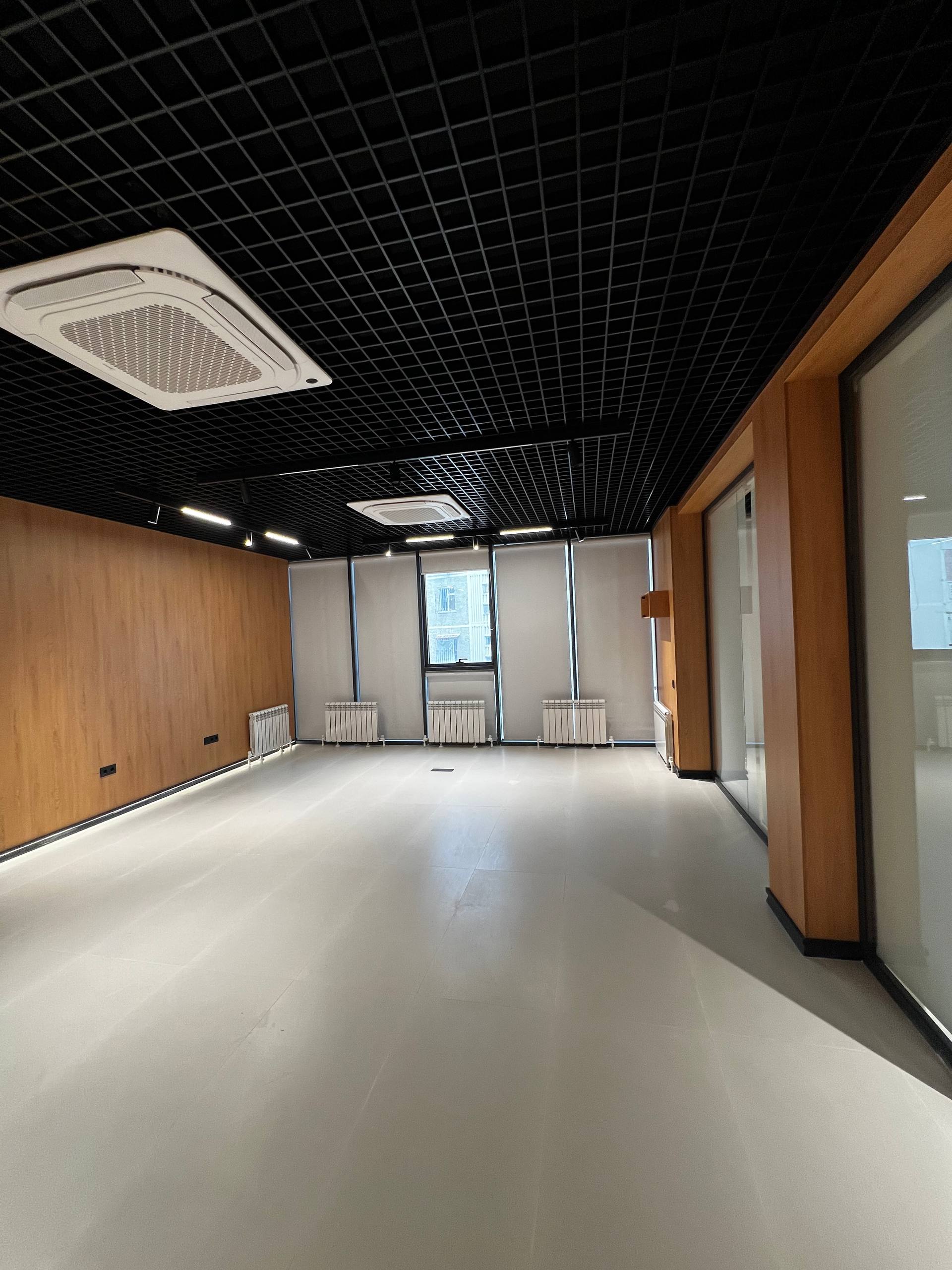
Ташкент, Яккасарайский район, Малая Кольцевая
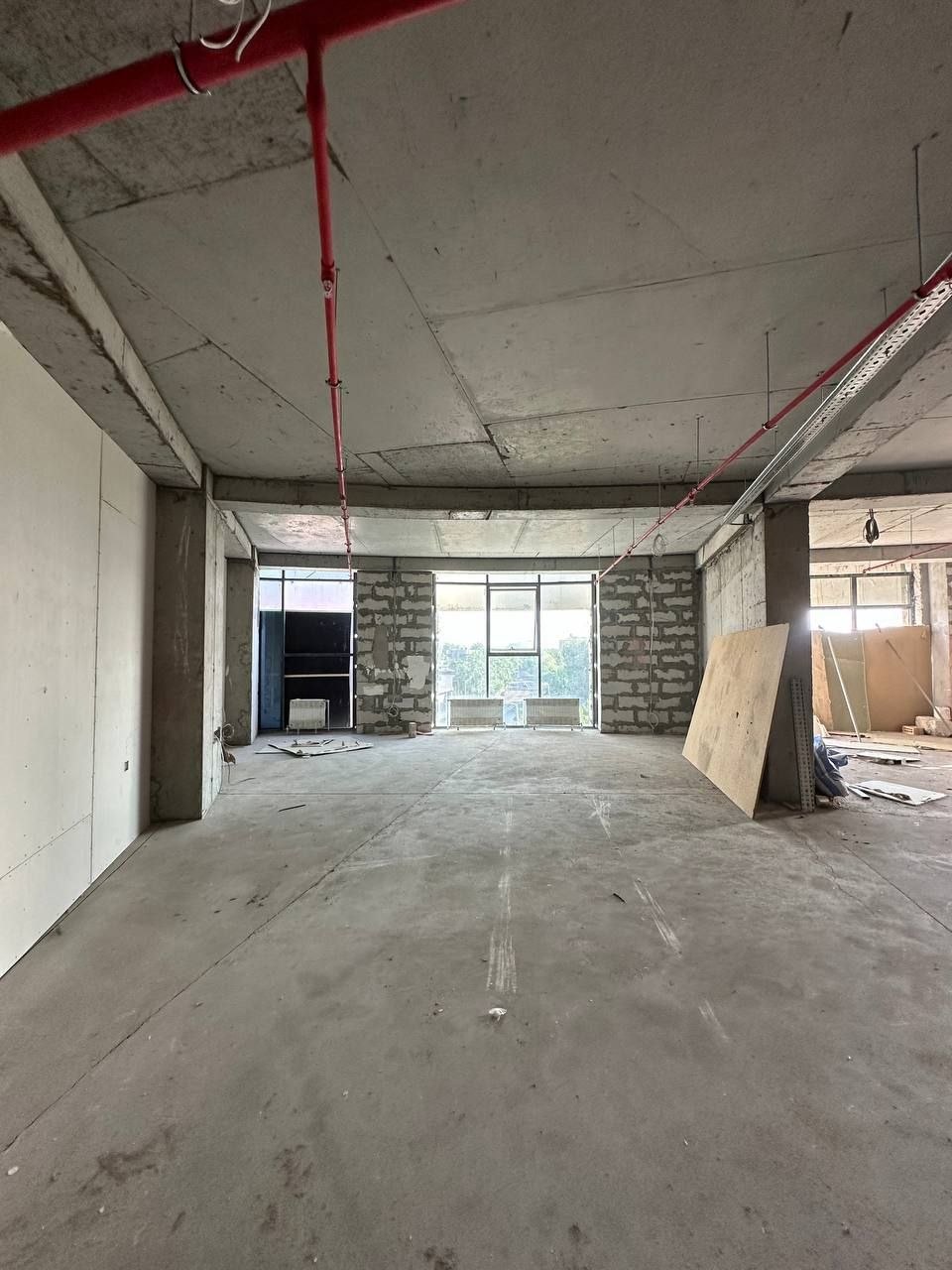
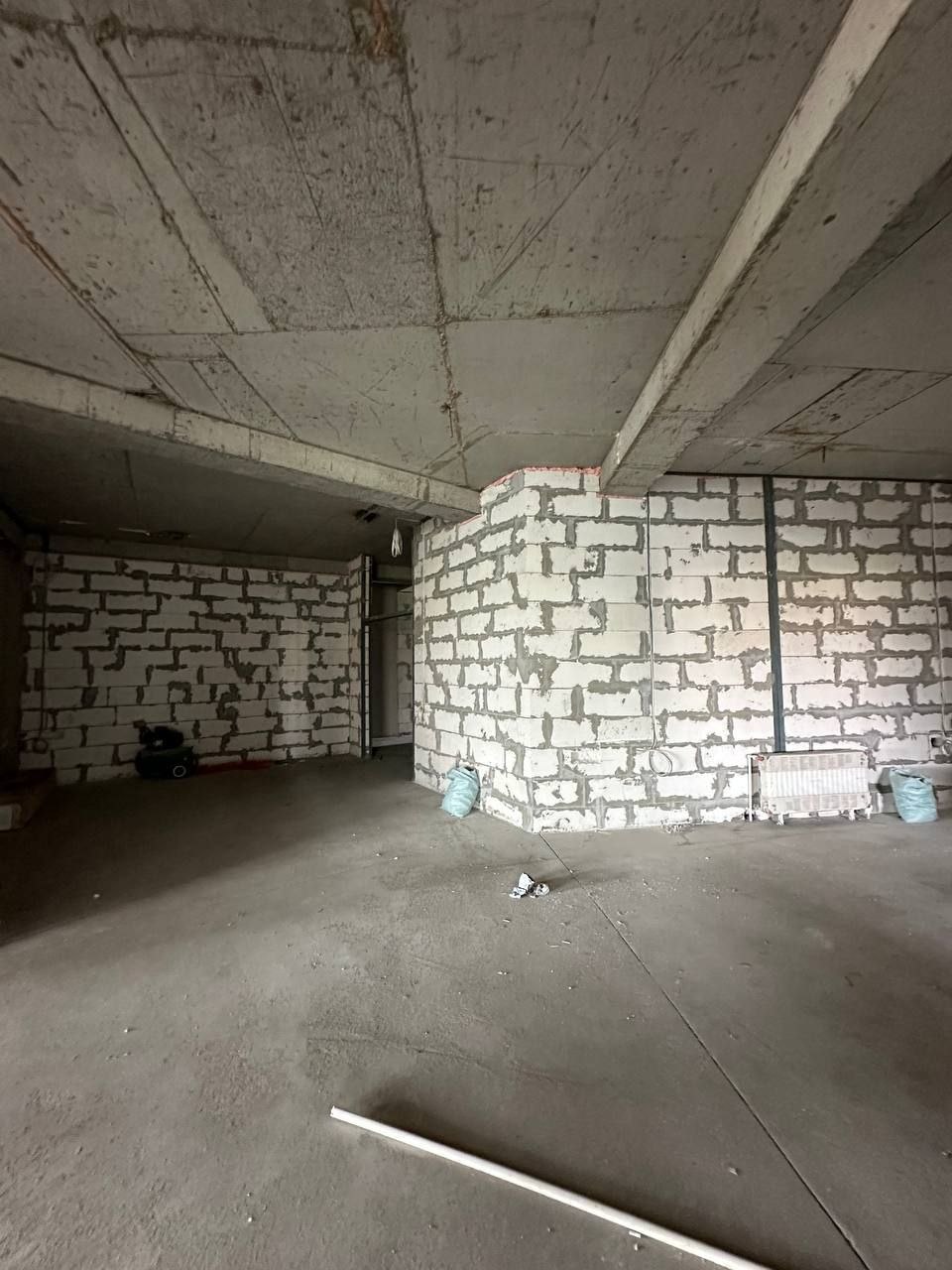
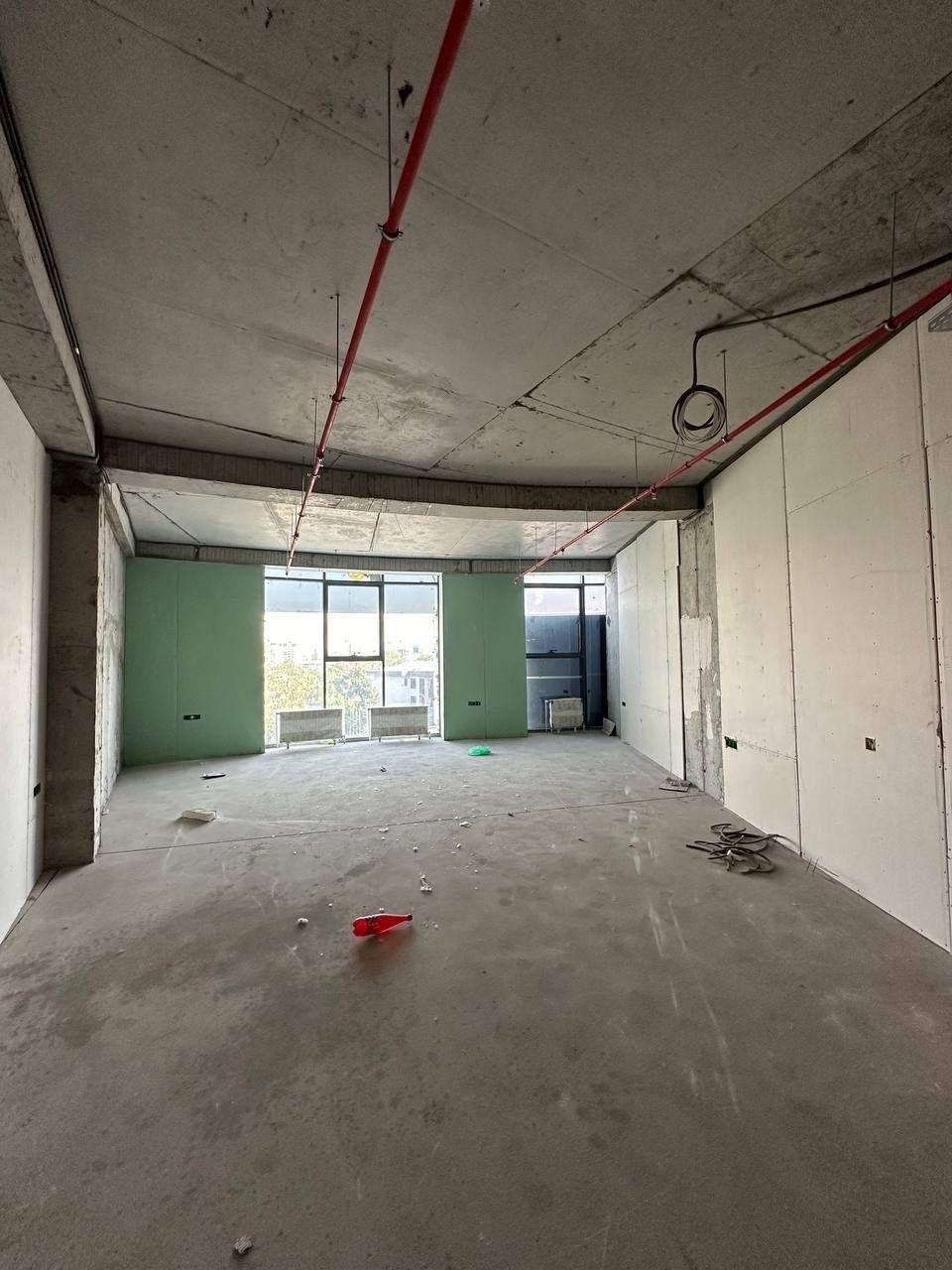
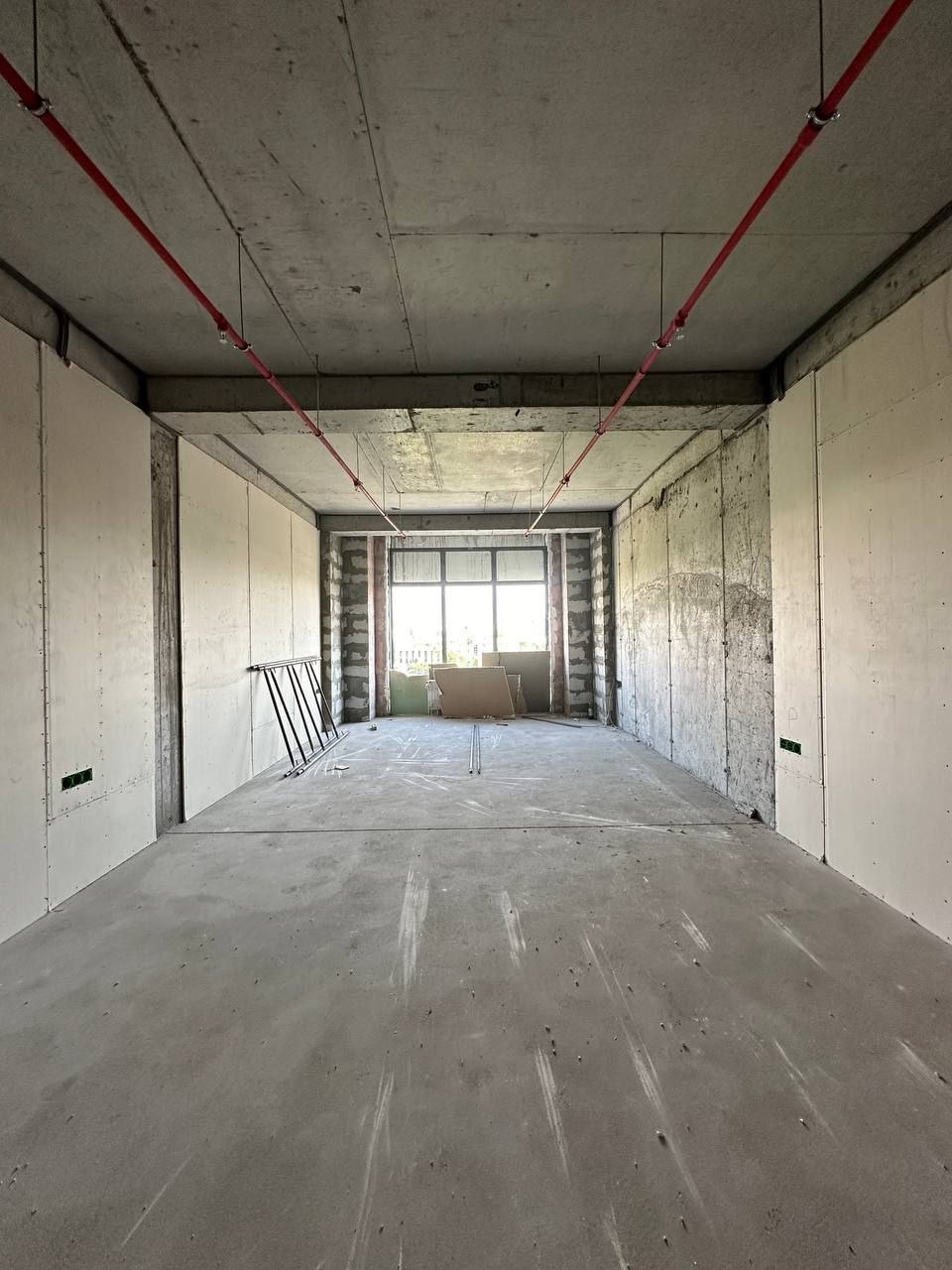
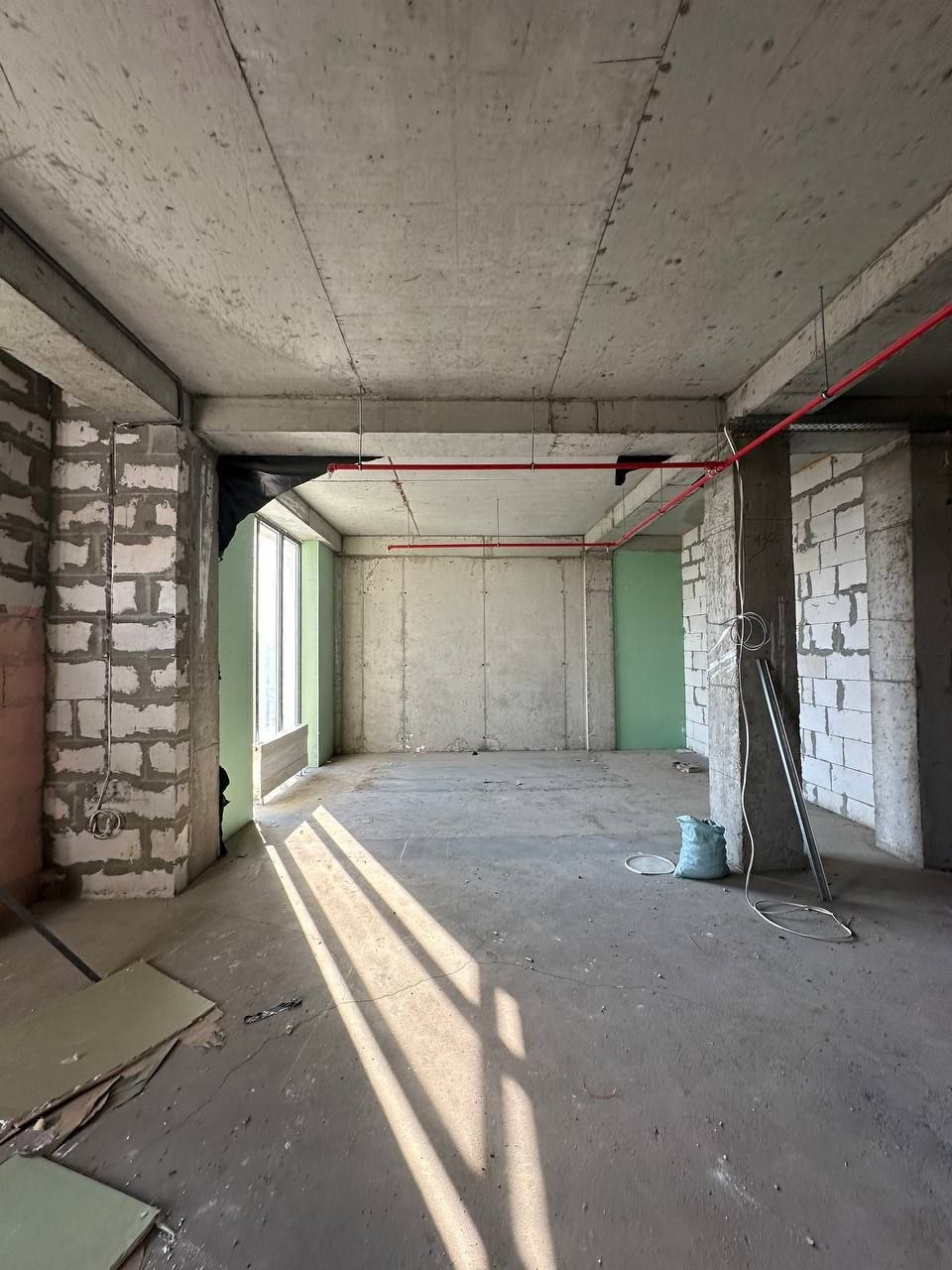
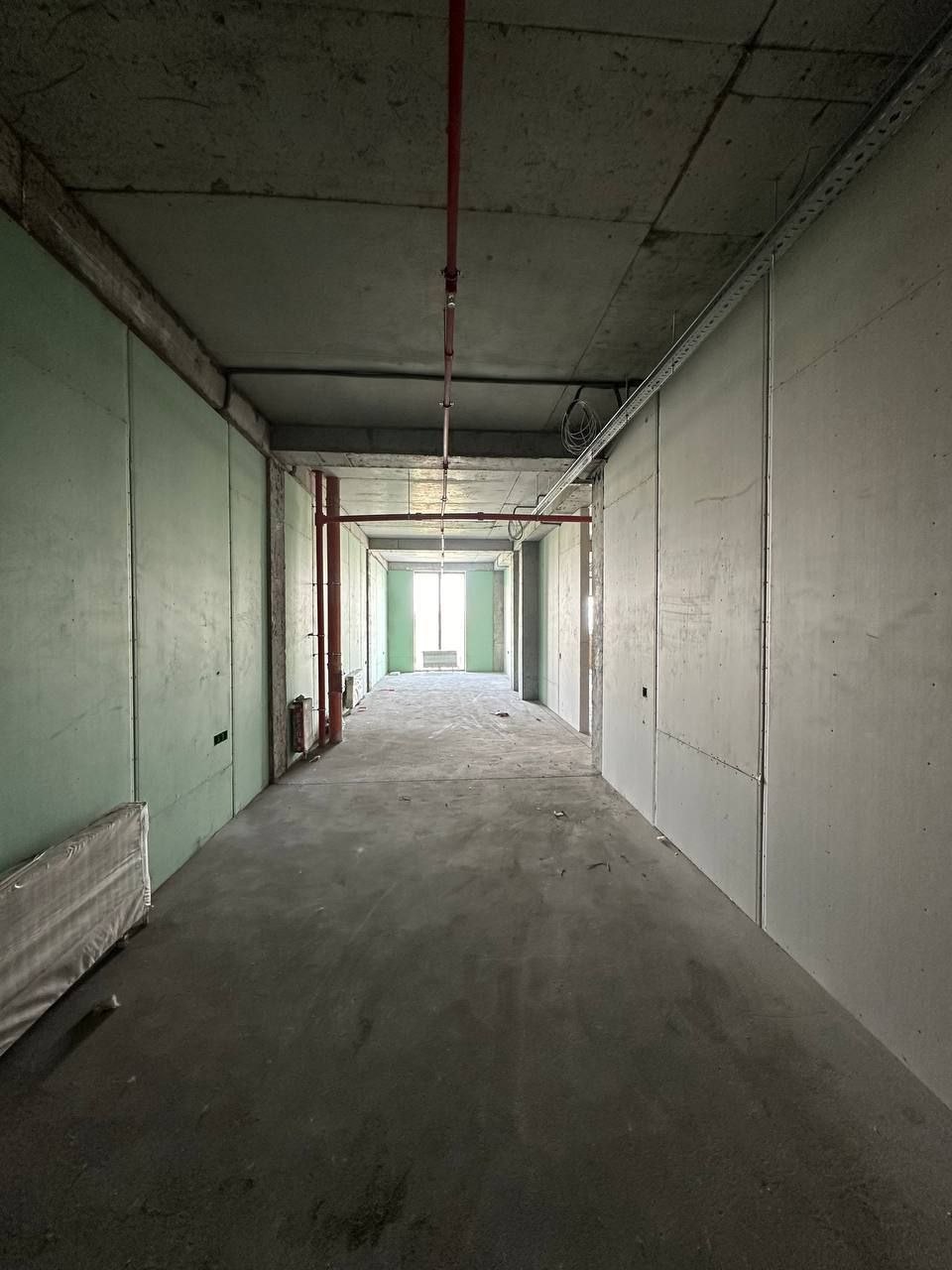
Ташкент, Юнусабадский район, Минор
Ташкент, Яккасарайский район, Шота Руставли


Ташкент, Олмазорский район, Уста Ширин

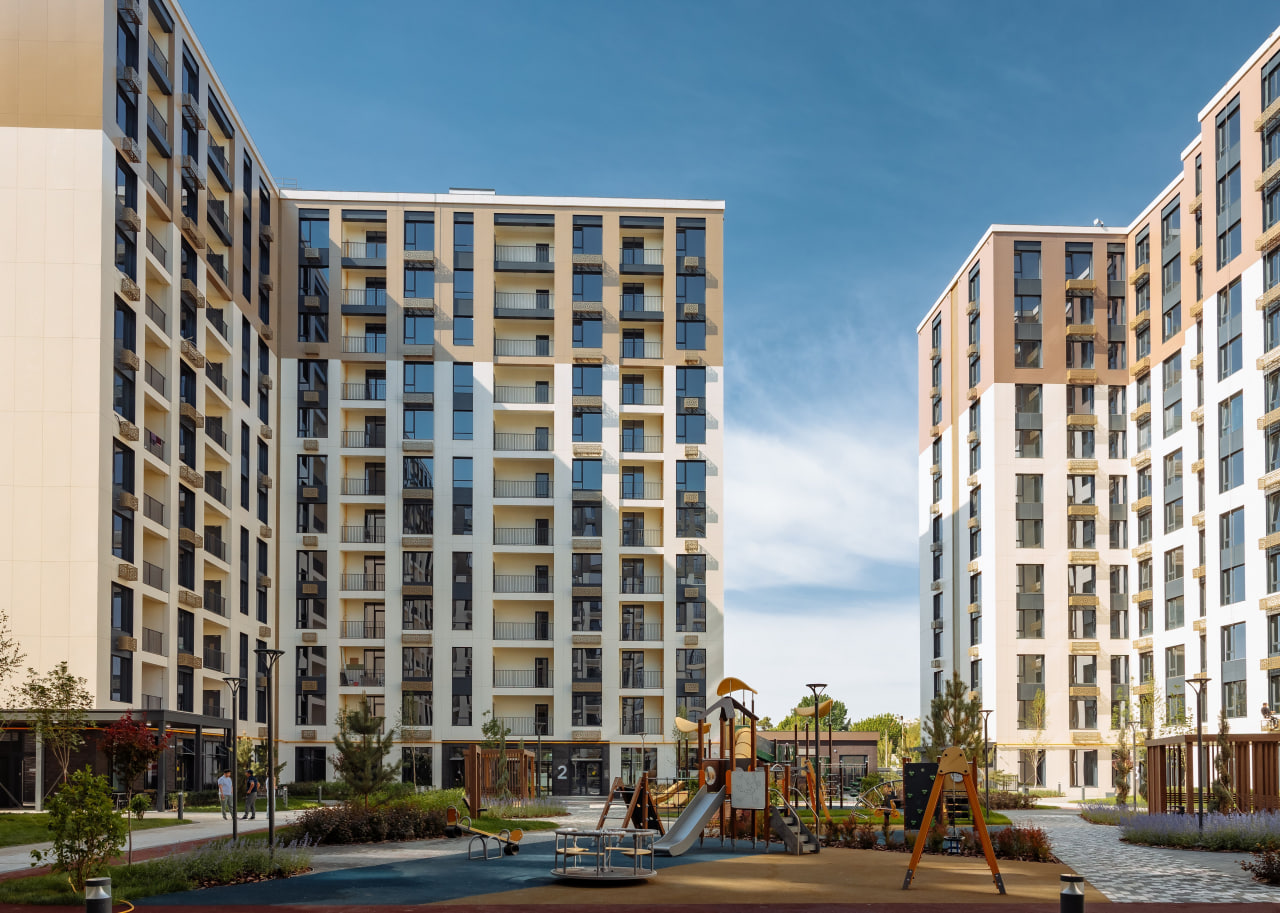

Ташкент, Олмазорский район, Уста Ширин
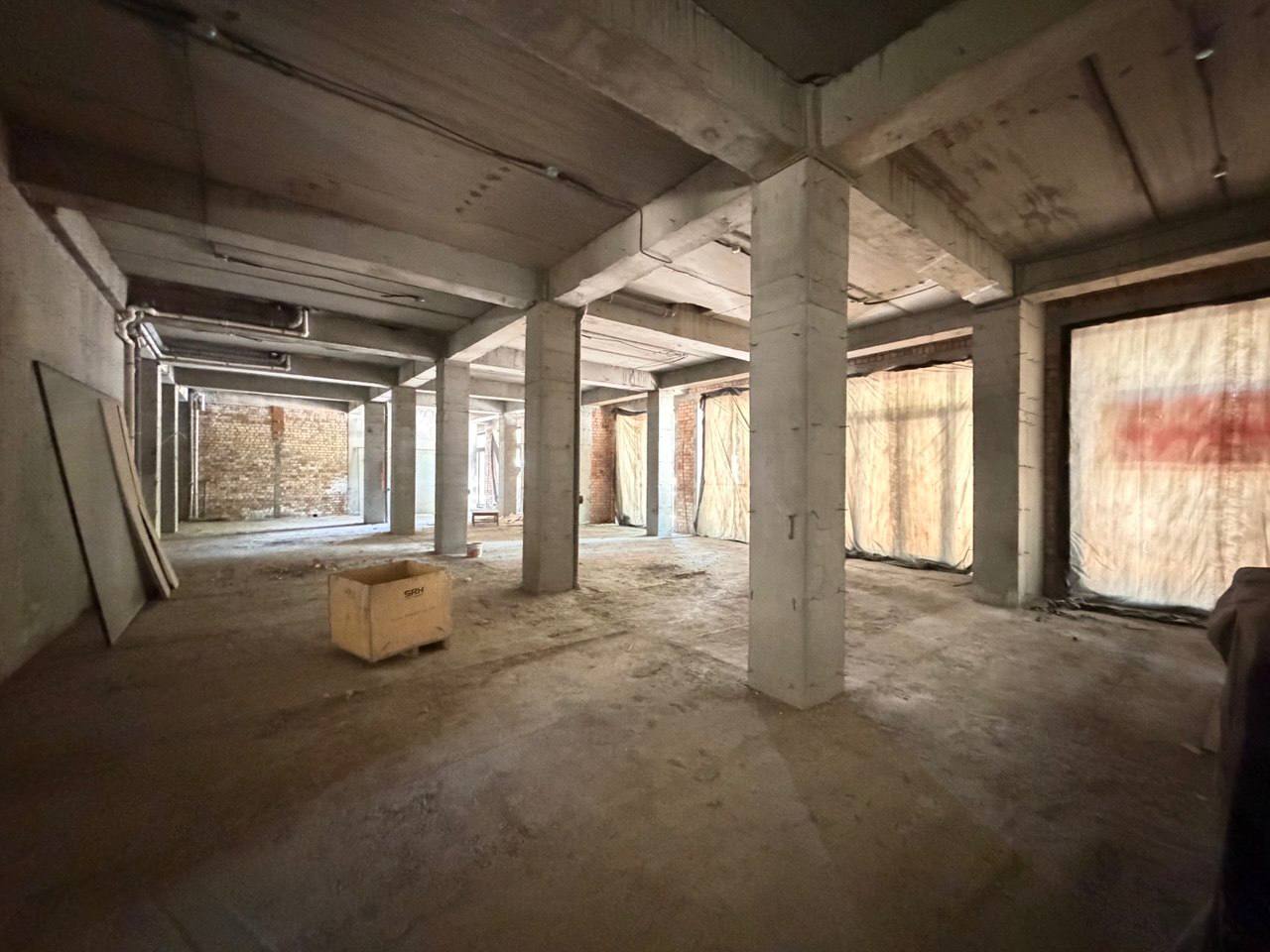
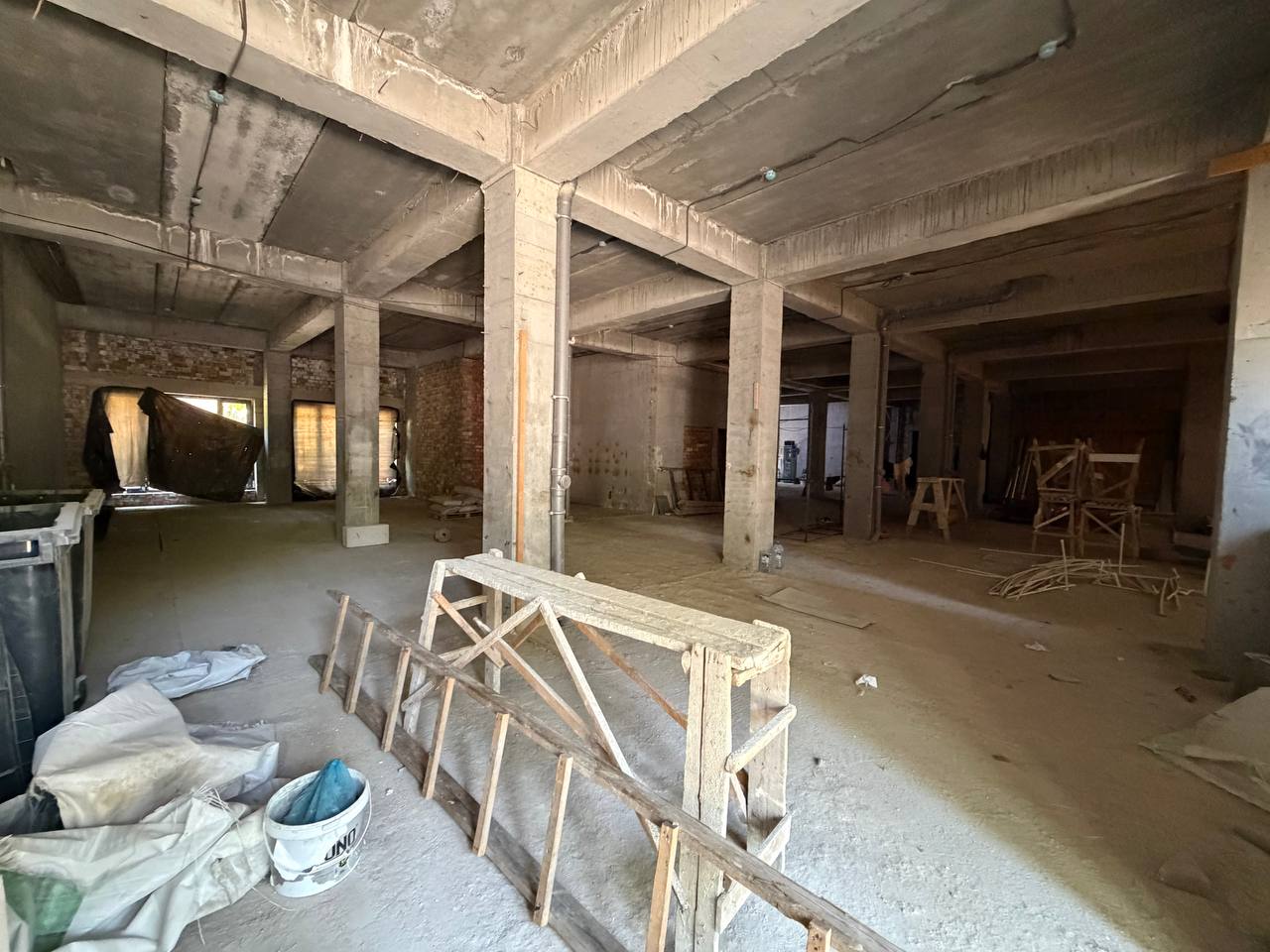
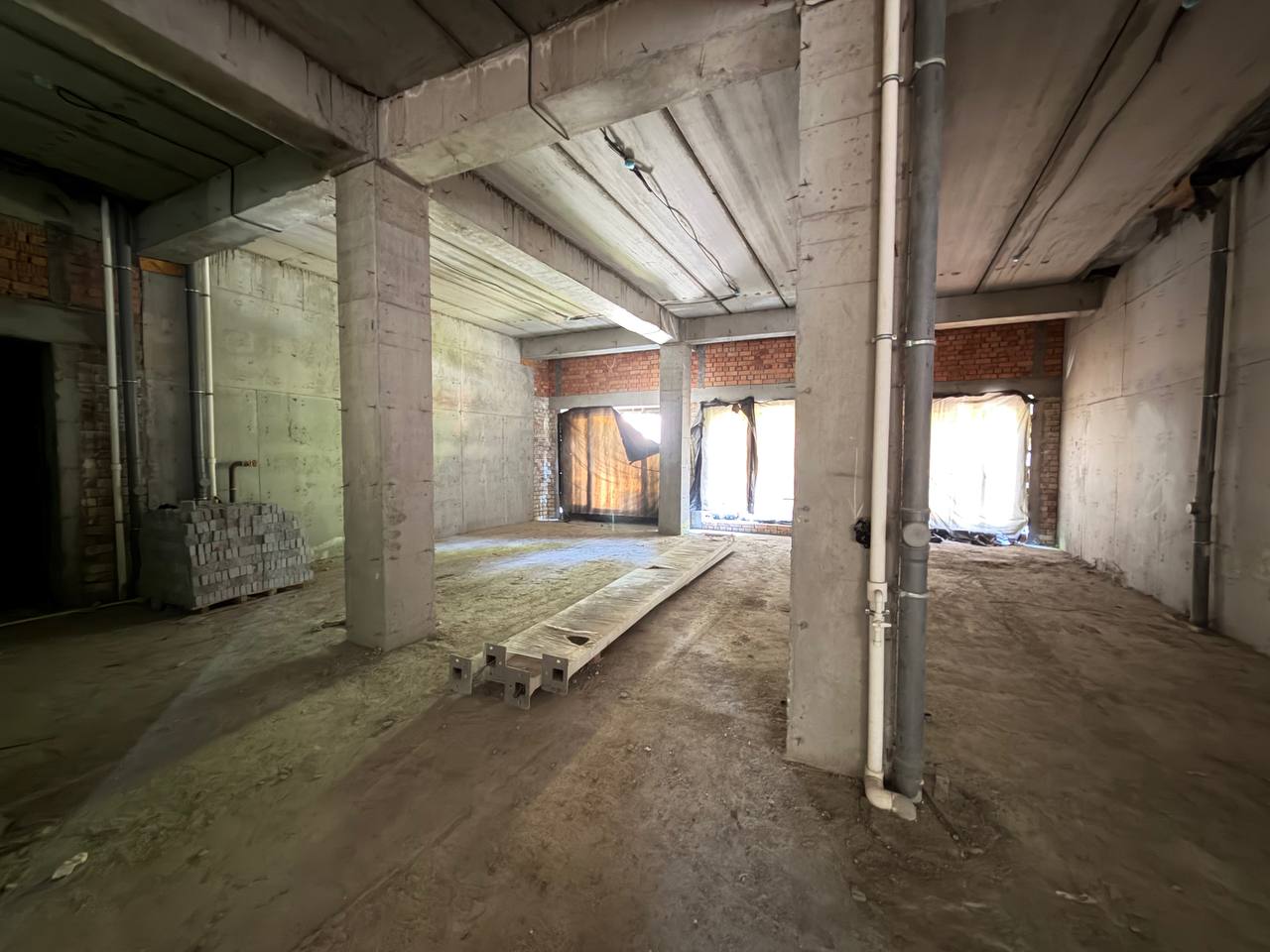
Ташкент, Чиланзарский район, Чапан-ата
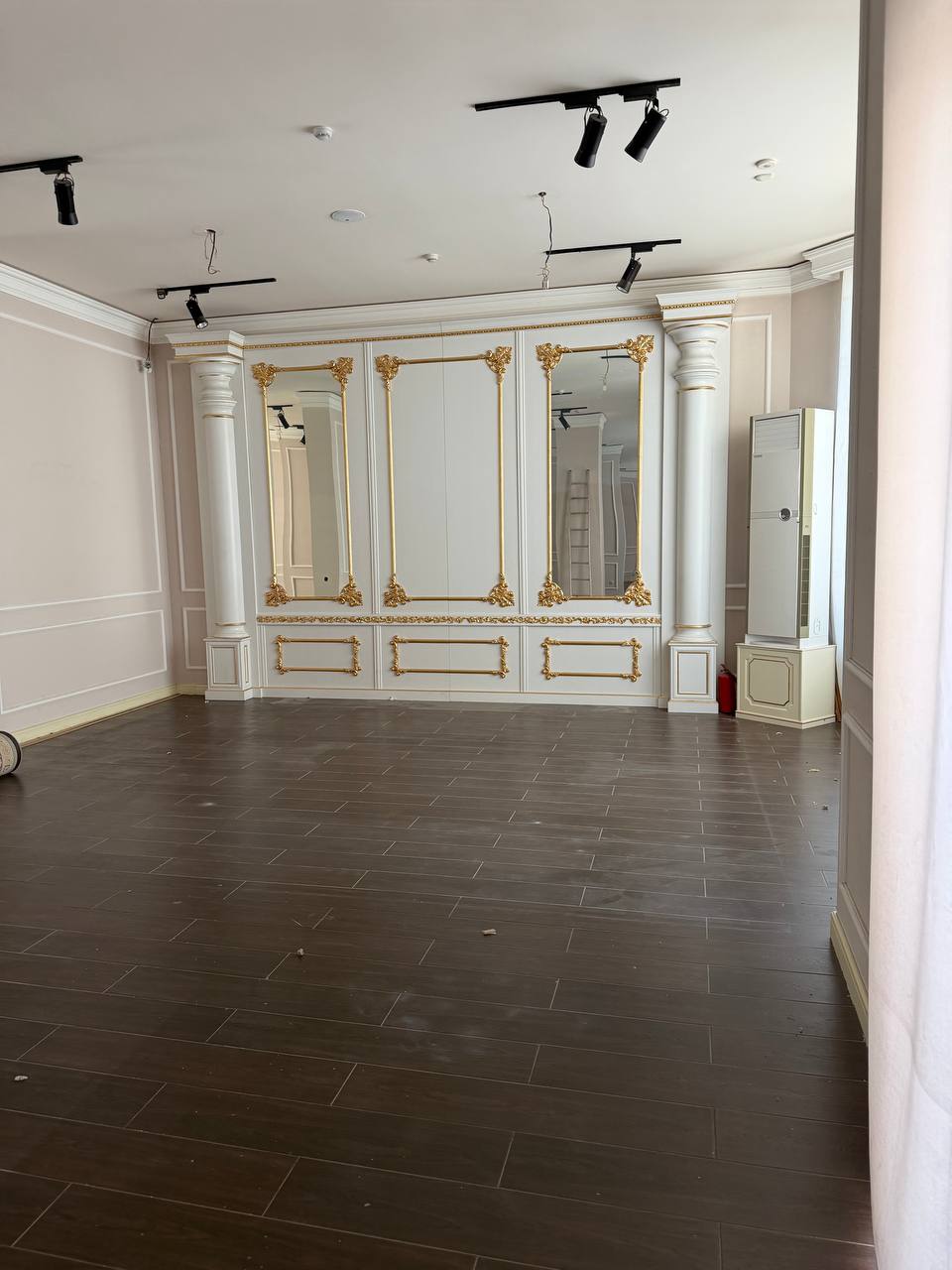
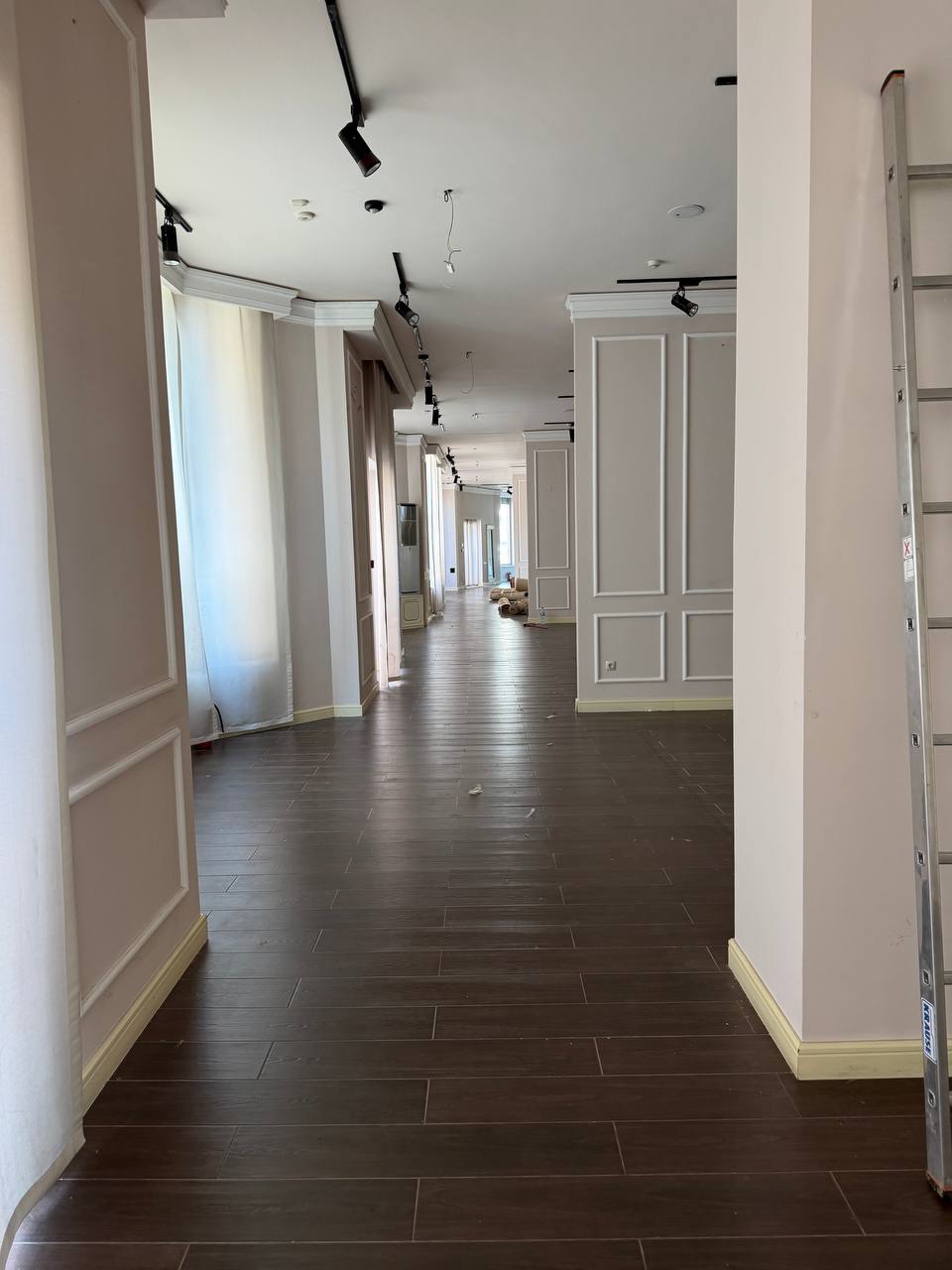
Ташкент, Юнусабадский район, Алайский
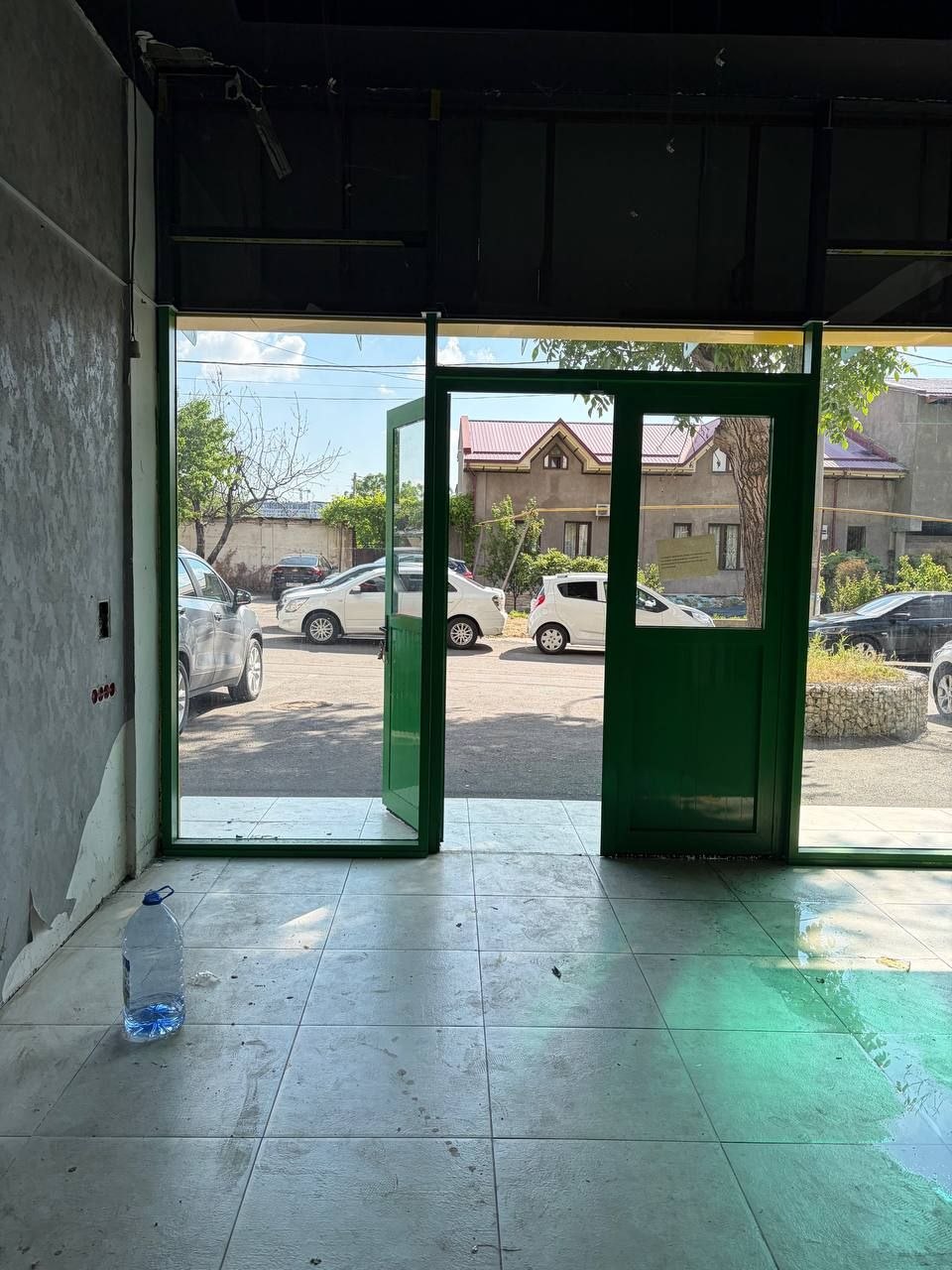
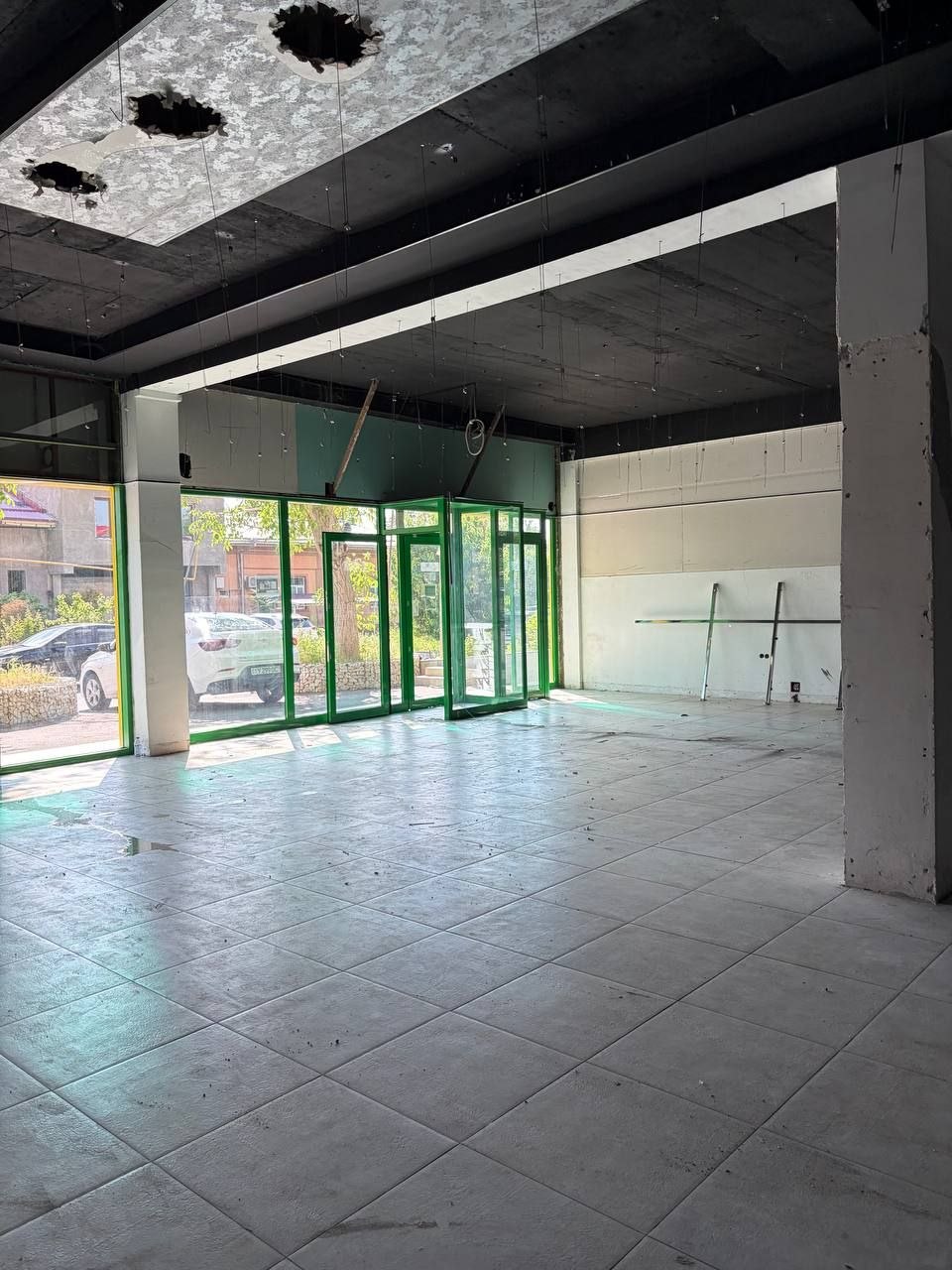
Ташкент, Юнусабадский район, Ахмад Дониш
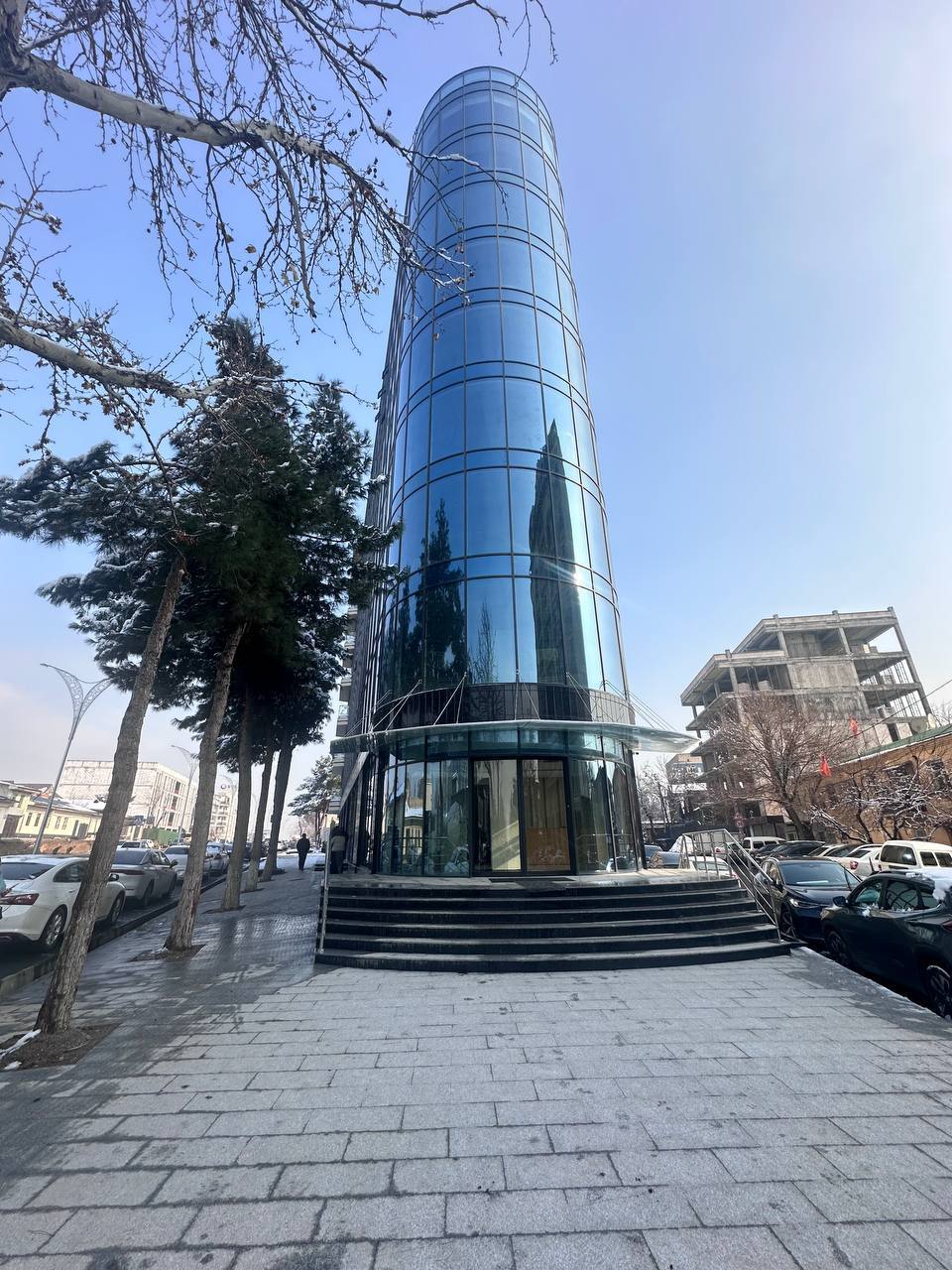
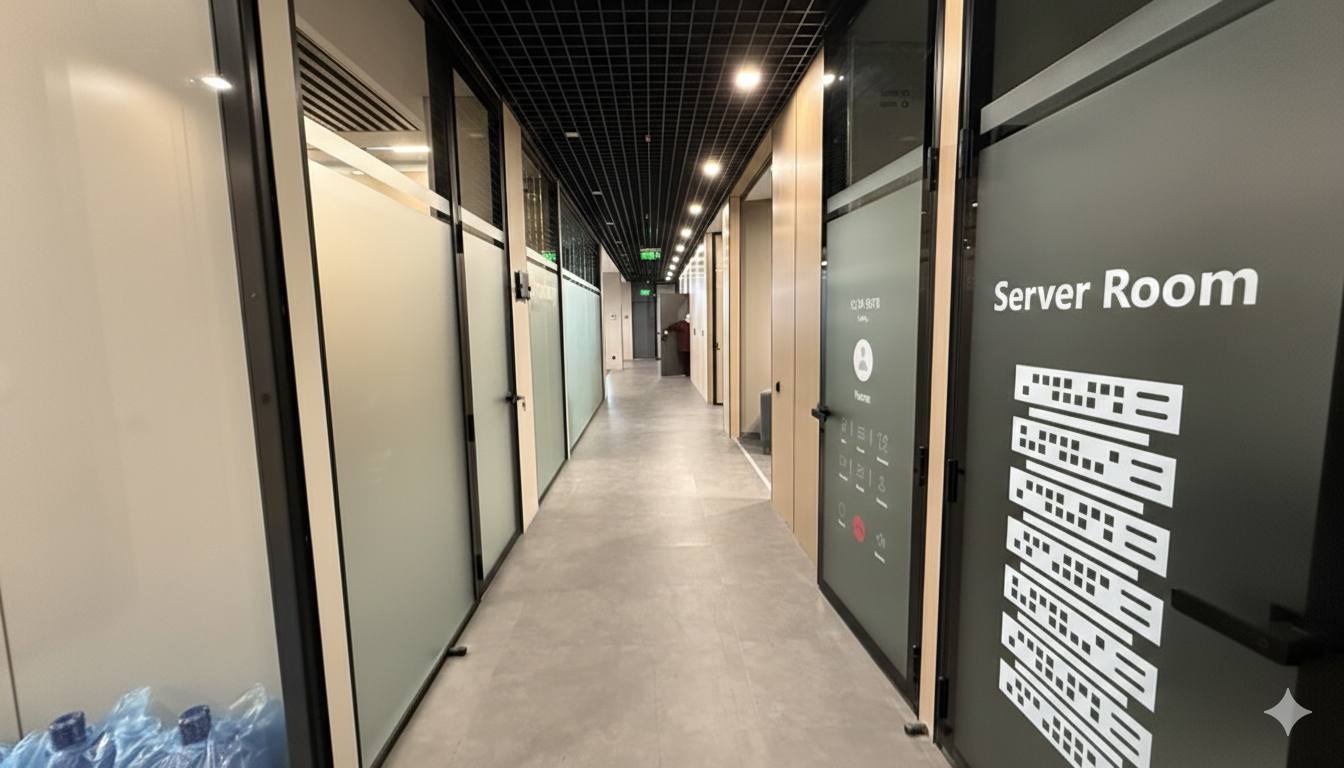
Ташкент, Юнусабадский район, Бадамзар
Ташкент, Мирзо-Улугбекский район, ул. Сайрам
MERCATOR.UZ expert guide
Check the complete operating chain rather than a list of amenities: from the barrier and turnstile to server-room power, ventilation and emergency communications. An office may have a generator, climate control and “24/7 access” yet remain unsuitable for an evening shift. The generator may feed only common systems, central cooling may stop on a schedule, and nobody may be available to issue a visitor pass after business hours. Every promise can be technically true while the operating chain is still broken. When looking for an office for rent in Tashkent, the useful question is not which building has the longest amenities list. It is where a single fault or administrative restriction could stop the team. The tenant needs a dependency map showing what must operate, when it is required, which systems it relies on and who restores the service. Start with the operating scenario, not the equipment Before viewing a property, describe the minimum viable office. This is not the ideal environment; it is the condition in which the company can continue its essential operations. Record four modes: a normal working day; evenings, weekends or public holidays; loss of external power or communications; an incident that makes part of the building or one entrance unavailable. For each mode, identify who requires access: employees, visitors, couriers, an IT contractor or cleaners. Separately list
An office may have a generator, climate control and “24/7 access” yet remain unsuitable for an evening shift. The generator may feed only common systems, central cooling may stop on a schedule, and nobody may be available to issue a visitor pass after business hours. Every promise can be technically true while the operating chain is still broken.
When looking for an office for rent in Tashkent, the useful question is not which building has the longest amenities list. It is where a single fault or administrative restriction could stop the team. The tenant needs a dependency map showing what must operate, when it is required, which systems it relies on and who restores the service.
Before viewing a property, describe the minimum viable office. This is not the ideal environment; it is the condition in which the company can continue its essential operations.
Record four modes:
For each mode, identify who requires access: employees, visitors, couriers, an IT contractor or cleaners. Separately list the systems whose loss would stop work, such as internet, telephony, the server room, ventilation, a lift or an accessible visitor route.
This produces a testable requirement. “A 24/7 business centre” becomes a practical question: can an employee enter through an authorised entrance, reach the floor, unlock the office and connect to the network on a Sunday evening? If one link is unconfirmed, the access is not end to end.
The word “generator” does not identify the circuits it supports. Start at the external supply and follow the chain through the transfer arrangement, main building distribution, floor board and tenant board to the relevant socket groups.
Ask the management company to show or confirm in writing:
A building may reasonably withhold its complete technical diagram for security reasons. A certified extract, a list of supported loads or a supervised test with a technical specialist can provide enough evidence for a leasing decision.
Calculate office demand from the actual equipment. Collect the rated power shown on workstations, network equipment, servers, kitchen appliances and systems to be installed by the tenant. Then review which loads operate simultaneously with an engineer. Floor area alone does not establish the required electrical load.
An air conditioner may cool a room without providing organised outdoor-air supply. Central ventilation, cooling and heating can also follow different schedules and be maintained by different contractors.
During the viewing, establish the airflow path: where air enters, how it is extracted, which zones are separately controlled and who changes the mode after normal hours. Test the system at the time the team will actually occupy the office. An open window or temporarily operating portable unit does not demonstrate the capability of the permanent system.
Record four parameters: operating hours, controls available to the tenant, the charge for extended operation and the response time for faults. A server room, heavily occupied meeting room or room without opening windows needs its own scenario. If server-room cooling depends on a central plant that stops in the evening, 24/7 door access does not solve the problem.
High-speed internet in an advertisement does not prove that the chosen operator serves the particular office. Trace the route from the building entry point through the telecommunications cabinet and floor to the premises. Establish who approves cabling, when an installer can enter and whether there is space for the tenant’s equipment.
Two operators do not provide genuine resilience if both cables enter by the same route or depend on one powered node. Where uninterrupted connectivity is critical, ask the providers to confirm service availability and proposed routes separately. Sign the provider agreement only after the address and office have passed a technical check.
Walk the physical route in the same way:
Test the route for a permanent employee, an unannounced visitor, a courier and an emergency contractor. Ask what happens during a power cut, lost access card, turnstile failure or administrator absence. Do not assess parking from a photograph: obtain entry rules, the number of allocated spaces, the guest procedure and an alternative route if the car park is closed.
The entrances, streets and daily travel routes can be compared on the property map, but only the building operator can confirm the internal access regime.
Evidence has different levels of strength. A listing shows what the property promises; a demonstration confirms conditions at one moment; maintenance records and the lease define an ongoing process.
| Promise | What to verify | Suitable evidence | |---|---|---| | Generator | Which circuits receive power | Supported-load list, transfer test, lease schedule | | 24/7 access | The full chain to the office door | Access rules and an out-of-hours test | | Climate control | Outdoor air, cooling, zones and schedule | Zone diagram, demonstration, after-hours terms | | Fast internet | Service availability for the exact unit | Provider confirmation and installer-access rules | | Security | Who responds and how they are contacted | Procedure, duty telephone number, ticket-registration process | | Parking | Who may enter and when | Space plan, guest rules and usage schedule |
For fire-safety systems, do not stop after observing detectors. Ask the responsible person to show the alarm procedure, available evacuation routes, maintenance information and allocation of responsibilities. Compliance should be assessed by a competent specialist; Cabinet of Ministers Resolution No. 679 establishes a mechanism for fire audits of buildings and structures.
Article 7 of Uzbekistan’s Law on Lease requires leased property to be delivered in a condition consistent with its purpose or the contract. The practical lesson is to describe the intended use and required condition in measurable terms instead of leaving them in a presentation.
A service matrix can be attached to the lease. For every critical system it should record:
The final item requires individual legal drafting. Compensation does not arise automatically merely because equipment appeared in a marketing description.
In the handover record, document operational and defective systems, key and card numbers, access permissions, the condition of the electrical board and socket groups, readings from available meters, equipment within the premises and attached photographs. Do not sign an unqualified statement that there are no defects if testing is incomplete. List outstanding items and dates for retesting.
Before the transaction, match the exact office and building against cadastral information. The State Register is the official source of registered rights, while my.gov.uz provides a service for checking the extract and cadastral passport. This is a separate documentary track: functioning engineering systems do not replace verification of the property and the landlord’s authority.
Current options can be shortlisted through the commercial property rental section, but the engineering claims for each property still require independent confirmation.
Prepare a final table containing the operating scenario, required system, single point of failure, evidence, responsible person and restoration method. Treat an unknown answer as a risk, not as a positive assumption.
An office is ready for a decision when three conditions have been met for every critical chain: the route has been checked to its endpoint, the incident procedure is known, and material promises have been transferred into the documents. If the company depends on one unconfirmed power line, one administrator or one entrance, a rent discount does not remove the operational risk. It merely makes that risk look cheaper on paper.