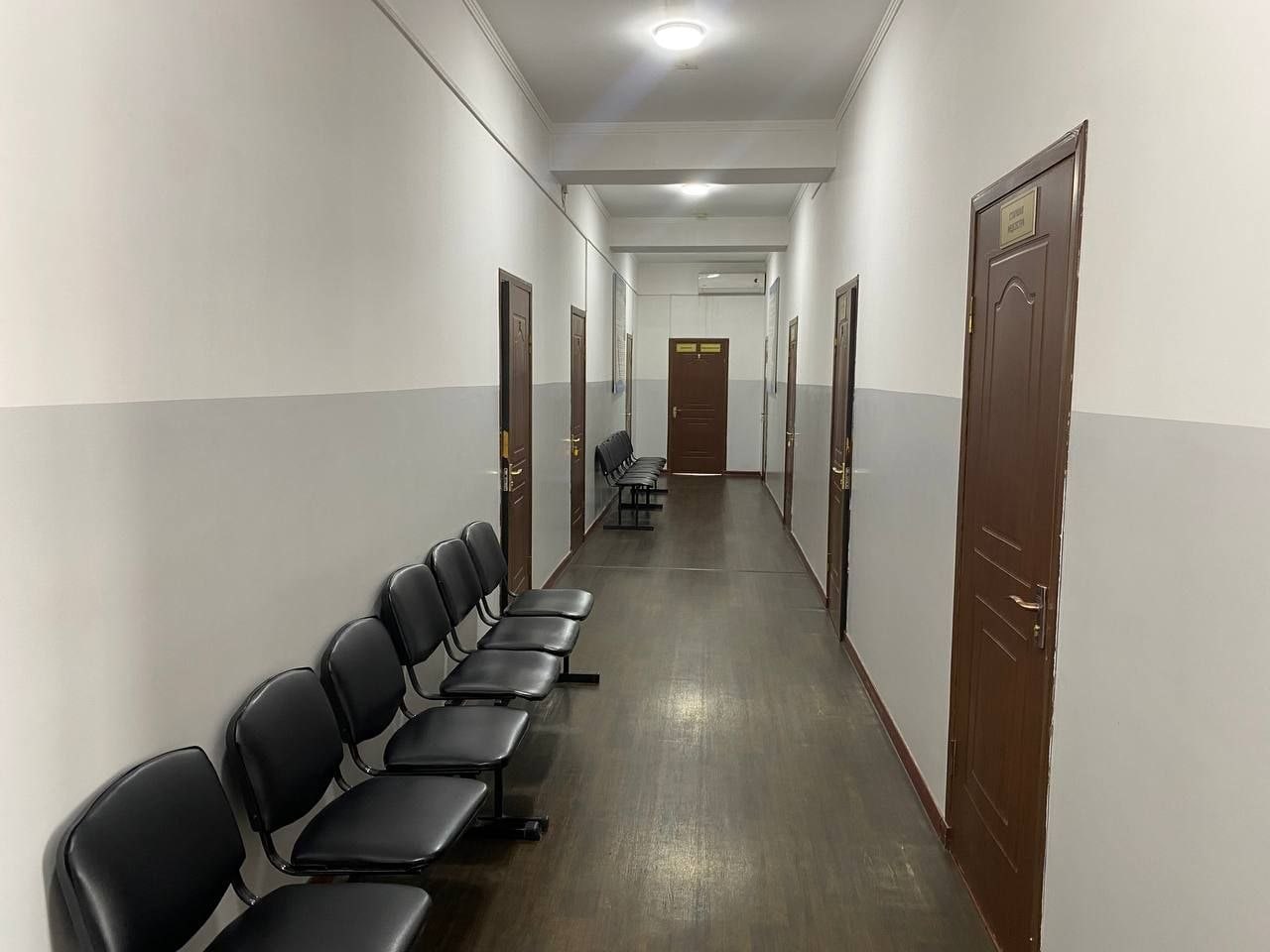
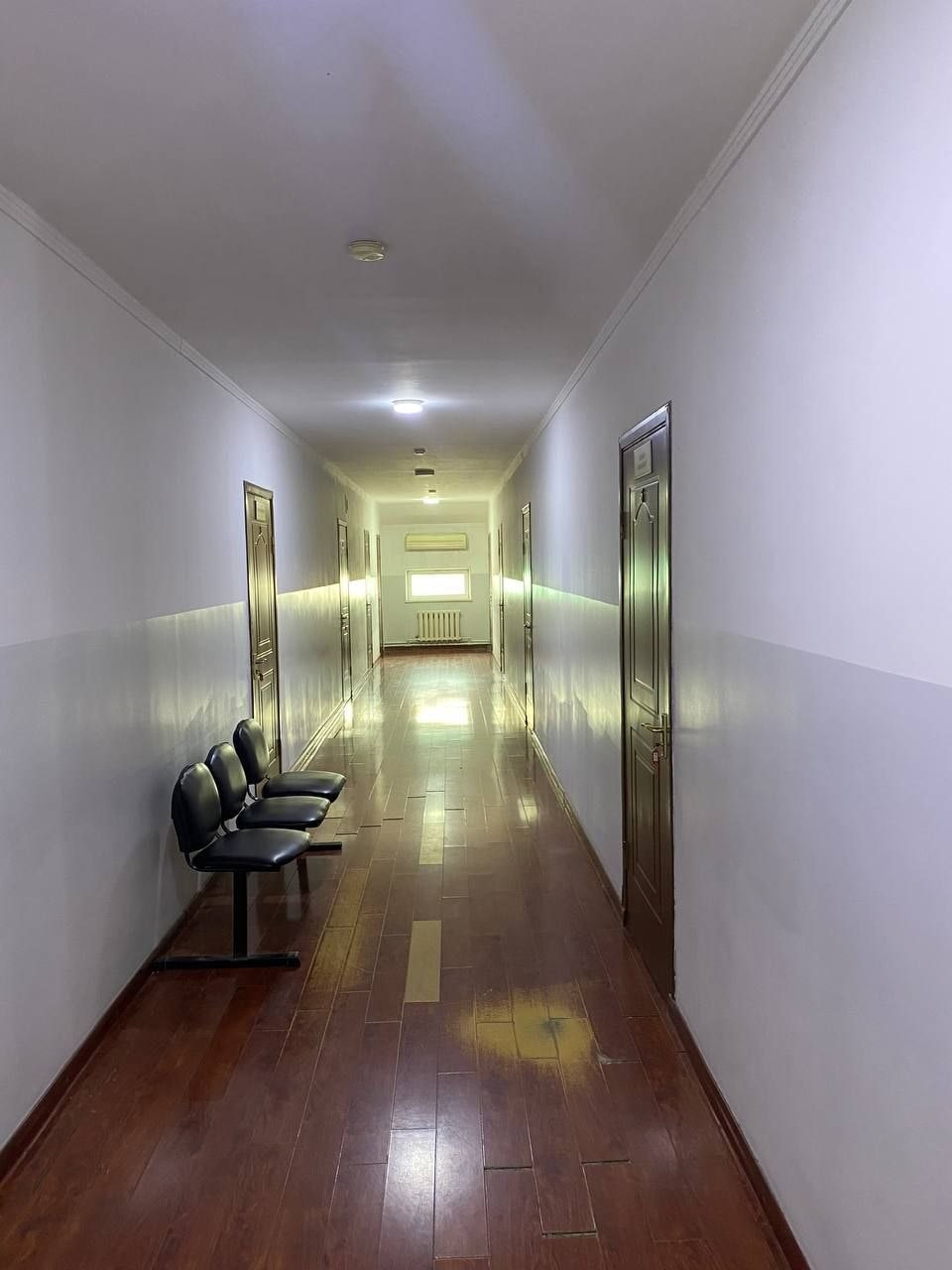
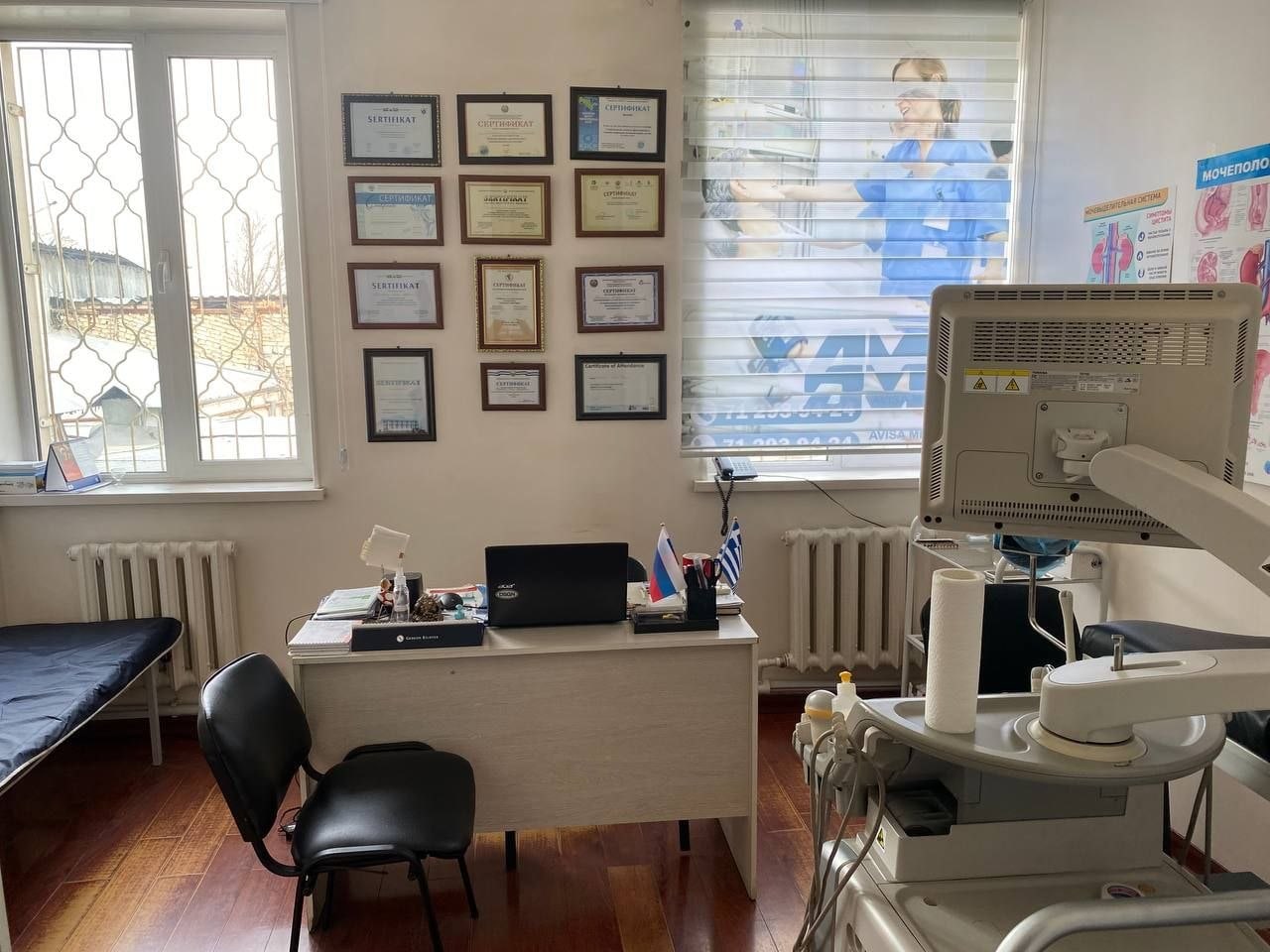
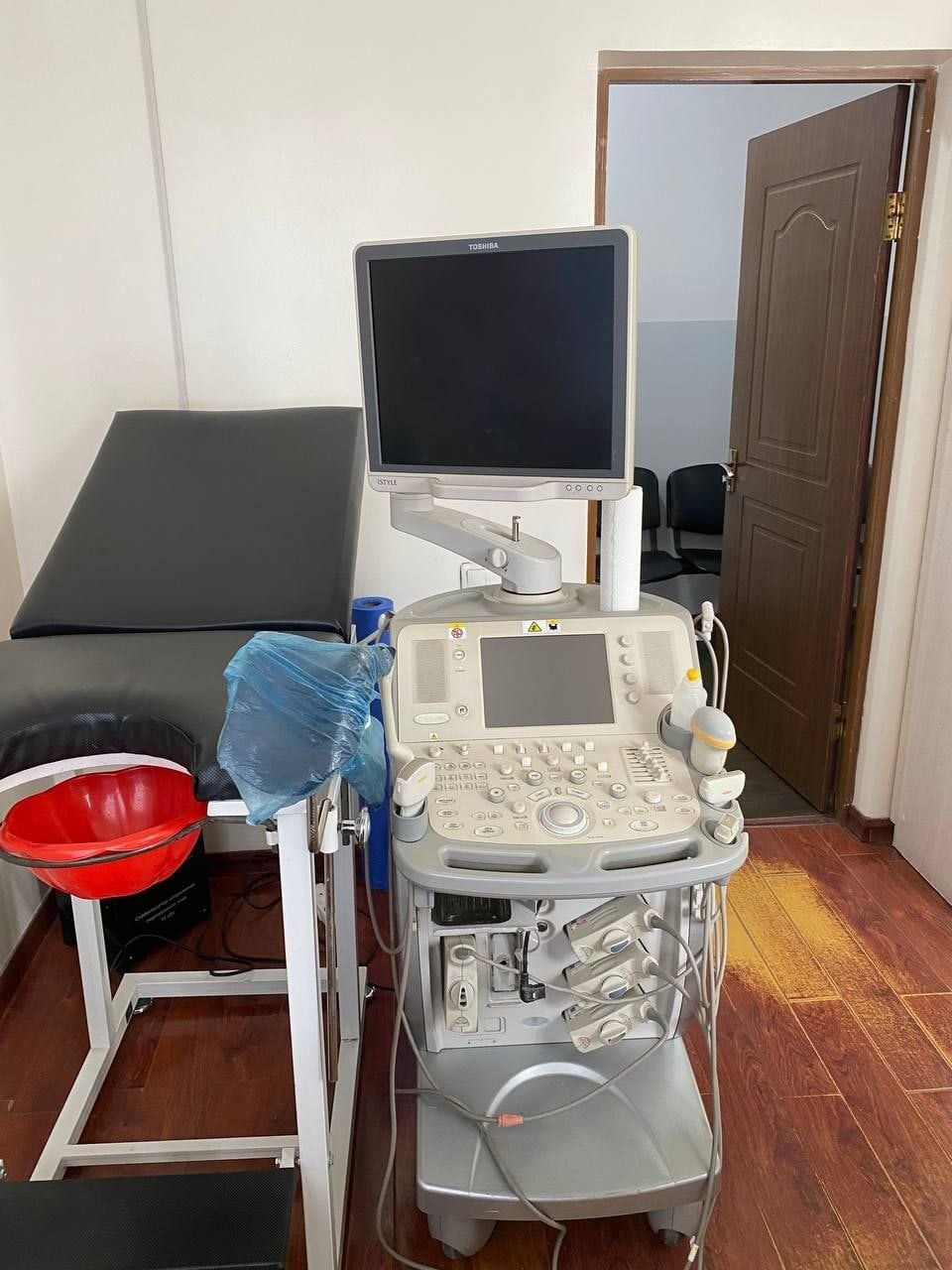
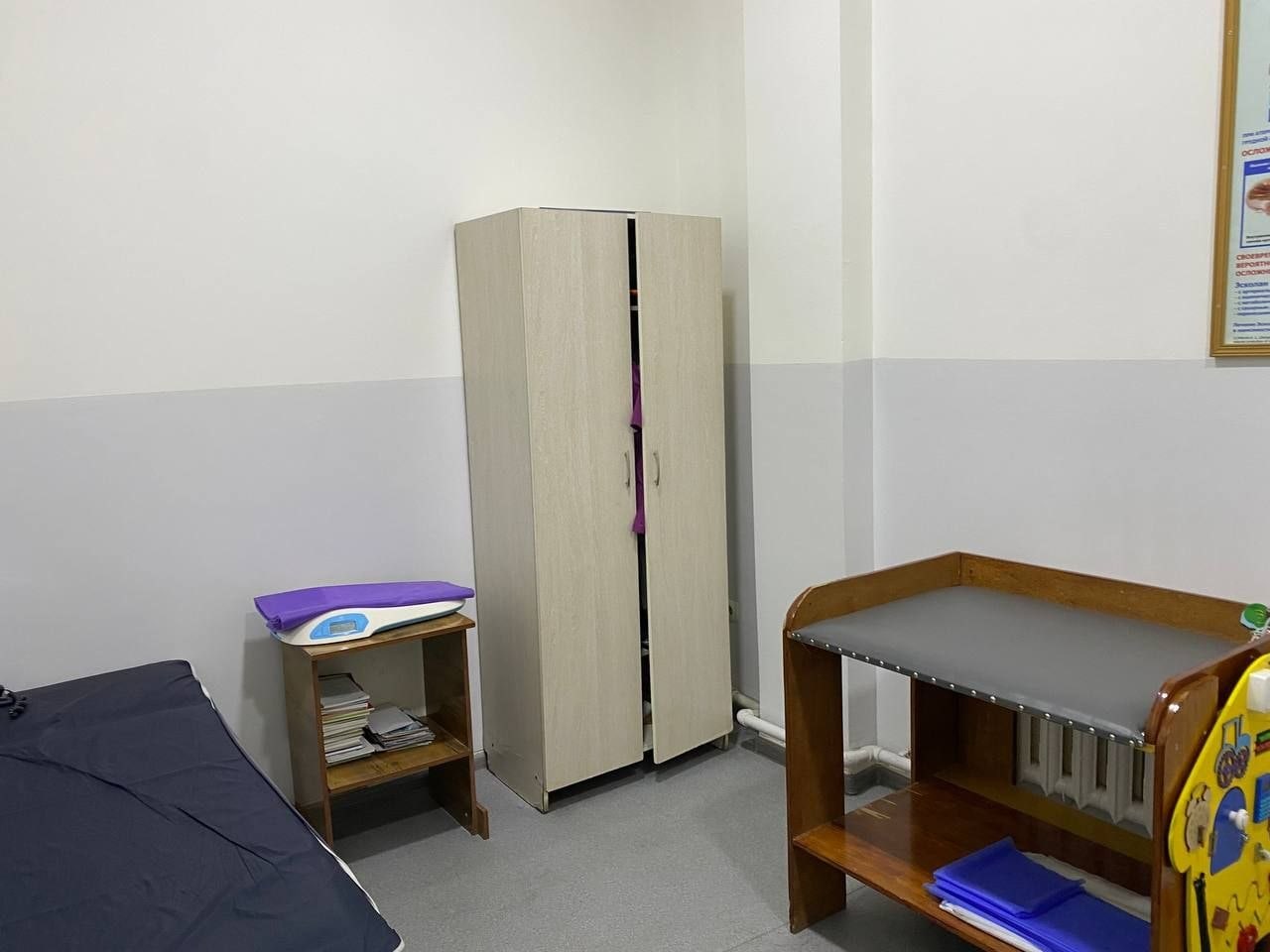
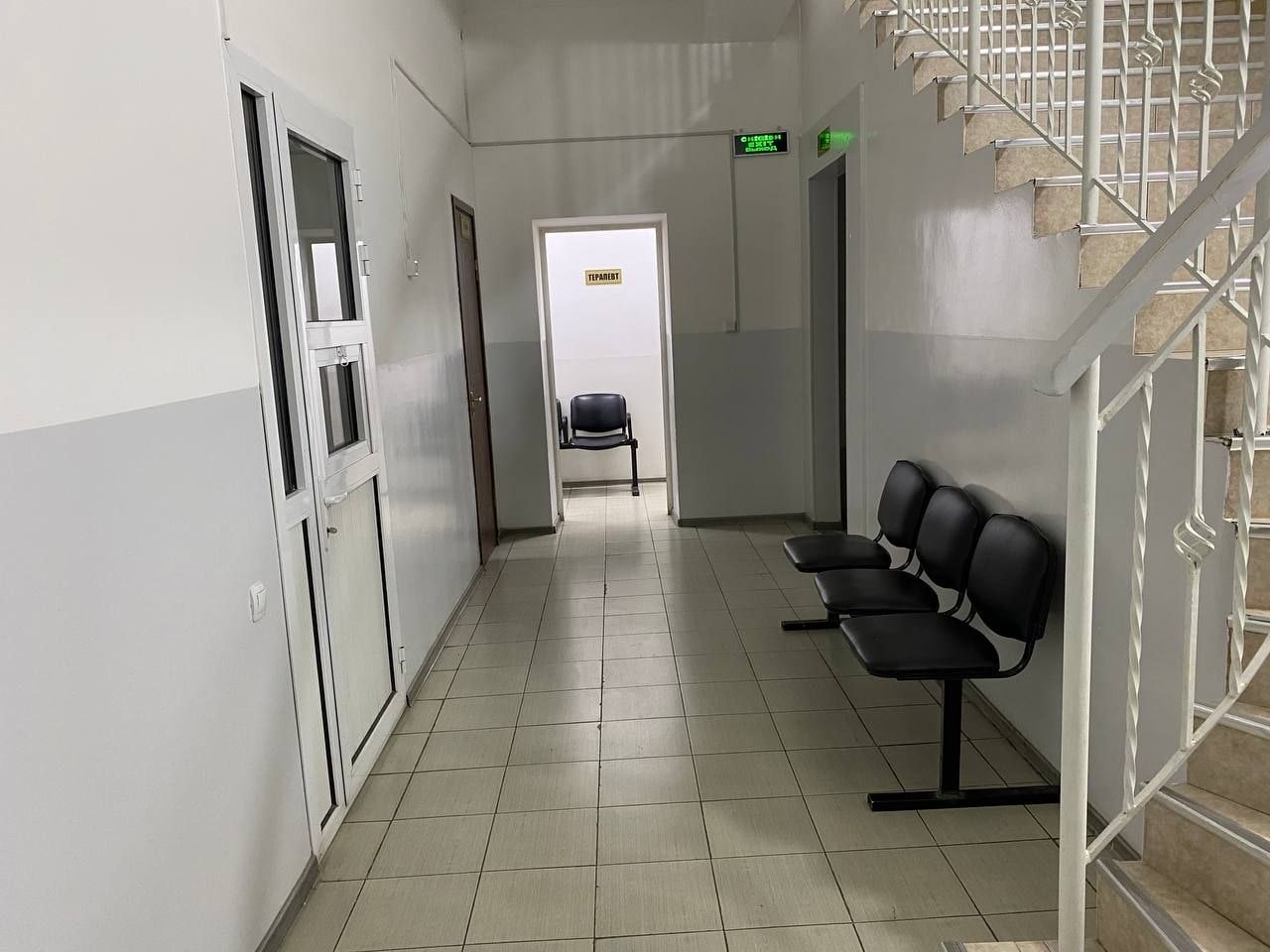
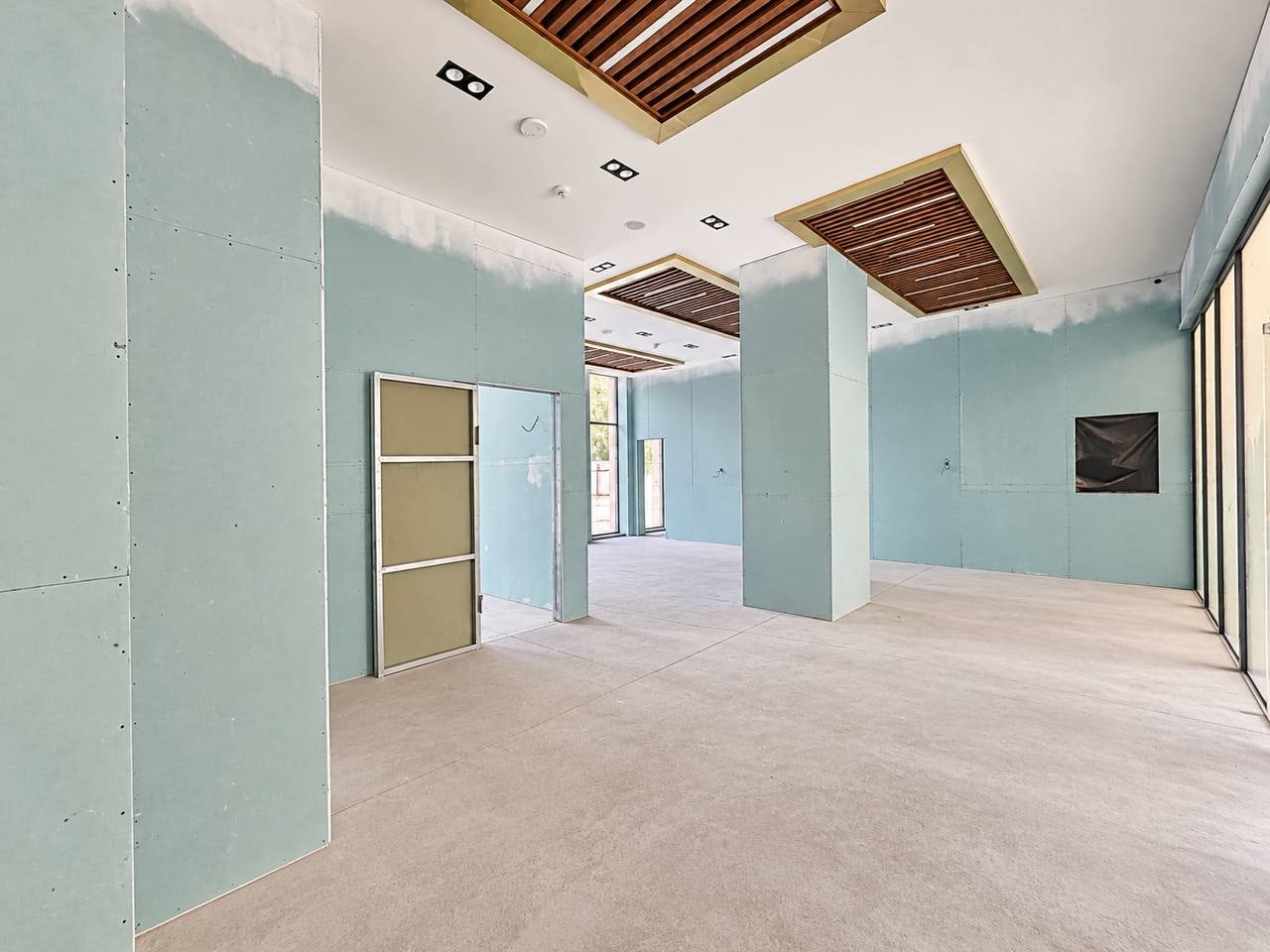
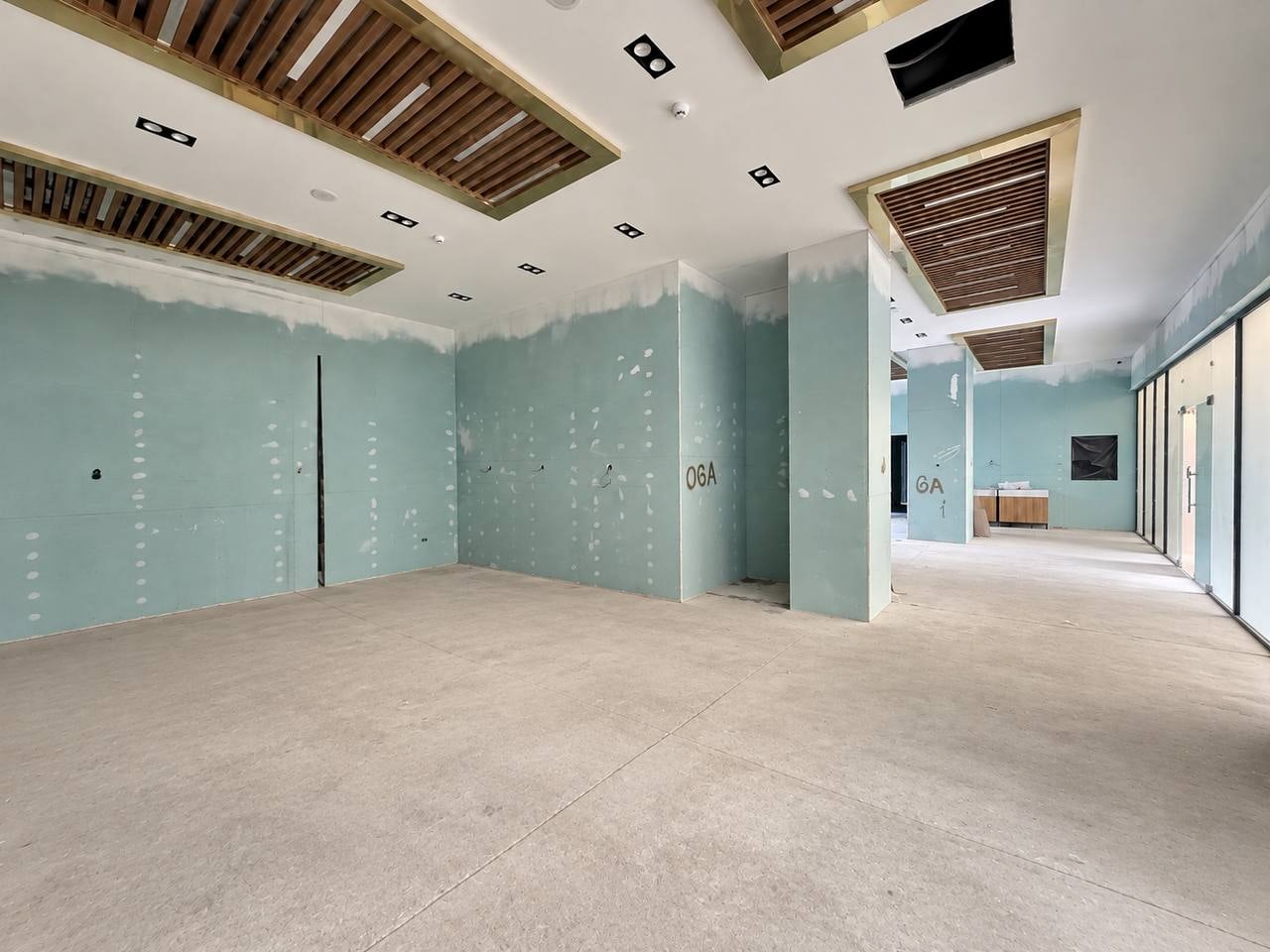
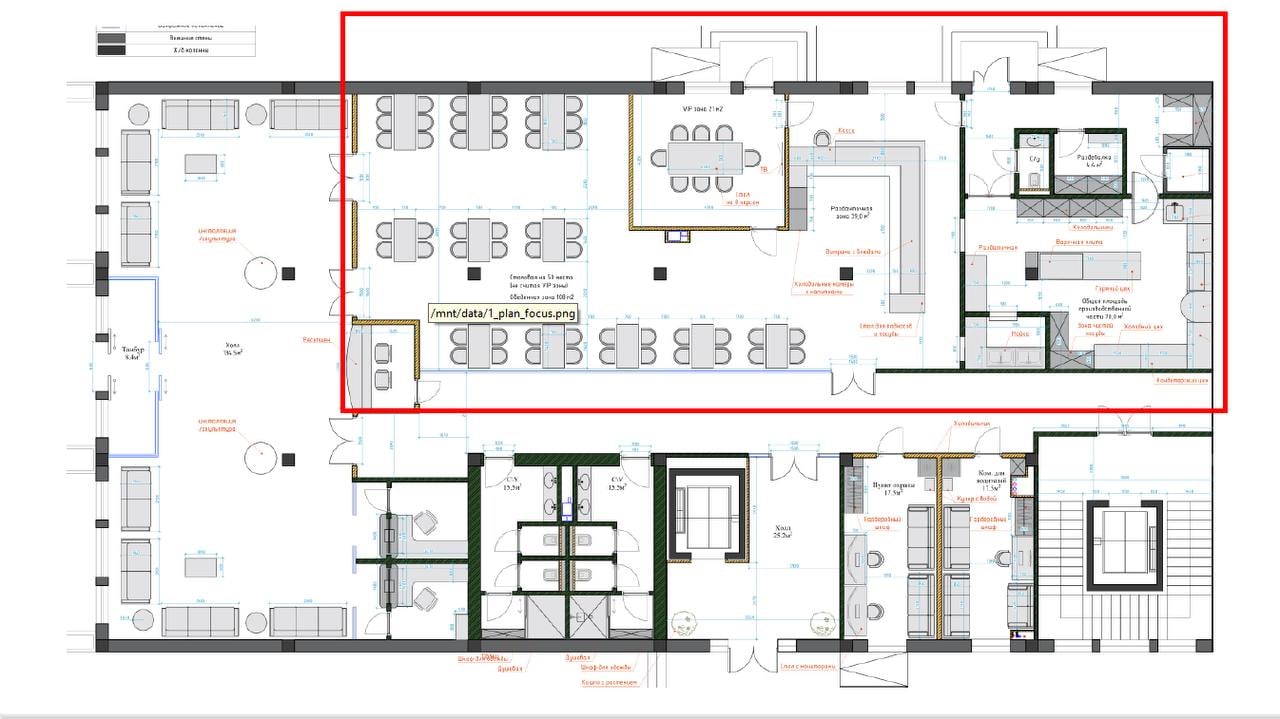
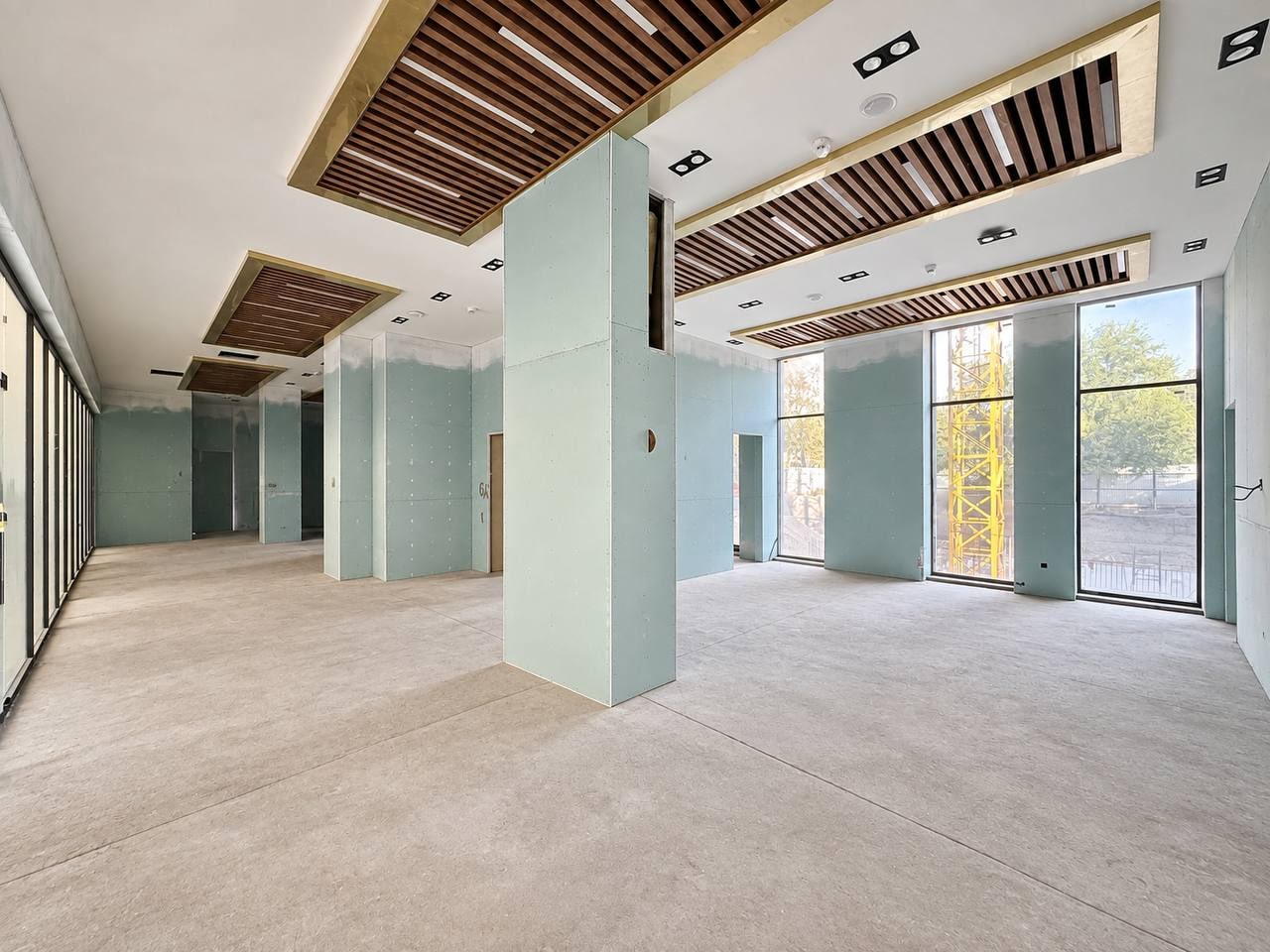
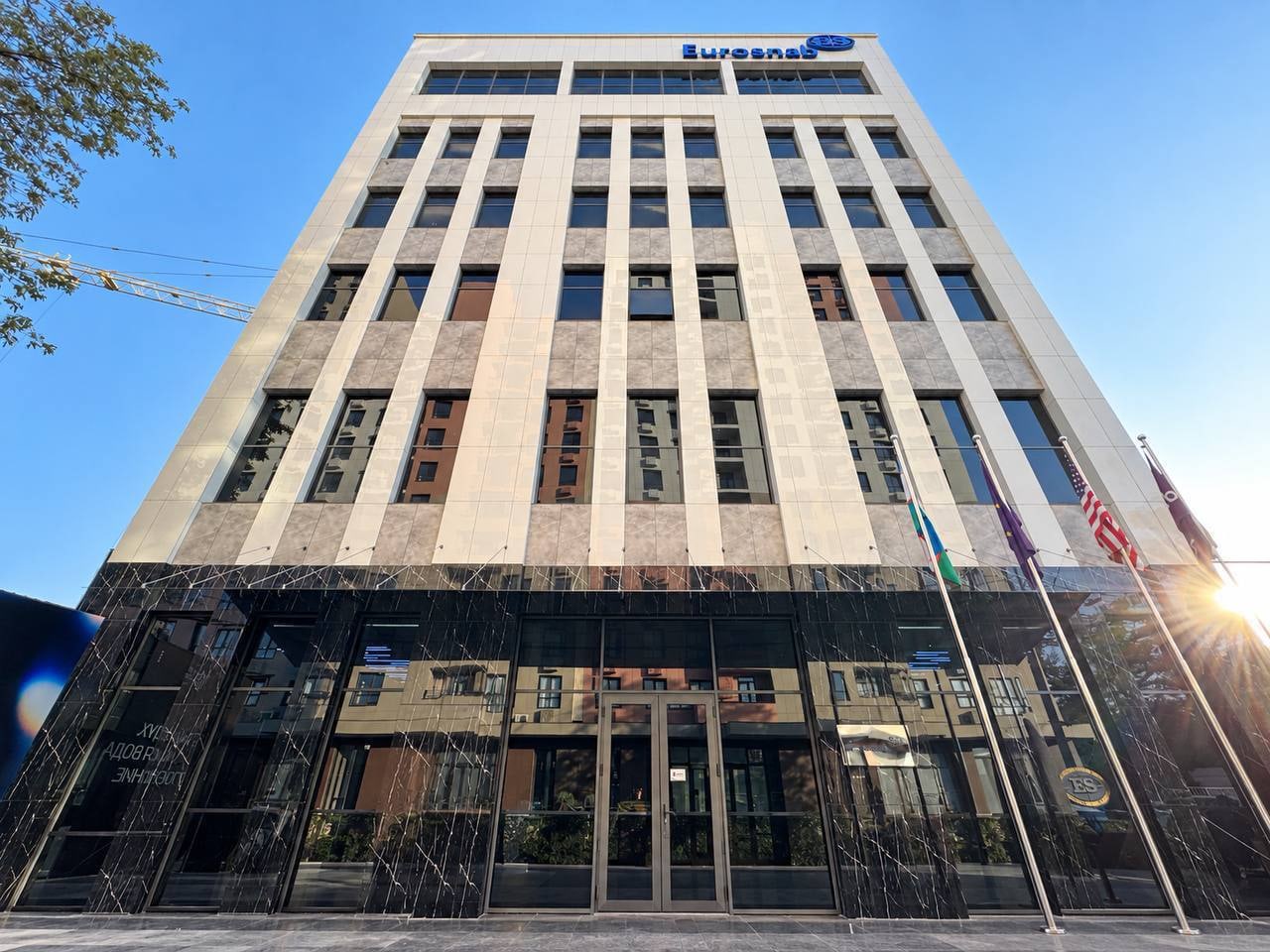
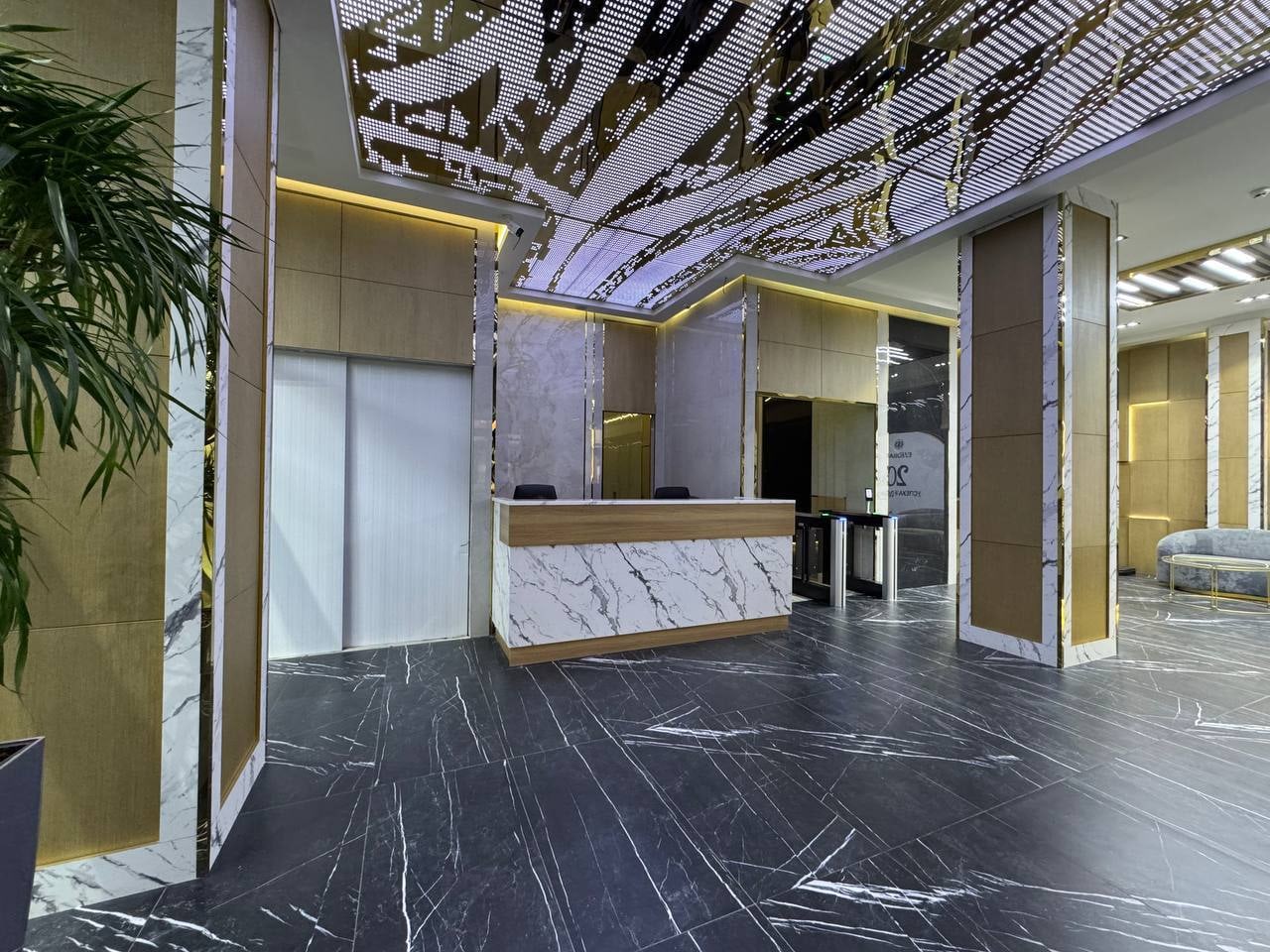
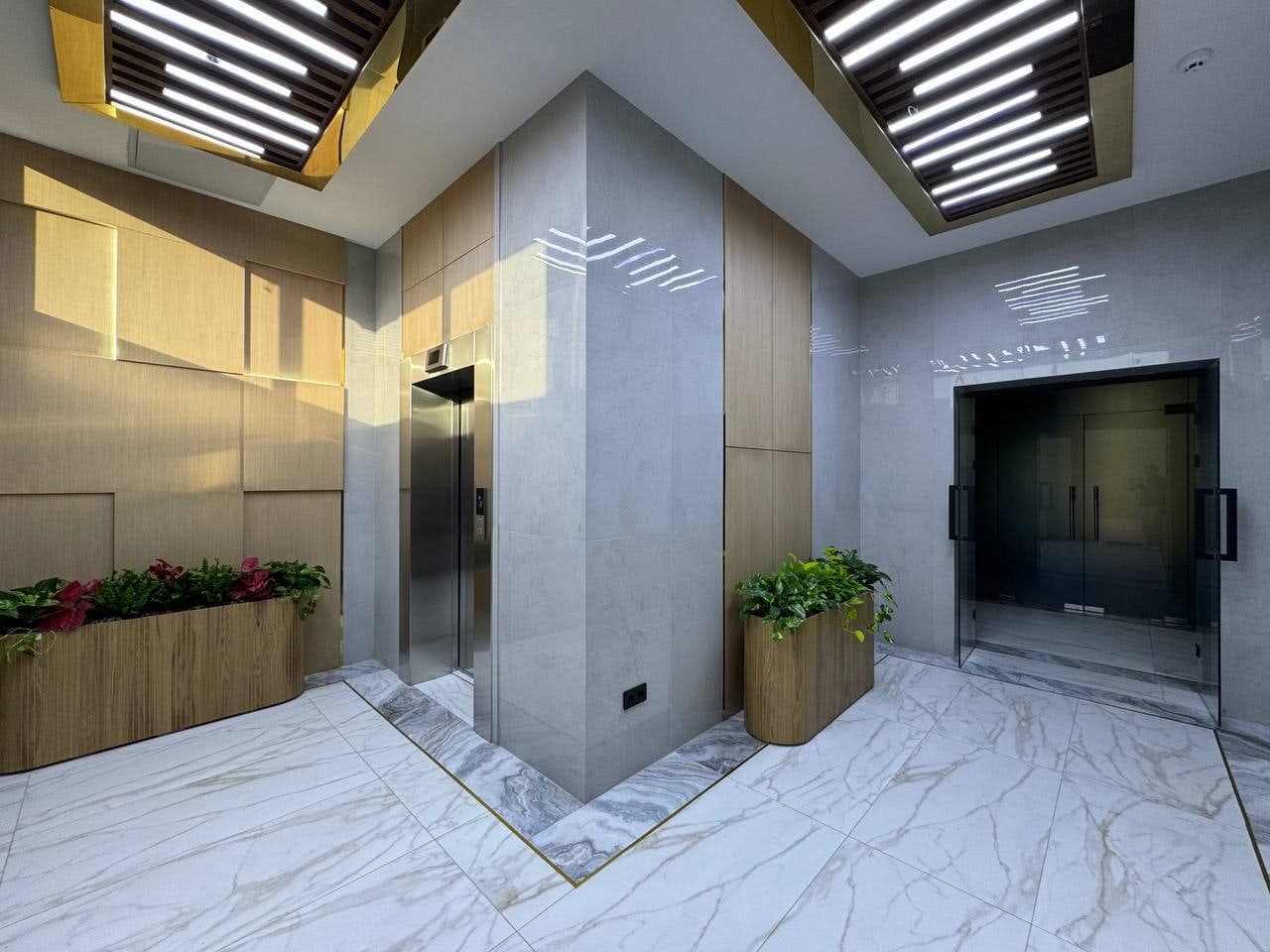
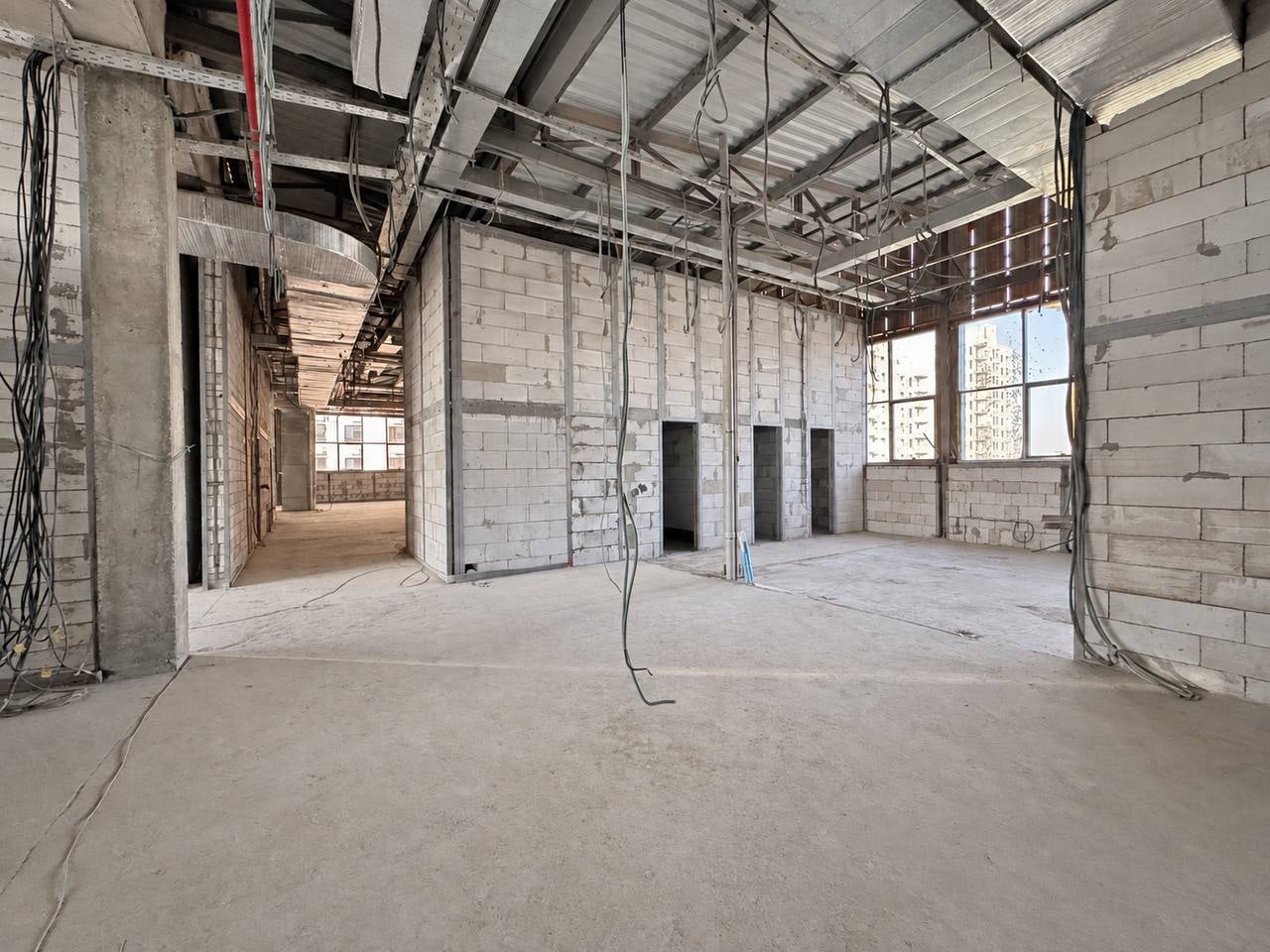
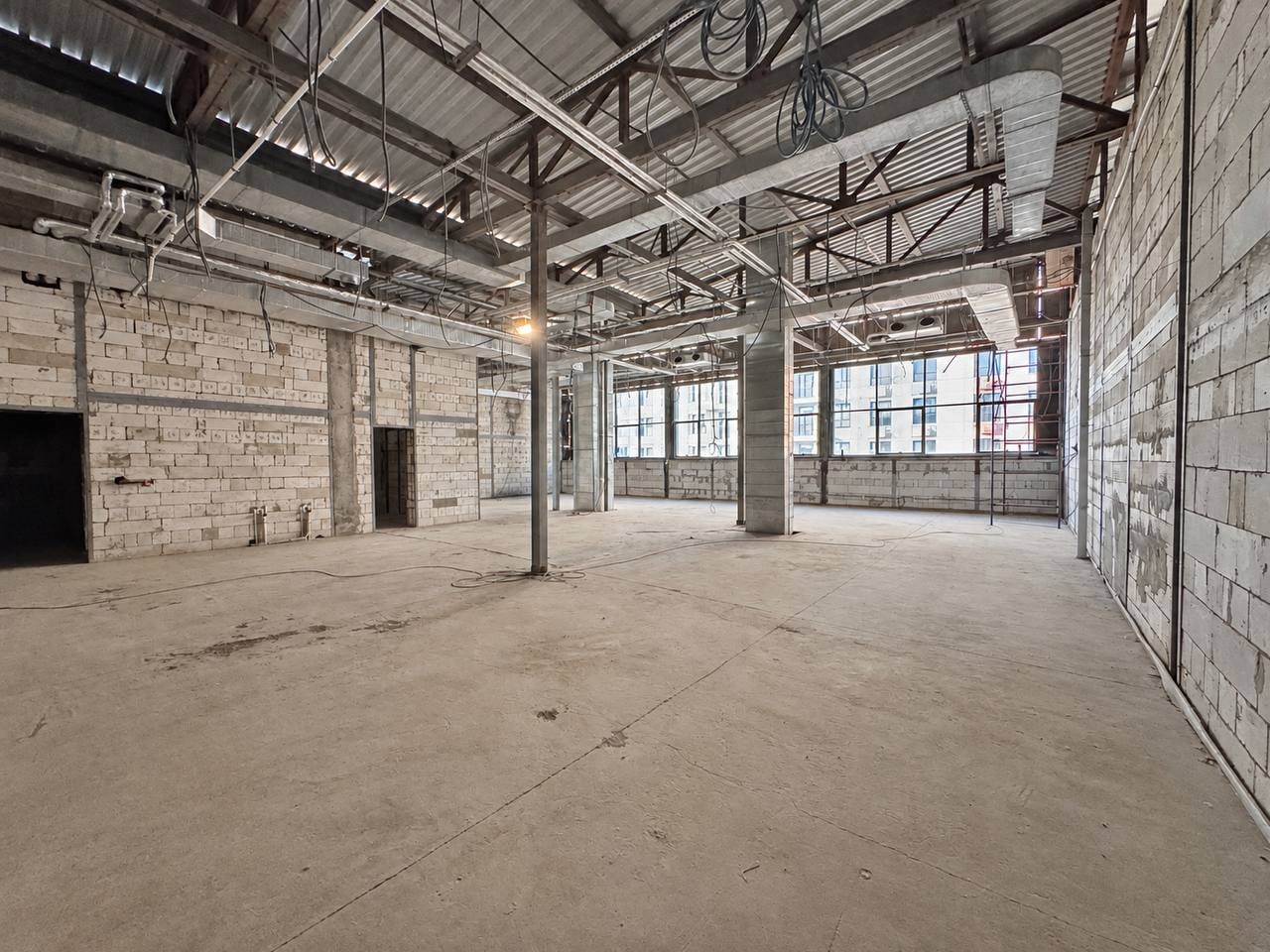
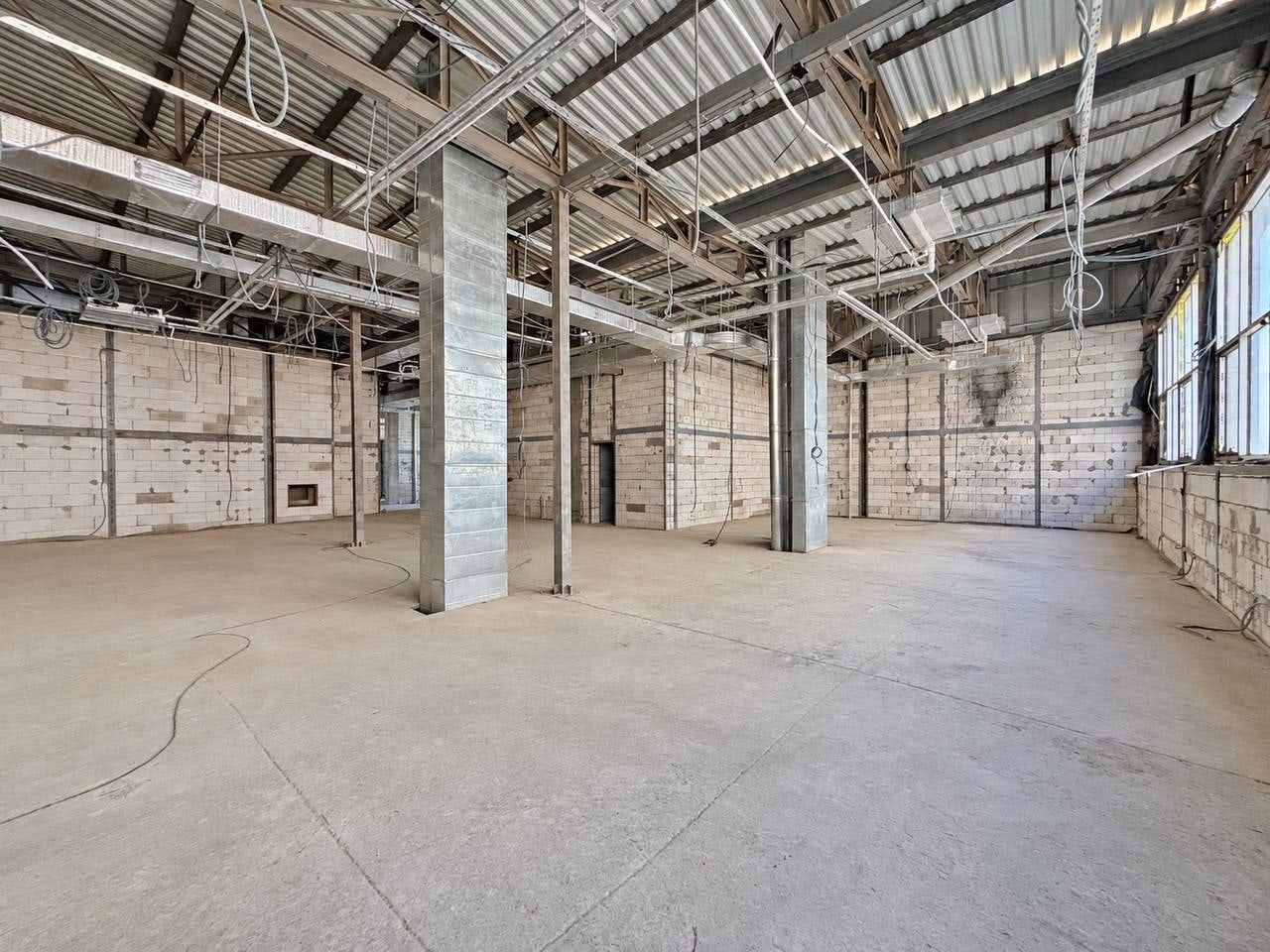
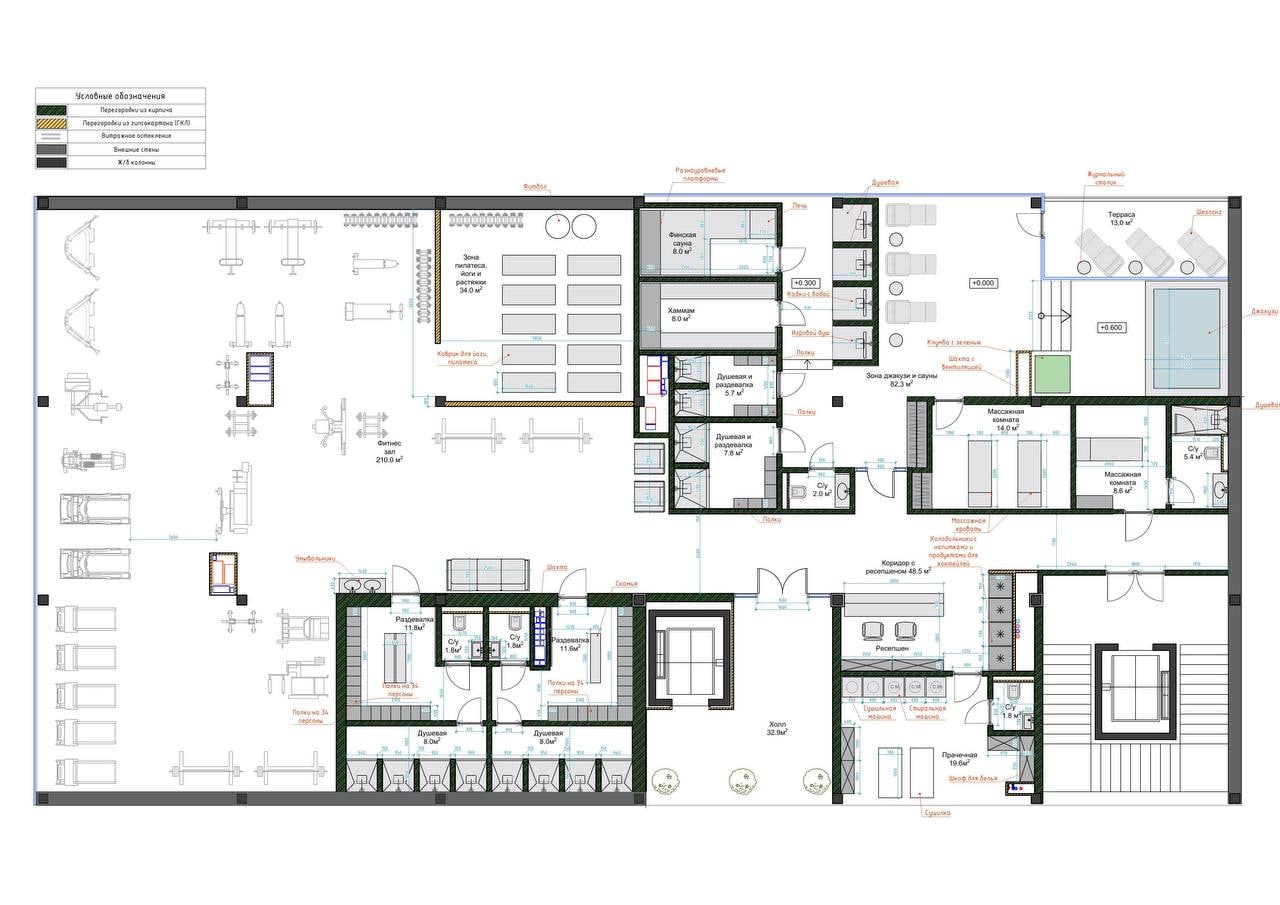
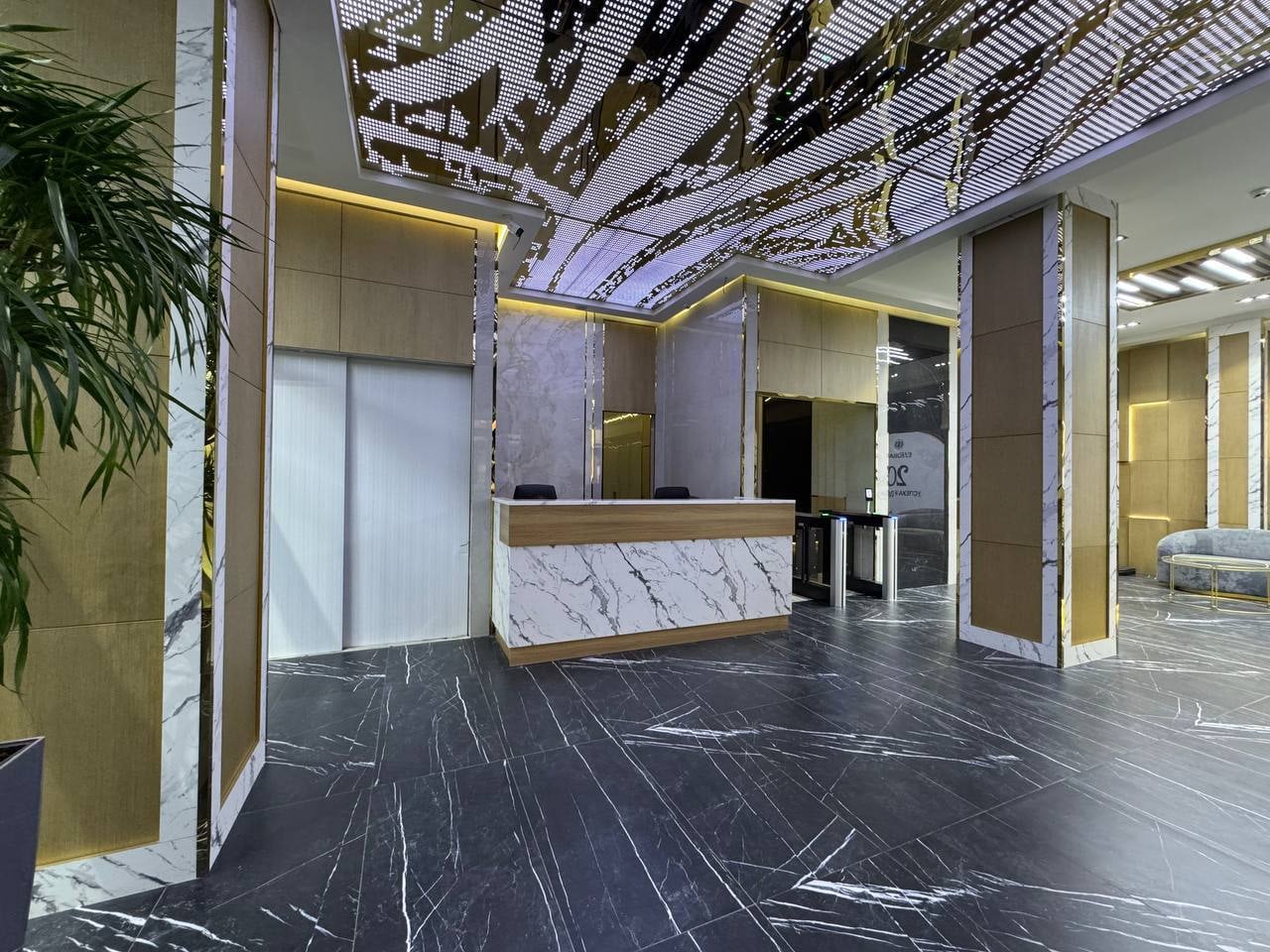
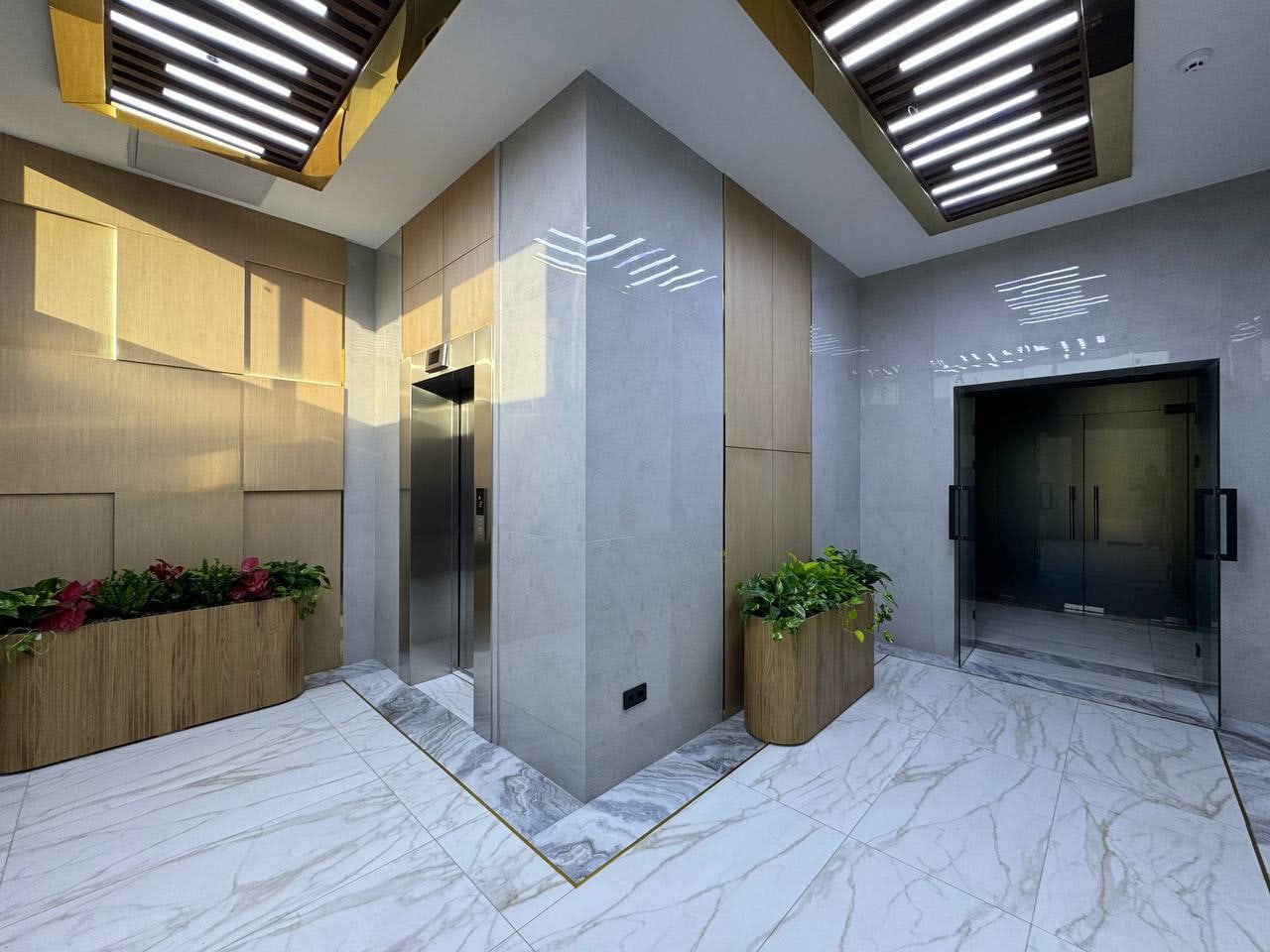
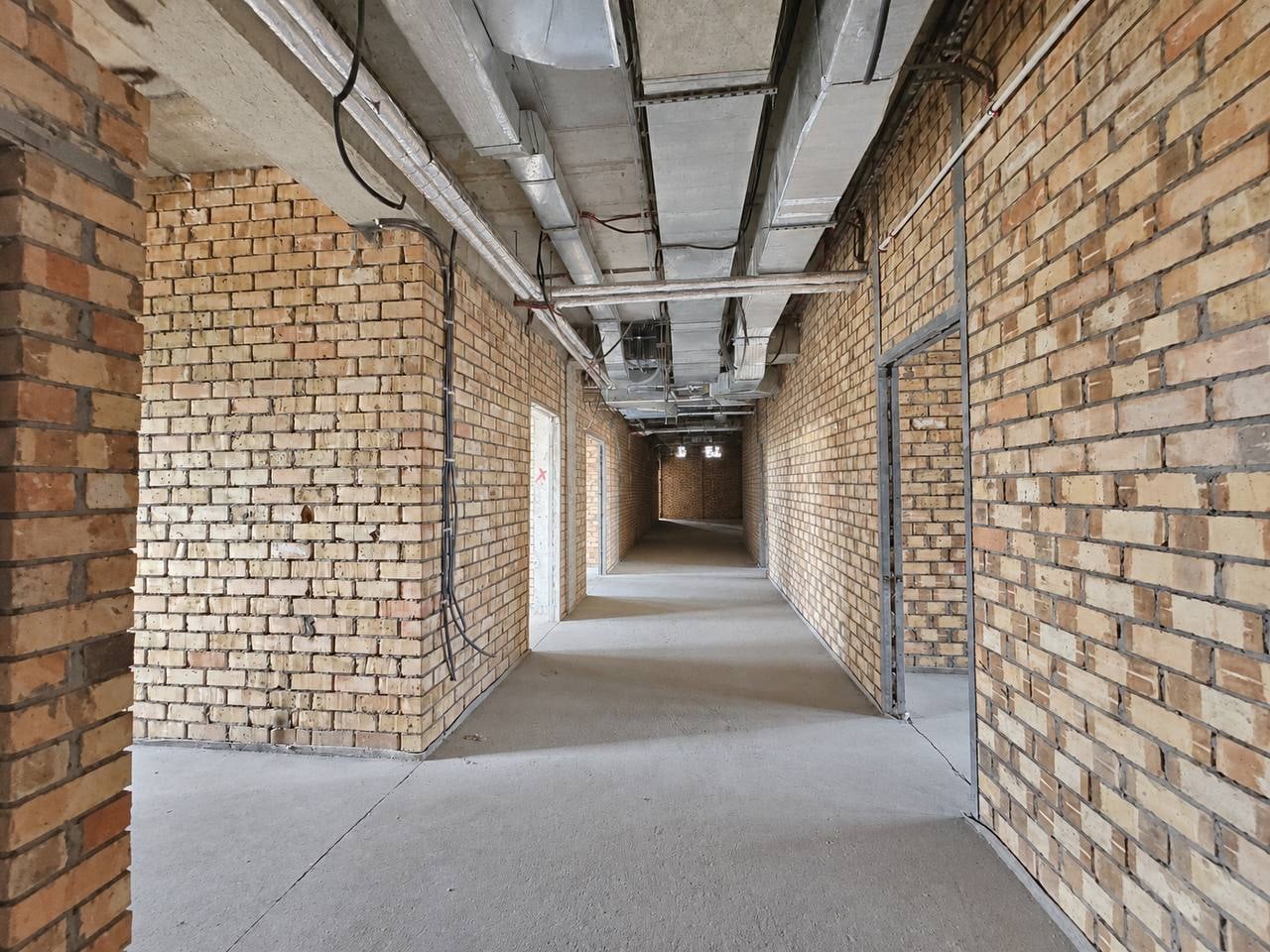
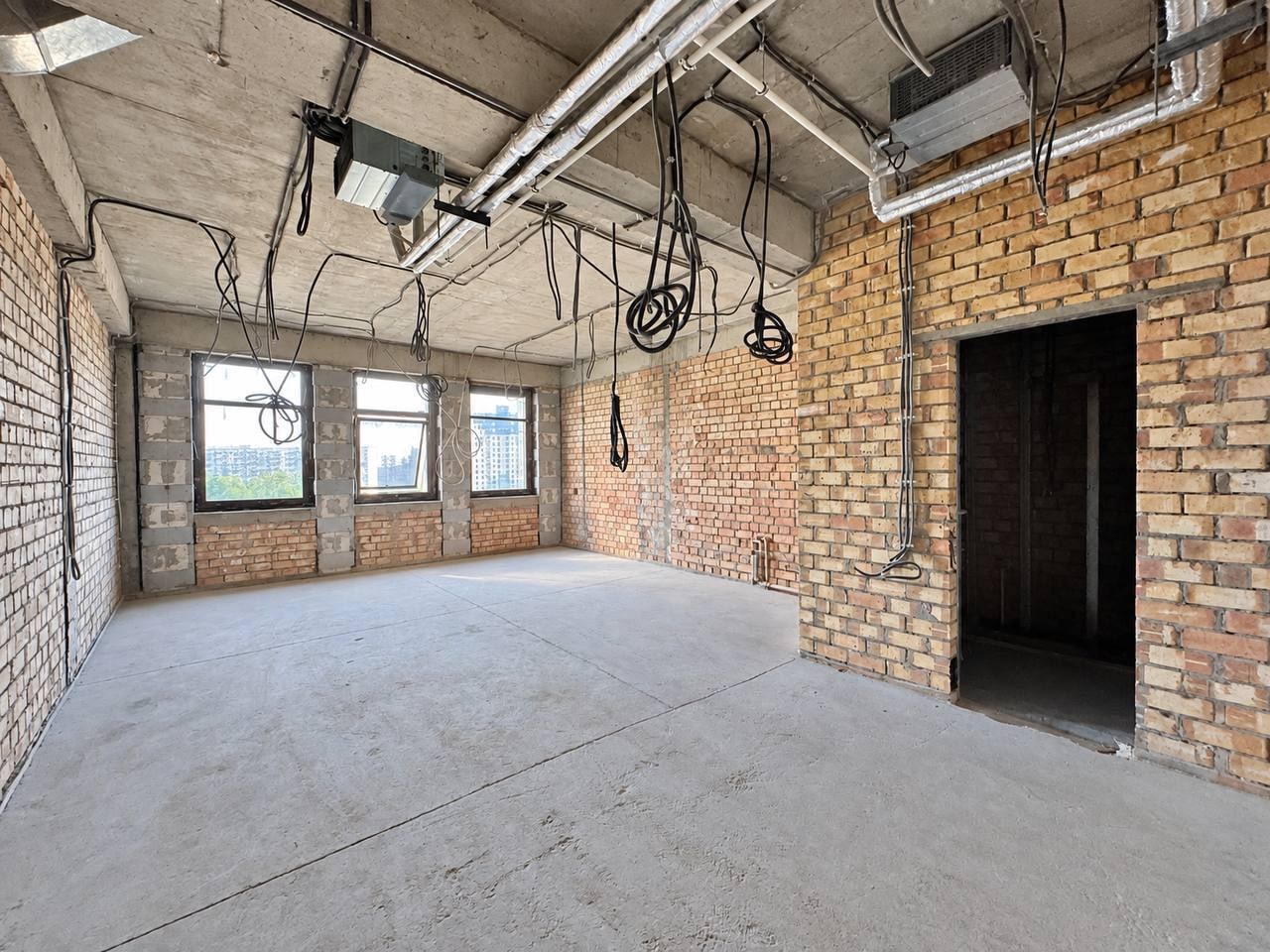
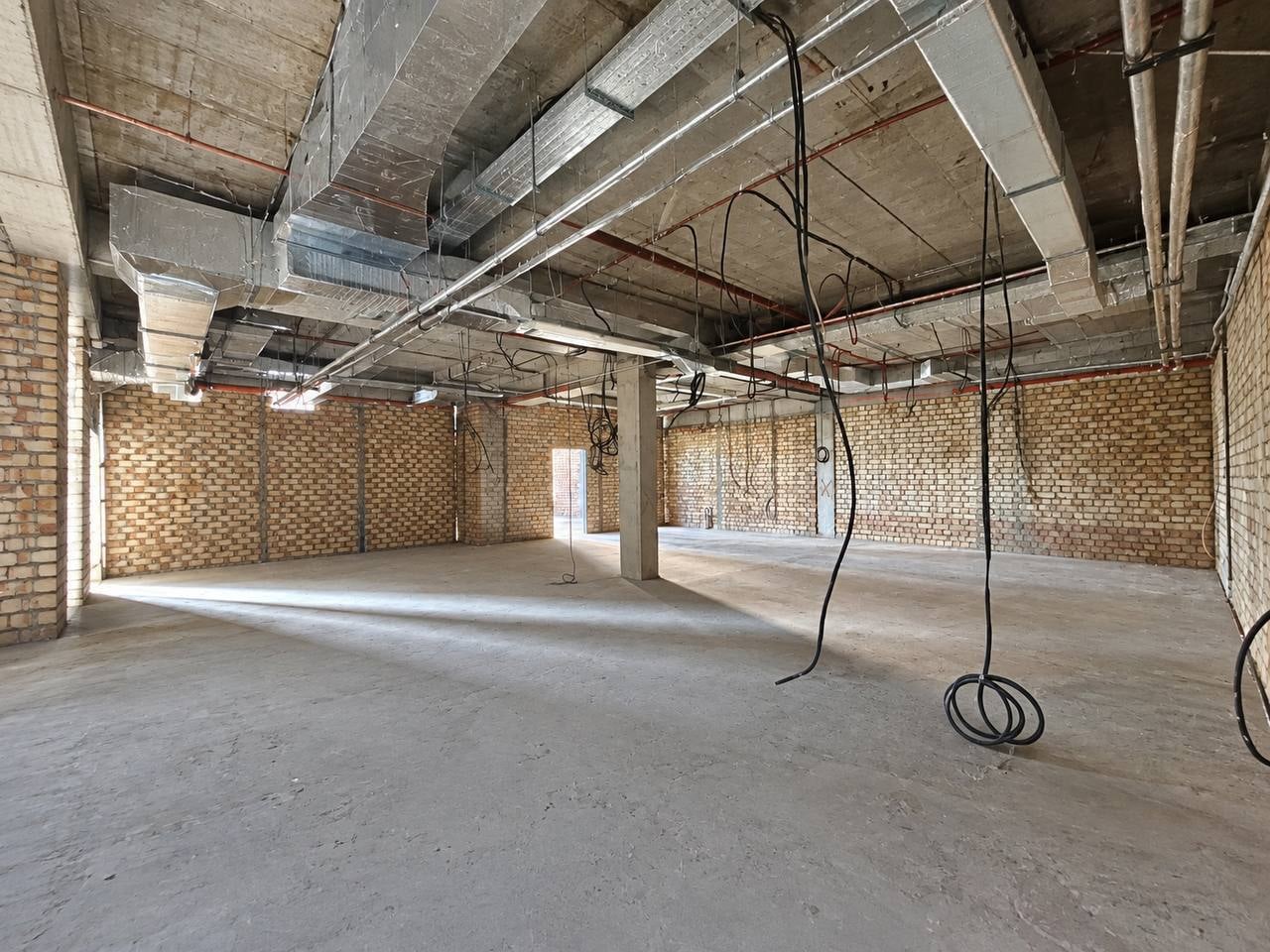
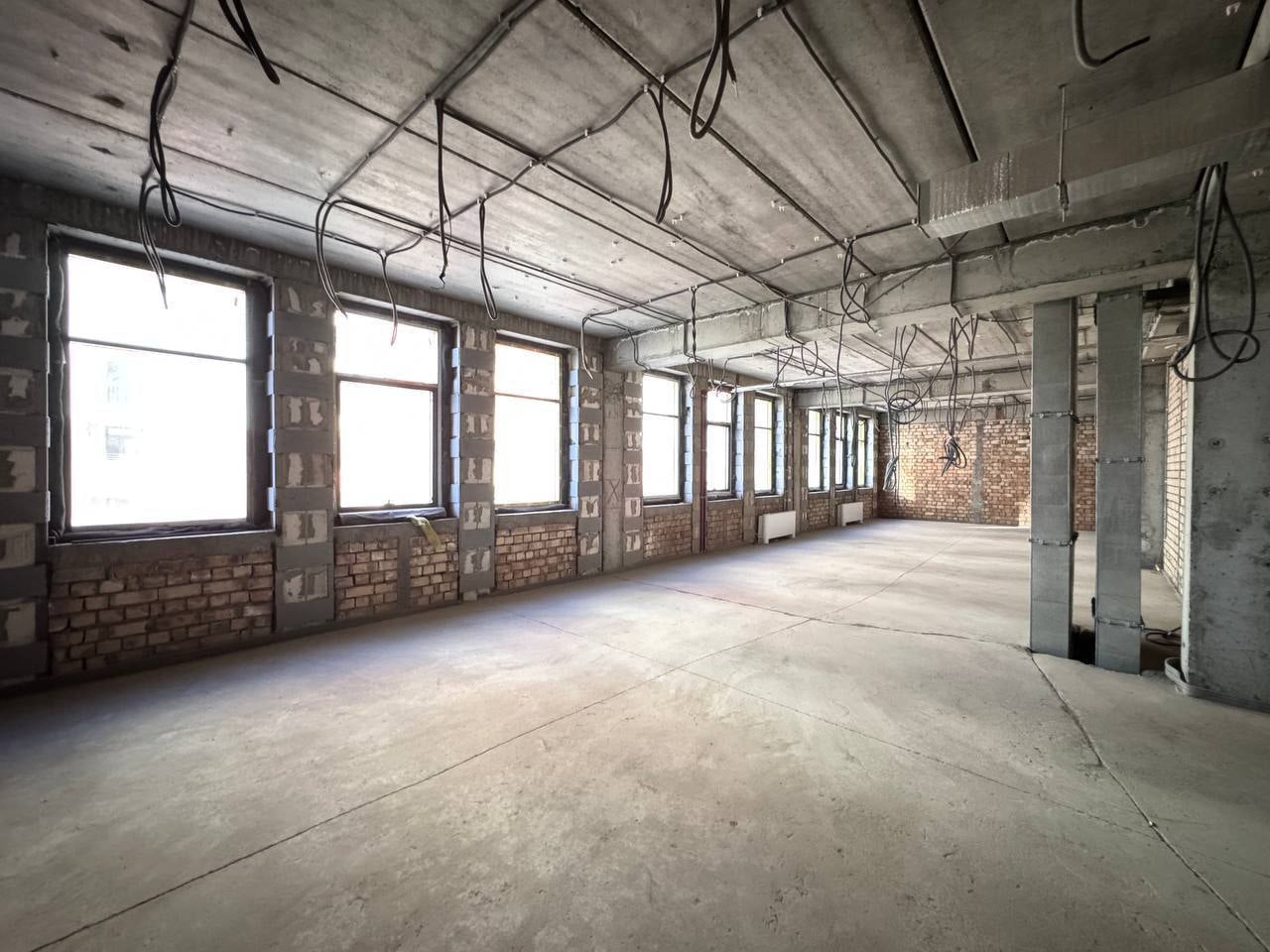
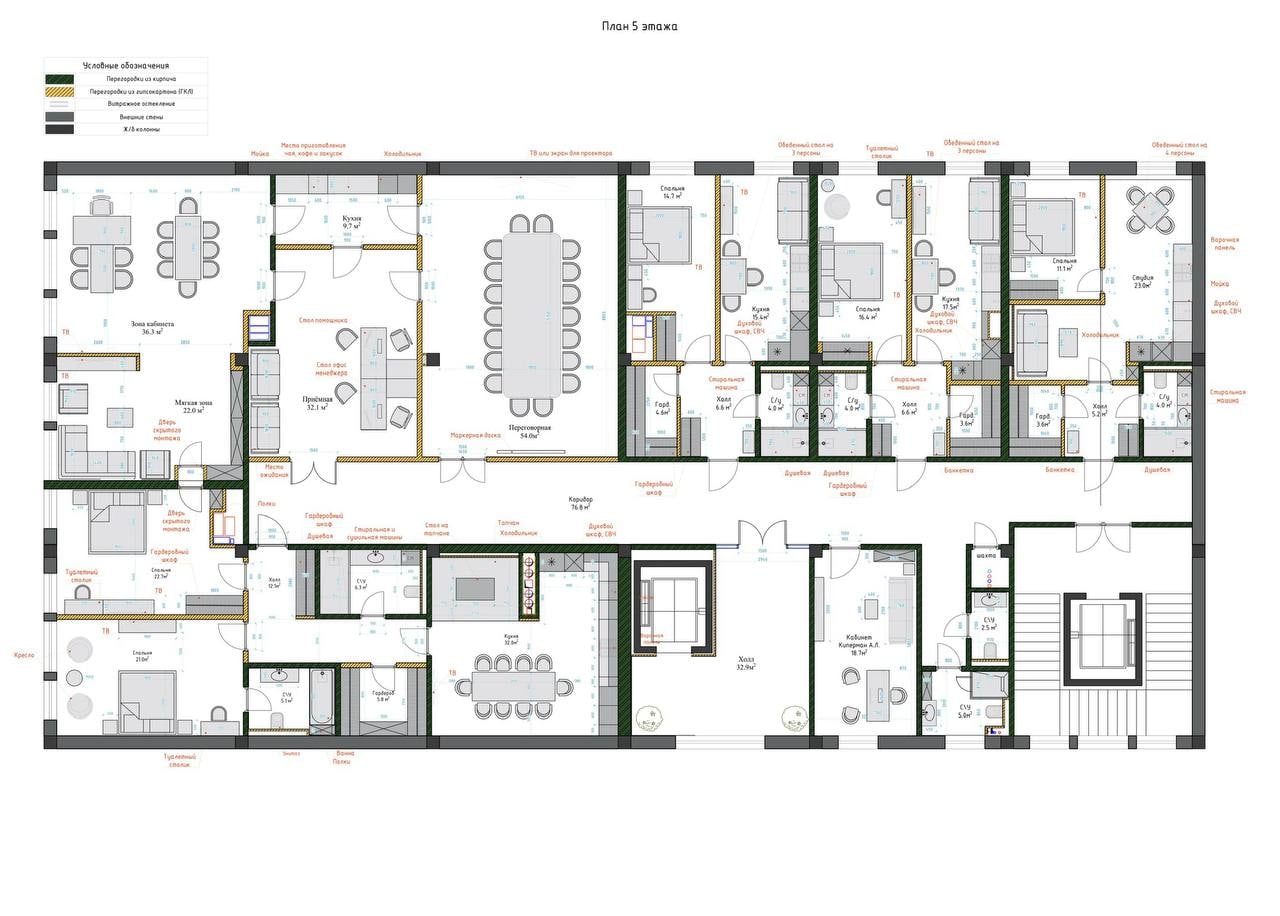
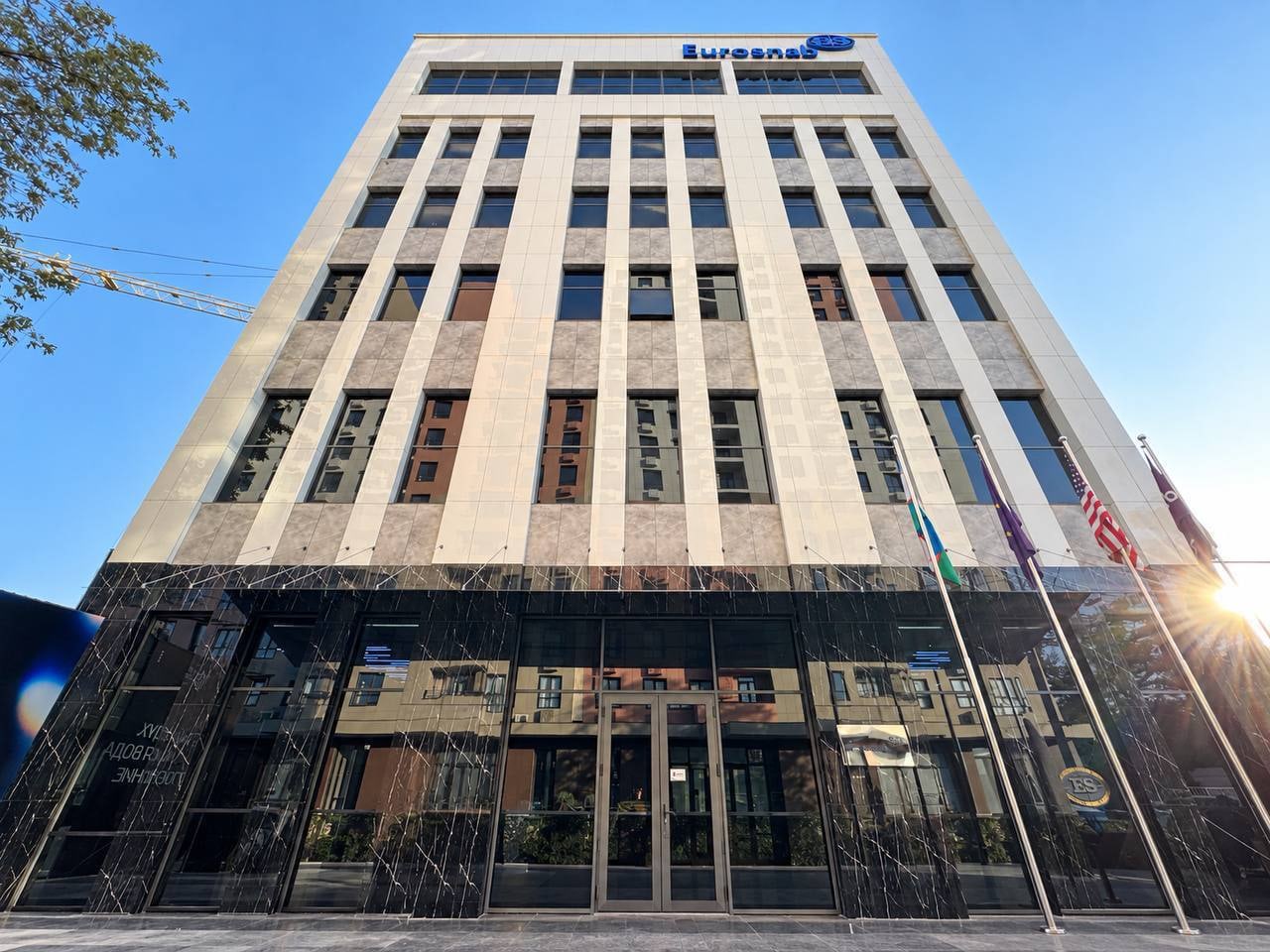
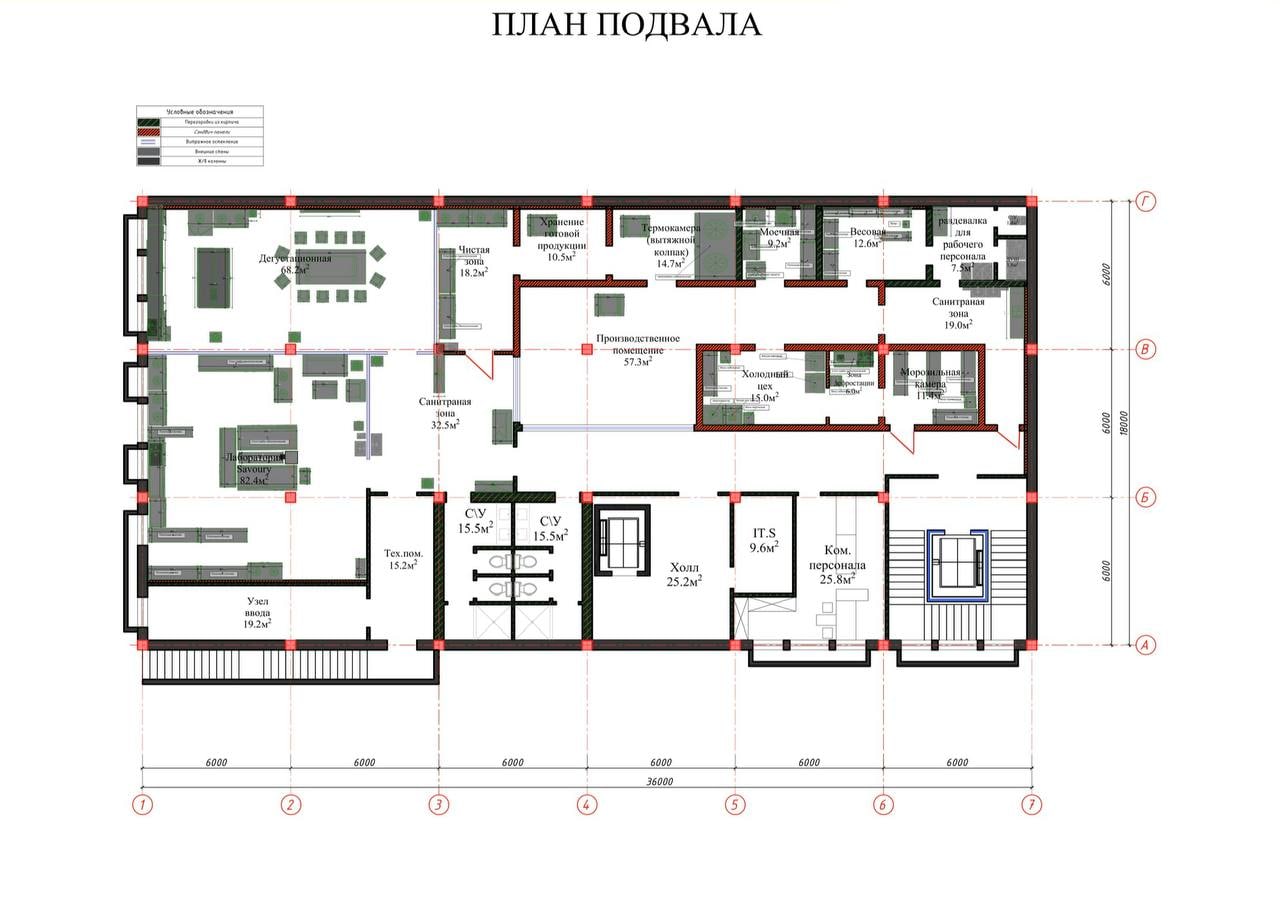
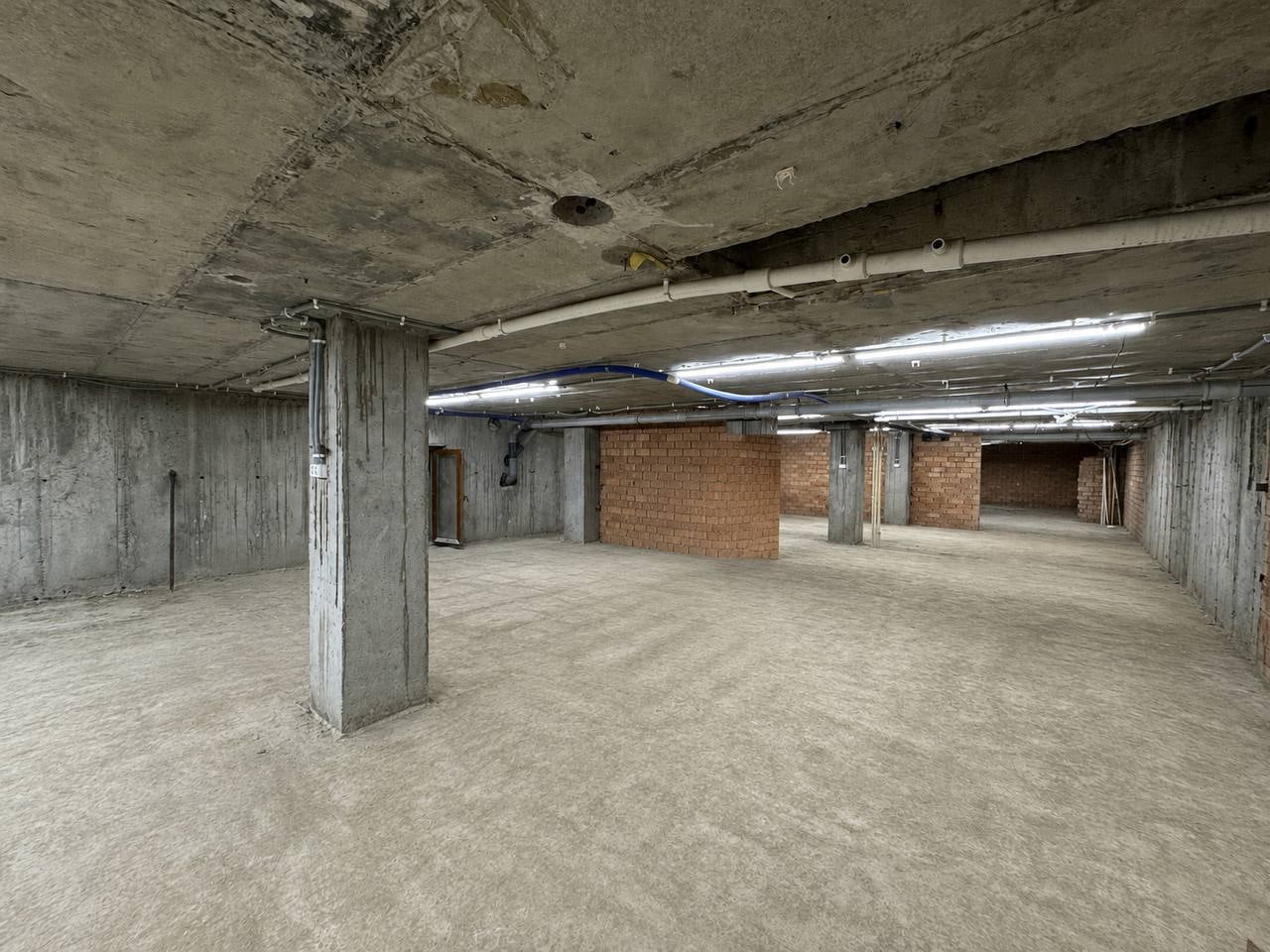
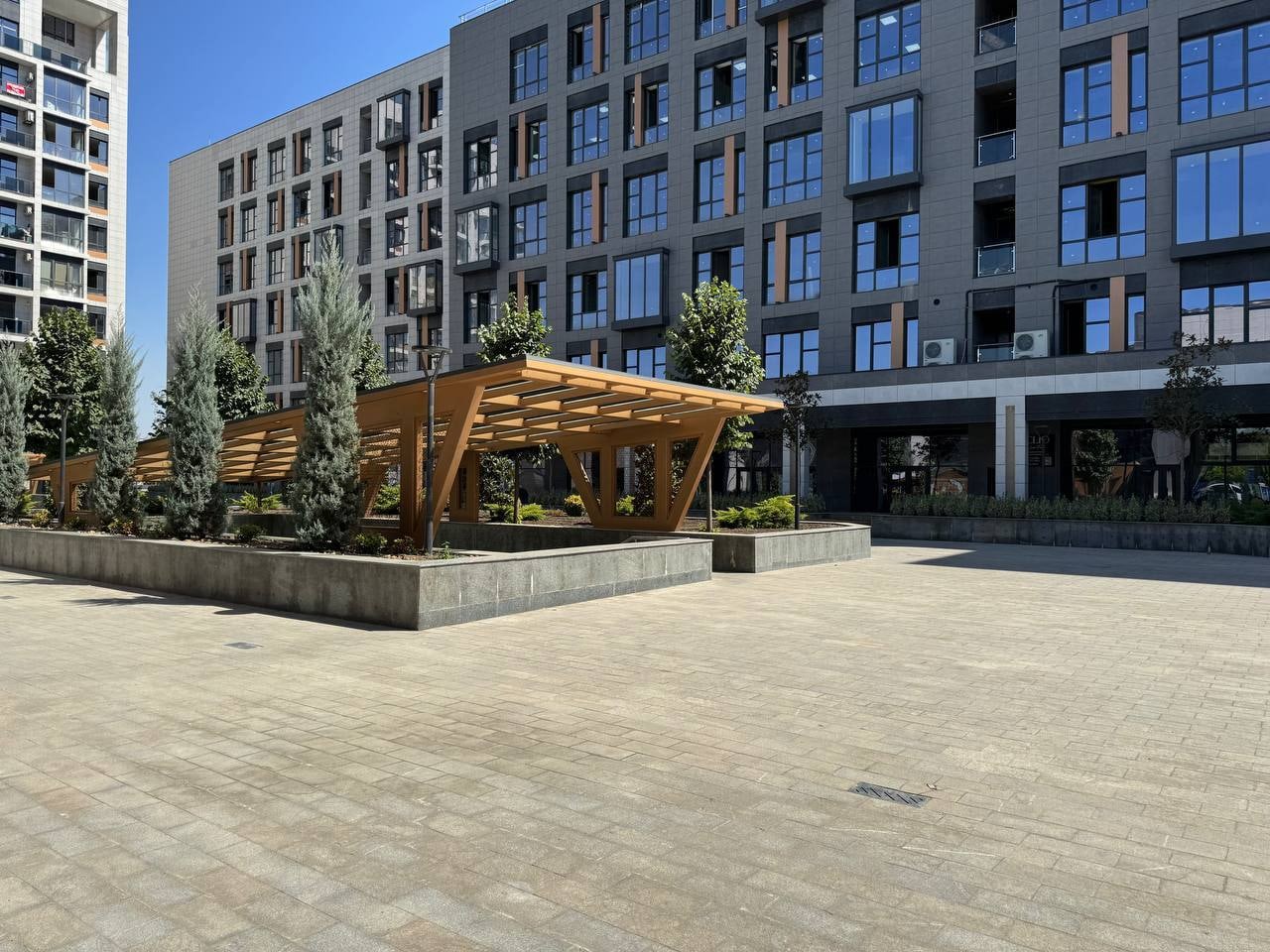
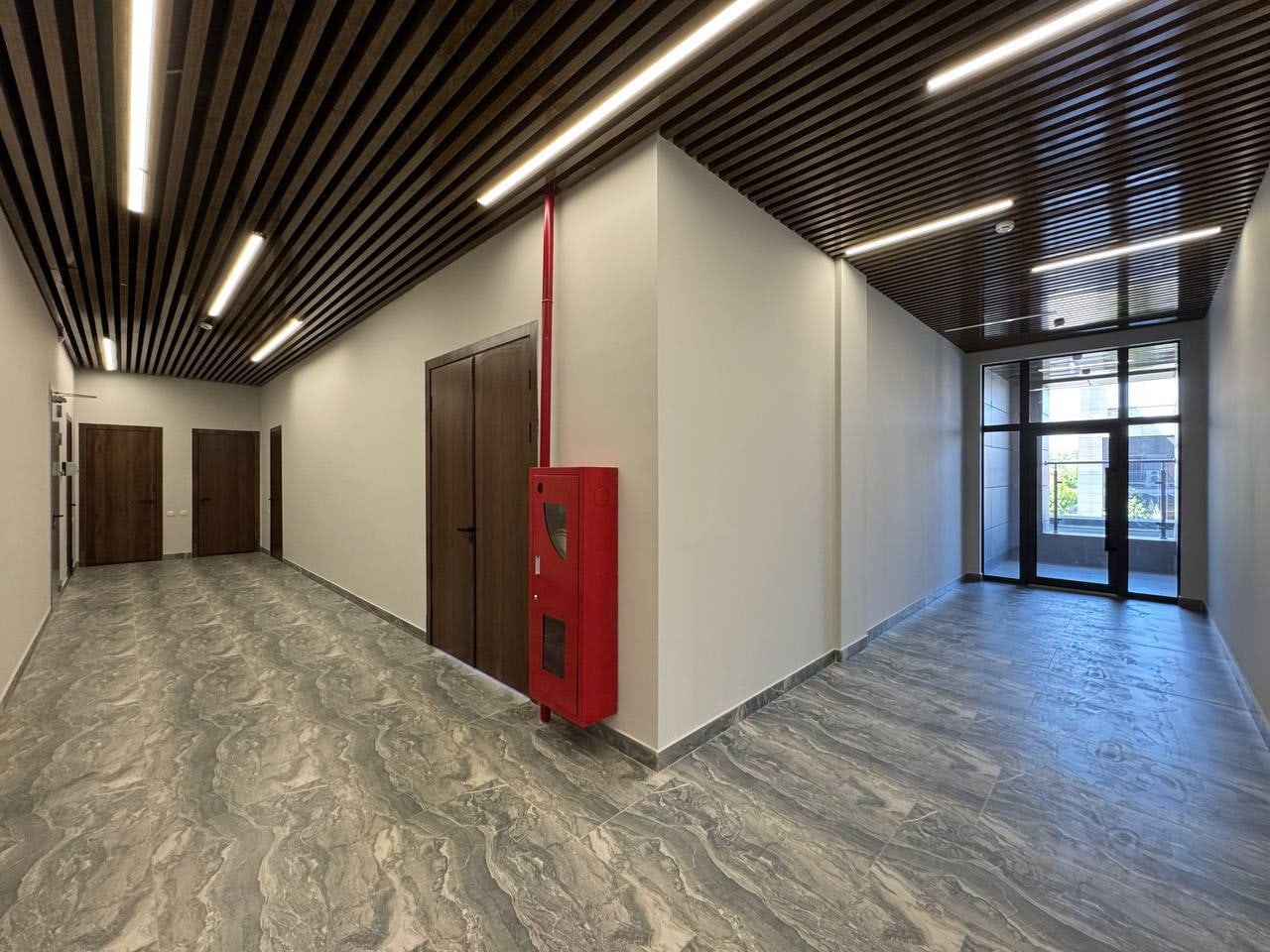
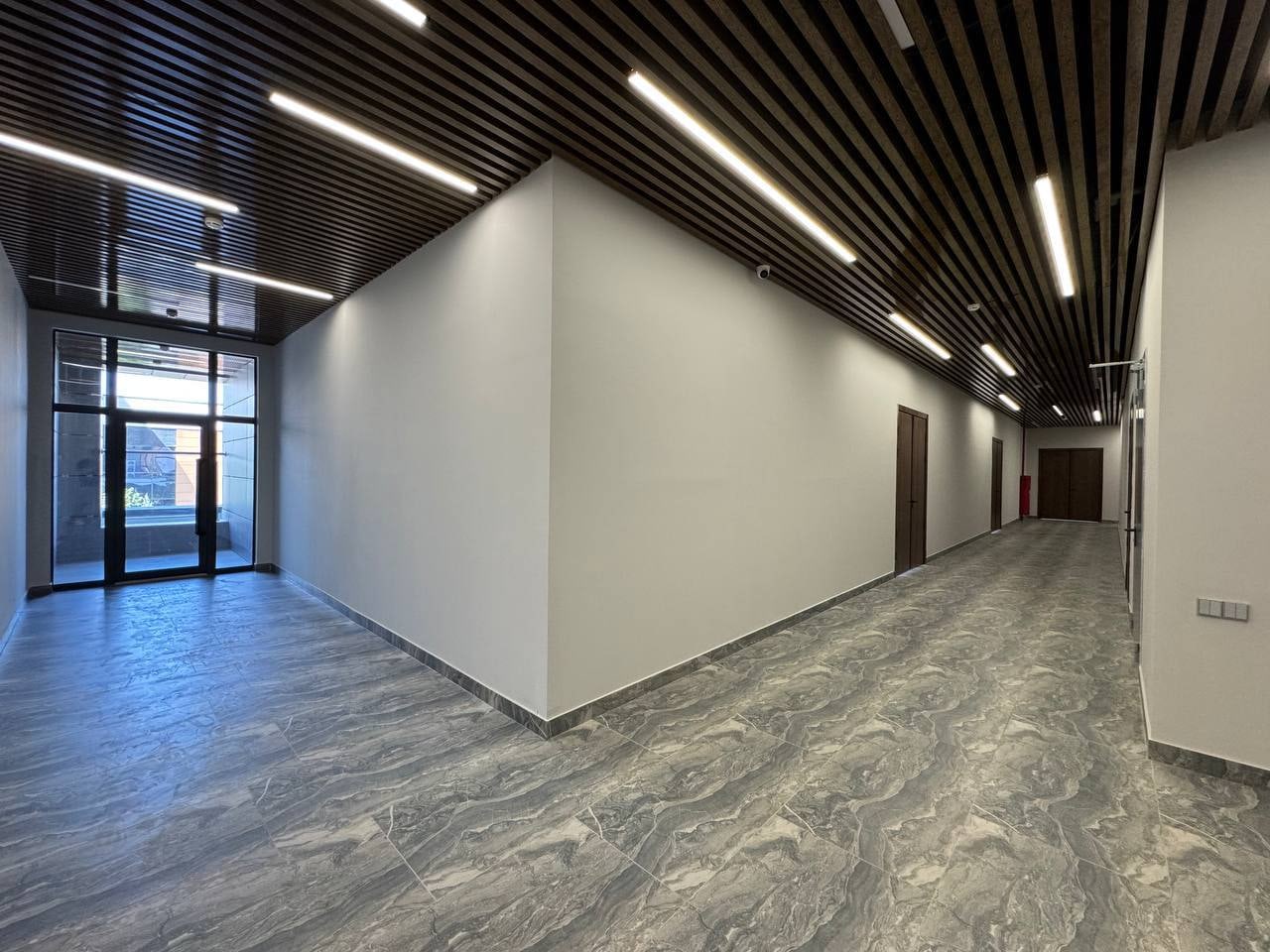
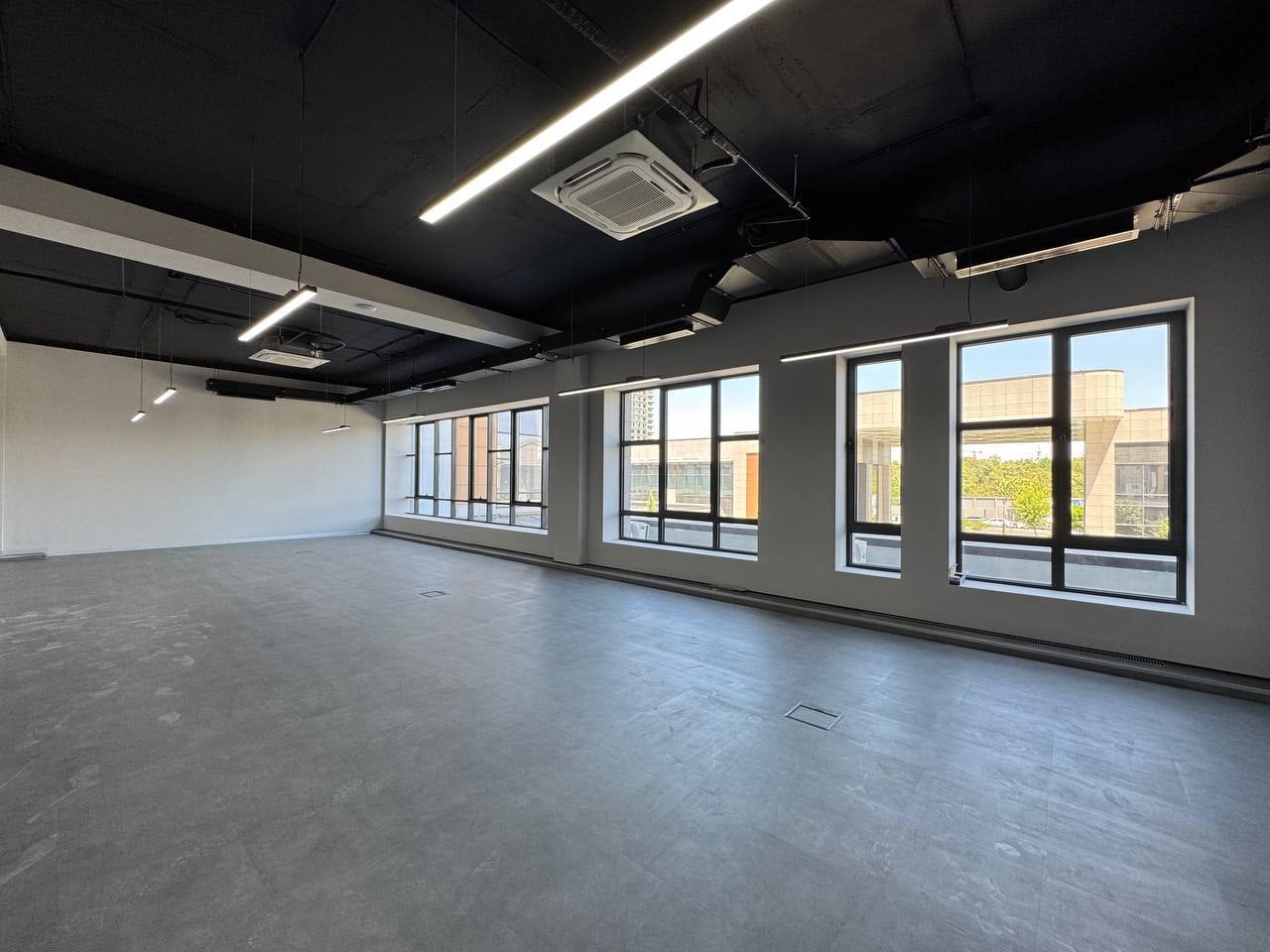
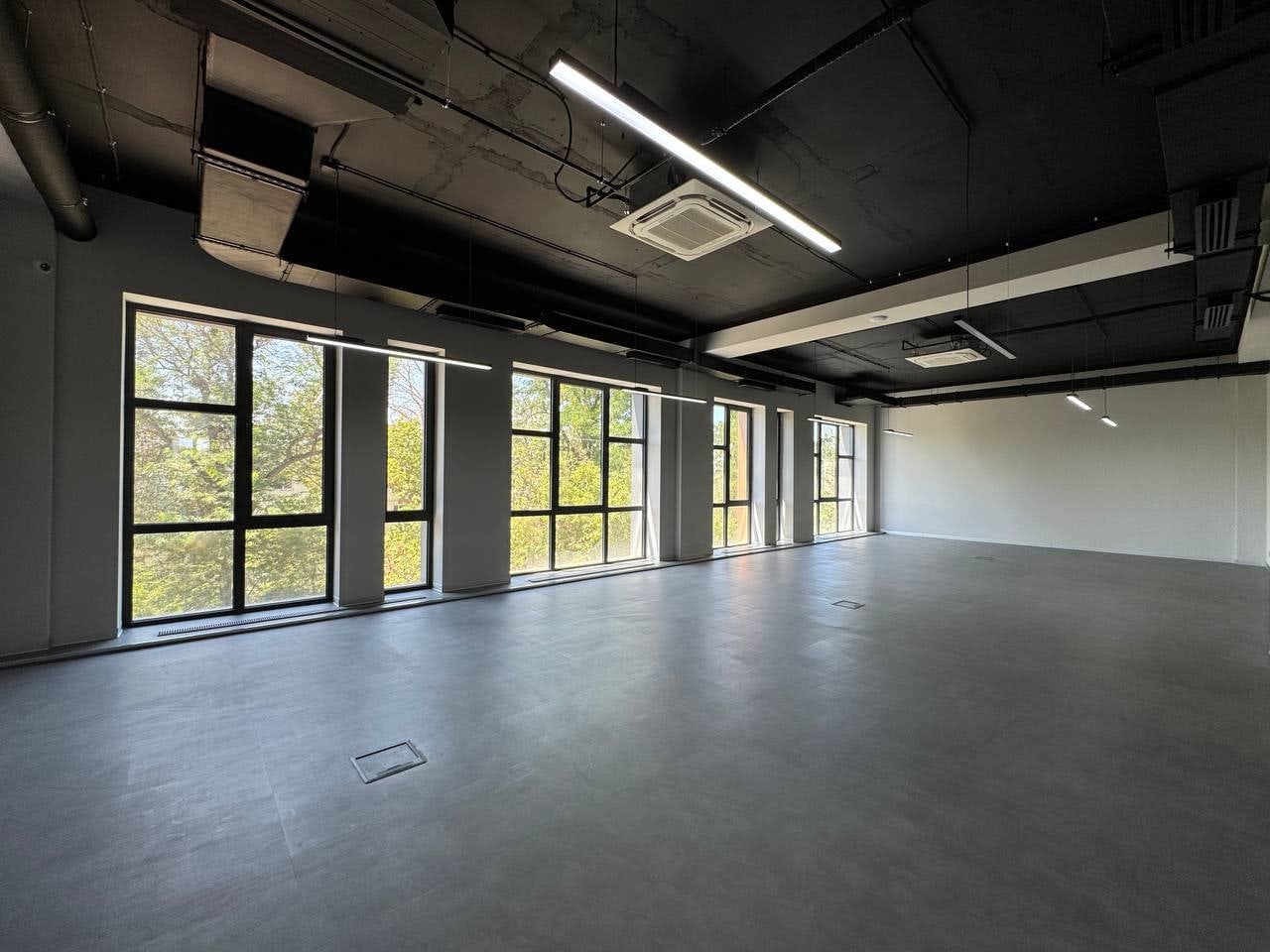
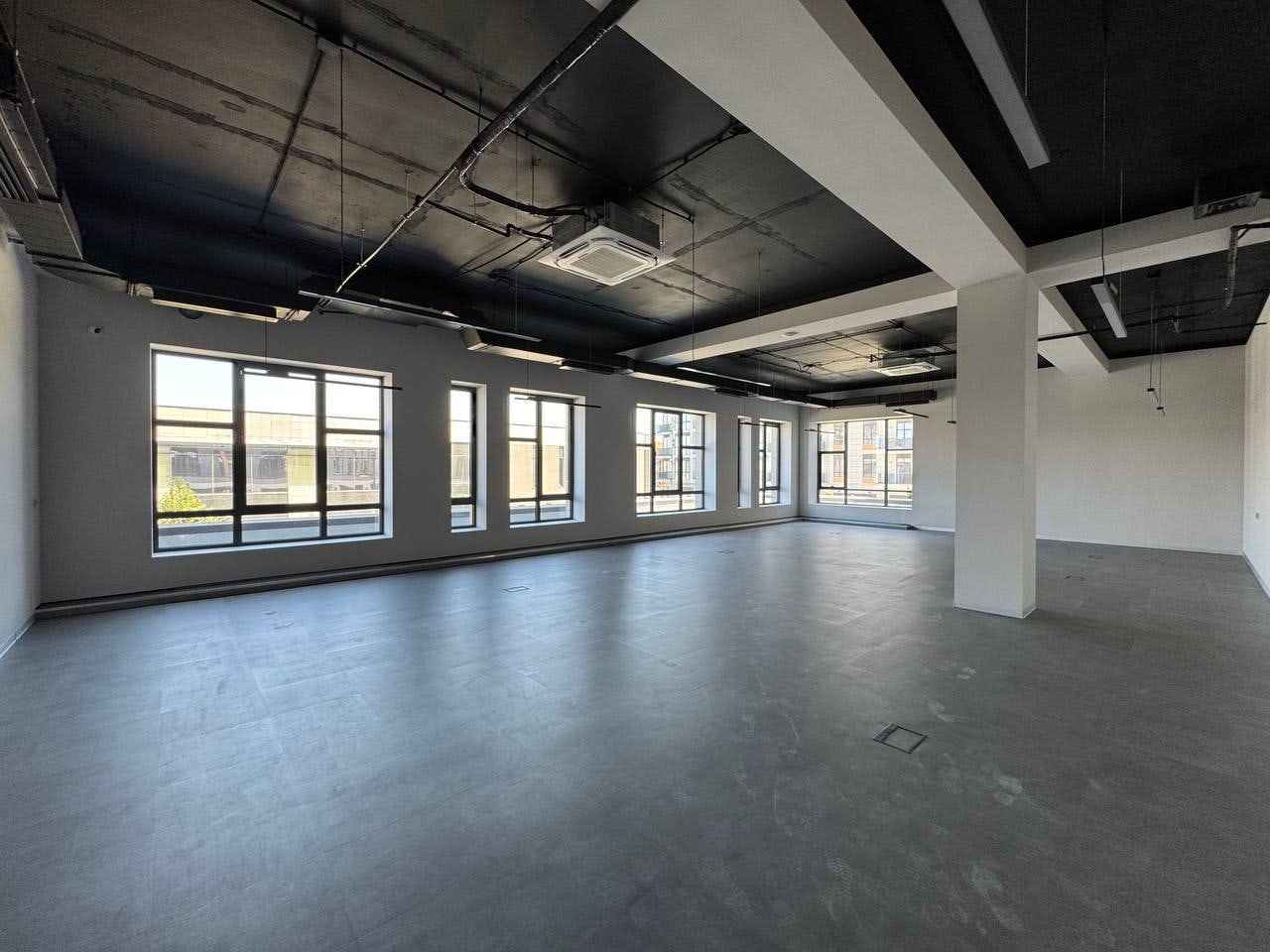
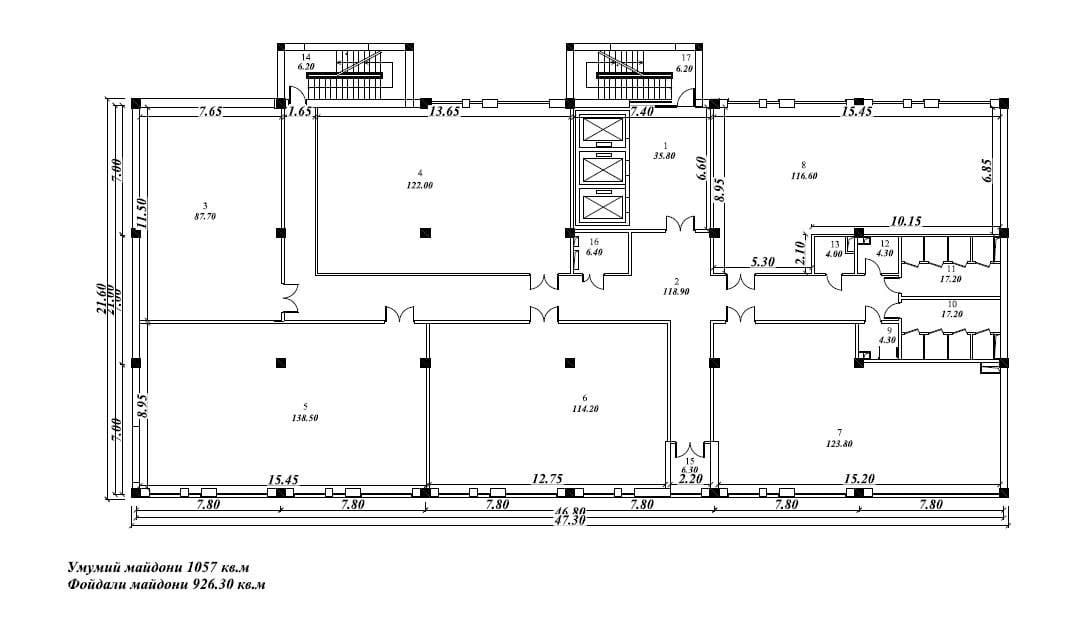
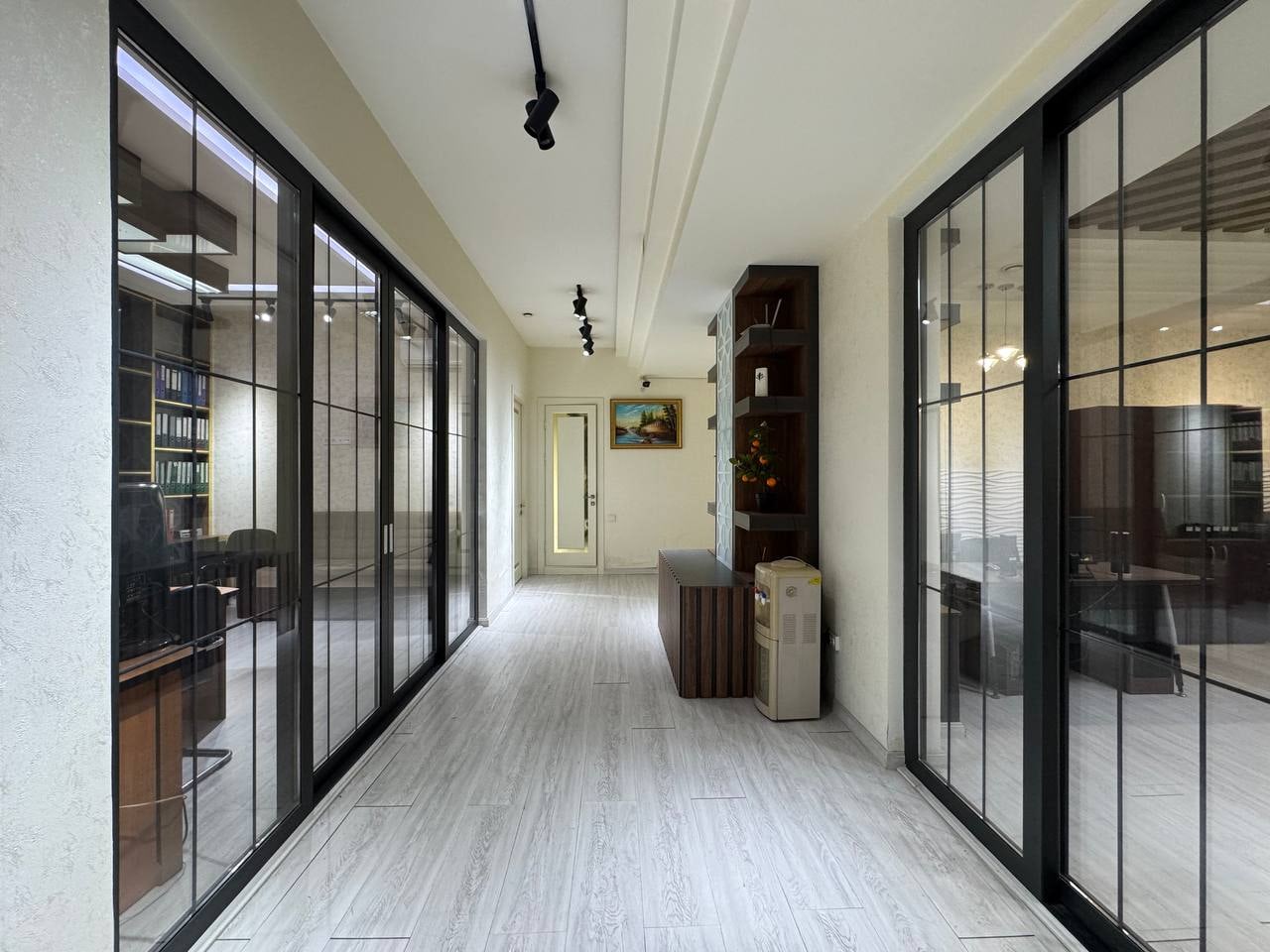
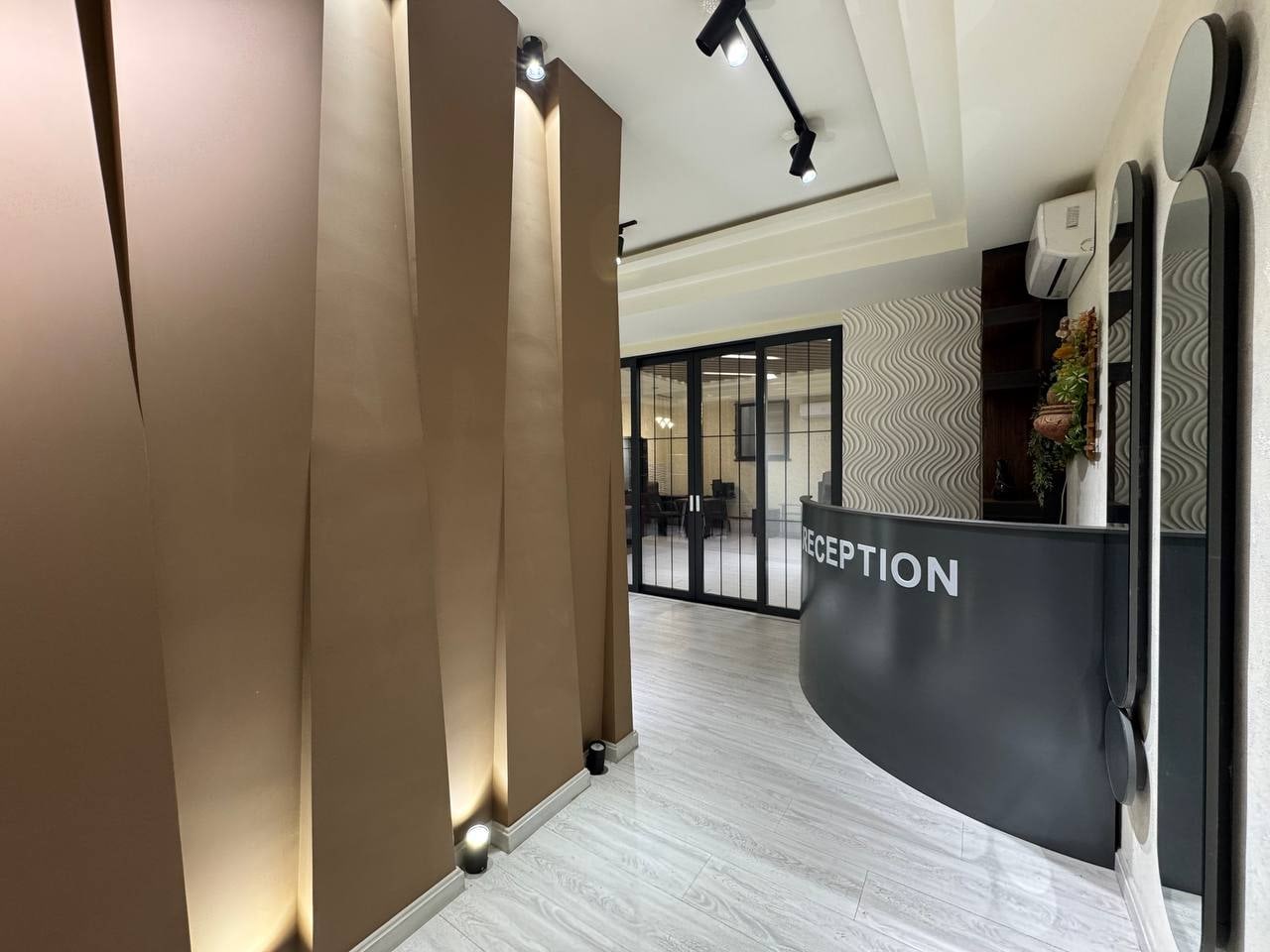
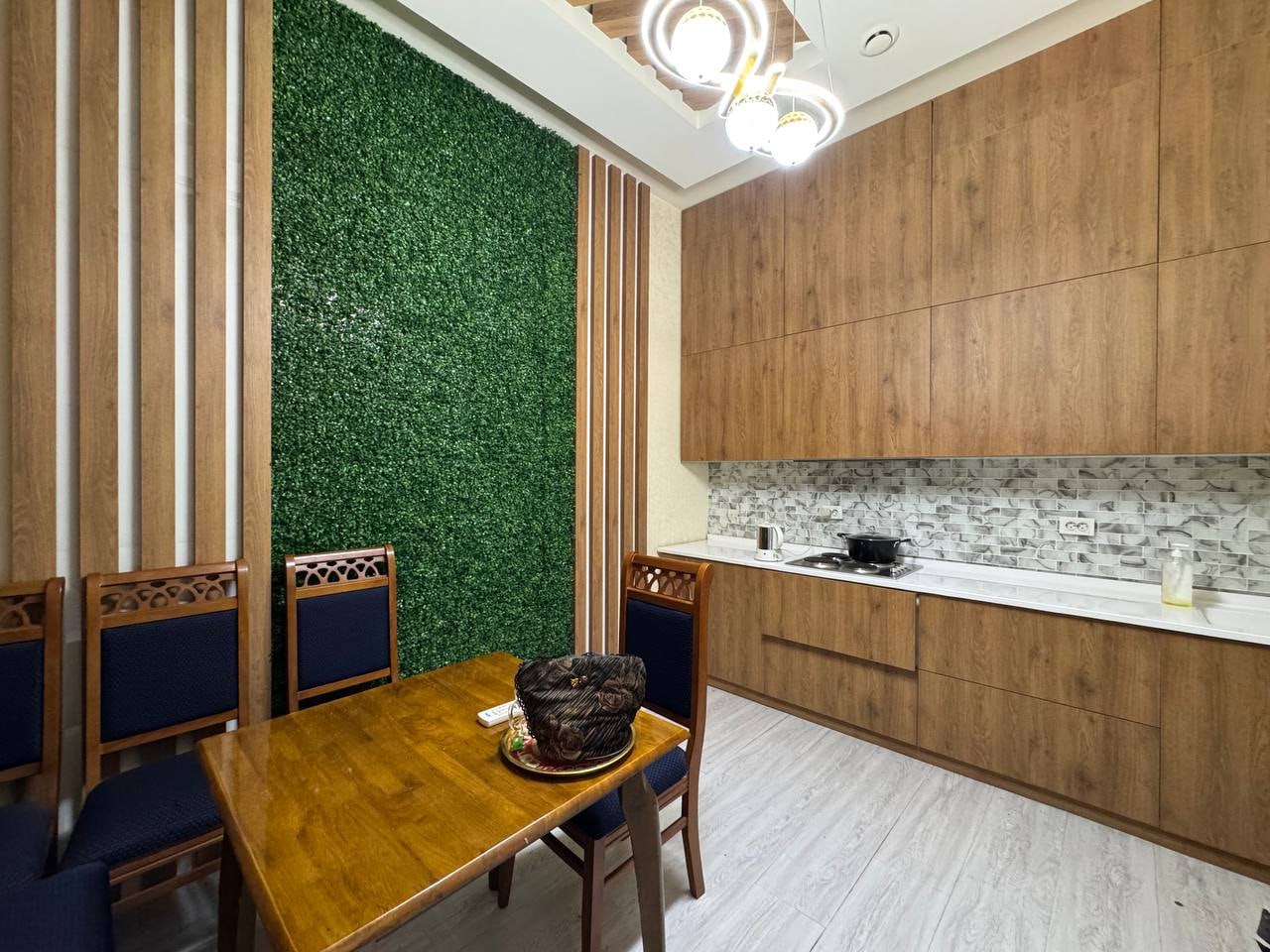
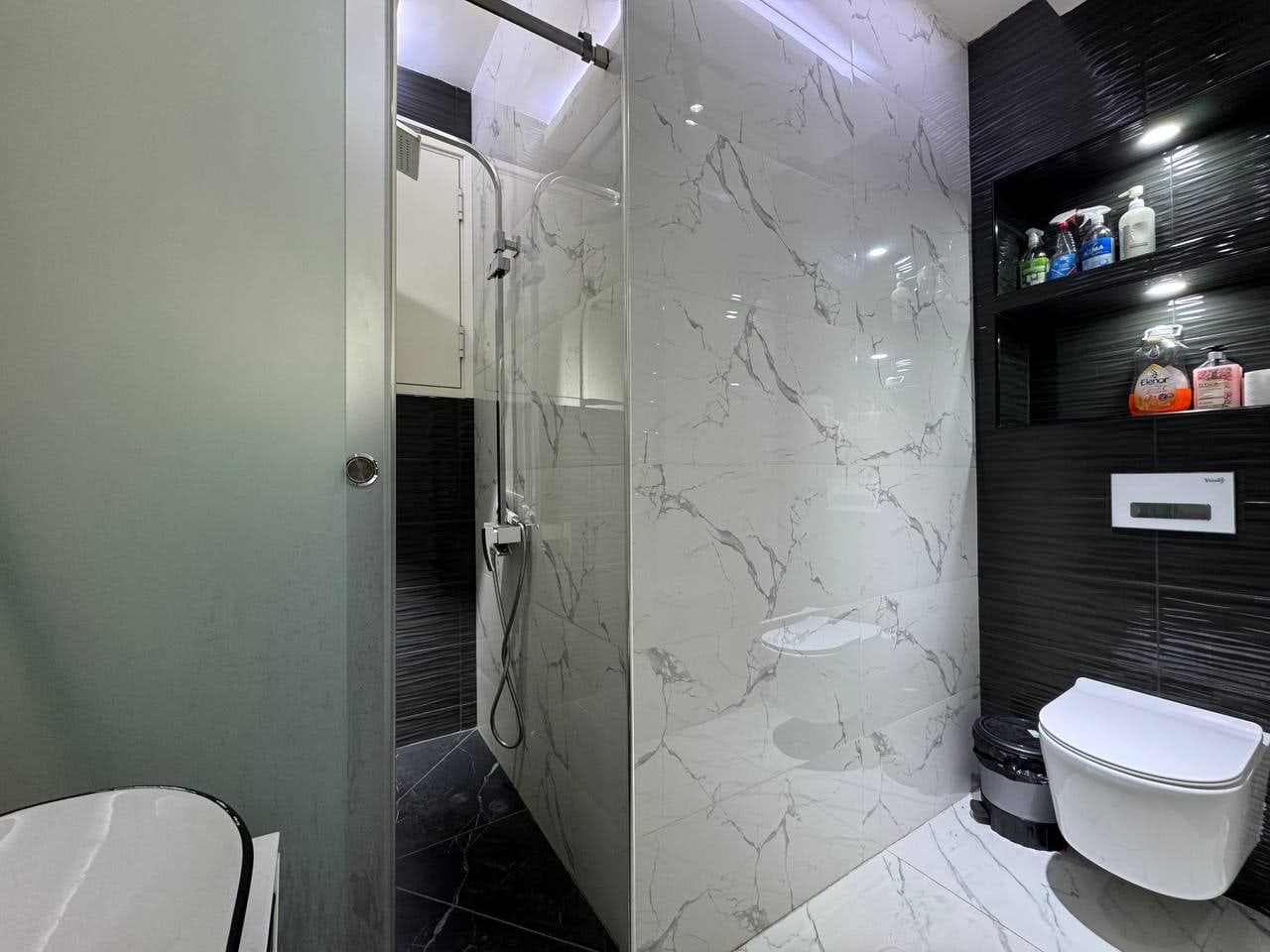
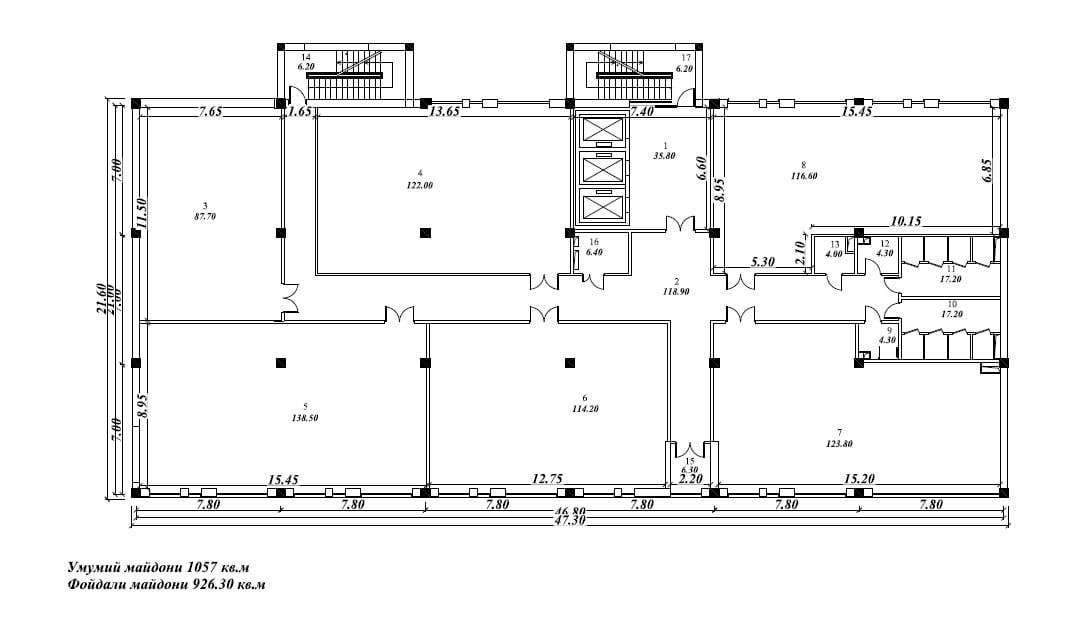
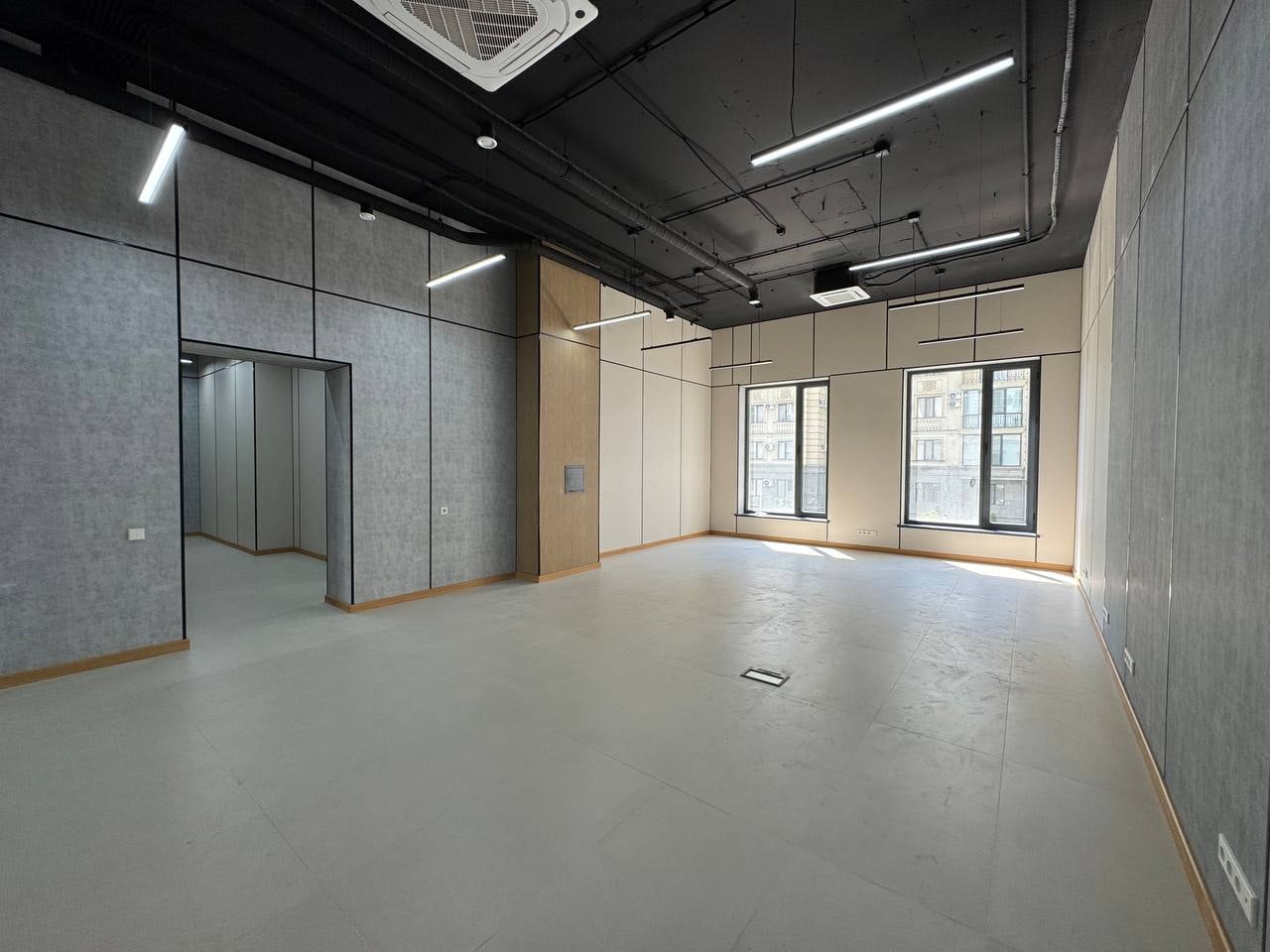
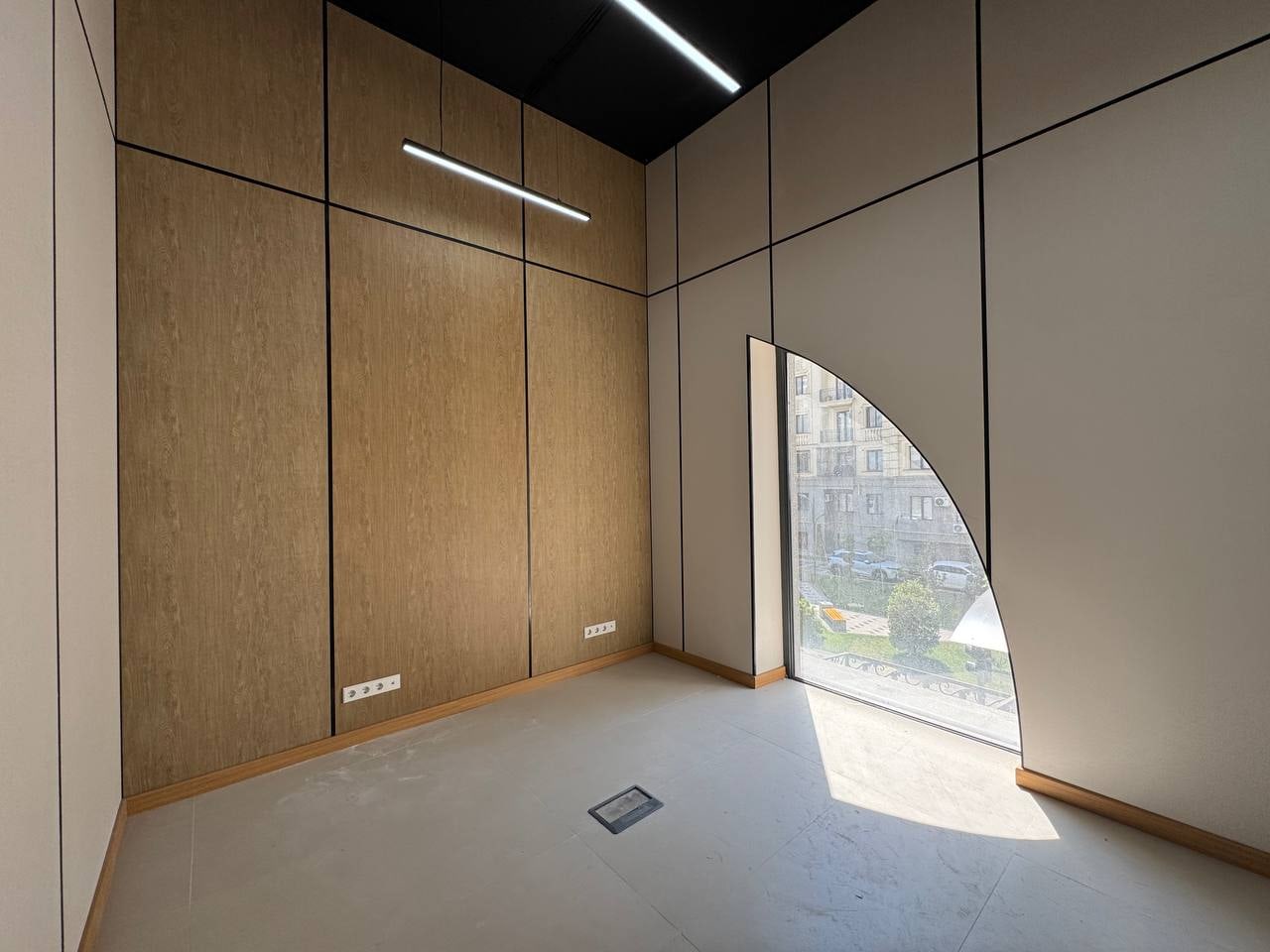
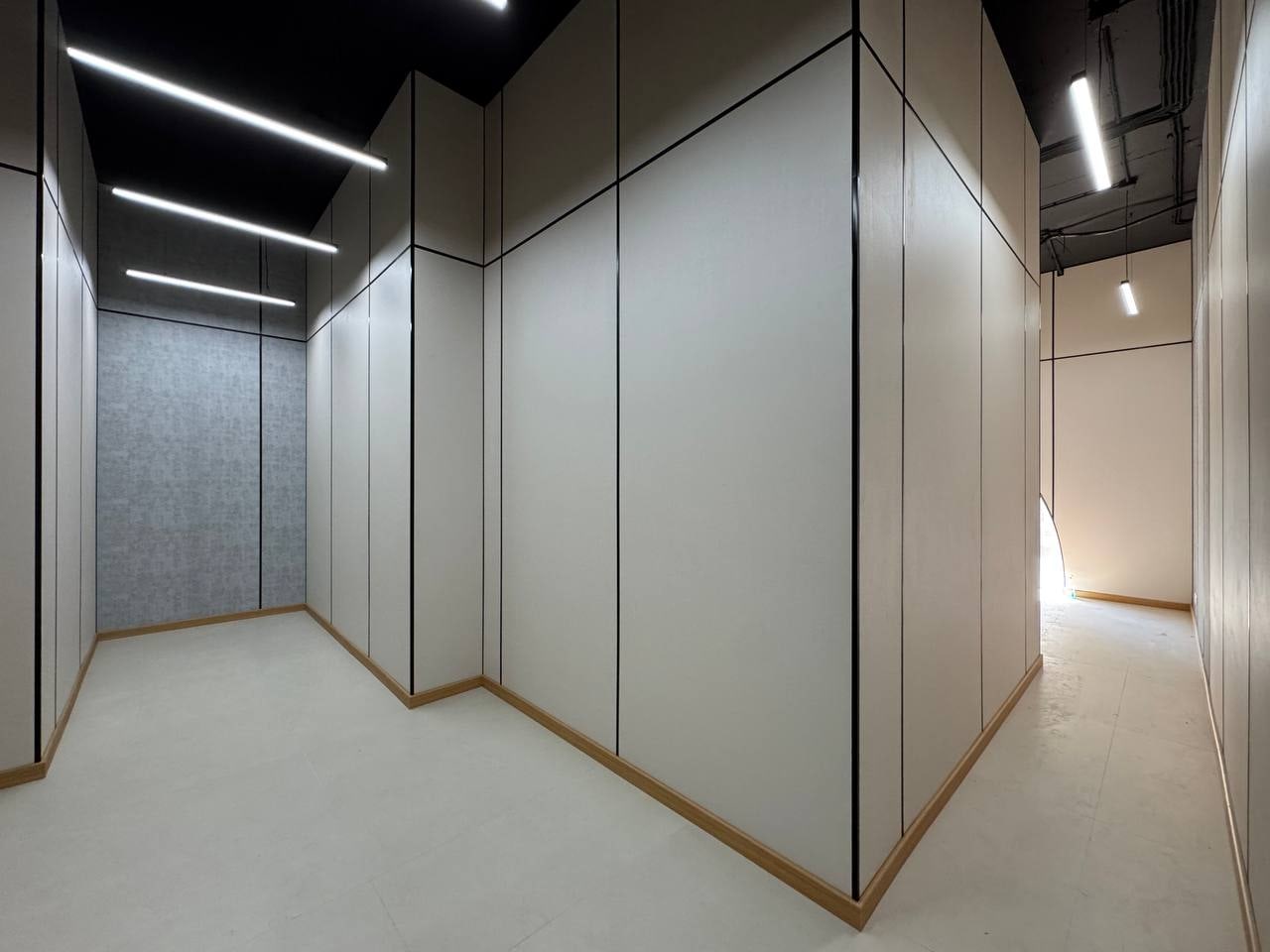
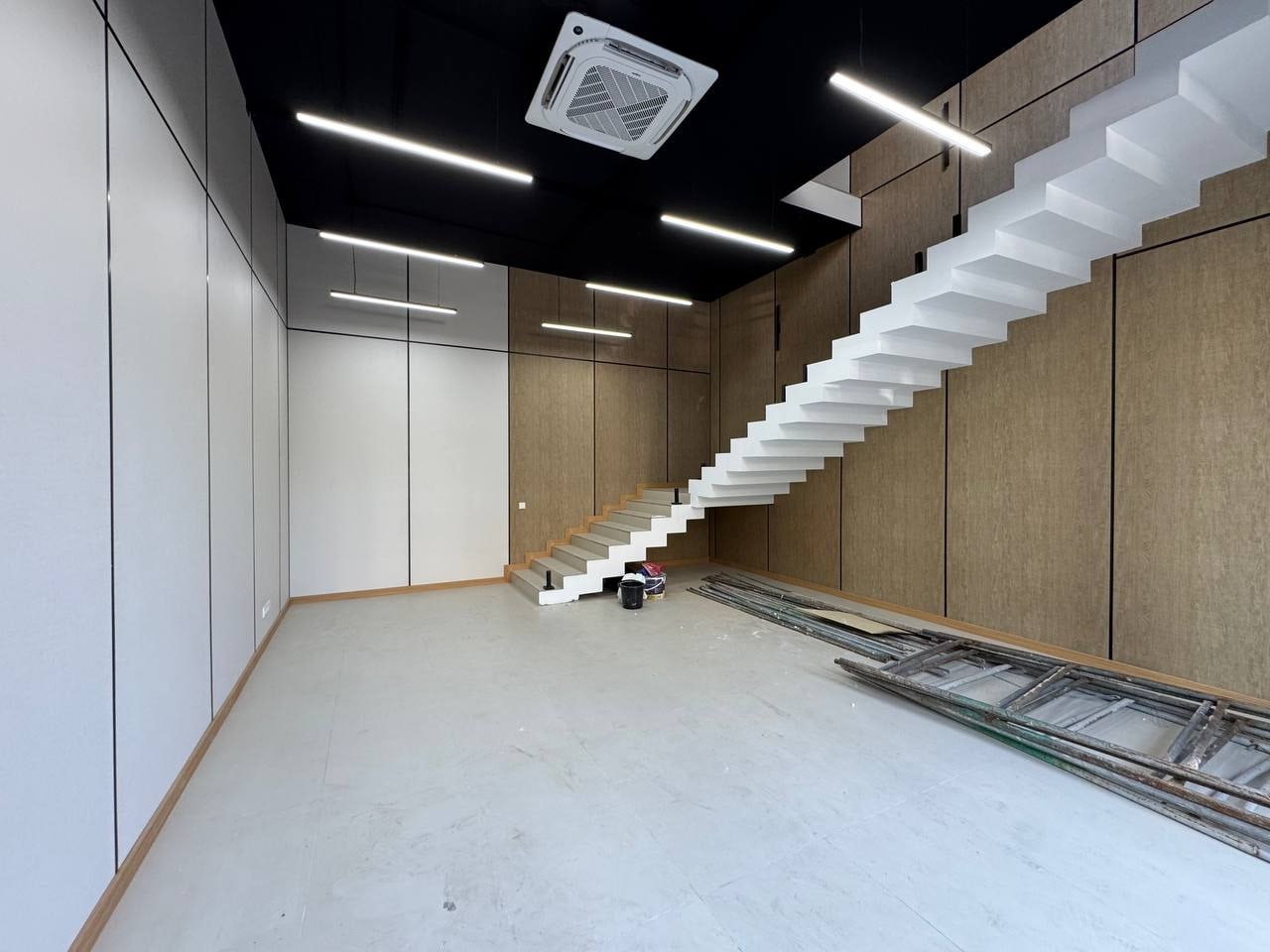
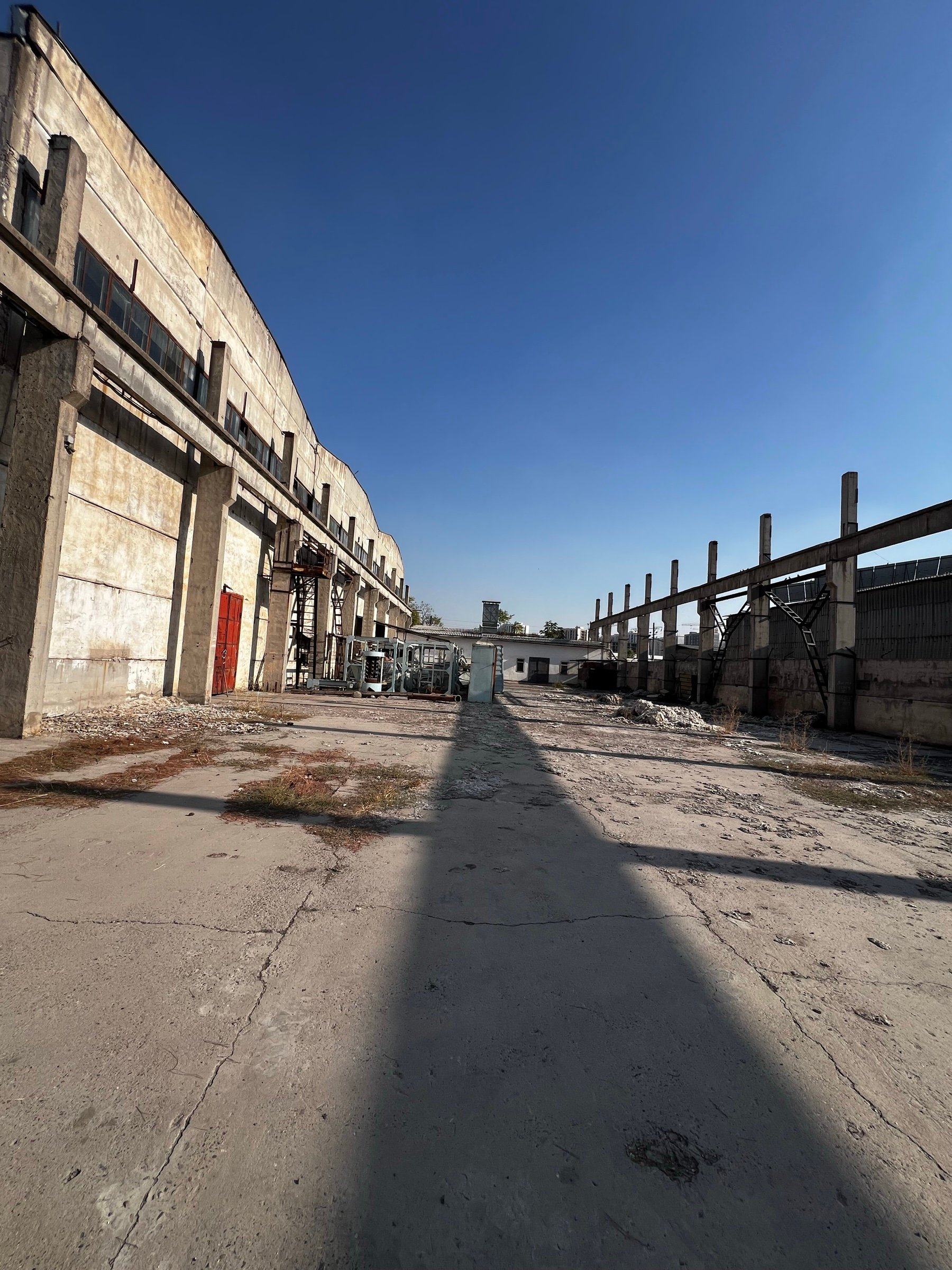
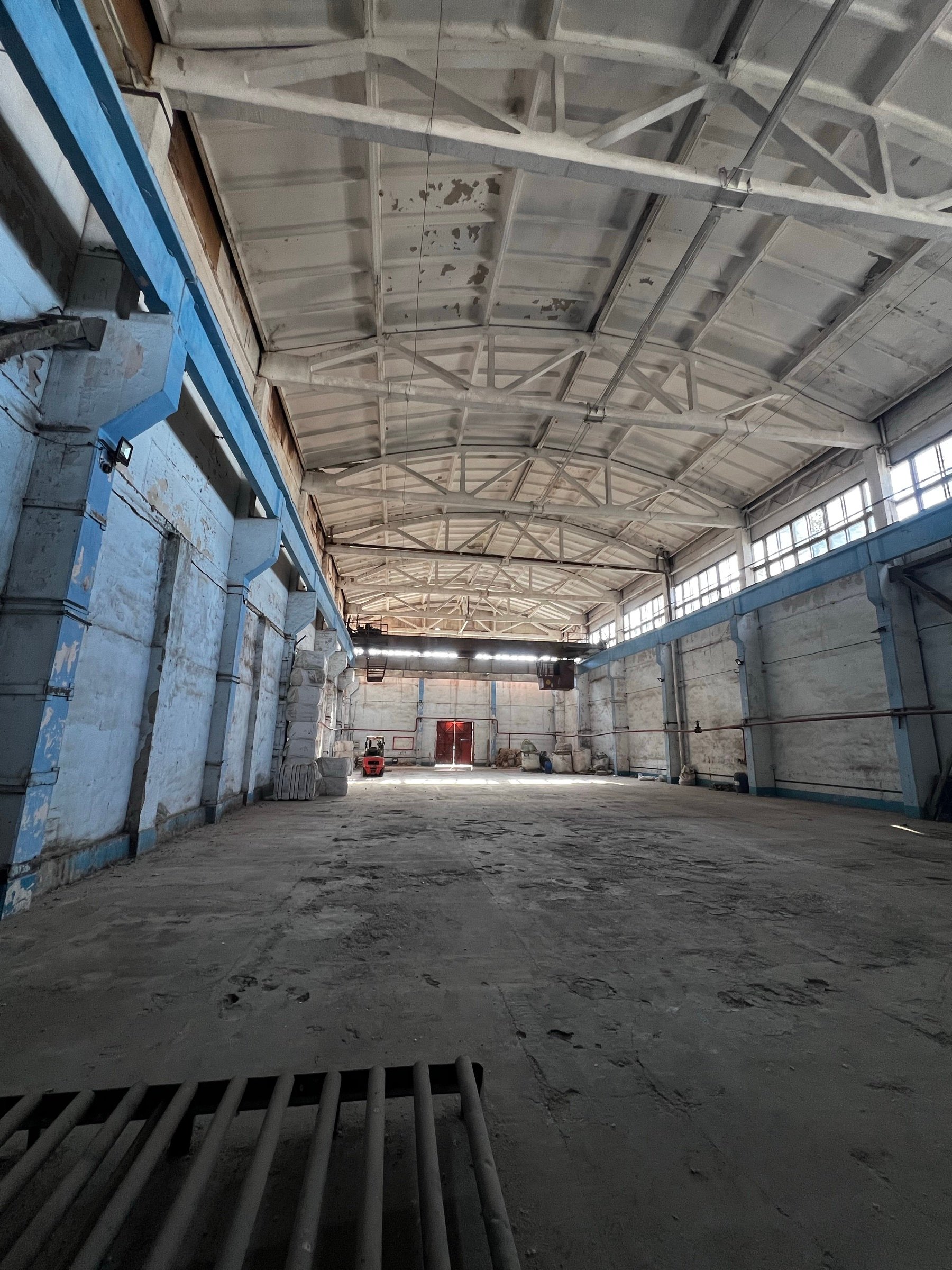
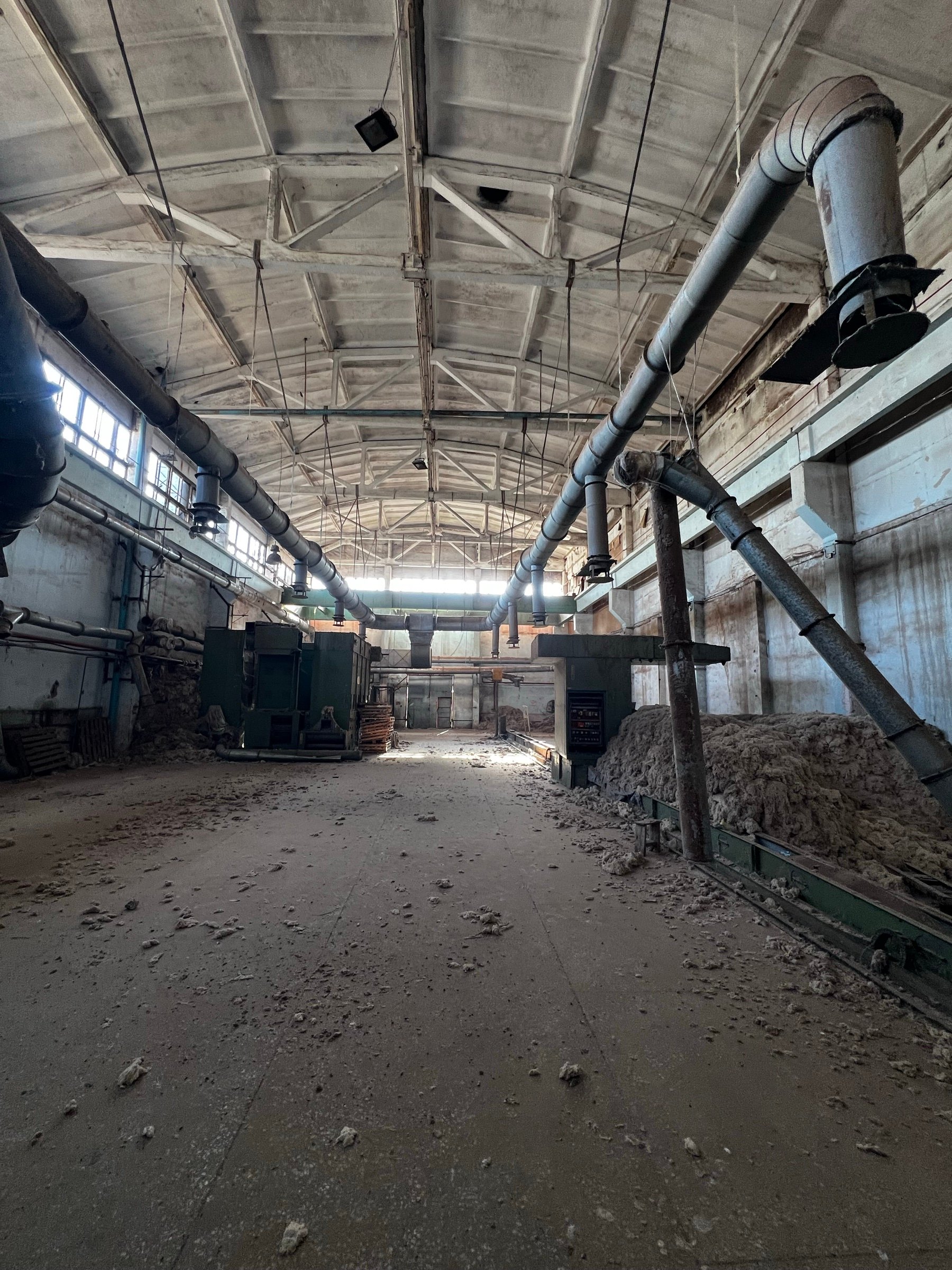
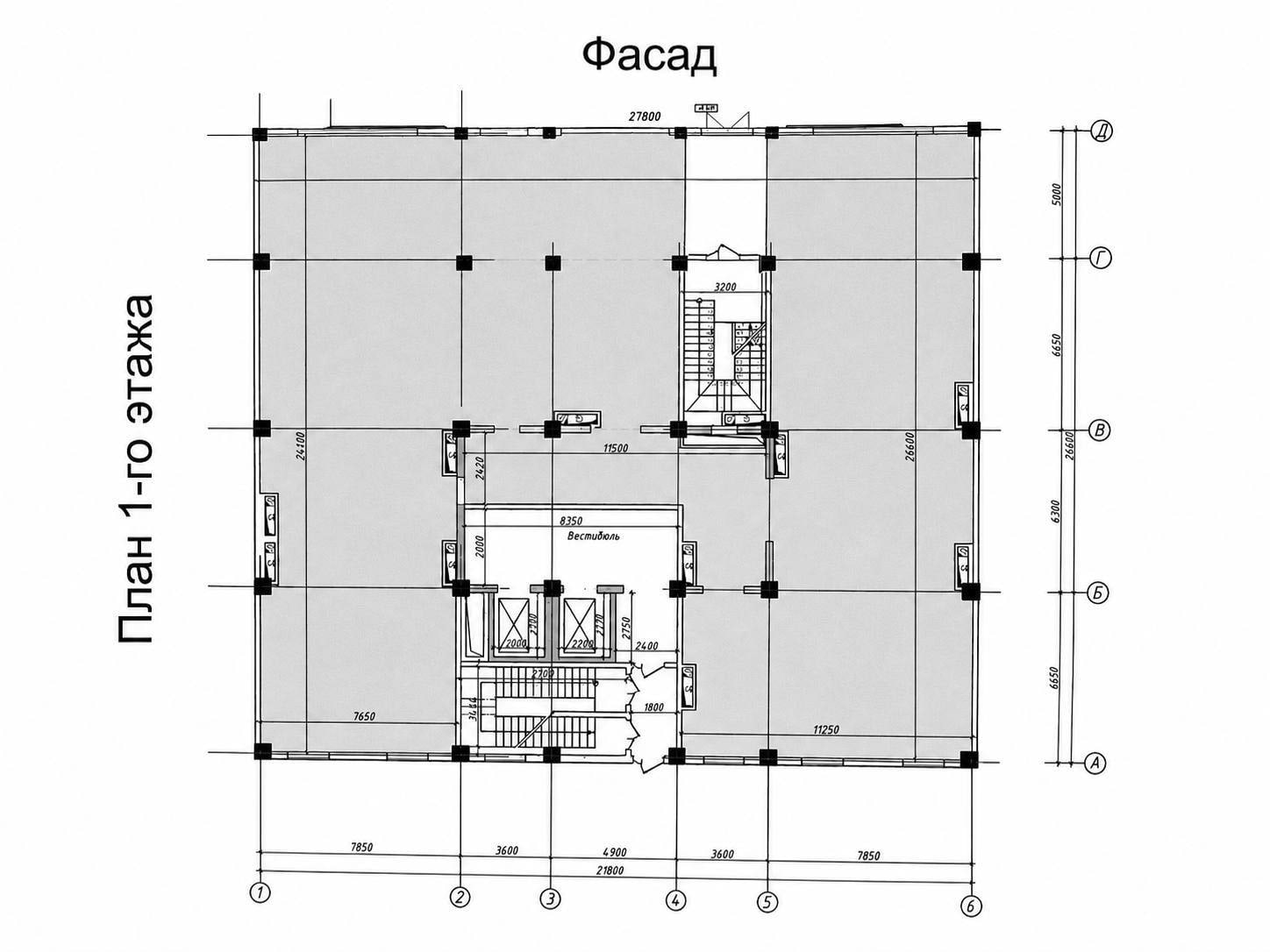
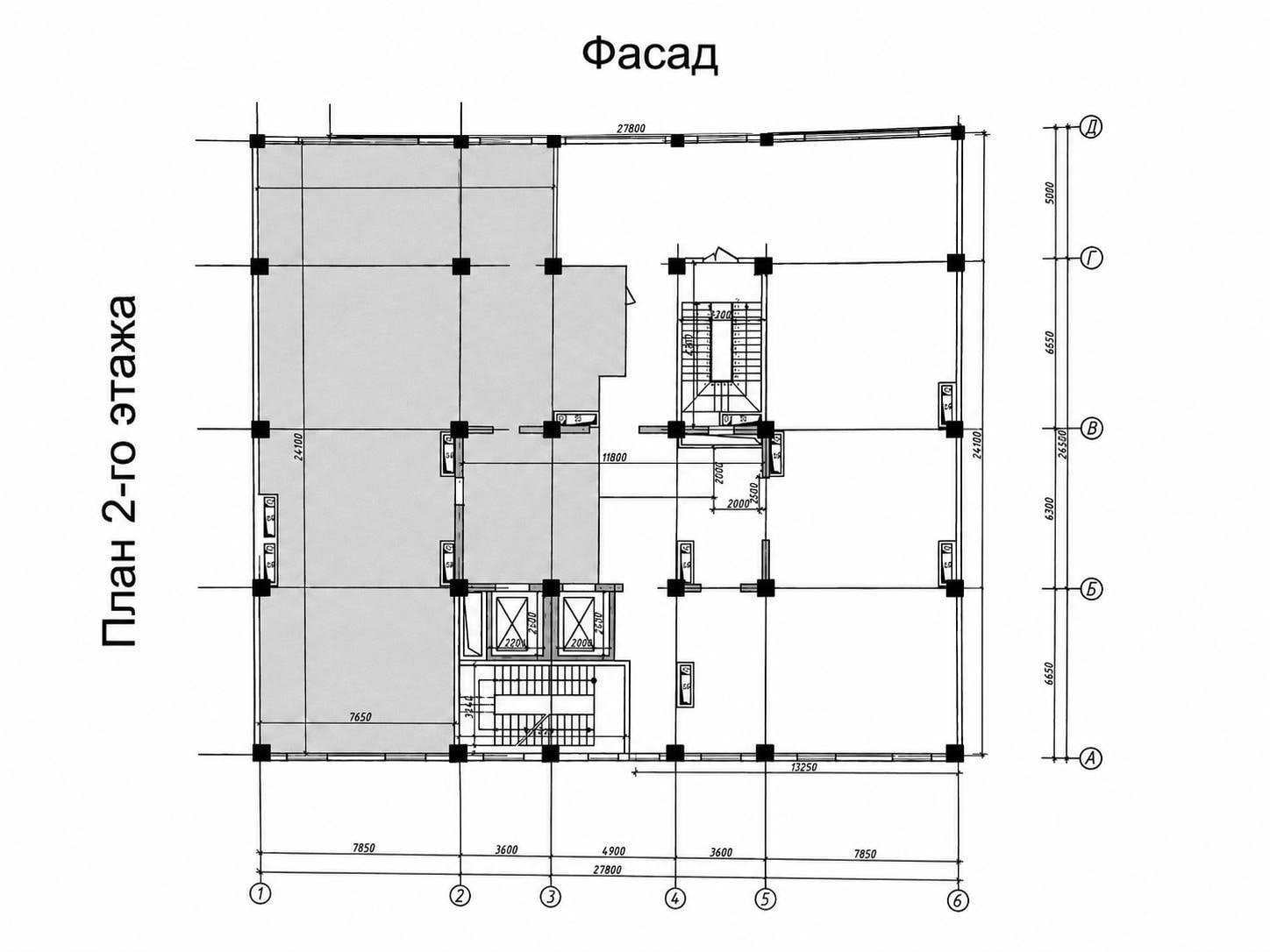
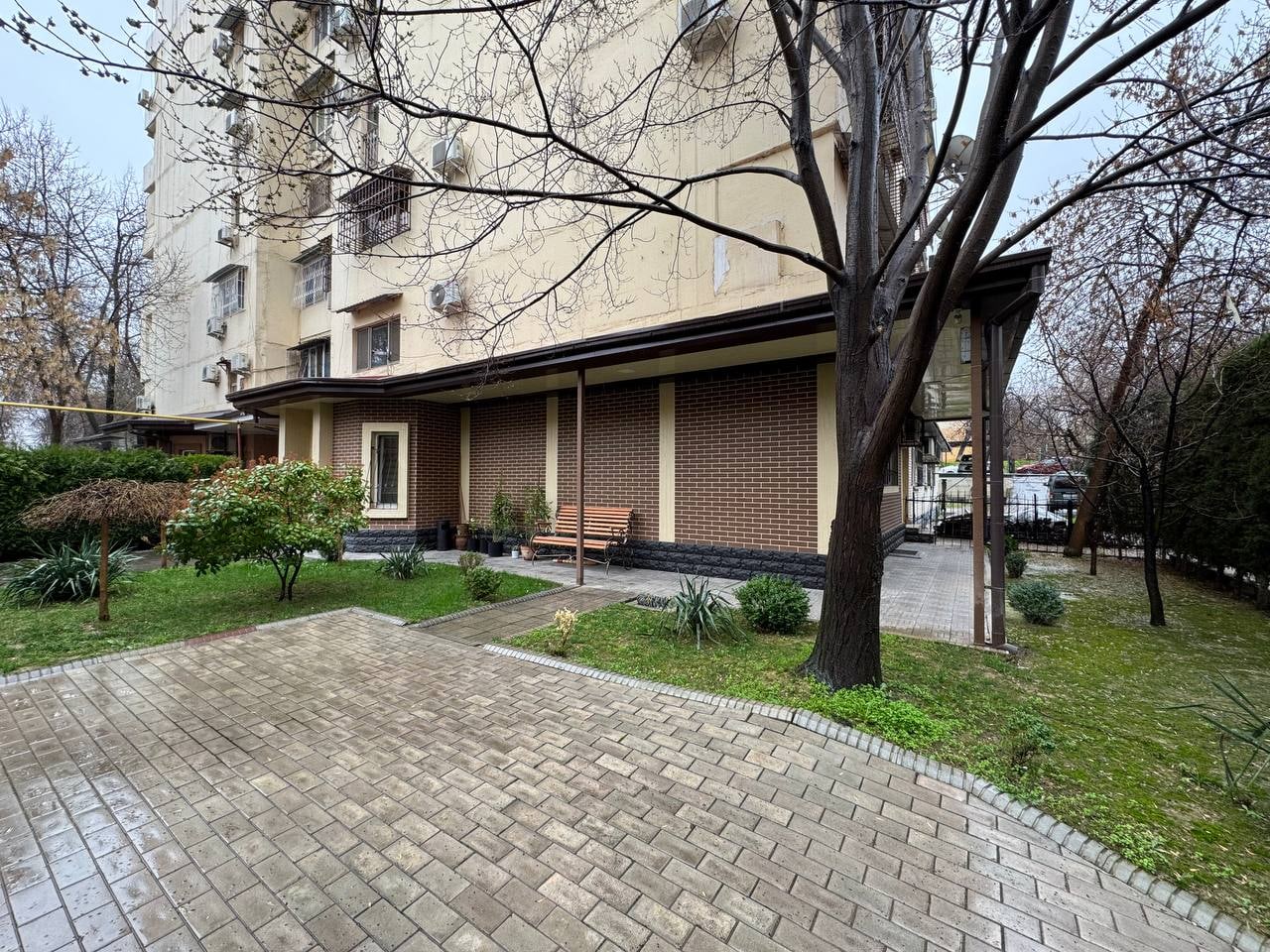
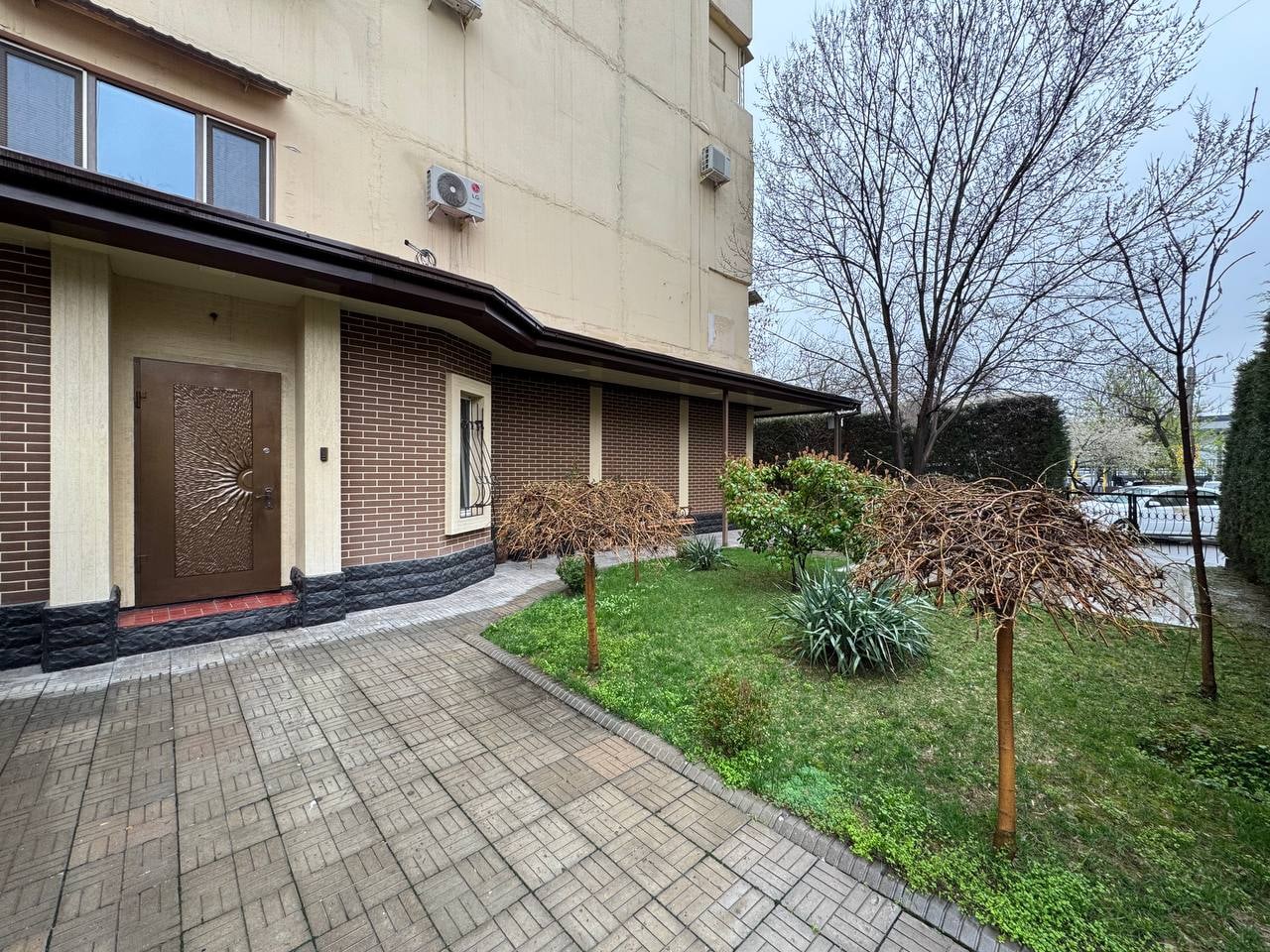
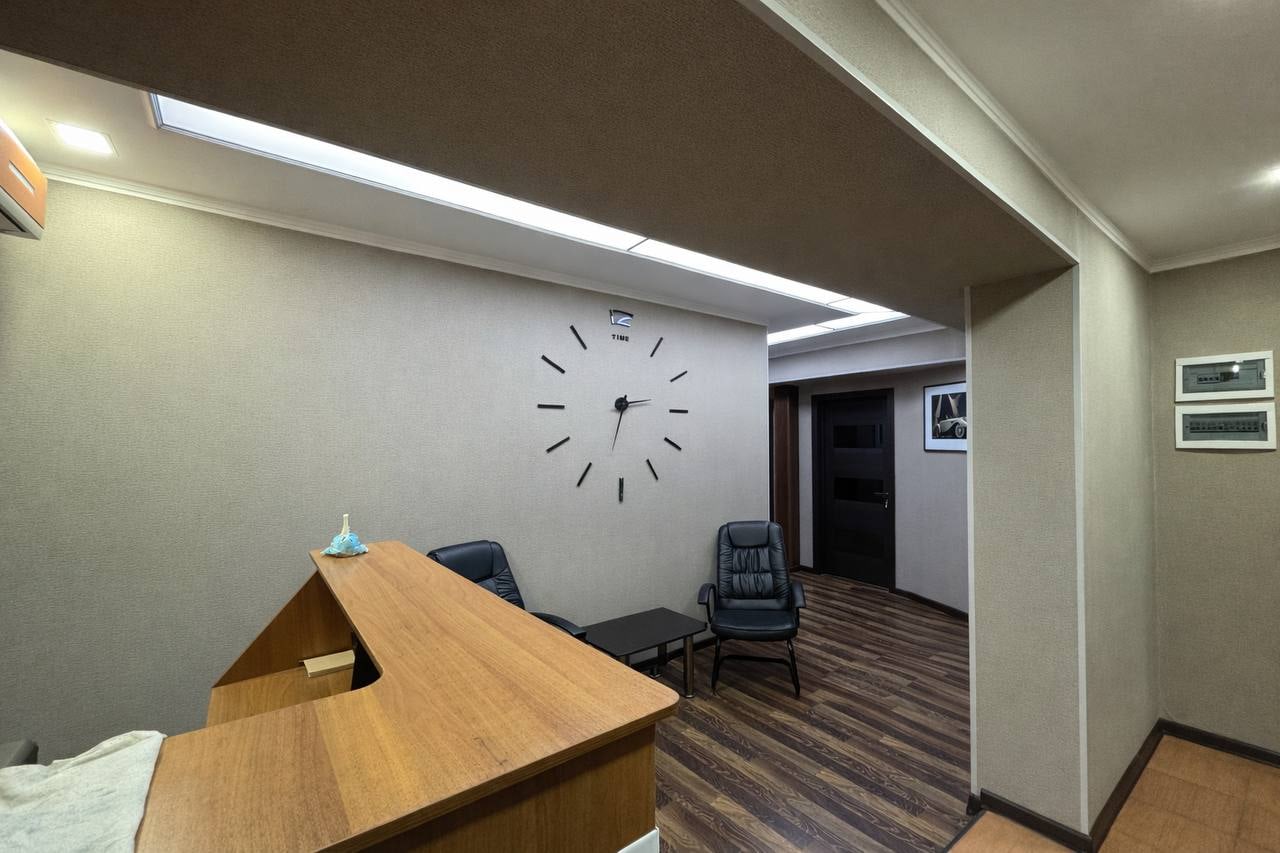
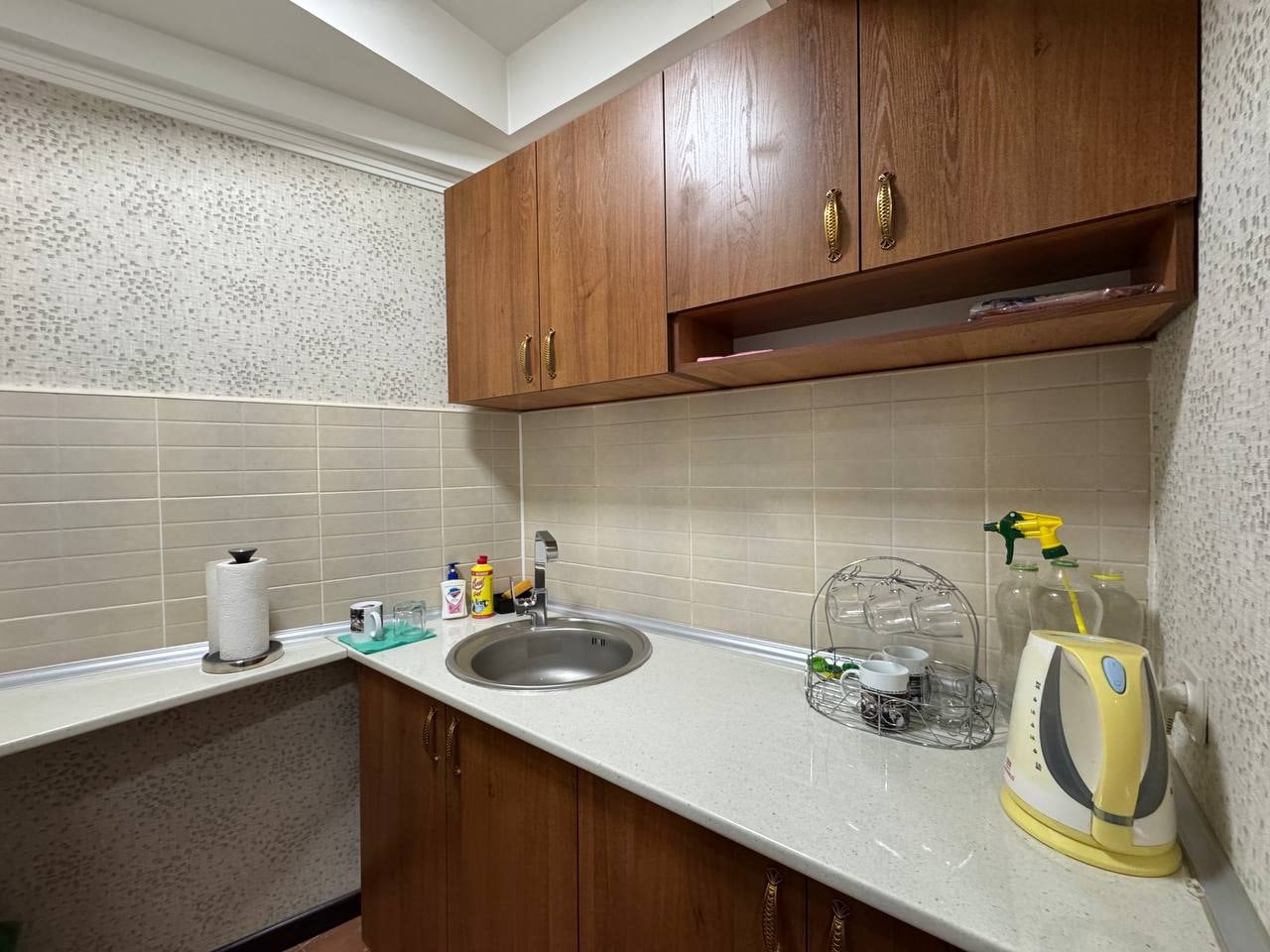
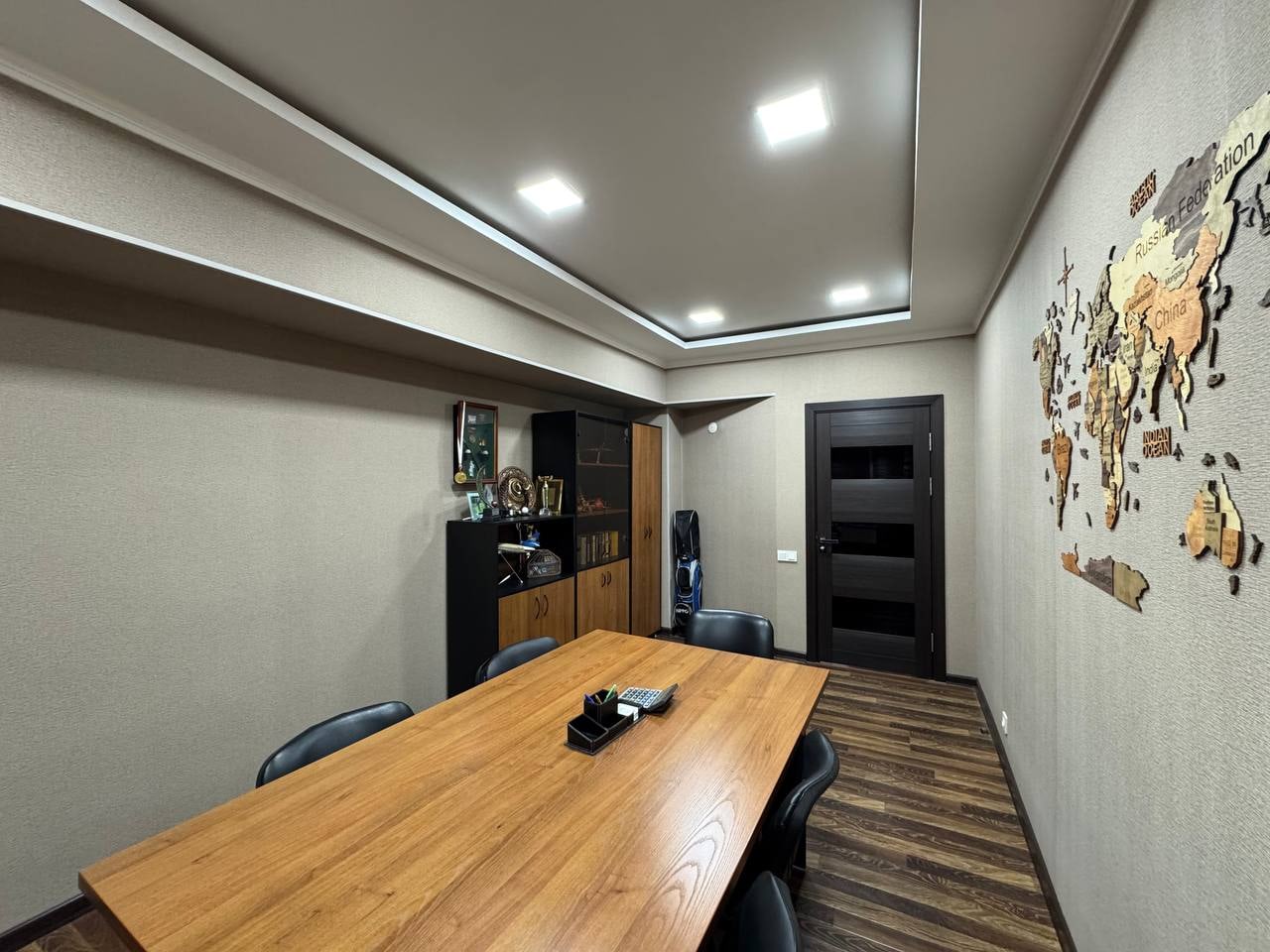
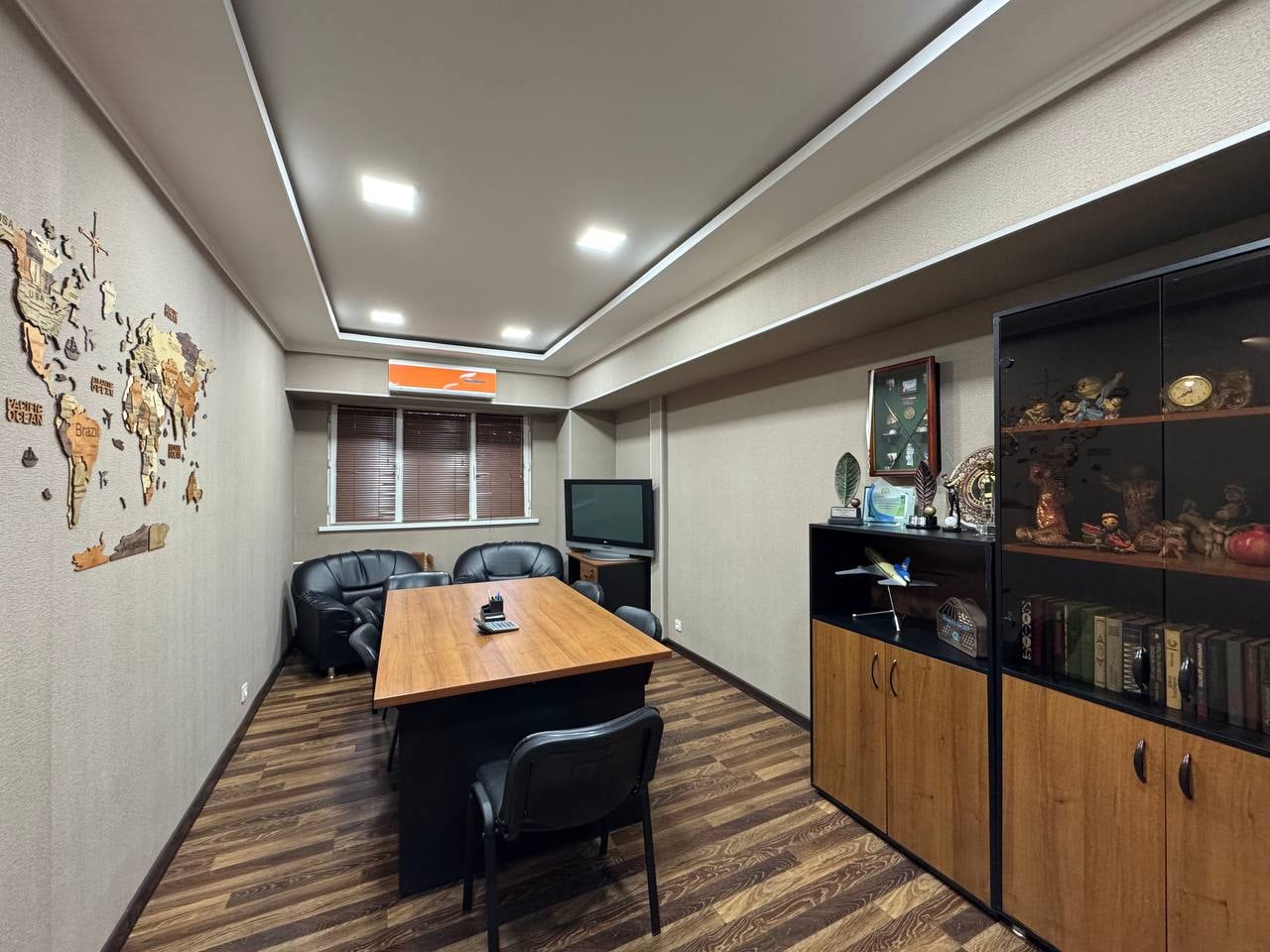
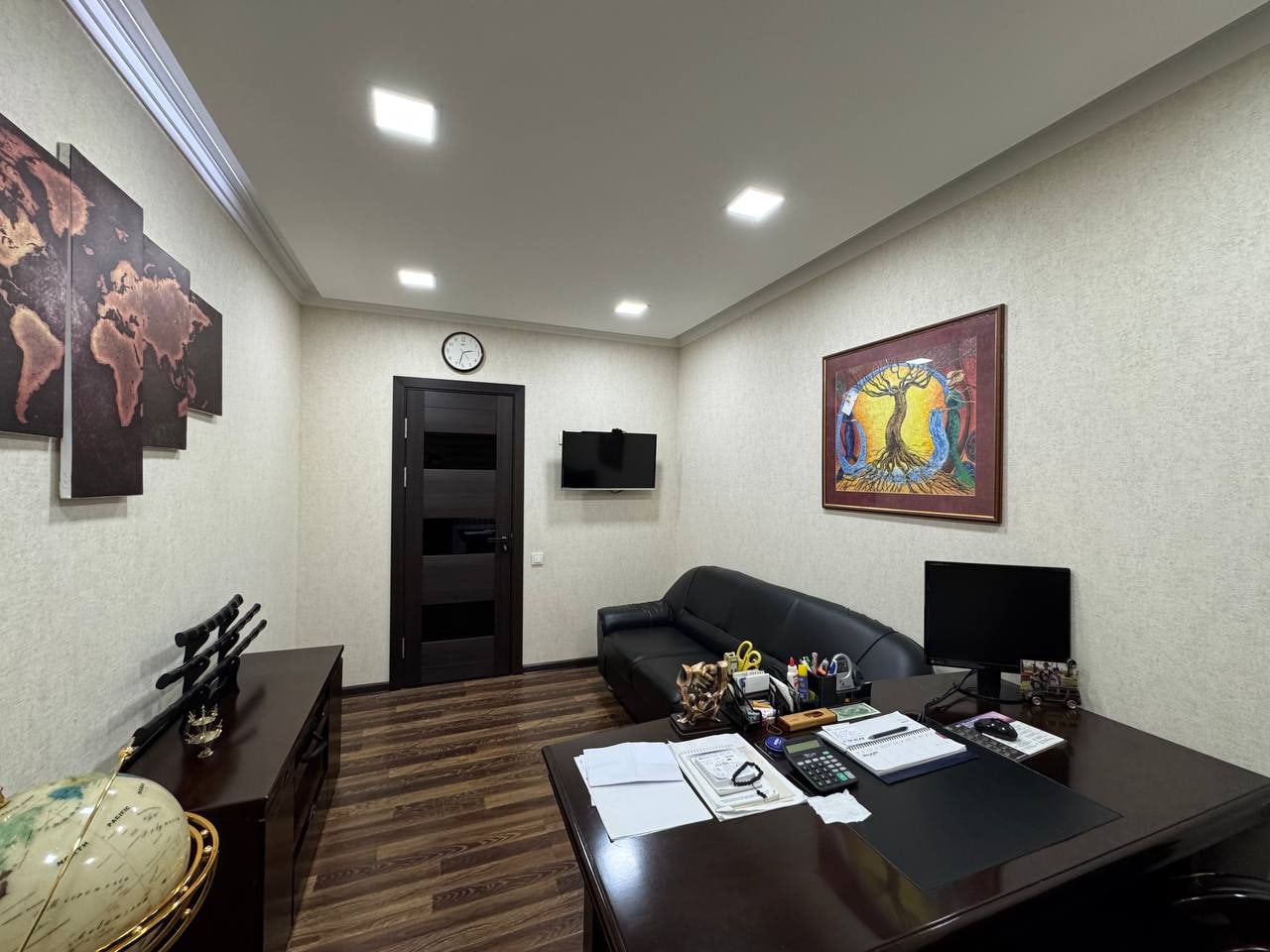
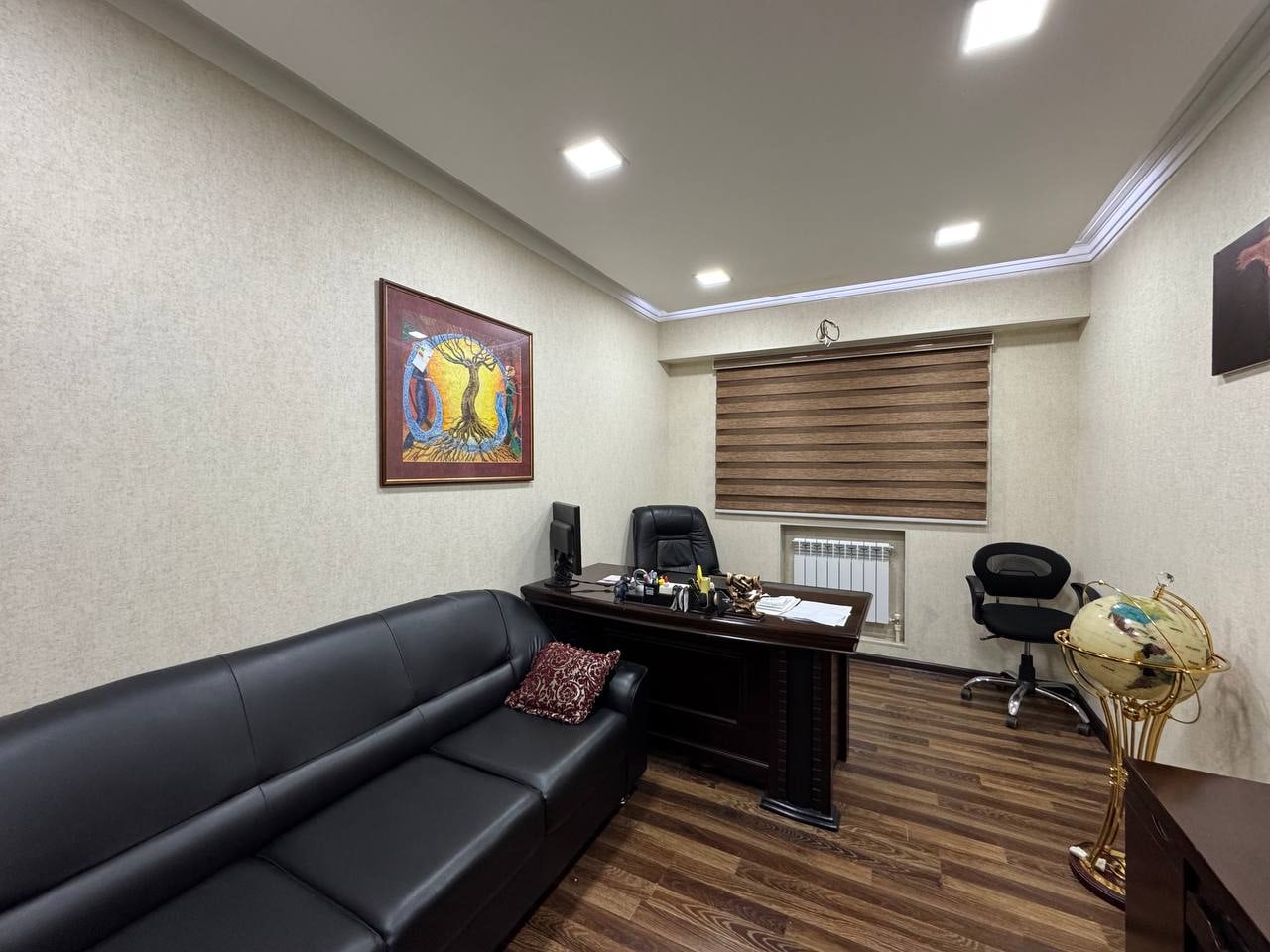
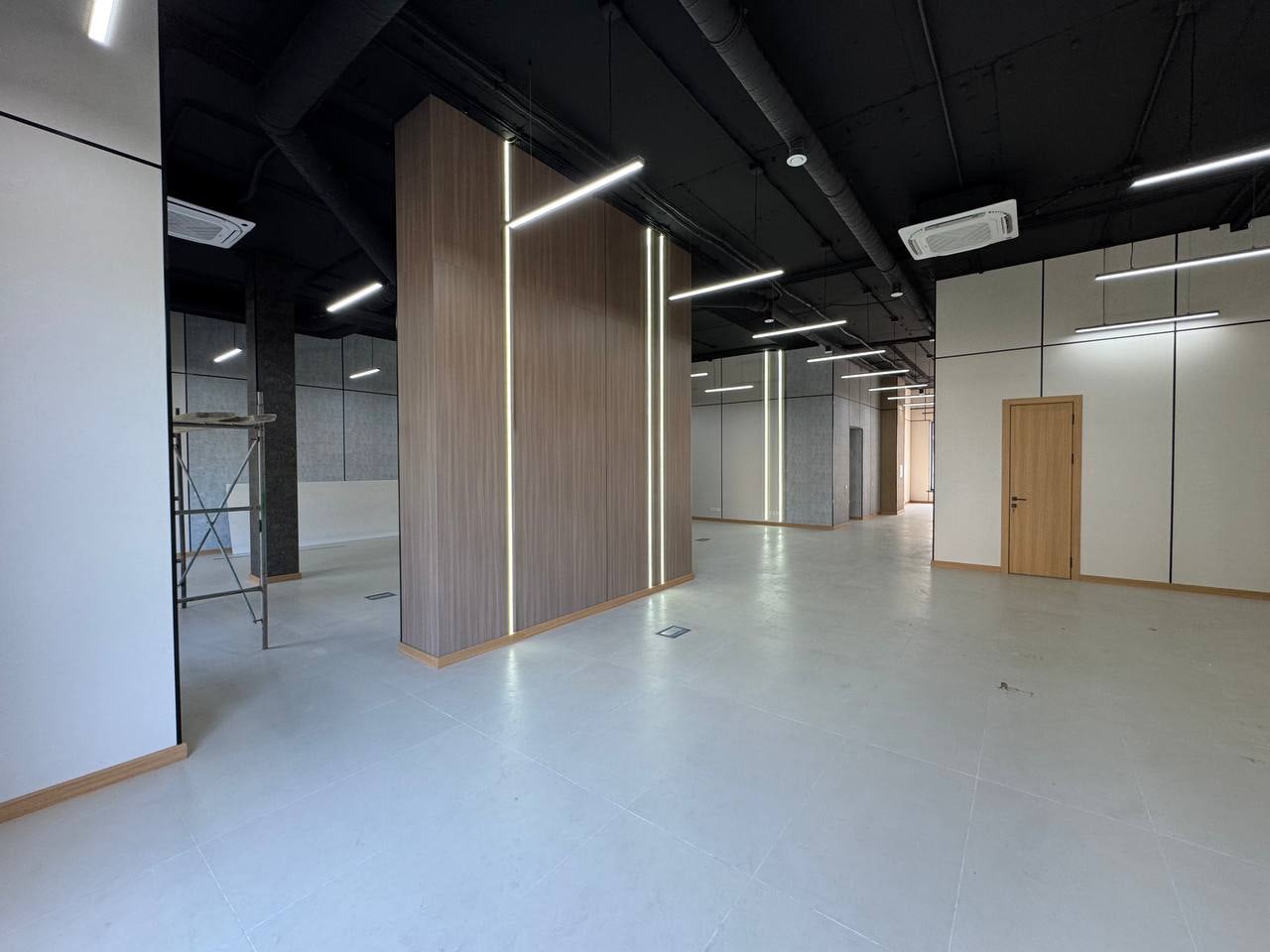
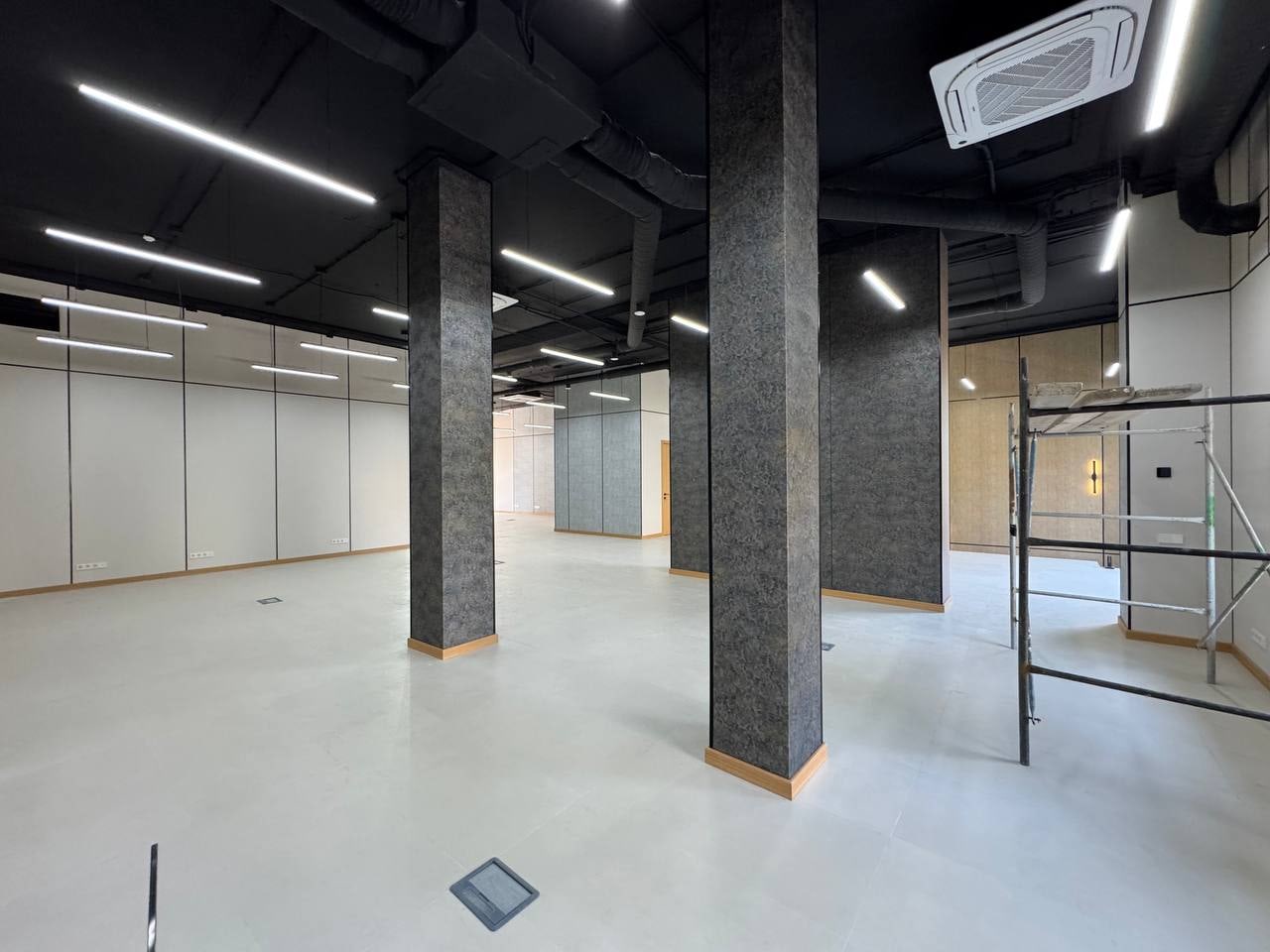
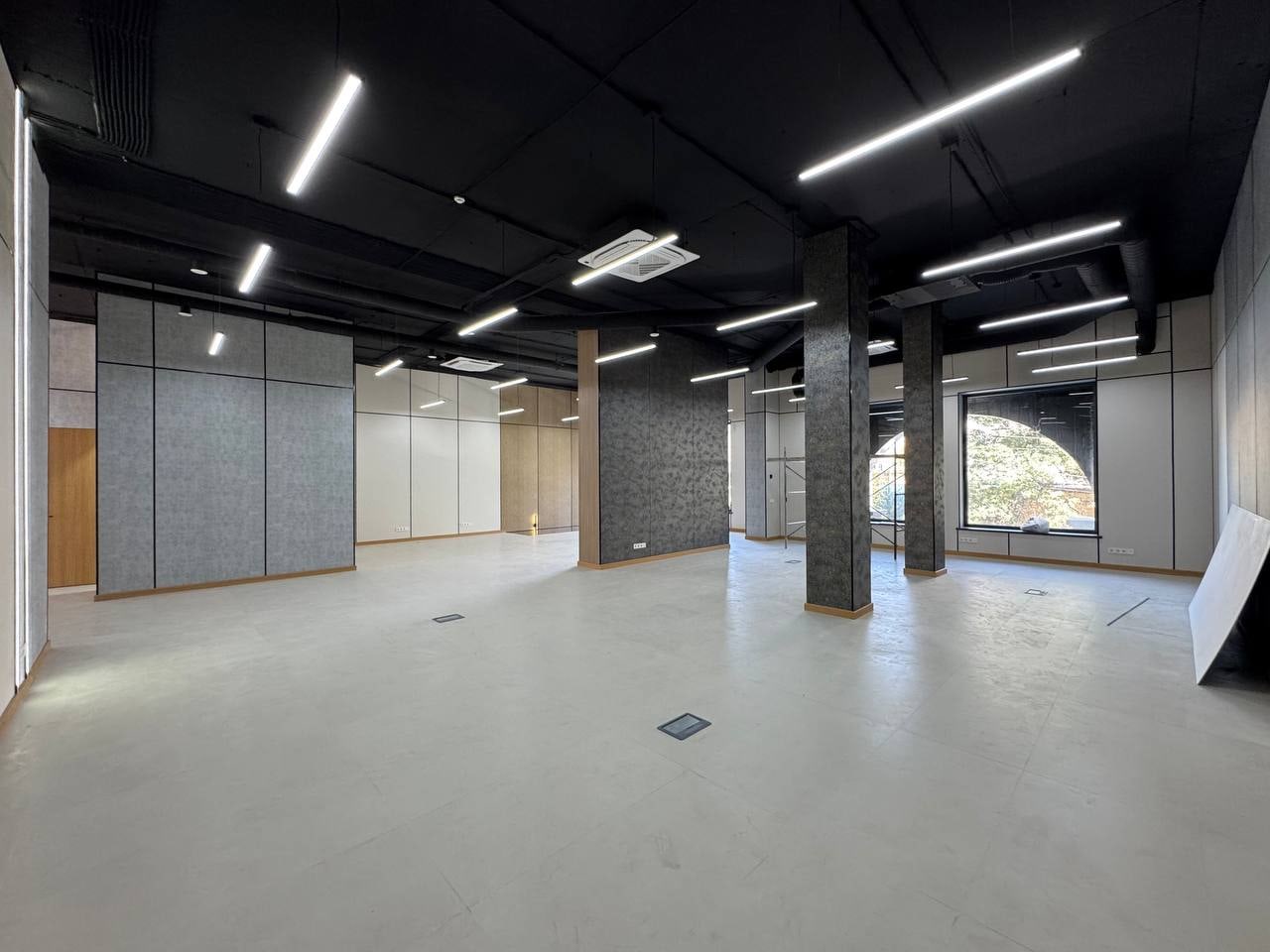
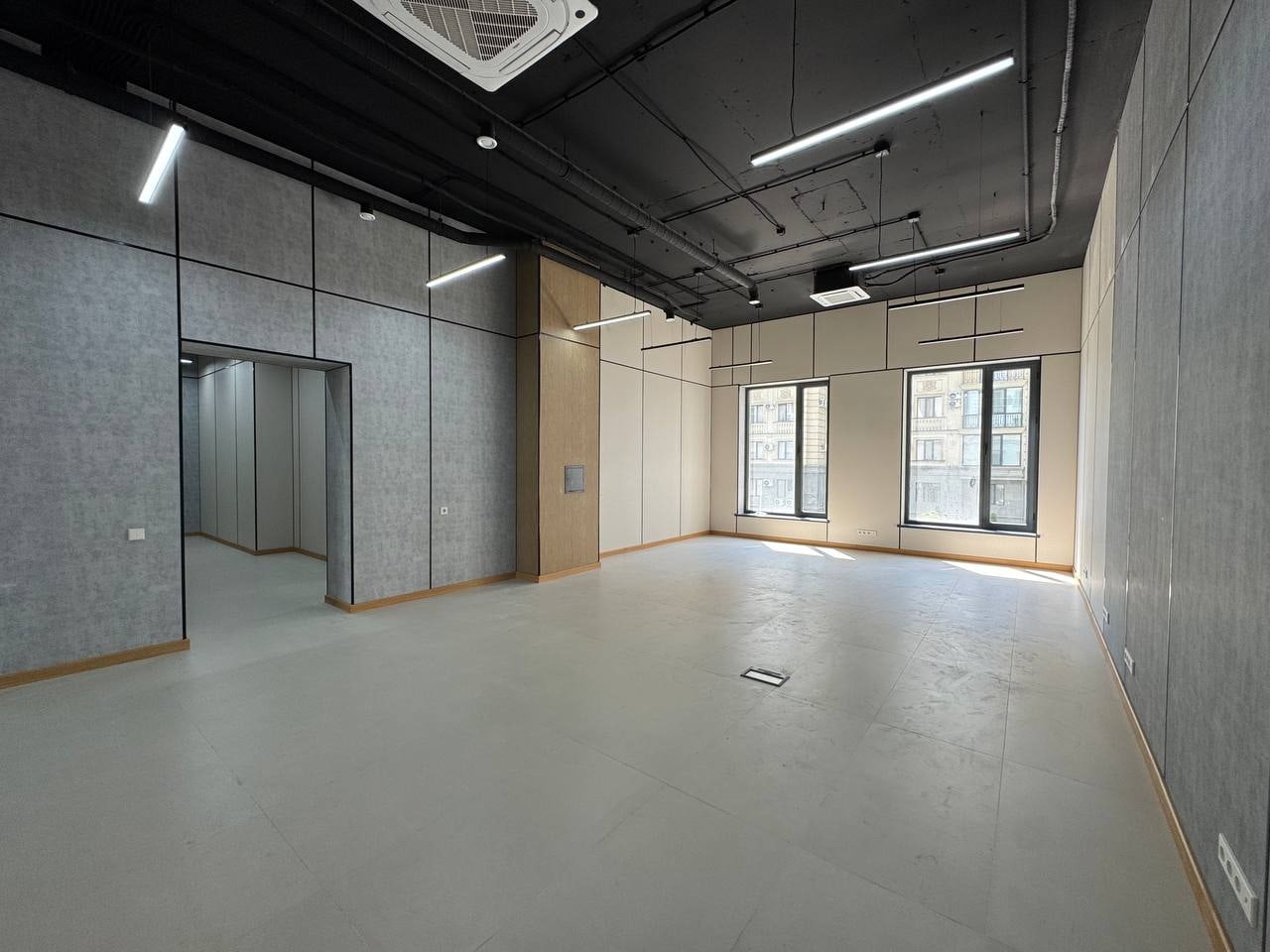
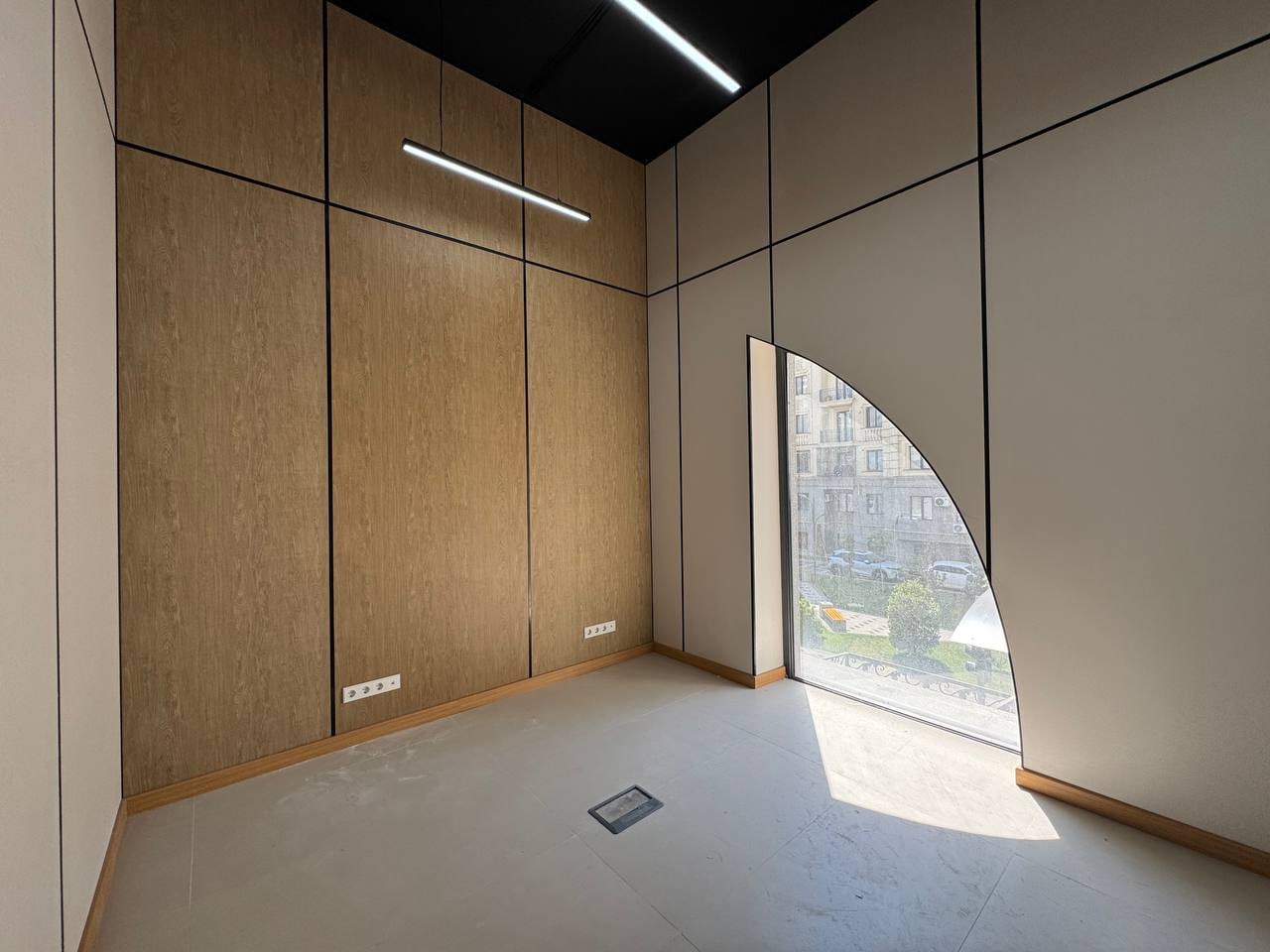
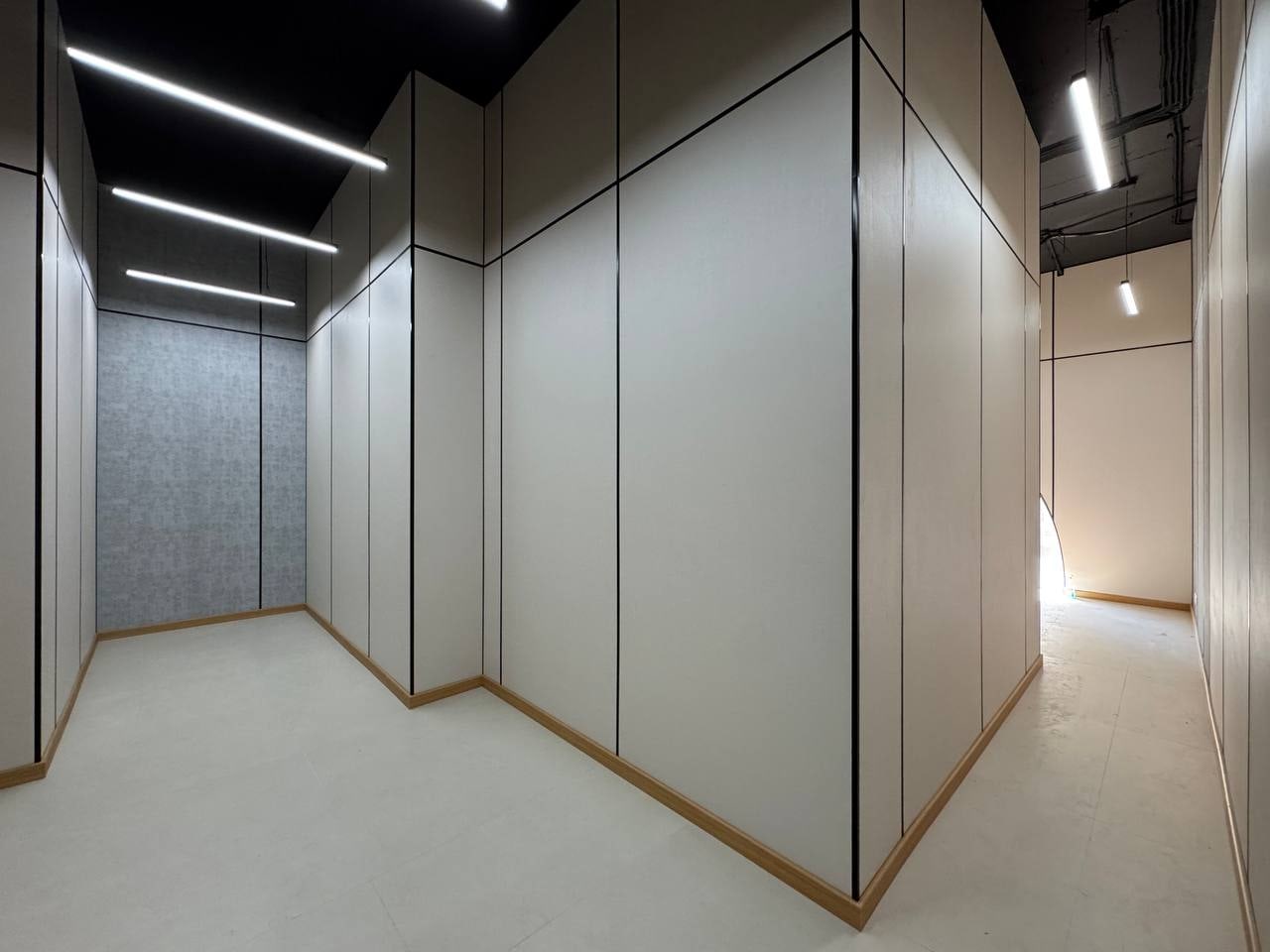
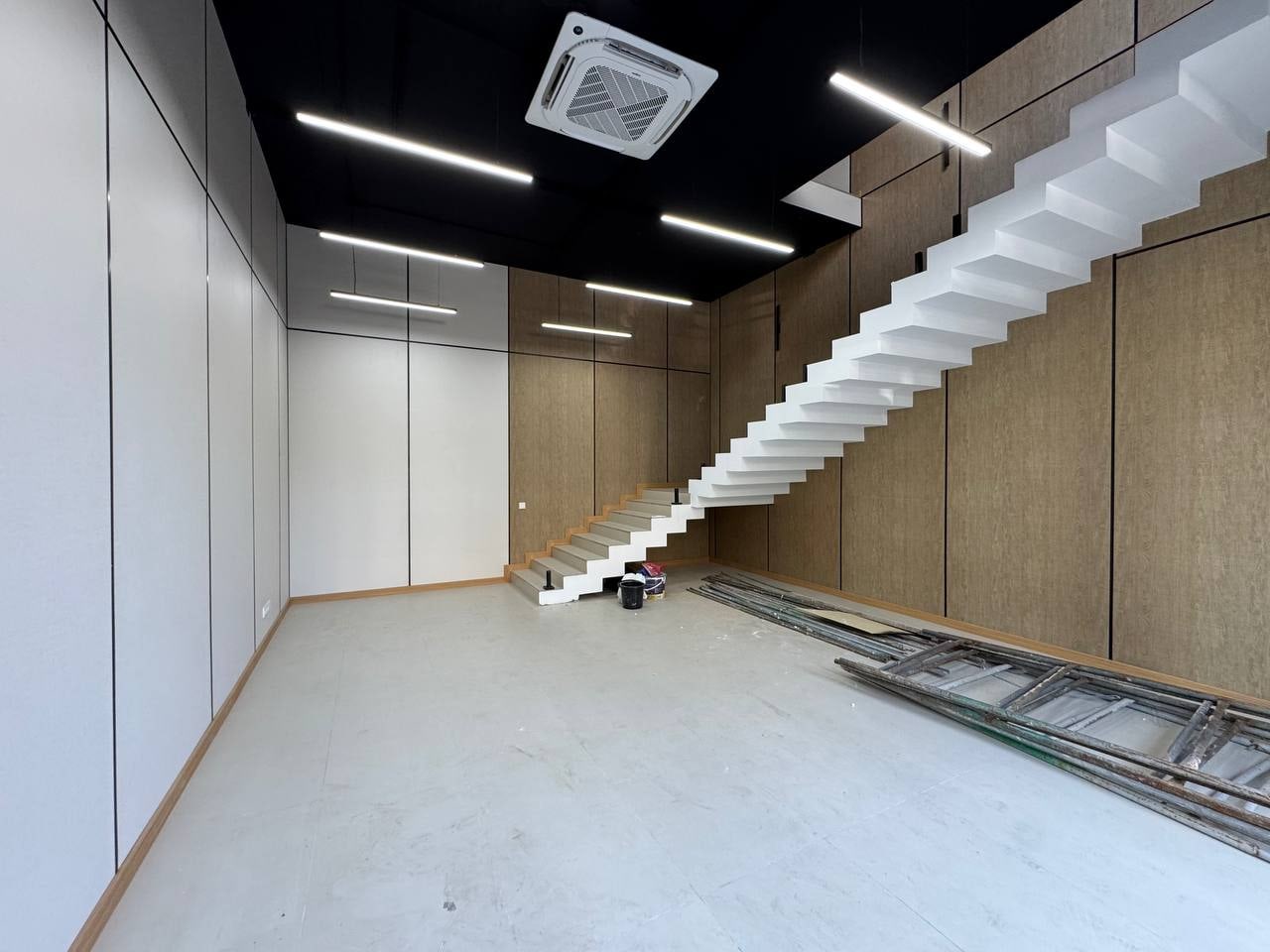
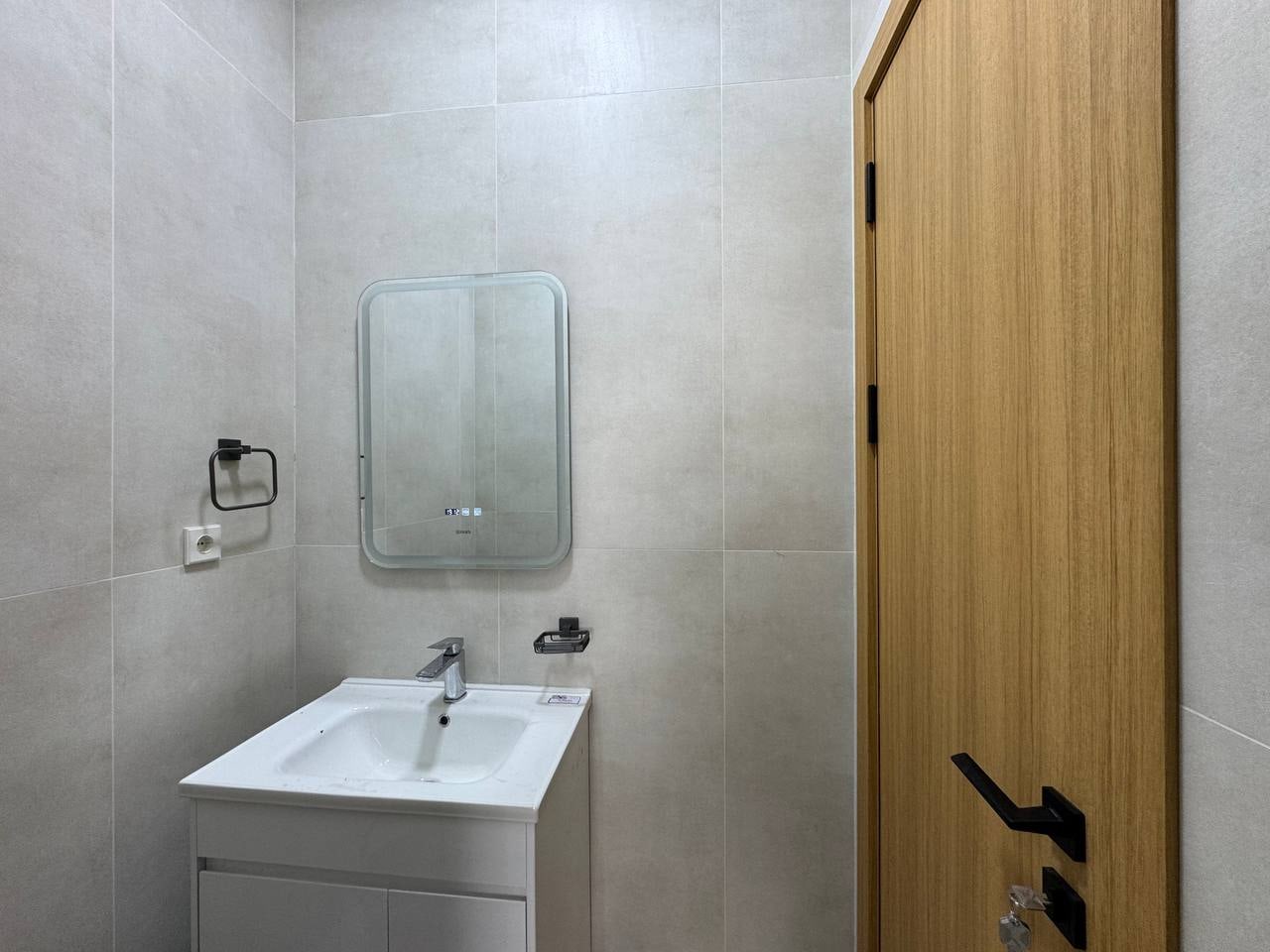
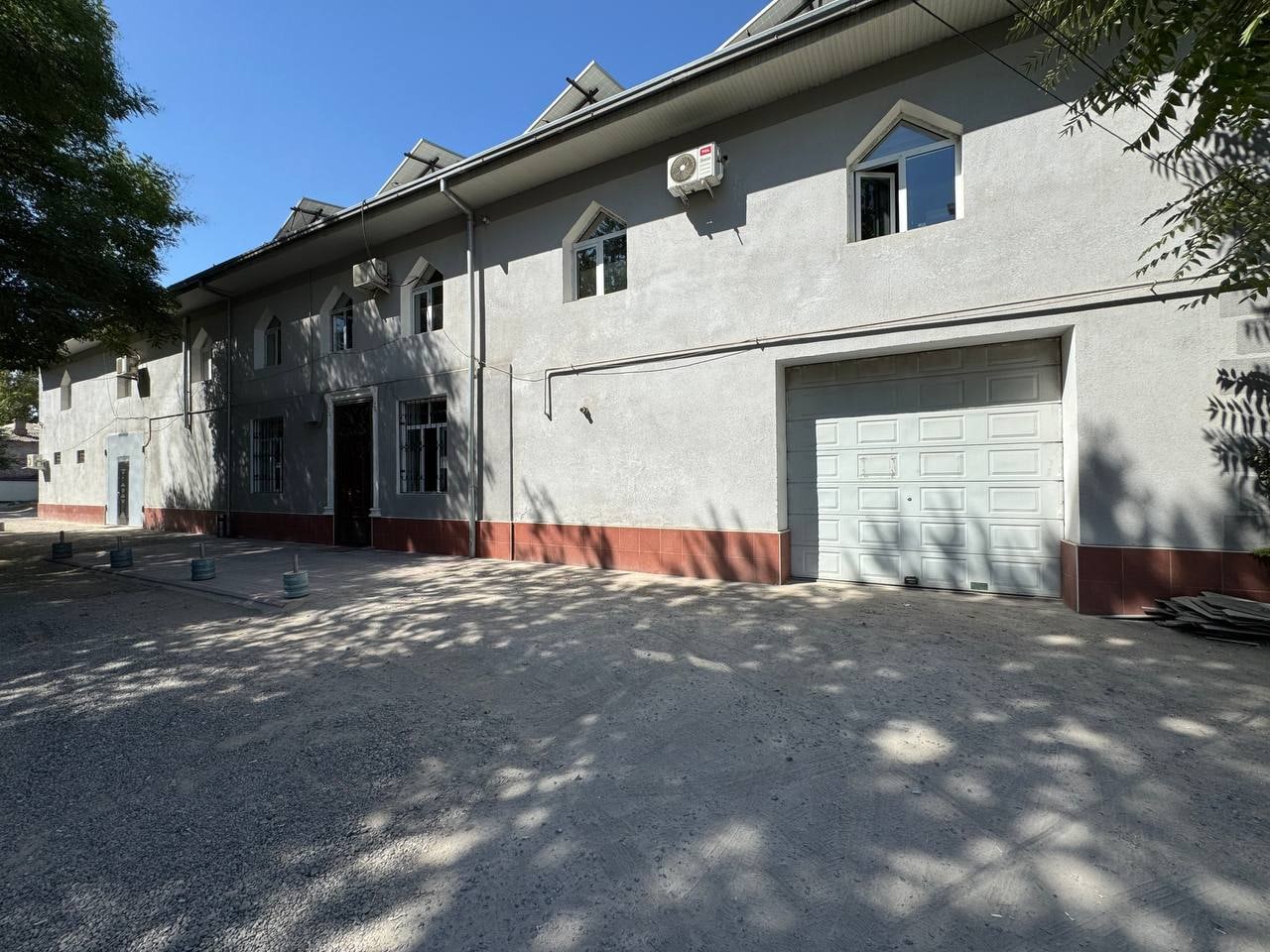
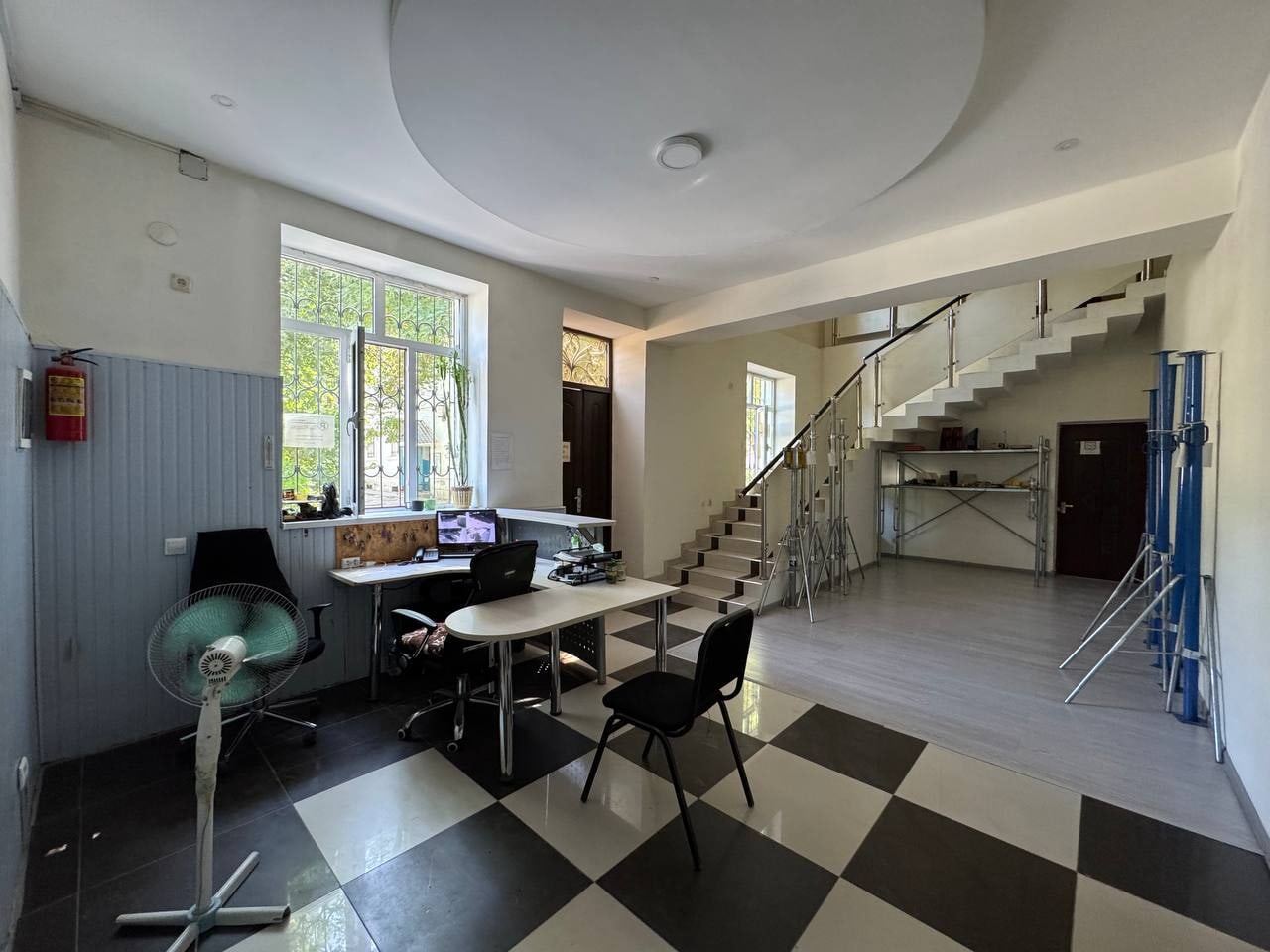
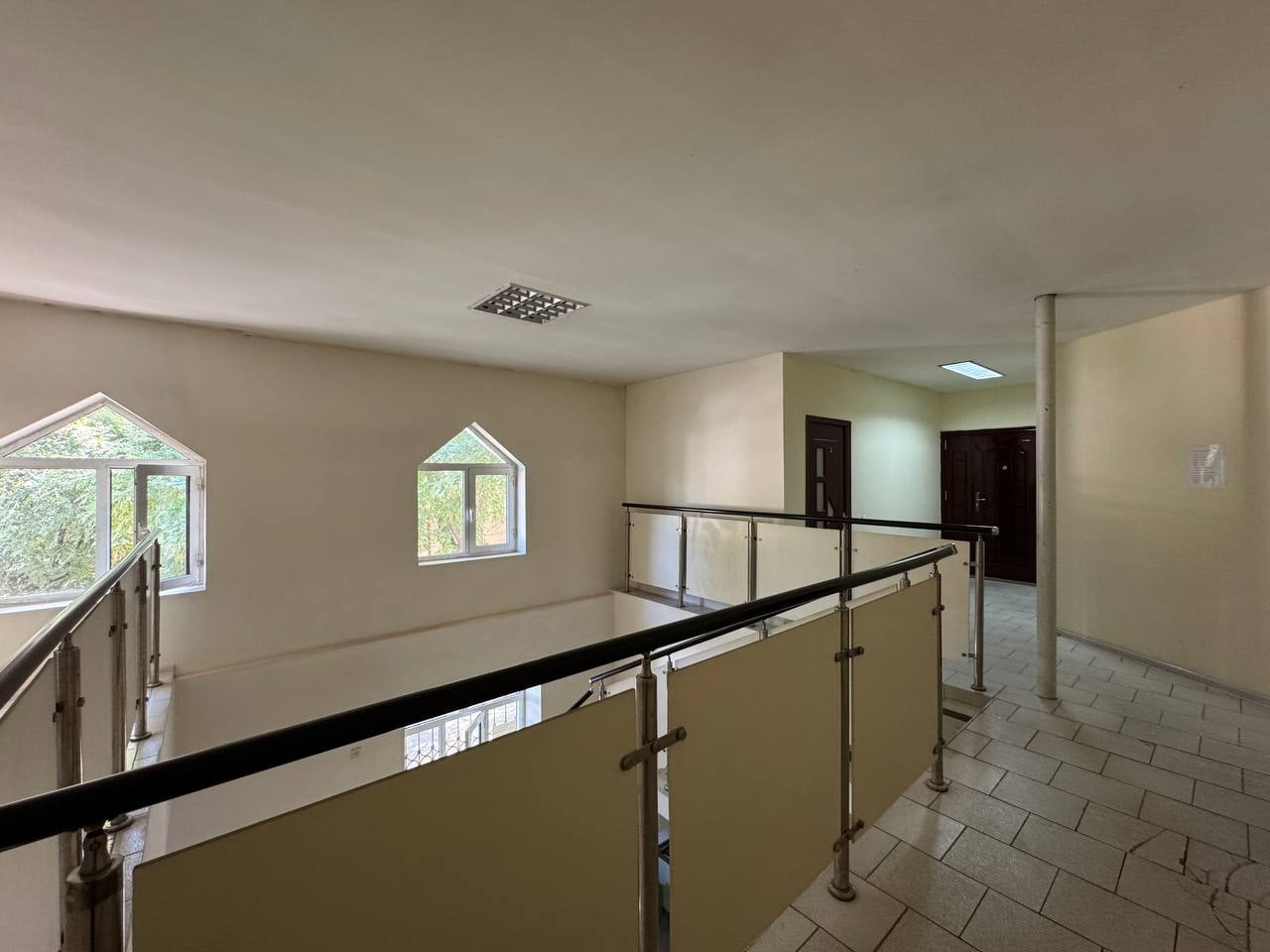
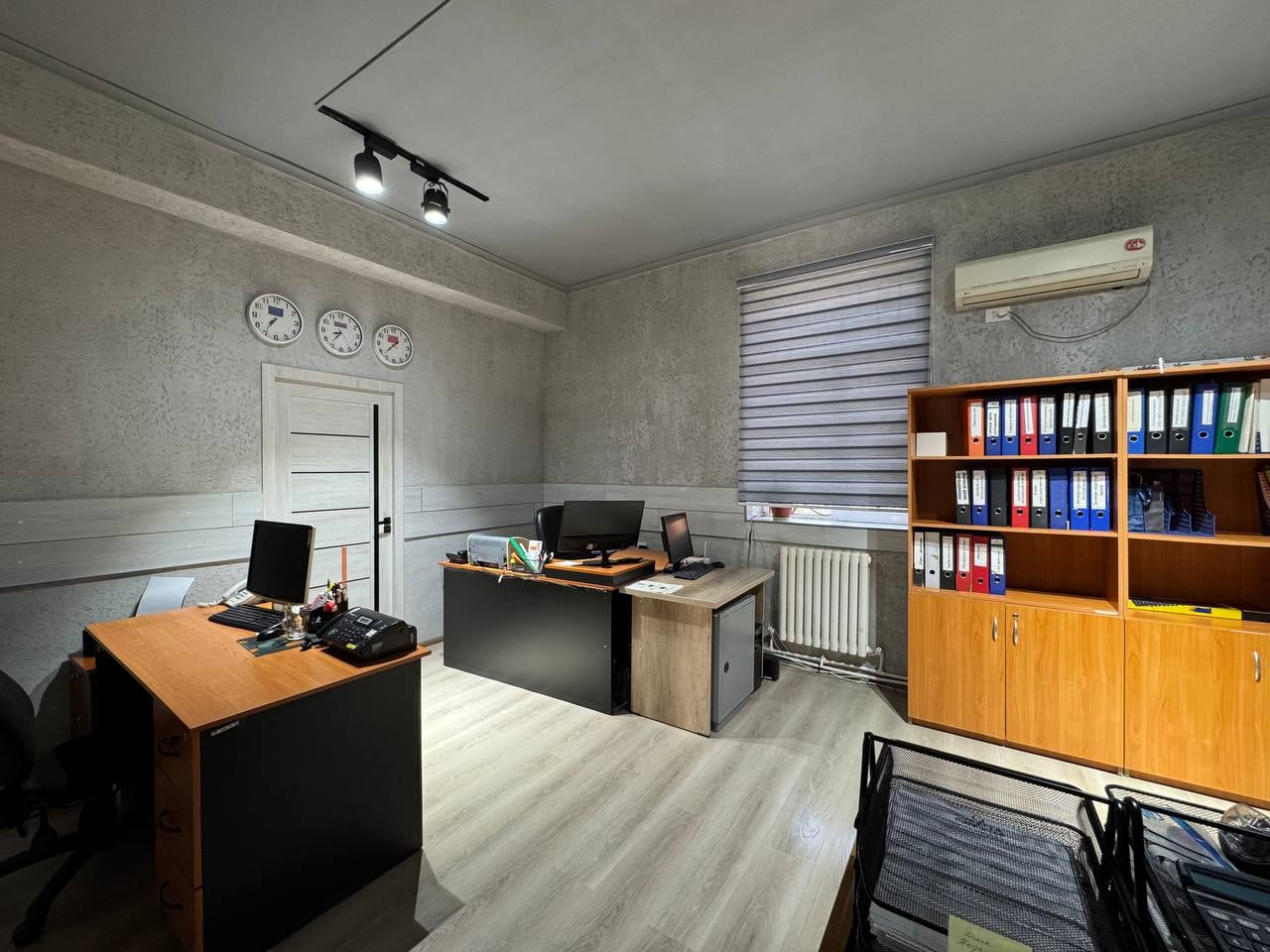
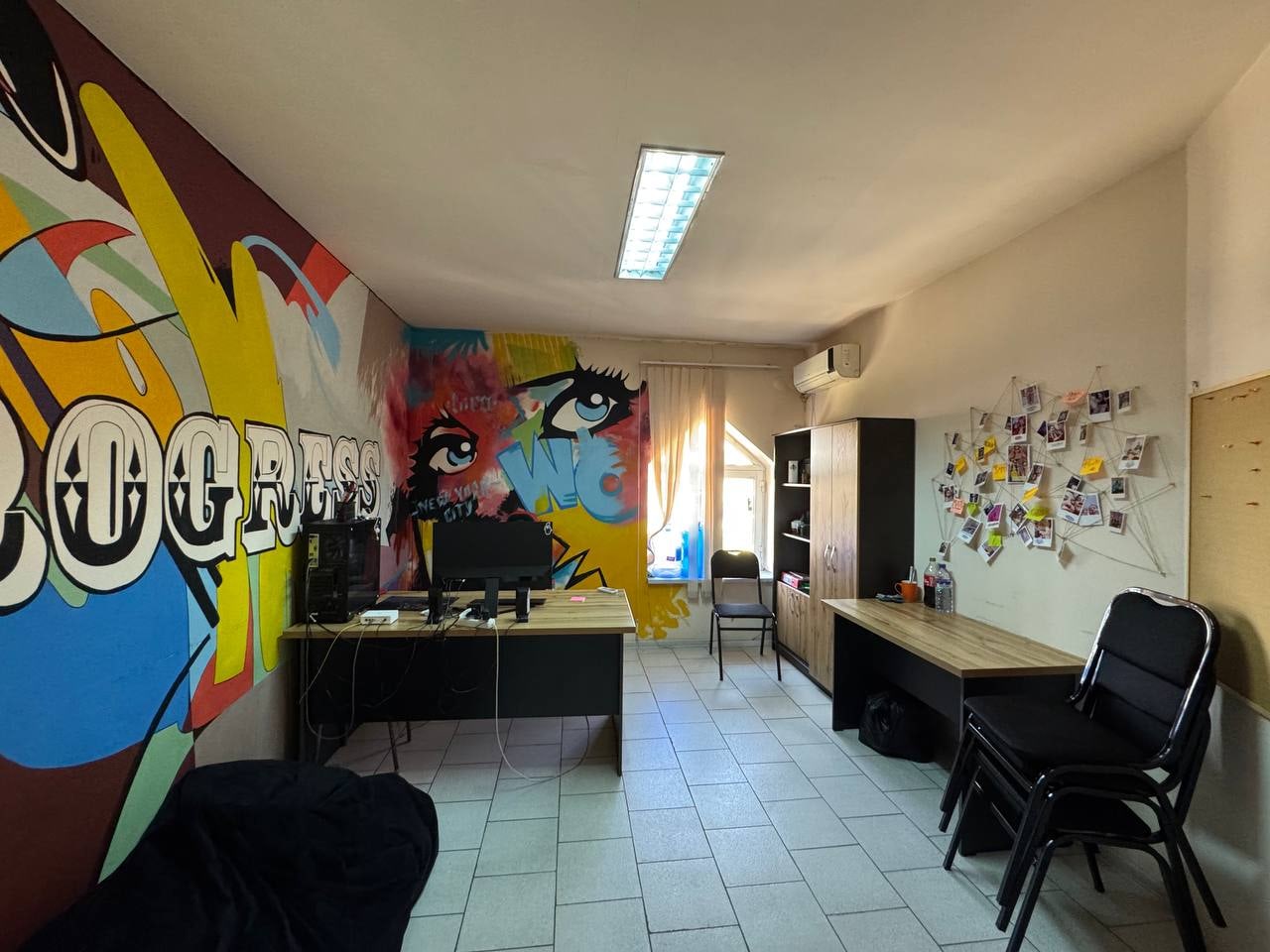
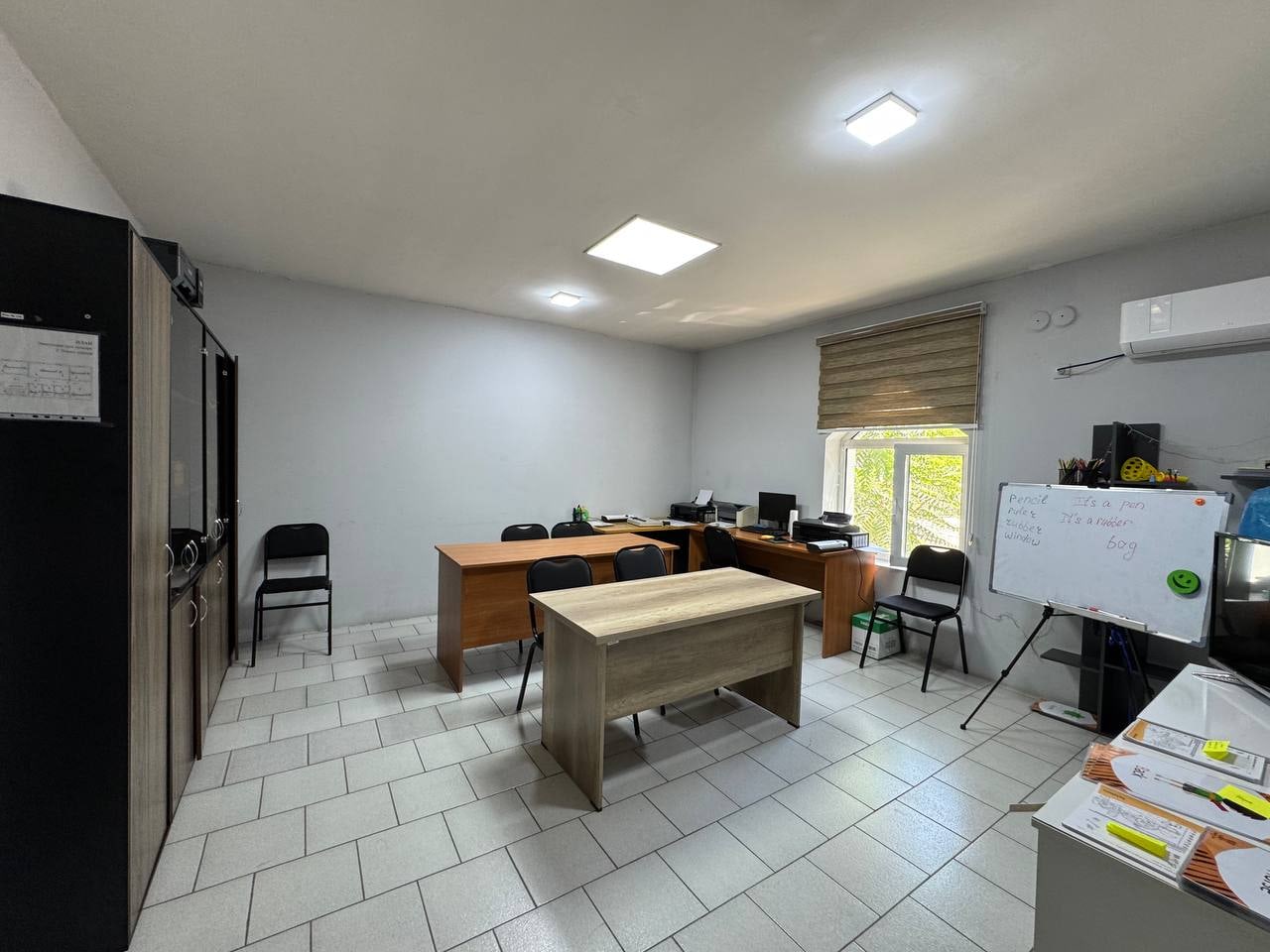
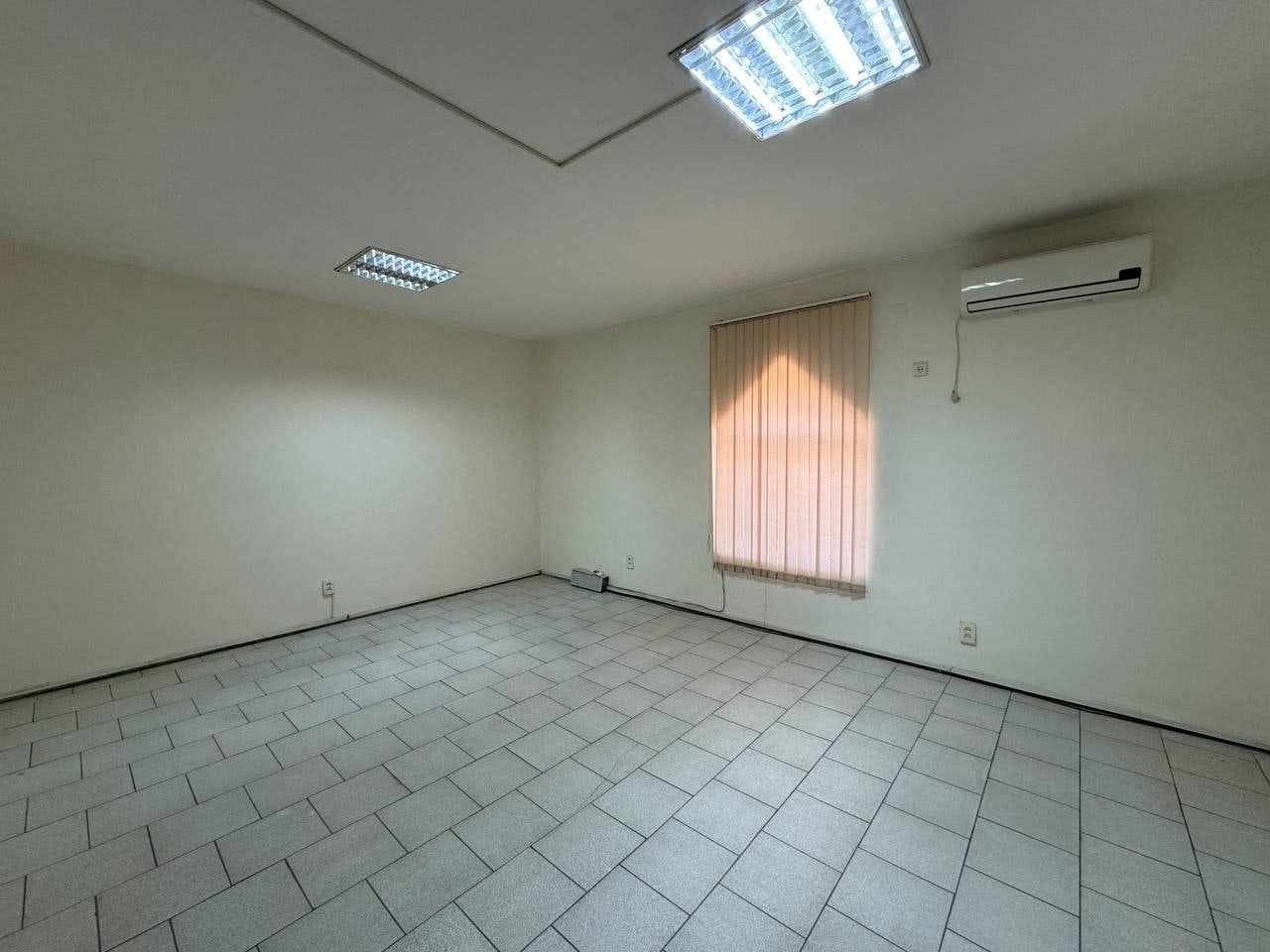
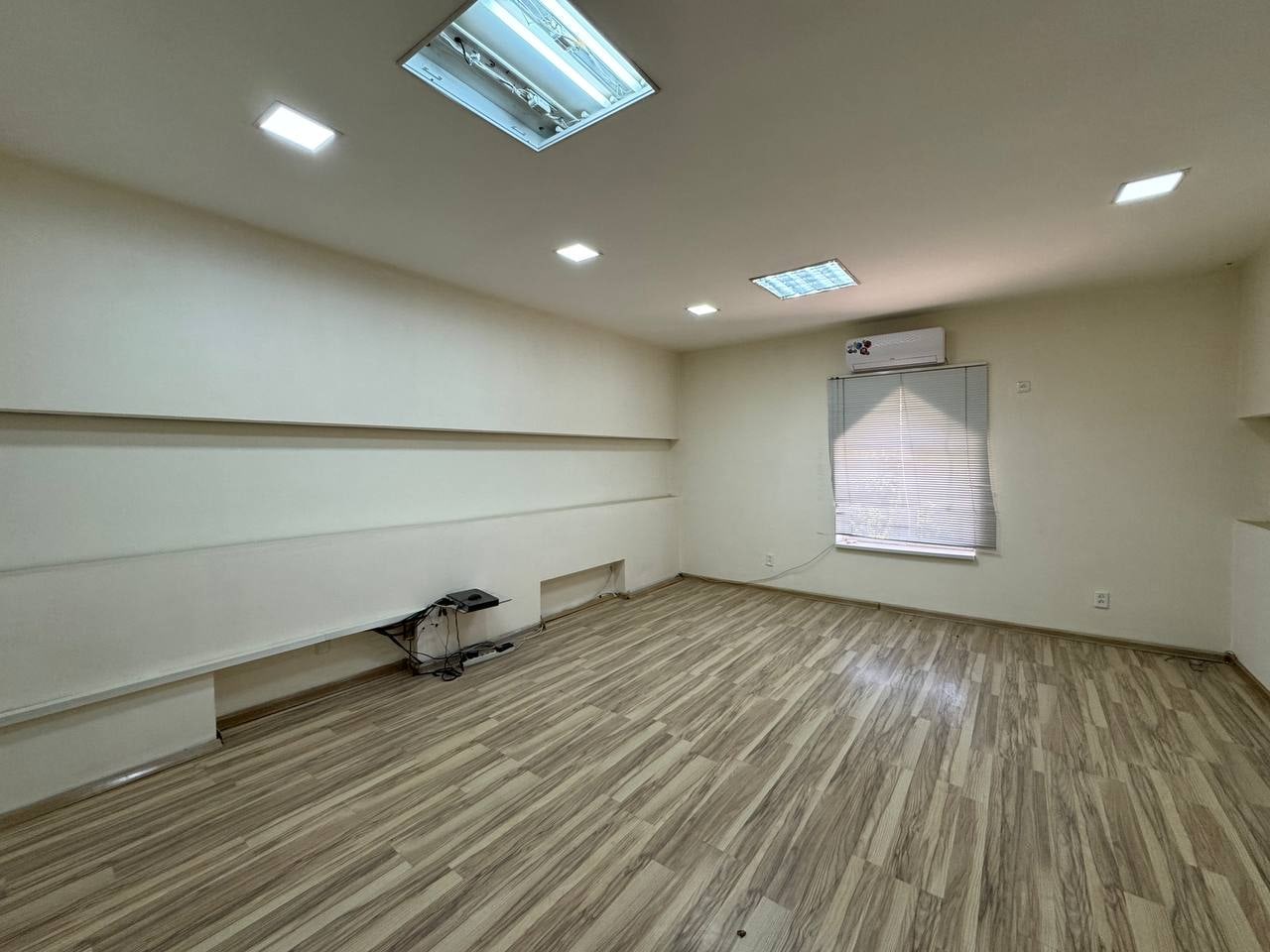
Продажа коммерческого помещения в Мирабадском районе, 1 742 м² — Фаргона йули
2 200 000 у.е.продажа0 просмотров
Ташкент, Мирабадский район, Фаргона йули
1742 м²0 просмотров
ОтветственныйЛика
ОтветственныйЛика
Коммерческая недвижимость ТашкентаCommercial property in Tashkent
Объекты по теме материала: проверенные предложения для аренды с прямой связью с ответственным специалистом.
Полный коммерческий фильтр расположен слева от списка объектов.
Загружаем актуальные объекты…
Ташкент, Мирабадский район, Фаргона йули
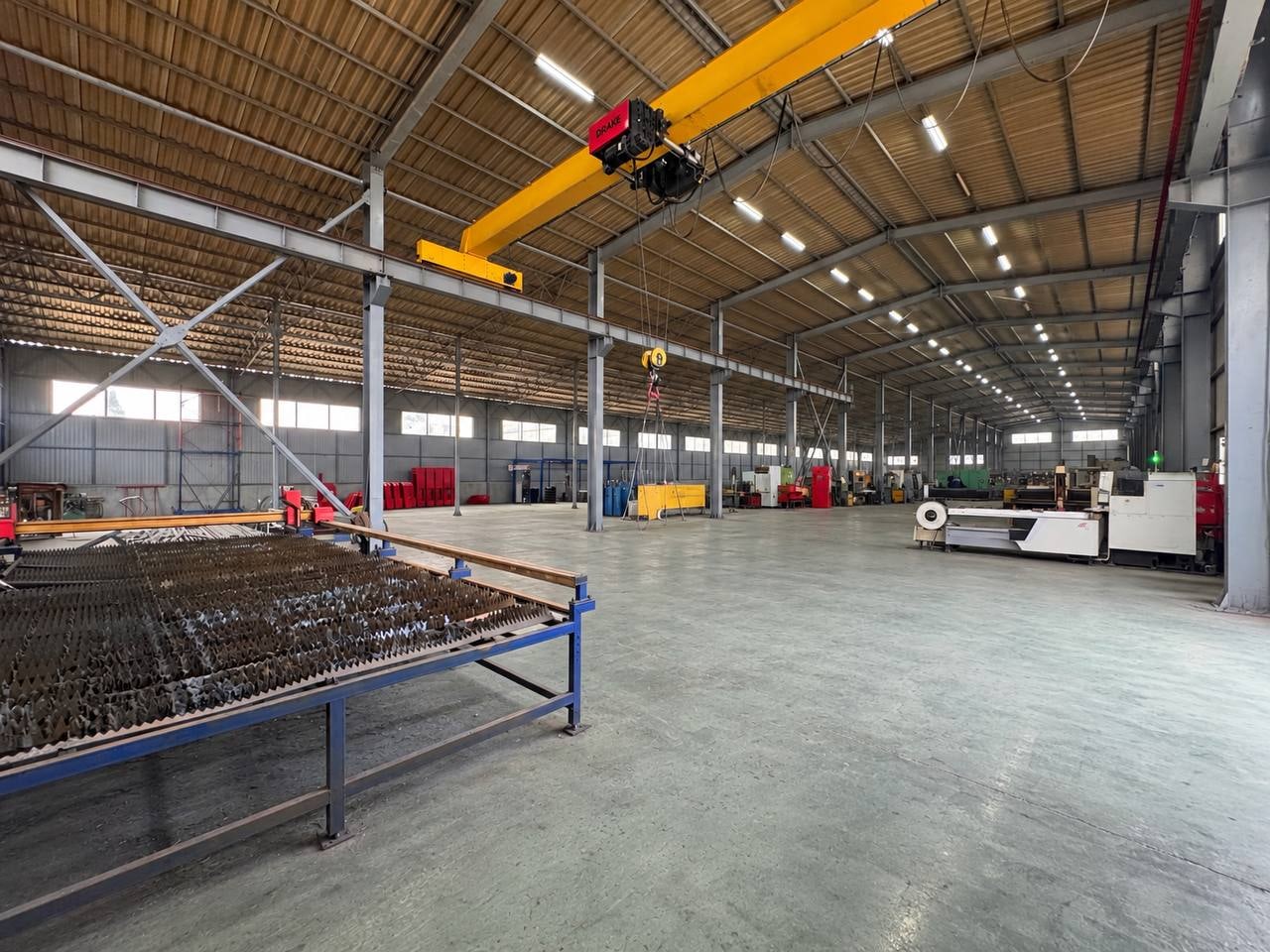
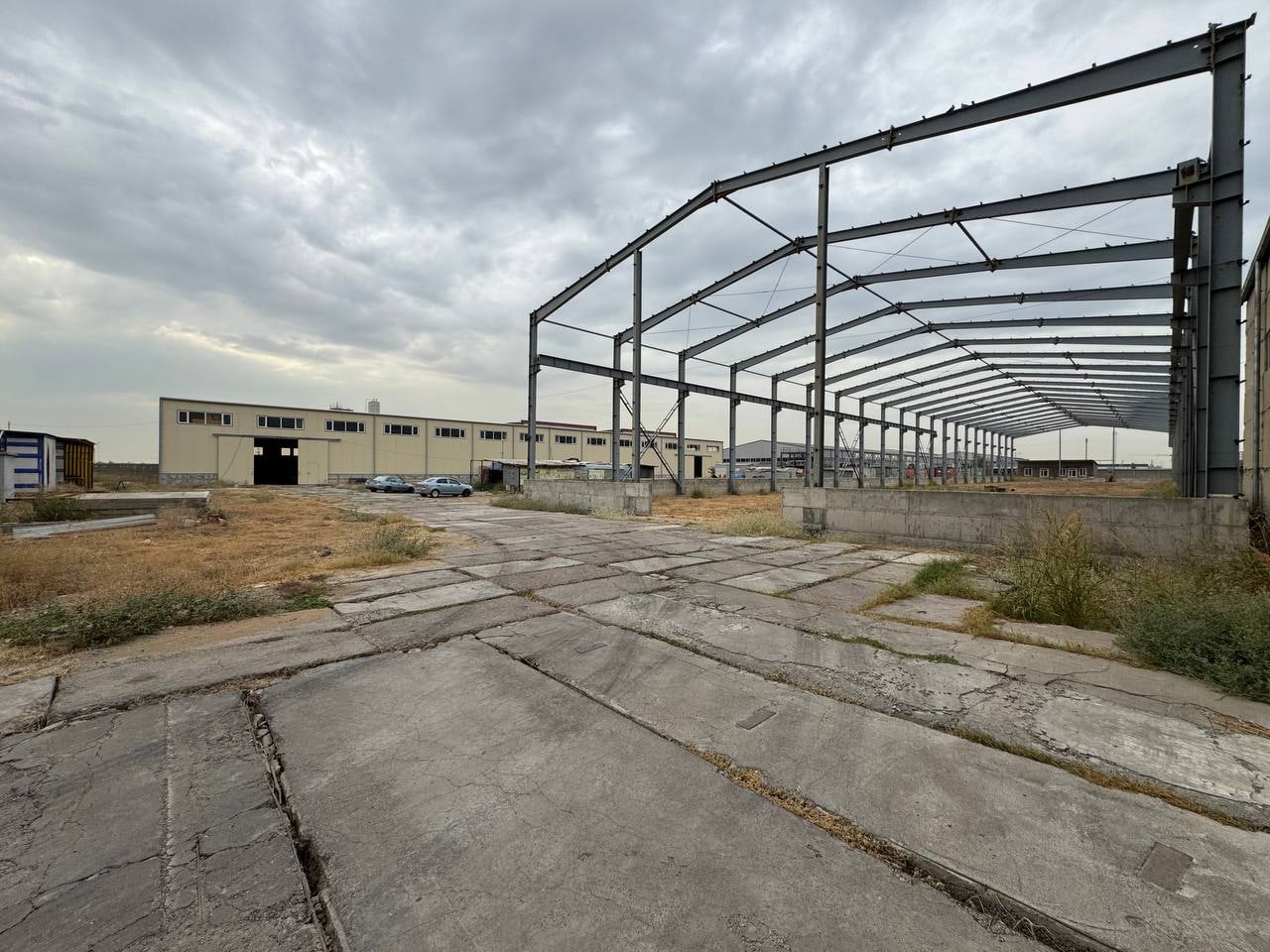
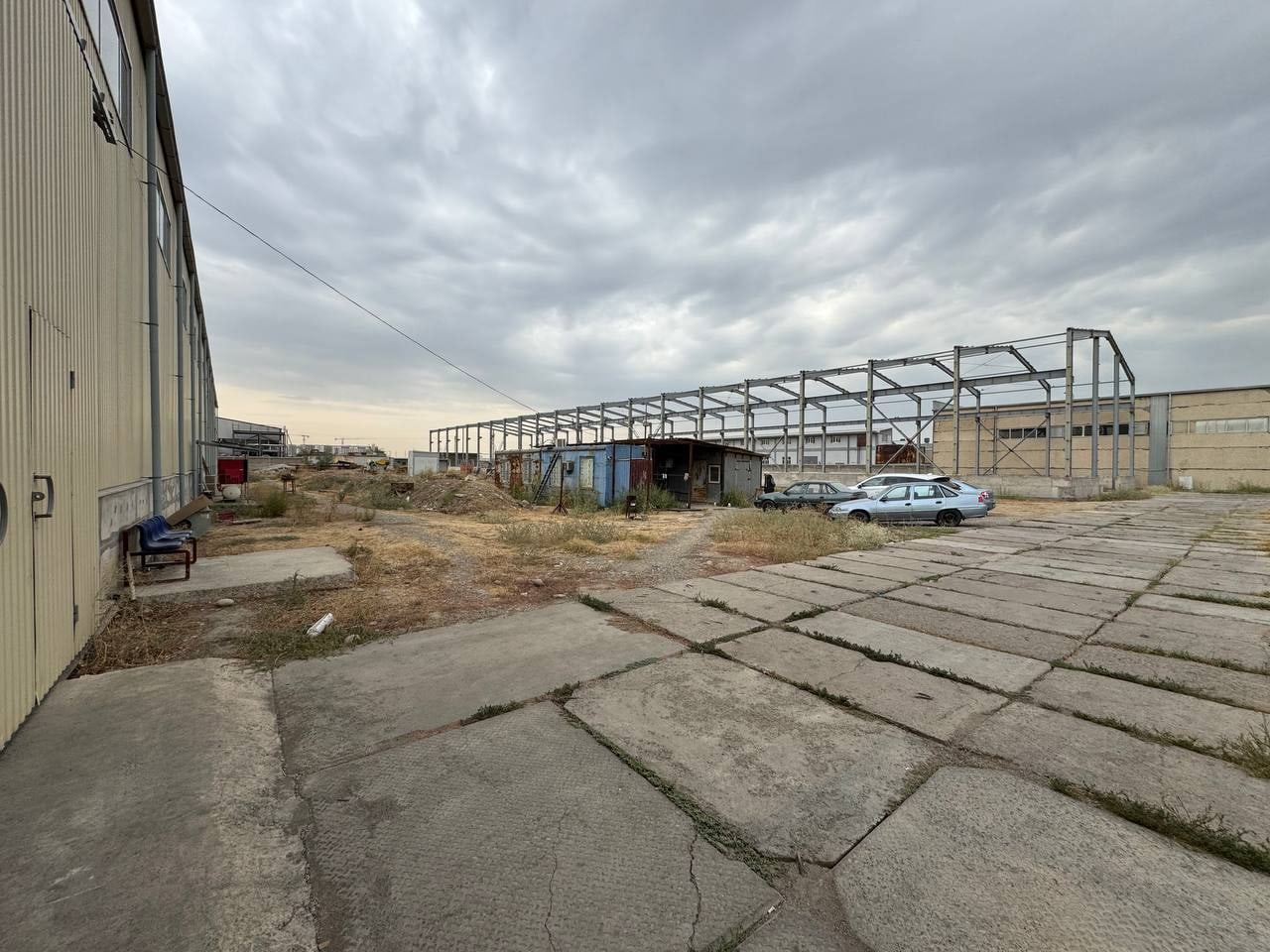
Ташкент, Бектемирский район, Йик Ота
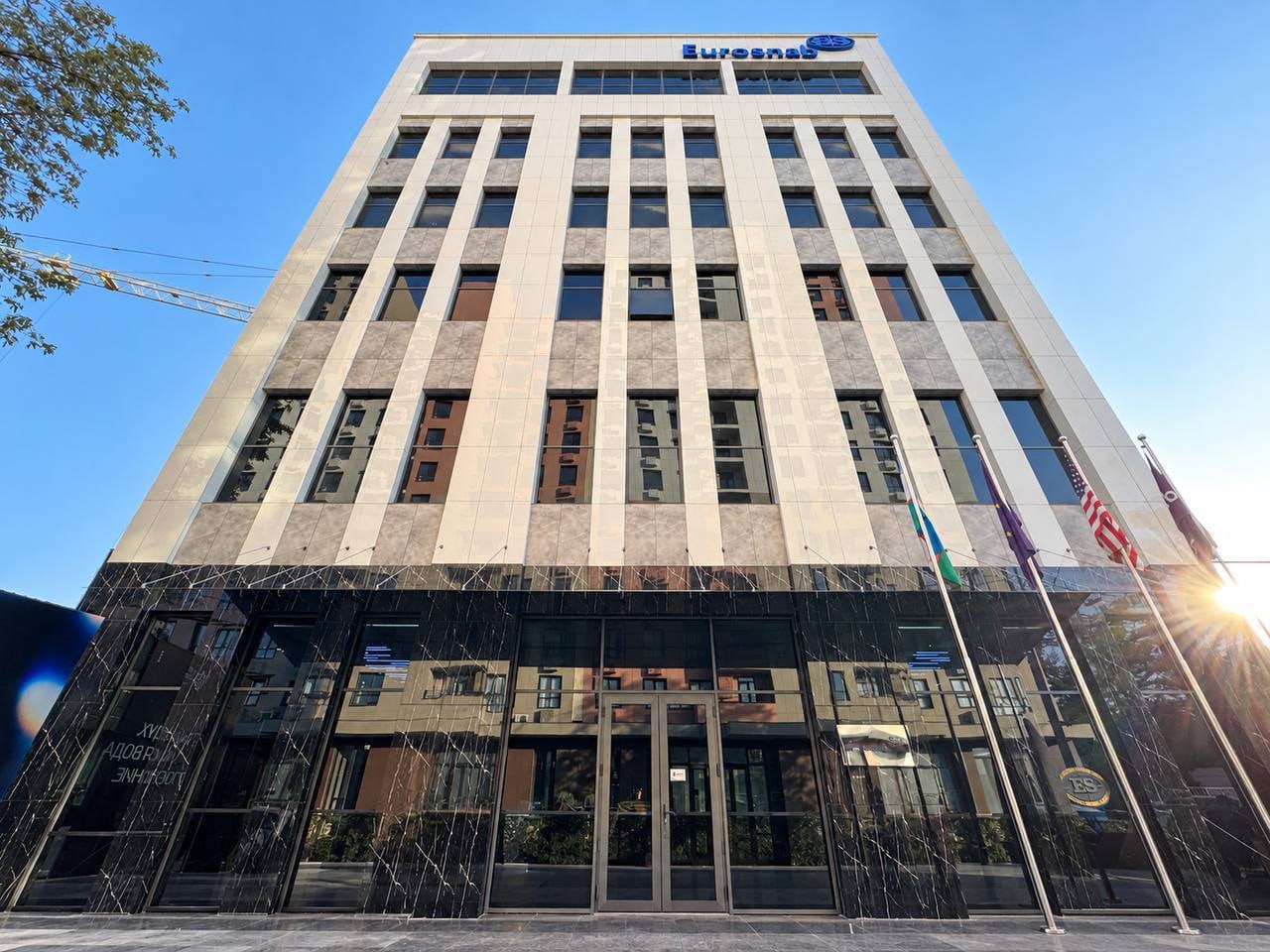
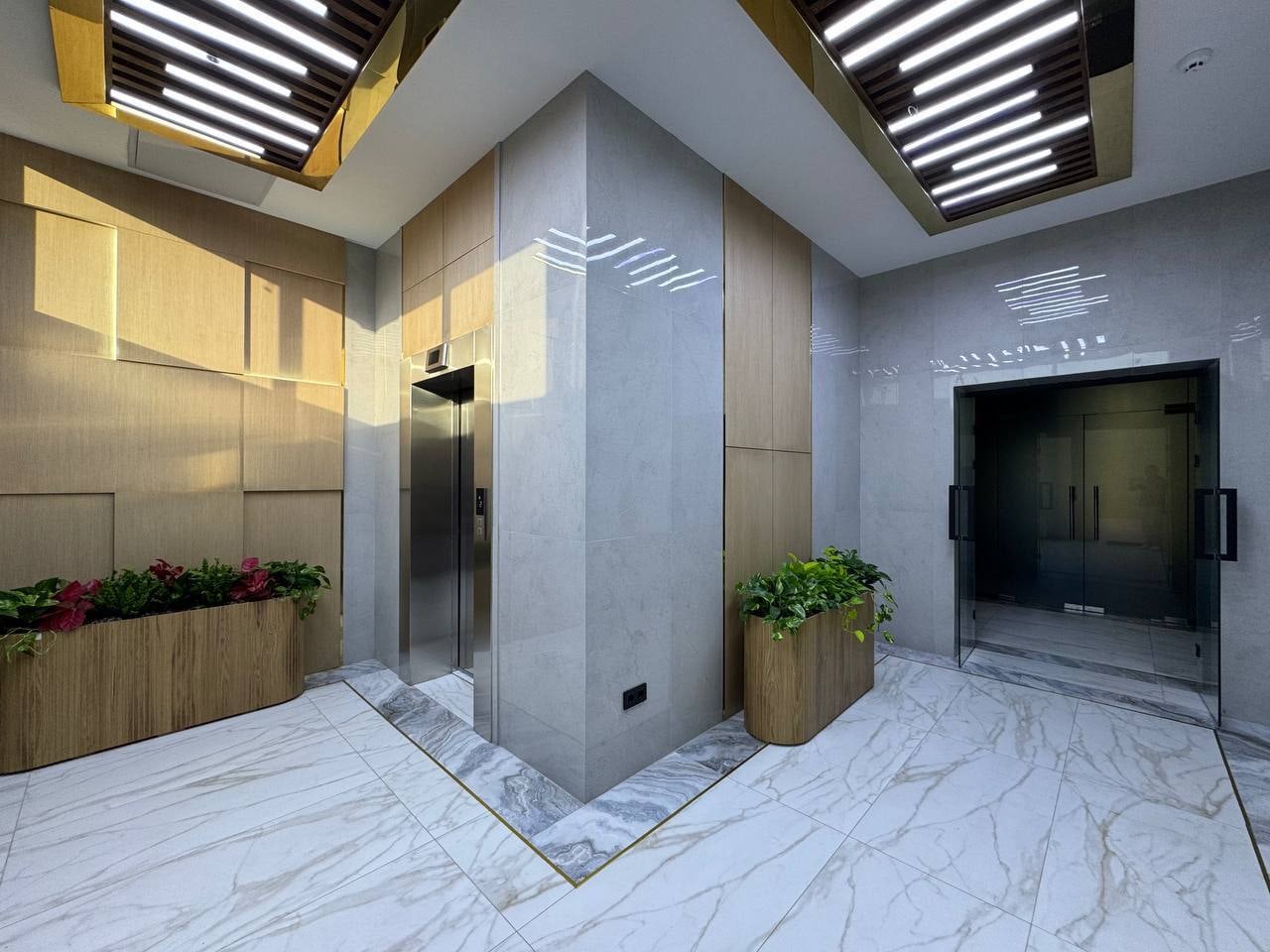
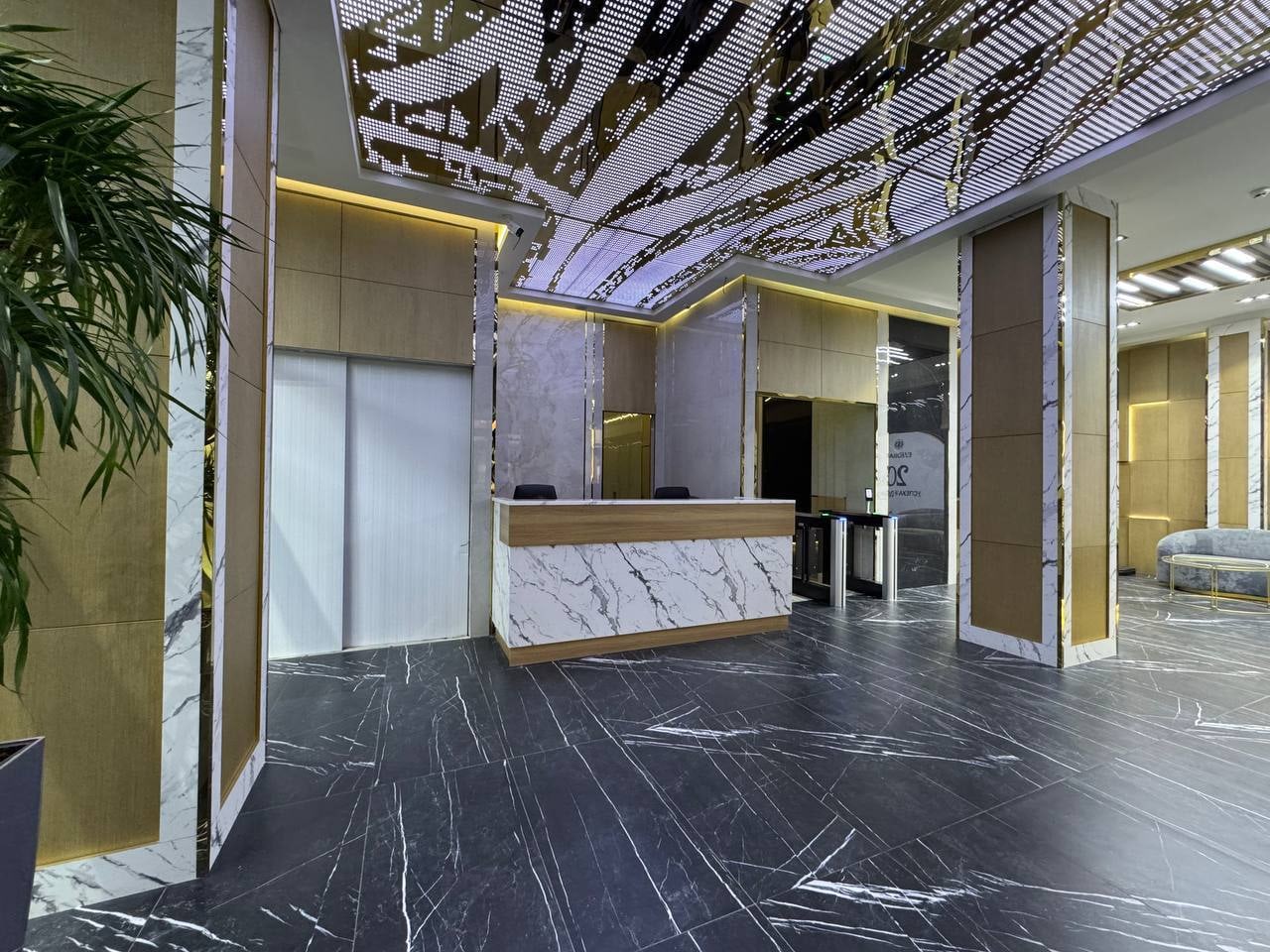
Ташкент, Яшнабадский район, Узбум, ул. Фергана Йули
Ташкент, Яшнабадский район, Узбум, ул. Фергана Йули
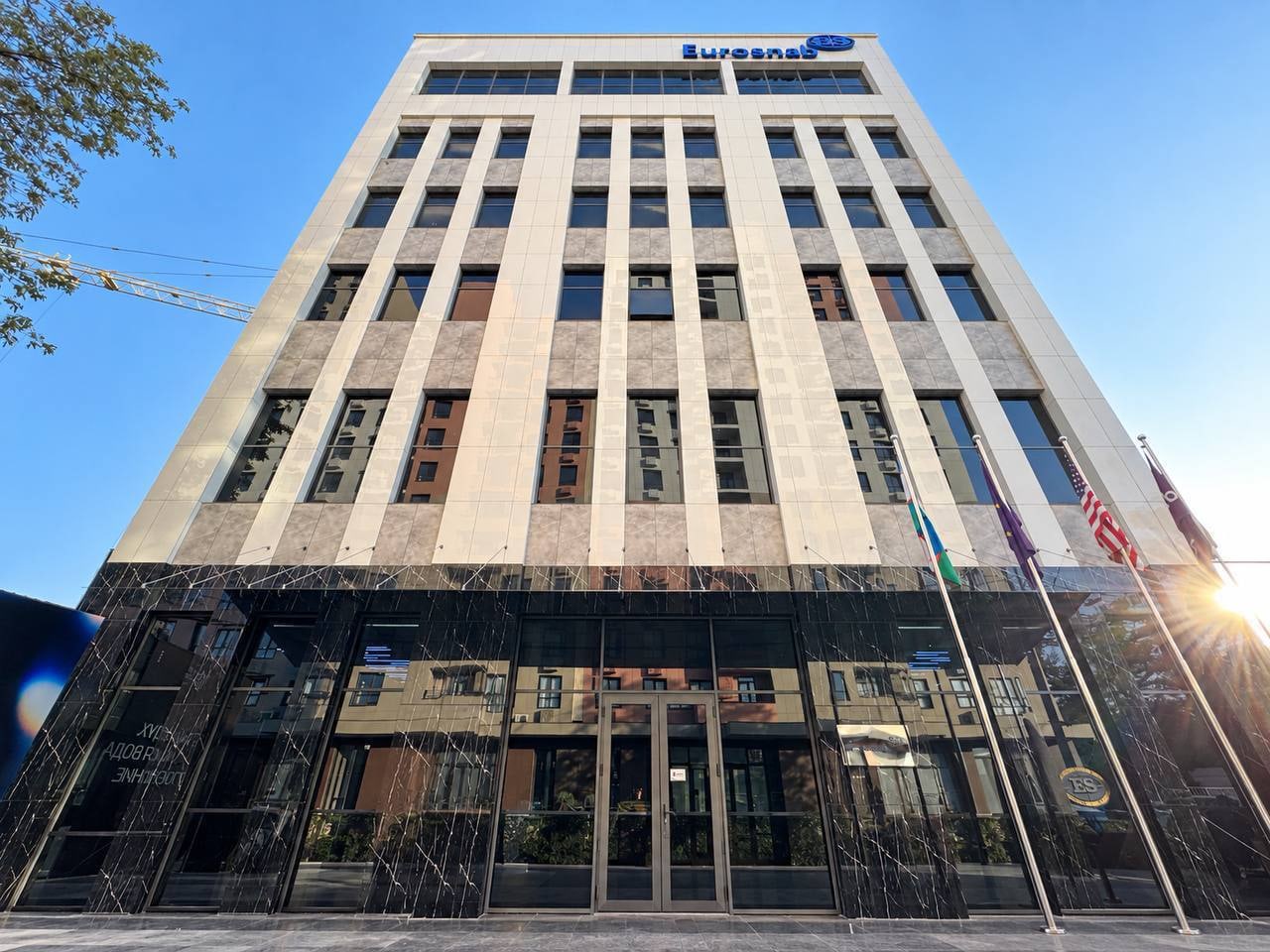
Ташкент, Яшнабадский район, Узбум, ул. Фергана Йули
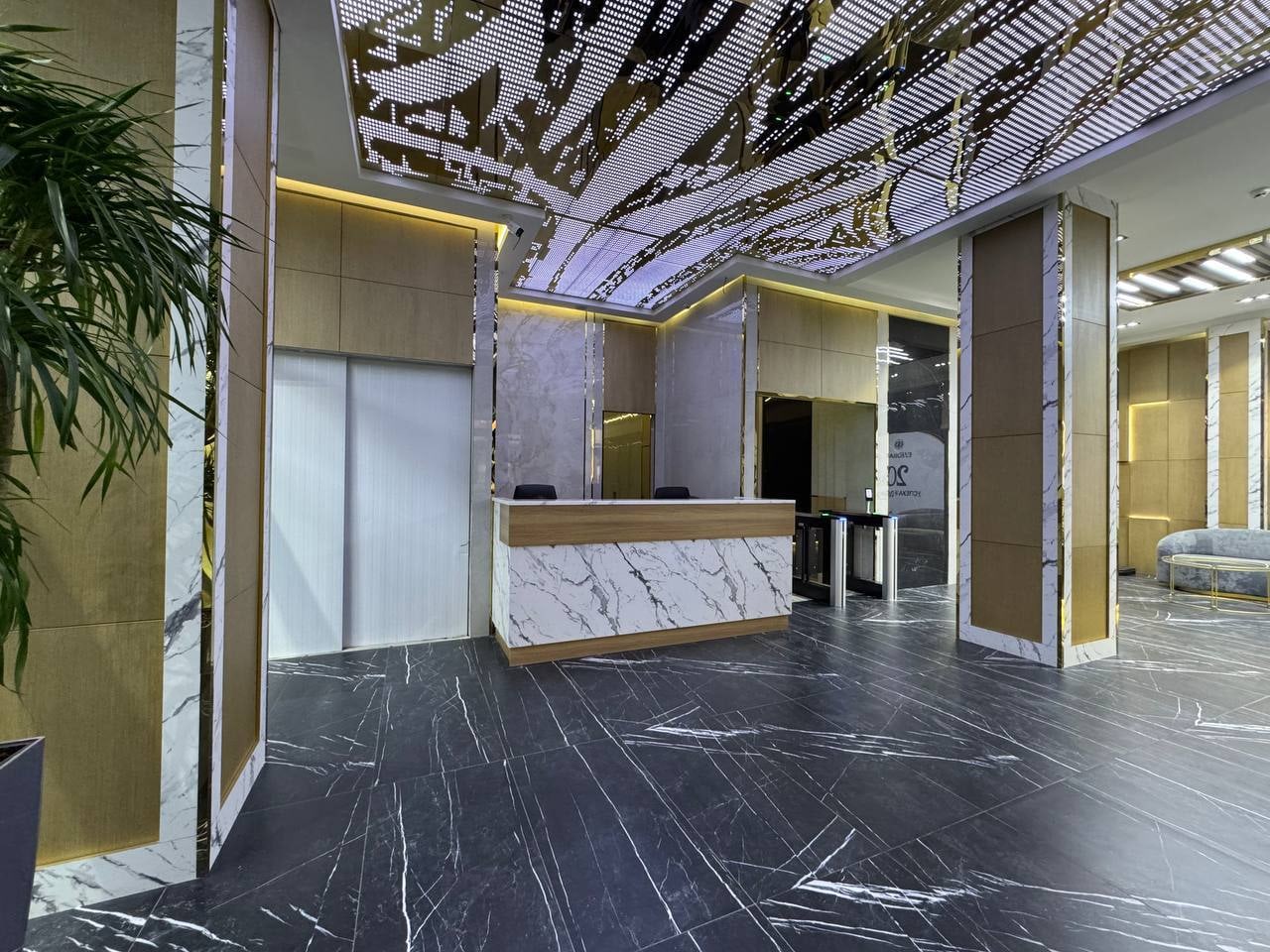
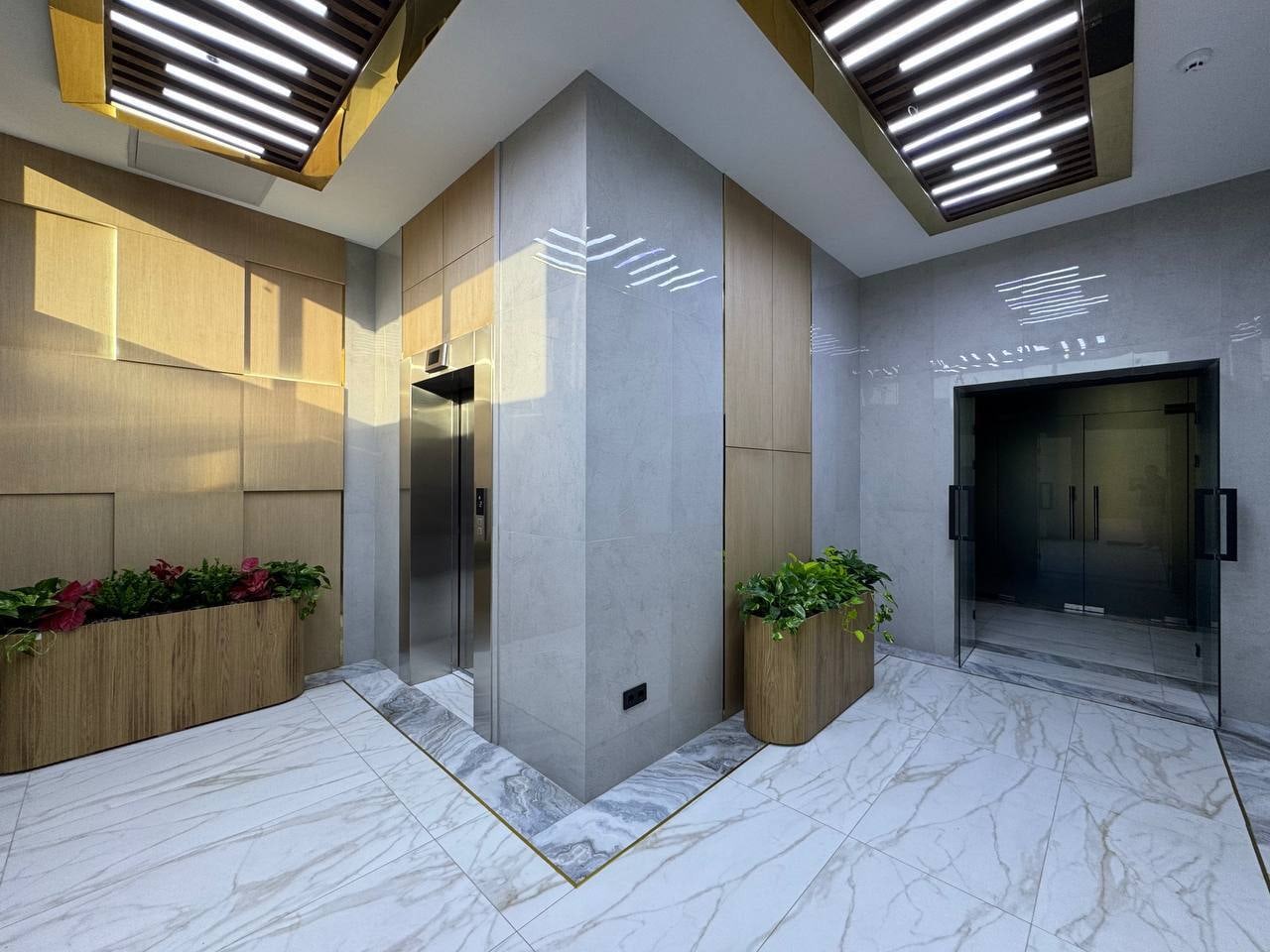
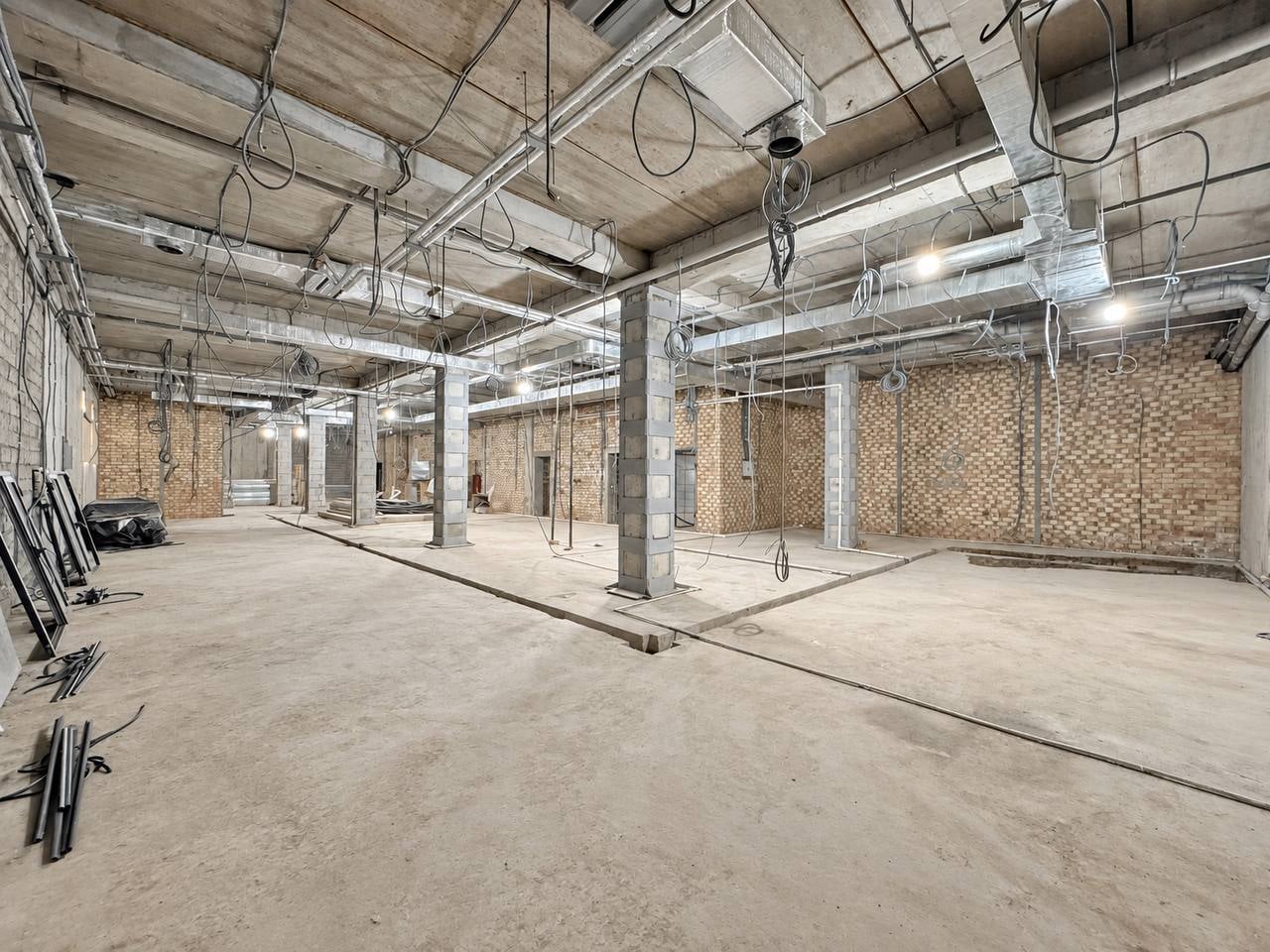
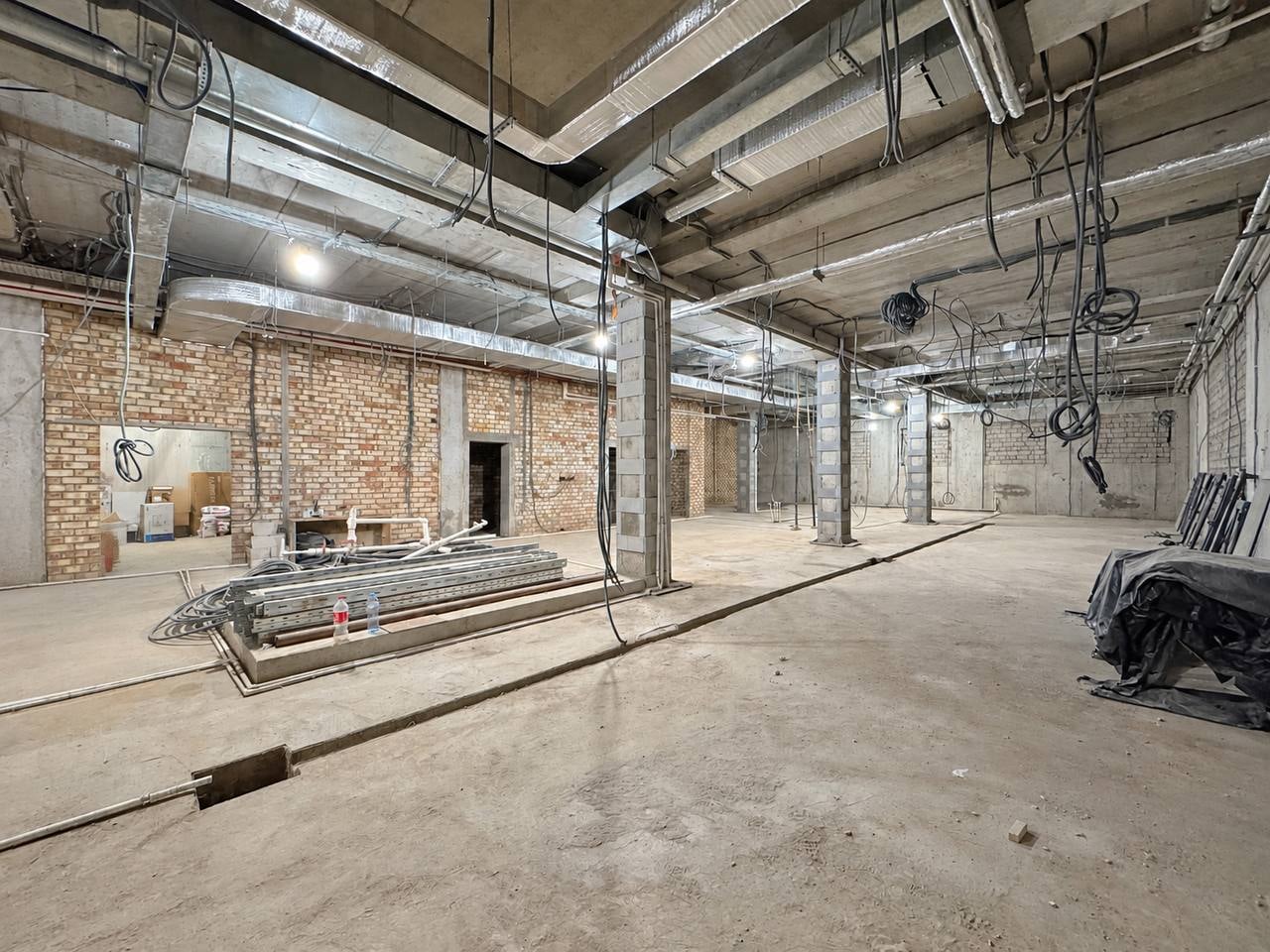
Ташкент, Яшнабадский район, Узбум, ул. Фергана Йули
Ташкент, Яккасарайский район, 8-роддом, ЖК Dream House
Ташкент, Яшнабадский район, IT Park Tashkent
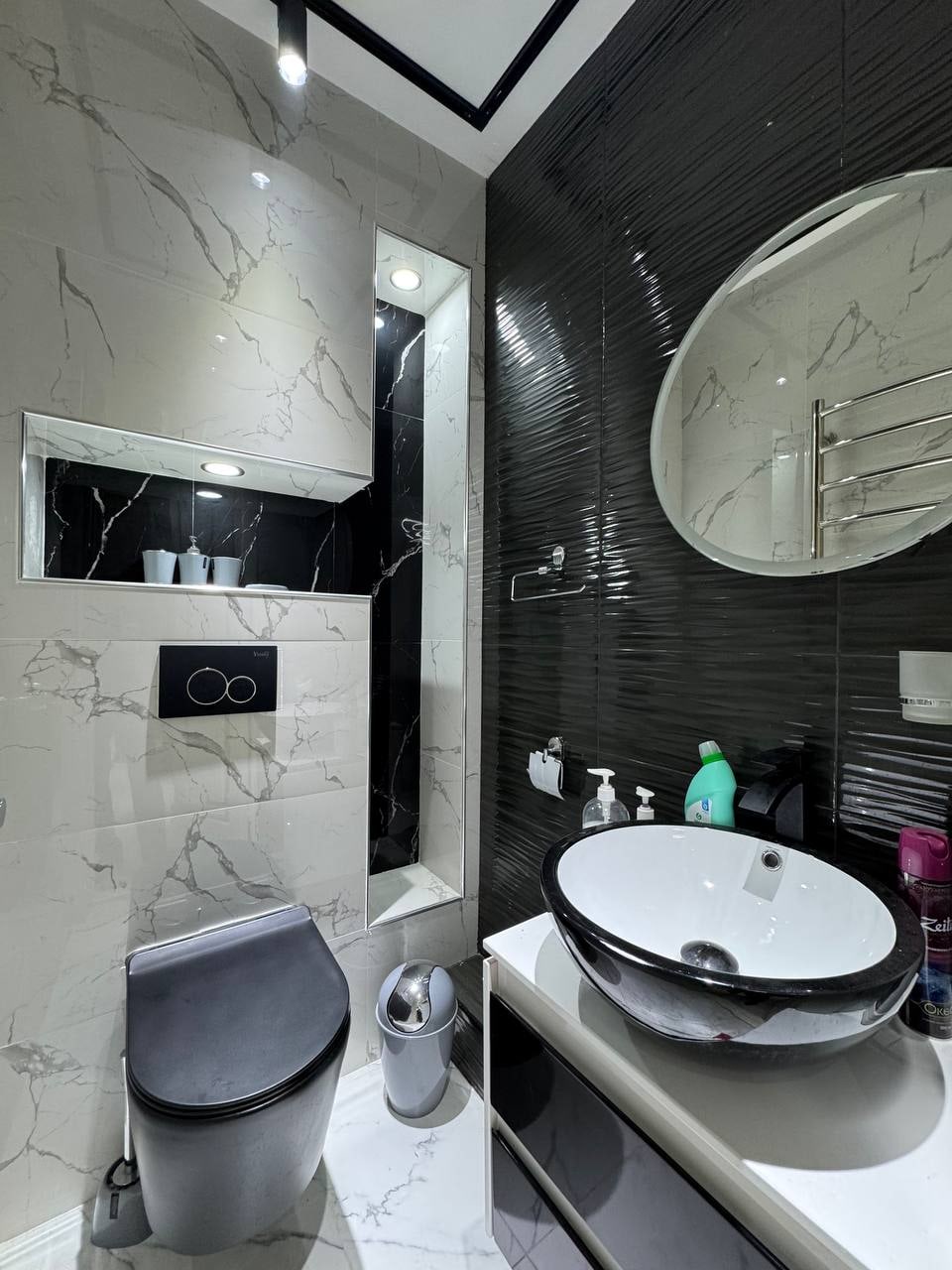
Ташкент, Яккасарайский район, ул. Нукус, кондитерская Safia
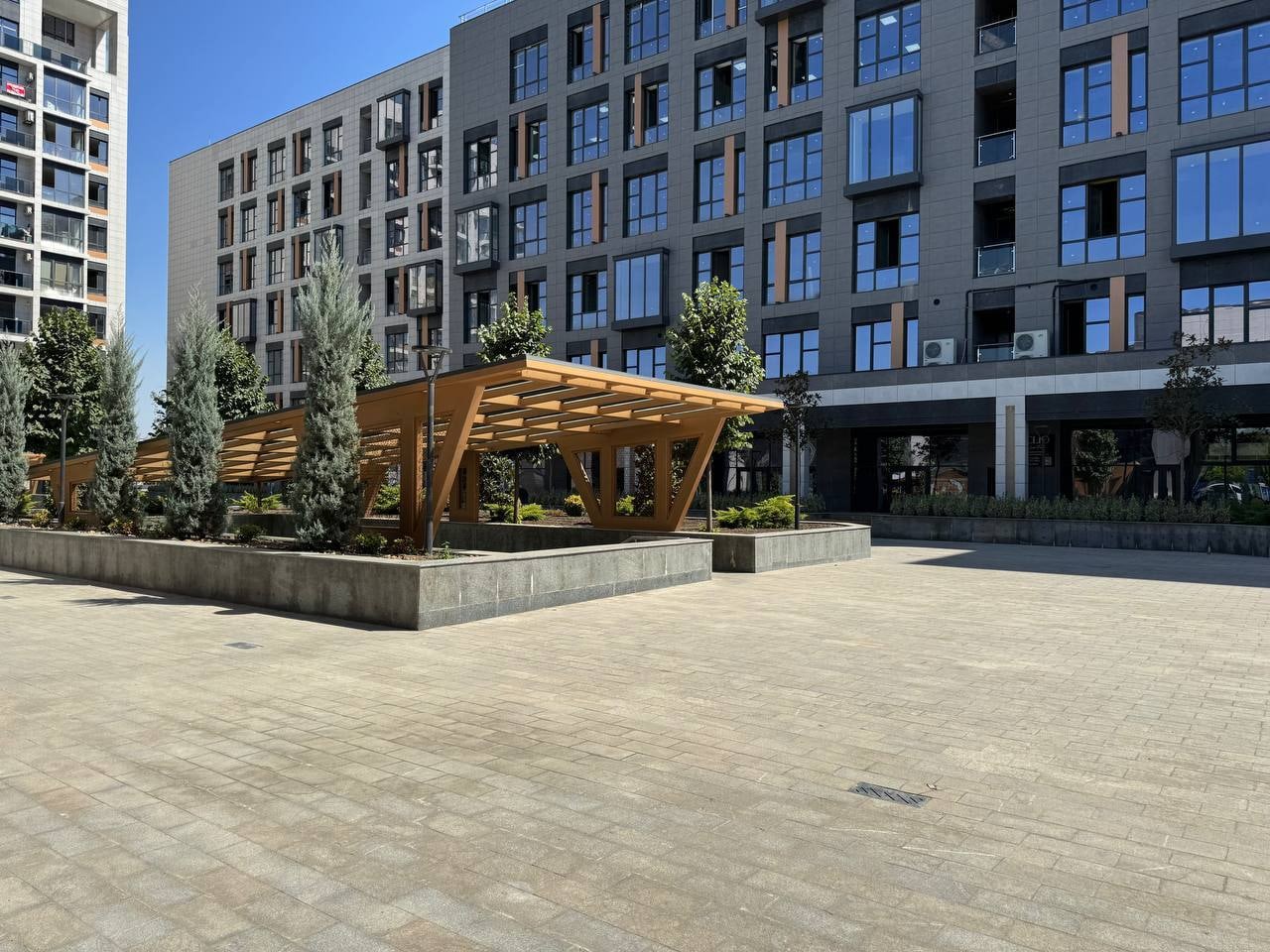
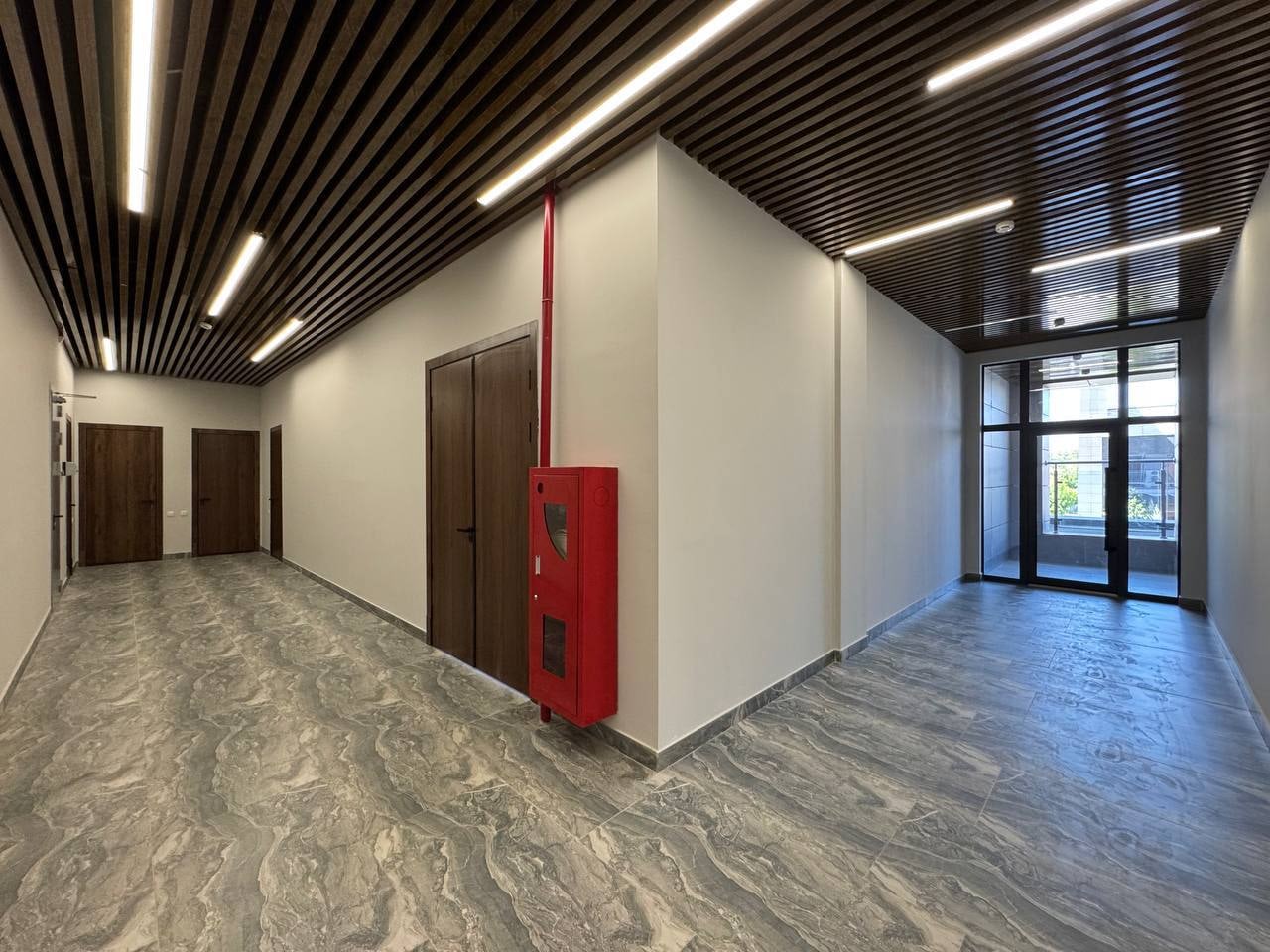
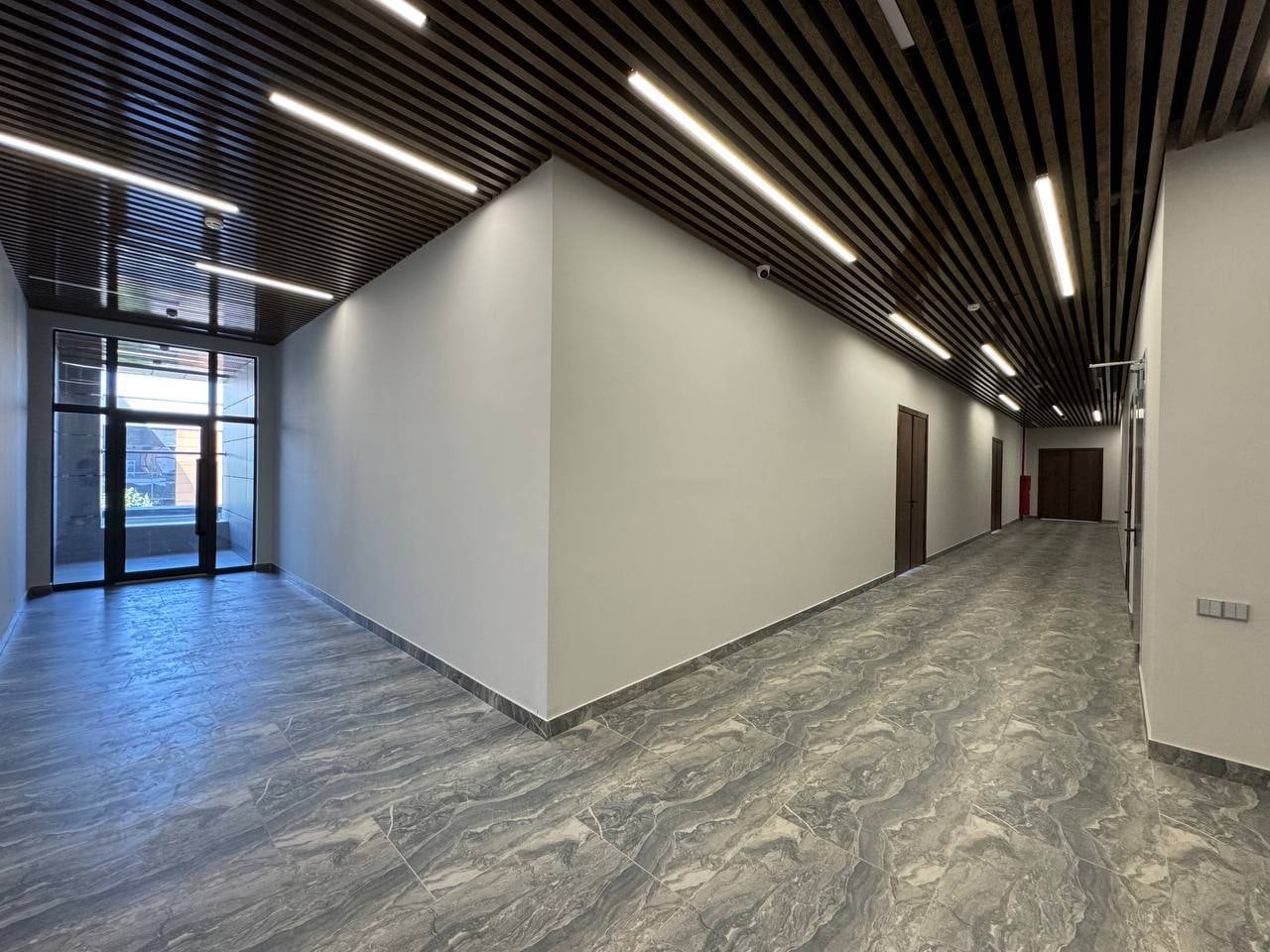
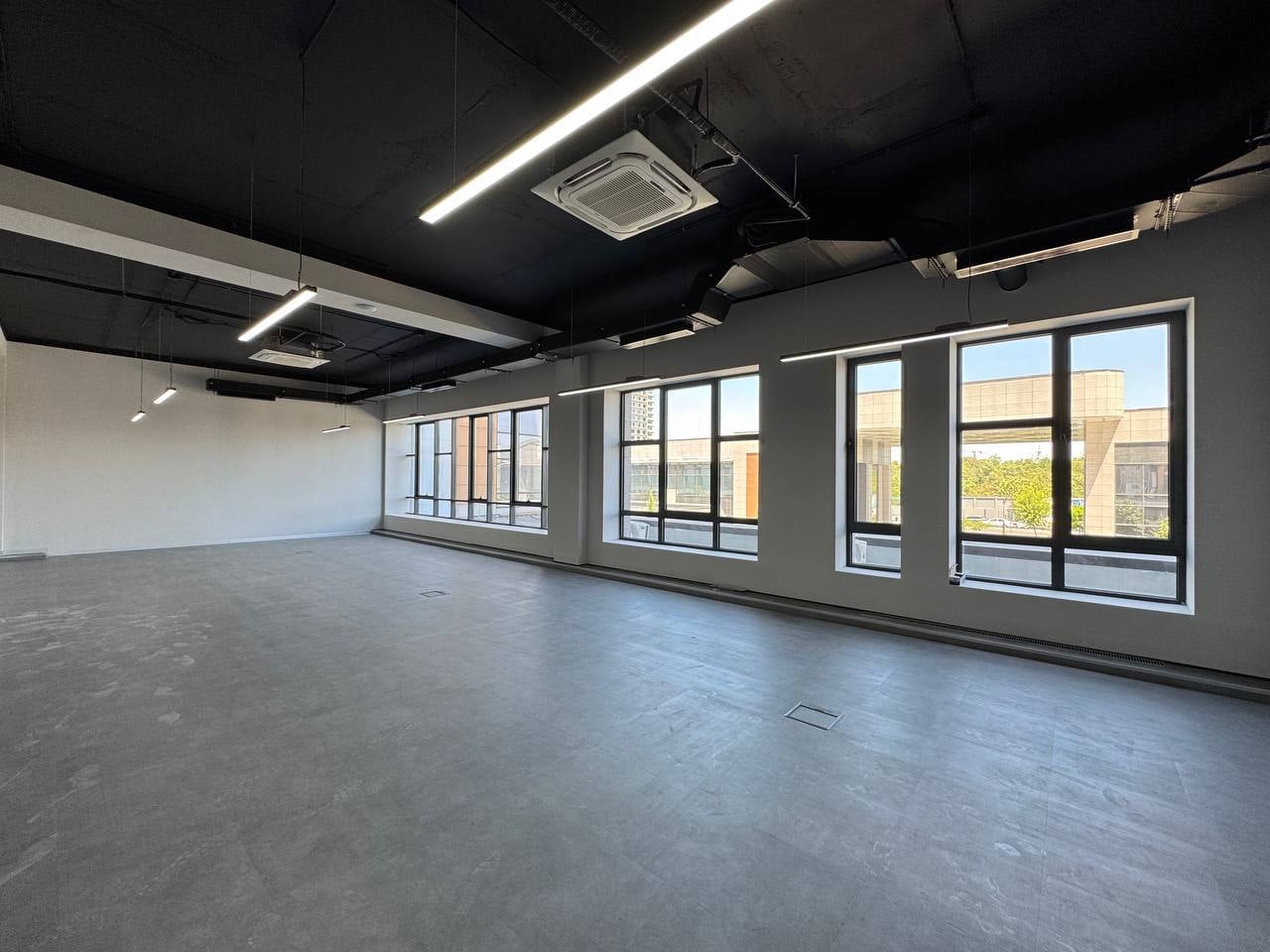
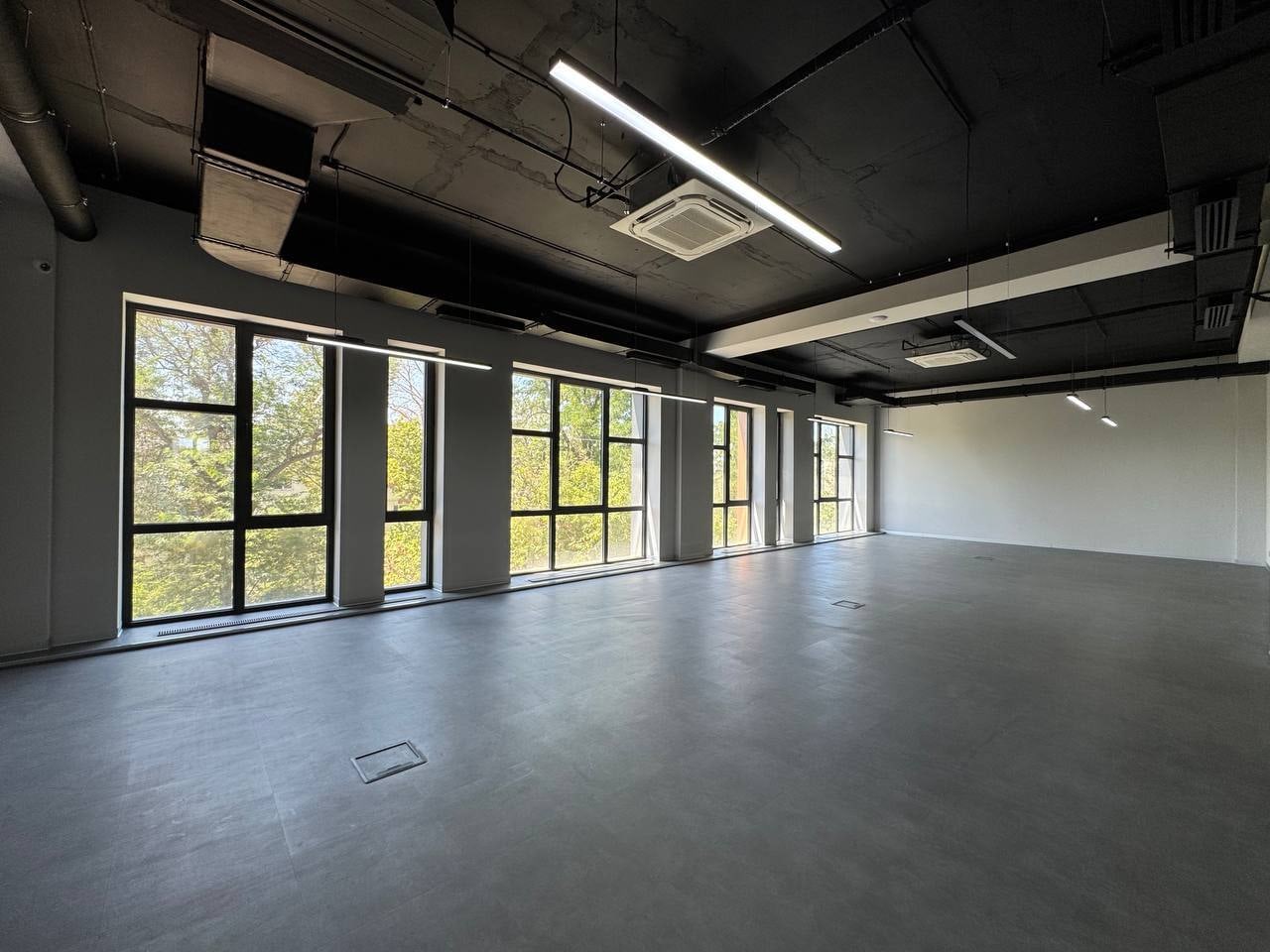
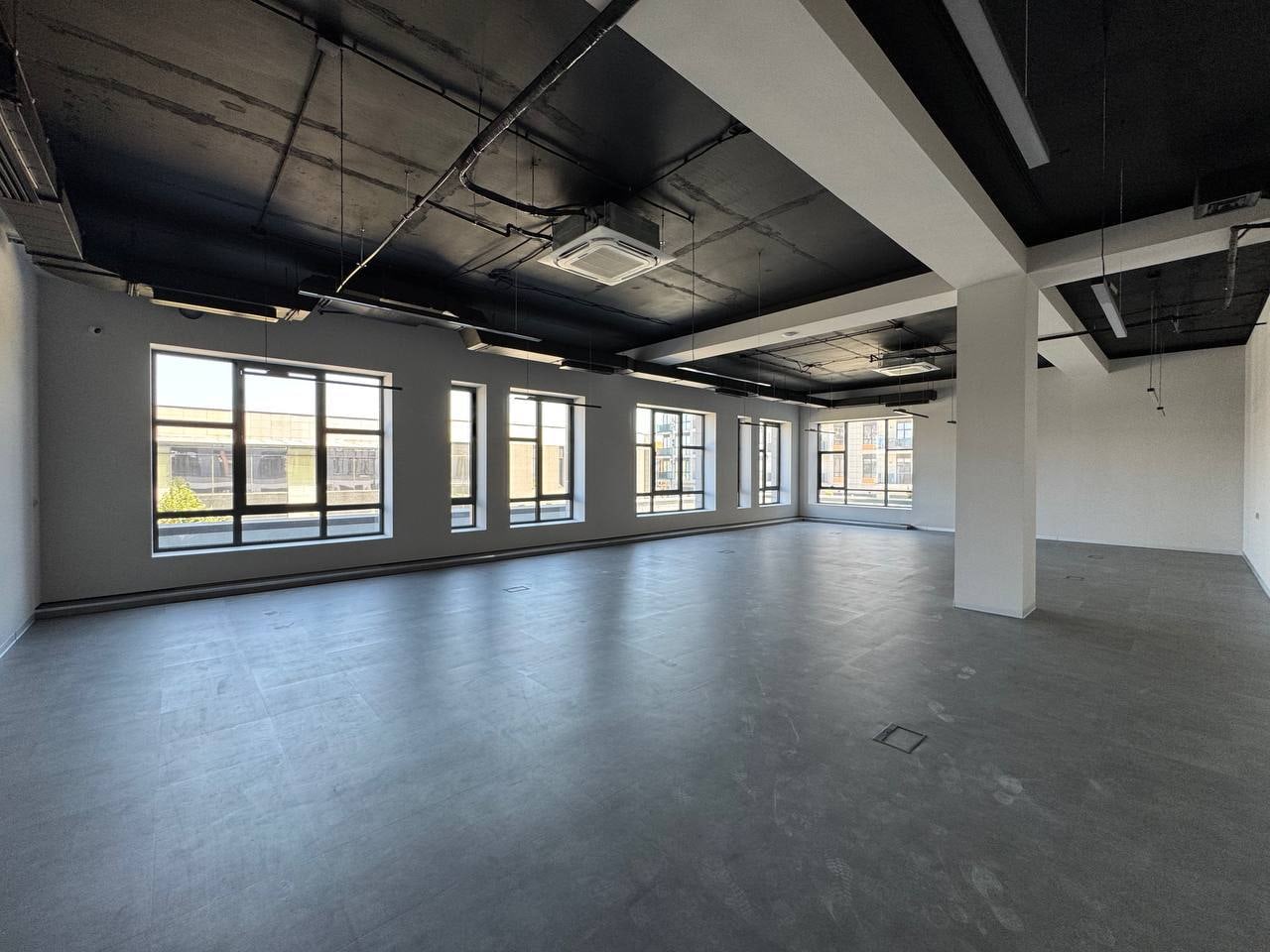
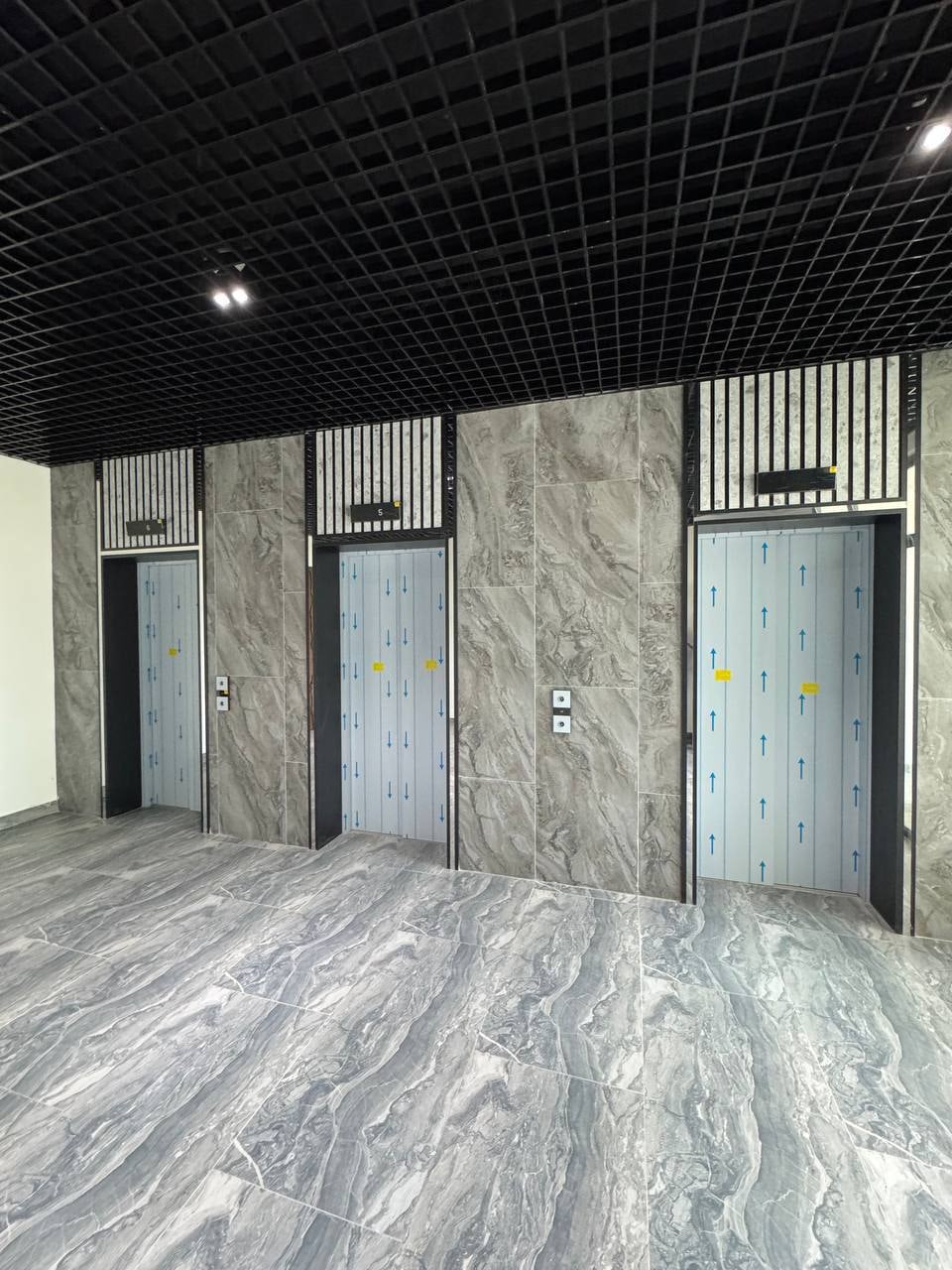
Ташкент, Яшнабадский район, IT Park Tashkent, БЦ Business Park
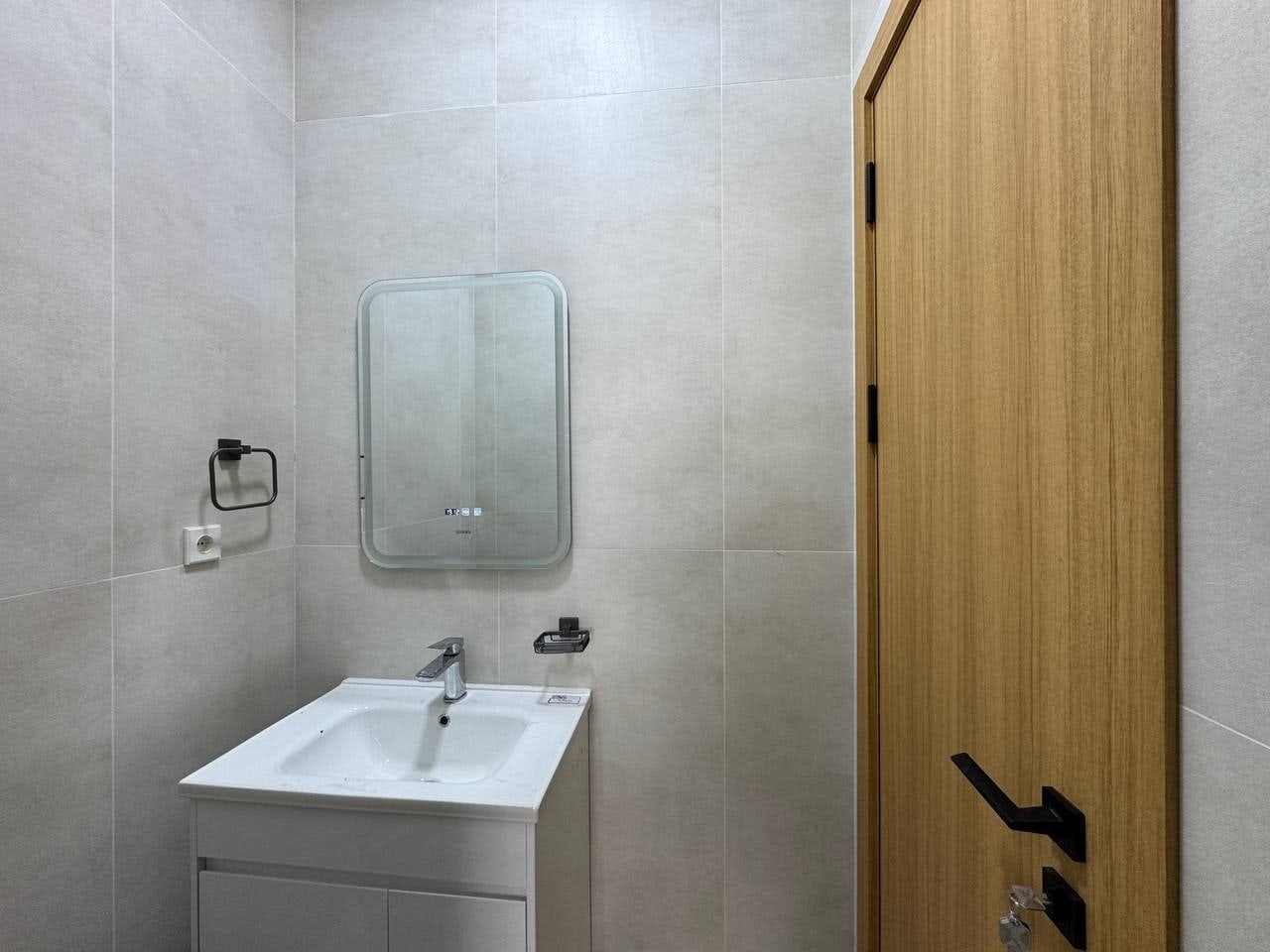
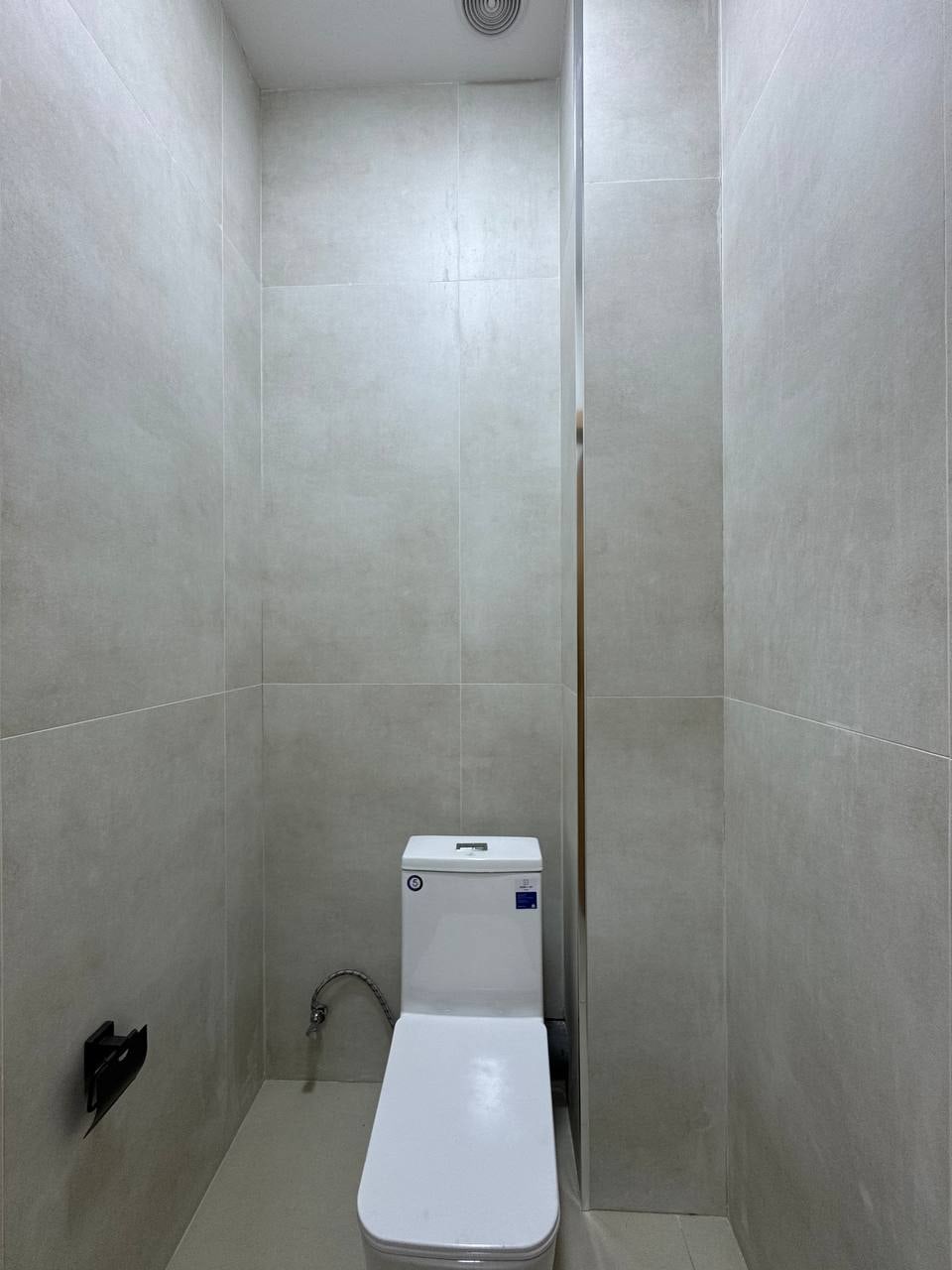
Ташкент, Юнусабадский район, метро «Минор», Финансовый институт, Алайский базар, ЖК «Muhtasham»
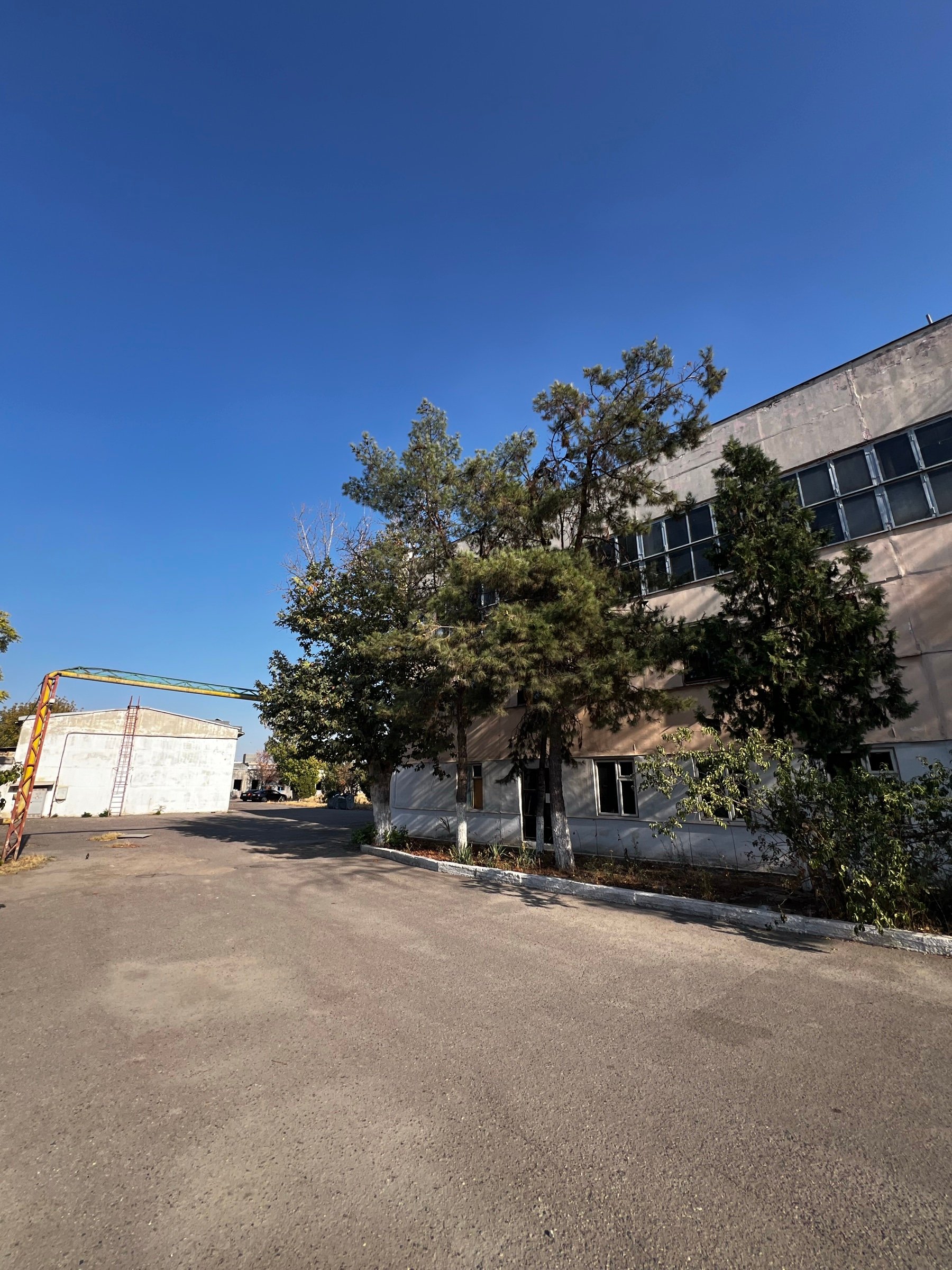
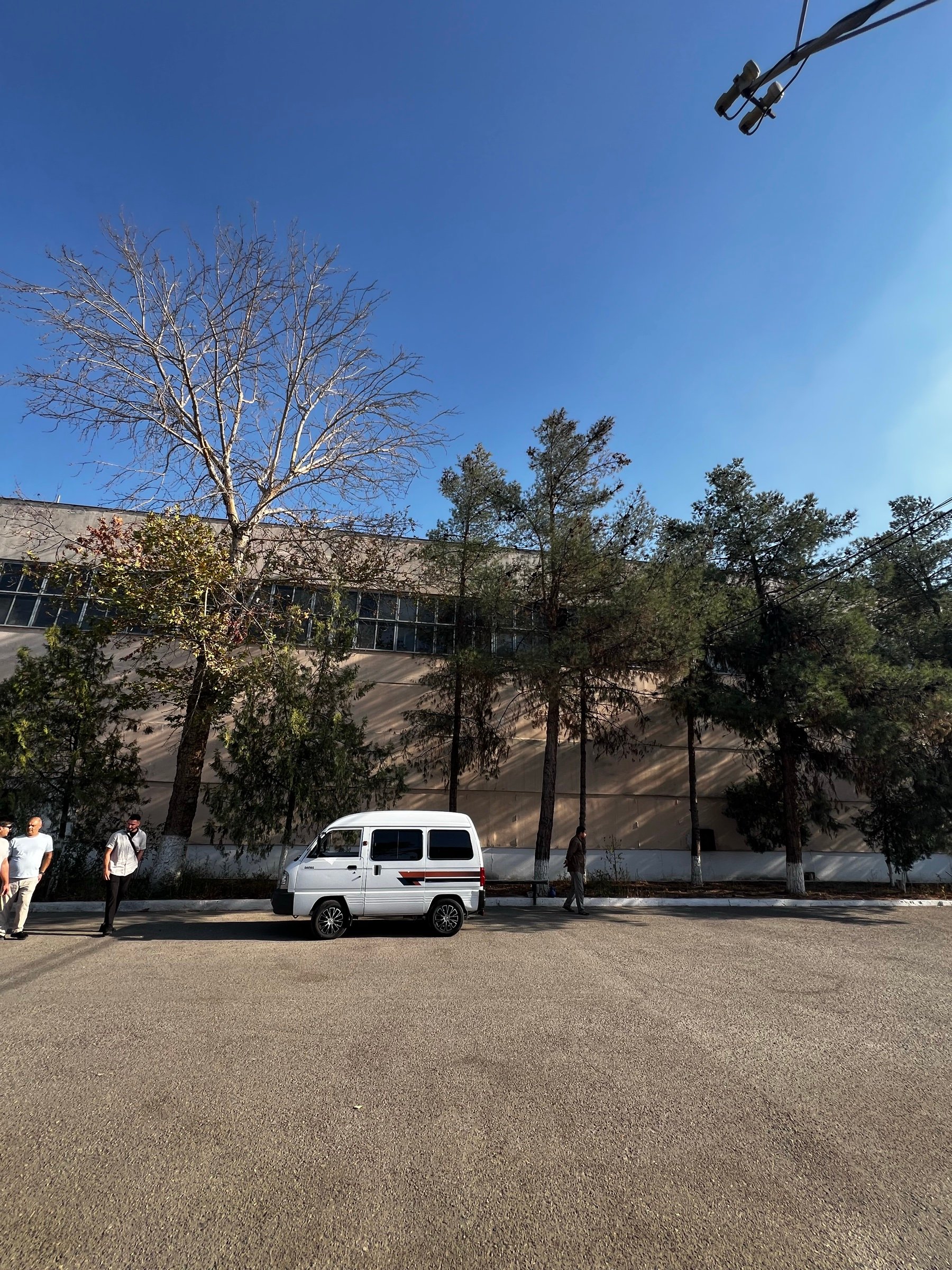
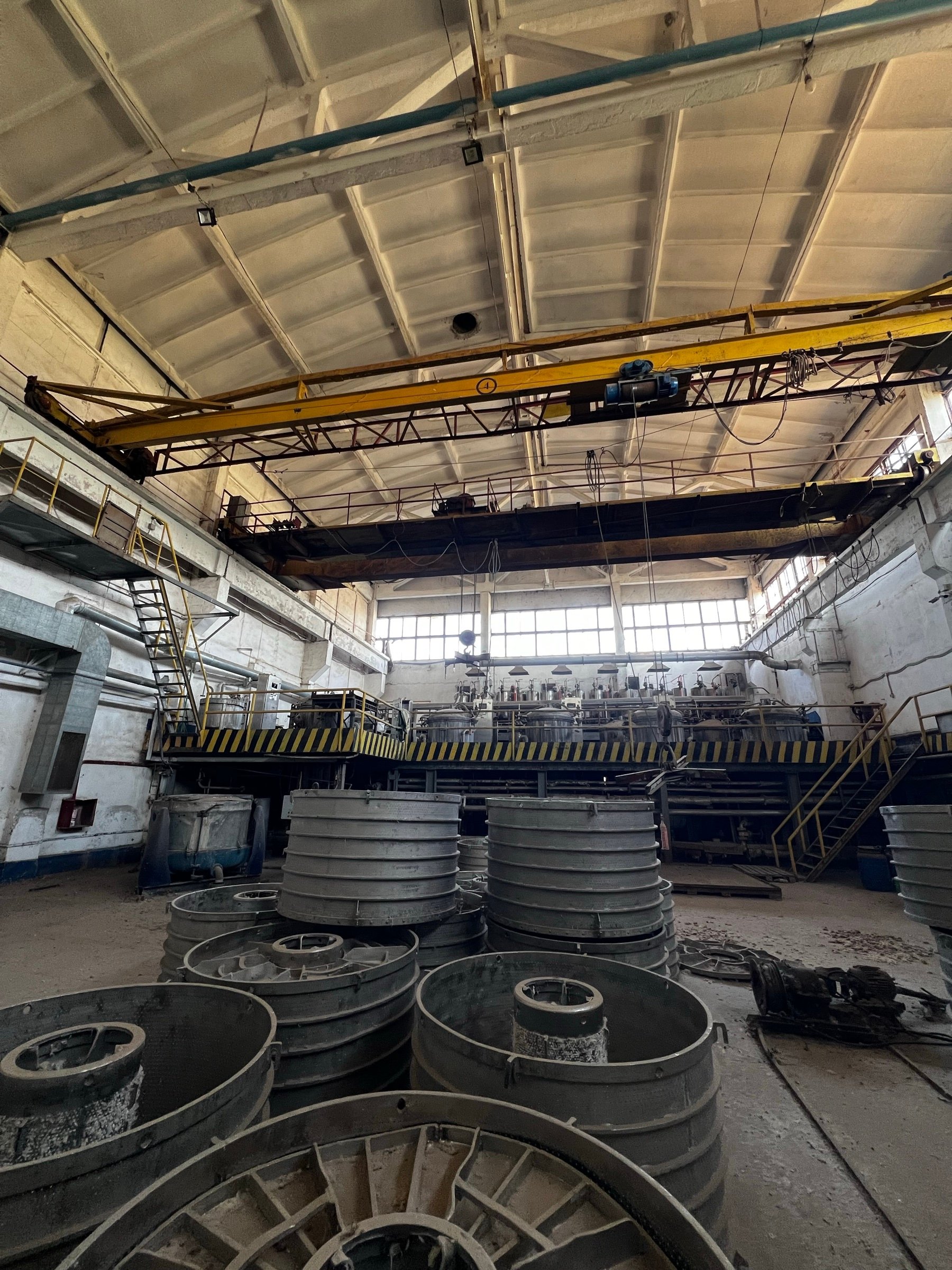
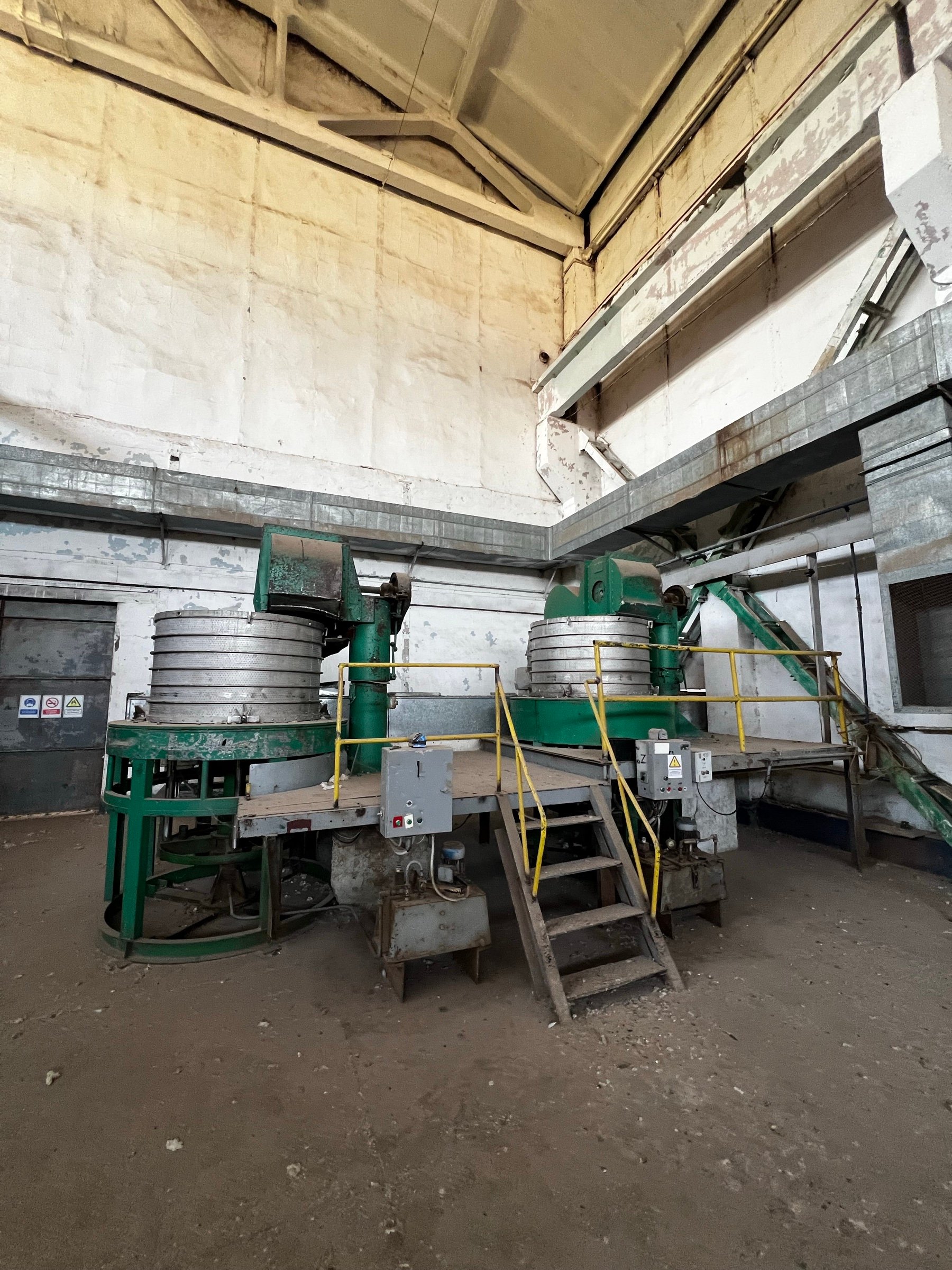
Ташкент, Яшнабадский район, Мухтара Ашрафи

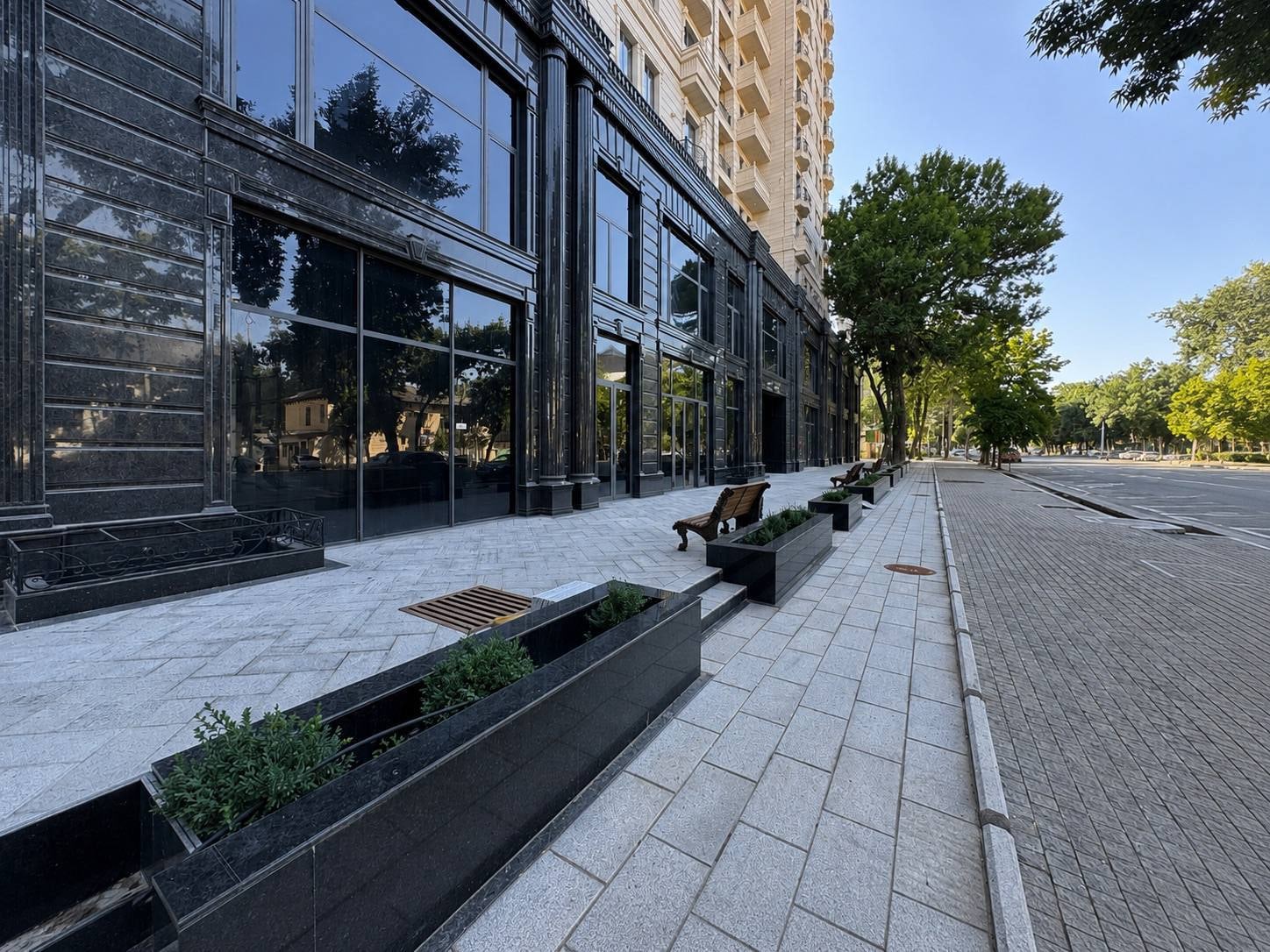
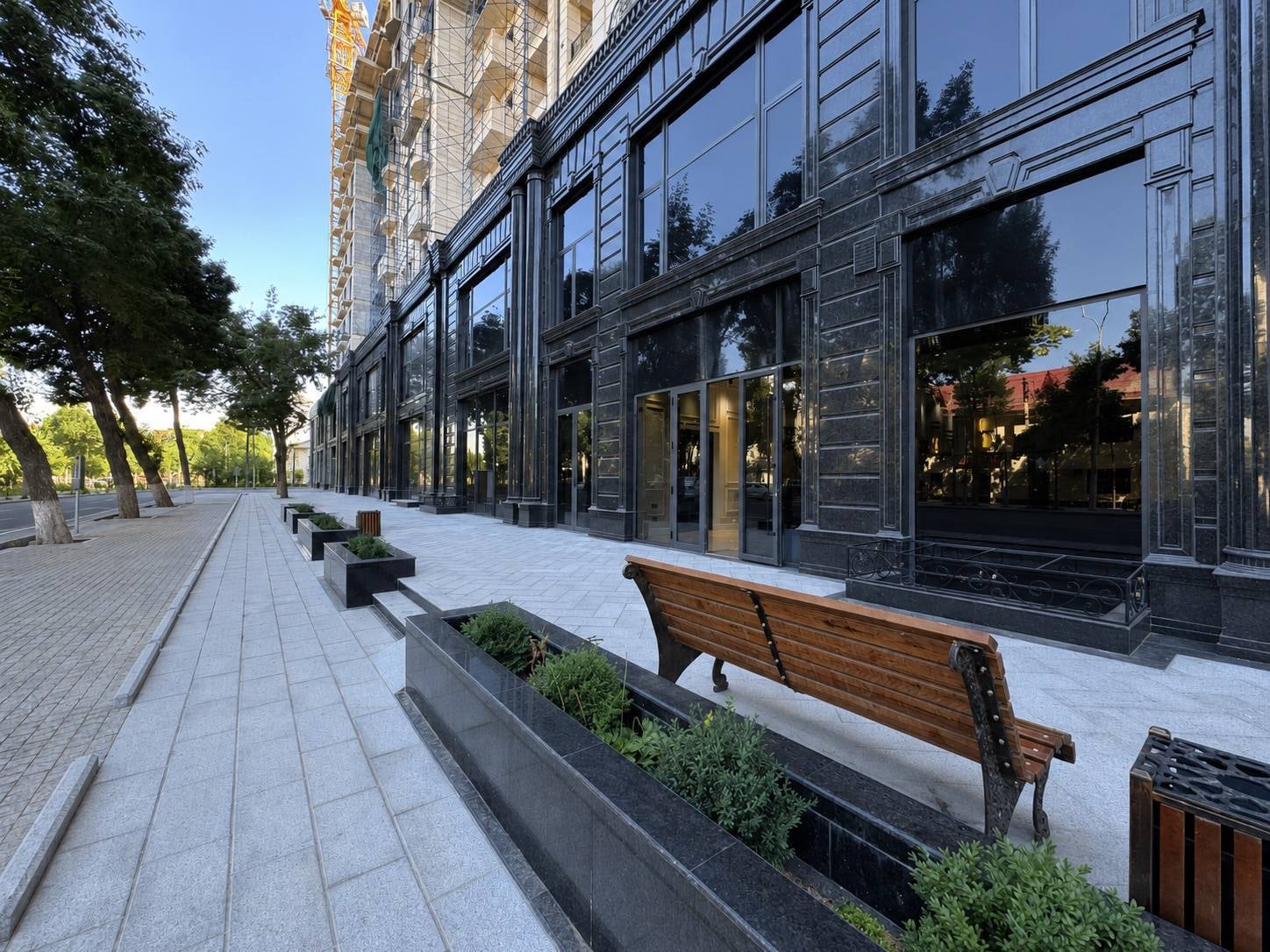
Ташкент, Яккасарайский район, Глинка
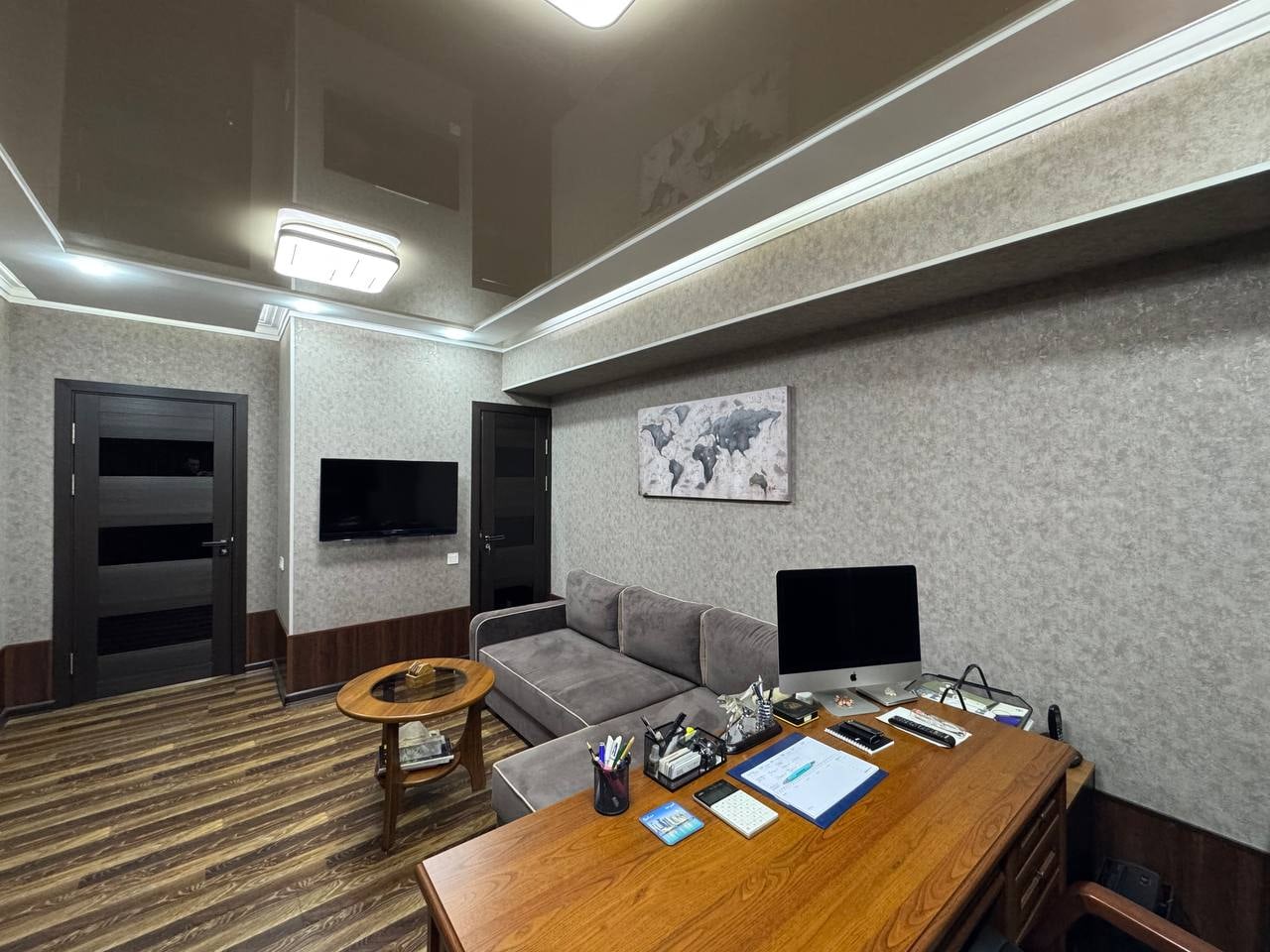
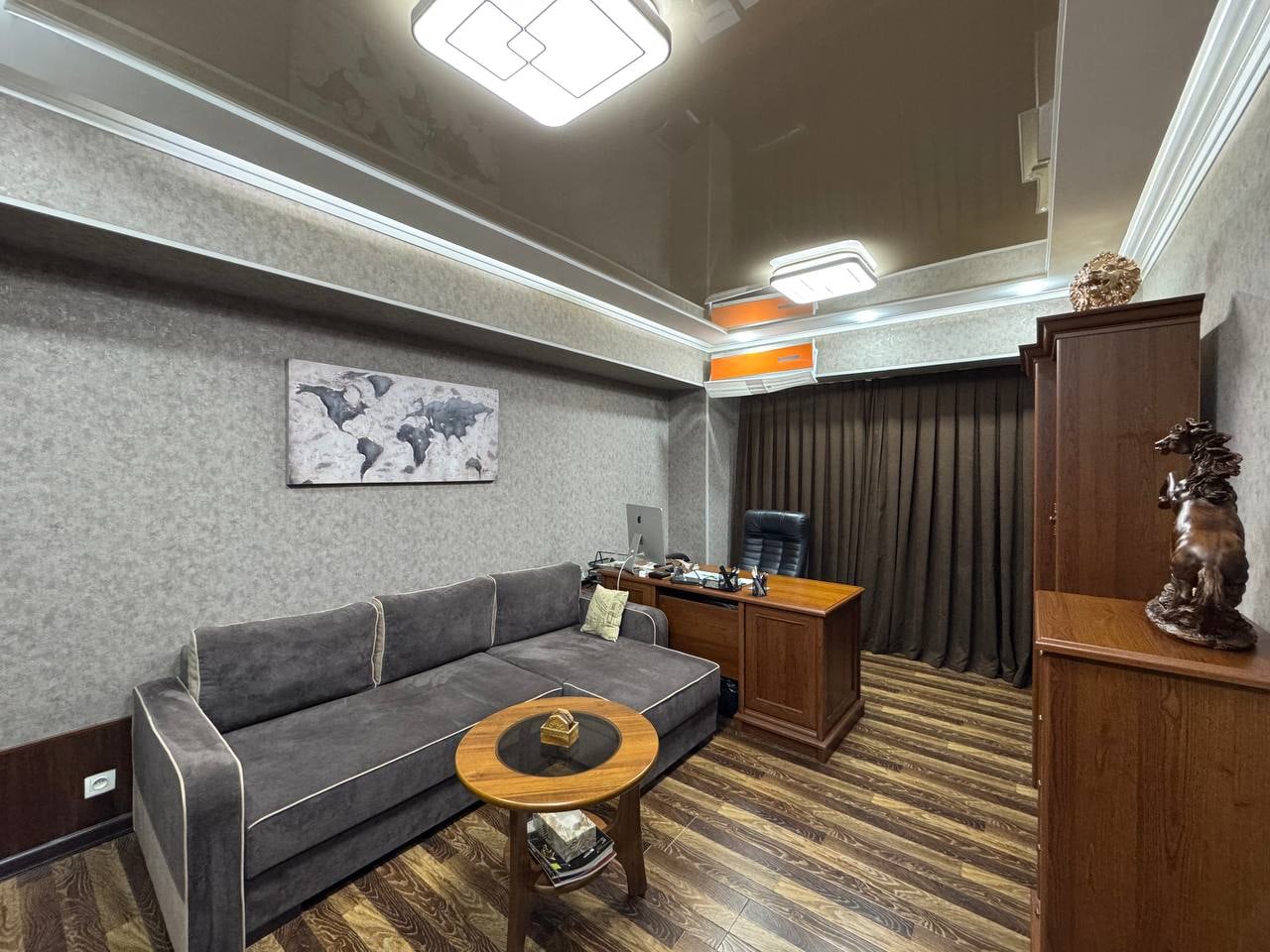
Ташкент, Юнусабадский район, Алайский рынок Ц-4
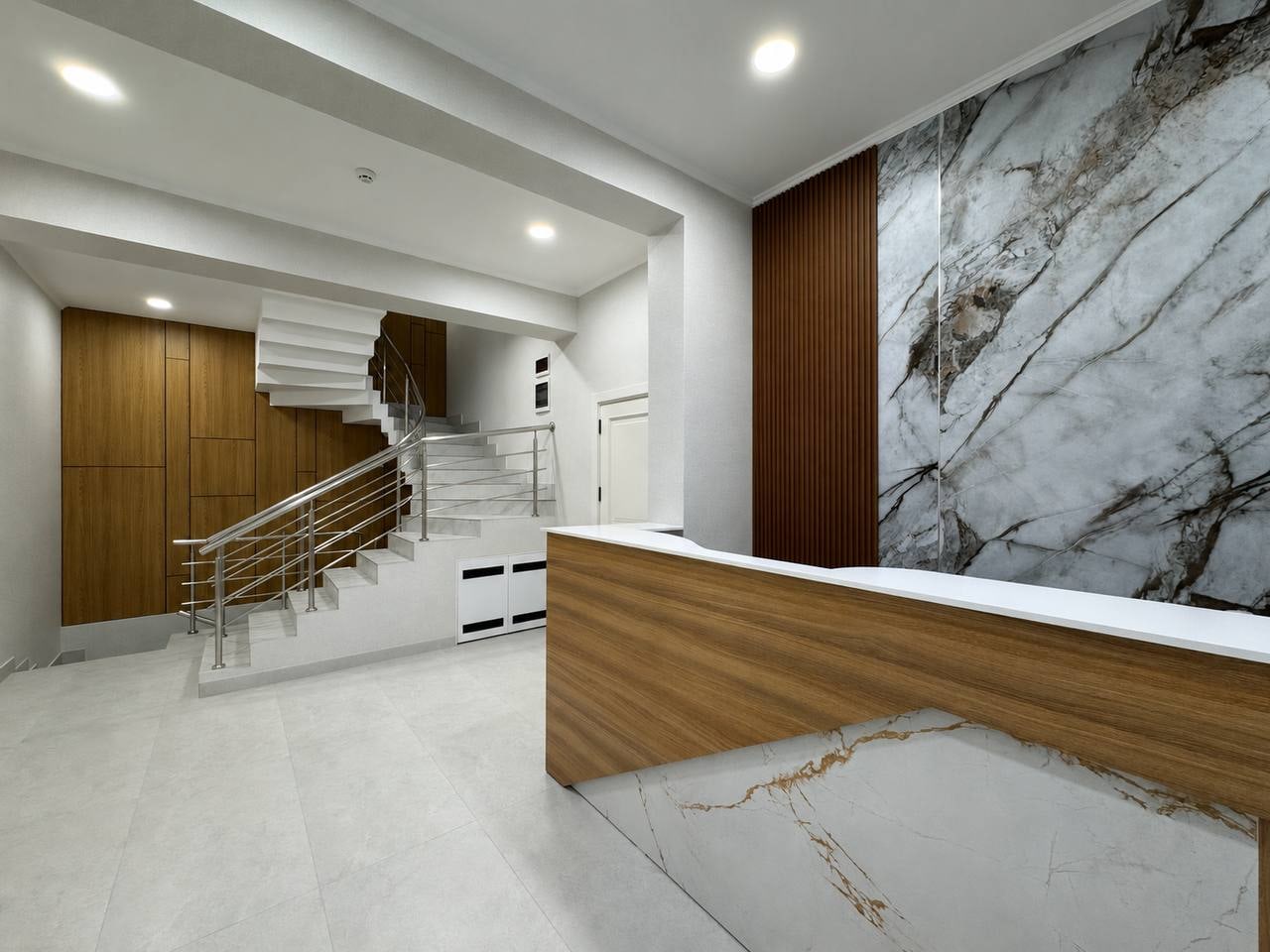
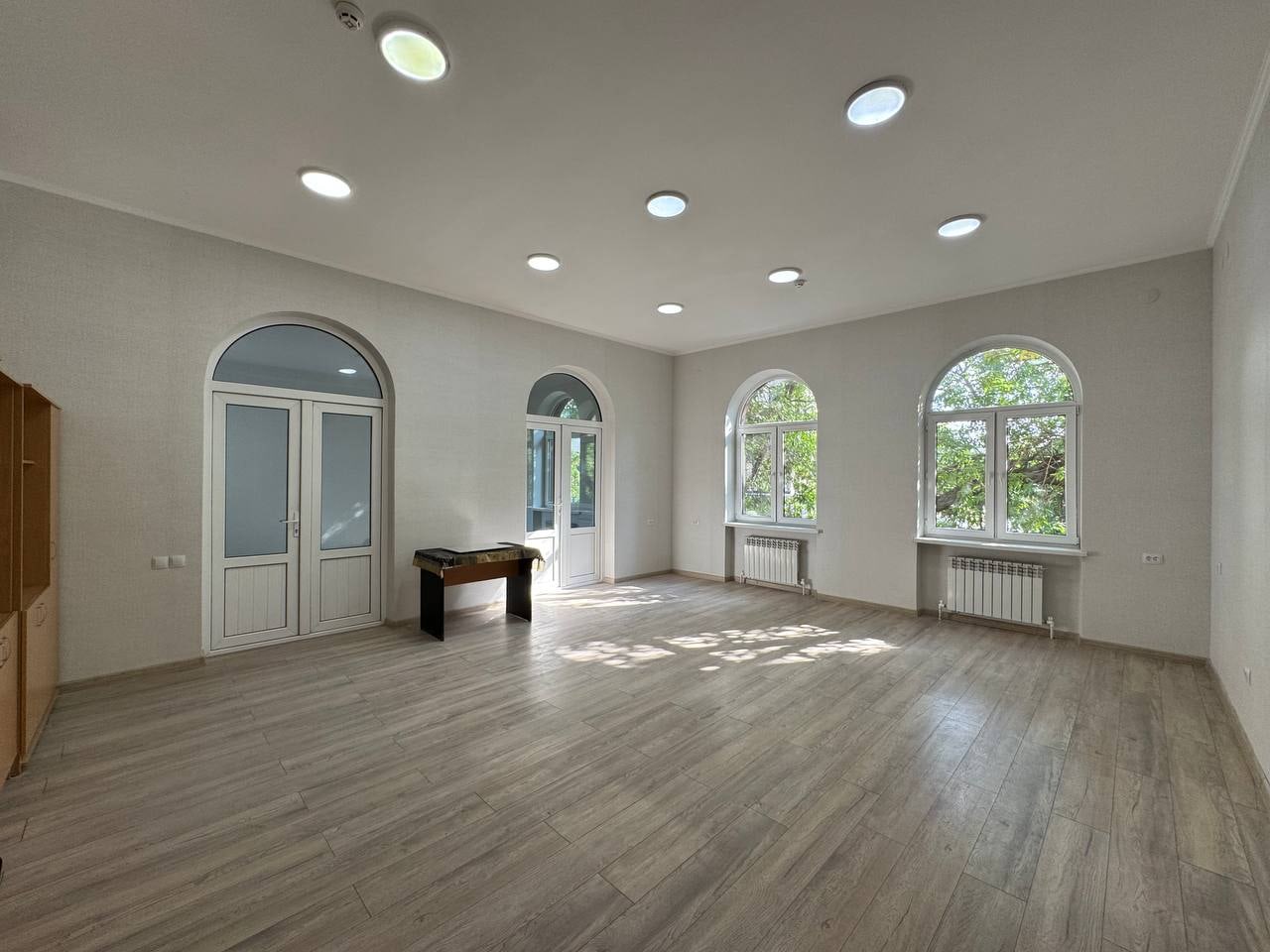
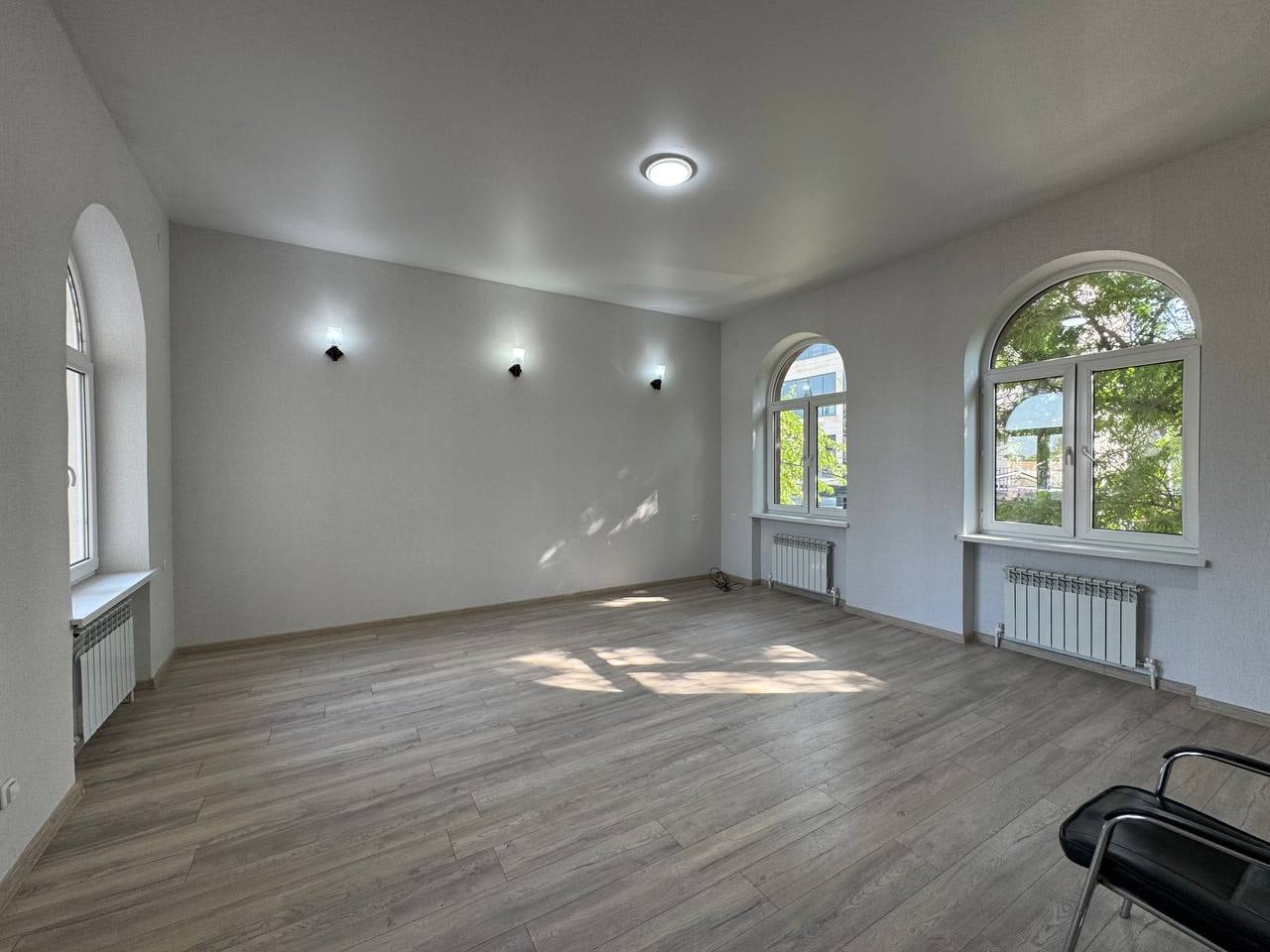
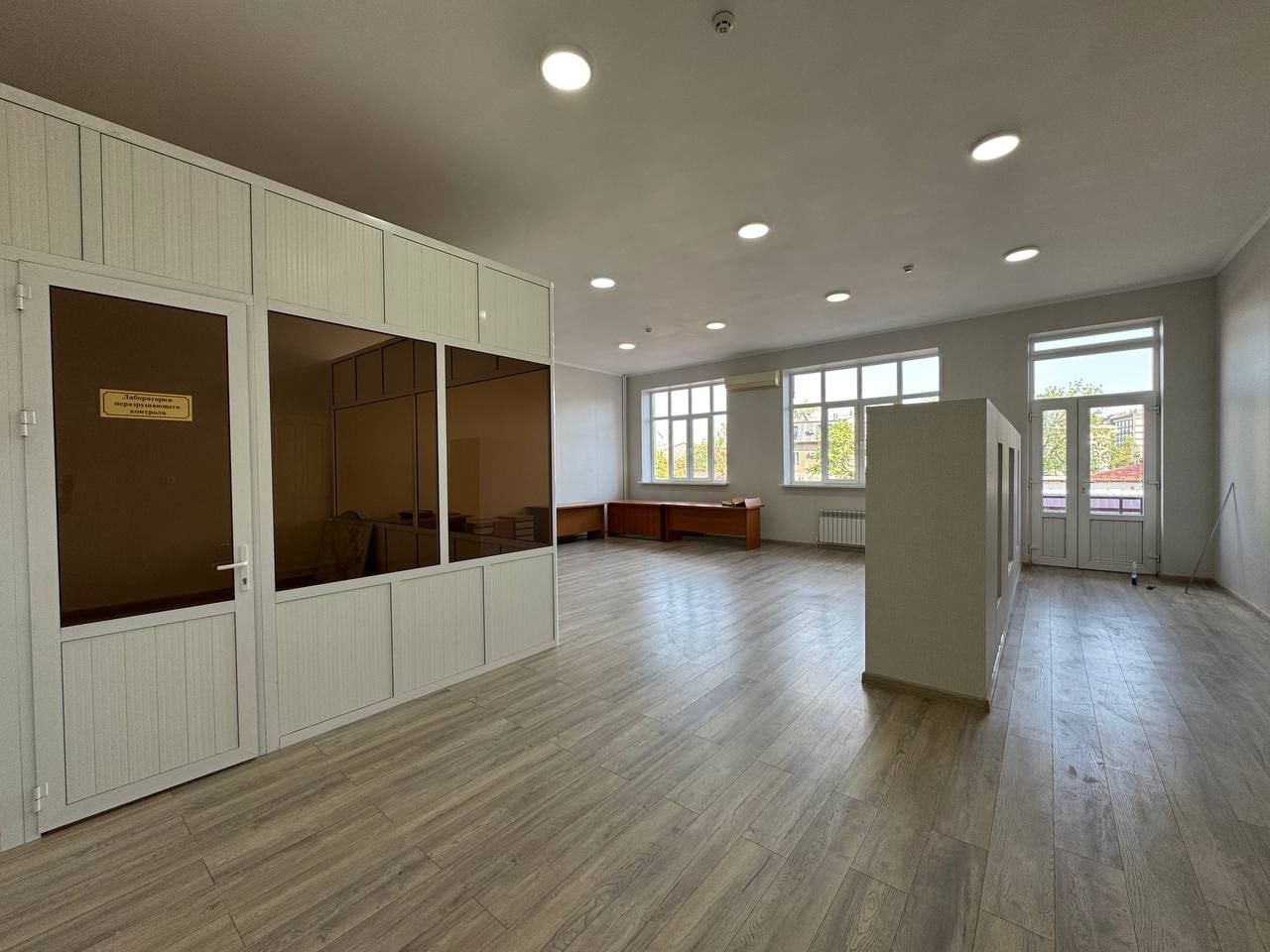
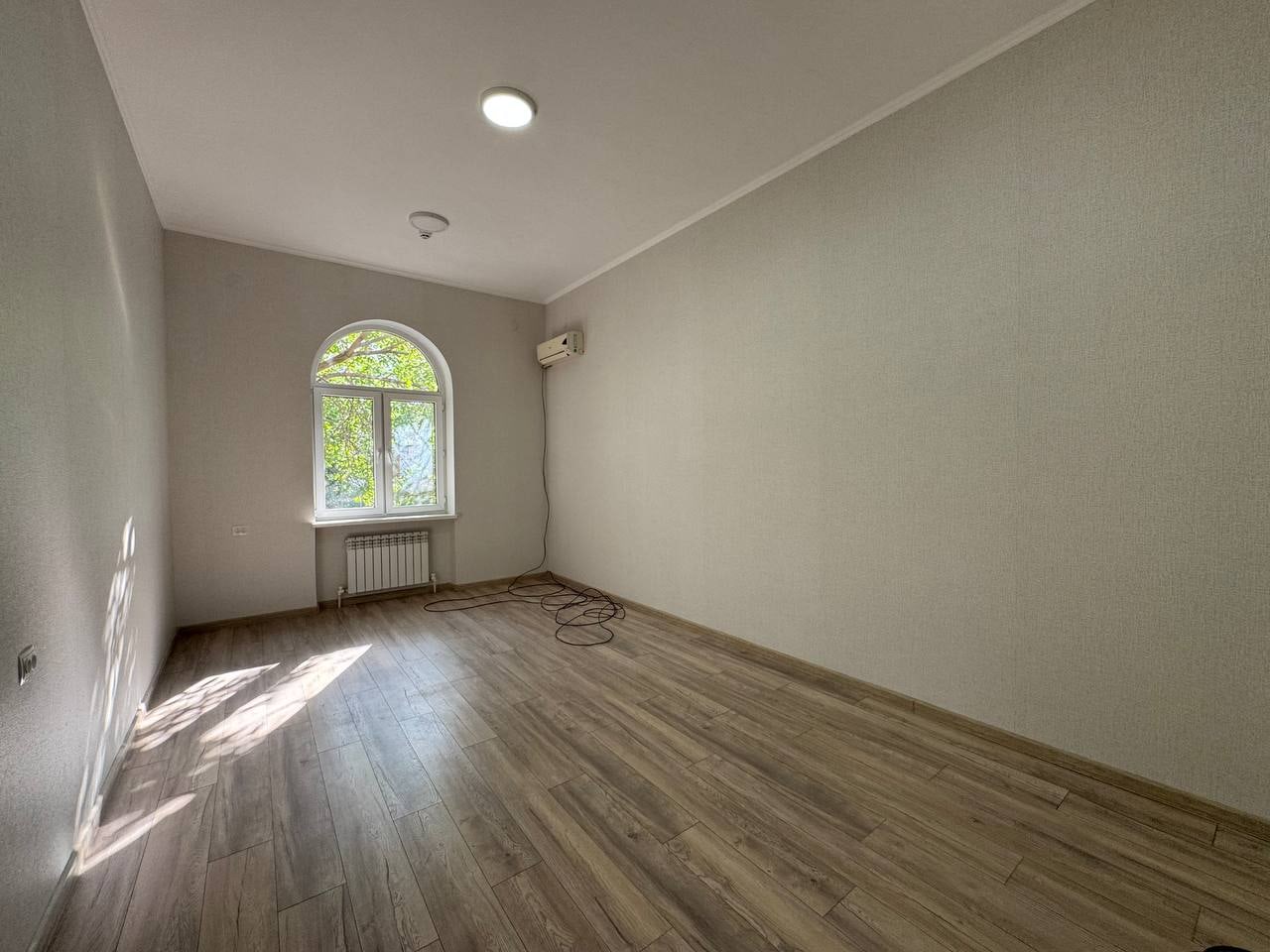
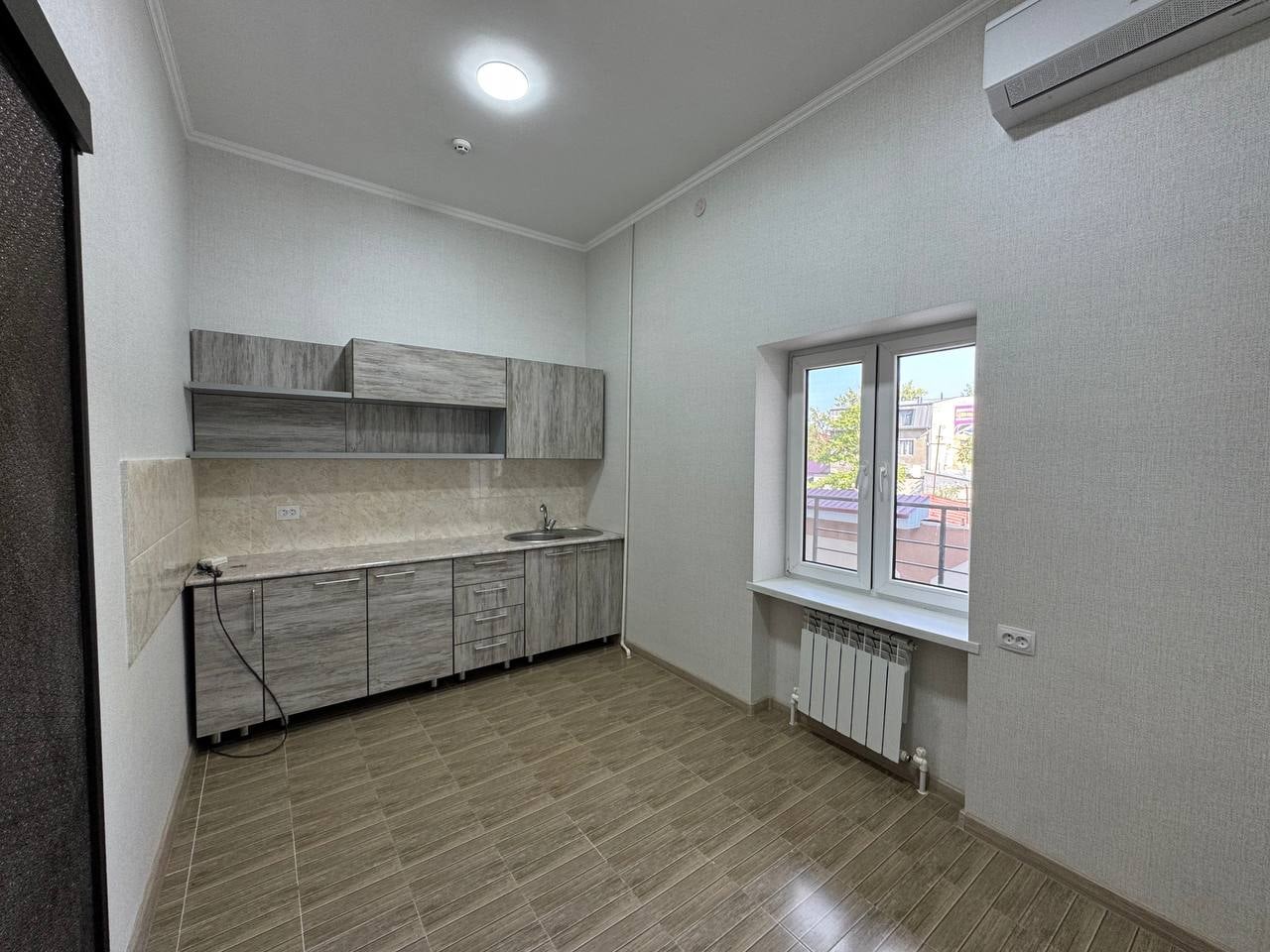
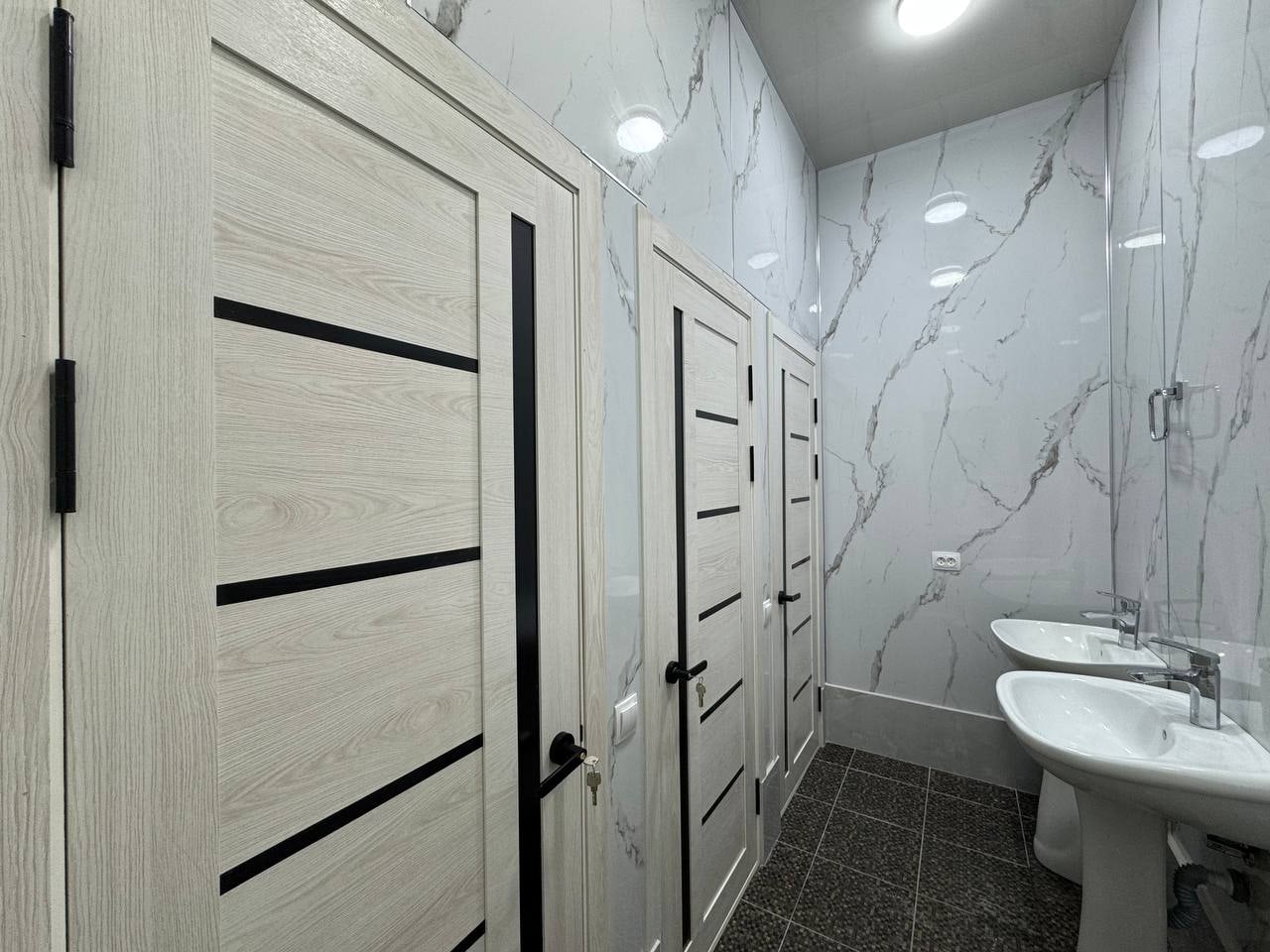
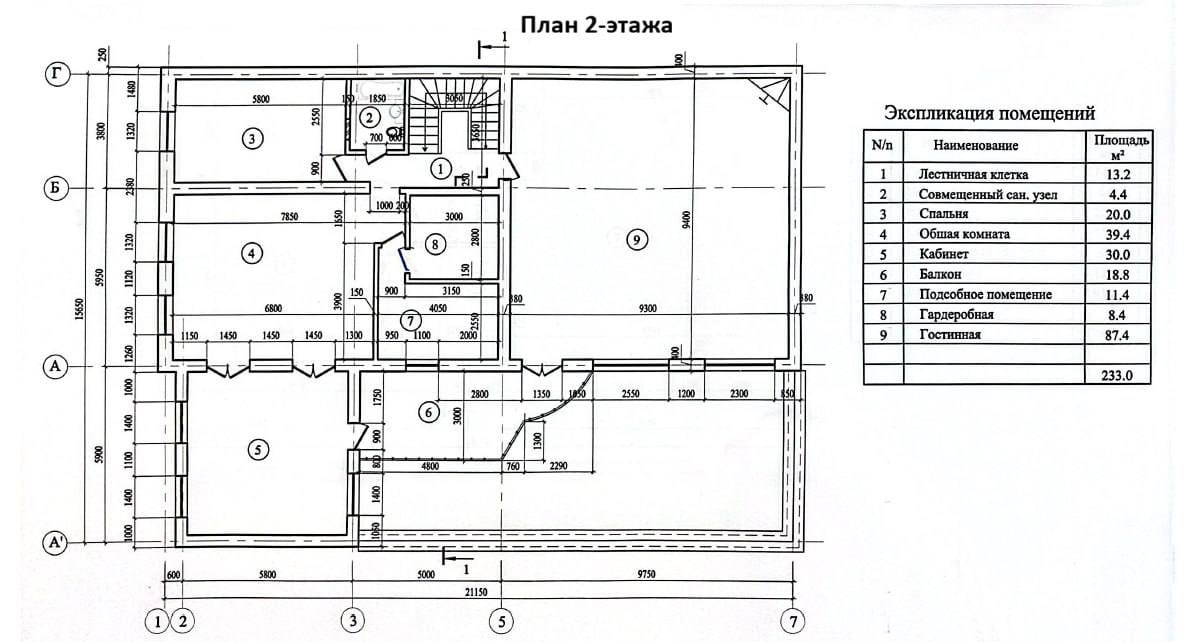
Ташкент, Мирабадский район, Глинка, 8 роддом
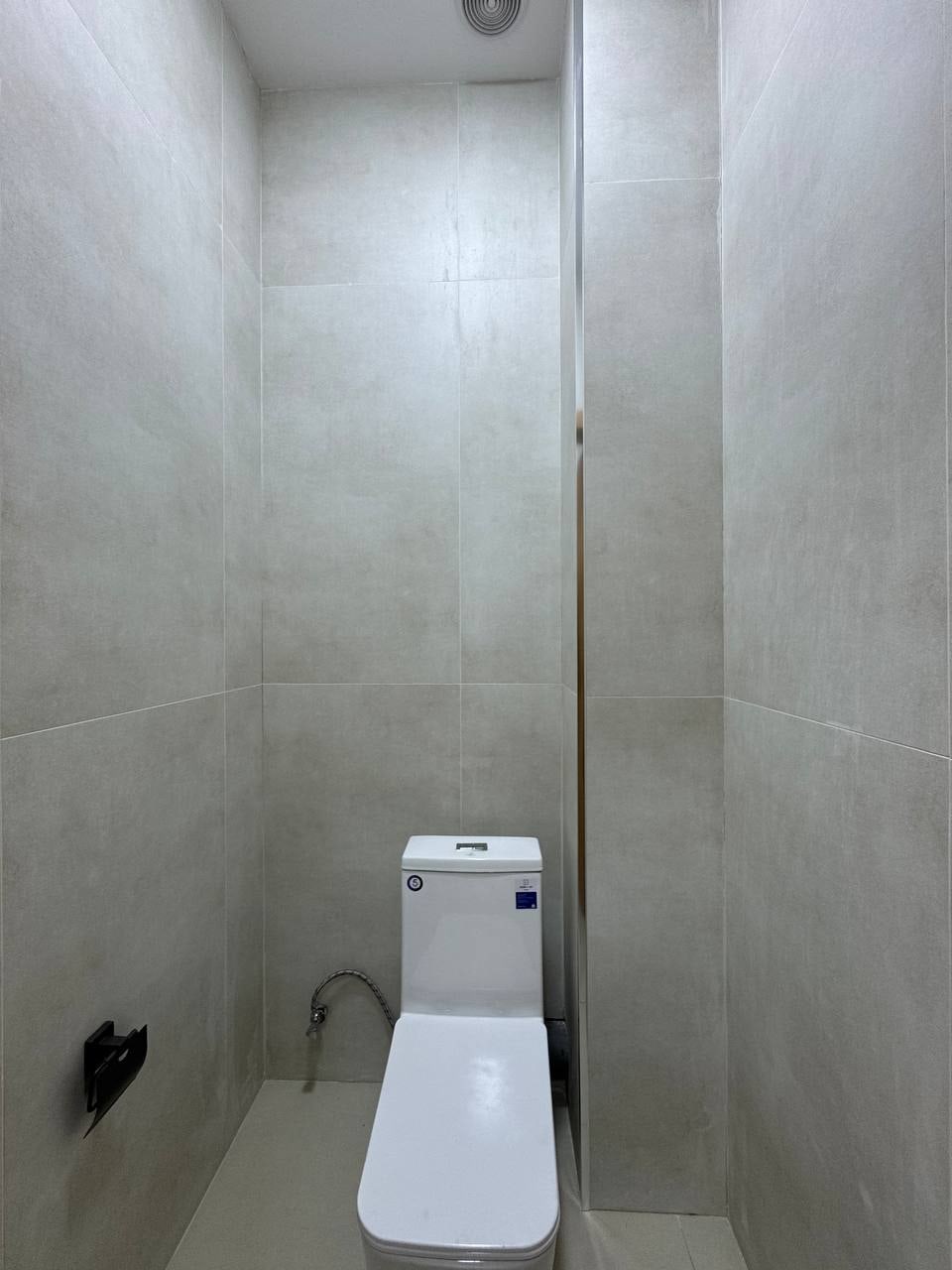
Ташкент, Юнусабадский район, метро «Минор», Финансовый институт, Алайский базар, ЖК «Muhtasham»
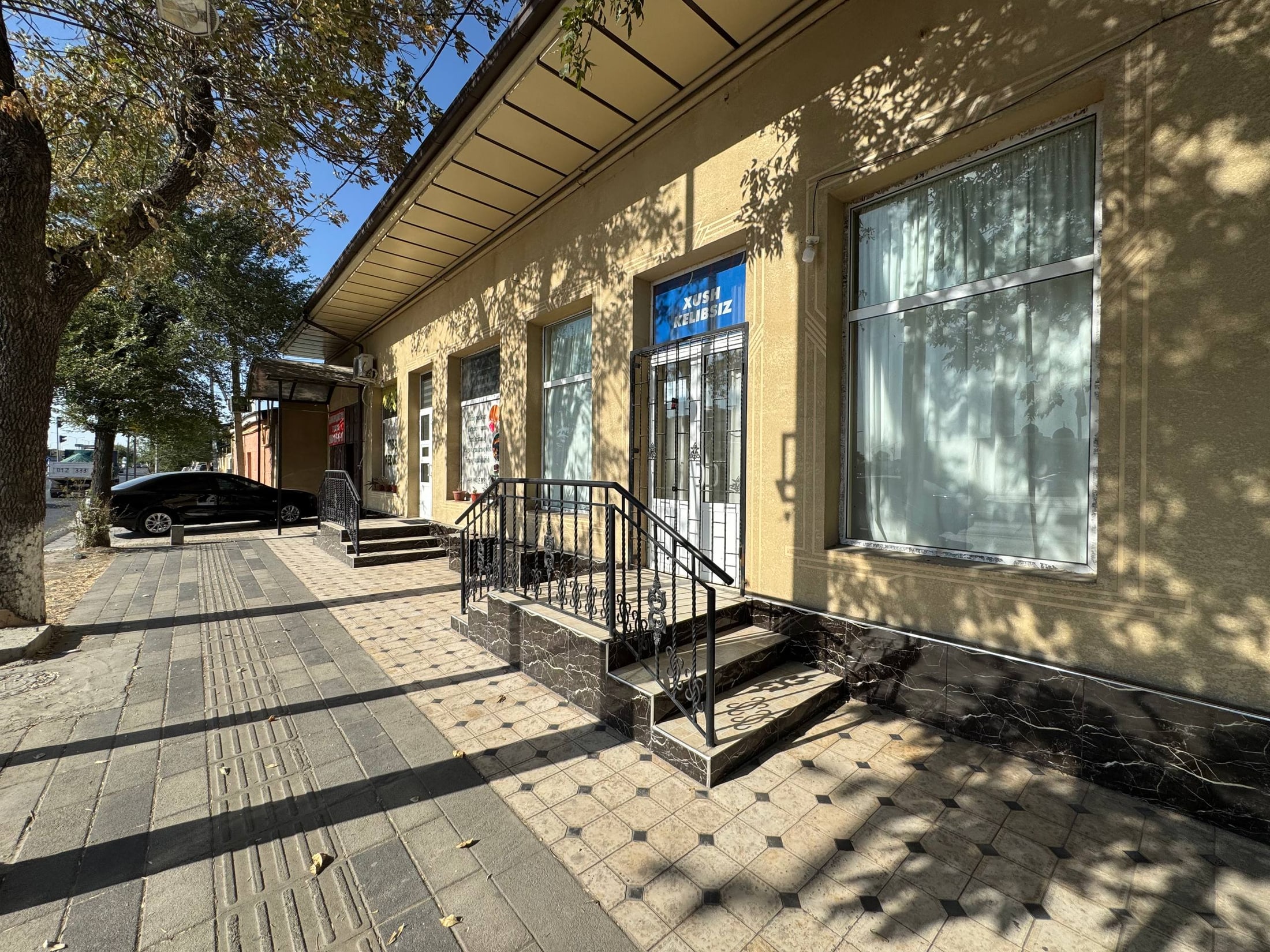
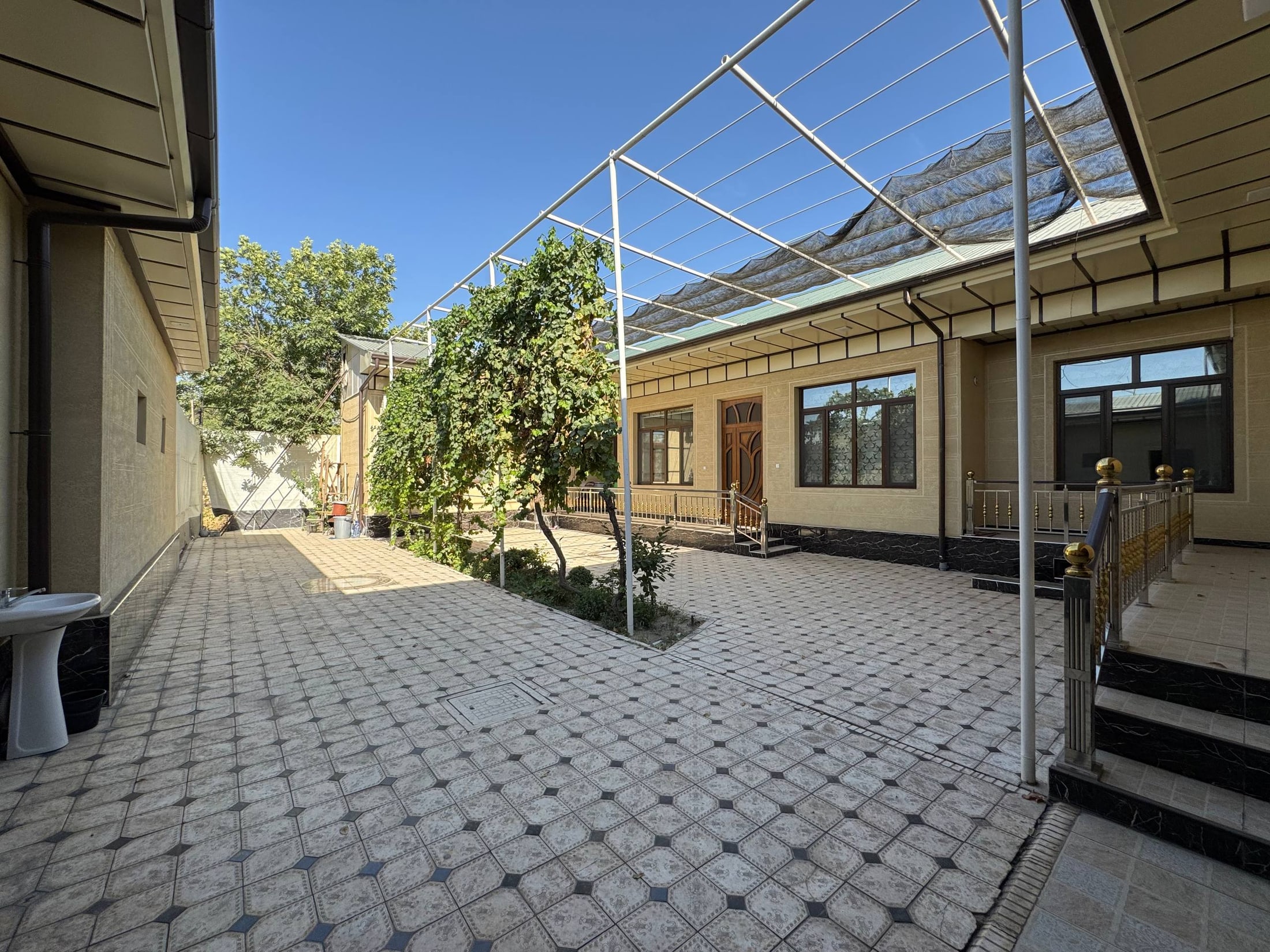
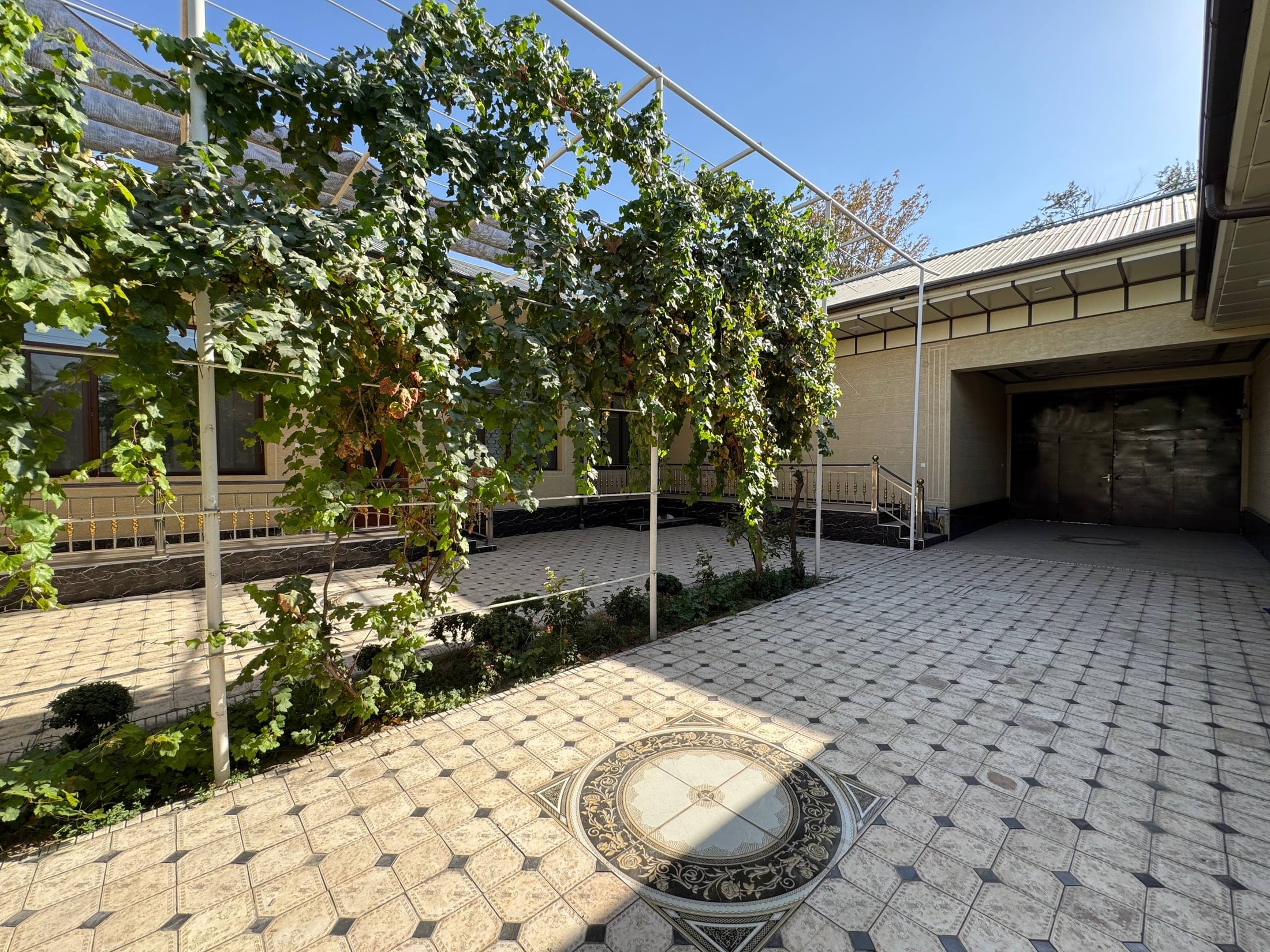
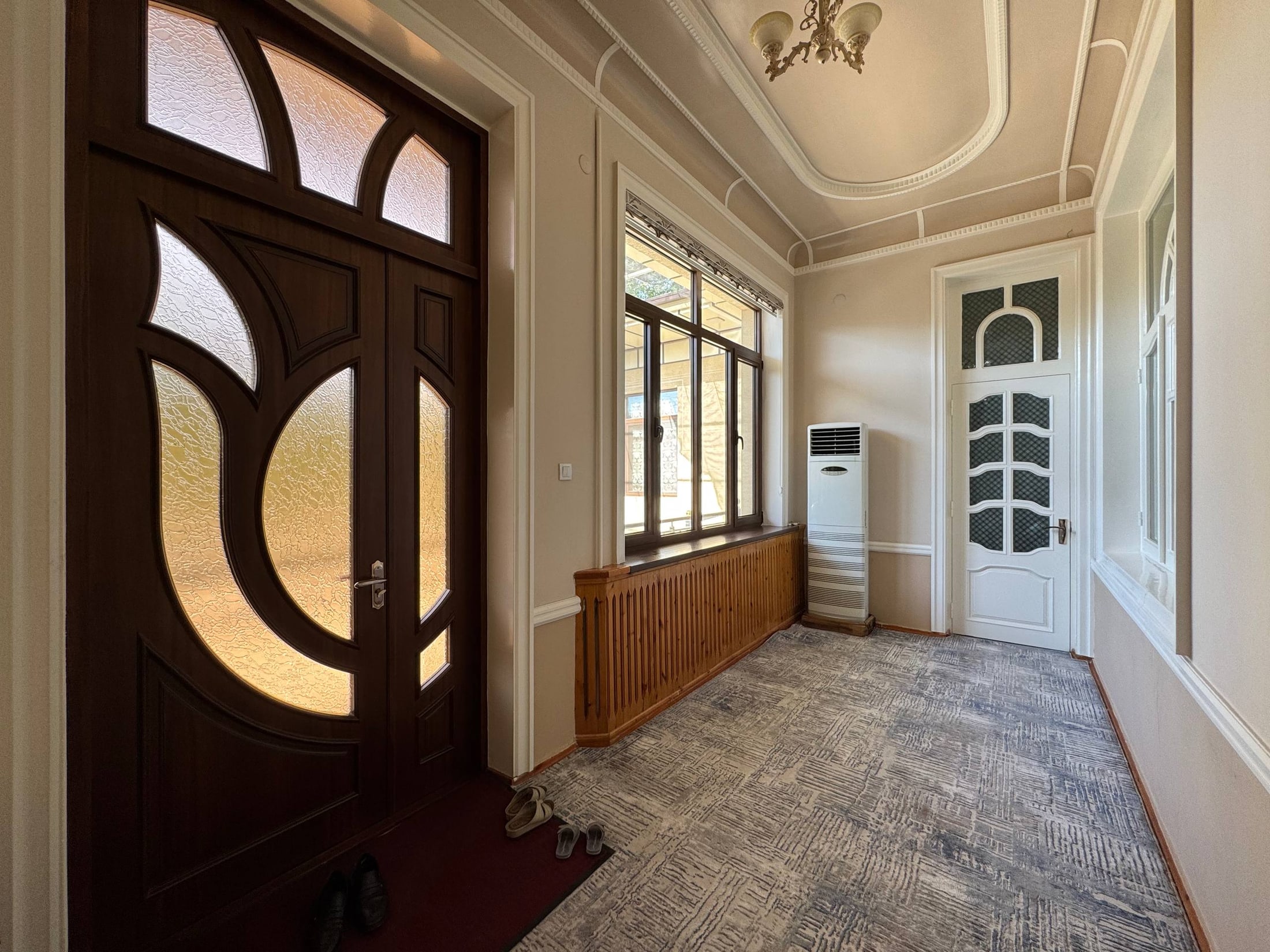
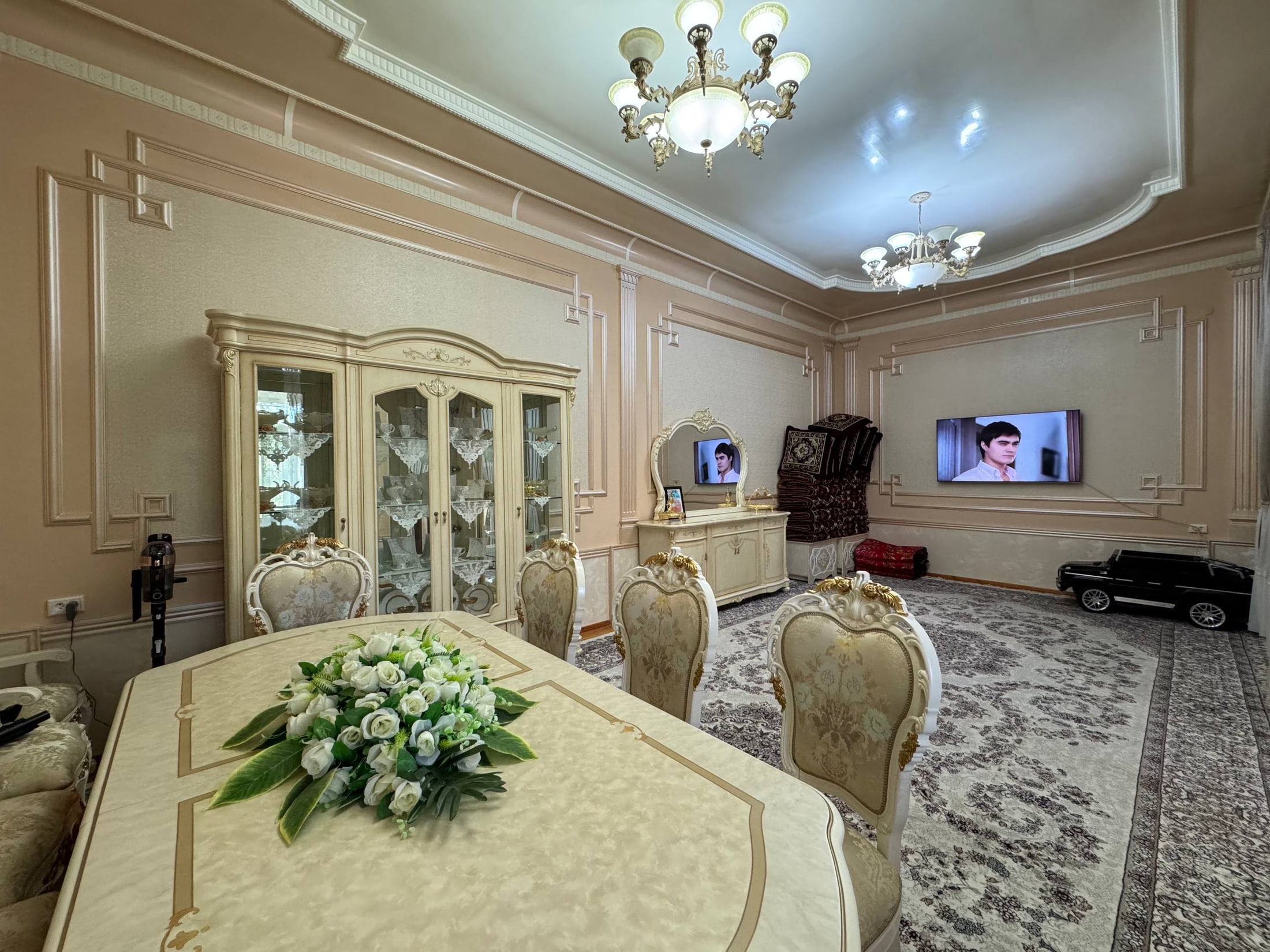
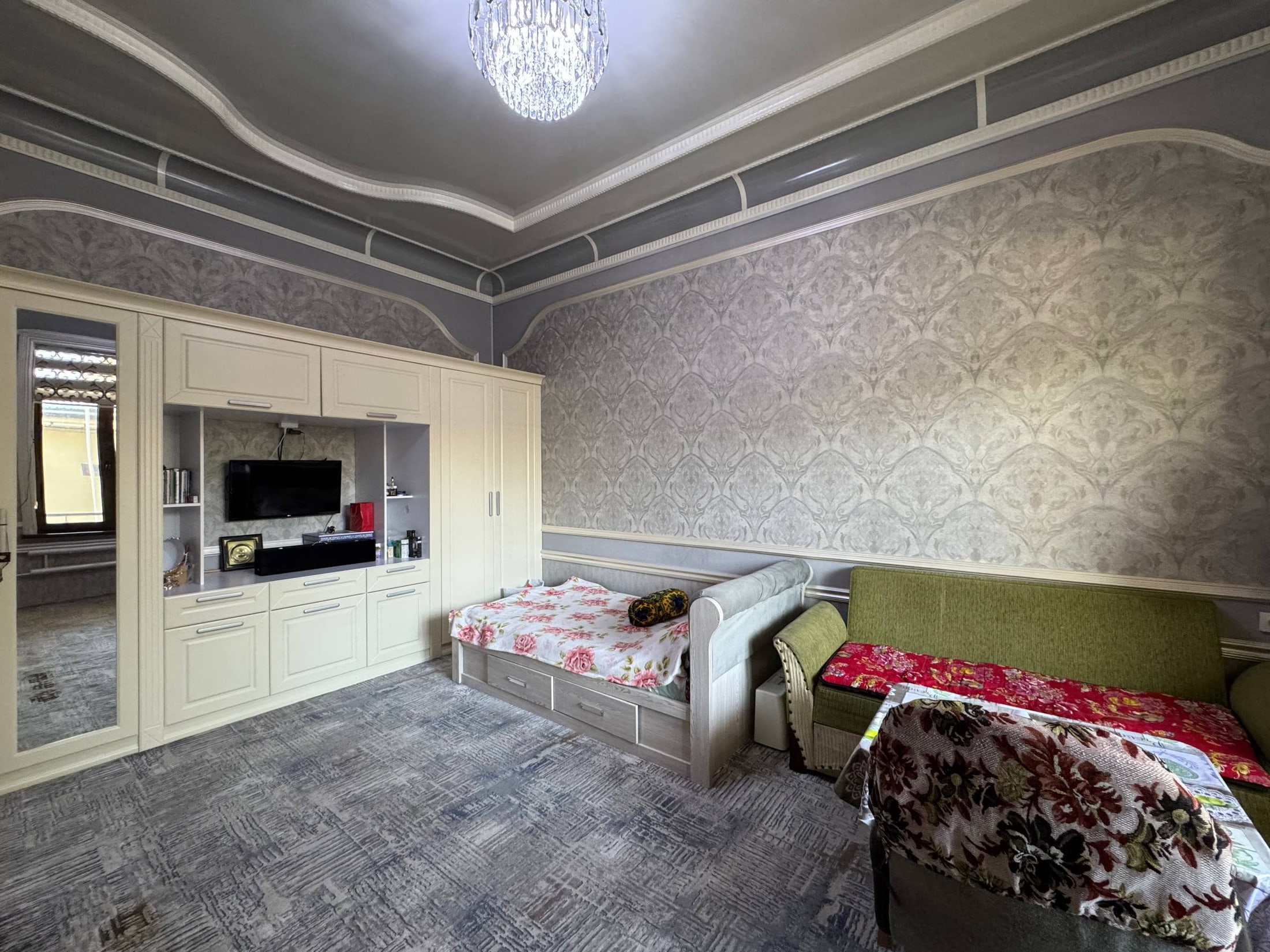
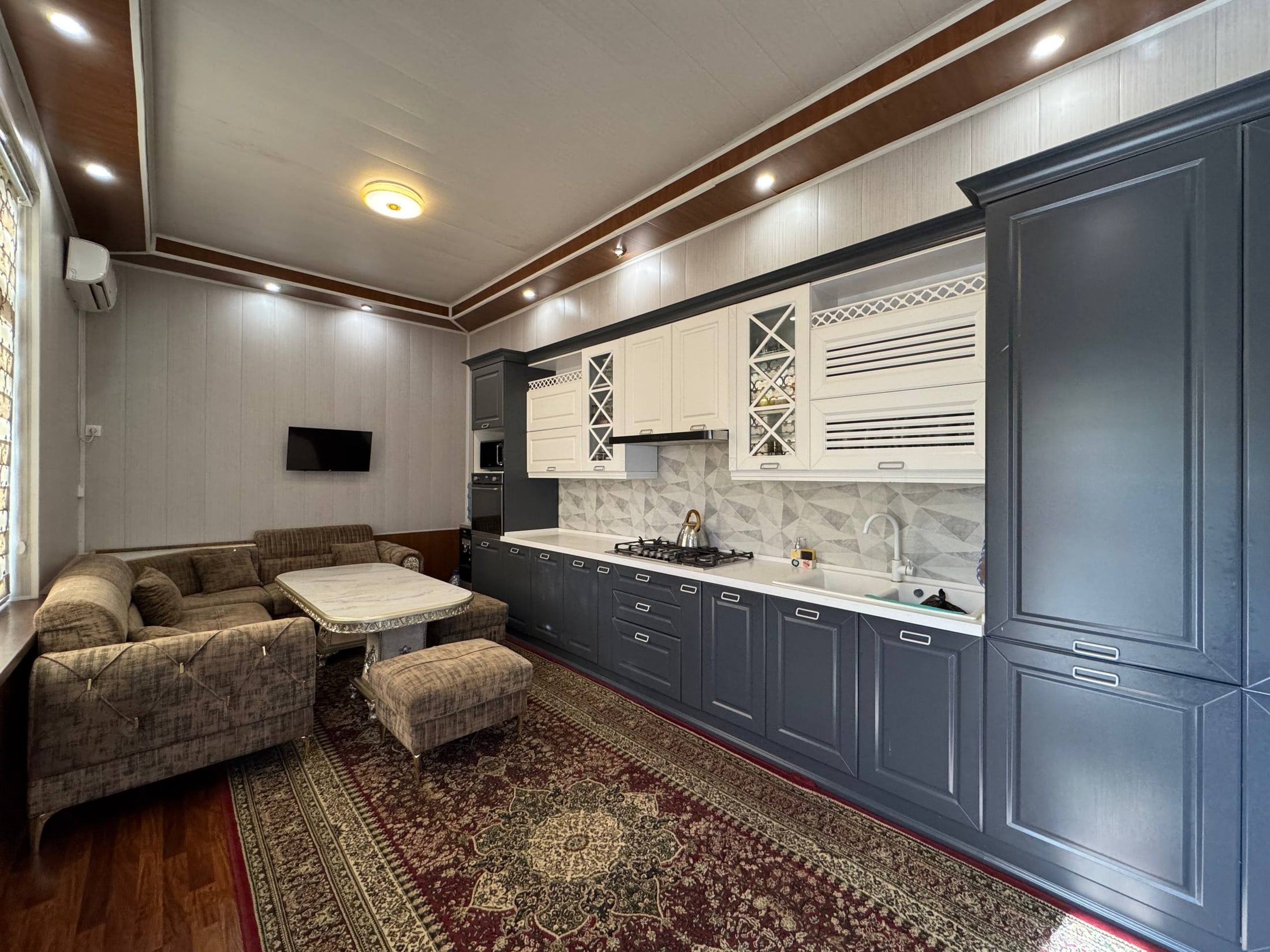
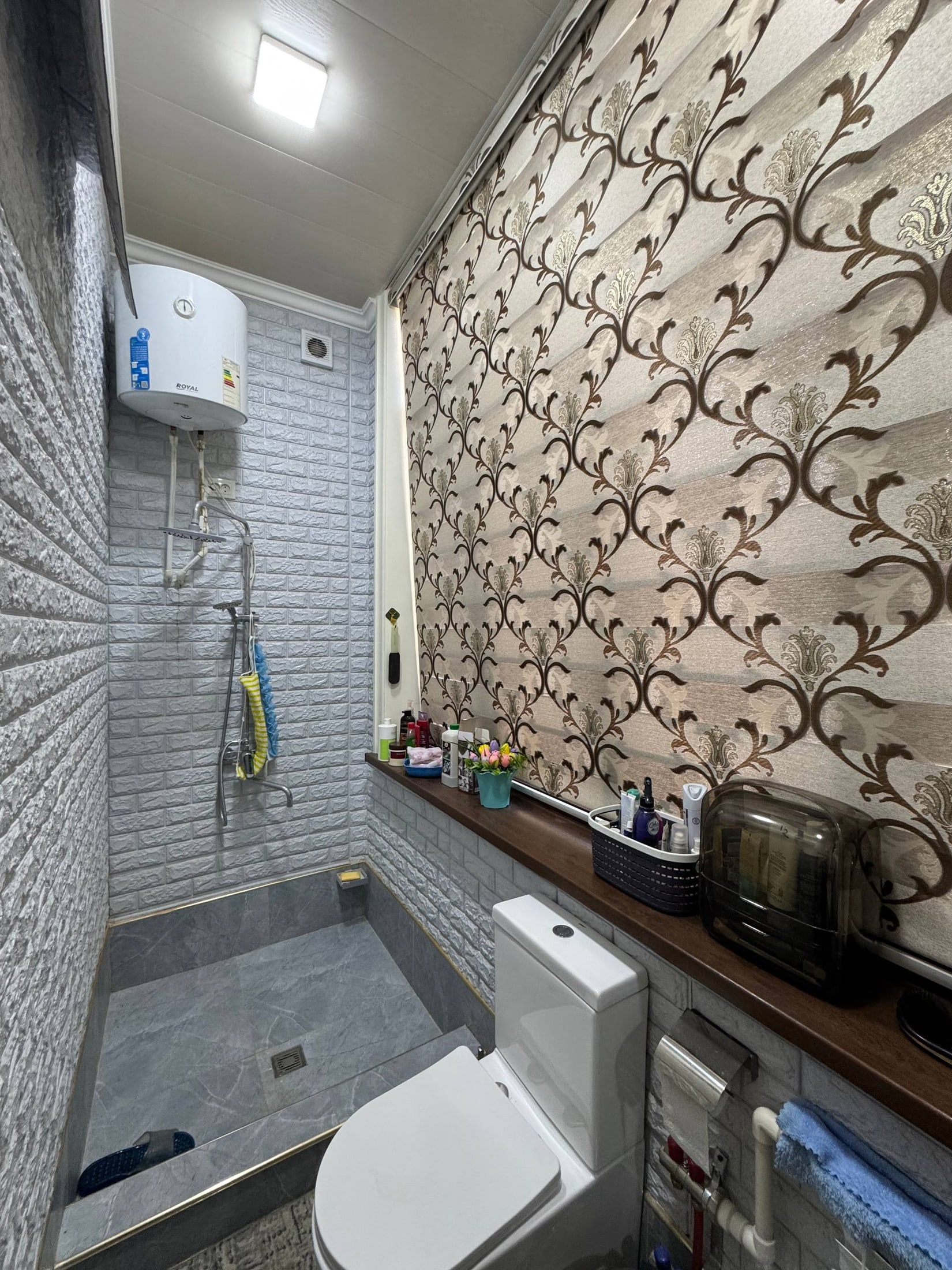
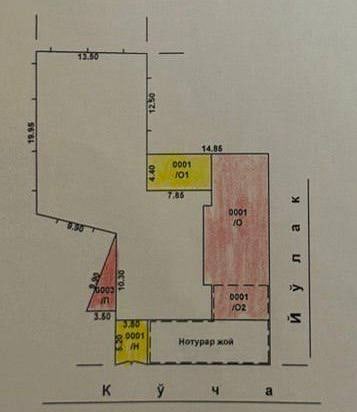
Ташкент, Яшнабадский район, ул. Фергана йули, корзинка Файзабад
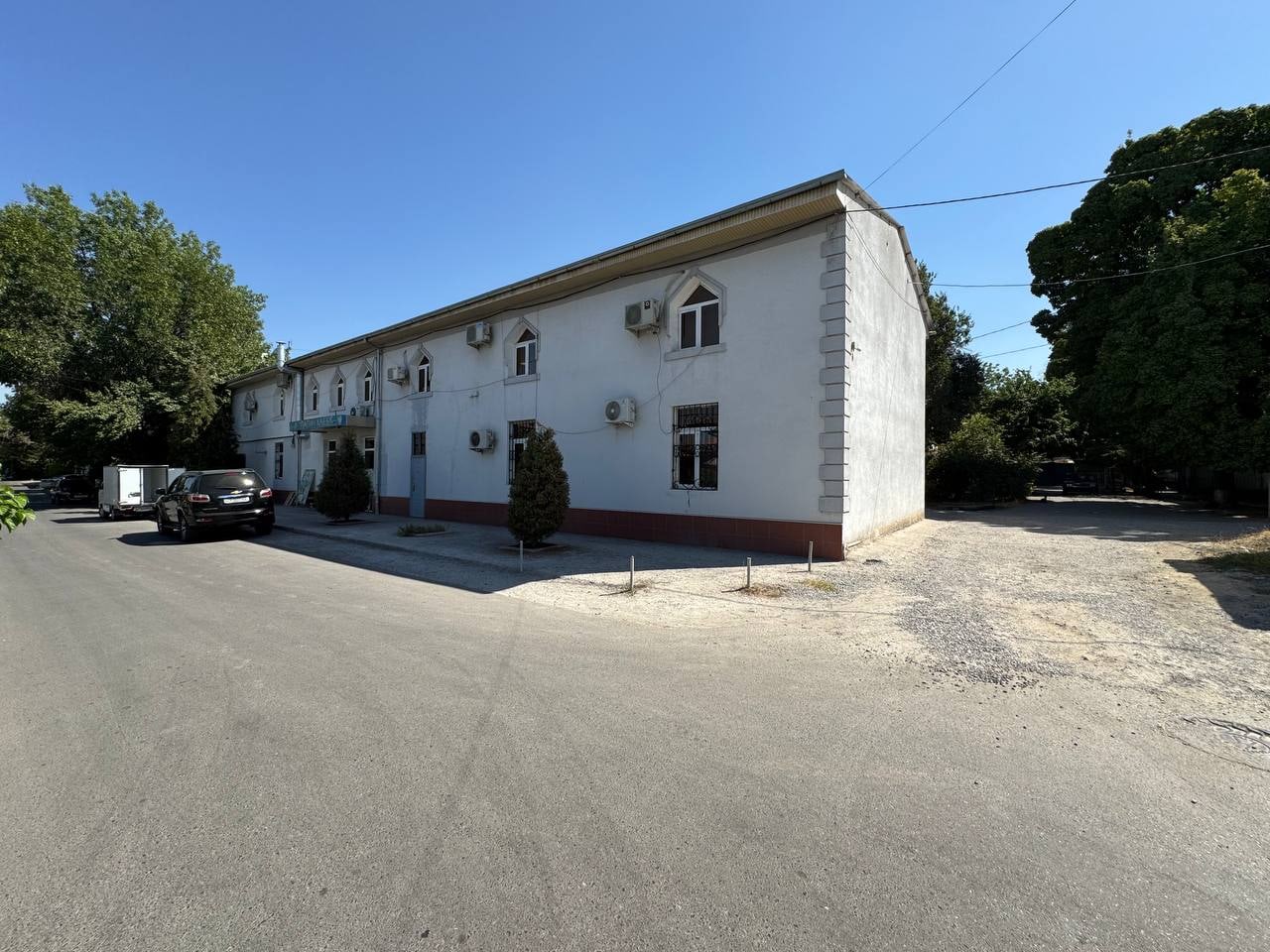
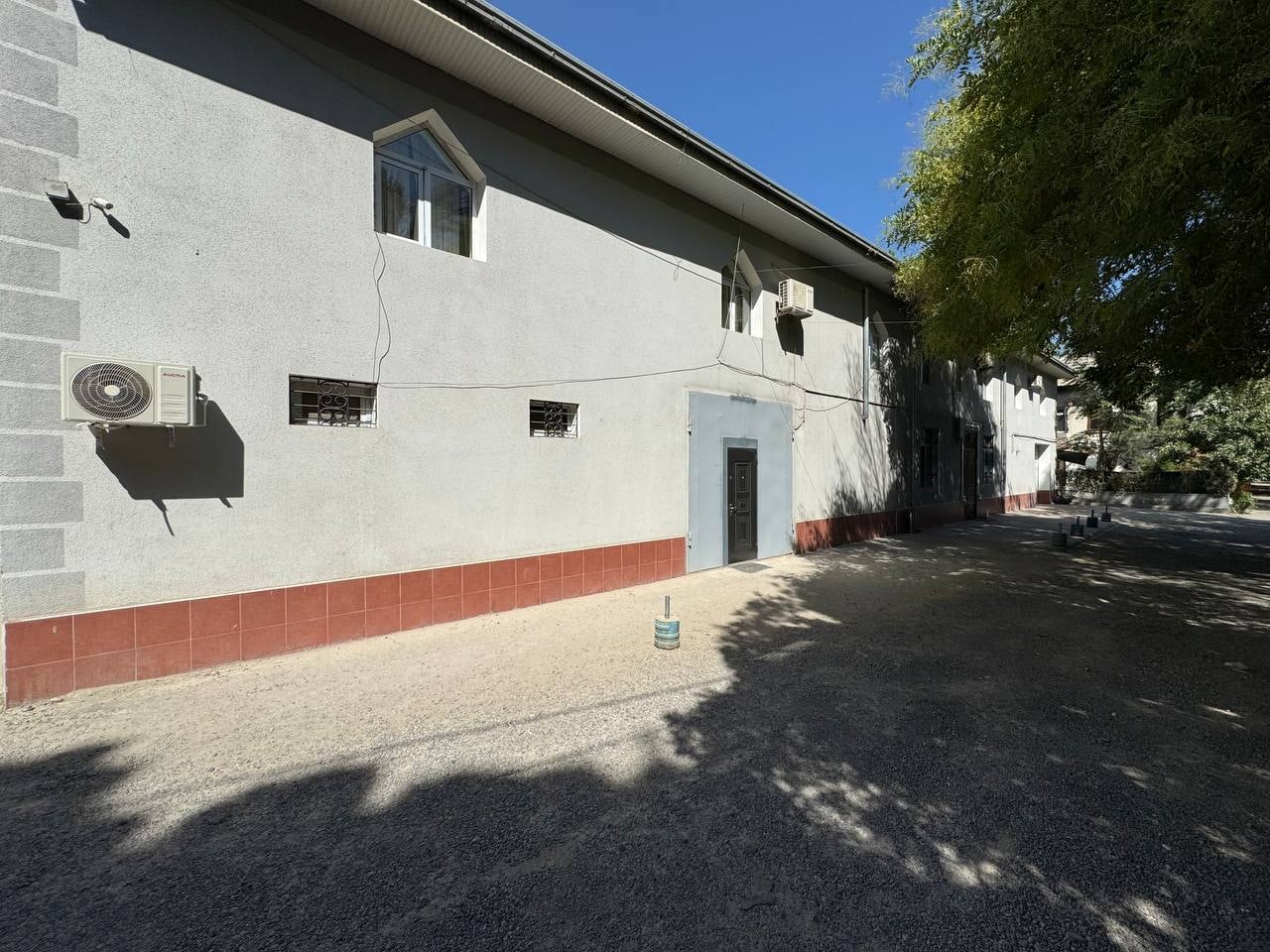
Ташкент, Мирзо-Улугбекский район, ул. Дагестанская
MERCATOR.UZ expert guide
Test the complete route from the parking barrier to the desk: turnstiles, visitor passes, lifts, backup power and contractor access under real demand. During a viewing, the office may appear to be two minutes from the entrance: security has been notified, the turnstile is open and a lift is waiting on the ground floor. On an ordinary morning, the same journey may start with a queue at the parking barrier, continue with visitor approval and end with several floors of employees waiting for a lift. The claim “24/7 access” can still be technically true. It says that the door is not closed, but it says nothing about entrance capacity, evening lift operation, courier admission or what happens to the turnstiles during a power failure. When considering an office for rent in Tashkent, test the complete journey to the workplace rather than a collection of amenities. This exercise does not replace an engineering survey or a fire-safety assessment. It answers a narrower commercial question: can the business centre’s access infrastructure support the company’s normal working day? Why “24/7 access” does not describe a working day Current Tashkent office listings promote round-the-clock access, security, parking, lifts and modern engineering systems. These are useful search filters. They are not yet service conditions on which a tenant can operate. Access has at least five dimensions: who may
During a viewing, the office may appear to be two minutes from the entrance: security has been notified, the turnstile is open and a lift is waiting on the ground floor. On an ordinary morning, the same journey may start with a queue at the parking barrier, continue with visitor approval and end with several floors of employees waiting for a lift.
The claim “24/7 access” can still be technically true. It says that the door is not closed, but it says nothing about entrance capacity, evening lift operation, courier admission or what happens to the turnstiles during a power failure.
When considering an office for rent in Tashkent, test the complete journey to the workplace rather than a collection of amenities. This exercise does not replace an engineering survey or a fire-safety assessment. It answers a narrower commercial question: can the business centre’s access infrastructure support the company’s normal working day?
Current Tashkent office listings promote round-the-clock access, security, parking, lifts and modern engineering systems. These are useful search filters. They are not yet service conditions on which a tenant can operate.
Access has at least five dimensions: who may enter, which route they use, at what time, after which procedure and at whose cost. A permanent employee card may work around the clock, while a visitor arriving after reception closes may need an advance request. A contractor carrying tools may be restricted to a service entrance, while delivery of large equipment may depend on a service lift and a designated time window.
The rules for the main entrance cannot be assumed to apply to every user. Each promise should be converted into a specific scenario.
Before the viewing, prepare a short map of the working day. Five roles will cover most offices:
Add the relevant periods: the start of the main shift, the busiest client window, late evening and weekends. If the team works shifts, use the company’s actual schedule rather than the management company’s standard office hours.
Define an acceptable outcome for each role. A visitor may need to reach reception without assistance, while an on-duty employee may need to escort a network contractor to the communications cabinet outside normal hours. These are the tenant’s operating requirements, not universal legal limits.
Potential locations can be shortlisted through Tashkent commercial property listings, but the route must be tested in the specific building and office unit.
Ask to conduct one viewing during the period that matches the expected demand. Start at the vehicle entrance or the ordinary pedestrian door rather than inside the office. The leasing manager may accompany you, but security, reception and the lifts should follow their normal procedure.
Record the time spent on each segment:
| Segment | What to observe | |---|---| | Vehicle or pedestrian entrance | queues, vehicle checks and the drop-off point | | Security and reception | identity check, visitor approval and card issue | | Turnstile or door | passage width, card failures and manual-release procedure | | Lift lobby | queue, group operation and permission for the required floor | | Floor and office | additional doors, intercom, card rights and night mode |
A single journey is not enough to describe normal performance. Make several observations at a relevant time and retain both the median and the worst result observed. These figures are for comparing properties, not for claiming a statistical service level for the building.
Identify the bottleneck separately. Fast lifts provide little benefit if every visitor requires slow manual approval. An empty turnstile does not solve the problem if the card stops opening the floor door after a certain hour.
An access-control system is more than plastic cards. It includes readers, locks, turnstiles, controllers, a server or software platform, intercoms and the actions of security staff. Ask the management company:
Do not disconnect power or interfere with a controller. Ask the responsible specialist to explain the arrangement, show a record of an authorised test or conduct a safe demonstration.
Resilience should be checked across the complete chain. A generator somewhere in the building does not prove that it supplies the turnstiles, lifts, intercom and the selected floor door. A useful answer identifies the actual devices, the transfer procedure and an on-duty contact.
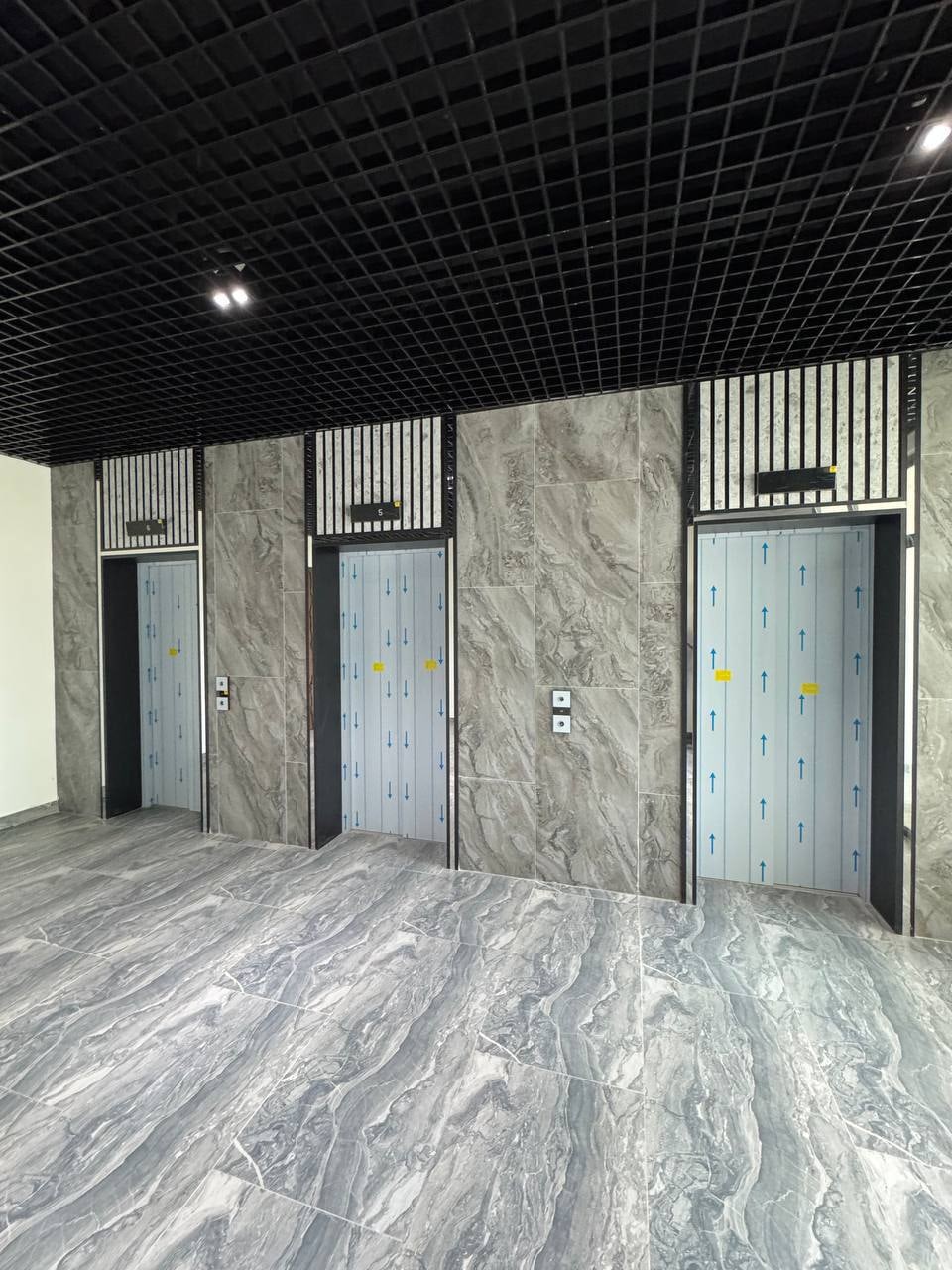
For a tenant, the lift brand matters less than the ability to reach the required floor during working hours. Observe whether all cars serve the selected floor, how calls are allocated, whether card permissions apply and what happens after the main lobby closes.
There is no reason to invent a universal acceptable waiting time. The limit depends on the company’s timetable and visitor profile. Set an internal threshold and use the same method in every candidate building.
A new Uzbek technical regulation on the safety of lifts and lift devices has applied since 1 July 2026. During the viewing, ask the owner or management company for information about the lift passport, maintenance provider, technical inspection and emergency communication. Safety and compliance should be assessed by an authorised specialist; a tenant should not improvise technical tests.
Ask about the alternative route if one lift or the complete group is unavailable. A staircase may be an evacuation route, but that does not automatically make it an authorised everyday entrance at all hours.
Testing an employee card covers only the simplest scenario. The visitor journey starts before the turnstile: who submits the request, what information is required, how long approval remains valid and what happens if the host employee cannot be reached?
For couriers, establish the authorised entrance, waiting area and permission to go upstairs. Contractors need admission hours, request lead time, rules for carrying tools and a route to telecommunications or other service points. An urgent evening fault can become a prolonged outage if security accepts only requests approved during office hours.
Build a simple matrix:
| Role | Normal entry | After-hours entry | Approver | Likely restriction | |---|---|---|---|---| | Employee | permanent card | same card or additional right | tenant/business centre | holidays, blocked card | | Visitor | reception | advance request | host employee | reception hours | | Courier | main or service entrance | building procedure | security | floor access, delivery window | | Contractor | service route | emergency procedure | technical team | tools, service lift |
Request written rules. “We normally let people in” is not a repeatable operating process.
Test a parking space together with the barrier rather than relying on a photograph of the car park. Determine whether the space is allocated, how a vehicle is recognised, where visitors park, who opens the barrier during a fault and whether the required lift group can be reached from the car park after normal hours.
Walk the continuous accessible route separately: from the drop-off point or parking space, through the entrance, suitable turnstile gate, doors and lift to the office and an appropriate toilet. Uzbekistan’s Law on the Rights of Persons with Disabilities requires unobstructed access to social-infrastructure facilities, but a ramp at the façade does not by itself prove that the complete route is usable.
Inspect evacuation routes with the building’s responsible representative. Doors and corridors are not ordinary amenities: their purpose, locking mode and interaction with fire systems depend on the approved design and safety requirements. The Fire Safety Law assigns duties to organisational managers and allows responsibilities to be clarified by contract. The lease should therefore distinguish clearly between the business centre’s responsibility for common systems and the tenant’s responsibility inside the office.
A cheaper office can become an inefficient choice if dozens of employees repeatedly lose time at the turnstiles or lifts. Use the following comparison model:
`monthly delay cost = excess minutes per journey × journeys per day × affected people × working days ÷ 60 × internal hourly cost`
The company supplies every input. “Excess minutes” means the difference between the observed journey and the time acceptable to the business; it is not a regulatory standard. The internal hourly cost is also a management estimate, so the result should not be presented as an accounting loss.
Add direct charges for access cards, visitor passes, parking, after-hours reception or service-lift operation. Apply the same form to every shortlisted property.
A failure in a critical scenario should not be hidden by a strong overall score. Convenient parking does not compensate for an emergency contractor being unable to reach essential equipment.
Uzbekistan’s Civil Code requires leased property to be delivered in a condition consistent with the contract and its intended use, together with relevant documents unless the parties agree otherwise. It also addresses defects that a tenant could have identified during inspection. Restrictions found before signing should therefore be resolved explicitly rather than left in informal correspondence.
Before paying a deposit or signing, record:
List all cards, keys and remote controls in the handover record and test them at every agreed access point. An office in a Tashkent business centre can then be assessed by the route employees and visitors can actually use each day, not by a bare “24/7” promise.