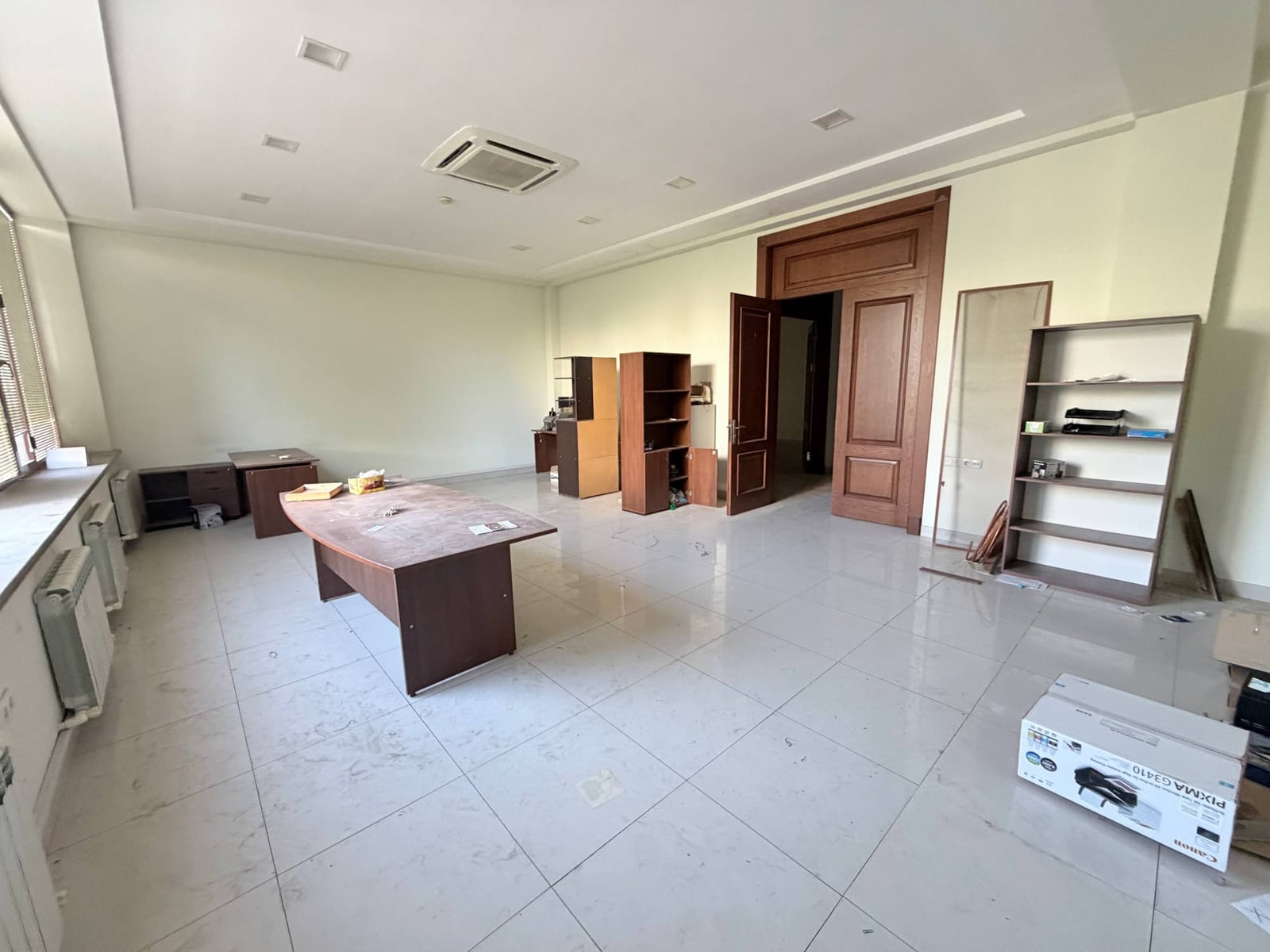
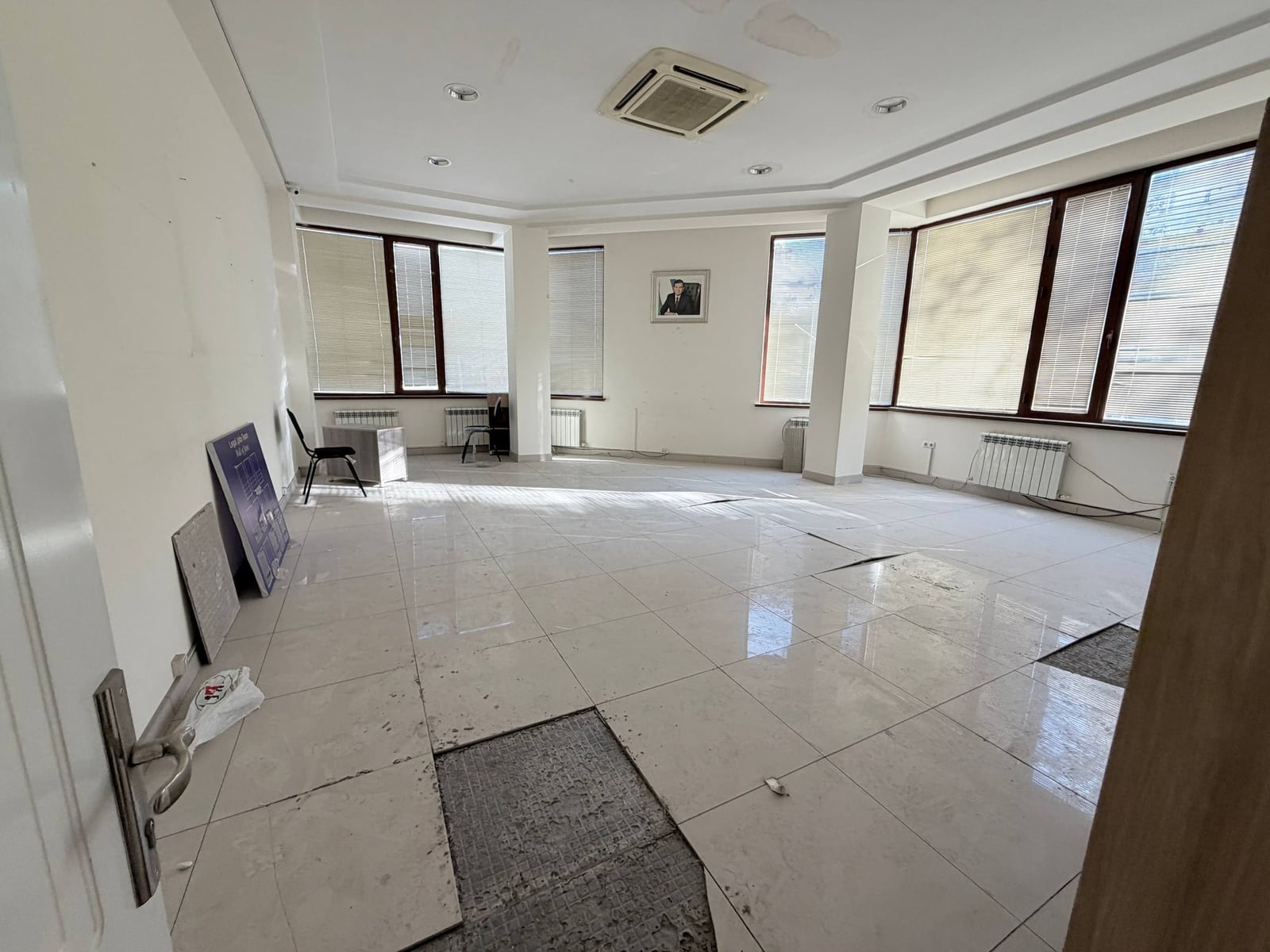
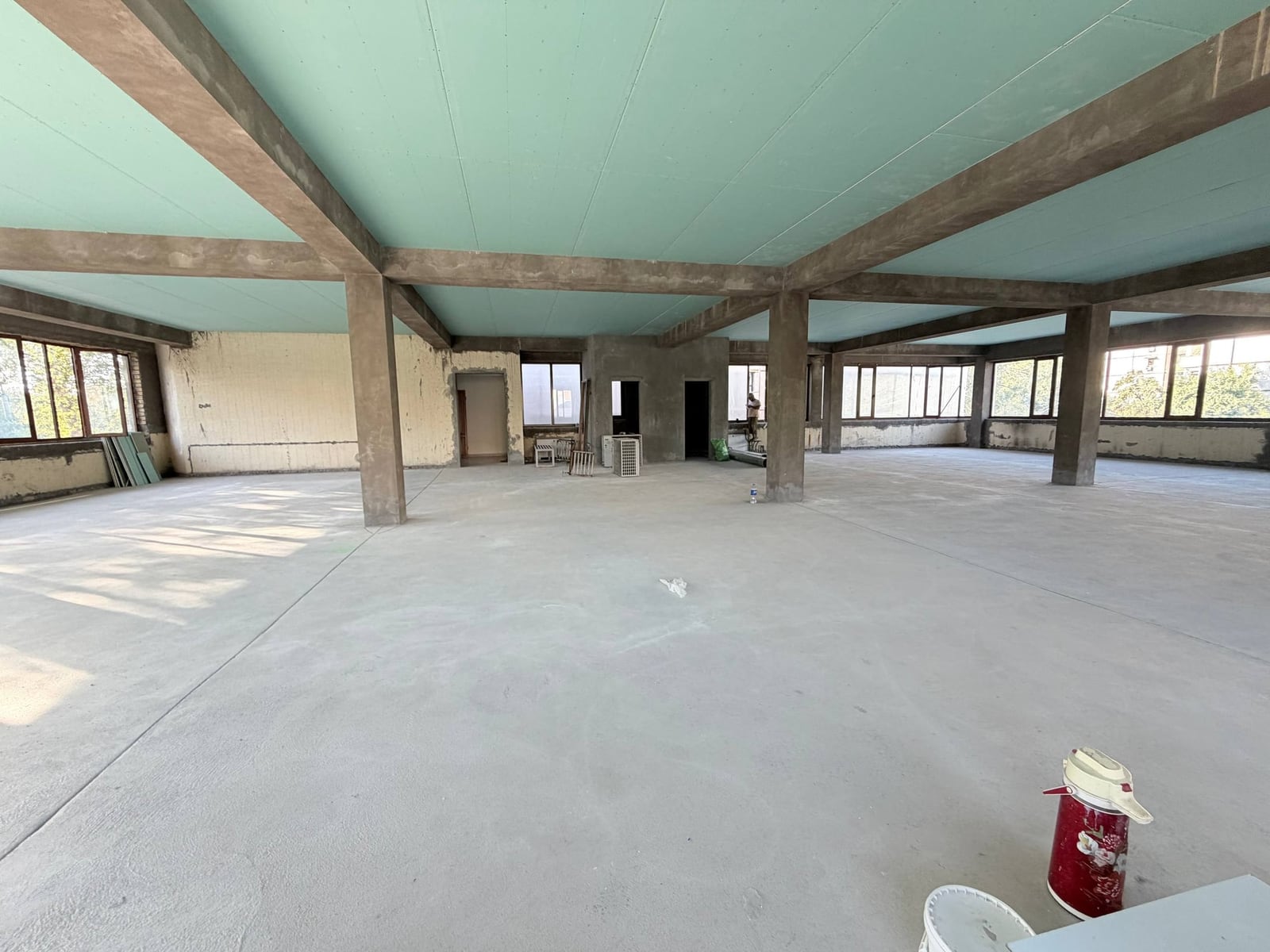
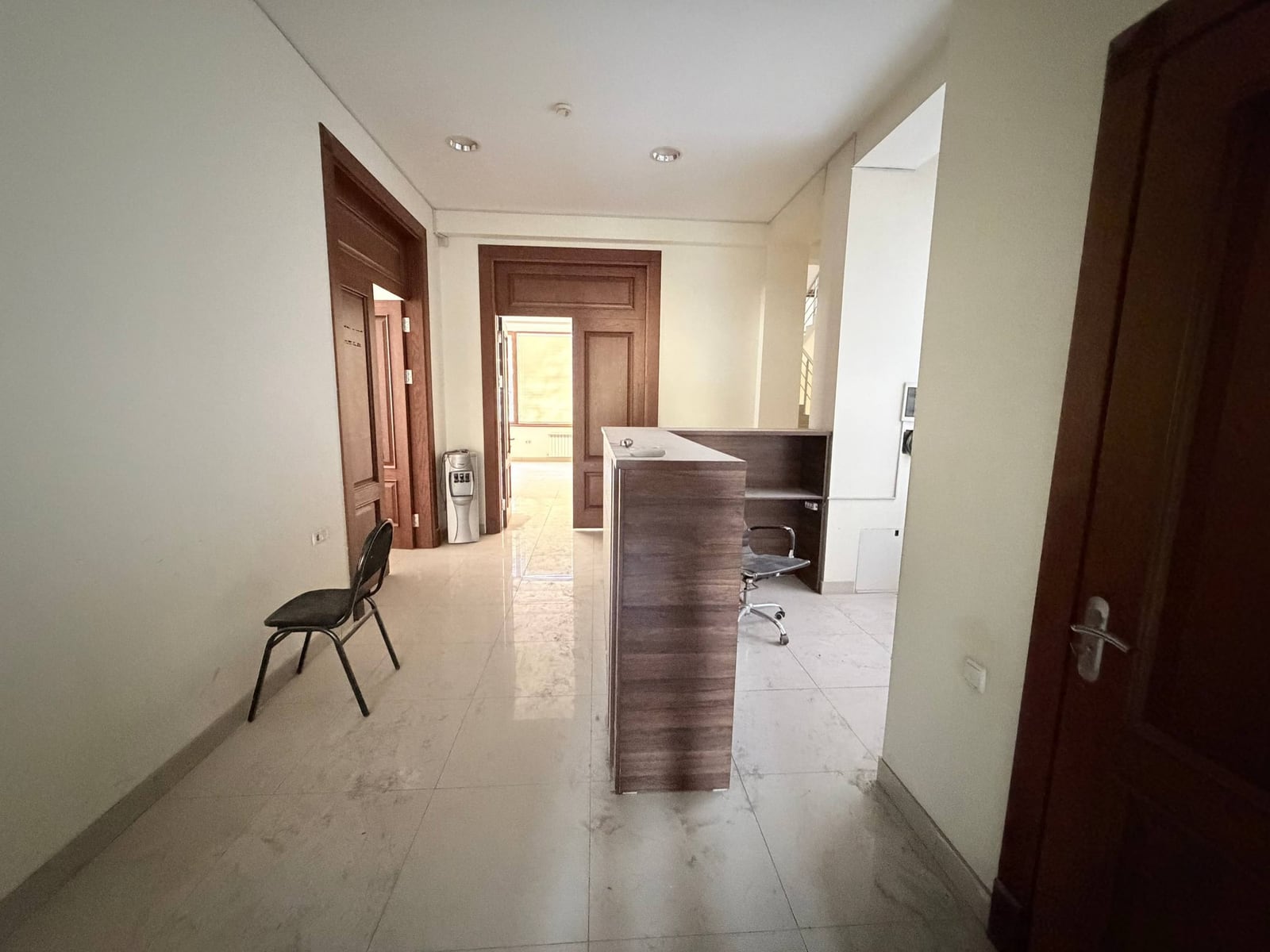
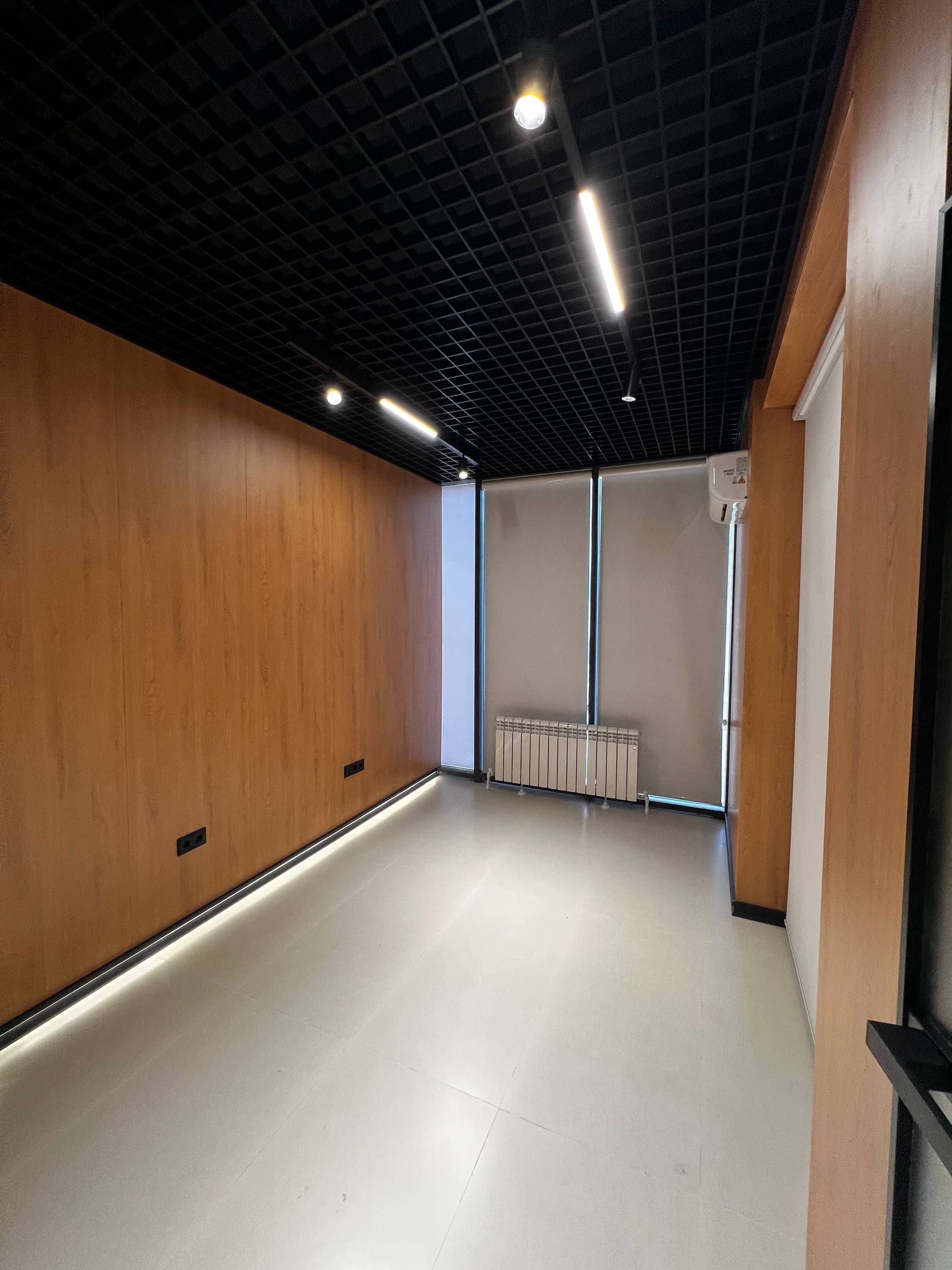
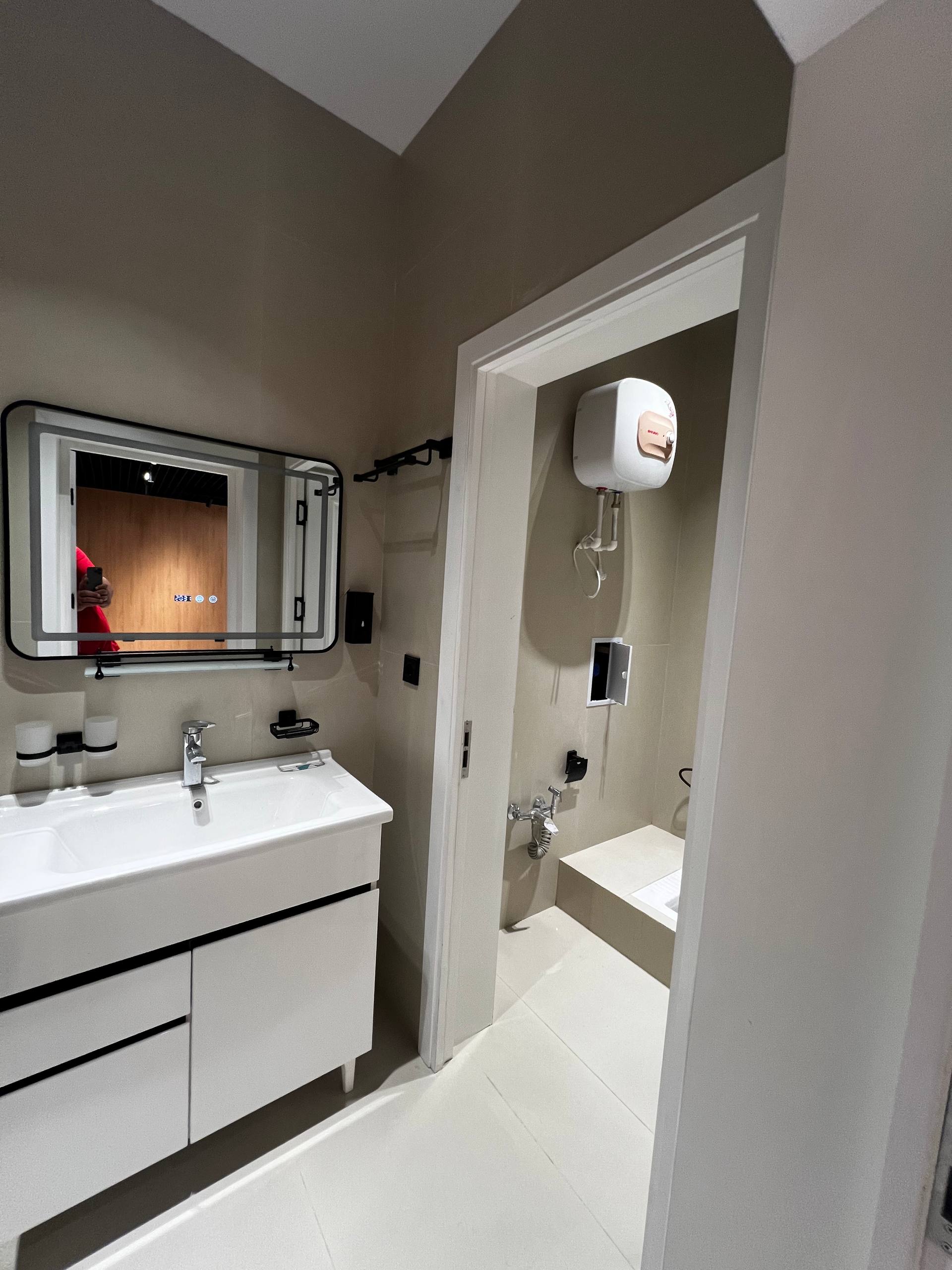
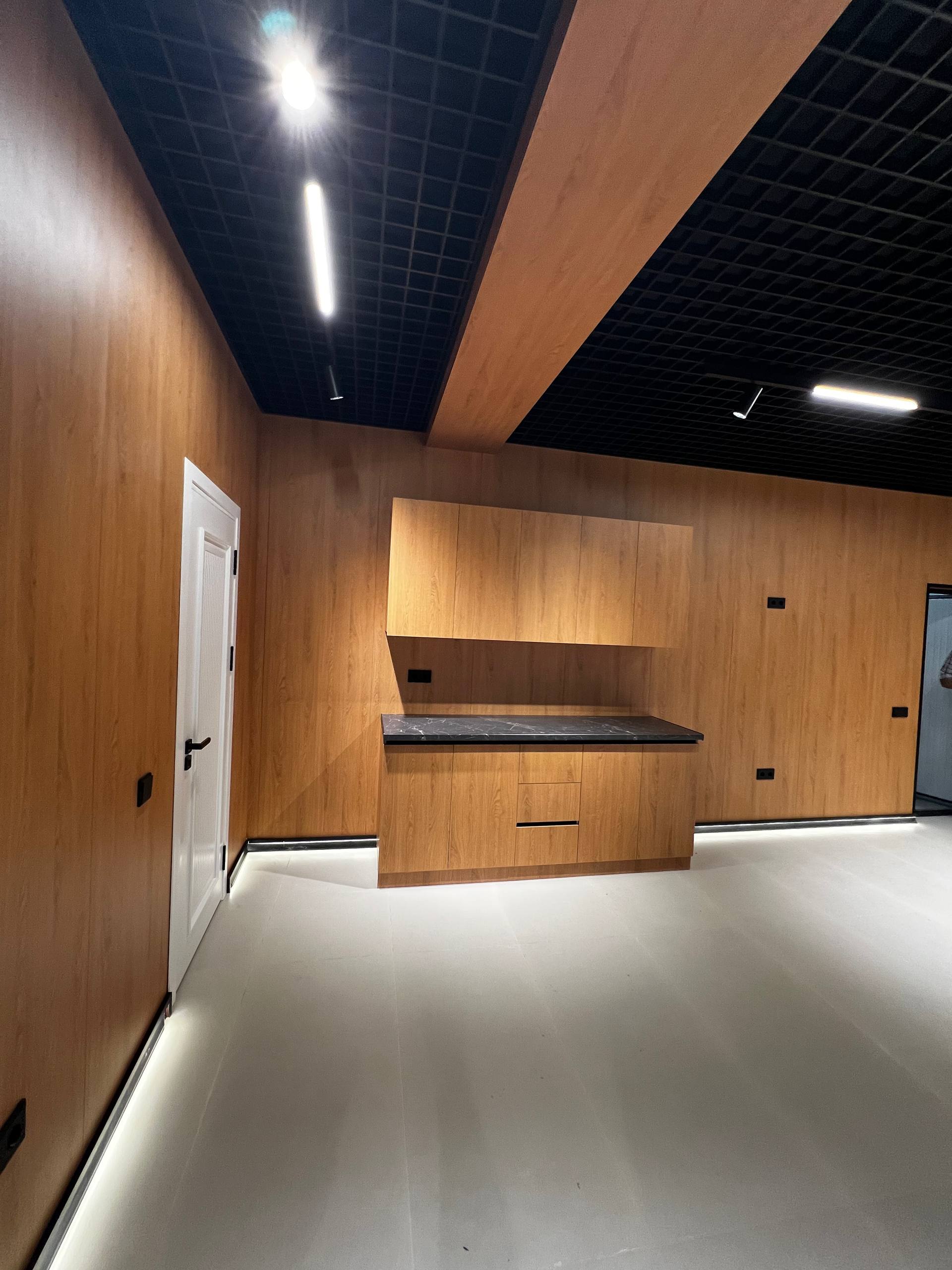
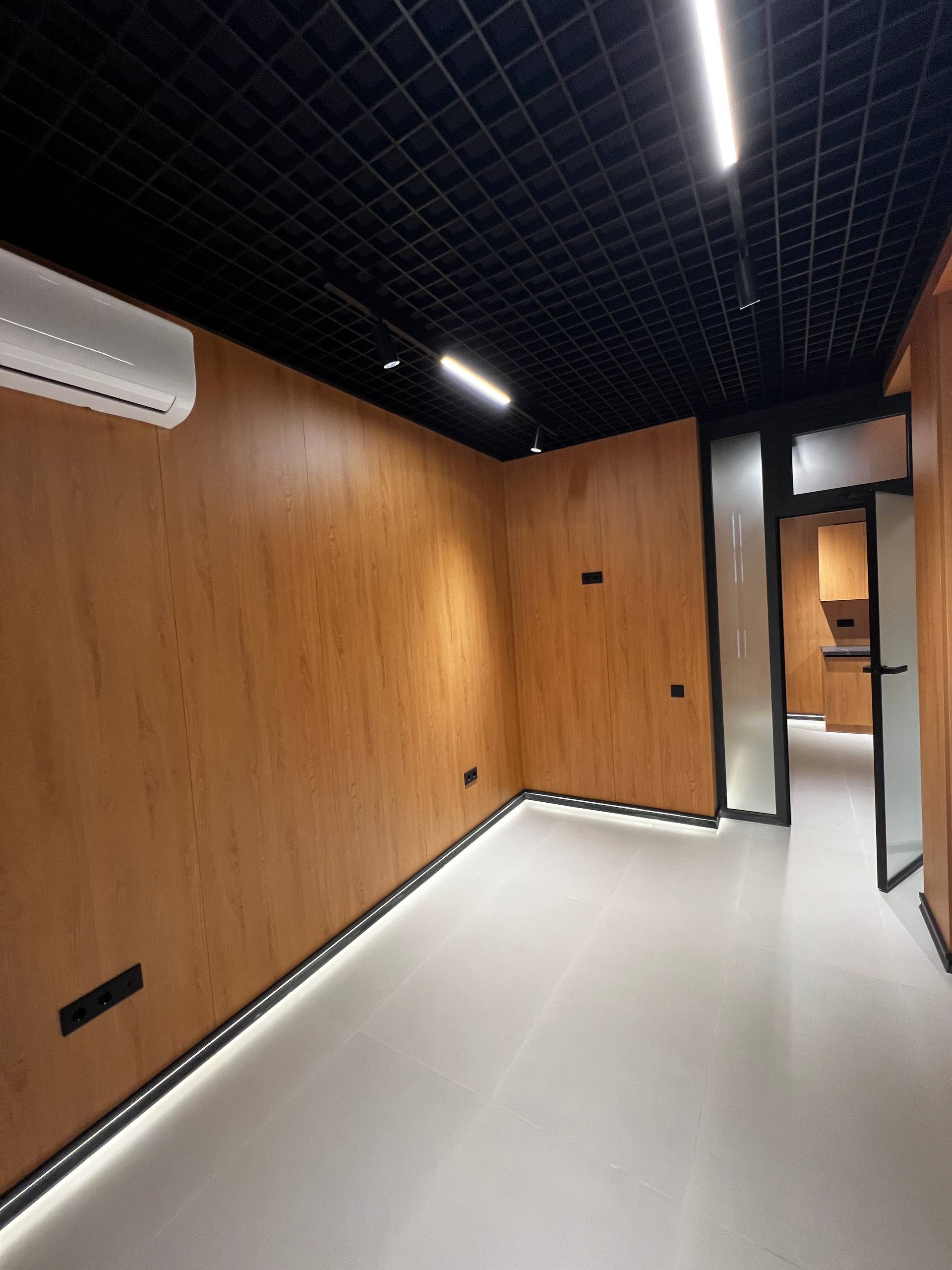
Продажа коммерческого помещения в Юнусабадском районе, 330 м² — Зенит
12 у.е.продажа0 просмотров
Ташкент, Юнусабадский район, Зенит
330 м²0 просмотров
ОтветственныйЛика
ОтветственныйЛика
Коммерческая недвижимость ТашкентаCommercial property in Tashkent
Объекты по теме материала: проверенные предложения для аренды с прямой связью с ответственным специалистом.
Полный коммерческий фильтр расположен слева от списка объектов.
Загружаем актуальные объекты…
Ташкент, Юнусабадский район, Зенит
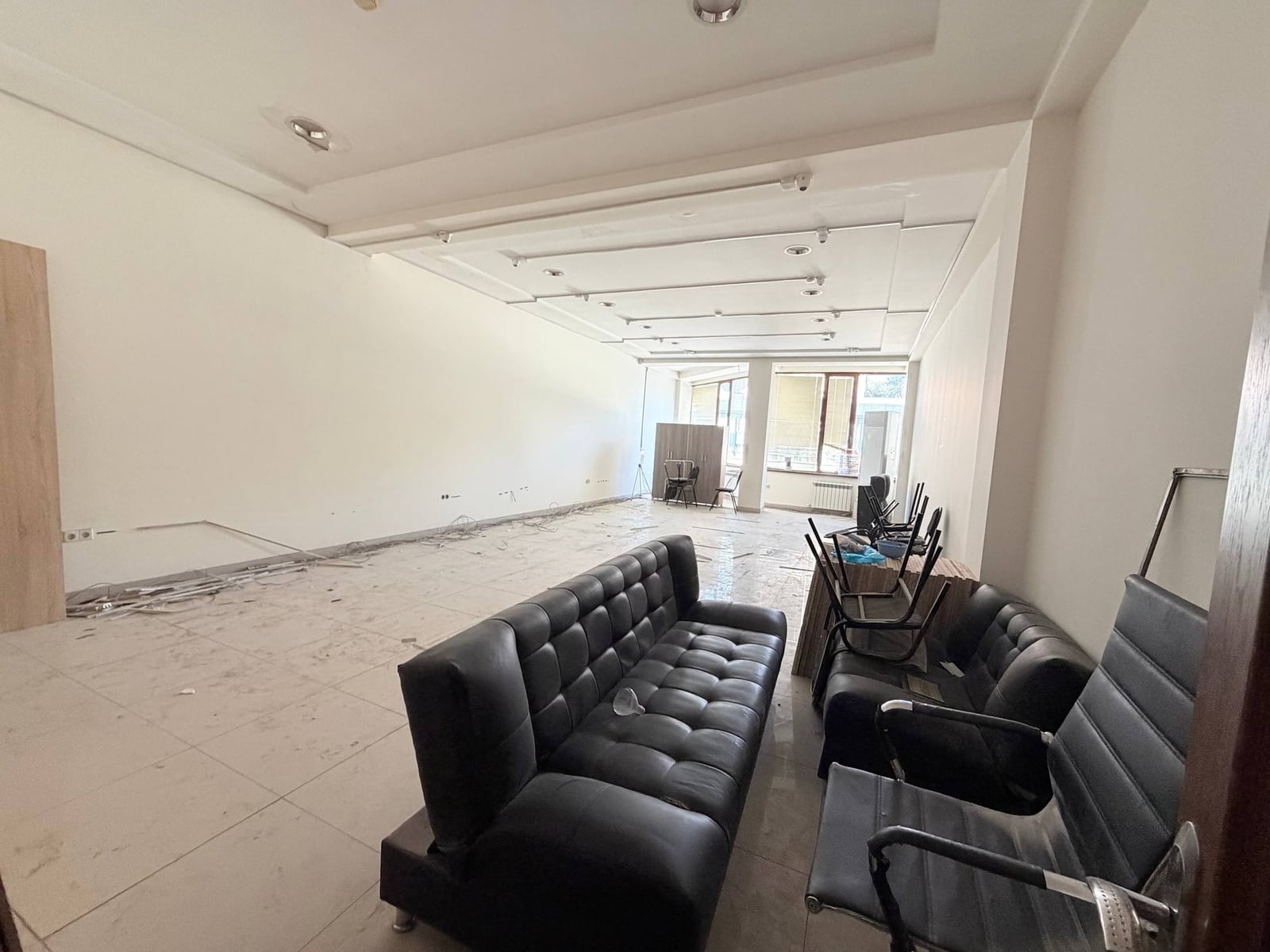
Ташкент, Чиланзарский район, Ширин
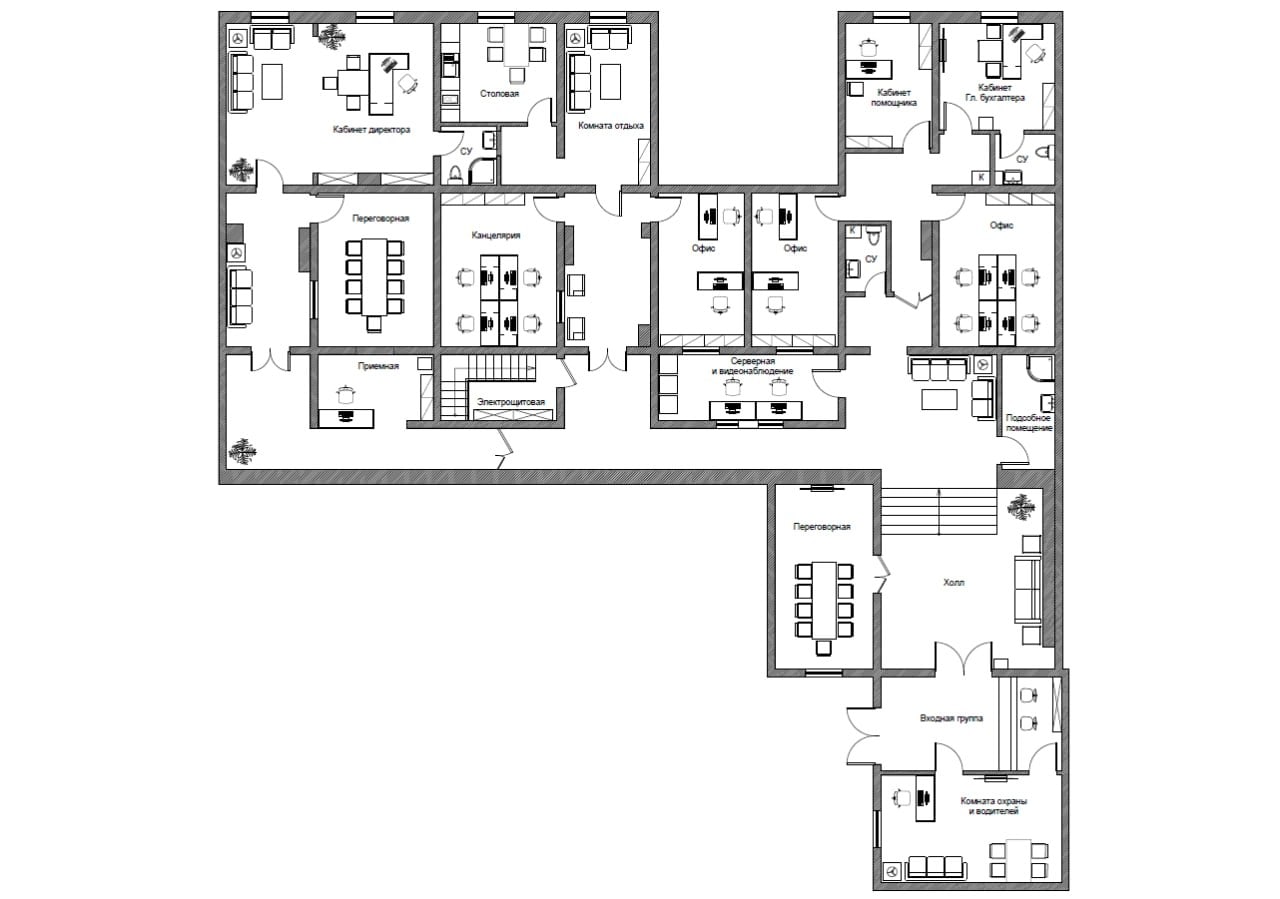
Ташкент, Мирабадский район, Госпитальный рынок, Халк банк
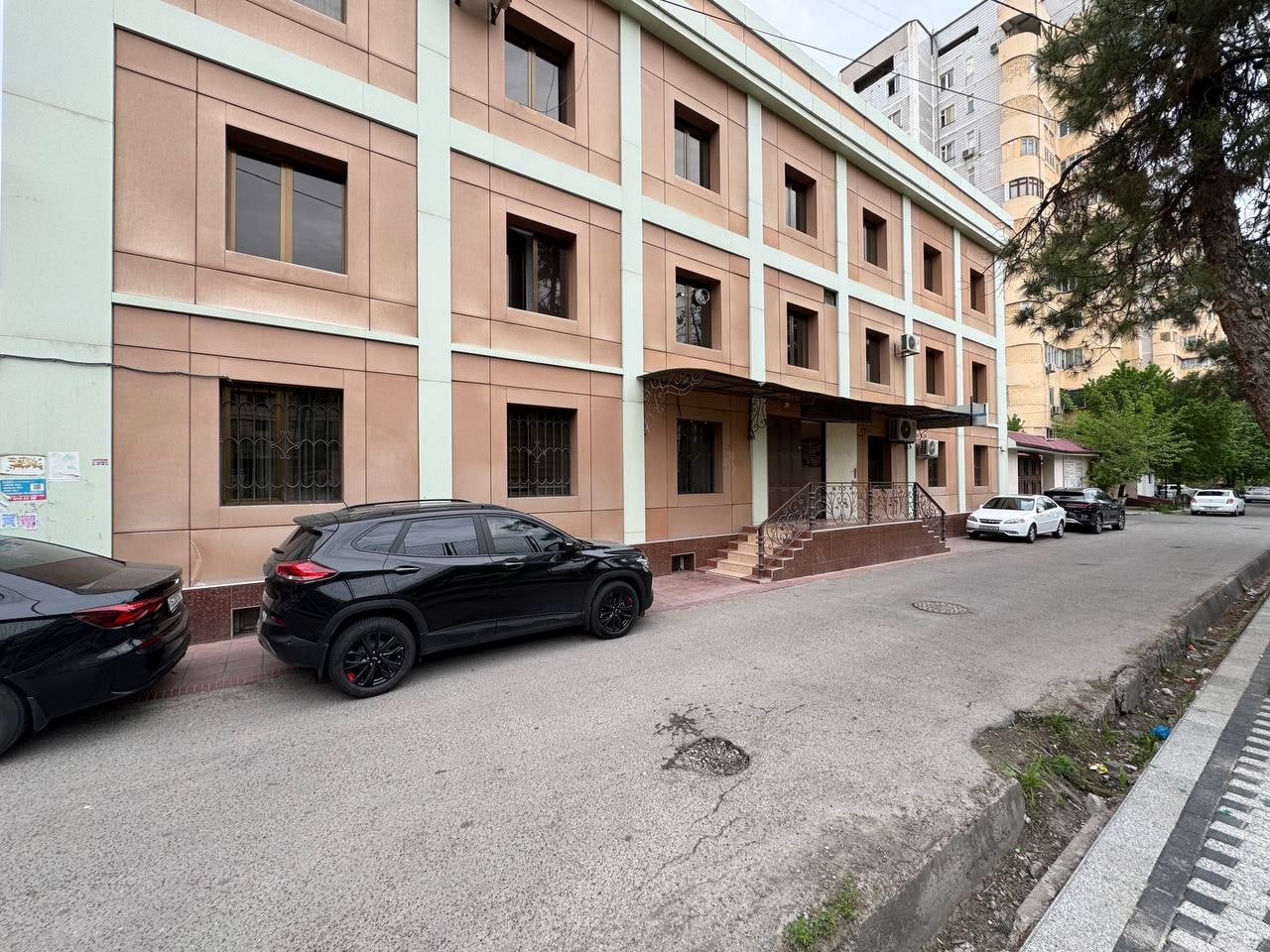
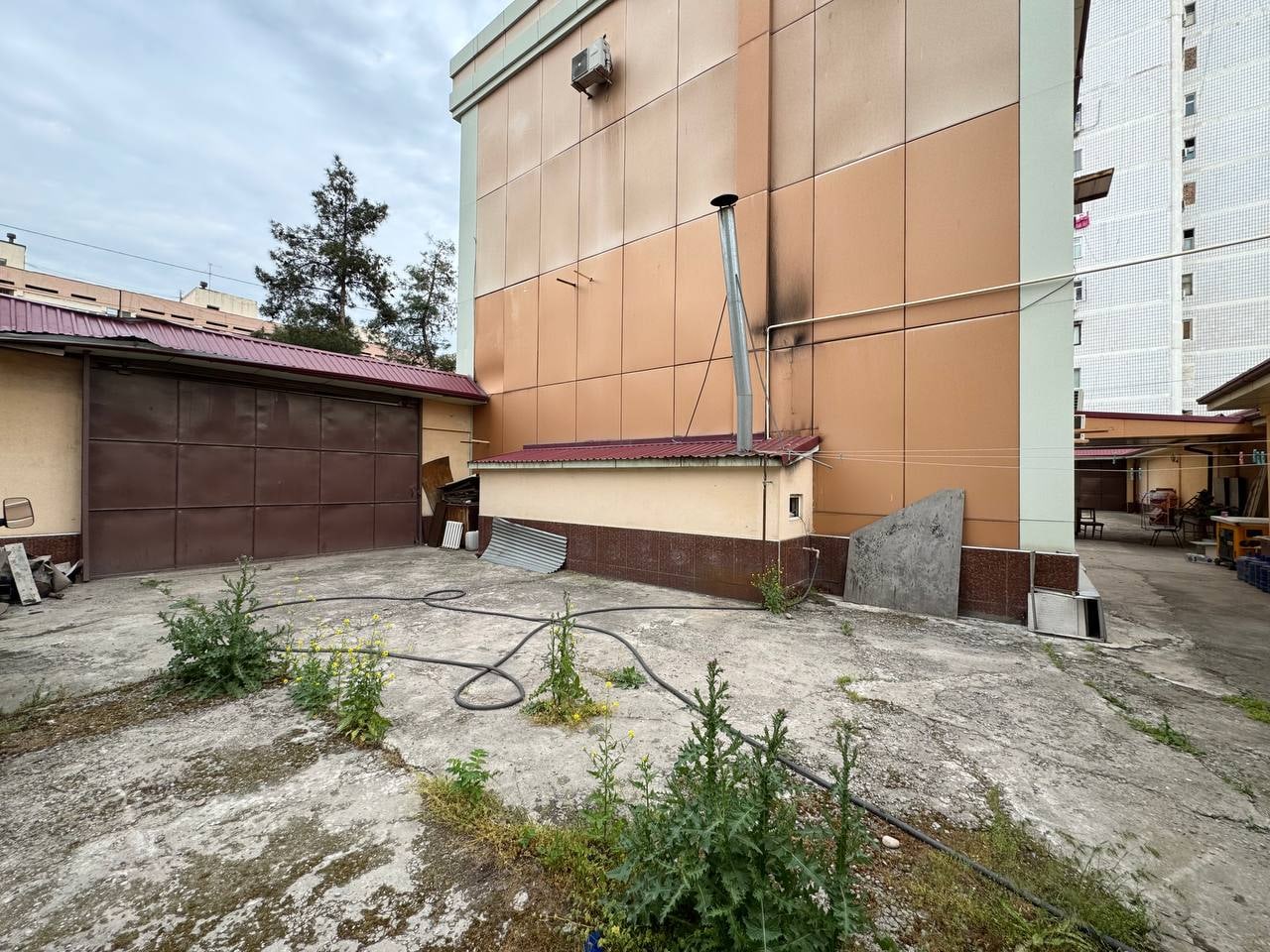
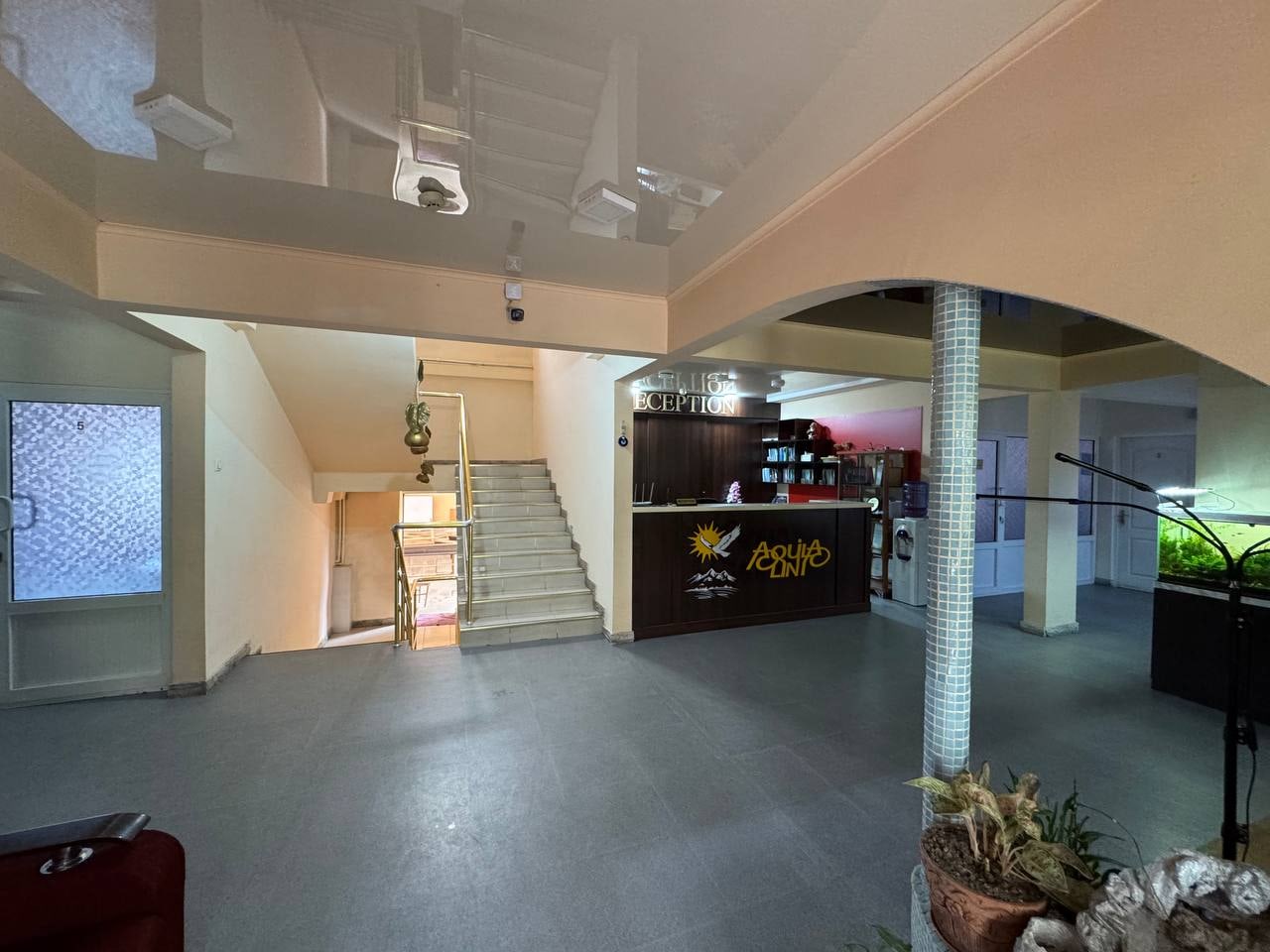
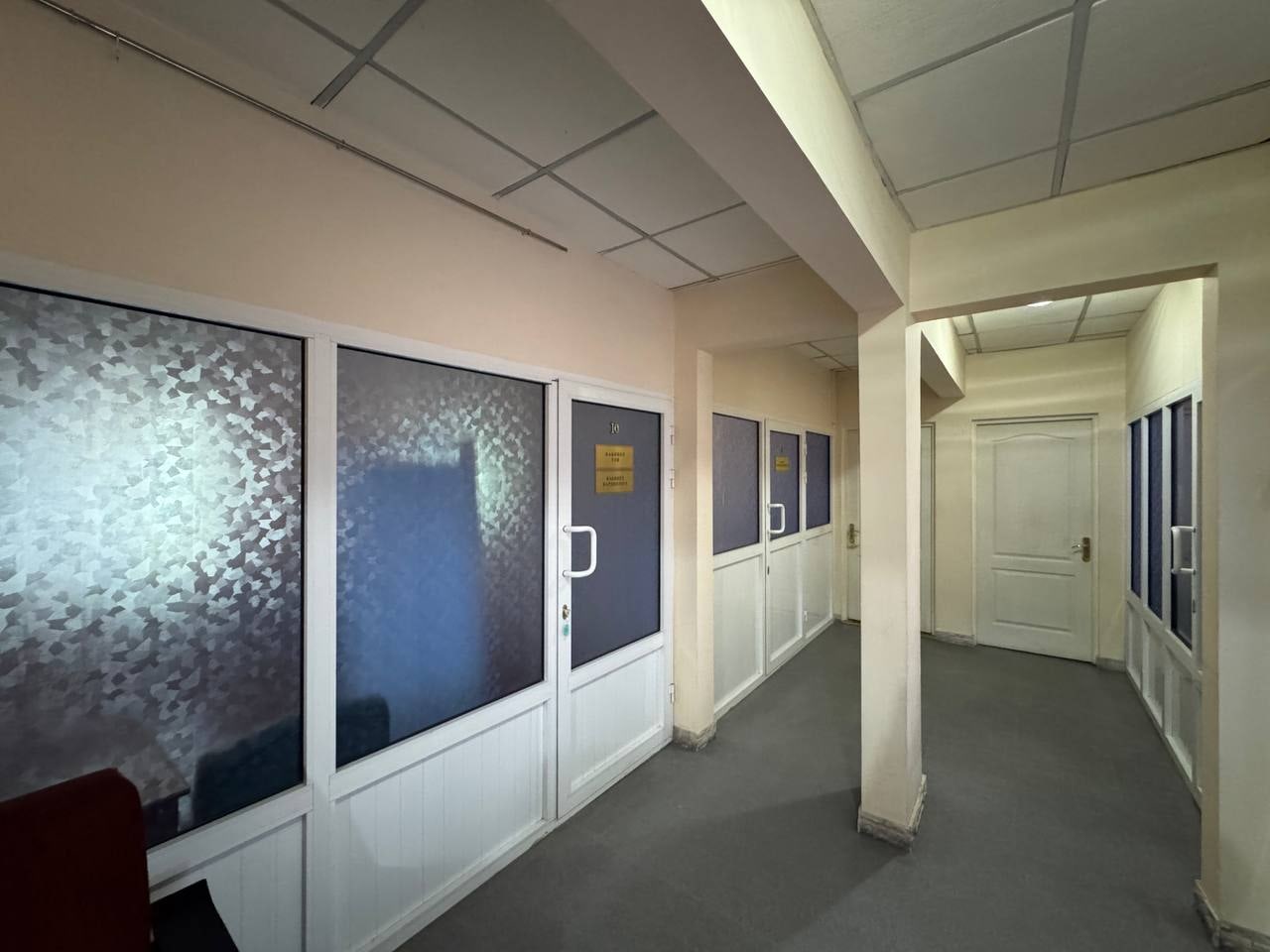
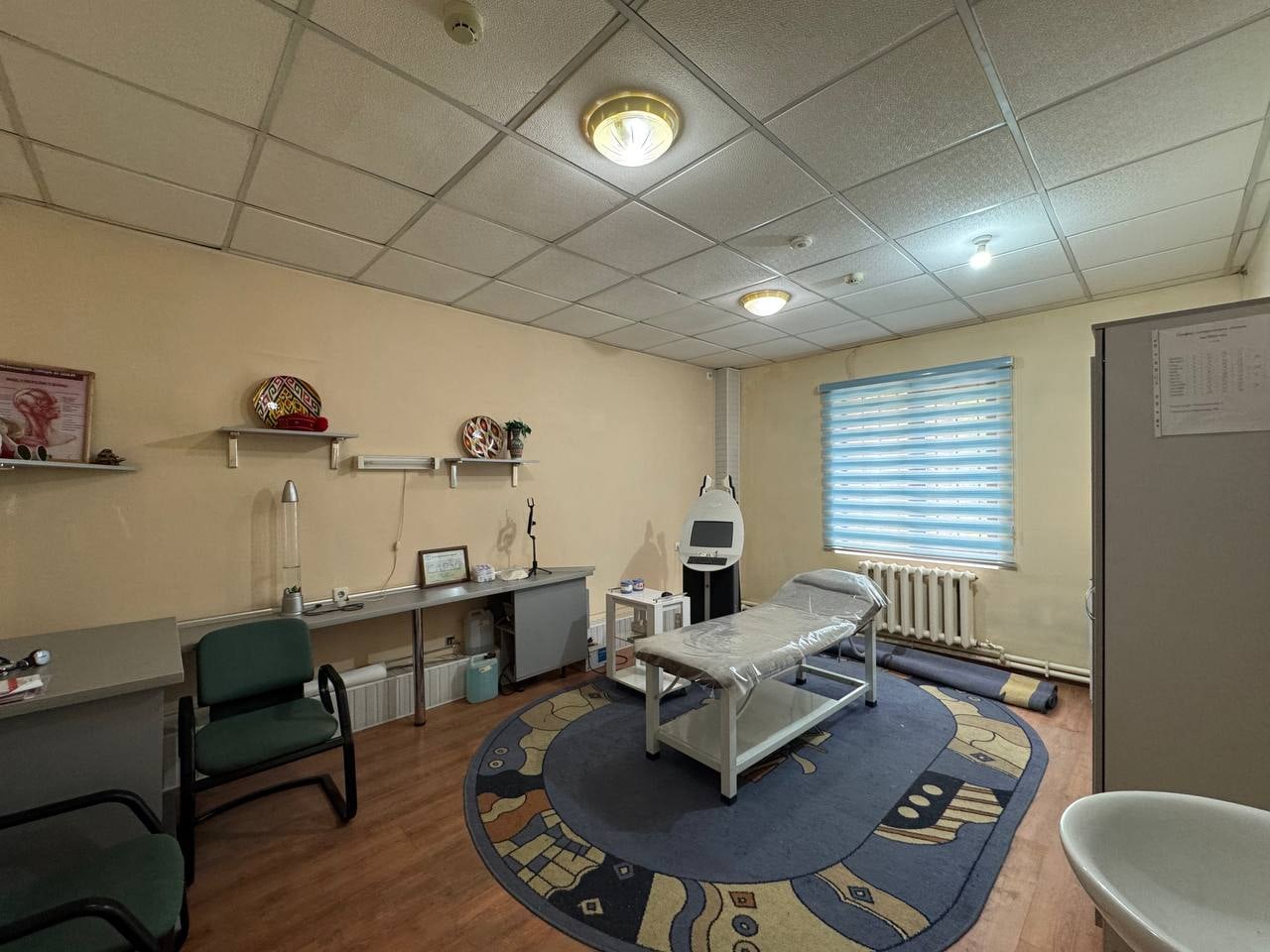
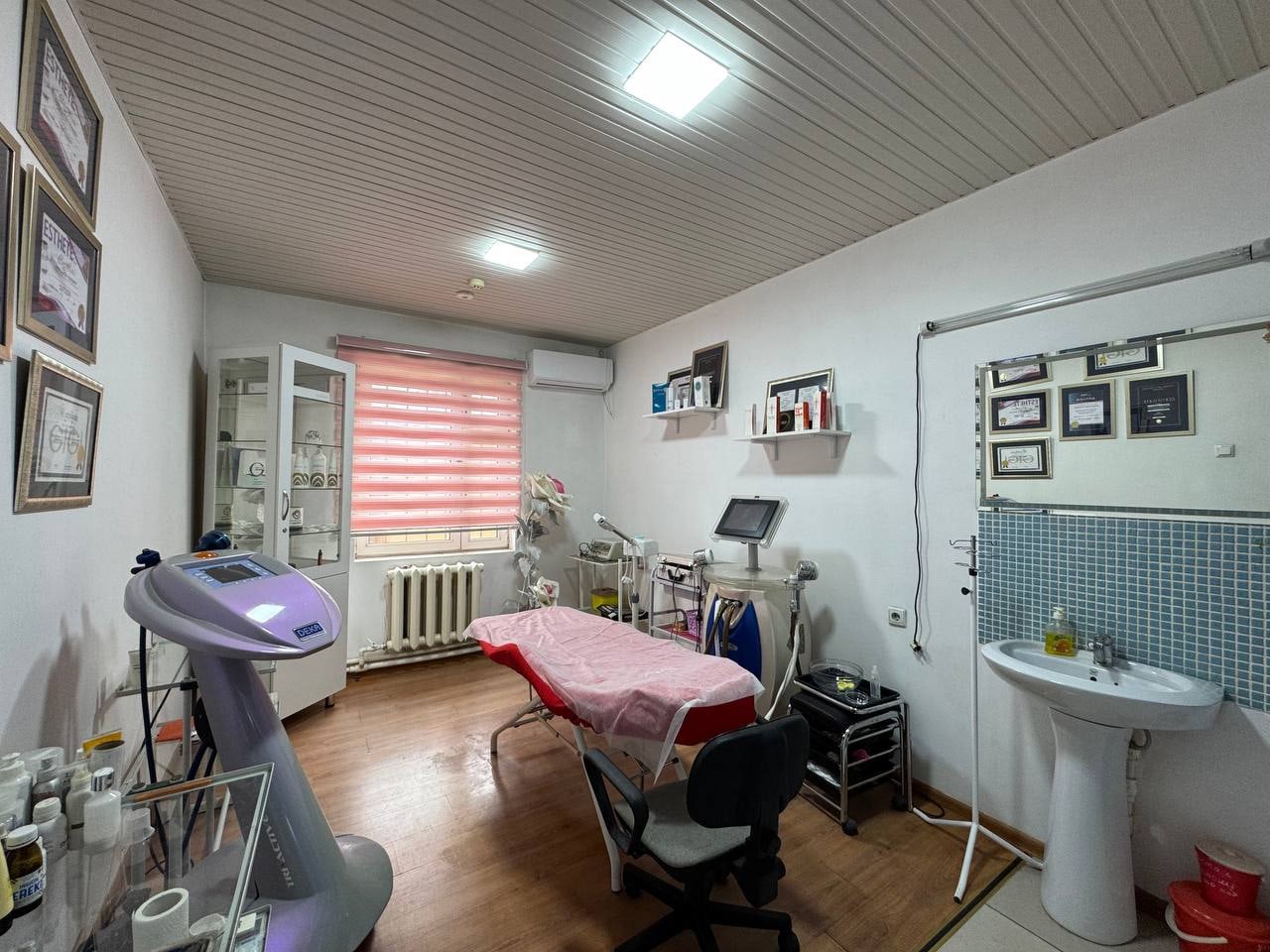
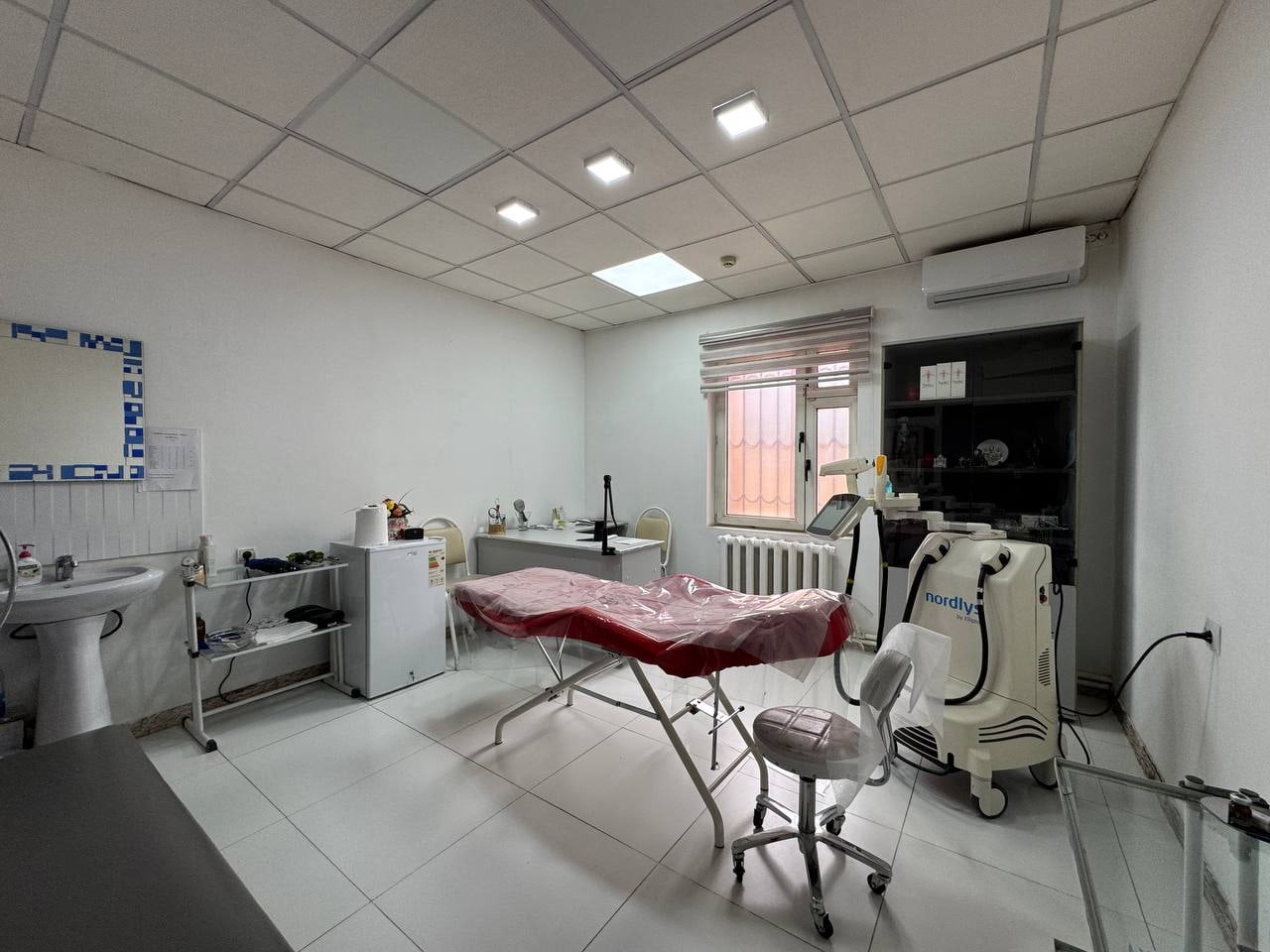
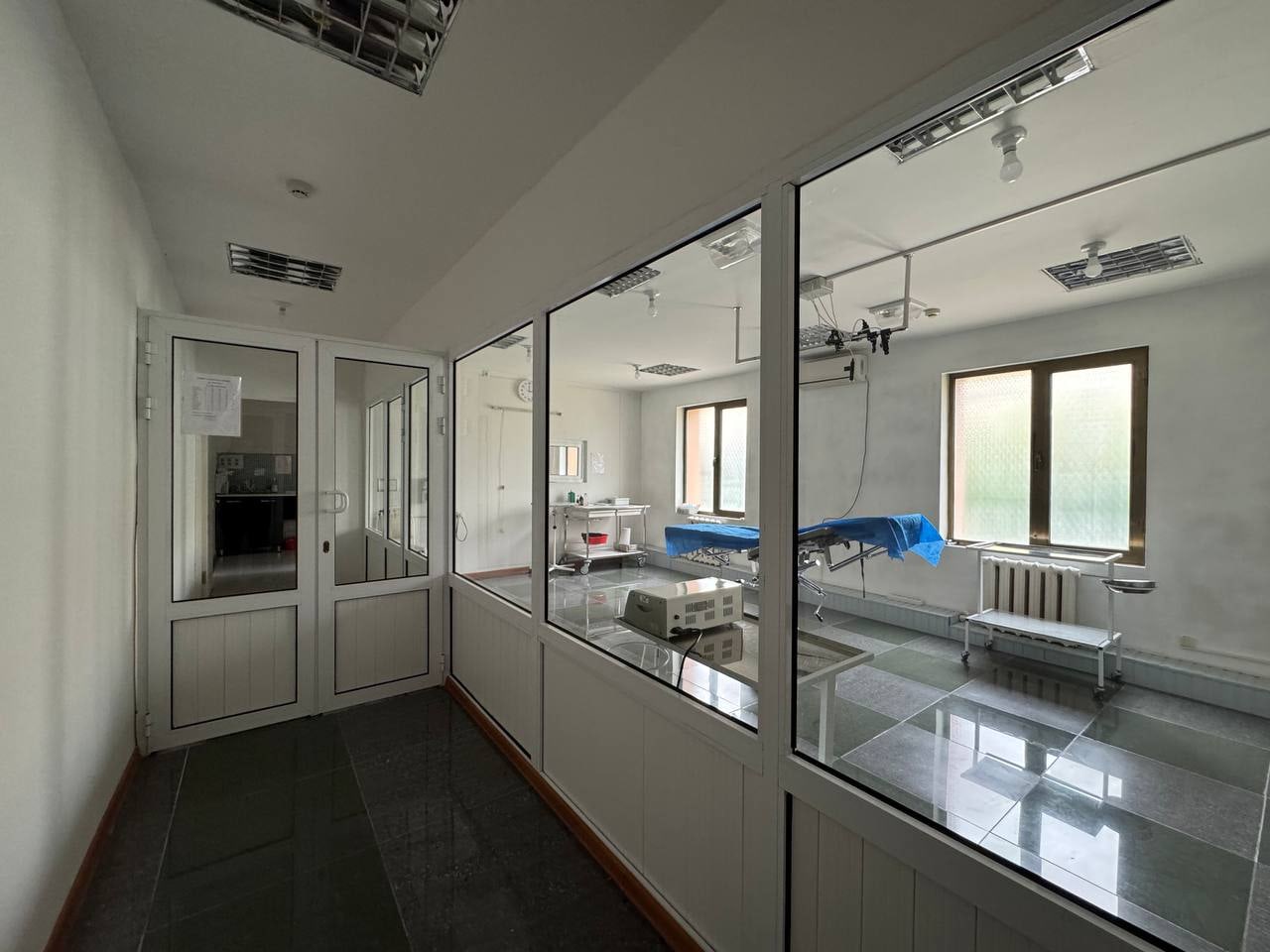
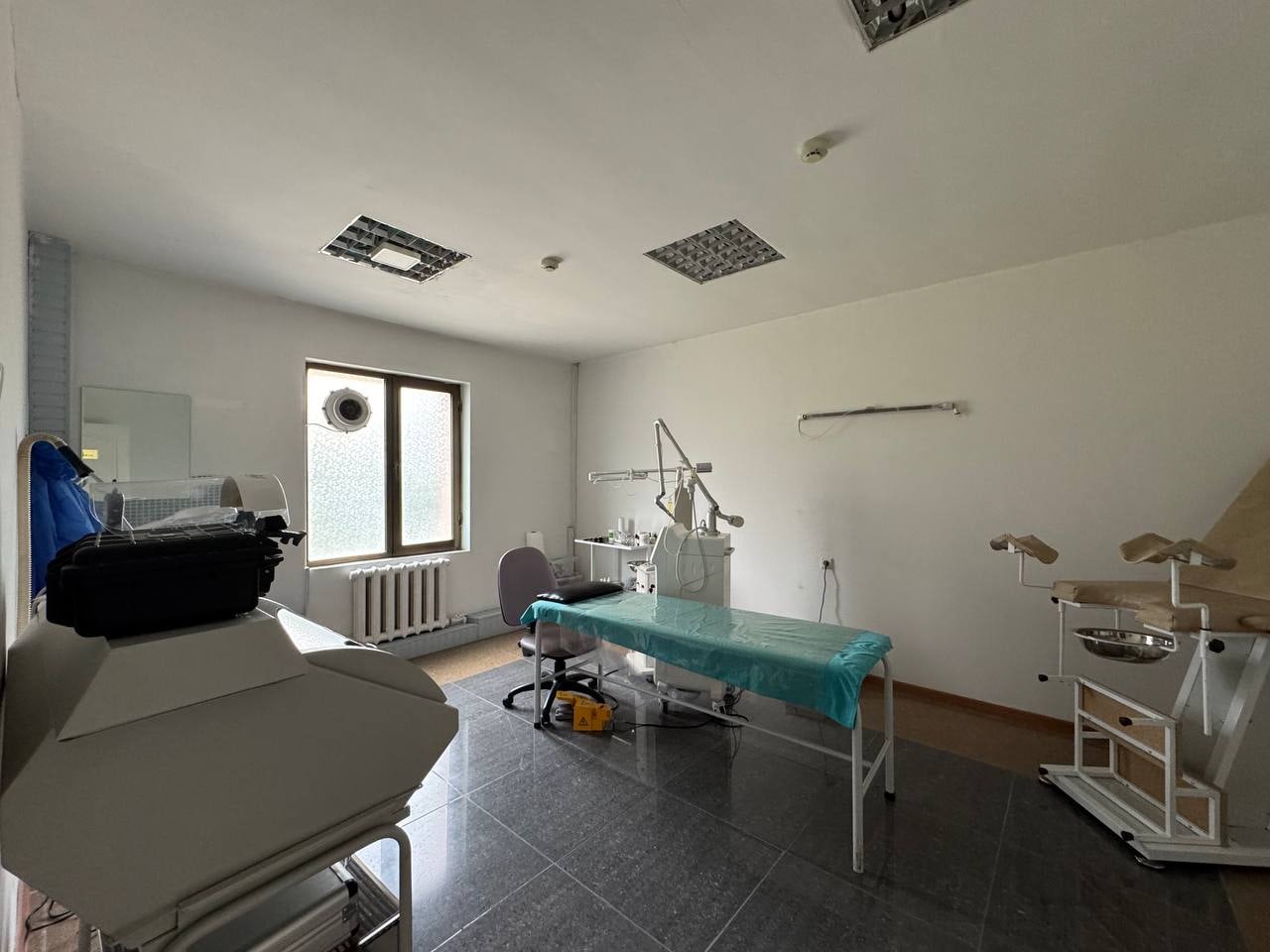
Ташкент, Шайхантахурский район, Караташ
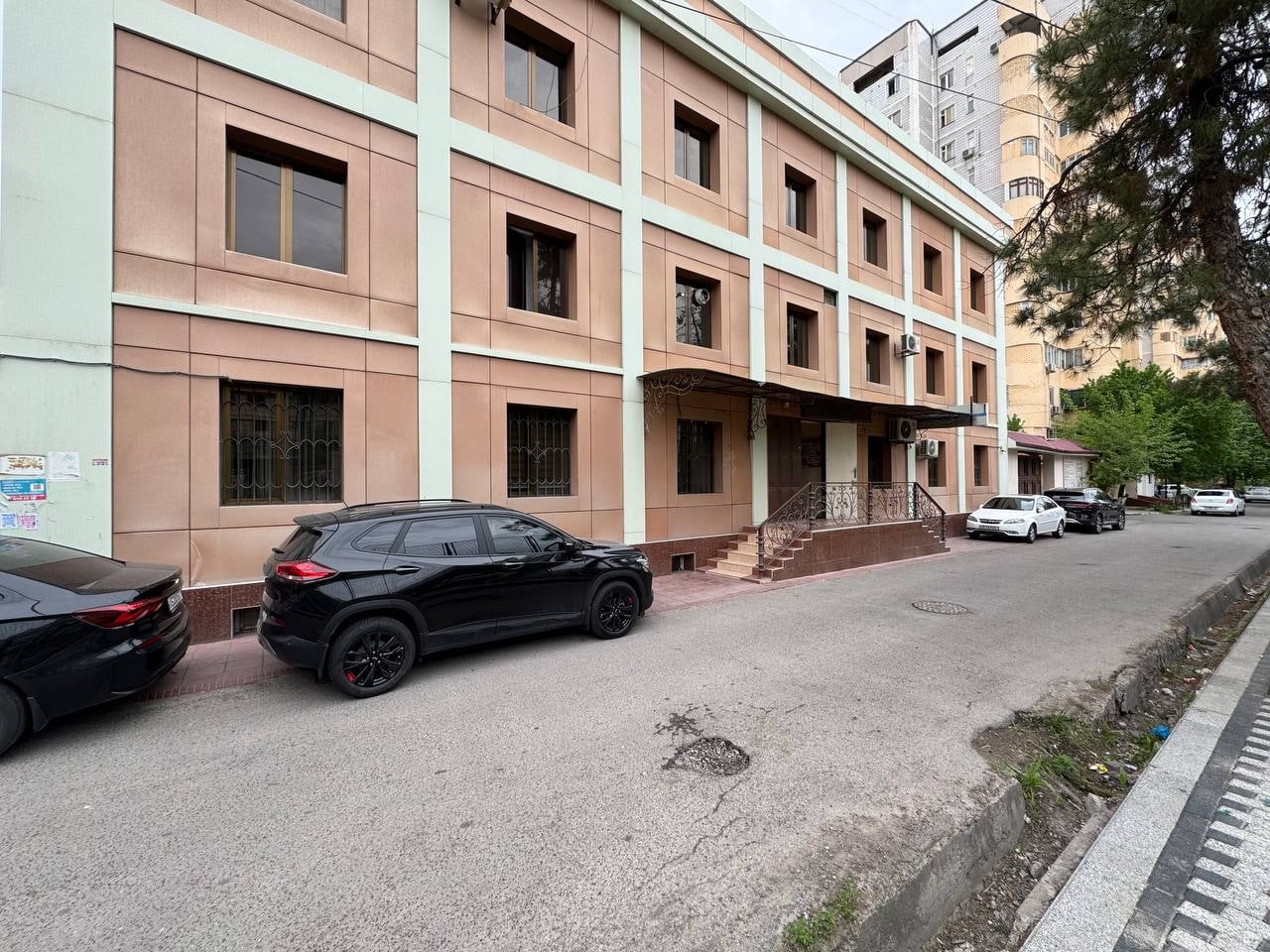
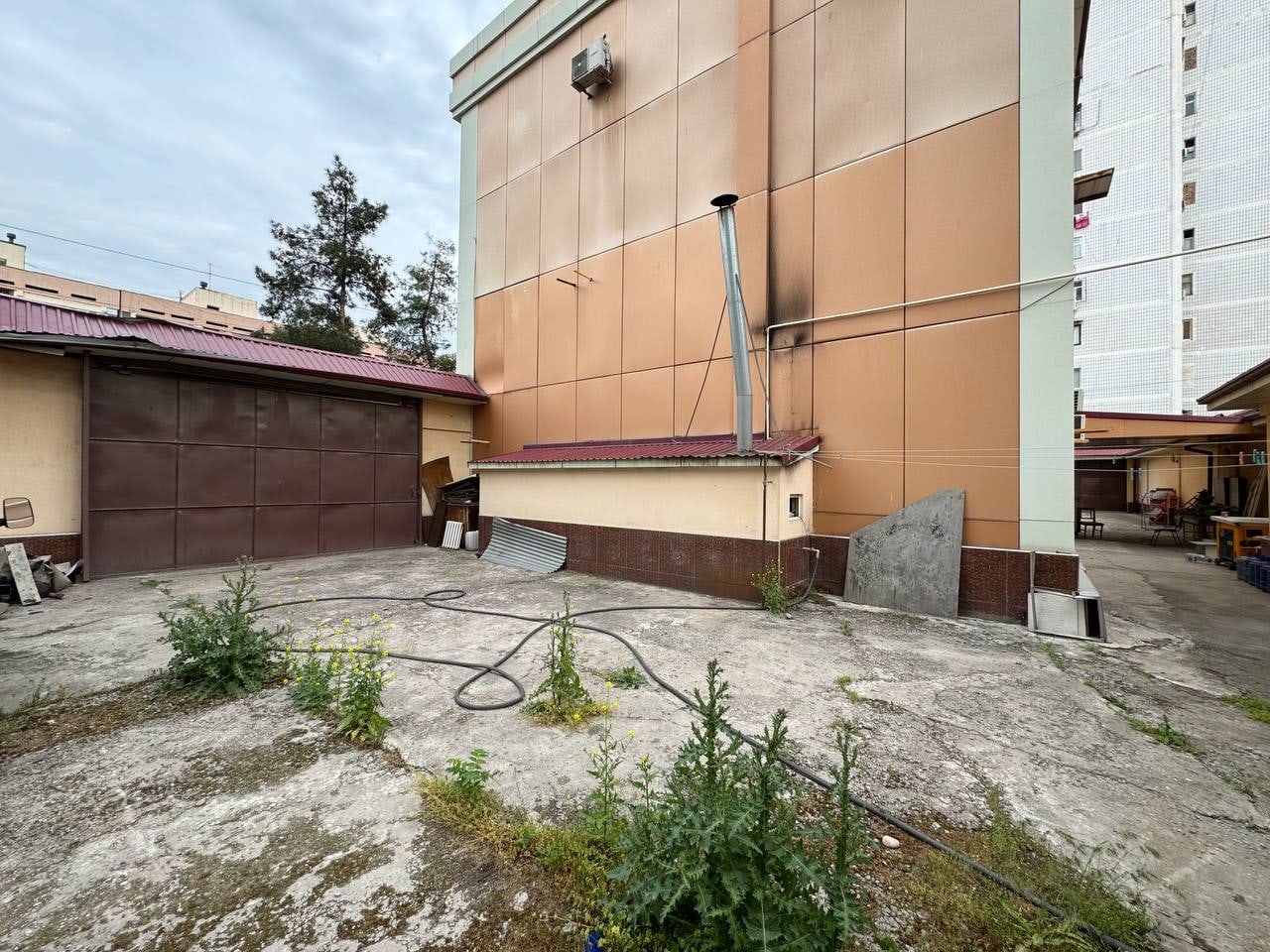
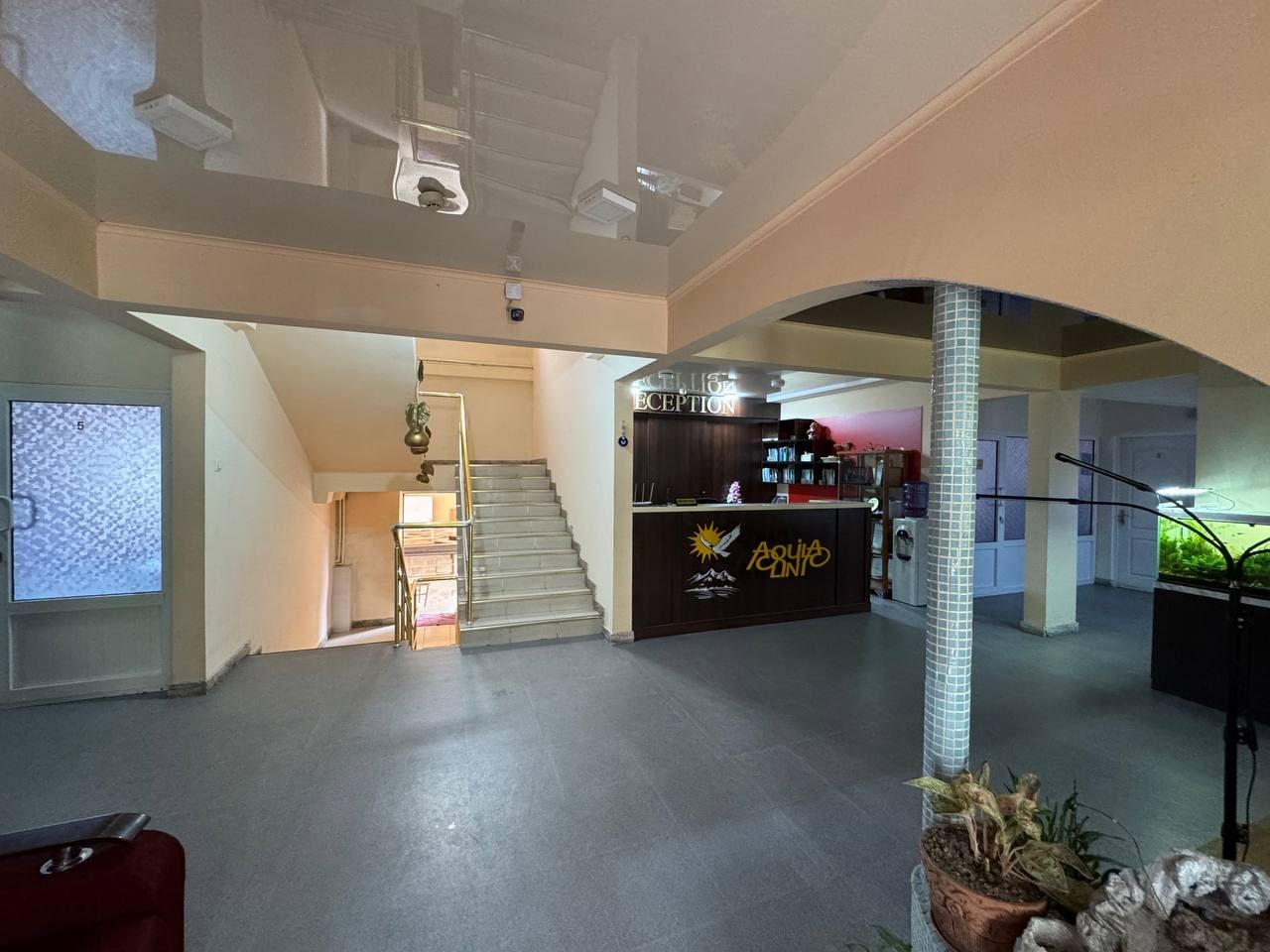
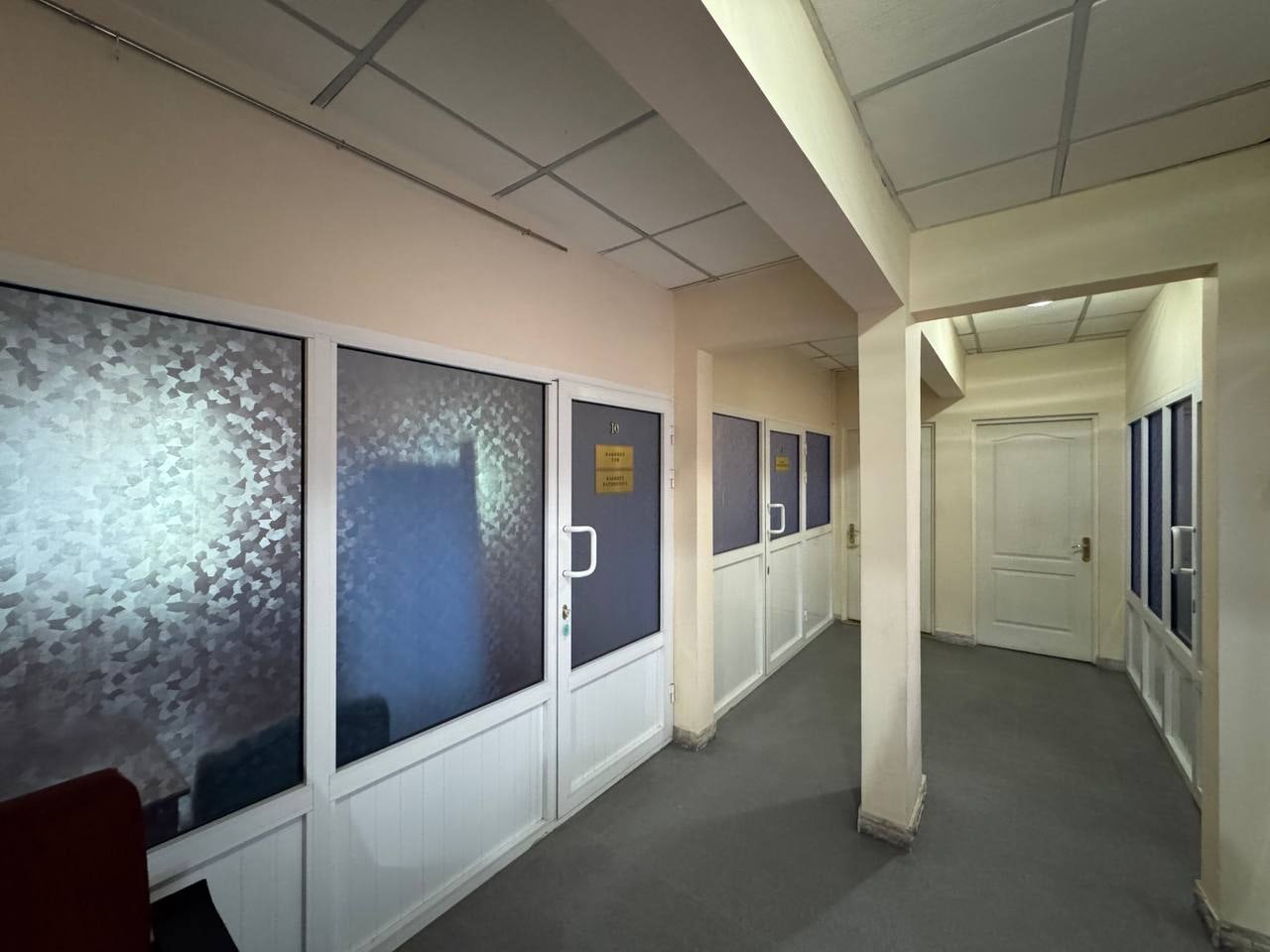
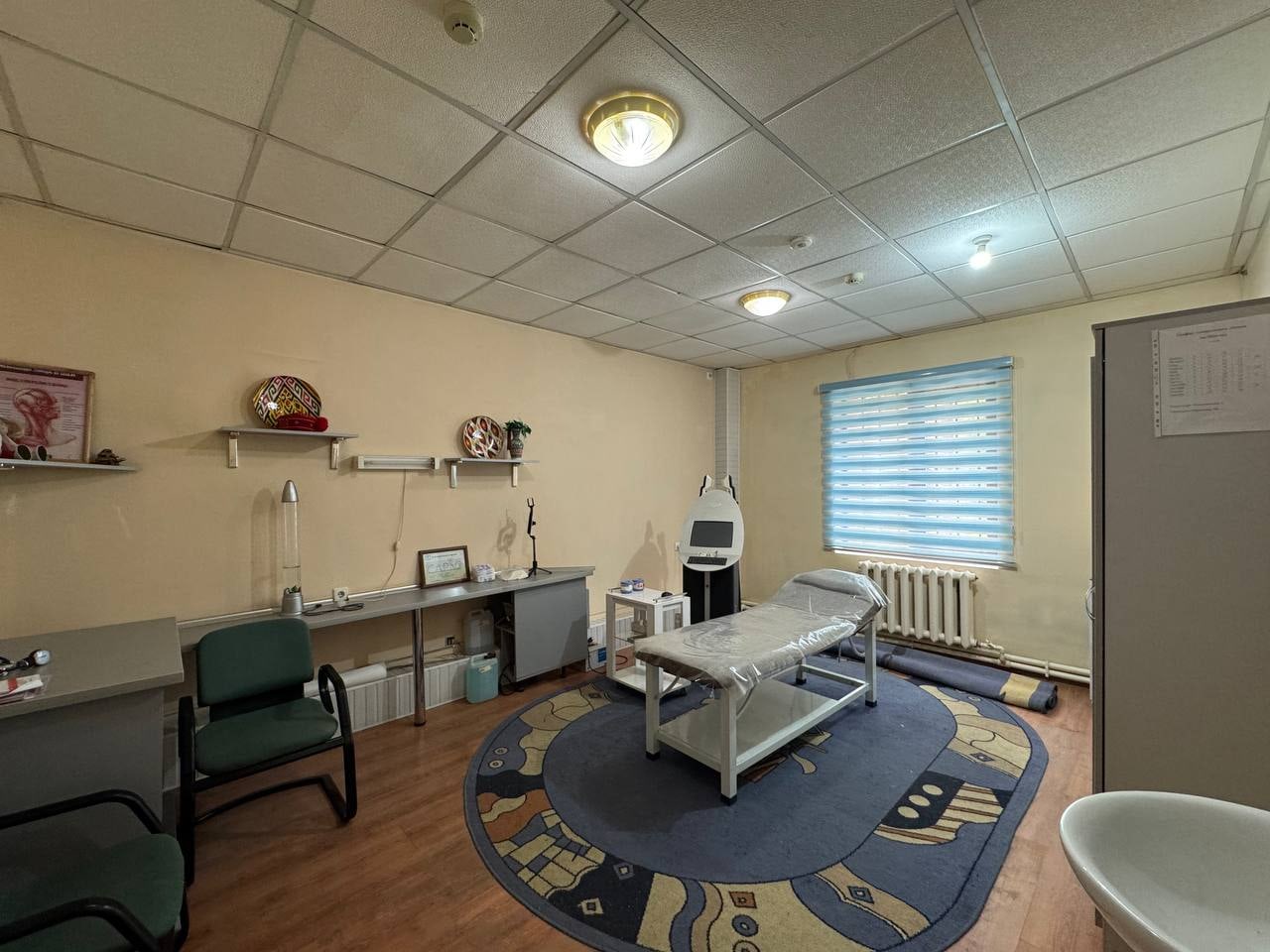
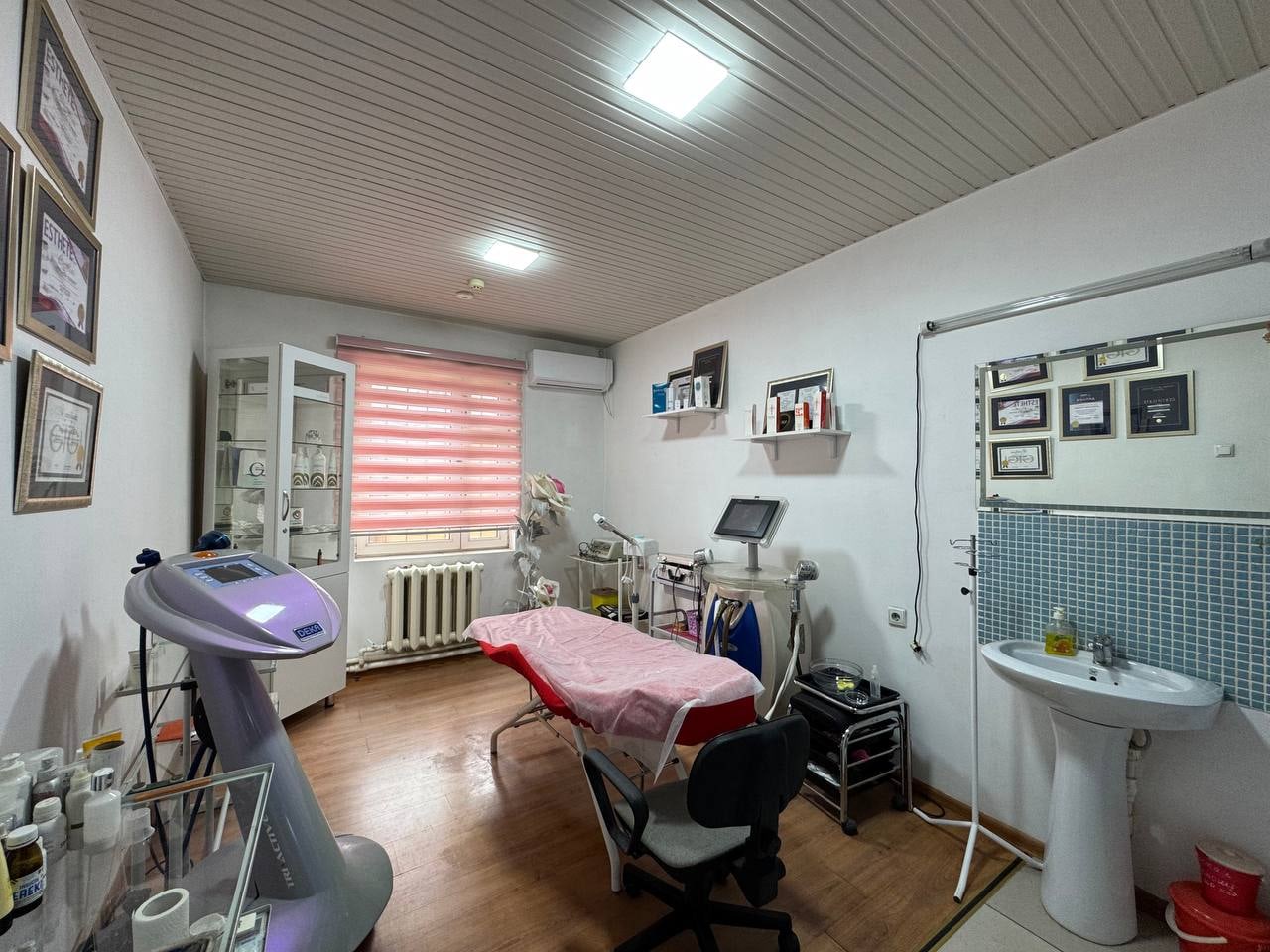
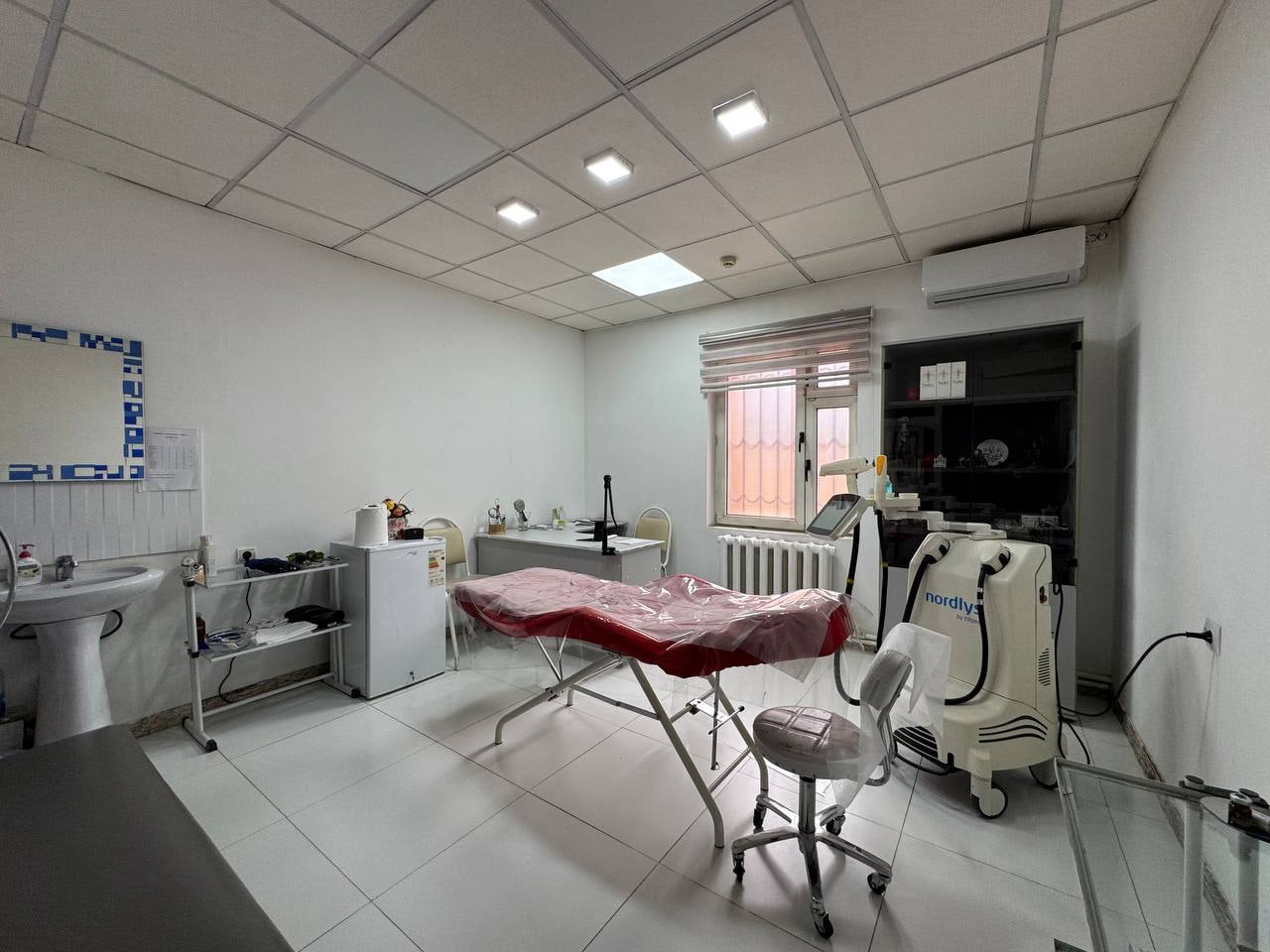
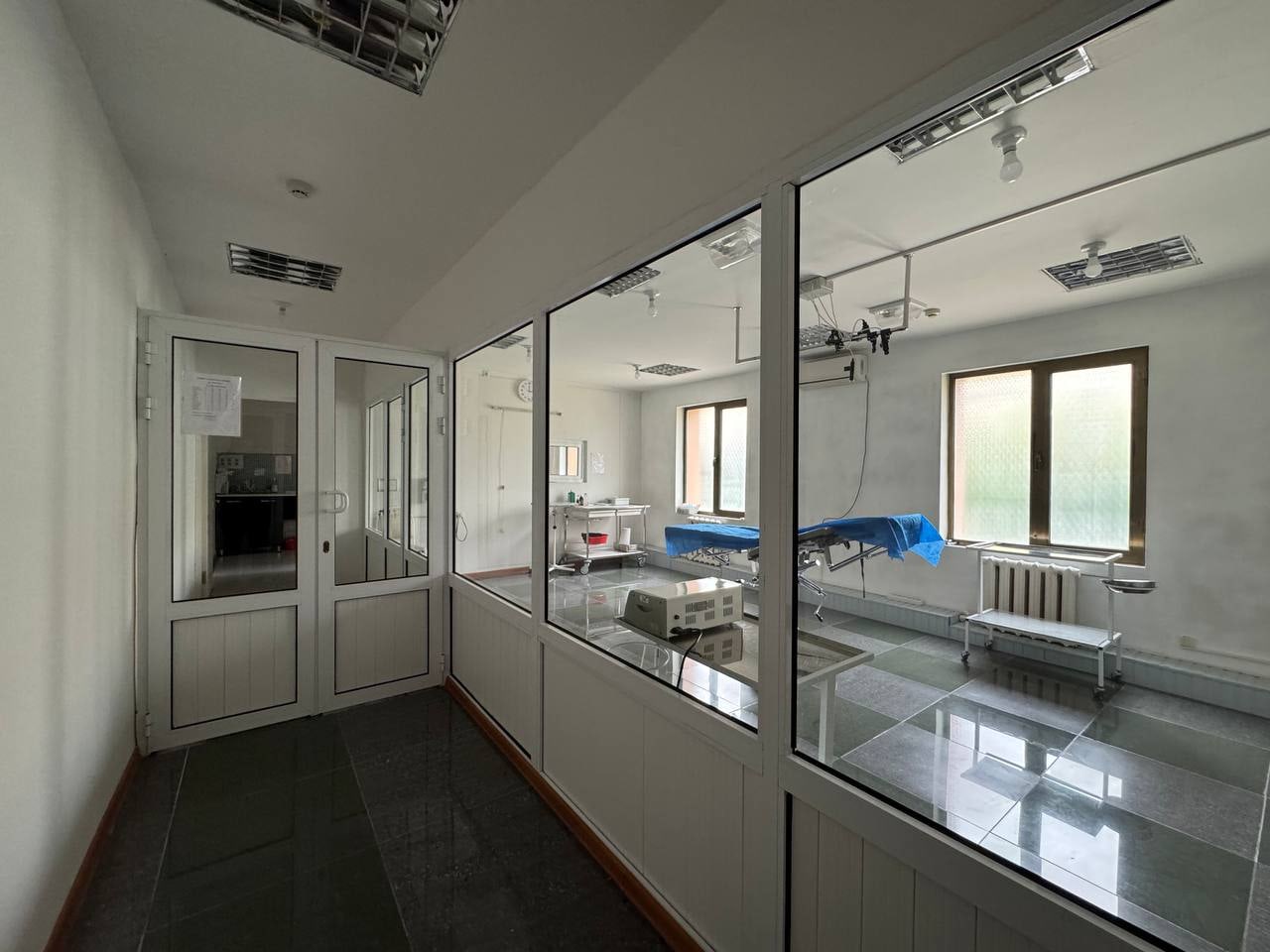
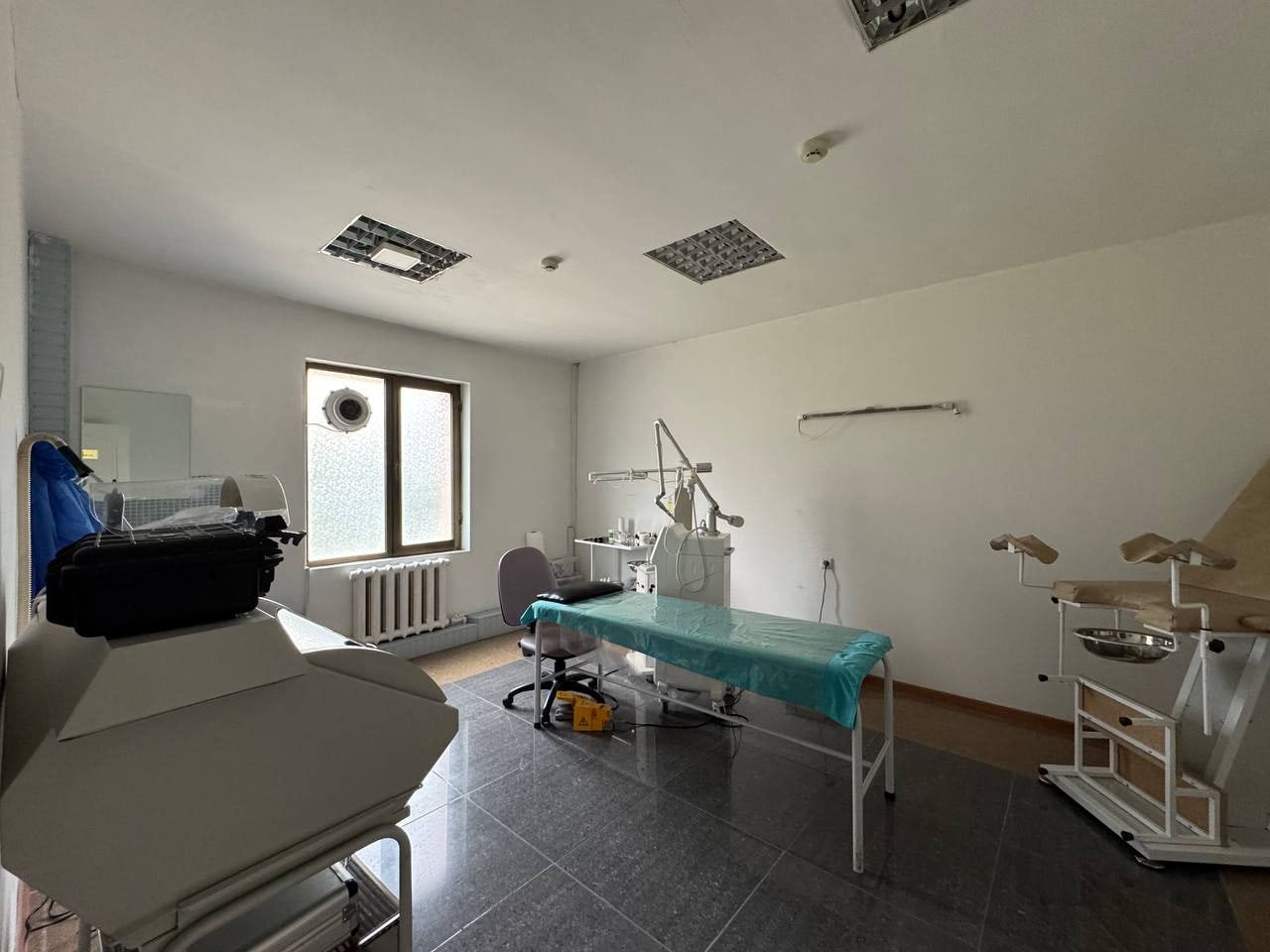
Ташкент, Шайхантахурский район, Караташ
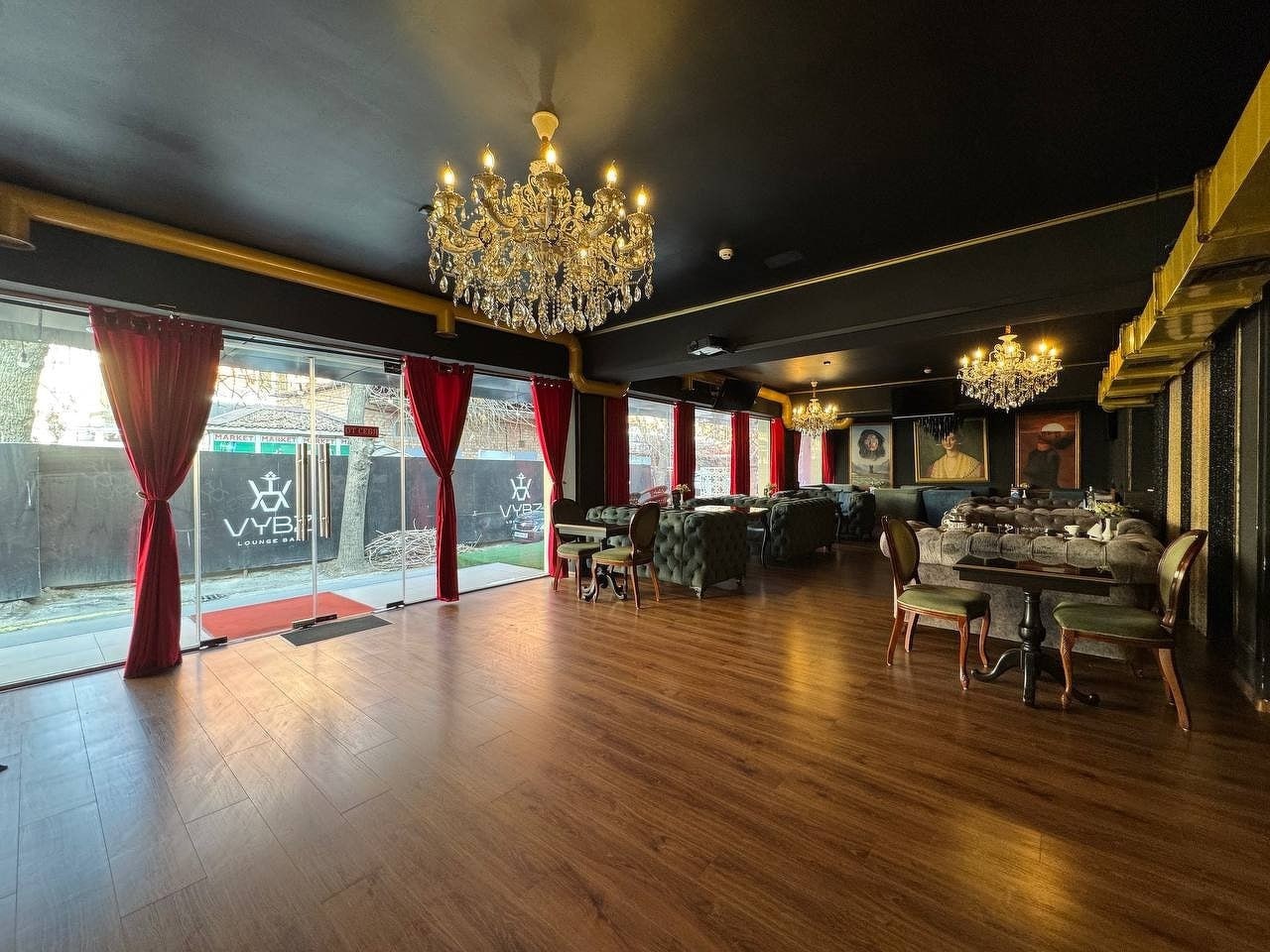
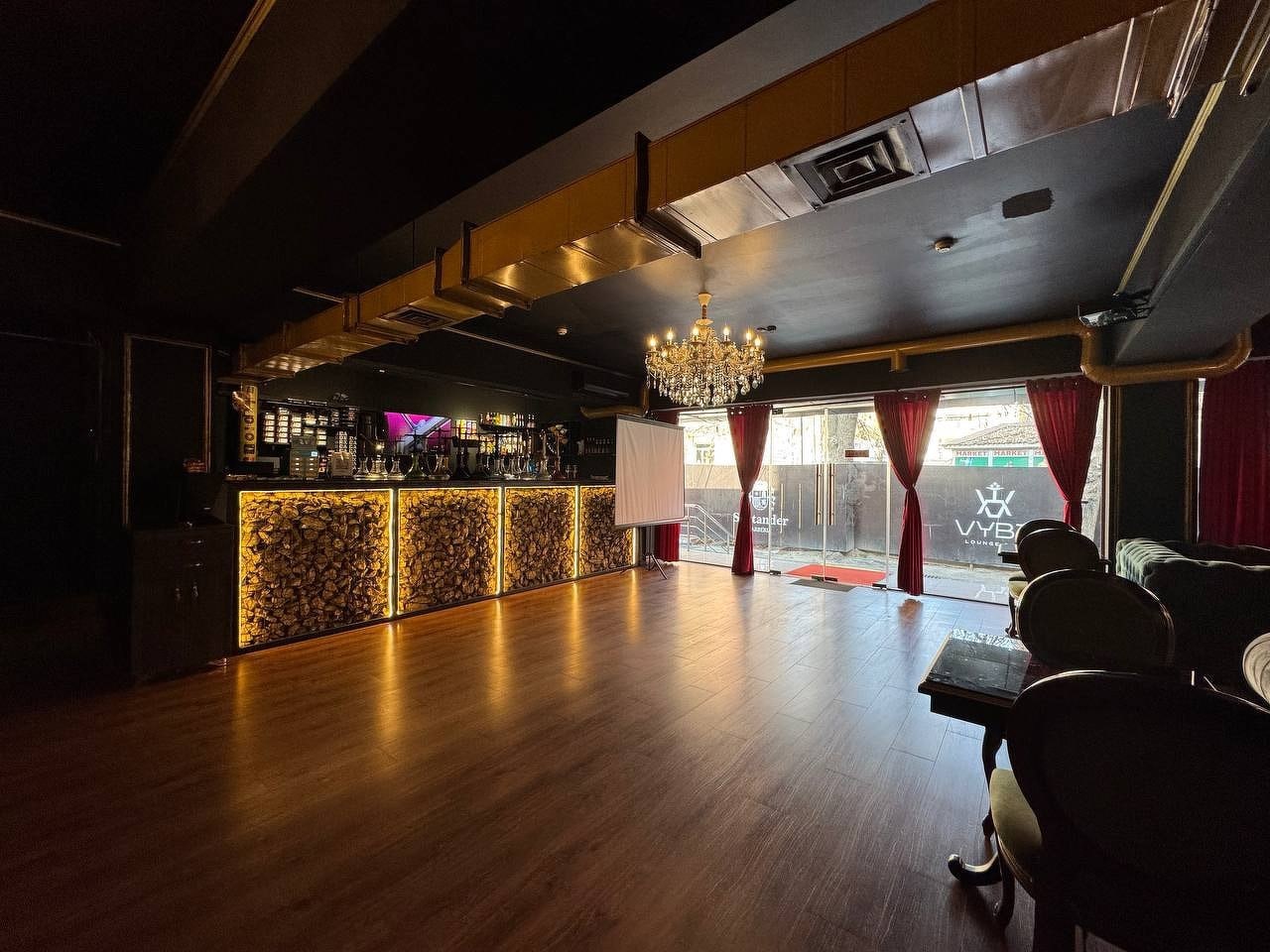
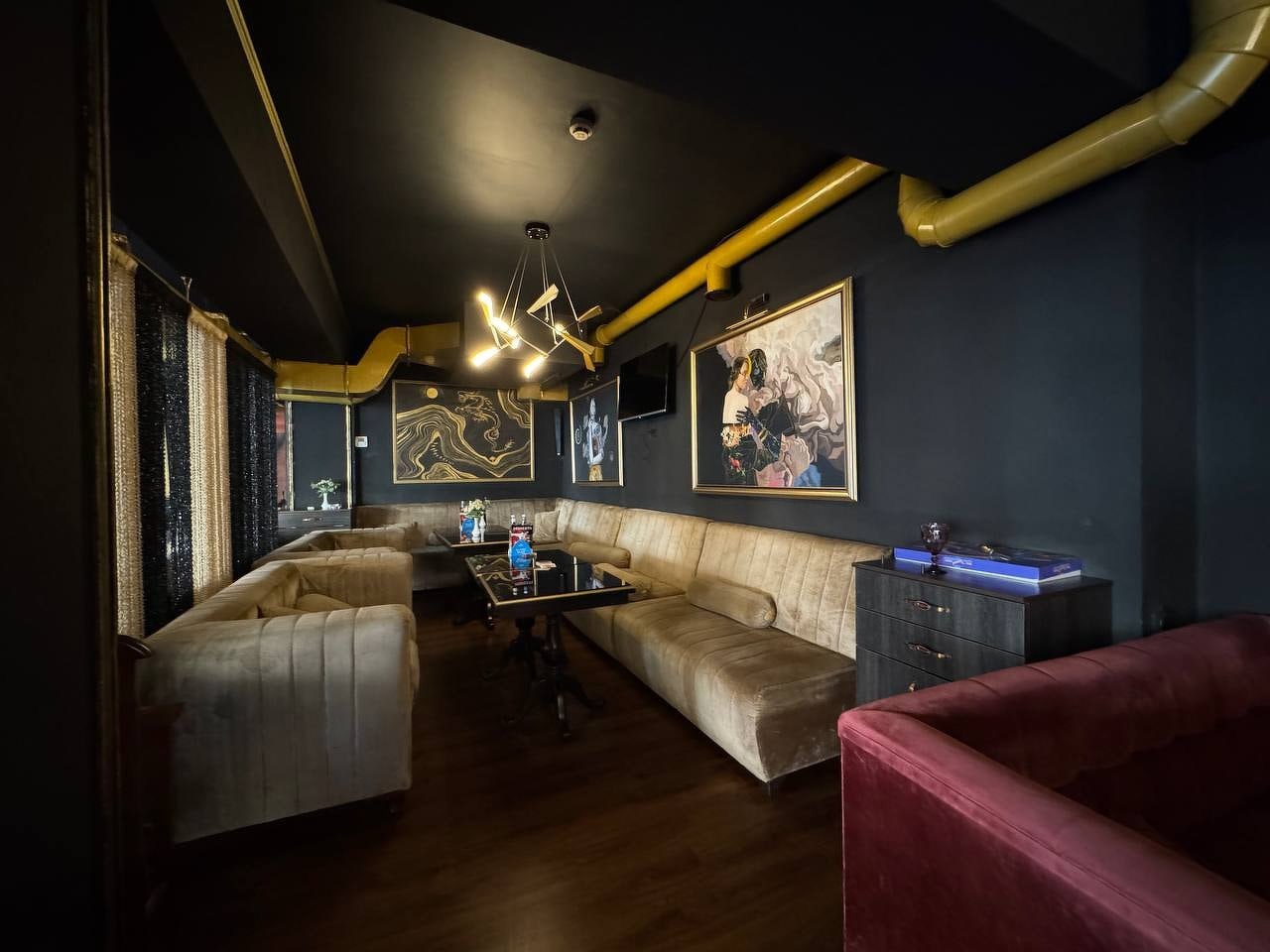
Ташкент, Мирабадский район, ул. Тараса Шевченко
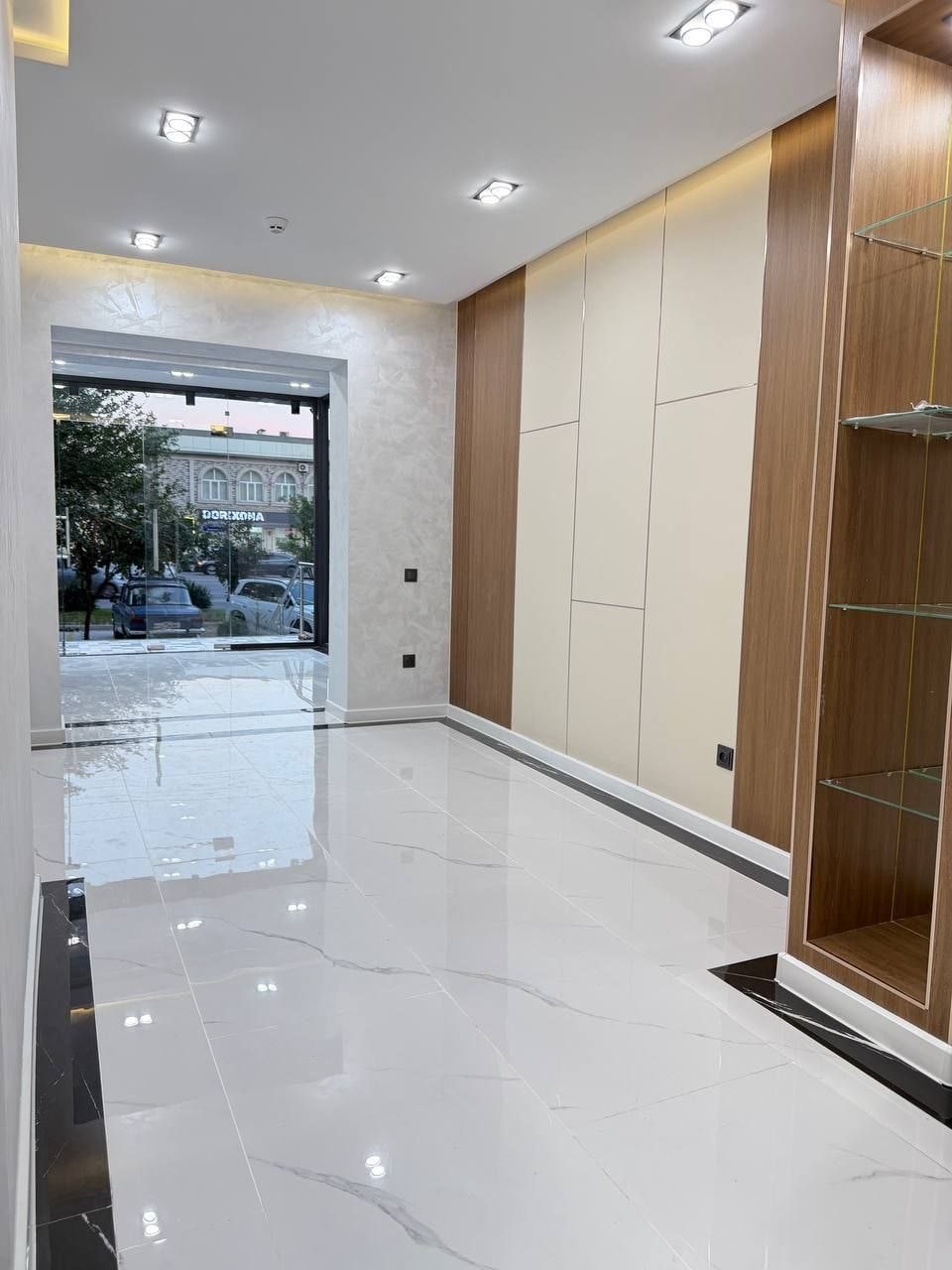
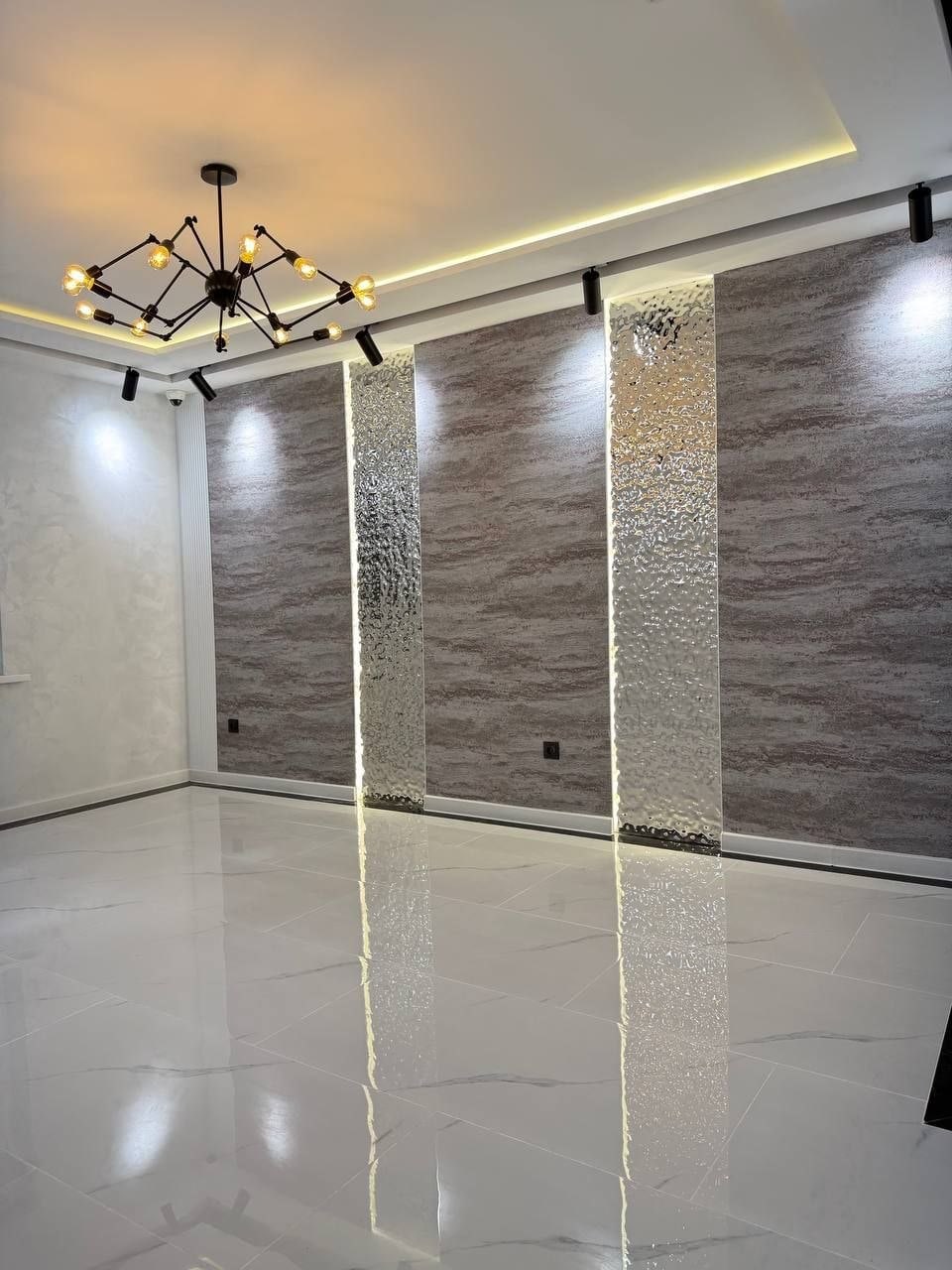
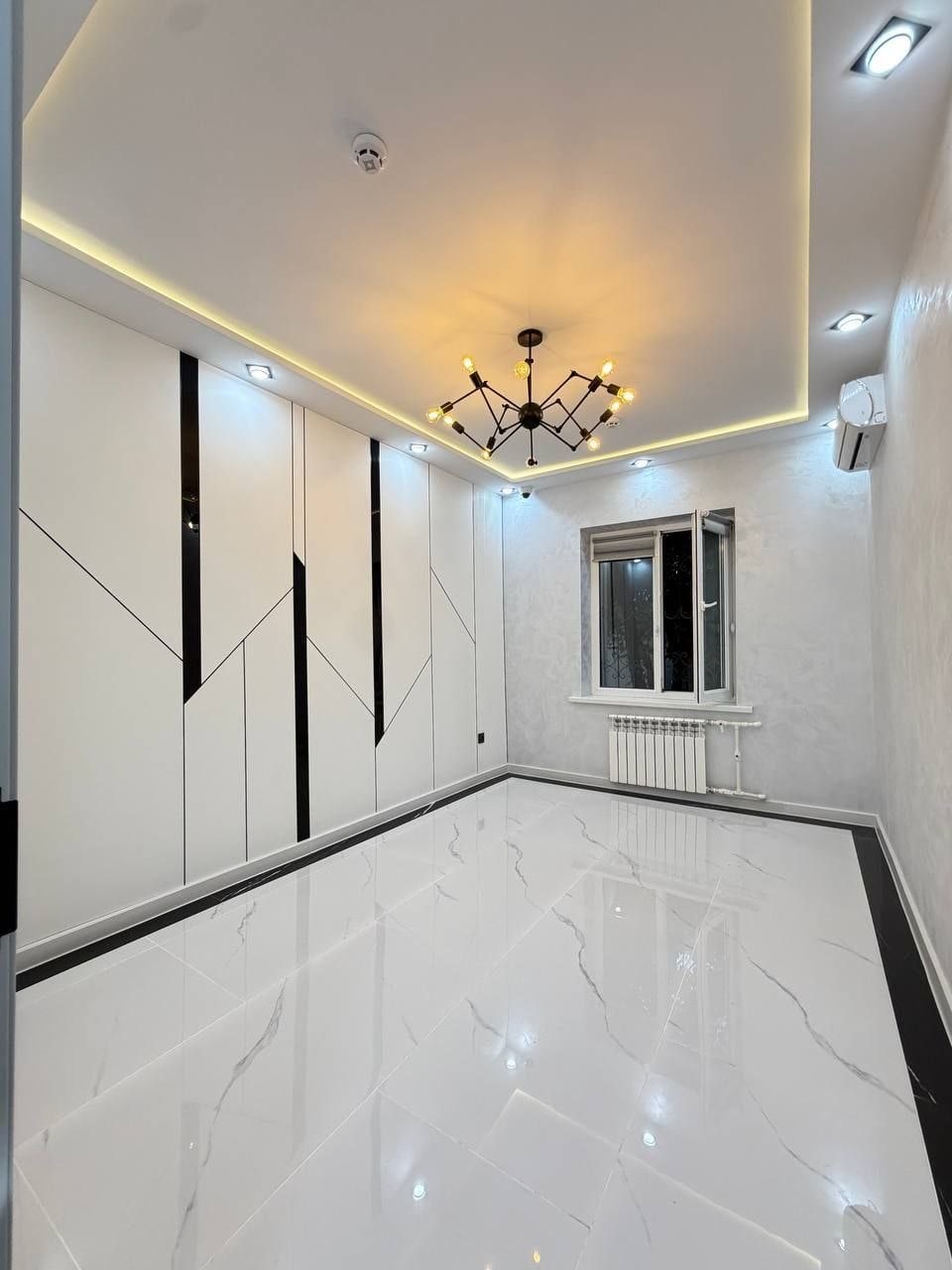
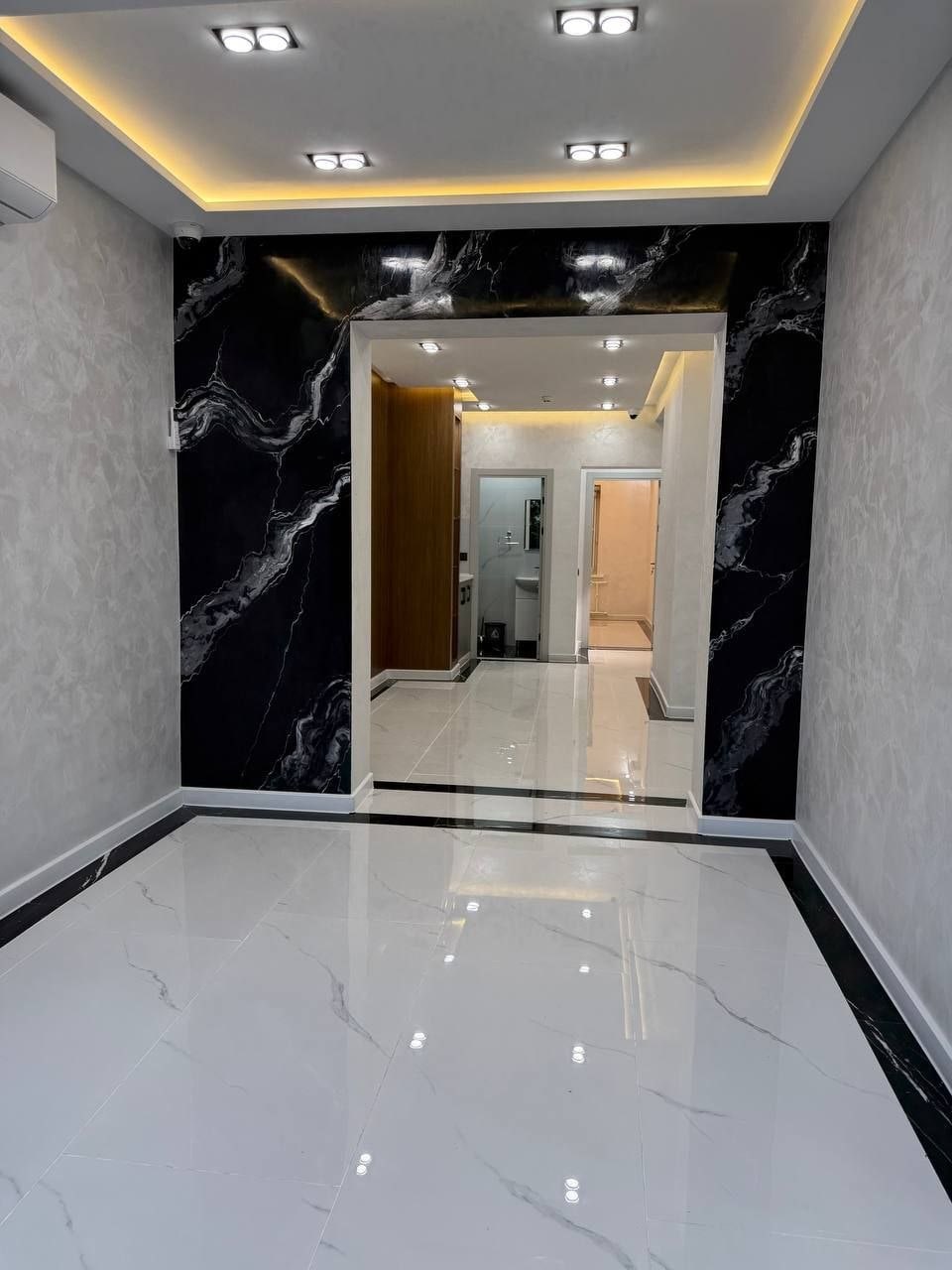
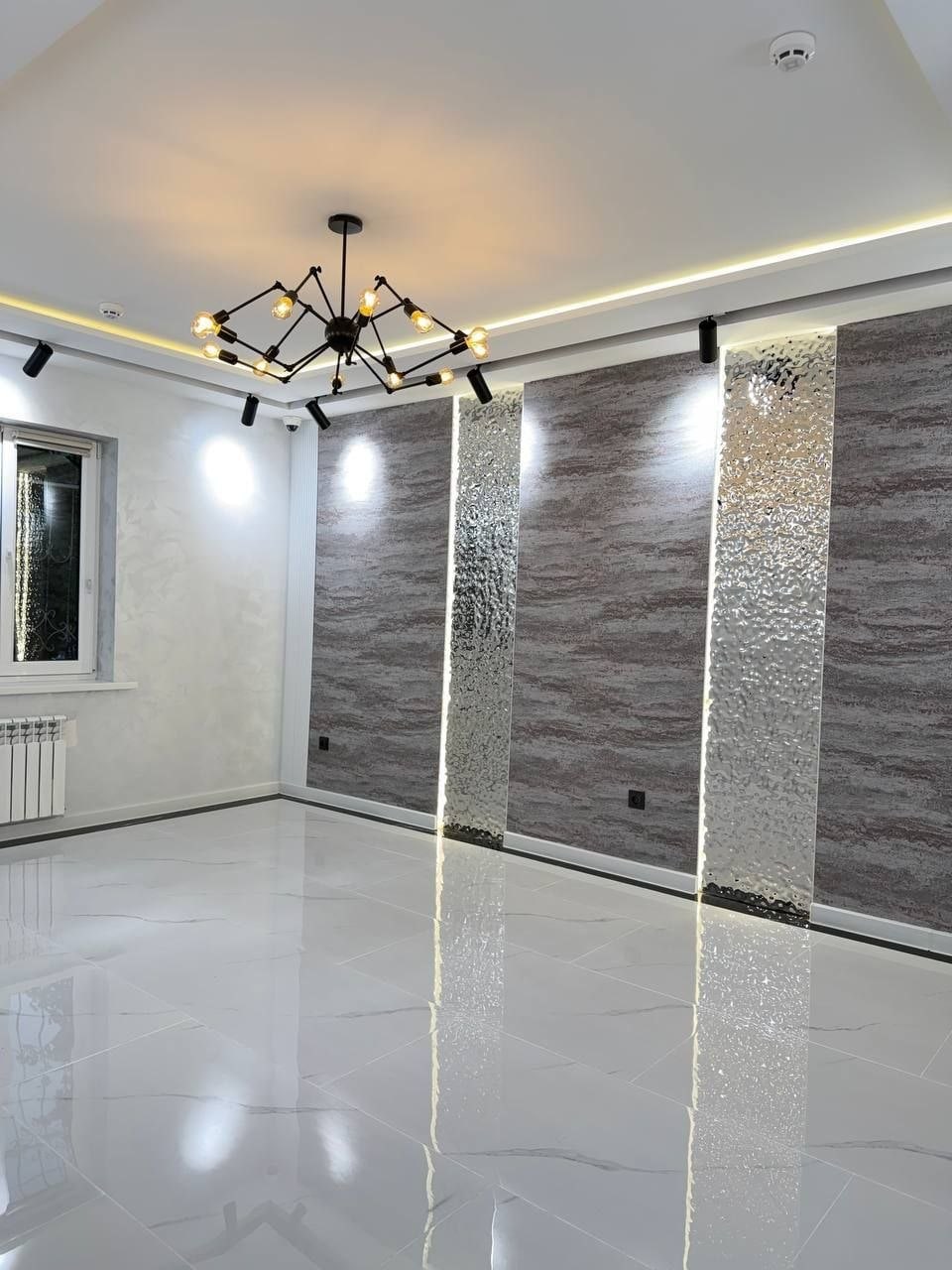
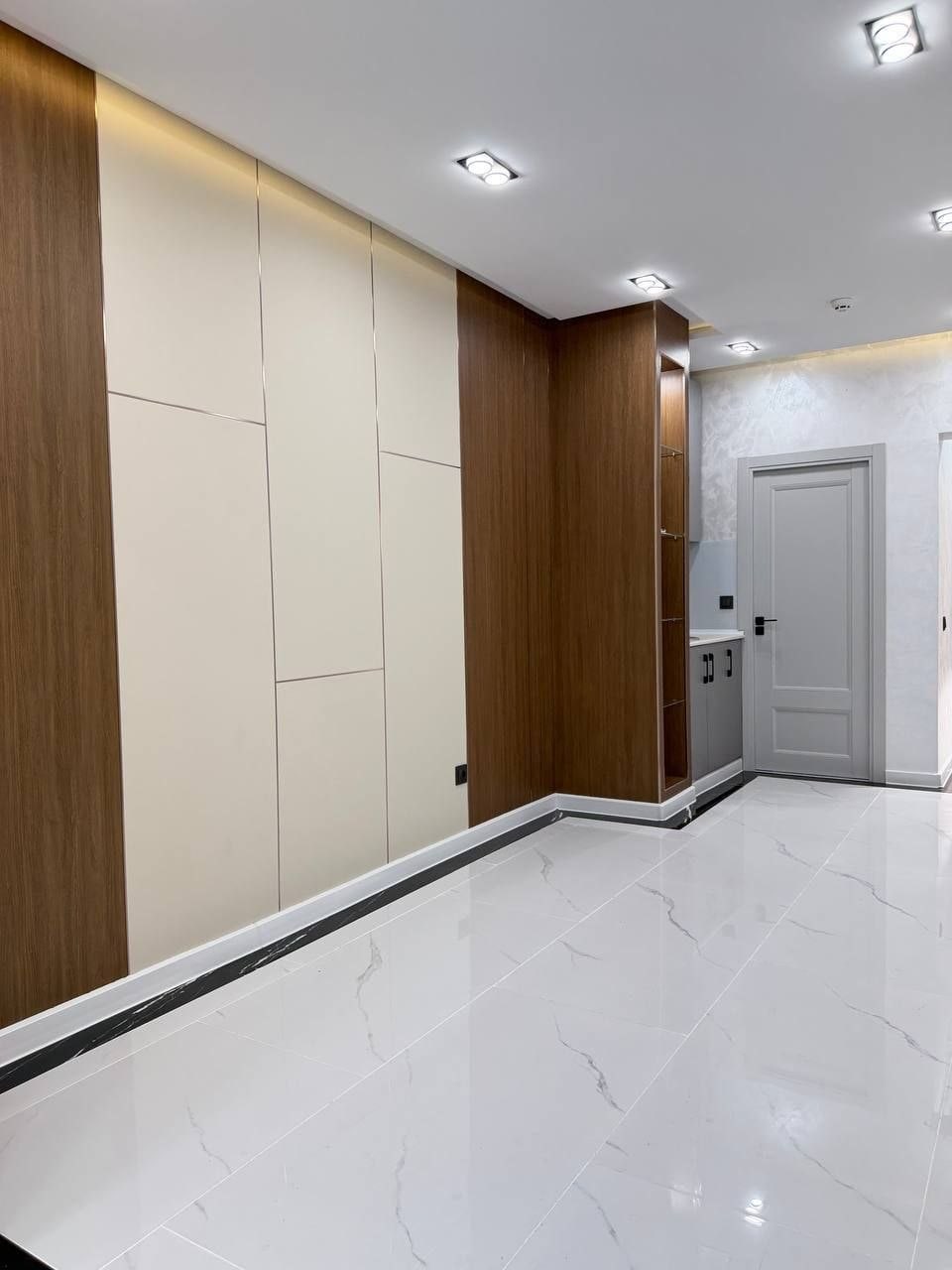
Ташкент, Яккасарайский район, Кушбеги

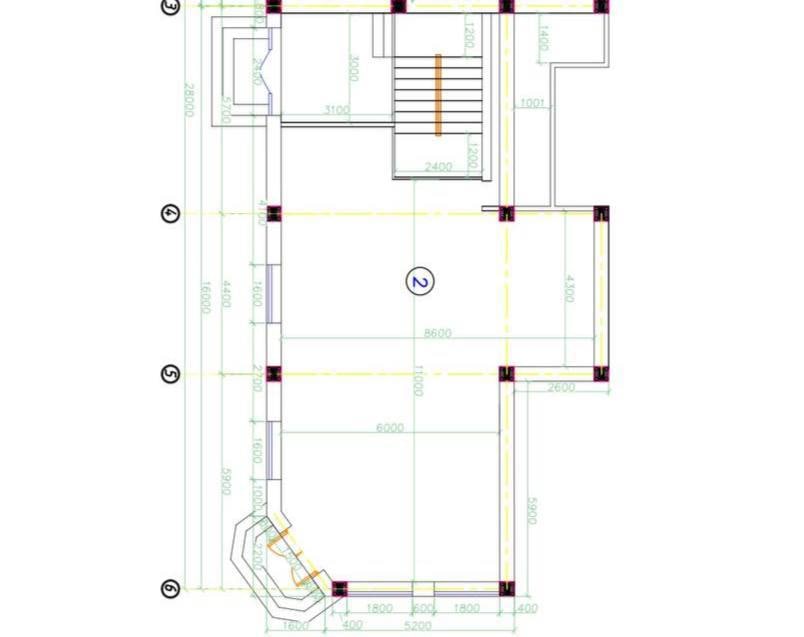
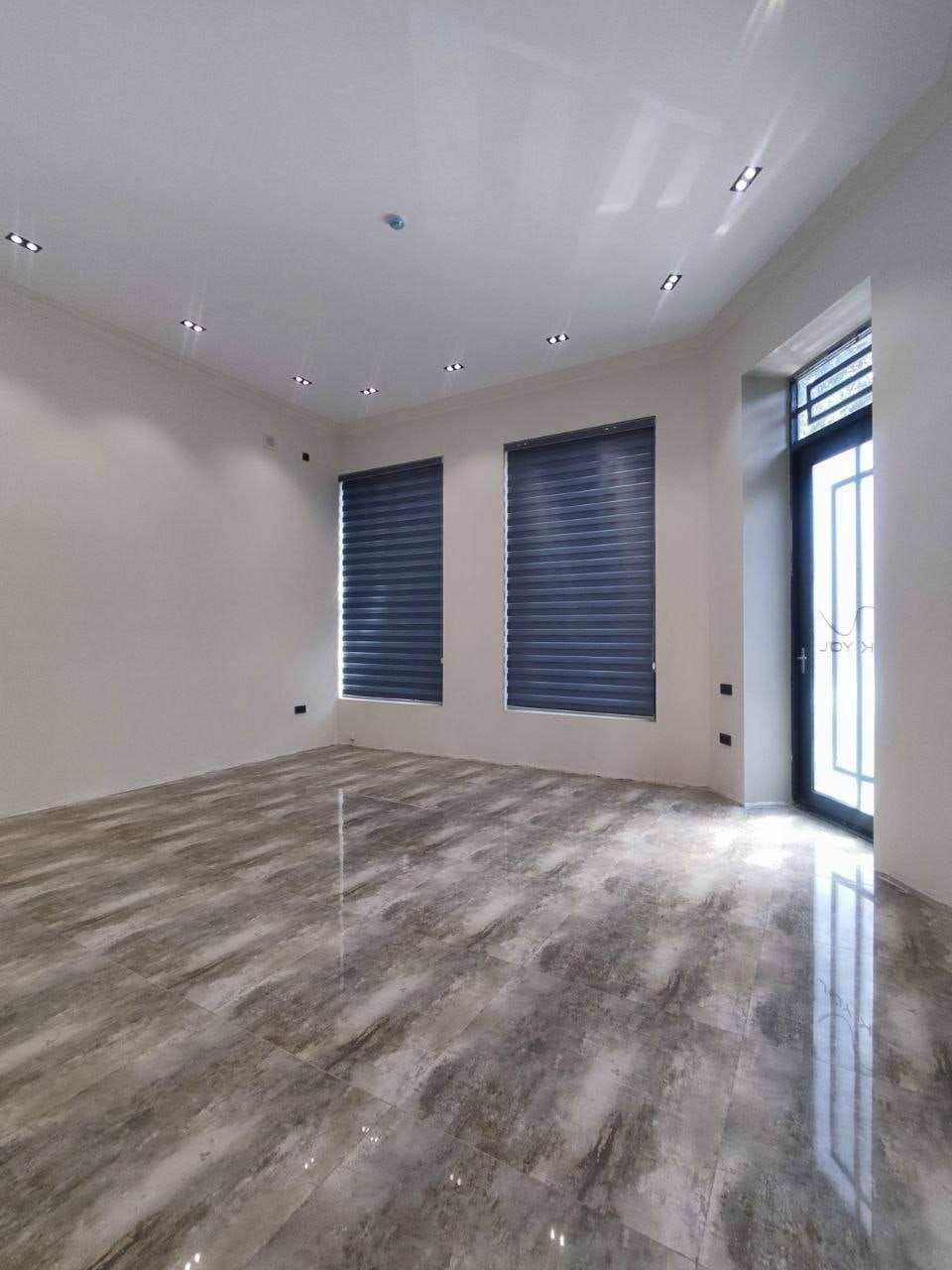
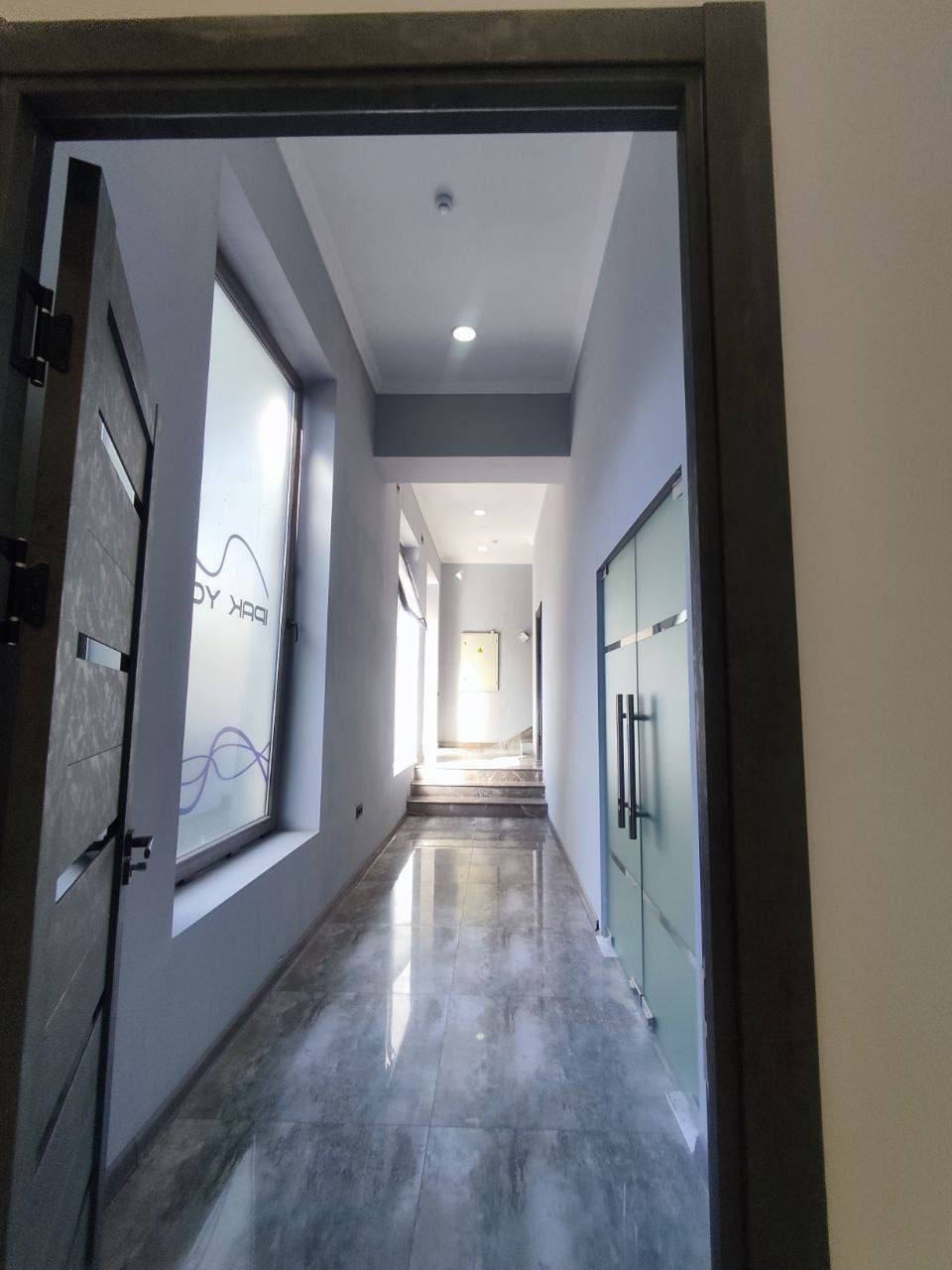
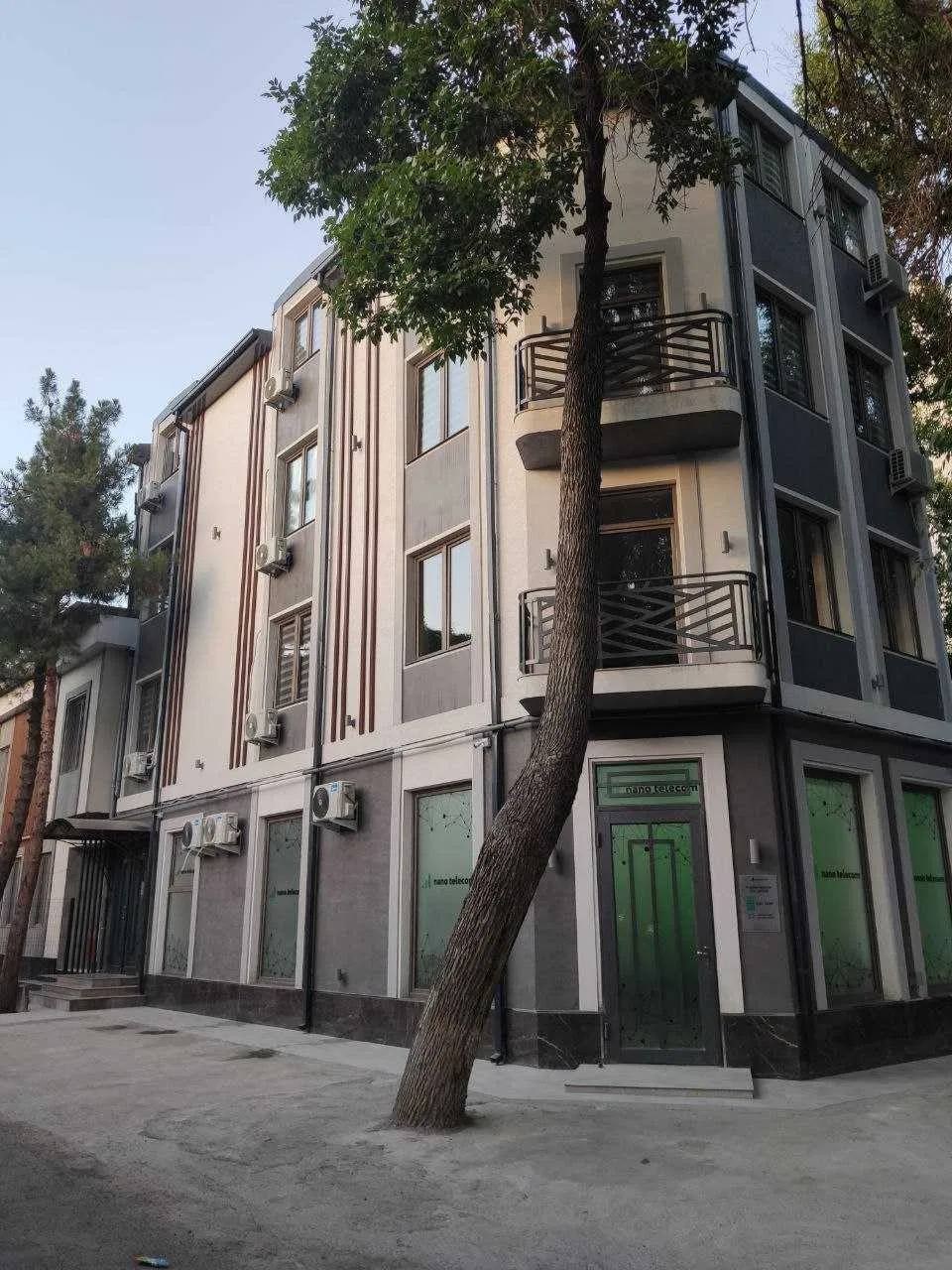
Ташкент, Мирзо-Улугбекский район, Дархан
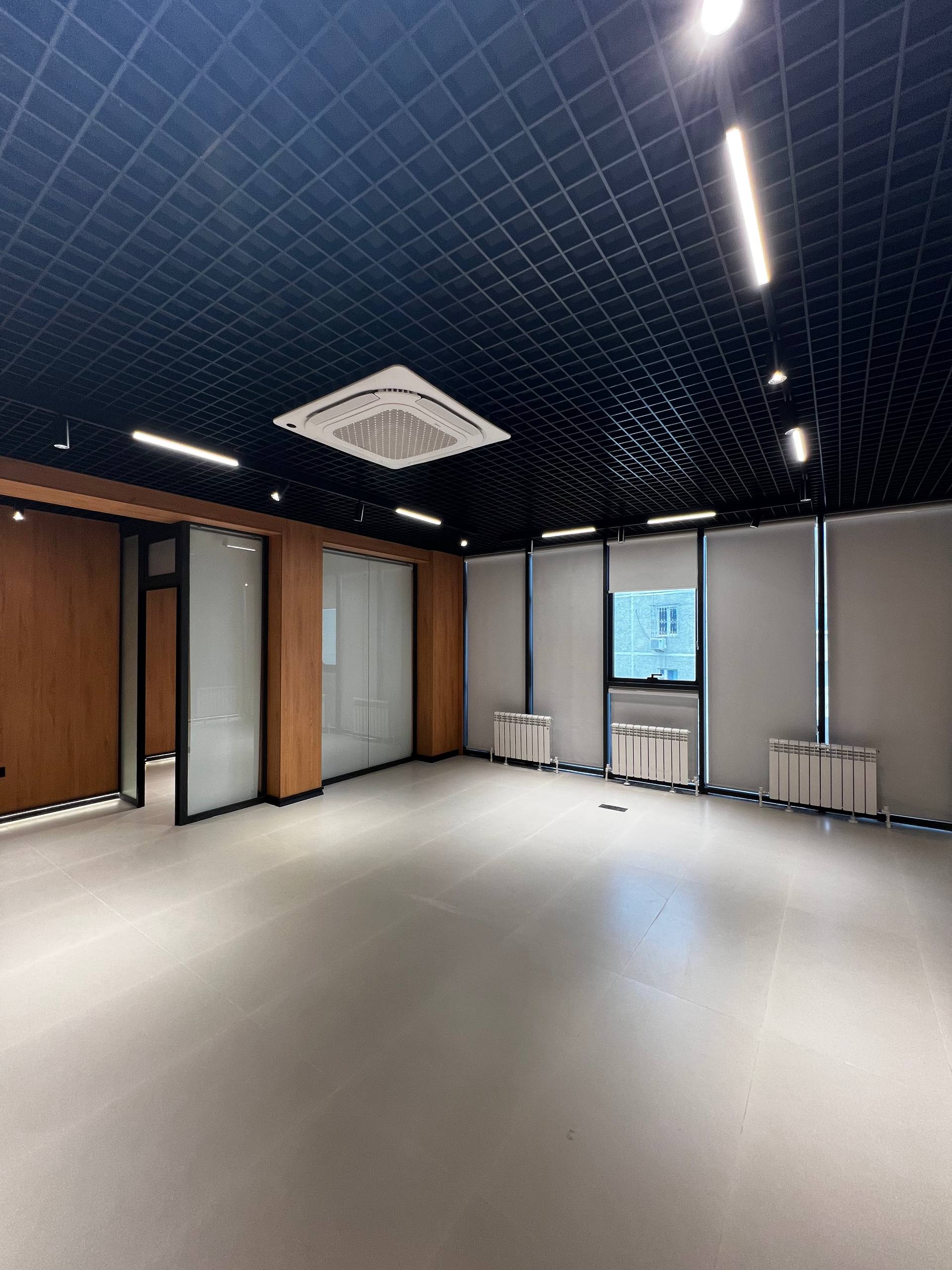
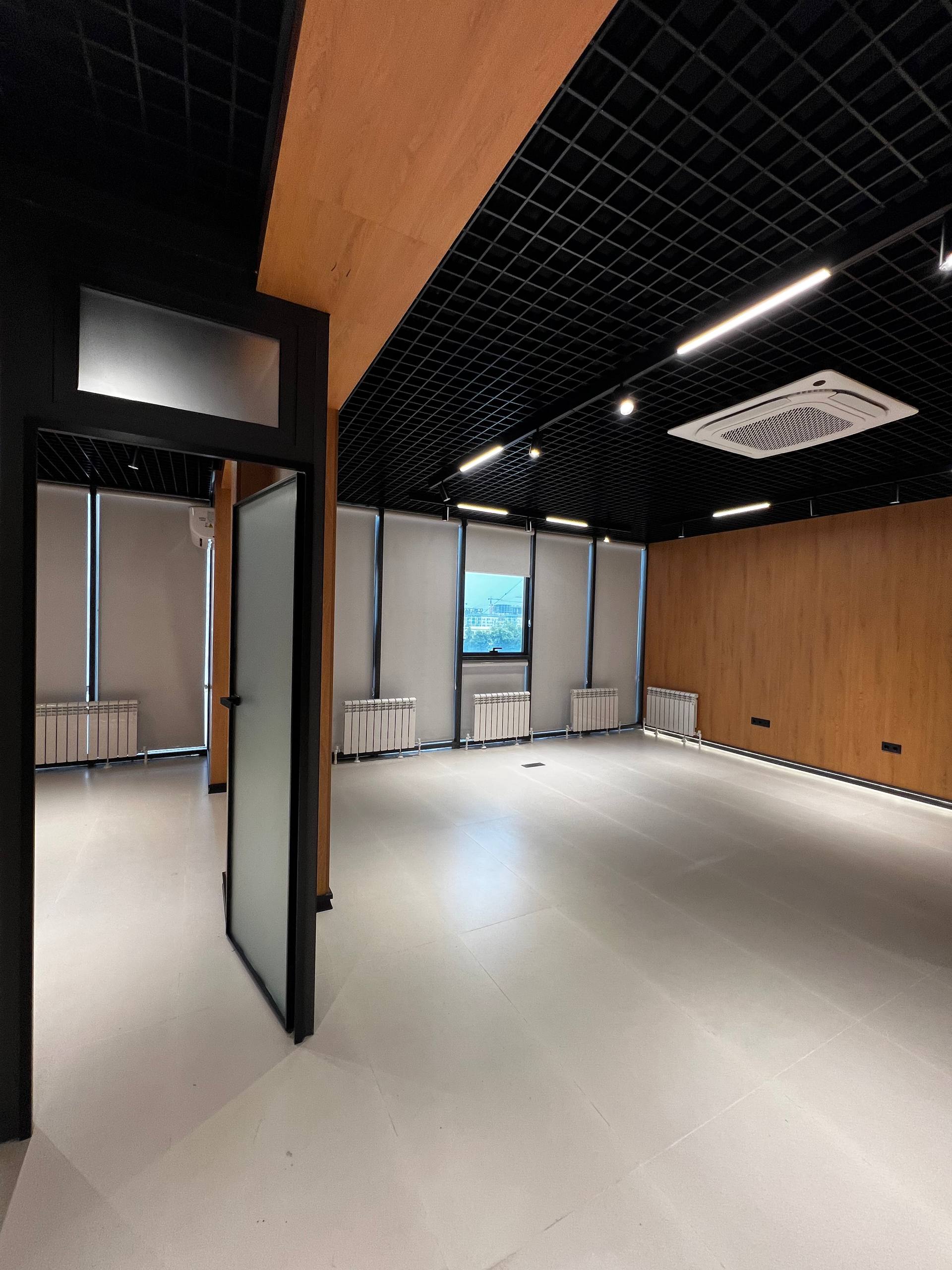
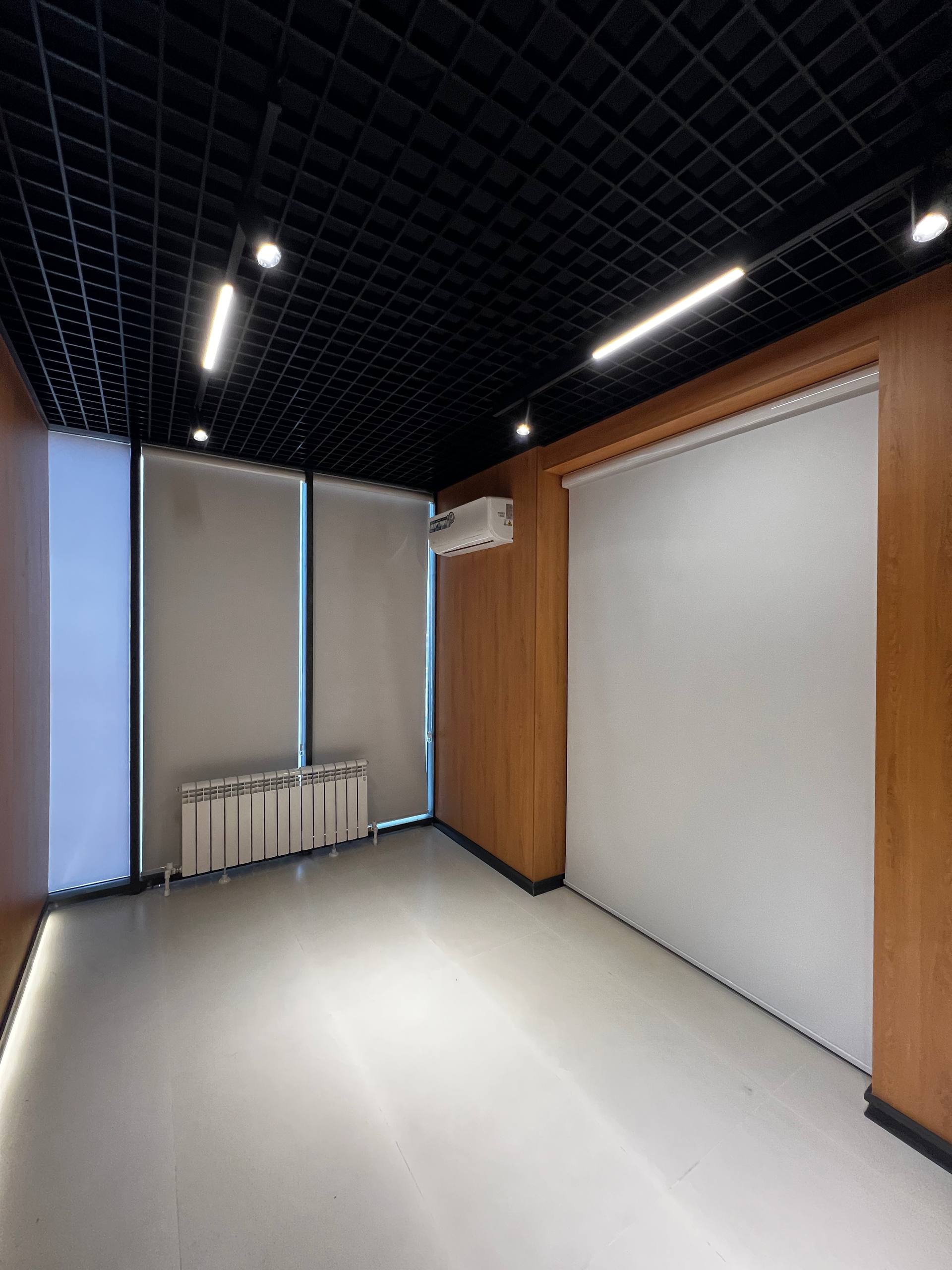
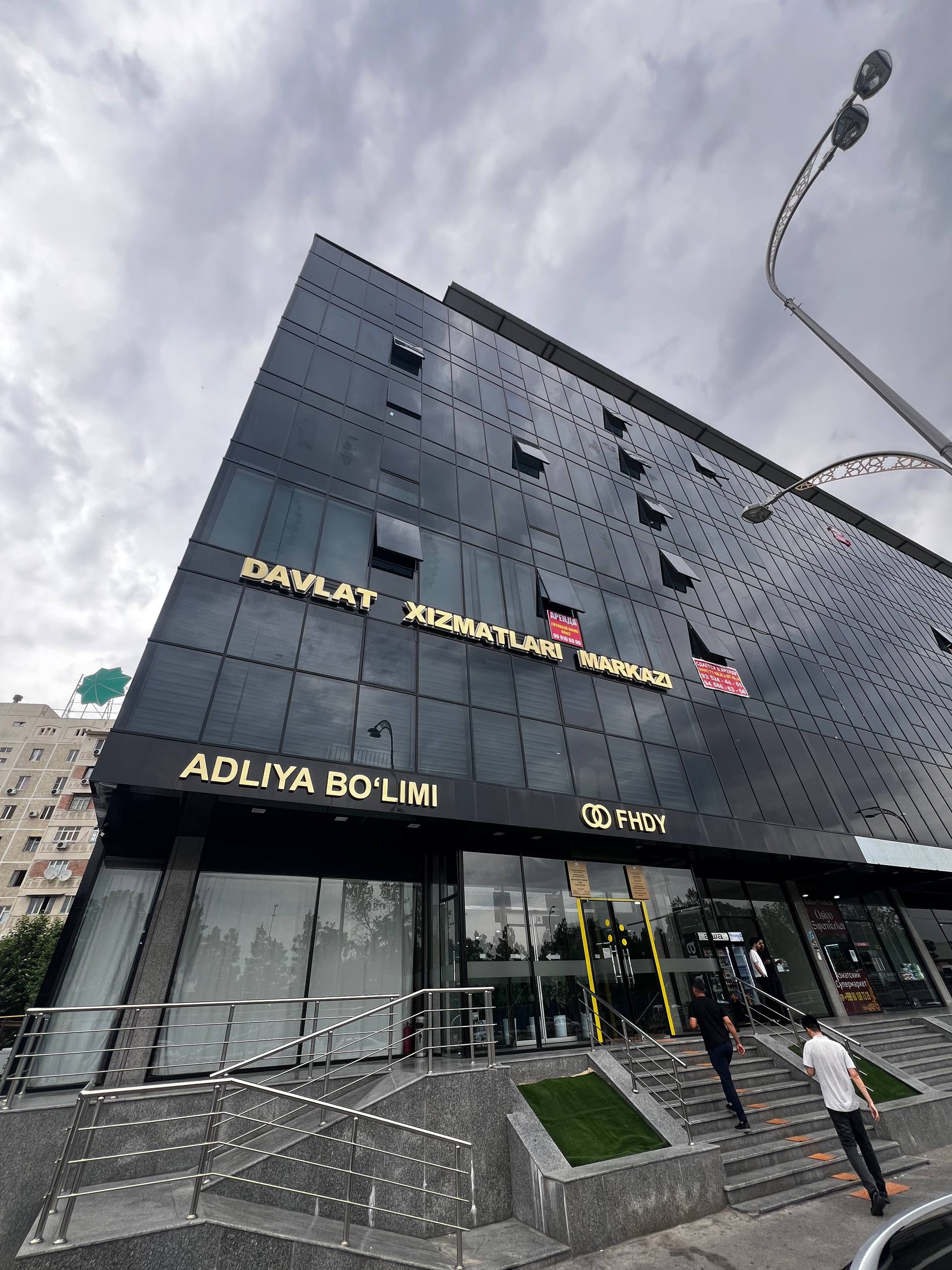
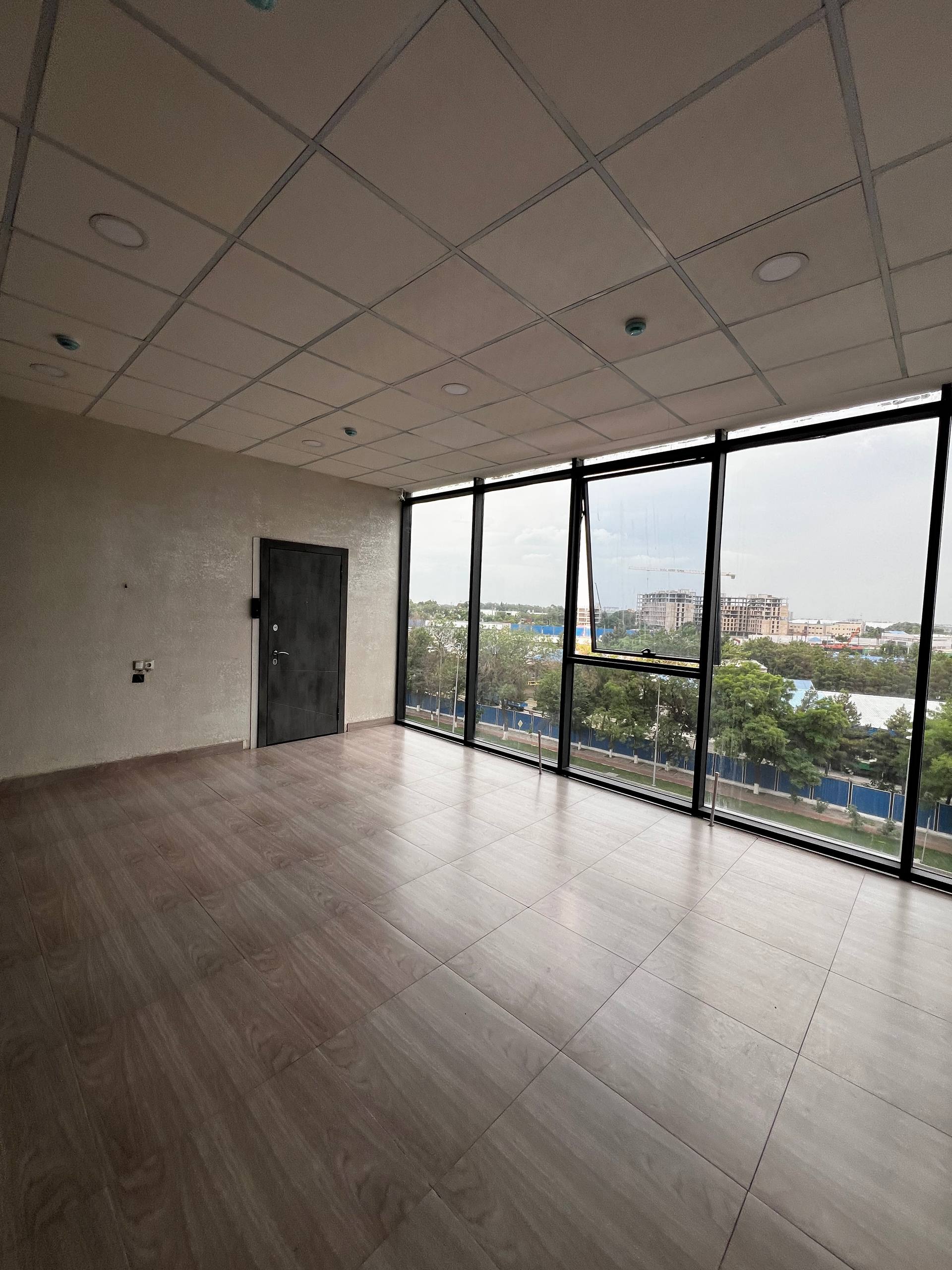
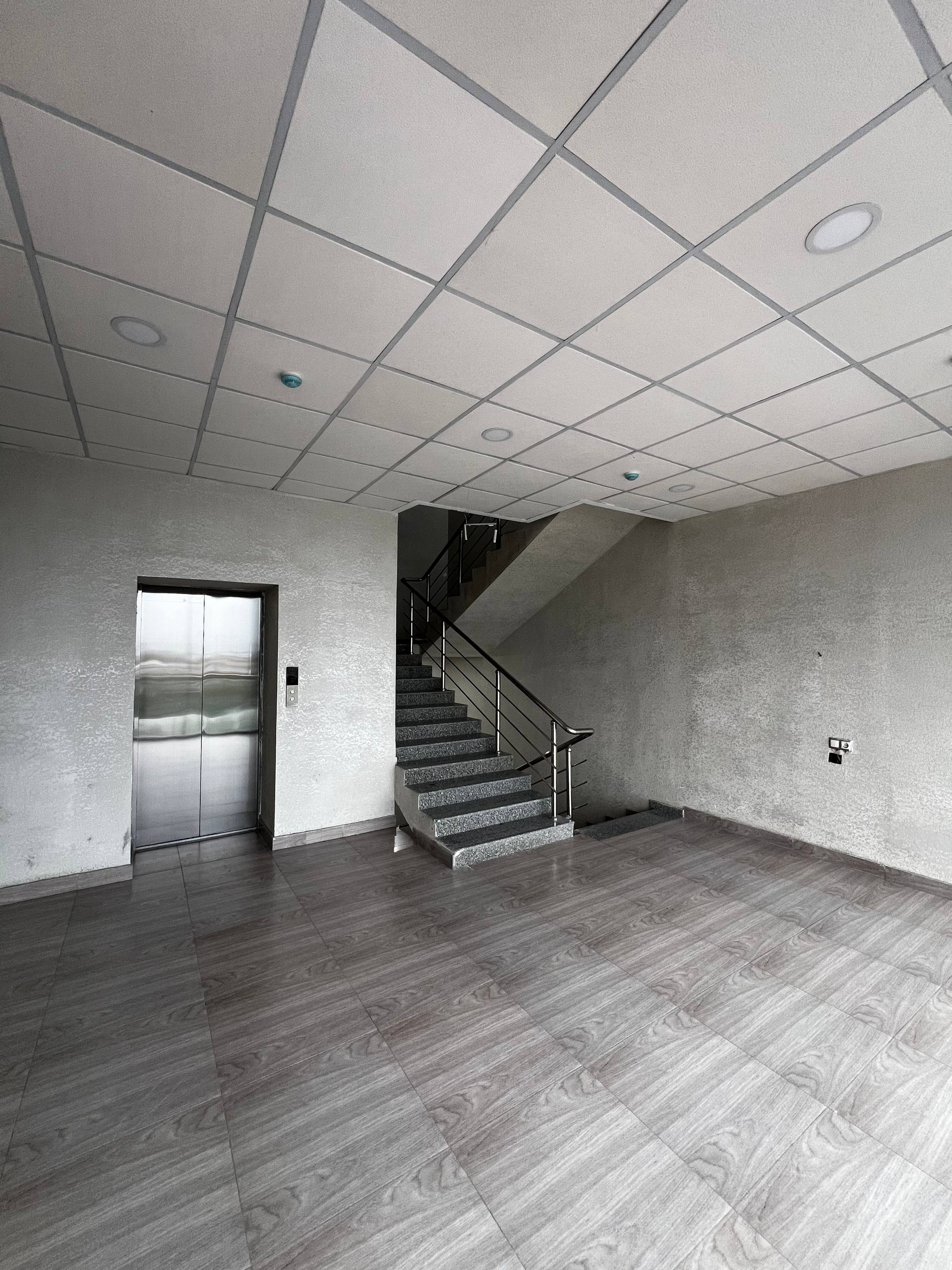
Ташкент, Яккасарайский район, Малая Кольцевая
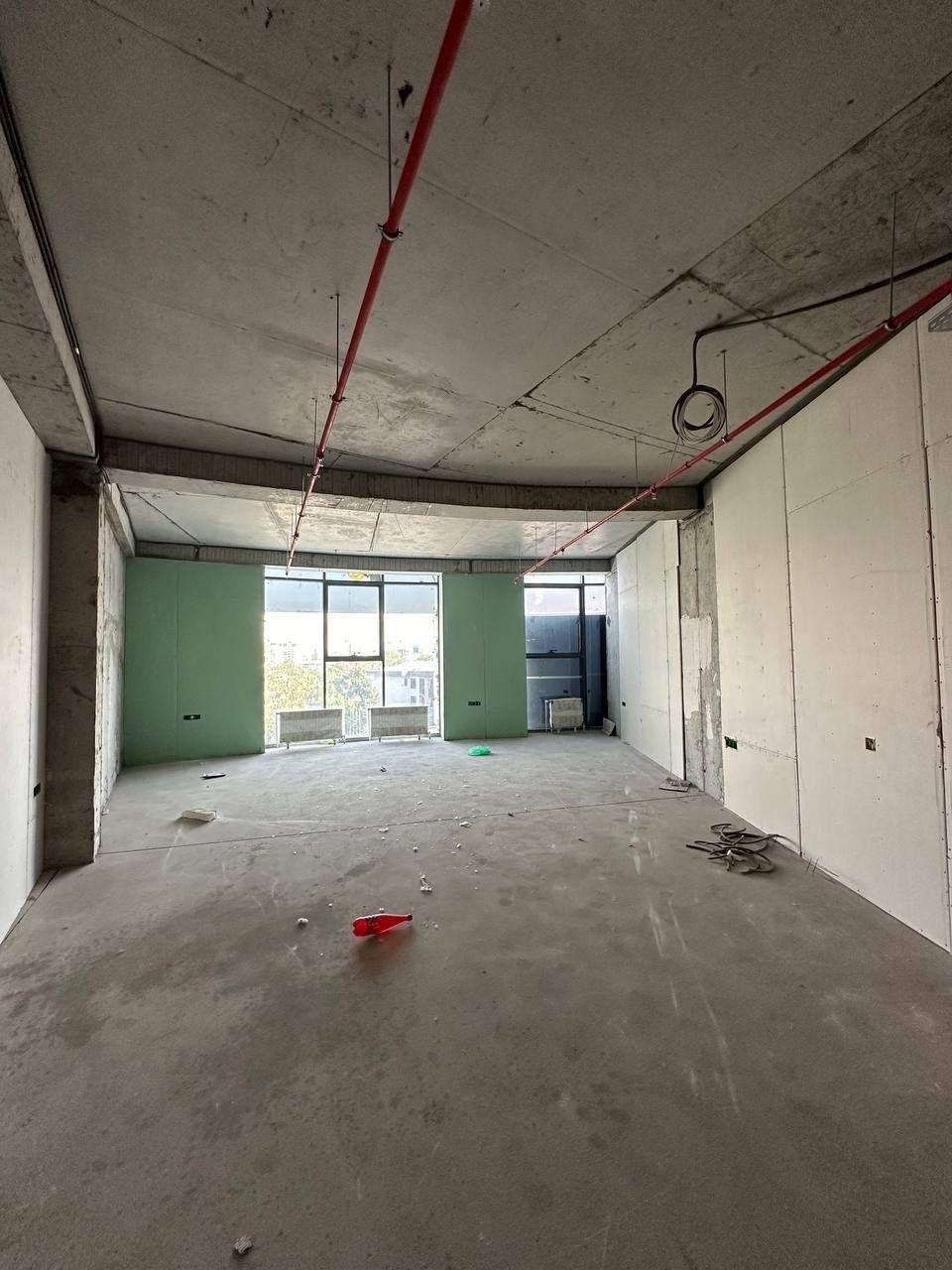
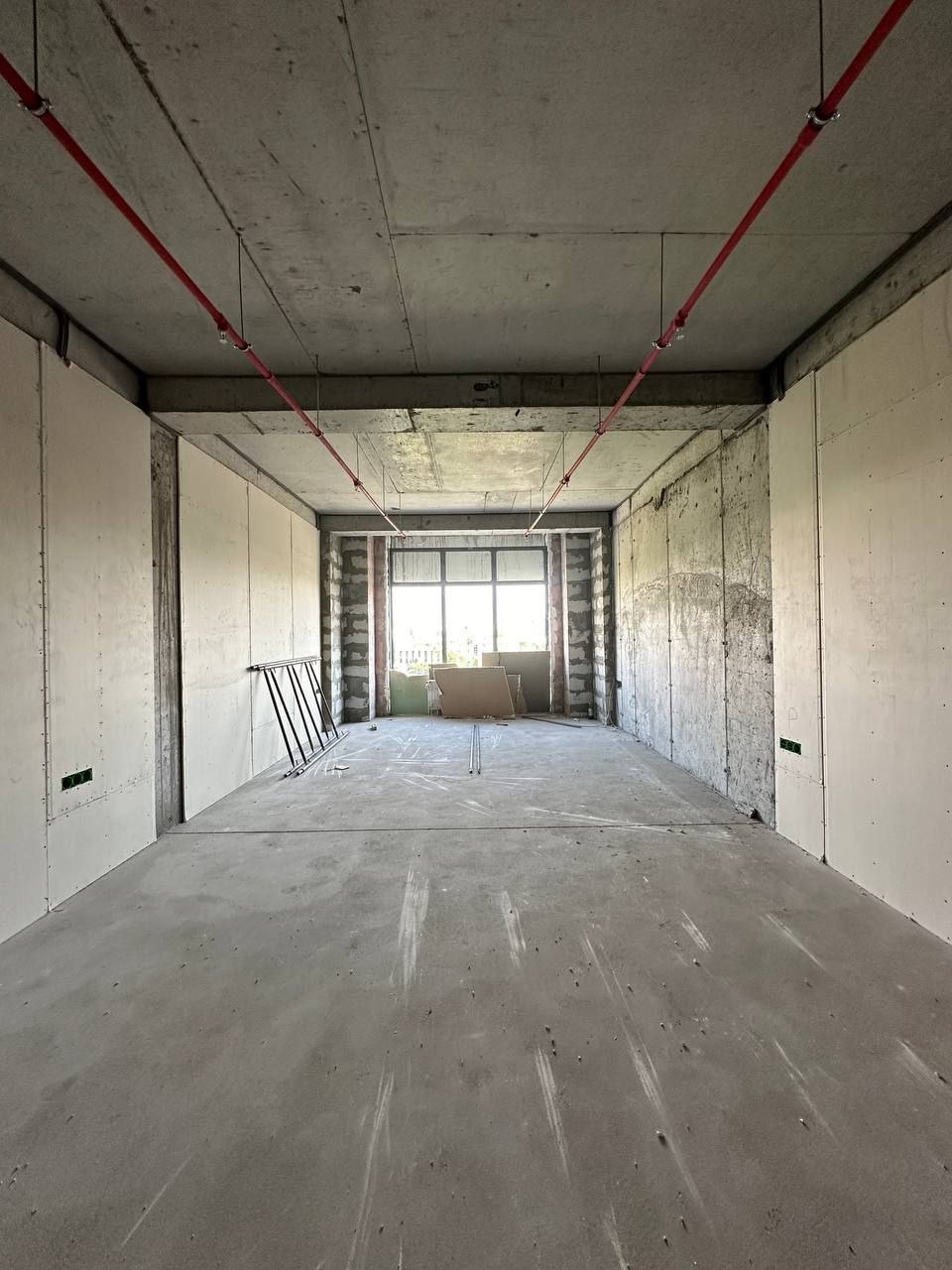
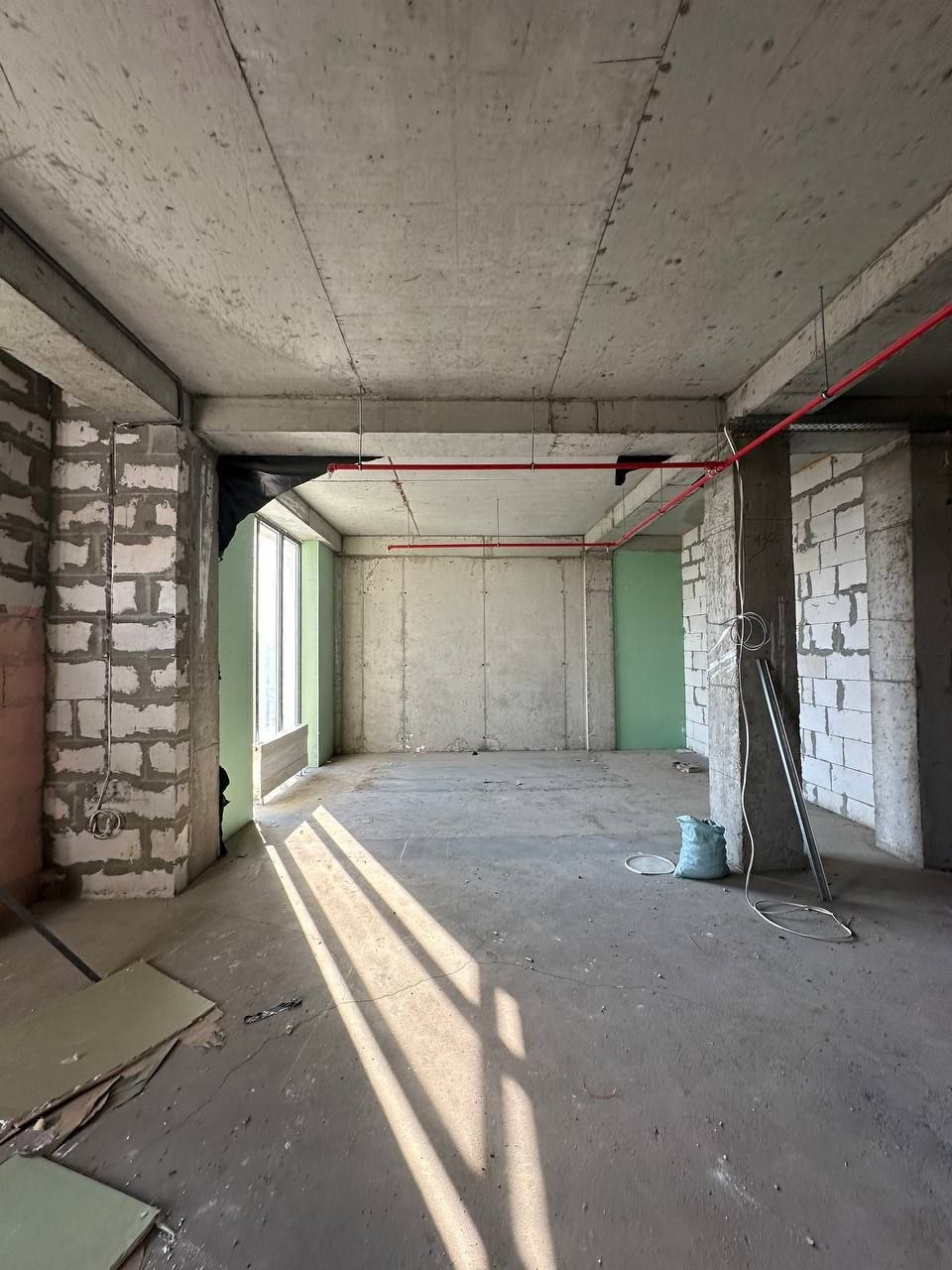
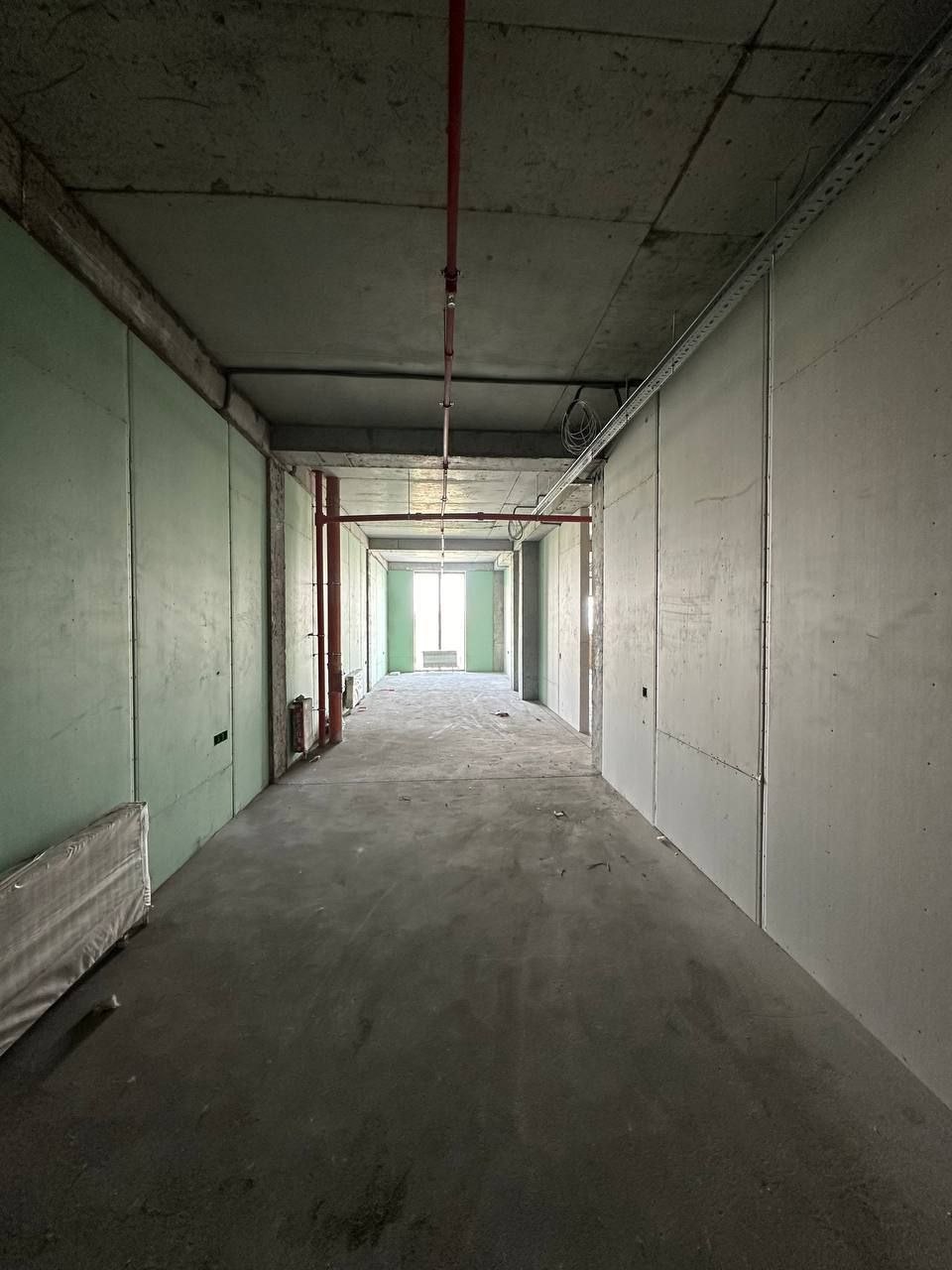
Ташкент, Юнусабадский район, Минор
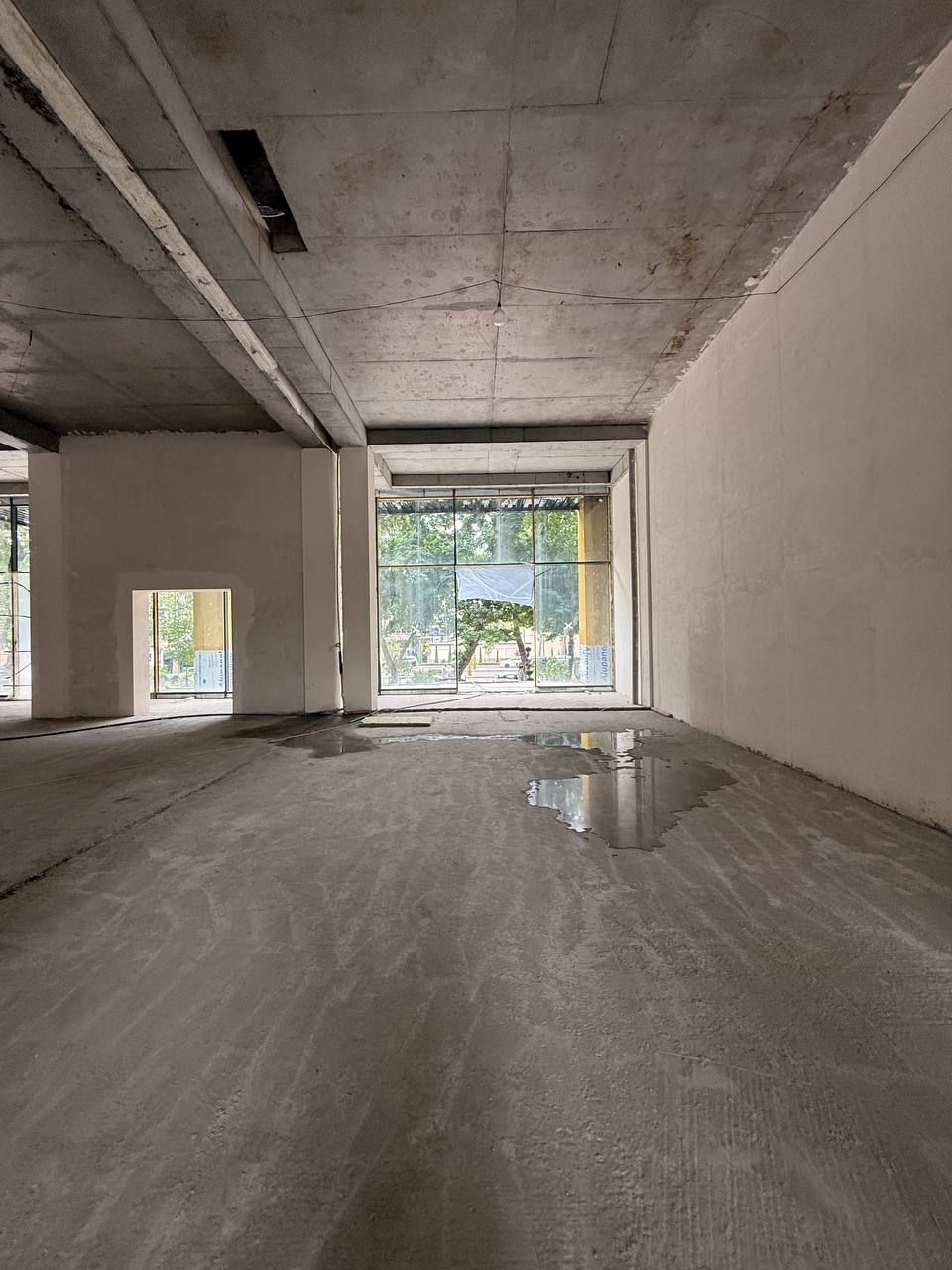
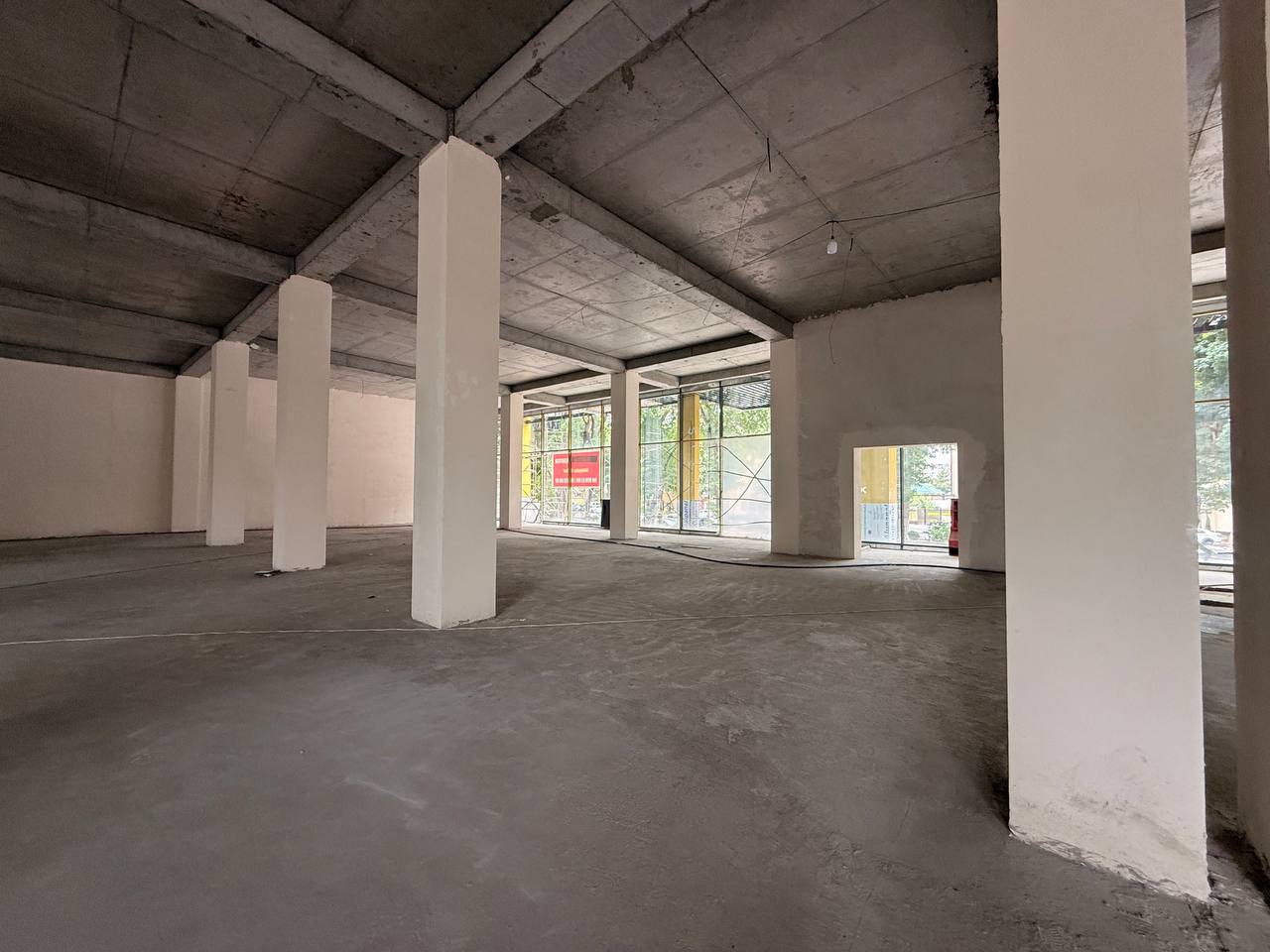
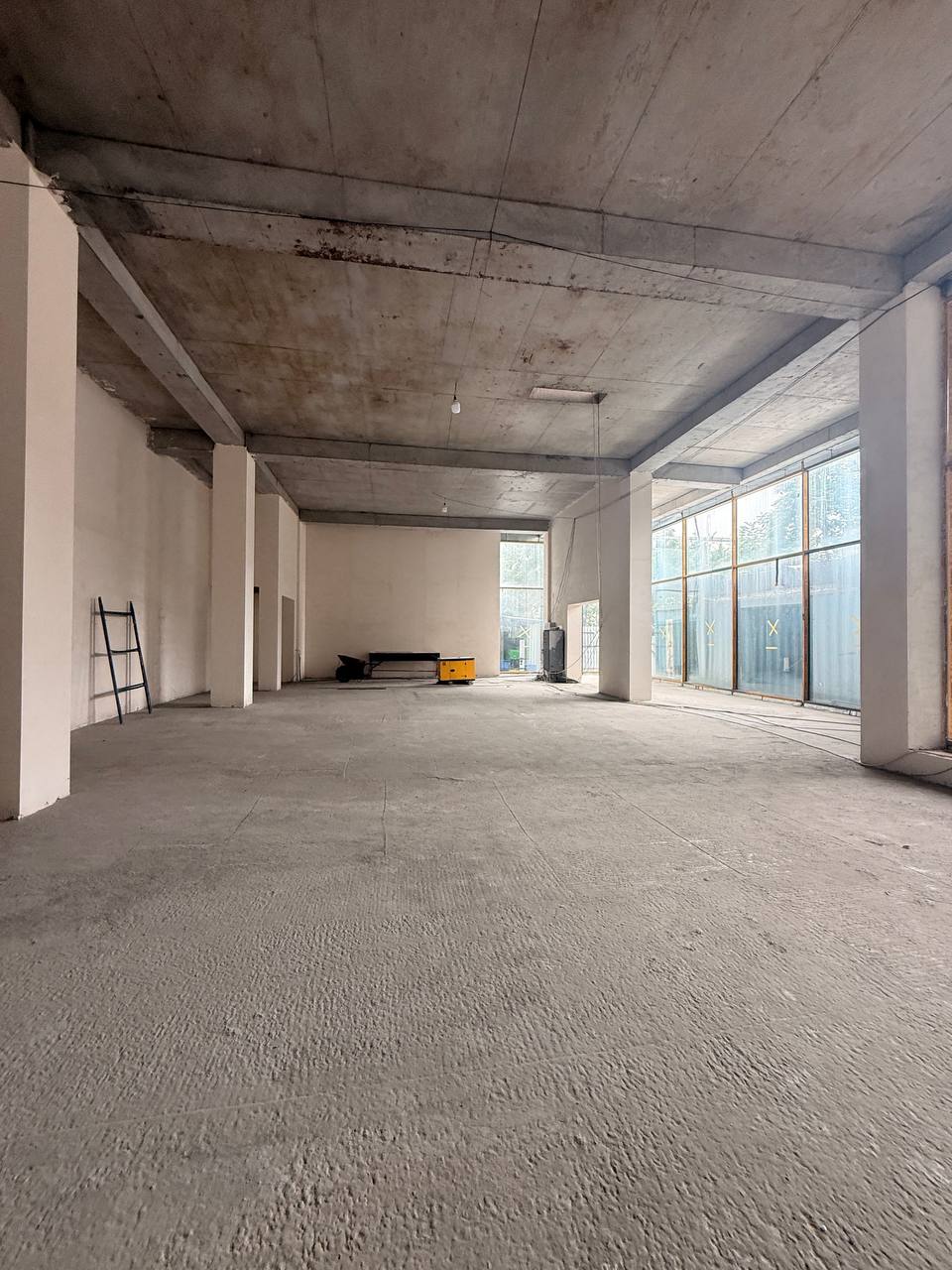
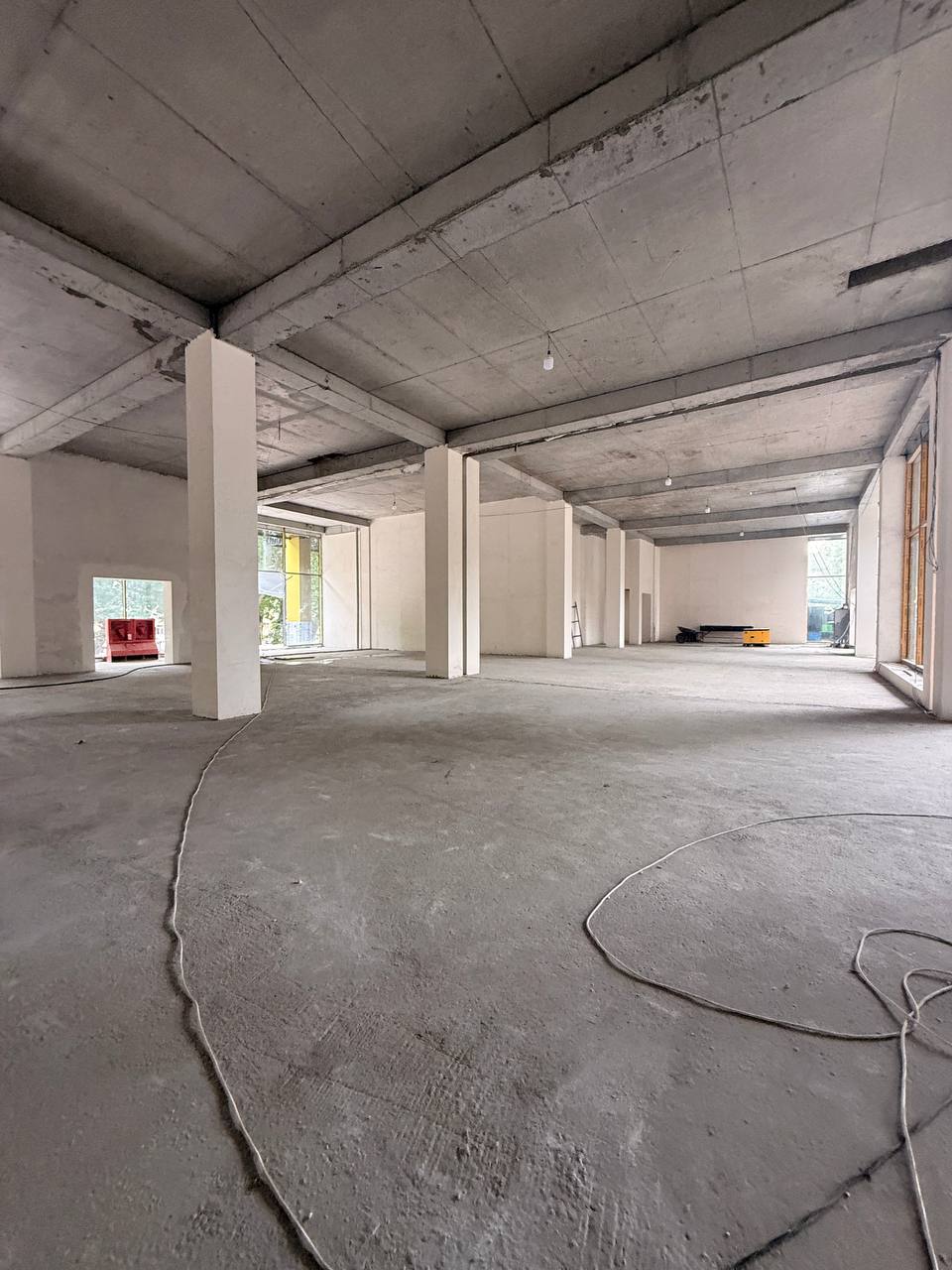
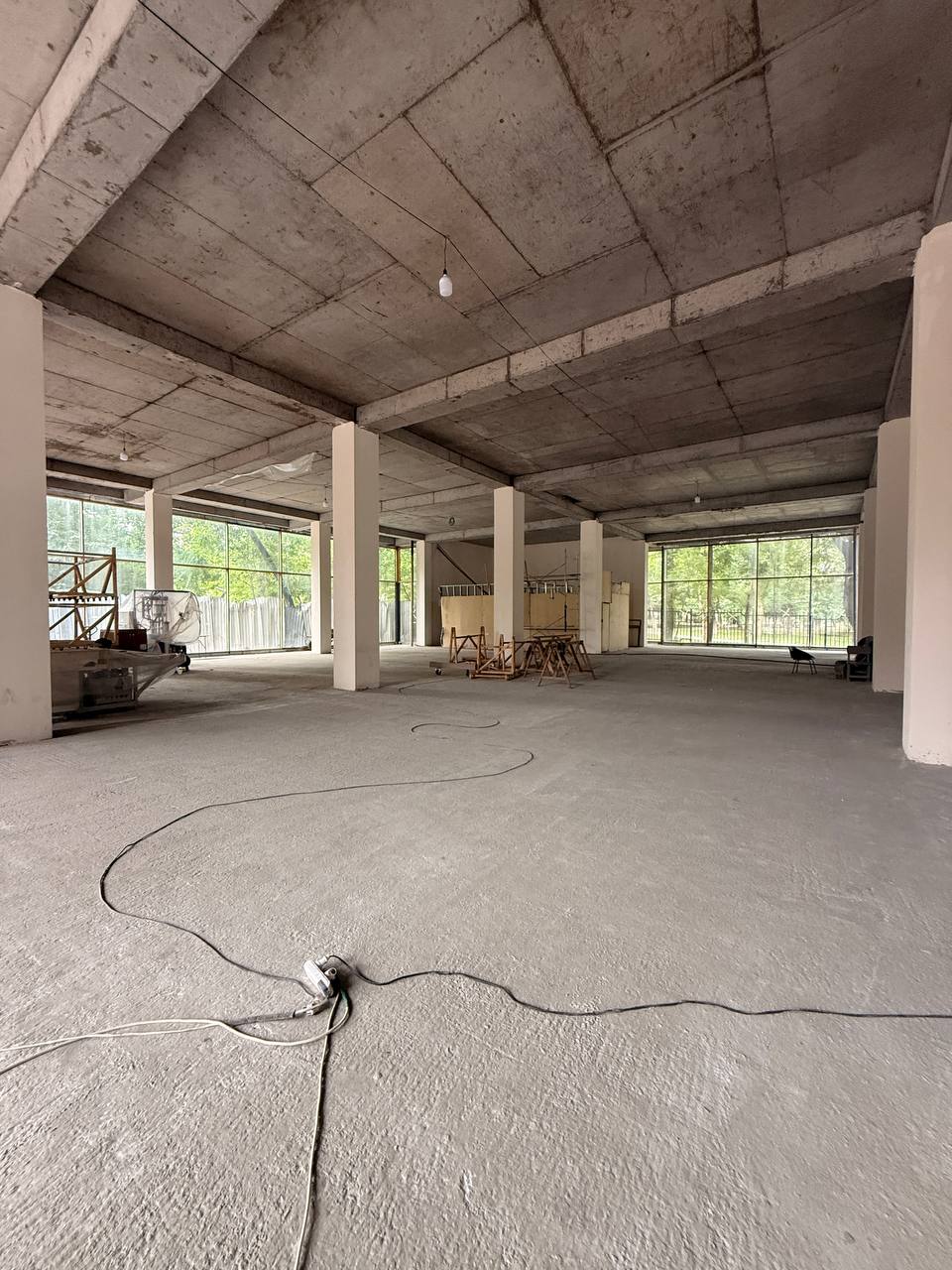
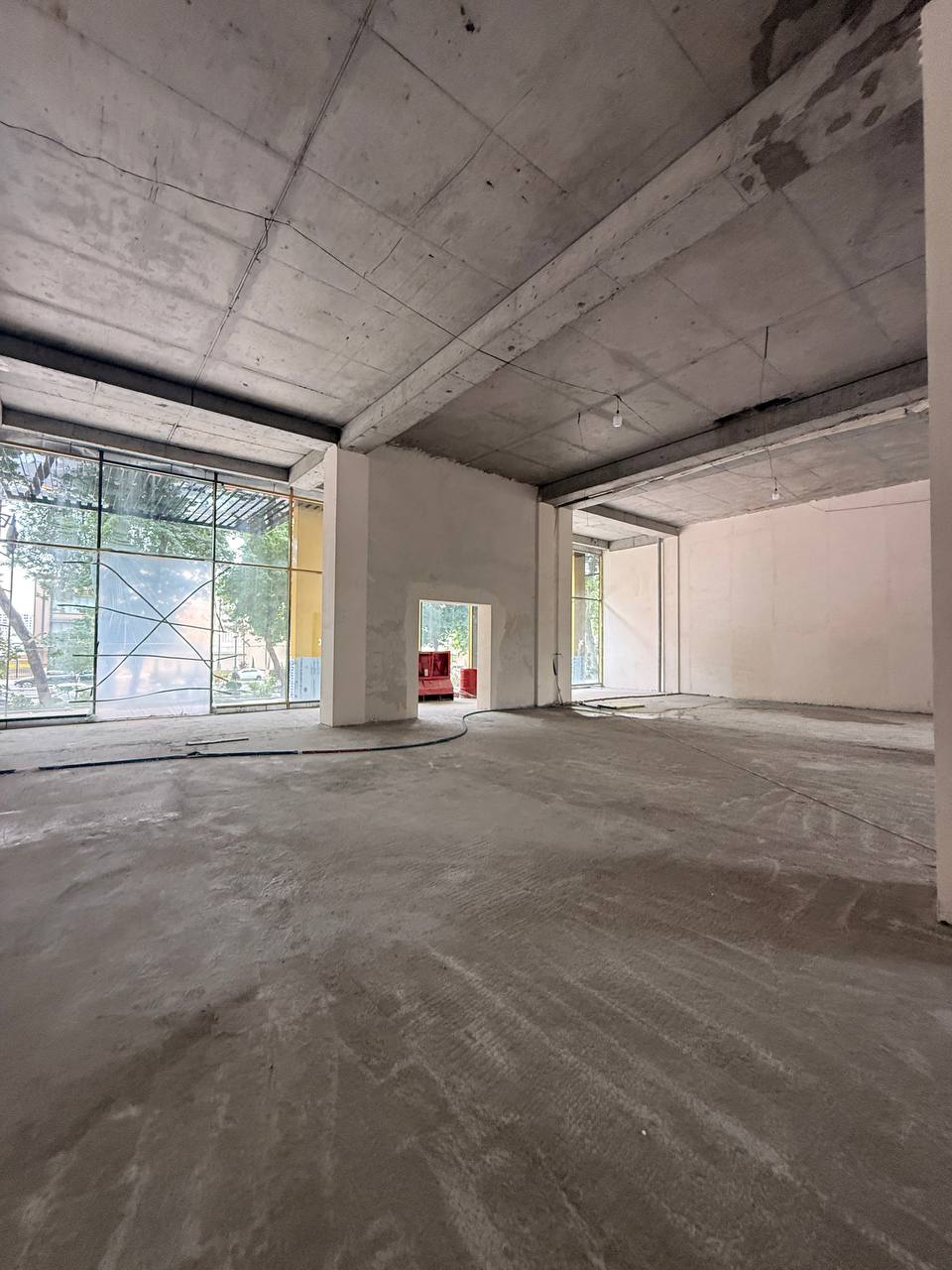
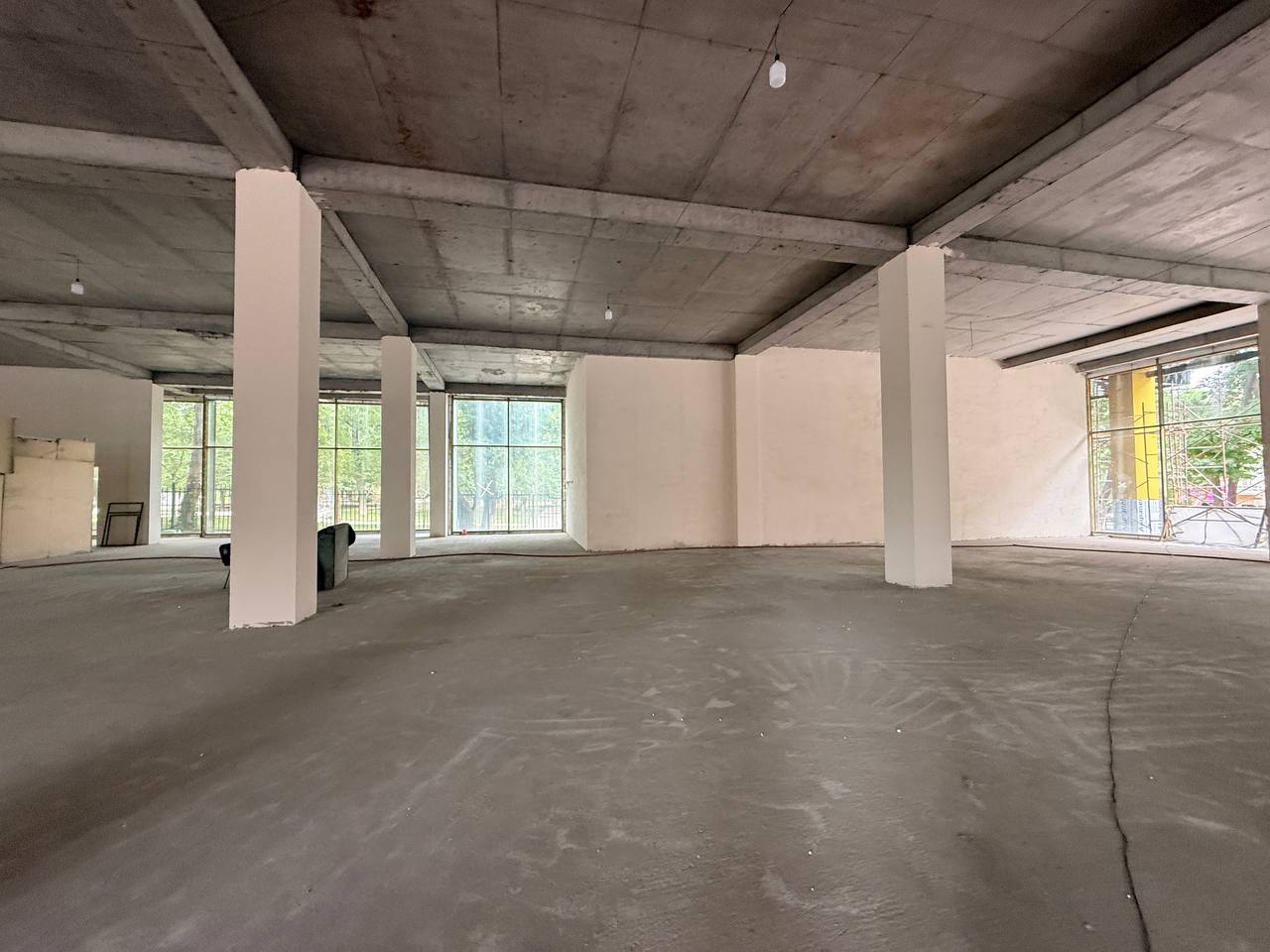
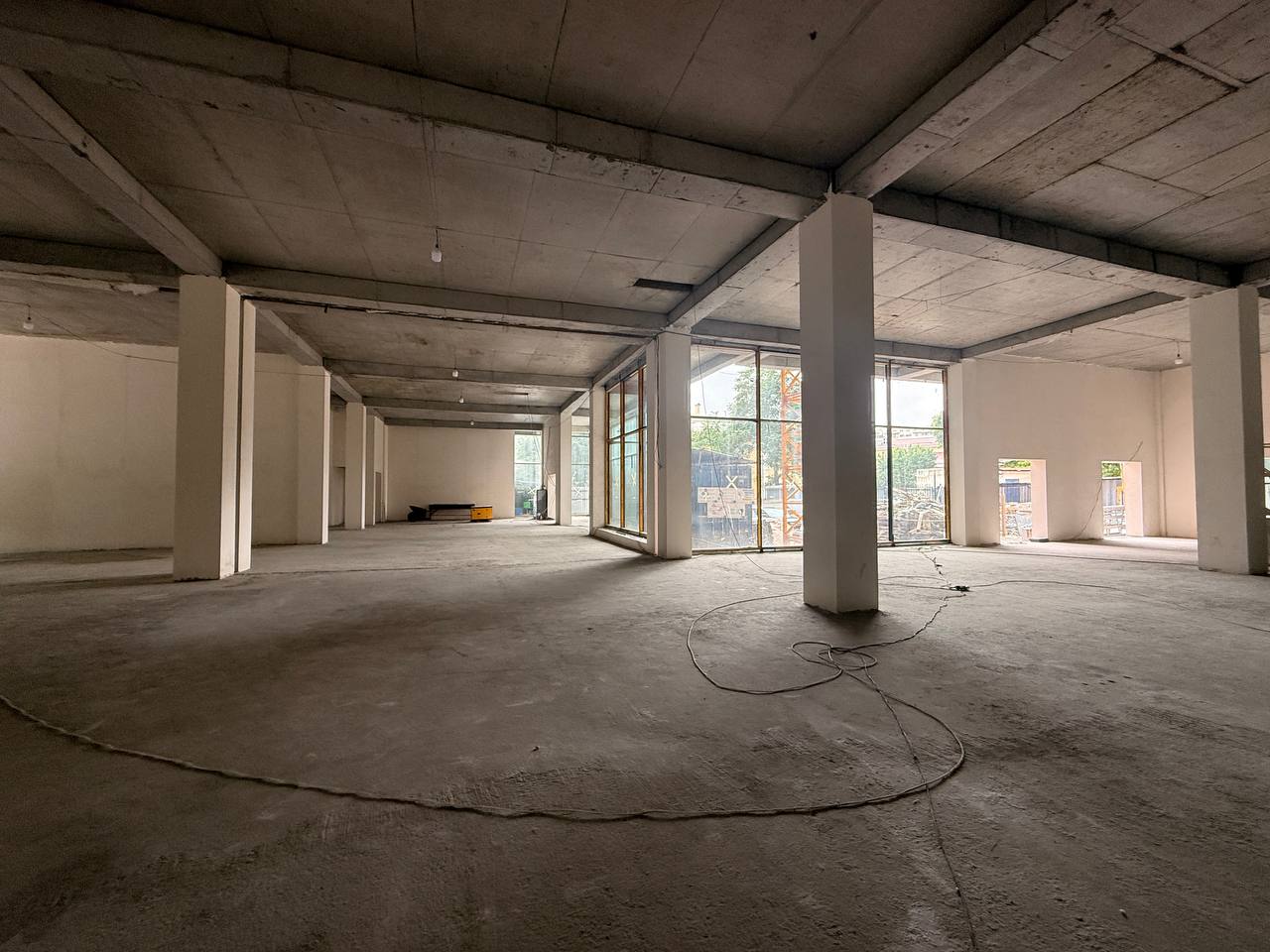
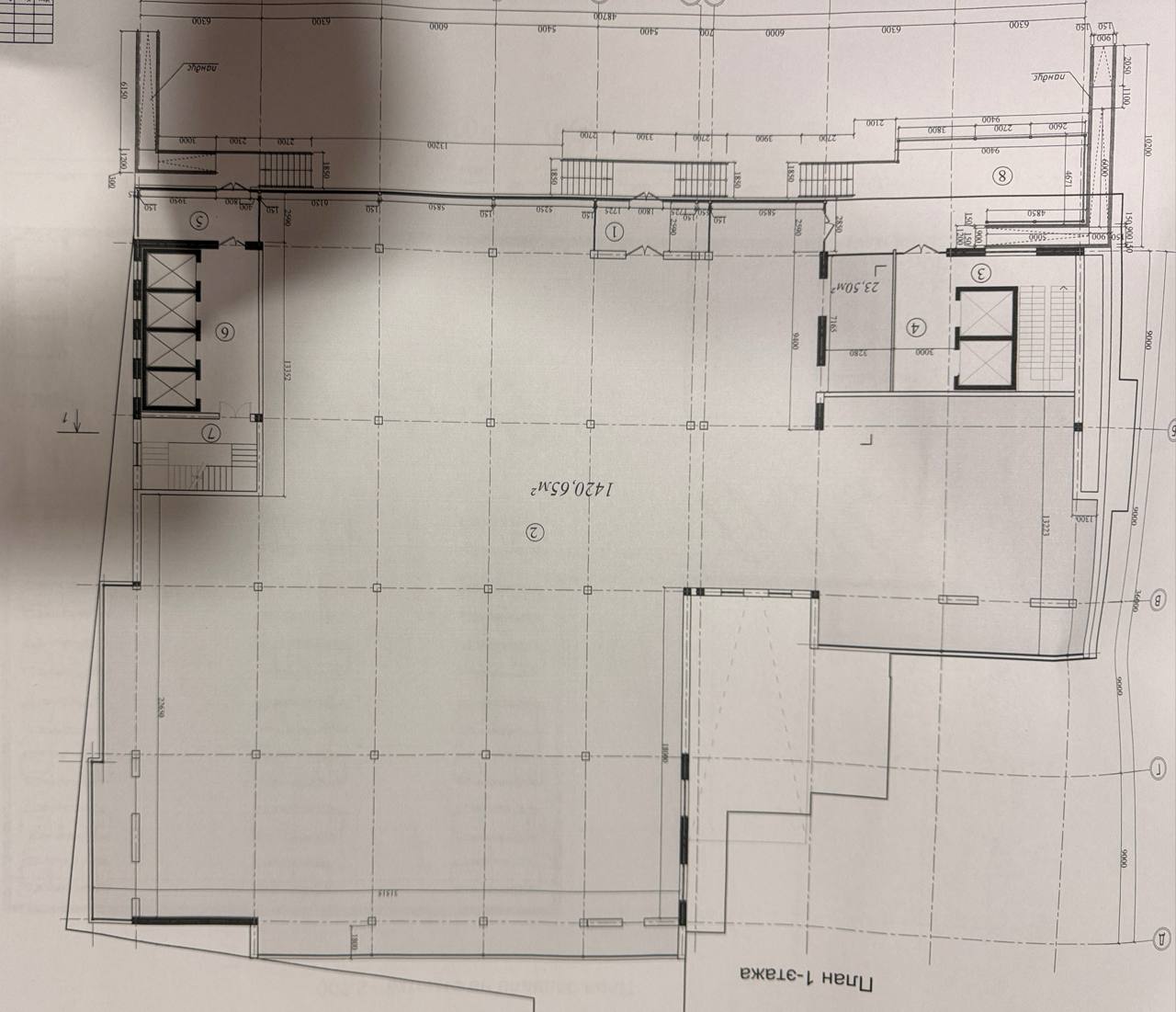
Ташкент, Яккасарайский район, Шота Руставли
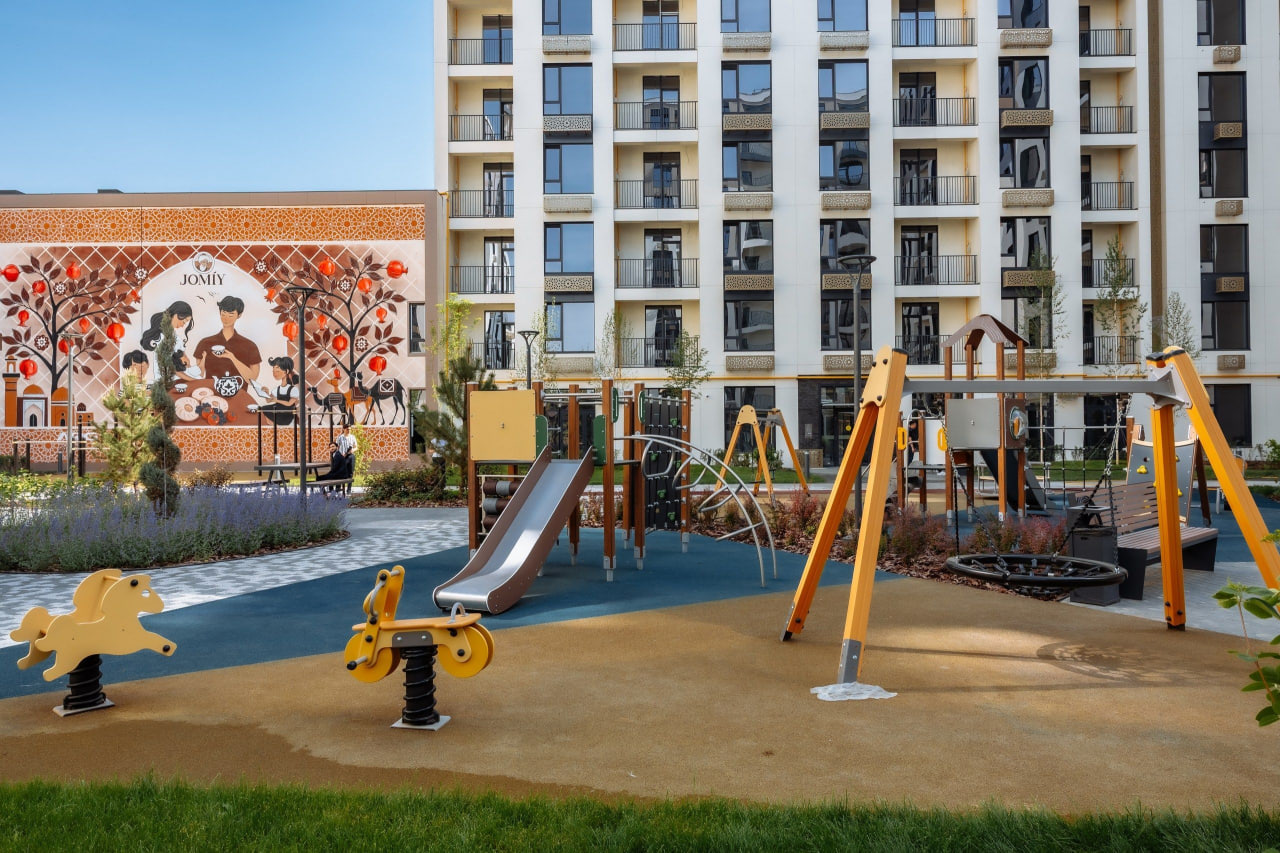
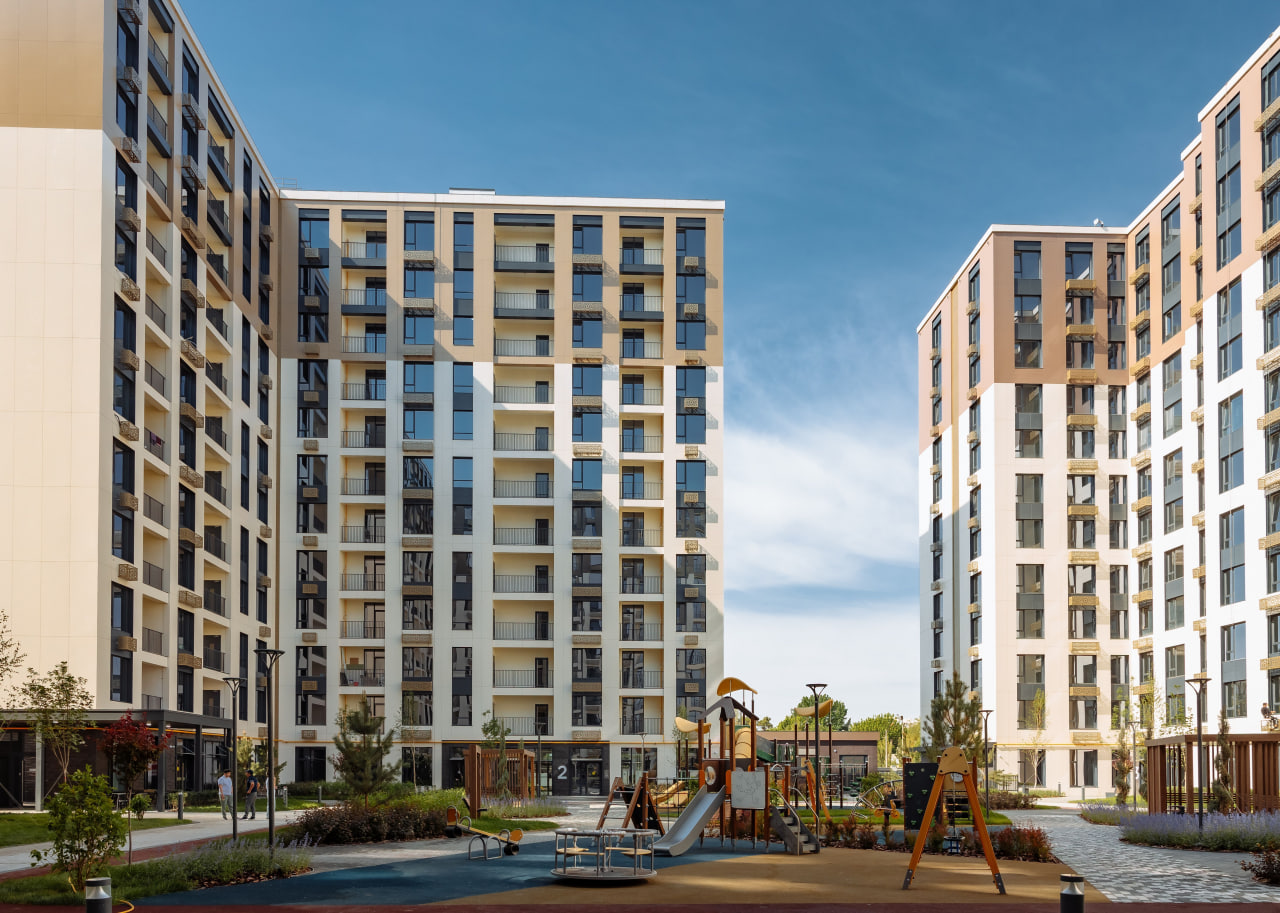
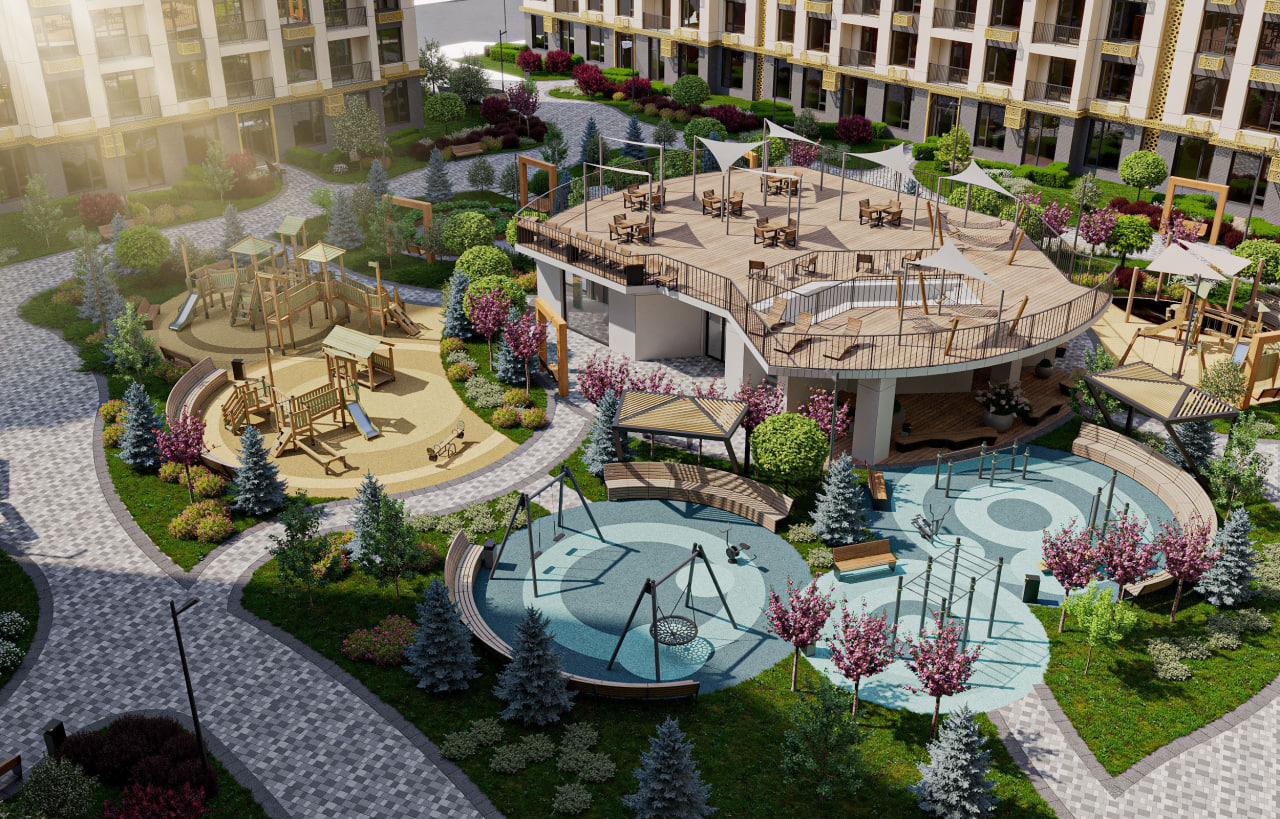
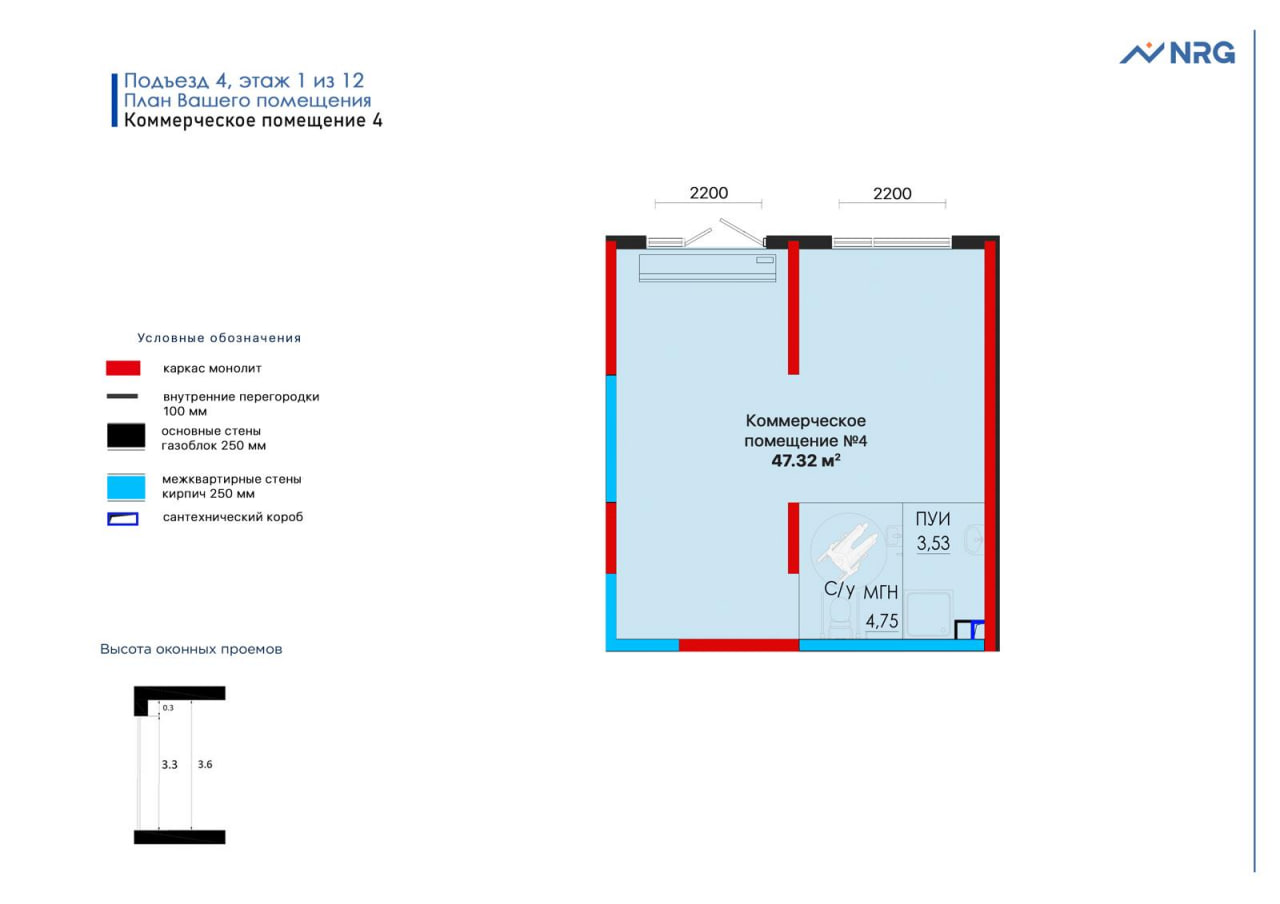
Ташкент, Олмазорский район, Уста Ширин
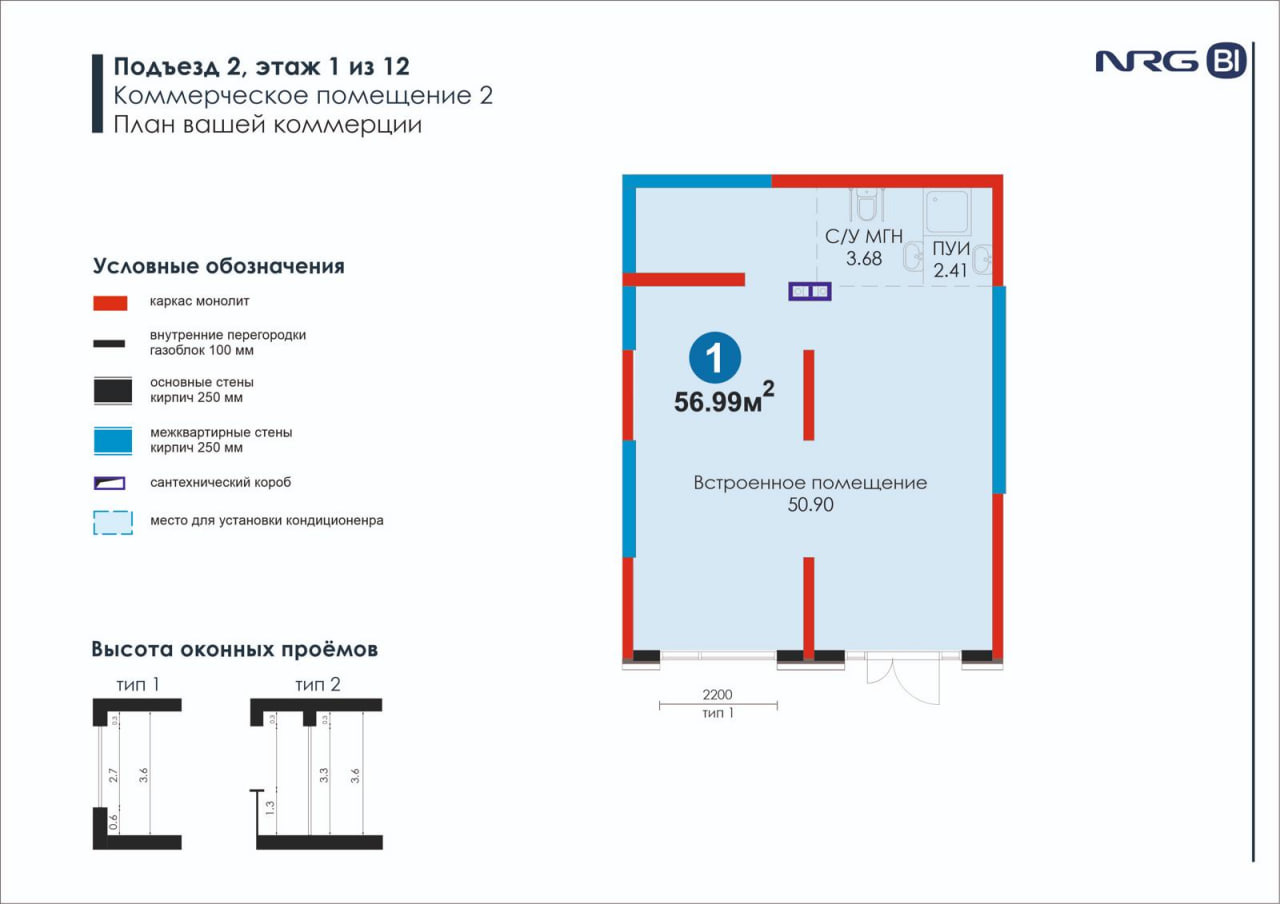
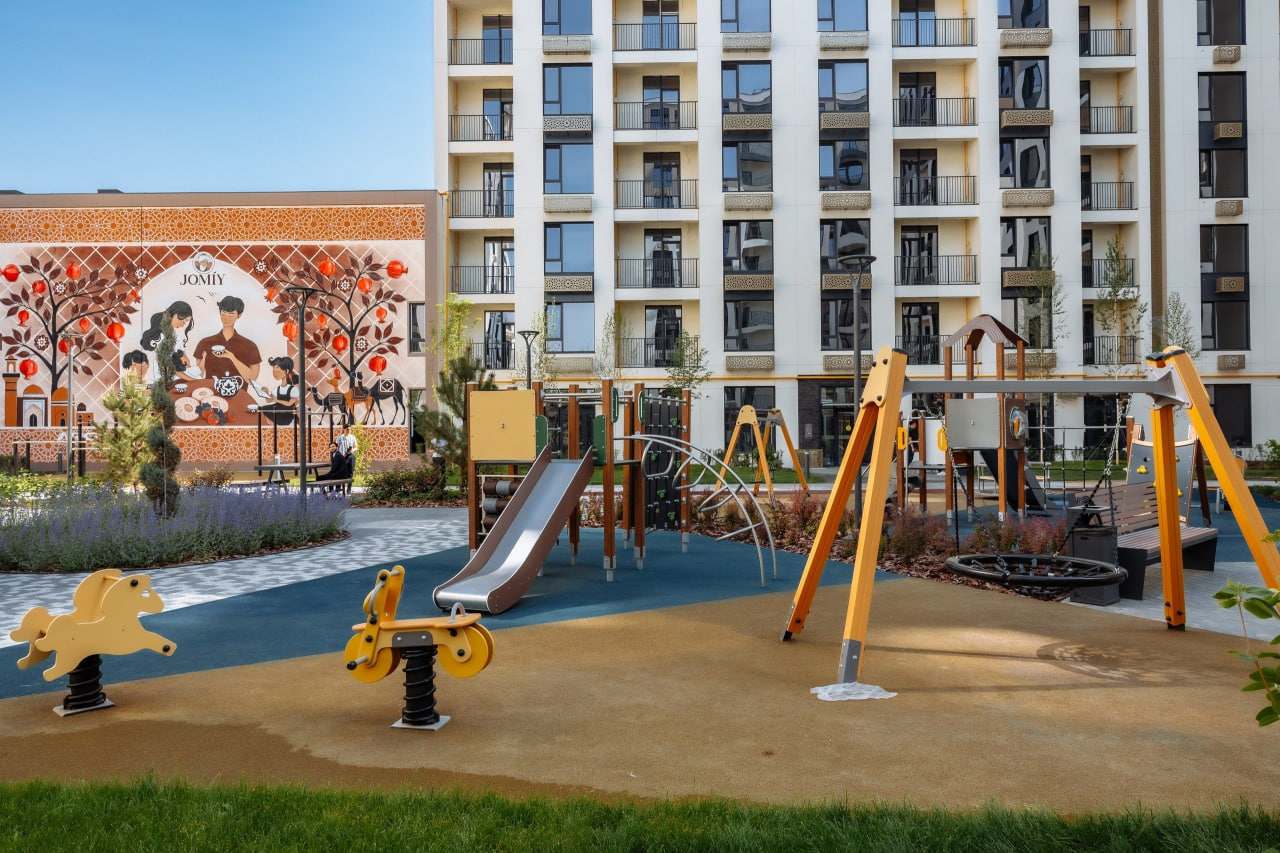
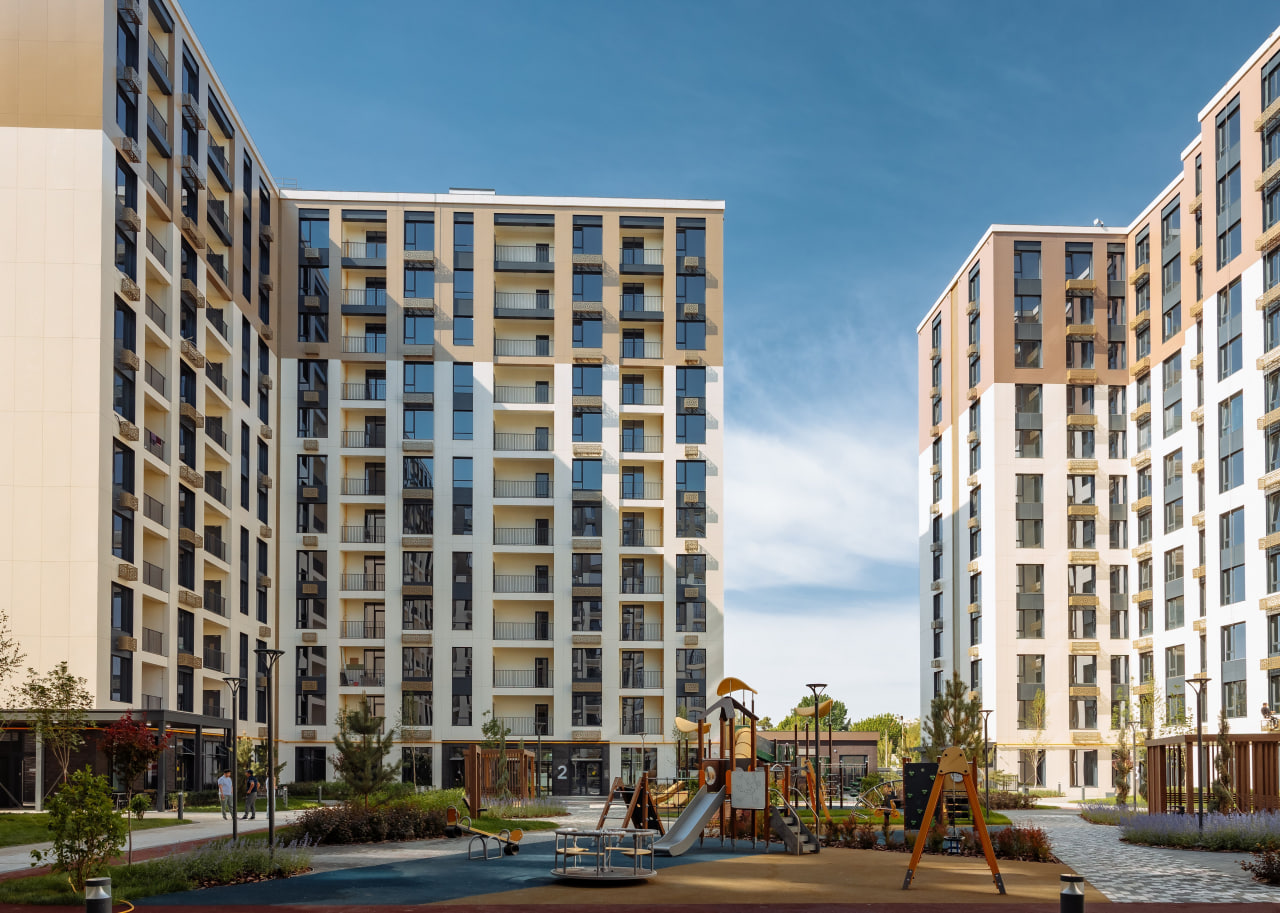
Ташкент, Олмазорский район, Уста Ширин
Ташкент, Чиланзарский район, Чапан-ата
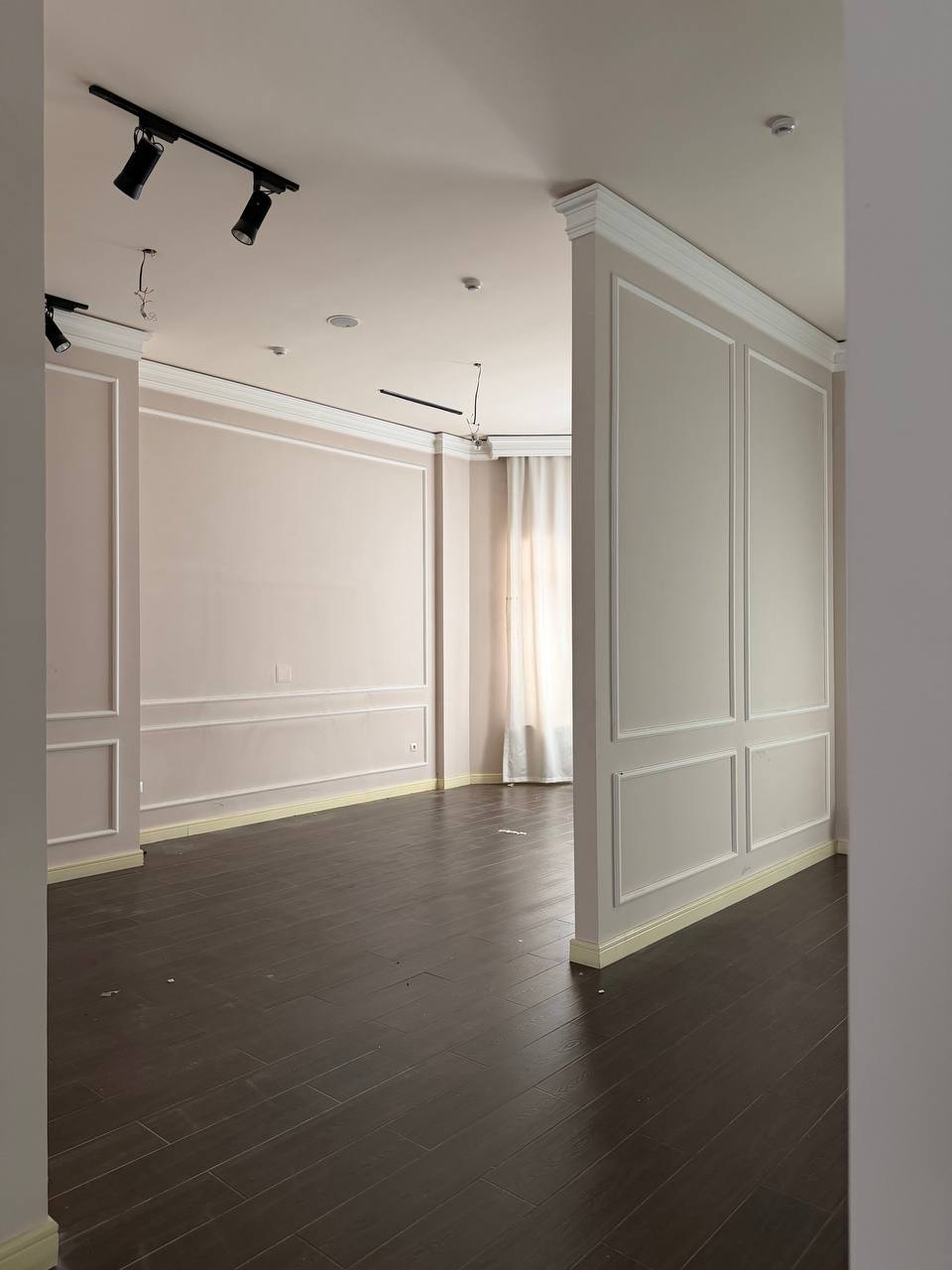
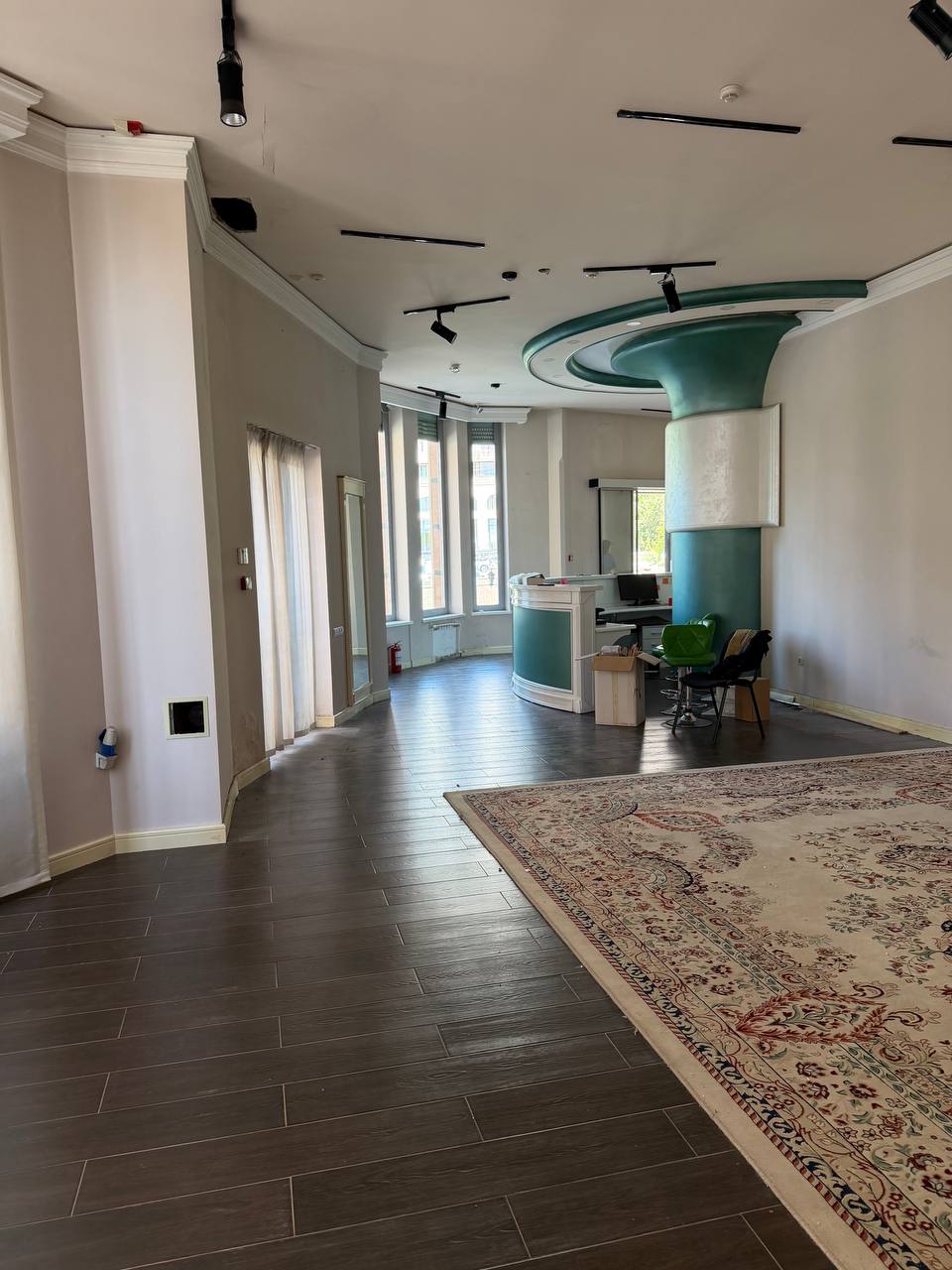
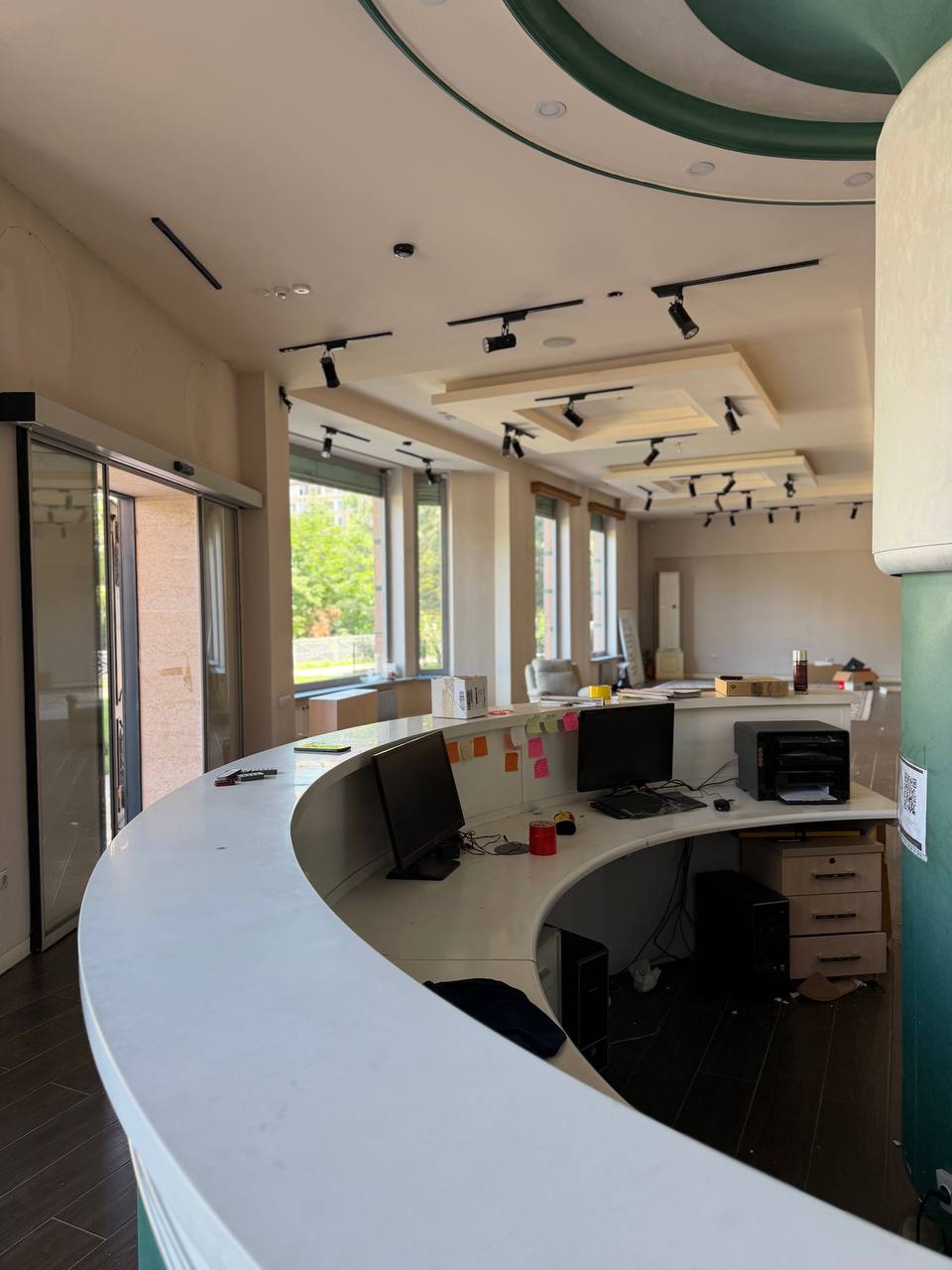
Ташкент, Юнусабадский район, Алайский
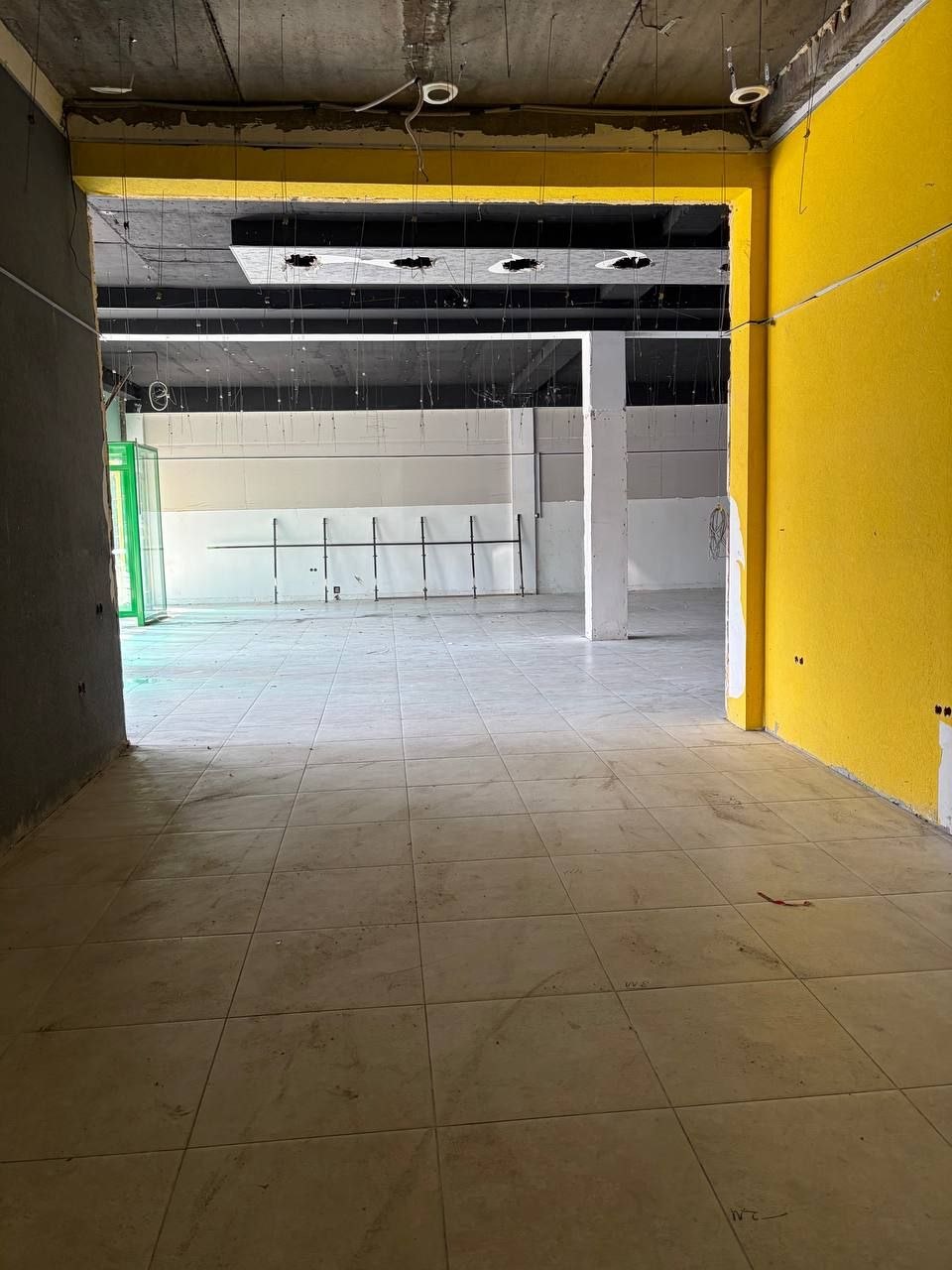
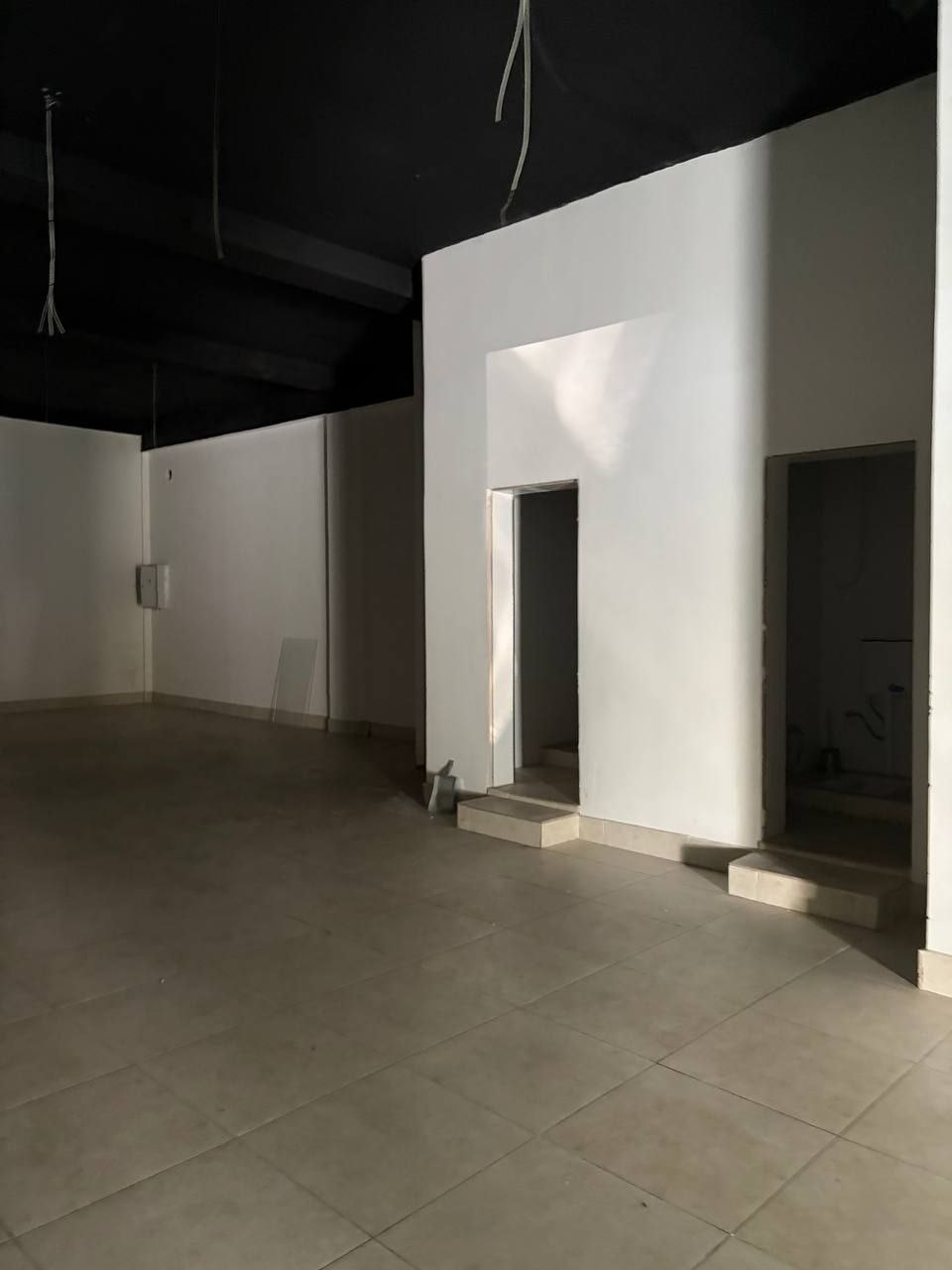
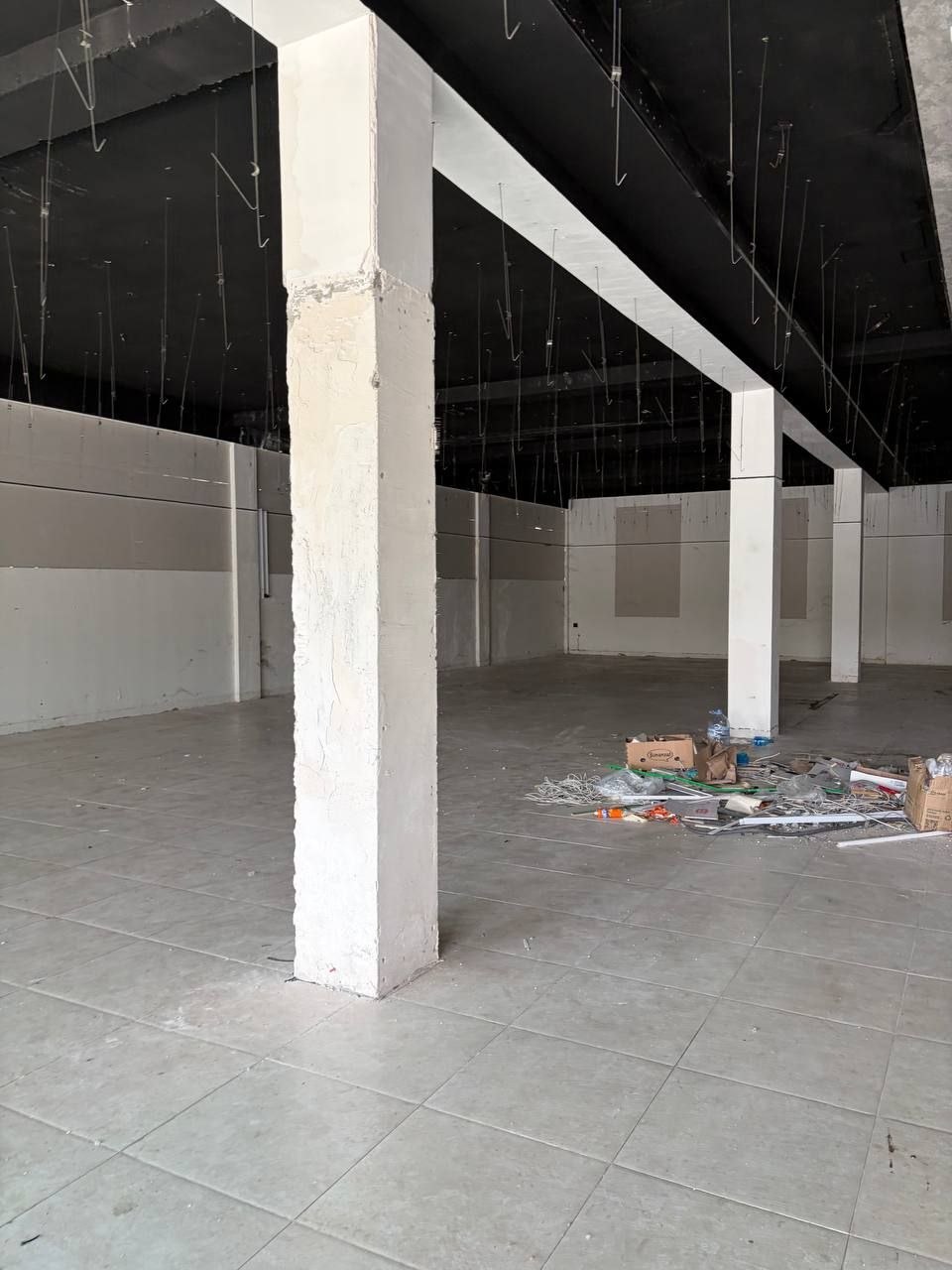
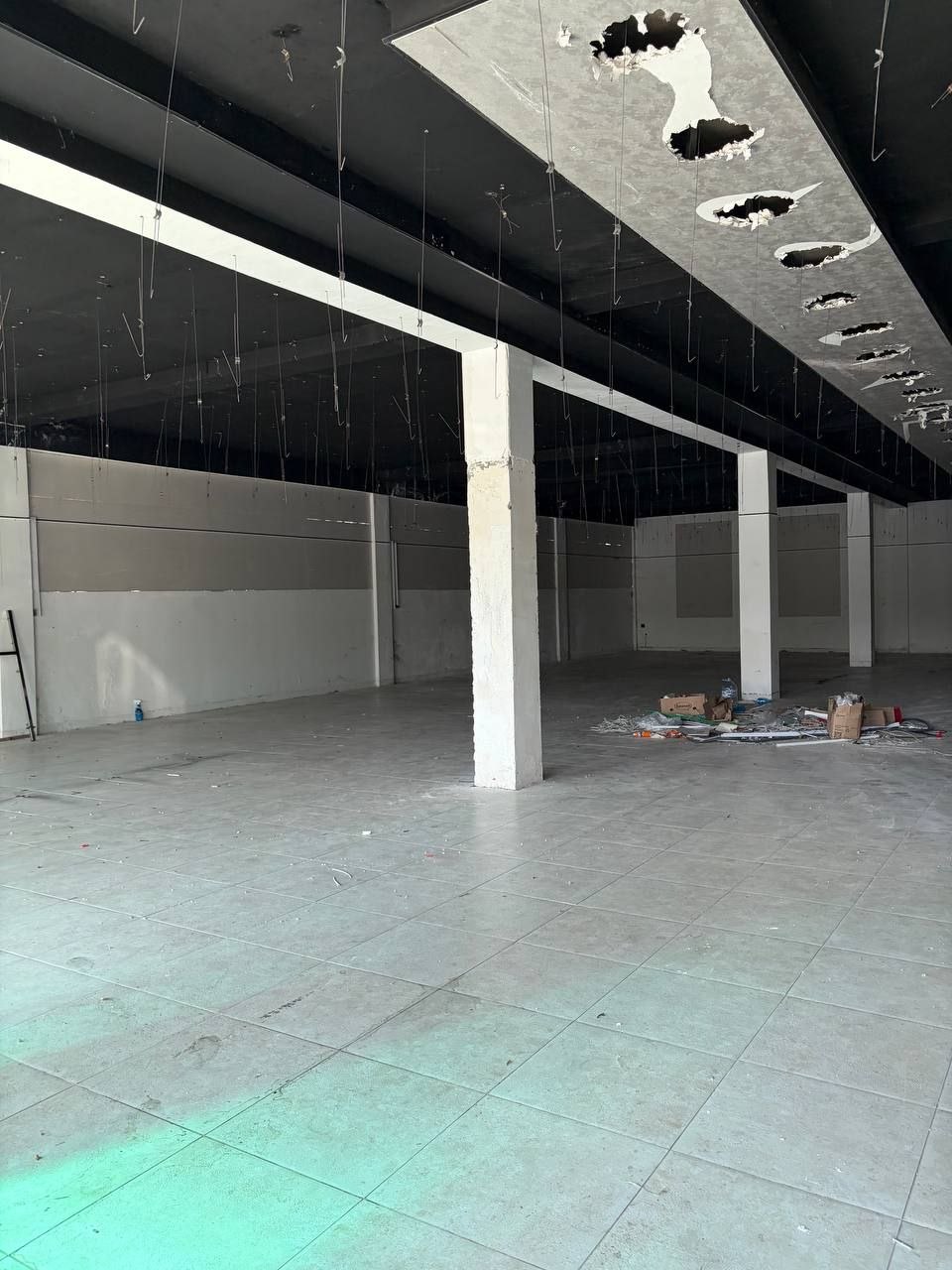
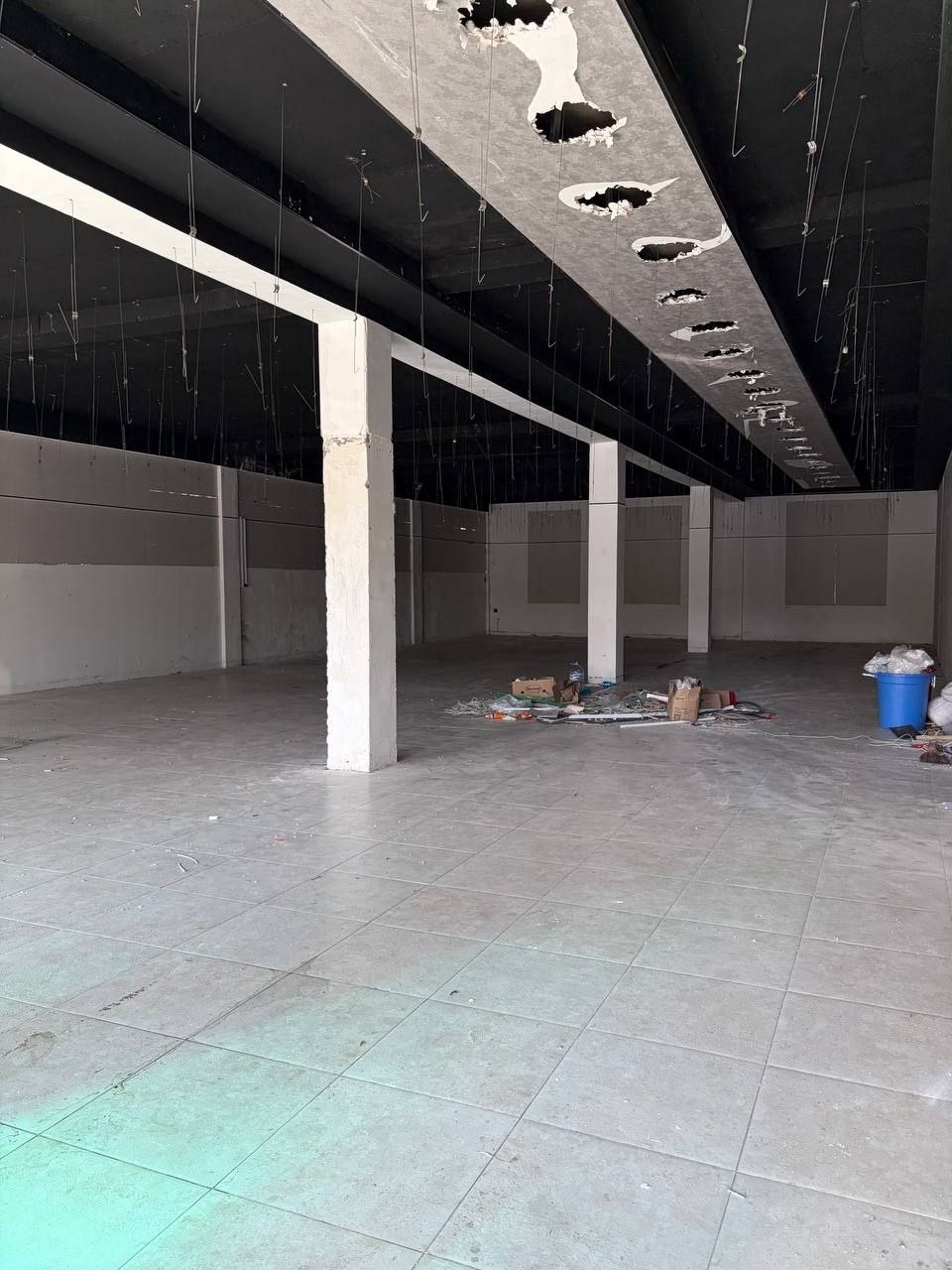
Ташкент, Юнусабадский район, Ахмад Дониш
Ташкент, Юнусабадский район, Бадамзар
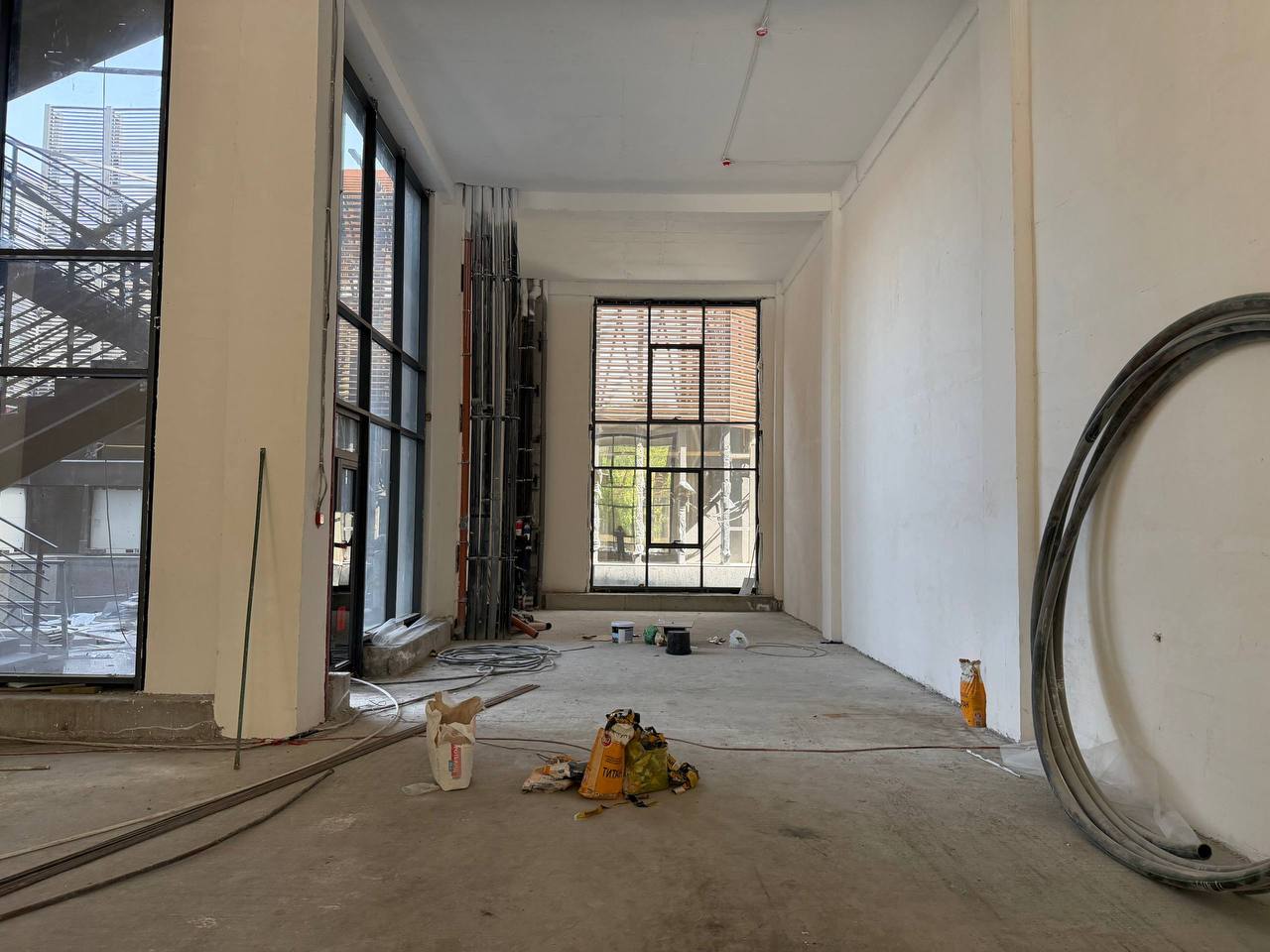
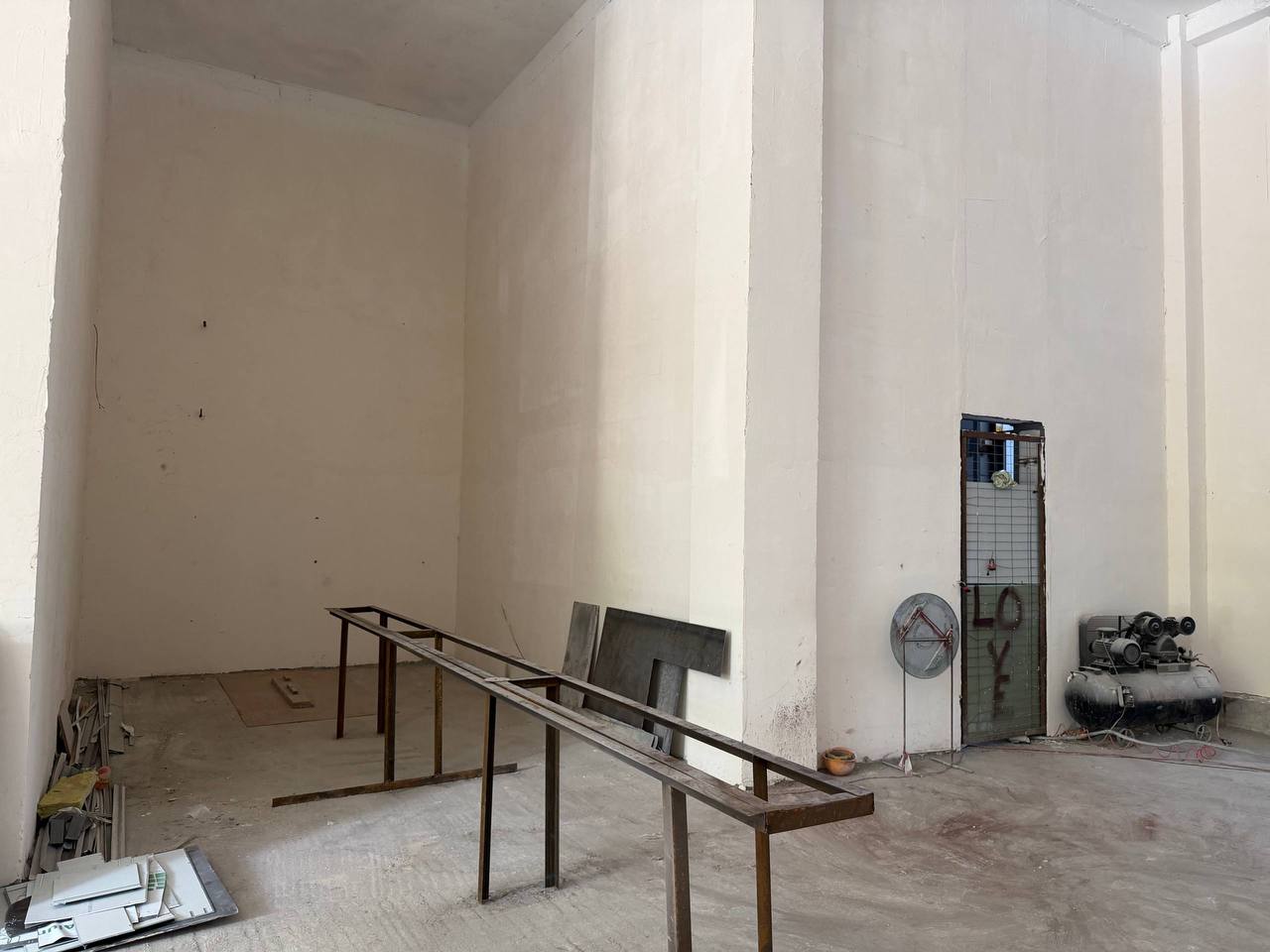
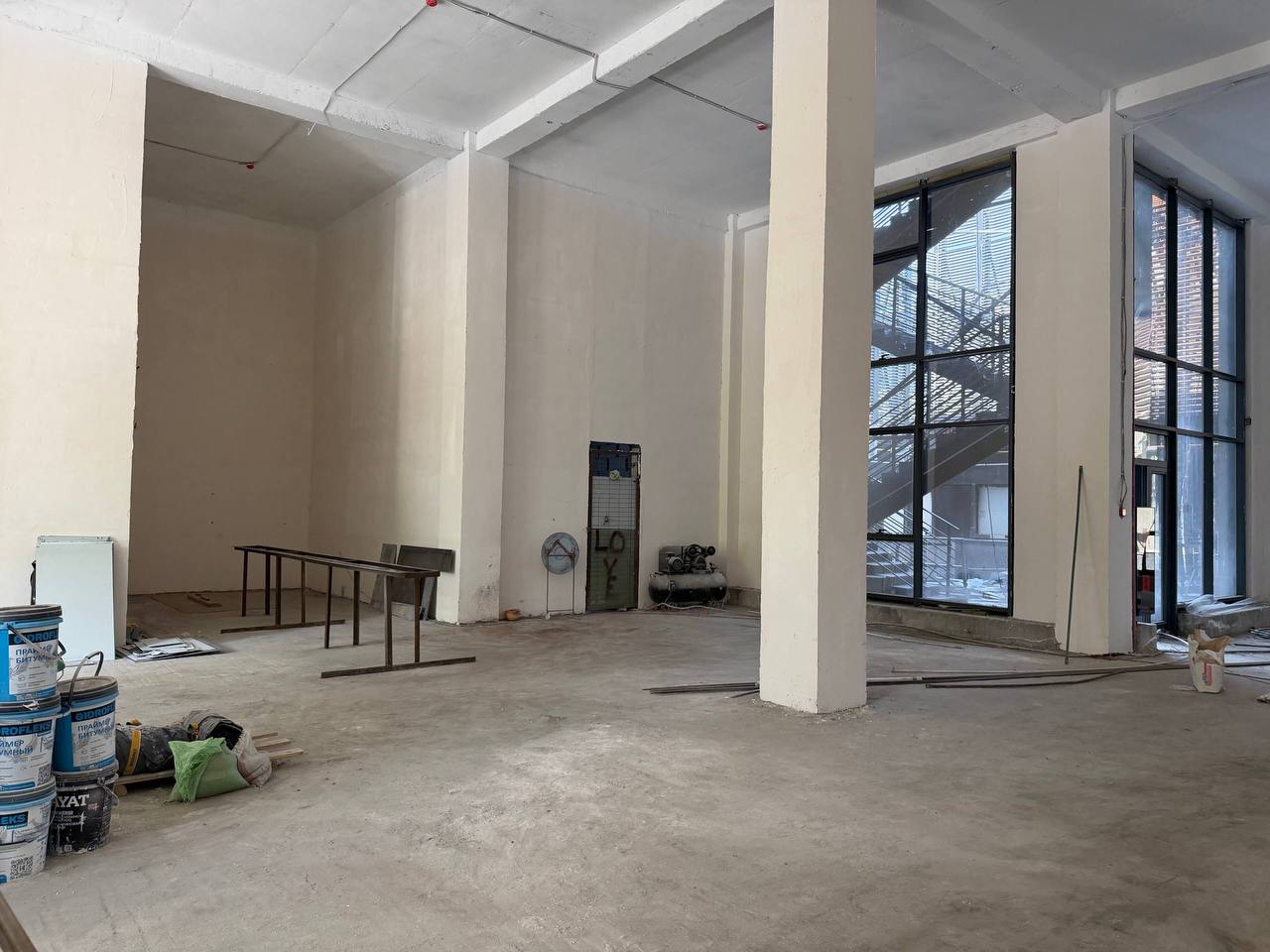
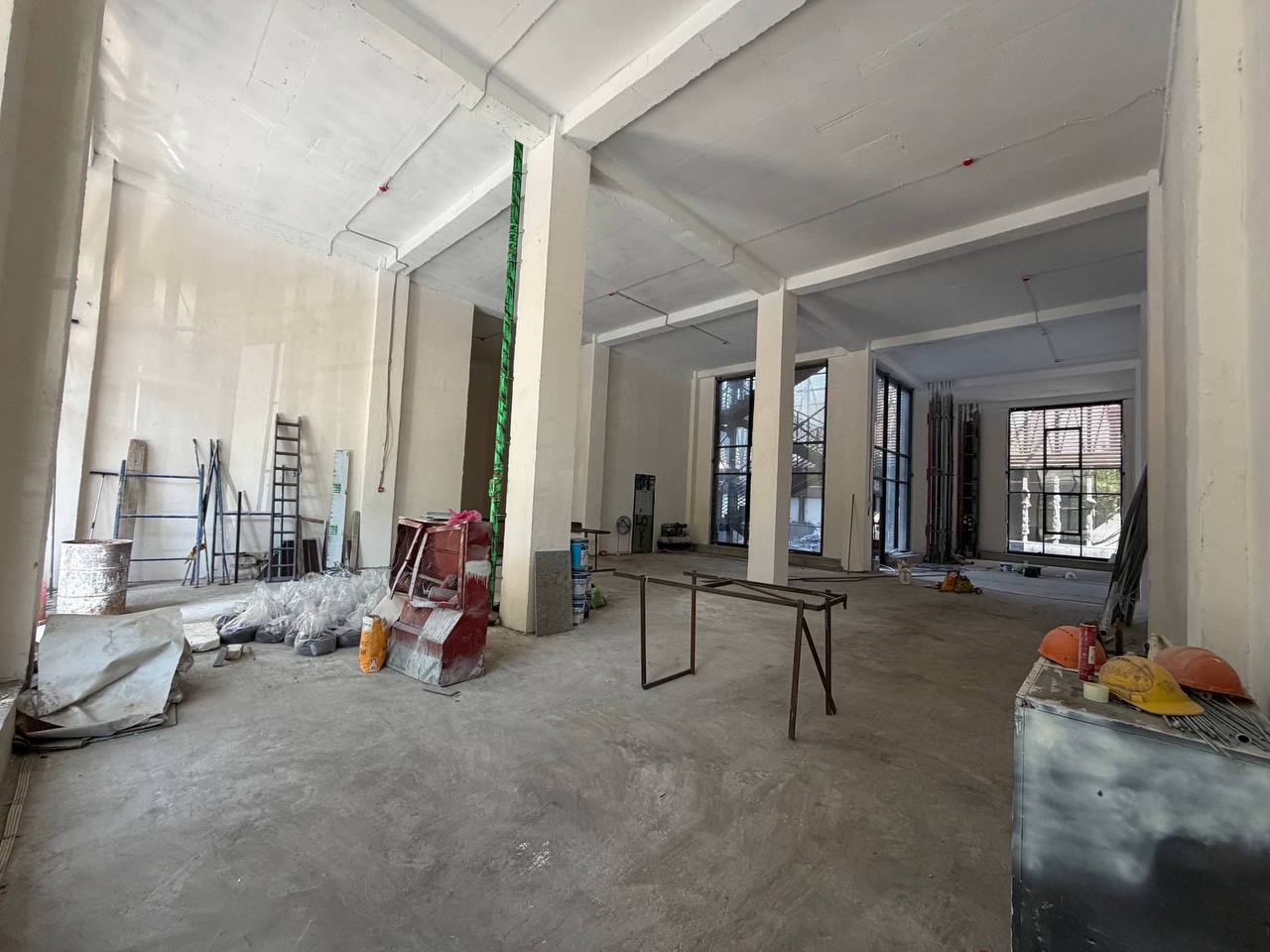
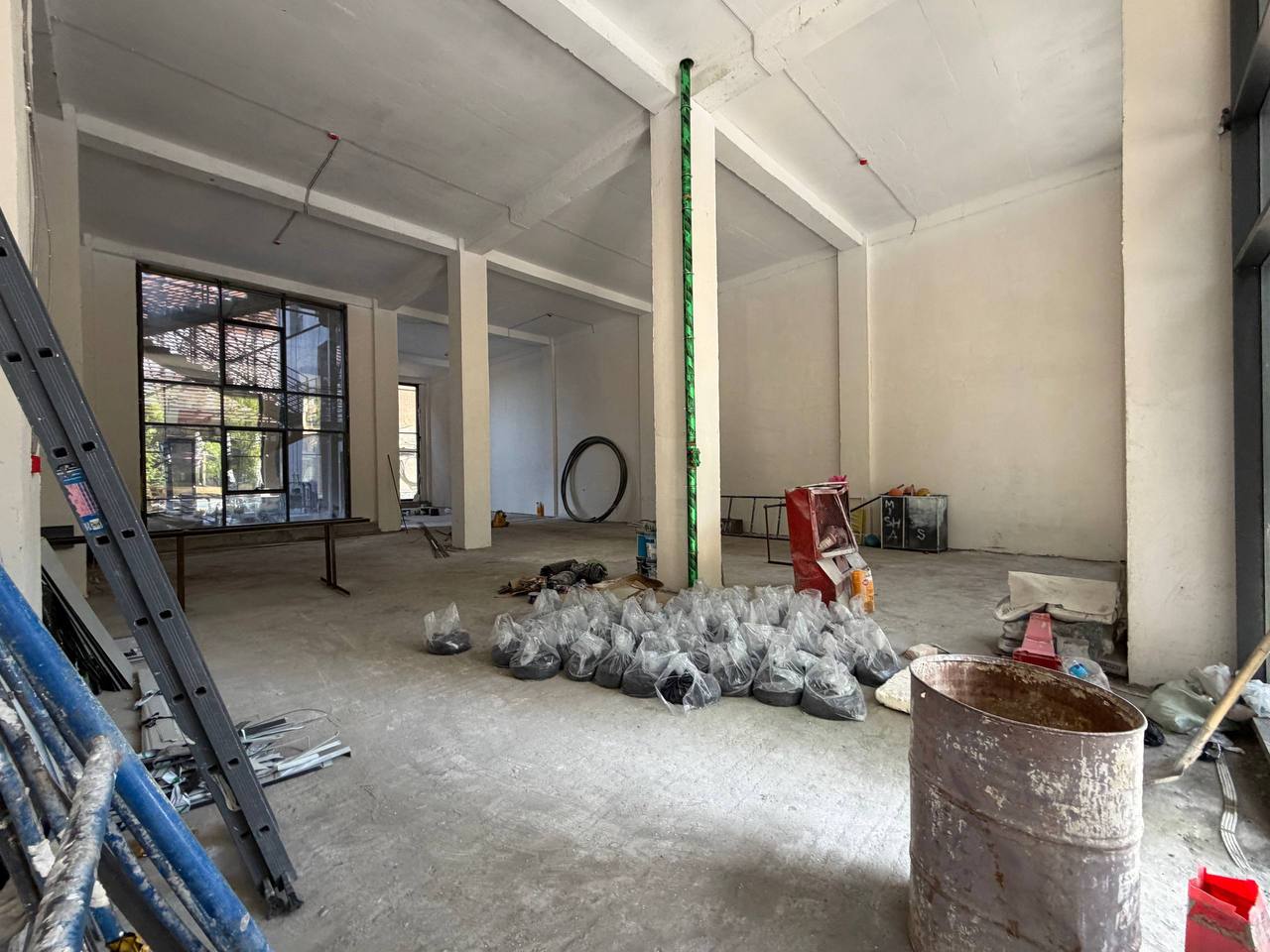
Ташкент, Мирзо-Улугбекский район, ул. Сайрам
MERCATOR.UZ expert guide
Parking, 24/7 access and a generator may exist only as unrelated points in a leasing presentation. Test the entire working route—from the barrier to the office—and put access rules and engineering support into the lease. The office has been found, the rent works, and the presentation contains three reassuring features: parking, 24/7 access and a backup generator. Yet an employee may be stopped at the barrier, a visitor at the turnstile, and a night shift left without lifts or cooling. Each promise may be technically true while the company’s end-to-end working route remains unusable. A Tashkent office rental should therefore be assessed as a sequence of actions rather than a list of equipment: arrive, enter, reach the floor, work, request assistance and leave safely. This approach is particularly relevant to businesses that receive clients, run shifts, use couriers or server equipment, or need an accessible route for employees. Parking in a listing does not guarantee office access Current Tashkent office search results frequently place parking, security and 24/7 access in the same description. These phrases reflect genuine commercial intent, but they do not explain the terms of use. “Parking” might mean allocated spaces, an unreserved shared car park, paid spaces under a separate agreement, or merely the possibility of stopping near the building. Likewise, “24/7” may apply to th
The office has been found, the rent works, and the presentation contains three reassuring features: parking, 24/7 access and a backup generator. Yet an employee may be stopped at the barrier, a visitor at the turnstile, and a night shift left without lifts or cooling. Each promise may be technically true while the company’s end-to-end working route remains unusable.
A Tashkent office rental should therefore be assessed as a sequence of actions rather than a list of equipment: arrive, enter, reach the floor, work, request assistance and leave safely. This approach is particularly relevant to businesses that receive clients, run shifts, use couriers or server equipment, or need an accessible route for employees.
Current Tashkent office search results frequently place parking, security and 24/7 access in the same description. These phrases reflect genuine commercial intent, but they do not explain the terms of use.
“Parking” might mean allocated spaces, an unreserved shared car park, paid spaces under a separate agreement, or merely the possibility of stopping near the building. Likewise, “24/7” may apply to the external door but not to the car park, visitor passes, lifts, HVAC or engineering support.
Before arranging a viewing, request a short table covering the number of allocated spaces, charges, entry method, visitor and courier rules, vehicle-height restrictions, opening hours and after-hours access. This removes unsuitable options before anyone travels to the property.
A normal daytime viewing reveals only the building’s easiest operating mode. Test four routes:
Mark every control point along each route: vehicle entrance, drop-off point, external door, reception, turnstile, lift lobby, floor, office door and emergency exit. Record what each point requires—a number plate, access card, QR code, identity document, tenant confirmation or a security escort.
This exposes the difference between the physical ability to enter and the contractual right to use the route. If only one daytime receptionist can register visitors, an evening client meeting depends on a person who is no longer in the building.
Inspect the entrance at the time your team would normally arrive. Check the queue at the barrier, room for two-way movement, number-plate reader performance and the walking route from the space to the entrance. The property map can help compare approaches from different streets, but actual turns, restrictions and congestion must be checked on site.
Ask the management company to show the allocation plan and a sample permit. A verbal assurance that spaces are available is insufficient. The agreement should identify a number or zone, the period of use, rules for changing vehicles and what happens when the facility is full. Establish whether another visitor may temporarily occupy a tenant’s space and who is responsible for clearing it.
Test the visitor route using a number that security does not already recognise. How long does registration take? Can a receptionist pre-authorise a guest remotely? Where does a taxi wait? Is there a safe route from the drop-off point for a person with limited mobility? The answers should describe a process, not make a general claim about convenience.
The existence of a generator does not reveal which circuits it supplies. When the external grid fails, backup power may cover emergency lighting and selected common systems but exclude workplace sockets, HVAC, parking equipment or some lifts.
Request a list of backed-up loads without asking for sensitive technical detail. A tenant needs to establish the following:
| Component | Evidence required | Practical check | |---|---|---| | Barrier and gates | Whether they open during a power failure | Manual-release procedure and responsible person | | Turnstiles and doors | Their safe state during an emergency | Demonstration by an authorised specialist | | Lifts | Which lifts continue operating or return to the entry level | Written management procedure | | Office sockets | Whether a backed-up line serves critical equipment | Circuit identification and permitted load | | Internet and communications | Whether provider equipment retains power | Power route for the telecom cabinet |
Uzbekistan’s current electricity rules distinguish a consumer from a subconsumer. If the office receives power through the business centre’s internal network, identify the party to the electricity supply contract, the metering point, the method used to allocate charges and responsibility for faults in the internal network. Do not treat the stated office capacity as verified until it has been reconciled with the building’s technical records and your equipment schedule.
Round-the-clock entry is of little use to a night team if central ventilation and cooling shut down in the evening. Request the HVAC schedule for standard working days, weekends and public holidays. If extended operation is charged separately, the ordering method, response time and charging formula should be documented.
Check internet resilience through its physical route, not only a speed test. Confirm available providers, cable entry points, the option of a second independent route and the procedure for admitting installers to telecommunications rooms. A contract with a second operator offers limited protection when both cables enter through the same duct.
For each critical system, record the fault-reporting channel, helpdesk hours and escalation procedure. A security telephone is not a substitute for an engineer, and “we respond quickly” is not a measurable service level.
Normal access control must not turn an emergency exit into an obstacle. During the viewing, walk from the office to the escape stair, checking for locked or obstructed sections, visible signs and an unobstructed route outdoors. Do not test fire automation independently; any demonstration should be performed by authorised building personnel.
Uzbekistan’s Ministry of Emergency Situations publishes the applicable fire-safety rules and technical regulations. The national public-services portal also provides an official service for obtaining a conclusion on a building’s and premises’ compliance with fire-safety requirements. If the office use, an altered layout or common escape routes raise concerns, request the owner’s available documents or agree on a professional inspection before signing.
A fire plan on the wall proves only that a diagram exists. The tenant needs a usable, unobstructed route, a clear assembly point and a procedure for accounting for staff and visitors.
A business-centre presentation does not define the parties’ obligations. Prepare a lease schedule with four columns: service, operating hours, exclusions and responsible party.
For parking, specify the number and type of spaces, visitor entry process and charges. For access, define hours and procedures for employees, clients, couriers and contractors. For engineering services, record the HVAC schedule, available power, backup circuits, utility metering method and agreed access for technical specialists. For incidents, identify the reporting channel, time for acknowledging a ticket, escalation route and notice required for planned work.
Model one failure before signing: power goes out in the evening, the gate is closed and one employee remains upstairs. Who opens the exit, does communication still work, which route does the employee use and whom do they call? If the answer fragments across security, the owner and the management company, responsibility has not yet been made contract-ready.
Bring the evidence together on one page before making the decision:
This method compares functioning office routes rather than advertising bundles of amenities.